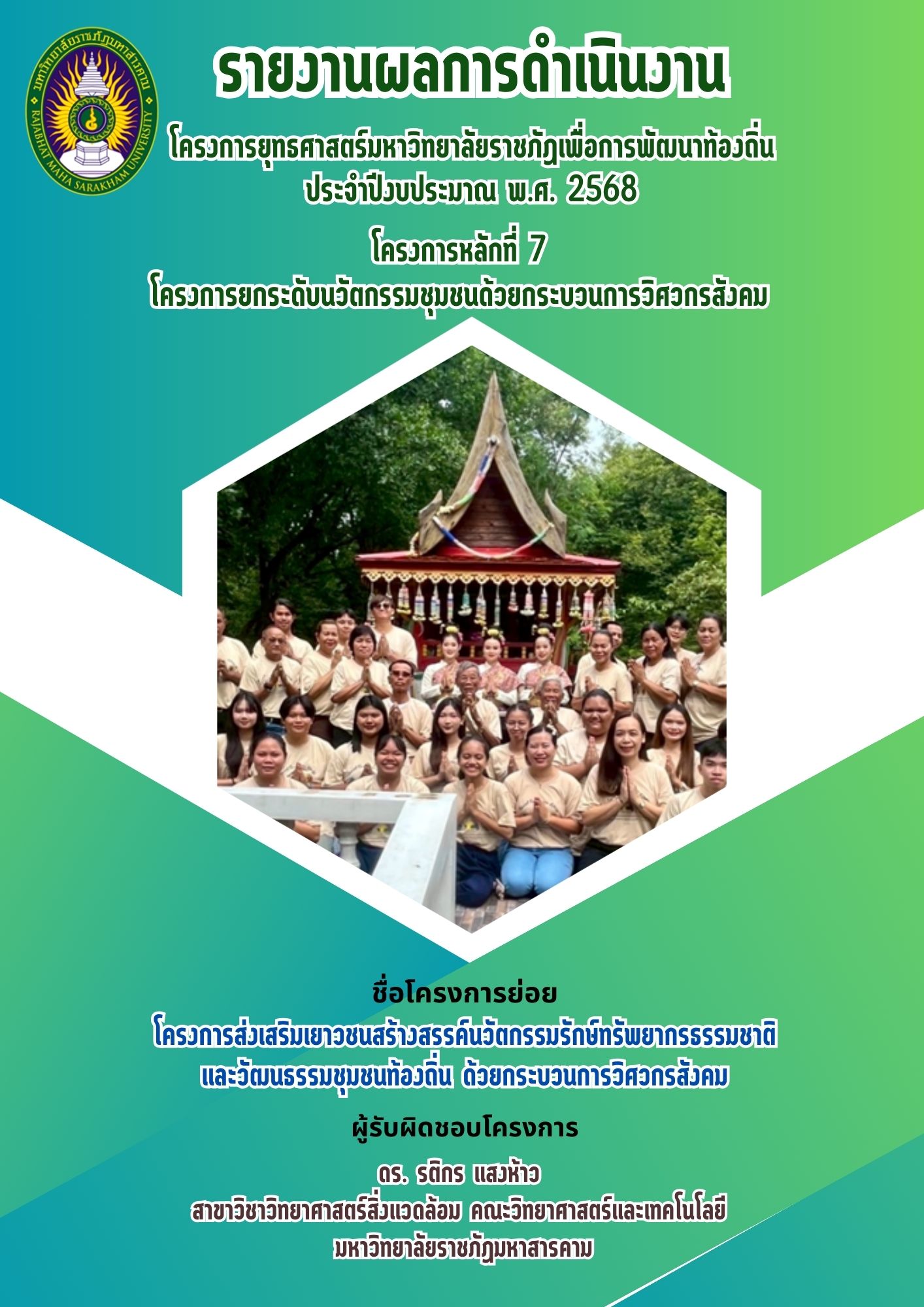
Promoting Youth in Creating Innovation for Natural Resource and Local Community Cultural Conservation through the Social Engineering Process
ผู้รับผิดชอบ ให้ข้อมูล : Dr. Ratikorn Sanghaw
SDG ที่เกี่ยวข้อง
เป้าหมายย่อยความสอดคล้องกับยุทธศาสตร์มหาวิทยาลัย : พันธกิจสัมพันธ์เพื่อการพัฒนาท้องถิ่นอย่างสร้างสรรค
แหล่งงบประมาณ : งบประมาณแผ่นดิน
กลุ่มเป้าหมาย : ชุมชน
Project Implementation Area : Don Tum, Kaeng Loeng Chan, Mueang, Maha Sarakham ตำบล Kaeng Loeng Chan อำเภอ Mueang Maha Sarakham จังหวัด Maha Sarakham 44000
Project Duration: February 7, 2568 – April 7, 2568
Objectives :
1. To inspire youth to recognize the value and importance of natural resources and culture in their local communities.
2. To encourage youth to utilize the skills and tools of the Social Engineering method in creating practical innovations for the conservation of natural resources and local community culture.
3. To strengthen skills in youth and enable them to apply the tools of Social Engineering in various aspects: learning, daily life, work, and to scale up the results for the benefit of society.
Activities :
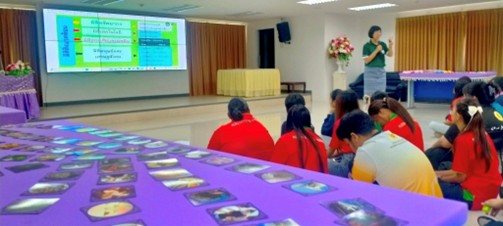
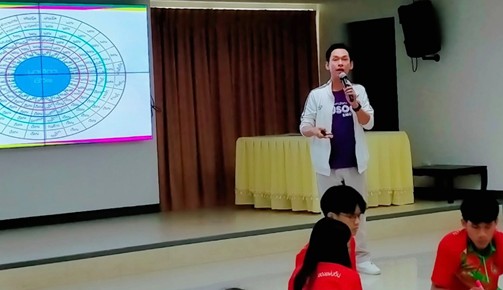
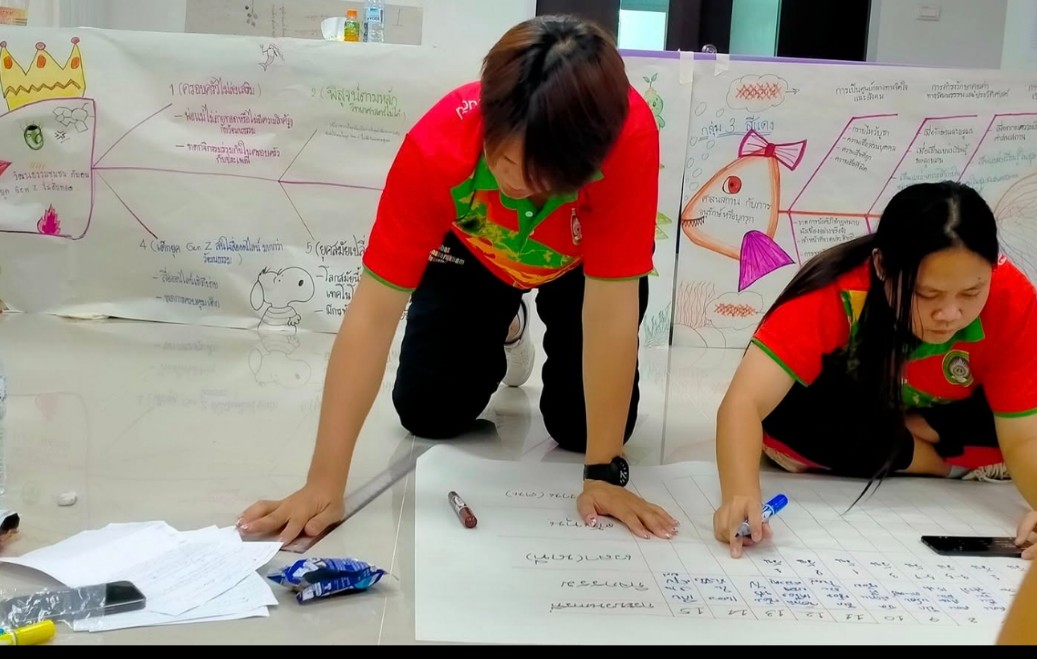
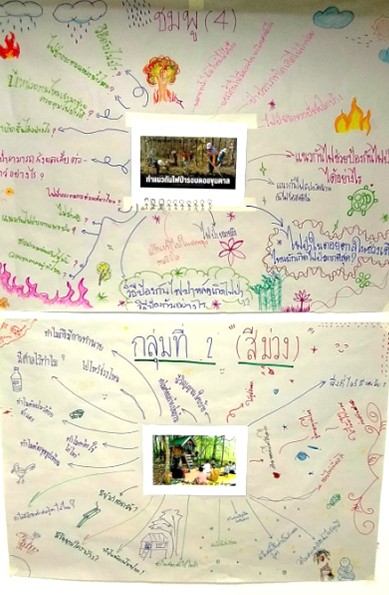
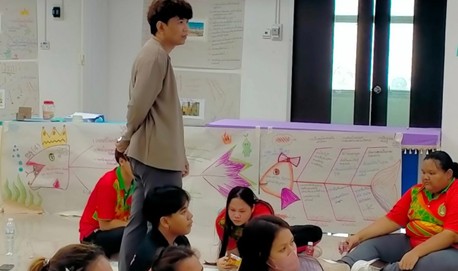
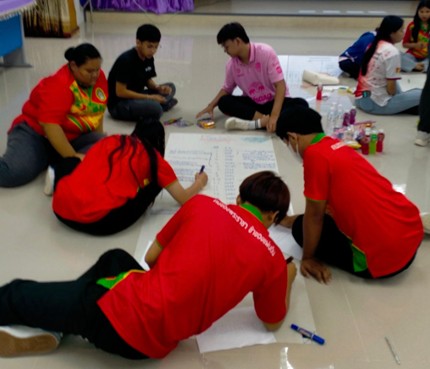
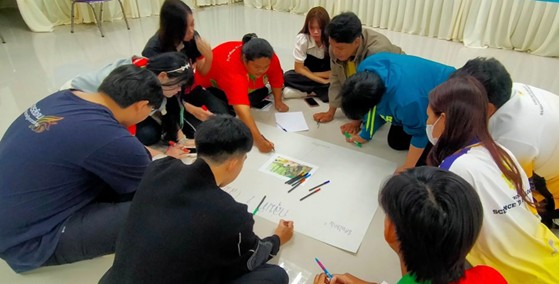
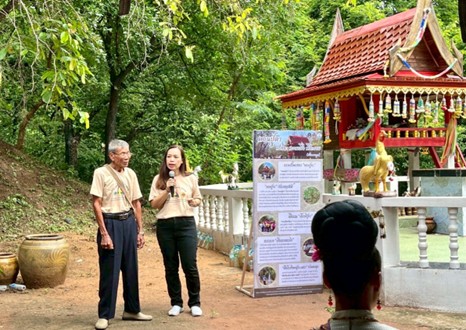
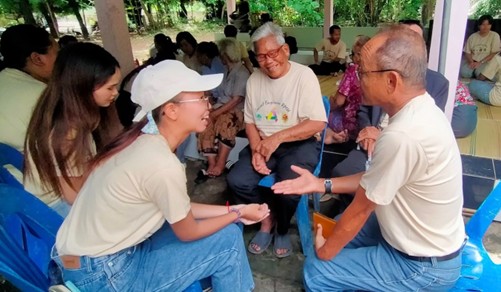
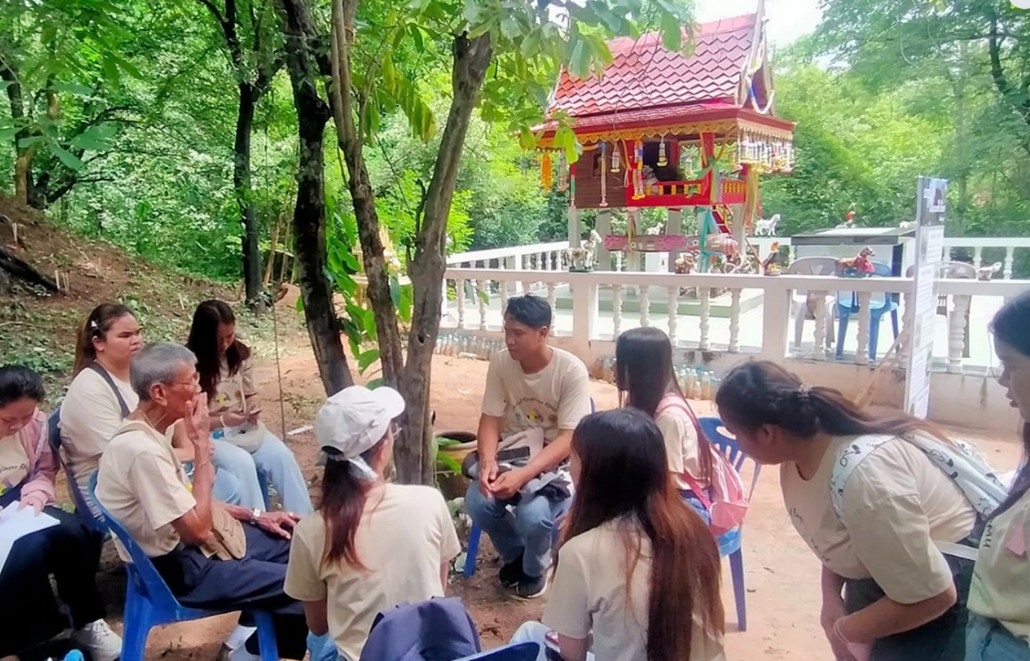
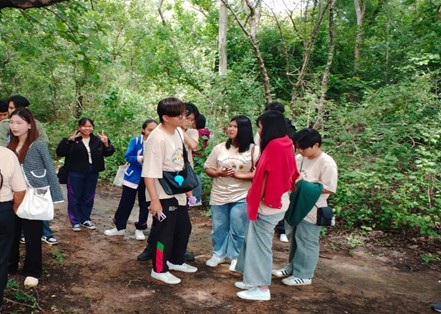
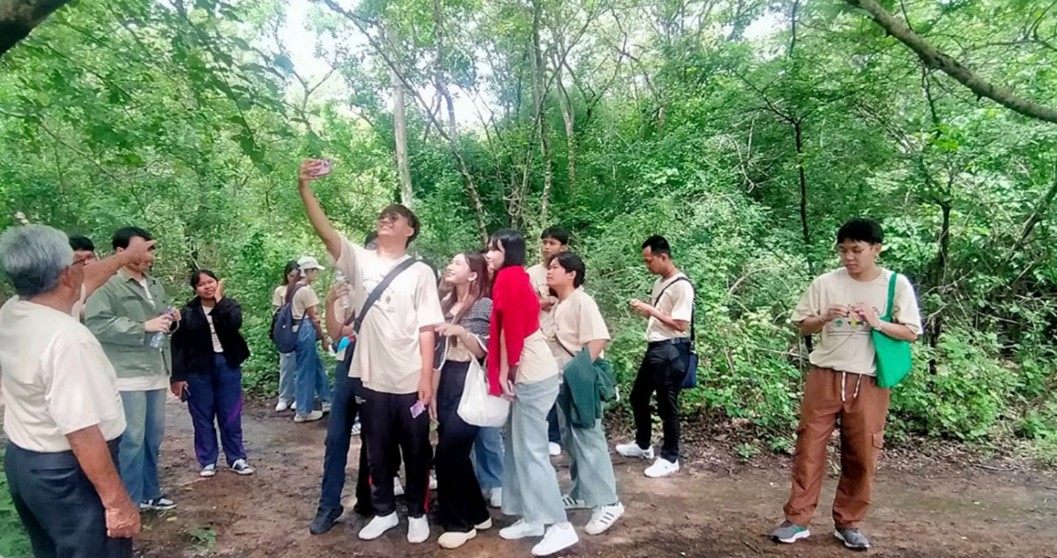
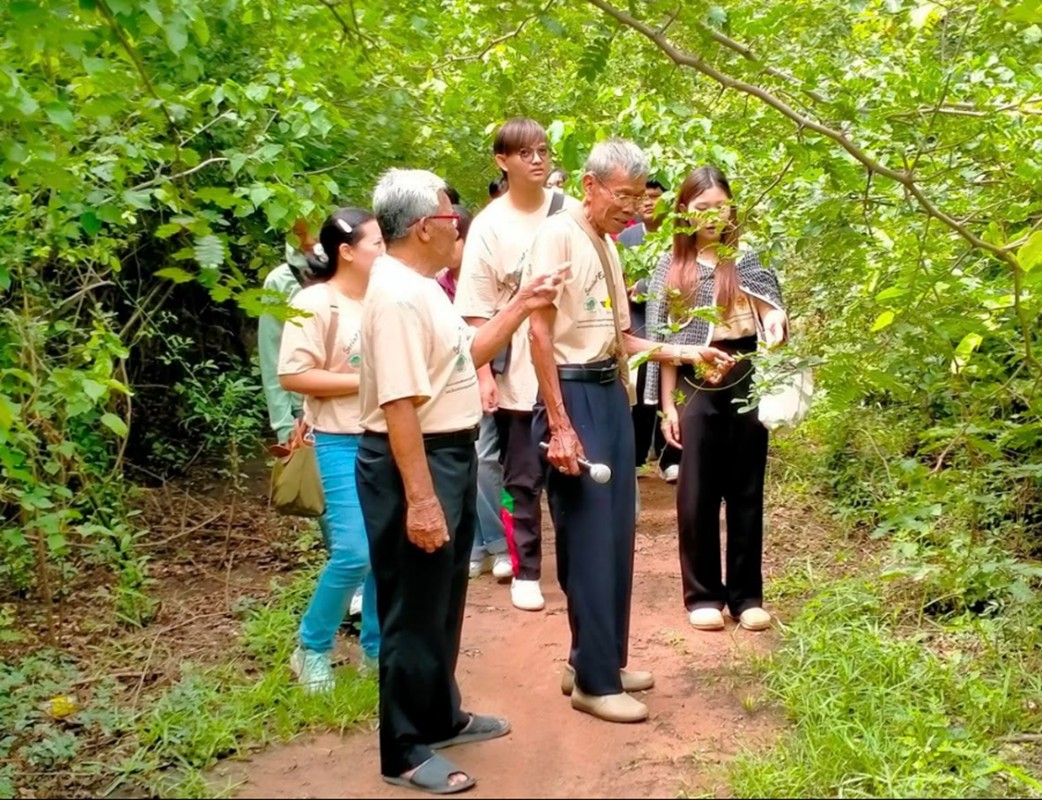
Activity 1: Stimulating awareness about conservation of natural resources and local community culture using social engineer skills and processes
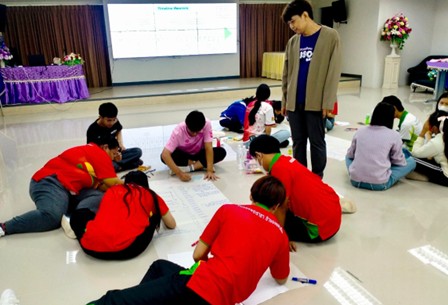
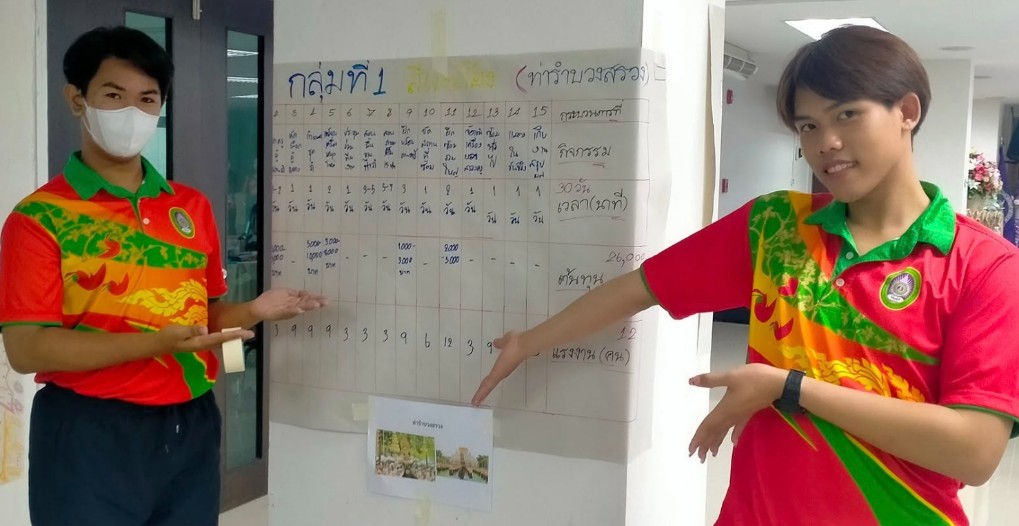
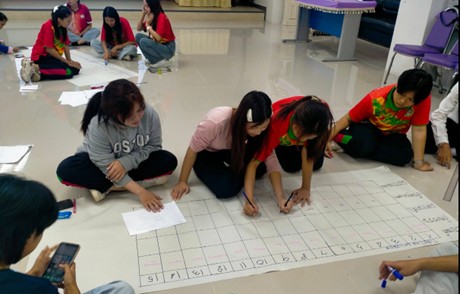
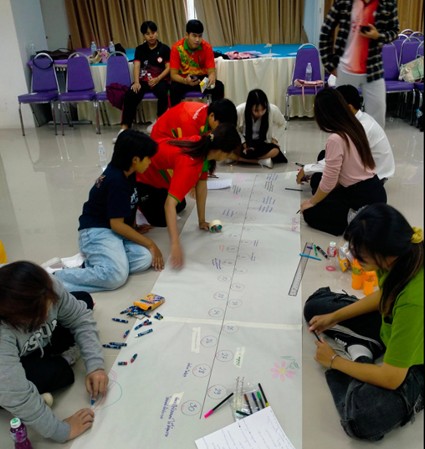
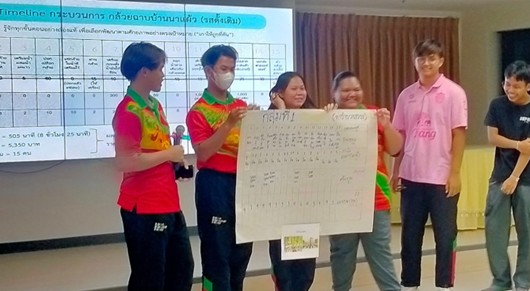
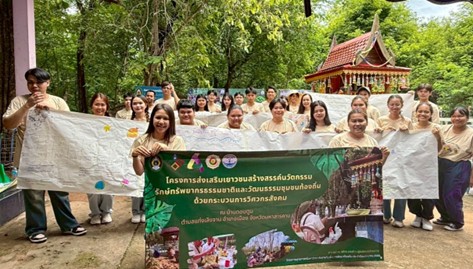
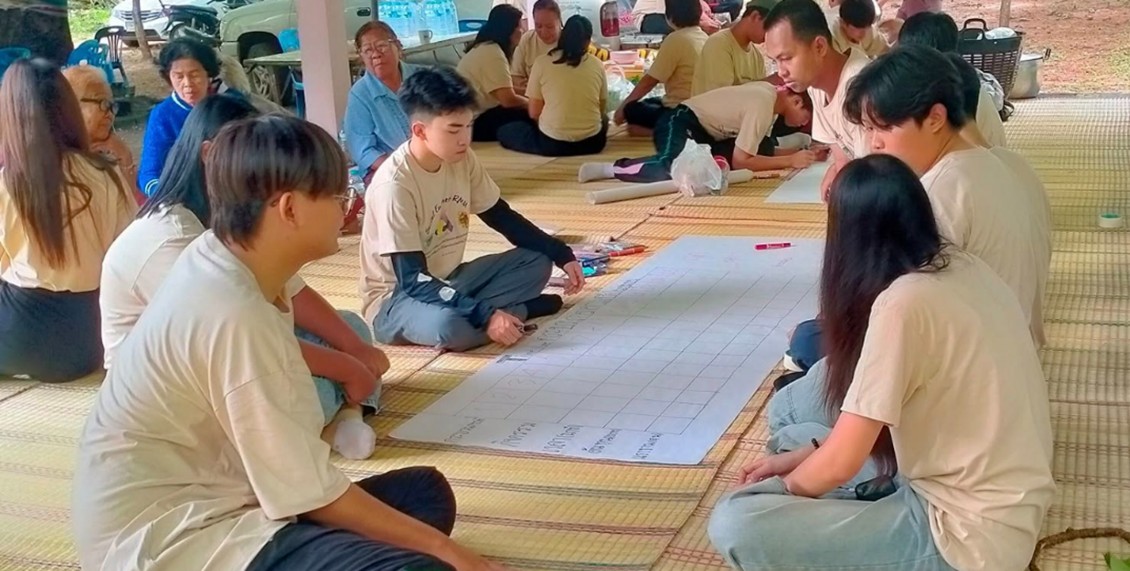
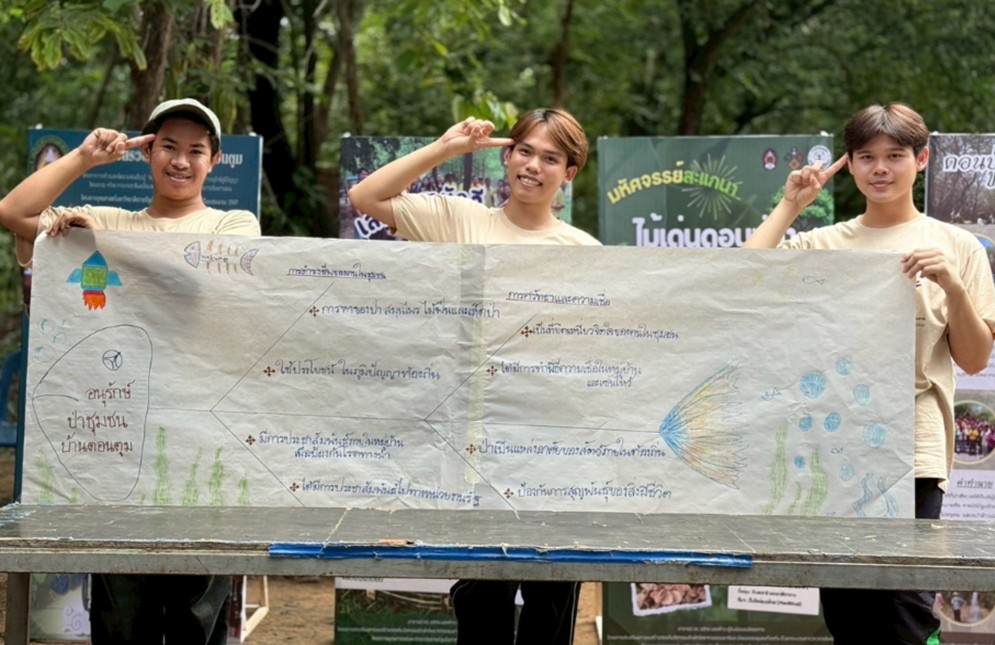
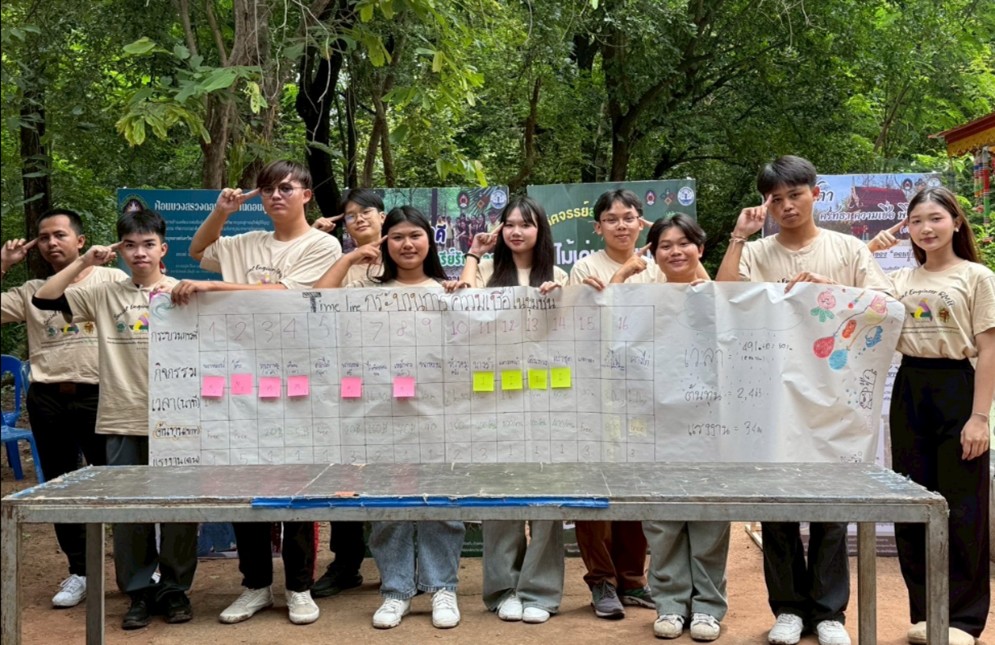
Activity 2: Making developmental timeline leading to create innovation for the conservation of natural resources and local community culture
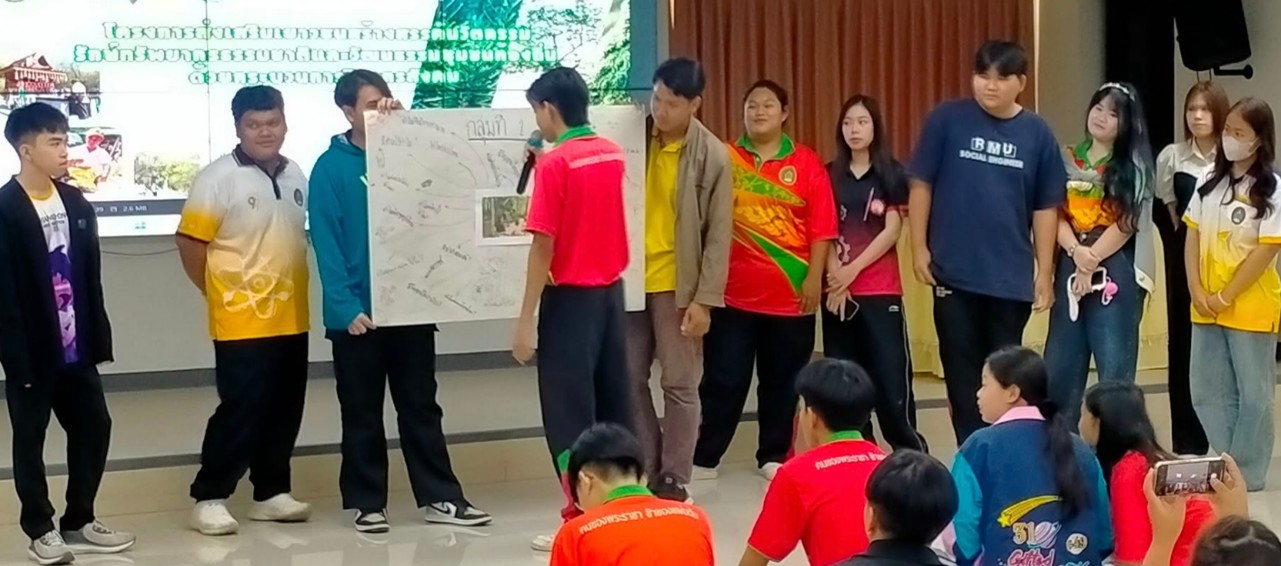
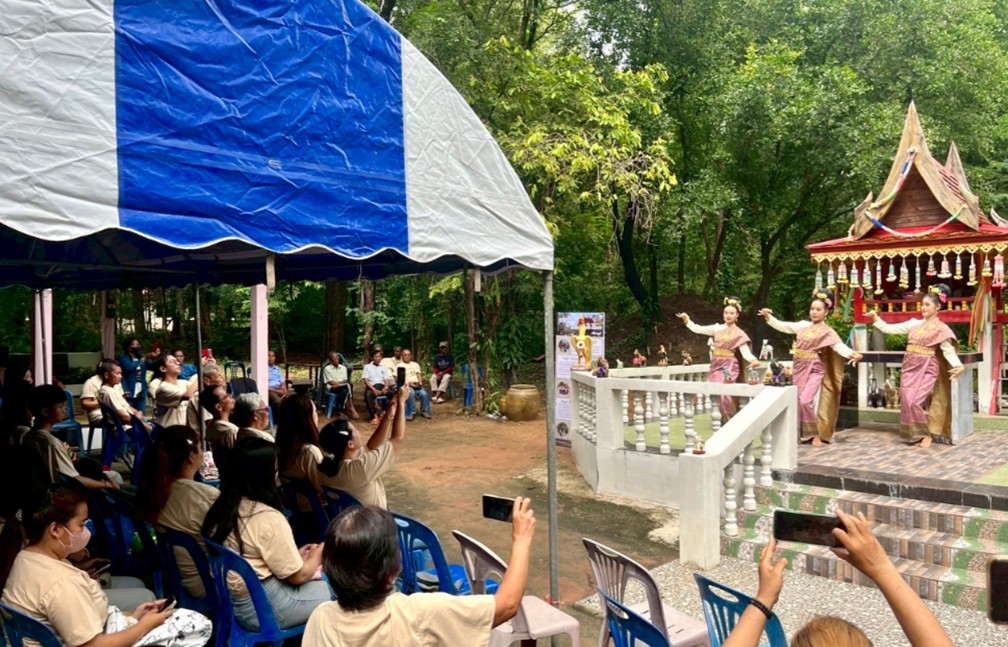
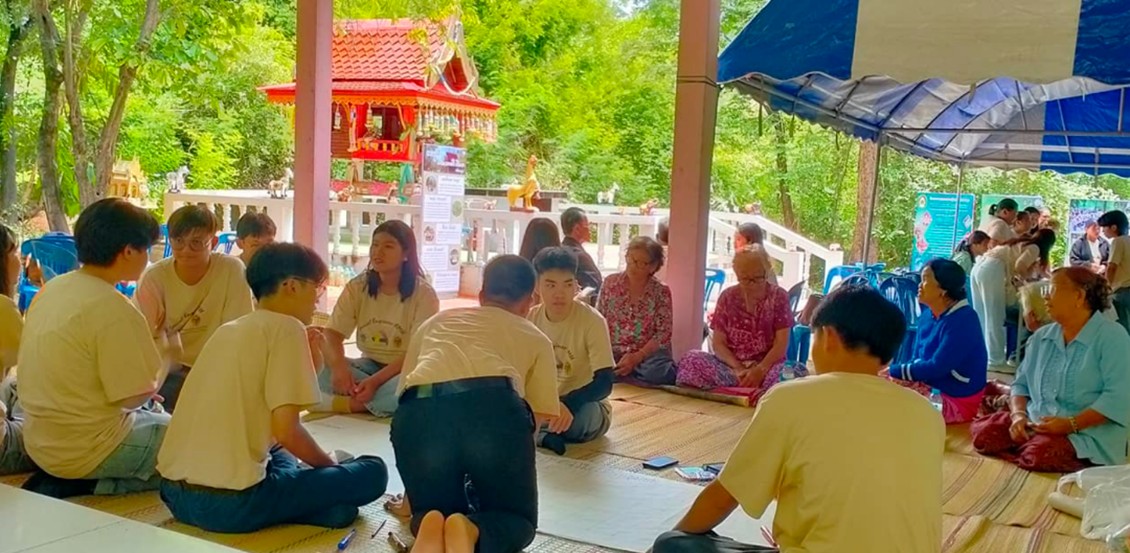
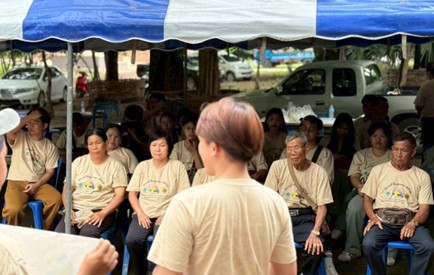
Activity 3: Show, share, and apply innovation for conservation of natural resources and local community culture
Number of project participants: 242 people
Project Budget: 100,000 Baht
Results :
1. Maha Sarakham Rajabhat University's potential in conducting activities to promote the conservation of natural resources and local culture through social engineering process (Result: 85.25% of students participating in the development process who possess the four Social Engineering skills: thinker, communicator, coordinator, and innovator)
2. One local community was uplifted in quality across relevant dimensions, including economy, education, society, and environment.
3. 70% of project participants (students) express the intention to adapt and apply social engineering skills to themselves and disseminate the results to others or society.
4. The university has sub-units or departments that conduct activities for local communities through the social engineering process.
5. Two communities with products or innovations created by students and put into practical use.
Results society :
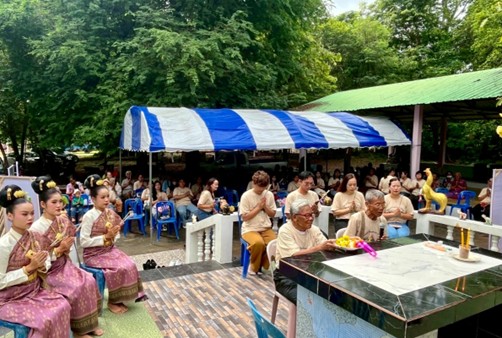
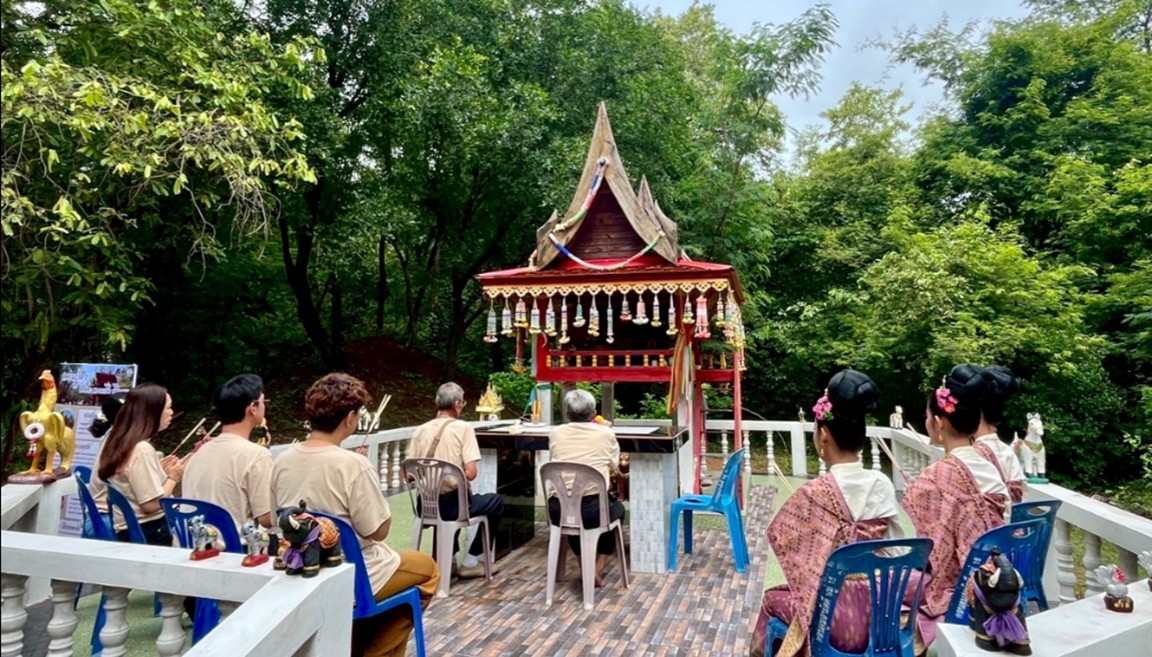
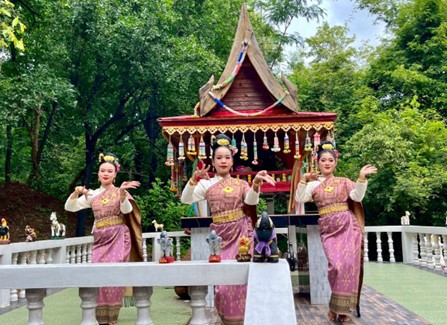
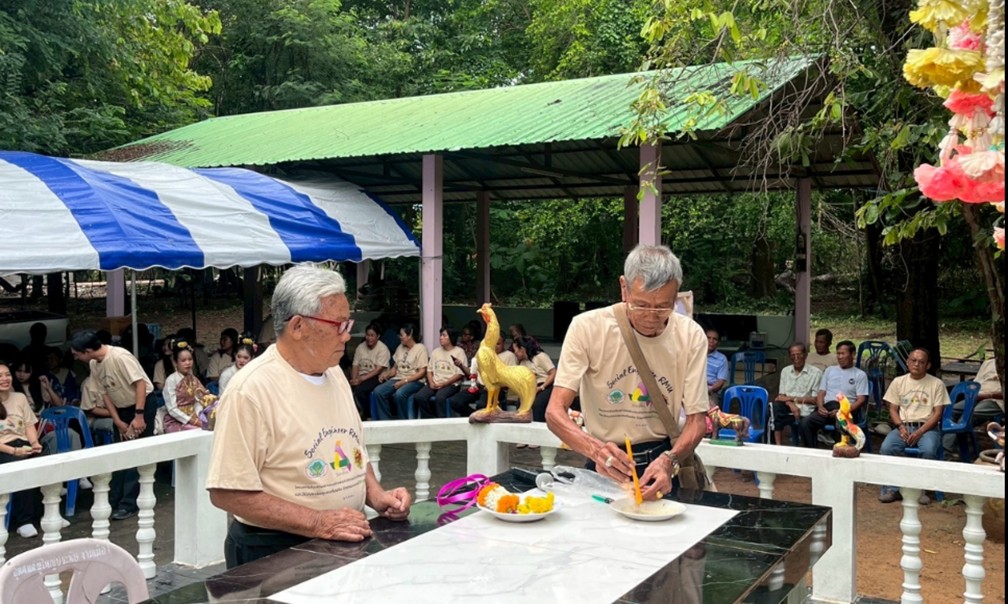
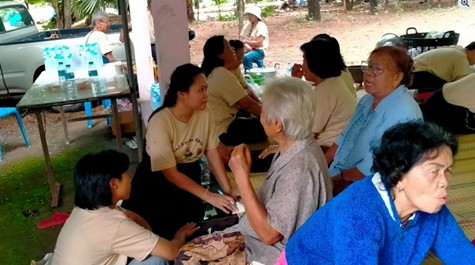
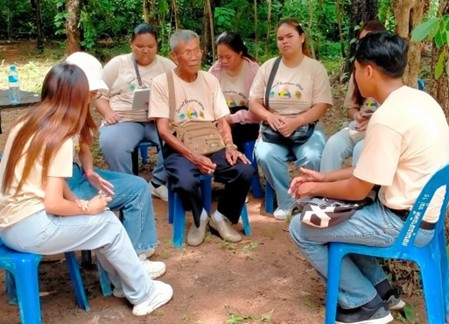
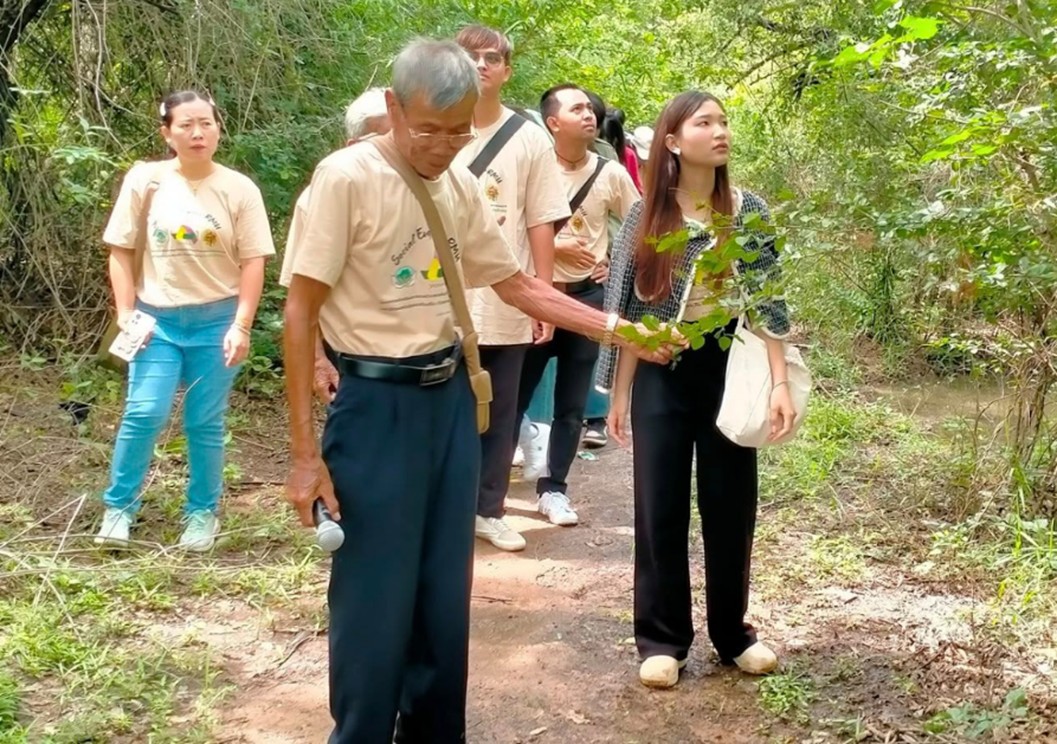
1. The community had the opportunity to promote and share its customs, culture, and natural resource to students. 2. The community has recognized the importance of the forest resources, particularly medicinal plants and utilizing various parts of the forest wood for conservation and creative purposes.
Participation :
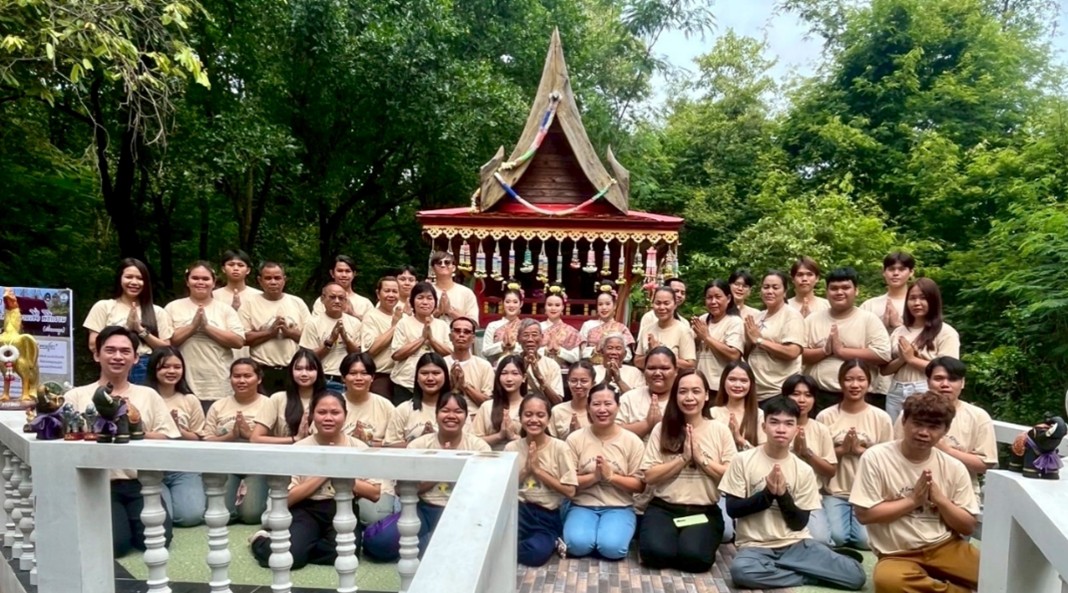
Students from courses participated in the project to equip them with social engineering skills, integrated with their classroom learning and allowed them to learn by employing the social engineer tools.
Project continuity :
There is already an established connection with the community. Therefore, when the project is continued in the next fiscal year, implementation can commence immediately.
Problems obstacles :
There were no major problems or obstacles, but rather a consideration for continuing implementation to achieve tangible, sustained results in the same area, within the framework of simultaneous conservation of natural resources and culture.
Improvement :
Prepare a project proposal to request budget support for the next fiscal year.
Suggestions :
Currently, the university is fully promoting the implementation of projects in the community in different project contexts.