– July 31, 2026 2 มีนาคม 2569
– 31 กรกฎาคม 2569
Part 1: Project Details ส่วนที่ 1 รายละเอียดการดำเนินงาน
Objectives วัตถุประสงค์โครงการ
1. To increase farmers' income through organic sugarcane cultivation.
2. To develop a production process for fresh-pressed sugarcane juice that ensures cleanliness and safety, meeting standardized certification requirements.
3. To prepare the community to operate a business in a sustainable manner.
1. เพื่อเพิ่มรายได้ให้เกษตรกรด้วยการปลูกอ้อยแบบอินทรีย์
2. เพื่อพัฒนากระบวนการผลิตน้ำอ้อยคั้นสดให้สะอาดและปลอดภัย เข้าสู่การรับรองมาตรฐาน
3. เพื่อการเตรียมความพร้อมให้ชุมชนสามารถประกอบธุรกิจได้อย่างยั่งยืน
Main Activities กิจกรรมหลัก
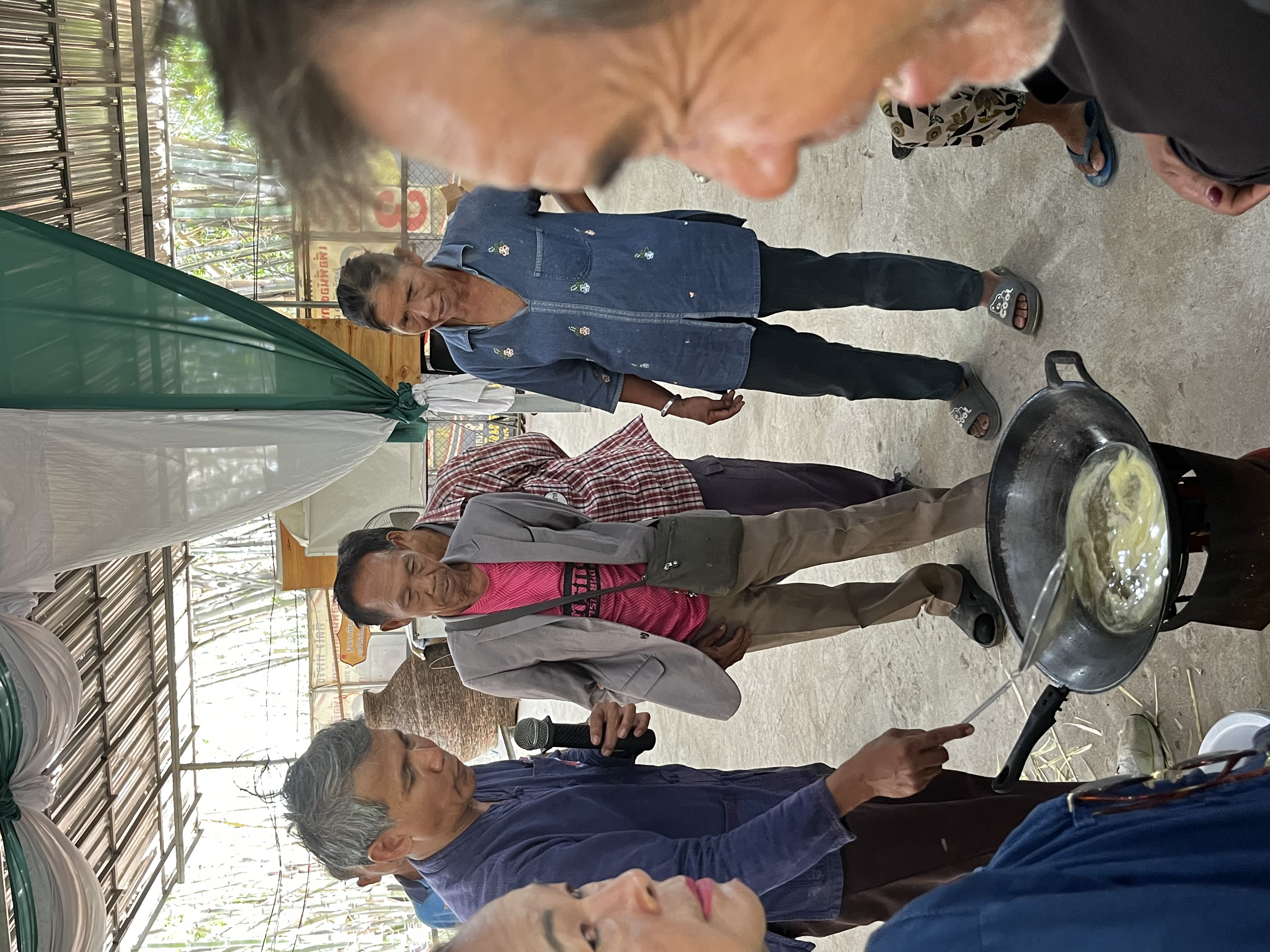
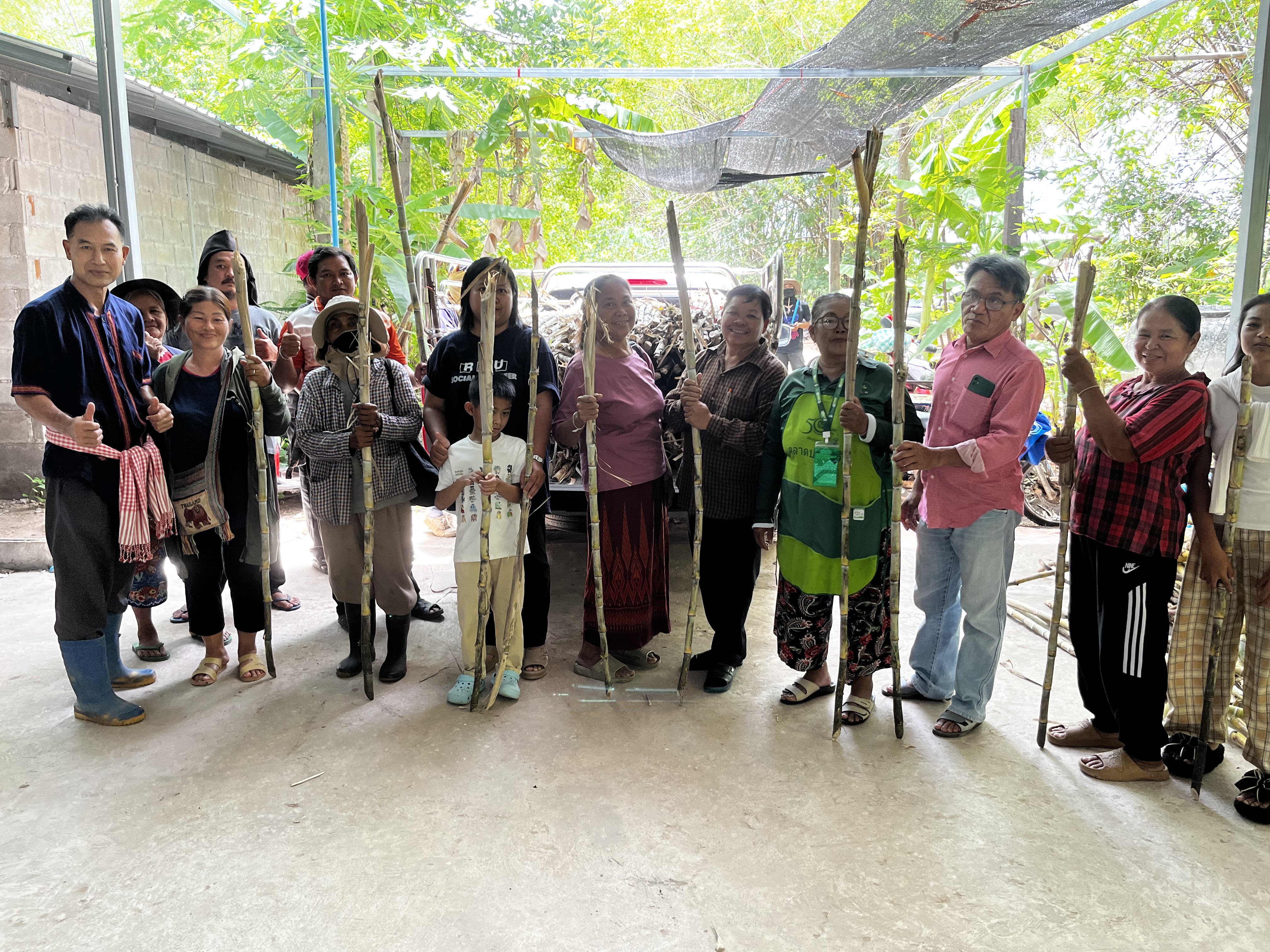
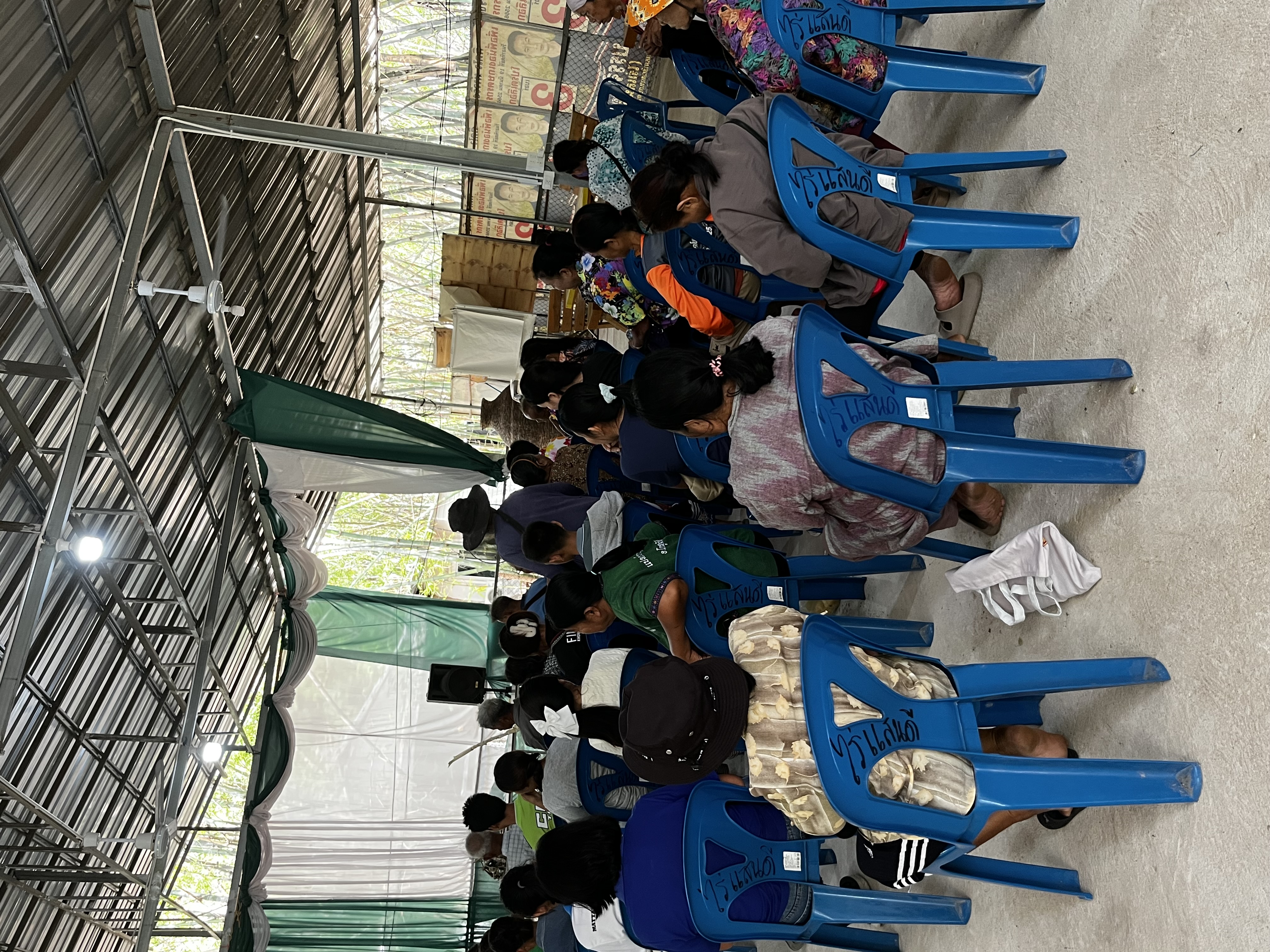
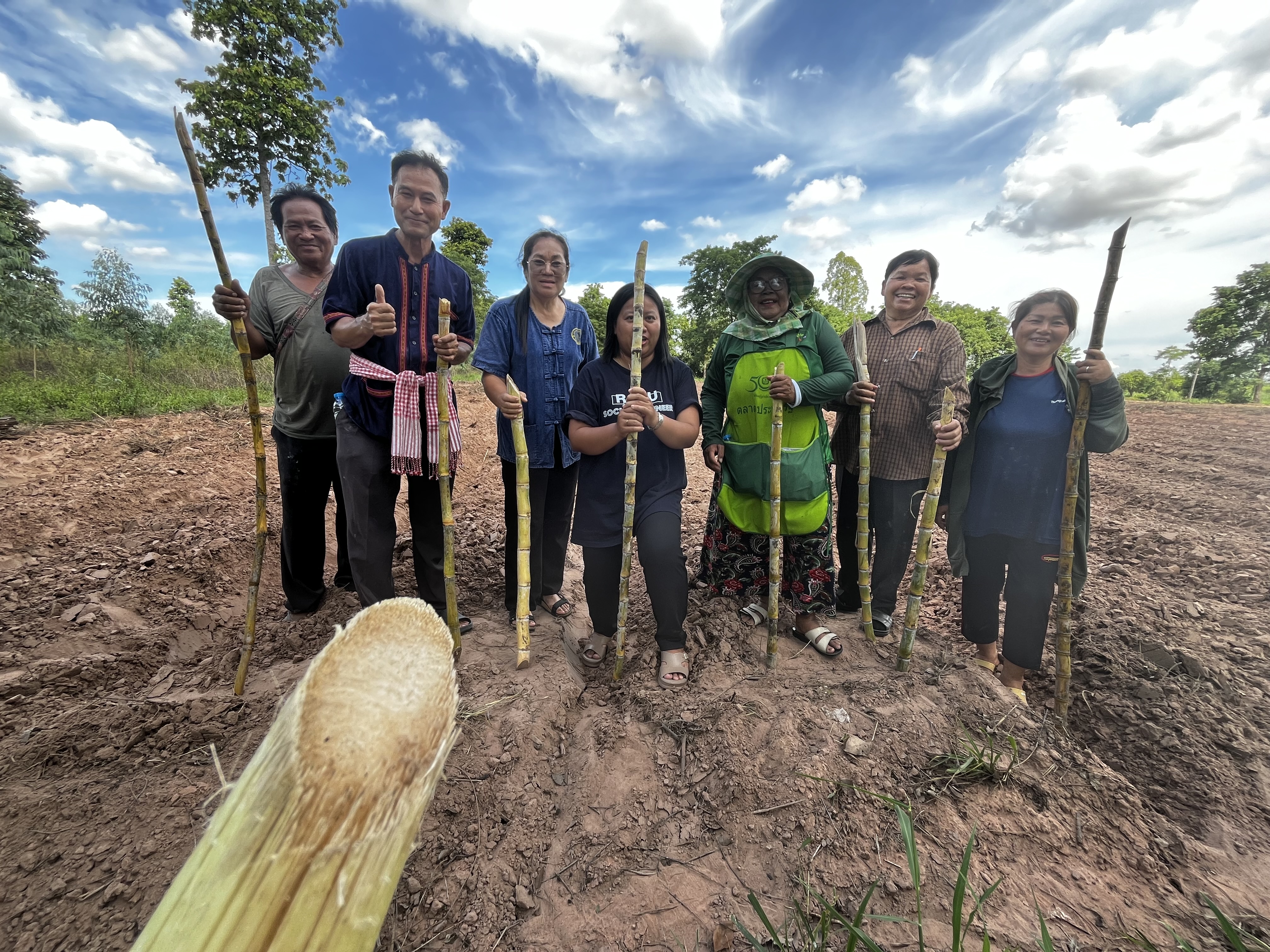
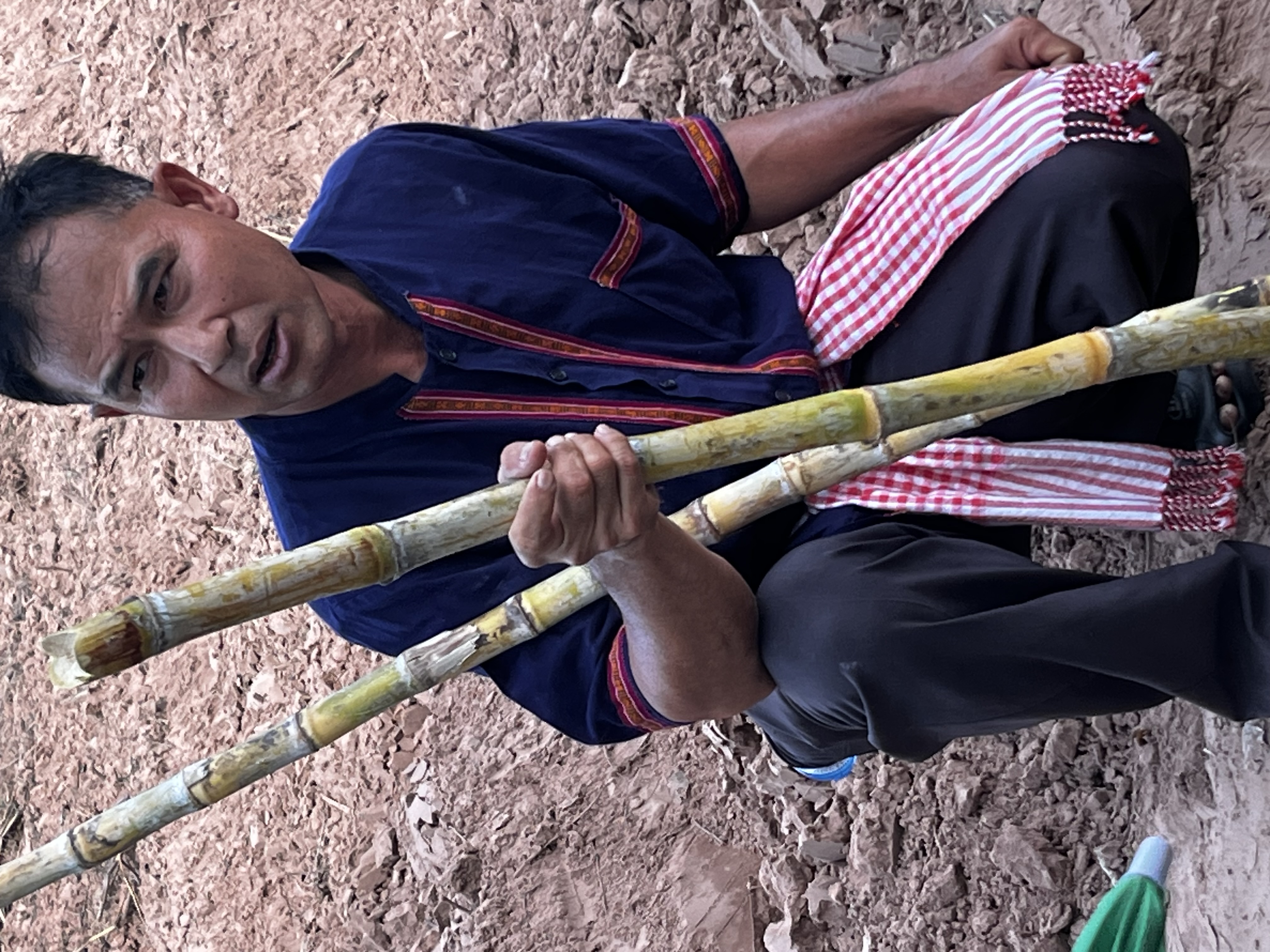
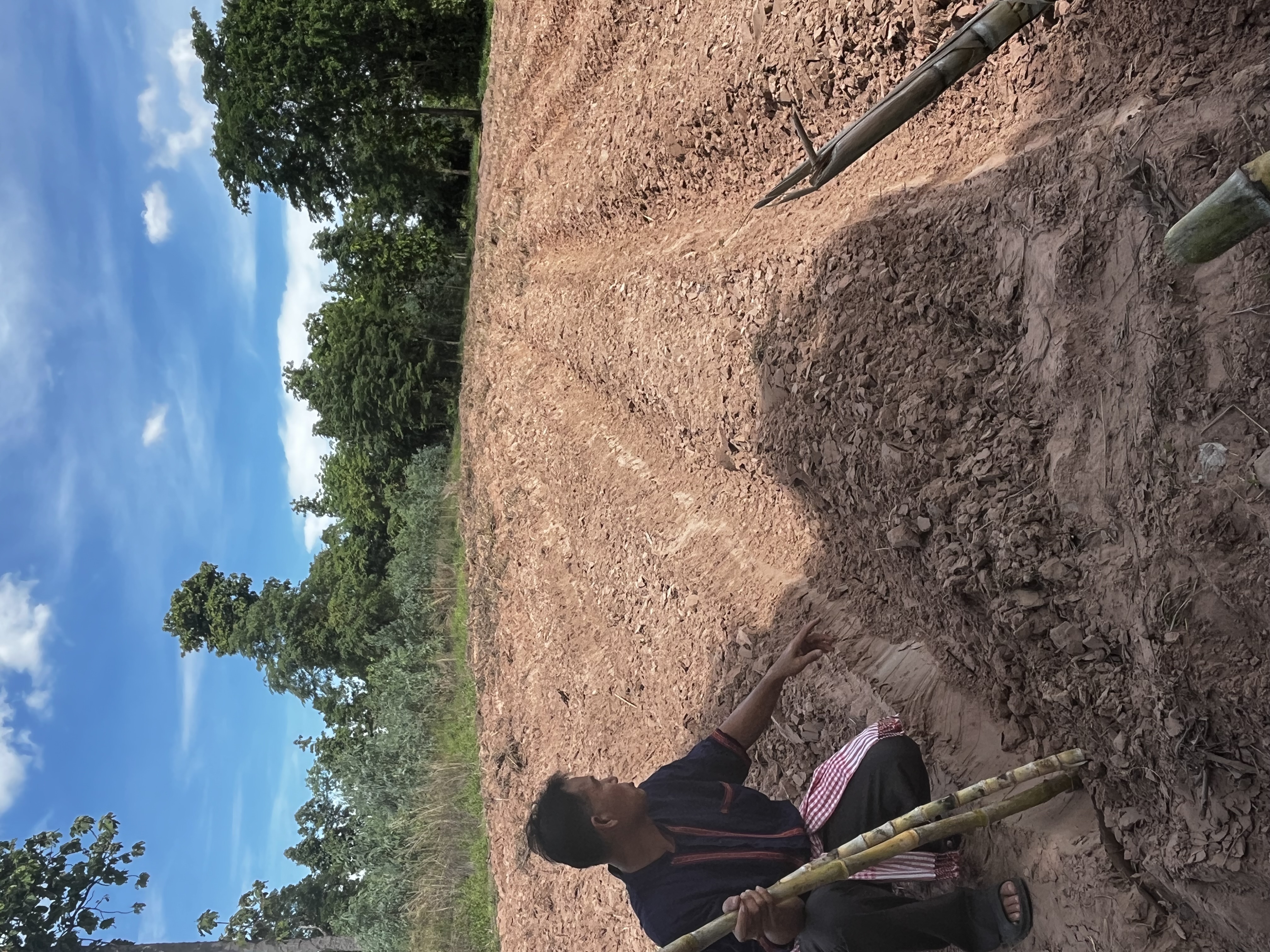
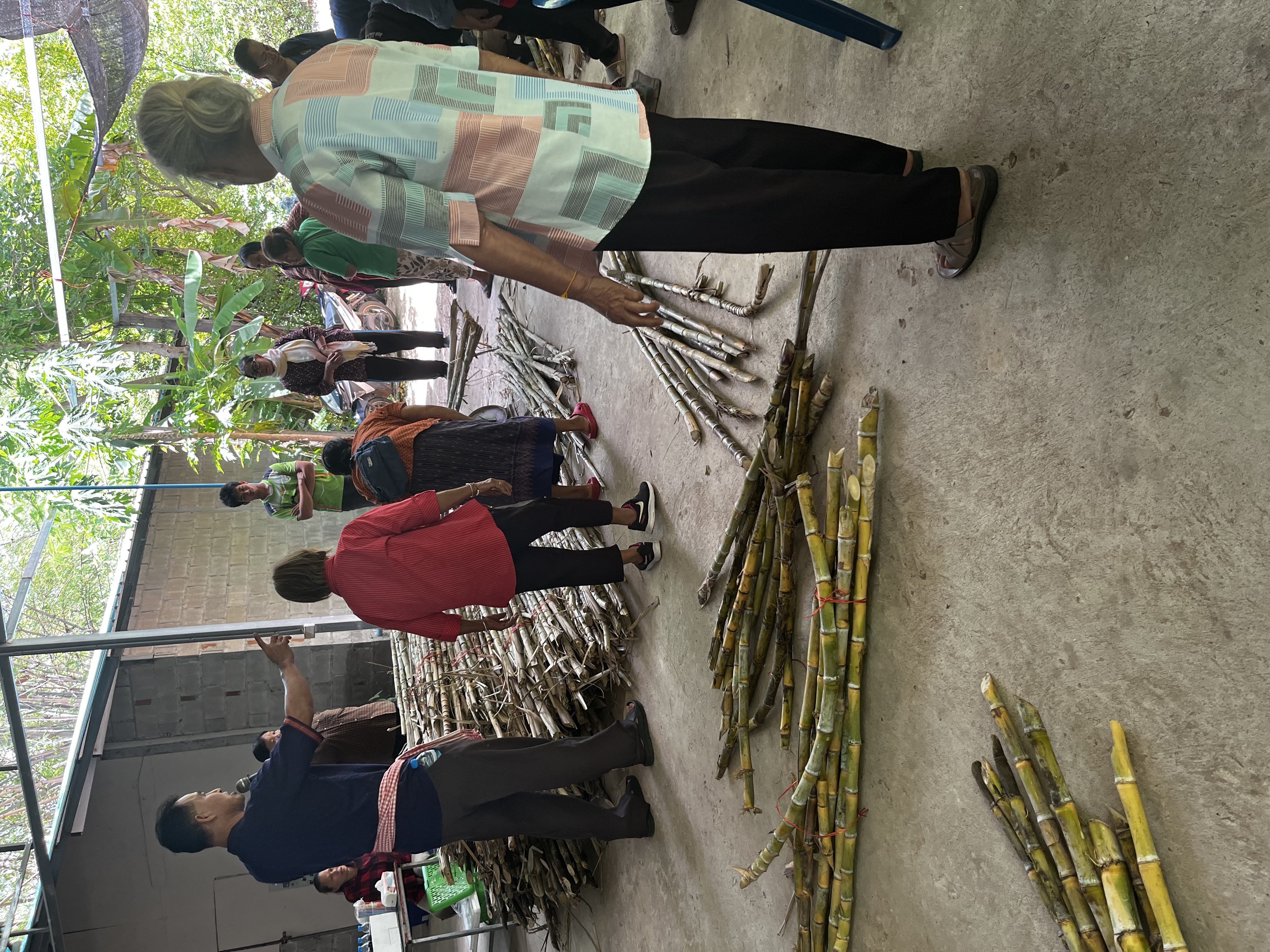
- Workshop on sugarcane field management and cultivation processes in accordance with organic standards, aimed at driving community enterprises through the Bio-Circular-Green (BCG) economy model.
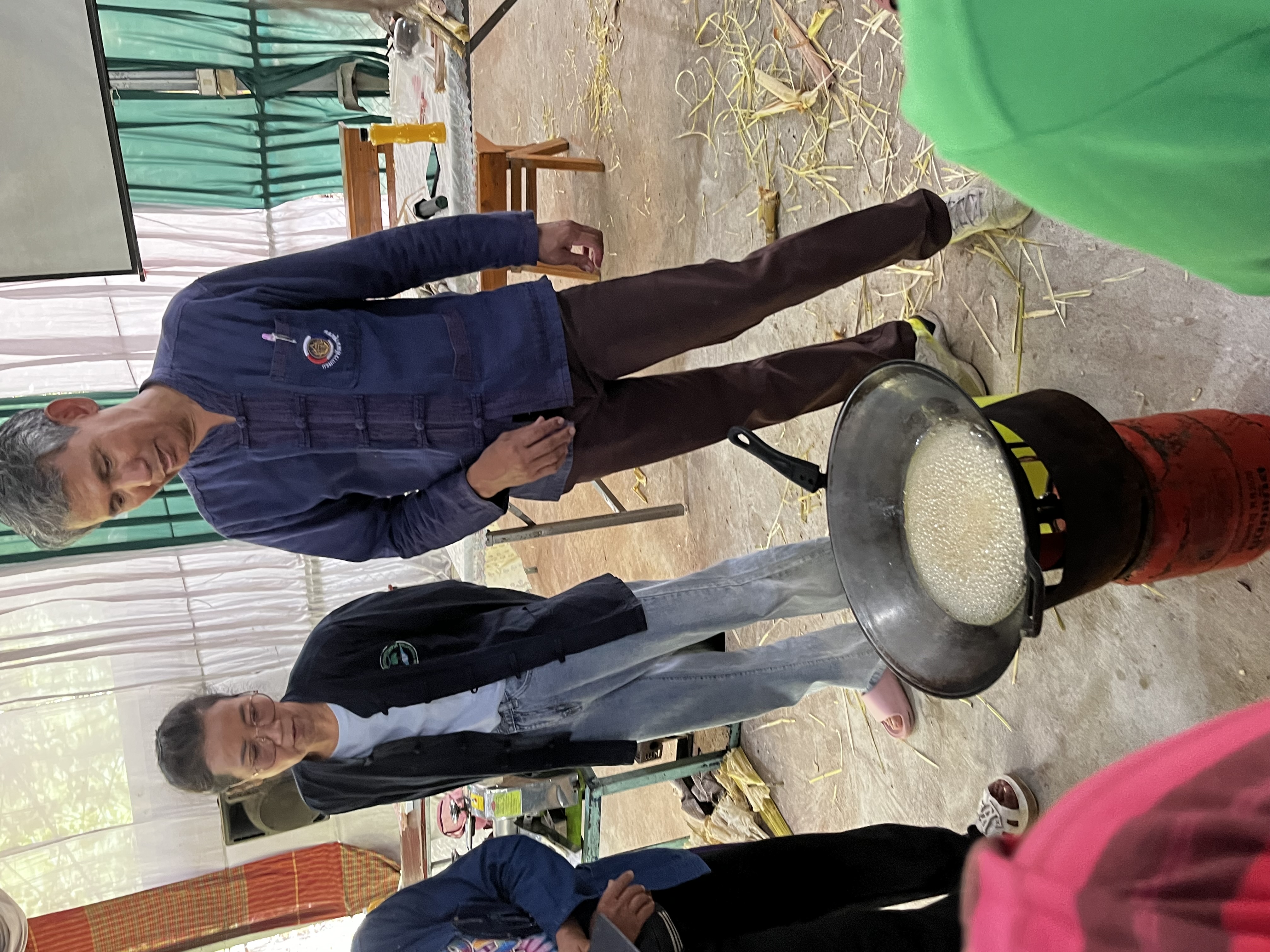
- Workshop on product development to add value to local agricultural goods derived from organic sugarcane.
- Workshop on packaging design and development.
- Workshop on developing marketing channels and promoting products by building awareness around their unique stories.
-อบรมเชิงปฏิบัติการการจัดการแปลงและกระบวนการปลูกอ้อยตามมาตรฐาน
อินทรีย์ เพื่อขับเคลื่อนวิสาหกิจชุมชนด้วย (BCG)
-ฝึกอบรมเชิงปฏิบัติการการพัฒนาผลิตภัณฑ์เพื่อสร้างมูลค่าเพิ่มสินค้าเกษตรท้องถิ่น
จากอ้อยอินทรีย์
-อบรมเชิงปฏิบัติการออกแบบและพัฒนาบรรจุภัณฑ์
-อบรมเชิงปฏิบัติการพัฒนาช่องทางการตลาด ส่งเสริมการตลาดด้วยการสร้างการ
รับรู้เรื่องราวผลิตภัณฑ์
Part 2: Outcomes & Impact ส่วนที่ 2 ผลลัพธ์และผลกระทบ
Outcomes ผลลัพธ์ที่เกิดขึ้น
Farmers and local residents have gained the knowledge and skills required to cultivate sugarcane according to organic standards, which is then processed into various sugarcane-based products. Furthermore, project participants have secured opportunities for supplementary livelihoods and tangible increases in income through the sale of these products—presented in packaging that reflects the community’s unique identity—via both online and physical retail channels.
เกษตรกรและชาวบ้านเกิดองค์ความรู้และทักษะในการปลูกอ้อยให้ได้มาตรฐานอินทรีย์ เพื่อนำมาแปรูป
เป็นผลิตภัณฑ์จากน้ำอ้อย
และ ผู้เข้าร่วมโครงการมีช่องทางการสร้างอาชีพเสริมและมีรายได้เพิ่มขึ้นอย่างเป็นรูปธรรม จากการจำหน่าย
ผลิตภัณฑ์และบรรจุภัณฑ์ที่เป็นอัตลักษณ์ชุมชน ทั้งในช่องทางออนไลน์และหน้าร้าน
Community & Social Impact ผลกระทบต่อชุมชน/สังคม
1. Communities can cultivate sugarcane varieties specifically selected for their refreshing, sweet juice, rather than focusing solely on varieties intended for industrial processing.
2. This approach helps reduce the use of agricultural chemicals, leading to safer, environmentally friendly farming practices and improving the overall well-being of community members.
3. It fosters the formation of strong community groups, builds a grassroots economy and a circular economy, and helps reduce income inequality within society.
1. ชุมชนสามารถปลูกอ้อย โดยเลือกพันธุ์ที่ให้น้ำหวานชื่นใจ แทนพันธ์ที่จะปลูกเพื่อส่งโรงงานอย่างเดียว
2. ช่วยลดปริมาณสารเคมีที่ใช้ในการปลูก นำไปสู้การทำเกษตรอย่างปลอดภัยและเป็นมิตรต่อสิ่งแวดล้อม รวมทั้งยกระดับสุขภาวะของคนในชุมชน
3. เกิดการรวมกลุ่มที่เข้มแข็ง สร้างระบบเศรษฐกิจฐานรากและเศรษฐกิจหมุนเวียน ที่ช่วยลดความเหลื่อมล้ำทางรายได้ในสังคม
Student & Staff Participation การมีส่วนร่วมของนักศึกษา/บุคลากร
Knowledge from various courses—focused on raising awareness of human rights—has been integrated and shared with the community. As villagers gain an understanding of human rights, they are encouraged to develop products that are environmentally friendly and humane, which in turn helps address the challenge of increasing the community's income. เกิดการบูรณาการความรู้ของรายวิชาเกี่ยวกับการตระหนักถึงสิทธิมนุษยชนในด้านต่างๆมาเผยแผ่แก่ชุมชน เมื่อชาวบ้านเกิดความหนักถึงสิทธิมนุษยชนก็จะพัฒนาผลิตภัณฑ์ที่เป็นมิตรต่อสิ่งแวดล้อมและต่อเพื่อนมนุษย์ด้วยกัน ซึ่งสามารถแก้ปัญหาเรื่องของการเพิ่มรายได้แก่ชุมชนได้
Project Continuity ความต่อเนื่องของโครงการ
1. Advance the certification process for organic sugarcane juice products under the Community Product Standard (CPS) to enhance product quality and facilitate expansion into the national market.
2. Further develop the group’s management model into a full-fledged “Social Enterprise,” while simultaneously promoting in-depth online marketing strategies.
3. Develop new product innovations—such as the production of brown cane sugar—to create additional value.
1.ผลักดันผลิตภัณฑ์จากน้ำอ้อยอินทรีย์ให้เข้าสู่กระบวนการขอรับรองมาตรฐานผลิตภัณฑ์ชุมชน (มผช.) เพื่อยกระดับคุณภาพสินค้าและขยายตลาดในระดับประเทศได้
2. ต่อยอดการบริหารจัดการกลุ่มให้เป็น “ธุรกิจเพื่อสังคม (Social Enterprise)” อย่างเต็มรูปแบบ พร้อมทั้งส่งเสริมการตลาดออนไลน์เชิงลึก
3. พัฒนานวัตกรรมผลิตภัณฑ์ในรูปแบบใหม่ๆเพิ่มเติม เช่น การทำน้ำตาลอ้อย Brown Sugar เพิ่มสร้างมูลค่าเพิ่ม
Part 3: Challenges & Suggestions ส่วนที่ 3 ปัญหาอุปสรรค/ข้อเสนอแนะ
Problems & Obstacles ปัญหา/อุปสรรค
Production (Upstream) Risk of chemical cross-contamination between plots; inconsistent irrigation Establish biological buffer zones; promote drip irrigation systems
Processing (Midstream) Sugarcane juice spoils easily and darkens quickly; production facilities do not yet meet FDA (Thai FDA) standards Implement pasteurization techniques; upgrade production facilities to meet Mini-GMP standards
Marketing and Group Management (Downstream) High costs for refrigerated transport; farmers lack ongoing digital skills Focus on selling fresh products locally; process into dried goods for online sales; involve youth in managing the system
ด้านการผลิต (ต้นน้ำ) สารเคมีปนเปื้อนข้ามแปลง และระบบน้ำไม่สม่ำเสมอ ทำแนวกันชนชีวภาพ (Buffer Zone) และส่งเสริมระบบน้ำหยด
ด้านการแปรรูป (กลางน้ำ) น้ำอ้อยเสียง่าย สีคล้ำเร็ว และสถานที่ผลิตยังไม่ผ่านมาตรฐาน อย. นำเทคนิคพาสเจอร์ไรซ์มาใช้ ปรับปรุงโรงเรือนตามเกณฑ์ Mini-GMP
ด้านการตลาดและกลุ่ม (ปลายน้ำ) ค่าขนส่งสินค้าแช่เย็นสูง และเกษตรกรขาดทักษะดิจิทัลต่อเนื่อง เน้นขายสดในรัศมีใกล้บ้าน แปรรูปของแห้งขายออนไลน์ ดึงเยาวชนร่วมดูแลระบบ
Improvement Guidelines แนวทางการปรับปรุง
1. Elevating Standards: Pursuing FDA certification and Community Product Standards (CPS) for processed sugarcane products to build broader consumer confidence.
2. Developing the Business Model: Transitioning the group’s management structure into a full-fledged "Social Enterprise."
3. Expanding BCG-based Products: Transforming sugarcane bagasse and other by-products into value-added, circular resources, while developing innovative products such as brown sugar or concentrated sugarcane syrup.
1. การยกระดับมาตรฐาน: ผลักดันผลิตภัณฑ์น้ำอ้อยแปรรูปเข้าสู่การรับรองมาตรฐาน อย. และมาตรฐานผลิตภัณฑ์ชุมชน (มผช.) เพื่อสร้างความเชื่อมั่นแก่ผู้บริโภคในวงกว้าง
2. การพัฒนาโมเดลธุรกิจ: ยกระดับการบริหารจัดการกลุ่มไปสู่รูปแบบ "วิสาหกิจเพื่อสังคม (Social Enterprise)" อย่างเต็มตัว
3. การต่อยอดผลิตภัณฑ์ BCG: แปรรูปกากอ้อยหรือผลพลอยได้ (By-products) ให้เกิดมูลค่าหมุนเวียน และพัฒนานวัตกรรมผลิตภัณฑ์ เช่น Brown Sugar หรือไซรัปน้ำอ้อยเข้มข้น
Suggestions to University ข้อเสนอแนะต่อมหาวิทยาลัย
Transitioning toward a Social Enterprise (SE) model: These enterprises should be encouraged to register as social enterprises, with a policy requiring a portion of their profits to be reinvested into the "Ban Nong Yang Community Welfare Fund." This fund would support the elderly or facilitate the collective procurement of organic production inputs—an approach that reflects the reduction of social inequality, in line with the principles of public administration. • การผลักดันสู่โมเดลวิสาหกิจเพื่อสังคม (Social Enterprise: SE): ควรผลักดันให้กลุ่มวิสาหกิจฯ จดทะเบียนเป็นวิสาหกิจเพื่อสังคม โดยกำหนดกติกาการปันผลกำไรส่วนหนึ่งกลับเข้าสู่ "กองทุนสวัสดิการชุมชนบ้านหนองยาง" เพื่อช่วยเหลือผู้สูงอายุหรือจัดหาปัจจัยการผลิตอินทรีย์ร่วมกัน สะท้อนถึงการลดความเหลื่อมล้ำทางสังคมตามหลักรัฐประศาสนศาสตร์