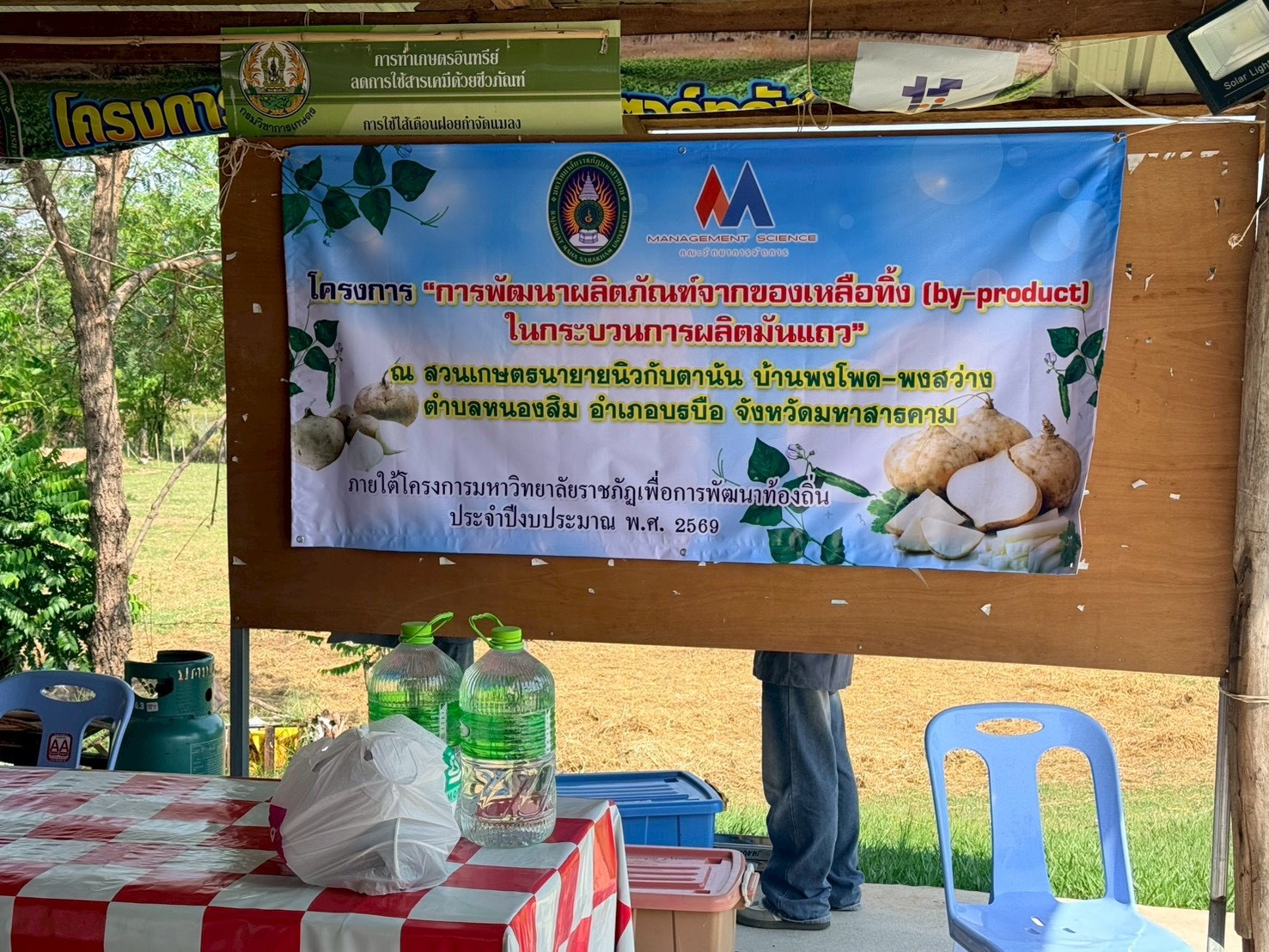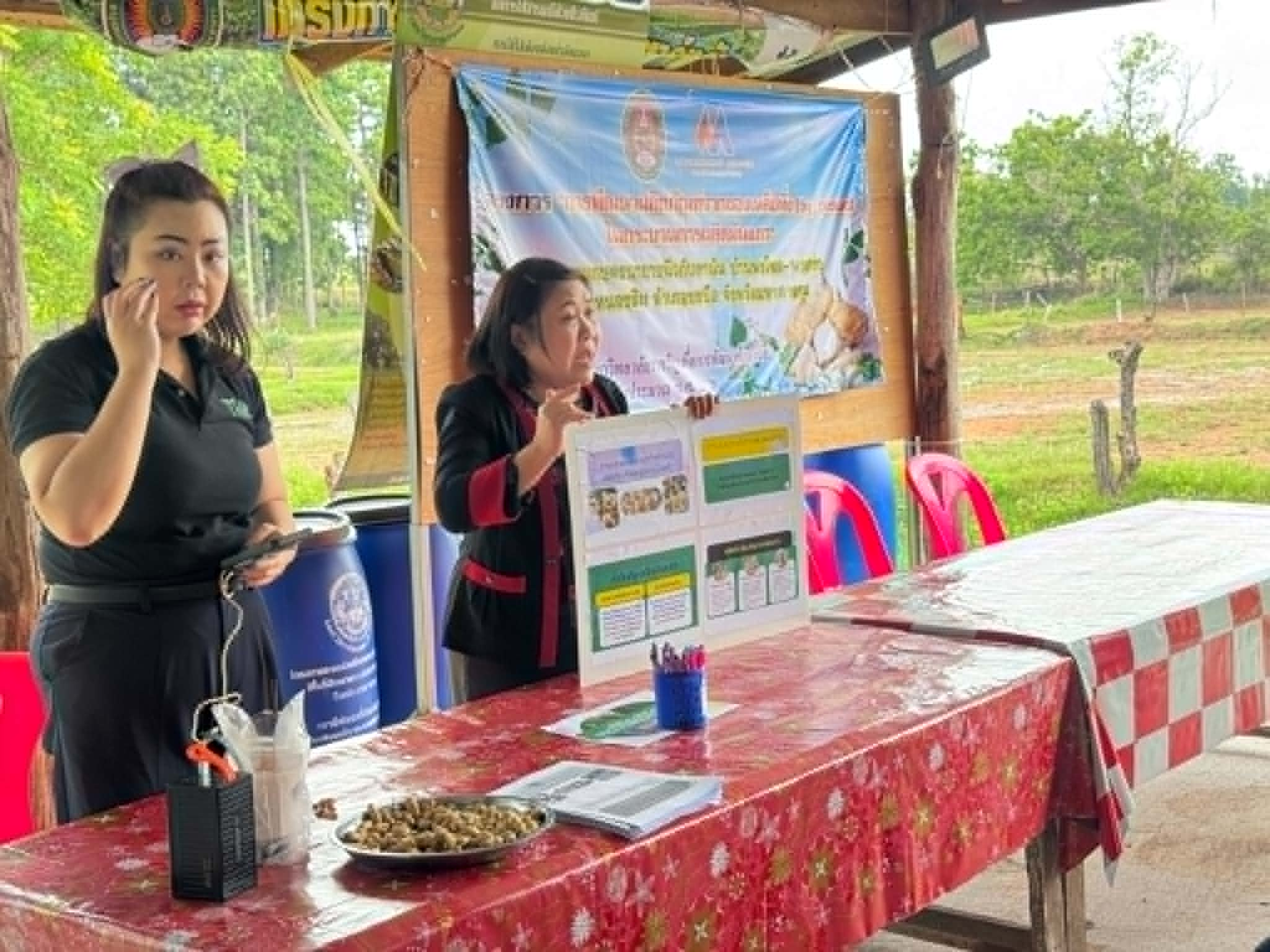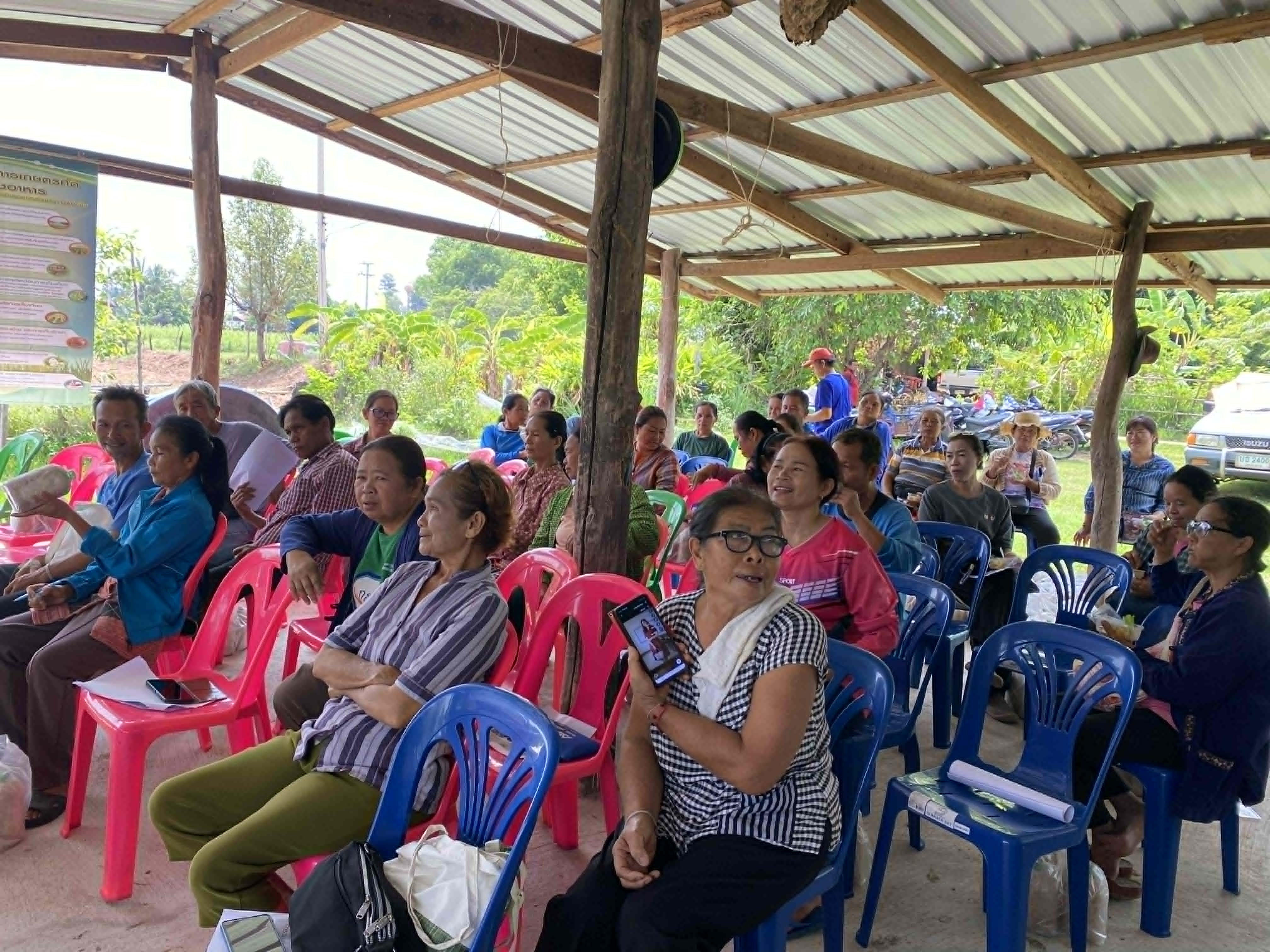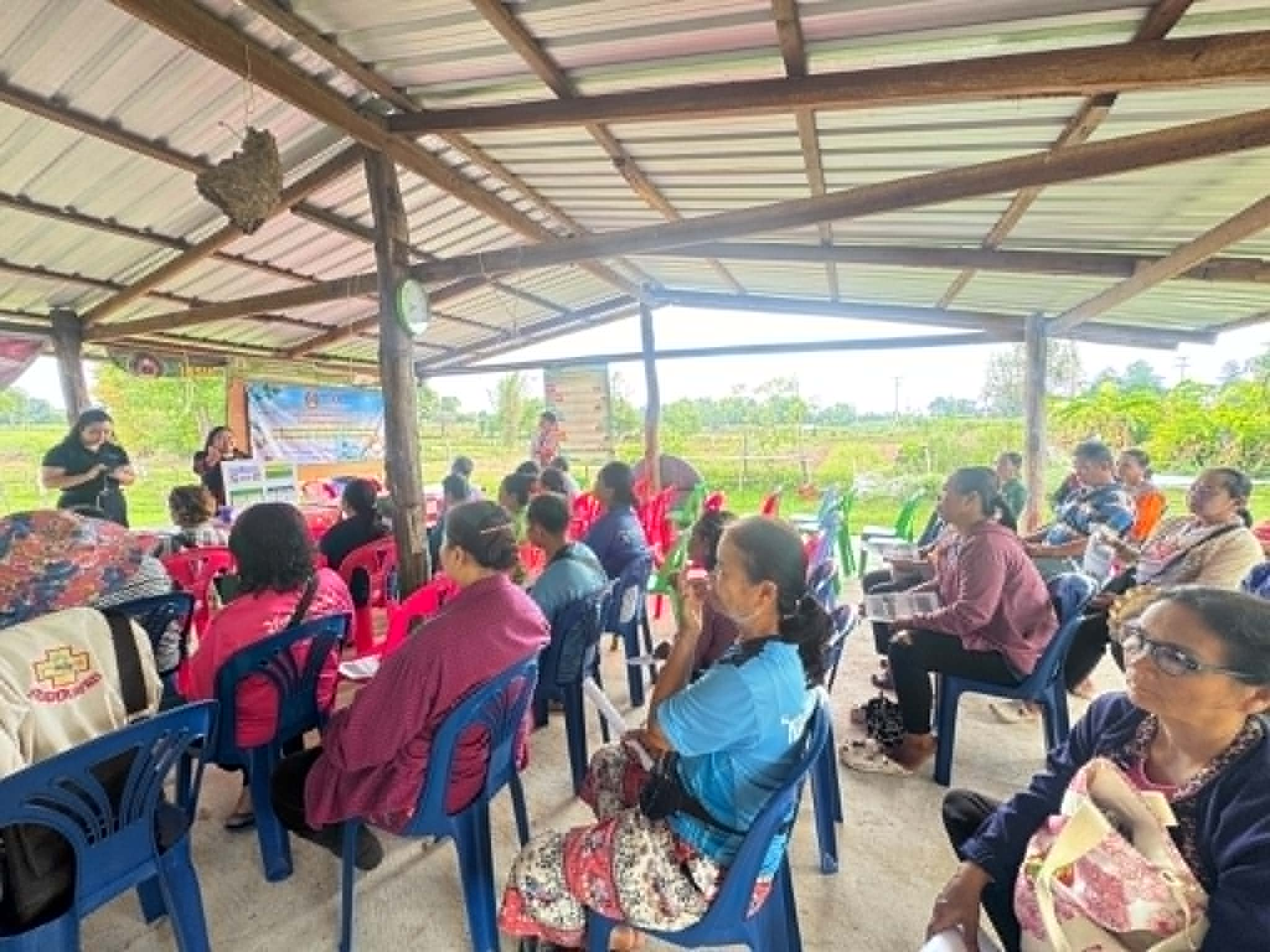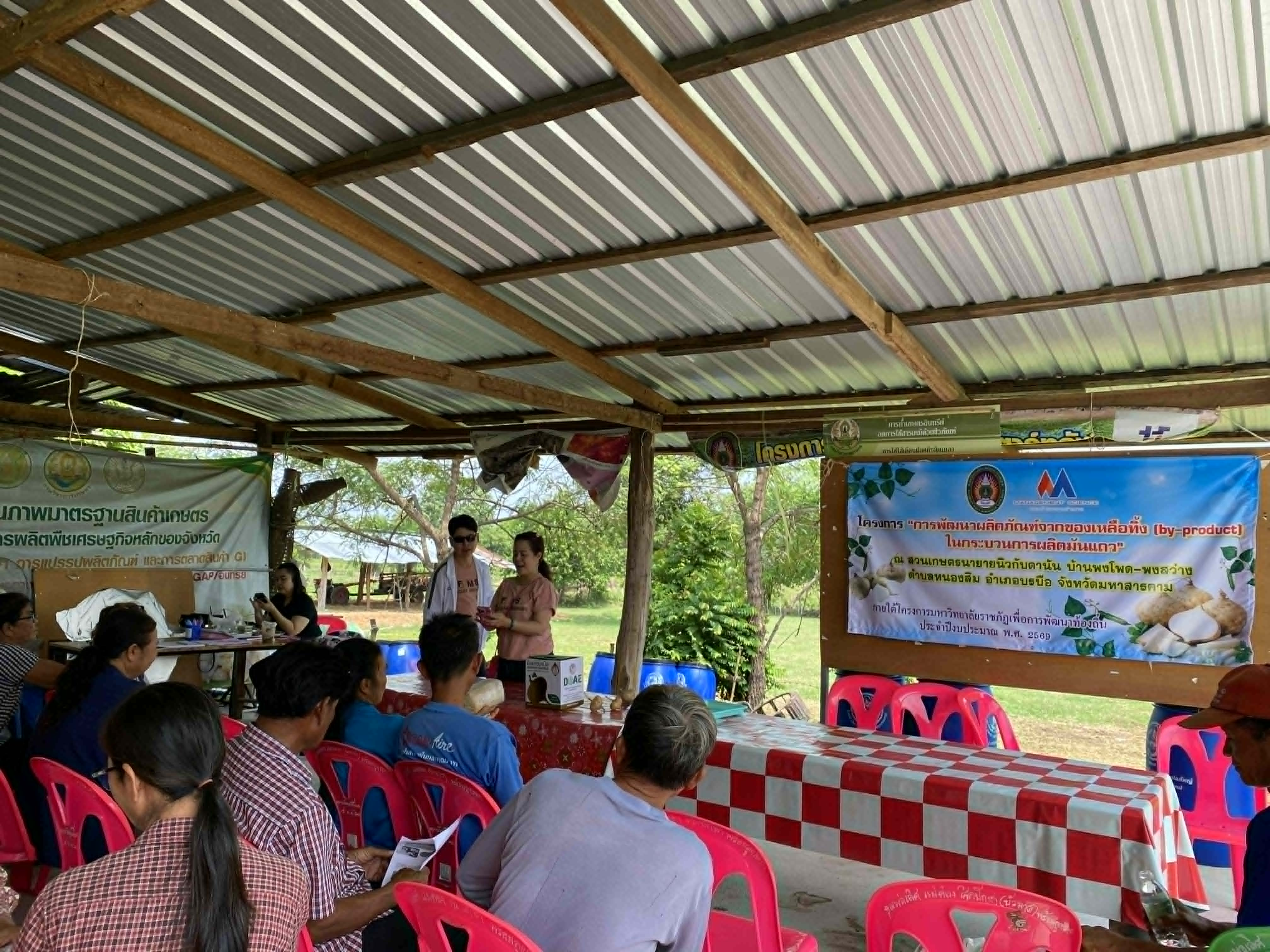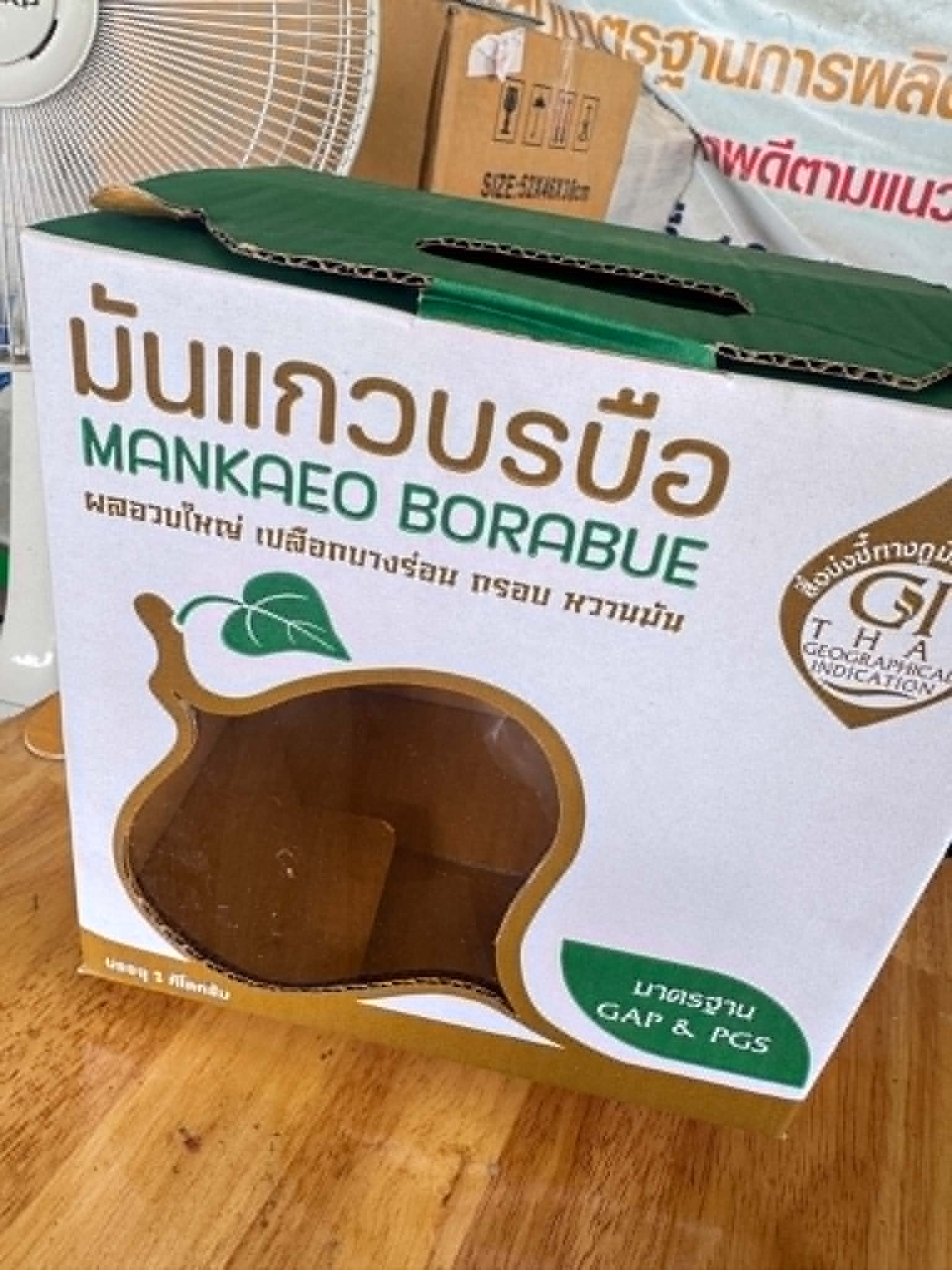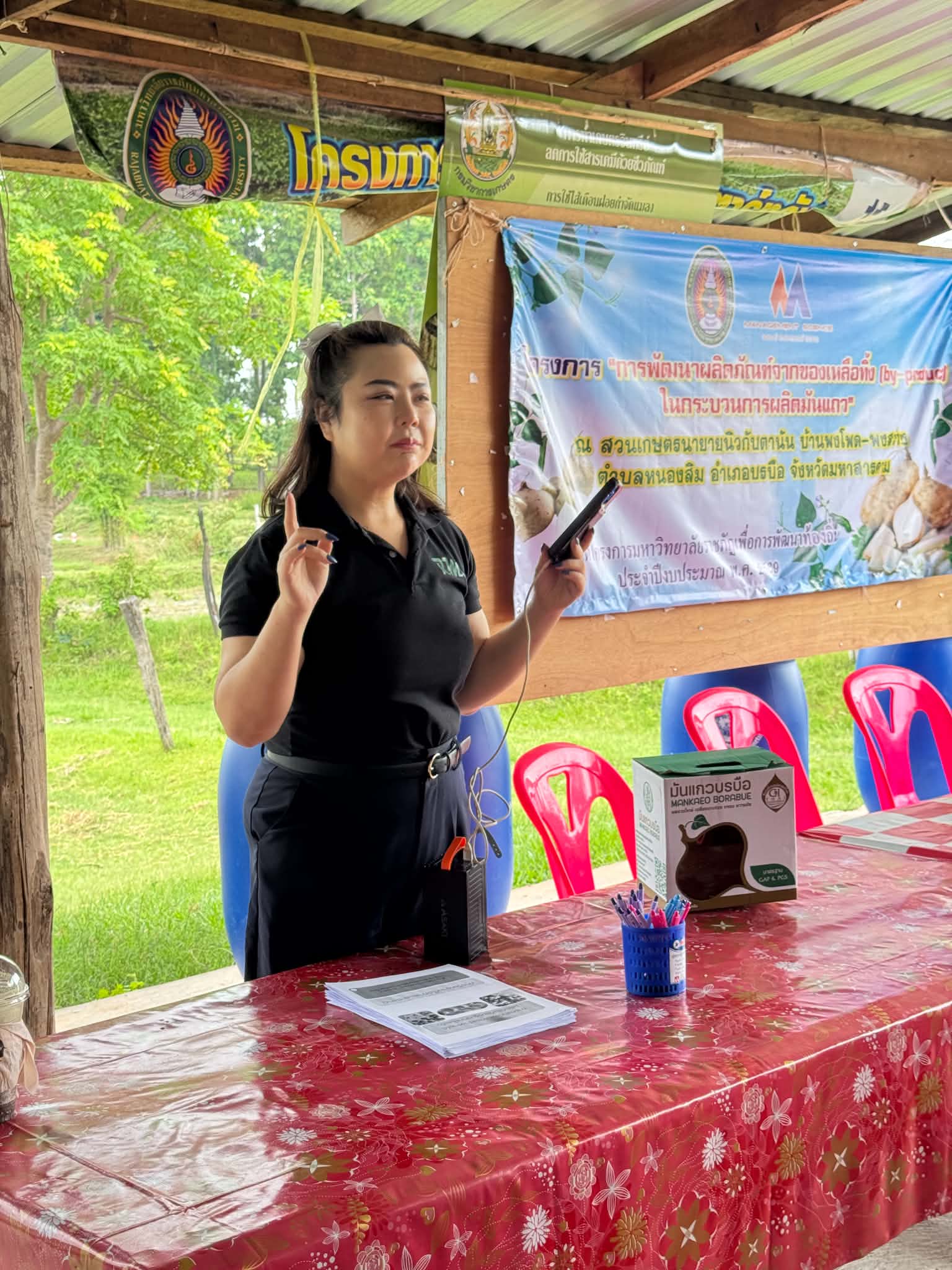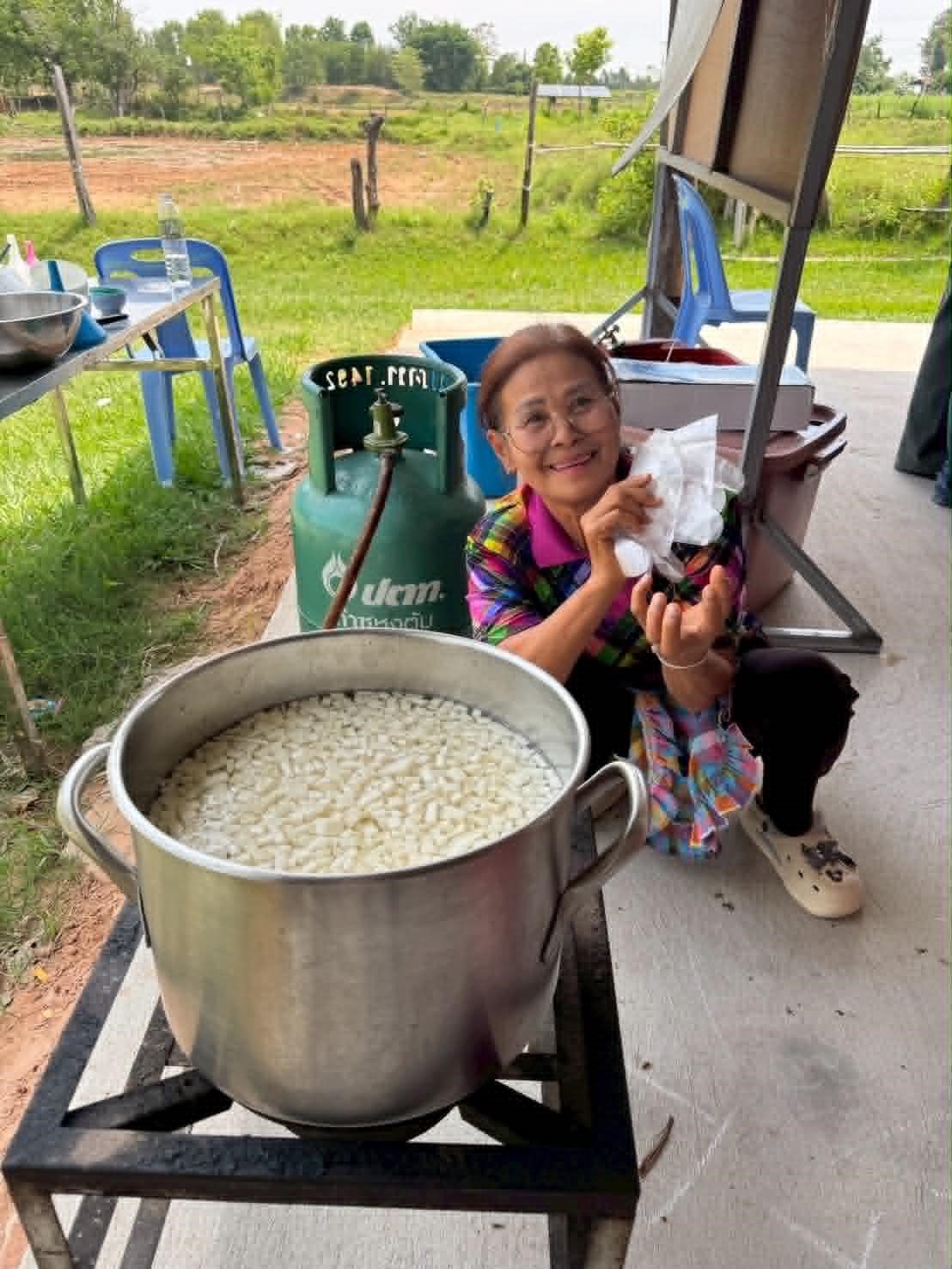
– May 21, 2026 11 พฤษภาคม 2569
– 21 พฤษภาคม 2569
Part 1: Project Details ส่วนที่ 1 รายละเอียดการดำเนินงาน
Objectives วัตถุประสงค์โครงการ
1. To create and develop new products from by-products in the community's production process of sweet potatoes.
2. To develop the potential of the community members by providing knowledge and skills in processing and managing products from the sweet potato.
3. To create marketing channels and increase income for the community .
1. เพื่อสร้างและพัฒนาผลิตภัณฑ์ใหม่จากของเหลือทิ้ง (by-product) ในกระบวนการผลิตมันแกวของชุมชน
2. เพื่อพัฒนาศักยภาพของคนในชุมชนให้มีความรู้และทักษะในการแปรรูปและบริหารจัดการผลิตภัณฑ์จากมันแกว
3. เพื่อสร้างช่องทางการตลาดและเพิ่มรายได้ให้กับชุมชน
Main Activities กิจกรรมหลัก
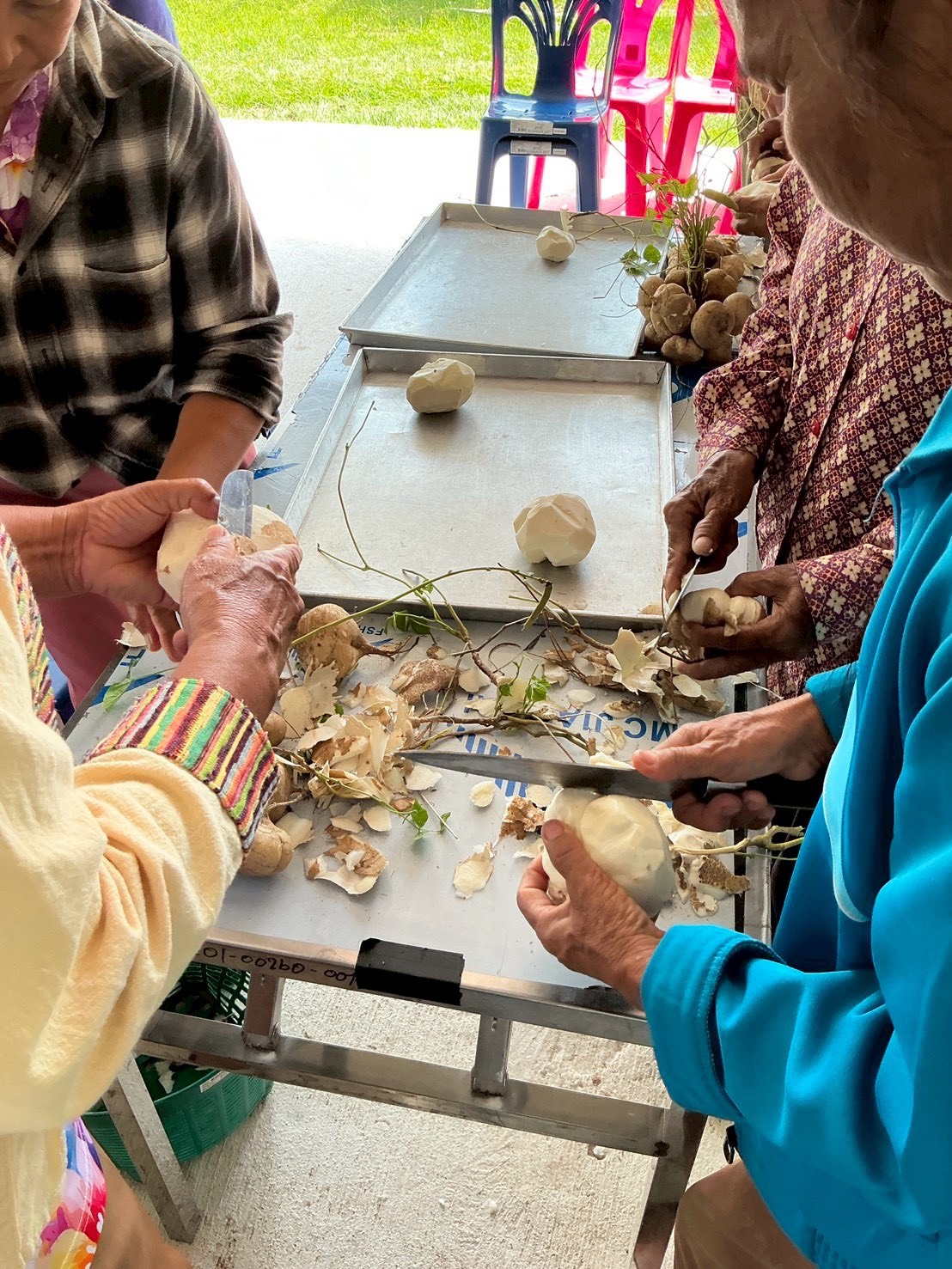
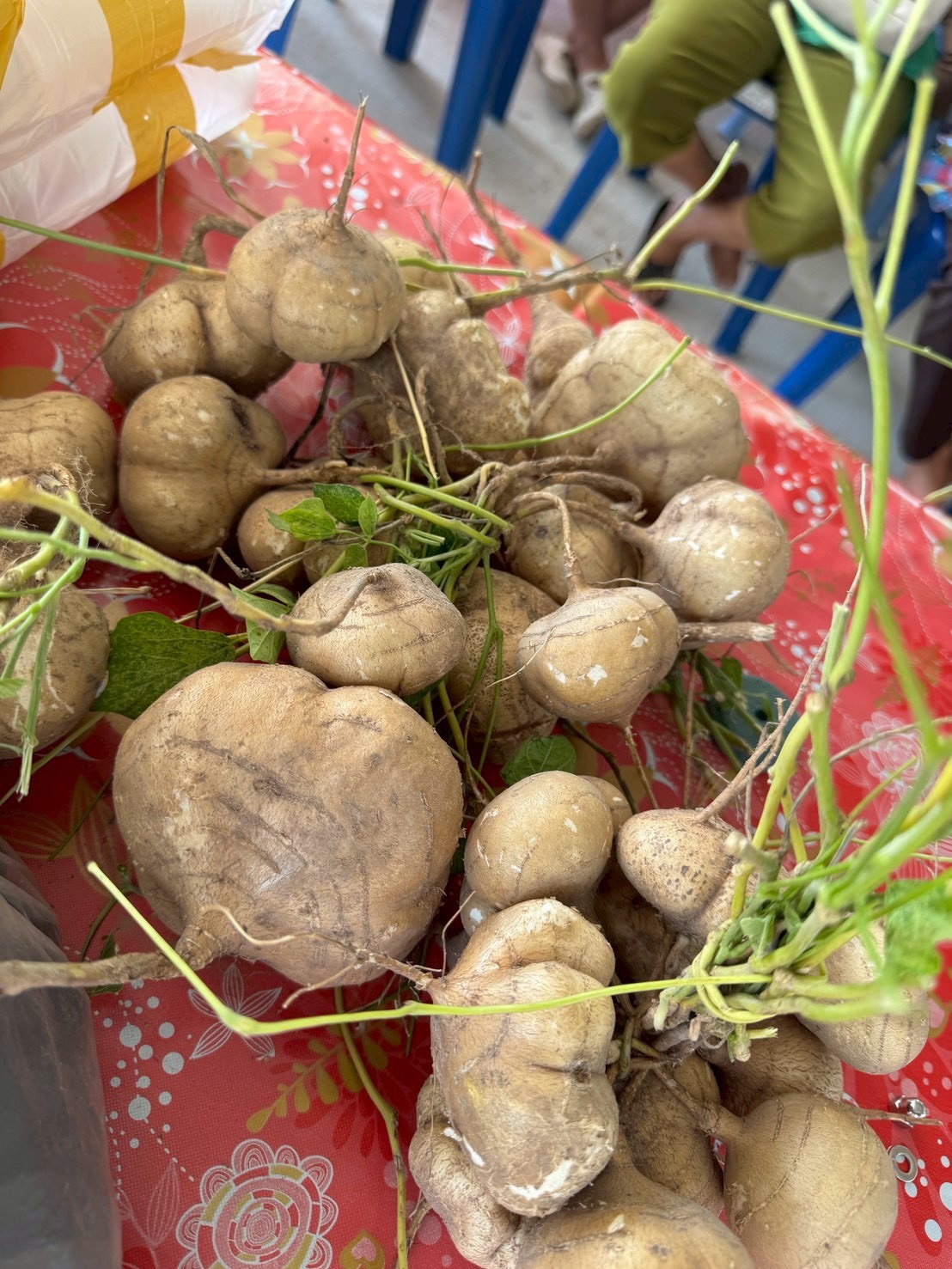
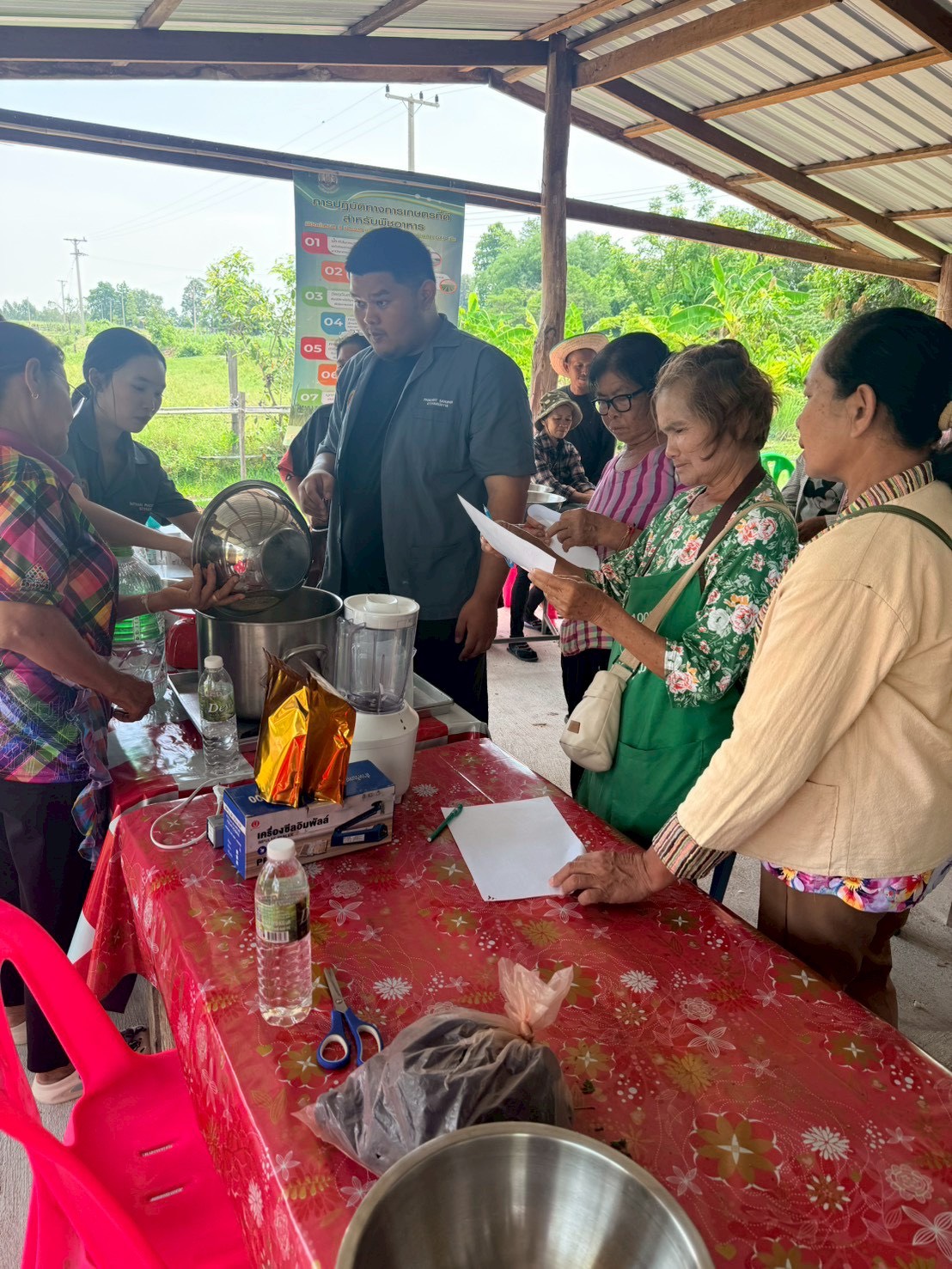
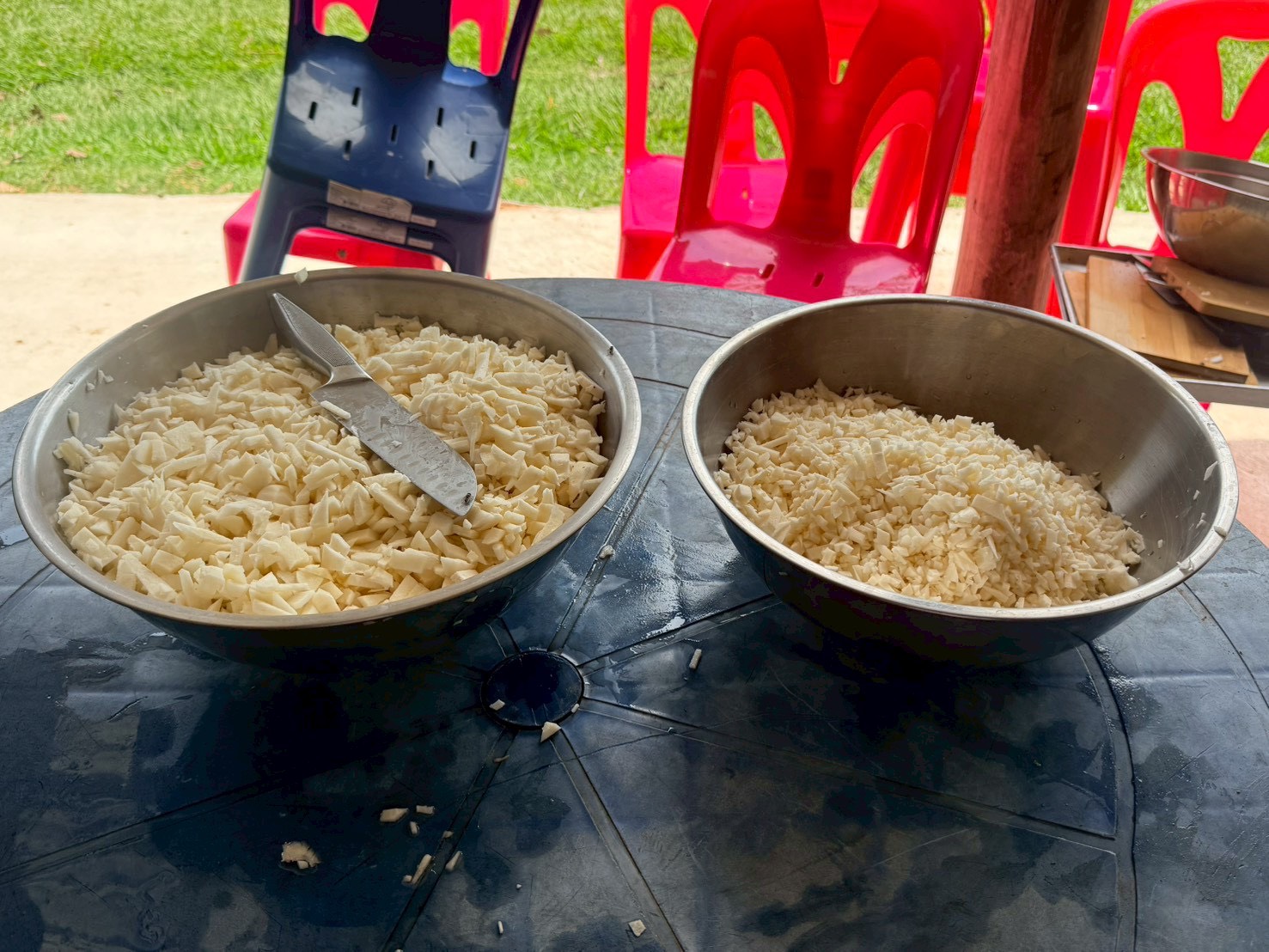
Activity 1: Workshop on Raw Material Preparation and Knowledge Creation (Focusing on Sorting and Preparing Waste) on May 11-12, 2026
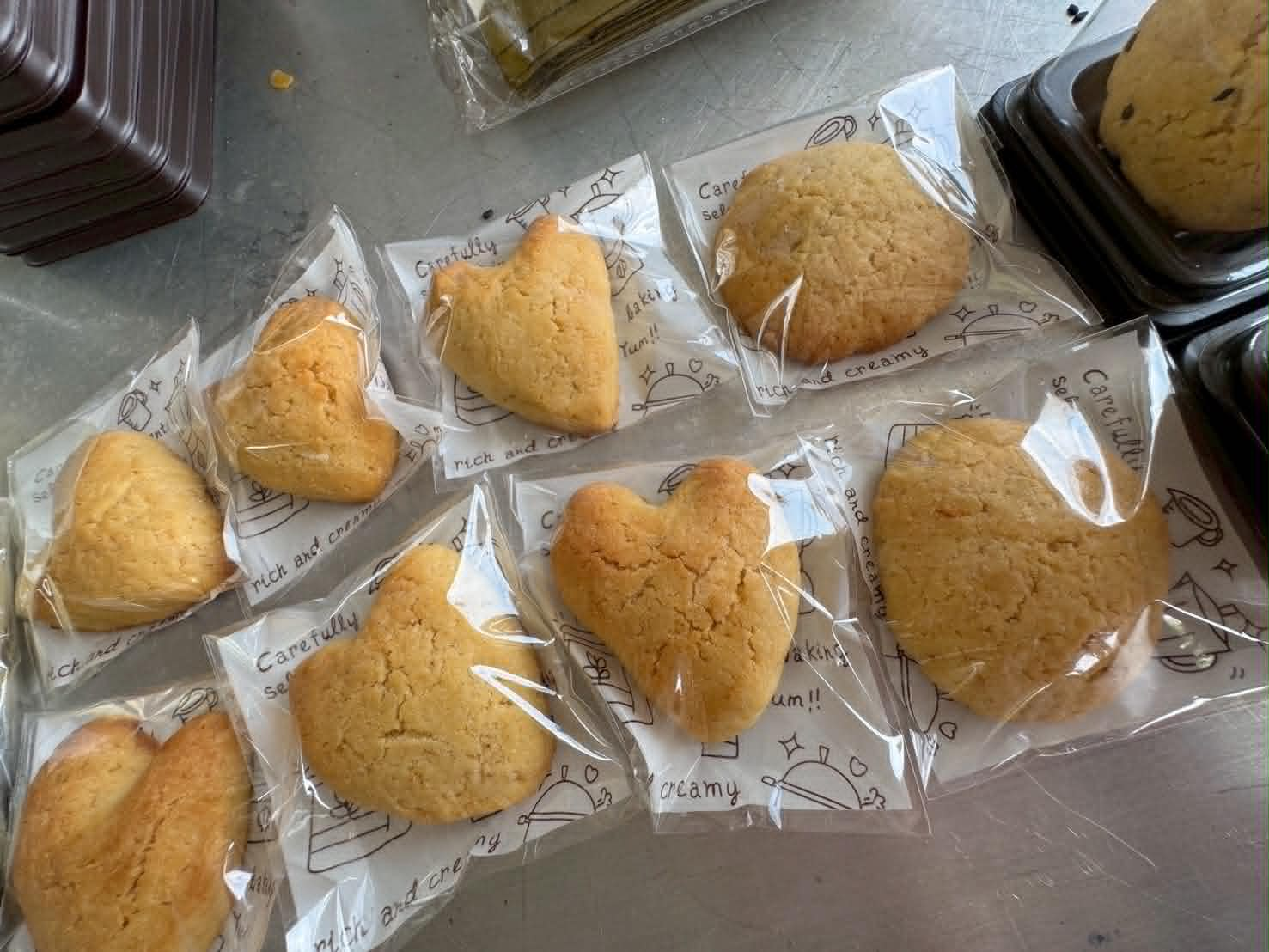
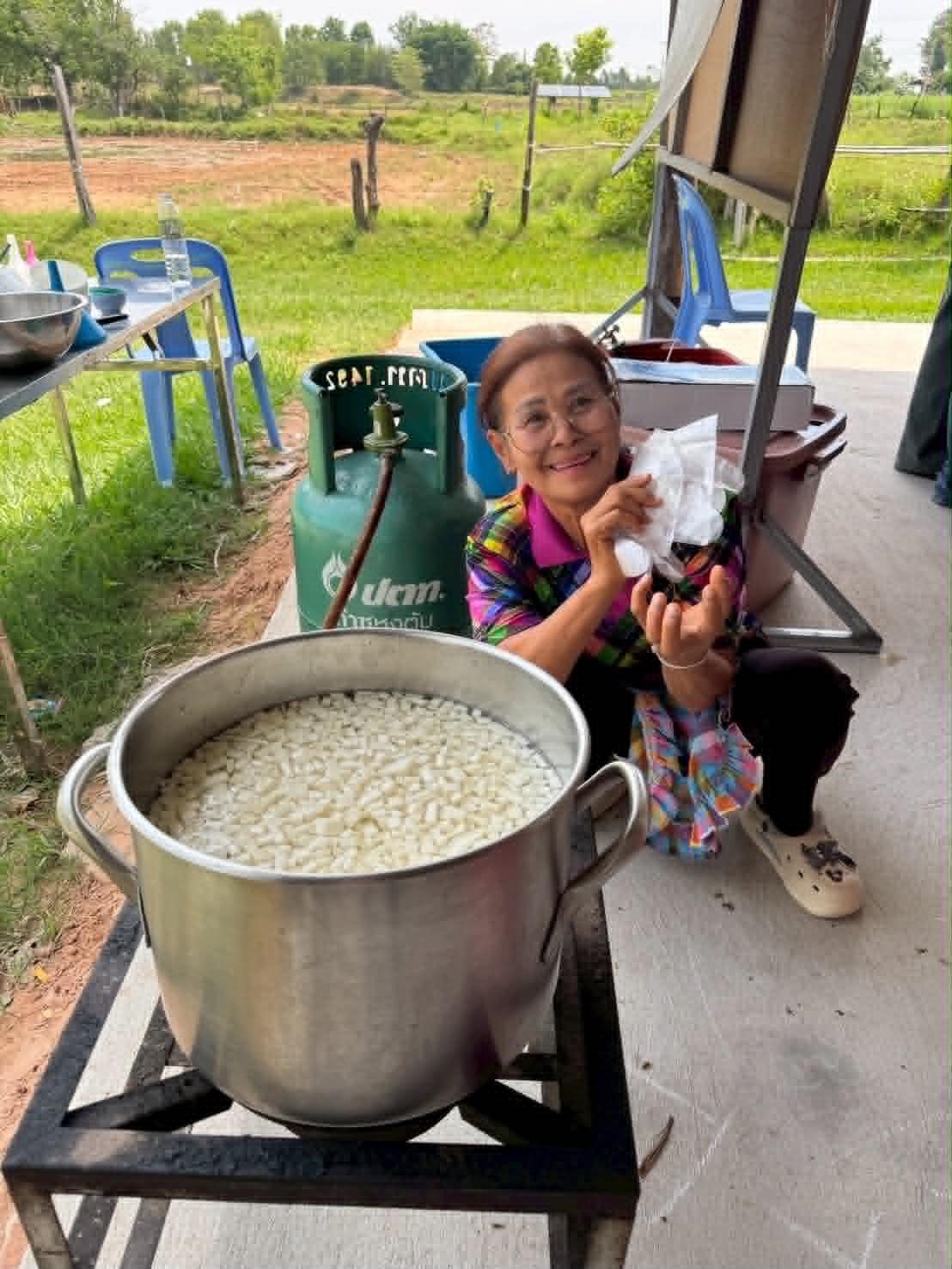
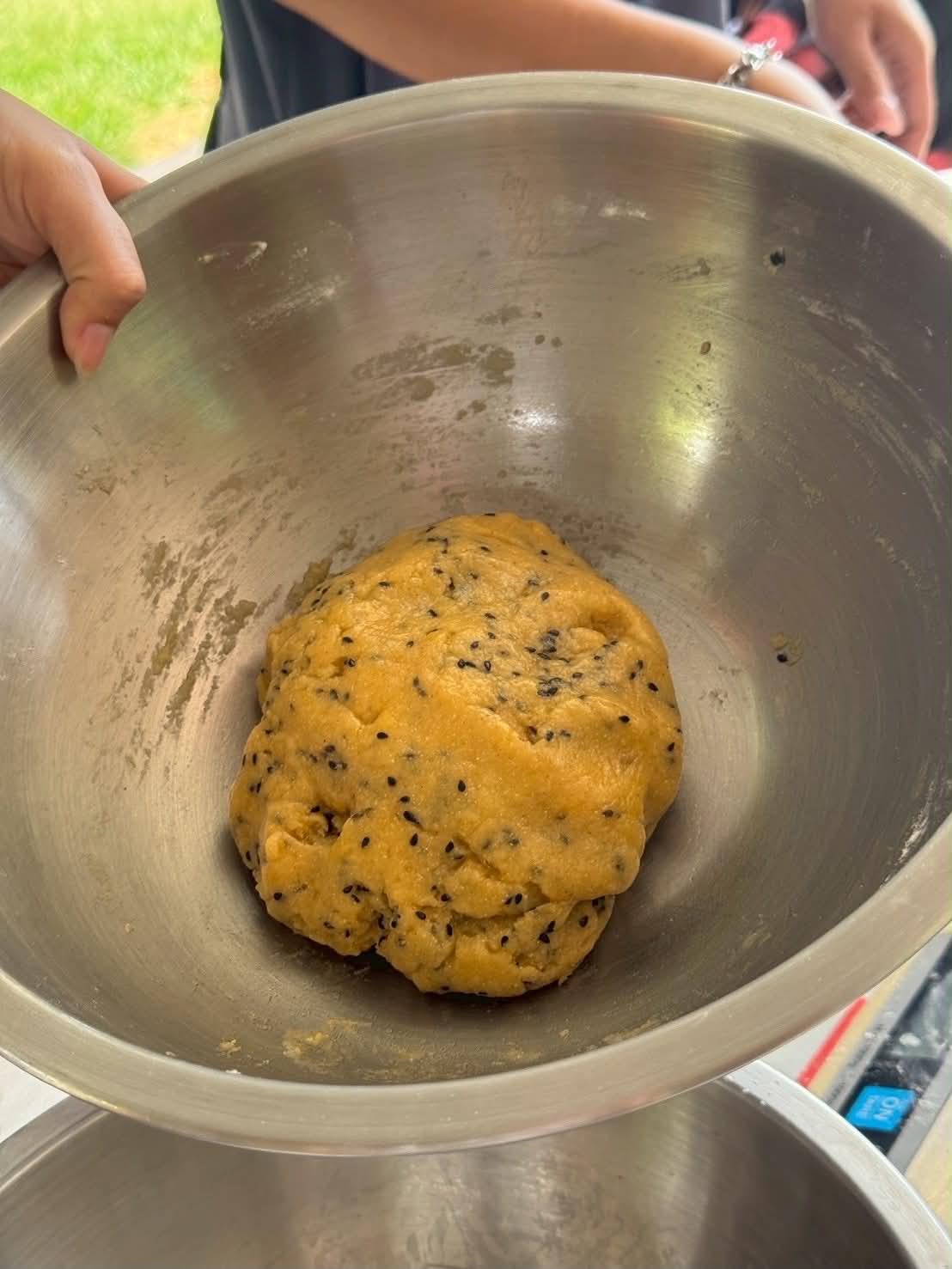
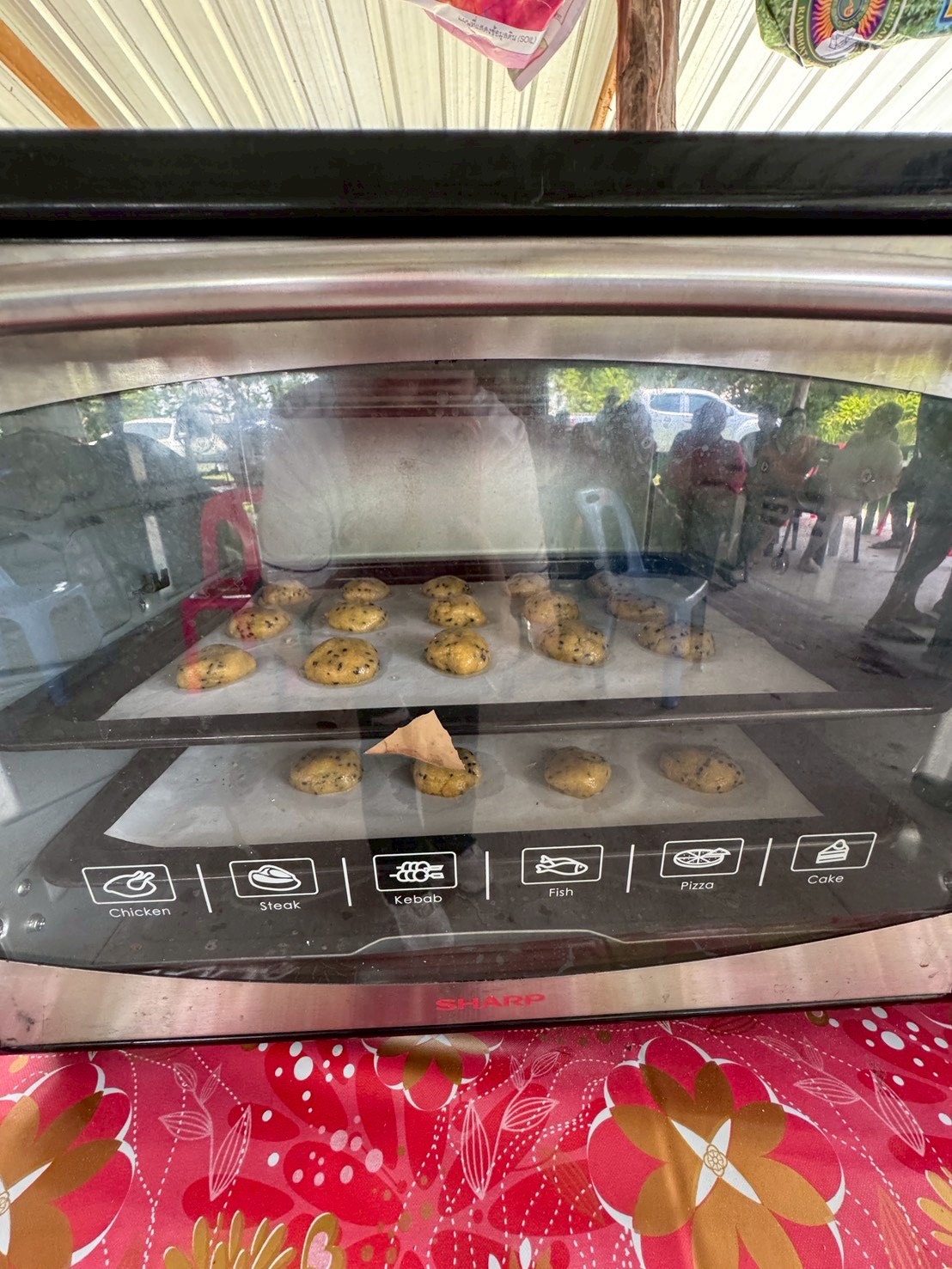
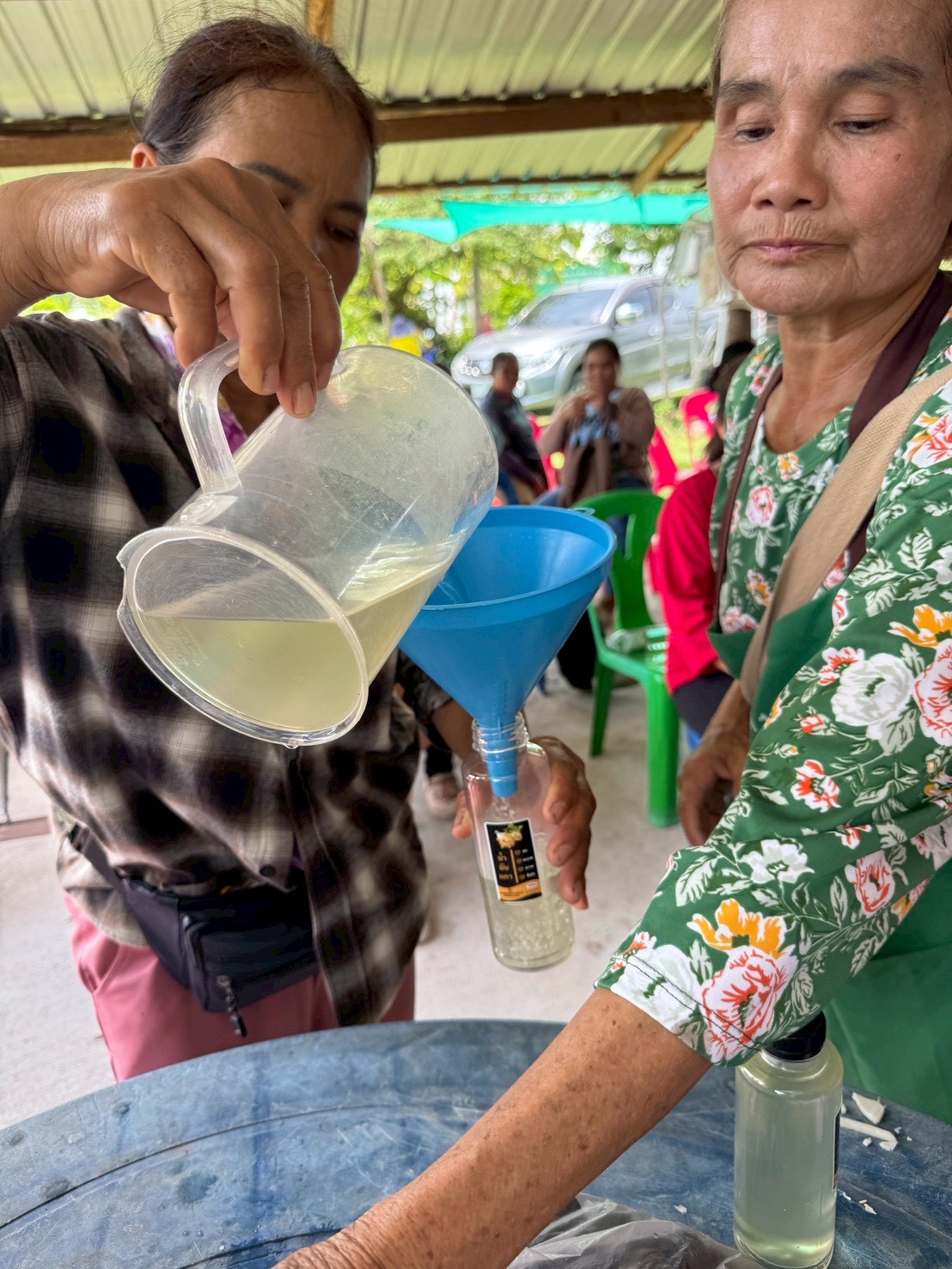
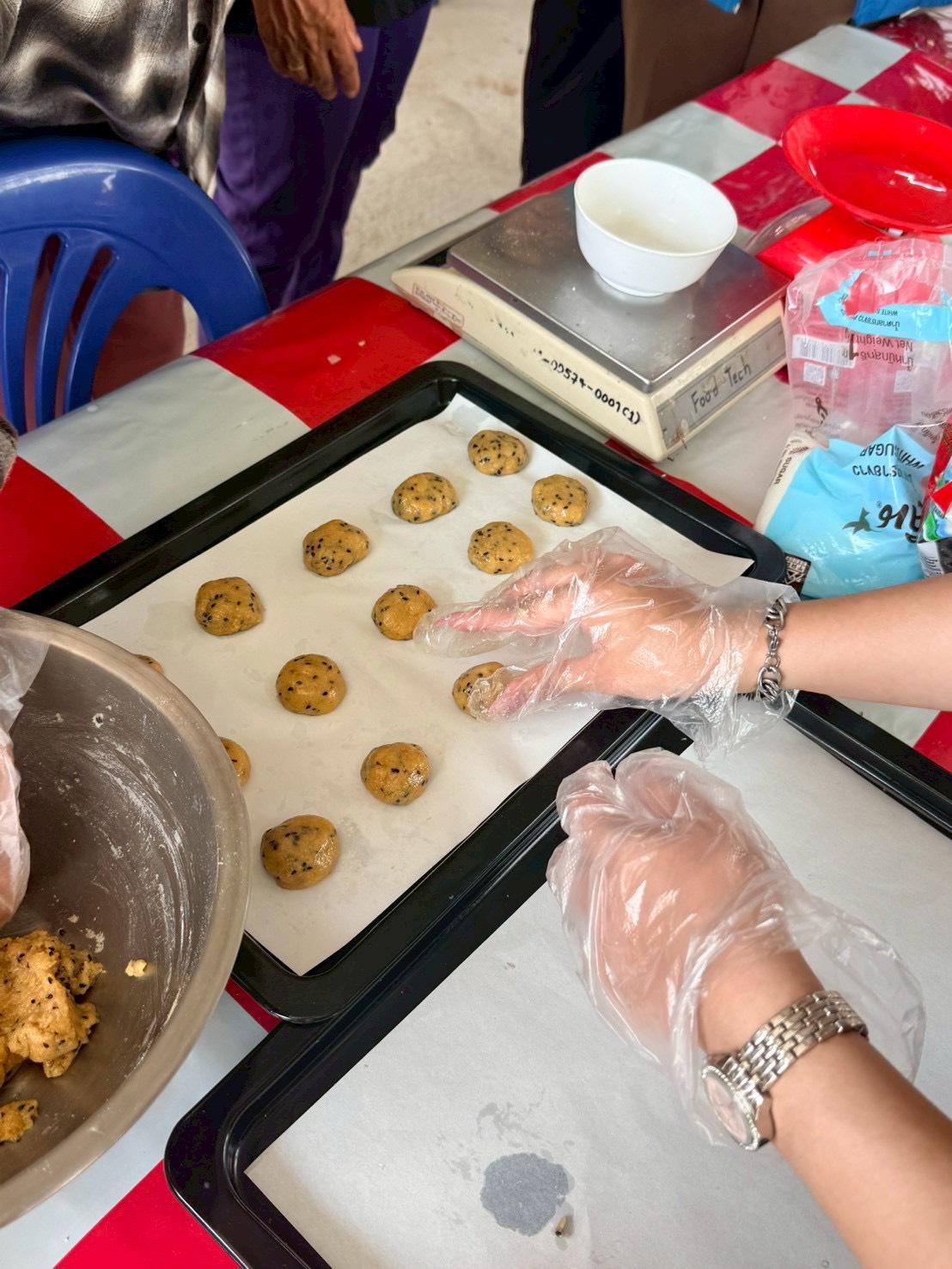
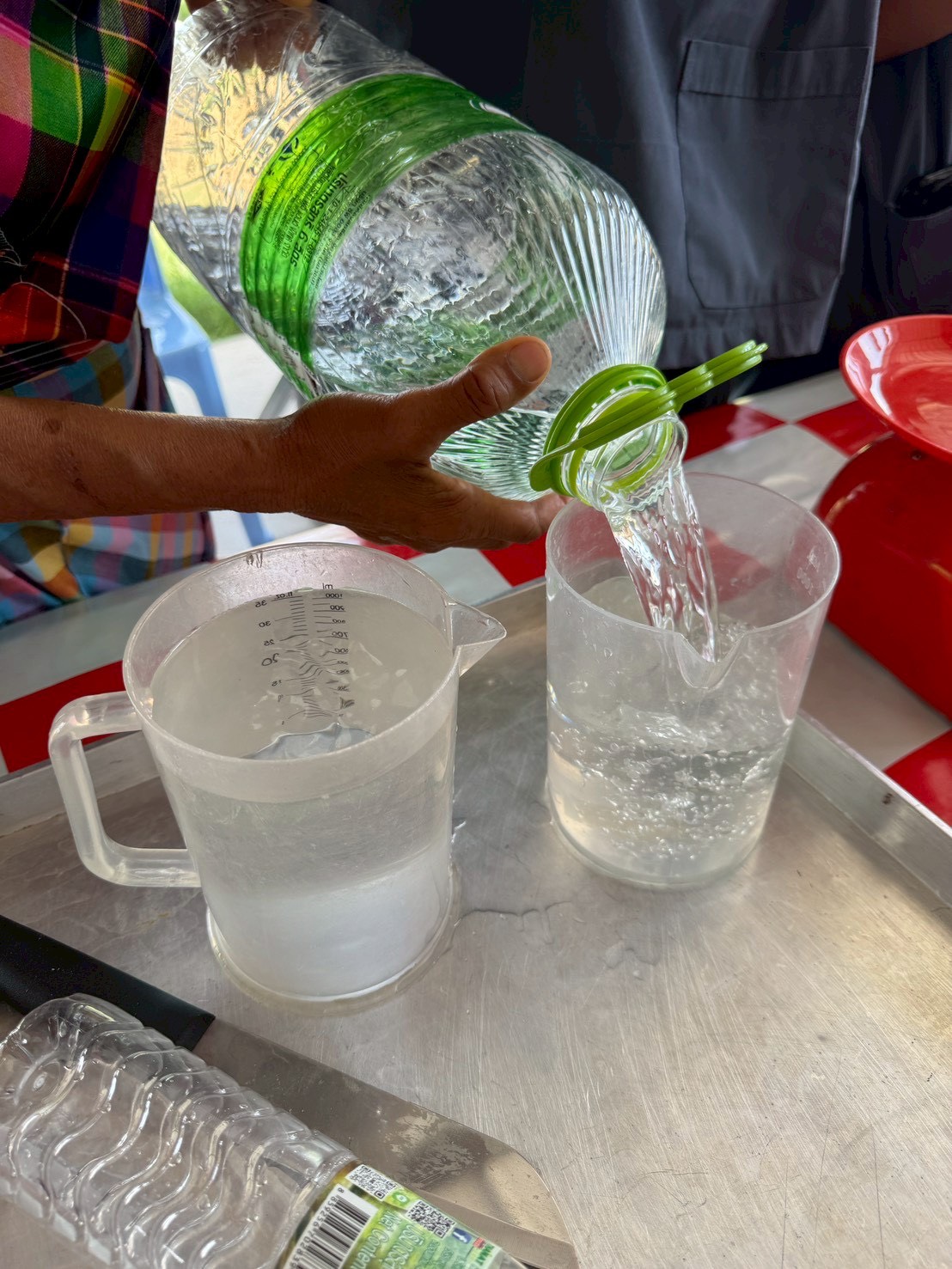
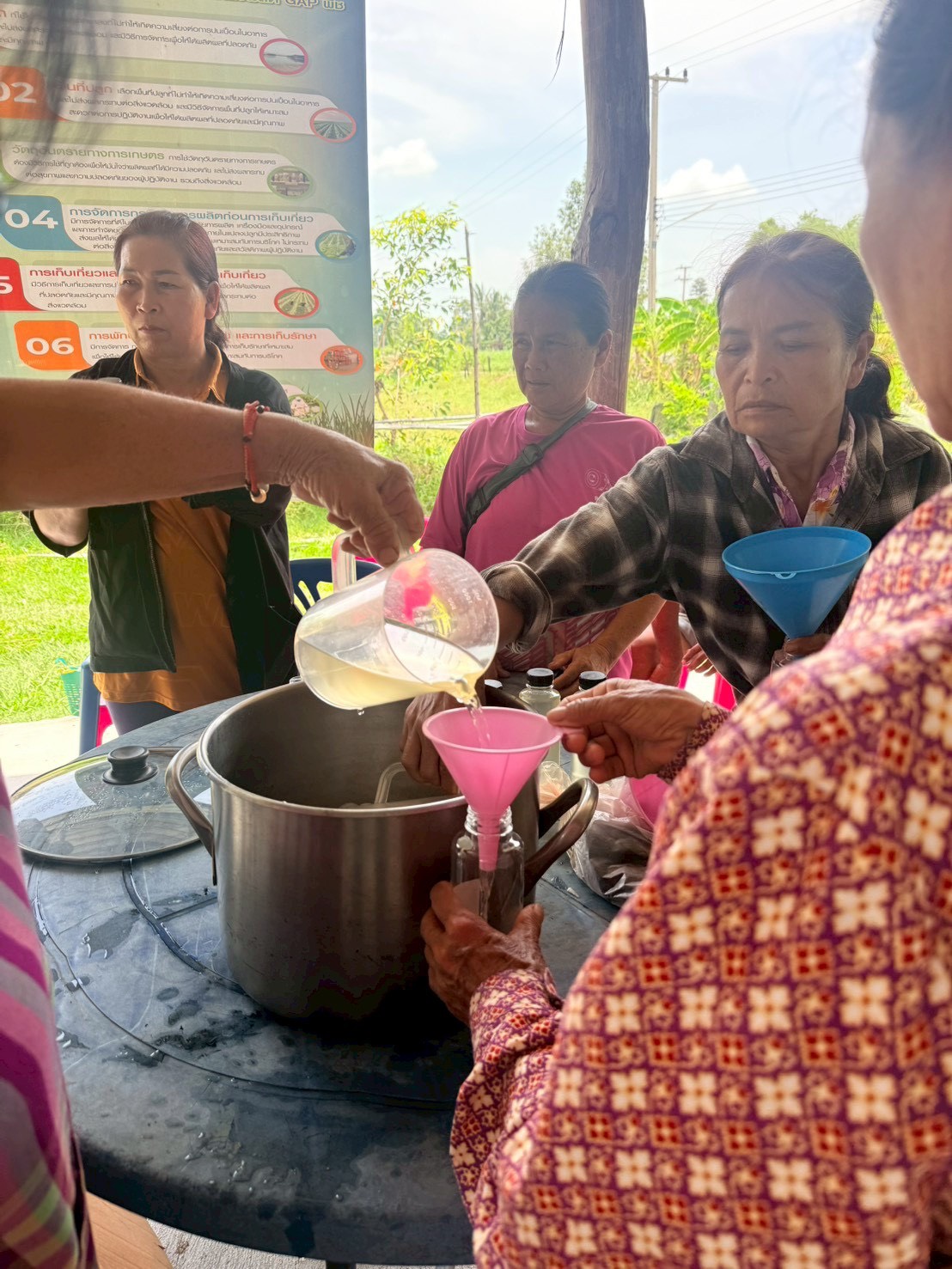
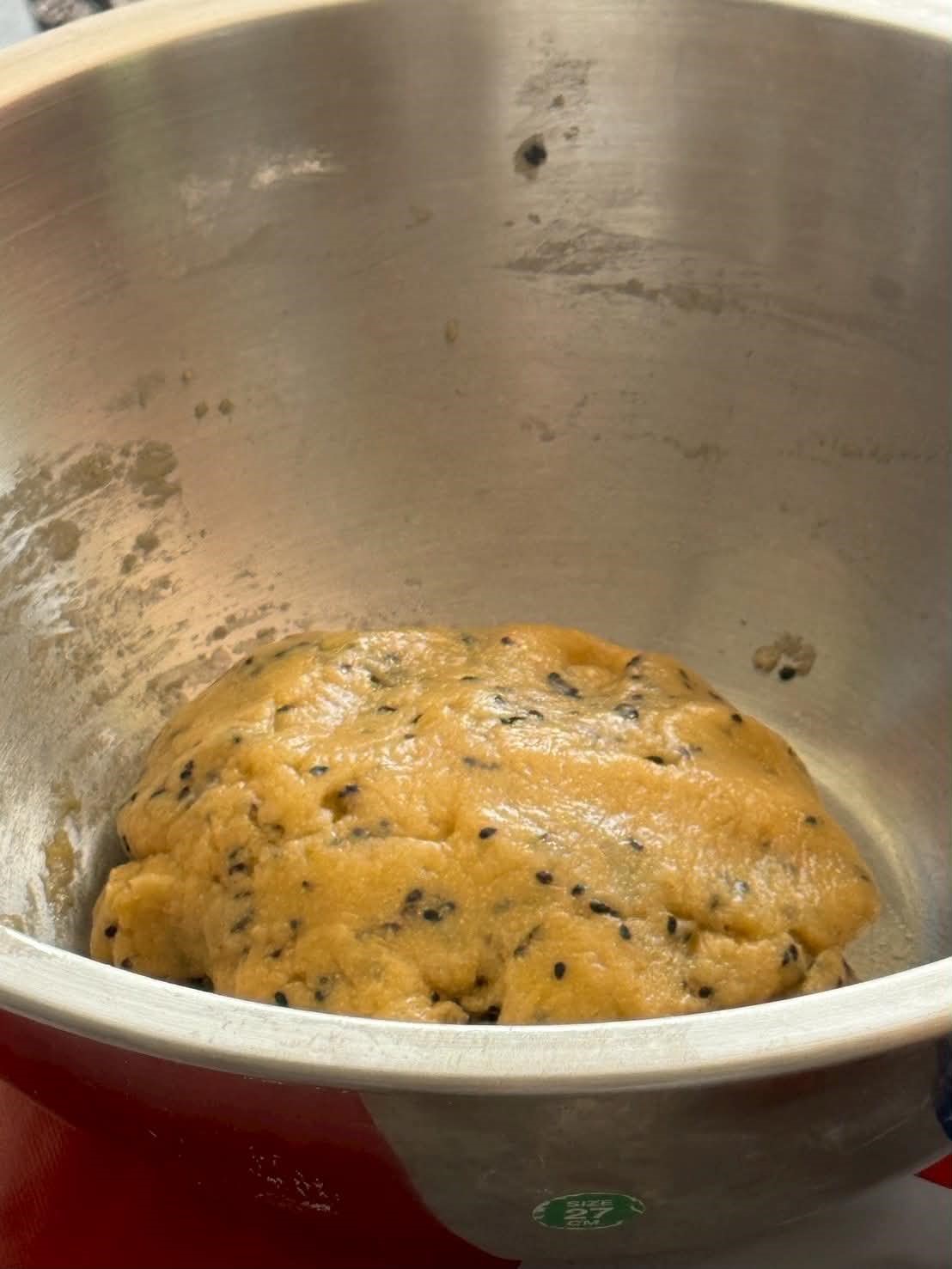
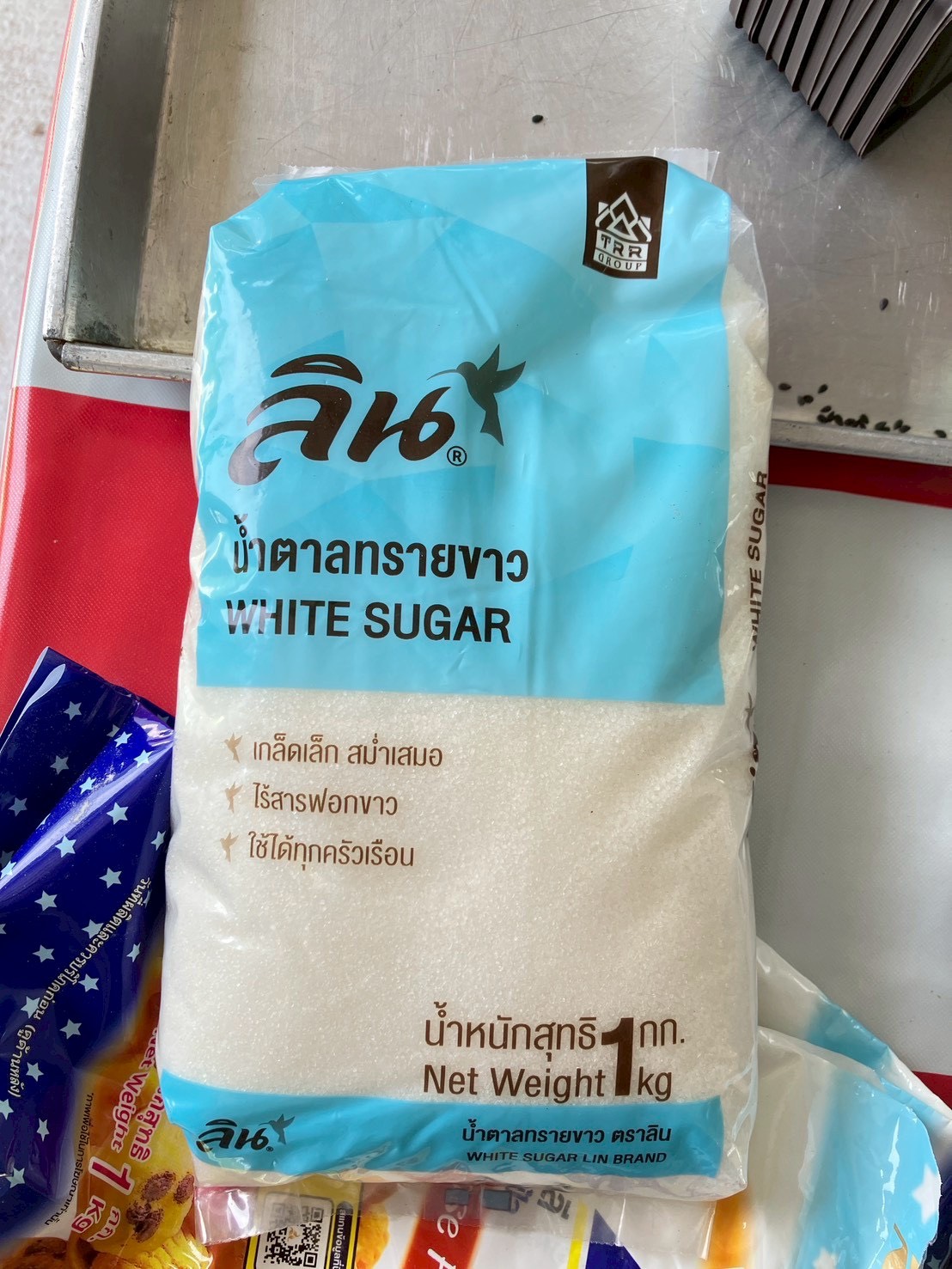
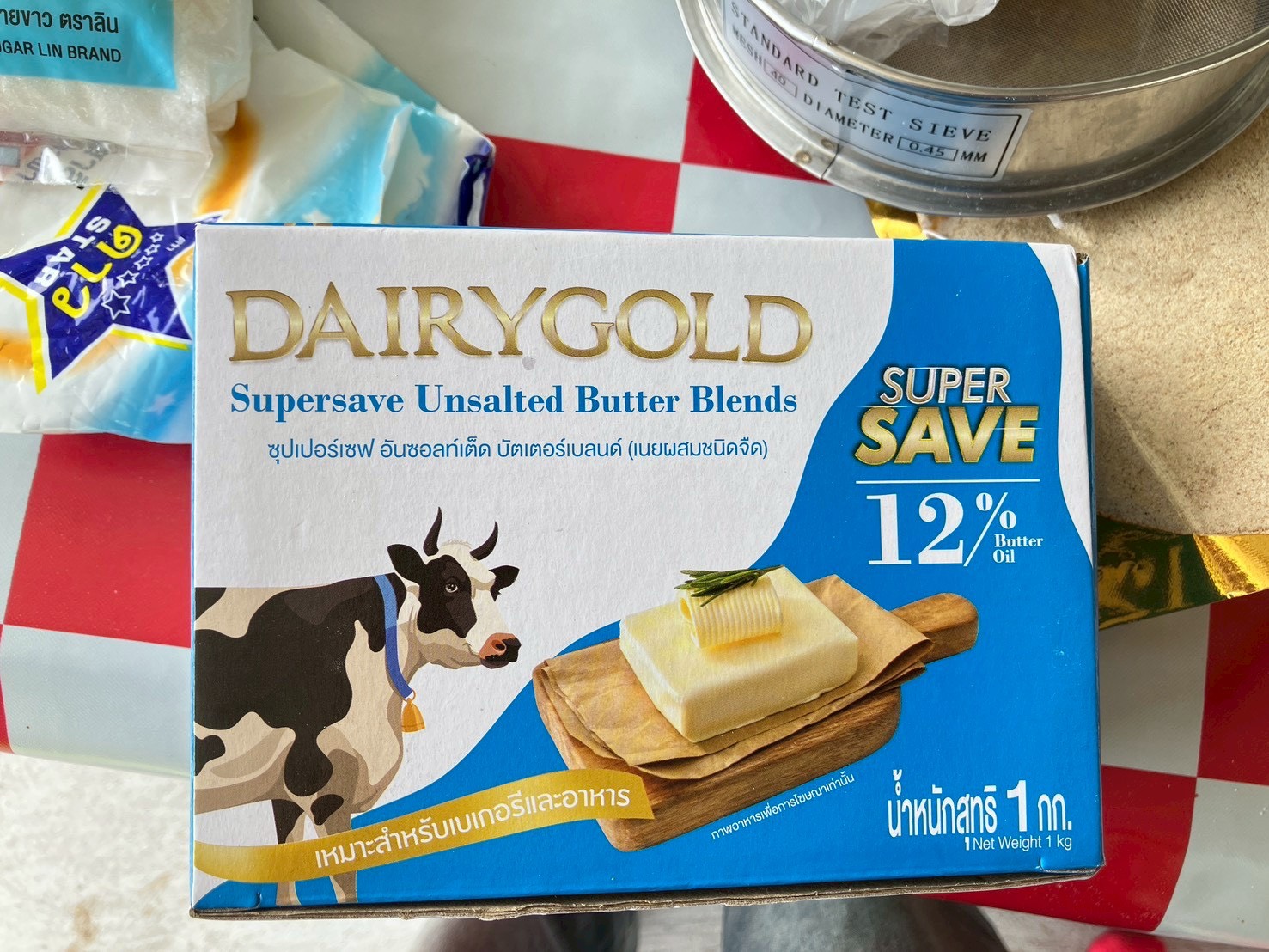
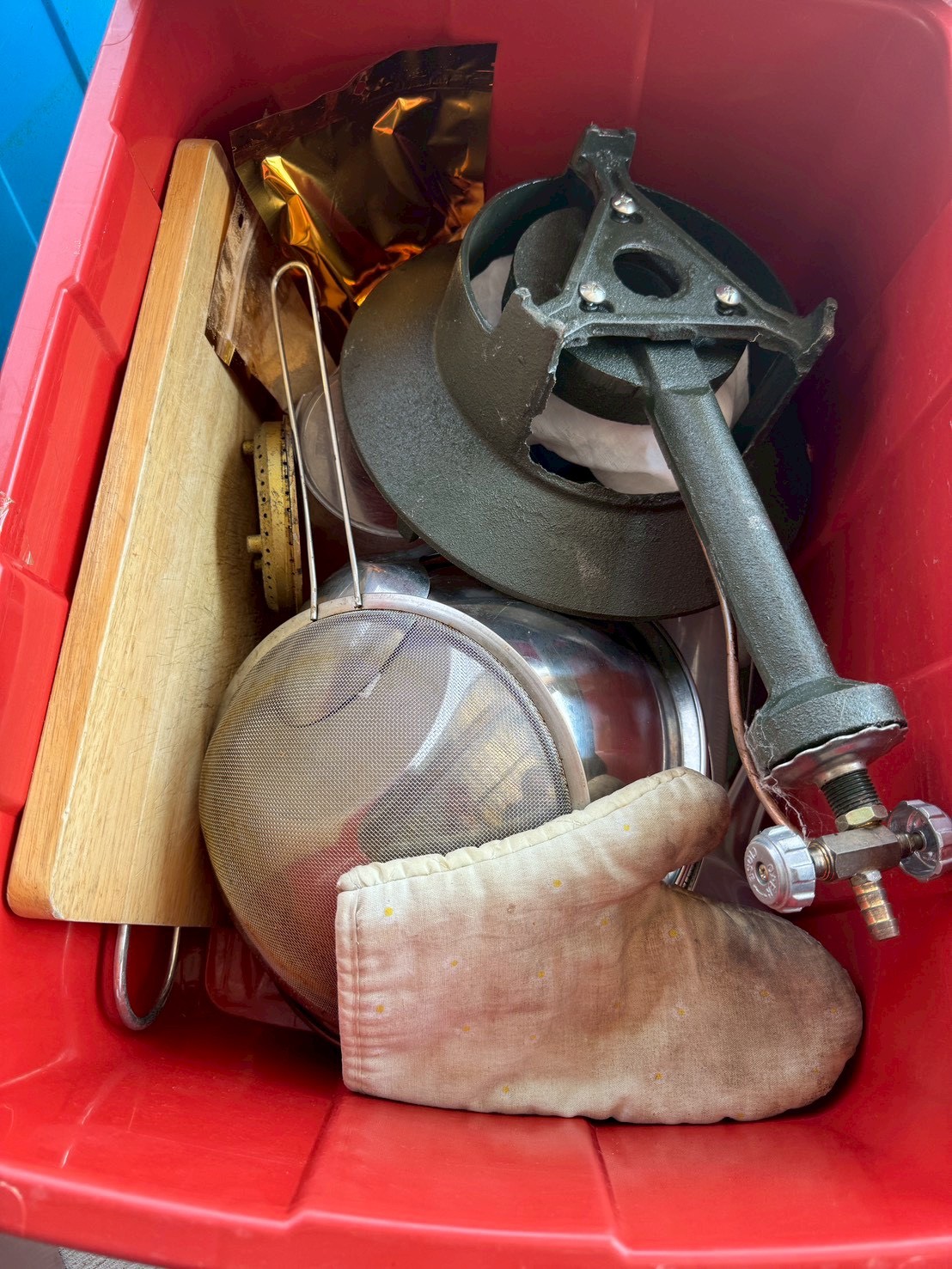
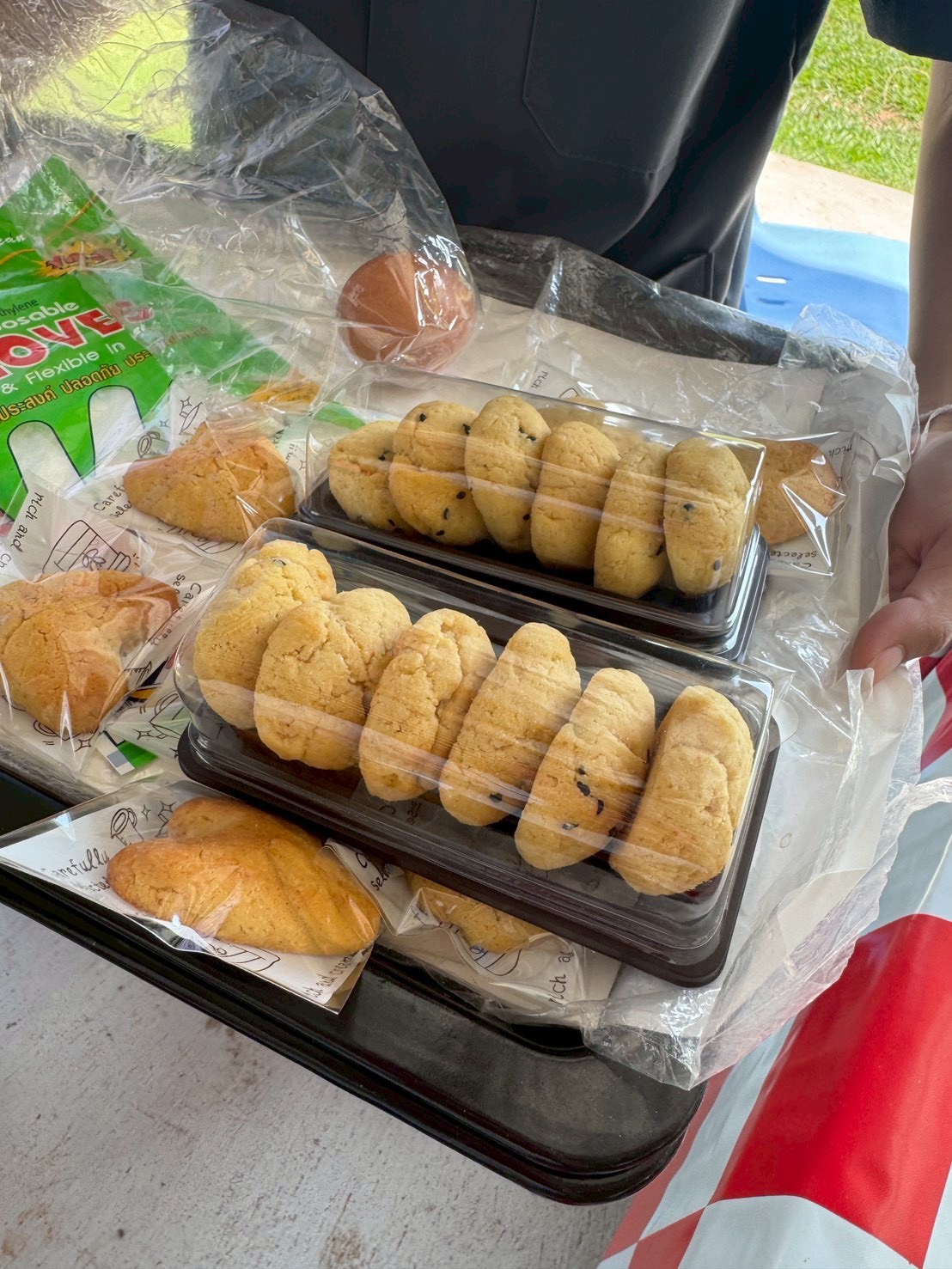
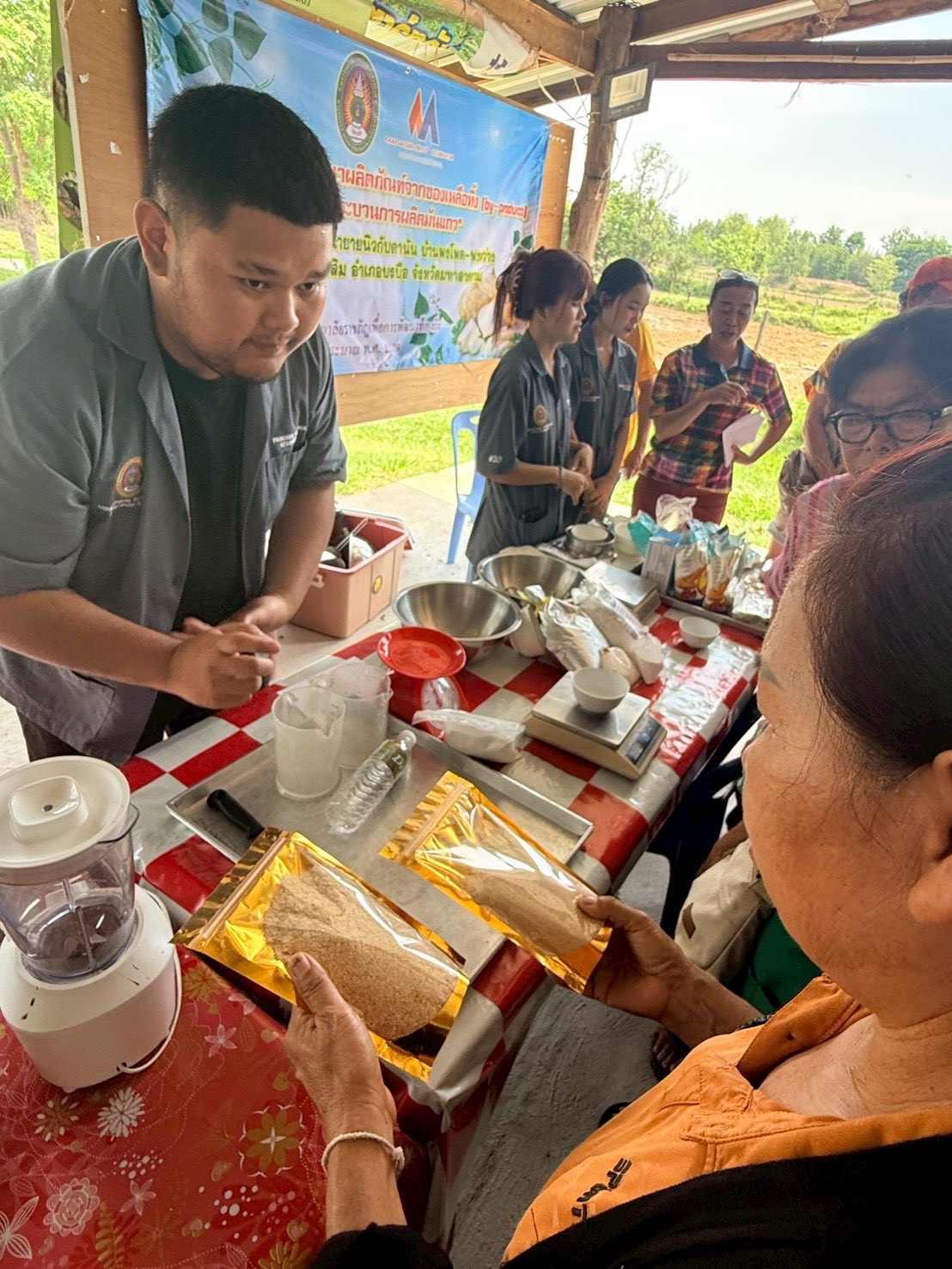
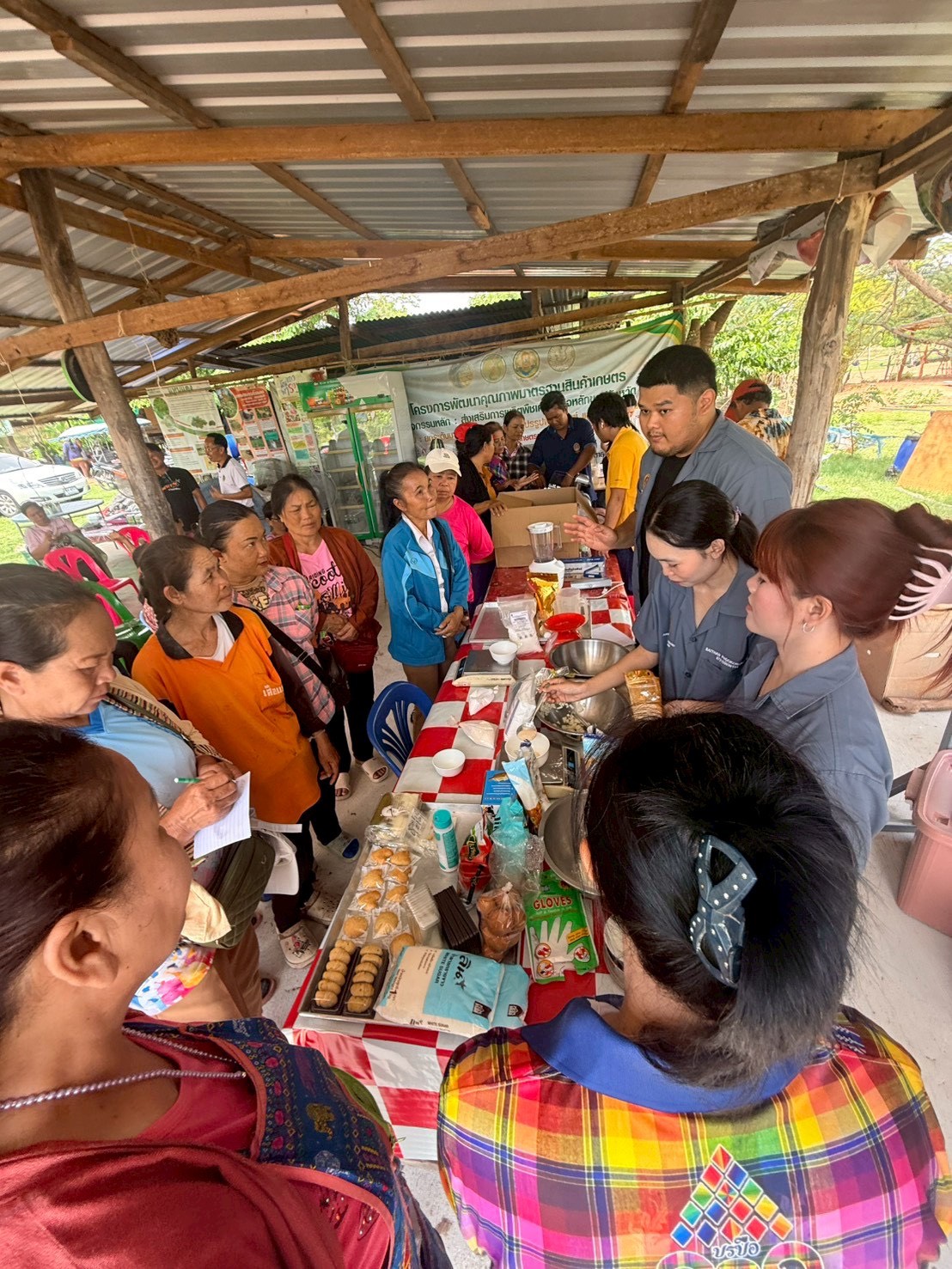
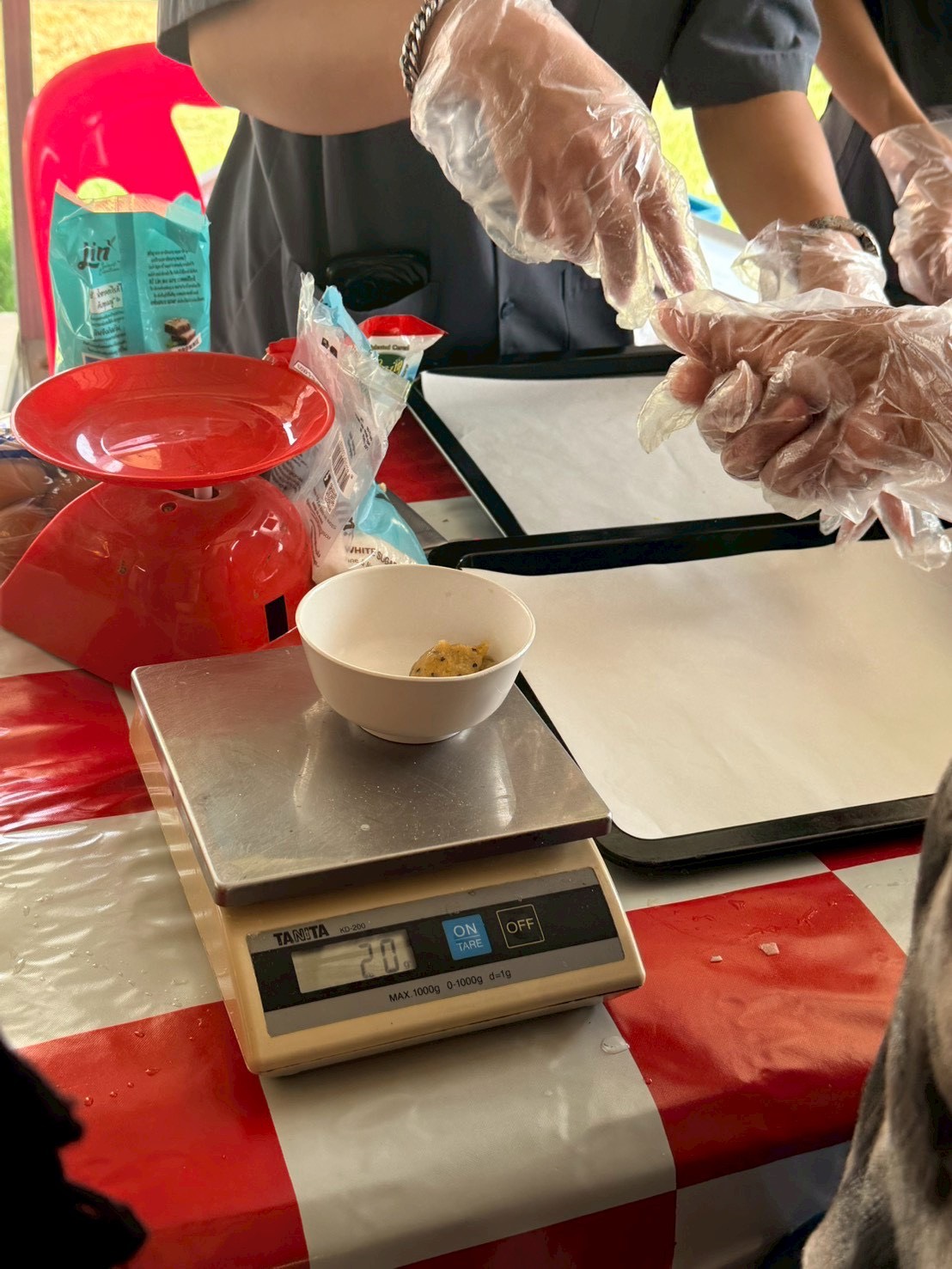
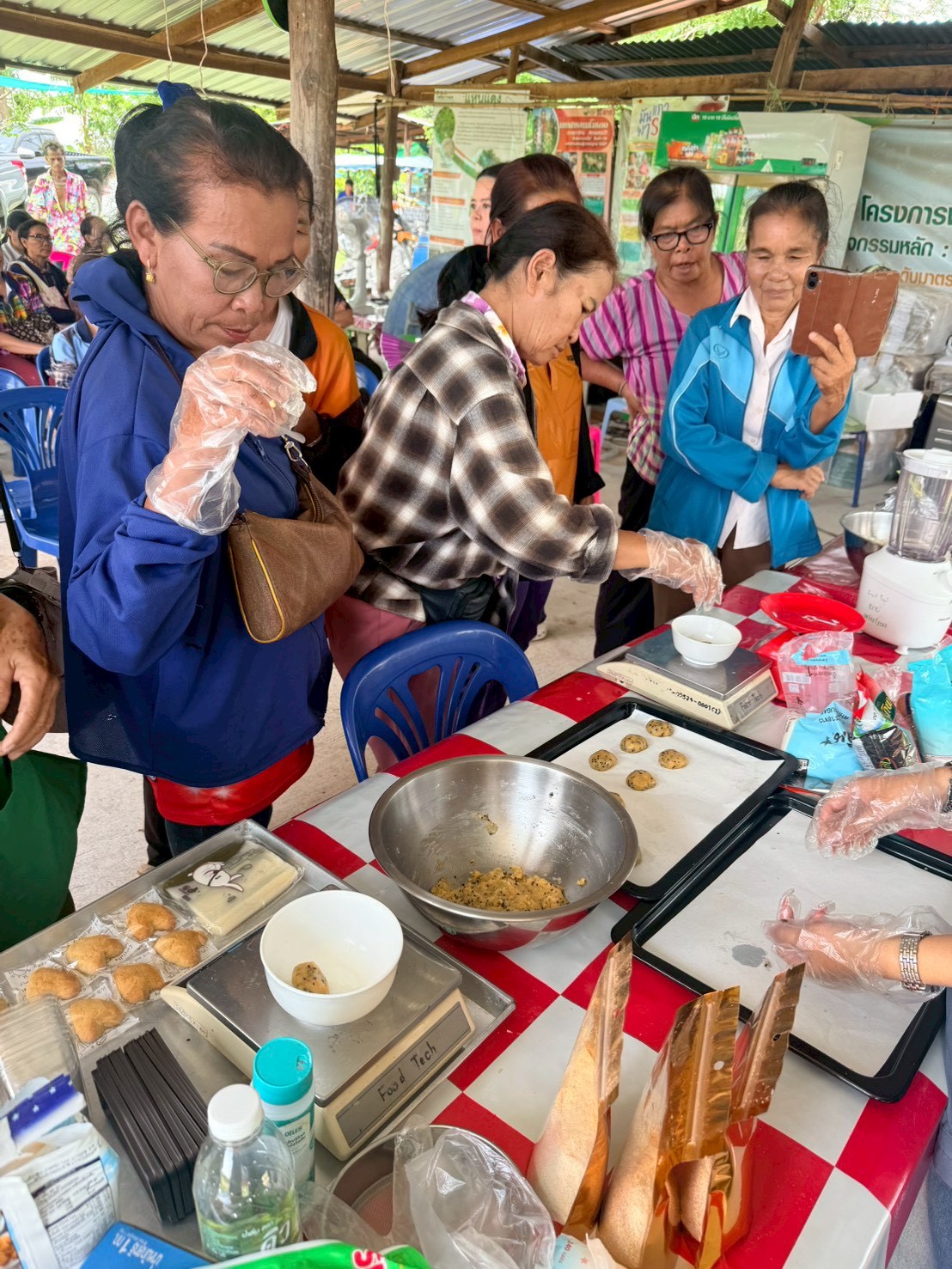
Activity 2 Workshop: Product Development and New Career Creation (Processing and testing prototype products such as oil and cookies) on May 13-15, 2026.
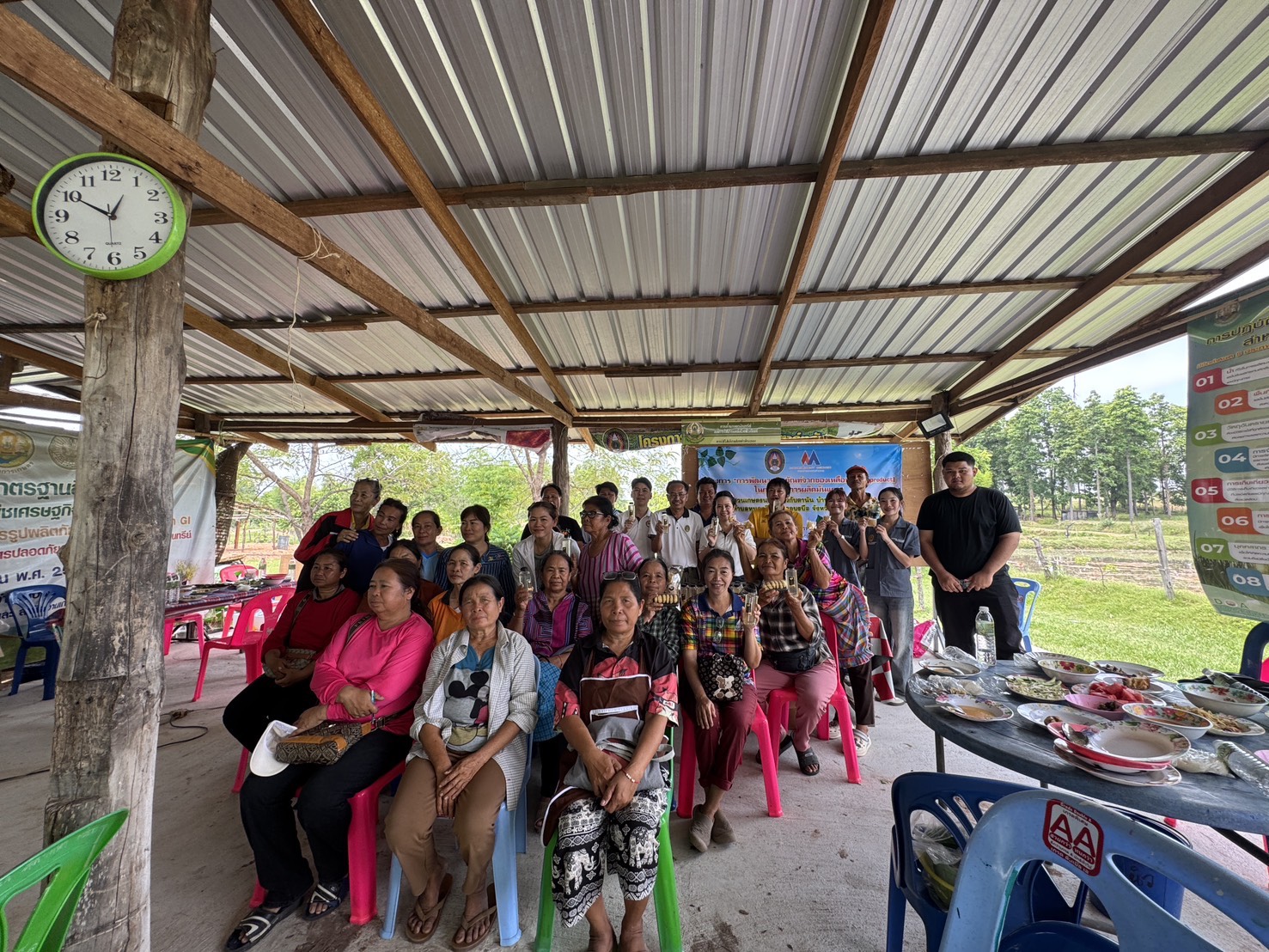
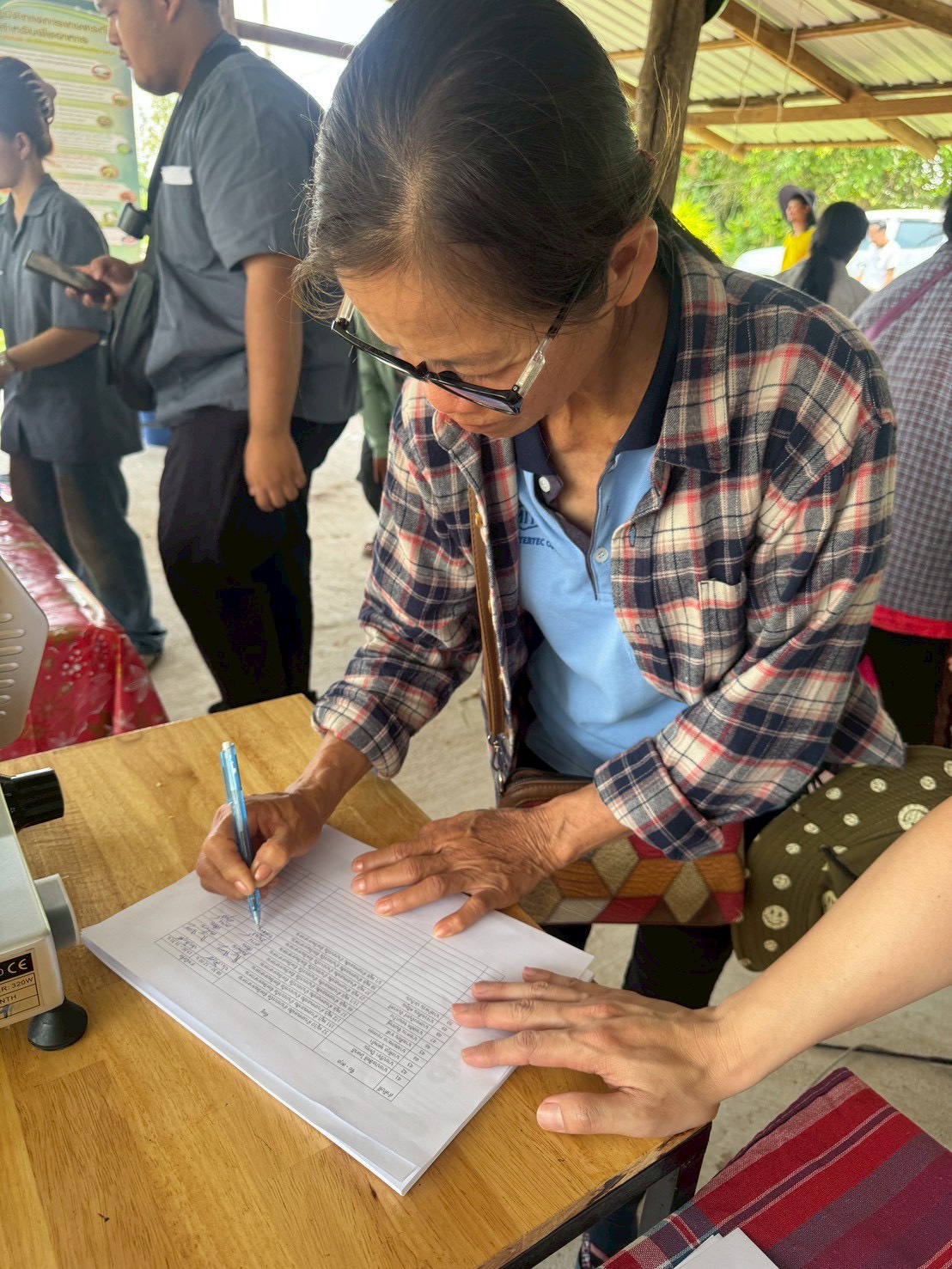
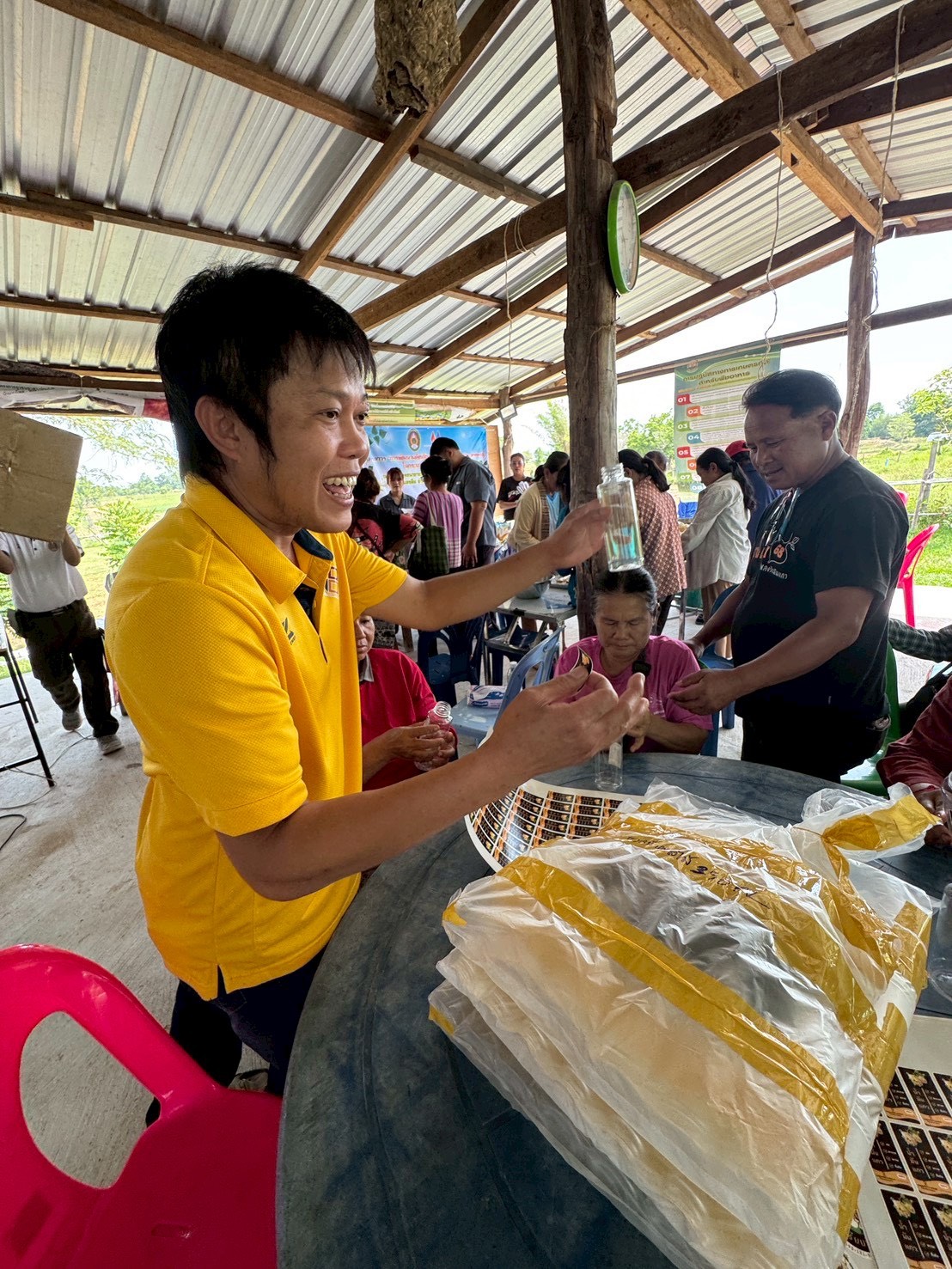
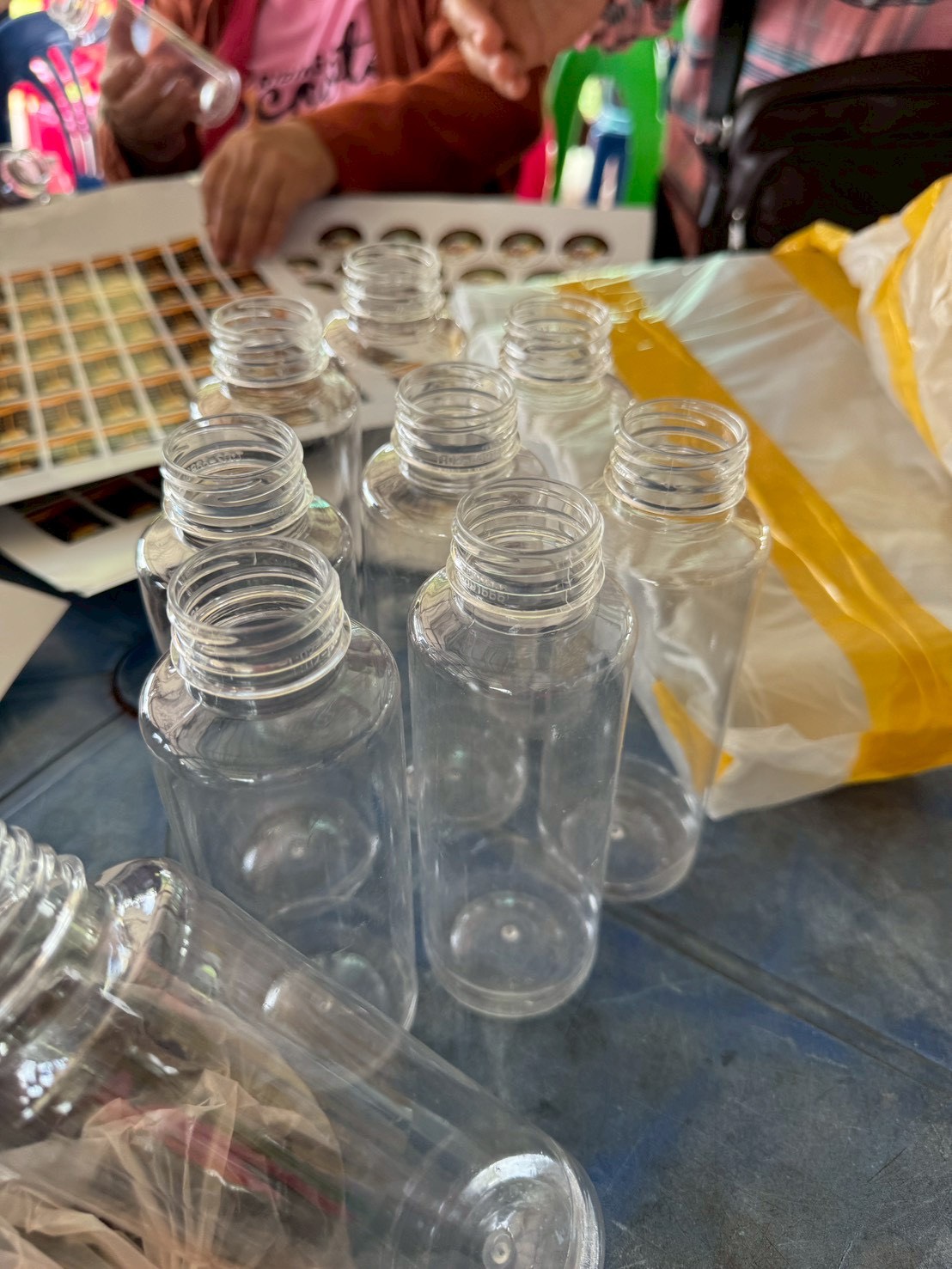
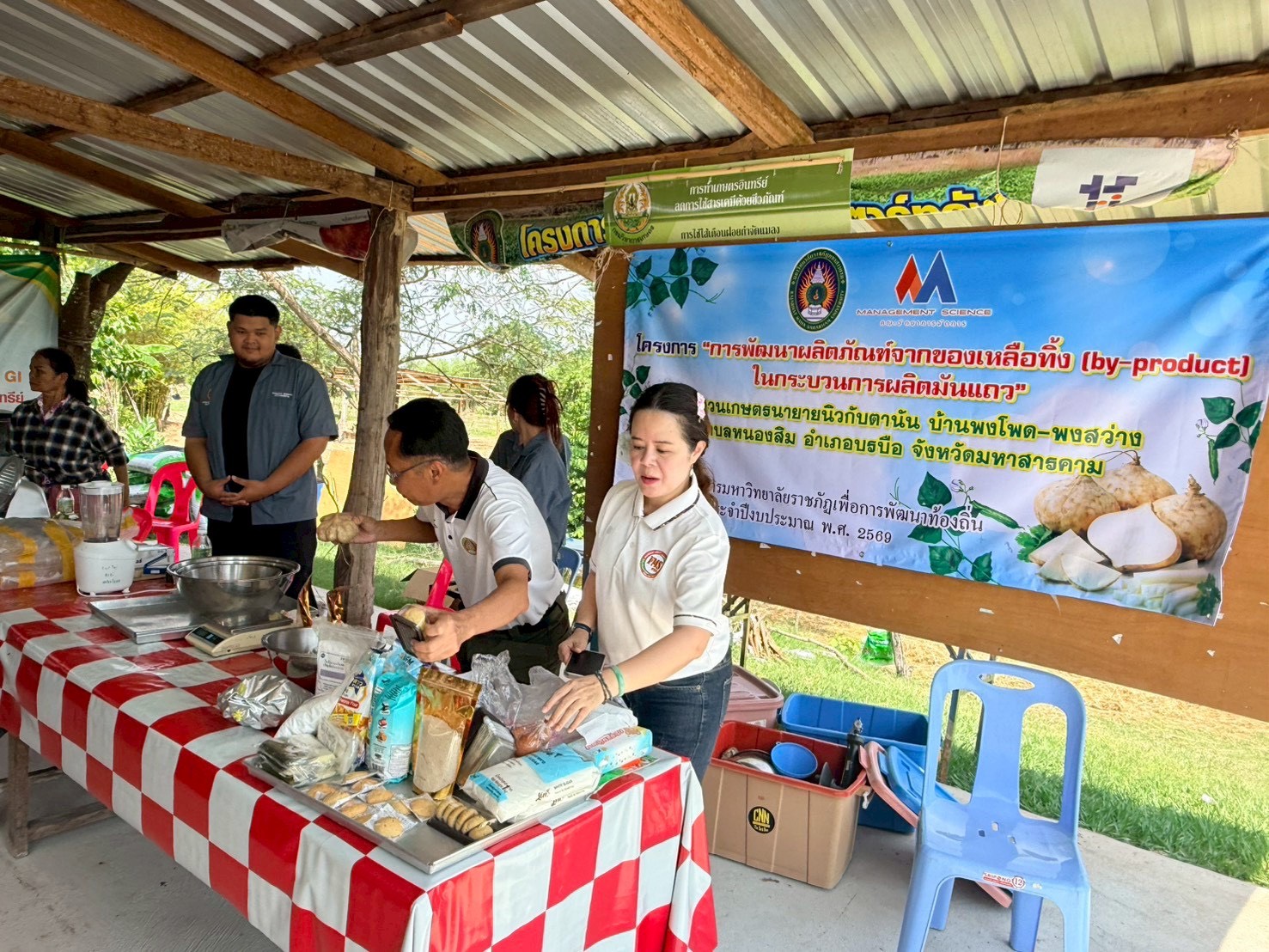
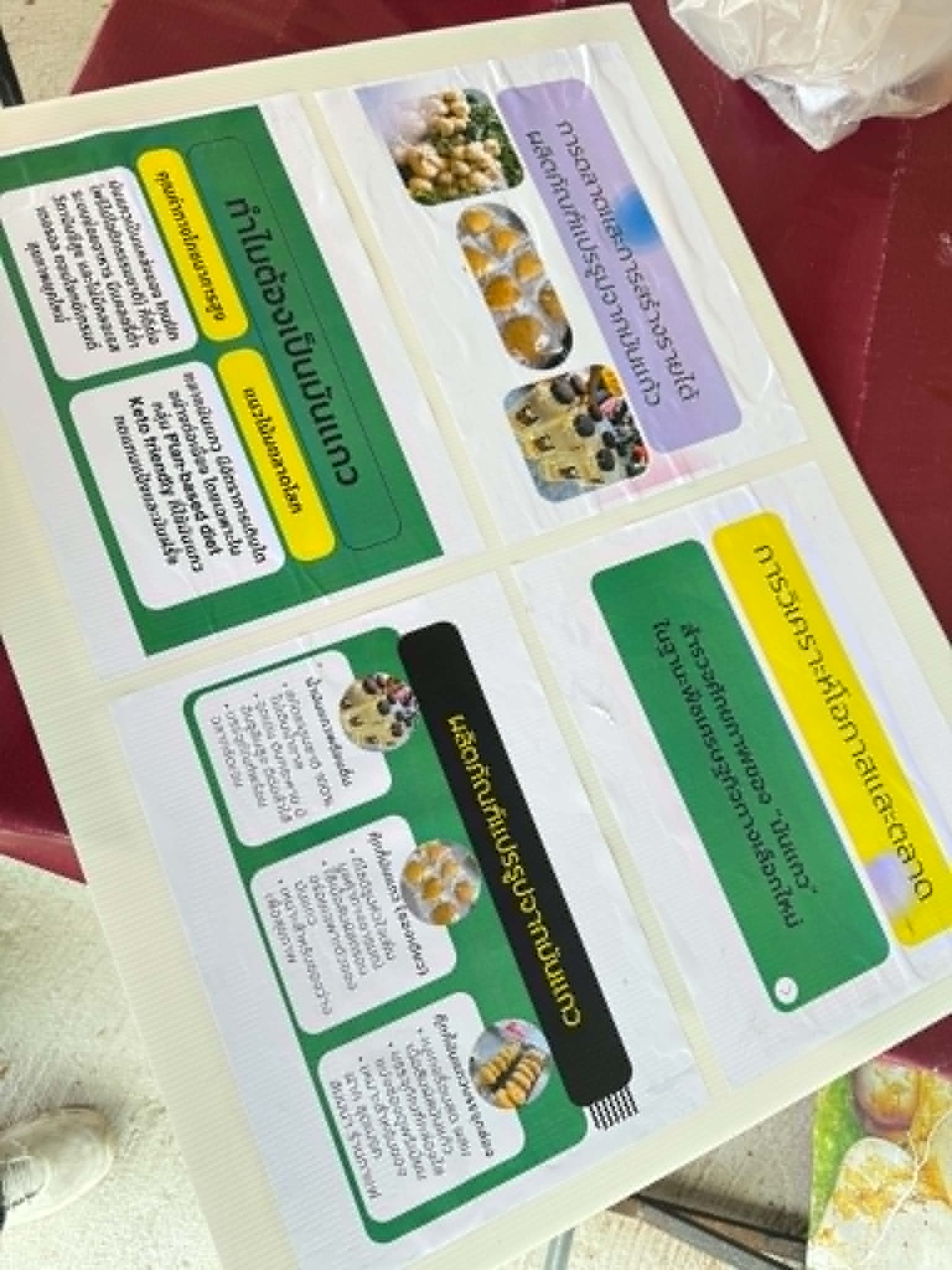
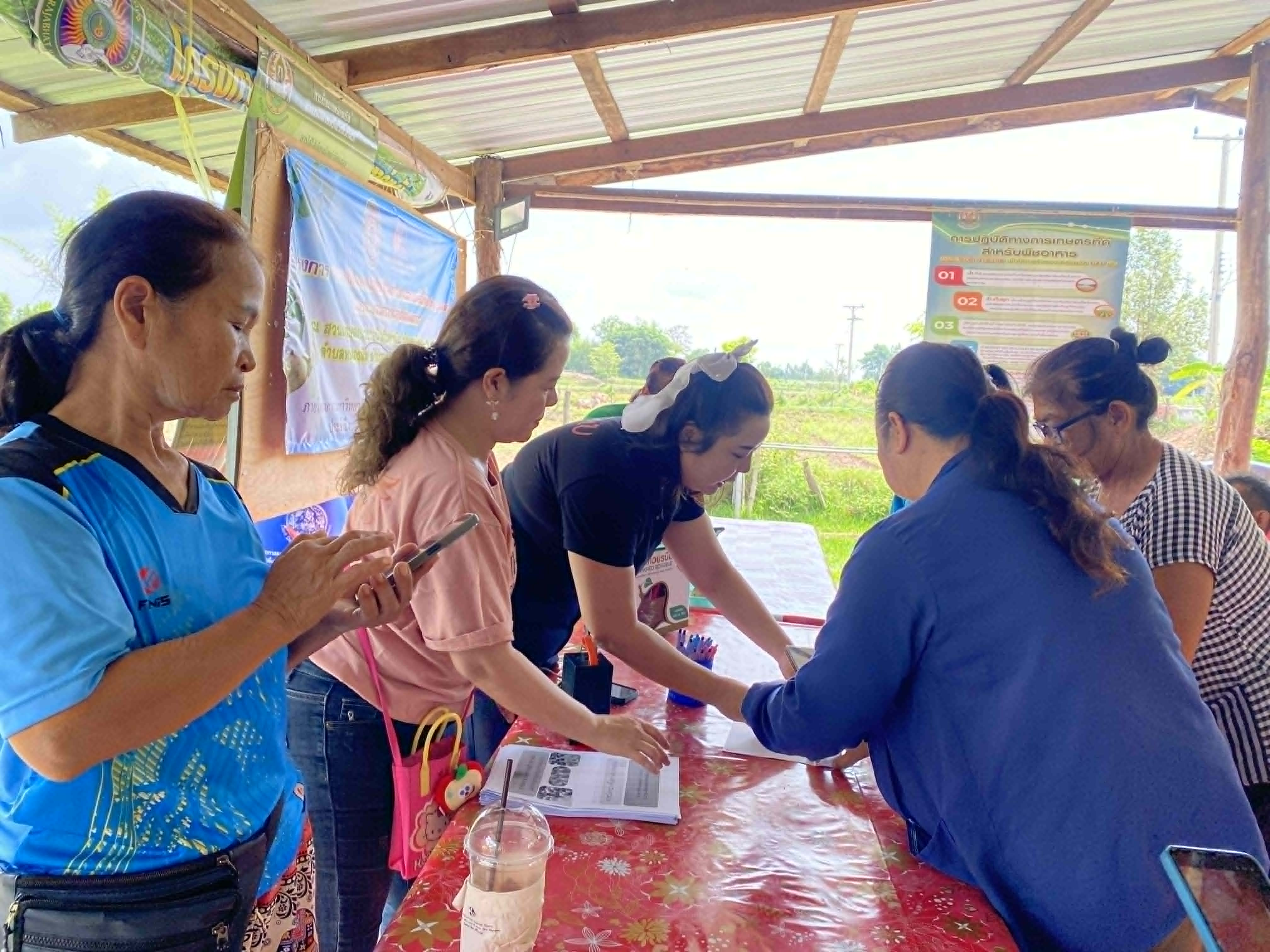
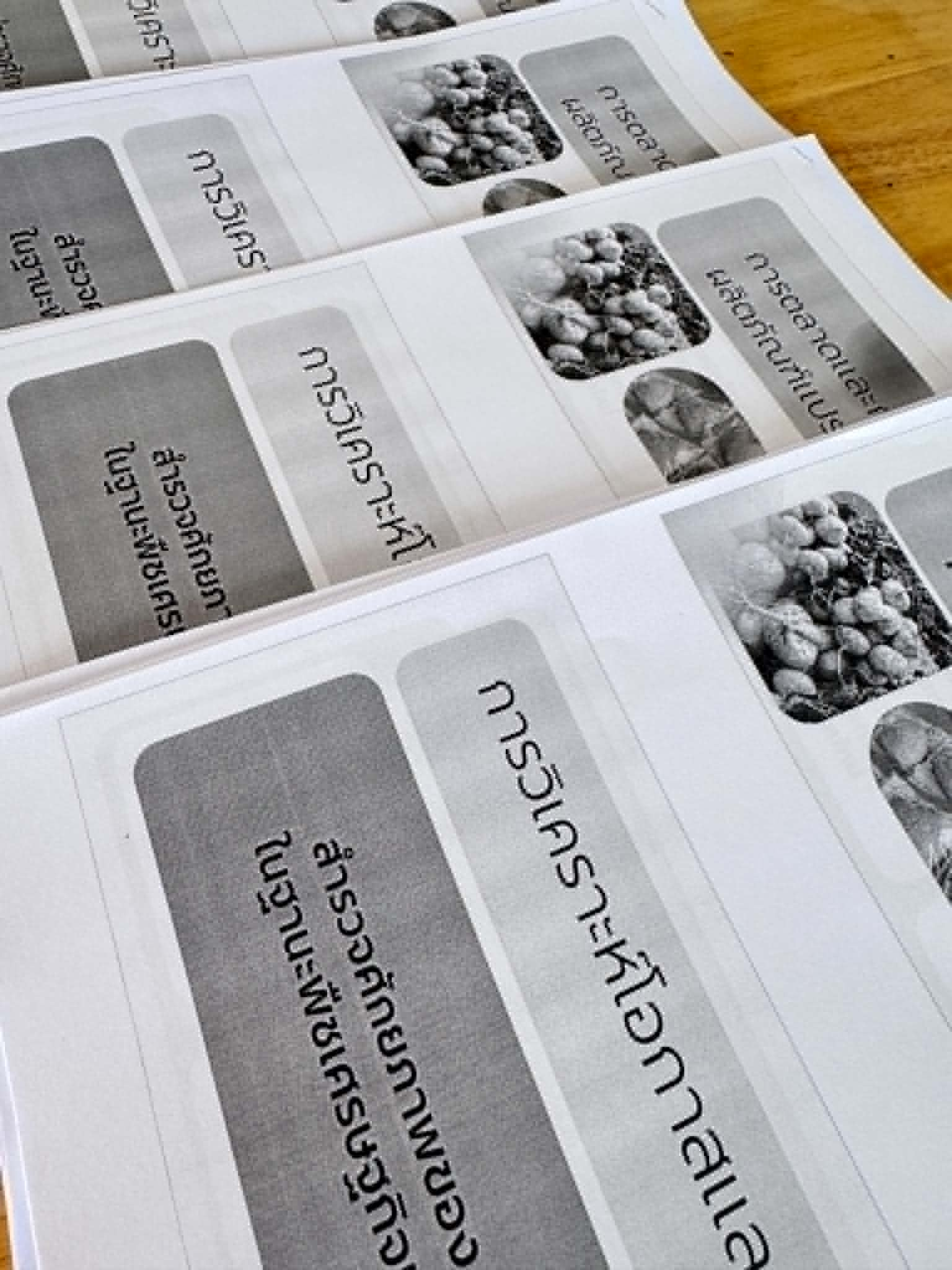
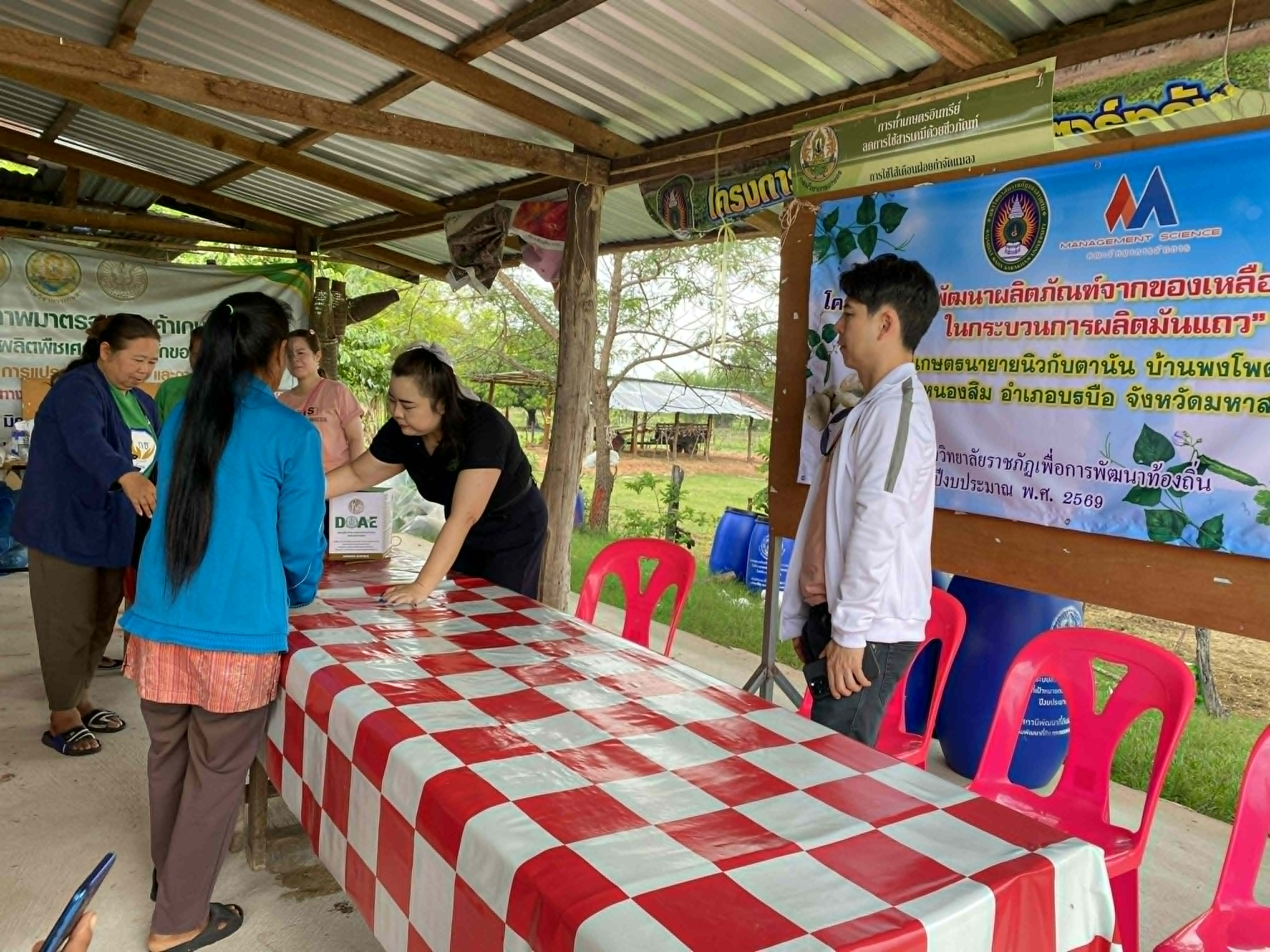
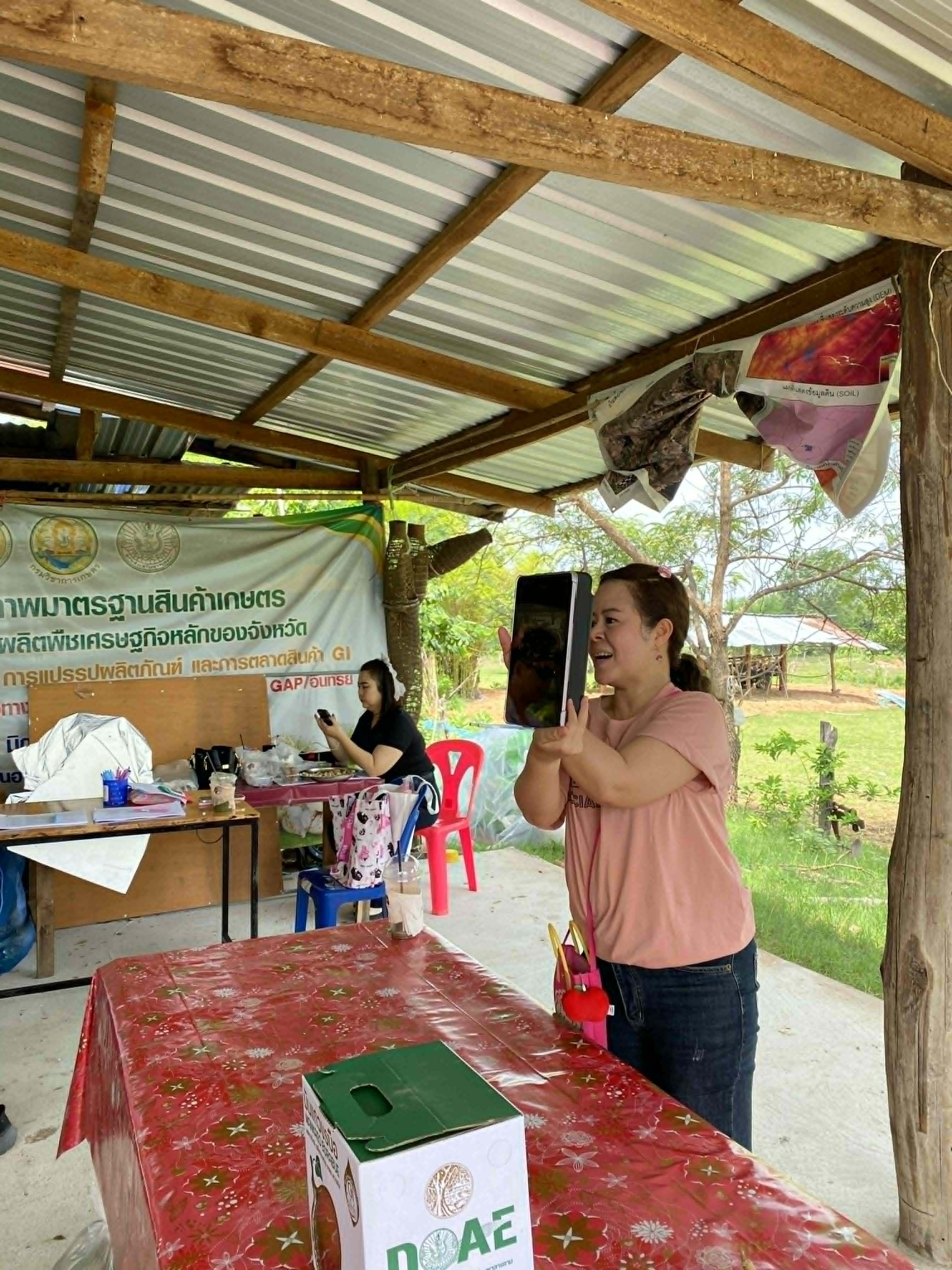
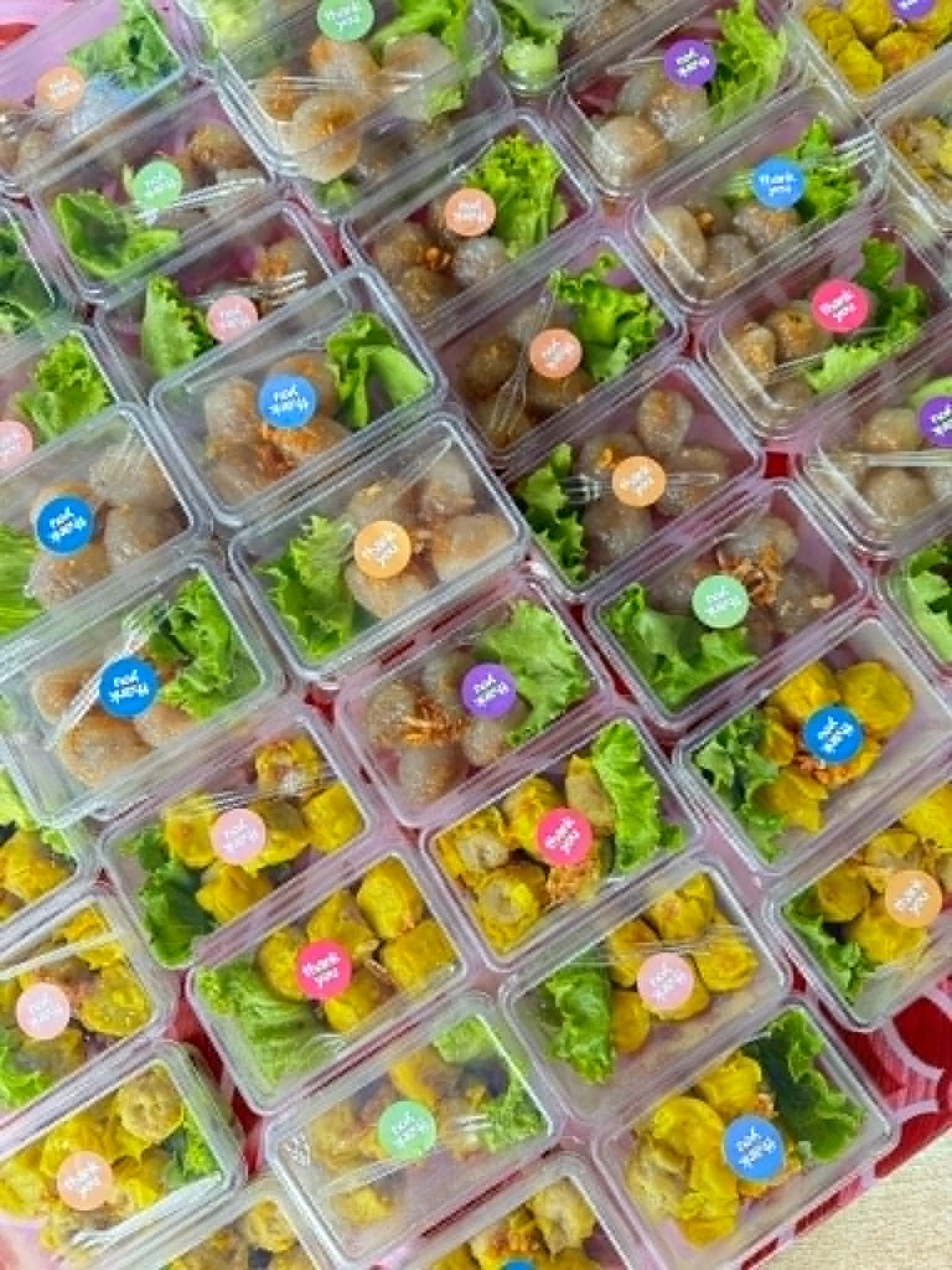
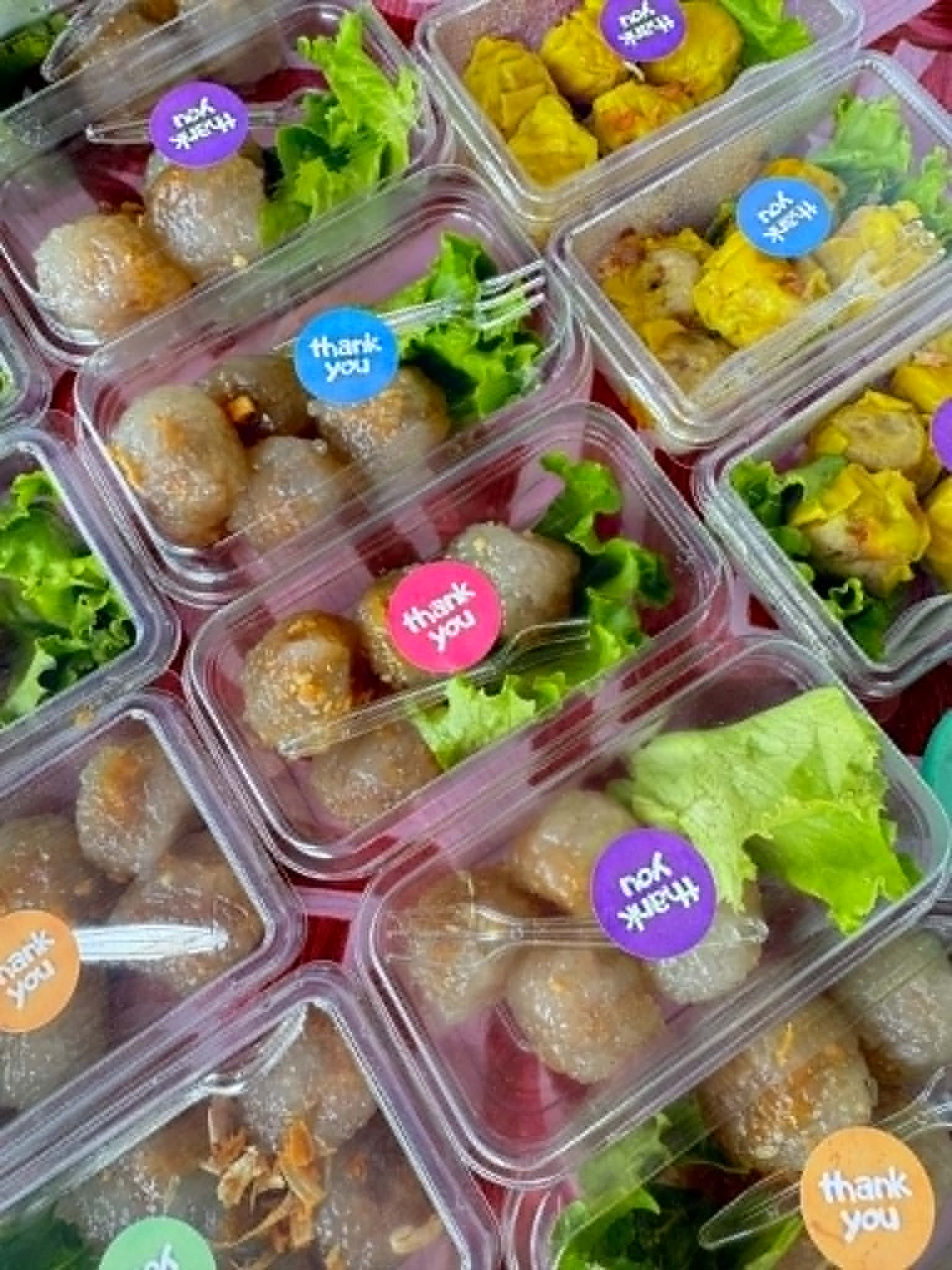
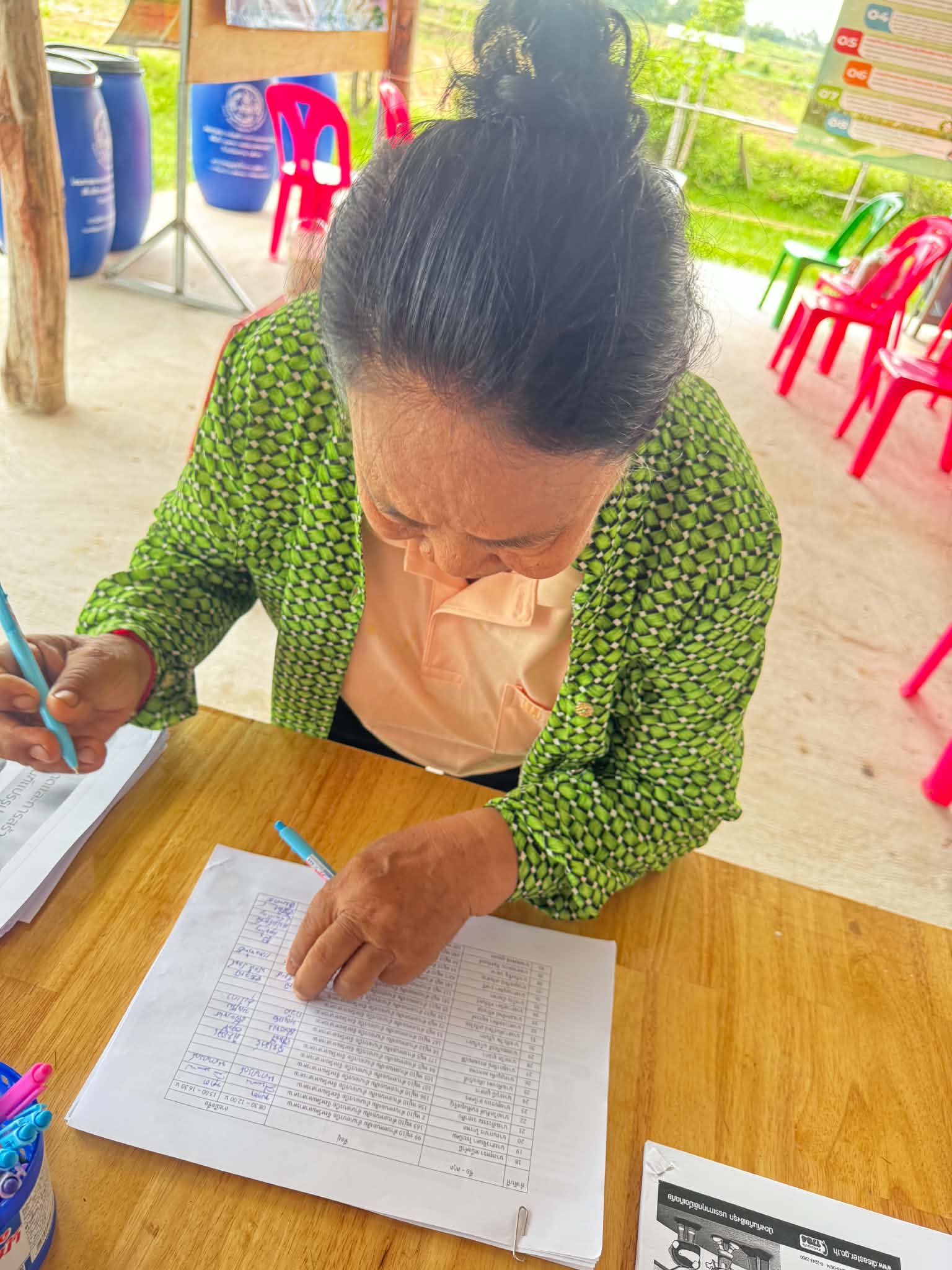
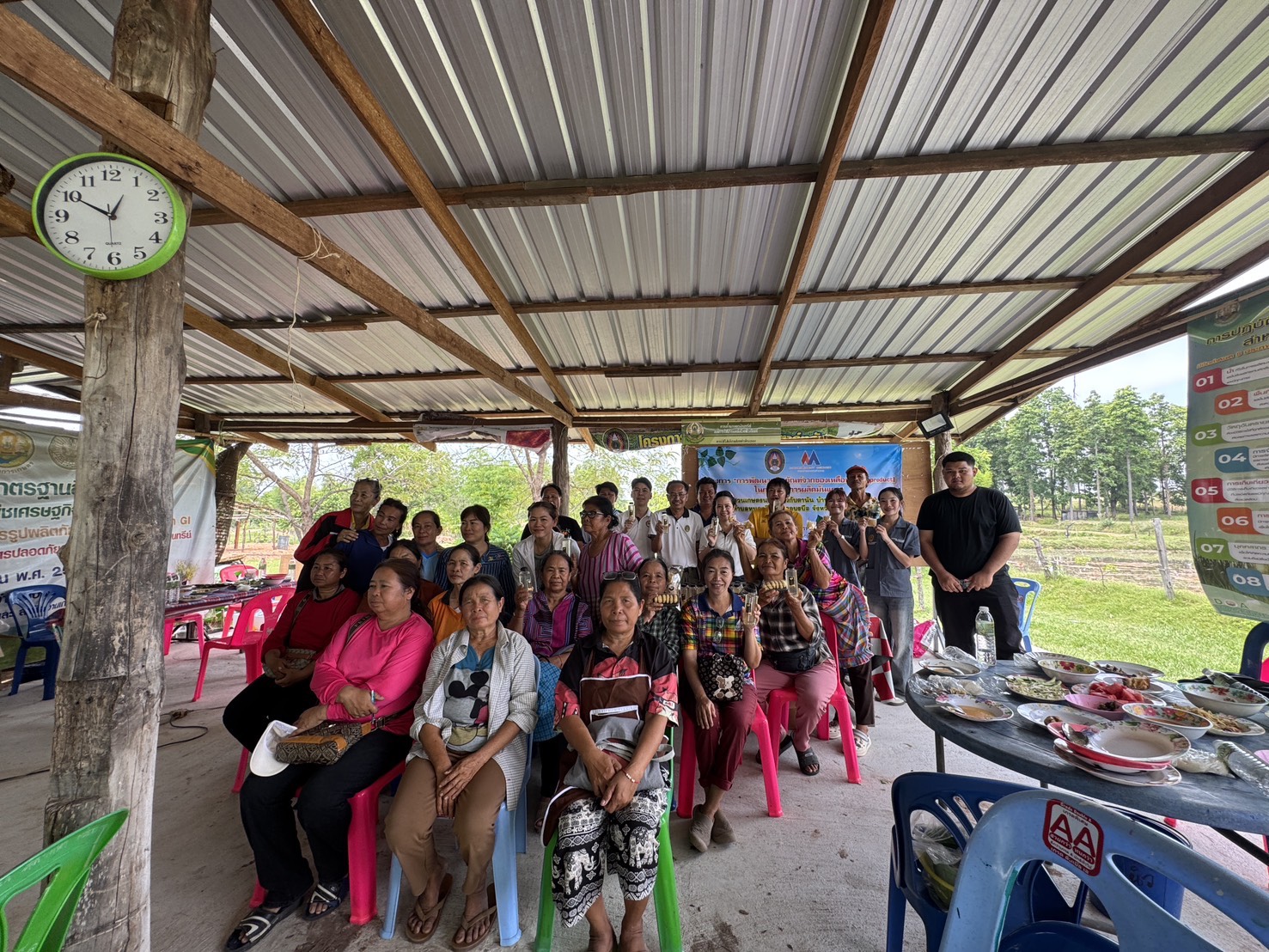
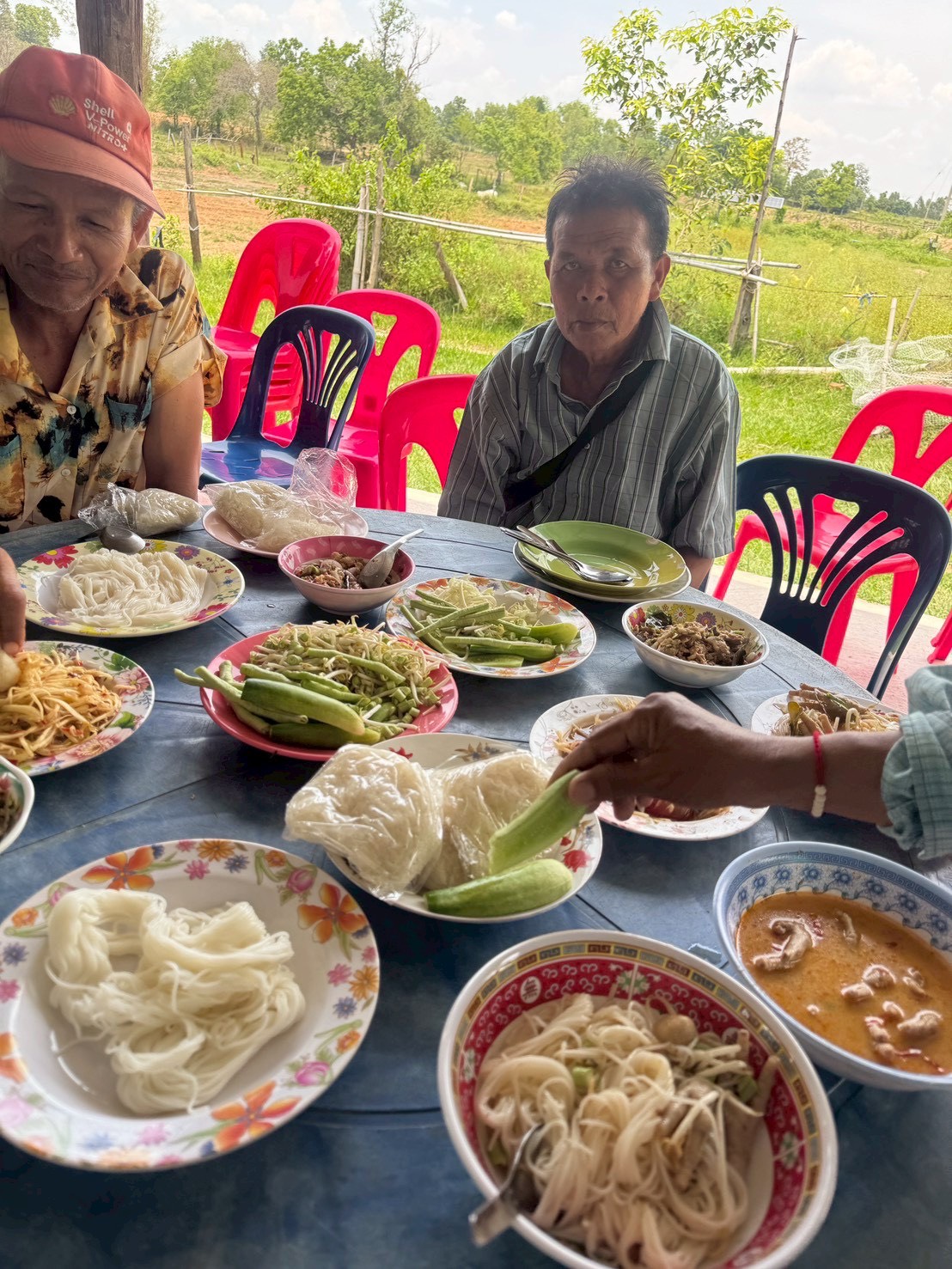
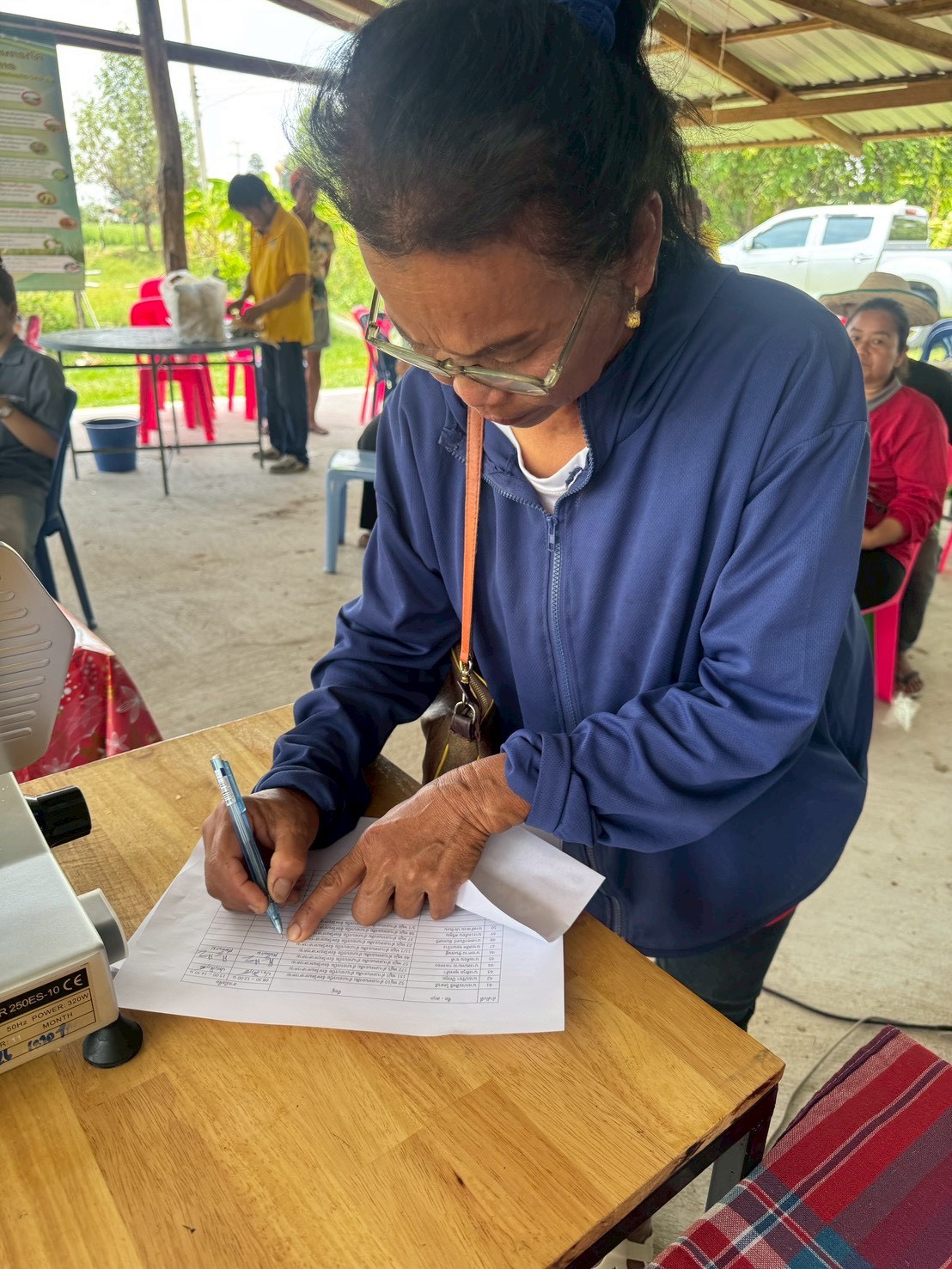
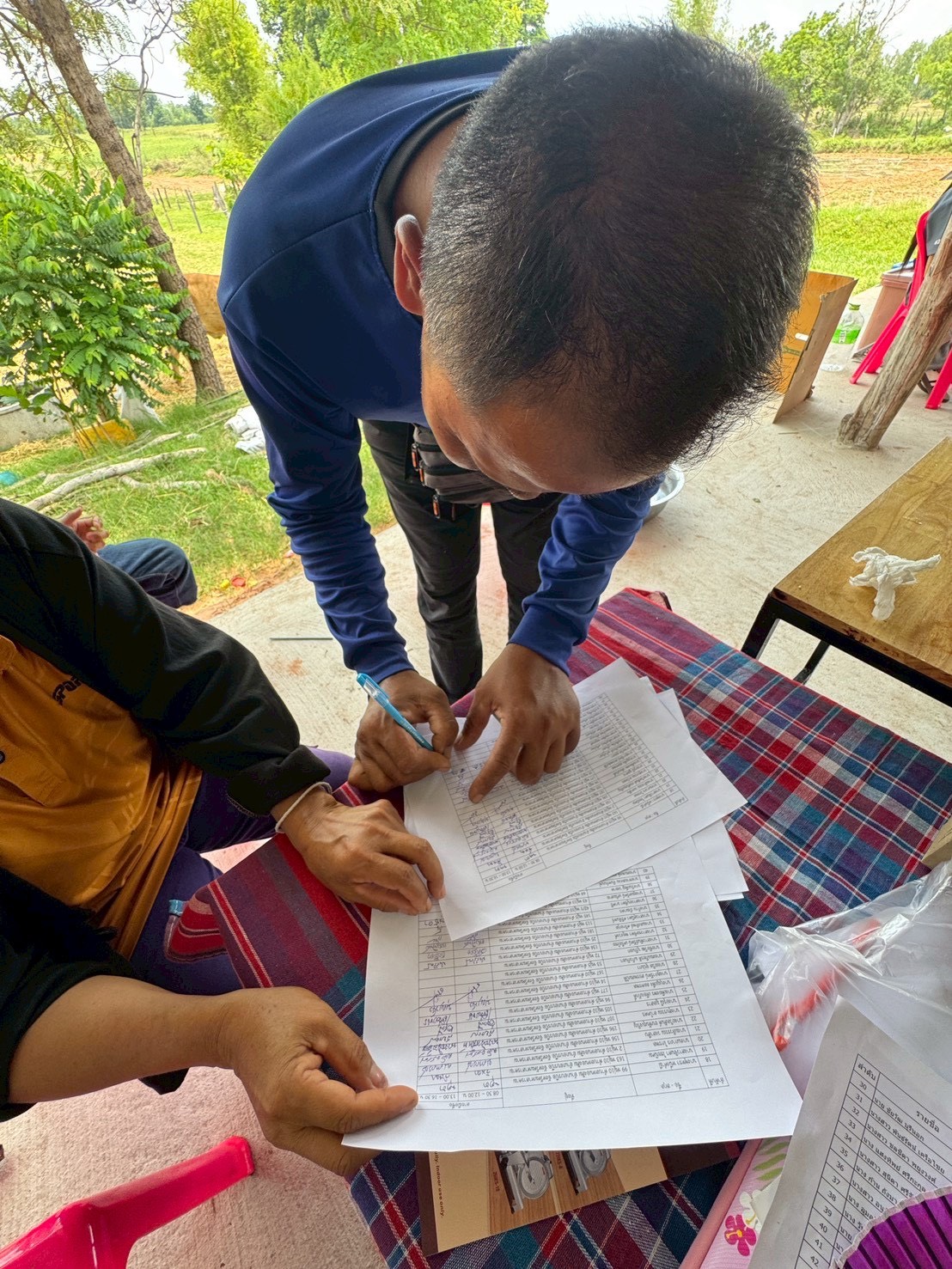
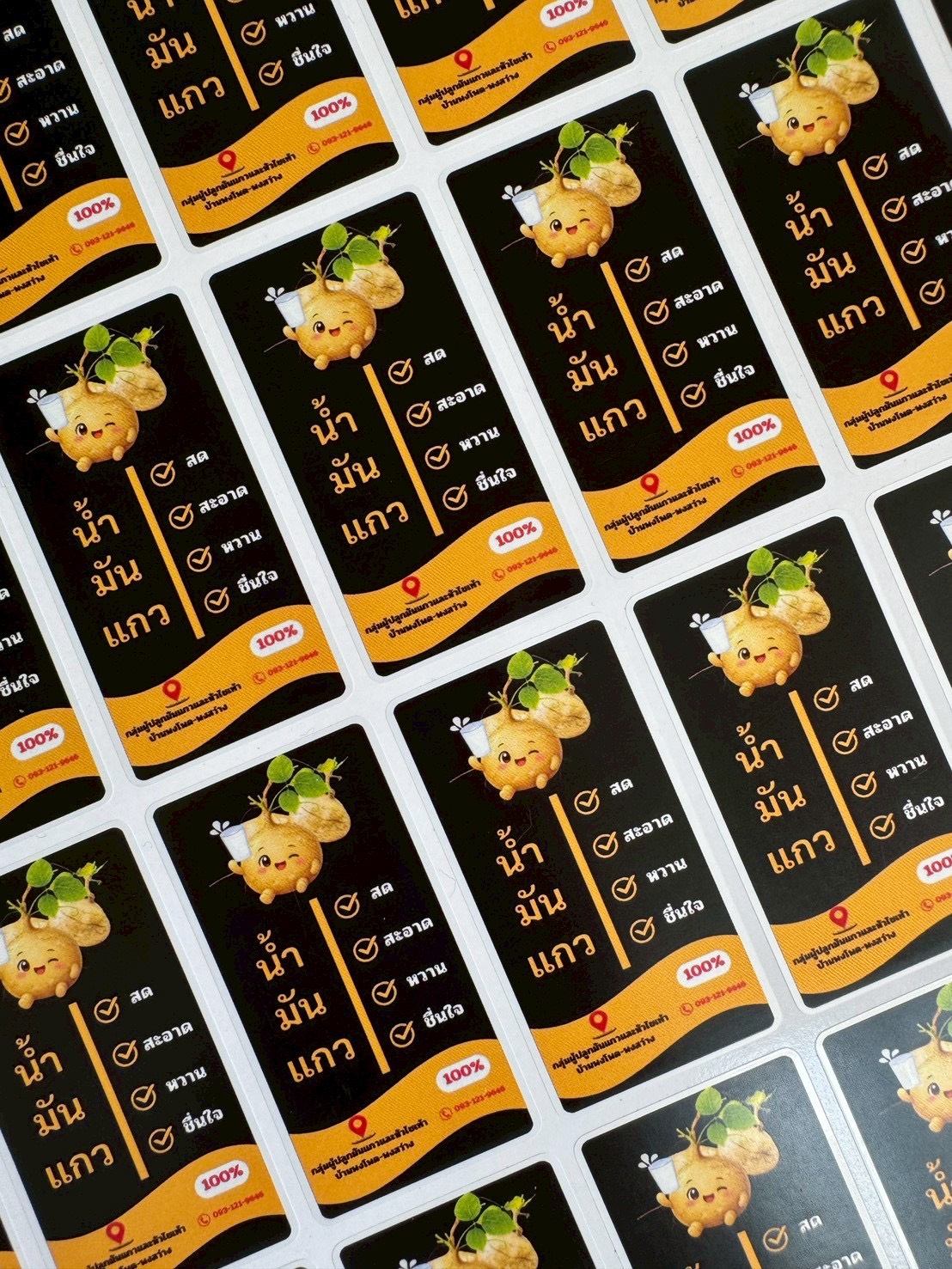
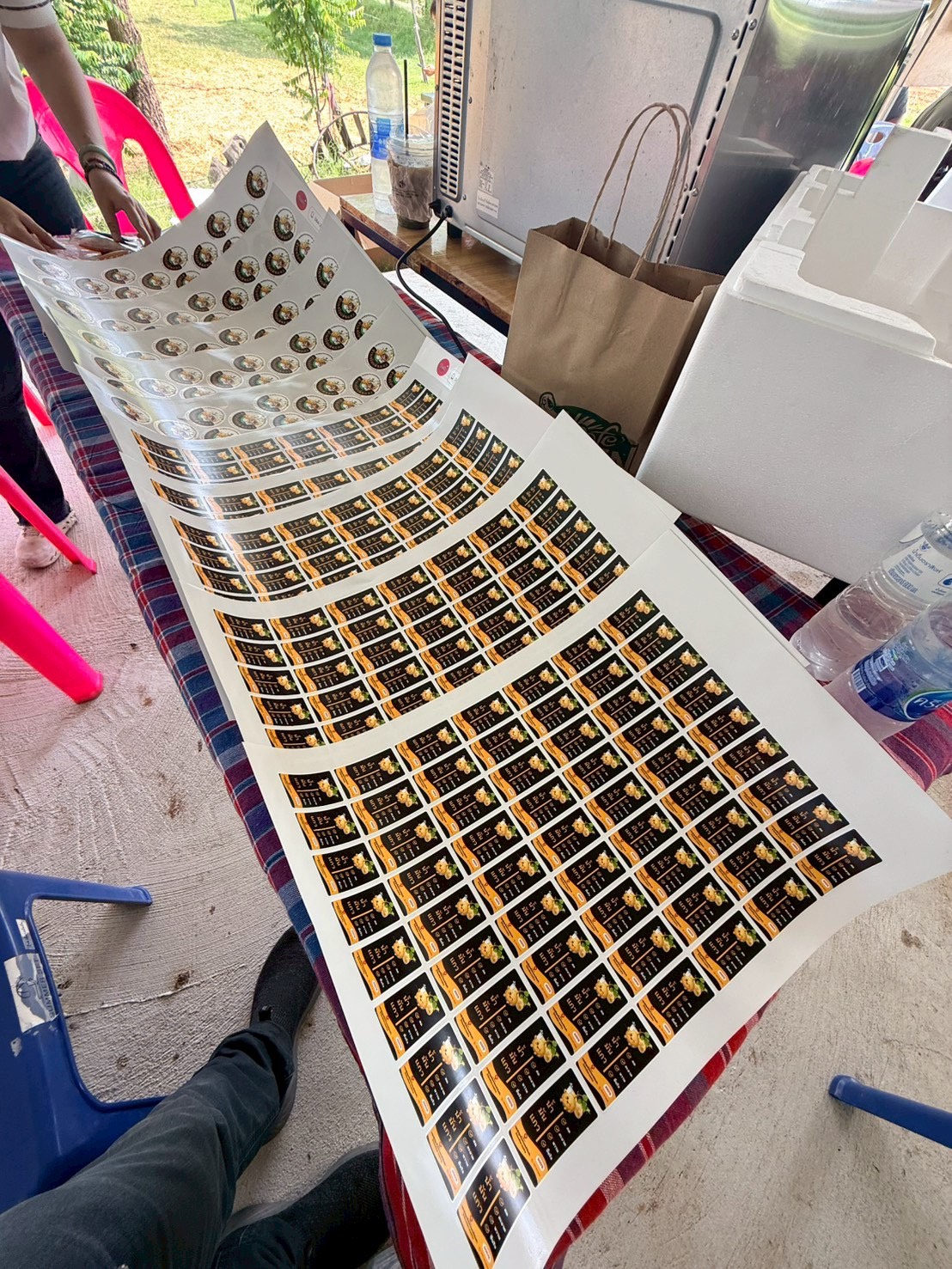
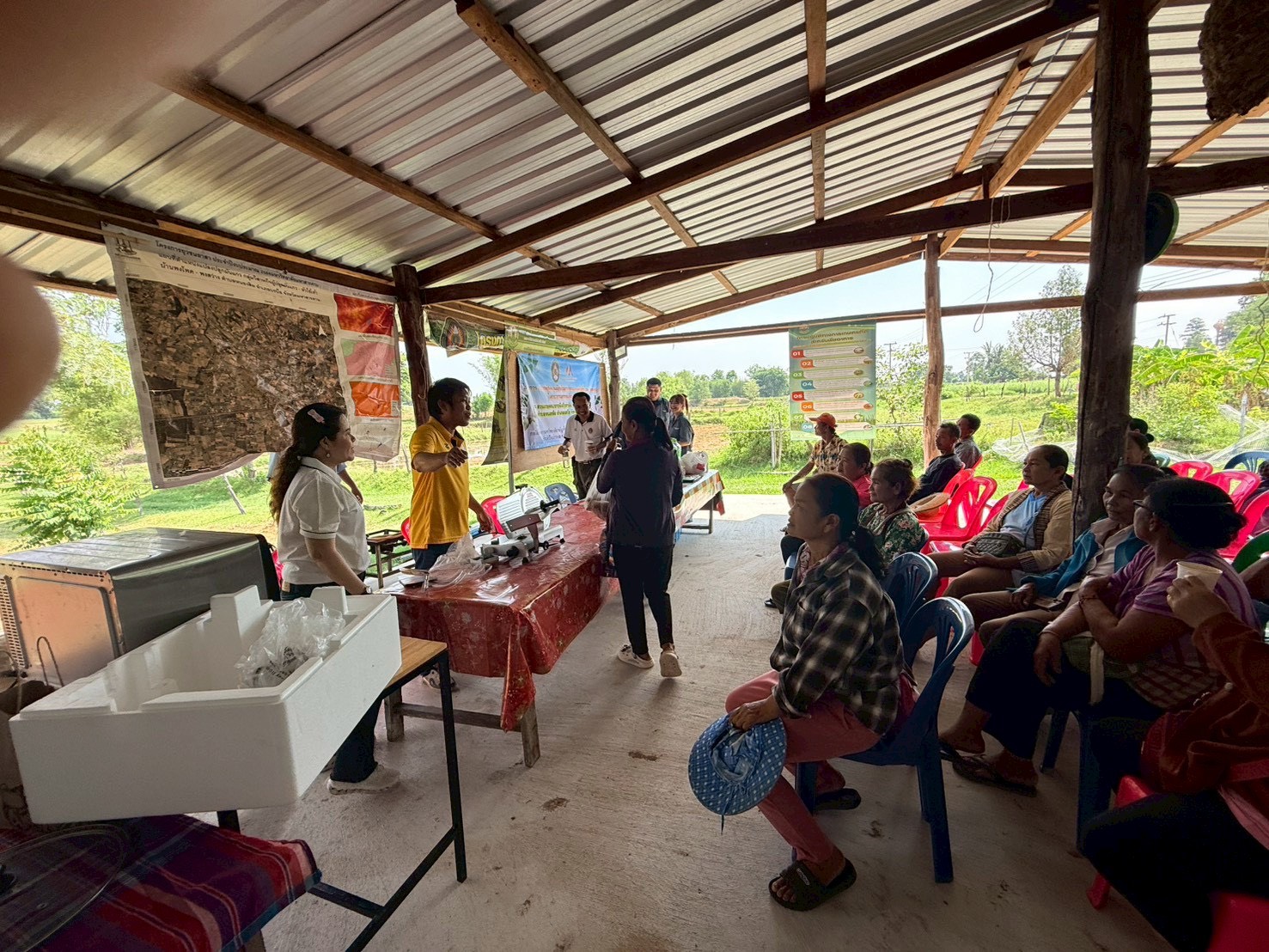
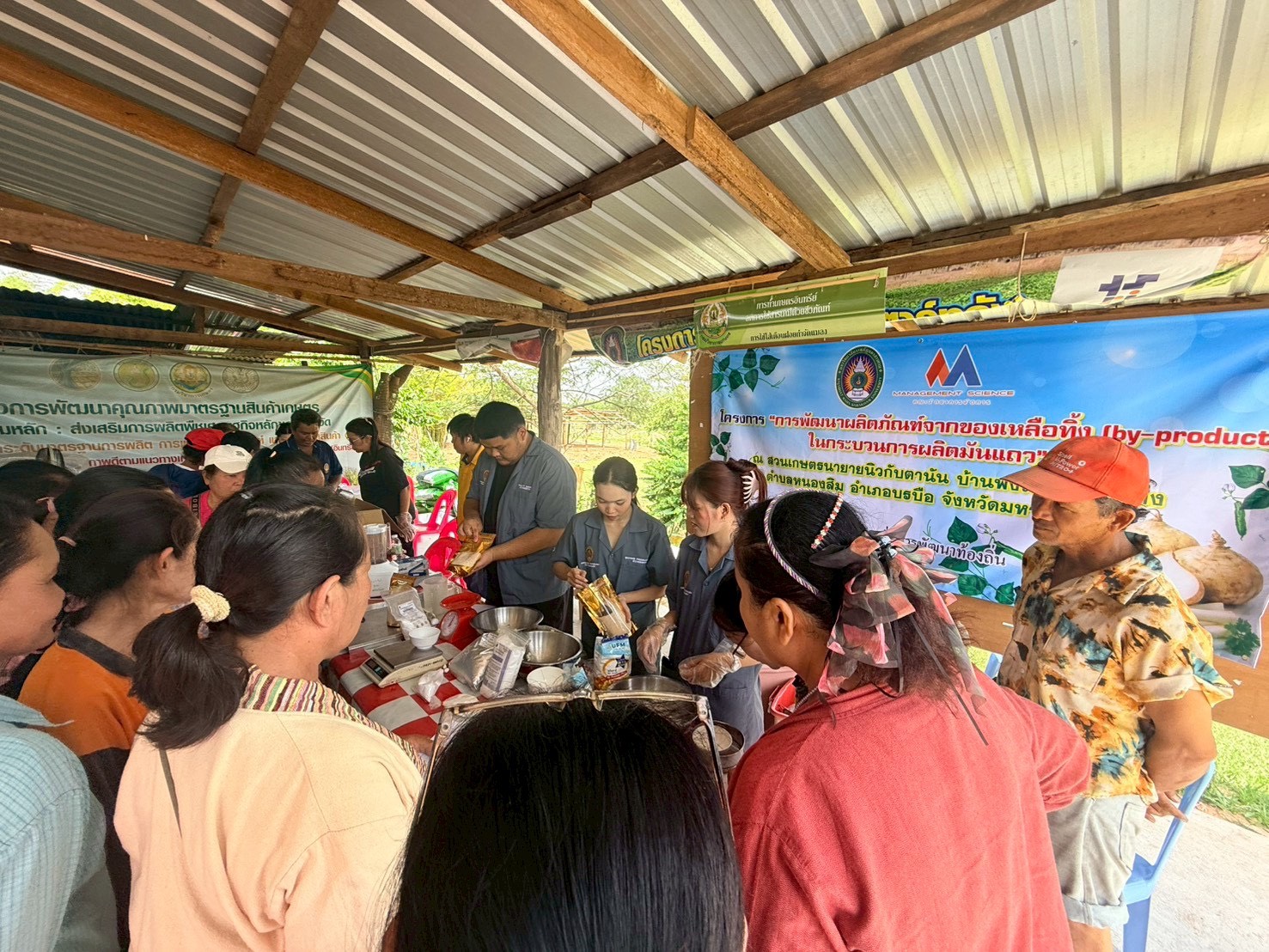
Activity 3 Workshop: Marketing and Income Generation (Creating Online/Offline Channels, Packaging) on May 21, 2026
กิจกรรมที่ 1 อบรมเชิงปฏิบัติการ : การเตรียมวัตถุดิบและสร้างองค์ความรู้ (เน้นคัดแยกและเตรียมของเหลือทิ้ง) วันที่ 11-12 พฤษภาคม 2569
กิจกรรมที่ 2 อบรมเชิงปฏิบัติการ : การพัฒนาผลิตภัณฑ์และการสร้างอาชีพใหม่ (กระบวนการแปรรูปและทดลองผลิตผลิตภัณฑ์ต้นแบบ เช่น น้ำมันแกว คุกกี้มันแกว) วันที่ 13-15 พฤษภาคม 2569
กิจกรรมที่ 3 อบรมเชิงปฏิบัติการ : การตลาดและการสร้างรายได้ (สร้างช่องทางออนไลน์/ออฟไลน์ บรรจุภัณฑ์) วันที่ 21 พฤษภาคม 2569
Part 2: Outcomes & Impact ส่วนที่ 2 ผลลัพธ์และผลกระทบ
Outcomes ผลลัพธ์ที่เกิดขึ้น
1. Project participants have increased their knowledge and skills in processing by 80%.
2. The community has two new products with added value.
3. The household income of participants in the program increased by 10%.
4. A network of cooperation for local development has been established.
1. ผู้เข้าร่วมโครงการมีความรู้และทักษะในการแปรรูปเพิ่มขึ้น 80 %
2. ชุมชนมีผลิตภัณฑ์ใหม่ที่มีมูลค่าเพิ่มขึ้น 2 ผลิตภัณฑ์
3. รายได้ครัวเรือนที่เข้าร่วมโครงการเพิ่มขึ้น 10 %
4. เกิดเครือข่ายความร่วมมือในการพัฒนาท้องถิ่น 1 เครือข่าย
Community & Social Impact ผลกระทบต่อชุมชน/สังคม
The community participates in local development, fosters unity, and forms strong groups. ชุมชนมีส่วนร่วมในการพัฒนาท้องถิ่น เสริมสร้างความสามัคคี และเกิดการรวมกลุ่มที่เข้มแข็ง
Student & Staff Participation การมีส่วนร่วมของนักศึกษา/บุคลากร
Faculty and students have applied their knowledge in economics and management to drive and provide academic services to society in accordance with the mission of Rajabhat University. คณาจารย์และนักศึกษาได้นำองค์ความรู้ทางเศรษฐศาสตร์และการบริหารจัดการไปขับเคลื่อนและบริการวิชาการแก่สังคมตามพันธกิจของมหาวิทยาลัยราชภัฏ
Project Continuity ความต่อเนื่องของโครงการ
"Expand the scope and operational areas to neighboring villages or communities in Borabue District that face similar constraints and issues with jicama waste, in order to enhance production capacity and collectively support the target market. ขยายขอบเขตและพื้นที่การดำเนินงานไปยังหมู่บ้านหรือชุมชนข้างเคียงในอำเภอบรบือ ที่มีข้อจำกัดและประสบปัญหาขยะเหลือทิ้งจากมันแกวในลักษณะเดียวกัน เพื่อยกระดับศักยภาพการผลิตและรองรับตลาดเป้าหมายร่วมกัน
Part 3: Challenges & Suggestions ส่วนที่ 3 ปัญหาอุปสรรค/ข้อเสนอแนะ
Problems & Obstacles ปัญหา/อุปสรรค
1. The community and farmers in the area already have labor and local wisdom, but they "lack specialized knowledge" about processing waste materials into high-value products, as well as modern marketing skills.
2. Most farmers are accustomed to selling to local buyers or setting up stalls by the roadside. Transitioning to modern online platforms may face challenges in backend management, transportation, and creating content to attract customers.
3. Since it is a new product processed from agricultural waste, the community still lacks tools and a household-level quality control system, resulting in physical inconsistencies (such as color, smell, or stability) in each batch of products.
1. ชุมชนและเกษตรกรในพื้นที่มีแรงงานและภูมิปัญญาท้องถิ่นอยู่แล้ว แต่ "ขาดองค์ความรู้เฉพาะด้าน" เกี่ยวกับการแปรรูปวัสดุเหลือทิ้งให้เป็นผลิตภัณฑ์มูลค่าสูง รวมถึงขาดทักษะด้านการตลาดสมัยใหม่
2. เกษตรกรส่วนใหญ่เคยชินกับการขายให้ผู้รับซื้อในพื้นที่หรือตั้งแผงริมทาง การย้ายขึ้นไปสู่แพลตฟอร์มออนไลน์สมัยใหม่อาจเผชิญปัญหาเรื่องการบริหารจัดการระบบหลังบ้าน การขนส่ง และการทำคอนเทนต์เพื่อดึงดูดลูกค้า
3. เนื่องจากเป็นผลิตภัณฑ์ใหม่ที่แปรรูปจากของเหลือทิ้งทางการเกษตร ชุมชนยังขาดเครื่องมือและระบบการควบคุมคุณภาพการผลิตที่ได้มาตรฐานในระดับครัวเรือน ทำให้สินค้าในแต่ละล็อตอาจมีความคลาดเคลื่อนด้านกายภาพ (เช่น สี กลิ่น หรือความคงตัว)
Improvement Guidelines แนวทางการปรับปรุง
1. Organize a study tour to a model community that has successfully turned waste/leftovers into money, to adjust the mindset of farmers to see the value before starting to learn. Additionally, create a manual summarizing the recipes, steps, ratios, and precautions for processing in simple, local language with illustrations.
2. Establish a group of representatives consisting of youth, new generations in the community, or social engineering students from the economics department to act as coaches, helping to manage online channels and closely collaborate with the elderly in the community.
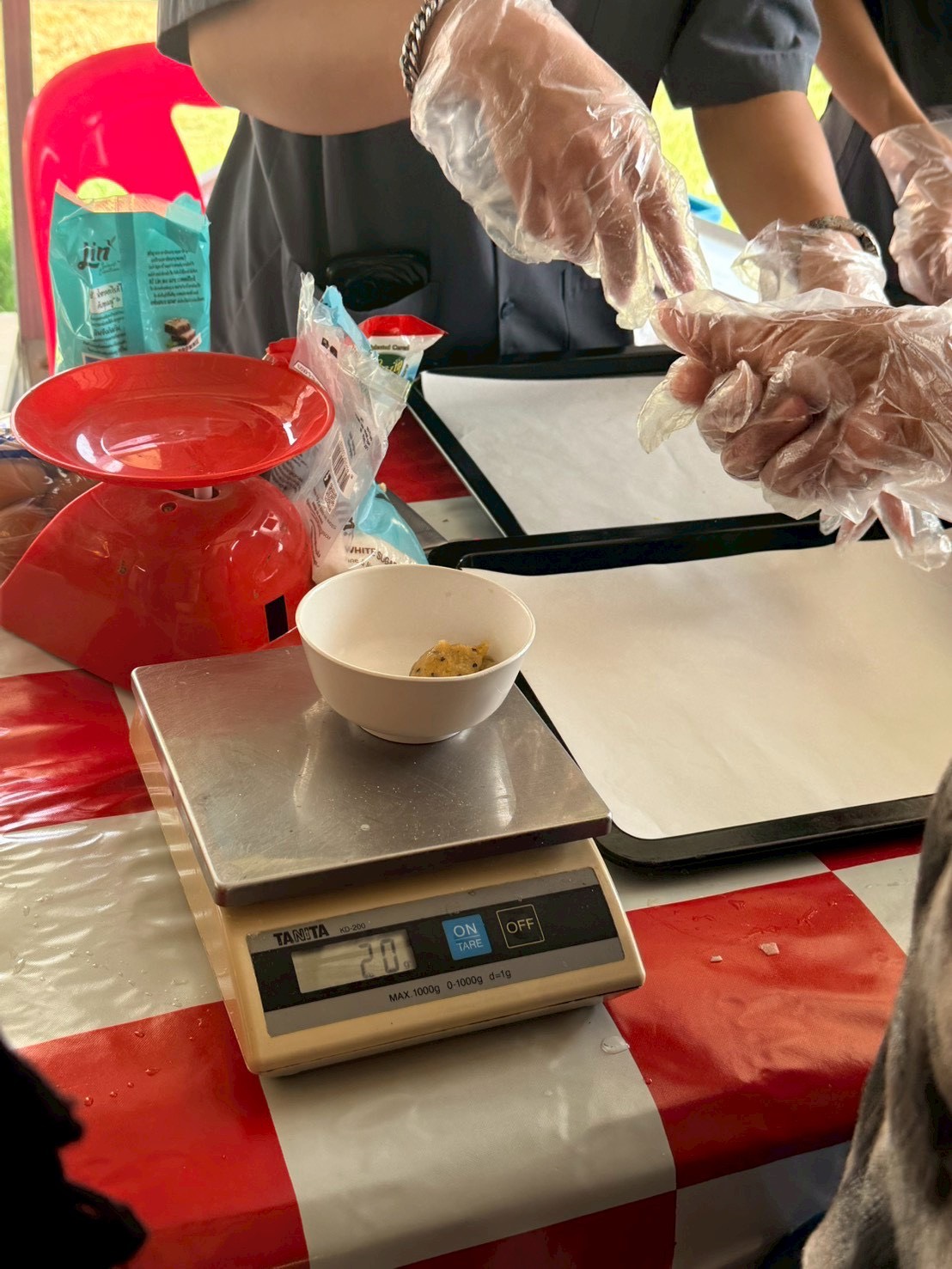
3. The working group, in collaboration with the community, developed a simple Standard Operating Procedure (SOP) manual by using precise measurements instead of estimates to maintain consistent product quality in every production cycle.
1. จัดกิจกรรมศึกษาดูงานชุมชนต้นแบบที่ประสบความสำเร็จในการเปลี่ยนขยะ/ของเหลือทิ้งให้เป็นเงิน เพื่อปรับทัศนคติ (Mindset) ให้เกษตรกรเห็นคุณค่าก่อนเริ่มเรียนรู้ และจัดทำคู่มือสรุปสูตร ขั้นตอน อัตราส่วน และข้อควรระวังในการแปรรูปที่เป็นภาษาบ้านๆ เข้าใจง่าย พร้อมภาพประกอบ
2. ดำเนินการจัดตั้งตัวแทนกลุ่มที่เป็นเยาวชน คนรุ่นใหม่ในชุมชน หรือนำนักศึกษาวิศวกรสังคมของสาขาวิชาเศรษฐศาสตร์ เข้ามาเป็นพี่เลี้ยง (Coaching) ช่วยบริหารจัดการช่องทางออนไลน์และจับมือทำร่วมกับผู้สูงอายุในชุมชนอย่างใกล้ชิด
3. คณะทำงานร่วมกับชุมชนจัดทำคู่มือขั้นตอนการปฏิบัติงานที่เป็นมาตรฐานอย่างง่าย (Standard Operating Procedure: SOP) โดยใช้การตวงวัดที่ชัดเจน แทนการกะประมาณ เพื่อควบคุมคุณภาพผลิตภัณฑ์ให้คงที่ทุกรอบการผลิต
Suggestions to University ข้อเสนอแนะต่อมหาวิทยาลัย
1. We should avoid using complex manuals or academic textbooks, but focus on creating a "one-page Standard Operating Procedure Visual Flier" that uses real photos and easy-to-understand local language, along with producing "short micro-learning videos" lasting 3-5 minutes to be shared in the community's Line Group.
2. In driving the online market, the community does not need to change the behavior of all elderly farmers. Instead, they should use the strategy of "Role Optimization" by encouraging or bringing in "younger generations in the community" to take on the role of "Digital Admin" for the group, with 1-2 people responsible for managing the backend system, taking product photos, storytelling, and coordinating the transportation system. Meanwhile, the elderly farmers should focus on production and quality control of the products based on traditional wisdom.
1. ควรหลีกเลี่ยงการใช้คู่มือหรือตำราวิชาการที่มีความซับซ้อน แต่ให้มุ่งเน้นการจัดทำ "คู่มือสรุปขั้นตอนมาตรฐานหน้าเดียว (SOP Visual Flyer)" ที่ใช้ภาพถ่ายจริงและภาษาท้องถิ่นที่เข้าใจง่าย ควบคู่ไปกับการผลิต "สื่อวิดีโอสั้น (Micro-learning)" ความยาว 3-5 นาที ส่งเข้ากลุ่มไลน์ (Line Group) ของชุมชน
2. ในการขับเคลื่อนตลาดออนไลน์ ชุมชนไม่จำเป็นต้องปรับเปลี่ยนพฤติกรรมของเกษตรกรผู้สูงอายุทั้งหมด แต่ควรใช้กลยุทธ์ "แบ่งบทบาทตามความถนัด (Role Optimization)" โดยผลักดันหรือดึงเอา "ลูกหลานคนรุ่นใหม่ในชุมชน" เข้ามาทำหน้าที่เป็น "แอดมินดิจิทัล (Digital Admin)" ประจำกลุ่มจำนวน 1-2 คน เพื่อทำหน้าที่ดูแลระบบหลังบ้าน ถ่ายภาพสินค้า ถ่ายทอดเรื่องราว (Storytelling) และประสานงานระบบขนส่ง ในขณะที่กลุ่มเกษตรกรอาวุโสให้มุ่งเน้นการผลิตและการควบคุมคุณภาพสินค้าตามภูมิปัญญาเดิม