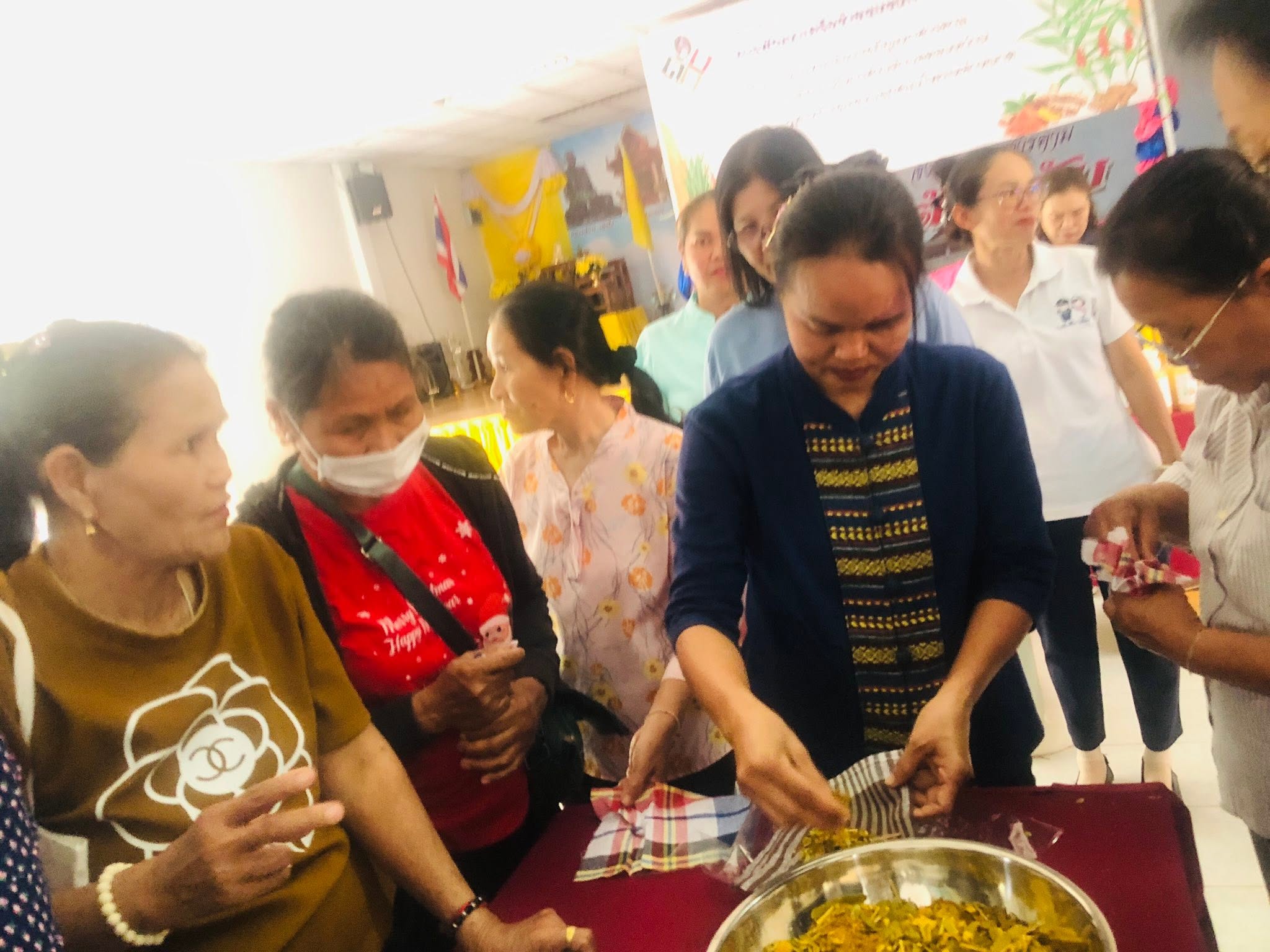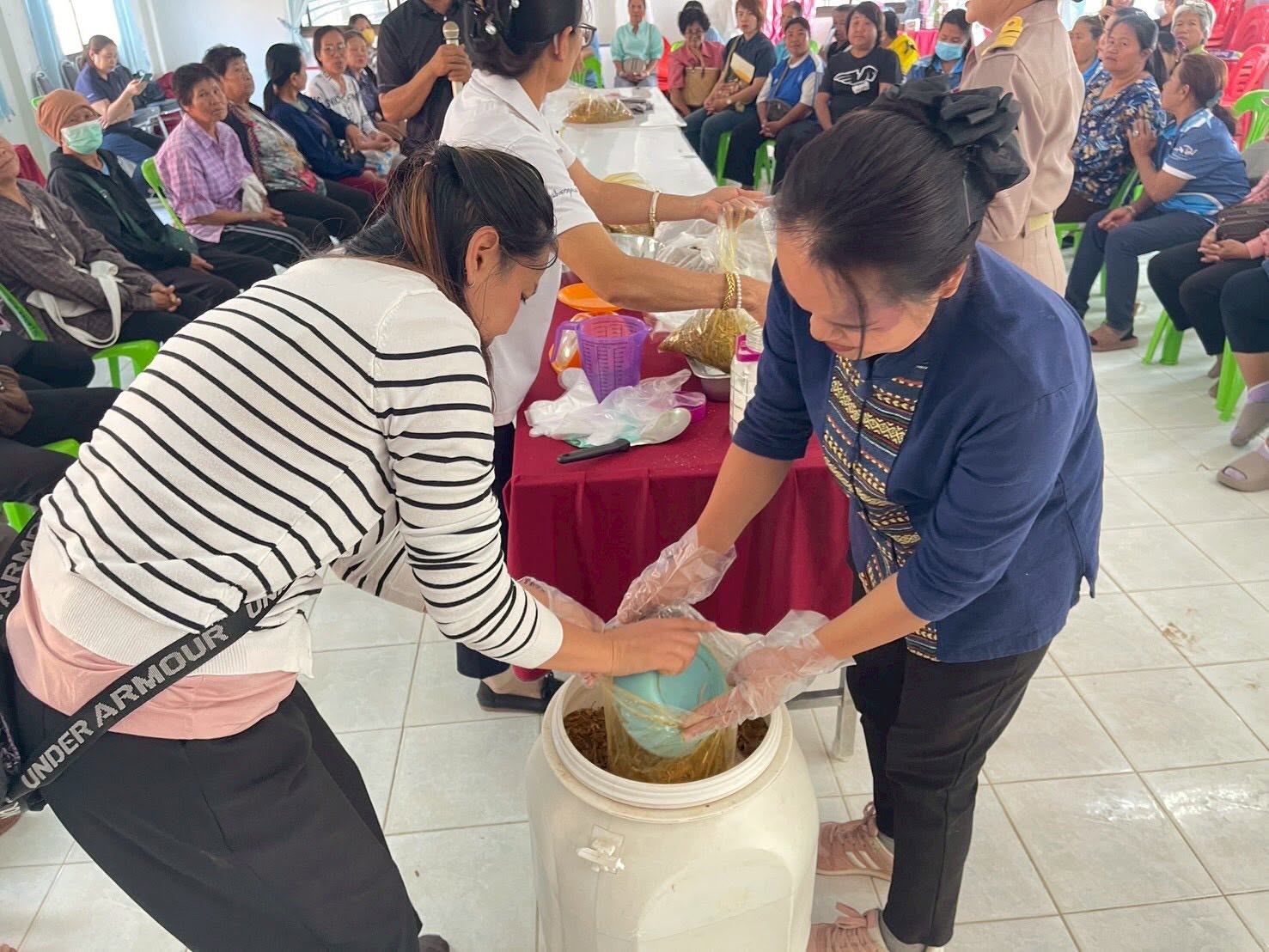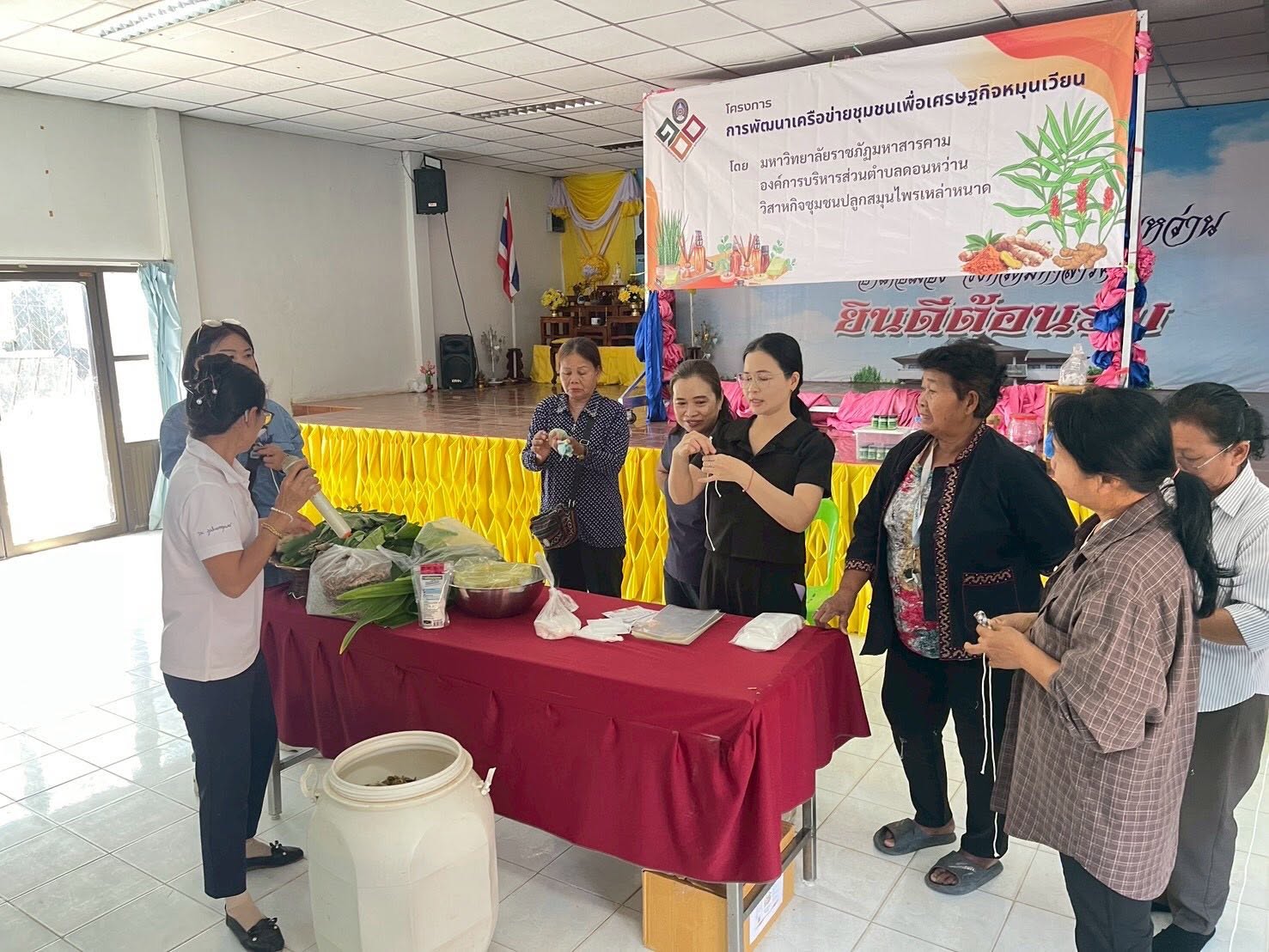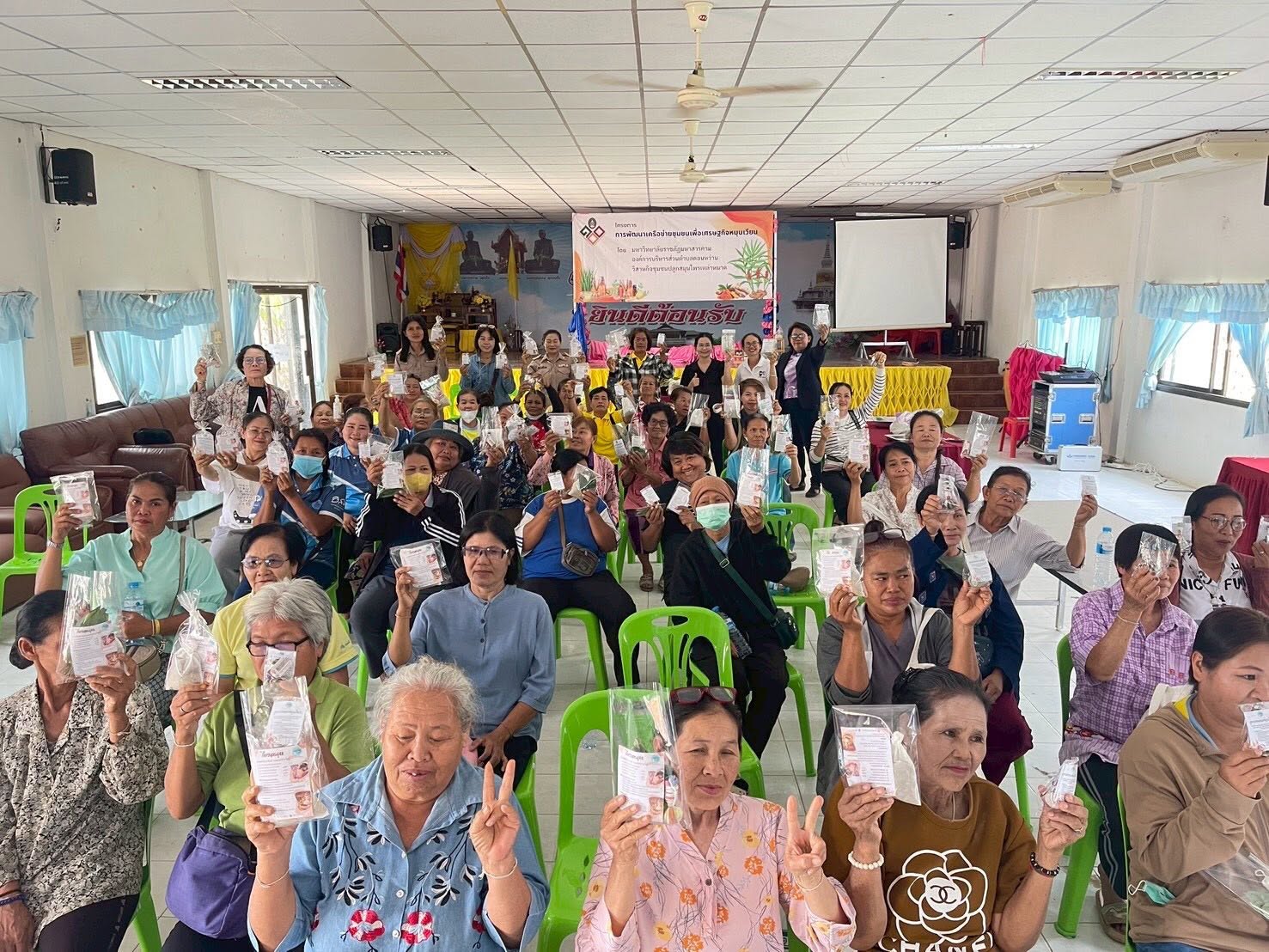
– May 22, 2569 9 กุมภาพันธ์ 3112
– 22 พฤษภาคม 3112
Part 1: Project Details ส่วนที่ 1 รายละเอียดการดำเนินงาน
Objectives วัตถุประสงค์โครงการ
1. To maximize the sustainable use of local resources.
2. To generate new income and employment opportunities within the community through processing and renewable resources.
3. To strengthen collaboration and unity among community members.
4. To build sustainable marketing and branding for products made from renewable resources.
1. เพื่อส่งเสริมการใช้ทรัพยากรในท้องถิ่นให้เกิดประโยชน์สูงสุดและยั่งยืน
2. เพื่อสร้างรายได้และงานใหม่ๆ ในชุมชนจากการแปรรูปและการใช้ทรัพยากรหมุนเวียน
3. เพื่อสร้างความเข้มแข็งและความร่วมมือระหว่างสมาชิกในชุมชนในการทํางานร่วมกัน
4. เพื่อสร้างการตลาดและแบรนด์ที่ยั่งยืนจากผลิตภัณฑ์ที่ใช้ทรัพยากรหมุนเวียน
Main Activities กิจกรรมหลัก
1. Workshop on Resource Analysis and Community Economic Data Collection
2. Workshop on Capacity Building and Community Networking for the Circular Economy
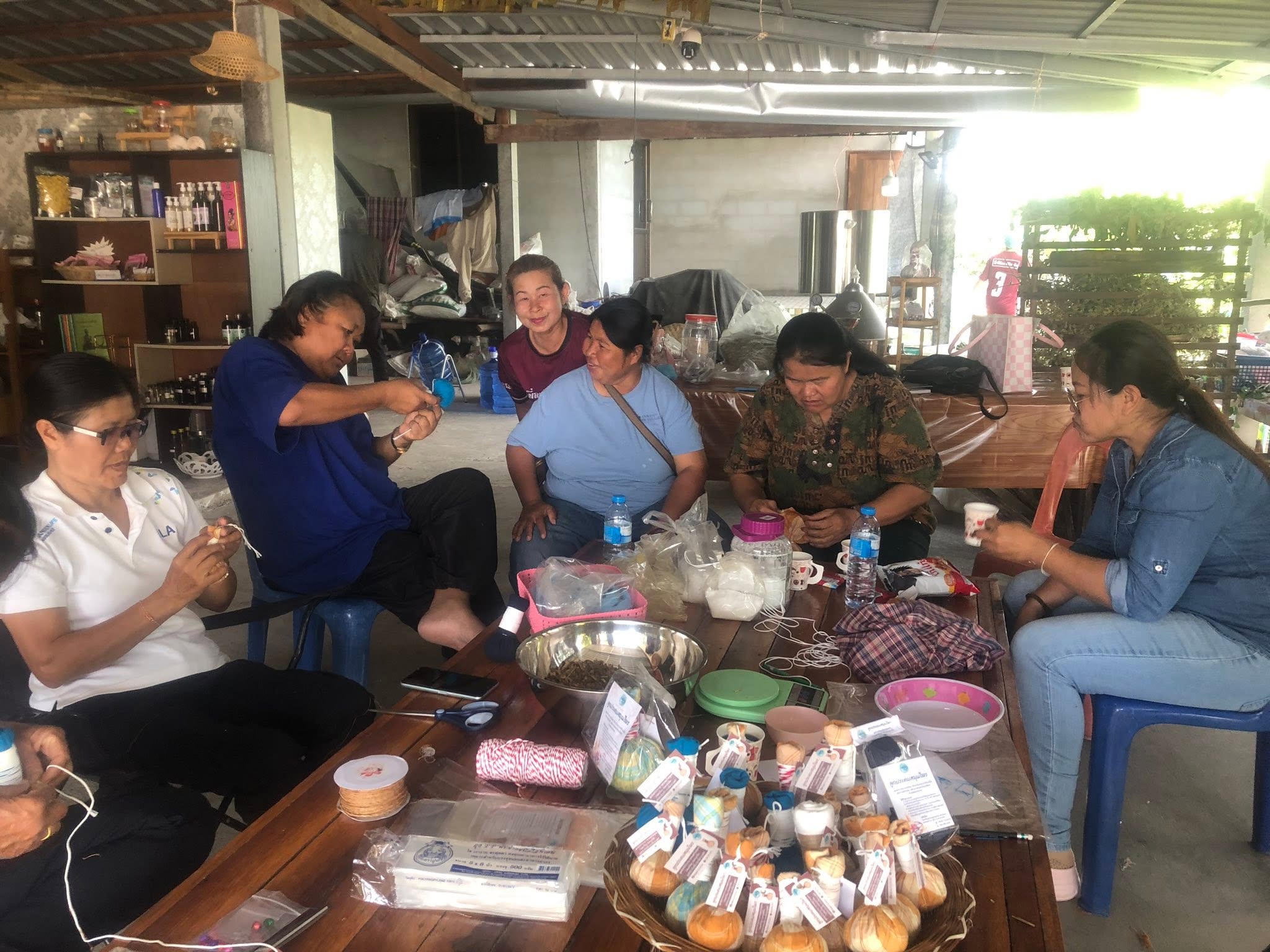
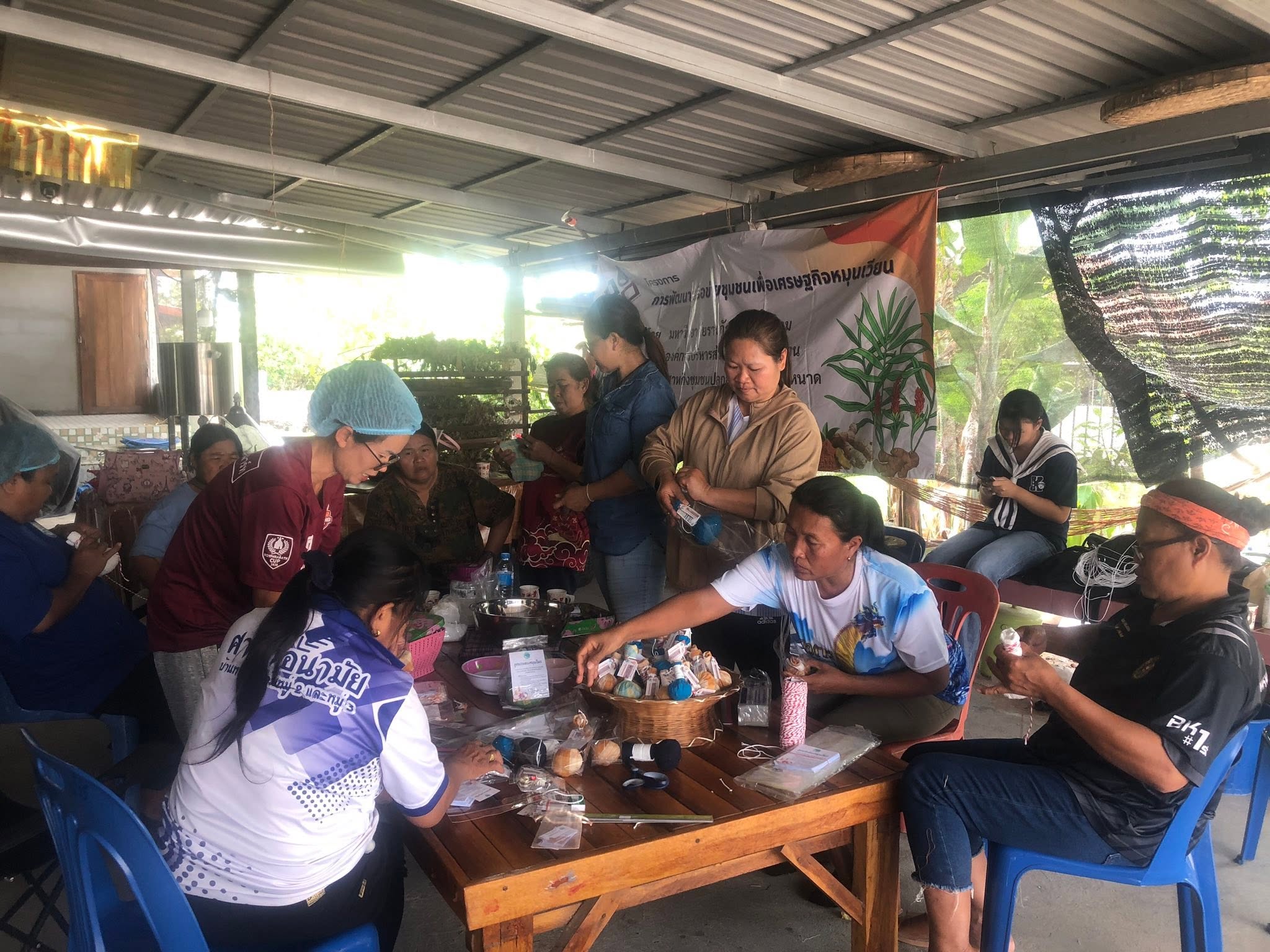
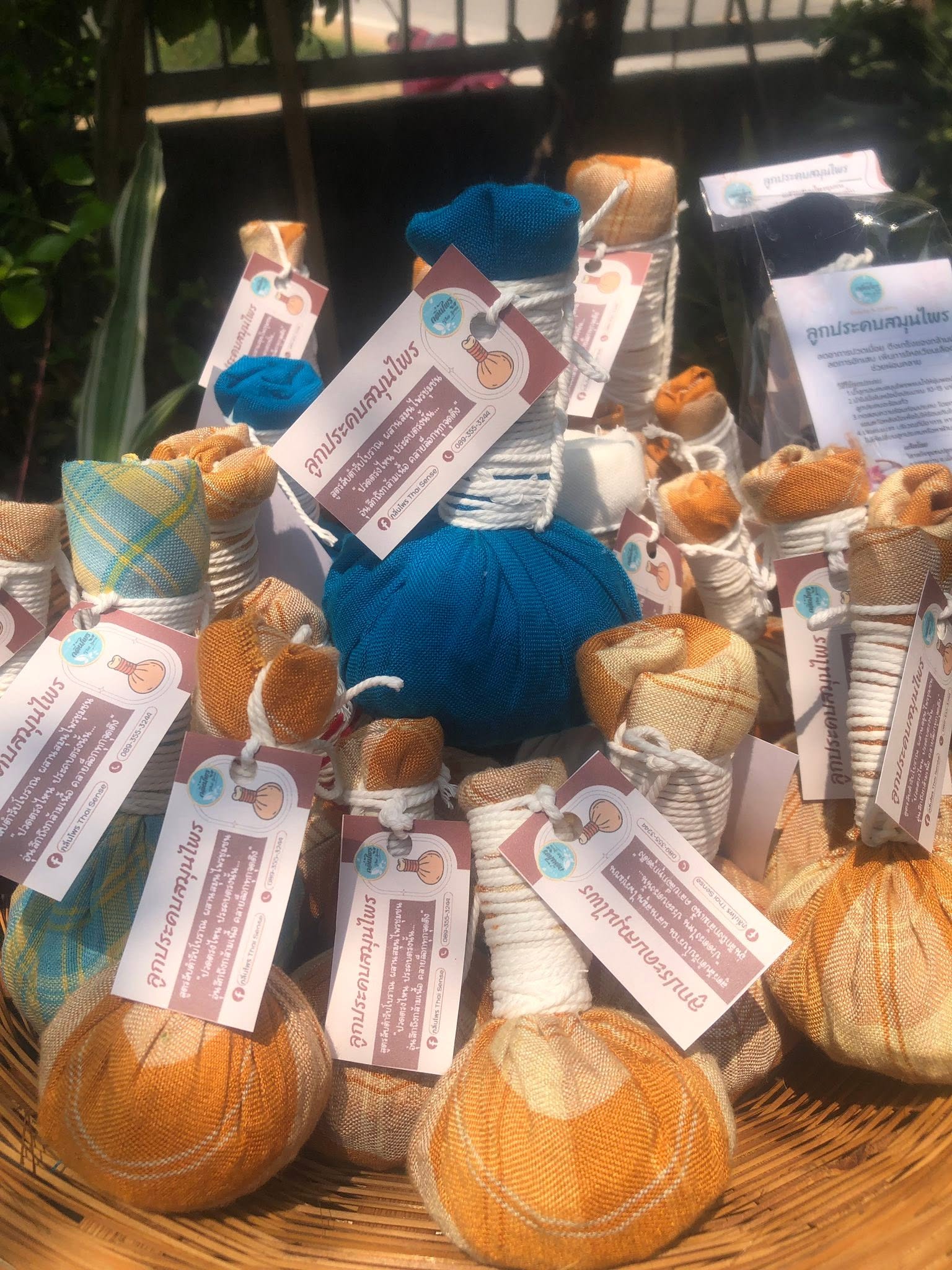
3. Workshop on Value Addition and New Product Development from the Circular Economy
4. Workshop on Marketing Promotion, Branding, and Distribution Channel Linkage
1. การอบรมเชิงปฏิบัติการ การวิเคราะห์ทรัพยากร และเก็บข้อมูลเศรษฐกิจชุมชน
2. การอบรมเชิงปฏิบัติการ การพัฒนาศักยภาพและการสร้างเครือข่ายชุมชนเพื่อเศรษฐกิจหมุนเวียน
3. การอบรมเชิงปฏิบัติการ การเพิ่มมูลค่าและพัฒนาผลิตภัณฑ์ใหม่จากเศรษฐกิจหมุนเวียน
4. การอบรมเชิงปฏิบัติการ การส่งเสริมการตลาด การสร้างแบรนด์ และการเชื่อมโยงช่องทางจำหน่าย
Part 2: Outcomes & Impact ส่วนที่ 2 ผลลัพธ์และผลกระทบ
Outcomes ผลลัพธ์ที่เกิดขึ้น
1. Adding value and increasing income within the community.
2. Creating economic sustainability within the community.
3. Enhancing collaboration and empowering the community.
1. เพิ่มมูลค่าและรายได้ในชุมชน
2. สร้างความยั่งยืนทางเศรษฐกิจในชุมชน
3. เสริมสร้างความร่วมมือและความเข้มแข็งในชุมชน
Community & Social Impact ผลกระทบต่อชุมชน/สังคม
1. Economic Aspect
English: Efficient use of local resources and resource circulation help reduce production costs and diminish reliance on external material sources, thereby enabling community entrepreneurs to increase profitability. Furthermore, utilizing local resources to produce value-added goods and services stimulates the local economy and ensures long-term economic stability.
2. Social Aspect
English: Establishing community networks focused on collaboration enhances relationships among community members. The exchange of resources and knowledge strengthens the community while promoting equitable access to opportunities and benefits for everyone involved.
3. Educational Aspect
English: Organizing training and learning programs on the circular economy fosters a mindset of lifelong learning and self-development. Through both theoretical instruction and practical hands-on experience in various community activities—including product processing—the knowledge of community members is significantly enhanced.
4. Environmental Aspect
English: Promoting the sustainable use of local resources helps reduce waste and pollution, restores biodiversity, and cultivates a strong sense of environmental conservation awareness within the community.
1. ด้านเศรษฐกิจ การใช้ทรัพยากรที่มีอยู่ในท้องถิ่นอย่างคุ้มค่าและการหมุนเวียนทรัพยากรช่วยลดต้นทุนการผลิต ลดการพึ่งพาแหล่งวัสดุจากภายนอก ทําให้ผู้ประกอบการในชุมชนสามารถเพิ่มผลกําไรได้ การใช้ ทรัพยากรท้องถิ่นในการผลิตสินค้าและบริการที่มีมูลค่าเพิ่ม ช่วยกระตุ้นเศรษฐกิจท้องถิ่นและสร้างความมั่นคงทางเศรษฐกิจในระยะยาว
2. ด้านสังคม สร้างเครือข่ายชุมชนที่เน้นการทํางานร่วมกันช่วยเพิ่มความสัมพันธ์ระหว่างสมาชิกในชุมชน การแลกเปลี่ยนทรัพยากรและความรู้ช่วยเพิ่มความแข็งแกร่งให้กับชุมชน และส่งเสริมการเข้าถึงโอกาสและผลประโยชน์ที่เท่าเทียมกันในชุมชน
3. ด้านการศึกษา การจัดฝึกอบรมและการเรียนรู้ในด้านเศรษฐกิจหมุนเวียน เสริมสร้างแนวคิดการเรียนรู้และพัฒนาตัวเองในระยะยาวโดยการเรียนรู้ทางทฤษฎี และทางปฏิบัติจากการดําเนินกิจกรรมต่างๆ ในชุมชน และการแปรรูปผลิตภัณฑ์ช่วยเสริมสร้างความรู้ให้กับสมาชิกในชุมชน
4. ด้านสิ่งแวดล้อม ส่งเสริมการใช้ทรัพยากรใชุมชนอย่างยั่งยืน ช่วยลดของเสียและมลพิษ ฟื้นฟูความหลากหลายทางชีวภาพ และสร้างจิตสำนึกด้านการอนุรักษ์สิ่งแวดล้อมในชุมชน
Student & Staff Participation การมีส่วนร่วมของนักศึกษา/บุคลากร
1. A total of 20 students, developed through the Social Engineer process, applied their knowledge to fieldwork.
2. Faculty members and staff from the Program in Technology Management, Faculty of Science and Technology, Rajabhat Maha Sarakham University, participated in the activities and served as mentors for students during community data collection fieldwork.
1. นักศึกษาที่ได้รับการพัฒนาด้วยกระบวนการวิศวกรสังคม ได้นําองค์ความรู้ไปใช้ในการลงพื้นที่ จำนวน 20 คน
2. อาจารย์และเจ้าหน้าที่ในสาขาวิชาการจัดการเทคโนโลยี คณะวิทยาศาสตร์และเทคโนโลยี มหาวิทยาลัยราชภัฏมหาสารคาม ร่วมดำเนินการทำกิจกรรม และเป็นพี่เลี้ยงให้นักศึกษาในการลงพื้นที่เก็บข้อมูลชุมชน
Project Continuity ความต่อเนื่องของโครงการ
This involves elevating product standards to secure official certifications, expanding marketing channels through e-commerce platforms, and connecting with the private sector as well as provincial tourism networks. This approach aims to empower the identity and circular economy mechanisms of Don Wan Sub-district to become truly self-reliant. การยกระดับมาตรฐานตัวผลิตภัณฑ์ให้ได้รับการรับรอง การขยายช่องทางการตลาดในระบบพาณิชย์อิเล็กทรอนิกส์ (E- commerce) และการเชื่อมโยงกับภาคเอกชน/เครือข่ายท่องเที่ยวของจังหวัด เพื่อให้อัตลักษณ์และกลไกเศรษฐกิจหมุนเวียนของตำบลดอนหว่านสามารถพึ่งพาตนเองได้อย่างแท้จริง
Part 3: Challenges & Suggestions ส่วนที่ 3 ปัญหาอุปสรรค/ข้อเสนอแนะ
Problems & Obstacles ปัญหา/อุปสรรค
1. Regarding the activities focused on branding and digital marketing, a segment of local entrepreneurs, especially older members, demonstrated a limited familiarity with e-commerce platforms and mobile applications. Consequently, this necessitated a significant amount of time for repetitive guidance and hands-on practice.
2. While the operational period allowed enough time for prototype creation and practical training, it was inadequate for pursuing official product standards (FDA/tcps) or conducting a comprehensive assessment of long-term economic impacts (SROI).
1. ในกิจกรรมที่เกี่ยวกับการสร้างแบรนด์และการตลาดออนไลน์ พบว่าผู้ประกอบการชุมชนบางส่วน (โดยเฉพาะกลุ่มผู้สูงอายุ) ยังขาดความคุ้นเคยกับระบบพาณิชย์อิเล็กทรอนิกส์ และการใช้แอปพลิเคชัน ทำให้ต้องใช้เวลาในการอธิบายซ้ำและฝึกฝนค่อนข้างมาก
2. ระยะเวลาในการดำเนินงานเพียงพอแค่การสร้างผลิตภัณฑ์ต้นแบบและอบรมเชิงปฏิบัติการ แต่ยังไม่ครอบคลุมไปถึงกระบวนการยื่นขอมาตรฐาน (อย./มผช.) และการวัดผลลัพธ์ทางเศรษฐกิจ (SROI) ที่ชัดเจนในระยะยาว
Improvement Guidelines แนวทางการปรับปรุง
1. Leveraging online communication platforms enabled consistent follow-ups, operational support, and ongoing consultation for the community, eliminating the need for weekly on-site visits.
2. Selecting younger community members or group leaders with strong technological readiness to act as 'Technology Leaders,' ensuring ongoing assistance to other members once the activities have ended.
1. มีการใช้แพลตฟอร์มการสื่อสารออนไลน์ เพื่อให้สามารถติดตามผล ผลักดันการทำงาน และให้คำแนะนำแก่ชุมชนได้อย่างต่อเนื่องโดยไม่จำเป็นต้องลงพื้นที่จริงในทุกสัปดาห์
2. เฟ้นหาคนรุ่นใหม่ในชุมชนหรือผู้นำกลุ่มที่มีความพร้อมด้านเทคโนโลยี เพื่อให้บุคคลเหล่านี้ทำหน้าที่เป็น "แกนนำเทคโนโลยี" คอยช่วยเหลือสมาชิกคนอื่นๆ ในกลุ่มต่อหลังจากที่จบกิจกรรมไปแล้ว
Suggestions to University ข้อเสนอแนะต่อมหาวิทยาลัย
The university should implement a policy of continuous 2-3 year grants for capable communities to facilitate end-to-end development, spanning from upstream planning and midstream execution to downstream outcomes. มหาวิทยาลัยควรกำหนดนโยบายให้ทุนสนับสนุนโครงการพัฒนาท้องถิ่นในลักษณะ "โครงการต่อเนื่อง 2-3 ปี" สำหรับชุมชนที่มีศักยภาพ เพื่อให้เกิดการพัฒนาที่ครบวงจรตั้งแต่ ต้นน้ำ กลางน้ำ จนถึงปลายน้ำ