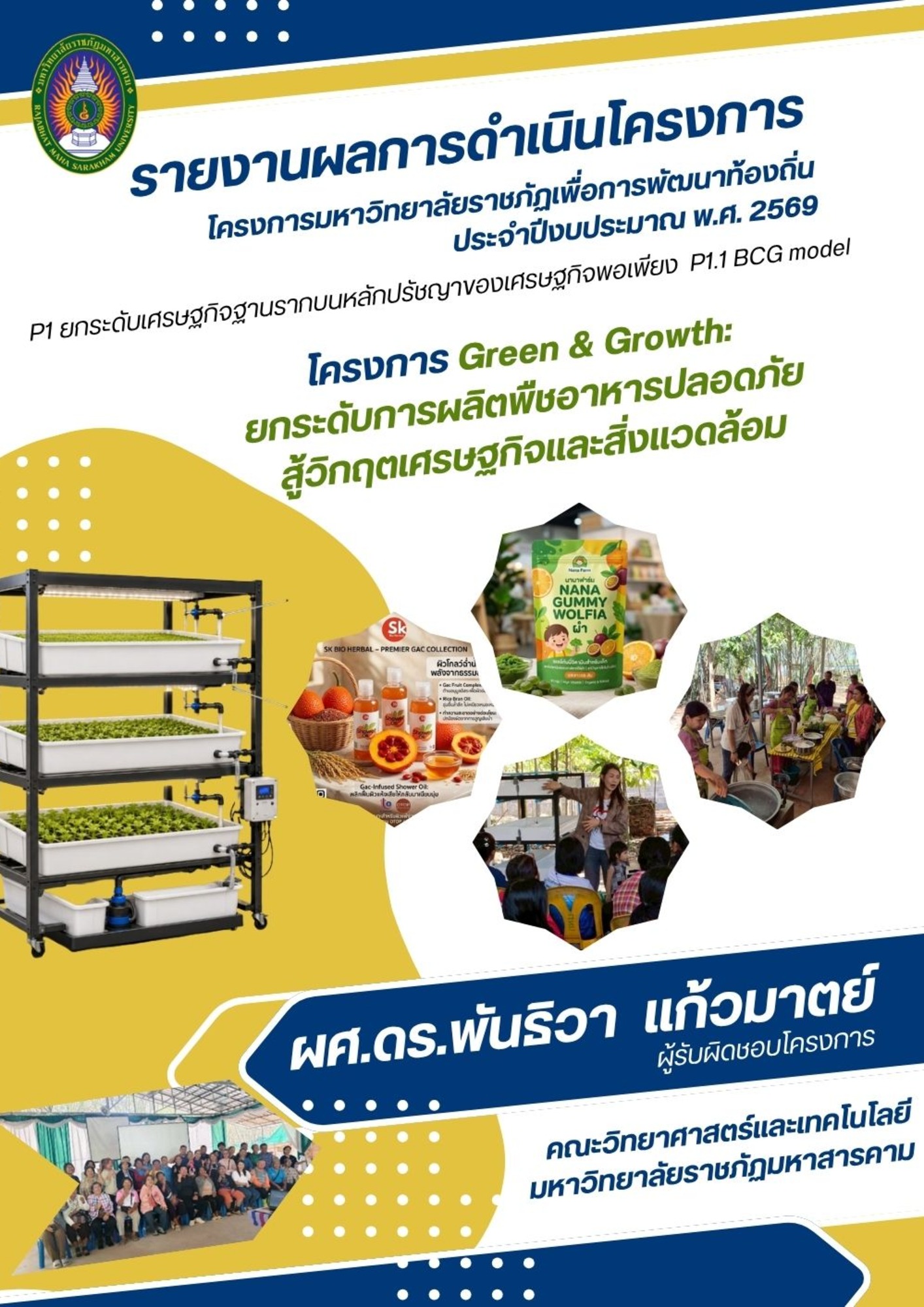
– April 30, 2026 20 กุมภาพันธ์ 2569
– 30 เมษายน 2569
Part 1: Project Details ส่วนที่ 1 รายละเอียดการดำเนินงาน
Objectives วัตถุประสงค์โครงการ
1. To transfer knowledge and technology on the cultivation and processing of Wolffia (khai-pham) together with safe crop production.
2. To transfer knowledge on using Wolffia as a protein source to partially replace flour in local foods, such as khanom jeen rice noodles and kuay jab noodles, as a healthier choice for consumers.
3. To transfer knowledge on standardized cultivation, value-added processing and the development of Wolffia protein-enriched alternative food products.
1. เพื่อถ่ายทอดองค์ความรู้และเทคโนโลยีด้านการเพาะเลี้ยงและแปรรูปไข่ผำร่วมกับการผลิตพืชปลอดภัย
2. เพื่อถ่ายทอดความรู้การประยุกต์ใช้ไข่ผำเป็นแหล่งโปรตีนทดแทนแป้งบางส่วนในการผลิตอาหารพื้นถิ่น เช่น เส้นขนมจีนและเส้นก๋วยจั๊บ เพื่อเป็นทางเลือกให้กับผู้บริโภค
3. เพื่อถ่ายทอดความรู้ด้านการเพาะเลี้ยงที่ได้มาตรฐาน การแปรรูปเพิ่มมูลค่า และการพัฒนาผลิตภัณฑ์อาหารทางเลือกเสริมโปรตีนจากไข่ผำ
Main Activities กิจกรรมหลัก
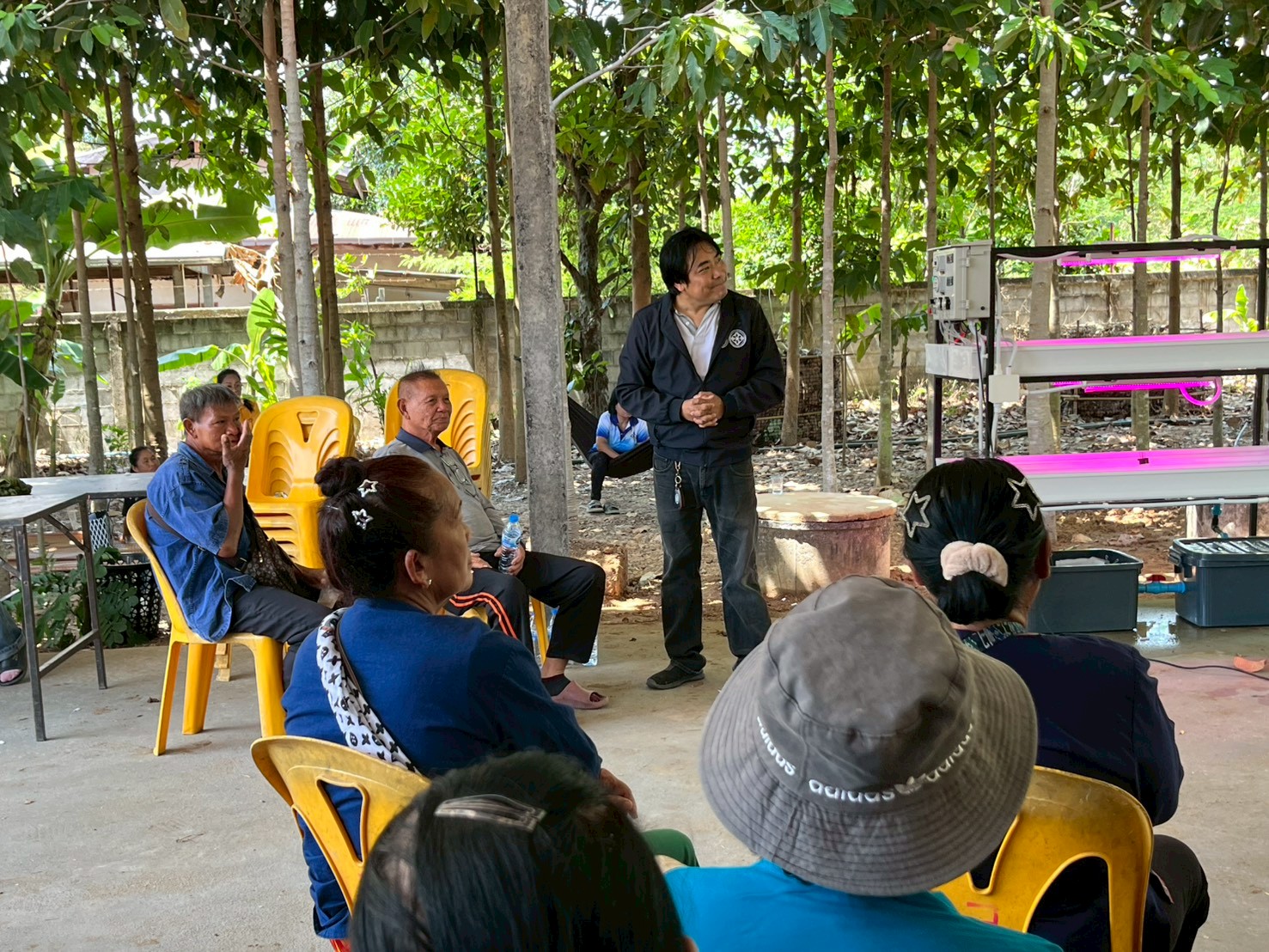
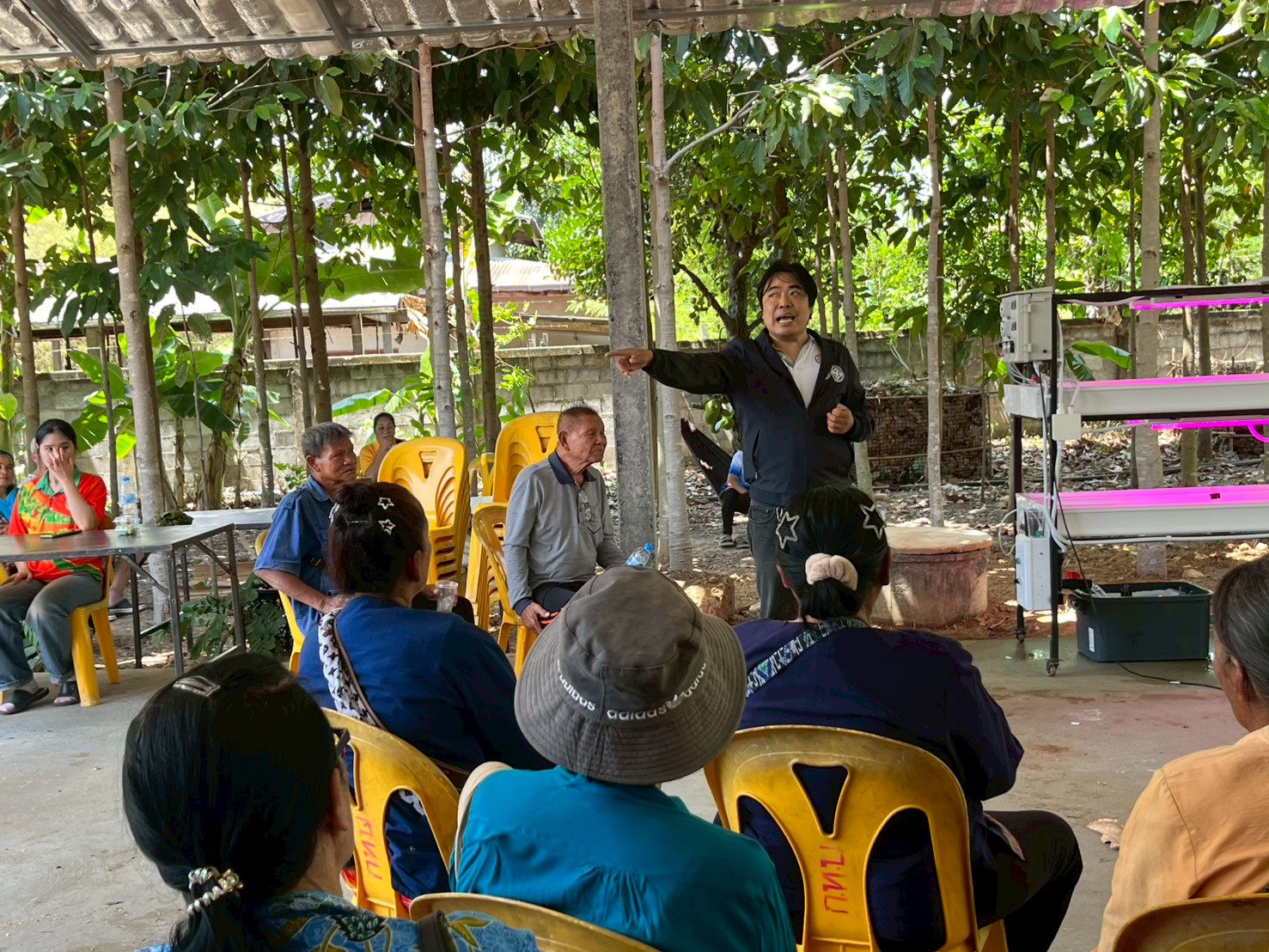
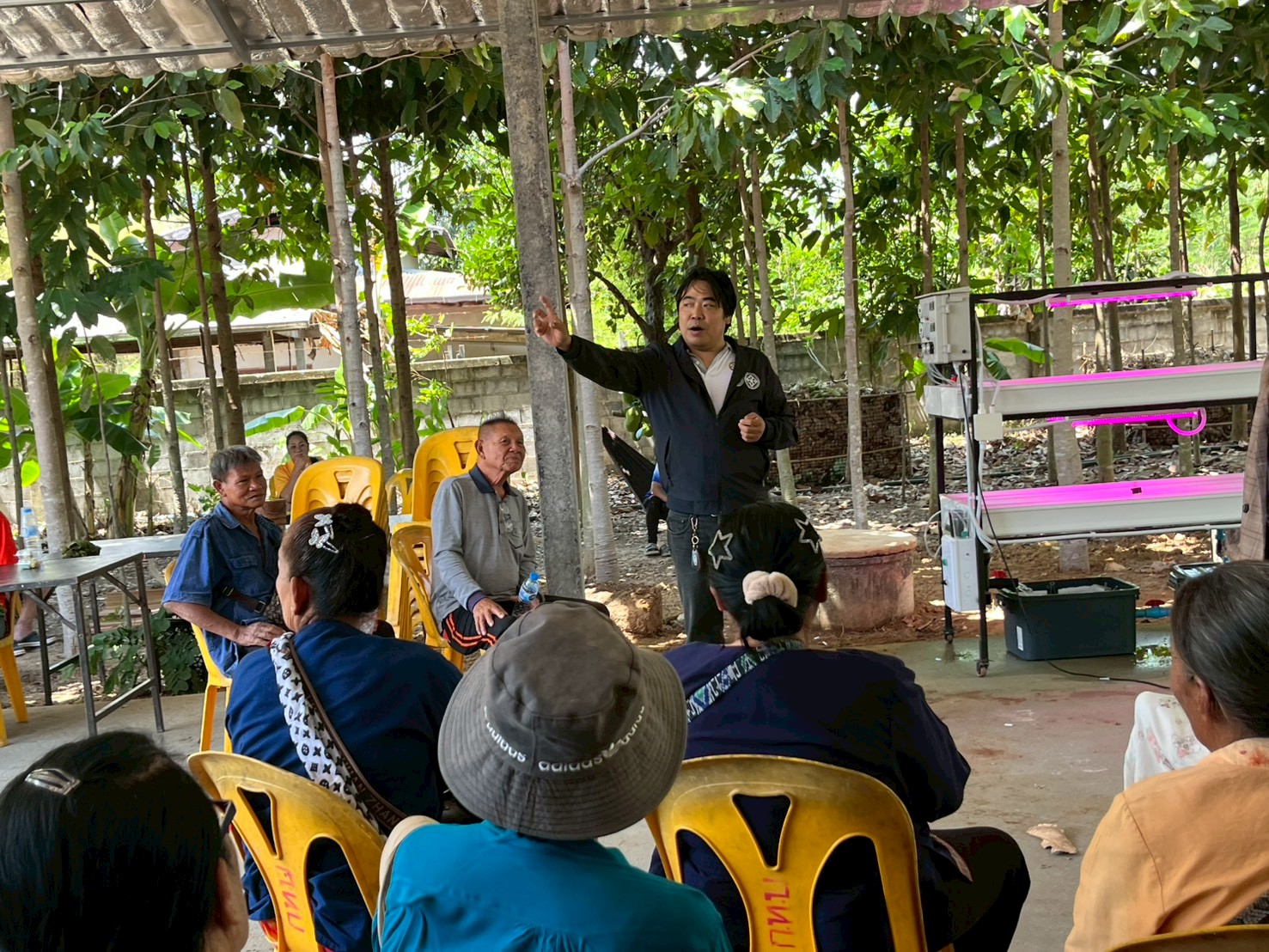
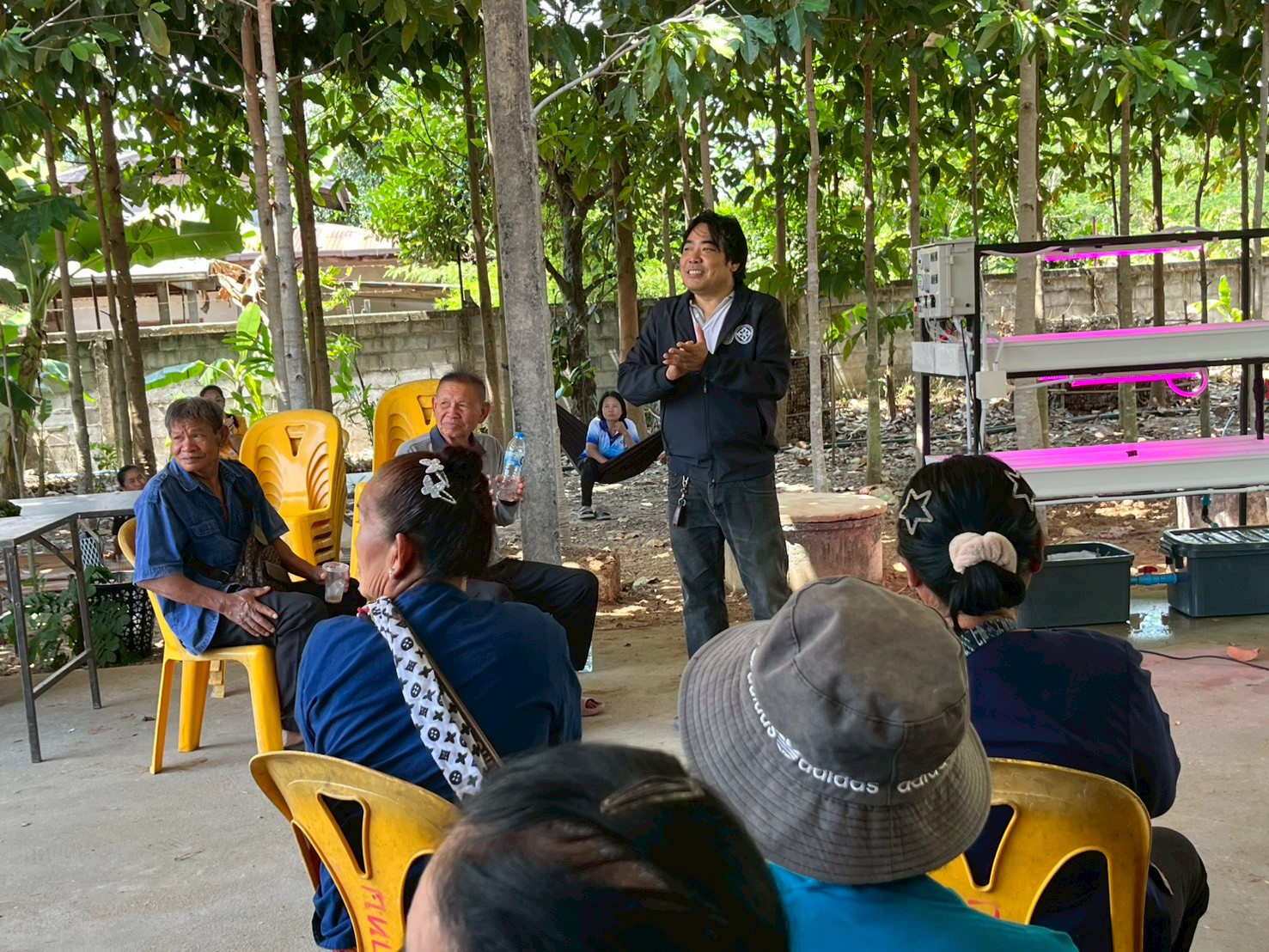
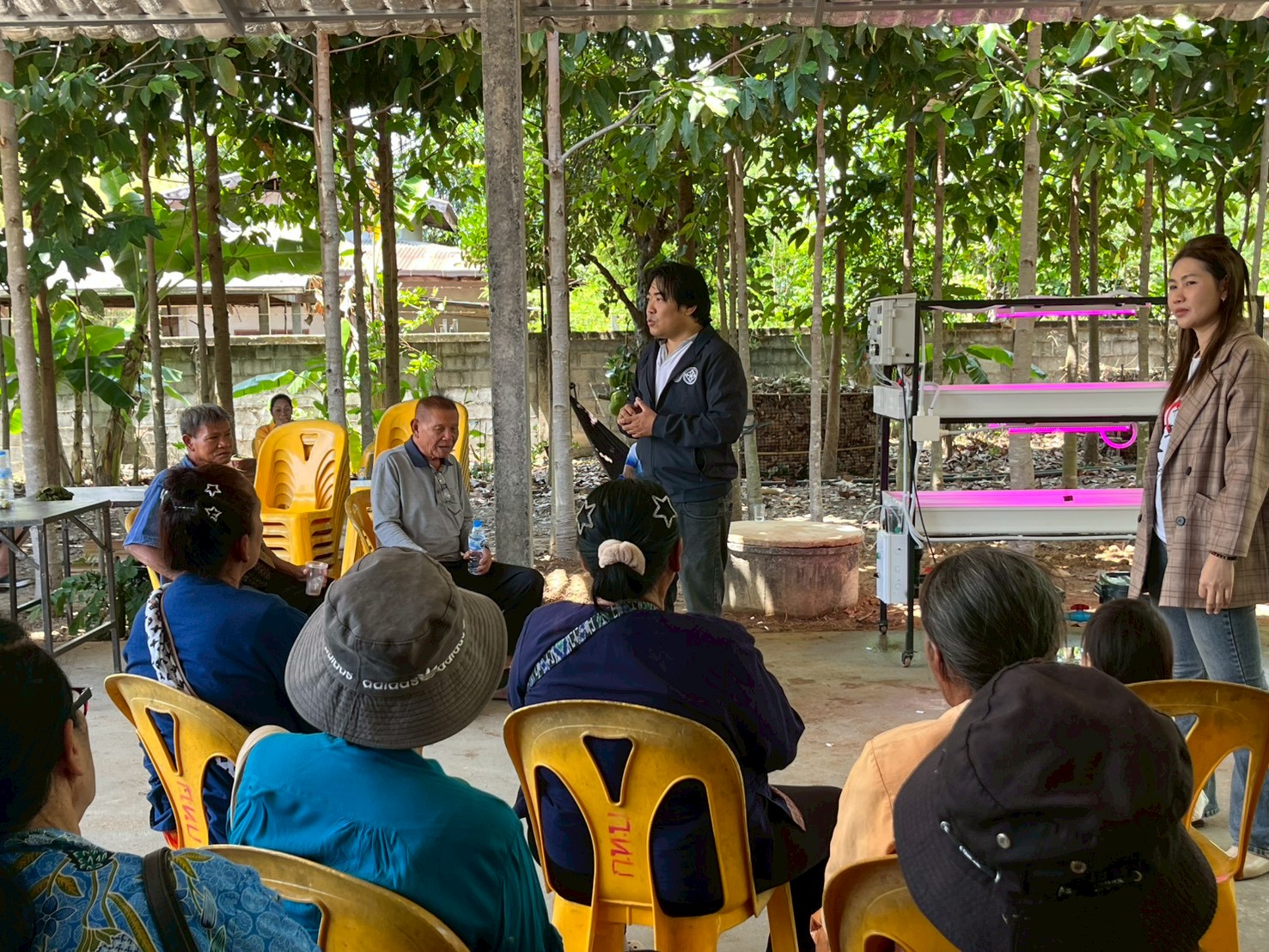
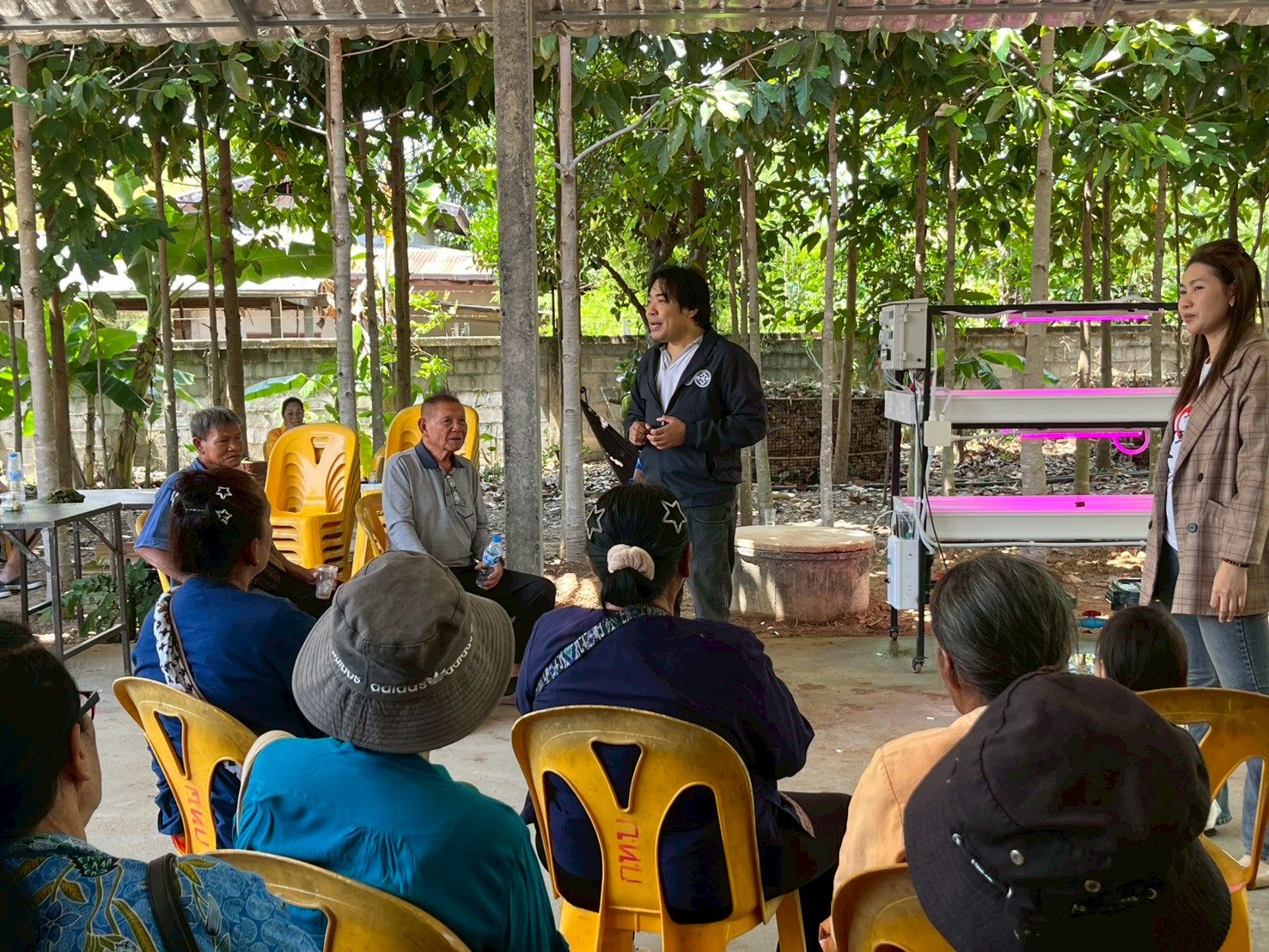
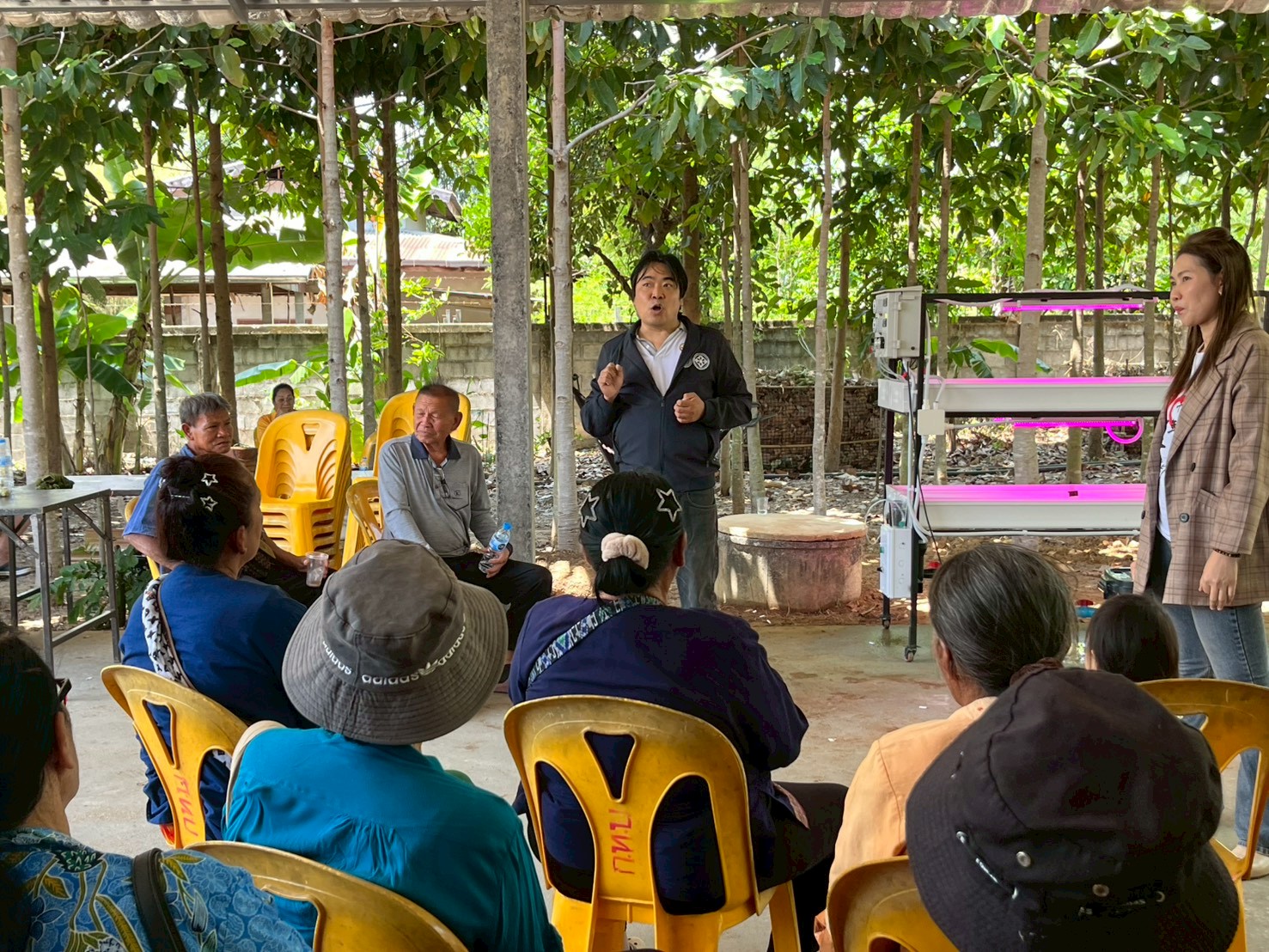
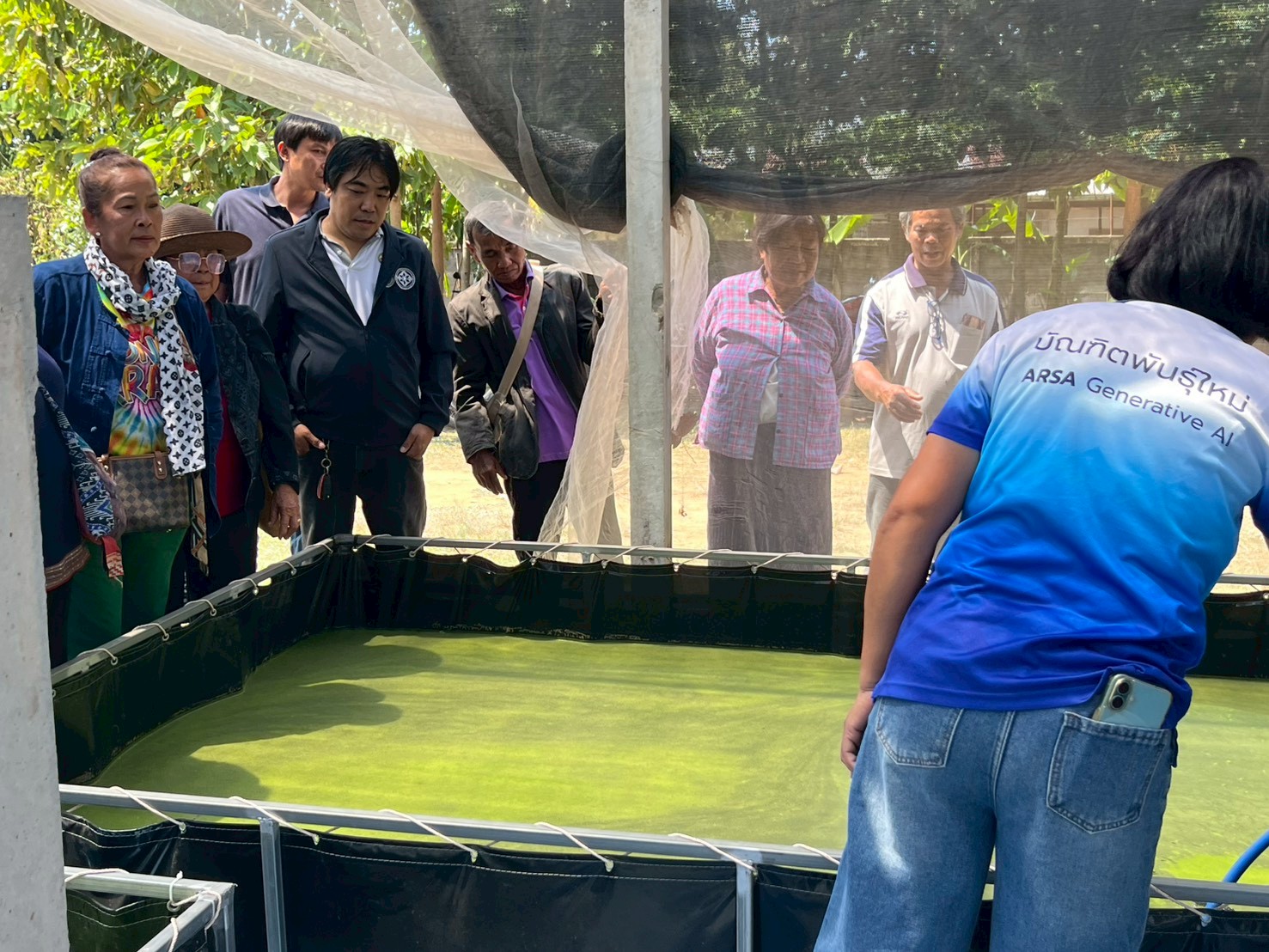
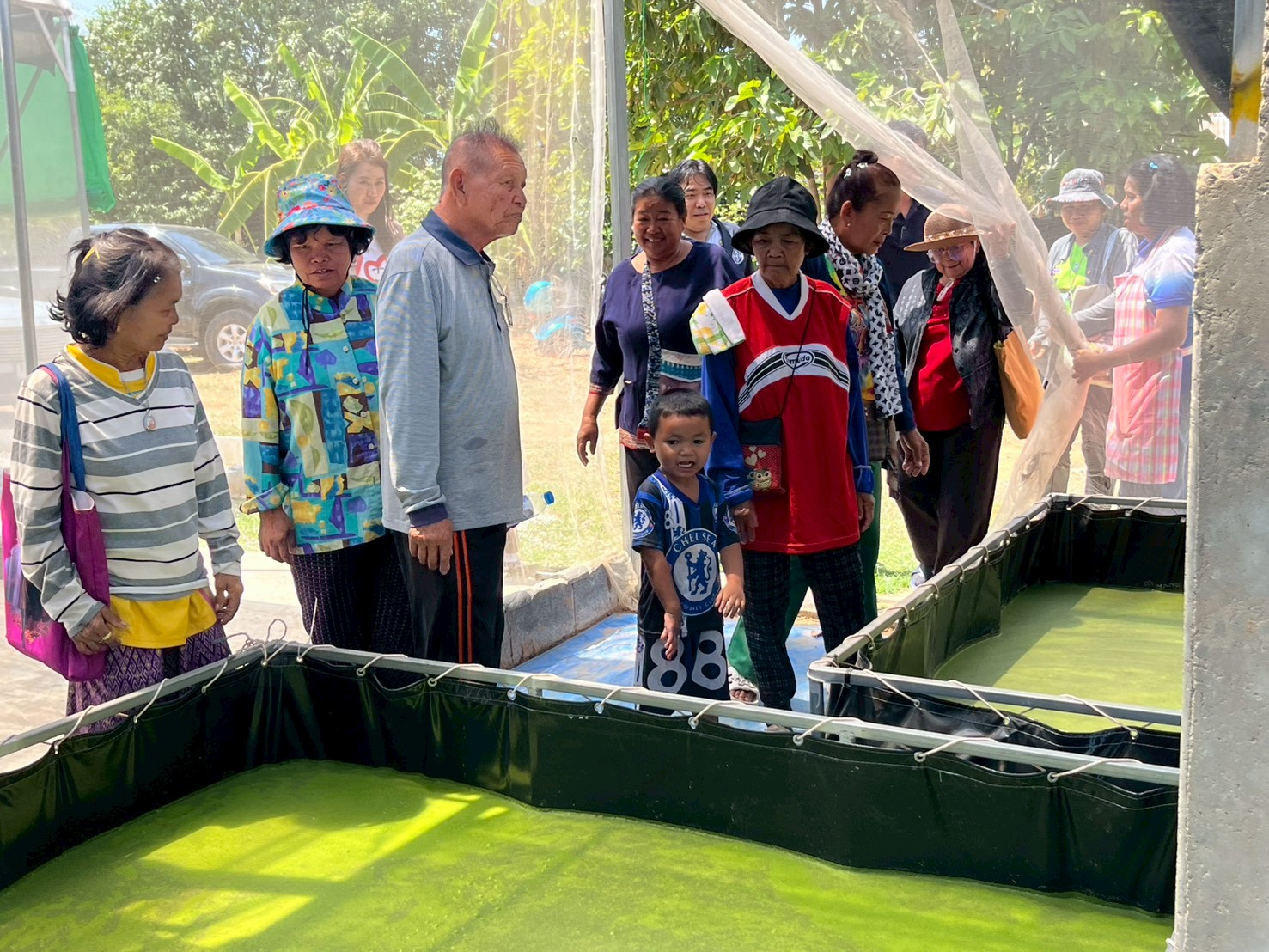
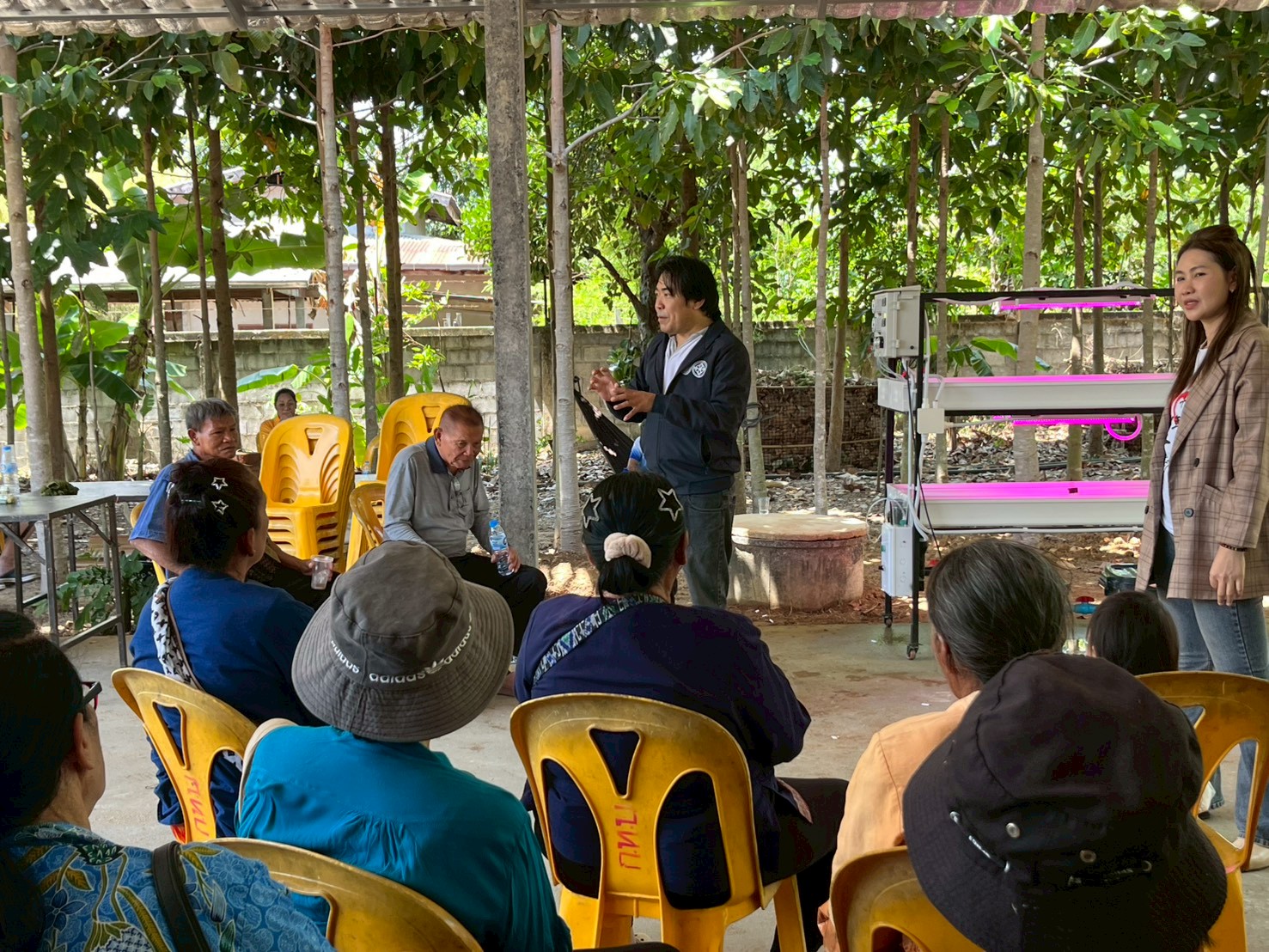
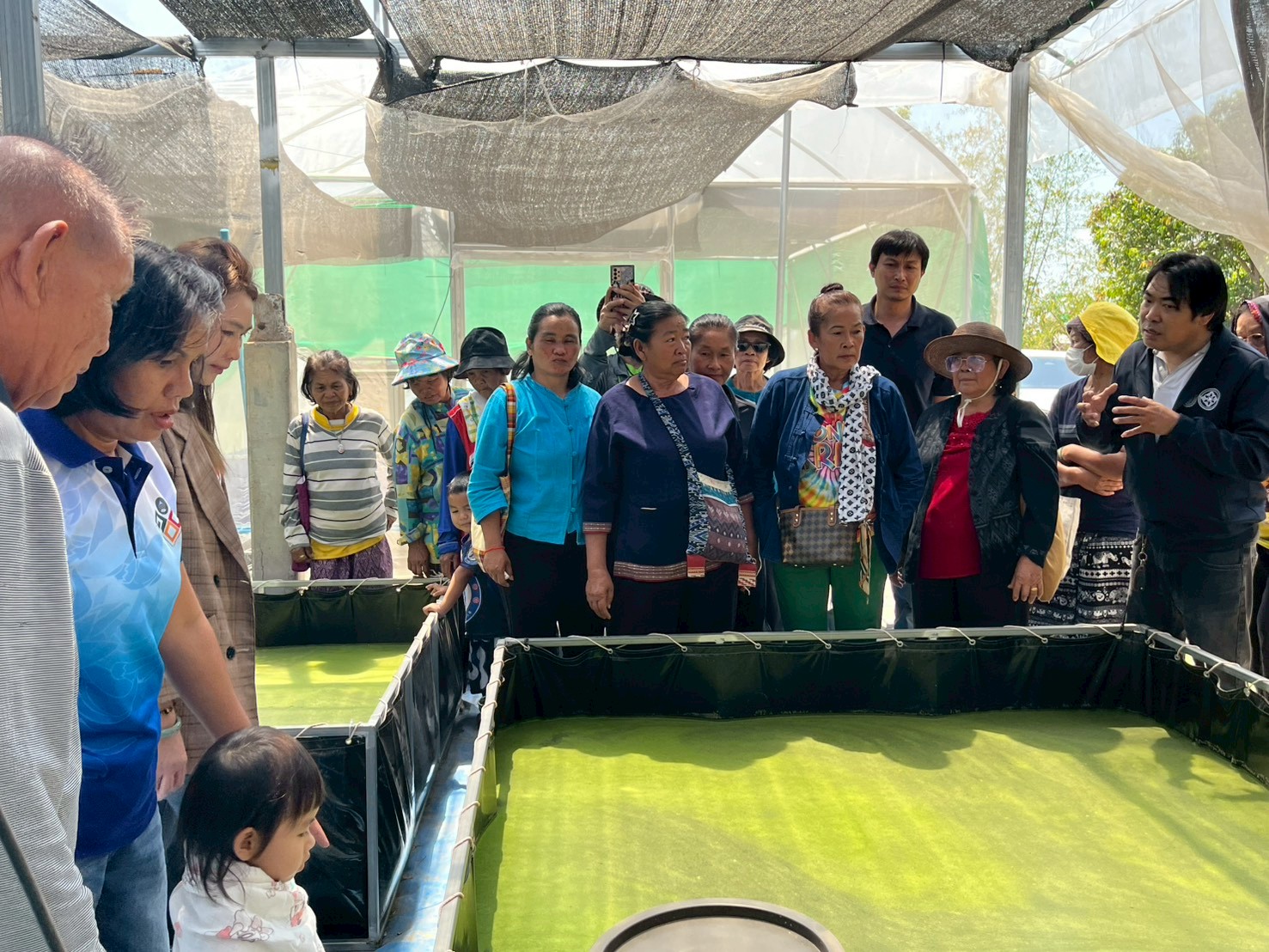
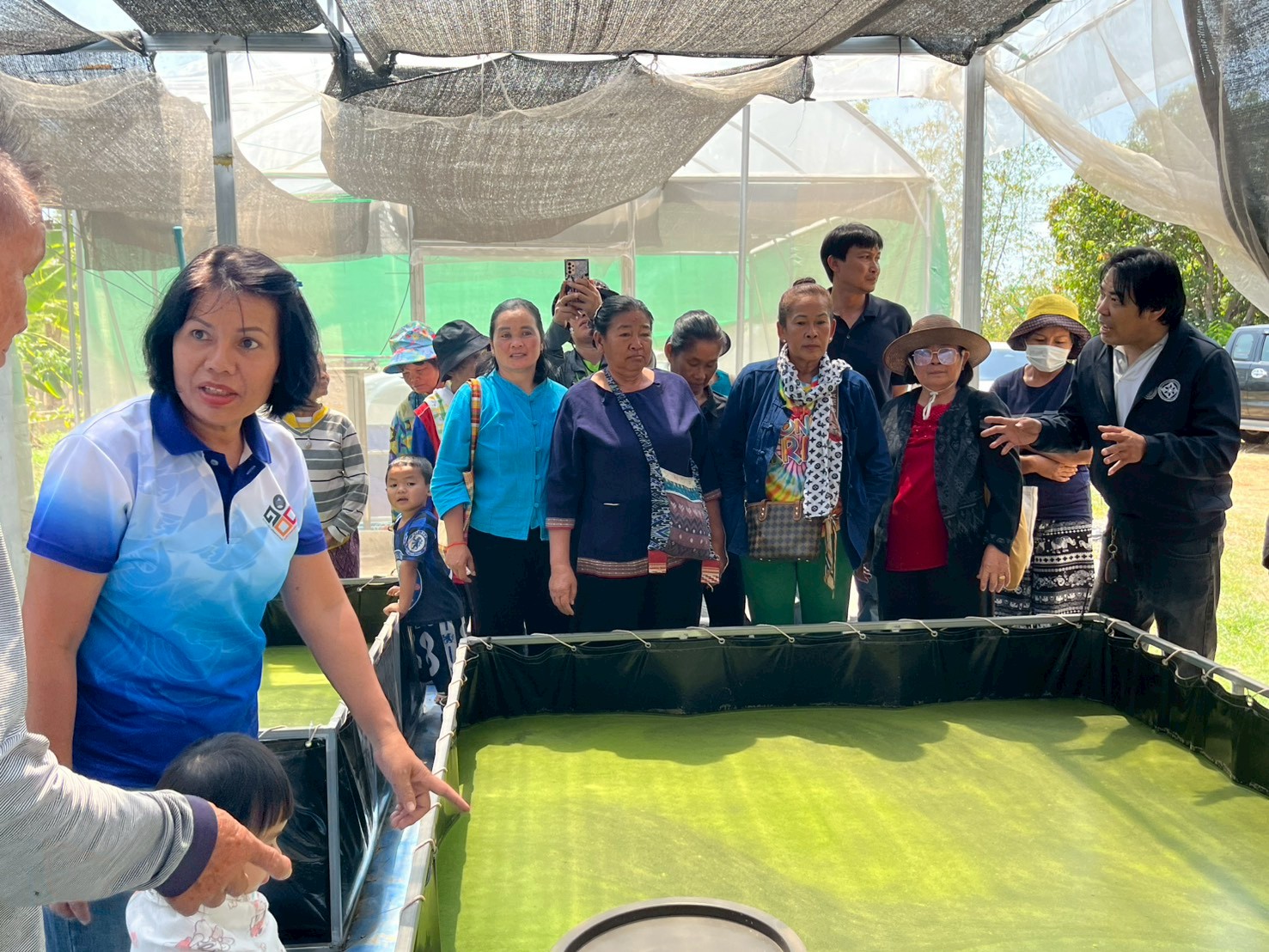
1. Hands-on workshop on quality and safe food production with a three-tier vertical cultivation system (26–28 February 2026): hydroponic vegetables, quality-controlled Wolffia culture and low-soil seedling production, with a farmer’s manual.
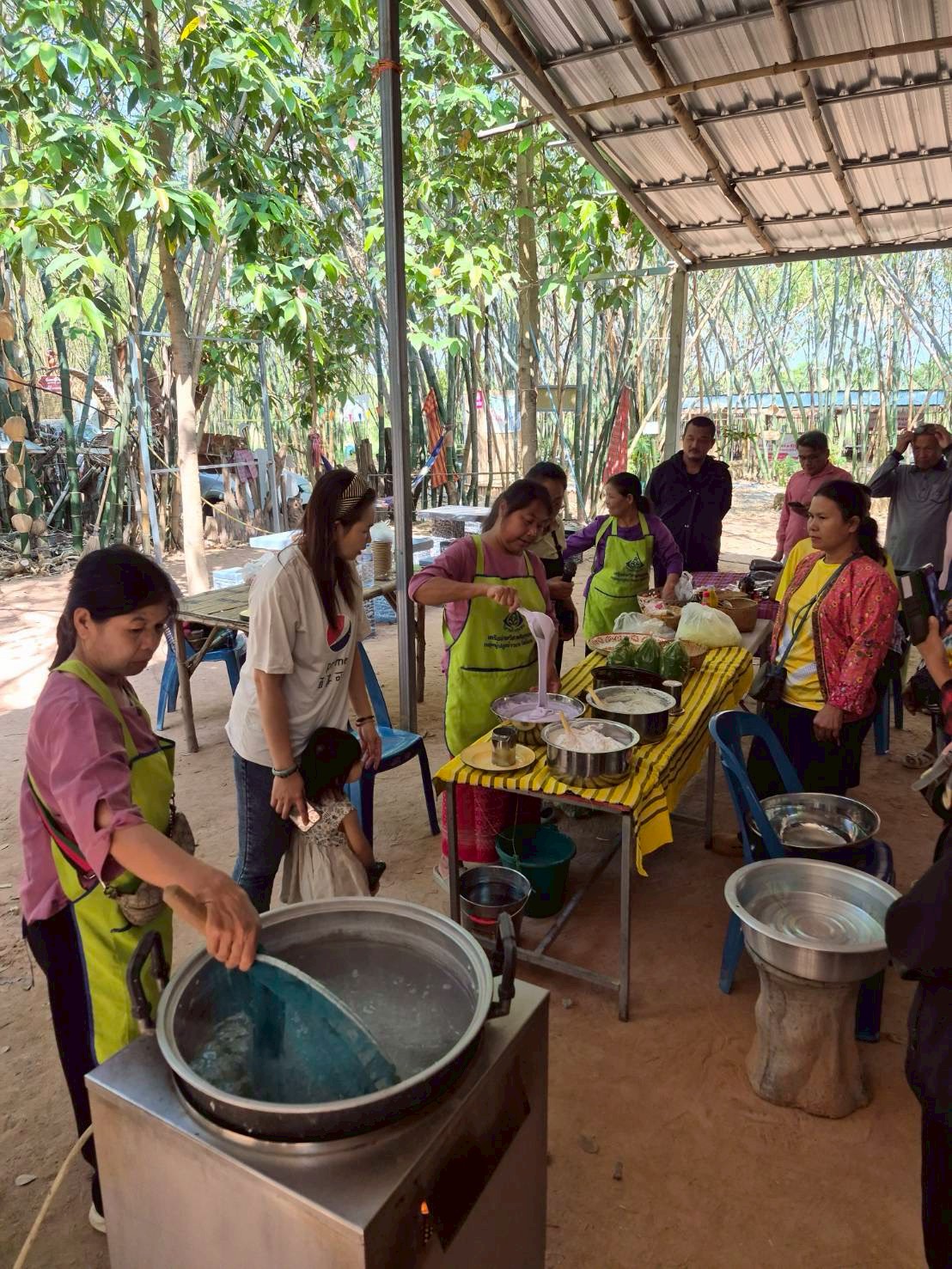
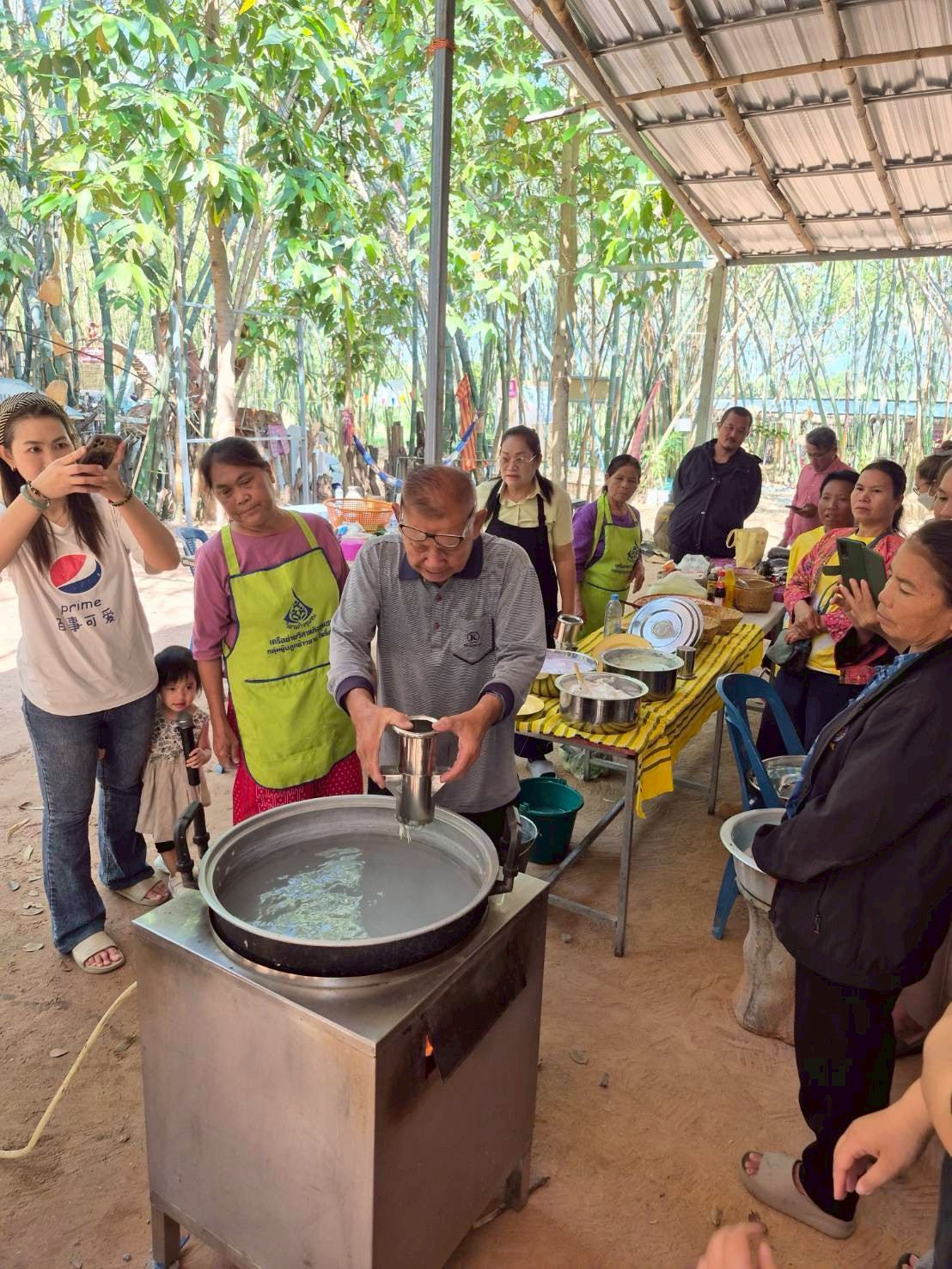
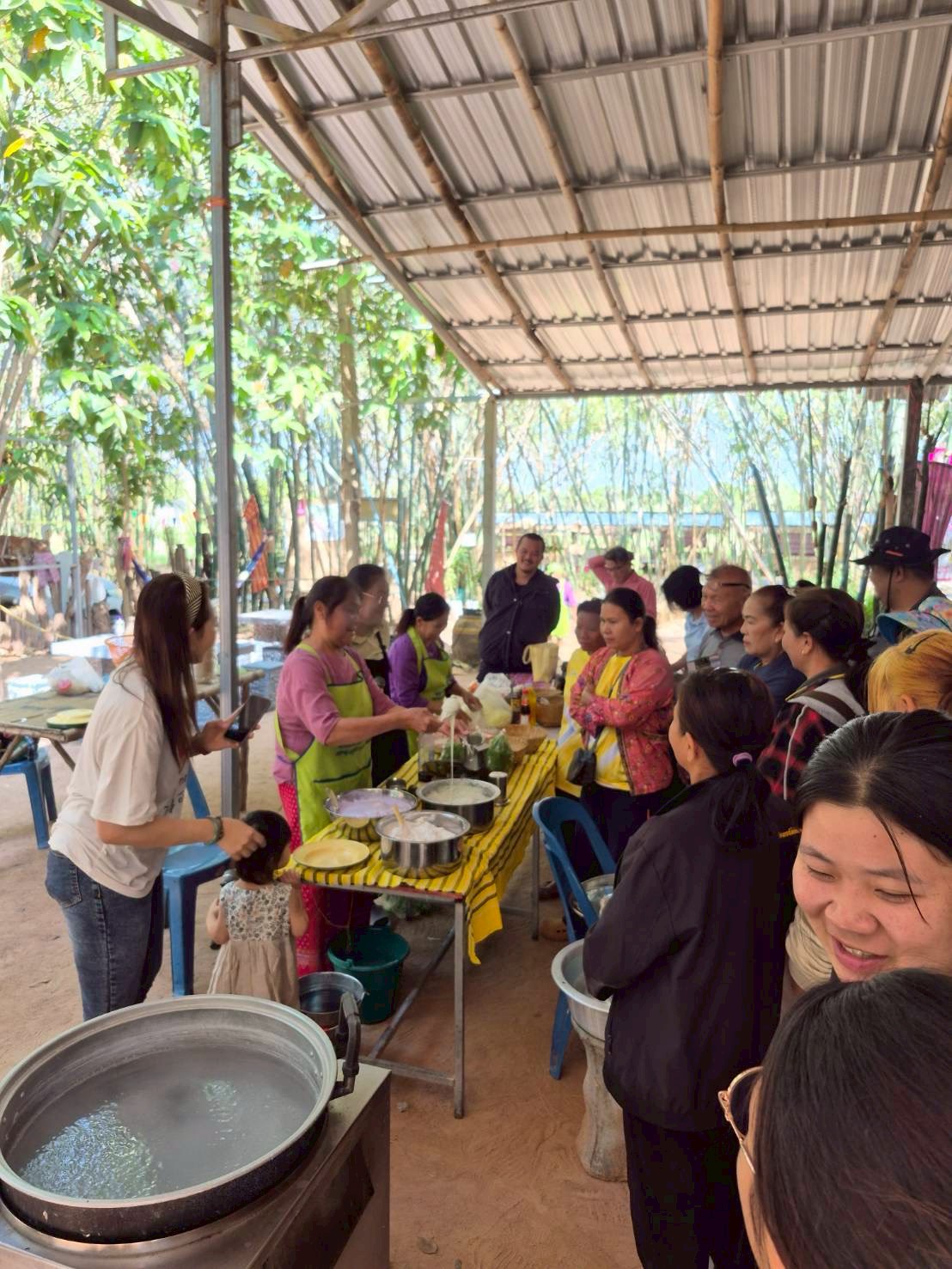
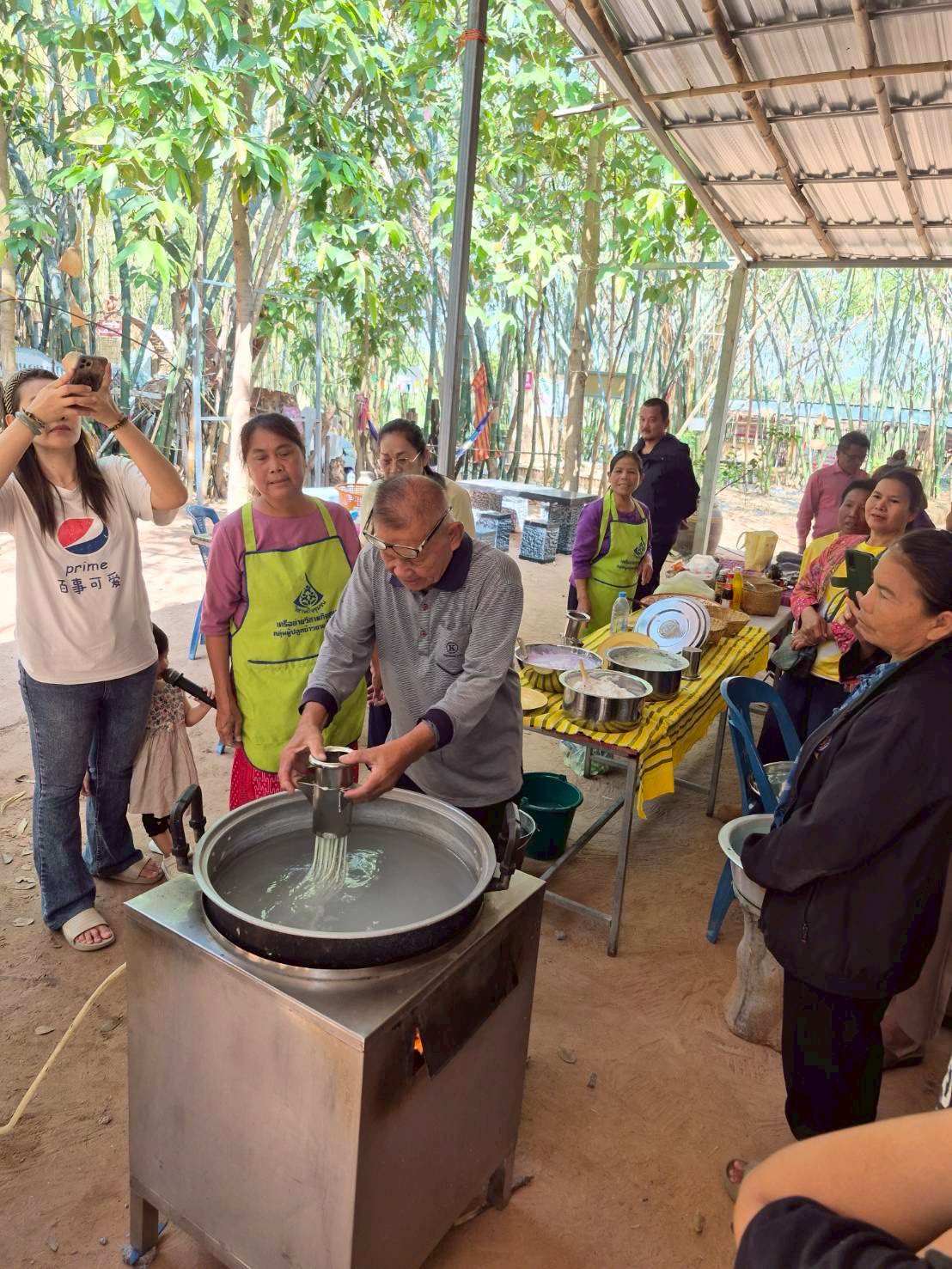
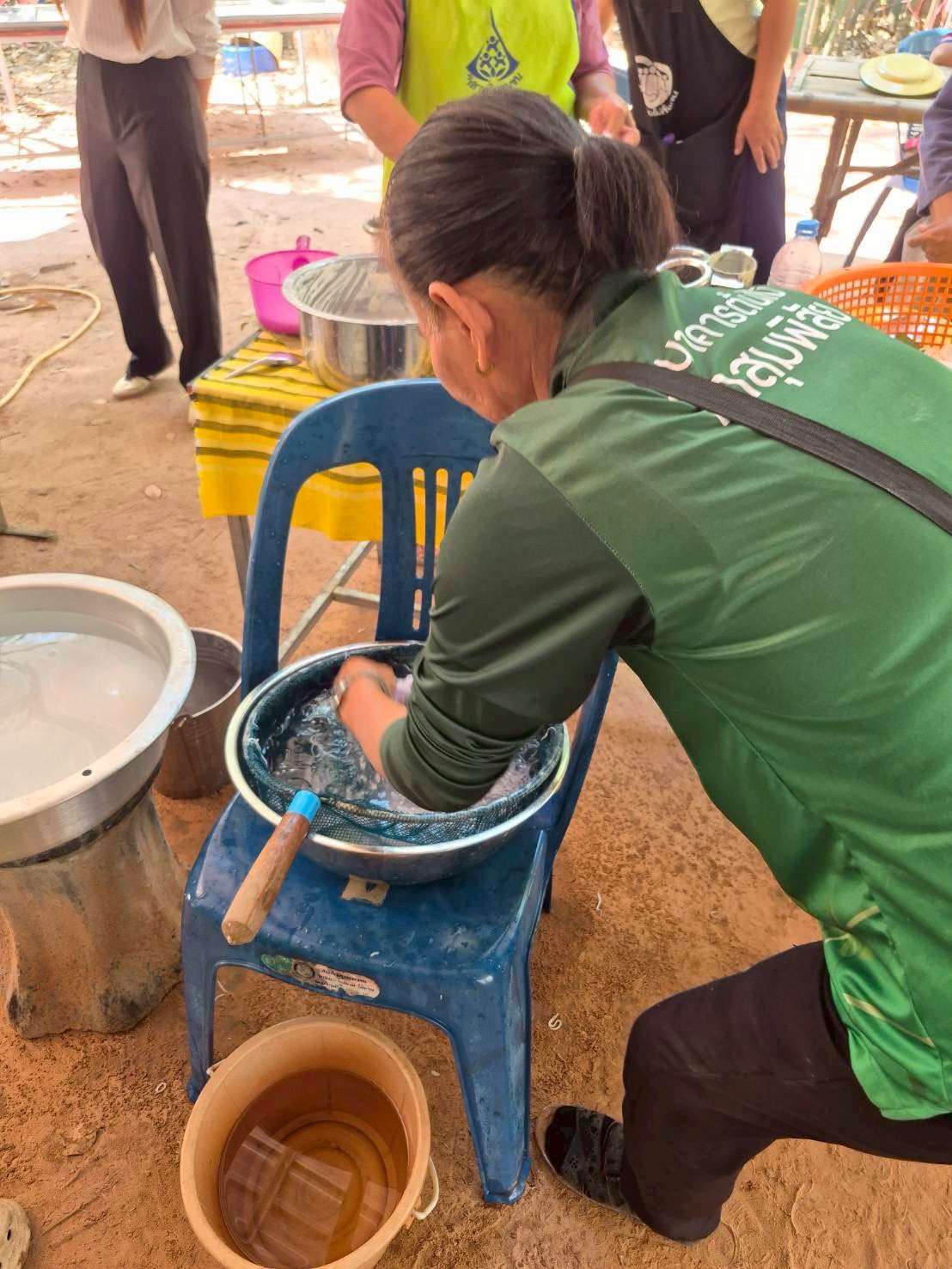
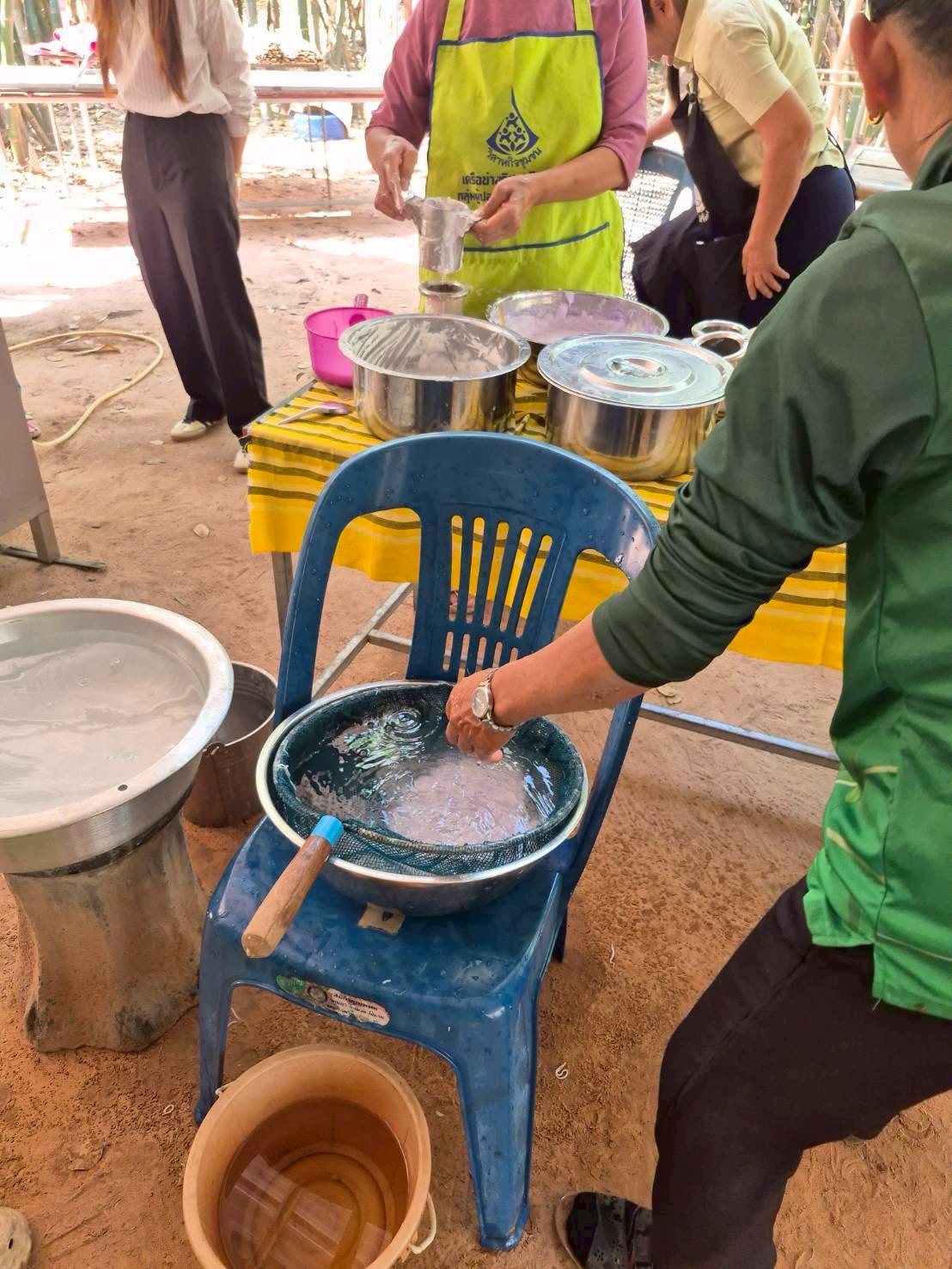
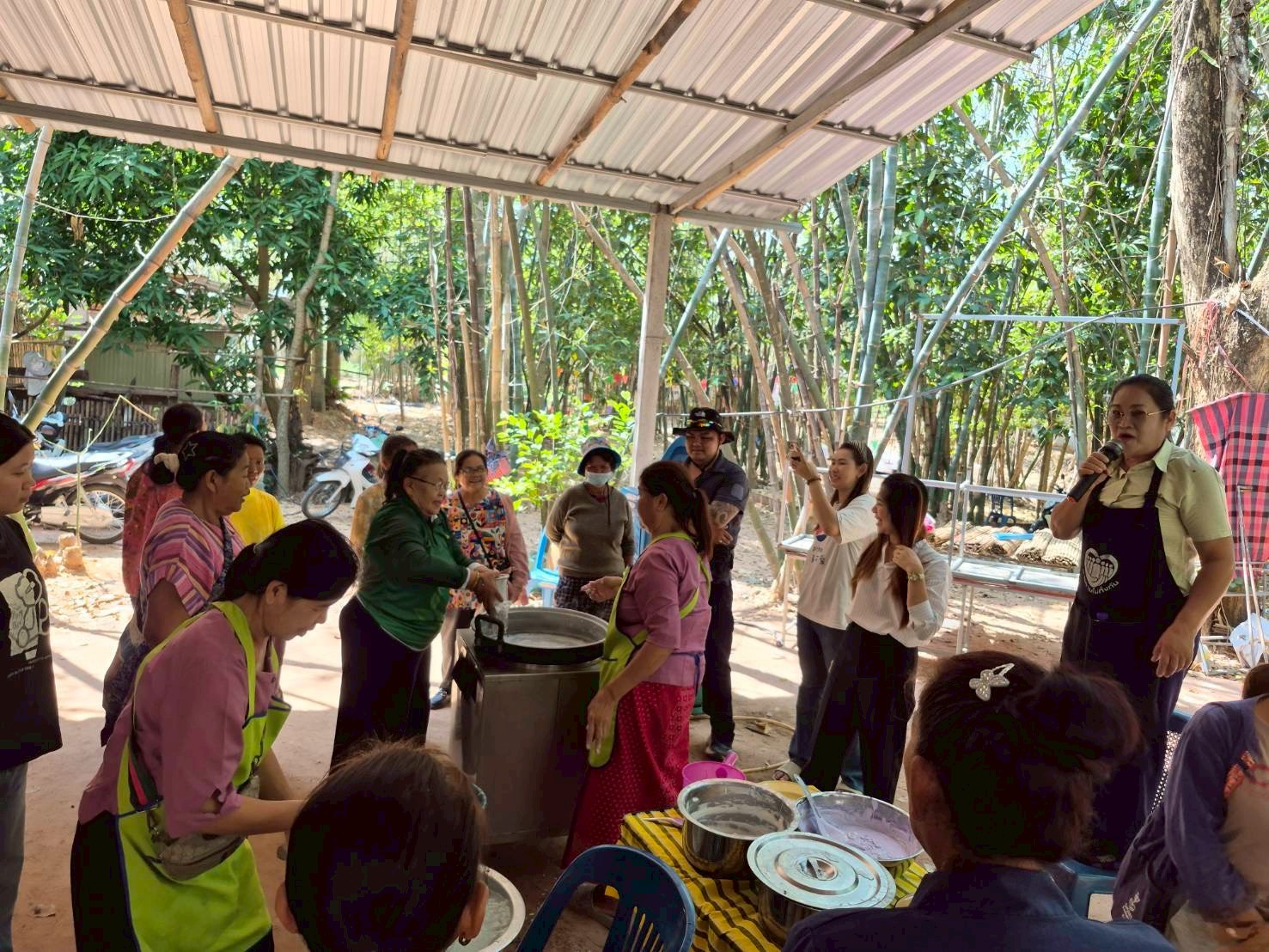
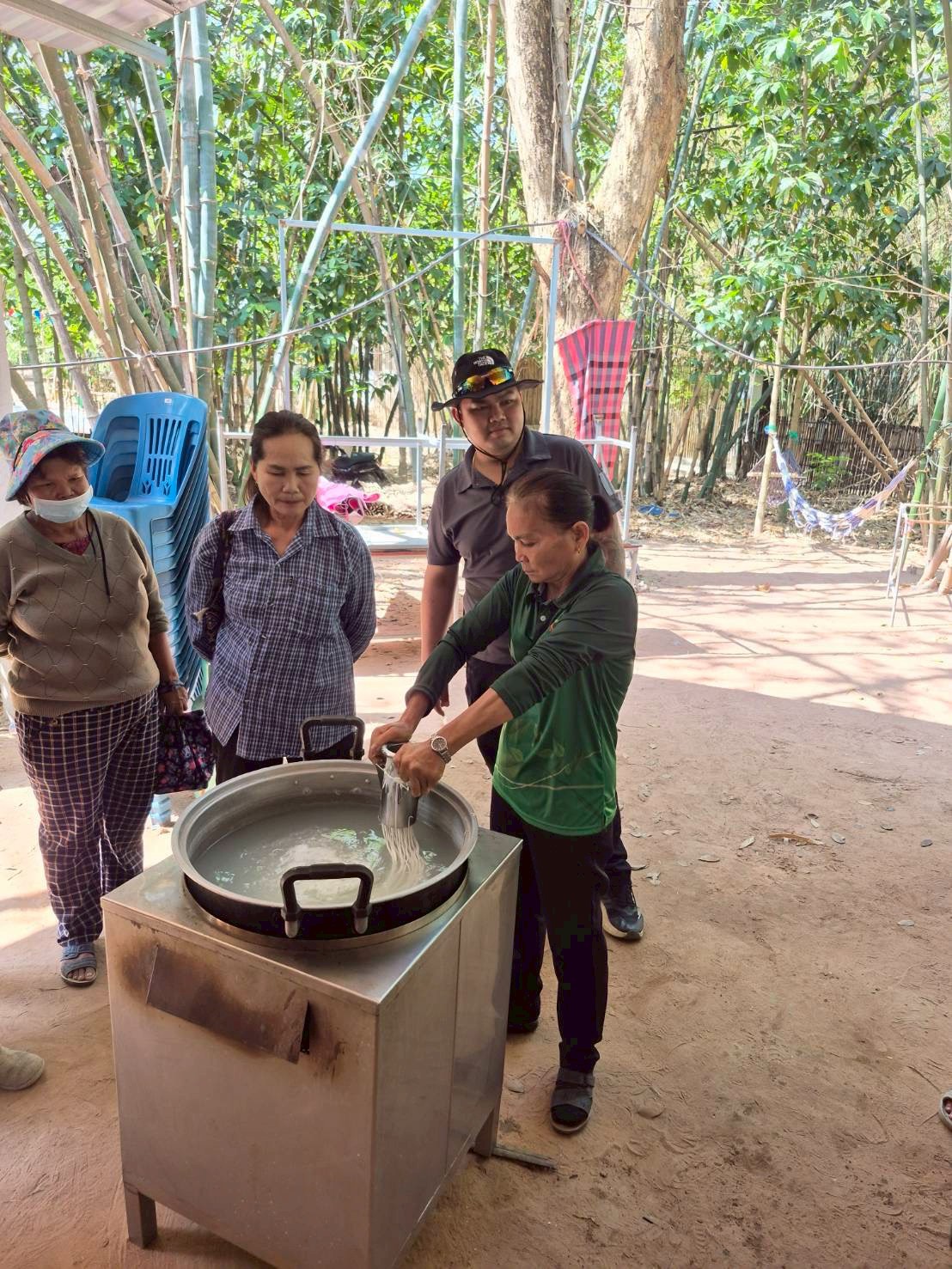
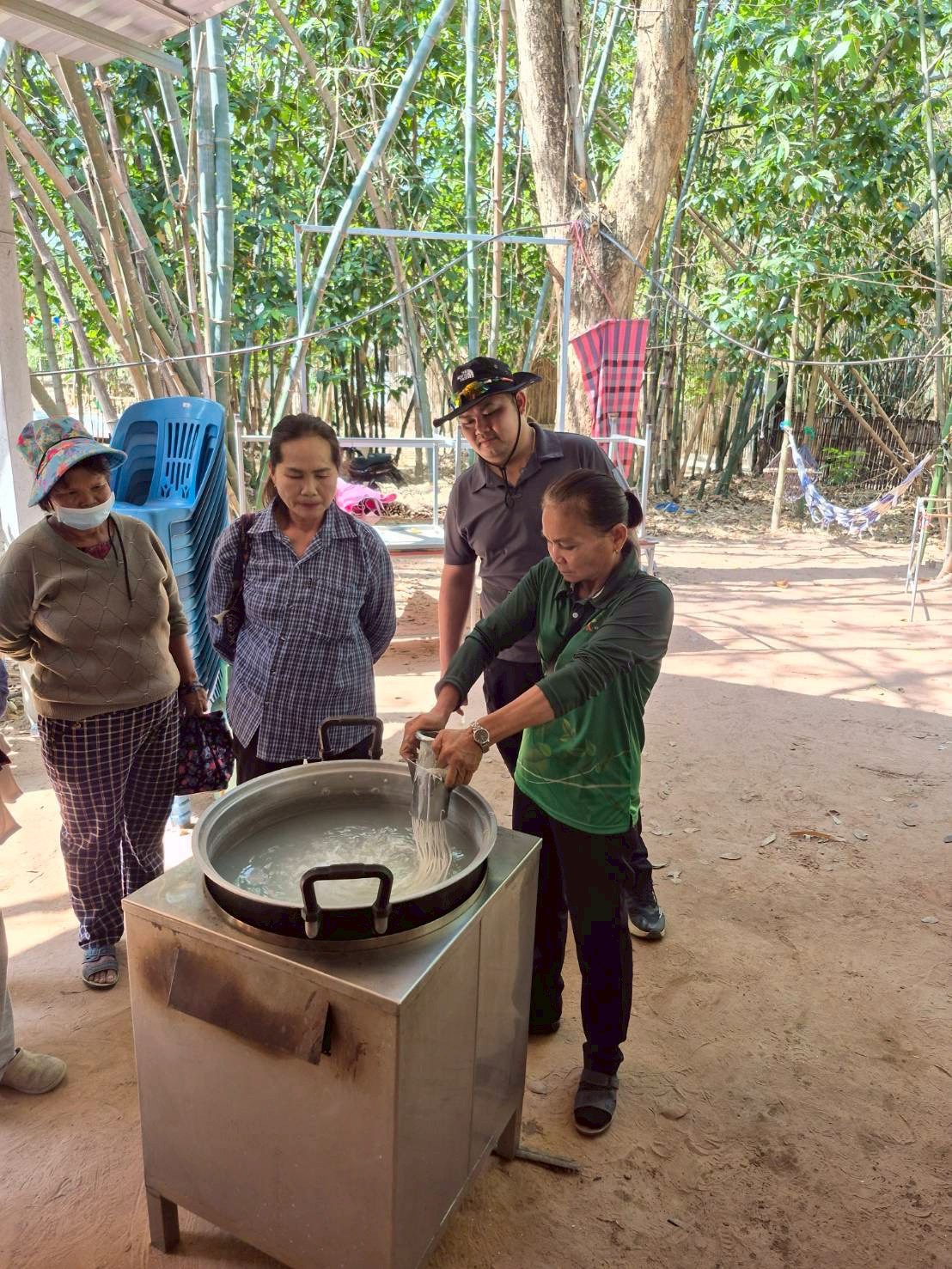
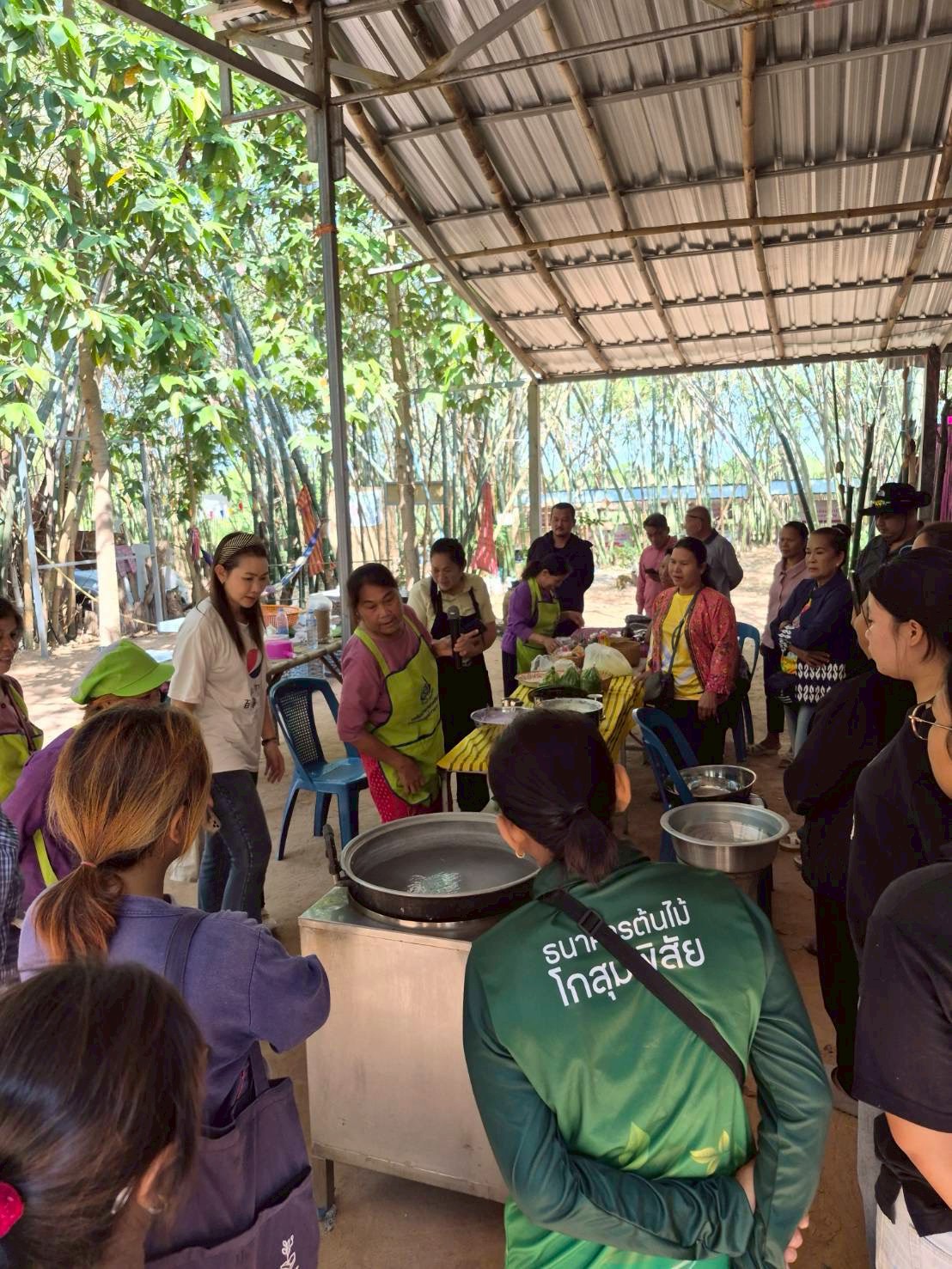
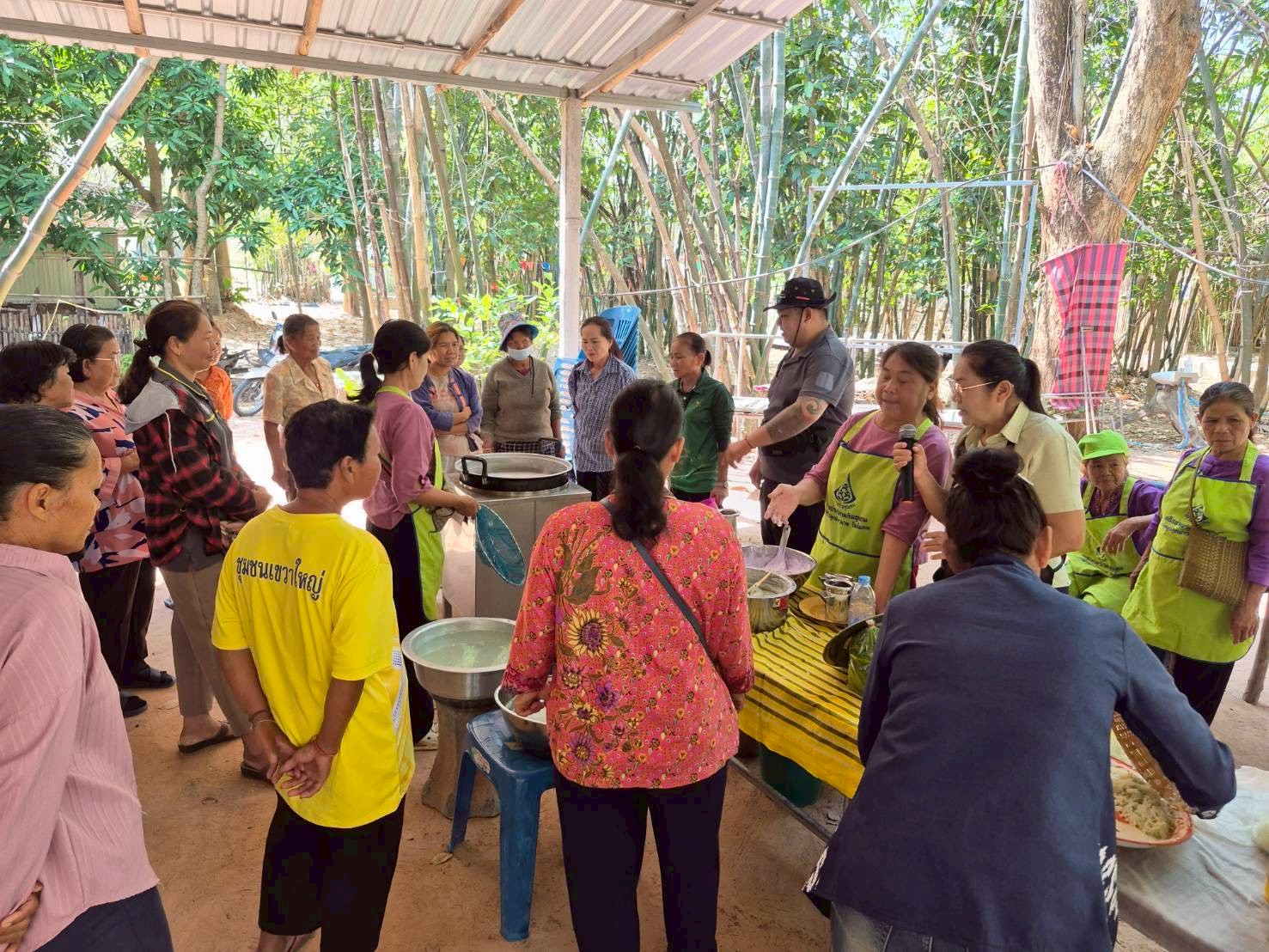
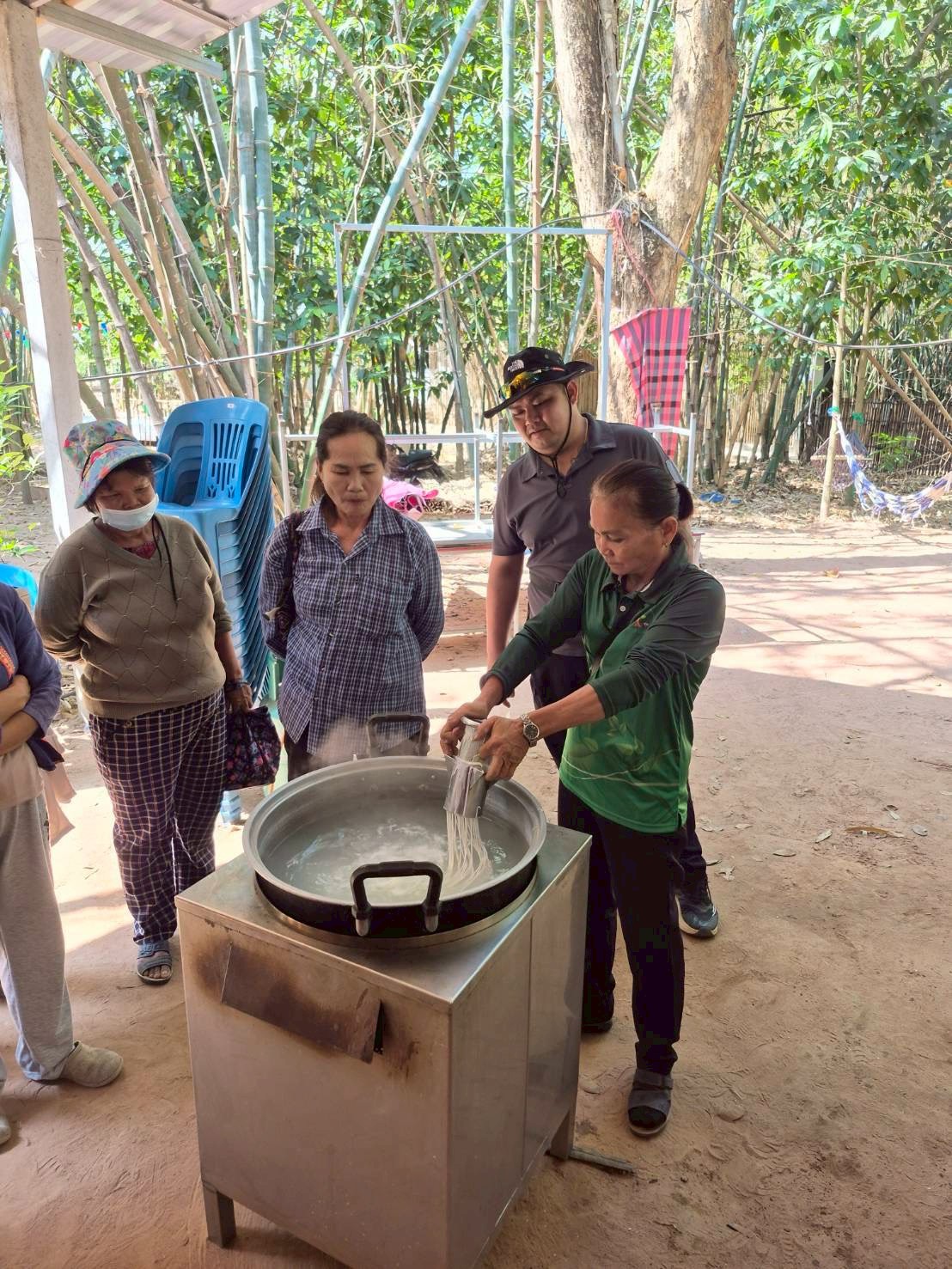
2. Hands-on workshop on production planning and product processing (6–7 March 2026): processing Wolffia into Wolffia-enriched khanom jeen noodles and a creamy seafood Wolffia salad.
3. Hands-on workshop on marketing and sales promotion (13–14 March 2026, at Rai Saendee New Theory Farm, Ban Nong Yang, Kosum Phisai District, and Nana Farm, Ban Khwao Yai): brand storytelling with a Story Canvas, label and package design, branding, online/offline marketing and AI-assisted promotional media.
1. อบรมเชิงปฏิบัติการผลิตอาหารที่มีคุณภาพและปลอดภัยด้วยระบบเพาะเลี้ยงแนวตั้ง 3 ชั้น (26–28 ก.พ. 2569) ฝึกปลูกผักไฮโดรโปนิกส์ เลี้ยงไข่ผำแบบควบคุมคุณภาพ และเพาะกล้าแบบใช้ดินน้อย พร้อมคู่มือเกษตรกร
2. อบรมเชิงปฏิบัติการวางแผนการผลิตและการแปรรูปผลิตภัณฑ์ (6–7 มี.ค. 2569) แปรรูปไข่ผำเป็นเส้นขนมจีนผสมไข่ผำและสลัดครีมซีฟู้ดผำ
3. อบรมเชิงปฏิบัติการส่งเสริมการตลาดและการขาย (13–14 มี.ค. 2569 ณ ไร่แสนดีเกษตรทฤษฎีใหม่ บ้านหนองยาง อ.โกสุมพิสัย และนานาฟาร์ม บ้านเขวาใหญ่) เล่าเรื่องแบรนด์ด้วย Story Canvas ออกแบบฉลาก/บรรจุภัณฑ์ สร้างแบรนด์ การตลาดออนไลน์/ออฟไลน์ และใช้ AI ผลิตสื่อประชาสัมพันธ์
Part 2: Outcomes & Impact ส่วนที่ 2 ผลลัพธ์และผลกระทบ
Outcomes ผลลัพธ์ที่เกิดขึ้น
1. Participants received end-to-end technology transfer covering production, processing and marketing. Overall satisfaction was at the highest level (mean 4.65/5.00, SD = 0.52, n = 42); the top-rated item was "gained knowledge/benefit from every step" (4.79).
2. A three-tier vertical cultivation prototype was established, tripling the production area (from 0.84 to 2.52 m² on the same floor space), with a farmer’s manual the community can use on its own.
3. Two prototype products were developed: Wolffia-enriched khanom jeen noodles (5–10% Wolffia powder raised protein from 0.988% to 1.392–1.653%) and a creamy seafood Wolffia salad, which has been sold at 30 baht per box (about 300 baht/kg) with a 75.3% gross margin on raw materials.
4. Processing turns 1 kg of Wolffia, worth 100 baht fresh, into about 1,983 baht of sales per batch (net value added of 1,393.69 baht).
5. The Ban Khwao Yai community enterprise now runs Wolffia culture commercially (5–8 kg per pond) and sells fresh Wolffia at 100 baht/kg, confirmed by a research-utilization certificate.
6. Three partnership networks were formed, and a preliminary SROI shows a base-case ratio of 2.23 : 1 (range 0.46–4.65 : 1).
1. ผู้เข้าร่วมได้รับการถ่ายทอดเทคโนโลยีครบวงจรตั้งแต่การผลิต การแปรรูป จนถึงการตลาด ความพึงพอใจภาพรวมอยู่ในระดับมากที่สุด (ค่าเฉลี่ย 4.65 จาก 5.00, SD = 0.52, ผู้ตอบ 42 คน) ประเด็น "ได้รับความรู้/ประโยชน์จากทุกขั้นตอน" สูงสุด 4.79
2. เกิดต้นแบบระบบปลูกแนวตั้ง 3 ชั้น เพิ่มพื้นที่ผลิตประมาณ 3 เท่า (จาก 0.84 เป็น 2.52 ตารางเมตร บนพื้นที่เท่าเดิม) พร้อมคู่มือเกษตรกรที่ชุมชนใช้ต่อได้เอง
3. เกิดผลิตภัณฑ์ต้นแบบ 2 รายการ: เส้นขนมจีนผสมไข่ผำ (ผงไข่ผำร้อยละ 5–10 เพิ่มโปรตีนจากร้อยละ 0.988 เป็น 1.392–1.653) และสลัดครีมซีฟู้ดผำ ซึ่งจำหน่ายได้จริงกล่องละ 30 บาท (ประมาณ 300 บาท/กก.) กำไรขั้นต้นร้อยละ 75.3
4. การแปรรูปเพิ่มมูลค่าไข่ผำ 1 กก. จากราคาขายสด 100 บาท เป็นรายได้ประมาณ 1,983 บาทต่อรอบ (มูลค่าเพิ่มสุทธิ 1,393.69 บาท)
5. วิสาหกิจชุมชนบ้านเขวาใหญ่นำระบบเลี้ยงไข่ผำไปใช้เชิงพาณิชย์ (5–8 กก./บ่อ) จำหน่ายไข่ผำสด 100 บาท/กก. มีหนังสือรับรองการนำผลงานวิจัยไปใช้ประโยชน์
6. เกิดเครือข่ายความร่วมมือ 3 เครือข่าย และผล SROI เบื้องต้นกรณีฐาน 2.23 : 1 (ช่วง 0.46–4.65 : 1)
Community & Social Impact ผลกระทบต่อชุมชน/สังคม
• Economic: The community gained alternative livelihoods and income from Wolffia culture and processing, raising product value by nearly 20 times.
• Social: Food security and nutrition improved through high-protein local foods; the farmer network grew stronger, and Ban Khwao Yai became a study-visit site for public and private agencies.
• Education: A learning site for safe agriculture and a technical manual were created and integrated into university teaching.
• Environmental: The vertical system uses recirculated water and little land, reduces agrochemical use, and Wolffia absorbs carbon and excess nutrients from water.
• ด้านเศรษฐกิจ: ชุมชนมีอาชีพและรายได้ทางเลือกจากการเลี้ยงและแปรรูปไข่ผำ เพิ่มมูลค่าผลผลิตได้เกือบ 20 เท่า
• ด้านสังคม: เสริมความมั่นคงทางอาหารและโภชนาการด้วยอาหารพื้นถิ่นโปรตีนสูง เครือข่ายเกษตรกรเข้มแข็งขึ้น และบ้านเขวาใหญ่เป็นแหล่งศึกษาดูงานของหน่วยงานภาครัฐและเอกชน
• ด้านการศึกษา: เกิดแหล่งเรียนรู้เกษตรปลอดภัยและคู่มือทางเทคนิค บูรณาการกับการเรียนการสอนของมหาวิทยาลัย
• ด้านสิ่งแวดล้อม: ระบบแนวตั้งใช้น้ำหมุนเวียนและพื้นที่น้อย ลดการใช้สารเคมี และไข่ผำช่วยดูดซับคาร์บอนและสารอาหารส่วนเกินจากน้ำ
Student & Staff Participation การมีส่วนร่วมของนักศึกษา/บุคลากร
Ten students from the Bachelor of Education in Biology program did field practice with farmers through the course Ecology and Conservational Biology (206702105). Ten university staff joined the activities. A three-person project team from the Faculty of Science and Technology worked with five resource persons from the Faculty of Agricultural Technology, the Faculty of Management Science and outside experts. The project transferred results from a FY2025 Fundamental Fund research project (TRL6/SRL6). นักศึกษา 10 คนจากหลักสูตรครุศาสตรบัณฑิต สาขาวิชาชีววิทยา ลงพื้นที่ฝึกปฏิบัติร่วมกับเกษตรกร ผ่านรายวิชานิเวศวิทยาและชีววิทยาเชิงอนุรักษ์ (รหัส 206702105) บุคลากร 10 คนเข้าร่วมกิจกรรม คณะผู้ดำเนินงาน 3 คนจากคณะวิทยาศาสตร์และเทคโนโลยี ร่วมกับวิทยากร 5 ท่านจากคณะเทคโนโลยีการเกษตร คณะวิทยาการจัดการ และผู้เชี่ยวชาญภายนอก โครงการถ่ายทอดผลงานวิจัยทุน Fundamental Fund ปี 2568 (TRL6/SRL6)
Project Continuity ความต่อเนื่องของโครงการ
1. Scale up vertical Wolffia culture to other communities in Maha Sarakham, building on the plastic-tub vertical system whose efficiency the research has confirmed.
2. Develop the prototype products (Wolffia khanom jeen, Wolffia salad and Wolffia body scrub) toward Thai Community Product Standard (TCPS/มผช.) certification and commercial production.
3. Track the income of participating farmers and entrepreneurs over time, using the fresh Wolffia price of 100 baht/kg as the baseline.
1. ขยายผลเทคโนโลยีเพาะเลี้ยงไข่ผำแนวตั้งสู่ชุมชนอื่นในจังหวัดมหาสารคาม ต่อยอดจากระบบอ่างพลาสติกแนวตั้งที่ผลวิจัยยืนยันประสิทธิภาพแล้ว
2. พัฒนาผลิตภัณฑ์ต้นแบบ (เส้นขนมจีนผสมไข่ผำ สลัดไข่ผำ และสครับขัดผิวไข่ผำ) สู่การขอมาตรฐาน มผช. และการผลิตเชิงพาณิชย์
3. ติดตามและประเมินรายได้ของเกษตรกร/ผู้ประกอบการอย่างต่อเนื่อง จากฐานราคาไข่ผำสด 100 บาท/กก.
Part 3: Challenges & Suggestions ส่วนที่ 3 ปัญหาอุปสรรค/ข้อเสนอแนะ
Problems & Obstacles ปัญหา/อุปสรรค
1. The vertical system requires upfront investment (frame, pump, piping and LED lights), which is a barrier for smallholders, and electricity costs can rise if LED lighting is relied on heavily.
2. The system depends on electricity and continuous water-quality control; a pump failure or power cut harms plants quickly, and shared recirculated water raises the risk of disease spread.
3. Some farmers still lack the skills to measure and adjust pH and EC.
4. Problems during activities were not recorded systematically, limiting lessons learned on project management.
1. ระบบปลูกแนวตั้งต้องใช้เงินลงทุนเริ่มต้น (โครงสร้าง ปั๊ม ท่อ ไฟ LED) เป็นข้อจำกัดสำหรับเกษตรกรรายย่อย และค่าไฟอาจสูงหากพึ่ง LED มาก
2. ระบบพึ่งพาไฟฟ้าและการควบคุมคุณภาพน้ำต่อเนื่อง หากปั๊มหยุดหรือไฟดับพืชจะเสียหายเร็ว น้ำหมุนเวียนร่วมกันเสี่ยงต่อการแพร่กระจายของโรค
3. เกษตรกรบางส่วนยังขาดทักษะการวัดและปรับค่า pH/EC
4. ยังไม่มีการบันทึกปัญหาระหว่างกิจกรรมอย่างเป็นระบบ ทำให้ถอดบทเรียนด้านการบริหารจัดการได้ไม่ครบถ้วน
Improvement Guidelines แนวทางการปรับปรุง
1. Provide a step-by-step investment guide: start with a small system, run 1–3 trial cycles and record costs, water, electricity, labour and yield before scaling up.
2. Use a hybrid set-up that relies mainly on natural light with LED only when needed, plus an automatic alert when the pump stops.
3. Run follow-up training on measuring and adjusting pH and EC before farmers expand their systems.
4. Use a standard problem-log form for every activity in the next fiscal year.
1. จัดทำแนวทางการลงทุนแบบขั้นบันได เริ่มจากระบบเล็ก ทดลอง 1–3 รอบ เก็บข้อมูลต้นทุน น้ำ ไฟ แรงงาน และผลผลิต ก่อนขยายกำลังผลิต
2. ใช้ระบบผสมผสาน (Hybrid) ใช้แสงธรรมชาติเป็นหลักและเสริม LED เฉพาะที่จำเป็น พร้อมระบบแจ้งเตือนเมื่อปั๊มหยุดทำงาน
3. จัดอบรมเสริมเฉพาะการวัดและปรับค่า pH/EC ก่อนเกษตรกรขยายระบบ
4. ใช้แบบฟอร์มบันทึกปัญหาประจำกิจกรรมในโครงการปีถัดไป
Suggestions to University ข้อเสนอแนะต่อมหาวิทยาลัย
1. Adopt a standard activity problem-log and follow-up form for all local development projects so lessons can be drawn systematically.
2. Provide follow-on funding to track participants’ income after project completion and to pursue TCPS (มผช.) certification, enabling a full SROI analysis.
3. Strengthen project publicity through university channels; publicity received the lowest satisfaction score (4.55).
1. กำหนดแบบฟอร์มบันทึกและติดตามปัญหาประจำกิจกรรมเป็นมาตรฐานกลางสำหรับโครงการพัฒนาท้องถิ่น เพื่อใช้ถอดบทเรียนอย่างเป็นระบบ
2. สนับสนุนงบประมาณต่อเนื่องสำหรับการติดตามรายได้หลังจบโครงการ และการขอมาตรฐาน มผช. เพื่อให้คำนวณ SROI ได้เต็มรูปแบบ
3. เสริมการประชาสัมพันธ์โครงการผ่านช่องทางของมหาวิทยาลัย (ประเด็นที่ได้คะแนนความพึงพอใจต่ำสุด 4.55)