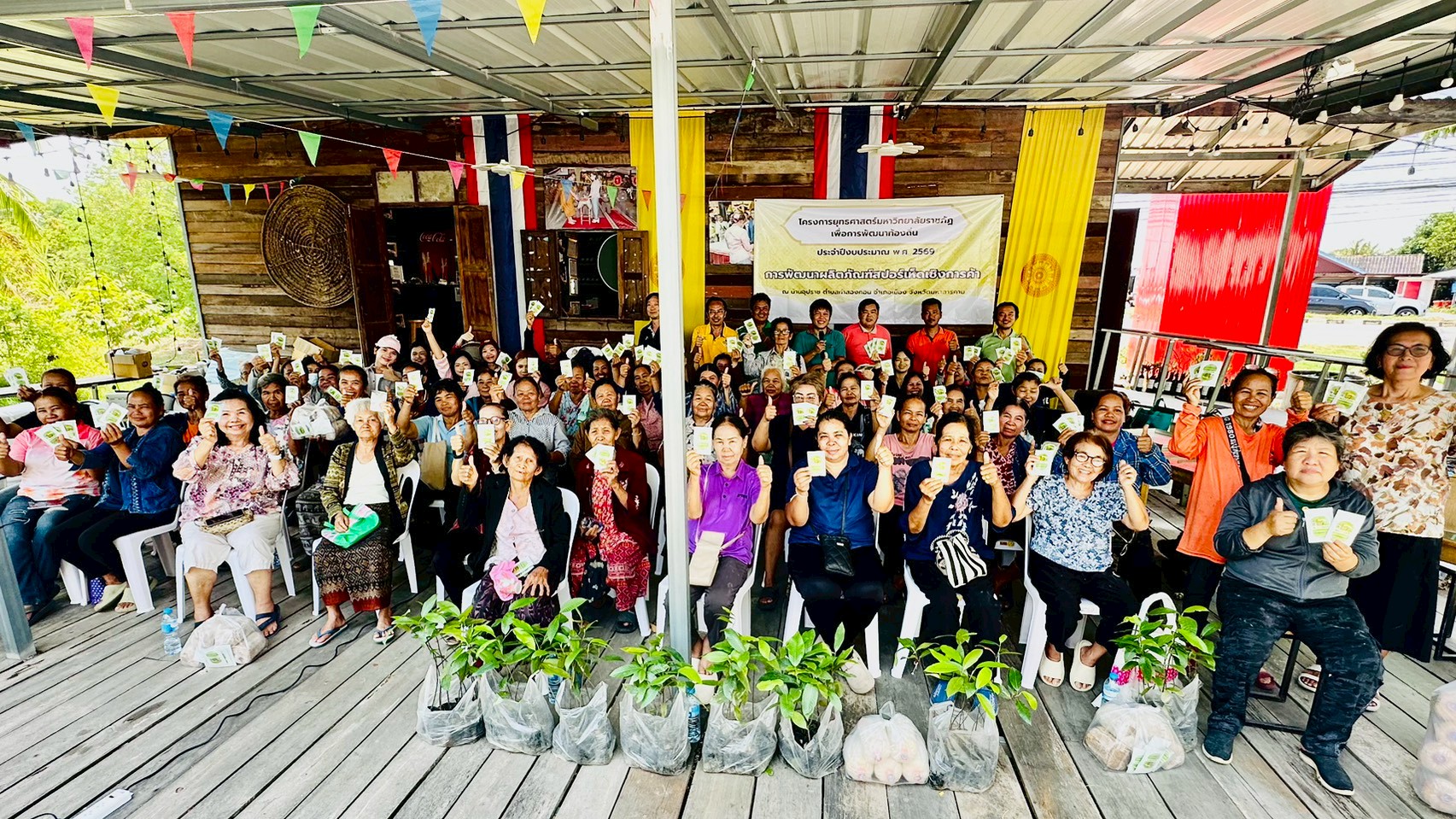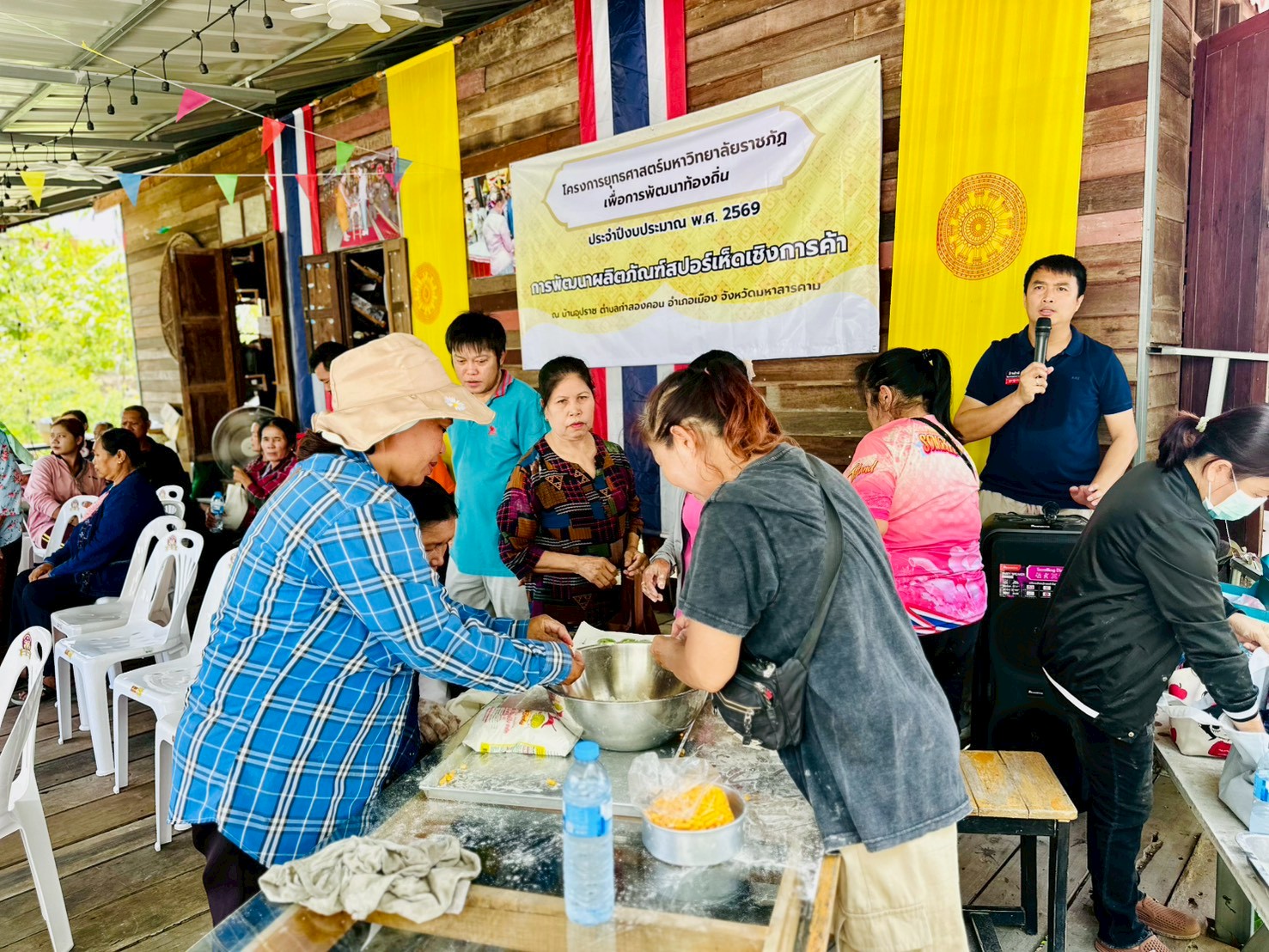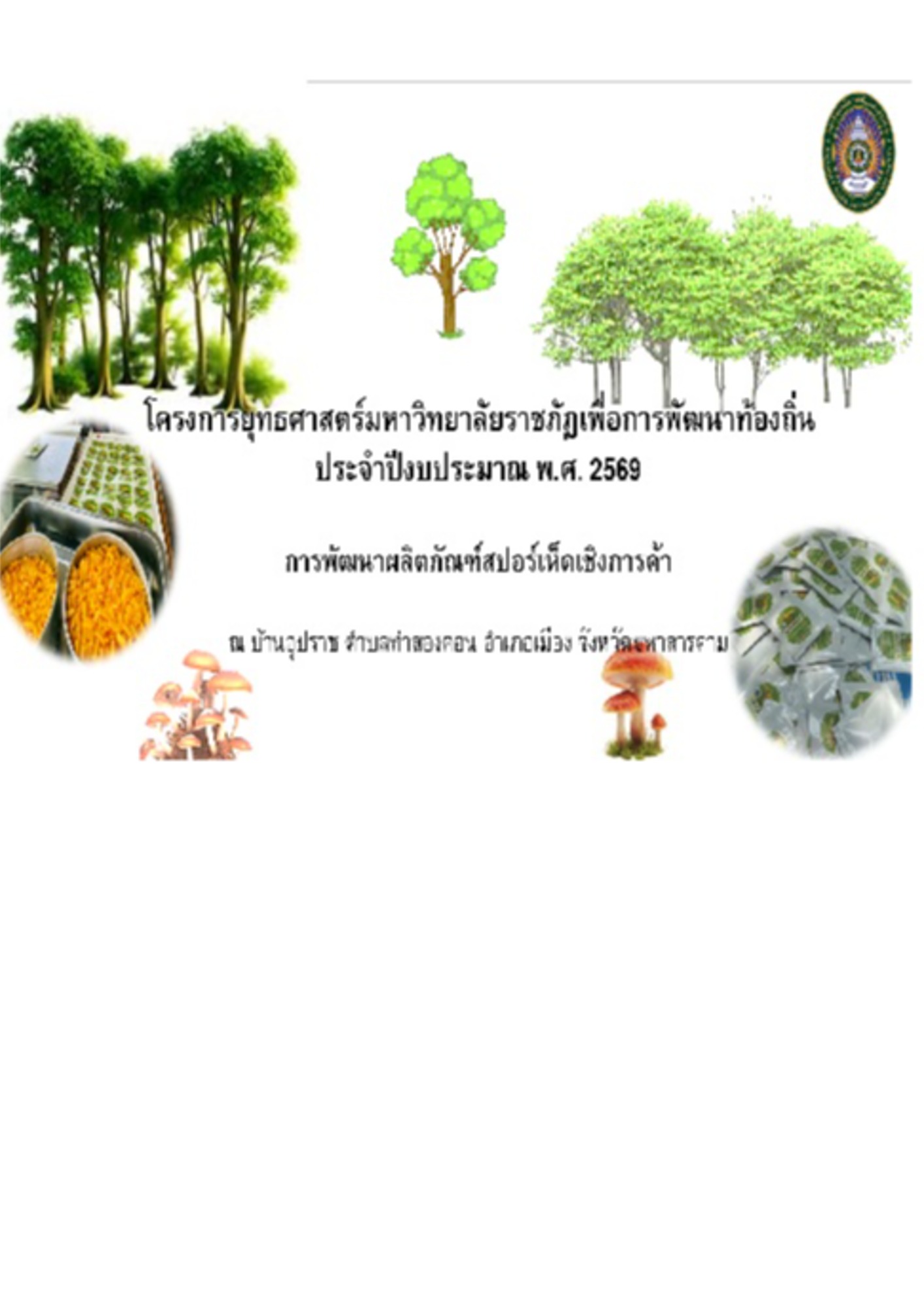
– August 31, 2569 1 มกราคม 3112
– 31 สิงหาคม 3112
Part 1: Project Details ส่วนที่ 1 รายละเอียดการดำเนินงาน
Objectives วัตถุประสงค์โครงการ
1. To increase farmers’ income through the sale of products.
2. To expand community forest areas compared with the previous year.
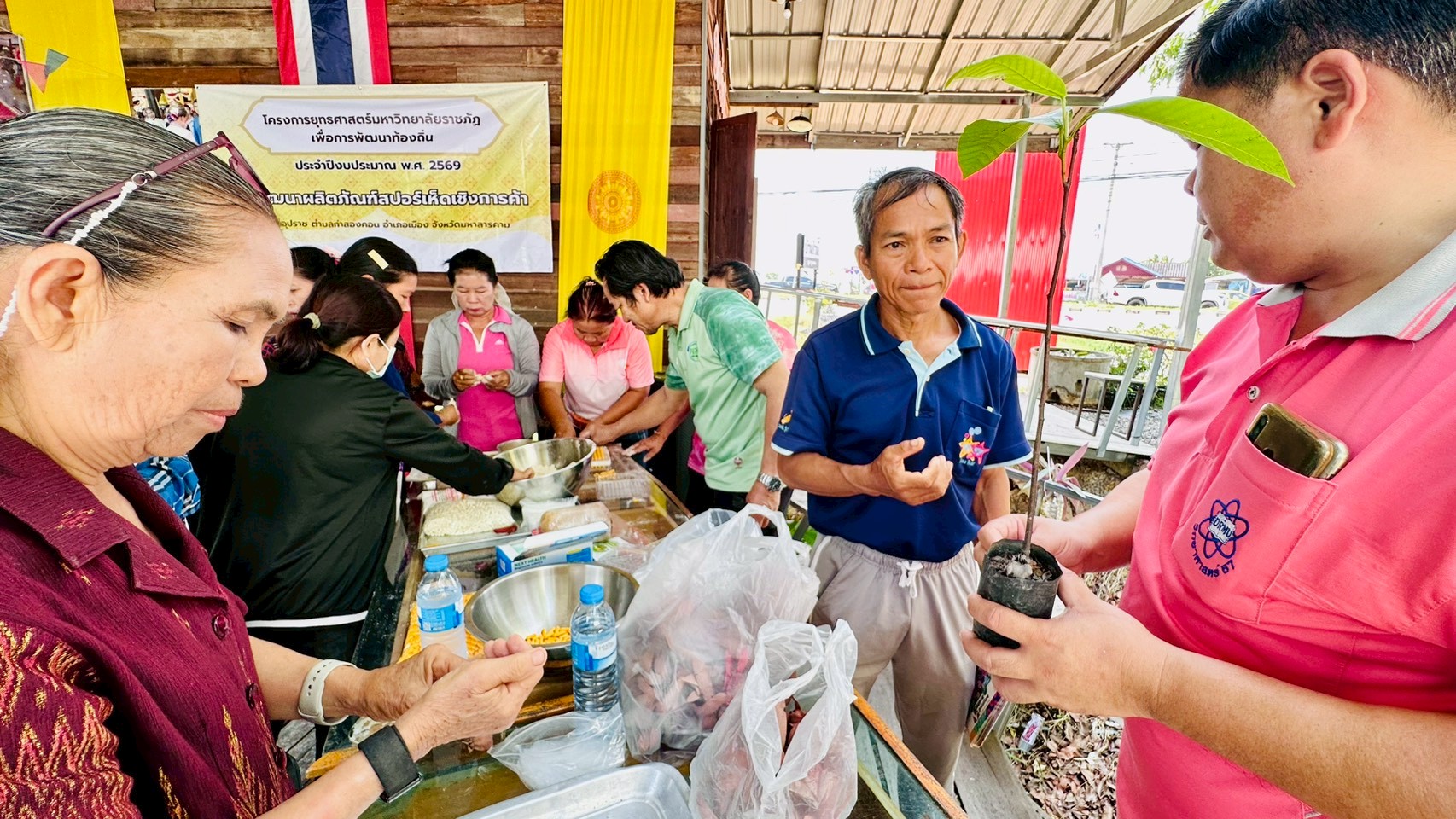
3. To create added value for tree seedlings inoculated with mushroom spores.
1. เพื่อเพิ่มรายได้ให้เกษตรกรจากจำหน่ายผลิตภัณฑ์
2. เพื่อเพิ่มพื้นที่ปลูกป่าชุมชนมากกว่าปีที่ผ่านมา
3. เพื่อสร้างมูลค่าเพิ่มให้กับกล้าไม้ลงเชื้อเห็ด
Main Activities กิจกรรมหลัก
Upstream: Building Understanding and Awareness of Wild Mushroom Conservation
1. Studying community problems, including the destruction of community forests and wild mushroom habitats.
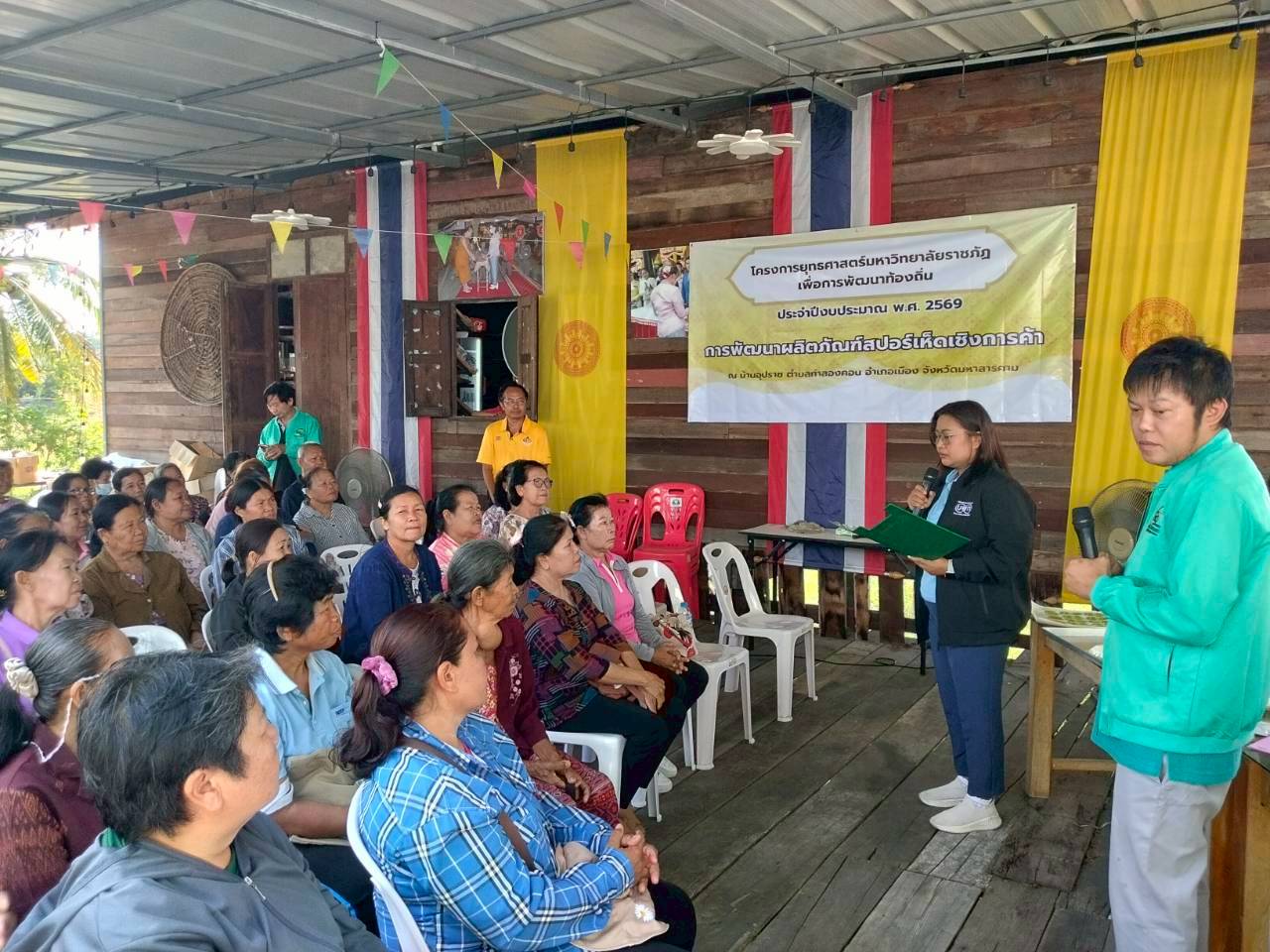
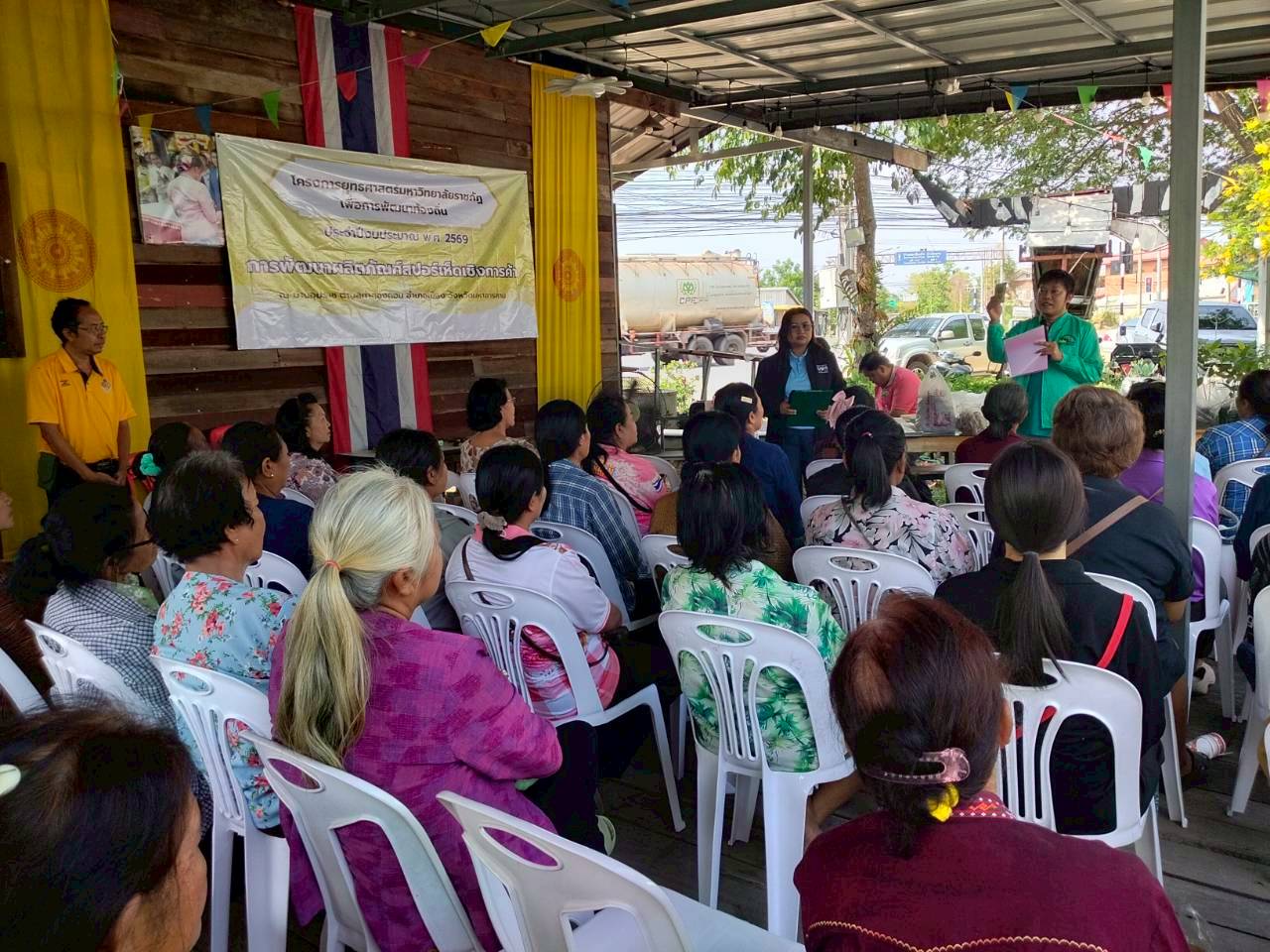
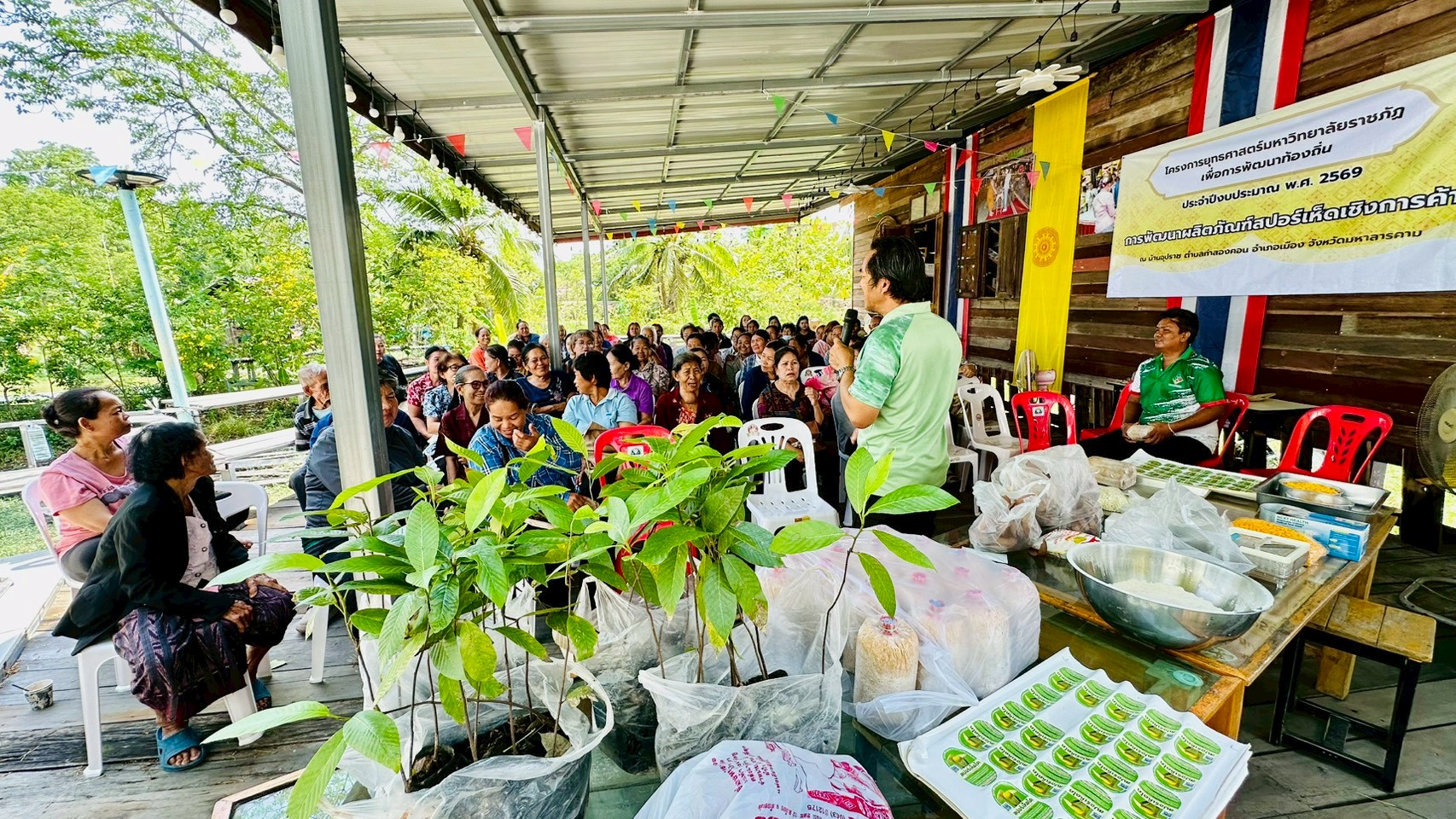
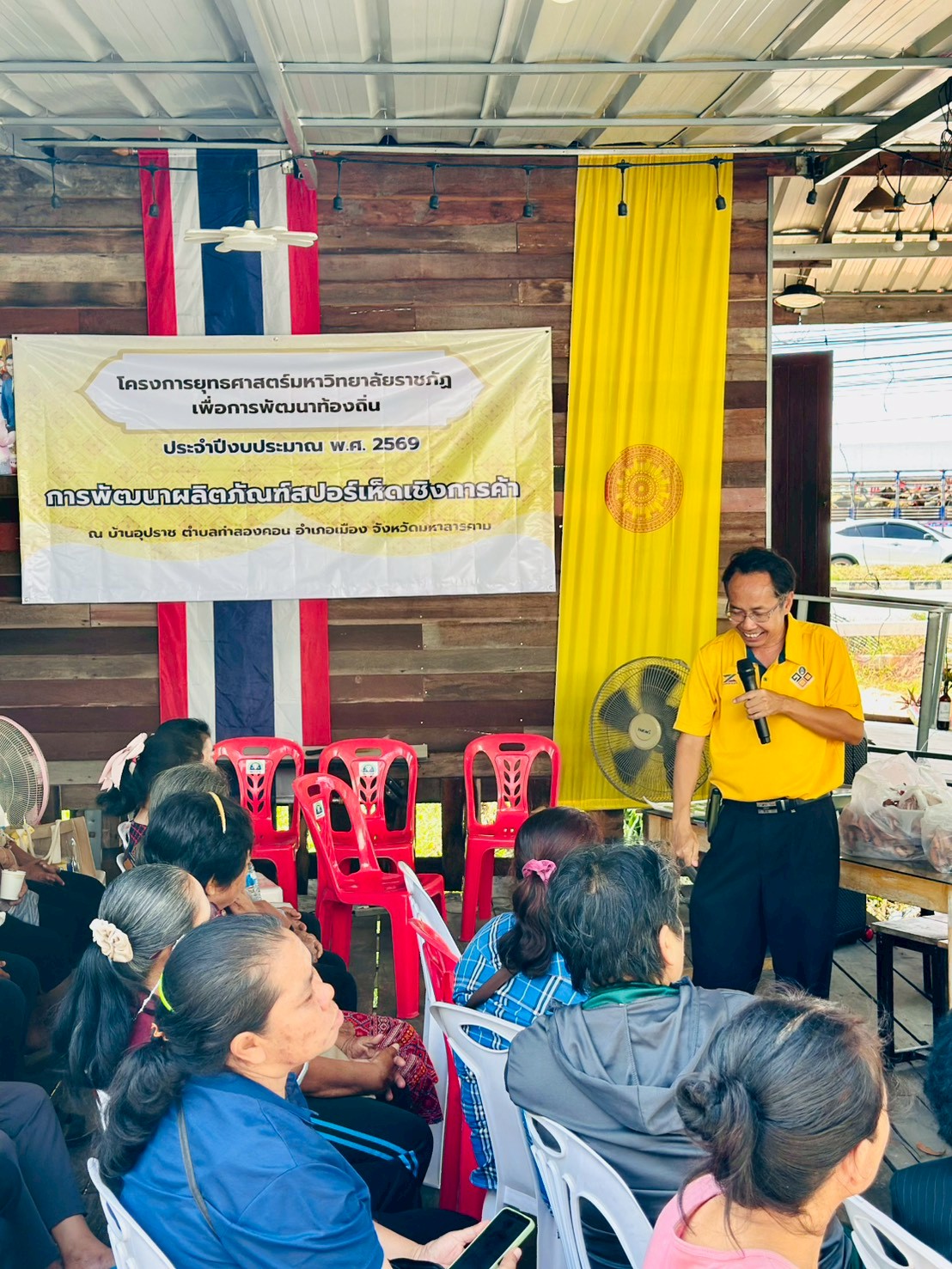
2. Building understanding and awareness of community-based mushroom forest restoration through community participation.
Midstream: Mushroom Strain Selection, Spore Isolation, and Mushroom Culture Media Preparation
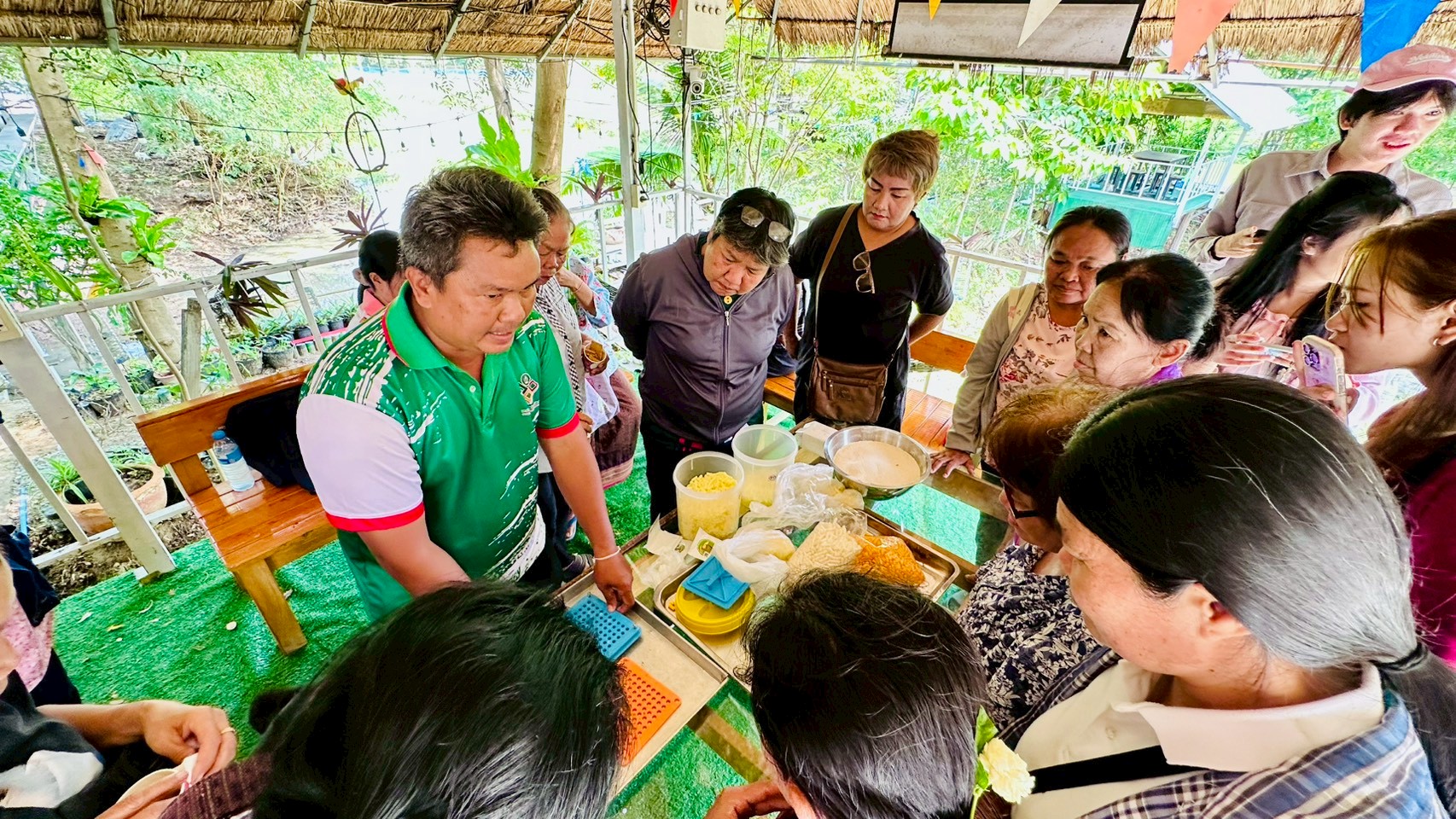
1. Selecting mushroom strains and isolating spores through a community participatory process.
2. Preparing mushroom culture media and preserving mushroom spores.
Downstream: Commercial Production of Wild Mushroom Inoculum
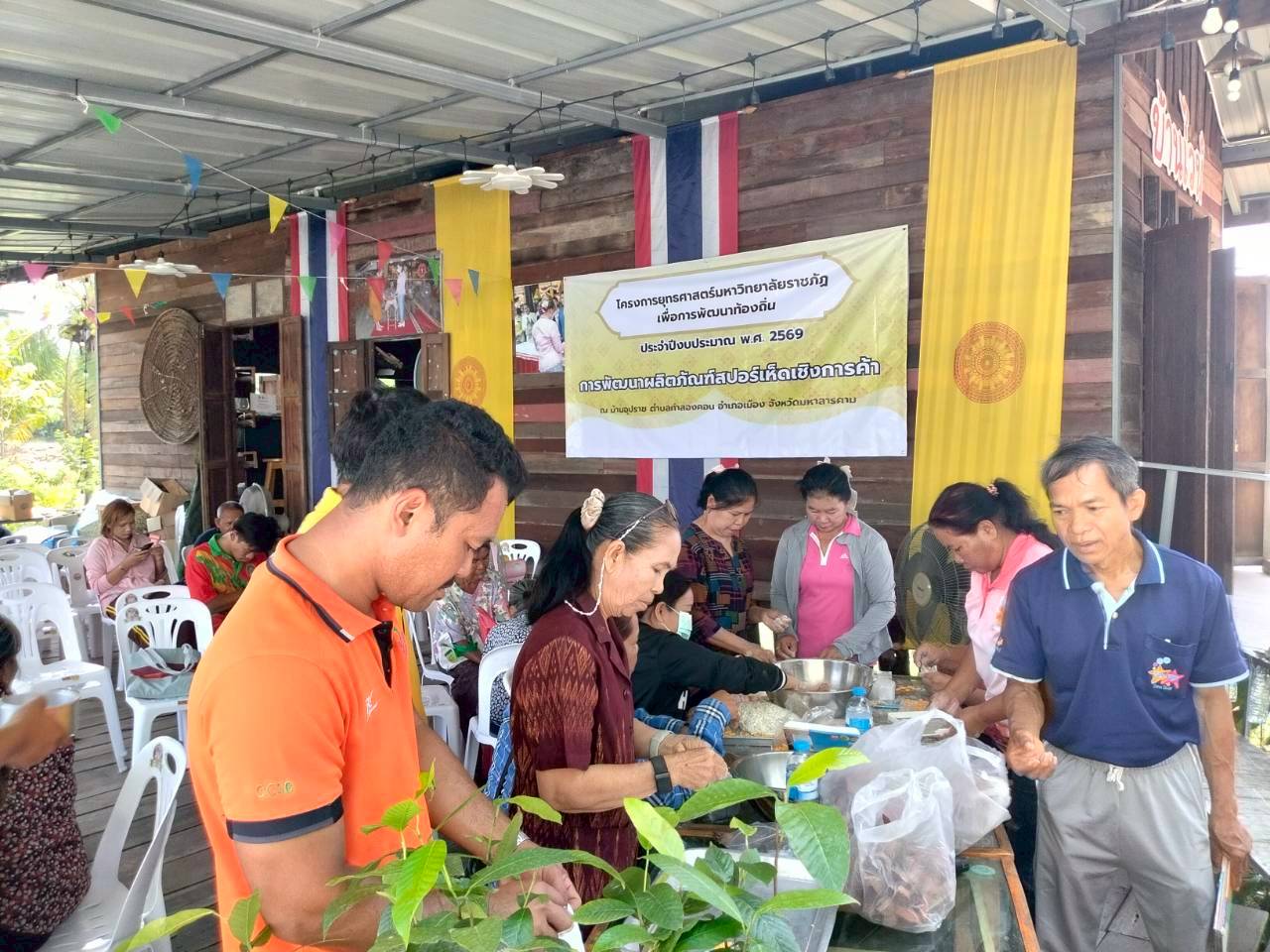
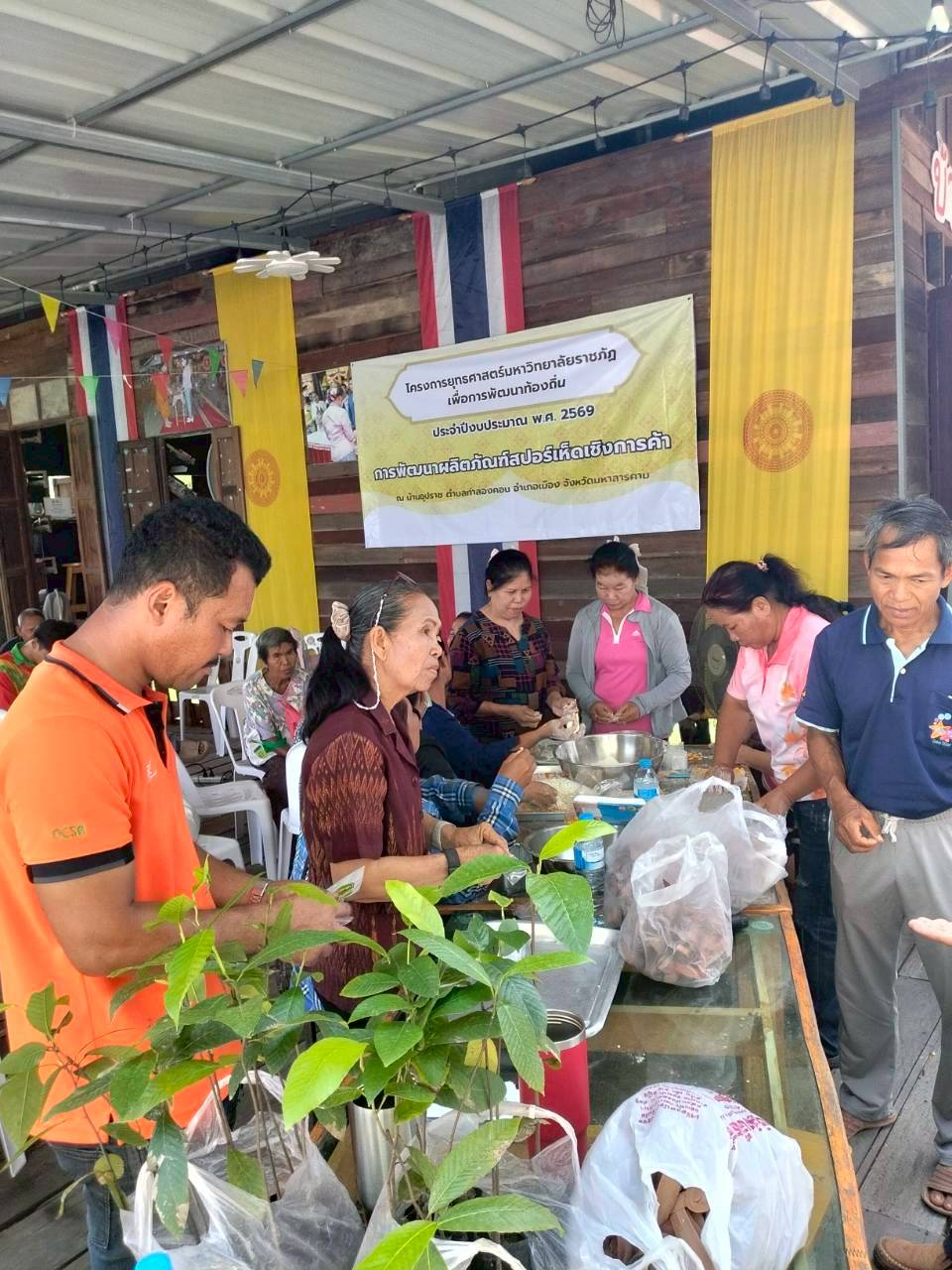
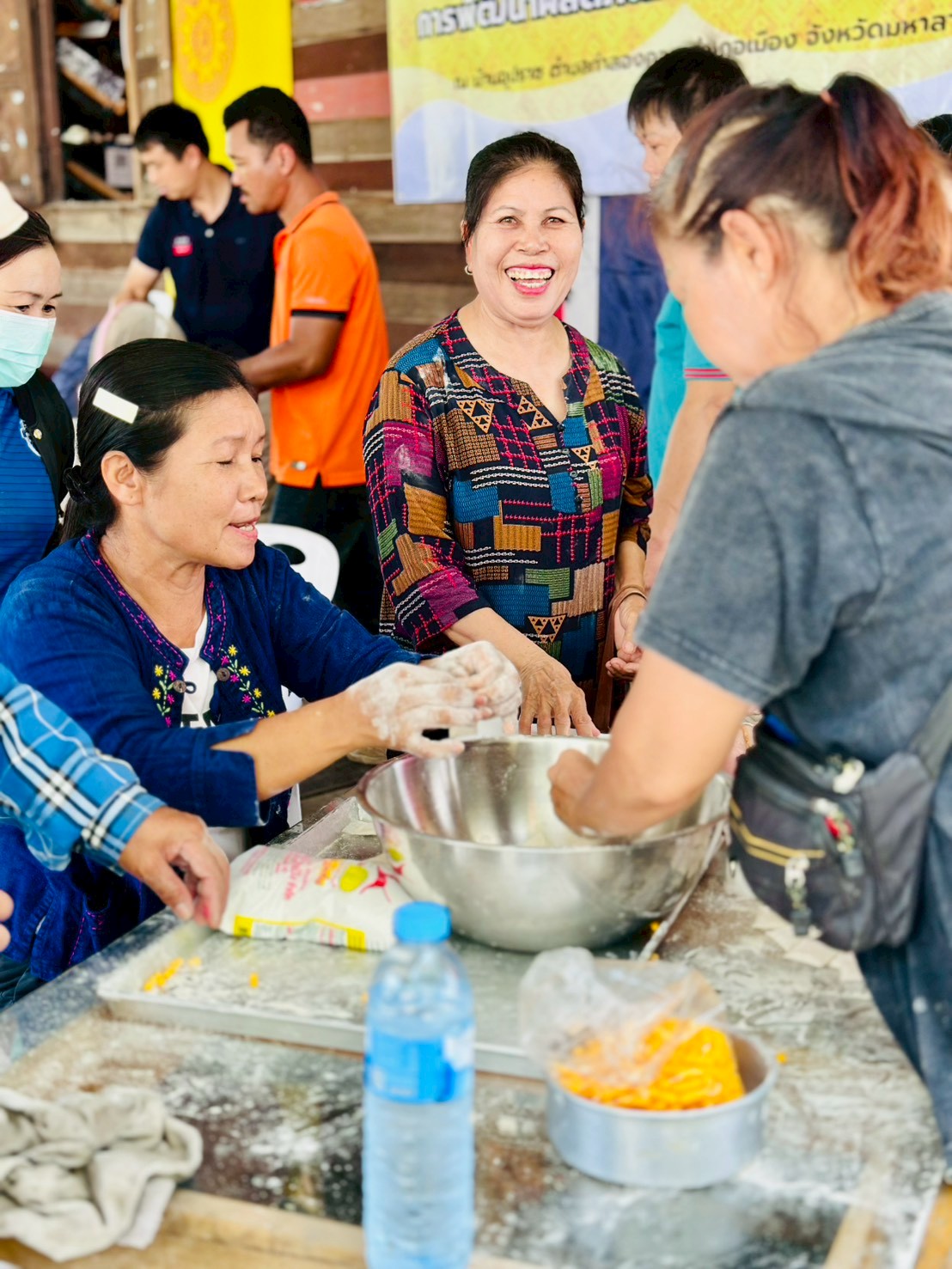
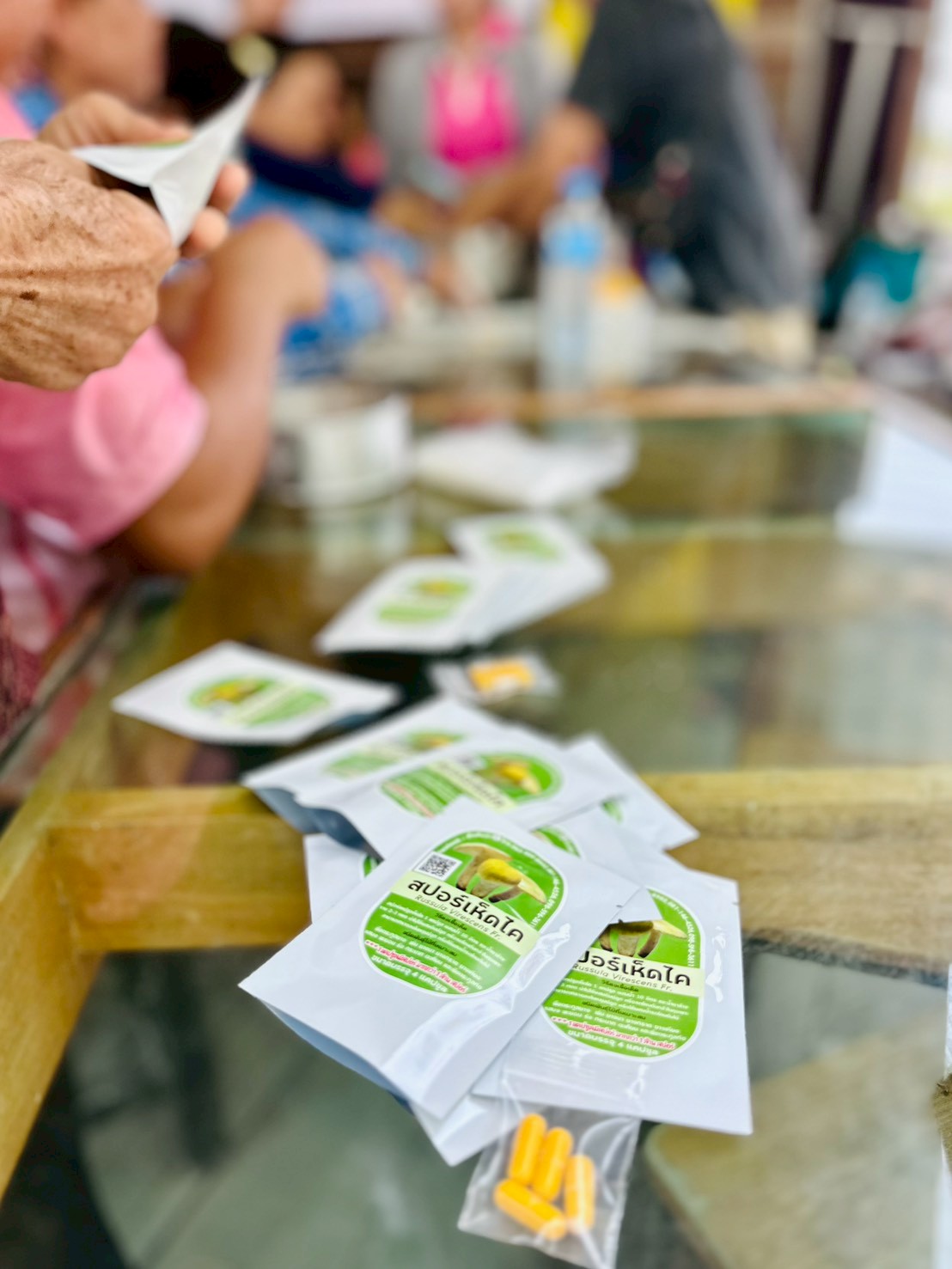
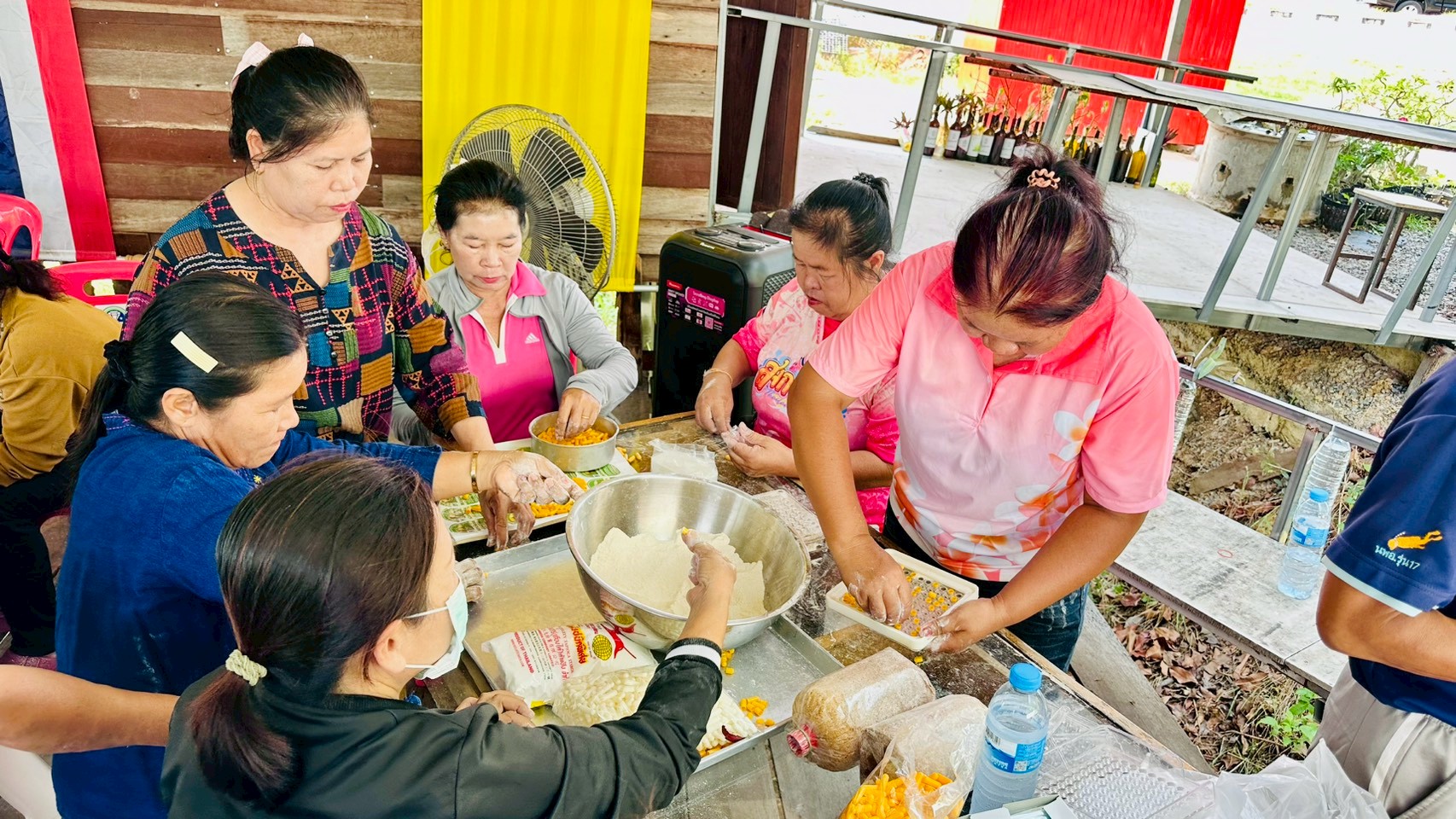
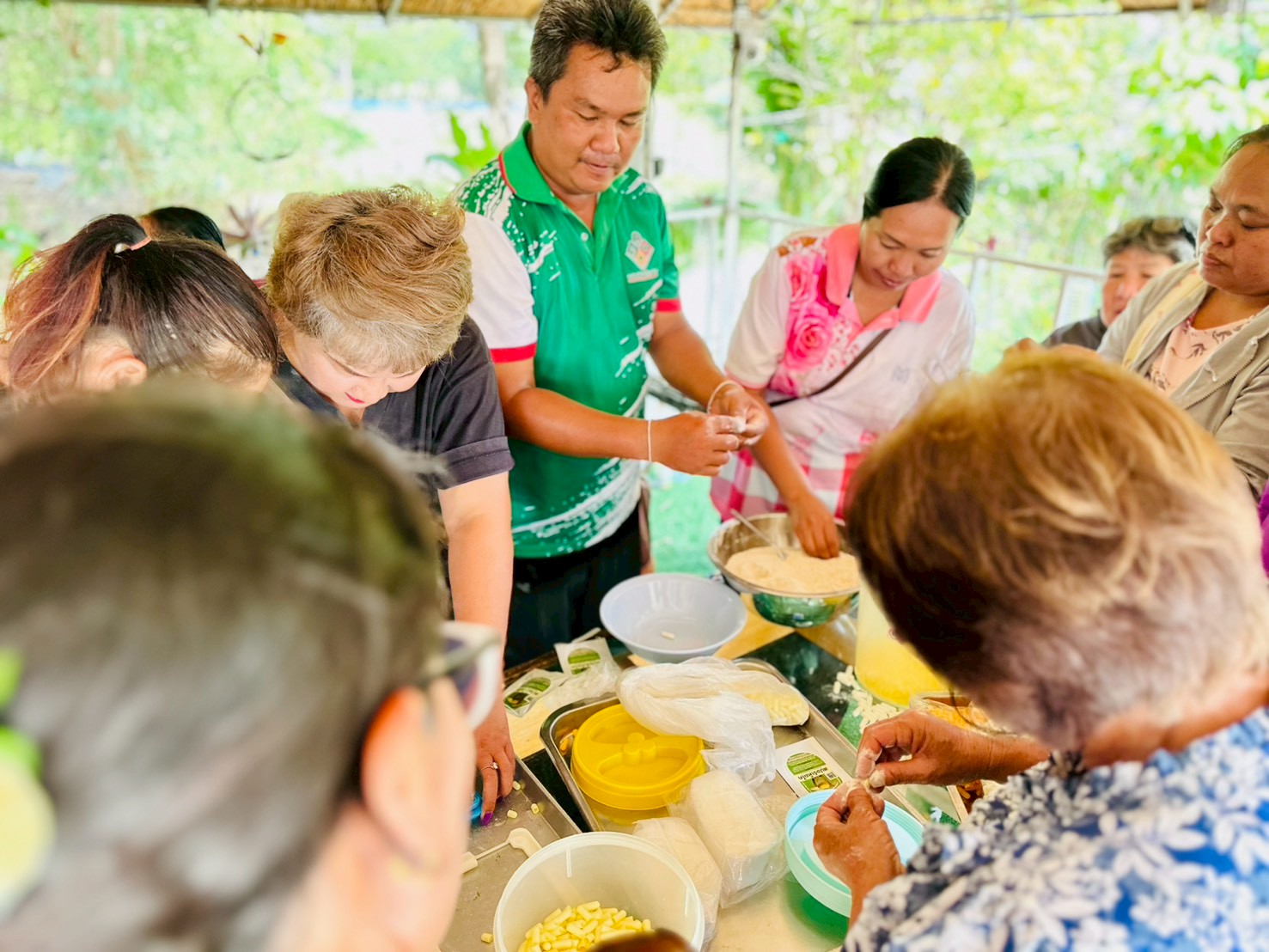
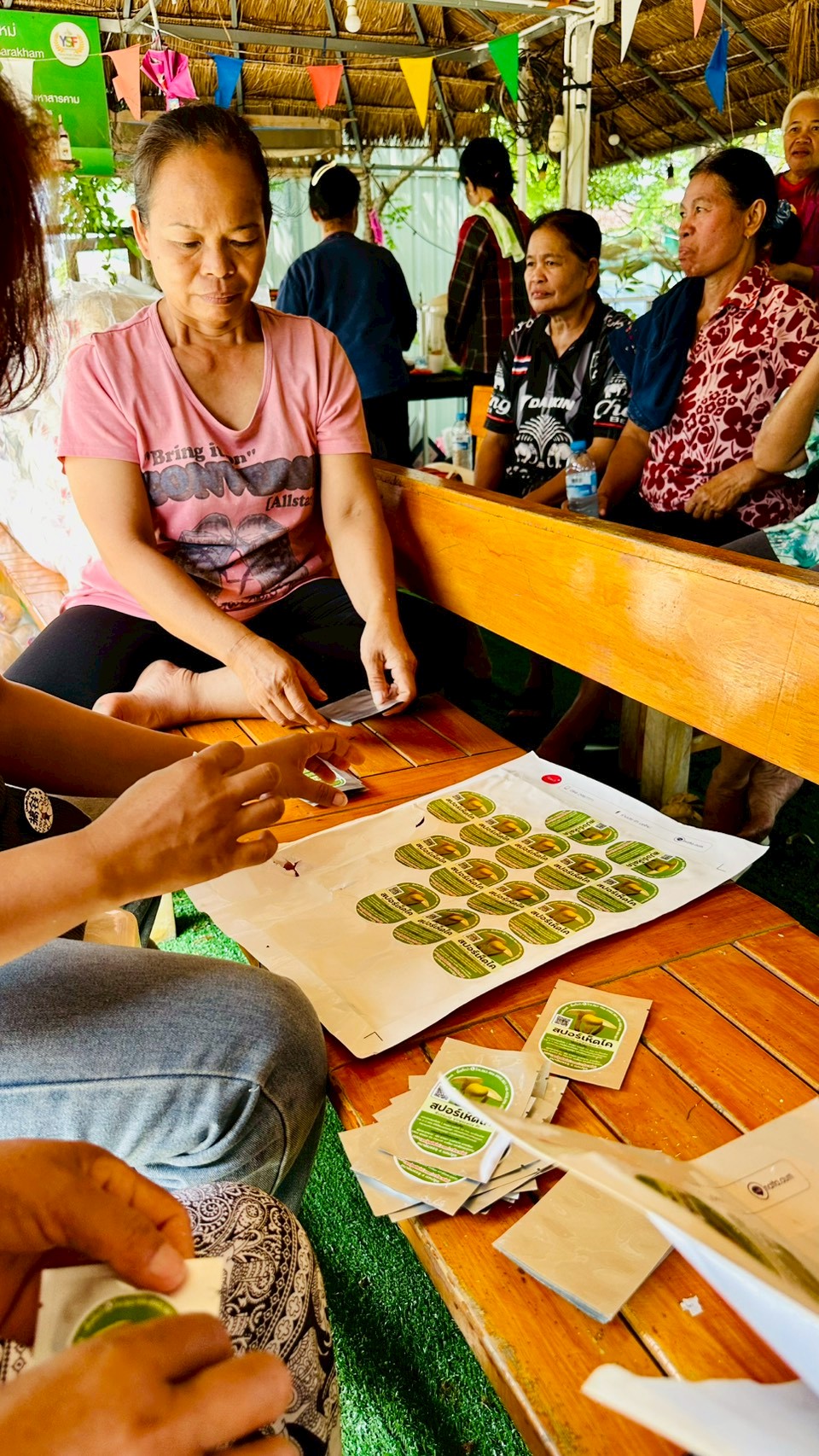
1. Filling capsules with wild mushroom inoculum.
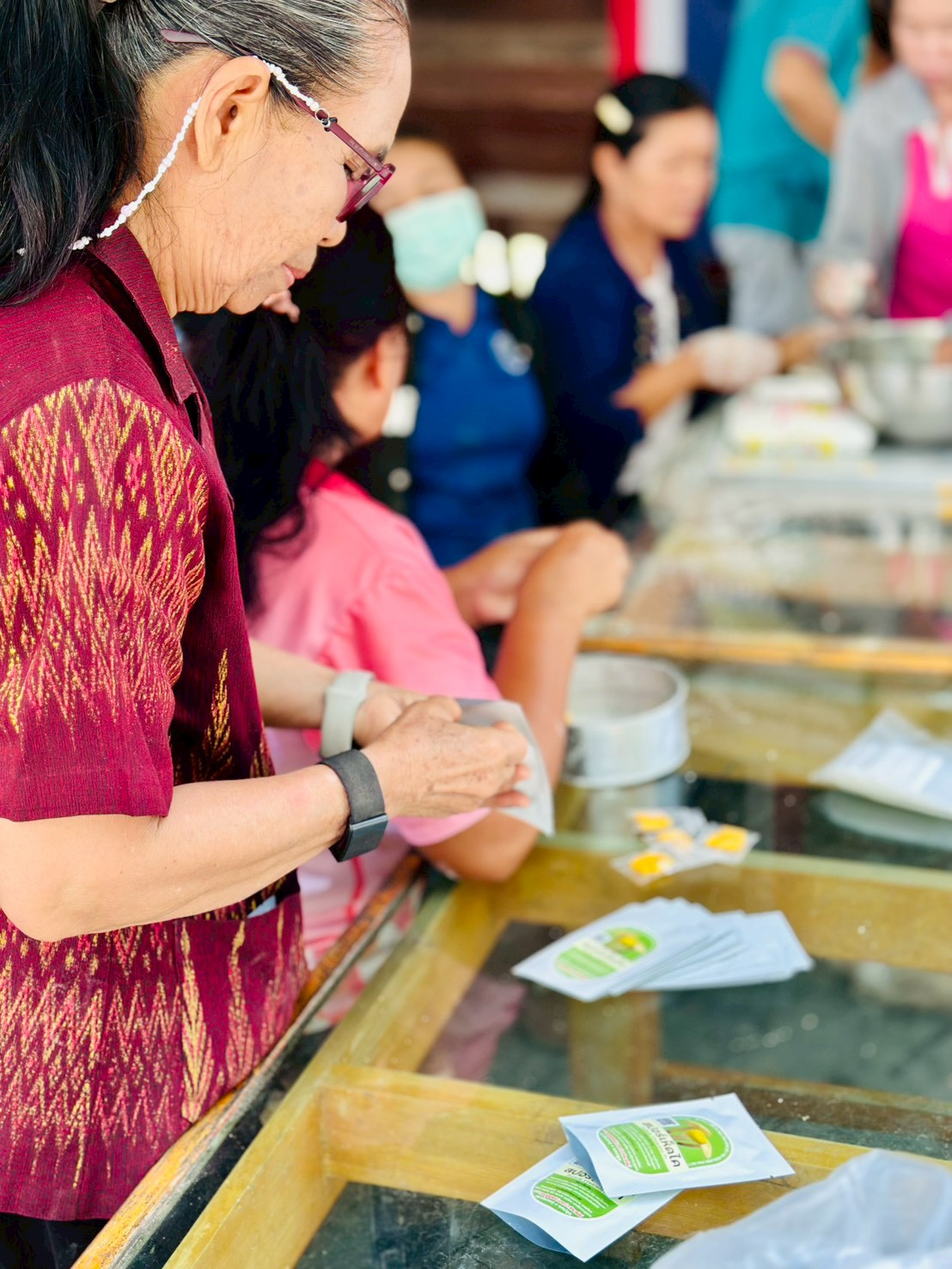
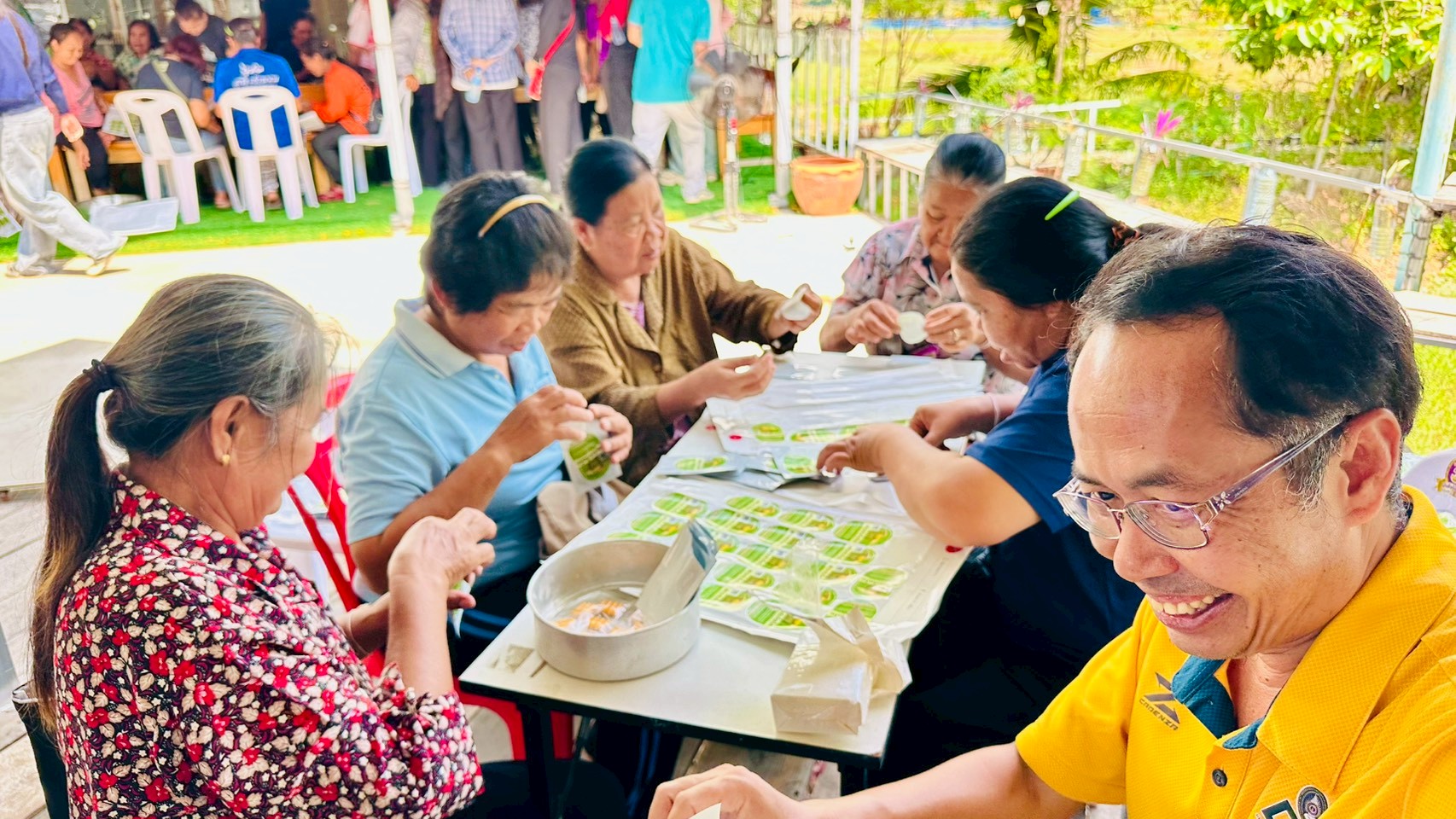
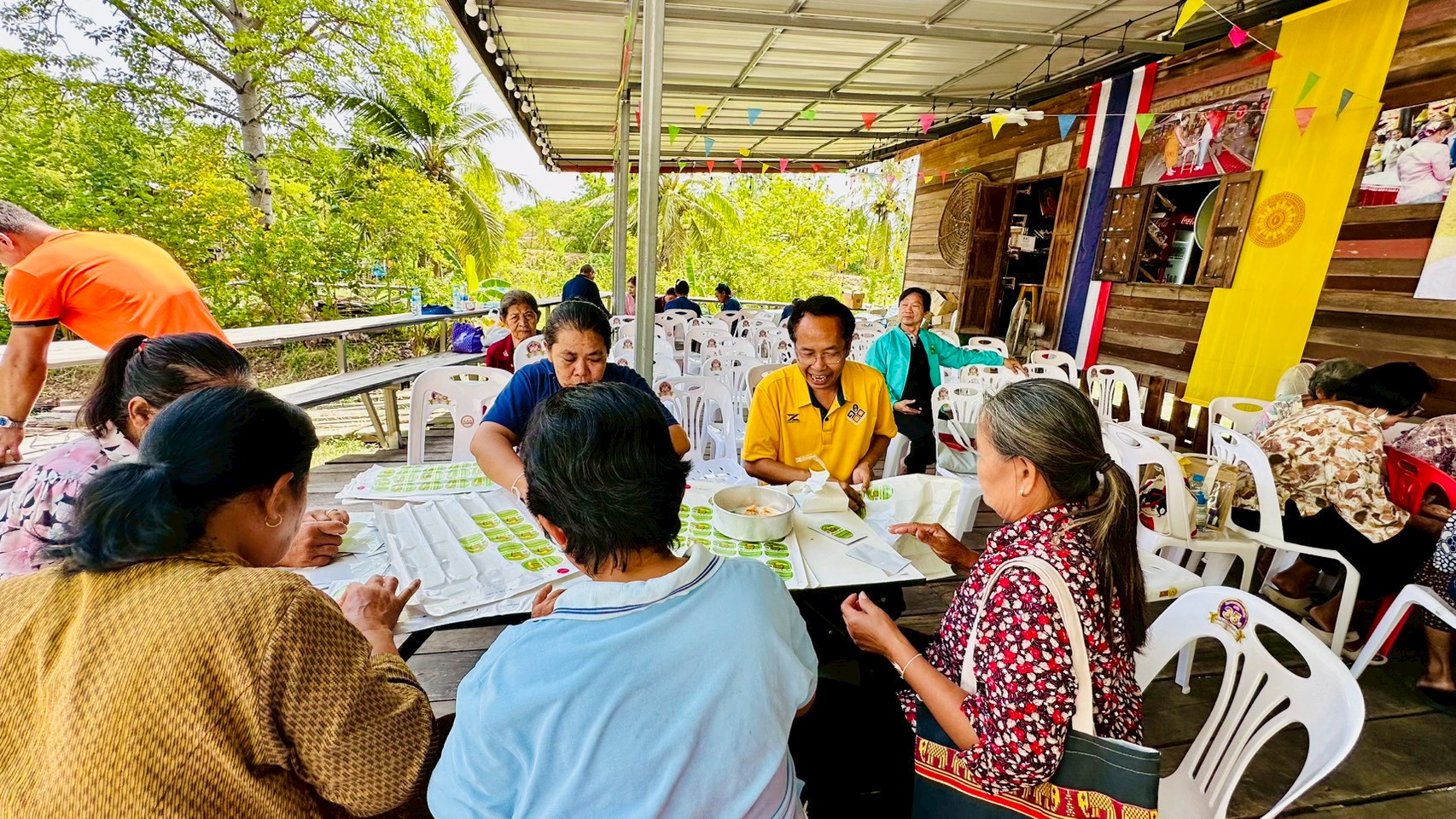
2. Developing a brand and packaging through a community participatory process.
ต้นน้ำ การสร้างความเข้าใจและความตระหนักในการรักษาเห็ดป่า
1. การศึกษาปัญหาชุมชน การทำลายป่าชุมชนและแหล่งของเห็ดป่า
2. การสร้างความเข้าใจและความตระหนักในการสร้างป่าเห็ดชุมชน โดยการมีส่วนร่วมของคนในชุมชน
กลางน้ำ การคัดเลือกสายพันธุ์เห็ด การแยกสปอร์ และอาหารเห็ด
1. การคัดเลือกสายพันธุ์เห็ดและการแยกสปอร์ โดยกระบวนการมีส่วนร่วมของชุมชน
2. การเตรียมอาหารเห็ดและการเก็บรักษาสปอร์เห็ด
ปลายน้ำ การผลิตเชื้อเห็ดป่าทางการค้า
1. การบรรจุแคปซูล
2. การสร้างแบรนด์และบรรจุภัณฑ์ โดยกระบวนการมีส่วนร่วมของชุมชน
Part 2: Outcomes & Impact ส่วนที่ 2 ผลลัพธ์และผลกระทบ
Outcomes ผลลัพธ์ที่เกิดขึ้น
1. Monthly production efficiency of the products.
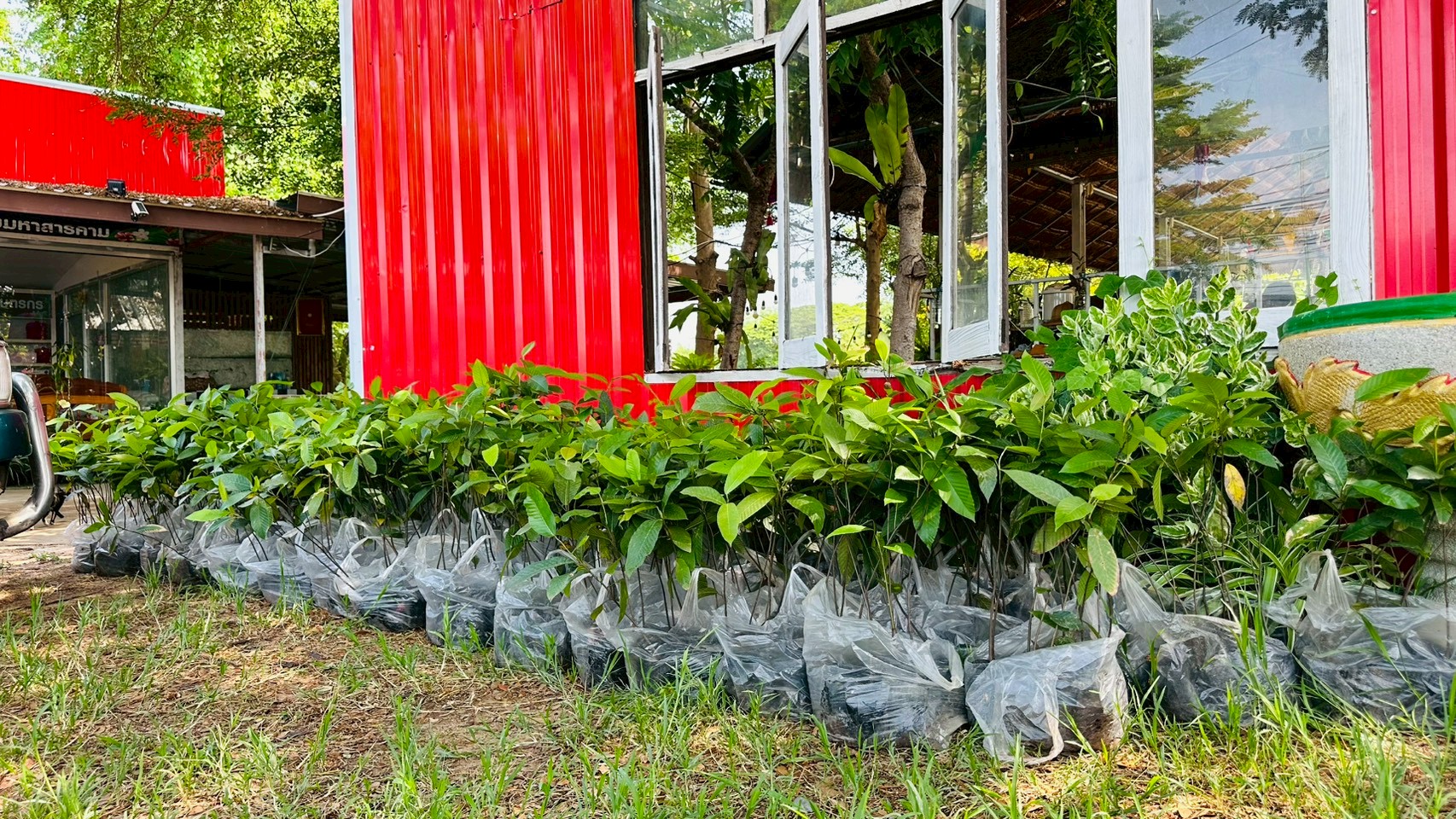
2. Number of tree seedlings inoculated with wild mushroom spores.
1. Filling capsules with wild mushroom inoculum.
2. Developing a brand and packaging through a community participatory process.
Community & Social Impact ผลกระทบต่อชุมชน/สังคม
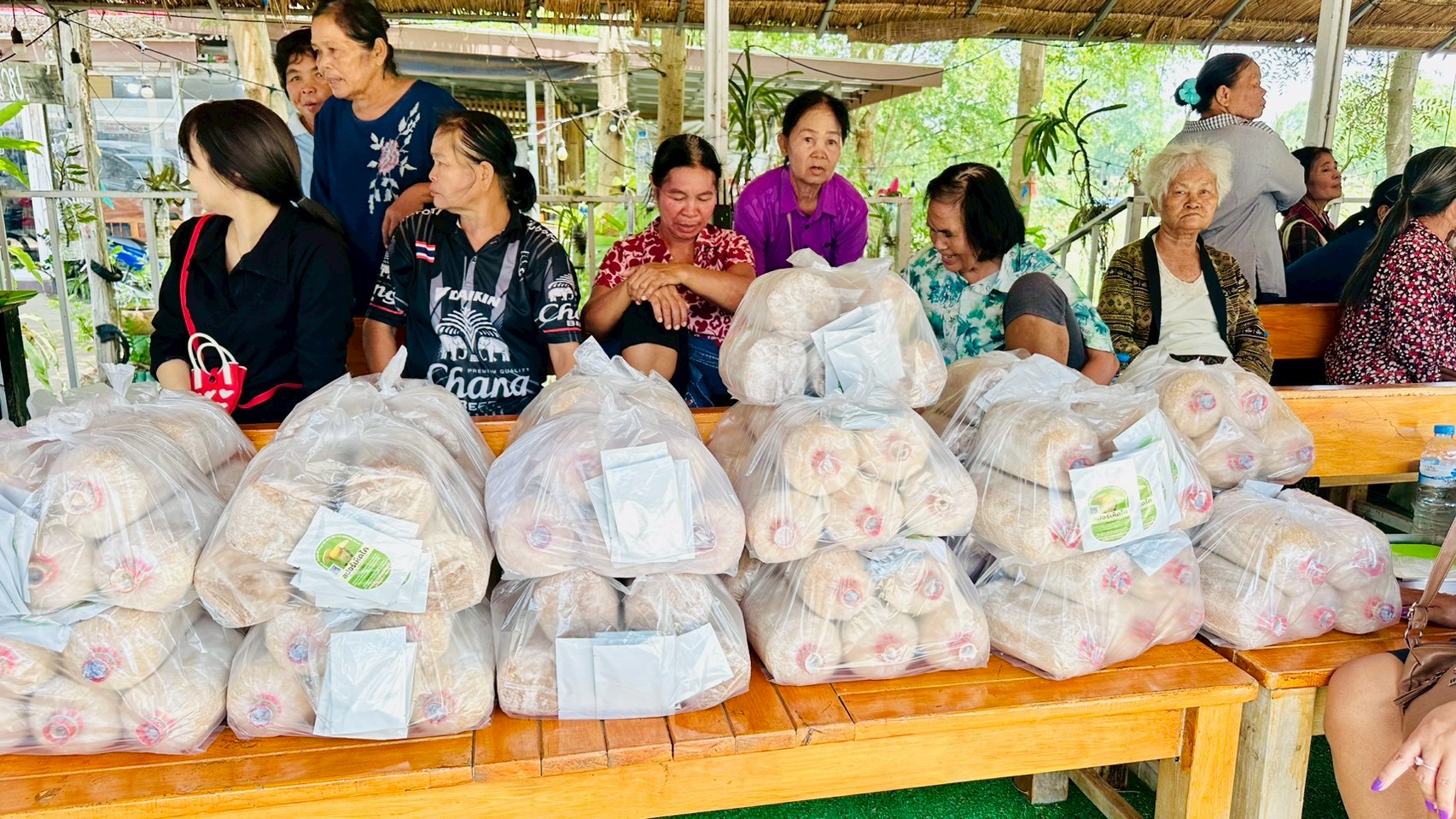
Farmers have formed a group to expand forest areas and wild mushroom habitats. มีการรวมกลุ่มเกษตรกรในการเพิ่มพื้นที่ป่าและพื้นที่เห็ดป่า
Student & Staff Participation การมีส่วนร่วมของนักศึกษา/บุคลากร
Students and local farmers engage in knowledge exchange and collaborative learning. Teaching and learning are integrated with academic services to promote mutual learning and foster community development. นักศึกษาและเกษตรกรในชุมชนเกิดการแลกเปลี่ยนเรียนรู้ มีการบูรณาการการเรียนการสอนสู่การบริการวิชาการ เป็นการส่งเสริมการเรียนรู้ร่วมกันสรรสร้างชุมชน
Project Continuity ความต่อเนื่องของโครงการ
The Project on Commercial Development of Wild Mushroom Spores for Communities aims to ensure continuous implementation by focusing on natural resource conservation, forest ecosystem restoration, and value addition to local biological resources. At the same time, the project seeks to enhance the capacities of farmers and local communities to produce and utilize wild mushroom spores appropriately and sustainably. The continuity and sustainability strategies are as follows:
1. Expansion of Forest Areas and Wild Mushroom Habitats in Communities
Farmers and local residents will be encouraged to participate in community forest planting and restoration. Knowledge of wild mushroom spore inoculation in suitable tree seedlings will be applied to support the establishment of symbiotic relationships between mycorrhizal fungi and the roots of host plants, which are essential for the growth and development of many wild mushroom species. Continuous monitoring should be conducted to assess seedling survival rates, fungal establishment, and changes in the forest ecosystem.
2. Development of High-Quality and Standardized Wild Mushroom Spore Production Processes
Farmers' knowledge and skills will be enhanced in selecting suitable wild mushroom species, collecting and isolating spores, preparing substrates or culture media for inoculum production, preserving spores, and packaging products. These activities aim to ensure efficient and consistent production. In addition, quality control systems will be developed to assess product quality and suitability before use or commercialization.
3. Promotion of Farmer Group Formation and Network Development
Farmers and community members will be encouraged to form networks of wild mushroom spore producers and users. Knowledge exchange, resource sharing, and collaborative planning will be promoted to expand forest areas and wild mushroom habitats within communities. These initiatives aim to ensure the continuity of project activities even after the project's financial support has ended.
4. Product Development and Marketing Channel Expansion to Generate Income
Wild mushroom spore products will be further developed into practical and suitable forms, such as mushroom inoculum products for application to host tree seedlings. Product branding, packaging, and accurate usage instructions will also be developed. In addition, market demand will be investigated and distribution channels expanded to increase opportunities for farmers to generate supplementary income. Any claims regarding product performance should be supported by appropriate testing and evidence.
5. Integration with Teaching, Learning, and Academic Outreach Services
Knowledge exchange and collaborative learning between students and local farmers will be promoted by integrating the project into university teaching, practical training, and academic outreach activities. This approach will enable students to apply their knowledge of science, production technology, and product development in real-world situations. At the same time, community members will be able to apply the knowledge gained to forest restoration and sustainable livelihood development.
6. Monitoring, Evaluation, and Project Expansion in the Following Fiscal Year
A systematic monitoring and evaluation plan will be established based on key indicators, including the number of tree seedlings inoculated with wild mushroom spores, the area of forest restored, the quantity and quality of mushroom spore products, revenue generated from product sales, and the number of participating farmers who successfully apply the knowledge gained. The evaluation results will be used to improve production processes, enhance product development, and plan the expansion of project activities to new communities or target areas.
โครงการการพัฒนาสปอร์เห็ดป่าเชิงการค้าสำหรับชุมชน มีแนวทางการดำเนินงานอย่างต่อเนื่องโดยมุ่งเน้นการอนุรักษ์ทรัพยากรธรรมชาติ การฟื้นฟูระบบนิเวศป่าไม้ และการสร้างมูลค่าเพิ่มจากทรัพยากรชีวภาพในท้องถิ่น ควบคู่กับการพัฒนาศักยภาพของเกษตรกรและชุมชนให้สามารถผลิตและใช้ประโยชน์จากสปอร์เห็ดป่าได้อย่างเหมาะสมและยั่งยืน โดยมีแนวทางความต่อเนื่องดังนี้
1. การขยายพื้นที่ป่าและแหล่งกำเนิดเห็ดป่าในชุมชน
ส่งเสริมให้เกษตรกรและประชาชนมีส่วนร่วมในการปลูกและฟื้นฟูป่าชุมชน โดยนำองค์ความรู้เกี่ยวกับการใช้สปอร์เห็ดป่าร่วมกับกล้าไม้ที่เหมาะสมไปประยุกต์ใช้ เพื่อสนับสนุนการสร้างความสัมพันธ์ระหว่างเชื้อราไมคอร์ไรซากับรากพืชอาศัย ซึ่งเป็นปัจจัยสำคัญต่อการเจริญเติบโตของเห็ดป่าหลายชนิด ทั้งนี้ ควรมีการติดตามผลการรอดของกล้าไม้ การตั้งตัวของเชื้อรา และการเปลี่ยนแปลงของระบบนิเวศอย่างต่อเนื่อง
2. การพัฒนากระบวนการผลิตสปอร์เห็ดป่าให้มีคุณภาพและได้มาตรฐาน
พัฒนาความรู้และทักษะของเกษตรกรในการคัดเลือกเห็ดป่าที่เหมาะสม การเก็บและแยกสปอร์ การเตรียมวัสดุหรืออาหารสำหรับการผลิตเชื้อ การเก็บรักษา ตลอดจนการบรรจุผลิตภัณฑ์ เพื่อให้สามารถดำเนินการผลิตได้อย่างมีประสิทธิภาพและสม่ำเสมอ พร้อมทั้งพัฒนาระบบควบคุมคุณภาพและตรวจสอบความเหมาะสมของผลิตภัณฑ์ก่อนนำไปใช้หรือจำหน่าย
3. การส่งเสริมการรวมกลุ่มและสร้างเครือข่ายเกษตรกร
สนับสนุนการรวมกลุ่มเกษตรกรและสมาชิกชุมชนให้เป็นเครือข่ายผู้ผลิตและผู้ใช้ประโยชน์จากสปอร์เห็ดป่า โดยส่งเสริมการแลกเปลี่ยนเรียนรู้ การแบ่งปันทรัพยากร และการร่วมกันวางแผนเพิ่มพื้นที่ป่าและแหล่งเห็ดป่าในชุมชน เพื่อให้เกิดการดำเนินงานที่ต่อเนื่อง แม้สิ้นสุดระยะเวลาการสนับสนุนงบประมาณจากโครงการแล้ว
4. การพัฒนาผลิตภัณฑ์และช่องทางการตลาดเพื่อสร้างรายได้
ต่อยอดผลิตภัณฑ์สปอร์เห็ดป่าให้มีรูปแบบที่เหมาะสมต่อการใช้งาน เช่น ผลิตภัณฑ์เชื้อเห็ดสำหรับใช้กับกล้าไม้ที่เป็นพืชอาศัย โดยพัฒนาแบรนด์ บรรจุภัณฑ์ และข้อมูลแนะนำการใช้งานที่ถูกต้อง พร้อมศึกษาความต้องการของตลาดและพัฒนาช่องทางการจำหน่าย เพื่อเพิ่มโอกาสในการสร้างรายได้เสริมให้แก่เกษตรกร ทั้งนี้ การกล่าวอ้างประสิทธิภาพของผลิตภัณฑ์ควรมีข้อมูลทดสอบรองรับอย่างเหมาะสม
5. การบูรณาการกับการเรียนการสอนและการบริการวิชาการ
ส่งเสริมให้นักศึกษาและเกษตรกรในชุมชนได้แลกเปลี่ยนองค์ความรู้และเรียนรู้ร่วมกัน โดยบูรณาการโครงการเข้ากับการเรียนการสอน การฝึกปฏิบัติ และการบริการวิชาการของมหาวิทยาลัย เพื่อให้นักศึกษาได้ประยุกต์ใช้ความรู้ทางวิทยาศาสตร์ เทคโนโลยีการผลิต และการพัฒนาผลิตภัณฑ์ในสถานการณ์จริง ขณะเดียวกันชุมชนสามารถนำองค์ความรู้ไปใช้ประโยชน์ในการฟื้นฟูป่าและพัฒนาอาชีพได้อย่างต่อเนื่อง
6. การติดตาม ประเมินผล และขยายผลในปีงบประมาณถัดไป
กำหนดแผนติดตามผลการดำเนินงานอย่างเป็นระบบ โดยพิจารณาจากจำนวนกล้าไม้ที่ลงเชื้อเห็ดป่า จำนวนพื้นที่ป่าที่ได้รับการฟื้นฟู ปริมาณและคุณภาพผลิตภัณฑ์สปอร์เห็ด รายได้จากการจำหน่าย ตลอดจนจำนวนเกษตรกรที่เข้าร่วมและสามารถนำความรู้ไปใช้ได้จริง ผลการประเมินจะนำมาใช้ปรับปรุงกระบวนการผลิต พัฒนาผลิตภัณฑ์ และวางแผนขยายผลไปยังชุมชนหรือพื้นที่เป้าหมายแห่งใหม่
Part 3: Challenges & Suggestions ส่วนที่ 3 ปัญหาอุปสรรค/ข้อเสนอแนะ
Problems & Obstacles ปัญหา/อุปสรรค
- -
Improvement Guidelines แนวทางการปรับปรุง
- -
Suggestions to University ข้อเสนอแนะต่อมหาวิทยาลัย
- -