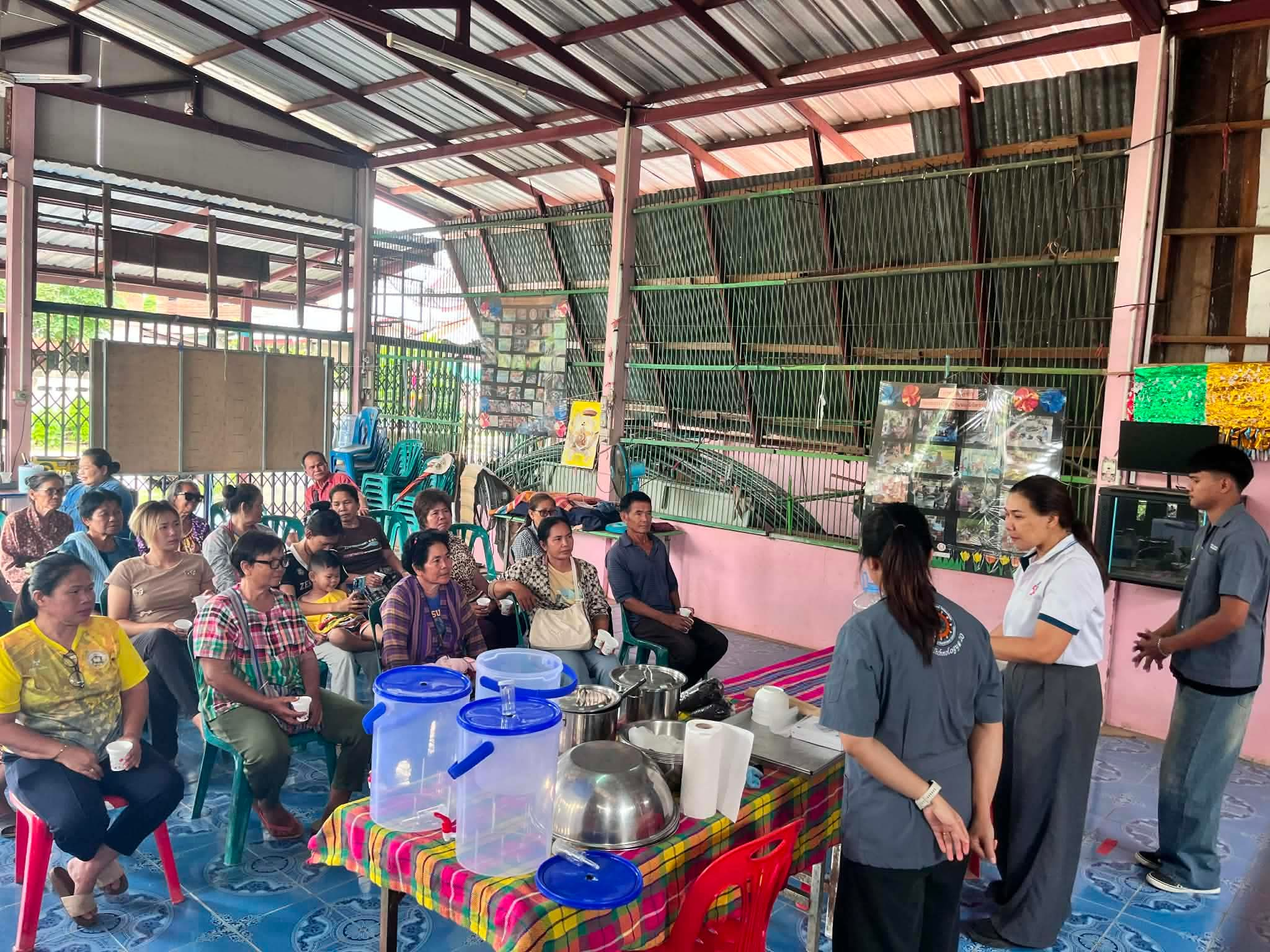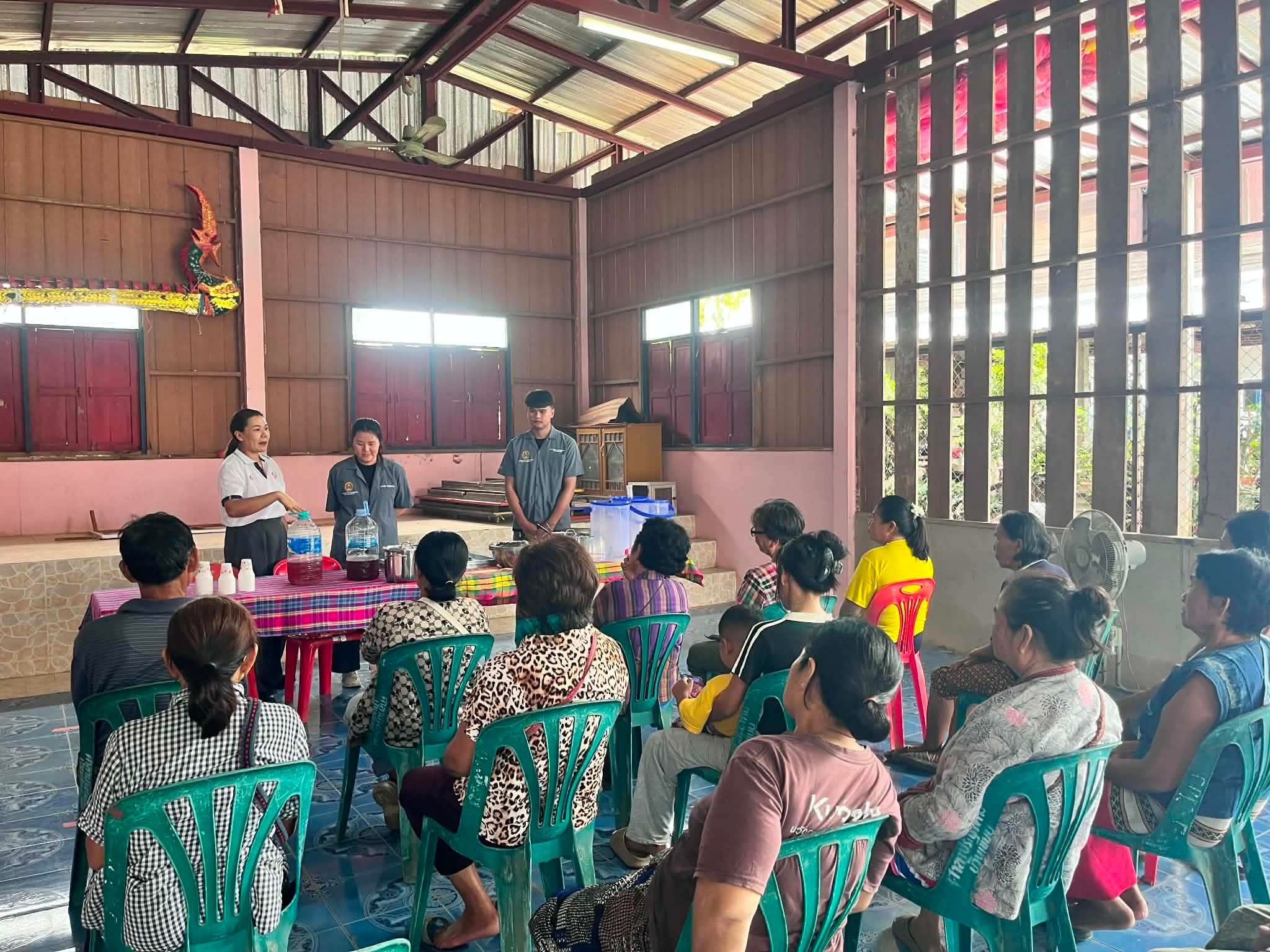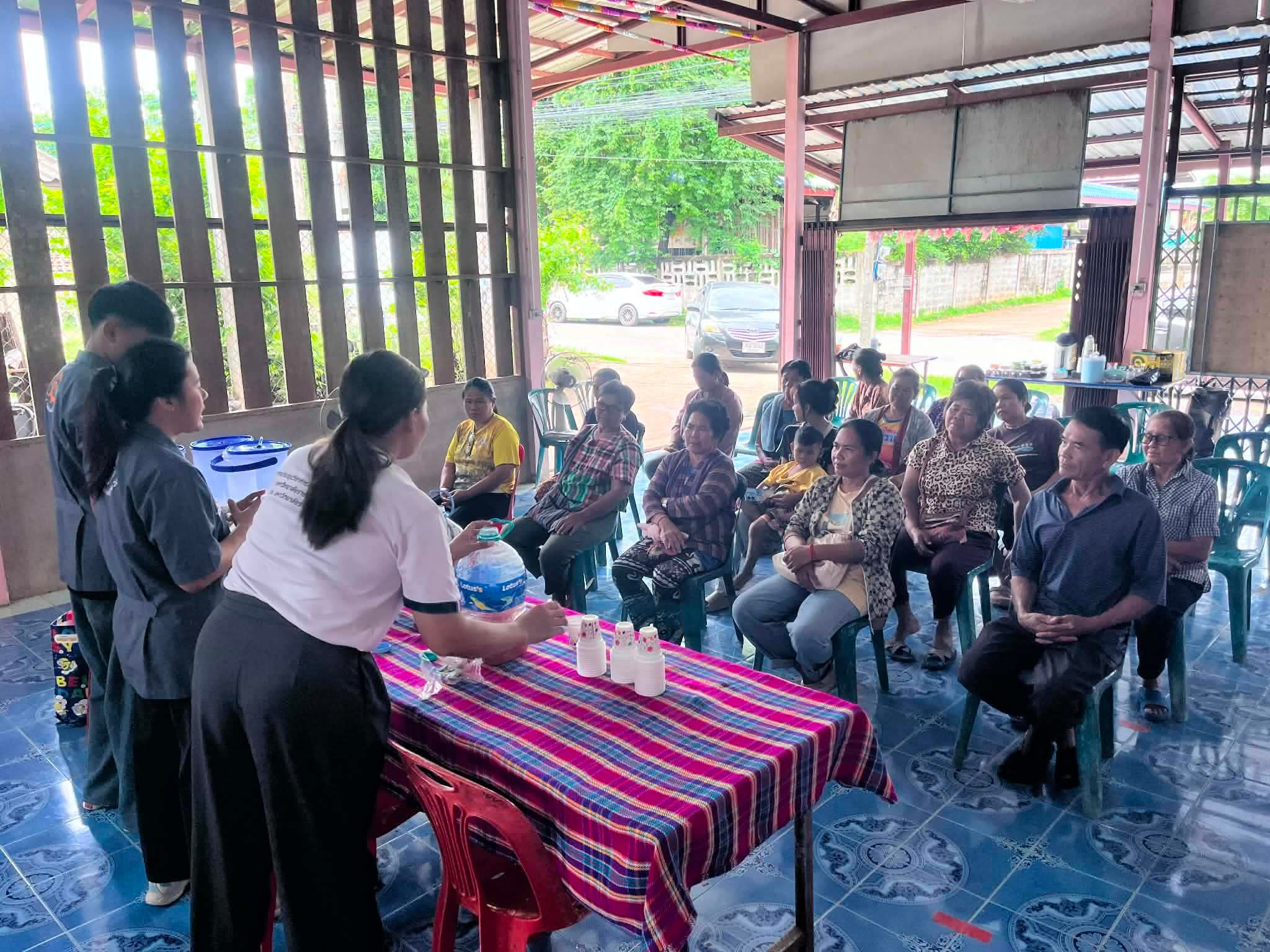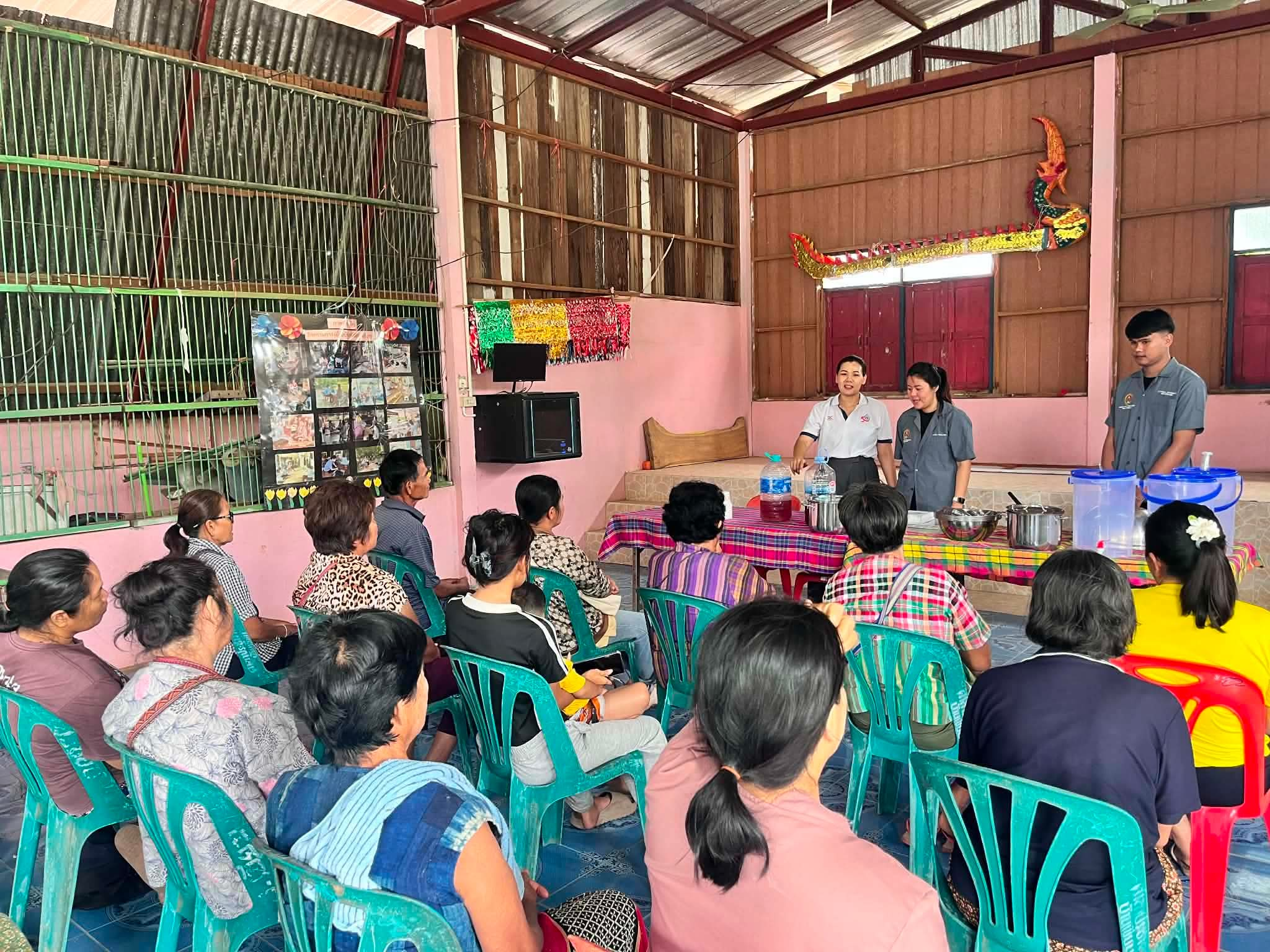
– July 30, 2026 13 กรกฎาคม 2569
– 30 กรกฎาคม 2569
Part 1: Project Details ส่วนที่ 1 รายละเอียดการดำเนินงาน
Objectives วัตถุประสงค์โครงการ
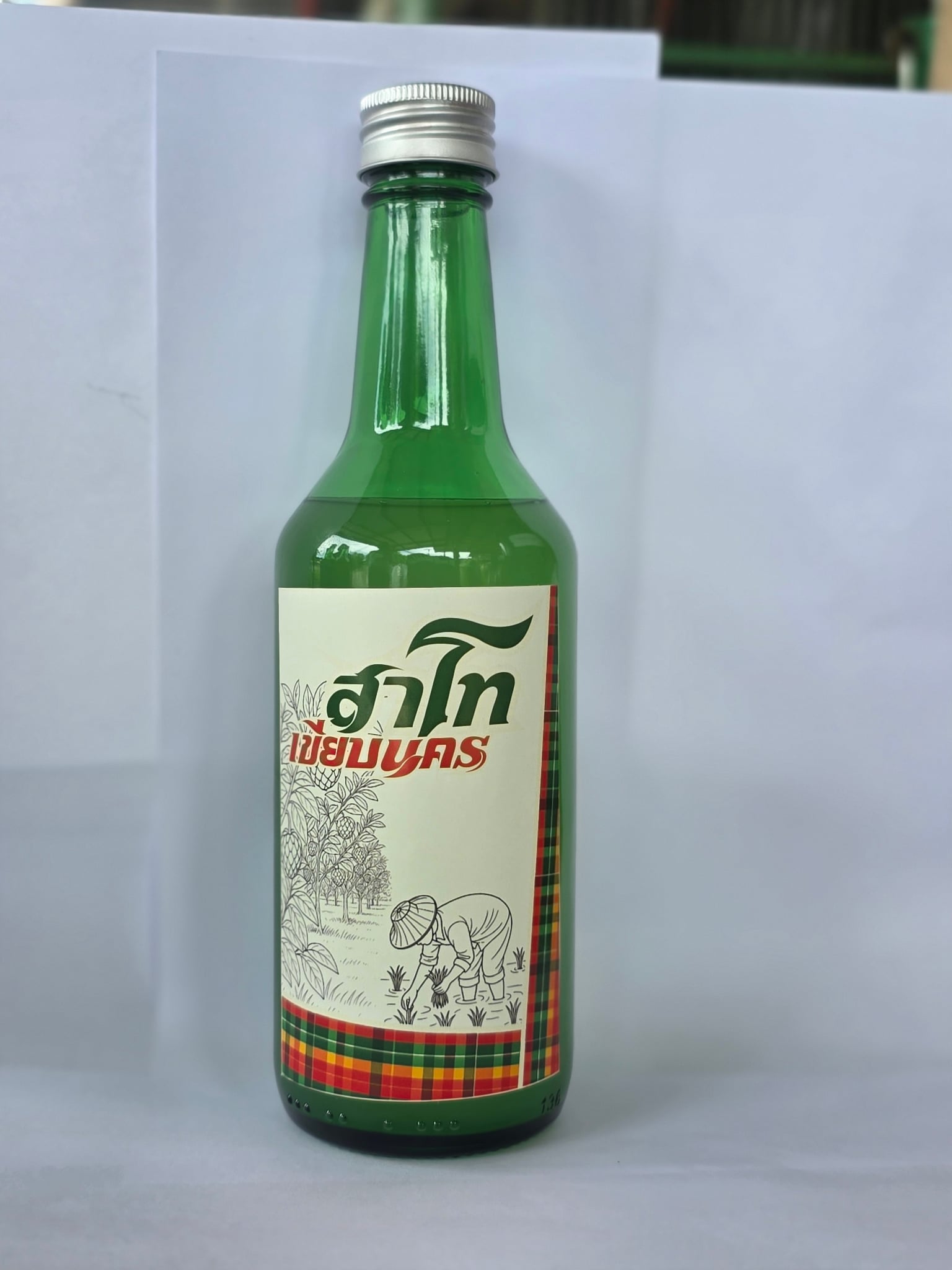
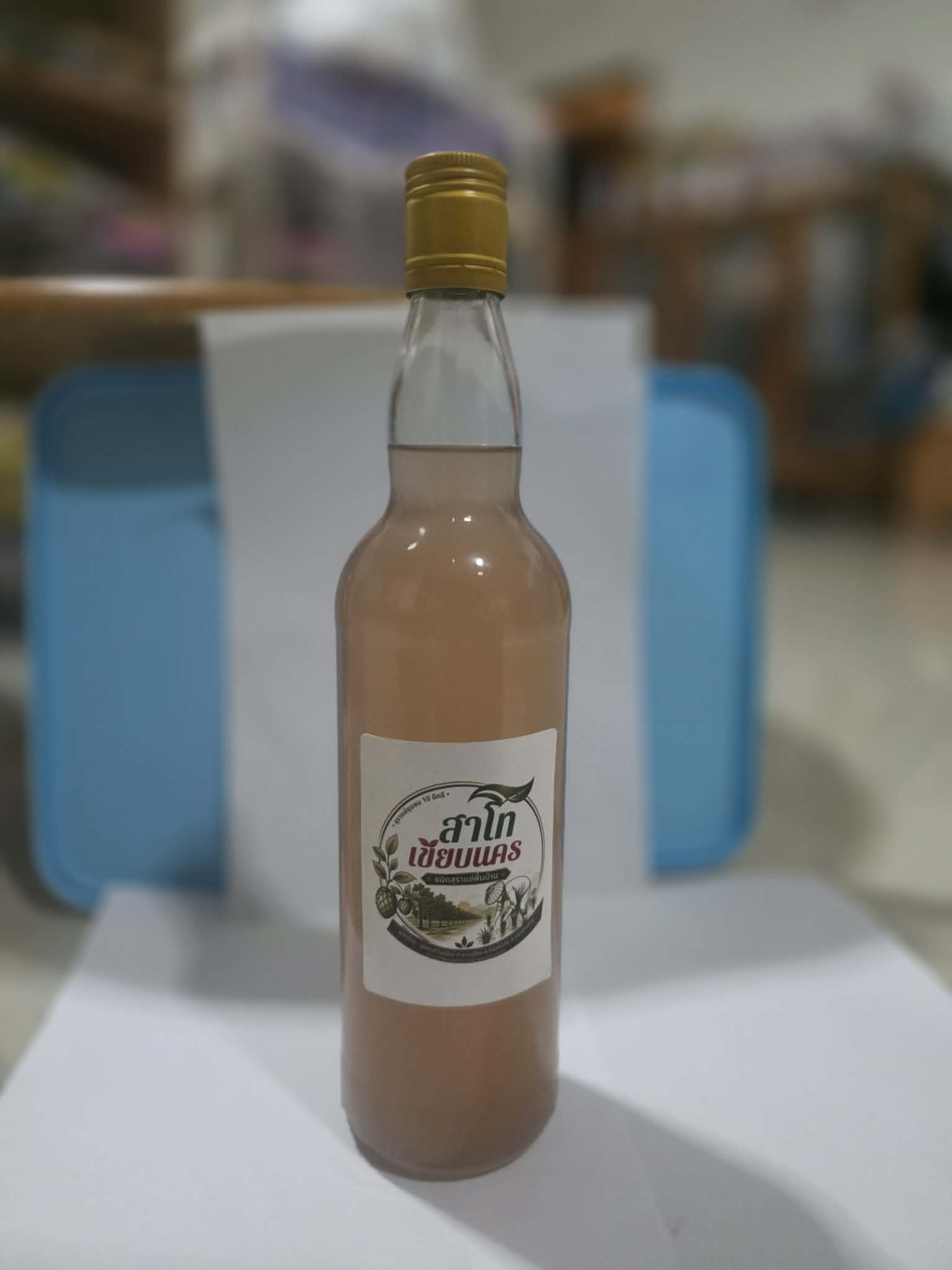
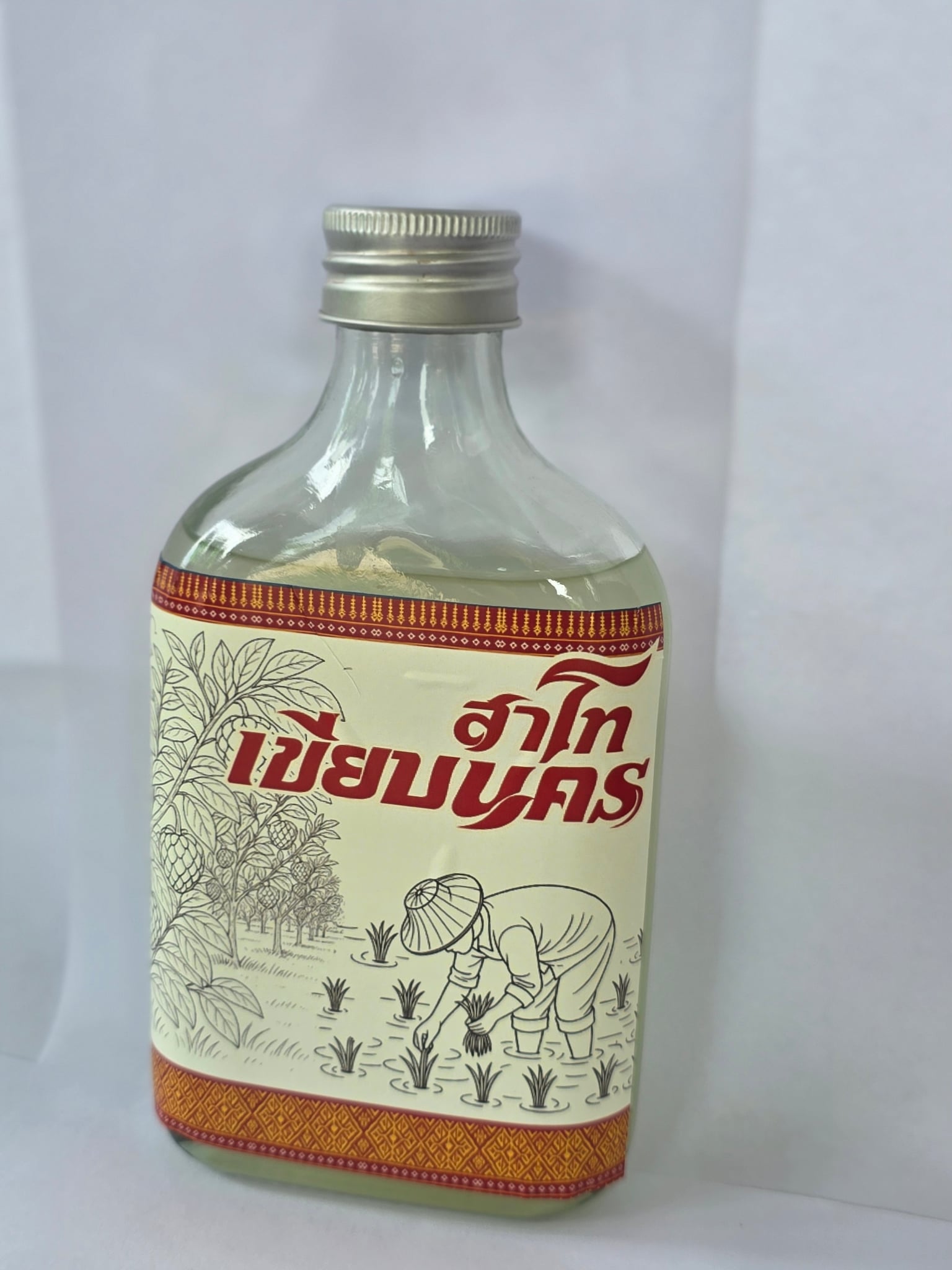
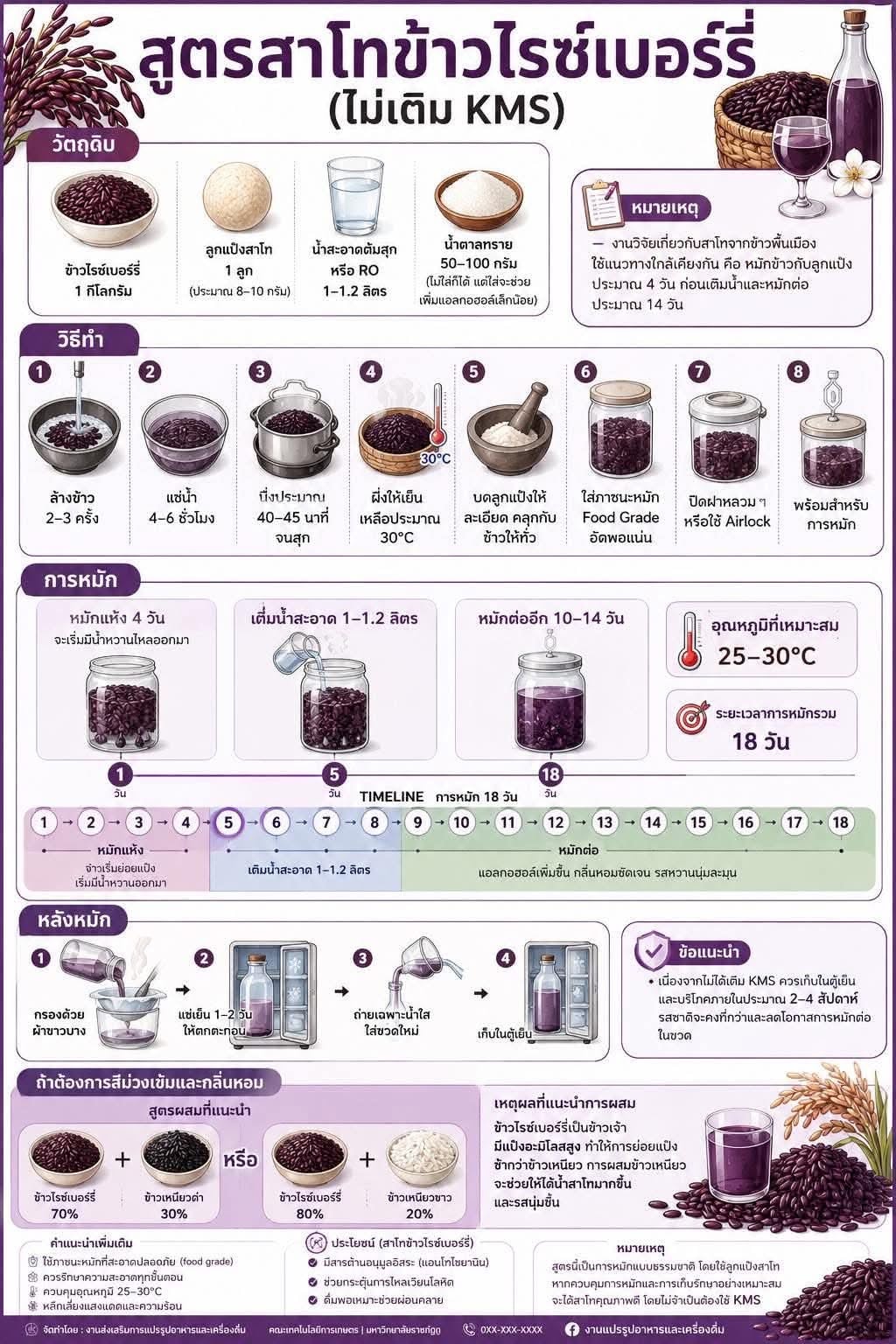
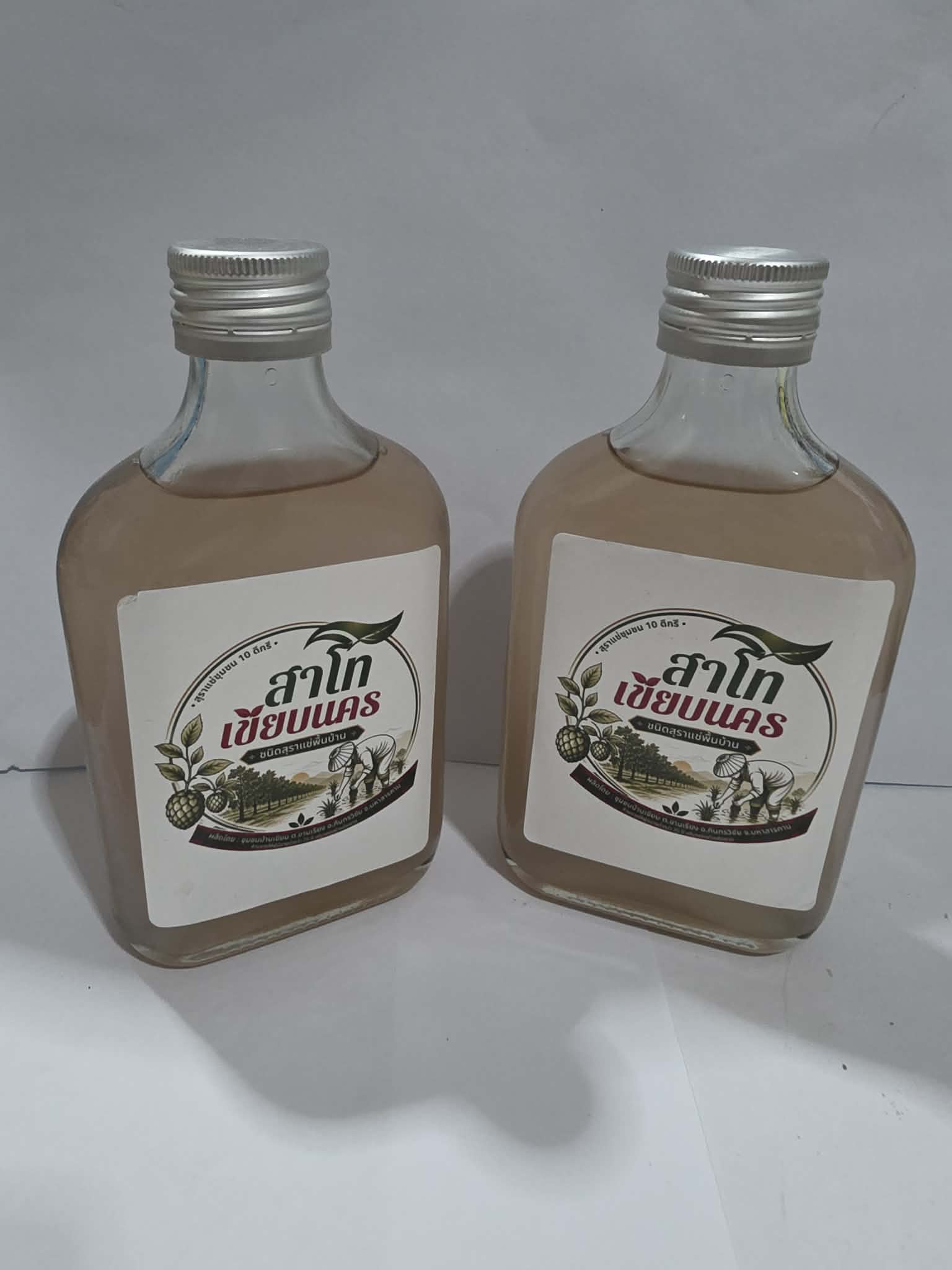
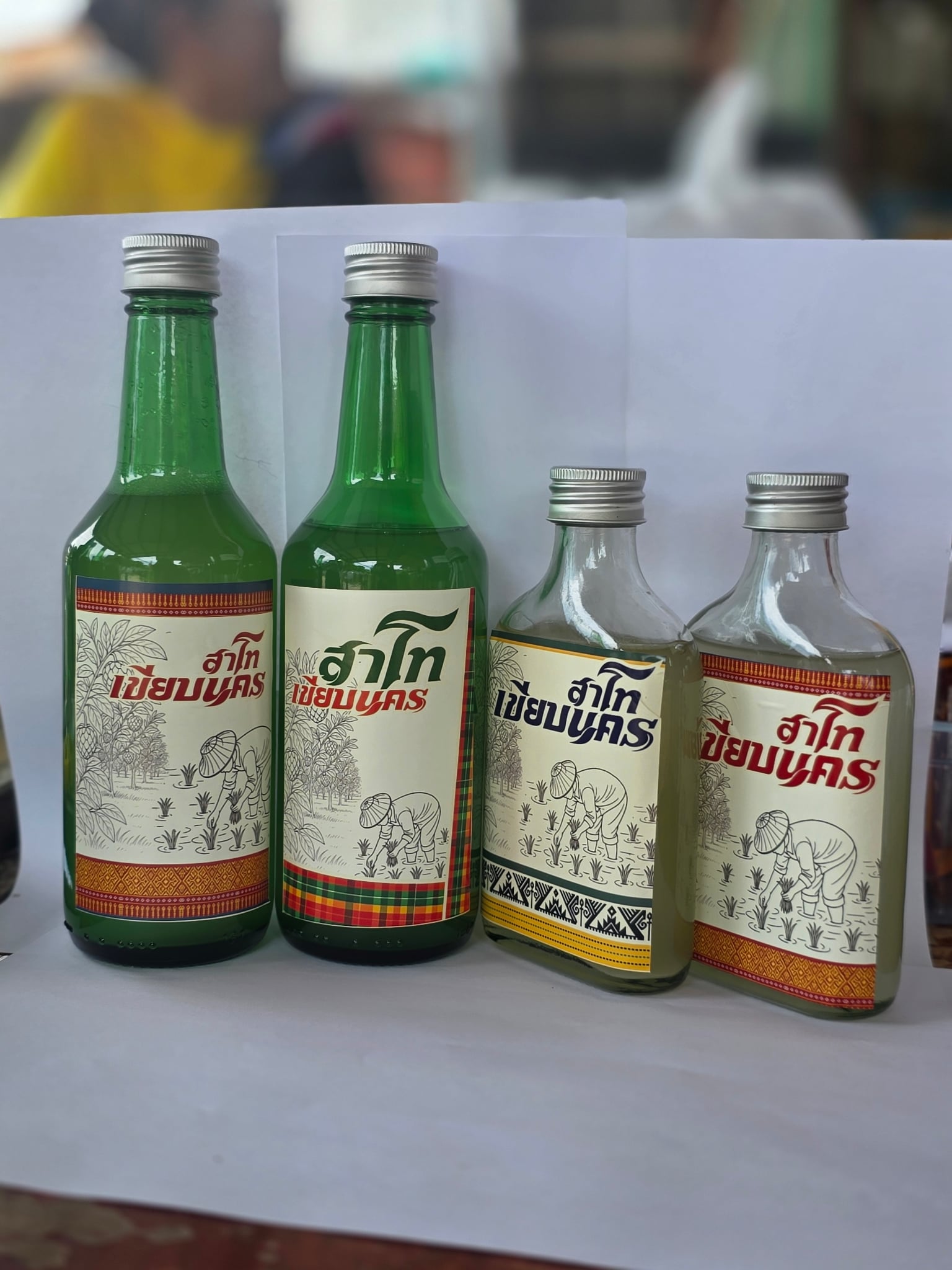
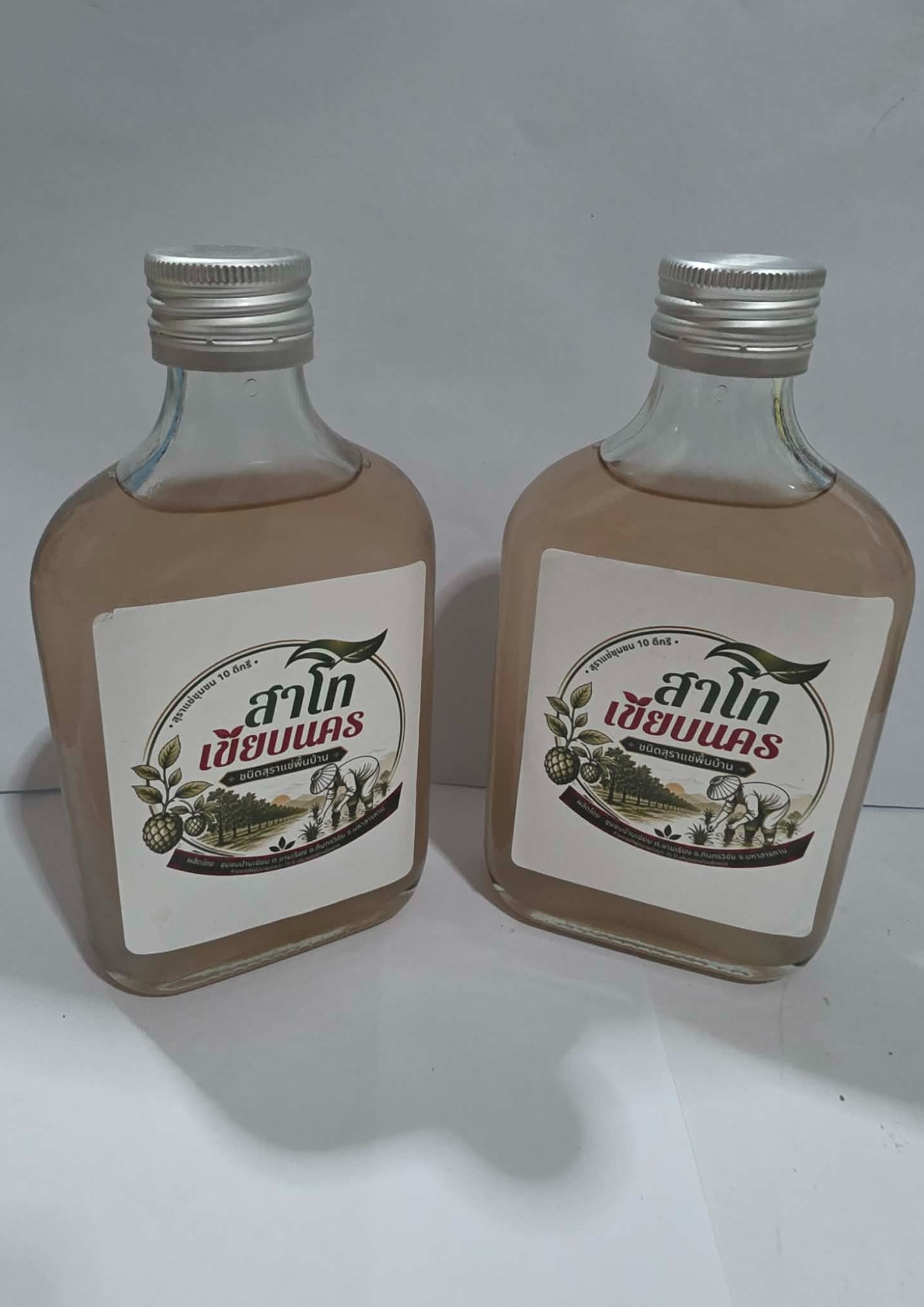
1. To produce a new Sato recipe.
2. To transfer knowledge on preparing for Community Product Standard (CPS) certification.
1. เพื่อผลิตสาโทสูตรใหม่
2. เพื่อถ่ายทอดองค์ความรู้ในการเตรียมความพร้อมเข้าสู่มาตรฐานผลิตภัณฑ์ชุมชน
Main Activities กิจกรรมหลัก
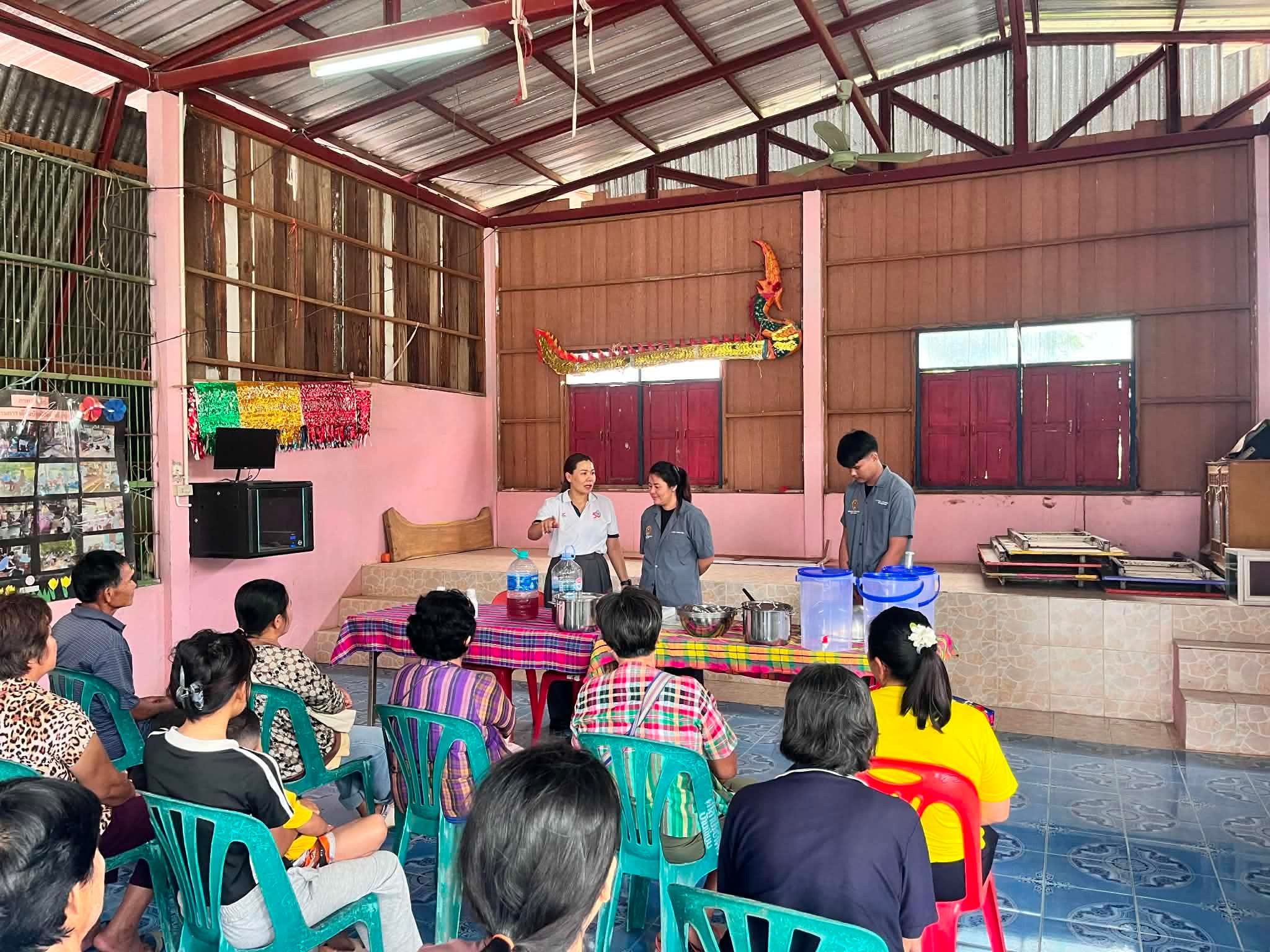
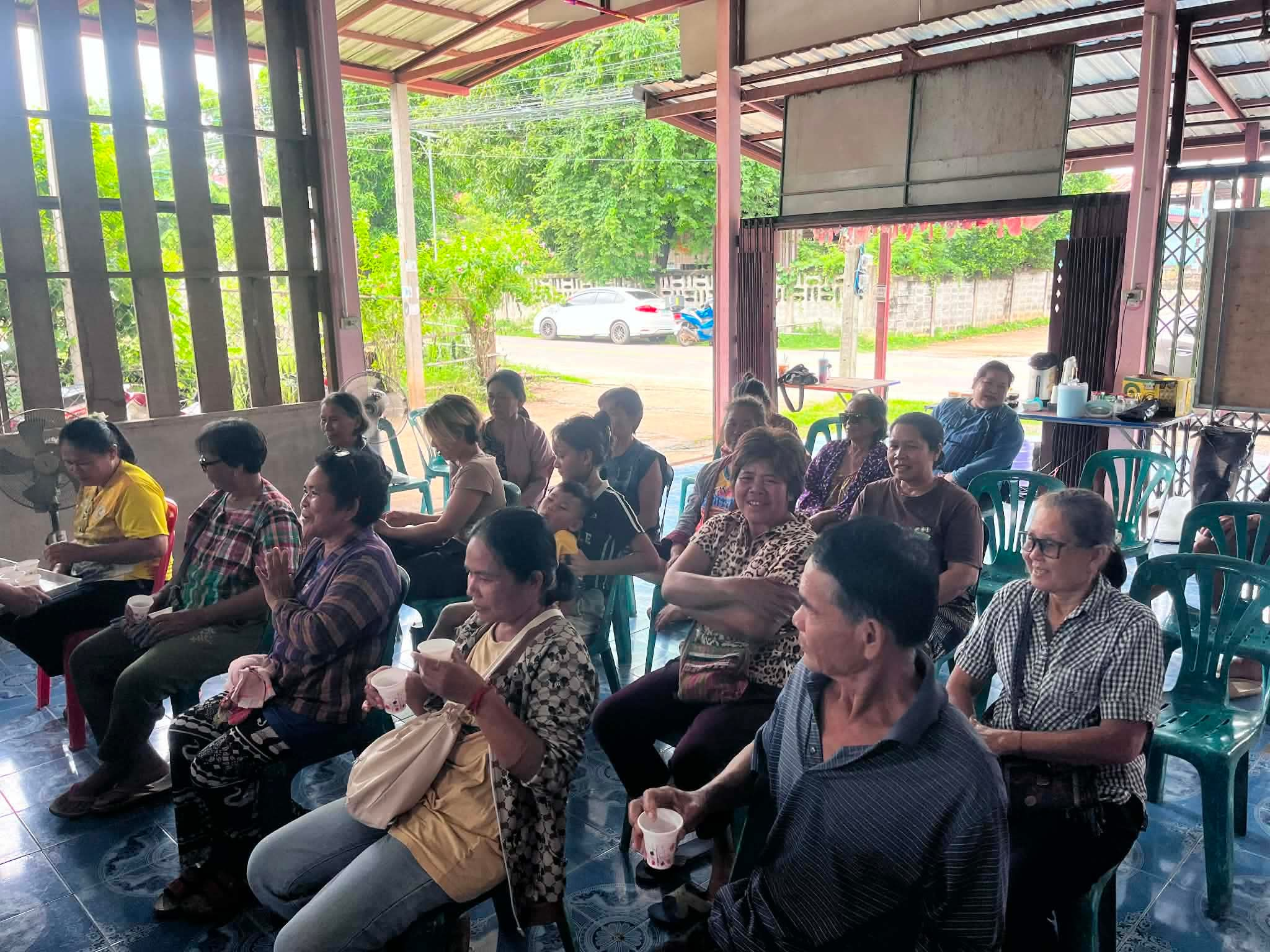
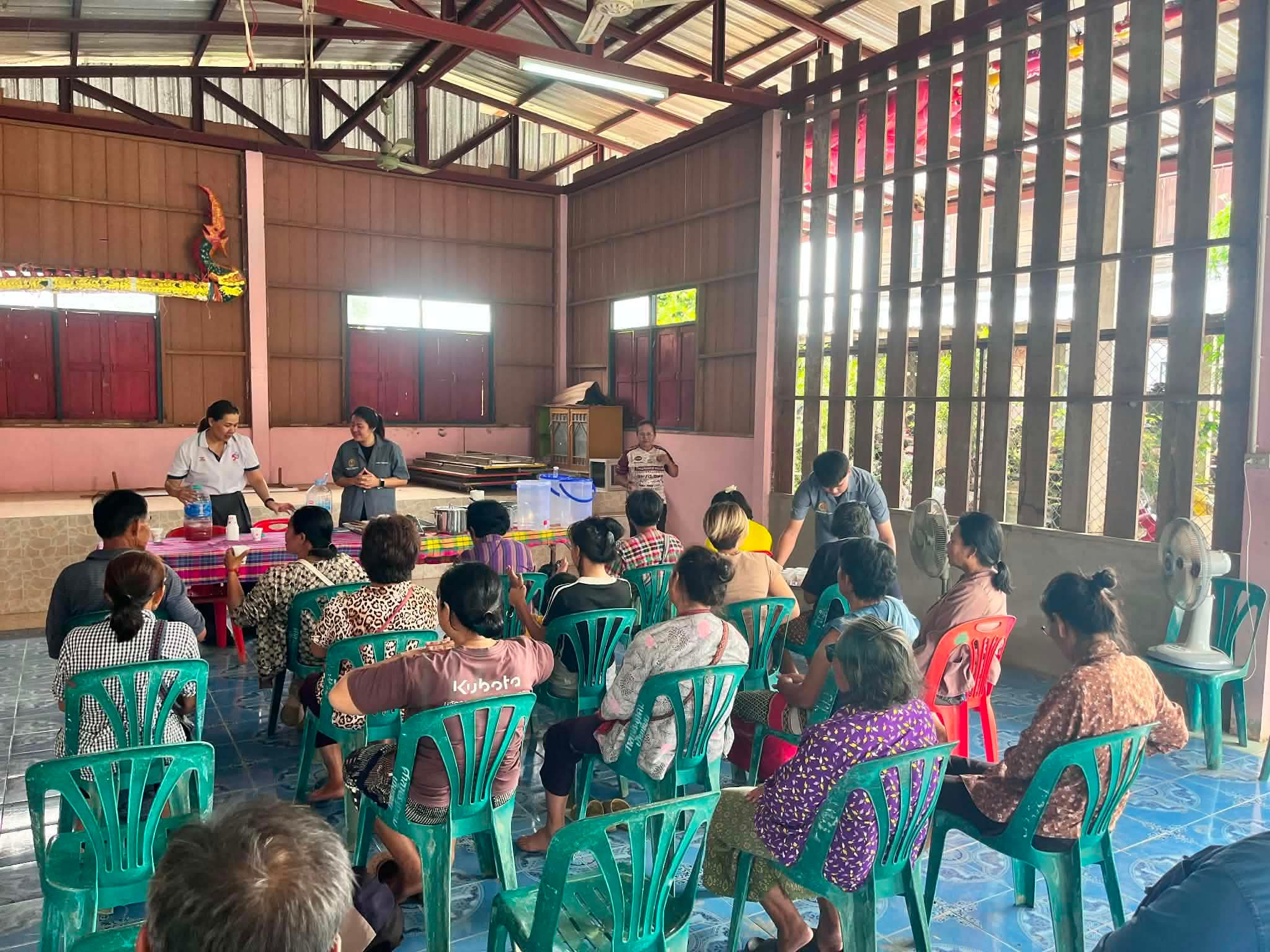
Activity 1: Seminar on Tracing Local Wisdom: Developing Ban Khiab Sato Toward Community Product Standards
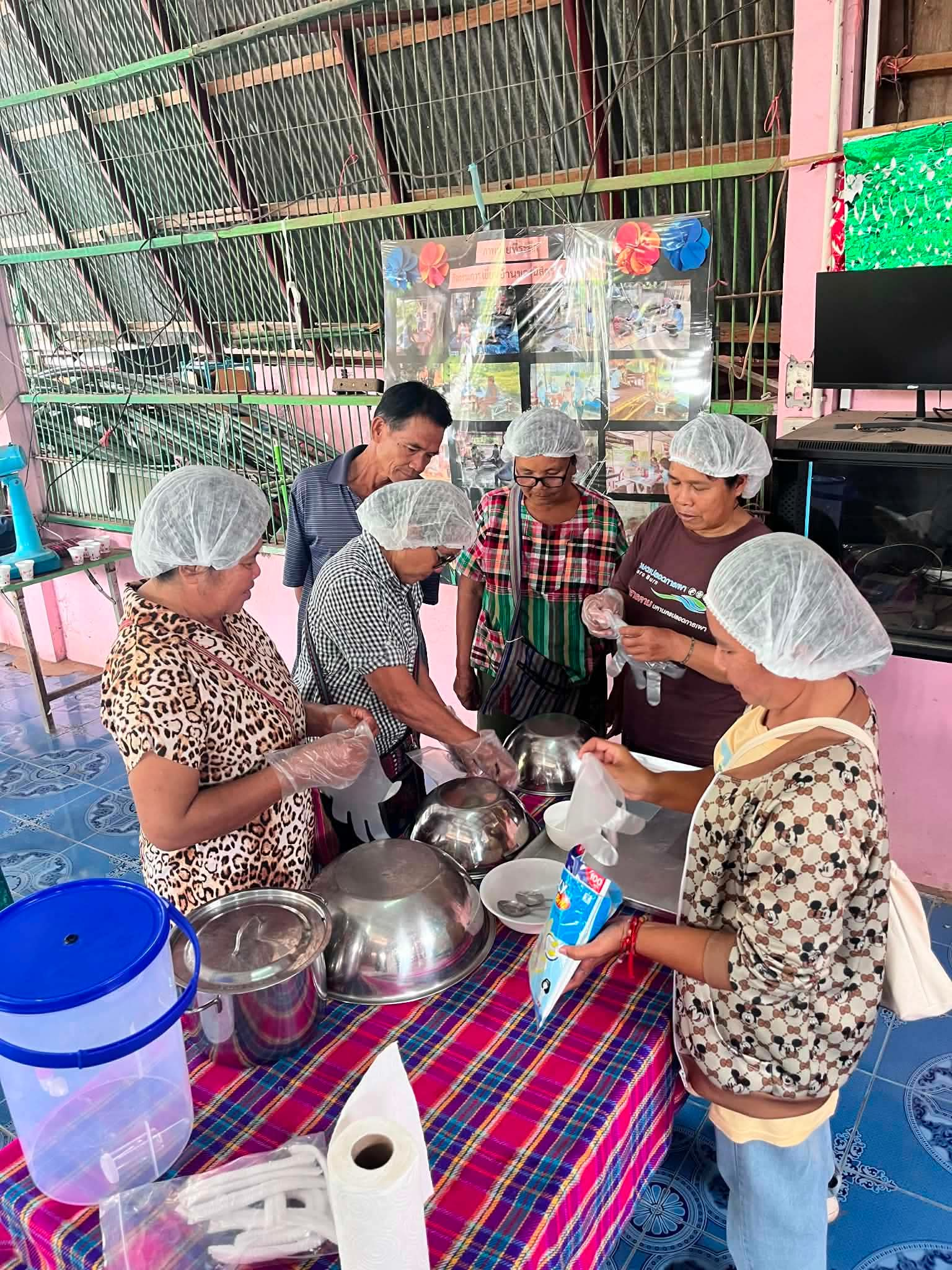
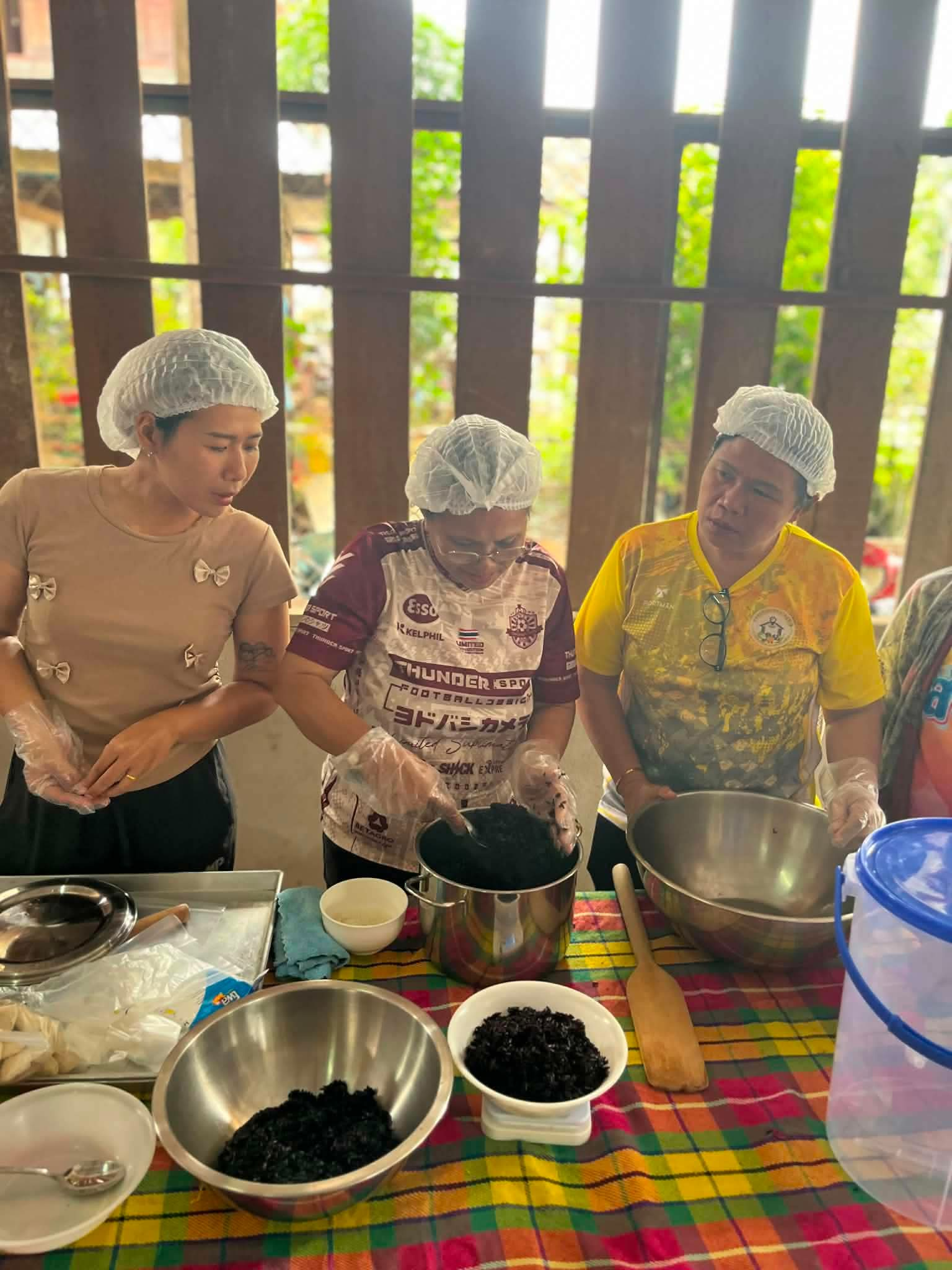
Activity 2: Workshop on Sato Product Readiness Preparation for Community Product Standards
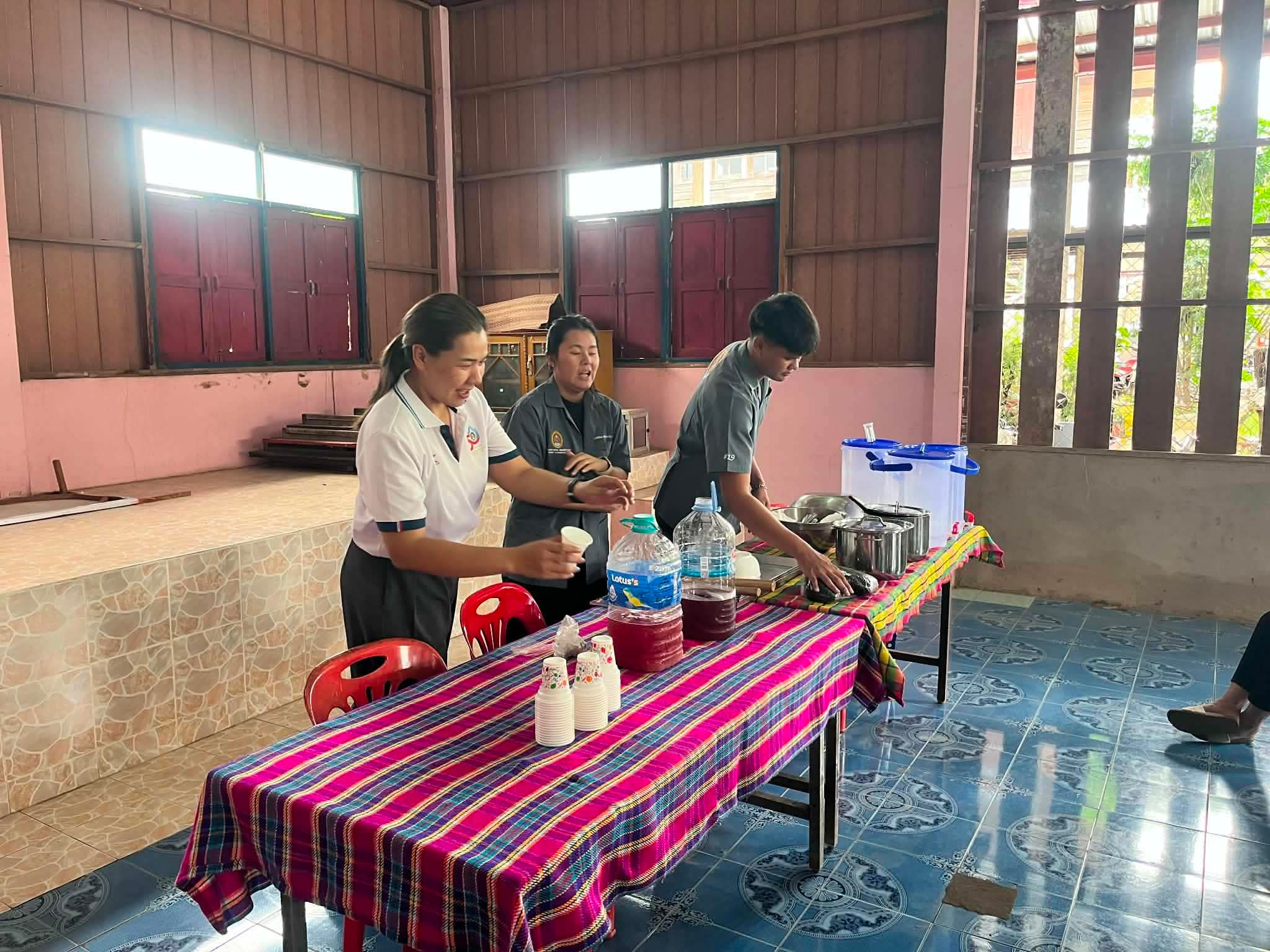
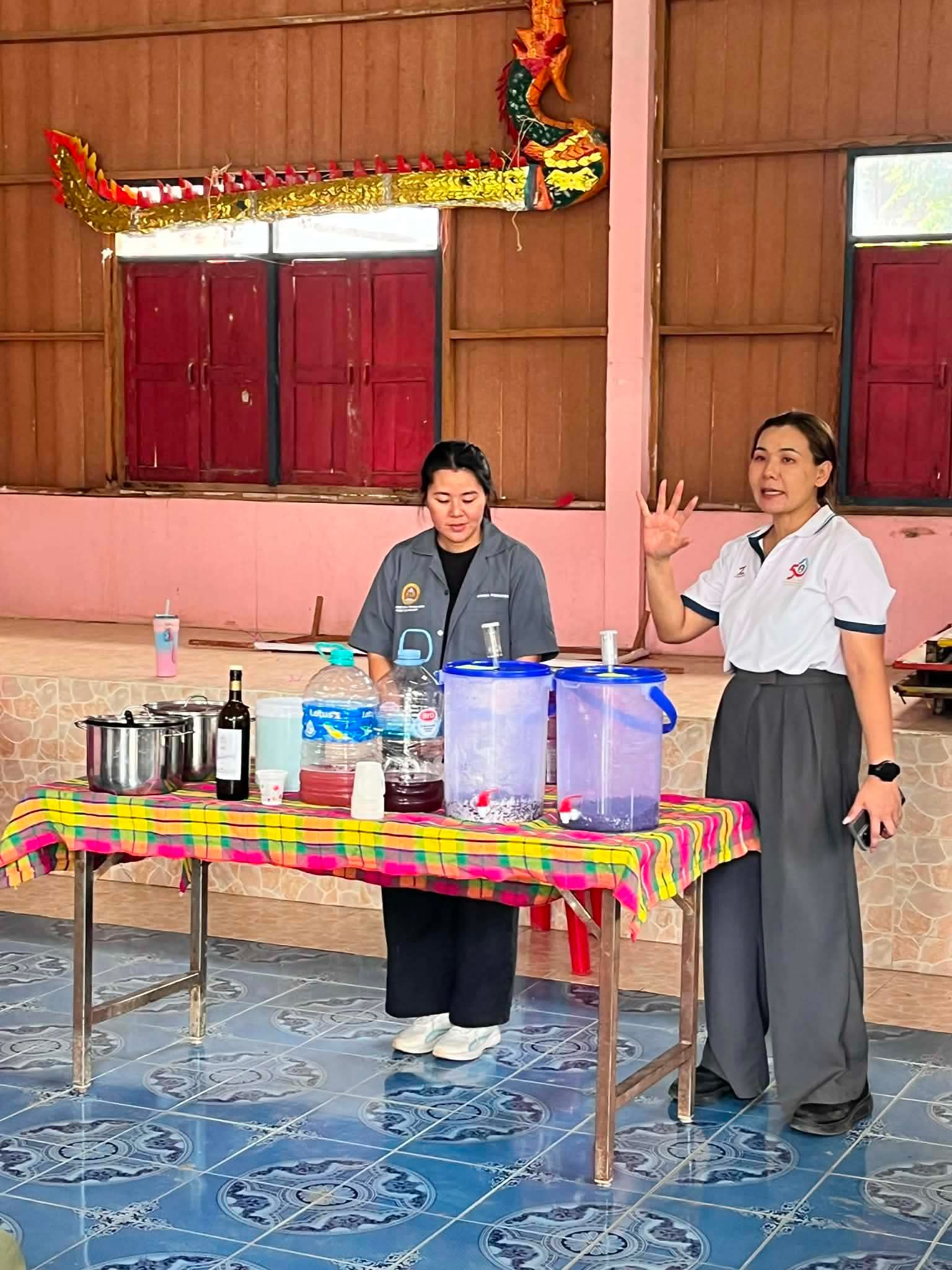
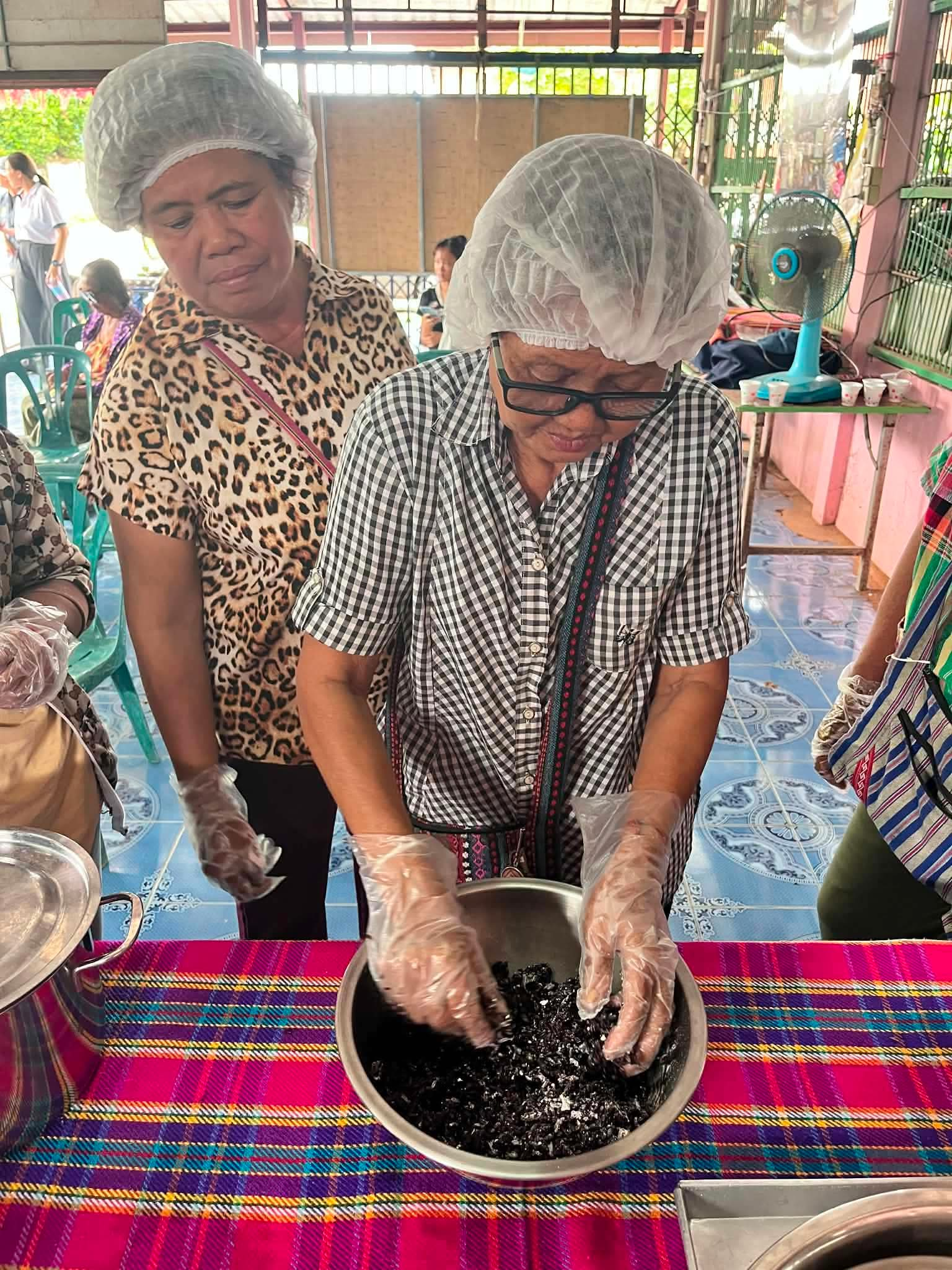
Activity 3: Workshop on Sato Recipe Development
Activity 4: Workshop on Knowledge Transfer for Sato Recipe Development and Value Creation
Activity 5: Workshop on Knowledge Transfer for Sato Product Upgrading and Readiness for Community Product Standards
กิจกรรมที่ 1 สัมมนาย้อนรอยภูมิปัญญา พัฒนาสาโทบ้านเขียบ สู่มาตรฐานผลิตภัณฑ์ชุมชน
กิจกรรมที่ 2 อบรมเชิงปฏิบัติการเตรียมความพร้อมผลิตภัณฑ์สาโทเข้าสู่มาตรฐานผลิตภัณฑ์ชุมชน
กิจกรรมที่ 3 อบรมเชิงปฏิบัติการพัฒนาสูตรสาโท
กิจกรรมที่ 4 อบรมเชิงปฏิบัติการถ่ายทอดองค์ความรู้การพัฒนาสูตรสาโทและการสร้างมูลค่า
กิจกรรมที่ 5 อบรมเชิงปฏิบัติการ การองค์ความรู้การต่อยอดสาโทและเตรียมความพร้อมเข้าสู่มาตรฐานผลิตภัณฑ์ชุมชน
Part 2: Outcomes & Impact ส่วนที่ 2 ผลลัพธ์และผลกระทบ
Outcomes ผลลัพธ์ที่เกิดขึ้น
1. Possess knowledge of Sato recipe development.
2. Possess knowledge of readiness preparation for Community Product Standards (CPS).
1. มีความรู้ในการพัฒนาสูตรสาโท
2. มีความรู้ในการเตรียมความพร้อมเข้าสู่มาตรฐานผลิตภัณฑ์ชุมชน
Community & Social Impact ผลกระทบต่อชุมชน/สังคม
1. Economic Impact: Increased income generated from product sales.
2. Social Impact: Preservation, continuation, and promotion of community arts and culture, instilling pride in local traditions and cultural heritage among citizens and youth.
1. ด้านเศรษฐกิจ มีรายได้ที่เพิ่มขึ้นจากการจำหน่ายผลิตภัณฑ์
2. ด้านสังคม ได้อนุรักษ์ สืบสาน และเผยแพร่ศิลปวัฒนธรรมของชุมชน ทำให้ประชาชนและเยาวชนมีความภาคภูมิใจในประเพณีวัฒนธรรมของท้องถิ่น
Student & Staff Participation การมีส่วนร่วมของนักศึกษา/บุคลากร
1. Student Benefit: Incubation and skill development of "Social Engineers."
2. Educational Staff Benefit: Acquisition of a new instructional model.
3. Community Benefit: Establishment of a local learning center and community innovation.
1. นักศึกษาได้บ่มเพาะและพัฒนาทักษะ "วิศวกรสังคม"
2. บุคลากรทางการศึกษาได้โมเดลการเรียนการสอนใหม่
3. ชุมชนได้แหล่งเรียนรู้และนวัตกรรมท้องถิ่น
Project Continuity ความต่อเนื่องของโครงการ
1. Building Collaborative Networks: Establish and expand academic and social service cooperation networks between the Biology Program, Faculty of Science and Technology, and local schools and communities within the responsible areas.
2. Enhancing Institutional Image: Support the strategy of Rajabhat Maha Sarakham University as a "Higher Education Institution for Local Development," utilizing wisdom and science as tools to drive social progress.
1. สร้างเครือข่ายความร่วมมือ: ช่วยสร้างและขยายเครือข่ายความร่วมมือด้านวิชาการและการบริการสังคม ระหว่างหลักสูตรชีววิทยา คณะวิทยาศาสตร์และเทคโนโลยี กับโรงเรียนและชุมชนในพื้นที่รับผิดชอบ
2. เสริมสร้างภาพลักษณ์สถาบัน: สนับสนุนยุทธศาสตร์ของมหาวิทยาลัยราชภัฏมหาสารคาม ในการเป็น "สถาบันอุดมศึกษาเพื่อการพัฒนาท้องถิ่น" ที่นำปัญญาและวิทยาศาสตร์มาใช้เป็นเครื่องมือขับเคลื่อนสังคม
Part 3: Challenges & Suggestions ส่วนที่ 3 ปัญหาอุปสรรค/ข้อเสนอแนะ
Problems & Obstacles ปัญหา/อุปสรรค
1. Time Constraints: The activity timeframe was limited, which prevented some sessions—particularly hands-on practical training—from being fully implemented.
2. Participants' Background Knowledge: Most participants lacked basic skills in product shelf-life extension, requiring additional time for explanations and practice.
1. ด้านระยะเวลา ระยะเวลาในการจัดกิจกรรมค่อนข้างจำกัด ทำให้บางกิจกรรมโดยเฉพาะการฝึกปฏิบัติไม่สามารถดำเนินการได้อย่างเต็มที่
2. ด้านทักษะพื้นฐานของผู้เข้าร่วม ผู้เข้าร่วมส่วนมากยังขาดทักษะพื้นฐานด้านการยืดอายุผลิตภัณฑ์ ส่งผลให้ต้องใช้เวลาในการอธิบายและฝึกปฏิบัติเพิ่มเติม
Improvement Guidelines แนวทางการปรับปรุง
1. Extend Duration or Organize Continuous Activities: Training workshops should be extended or conducted in multiple phases to allow participants sufficient time for full hands-on practice.
2. Organize Additional Foundational Bootcamps: Host supplementary foundational workshops or bootcamps to build basic skills before advanced training.
1. เพิ่มระยะเวลาหรือจัดกิจกรรมต่อเนื่อง ควรเพิ่มระยะเวลาในการอบรมเชิงปฏิบัติการ หรือจัดกิจกรรมต่อเนื่องเป็นหลายระยะ เพื่อให้ผู้เข้าร่วมได้ฝึกปฏิบัติอย่างเต็มที่
2. จัดกิจกรรมค่ายพื้นฐานเพิ่มเติม
Suggestions to University ข้อเสนอแนะต่อมหาวิทยาลัย
1. Participant Capacity Building
1.1 Entrepreneurial Skill Promotion: Promoting entrepreneurial skills for local youth and community members.
1.2 Continuous Hands-on Learning: Supporting sustained, practical learning through hands-on activities.
2. Sustainability Enhancement
2.1 Post-Project Follow-up: Implementing post-project evaluations and follow-ups.
2.2 Community Enterprise Support: Supporting the establishment and growth of community enterprises.
2.3 Multi-Sector Collaboration: Establishing collaborative networks between universities, government agencies, and local communities to drive continuous and sustainable development.
1. การพัฒนาศักยภาพผู้เข้าร่วม
1.1 ส่งเสริมทักษะผู้ประกอบการให้กับเยาวชนและคนในชุมชน
1.2 สนับสนุนการเรียนรู้จากการปฏิบัติจริงอย่างต่อเนื่อง
2. การสร้างความยั่งยืน
2.1 ควรมีการติดตามผลหลังสิ้นสุดโครงการ
2.2 สนับสนุนการรวมกลุ่มวิสาหกิจชุมชน
2.3 สร้างเครือข่ายความร่วมมือระหว่างมหาวิทยาลัย หน่วยงานภาครัฐ และชุมชน เพื่อให้เกิดการพัฒนาอย่างต่อเนื่องและยั่งยืน