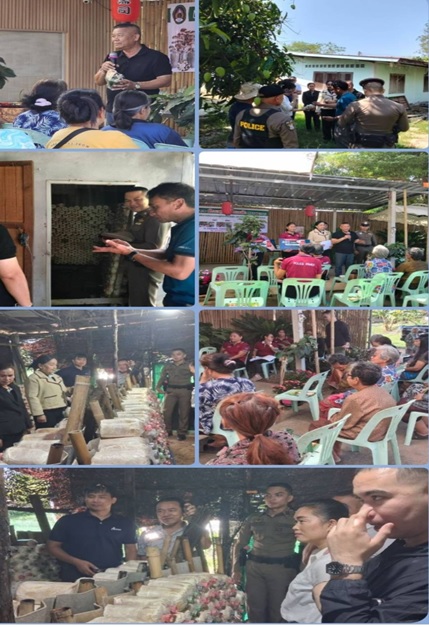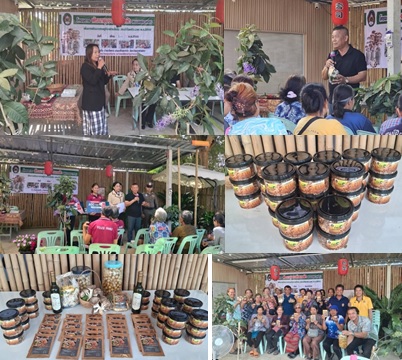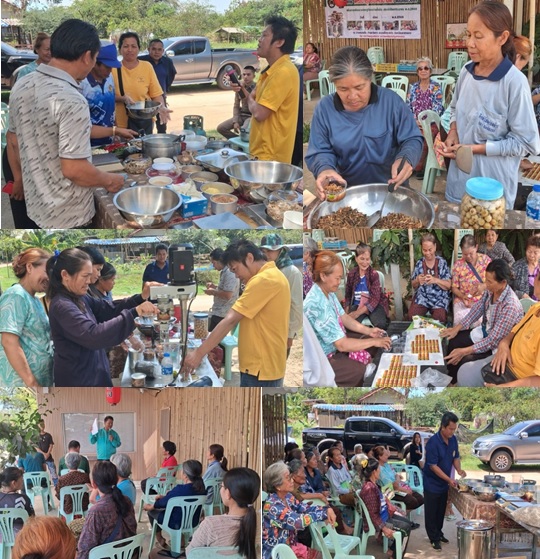
– March 7, 2026 17 มกราคม 2569
– 7 มีนาคม 2569
Part 1: Project Details ส่วนที่ 1 รายละเอียดการดำเนินงาน
Objectives วัตถุประสงค์โครงการ
1. To improve mushroom cultivation and processing practices through the transfer of agricultural technologies.
2. To develop mushroom-based products as marketable goods for the community enterprise group.
3. To expand distribution channels for mushroom-based products.
1. เพื่อพัฒนากระบวนการปลูกและแปรรูปเห็ดโดยการถ่ายทอดเทคโนโลยีทางการเกษตร
2. เพื่อพัฒนาผลิตภัณฑ์จากเห็ดเป็นสินค้าของกลุ่มวิสาหกิจชุมชน
3. เพื่อเพิ่มช่องทางการจัดจำหน่ายของผลิตภัณฑ์จากเห็ด
Main Activities กิจกรรมหลัก
1. Practical Training Workshop on Integrated Mushroom Cultivation Systems
2. Practical Training Workshop on Mushroom Processing and Product Development
3. Practical Training Workshop on Market Development for Economic Enhancement
1. อบรมเชิงปฏิบัติการหลักสูตร/ระบบการเพาะเห็ดแบบครบวงจร
2. อบรมเชิงปฏิบัติการหลักสูตรกระบวนการแปรรูปผลิตภัณฑ์จากเห็ด/ผลิตภัณฑ์จากเห็ด
3. อบรมเชิงปฏิบัติการยกระดับเศรษฐกิจการสร้างตลาด
Part 2: Outcomes & Impact ส่วนที่ 2 ผลลัพธ์และผลกระทบ
Outcomes ผลลัพธ์ที่เกิดขึ้น
1. To improve mushroom cultivation and processing practices through the transfer of agricultural technologies.
2. To develop mushroom-based products as marketable goods for the community enterprise group.
3. To expand distribution channels for mushroom-based products.
1. พัฒนากระบวนการปลูกและแปรรูปเห็ดโดยการถ่ายทอดเทคโนโลยีทางการเกษตร
2. พัฒนาผลิตภัณฑ์จากเห็ดเป็นสินค้าของกลุ่มวิสาหกิจชุมชน
3. เพิ่มช่องทางการจัดจำหน่ายของผลิตภัณฑ์จากเห็ด
Community & Social Impact ผลกระทบต่อชุมชน/สังคม
1. Economic Aspect: Community income increases by 10%.
2. Social Aspect: Employment and livelihood opportunities are created within the community. Community members strengthen their collaboration and collective capacity, resulting in a 10% increase in the Gross Happiness Index (GVH).
3. Educational Aspect: Students and community members engage in knowledge exchange through the integration of teaching and learning with academic outreach services, thereby promoting lifelong learning.
4. Environmental Aspect: Community products are developed in accordance with the Low-Water Agriculture concept, emphasizing efficient resource utilization and environmental conservation. This initiative serves as a starting point for establishing model farmers who can demonstrate and promote sustainable agricultural practices.
1. ด้านเศรษฐกิจ ชุมชนมีรายได้เพิ่มขึ้นร้อยละ 10
2. ด้านสังคม เกิดการสร้างงานสร้างอาชีพในชุมชน มีการรวมกลุ่มกันของชุมชนสร้างความเข้มแข็งในชุมชน ดัชนีความสุขมวลรวม (GVH) เพิ่มขึ้นร้อยละ 10
3. ด้านการศึกษา นักศึกษาและชุมชนเกิดการแลกเปลี่ยนเรียนรู้จากการบูรณาการการเรียนการสอนสู่การบริการวิชาการ ส่งเสริมการเรียนรู้ตลอดชีวิต
4. ด้านสิ่งแวดล้อม ผลิตภัณฑ์ชุมชนตามแบบ Low water agriculture ที่มีการใช้ทรัพยากรอย่างคุ้มค่าและอนุรักษ์สิ่งแวดล้อม เป็นจุดเริ่มต้นของเกษตรกรที่เป็นต้นแบบ
Student & Staff Participation การมีส่วนร่วมของนักศึกษา/บุคลากร
Participated in observations and fieldwork activities in collaboration with the committee and community members. ได้ร่วมสังเกตุการณ์ และลงพื้นที่ปฎิบัติการร่วมกับคณะกรรมการและชุมชน
Project Continuity ความต่อเนื่องของโครงการ
Project Continuity
1. Production and Technology Transfer
Build upon the integrated oyster mushroom cultivation system by continuously applying the knowledge and technologies acquired through the project to actual production. Improve greenhouse management, spawn incubation, fruiting and harvesting processes, and product quality control to reduce losses and enhance the production efficiency of the Ban Nong No Women’s Group.
2. Product Processing and Value Addition
Encourage the community to continuously produce and develop mushroom-based products by building upon the products developed through the project, namely crispy mushroom chili paste and mushroom curry powder. Further improve product quality, packaging, and product standards to increase product value and strengthen the competitiveness of the community enterprise.
3. Marketing and Distribution
Support the community group in continuously utilizing both online and offline distribution channels, such as OTOP shops, local community stores, Facebook, and Instagram. In addition, foster collaboration with partner organizations and networks to expand the customer base and increase opportunities for product distribution.
4. Monitoring and Sustainable Income Generation
Monitor project implementation after its completion by evaluating production volume, sales, members’ income, and the group’s ability to continue its activities. Particular attention should be paid to ensuring that income increases from the previous level and that the increased income is sustained for at least one quarter after the project ends, in accordance with the indicators specified in the project report.
5. Networking and Collaborative Learning
Promote collaboration among Maha Sarakham Rajabhat University, the Ban Nong No Women’s Group, government agencies, and local administrative organizations to facilitate knowledge transfer, provide consultation, and continuously strengthen community capacity. Encourage students to participate in learning activities and academic outreach services so that community members can independently share their knowledge with other members and neighboring communities.
Summary of Project Continuity
This project builds upon the knowledge and achievements of previous implementation activities and extends them toward the development of an integrated mushroom cultivation system, value-added product processing, and expanded marketing channels. The project aims to enable the Ban Nong No Women’s Group to independently manage production and distribution, increase household income, create employment and livelihood opportunities, and strengthen community capacity. It also seeks to establish a collaborative network between the university and the community to ensure that grassroots economic development can continue in a stable and sustainable manner.
1. ด้านการผลิตและการถ่ายทอดเทคโนโลยี
ต่อยอดระบบการเพาะเห็ดนางฟ้าแบบครบวงจร โดยนำองค์ความรู้และเทคโนโลยีที่ได้รับจากโครงการไปใช้ในการผลิตจริงอย่างต่อเนื่อง พัฒนาการจัดการโรงเรือน การบ่มก้อนเชื้อ การเปิดดอกและการเก็บเกี่ยว รวมถึงการควบคุมคุณภาพผลผลิต เพื่อลดความเสียหายและเพิ่มประสิทธิภาพการผลิตของกลุ่มสตรีบ้านหนองโน รายงานโครงการยุทธศาสตร์
2. ด้านการแปรรูปและการเพิ่มมูลค่าผลิตภัณฑ์
ส่งเสริมให้ชุมชนผลิตและพัฒนาผลิตภัณฑ์จากเห็ดอย่างต่อเนื่อง โดยต่อยอดผลิตภัณฑ์ที่ได้จากโครงการ ได้แก่ น้ำพริกเห็ดกรอบและผงแกงเห็ด พร้อมพัฒนาคุณภาพ บรรจุภัณฑ์ และมาตรฐานผลิตภัณฑ์ เพื่อเพิ่มมูลค่าสินค้าและสร้างความสามารถในการแข่งขันของวิสาหกิจชุมชน
3. ด้านการตลาดและการจัดจำหน่าย
สนับสนุนให้กลุ่มชุมชนใช้ช่องทางจำหน่ายทั้งออนไลน์และออฟไลน์อย่างต่อเนื่อง เช่น ร้าน OTOP ร้านค้าในชุมชน Facebook และ Instagram พร้อมทั้งสร้างความร่วมมือกับหน่วยงานภาคีเครือข่าย เพื่อขยายฐานลูกค้าและเพิ่มโอกาสในการจำหน่ายผลิตภัณฑ์
4. ด้านการติดตามผลและการสร้างรายได้อย่างยั่งยืน
ติดตามผลการดำเนินงานหลังสิ้นสุดโครงการ โดยประเมินปริมาณผลผลิต ยอดขาย รายได้ของสมาชิก และความสามารถในการดำเนินกิจกรรมของกลุ่มอย่างต่อเนื่อง โดยเฉพาะการติดตามรายได้ให้เพิ่มขึ้นจากเดิมและรักษาระดับรายได้ที่เพิ่มขึ้น อย่างน้อย 1 ไตรมาสหลังสิ้นสุดโครงการ ตามตัวชี้วัดที่กำหนดไว้ในรายงาน รายงานโครงการยุทธศาสตร์
5. ด้านการสร้างเครือข่ายและการเรียนรู้ร่วมกัน
ส่งเสริมความร่วมมือระหว่างมหาวิทยาลัยราชภัฏมหาสารคาม กลุ่มสตรีบ้านหนองโน หน่วยงานภาครัฐ และองค์กรปกครองส่วนท้องถิ่น เพื่อถ่ายทอดองค์ความรู้ ให้คำปรึกษา และพัฒนาศักยภาพของชุมชนอย่างต่อเนื่อง รวมถึงส่งเสริมให้นักศึกษาเข้ามามีส่วนร่วมในการเรียนรู้และบริการวิชาการ เพื่อให้ชุมชนสามารถถ่ายทอดความรู้แก่สมาชิกและชุมชนใกล้เคียงได้ด้วยตนเอง
สรุปความต่อเนื่องของโครงการ
โครงการนี้มีความต่อเนื่องจากการนำองค์ความรู้และผลสำเร็จจากการดำเนินงานที่ผ่านมา มาต่อยอดสู่การพัฒนาระบบการเพาะเห็ดแบบครบวงจร การแปรรูปผลิตภัณฑ์เพื่อเพิ่มมูลค่า และการขยายช่องทางการตลาด โดยมุ่งเน้นให้กลุ่มสตรีบ้านหนองโนสามารถบริหารจัดการการผลิตและการจำหน่ายได้ด้วยตนเอง มีรายได้เพิ่มขึ้น เกิดการสร้างอาชีพและความเข้มแข็งของชุมชน ตลอดจนสร้างเครือข่ายความร่วมมือระหว่างมหาวิทยาลัยกับชุมชน เพื่อให้การพัฒนาเศรษฐกิจฐานรากดำเนินต่อไปได้อย่างมั่นคงและยั่งยืน
Part 3: Challenges & Suggestions ส่วนที่ 3 ปัญหาอุปสรรค/ข้อเสนอแนะ
Problems & Obstacles ปัญหา/อุปสรรค
1. Production: The community group needs to further develop its skills and improve the efficiency of the integrated oyster mushroom cultivation system, particularly in greenhouse management, mushroom spawn block care, and product quality control, to ensure continuous production and minimize losses.
2. Product Processing: Although the community has developed mushroom-based processed products, including crispy mushroom chili paste and mushroom curry powder, further improvements in product quality, packaging, and product standards are needed to increase product value and build consumer confidence.
3. Marketing: Expanding distribution channels remains an important ongoing priority to reach a broader customer base and create more opportunities to sell products through both online and offline channels.
4. Income and Sustainability: Post-project monitoring is necessary to assess the continuity of production, sales performance, and members’ income, as well as the group’s ability to independently manage its activities.
5. Collaborative Networks: Sustained community development requires collaboration among the university, the community, and relevant organizations to support knowledge transfer, provide consultation, and strengthen members’ capacities over the long term.
1. ด้านการผลิต: กลุ่มชุมชนยังจำเป็นต้องพัฒนาทักษะและระบบการเพาะเห็ดนางฟ้าแบบครบวงจรให้มีประสิทธิภาพมากยิ่งขึ้น โดยเฉพาะการจัดการโรงเรือน การดูแลก้อนเชื้อ และการควบคุมคุณภาพผลผลิต เพื่อให้สามารถผลิตได้อย่างต่อเนื่องและลดความเสียหาย
2. ด้านการแปรรูปผลิตภัณฑ์: แม้ชุมชนจะมีผลิตภัณฑ์แปรรูปจากเห็ด ได้แก่ น้ำพริกเห็ดกรอบและผงแกงเห็ด แต่ยังควรพัฒนาคุณภาพผลิตภัณฑ์ บรรจุภัณฑ์ และมาตรฐานสินค้า เพื่อเพิ่มมูลค่าและสร้างความน่าเชื่อถือให้แก่ผู้บริโภค
3. ด้านการตลาด: การขยายช่องทางการจัดจำหน่ายยังเป็นประเด็นสำคัญที่ต้องดำเนินการอย่างต่อเนื่อง เพื่อเพิ่มการเข้าถึงกลุ่มลูกค้าและสร้างโอกาสในการจำหน่ายผลิตภัณฑ์ทั้งช่องทางออนไลน์และออฟไลน์
4. ด้านรายได้และความยั่งยืน: จำเป็นต้องติดตามผลการดำเนินงานหลังสิ้นสุดโครงการ เพื่อประเมินความต่อเนื่องของการผลิต ยอดขาย และรายได้ของสมาชิก รวมถึงความสามารถของกลุ่มในการบริหารจัดการกิจกรรมด้วยตนเอง
5. ด้านเครือข่ายความร่วมมือ: การพัฒนาชุมชนให้เกิดความต่อเนื่องจำเป็นต้องอาศัยความร่วมมือระหว่างมหาวิทยาลัย ชุมชน และหน่วยงานที่เกี่ยวข้อง เพื่อสนับสนุนองค์ความรู้ การให้คำปรึกษา และการพัฒนาศักยภาพของสมาชิกในระยะยาว
Improvement Guidelines แนวทางการปรับปรุง
1. Production: The integrated oyster mushroom cultivation system should be continuously improved by encouraging group members to apply the technologies acquired through the project in actual practice. Ongoing monitoring and consultation should be provided on greenhouse management, mushroom spawn block care, harvesting, and product quality control to enhance production efficiency and minimize production losses.
2. Product Processing: Mushroom-based products, including crispy mushroom chili paste and mushroom curry powder, should be further developed to ensure consistent quality, appropriate packaging, and compliance with relevant product standards, as necessary. These improvements will increase product value and strengthen consumer confidence.
3. Marketing and Distribution: Promotional activities should be strengthened, and both online and offline distribution channels should be expanded. Collaboration with retailers and partner organizations should also be encouraged to reach a broader customer base, expand market opportunities, and increase income-generating opportunities for the community.
4. Group Management: The Ban Nong No Women’s Group should be encouraged to establish systematic management practices for production, costs, sales, income, and expenses. Clear task allocation and active participation among members should also be promoted to ensure the continuity of group activities and strengthen the group’s capacity for self-reliance.
5. Monitoring and Evaluation: Continuous post-project monitoring should be conducted to assess production volume, sales, members’ income, and the group’s operational capacity. The findings should be used to improve project implementation and sustain increased income over the long term.
6. Collaborative Networks: Collaboration among Maha Sarakham Rajabhat University, the Ban Nong No Women’s Group, government agencies, and local administrative organizations should be strengthened to facilitate knowledge transfer, provide consultation, and support product and marketing development. Opportunities should also be provided for students to participate in community-based learning and academic outreach activities on an ongoing basis.
Summary
Project improvement should focus on developing an integrated oyster mushroom cultivation system, upgrading the quality of processed products, expanding market access, and strengthening the community group’s management capacity. These efforts should be accompanied by systematic monitoring and evaluation and the development of strong collaborative networks. The ultimate goal is to enable the Ban Nong No Women’s Group to apply the knowledge acquired through the project continuously, increase income, establish stable livelihood opportunities, and promote sustainable community economic development.
1. ด้านการผลิต: ควรพัฒนาระบบการเพาะเห็ดนางฟ้าแบบครบวงจรอย่างต่อเนื่อง โดยส่งเสริมให้สมาชิกนำเทคโนโลยีที่ได้รับจากโครงการไปประยุกต์ใช้จริง พร้อมติดตามและให้คำปรึกษาเกี่ยวกับการจัดการโรงเรือน การดูแลก้อนเชื้อ การเก็บเกี่ยว และการควบคุมคุณภาพผลผลิต เพื่อเพิ่มประสิทธิภาพและลดความเสียหายในการผลิต
2. ด้านการแปรรูปผลิตภัณฑ์: ควรพัฒนาผลิตภัณฑ์จากเห็ด ได้แก่ น้ำพริกเห็ดกรอบและผงแกงเห็ด ให้มีคุณภาพสม่ำเสมอ มีบรรจุภัณฑ์ที่เหมาะสม และได้มาตรฐานตามความจำเป็น เพื่อเพิ่มมูลค่าสินค้าและสร้างความเชื่อมั่นให้แก่ผู้บริโภค
3. ด้านการตลาดและการจัดจำหน่าย: ควรส่งเสริมการประชาสัมพันธ์และขยายช่องทางการจำหน่ายทั้งออนไลน์และออฟไลน์ รวมถึงสร้างความร่วมมือกับร้านค้าและหน่วยงานภาคีเครือข่าย เพื่อเพิ่มการเข้าถึงกลุ่มลูกค้า ขยายตลาด และเพิ่มโอกาสในการสร้างรายได้ให้แก่ชุมชน
4. ด้านการบริหารจัดการกลุ่ม: ควรส่งเสริมให้กลุ่มสตรีบ้านหนองโนมีระบบบริหารจัดการการผลิต ต้นทุน การจำหน่าย และรายรับรายจ่ายอย่างเป็นระบบ ตลอดจนส่งเสริมการแบ่งหน้าที่และการมีส่วนร่วมของสมาชิก เพื่อให้กลุ่มสามารถดำเนินกิจกรรมได้อย่างต่อเนื่องและพึ่งพาตนเองได้มากขึ้น
5. ด้านการติดตามและประเมินผล: ควรจัดให้มีการติดตามผลหลังสิ้นสุดโครงการอย่างต่อเนื่อง โดยประเมินปริมาณผลผลิต ยอดขาย รายได้ของสมาชิก และความสามารถในการดำเนินงานของกลุ่ม เพื่อใช้เป็นข้อมูลในการปรับปรุงการดำเนินงานและรักษาระดับรายได้ที่เพิ่มขึ้นอย่างยั่งยืน
6. ด้านเครือข่ายความร่วมมือ: ควรส่งเสริมความร่วมมือระหว่างมหาวิทยาลัยราชภัฏมหาสารคาม กลุ่มสตรีบ้านหนองโน หน่วยงานภาครัฐ และองค์กรปกครองส่วนท้องถิ่น ในการถ่ายทอดองค์ความรู้ ให้คำปรึกษา และสนับสนุนการพัฒนาผลิตภัณฑ์และการตลาด รวมทั้งเปิดโอกาสให้นักศึกษาได้มีส่วนร่วมในการเรียนรู้และบริการวิชาการแก่ชุมชนอย่างต่อเนื่อง
สรุป
ควรปรับปรุงการดำเนินโครงการโดยมุ่งเน้นการพัฒนาระบบการผลิตเห็ดนางฟ้าแบบครบวงจร การยกระดับคุณภาพผลิตภัณฑ์แปรรูป การขยายตลาด และการเสริมสร้างศักยภาพในการบริหารจัดการของกลุ่มชุมชน ควบคู่กับการติดตามและประเมินผลอย่างเป็นระบบ ตลอดจนการสร้างเครือข่ายความร่วมมือที่เข้มแข็ง เพื่อให้กลุ่มสตรีบ้านหนองโนสามารถนำองค์ความรู้ไปใช้ประโยชน์ได้อย่างต่อเนื่อง เพิ่มรายได้ สร้างความมั่นคงทางอาชีพ และนำไปสู่การพัฒนาเศรษฐกิจชุมชนอย่างยั่งยืน
Suggestions to University ข้อเสนอแนะต่อมหาวิทยาลัย
1. Production: Continuous monitoring and consultation should be provided to the community group, while the adoption of appropriate technologies for oyster mushroom cultivation should be encouraged to improve production efficiency and ensure that product quality meets established standards.
2. Product Processing: The continuous development of mushroom-based products should be promoted, including improvements in product formulations, packaging, and product standards, to increase product value and create product differentiation in the community market.
3. Marketing: Support should be provided for product promotion and distribution through both online and offline channels. Collaboration with retailers and relevant organizations should also be strengthened to expand market reach and increase community income.
4. Monitoring and Evaluation: A clear post-project monitoring and evaluation system should be established, focusing on production volume, sales, members’ income, and the group’s operational capacity. Particular attention should be given to sustaining the increased income for at least one quarter after the project concludes.
5. Collaboration and Sustainability: Collaboration among Maha Sarakham Rajabhat University, the Ban Nong No Women’s Group, government agencies, and local administrative organizations should be strengthened to facilitate knowledge transfer, build community capacity, and enable group members to independently manage production and marketing activities over the long term.
1. ด้านการผลิต: ควรมีการติดตามและให้คำปรึกษาแก่กลุ่มชุมชนอย่างต่อเนื่อง พร้อมส่งเสริมการนำเทคโนโลยีที่เหมาะสมมาใช้ในการเพาะเห็ดนางฟ้า เพื่อเพิ่มประสิทธิภาพการผลิตและควบคุมคุณภาพให้ได้มาตรฐาน
2. ด้านการแปรรูป: ควรส่งเสริมการพัฒนาผลิตภัณฑ์จากเห็ดอย่างต่อเนื่อง ทั้งด้านสูตรผลิตภัณฑ์ บรรจุภัณฑ์ และมาตรฐานสินค้า เพื่อเพิ่มมูลค่าและสร้างความแตกต่างให้กับผลิตภัณฑ์ชุมชน
3. ด้านการตลาด: ควรสนับสนุนการประชาสัมพันธ์และการจำหน่ายผลิตภัณฑ์ผ่านช่องทางออนไลน์และออฟไลน์ รวมถึงสร้างเครือข่ายกับร้านค้าและหน่วยงานที่เกี่ยวข้อง เพื่อขยายตลาดและเพิ่มรายได้ให้แก่ชุมชน
4. ด้านการติดตามผล: ควรกำหนดระบบติดตามและประเมินผลหลังสิ้นสุดโครงการอย่างชัดเจน โดยพิจารณาจากปริมาณผลผลิต ยอดขาย รายได้ของสมาชิก และความสามารถในการดำเนินงานของกลุ่ม โดยเฉพาะการรักษาระดับรายได้ที่เพิ่มขึ้นอย่างน้อย 1 ไตรมาสหลังสิ้นสุดโครงการ
5. ด้านความร่วมมือและความยั่งยืน: ควรส่งเสริมความร่วมมือระหว่างมหาวิทยาลัยราชภัฏมหาสารคาม กลุ่มสตรีบ้านหนองโน หน่วยงานภาครัฐ และองค์กรปกครองส่วนท้องถิ่น เพื่อถ่ายทอดองค์ความรู้ พัฒนาศักยภาพของชุมชน และสนับสนุนให้สมาชิกสามารถบริหารจัดการการผลิตและการตลาดได้ด้วยตนเองในระยะยาว