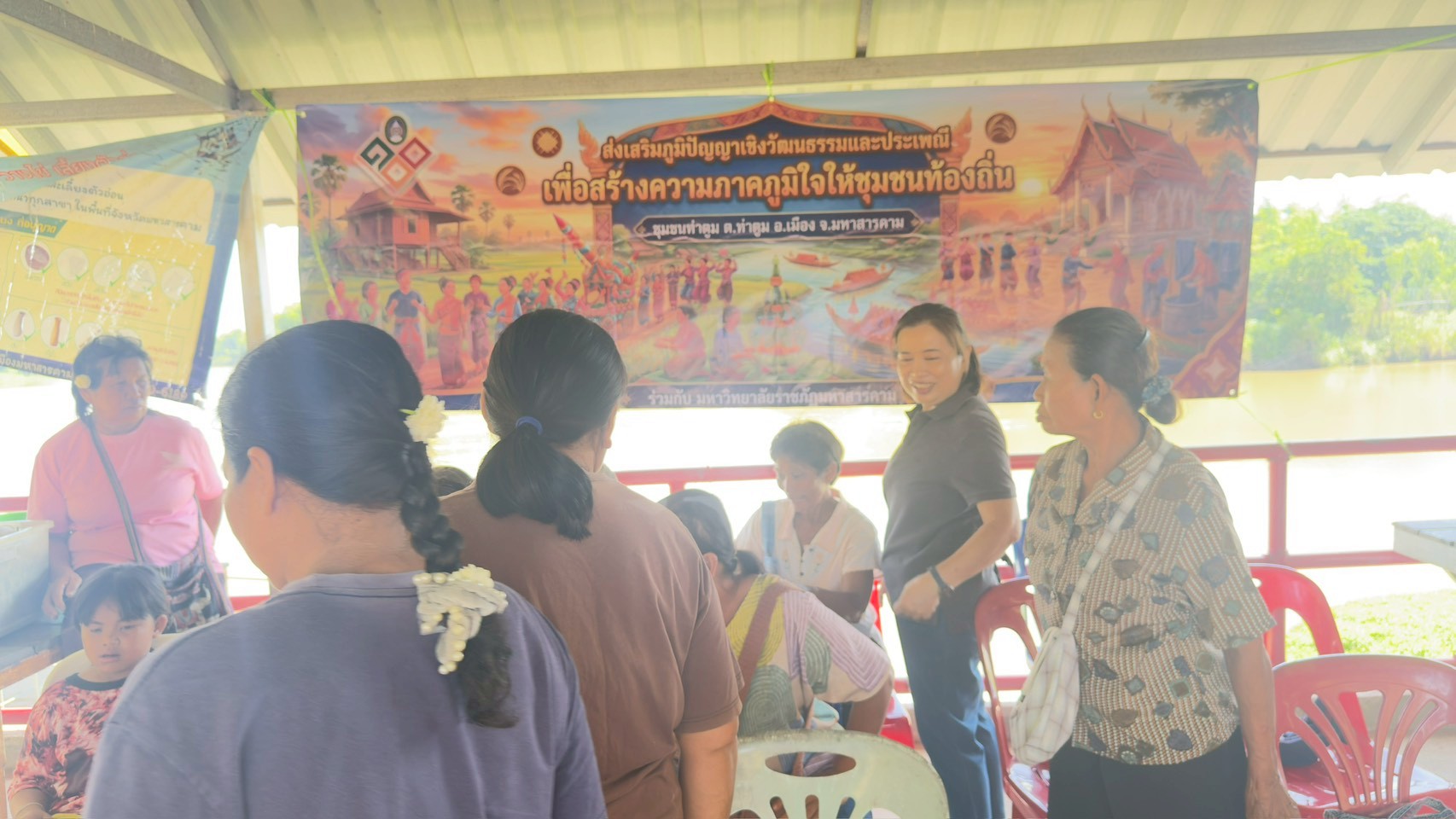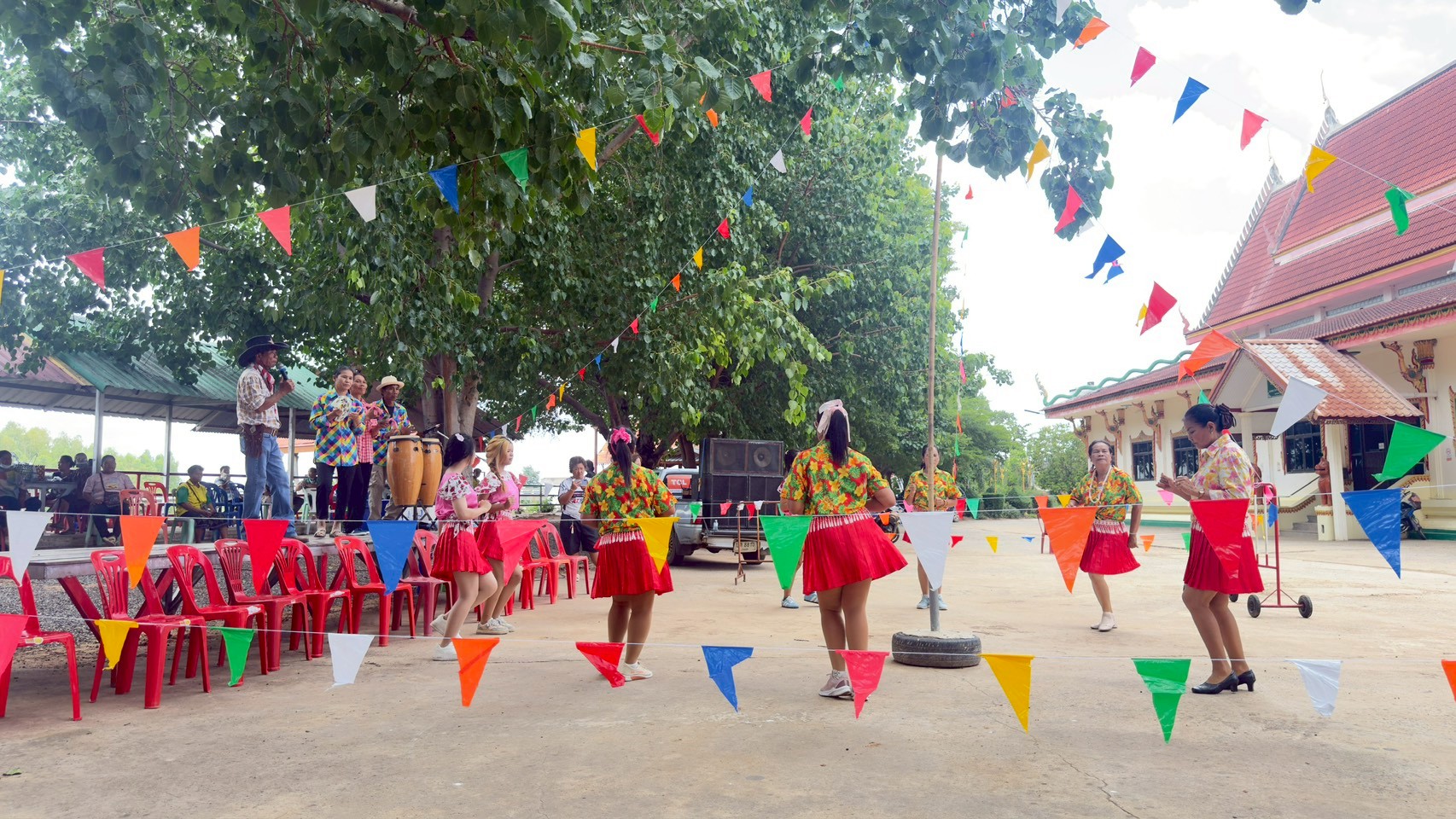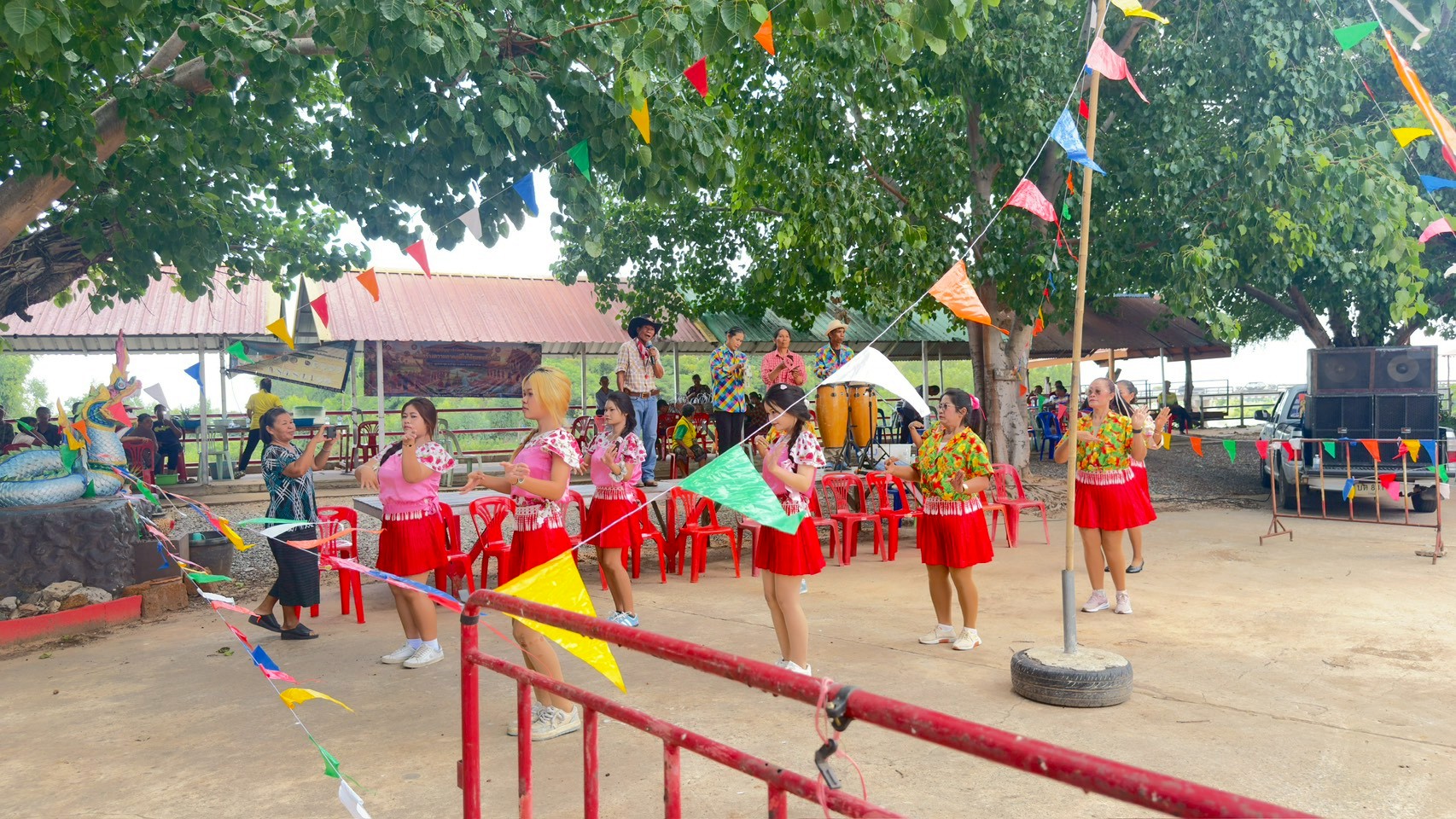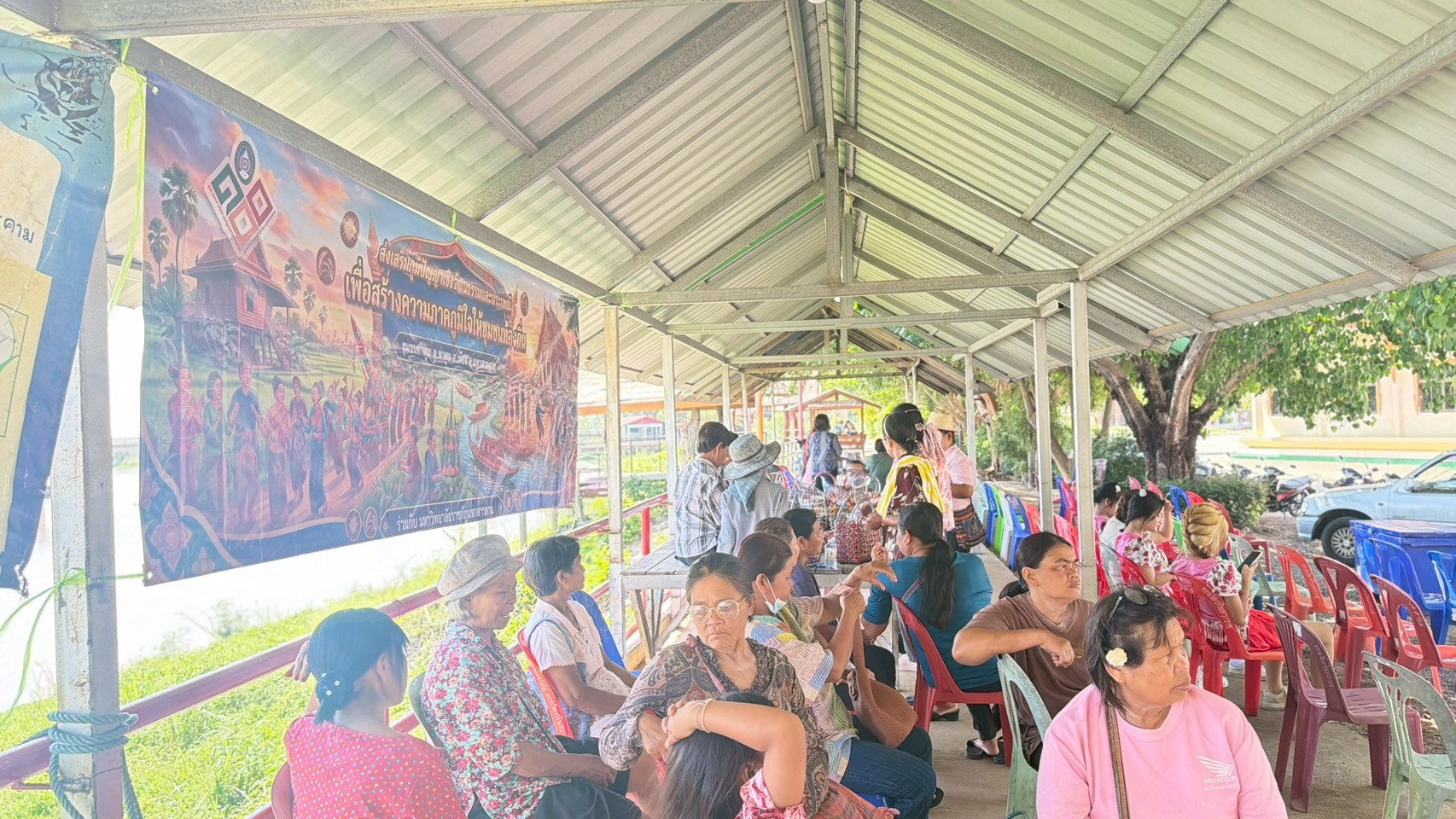
– March 9, 2569 11 มกราคม 3111
– 9 มีนาคม 3112
Part 1: Project Details ส่วนที่ 1 รายละเอียดการดำเนินงาน
Objectives วัตถุประสงค์โครงการ
1. To preserve and revitalize local wisdom, fostering pride in the community's unique identity.
2. To promote community participation in cultural preservation.
3. To stimulate cultural tourism within the community and strengthen the local economy.
1. เพื่ออนุรักษ์ ฟื้นฟูภูมิปัญญาท้องถิ่นและสร้างความภาคภูมิใจในอัตลักษณ์ของชุมชน
2. เพื่อส่งเสริมการมีส่วนร่วมของชุมชนในการอนุรักษ์วัฒนธรรม
3. เพื่อกระตุ้นการท่องเที่ยวเชิงวัฒนธรรมในชุมชนและเสริมสร้างเศรษฐกิจท้องถิ่น
Main Activities กิจกรรมหลัก
1. Preserving and revitalizing local wisdom, and fostering pride in community identity.
2. Promoting community participation in cultural preservation.
3. Developing cultural products and activities to generate income for the community.
4. Stimulating cultural tourism and strengthening the local economy.
1. การอนุรักษ์ ฟื้นฟูภูมิปัญญาท้องถิ่นและสร้างความภาคภูมิใจในอัตลักษณ์ของชุมชน
2. ส่งเสริมการมีส่วนร่วมของชุมชนในการอนุรักษ์วัฒนธรรม
3. พัฒนาผลิตภัณฑ์และกิจกรรมเชิงวัฒนธรรมที่สามารถสร้างรายได้ให้แก่ชุมชน
4. กระตุ้นการท่องเที่ยวเชิงวัฒนธรรมและเสริมสร้างเศรษฐกิจในชุมชน
Part 2: Outcomes & Impact ส่วนที่ 2 ผลลัพธ์และผลกระทบ
Outcomes ผลลัพธ์ที่เกิดขึ้น
1. Local Wisdom Documentation and Database
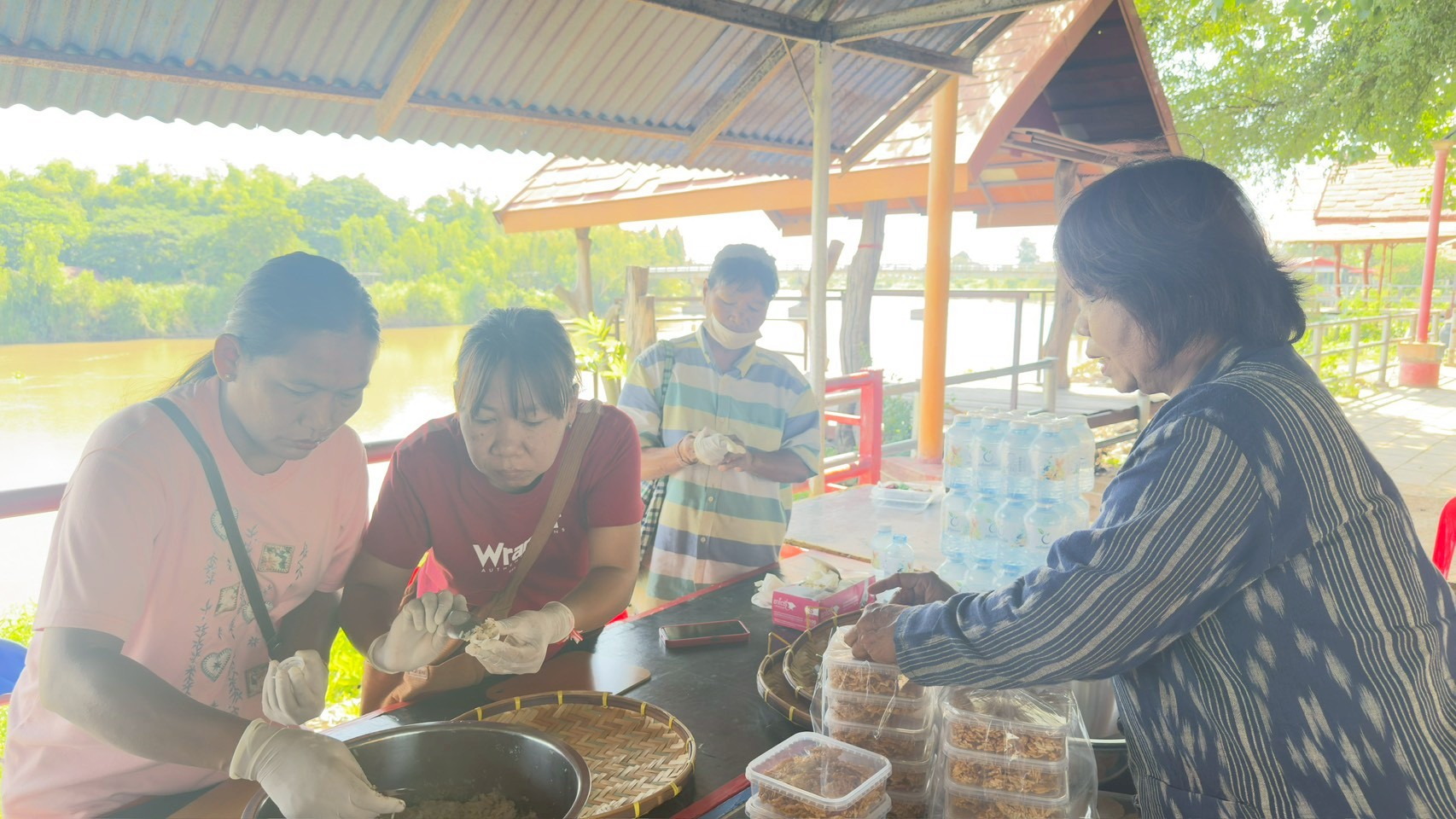
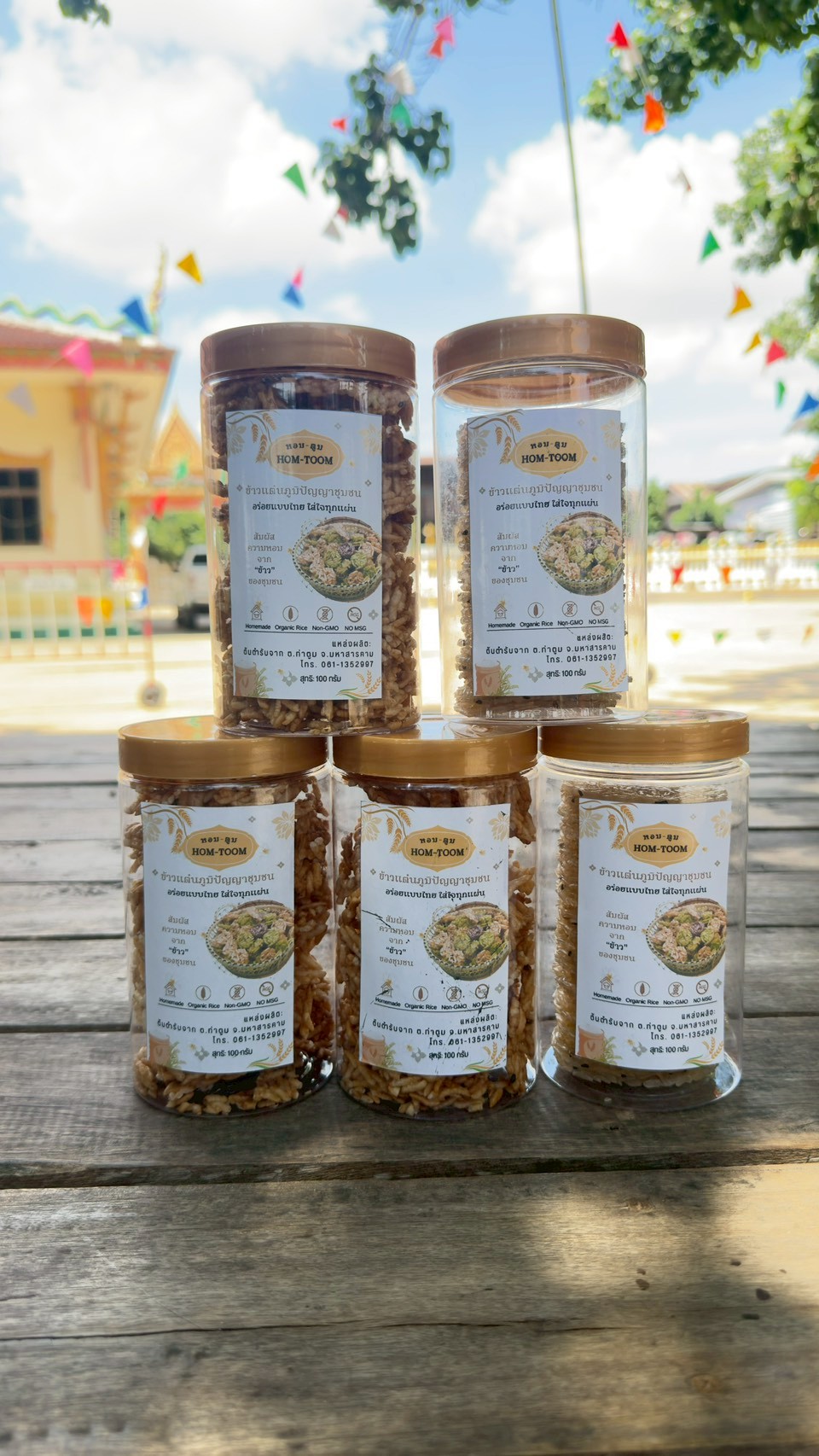
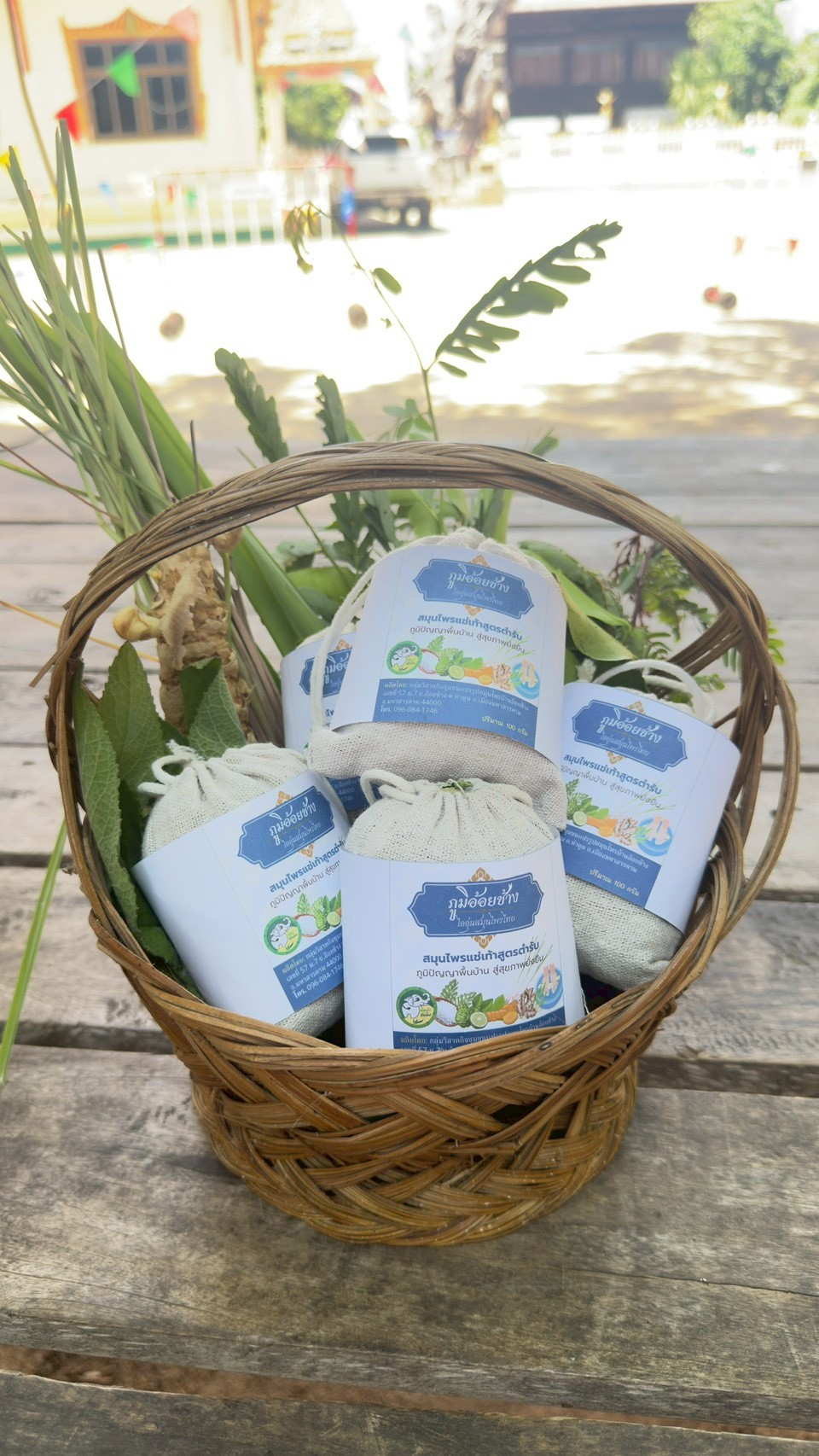
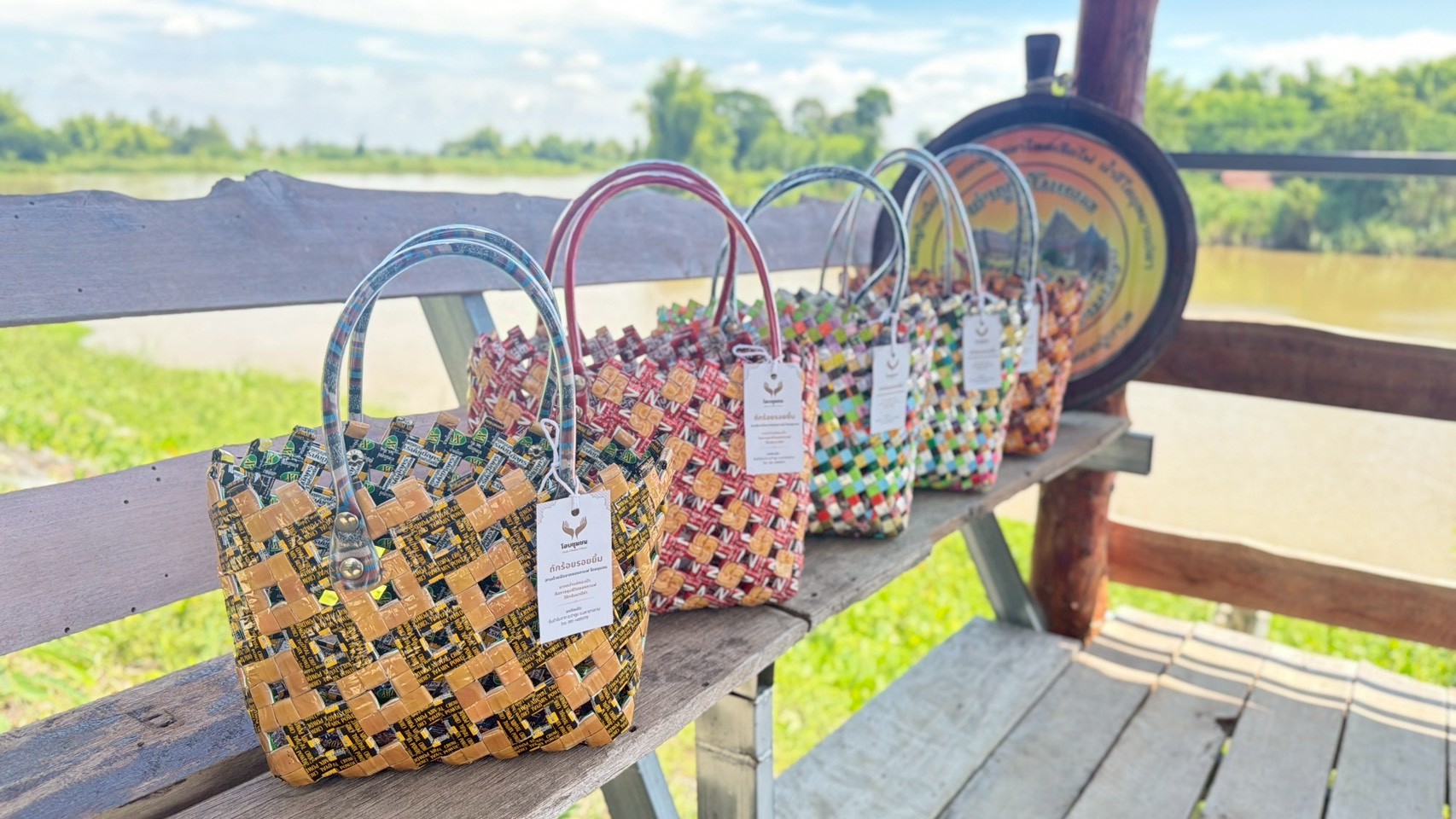
2. Local Wisdom Products
3. Traditional Activities and Local Events
4. Online Resources or Promotional Media
5. Collaborative Networks
1. เอกสารและฐานข้อมูลภูมิปัญญาท้องถิ่น
2. ผลิตภัณฑ์จากภูมิปัญญาท้องถิ่น
3. กิจกรรมประเพณีและการจัดงานท้องถิ่น
4. แหล่งข้อมูลออนไลน์หรือสื่อเผยแพร่
5. เครือข่ายความร่วมมือ
Community & Social Impact ผลกระทบต่อชุมชน/สังคม
1. Economic Aspect
Economic Aspect: It helps provide additional income streams for the community by creating new marketing channels. Furthermore, developing cultural tourism will strengthen the local economy and increase employment opportunities within the community.
2. Social Aspect
Social Aspect: The development of cultural and eco-tourism will enable the community to attract environmentally responsible tourists. This, in turn, will stimulate natural conservation alongside economic development.
3. Educational Aspect
Educational Aspect: It promotes education and learning about local wisdom through training programs, the creation of educational media, and hands-on, experiential learning.
4. Environmental & Cultural Aspect
Environmental and Cultural Aspect: It fosters pride in local identity by promoting and preserving local traditions and cultures. Moreover, working together on the project will enhance cooperation among community members, as well as collaboration with external organizations.
1. ด้านเศรษฐกิจ ช่วยให้ชุมชนมีแหล่งรายได้เพิ่มขึ้น โดยการสร้างช่องทางการตลาดใหม่ ๆ การพัฒนาท่องเที่ยวเชิงวัฒนธรรมจะช่วยเสริมสร้างเศรษฐกิจในระดับท้องถิ่น และ ช่วยเพิ่มโอกาสในการสร้างงานในชุมชน
2. ด้านสังคม การพัฒนาการท่องเที่ยวเชิงวัฒนธรรมและเชิงนิเวศน์ จะทําให้ชุมชนสามารถดึงดูดนักท่องเที่ยวที่มีความรับผิดชอบต่อสิ่งแวดล้อม และสร้างแรงกระตุ้นให้เกิดการอนุรักษ์ธรรมชาติควบคู่ไปกับการพัฒนาเศรษฐกิจ
3. ด้านการศึกษา ส่งเสริมการศึกษาและการเรียนรู้เกี่ยวกับภูมิปัญญาท้องถิ่นผ่านการจัดอบรม, การสร้างสื่อการเรียนรู้, และการเรียนรู้จากประสบการณ์จริง
4. ด้านสิ่งแวดล้อม ช่วยเสริมสร้างความภูมิใจในอัตลักษณ์ท้องถิ่น โดยการส่งเสริมและอนุรักษ์ประเพณีและวัฒนธรรมท้องถิ่น การทํางานร่วมกันในโครงการจะส่งผลให้เกิดความร่วมมือระหว่างสมาชิกในชุมชน รวมถึงการร่วมมือกับองค์กรภายนอก
Student & Staff Participation การมีส่วนร่วมของนักศึกษา/บุคลากร
Student
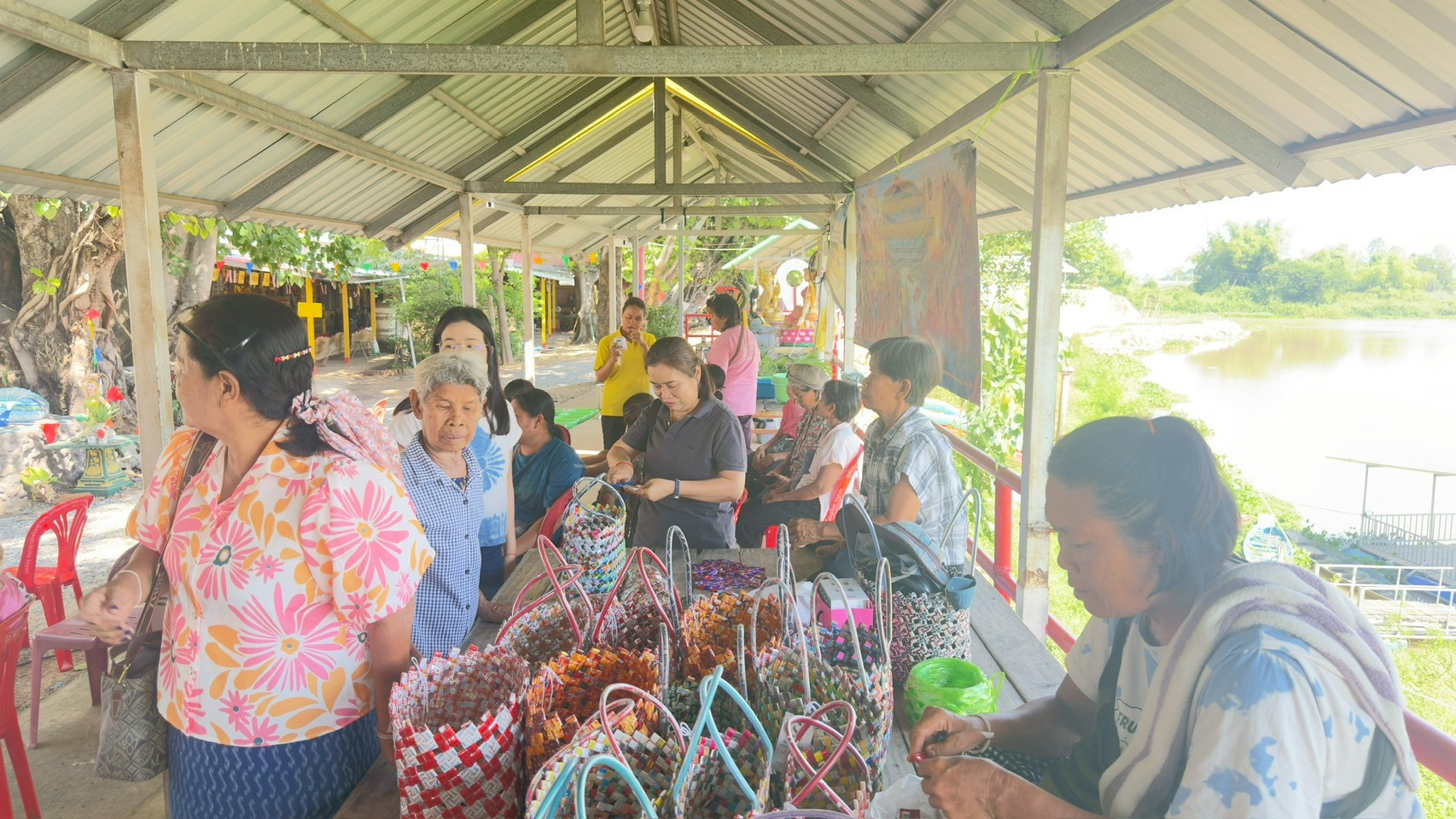
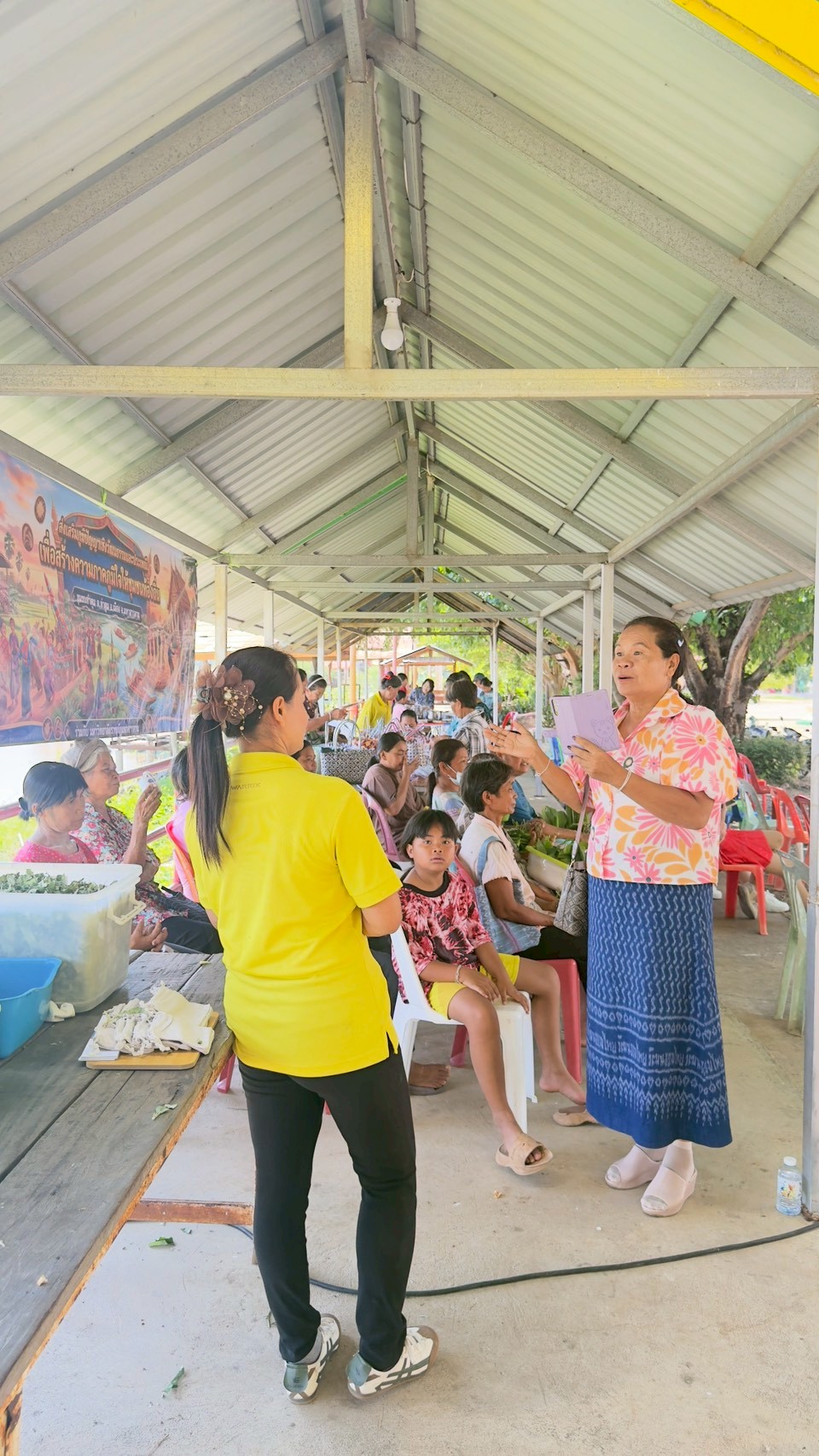
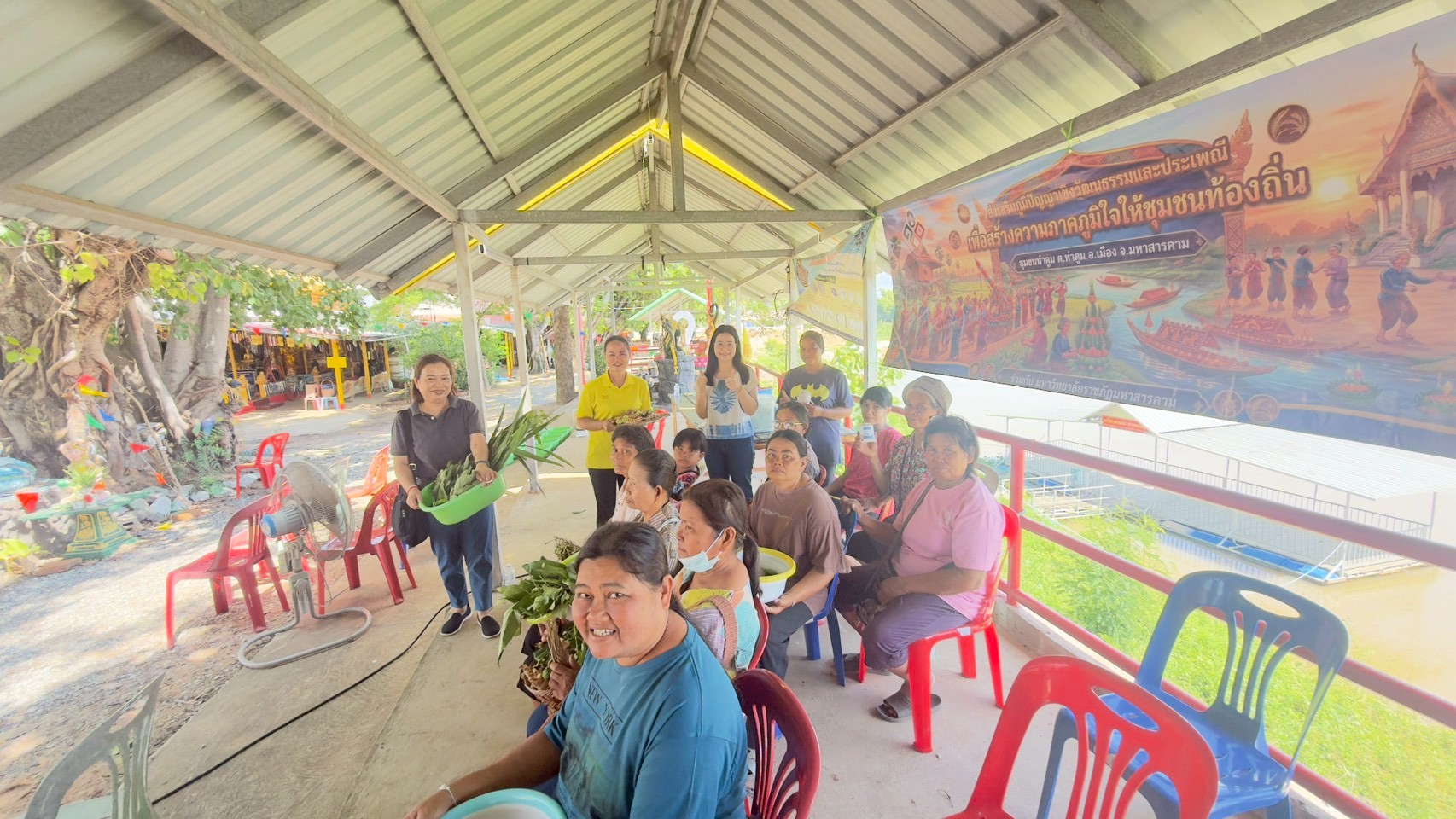
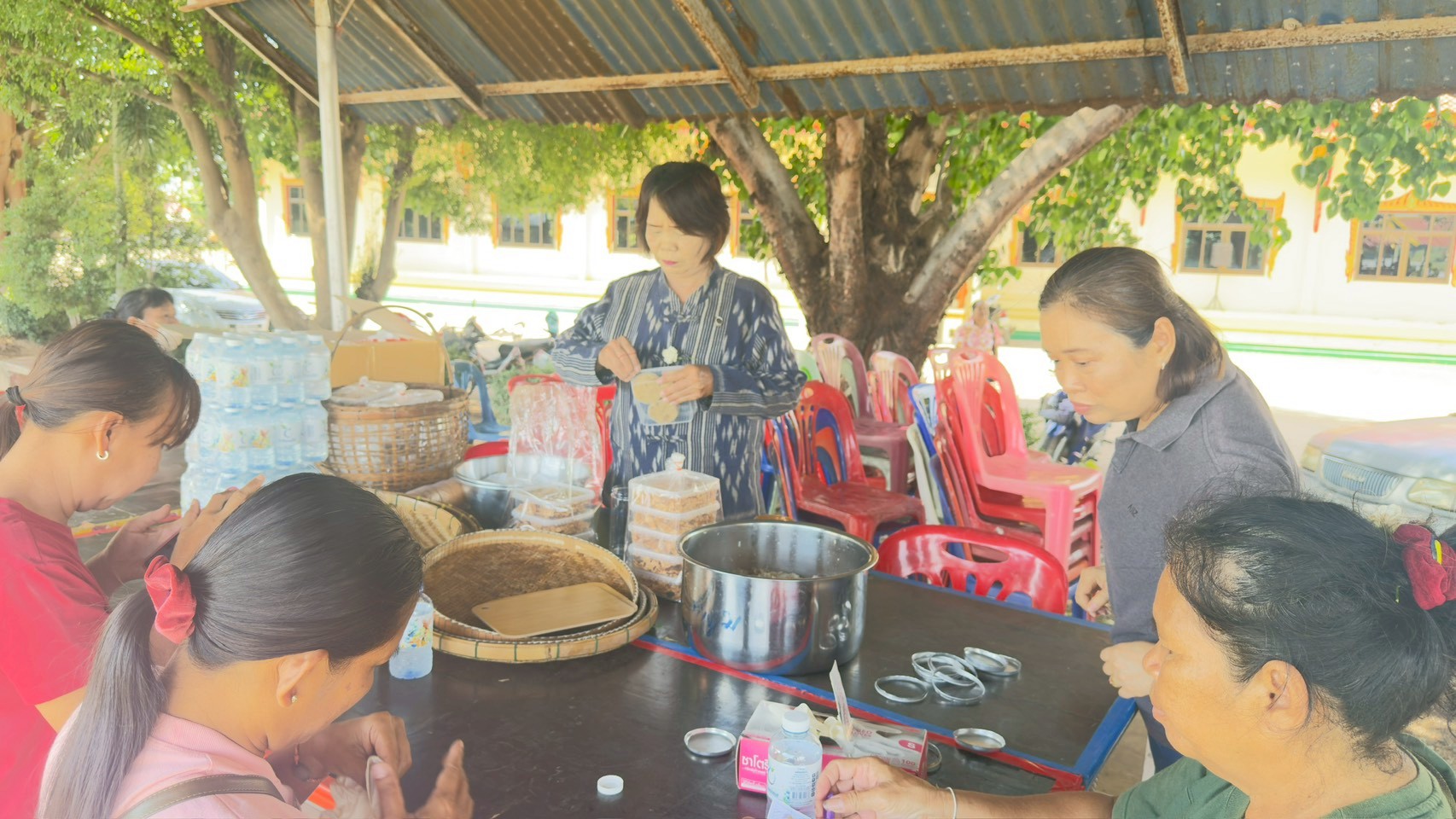
1. Students will undergo a hands-on training workshop on "Being a Social Engineer and Working with Communities" to prepare themselves. Following this, they will conduct fieldwork in the Tha Tum Subdistrict community, collaborating with guest speakers and community leaders to survey and study local wisdom, traditions, unique identity, and community products.
2. Students will participate in focus group brainstorming sessions with local residents on the topic of "Cultures, Traditions, and Wisdom That Should Be Preserved," as well as plan and create authentic knowledge media tailored for the digital era.
3. Students will join brainstorming sessions with the speaker team and community leaders regarding "Designing Cultural Tourism Programs in Actual Areas." They will also participate in learning reflection activities, exchange ideas, and extract lessons learned to transfer knowledge back to the community.
Staff Participation
University personnel and partner organizations play a crucial role as managers, experts, and facilitators in organizing activities. They are responsible for monitoring, evaluating project success, and preparing the final comprehensive report, as well as utilizing the knowledge gained from this local academic service to produce one research article to contribute to the university's academic achievements.
การมีส่วนร่วมของนักศึกษา
1. นักศึกษาจะได้รับการฝึกอบรมเชิงปฏิบัติการในเรื่อง "การเป็นวิศวกรสังคมและการทำงานกับชุมชน" เพื่อเตรียมความพร้อม จากนั้น นักศึกษาจะทำหน้าที่ลงพื้นที่ชุมชนตำบลท่าตูม ร่วมกับวิทยากรและผู้นำชุมชน เพื่อสำรวจและศึกษาภูมิปัญญาท้องถิ่น ประเพณี อัตลักษณ์ และผลิตภัณฑ์ชุมชน
2. นักศึกษาจะมีส่วนร่วมในกิจกรรมกลุ่มระดมความคิดเห็นร่วมกับชาวบ้านในประเด็น "วัฒนธรรม ประเพณี และภูมิปัญญาที่ควรอนุรักษ์" วางแผนและจัดทำสื่อองค์ความรู้จริงในยุคดิจิทัล
3. นักศึกษาจะเข้าร่วมระดมสมองกับทีมวิทยากรและผู้นำชุมชนใน "การออกแบบโปรแกรมการท่องเที่ยวเชิงวัฒนธรรมในพื้นที่จริง" กิจกรรมสะท้อนผลการเรียนรู้ แลกเปลี่ยนความคิดเห็น และถอดบทเรียนเพื่อถ่ายทอดองค์ความรู้คืนสู่ชุมชน
บุคลากรของมหาวิทยาลัยและหน่วยงานภาคีมีบทบาทสำคัญในฐานะ "ผู้บริหารจัดการ ผู้เชี่ยวชาญ และผู้อำนวยความสะดวก ในการจัดกิจกรรม และทำหน้าที่ติดตาม ประเมินผลความสำเร็จ และทำรายงานสรุปฉบับสมบูรณ์ พร้อมทั้งนำองค์ความรู้จากการบริการวิชาการในพื้นที่ไปเขียนเป็น "บทความวิจัย" จำนวน 1 เรื่อง เพื่อสร้างผลงานทางวิชาการให้แก่มหาวิทยาลัย
Project Continuity ความต่อเนื่องของโครงการ
1. Leveraging Existing Capital & Networks: While introduced as a new project, it continuously builds on Tha Tum’s established community enterprise networks and cultural assets (long-boat racing, weaving, and food processing) to systematically enhance their value.
2. Knowledge & Digital Media Sustainability: The creation of a local wisdom database and digital media (videos, photos, online articles) establishes a permanent digital repository, ensuring continuous access for future generations and preventing the loss of cultural heritage.
3. Self-Reliance & Long-Term Human Capacity: Training 50 students as "Social Engineers" and empowering local sages enables the community to independently run "Cultural Tourism Programs" and generate income from "Community Products" beyond the project lifecycle.
4. Network Collaboration & Future Scaling: The partnership among the university, Tha Tum SAO, and community enterprises forms a long-term driving mechanism. Additionally, the resulting "Research Article" will serve as a model for future replication in other areas.
1. การต่อยอดทุนวัฒนธรรมและเครือข่ายเดิม เป็นการดำเนินงานต่อเนื่องเชิงพื้นที่ โดยนำเครือข่ายความร่วมมือเดิม และทุนทางวัฒนธรรมที่มีอยู่แล้วในตำบลท่าตูม มายกระดับและต่อยอดประสิทธิภาพอย่างเป็นระบบ
2. ความยั่งยืนด้านองค์ความรู้และสื่อดิจิทัล การจัดทำเอกสาร ฐานข้อมูลภูมิปัญญา และสื่อออนไลน์ จะทำหน้าที่เป็นคลังความรู้ดิจิทัลถาวร ช่วยให้เยาวชนและผู้สนใจสามารถเข้าถึงและสืบสานอัตลักษณ์ชุมชนได้ตลอดเวลา โดยไม่เสี่ยงต่อการสูญหาย
3. การพึ่งพาตนเองและโครงสร้างมนุษย์ระยะยาว การพัฒนาทักษะ "วิศวกรสังคม" ให้แก่นักศึกษา 50 คน และการเพิ่มศักยภาพปราชญ์ชาวบ้าน จะช่วยให้ชุมชนสามารถบริหารจัดการ "โปรแกรมท่องเที่ยวเชิงวัฒนธรรม" และสร้างรายได้จาก "ผลิตภัณฑ์ชุมชน" ได้ด้วยตนเองอย่างต่อเนื่องหลังจากสิ้นสุดโครงการ
4. ความต่อเนื่องด้านภาคีเครือข่ายและการขยายผล เครือข่ายร่วมพัฒนาระหว่างหน่วยงานภายในมหาวิทยาลัย อบต.ท่าตูม และวิสาหกิจชุมชน จะเป็นกลไกสำคัญในการดูแลกิจกรรมในระยะยาว นอกจากนี้ "บทความวิจัย" ที่จัดทำขึ้นจะถูกนำไปใช้เป็นโมเดลต้นแบบในการขยายผลสู่พื้นที่อื่นต่อไป
Part 3: Challenges & Suggestions ส่วนที่ 3 ปัญหาอุปสรรค/ข้อเสนอแนะ
Problems & Obstacles ปัญหา/อุปสรรค
1. Rapid technological and social changes shift the younger generation's focus toward modern culture, leaving local customs at risk of fading away.
2. Most local wisdom is passed down only orally without structured databases or modern media, posing a high risk of knowledge loss.
3. The community lacks new marketing channels and promotional media to transform its cultural assets into sustainable income-generating products or tourism programs.
4. Unmanaged tourism growth could lead to waste accumulation, damage to natural attractions, or disruption of the traditional way of life.
5. Driving continuous cooperation among various sectors requires clear shared benefits and strong long-term incentives.
1. การเปลี่ยนแปลงทางเทคโนโลยีและสังคมอย่างรวดเร็ว ทำให้คนรุ่นใหม่หันไปให้ความสนใจกับวัฒนธรรมสมัยใหม่ ส่งผลให้วิถีชีวิตและประเพณีท้องถิ่นเสี่ยงต่อการเลือนหาย
2. องค์ความรู้และภูมิปัญญาส่วนใหญ่ยังเป็นการถ่ายทอดแบบปากต่อปาก ขาดการบันทึกเป็นฐานข้อมูลหรือสื่อที่ทันสมัย ทำให้เสี่ยงต่อการสูญหายเมื่อสิ้นยุคปราชญ์ชาวบ้าน
3. ชุมชนยังขาดแนวทาง ช่องทางการตลาดใหม่ ๆ และสื่อประชาสัมพันธ์ที่ทันสมัยในการนำทุนทางวัฒนธรรมไปต่อยอดให้เกิดผลิตภัณฑ์หรือโปรแกรมการท่องเที่ยวที่สร้างรายได้อย่างยั่งยืน
4. หากมีการกระตุ้นการท่องเที่ยวโดยไม่มีระบบรองรับที่ดี อาจเกิดปัญหาขยะ การทำลายแหล่งท่องเที่ยวธรรมชาติ หรือรบกวนวิถีชีวิตดั้งเดิมของคนในชุมชน
5. การบูรณาการและขับเคลื่อนงานร่วมกันระหว่างภาคส่วนต่างๆ จำเป็นต้องใช้แรงจูงใจและผลประโยชน์ร่วมกันที่ชัดเจน เพื่อให้เกิดความร่วมมืออย่างยั่งยืน
Improvement Guidelines แนวทางการปรับปรุง
Modernizing Heritage via Youth Design: Aligning local wisdom with trends and engaging youth to foster cultural pride and continuity. Digitizing Local Knowledge: Recording sages' wisdom into videos or online articles for permanent, 24/7 learning access. Boosting Products & Creative Tourism: Transforming cultural assets into products and tourism, expanding offline and online sales for sustainable income. Eco-Friendly Tourism Management: Promoting green tourism, efficient waste systems, and visitor education to reduce community impacts. Clear Benefit-Sharing Mechanisms: Establishing clear income-sharing models to incentivize long-term, multi-stakeholder collaboration.
1. ปรับรูปแบบการเรียนรู้ภูมิปัญญาให้เข้ากับเทรนด์สมัยใหม่ โดยดึงเยาวชนร่วมออกแบบเพื่อสร้างความภาคภูมิใจและสืบสานวัฒนธรรม
2. เร่งบันทึกองค์ความรู้จากปราชญ์ชาวบ้านเป็นระบบดิจิทัล เช่น สื่อวิดีโอหรือบทความออนไลน์ เพื่อป้องกันการสูญหายและเปิดให้เข้าศึกษาได้ตลอดเวลา
3. ต่อยอดทุนวัฒนธรรมสู่ผลิตภัณฑ์สร้างสรรค์และโปรแกรมท่องเที่ยว พร้อมขยายช่องทางการตลาดทั้งออฟไลน์และออนไลน์เพื่อสร้างรายได้ที่ยั่งยืน
4. บริหารจัดการการท่องเที่ยวที่เป็นมิตรต่อสิ่งแวดล้อม จัดระบบขยะที่ดี และให้ความรู้แก่นักท่องเที่ยวเพื่อลดผลกระทบต่อชุมชน
5. กำหนดสัดส่วนการแบ่งปันรายได้และผลประโยชน์อย่างชัดเจน เพื่อสร้างแรงจูงใจให้ทุกภาคส่วนร่วมมือกันขับเคลื่อนอย่างยั่งยืน
Suggestions to University ข้อเสนอแนะต่อมหาวิทยาลัย
1. Provide budgets for a centralized local wisdom digital database to prevent knowledge loss and boost students' digital skills.
2. Integrating Social Engineering into Curricula Embed social engineering and academic services into core courses across all faculties for systematic fieldwork.
3. Connect faculties of marketing, tech, and arts to continuously upscale community products and tourism for the real market.
4. Drive long-term MOUs with local governments and community enterprises to ensure continuity beyond the project lifecycle.
1. จัดสรรงบประมาณระบบคลาวด์เพื่อรวบรวมภูมิปัญญาท้องถิ่นเป็นฐานข้อมูลดิจิทัลถาวร ป้องกันความรู้สูญหายและฝึกทักษะไอทีให้นักศึกษา
2. บูรณาการกระบวนการวิศวกรสังคมในหลักสูตร ผลักดันให้ทุกคณะนำกระบวนการวิศวกรสังคมและการลงพื้นที่บริการวิชาการเข้าเป็นส่วนหนึ่งของรายวิชาเรียนอย่างเป็นระบบ
3. เชื่อมโยงคณะด้านการตลาด เทคโนโลยี และศิลปกรรม มาร่วมพัฒนาต่อยอดผลิตภัณฑ์และโปรแกรมท่องเที่ยวชุมชนสู่ตลาดจริงระยะยาว
4. เป็นแกนกลางทำความร่วมมือ (MOU) ระยะยาวกับ อบต. และวิสาหกิจชุมชน เพื่อขับเคลื่อนงานต่อเนื่องหลังจบโครงการ
5. สนับสนุนทุนและสร้างแรงจูงใจให้บุคลากรนำผลลัพธ์จากชุมชนไปผลิตเป็นบทความวิจัยและนวัตกรรมเชิงพื้นที่