– September 20, 2026 1 กันยายน 2568
– 20 กันยายน 2569
Part 1: Project Details ส่วนที่ 1 รายละเอียดการดำเนินงาน
Objectives วัตถุประสงค์โครงการ
2. To promote waste separation at the source and the reuse of materials.
3. To develop the community into a “Zero-Waste Model Community.”
4. To increase green areas by planting trees and ensuring their sustainable growth.
1. เพื่อสร้างจิตสำนึกและความตระหนักในการอนุรักษ์ทรัพยากรธรรมชาติและสิ่งแวดล้อมการจัดการขยะลดโลกร้อน
2. เพื่อส่งเสริมการคัดแยกขยะที่ต้นทางและการนำกลับมาใช้ใหม่
3. เพื่อพัฒนาชุมชนให้เป็น “ชุมชนต้นแบบไร้ขยะ”
4. เพื่อเพิ่มพื้นที่สีเขียวโดยการปลูกต้นไม้และดูแลให้เจริญเติบโตอย่างยั่งยืน
Main Activities กิจกรรมหลัก
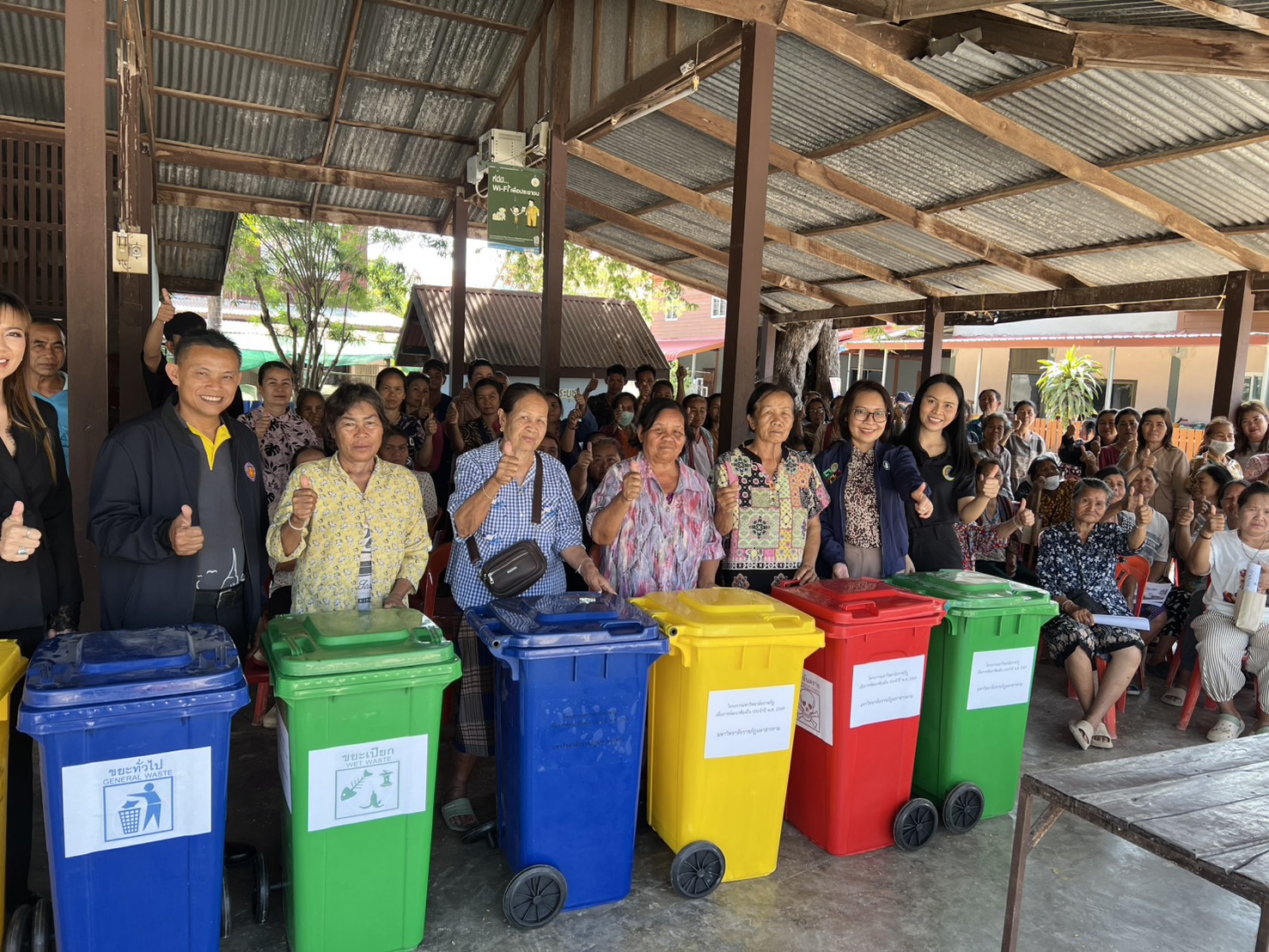
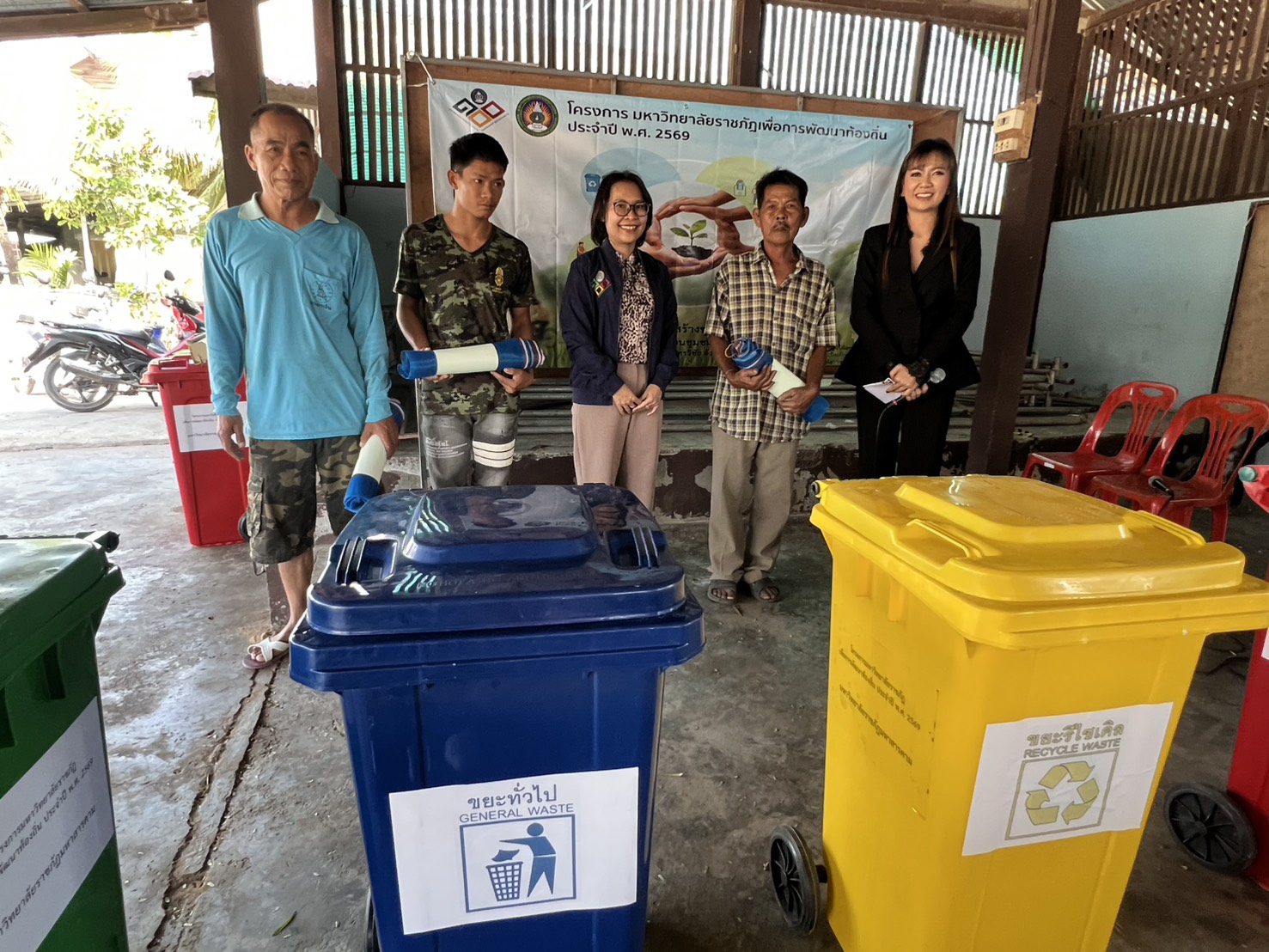
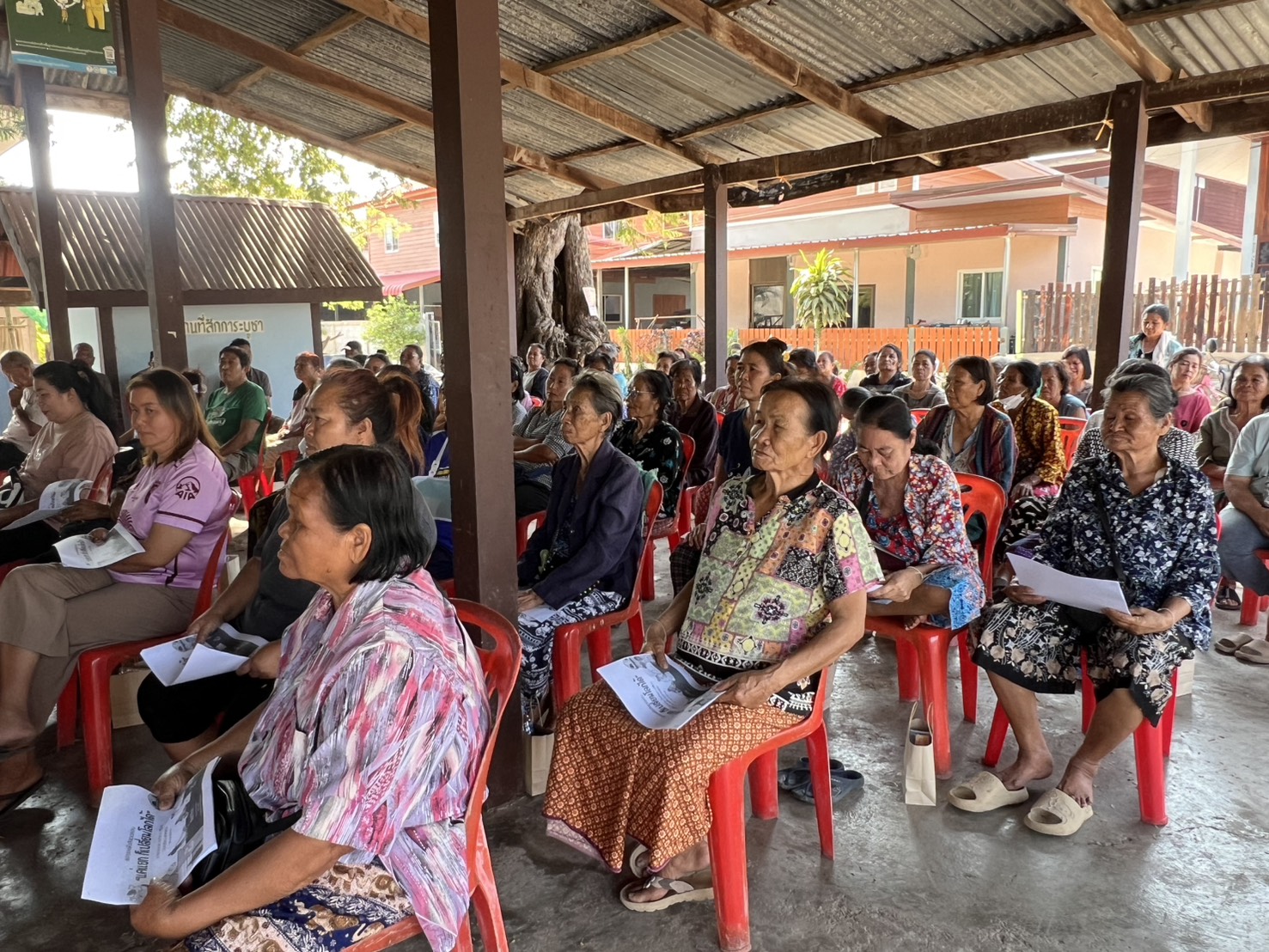
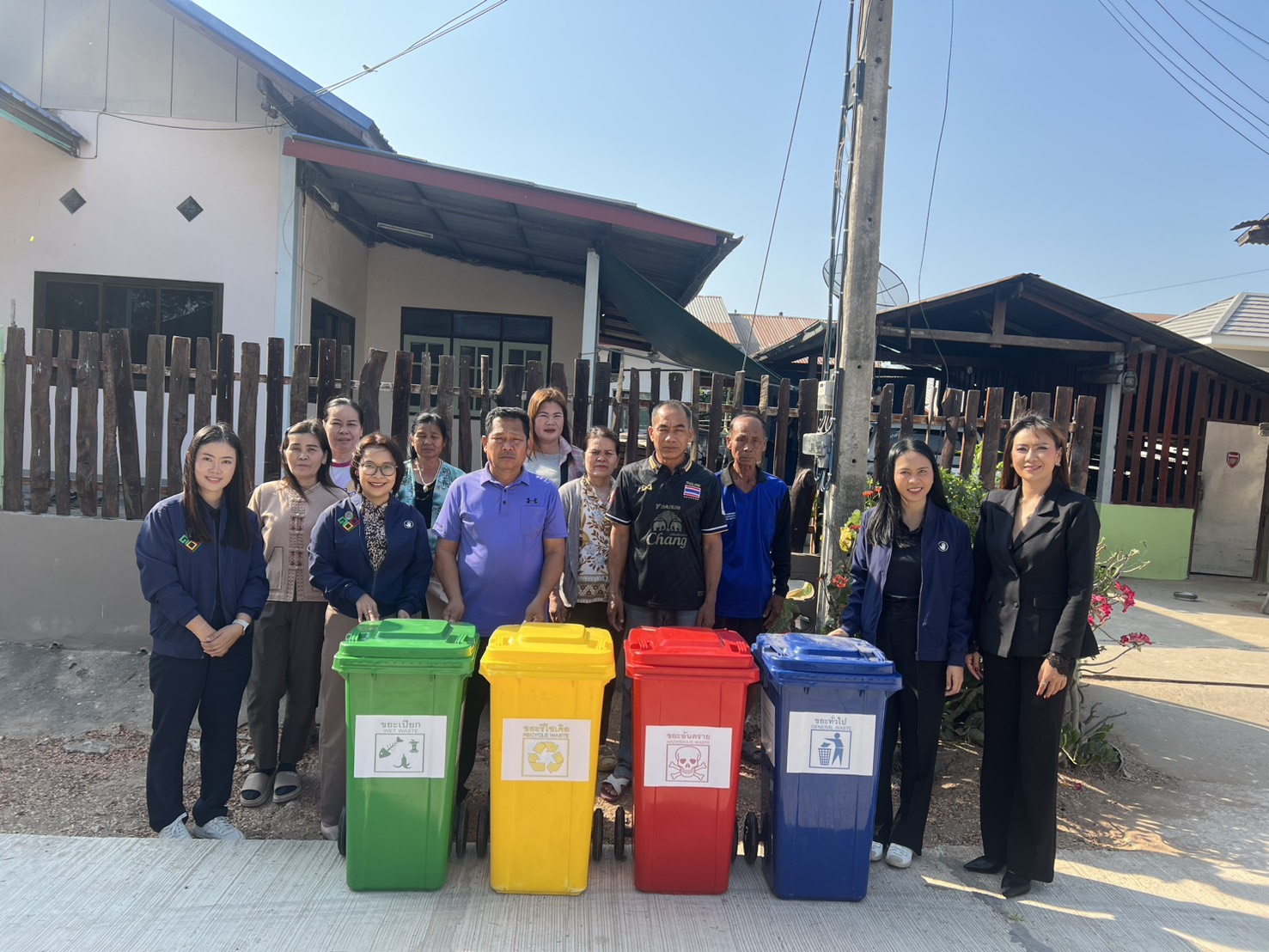
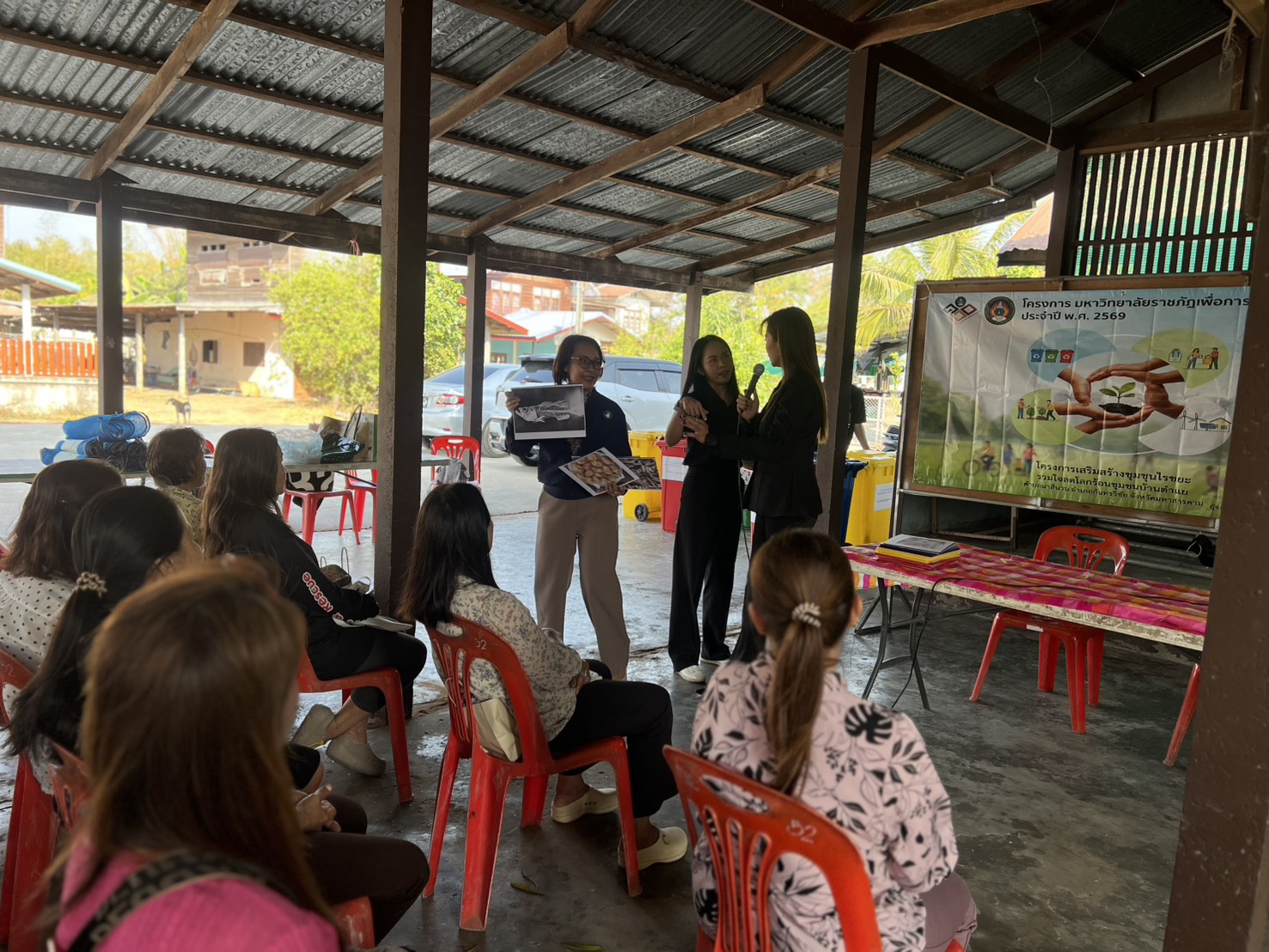
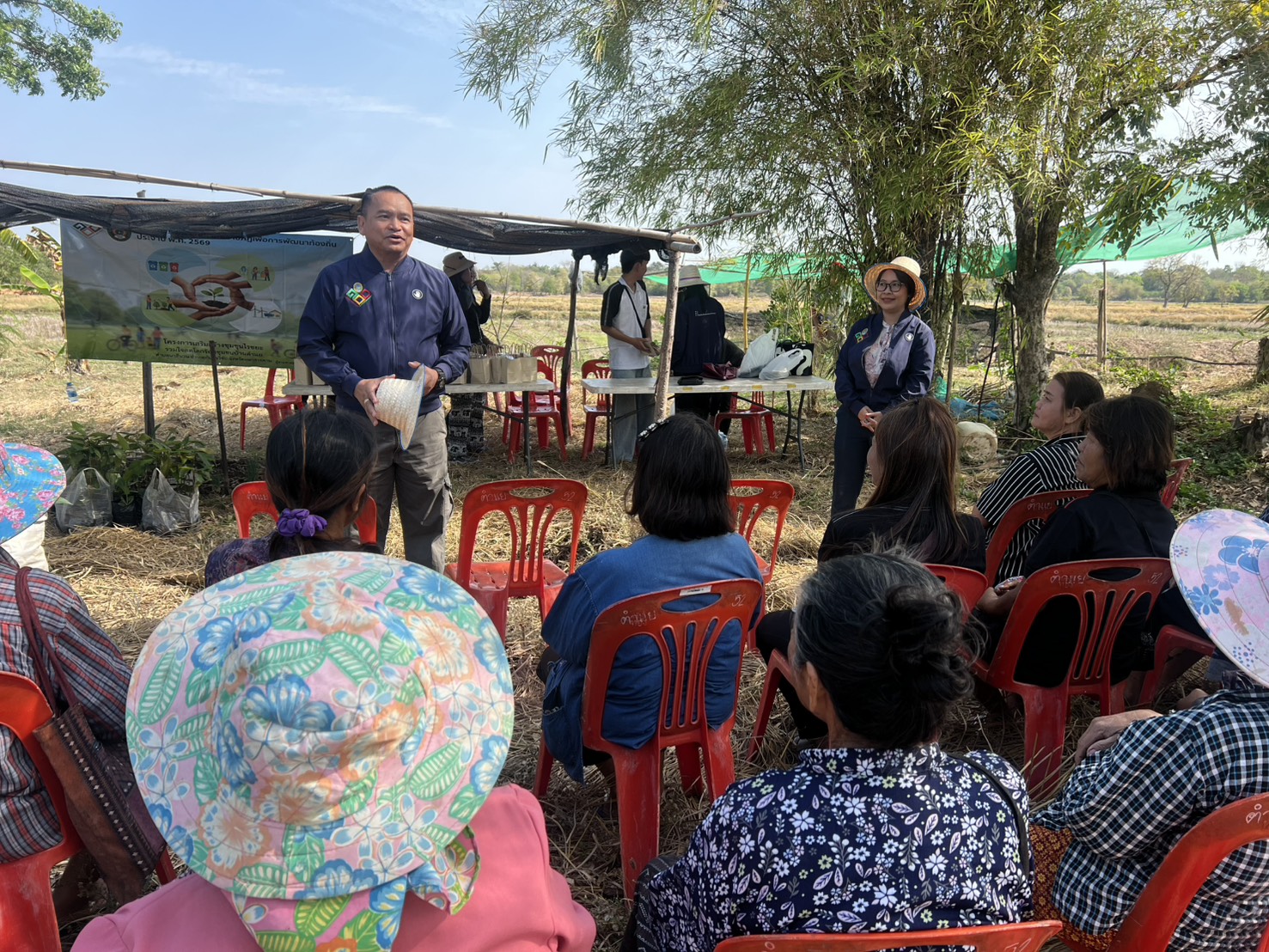
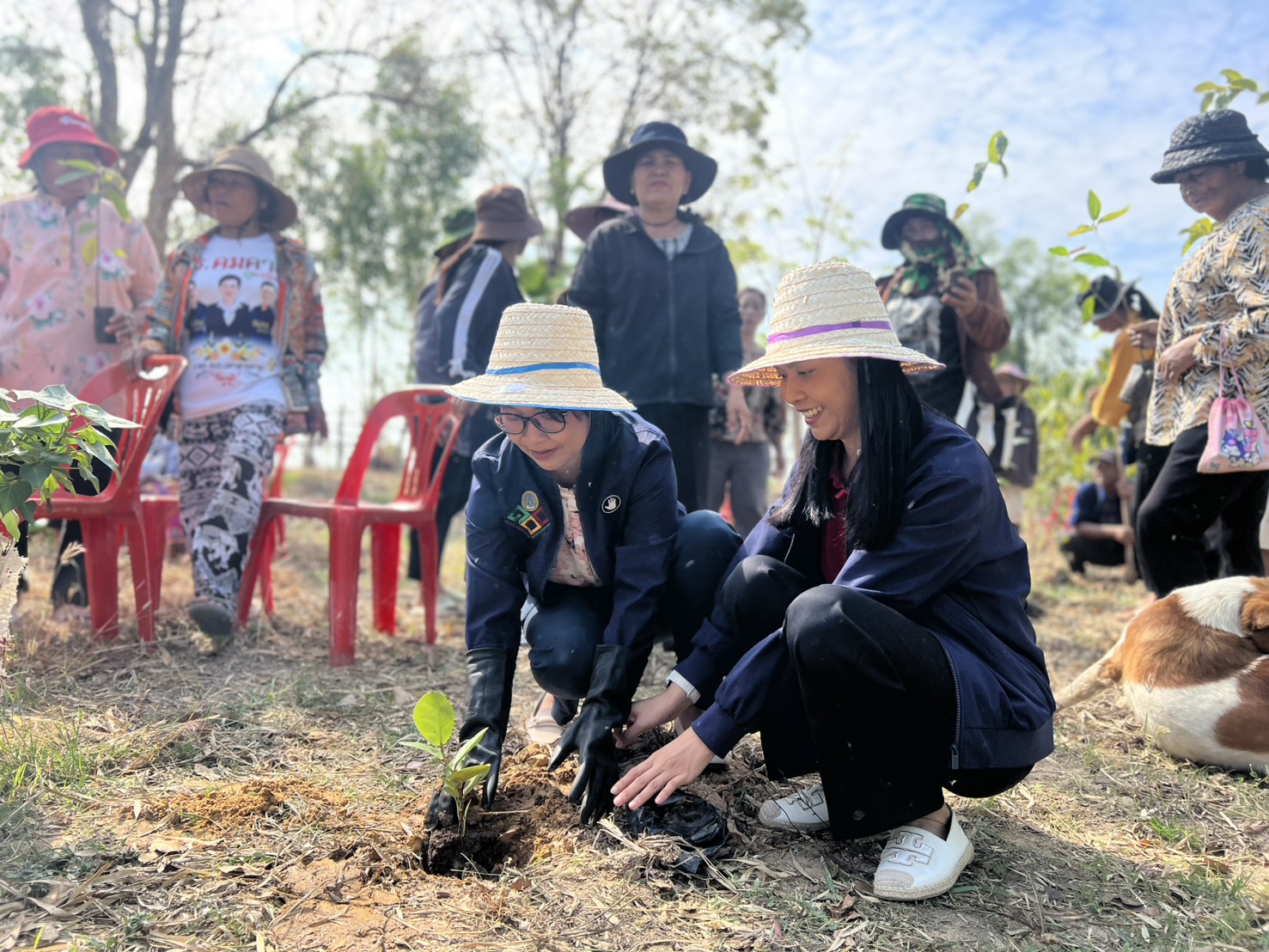
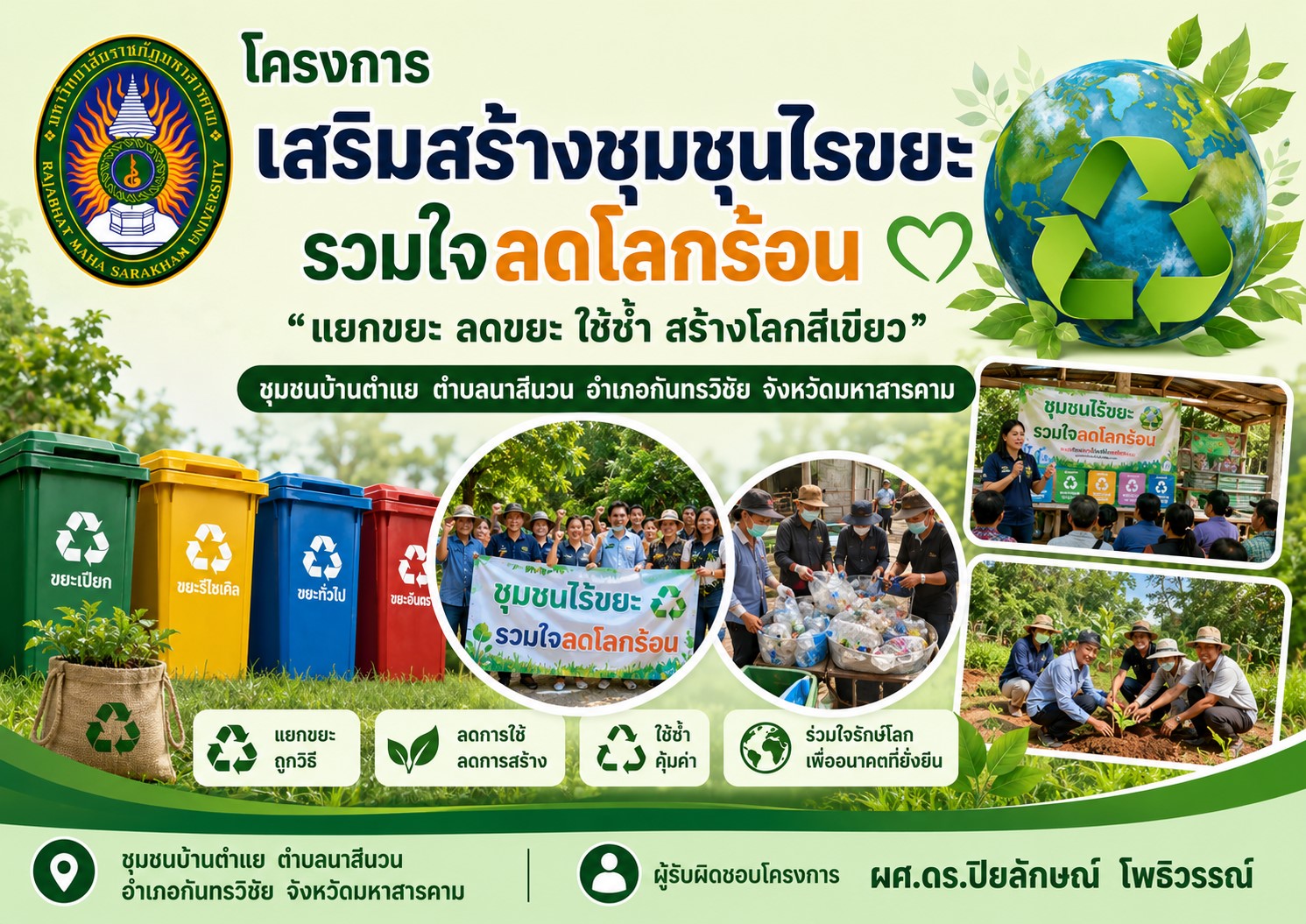
The main activities of the project include training on proper waste management, utilizing waste and reusable materials, promoting waste separation at the source to reduce the amount of waste in the community, and planting trees to increase green spaces, create a pleasant environment, and promote sustainable environmental conservation. โครงการประกอบด้วยกิจกรรมหลัก ได้แก่ การอบรมให้ความรู้เกี่ยวกับการจัดการขยะอย่างถูกวิธี การใช้ประโยชน์จากขยะและวัสดุเหลือใช้ การส่งเสริมการคัดแยกขยะที่ต้นทางเพื่อลดปริมาณขยะในชุมชน และการปลูกต้นไม้เพื่อเพิ่มพื้นที่สีเขียว สร้างความร่มรื่น และส่งเสริมการอนุรักษ์สิ่งแวดล้อมอย่างยั่งยืน
Part 2: Outcomes & Impact ส่วนที่ 2 ผลลัพธ์และผลกระทบ
Outcomes ผลลัพธ์ที่เกิดขึ้น
The implementation of this project has generated significant outcomes for local agencies and community members. It has enhanced participants’ knowledge, understanding, and awareness of the importance of environmental conservation, natural resource preservation, and tree planting to increase green spaces in the community. In addition, the project has promoted cooperation among the public sector, private sector, local residents, and youth in actively driving project activities. As a result, the community has developed a sense of pride, public consciousness, and shared responsibility in conserving natural resources and the environment within their own area. Furthermore, the project has laid a foundation for sustainable implementation in the next phase through the strength and continuous participation of a strong community network. การดำเนินโครงการดังกล่าวก่อให้เกิดผลลัพธ์ที่สำคัญต่อหน่วยงานและประชาชนในพื้นที่ โดยทำให้ผู้เข้าร่วมโครงการมีความรู้ ความเข้าใจ และตระหนักถึงความสำคัญของการอนุรักษ์สิ่งแวดล้อม การดูแลทรัพยากรธรรมชาติ และการปลูกต้นไม้เพิ่มพื้นที่สีเขียวในชุมชน นอกจากนี้ ยังส่งเสริมให้เกิดความร่วมมือระหว่างภาครัฐ ภาคเอกชน ภาคประชาชน และเยาวชน ในการร่วมกันขับเคลื่อนกิจกรรมของโครงการอย่างเป็นรูปธรรม ส่งผลให้ชุมชนเกิดความภาคภูมิใจ มีจิตสำนึกสาธารณะ และร่วมกันดูแลรักษาทรัพยากรธรรมชาติและสิ่งแวดล้อมในพื้นที่ของตนเอง อีกทั้งยังเป็นการวางรากฐานสู่ความยั่งยืนในการดำเนินโครงการระยะต่อไป โดยอาศัยพลังความร่วมมือจากเครือข่ายภาคประชาชนที่เข้มแข็งและมีส่วนร่วมอย่างต่อเนื่อง
Community & Social Impact ผลกระทบต่อชุมชน/สังคม
This project has generated positive impacts in several dimensions, including social, educational, and environmental aspects. In terms of society, the project has strengthened unity within the community and encouraged people to work together in waste management and public-benefit activities on a continuous basis. As a result, the problem of accumulated waste, which could lead to conflicts within the community, has been reduced. The project has also enhanced the community’s image as a “Zero-Waste Model Community,” whose practices can be expanded and applied to other communities. In addition, proper waste management contributes to better health and well-being by reducing the risk of diseases caused by waste and unsanitary conditions.
In terms of education, youth and community members have gained knowledge, understanding, and practical skills in proper waste management and environmental conservation. Schools and community learning centers can use waste separation activities as hands-on learning tools, enabling learners to gain knowledge through real-life experience. Furthermore, environmental knowledge has been integrated into classroom instruction and school activities in a concrete and practical manner.
In terms of the environment, the project has helped reduce the amount of waste requiring disposal, resulting in a cleaner, more organized, and more livable community. It has also contributed to reducing greenhouse gas emissions caused by improper waste disposal methods, such as open burning. Moreover, tree-planting activities have increased green spaces in the community, supported the restoration of the local ecosystem, and reduced breeding grounds for insects and disease-carrying animals. These outcomes contribute to improving people’s quality of life and promoting the long-term sustainability of the community.
โครงการดังกล่าวก่อให้เกิดผลกระทบเชิงบวกในหลายมิติ ทั้งด้านสังคม ด้านการศึกษา และด้านสิ่งแวดล้อม โดยในด้านสังคม ชุมชนเกิดความสามัคคีและมีการรวมกลุ่มกันเพื่อร่วมกันจัดการขยะและดำเนินกิจกรรมเพื่อส่วนรวมอย่างต่อเนื่อง ส่งผลให้ปัญหาขยะตกค้างซึ่งอาจก่อให้เกิดความขัดแย้งภายในชุมชนลดลง อีกทั้งยังช่วยยกระดับภาพลักษณ์ของชุมชนให้เป็น “ชุมชนต้นแบบไร้ขยะ” ที่สามารถนำแนวทางการดำเนินงานไปขยายผลสู่ชุมชนอื่นได้ นอกจากนี้ การจัดการขยะอย่างถูกวิธียังมีส่วนช่วยสร้างสุขภาวะที่ดี ลดความเสี่ยงต่อการเกิดโรคที่มีสาเหตุมาจากขยะและสิ่งปฏิกูลในชุมชน
ในด้านการศึกษา เยาวชนและประชาชนในชุมชนได้รับความรู้ ความเข้าใจ และทักษะที่ถูกต้องเกี่ยวกับการจัดการขยะและการดูแลรักษาสิ่งแวดล้อม โรงเรียนและศูนย์การเรียนรู้ชุมชนสามารถนำกิจกรรมการคัดแยกขยะไปใช้เป็นสื่อการเรียนรู้เชิงปฏิบัติ ทำให้ผู้เรียนได้เรียนรู้จากประสบการณ์จริง อีกทั้งยังเกิดการบูรณาการองค์ความรู้ด้านสิ่งแวดล้อมเข้าสู่การเรียนการสอนและกิจกรรมพัฒนาผู้เรียนของโรงเรียนอย่างเป็นรูปธรรม
ในด้านสิ่งแวดล้อม โครงการช่วยลดปริมาณขยะที่ต้องนำไปกำจัด ทำให้พื้นที่ชุมชนมีความสะอาด เป็นระเบียบ และน่าอยู่อาศัยมากยิ่งขึ้น อีกทั้งยังช่วยลดการปล่อยก๊าซเรือนกระจกจากการกำจัดขยะที่ไม่ถูกวิธี เช่น การเผาขยะกลางแจ้ง นอกจากนี้ กิจกรรมการปลูกต้นไม้ยังช่วยเพิ่มพื้นที่สีเขียวในชุมชน ส่งเสริมให้ระบบนิเวศในพื้นที่ได้รับการฟื้นฟู และลดแหล่งเพาะพันธุ์แมลงและสัตว์นำโรค อันนำไปสู่การพัฒนาคุณภาพชีวิตของประชาชนและความยั่งยืนของชุมชนในระยะยาว
Student & Staff Participation การมีส่วนร่วมของนักศึกษา/บุคลากร
Students and staff participated in the project through waste separation activities, campaigns to reduce resource consumption, tree planting, and maintaining cleanliness in the area. Their involvement helped promote environmental awareness and served as a good example for developing a clean, livable, and sustainable community. นักศึกษาและบุคลากรมีส่วนร่วมในการดำเนินโครงการผ่านกิจกรรมการคัดแยกขยะ การรณรงค์ลดการใช้ทรัพยากร การปลูกต้นไม้ และการดูแลรักษาความสะอาดภายในพื้นที่ โดยร่วมกันสร้างจิตสำนึกด้านสิ่งแวดล้อมและเป็นแบบอย่างที่ดีในการพัฒนาชุมชนให้สะอาด น่าอยู่ และยั่งยืน
Project Continuity ความต่อเนื่องของโครงการ
The continuity of the project will be ensured by further developing waste management activities, waste separation at the source, material reuse, and the expansion of green spaces in the community as regular and ongoing practices. These activities will be carried out through cooperation among government agencies, the private sector, local residents, schools, youth, and community networks. The project will encourage people to actively participate in maintaining cleanliness, reducing waste, and conserving natural resources in a systematic manner.
In addition, community-level mechanisms will be developed, such as establishing environmental leaders or working groups, continuously raising public awareness, monitoring waste separation practices and the maintenance of green areas, and using the results of project implementation to improve activities in accordance with the community context. These mechanisms will help ensure that the project can continue sustainably.
In the next phase, the project will focus on expanding the model of the Zero-Waste Model Community to nearby communities. It will also integrate environmental activities into youth learning and community-based activities in order to build awareness, responsibility, and a shared culture of environmental conservation. This will contribute to the development of a clean, livable, healthy, and self-reliant community in the long term.
ความต่อเนื่องของโครงการจะดำเนินการโดยการต่อยอดกิจกรรมการจัดการขยะ การคัดแยกขยะที่ต้นทาง การนำวัสดุกลับมาใช้ใหม่ และการเพิ่มพื้นที่สีเขียวในชุมชนให้เป็นกิจกรรมที่ดำเนินอย่างสม่ำเสมอและต่อเนื่อง ภายใต้ความร่วมมือของหน่วยงานภาครัฐ ภาคเอกชน ภาคประชาชน โรงเรียน เยาวชน และเครือข่ายชุมชนในพื้นที่ โดยส่งเสริมให้ประชาชนมีส่วนร่วมในการดูแลรักษาความสะอาด การลดปริมาณขยะ และการอนุรักษ์ทรัพยากรธรรมชาติอย่างเป็นระบบ
นอกจากนี้ จะมีการพัฒนากลไกการทำงานในระดับชุมชน เช่น การจัดตั้งแกนนำหรือคณะทำงานด้านสิ่งแวดล้อม การรณรงค์ให้ความรู้แก่ประชาชนอย่างต่อเนื่อง การติดตามผลการคัดแยกขยะและการดูแลพื้นที่สีเขียว รวมถึงการนำผลการดำเนินงานมาปรับปรุงกิจกรรมให้เหมาะสมกับบริบทของชุมชน เพื่อให้โครงการสามารถดำเนินต่อไปได้อย่างยั่งยืน
การดำเนินงานในระยะต่อไปจะมุ่งเน้นการขยายผลจากชุมชนต้นแบบไร้ขยะไปสู่ชุมชนใกล้เคียง ตลอดจนการบูรณาการกิจกรรมด้านสิ่งแวดล้อมเข้ากับการเรียนรู้ของเยาวชนและกิจกรรมของชุมชน เพื่อสร้างจิตสำนึก ความรับผิดชอบ และวัฒนธรรมการดูแลสิ่งแวดล้อมร่วมกัน อันจะนำไปสู่การพัฒนาชุมชนที่สะอาด น่าอยู่ มีสุขภาวะที่ดี และสามารถพึ่งพาตนเองได้ในระยะยาว
Part 3: Challenges & Suggestions ส่วนที่ 3 ปัญหาอุปสรรค/ข้อเสนอแนะ
Problems & Obstacles ปัญหา/อุปสรรค
The implementation of the project still faces some limitations. Some students, staff, and community members have not consistently practiced waste separation and resource reduction in their daily lives. In addition, waste separation facilities, such as categorized bins, information signs, and recycling collection points, are still insufficient in some areas. As a result, waste management has not yet been as systematic as expected. การดำเนินโครงการยังพบข้อจำกัดบางประการ เช่น นักศึกษา บุคลากร และประชาชนบางส่วนยังขาดความต่อเนื่องในการคัดแยกขยะและการลดใช้ทรัพยากรในชีวิตประจำวัน อีกทั้งอุปกรณ์รองรับการคัดแยกขยะ เช่น ถังขยะแยกประเภท ป้ายประชาสัมพันธ์ และจุดรวบรวมขยะรีไซเคิล ยังมีไม่เพียงพอในบางพื้นที่ ส่งผลให้การจัดการขยะยังไม่เป็นระบบเท่าที่ควร
Improvement Guidelines แนวทางการปรับปรุง
Continuous awareness campaigns and practical training activities should be organized to promote proper waste management. More waste separation points should be provided throughout the area, with clear information signs and responsible persons assigned to regularly monitor the progress of the project. These measures will help encourage proper and sustainable waste management behavior. ควรมีการรณรงค์และให้ความรู้อย่างต่อเนื่องผ่านกิจกรรมที่เข้าใจง่ายและปฏิบัติได้จริง พร้อมทั้งเพิ่มจุดคัดแยกขยะให้ครอบคลุมพื้นที่มากขึ้น จัดทำป้ายสื่อสารที่ชัดเจน และกำหนดผู้รับผิดชอบในการติดตามผลการดำเนินงานอย่างสม่ำเสมอ เพื่อให้เกิดพฤติกรรมการจัดการขยะที่ถูกต้องและยั่งยืน
Suggestions to University ข้อเสนอแนะต่อมหาวิทยาลัย
The university should provide budgetary support, necessary equipment, and a comprehensive waste management system. It should also encourage students and staff to participate continuously in environmental activities. Moreover, the concept of a green university should be integrated into teaching and learning, academic services, and student development activities in order to create a sustainable organizational culture that values environmental responsibility. มหาวิทยาลัยควรสนับสนุนงบประมาณ อุปกรณ์ และระบบบริหารจัดการขยะอย่างครบวงจร รวมทั้งส่งเสริมให้นักศึกษาและบุคลากรมีส่วนร่วมในกิจกรรมด้านสิ่งแวดล้อมอย่างต่อเนื่อง ควรบูรณาการแนวคิดมหาวิทยาลัยสีเขียวเข้ากับกิจกรรมการเรียนการสอน งานบริการวิชาการ และกิจกรรมพัฒนานักศึกษา เพื่อสร้างวัฒนธรรมองค์กรที่ใส่ใจสิ่งแวดล้อมอย่างยั่งยืน