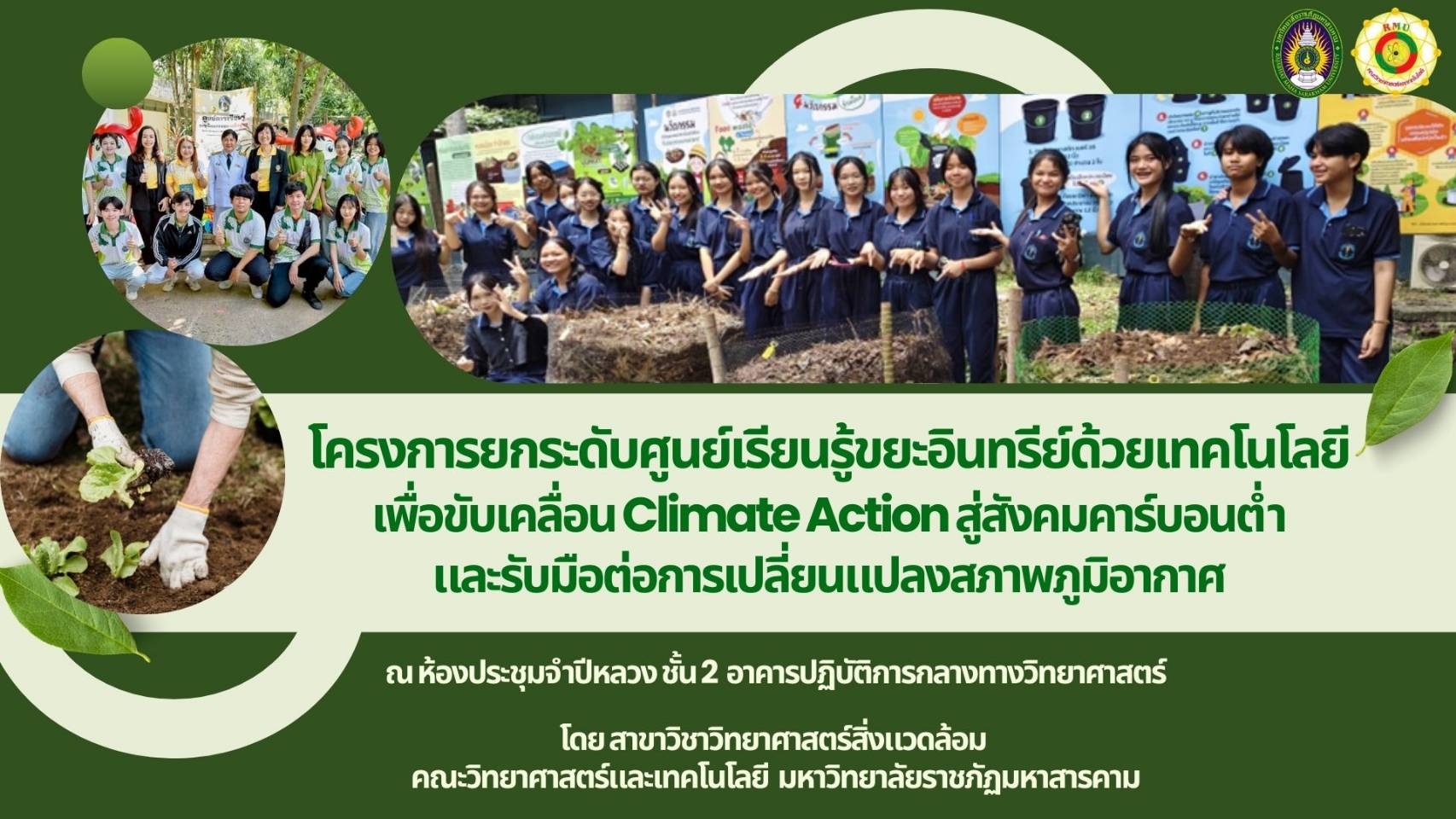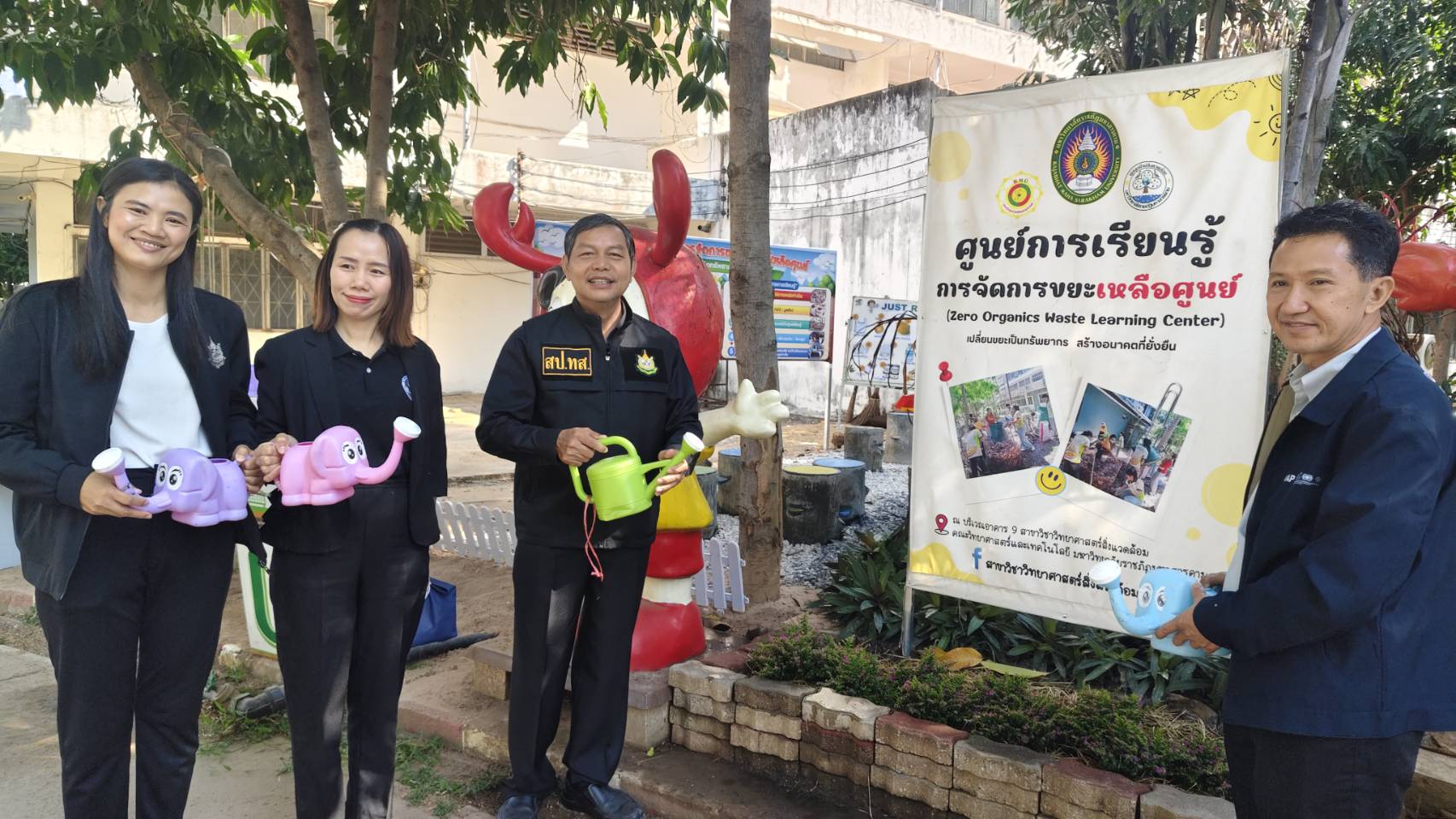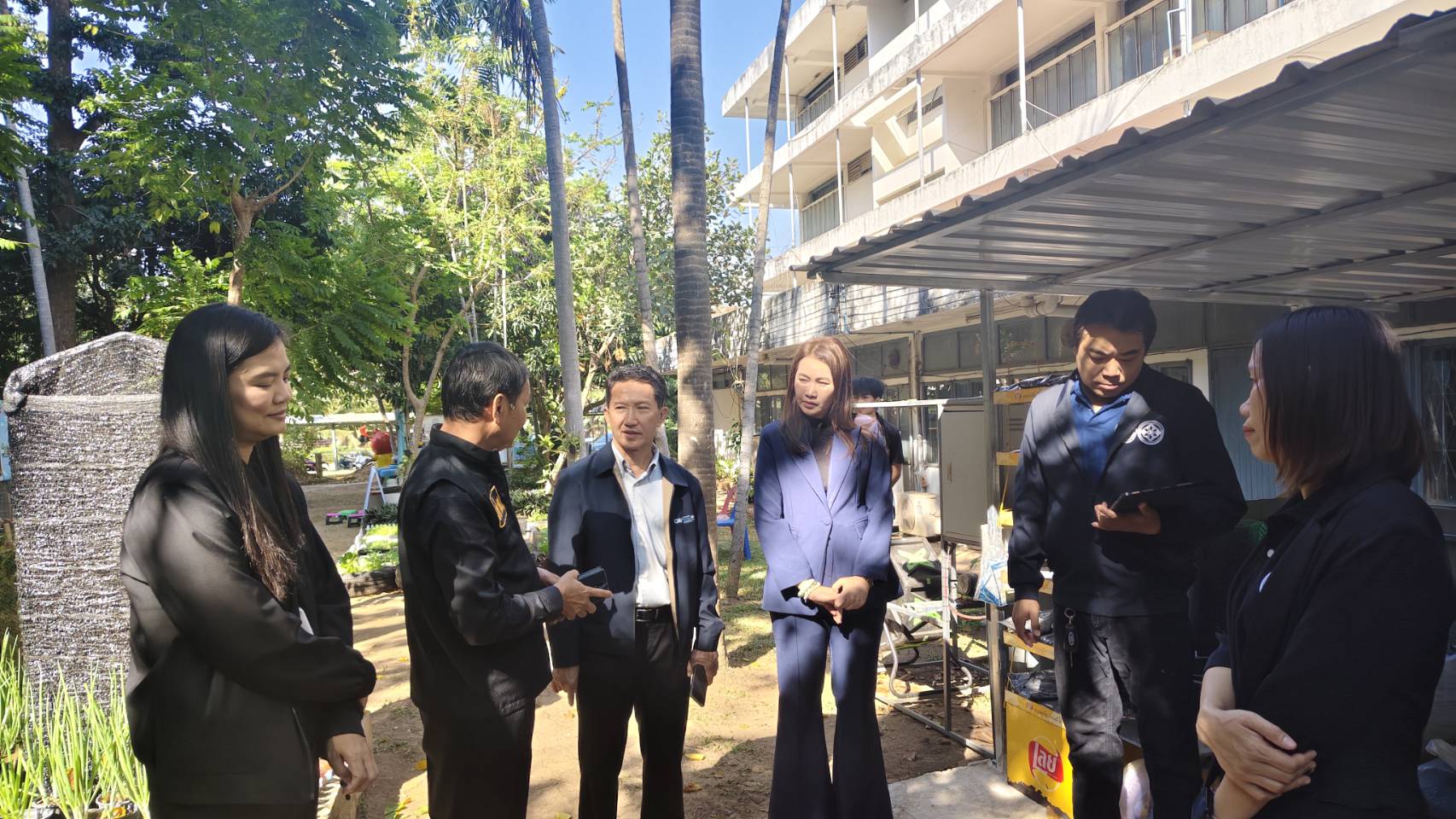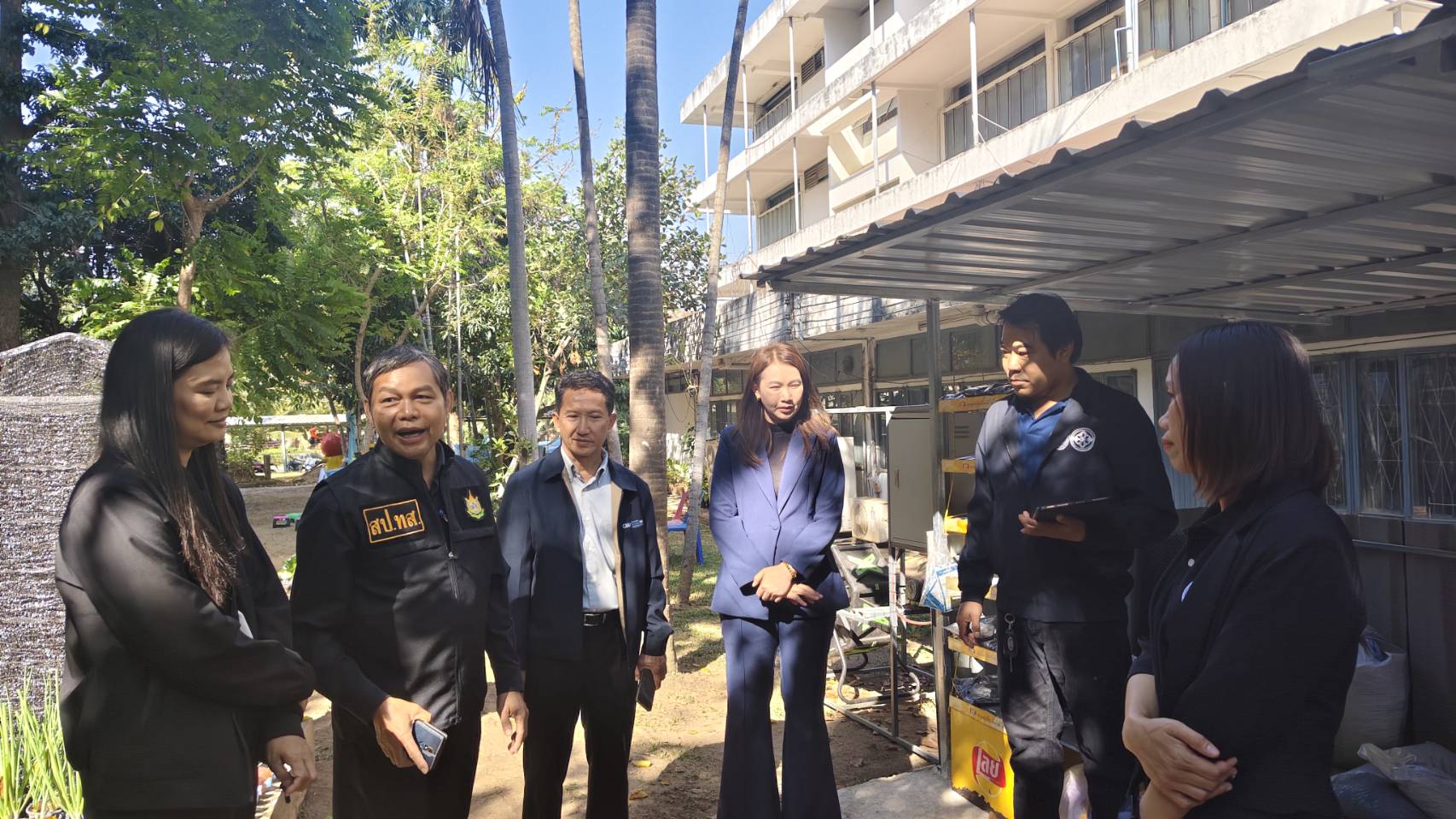
– June 30, 2026 1 มกราคม 2569
– 30 มิถุนายน 2569
Part 1: Project Details ส่วนที่ 1 รายละเอียดการดำเนินงาน
Objectives วัตถุประสงค์โครงการ
1. To develop and upgrade an organic waste management learning center through technology and innovation, enabling it to operate effectively in educational institutions or communities and establishing a management system that can be replicated and scaled up.
2. To share knowledge and provide hands-on training in organic waste management while raising awareness of Climate Action, enabling participants to apply what they have learned in their educational institutions or communities.
3. To reduce organic waste and greenhouse gas emissions, extend these efforts through collaborative networks, support the transition to a low-carbon society, and strengthen the capacity to adapt to climate change.
1. พัฒนาและยกระดับศูนย์เรียนรู้จัดการขยะอินทรีย์ด้วยเทคโนโลยีและนวัตกรรมให้สามารถดำเนินงานได้จริงในสถานศึกษาหรือชุมชนโดยมีระบบบริหารจัดการที่สามารถนำไปขยายผลต่อได้
2. ถ่ายทอดองค์ความรู้และฝึกปฏิบัติการด้านการจัดการขยะอินทรีย์ พร้อมสร้างความตระหนักรู้ด้าน Climate Action ให้ผู้เข้าร่วมโครงการสามารถนำไปประยุกต์ใช้ในสถานศึกษาหรือชุมชนได้
3. ลดปริมาณขยะอินทรีย์และการปล่อยก๊าซเรือนกระจก พร้อมขยายผลสู่เครือข่ายความร่วมมือ สนับสนุนการมุ่งสู่สังคมคาร์บอนต่ำและเสริมความเข้มแข็งในการปรับตัวต่อการเปลี่ยนแปลงสภาพภูมิอากาศ
Main Activities กิจกรรมหลัก
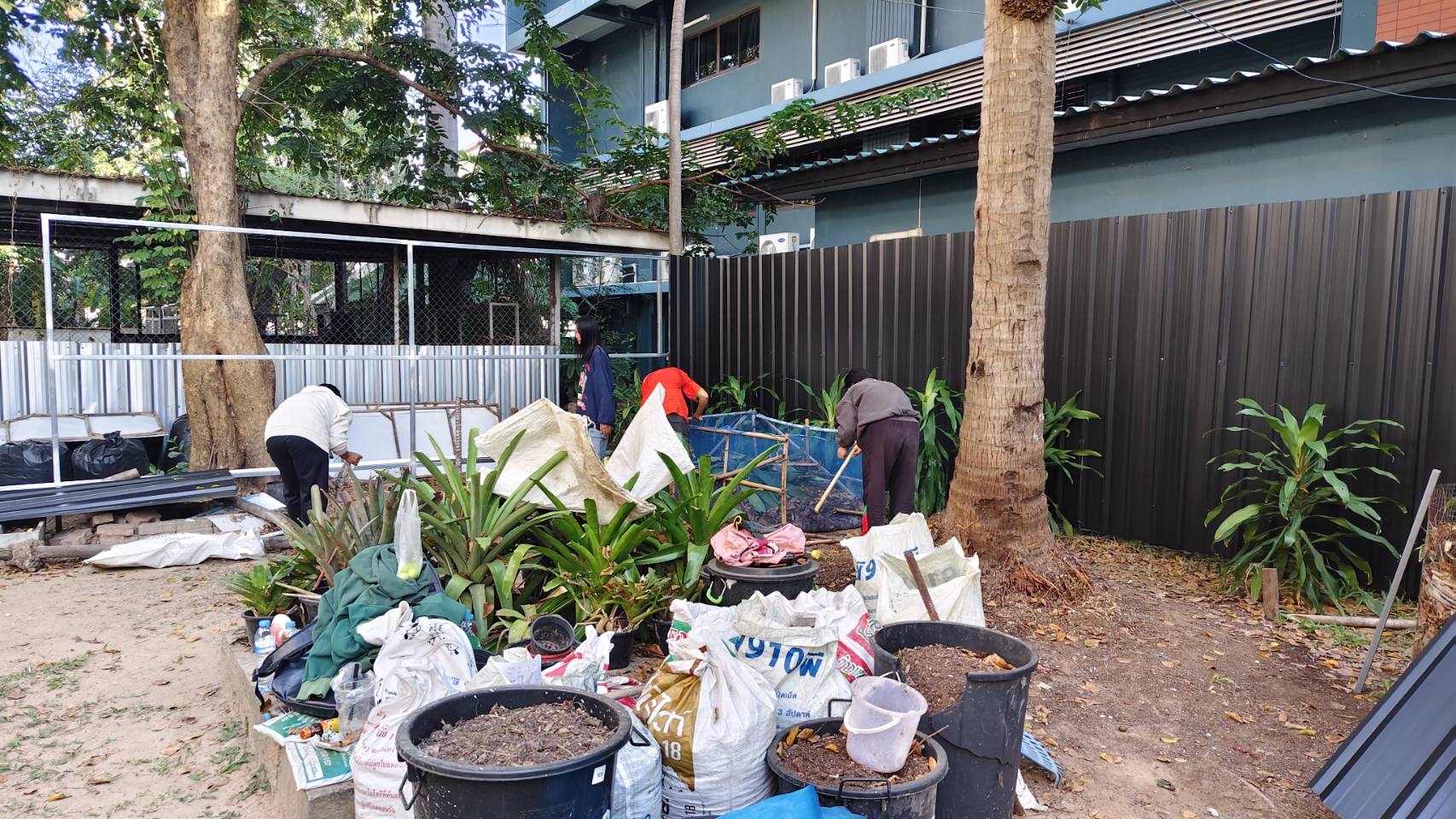
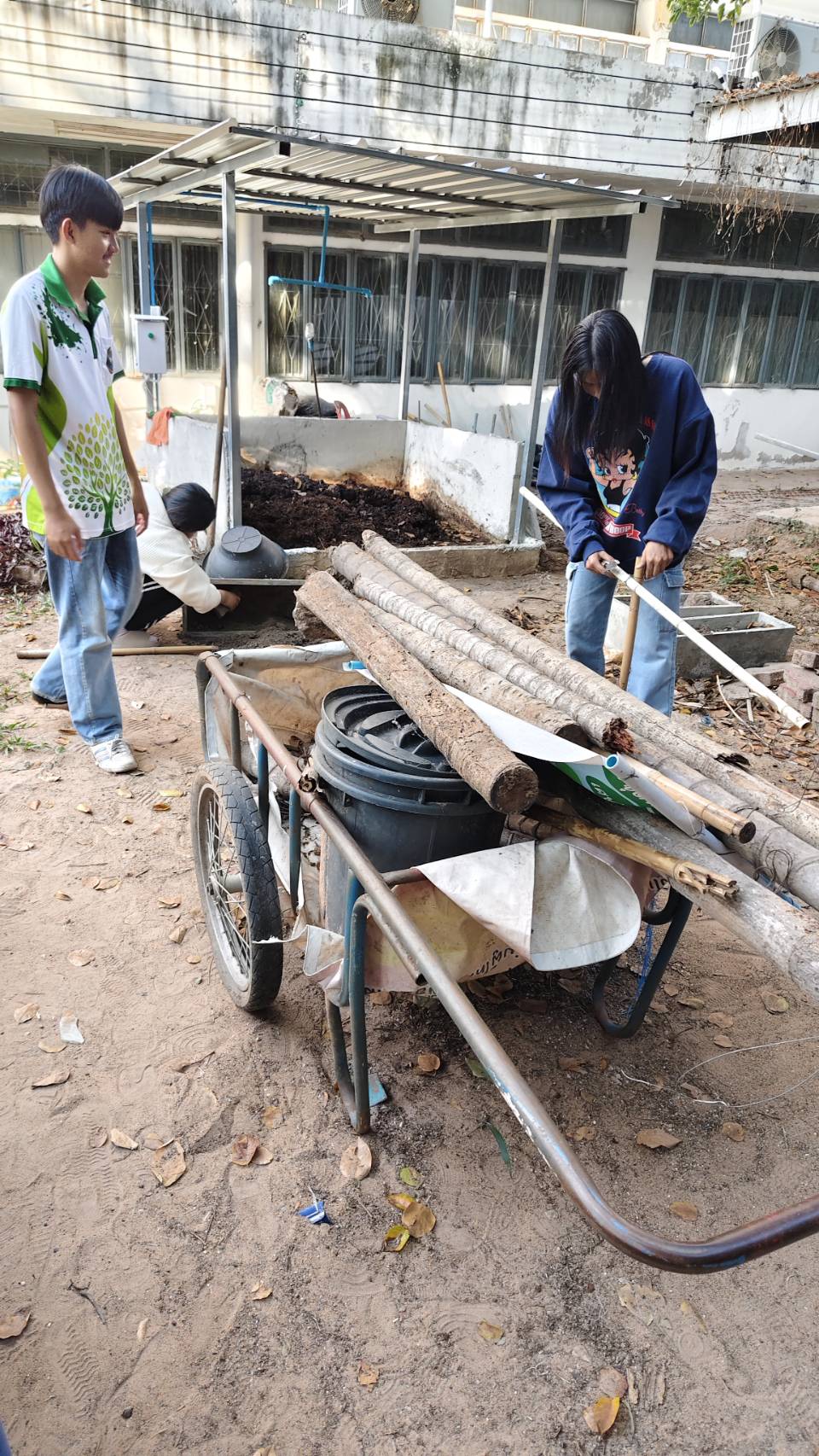
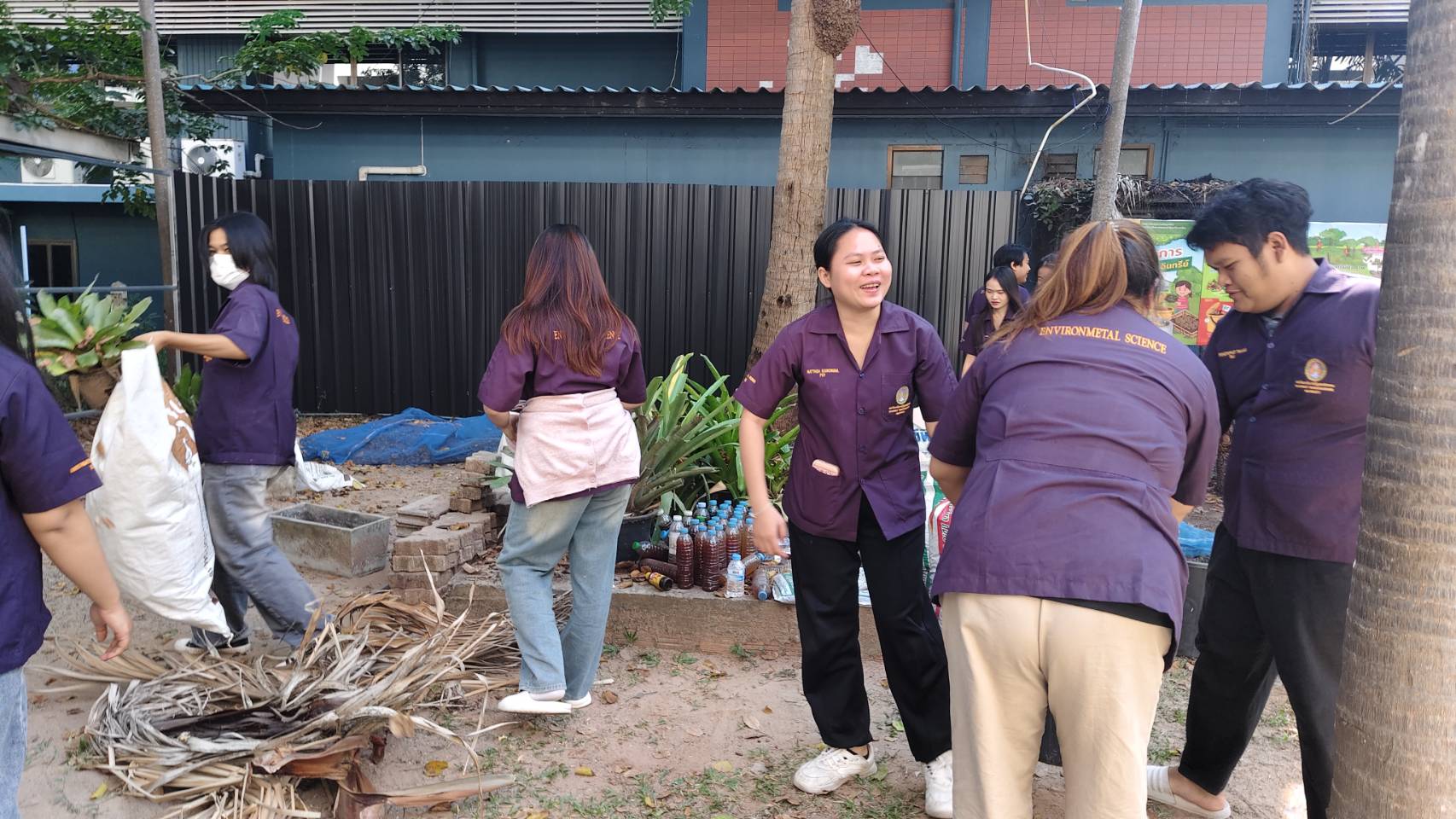
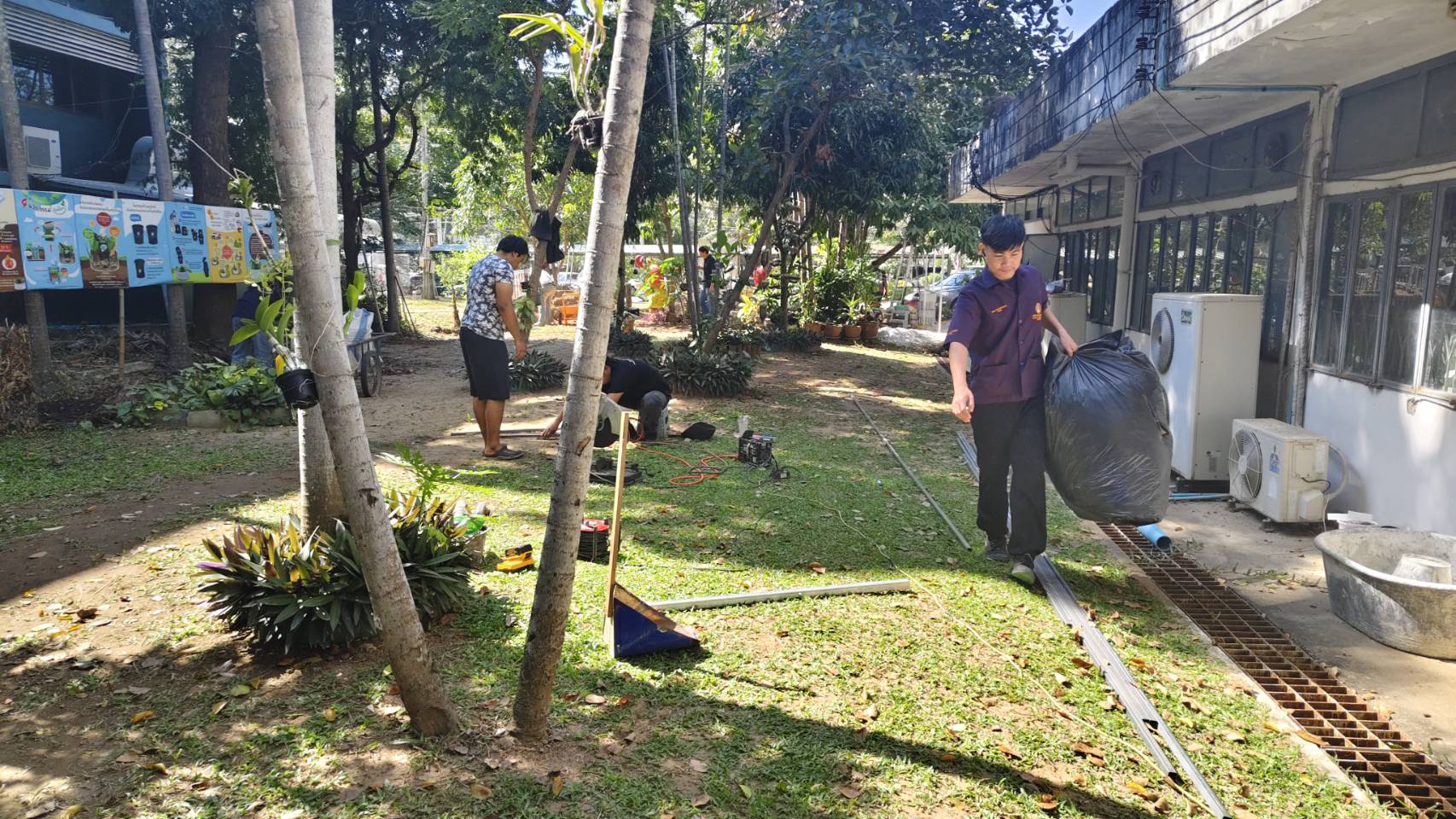
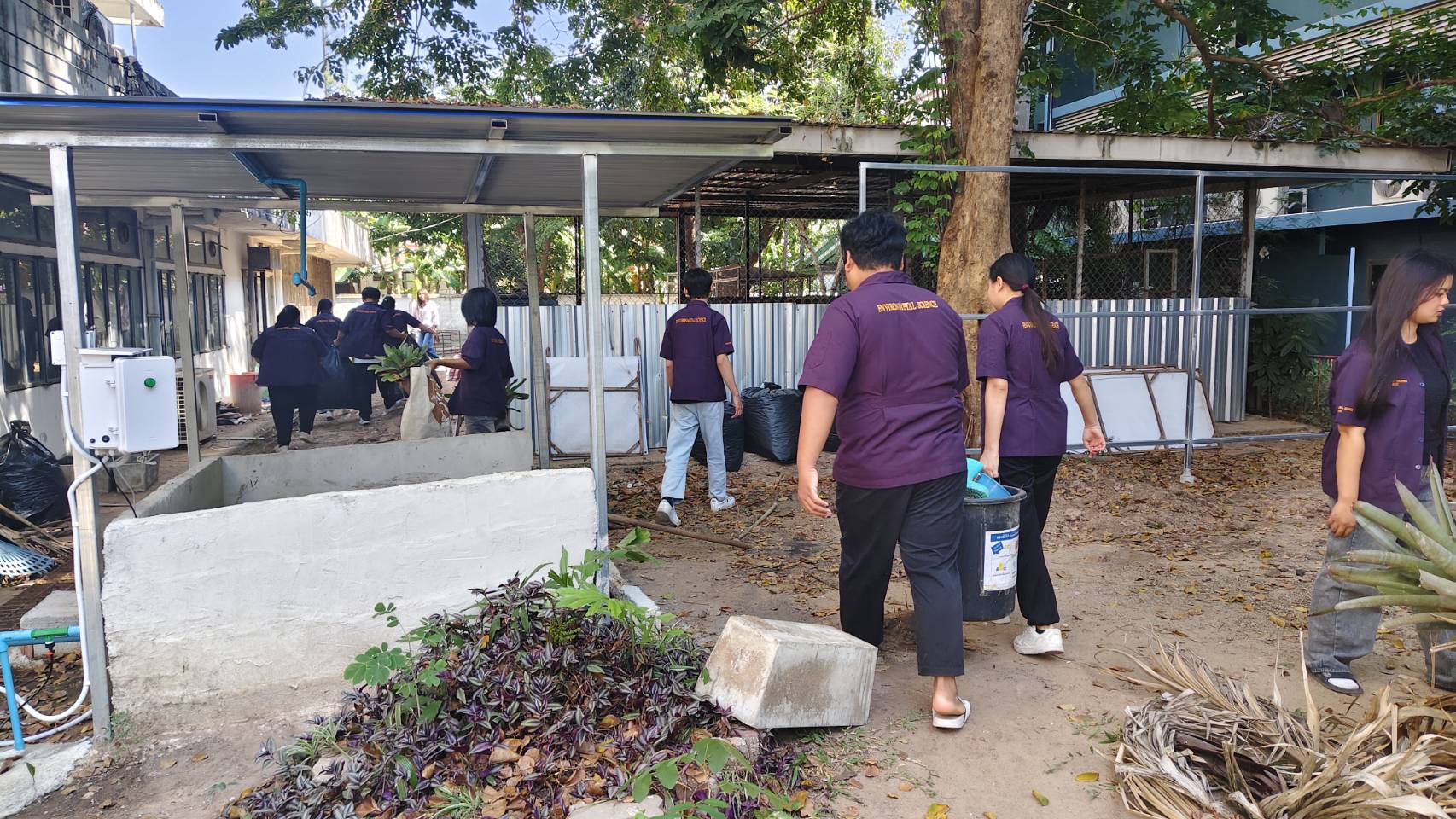
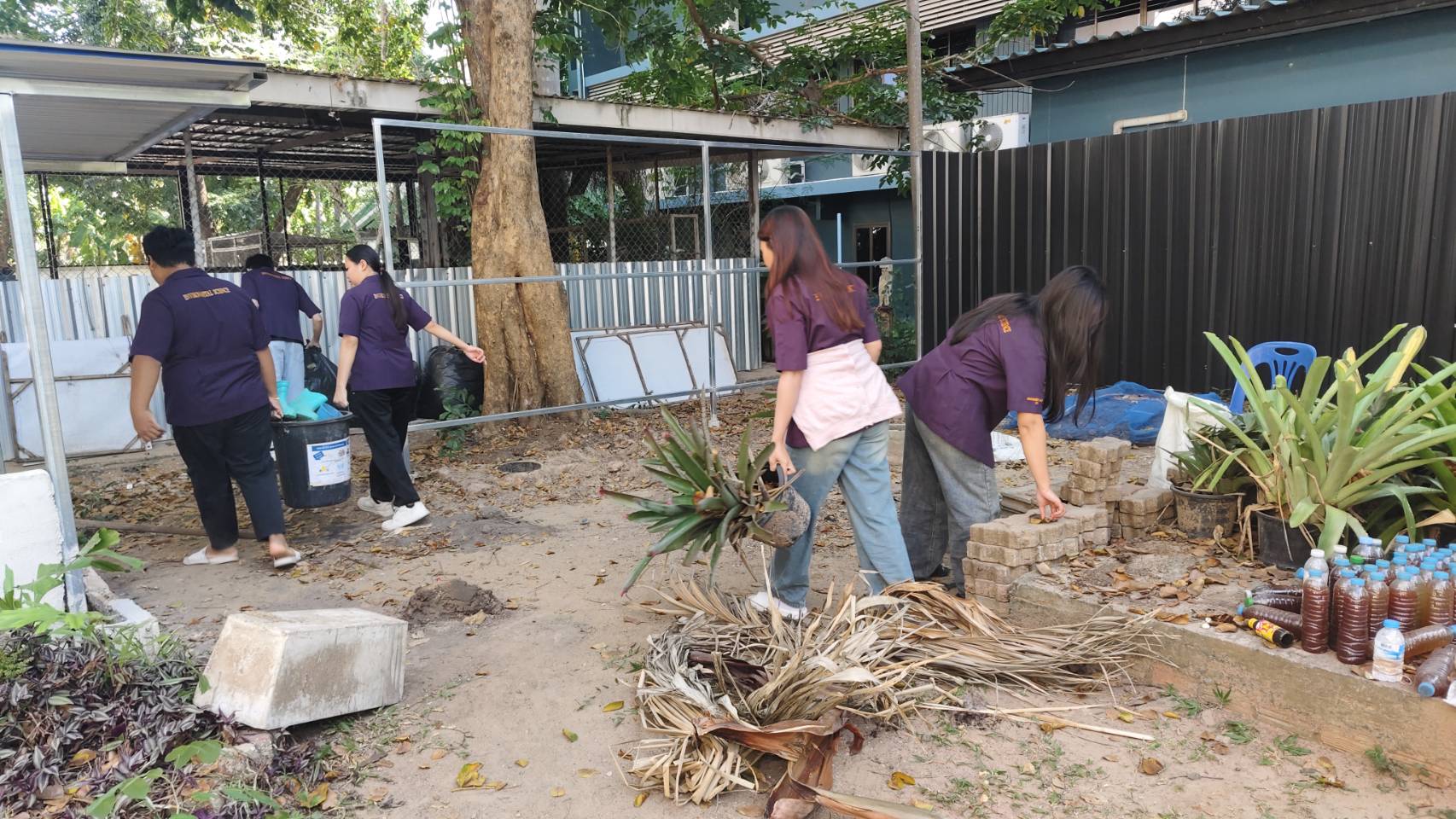
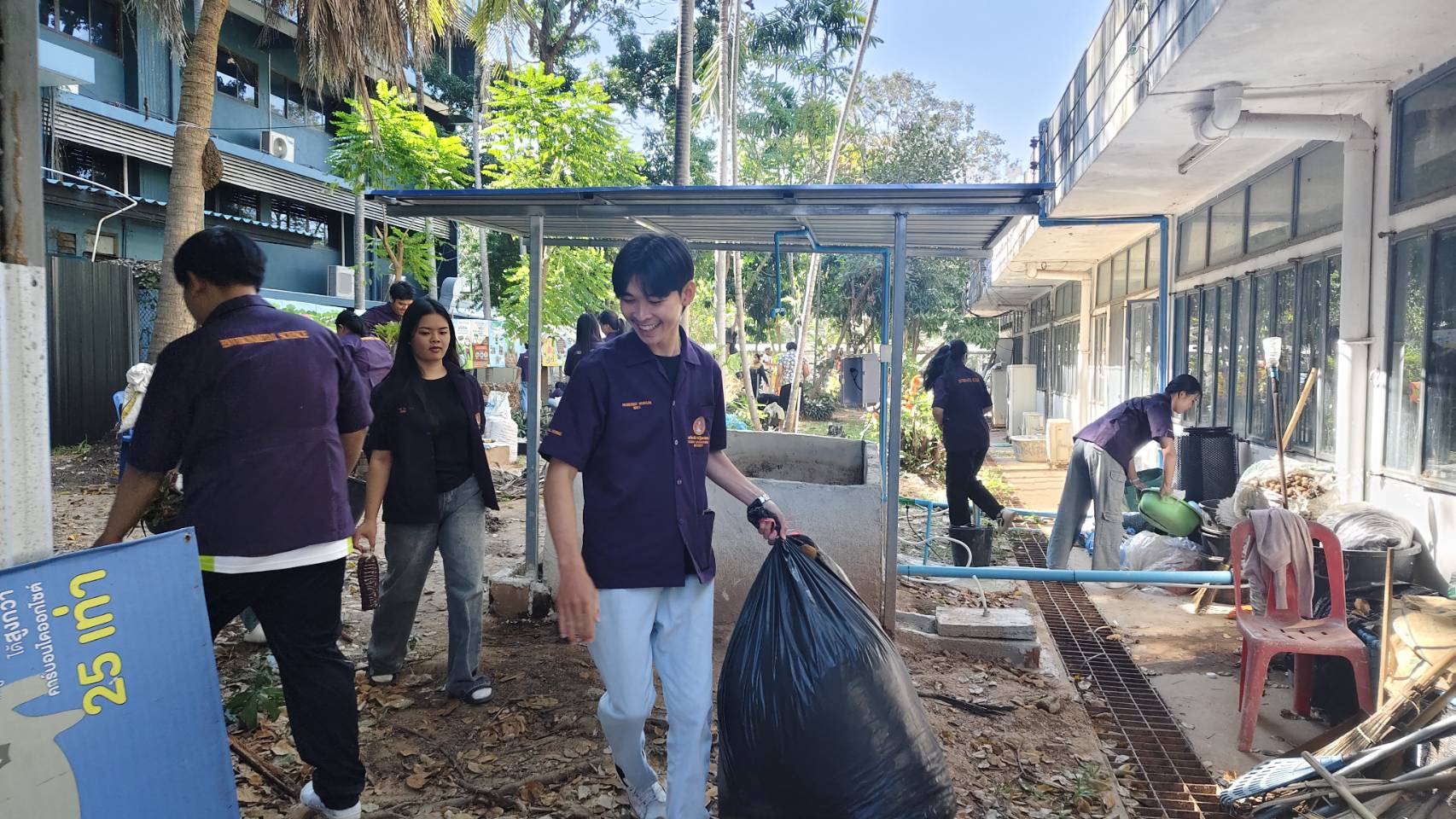
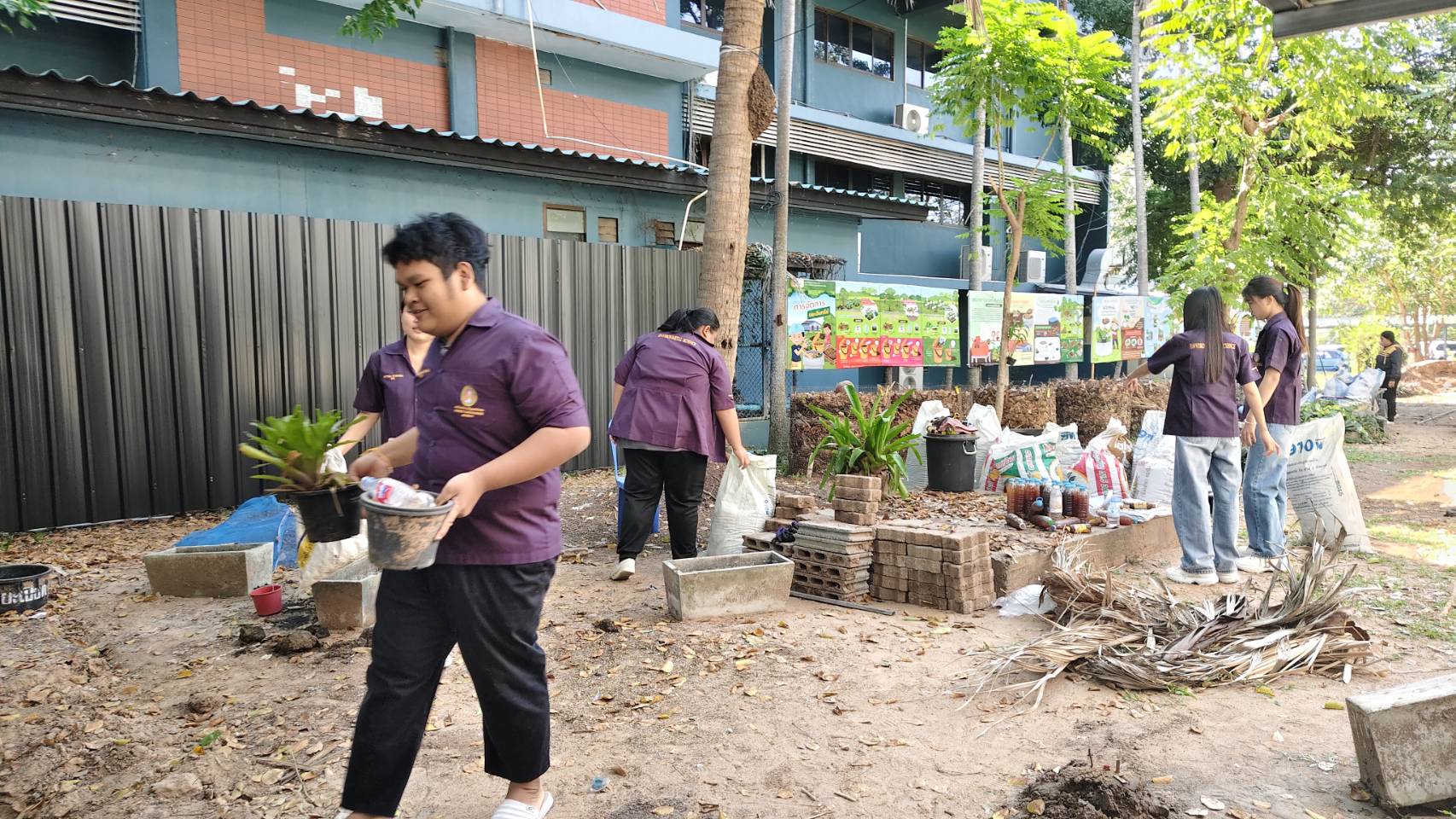
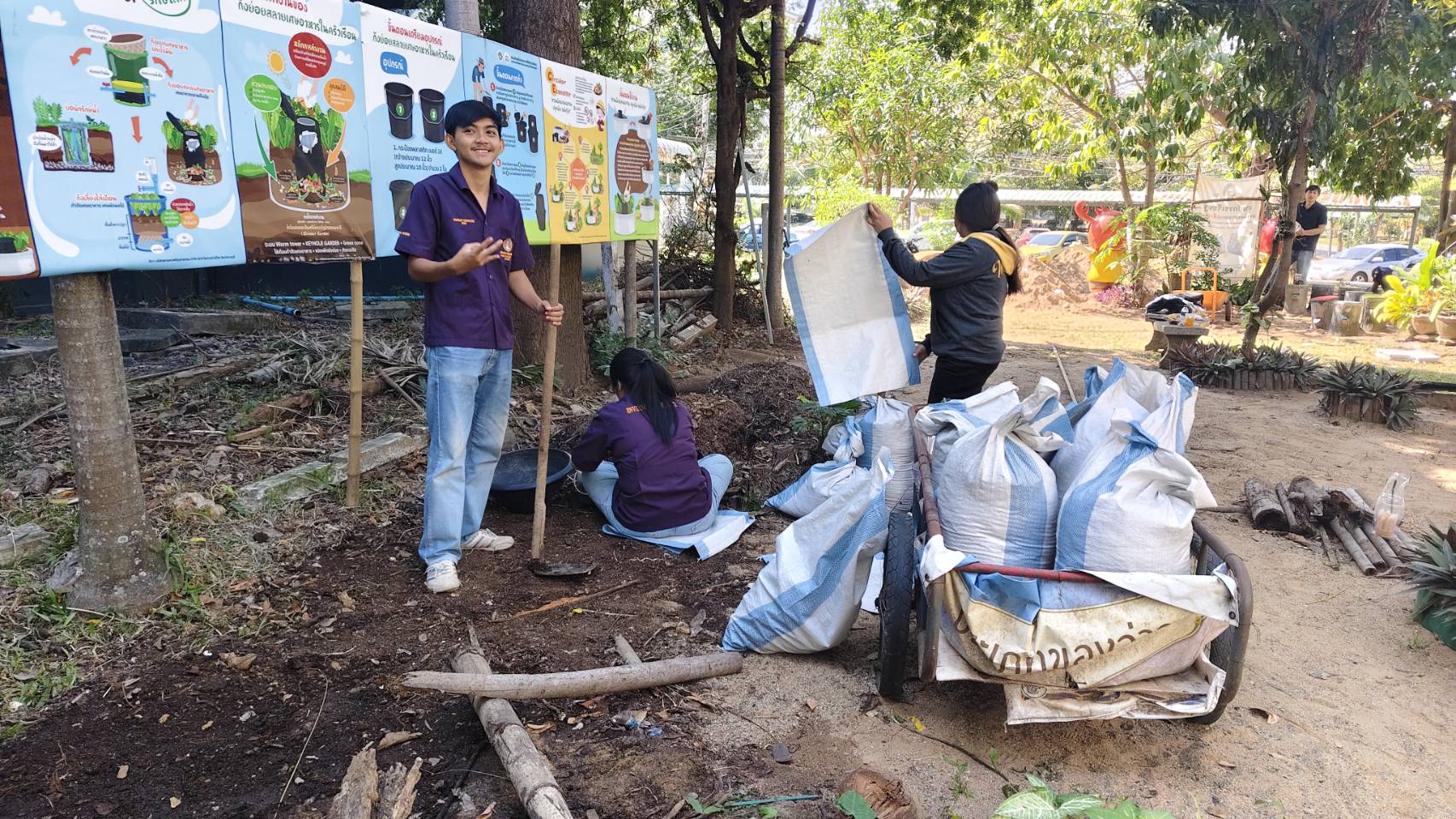
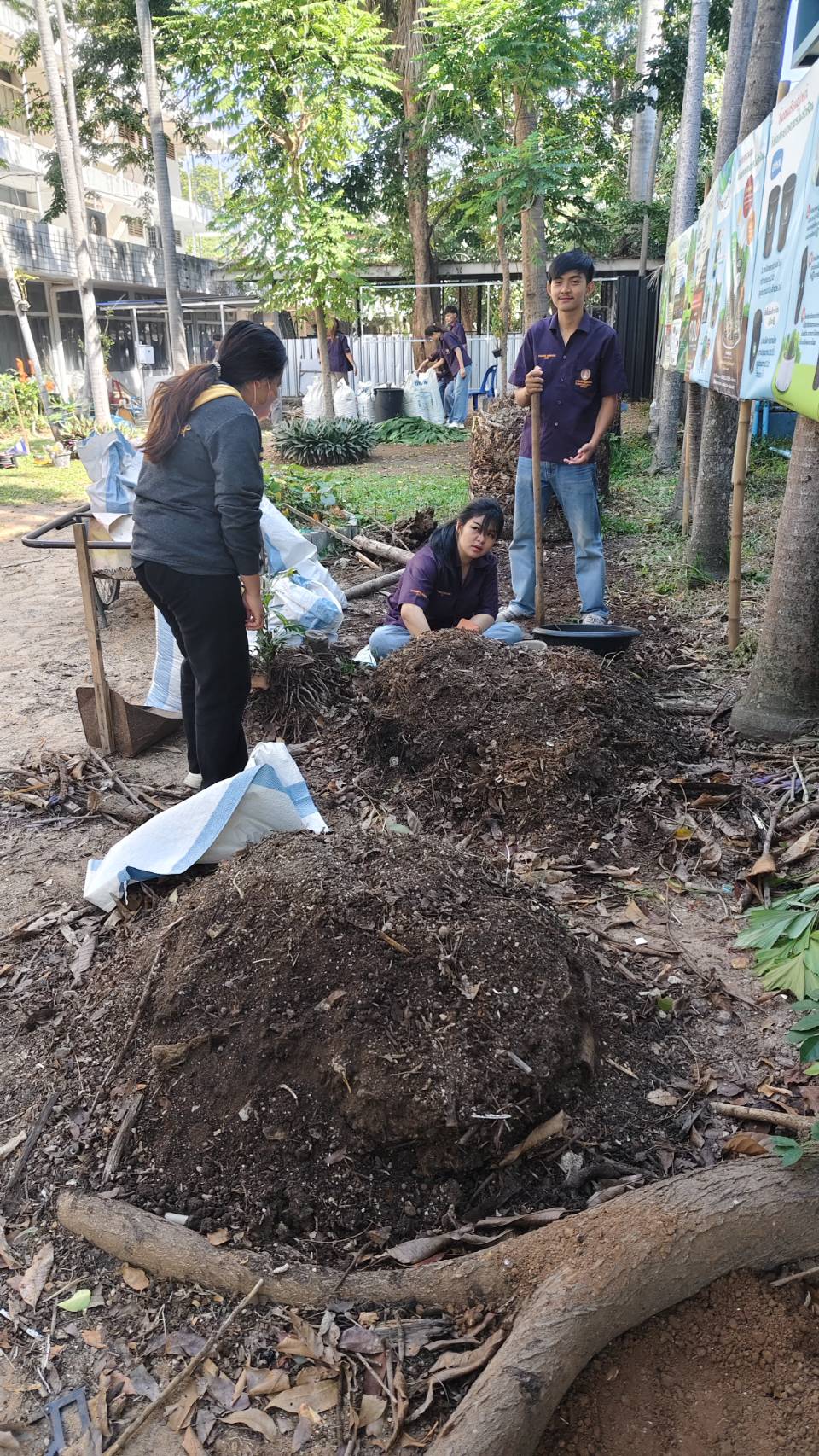
Activity 1: Development and Improvement of the Organic Waste Learning Center
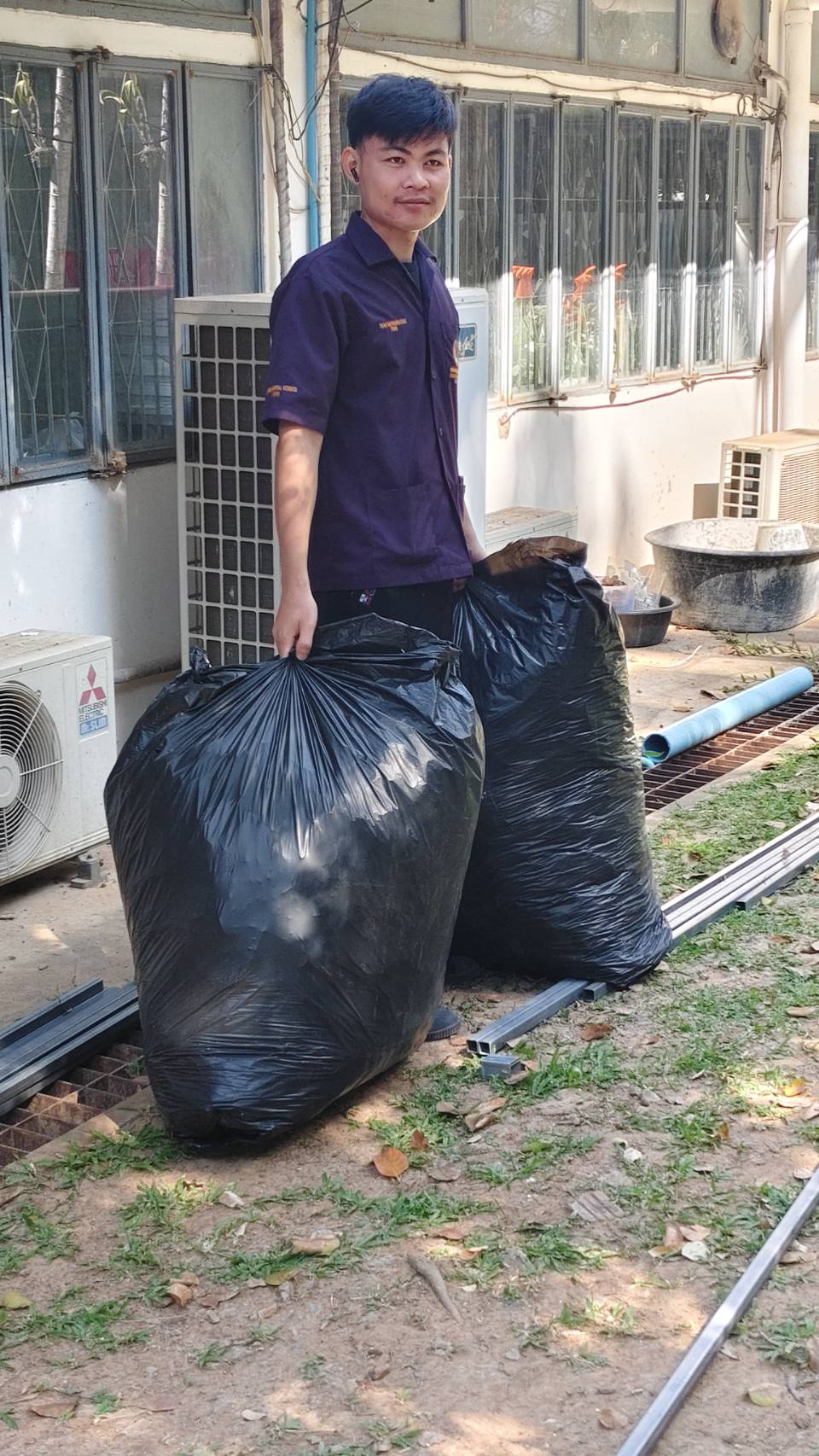
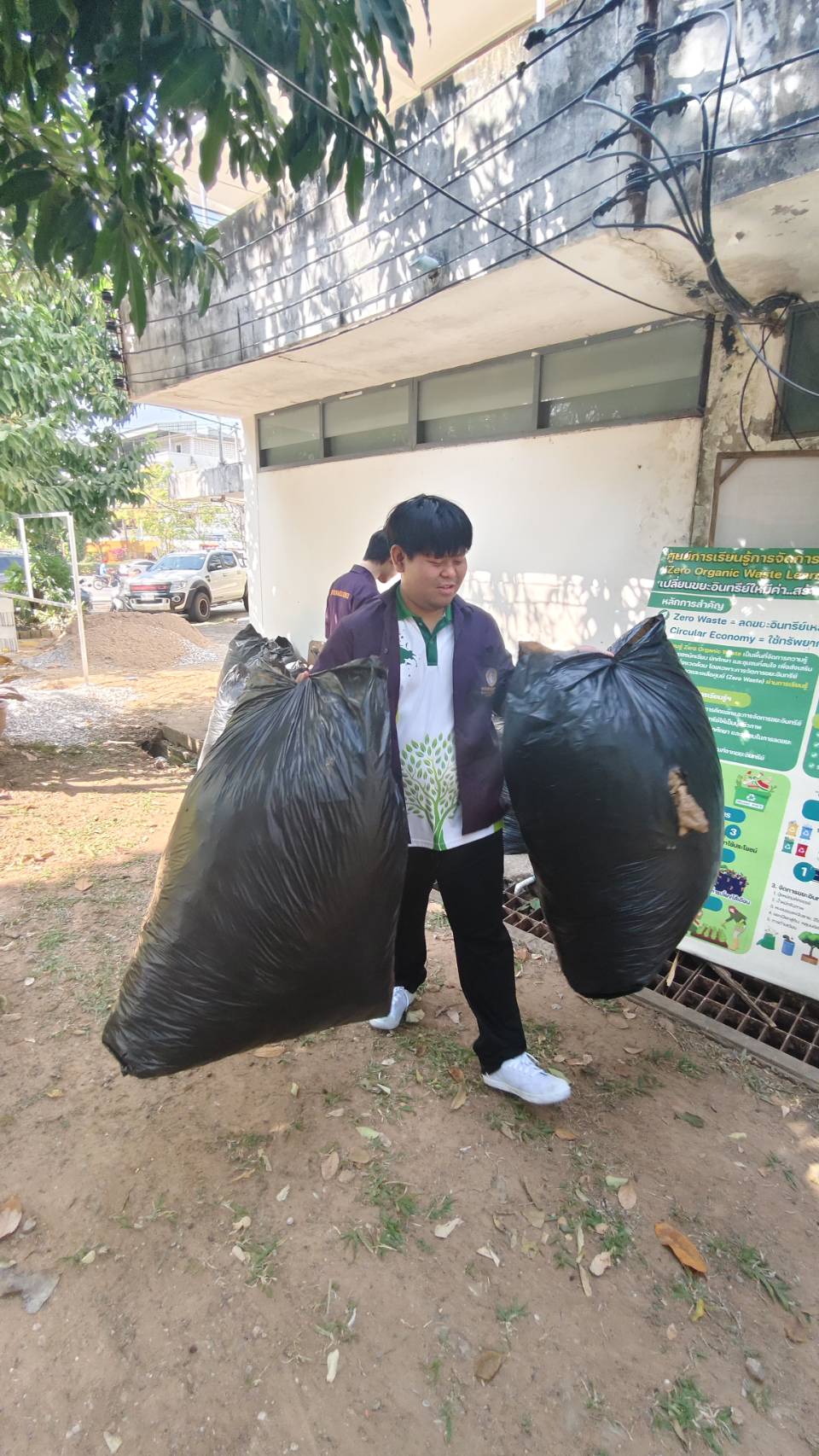
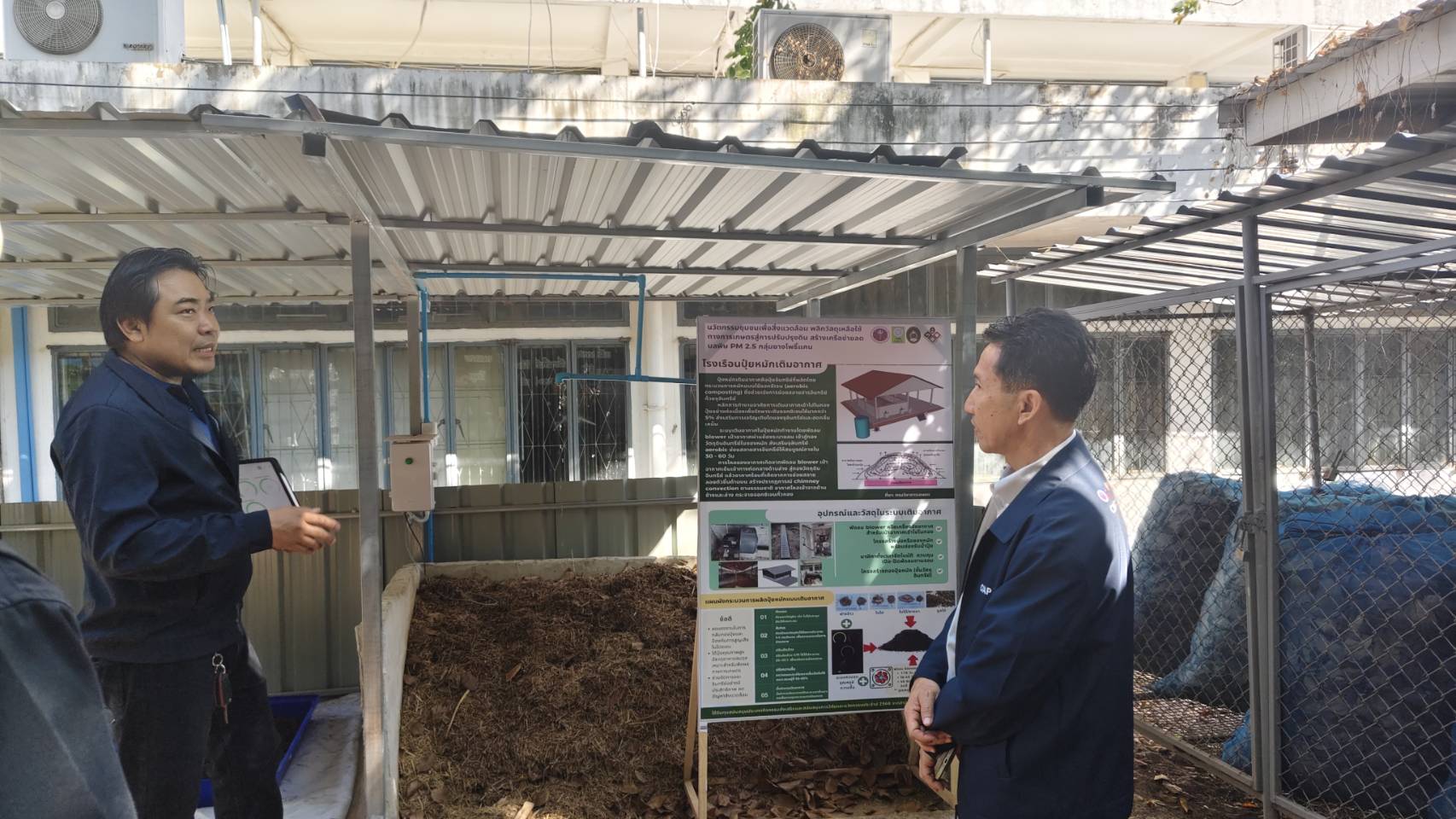
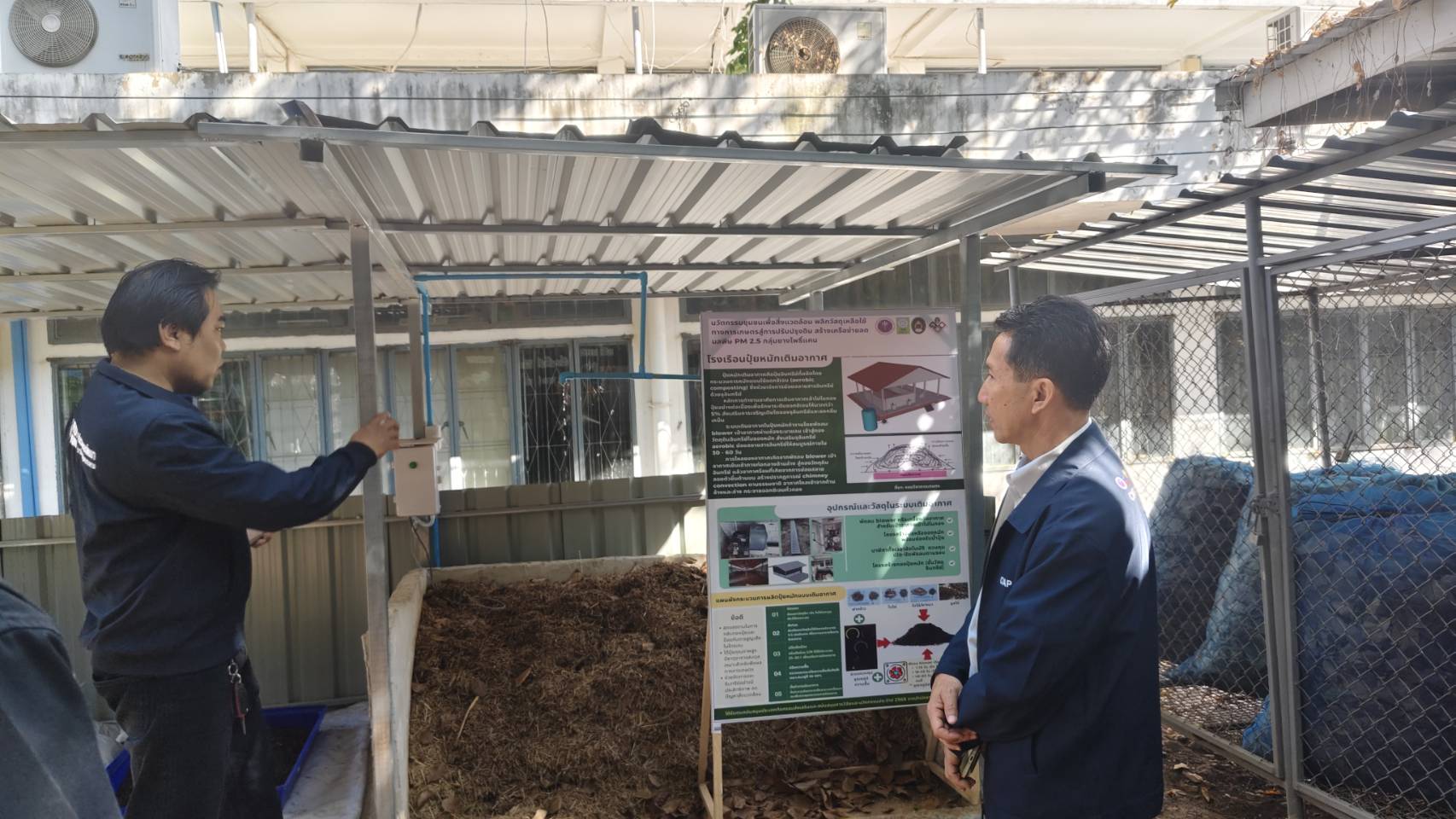
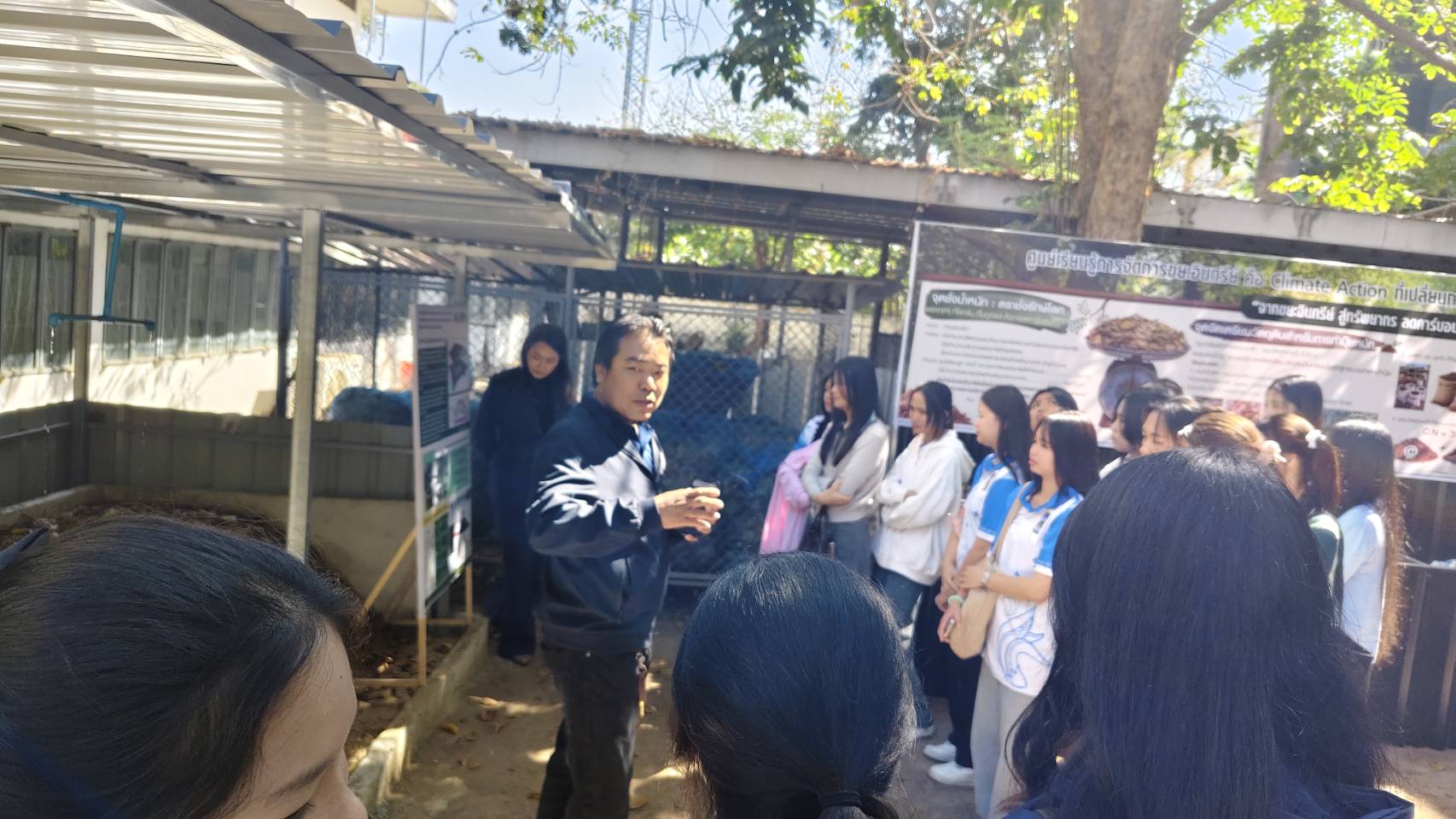
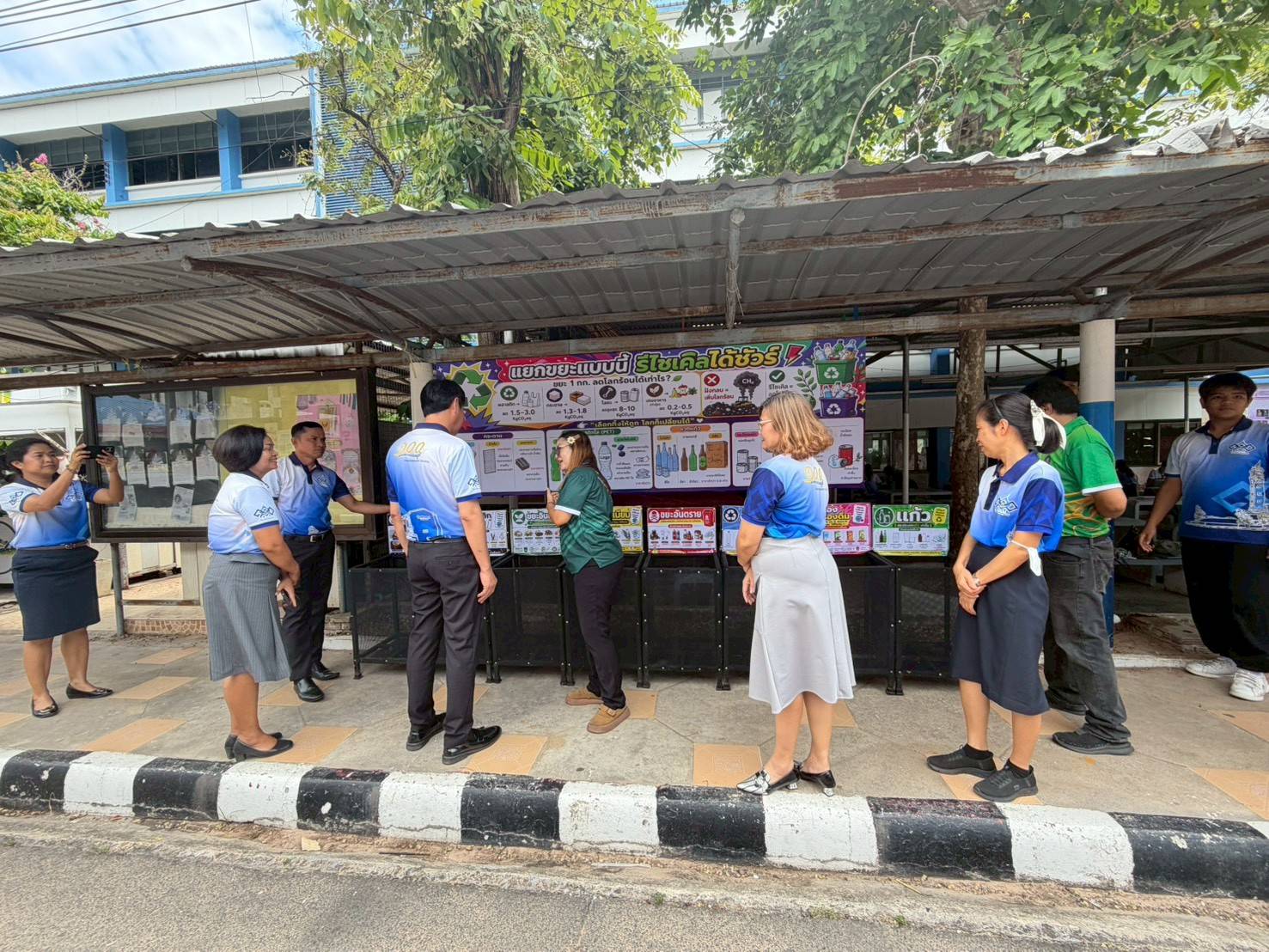
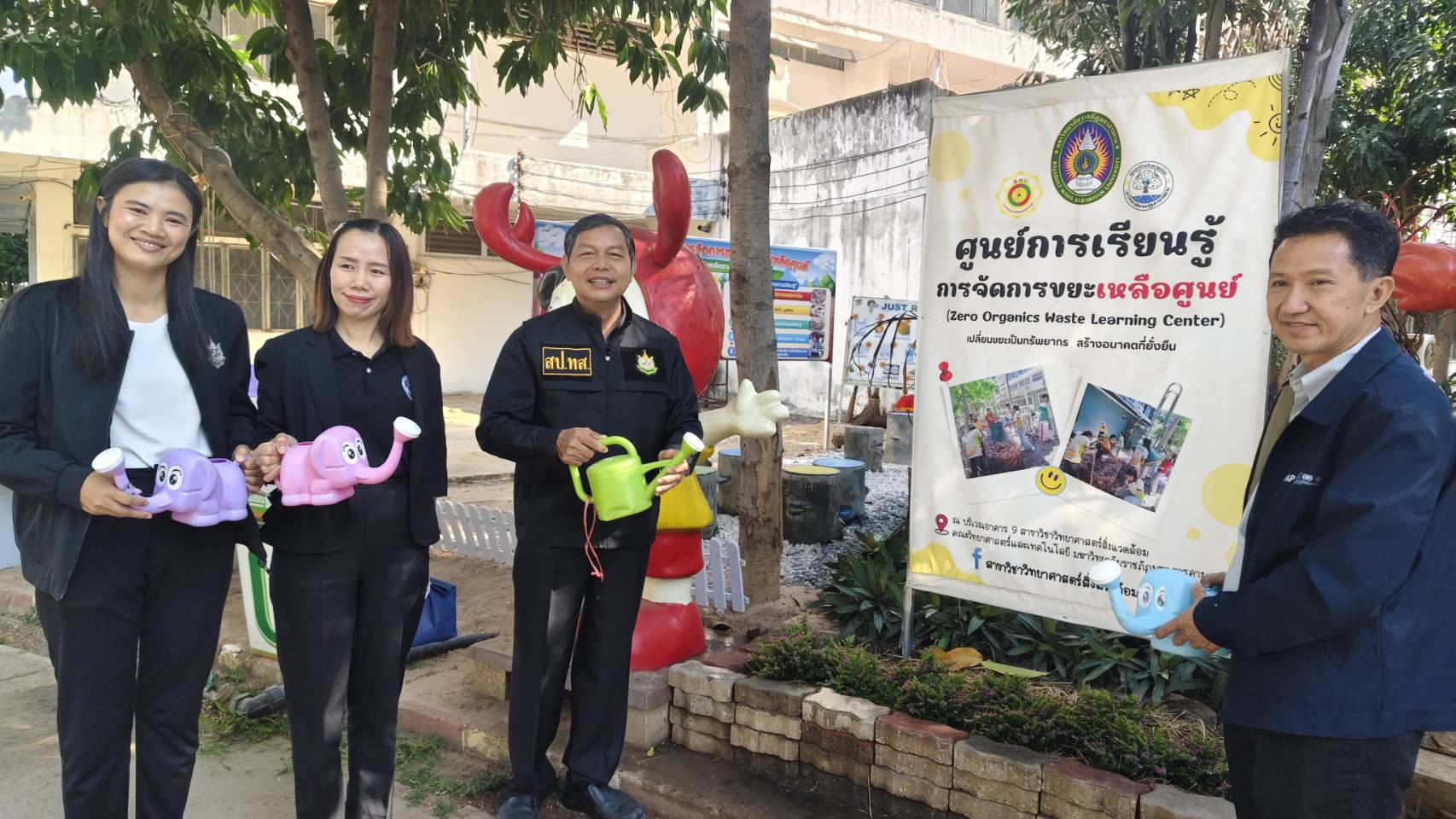
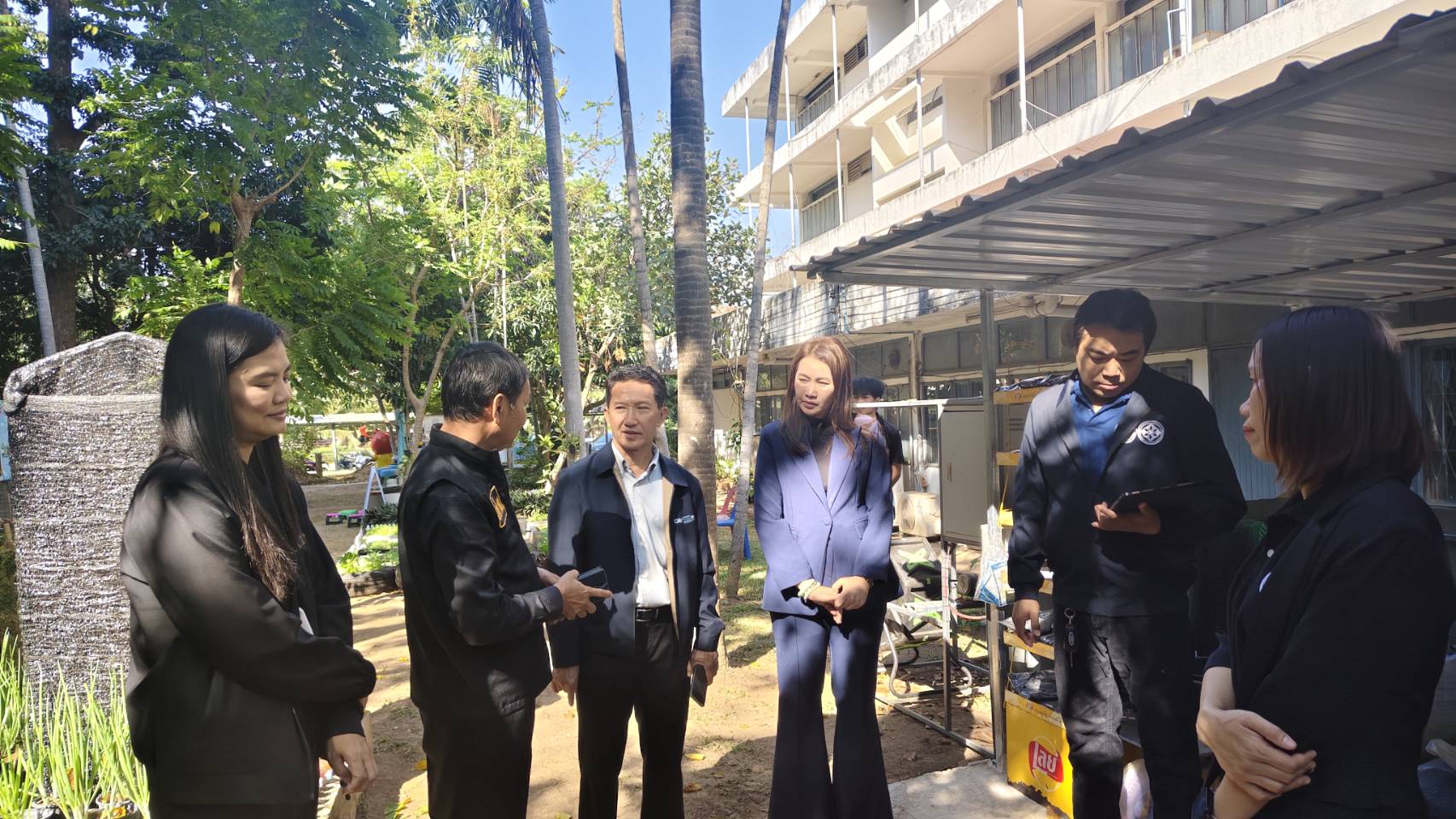
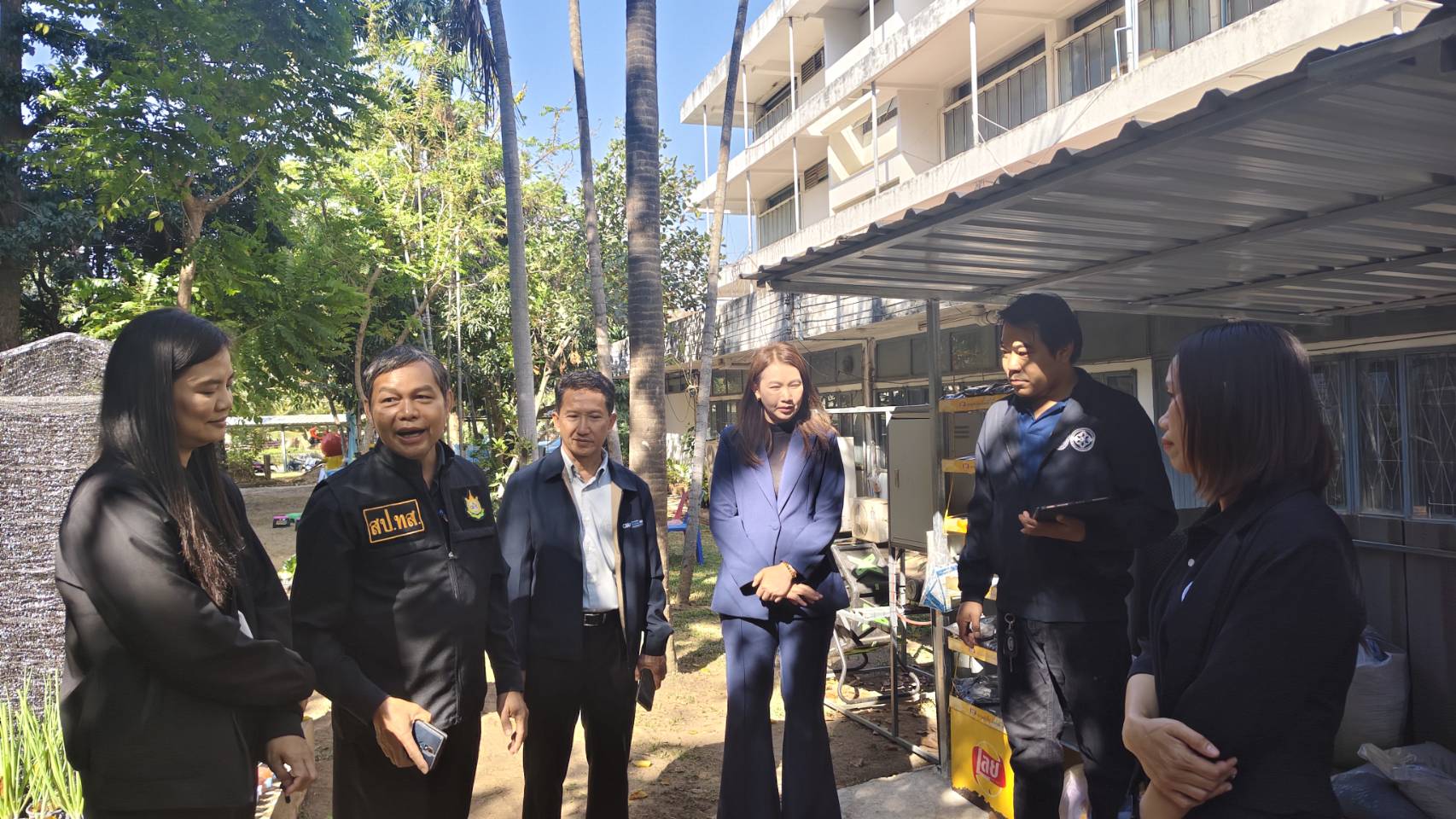
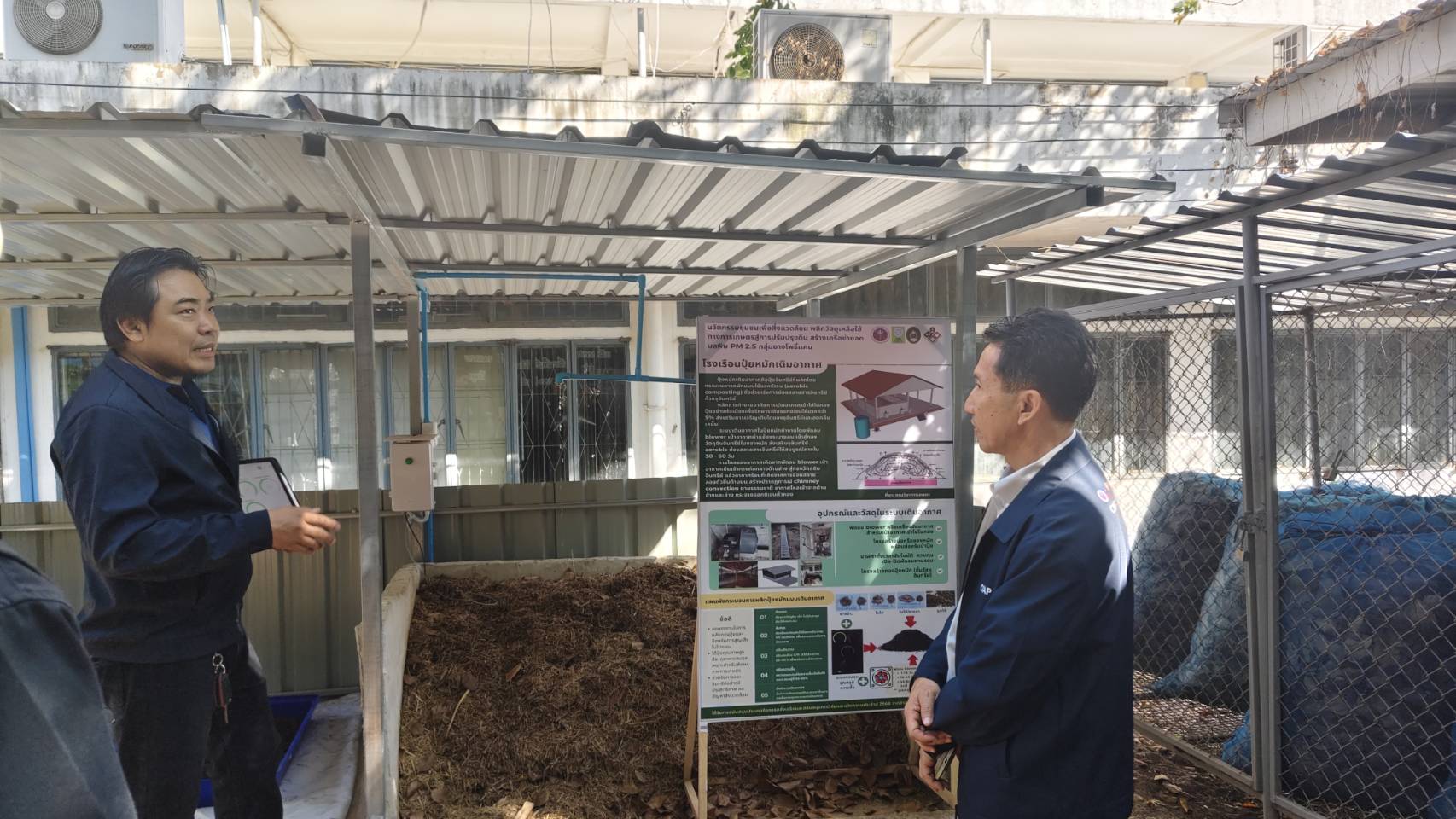
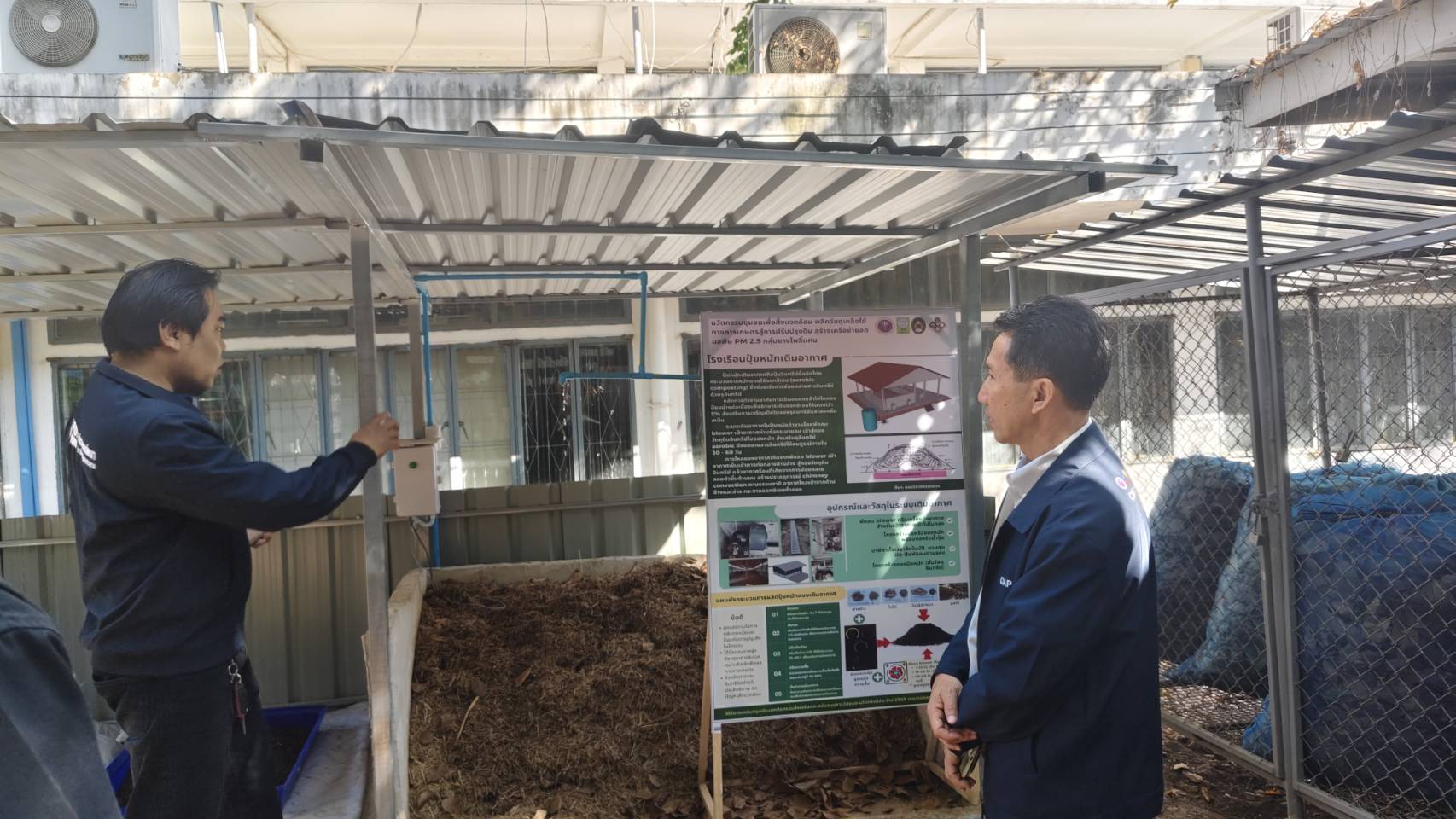
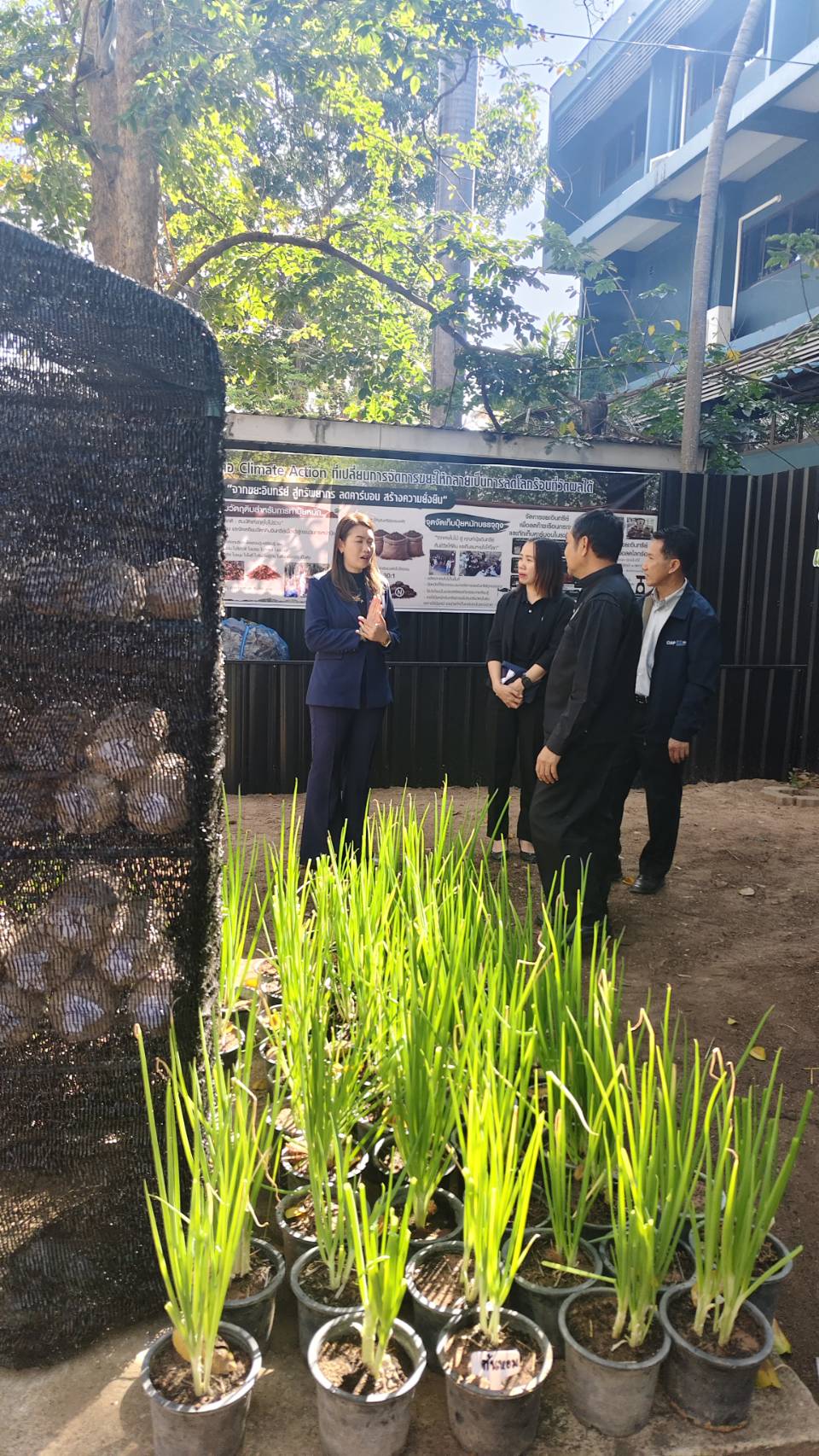
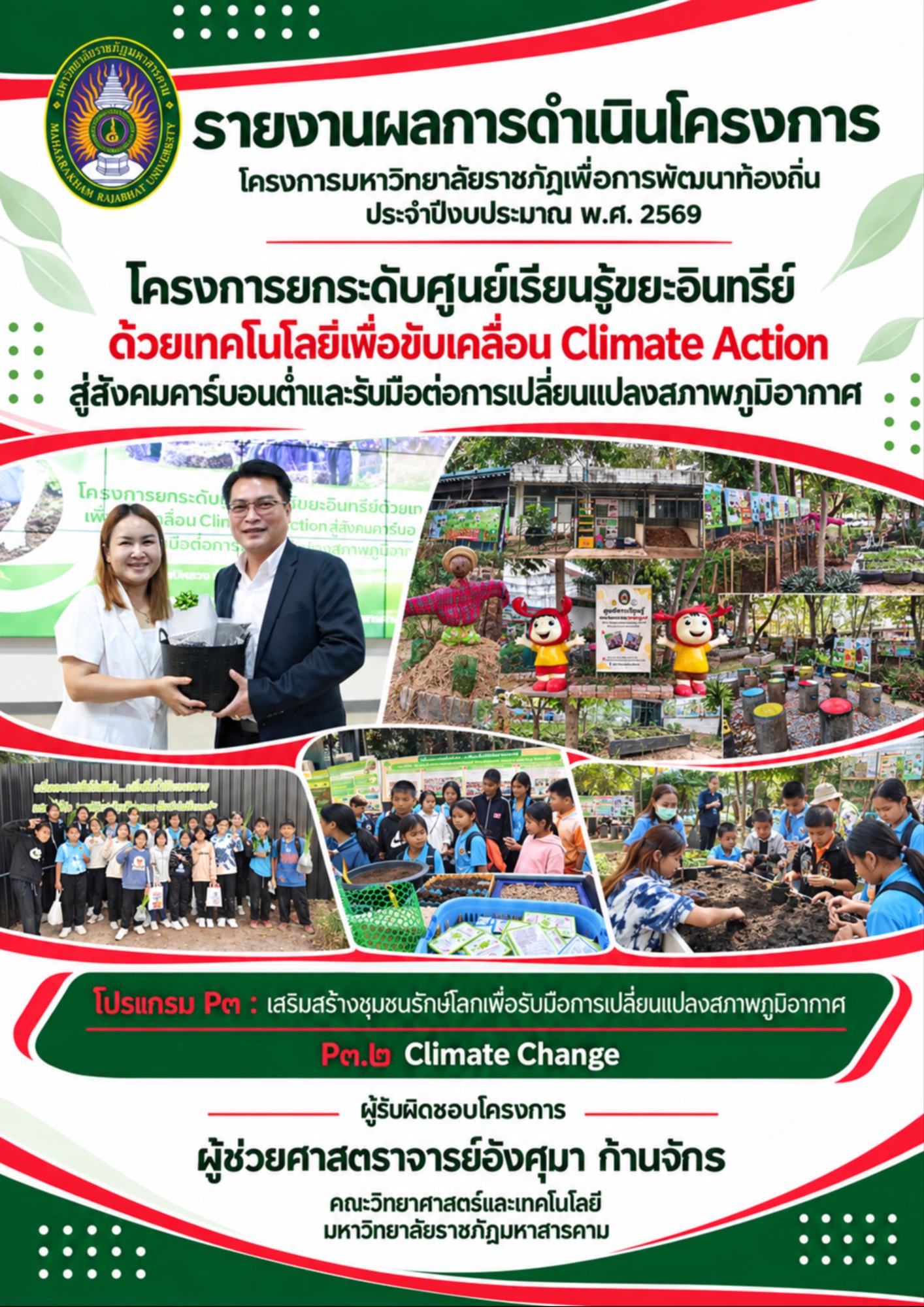
Improve the learning center to support learning and hands-on training by identifying the needs and concerns of stakeholders and installing technologies and innovations, such as an aerated composting system and an IoT system for monitoring temperature and moisture. The activity will also include trials in organic waste management and data collection to assess greenhouse gas emission reductions.
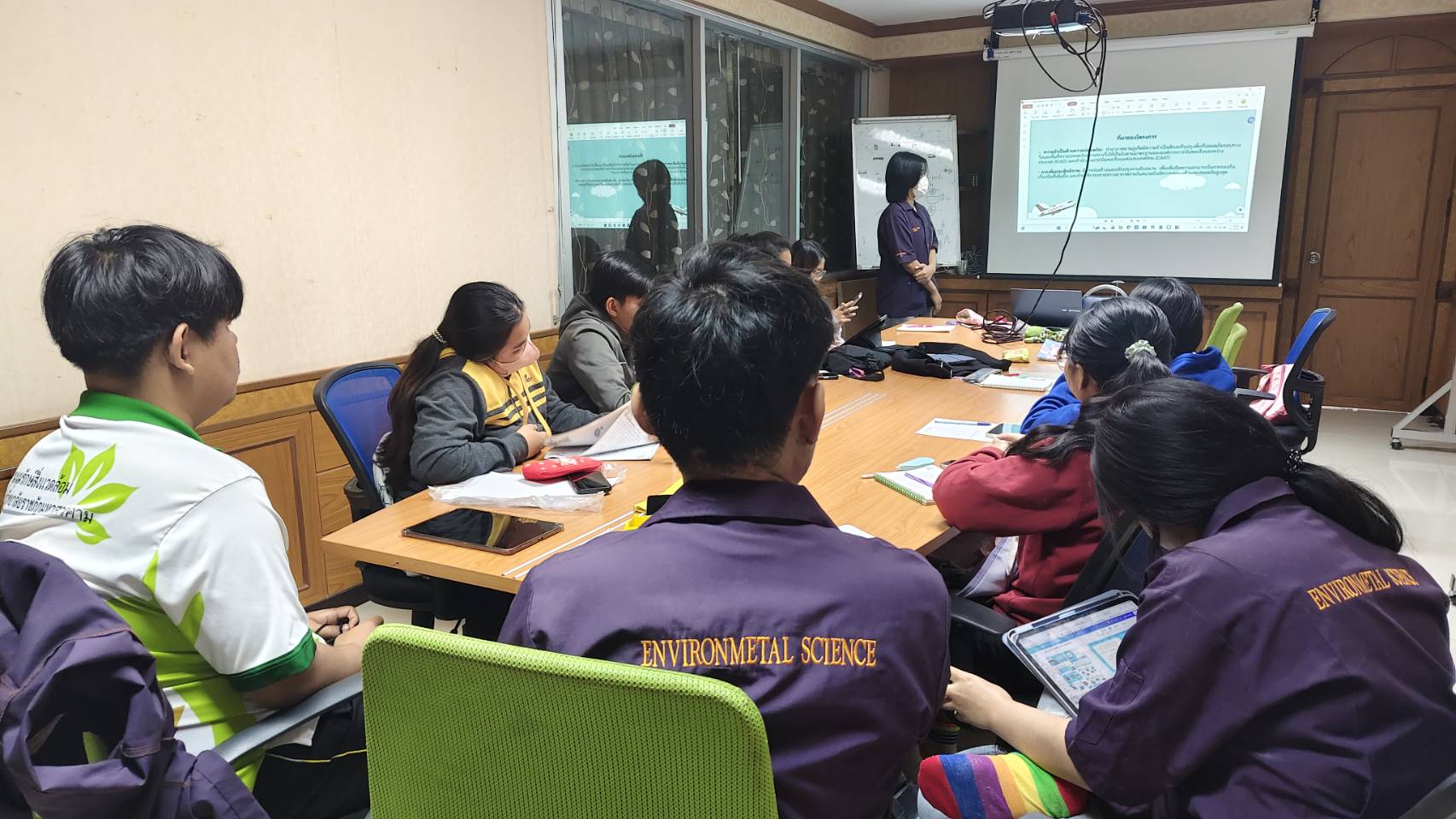
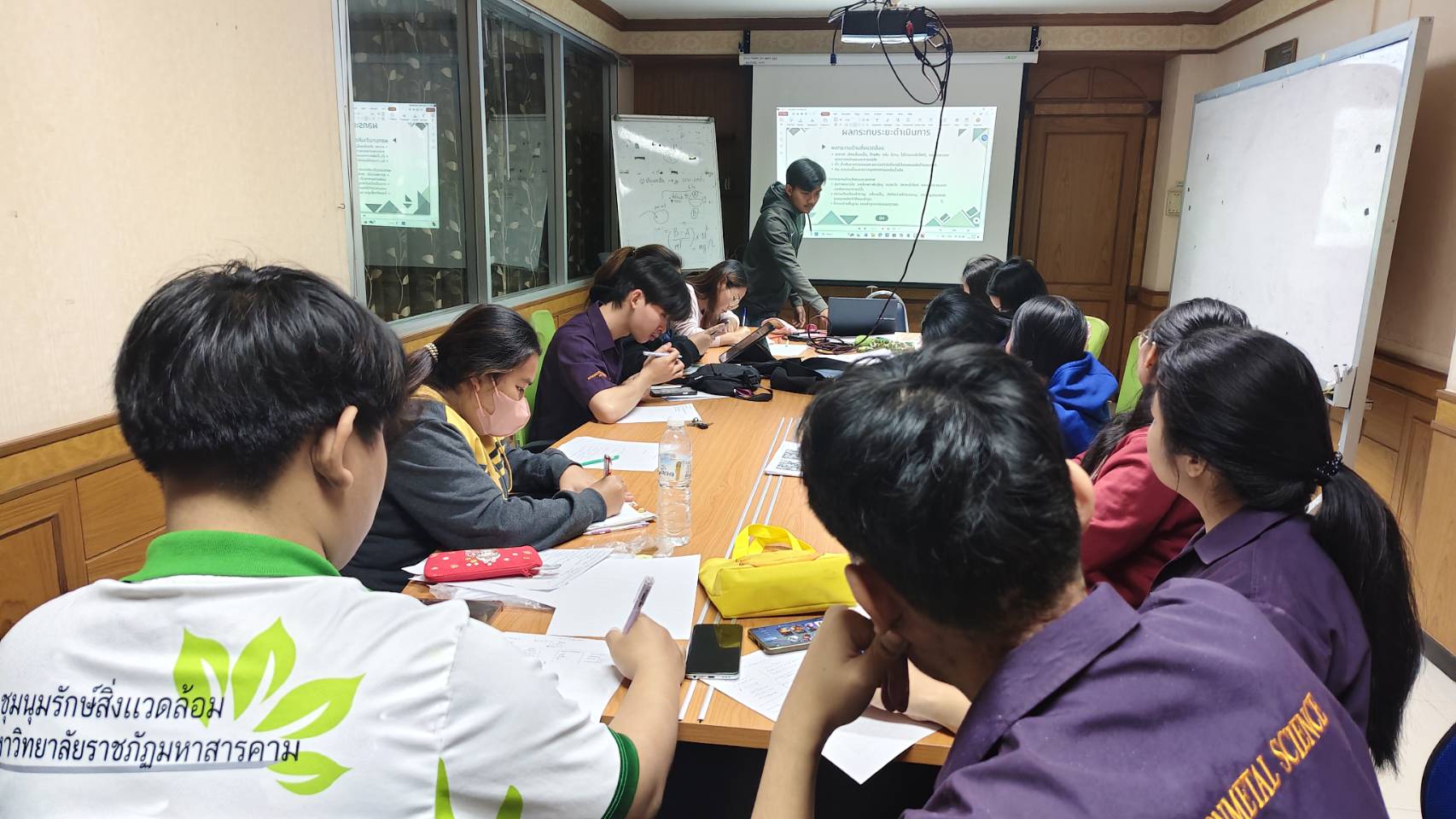
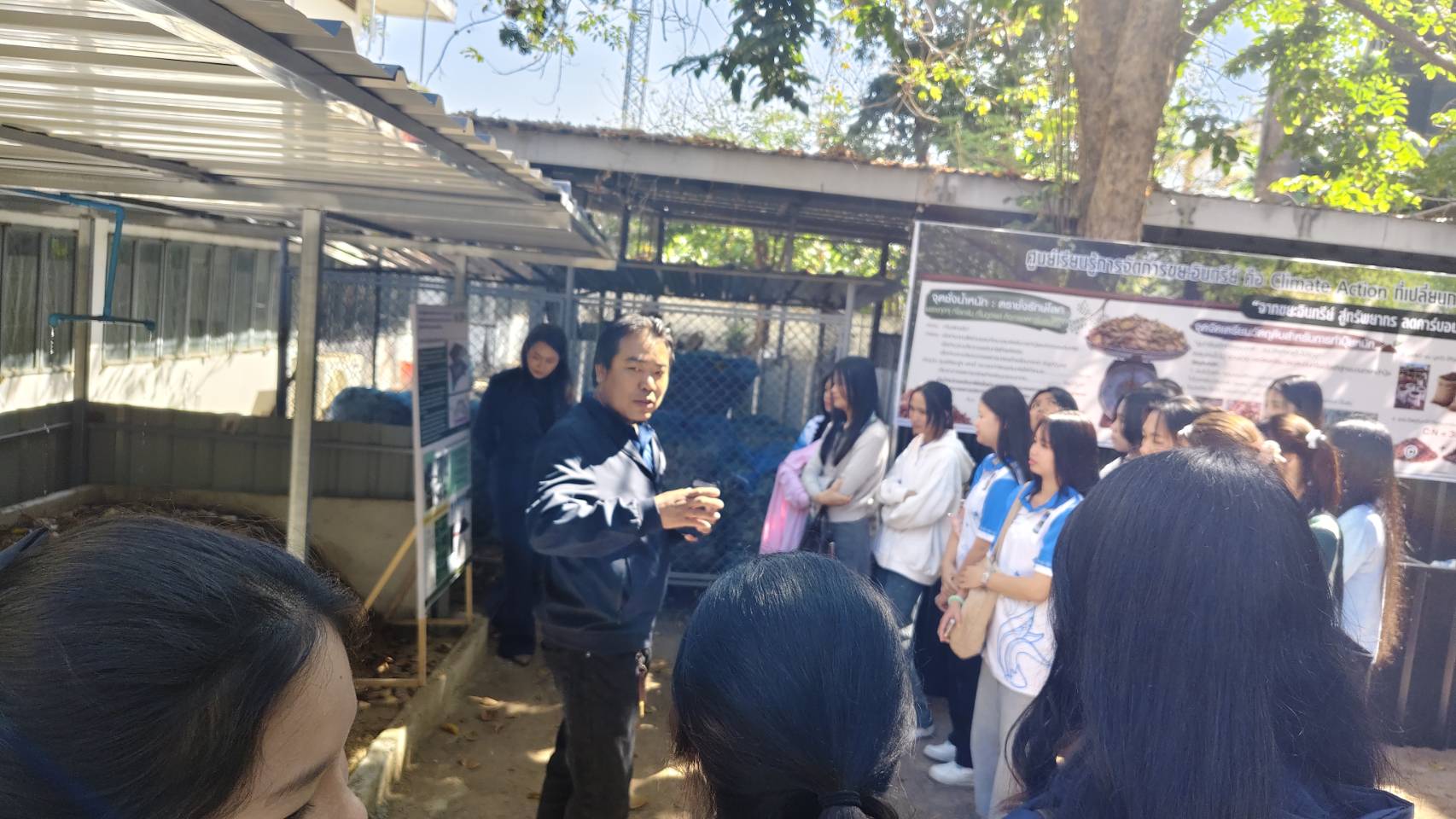
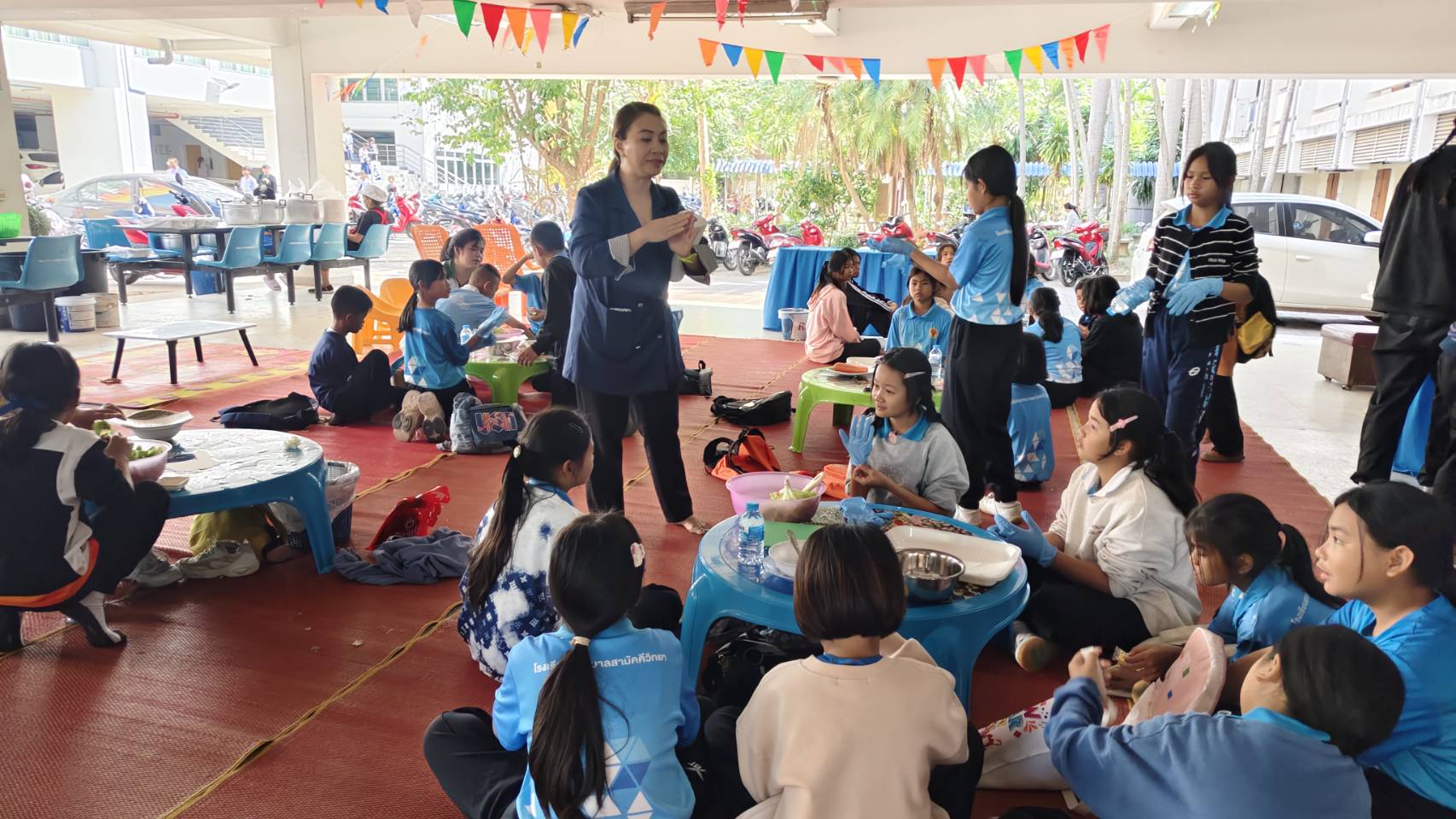
Activity 2: Knowledge Sharing and Hands-on Training in Organic Waste Management to Advance Climate Action
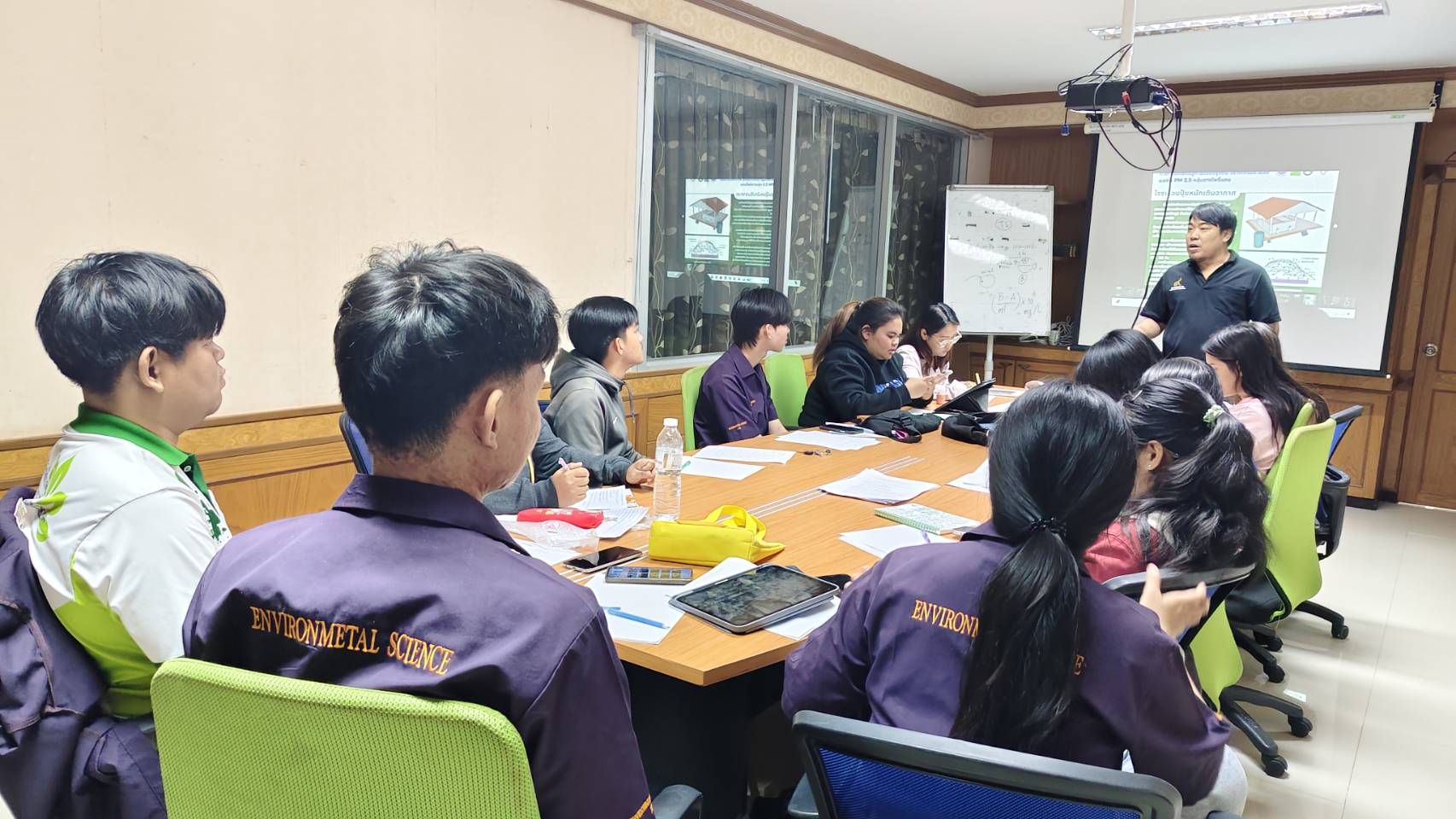
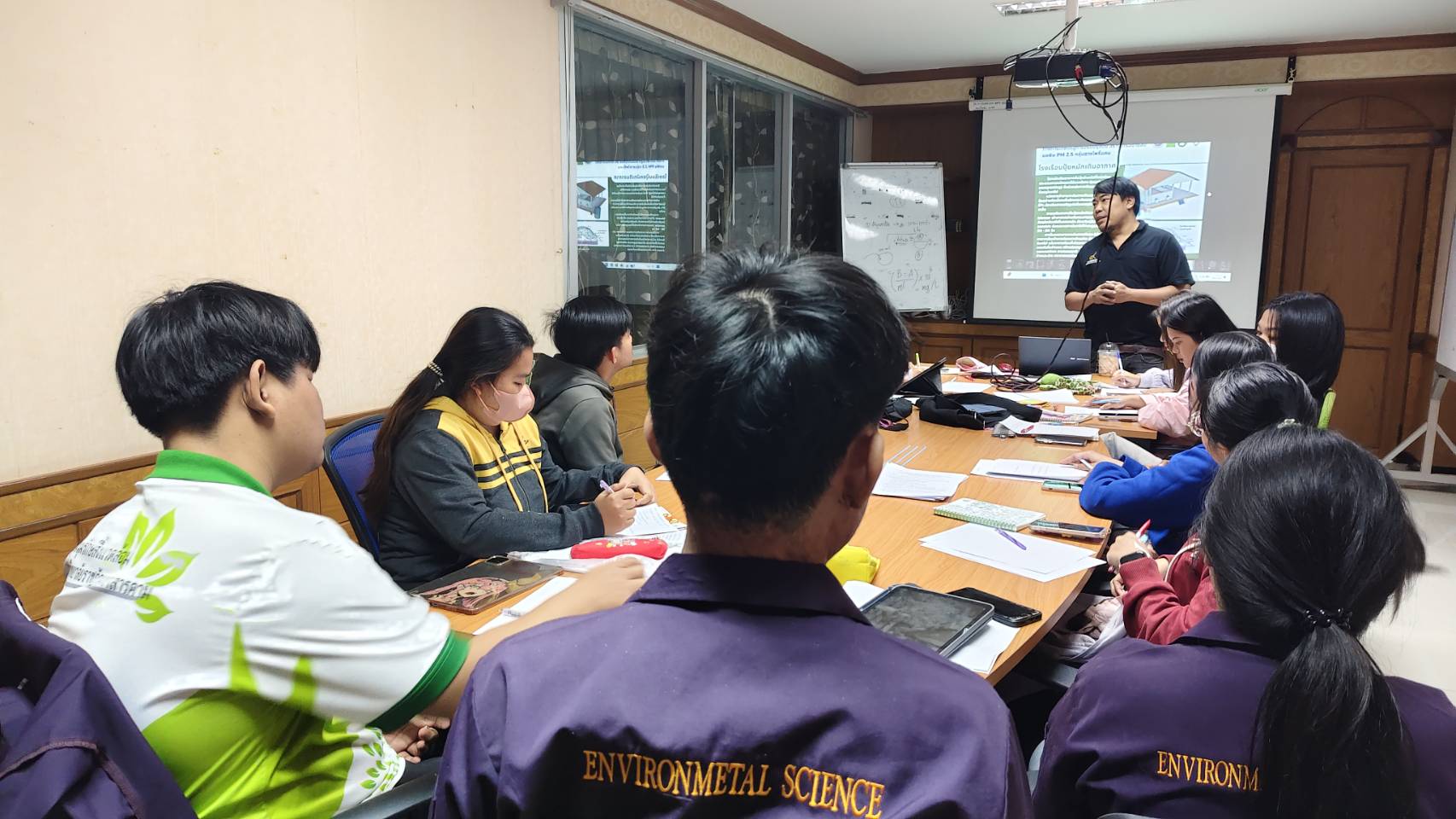
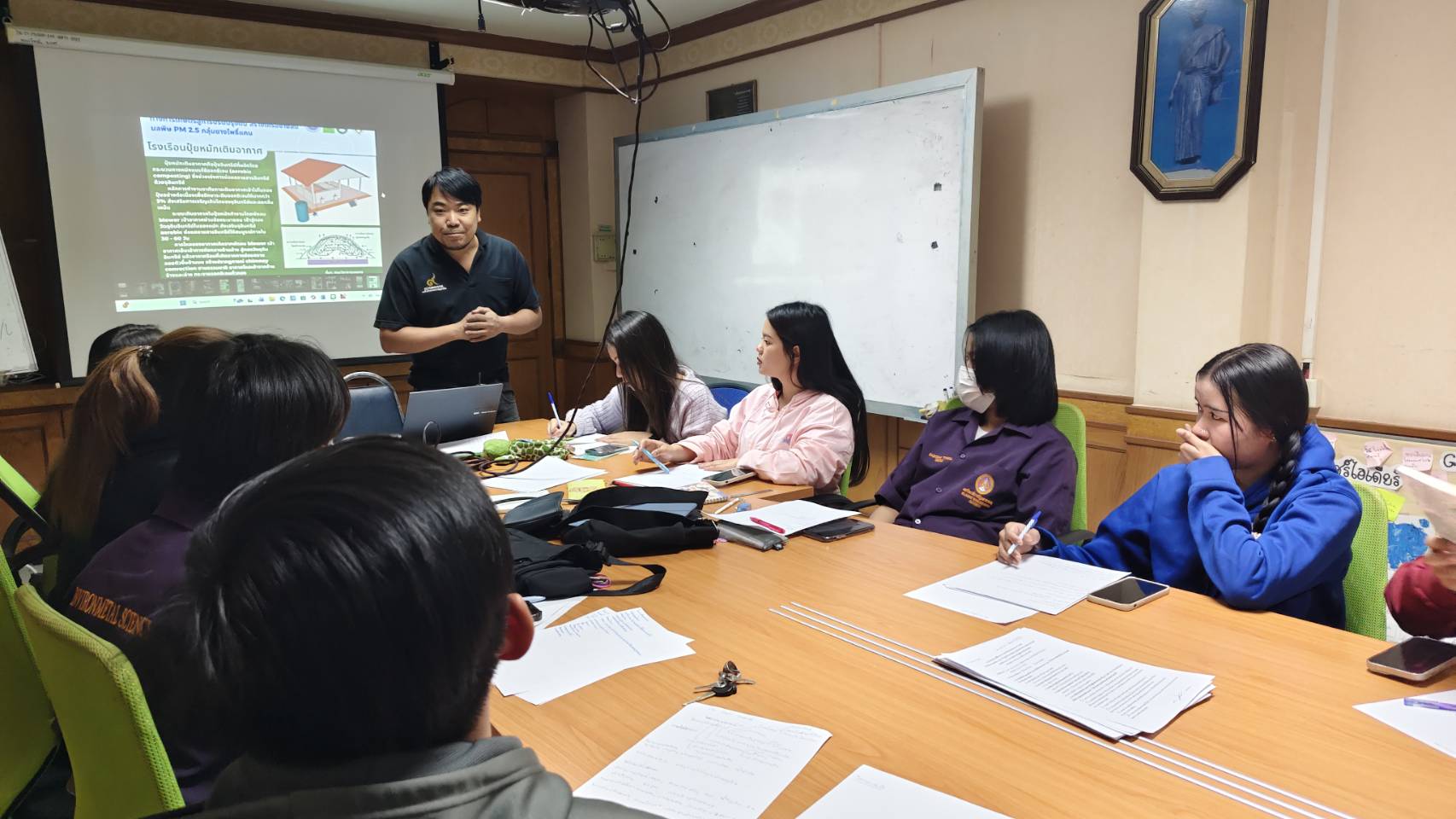
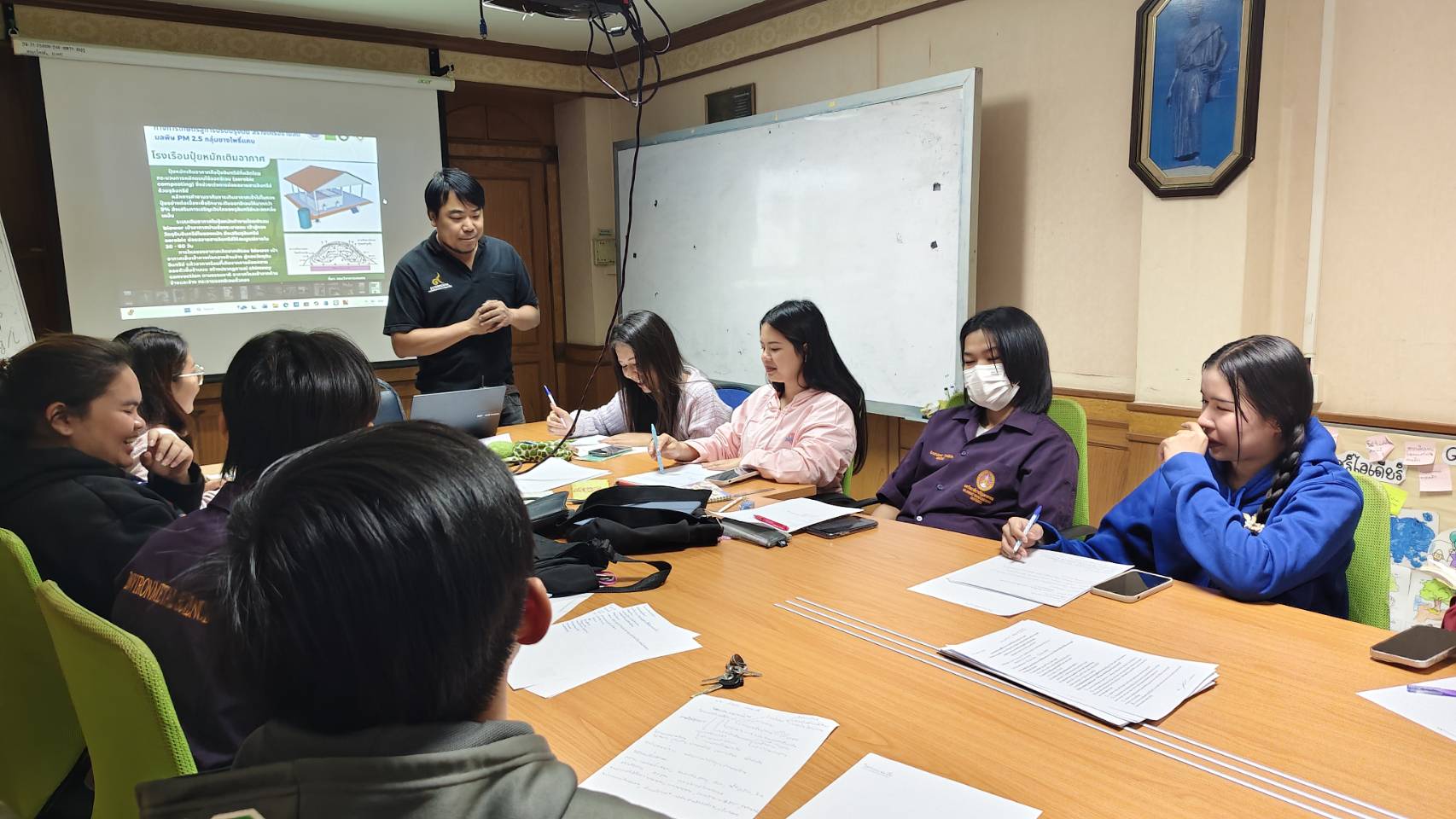
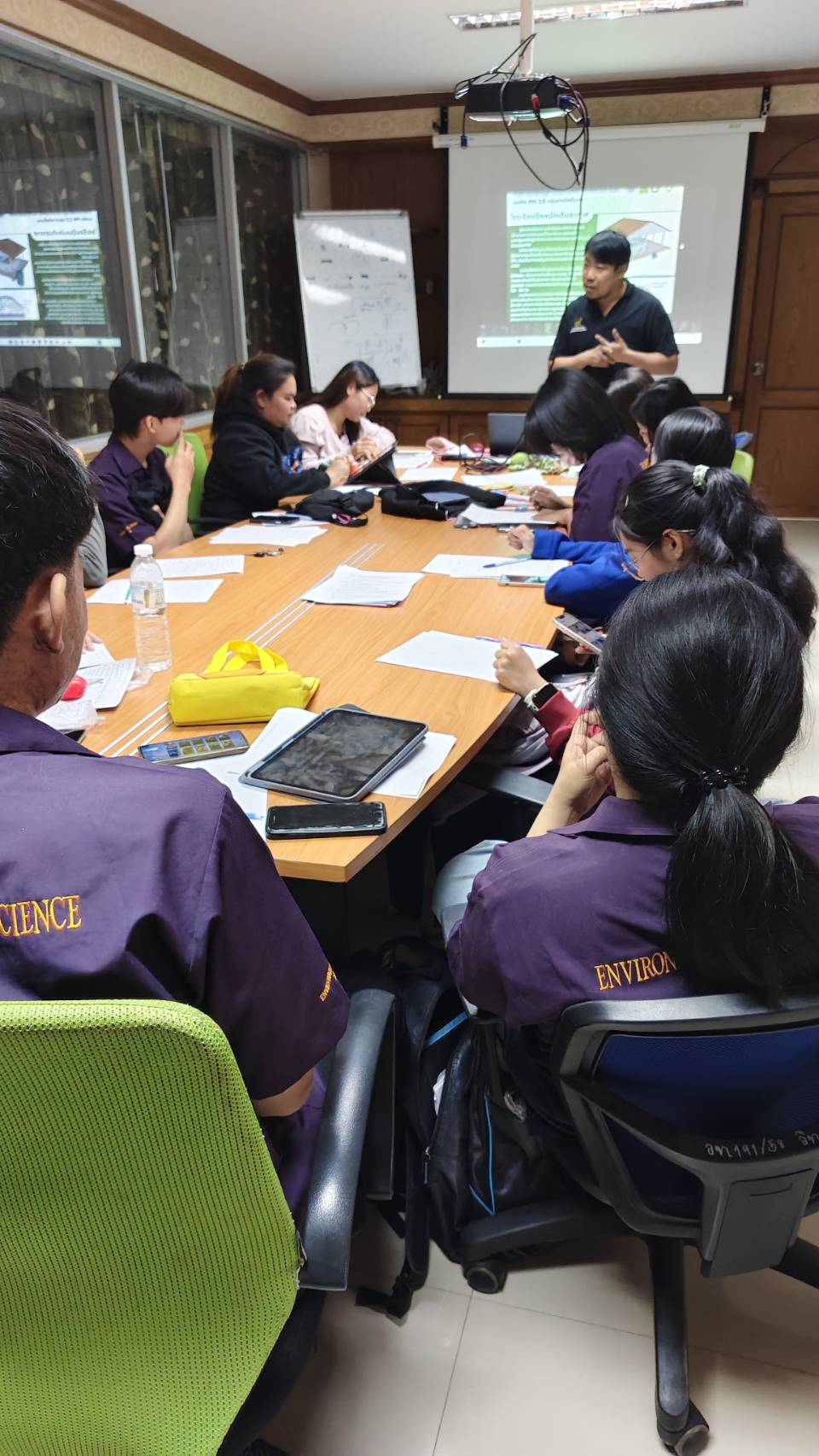
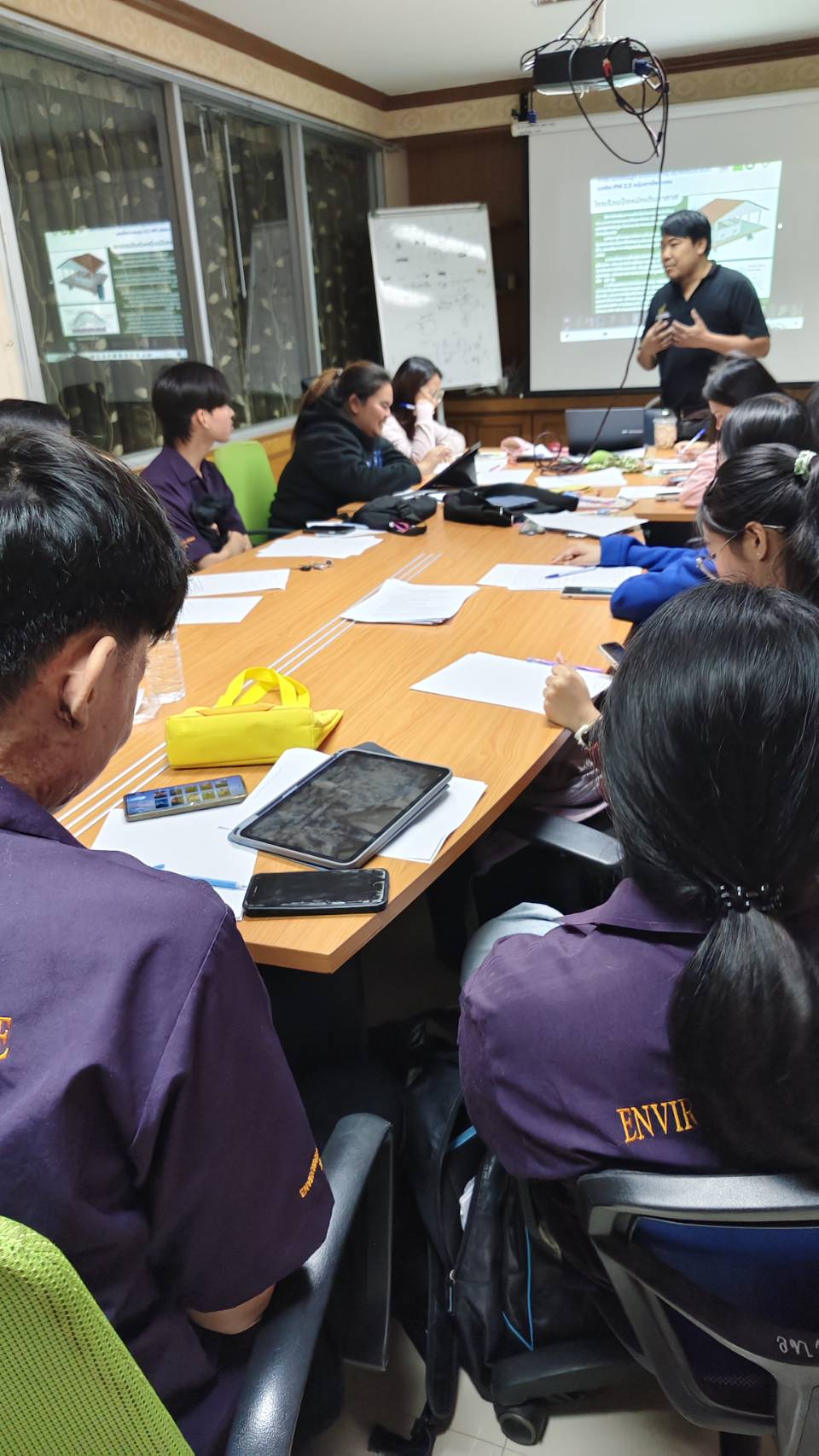
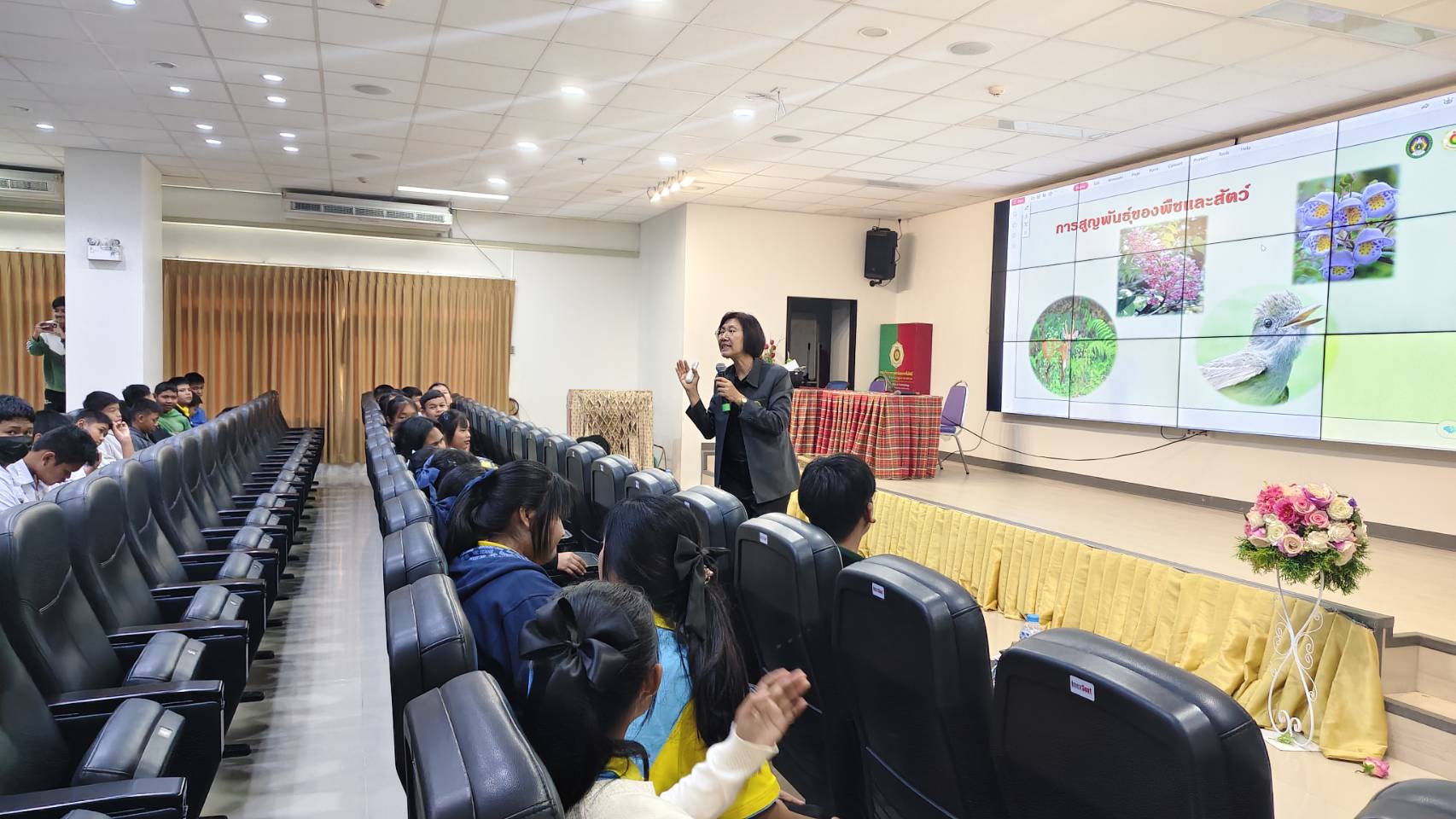
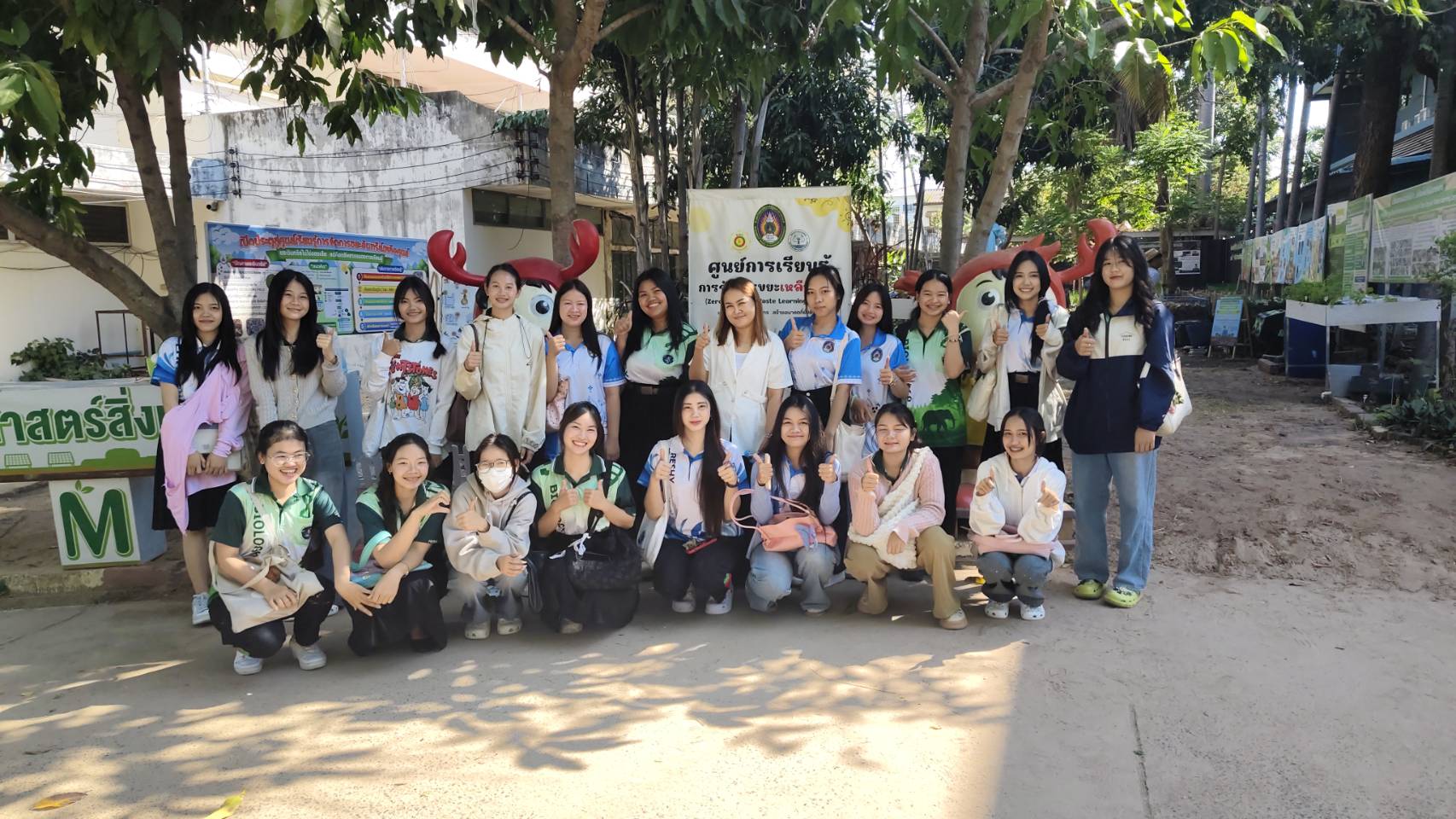
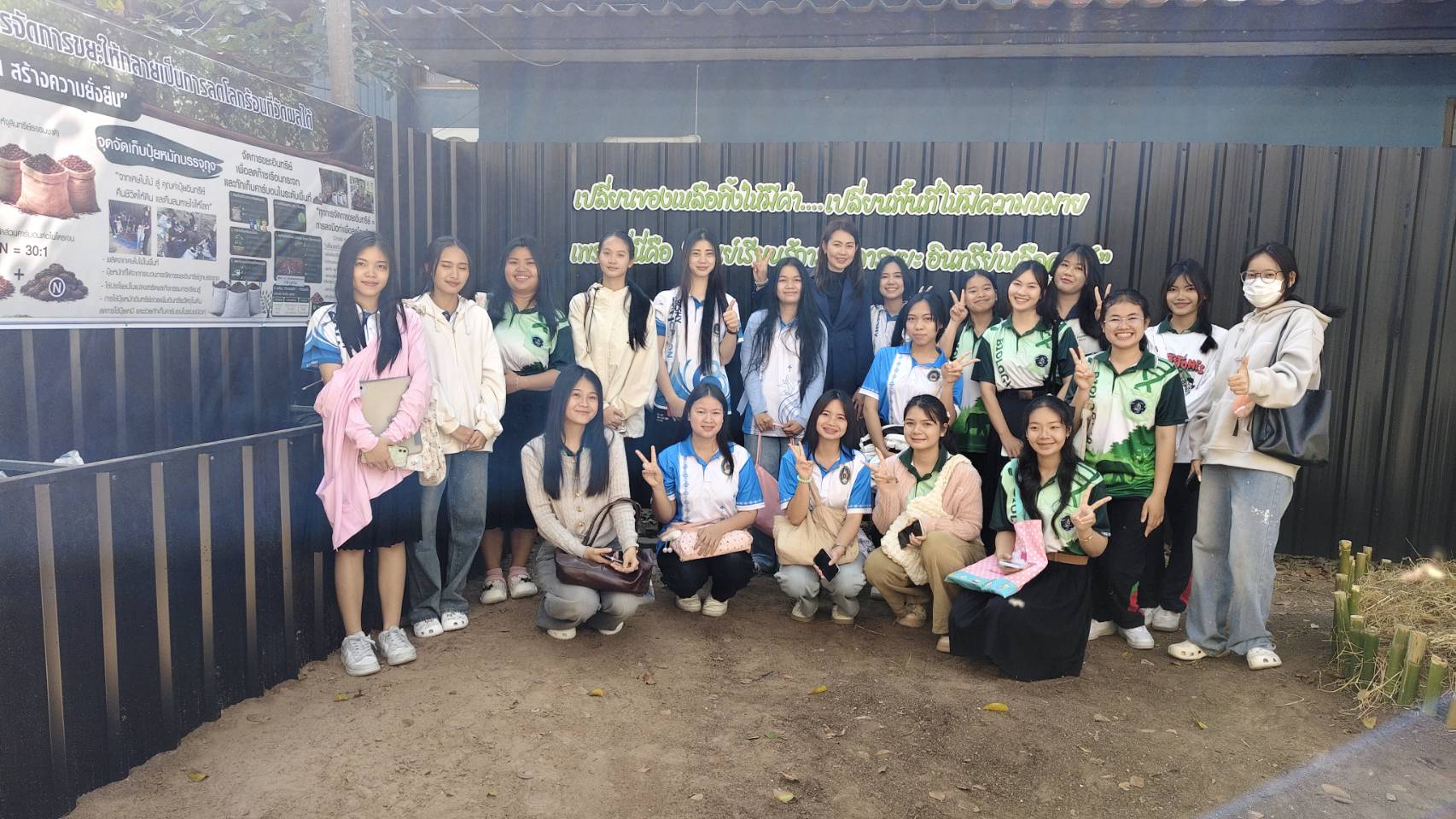
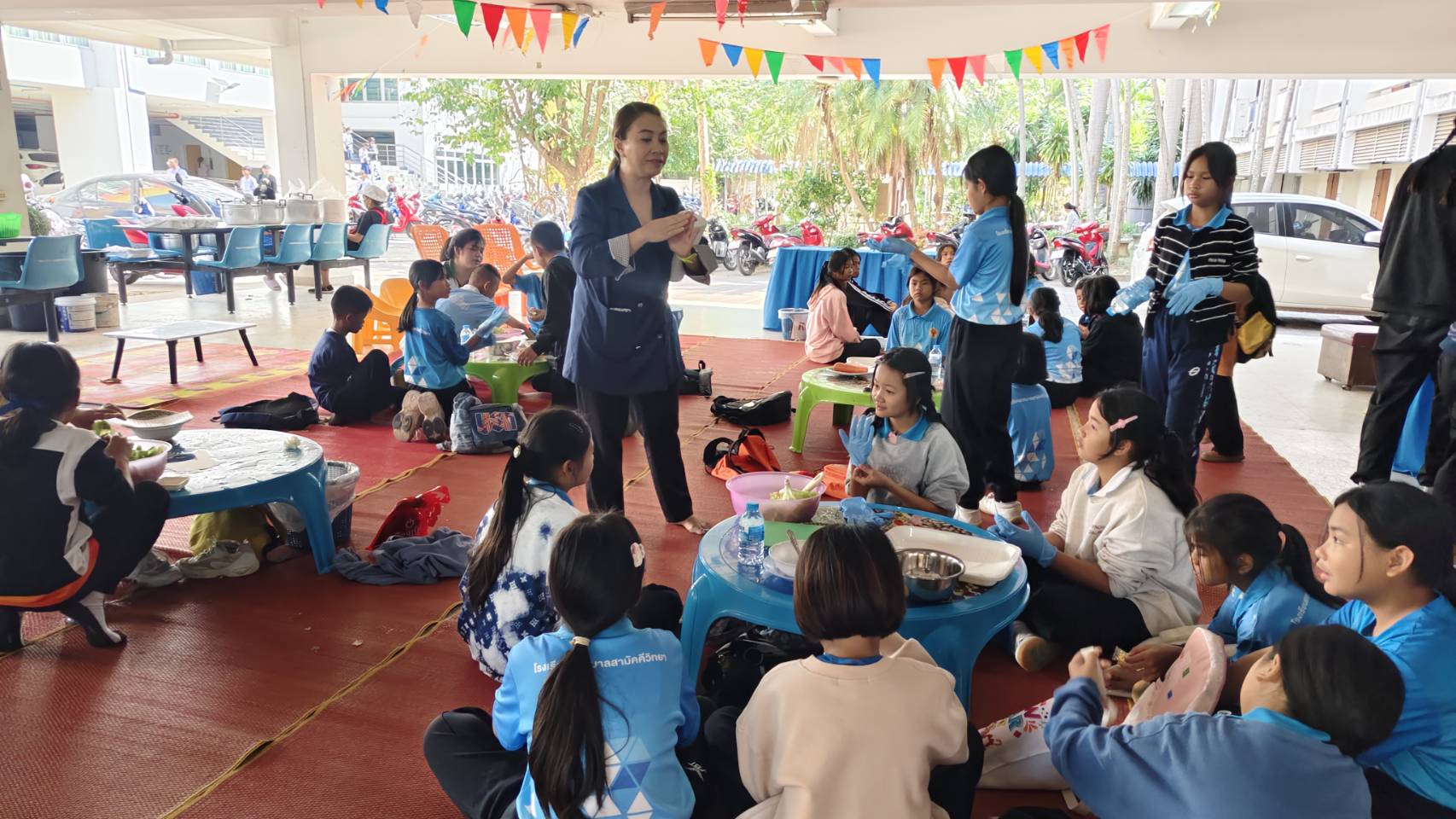
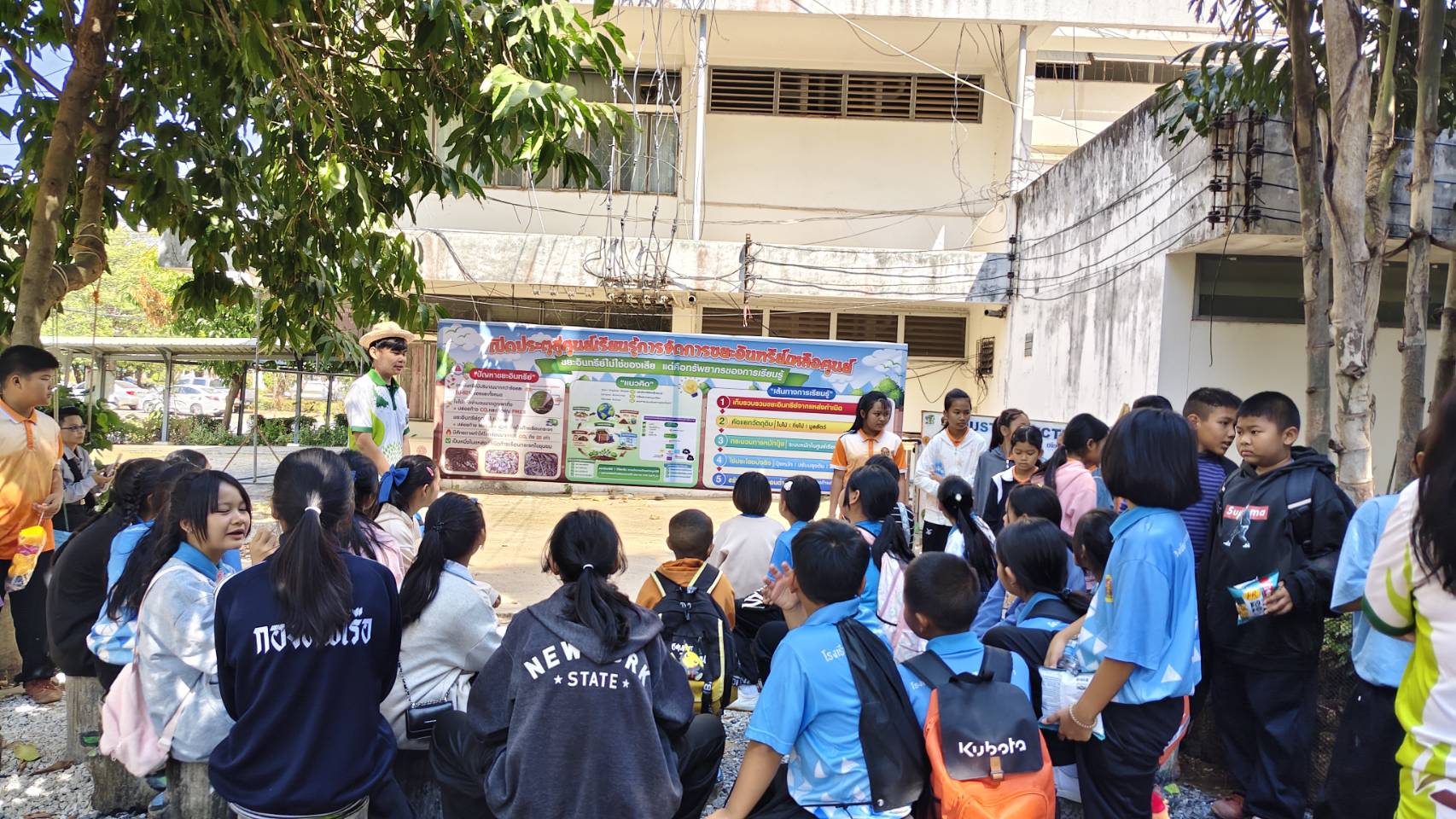
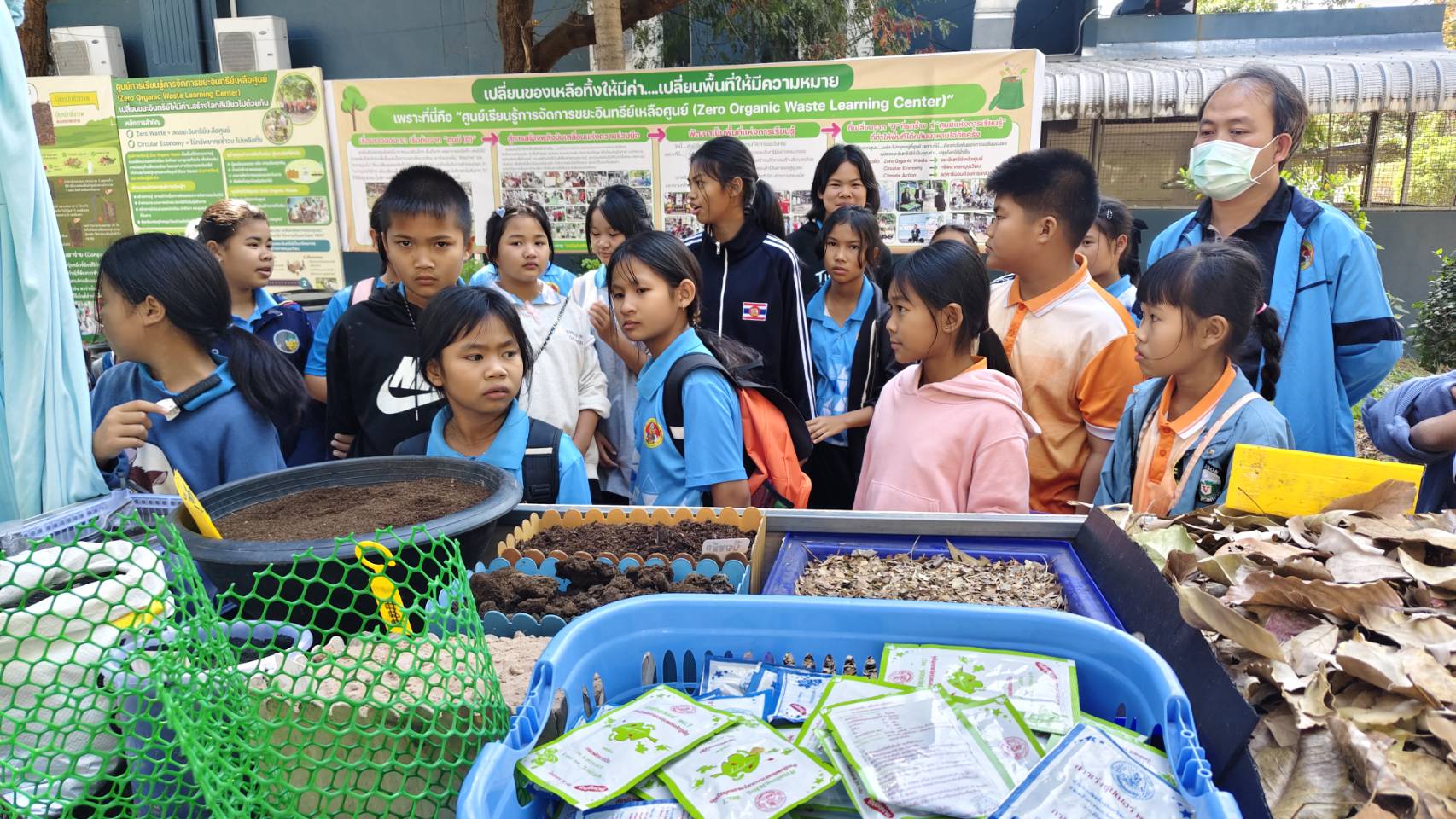
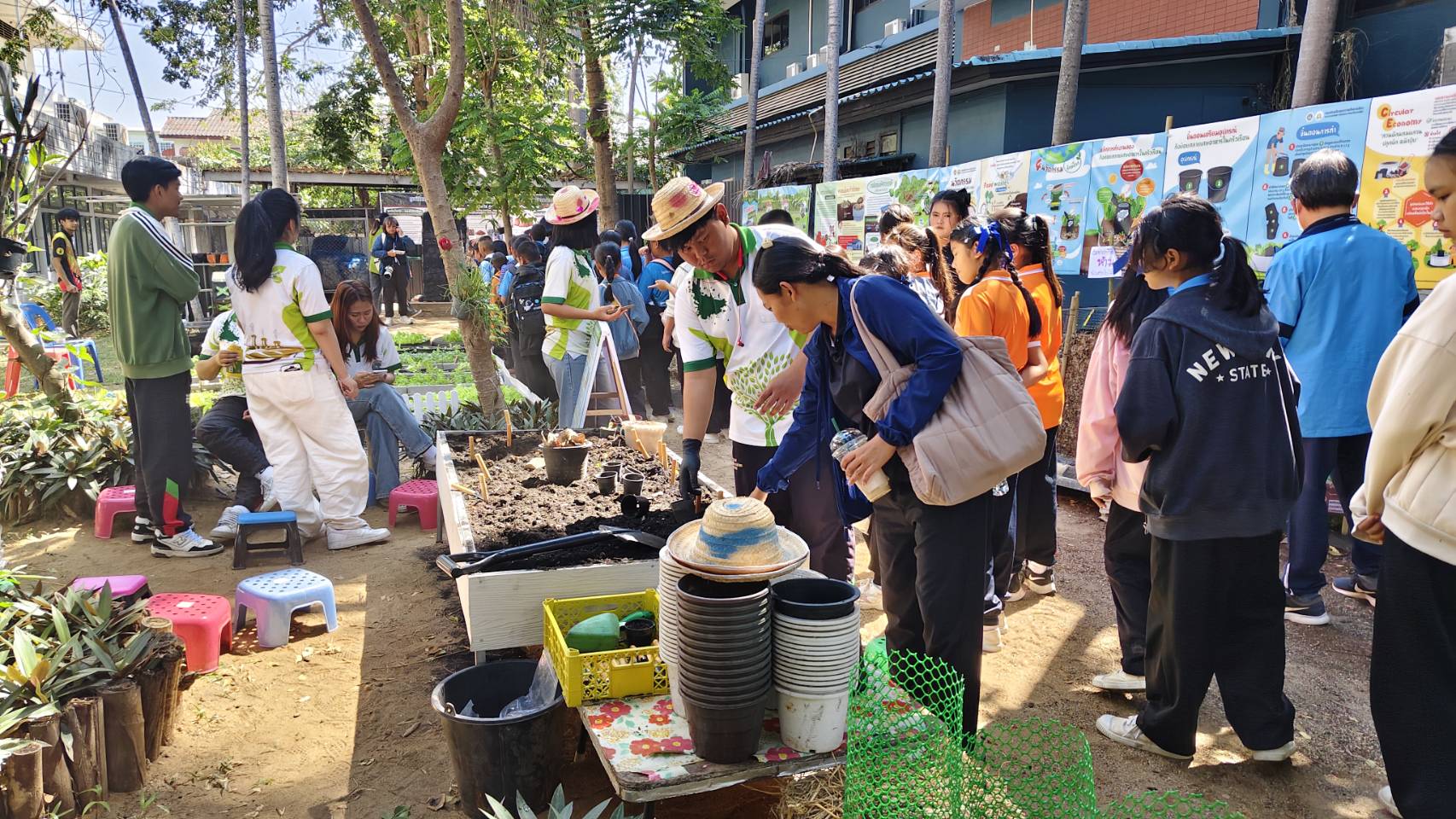
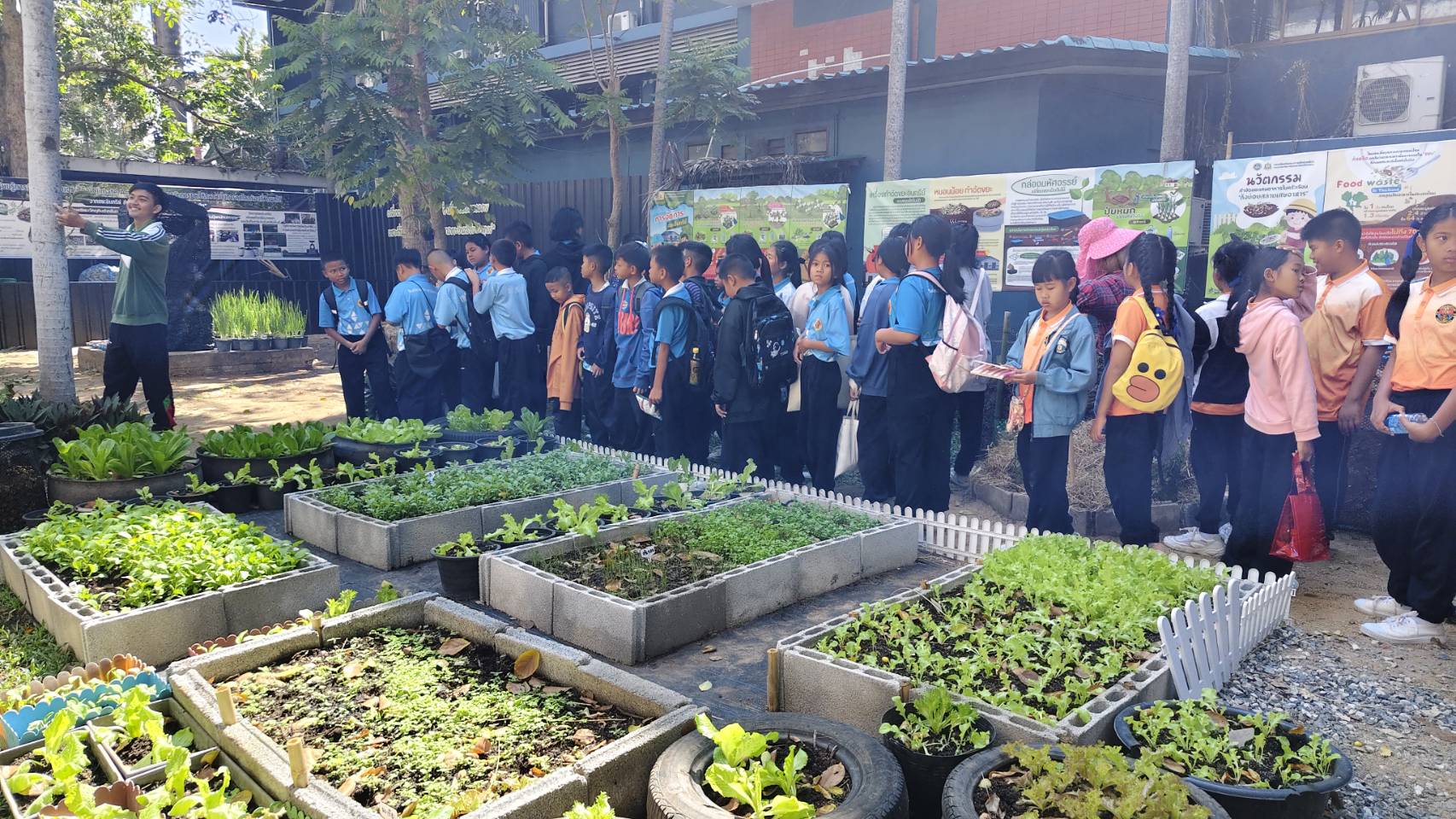
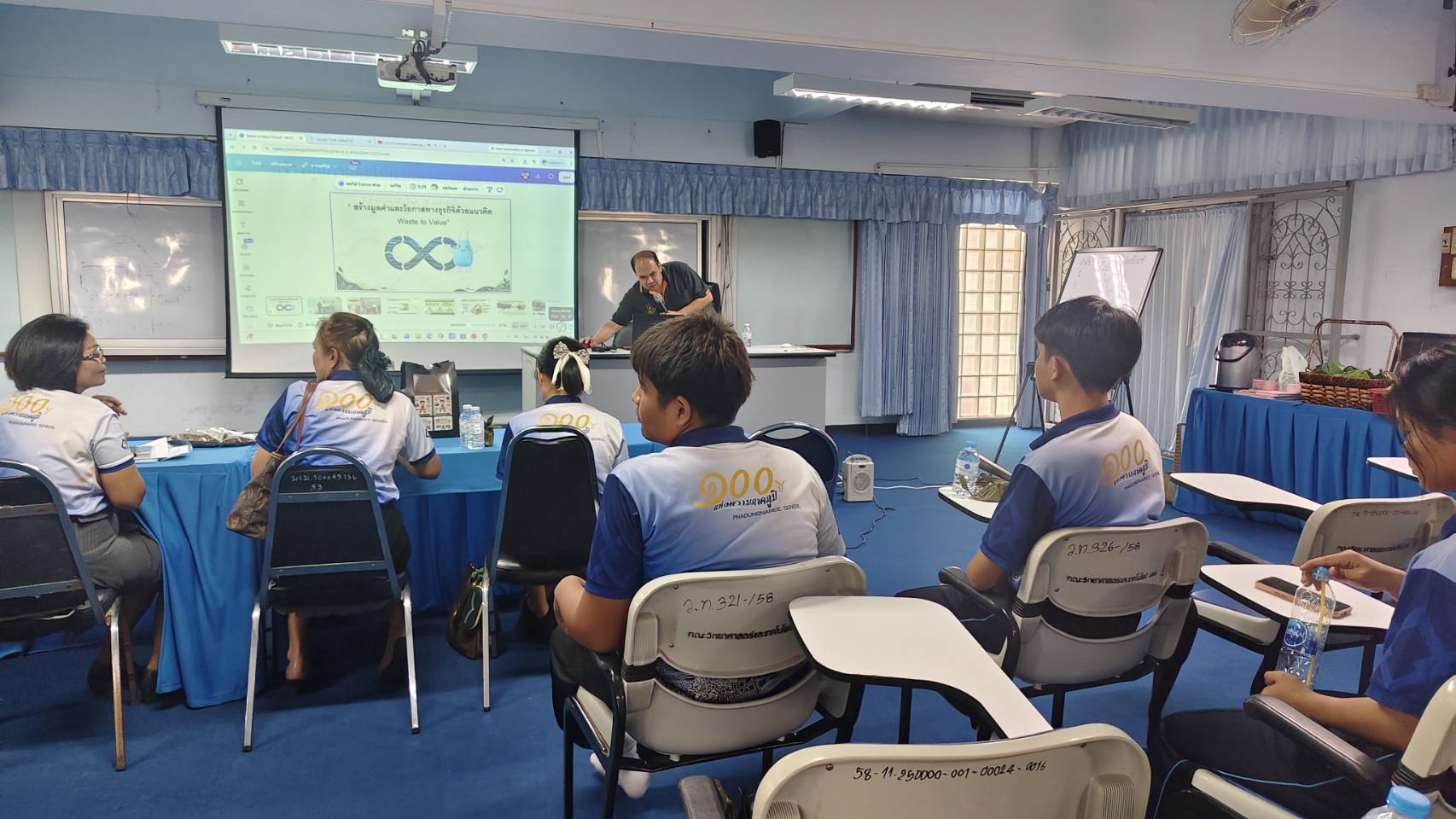
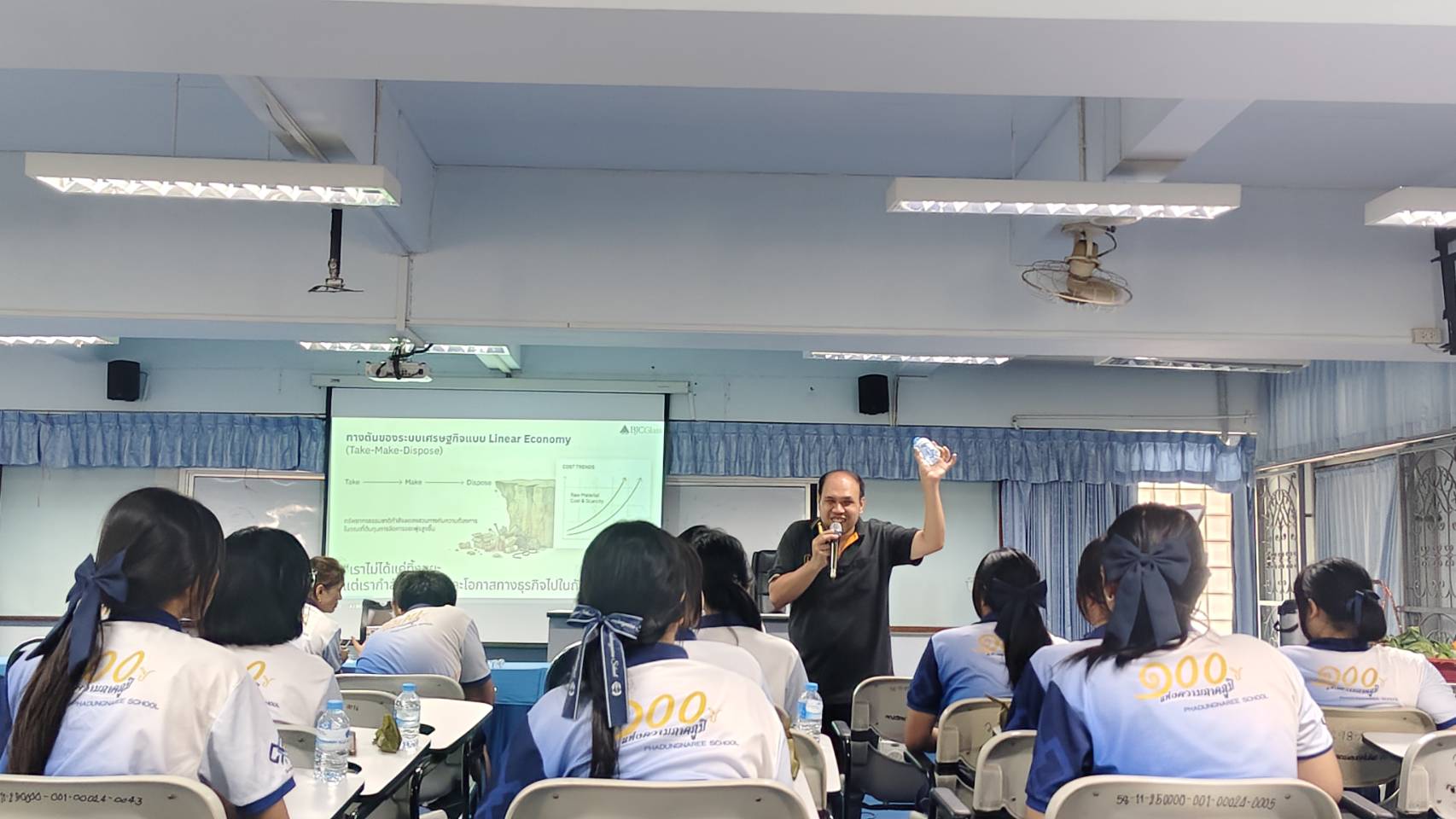
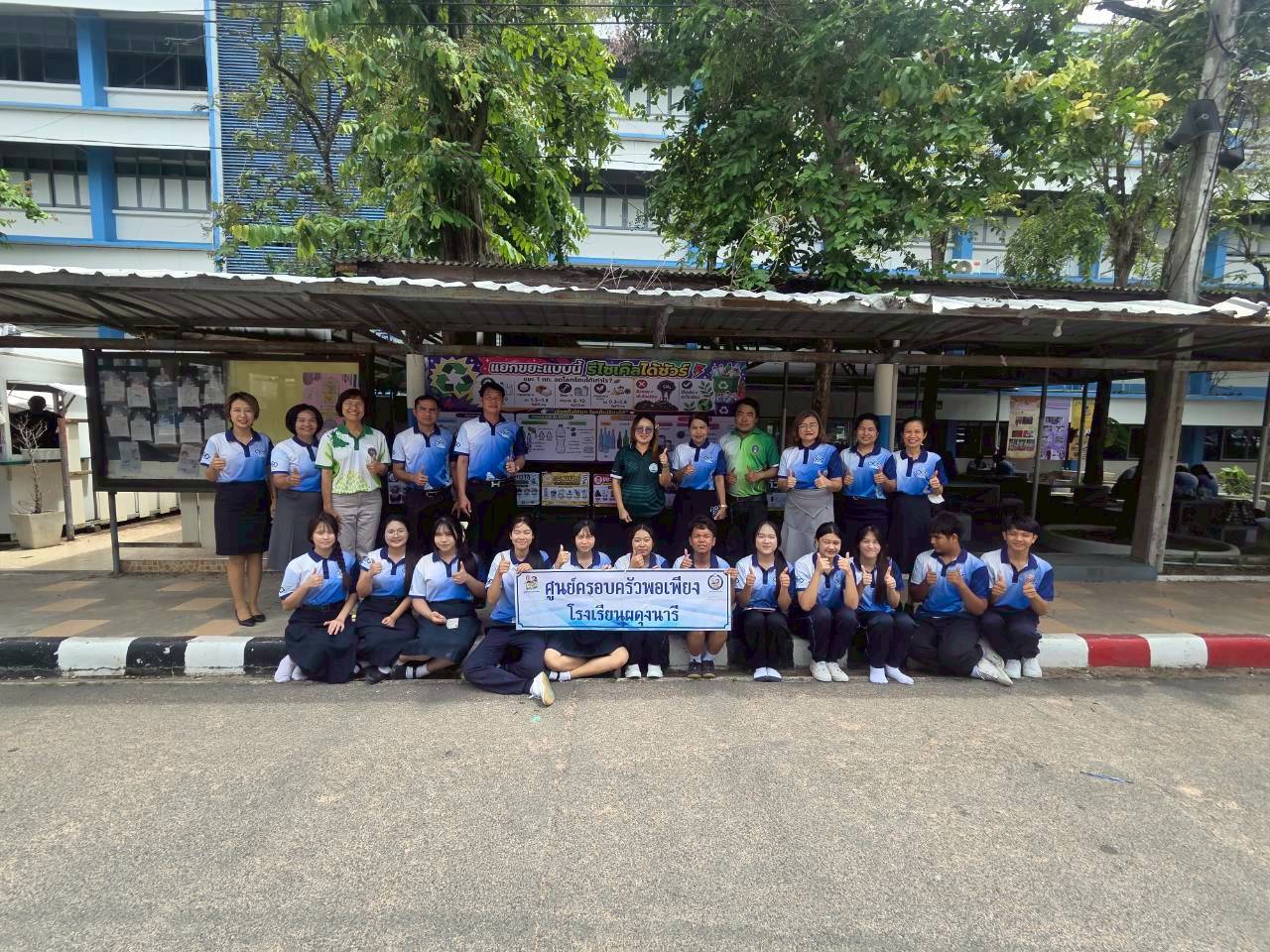
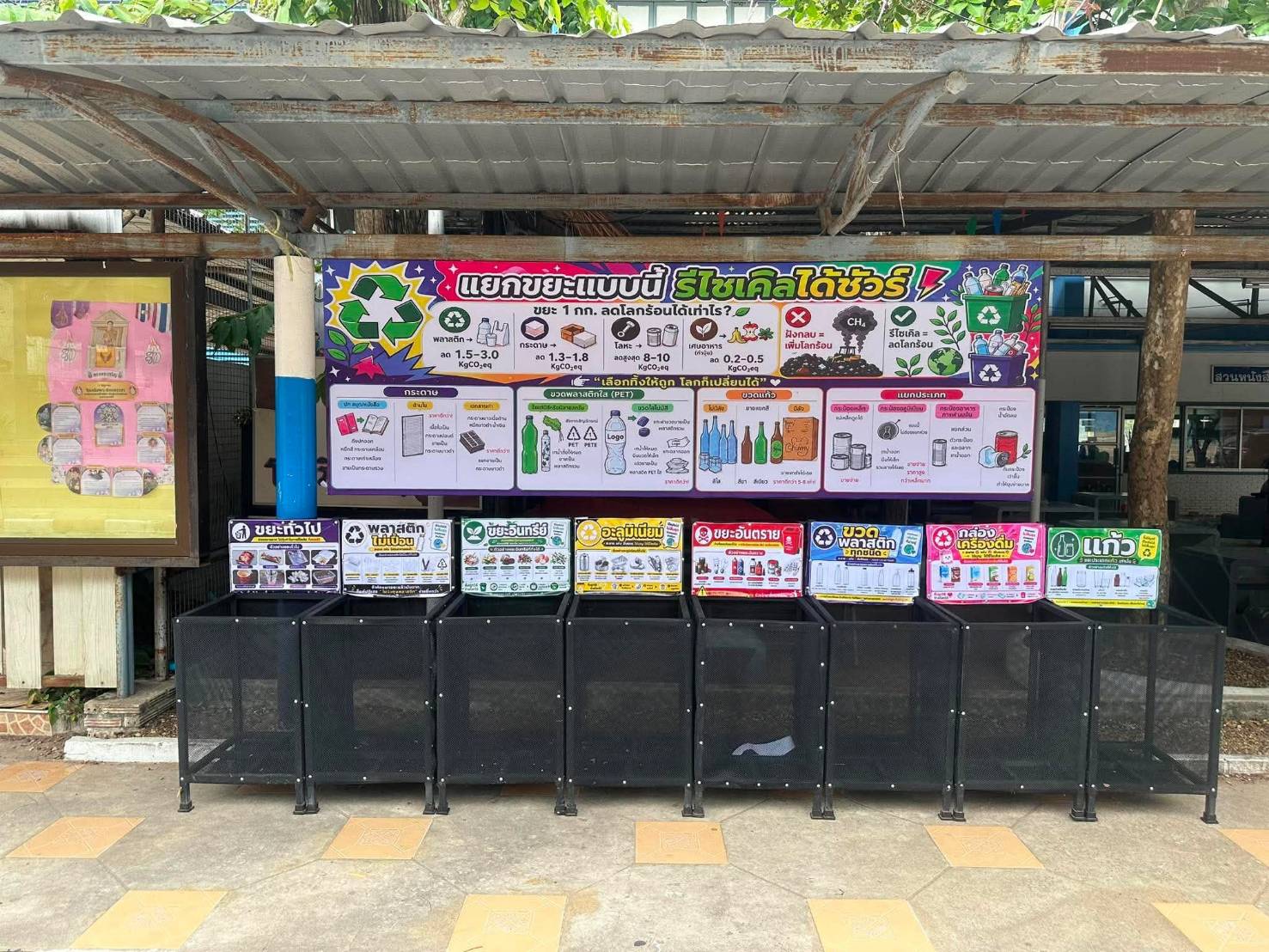
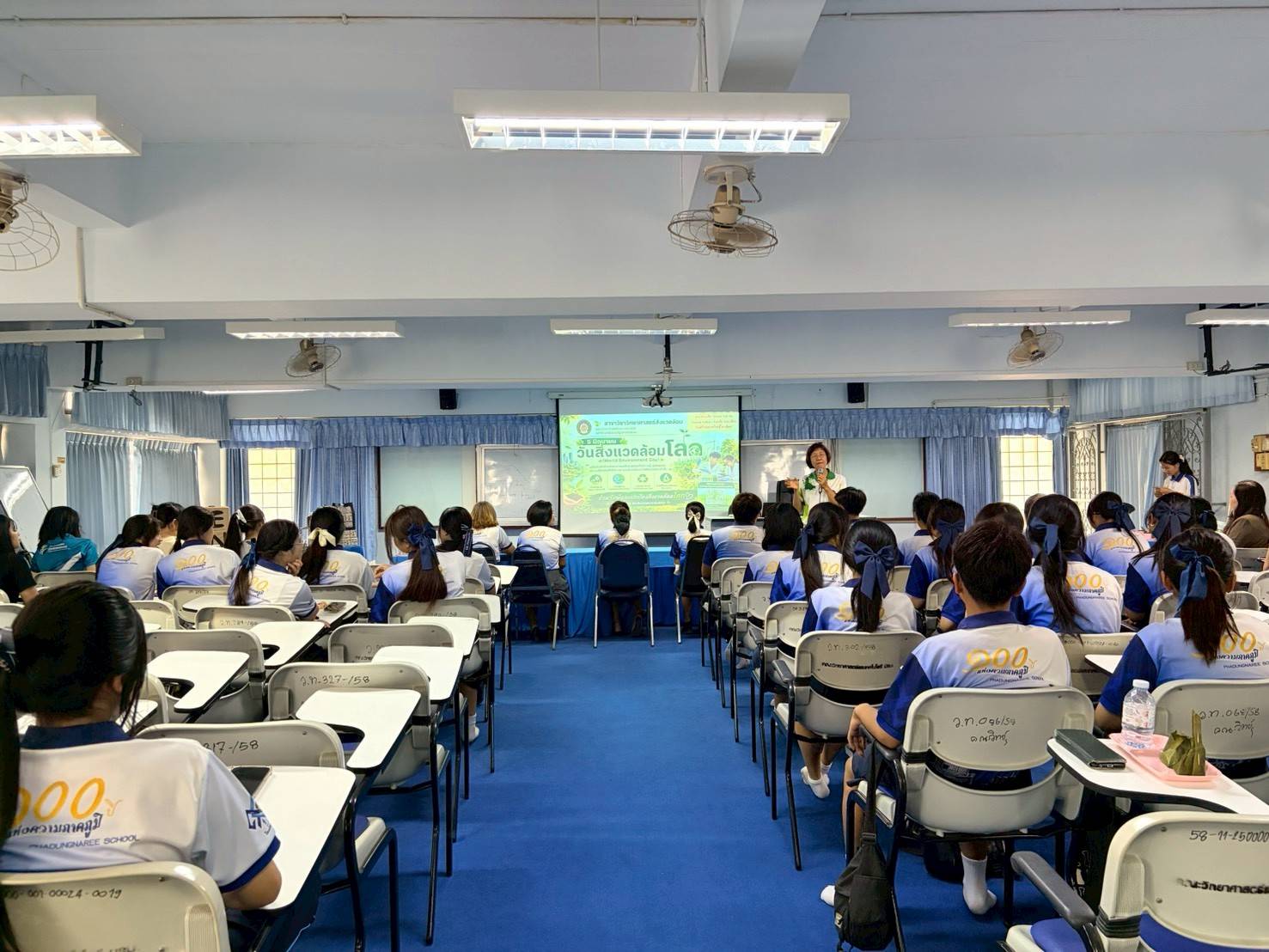
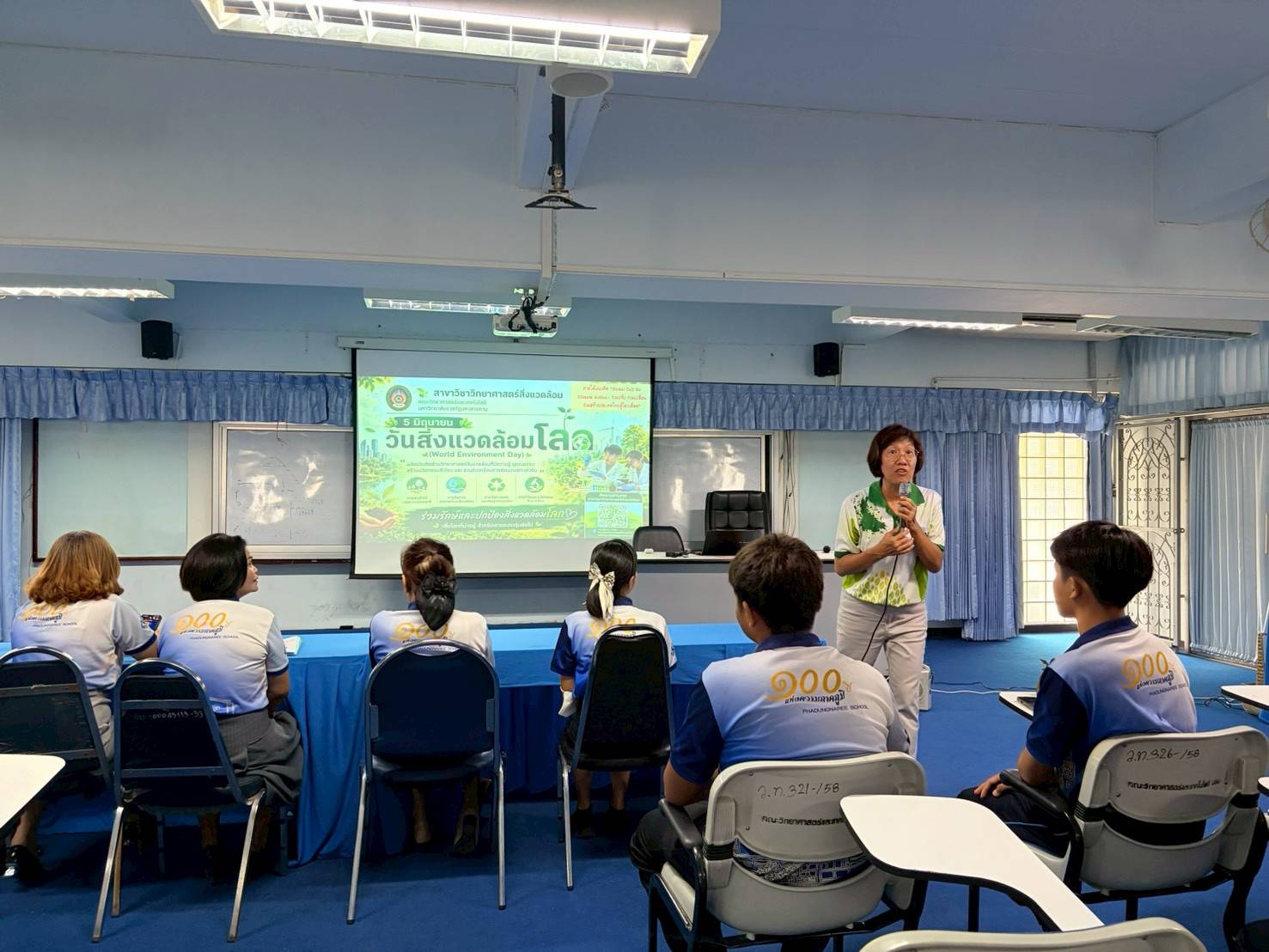
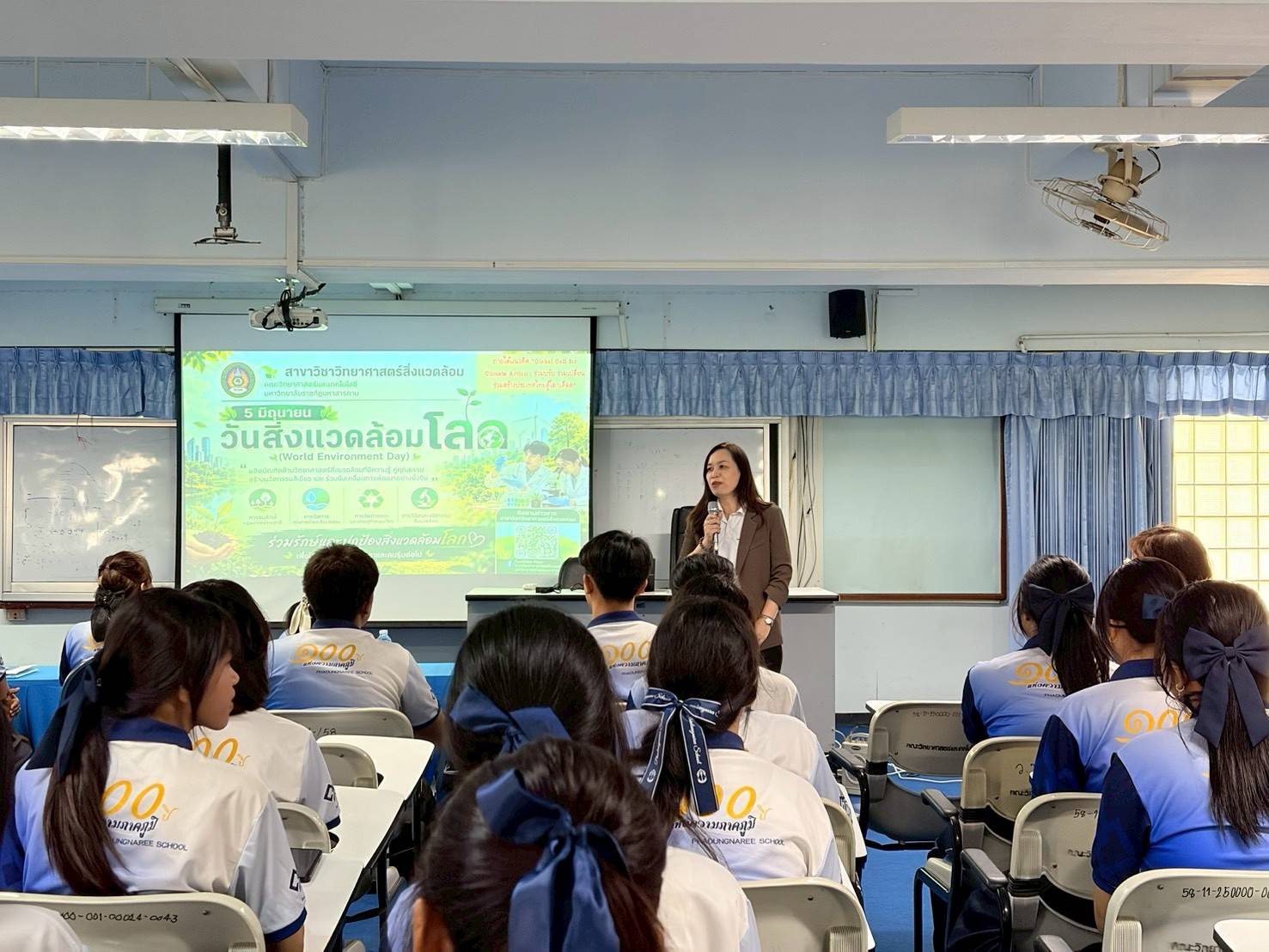
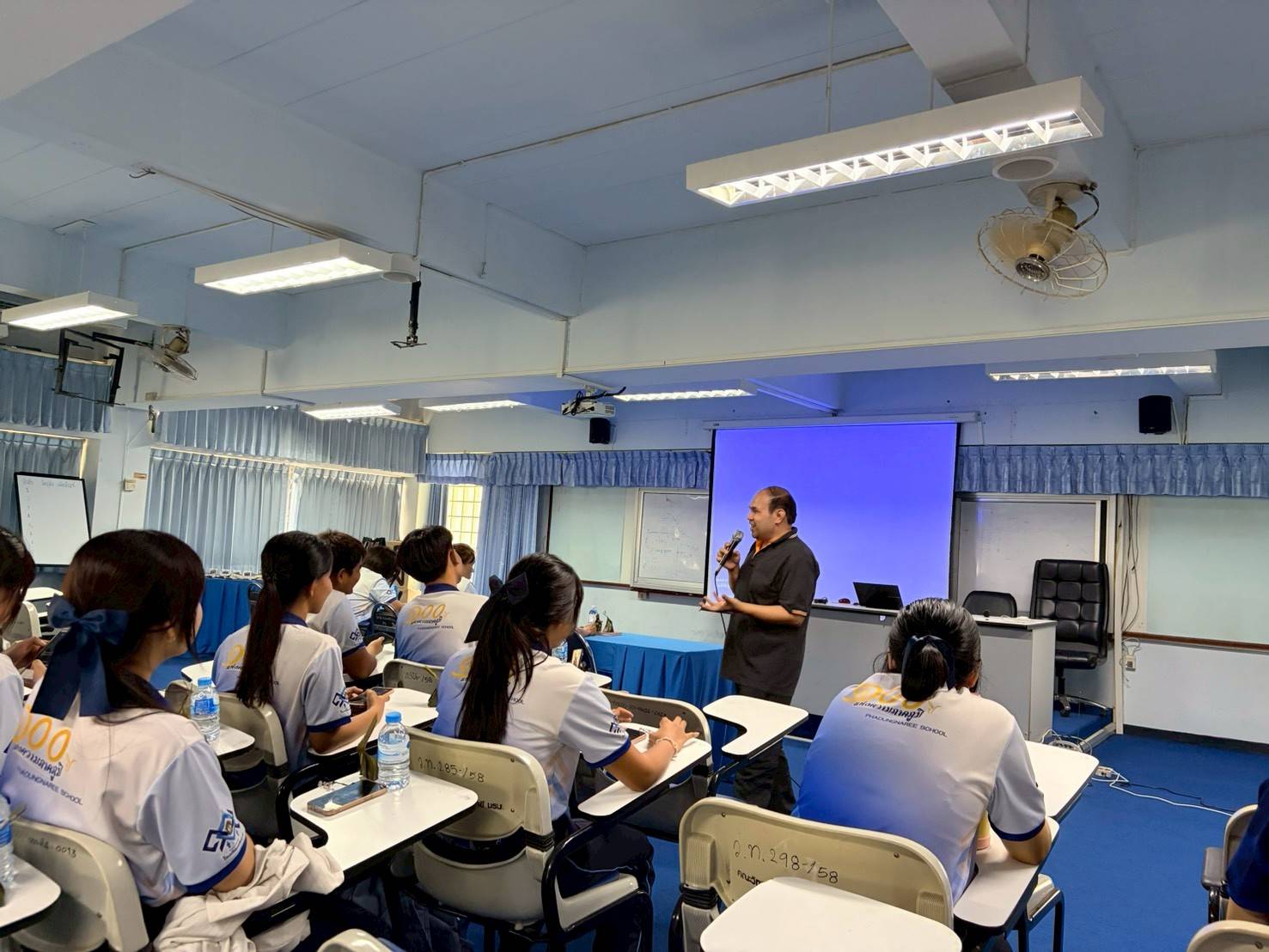
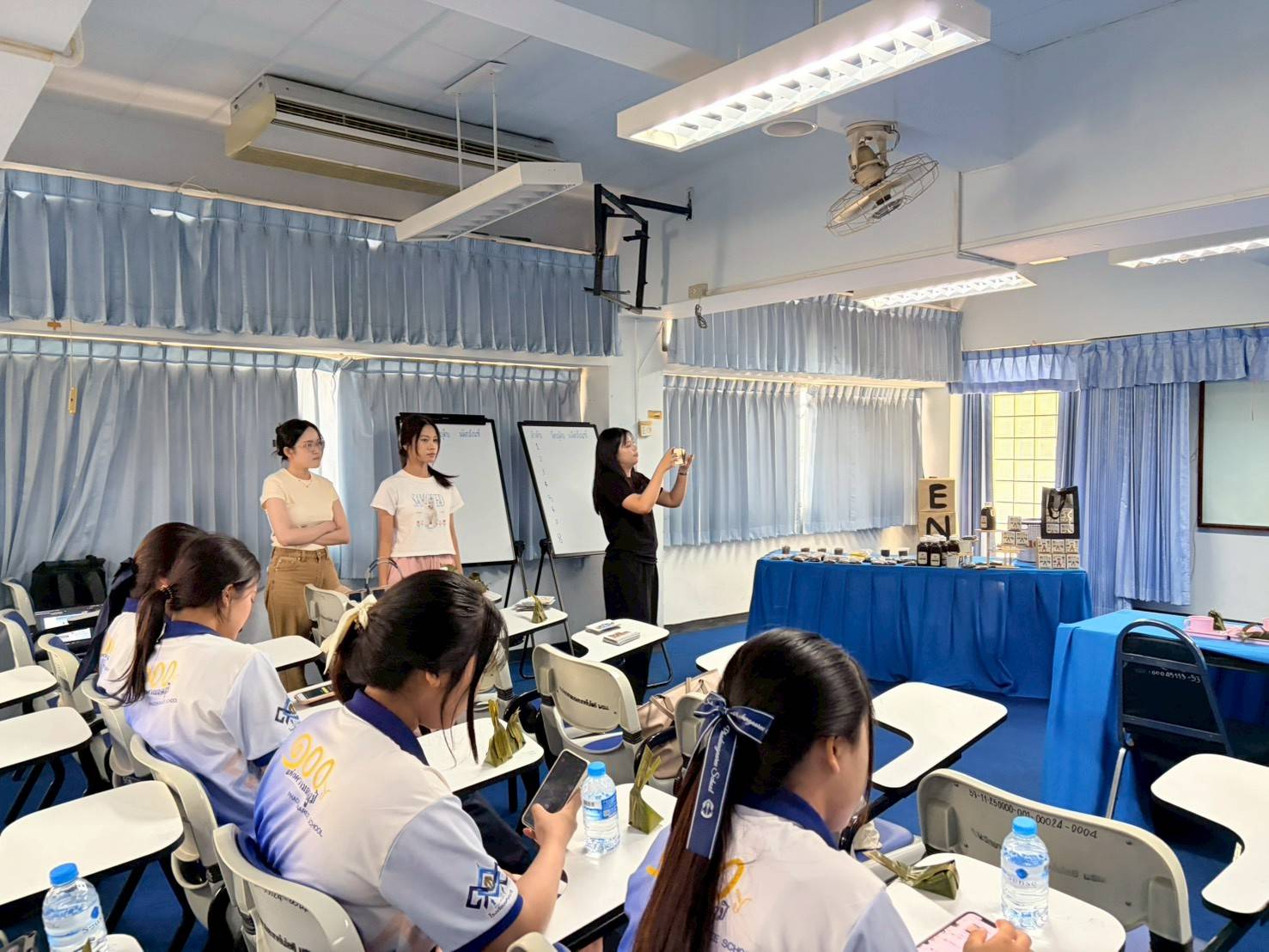
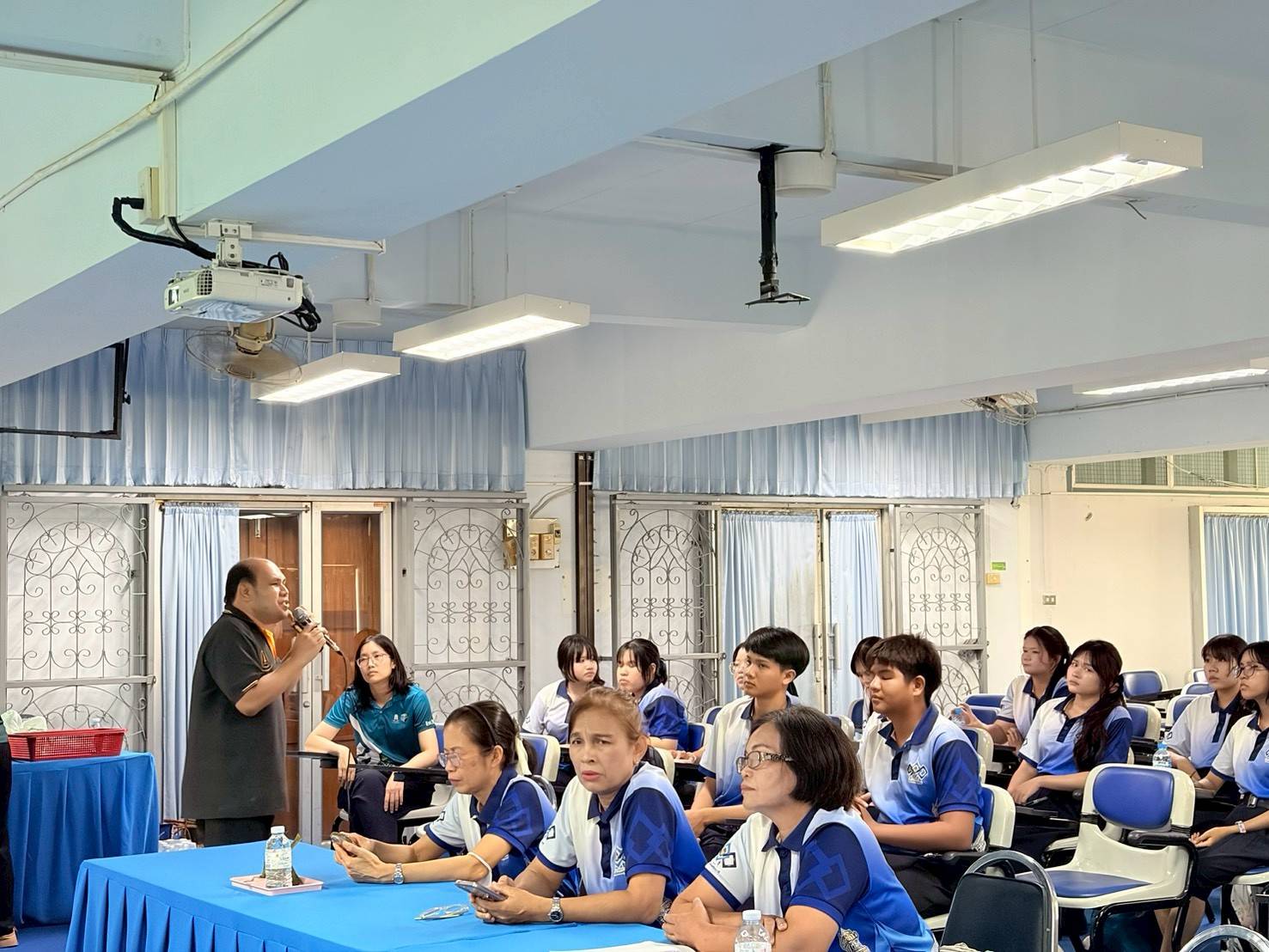
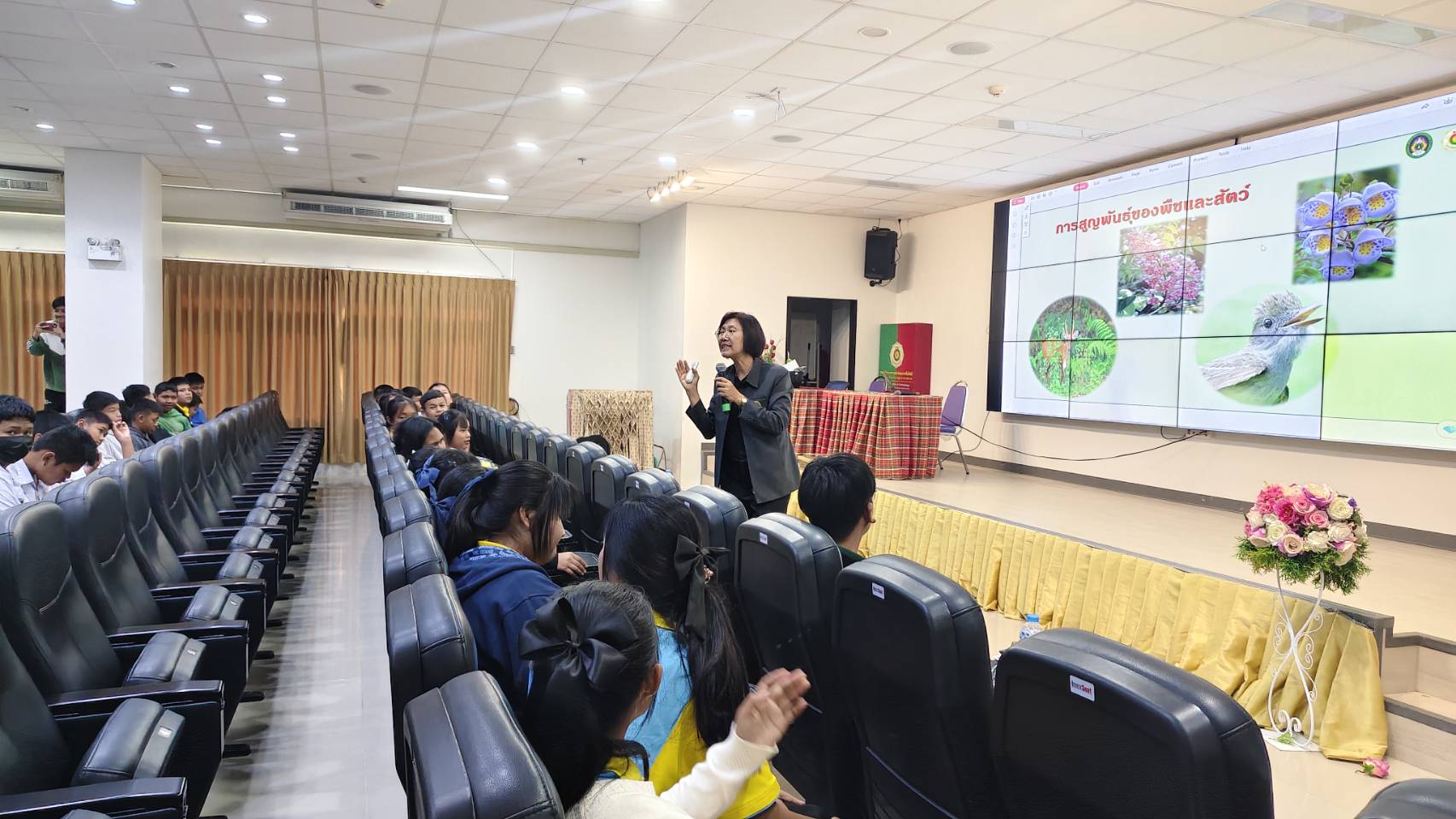
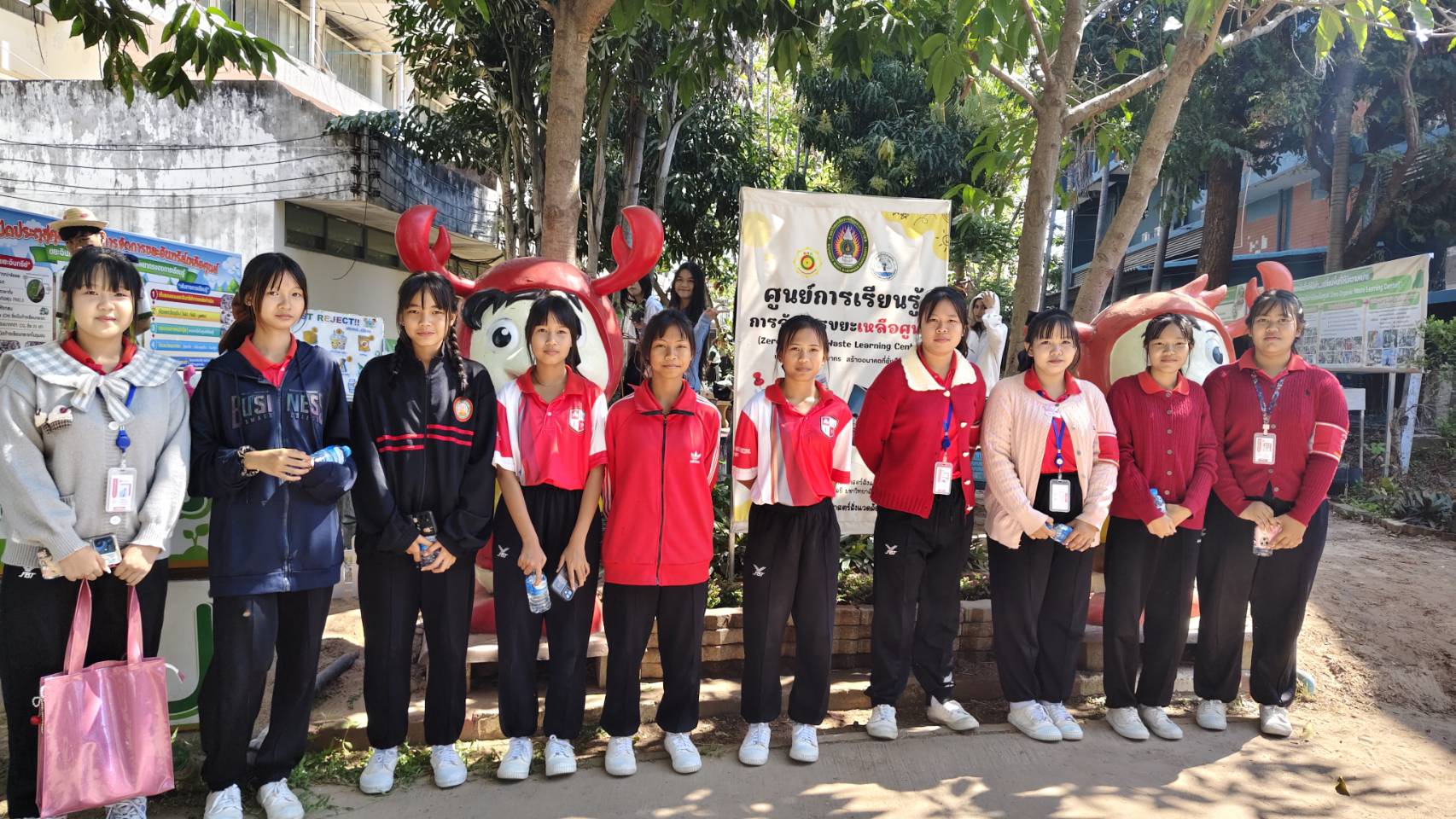
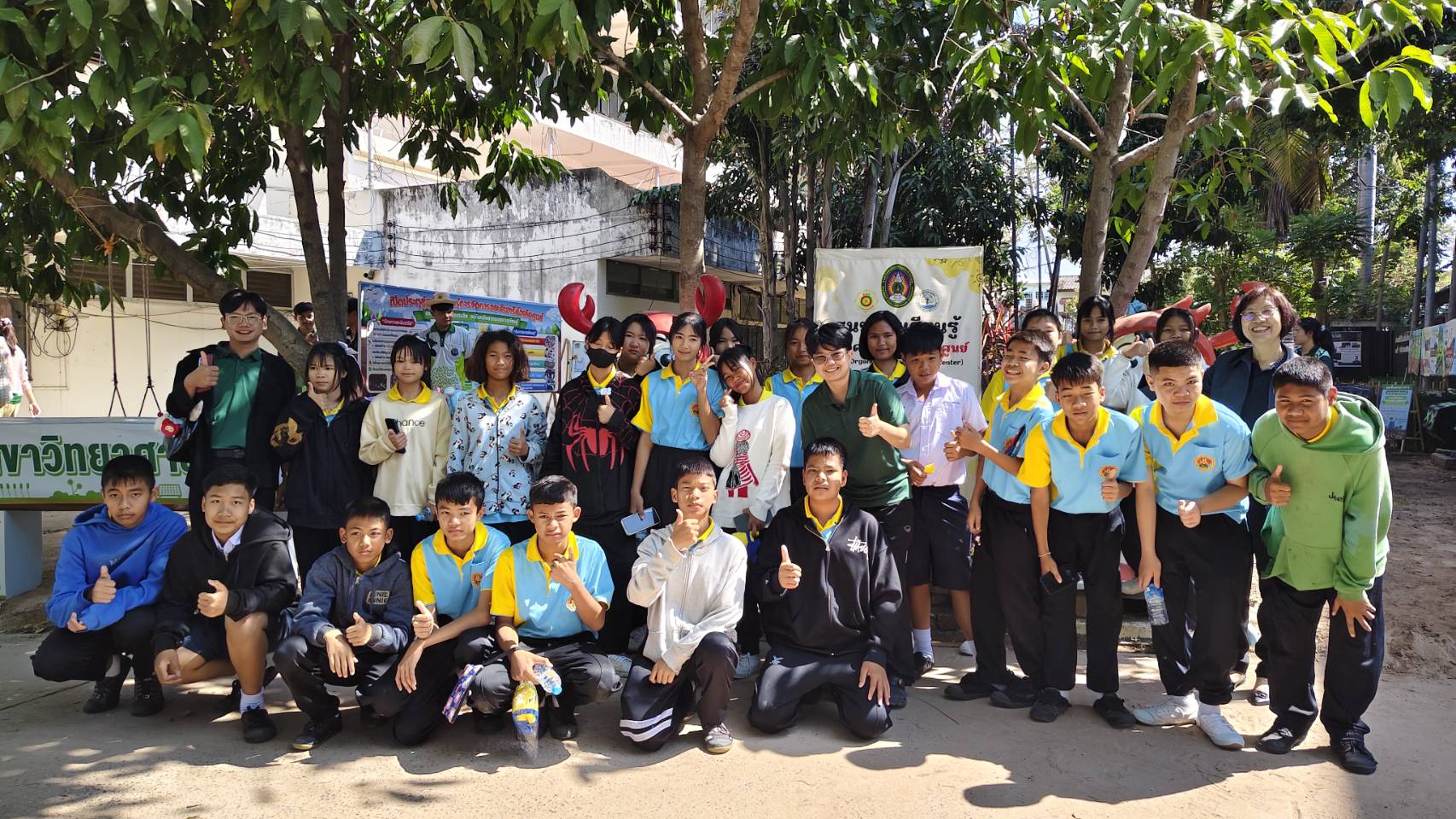
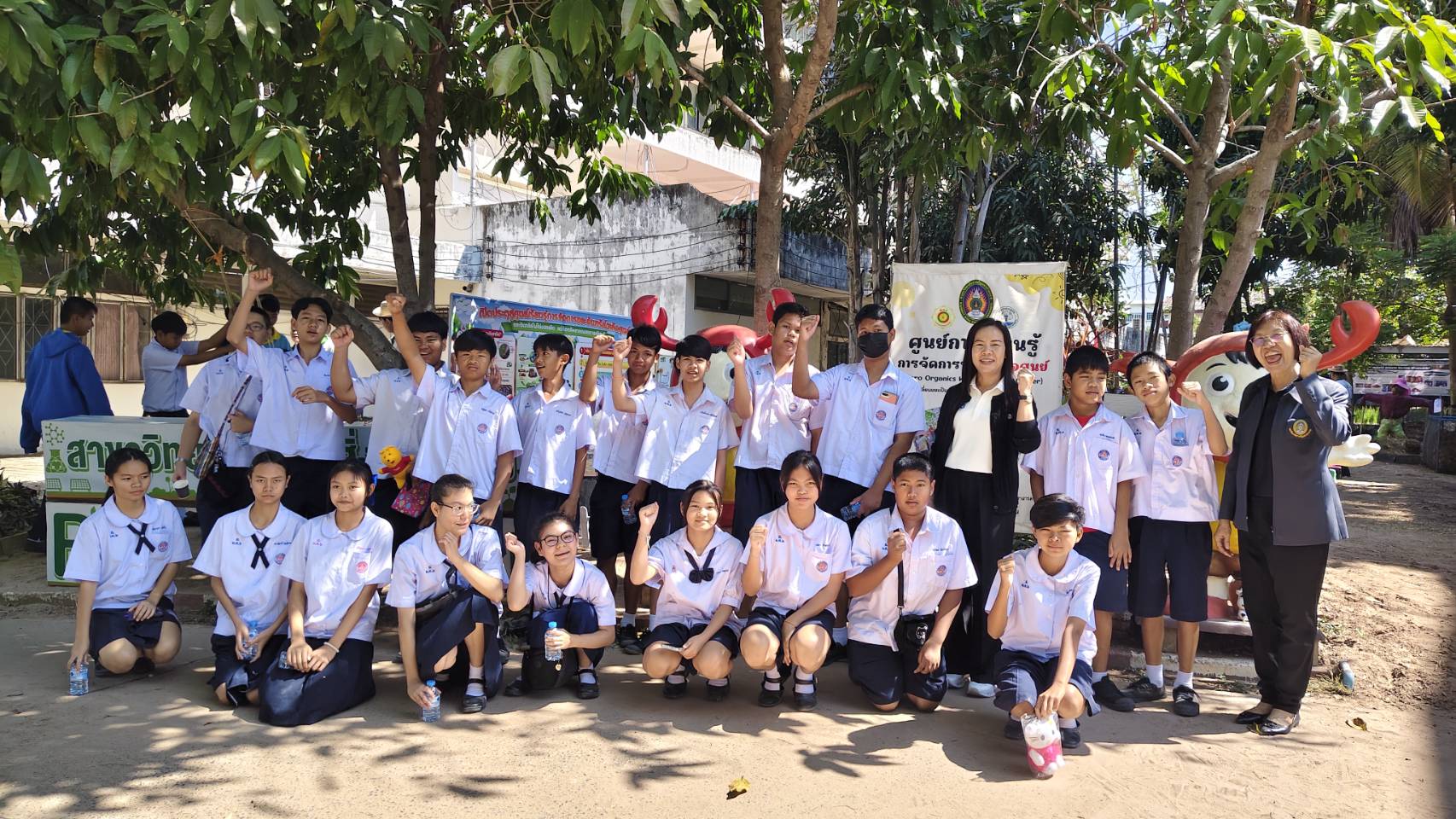
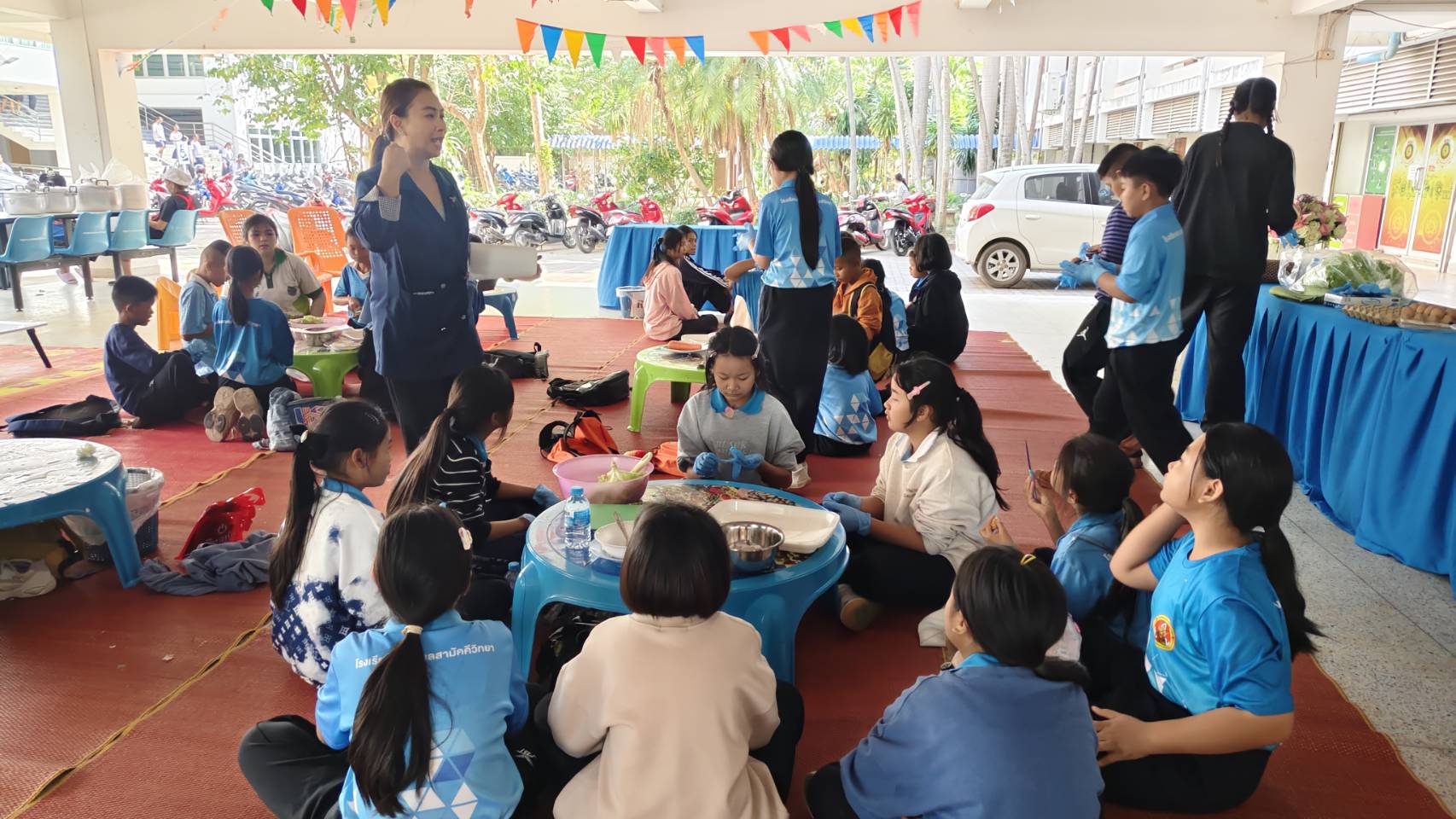
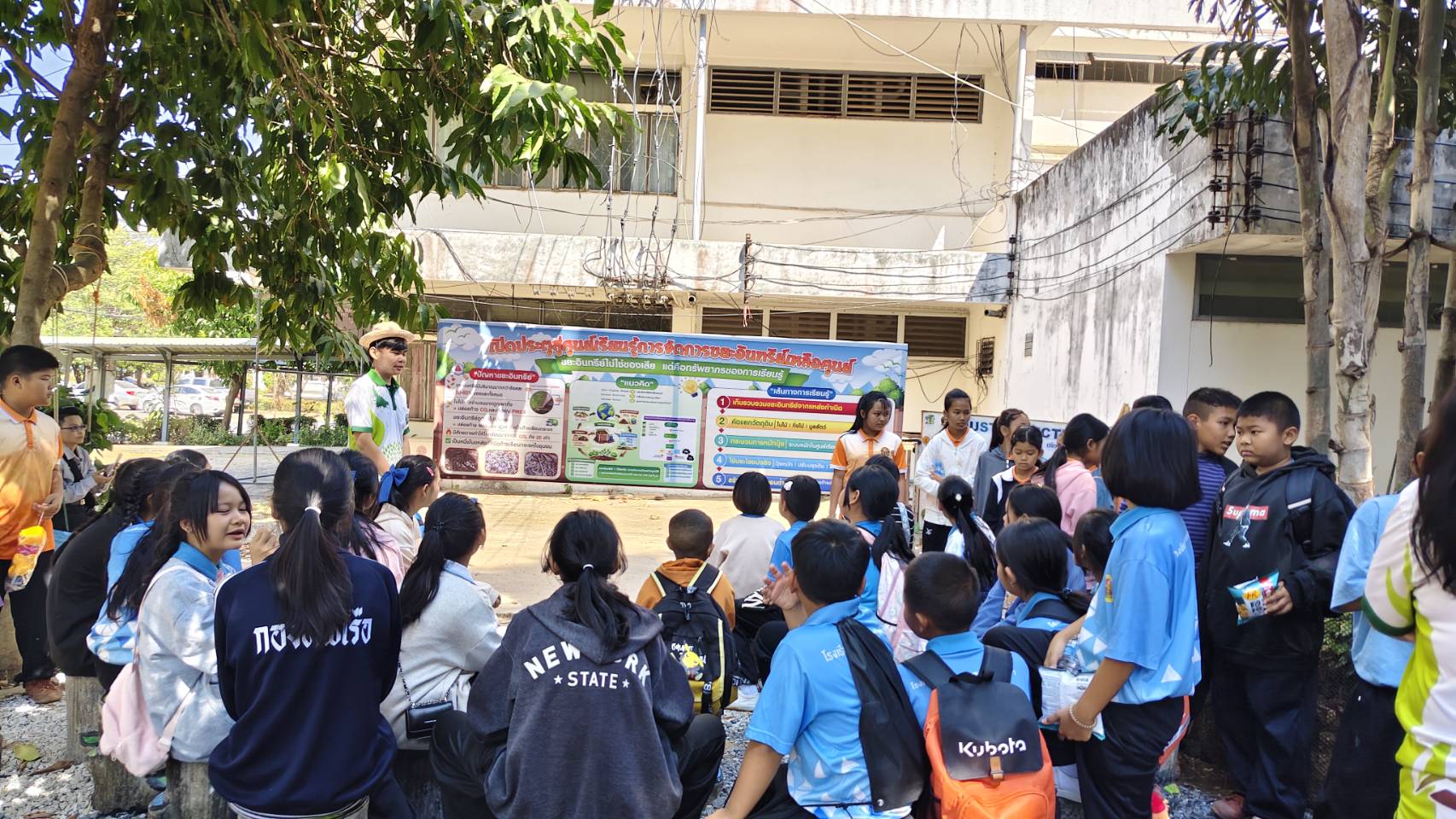
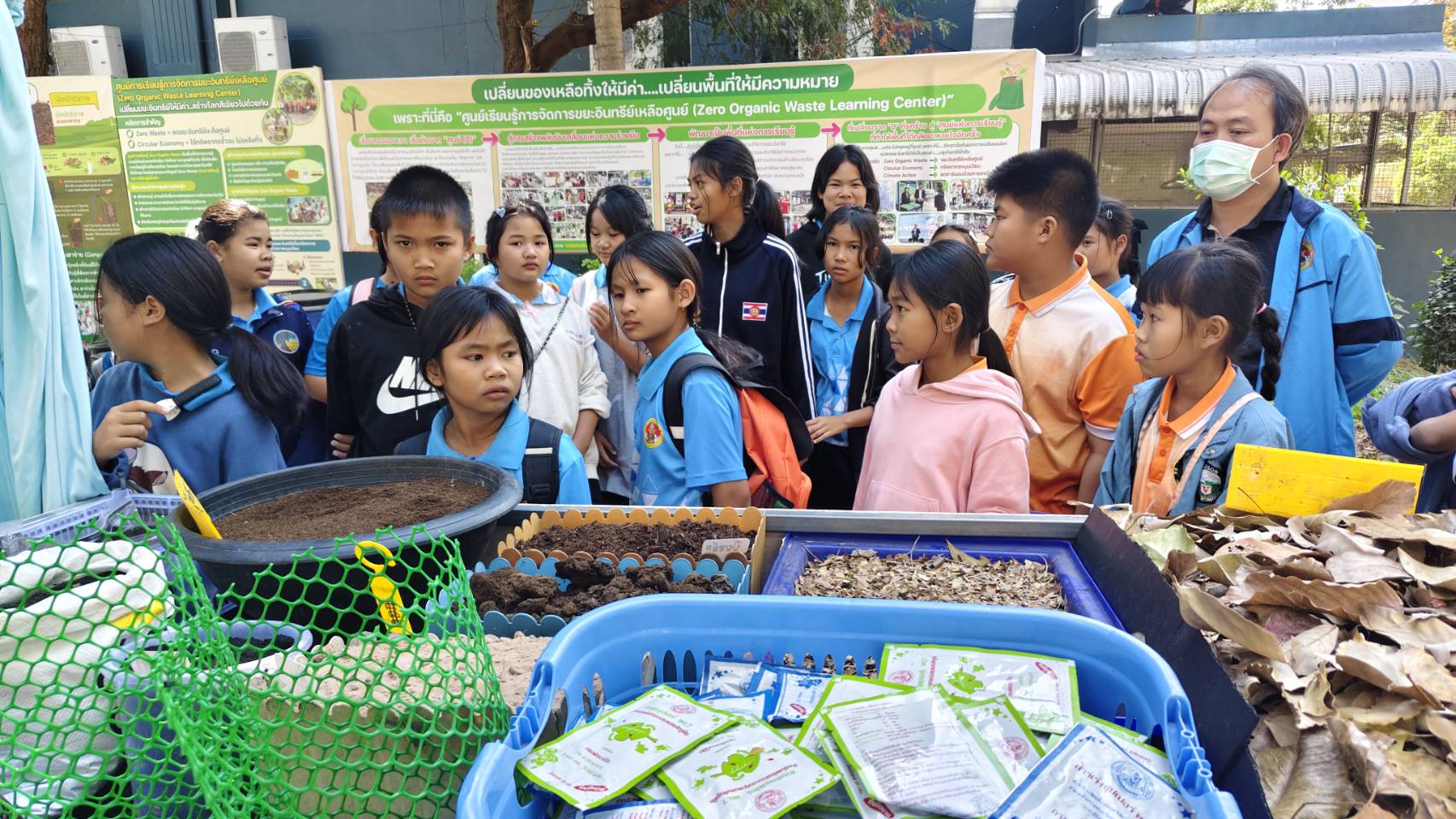
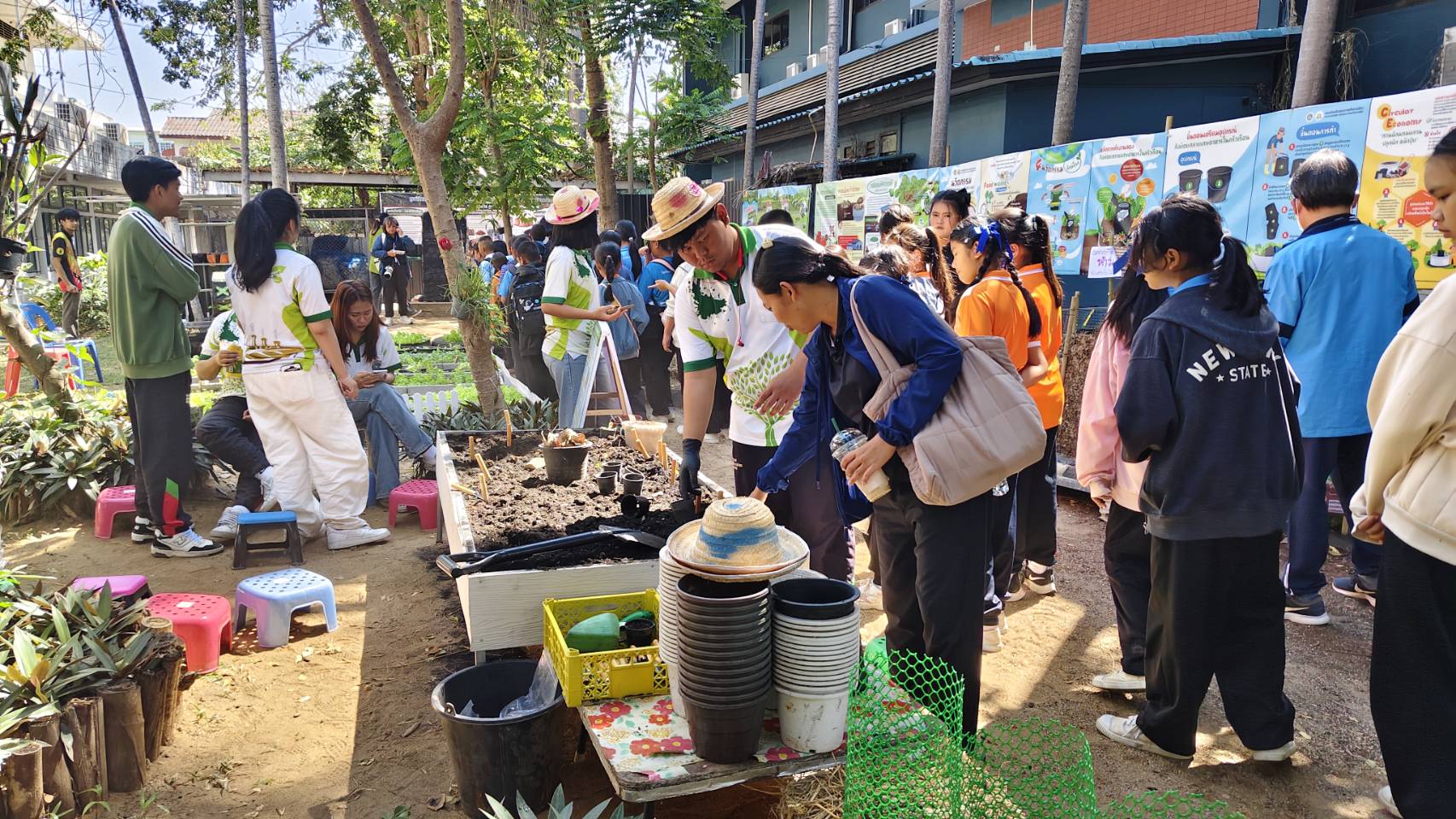
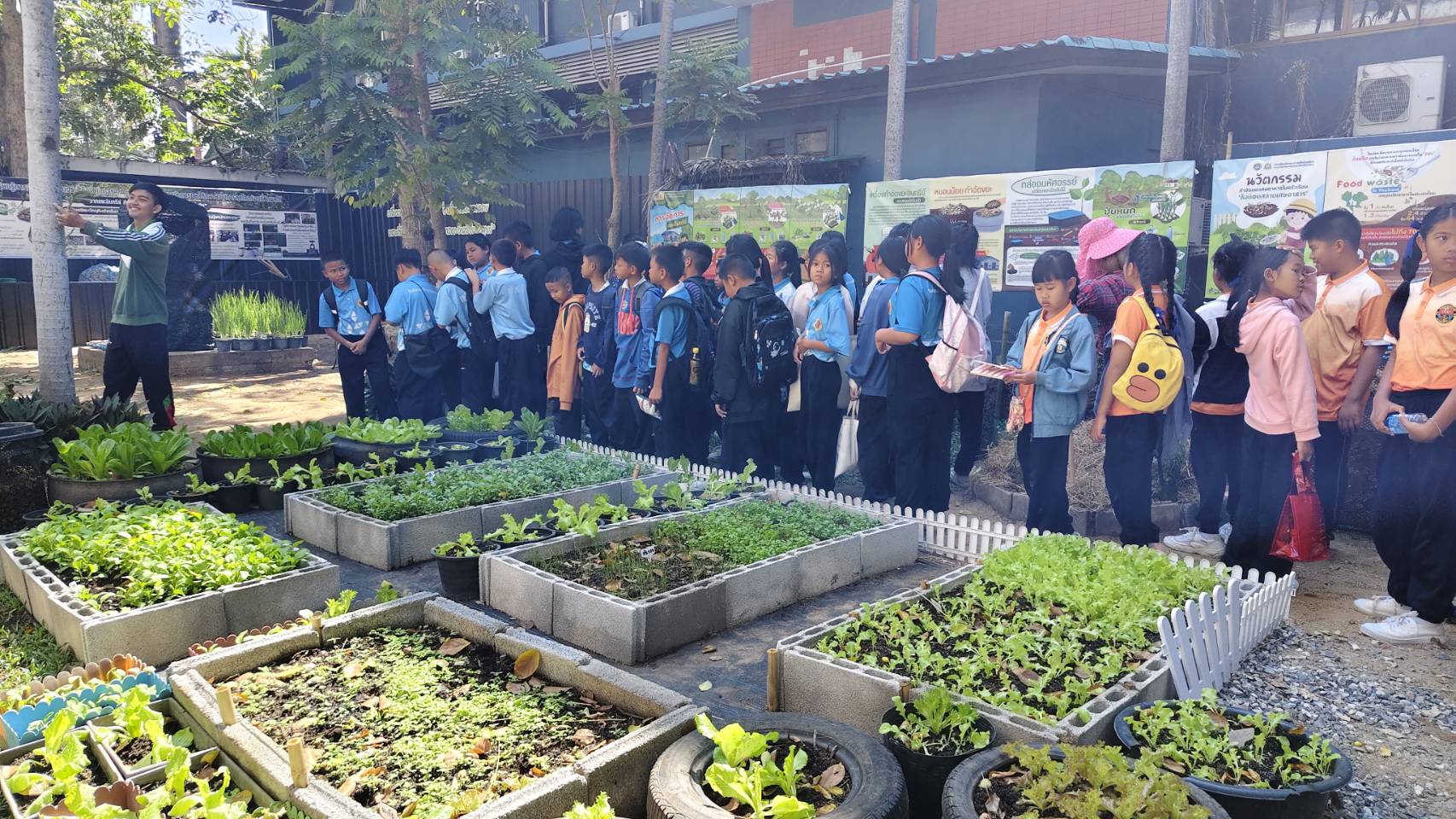
Share knowledge and provide participants with practical experience in organic waste management, from source separation and waste management at the source to processing and beneficial reuse. The activity will engage school students, university students, community members, and interested organizations, while extending the learning model to networks of educational institutions and communities.
Activity 3: Product Development and Expansion of Collaborative Networks
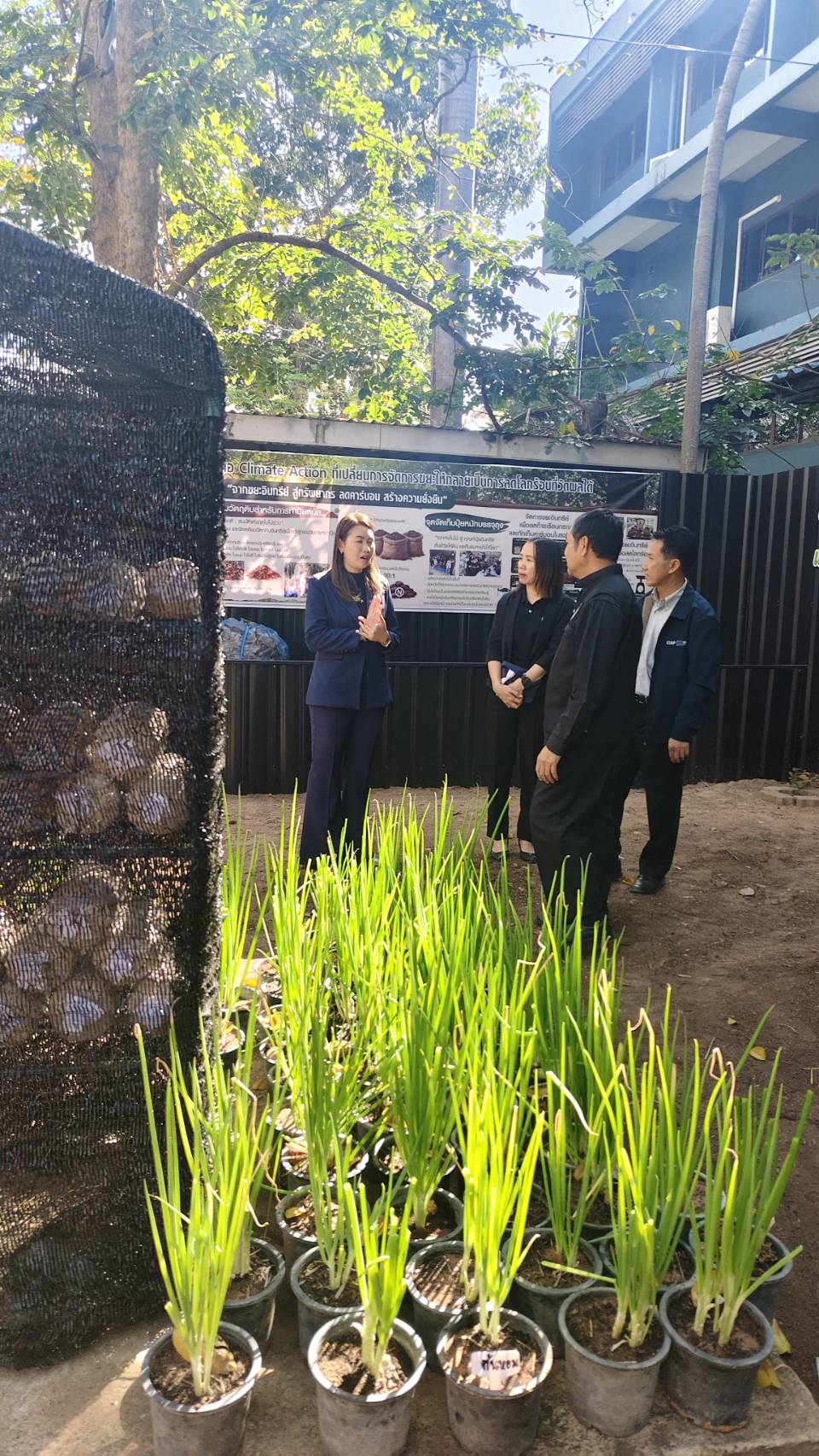
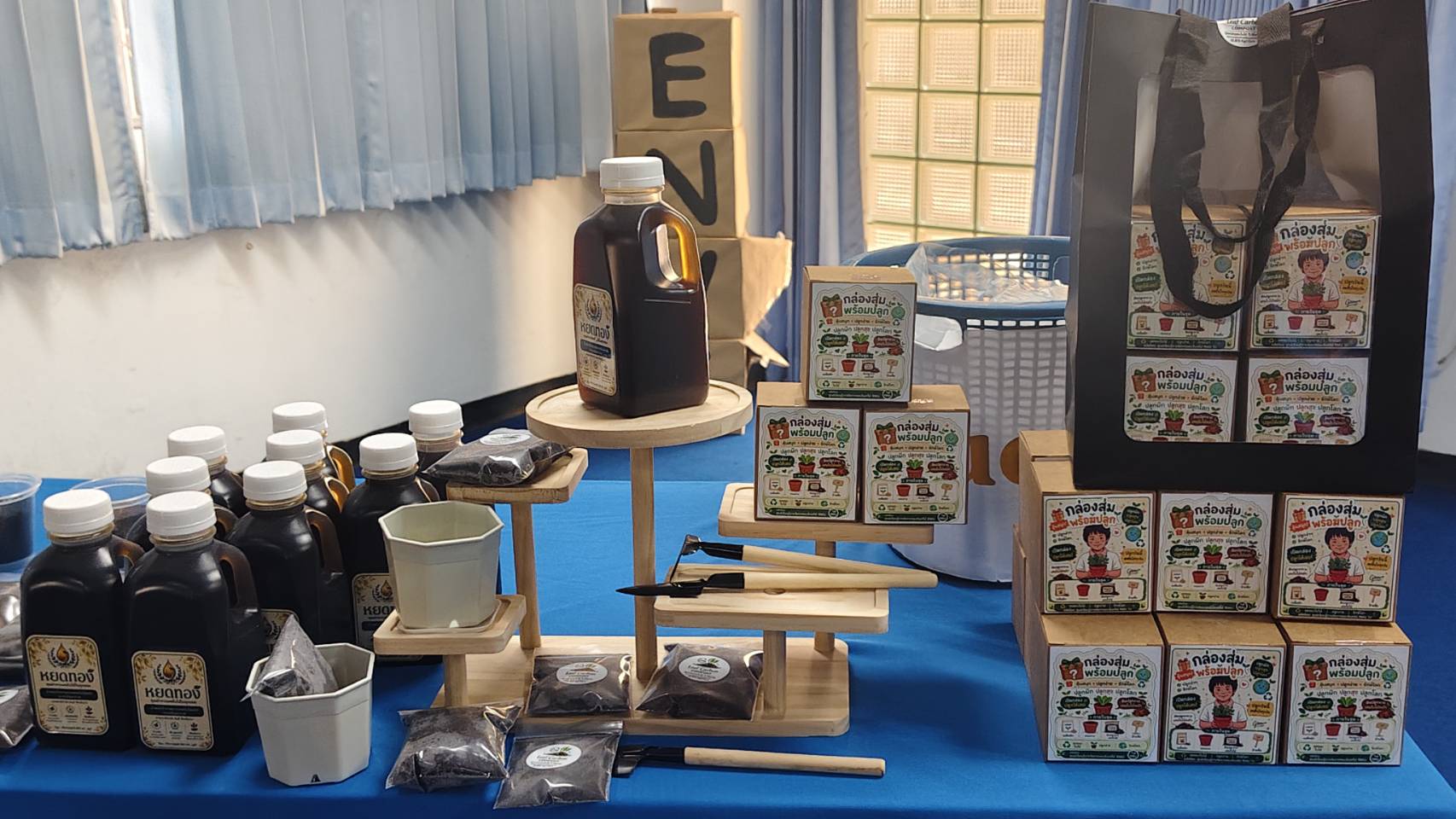
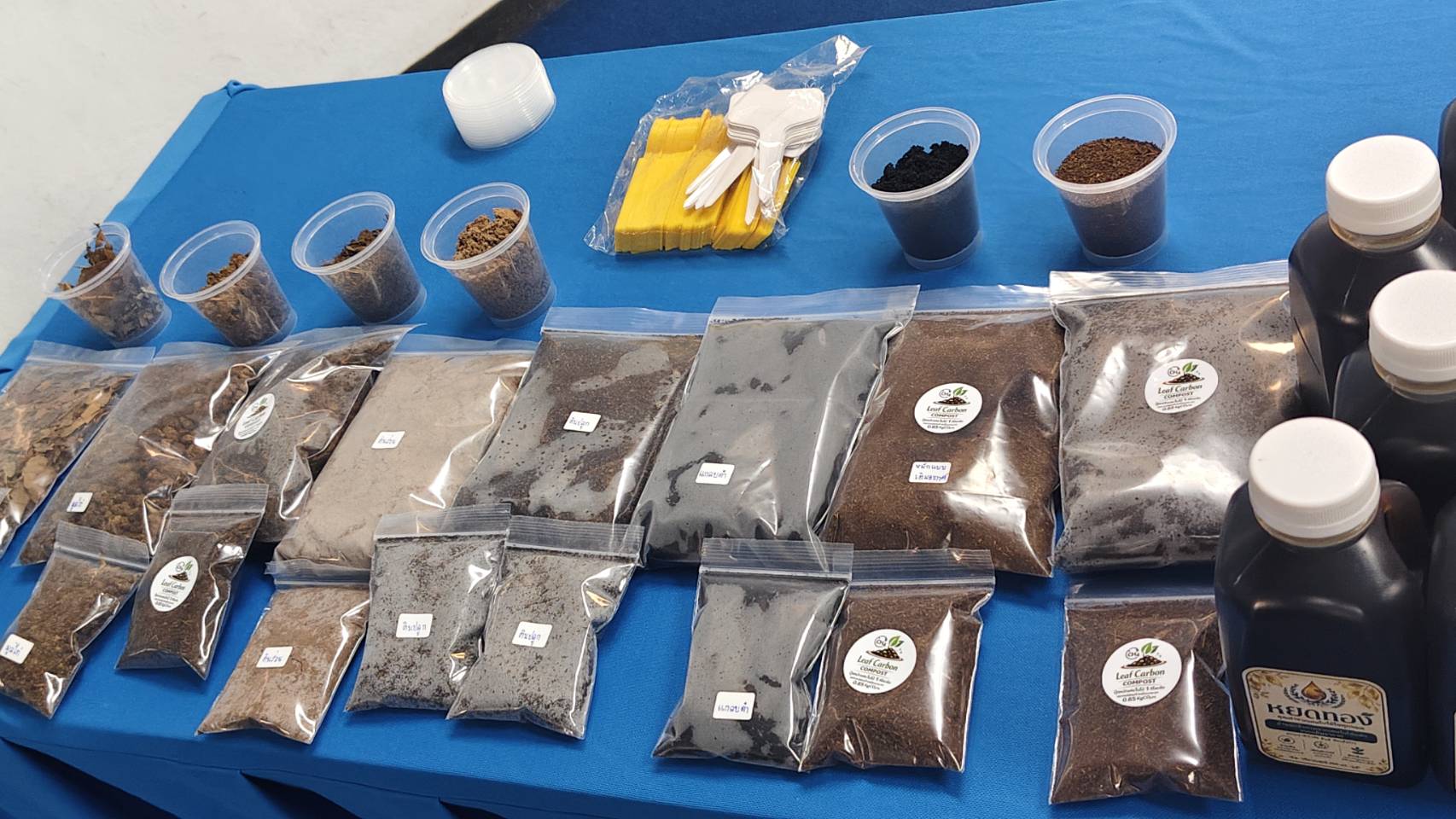
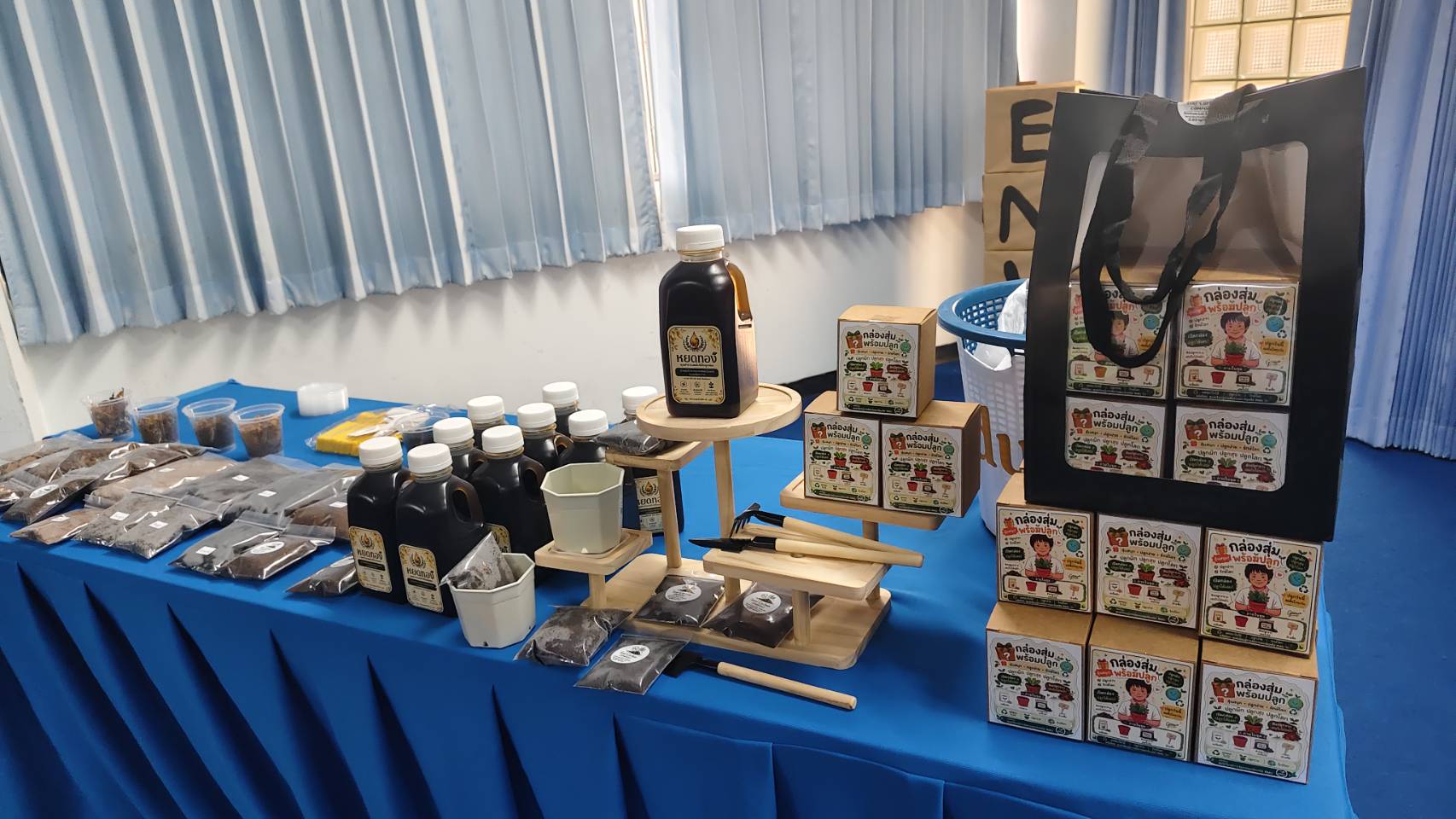
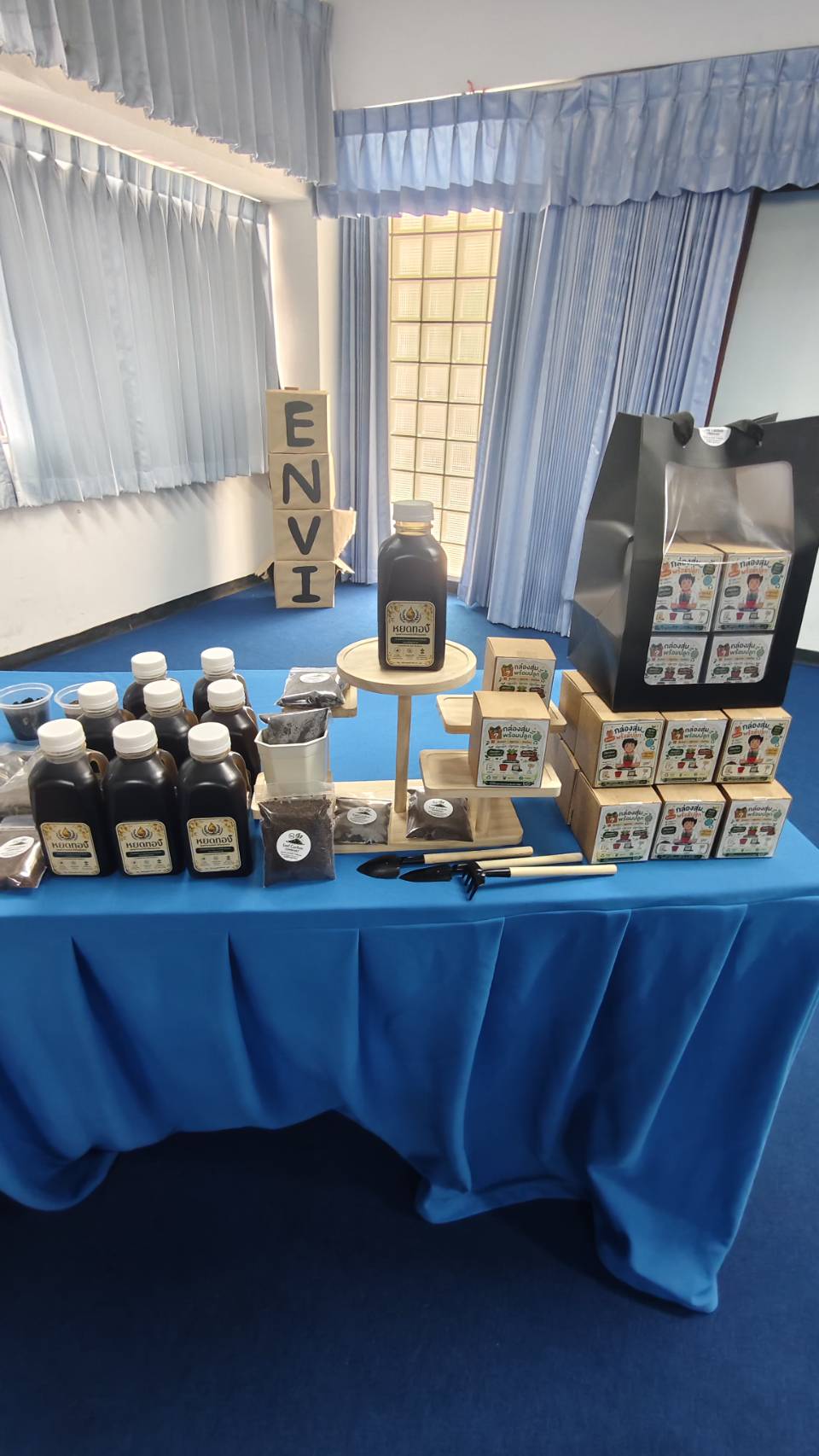
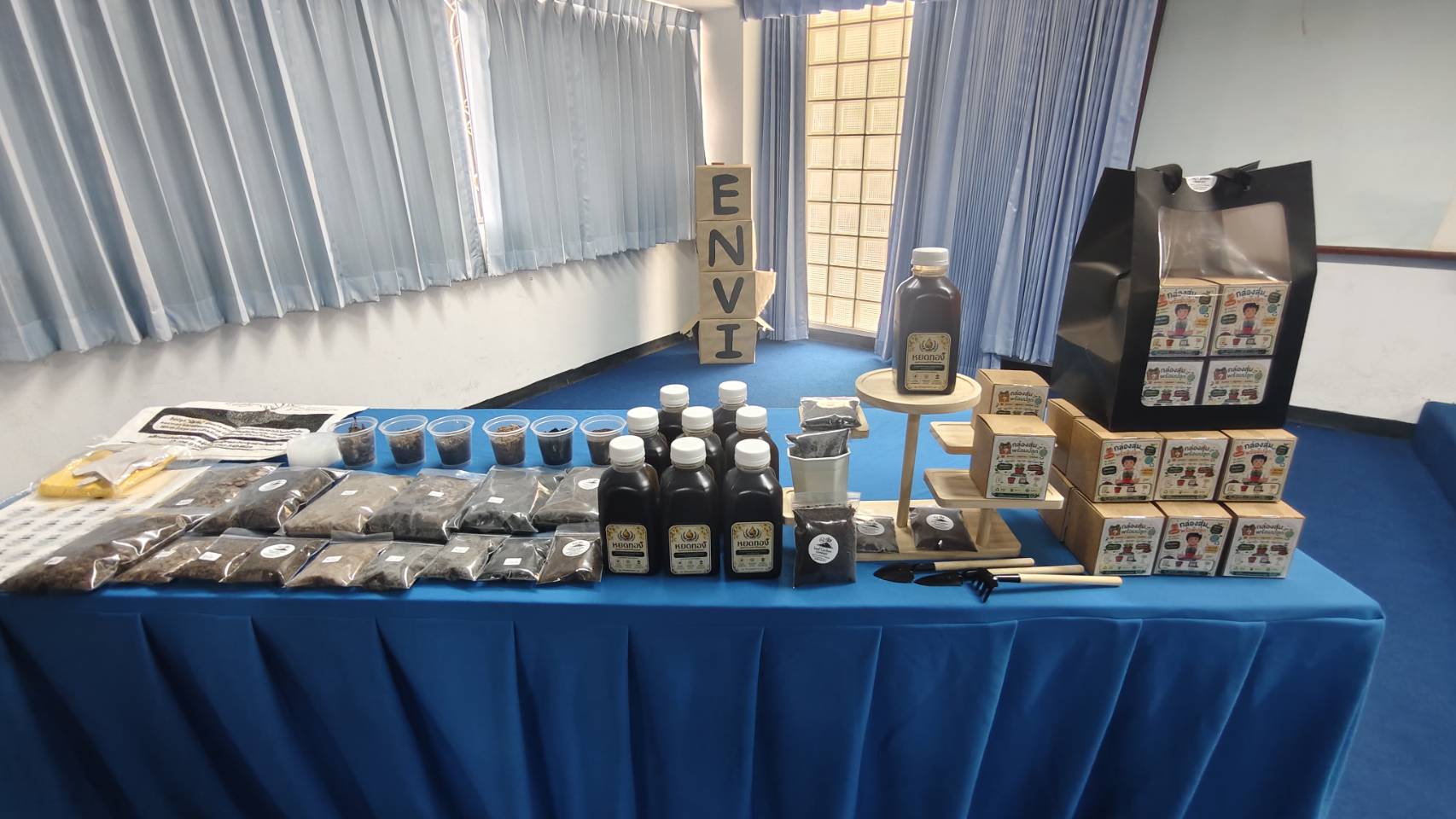
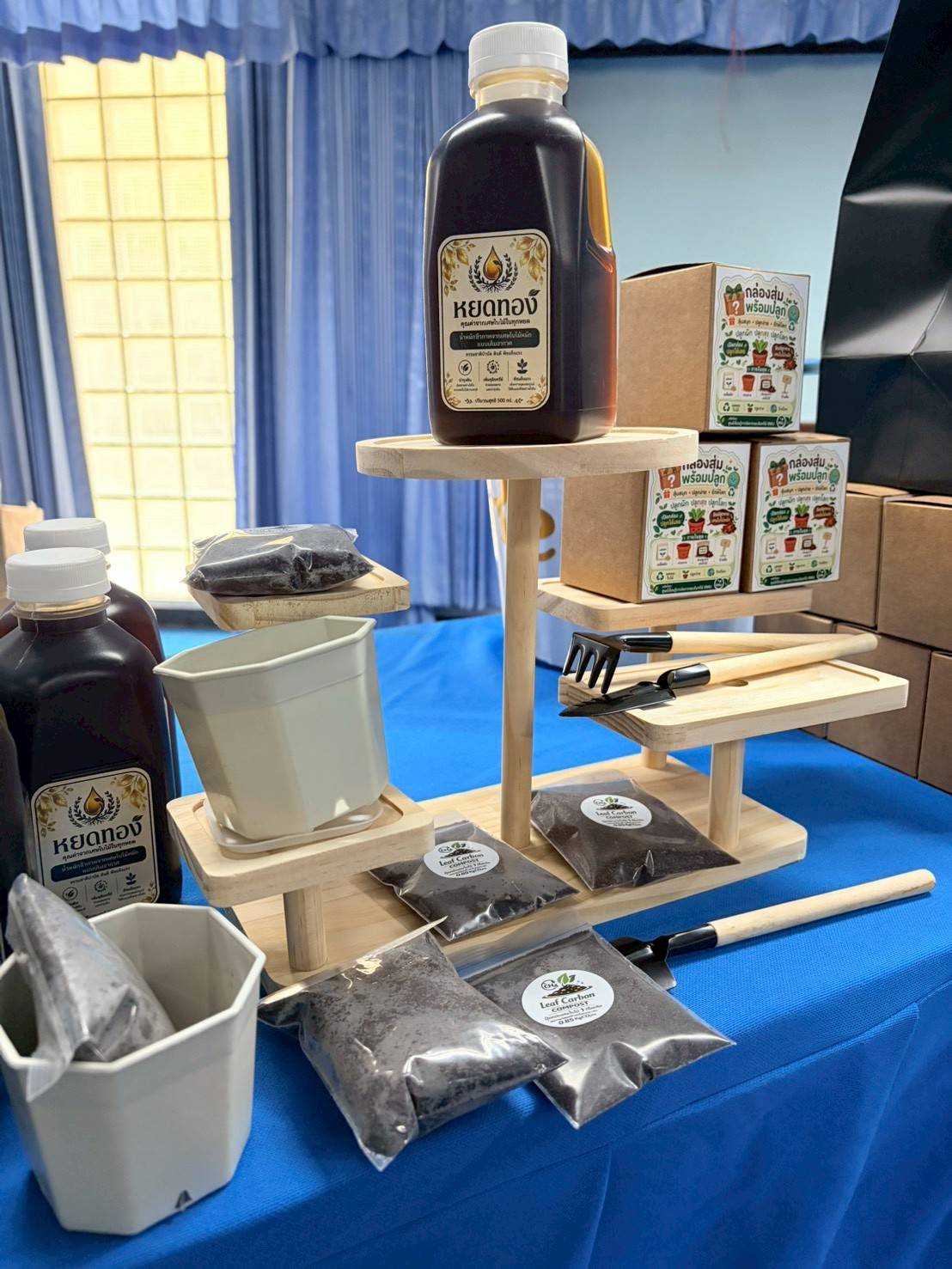
Develop useful products from organic waste, such as compost, potting soil, and liquid biofertilizer, in line with the circular economy and low-carbon society concepts. The activity will also calculate greenhouse gas emission reductions for certification under the LESS Program and build collaboration among schools, communities, and partner organizations.
กิจกรรมที่ 1 การพัฒนาและปรับปรุงพื้นที่ศูนย์เรียนรู้ขยะอินทรีย์
ปรับปรุงพื้นที่ศูนย์เรียนรู้ให้พร้อมสำหรับการเรียนรู้และฝึกปฏิบัติ โดยสำรวจปัญหาและความต้องการของผู้มีส่วนได้ส่วนเสีย พร้อมติดตั้งเทคโนโลยีและนวัตกรรม เช่น ระบบหมักแบบใช้อากาศและระบบ IoT สำหรับติดตามอุณหภูมิและความชื้น รวมถึงทดลองจัดการขยะอินทรีย์และเก็บข้อมูลเพื่อประเมินการลดก๊าซเรือนกระจก
กิจกรรมที่ 2 การถ่ายทอดความรู้และฝึกปฏิบัติการจัดการขยะอินทรีย์เพื่อขับเคลื่อน Climate Action
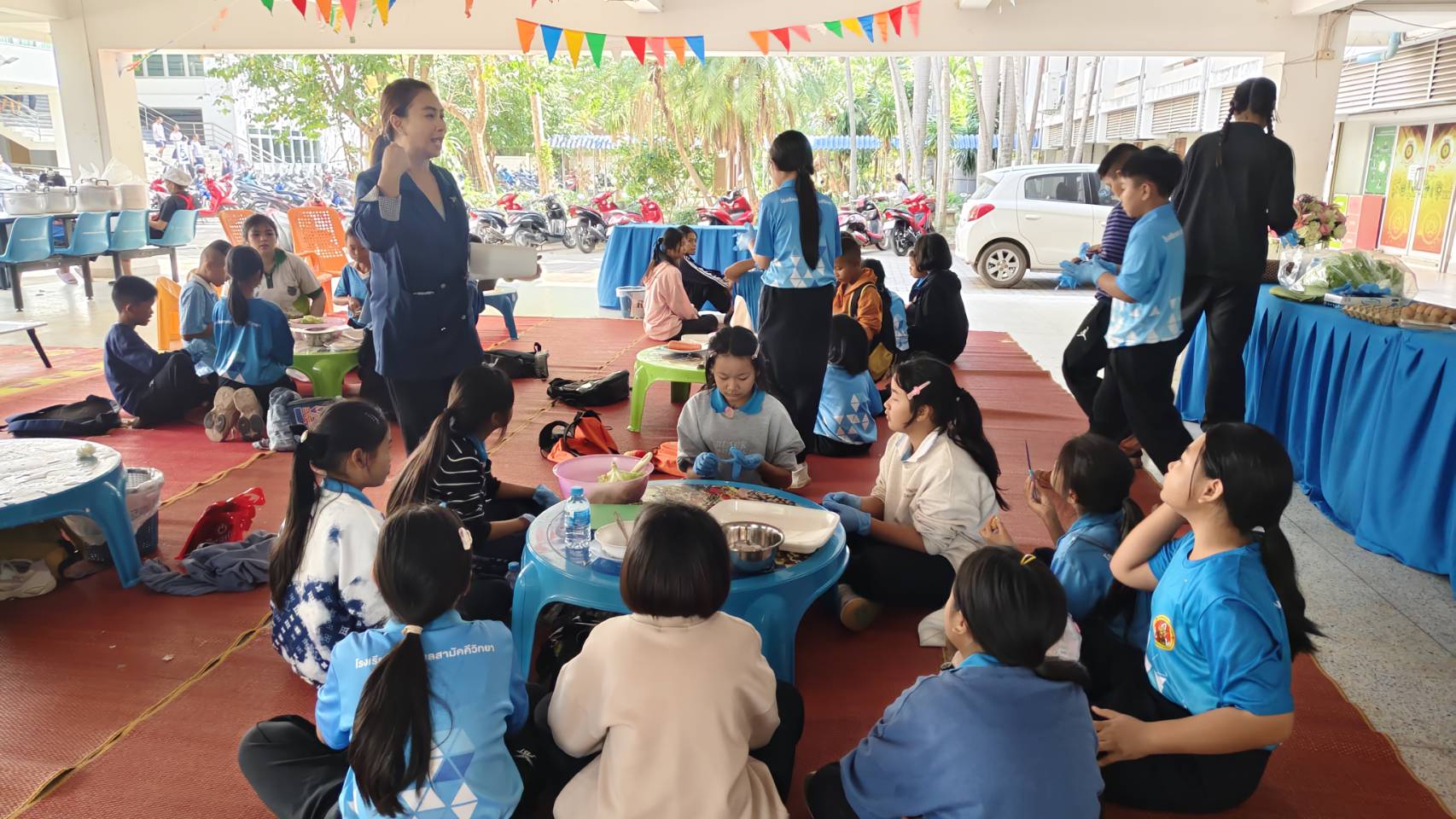
ถ่ายทอดความรู้และให้ผู้เข้าร่วมได้ฝึกจัดการขยะอินทรีย์จริง ตั้งแต่การคัดแยกและจัดการต้นทาง ไปจนถึงการแปรรูปและนำกลับมาใช้ประโยชน์ ครอบคลุมกลุ่มนักเรียน นักศึกษา ชุมชน และหน่วยงานที่สนใจ พร้อมขยายรูปแบบการเรียนรู้ไปยังเครือข่ายสถานศึกษาและชุมชน
กิจกรรมที่ 3 การพัฒนาผลิตภัณฑ์และขยายเครือข่ายความร่วมมือ
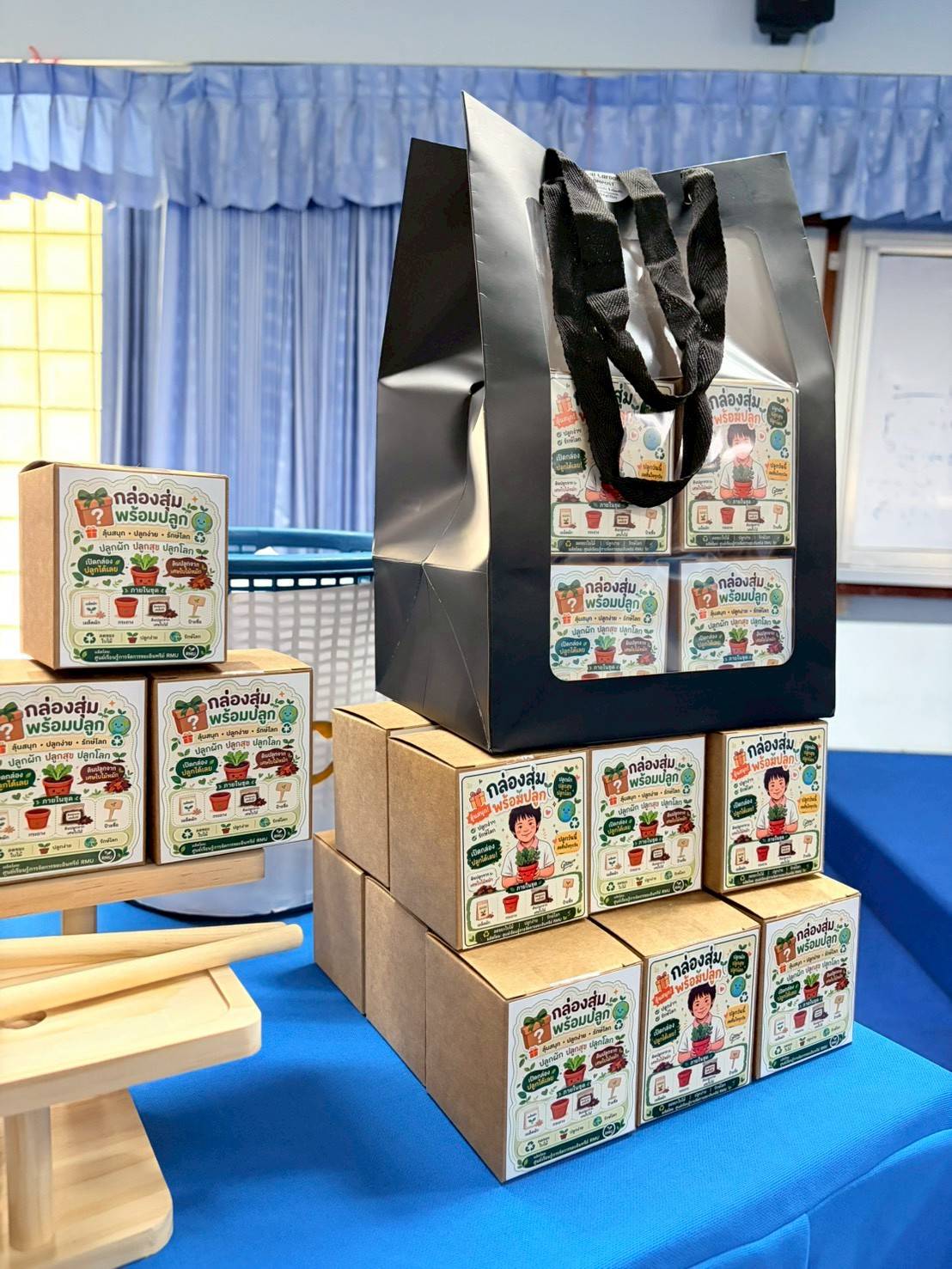
ต่อยอดขยะอินทรีย์เป็นผลิตภัณฑ์ที่ใช้ประโยชน์ได้ เช่น ปุ๋ยหมัก ดินปลูก และปุ๋ยน้ำชีวภาพ ตามแนวคิดเศรษฐกิจหมุนเวียนและสังคมคาร์บอนต่ำ พร้อมคำนวณผลการลดก๊าซเรือนกระจกเพื่อขอรับการรับรองจากโครงการ LESS และสร้างความร่วมมือระหว่างโรงเรียน ชุมชน และหน่วยงานภาคี
Part 2: Outcomes & Impact ส่วนที่ 2 ผลลัพธ์และผลกระทบ
Outcomes ผลลัพธ์ที่เกิดขึ้น
1. Participants gain the knowledge and skills to manage organic waste and calculate greenhouse gas emission reductions in the waste management sector.
2. Educational institutions and communities apply organic waste management practices, resulting in a reduction in the amount of organic waste.
3. Collaborative networks are established to scale up organic waste management and advance the transition to a low-carbon society on an ongoing basis.
4. Participants develop greater environmental awareness and adopt practical environmental behaviors and Climate Action, contributing to adaptation to and preparedness for the impacts of climate change.
1. ผู้เข้าร่วมมีความรู้ ทักษะ และสามารถปฏิบัติการจัดการขยะอินทรีย์ และคำนวณการลดการปล่อยก๊าซเรือนกระจกด้านการจัดการของเสียได้
2. สถานศึกษาและชุมชนนำแนวทางการจัดการขยะอินทรีย์ไปใช้จริง ส่งผลให้ปริมาณขยะอินทรีย์ลดลง
3. เกิดเครือข่ายความร่วมมือในการขยายผลการจัดการขยะอินทรีย์และการขับเคลื่อนสังคมคาร์บอนต่ำอย่างต่อเนื่องได้
4. สร้างความตระหนักรู้และพฤติกรรมเชิงปฏิบัติด้านสิ่งแวดล้อมและขับเคลื่อน Climate Action ให้กับผู้เข้าร่วมกิจกรรม ทำให้เกิดการปรับตัวและรองรับผลกระทบจากการเปลี่ยนแปลงสภาพภูมิอากาศ
Community & Social Impact ผลกระทบต่อชุมชน/สังคม
1. Educational institutions and communities adopt appropriate organic waste management practices, reducing mixed waste disposal, landfilling, open burning, and environmental impacts.
2. Organic waste is transformed into useful products, helping to reduce costs and increase the value of local resources.
3. Collaborative networks are established among the university, educational institutions, communities, and relevant organizations to sustainably scale up waste management and greenhouse gas reduction efforts.
1. สถานศึกษาและชุมชนมีแนวทางจัดการขยะอินทรีย์ที่เหมาะสม ช่วยลดการทิ้งรวม การฝังกลบ การเผา และผลกระทบต่อสิ่งแวดล้อม
2. ขยะอินทรีย์ได้รับการเปลี่ยนเป็นผลิตภัณฑ์ที่สามารถนำกลับมาใช้ประโยชน์ ช่วยลดค่าใช้จ่ายและเพิ่มมูลค่าให้กับทรัพยากรในท้องถิ่น
3. เกิดเครือข่ายความร่วมมือระหว่างมหาวิทยาลัย สถานศึกษา ชุมชน และหน่วยงานที่เกี่ยวข้อง เพื่อขยายผลการจัดการขยะและการลดก๊าซเรือนกระจกอย่างยั่งยืน
Student & Staff Participation การมีส่วนร่วมของนักศึกษา/บุคลากร
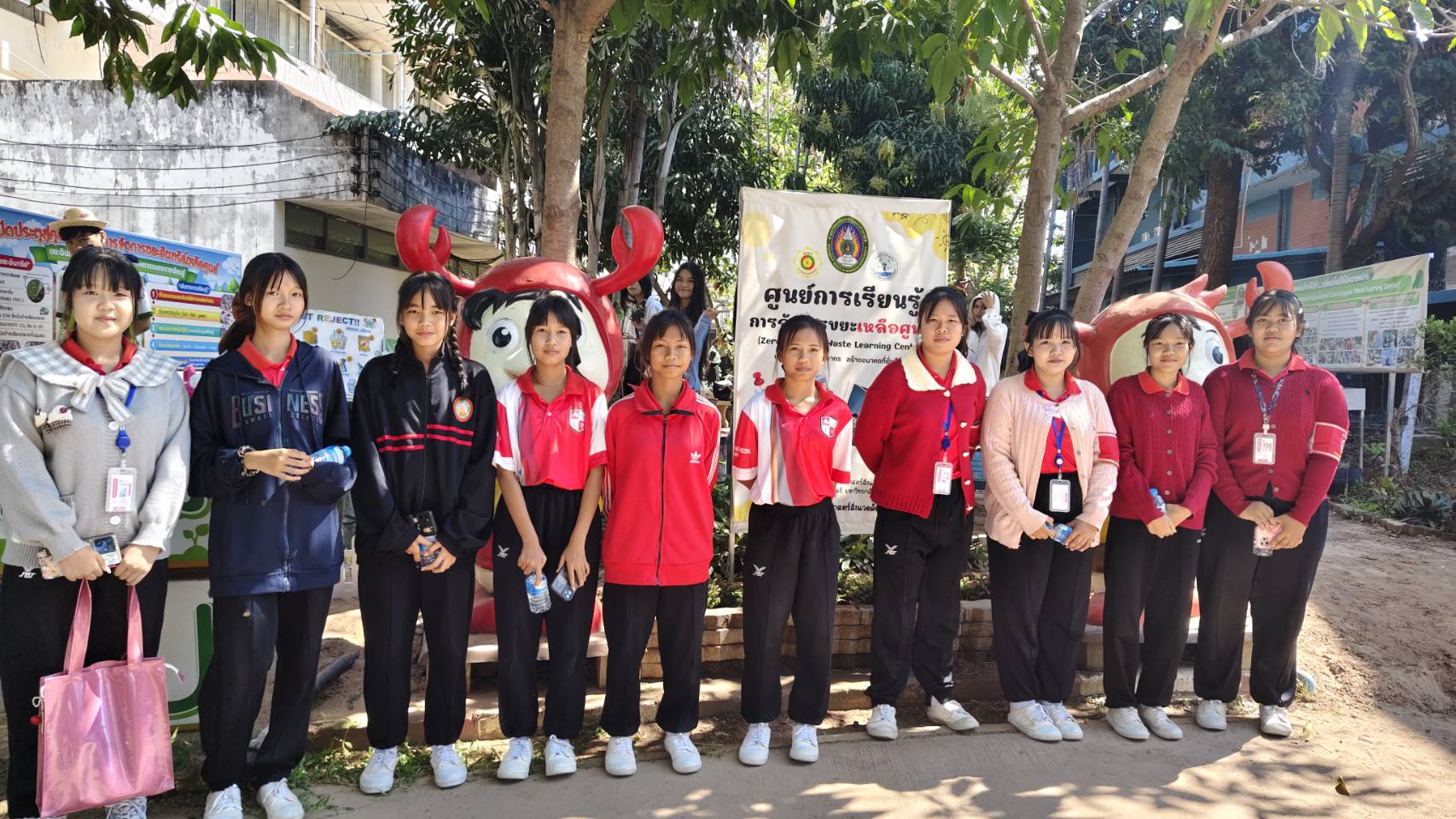
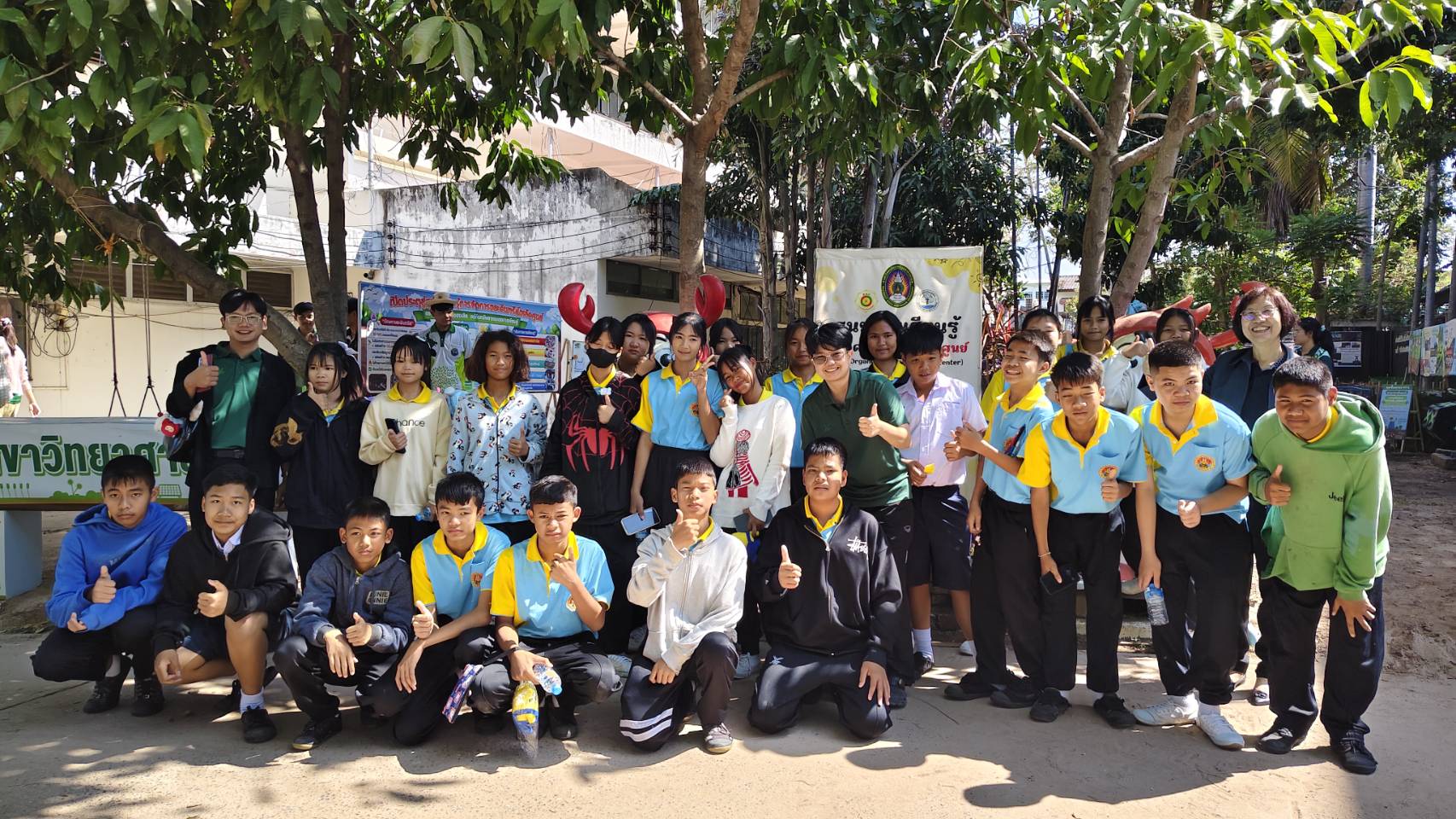
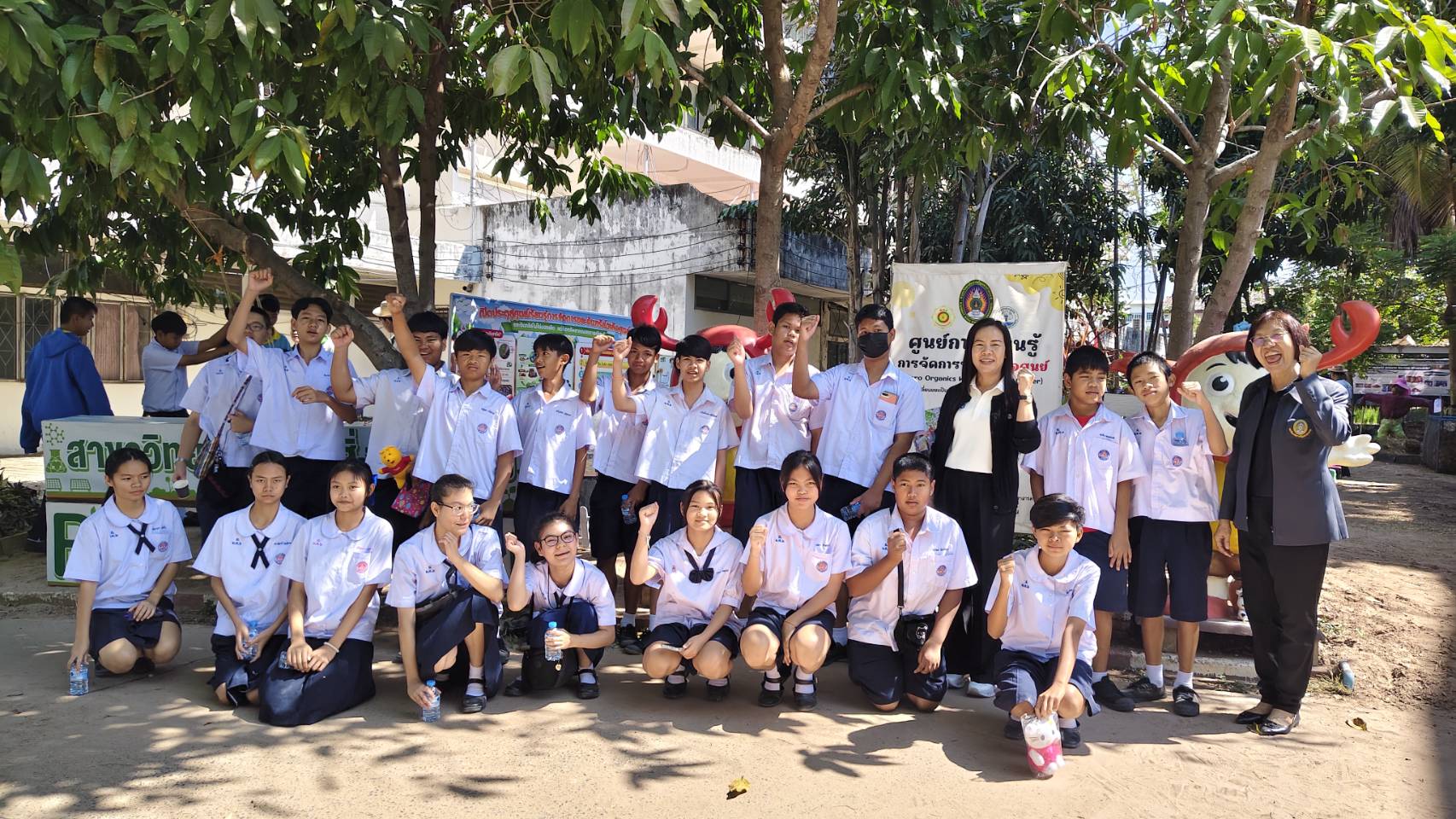
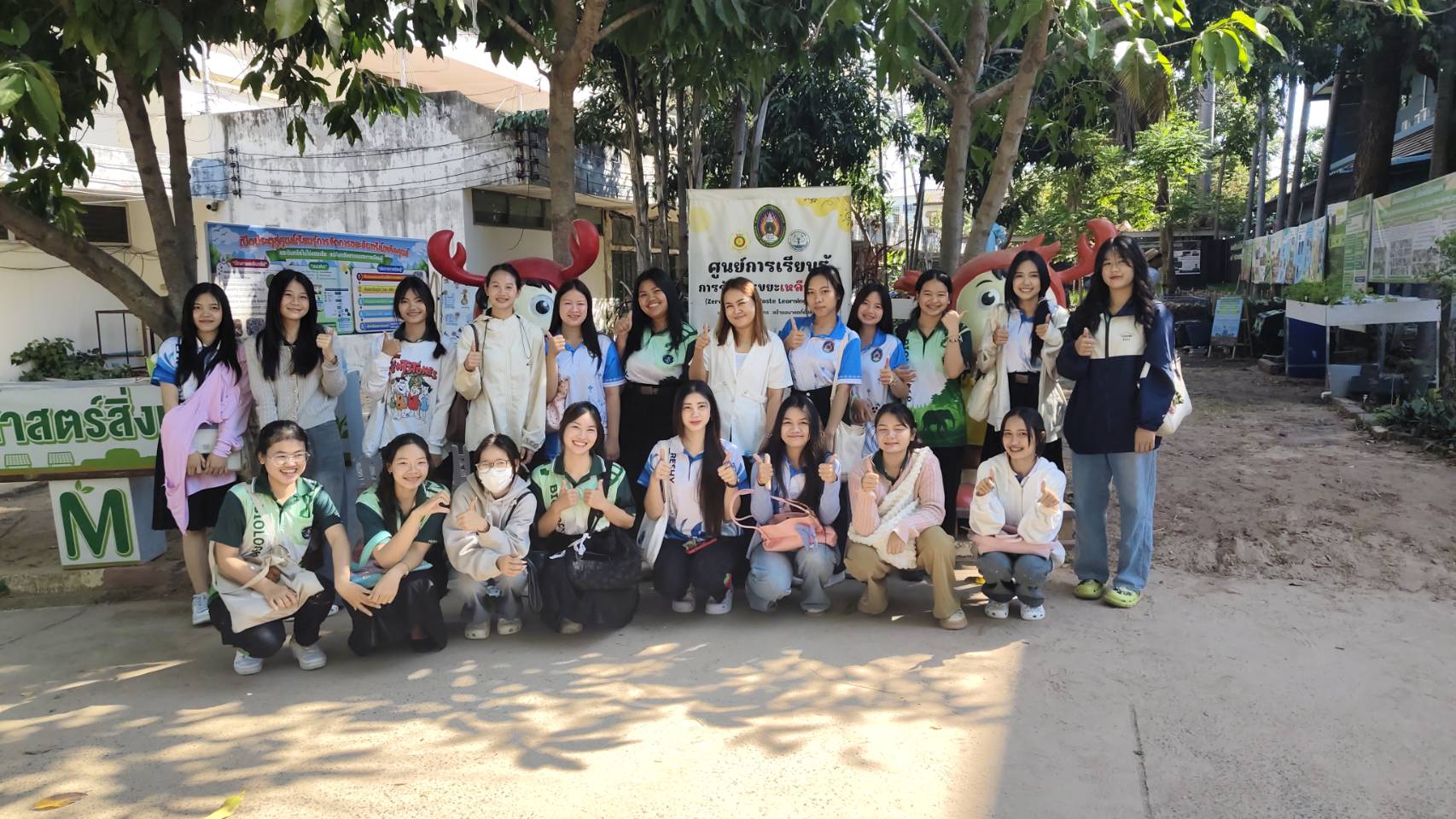
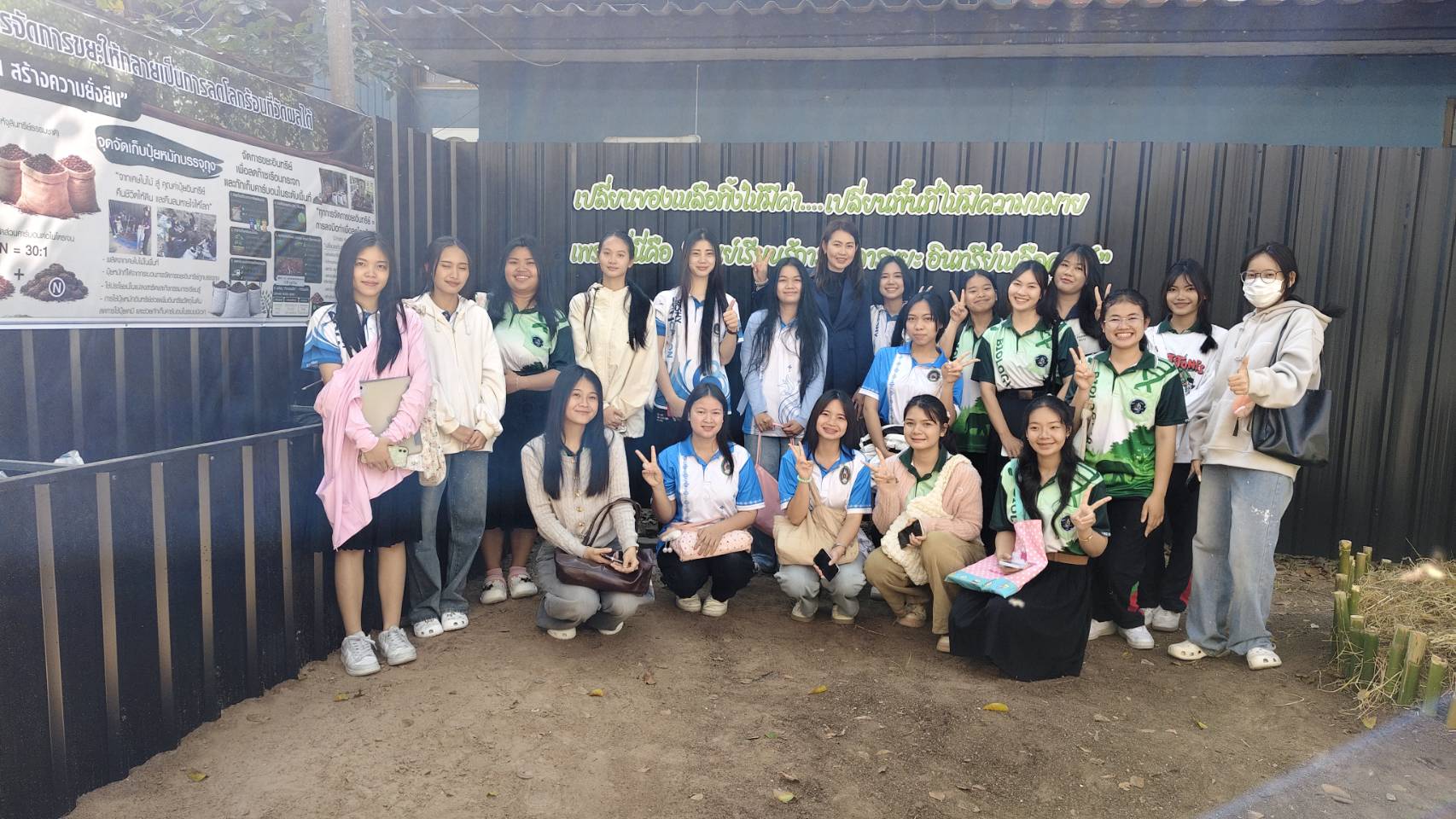
The project helped strengthen participants’ knowledge, understanding, and practical skills in waste separation, composting, and the beneficial reuse of organic waste. Participants were also able to connect waste management with greenhouse gas emission reduction and Climate Action, and apply what they learned in educational institutions, households, and communities ผู้เข้าร่วม โครงการช่วยเสริมสร้างความรู้ ความเข้าใจ และทักษะเกี่ยวกับการคัดแยก การหมัก และการนำขยะอินทรีย์กลับมาใช้ประโยชน์ ผู้เข้าร่วมสามารถเชื่อมโยงการจัดการขยะกับการลดการปล่อยก๊าซเรือนกระจกและการขับเคลื่อน Climate Action รวมทั้งสามารถนำความรู้ไปประยุกต์ใช้ในสถานศึกษา ครัวเรือน และชุมชนได้
Project Continuity ความต่อเนื่องของโครงการ
The project aims to ensure that the Organic Waste Management Learning Center remains operational and continues to generate benefits through the following measures:
1. Maintain the learning center’s continued operation: Keep the facilities, equipment, and learning materials in good working condition to support regular learning and activities.
2. Engage successive cohorts of students in managing the center: Transfer knowledge and practical guidance from previous cohorts and encourage future students to help manage and develop the center.
3. Integrate the center into courses: Use it as a hands-on learning space linked to course content on waste management, environmental issues, and climate change.
4. Use the center as a research site: Support student research and projects on topics such as organic waste management, compost production, and greenhouse gas emission reduction assessment.
5. Use the center for academic outreach: Offer knowledge-sharing activities and practical training for school students, staff, and interested members of the public.
6. Extend the work to schools and communities: Share knowledge and approaches suited to each area’s context to encourage practical waste management.
7. Develop the center into the University’s Climate Action Center: Build on its work in waste management and greenhouse gas reduction, developing it as a learning hub and a platform for the University’s ongoing Climate Action activities.
โครงการมุ่งให้ศูนย์เรียนรู้การจัดการขยะอินทรีย์สามารถดำเนินงานและสร้างประโยชน์ได้อย่างต่อเนื่อง โดยมีแนวทางดังนี้
1. ศูนย์เรียนรู้ยังคงใช้งานได้ ดูแลพื้นที่ อุปกรณ์ และสื่อการเรียนรู้ให้อยู่ในสภาพพร้อมใช้งาน เพื่อรองรับการเรียนรู้และกิจกรรมอย่างสม่ำเสมอ
2. นักศึกษารุ่นต่อไปเป็นผู้ดูแล ถ่ายทอดความรู้และแนวทางปฏิบัติจากนักศึกษารุ่นก่อน พร้อมส่งเสริมให้นักศึกษารุ่นต่อไปมีส่วนร่วมดูแลและพัฒนาศูนย์
3. บูรณาการกับรายวิชา ใช้ศูนย์เป็นพื้นที่เรียนรู้ภาคปฏิบัติ เชื่อมโยงกับเนื้อหาด้านการจัดการขยะ สิ่งแวดล้อม และการเปลี่ยนแปลงสภาพภูมิอากาศ
4. ใช้เป็นแหล่งวิจัย สนับสนุนการศึกษาวิจัยและโครงงานของนักศึกษา เช่น การจัดการขยะอินทรีย์ การผลิตปุ๋ยหมัก และการประเมินการลดก๊าซเรือนกระจก
5. ใช้เป็นแหล่งบริการวิชาการ จัดกิจกรรมถ่ายทอดความรู้และฝึกปฏิบัติให้แก่นักเรียน บุคลากร และประชาชนที่สนใจ
6. ขยายผลสู่โรงเรียนและชุมชน เผยแพร่แนวทางและองค์ความรู้ที่เหมาะสมกับบริบทของแต่ละพื้นที่ เพื่อส่งเสริมให้เกิดการจัดการขยะอย่างเป็นรูปธรรม
7. พัฒนาสู่ศูนย์ Climate Action ของมหาวิทยาลัยฯ ต่อยอดการดำเนินงานด้านการจัดการขยะและการลดก๊าซเรือนกระจก ให้เป็นแหล่งเรียนรู้และขับเคลื่อนกิจกรรมด้าน Climate Action ของมหาวิทยาลัยอย่างต่อเนื่อง
Part 3: Challenges & Suggestions ส่วนที่ 3 ปัญหาอุปสรรค/ข้อเสนอแนะ
Problems & Obstacles ปัญหา/อุปสรรค
1. Limitations in Space and Equipment
The practice area and some equipment are limited in number relative to the number of participants. As a result, participants must be divided into groups and rotate through the learning stations, which may lead to differences in the amount of hands-on practice time each group receives.
2. Differences in Participants’ Backgrounds
The target groups include school students, teachers, university students, staff, and community members, who vary in age and prior knowledge. Using the same content and teaching approach for all participants may not suit every group.
3. Variability in Feedstock
The quantity, moisture content, and composition of food scraps and fallen leaves vary by season. This affects the proportions of materials used, composting time, and the quality of the resulting products.
4. Control of the Composting Process
Maintaining appropriate moisture, temperature, and aeration requires continuous monitoring. Without regular checks, materials may become too dry or too wet, odors may develop, and decomposition may be delayed.
5. Equipment Maintenance and Data Recording Systems
The composting systems, monitoring equipment, and data recording systems require regular inspection and maintenance to prevent gaps in data or measurement errors.
6. Limitations in the Duration of Follow-up
Assessing the amount of waste diverted and greenhouse gas emissions reduced requires data to be collected over an extended period. Data collected during the project activities may therefore be insufficient to confirm annual results or immediately support an application for certification under the LESS Program.
7. Consistency in Product Quality
The quality of compost and potting mix may vary depending on the feedstock and process control. Quality testing is therefore needed before these products are used or developed for distribution or sale.
1. ข้อจำกัดด้านพื้นที่และอุปกรณ์ พื้นที่ฝึกปฏิบัติและอุปกรณ์บางส่วนมีจำนวนจำกัดเมื่อเทียบกับจำนวนผู้เข้าร่วม ทำให้ต้องแบ่งกลุ่มและหมุนเวียนการเข้าใช้ฐานเรียนรู้ ซึ่งอาจทำให้ระยะเวลาในการฝึกปฏิบัติของแต่ละกลุ่มไม่เท่ากัน
2. ความแตกต่างของพื้นฐานผู้เข้าร่วม กลุ่มเป้าหมายประกอบด้วยนักเรียน ครู นักศึกษา บุคลากร และประชาชนในชุมชน ซึ่งมีช่วงวัยและพื้นฐานความรู้แตกต่างกัน การใช้เนื้อหาและวิธีการถ่ายทอดรูปแบบเดียวกันอาจไม่เหมาะสมกับผู้เข้าร่วมทุกกลุ่ม
3. ความไม่สม่ำเสมอของวัตถุดิบ เศษอาหารและเศษใบไม้มีปริมาณ ความชื้น และองค์ประกอบแตกต่างกันตามฤดูกาล ส่งผลต่อการกำหนดสัดส่วนวัสดุ ระยะเวลาการหมักและคุณภาพของผลิตภัณฑ์ที่ได้
4. การควบคุมกระบวนการหมัก การรักษาระดับความชื้น อุณหภูมิ และการเติมอากาศให้เหมาะสมต้องอาศัยการติดตามอย่างต่อเนื่อง หากขาดการตรวจสอบอาจส่งผลให้วัสดุแห้งหรือชื้นเกินไป เกิดกลิ่น และทำให้กระบวนการย่อยสลายล่าช้า
5. การดูแลรักษาอุปกรณ์และระบบบันทึกข้อมูล ระบบหมัก อุปกรณ์ตรวจวัด และระบบบันทึกข้อมูลจำเป็นต้องได้รับการตรวจสอบและบำรุงรักษาอย่างสม่ำเสมอ เพื่อป้องกันข้อมูลขาดช่วงหรือเกิดความคลาดเคลื่อน
6. ข้อจำกัดด้านระยะเวลาการติดตามผล การประเมินปริมาณขยะที่ลดได้และการลดก๊าซเรือนกระจกจำเป็นต้องเก็บข้อมูลต่อเนื่องเป็นระยะเวลานาน ข้อมูลในช่วงจัดกิจกรรมจึงอาจยังไม่เพียงพอสำหรับยืนยันผลสัมฤทธิ์รายปีหรือใช้ประกอบการขอรับรองจากโครงการ LESS ได้ทันที
7. ความสม่ำเสมอของคุณภาพผลิตภัณฑ์ คุณภาพปุ๋ยหมักและดินปลูกอาจแตกต่างกันตามวัตถุดิบและการควบคุมกระบวนการ จึงต้องมีการตรวจวิเคราะห์คุณภาพก่อนนำไปใช้หรือพัฒนาเป็นผลิตภัณฑ์สำหรับเผยแพร่และจำหน่าย
Improvement Guidelines แนวทางการปรับปรุง
1.Divide participants into small groups and organize rotating learning stations. Set the number of participants per session according to the available space and equipment, and provide additional equipment for activities with large groups.
2.Develop learning materials and activities suited to each target group—for example, visual materials and games for school students, practical training manuals for university students, and examples of household applications for community members.
3.Prepare a plan for collecting and storing feedstock. Classify the materials and record their characteristics before processing, and establish standardized composting formulas and proportions.
4.Develop operating procedures for the composting systems and assign personnel to monitor temperature and moisture at set intervals. Adjust aeration and moisture according to the condition of the composting materials.
5.Establish a regular equipment inspection and maintenance plan, verify the accuracy of measuring instruments, and back up data in both paper and electronic formats.
6.Establish a standardized form for recording organic waste quantities, product outputs, and greenhouse gas emission reductions. Assign personnel to maintain the records continuously so that complete evidence is available for annual assessments and LESS Program certification applications.
7.Collect product samples for quality testing, including pH, moisture content, and primary nutrients (N, P, and K). Adjust the composting formulas, storage methods, and packaging as appropriate.
1. แบ่งผู้เข้าร่วมเป็นกลุ่มย่อยและจัดฐานการเรียนรู้แบบหมุนเวียน พร้อมกำหนดจำนวนผู้เข้าร่วมต่อรอบให้เหมาะสมกับพื้นที่และอุปกรณ์ รวมทั้งจัดหาอุปกรณ์เพิ่มเติมในกิจกรรมที่มีผู้เข้าร่วมจำนวนมาก
2. พัฒนาสื่อและรูปแบบกิจกรรมให้เหมาะสมกับแต่ละกลุ่มเป้าหมาย เช่น สื่อภาพและเกมสำหรับนักเรียน คู่มือฝึกปฏิบัติสำหรับนักศึกษา และตัวอย่างการประยุกต์ใช้ในครัวเรือนสำหรับชุมชน
3. จัดทำแผนรวบรวมและสำรองวัตถุดิบ จำแนกประเภทและบันทึกคุณลักษณะของวัตถุดิบก่อนนำเข้าสู่กระบวนการ พร้อมกำหนดสูตรและสัดส่วนการหมักที่เป็นมาตรฐาน
4. จัดทำคู่มือปฏิบัติงานสำหรับระบบหมัก กำหนดผู้รับผิดชอบตรวจวัดอุณหภูมิและความชื้นตามระยะเวลา และปรับการเติมอากาศหรือความชื้นให้เหมาะสมกับสภาพของวัสดุหมัก
5. จัดทำแผนตรวจสอบและบำรุงรักษาอุปกรณ์เป็นประจำ ตรวจสอบความถูกต้องของเครื่องมือวัด และสำรองข้อมูลทั้งในรูปแบบเอกสารและฐานข้อมูลอิเล็กทรอนิกส์
6. กำหนดแบบบันทึกข้อมูลกลางสำหรับปริมาณขยะอินทรีย์ ผลผลิต และการลดก๊าซเรือนกระจก พร้อมมอบหมายผู้รับผิดชอบบันทึกข้อมูลอย่างต่อเนื่อง เพื่อให้มีหลักฐานครบถ้วนสำหรับการประเมินรายปีและการขอรับรองจากโครงการ LESS
7. เก็บตัวอย่างผลิตภัณฑ์เพื่อตรวจวิเคราะห์คุณภาพ ได้แก่ ความเป็นกรด–ด่าง ความชื้น และธาตุอาหารหลัก พร้อมปรับปรุงสูตรการหมัก การเก็บรักษา และบรรจุภัณฑ์ให้เหมาะสม
Suggestions to University ข้อเสนอแนะต่อมหาวิทยาลัย
Recommendations for the University’s Consideration
1. Establish the learning center as an ongoing university initiative. Prepare an annual operating plan, clearly assign responsible units and personnel, and allocate a budget for operations and equipment maintenance.
2. Provide adequate space and equipment for learning activities. Ensure access to hands-on training equipment, measuring instruments, and necessary materials. Establish regular inspection and maintenance plans for the composting systems and instruments so the center remains operational and can accommodate participants appropriately.
3. Establish a system for successive student cohorts to manage the center. Form a student leadership team, prepare operating manuals and activity log forms, and set up a handover process between cohorts to preserve knowledge and maintain continuity.
4. Integrate the center into teaching and research. Enable students to use the site for practical training, projects, and research on organic waste management, compost production, product quality, and greenhouse gas emission reductions. Use research findings to improve the center’s operations.
5. Develop a centralized database for the center. Record waste quantities, feedstock, composting processes, product outputs, and greenhouse gas emission reductions. Assign personnel to verify the data and maintain supporting documentation for monitoring, reporting, and applications for recognition under the LESS Program.
6. Promote academic outreach and scale-up. Support students and staff in becoming lead trainers and organize activities tailored to school students, educational institutions, and communities. Follow up on how participants apply their learning after training and use the findings to improve activities for each area.
7. Develop organic waste products that are high-quality and practical to use. Support product quality testing, improvements to production processes, and appropriate ways to use or add value to the products.
8. Develop the center into the University’s Climate Action Center. Use it as a model site for waste management and greenhouse gas reduction, linking teaching, research, and academic outreach. Monitor and report its results to support the University’s ongoing transition to a low-carbon society.
ขอเสนอให้มหาวิทยาลัยพิจารณาแนวทางต่อไปนี้
1. กำหนดให้ศูนย์เรียนรู้เป็นพื้นที่ดำเนินงานต่อเนื่องของมหาวิทยาลัย โดยจัดทำแผนปฏิบัติงานรายปี กำหนดหน่วยงานและผู้รับผิดชอบให้ชัดเจน รวมทั้งจัดสรรงบประมาณสำหรับการดำเนินงานและบำรุงรักษาอุปกรณ์
2. สนับสนุนพื้นที่และอุปกรณ์ให้เพียงพอต่อการเรียนรู้ ทั้งอุปกรณ์ฝึกปฏิบัติ เครื่องมือวัด และวัสดุที่จำเป็น พร้อมกำหนดแผนตรวจสอบและบำรุงรักษาระบบหมักและเครื่องมืออย่างสม่ำเสมอ เพื่อให้ศูนย์พร้อมใช้งานและรองรับผู้เข้าร่วมได้เหมาะสม
3. สร้างระบบสืบทอดการดูแลศูนย์โดยนักศึกษารุ่นต่อไป เช่น จัดตั้งทีมแกนนำนักศึกษา จัดทำคู่มือและแบบบันทึกการปฏิบัติงาน รวมถึงกำหนดการส่งมอบงานระหว่างรุ่น เพื่อรักษาความรู้และให้กิจกรรมดำเนินต่อเนื่อง
4. บูรณาการศูนย์กับการเรียนการสอนและการวิจัย เปิดโอกาสให้นักศึกษาใช้พื้นที่จริงในการฝึกปฏิบัติ ทำโครงงาน และศึกษาวิจัยด้านการจัดการขยะอินทรีย์ การผลิตปุ๋ยหมัก คุณภาพผลิตภัณฑ์ และการลดก๊าซเรือนกระจก โดยนำผลการศึกษาไปใช้ปรับปรุงการดำเนินงานของศูนย์
5. พัฒนาระบบฐานข้อมูลกลางของศูนย์ สำหรับบันทึกปริมาณขยะ วัตถุดิบ กระบวนการหมัก ผลผลิต และการลดก๊าซเรือนกระจก พร้อมกำหนดผู้รับผิดชอบตรวจสอบความครบถ้วนของข้อมูลและจัดเก็บหลักฐาน เพื่อใช้ติดตามผลและประกอบการรายงานหรือขอรับรองจากโครงการ LESS
6. ส่งเสริมการบริการวิชาการและการขยายผล สนับสนุนให้นักศึกษาและบุคลากรเป็นวิทยากรแกนนำ จัดกิจกรรมที่ปรับเนื้อหาให้เหมาะกับนักเรียน สถานศึกษา และชุมชน รวมทั้งติดตามการนำความรู้ไปใช้หลังการอบรม เพื่อนำผลมาพัฒนากิจกรรมให้ตรงกับความต้องการของแต่ละพื้นที่
7. พัฒนาผลิตภัณฑ์จากขยะอินทรีย์ให้มีคุณภาพและนำไปใช้ประโยชน์ได้จริง โดยสนับสนุนการตรวจวิเคราะห์คุณภาพ การปรับปรุงกระบวนการผลิต และการสร้างแนวทางใช้ประโยชน์หรือเพิ่มมูลค่าผลิตภัณฑ์อย่างเหมาะสม
8. ต่อยอดศูนย์สู่การเป็นศูนย์ Climate Action ของมหาวิทยาลัย ใช้ศูนย์เป็นพื้นที่ต้นแบบด้านการจัดการขยะและการลดก๊าซเรือนกระจก เชื่อมโยงการเรียนการสอน งานวิจัย และบริการวิชาการ พร้อมติดตามและรายงานผลการดำเนินงานเพื่อสนับสนุนเป้าหมายการพัฒนามหาวิทยาลัยสู่สังคมคาร์บอนต่ำอย่างต่อเนื่อง