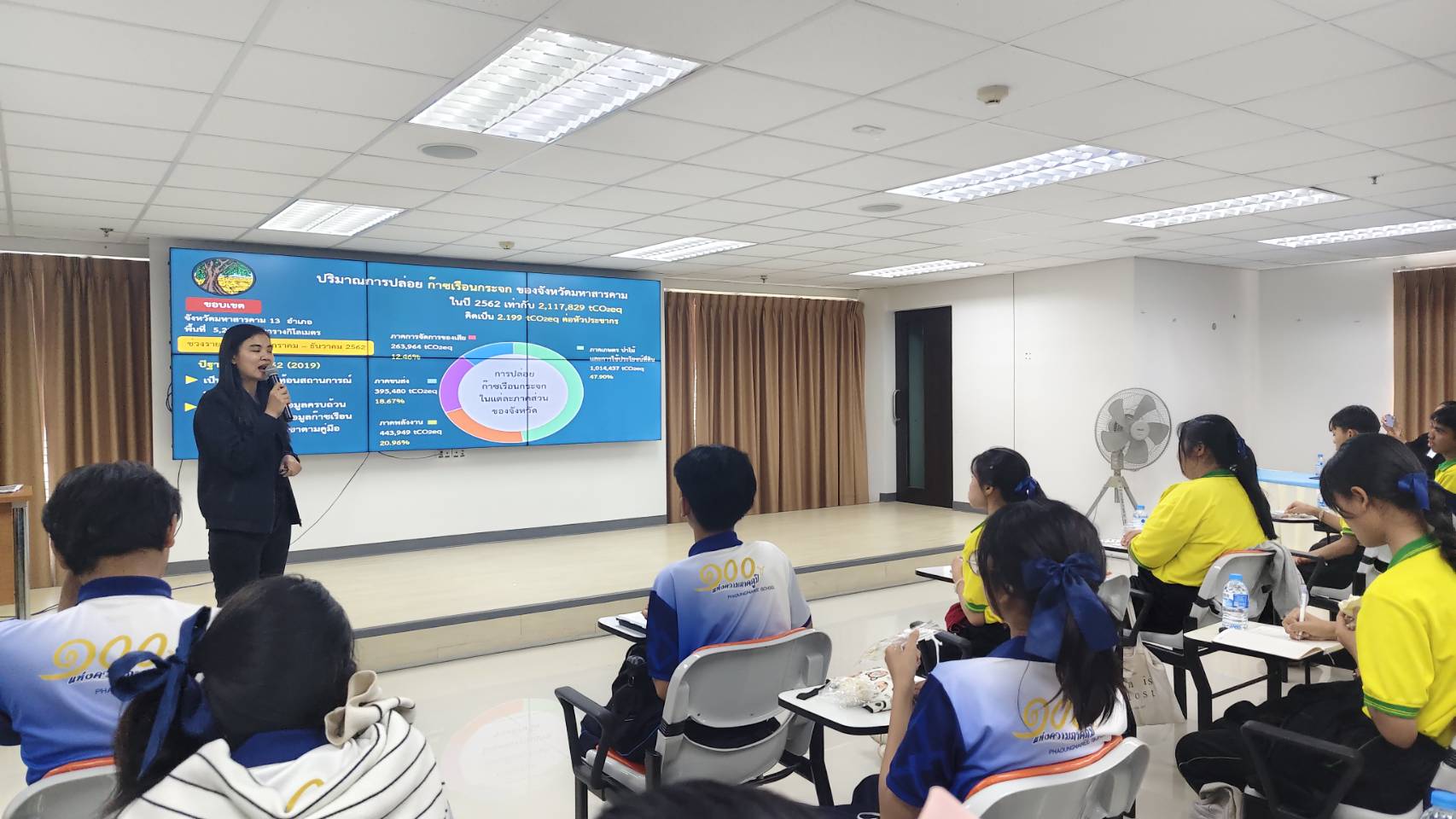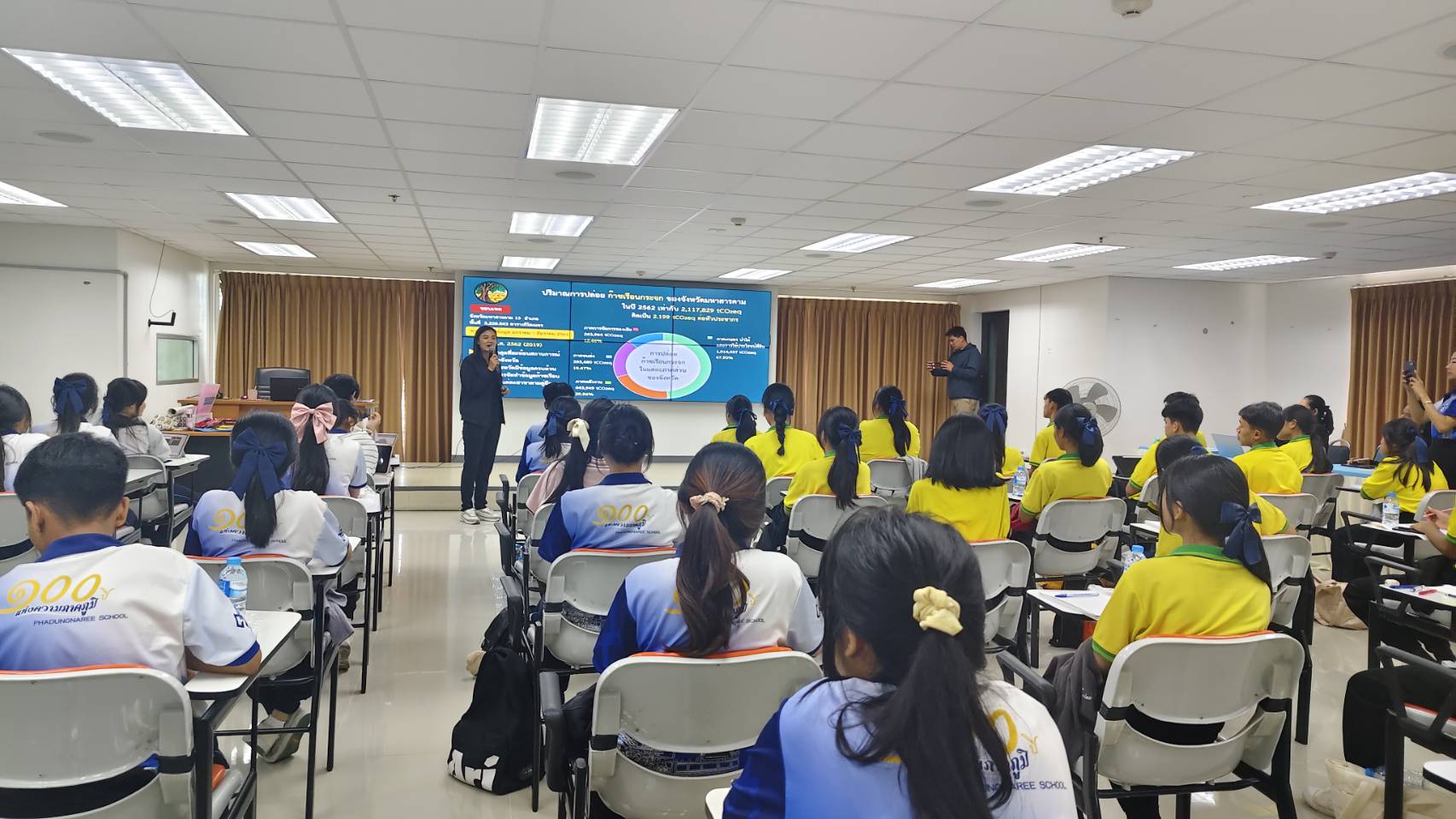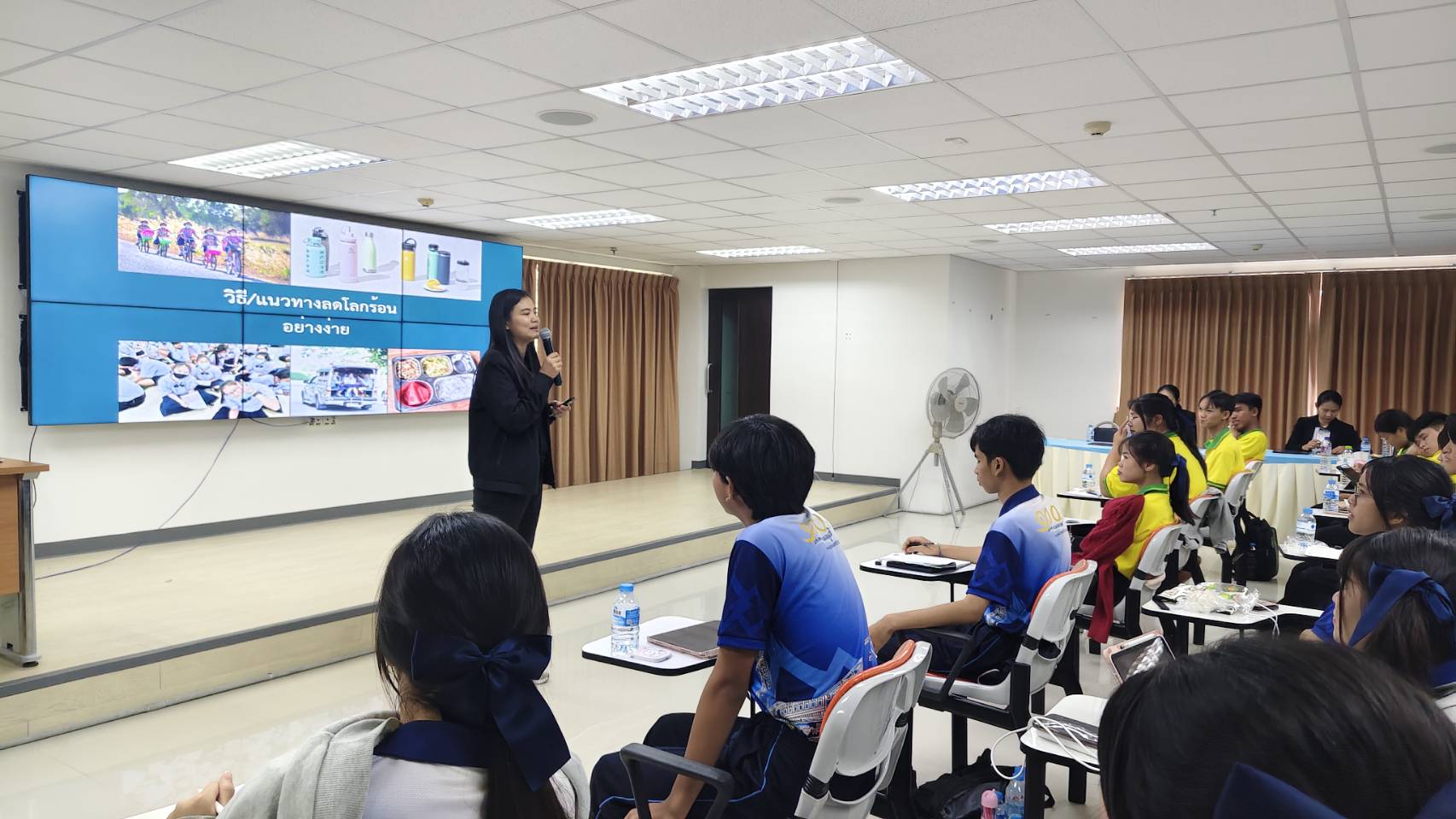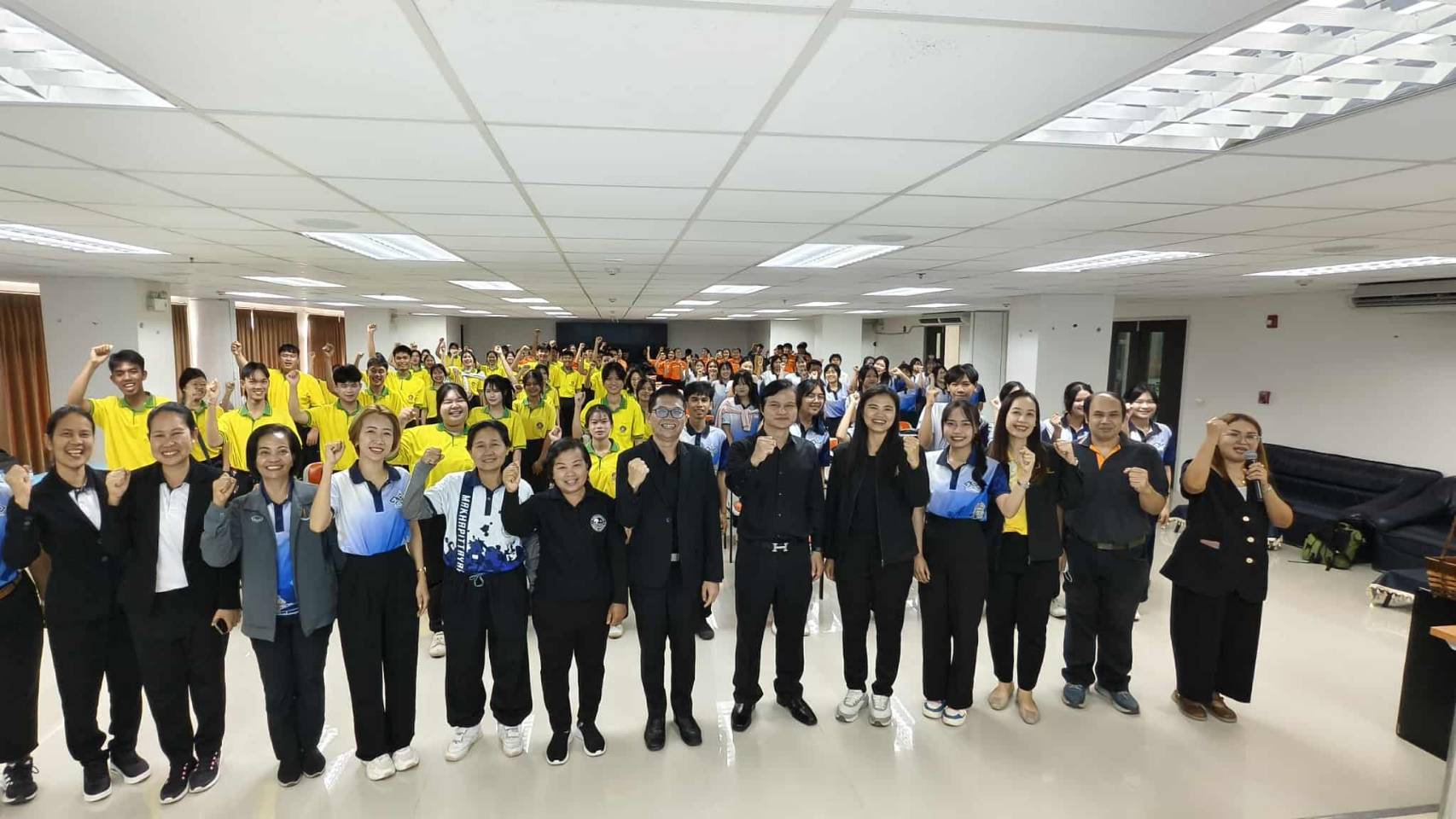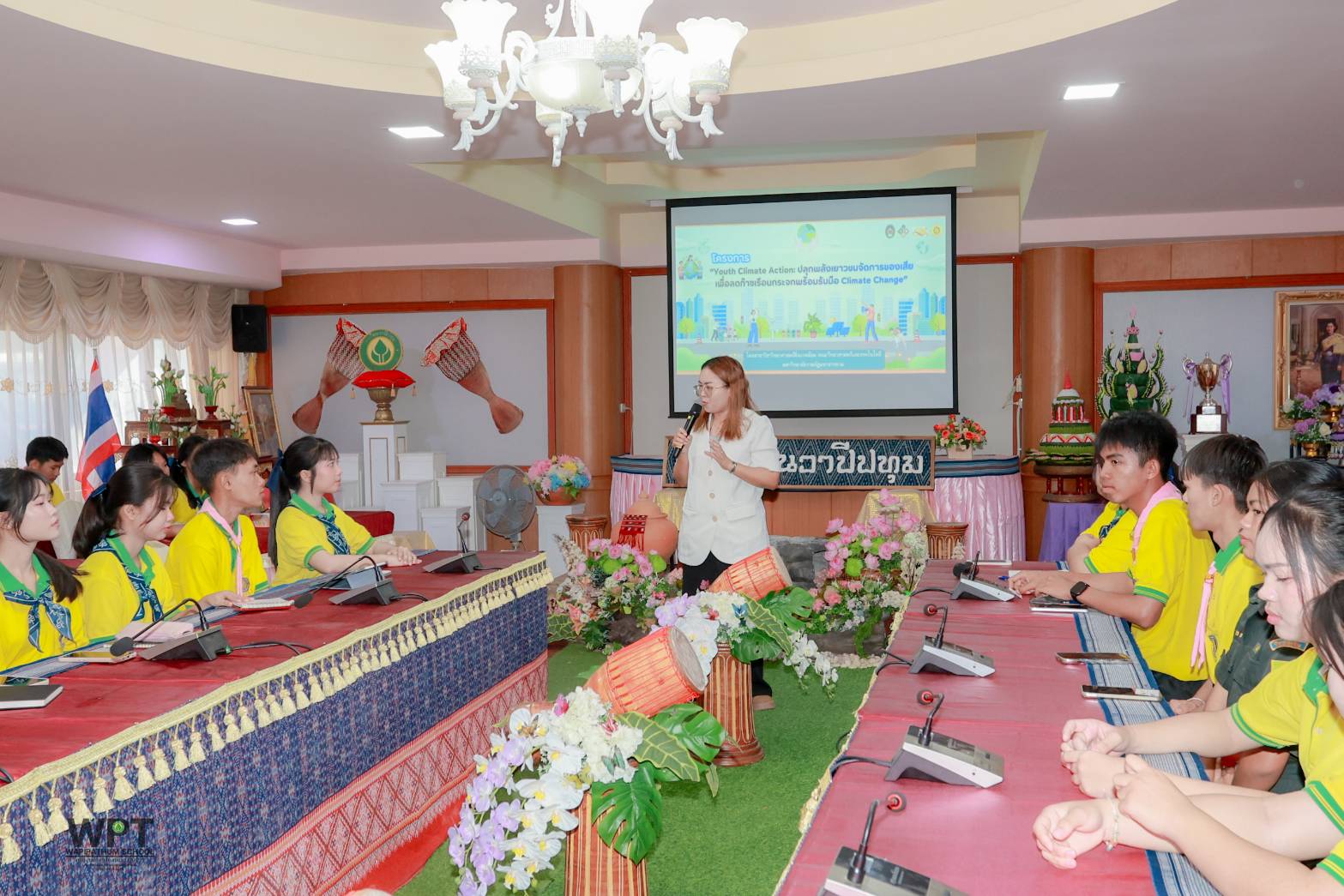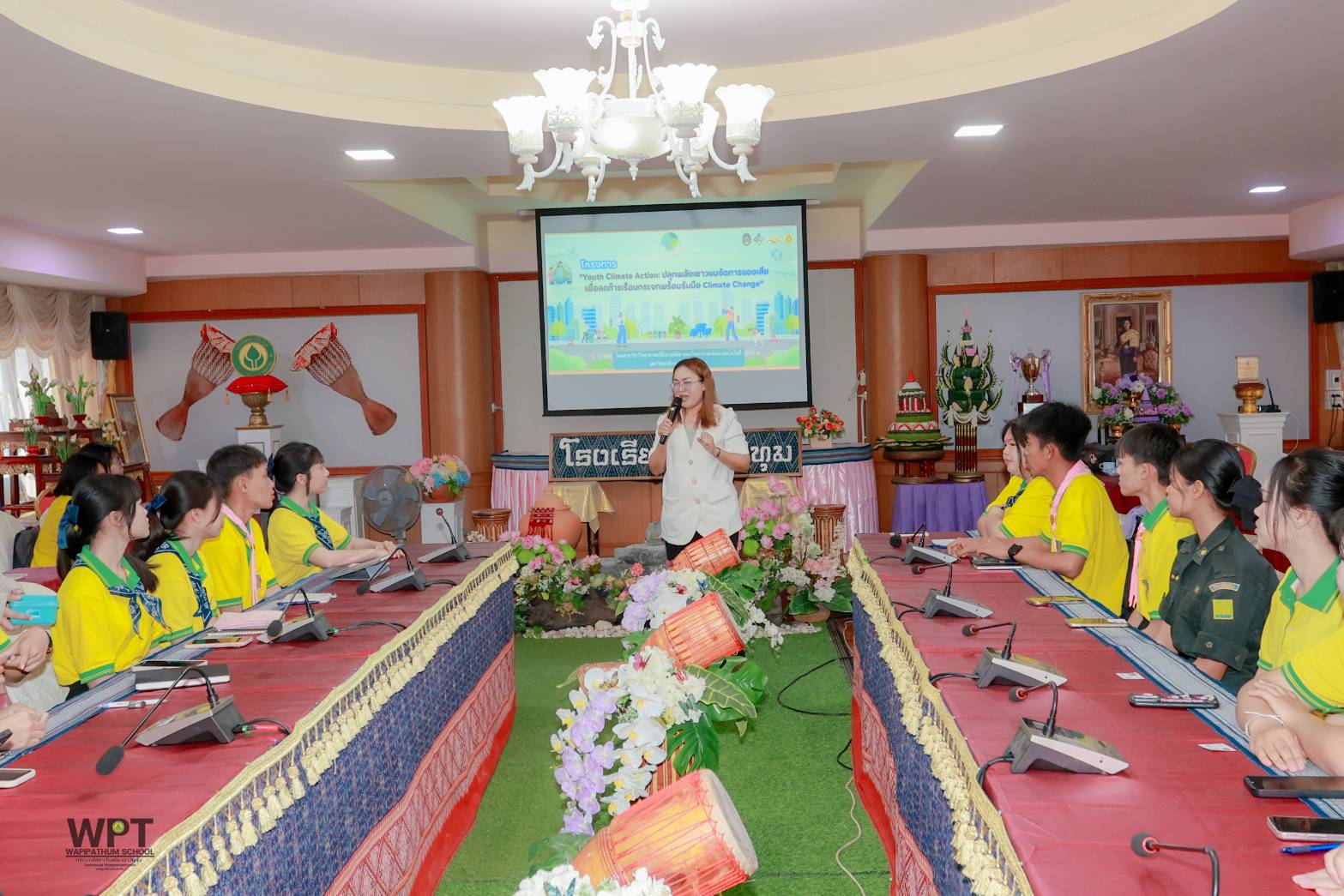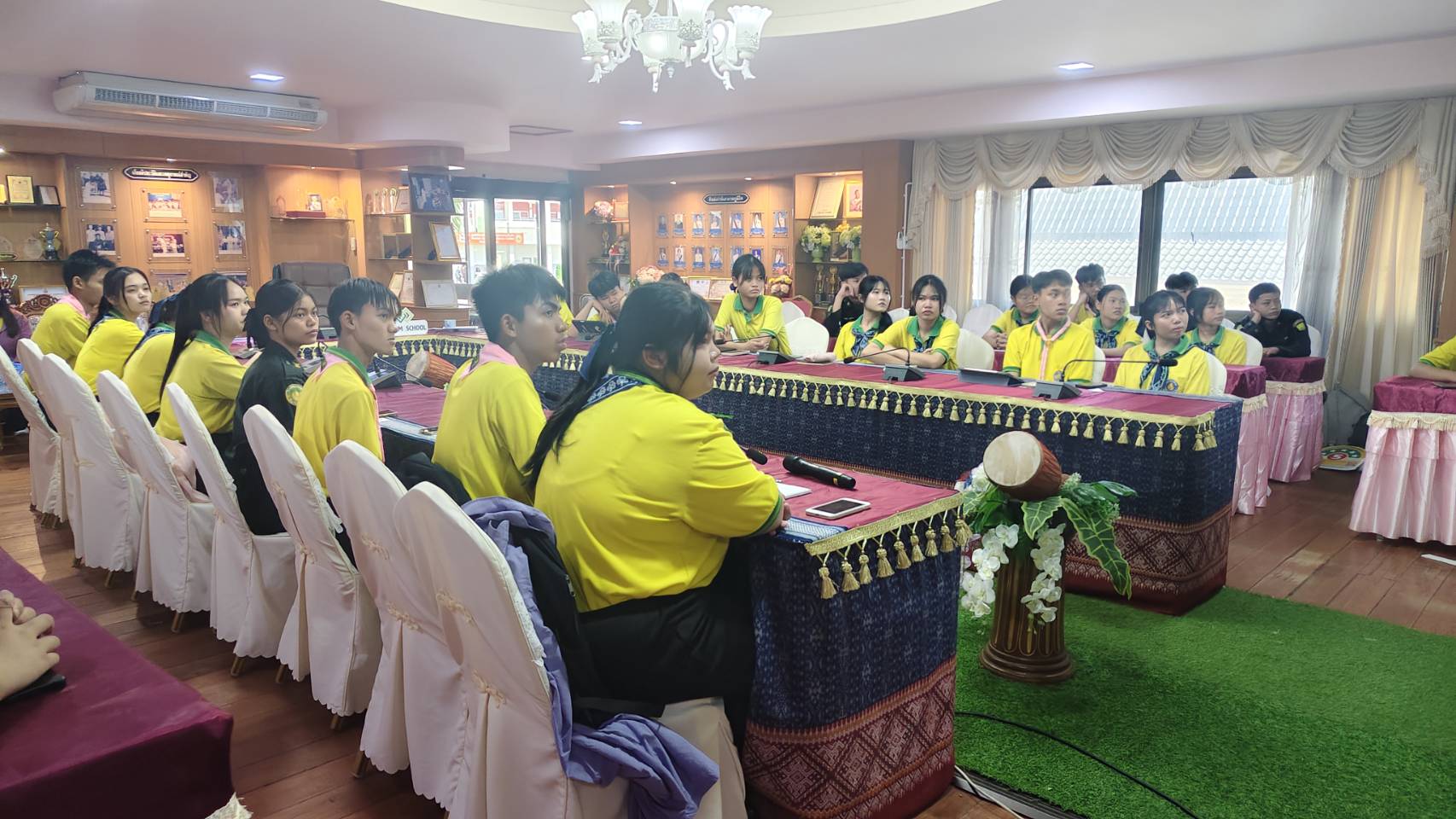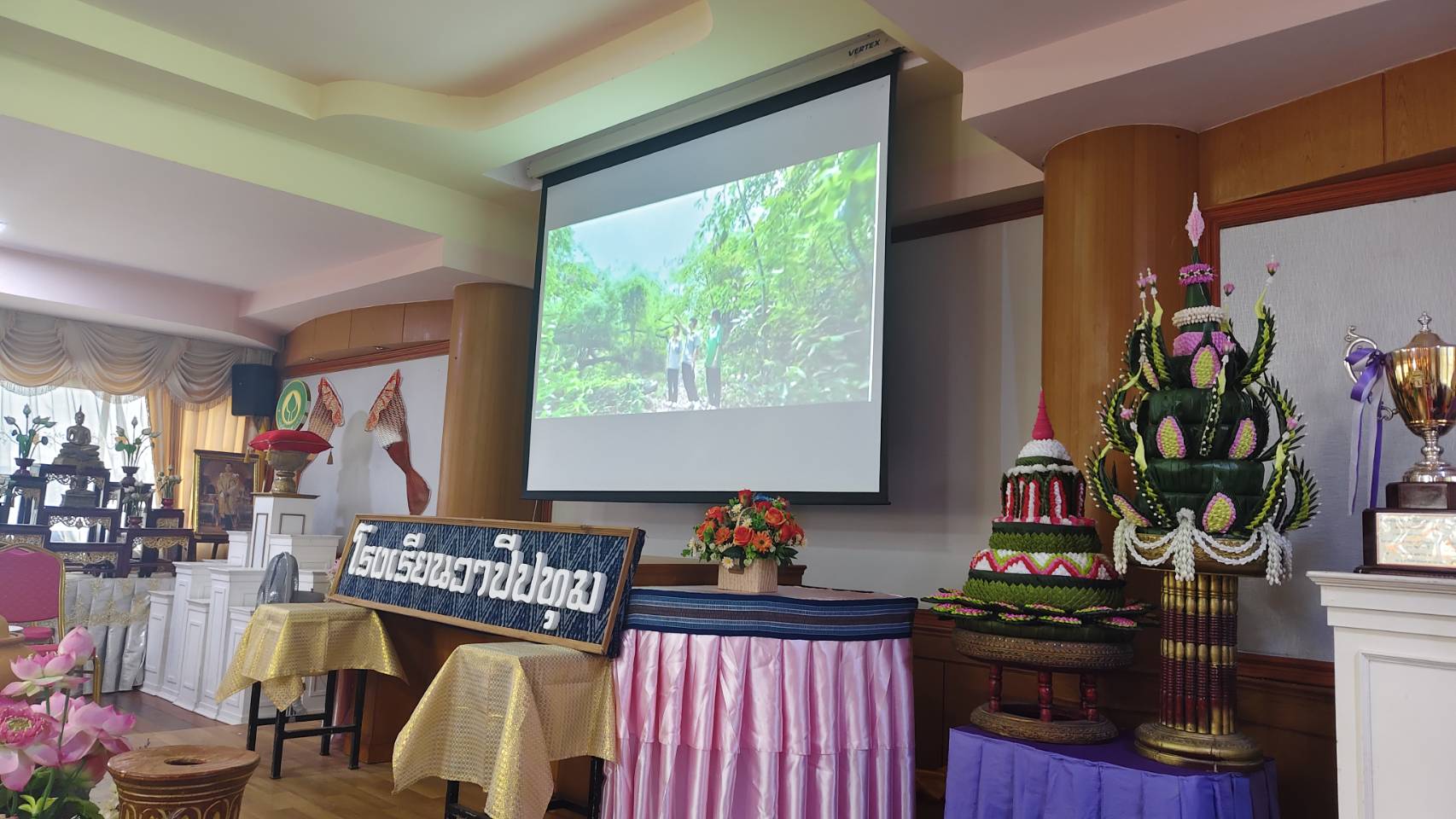
– June 30, 2026 1 มกราคม 2569
– 30 มิถุนายน 2569
Part 1: Project Details ส่วนที่ 1 รายละเอียดการดำเนินงาน
Objectives วัตถุประสงค์โครงการ
1. To promote young people’s knowledge, understanding, and awareness of their role in reducing greenhouse gas emissions and responding to climate change, in alignment with SDG Target 13.3.
2. To develop youth role models or youth groups that can apply appropriate waste management practices in their daily lives and effectively extend these practices to their schools or communities.
3. To support schools and communities in establishing practical waste management systems that reduce greenhouse gas emissions, including waste separation at source, composting organic waste, and reducing the use of single-use plastics.
4. To establish youth networks that collaboratively advance climate action and serve as learning platforms for extending waste management and greenhouse gas reduction practices to other areas.
1. เพื่อส่งเสริมให้เยาวชนมีความรู้ ความเข้าใจ และตระหนักถึงบทบาทของตนในการลดก๊าซเรือนกระจกและรับมือกับการเปลี่ยนแปลงสภาพภูมิอากาศ (สอดคล้องกับ SDG เป้าหมายย่อยที่ 13.3)
2. เพื่อสร้างต้นแบบเยาวชนหรือกลุ่มเยาวชนที่สามารถนำแนวทางการจัดการของเสียอย่างถูกวิธีไปปรับใช้ในชีวิตประจำวัน และขยายผลในโรงเรียนหรือชุมชนของตนได้จริง
3. เพื่อสนับสนุนโรงเรียนและชุมชนให้มีระบบจัดการของเสียที่เป็นรูปธรรม ลดการปล่อยก๊าซเรือนกระจก เช่น การแยกขยะต้นทาง การหมักขยะอินทรีย์เป็นปุ๋ย และการลดการใช้พลาสติกแบบใช้ครั้งเดียว
4. เพื่อสร้างเครือข่ายเยาวชนในการร่วมขับเคลื่อนการรับมือการเปลี่ยนแปลงสภาพภูมิอากาศและเป็นฐานการเรียนรู้สำหรับขยายผลแนวทางการจัดการของเสียกับการลดก๊าซเรือนกระจกสู่พื้นที่อื่น
Main Activities กิจกรรมหลัก
Summary of Key Activities
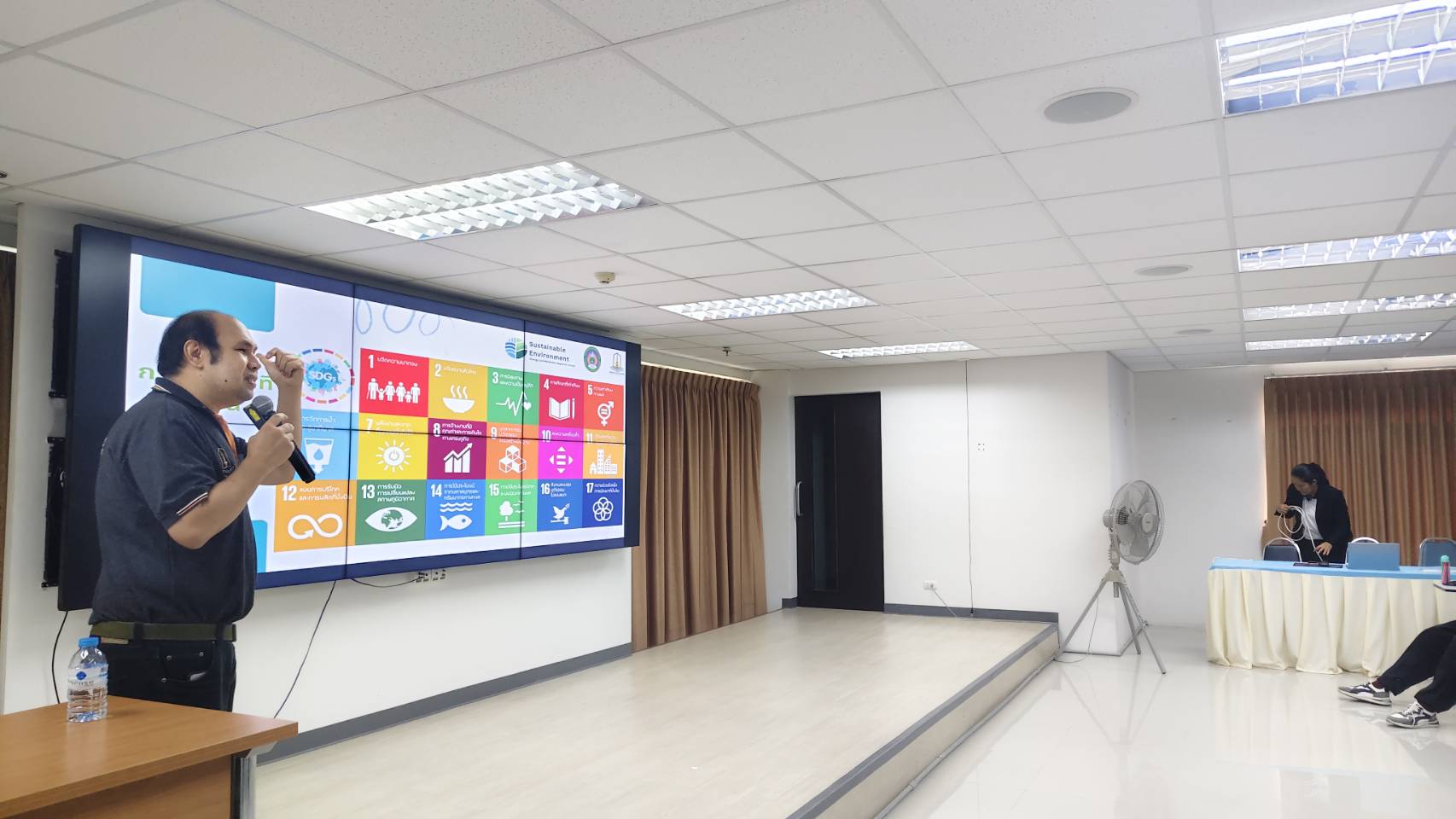
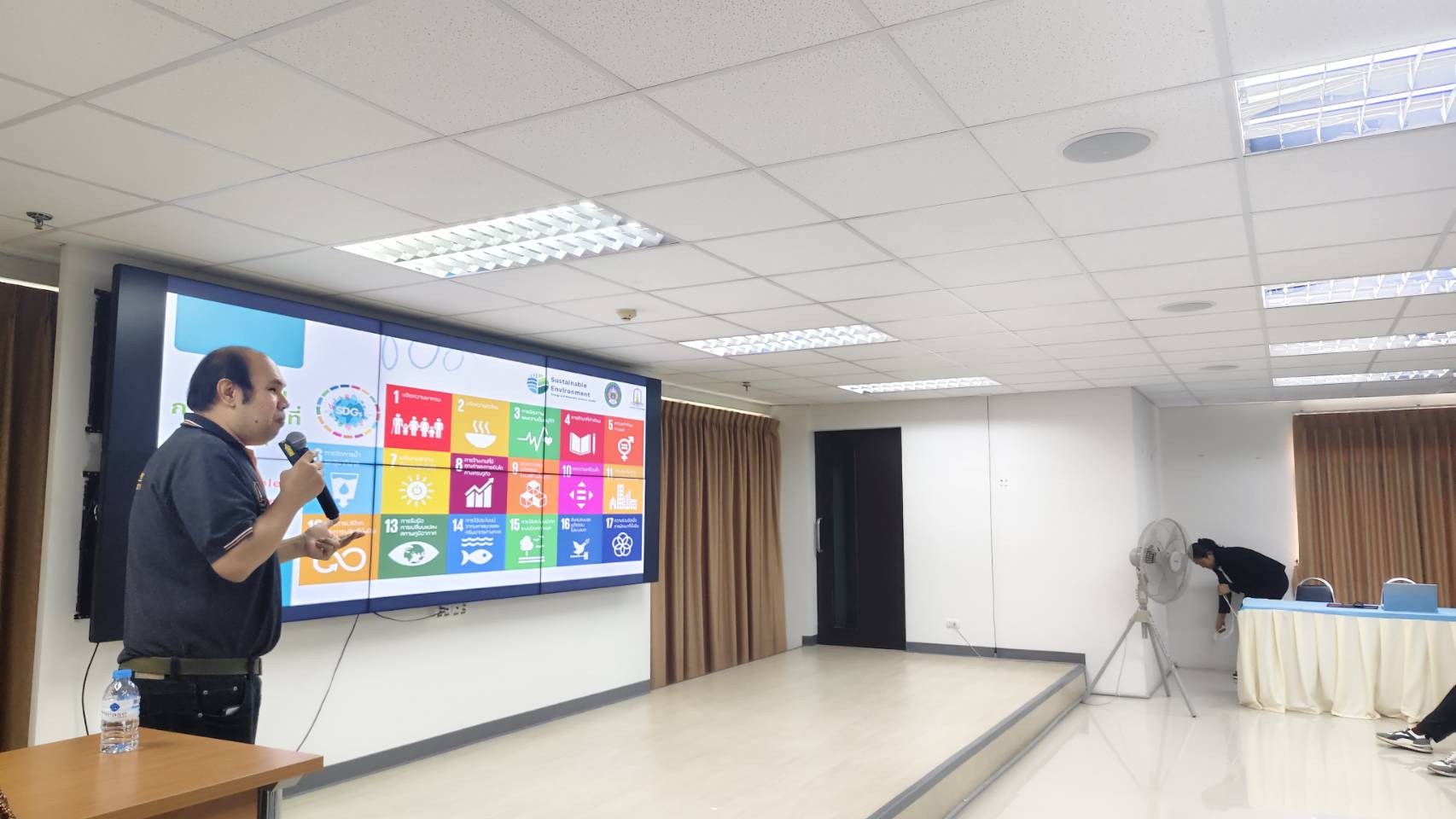
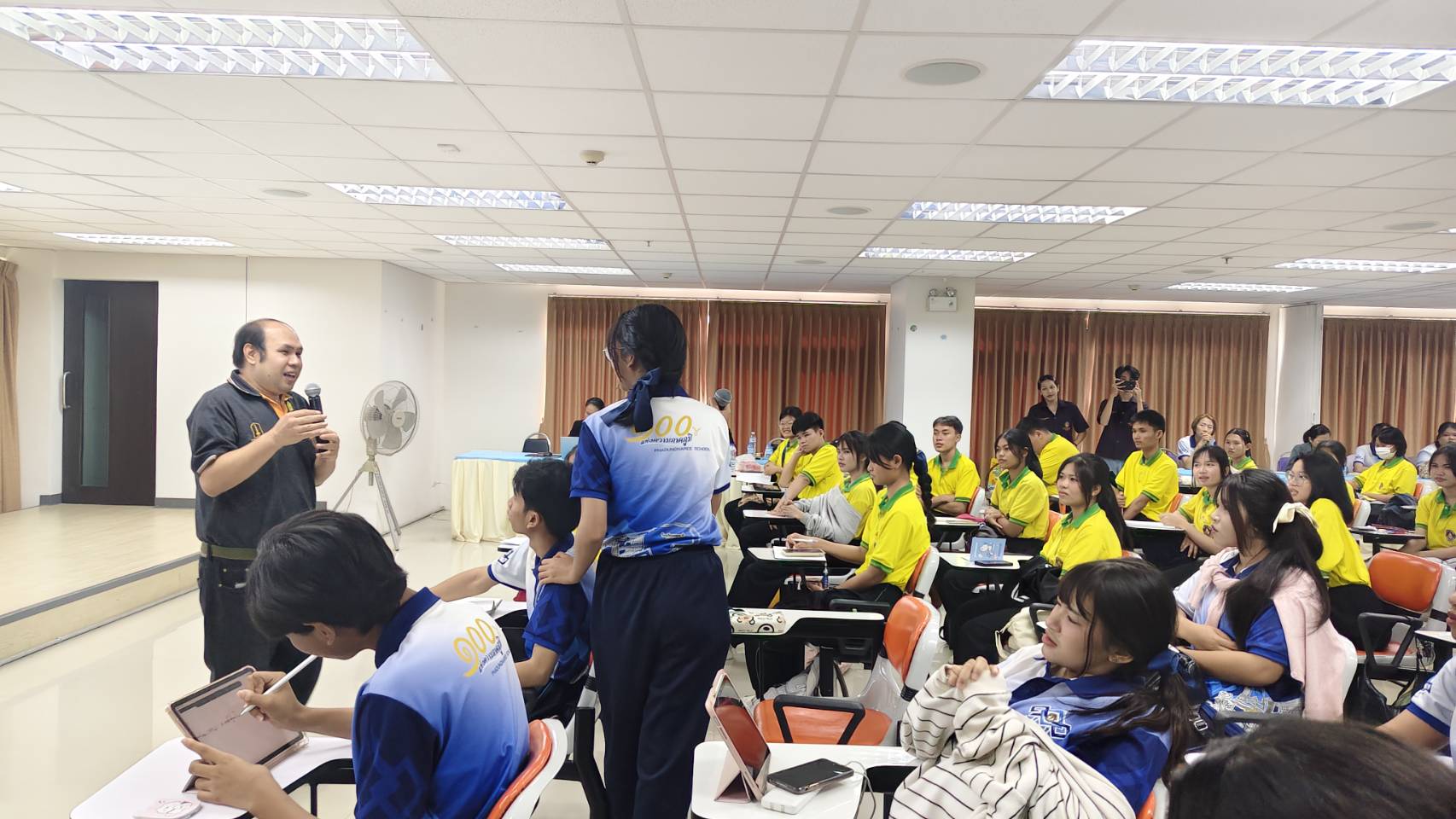
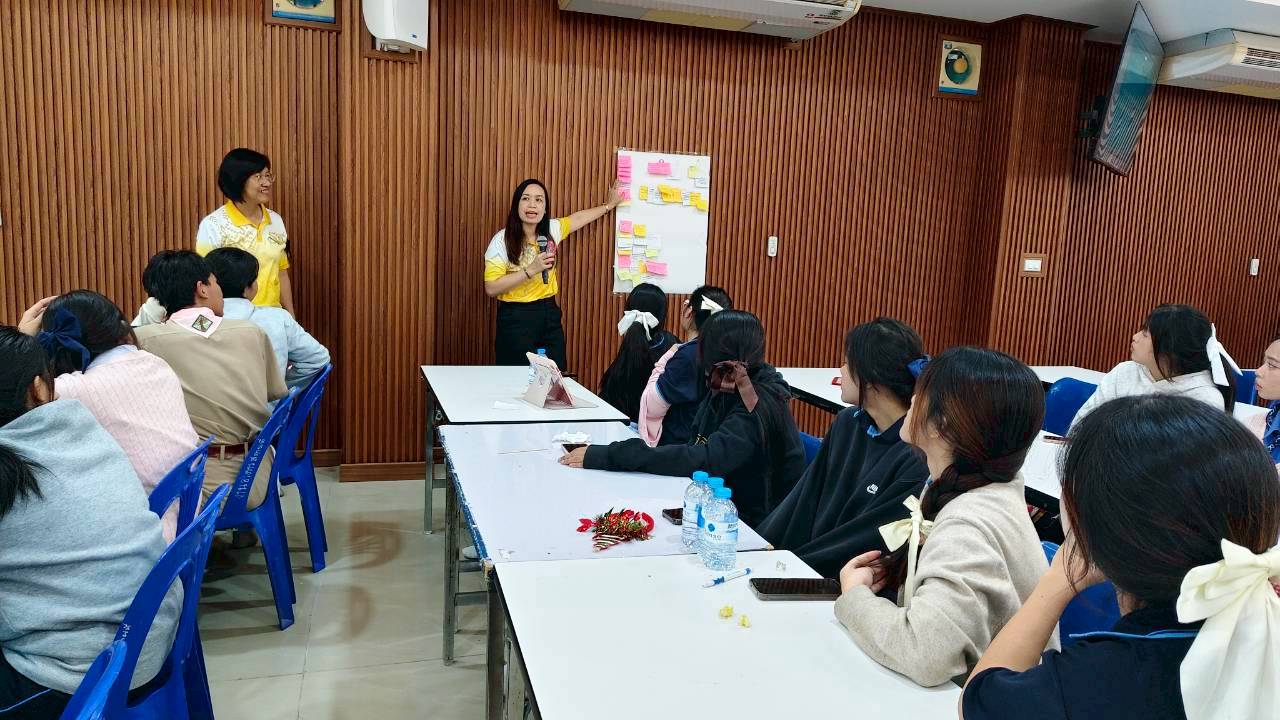
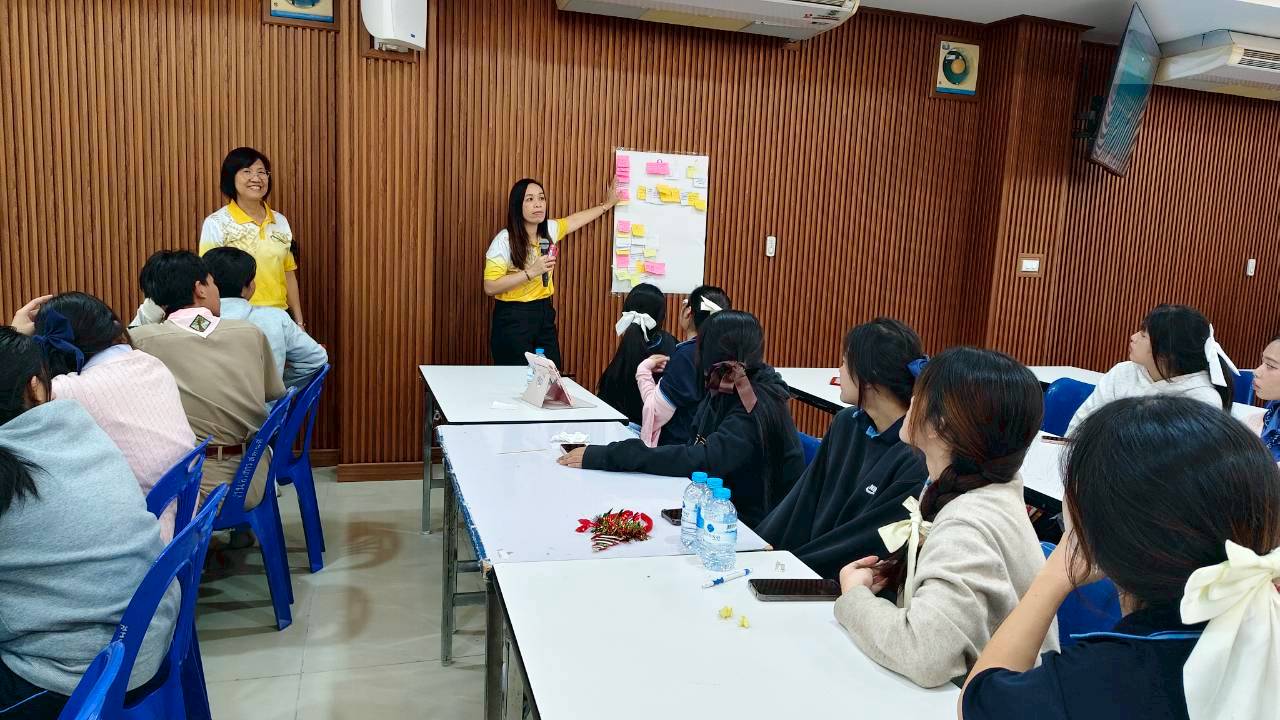
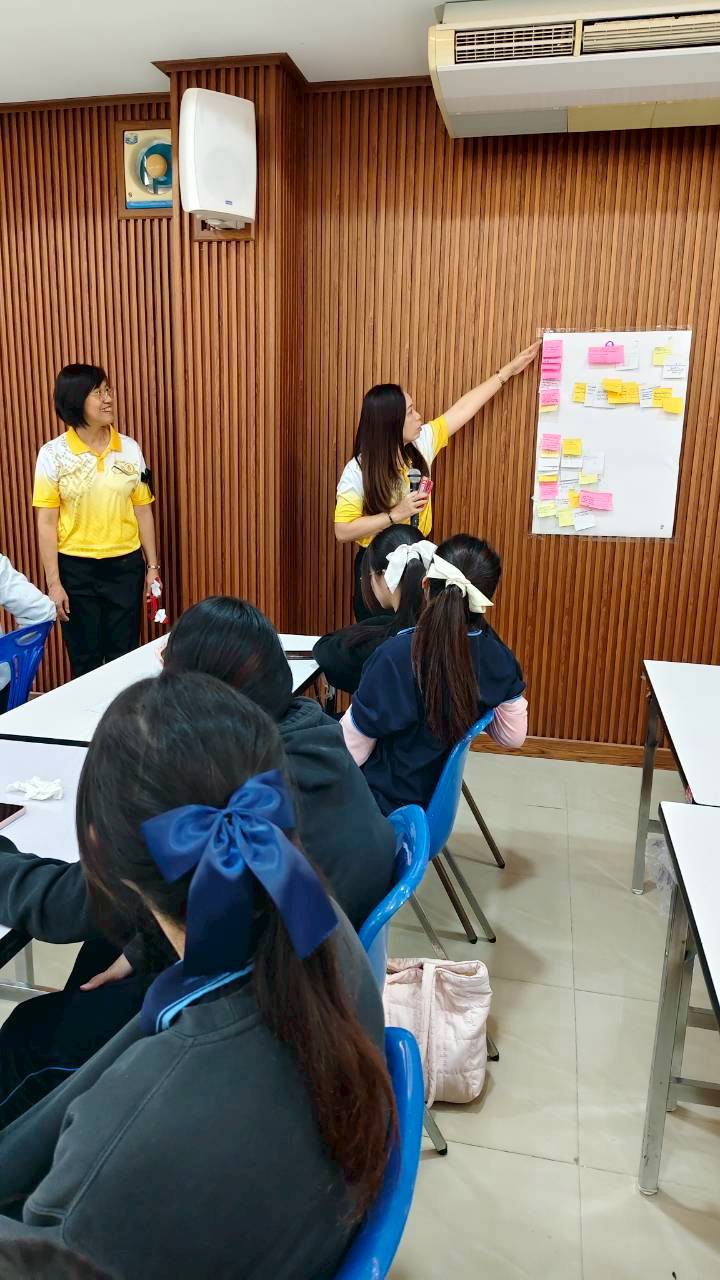
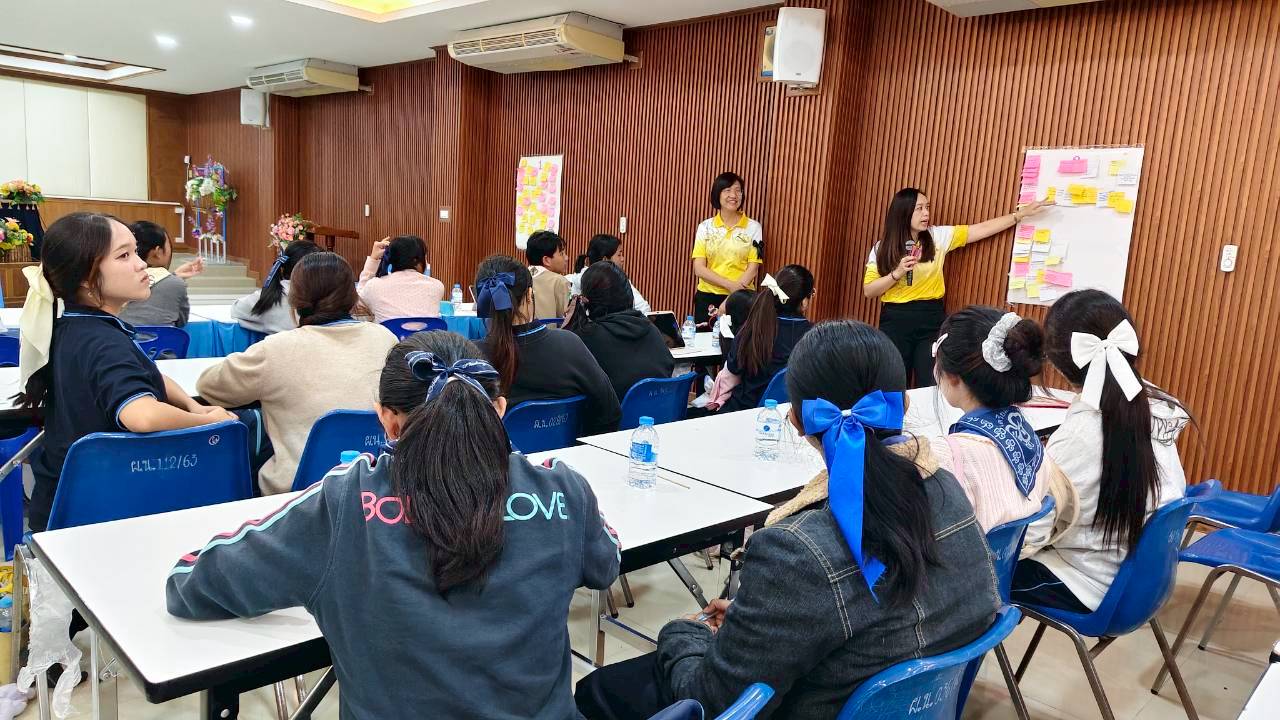
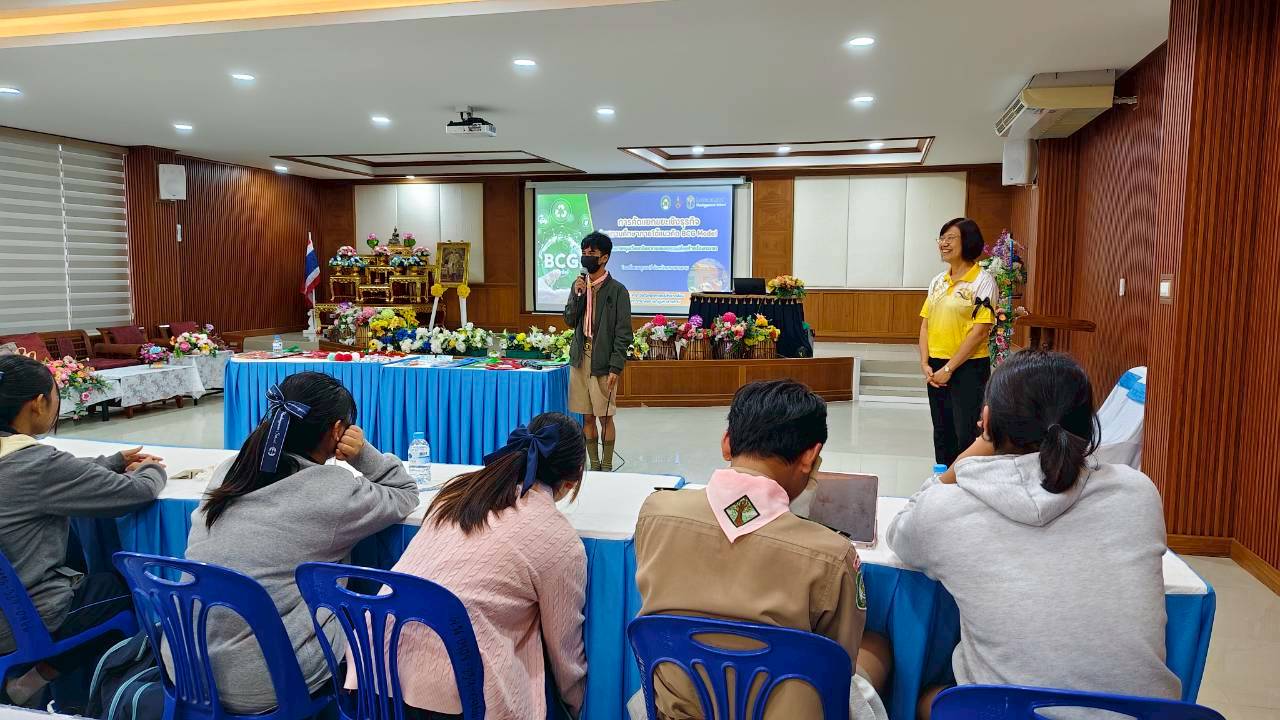
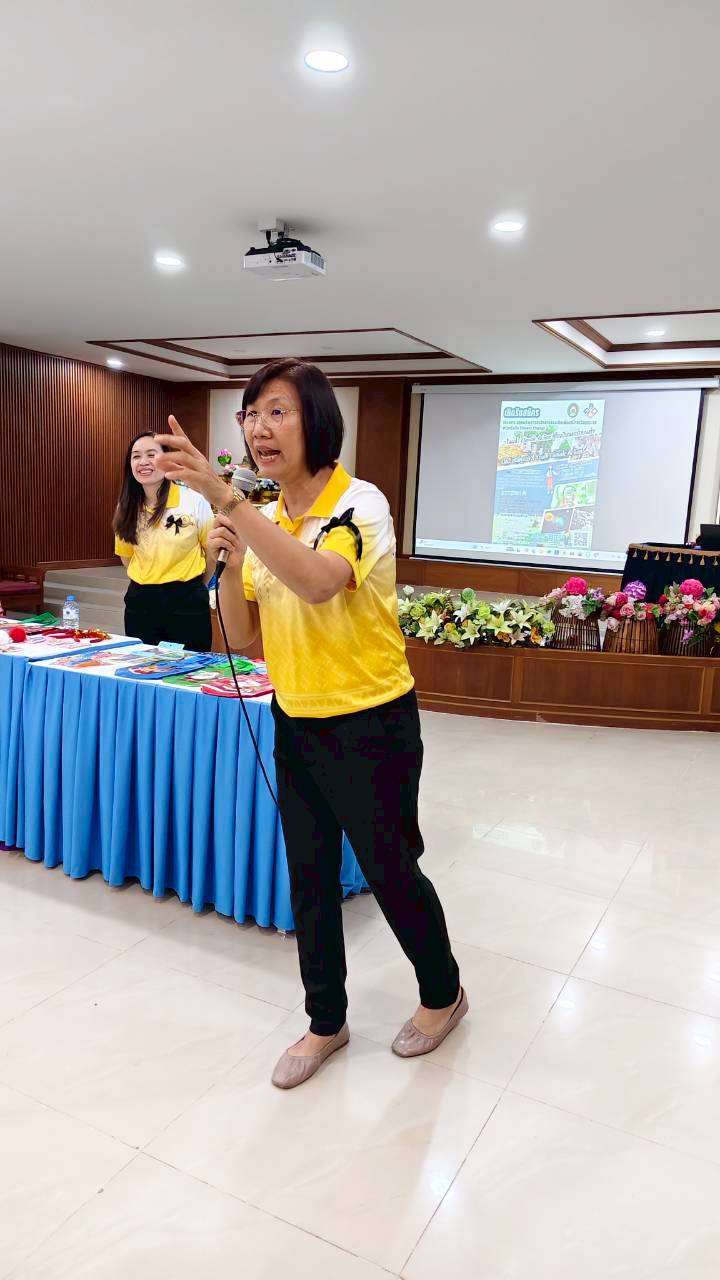
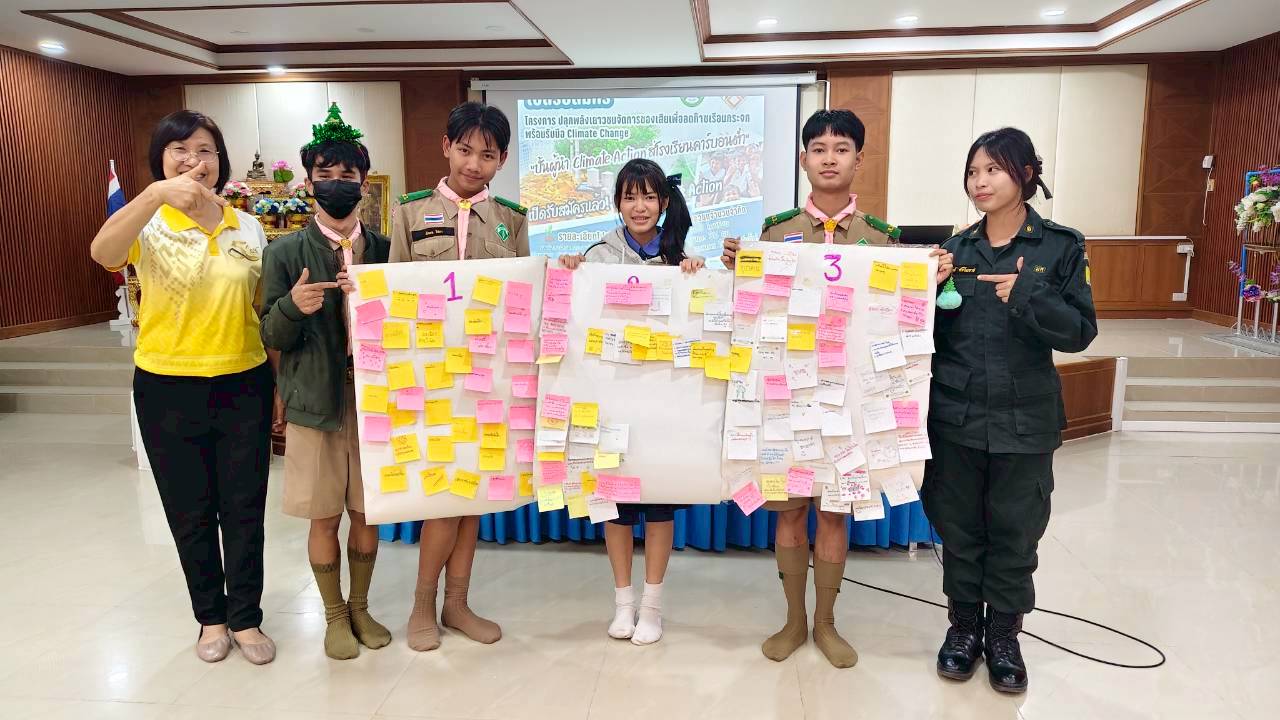
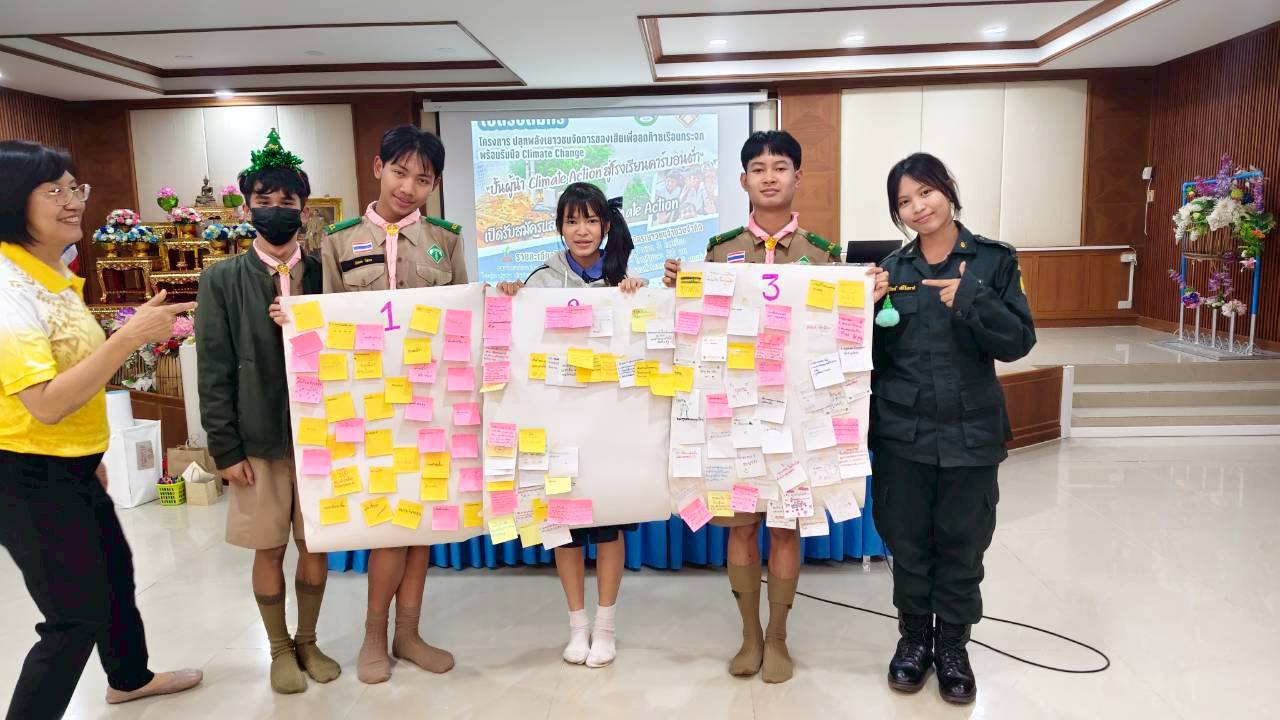
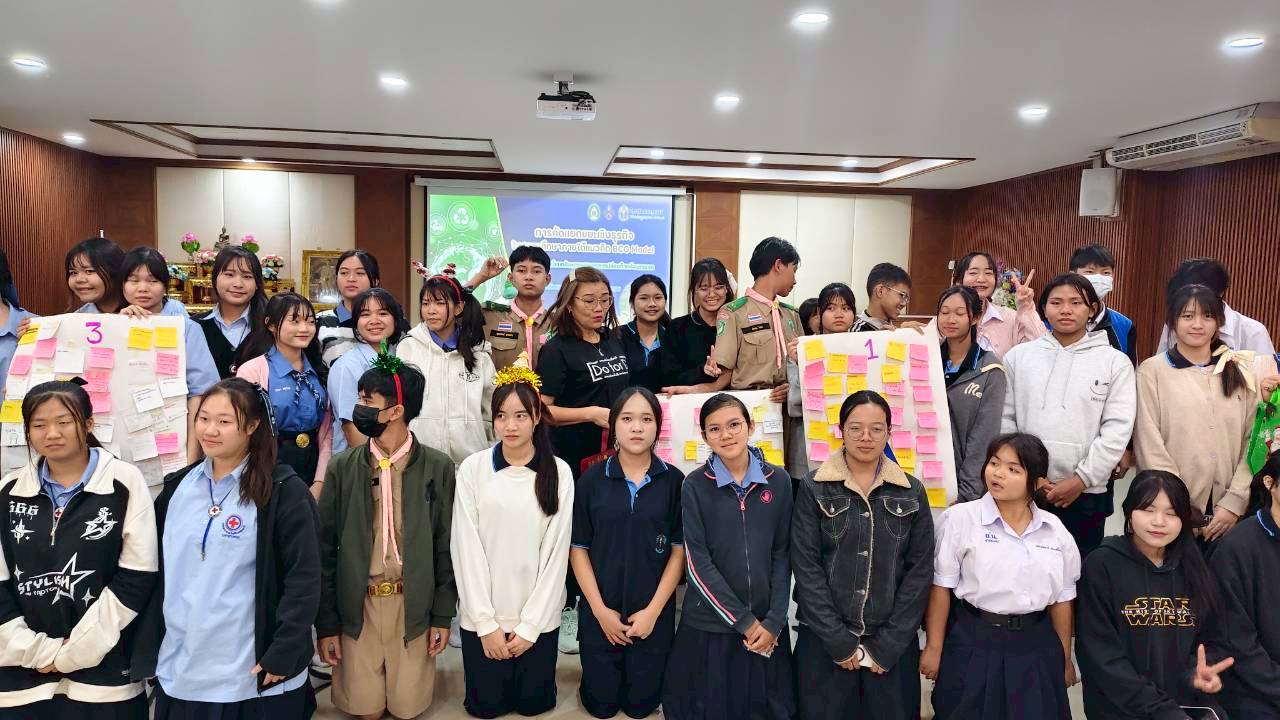
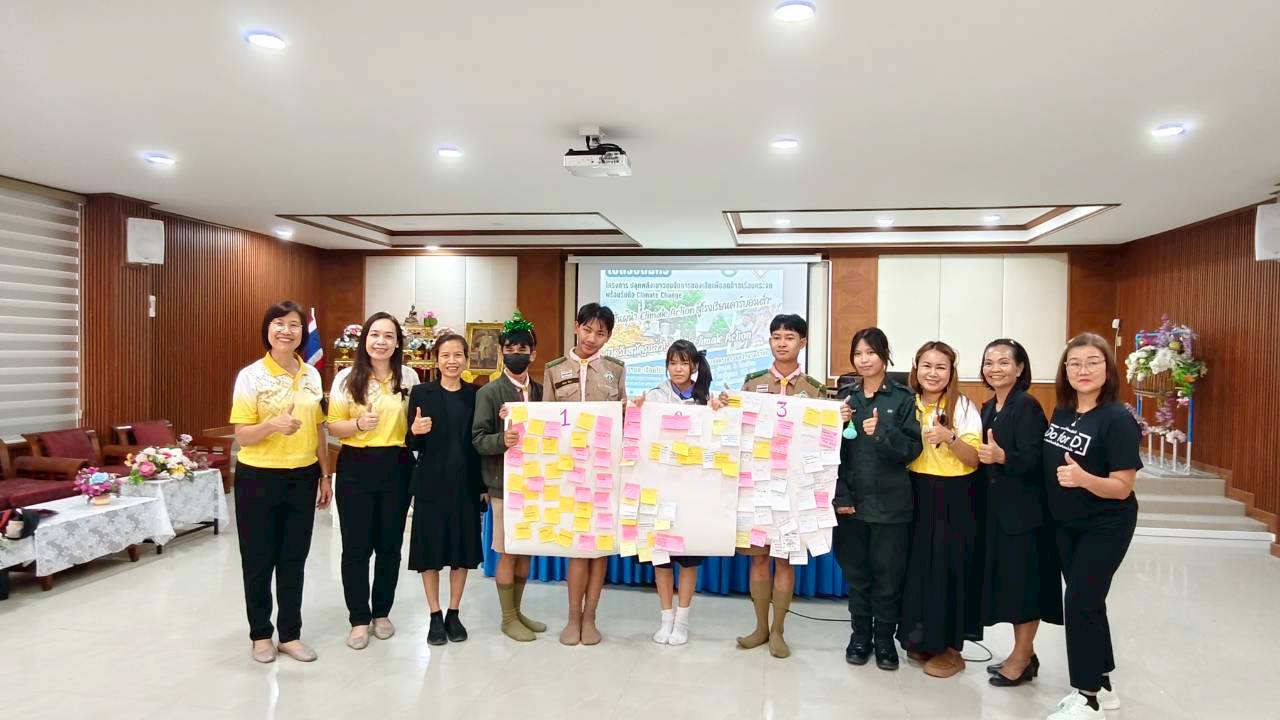
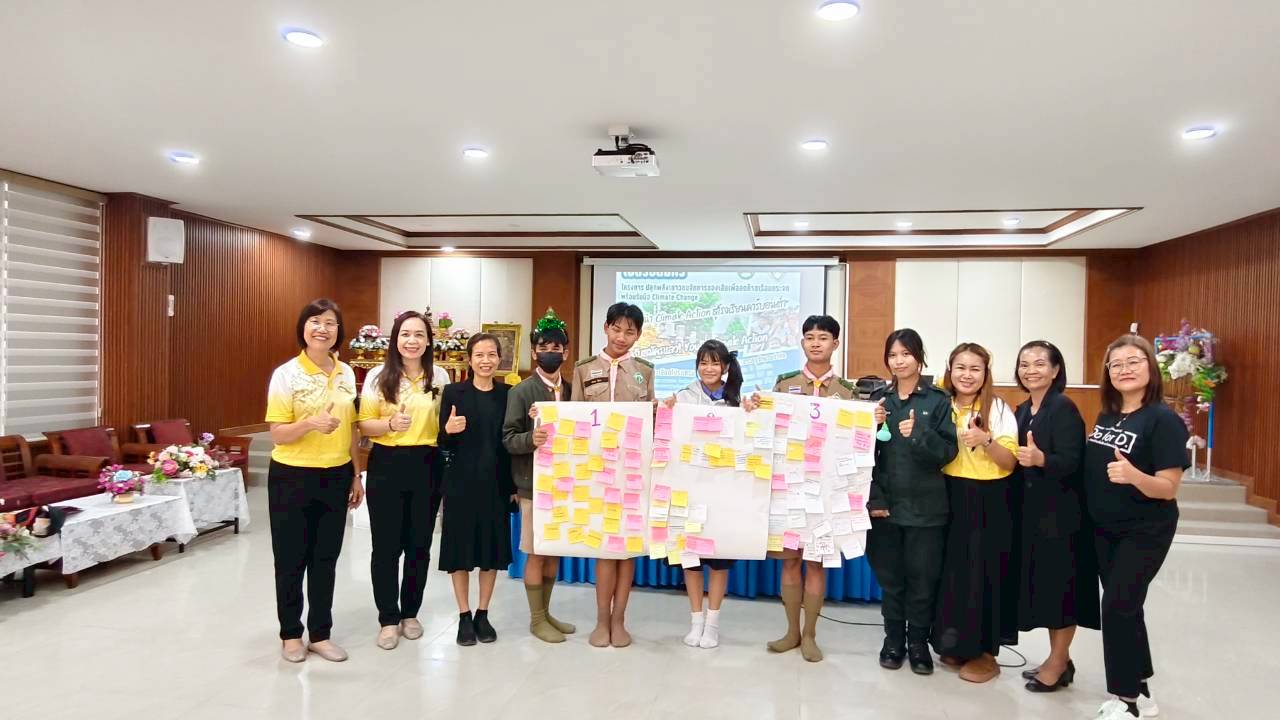
Activity 1: Workshop to Empower Youth to Address Climate Change and Develop Climate Action Leaders
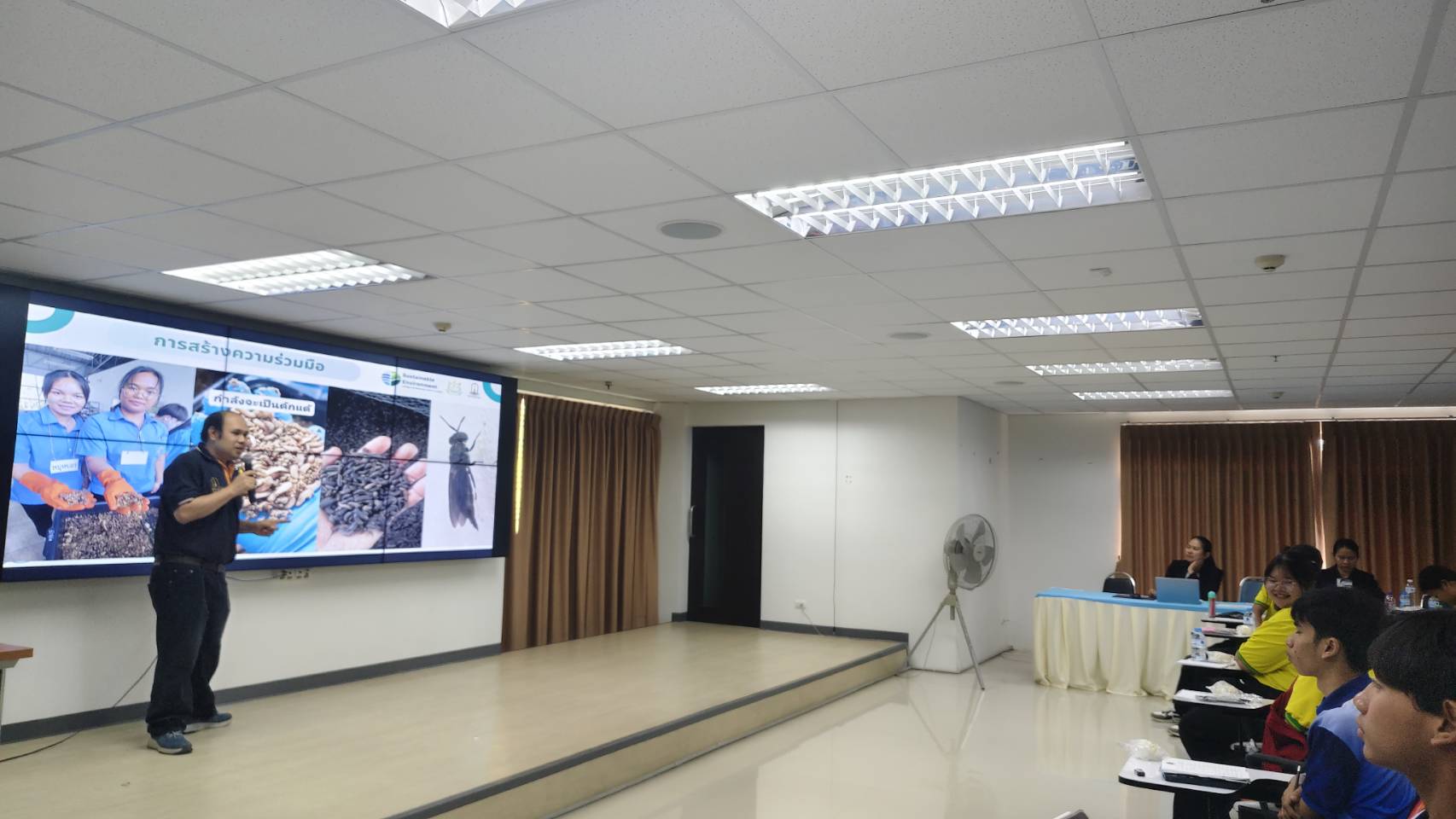
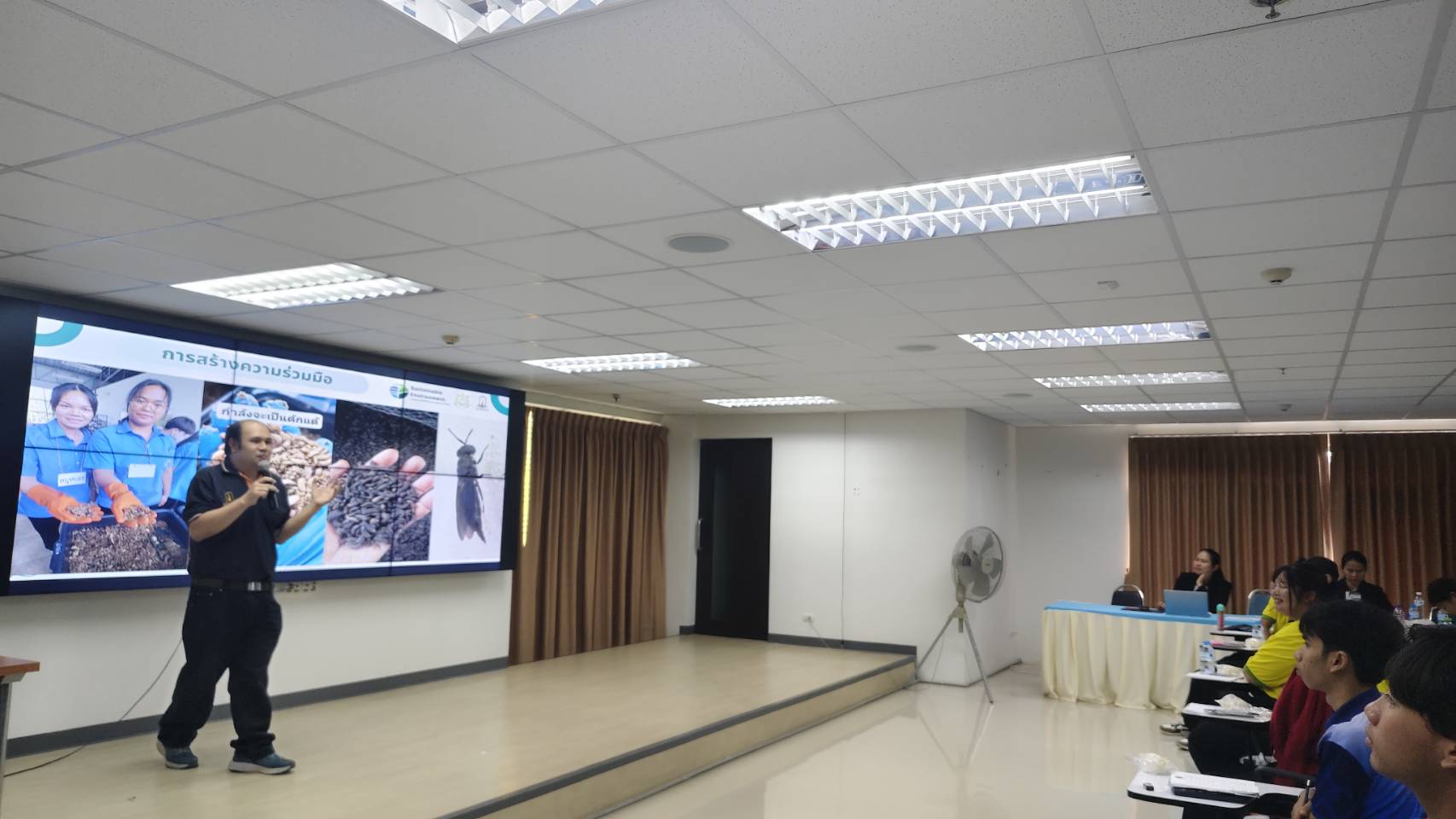
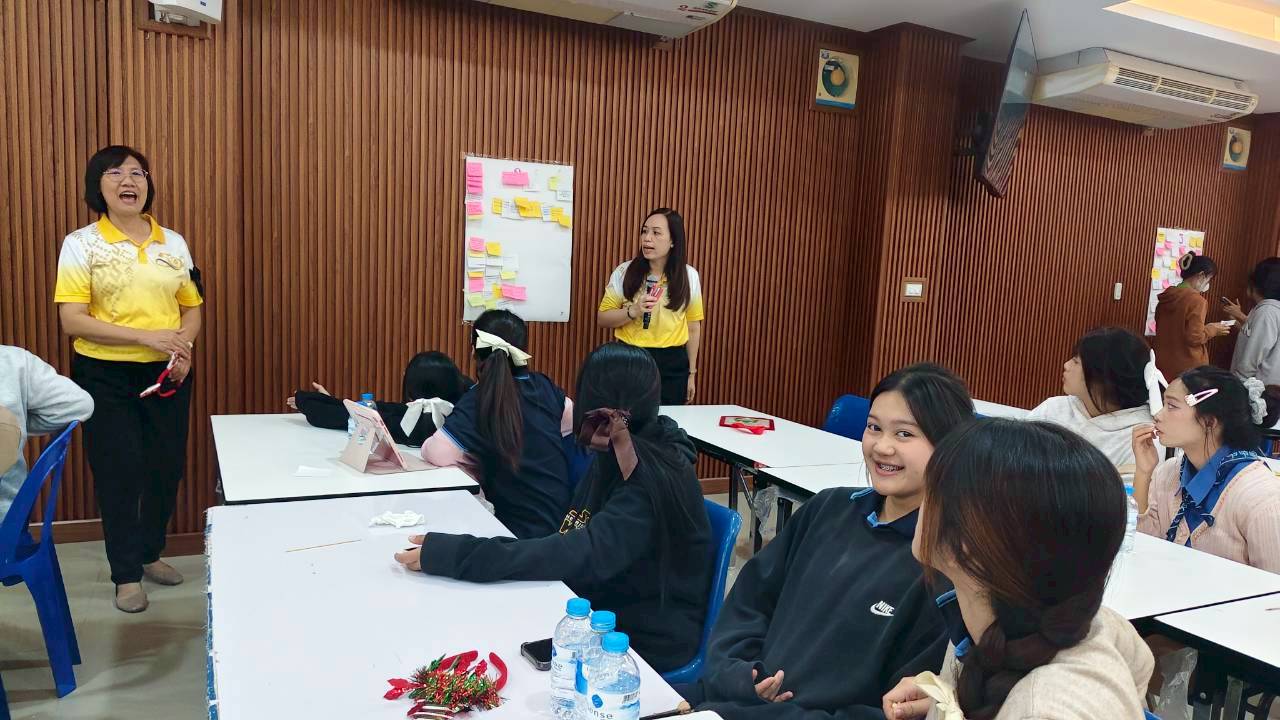
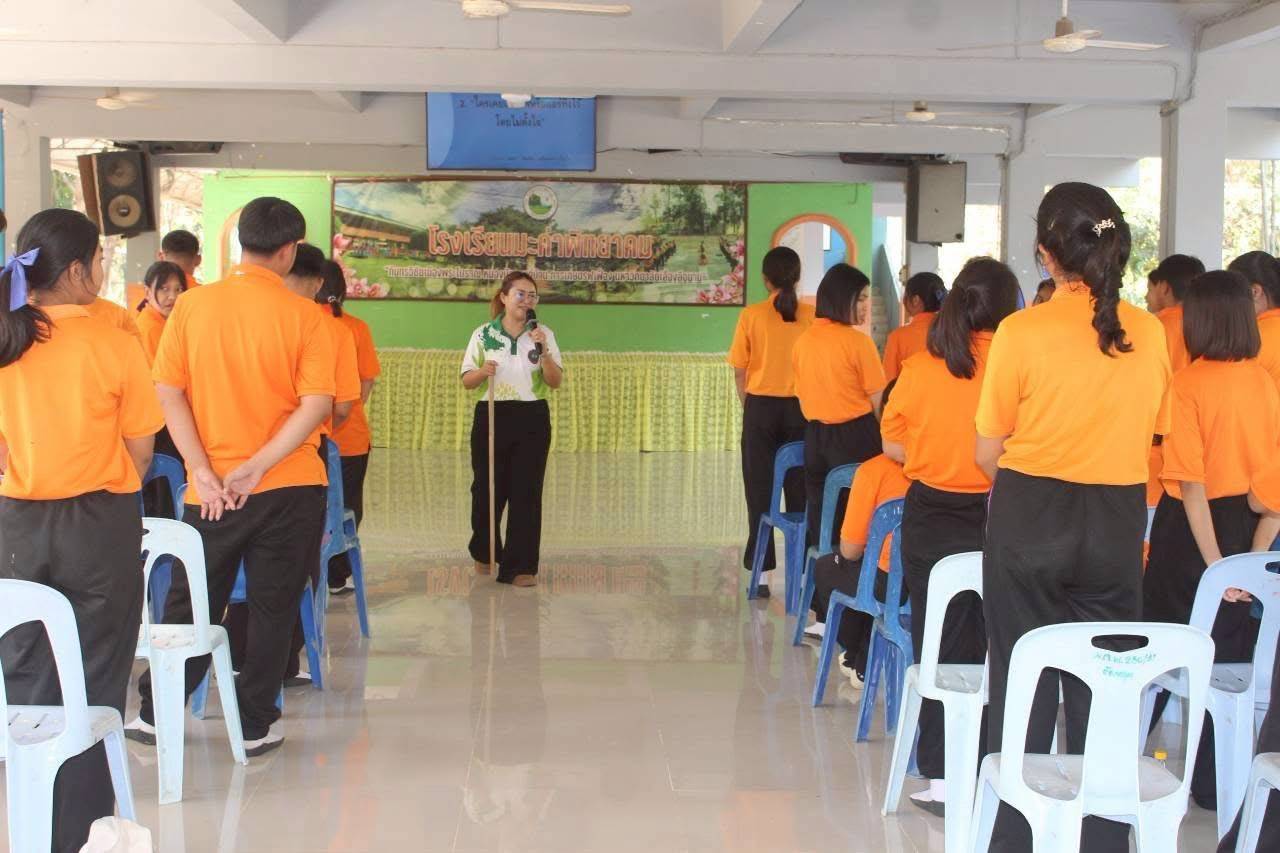
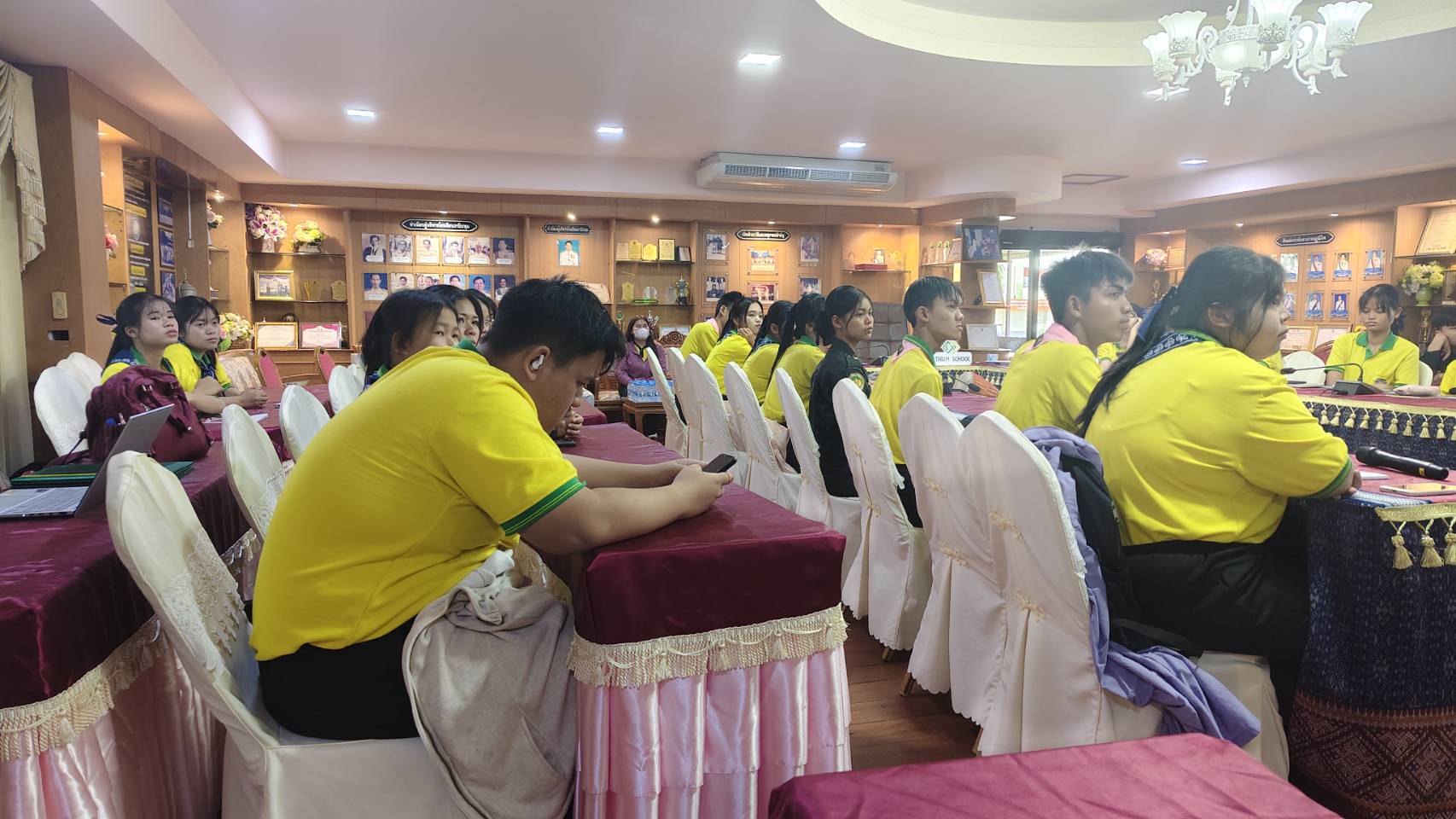
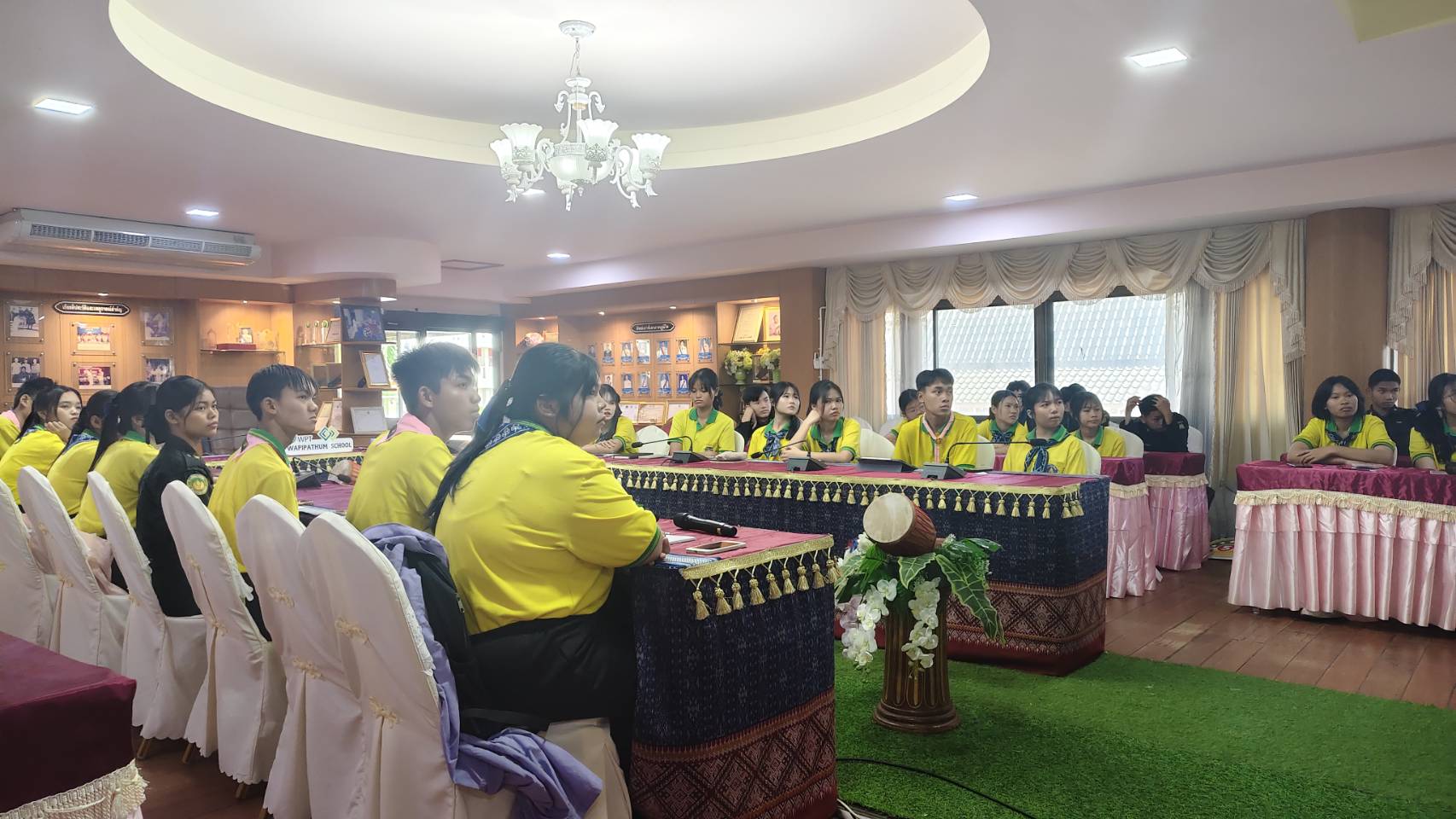
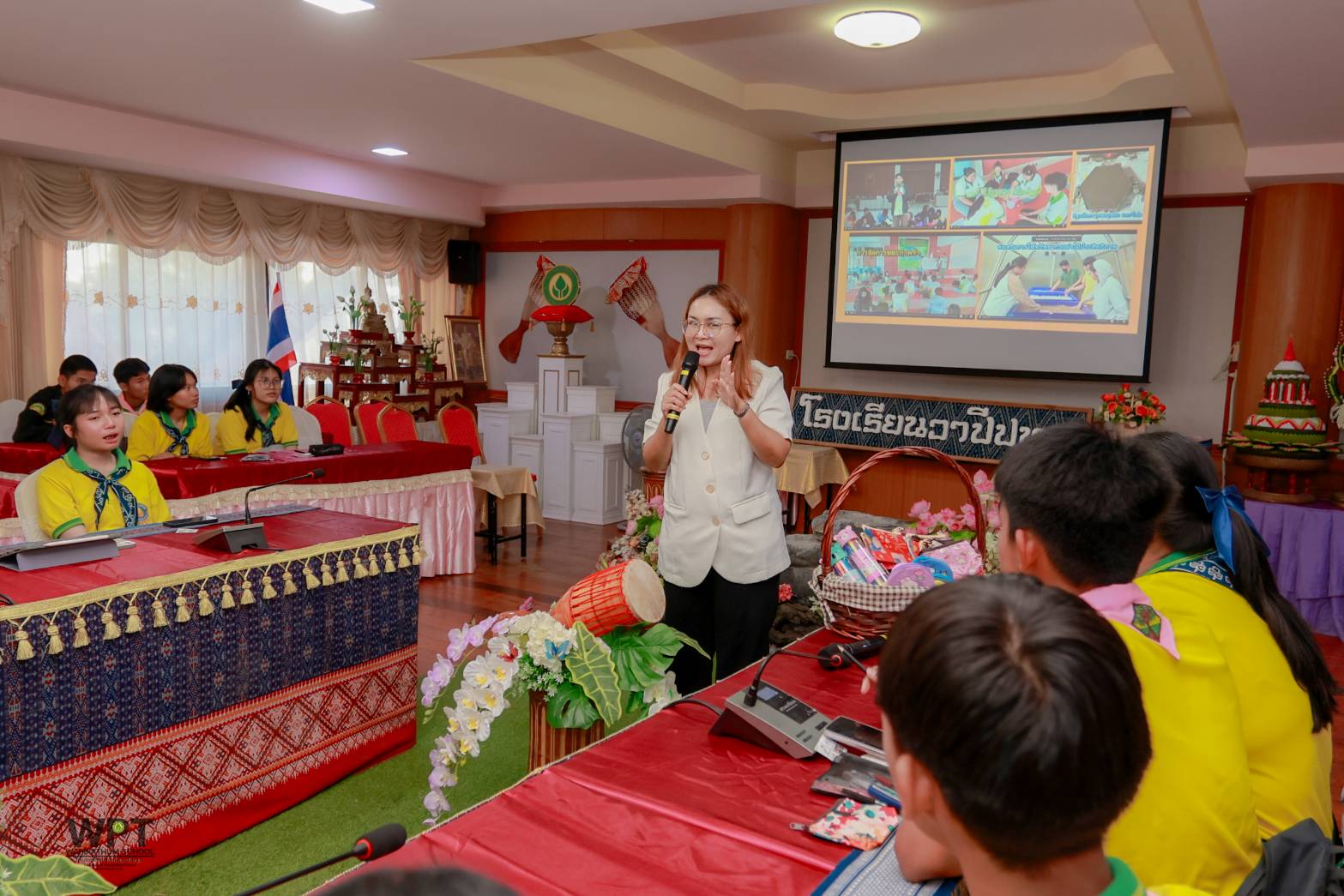
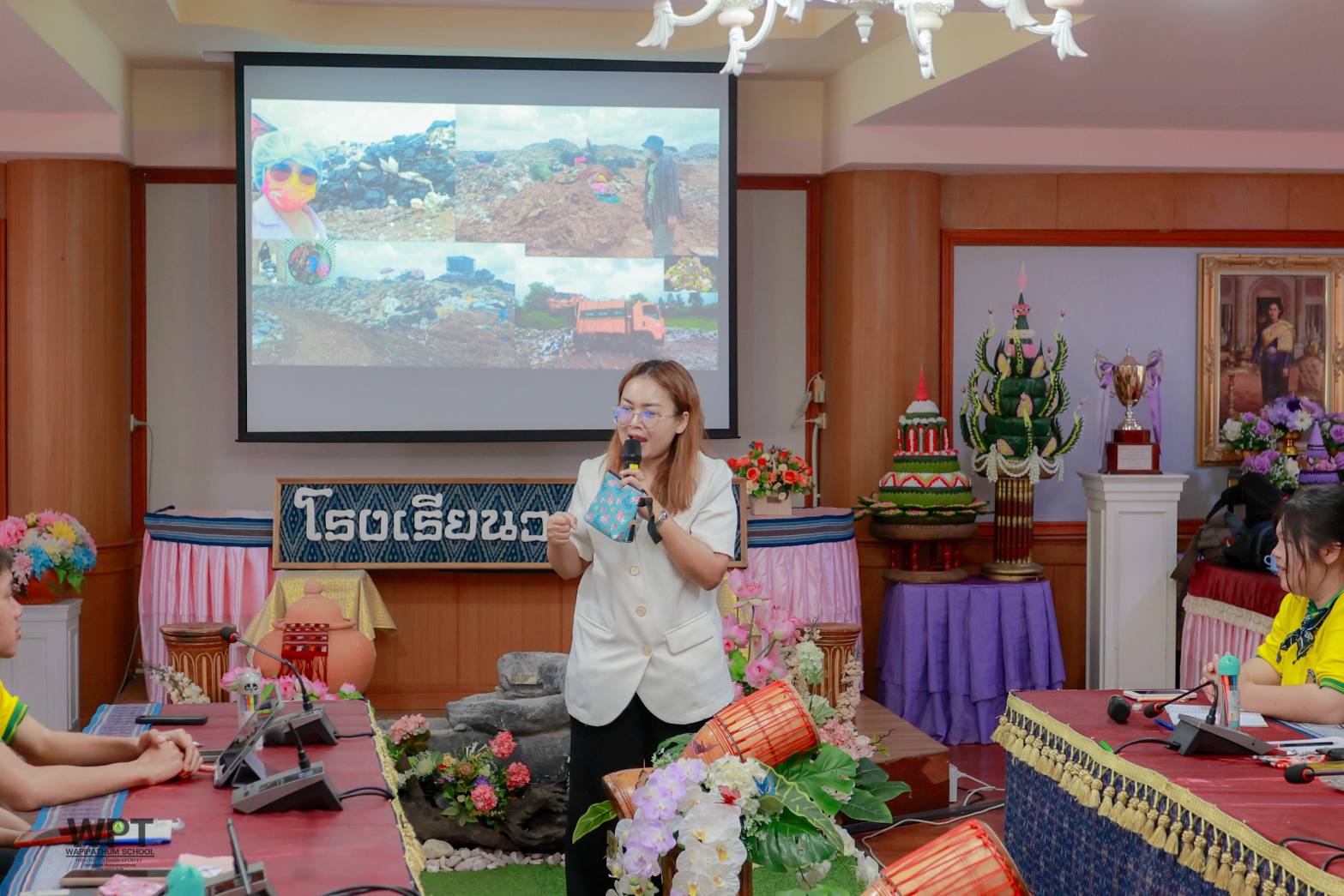
This activity aims to strengthen the knowledge and skills of secondary and higher education students in climate change, waste management, and greenhouse gas emission reduction. Participants will also develop communication and leadership skills and learn to design projects or small-scale activities. The goal is to develop youth Climate Action leaders who can apply their knowledge to drive activities in their schools or communities. Indicators include the number of participants, the number of youth who meet the criteria for becoming Climate Action leaders, the number of activities designed, and participant satisfaction.
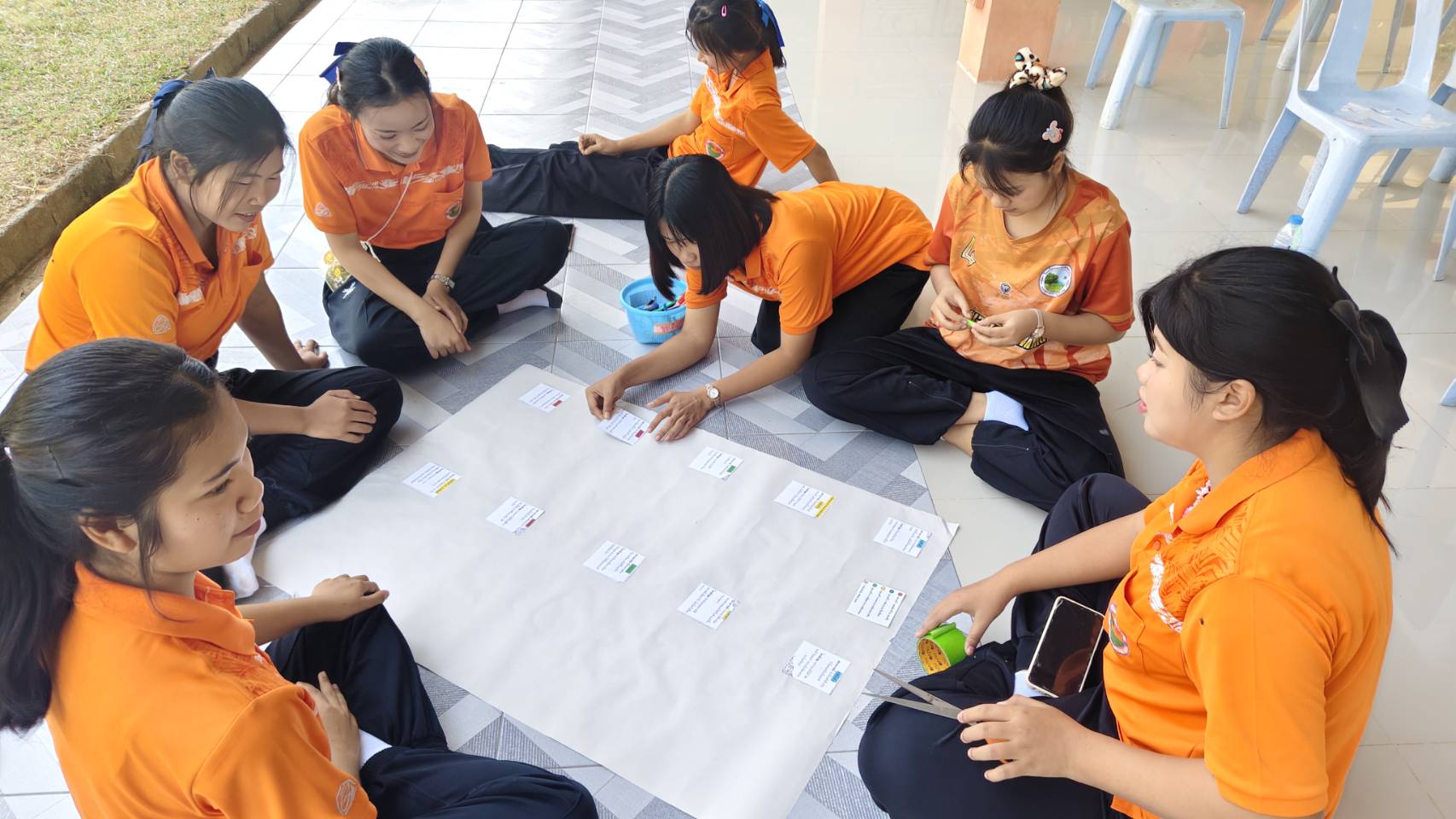
Activity 2: Hands-on Workshop for Climate Action Schools: Advancing Sustainability and Carbon Reduction
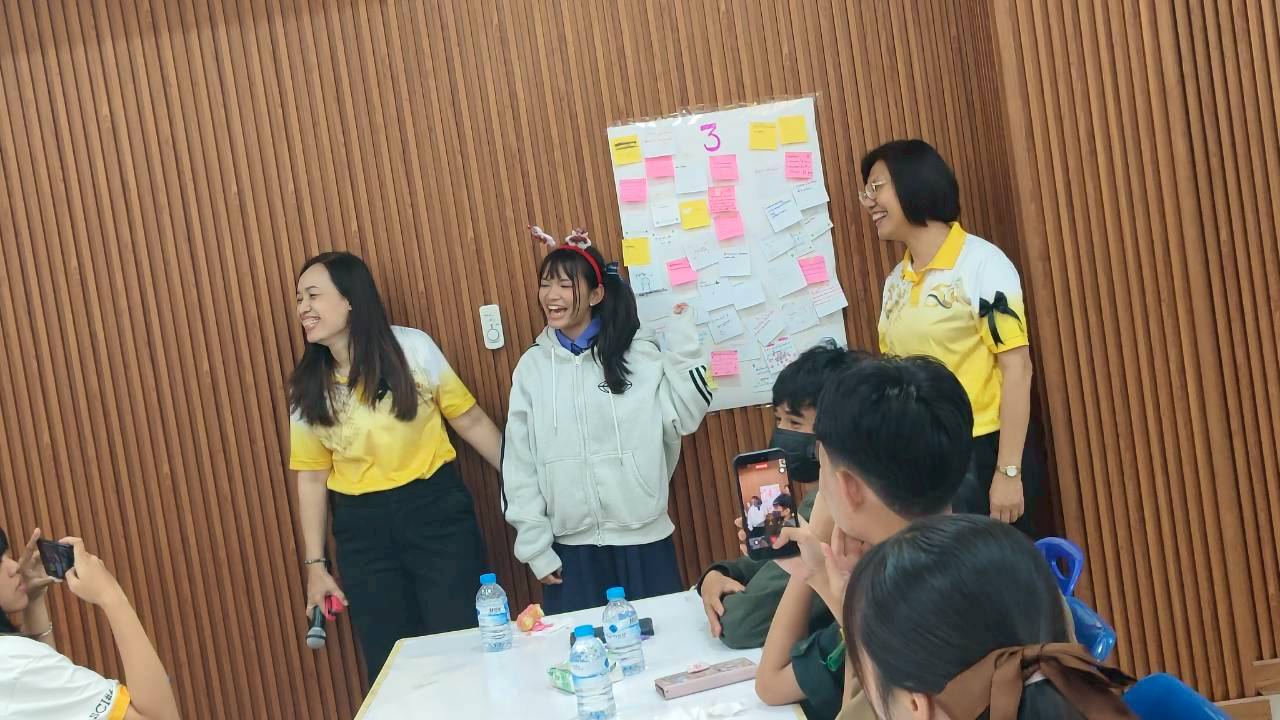
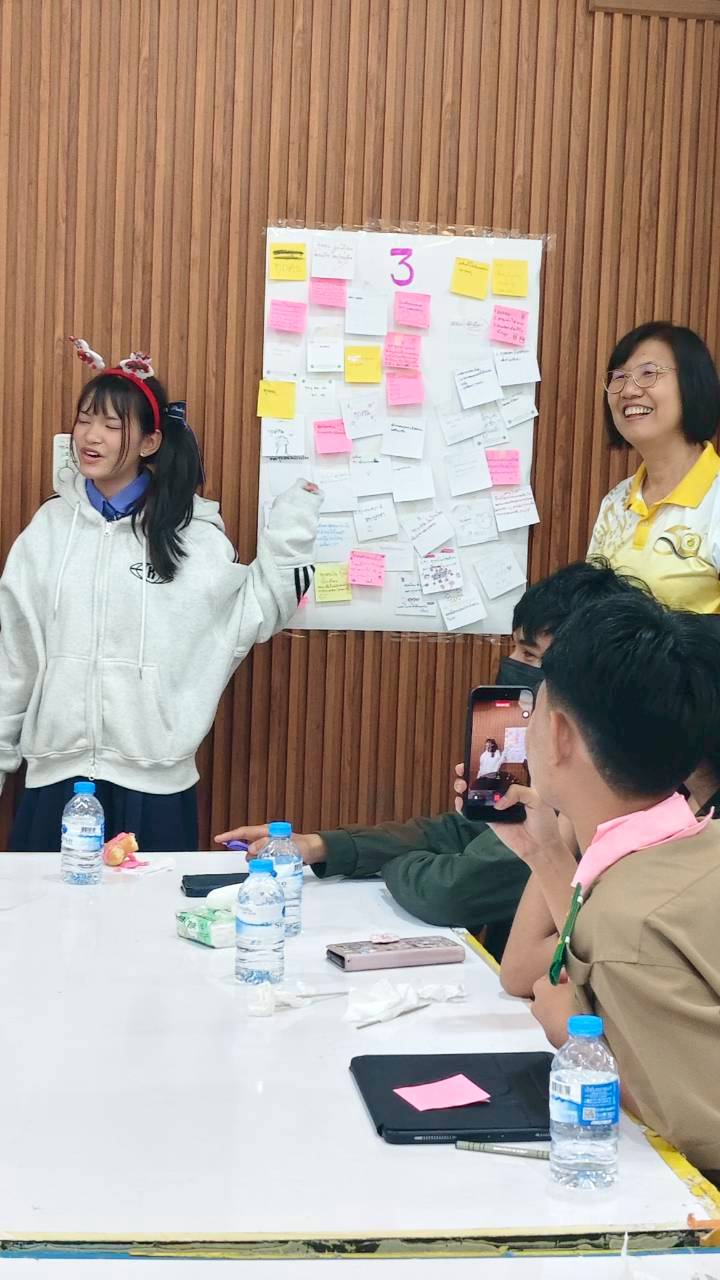
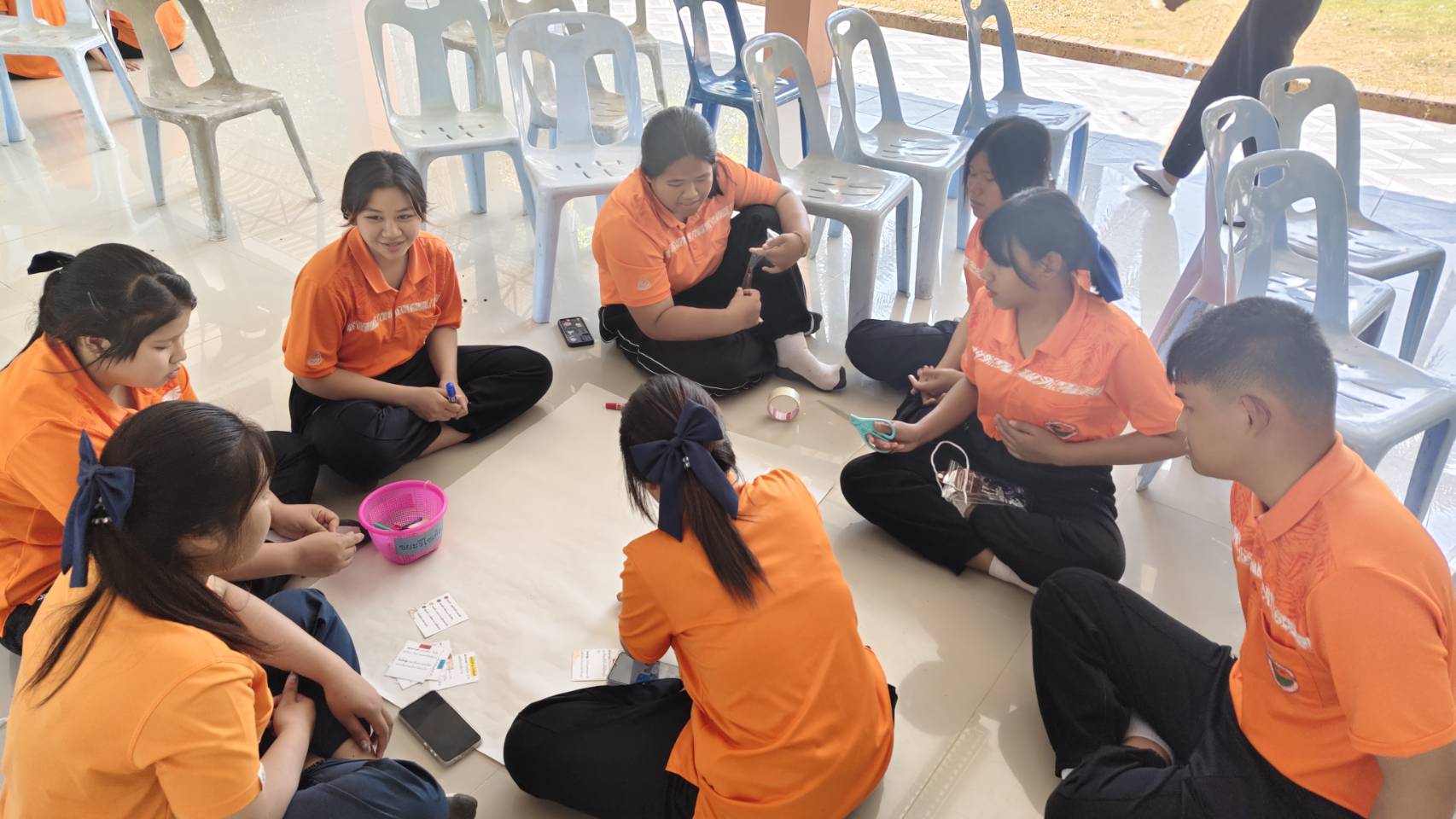
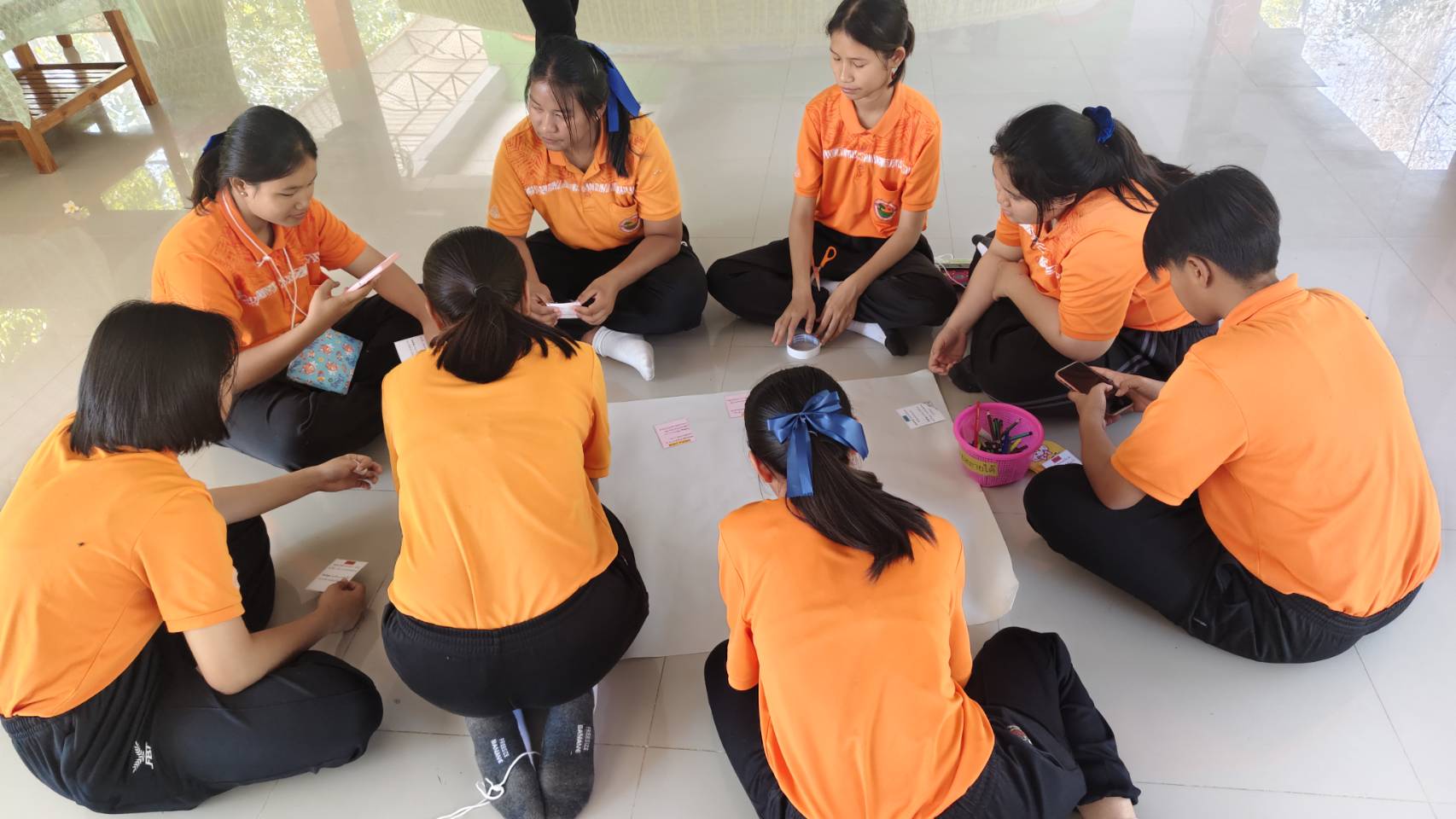
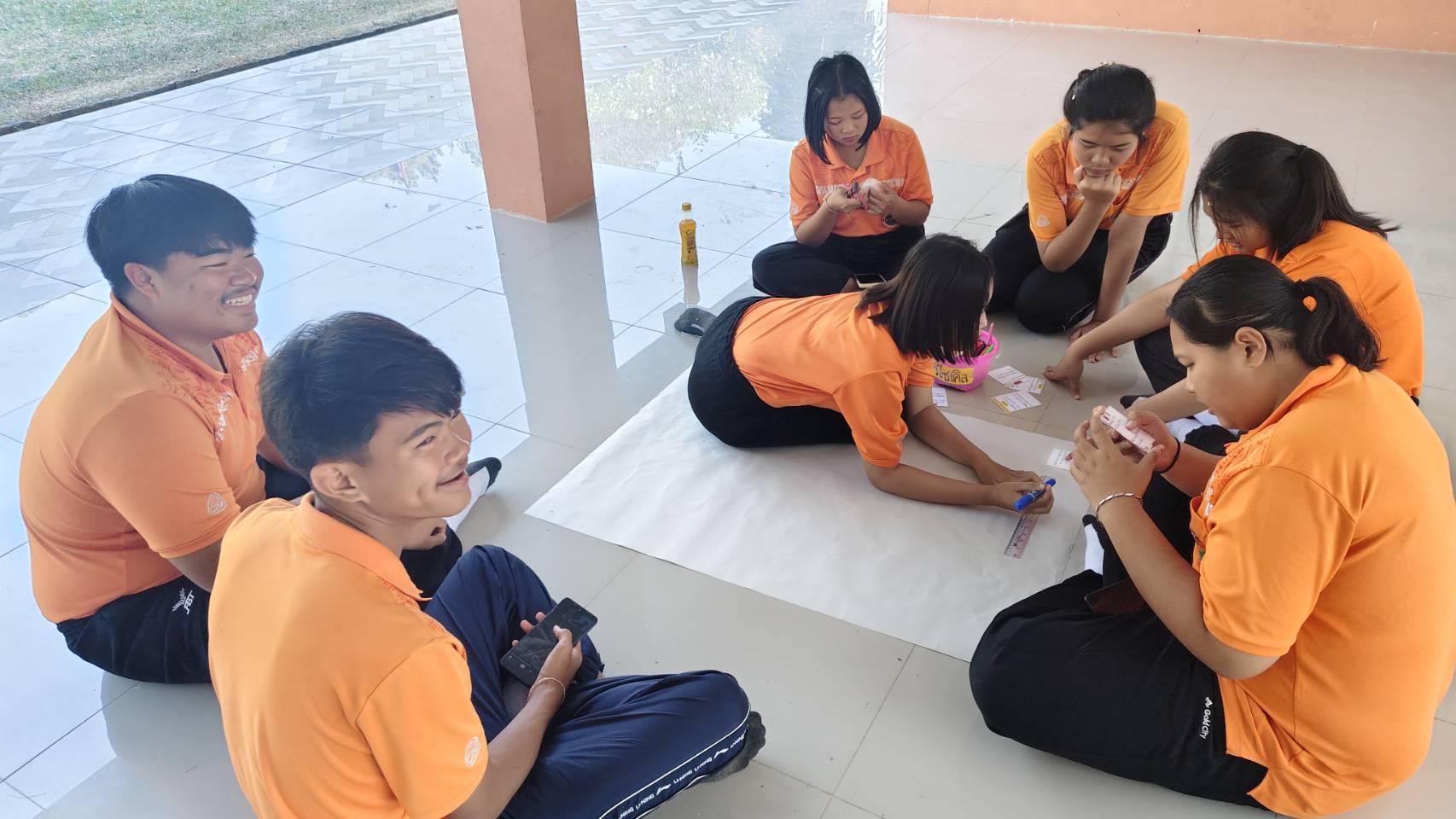
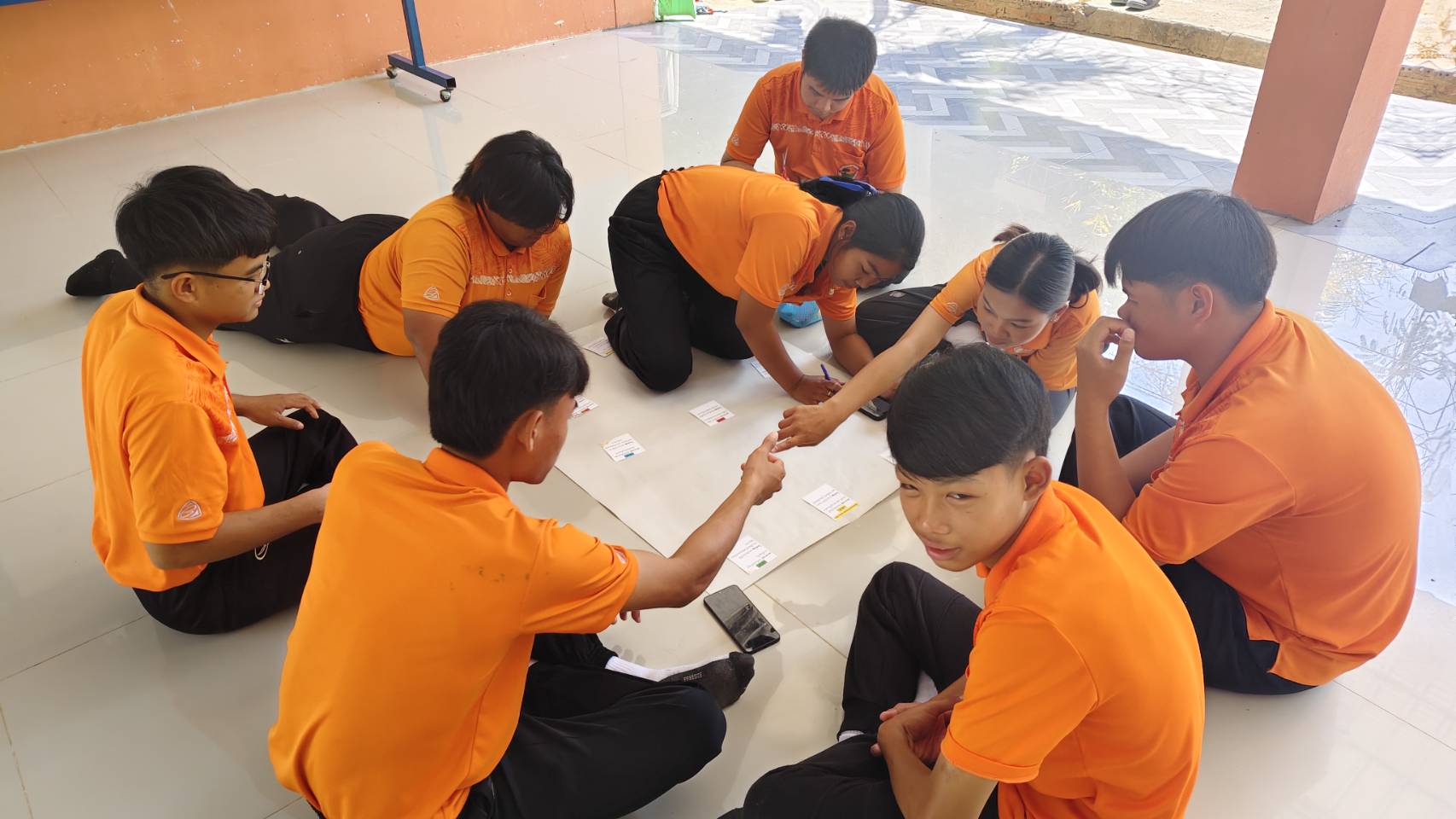
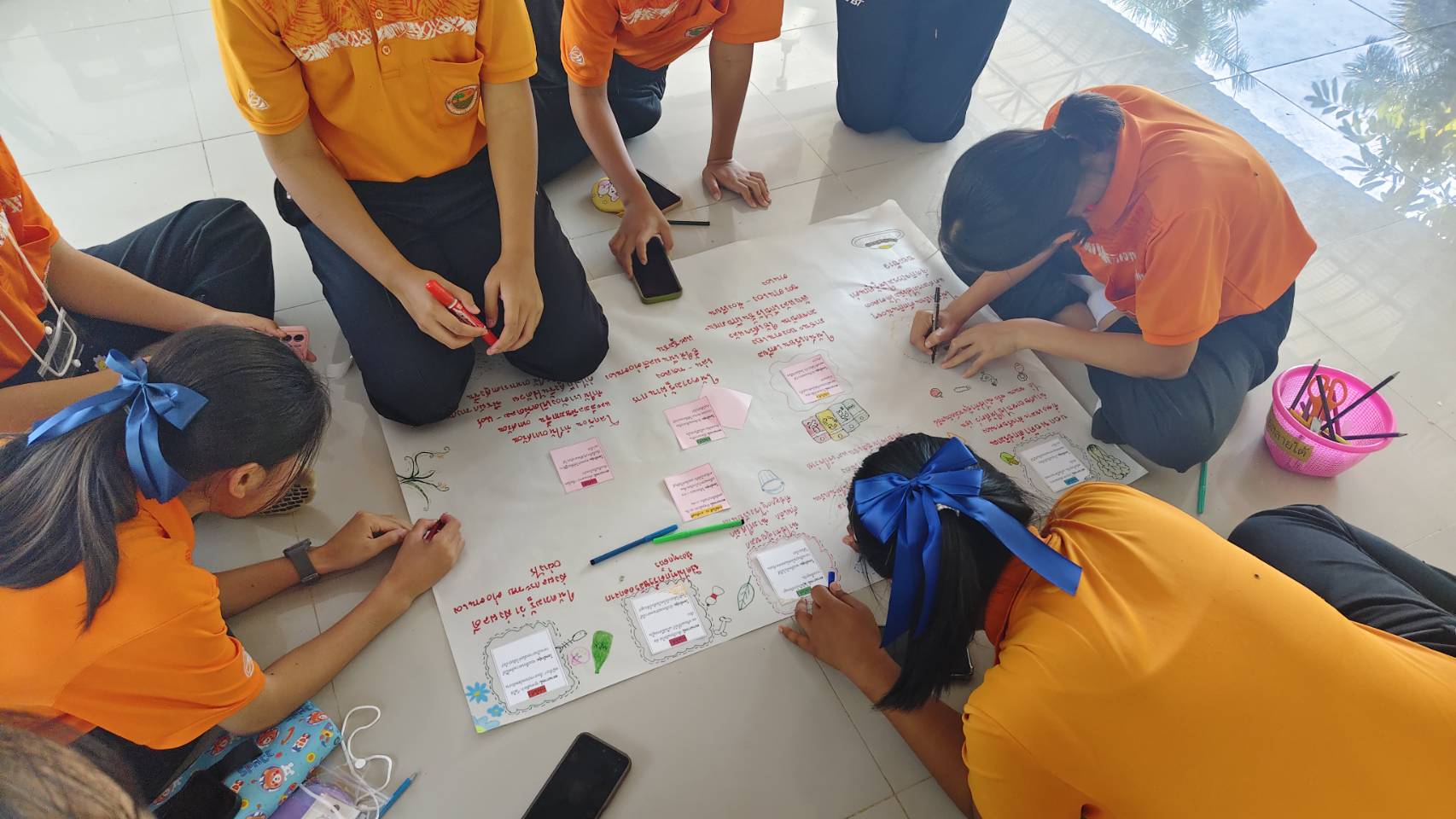
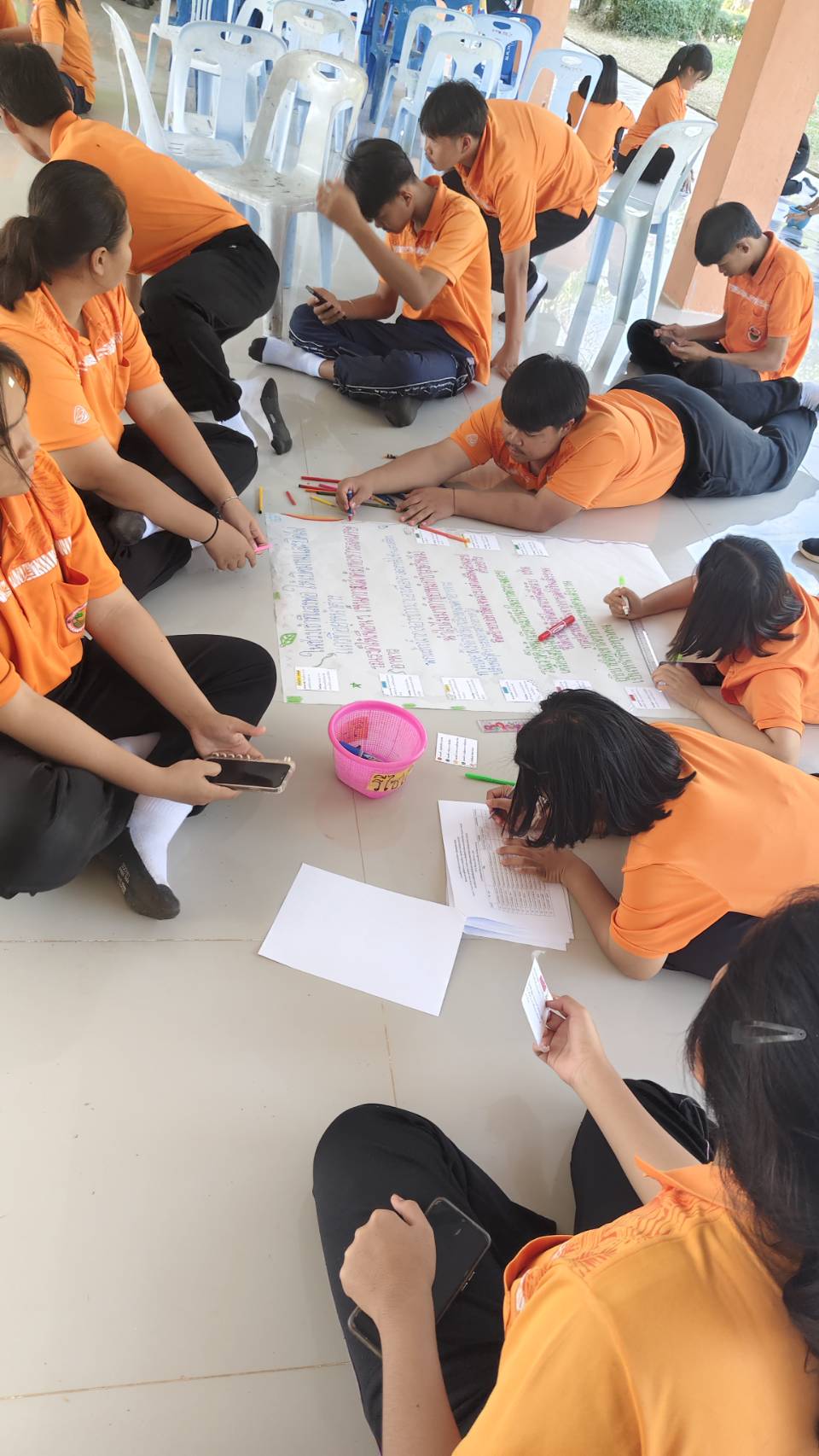
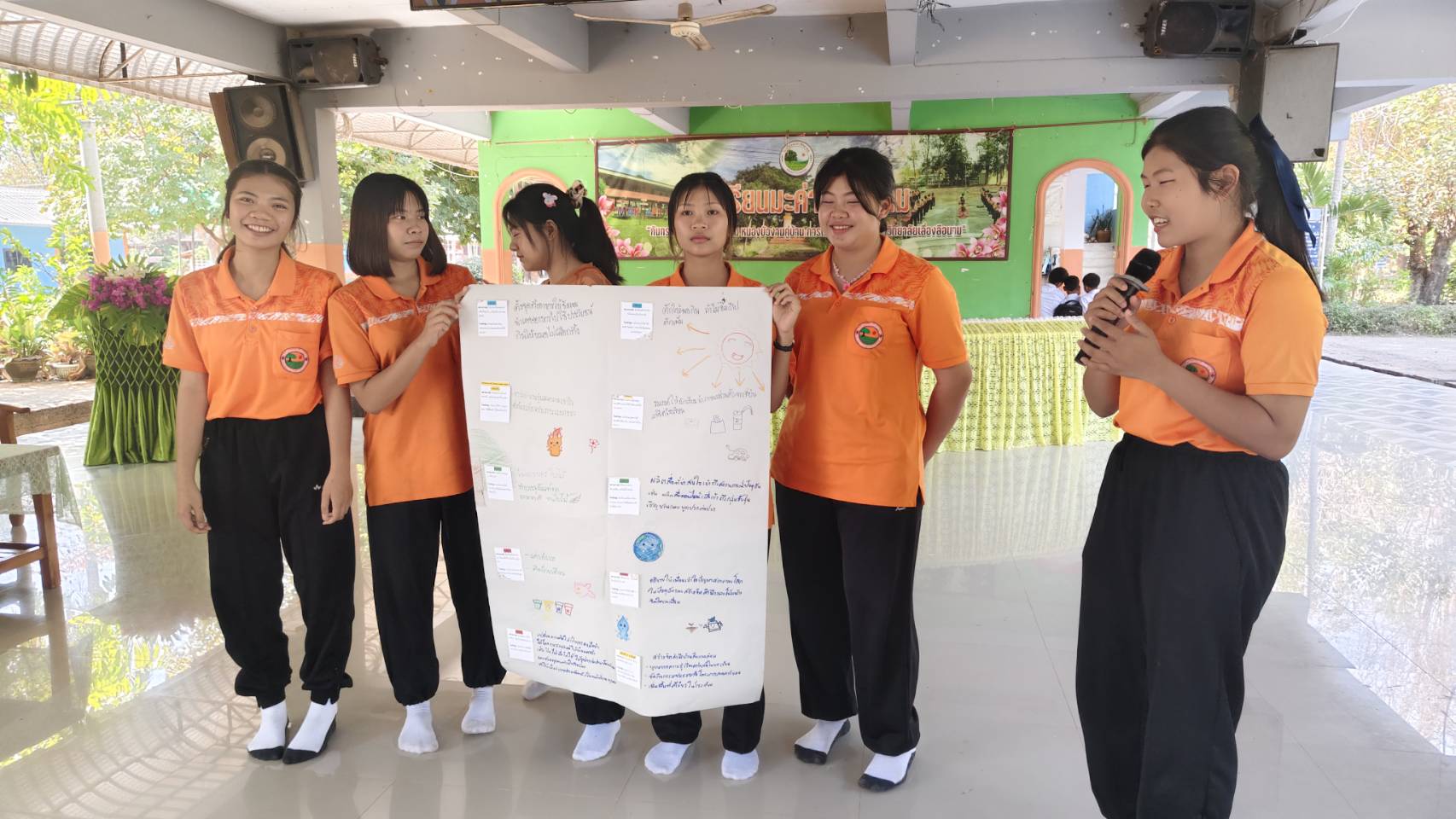
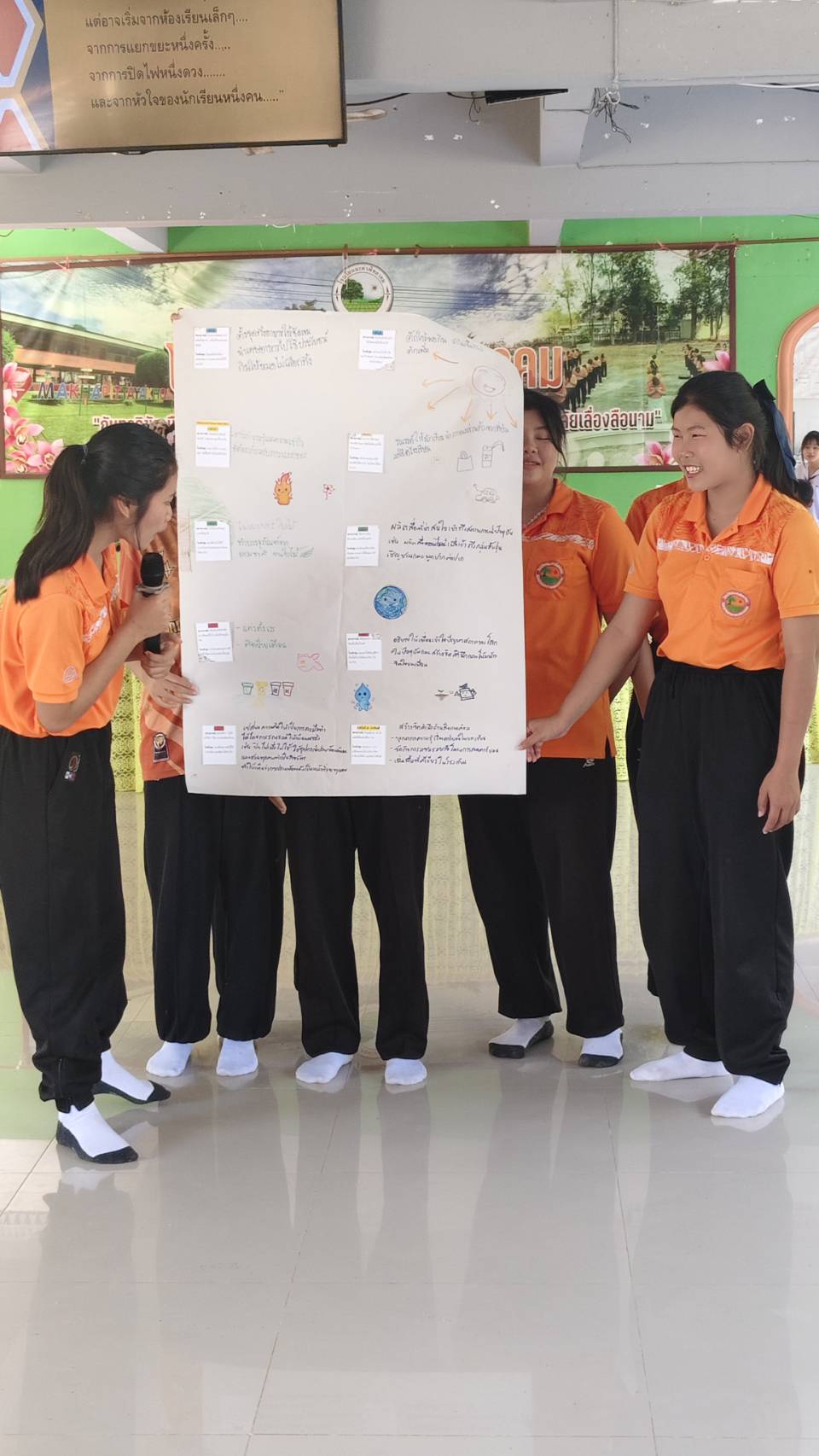
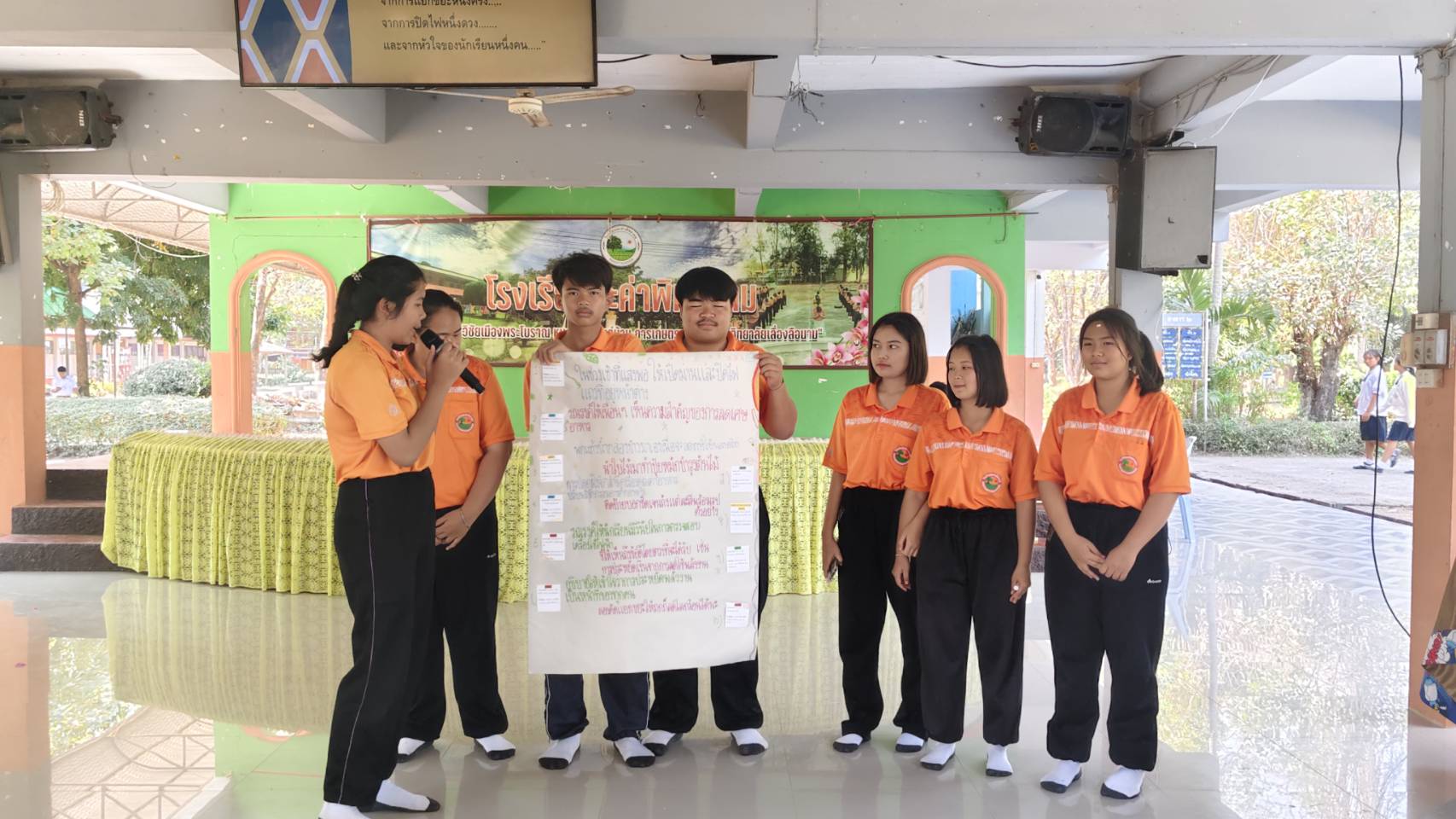
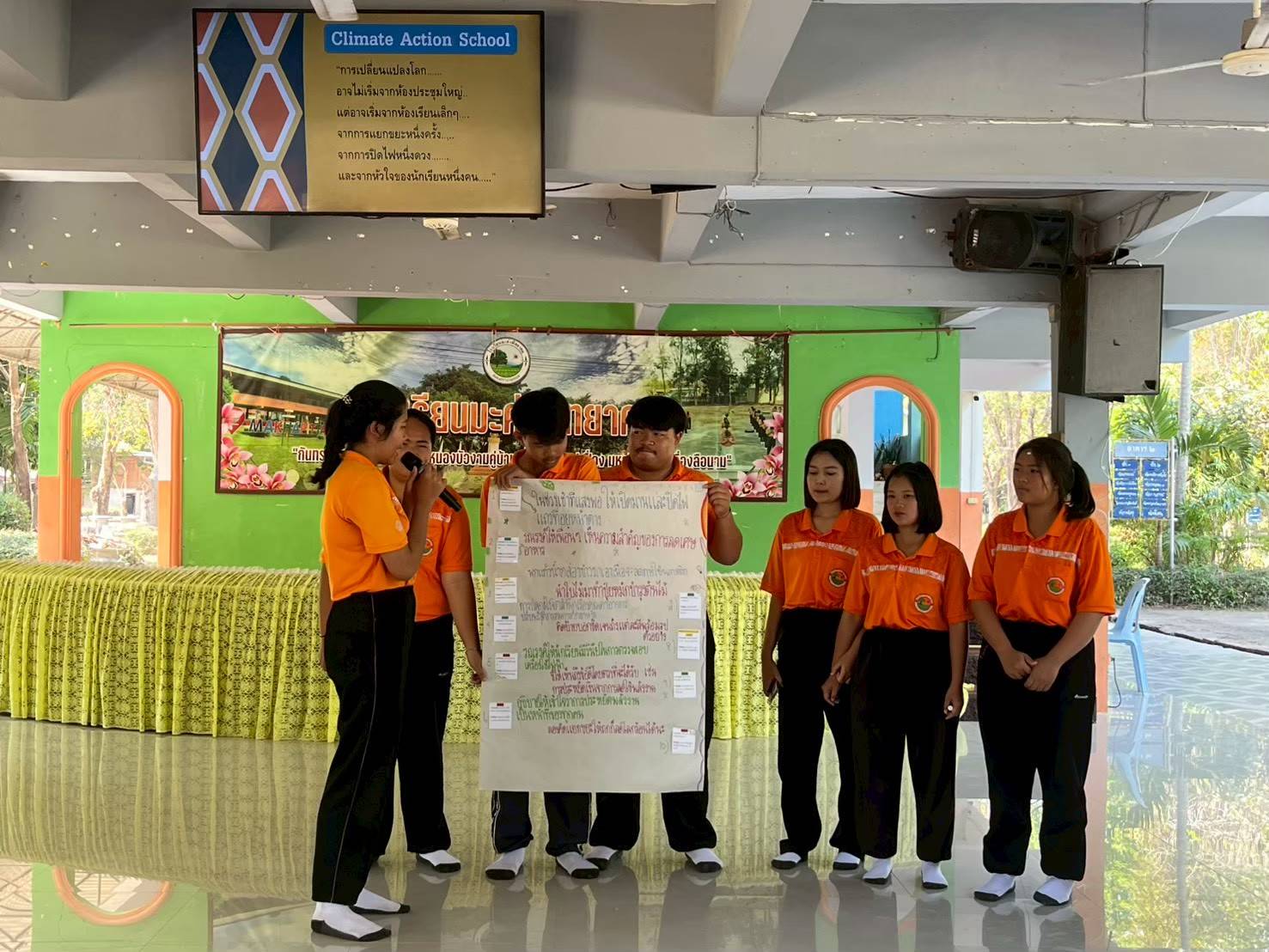
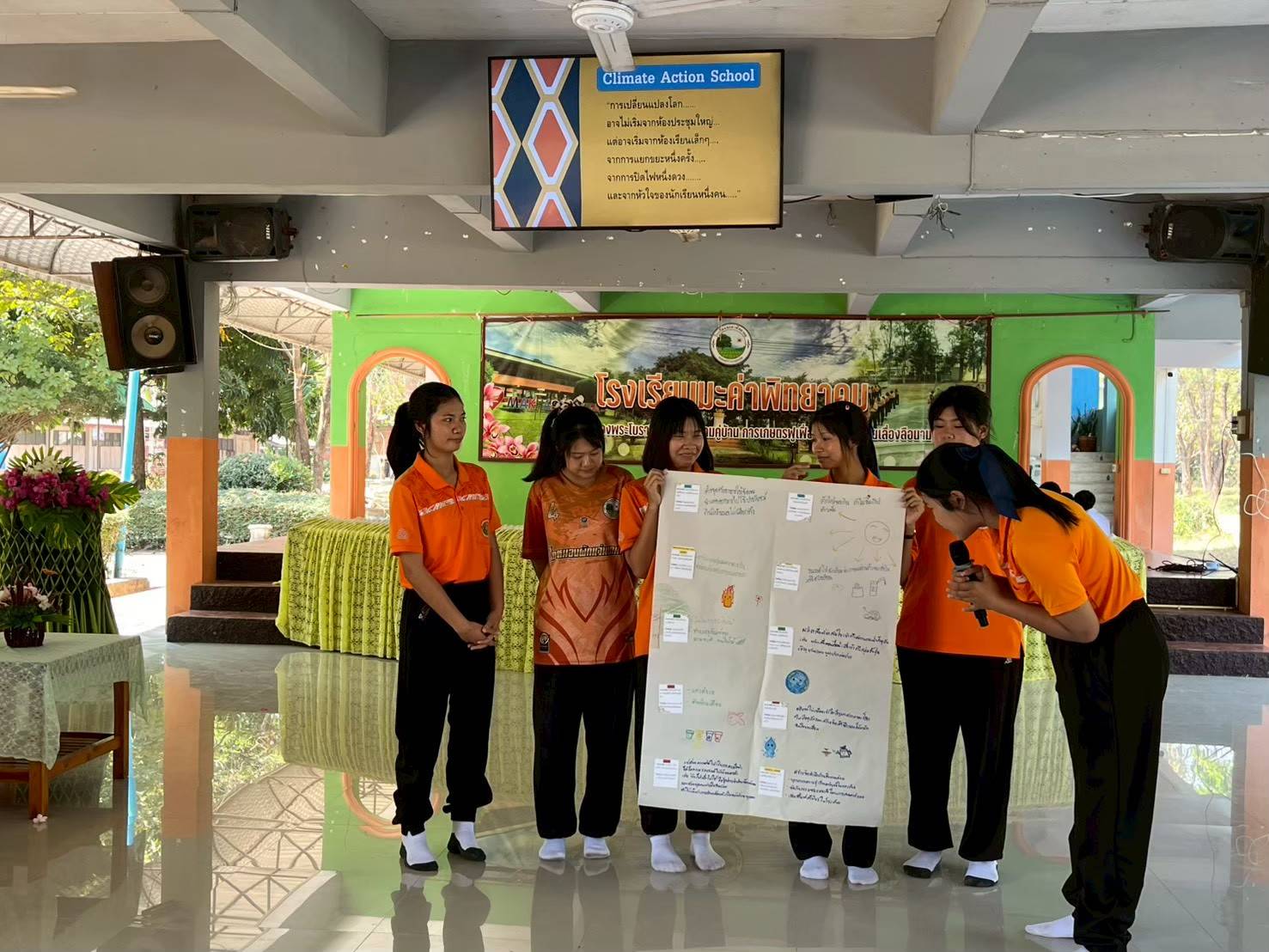
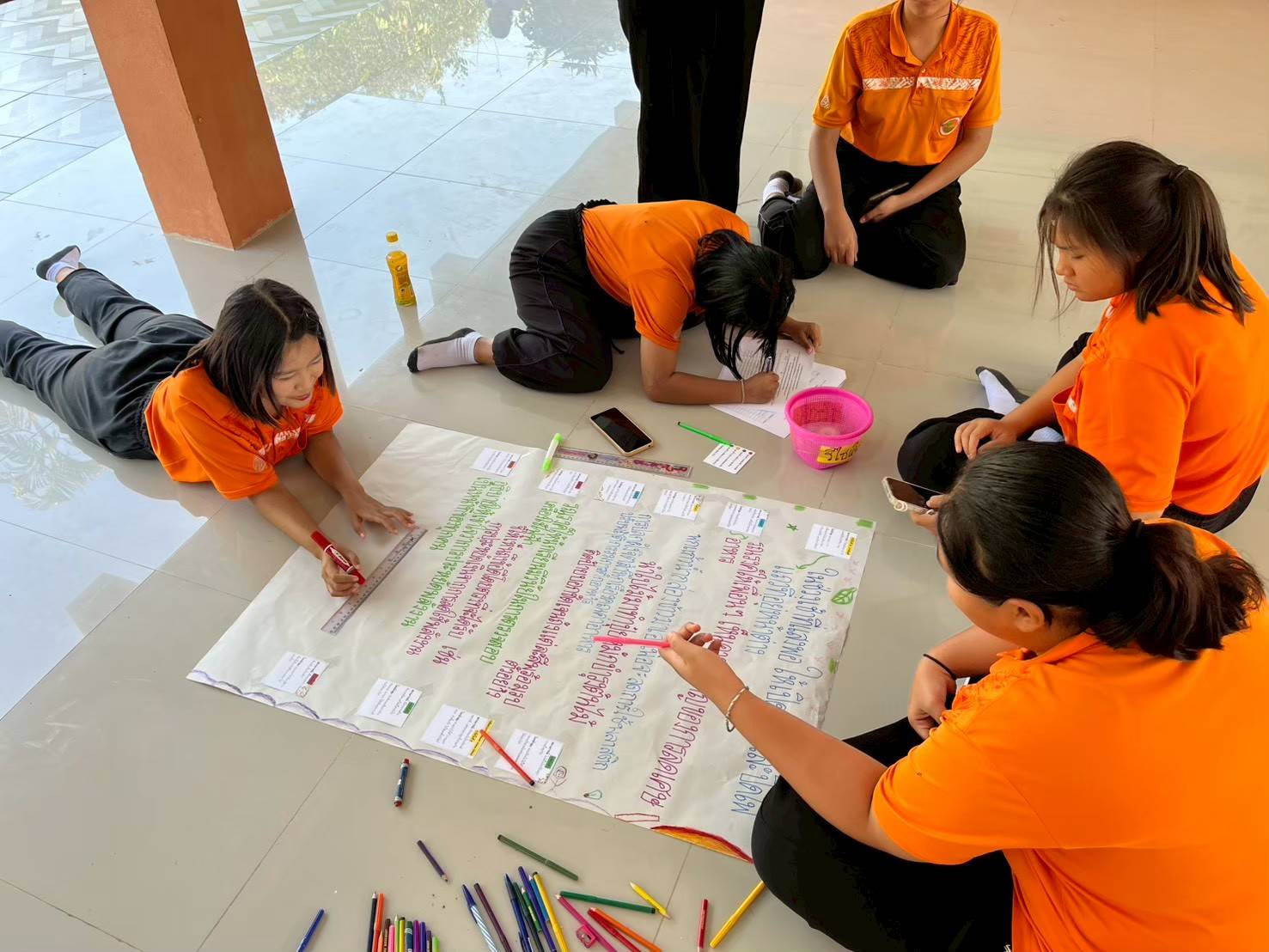
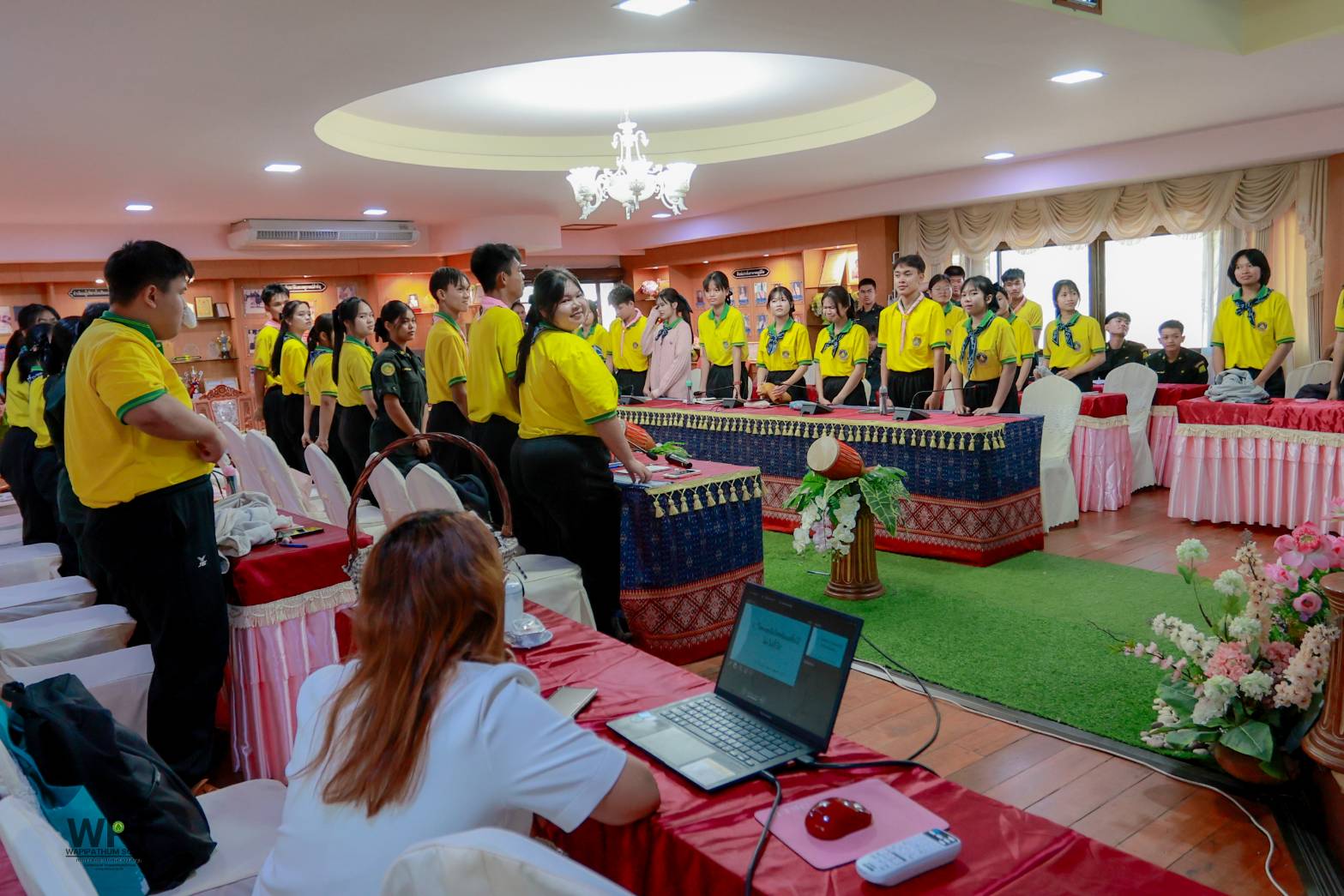
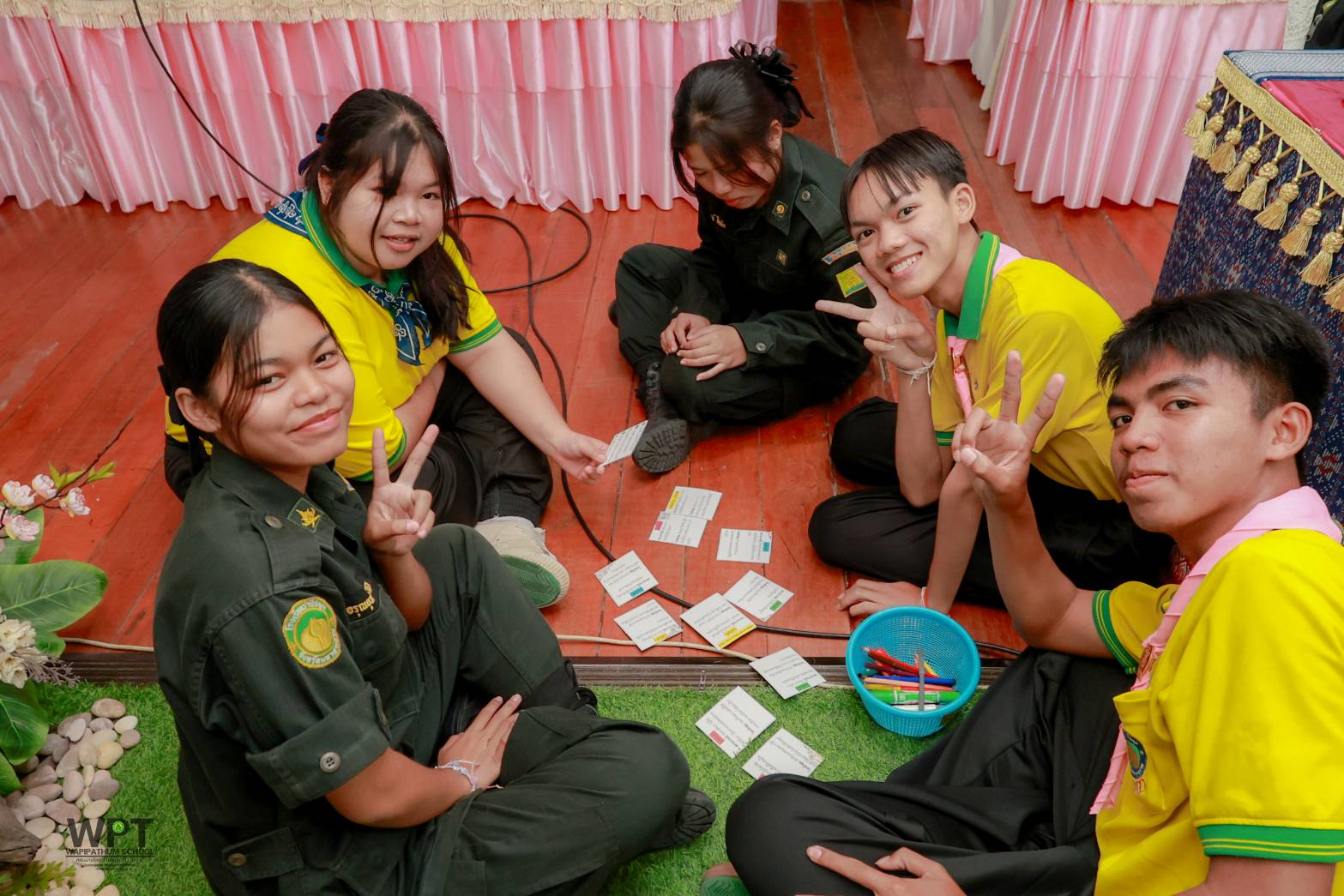
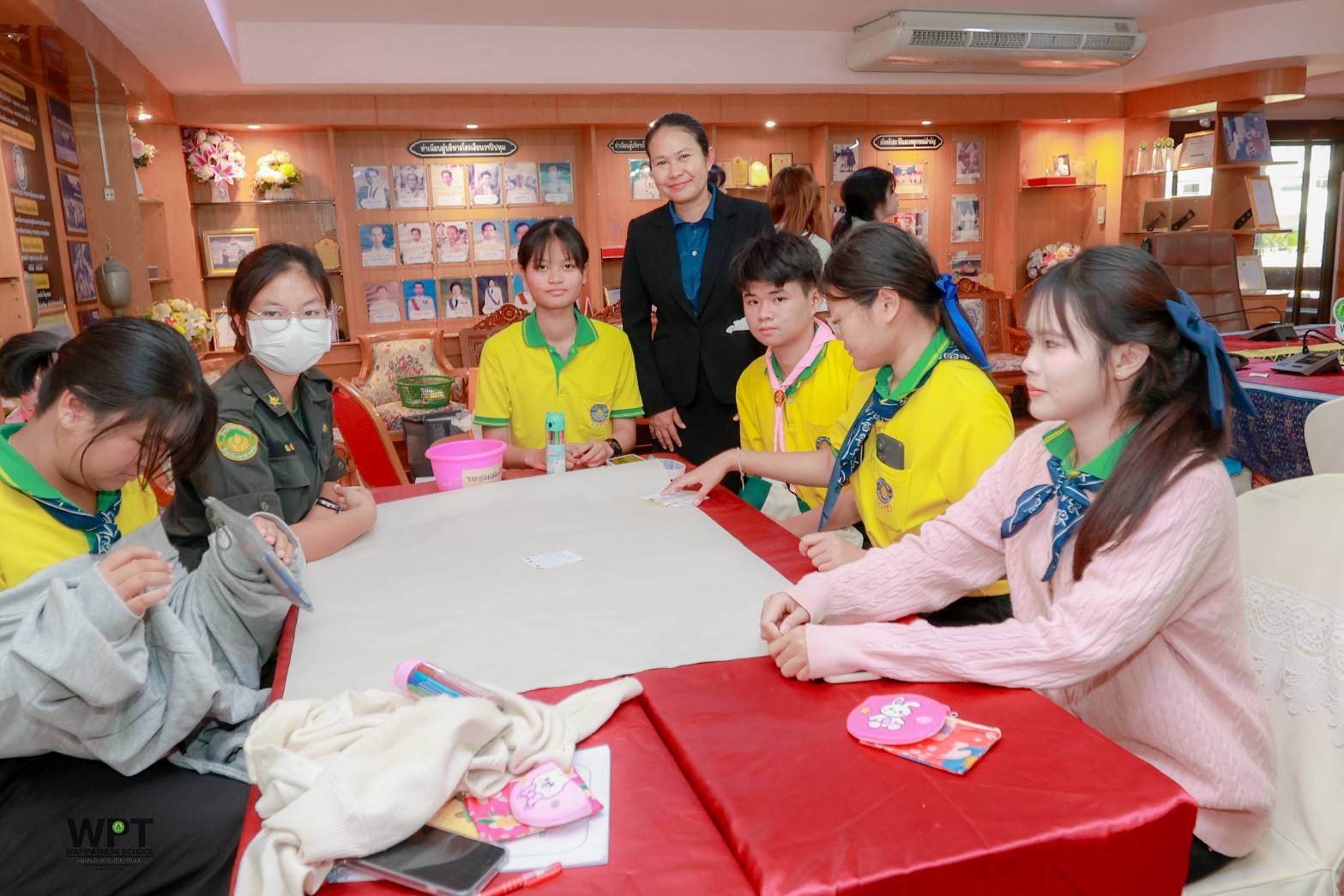
This activity follows a 70:30 learning approach, with a primary focus on hands-on implementation in schools. Youth teams will design and carry out Mini Projects, such as reducing organic or recyclable waste, while collecting data and calculating the greenhouse gas emissions reduced. They will then present their results through exhibitions, creative media, video clips, or other formats to share learning with fellow students, communities, and other schools.
Activity 3: Youth Climate Action Showcase and Knowledge Exchange Workshop
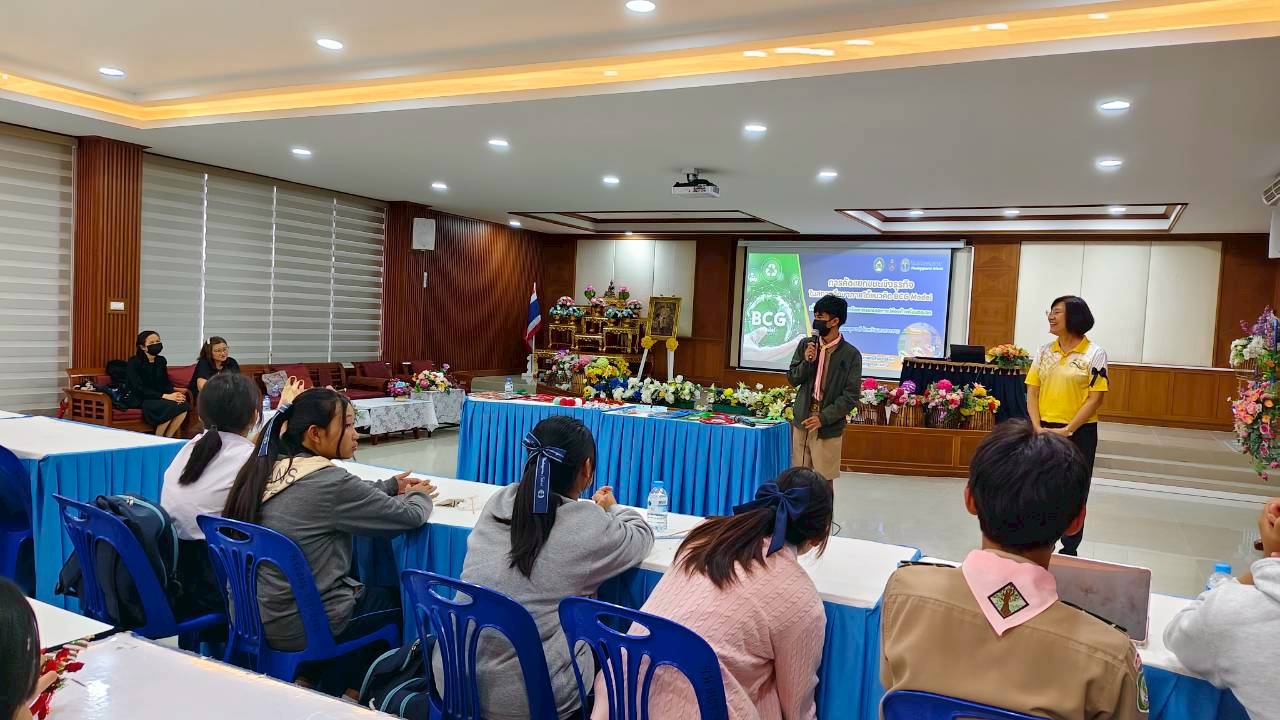
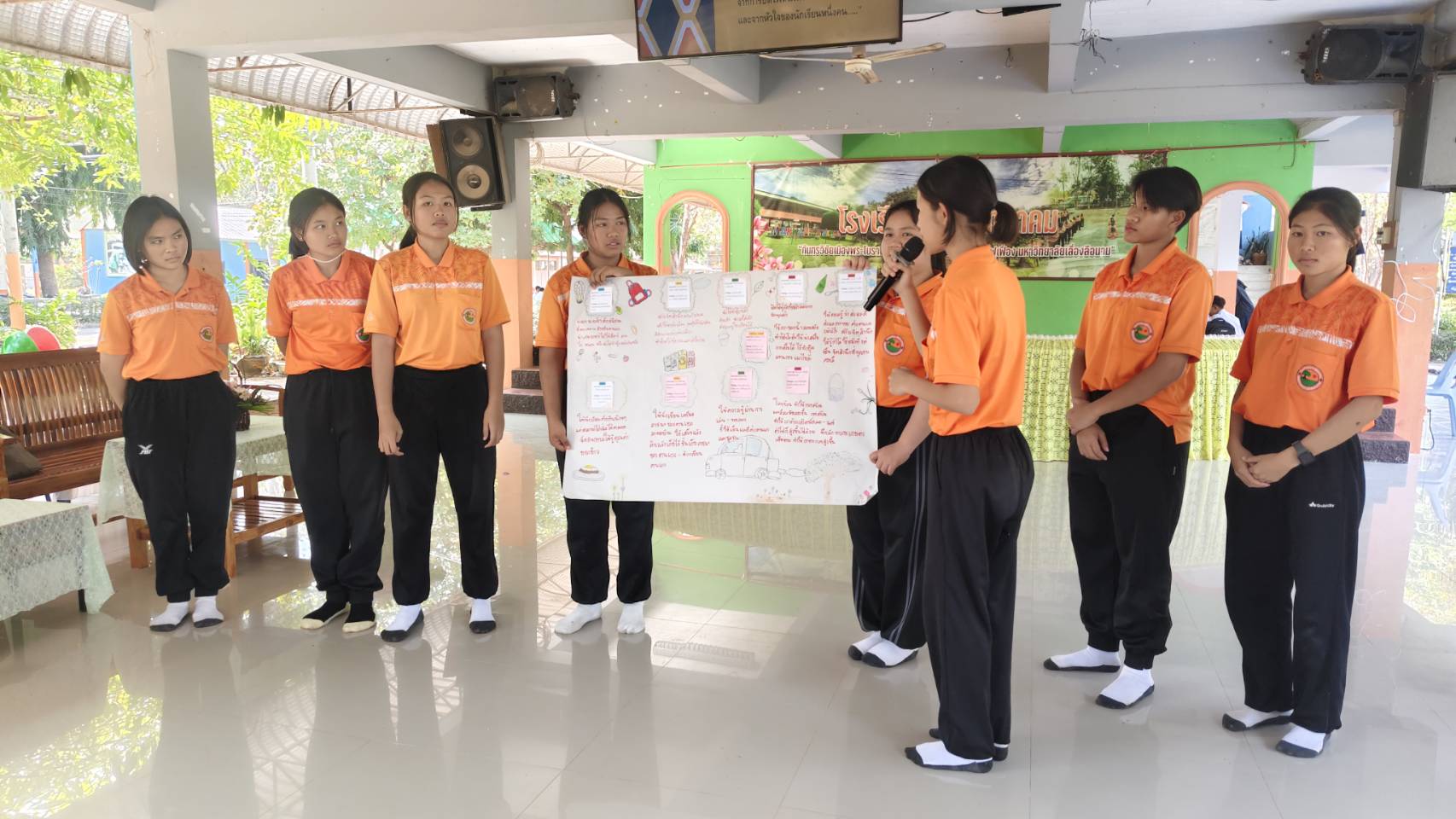
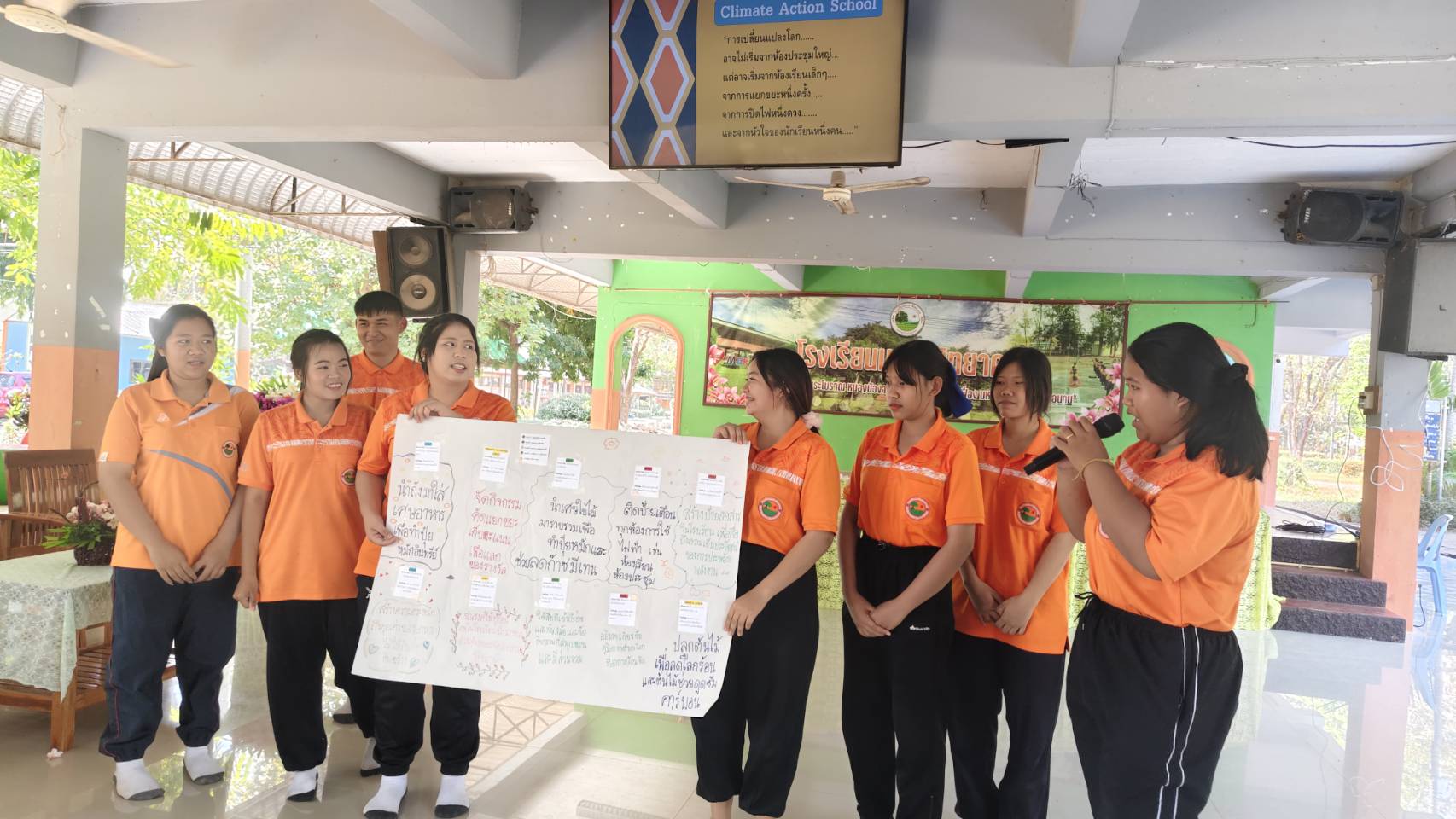
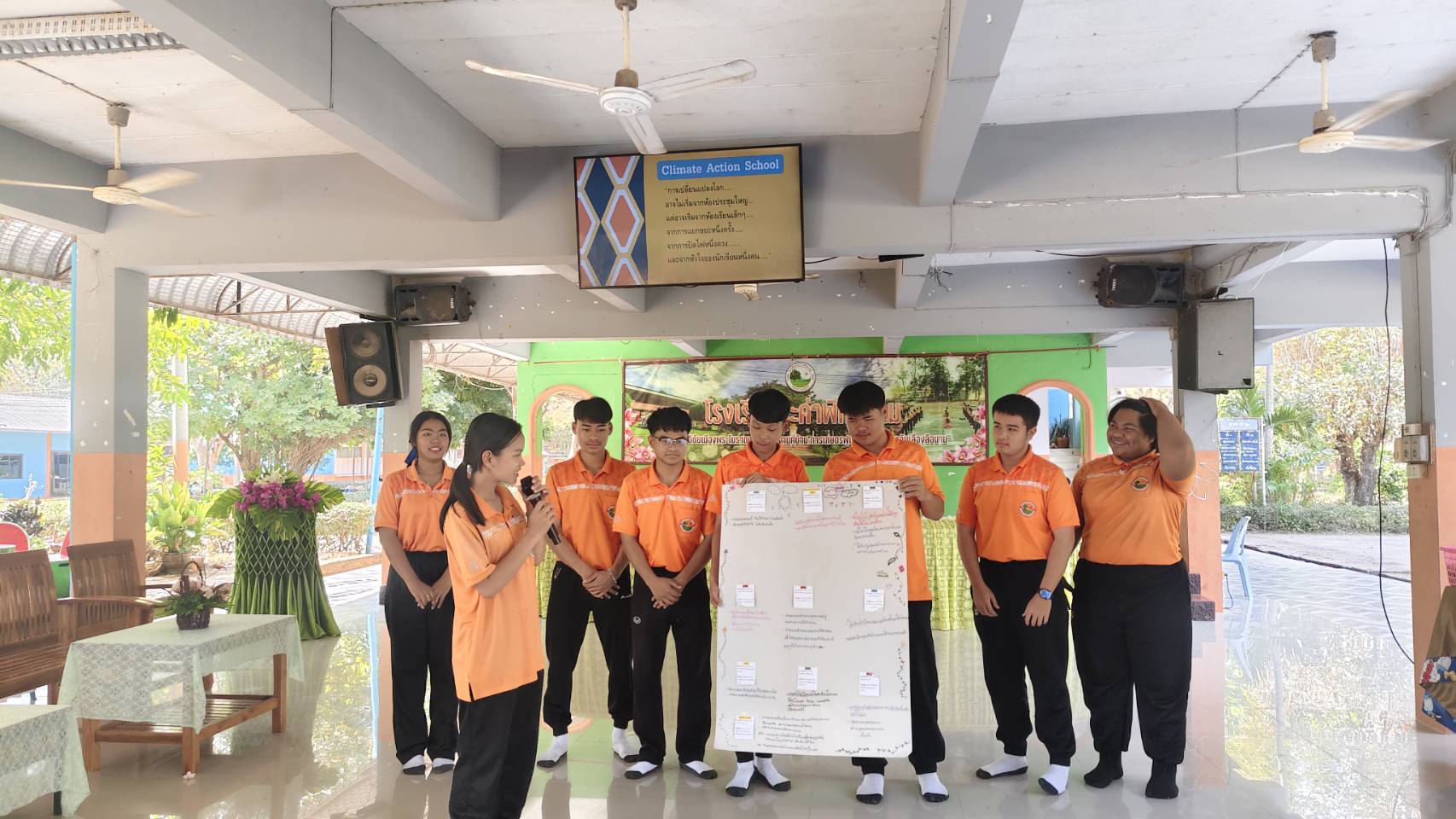
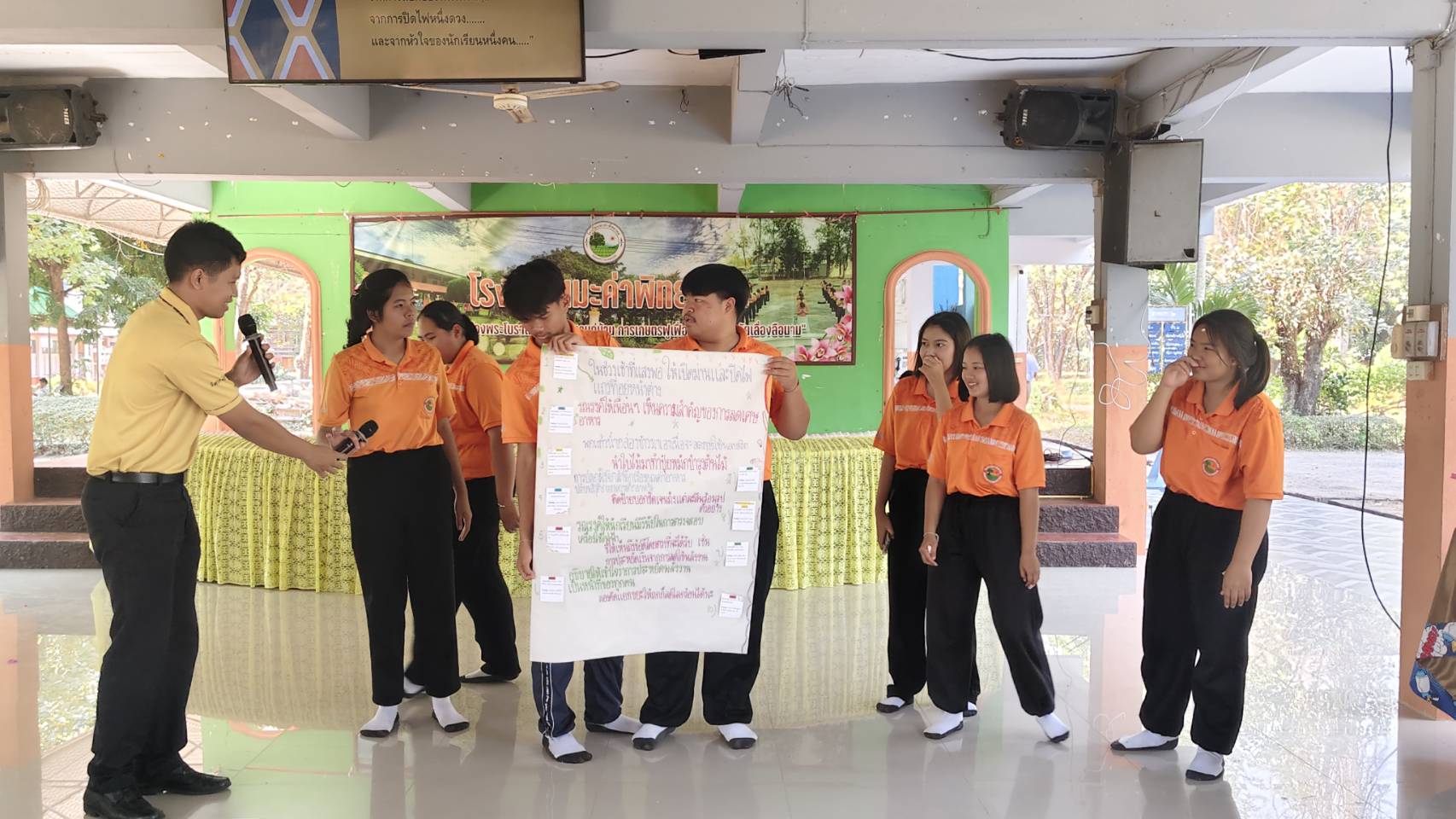
This activity provides a platform for youth from model schools to present their Mini Projects on waste management and greenhouse gas emission reduction. Participants will exchange knowledge and build collaborative networks among educational institutions to extend these efforts across districts and the province. Success will be assessed by the number of projects presented, collaborative networks formed, participants, and participant satisfaction.
สรุปสาระสำคัญของกิจกรรม
กิจกรรมที่ 1 การอบรมเชิงปฏิบัติปลุกพลังเยาวชนรับมือการเปลี่ยนแปลงสภาพภูมิอากาศและปั้นผู้นำ Climate Action
มุ่งเสริมความรู้และทักษะให้เยาวชนระดับมัธยมศึกษาและอุดมศึกษาเข้าใจเรื่องการเปลี่ยนแปลงสภาพภูมิอากาศ การจัดการขยะ และการลดก๊าซเรือนกระจก พร้อมฝึกทักษะการสื่อสาร การเป็นผู้นำ และการออกแบบโครงการหรือกิจกรรมย่อย เพื่อพัฒนาเยาวชนให้เป็นแกนนำ Climate Action ที่สามารถนำความรู้ไปขับเคลื่อนกิจกรรมในโรงเรียนหรือชุมชนได้ ตัวชี้วัดประกอบด้วยจำนวนผู้เข้าร่วม จำนวนเยาวชนที่ผ่านเกณฑ์แกนนำ จำนวนกิจกรรมที่ออกแบบ และระดับความพึงพอใจของผู้เข้าร่วม
กิจกรรมที่ 2 การอบรมเชิงปฏิบัติขับเคลื่อนโรงเรียนสู่ความยั่งยืนและลดคาร์บอน (Climate Action School)
ใช้แนวทางการเรียนรู้แบบ 70:30 โดยเน้นการลงมือปฏิบัติในโรงเรียนเป็นหลัก เยาวชนแต่ละทีมจะออกแบบและดำเนิน Mini Project เช่น การลดขยะอินทรีย์หรือขยะรีไซเคิล พร้อมเก็บข้อมูลและคำนวณปริมาณก๊าซเรือนกระจกที่ลดได้ จากนั้นนำเสนอผลผ่านนิทรรศการ สื่อสร้างสรรค์ คลิปวิดีโอ หรือรูปแบบอื่น เพื่อแลกเปลี่ยนเรียนรู้กับเพื่อนนักเรียน ชุมชน และโรงเรียนอื่น
กิจกรรมที่ 3 การอบรมเชิงปฏิบัติเยาวชนสร้างสรรค์นำเสนอผลงานและแลกเปลี่ยนเรียนรู้ด้าน Climate Action
จัดเวทีให้เยาวชนนำเสนอผลงาน Mini Project ด้านการจัดการของเสียและการลดก๊าซเรือนกระจกจากโรงเรียนต้นแบบ พร้อมแลกเปลี่ยนองค์ความรู้และสร้างเครือข่ายความร่วมมือระหว่างสถานศึกษา เพื่อขยายผลการดำเนินงานสู่ระดับอำเภอและจังหวัด โดยพิจารณาความสำเร็จจากจำนวนผลงานที่นำเสนอ จำนวนเครือข่ายความร่วมมือ จำนวนผู้เข้าร่วม และความพึงพอใจของผู้เข้าร่วมกิจกรรม
Part 2: Outcomes & Impact ส่วนที่ 2 ผลลัพธ์และผลกระทบ
Outcomes ผลลัพธ์ที่เกิดขึ้น
1. Youth demonstrate more environmentally responsible attitudes and behaviors and are able to serve as Youth Climate Leaders.
2. Schools and communities establish sustainable waste management systems that reduce landfilling and greenhouse gas emissions.
3. A Youth Climate Action network is established to connect learning and extend activities to other areas.
4. Educational institutions and communities increase their awareness of climate change and readiness to adapt to its impacts.
5. A local model is developed that integrates waste management and Climate Action, with potential to inform local policies and support long-term activities.
1. เยาวชนมีทัศนคติและพฤติกรรมที่รับผิดชอบต่อสิ่งแวดล้อมมากขึ้น สามารถเป็น “ผู้นำการเปลี่ยนแปลง” (Youth Climate Leader) ได้จริง
2. โรงเรียนหรือชุมชนมีระบบจัดการของเสียที่ยั่งยืน ลดการฝังกลบ และลดการปล่อยก๊าซเรือนกระจกได้
3. เกิดเครือข่ายเยาวชน Climate Action ที่เชื่อมโยงการเรียนรู้และขยายผลกิจกรรมสู่พื้นที่อื่น
4. สถานศึกษาหรือชุมชนมีความตระหนักรู้และความพร้อมในการปรับตัวต่อการเปลี่ยนแปลงสภาพภูมิอากาศเพิ่มขึ้น
5. เกิดต้นแบบการบูรณาการแนวคิด “การจัดการของเสียกับ Climate Action” ในระดับท้องถิ่น ซึ่งสามารถต่อยอดเป็นนโยบายย่อยหรือกิจกรรมระยะยาวได้
Community & Social Impact ผลกระทบต่อชุมชน/สังคม
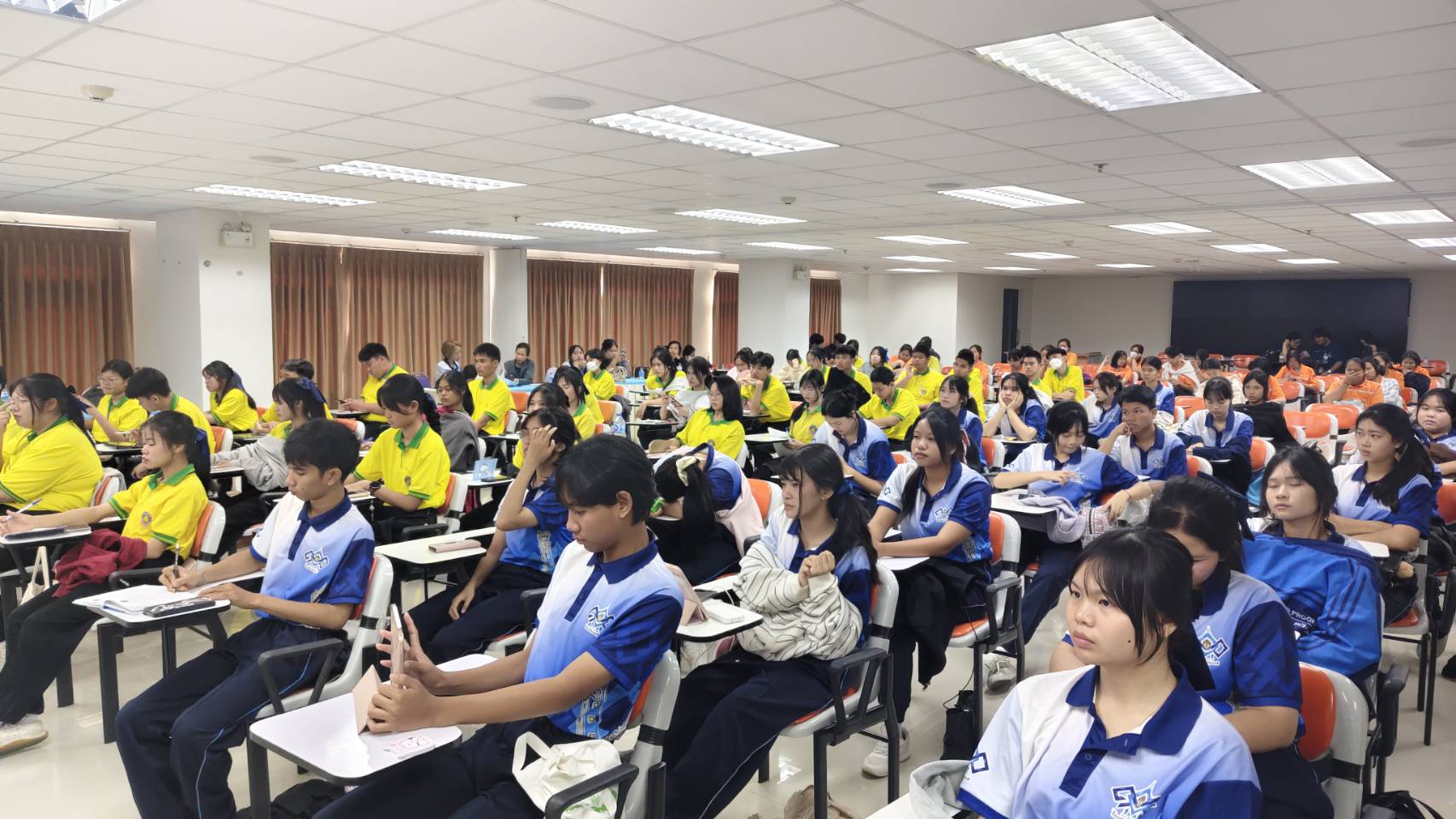
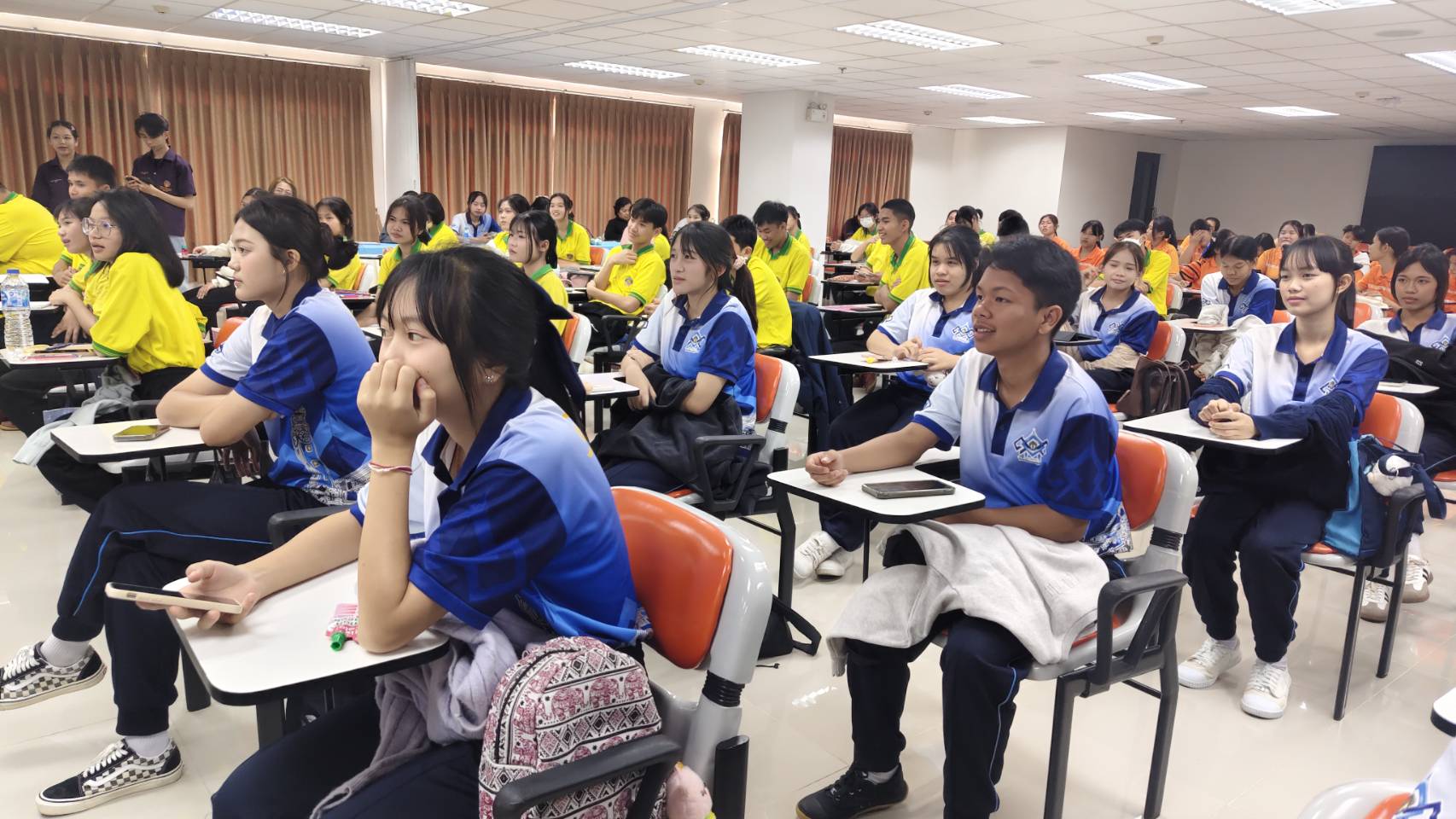
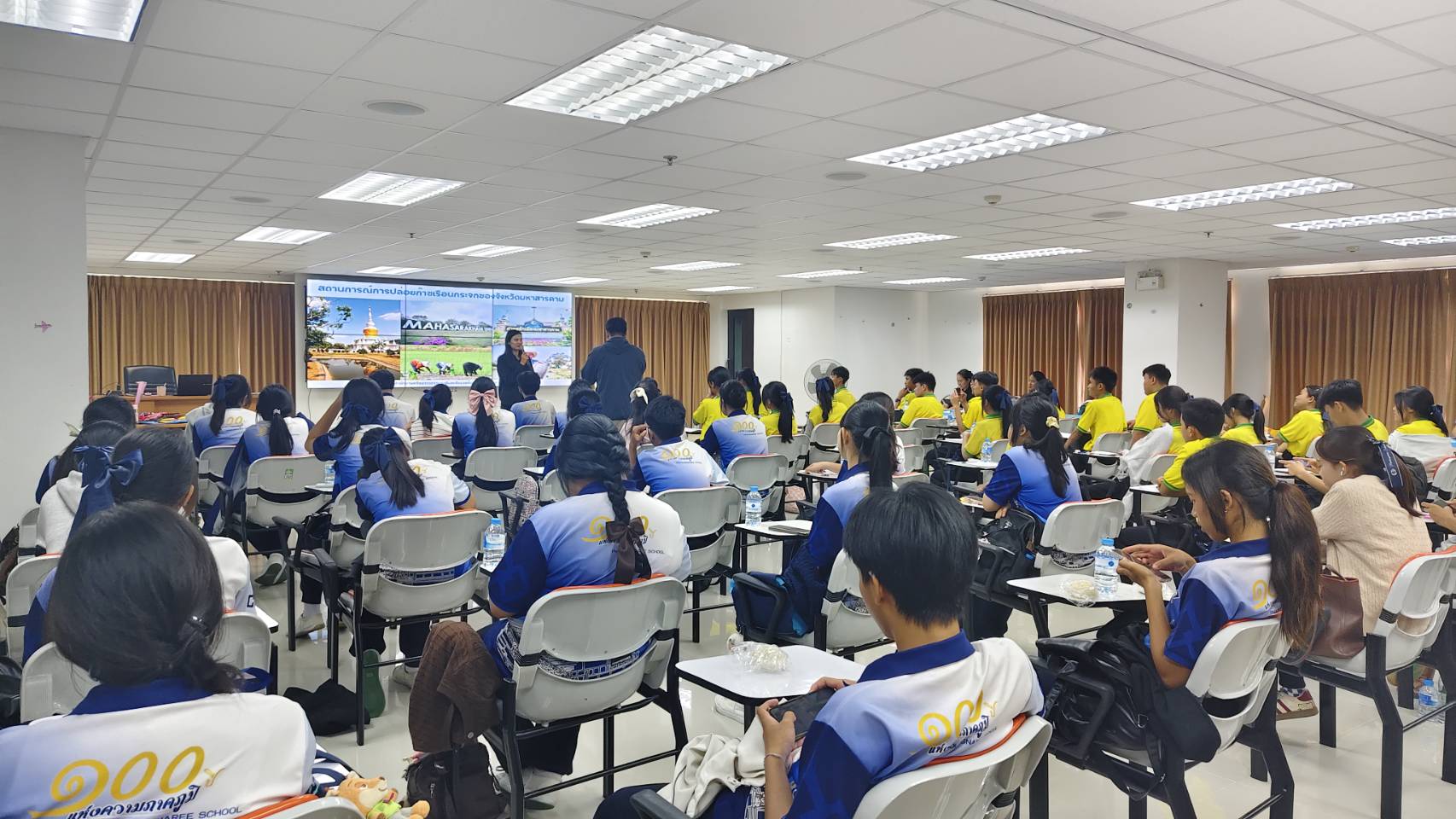
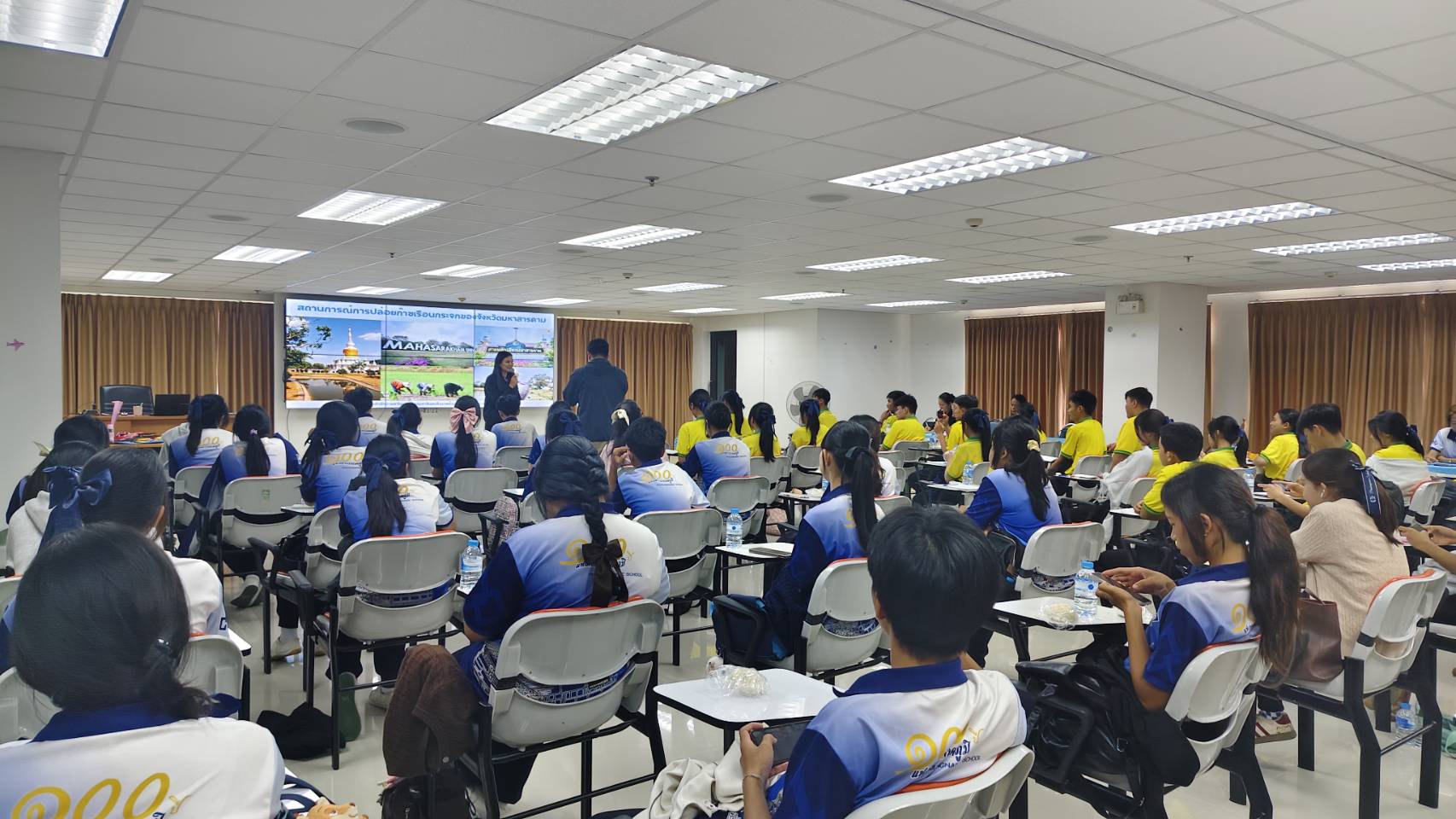
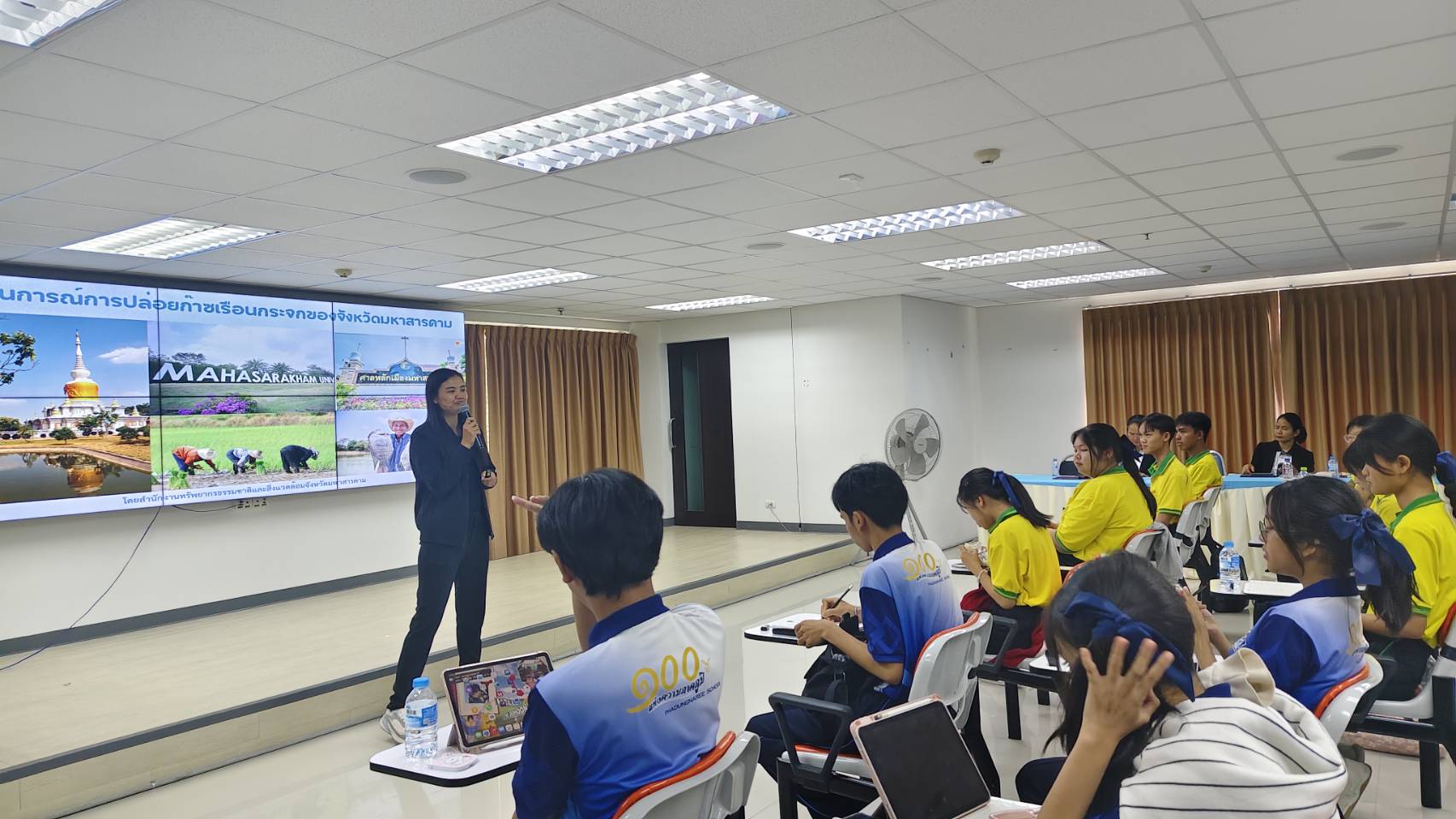
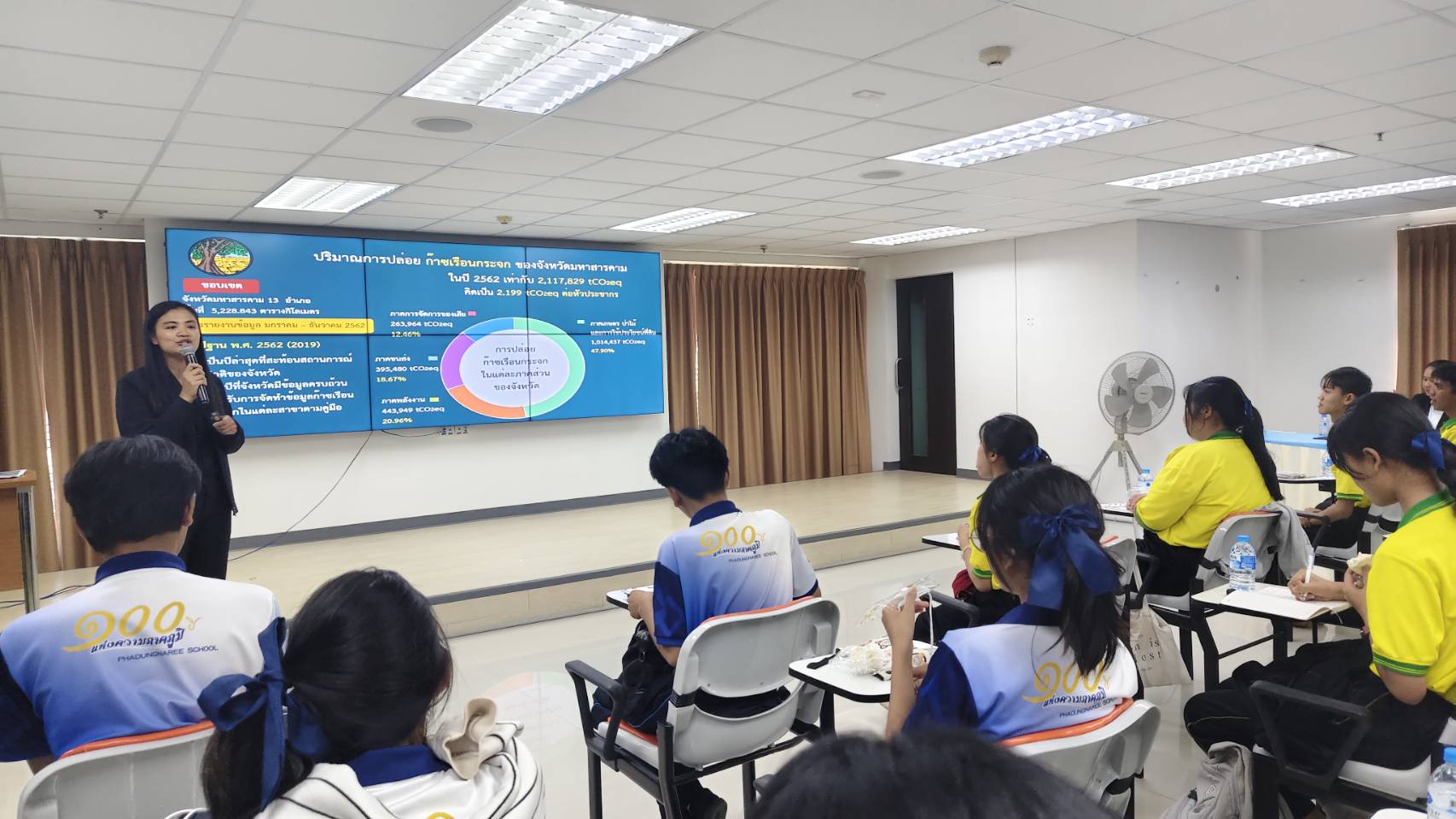
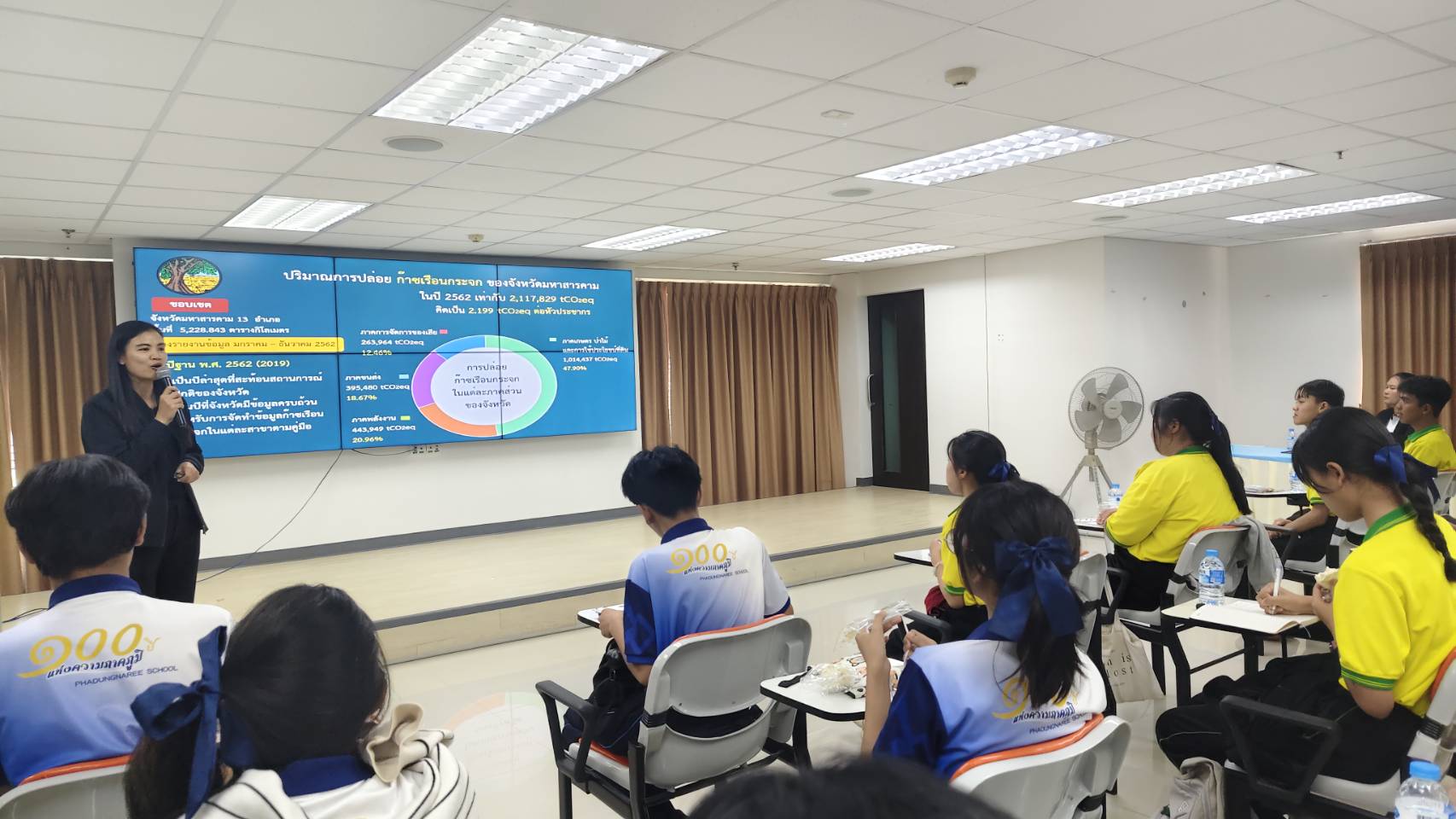
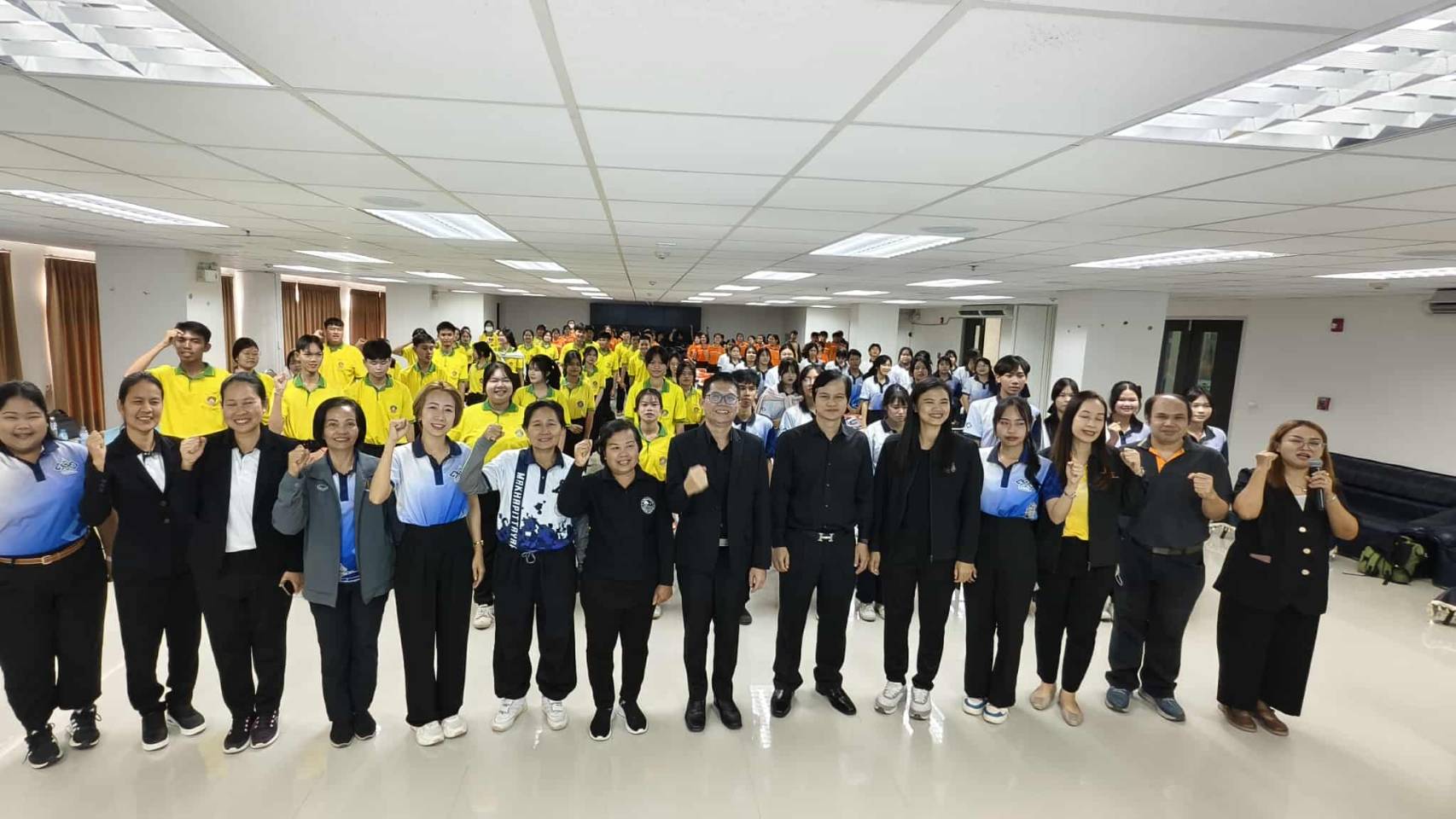
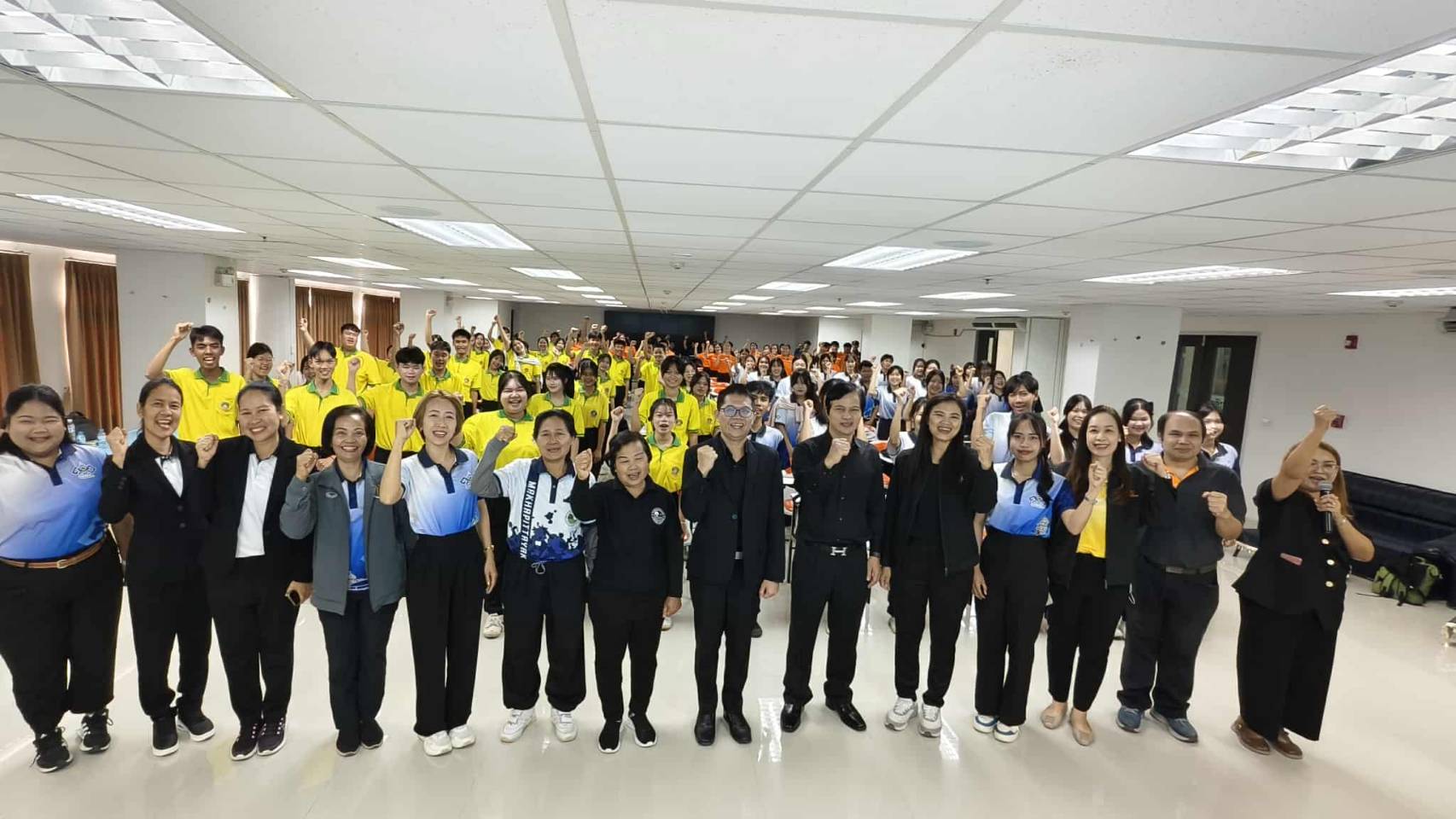
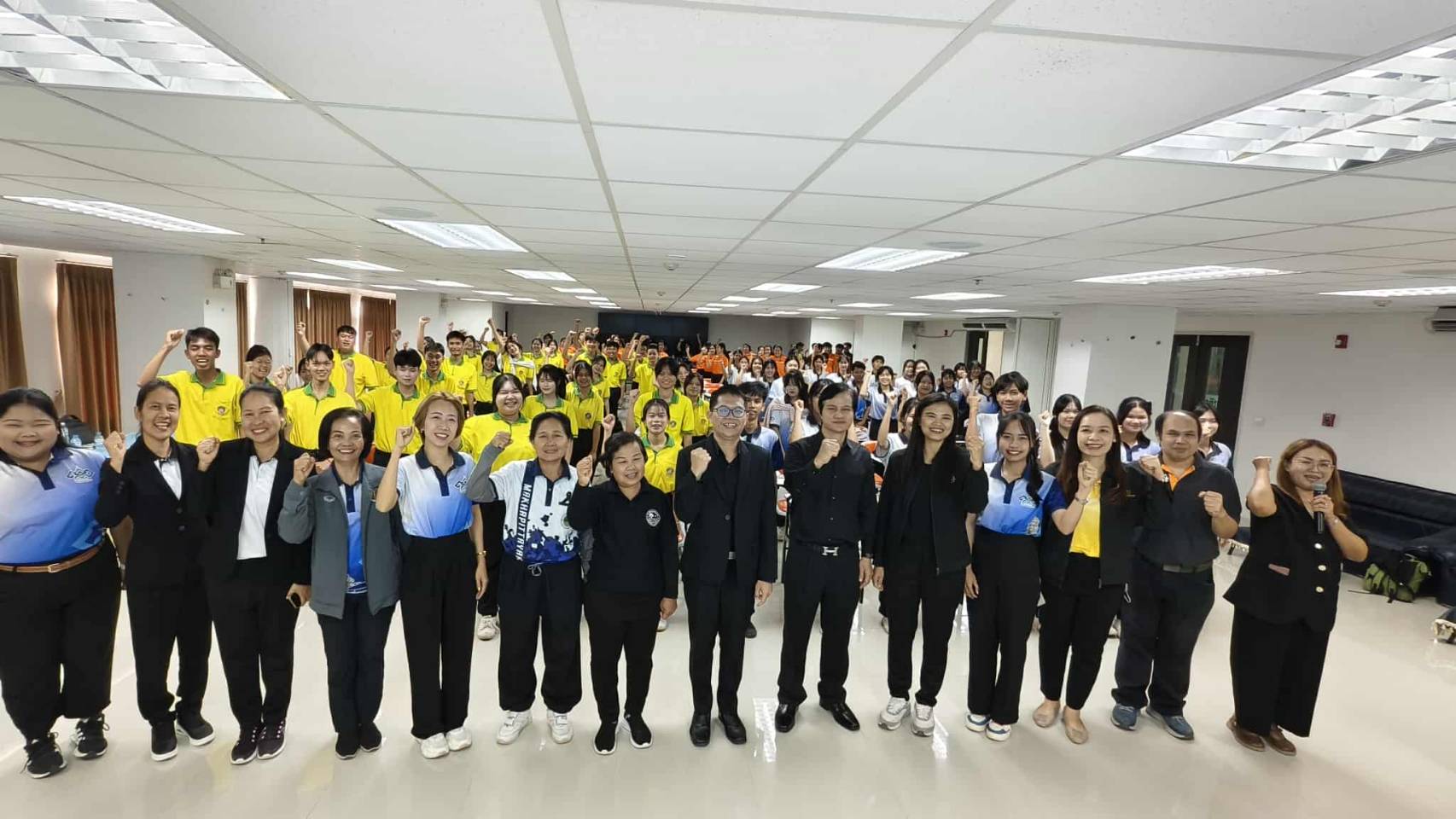
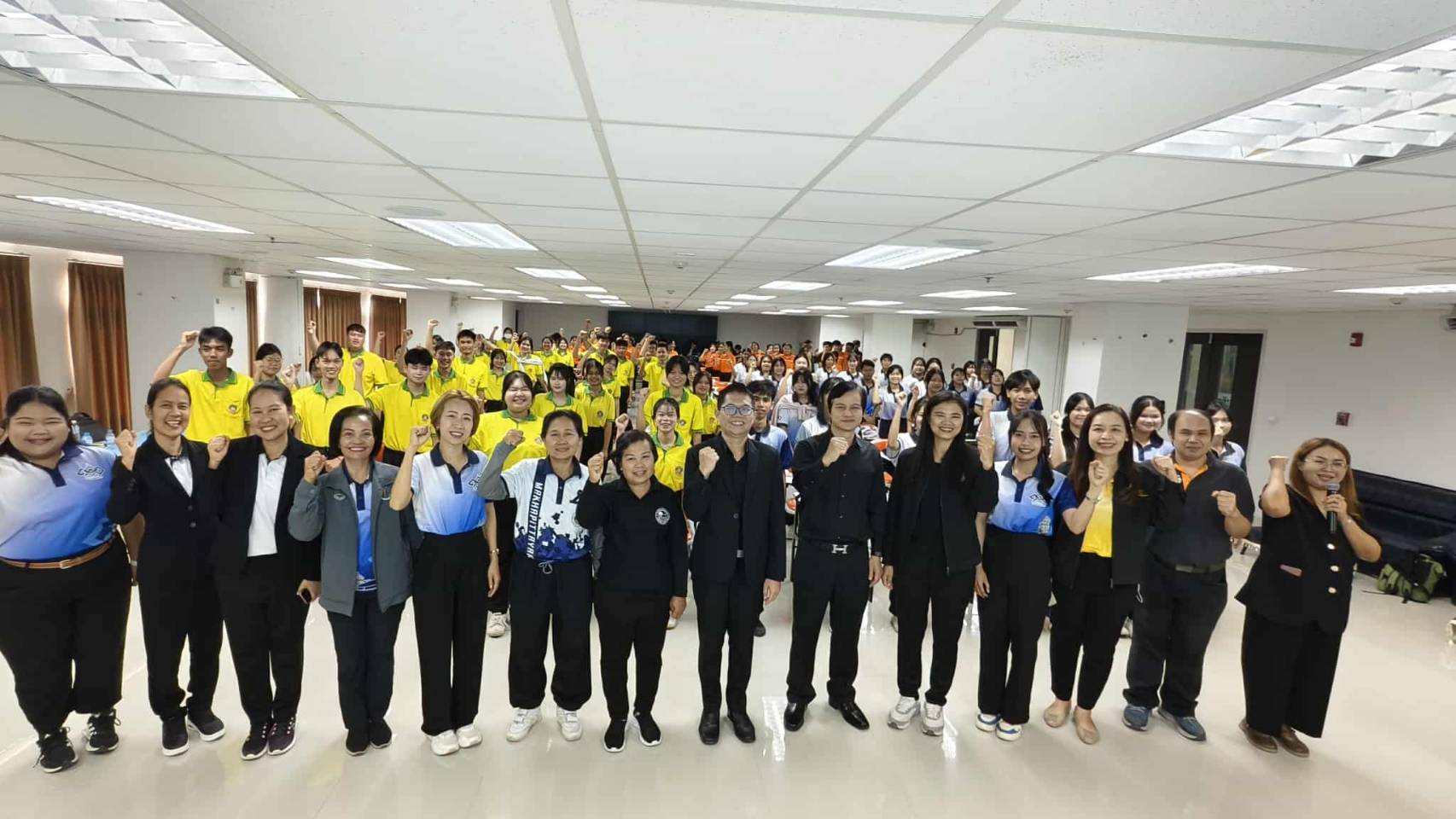
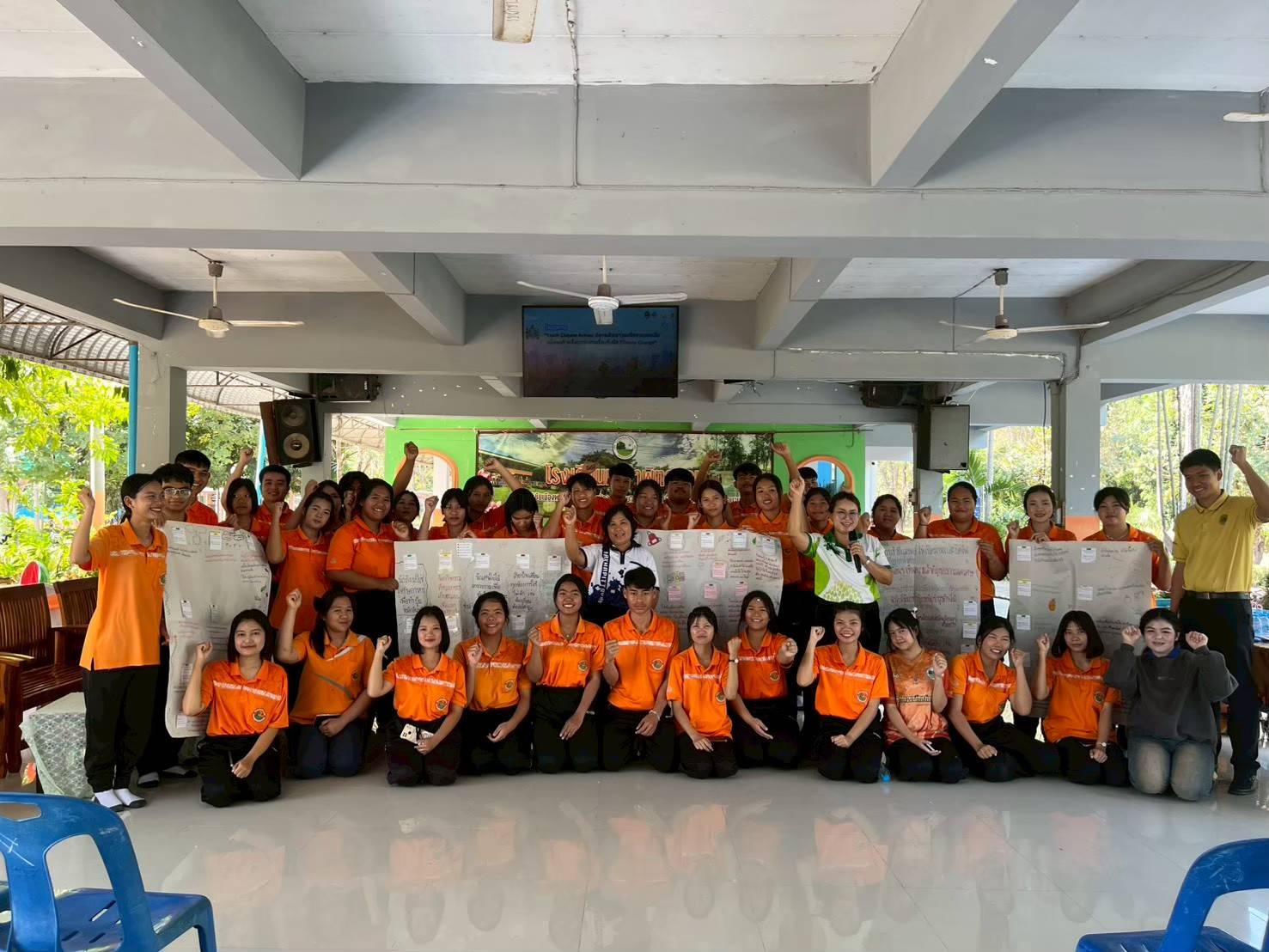
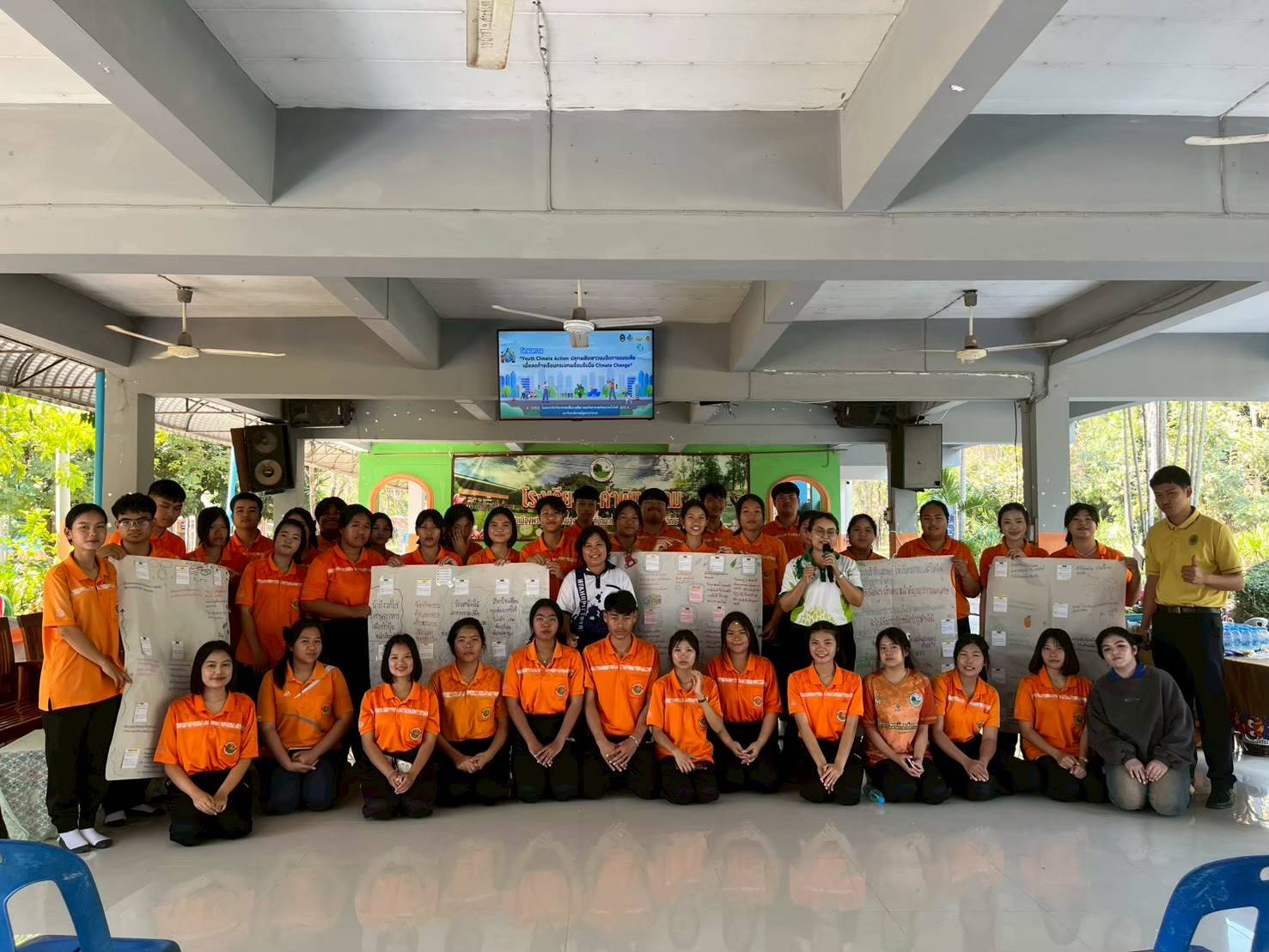
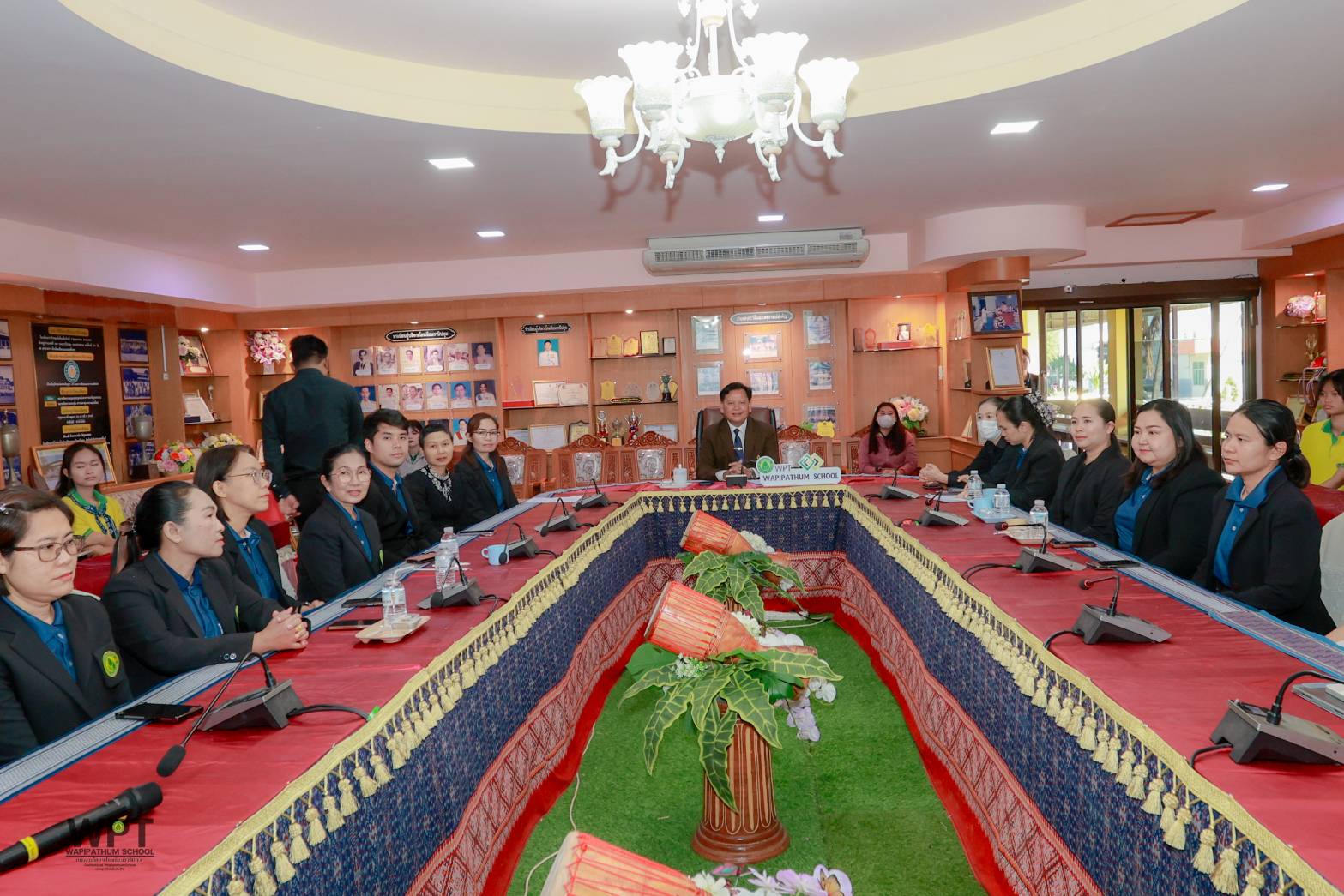
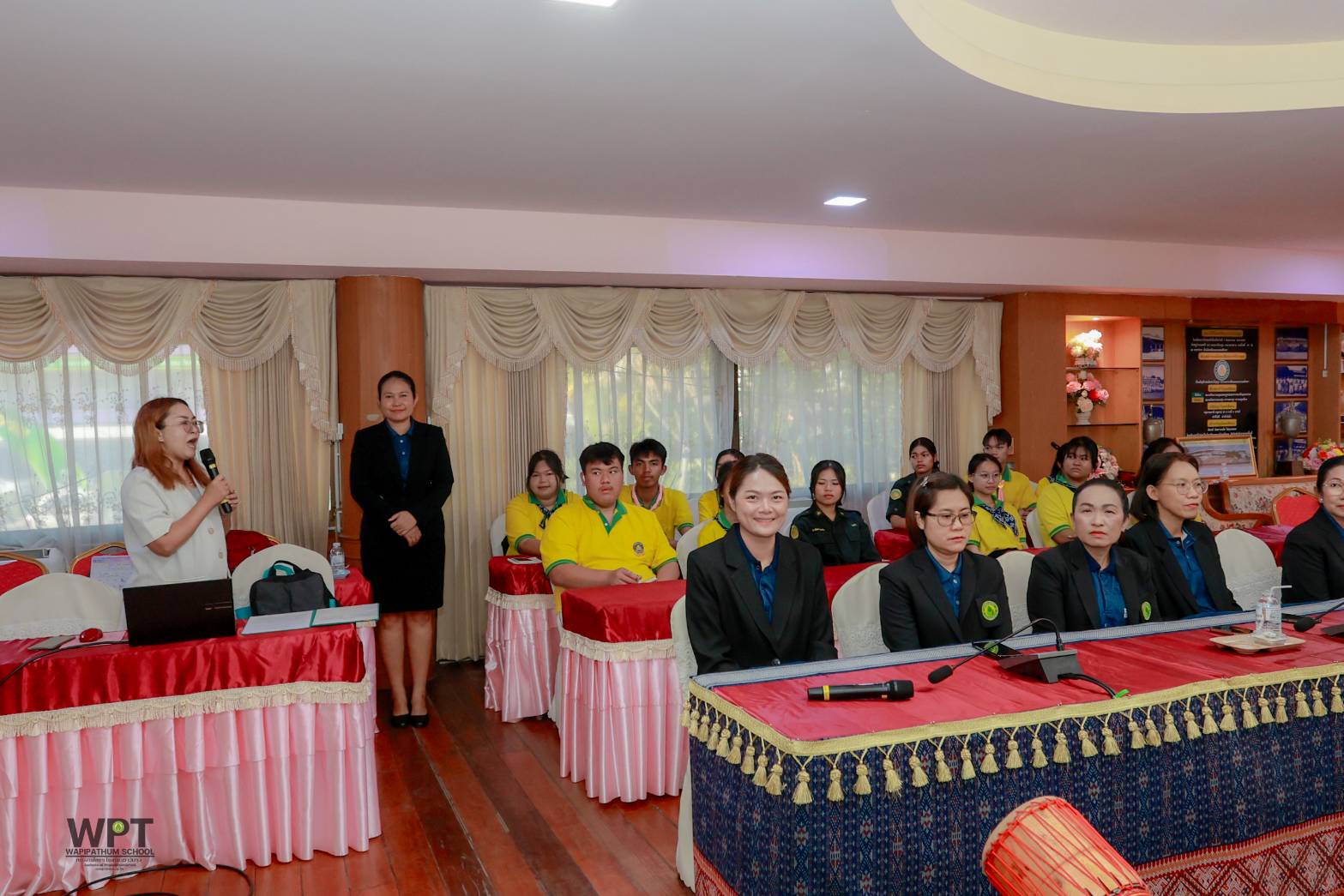
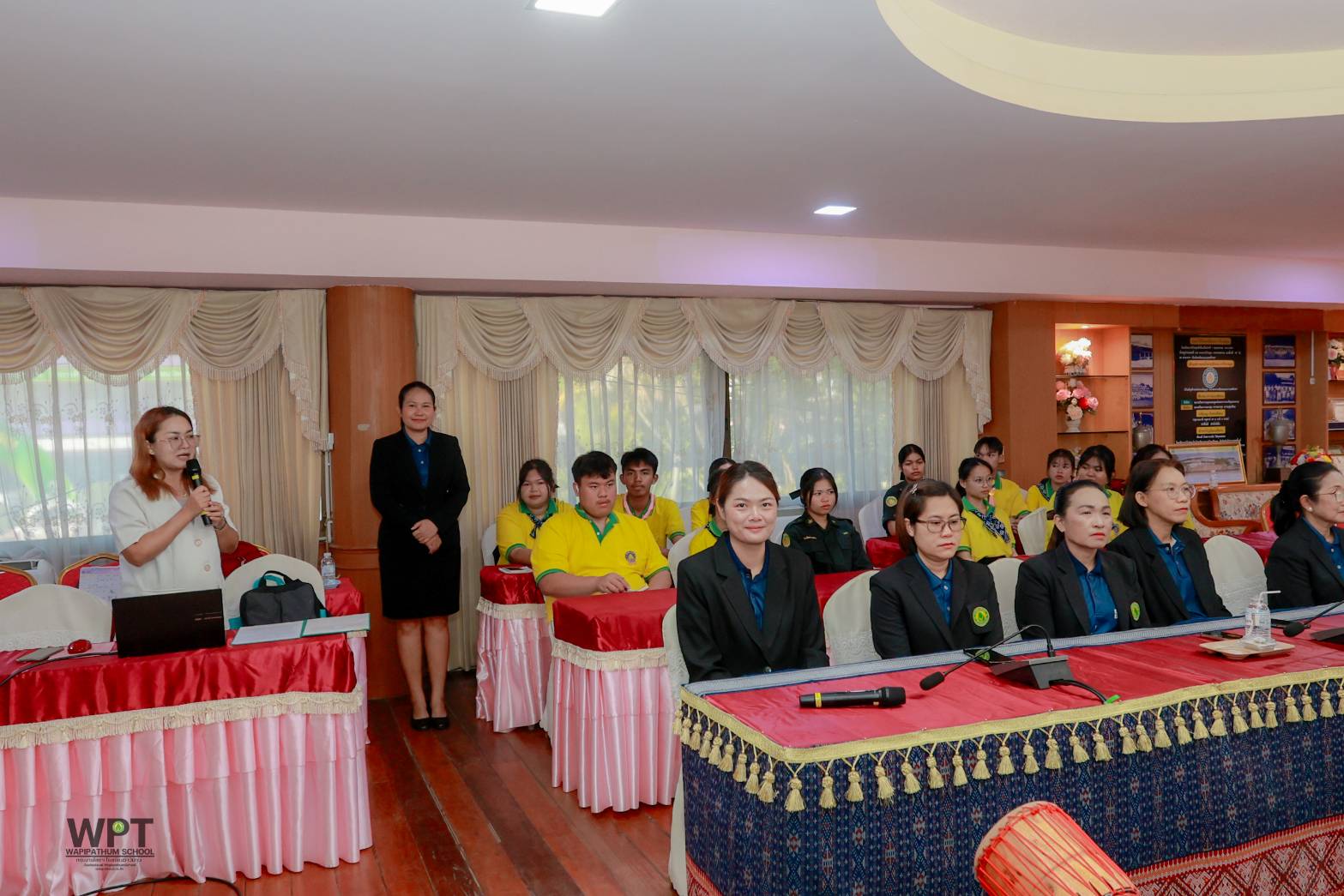
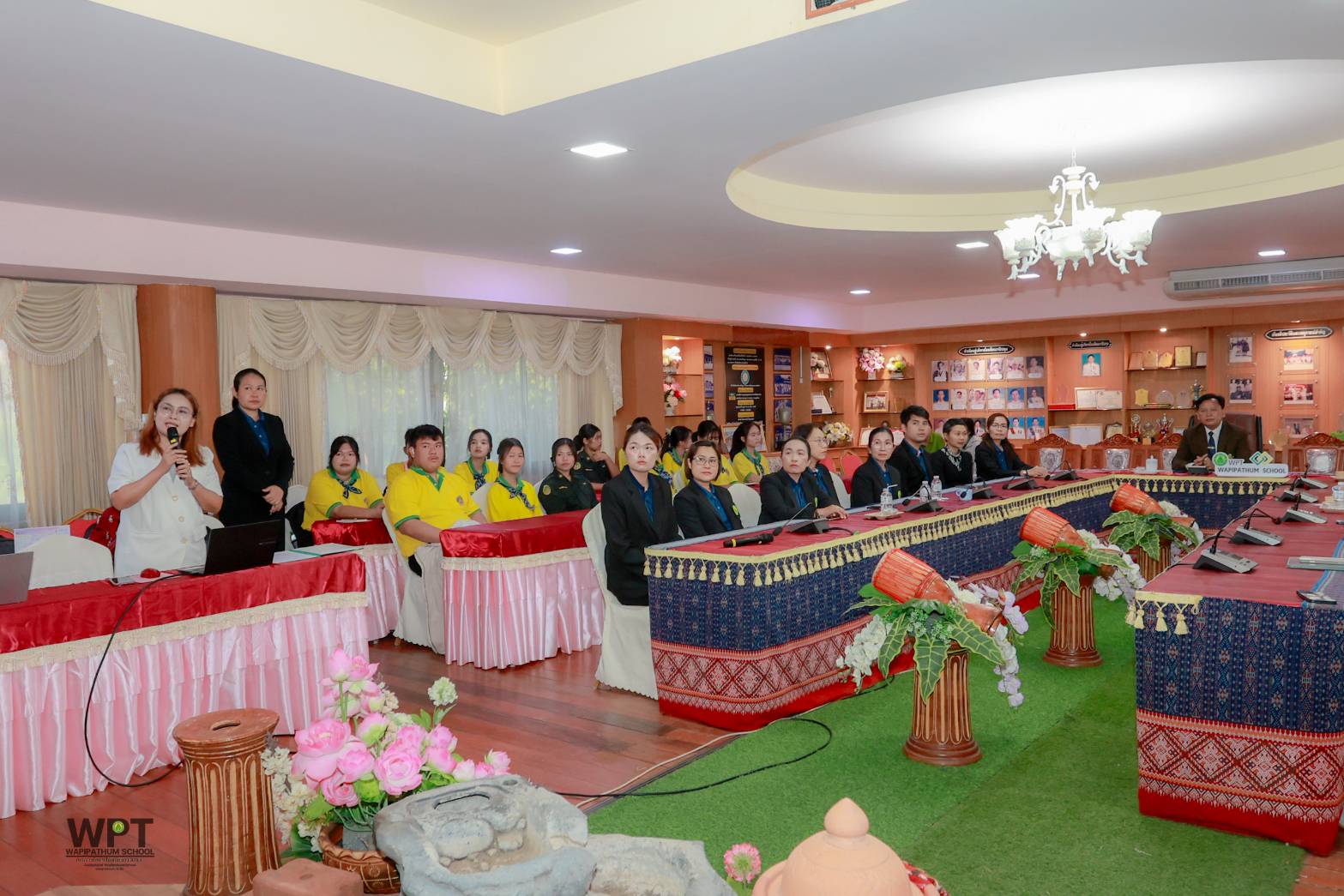
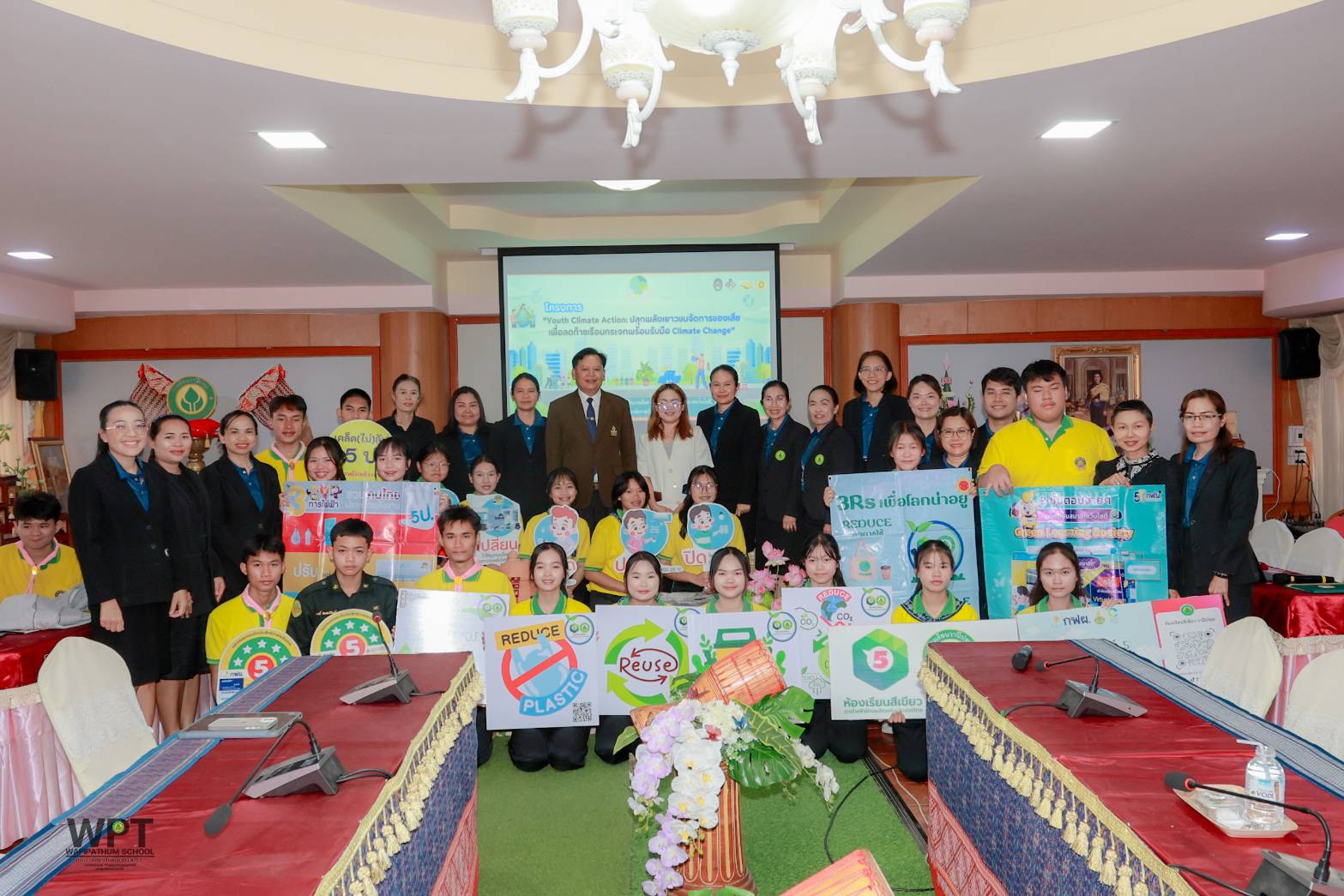
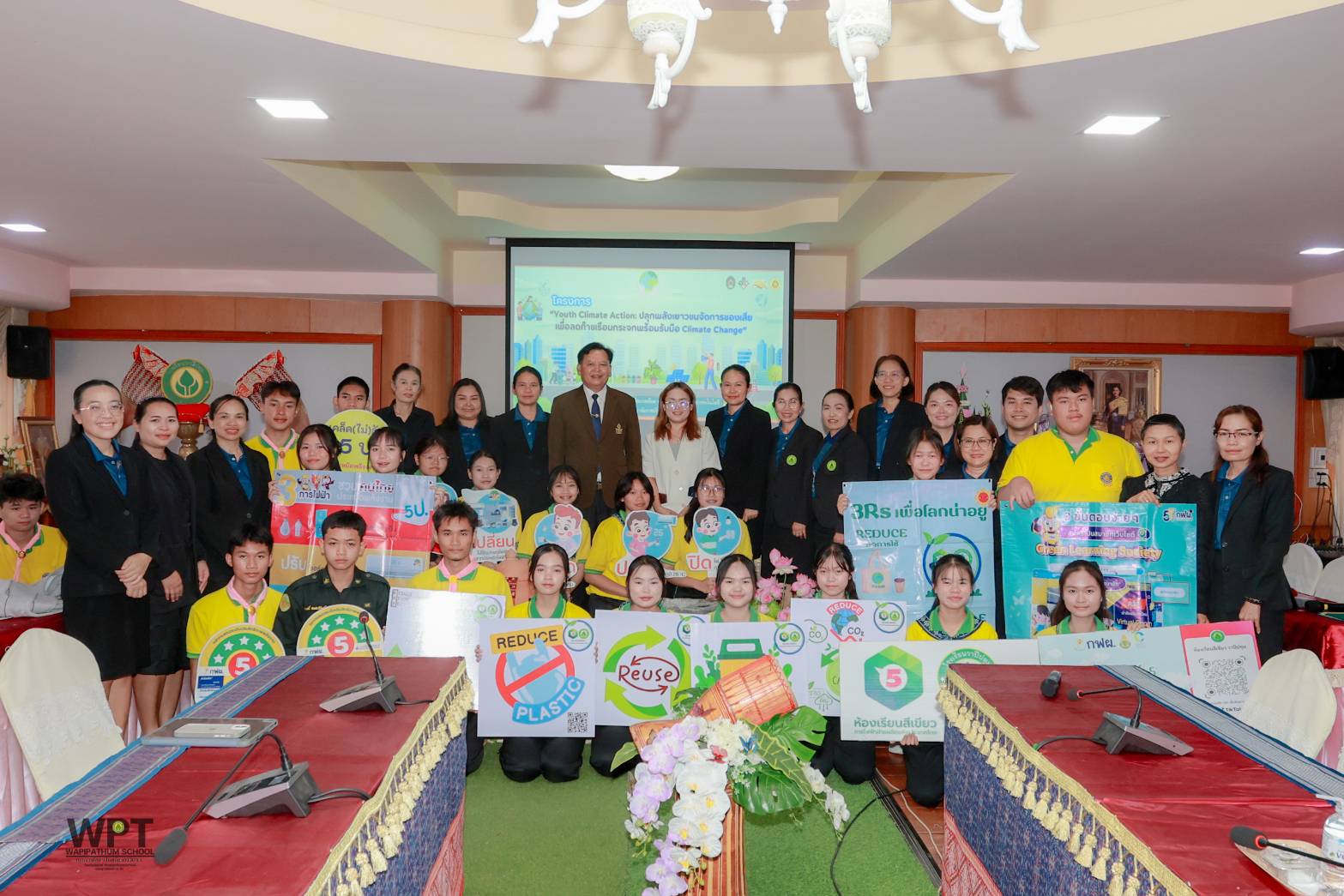
The Youth Climate Action project generated community and social impact by strengthening youth capacity, encouraging educational institutions to take practical action on waste management, and building collaboration between schools and the university. The project reached four network locations, engaged more than 250 young people, and produced eight Climate Action campaign materials to share knowledge about waste management and greenhouse gas reduction across schools and related networks.
In terms of youth development, participants’ self-assessment scores for overall knowledge and skills increased from 2.13 to 4.52 in Activity 1 and from 2.11 to 4.58 in Activity 2. Young people gained experience in identifying waste-related problems, sorting waste, designing Mini Projects, working in teams, and presenting their work. These experiences helped build their confidence and enabled them to take on leadership roles in environmental activities at their schools and in their communities.
At the school and environmental levels, Phadungnaree School, the model school, reported diverting 612 kilograms of recyclable waste and reducing greenhouse gas emissions by 8,980 kilograms of carbon dioxide equivalent (kgCO₂e). One activity received certification under the LESS Program. These results show how learning can be linked with practical action to achieve tangible improvements in waste management at school.
The project showcase also enabled young people, teachers, and educational institutions to exchange approaches, challenges, and lessons learned. This provides a foundation for building a Climate Action network and extending activities to other schools and communities.
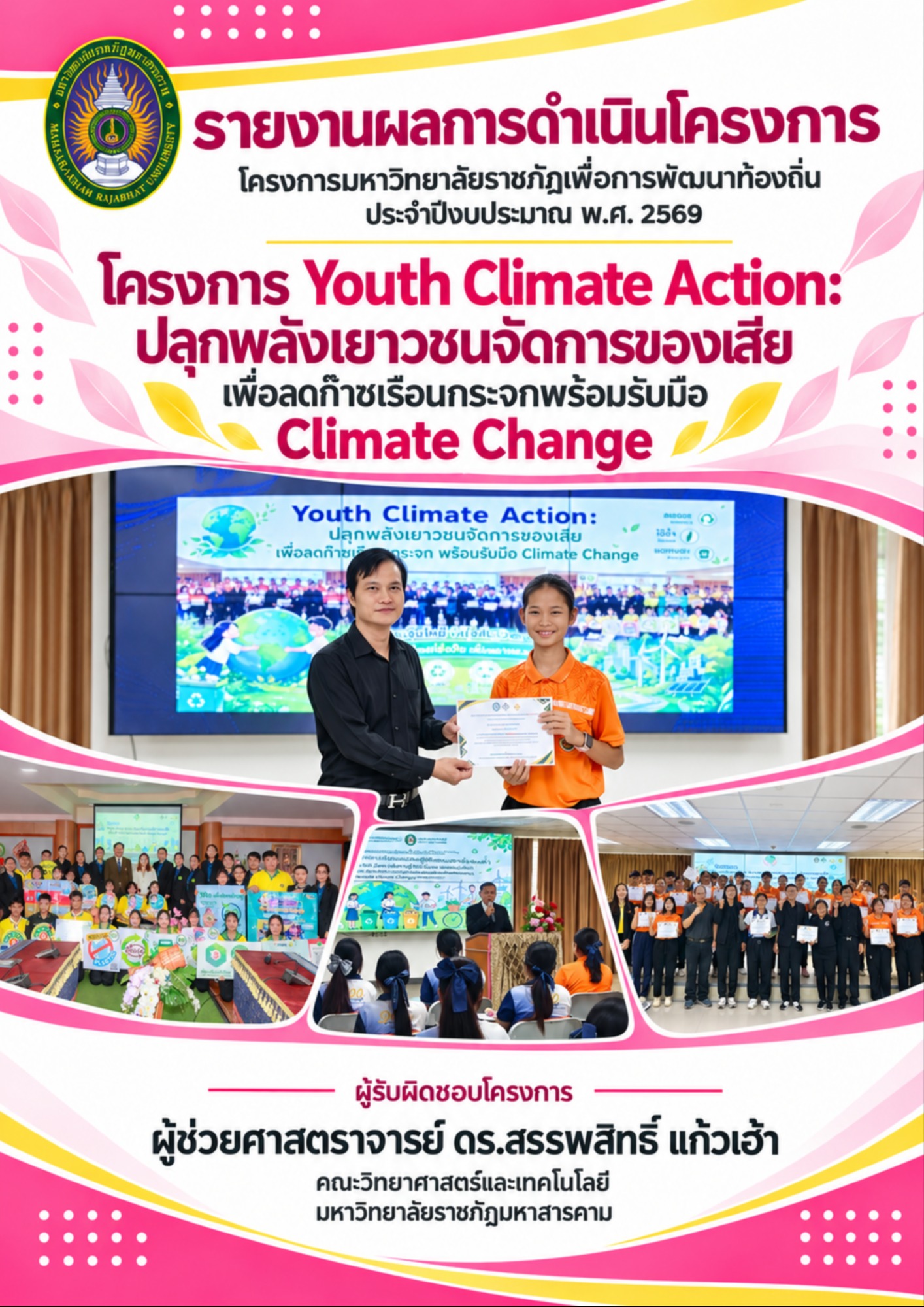
โครงการ Youth Climate Action ก่อให้เกิดผลกระทบต่อชุมชนและสังคมผ่านการพัฒนาศักยภาพเยาวชน การส่งเสริมให้สถานศึกษาลงมือจัดการของเสีย และการสร้างความร่วมมือระหว่างโรงเรียนกับมหาวิทยาลัย โดยผลการดำเนินงานครอบคลุมพื้นที่เครือข่าย 4 แห่ง มีเยาวชนเข้าร่วมกิจกรรมมากกว่า 250 คน และมีการจัดทำสื่อรณรงค์ด้าน Climate Action จำนวน 8 ชิ้น ช่วยเผยแพร่ความรู้เรื่องการจัดการขยะและการลดก๊าซเรือนกระจกในสถานศึกษาและเครือข่ายที่เกี่ยวข้อง
ในด้านการพัฒนาเยาวชน ผลประเมินตนเองแสดงให้เห็นว่าคะแนนความรู้และทักษะภาพรวมของผู้เข้าร่วมกิจกรรมที่ 1 เพิ่มจาก 2.13 เป็น 4.52 และกิจกรรมที่ 2 เพิ่มจาก 2.11 เป็น 4.58 คะแนน เยาวชนได้ฝึกสำรวจปัญหาของเสีย คัดแยกขยะ ออกแบบ Mini Project ทำงานเป็นทีม และสื่อสารผลงานต่อผู้อื่น จึงช่วยเสริมความมั่นใจและเปิดโอกาสให้เยาวชนมีบทบาทเป็นผู้นำกิจกรรมสิ่งแวดล้อมในโรงเรียนและชุมชน
ในด้านสถานศึกษาและสิ่งแวดล้อม โรงเรียนผดุงนารีซึ่งเป็นโรงเรียนต้นแบบรายงานการลดขยะรีไซเคิลได้ 612 กิโลกรัม และลดการปล่อยก๊าซเรือนกระจกได้ 8,980 กิโลกรัมคาร์บอนไดออกไซด์เทียบเท่า โดยมีผลงานที่ได้รับการรับรองผ่านโครงการ LESS จำนวน 1 กิจกรรม ผลดังกล่าวแสดงให้เห็นว่าการเรียนรู้สามารถเชื่อมโยงกับการลงมือปฏิบัติและสร้างผลด้านการจัดการของเสียในพื้นที่โรงเรียนได้อย่างเป็นรูปธรรม
นอกจากนี้ เวทีนำเสนอผลงานยังช่วยให้เยาวชน ครู และสถานศึกษาได้แลกเปลี่ยนแนวทาง ปัญหา และบทเรียนจากการดำเนินงาน ซึ่งเป็นพื้นฐานสำหรับการสร้างเครือข่าย Climate Action และการขยายกิจกรรมไปยังโรงเรียนหรือชุมชนอื่น
Student & Staff Participation การมีส่วนร่วมของนักศึกษา/บุคลากร
The project provided students, instructors, and staff of Rajabhat Maha Sarakham University with opportunities to learn and carry out activities together with network schools. The report lists 130 student participants and 10 instructors or staff members. In addition, 20 students were trained as Social Engineer facilitators to share knowledge about waste management and Climate Action.
Student participation was integrated into the Household Solid Waste Management course. Students applied theoretical knowledge to survey waste sources and collection points at schools, record and analyze data, help design Mini Projects, and communicate waste management approaches to young people. They also mentored participants and provided guidance during practical activities, developing their skills in critical thinking, planning, teamwork, and communication with learners and local networks.
Instructors and staff supported learning and the implementation of activities with schools and partner organizations. Trainers and mentors advised participants on waste management, activity design, and calculating greenhouse gas emission reductions. The evaluation of Activity 2 found that participants valued the guidance provided by the trainers and student mentors, with a mean rating of 4.76 out of 5.
Overall, the involvement of students and staff helped connect teaching with community service and hands-on learning, while supporting collaboration among the university, schools, and related networks.
โครงการเปิดโอกาสให้นักศึกษา อาจารย์ และบุคลากรของมหาวิทยาลัยราชภัฏมหาสารคามมีส่วนร่วมในการเรียนรู้และขับเคลื่อนกิจกรรมร่วมกับโรงเรียนเครือข่าย โดยรายงานจำแนกผู้เข้าร่วมเป็นนักศึกษา 130 คน และอาจารย์หรือบุคลากร 10 คน นักศึกษาจำนวน 20 คนยังได้รับการพัฒนาเป็นวิทยากรวิศวกรสังคม เพื่อถ่ายทอดความรู้ด้านการจัดการของเสียและ Climate Action
การมีส่วนร่วมของนักศึกษาบูรณาการกับรายวิชาการจัดการขยะมูลฝอยในครัวเรือน นักศึกษาได้นำความรู้ภาคทฤษฎีไปใช้สำรวจแหล่งกำเนิดและจุดรวบรวมขยะในโรงเรียน บันทึกและวิเคราะห์ข้อมูล ร่วมออกแบบ Mini Project และสื่อสารแนวทางจัดการของเสียกับเยาวชน นอกจากนี้ยังทำหน้าที่เป็นพี่เลี้ยงและให้คำปรึกษาในกิจกรรมภาคปฏิบัติ ช่วยให้นักศึกษาได้ฝึกการคิดวิเคราะห์ การวางแผน การทำงานเป็นทีม และการสื่อสารกับผู้เรียนและเครือข่ายในพื้นที่
อาจารย์และบุคลากรมีส่วนสนับสนุนการจัดการเรียนรู้และการดำเนินกิจกรรมร่วมกับโรงเรียนและหน่วยงานภาคี โดยทีมวิทยากรและพี่เลี้ยงให้คำแนะนำแก่ผู้เข้าร่วมเกี่ยวกับการจัดการขยะ การออกแบบกิจกรรม และการคำนวณผลการลดก๊าซเรือนกระจก ผลประเมินกิจกรรมที่ 2 ระบุว่าผู้เข้าร่วมเห็นว่าการให้คำปรึกษาของทีมวิทยากรและนักศึกษาพี่เลี้ยงเป็นประโยชน์ โดยมีค่าเฉลี่ย 4.76 จาก 5 คะแนน
โดยรวม การมีส่วนร่วมของนักศึกษาและบุคลากรช่วยเชื่อมการเรียนการสอนกับการบริการและการเรียนรู้ในพื้นที่จริง ตลอดจนสนับสนุนความร่วมมือระหว่างมหาวิทยาลัย โรงเรียน และเครือข่ายที่เกี่ยวข้อง
Project Continuity ความต่อเนื่องของโครงการ
To sustain the outcomes of the Youth Climate Action project beyond the activities, the training and Mini Projects should be integrated into routine school practices. Phadungnaree School can serve as a model, supported by youth leader networks and collaboration among school coordinators, the university, and partner organizations. Each school should be able to adapt activities to its own challenges and available resources.
Recommended actions for continued implementation
1. Support the model school and expand the network. Share approaches and lessons learned from Phadungnaree School with network schools and other educational institutions. Assess each area’s challenges and readiness before designing activities.
2. Develop a network of Youth Climate Action leaders. Assign a teacher or school coordinator to mentor students, develop an annual activity plan that youth can carry out throughout the school year, and provide opportunities for student leaders from different schools to exchange progress and experience.
3. Continue Mini Projects and measure their results. Have each school collect baseline data before starting an activity, set targets and implementation methods, and record the types and amounts of waste, how it is put to use, the number of participants, and greenhouse gas emission reductions.
4. Organize mentoring and resource support. University trainers and school teachers should advise teams from selecting a focus and planning through implementation and reporting. Consider providing materials, equipment, seed funding, or equipment loans as needed.
5. Monitor progress and share lessons learned. Follow up on activities one, three, and six months after training. Use a shared data recording form and compile good practices for dissemination through knowledge-sharing events or appropriate media. Also monitor the status of LESS Program recognition or certification in accordance with the supporting evidence and reported results.
เพื่อให้ผลจากโครงการ Youth Climate Action ดำเนินต่อหลังสิ้นสุดกิจกรรม ควรต่อยอดจากการอบรมและการทำ Mini Project ไปสู่การปฏิบัติงานประจำในโรงเรียน โดยใช้โรงเรียนผดุงนารีเป็นโรงเรียนต้นแบบ สนับสนุนเครือข่ายเยาวชนแกนนำ และเชื่อมการดำเนินงานกับครูผู้ประสานงาน มหาวิทยาลัย และหน่วยงานภาคี เพื่อให้แต่ละโรงเรียนสามารถปรับกิจกรรมให้เหมาะกับปัญหาและทรัพยากรของตนเองได้
แนวทางดำเนินงานต่อเนื่อง ได้แก่
1. สนับสนุนโรงเรียนต้นแบบและขยายเครือข่าย ถ่ายทอดแนวทางและบทเรียนจากโรงเรียนผดุงนารีไปยังโรงเรียนเครือข่ายและสถานศึกษาอื่น โดยสำรวจปัญหาและความพร้อมของแต่ละพื้นที่ก่อนออกแบบกิจกรรม
2. พัฒนาเครือข่ายเยาวชนแกนนำ Climate Action กำหนดครูหรือผู้ประสานงานประจำโรงเรียนเป็นพี่เลี้ยง จัดทำแผนกิจกรรมที่เยาวชนสามารถดำเนินการได้ตลอดปีการศึกษา และเปิดช่องทางให้แกนนำต่างโรงเรียนแลกเปลี่ยนความก้าวหน้าและประสบการณ์
3. ดำเนิน Mini Project อย่างต่อเนื่องและวัดผลได้ ให้แต่ละโรงเรียนสำรวจข้อมูลพื้นฐานก่อนเริ่มกิจกรรม กำหนดเป้าหมายและวิธีดำเนินงาน แล้วบันทึกประเภทและปริมาณของเสีย วิธีนำไปใช้ประโยชน์ จำนวนผู้มีส่วนร่วม และผลการลดก๊าซเรือนกระจก
4. จัดระบบพี่เลี้ยงและทรัพยากรสนับสนุน ให้ทีมวิทยากรจากมหาวิทยาลัยและครูในโรงเรียนให้คำปรึกษาตั้งแต่การเลือกประเด็น วางแผน ลงมือทำ จนถึงการสรุปผล พร้อมพิจารณาสนับสนุนวัสดุ อุปกรณ์ ทุนเริ่มต้น หรือการยืมใช้อุปกรณ์ตามความจำเป็น
5. ติดตามผลและเผยแพร่บทเรียน ติดตามความก้าวหน้าของกิจกรรมหลังอบรมในช่วง 1 เดือน 3 เดือน และ 6 เดือน จัดทำแบบบันทึกข้อมูลที่ใช้ร่วมกัน และรวบรวมแนวปฏิบัติที่ดีเพื่อเผยแพร่ผ่านเวทีแลกเปลี่ยนเรียนรู้หรือสื่อที่เหมาะสม รวมถึงติดตามสถานะการรับรองกิจกรรมผ่านโครงการ LESS ให้ตรงกับหลักฐานและผลการดำเนินงาน
Part 3: Challenges & Suggestions ส่วนที่ 3 ปัญหาอุปสรรค/ข้อเสนอแนะ
Problems & Obstacles ปัญหา/อุปสรรค
1. Limited time for learning and project development. The project included training, hands-on practice, Mini Project design, and presentations, leaving participants limited time to investigate problems, develop solutions, and refine their work. Some participants suggested extending the training and Mini Project development period.
2. Ongoing guidance is needed to turn learning into Mini Projects. Developing waste management and Climate Action projects requires planning, target setting, and implementation in real-world settings. Youth therefore need continued guidance from teachers, mentors, or project staff to keep their work on track and ensure it suits their school context.
3. School projects require materials, equipment, and funding. Implementing Mini Projects may require additional materials, equipment, or start-up funding. Participants therefore suggested providing resources to help them test and carry out their ideas in their schools.
4. Schools differ in context and readiness. Schools may have different types of waste, environmental challenges, staffing, and resources. A single activity or approach may not suit every school, so Mini Projects need to be adapted to each school’s needs and capacity.
5. Maintaining follow-up and network continuity after the project is challenging. The showcase supported knowledge exchange and collaboration, but sustained Climate Action requires coordinators and a follow-up system after training. Participants suggested providing guidance for three to six months to support Mini Project implementation and extend activities to other schools and communities.
1. ระยะเวลาในการเรียนรู้และพัฒนาผลงานมีจำกัด โดยโครงการประกอบด้วยการอบรม การฝึกปฏิบัติ การออกแบบ Mini Project และการนำเสนอผลงาน ทำให้ผู้เข้าร่วมมีเวลาจำกัดในการศึกษาปัญหา พัฒนาแนวทาง และปรับปรุงผลงานให้สมบูรณ์ ผู้เข้าร่วมบางส่วนจึงเสนอให้เพิ่มเวลาในการอบรมและการพัฒนาโครงการย่อย
2. การนำความรู้จากการอบรมไปสู่การดำเนิน Mini Project จริงต้องอาศัยคำปรึกษาอย่างต่อเนื่องการพัฒนาโครงการด้านการจัดการของเสียและ Climate Action ต้องอาศัยการวางแผน การกำหนดเป้าหมาย และการลงมือทำในพื้นที่จริง เยาวชนจึงต้องได้รับคำแนะนำจากครู พี่เลี้ยง หรือทีมงาน เพื่อให้สามารถดำเนินงานได้ต่อเนื่องและเหมาะกับบริบทของโรงเรียน
3. การดำเนินผลงานในโรงเรียนต้องมีวัสดุ อุปกรณ์ และงบประมาณสนับสนุน การนำ Mini Project ไปปฏิบัติจริงอาจต้องใช้วัสดุ อุปกรณ์ หรือทุนเริ่มต้นเพิ่มเติม ผู้เข้าร่วมจึงเสนอให้มีการสนับสนุนทรัพยากร เพื่อช่วยให้แนวคิดที่พัฒนาขึ้นสามารถนำไปทดลองและดำเนินงานในพื้นที่ได้จริง
4. โรงเรียนแต่ละแห่งมีบริบทและความพร้อมแตกต่างกัน สถานศึกษาอาจมีประเภทของเสีย ปัญหาสิ่งแวดล้อม บุคลากร และทรัพยากรที่แตกต่างกัน การออกแบบกิจกรรมหรือแนวทางเดียวกันจึงอาจไม่เหมาะกับทุกพื้นที่ จำเป็นต้องปรับรูปแบบ Mini Project ให้สอดคล้องกับสภาพปัญหาและความพร้อมของแต่ละโรงเรียน
5. การติดตามผลและรักษาความต่อเนื่องของเครือข่ายหลังสิ้นสุดกิจกรรมเป็นความท้าทาย การจัดเวทีนำเสนอช่วยให้เกิดการแลกเปลี่ยนเรียนรู้และสร้างความร่วมมือ แต่การขับเคลื่อน Climate Action ให้ดำเนินต่อจำเป็นต้องมีผู้ประสานงานและระบบติดตามผลหลังอบรม ผู้เข้าร่วมเสนอให้มีการให้คำปรึกษาต่อเนื่องในช่วง 3–6 เดือน เพื่อสนับสนุนการดำเนิน Mini Project และการขยายผลสู่โรงเรียนหรือชุมชนอื่นได้
Improvement Guidelines แนวทางการปรับปรุง
Allocate sufficient time for learning and project development. Plan time for knowledge-sharing, hands-on practice, Mini Project design, mentoring, and presentations. Ensure each team has adequate time to develop its project, and consider extending the training period as appropriate.
Establish a mentoring system throughout Mini Project implementation. Assign a teacher or school coordinator to work with university trainers and mentors. They should guide youth from selecting an issue and planning activities to setting indicators, summarizing results, and presenting their work.
Provide resources for practical implementation. Allocate funding, materials, and equipment in line with each school’s Mini Project plan. Consider small grants or equipment loans from the university and partner organizations so youth can put their ideas into practice.
Adapt activities to each school’s context and readiness. Before implementation, assess each school’s waste-related issues, staffing, available materials and equipment, and site conditions. Work with youth and teachers to design Mini Projects suited to local challenges and resources.
Follow up and support the network after the activities conclude. Set follow-up points—for example, one, three, and six months after training—to provide guidance, monitor Mini Project progress, and collect lessons learned from each school. Provide channels for youth leaders and schools to exchange knowledge and continue scaling up their activities.
1. ปรับการจัดสรรเวลาให้เหมาะสมกับขั้นตอนการเรียนรู้และการพัฒนาผลงาน ควรวางแผนเวลาให้ครอบคลุมทั้งการให้ความรู้ การฝึกปฏิบัติ การออกแบบ Mini Project การให้คำปรึกษา และการนำเสนอผลงาน โดยจัดเวลาให้แต่ละทีมได้พัฒนาผลงานอย่างเพียงพอ และพิจารณาเพิ่มระยะเวลาการอบรมตามความเหมาะสมของกิจกรรม
2. จัดระบบพี่เลี้ยงเพื่อให้คำปรึกษาตลอดการดำเนิน Mini Project ควรแต่งตั้งครูหรือผู้ประสานงานประจำโรงเรียนร่วมกับทีมวิทยากรและพี่เลี้ยงจากมหาวิทยาลัย เพื่อช่วยเยาวชนตั้งแต่การเลือกประเด็นปัญหา การวางแผนกิจกรรม การกำหนดตัวชี้วัด ไปจนถึงการสรุปและนำเสนอผลการดำเนินงาน
3. จัดเตรียมทรัพยากรสนับสนุนการลงมือปฏิบัติจริง ควรจัดสรรงบประมาณ วัสดุ และอุปกรณ์ที่จำเป็นให้สอดคล้องกับแผน Mini Project ของแต่ละโรงเรียน อาจพิจารณาทุนสนับสนุนขนาดย่อม หรือการยืมใช้อุปกรณ์จากมหาวิทยาลัยและหน่วยงานเครือข่าย เพื่อช่วยให้เยาวชนสามารถนำแนวคิดไปทดลองดำเนินงานได้จริง
4. ปรับกิจกรรมให้สอดคล้องกับบริบทและความพร้อมของแต่ละโรงเรียน ก่อนเริ่มดำเนินงาน ควรสำรวจปัญหาของเสีย ความพร้อมด้านบุคลากร วัสดุอุปกรณ์ และพื้นที่ของแต่ละโรงเรียน แล้วร่วมกับเยาวชนและครูออกแบบ Mini Project ที่เหมาะกับสภาพปัญหาและทรัพยากรในพื้นที่
5. ติดตามผลและสนับสนุนเครือข่ายหลังสิ้นสุดกิจกรรม ควรกำหนดแผนติดตามผลหลังอบรม เช่น ในช่วง 1 เดือน 3 เดือน และ 6 เดือน เพื่อให้คำปรึกษา ติดตามความก้าวหน้าของ Mini Project และรวบรวมบทเรียนจากแต่ละโรงเรียน พร้อมจัดช่องทางให้เยาวชนแกนนำและสถานศึกษาแลกเปลี่ยนเรียนรู้และช่วยกันขยายผลกิจกรรมอย่างต่อเนื่อง
Suggestions to University ข้อเสนอแนะต่อมหาวิทยาลัย
Expand the project to other educational institutions and communities in stages. Share the model school’s approach with other local schools, first assessing each school’s needs and readiness. Adapt activities to the types of waste and local context, then scale up across the district and province.
Sustain the Youth Climate Action network. Encourage student leaders from different schools to stay connected, exchange experiences, and take part in environmental activities. Teachers and the university can provide ongoing mentorship, while schools incorporate these activities into their annual plans.
Help Mini Projects achieve practical results. Provide start-up funding, materials, equipment, and guidance to youth teams with clear plans. Set measurable targets, such as the amount of waste reduced, the number of people involved, or waste management practices the school can continue.
Integrate project activities into teaching and learning. Incorporate project knowledge and outputs into courses, clubs, and student development activities. This will help youth learn from real local challenges and make waste management and Climate Action part of ongoing learning.
Monitor progress and share effective practices. Follow up on Mini Projects periodically after the activities conclude, gather results and lessons from each school, and share them through knowledge exchange events, online media, or case studies that other schools and communities can adapt.
1. ขยายผลโครงการไปยังสถานศึกษาและชุมชนอื่นอย่างเป็นขั้นตอน ควรนำแนวทางจากโรงเรียนต้นแบบไปเผยแพร่แก่โรงเรียนในพื้นที่ โดยสำรวจปัญหาและความพร้อมของแต่ละแห่งก่อน แล้วปรับรูปแบบกิจกรรมให้เหมาะกับประเภทของเสียและบริบทของพื้นที่ เพื่อขยายผลสู่ระดับอำเภอและจังหวัดได้อย่างต่อเนื่อง
2. สร้างเครือข่ายเยาวชน Climate Action ให้ดำเนินงานต่อเนื่อง ควรส่งเสริมให้เยาวชนแกนนำจากแต่ละโรงเรียนติดต่อแลกเปลี่ยนประสบการณ์และร่วมทำกิจกรรมด้านสิ่งแวดล้อม โดยมีครูผู้ประสานงานและมหาวิทยาลัยเป็นพี่เลี้ยง รวมทั้งบรรจุกิจกรรมไว้ในแผนงานประจำปีของสถานศึกษา
3. สนับสนุนการดำเนิน Mini Project ให้เกิดผลในพื้นที่จริง ควรจัดให้มีทุนเริ่มต้น วัสดุอุปกรณ์ และคำปรึกษาสำหรับทีมเยาวชนที่มีแผนงานชัดเจน พร้อมกำหนดผลที่ต้องการให้วัดได้ เช่น ปริมาณขยะที่ลดลง จำนวนผู้มีส่วนร่วม หรือแนวทางจัดการของเสียที่โรงเรียนสามารถดำเนินต่อได้
4. เชื่อมโยงกิจกรรมกับการเรียนการสอนและการเรียนรู้ในสถานศึกษา ควรนำความรู้และผลงานจากโครงการไปบูรณาการกับรายวิชา กิจกรรมชมรม หรือกิจกรรมพัฒนาผู้เรียน เพื่อให้เยาวชนได้เรียนรู้จากปัญหาในพื้นที่จริง และให้การจัดการของเสียกับ Climate Action เป็นส่วนหนึ่งของการเรียนรู้อย่างต่อเนื่อง
5. พัฒนาระบบติดตามผลและเผยแพร่แนวปฏิบัติที่ดี ควรติดตามความก้าวหน้าของ Mini Project หลังจบกิจกรรมเป็นระยะ รวบรวมผลการดำเนินงานและบทเรียนจากแต่ละโรงเรียน แล้วเผยแพร่ผ่านเวทีแลกเปลี่ยนเรียนรู้ สื่อออนไลน์ หรือเอกสารกรณีศึกษา เพื่อให้สถานศึกษาและชุมชนอื่นนำไปปรับใช้ได้