– June 11, 2026 25 พฤษภาคม 2569
– 11 มิถุนายน 2569
Part 1: Project Details ส่วนที่ 1 รายละเอียดการดำเนินงาน
Objectives วัตถุประสงค์โครงการ
To develop the social engineering soft skills of Mahasarakham Rajabhat University students through field-based learning and collaborative activities with schools and local communities.
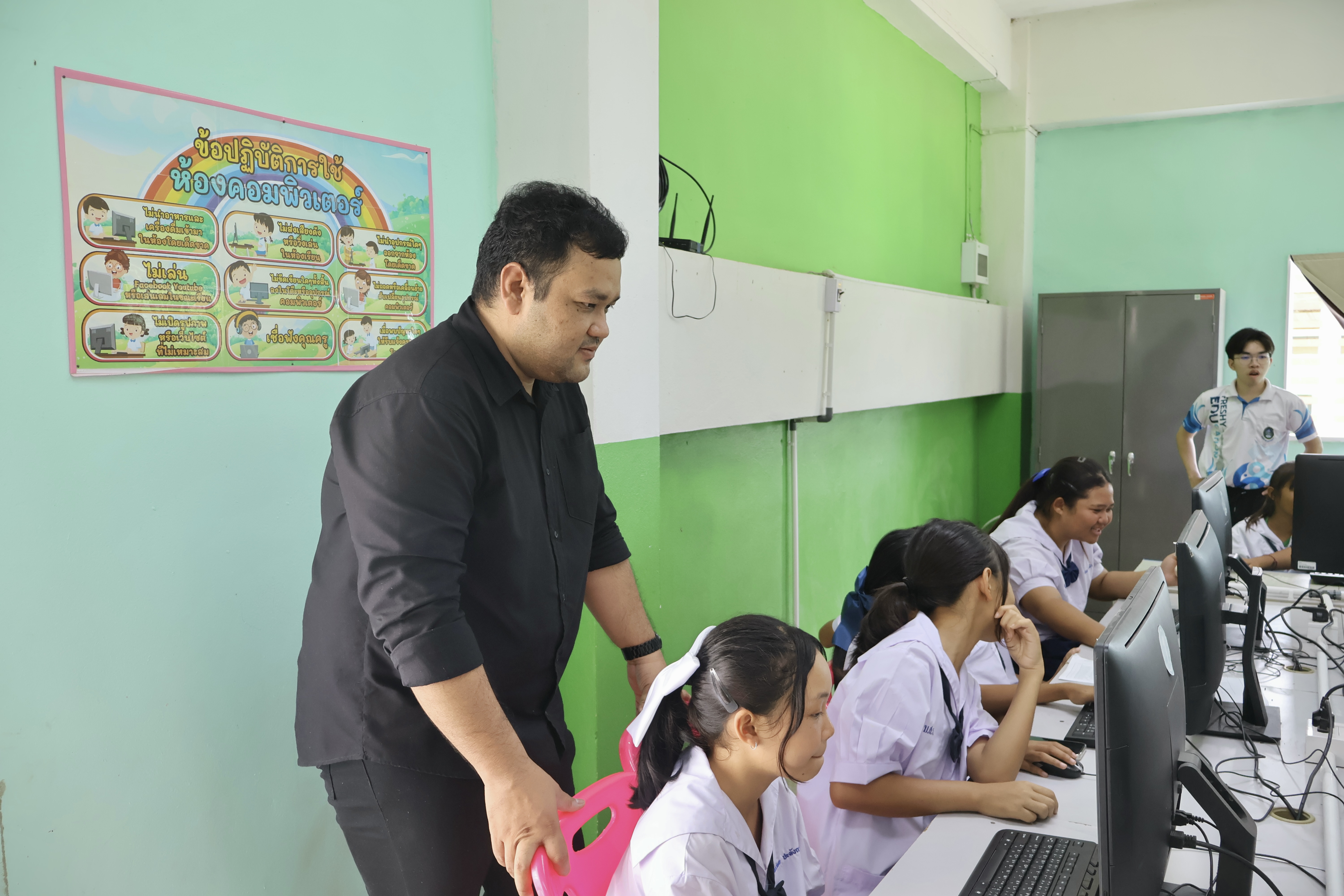
To enhance the potential of students in schools located in Nong Khu Khat Subdistrict, Borabue District, Maha Sarakham Province by fostering critical thinking, teamwork, and life skills through experiential learning activities.
To integrate collaboration among the university, schools, and local communities in developing activities and innovative approaches for enhancing community products and local wisdom as learning resources for students.
To evaluate project outcomes and extract lessons learned in order to improve learning models and formulate recommendations for the sustainable development of schools and communities in the area.
1 เพื่อพัฒนาทักษะวิศวกรสังคม (Soft Skill) ให้แก่นักศึกษามหาวิทยาลัยราชภัฏมหาสารคาม ผ่านการลงพื้นที่ปฏิบัติงานร่วมกับโรงเรียนและชุมชน
2 เพื่อส่งเสริมและยกระดับศักยภาพของนักเรียนในโรงเรียนพื้นที่ตำบลหนองคูขาด อำเภอบรบือ จังหวัดมหาสารคาม ให้มีทักษะการคิด การทำงานเป็นทีม และทักษะชีวิตผ่านกิจกรรมการเรียนรู้เชิงปฏิบัติการ
3เพื่อบูรณาการความร่วมมือระหว่างมหาวิทยาลัย โรงเรียน และชุมชน ในการพัฒนากิจกรรมหรือแนวคิดการยกระดับผลิตภัณฑ์และภูมิปัญญาท้องถิ่นให้เป็นแหล่งเรียนรู้ของนักเรียน
4เพื่อประเมินผลและถอดบทเรียนจากการดำเนินโครงการ เพื่อนำไปสู่การพัฒนารูปแบบการเรียนรู้และจัดทำข้อเสนอแนะสำหรับการพัฒนาโรงเรียนและชุมชนในพื้นที่อย่างยั่งยืน
Main Activities กิจกรรมหลัก
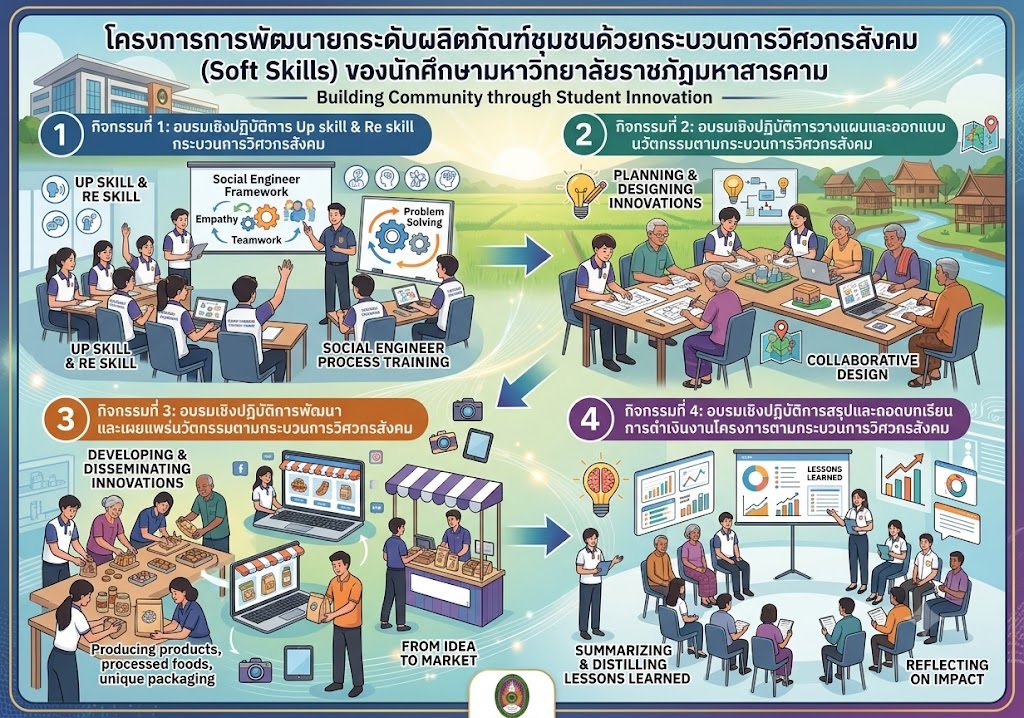
Activity 1: Up-Skilling and Re-Skilling Workshop on the Social Engineer Process
Activity 2: Innovation Planning and Design Workshop Based on the Social Engineering Process
Activity 3: Innovation Development and Dissemination Workshop Based on the Social Engineering Process
Activity 4: Project Evaluation, Reflection, and Lesson-Learned Workshop Based on the Social Engineering Process
กิจกรรมที่ 1 อบรมเชิงปฏิบัติการ Up skill & Re skill กระบวนการวิศวกรสังคม
กิจกรรมที่ 2 อบรมเชิงปฏิบัติการวางแผนและออกแบบนวัตกรรมตามกระบวนการวิศวกรสังคม
กิจกรรมที่ 3 อบรมเชิงปฏิบัติการพัฒนา และเผยแพร่นวัตกรรมตามกระบวนการวิศวกรสังคม
กิจกรรมที่ 4 อบรมเชิงปฏิบัติการสรุปและถอดบทเรียนการดำเงินงานโครงการตามกระบวนการวิศวกรสังคม
Part 2: Outcomes & Impact ส่วนที่ 2 ผลลัพธ์และผลกระทบ
Outcomes ผลลัพธ์ที่เกิดขึ้น
1 Collaborative networks established among the university, schools, and local communities 2 networks
2 Student role models trained as Social Engineers 30 students
3 Academic article published or accepted for publication 1 article
1. สร้างเครือข่ายความร่วมมือ 2 เครือข่าย
2. นักศึกษาต้นแบบวิศวกรสังคม 30 คน
3. บทความตีพิมพ์ 1 บทความ
Community & Social Impact ผลกระทบต่อชุมชน/สังคม
1. Economic Impact
Community members and target groups in Nong Khu Khat Subdistrict are able to generate additional income from the sale of products developed and enhanced through the application of Social Engineering-based Soft Skills. The project contributes to value creation and increased economic opportunities within the community.
2. Educational Impact
Ban Sok Phara Community serves as a model learning center for Social Engineering-based Soft Skills, providing experiential learning opportunities for students of Mahasarakham Rajabhat University and strengthening university-community engagement.
3. Environmental Impact
The Social Engineering-based Soft Skills process promotes environmentally friendly practices by encouraging the reuse and upcycling of unused or waste materials within the community. These materials are creatively transformed into products that can be reused, marketed, and sold, thereby reducing waste and supporting sustainable resource management.
1. ด้านเศรษฐกิจ ประชาชนหรือกลุ่มเปาหมายในชุมชนตำบลหนองคูขาดมีรายได้จากการจําหน่ายสินค้า/ผลิตภัณฑ์ทีพัฒนาขึนจากกระบวนการ ทักษะวิศวกรสังคม (Soft skill)
2. ด้านการศึกษา ชุมชนบ้านโสกภารา เปนแหล่งเรียนรู ้ชุมชนต้นแบบวิศวกรสังคม (Soft skill) ให้กับนักศึกษา
มหาวิทยาลัยราชภัฏมหาสารคาม
3. ด้านสิ่งแวดล้อม กระบวนการวิศวกรสังคม (Soft skill) เป็นมิตรกับสิ่งแวดล้อม อาทิ การนําสิ่งทีไม่ได้ใช้แล้วหรือสิ่งที่เหลือใช้ในชุมชนมาประดิษฐ์สร้างสรรค์ เป็นสินค้า/ผลิตภัณฑ์กลับมาใช้กลับขายใหม่ได้ เป็นต้น
Student & Staff Participation การมีส่วนร่วมของนักศึกษา/บุคลากร
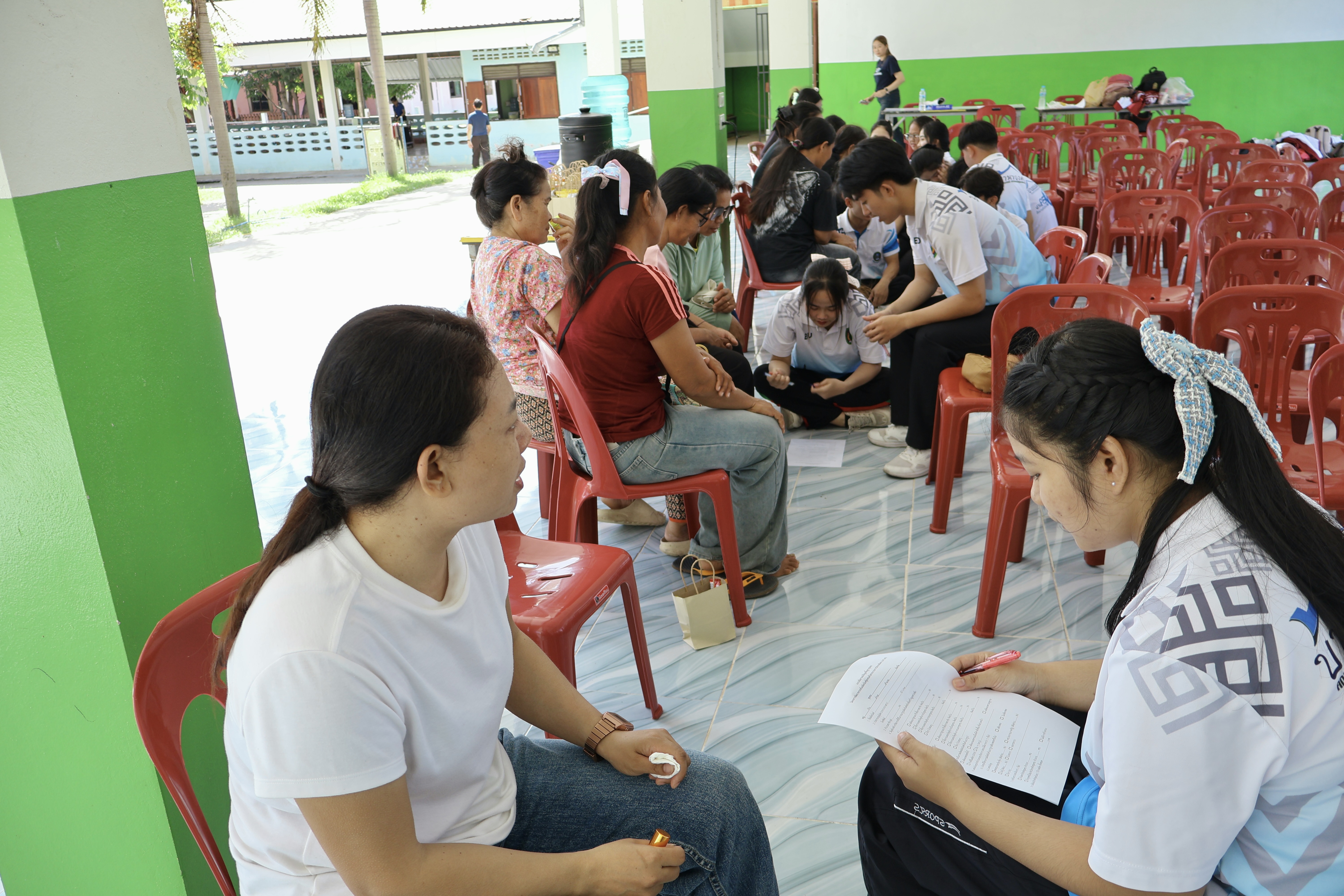
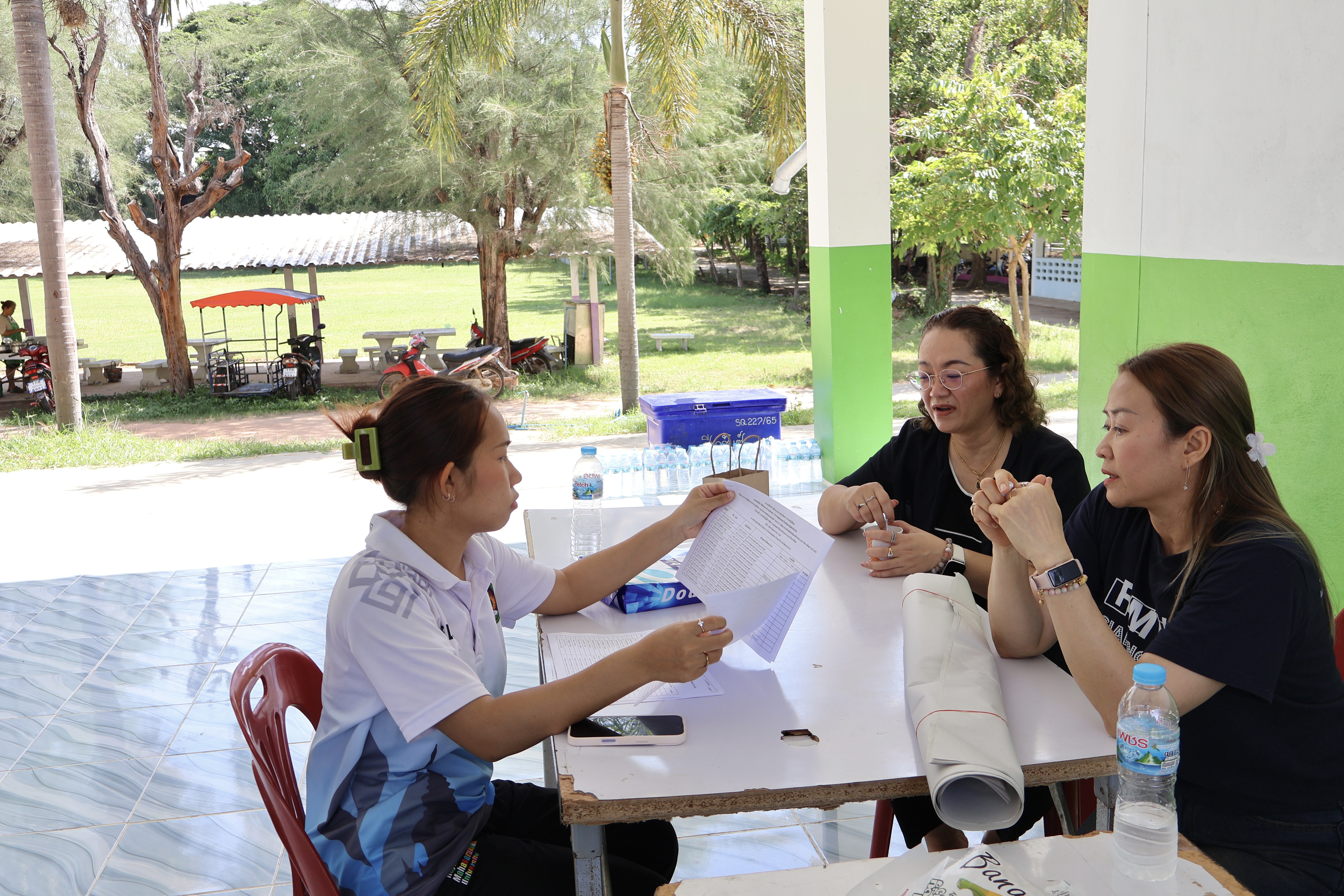
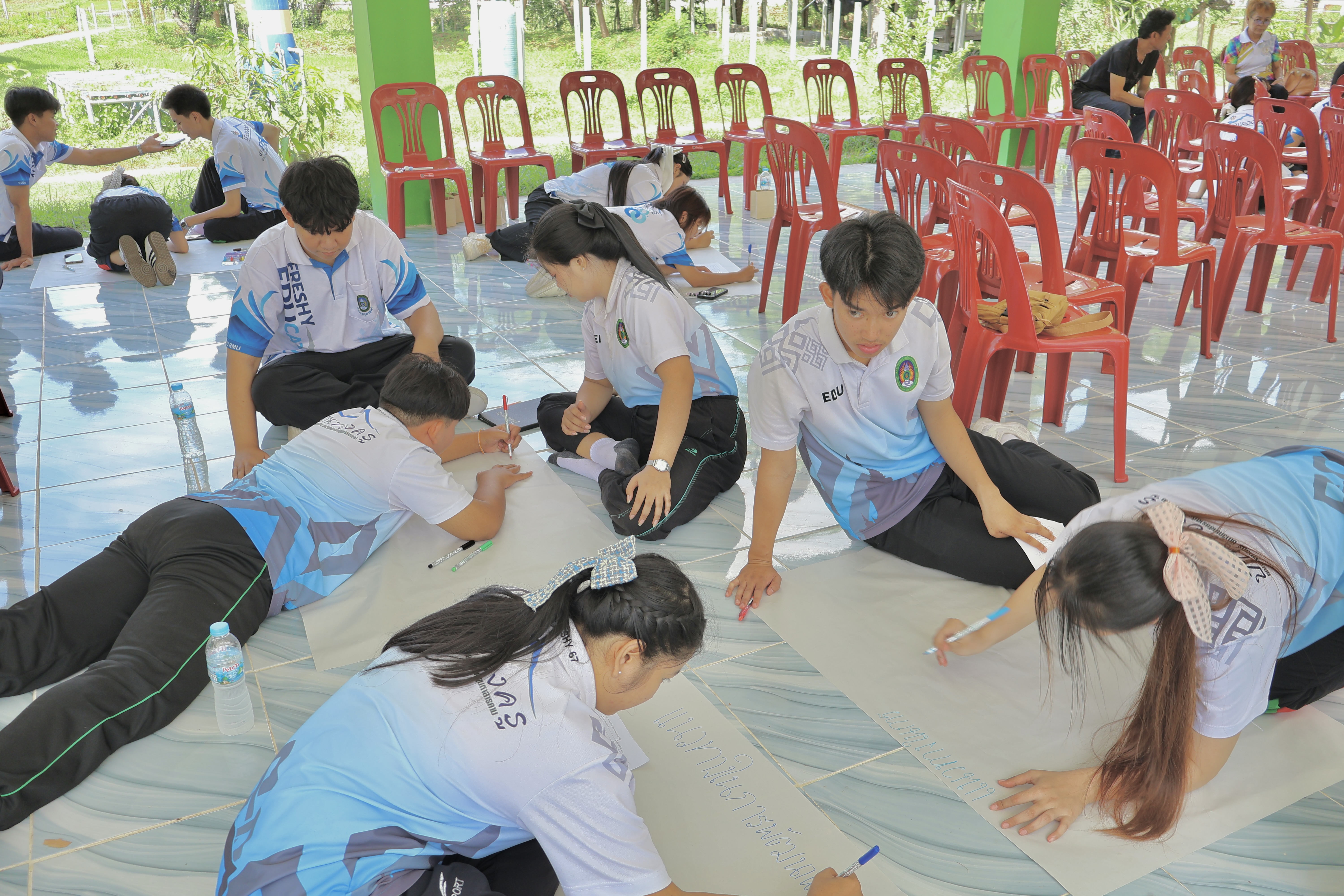
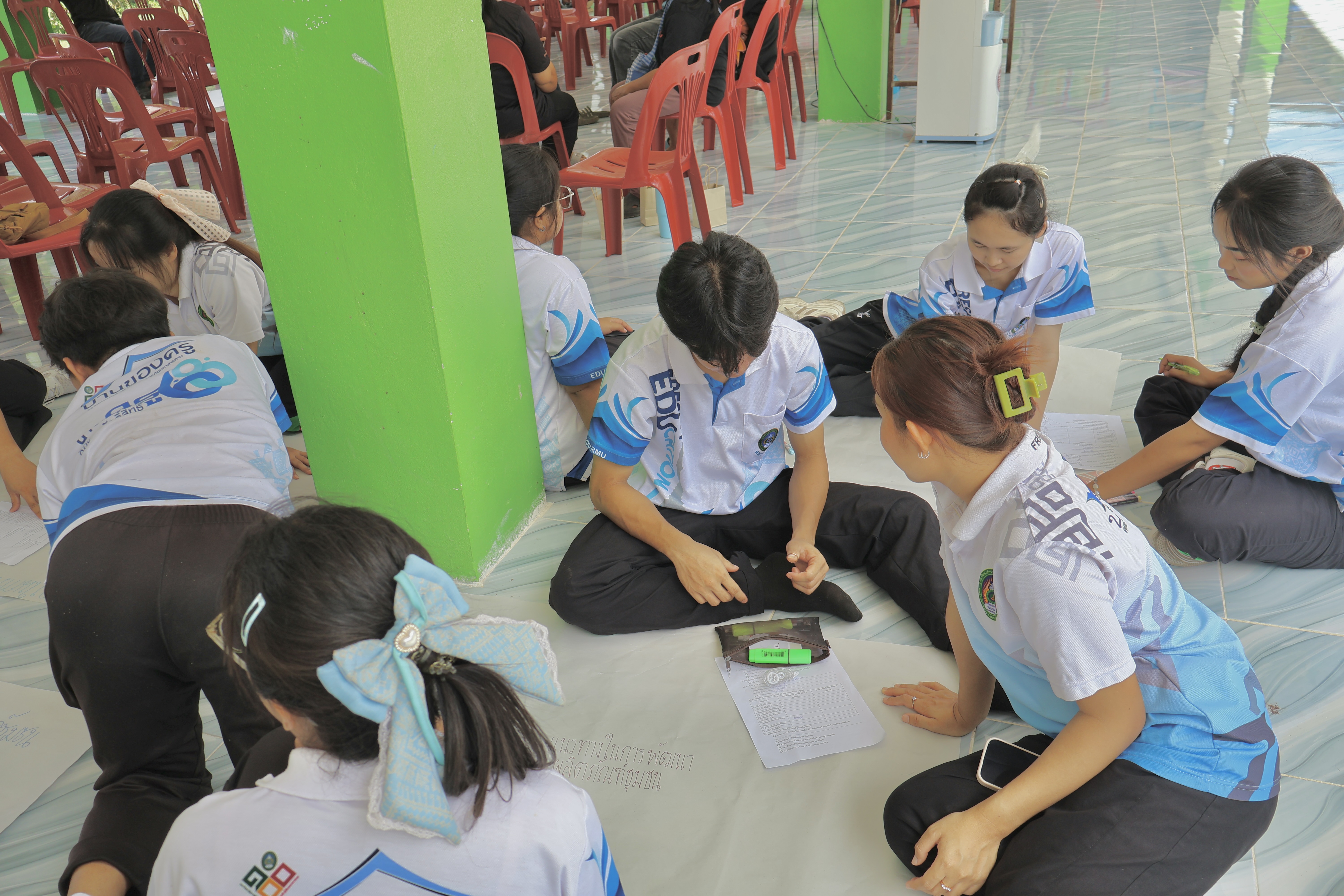
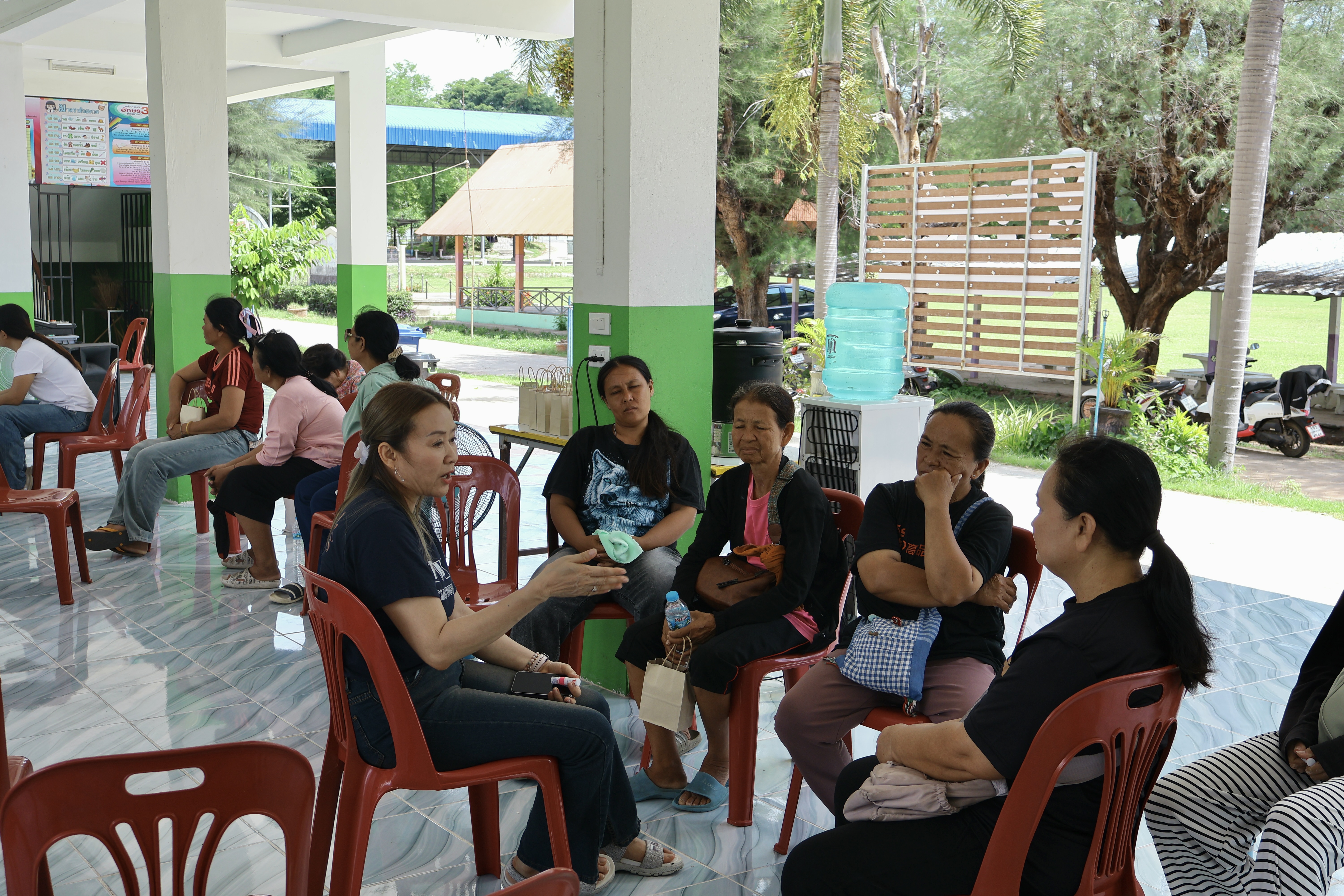
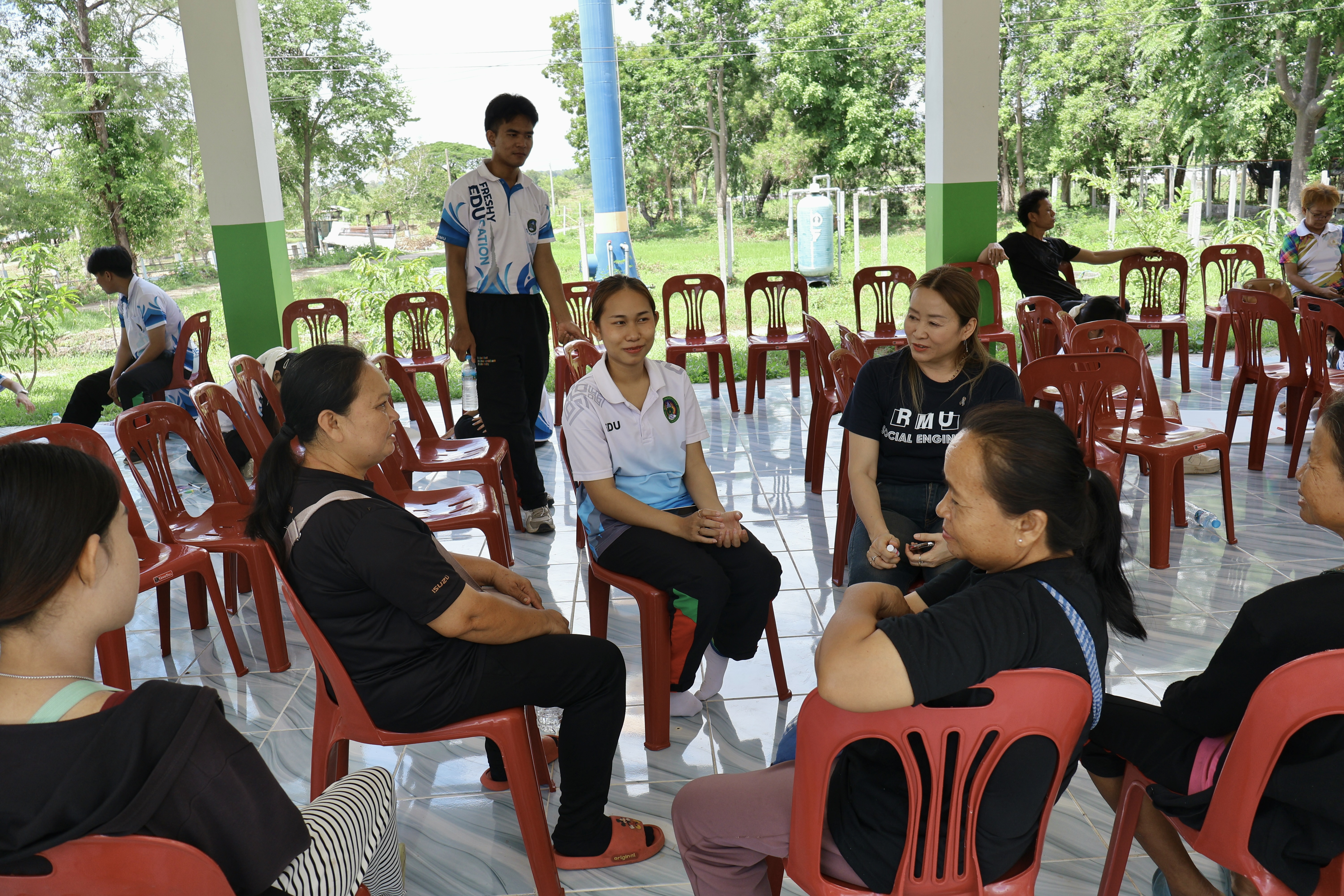
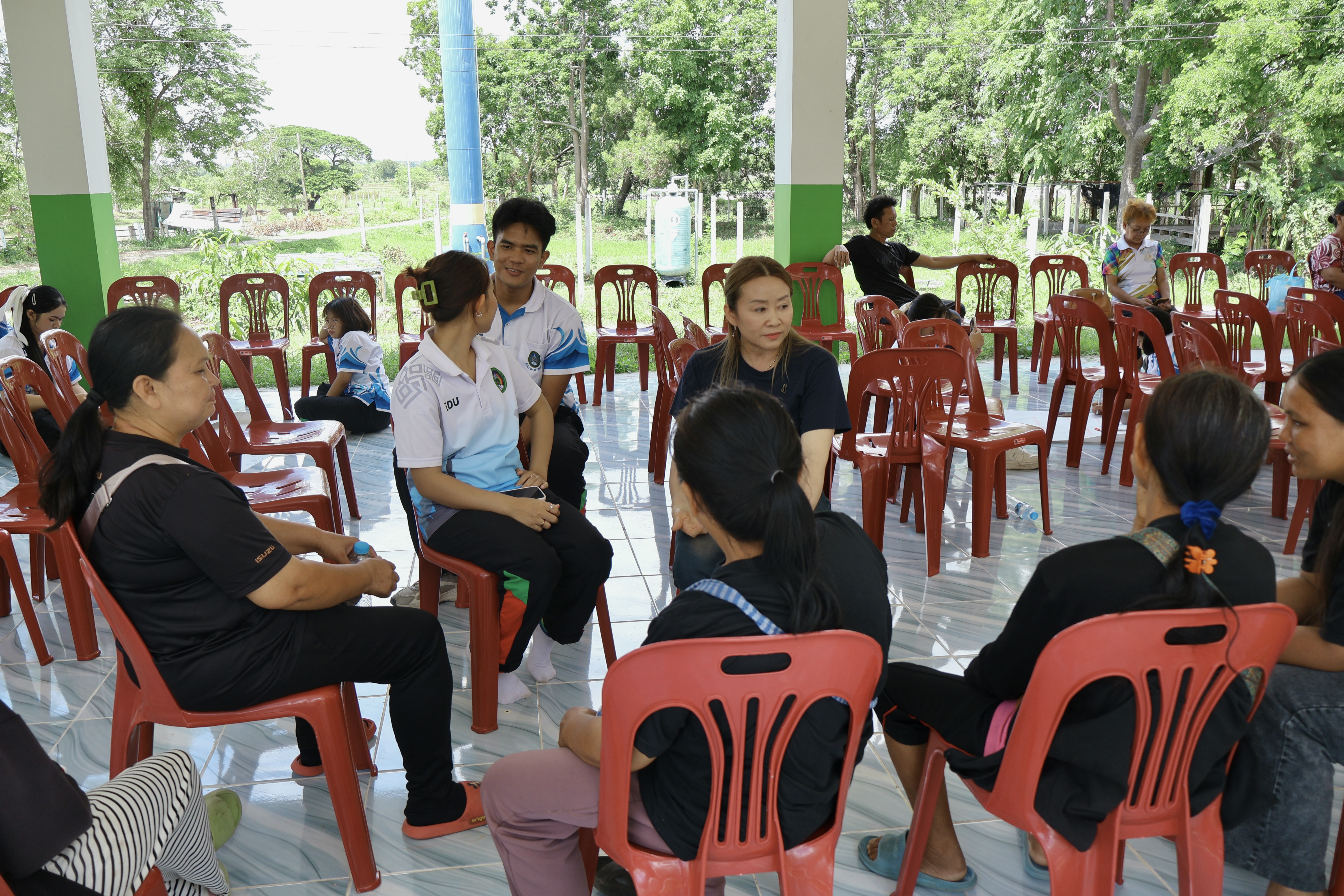
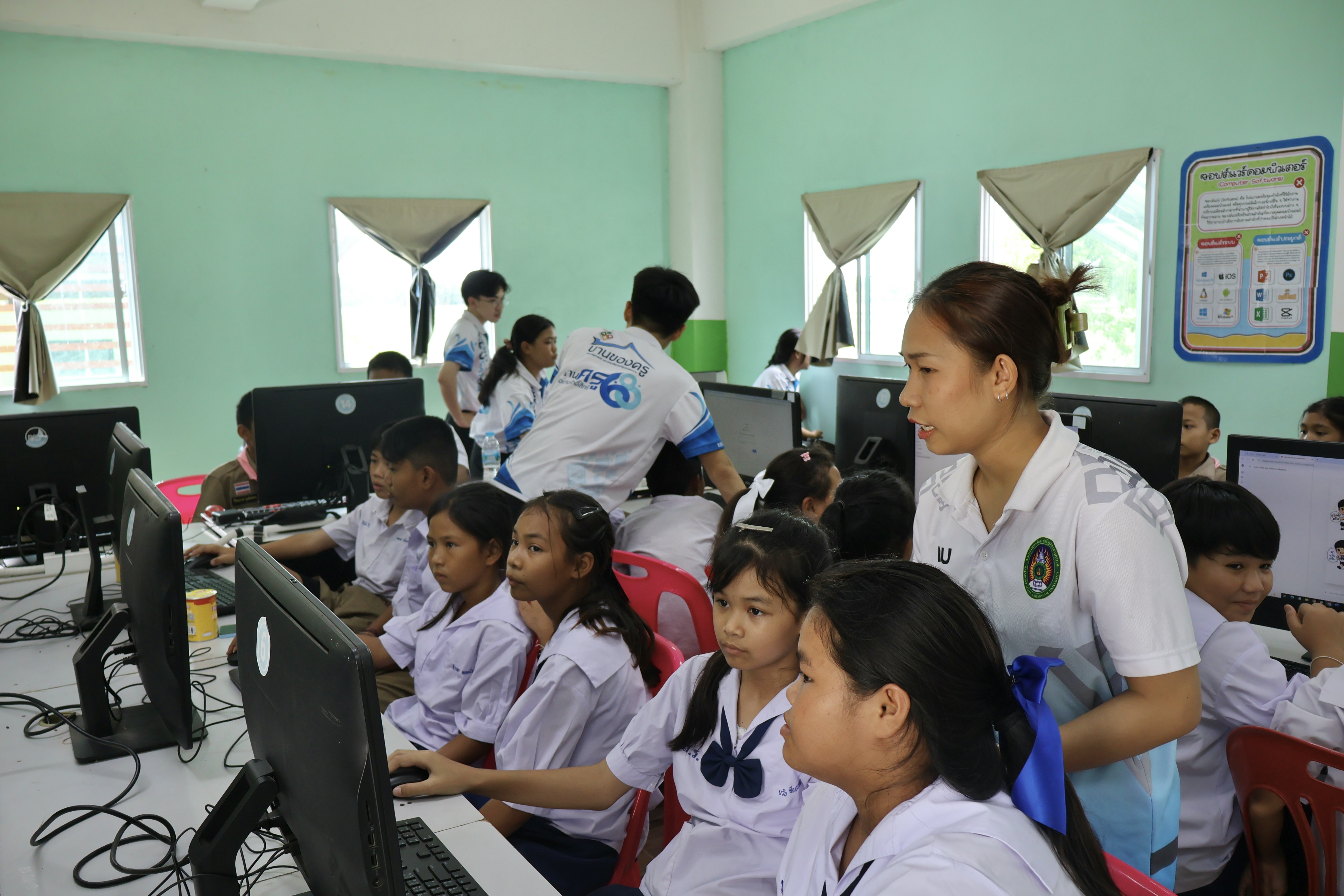
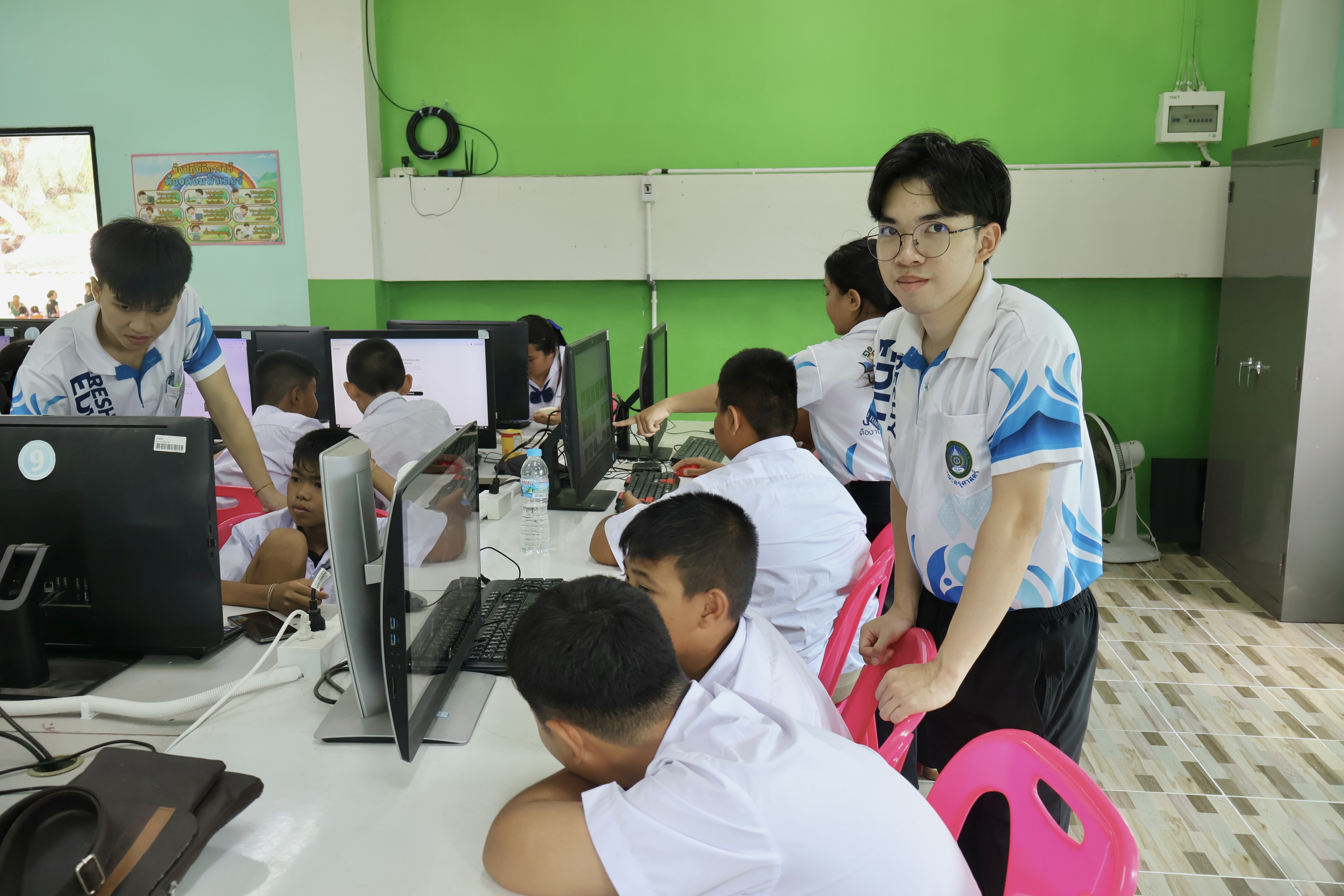
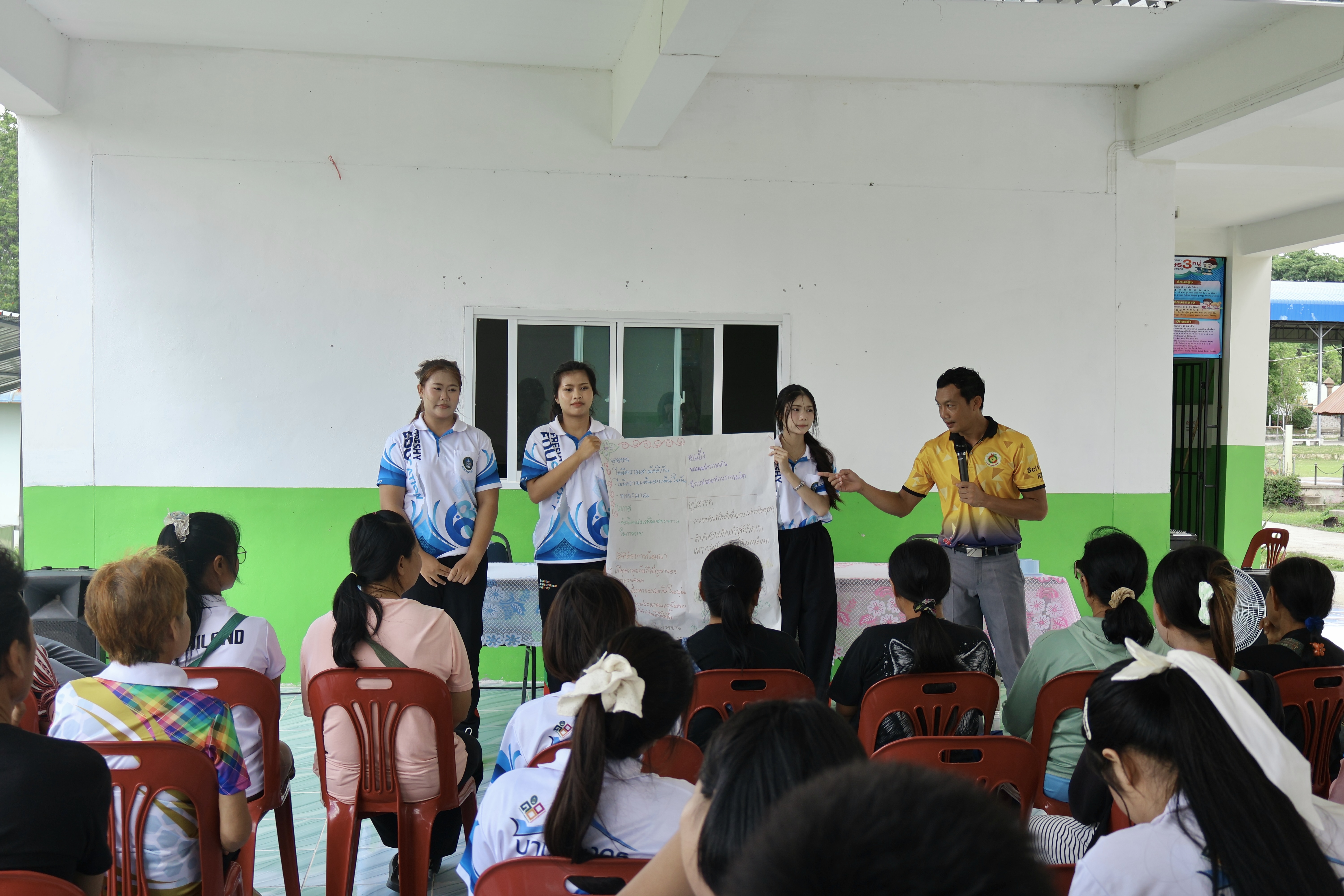
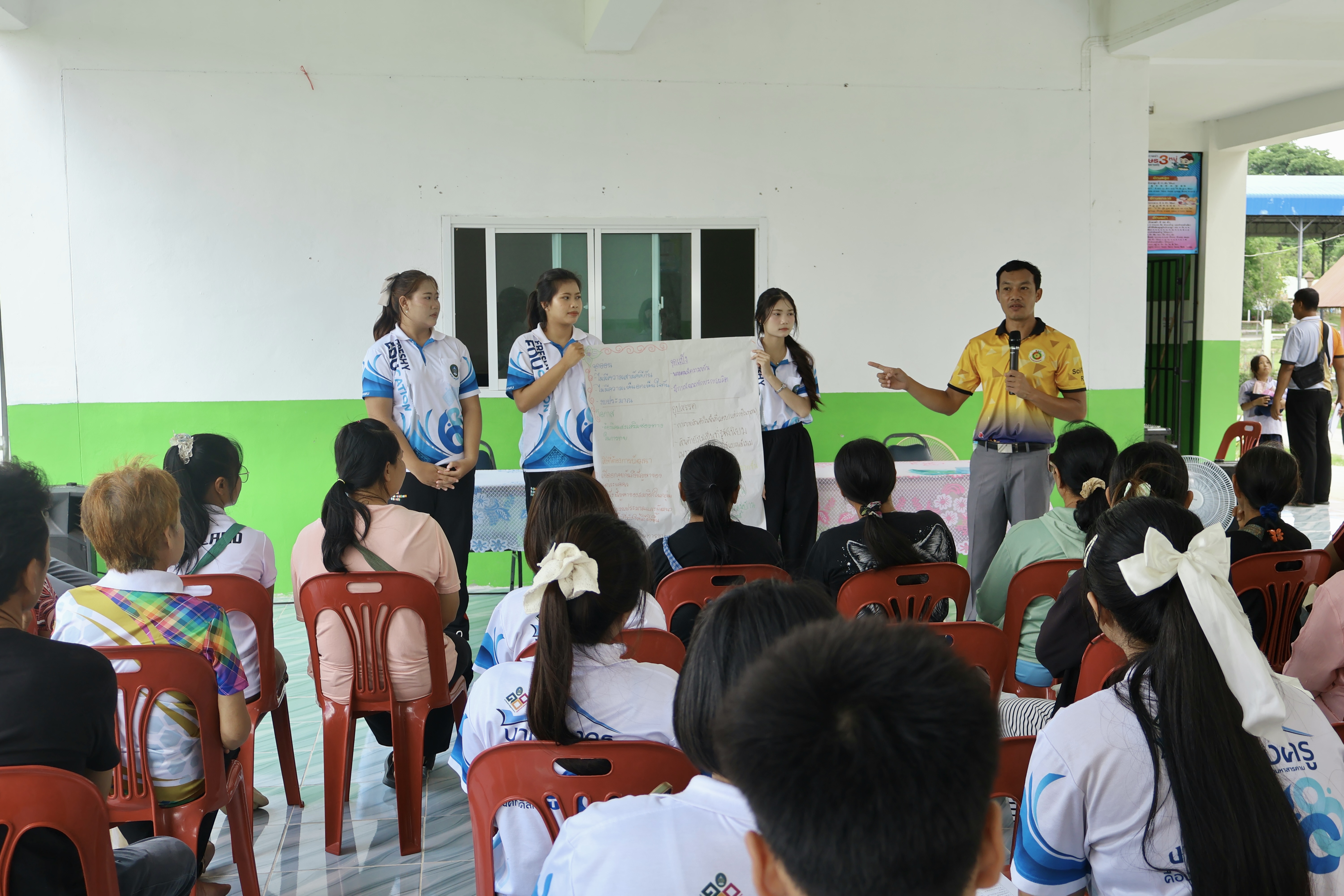
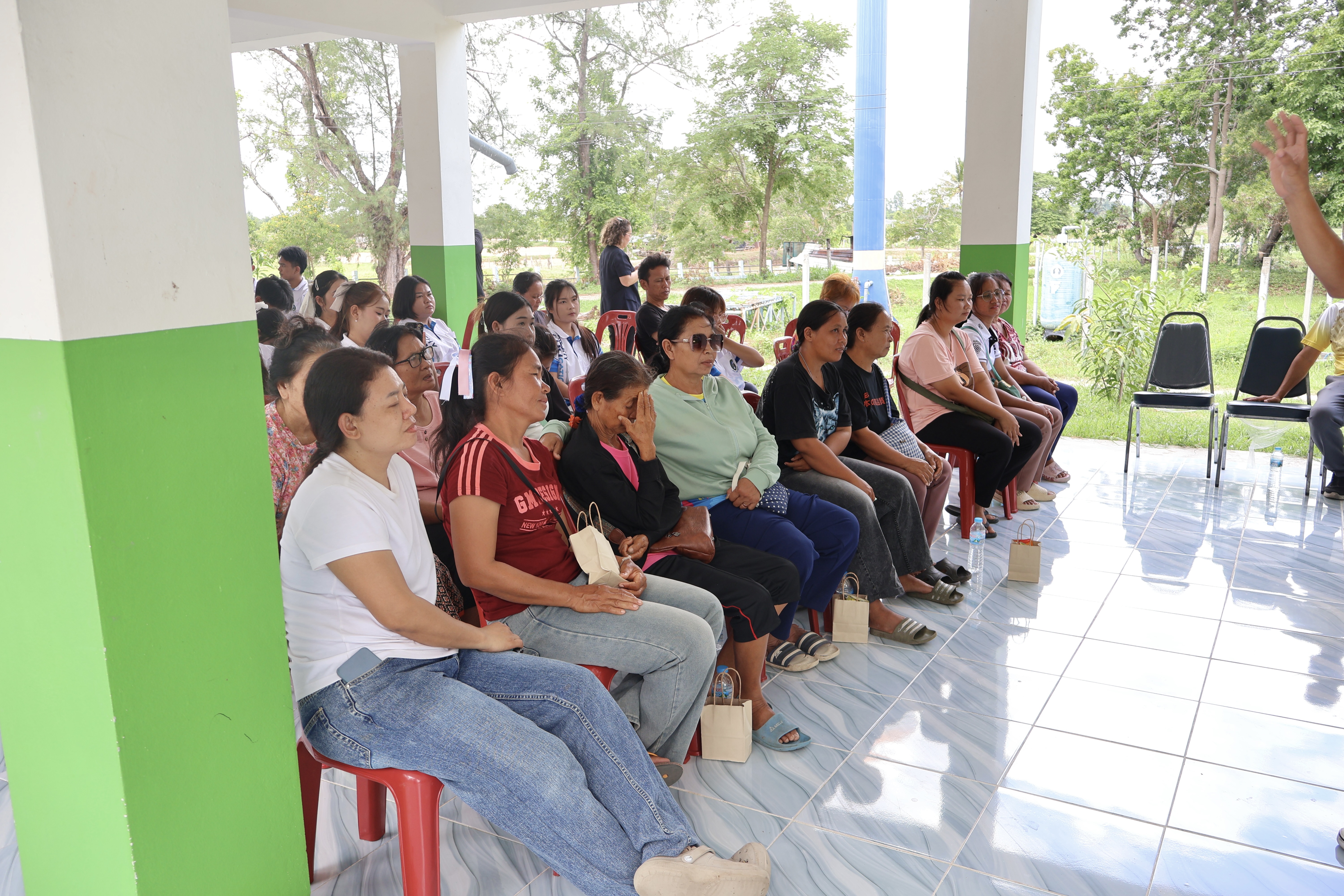
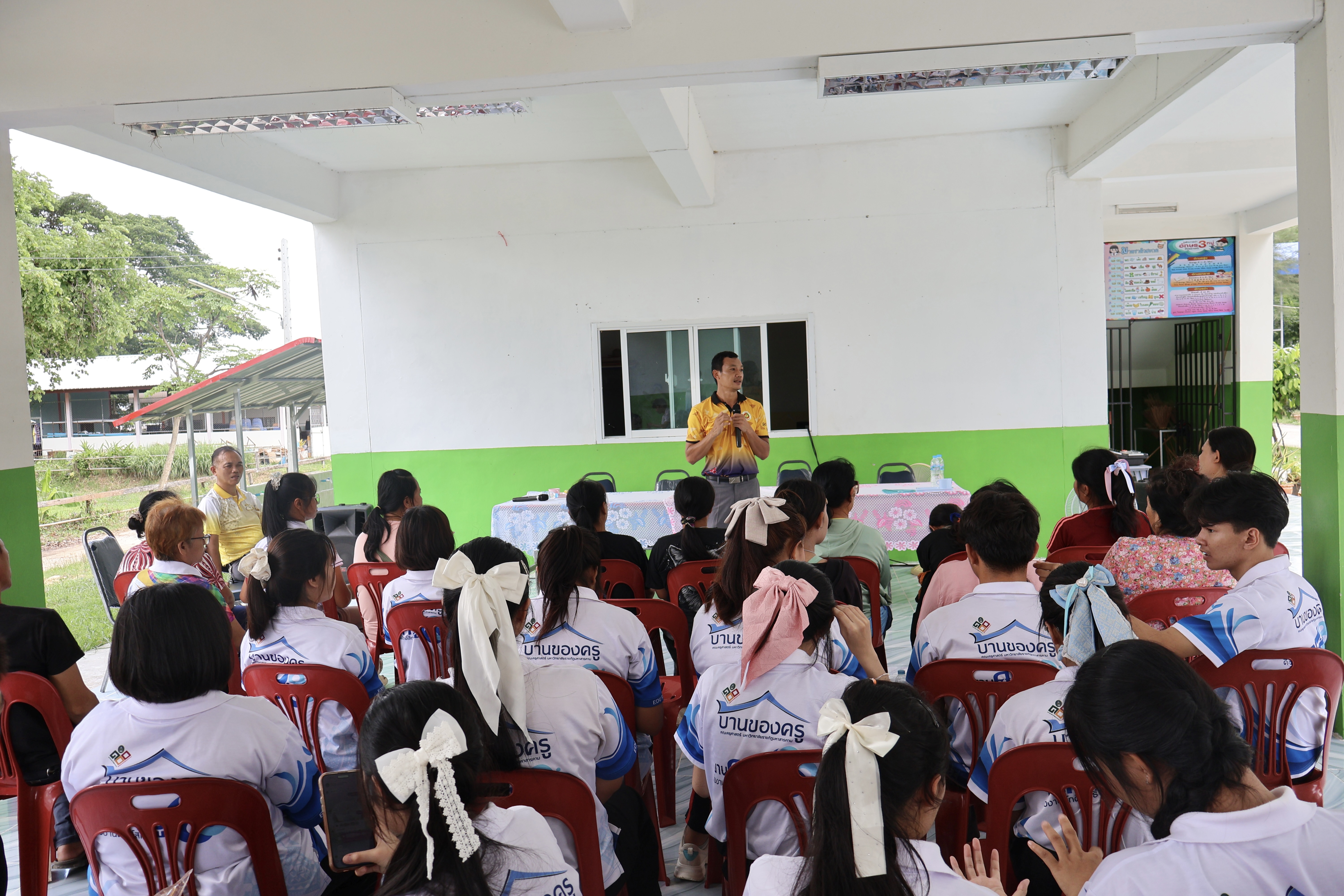
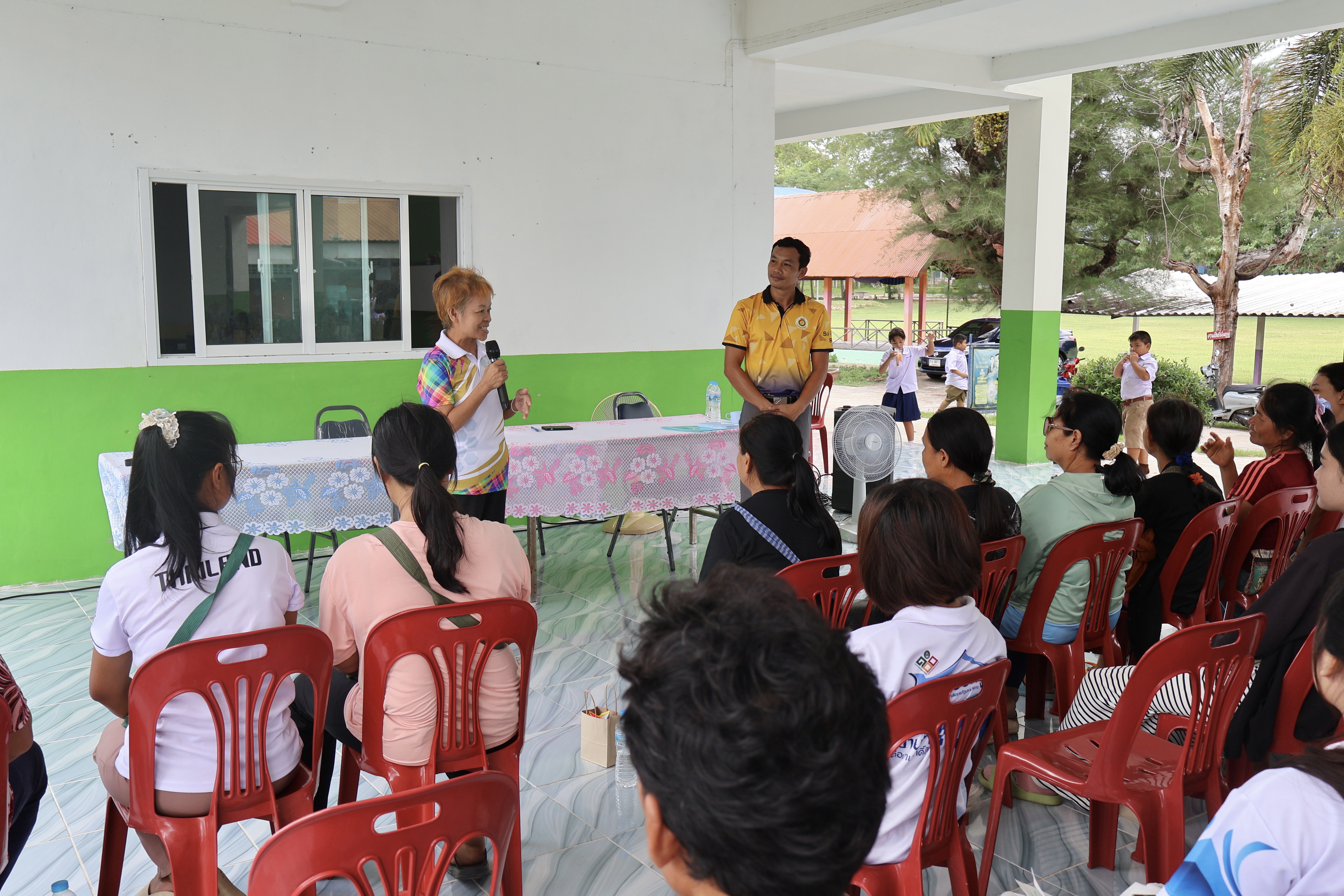
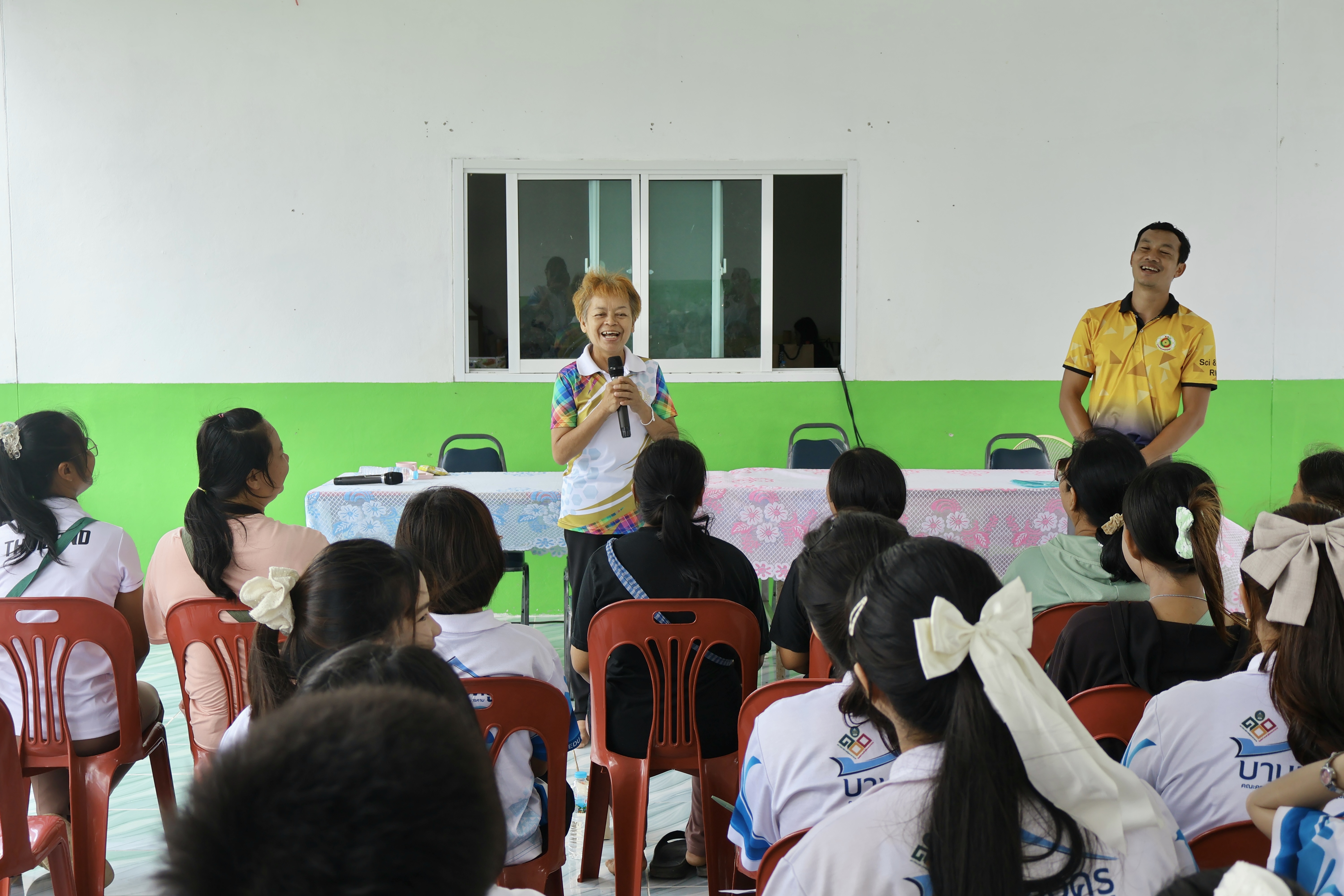
The project to upgrade community products through the Social Engineer framework (Soft Skills) at Mahasarakham Rajabhat University systematically engages students and staff across all stages, including planning, implementation, monitoring, and evaluating lessons learned alongside the target community. In this initiative, academic staff serve as mentors and advisors, sharing knowledge on the Social Engineer process, community data analysis, innovation design, and product development. Simultaneously, students participate in workshops to enhance their soft skills and apply this knowledge during fieldwork to study local contexts and analyze community problems, needs, and potential in cooperation with local residents and schools. การดำเนินโครงการการพัฒนายกระดับผลิตภัณฑ์ชุมชนด้วยกระบวนการวิศวกรสังคม (Soft Skills) ของนักศึกษามหาวิทยาลัยราชภัฏมหาสารคาม เปิดโอกาสให้นักศึกษาและบุคลากรมีส่วนร่วมอย่างเป็นระบบตั้งแต่กระบวนการวางแผน ดำเนินงาน ติดตามผล และถอดบทเรียนร่วมกับชุมชนเป้าหมาย โดยบุคลากรสายวิชาการทำหน้าที่เป็นพี่เลี้ยงและที่ปรึกษา ถ่ายทอดองค์ความรู้ด้านกระบวนการวิศวกรสังคม การวิเคราะห์ข้อมูลชุมชน การออกแบบนวัตกรรม และการพัฒนาผลิตภัณฑ์ชุมชน ขณะที่นักศึกษาเข้าร่วมกิจกรรมอบรมเชิงปฏิบัติการเพื่อพัฒนาทักษะ Soft Skills และนำความรู้ไปประยุกต์ใช้ในการลงพื้นที่ศึกษาบริบทของชุมชน วิเคราะห์ปัญหา ความต้องการ และศักยภาพของชุมชนร่วมกับประชาชนและโรงเรียนในพื้นที่
Project Continuity ความต่อเนื่องของโครงการ
Continuous Development of Student Social Engineer Leaders
The university will continue to support and develop students who have participated in the project to become Social Engineer role models. These students will serve as leaders in transferring knowledge, expanding project outcomes, and fostering learning networks among future student cohorts. They will also apply the skills gained from the project to contribute to sustainable community development.
Further Development of Community Products and Local Wisdom
The university, in collaboration with schools and local communities, will monitor and further enhance the community products and local wisdom developed through the project. Efforts will focus on product design, value addition, promotion, and marketing to increase community income and strengthen local economic capacity in a sustainable manner.
Strengthening Collaborative Networks among the University, Schools, and Communities
The university will maintain and expand collaborative partnerships with schools and local communities by integrating teaching, academic services, and research activities. These collaborations will support the development of model learning centers for Social Engineering and promote sustainable community development through participatory appr
การพัฒนานักศึกษาต้นแบบวิศวกรสังคมอย่างต่อเนื่อง
มหาวิทยาลัยจะส่งเสริมและพัฒนานักศึกษาที่ผ่านการเข้าร่วมโครงการให้เป็นนักศึกษาต้นแบบวิศวกรสังคม (Social Engineer) เพื่อเป็นแกนนำในการถ่ายทอดองค์ความรู้ ขยายผลการดำเนินงาน และสร้างเครือข่ายการเรียนรู้ร่วมกับนักศึกษารุ่นต่อไป รวมทั้งนำทักษะที่ได้รับไปประยุกต์ใช้ในการพัฒนาชุมชนอย่างต่อเนื่อง
การต่อยอดการพัฒนาผลิตภัณฑ์และภูมิปัญญาชุมชน
มหาวิทยาลัยร่วมกับโรงเรียนและชุมชนจะติดตามผลการพัฒนาผลิตภัณฑ์และภูมิปัญญาท้องถิ่นที่เกิดขึ้นจากโครงการ พร้อมทั้งพัฒนาต่อยอดด้านการออกแบบ การสร้างมูลค่าเพิ่ม การประชาสัมพันธ์ และการตลาด เพื่อให้ผลิตภัณฑ์ชุมชนสามารถสร้างรายได้และเพิ่มศักยภาพทางเศรษฐกิจของชุมชนได้อย่างยั่งยืน
การสร้างเครือข่ายความร่วมมือระหว่างมหาวิทยาลัย โรงเรียน และชุมชน
มหาวิทยาลัยจะรักษาและขยายเครือข่ายความร่วมมือกับโรงเรียนและชุมชนในพื้นที่ โดยบูรณาการกิจกรรมด้านการเรียนการสอน การบริการวิชาการ และการวิจัย เพื่อพัฒนาแหล่งเรียนรู้ต้นแบบด้านวิศวกรสังคม และสนับสนุนการพัฒนาชุมชนบนฐานของการมีส่วนร่วมอย่างต่อเนื่องและยั่งยืน
Part 3: Challenges & Suggestions ส่วนที่ 3 ปัญหาอุปสรรค/ข้อเสนอแนะ
Problems & Obstacles ปัญหา/อุปสรรค
1. Limited and Inconsistent Participation of Community Members
2. Time Constraints in Coordinating Activities
3.Limited Knowledge and Skills in Community Product Development
1. การมีส่วนร่วมของชุมชนและกลุ่มเป้าหมายไม่ต่อเนื่อง
2. ข้อจำกัดด้านเวลาในการดำเนินกิจกรรมร่วมกัน
3. ข้อจำกัดด้านองค์ความรู้และทักษะในการพัฒนาผลิตภัณฑ์ชุมชน
Improvement Guidelines แนวทางการปรับปรุง
To enhance the effectiveness and sustainability of the project, greater participation from community members, schools, and relevant stakeholders should be encouraged from the planning stage to ensure that project activities are aligned with local needs and community contexts. In addition, follow-up support and mentoring should be extended after the completion of project activities to facilitate the continuous application of knowledge and innovations developed through the project.
Furthermore, capacity-building activities should place greater emphasis on digital marketing, branding, and product promotion skills to increase income-generating opportunities and expand market access for community products. A systematic process for collecting project outcomes, lessons learned, and best practices should also be established to support future project planning and improvement. Moreover, strengthening collaborative networks among the university, schools, and local communities will help ensure ongoing cooperation and knowledge exchange. These improvements will contribute to sustainable community development and maximize the long-term impact of the project on both students and community stakeholders.
ควรมีการพัฒนากระบวนการดำเนินงานโดยเพิ่มการมีส่วนร่วมของชุมชน โรงเรียน และหน่วยงานที่เกี่ยวข้องตั้งแต่ขั้นตอนการวางแผน เพื่อให้กิจกรรมสอดคล้องกับความต้องการและบริบทของพื้นที่อย่างแท้จริง นอกจากนี้ ควรเพิ่มระยะเวลาในการติดตามและให้คำปรึกษาหลังการดำเนินกิจกรรม เพื่อสนับสนุนการนำองค์ความรู้และนวัตกรรมที่พัฒนาขึ้นไปใช้ประโยชน์ได้อย่างต่อเนื่อง รวมทั้งควรส่งเสริมการพัฒนาทักษะด้านการตลาดดิจิทัล การสร้างตราสินค้า และการประชาสัมพันธ์ผลิตภัณฑ์ชุมชน เพื่อเพิ่มโอกาสในการสร้างรายได้และขยายช่องทางการจำหน่าย นอกจากนี้ ควรมีการจัดเก็บข้อมูลผลลัพธ์และบทเรียนที่ได้รับอย่างเป็นระบบ เพื่อนำไปใช้ในการวางแผนและพัฒนาโครงการในครั้งต่อไป รวมถึงการสร้างเครือข่ายความร่วมมือระหว่างมหาวิทยาลัย โรงเรียน และชุมชนให้มีความเข้มแข็งและต่อเนื่อง อันจะนำไปสู่การพัฒนาชุมชนอย่างยั่งยืนในระยะยาว
Suggestions to University ข้อเสนอแนะต่อมหาวิทยาลัย
1.The university should extend the duration and continuity of the project so that students and communities have sufficient time to develop products in depth and achieve more sustainable outcomes.
2.The university should promote interdisciplinary collaboration among faculties and programs so that students with diverse skills can work effectively together and generate new innovations for community development.
1.ควรเพิ่มระยะเวลาและความต่อเนื่องของโครงการ เพื่อให้นักศึกษาและชุมชนมีเวลาในการพัฒนาผลิตภัณฑ์อย่างลึกซึ้งและเกิดผลลัพธ์ที่ยั่งยืนมากขึ้น
2.ควรส่งเสริมการบูรณาการระหว่างคณะและสาขาวิชา เพื่อให้นักศึกษาที่มีทักษะหลากหลายสามารถทำงานร่วมกันได้อย่างมีประสิทธิภาพและเกิดนวัตกรรมใหม่ในการพัฒนาชุมชน