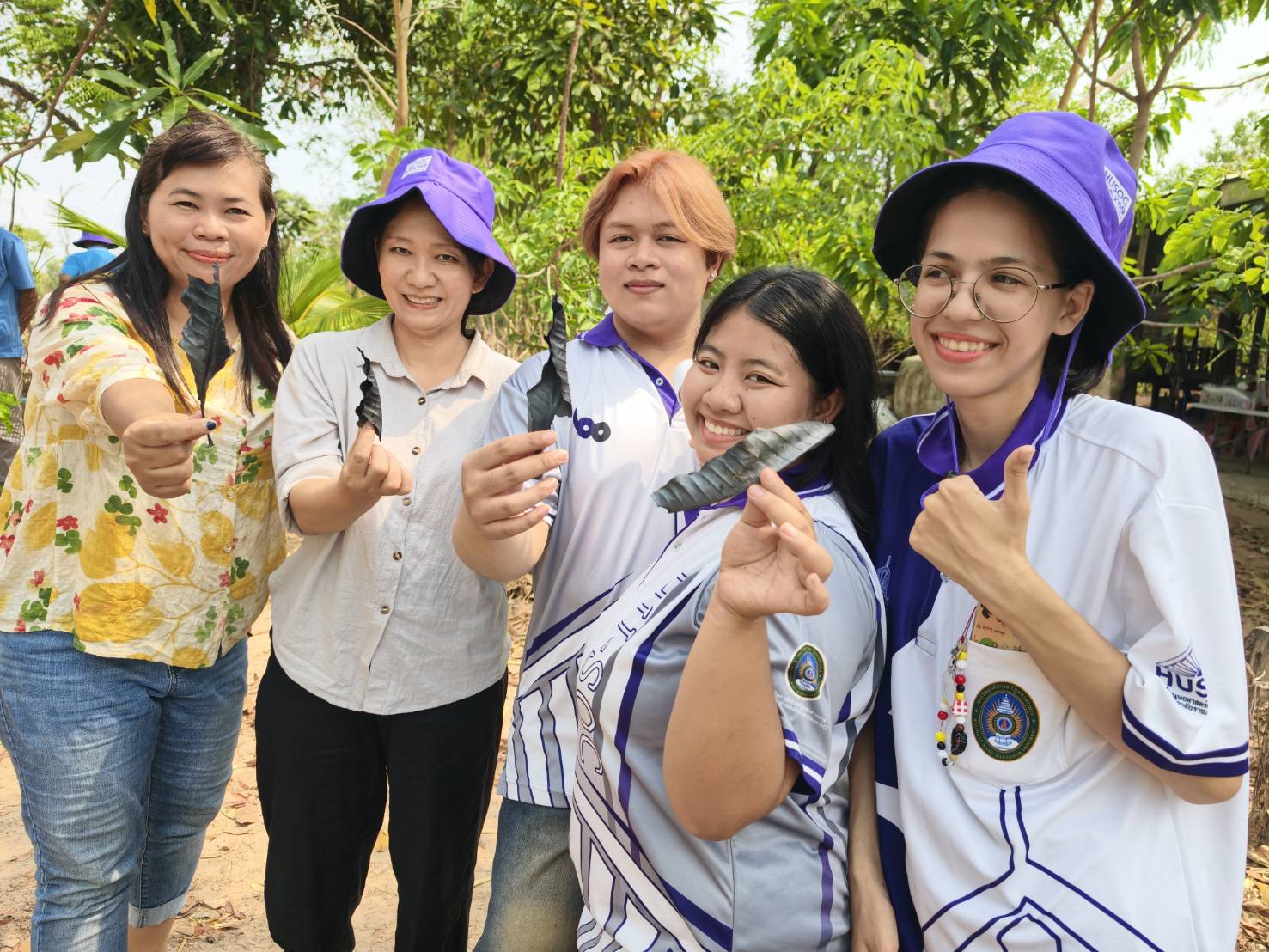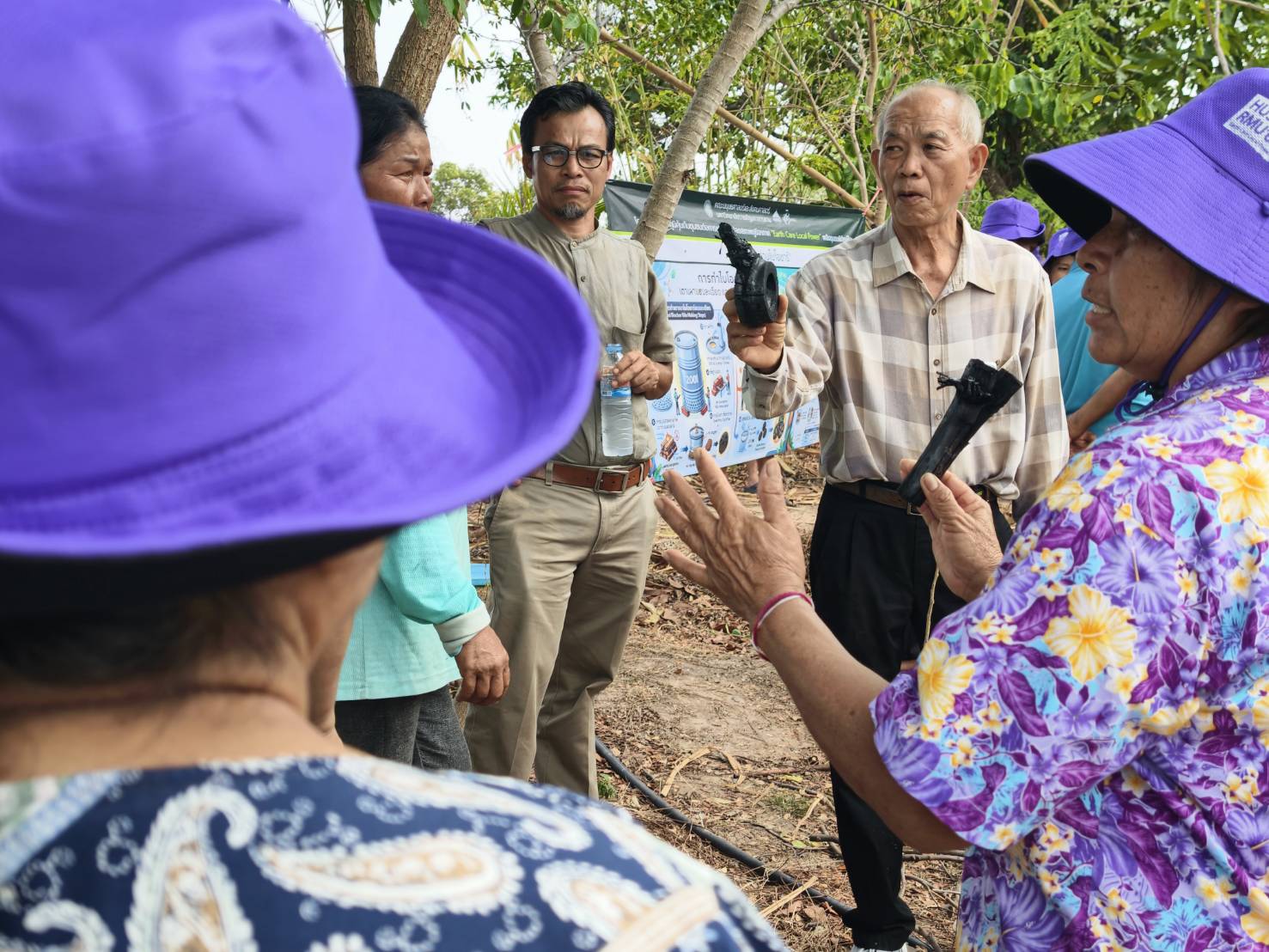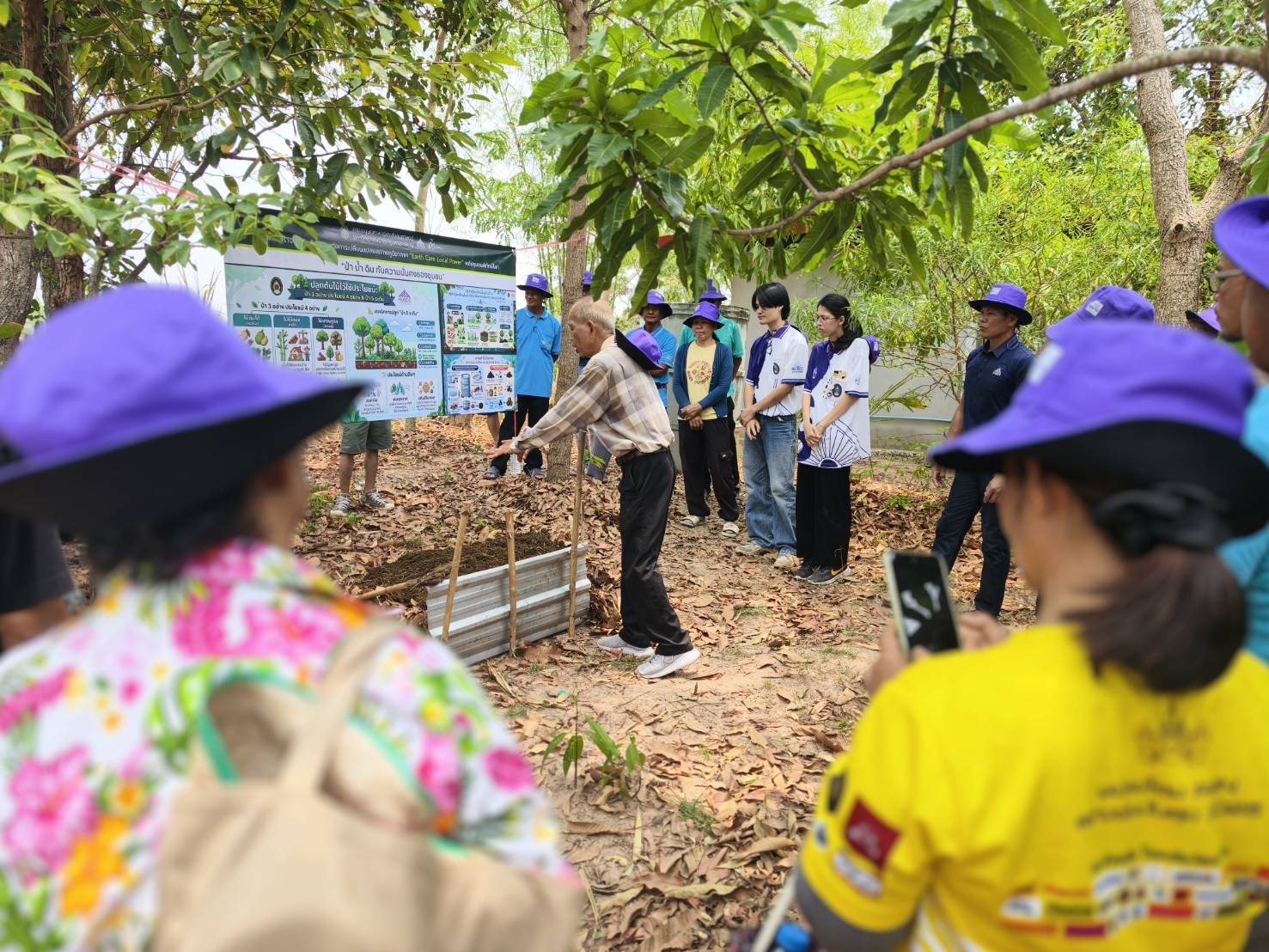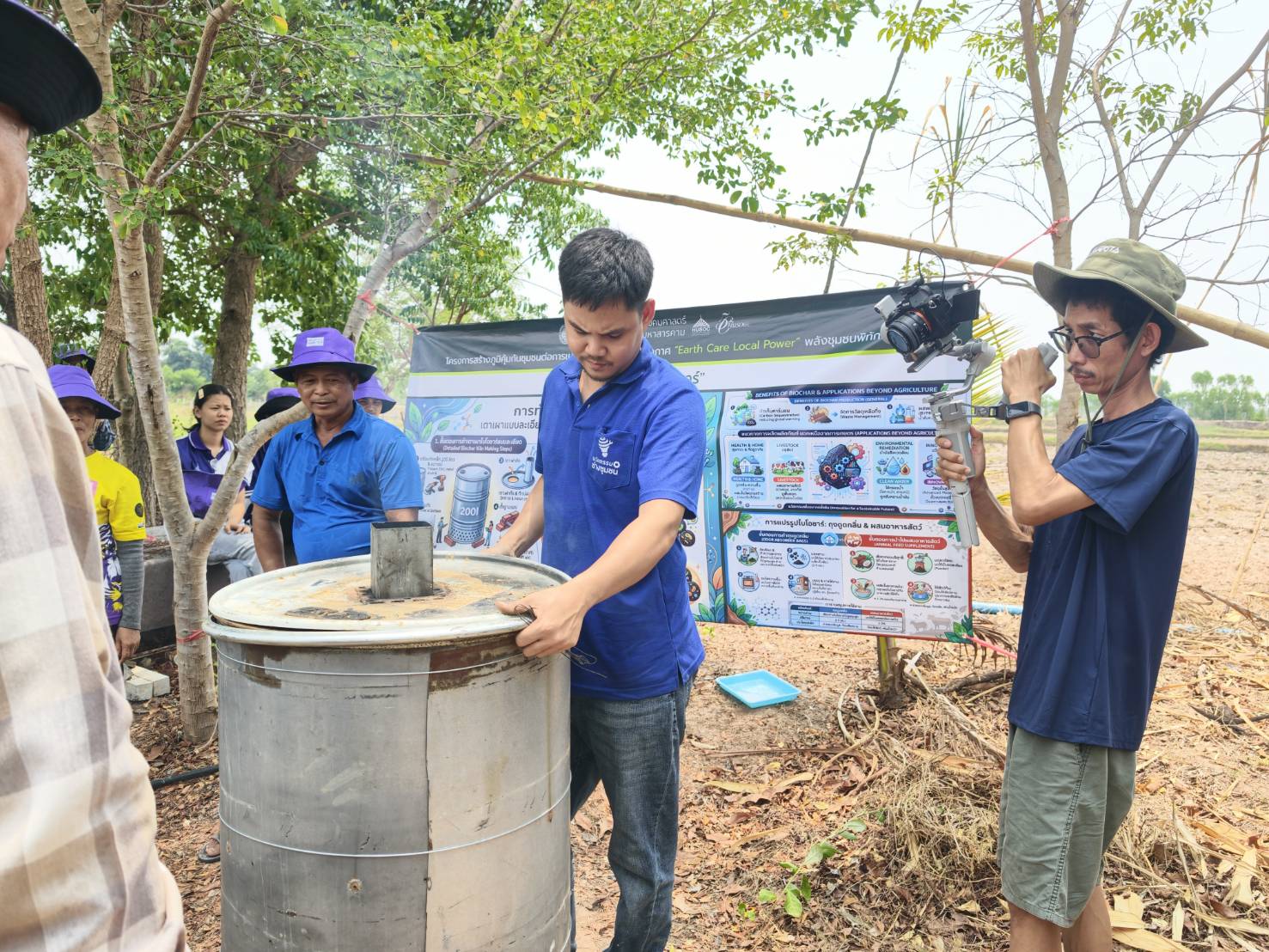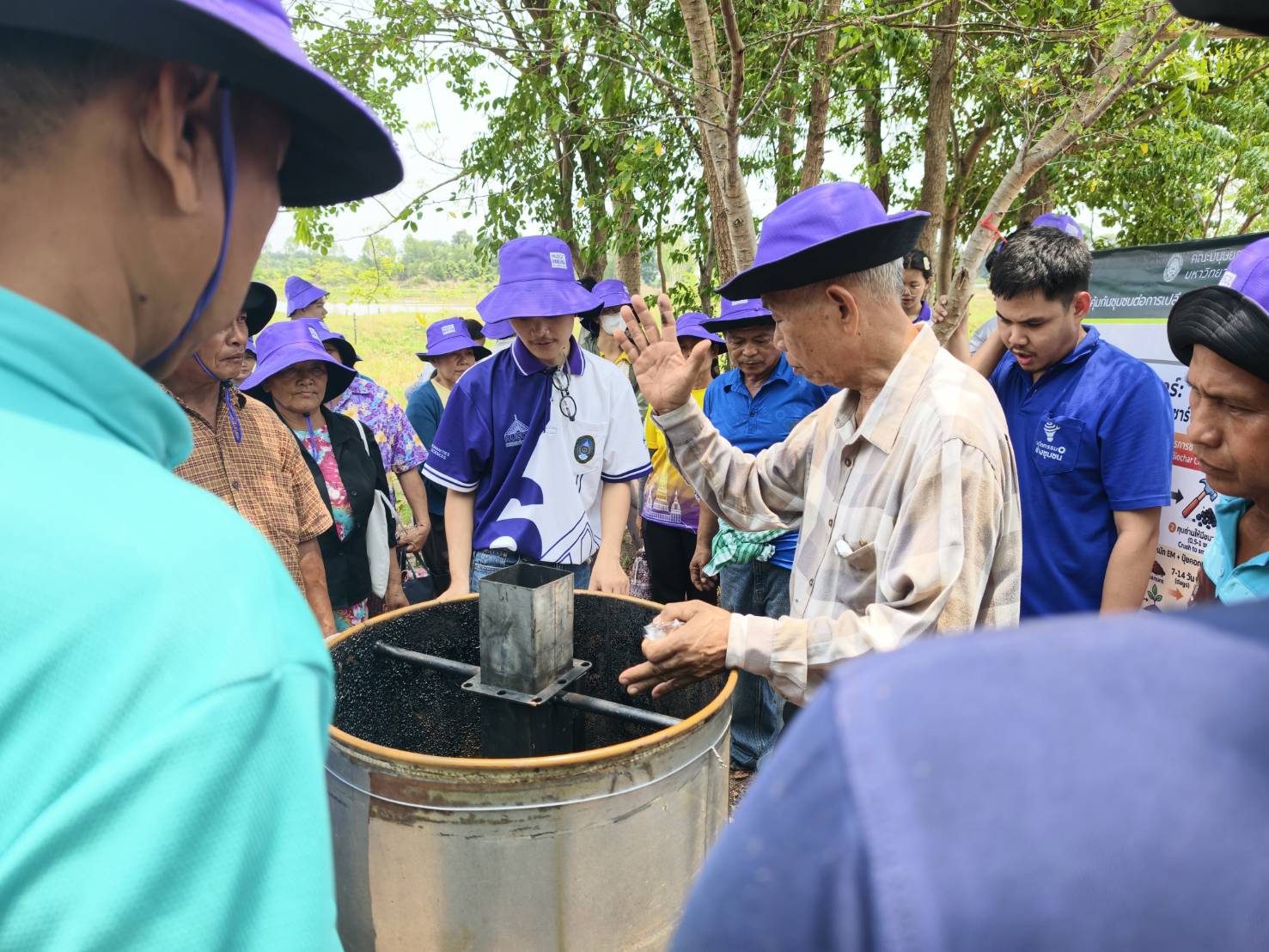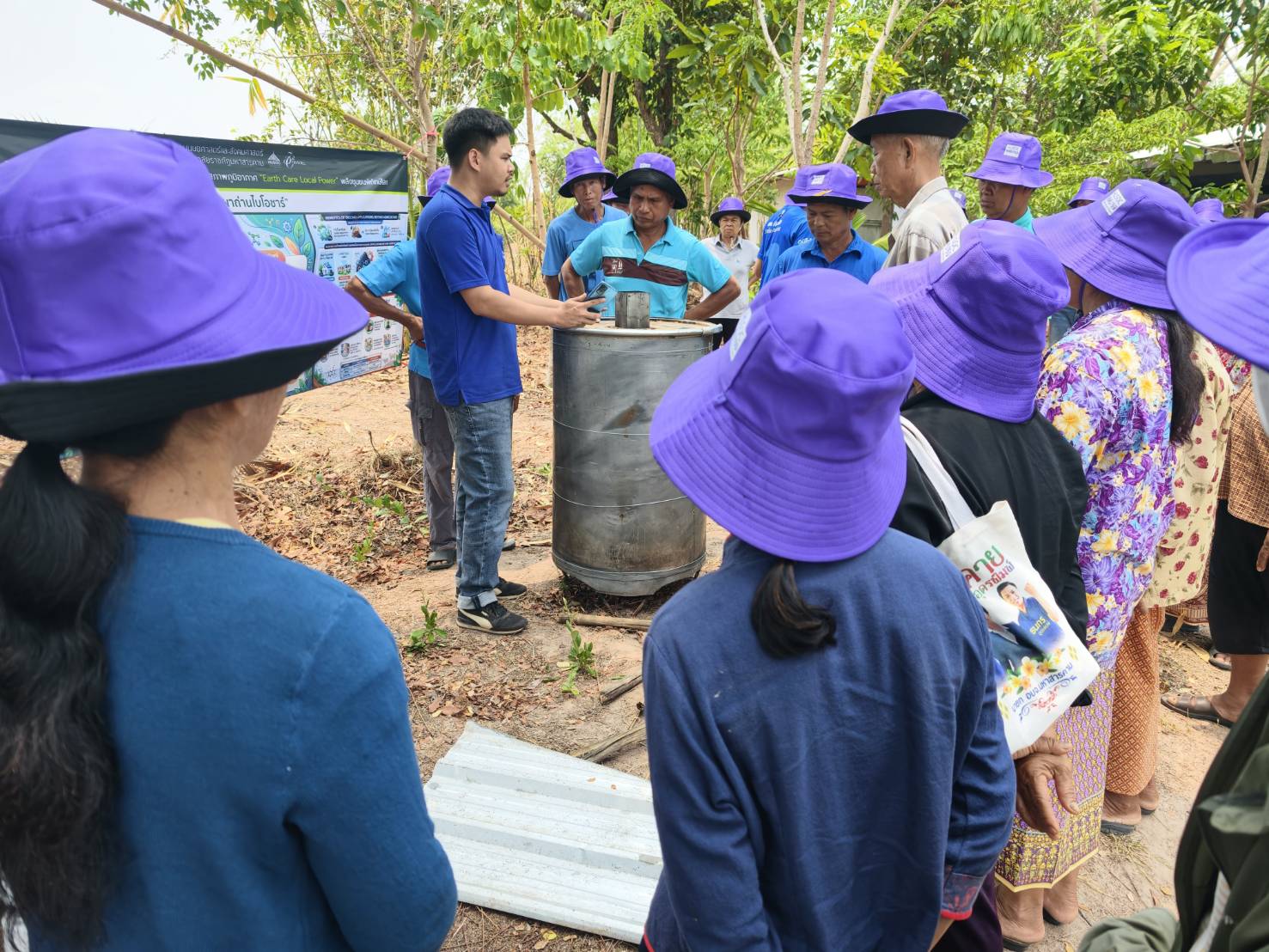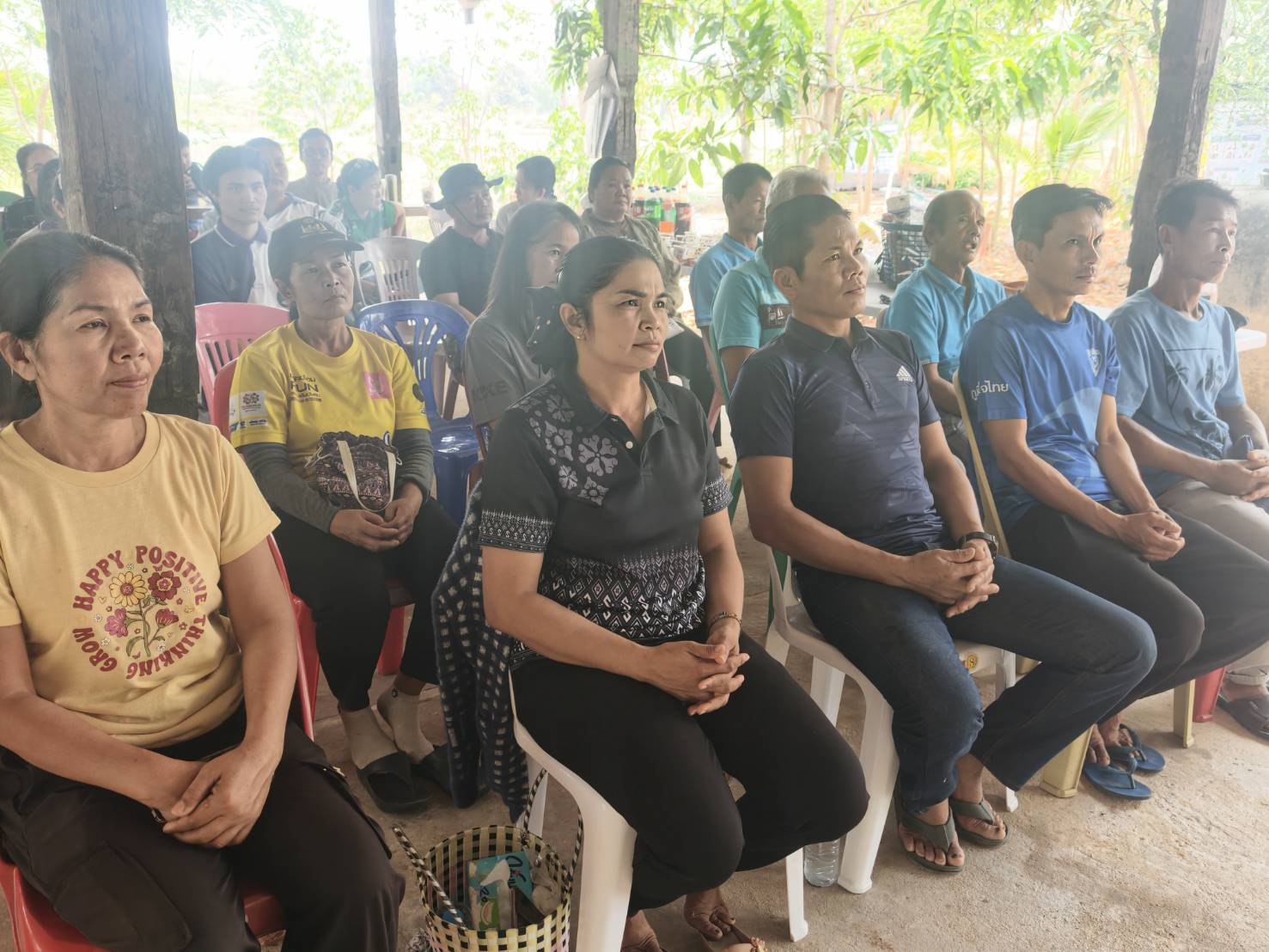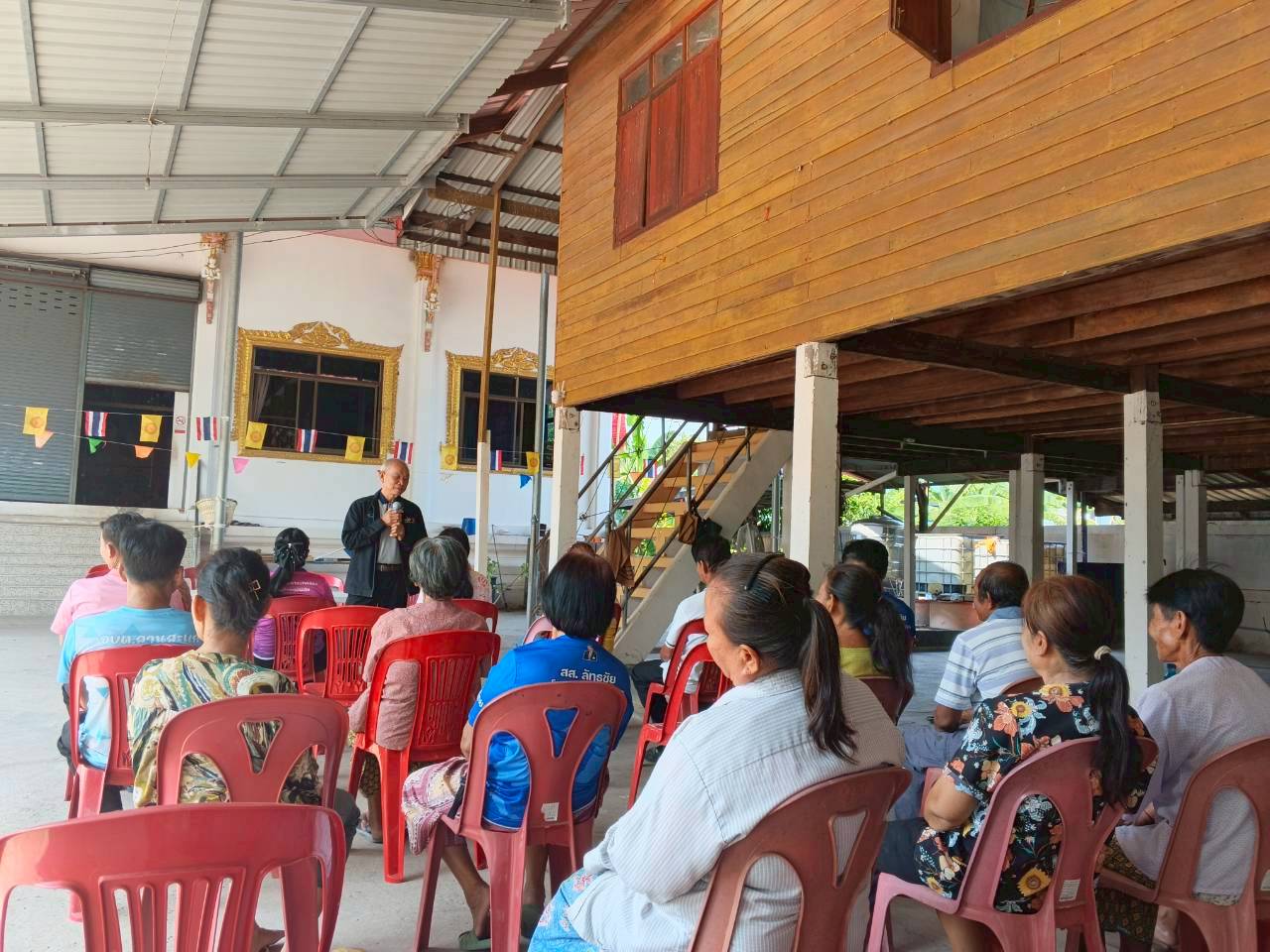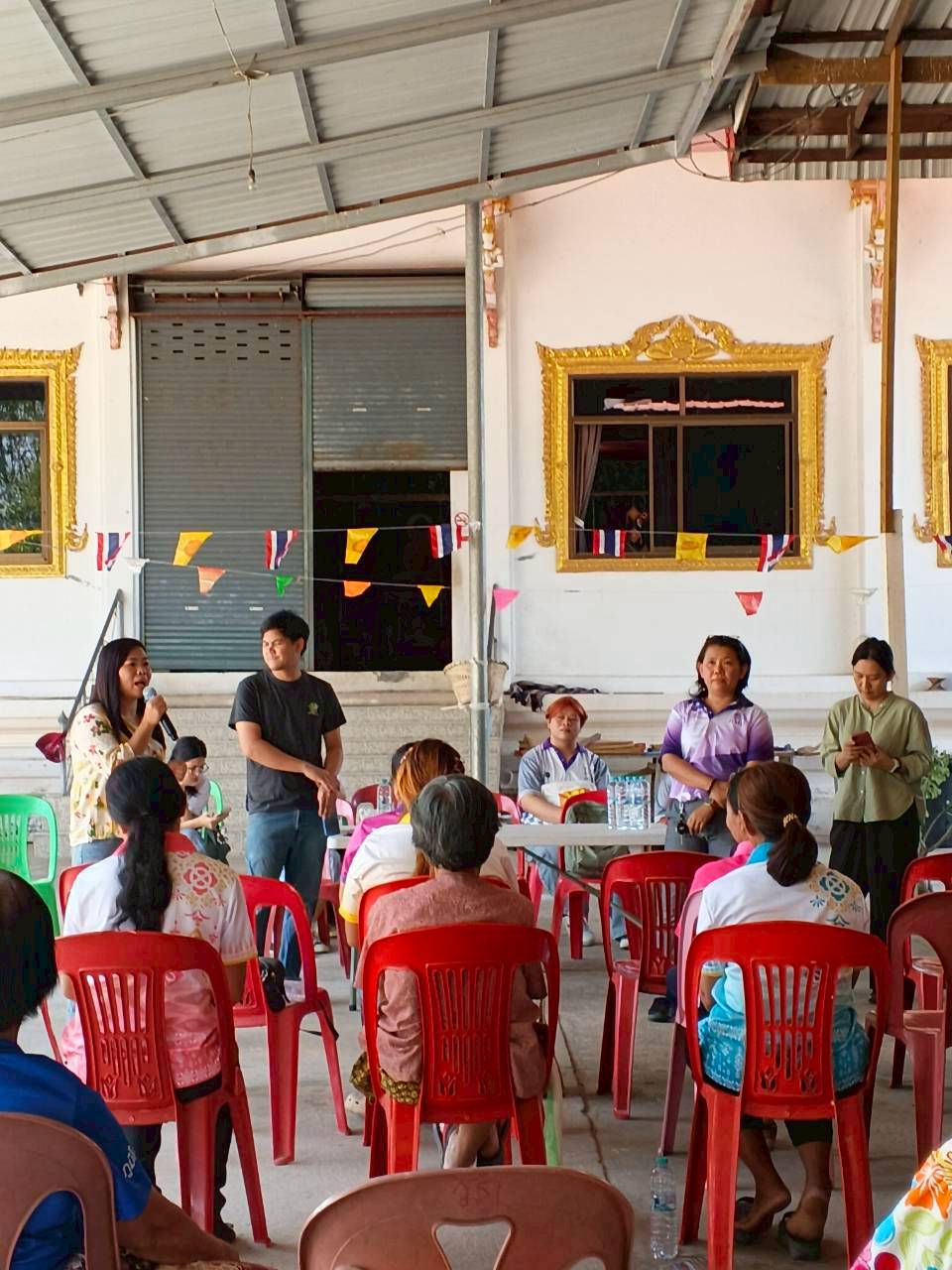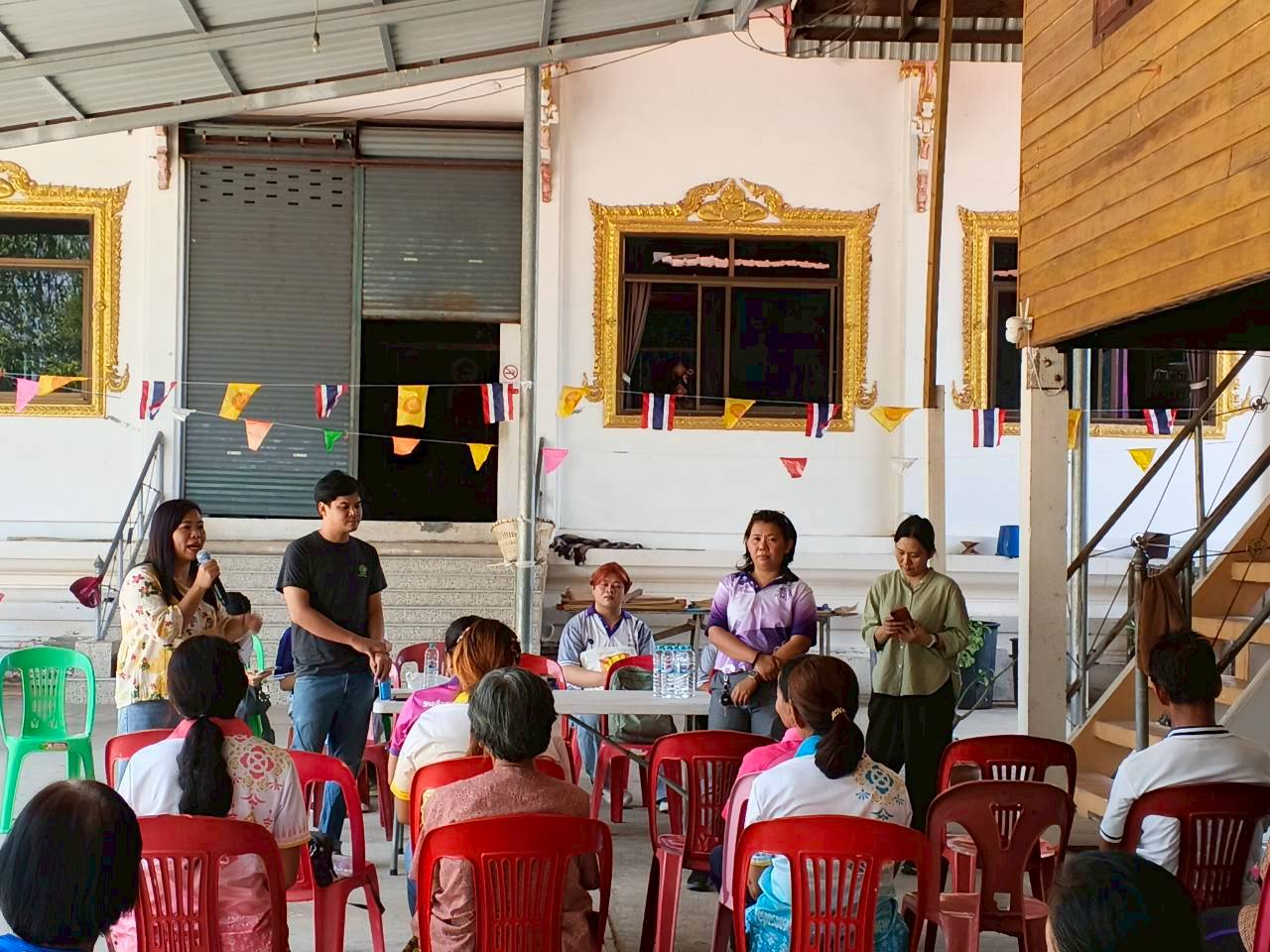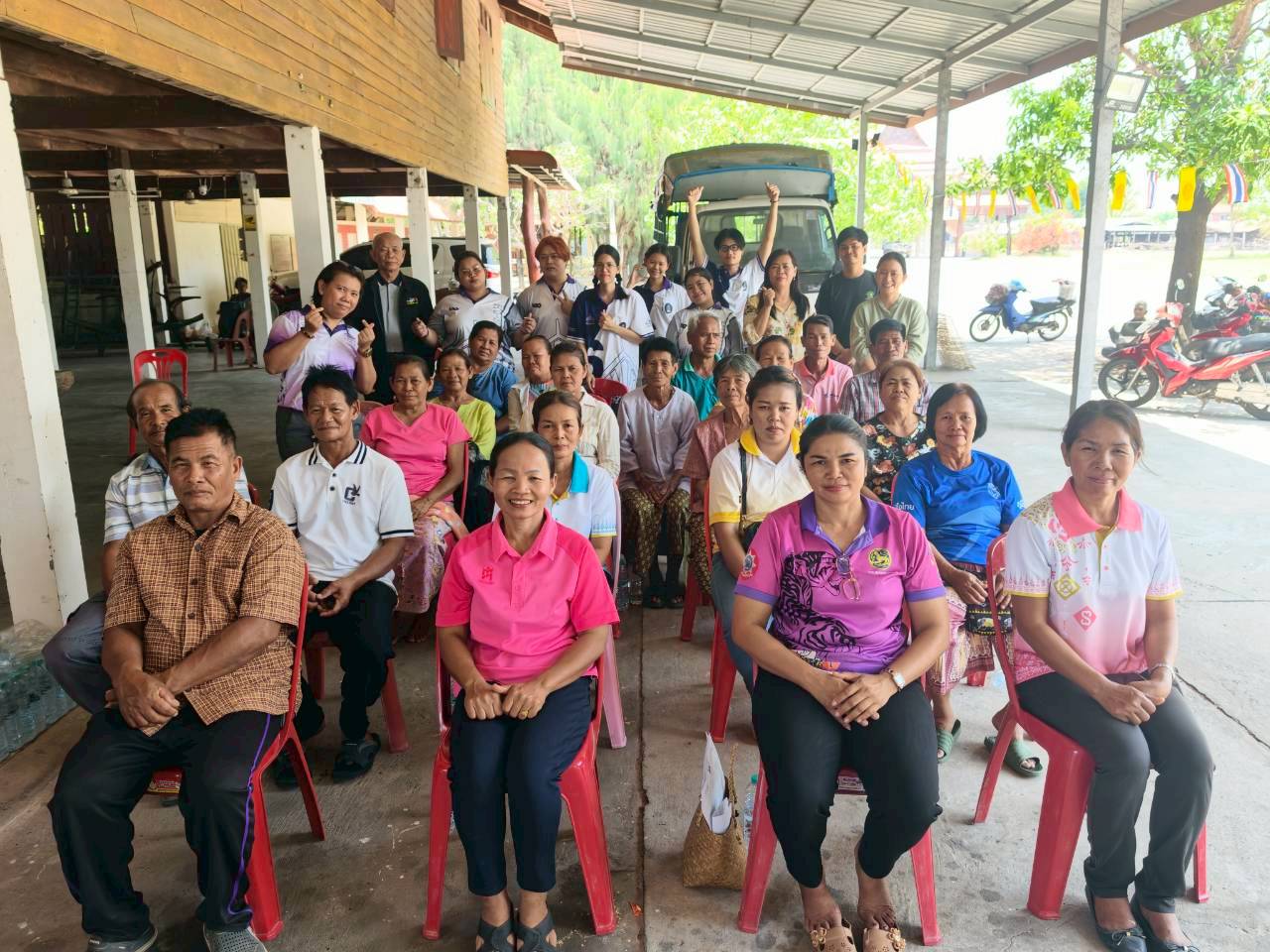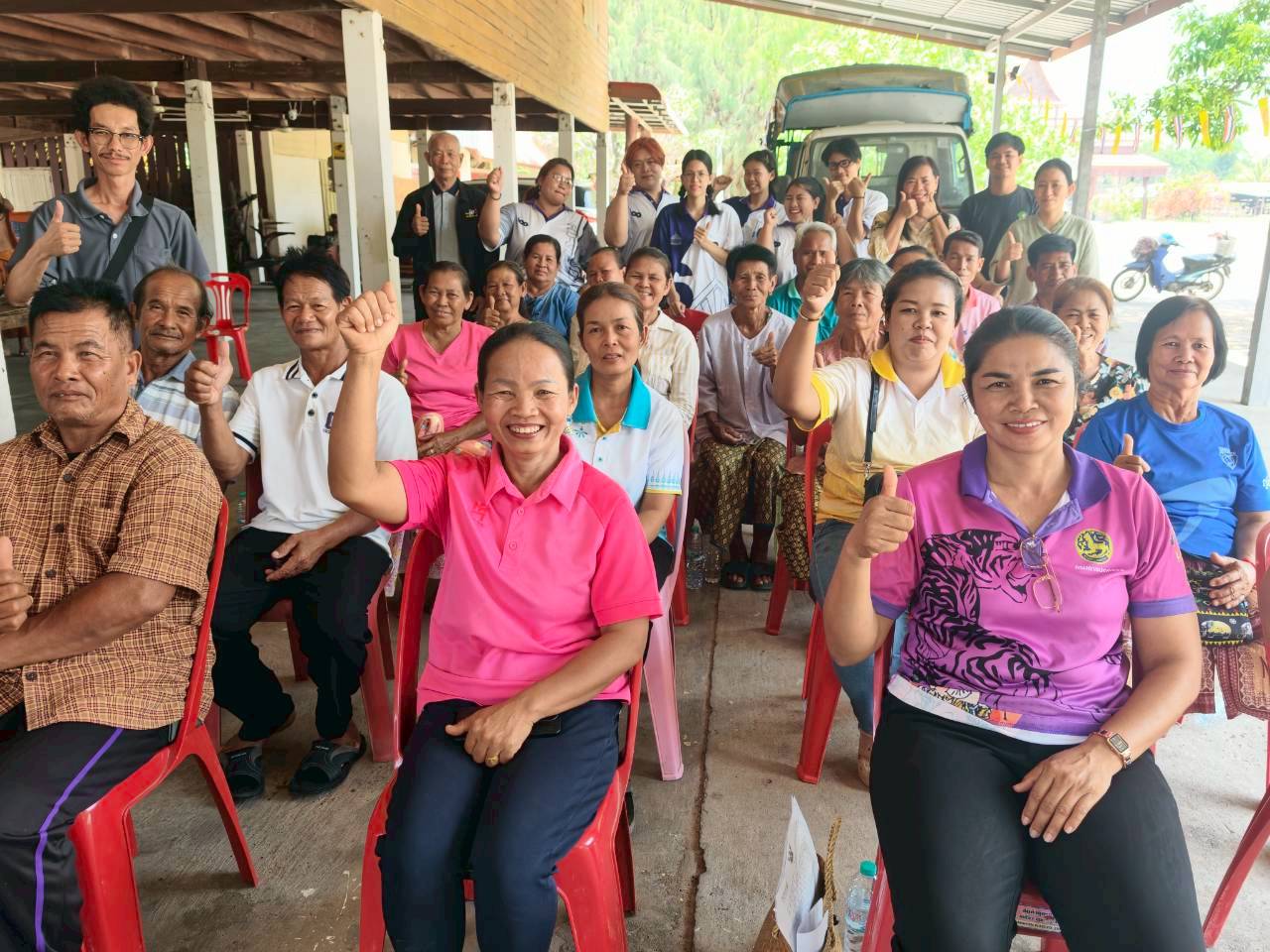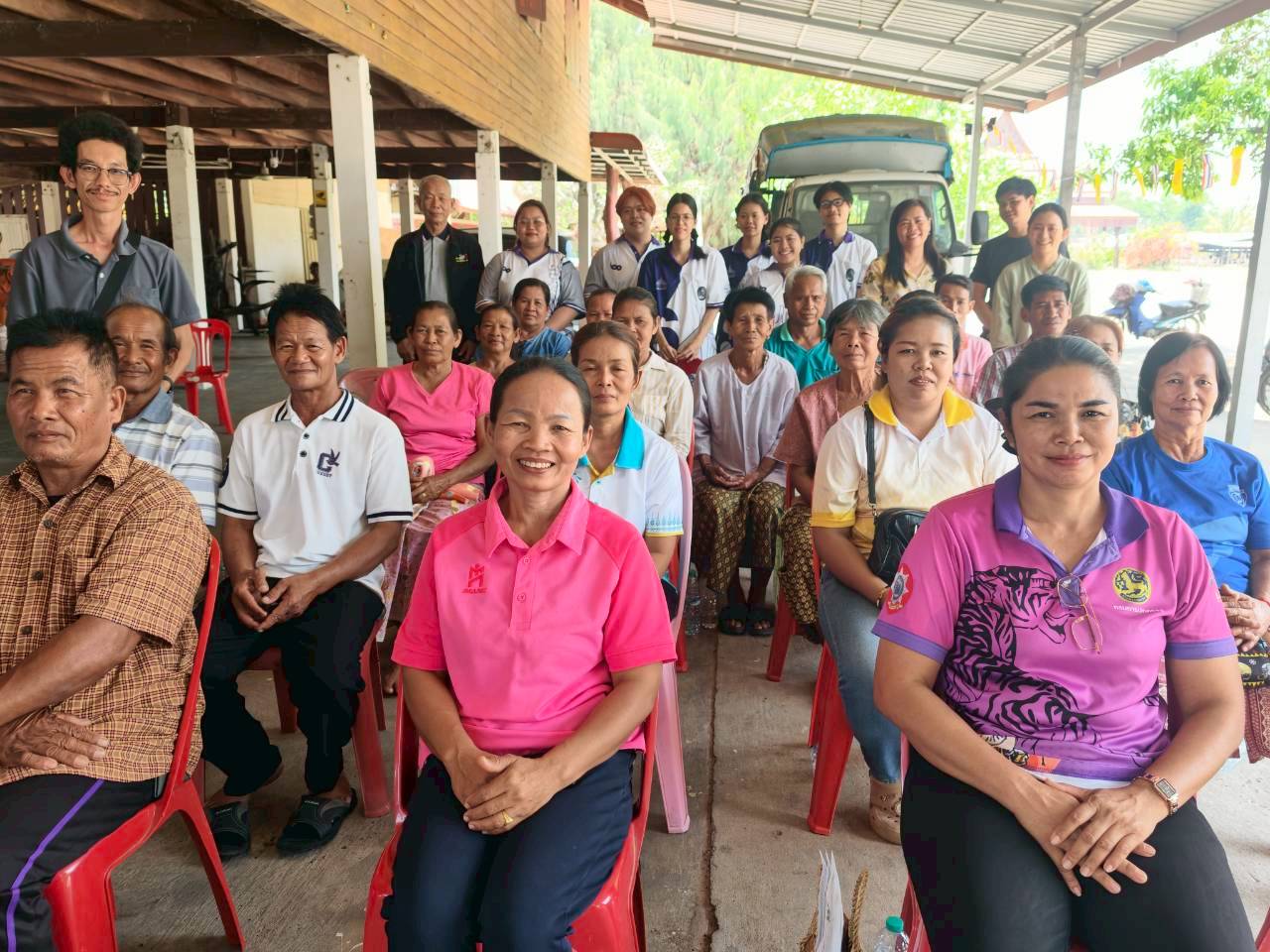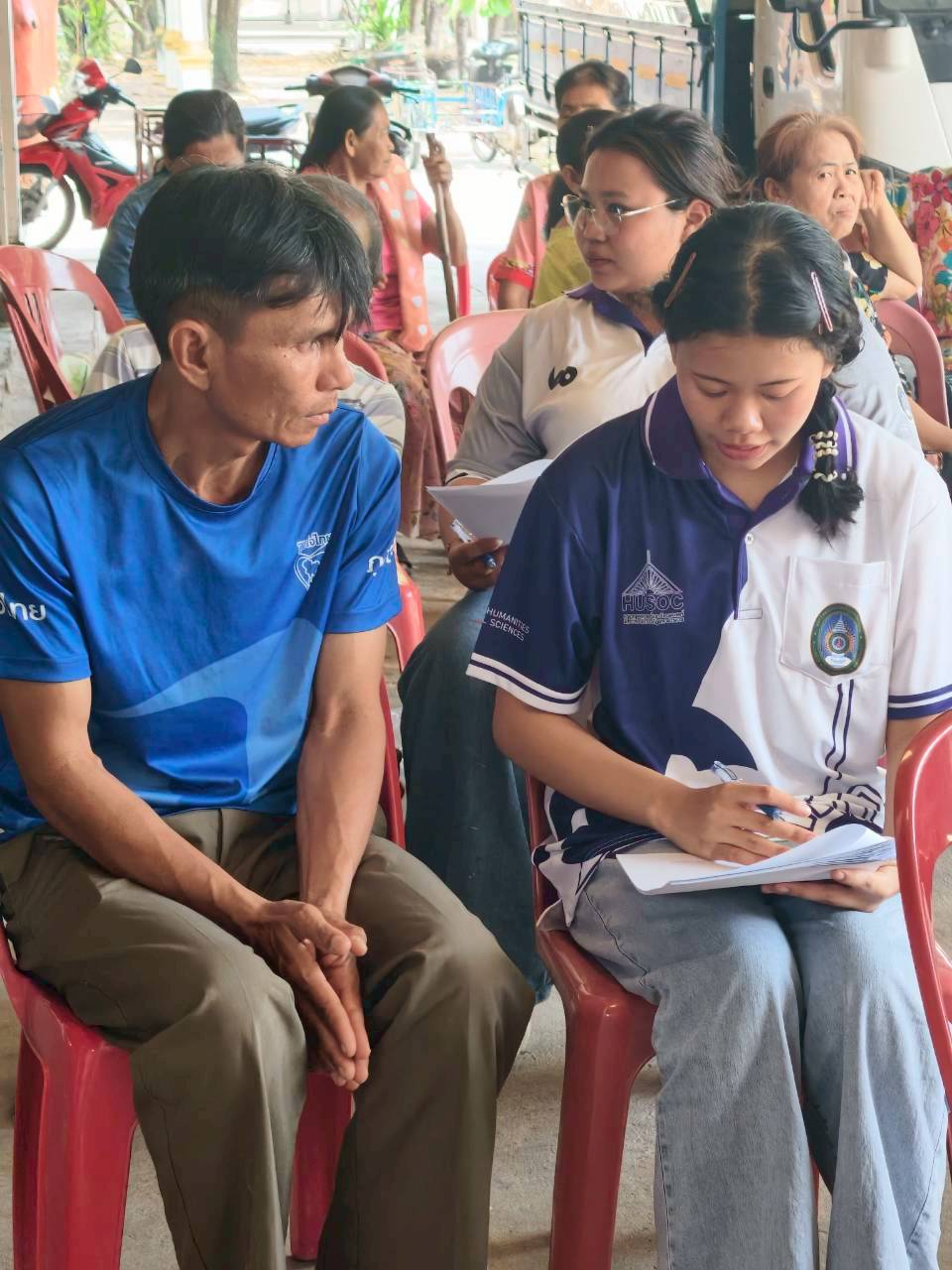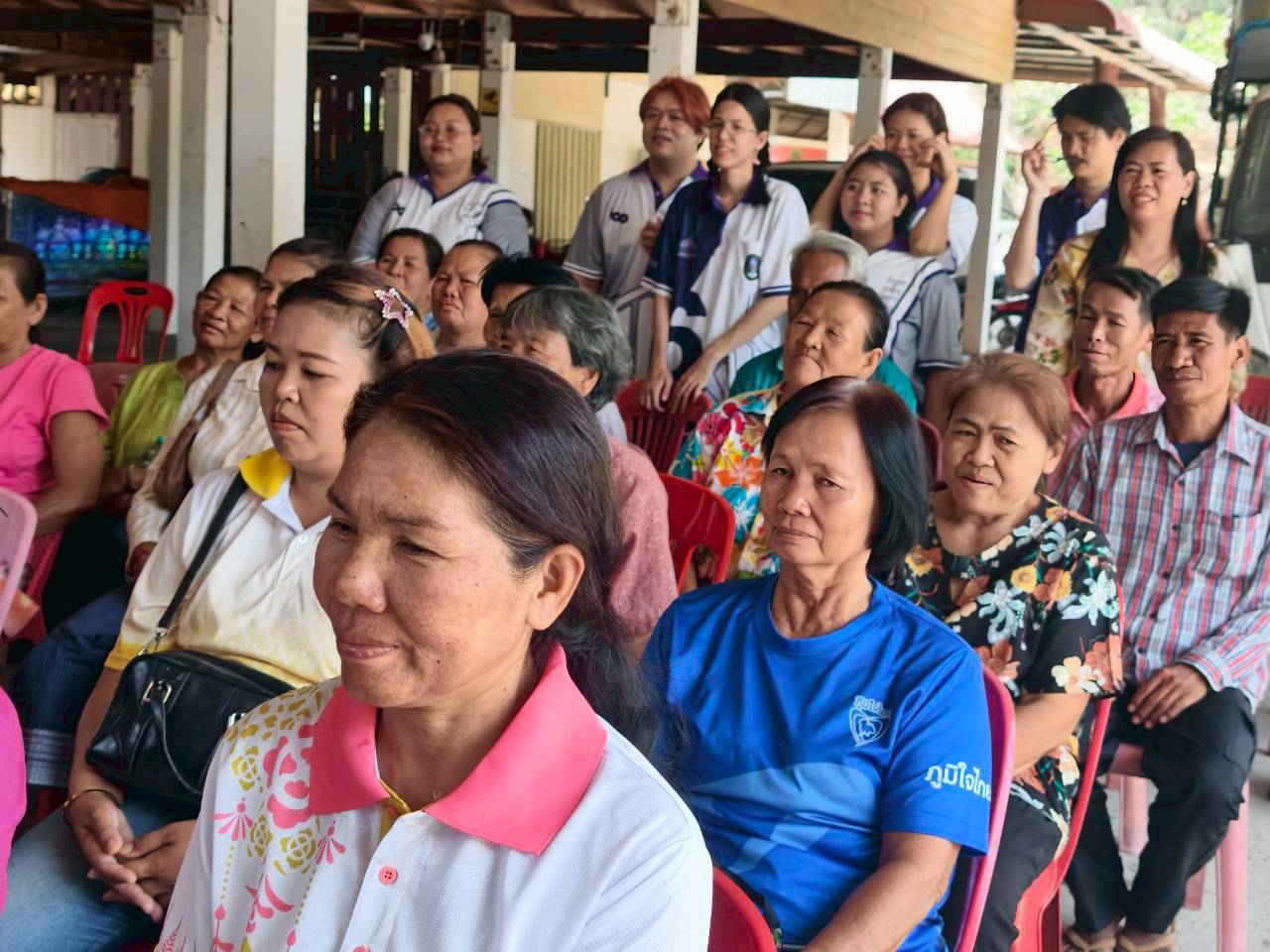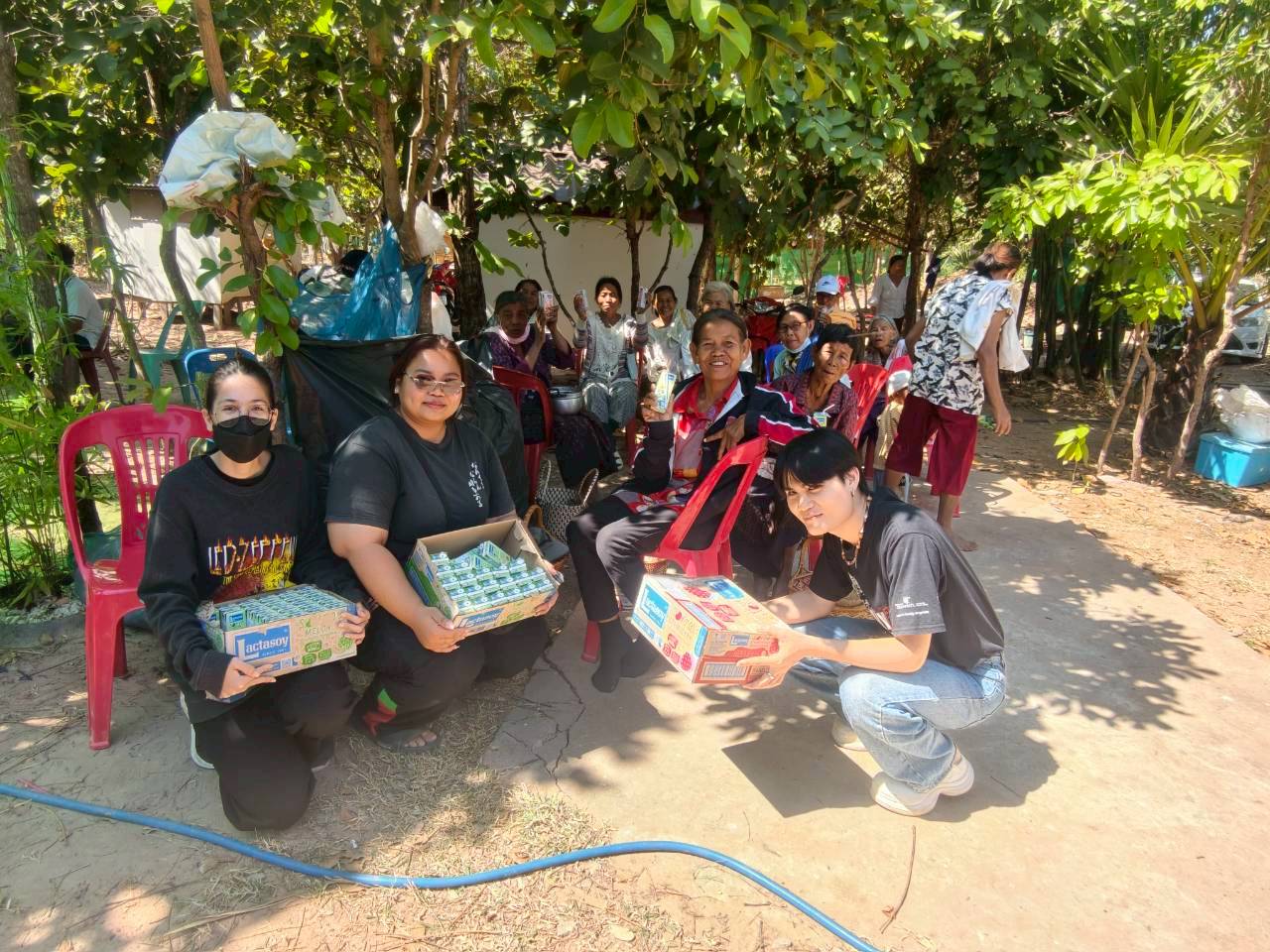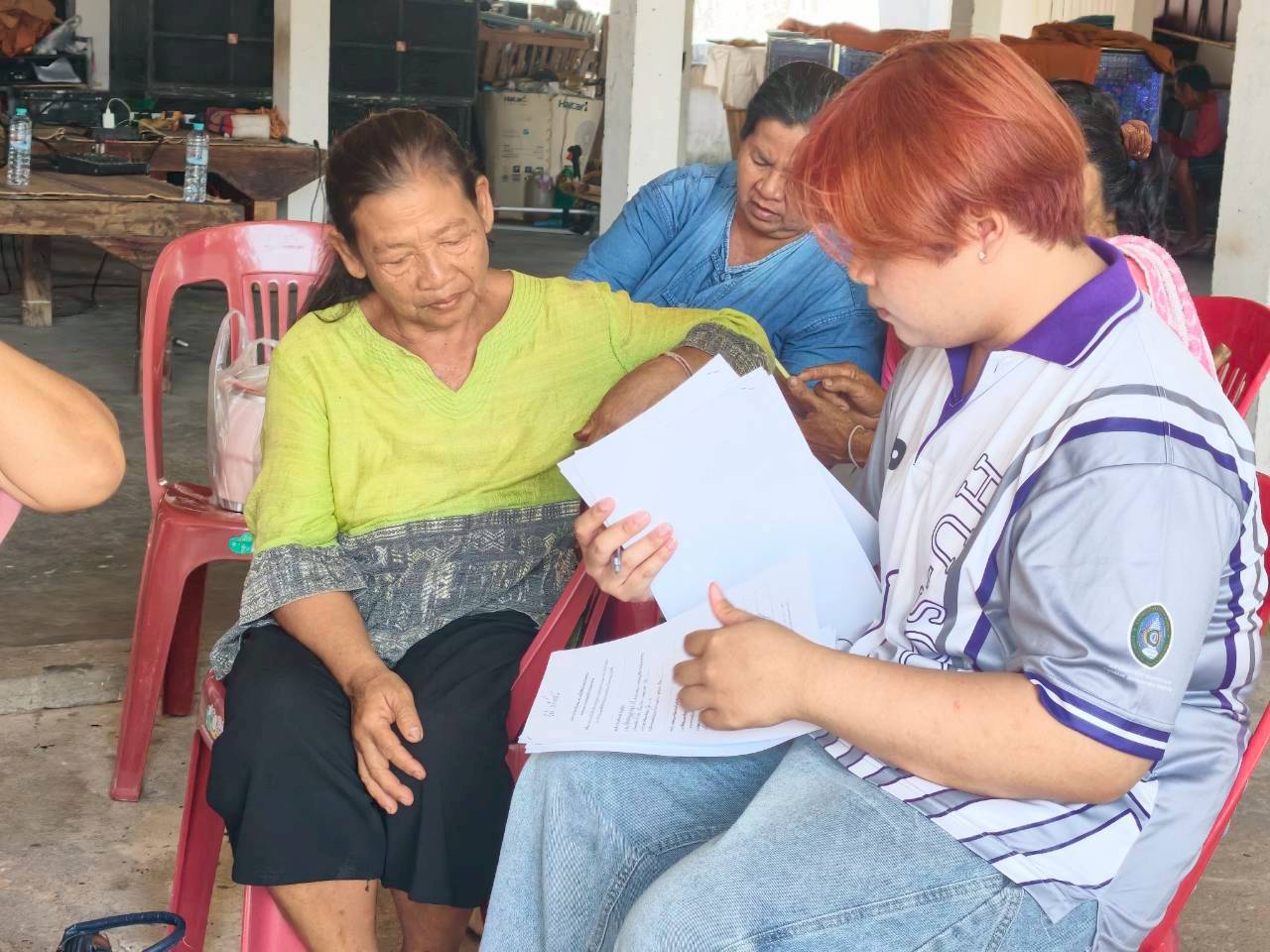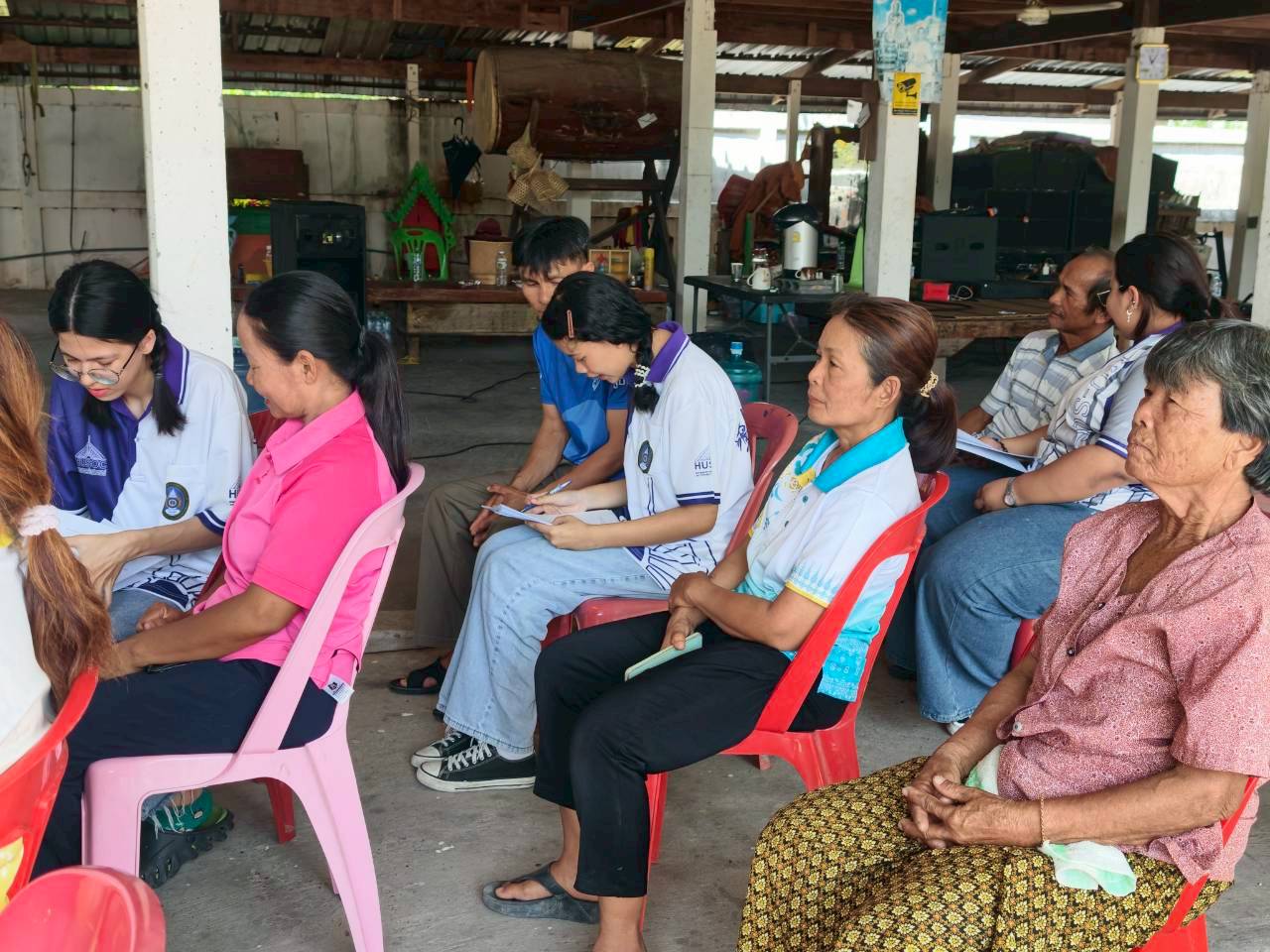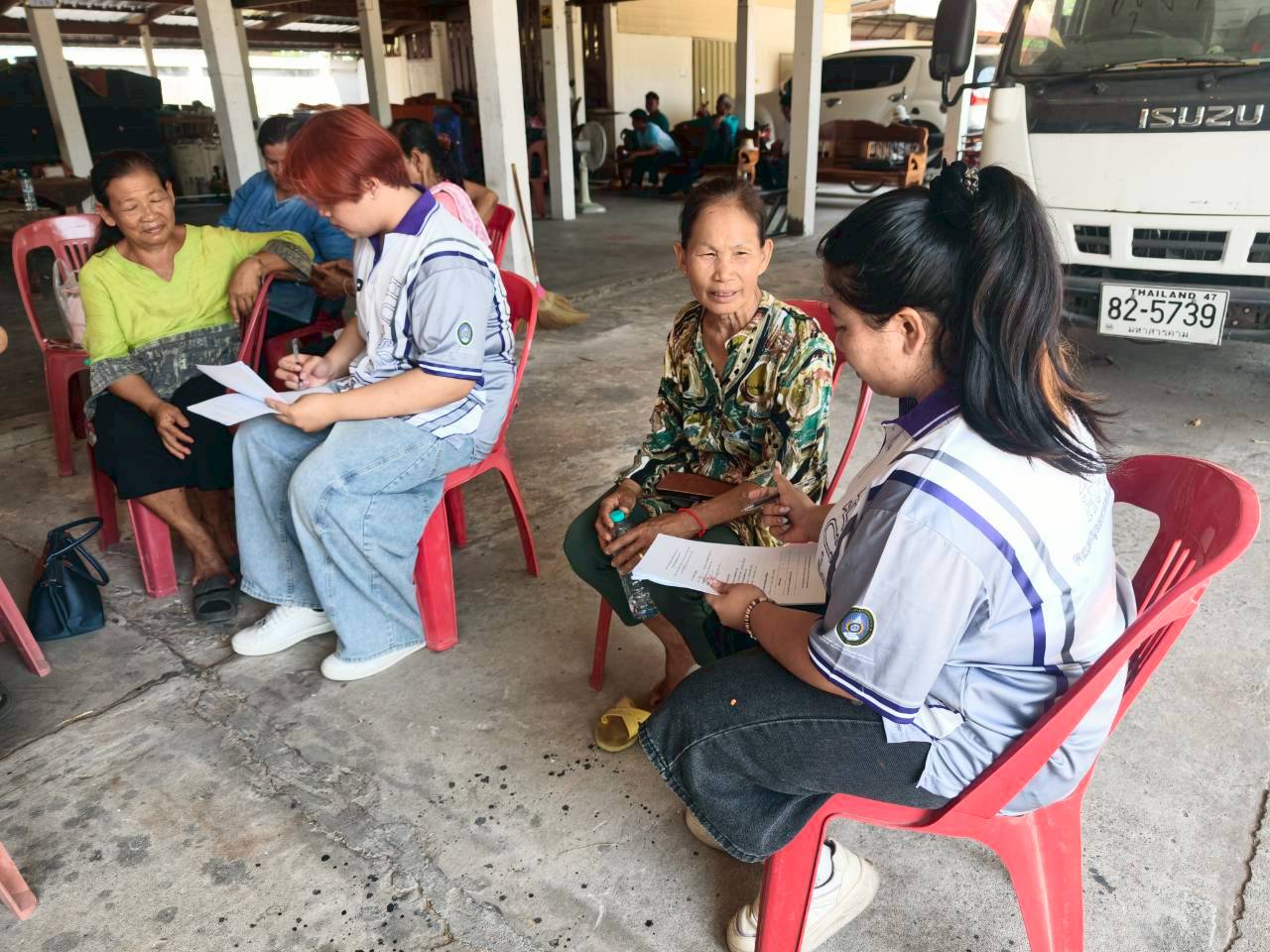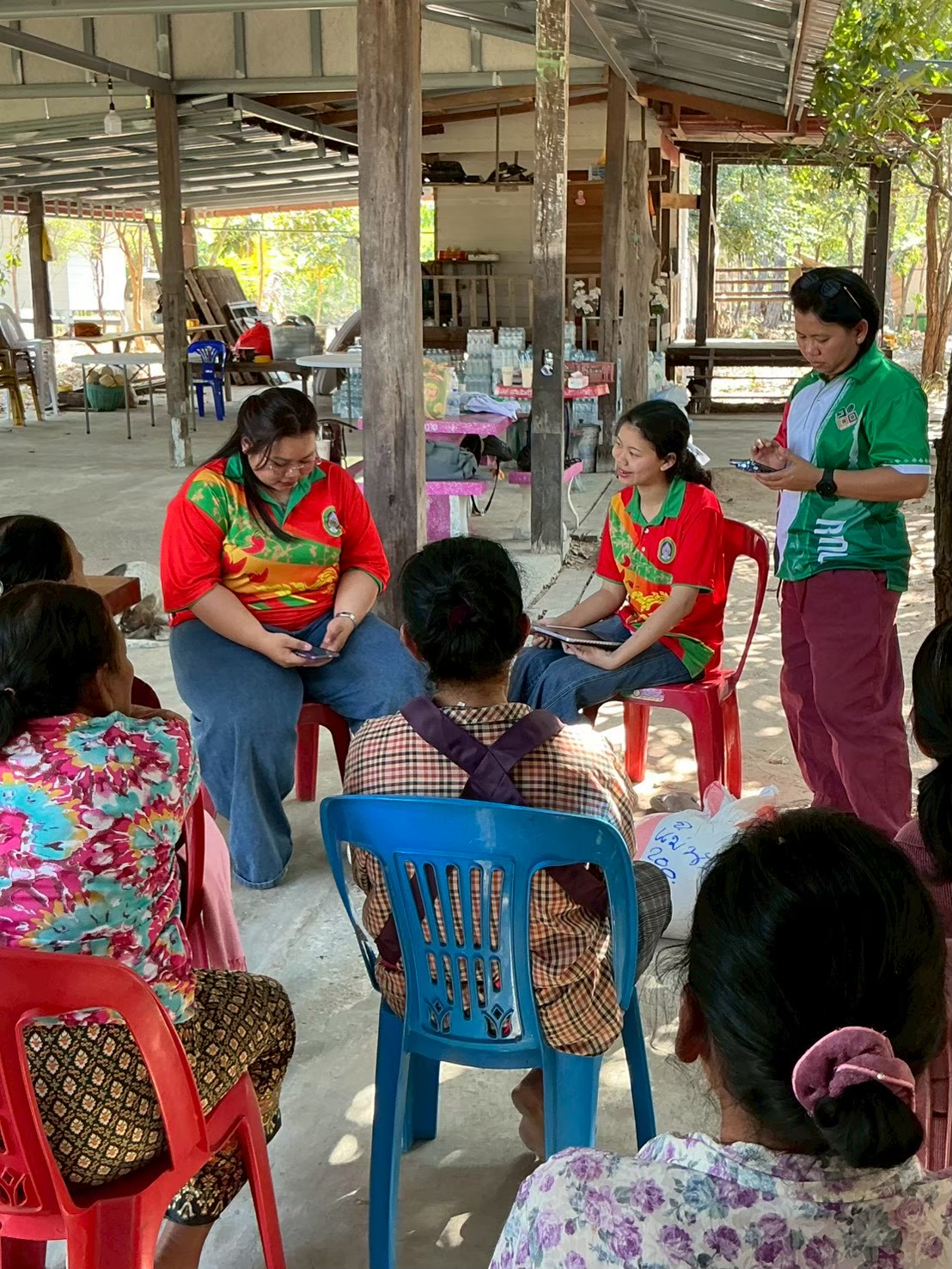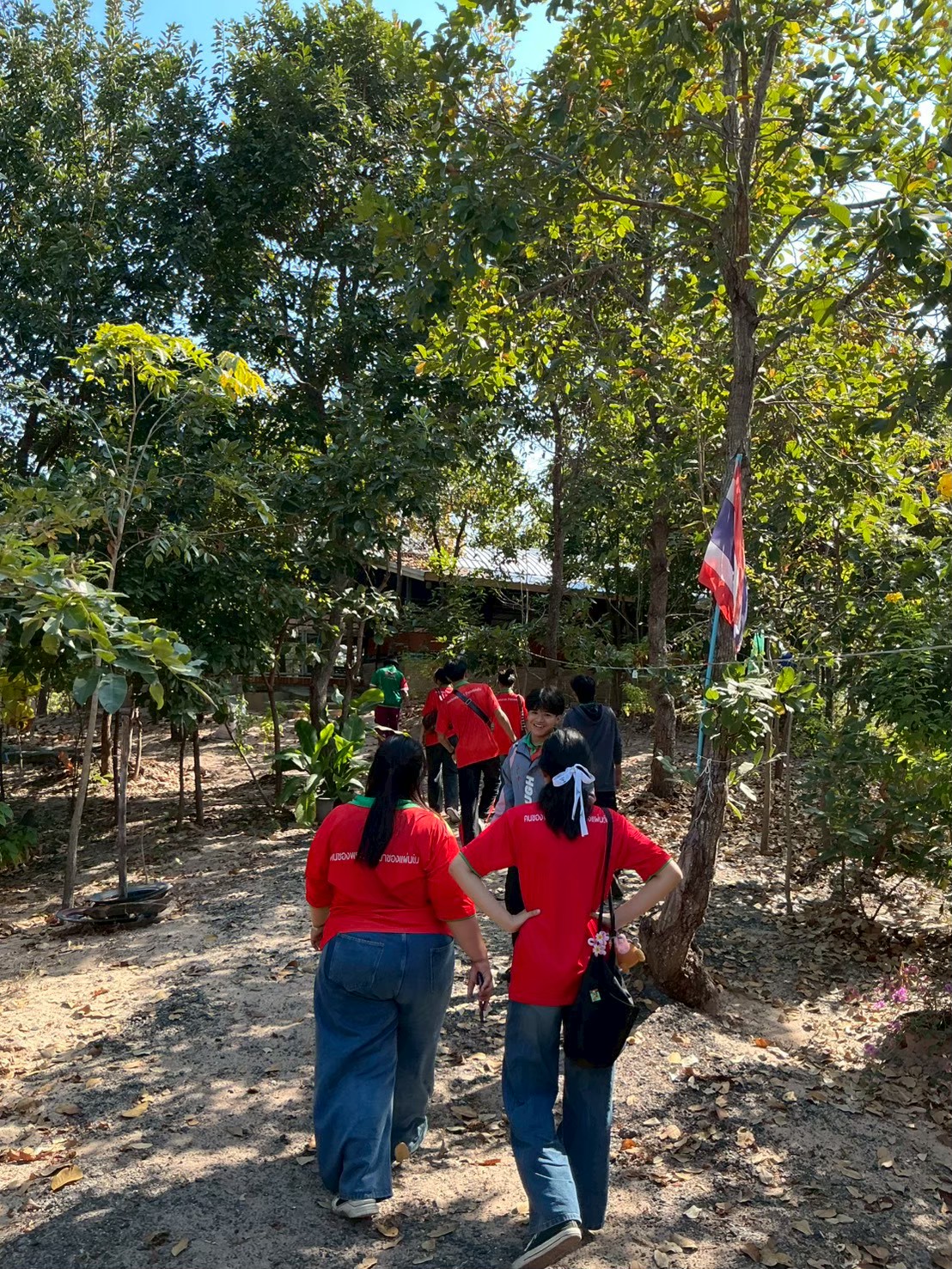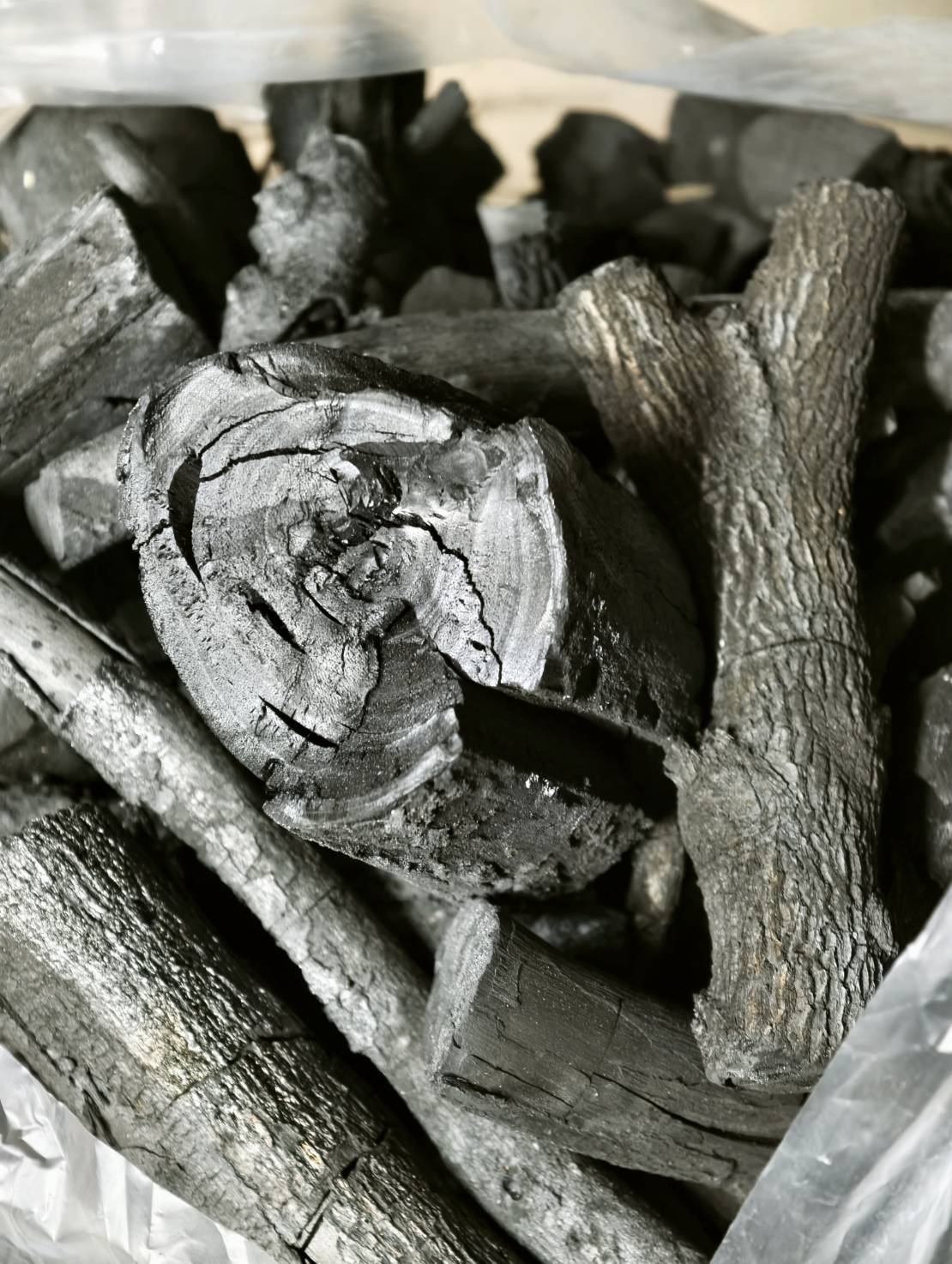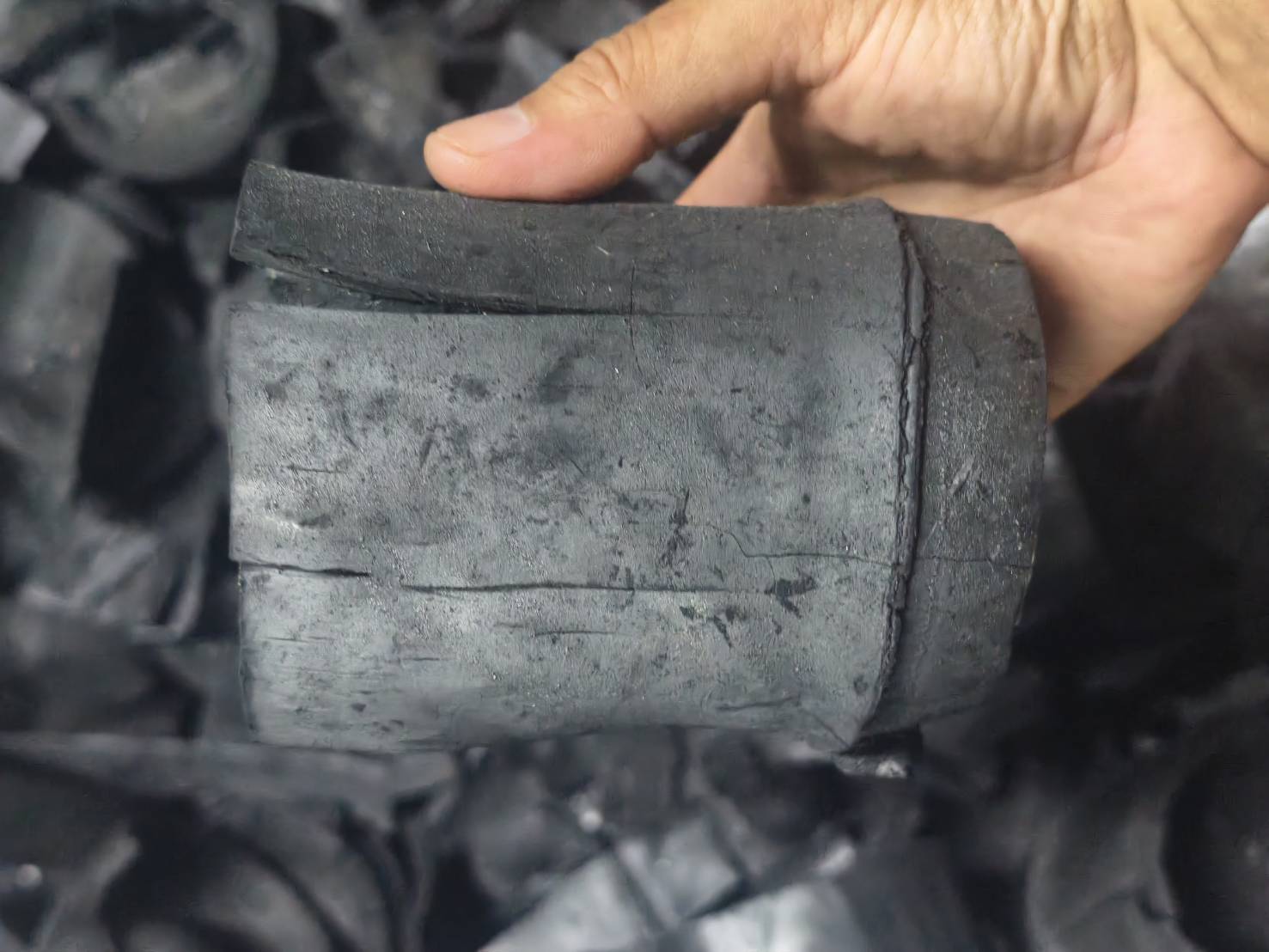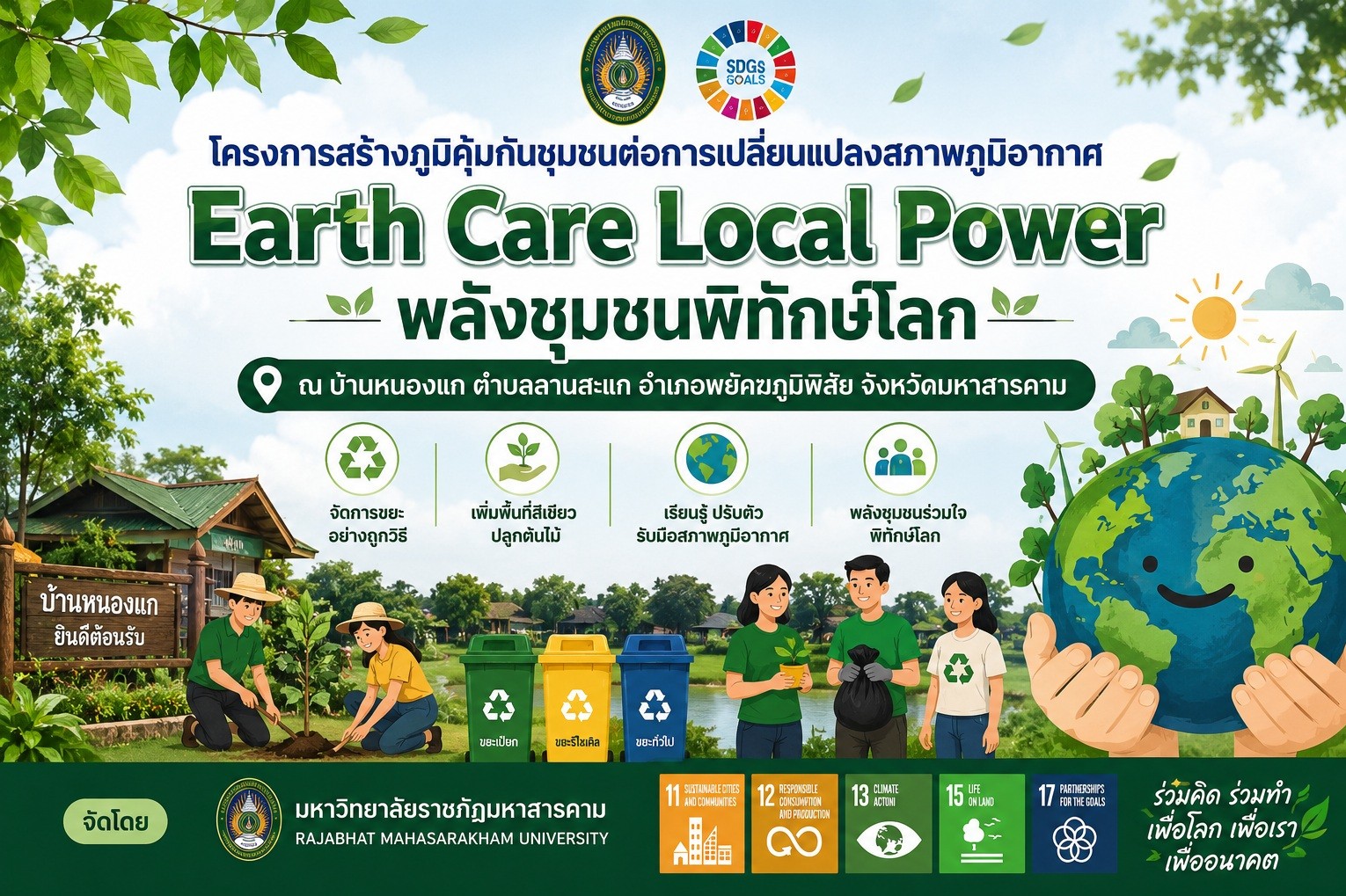
– October 31, 2026 1 พฤศจิกายน 2568
– 31 ตุลาคม 2569
Part 1: Project Details ส่วนที่ 1 รายละเอียดการดำเนินงาน
Objectives วัตถุประสงค์โครงการ
1. To enhance knowledge, understanding, and awareness of the impacts of climate change among the general public, youth, and local communities.
2. To create a model green community that can serve as a learning resource and be replicated in other communities.
3. To instill environmental awareness and create nature-friendly behaviors in the daily lives of people in the community.
1. เพื่อเสริมสร้างความรู้ ความเข้าใจ และตระหนักถึงผลกระทบของการเปลี่ยนแปลงสภาพภูมิอากาศให้แก่ประชาชน เยาวชน และกลุ่มชุมชนท้องถิ่น
2. เพื่อสร้างต้นแบบชุมชนรักษ์โลก (Green Community Model) ที่สามารถเป็นแหล่งเรียนรู้และขยายผลสู่ชุมชนอื่นได้
3. เพื่อปลูกฝังจิตสํานึกด้านสิ่งแวดล้อมและสร้างพฤติกรรมที่เป็นมิตรกับธรรมชาติในชีวิตประจำวันของคนในชุมชน
Main Activities กิจกรรมหลัก
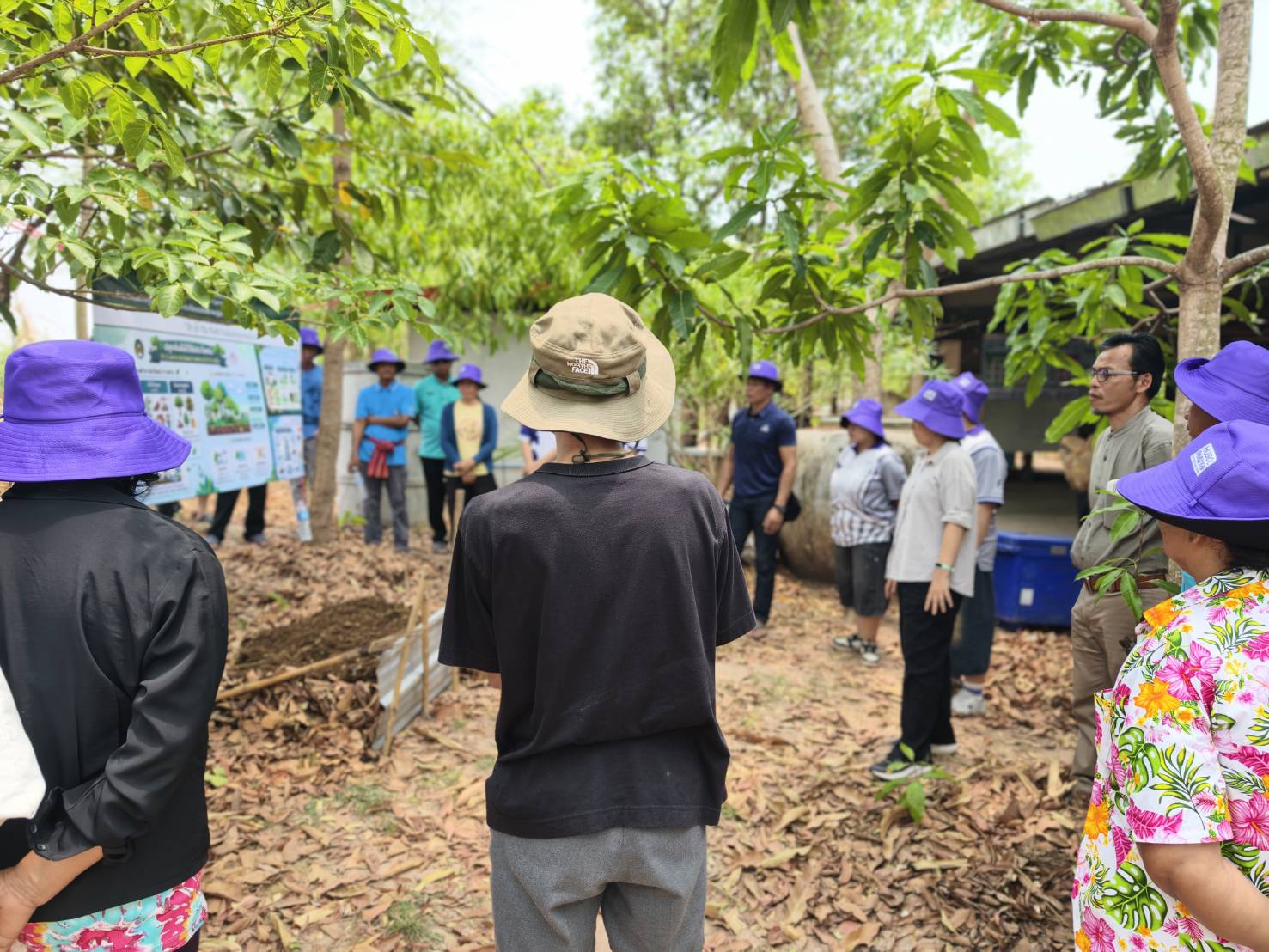
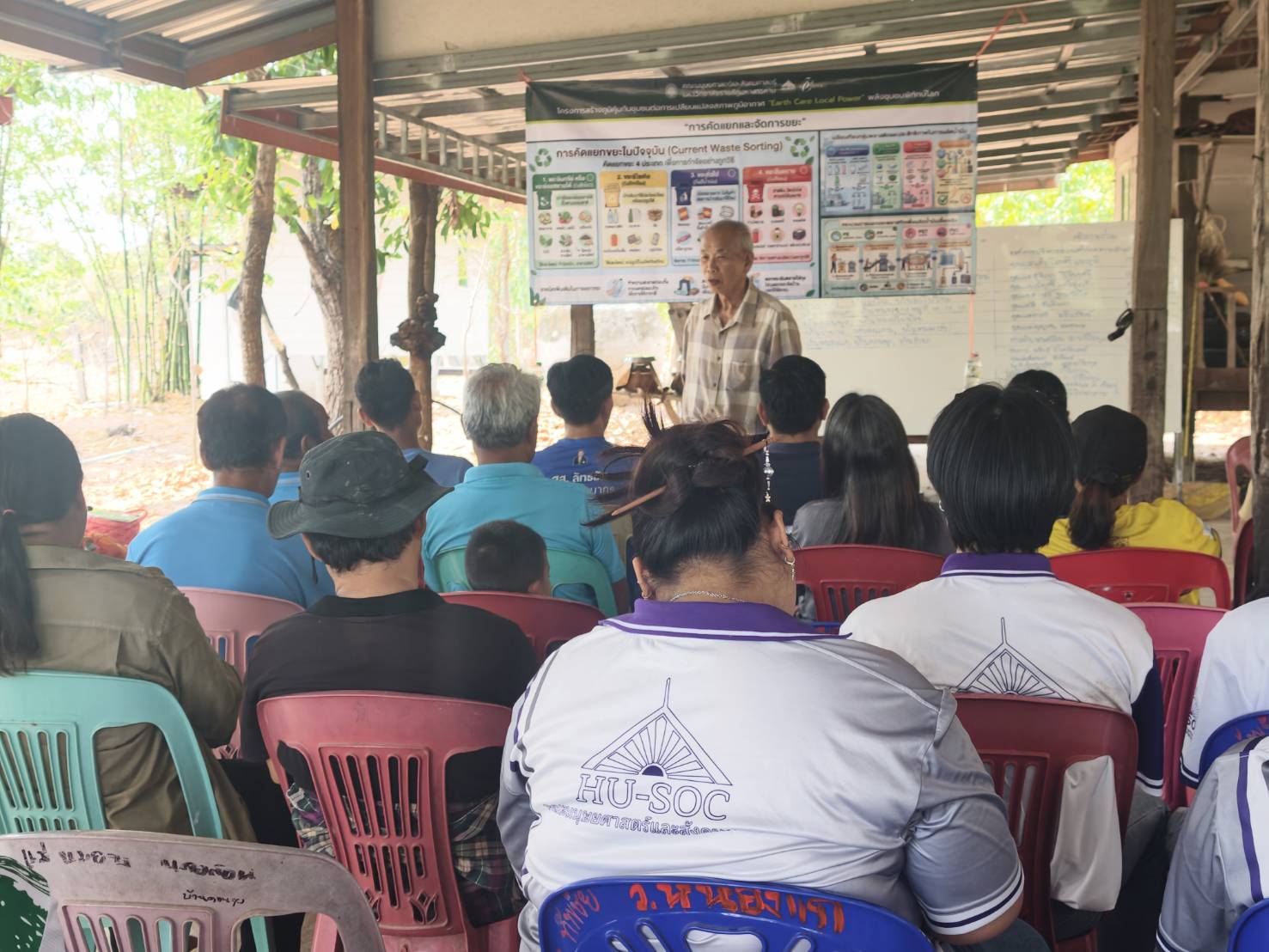
1. Build knowledge and awareness.
2. Create a model for environmentally friendly agriculture.
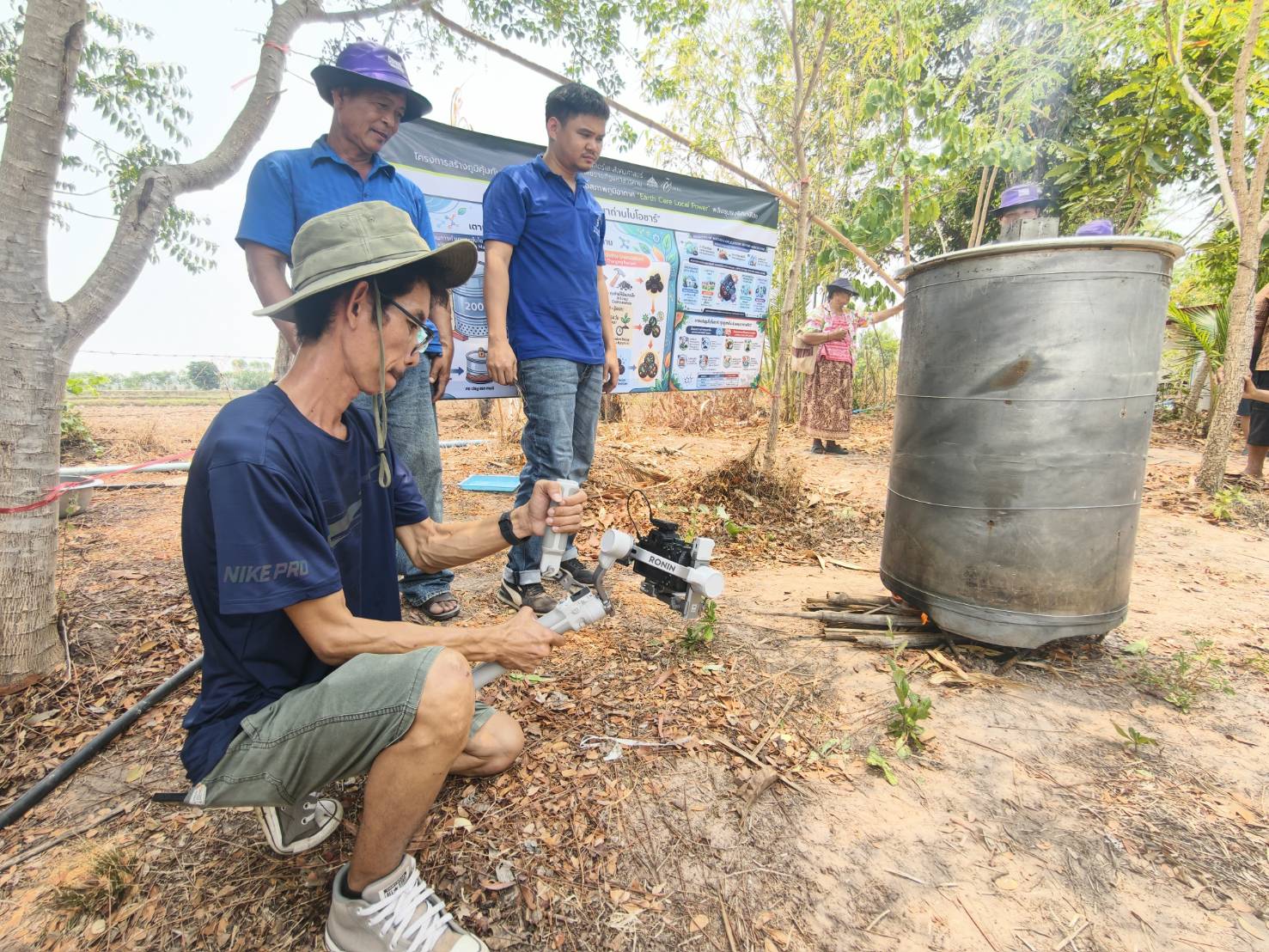
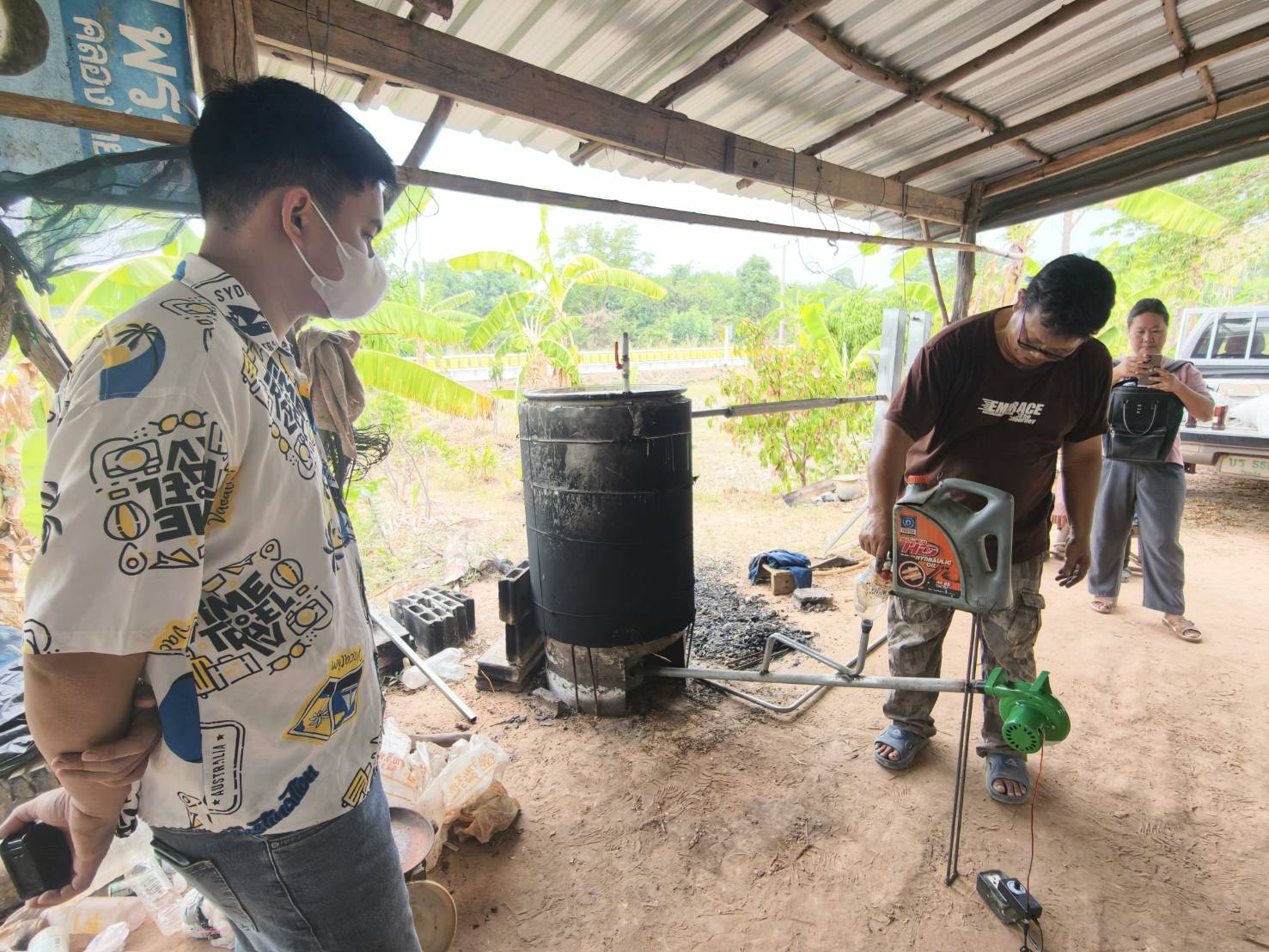
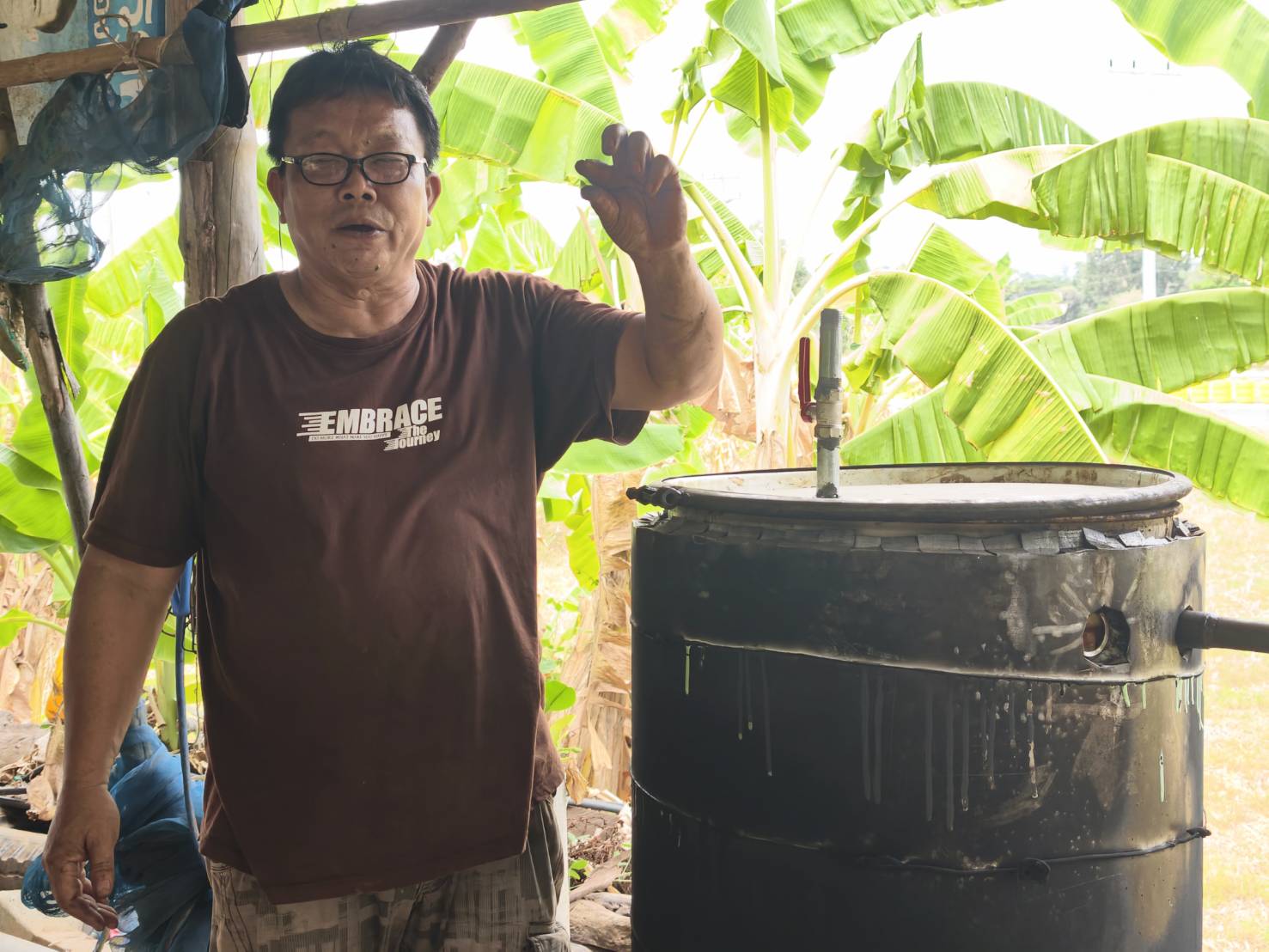
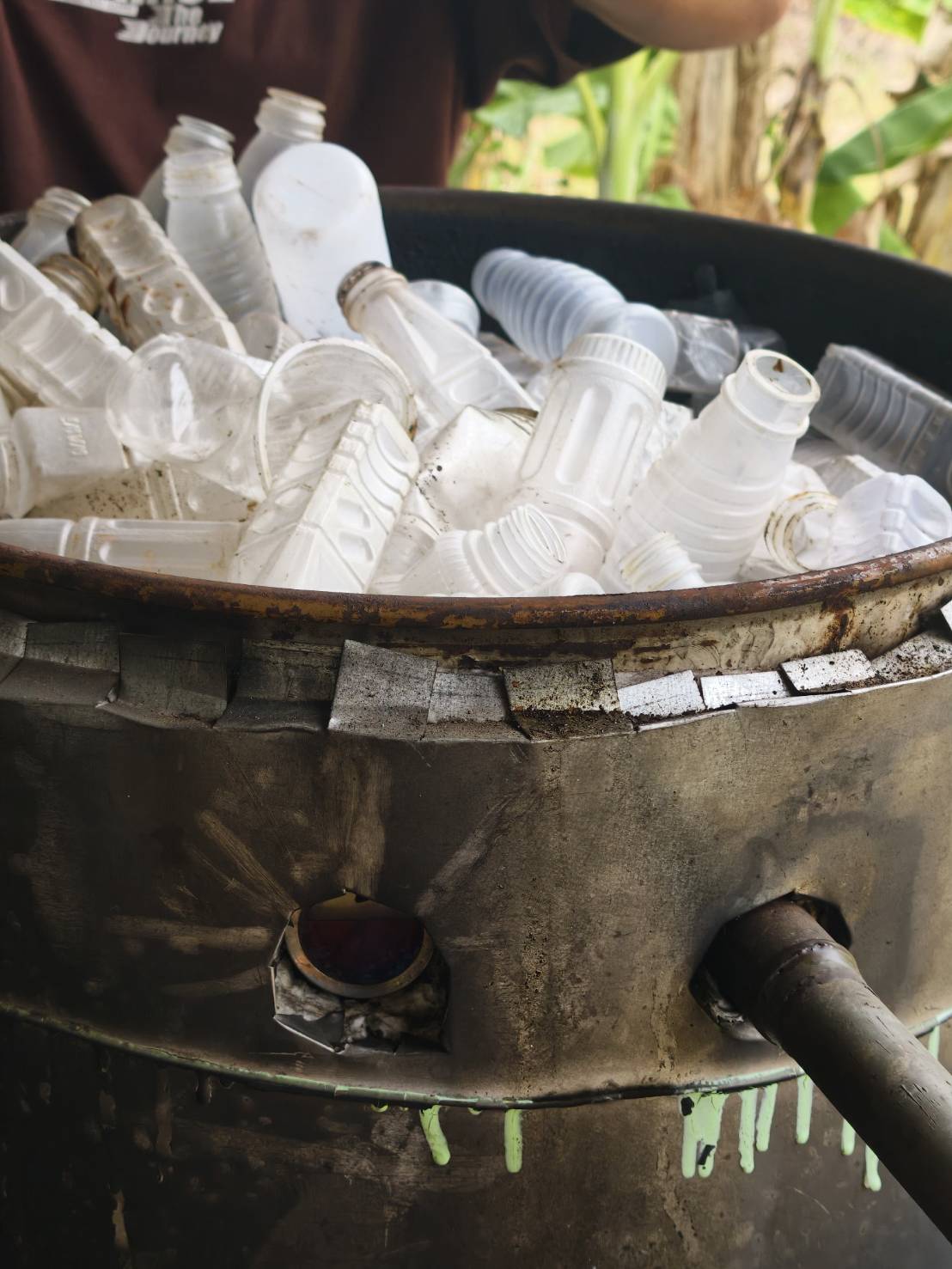
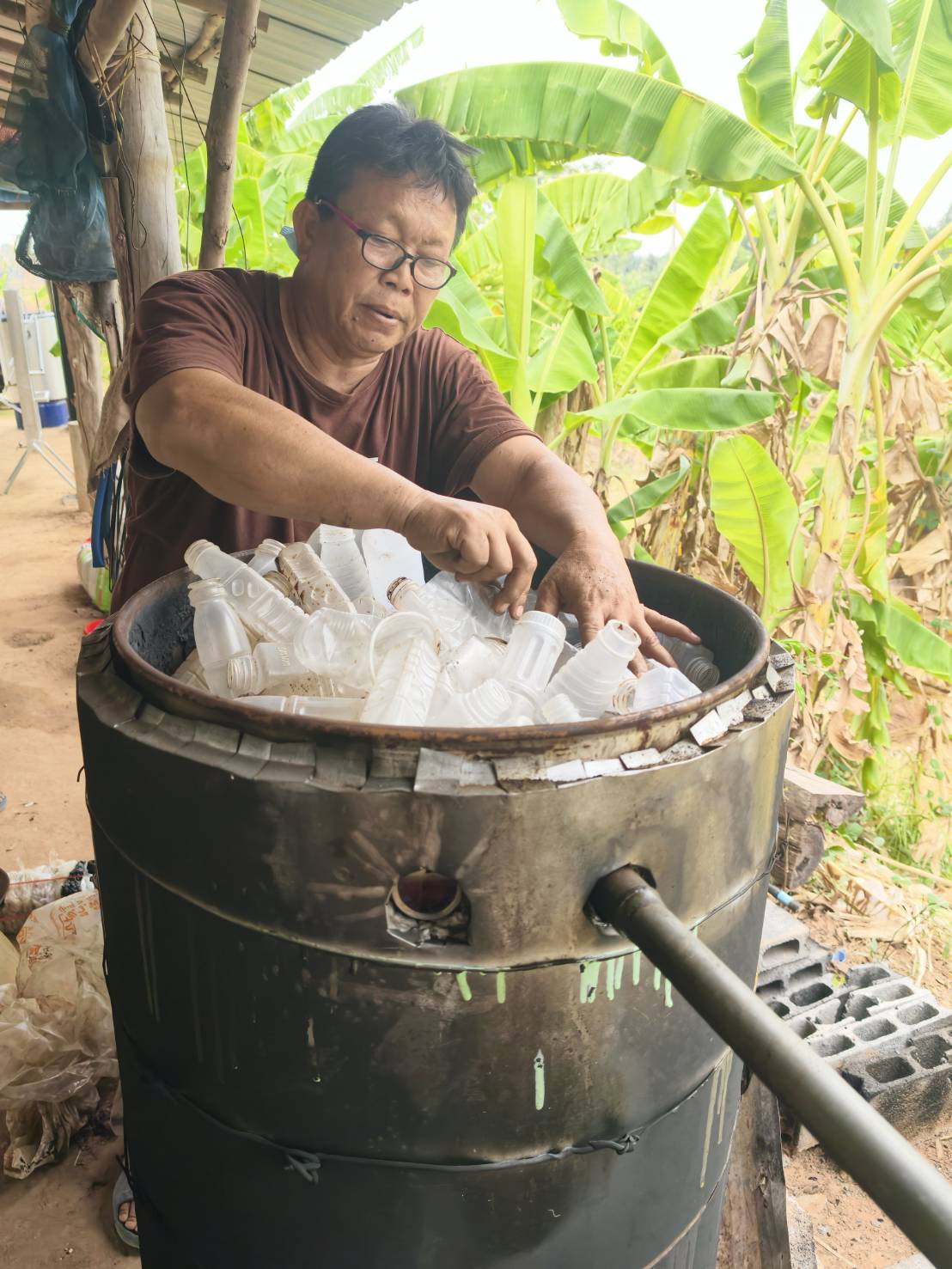
4. Create innovations/products from recycled materials.
3. Establish community forest management groups/tree guardians.
1.สร้างความรู้และความตระหนัก
2.สร้างต้นแบบด้านเกษตรรักษ์โลก
4.สร้างนวัตกรรม/ผลิตภัณฑ์จากวัสดุเหลือใช้
3. จัดตั้งกลุ่มดูแลป่าชุมชน/ผู้พิทักษ์ต้นไม้
Part 2: Outcomes & Impact ส่วนที่ 2 ผลลัพธ์และผลกระทบ
Outcomes ผลลัพธ์ที่เกิดขึ้น
1. Income increased by 10%
2. Production and sales costs reduced by 10% through online marketplaces
3. Communities are strengthened and prepared to cope with natural disasters and climate change
4. Continuous learning occurs and environmental conservation awareness is built in the long term
5. Percentage of overall happiness
1.รายได้เพิ่ม 10 %
2.ลดต้นทุนการผลิตและการขายผ่านตลาดออนไลน์ 10 %
3. ชุมชนมีความเข้มแข็งและพร้อมรับมือภัยธรรมชาติและการเปลี่ยนแปลงสภาพภูมิอากาศ
4. เกิดการเรียนรู้ต่อเนื่องและสร้างจิตสํานึกการอนุรัก ษ์สิ่งแวดล้อมในระยะยาว
5. ร้อยละความสุขมวลรวม
Community & Social Impact ผลกระทบต่อชุมชน/สังคม
1. The community has a strong and sustainable grassroots economy.
2. The community has a strong and sustainable grassroots economy.
3. The environment in the community is balanced and sustainable.
1.ชุมชนมีเศรษฐกิจฐานรากเข้มแข็งและยั่งยืน
2.ชุมชนมีเศรษฐกิจฐานรากเข้มแข็งและยั่งยืน
3. สิ่งแวดล้อมในชุมชนสมดุลและยั่งยืน
Student & Staff Participation การมีส่วนร่วมของนักศึกษา/บุคลากร
Students
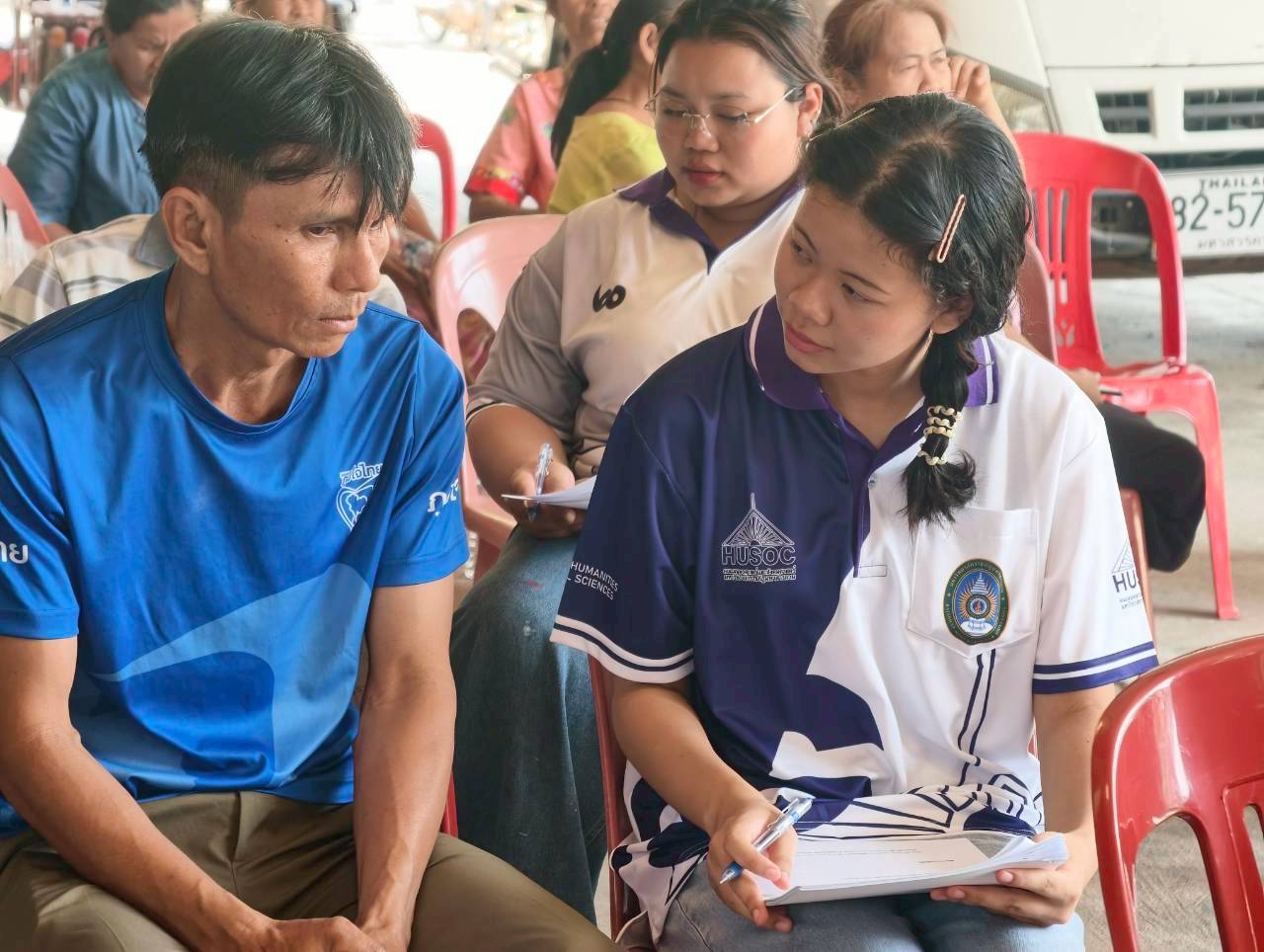
- Serve as youth facilitators or assistant facilitators.
- Organize environmental education activities.
- Create promotional materials.
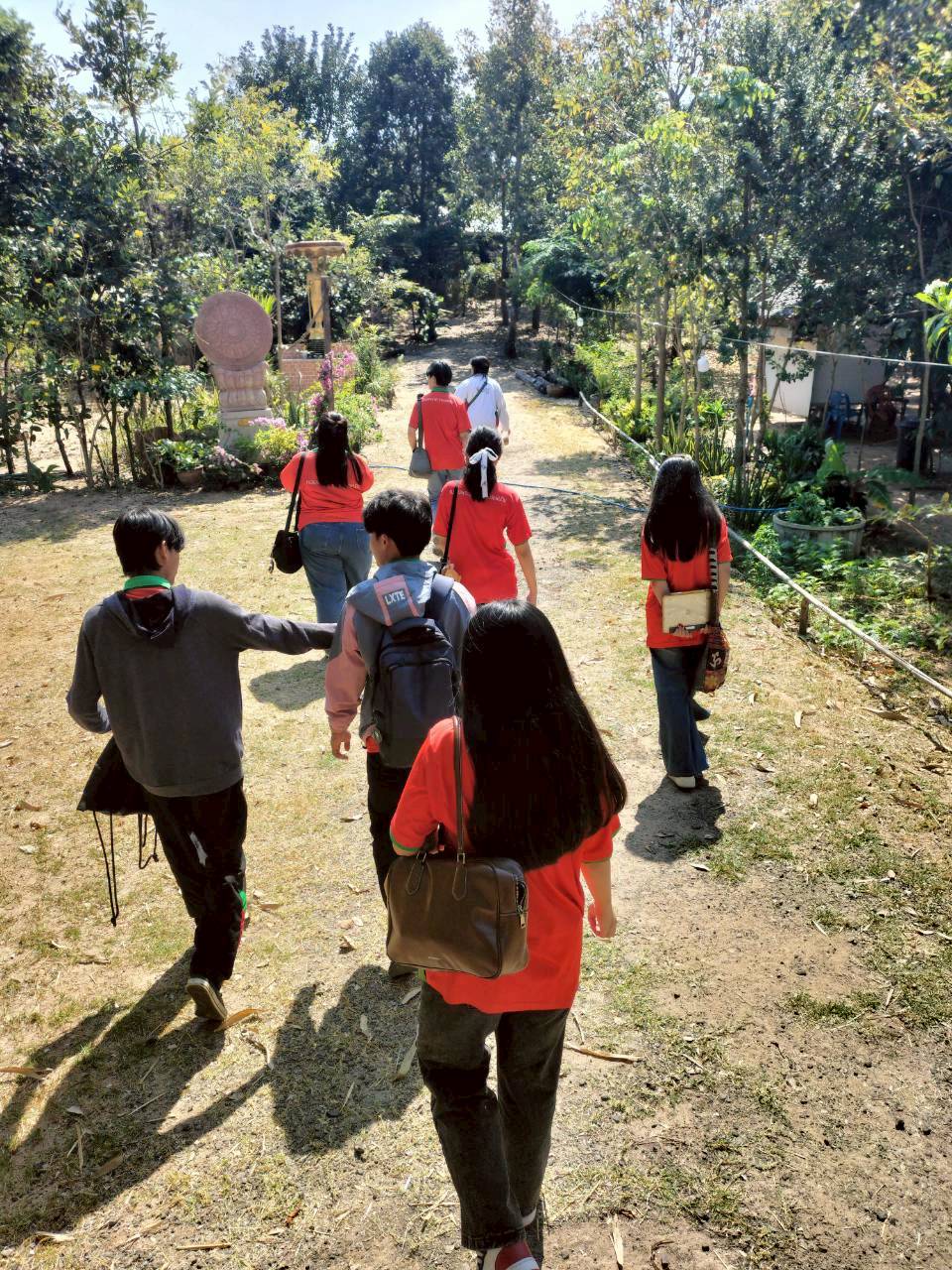
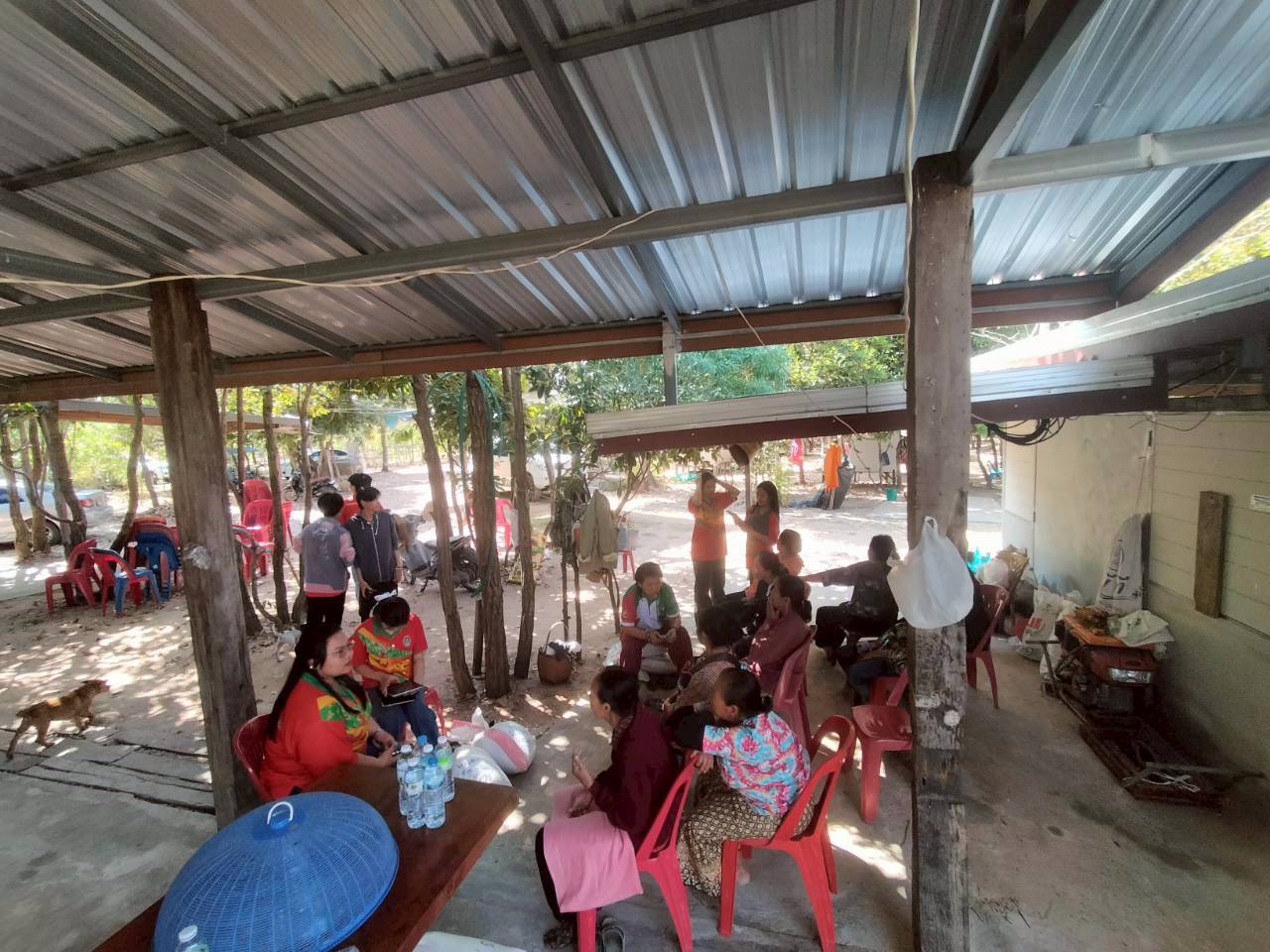
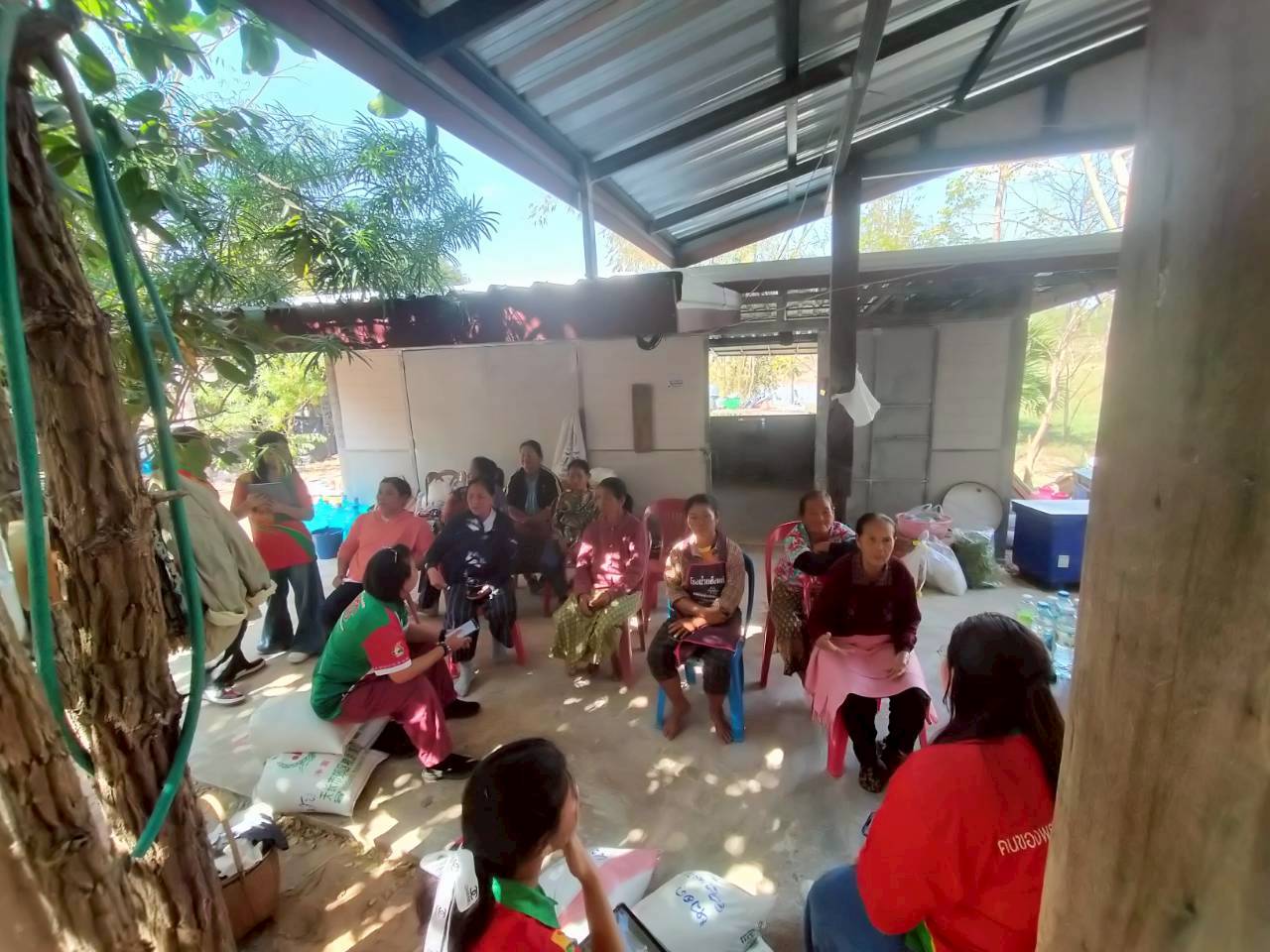
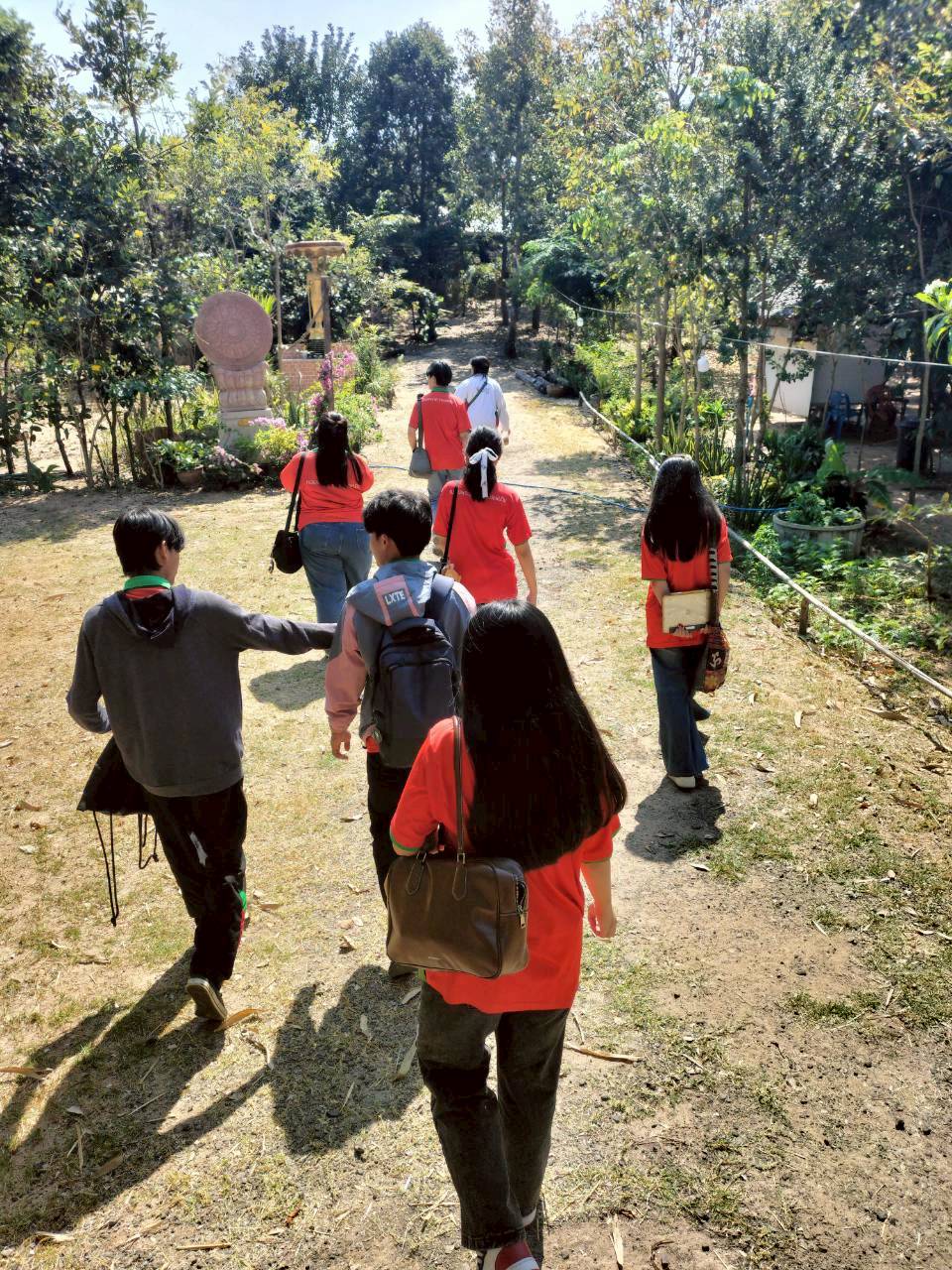
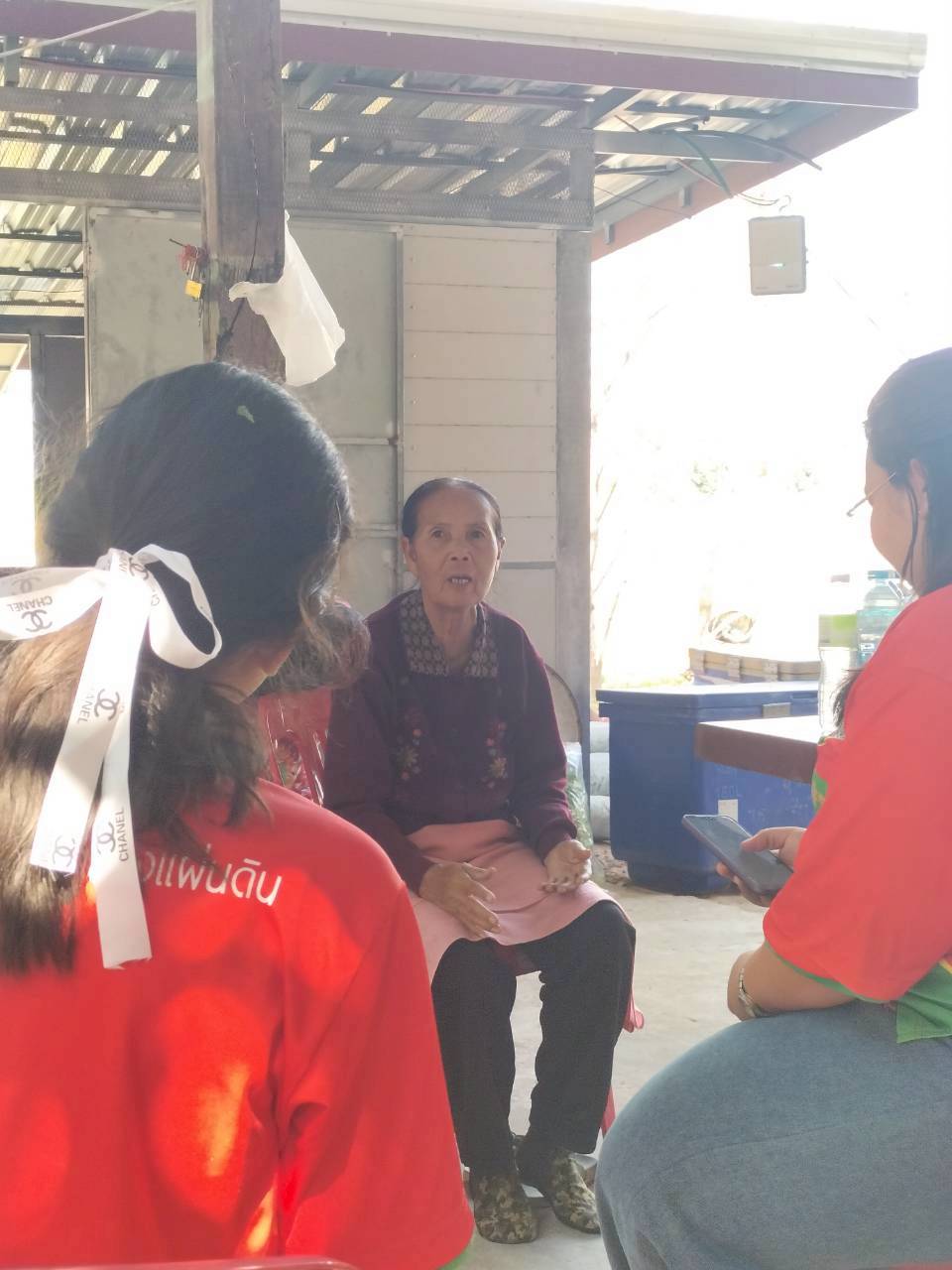
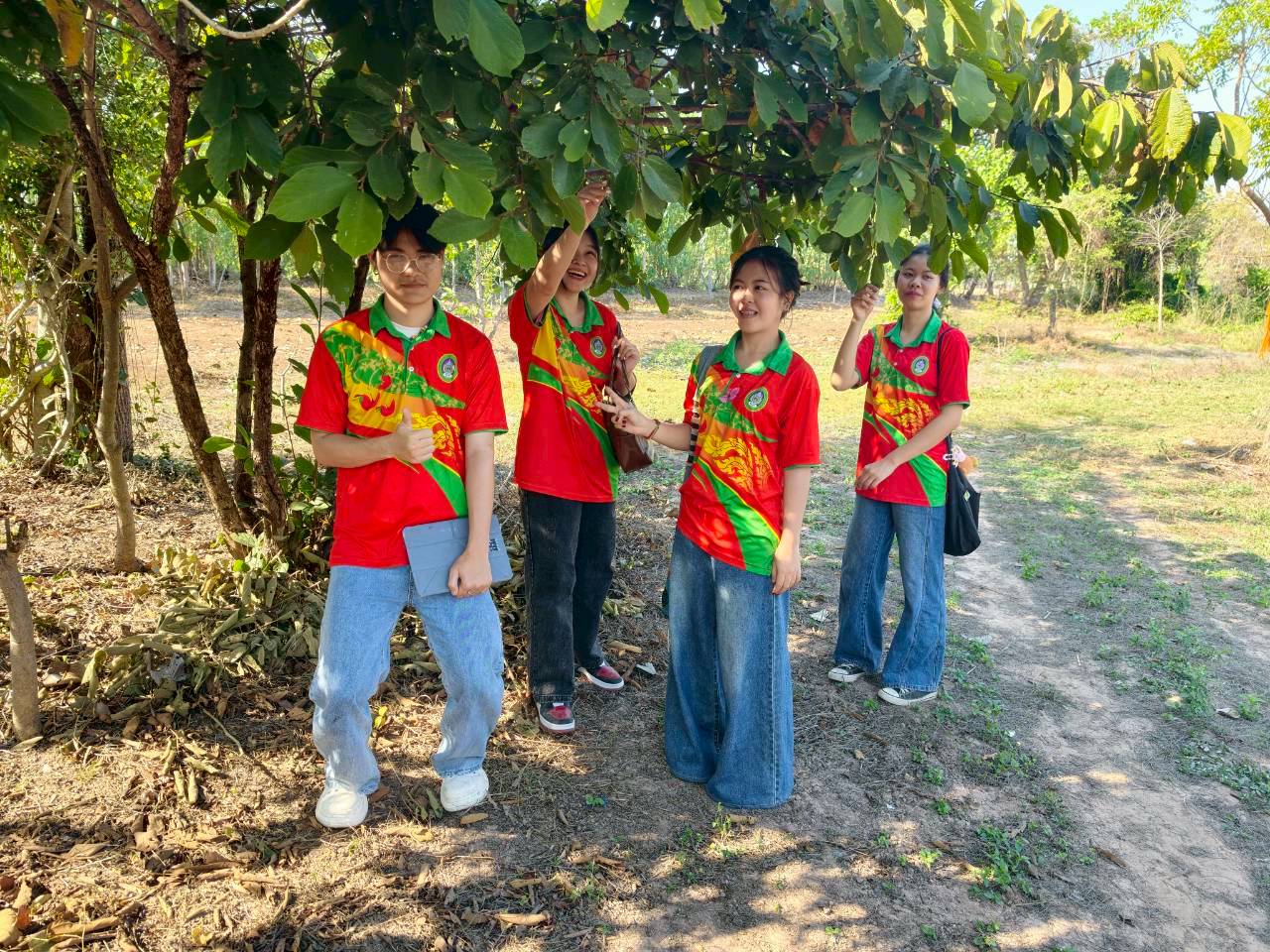
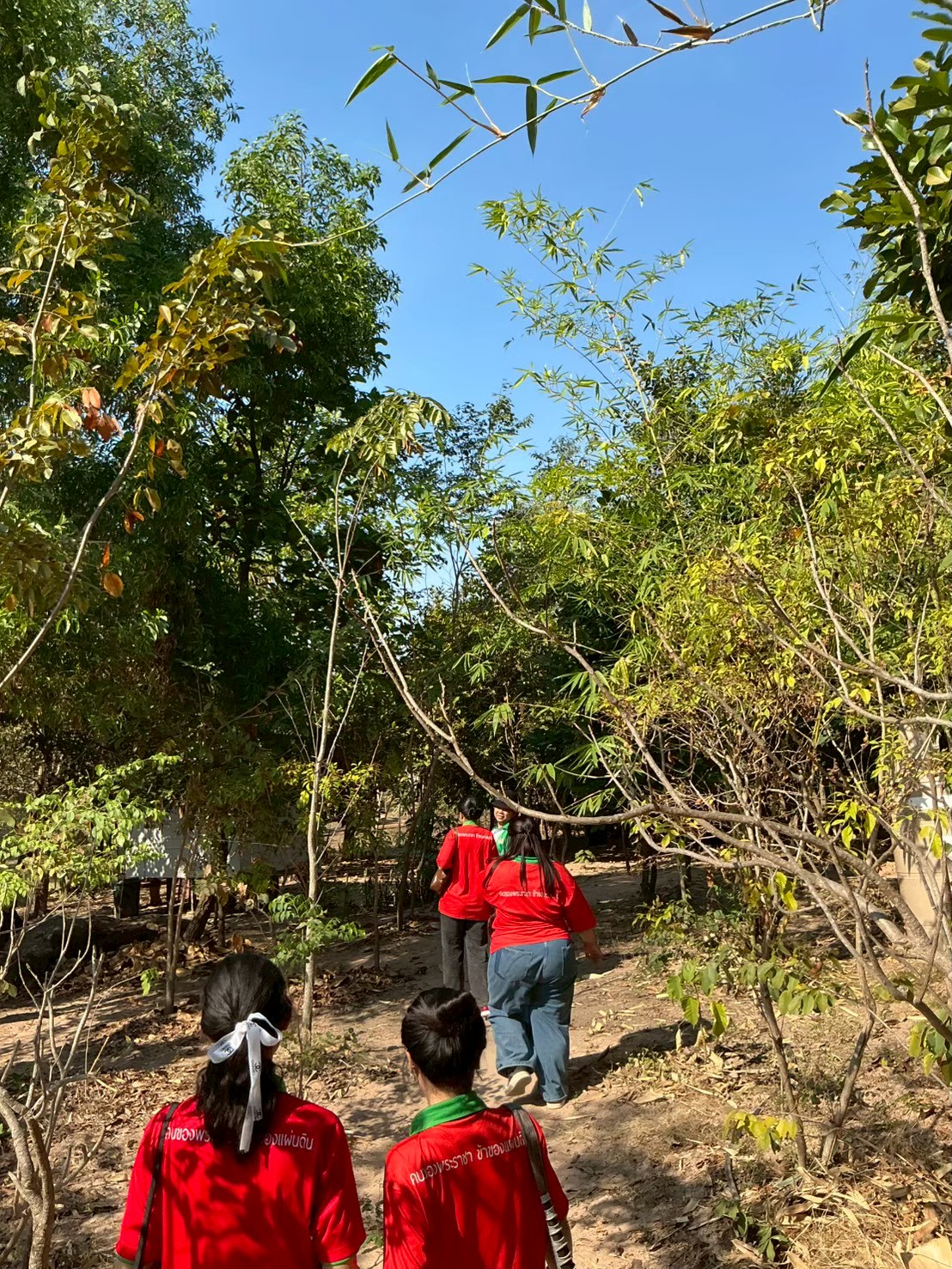
- Conduct fieldwork and follow-up.
- Participate in tree planting and green space restoration.
- Organize waste reduction and waste sorting activities.
Personnel
- Supervise activities.
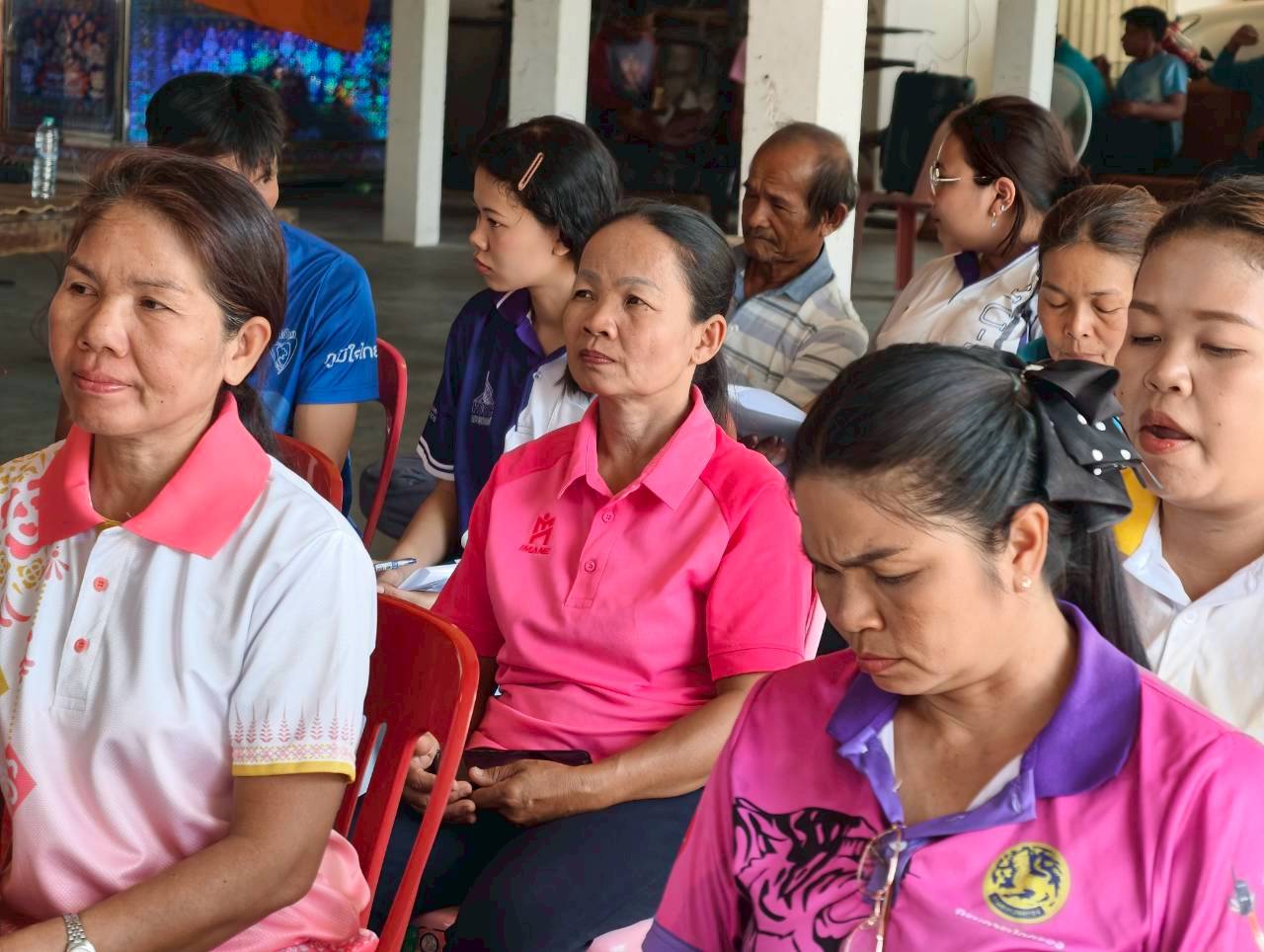
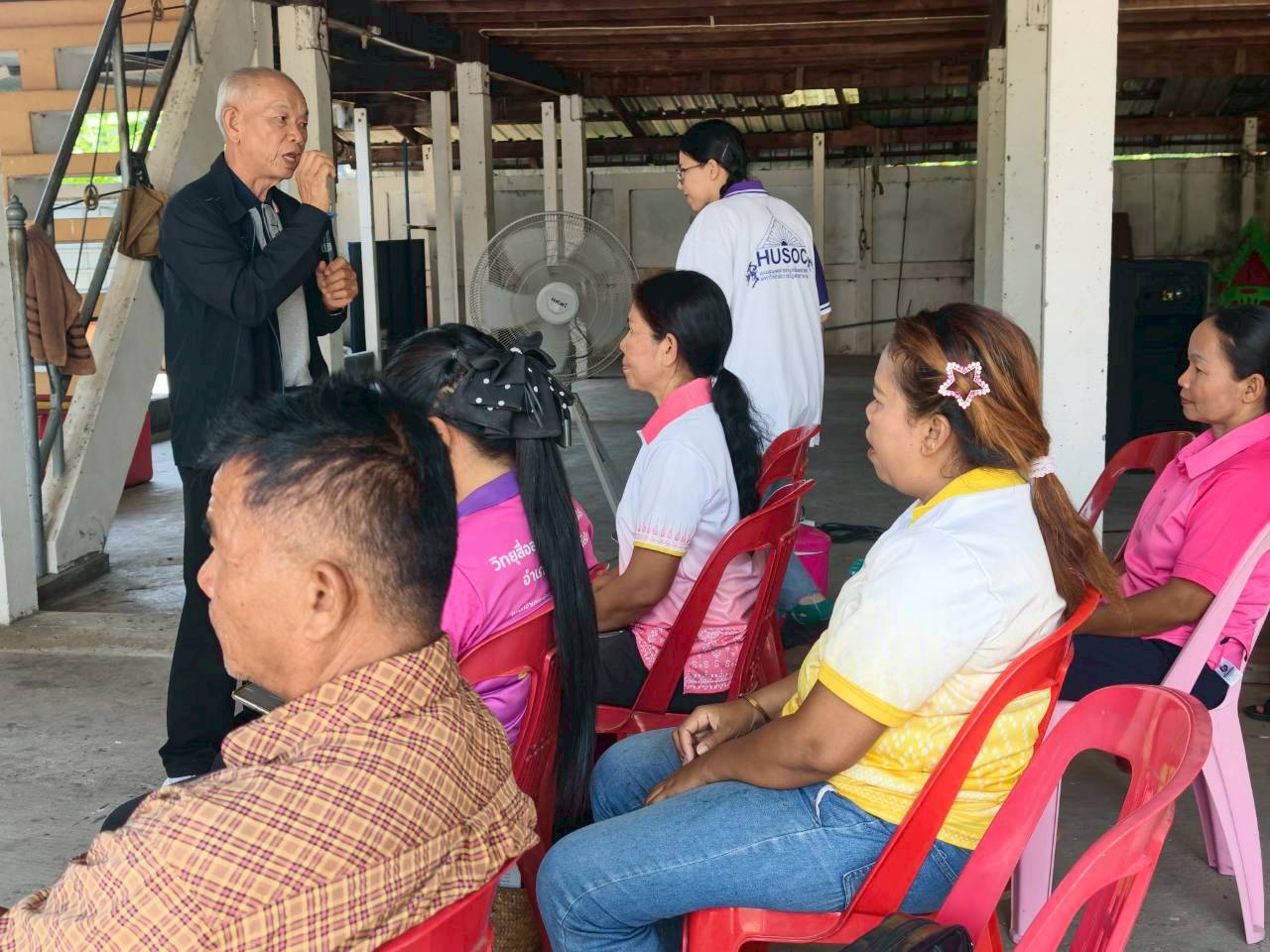
- Disseminate knowledge.
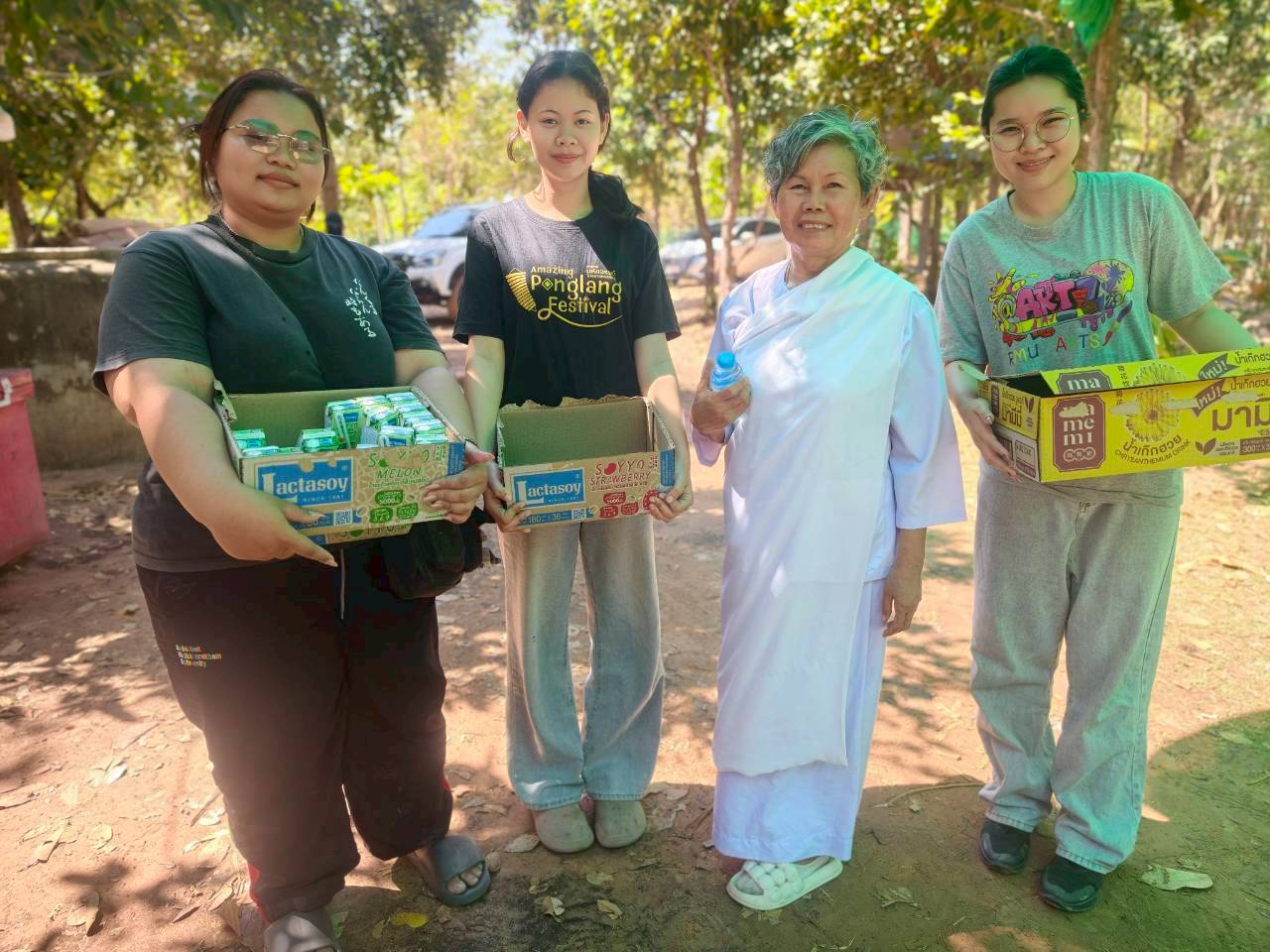
- Support fieldwork operations.
- Connect with government and private sector networks.
นักศึกษา
- เป็นวิทยากรเยาวชนหรือผู้ช่วยวิทยากร
- จัดกิจกรรมให้ความรู้ด้านสิ่งแวดล้อม
- จัดทำสื่อประชาสัมพันธ์
- ลงพื้นที่เก็บข้อมูลและติดตามผล
- ร่วมปลูกต้นไม้ ฟื้นฟูพื้นที่สีเขียว
- จัดกิจกรรมลดขยะและคัดแยกขยะ
บุคลากร
- กำกับดูแลกิจกรรม
- ถ่ายทอดองค์ความรู้
- สนับสนุนการดำเนินงานภาคสนาม
- เชื่อมโยงเครือข่ายภาครัฐและเอกชน
Project Continuity ความต่อเนื่องของโครงการ
Following the implementation of the Earth Care Local Power project, ongoing mechanisms will be developed through the training of community and student leaders to disseminate knowledge on climate change adaptation, as well as the establishment of permanent environmental learning centers within communities.
The university will continuously integrate the project areas into teaching, academic services, and research for faculty and students, as well as promote the creation of collaborative networks between the community, local government organizations, schools, and various partners to jointly drive long-term environmental activities.
Furthermore, the project's outcomes will be further developed into model climate-resilient communities and green communities, which can be sustainably scaled up to other areas in the future.
ภายหลังการดำเนินโครงการ Earth Care Local Power : พลังชุมชนพิทักษ์โลก จะมีการพัฒนากลไกการดำเนินงานอย่างต่อเนื่องผ่านการสร้างแกนนำชุมชนและแกนนำนักศึกษาเพื่อเป็นผู้ถ่ายทอดองค์ความรู้ด้านการปรับตัวต่อการเปลี่ยนแปลงสภาพภูมิอากาศ พร้อมทั้งจัดตั้งฐานการเรียนรู้ด้านสิ่งแวดล้อมในชุมชนเพื่อเป็นแหล่งเรียนรู้ถาวร
มหาวิทยาลัยจะบูรณาการพื้นที่ดำเนินโครงการเข้ากับการจัดการเรียนการสอน การบริการวิชาการ และการวิจัยของคณาจารย์และนักศึกษาอย่างต่อเนื่อง ตลอดจนส่งเสริมการสร้างเครือข่ายความร่วมมือระหว่างชุมชน องค์กรปกครองส่วนท้องถิ่น โรงเรียน และภาคีเครือข่ายต่าง ๆ เพื่อร่วมกันขับเคลื่อนกิจกรรมด้านสิ่งแวดล้อมในระยะยาว
นอกจากนี้ ผลลัพธ์จากโครงการจะได้รับการต่อยอดสู่การพัฒนาชุมชนต้นแบบด้านการรับมือการเปลี่ยนแปลงสภาพภูมิอากาศ (Climate Resilient Community) และเป็นต้นแบบการพัฒนาชุมชนสีเขียว (Green Community) ที่สามารถขยายผลสู่พื้นที่อื่นในอนาคตได้อย่างยั่งยืน
Part 3: Challenges & Suggestions ส่วนที่ 3 ปัญหาอุปสรรค/ข้อเสนอแนะ
Problems & Obstacles ปัญหา/อุปสรรค
The problems and obstacles encountered during the implementation of the project included time constraints in organizing activities that were compatible with the lifestyles and responsibilities of community members, maintaining continuous participation among the target groups, and weather-related factors that affected field-based activities. Nevertheless, the project team worked closely with community leaders and local partner networks to plan and coordinate project activities, while adapting the activity formats to suit the community context and needs. In addition, efforts were made to develop community leaders and student leaders as key driving forces for sustaining project activities. An important recommendation is to strengthen and systematically develop collaborative networks among the university, local communities, and relevant organizations, while continuously supporting the enhancement of environmental knowledge and related activities. Such efforts will help strengthen community resilience in responding to climate change and contribute to sustainable development in the long term. ปัญหาและอุปสรรคที่เกิดขึ้นในการดำเนินโครงการ ได้แก่ การมีข้อจำกัดด้านระยะเวลาในการดำเนินกิจกรรมให้สอดคล้องกับวิถีชีวิตและภารกิจของคนในชุมชน การสร้างการมีส่วนร่วมอย่างต่อเนื่องของกลุ่มเป้าหมาย รวมถึงปัจจัยด้านสภาพอากาศที่อาจส่งผลต่อการดำเนินกิจกรรมภาคสนาม อย่างไรก็ตาม คณะผู้ดำเนินโครงการจะวางแผนการดำเนินงานร่วมกับผู้นำชุมชนและภาคีเครือข่ายในพื้นที่อย่างใกล้ชิด ปรับรูปแบบกิจกรรมให้สอดคล้องกับบริบทของชุมชน ตลอดจนส่งเสริมการสร้างแกนนำชุมชนและแกนนำนักศึกษาเพื่อเป็นกลไกสำคัญในการขับเคลื่อนกิจกรรมอย่างต่อเนื่อง ทั้งนี้ ข้อเสนอแนะสำคัญคือควรมีการพัฒนาเครือข่ายความร่วมมือระหว่างมหาวิทยาลัย ชุมชน และหน่วยงานที่เกี่ยวข้องอย่างเป็นระบบ พร้อมทั้งสนับสนุนการต่อยอดองค์ความรู้และกิจกรรมด้านสิ่งแวดล้อมอย่างต่อเนื่อง เพื่อสร้างความเข้มแข็งของชุมชนในการรับมือกับการเปลี่ยนแปลงสภาพภูมิอากาศและนำไปสู่การพัฒนาที่ยั่งยืนในระยะยาว
Improvement Guidelines แนวทางการปรับปรุง
For future project implementation, more systematic planning and preparation should be undertaken in close collaboration with community leaders and local partner networks. This will help ensure that the timing and format of activities are better aligned with the lifestyles, responsibilities, and availability of community members. In addition, greater emphasis should be placed on fostering stakeholder participation throughout all stages of the project, including planning, implementation, and evaluation, in order to strengthen a sense of ownership and long-term commitment among participants. Appropriate contingency plans should also be developed to mitigate risks associated with weather conditions and other external factors that may affect field-based activities. Furthermore, community leaders and student leaders should be empowered to play a more active role in sustaining and expanding project outcomes beyond the project period. It is also recommended that collaborative networks among the university, local communities, local government organizations, and other relevant stakeholders be continuously strengthened. Environmental knowledge and practices should be integrated into teaching, research, and community engagement activities to ensure the continuation and expansion of project impacts. These efforts will enhance community resilience in addressing climate change challenges and contribute to sustainable development in the long term. ในการดำเนินโครงการครั้งต่อไป ควรมีการวางแผนและเตรียมความพร้อมร่วมกับผู้นำชุมชนและภาคีเครือข่ายในพื้นที่ล่วงหน้าอย่างเป็นระบบ เพื่อกำหนดช่วงเวลาและรูปแบบกิจกรรมให้สอดคล้องกับวิถีชีวิต ภารกิจ และความพร้อมของประชาชนในชุมชนมากยิ่งขึ้น รวมทั้งควรเพิ่มกระบวนการสร้างการมีส่วนร่วมของกลุ่มเป้าหมายตั้งแต่ขั้นตอนการวางแผน การดำเนินกิจกรรม และการติดตามผล เพื่อส่งเสริมความรู้สึกเป็นเจ้าของโครงการร่วมกัน นอกจากนี้ ควรจัดเตรียมแผนรองรับความเสี่ยงจากสภาพอากาศและปัจจัยภายนอกที่อาจส่งผลกระทบต่อการดำเนินกิจกรรมภาคสนาม ตลอดจนพัฒนาแกนนำชุมชนและแกนนำนักศึกษาให้มีบทบาทสำคัญในการขยายผลและขับเคลื่อนกิจกรรมอย่างต่อเนื่องหลังสิ้นสุดโครงการ ทั้งนี้ ควรส่งเสริมการสร้างเครือข่ายความร่วมมือระหว่างมหาวิทยาลัย ชุมชน องค์กรปกครองส่วนท้องถิ่น และหน่วยงานที่เกี่ยวข้องอย่างต่อเนื่อง พร้อมทั้งบูรณาการองค์ความรู้ด้านสิ่งแวดล้อมเข้ากับการเรียนการสอน การวิจัย และการบริการวิชาการ เพื่อให้เกิดการต่อยอดกิจกรรมและสร้างความเข้มแข็งให้แก่ชุมชนในการรับมือกับการเปลี่ยนแปลงสภาพภูมิอากาศ อันจะนำไปสู่การพัฒนาที่ยั่งยืนในระยะยาว
Suggestions to University ข้อเสนอแนะต่อมหาวิทยาลัย
The University should continuously promote and support projects related to community development and climate change adaptation by providing adequate funding, resources, and operational mechanisms that facilitate collaboration among the University, local communities, and regional partner networks. In addition, the University should encourage the integration of environmental and sustainable development activities into teaching and learning, research, and academic service programs, thereby providing opportunities for students and staff to actively contribute to creating tangible positive impacts on society. Furthermore, support should be given to the development of model community networks, the establishment of environmental databases and knowledge resources, and the advancement of innovations that effectively address community needs and challenges. These efforts will strengthen community capacity and resilience in responding to climate change while advancing the University’s role as a leading institution committed to sustainable development. มหาวิทยาลัยควรส่งเสริมและสนับสนุนการดำเนินโครงการด้านการพัฒนาชุมชนและการรับมือกับการเปลี่ยนแปลงสภาพภูมิอากาศอย่างต่อเนื่อง โดยสนับสนุนงบประมาณ ทรัพยากร และกลไกการดำเนินงานที่เอื้อต่อการสร้างความร่วมมือระหว่างมหาวิทยาลัย ชุมชน และภาคีเครือข่ายในพื้นที่ นอกจากนี้ ควรส่งเสริมการบูรณาการกิจกรรมด้านสิ่งแวดล้อมและการพัฒนาที่ยั่งยืนเข้ากับการเรียนการสอน การวิจัย และการบริการวิชาการ เพื่อเปิดโอกาสให้นักศึกษาและบุคลากรได้มีส่วนร่วมในการสร้างผลกระทบเชิงบวกต่อสังคมอย่างเป็นรูปธรรม ตลอดจนสนับสนุนการพัฒนาเครือข่ายชุมชนต้นแบบ การสร้างฐานข้อมูลและองค์ความรู้ด้านสิ่งแวดล้อม และการต่อยอดนวัตกรรมที่ตอบสนองต่อปัญหาของชุมชน เพื่อเสริมสร้างศักยภาพของชุมชนในการรับมือกับการเปลี่ยนแปลงสภาพภูมิอากาศ และขับเคลื่อนมหาวิทยาลัยสู่การเป็นองค์กรแห่งการพัฒนาที่ยั่งยืนอย่างแท้จริง