– April 9, 2569 1 เมษายน 3112
– 9 เมษายน 3112
Part 1: Project Details ส่วนที่ 1 รายละเอียดการดำเนินงาน
Objectives วัตถุประสงค์โครงการ
1. To raise awareness and promote the conservation of natural resources and the environment, waste management, and global warming reduction.
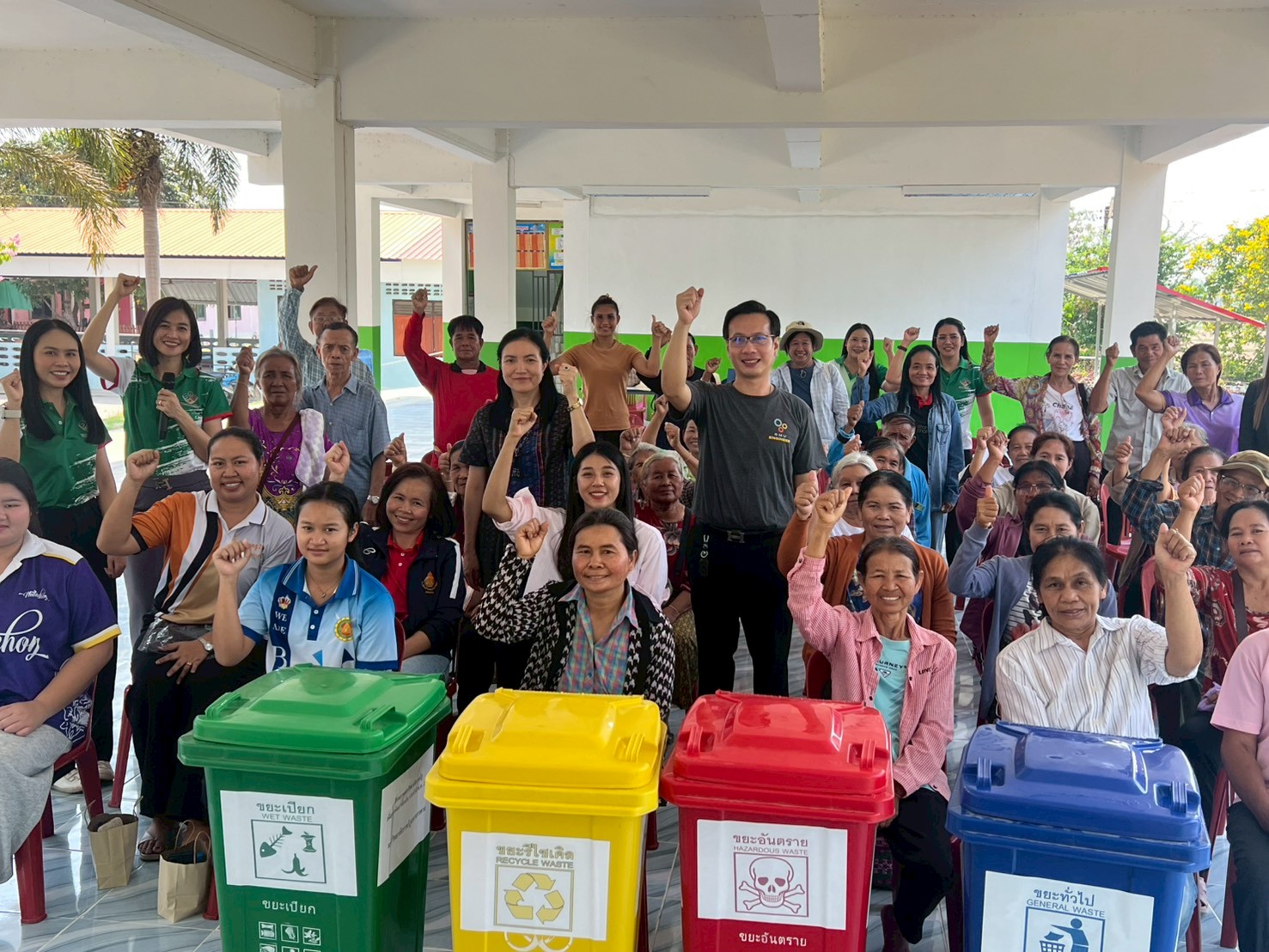
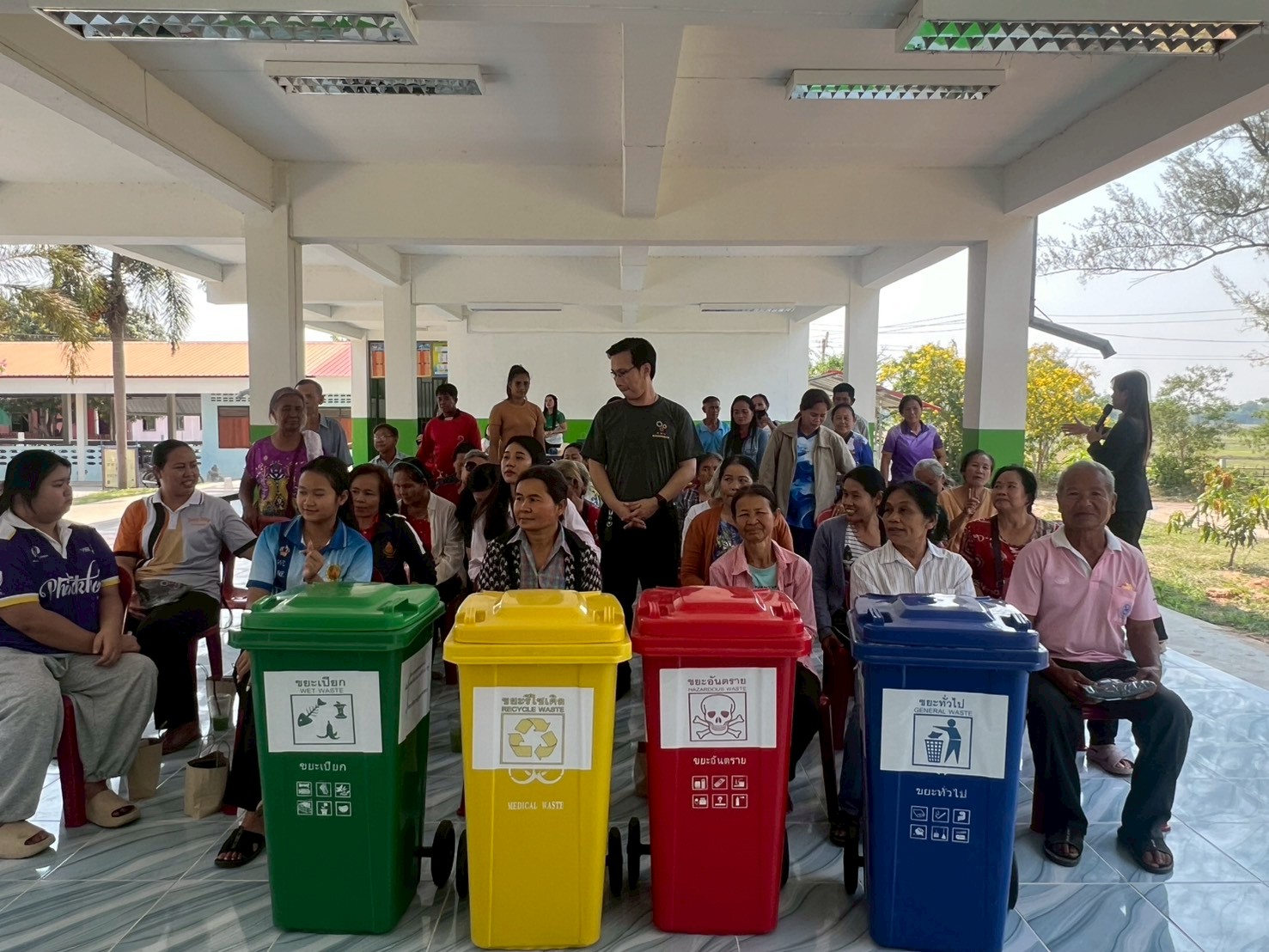
2. To promote waste sorting at the source and recycling.
3. To develop the community into a “model waste-free community.”
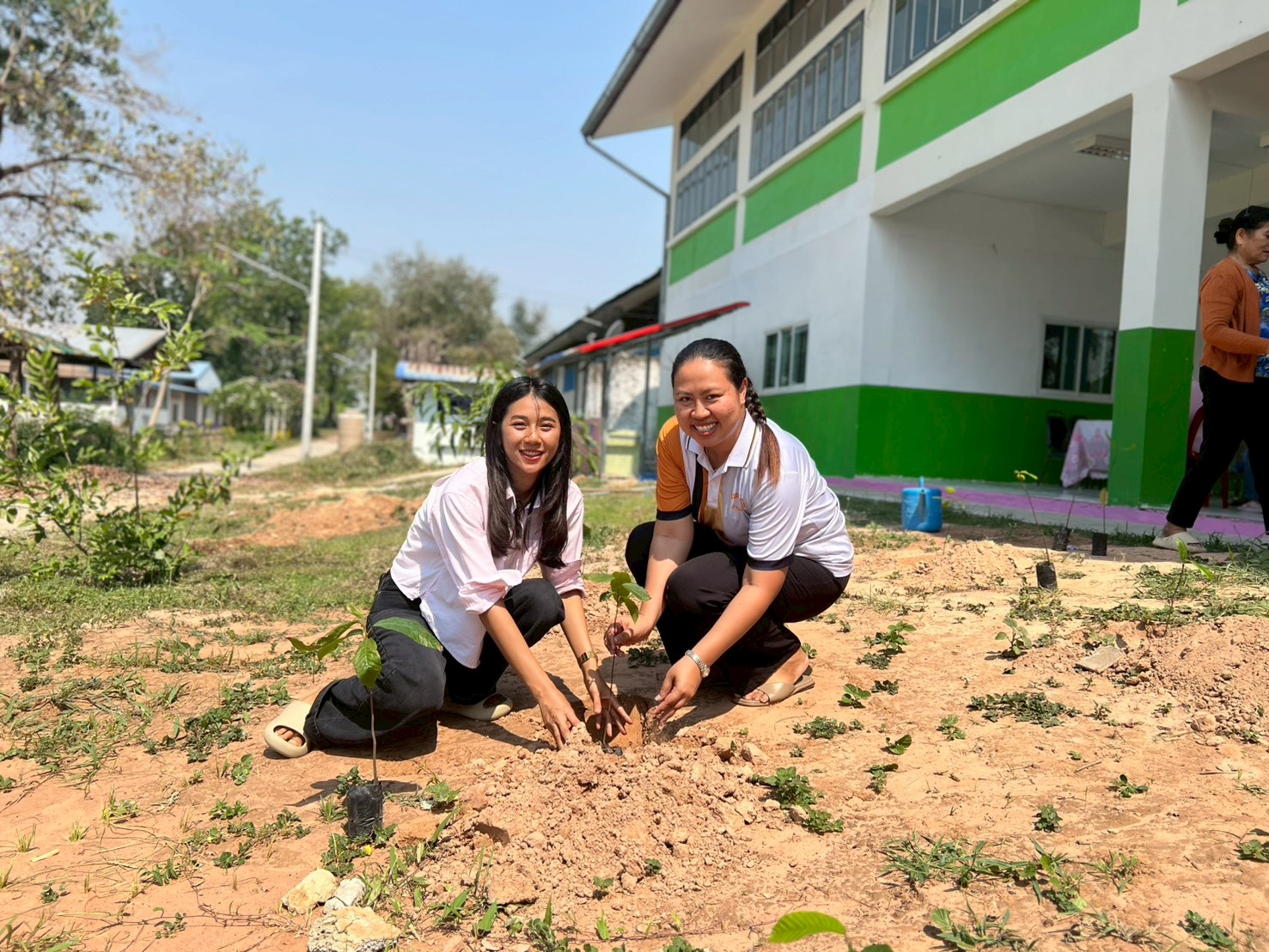
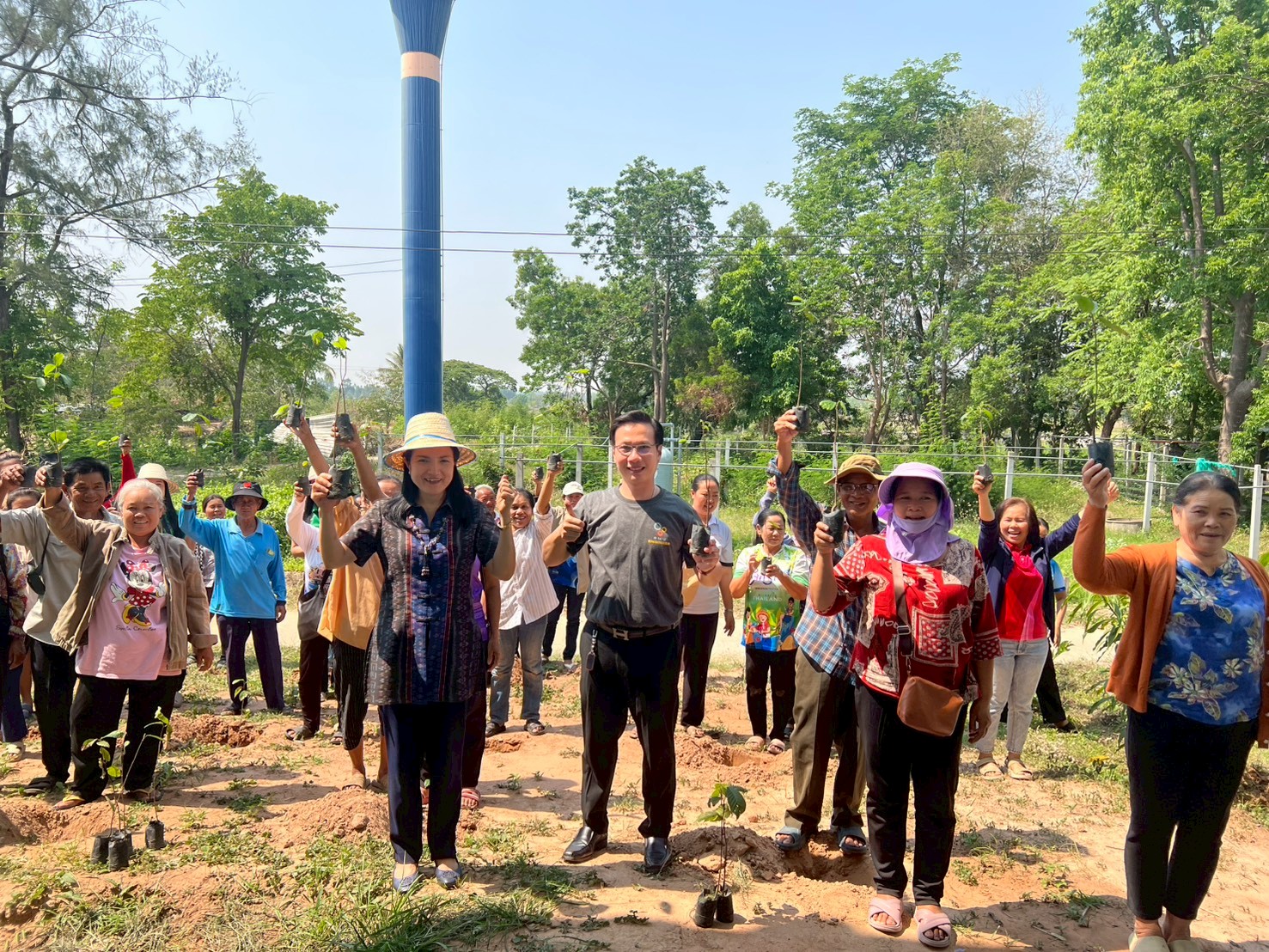
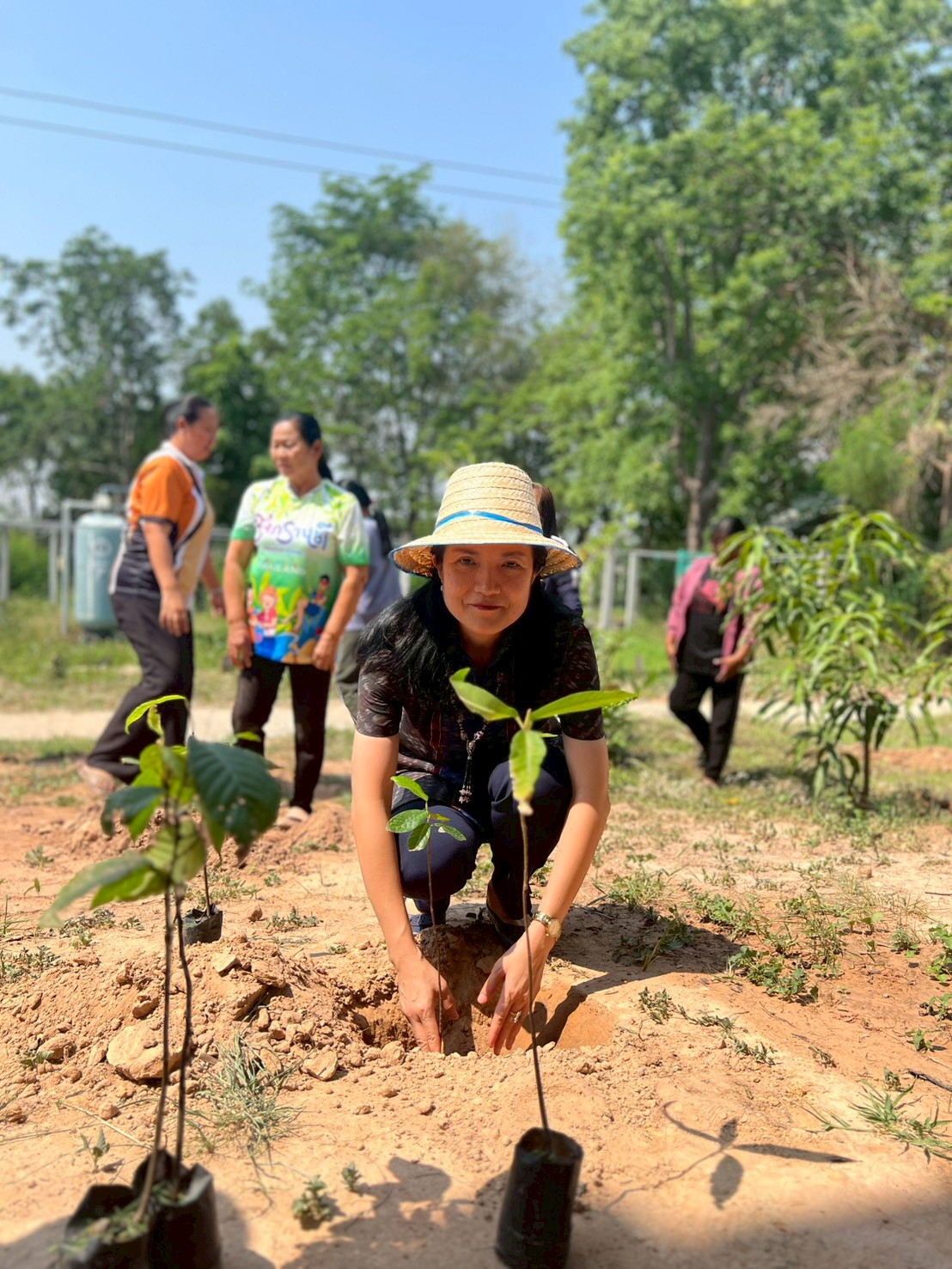
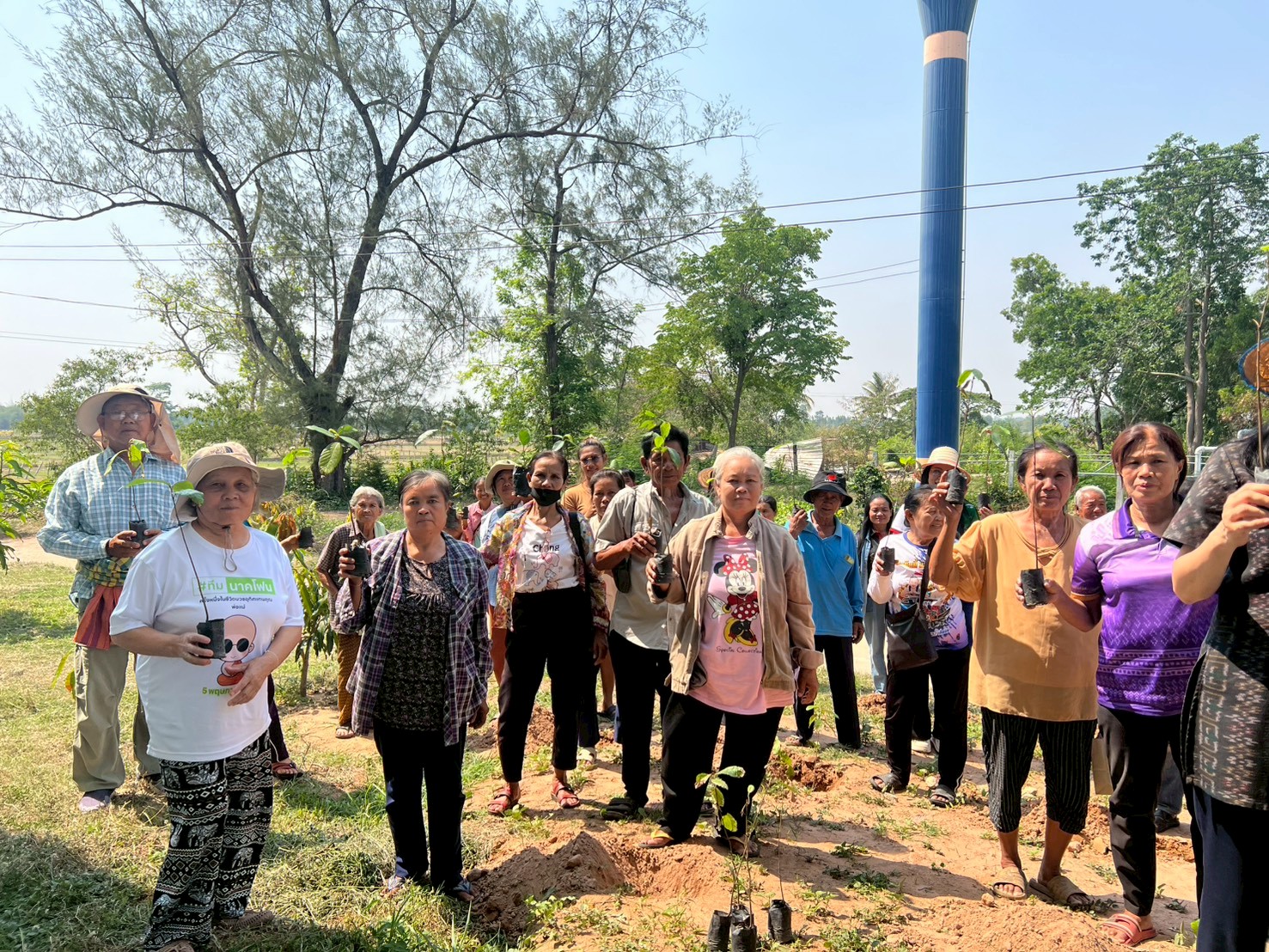
4. To increase green spaces by planting trees and nurturing their sustainable growth.
1. เพื่อสร้างจิตสำนึกและความตระหนักในการอนุรักษ์ทรัพยากรธรรมชาติและสิ่งแวดล้อมการจัดการขยะและการลดโลกร้อน
2. เพื่อส่งเสริมการคัดแยกขยะที่ต้นทางและการนำกลับมาใช้ใหม่
3. เพื่อพัฒนาชุมชนให้เป็น “ชุมชนต้นแบบไร้ขยะ”
4. เพื่อเพิ่มพื้นที่สีเขียวโดยการปลูกต้นไม้และดูแลให้เจริญเติบโตอย่างยั่งยืน
Main Activities กิจกรรมหลัก
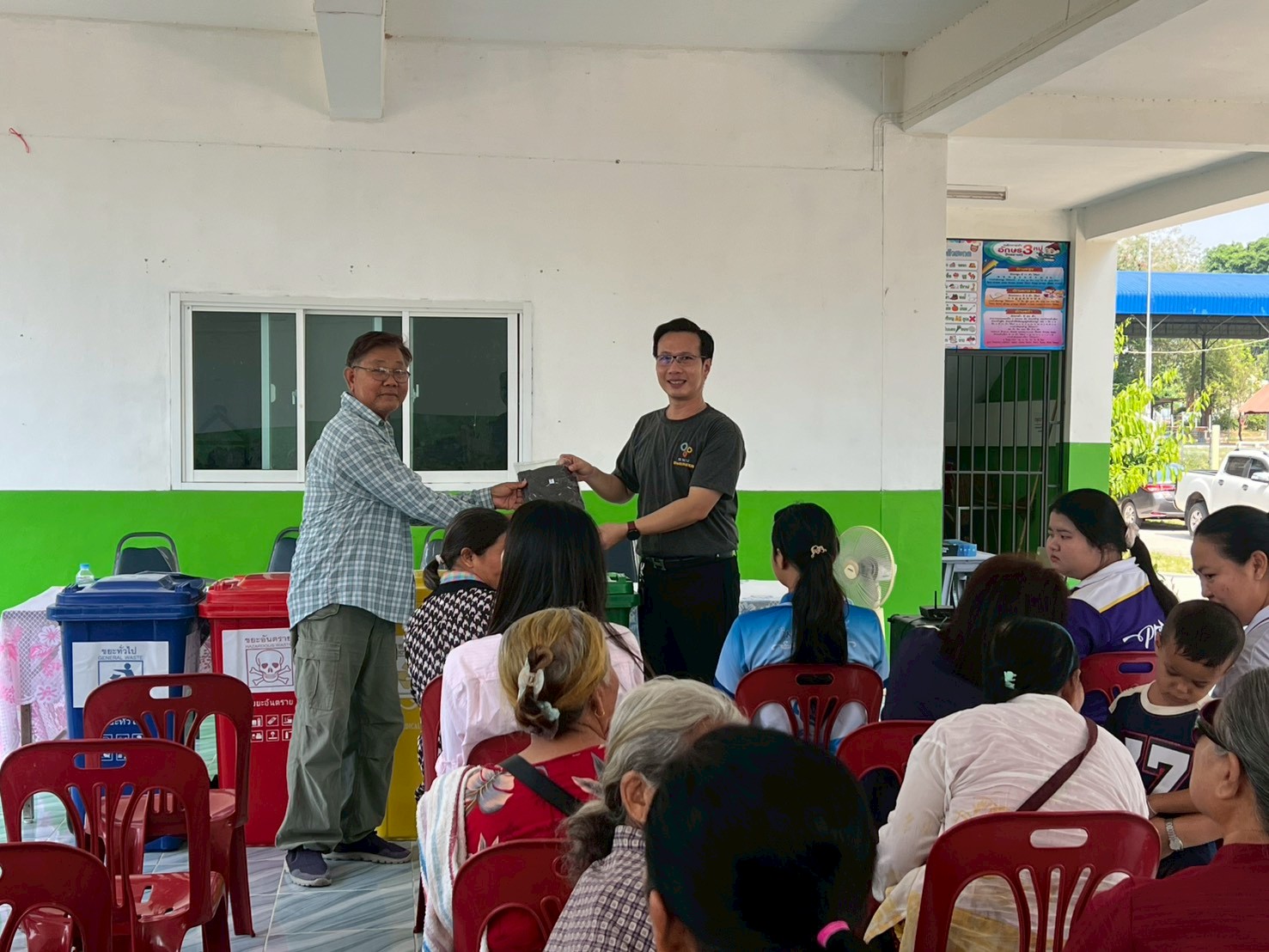
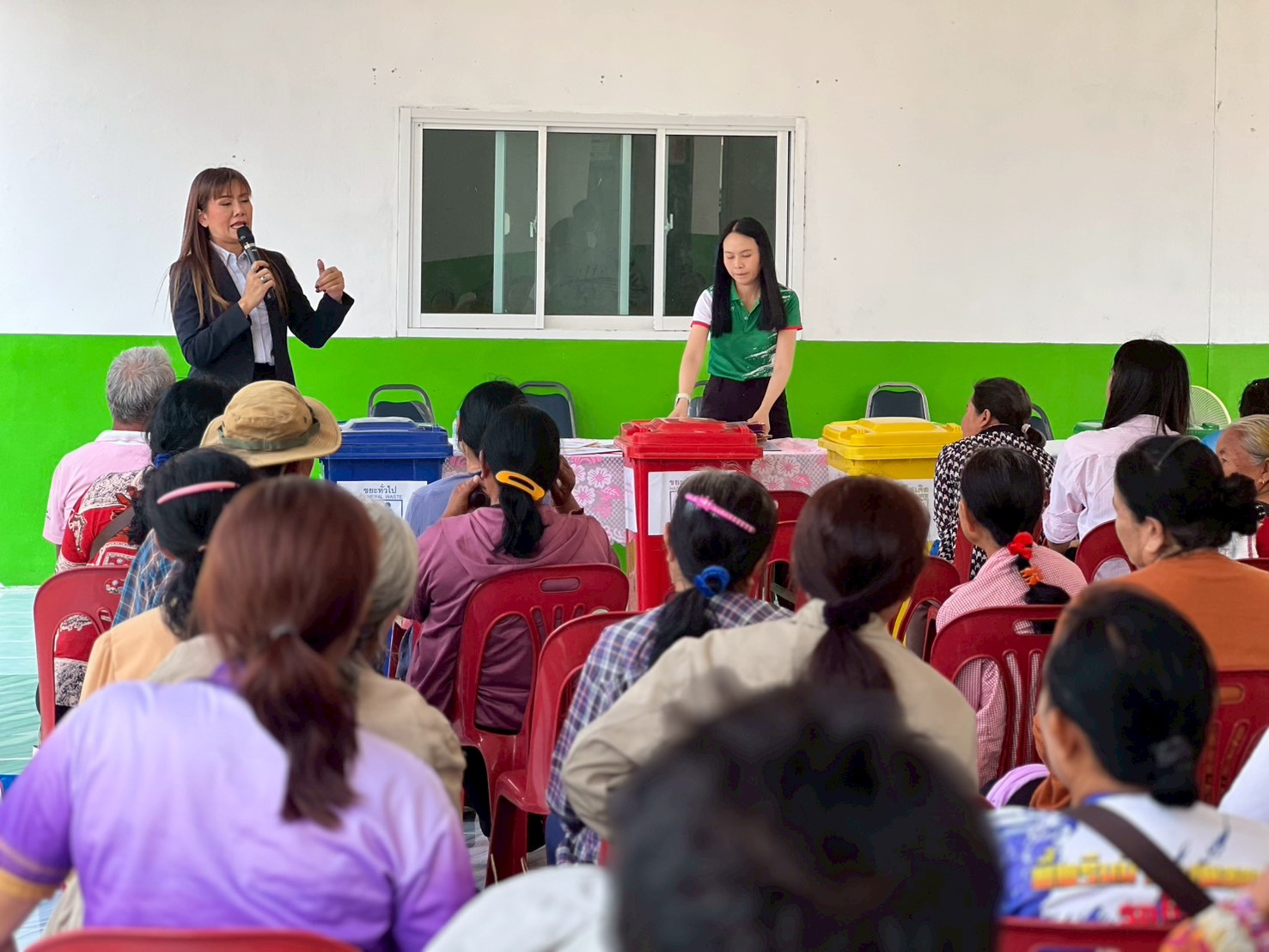
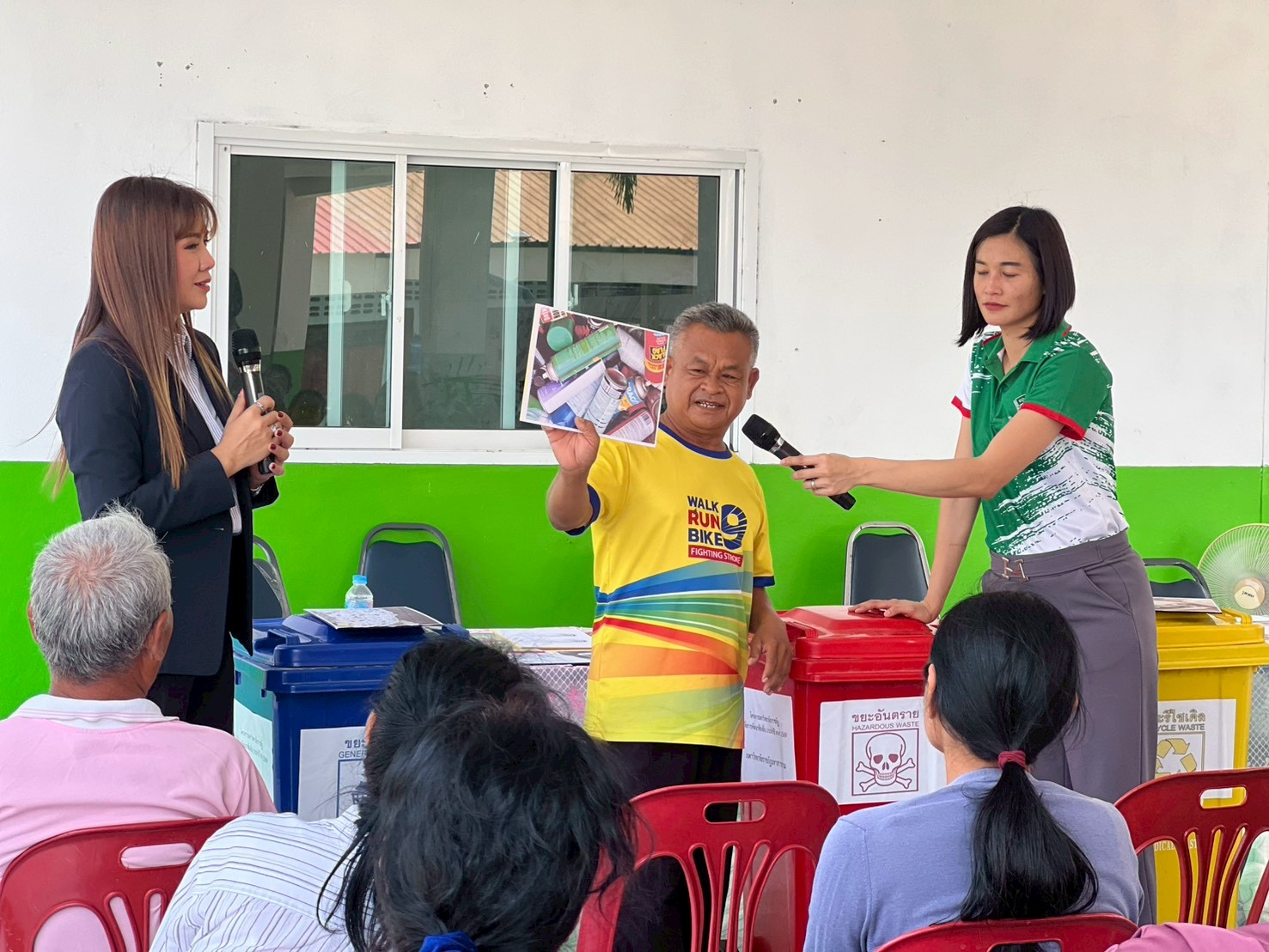
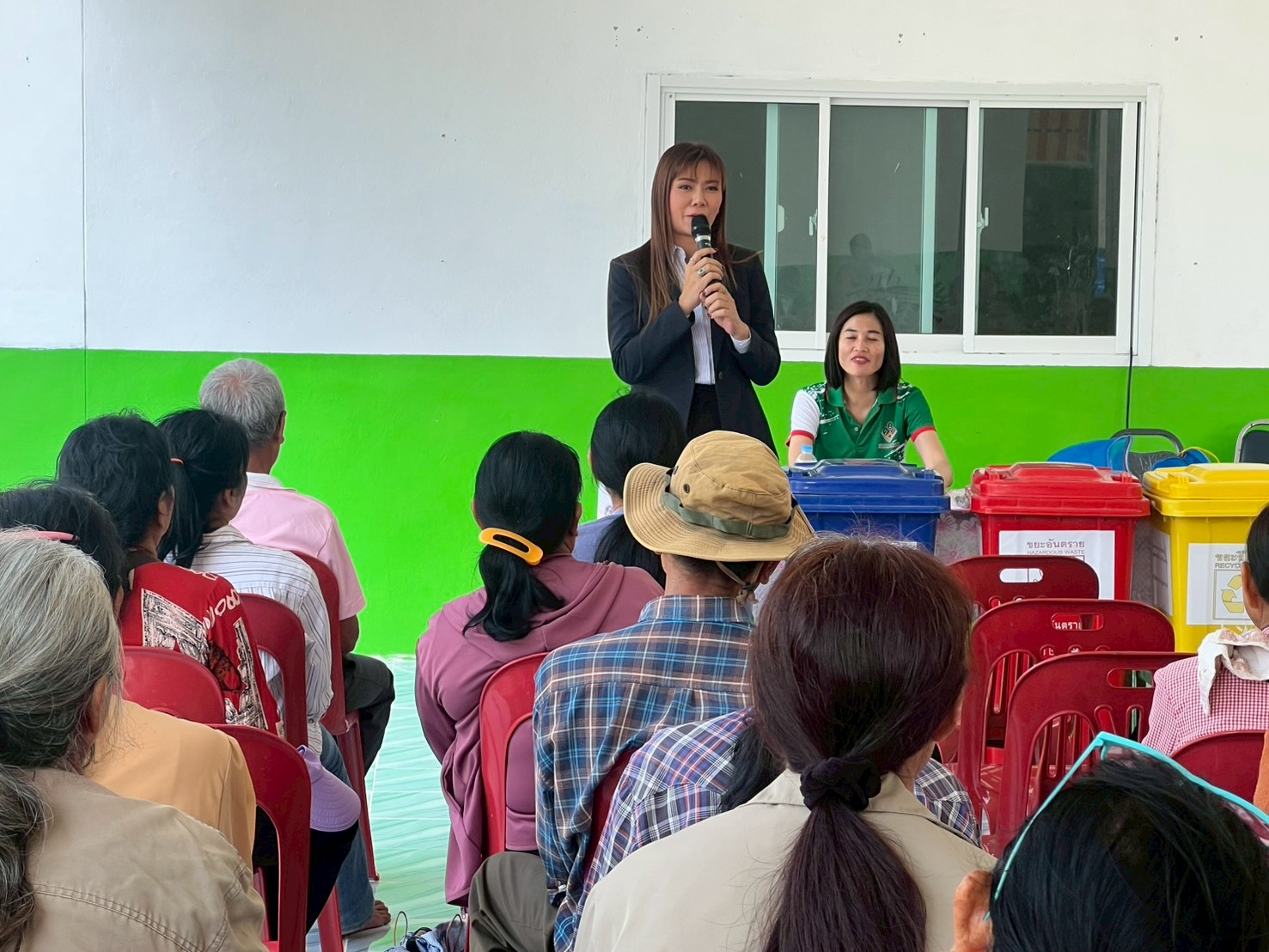
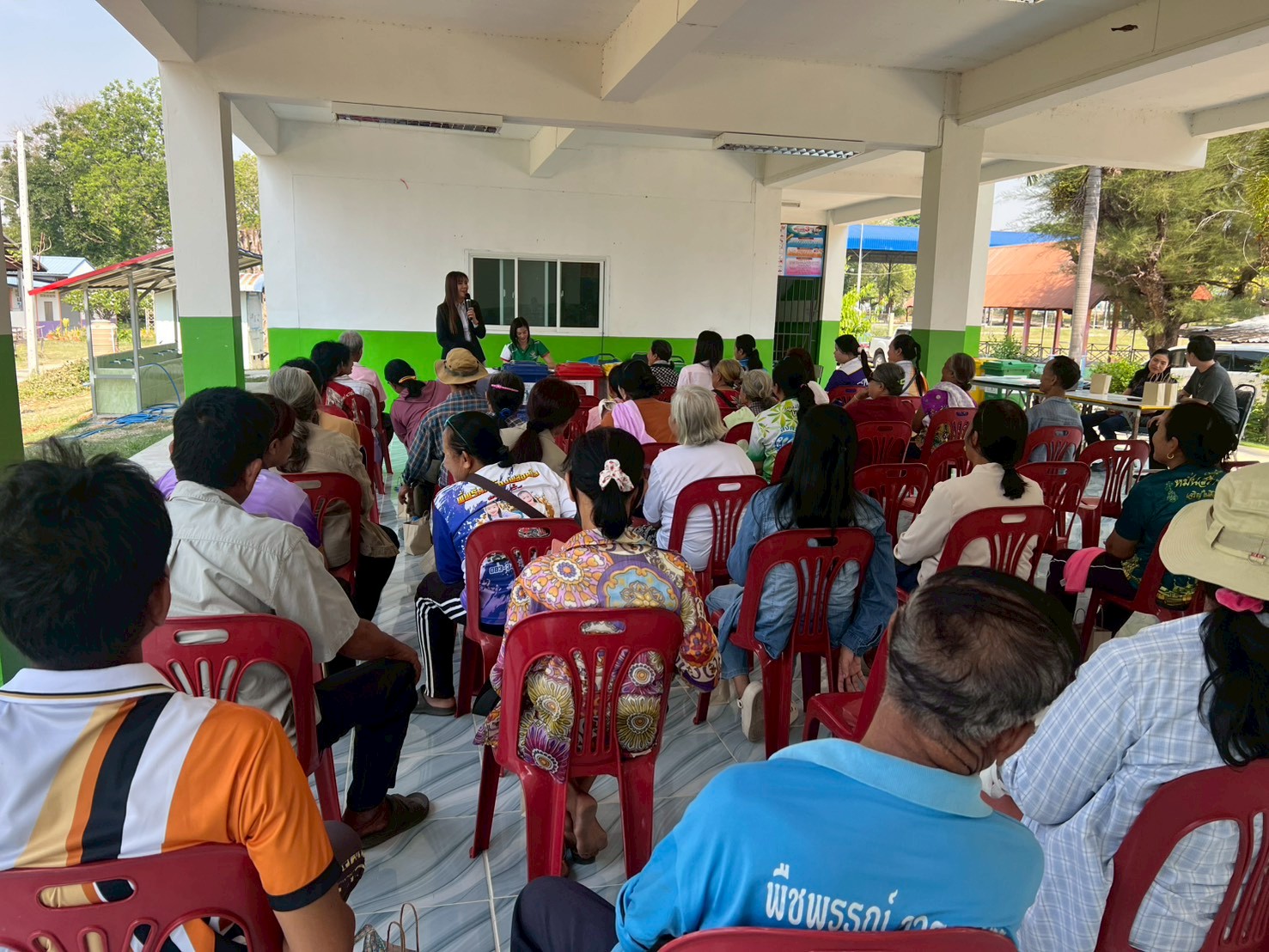
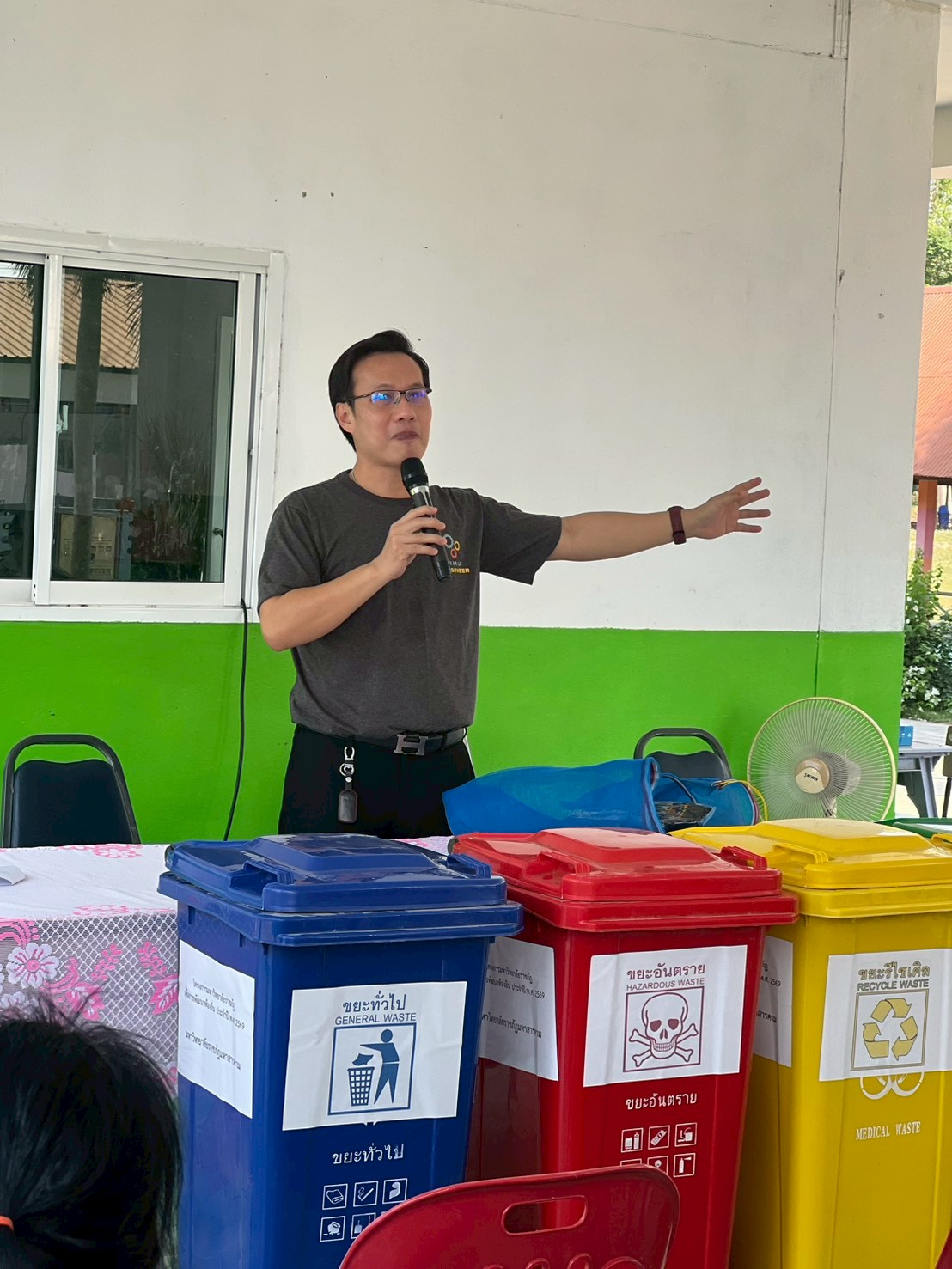
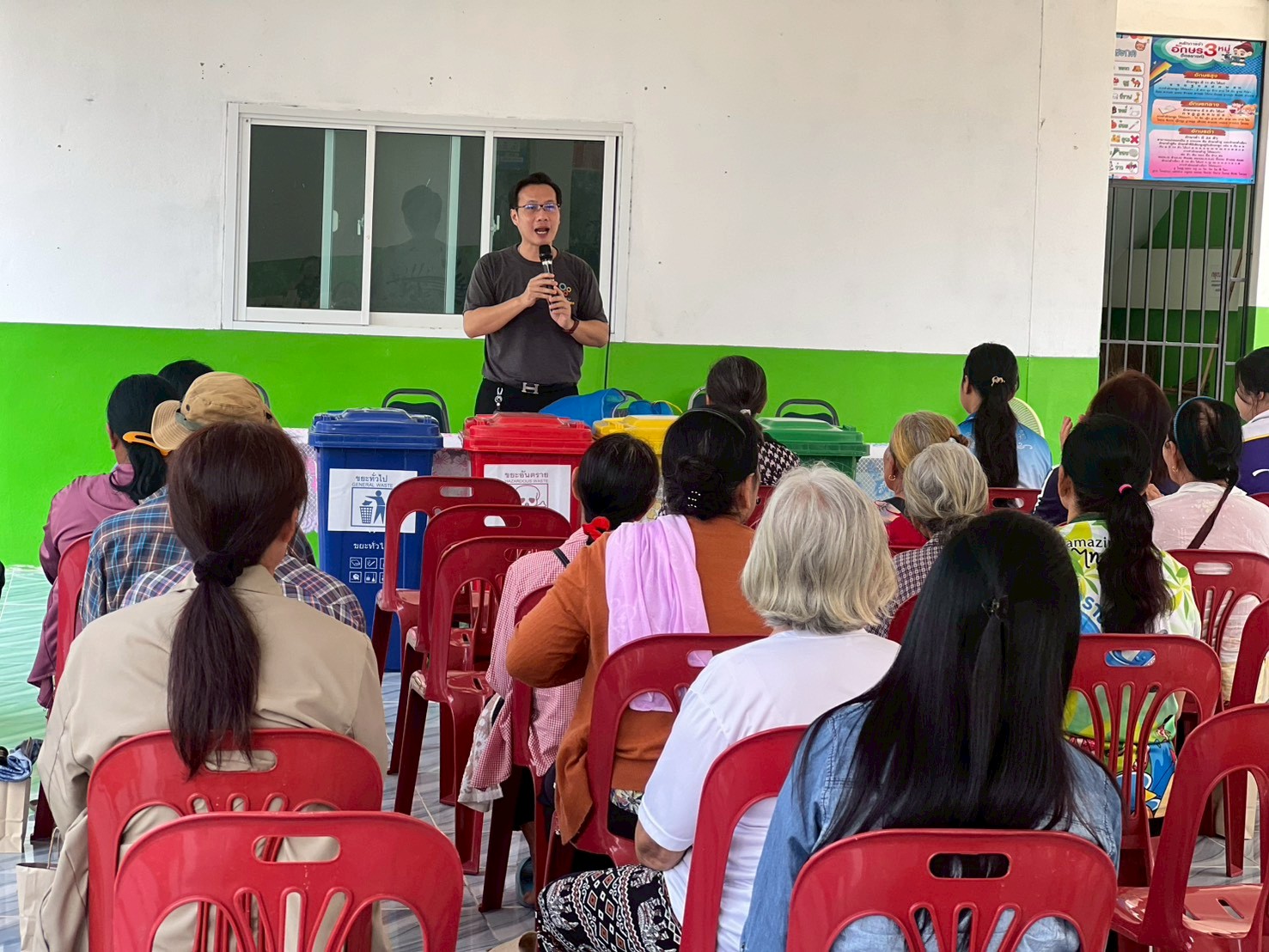
Activity 1: Workshop to create awareness and knowledge about the environment.
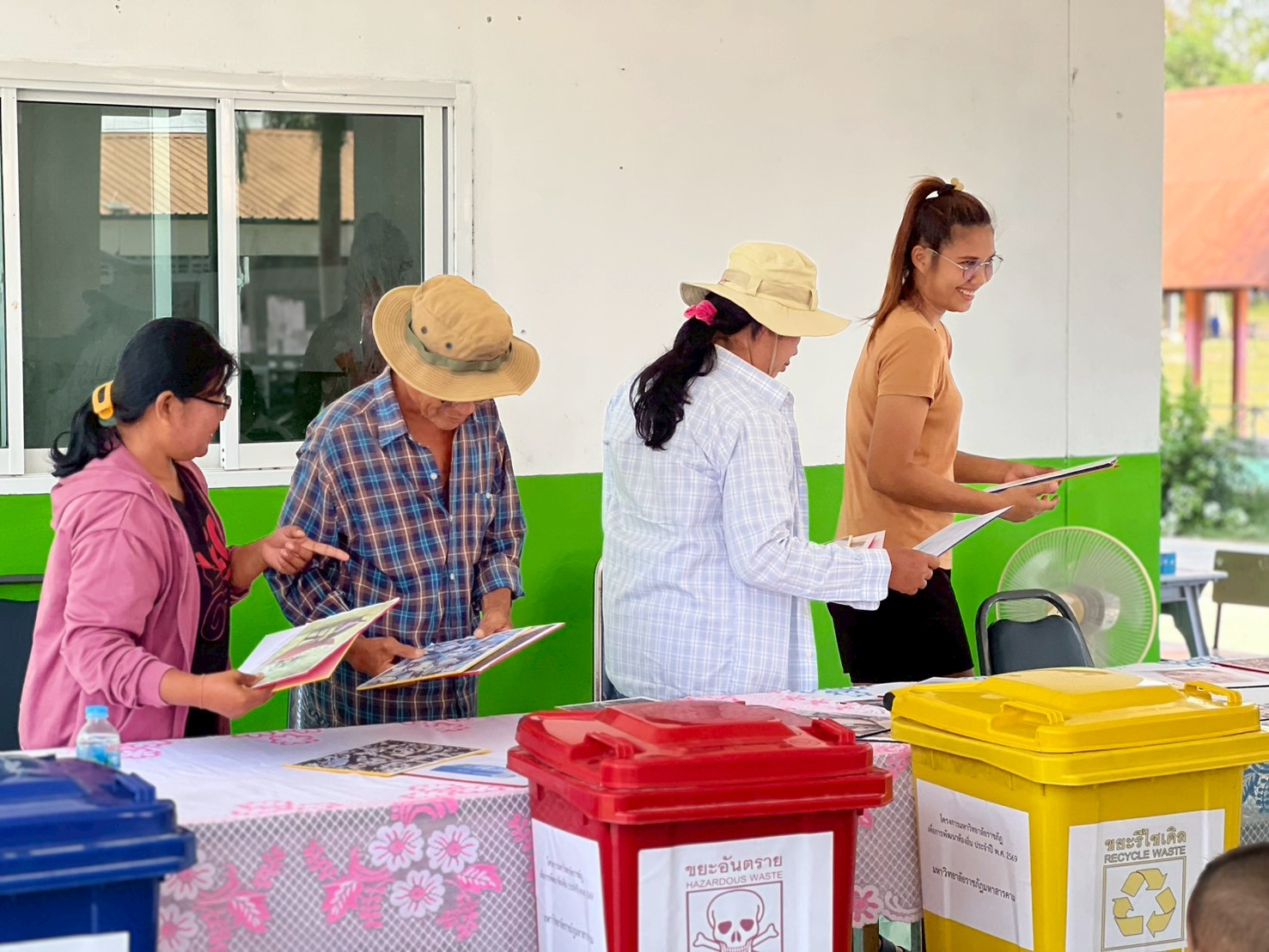
Activity 2: Practical training and knowledge transfer
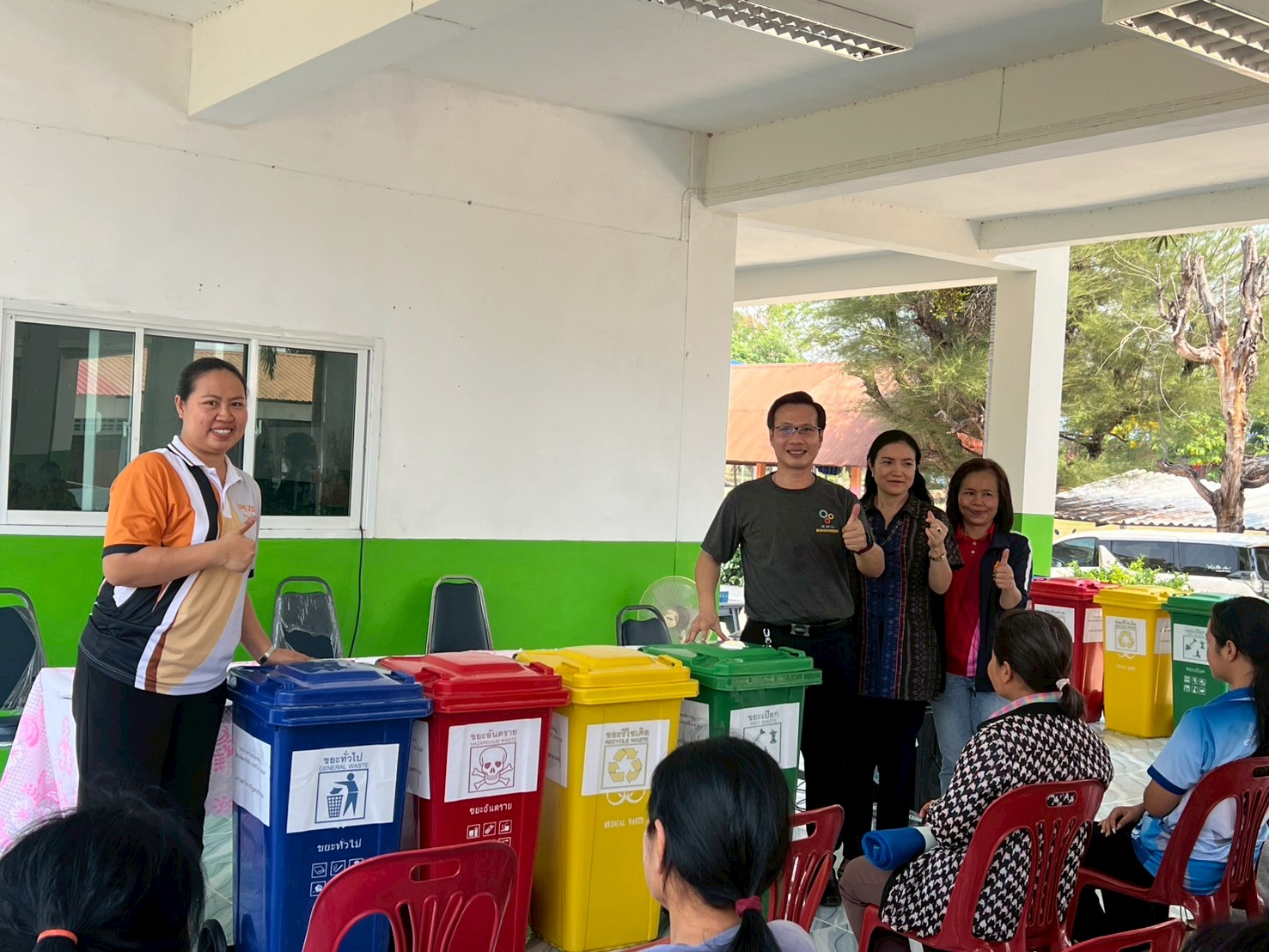
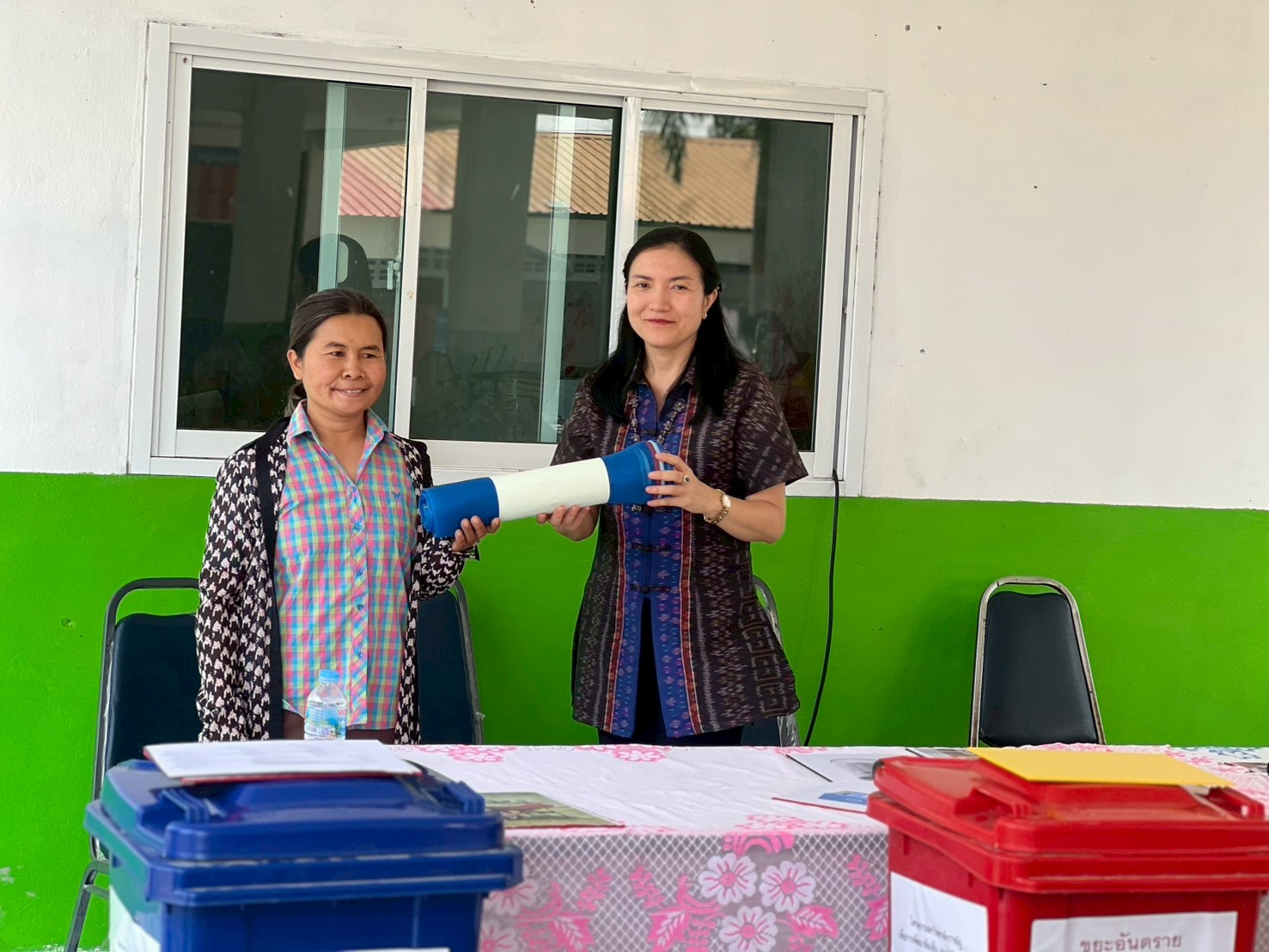
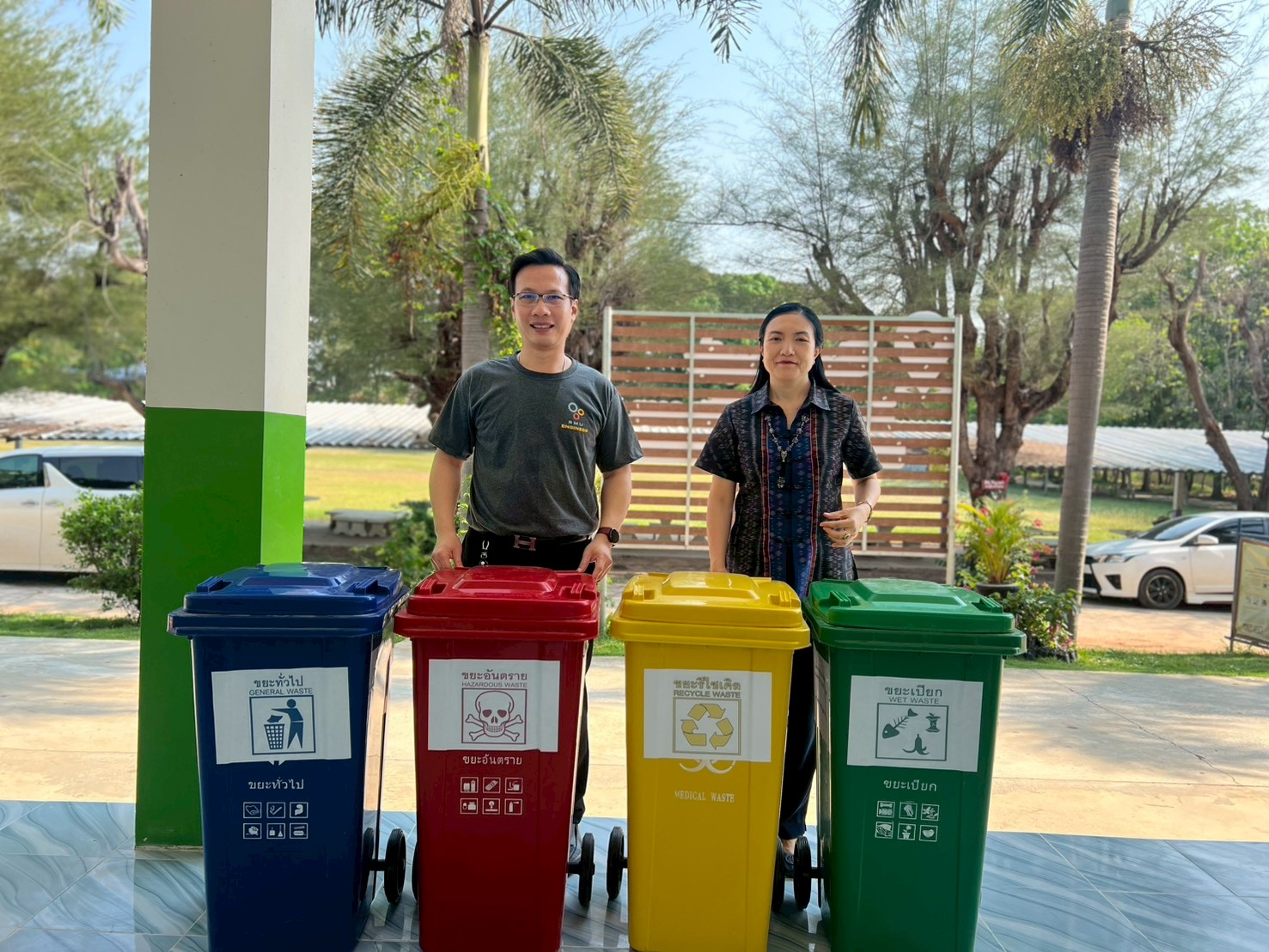
Activity 3: Workshop on setting up prototype waste separation points in the community.
Activity 4 Community activity workshop Green reduces global warming
Activity 5: Workshop on lessons learned activities Evaluate performance
กิจกรรมที่ 1 อบรมเชิงปฏิบัติการสร้างจิตสำนึกและความรู้เรื่องสิ่งแวดล้อม
กิจกรรมที่ 2 อบรมเชิงปฏิบัติและถ่ายทอดองค์ความรู้
กิจกรรมที่ 3 อบรมเชิงปฏิบัติกิจกรรมตั้งจุดคัดแยกขยะต้นแบบในชุมชน
กิจกรรมที่ 4 อบรมเชิงปฏิบัติกิจกรรมชุมชน สีเขียวลดโลกร้อน
กิจกรรมที่ 5 อบรมเชิงปฏิบัติกิจกรรมถอดบทเรียน ประเมินผลการดำเนินงาน
Part 2: Outcomes & Impact ส่วนที่ 2 ผลลัพธ์และผลกระทบ
Outcomes ผลลัพธ์ที่เกิดขึ้น
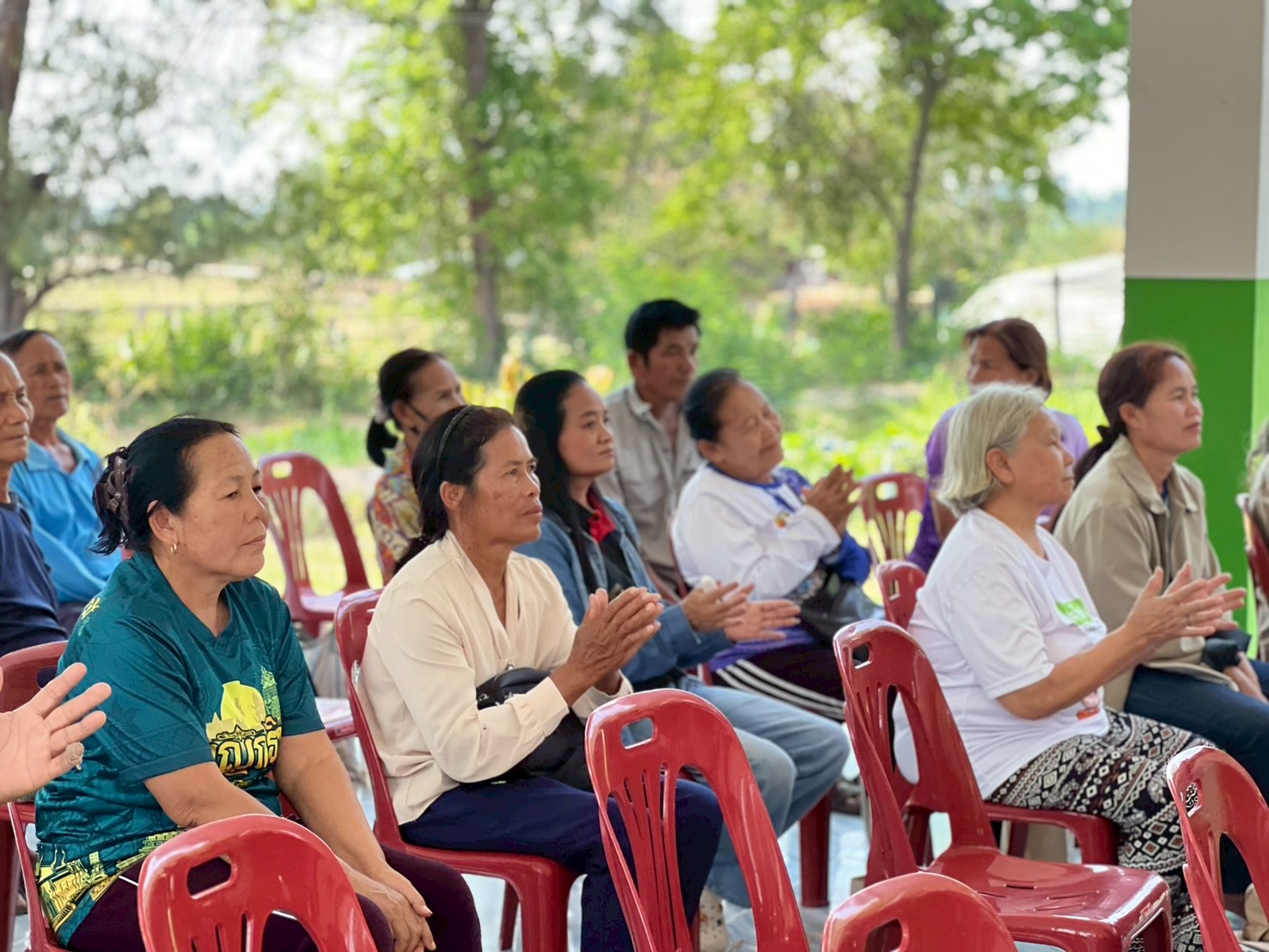
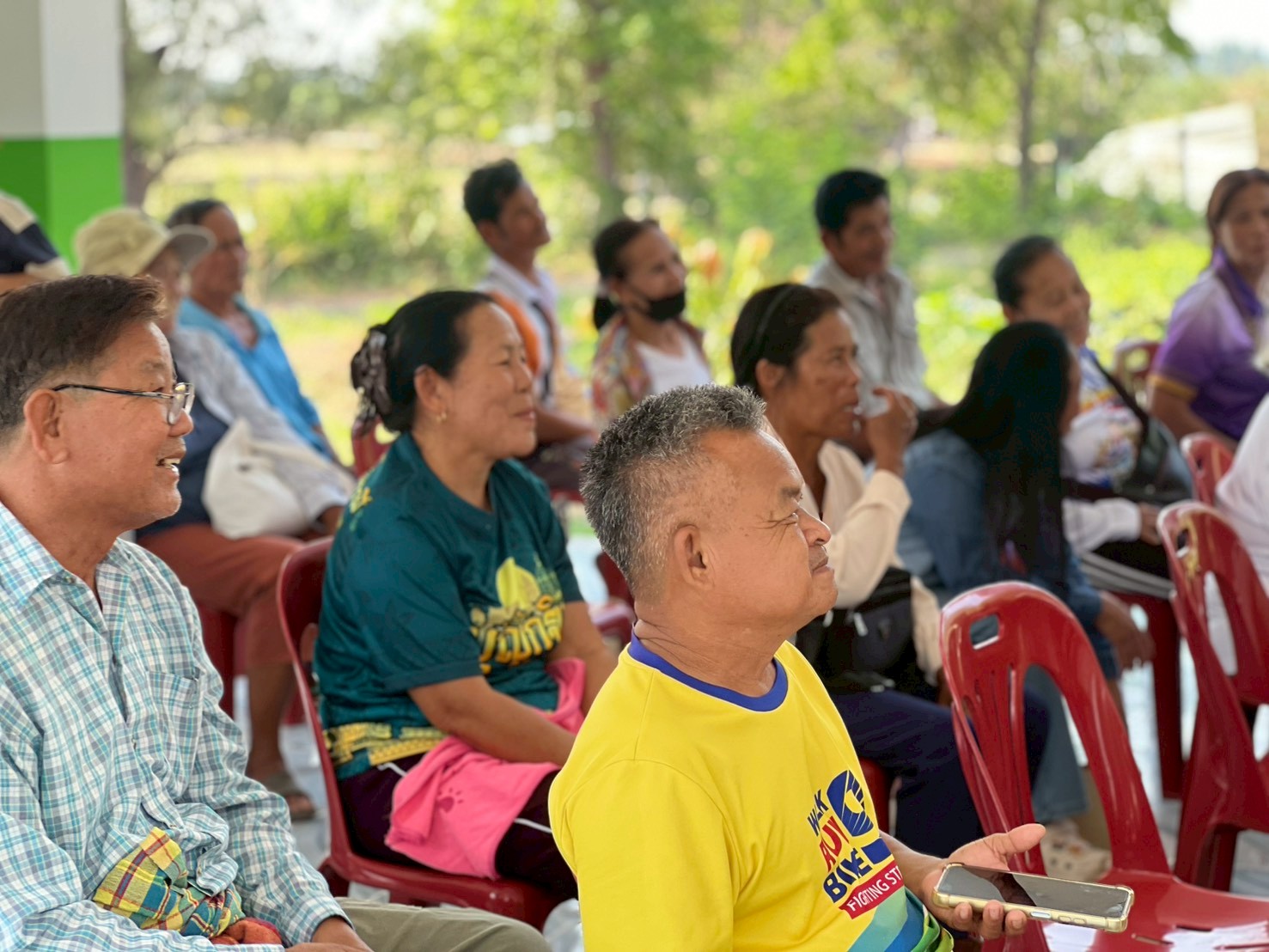
1. Local agencies and residents have knowledge, understanding, and awareness of the importance of environmental conservation and tree planting.
2. Collaboration is fostered between the government, private sector, civil society, and youth in driving project activities.
3. Communities develop pride and a sense of responsibility in jointly caring for natural resources and the environment in their area.
4. Laying the foundation for the sustainability of the project in the next phase, through a strong network of civil society organizations.
1. หน่วยงานและประชาชนในพื้นที่มีความรู้ ความเข้าใจ และตระหนักถึงความสำคัญของการอนุรักษ์สิ่งแวดล้อมและการปลูกต้นไม้
2. เกิดความร่วมมือระหว่างภาครัฐ ภาคเอกชน ภาคประชาชน และเยาวชนในการขับเคลื่อนกิจกรรมของโครงการ
3. ชุมชนเกิดความภาคภูมิใจและมีจิตสำนึกในการร่วมกันดูแลรักษาทรัพยากรธรรมชาติและสิ่งแวดล้อมในพื้นที่ของตน
4. วางรากฐานความยั่งยืนในการดำเนินโครงการในระยะต่อไป โดยมีเครือข่ายภาคประชาชนที่เข้มแข็ง
Community & Social Impact ผลกระทบต่อชุมชน/สังคม
1) The community becomes more united, forming groups for waste management and community activities.
2) It reduces the problem of accumulated waste that causes conflict within the community.
3) It enhances the community's image as a "model waste-free community" that can be replicated in other communities.
4) It creates better health and reduces the risk of diseases caused by waste and sewage.
1) ชุมชนมีความสามัคคี เกิดการรวมกลุ่มในการจัดการขยะและทำกิจกรรมเพื่อส่วนรวม
2) ลดปัญหาขยะตกค้างที่สร้างความขัดแย้งภายในชุมชน
3) ยกระดับภาพลักษณ์ชุมชนให้เป็น “ชุมชนต้นแบบไร้ขยะ” ที่สามารถขยายผลไปยังชุมชนอื่นได้
4) สร้างสุขภาวะที่ดี ลดความเสี่ยงต่อโรคที่เกิดจากขยะและสิ่งปฏิกูล
Student & Staff Participation การมีส่วนร่วมของนักศึกษา/บุคลากร
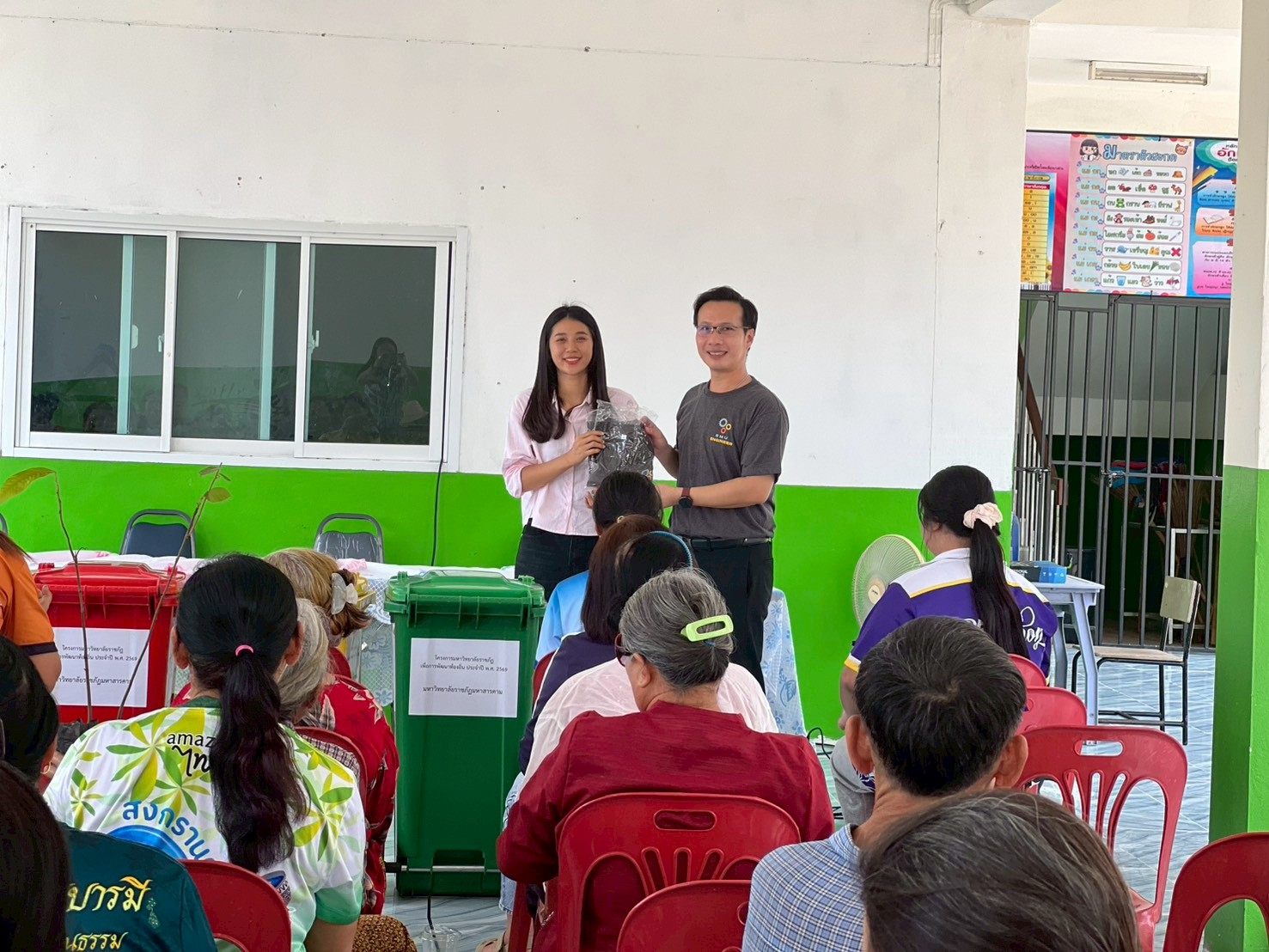
Overall, students and staff of Mahasarakham Rajabhat University participated in the entire project, from planning and coordination to activity organization, knowledge transfer, data collection, and monitoring and evaluation, in collaboration with the Ban Sok Phara community. This participation provided students with real-world learning experiences, developed community work skills, and fostered a sense of social responsibility. Meanwhile, faculty and staff applied academic knowledge to community development and built collaborative networks with local partners. This resulted in a tangible integration of teaching, research, and academic service with local development, leading to community strengthening and sustainable development. โดยภาพรวม นักศึกษาและบุคลากรของมหาวิทยาลัยราชภัฏมหาสารคามมีส่วนร่วมในการดำเนินโครงการอย่างครบวงจร ตั้งแต่การวางแผน การประสานงาน การจัดกิจกรรม การถ่ายทอดองค์ความรู้ การเก็บรวบรวมข้อมูล ตลอดจนการติดตามและประเมินผลการดำเนินงานร่วมกับชุมชนบ้านโสกภารา การมีส่วนร่วมดังกล่าวช่วยให้นักศึกษาได้รับประสบการณ์การเรียนรู้จากสถานการณ์จริง พัฒนาทักษะการทำงานร่วมกับชุมชน และเสริมสร้างจิตสำนึกในการรับผิดชอบต่อสังคม ขณะที่บุคลากรและคณาจารย์ได้นำองค์ความรู้ทางวิชาการมาประยุกต์ใช้ในการพัฒนาชุมชนและสร้างเครือข่ายความร่วมมือกับภาคีในพื้นที่ ส่งผลให้เกิดการบูรณาการด้านการเรียนการสอน การวิจัย และการบริการวิชาการเข้ากับการพัฒนาท้องถิ่นอย่างเป็นรูปธรรม อันนำไปสู่การสร้างความเข้มแข็งให้กับชุมชนและการพัฒนาที่ยั่งยืนร่วมกัน
Project Continuity ความต่อเนื่องของโครงการ
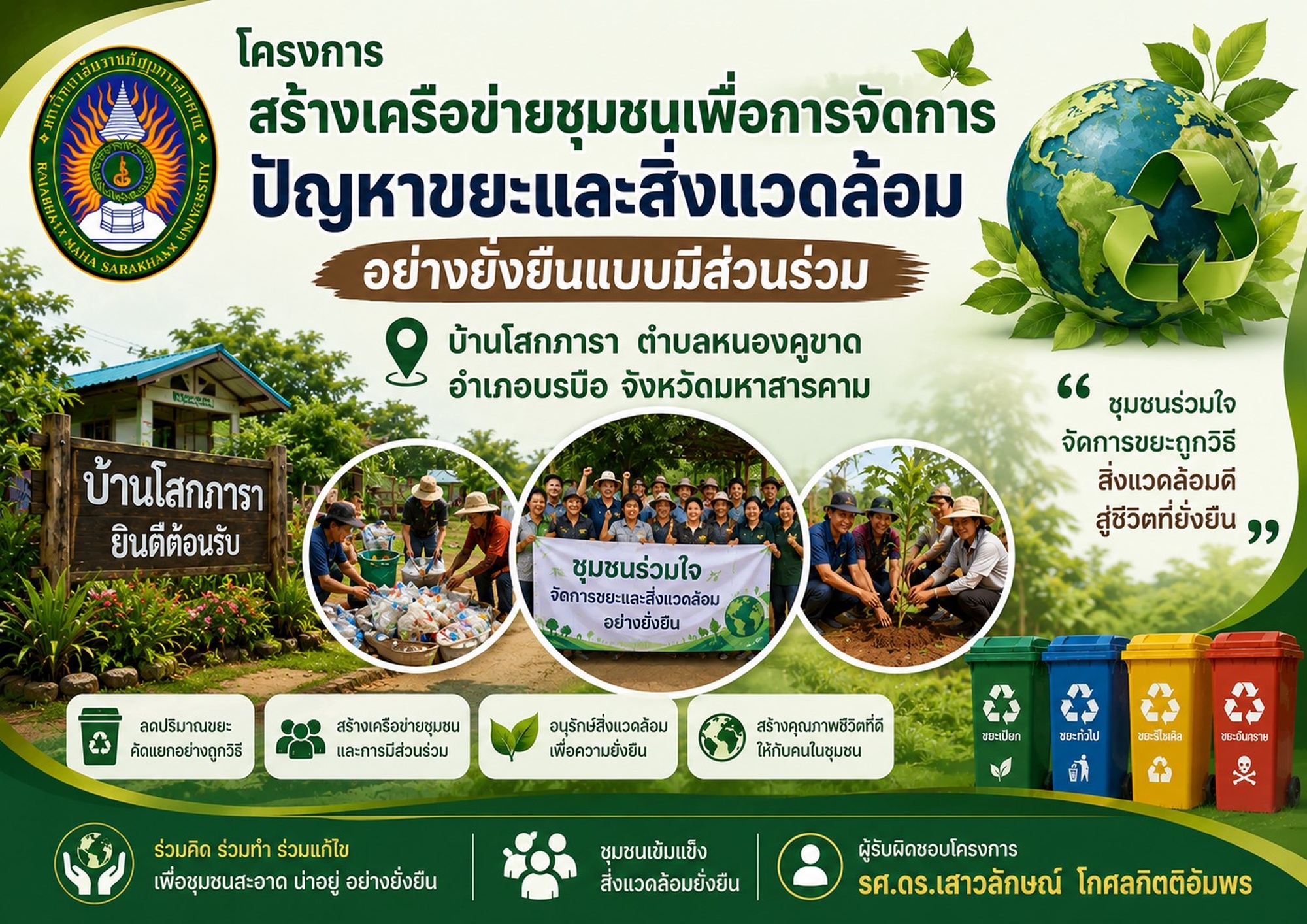
The project, "Creating a Community Network for Sustainable Participatory Waste and Environmental Management in Ban Sok Phara, Nong Khukhad Subdistrict, Borabue District, Maha Sarakham Province," has a sustainable and scalable approach. It has successfully built knowledge, awareness, and positive behaviors regarding waste management and environmental conservation among community members, fostering collaboration between the community, universities, and relevant agencies.
Following the project, the community has continuously applied the acquired knowledge and waste sorting methods to their daily lives. They maintain waste sorting points, operate a community waste bank, and collectively care for the trees and green spaces created by the project. Furthermore, the project can develop model households and expand to other households in the community and neighboring communities.
In the next phase, continuous monitoring of the project's progress, support for additional environmental activities, and the establishment of collaborative networks with government agencies, the private sector, and local administrative organizations are crucial for developing a more efficient waste and environmental management system. This will ultimately lead to the development of a sustainable model community for waste and environmental management and provide long-term benefits.
โครงการ “การสร้างเครือข่ายชุมชนเพื่อการจัดการปัญหาขยะและสิ่งแวดล้อมอย่างยั่งยืนแบบมีส่วนร่วม บ้านโสกภารา ตำบลหนองคูขาด อำเภอบรบือ จังหวัดมหาสารคาม” มีแนวทางการดำเนินงานที่สามารถต่อยอดและขยายผลได้อย่างต่อเนื่อง เนื่องจากโครงการได้สร้างองค์ความรู้ ความตระหนัก และพฤติกรรมด้านการจัดการขยะและการอนุรักษ์สิ่งแวดล้อมให้แก่ประชาชนในชุมชน รวมทั้งก่อให้เกิดเครือข่ายความร่วมมือระหว่างชุมชน มหาวิทยาลัย และหน่วยงานที่เกี่ยวข้อง
ภายหลังการดำเนินโครงการ ชุมชนสามารถนำองค์ความรู้และแนวทางการคัดแยกขยะไปประยุกต์ใช้ในชีวิตประจำวันได้อย่างต่อเนื่อง มีการดูแลรักษาจุดคัดแยกขยะและดำเนินกิจกรรมธนาคารขยะในชุมชน ตลอดจนร่วมกันดูแลต้นไม้และพื้นที่สีเขียวที่เกิดขึ้นจากโครงการ นอกจากนี้ ยังสามารถพัฒนาครัวเรือนต้นแบบและขยายผลไปยังครัวเรือนอื่น ๆ ในชุมชน รวมถึงชุมชนใกล้เคียงได้
ในระยะต่อไป ควรมีการติดตามผลการดำเนินงานอย่างต่อเนื่อง สนับสนุนกิจกรรมด้านสิ่งแวดล้อมเพิ่มเติม และสร้างเครือข่ายความร่วมมือกับหน่วยงานภาครัฐ ภาคเอกชน และองค์กรปกครองส่วนท้องถิ่น เพื่อร่วมกันพัฒนาระบบการจัดการขยะและสิ่งแวดล้อมให้มีประสิทธิภาพมากยิ่งขึ้น อันจะนำไปสู่การพัฒนาชุมชนต้นแบบด้านการจัดการขยะและสิ่งแวดล้อมอย่างยั่งยืน และเกิดประโยชน์ต่อชุมชนในระยะยาว
Part 3: Challenges & Suggestions ส่วนที่ 3 ปัญหาอุปสรรค/ข้อเสนอแนะ
Problems & Obstacles ปัญหา/อุปสรรค
-Some people lack continuity in participating in activities and sorting waste in their daily lives due to personal responsibilities and ingrained habits in traditional waste management.
-Changing waste management behaviors requires time to build understanding and awareness among the public.
-There is insufficient material and equipment for waste sorting and environmental activities in some areas.
-Budget constraints on project implementation prevent the expansion of activities or the increase in the number of target groups.
-Long-term monitoring and evaluation are not comprehensive enough, making it difficult to clearly assess the sustainability of the results.
-ประชาชนบางส่วนยังขาดความต่อเนื่องในการเข้าร่วมกิจกรรมและการคัดแยกขยะในชีวิตประจำวัน เนื่องจากภาระหน้าที่ส่วนตัวและความเคยชินในการจัดการขยะแบบเดิม
-การปรับเปลี่ยนพฤติกรรมด้านการจัดการขยะต้องใช้ระยะเวลาในการสร้างความเข้าใจและความตระหนักแก่ประชาชน
-วัสดุอุปกรณ์สำหรับการคัดแยกขยะและการดำเนินกิจกรรมด้านสิ่งแวดล้อมยังมีไม่เพียงพอในบางพื้นที่
-งบประมาณในการดำเนินโครงการมีข้อจำกัด ส่งผลให้ไม่สามารถขยายกิจกรรมหรือเพิ่มจำนวนกลุ่มเป้าหมายได้อย่างเต็มที่
-การติดตามและประเมินผลในระยะยาวยังไม่ครอบคลุมเพียงพอ ทำให้การประเมินความยั่งยืนของผลลัพธ์ยังไม่ชัดเจน
Improvement Guidelines แนวทางการปรับปรุง
- Continuous awareness campaigns and follow-up activities should be conducted, along with incentives such as selecting model households or awarding prizes to those who consistently participate.
- Practical training, study tours, and regular public relations activities should be increased to demonstrate the benefits to the public and enable them to implement the program in practice.
- Support for separate waste bins, public relations materials, and related equipment should be expanded, along with promoting cooperation from local administrative organizations and partner agencies.
- Collaboration and budgetary support should be sought from government agencies, the private sector, and network organizations to enhance the project's capacity and expansion.
- A continuous monitoring system should be established, and indicators should be defined for long-term community environmental care and waste separation behavior.
- ควรจัดกิจกรรมรณรงค์และติดตามผลอย่างต่อเนื่อง พร้อมส่งเสริมการสร้างแรงจูงใจ เช่น การคัดเลือกครัวเรือนต้นแบบหรือการมอบรางวัลแก่ผู้ที่มีส่วนร่วมอย่างสม่ำเสมอ
-ควรเพิ่มกิจกรรมฝึกปฏิบัติ การศึกษาดูงาน และการสื่อสารประชาสัมพันธ์อย่างสม่ำเสมอ เพื่อให้ประชาชนเห็นประโยชน์และสามารถนำไปปฏิบัติได้จริง
-ควรสนับสนุนถังขยะแยกประเภท สื่อประชาสัมพันธ์ และอุปกรณ์ที่เกี่ยวข้องให้ครอบคลุมมากขึ้น รวมทั้งส่งเสริมความร่วมมือจากองค์กรปกครองส่วนท้องถิ่นและหน่วยงานภาคีเครือข่าย
-ควรแสวงหาความร่วมมือและการสนับสนุนงบประมาณจากหน่วยงานภาครัฐ ภาคเอกชน และองค์กรเครือข่าย เพื่อเพิ่มศักยภาพในการดำเนินงานและขยายผลโครงการ
-ควรจัดทำระบบติดตามผลอย่างต่อเนื่อง และกำหนดตัวชี้วัดด้านพฤติกรรมการคัดแยกขยะ การลดปริมาณขยะ และการดูแลสิ่งแวดล้อมของชุมชนในระยะยาว
Suggestions to University ข้อเสนอแนะต่อมหาวิทยาลัย
The university should continuously support environmental management and community development projects to ensure the sustainability of outcomes and expand their impact to other communities within the university's area of responsibility.
More emphasis should be placed on integrating academic service projects with teaching and research to provide students and personnel with opportunities for practical learning and the application of knowledge in concrete local development.
Adequate budget, materials, and necessary resources should be provided for community activities to enhance operational efficiency and create more tangible results.
A continuous project monitoring and evaluation system should be developed to effectively track progress, measure outcomes, and utilize data for improving and developing future projects.
The creation of collaborative networks between the university, local government organizations, government agencies, the private sector, and the public should be promoted to jointly drive sustainable community development and environmental management.
มหาวิทยาลัยควรสนับสนุนการดำเนินโครงการด้านการจัดการสิ่งแวดล้อมและการพัฒนาชุมชนอย่างต่อเนื่อง เพื่อสร้างความยั่งยืนของผลลัพธ์และขยายผลไปยังชุมชนอื่นในพื้นที่รับผิดชอบของมหาวิทยาลัย
ควรส่งเสริมการบูรณาการโครงการบริการวิชาการกับการเรียนการสอนและการวิจัยให้มากยิ่งขึ้น เพื่อเปิดโอกาสให้นักศึกษาและบุคลากรได้เรียนรู้จากการปฏิบัติจริง และนำองค์ความรู้ไปประยุกต์ใช้ในการพัฒนาท้องถิ่นอย่างเป็นรูปธรรม
ควรสนับสนุนงบประมาณ วัสดุอุปกรณ์ และทรัพยากรที่จำเป็นสำหรับการดำเนินกิจกรรมในชุมชนอย่างเพียงพอ เพื่อเพิ่มประสิทธิภาพในการดำเนินงานและสร้างผลลัพธ์ที่เป็นรูปธรรมมากยิ่งขึ้น
ควรพัฒนาระบบติดตามและประเมินผลโครงการอย่างต่อเนื่อง เพื่อให้สามารถติดตามความก้าวหน้า วัดผลลัพธ์ และนำข้อมูลไปใช้ในการปรับปรุงและพัฒนาโครงการในอนาคตได้อย่างมีประสิทธิภาพ
ควรส่งเสริมการสร้างเครือข่ายความร่วมมือระหว่างมหาวิทยาลัย องค์กรปกครองส่วนท้องถิ่น หน่วยงานภาครัฐ ภาคเอกชน และภาคประชาชน เพื่อร่วมกันขับเคลื่อนการพัฒนาชุมชนและการจัดการสิ่งแวดล้อมอย่างยั่งยืน