– July 31, 2026 10 พฤศจิกายน 2568
– 31 กรกฎาคม 2569
Part 1: Project Details ส่วนที่ 1 รายละเอียดการดำเนินงาน
Objectives วัตถุประสงค์โครงการ
1. To develop a biodiversity-based learning center in Maha Sarakham Province that serves as a model for integrating knowledge regarding the environment, science, and local wisdom.
2. To encourage students and youth to learn about and understand local plant species, and to develop them into value-added processed products.
3. To establish a collaborative network among educational institutions, communities, and relevant agencies for the conservation and sustainable use of biodiversity.
1. เพื่อพัฒนาแหล่งเรียนรู้บนฐานความหลากหลายทางชีวภาพในจังหวัดมหาสารคาม ให้เป็นต้นแบบ
ของการบูรณาการองค์ความรู้ด้านสิ่งแวดล้อม วิทยาศาสตร์ และภูมิปัญญาท้องถิ่น
2. เพื่อส่งเสริมให้นักเรียนและเยาวชนเรียนรู้และเข้าใจพรรณพืชท้องถิ่น และสามารถนำมาพัฒนา
เป็นผลิตภัณฑ์แปรรูปที่สร้างมูลค่าเพิ่มได้
3. เพื่อสร้างเครือข่ายความร่วมมือระหว่างสถานศึกษา ชุมชน และหน่วยงานที่เกี่ยวข้อง ในการ
อนุรักษ์และใช้ประโยชน์จากความหลากหลายทางชีวภาพอย่างยั่งยืน
Main Activities กิจกรรมหลัก
Environment (Primary focus): The project emphasizes biodiversity conservation and sustainable natural resource management.
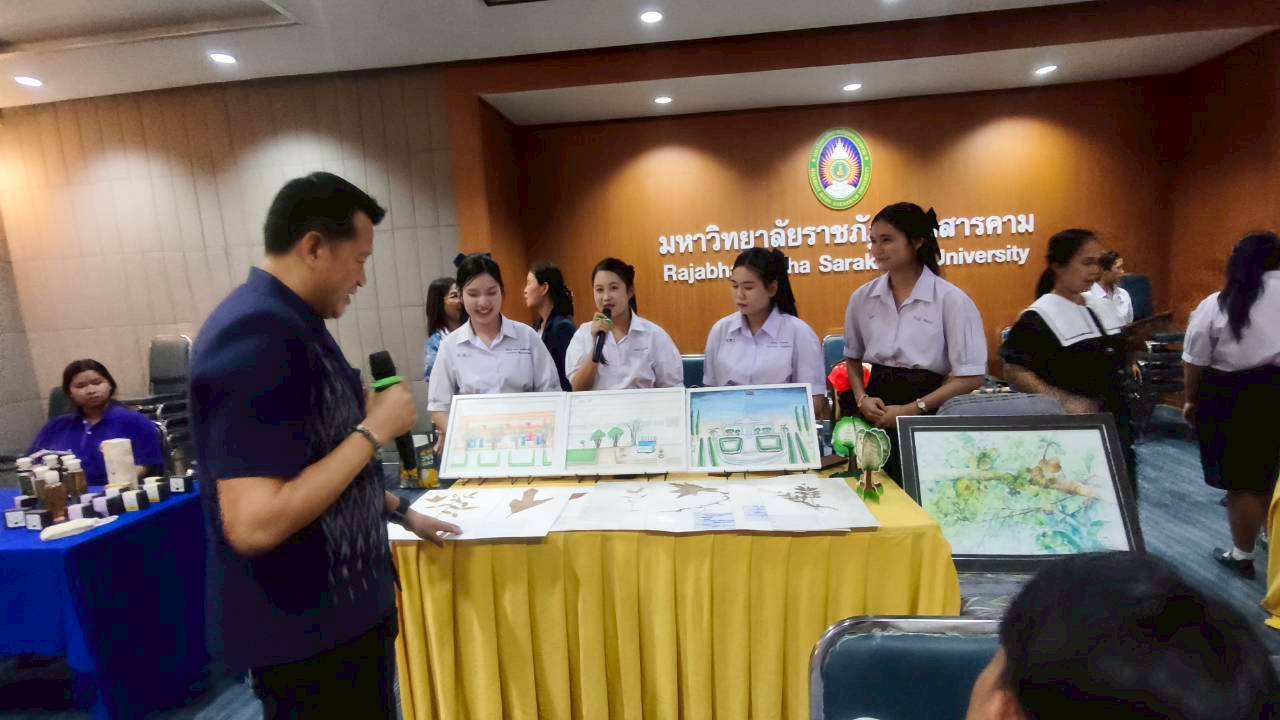
Education: A "model learning center" is being developed to integrate scientific knowledge with local wisdom, enabling youth and students to identify plant species and engage in integrated learning through hands-on fieldwork.
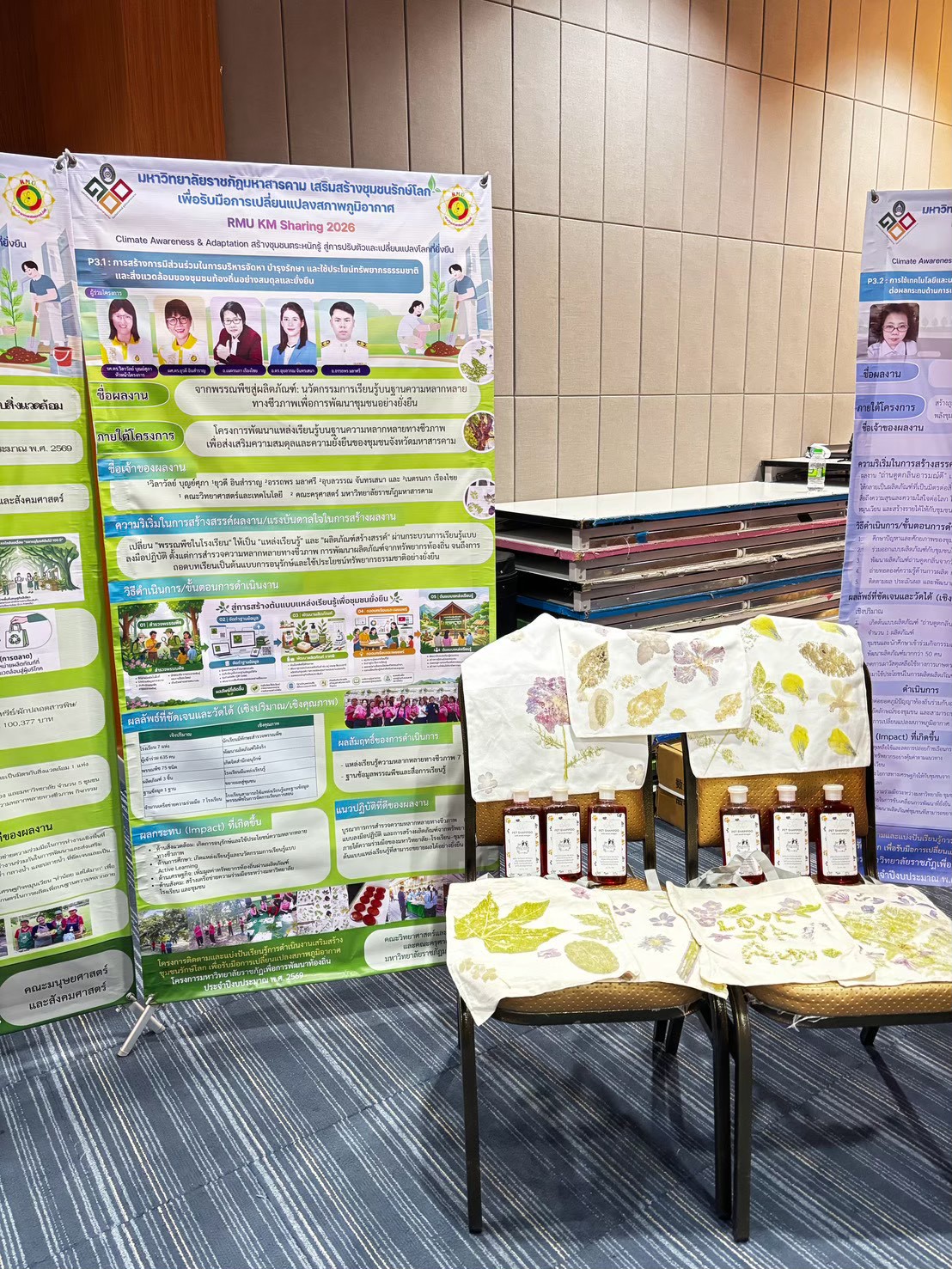
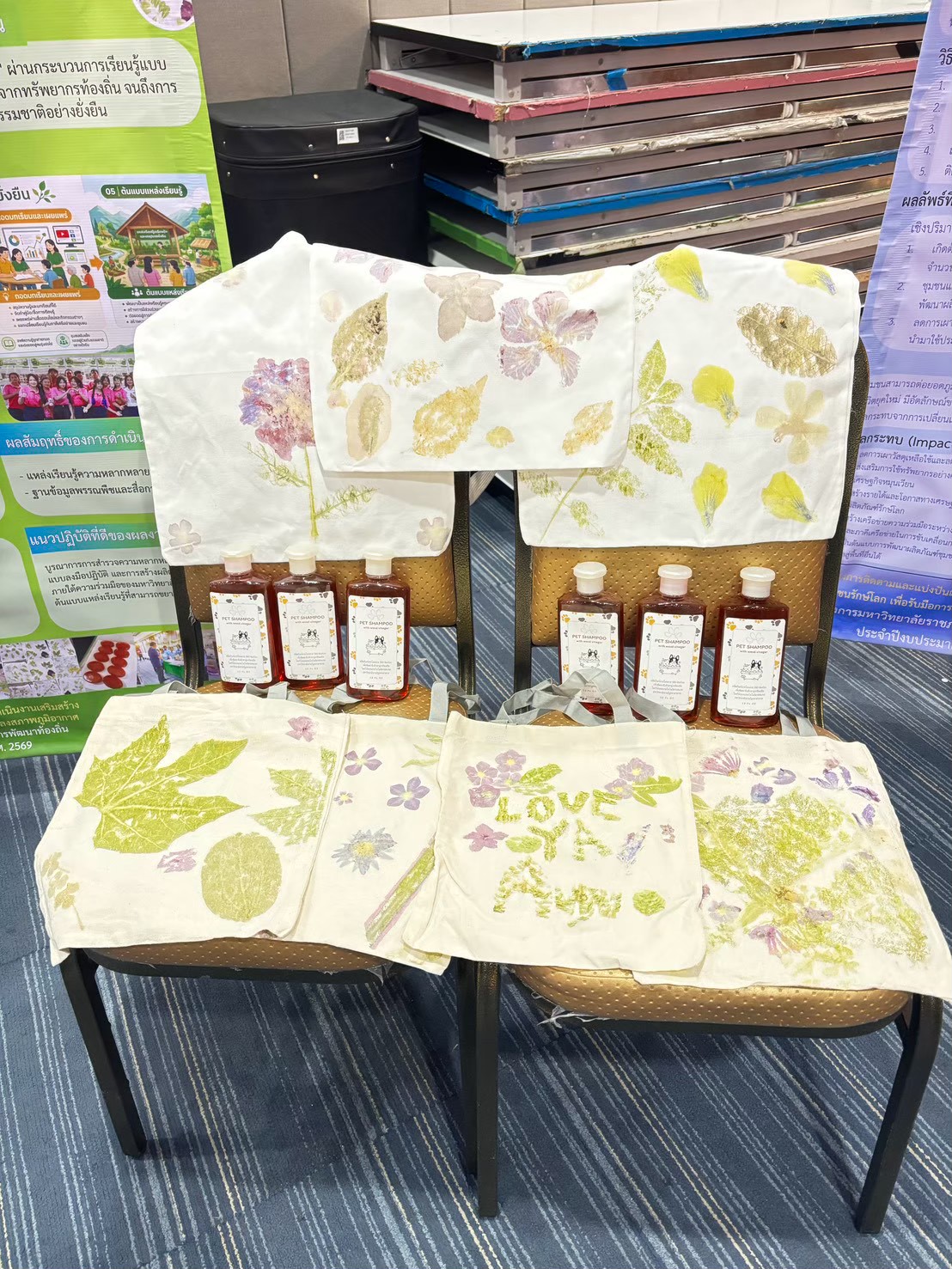
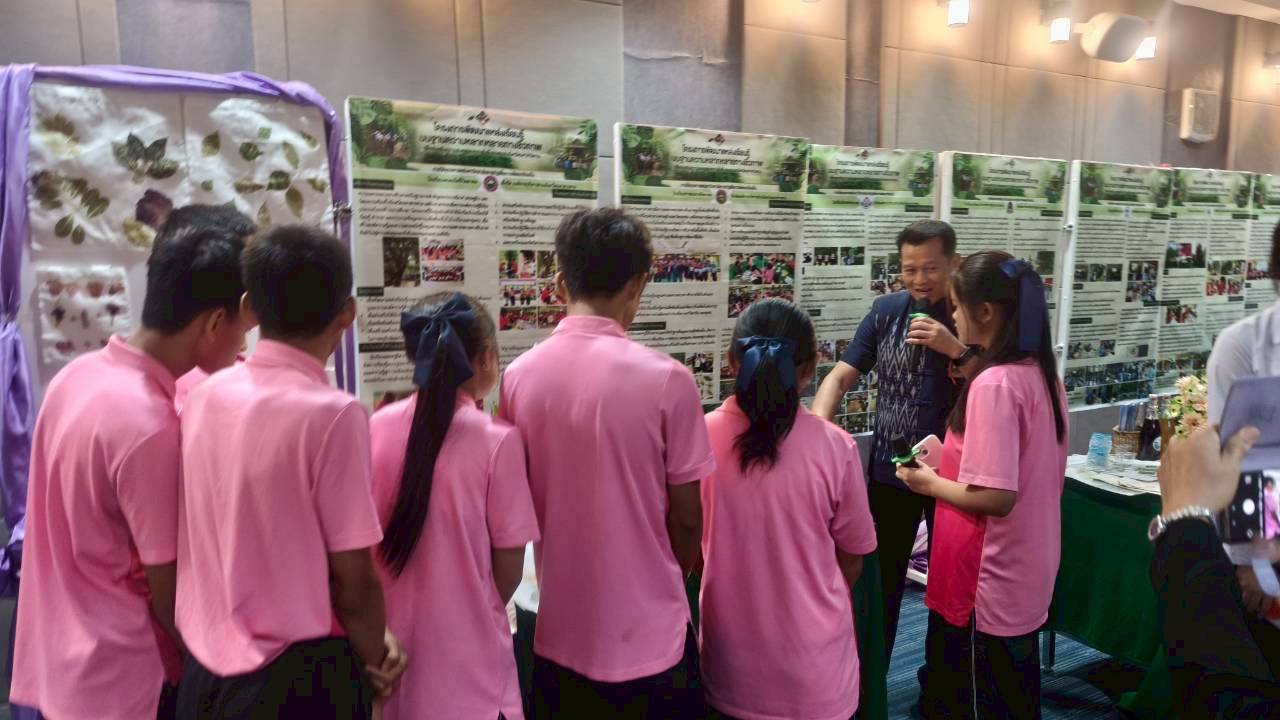
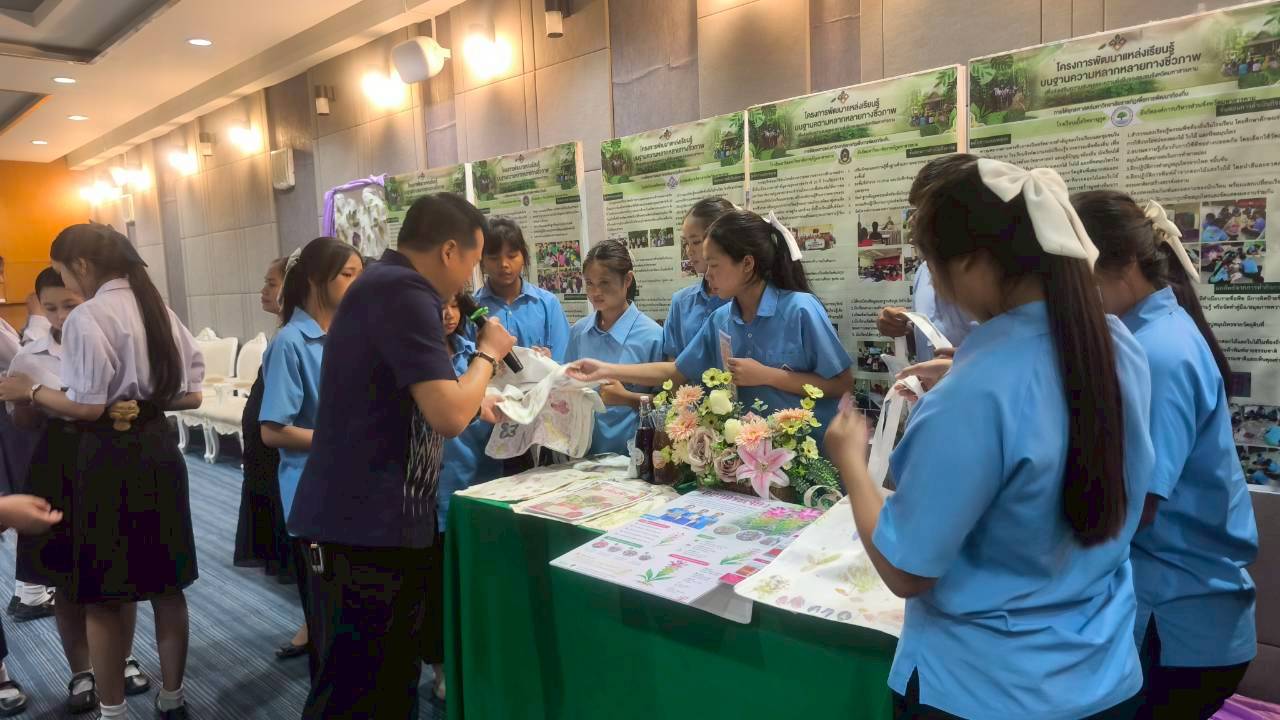
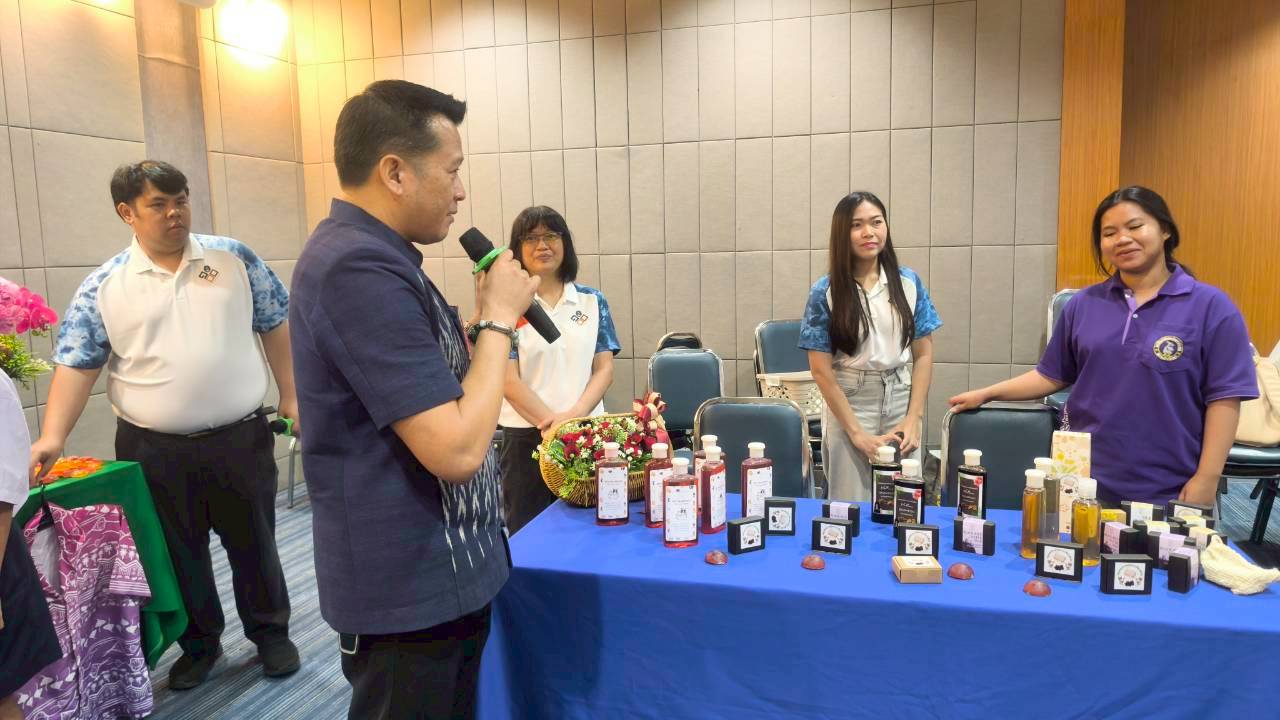
Economy: The project promotes the processing of local medicinal plants into prototype products to generate added value and supplementary income for the community.
Society: The project focuses on building collaborative networks among universities, schools, and the community to foster strong, collective participation in the stewardship of local resources.
ด้านสิ่งแวดล้อม (เป็นด้านหลักของกิจกรรม): โครงการมุ่งเน้นการอนุรักษ์ความหลากหลายทางชีวภาพและการจัดการทรัพยากรธรรมชาติอย่างยั่งยืน
ด้านการศึกษา: มีการพัฒนา "แหล่งเรียนรู้ต้นแบบ" ที่บูรณาการความรู้ทางวิทยาศาสตร์และภูมิปัญญาท้องถิ่น เพื่อให้เยาวชนและนักศึกษามีทักษะในการระบุพรรณพืชและเกิดการเรียนรู้แบบบูรณาการผ่านการ
ลงพื้นที่จริง
ด้านเศรษฐกิจ: โครงการส่งเสริมการนำพืชสมุนไพรท้องถิ่นมา แปรรูปเป็นผลิตภัณฑ์ต้นแบบ เพื่อสร้างมูลค่าเพิ่มและรายได้เสริมให้แก่ชุมชน
ด้านสังคม: มุ่งเน้นการสร้าง เครือข่ายความร่วมมือ ระหว่างมหาวิทยาลัย โรงเรียน และชุมชน เพื่อเสริมสร้างการมีส่วนร่วมในการดูแลรักษาทรัพยากรท้องถิ่นร่วมกันอย่างเข้มแข็ง
Part 2: Outcomes & Impact ส่วนที่ 2 ผลลัพธ์และผลกระทบ
Outcomes ผลลัพธ์ที่เกิดขึ้น
1. Percentage of students and community members capable of independently identifying and recording local plant species ≥ 70%
2. Percentage of students and community members capable of applying knowledge regarding medicinal plants for health and the community economy ≥ 60%
3. Number of follow-up activities/projects resulting from collaboration between schools, universities, and the community ≥ 3
4. Number of communities/schools utilizing the plant species database and promotional materials for further application ≥ 10
5. Two academic articles
1. ร้อยละของนักเรียน นักศึกษาและชุมชนที่สามารถระบุและ
บันทึกพรรณพืชท้องถิ่นได้เอง ≥ 70%
2. ร้อยละของนักเรียน นักศึกษาและชุมชนที่สามารถใช้ความรู้
เกี่ยวกับสมุนไพรเพื่อสุขภาพและเศรษฐกิจชุมชน≥ 60%
3. จำนวนกิจกรรม/โครงการต่อยอดที่เกิดจากความร่วมมือระหว่างโรงเรียน มหาวิทยาลัยและชุมชน≥ 3
4. จำนวนชุมชน/โรงเรียนที่สามารถนำฐานข้อมูลพรรณพืช
และสื่อประชาสัมพันธ์ไปใช้ประโยชน์ต่อยอด≥ 10
5.บทความวิชาการ 2 เรื่อง
Community & Social Impact ผลกระทบต่อชุมชน/สังคม
- Economic Aspect
1) Communities can develop traditional herbal products and processed local plant products for sale, generating supplementary income and boosting the local economy.
2) Creation of business extensions or creative community enterprises based on knowledge regarding medicinal plants.
- Social Aspect
1) Promotion of participation among youth, students, and the community in biodiversity conservation.
2) Establishment of collaborative networks among schools, universities, and communities for sustainable community development.
- Environmental Aspect
1) Communities and youth gain awareness of the importance of biodiversity and the conservation of local resources.
2) Reduction of ecosystem degradation and promotion of sustainable management of local plants.
- Educational Aspect
1) Students acquire knowledge and skills in plant identification and the correct utilization of medicinal plants.
2) Facilitation of integrated learning (combining classroom, field, and community-based learning) that can be applied to research or projects.
- ด้านเศรษฐกิจ
1) ชุมชนสามารถพัฒนาผลิตภัณฑ์สมุนไพรพื้นบ้านและผลิตภัณฑ์แปรรูปพืชท้องถิ่นเพื่อจำหน่าย
สร้างรายได้เสริมและยกระดับเศรษฐกิจชุมชน
2) เกิดกิจกรรมต่อยอดทางธุรกิจหรือกิจการชุมชนเชิงสร้างสรรค์จากองค์ความรู้ด้านพืชสมุนไพร
- ด้านสังคม
1) ส่งเสริมการมีส่วนร่วมระหว่างเยาวชน นักศึกษา และชุมชนในการอนุรักษ์ความหลากหลาย
ทางชีวภาพ
2) สร้างเครือข่ายความร่วมมือระหว่างโรงเรียน มหาวิทยาลัย และชุมชนเพื่อพัฒนาชุมชนอย่าง
ยั่งยืน
- ด้านสิ่งแวดล้อม
1) ชุมชนและเยาวชนตระหนักถึงความสำคัญของความหลากหลายทางชีวภาพและการอนุรักษ์
ทรัพยากรท้องถิ่น
2) ลดการทำลายระบบนิเวศและส่งเสริมการจัดการพืชท้องถิ่นอย่างยั่งยืน
- ด้านการศึกษา
1) นักเรยี นและนกั ศึกษามีความร้แู ละทักษะในการระบุพรรณพืชและใช้ประโยชนส์ มุนไพรอย่าง
ถูกต้อง
2) เกิดการเรียนรู้แบบบูรณาการ (การเรียนรู้ในห้องเรียน + ภาคสนาม + ชุมชน) และสามารถ
นำไปใช้ในงานวิจัยหรือโครงงานได้
Student & Staff Participation การมีส่วนร่วมของนักศึกษา/บุคลากร
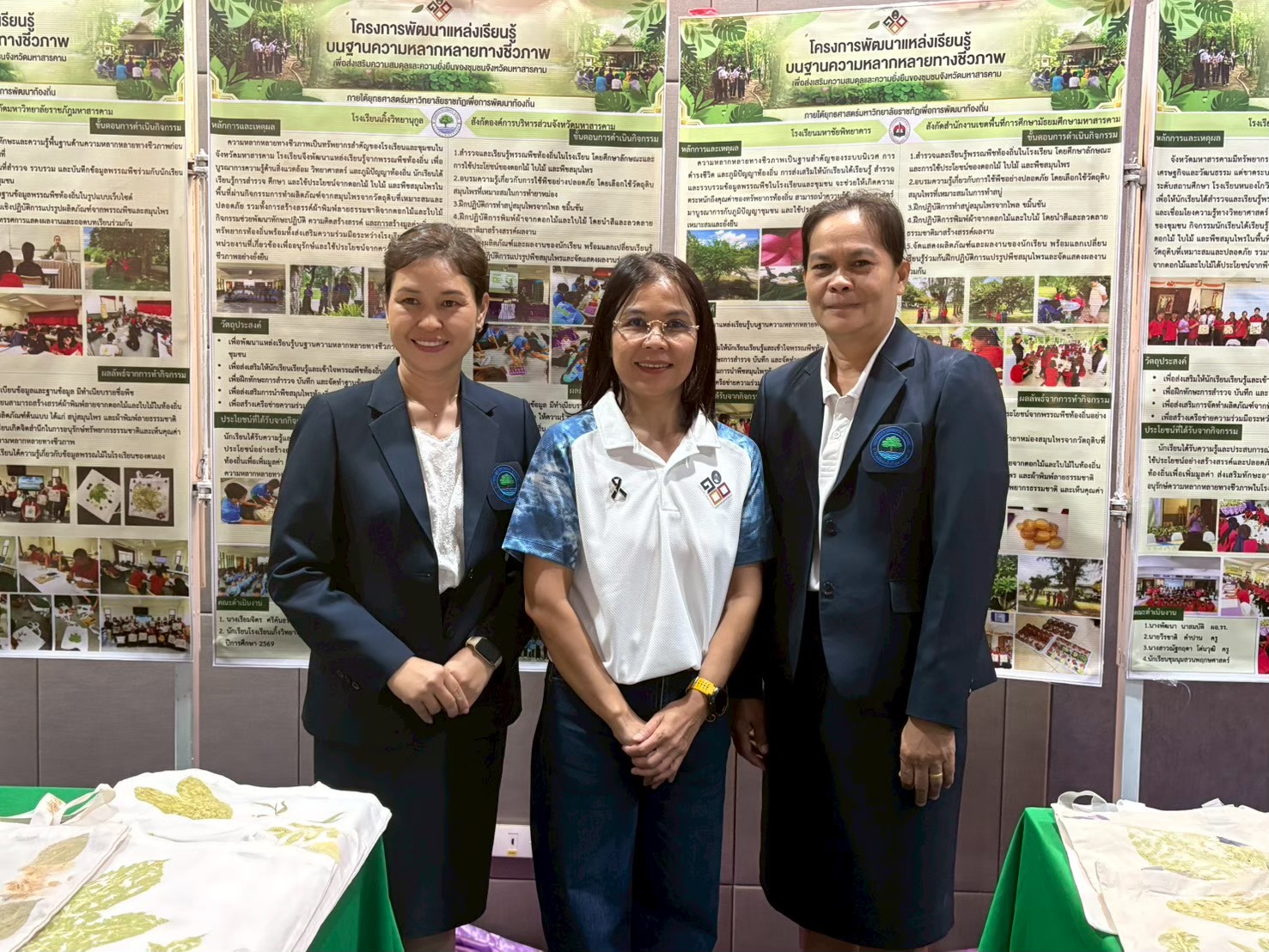
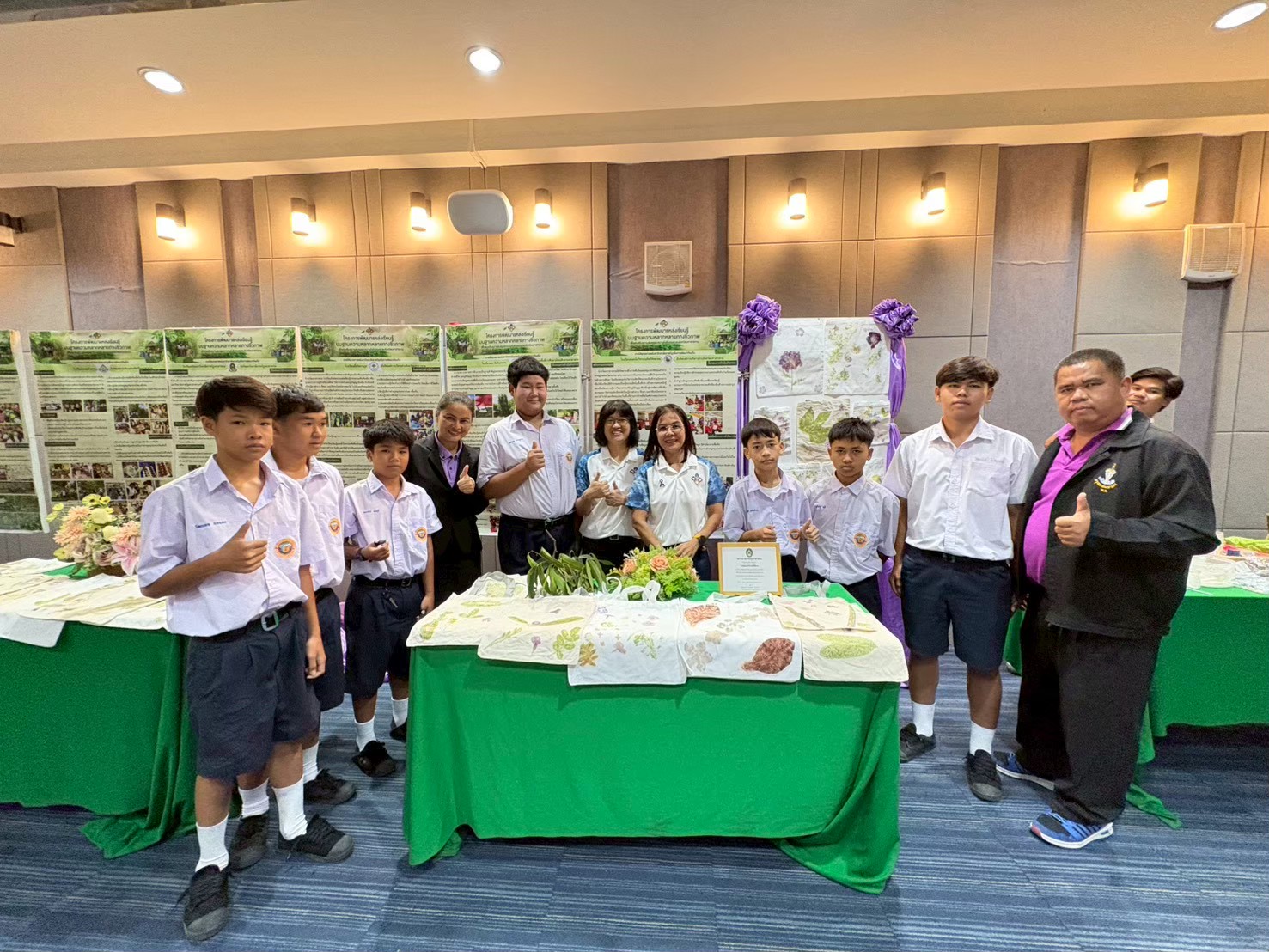
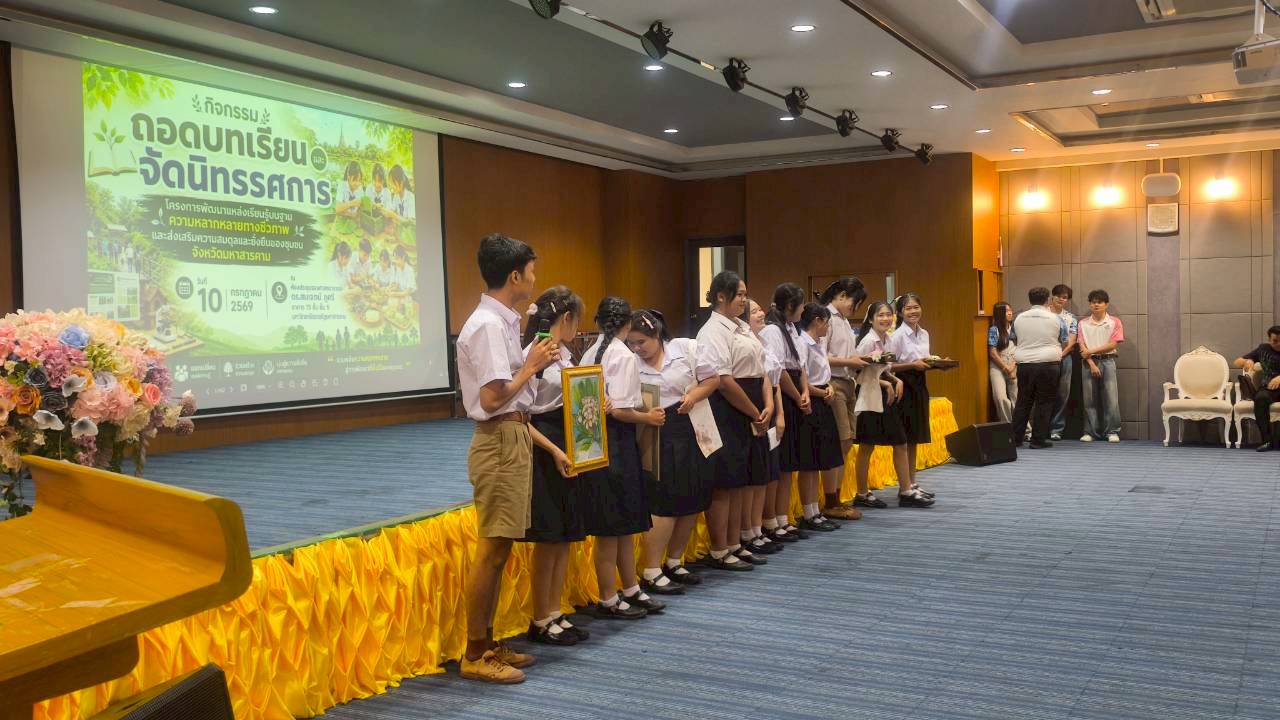
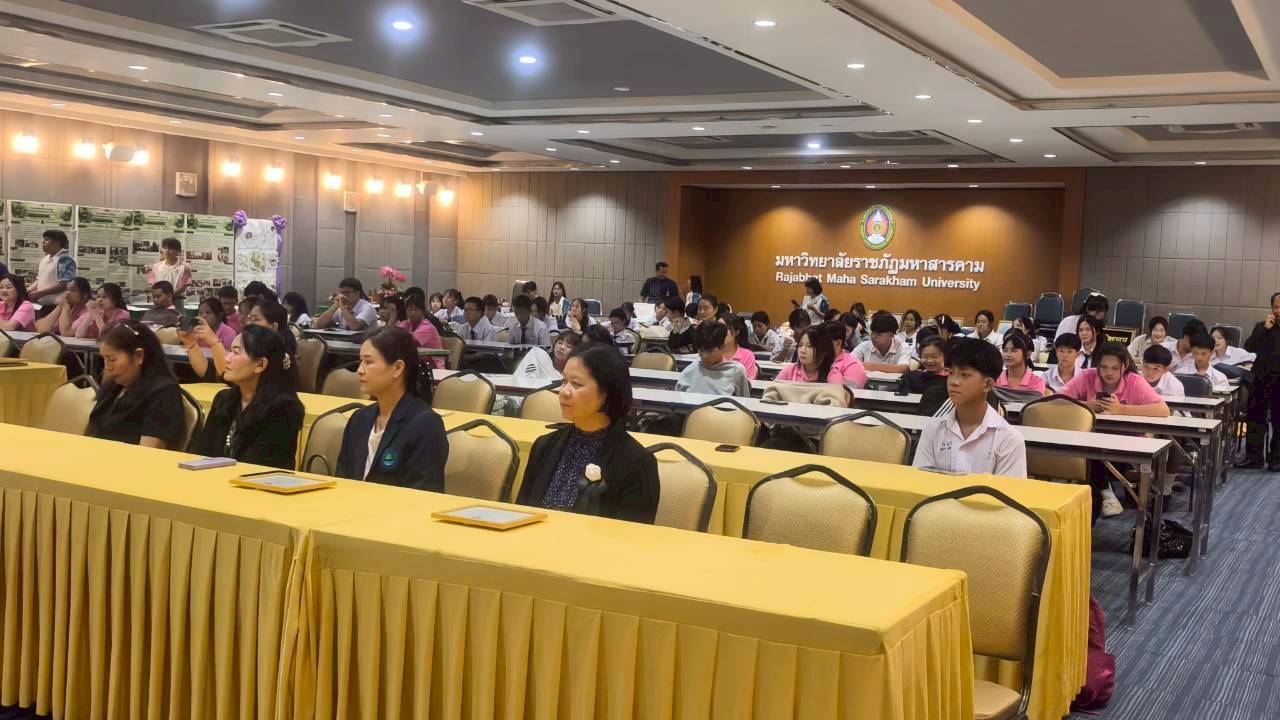
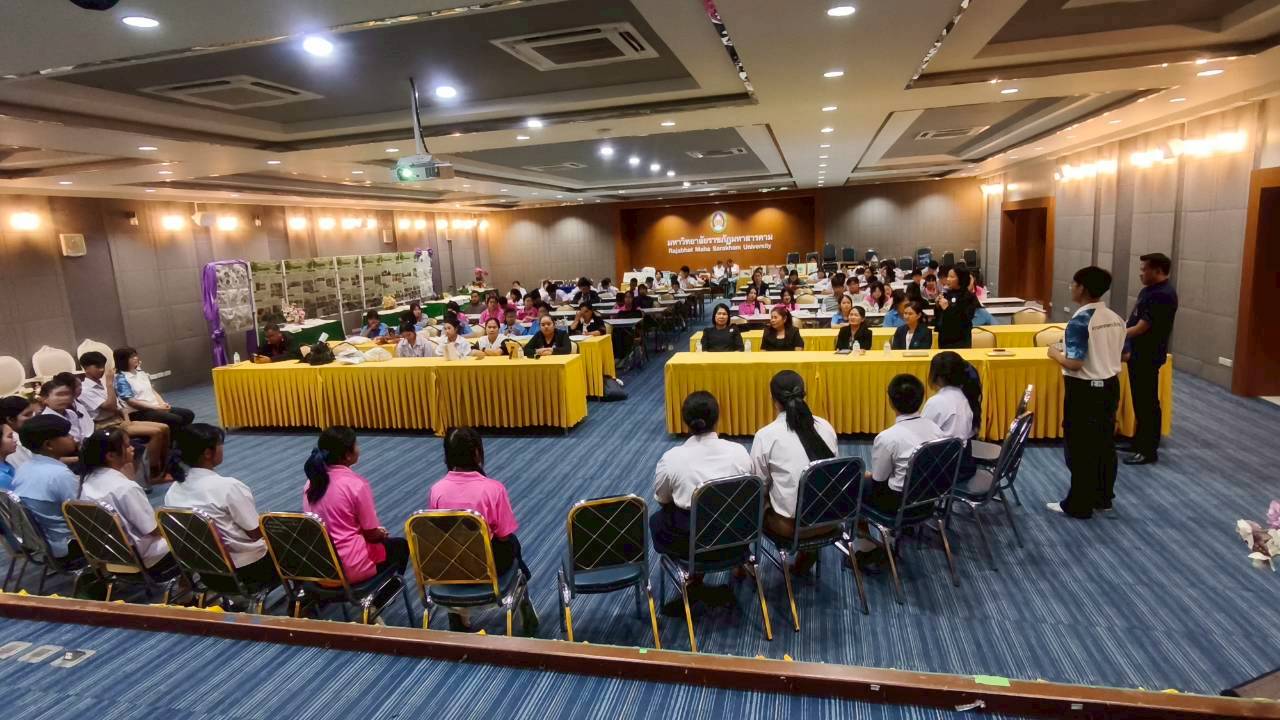
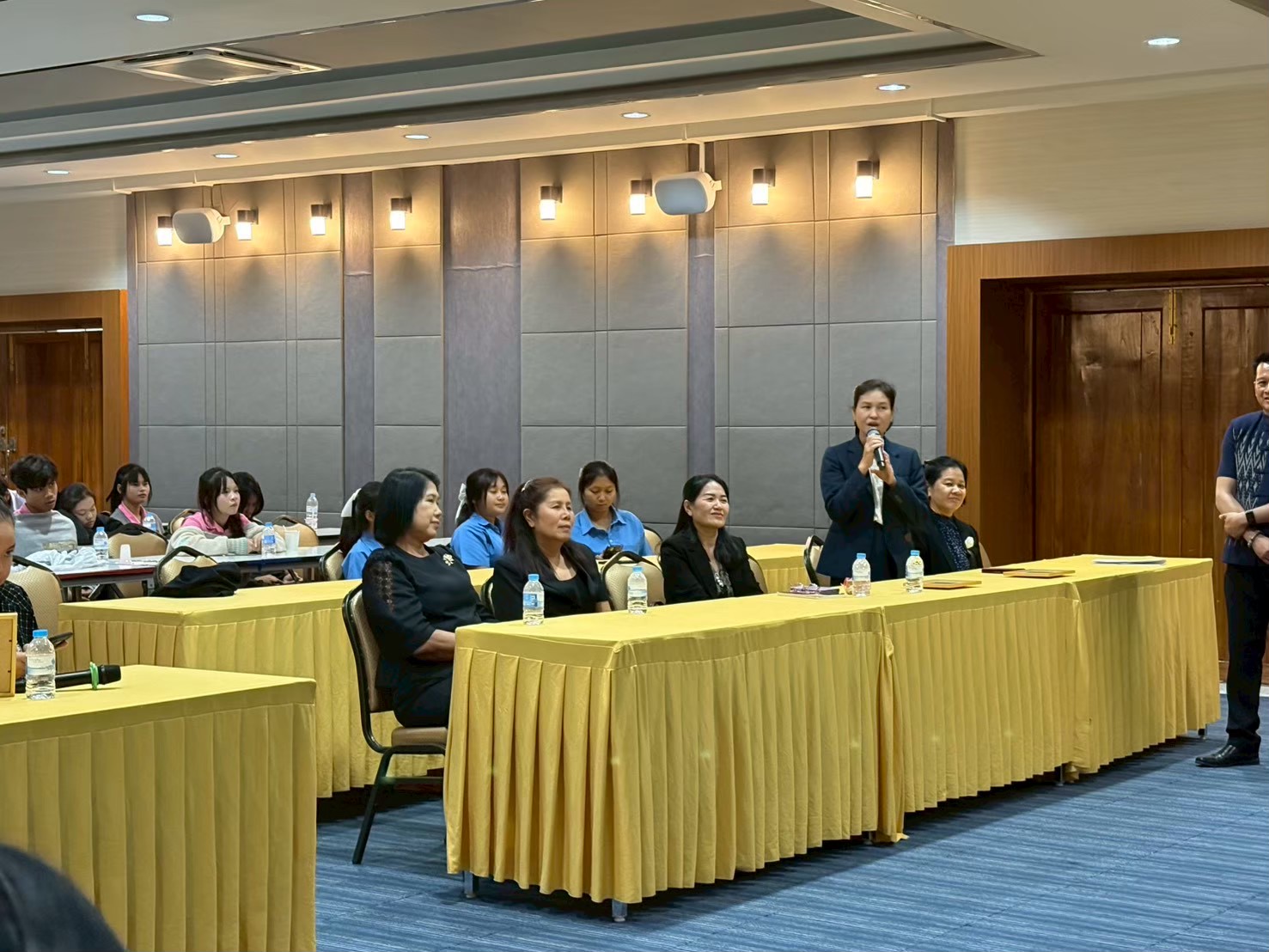
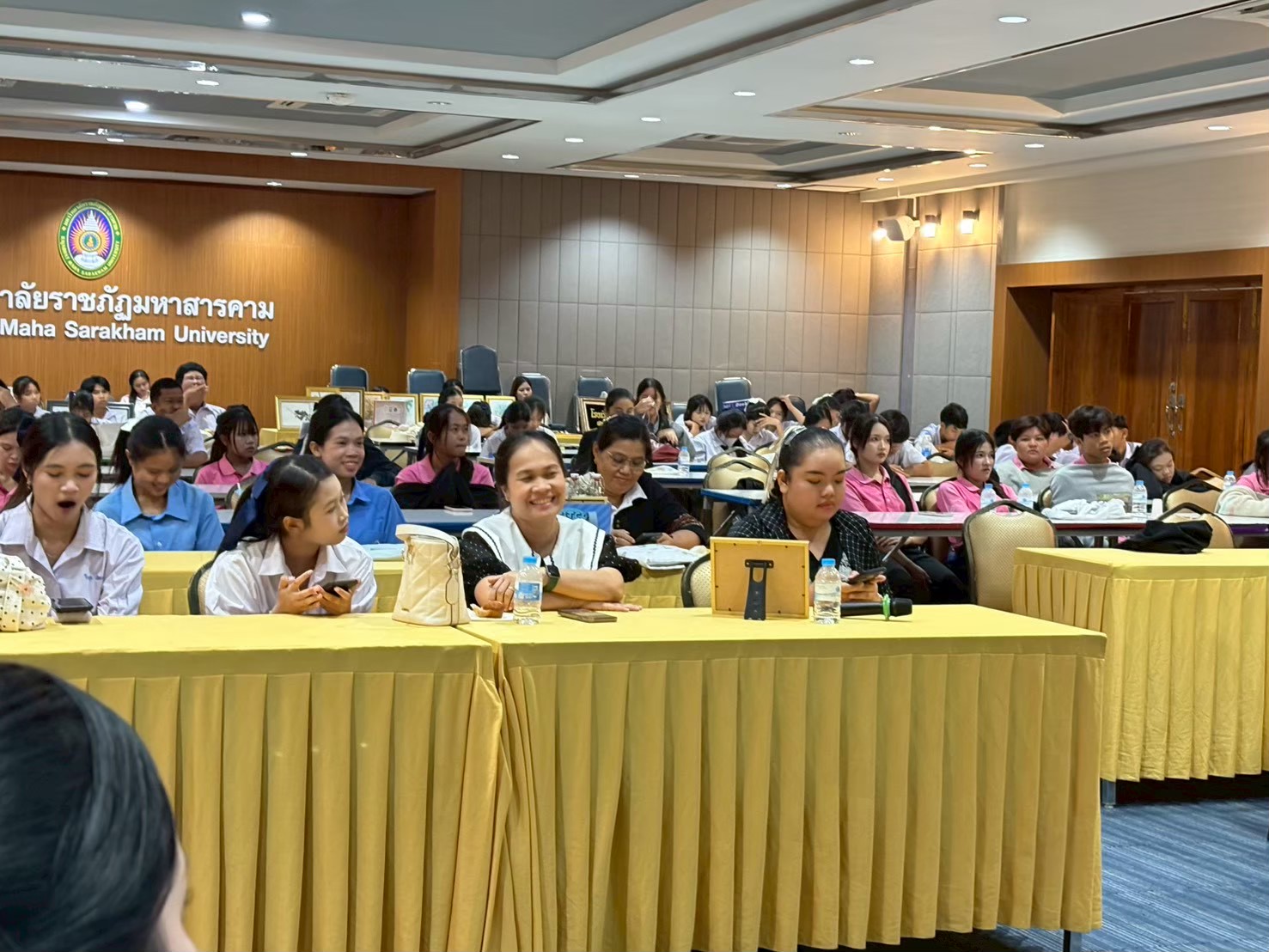
A total of 635 individuals—comprising students and personnel—participated in the event. The participating institutions included:
1. Mahachai Phitthayakhan School 2. Khok Ko Phitthayakhom School 3. Rajabhat Maha Sarakham Demonstration School
4. Koeng Witthayanukul School 5. Nong Pho Witthayakhom School 6. Tha Khon Yang Phitthayakhom School 7. Nong Ko Wichaprasit Phitthayakhom School, along with other network schools.
Comparing the actual total of 635 participants against the target group of 250 people results in a participation rate of 254%. This indicates that the number of participants exceeded the set target by 385 individuals, representing a 154% surplus.
ปริมาณเข้าร่วม ได้แก่ นักเรียน นักศึกษา บุคลากร จำนวน 635 คน ประกอบด้วย
1.โรงเรียนมหาชัยพิทยาคาร 2.โรงเรียนโคกก่อพิทยาคม 3. โรงเรียนสาธิตราชภัฏมหาสารคาม
4. โรงเรียนเกิ้งวิทยานุกุล 5.โรงเรียนหนองโพธิ์วิทยาคม 6. โรงเรียนท่าขอนยางพิทยาคม 7.หนองโกวิชา
ประสิทธิ์พิทยาคม และโรงเรียนภาคีเครือข่าย
จากข้อมูลปริมาณกลุ่มเป้าหมาย จำนวน 250 คน เมื่อเทียบกับจำนวนผู้เข้าร่วมโครงการ
จำนวนทั้งสิ้น 635 คน คิดเป็นร้อยละ 254 นั่นคือผู้เข้าร่วมโครงการมากกว่าหรือน้อยกว่าเป้าหมายที่กำหนด
จำนวน 385 คน คิดเป็นร้อยละ 154
Project Continuity ความต่อเนื่องของโครงการ
The project 1 year โครงการ 1 ปี
Part 3: Challenges & Suggestions ส่วนที่ 3 ปัญหาอุปสรรค/ข้อเสนอแนะ
Problems & Obstacles ปัญหา/อุปสรรค
NO ไม่มี
Improvement Guidelines แนวทางการปรับปรุง
NO ไม่มี
Suggestions to University ข้อเสนอแนะต่อมหาวิทยาลัย
Consideration should be given to expanding processing activities to all seven schools, enabling each of them to utilize the data from their surveyed plant species to create value-added prototype products in line with the project's objectives. Integration with the "School Botanical Garden" curriculum is also recommended, given the high level of expertise in this field possessed by many teachers within the network schools and the project's resource persons.
ควรพิจารณาขยายกิจกรรมการแปรรูปให้ครบทั้ง 7 โรงเรียน เพื่อให้ทุกโรงเรียนสามารถนำข้อมูล
พรรณพืชที่สำรวจได้มาสร้างมูลค่าเพิ่มเป็นผลิตภัณฑ์ต้นแบบได้ตามวัตถุประสงค์ของโครงการ
การบูรณาการเข้ากับหลักสูตร "งานสวนพฤกษศาสตร์โรงเรียน": เนื่องจากครูในโรงเรียนเครือข่ายและ
วิทยากรหลายท่านมีความเชี่ยวชาญสูงในด้าน งานสวนพฤกษศาสตร์โรงเรียน