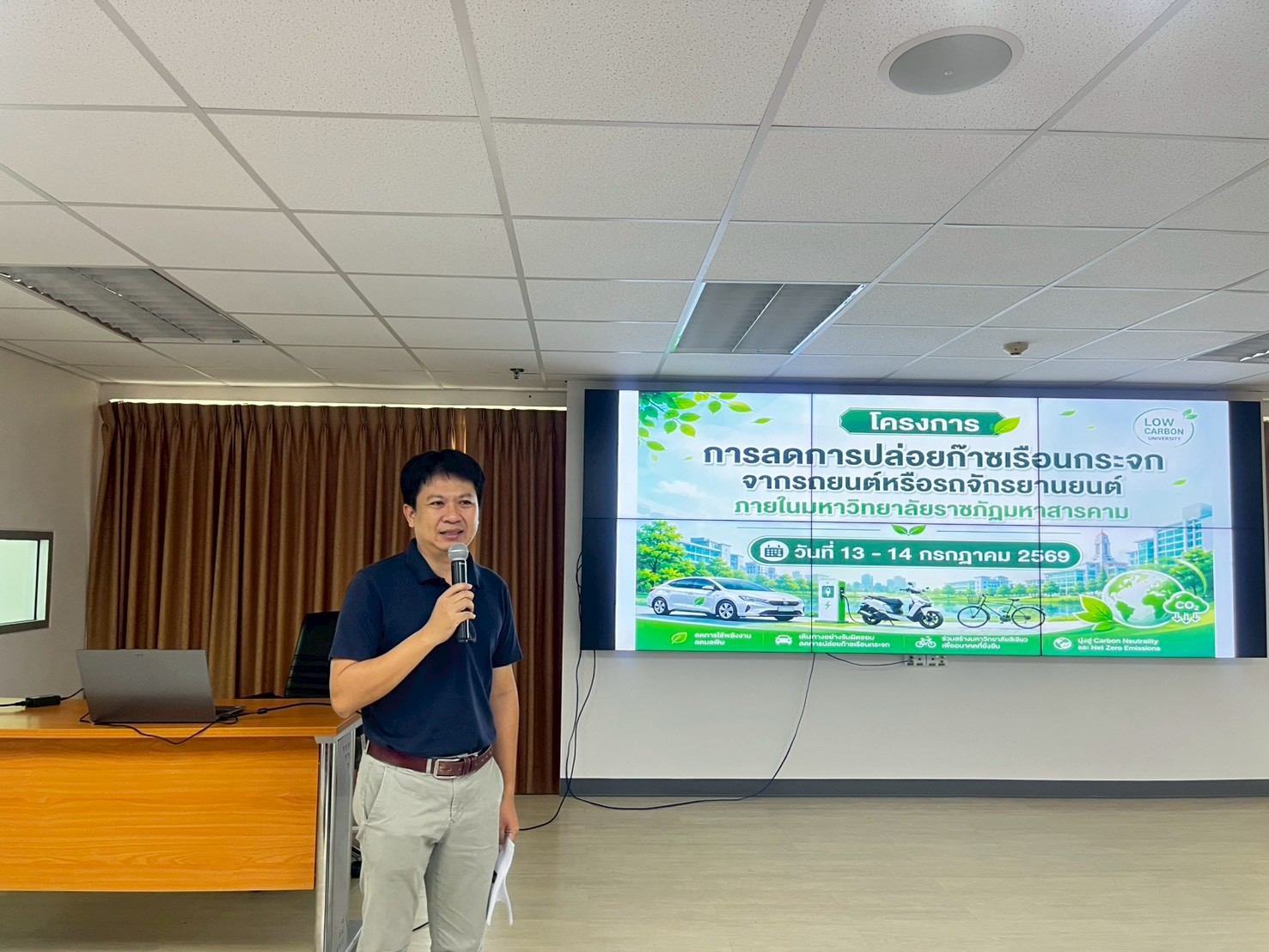
– July 14, 2026 13 กรกฎาคม 2569
– 14 กรกฎาคม 2569
Part 1: Project Details ส่วนที่ 1 รายละเอียดการดำเนินงาน
Objectives วัตถุประสงค์โครงการ
1.To reduce the use of electricity generated from fossil fuels, which are a major source of greenhouse gas emissions.
2.To reduce carbon dioxide (CO₂) emissions and support the university's commitment to Carbon Neutrality and Net Zero goals.
3.To promote the use of clean and sustainable renewable energy, contributing to energy transition and long-term environmental sustainability.
1 ลดการใช้พลังงานไฟฟ้าจากเชื้อเพลิงฟอสซิล ซึ่งเป็นสาเหตุของการปล่อยก๊าซเรือนกระจก
2 ลดการปล่อยก๊าซคาร์บอนไดออกไซด์ (CO₂) ช่วยสนับสนุนนโยบาย Carbon Neutrality และ Net Zero
3 ส่งเสริมการใช้พลังงานหมุนเวียน (Renewable Energy) ที่สะอาดและยั่งยืน
Main Activities กิจกรรมหลัก
Upstream – Data Collection and Planning
1.Survey and collect baseline data on the number and types of cars and motorcycles operating within Mahasarakham Rajabhat University.
2.Conduct meetings, develop an implementation plan, and coordinate with relevant departments and stakeholders to establish appropriate measures for reducing vehicle use and greenhouse gas emissions.
Midstream – Implementation and Monitoring
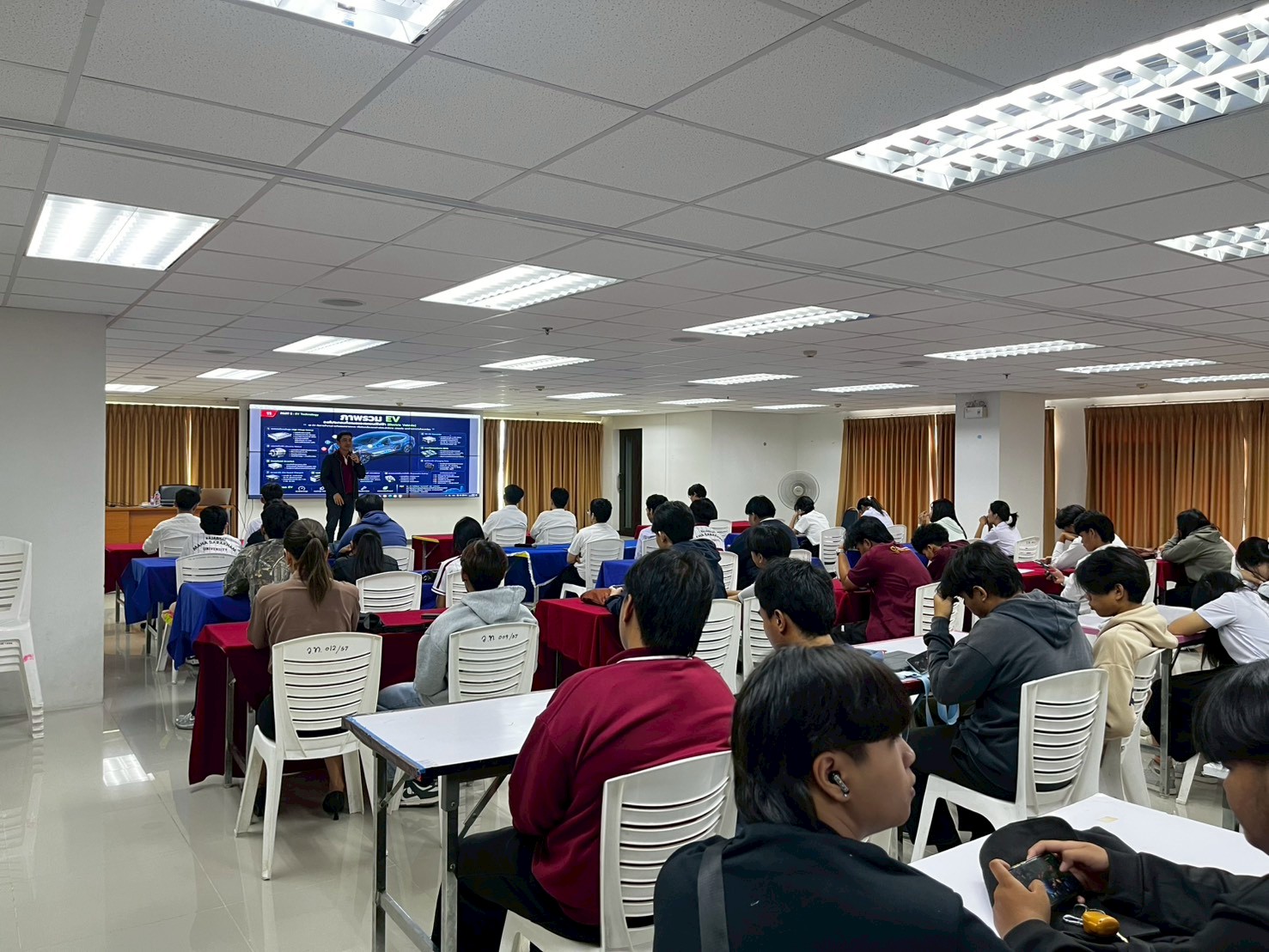
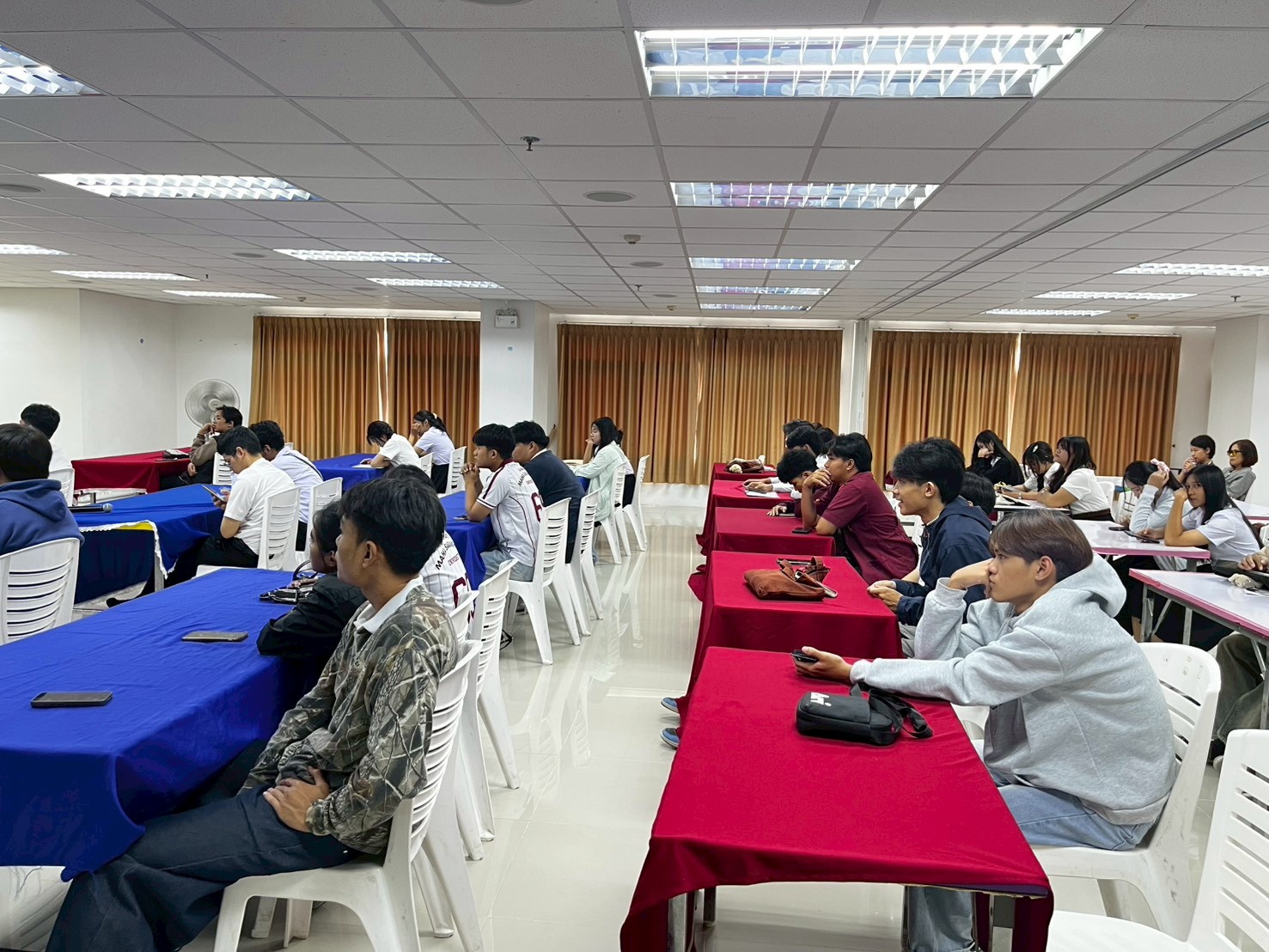
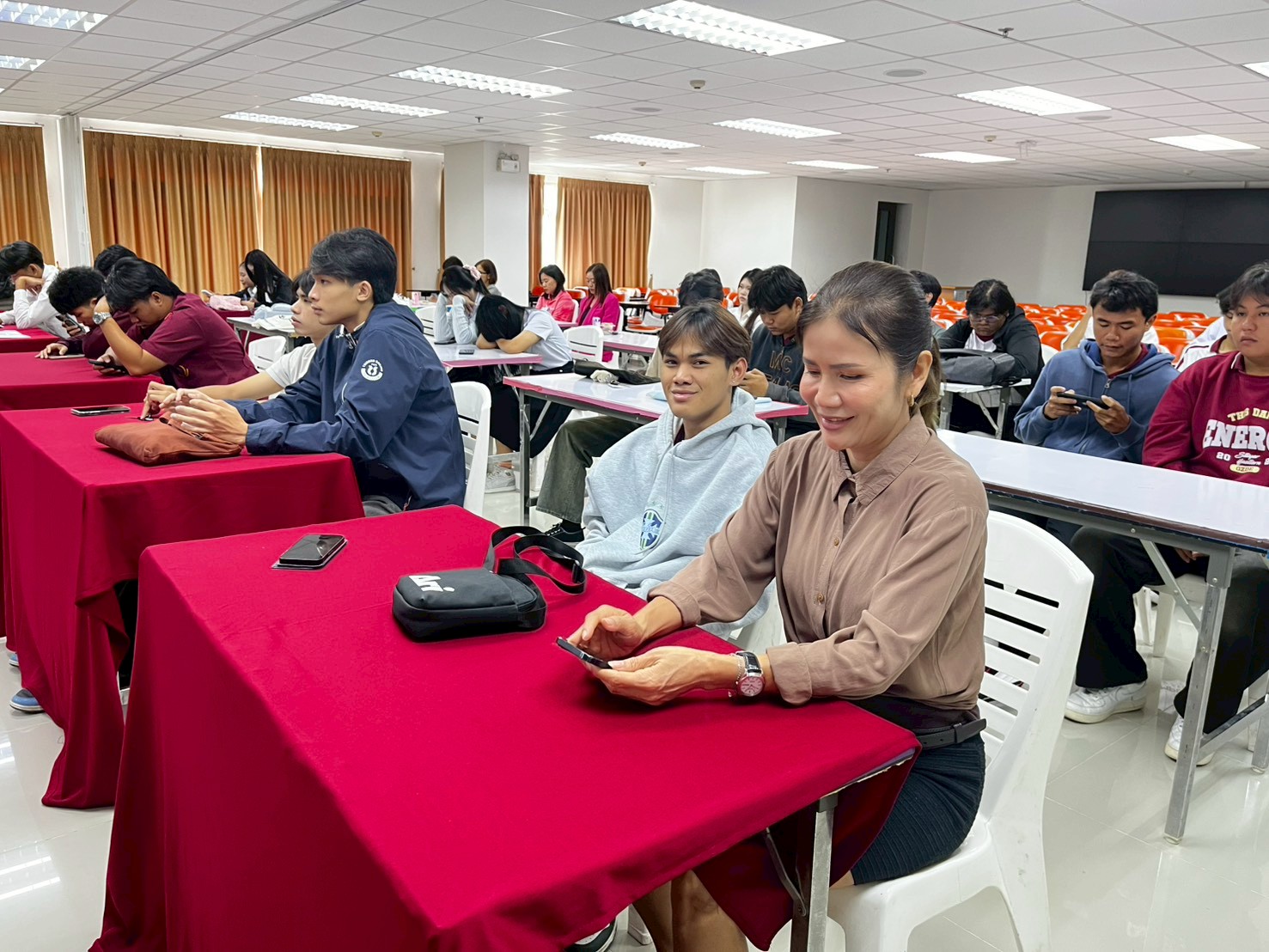
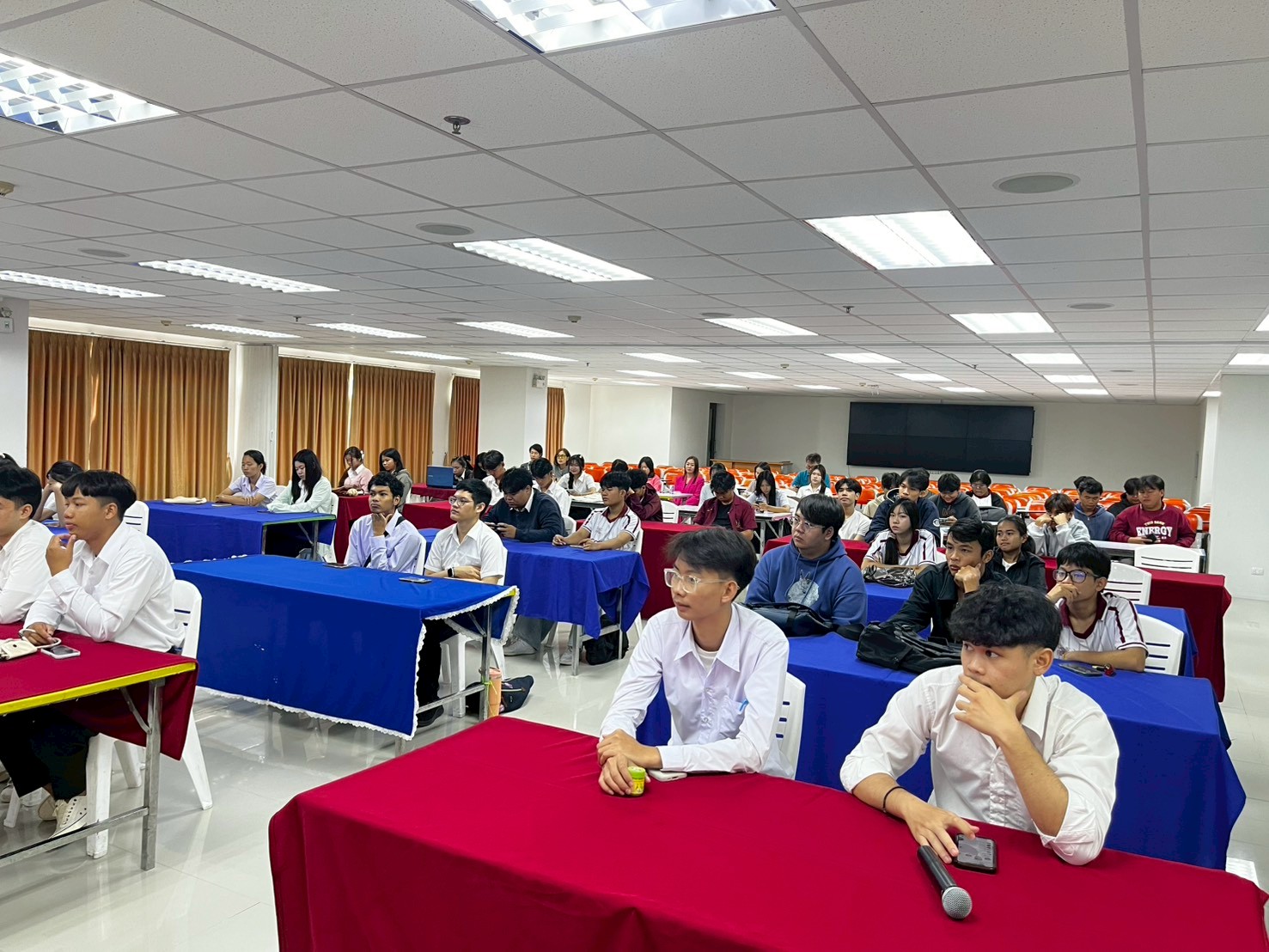
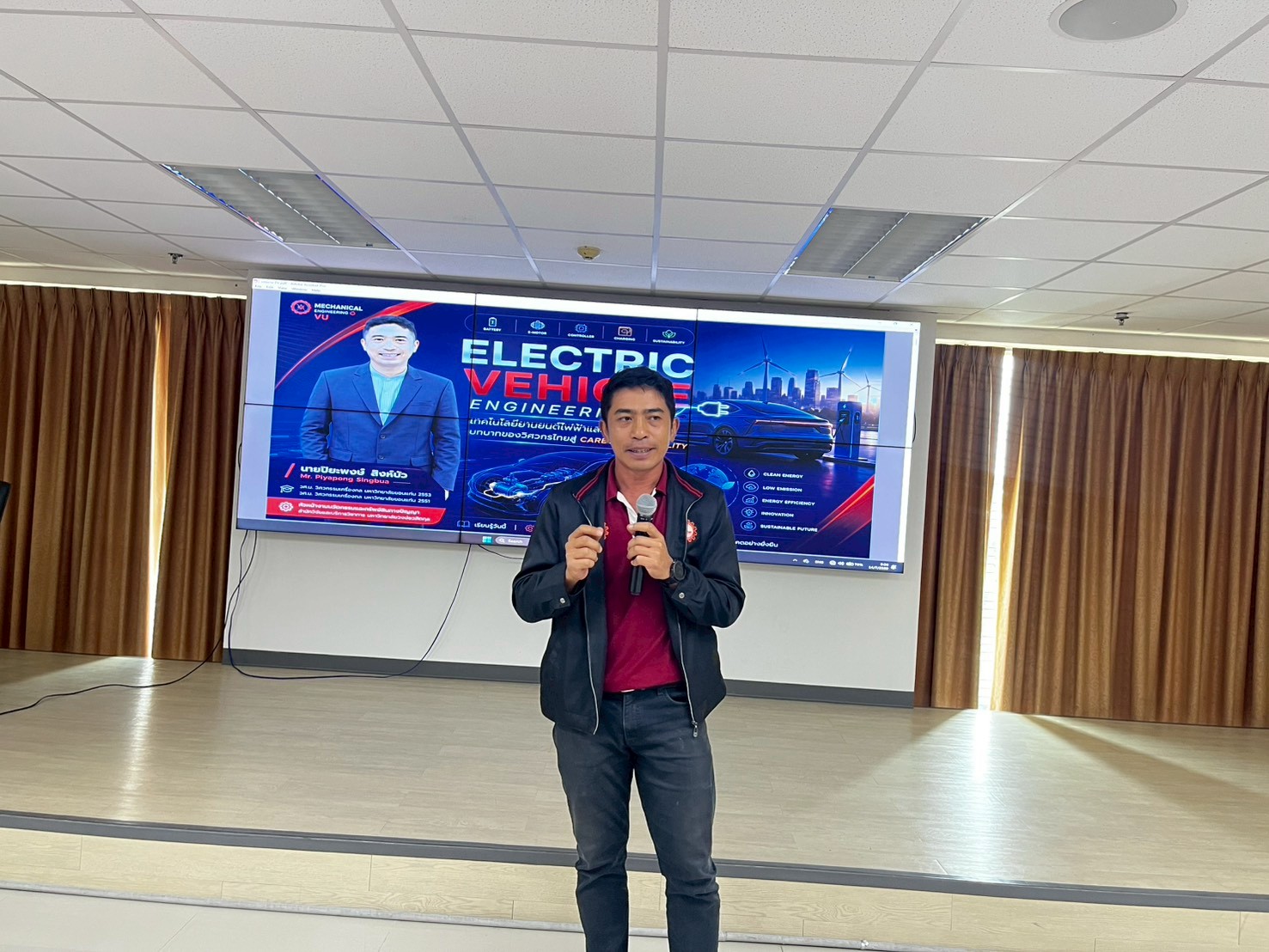
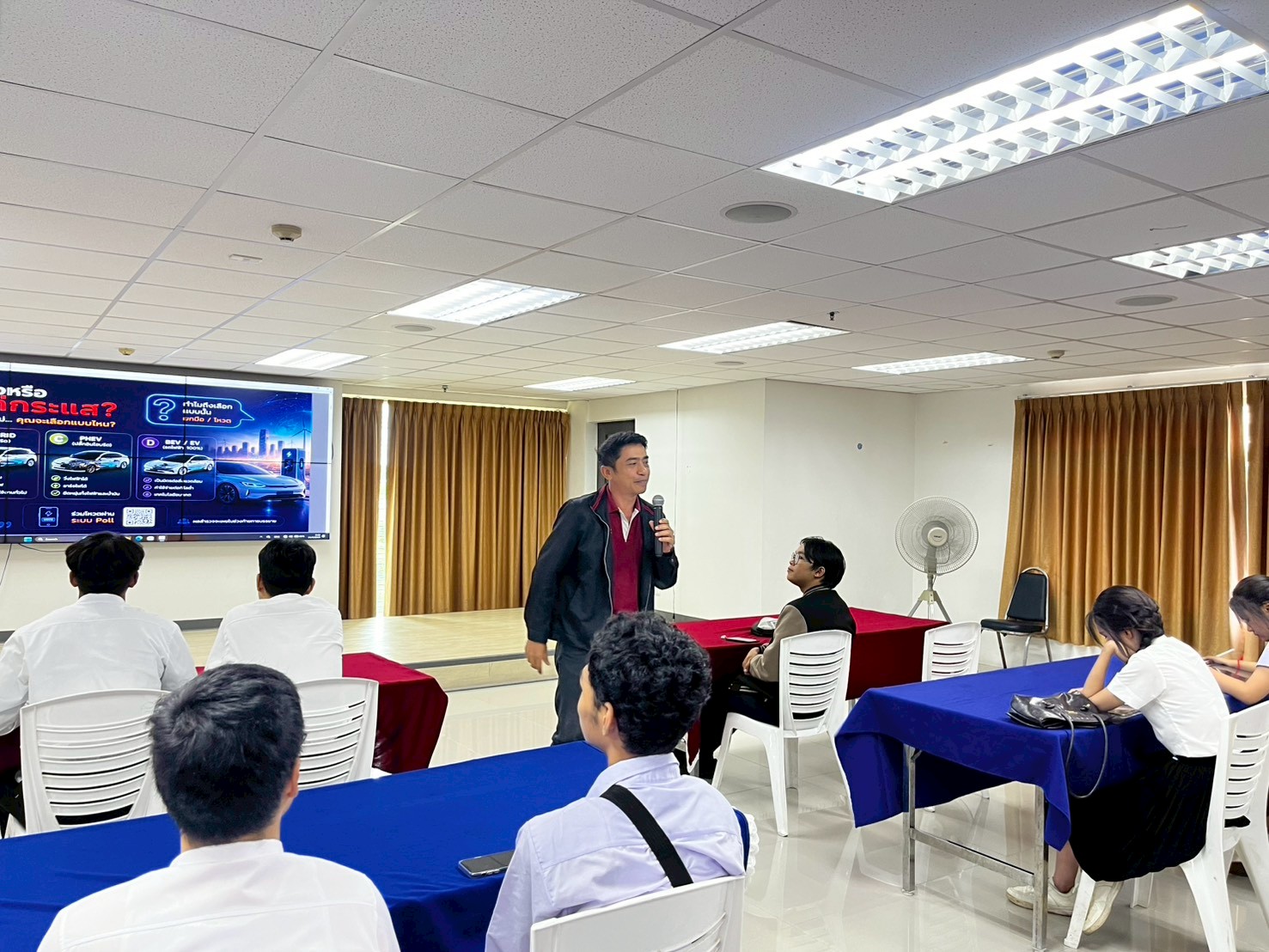
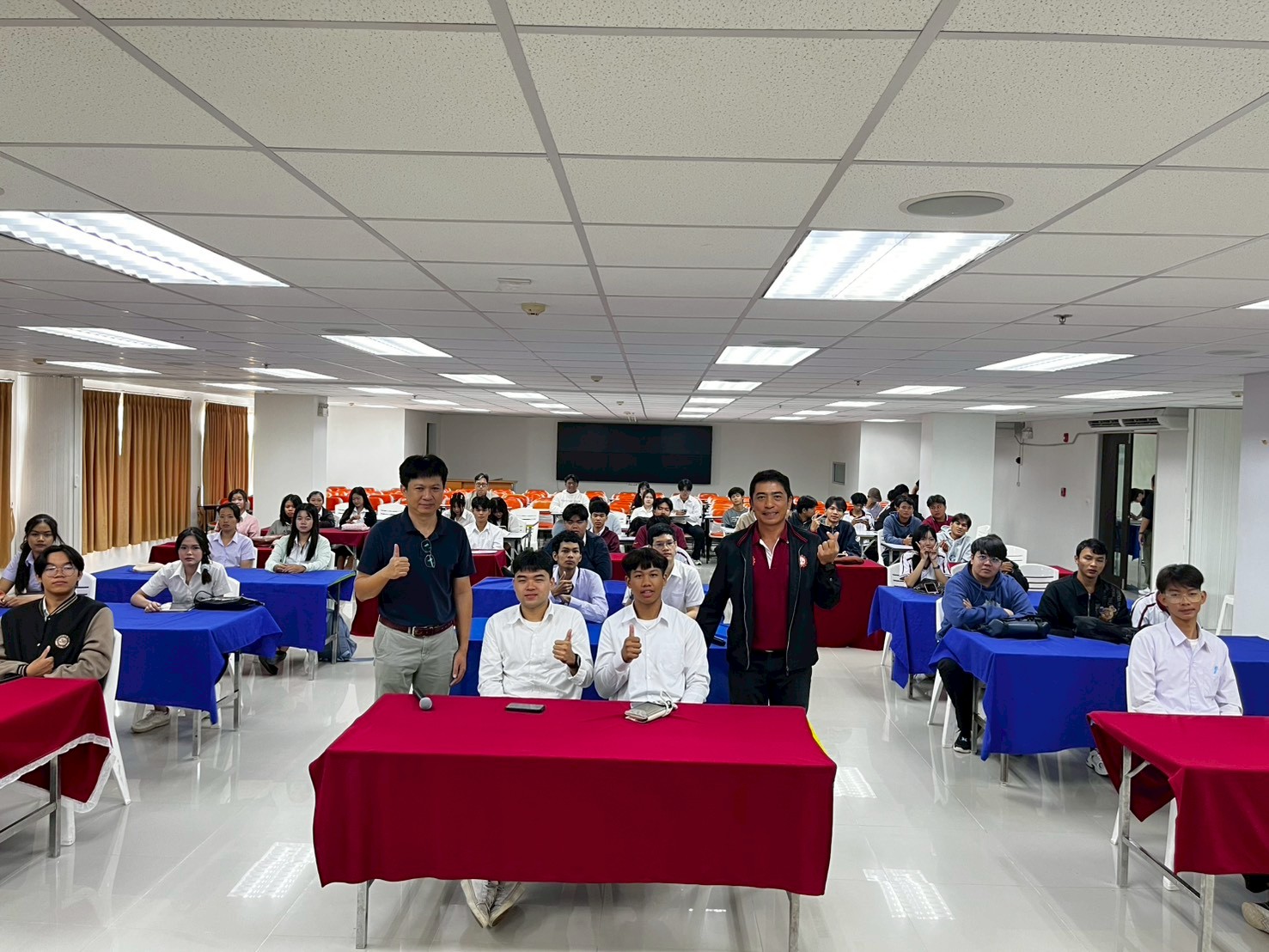
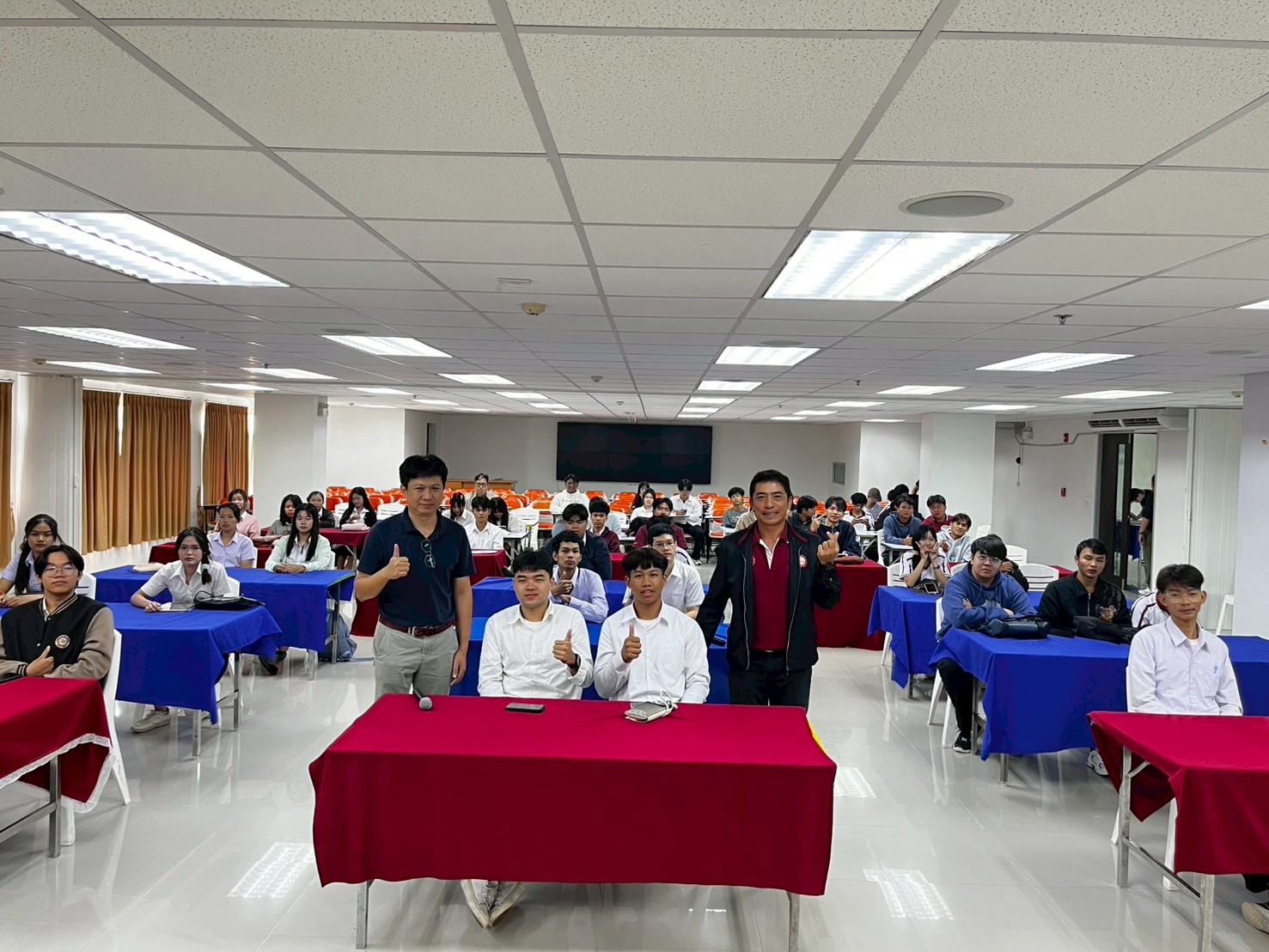
1.Provide training and knowledge-sharing activities on electric vehicle (EV) technology, sustainable transportation, energy efficiency, and its potential role in reducing greenhouse gas emissions.
2.Monitor and review the implementation of project activities to ensure that they are carried out effectively and in accordance with the established action plan.
Downstream – Evaluation and Reporting
1.Monitor changes in the use of cars and motorcycles within the university and assess the effectiveness of measures aimed at reducing conventional vehicle use.
2.Estimate the reduction in greenhouse gas emissions, particularly carbon dioxide (CO₂), resulting from reduced fossil-fuel vehicle use and the promotion of sustainable transportation.
3.Summarize the project outcomes and prepare an implementation report, including key achievements, environmental impacts, lessons learned, and recommendations for future improvement and expansion.
ต้นน้ำ
1.สำรวจและเก็บข้อมูลจำนวนรถยนต์และรถจักรยานยนต์ภายในมหาวิทยาลัย
2.ประชุมวางแผนและประสานงานกับหน่วยงานที่เกี่ยวข้อง
กลางน้ำ
1.จัดอบรมและให้ความรู้เกี่ยวกับเทคโนโลยียานยนต์ไฟฟ้า
2.ติดตามและตรวจสอบการดำเนินกิจกรรมให้เป็นไปตามแผนงานที่กำหนด
ปลายน้ำ
1.ติดตามผลการลดการใช้รถยนต์และรถจักรยานยนต์ภายในมหาวิทยาลัย
2.ประเมินปริมาณการลดการปล่อยก๊าซเรือนกระจก
3.สรุปผลและจัดทำรายงานผลการดำเนินโครงการ
Part 2: Outcomes & Impact ส่วนที่ 2 ผลลัพธ์และผลกระทบ
Outcomes ผลลัพธ์ที่เกิดขึ้น
1.Reduced greenhouse gas emissions within the university campus, contributing to the university’s efforts toward carbon neutrality and sustainable development.
2.Increased knowledge and positive attitudes among personnel and students toward the use of clean and renewable energy, encouraging greater awareness and participation in sustainable energy practices.
1.ลดการปล่อยก๊าซเรือนกระจกในพื้นที่มหาวิทยาลัย
2.บุคลากรและนักศึกษามีความรู้และทัศนคติเชิงบวกต่อการใช้พลังงานสะอาด
Community & Social Impact ผลกระทบต่อชุมชน/สังคม
1.Reduce greenhouse gas emissions and air pollution from the use of cars and motorcycles, contributing to improved environmental quality and quality of life for people in communities surrounding the university.
2.Increase awareness of energy efficiency and reduce dependence on fossil fuels at the community level, encouraging the adoption of cleaner and more sustainable energy practices.
3.Strengthen collaboration among the university, students, personnel, and surrounding communities in energy conservation and environmental protection, fostering long-term collective action to address climate change and support sustainable development.
1. ช่วยลดการปล่อยก๊าซเรือนกระจกและมลพิษทางอากาศจากการใช้รถยนต์และรถจักรยานยนต์ ส่งผลดีต่อคุณภาพสิ่งแวดล้อมและคุณภาพชีวิตของประชาชนในพื้นที่โดยรอบมหาวิทยาลัย
2. ส่งเสริมให้เกิดการตระหนักรู้เกี่ยวกับการใช้พลังงานอย่างมีประสิทธิภาพและการลดการพึ่งพาเชื้อเพลิงฟอสซิลในระดับชุมชน
3. ช่วยสร้างความร่วมมือระหว่างมหาวิทยาลัย นักศึกษา บุคลากร และชุมชนในการอนุรักษ์พลังงานและสิ่งแวดล้อม ก่อให้เกิดการมีส่วนร่วมในการแก้ไขปัญหาการเปลี่ยนแปลงสภาพภูมิอากาศในระยะยาว
Student & Staff Participation การมีส่วนร่วมของนักศึกษา/บุคลากร
1.Participants gain knowledge and understanding of the impacts of fossil fuel-powered cars and motorcycles on energy consumption and greenhouse gas emissions.
2.Participants develop greater awareness of the importance of energy conservation and reducing carbon dioxide (CO₂) emissions associated with transportation.
3.Participants are empowered to contribute to the university’s transition toward Carbon Neutrality and Net Zero Emissions through changes in transportation behaviors and energy-use practices.
1. ผู้เข้าร่วมโครงการมีความรู้และความเข้าใจเกี่ยวกับผลกระทบของการใช้รถยนต์และรถจักรยานยนต์ที่ใช้เชื้อเพลิงฟอสซิลต่อการใช้พลังงานและการปล่อยก๊าซเรือนกระจก
2. ผู้เข้าร่วมโครงการเกิดความตระหนักถึงความสำคัญของการประหยัดพลังงานและการลดการปล่อยก๊าซคาร์บอนไดออกไซด์จากการเดินทาง
3. ผู้เข้าร่วมโครงการสามารถเป็นส่วนหนึ่งในการขับเคลื่อนมหาวิทยาลัยสู่ Carbon Neutrality และ Net Zero Emissions ผ่านการปรับเปลี่ยนพฤติกรรมด้านการเดินทางและการใช้พลังงาน
Project Continuity ความต่อเนื่องของโครงการ
1.Development of a Smart Data System: Develop a smart system or application to continuously monitor and record transportation and energy-use data of university personnel and students. This system should enable accurate, measurable, and traceable calculation and assessment of greenhouse gas (GHG) emission reductions.
2.Expansion of EV Infrastructure: Develop a plan to expand electric vehicle charging stations (EV Chargers) and battery-swapping stations for electric motorcycles across academic buildings and key areas of the university. Improved infrastructure will help facilitate and incentivize the transition from fossil fuel-powered vehicles to electric vehicles (EVs).
3.Advancement of Innovation and Research: Encourage students to apply knowledge and challenges identified from the use of electric vehicles within the university—such as battery efficiency and solar-powered charging stations—to develop practical projects, research studies, and innovative solutions, including potential commercial applications in collaboration with local communities and the private sector.
1. การพัฒนาระบบฐานข้อมูลอัจฉริยะ (Smart Data System): ควรพัฒนาระบบหรือแอปพลิเคชันสำหรับติดตามและบันทึกข้อมูลการเดินทางและการใช้พลังงานของบุคลากรและนักศึกษาอย่างต่อเนื่อง เพื่อให้สามารถคำนวณและประเมินผลการลดการปล่อยก๊าซเรือนกระจก (GHG Reduction) ได้อย่างแม่นยำ เป็นรูปธรรม และสามารถตรวจสอบย้อนกลับได้
2. การขยายผลและเพิ่มโครงสร้างพื้นฐานด้าน EV: นำเสนอแผนการขยายพื้นที่ติดตั้งจุดชาร์จยานยนต์ไฟฟ้า (EV Charger) หรือจุดสลับแบตเตอรี่ (Battery Swapping Station) สำหรับรถจักรยานยนต์ให้ครอบคลุมพื้นที่อาคารเรียนต่างๆ ภายในมหาวิทยาลัยมากยิ่งขึ้น เพื่อสร้างแรงจูงใจและอำนวยความสะดวกให้เกิดการเปลี่ยนผ่านจากการใช้รถน้ำมันมาเป็นรถ EV
3. การต่อยอดสู่นวัตกรรมและงานวิจัย: ส่งเสริมให้นักศึกษานำองค์ความรู้และปัญหาที่พบจากการใช้ยานยนต์ไฟฟ้าภายในมหาวิทยาลัย (เช่น ประสิทธิภาพแบตเตอรี่, สถานีชาร์จพลังงานแสงอาทิตย์) ไปบูรณาการต่อยอดเป็นโครงงานประดิษฐ์ งานวิจัย หรือนวัตกรรมเชิงพาณิชย์ร่วมกับชุมชนหรือภาคเอกชน
Part 3: Challenges & Suggestions ส่วนที่ 3 ปัญหาอุปสรรค/ข้อเสนอแนะ
Problems & Obstacles ปัญหา/อุปสรรค
1.Some participants remain accustomed to using gasoline-powered cars and motorcycles, making the transition toward clean energy and more sustainable transportation behaviors a gradual process that requires time and continuous encouragement.
2.Some participants have limited knowledge and understanding of the benefits, efficiency, and cost-effectiveness of electric vehicles (EVs), as well as proper battery maintenance and charging system management.
3.Accurate assessment of greenhouse gas (GHG) emission reductions requires reliable and continuously collected data. Therefore, sufficient time is needed for systematic data collection, verification, and analysis to ensure accurate and traceable results.
1. ผู้เข้าร่วมบางส่วนยังมีความคุ้นเคยกับการใช้รถยนต์และรถจักรยานยนต์ที่ใช้น้ำมันเชื้อเพลิง ทำให้การปรับเปลี่ยนพฤติกรรมไปสู่การใช้พลังงานสะอาดต้องใช้ระยะเวลา
2. ผู้เข้าร่วมบางส่วนยังขาดความรู้เกี่ยวกับประโยชน์ ประสิทธิภาพ และความคุ้มค่าของการใช้ยานยนต์ไฟฟ้า รวมถึงการดูแลรักษาแบตเตอรี่และระบบชาร์จไฟ
3. การประเมินปริมาณการลดการปล่อยก๊าซเรือนกระจกจำเป็นต้องใช้ข้อมูลที่มีความถูกต้องและต่อเนื่อง จึงต้องใช้เวลาในการจัดเก็บและตรวจสอบข้อมูล
Improvement Guidelines แนวทางการปรับปรุง
1.Enhance Public Relations and Capacity Building: Increase communication campaigns and educational activities on energy conservation, electric vehicles (EVs), and the environmental impacts of fossil fuel use to strengthen participants’ knowledge, understanding, and motivation to adopt sustainable transportation practices.
2.Promote EV Trial and Practical Experience: Encourage participants to test and experience electric cars and motorcycles, allowing them to gain firsthand knowledge of EV performance, efficiency, practicality, and suitability for daily transportation.
3.Standardize Data Collection and GHG Assessment: Establish standardized data collection procedures and calculation methodologies for measuring greenhouse gas (GHG) emission reductions. This will ensure consistency, reliability, and comparability of results across different years and support continuous monitoring and evaluation of the university’s sustainability performance.
1. เพิ่มการประชาสัมพันธ์และจัดกิจกรรมให้ความรู้เกี่ยวกับการประหยัดพลังงาน ยานยนต์ไฟฟ้า และผลกระทบจากการใช้เชื้อเพลิงฟอสซิล เพื่อสร้างความเข้าใจและแรงจูงใจแก่ผู้ใช้งาน
2. ส่งเสริมการทดลองใช้รถยนต์และรถจักรยานยนต์ไฟฟ้า เพื่อให้ผู้เข้าร่วมได้เห็นประสิทธิภาพและความเหมาะสมของยานยนต์ไฟฟ้าจากประสบการณ์จริง
3. กำหนดรูปแบบการเก็บข้อมูลและวิธีการคำนวณการลดการปล่อยก๊าซเรือนกระจกให้เป็นมาตรฐานเดียวกัน เพื่อให้สามารถเปรียบเทียบผลการดำเนินงานในแต่ละปีได้
Suggestions to University ข้อเสนอแนะต่อมหาวิทยาลัย
The project should be implemented continuously on an annual basis to promote sustained changes in energy-use and transportation behaviors. Continuous implementation will also enable the university to monitor and evaluate long-term trends in greenhouse gas (GHG) emission reductions and support its ongoing transition toward Carbon Neutrality and Net Zero Emissions. ควรดำเนินโครงการอย่างต่อเนื่องทุกปี เพื่อให้เกิดการปรับเปลี่ยนพฤติกรรมด้านการใช้พลังงานอย่างยั่งยืน และสามารถติดตามแนวโน้มการลดการปล่อยก๊าซเรือนกระจกได้ในระยะยาว