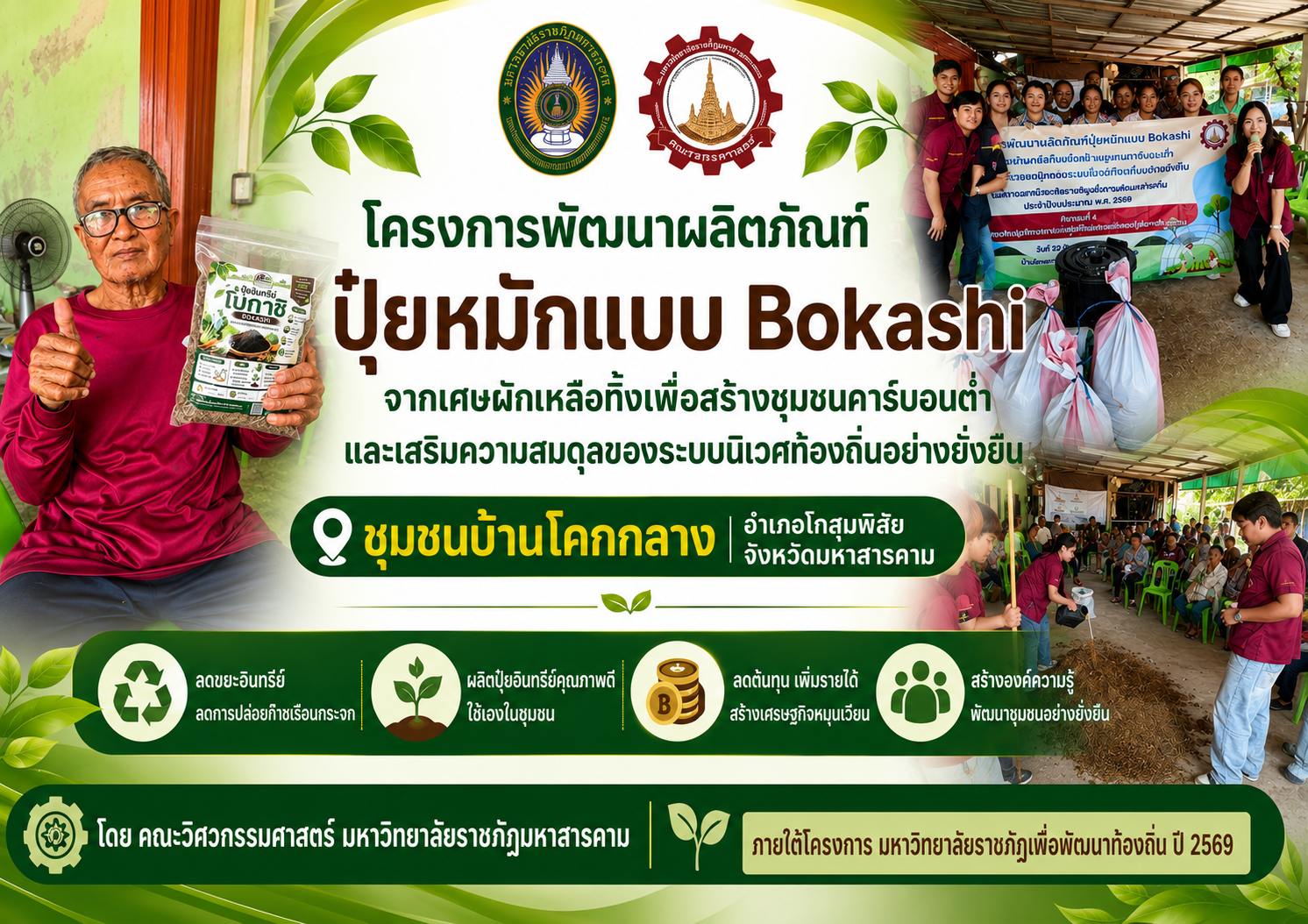
– June 22, 2026 19 มิถุนายน 2569
– 22 มิถุนายน 2569
Part 1: Project Details ส่วนที่ 1 รายละเอียดการดำเนินงาน
Objectives วัตถุประสงค์โครงการ
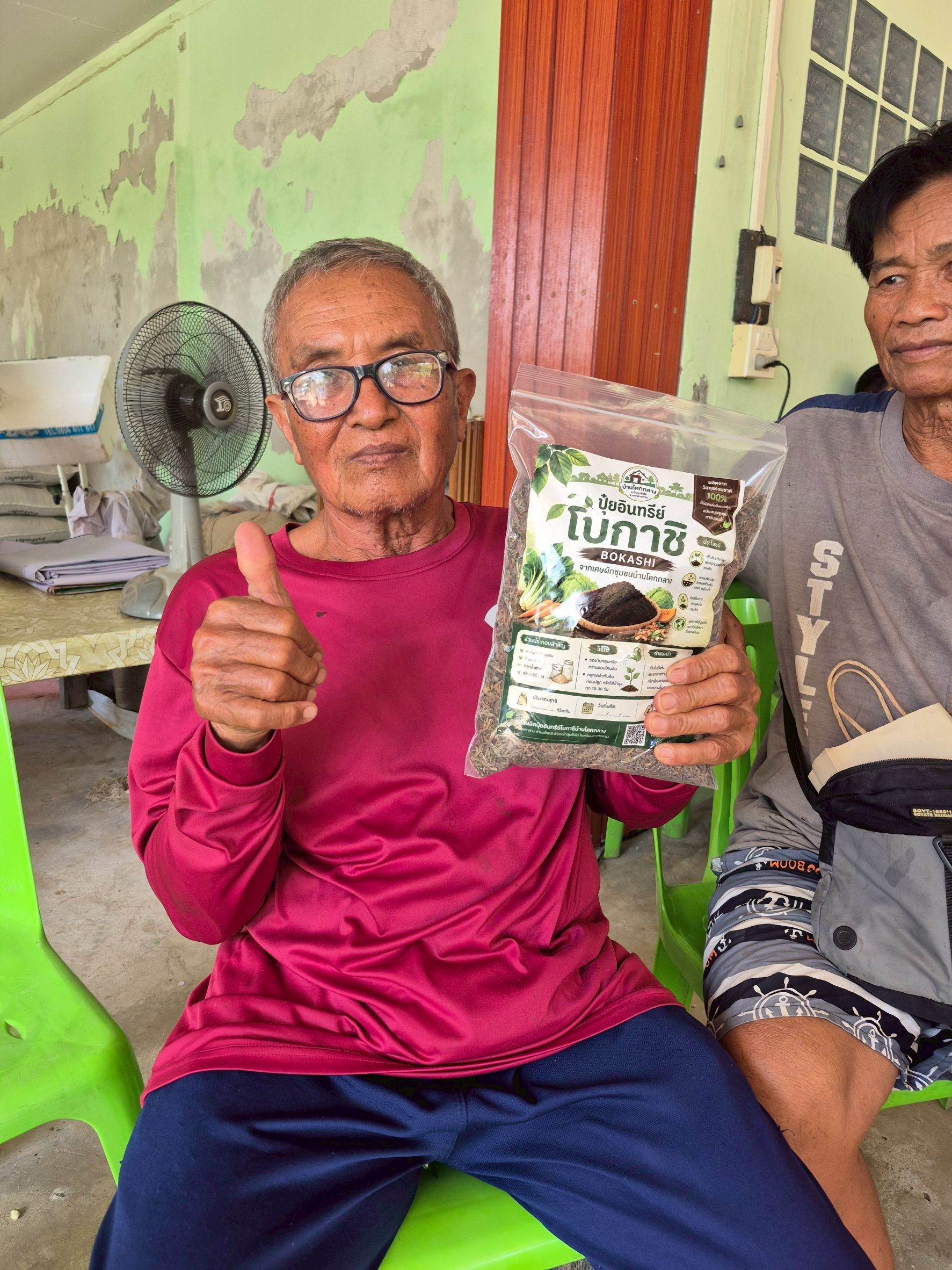
1. To develop a value-added organic fertilizer product from agricultural waste.
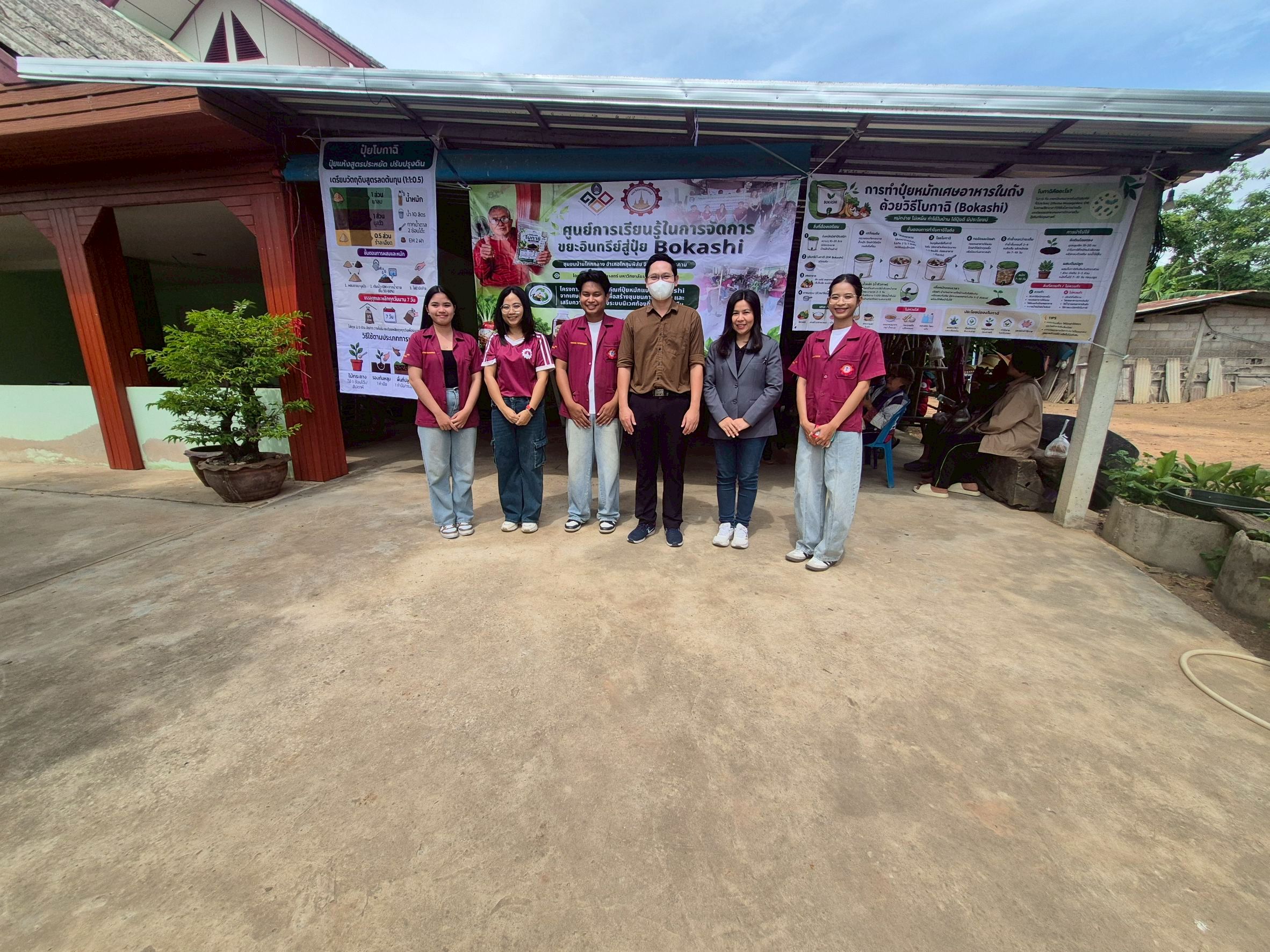
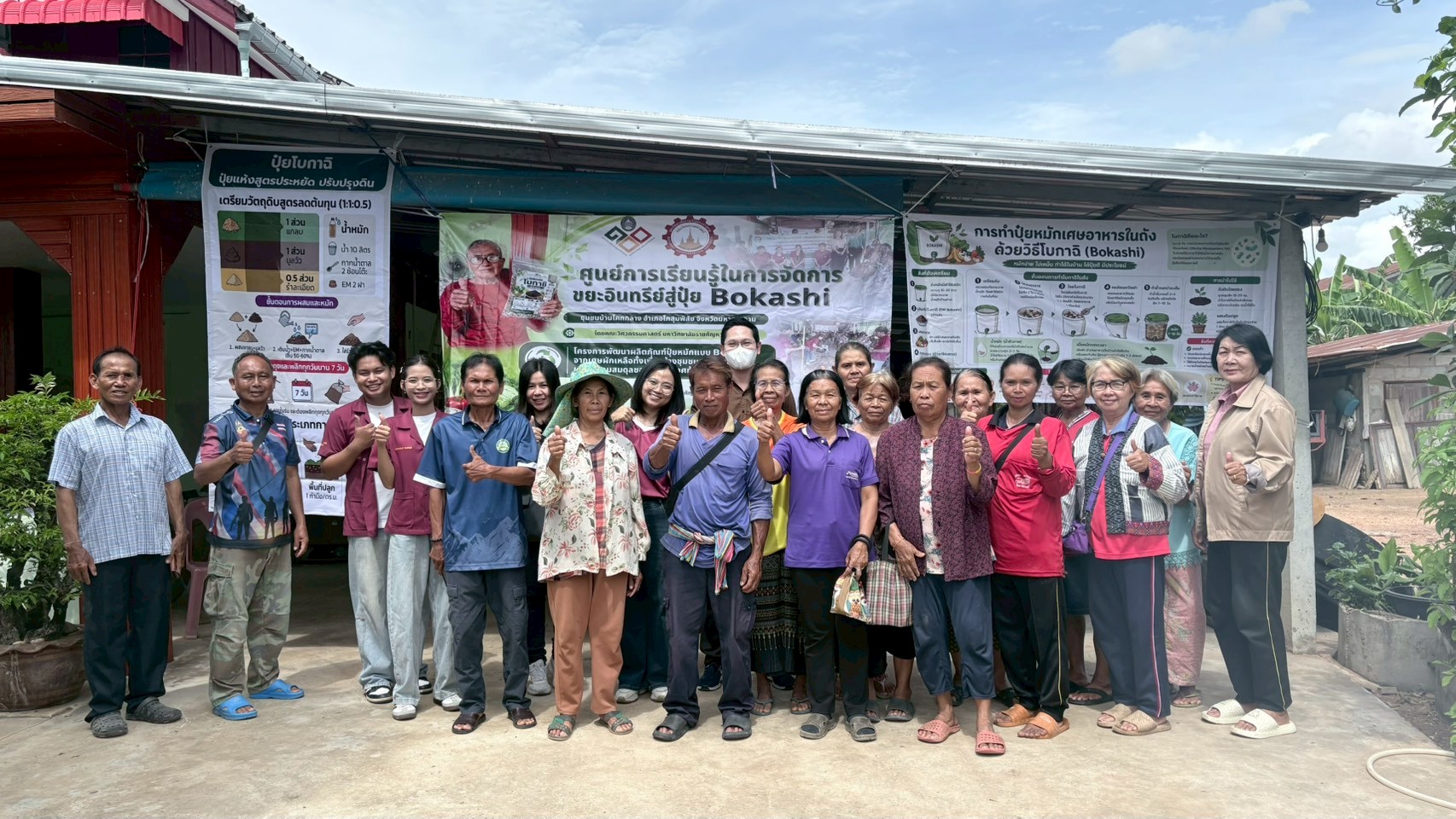
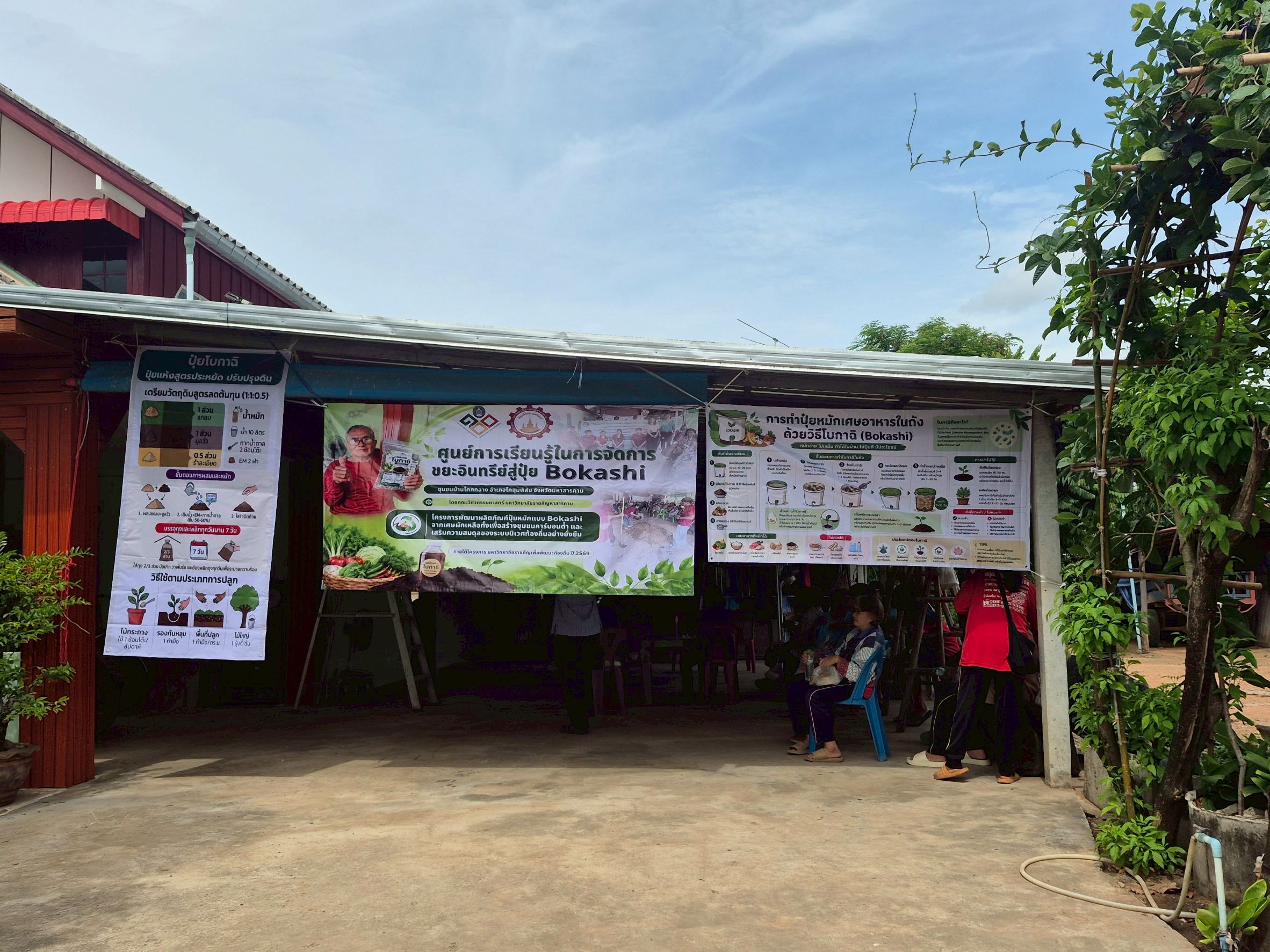
2. To establish a Community Learning Center for Organic Waste Management through Bokashi Composting in a model community.
3. To develop and disseminate an appropriate Bokashi composting process for vegetable waste tailored to local conditions.
1 เพื่อให้ได้ผลิตภัณฑ์ปุ๋ยอินทรีย์จากวัสดุเหลือทิ้งทางการเกษตร
2 เพื่อให้เกิดศูนย์การเรียนรู้ในการจัดการขยะอินทรีย์สู่ปุ๋ย Bokashi ในชุมชนต้นแบบ
3 เพื่อพัฒนาและถ่ายทอดกระบวนการหมักเศษผักแบบ Bokashi ให้เหมาะสมกับสภาพท้องถิ่น
Main Activities กิจกรรมหลัก
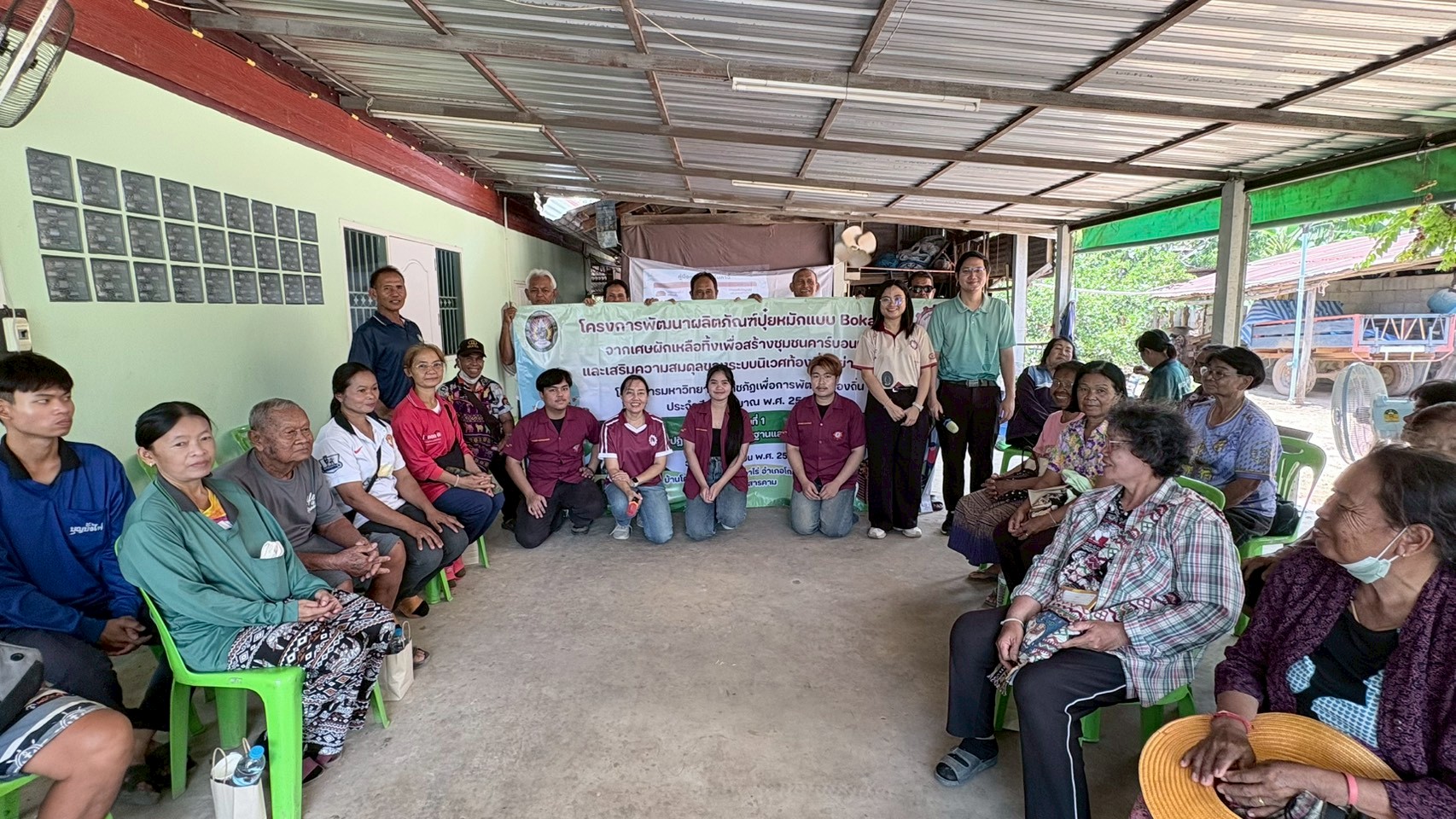
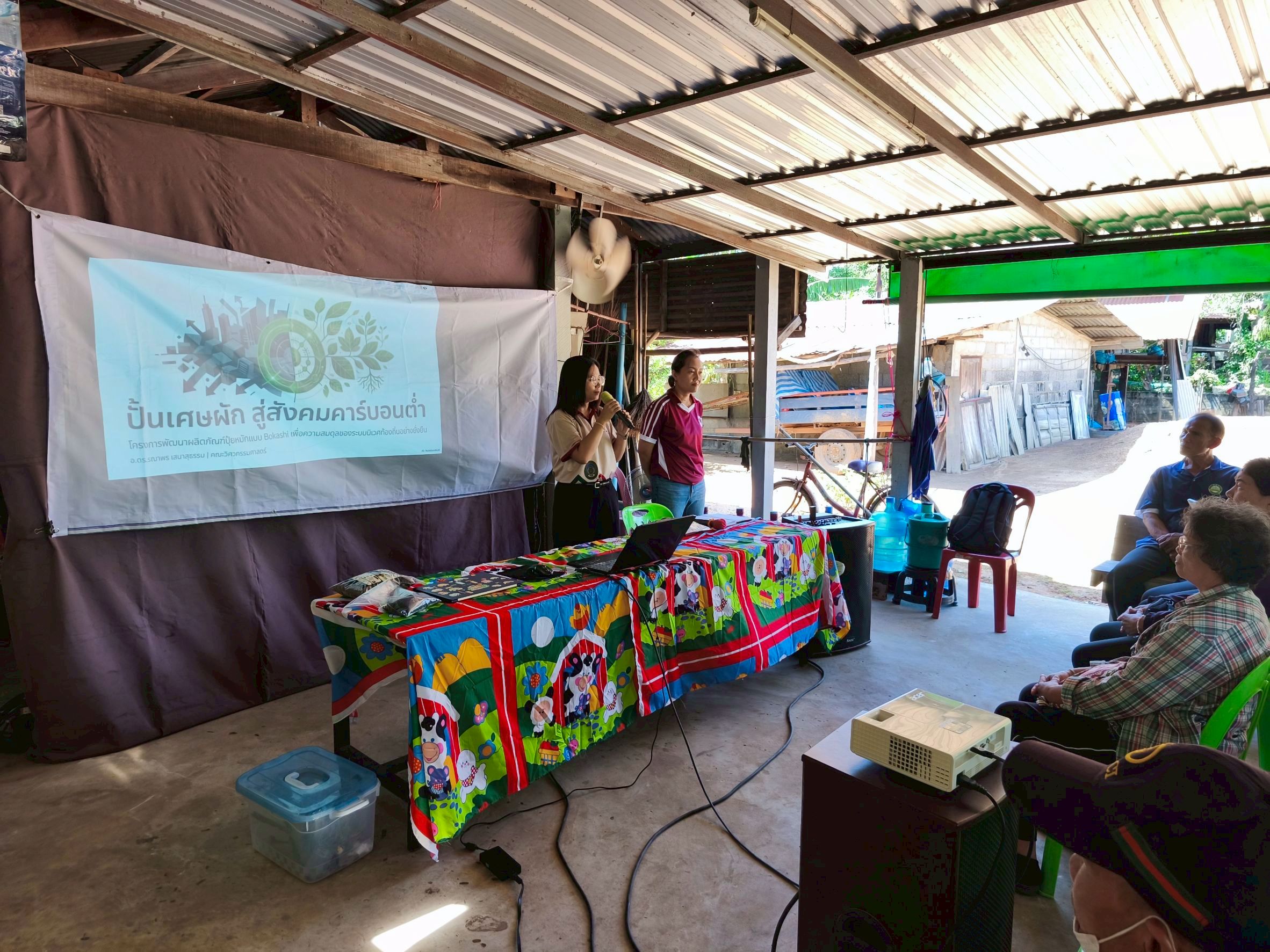
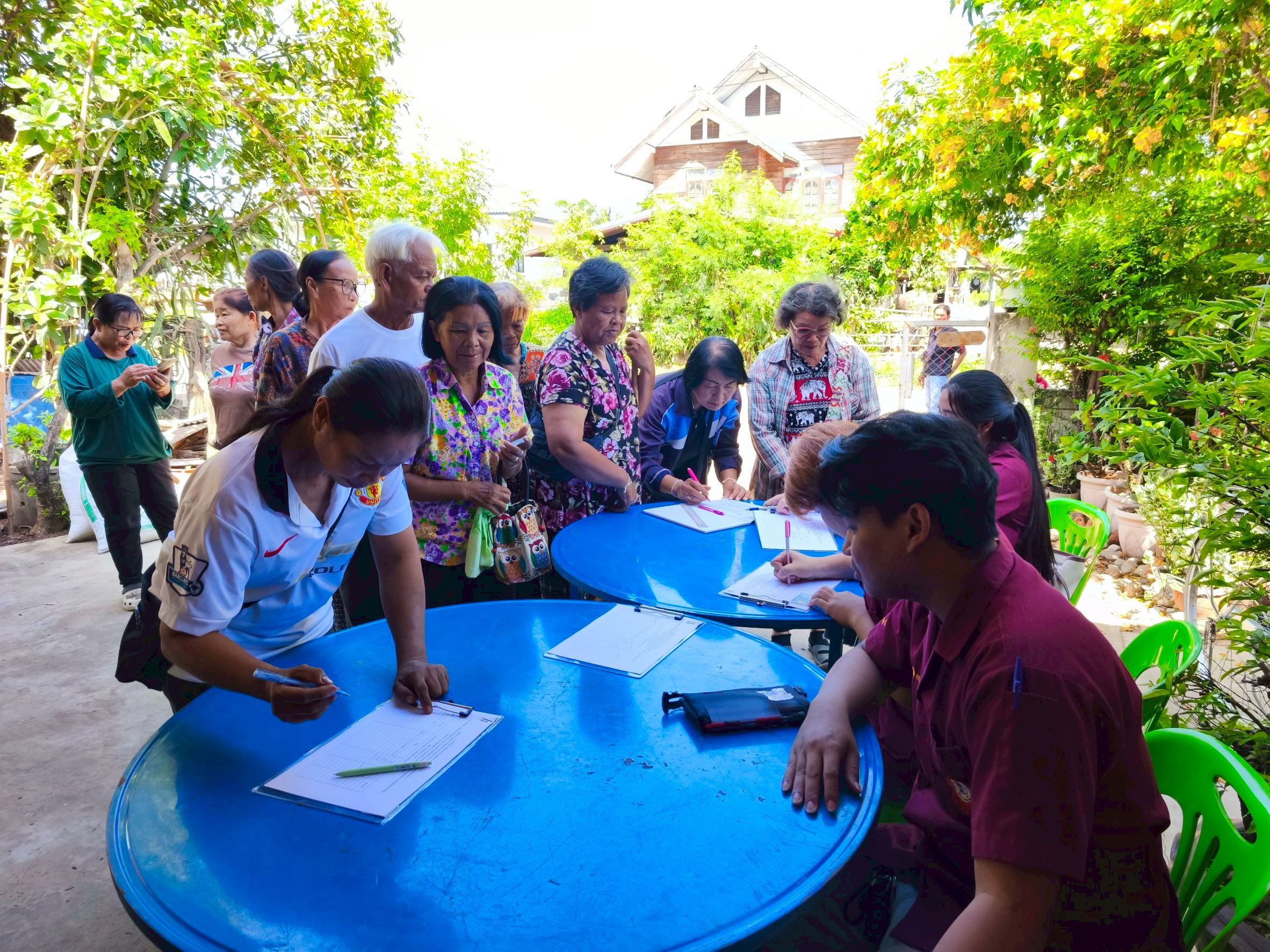
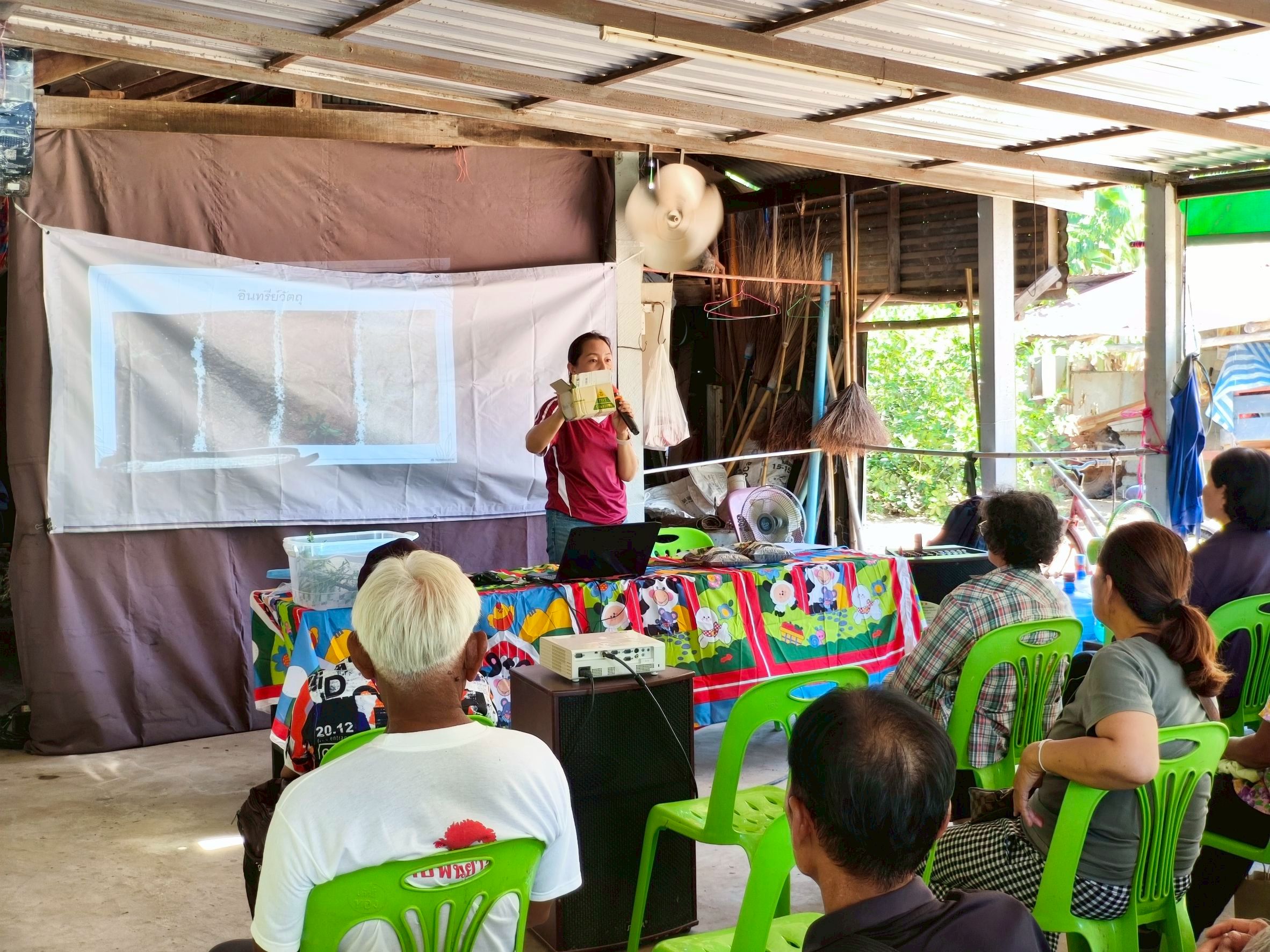
1. Workshop on Basic Knowledge of Bokashi and Bokashi Starter Culture Preparation
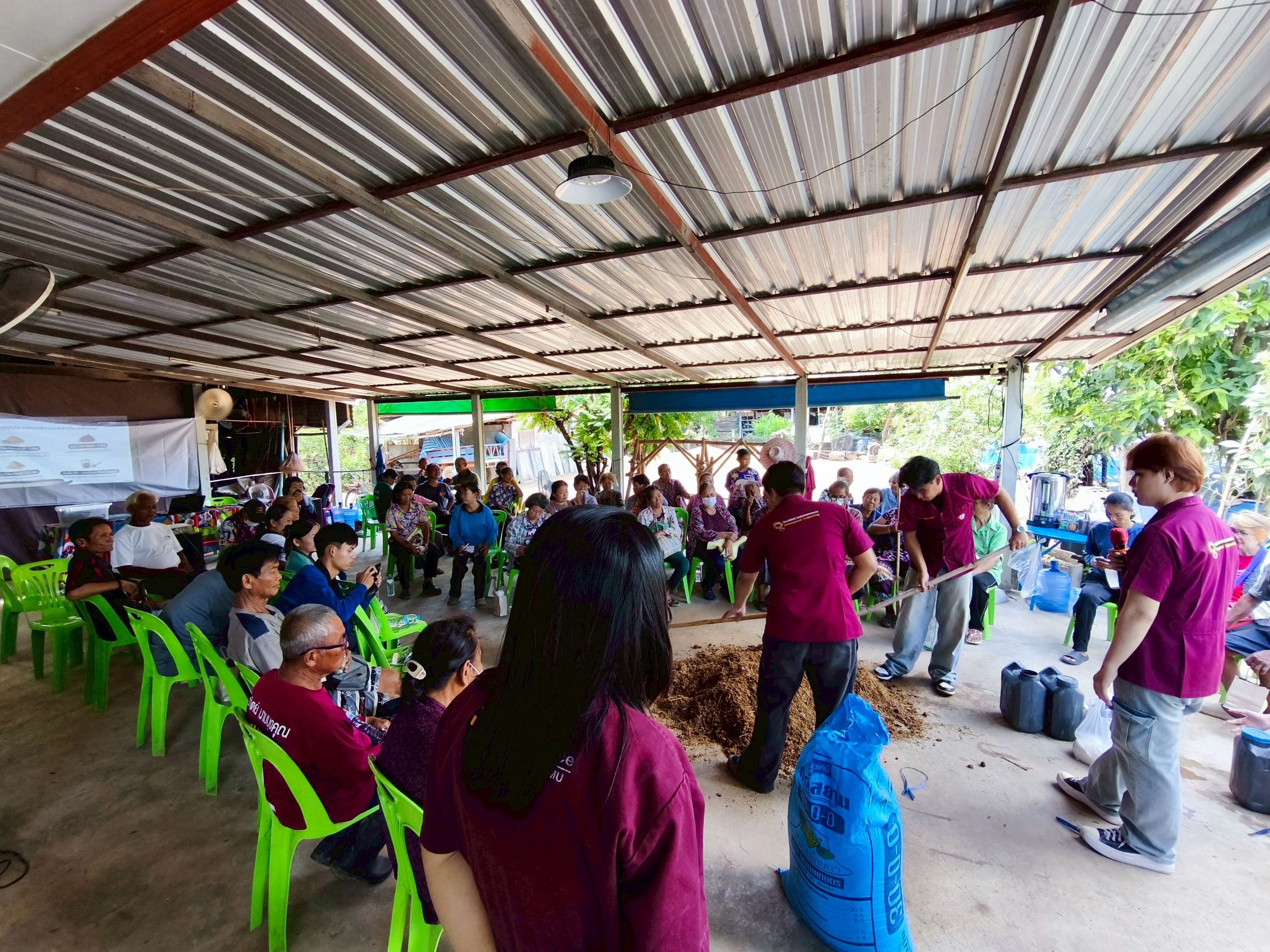
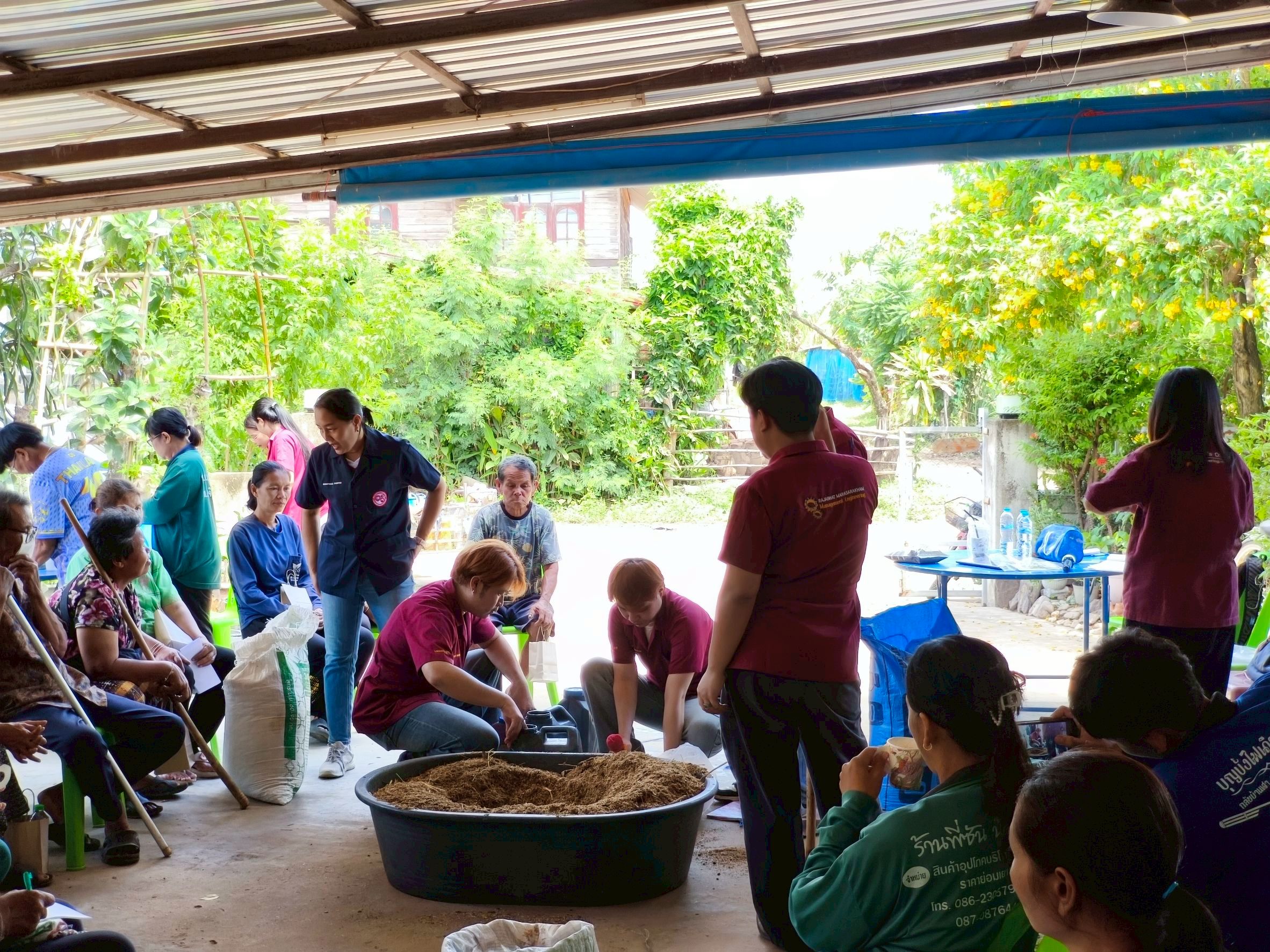
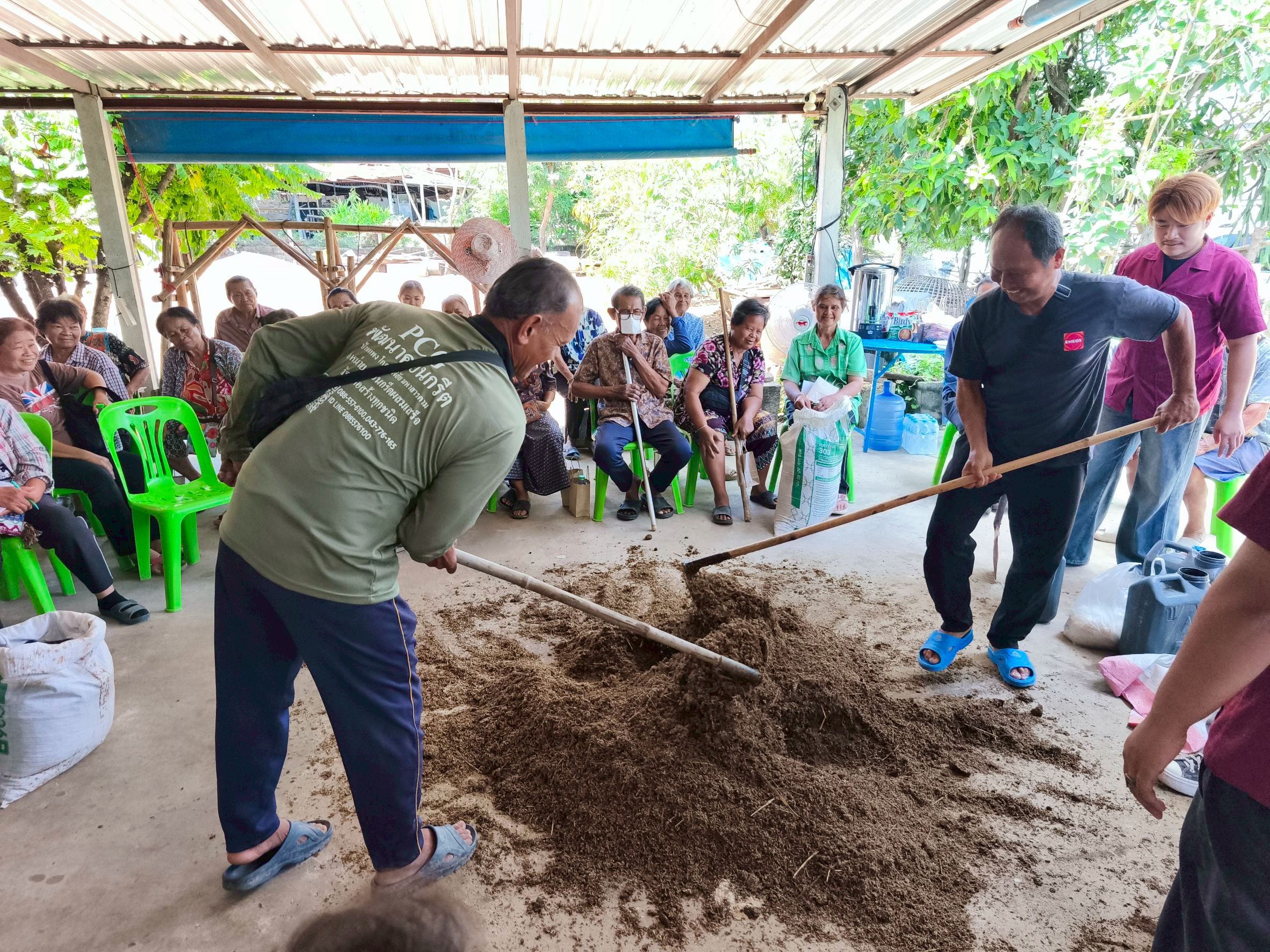
2. orkshop on Household Vegetable Waste-Based Bokashi Fertilizer Production
3. Training on Agricultural Technology and Farm Machinery
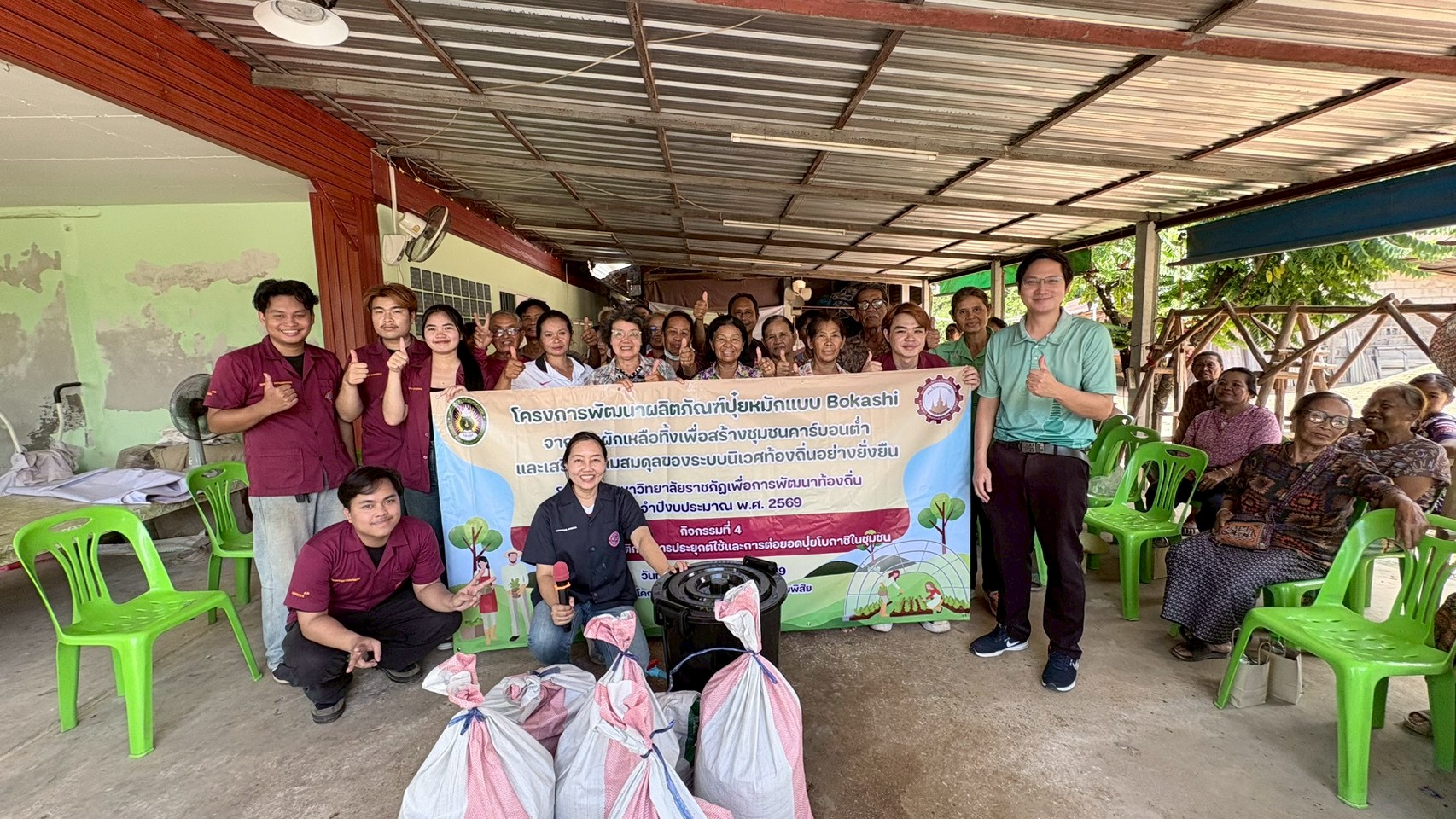
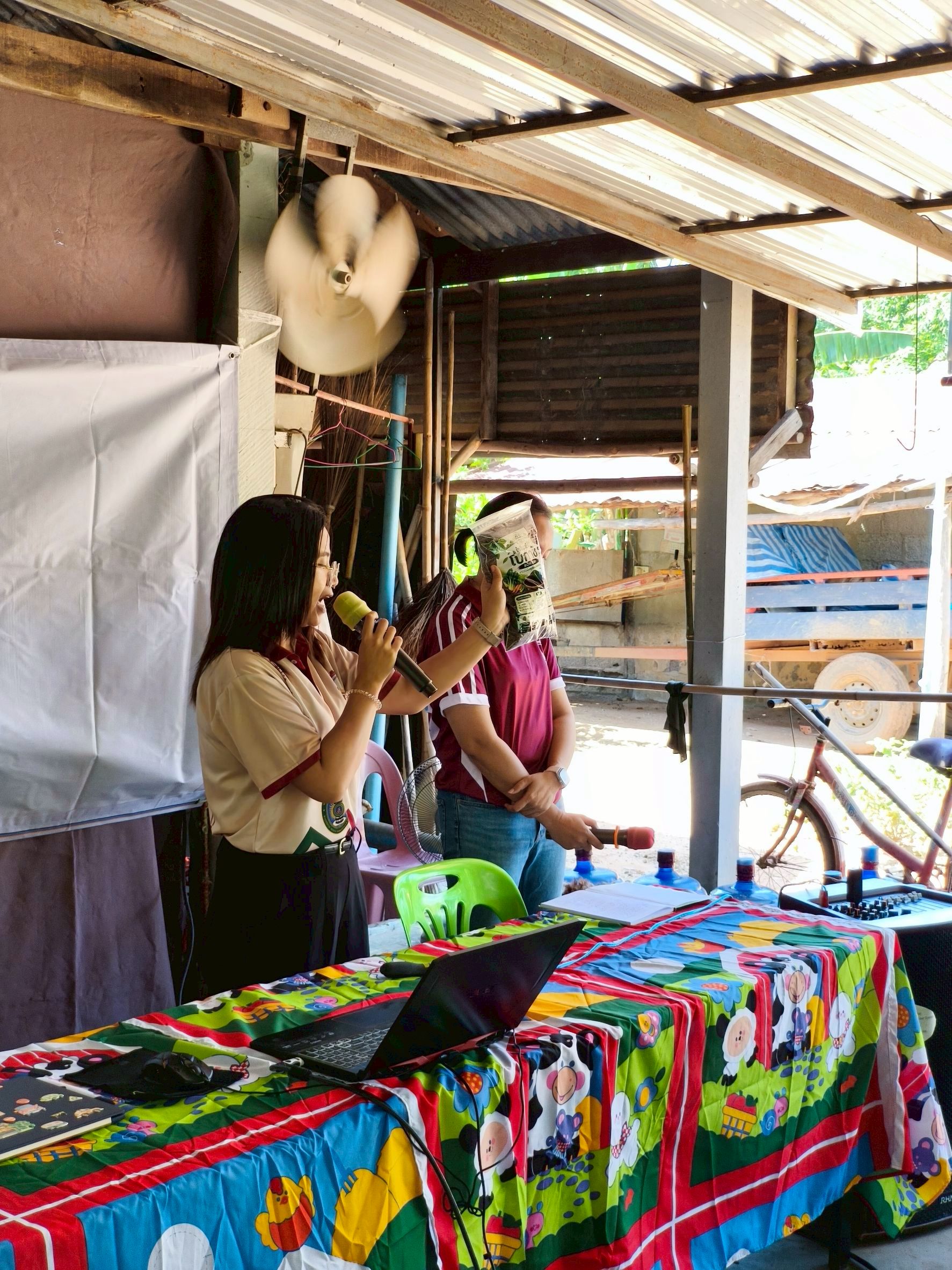
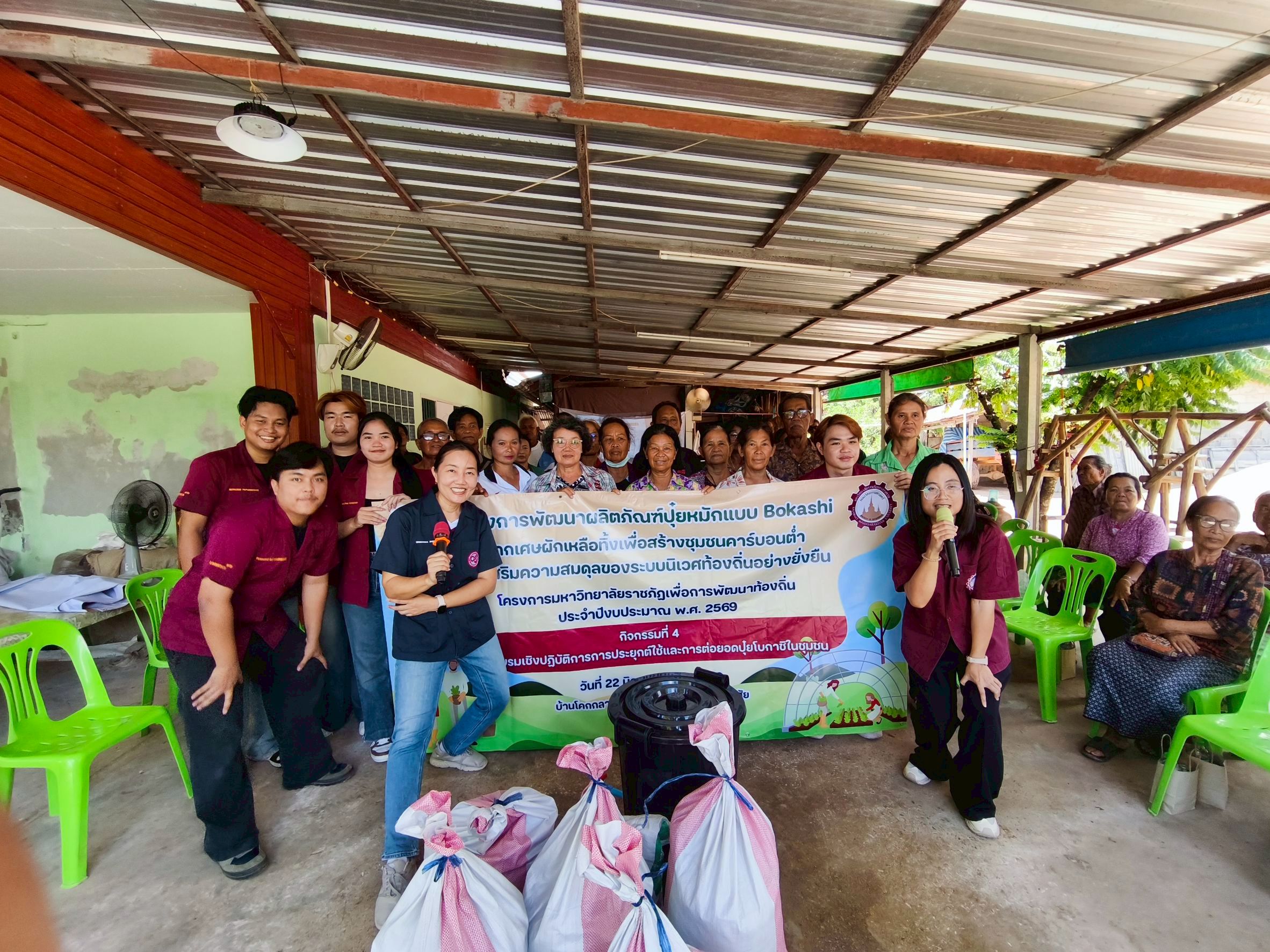
4. Workshop on the Application and Community-Based Value Addition of Bokashi Fertilizer
กิจกรรมที่ 1 การอบรมเชิงปฏิบัติการความรู้พื้นฐานและการทำหัวเชื้อโบกาชิ
กิจกรรมที่ 2 การอบรมเชิงปฏิบัติการการผลิตปุ๋ยโบกาชิจากเศษผักในครัวเรือน
กิจกรรมที่ 3 การอบรมเทคโนโลยีและเครื่องจักรกลด้านการเกษตร
กิจกรรมที่ 4 การอบรมเชิงปฏิบัติการการประยุกต์ใช้และการต่อยอดปุ๋ยโบกาชิในชุมชน
Part 2: Outcomes & Impact ส่วนที่ 2 ผลลัพธ์และผลกระทบ
Outcomes ผลลัพธ์ที่เกิดขึ้น
1. The community is able to utilize vegetable waste and organic waste effectively through Bokashi composting.
2. The volume of organic waste generated in the community is reduced.
3. Farmers and community groups are able to produce and use their own organic fertilizer, thereby reducing the cost of purchasing chemical fertilizers.
4. New knowledge on low-carbon organic waste management is generated by integrating teaching, research, and academic services.
1. ชุมชนสามารถนำเศษผักและขยะอินทรีย์กลับมาใช้ประโยชน์ได้
2. ปริมาณขยะอินทรีย์ลดลง
3. เกษตรกรหรือกลุ่มชุมชนมีปุ๋ยอินทรีย์ที่เรียนรู้และผลิตเองใช้ ช่วยลดค่าใช้จ่ายในการซื้อปุ๋ยหรือปุ๋ยเคมี
4. เกิดองค์ความรู้ใหม่ด้านการจัดการของเสียแบบคาร์บอนต่ำ ที่บูรณาการการเรียนการสอน การวิจัย และการบริการวิชาการเข้าด้วยกัน
Community & Social Impact ผลกระทบต่อชุมชน/สังคม
Economic Impact: Reduce the cost of chemical fertilizers for farmers and local communities. Promote the local circular economy through the exchange of raw materials, labor, and knowledge.
Social Impact: Foster awareness of low-carbon community practices and the sustainable use of resources. Strengthen community identity as an environmentally responsible community. Build collaborative networks among the university, local authorities, and the community.
Educational Impact: Promote experiential learning and knowledge co-creation among students and community members. Extend the project into research projects, graduate theses, and ongoing academic service activities.
Environmental Impact: Reduce methane emissions from organic waste disposal through Bokashi composting. Improve soil quality by increasing soil organic matter and reducing the use of chemical fertilizers.
ด้านเศรษฐกิจ ลดต้นทุนการซื้อปุ๋ยเคมีของเกษตรกรและชุมชน และระตุ้นเศรษฐกิจหมุนเวียนในท้องถิ่น ผ่านการแลกเปลี่ยนวัตถุดิบ แรงงาน และความรู้ด้านสังคม เสริมสร้างจิตสำนึกชุมชนคาร์บอนต่ำที่เห็นคุณค่าของการใช้ทรัพยากรซ้ำ และช่วยให้ชุมชนเกิดความภูมิใจในอัตลักษณ์ของตนในฐานะชุมชนรักษ์สิ่งแวดล้อม รวมถึงเกิดเครือข่ายความร่วมมือระหว่างมหาวิทยาลัย ท้องถิ่น และชุมชน
ด้านการศึกษา สร้างนวัตกรรมการเรียนรู้เชิงประสบการณ์จริงให้กับนักศึกษาและคนในชุมชนเพื่อให้เกิดองค์ความรู้ร่วมกัน ขยายผลเป็นหัวข้อโครงงานวิจัย วิทยานิพนธ์ หรือกิจกรรมบริการวิชาการต่อเนื่อง
ด้านสิ่งแวดล้อม ลดการปล่อยก๊าซมีเทนจากขยะอินทรีย์ฝังกลบ และเพิ่มปริมาณอินทรีย์วัตถุในดิน ช่วยปรับปรุงคุณภาพดินและลดการใช้สารเคมี
Student & Staff Participation การมีส่วนร่วมของนักศึกษา/บุคลากร
Students and university personnel integrated academic knowledge and applied the Social Engineer approach to develop sustainable solutions for community challenges. นักศึกษาและบุคลากรได้นำองค์ความรู้มาบูรราการ และใช้หลักวิศวกรสังคมในการแก้ไขปัญหา
Project Continuity ความต่อเนื่องของโครงการ
- -
Part 3: Challenges & Suggestions ส่วนที่ 3 ปัญหาอุปสรรค/ข้อเสนอแนะ
Problems & Obstacles ปัญหา/อุปสรรค
- -
Improvement Guidelines แนวทางการปรับปรุง
- -
Suggestions to University ข้อเสนอแนะต่อมหาวิทยาลัย
- -