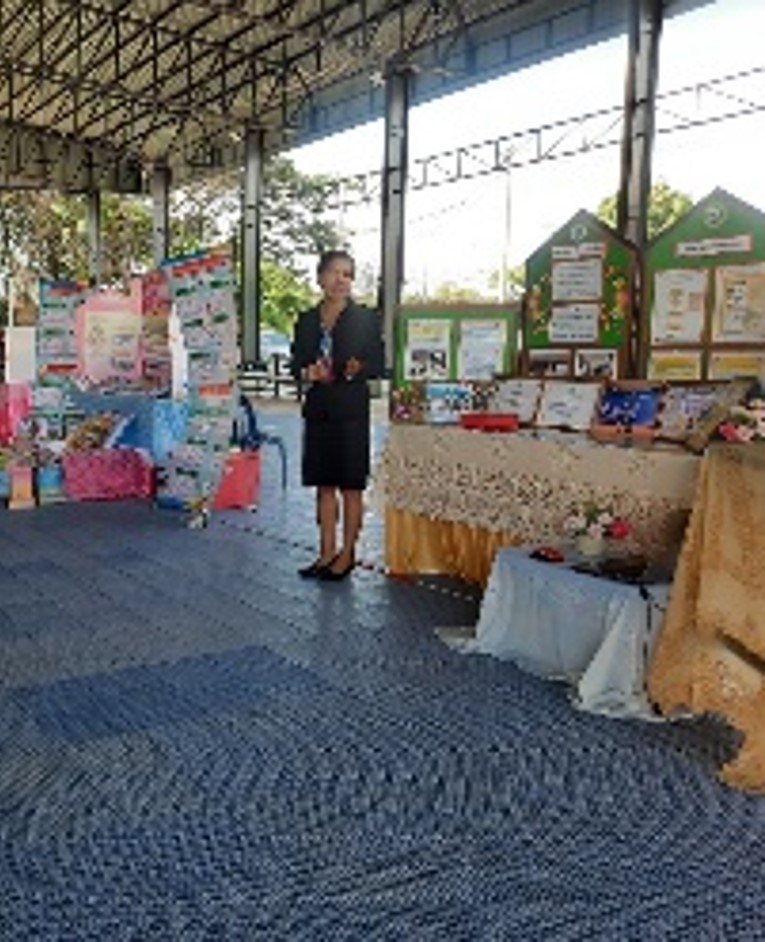
– June 30, 2026 27 มิถุนายน 2569
– 30 มิถุนายน 2569
Part 1: Project Details ส่วนที่ 1 รายละเอียดการดำเนินงาน
Objectives วัตถุประสงค์โครงการ
1. To elevate the quality of education management in small schools, ensuring it meets established standards and aligns with 21st-century learning approaches.
2. To promote lifelong learning among individuals of all ages within the local area, enabling them to continuously develop both vocational and life skills.
3. To foster collaboration among universities, schools, government agencies, the private sector, and the community to drive the quality of education in the local area.
4. To develop models and mechanisms for enhancing educational quality that are well-suited to the specific contexts of small schools and their local communities.
1. เพื่อยกระดับคุณภาพการจัดการศึกษาในโรงเรียนขนาดเล็กให้มีมาตรฐานและสอดคล้องกับแนวทางการจัดการเรียนรู้ในศตวรรษที่ 21
2. เพื่อส่งเสริมให้ประชาชนทุกช่วงวัยในพื้นที่เกิดการเรียนรู้ตลอดชีวิต สามารถพัฒนาทักษะอาชีพและทักษะชีวิตได้อย่างต่อเนื่อง
3. เพื่อพัฒนาความร่วมมือระหว่างมหาวิทยาลัย โรงเรียน หน่วยงานภาครัฐ เอกชน และชุมชนในการขับเคลื่อนคุณภาพการศึกษาในพื้นที่
4. เพื่อสร้างรูปแบบและกลไกการพัฒนาคุณภาพการศึกษาที่เหมาะสมกับบริบทของโรงเรียนขนาดเล็กและท้องถิ่น
Main Activities กิจกรรมหลัก
Phase 1: Preparation
- Survey baseline data regarding small-scale schools and population groups within the university’s service area.
- Analyze the challenges and needs related to enhancing the quality of learning in these schools and communities.
- Develop an operational plan in collaboration with the schools and local organizations.
Phase 2: Implementation
- Conduct workshops for teachers in small-scale schools, focusing on active learning and the use of educational technology.
- Develop or improve learning resources within schools and communities, such as community libraries, online learning platforms, and local learning hubs.
- Organize lifelong learning activities, including vocational training, digital literacy, and “learning community” initiatives.
- Provide ongoing supervision, monitoring, and consultation by university faculty members and students.
Phase 3: Conclusion and Evaluation
- Evaluate the improvements in school quality and the outcomes of community learning activities.
- Prepare a project report and formulate policy recommendations to support sustainable development.
ระยะที่ 1 : การเตรียมการ
- สำรวจข้อมูลพื้นฐานโรงเรียนขนาดเล็กและกลุ่มประชาชนในพื้นที่บริการของมหาวิทยาลัย
- วิเคราะห์ปัญหาและความต้องการในการยกระดับคุณภาพการเรียนรู้ของโรงเรียนและชุมชน
- วางแผนการดำเนินงานร่วมกับโรงเรียนและหน่วยงานในพื้นที่
ระยะที่ 2 : การดำเนินการ
- จัดอบรมเชิงปฏิบัติการให้แก่ครูโรงเรียนขนาดเล็กด้านการจัดการเรียนรู้เชิงรุก (Active Learning) และการใช้สื่อเทคโนโลยีเพื่อการศึกษา
- พัฒนาหรือปรับปรุงแหล่งเรียนรู้ในโรงเรียนและชุมชน เช่น ห้องสมุดชุมชน แหล่งเรียนรู้ออนไลน์ และฐานการเรียนรู้ท้องถิ่น
- จัดกิจกรรมส่งเสริมการเรียนรู้ตลอดชีวิต เช่น การอบรมอาชีพ การเรียนรู้ดิจิทัล และกิจกรรม “ชุมชนแห่งการเรียนรู้”
- นิเทศ ติดตาม และให้คำปรึกษาอย่างต่อเนื่องโดยคณาจารย์และนักศึกษามหาวิทยาลัย
ระยะที่ 3 : การสรุปและประเมินผล
- ประเมินผลการยกระดับคุณภาพของโรงเรียนและกิจกรรมการเรียนรู้ชุมชน
- จัดทำรายงานผลโครงการและข้อเสนอแนะเชิงนโยบายเพื่อการพัฒนาอย่างยั่งยืน
Part 2: Outcomes & Impact ส่วนที่ 2 ผลลัพธ์และผลกระทบ
Outcomes ผลลัพธ์ที่เกิดขึ้น
1. Small schools possess the potential to provide high-quality and sustainable learning.
2. Teachers demonstrate enhanced competencies and are able to foster a learner-centered educational environment.
3. Individuals of all ages within the area engage in lifelong learning, acquiring essential life and vocational skills.
4. Rajabhat Maha Sarakham University serves as a hub for improving the quality of education and learning for the local community.
1. โรงเรียนขนาดเล็กมีศักยภาพในการจัดการเรียนรู้ได้อย่างมีคุณภาพและยั่งยืน
2. ครูมีสมรรถนะสูงขึ้นและสามารถสร้างบรรยากาศการเรียนรู้ที่เน้นผู้เรียนเป็นสำคัญ
3. ประชาชนทุกช่วงวัยในพื้นที่เกิดการเรียนรู้ตลอดชีวิต มีทักษะในการดำรงชีวิตและประกอบอาชีพได้
4. มหาวิทยาลัยราชภัฏมหาสารคามเป็นศูนย์กลางการพัฒนาคุณภาพการศึกษาและการเรียนรู้ของชุมชนในพื้นที่
Community & Social Impact ผลกระทบต่อชุมชน/สังคม
Economic Aspect -
Social Aspect: There is collaboration between educational institutions and the Faculty of Education regarding learning management and professional teacher training, including teaching practice in real-world contexts.
Educational Aspect:
1. The quality of education in small-scale schools within the area has shown tangible improvement.
2. Grassroots economic and social development has emerged through learning and public participation.
3. The community has become stronger, evolving into a "learning society" and experiencing a reduction in educational inequality.
4. Rajabhat Maha Sarakham University plays a pivotal role in enhancing the quality of education and fostering sustainable local development.
Environmental Aspect -
ส่งความคิดเห็น
ด้านเศรษฐกิจ -
ด้านสังคม มีความร่วมมือระหว่างสถานศึกษากับคณะครุศาสตร์ในการจัดการเรียนรู้ การฝึกประสบการณ์วิชาชีพครู ในการปฏิบัติการสอนในบริบทจริง
ด้านการศึกษา
1. คุณภาพการศึกษาของโรงเรียนขนาดเล็กในพื้นที่เพิ่มขึ้นอย่างเป็นรูปธรรม
2. เกิดการพัฒนาเศรษฐกิจและสังคมฐานรากจากการเรียนรู้และการมีส่วนร่วมของประชาชน
3. ชุมชนมีความเข้มแข็ง เป็นสังคมแห่งการเรียนรู้ และลดความเหลื่อมล้ำทางการศึกษา
4. มหาวิทยาลัยราชภัฏมหาสารคามมีบทบาทสำคัญในการยกระดับคุณภาพการศึกษาและพัฒนาท้องถิ่นอย่างยั่งยืน
ด้านสิ่งแวดล้อม -
Student & Staff Participation การมีส่วนร่วมของนักศึกษา/บุคลากร
Phase 2: Implementation
- Organize workshops for teachers in small-scale schools, focusing on active learning and the use of educational technology.
- Develop or improve learning resources within schools and the community, such as community libraries, online learning platforms, and local learning hubs.
- Facilitate lifelong learning initiatives, including vocational training, digital literacy, and the establishment of "learning communities."
- Provide ongoing supervision, monitoring, and consultation, led by university faculty members and students.
ระยะที่ 2 : การดำเนินการ
- จัดอบรมเชิงปฏิบัติการให้แก่ครูโรงเรียนขนาดเล็กด้านการจัดการเรียนรู้เชิงรุก (Active Learning) และการใช้สื่อเทคโนโลยีเพื่อการศึกษา
- พัฒนาหรือปรับปรุงแหล่งเรียนรู้ในโรงเรียนและชุมชน เช่น ห้องสมุดชุมชน แหล่งเรียนรู้ออนไลน์ และฐานการเรียนรู้ท้องถิ่น
- จัดกิจกรรมส่งเสริมการเรียนรู้ตลอดชีวิต เช่น การอบรมอาชีพ การเรียนรู้ดิจิทัล และกิจกรรม “ชุมชนแห่งการเรียนรู้”
- นิเทศ ติดตาม และให้คำปรึกษาอย่างต่อเนื่องโดยคณาจารย์และนักศึกษามหาวิทยาลัย
Project Continuity ความต่อเนื่องของโครงการ
There is a continuous effort to develop and provide training for teachers and students, accompanied by monitoring and evaluation to ensure that the knowledge gained is applied effectively for maximum benefit มีความต่อเนื่องในการพัฒนาจัดอบรมให้คุณครูและนักศึกษาอย่างต่อเนื่อง ติดตามและประเมินผลการอบรมในการนำความรู้ไปใช้จริงเพื่อให้เกิดประโยชน์สูงสุด
Part 3: Challenges & Suggestions ส่วนที่ 3 ปัญหาอุปสรรค/ข้อเสนอแนะ
Problems & Obstacles ปัญหา/อุปสรรค
- -
Improvement Guidelines แนวทางการปรับปรุง
- -
Suggestions to University ข้อเสนอแนะต่อมหาวิทยาลัย
Provide ongoing training for knowledge-transfer leaders, and monitor and evaluate the training outcomes to ensure that the knowledge gained is effectively applied for maximum benefit. จัดอบรมให้ผู้นำการถ่ายทอดองค์ความรู้อย่างต่อเนื่อง ติดตามและประเมินผลการอบรมในการนำความรู้ไปใช้จริงเพื่อให้เกิดประโยชน์สูงสุด