– July 27, 2026 20 กรกฎาคม 2569
– 27 กรกฎาคม 2569
Part 1: Project Details ส่วนที่ 1 รายละเอียดการดำเนินงาน
Objectives วัตถุประสงค์โครงการ
1. To develop the potential and competencies of student teachers, enabling them to design and create educational innovations that are both creative and aligned with the local context.
2. To encourage student teachers to apply their professional pedagogical knowledge and educational technology to effectively address learning challenges faced by students in educational institutions.
3. To develop prototype educational innovations that can be practically implemented in schools and scaled up to contribute to sustainable local development.
1. เพื่อพัฒนาศักยภาพและสมรรถนะของนักศึกษาฝึกประสบการณ์วิชาชีพครูให้สามารถออกแบบและสร้างนวัตกรรมทางการศึกษาได้อย่างสร้างสรรค์และสอดคล้องกับบริบทของท้องถิ่น
2. เพื่อส่งเสริมให้นักศึกษาฝึกสอนนำองค์ความรู้ทางวิชาชีพครูและเทคโนโลยีการศึกษาไปประยุกต์ใช้ในการแก้ปัญหาการเรียนรู้ของผู้เรียนในสถานศึกษาอย่างมีประสิทธิภาพ
3. เพื่อสร้างต้นแบบนวัตกรรมทางการศึกษาที่สามารถใช้ประโยชน์จริงในสถานศึกษาและขยายผลสู่การพัฒนาท้องถิ่นอย่างยั่งยืน
Main Activities กิจกรรมหลัก
Upstream: Preparation Phase
- Conduct briefing sessions for student teachers on guidelines for developing educational innovations.
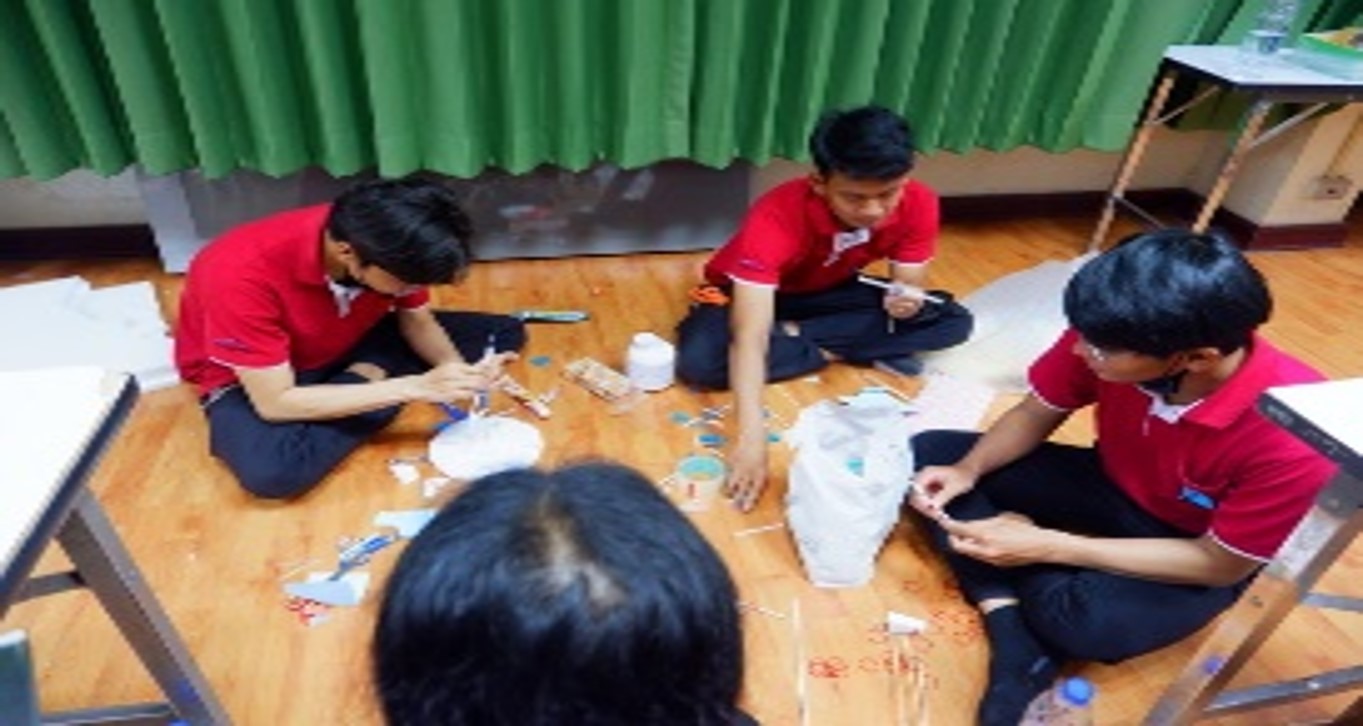
- Organize workshops on designing learning innovations, utilizing digital technologies, and evaluating such innovations.
Midstream: Implementation Phase
- Student teachers design and develop educational innovations that address specific challenges or needs within their assigned schools and local communities.
- Faculty supervisors provide ongoing guidance and consultation, while monitoring the progress of the development and implementation processes.
Downstream: Conclusion and Evaluation
- Evaluate the project and compile recommendations for further development and refinement for the following academic year.
ต้นน้ำ : ระยะเตรียมการ
- ประชุมชี้แจงแนวทางการพัฒนานวัตกรรมทางการศึกษาให้แก่นักศึกษาฝึกประสบการณ์วิชาชีพครู
- จัดอบรมเชิงปฏิบัติการ (Workshop) ด้านการออกแบบนวัตกรรมการเรียนรู้ การใช้เทคโนโลยีดิจิทัล และการประเมินผลนวัตกรรม
กลางน้ำ : ระยะดำเนินการ
- นักศึกษาฝึกสอนออกแบบและพัฒนานวัตกรรมทางการศึกษาที่ตอบโจทย์ปัญหาหรือความต้องการของโรงเรียนและชุมชนในพื้นที่ฝึกสอน
- คณาจารย์นิเทศและให้คำปรึกษาอย่างต่อเนื่อง พร้อมติดตามความก้าวหน้าของการพัฒนาและการนำไปใช้
ปลายน้ำ : การสรุปและประเมินผล
- ประเมินผลโครงการ และรวบรวมแนวทางการพัฒนาต่อยอดเพื่อใช้ในปีการศึกษาถัดไป
Part 2: Outcomes & Impact ส่วนที่ 2 ผลลัพธ์และผลกระทบ
Outcomes ผลลัพธ์ที่เกิดขึ้น
1. Student teachers possess competencies in innovative instructional management and problem-solving within local contexts.
2. Local schools receive learning innovations that are aligned with the contexts of their students and the community.
3. A collaborative network is established between the Faculty of Education at Rajabhat Maha Sarakham University and local schools to foster continuous educational development.
1. นักศึกษาฝึกสอนมีสมรรถนะด้านการจัดการเรียนรู้เชิงนวัตกรรมและการแก้ปัญหาในบริบทท้องถิ่น
2. โรงเรียนในพื้นที่ได้รับนวัตกรรมการเรียนรู้ที่สอดคล้องกับบริบทของผู้เรียนและชุมชน
3. เกิดเครือข่ายความร่วมมือระหว่างคณะครุศาสตร์ มหาวิทยาลัยราชภัฏมหาสารคาม และโรงเรียนท้องถิ่นในการพัฒนาการศึกษาอย่างต่อเนื่อง
Community & Social Impact ผลกระทบต่อชุมชน/สังคม
Economic Aspect -
Social Aspect: Collaboration between educational institutions and the Faculty of Education in managing learning and facilitating professional teaching practicums, allowing for teaching practice within real-world contexts.
Educational Aspect:
1. The professional teaching practicum system has achieved a higher standard of quality and is genuinely linked to local development.
2. Local schools have strengthened their capacity for innovative learning, with students benefiting from creative learning models.
3. Establishing the image of Rajabhat Mahasarakham University as a “University for Local Development” in a sustainable manner.
Environmental Aspect -
ด้านเศรษฐกิจ -
ด้านสังคม มีความร่วมมือระหว่างสถานศึกษากับคณะครุศาสตร์ในการจัดการเรียนรู้ การฝึกประสบการณ์วิชาชีพครู ในการปฏิบัติการสอนในบริบทจริง
ด้านการศึกษา
1. ระบบการฝึกประสบการณ์วิชาชีพครูมีคุณภาพสูงขึ้นและเชื่อมโยงกับการพัฒนาท้องถิ่นอย่างแท้จริง
2. โรงเรียนในพื้นที่มีความเข้มแข็งด้านการเรียนรู้เชิงนวัตกรรม และผู้เรียนได้รับประโยชน์จากรูปแบบการเรียนรู้ที่สร้างสรรค์
3. สร้างภาพลักษณ์มหาวิทยาลัยราชภัฏมหาสารคามในฐานะ “มหาวิทยาลัยเพื่อการพัฒนาท้องถิ่น” อย่างยั่งยืน
ด้านสิ่งแวดล้อม -
Student & Staff Participation การมีส่วนร่วมของนักศึกษา/บุคลากร
Mid-stream: Implementation Phase
- Student teachers design and develop educational innovations that address specific problems or needs identified within the schools and communities where they are completing their practicum.
- Faculty supervisors provide ongoing guidance and consultation, while monitoring the progress of the innovation’s development and its subsequent implementation.
กลางน้ำ : ระยะดำเนินการ
- นักศึกษาฝึกสอนออกแบบและพัฒนานวัตกรรมทางการศึกษาที่ตอบโจทย์ปัญหาหรือความต้องการของโรงเรียนและชุมชนในพื้นที่ฝึกสอน
- คณาจารย์นิเทศและให้คำปรึกษาอย่างต่อเนื่อง พร้อมติดตามความก้าวหน้าของการพัฒนาและการนำไปใช้
Project Continuity ความต่อเนื่องของโครงการ
There is a continuous effort to develop and provide training for teachers and students, accompanied by monitoring and evaluation to ensure that the knowledge gained is applied effectively for maximum benefit มีความต่อเนื่องในการพัฒนาจัดอบรมให้คุณครูและนักศึกษาอย่างต่อเนื่อง ติดตามและประเมินผลการอบรมในการนำความรู้ไปใช้จริงเพื่อให้เกิดประโยชน์สูงสุด
Part 3: Challenges & Suggestions ส่วนที่ 3 ปัญหาอุปสรรค/ข้อเสนอแนะ
Problems & Obstacles ปัญหา/อุปสรรค
- -
Improvement Guidelines แนวทางการปรับปรุง
- -
Suggestions to University ข้อเสนอแนะต่อมหาวิทยาลัย
Provide ongoing training for knowledge-transfer leaders, and monitor and evaluate the training outcomes to ensure that the knowledge gained is effectively applied for maximum benefit. จัดอบรมให้ผู้นำการถ่ายทอดองค์ความรู้อย่างต่อเนื่อง ติดตามและประเมินผลการอบรมในการนำความรู้ไปใช้จริงเพื่อให้เกิดประโยชน์สูงสุด