– June 30, 2026 27 มิถุนายน 2569
– 30 มิถุนายน 2569
Part 1: Project Details ส่วนที่ 1 รายละเอียดการดำเนินงาน
Objectives วัตถุประสงค์โครงการ
1. To develop learning tools, media, and innovations that align with career pathways and the needs of 21st-century learners.
2. To foster the development of vocational, technological, and life skills essential for professional pursuits and lifelong learning.
3. To develop an integrative learning system that bridges classroom instruction with practical, hands-on experience within the community.
4. To create models of learning innovation that can be scaled and applied in other educational institutions.
1. เพื่อพัฒนาเครื่องมือ สื่อ และนวัตกรรมการเรียนรู้ที่สอดคล้องกับเส้นทางอาชีพและความต้องการของผู้เรียนในศตวรรษที่ 21
2. เพื่อส่งเสริมให้ผู้เรียนมีทักษะอาชีพ ทักษะเทคโนโลยี และทักษะชีวิตที่จำเป็นต่อการประกอบอาชีพและการเรียนรู้ตลอดชีวิต
3. เพื่อพัฒนาระบบการเรียนรู้เชิงบูรณาการ (Integrative Learning) ที่เชื่อมโยงระหว่างการเรียนรู้ในห้องเรียนกับการฝึกปฏิบัติจริงในชุมชน
4. เพื่อสร้างต้นแบบนวัตกรรมการเรียนรู้ที่สามารถขยายผลและประยุกต์ใช้ในสถานศึกษาอื่นได้
Main Activities กิจกรรมหลัก
Phase 1: Preparation
- Analyze the needs of learners, teachers, and the community regarding vocational and academic aspects.
- Assess local potential and available resources that can be integrated into learning materials or innovations.
- Appoint a working group and develop a project implementation plan.
Phase 2: Implementation
- Design and develop learning tools, materials, or innovations (e.g., vocational training kits, multimedia resources, or competency-based curricula).
- Pilot these resources with the target learner groups within educational institutions and evaluate their suitability.
- Refine and adapt the models to better suit the local context.
Phase 3: Conclusion and Evaluation
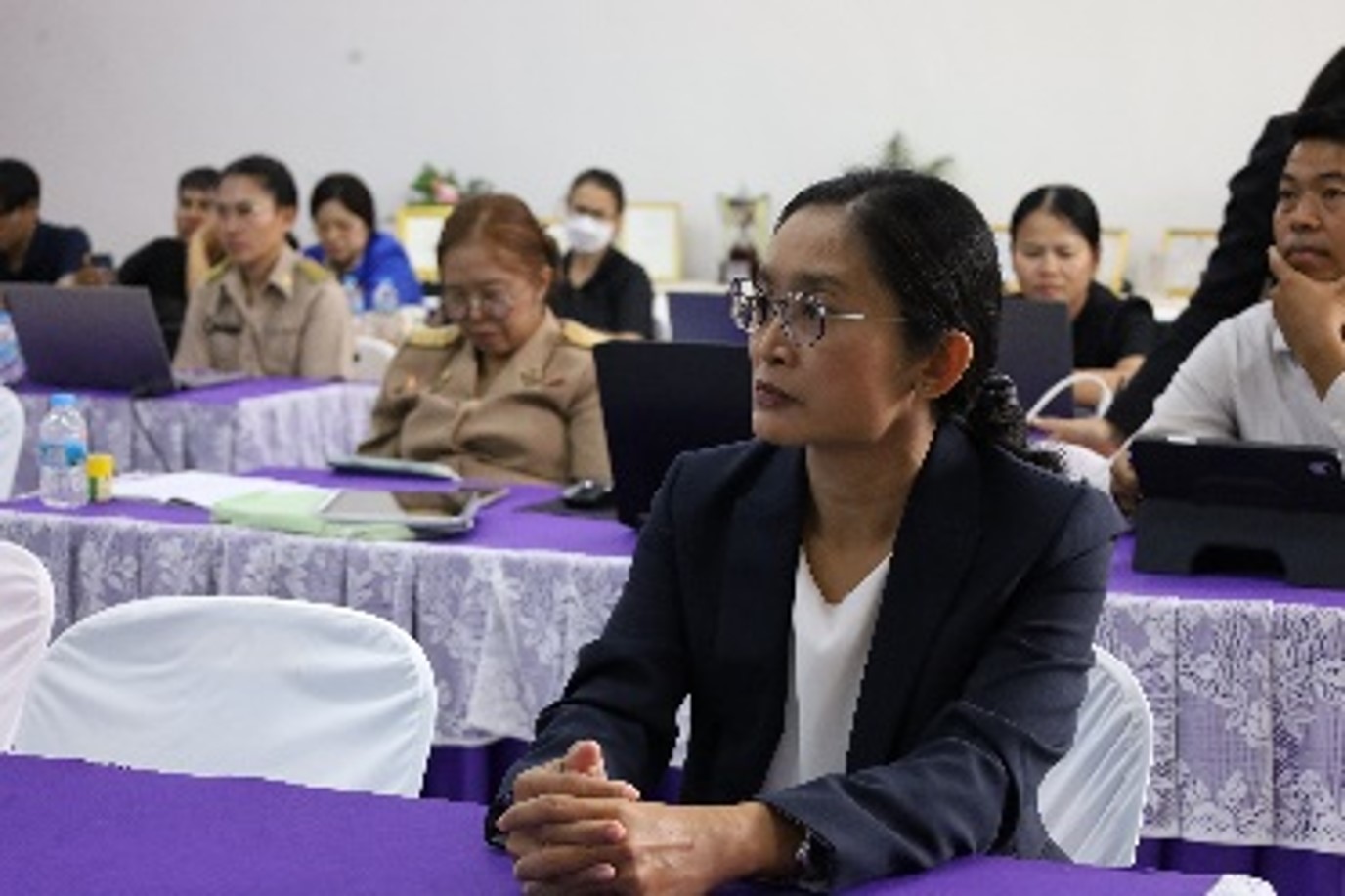
- Conduct workshops for teachers and school administrators in the area.
- Disseminate the learning innovations via online platforms.
- Evaluate the project’s outcomes and prepare a final performance report.
ระยะที่ 1: การเตรียมการ
- ศึกษาวิเคราะห์ความต้องการของผู้เรียน ครู และชุมชนในด้านอาชีพและวิชาการ
- สำรวจศักยภาพของพื้นที่และทรัพยากรที่สามารถนำมาบูรณาการเป็นสื่อหรือนวัตกรรมการเรียนรู้
- แต่งตั้งคณะทำงานและวางแผนการดำเนินโครงการ
ระยะที่ 2 : การดำเนินการ
- ออกแบบและพัฒนาเครื่องมือ สื่อ หรือนวัตกรรมการเรียนรู้ (ชุดฝึกอาชีพ สื่อมัลติมีเดีย หรือหลักสูตรฐานสมรรถนะ)
- ทดลองใช้กับกลุ่มผู้เรียนเป้าหมายในสถานศึกษาและประเมินผลความเหมาะสม
- ปรับปรุงและพัฒนารูปแบบให้เหมาะสมกับบริบทของพื้นที่
ระยะที่ 3 : การสรุปและประเมินผล
- จัดอบรมเชิงปฏิบัติการให้ครูและผู้บริหารสถานศึกษาในพื้นที่
- เผยแพร่นวัตกรรมการเรียนรู้ผ่านสื่อออนไลน์
- ประเมินผลสัมฤทธิ์ของโครงการและจัดทำรายงานผลการดำเนินงาน
Part 2: Outcomes & Impact ส่วนที่ 2 ผลลัพธ์และผลกระทบ
Outcomes ผลลัพธ์ที่เกิดขึ้น
1. Learners possess knowledge, skills, and competencies aligned with their career paths and lifelong learning.
2. Teachers demonstrate the ability to design and utilize creative learning media or innovations.
3. The school implements a learning model that enhances student quality and promotes "learning by doing."
4. A partnership is established between Rajabhat Mahasarakham University and local schools.
1. ผู้เรียนมีความรู้ ทักษะ และสมรรถนะที่เชื่อมโยงกับเส้นทางอาชีพและการเรียนรู้ต่อเนื่อง
2. ครูมีความสามารถในการออกแบบและใช้สื่อหรือนวัตกรรมการเรียนรู้เชิงสร้างสรรค์
3. โรงเรียนมีรูปแบบการจัดการเรียนรู้ที่ส่งเสริมคุณภาพผู้เรียนและการเรียนรู้แบบลงมือทำ (Learning by Doing)
4. เกิดความร่วมมือระหว่างมหาวิทยาลัยราชภัฏมหาสารคาม กับโรงเรียนในพื้นที่
Community & Social Impact ผลกระทบต่อชุมชน/สังคม
Economic Aspect -
Social Aspect: There is collaboration between educational institutions and the Faculty of Education regarding learning management and professional teaching practicums, allowing for teaching practice within real-world contexts.
Educational Aspect:
1. The learning system within the service area of Rajabhat Mahasarakham University is of high quality and responsive to local career development needs.
2. Learners are able to apply the knowledge and skills they have acquired to generate income and pursue viable careers.
3. Schools in the area possess learning innovations that continuously enhance the quality of education.
4. Rajabhat Mahasarakham University serves as a “Learning Innovation Hub” for the community.
Environmental Aspect -
ด้านเศรษฐกิจ -
ด้านสังคม มีความร่วมมือระหว่างสถานศึกษากับคณะครุศาสตร์ในการจัดการเรียนรู้ การฝึกประสบการณ์วิชาชีพครู ในการปฏิบัติการสอนในบริบทจริง
ด้านการศึกษา
1. ระบบการเรียนรู้ในพื้นที่บริการของมหาวิทยาลัยราชภัฏมหาสารคามมีคุณภาพและตอบสนองต่อการพัฒนาอาชีพในท้องถิ่น
2. ผู้เรียนสามารถนำความรู้และทักษะที่ได้รับไปสร้างรายได้และประกอบอาชีพได้จริง
3. โรงเรียนในพื้นที่มีนวัตกรรมการเรียนรู้ที่ยกระดับคุณภาพการศึกษาอย่างต่อเนื่อง
4. มหาวิทยาลัยราชภัฏมหาสารคามมีบทบาทเป็น “ศูนย์กลางการพัฒนาและสร้างนวัตกรรมการเรียนรู้เพื่อชุมชน” (Learning Innovation Hub)
ด้านสิ่งแวดล้อม -
Student & Staff Participation การมีส่วนร่วมของนักศึกษา/บุคลากร
Phase 2: Implementation
- Design and develop learning tools, media, or innovations (such as vocational training modules, multimedia materials, or competency-based curricula).
- Pilot these with the target learner group within educational institutions and evaluate their suitability.
- Refine and adapt the model to better suit the local context.
ระยะที่ 2 : การดำเนินการ
- ออกแบบและพัฒนาเครื่องมือ สื่อ หรือนวัตกรรมการเรียนรู้ (ชุดฝึกอาชีพ สื่อมัลติมีเดีย หรือหลักสูตรฐานสมรรถนะ)
- ทดลองใช้กับกลุ่มผู้เรียนเป้าหมายในสถานศึกษาและประเมินผลความเหมาะสม
- ปรับปรุงและพัฒนารูปแบบให้เหมาะสมกับบริบทของพื้นที่
Project Continuity ความต่อเนื่องของโครงการ
Training programs for local residents and students are conducted on an ongoing basis, with follow-up and evaluation to ensure that the knowledge gained is applied effectively for maximum benefit. มีความต่อเนื่องในการพัฒนาจัดอบรมให้ชาวบ้านและนักศึกษาอย่างต่อเนื่อง ติดตามและประเมินผลการอบรมในการนำความรู้ไปใช้จริงเพื่อให้เกิดประโยชน์สูงสุด
Part 3: Challenges & Suggestions ส่วนที่ 3 ปัญหาอุปสรรค/ข้อเสนอแนะ
Problems & Obstacles ปัญหา/อุปสรรค
- -
Improvement Guidelines แนวทางการปรับปรุง
- -
Suggestions to University ข้อเสนอแนะต่อมหาวิทยาลัย
Provide ongoing training for knowledge-transfer leaders, and monitor and evaluate the training outcomes to ensure that the knowledge gained is effectively applied for maximum benefit. จัดอบรมให้ผู้นำการถ่ายทอดองค์ความรู้อย่างต่อเนื่อง ติดตามและประเมินผลการอบรมในการนำความรู้ไปใช้จริงเพื่อให้เกิดประโยชน์สูงสุด