– June 7, 2569 6 มิถุนายน 3112
– 7 มิถุนายน 3112
Part 1: Project Details ส่วนที่ 1 รายละเอียดการดำเนินงาน
Objectives วัตถุประสงค์โครงการ
To develop engineering-based IoT and AI learning kits and practical training materials to enhance hands-on skills and modern career skills among secondary school students.
To integrate the Social Engineer process into teaching and learning by engaging Computer Engineering students in needs assessment, co-design, and development of IoT and AI learning activities with teachers and students at the target schools.
To strengthen collaboration among the university, schools, and communities in continuously developing youth competencies in engineering, digital technology, and innovation.
เพื่อพัฒนาชุดการเรียนรู้และสื่อฝึกปฏิบัติด้านเทคโนโลยี IoT และ AI บนพื้นฐานวิศวกรรม เพื่อส่งเสริมทักษะเชิงปฏิบัติและทักษะอาชีพสมัยใหม่ของนักเรียนระดับมัธยมศึกษา
เพื่อบูรณาการกระบวนการวิศวกรสังคมกับการเรียนการสอน โดยให้นักศึกษาวิศวกรรมคอมพิวเตอร์ร่วมศึกษาความต้องการ ออกแบบ และพัฒนากิจกรรมการเรียนรู้ด้าน IoT และ AI ร่วมกับครูและนักเรียนของโรงเรียนเป้าหมาย
เพื่อสร้างความร่วมมือระหว่างมหาวิทยาลัย โรงเรียน และชุมชนในการพัฒนาศักยภาพเยาวชนด้านวิศวกรรม เทคโนโลยีดิจิทัล และนวัตกรรมอย่างต่อเนื่อ
Main Activities กิจกรรมหลัก
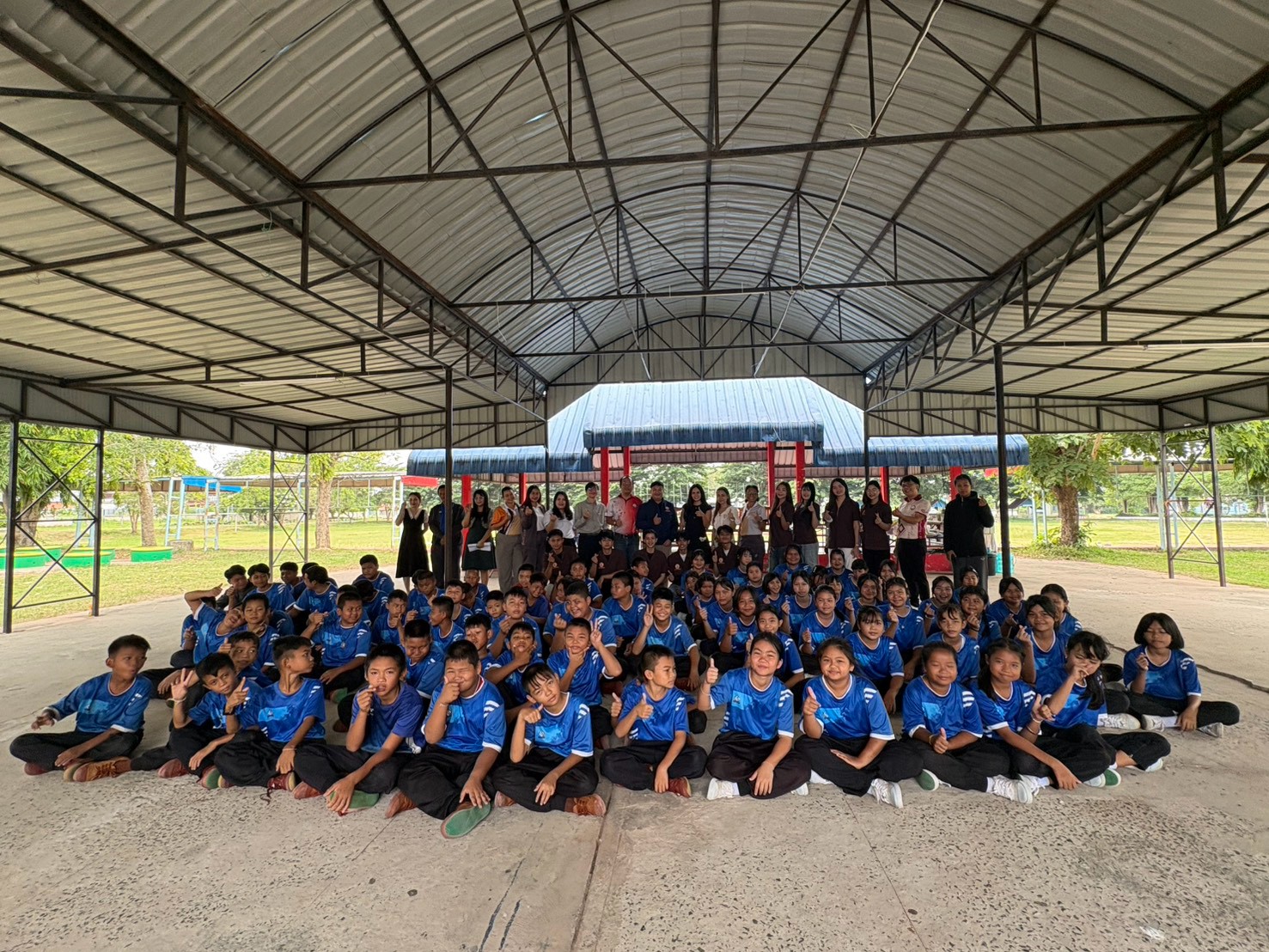
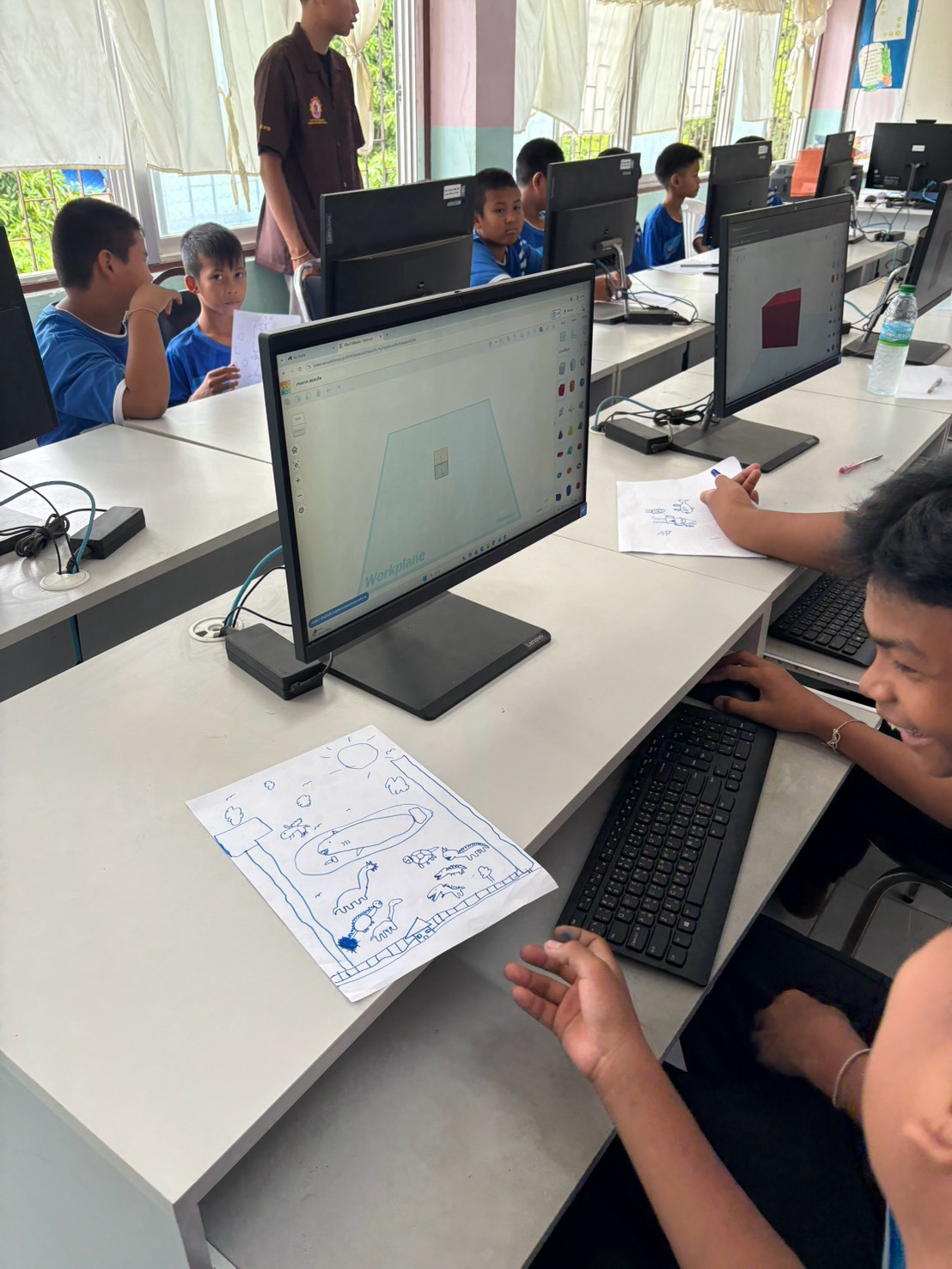
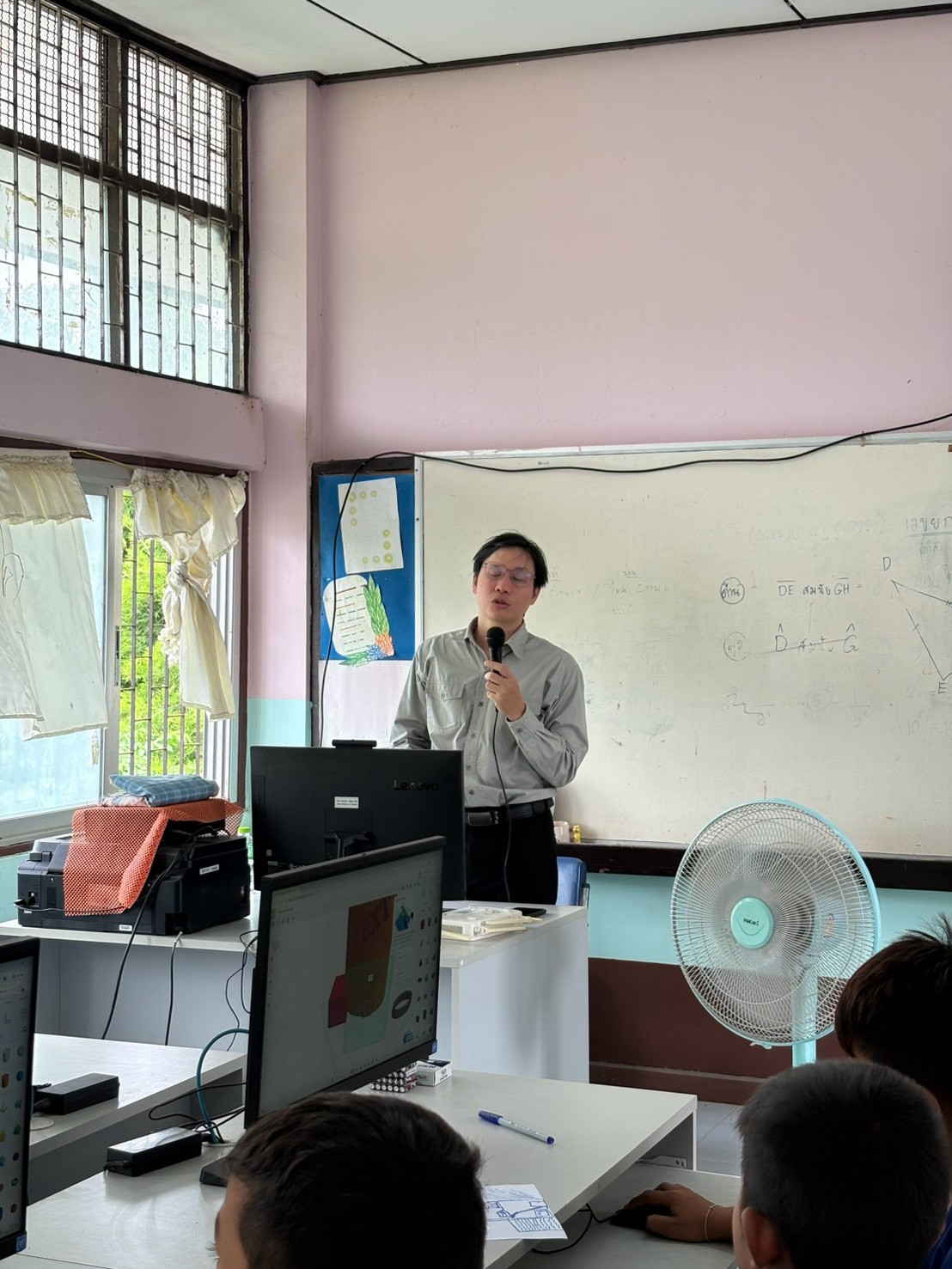
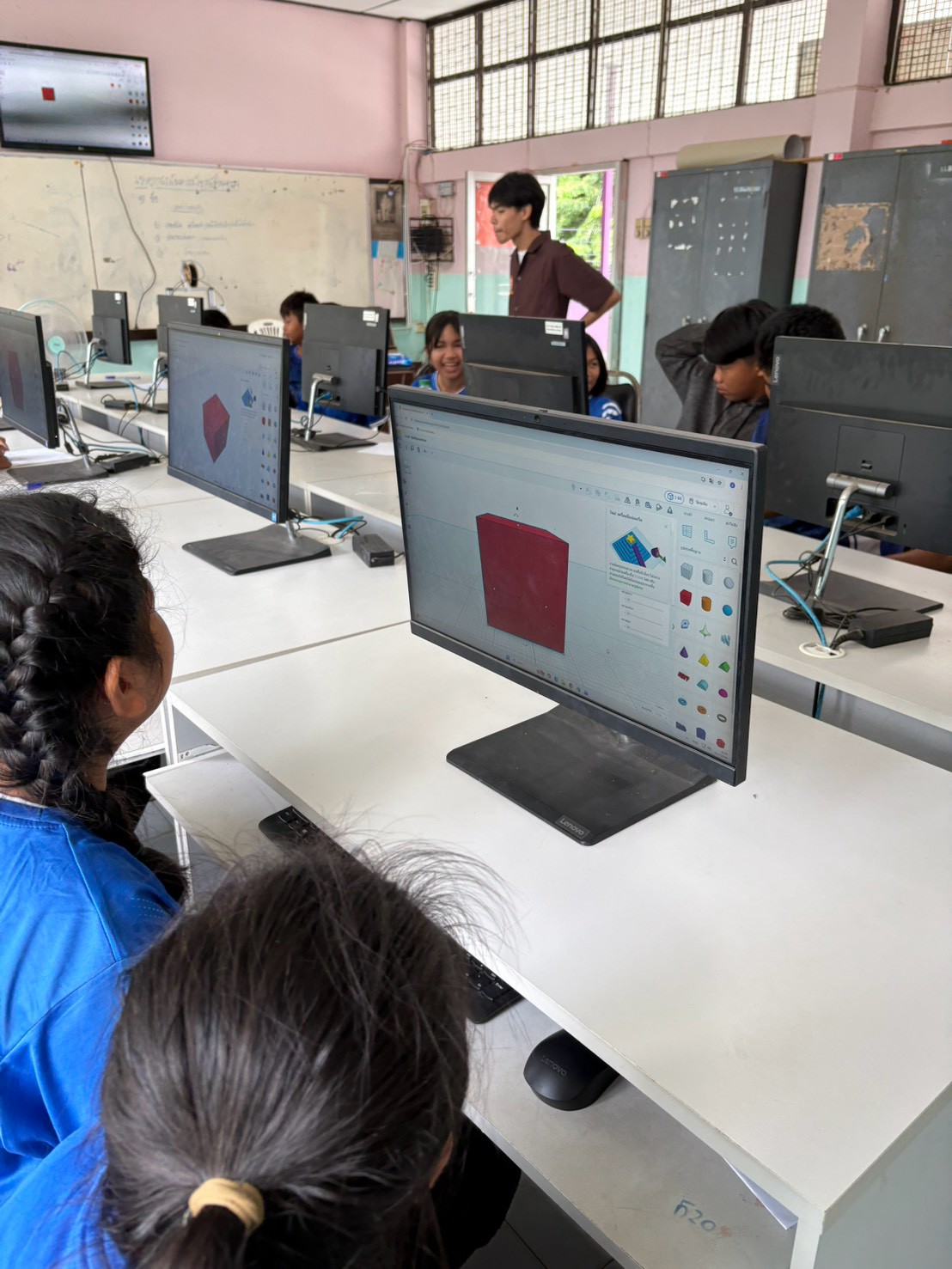
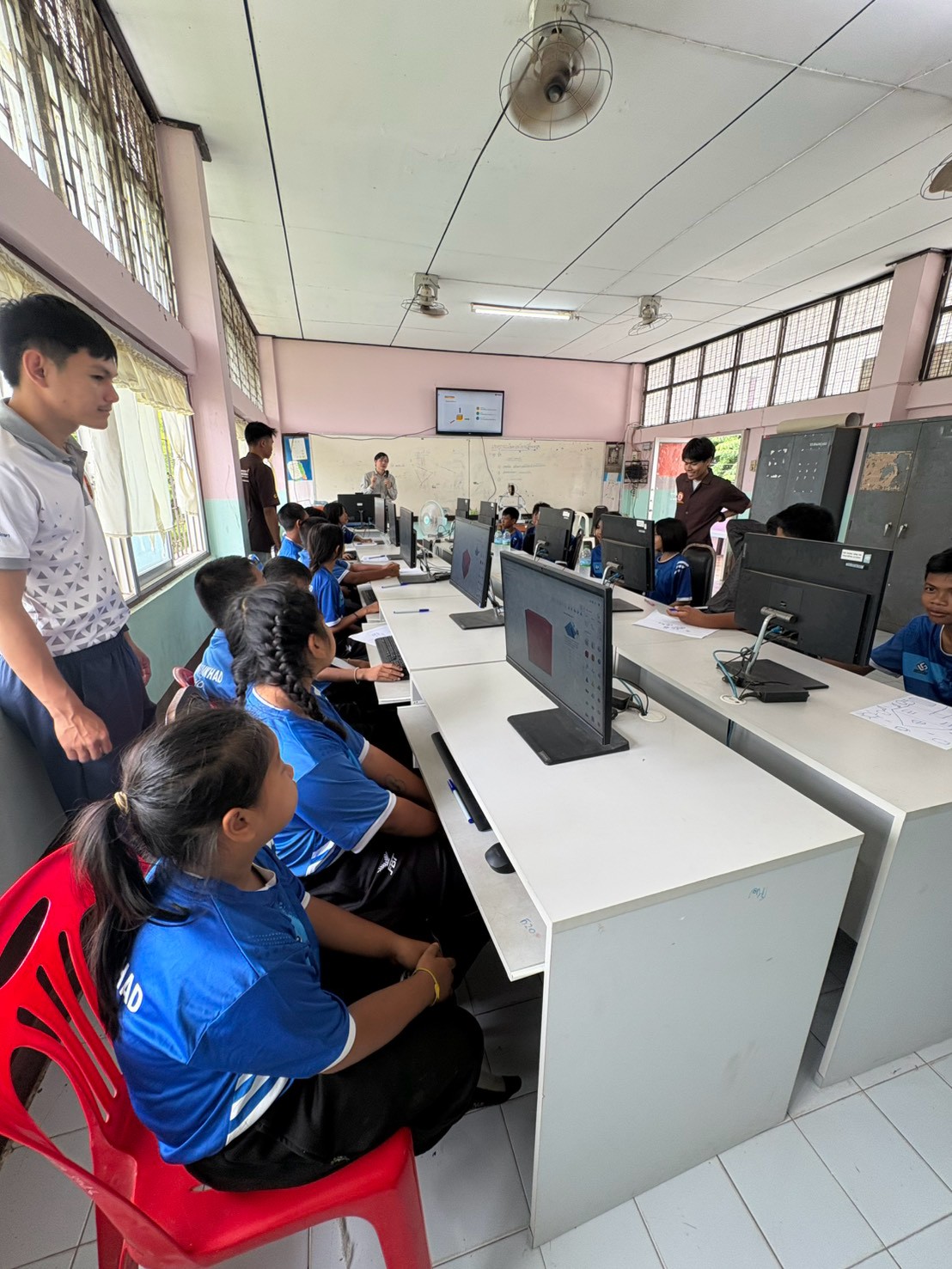
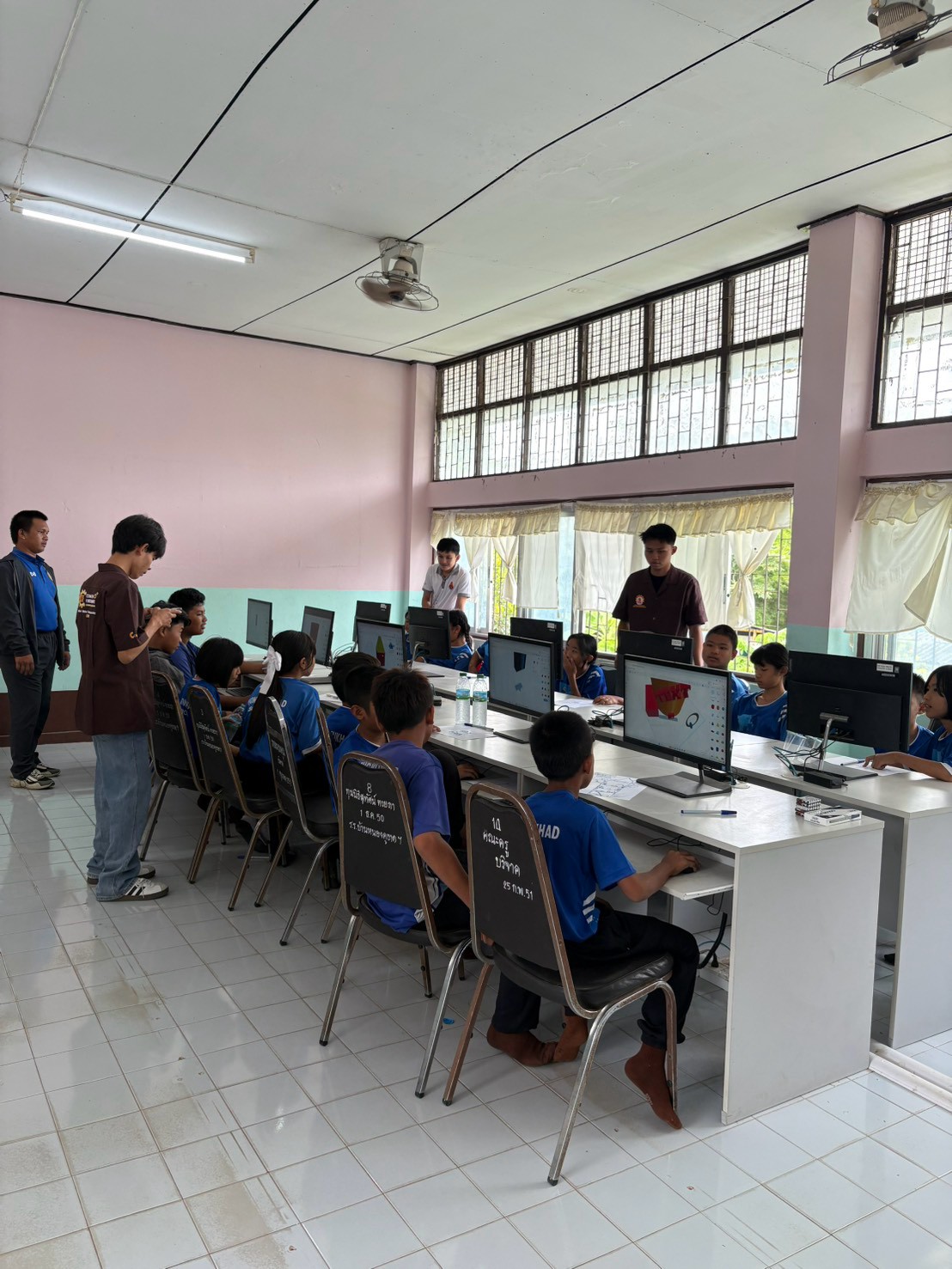
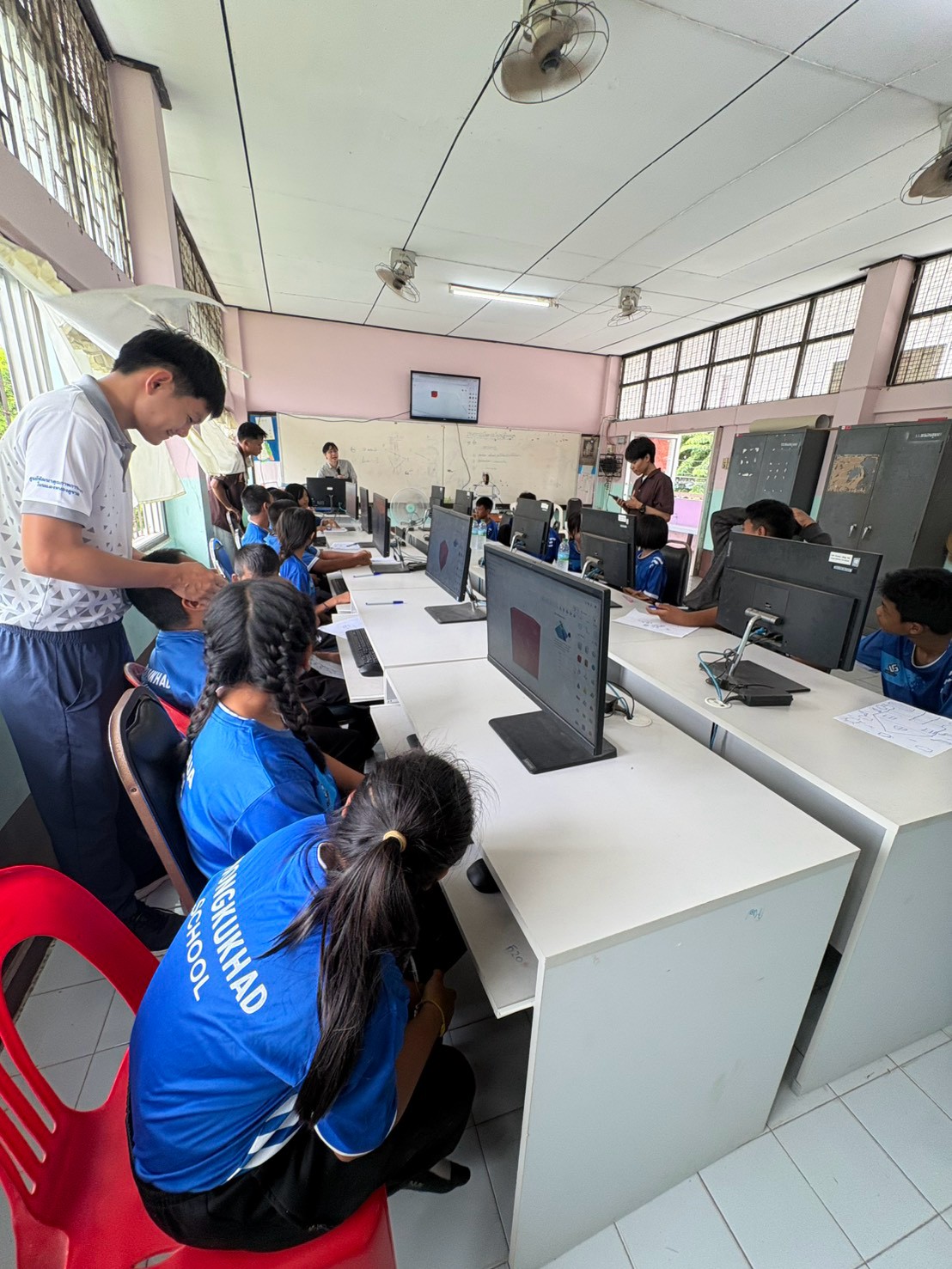
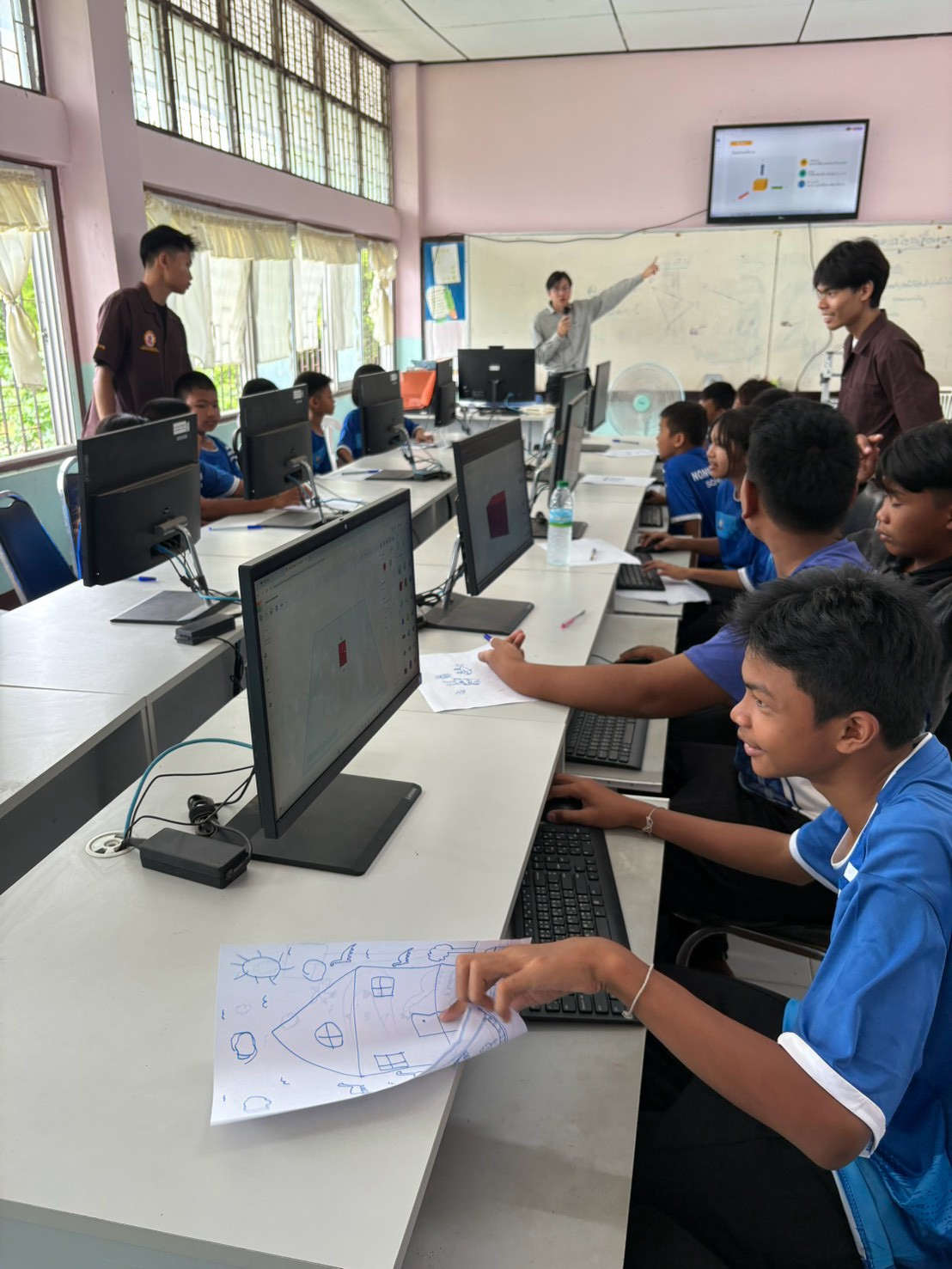
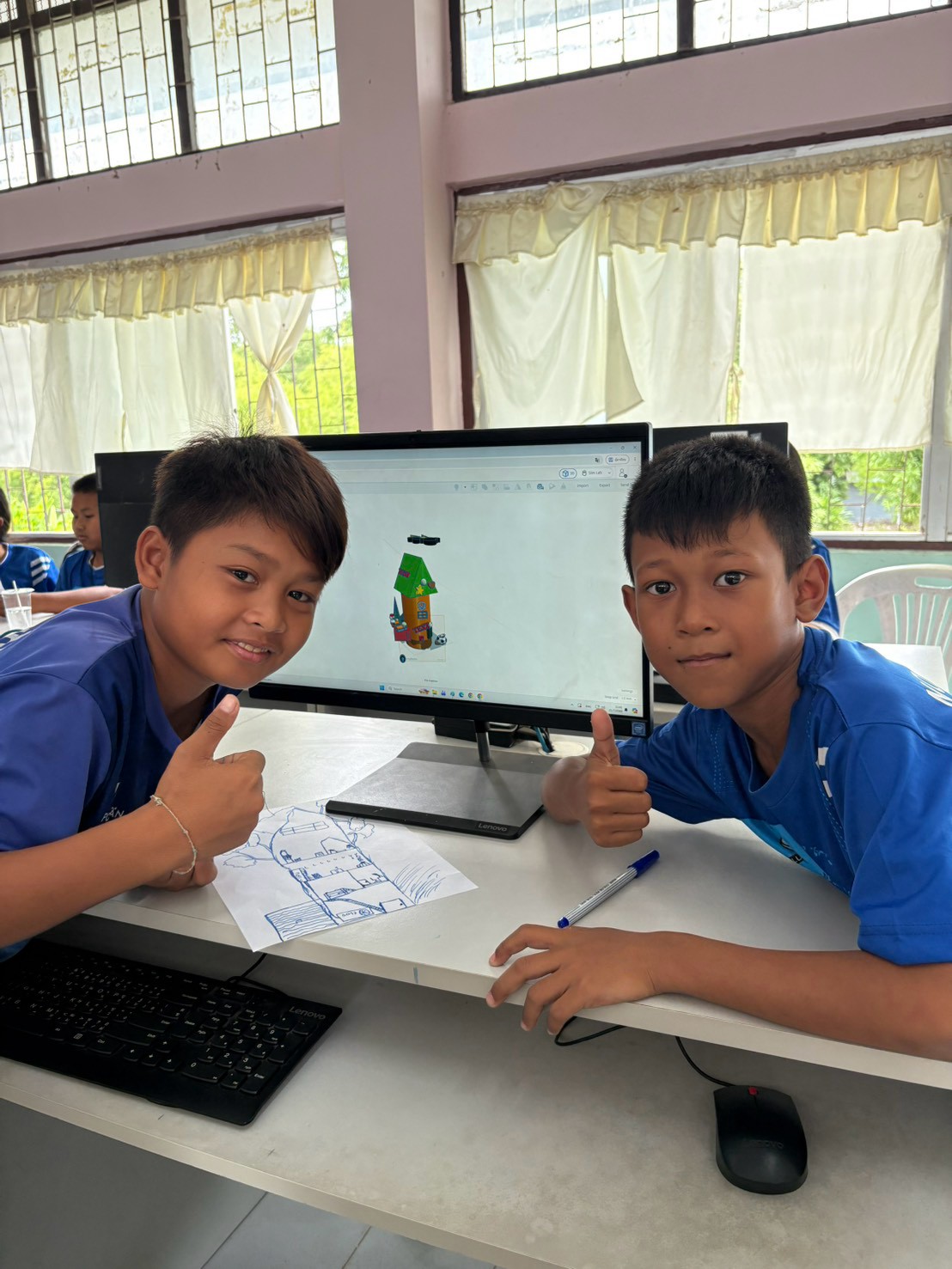
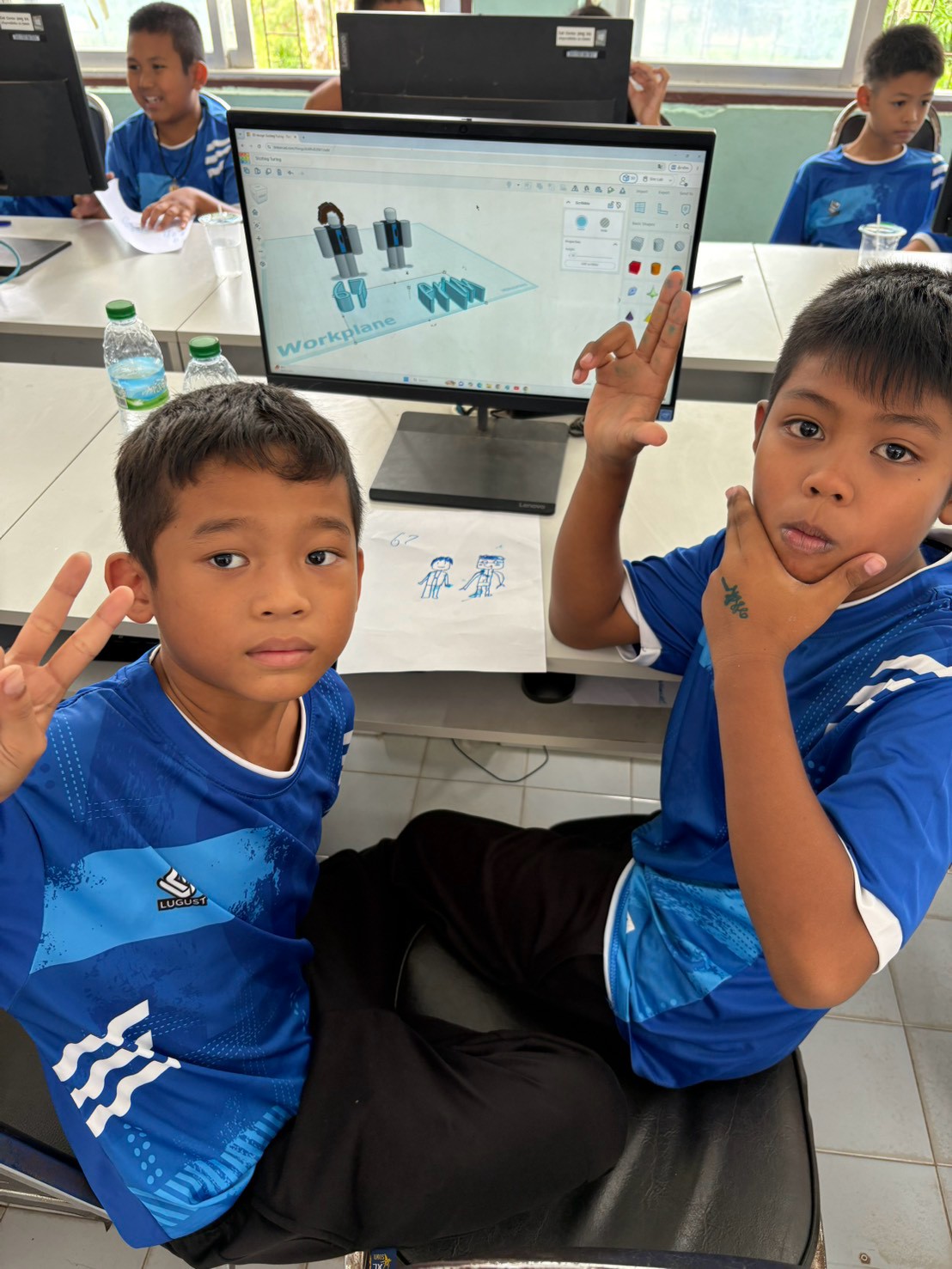
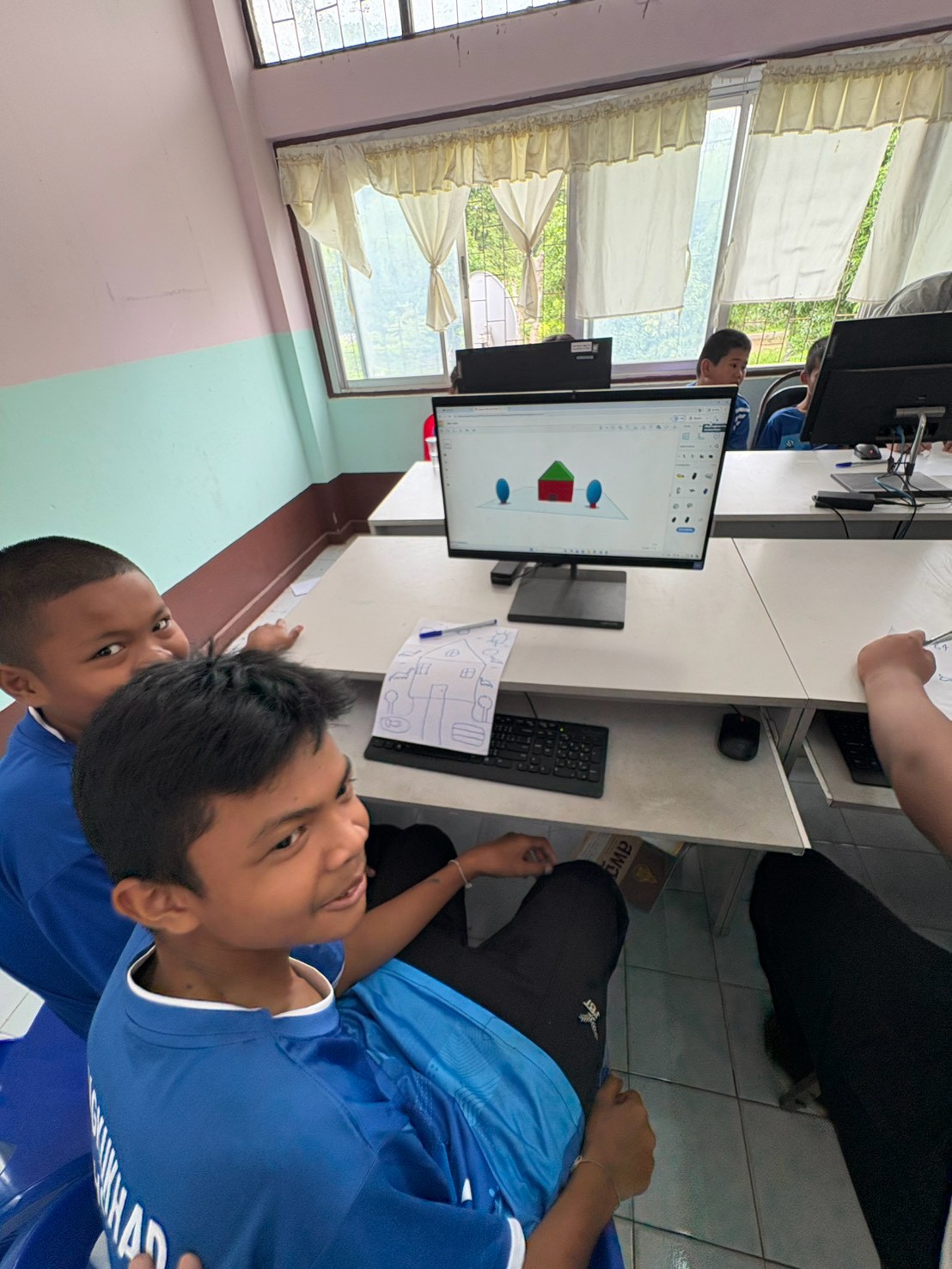
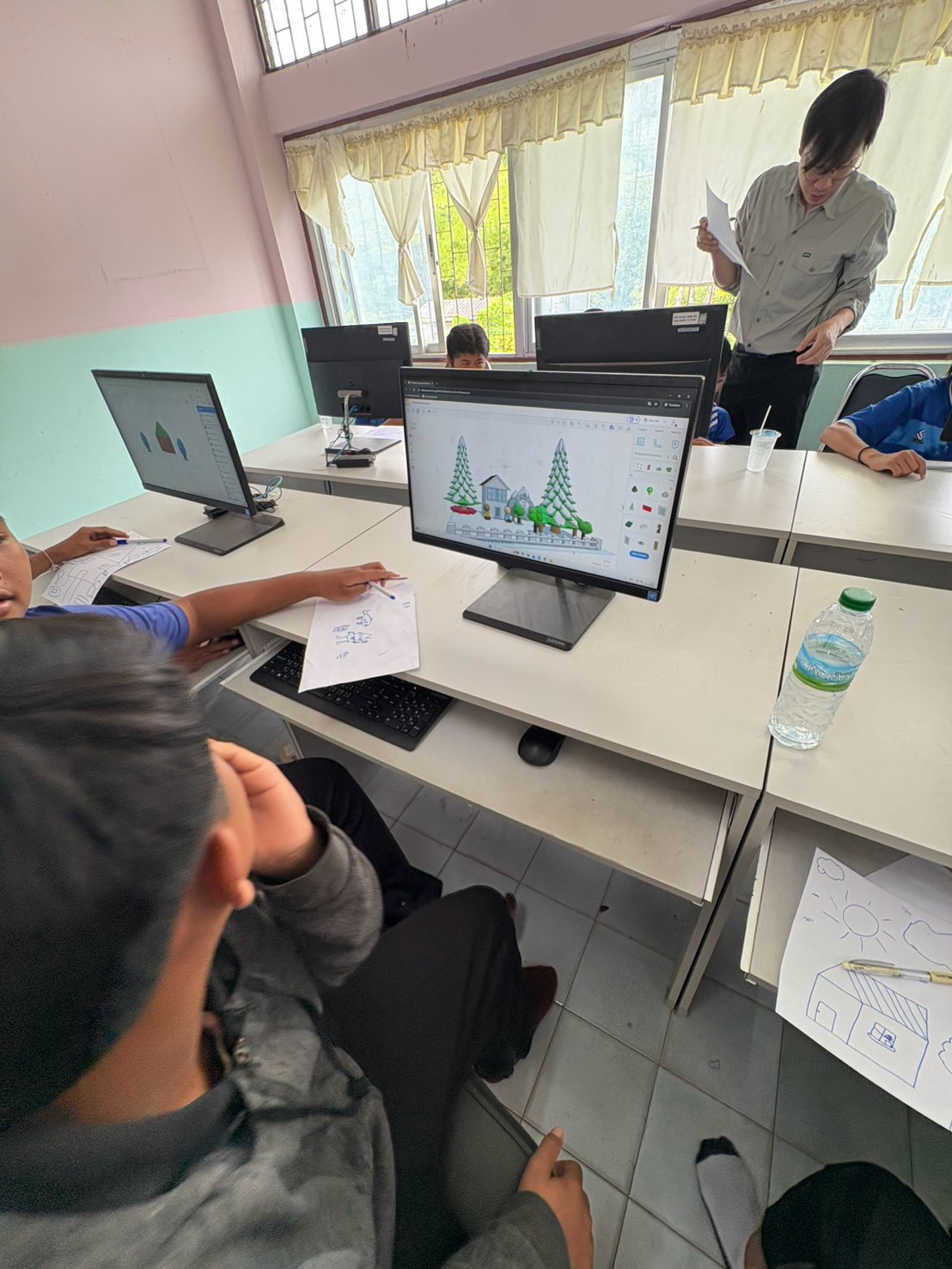
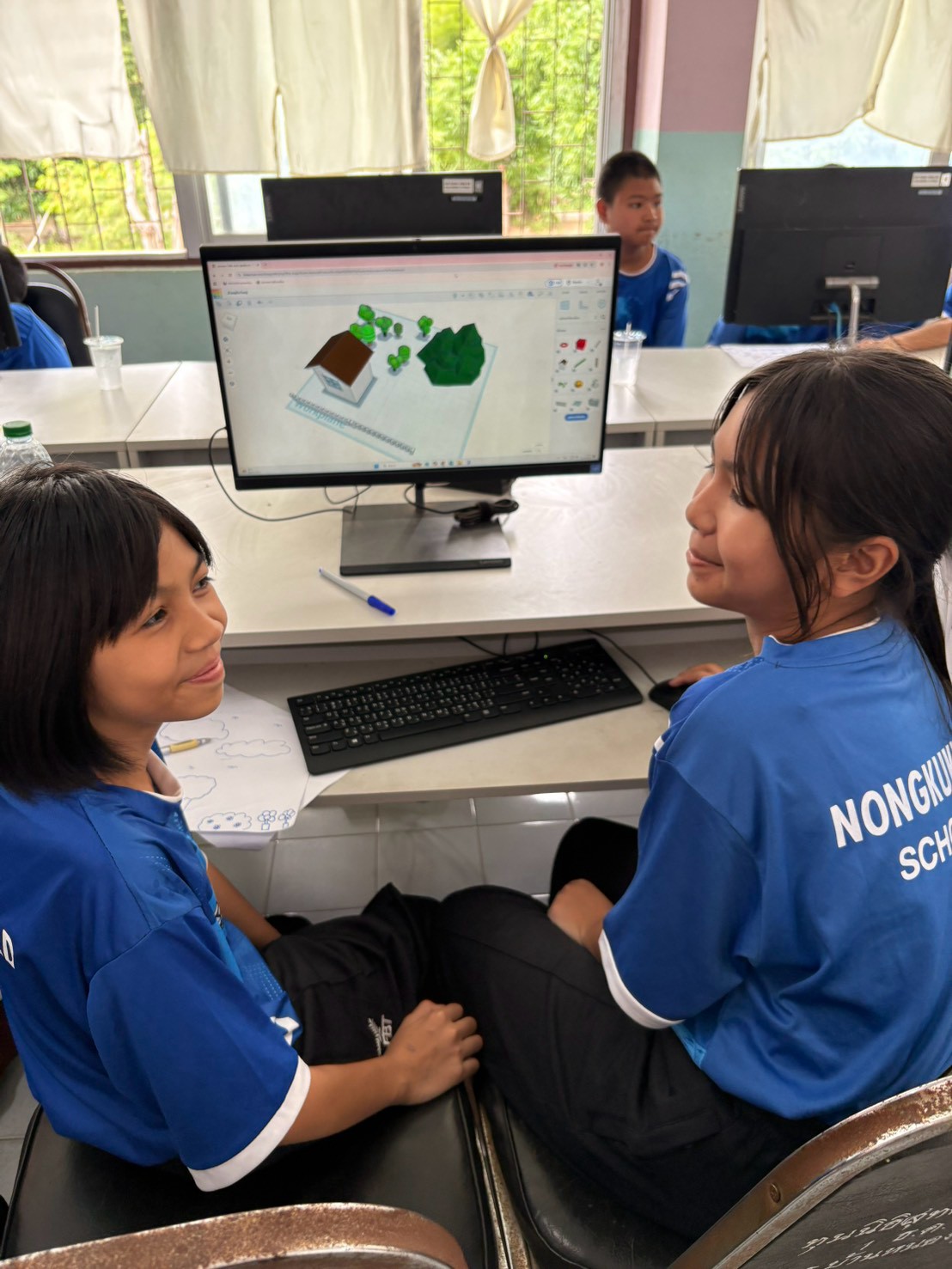
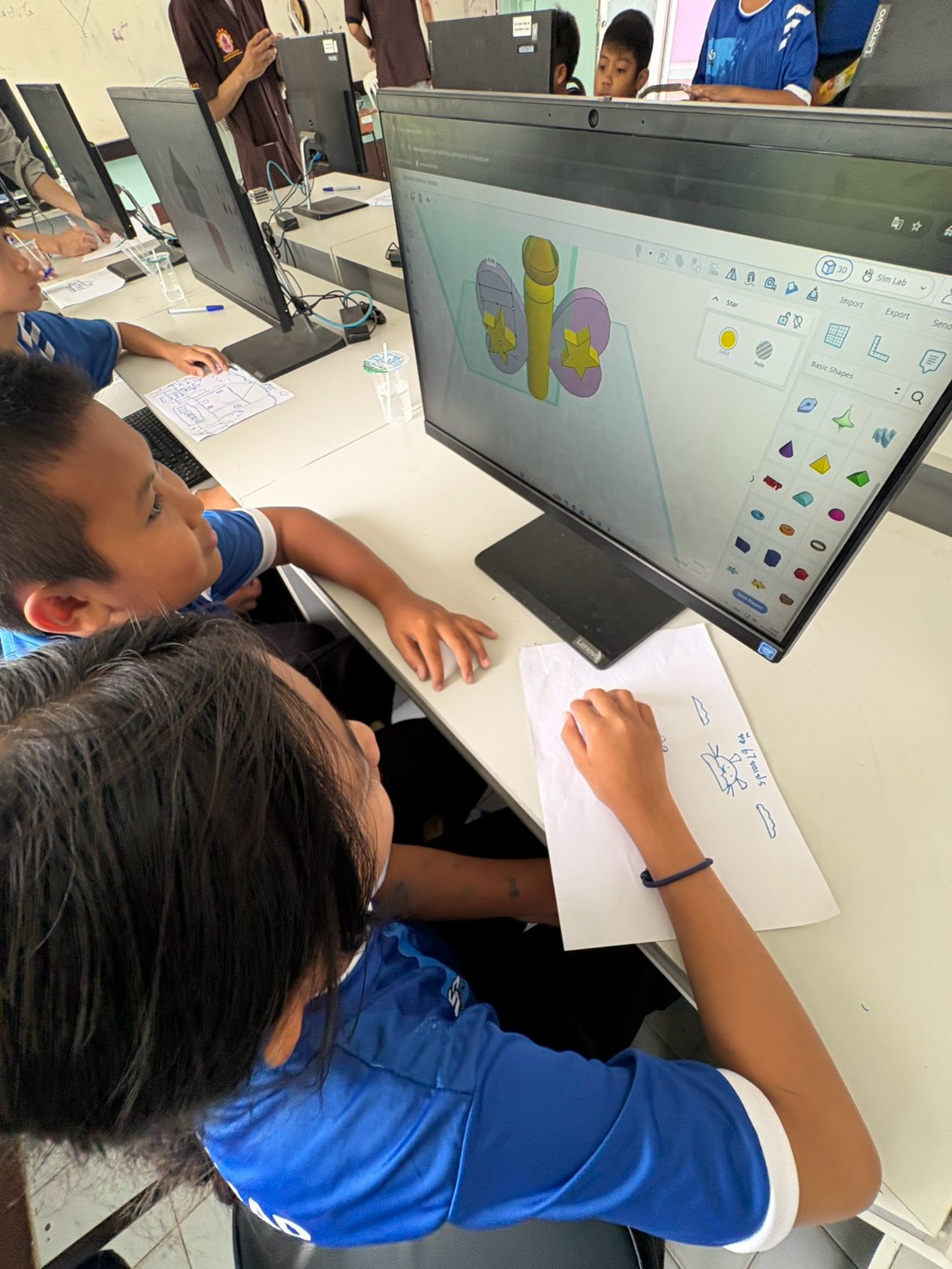
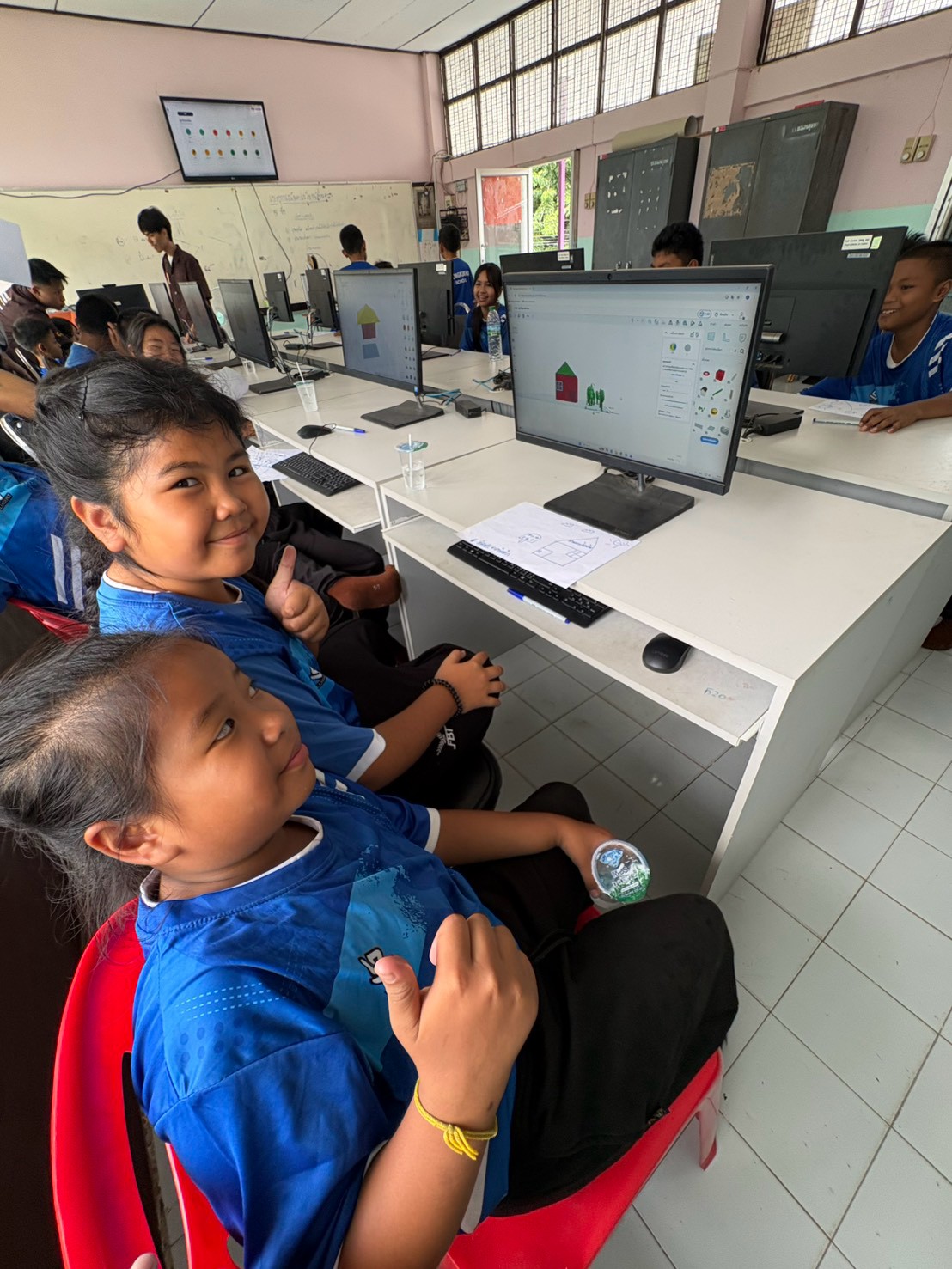
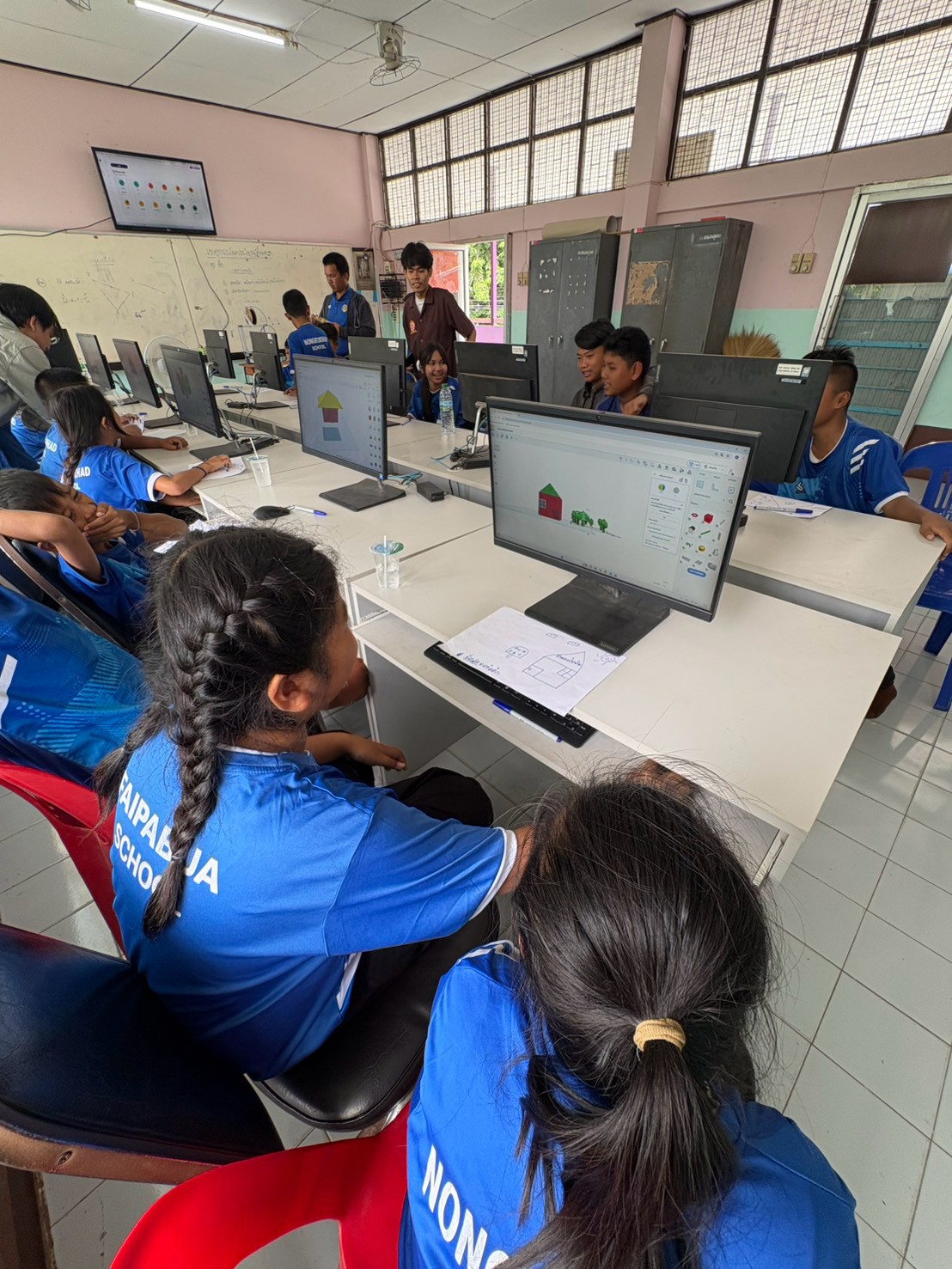
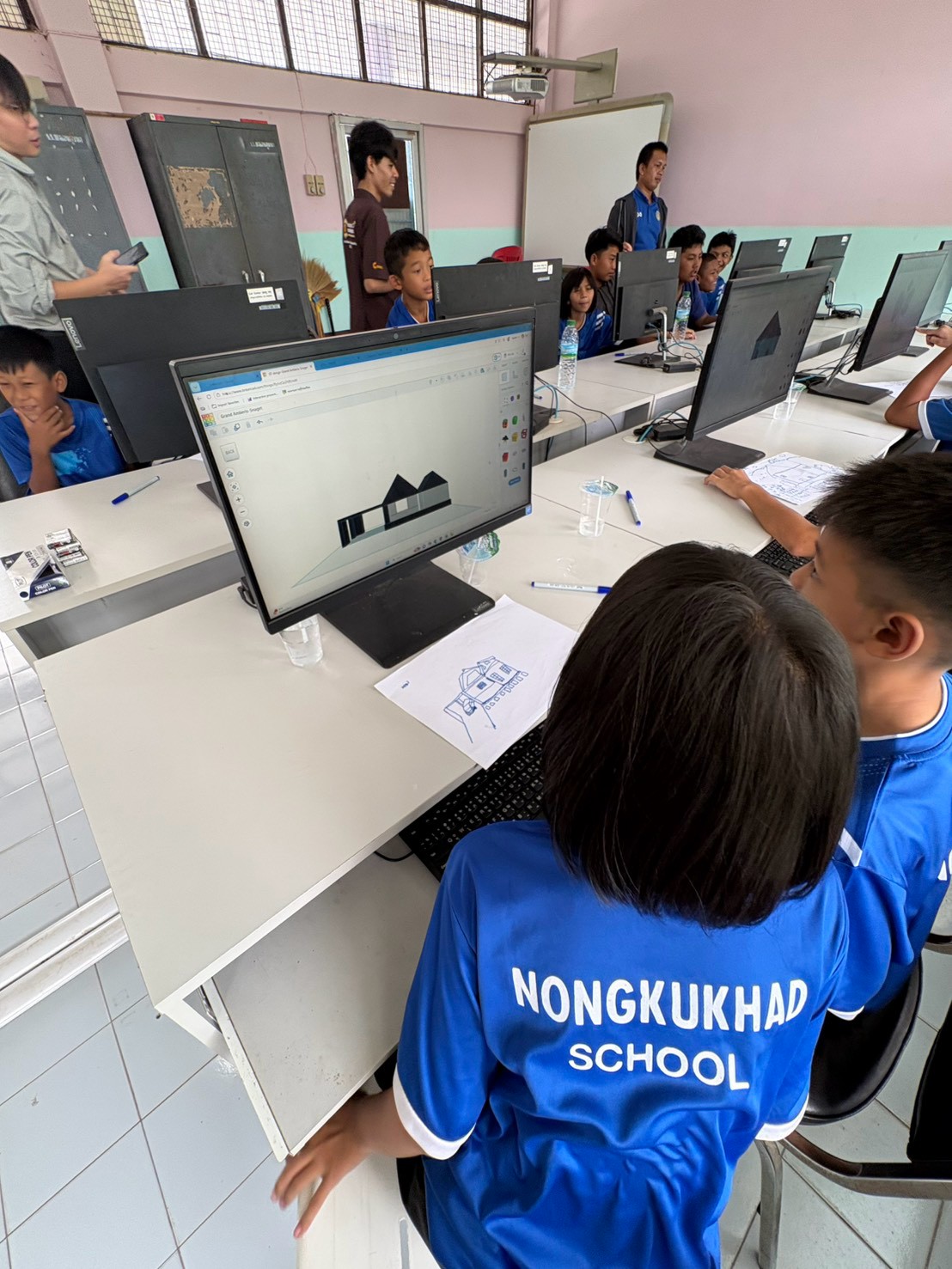
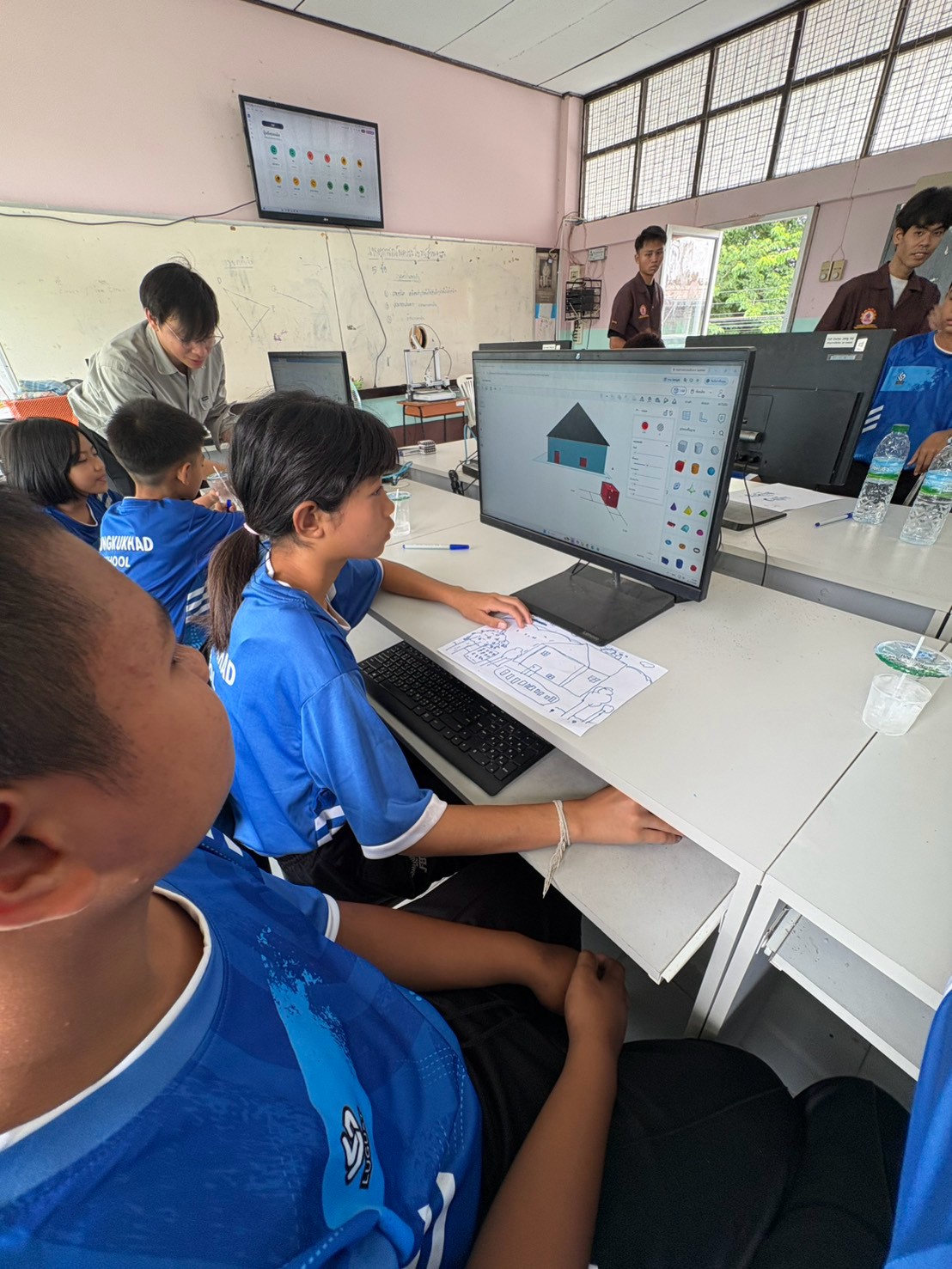
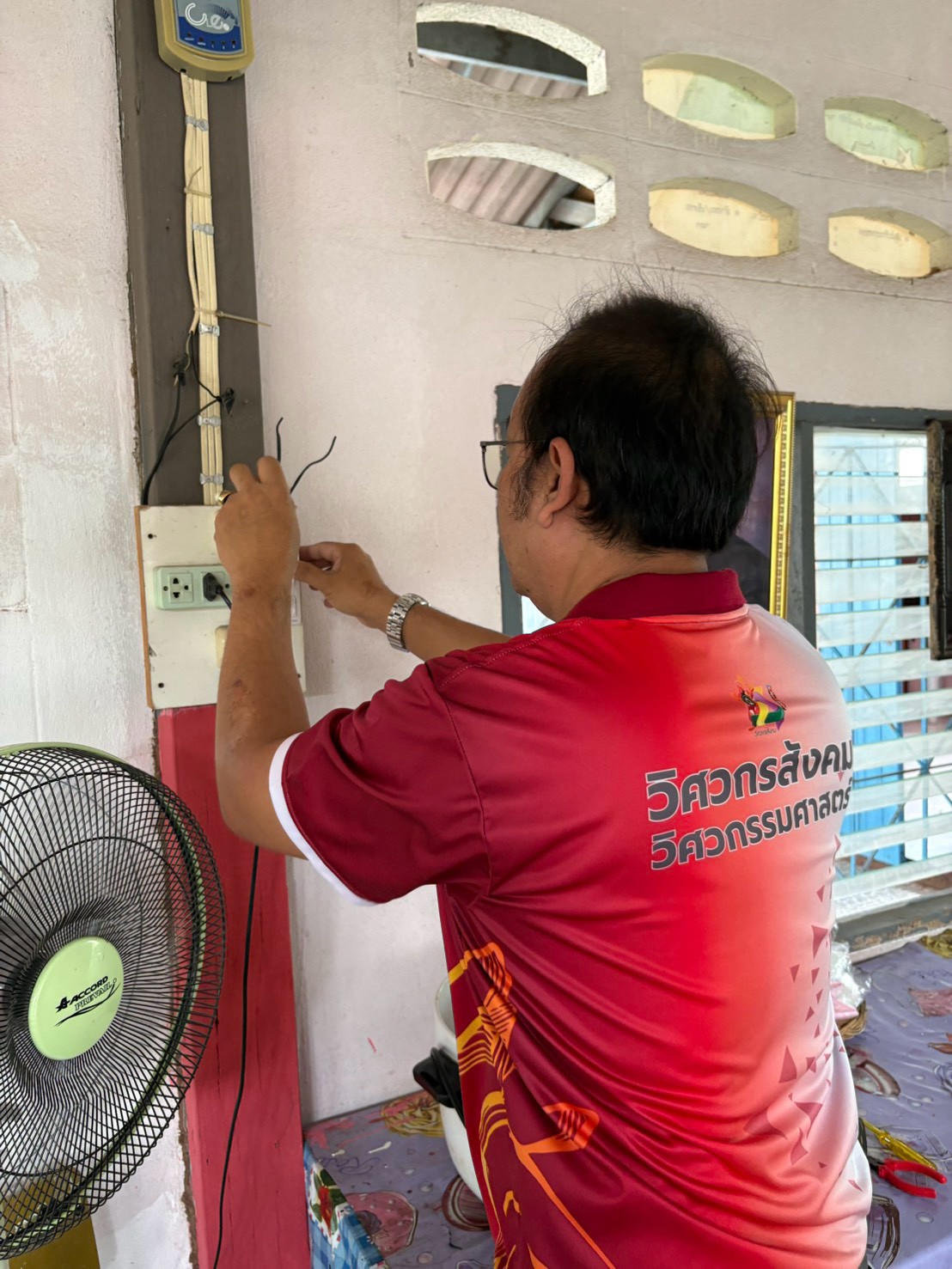
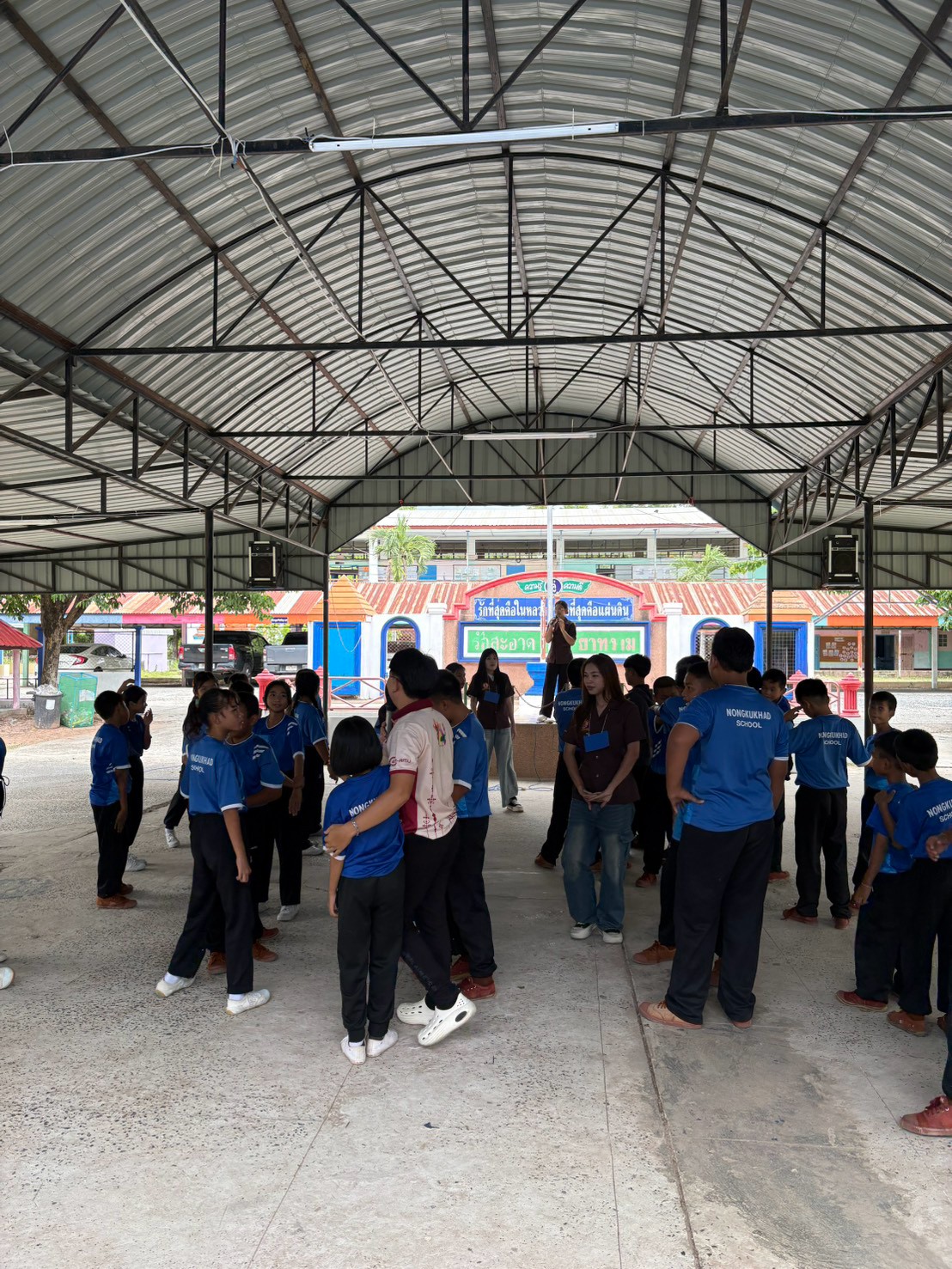
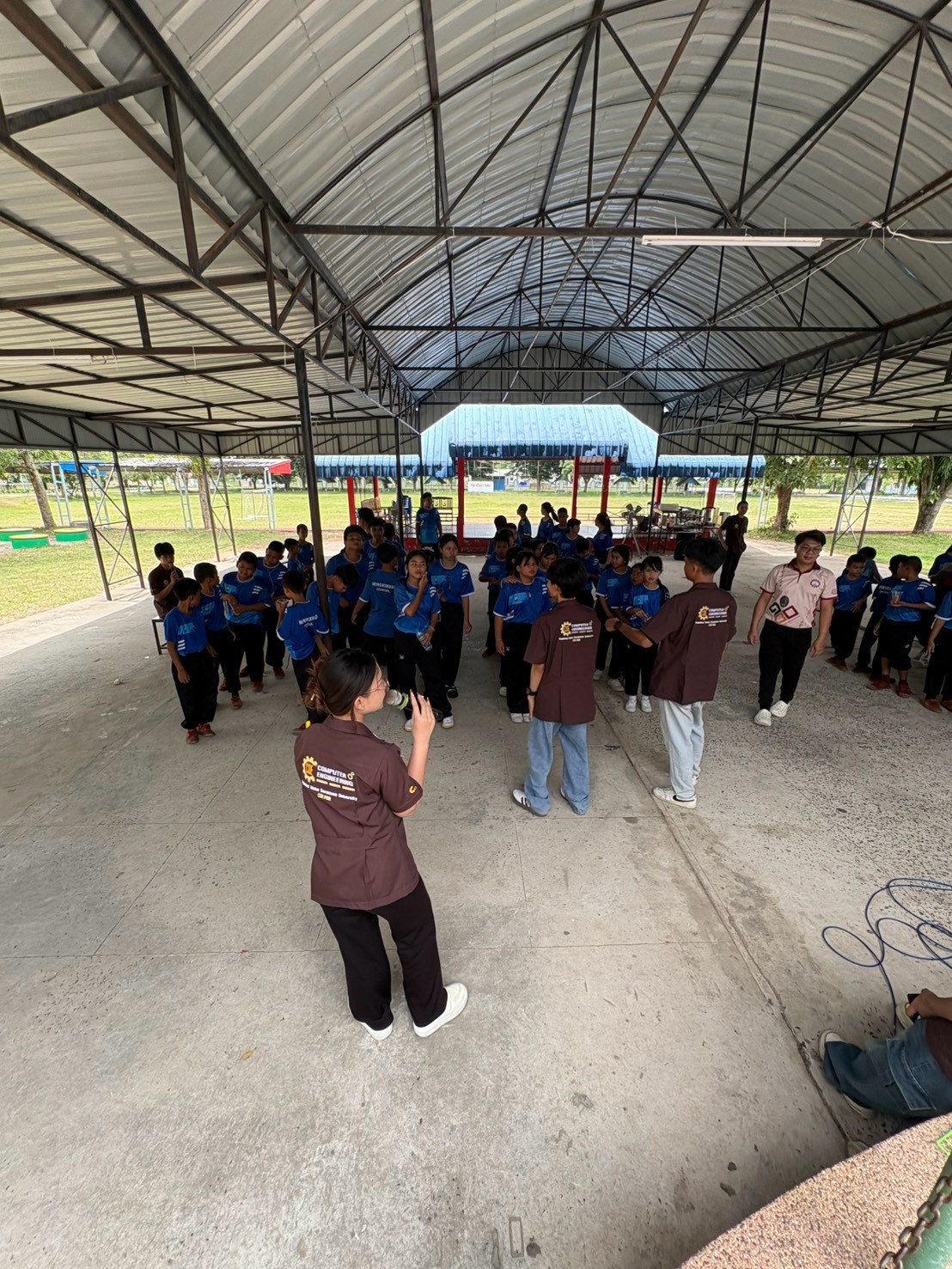
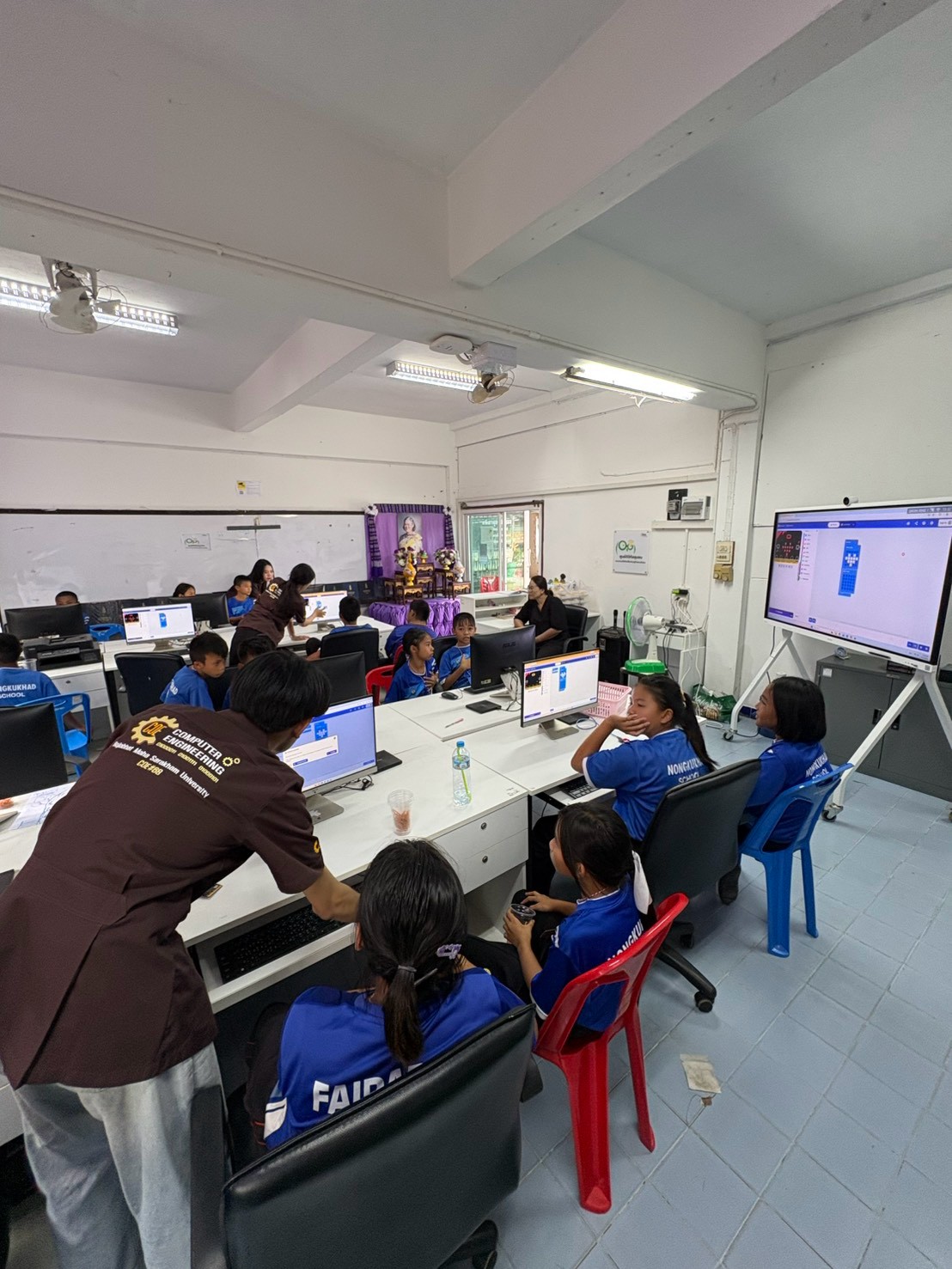
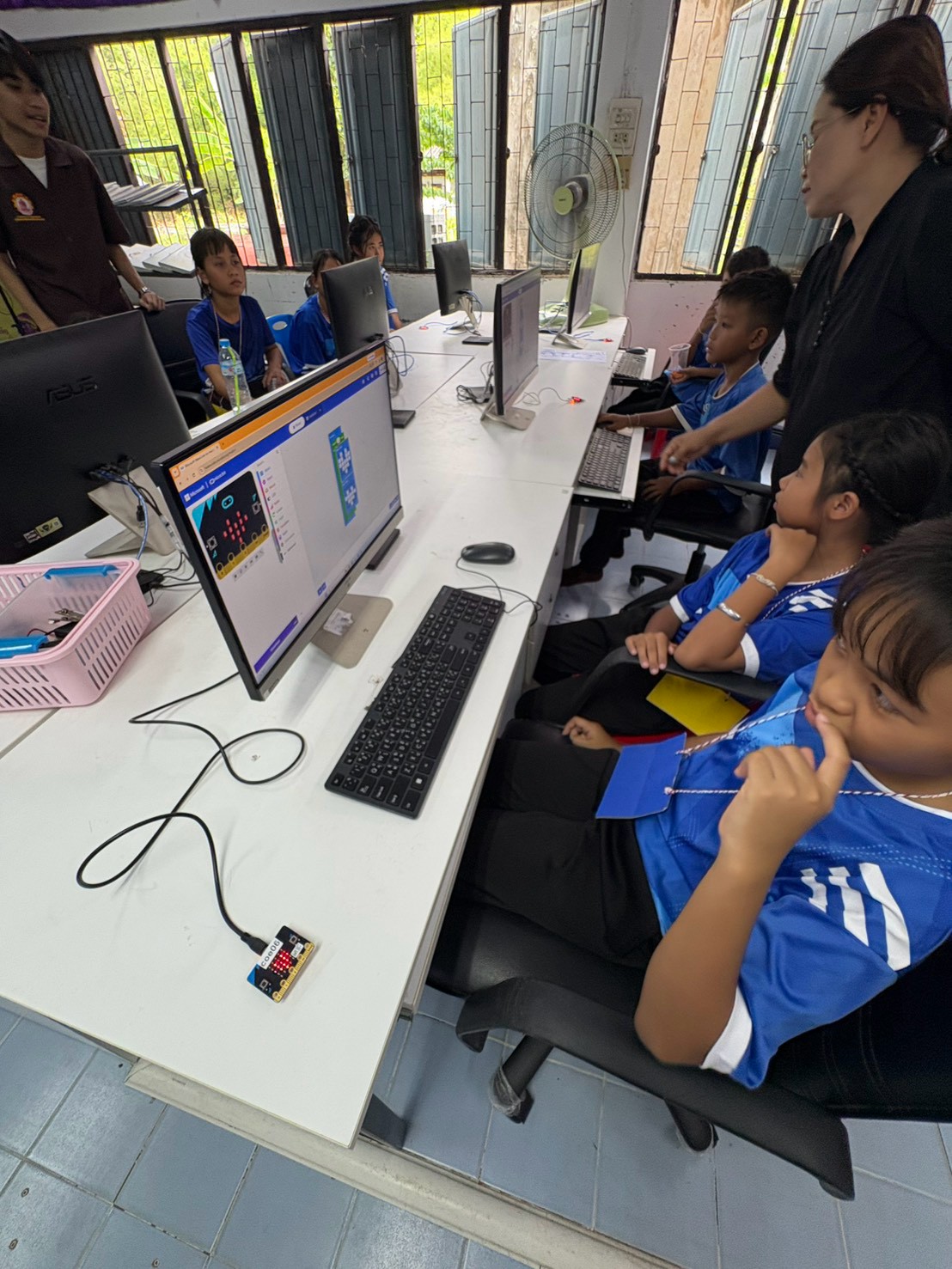
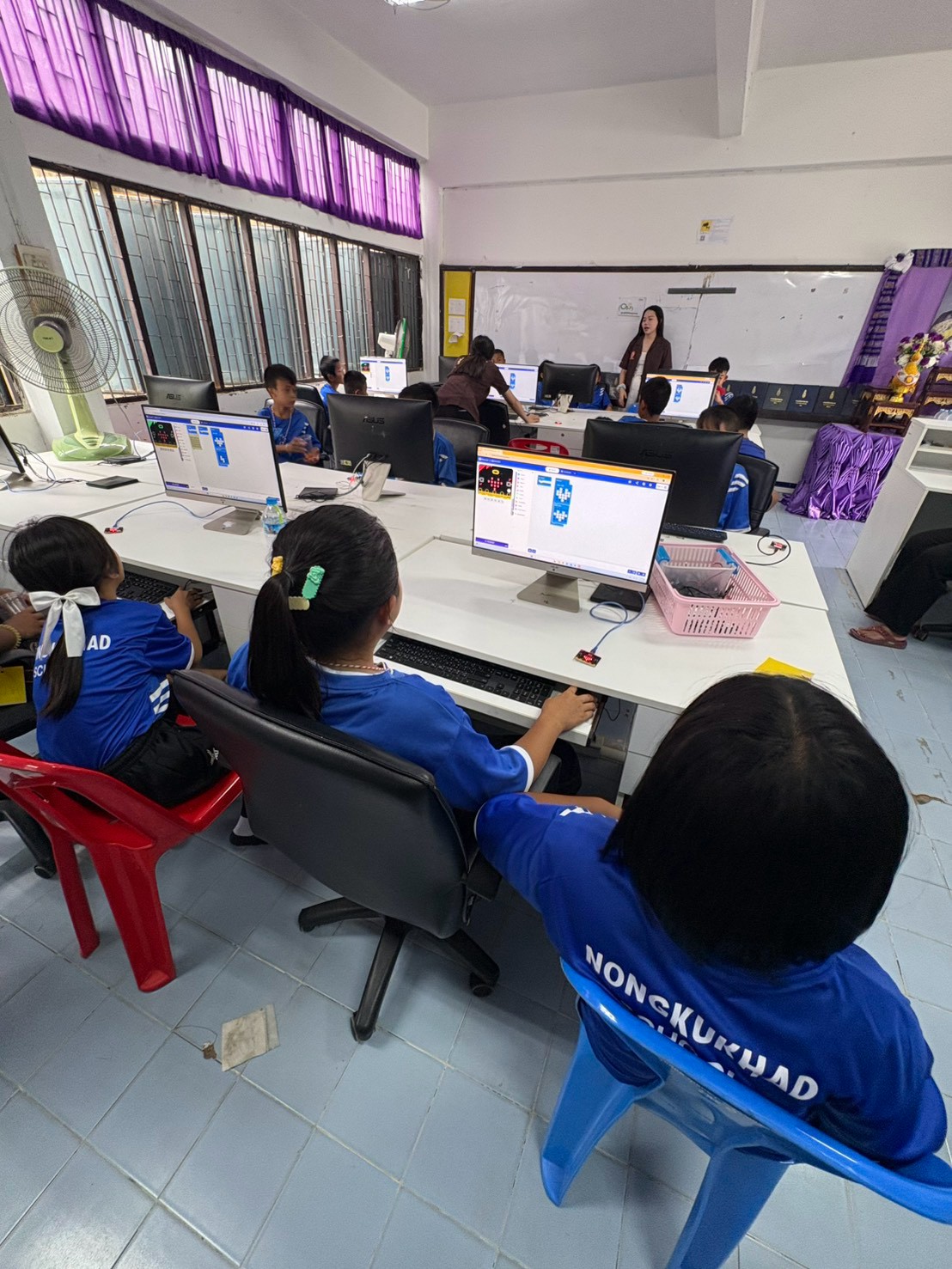
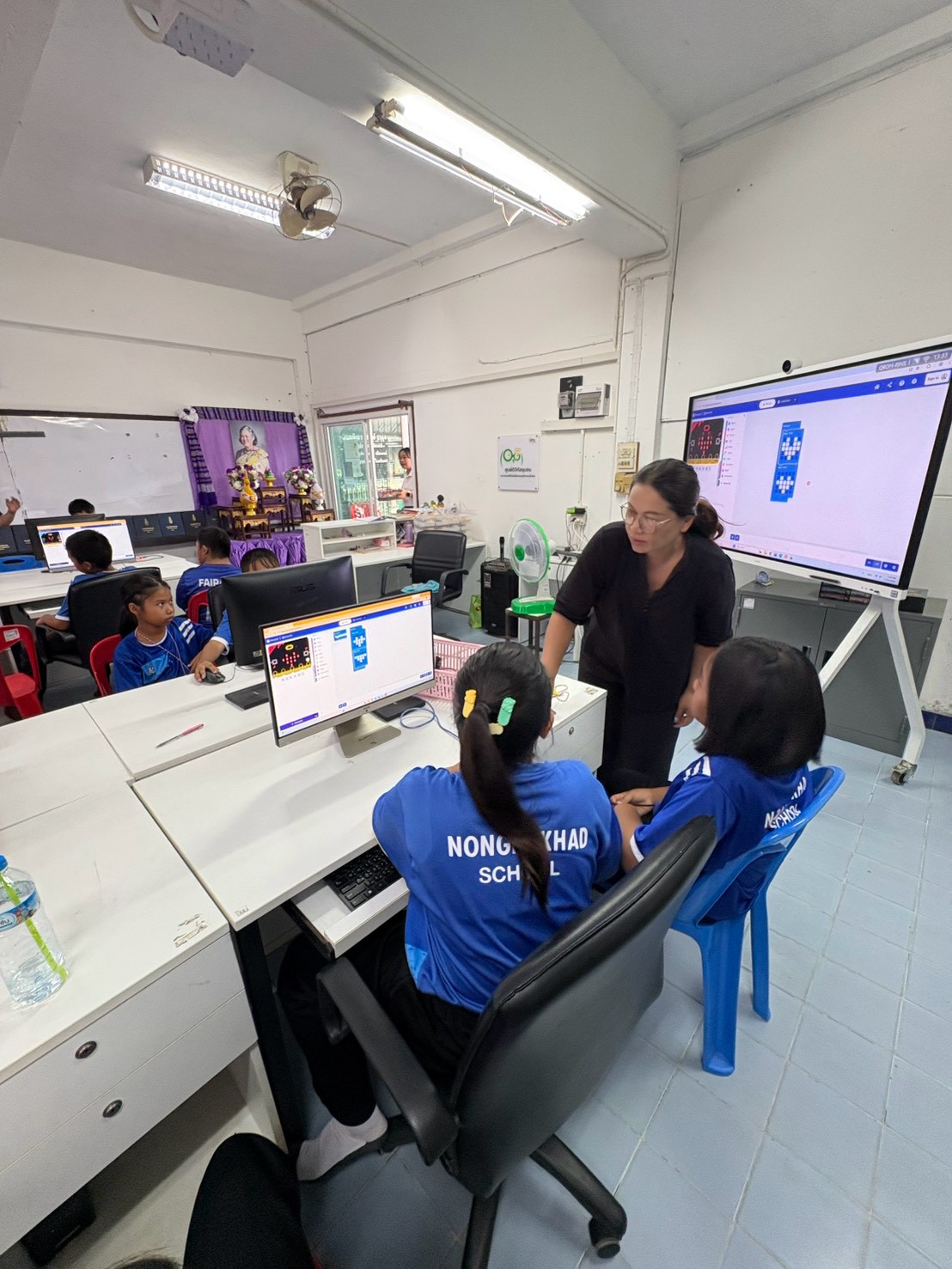
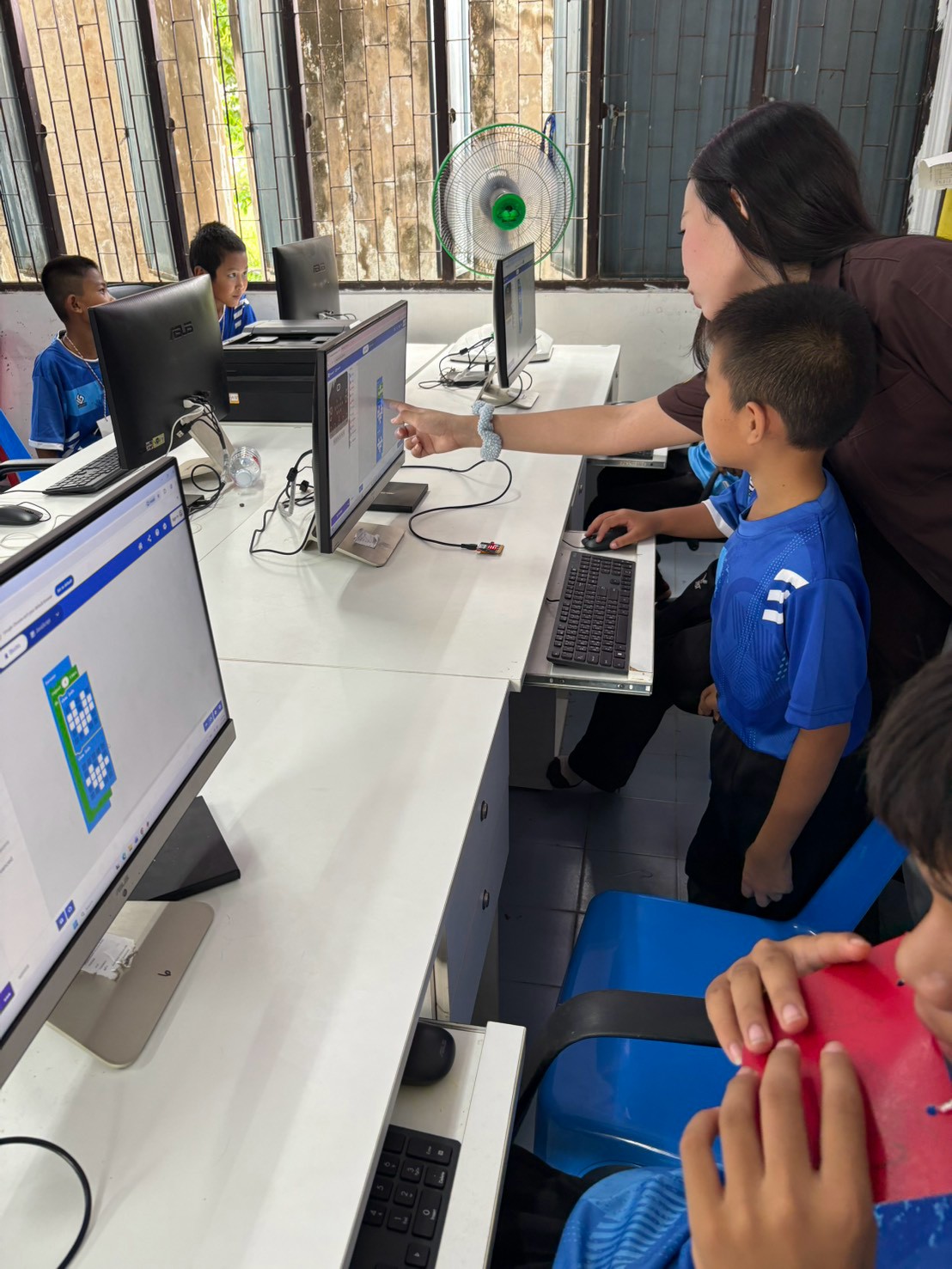
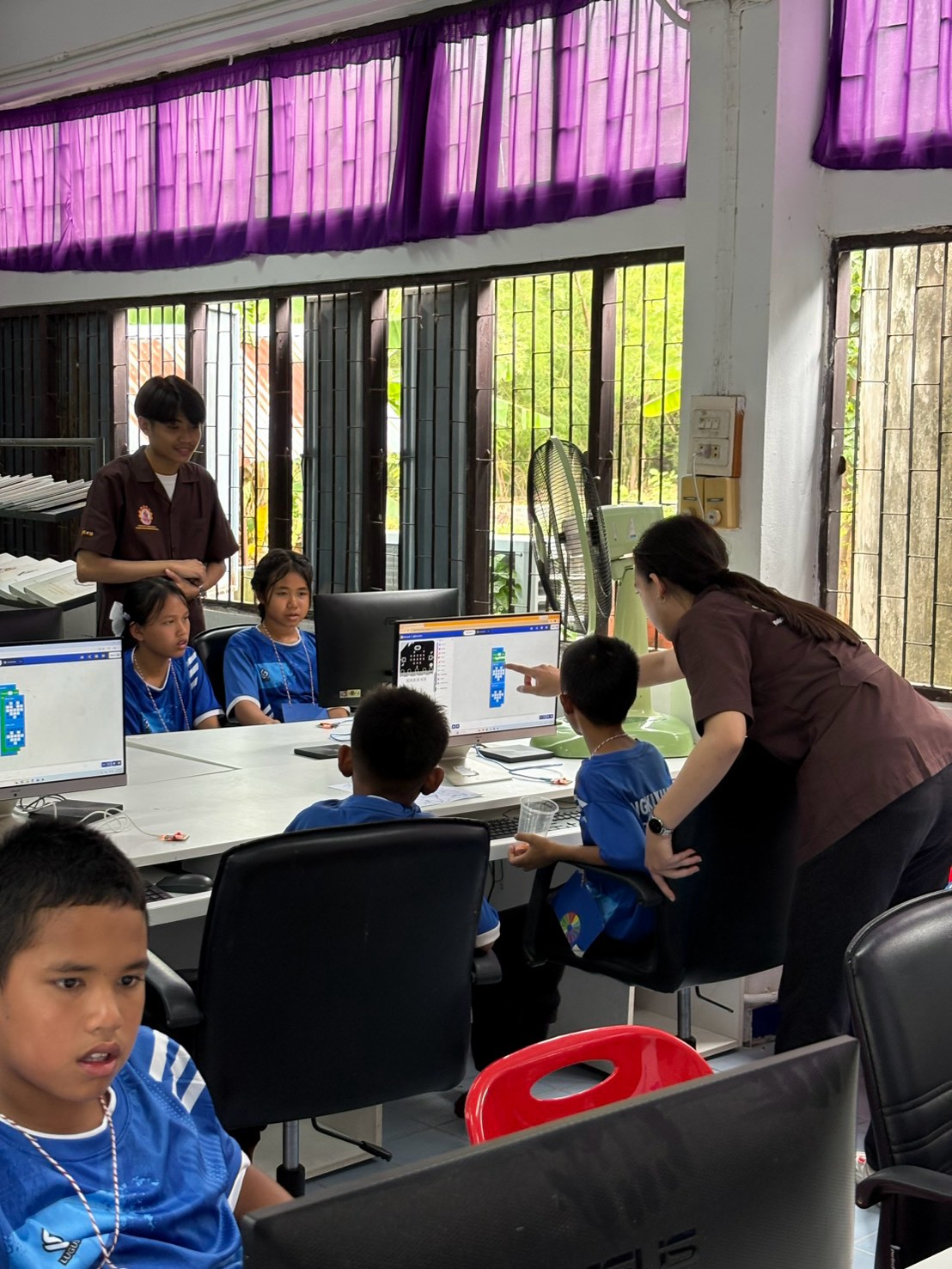
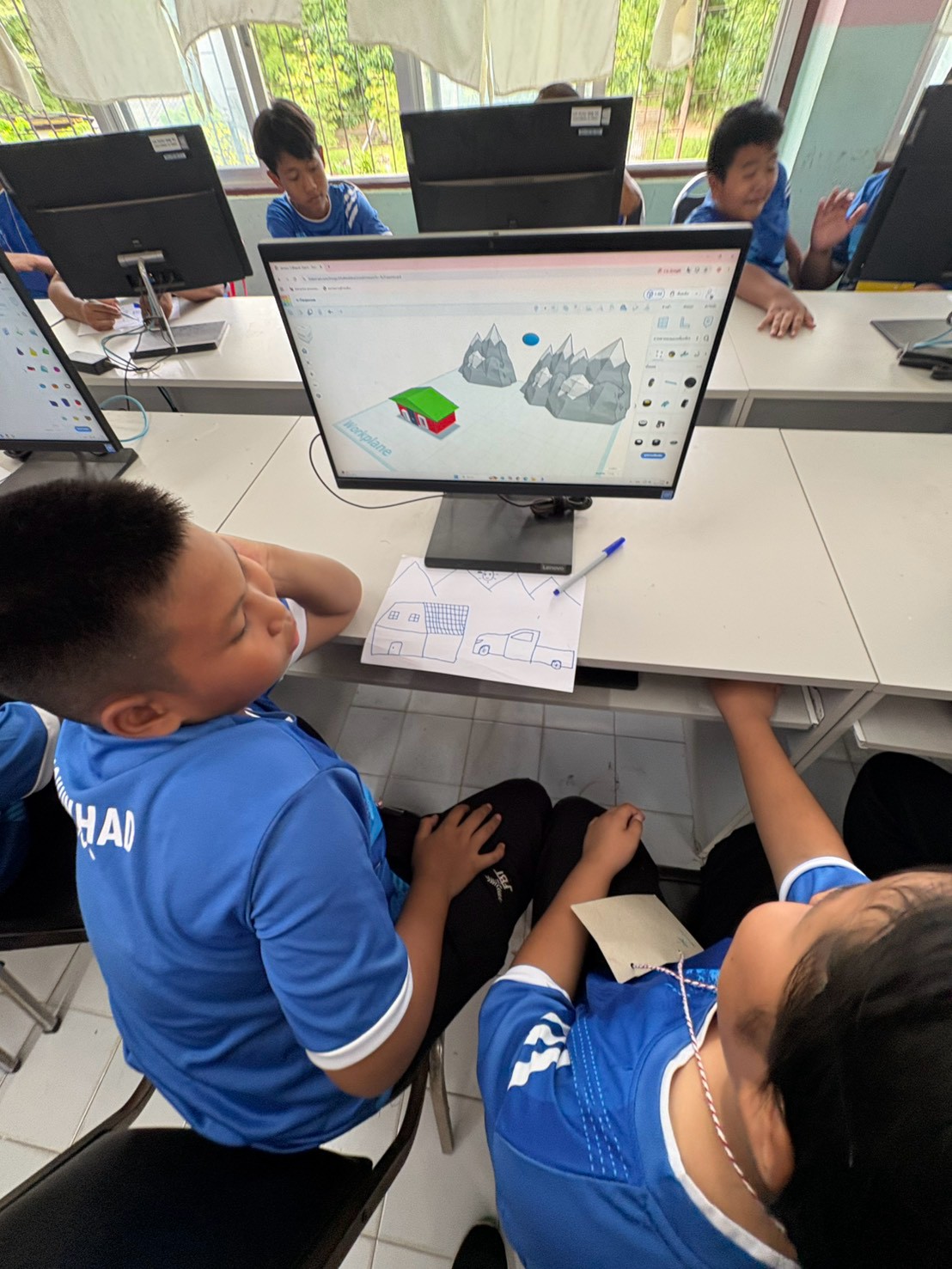
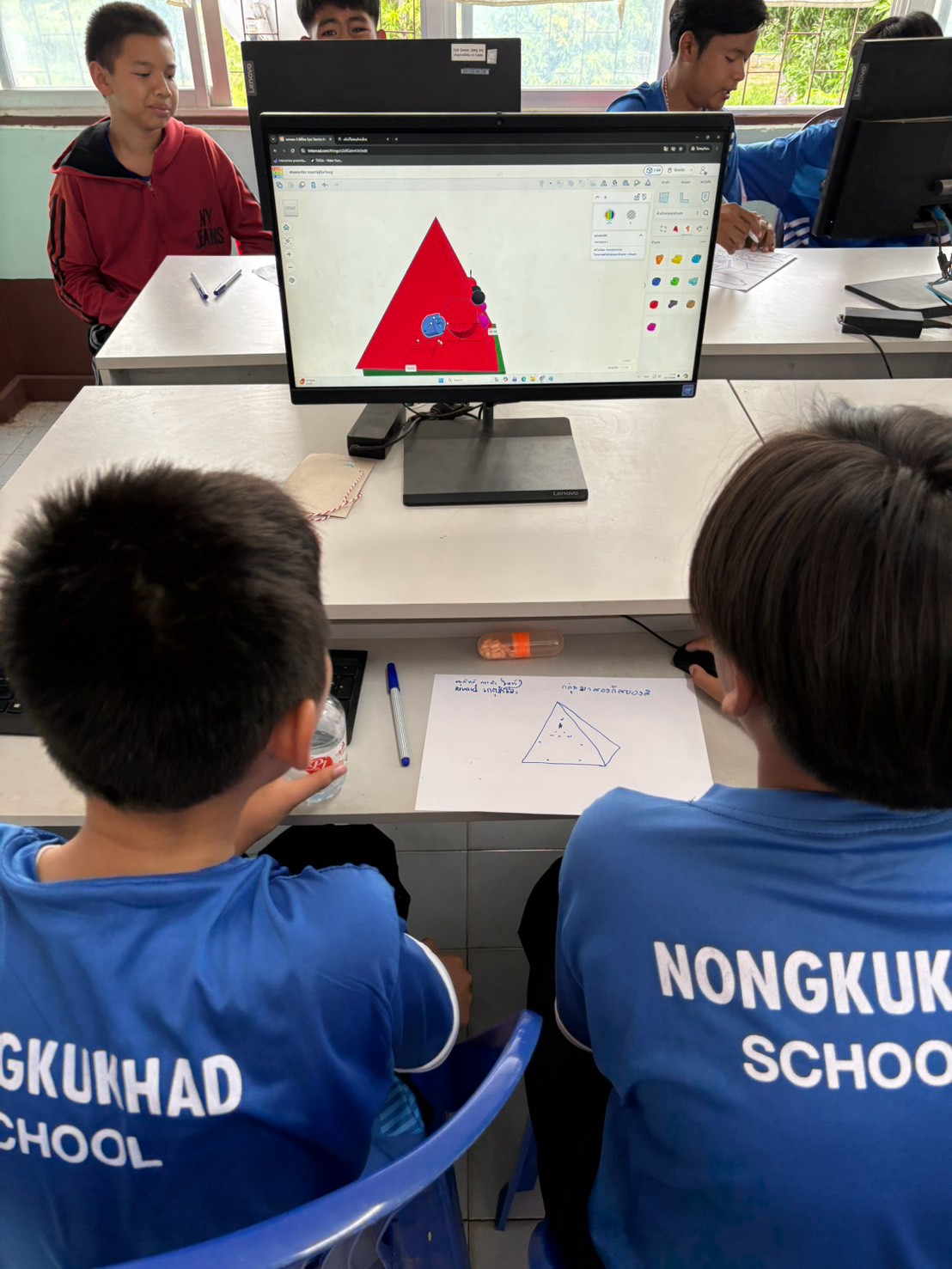
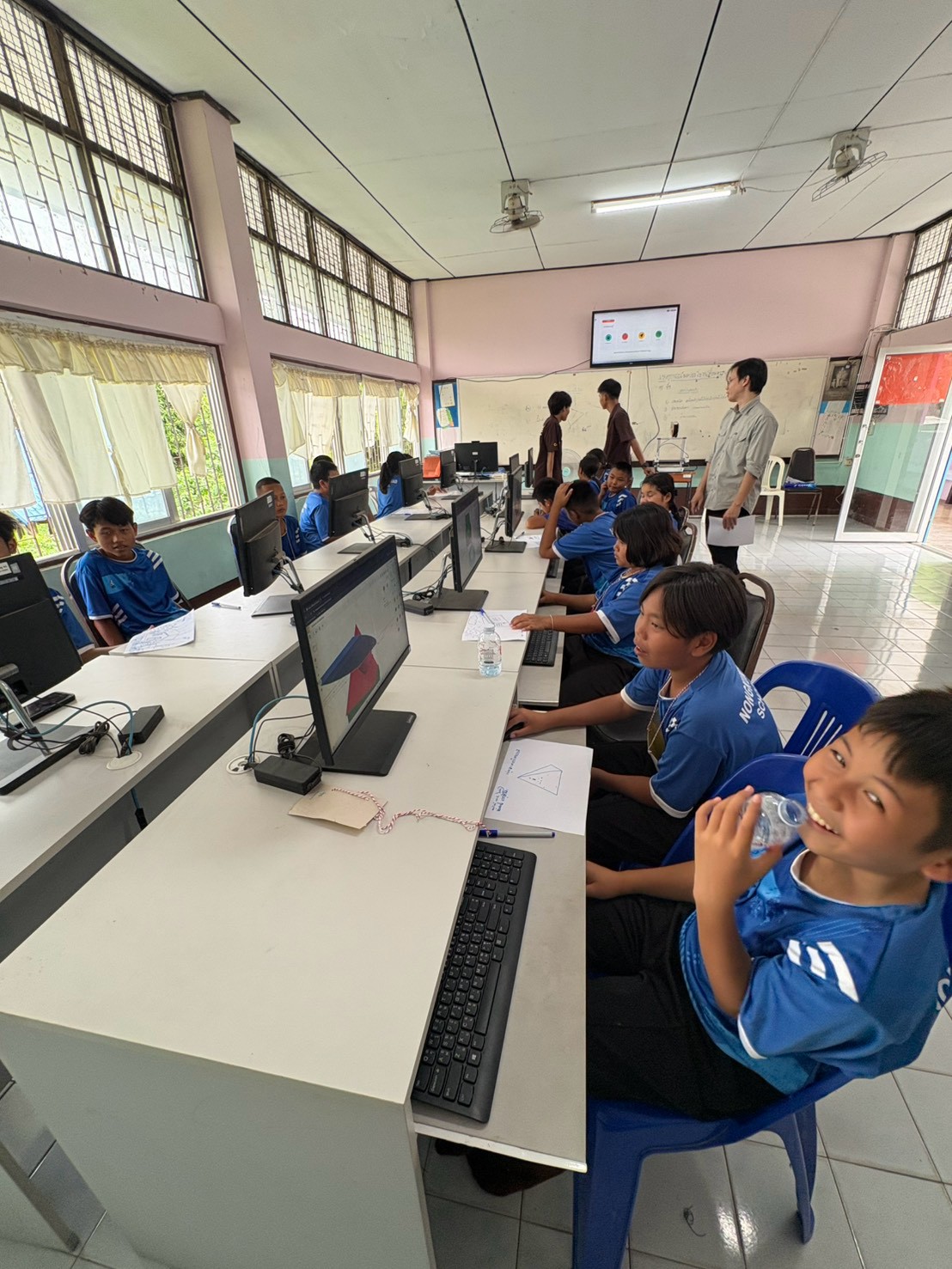
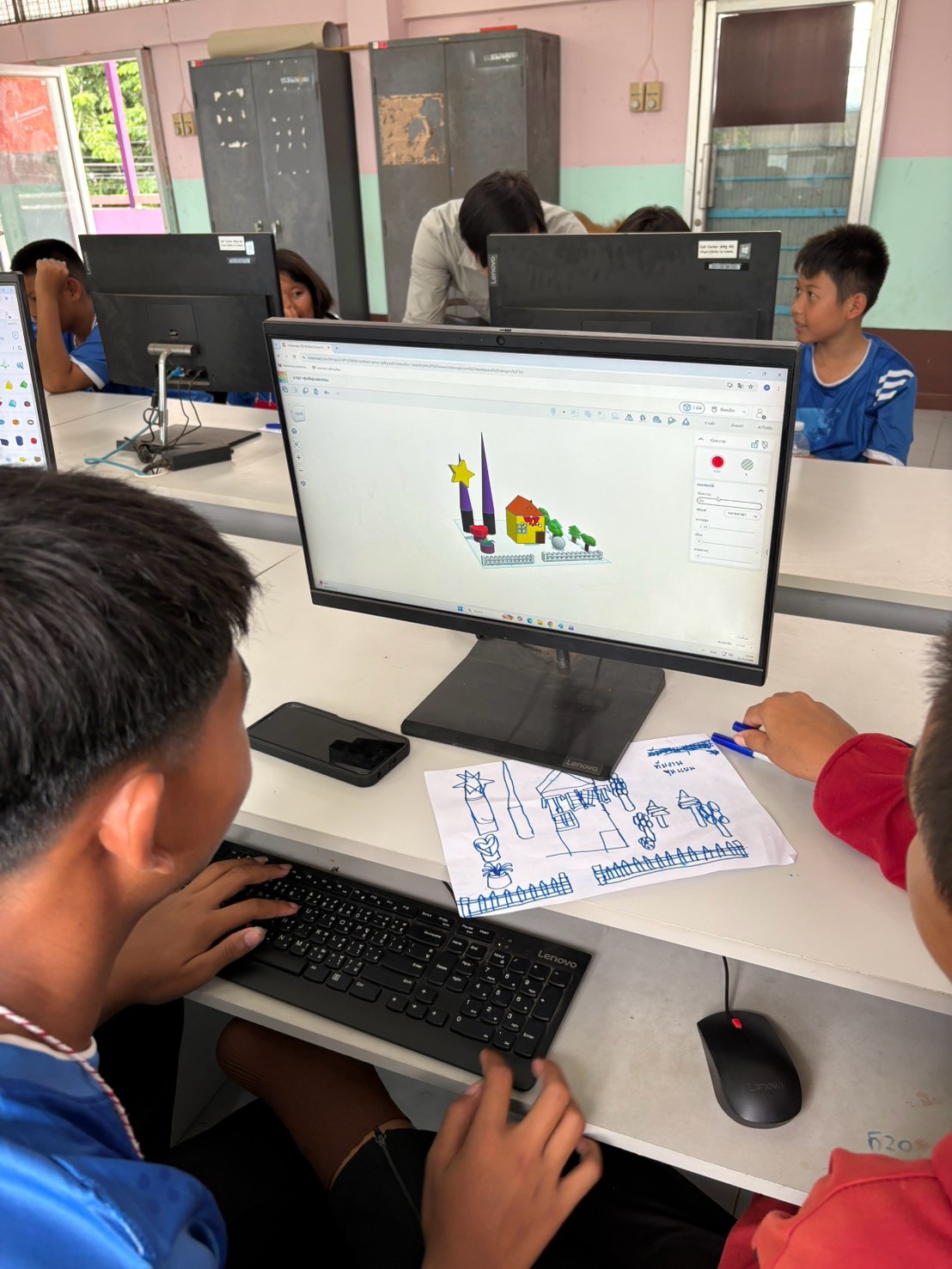
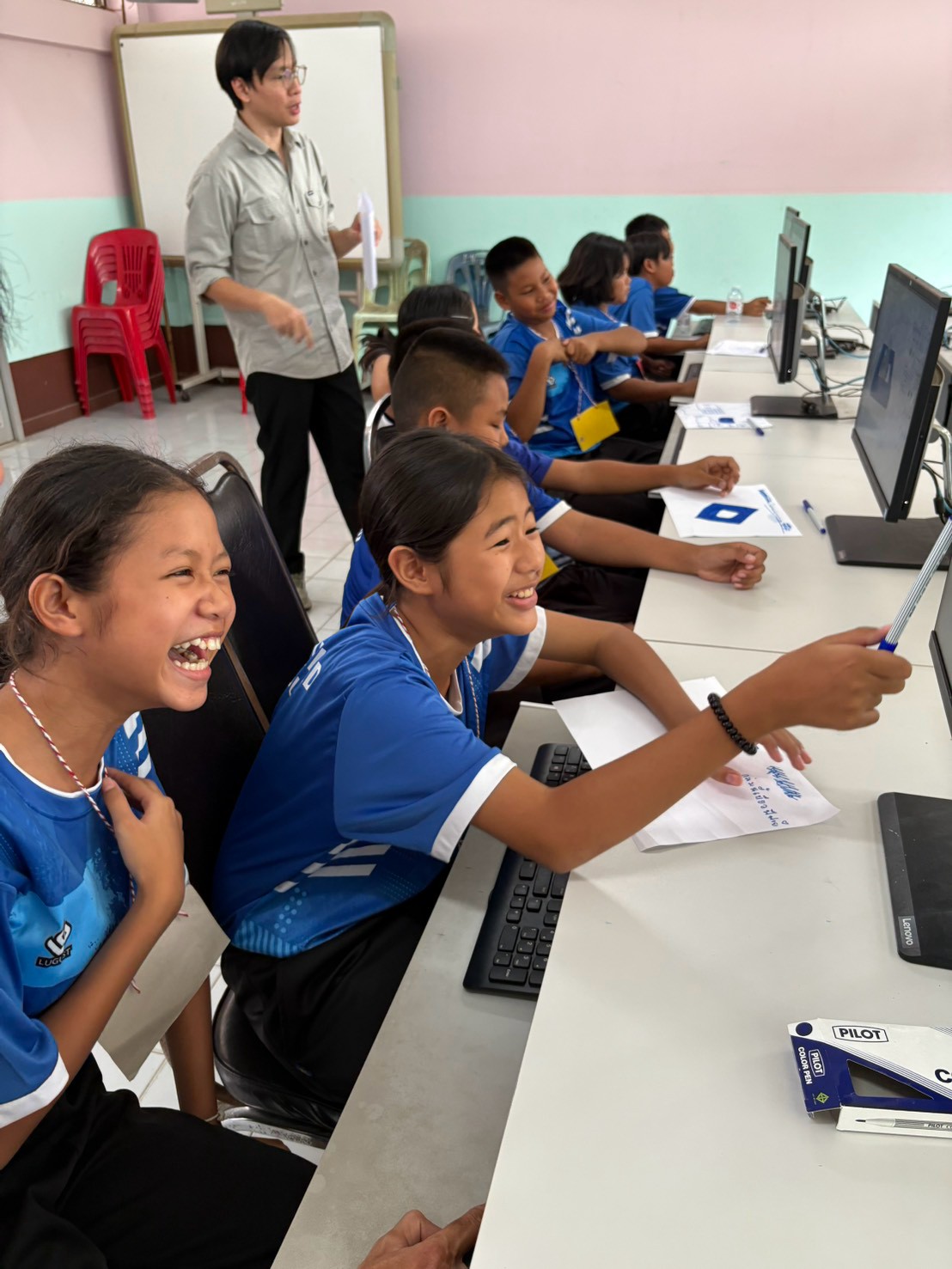
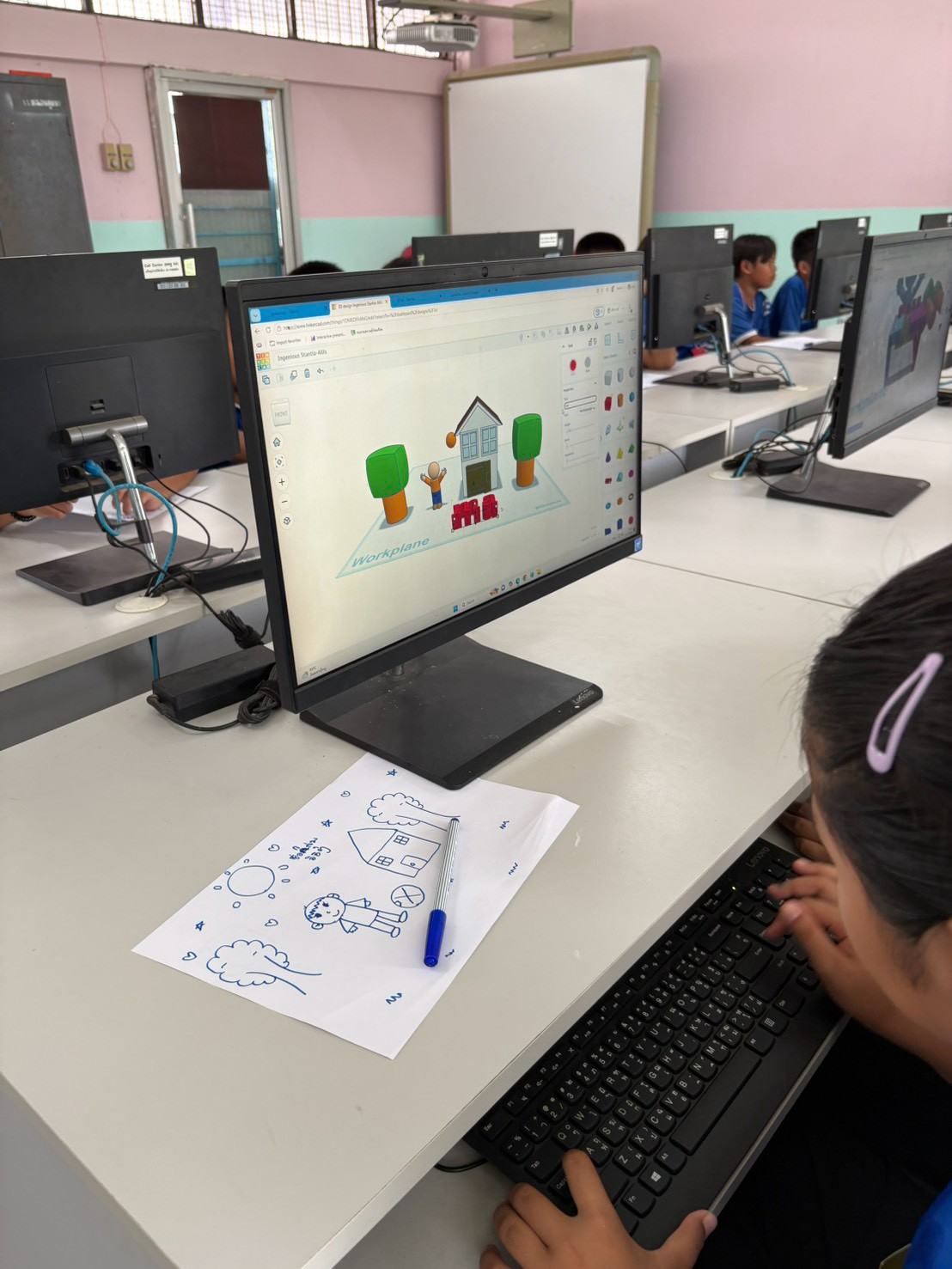
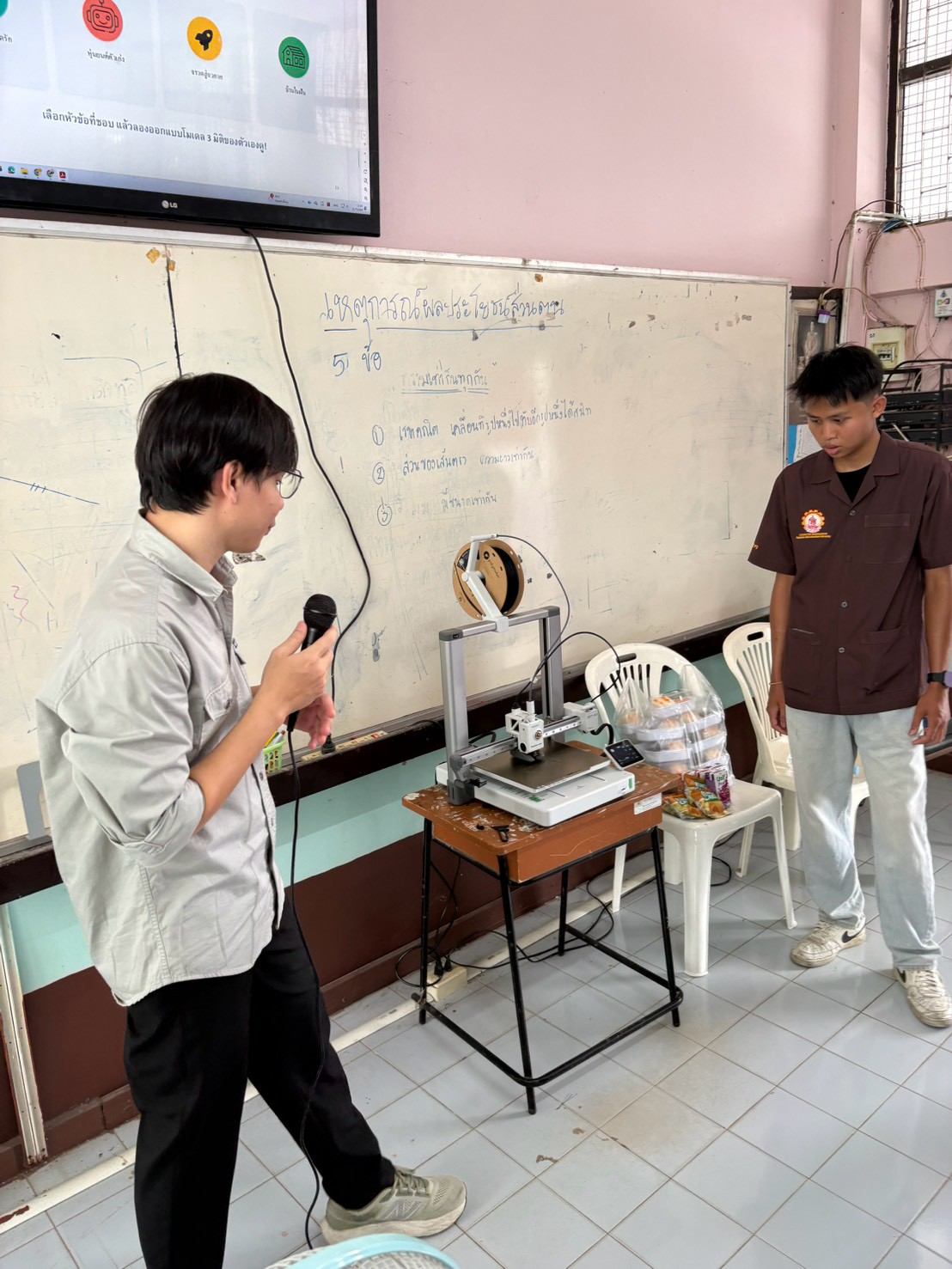
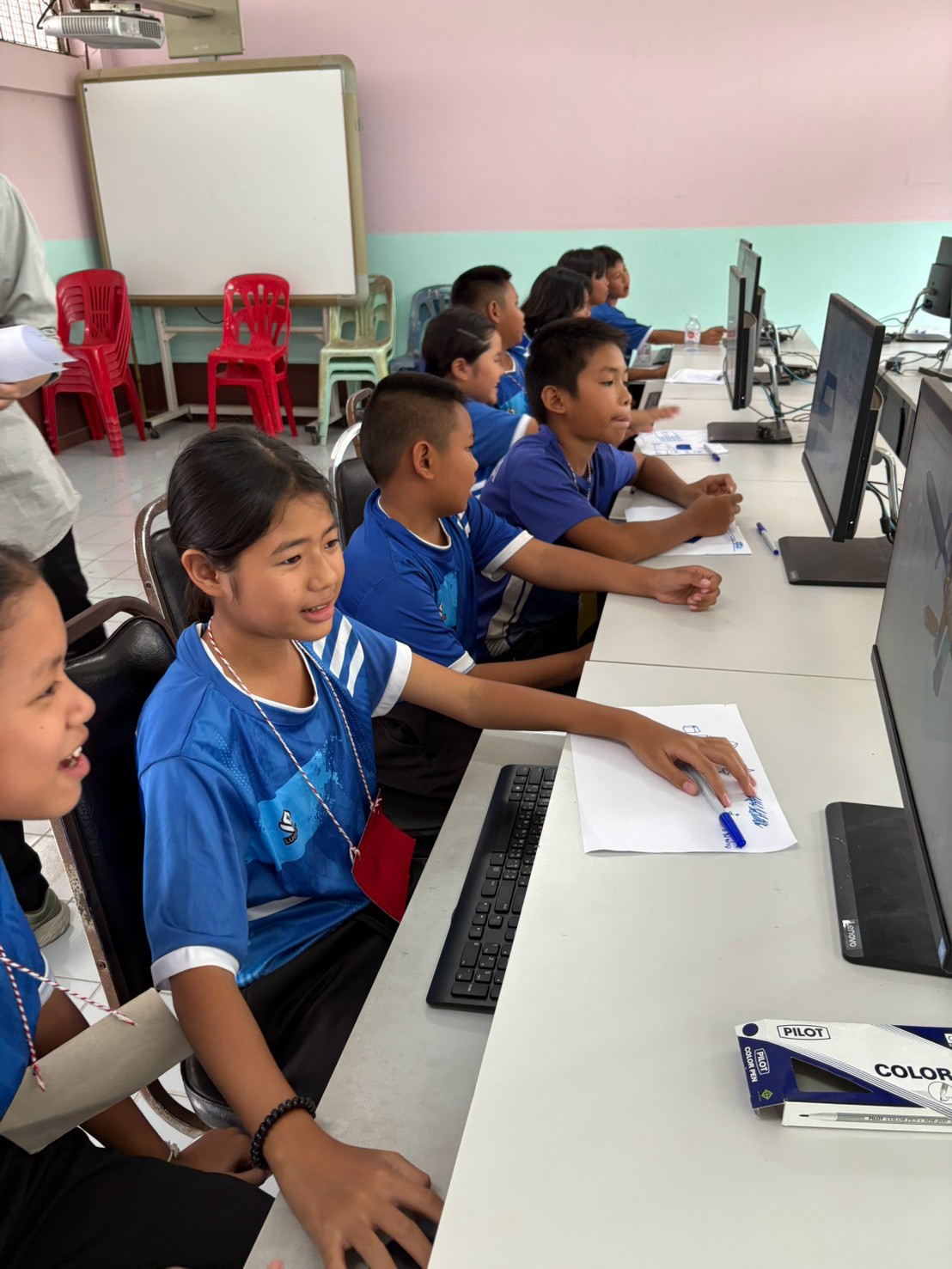
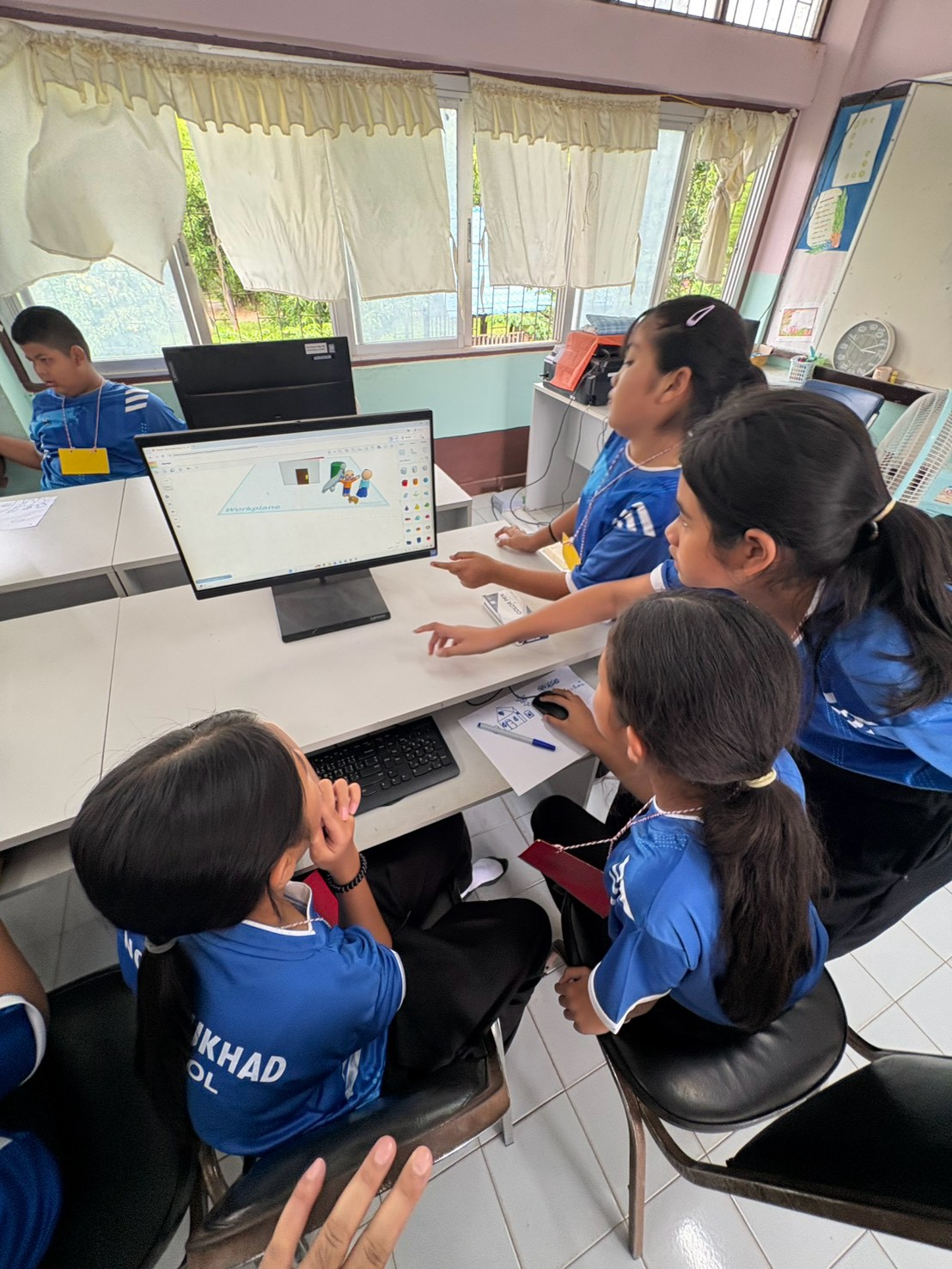
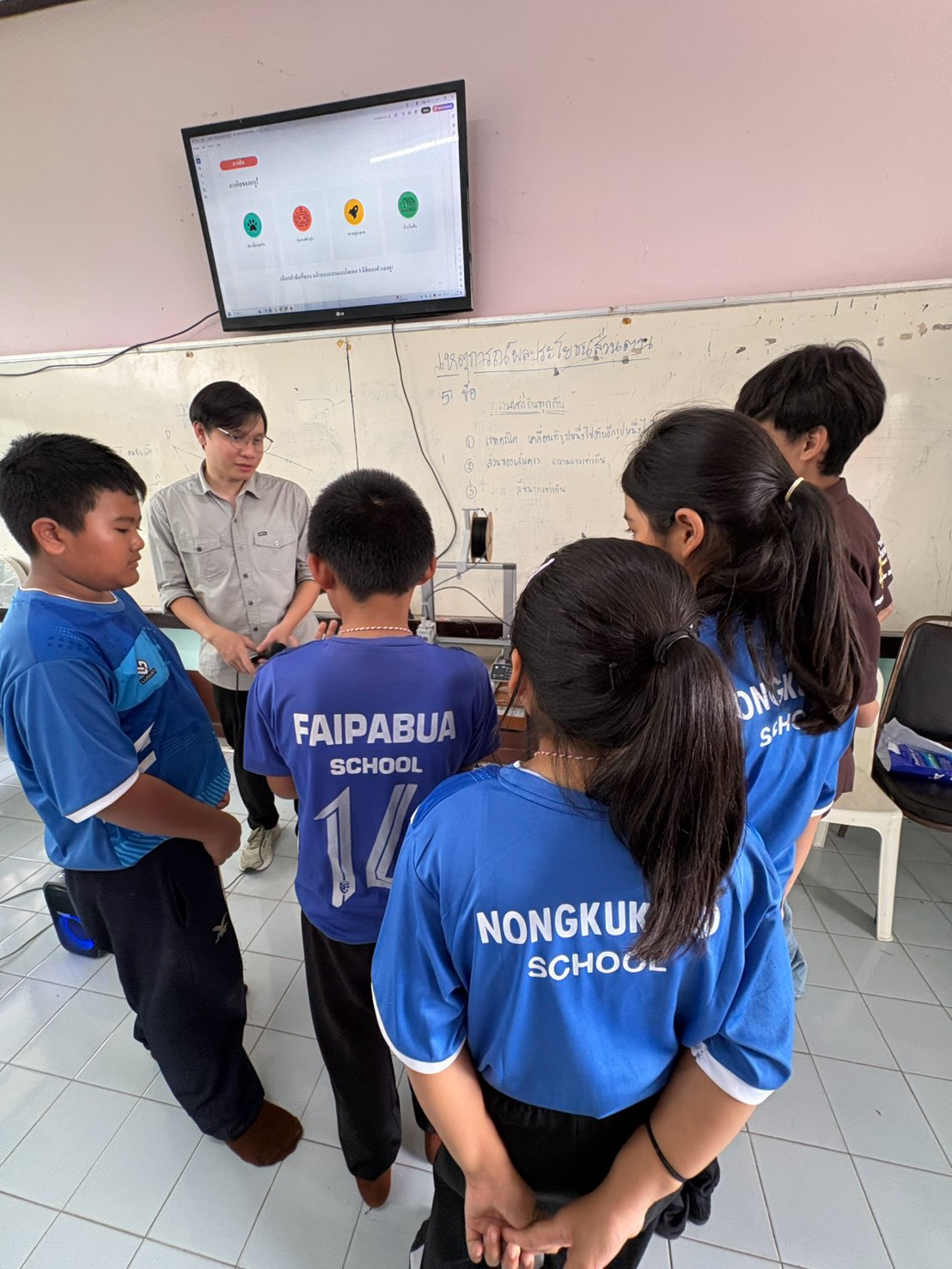
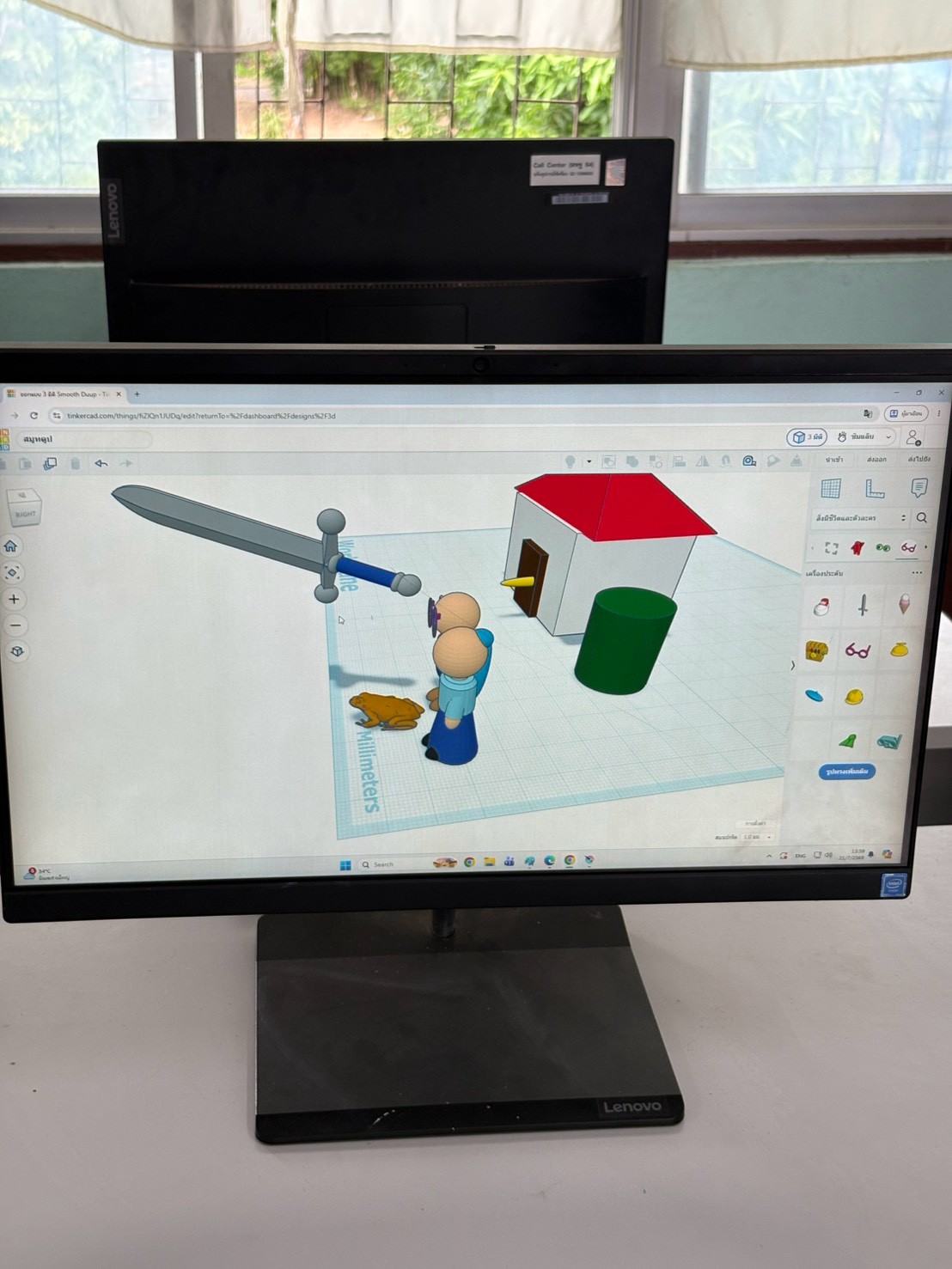
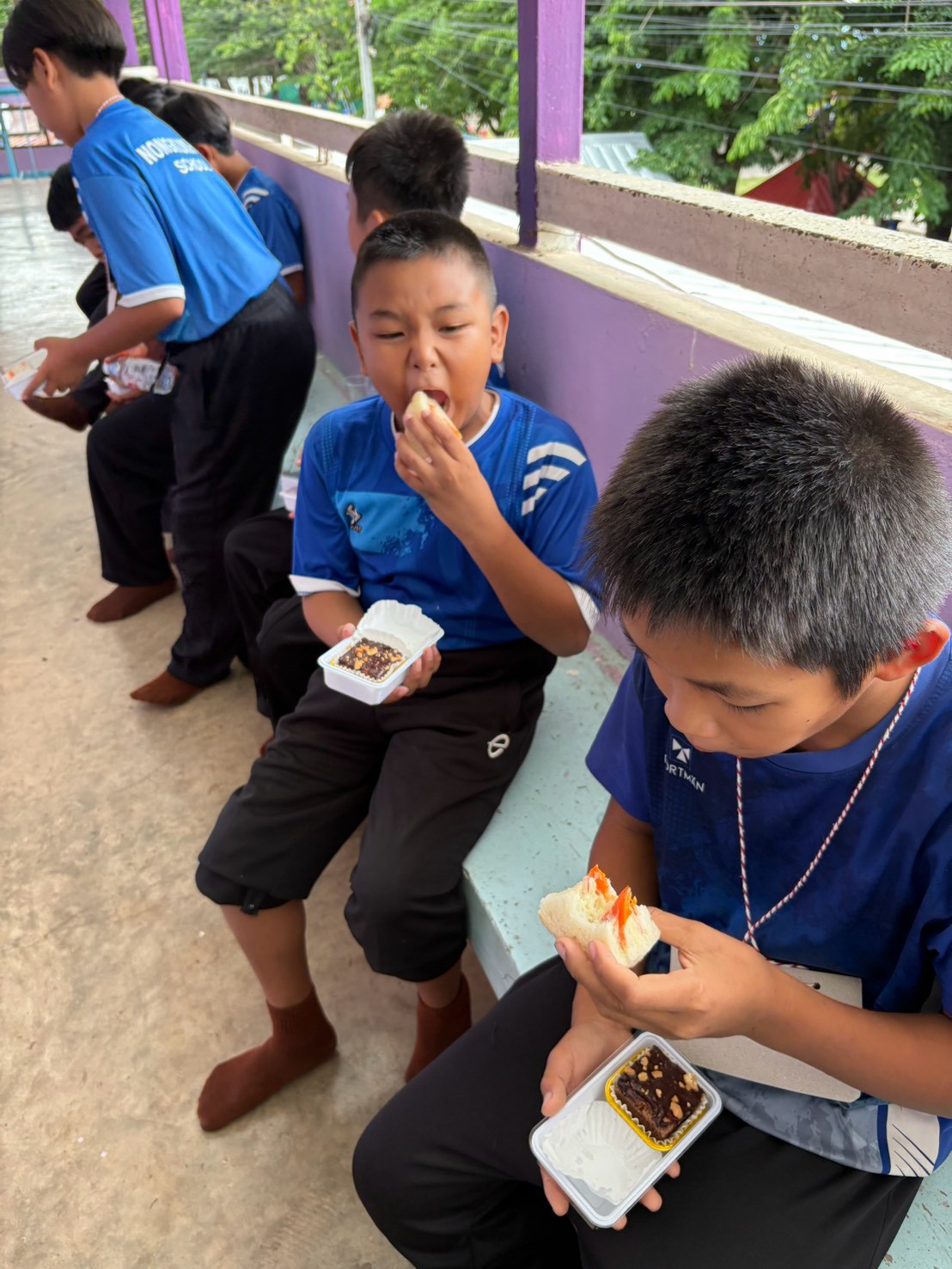
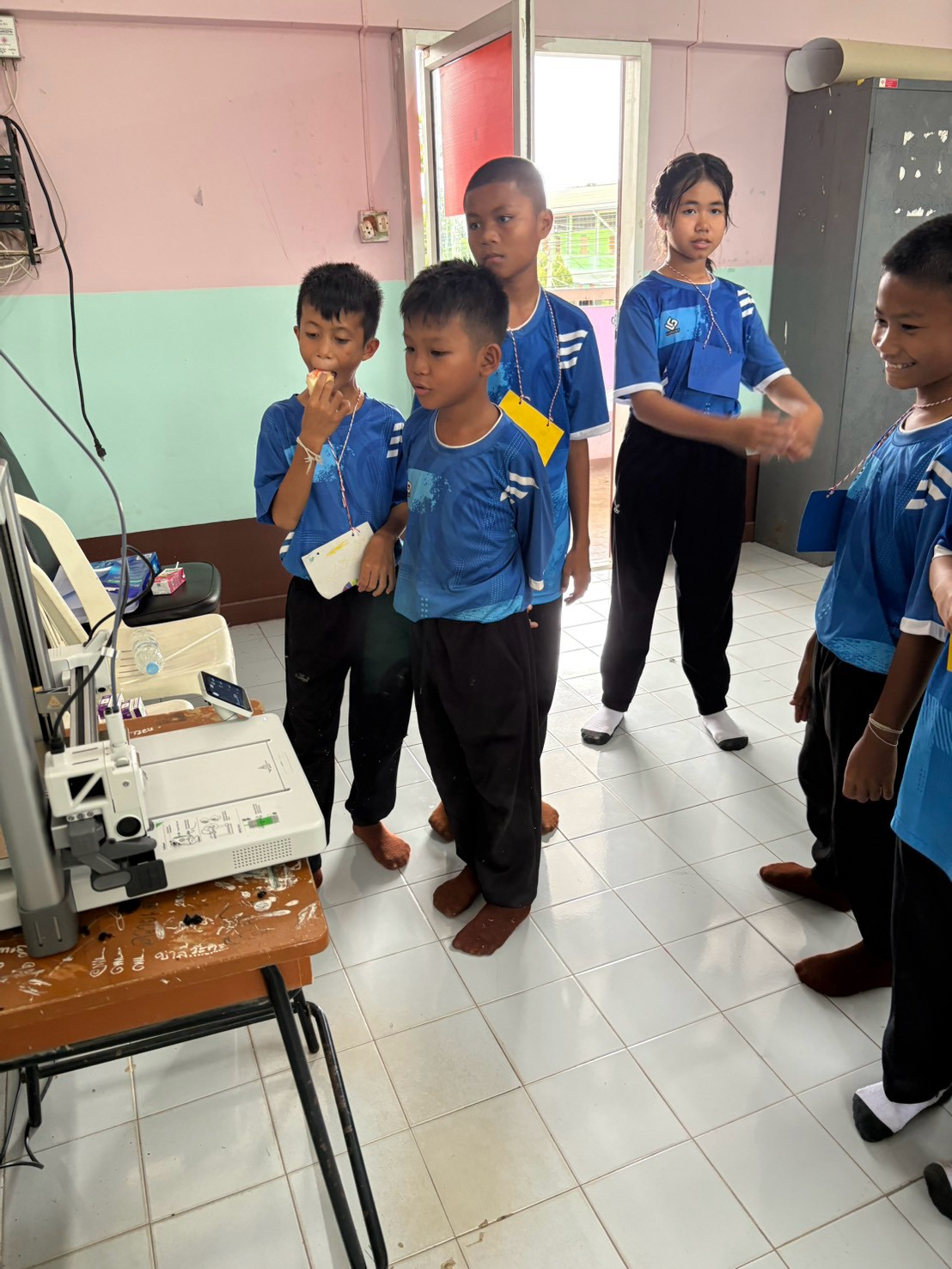
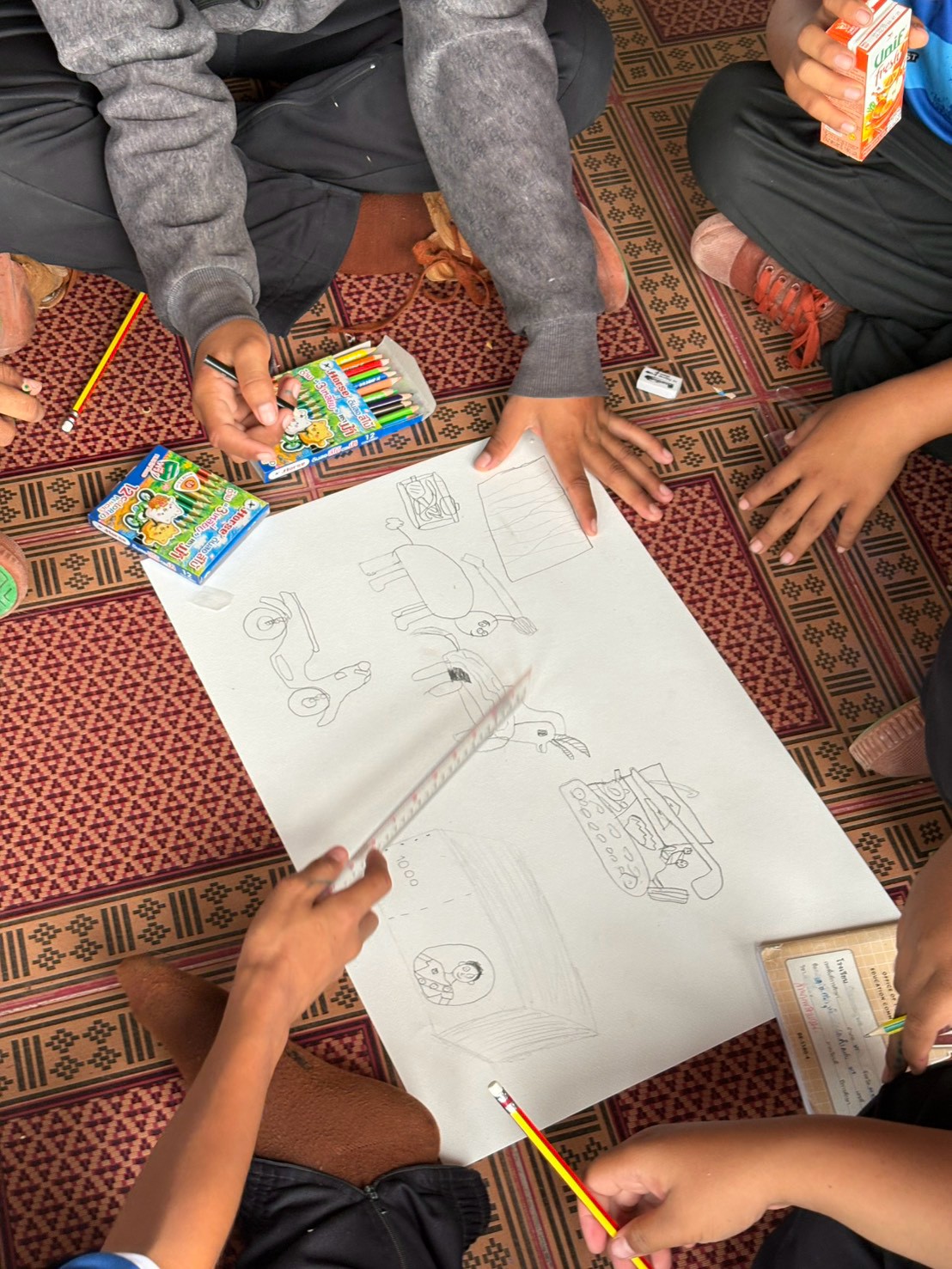
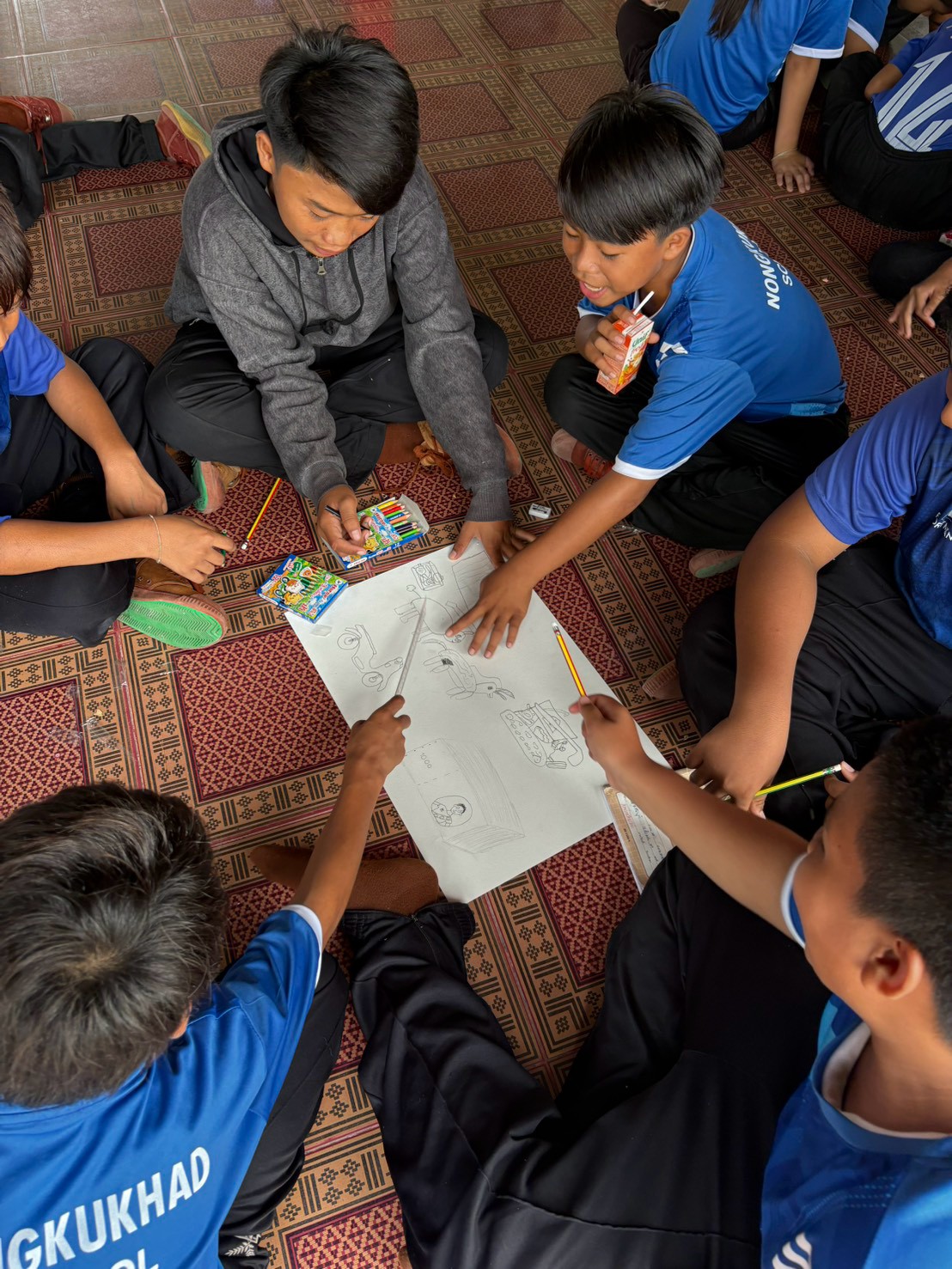
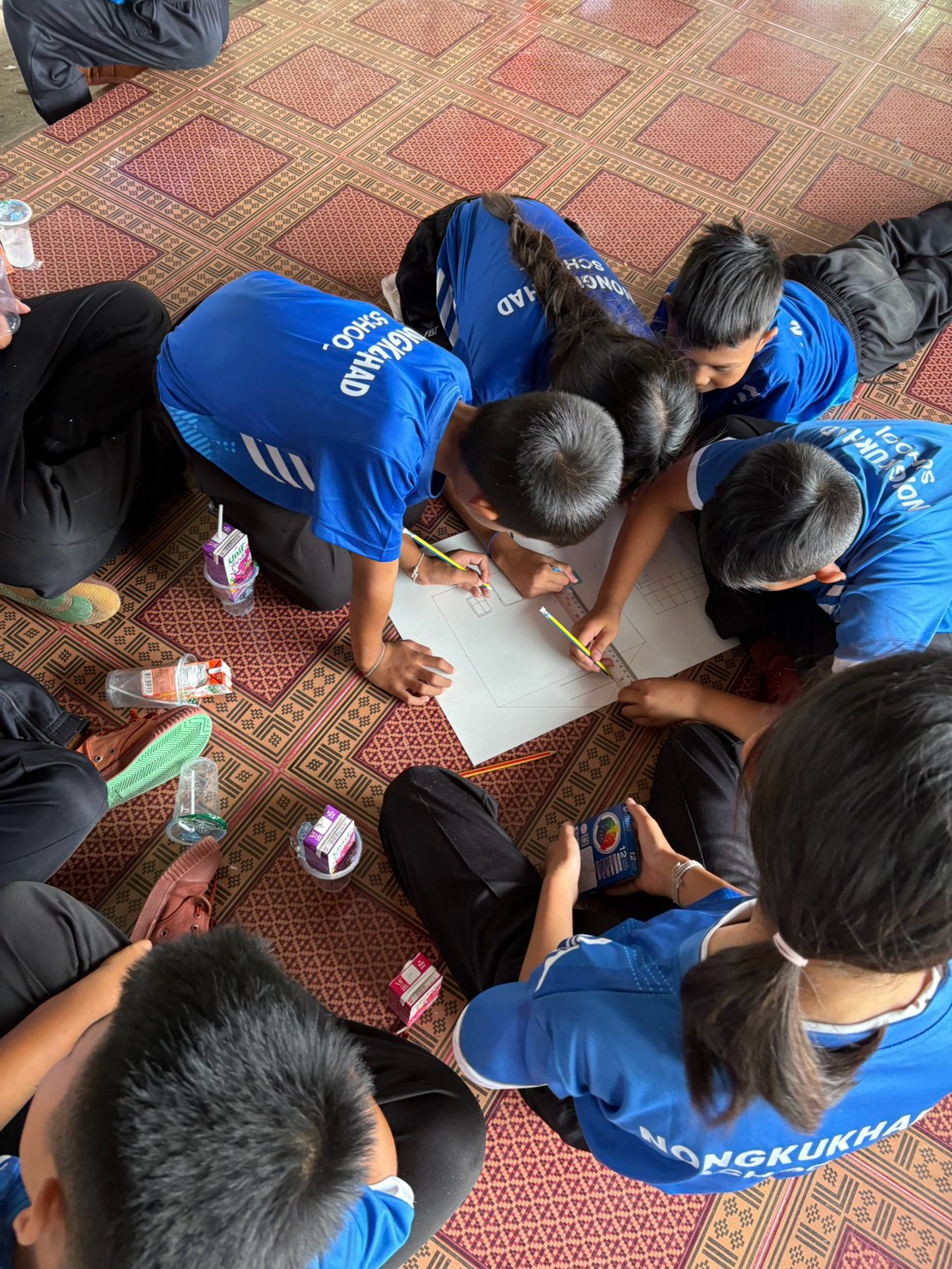
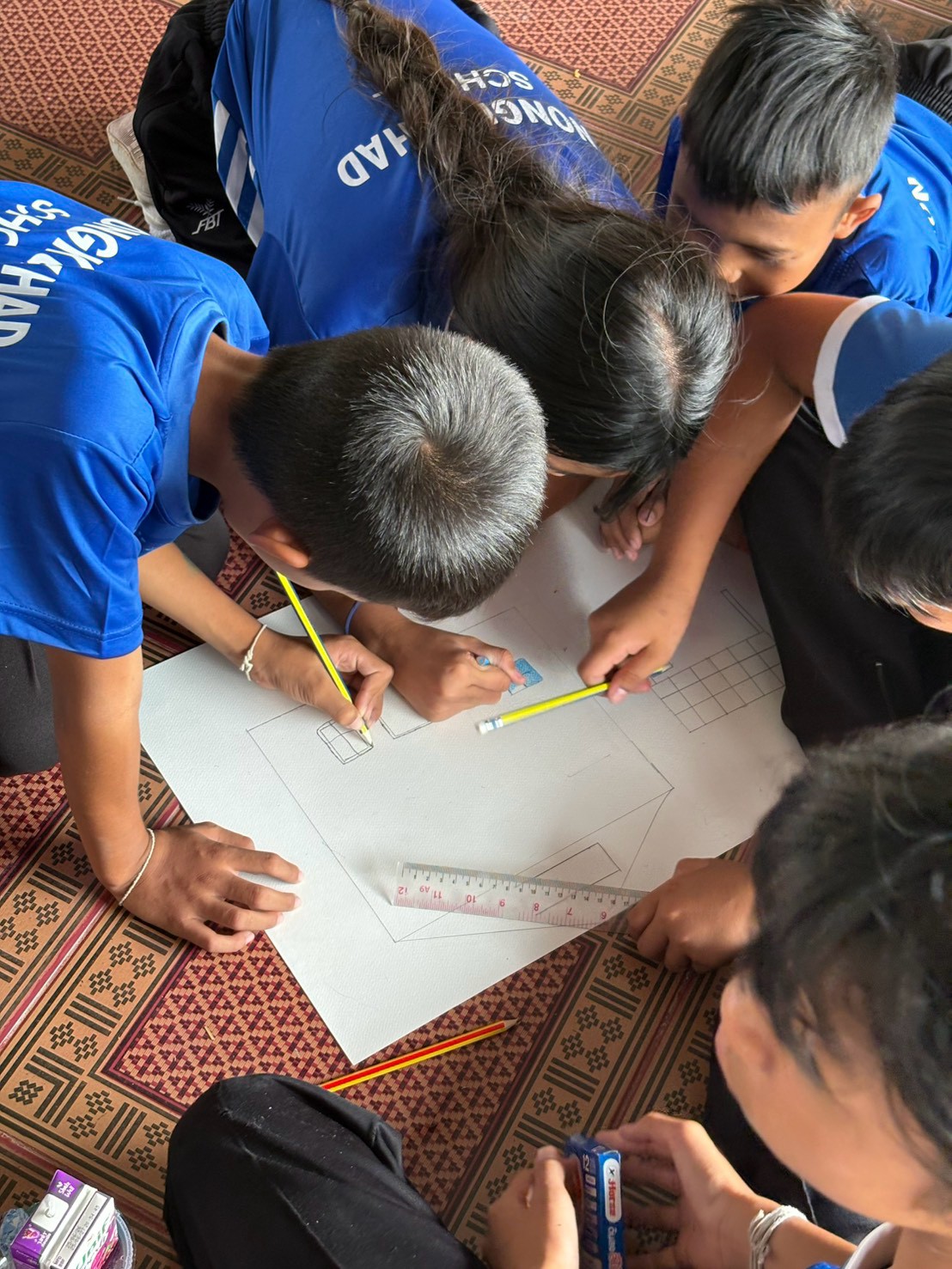
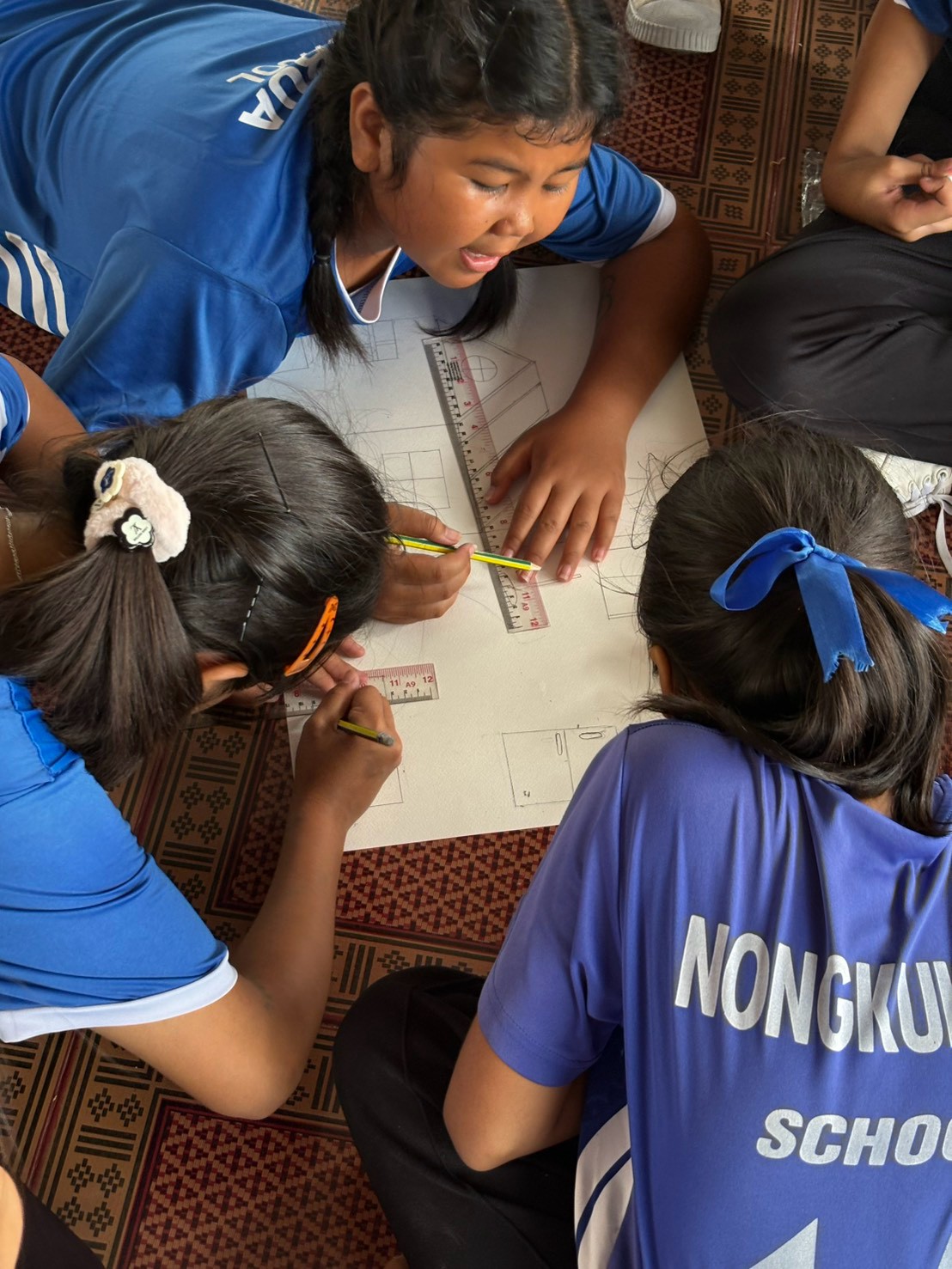
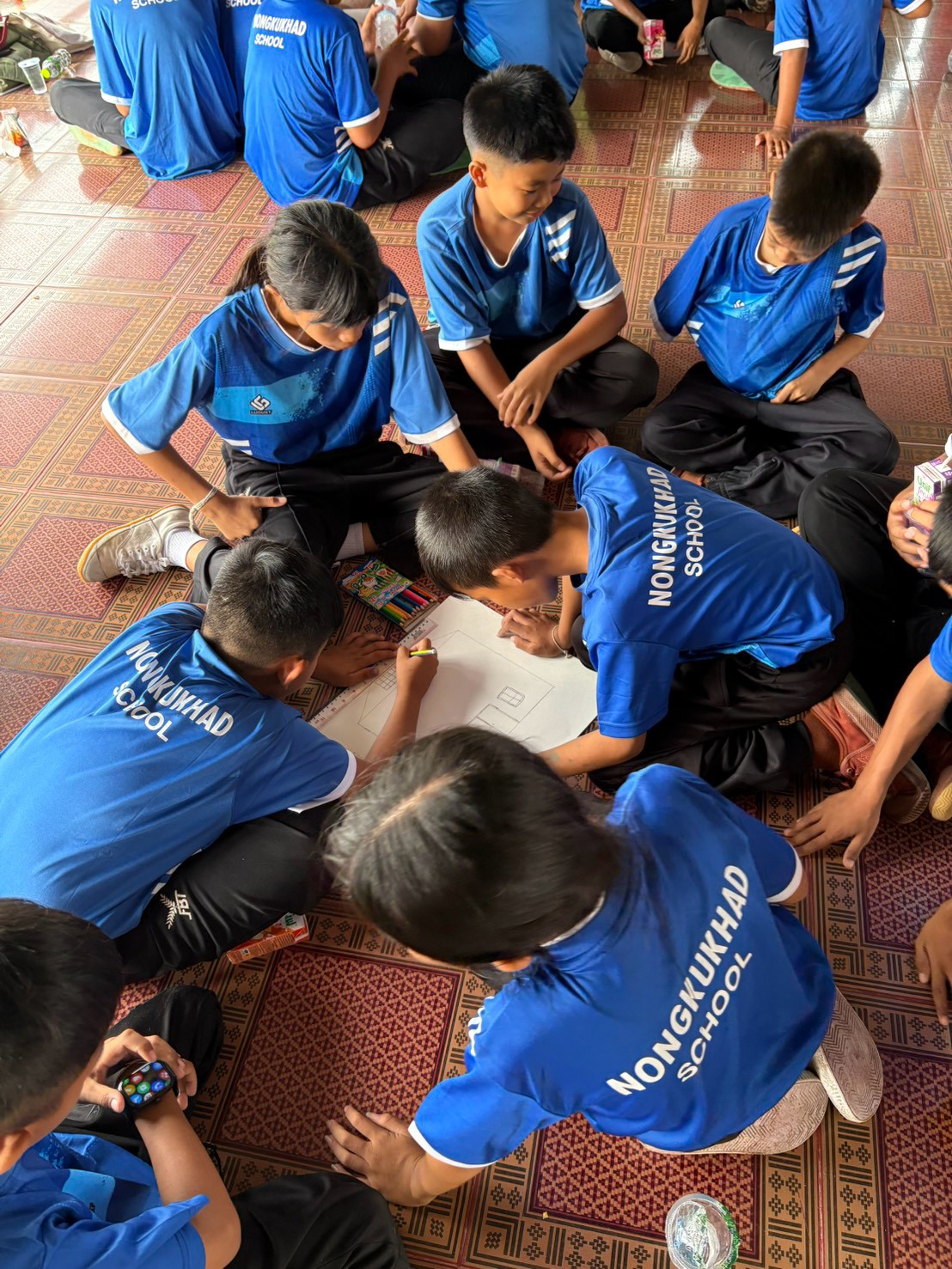
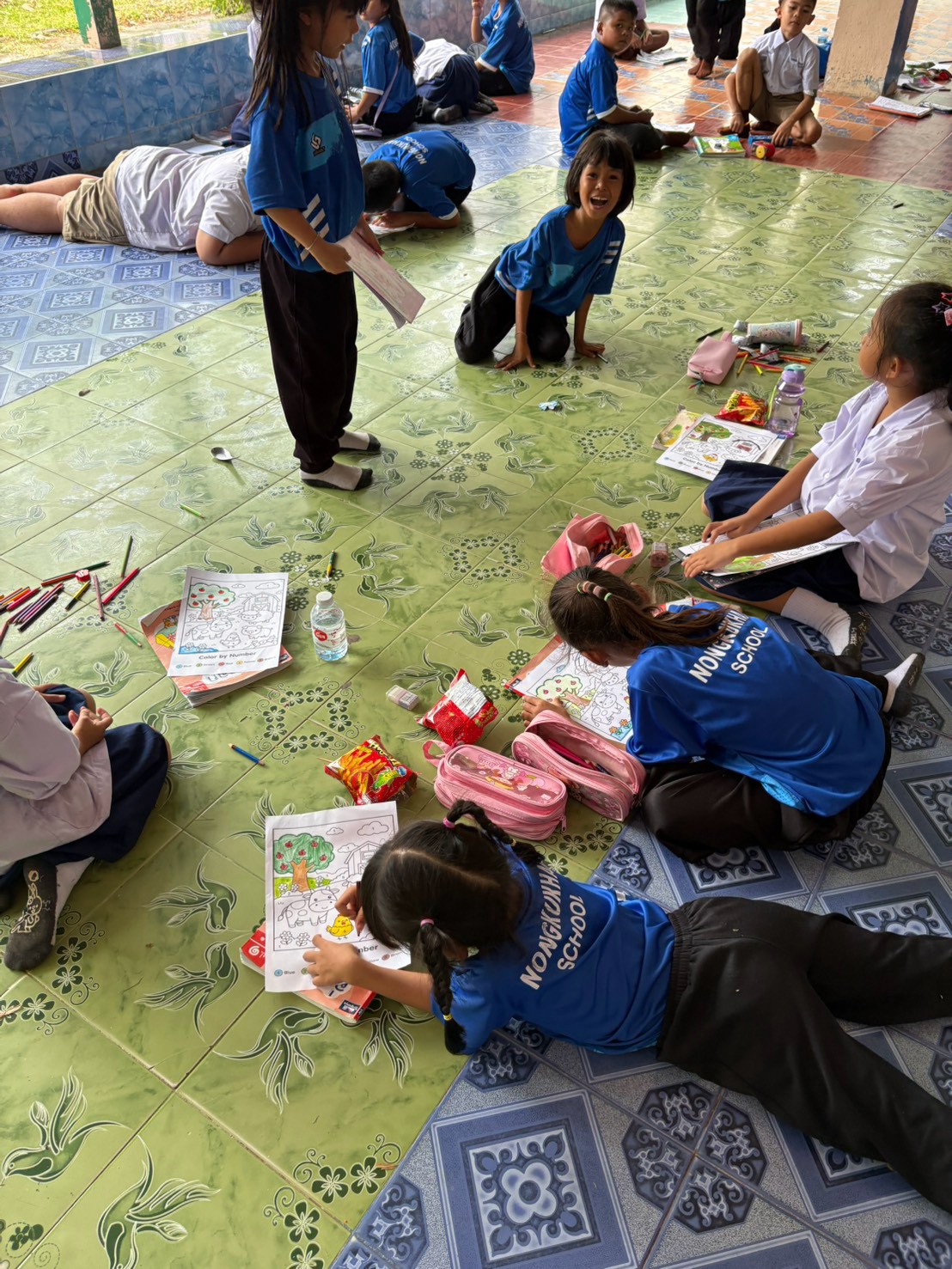
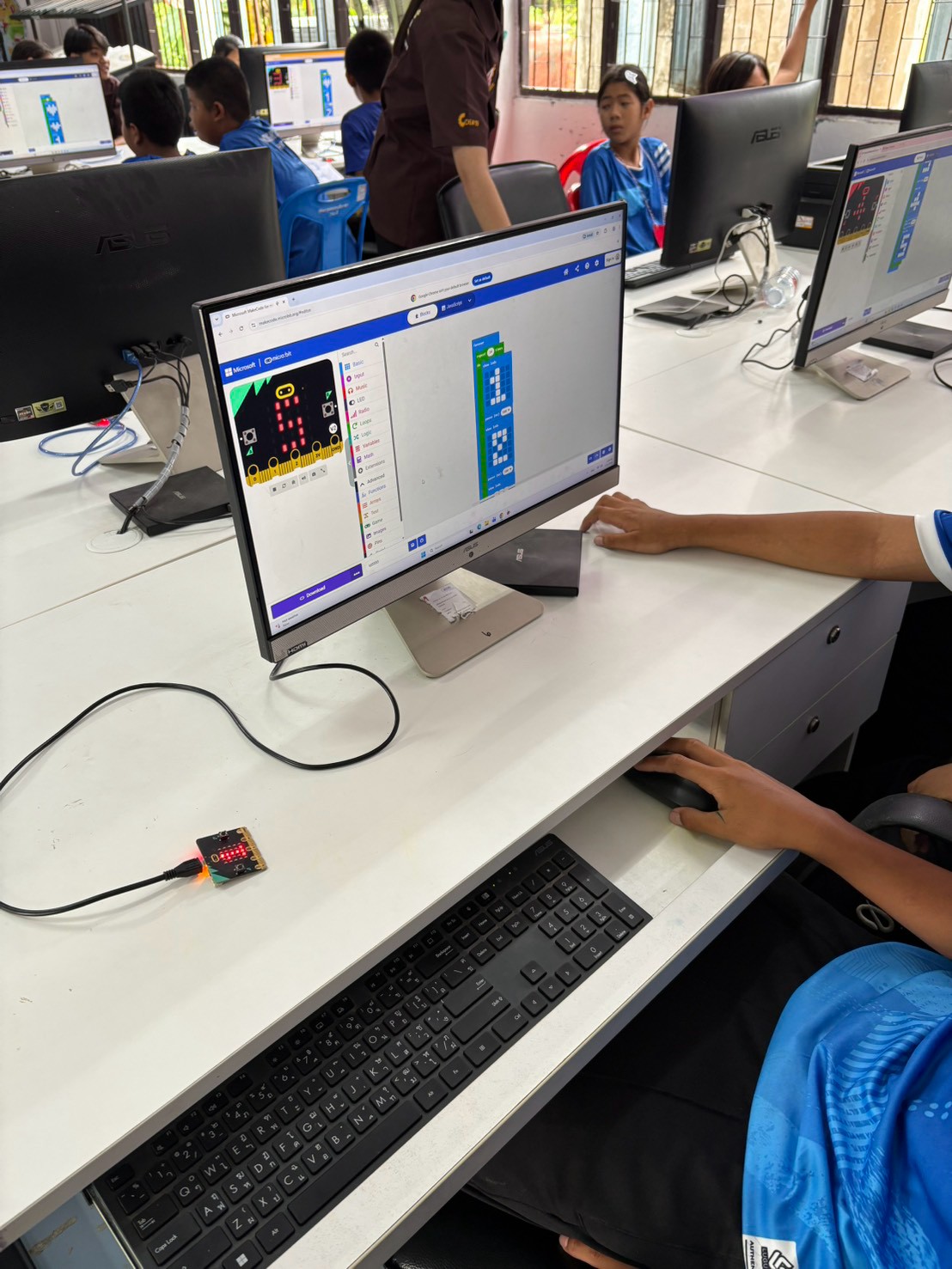
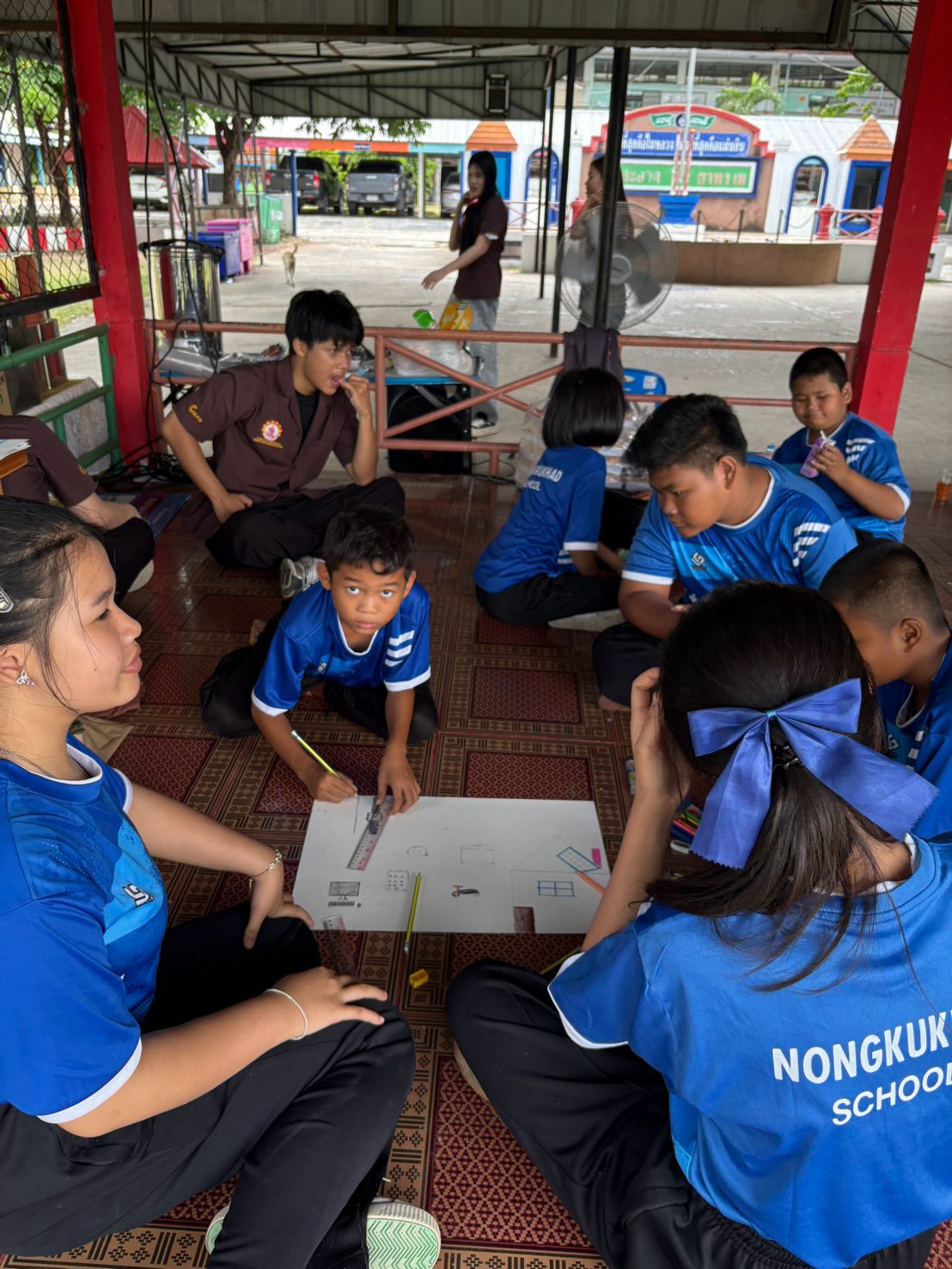
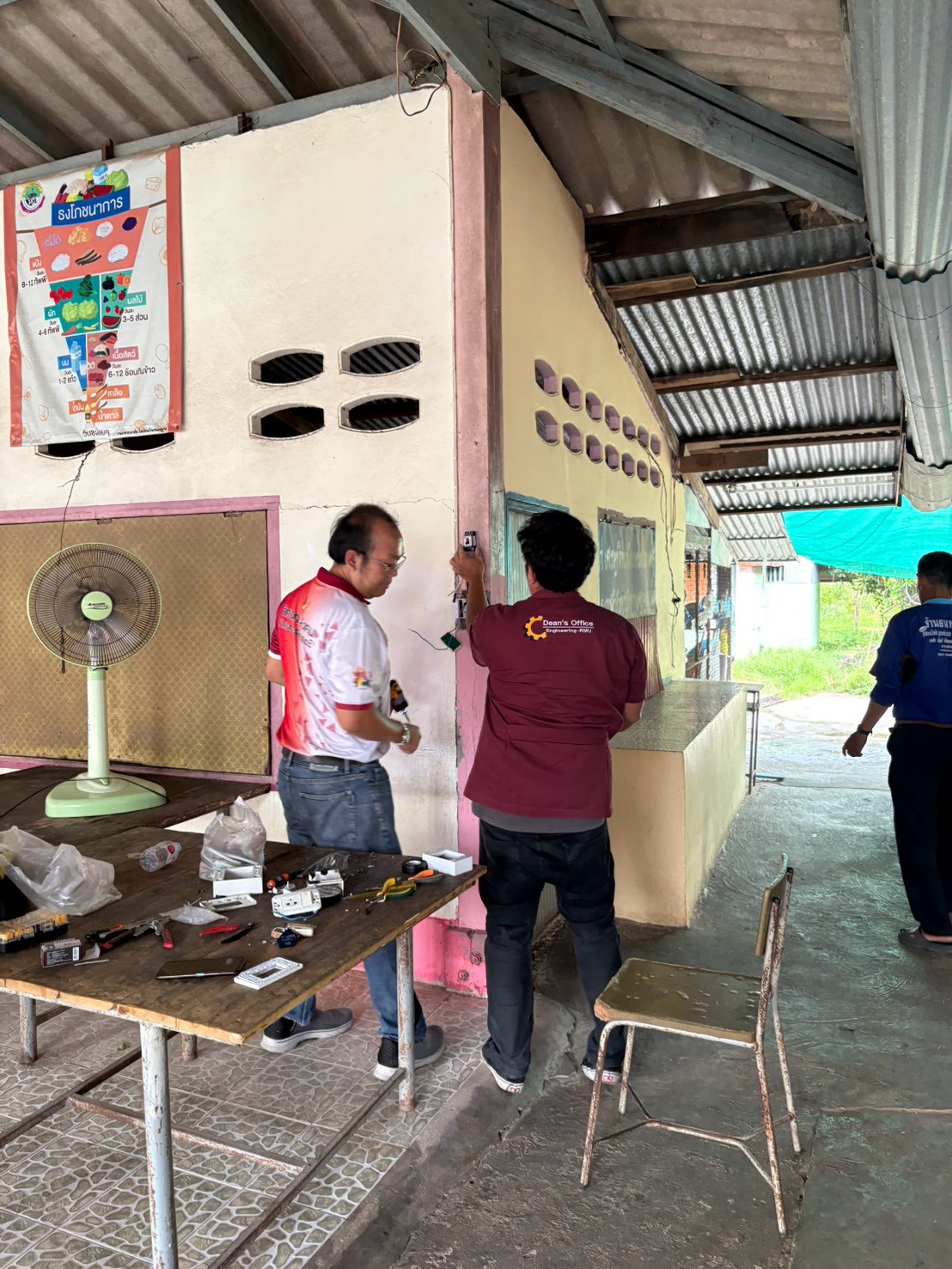
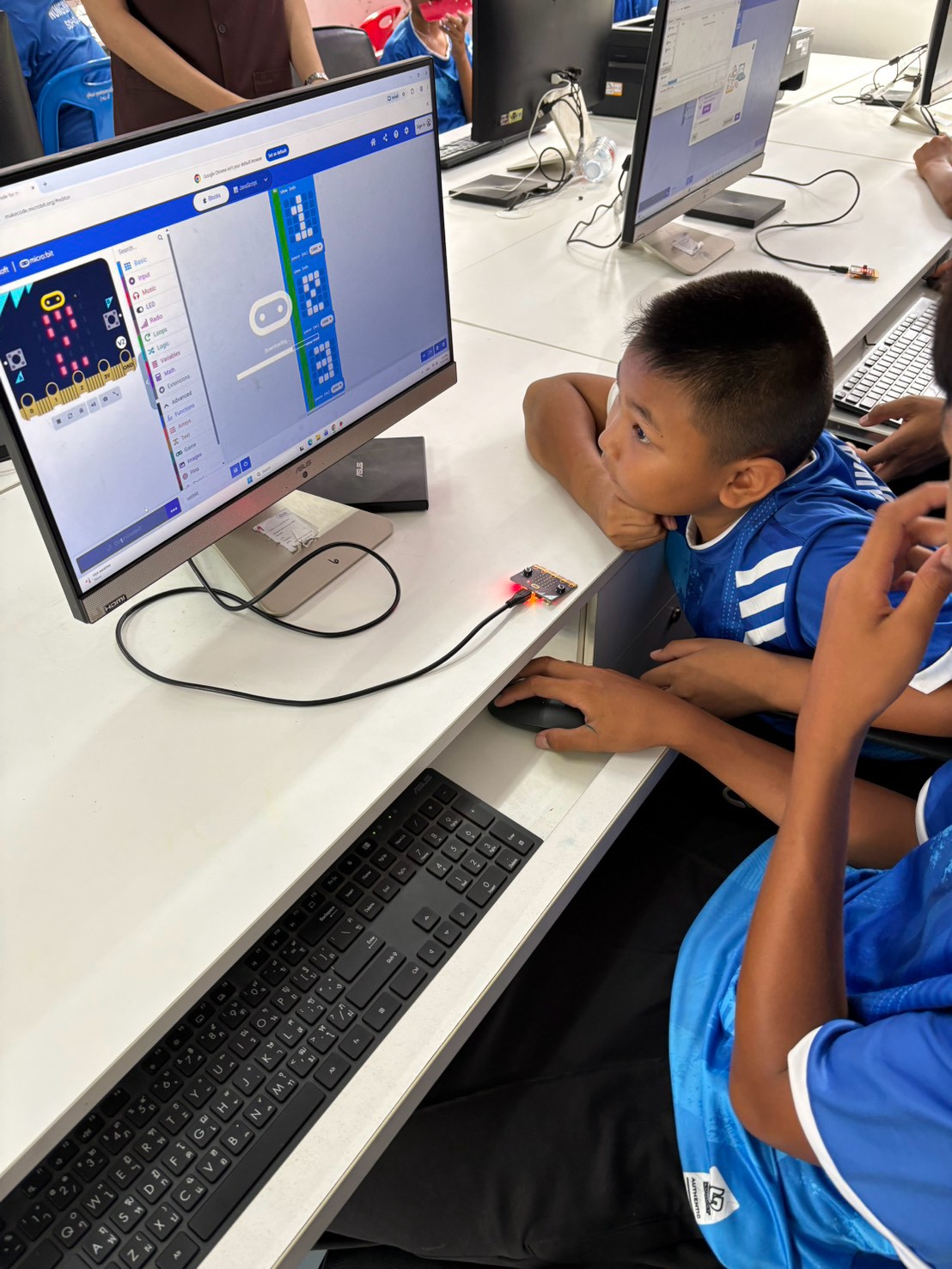
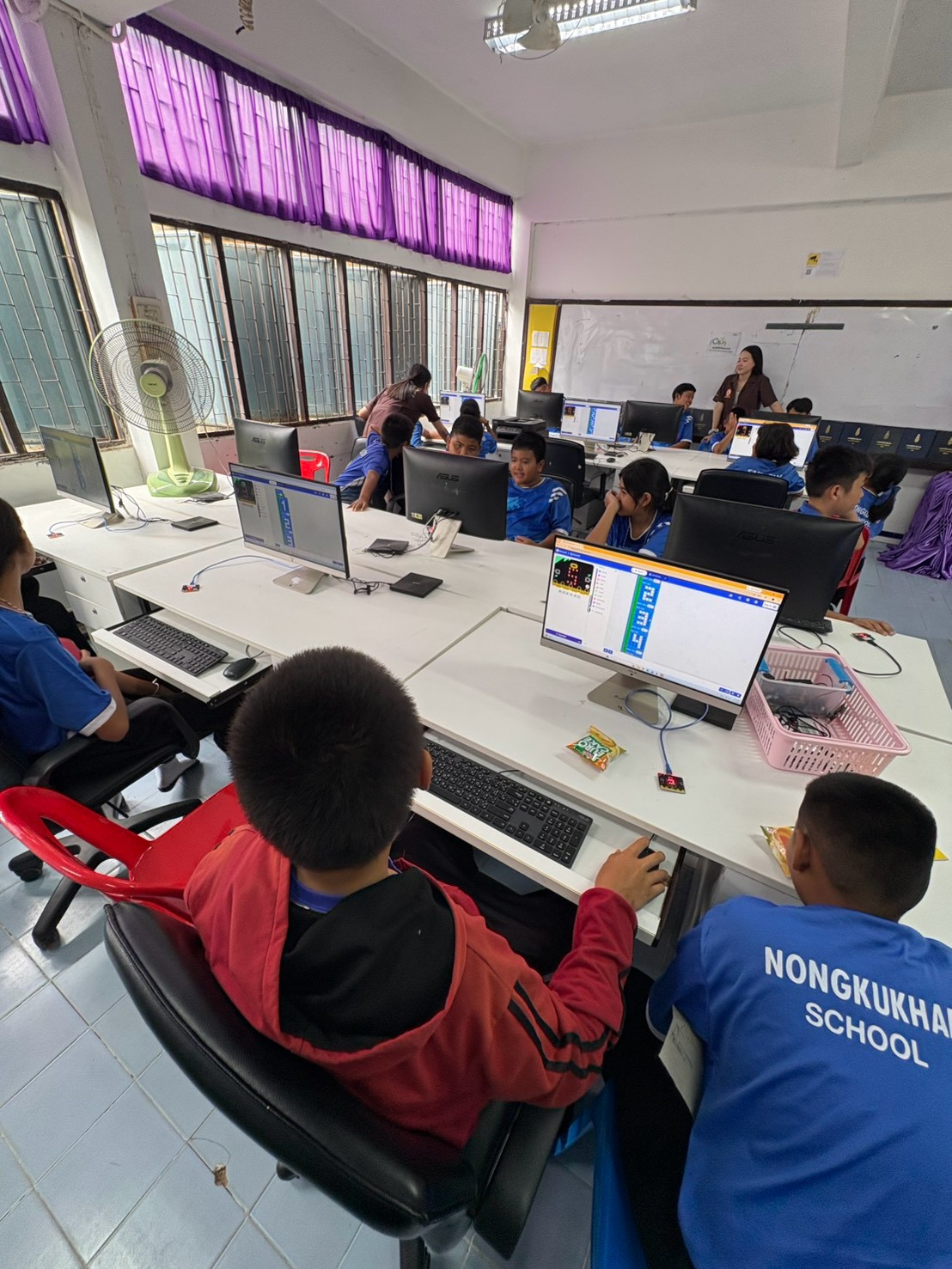
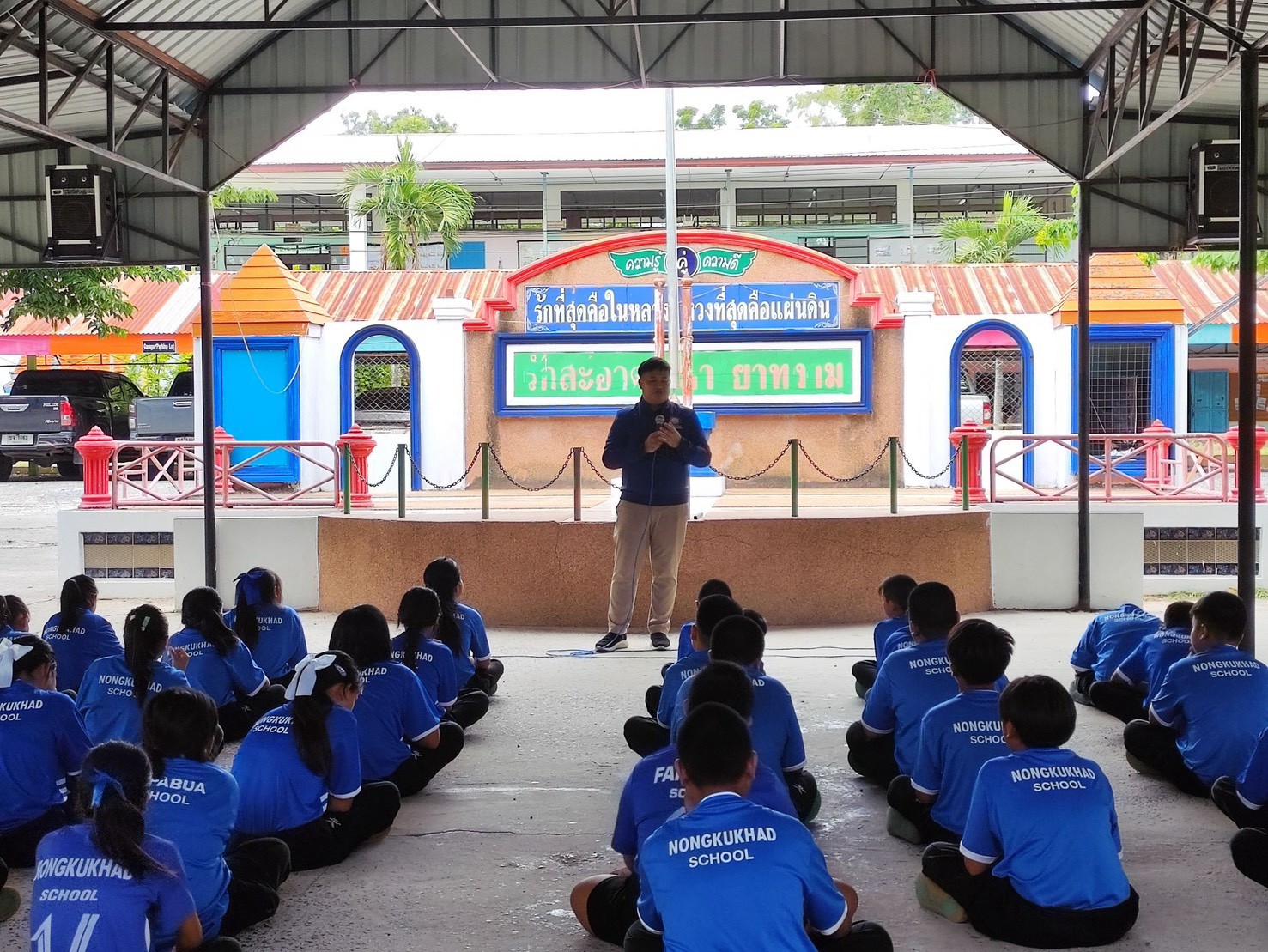
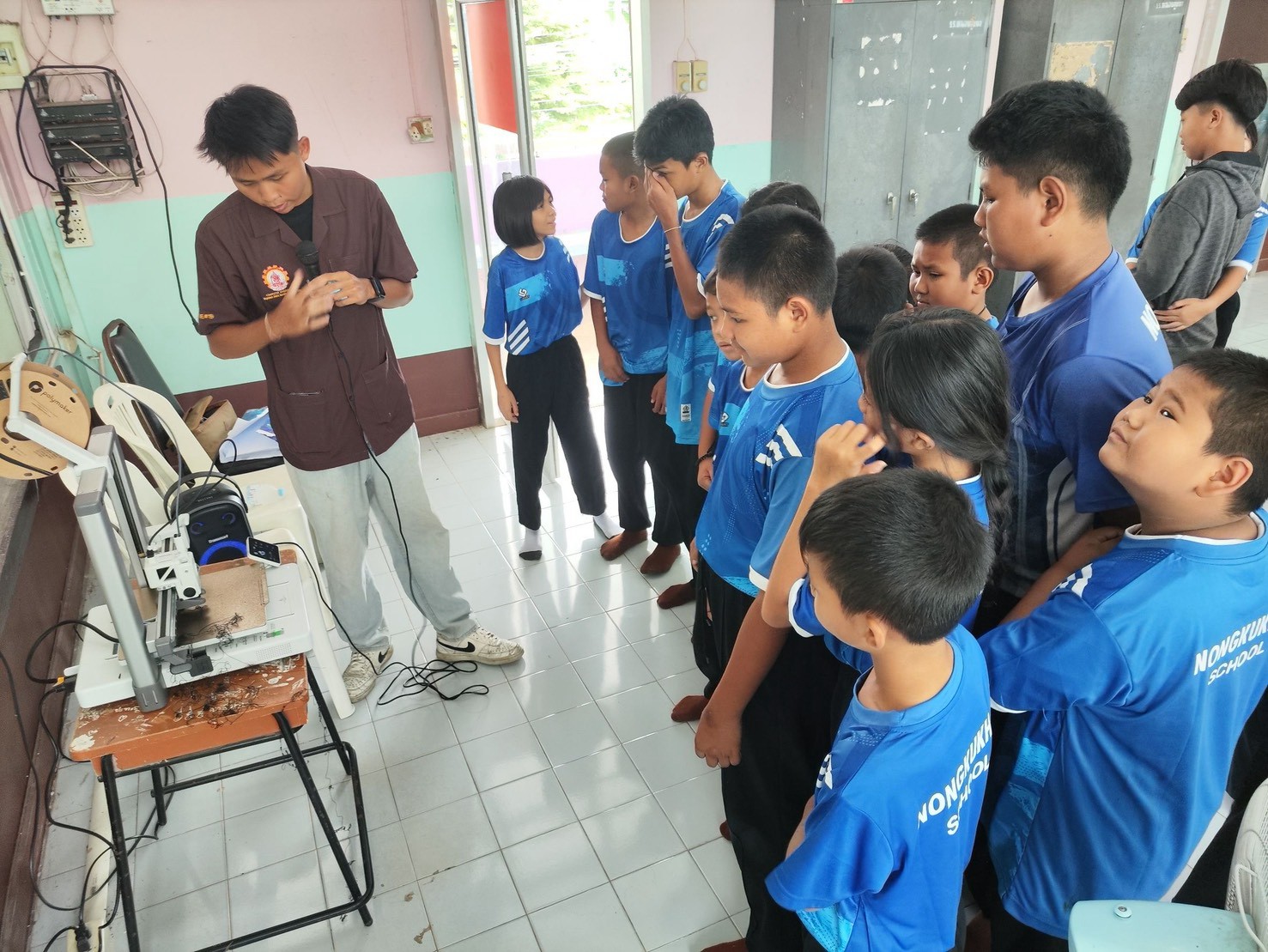
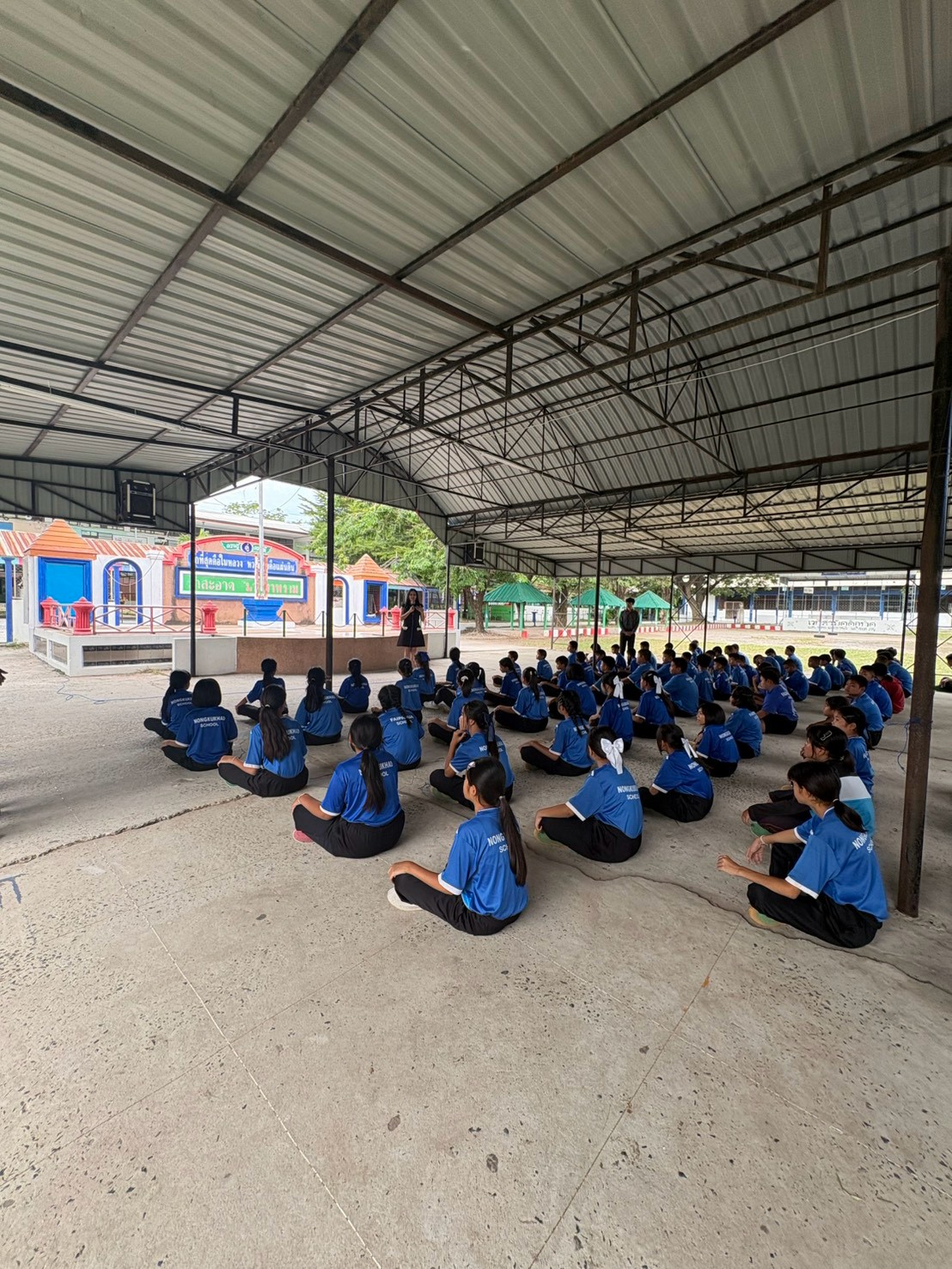
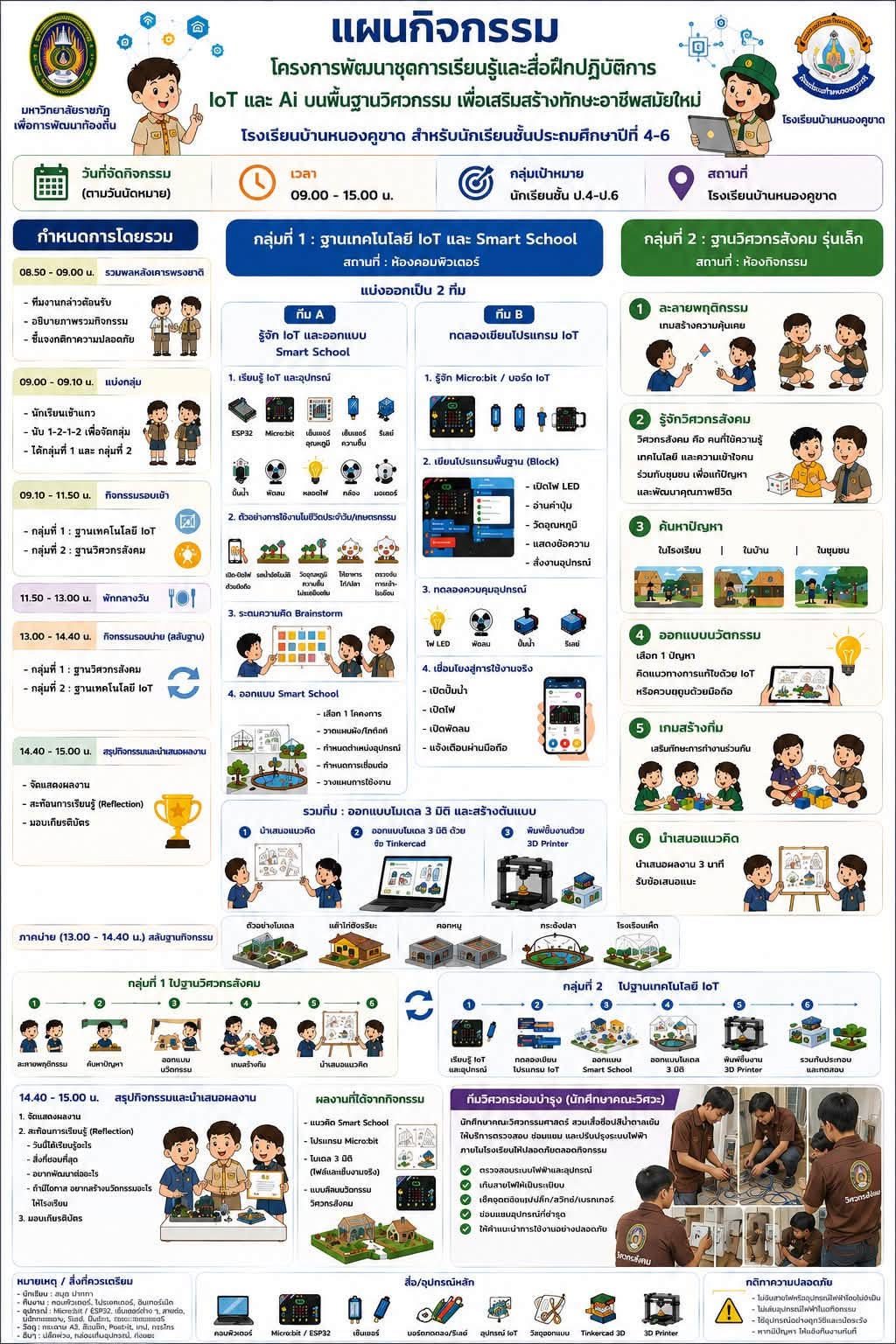
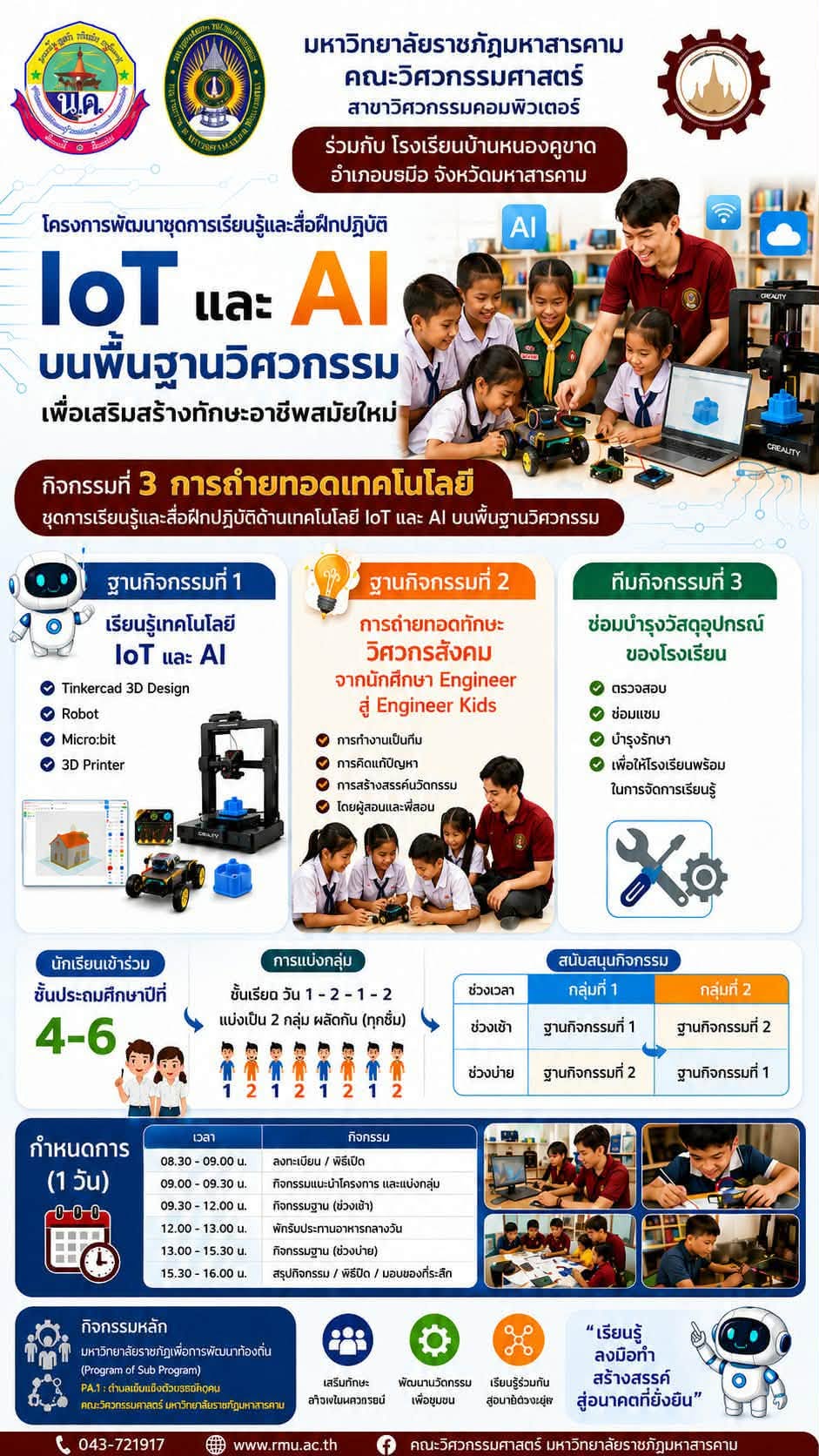
The main activities included assessing the context and needs of the target schools, namely Rajabhat Maha Sarakham University Demonstration School and Ban Nong Khu Yai School; co-designing and developing IoT and AI learning kits and practical training materials; preparing equipment, worksheets, and hands-on learning activities; and engaging Computer Engineering students in delivering practical learning activities with teachers and school students. The activities covered programming, sensors, embedded systems, IoT, and AI applications. The learning kits and activities were also tested and evaluated, with user feedback used for further improvement and sustainable use. ศึกษาบริบทและความต้องการของโรงเรียนเป้าหมาย ได้แก่ โรงเรียนสาธิตมหาวิทยาลัยราชภัฏมหาสารคามและโรงเรียนบ้านหนองคูใหญ่ ร่วมออกแบบและพัฒนาชุดการเรียนรู้และสื่อฝึกปฏิบัติด้าน IoT และ AI จัดเตรียมอุปกรณ์ ใบงาน และกิจกรรมการเรียนรู้แบบลงมือปฏิบัติ (Hands-on Learning) ให้นักศึกษาวิศวกรรมคอมพิวเตอร์ลงพื้นที่ถ่ายทอดความรู้และจัดกิจกรรมร่วมกับครูและนักเรียน ฝึกการเขียนโปรแกรม การใช้งานเซนเซอร์ ระบบสมองกลฝังตัว IoT และการประยุกต์ใช้ AI พร้อมทั้งทดสอบ ประเมินผล และนำข้อเสนอแนะจากผู้ใช้งานมาปรับปรุงชุดการเรียนรู้เพื่อให้สามารถนำไปใช้ต่อได้อย่างต่อเนื่อง
Part 2: Outcomes & Impact ส่วนที่ 2 ผลลัพธ์และผลกระทบ
Outcomes ผลลัพธ์ที่เกิดขึ้น
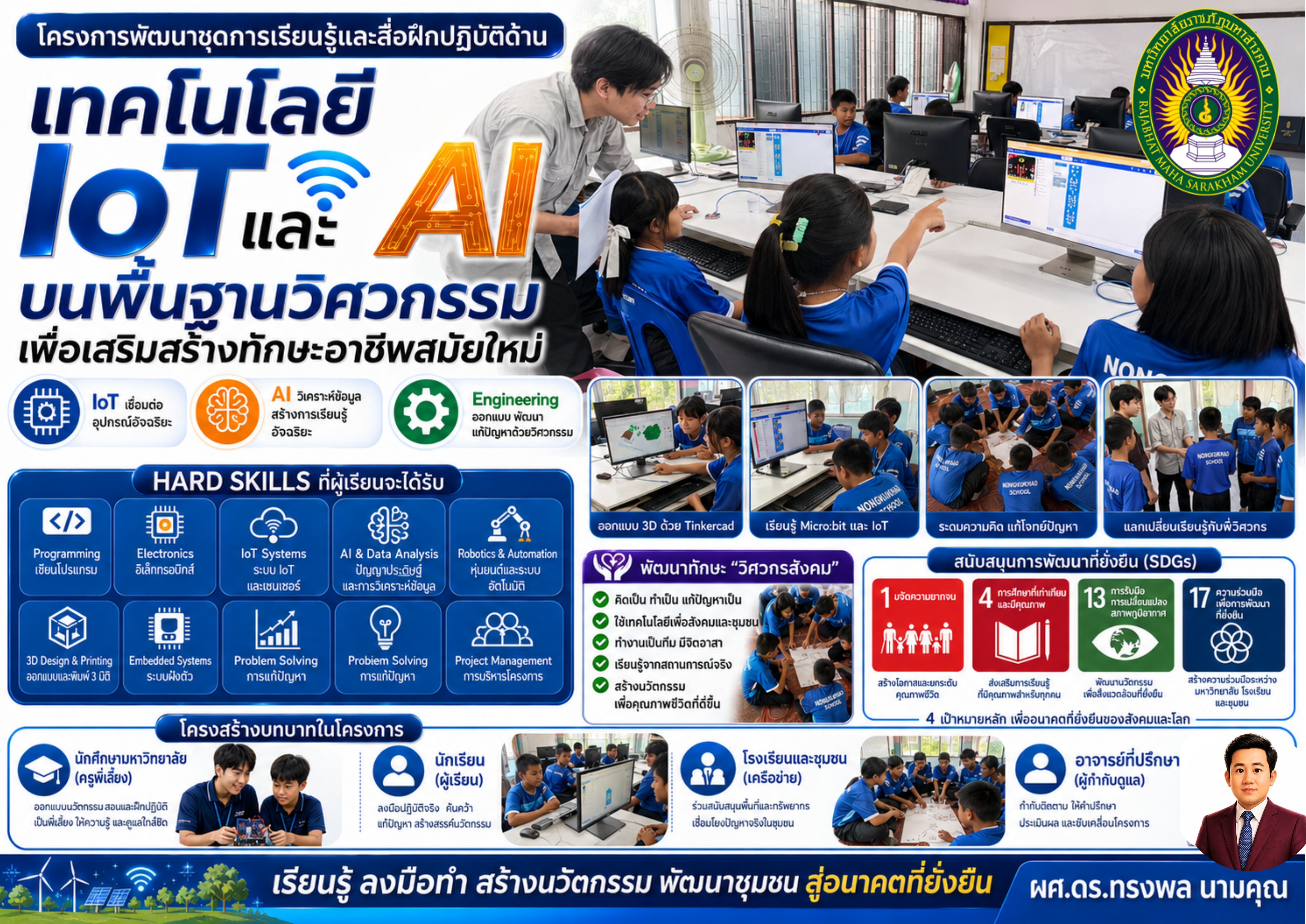
The project developed engineering-based IoT and AI learning kits and practical learning materials for hands-on learning activities at the secondary school level. Students gained practical experience in electronics, programming, sensor integration, IoT systems, and AI applications through developing prototypes and solving real-world problems. The activities enhanced their knowledge, understanding, and practical skills, providing a foundation for further education and future careers in emerging technologies. โครงการสามารถพัฒนาชุดการเรียนรู้และสื่อฝึกปฏิบัติด้านเทคโนโลยี IoT และ AI บนพื้นฐานวิศวกรรม สำหรับใช้ในการจัดกิจกรรมการเรียนรู้แบบลงมือปฏิบัติ (Hands-on Learning) ให้แก่นักเรียนระดับมัธยมศึกษา ผู้เรียนได้ฝึกทักษะด้านอิเล็กทรอนิกส์ การเขียนโปรแกรม การเชื่อมต่อเซนเซอร์ ระบบ IoT และการประยุกต์ใช้ AI ผ่านการสร้างชิ้นงานและแก้ปัญหาจริง ส่งผลให้เกิดความรู้ ความเข้าใจ และทักษะเชิงปฏิบัติที่สามารถนำไปต่อยอดสู่การศึกษาและทักษะอาชีพสมัยใหม่ได้
Community & Social Impact ผลกระทบต่อชุมชน/สังคม
The target schools gained access to IoT and AI learning kits and practical materials that can be continuously used to support classroom teaching and learning. The project increased students' access to emerging technologies and helped reduce limitations in practical learning resources in local schools. It also strengthened collaboration among the university, schools, teachers, students, and communities in developing engineering and technology learning activities that respond to local contexts and support the development of modern career skills among local youth. โรงเรียนเป้าหมายมีชุดการเรียนรู้และสื่อฝึกปฏิบัติด้าน IoT และ AI ที่สามารถนำไปใช้สนับสนุนการจัดการเรียนการสอนได้จริง ช่วยเพิ่มโอกาสในการเข้าถึงเทคโนโลยีและลดข้อจำกัดด้านอุปกรณ์การเรียนรู้ของนักเรียนในพื้นที่ นอกจากนี้ โครงการยังก่อให้เกิดความร่วมมือระหว่างมหาวิทยาลัย โรงเรียน ครู นักเรียน และชุมชน ในการร่วมพัฒนาการเรียนรู้ด้านวิศวกรรมและเทคโนโลยีที่สอดคล้องกับบริบทของพื้นที่ และเป็นพื้นฐานในการพัฒนาทักษะอาชีพสมัยใหม่ของเยาวชนในชุมชน
Student & Staff Participation การมีส่วนร่วมของนักศึกษา/บุคลากร
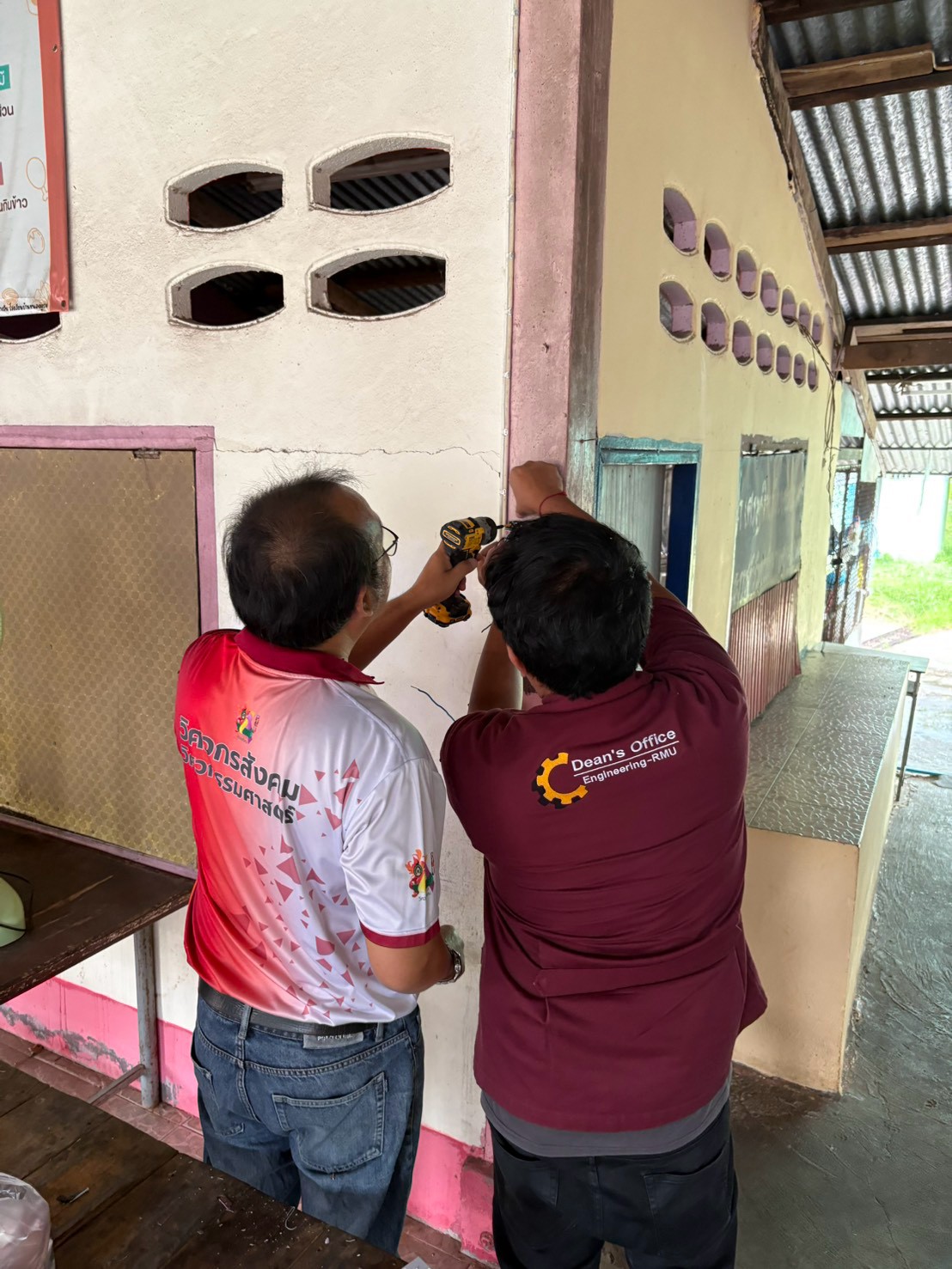
Computer Engineering students and university staff participated throughout the project, including identifying school needs, designing and developing learning kits, preparing learning materials and activities, and delivering hands-on learning activities with teachers and students in the target schools. The Social Engineer process was integrated with the Embedded Systems course, enabling university students to apply engineering knowledge in real-world contexts while developing teamwork, communication, problem-solving, and community engagement skills. นักศึกษาสาขาวิชาวิศวกรรมคอมพิวเตอร์และบุคลากรของมหาวิทยาลัยมีส่วนร่วมตั้งแต่การศึกษาบริบทและความต้องการของโรงเรียน การออกแบบและพัฒนาชุดการเรียนรู้ การจัดเตรียมสื่อและกิจกรรม ตลอดจนการลงพื้นที่ถ่ายทอดความรู้และร่วมจัดกิจกรรมกับครูและนักเรียน โดยบูรณาการกระบวนการวิศวกรสังคมเข้ากับรายวิชาระบบฝังตัว (Embedded Systems) ทำให้นักศึกษาได้ประยุกต์ใช้ความรู้ทางวิศวกรรมกับสถานการณ์จริง ฝึกการทำงานเป็นทีม การสื่อสาร การแก้ปัญหา และการทำงานร่วมกับชุมชน
Project Continuity ความต่อเนื่องของโครงการ
The developed learning kits and materials were designed for repeated use, modification, and further development. The target schools can continue using them in classroom teaching and student skill-development activities in subsequent academic years. The university can also integrate the development of learning kits and community-based activities into future Embedded Systems courses and Social Engineer activities. The project can be further extended to AIoT, Edge AI, and community-oriented innovations, as well as expanded to other schools in the surrounding area. ชุดการเรียนรู้และสื่อที่พัฒนาขึ้นได้รับการออกแบบให้สามารถนำกลับมาใช้ ปรับปรุง และเพิ่มเติมกิจกรรมได้อย่างต่อเนื่อง โดยโรงเรียนสามารถนำไปใช้ประกอบการเรียนการสอนและกิจกรรมพัฒนาทักษะของนักเรียนในปีการศึกษาต่อไป ขณะที่มหาวิทยาลัยสามารถบูรณาการการพัฒนาชุดการเรียนรู้และการลงพื้นที่เข้ากับรายวิชาระบบฝังตัวและกิจกรรมวิศวกรสังคมในรุ่นต่อไป รวมทั้งต่อยอดเนื้อหาไปสู่เทคโนโลยี AIoT, Edge AI และนวัตกรรมที่ตอบโจทย์ชุมชน ตลอดจนขยายเครือข่ายความร่วมมือไปยังโรงเรียนอื่นในพื้นที่
Part 3: Challenges & Suggestions ส่วนที่ 3 ปัญหาอุปสรรค/ข้อเสนอแนะ
Problems & Obstacles ปัญหา/อุปสรรค
Students had different levels of prior knowledge in programming, electronics, and digital technology, requiring learning activities and practice time to be adjusted for different groups. In addition, IoT and AI learning kits involve multiple hardware components and network connectivity, resulting in limitations related to equipment availability, Internet access, and time for system testing before actual implementation. Further development for continuous use also needs to consider durability, electrical safety, wireless communication requirements, cybersecurity, and personal data protection. ผู้เรียนมีพื้นฐานด้านการเขียนโปรแกรม อิเล็กทรอนิกส์ และเทคโนโลยีดิจิทัลแตกต่างกัน ทำให้ต้องปรับระดับกิจกรรมและระยะเวลาในการฝึกปฏิบัติให้เหมาะสมกับแต่ละกลุ่ม นอกจากนี้ การพัฒนาชุดการเรียนรู้ด้าน IoT และ AI ต้องใช้อุปกรณ์หลายประเภทและมีการเชื่อมต่อเครือข่าย จึงพบข้อจำกัดด้านความพร้อมของอุปกรณ์ ระบบอินเทอร์เน็ต และเวลาในการทดสอบระบบก่อนนำไปใช้งานจริง รวมทั้งการพัฒนาต้นแบบเพื่อใช้งานต่อเนื่องจำเป็นต้องคำนึงถึงความทนทาน ความปลอดภัยทางไฟฟ้า การสื่อสารไร้สาย ความมั่นคงปลอดภัยไซเบอร์ และการคุ้มครองข้อมูลส่วนบุคคล
Improvement Guidelines แนวทางการปรับปรุง
Learning activities should be structured progressively from basic concepts to practical applications, supported by manuals, worksheets, sample programs, and digital self-learning materials. The learning kits should adopt a modular design that allows components to be easily assembled, replaced, and maintained. More time should also be allocated for testing and evaluation with teachers and students before full implementation. Relevant standards and regulations concerning IoT devices, including electrical safety, wireless communication, cybersecurity, and personal data protection, should be considered to ensure that future prototypes can be safely and appropriately deployed in real-world settings. ควรพัฒนากิจกรรมการเรียนรู้เป็นลำดับระดับจากพื้นฐานไปสู่การประยุกต์ใช้ พร้อมจัดทำคู่มือ ใบงาน ตัวอย่างโปรแกรม และสื่อดิจิทัลที่ผู้เรียนสามารถศึกษาทบทวนได้ด้วยตนเอง ควรออกแบบชุดการเรียนรู้ในลักษณะโมดูลที่สามารถประกอบ เปลี่ยนอุปกรณ์ และซ่อมบำรุงได้ง่าย รวมทั้งเพิ่มระยะเวลาในการทดลองและทดสอบระบบร่วมกับครูและนักเรียนก่อนนำไปใช้เต็มรูปแบบ ตลอดจนศึกษามาตรฐานและข้อกำหนดที่เกี่ยวข้องกับอุปกรณ์ IoT เช่น ความปลอดภัยทางไฟฟ้า การสื่อสารไร้สาย Cybersecurity และการคุ้มครองข้อมูลส่วนบุคคล เพื่อให้สามารถพัฒนาต้นแบบไปสู่การใช้งานจริงได้อย่างเหมาะสมและปลอดภัย
Suggestions to University ข้อเสนอแนะต่อมหาวิทยาลัย
The university should provide continuous support for the project by allocating resources for the development and maintenance of learning kits, as well as supporting equipment, laboratories, network infrastructure, and IoT and AI platforms. Academic service projects should be integrated with teaching and the Social Engineer process, allowing university students to develop innovations based on real problems identified in schools and communities. The university should also support networks of model schools, teacher development, and the advancement of promising prototypes toward research, innovation, intellectual property, and wider implementation in other communities. มหาวิทยาลัยควรสนับสนุนการดำเนินโครงการในลักษณะต่อเนื่อง โดยจัดสรรงบประมาณสำหรับพัฒนาและบำรุงรักษาชุดการเรียนรู้ ตลอดจนสนับสนุนอุปกรณ์ ห้องปฏิบัติการ โครงสร้างพื้นฐานด้านเครือข่าย และแพลตฟอร์มด้าน IoT และ AI ควรส่งเสริมการบูรณาการโครงการบริการวิชาการกับการเรียนการสอนและกระบวนการวิศวกรสังคม เพื่อให้นักศึกษาได้พัฒนานวัตกรรมจากปัญหาจริงของโรงเรียนและชุมชน รวมทั้งสนับสนุนการสร้างเครือข่ายโรงเรียนต้นแบบ การพัฒนาครู และการต่อยอดต้นแบบที่มีศักยภาพไปสู่งานวิจัย นวัตกรรม ทรัพย์สินทางปัญญา และการขยายผลสู่พื้นที่อื่น