– September 30, 2026 1 ตุลาคม 2568
– 30 กันยายน 2569
Part 1: Project Details ส่วนที่ 1 รายละเอียดการดำเนินงาน
Objectives วัตถุประสงค์โครงการ
Objectives
To develop plant- and local herb-based instant beverage powder products that are appropriate for the health and nutritional needs of older adults.
To strengthen food-processing and product quality-control skills among community members in Na Si Nuan Subdistrict.
To enhance the capacity of the local grassroots economy and establish a community-level model for Silver Economy development.
วัตถุประสงค์
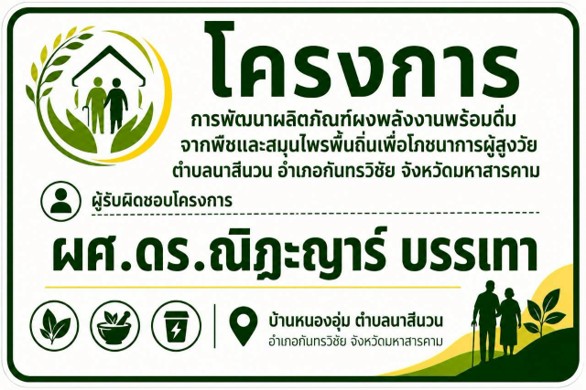
1. เพื่อพัฒนาผลิตภัณฑ์ผงพลังงานพร้อมดื่มจากพืชและสมุนไพรพื้นถิ่นที่เหมาะสมกับภาวะสุขภาพและโภชนาการของผู้สูงวัย
2. เพื่อเสริมสร้างทักษะการแปรรูปอาหารและการควบคุมคุณภาพผลิตภัณฑ์ให้แก่ชุมชนพื้นที่ตำบลนาสีนวน
3. เพื่อยกระดับศักยภาพเศรษฐกิจฐานรากและสร้างต้นแบบการพัฒนาเศรษฐกิจผู้สูงวัย (Silver Economy) ในระดับชุมชน
Main Activities กิจกรรมหลัก
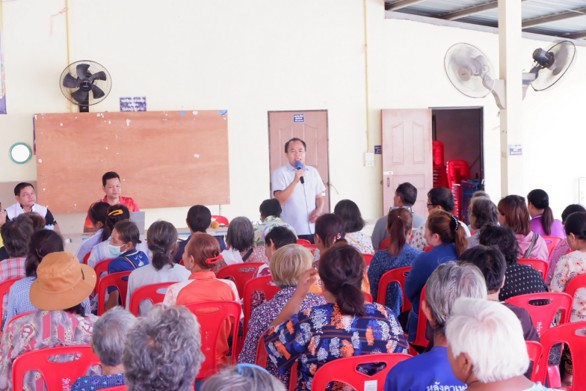
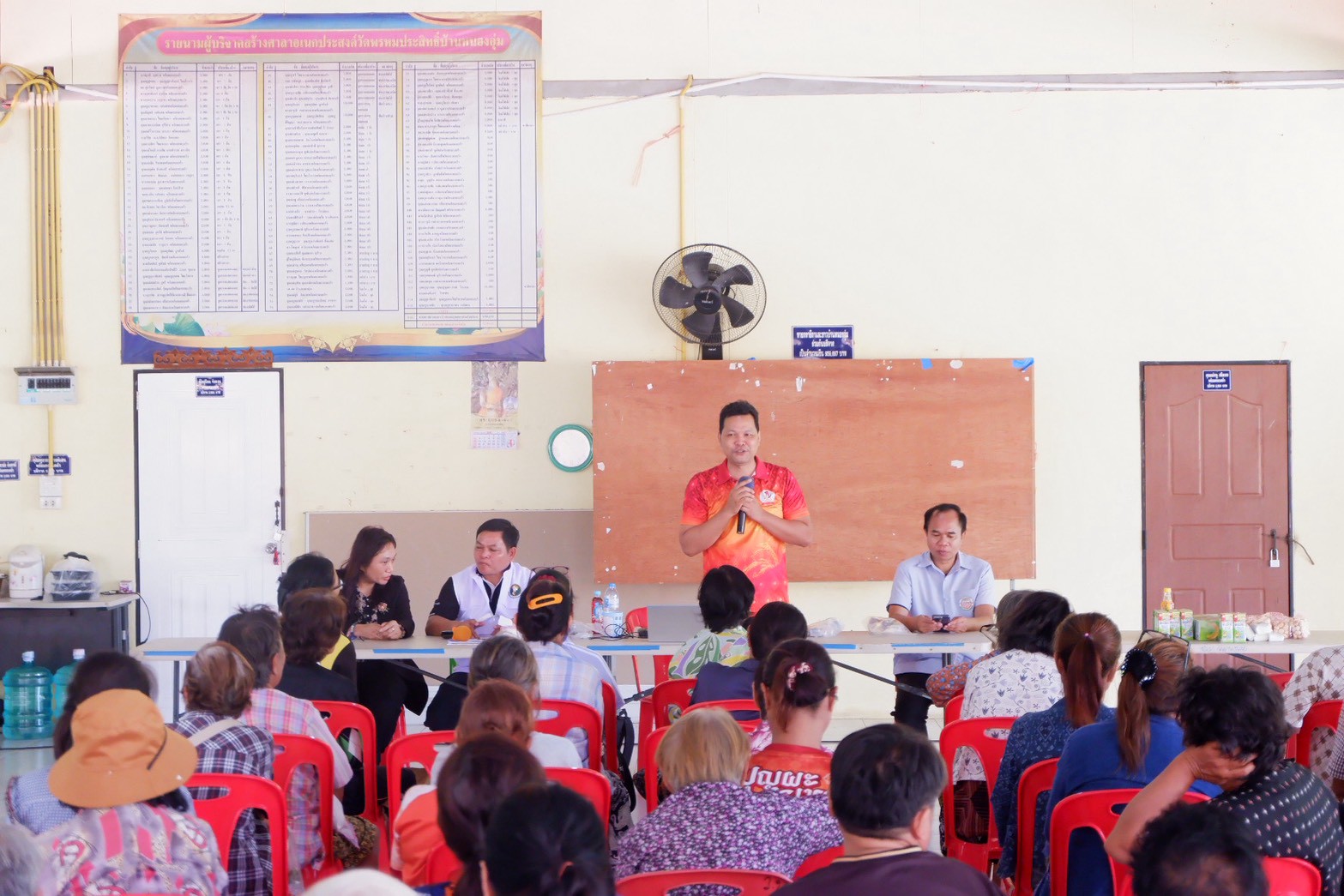
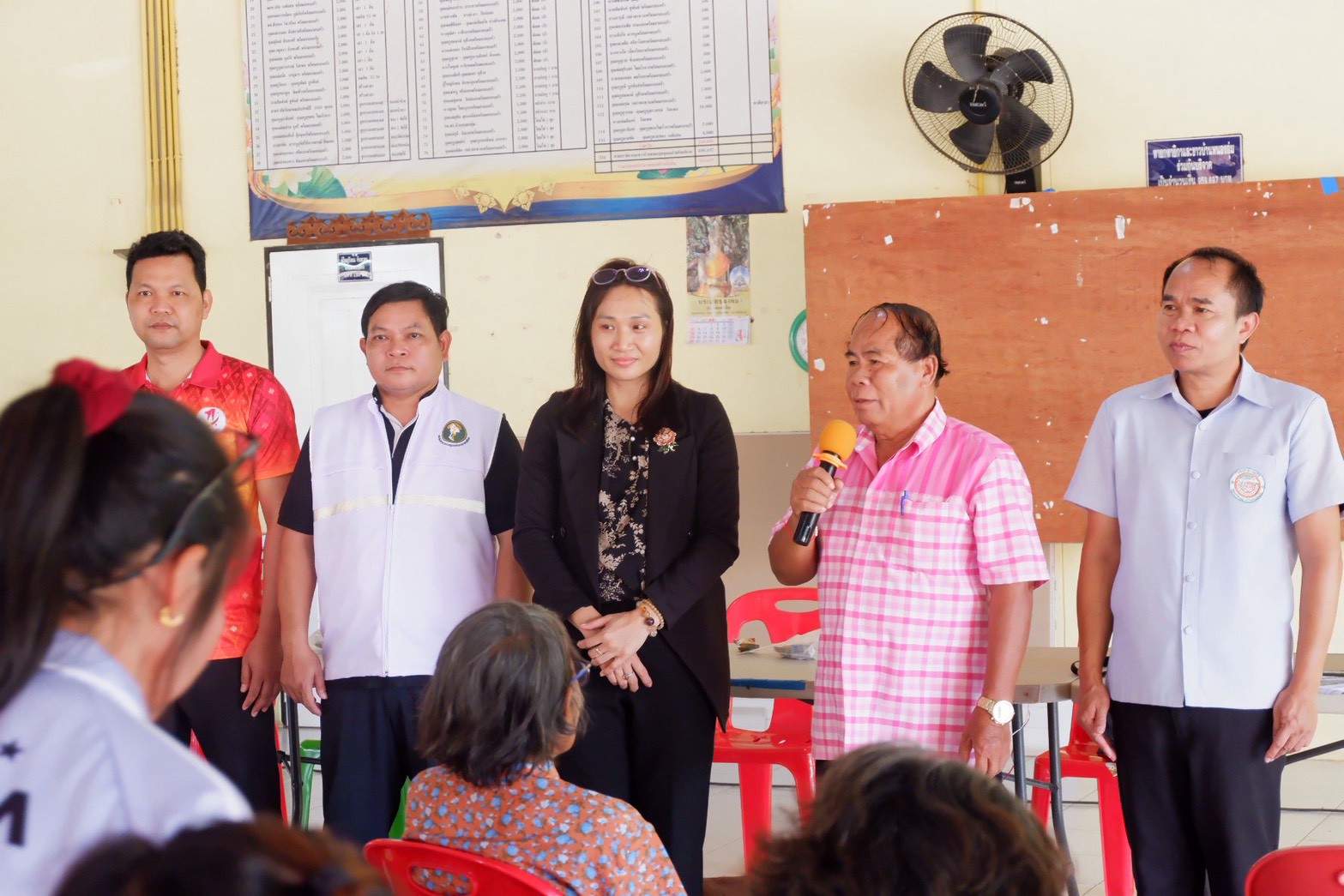
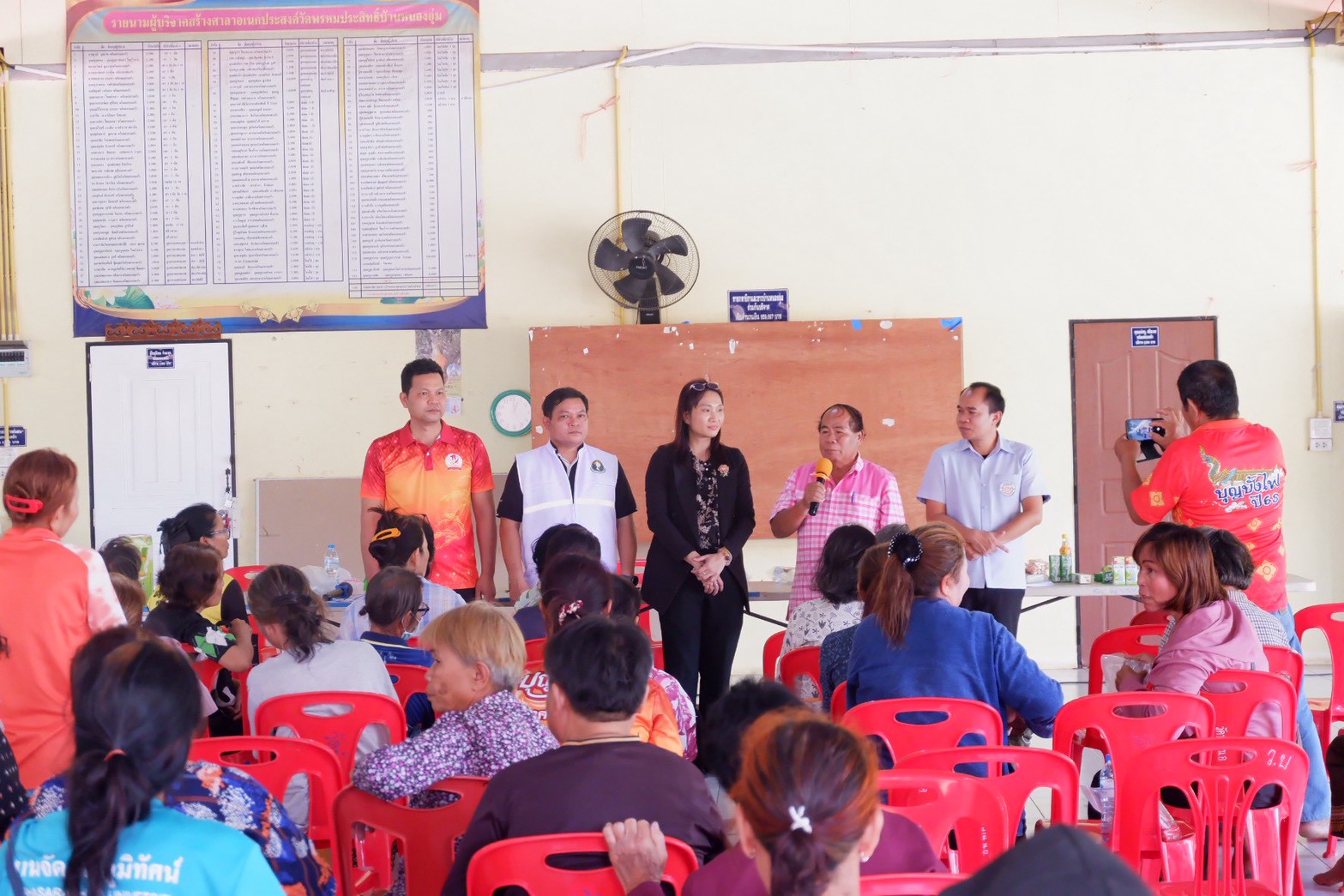
Activity 1: Workshop on Older-Adult Health and Appropriate Nutrition
Activity 2: Practical Workshop on Food Processing, Food Hygiene, and Product Development
Activity 3: Practical Workshop on Product Development, Packaging, Promotional Media, and Community Marketing, including preparation of the final project report and data-analysis documentation
กิจกรรมที่ 1: อบรมเชิงปฏิบัติการ เรื่อง สุขภาพผู้สูงวัยและโภชนาการที่เหมาะสม
กิจกรรมที่ 2: อบรมเชิงปฏิบัติ เรื่อง การแปรรูปและสุขอนามัยอาหาร พร้อมพัฒนาผลิตภัณฑ์
กิจกรรมที่ 3: อบรมเชิงปฏิบัติการ เรื่อง การพัฒนาผลิตภัณฑ์ บรรจุภัณฑ์ สื่อ และการตลาดชุมชน พร้อมจัดทำรายงานสรุปผลและเอกสารวิเคราะห์ข้อมูล
Part 2: Outcomes & Impact ส่วนที่ 2 ผลลัพธ์และผลกระทบ
Outcomes ผลลัพธ์ที่เกิดขึ้น
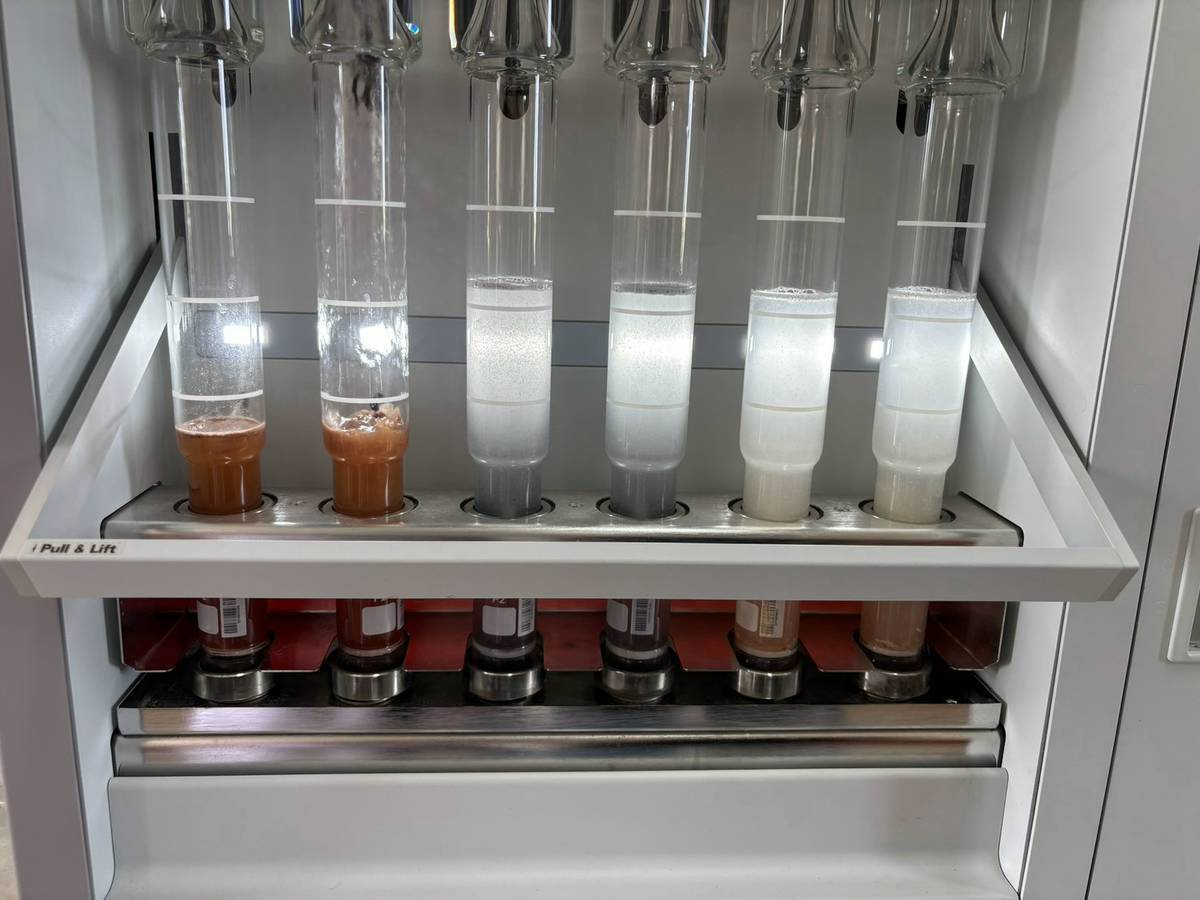
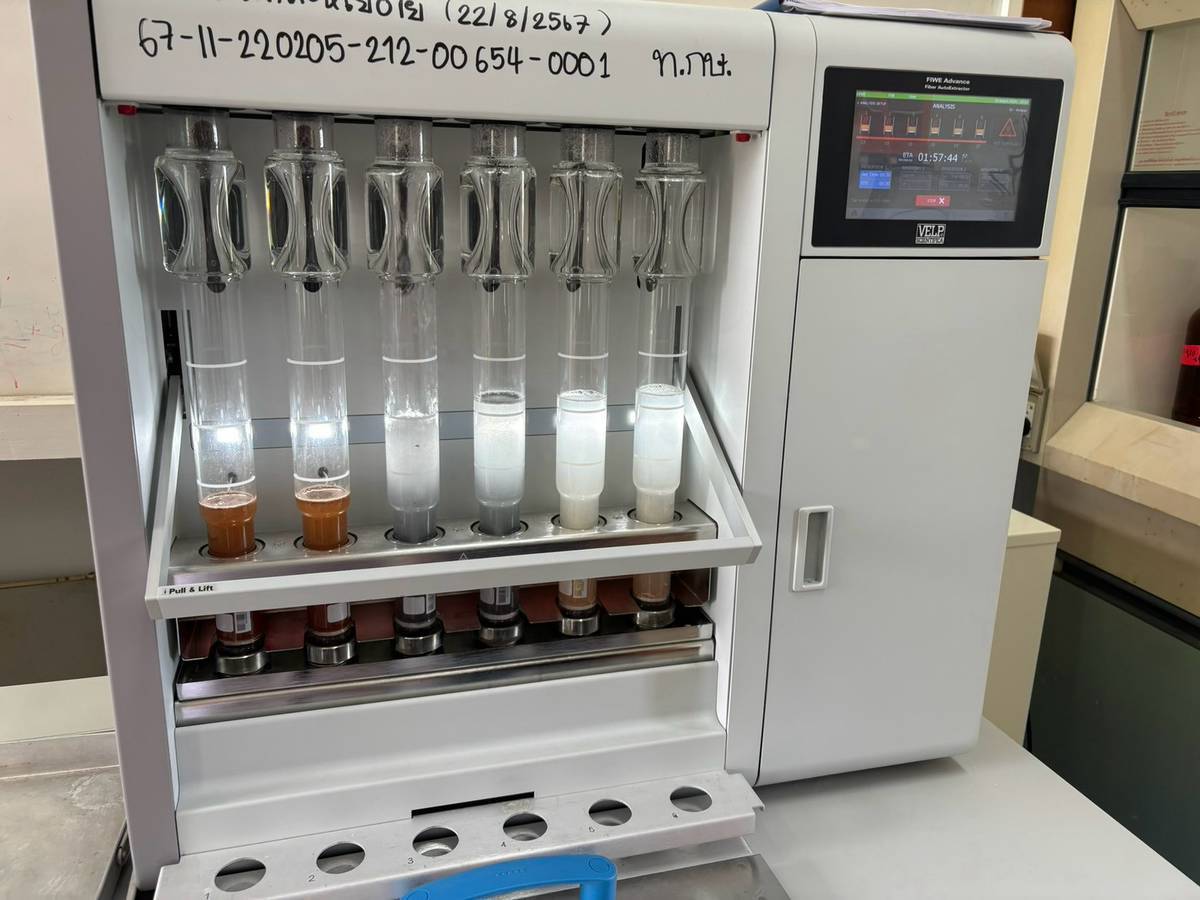
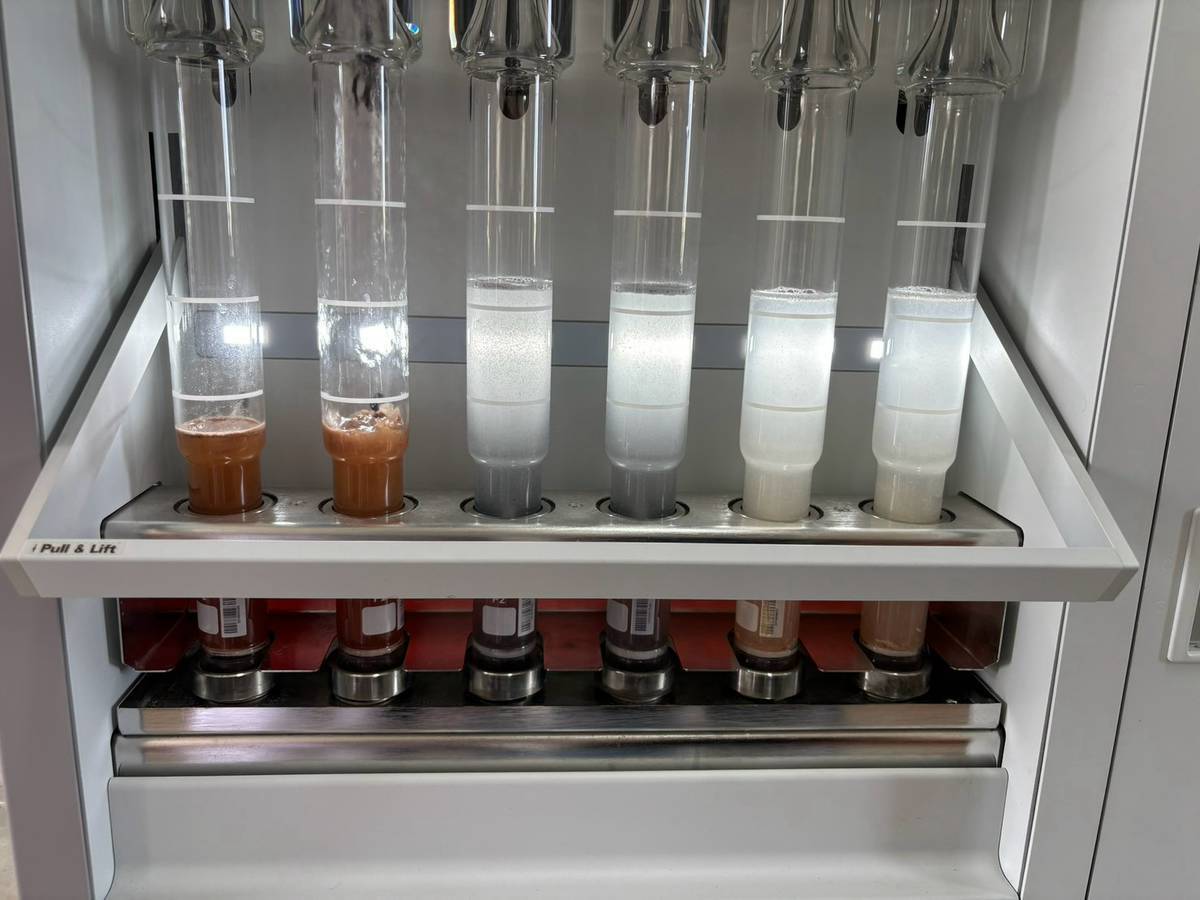
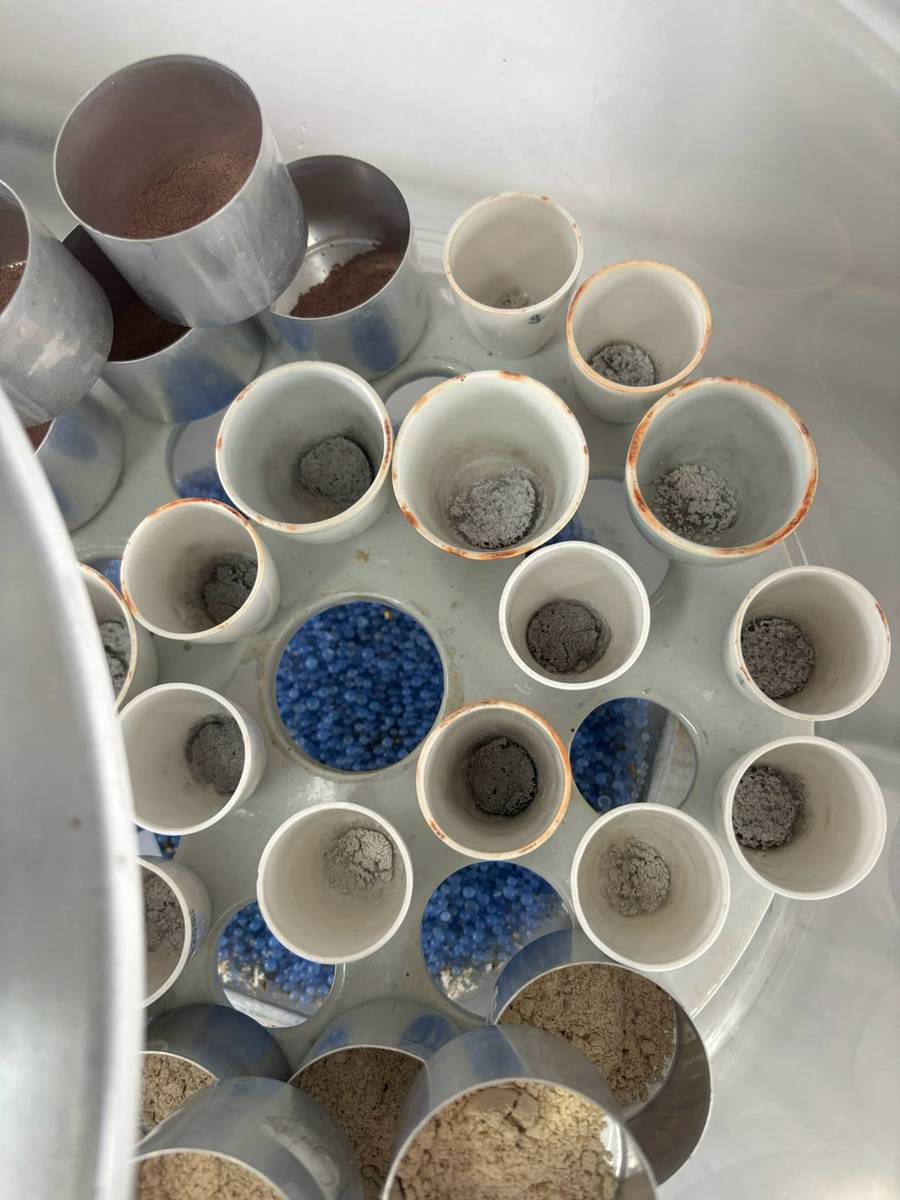
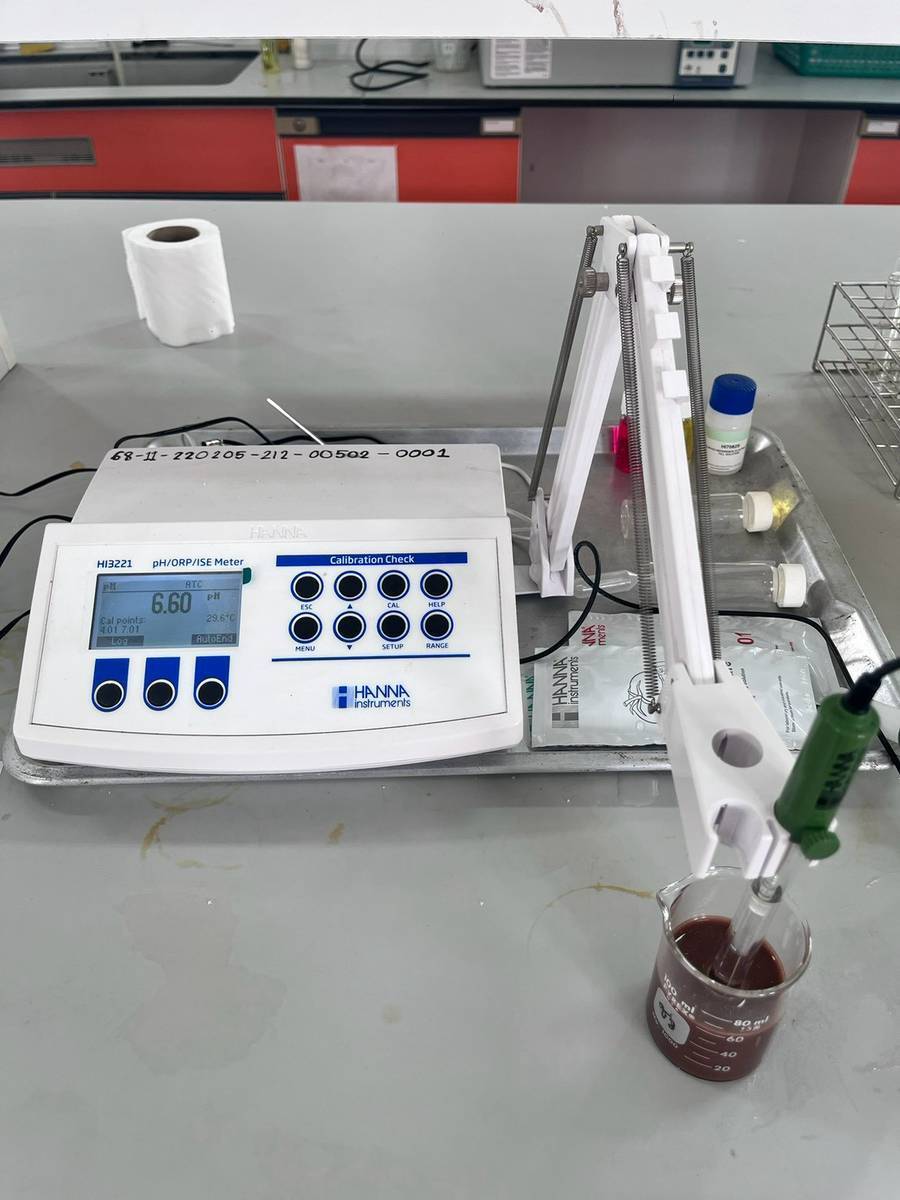
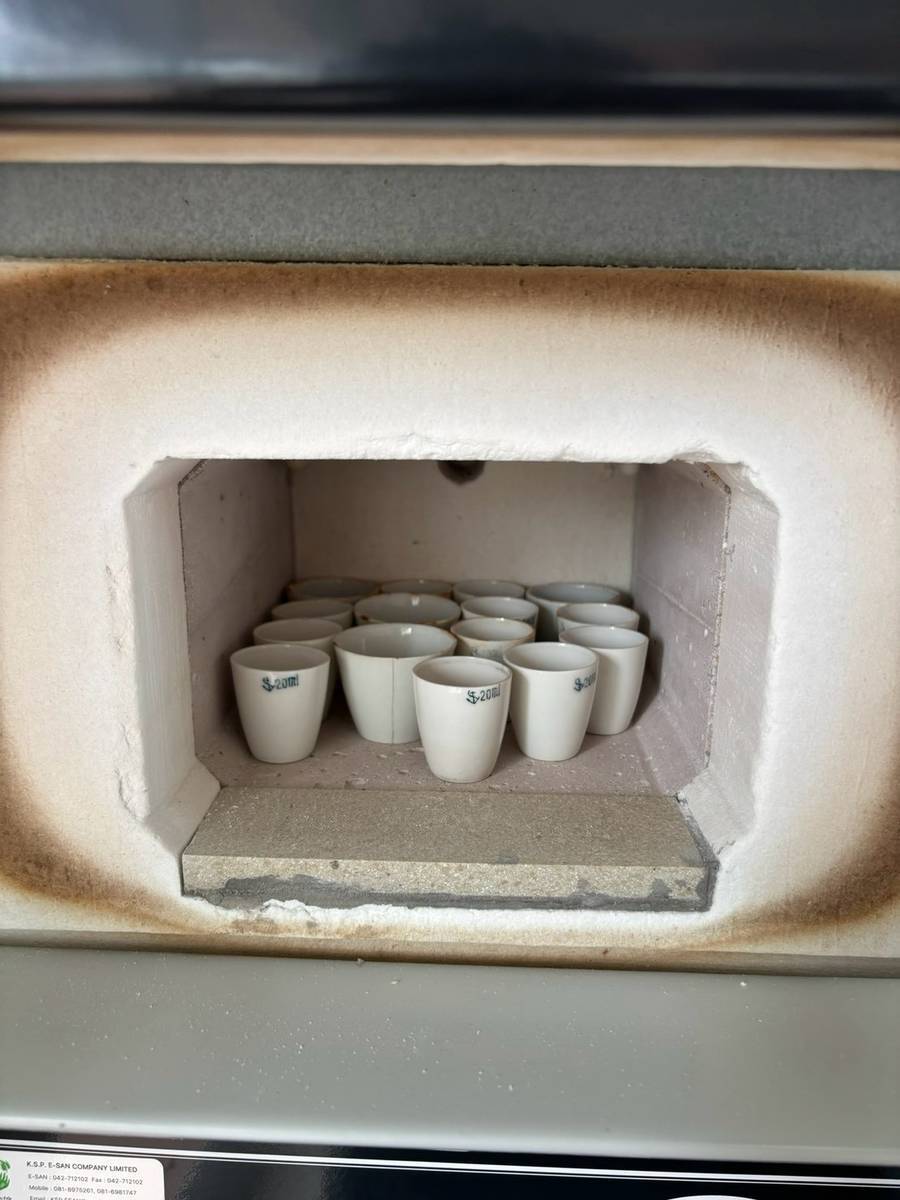
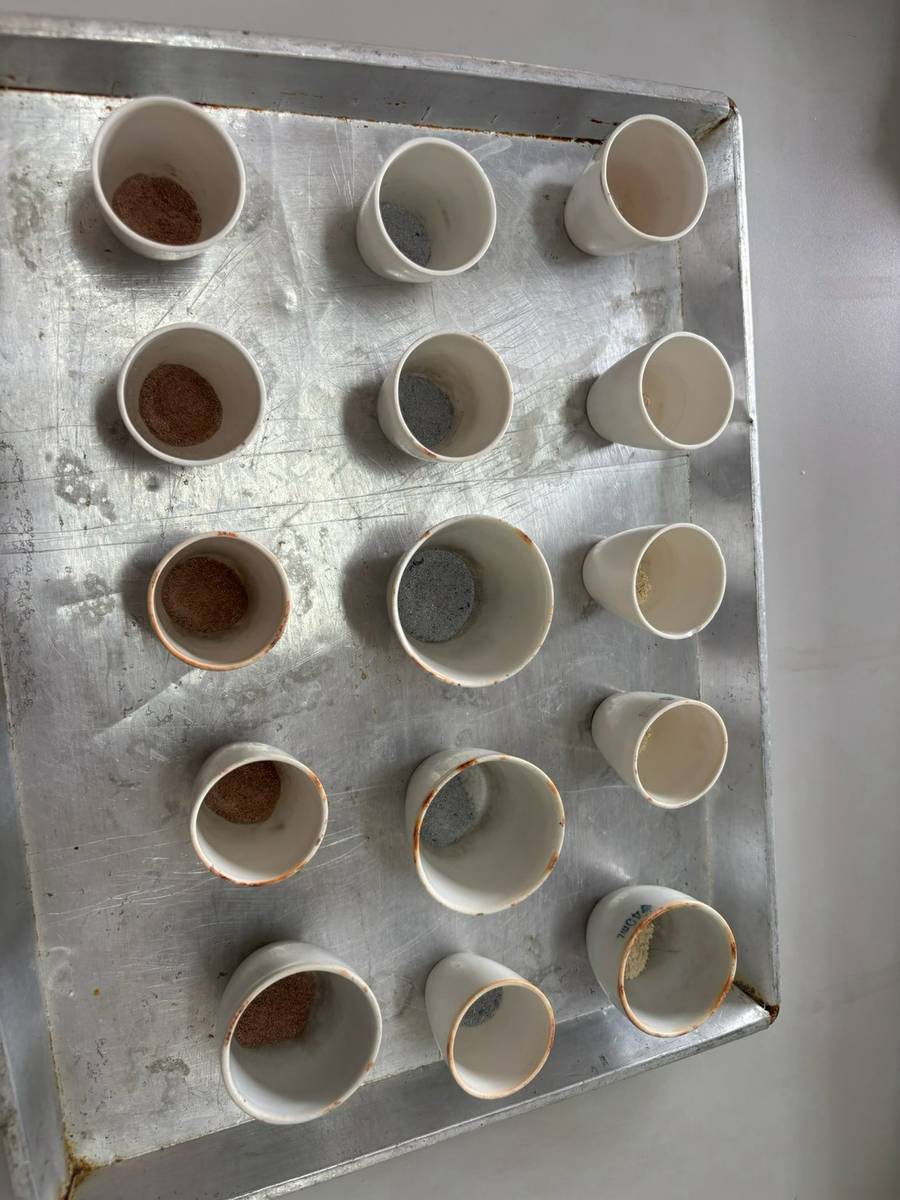
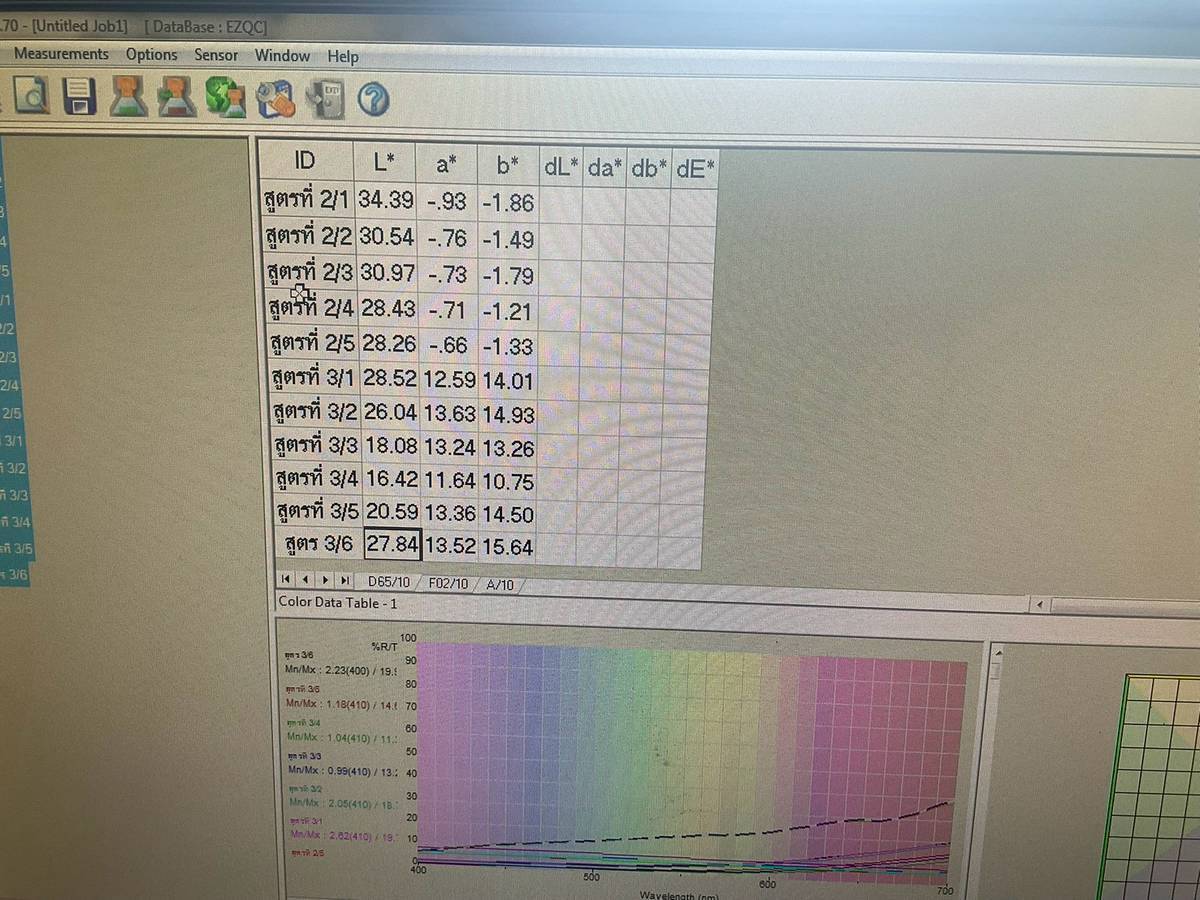
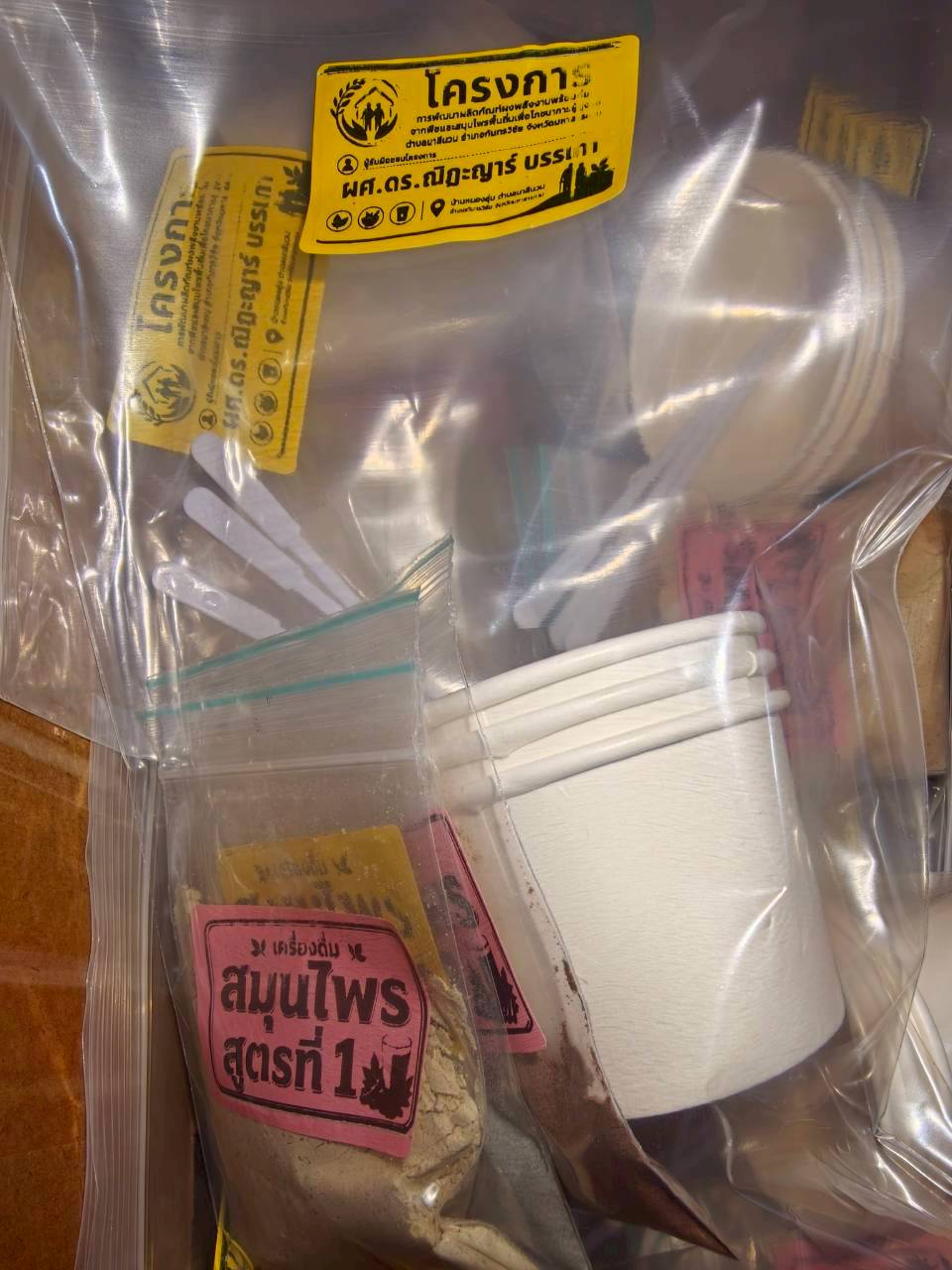
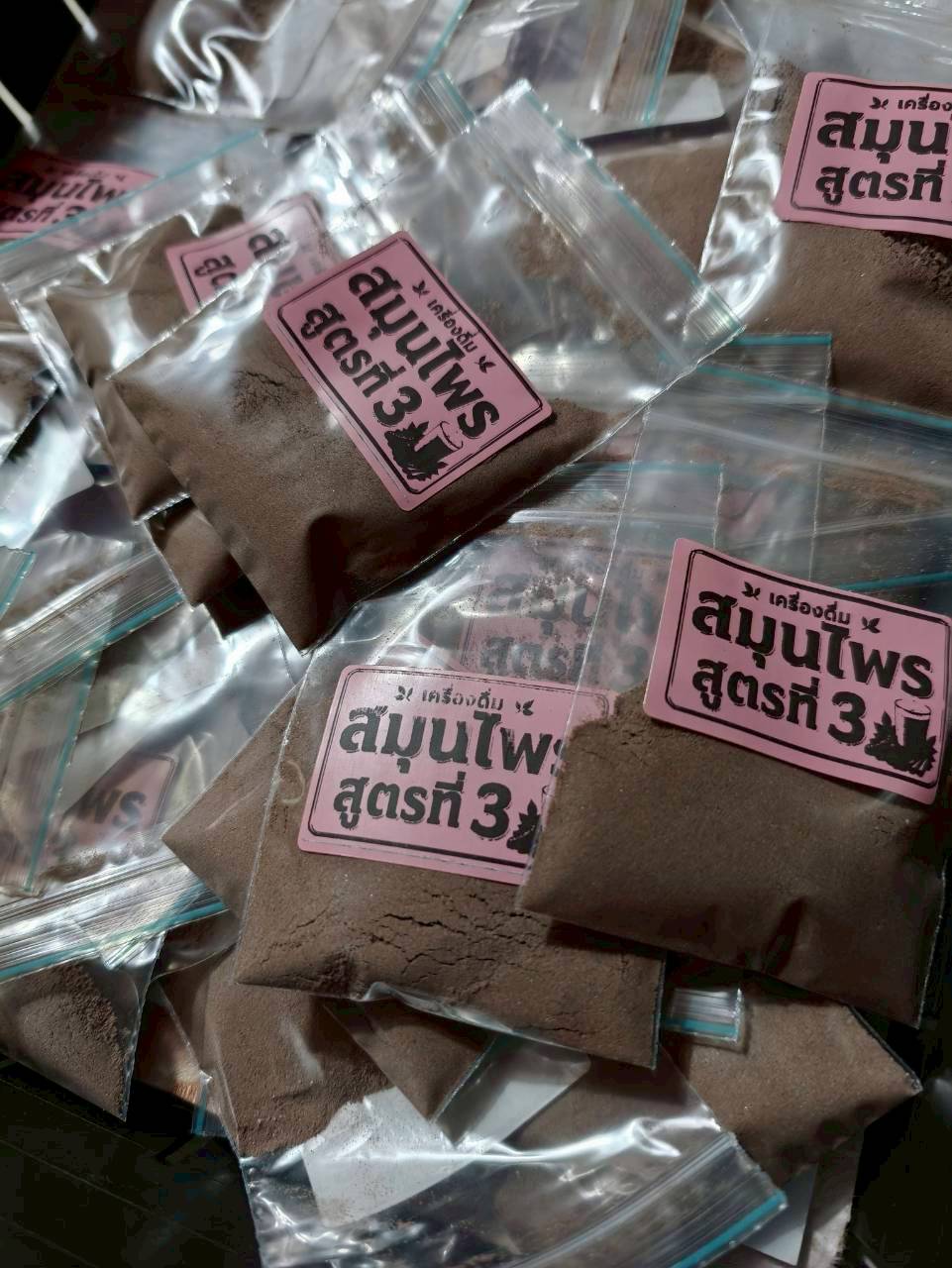
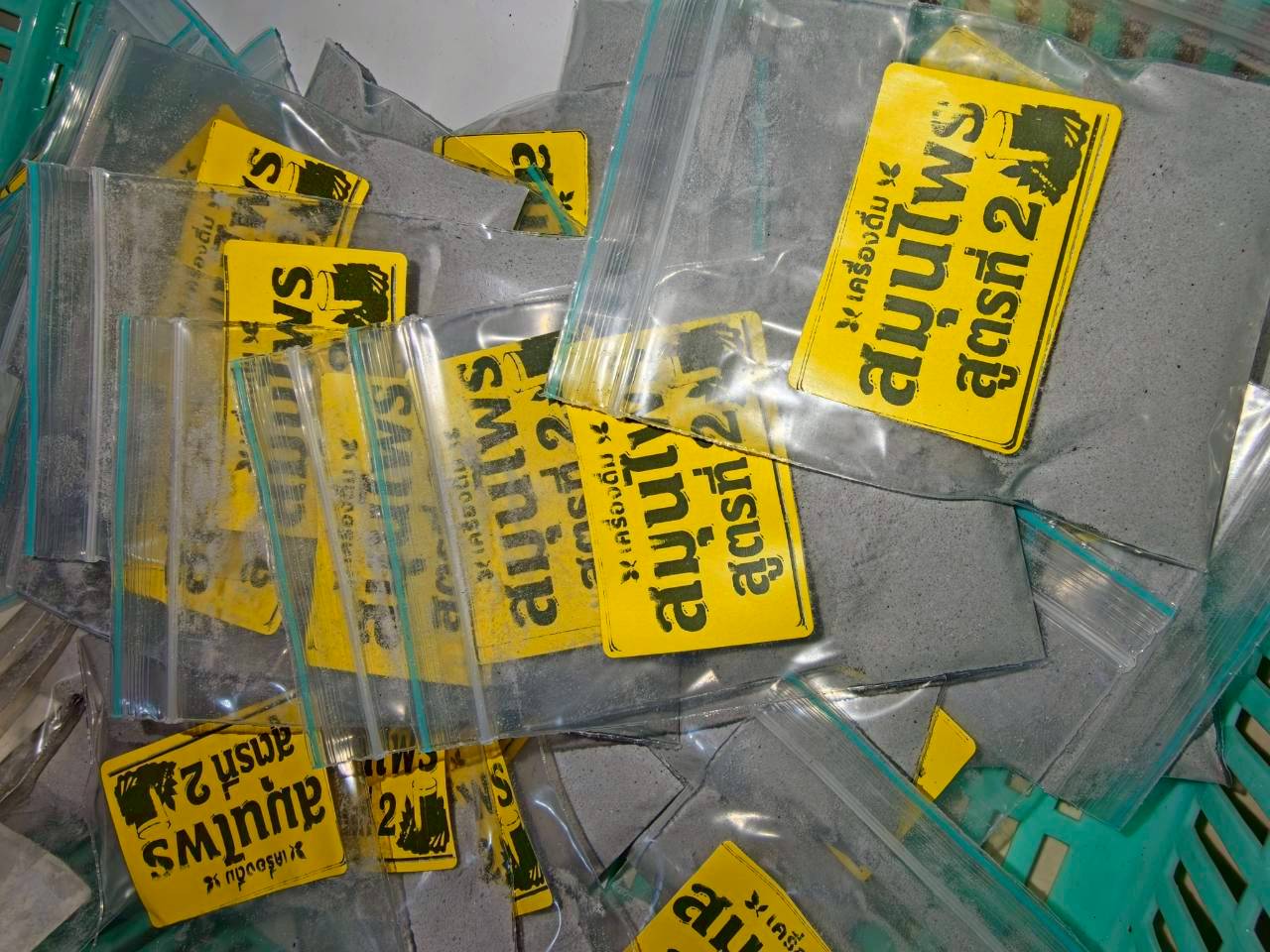
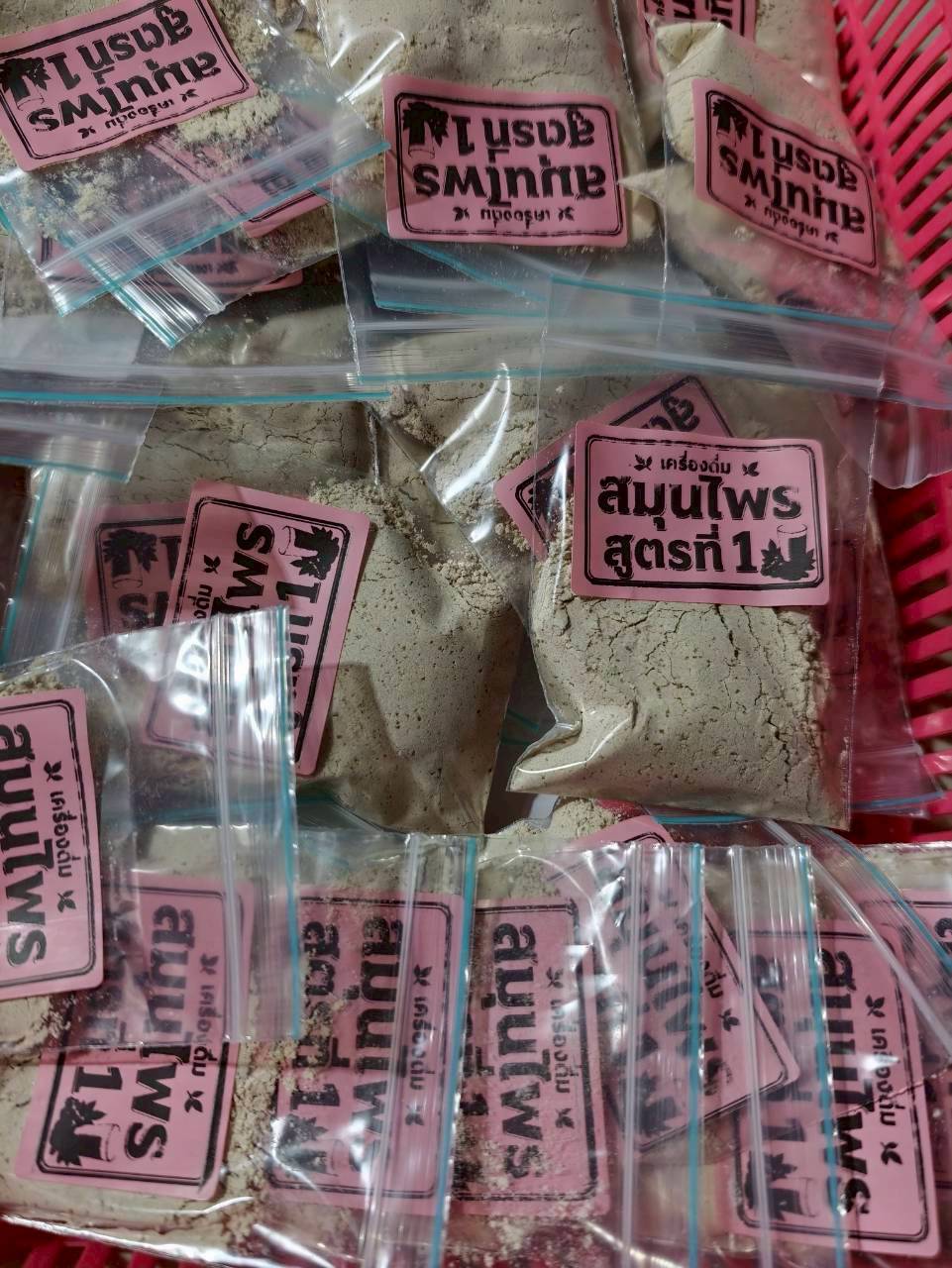
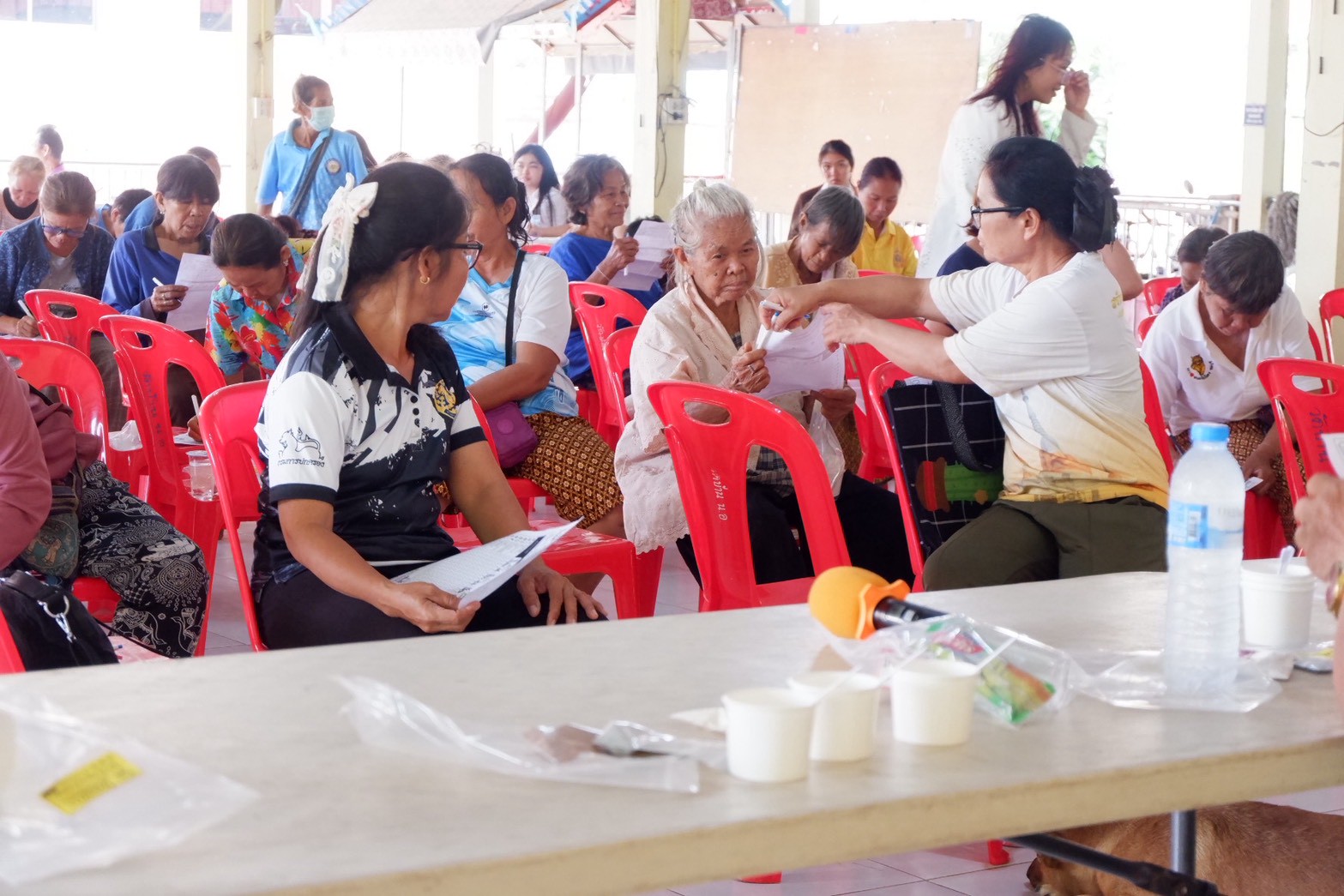
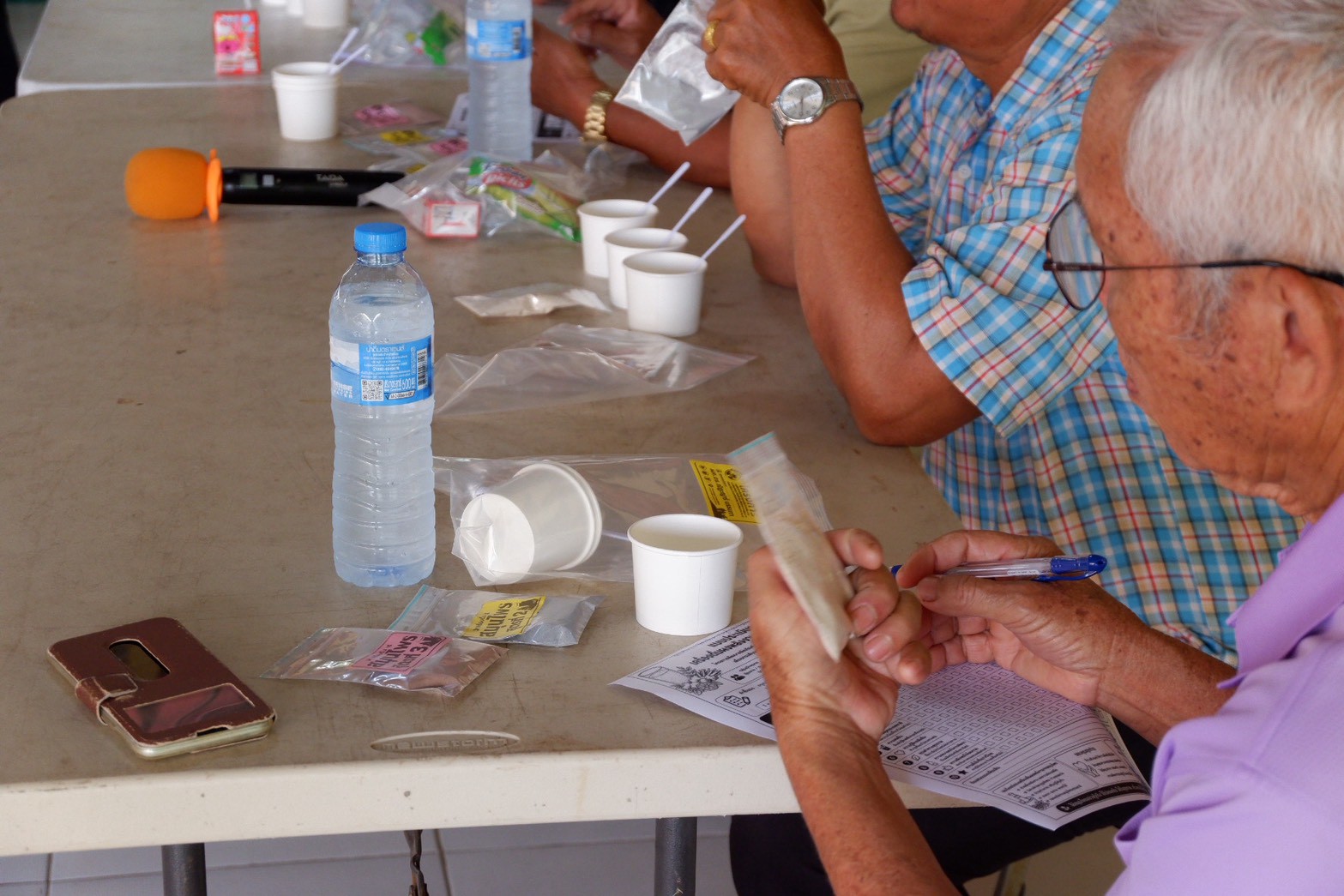
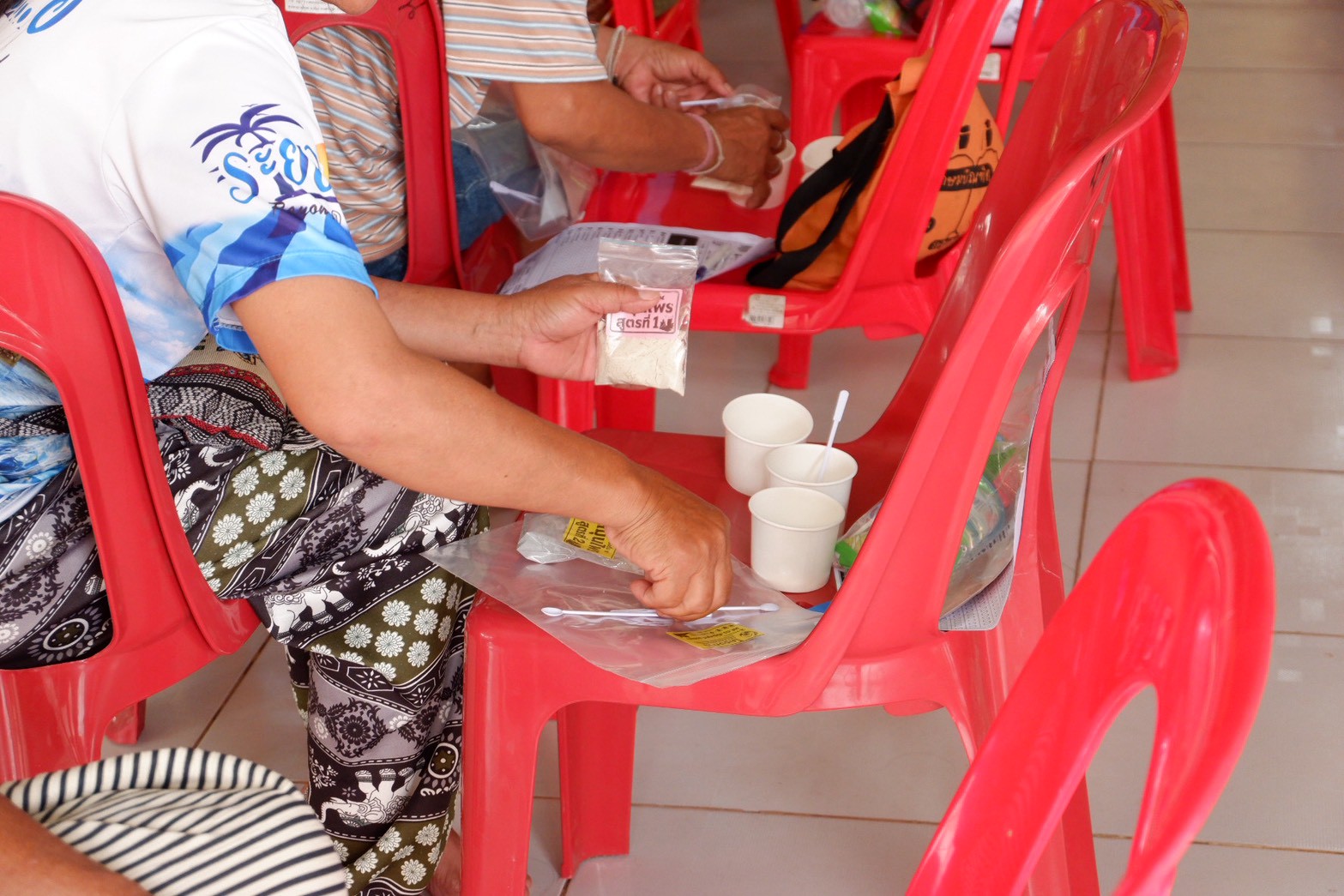
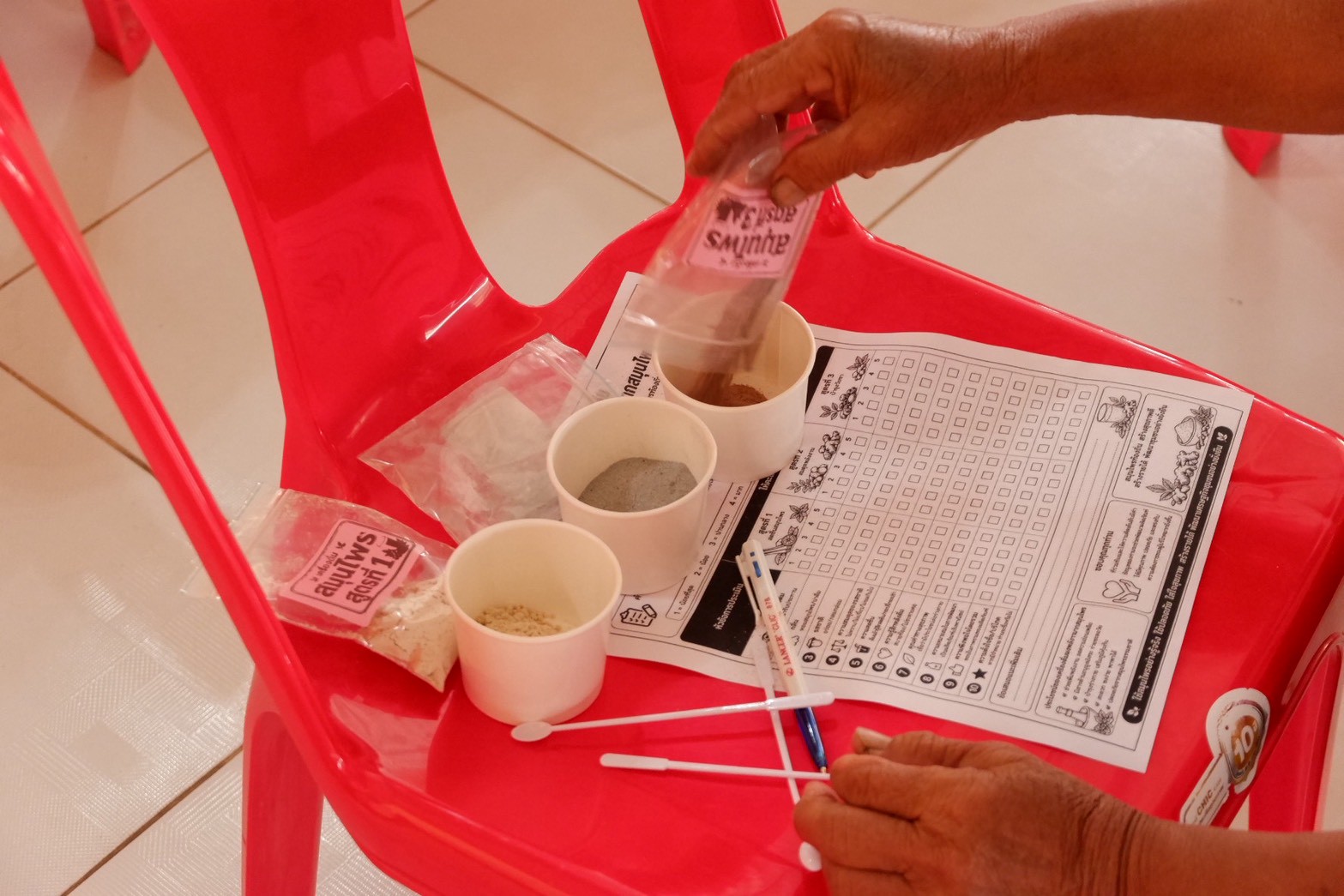
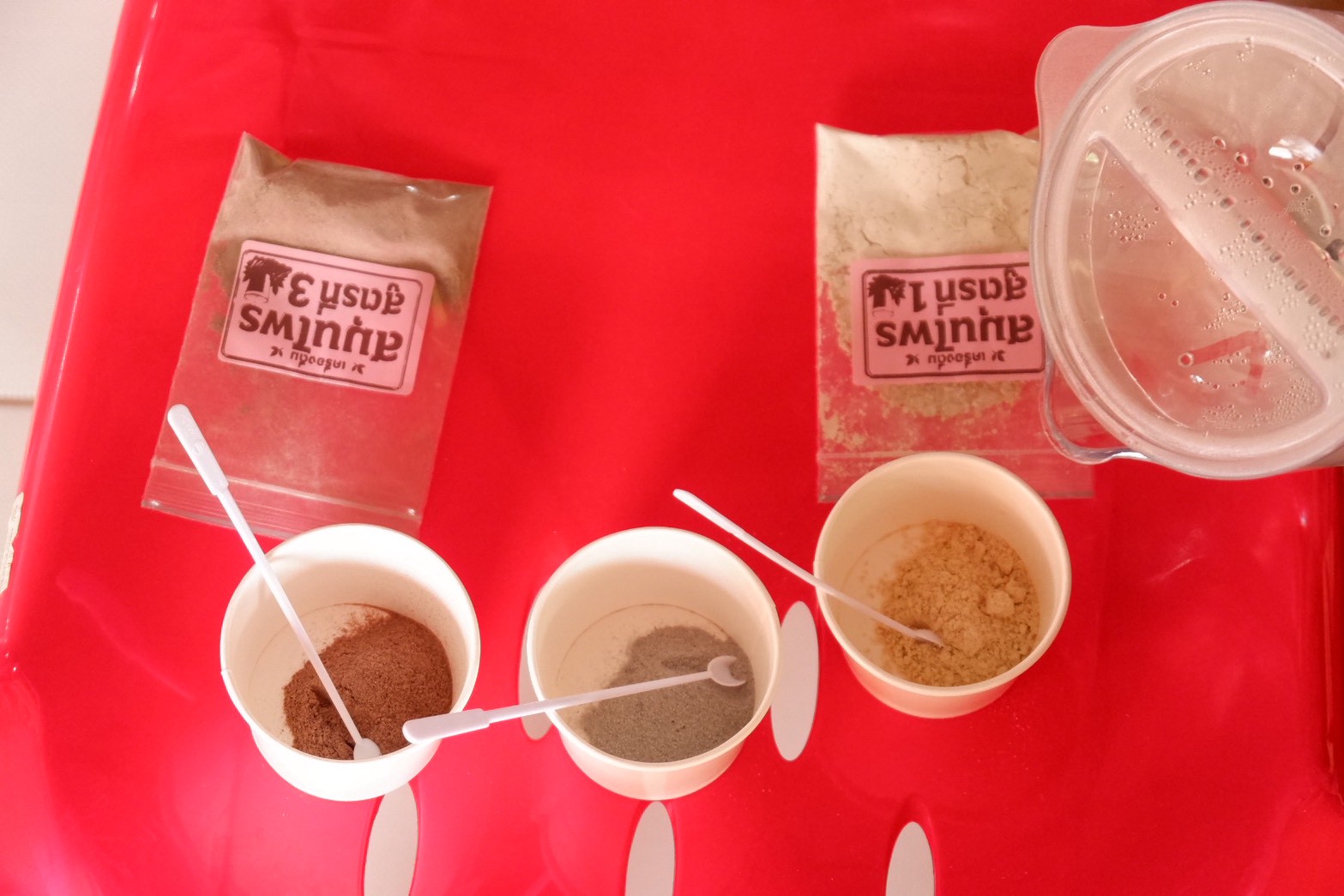
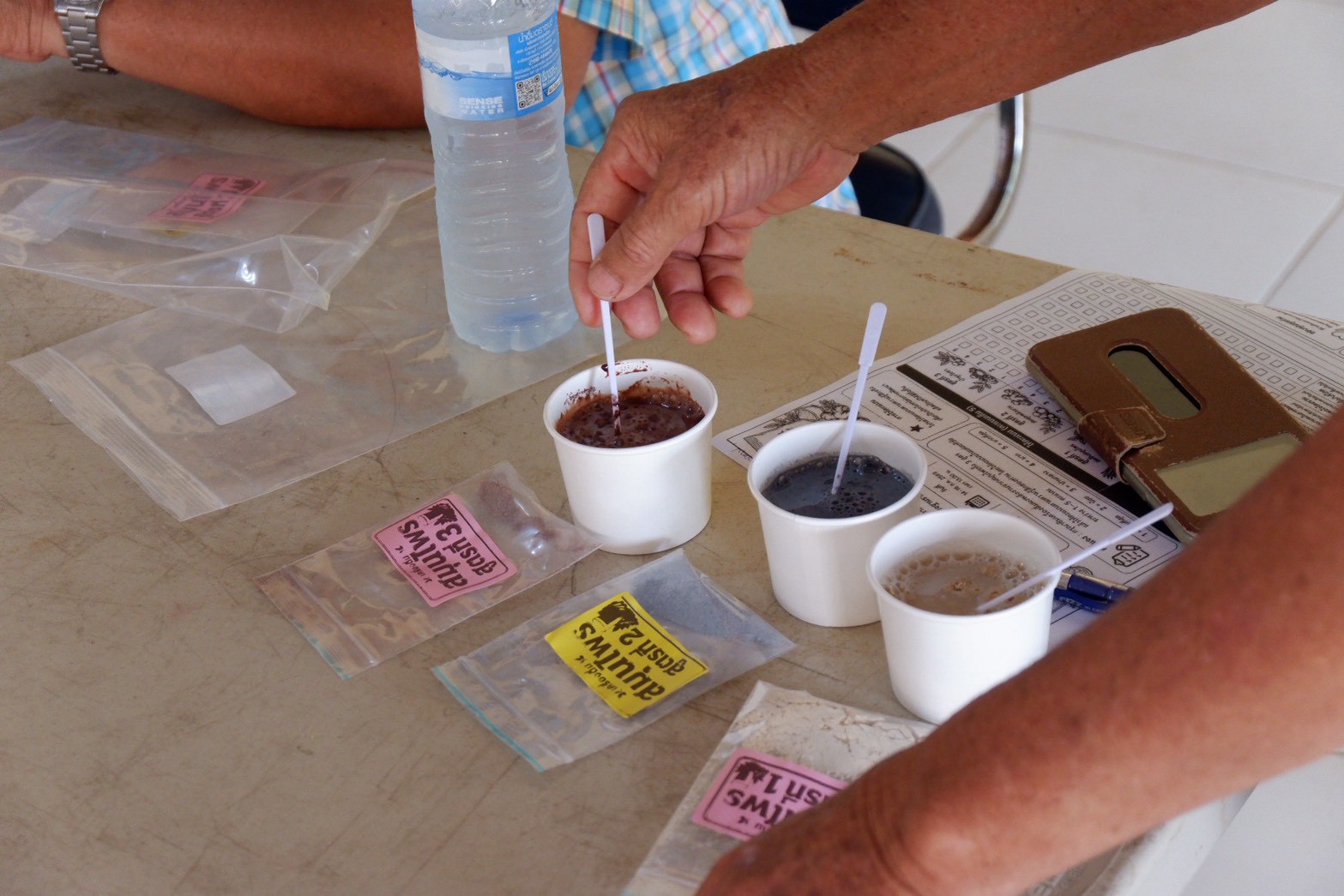
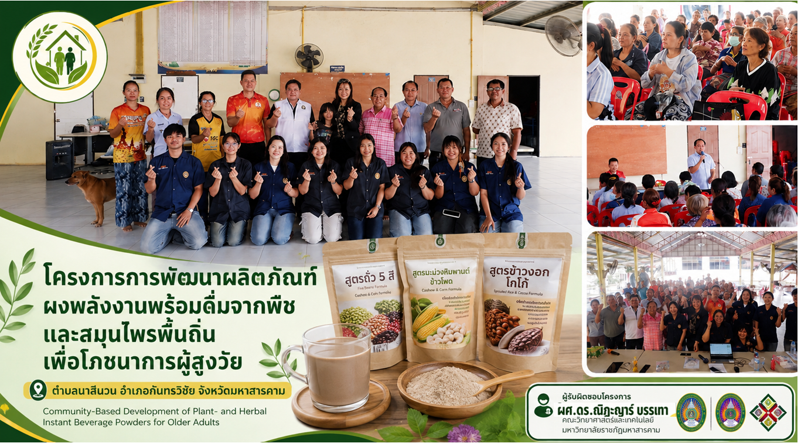
The project successfully developed three plant- and local herb-based instant beverage powder formulations for older adults: a five-bean formulation, a cashew–corn formulation, and a germinated rice–cocoa formulation. The prototypes were supported by physicochemical and nutritional composition analyses and were integrated into one product innovation prototype. A total of 50 participants enhanced their knowledge and skills in nutrition, food processing, food hygiene, quality control, packaging, costing, and community marketing. The overall project evaluation score was 4.56 ± 0.37 out of 5.00, representing a very high level of satisfaction. The project also generated a research database and a research manuscript for further academic and product-development applications. โครงการสามารถพัฒนาผลิตภัณฑ์ผงพร้อมดื่มจากพืชและสมุนไพรพื้นถิ่นสำหรับผู้สูงวัยได้จำนวน 3 สูตร ได้แก่ สูตรถั่ว 5 สี สูตรมะม่วงหิมพานต์–ข้าวโพด และสูตรข้าวงอก–โกโก้ พร้อมข้อมูลการตรวจวิเคราะห์คุณภาพทางกายภาพและองค์ประกอบทางโภชนาการ รวมทั้งเกิดต้นแบบนวัตกรรมผลิตภัณฑ์จำนวน 1 นวัตกรรม กลุ่มเป้าหมายจำนวน 50 คนได้รับการพัฒนาความรู้และทักษะด้านโภชนาการ การแปรรูปอาหาร สุขอนามัย การควบคุมคุณภาพ บรรจุภัณฑ์ ต้นทุน และการตลาด โดยผลการประเมินภาพรวมมีค่าเฉลี่ย 4.56 ± 0.37 คะแนน อยู่ในระดับมากที่สุด นอกจากนี้ยังเกิดฐานข้อมูลและบทความวิจัยจากผลการดำเนินโครงการเพื่อใช้ประโยชน์ทางวิชาการและการพัฒนาผลิตภัณฑ์ในระยะต่อไป
Community & Social Impact ผลกระทบต่อชุมชน/สังคม
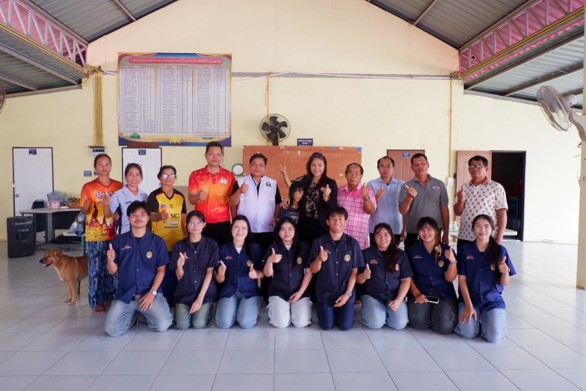
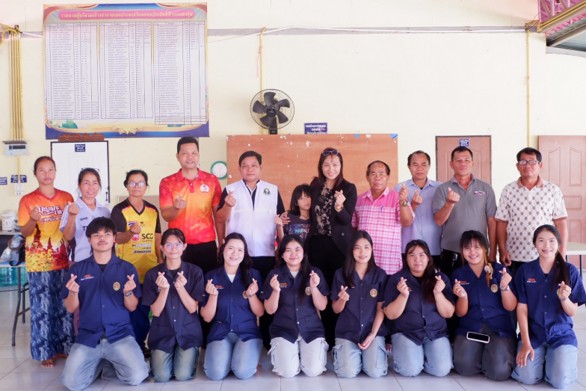
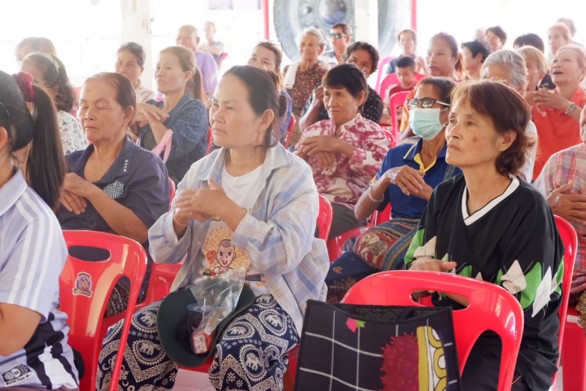
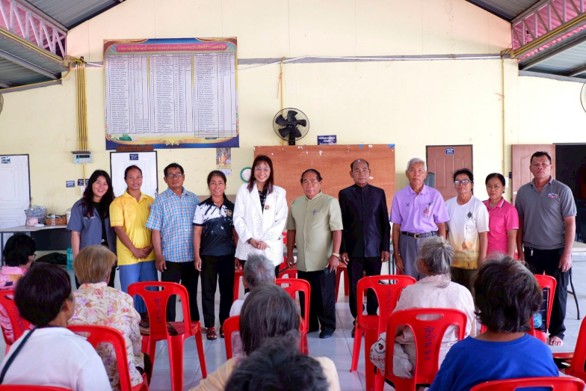
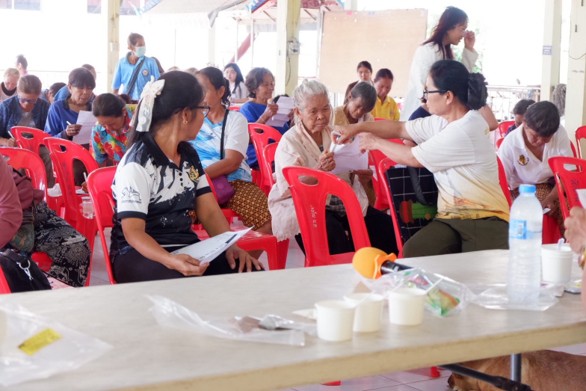
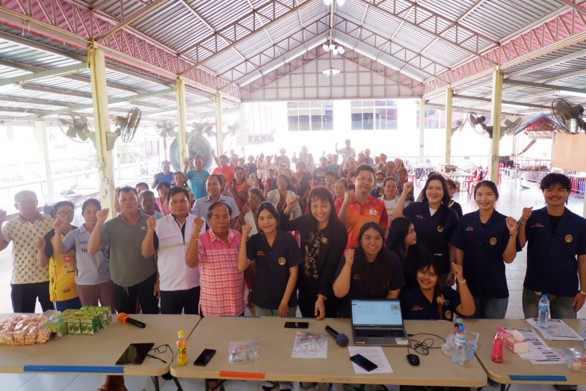
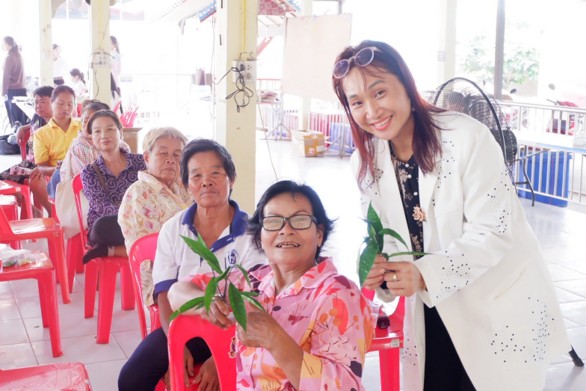
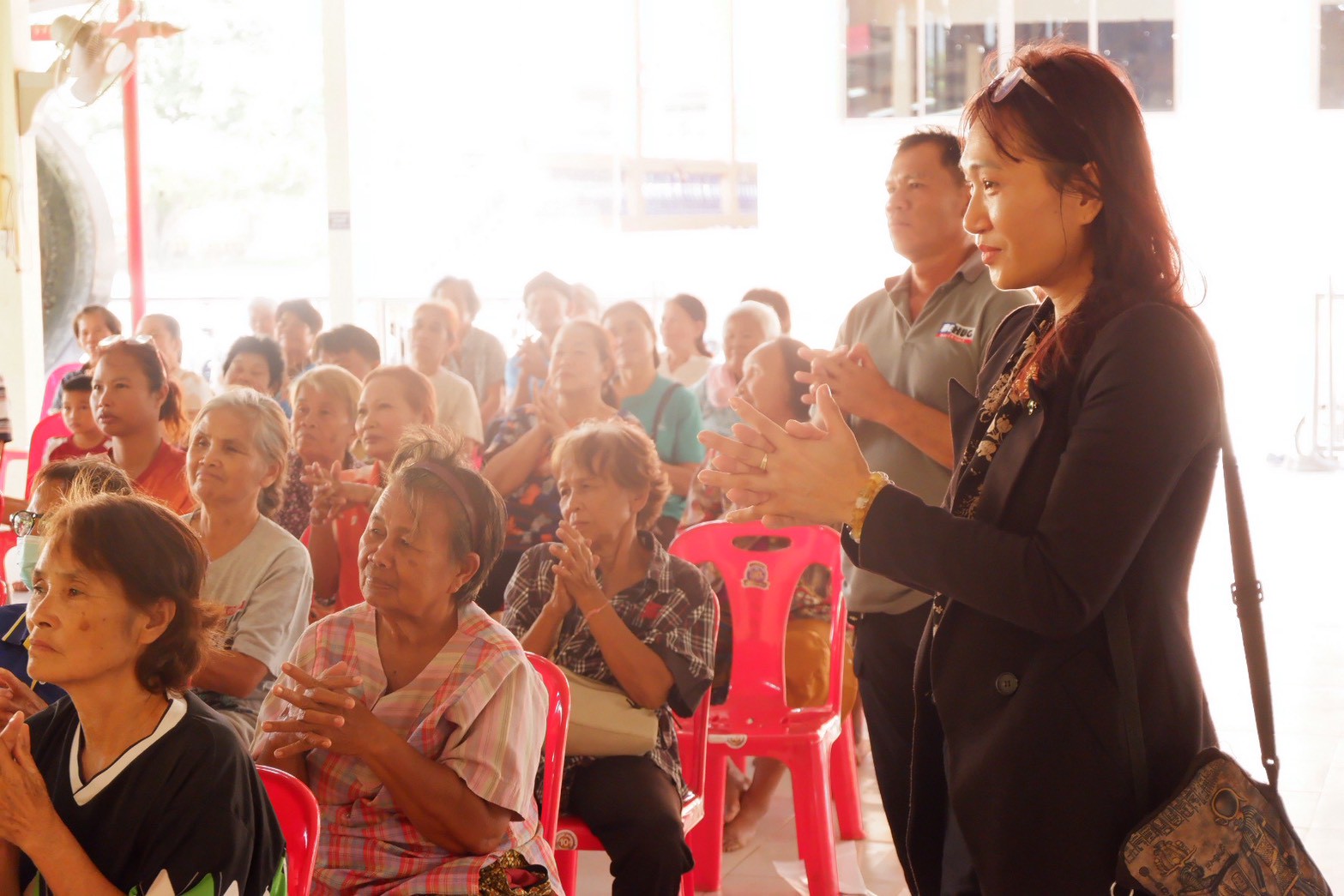
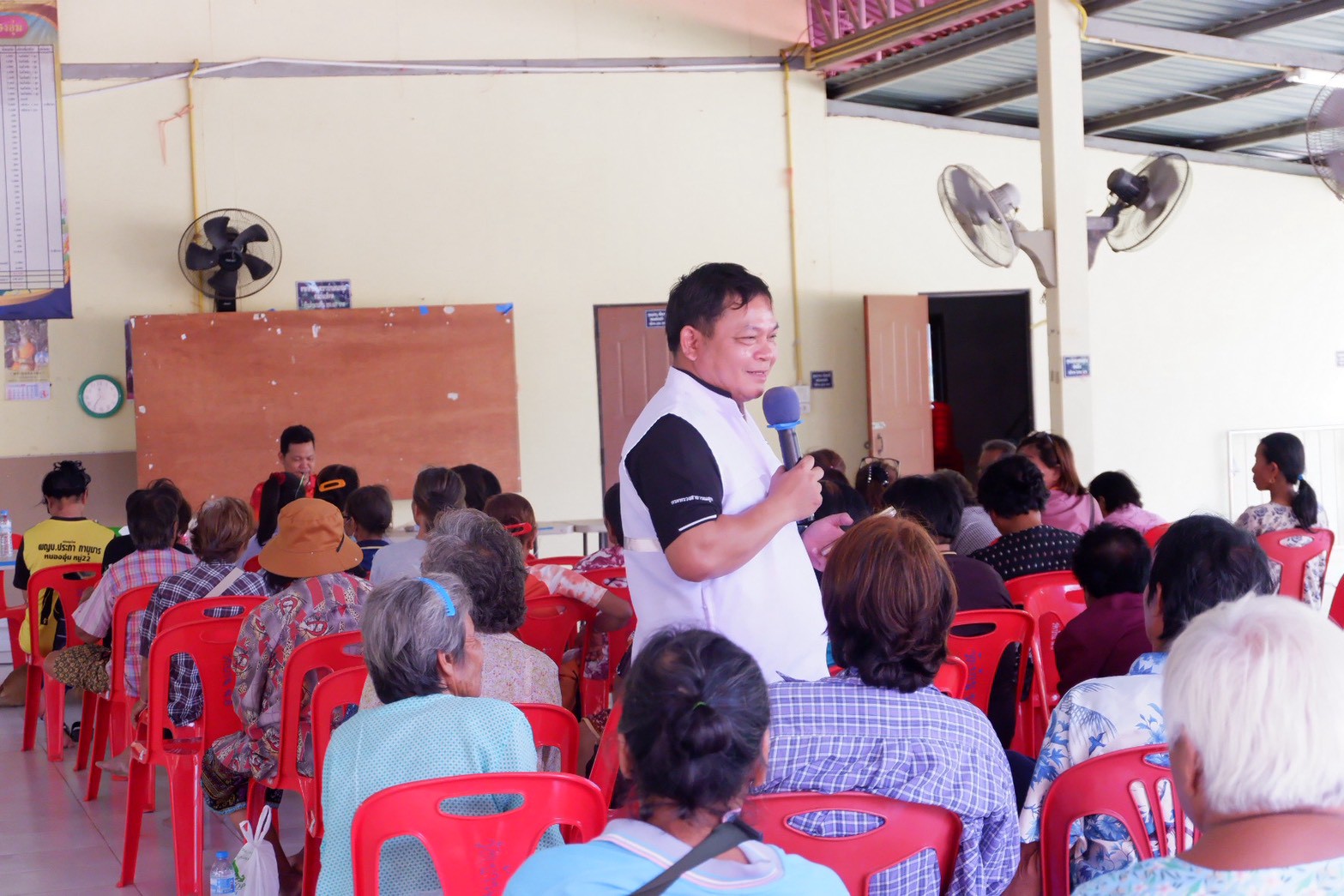
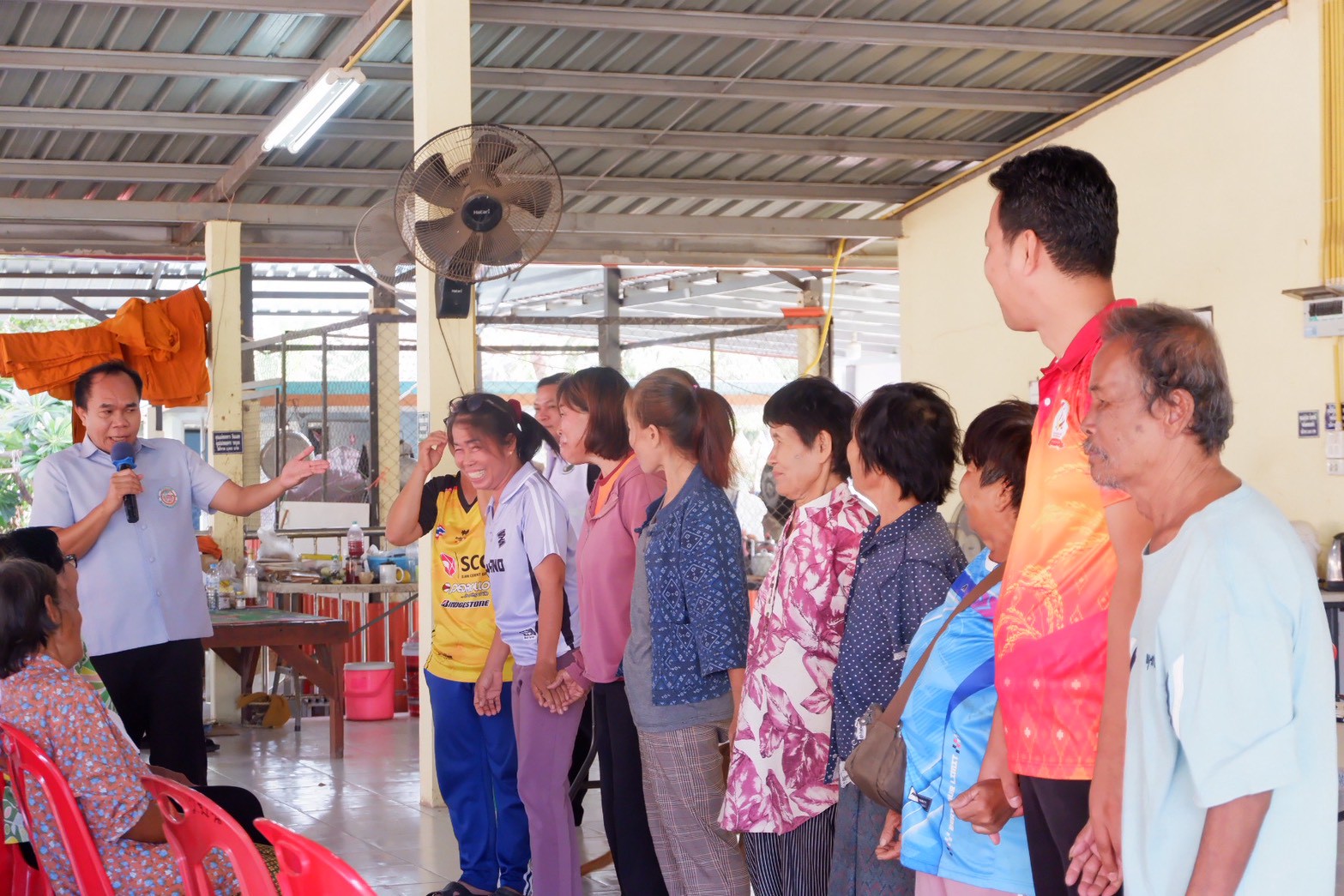
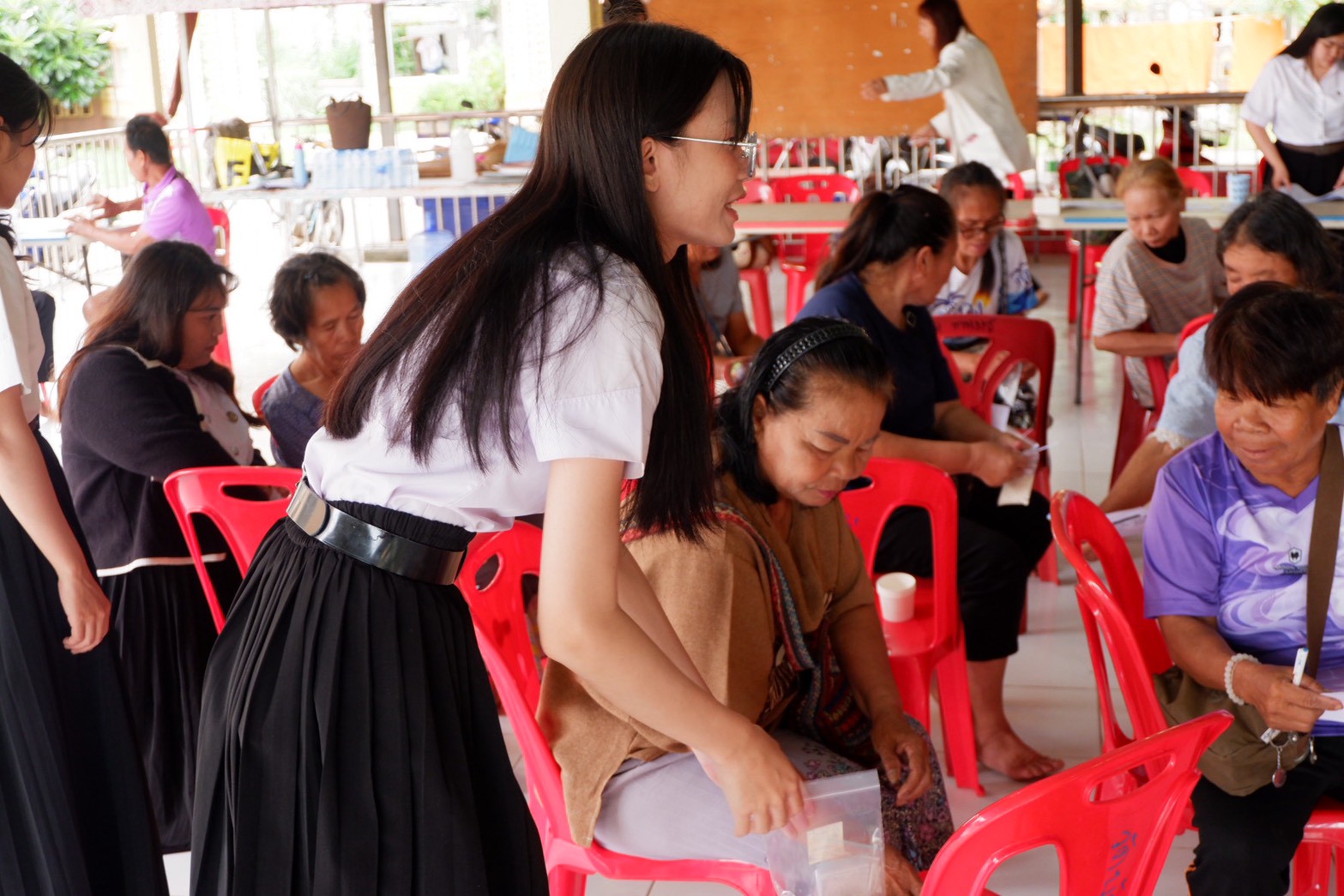
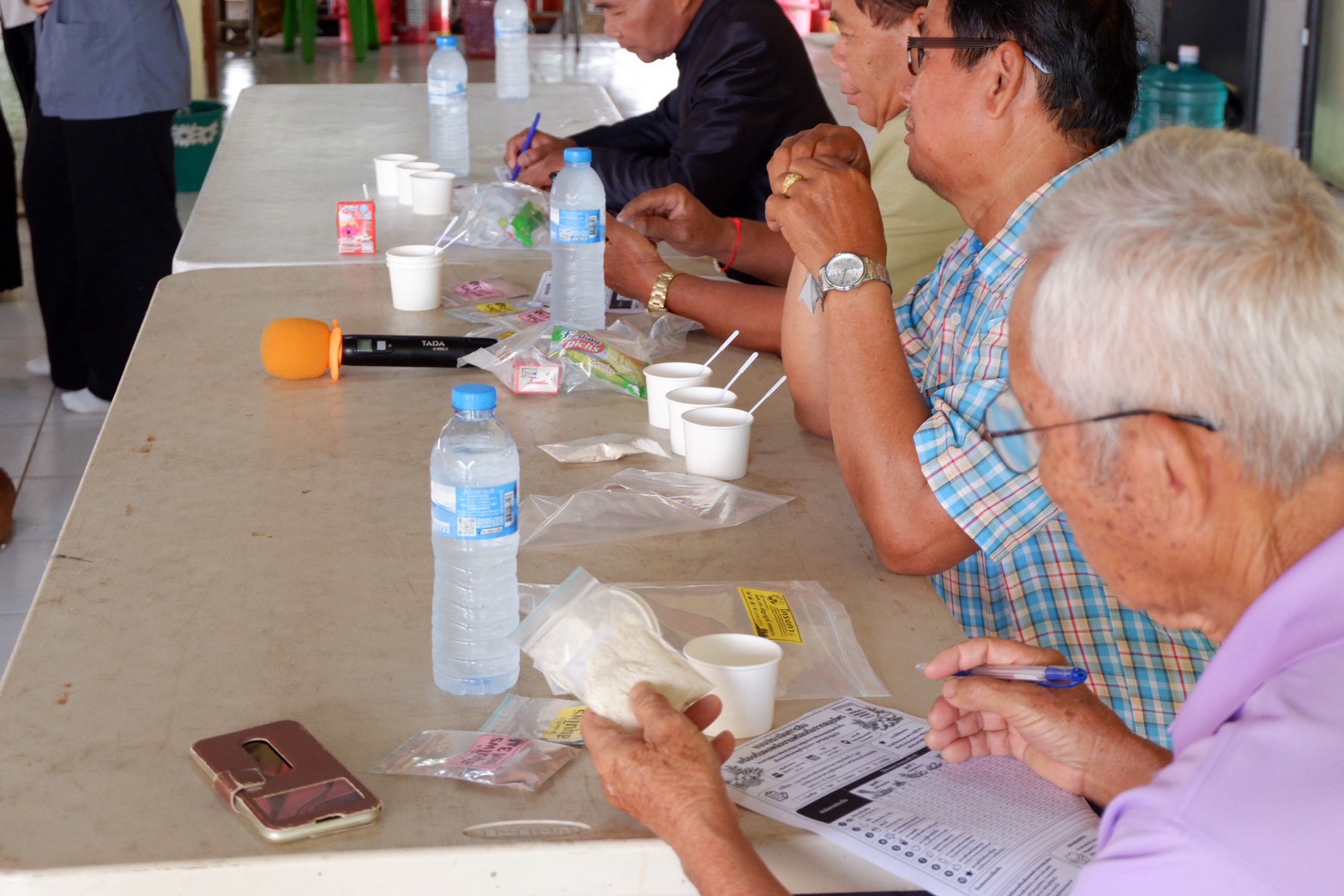
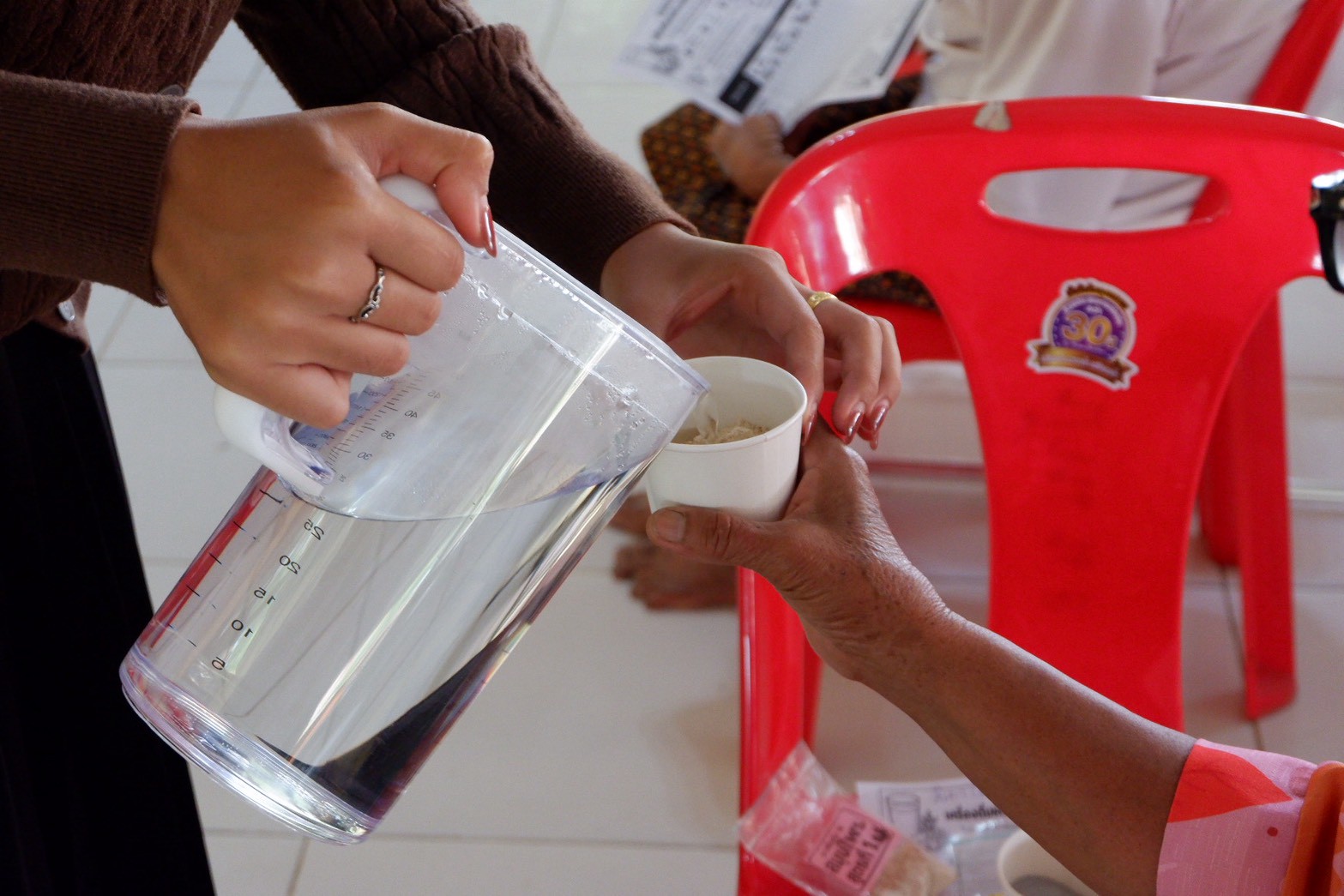
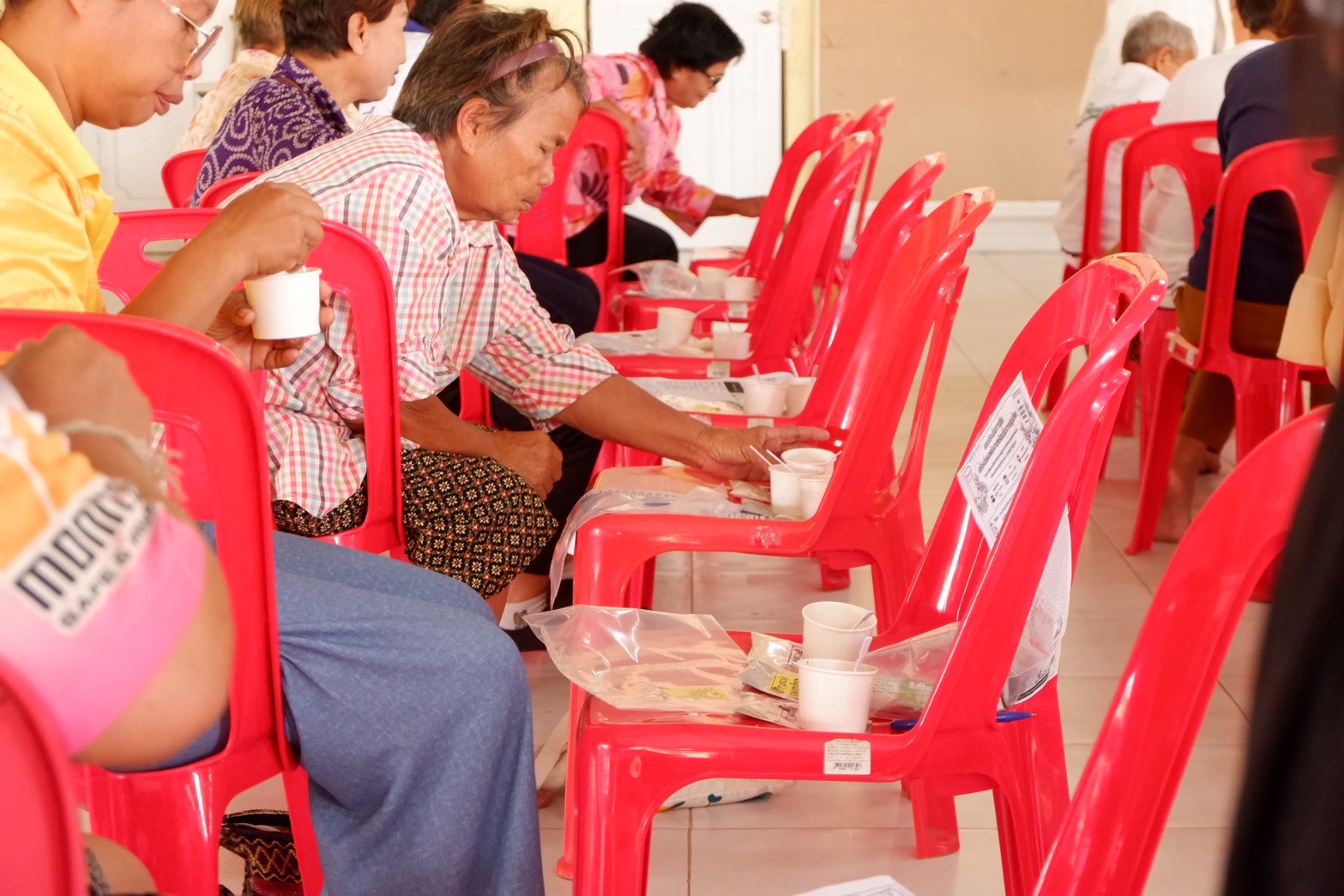
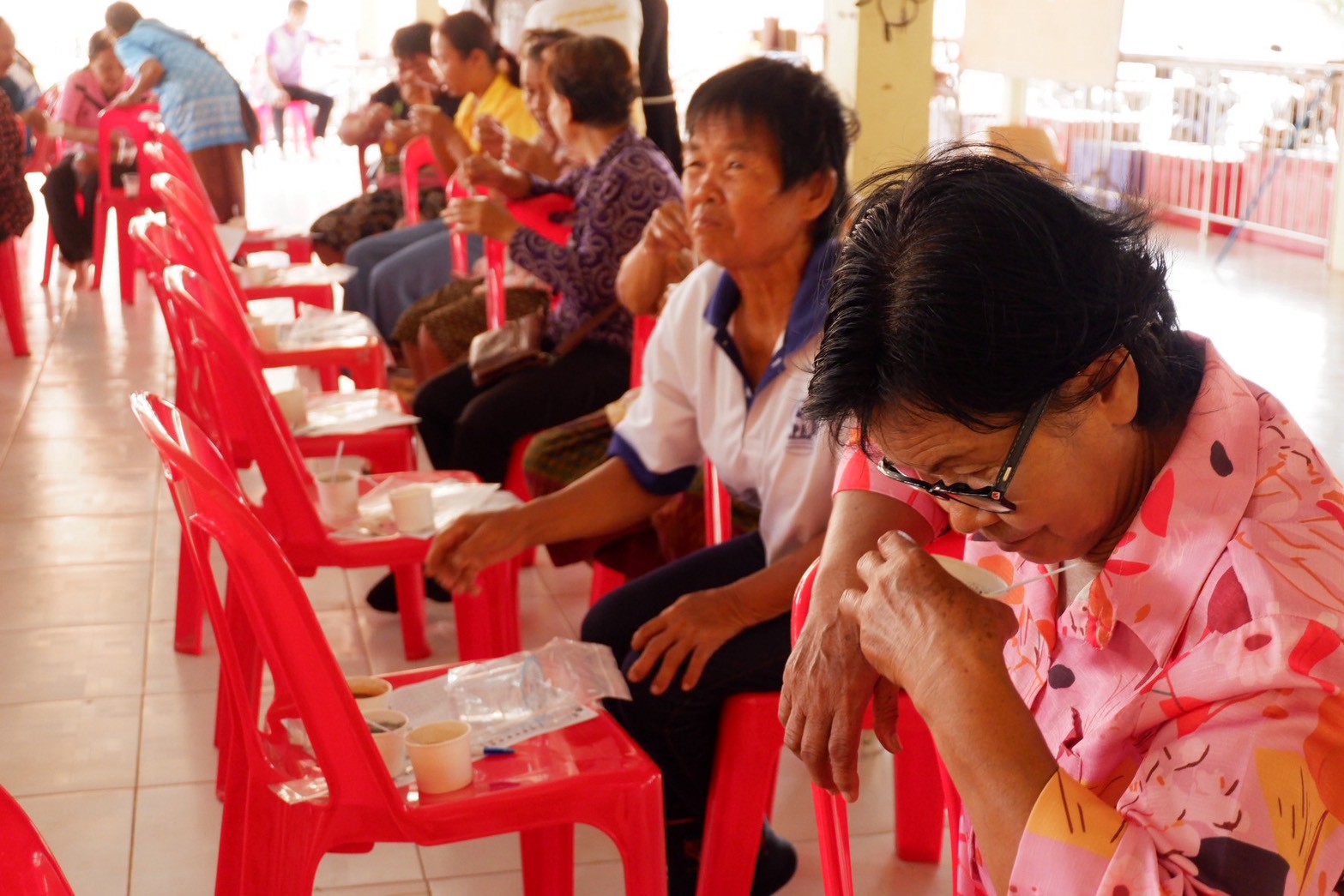
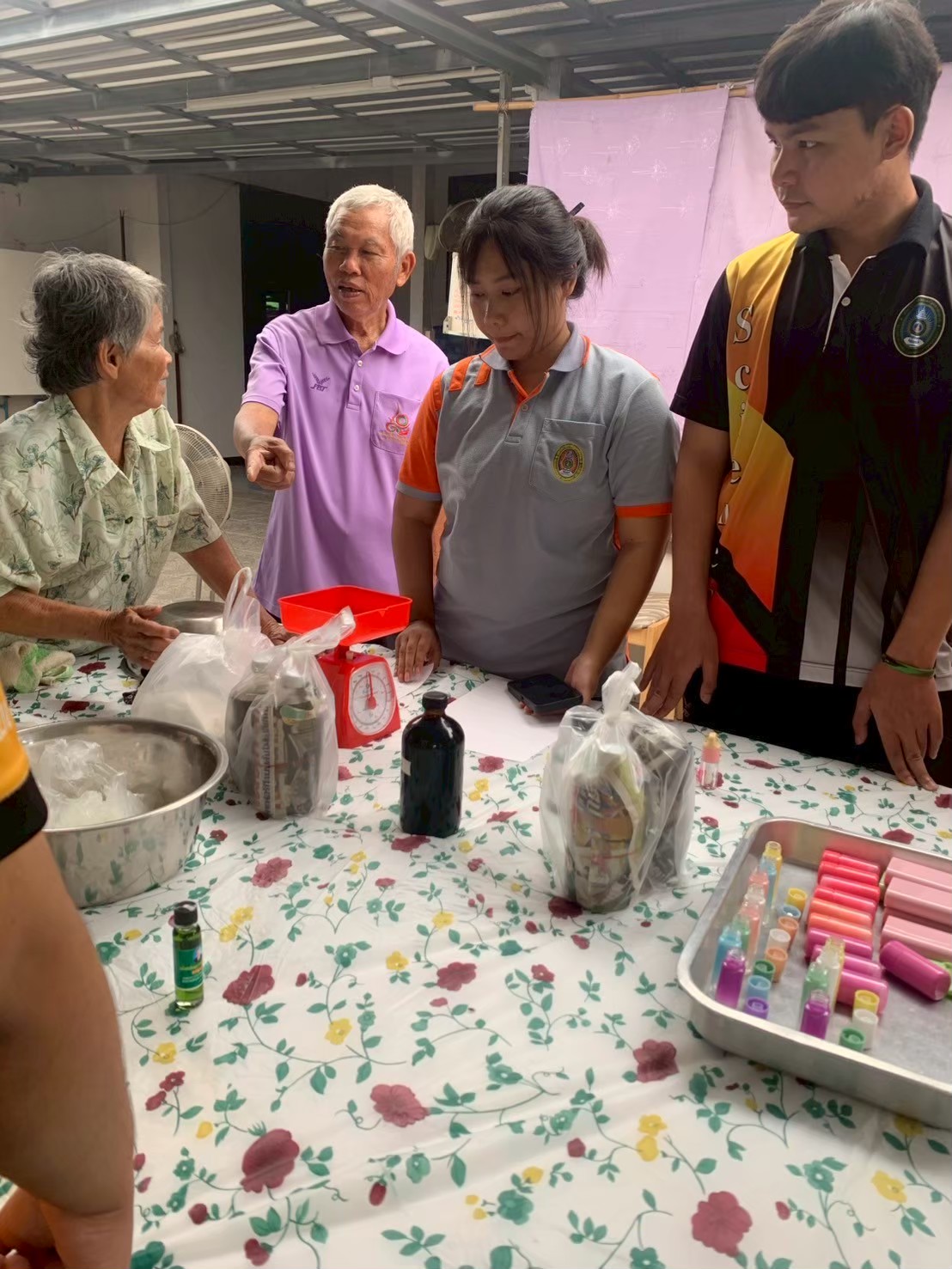
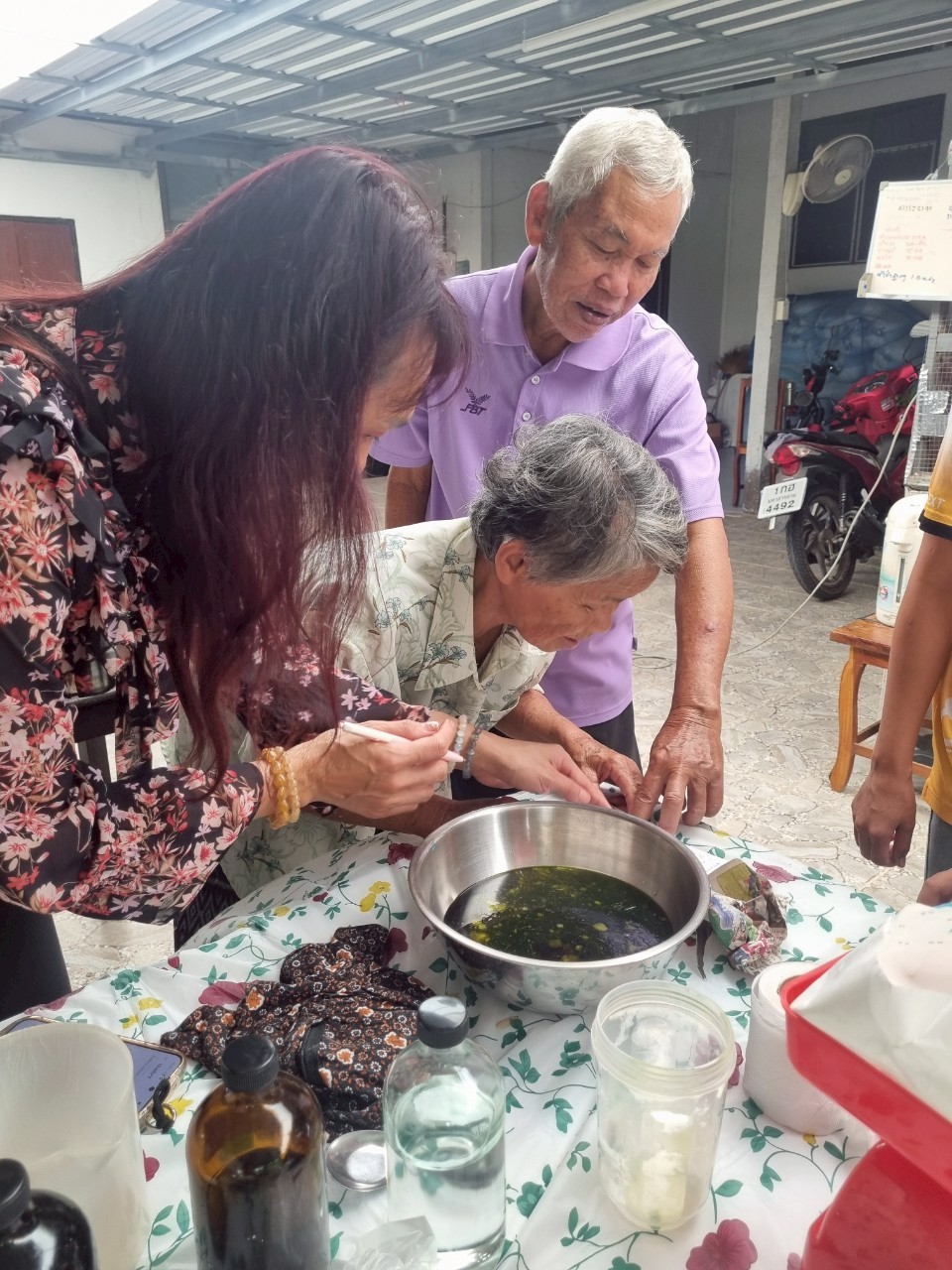
The project strengthened the knowledge and practical skills of older adults, community members, and local farmers in Na Si Nuan Subdistrict by promoting the value-added utilization of local plants and herbs through health-oriented food processing. Activities covered four target communities and supported the development of ten target households. Community members participated in learning, product preparation, product evaluation, packaging, costing, and marketing activities. The project therefore established a practical foundation for household- and community-level product development while supporting local economic development and the community-based Silver Economy. Long-term income and economic impacts will be monitored in subsequent project phases. โครงการช่วยสร้างองค์ความรู้และทักษะให้แก่ผู้สูงวัย ประชาชน และเกษตรกรในพื้นที่ตำบลนาสีนวน โดยส่งเสริมการใช้พืชและสมุนไพรพื้นถิ่นให้เกิดมูลค่าเพิ่มผ่านการแปรรูปเป็นผลิตภัณฑ์อาหารเพื่อสุขภาพ ครอบคลุมพื้นที่เป้าหมาย 4 หมู่บ้านและครัวเรือนที่ได้รับการยกระดับ 10 ครัวเรือน ชุมชนได้มีส่วนร่วมตั้งแต่การเรียนรู้ การทดลองผลิต การประเมินผลิตภัณฑ์ ไปจนถึงการเรียนรู้ด้านบรรจุภัณฑ์ ต้นทุน และช่องทางการตลาด ส่งผลให้เกิดต้นแบบผลิตภัณฑ์ที่สามารถนำไปต่อยอดในระดับครัวเรือนและชุมชน และสนับสนุนแนวทางการพัฒนาเศรษฐกิจฐานรากและ Silver Economy โดยผลด้านรายได้ระยะยาวจะได้รับการติดตามในระยะต่อไป
Student & Staff Participation การมีส่วนร่วมของนักศึกษา/บุคลากร
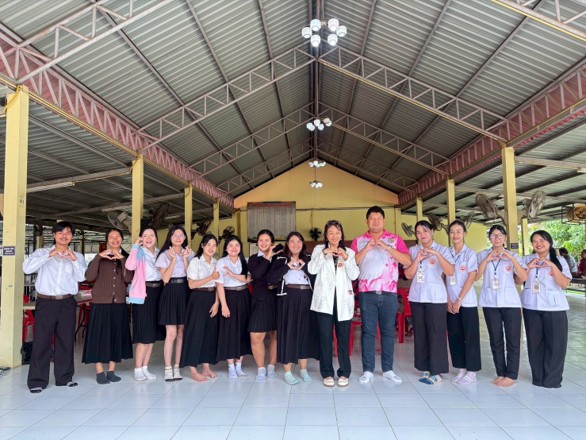
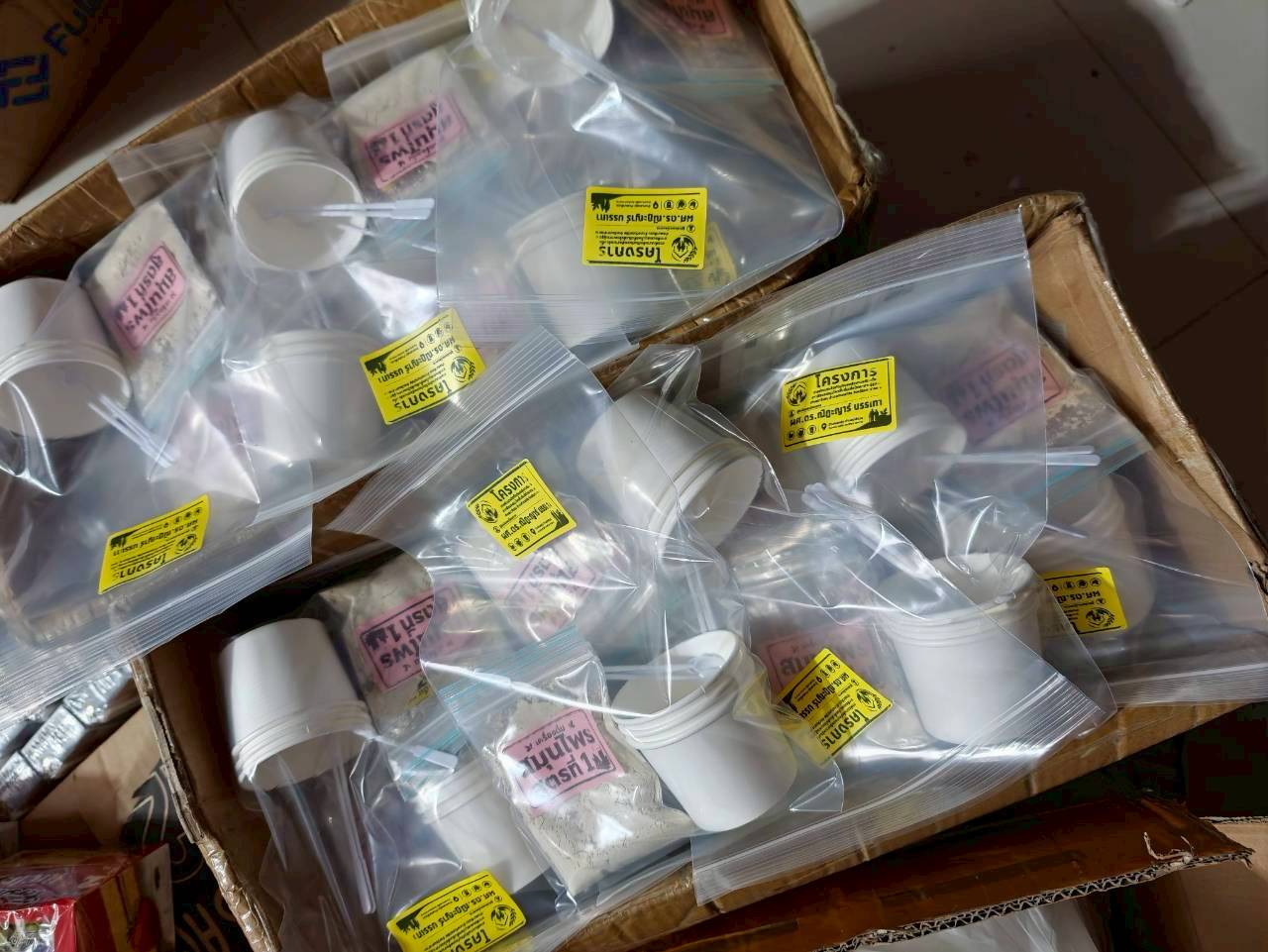
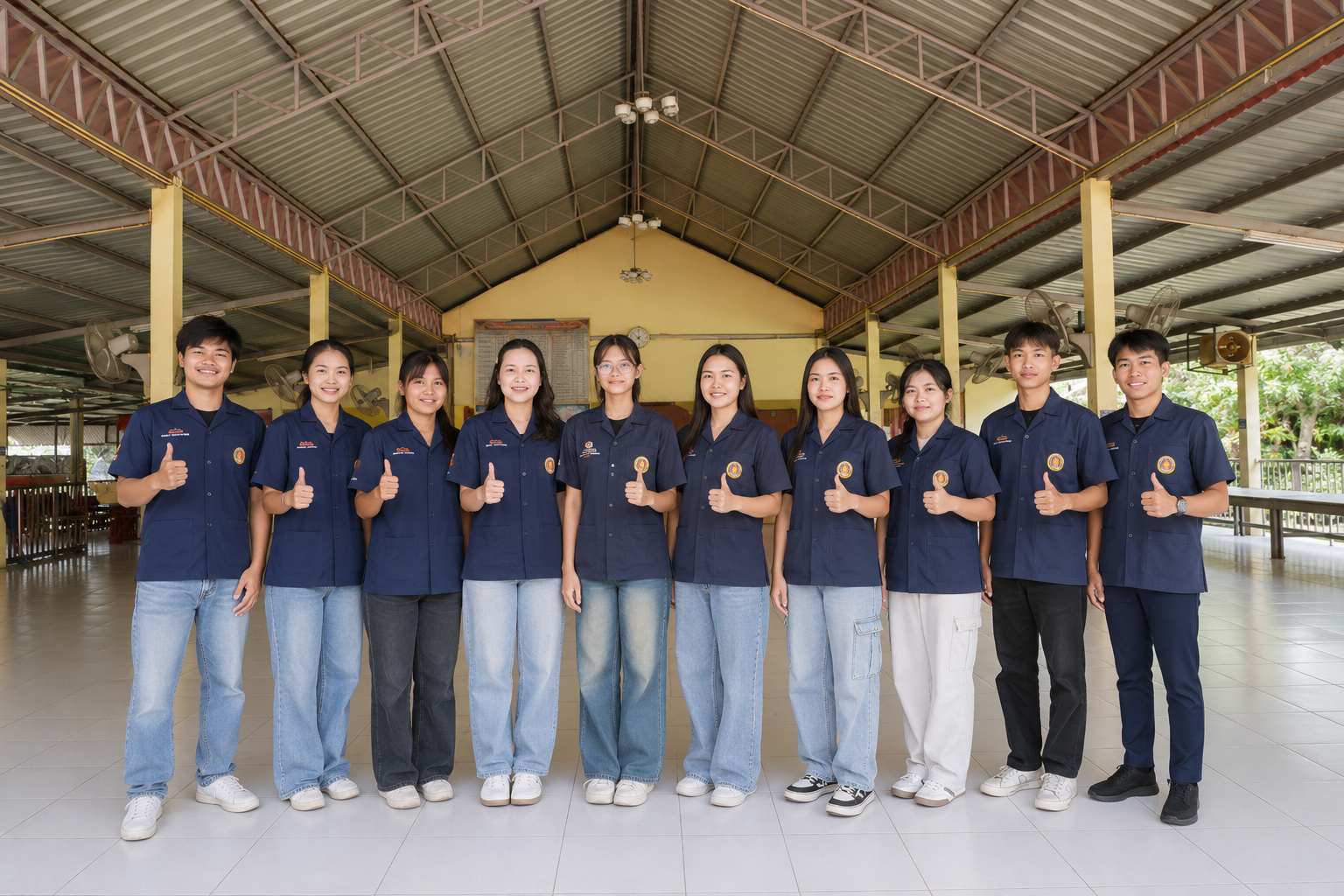
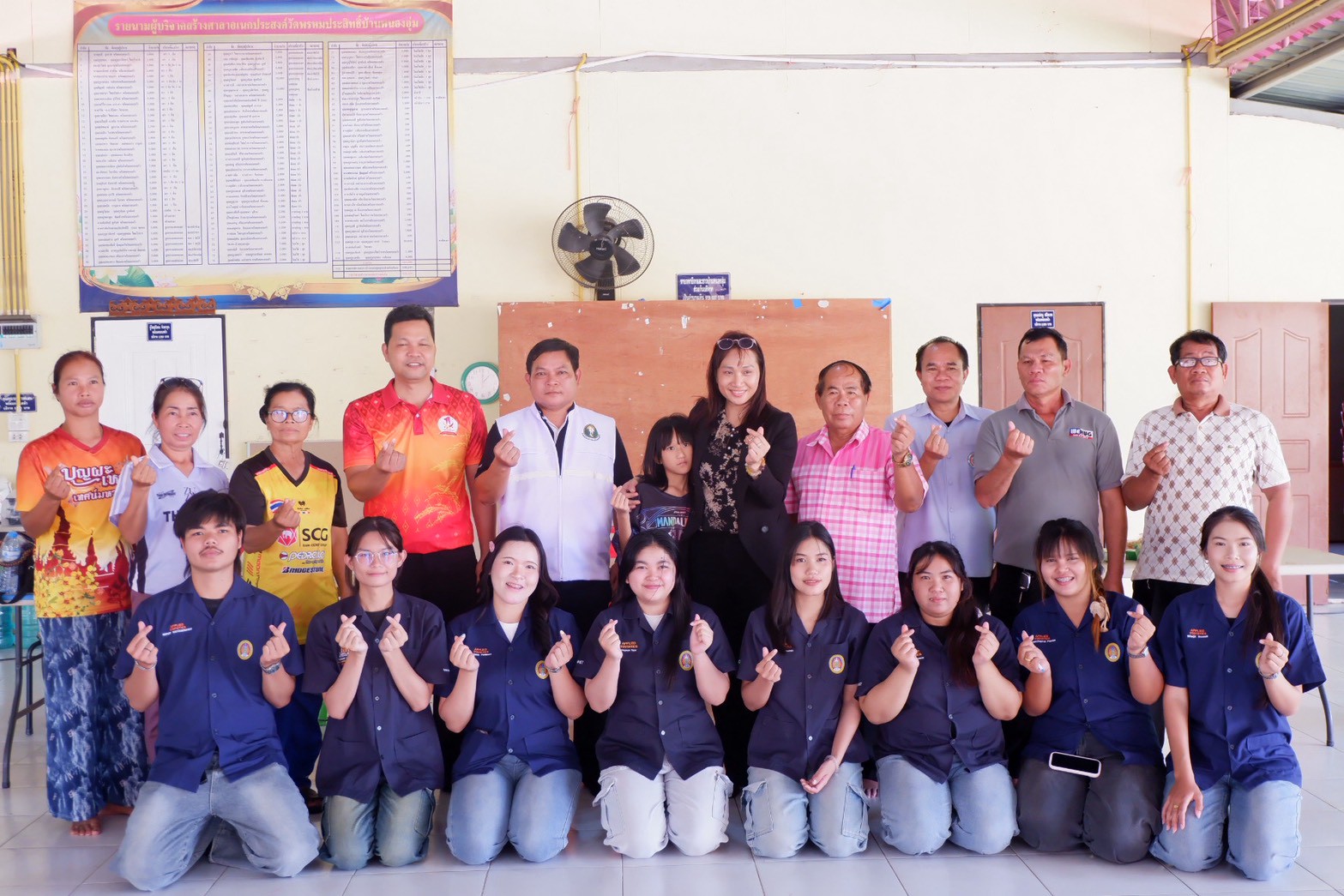
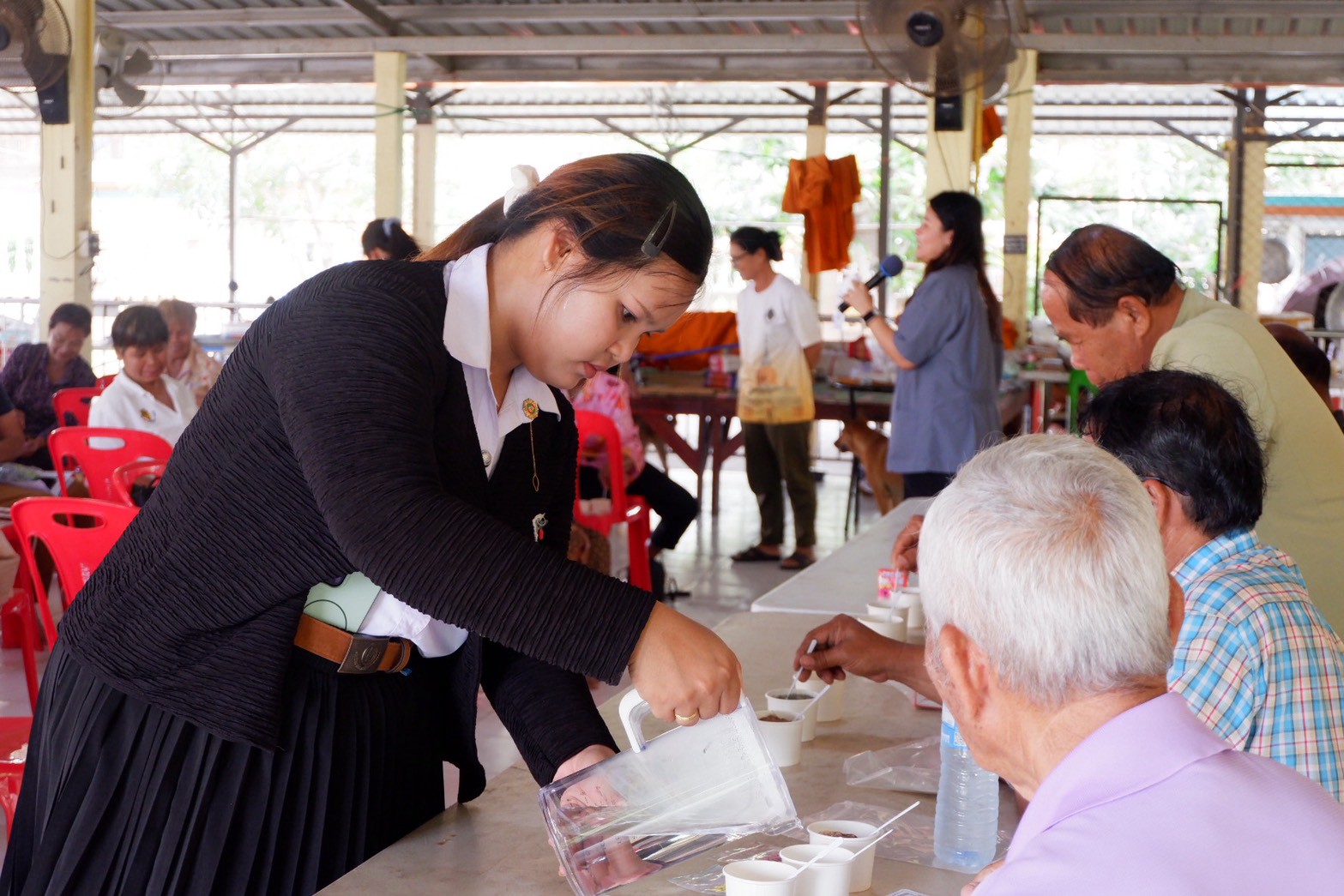
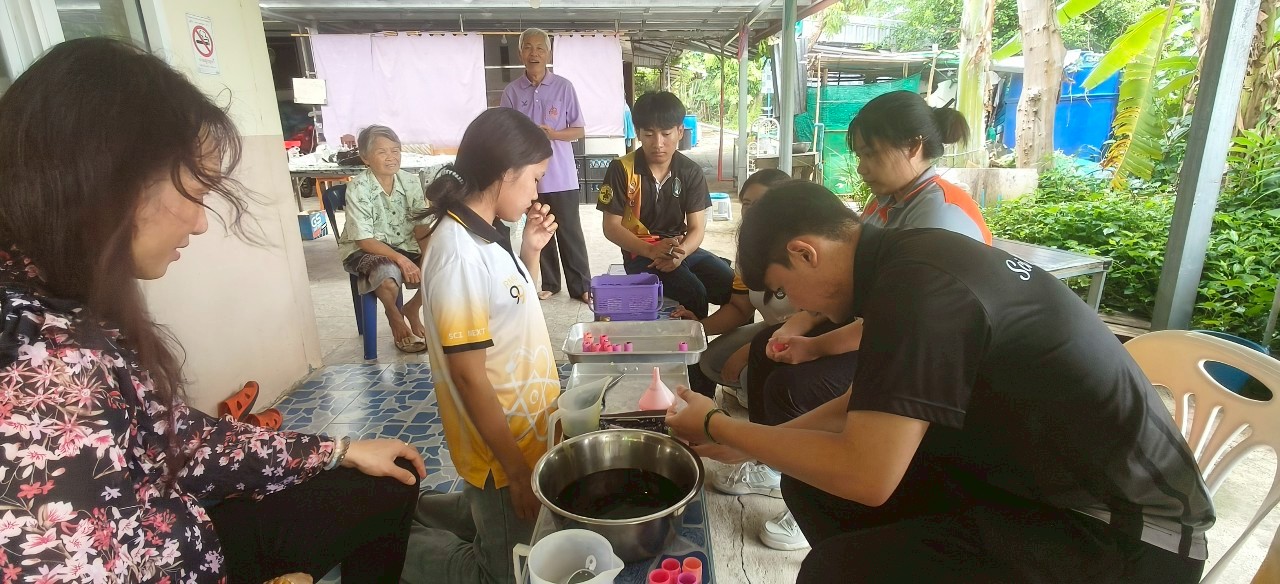
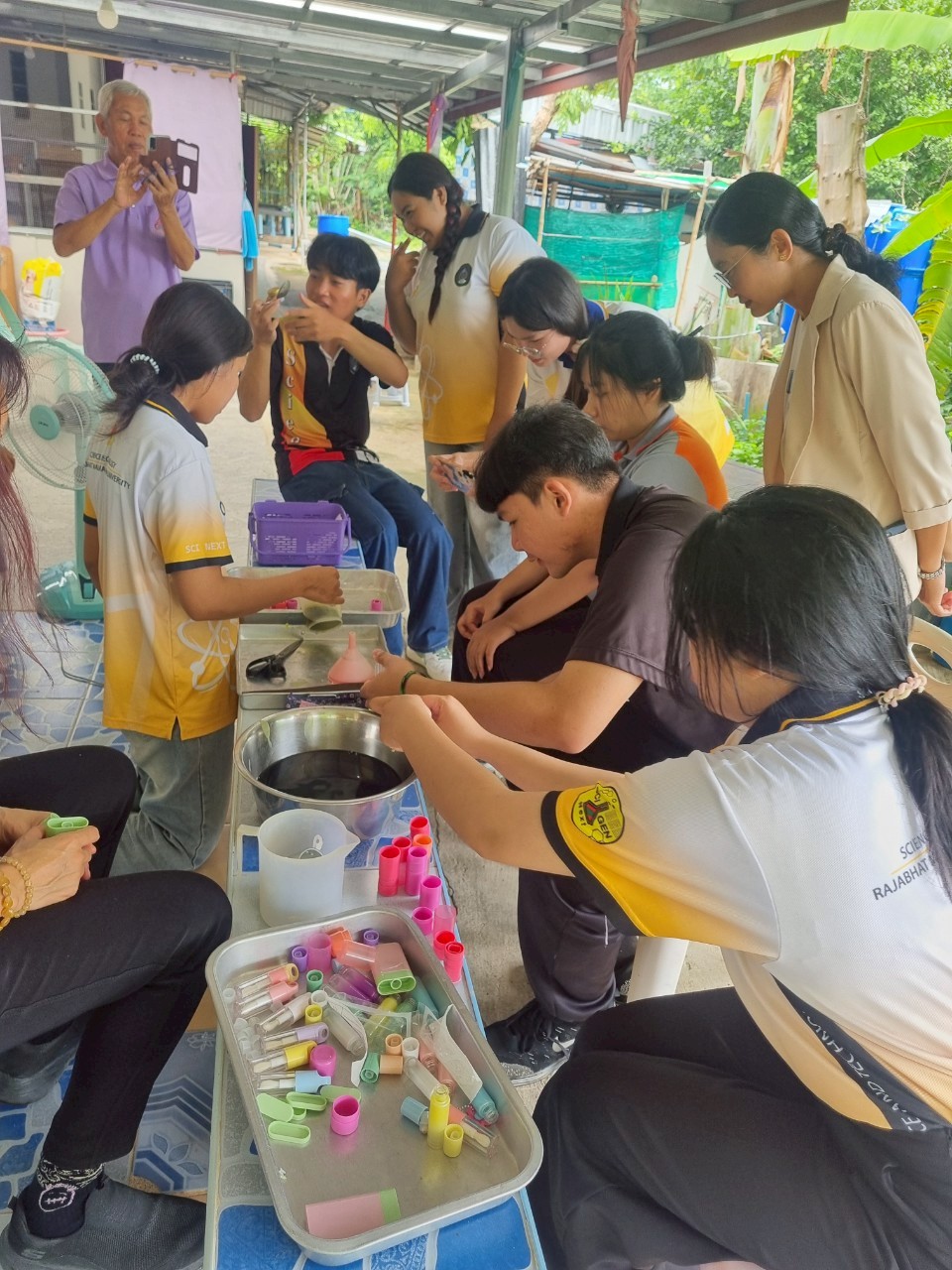
Ten students participated in the project through a Social Engineer and experiential learning process. They were involved in community-context assessment, coordination with local participants, activity implementation, preparation of materials and product samples, data collection and management, support for product trials, and communication of project results. These activities strengthened students’ teamwork, communication, analytical thinking, problem-solving, and ability to apply academic knowledge to real community-development situations. The project leader supervised the activities and integrated academic services with teaching, learning, and research. นักศึกษาจำนวน 10 คนเข้าร่วมโครงการและได้รับการพัฒนาผ่านกระบวนการวิศวกรสังคมและการเรียนรู้จากการปฏิบัติจริง โดยมีส่วนร่วมในการศึกษาบริบทพื้นที่ การประสานงานกับชุมชน การจัดกิจกรรม การเตรียมวัสดุและตัวอย่างผลิตภัณฑ์ การเก็บและจัดการข้อมูล การสนับสนุนการทดลองผลิตภัณฑ์ และการสื่อสารผลการดำเนินงานกับกลุ่มเป้าหมาย ทำให้นักศึกษาได้พัฒนาทักษะด้านการทำงานเป็นทีม การสื่อสาร การคิดวิเคราะห์ การแก้ปัญหา และการประยุกต์ใช้องค์ความรู้ทางวิชาการเพื่อพัฒนาชุมชน โดยมีอาจารย์ผู้รับผิดชอบโครงการทำหน้าที่กำกับ ดูแล และเชื่อมโยงการบริการวิชาการกับการเรียนการสอนและการวิจัย
Project Continuity ความต่อเนื่องของโครงการ
The project will be continued by advancing the prototypes toward practical community-level utilization. Future activities will include formulation optimization, development and validation of standard operating procedures (SOPs), evaluation of product quality, storage stability and safety, packaging and labeling development, preparation for relevant product standards, pilot-scale production, cost and business feasibility analysis, and capacity building for community groups in production, quality control, and marketing. Follow-up assessment will also be conducted to determine how knowledge is applied at household and community levels and to evaluate subsequent economic and social outcomes. The resulting data will further support research development and academic publication. โครงการมีแนวทางต่อยอดจากผลิตภัณฑ์ต้นแบบไปสู่การใช้ประโยชน์จริงในระดับชุมชน โดยจะดำเนินการปรับปรุงสูตรที่มีศักยภาพ พัฒนาและทวนสอบกระบวนการผลิตมาตรฐาน (SOP) ศึกษาคุณภาพ ความคงตัว และความปลอดภัยระหว่างการเก็บรักษา พัฒนาบรรจุภัณฑ์และฉลาก เตรียมความพร้อมด้านมาตรฐานผลิตภัณฑ์ ทดลองผลิตในระดับนำร่อง วิเคราะห์ต้นทุนและความเป็นไปได้ทางธุรกิจ รวมทั้งพัฒนาศักยภาพของกลุ่มชุมชนด้านการผลิต การควบคุมคุณภาพ และการตลาด นอกจากนี้จะมีการติดตามการนำองค์ความรู้ไปใช้ในระดับครัวเรือนและชุมชน เพื่อประเมินผลลัพธ์ด้านการใช้ประโยชน์ การสร้างรายได้ และผลกระทบทางเศรษฐกิจและสังคม พร้อมทั้งต่อยอดข้อมูลสู่การวิจัยและการเผยแพร่ผลงานทางวิชาการ
Part 3: Challenges & Suggestions ส่วนที่ 3 ปัญหาอุปสรรค/ข้อเสนอแนะ
Problems & Obstacles ปัญหา/อุปสรรค
The project encountered limitations in terms of time and budget for advancing the products from the prototype stage toward commercial-scale production. Additional challenges included maintaining consistency in raw materials and product quality across production cycles. Community participants also require further capacity building in production standards, quality control, packaging, labeling, costing, and marketing. Although the project demonstrated positive initial outcomes, longer-term impacts on income generation, occupational development, and sustainable product utilization require further follow-up and evaluation. การดำเนินโครงการมีข้อจำกัดด้านระยะเวลาและงบประมาณในการพัฒนาผลิตภัณฑ์จากระดับต้นแบบไปสู่การผลิตเชิงพาณิชย์ รวมทั้งการควบคุมความสม่ำเสมอของวัตถุดิบและคุณภาพผลิตภัณฑ์ในแต่ละรอบการผลิต ชุมชนยังต้องการการพัฒนาทักษะเพิ่มเติมด้านมาตรฐานการผลิต การควบคุมคุณภาพ บรรจุภัณฑ์ ฉลาก การคำนวณต้นทุน และการตลาด นอกจากนี้ การประเมินผลในช่วงโครงการสามารถสะท้อนผลลัพธ์ระยะต้นได้ แต่ผลกระทบด้านรายได้ การสร้างอาชีพ และความยั่งยืนของการนำผลิตภัณฑ์ไปใช้ประโยชน์จำเป็นต้องมีการติดตามในระยะต่อไป
Improvement Guidelines แนวทางการปรับปรุง
Future improvement should focus on selecting and optimizing the most promising formulations by integrating laboratory quality data with consumer acceptance results. Standard operating procedures (SOPs) should be developed and validated to ensure consistent product quality. Further studies on product stability, storage, safety, and quality should also be undertaken, together with improvements in packaging, labeling, and compliance with relevant food standards. Pilot-scale production, cost and business feasibility analysis, and market-channel testing should be conducted, accompanied by systematic follow-up of knowledge utilization among participating households and community groups. ควรดำเนินการปรับปรุงและคัดเลือกสูตรที่มีศักยภาพโดยใช้ข้อมูลคุณภาพทางห้องปฏิบัติการร่วมกับผลการยอมรับของผู้บริโภค พร้อมพัฒนาและทวนสอบกระบวนการผลิตมาตรฐาน (SOP) เพื่อให้สามารถควบคุมคุณภาพได้อย่างสม่ำเสมอ ควรศึกษาความคงตัว การเก็บรักษา ความปลอดภัย และคุณภาพผลิตภัณฑ์เพิ่มเติม รวมถึงพัฒนาบรรจุภัณฑ์ ฉลาก และข้อมูลที่เกี่ยวข้องกับมาตรฐานอาหาร ตลอดจนดำเนินการผลิตระดับนำร่อง วิเคราะห์ต้นทุน ความเป็นไปได้ทางธุรกิจ และทดลองช่องทางตลาด ควบคู่กับการติดตามการนำองค์ความรู้ไปใช้ของครัวเรือนและกลุ่มชุมชนอย่างต่อเนื่อง
Suggestions to University ข้อเสนอแนะต่อมหาวิทยาลัย
The University should provide continued support through multi-year community development initiatives so that promising prototypes can progress toward practical utilization and measurable local economic impact. Support should include funding for additional laboratory analyses, production standardization, packaging development, product certification readiness, and market testing. The University should also strengthen collaboration among academic faculties, food science units, health agencies, local authorities, and business partners. A systematic post-project outcome and impact monitoring mechanism should be established to assess knowledge utilization, income-generation opportunities, and the long-term sustainability of community development. มหาวิทยาลัยควรสนับสนุนการดำเนินงานต่อเนื่องในลักษณะโครงการระยะหลายปี เพื่อให้ผลิตภัณฑ์ต้นแบบสามารถพัฒนาไปสู่การใช้ประโยชน์จริงและสร้างผลกระทบทางเศรษฐกิจในชุมชน โดยสนับสนุนงบประมาณสำหรับการตรวจวิเคราะห์เพิ่มเติม การพัฒนามาตรฐานและกระบวนการผลิต การออกแบบบรรจุภัณฑ์ การเตรียมความพร้อมด้านการรับรองผลิตภัณฑ์ และการทดลองตลาด รวมทั้งส่งเสริมความร่วมมือระหว่างคณะ หน่วยงานด้านวิทยาศาสตร์อาหาร หน่วยงานสุขภาพ องค์กรปกครองส่วนท้องถิ่น และภาคธุรกิจ ตลอดจนจัดให้มีระบบติดตาม Outcome และ Impact หลังสิ้นสุดโครงการ เพื่อให้สามารถประเมินการนำองค์ความรู้ไปใช้ การสร้างรายได้ และความยั่งยืนของการพัฒนาท้องถิ่นได้อย่างเป็นรูปธรรม