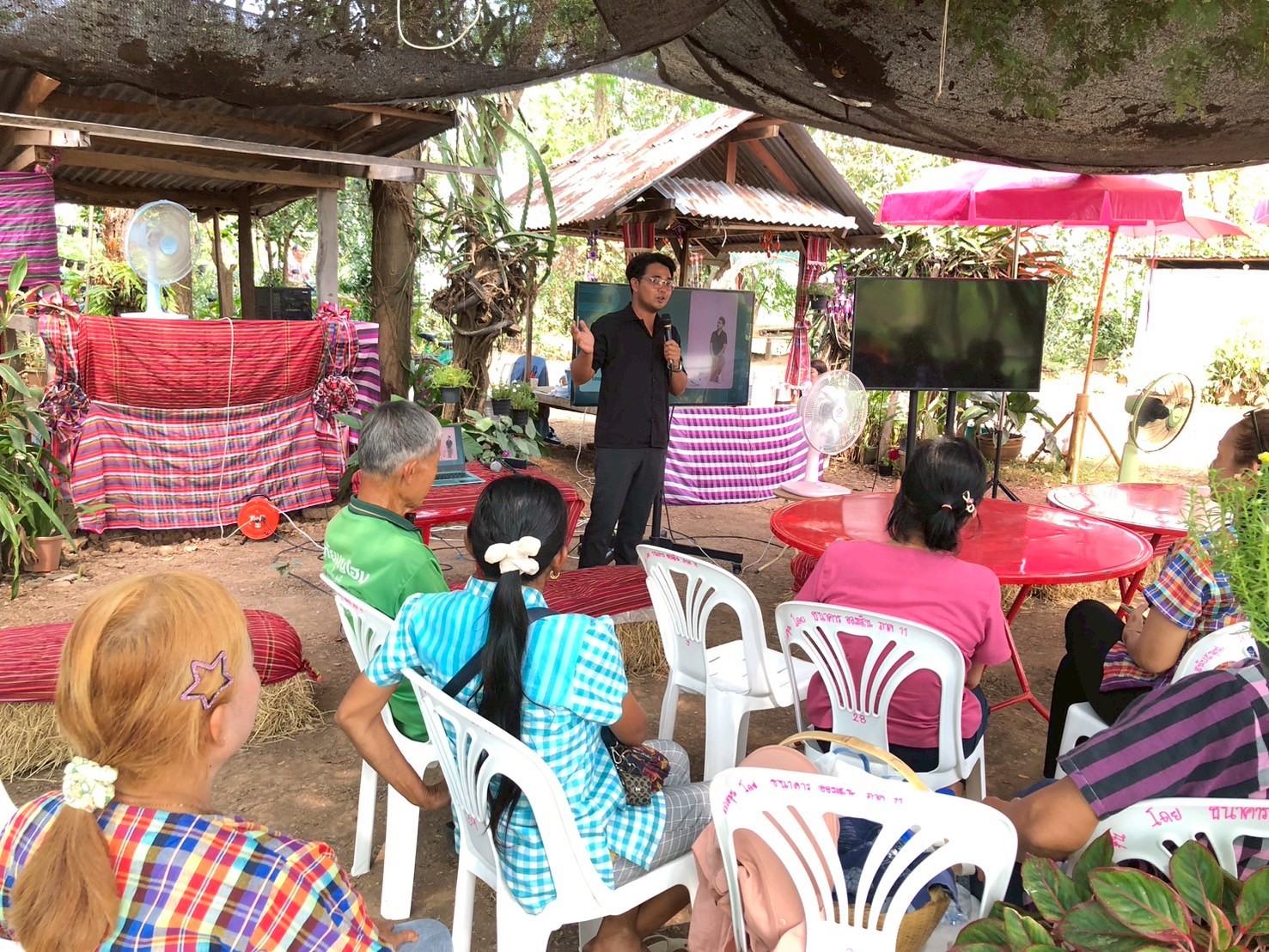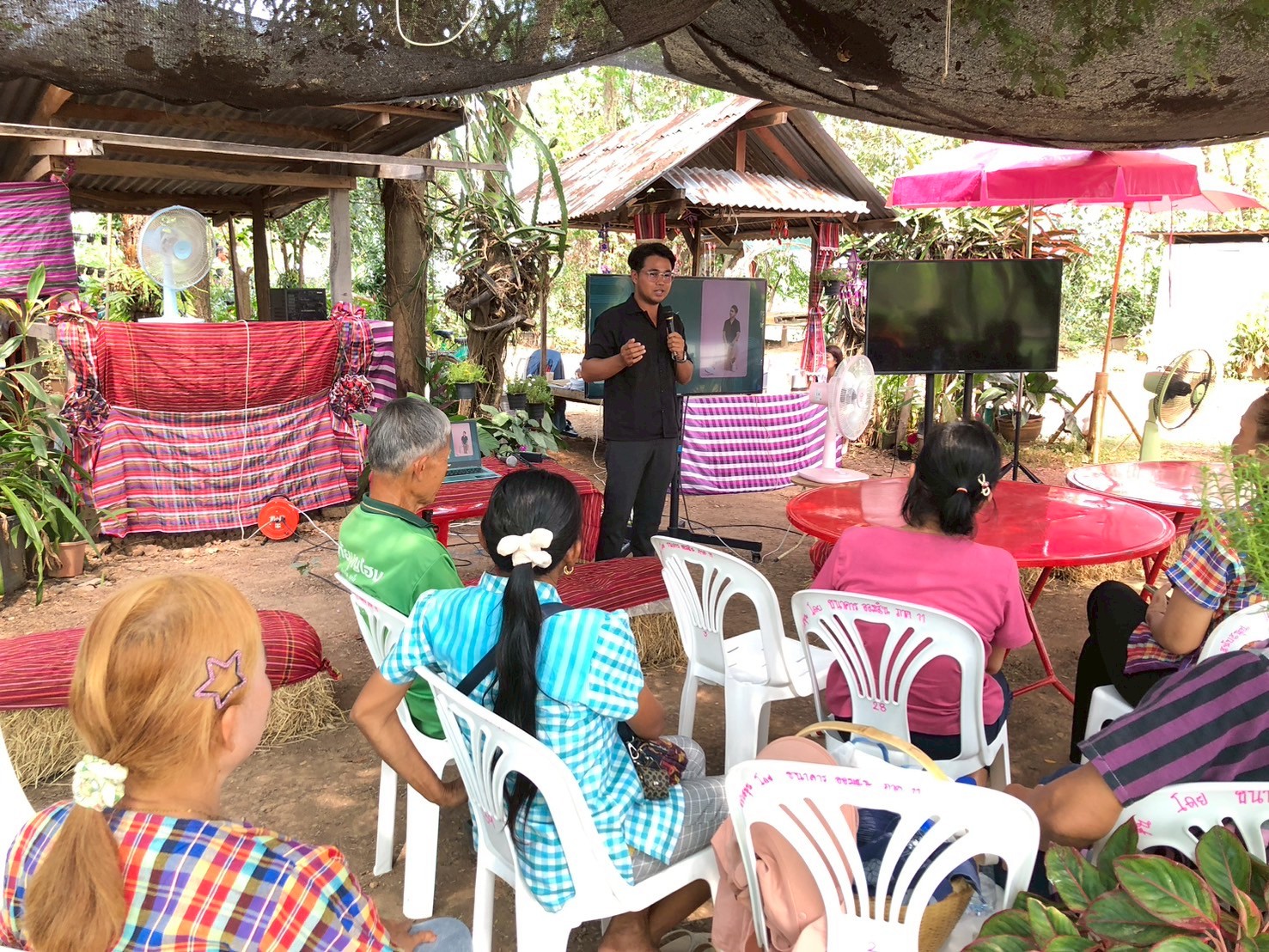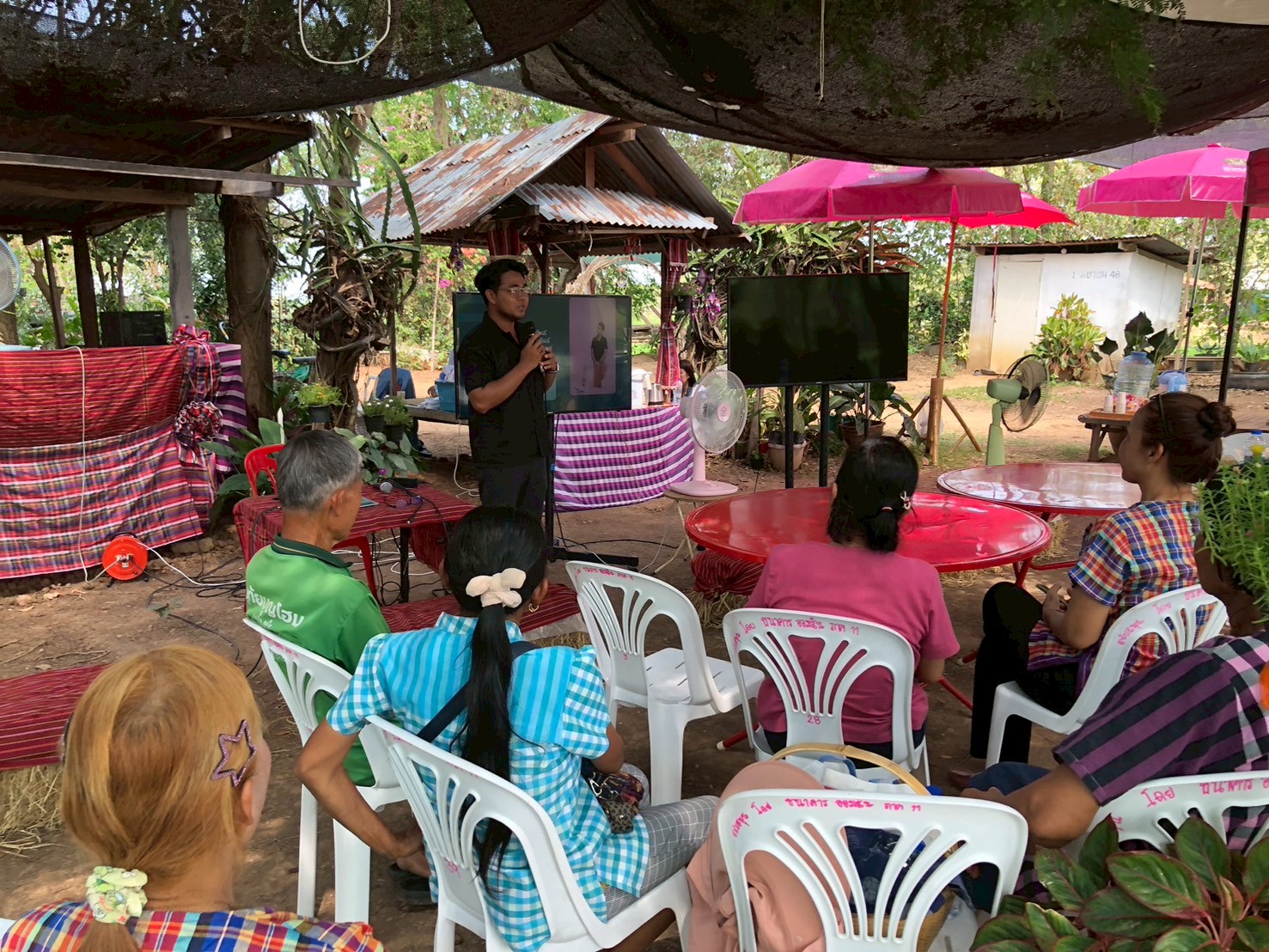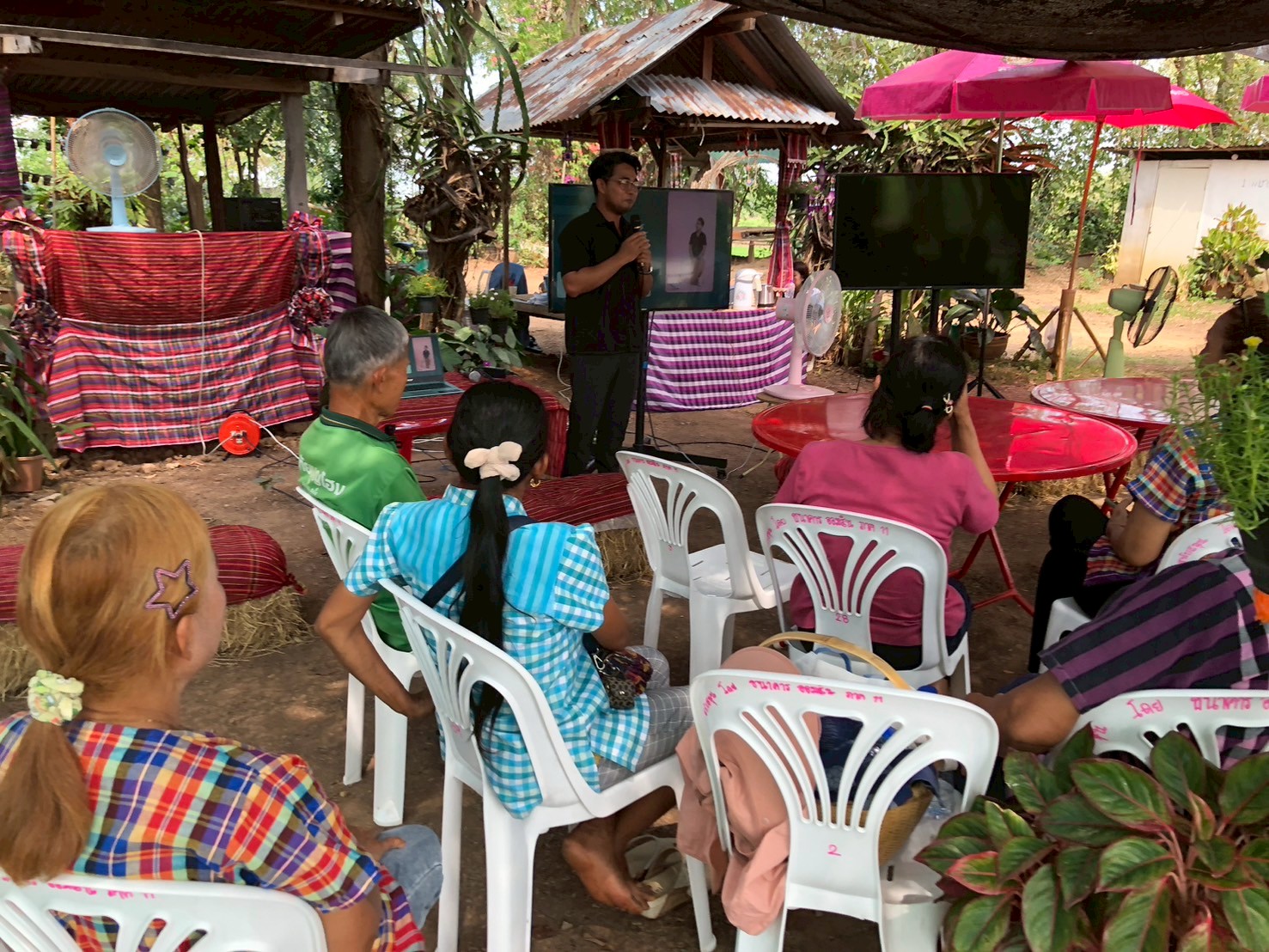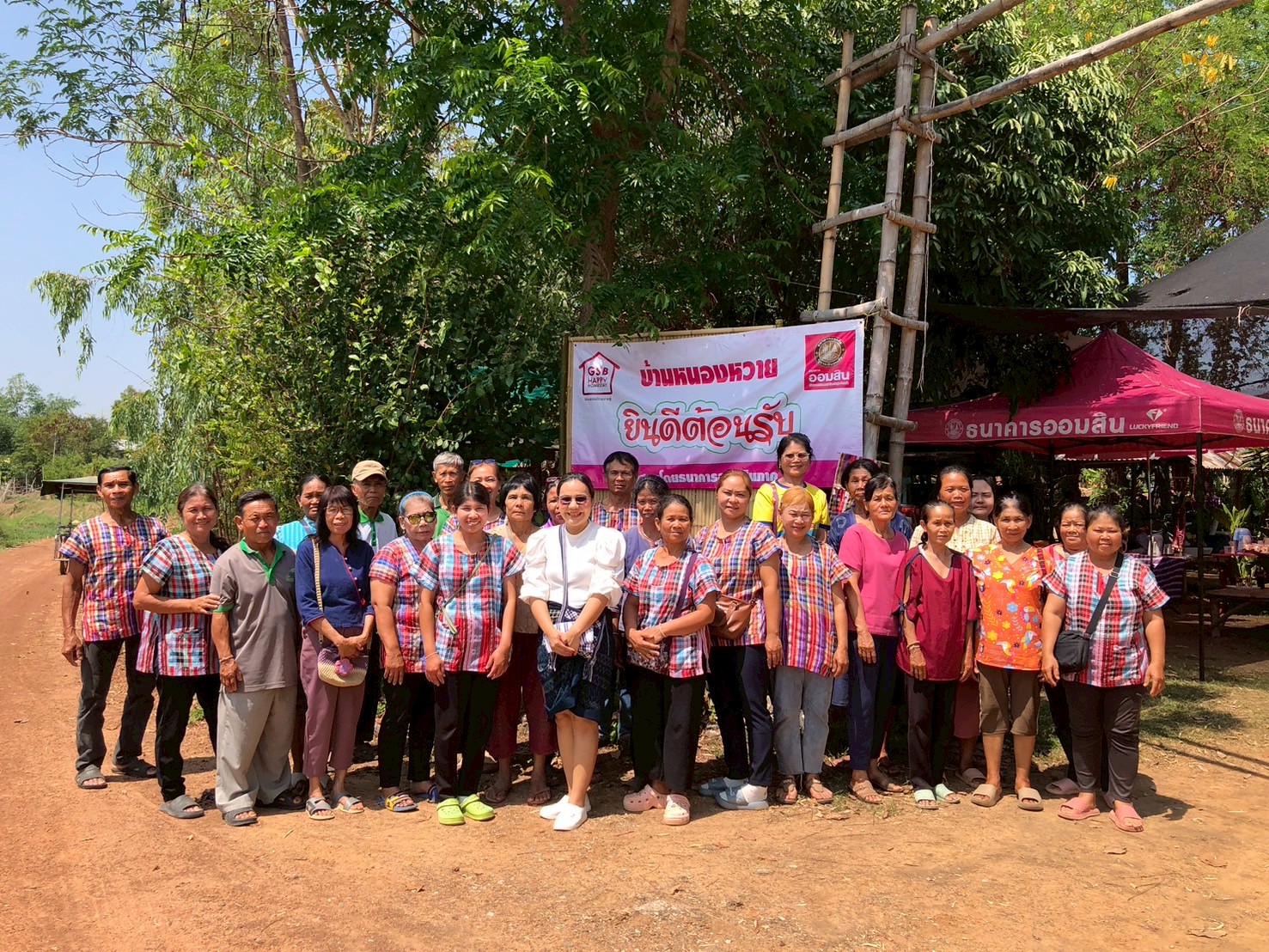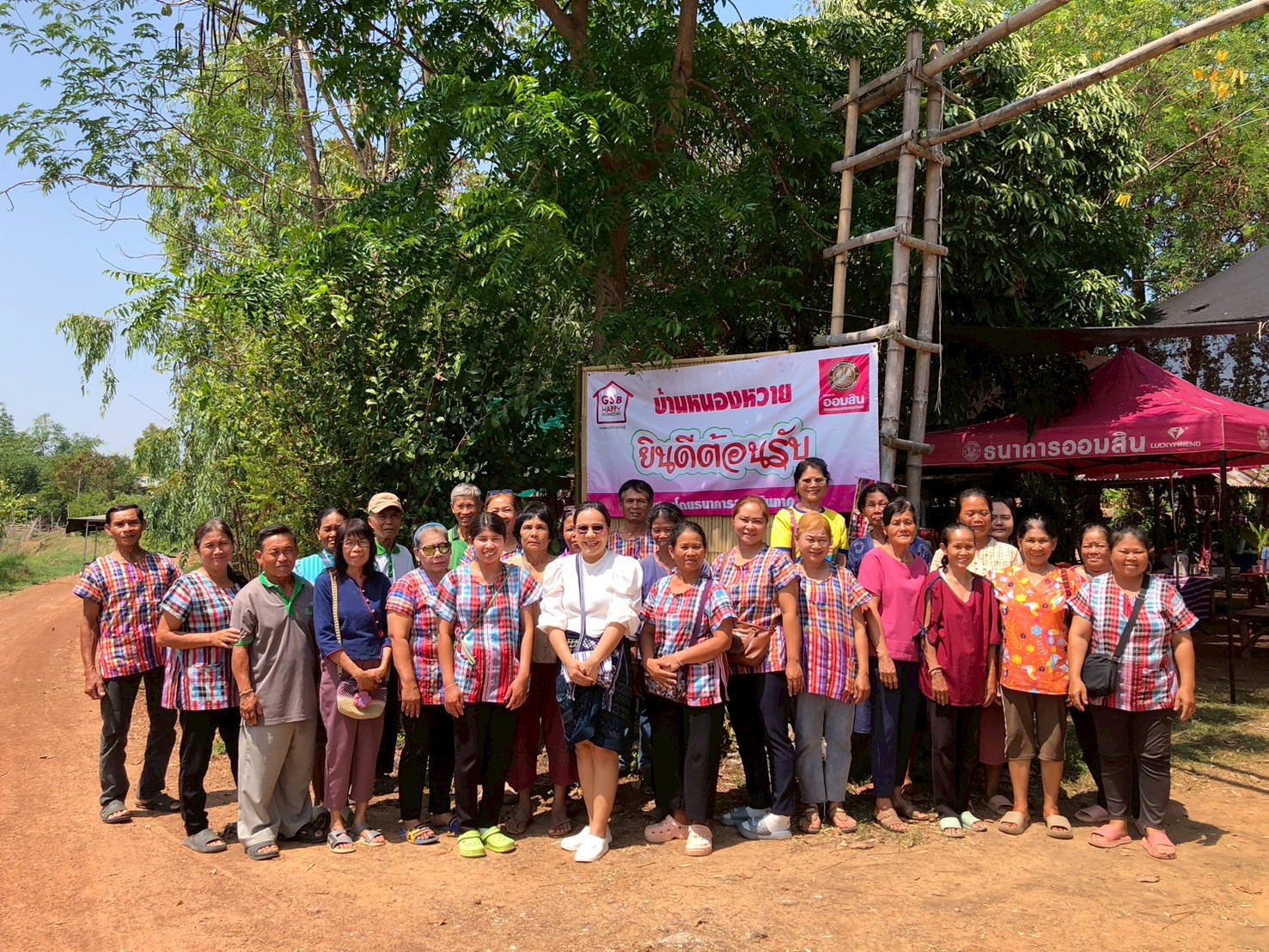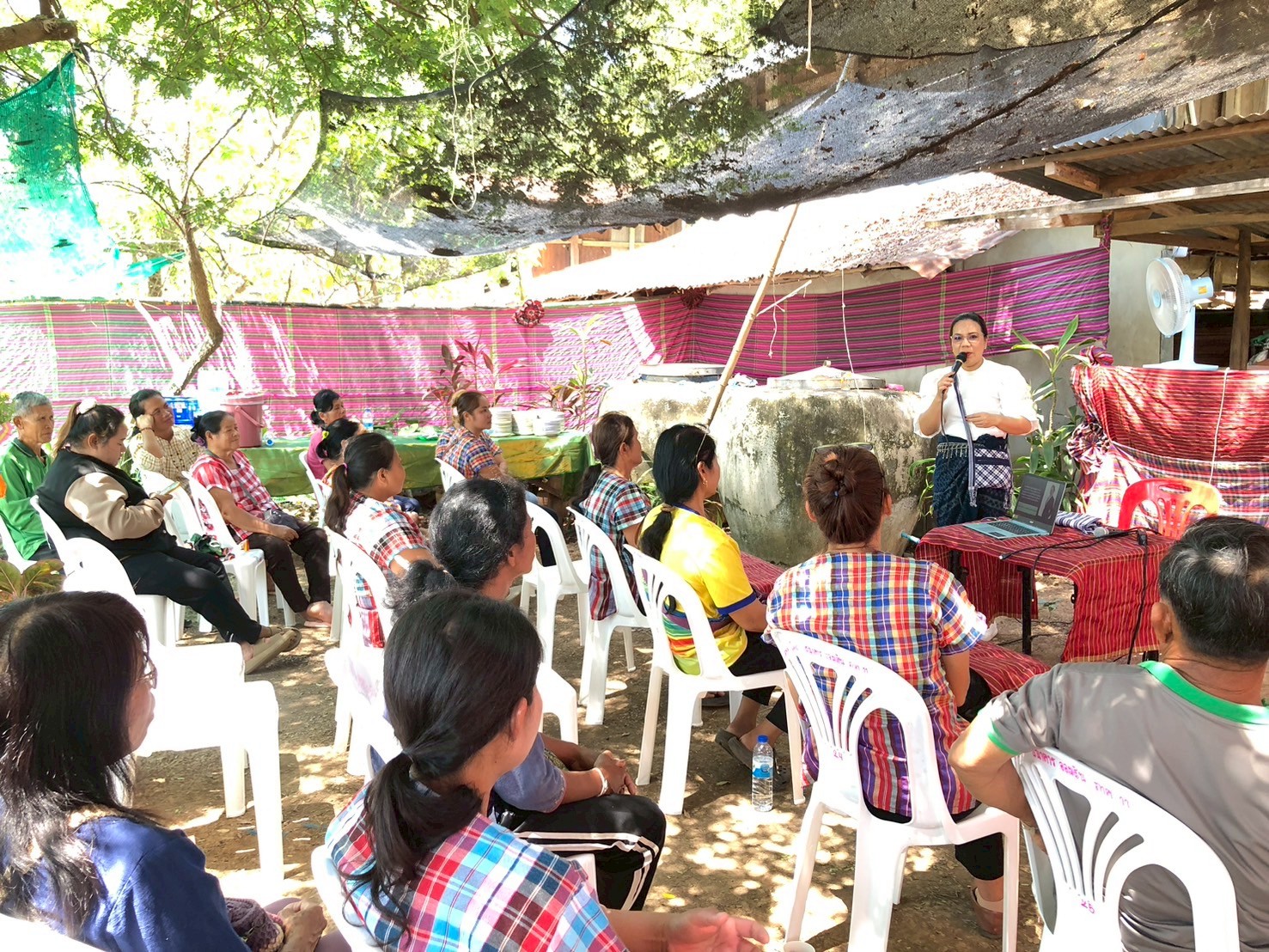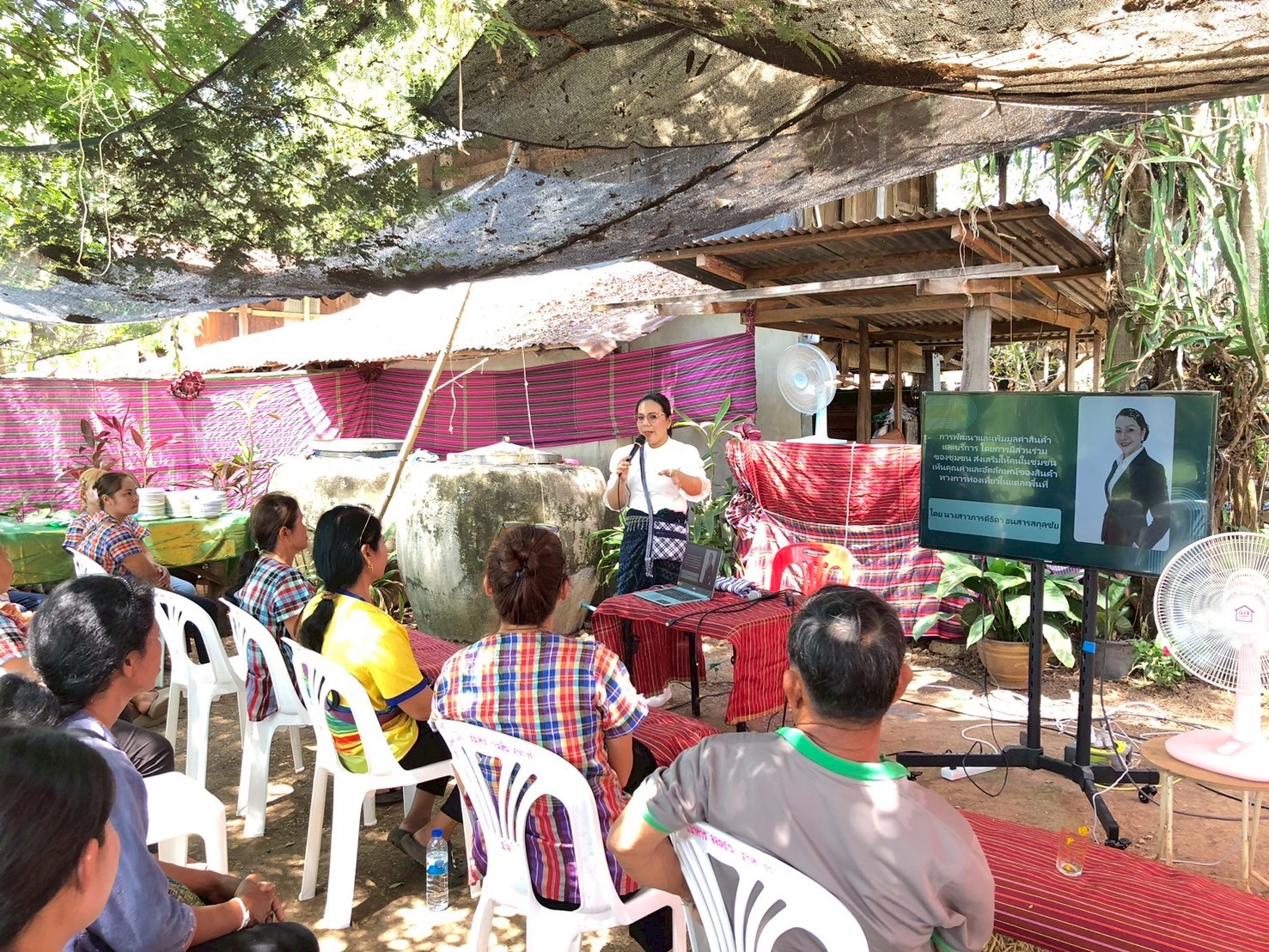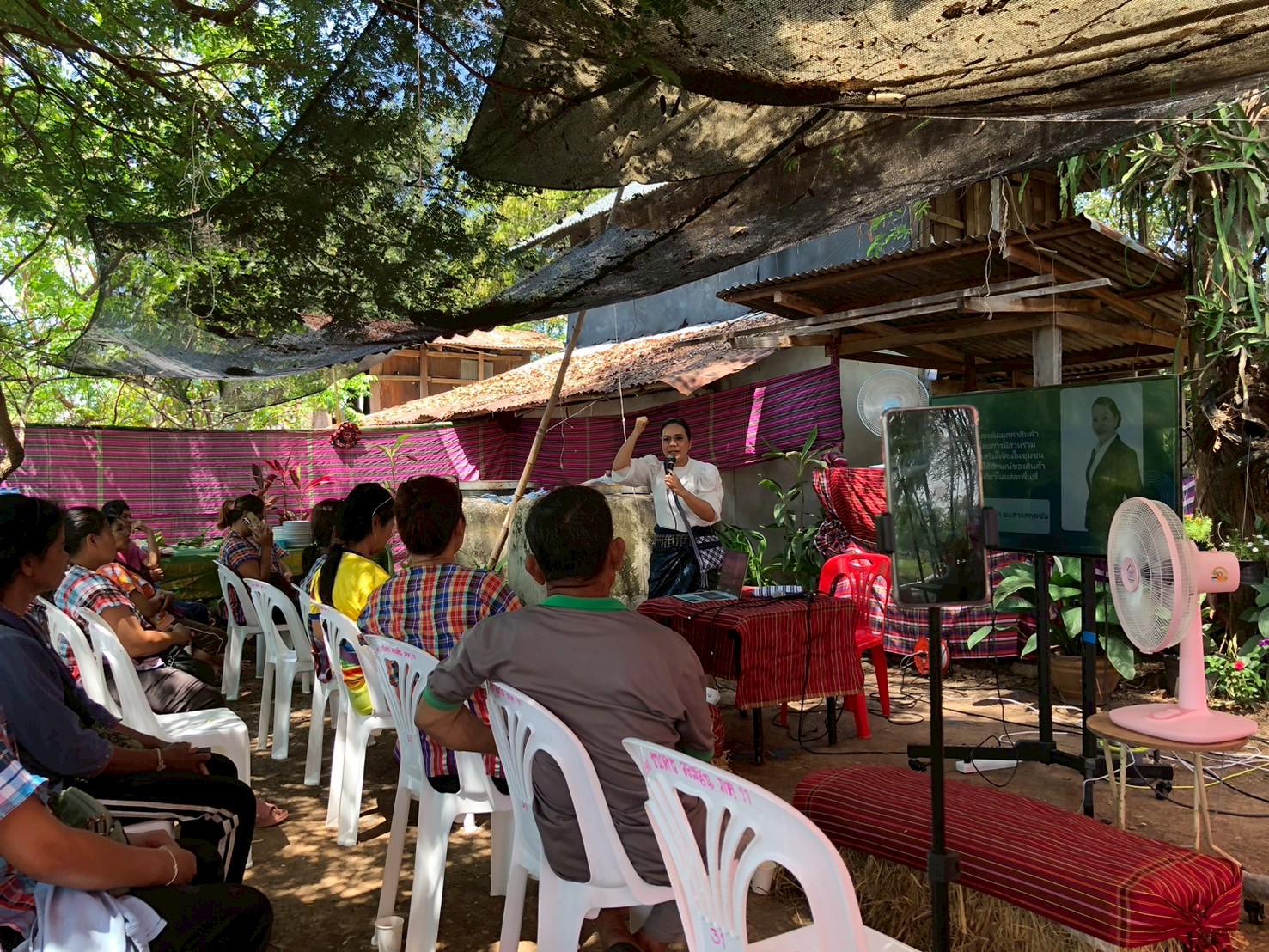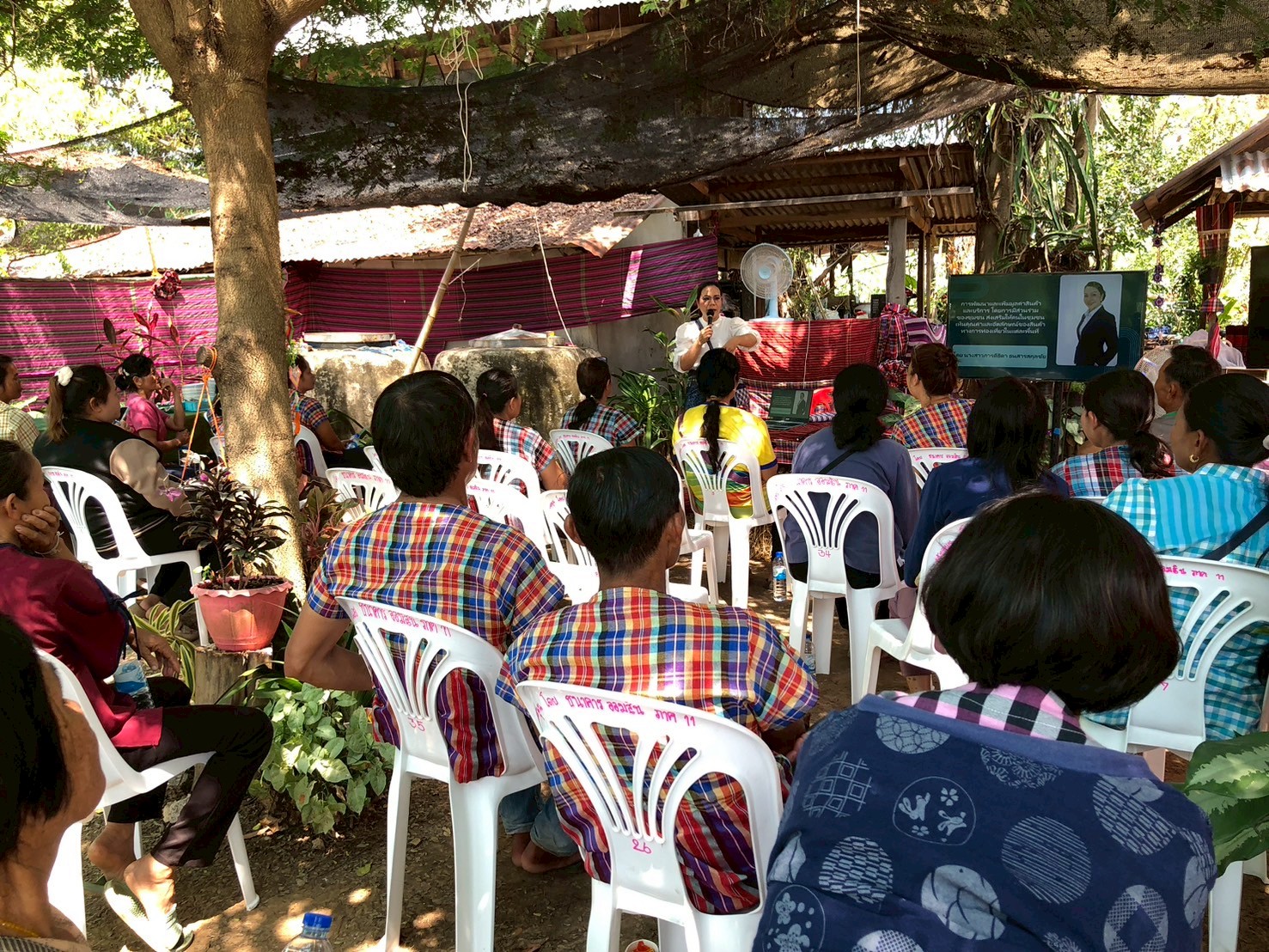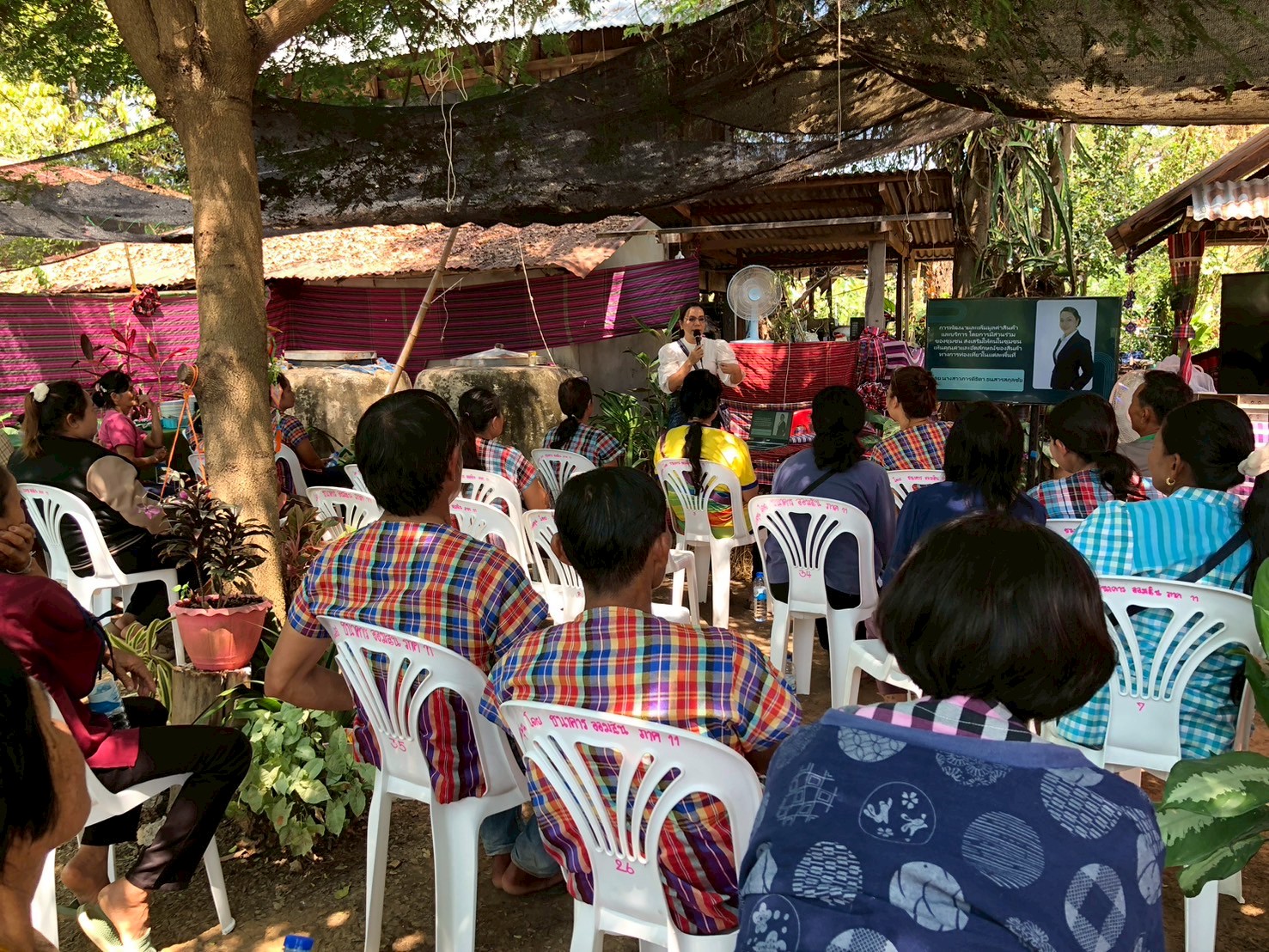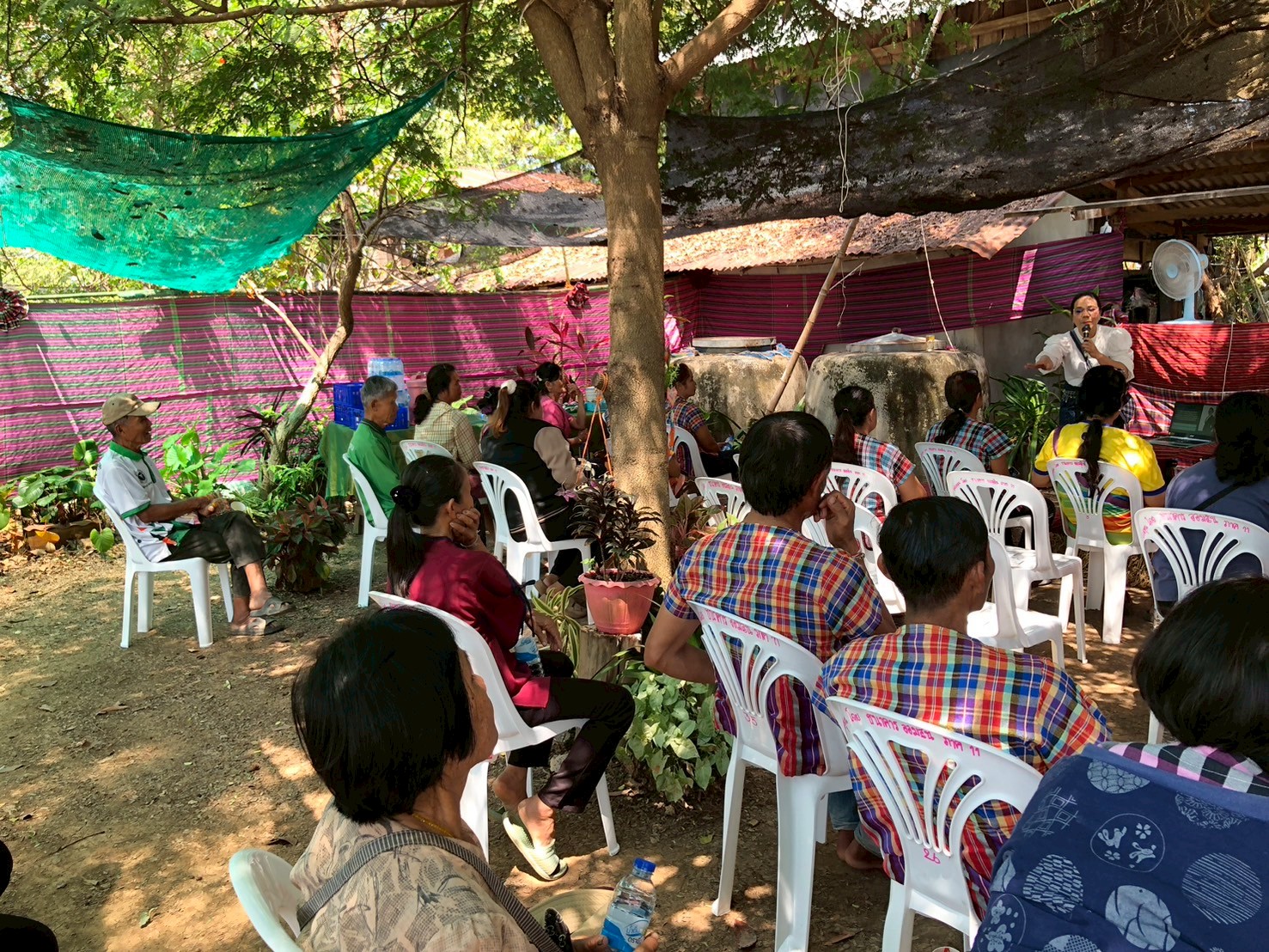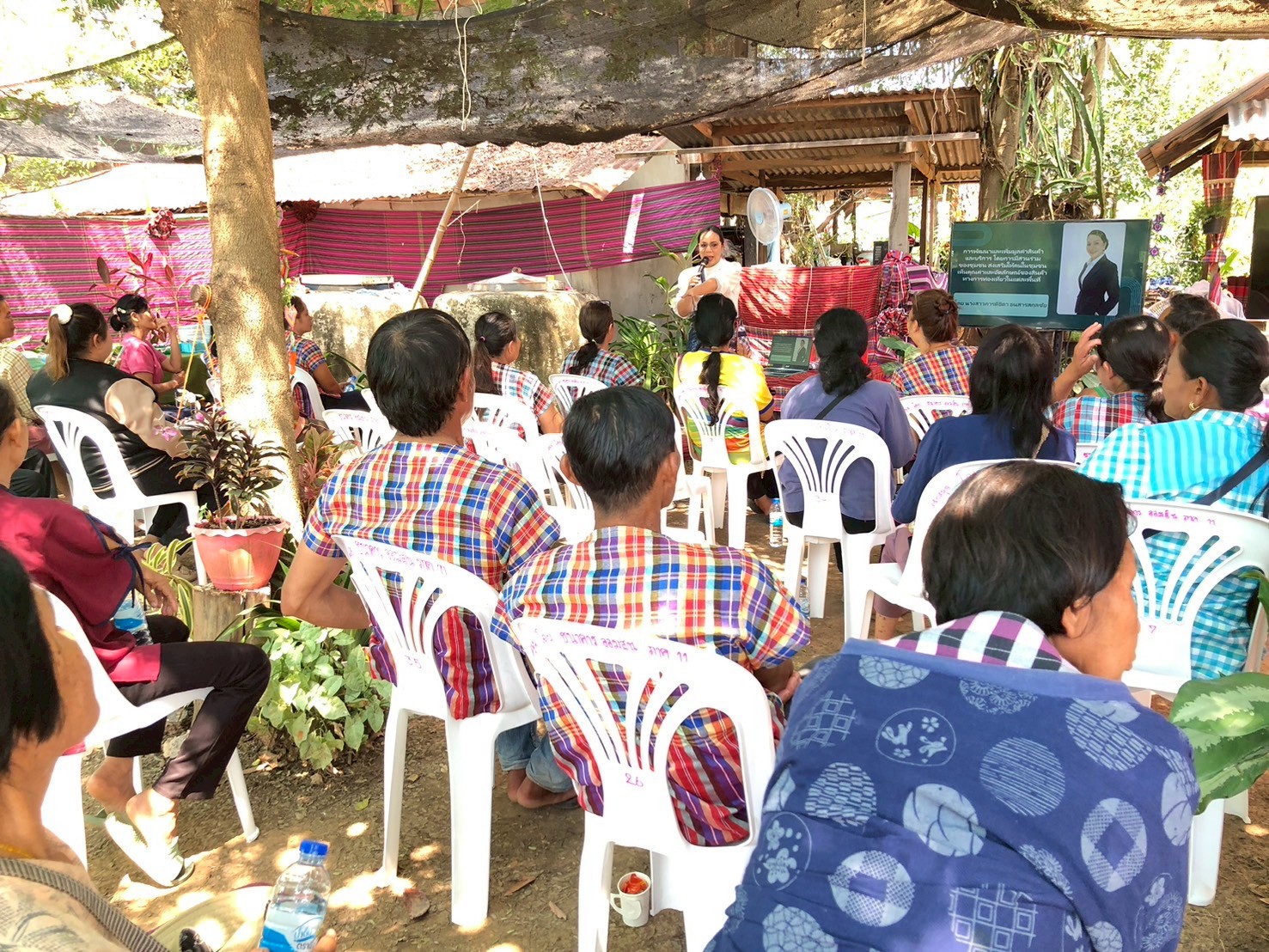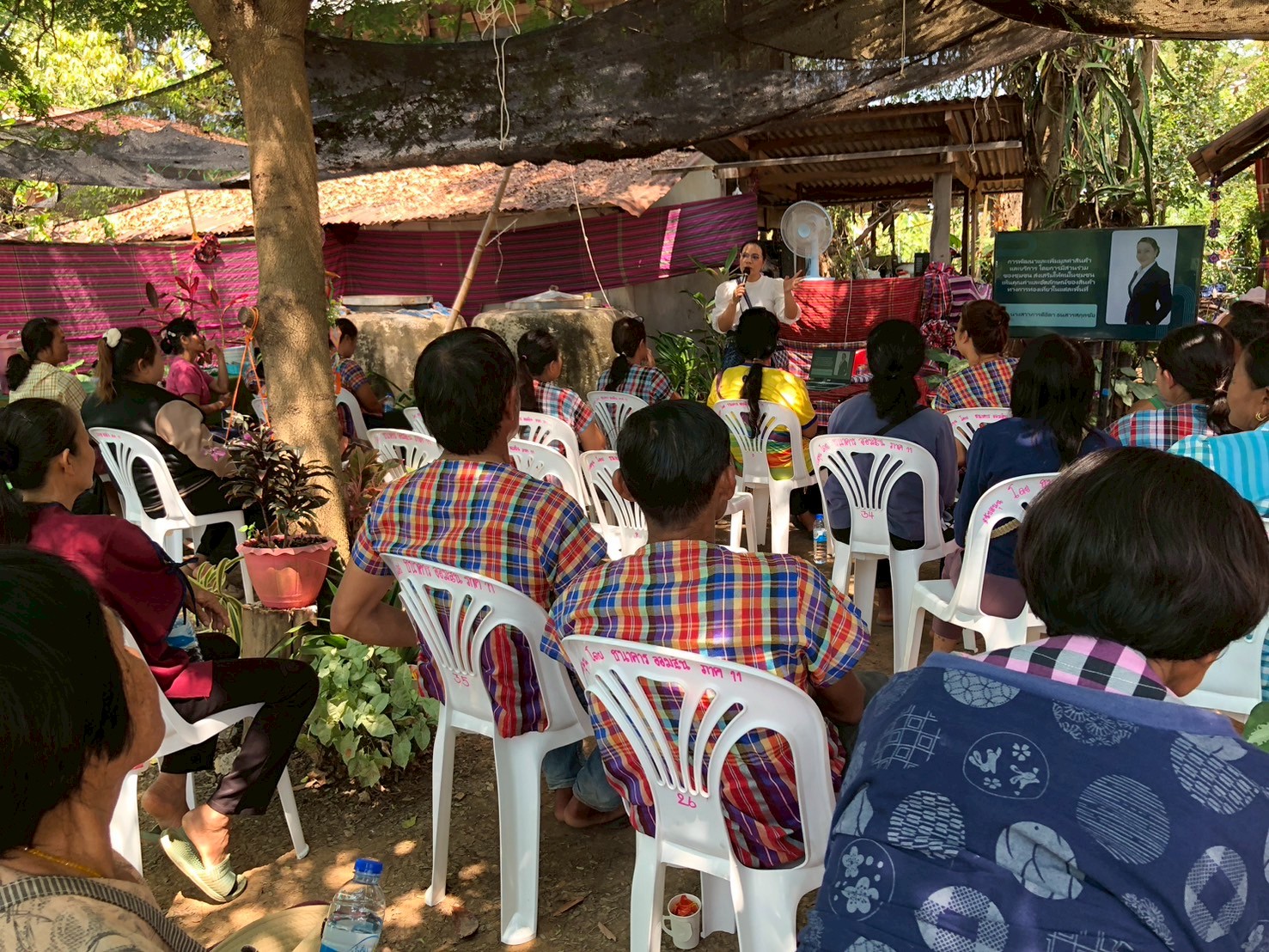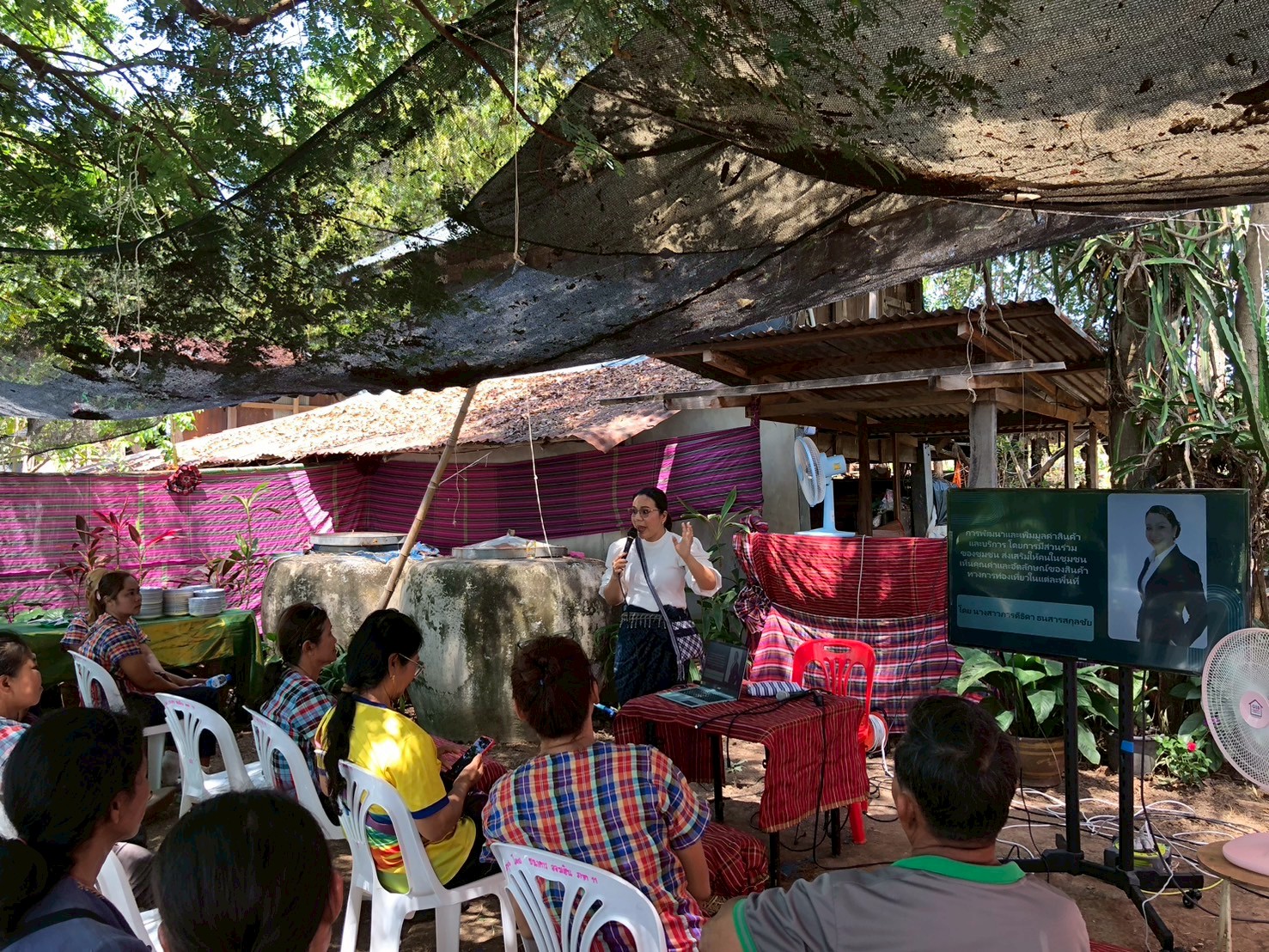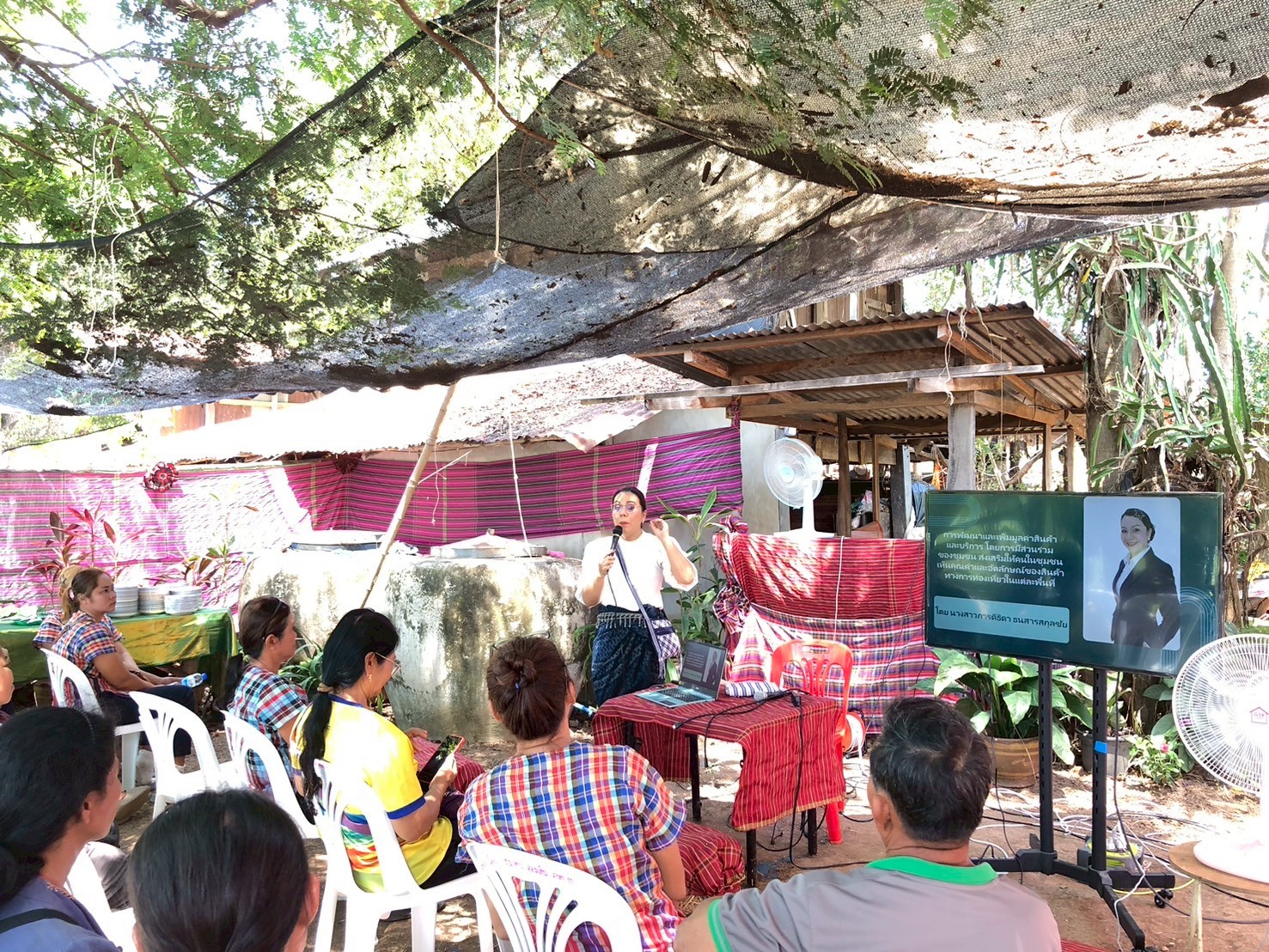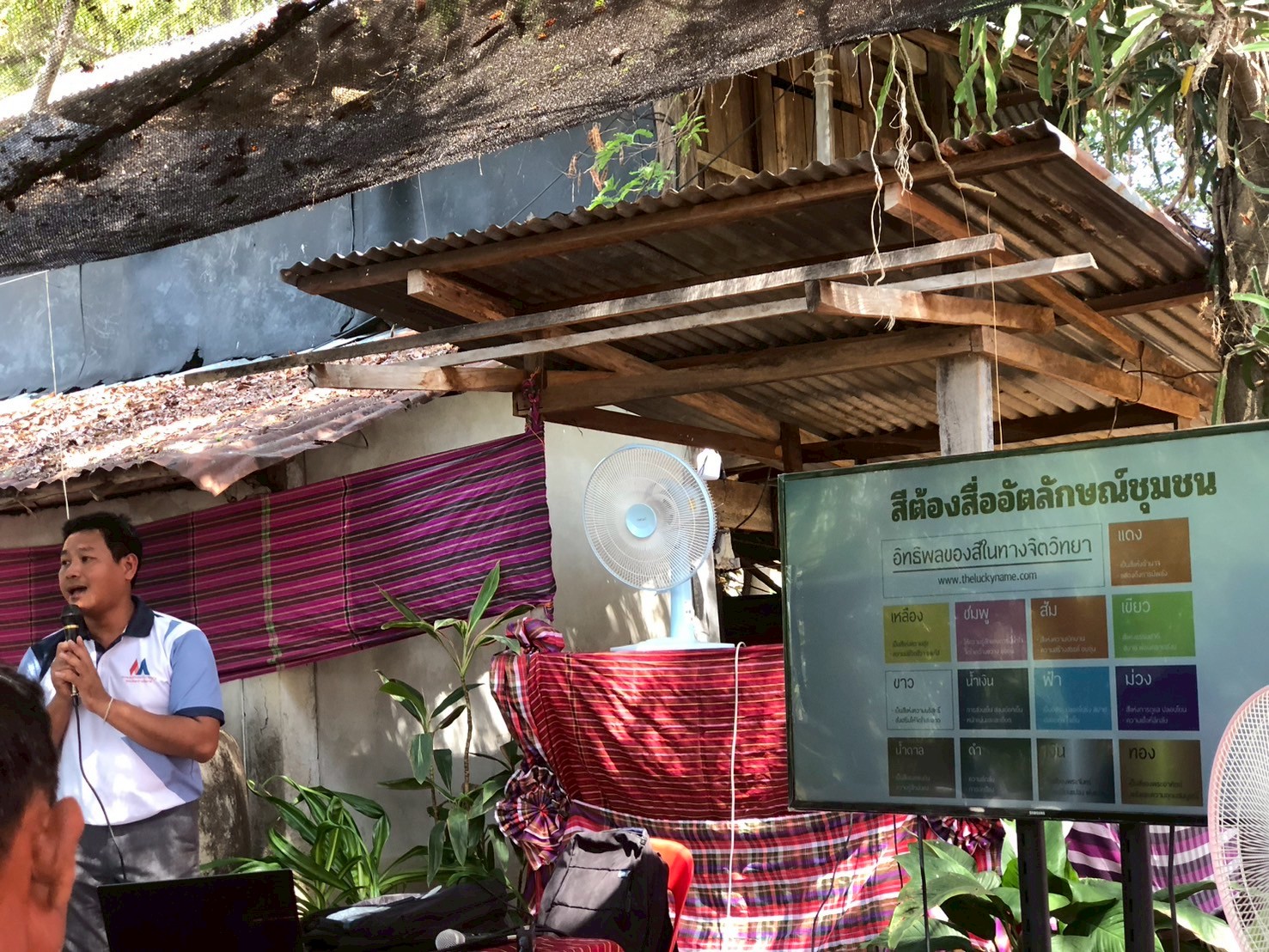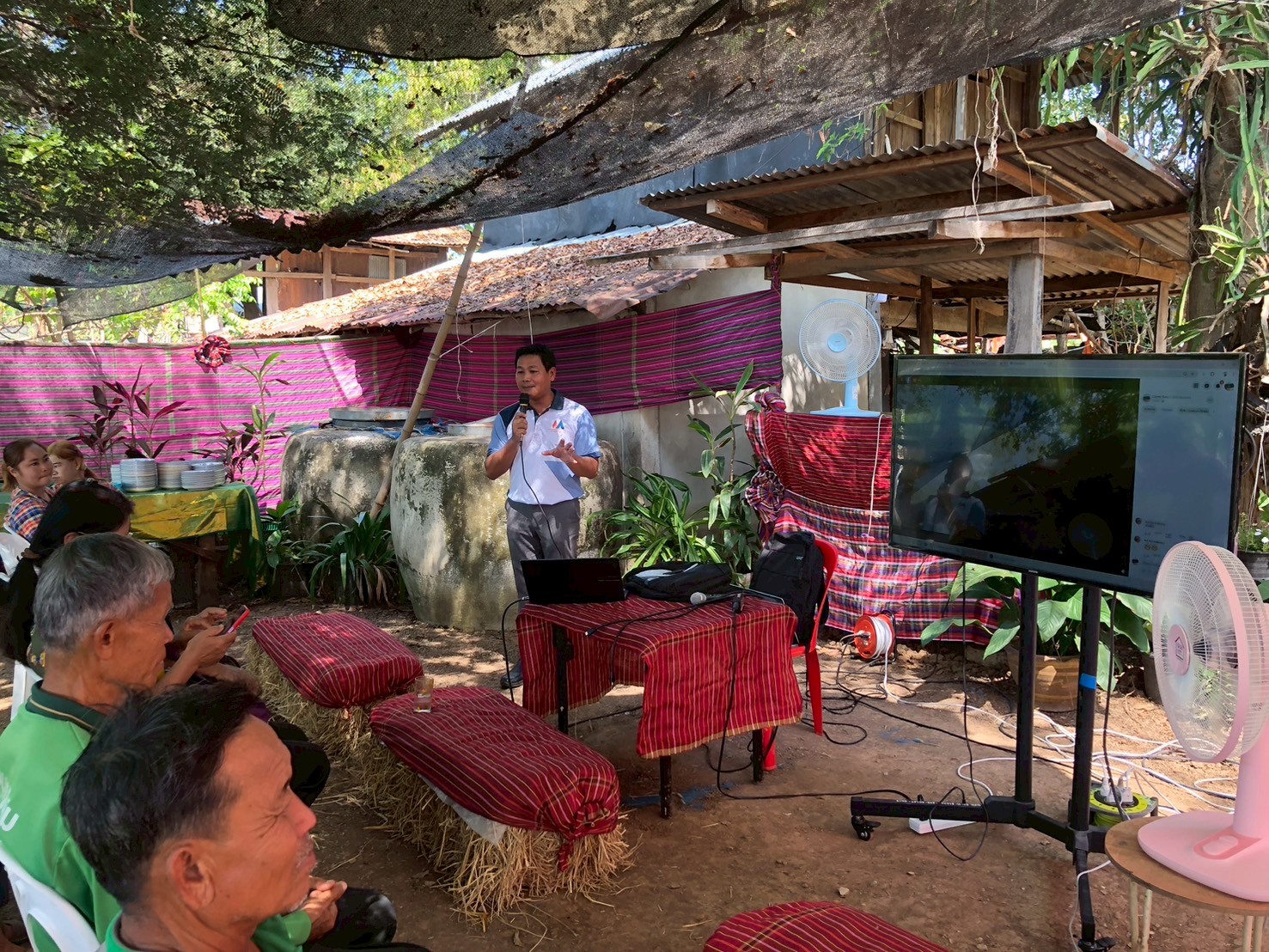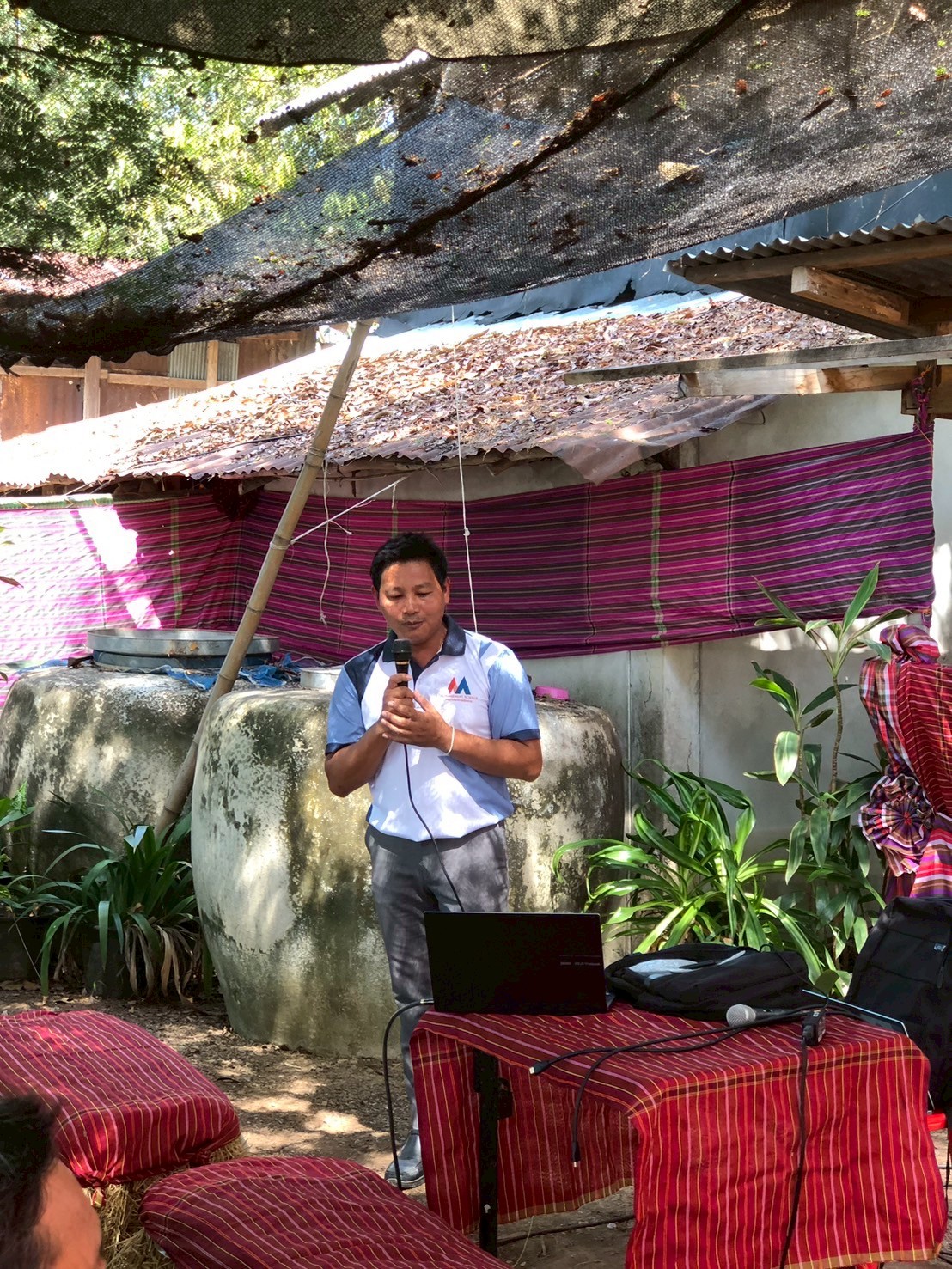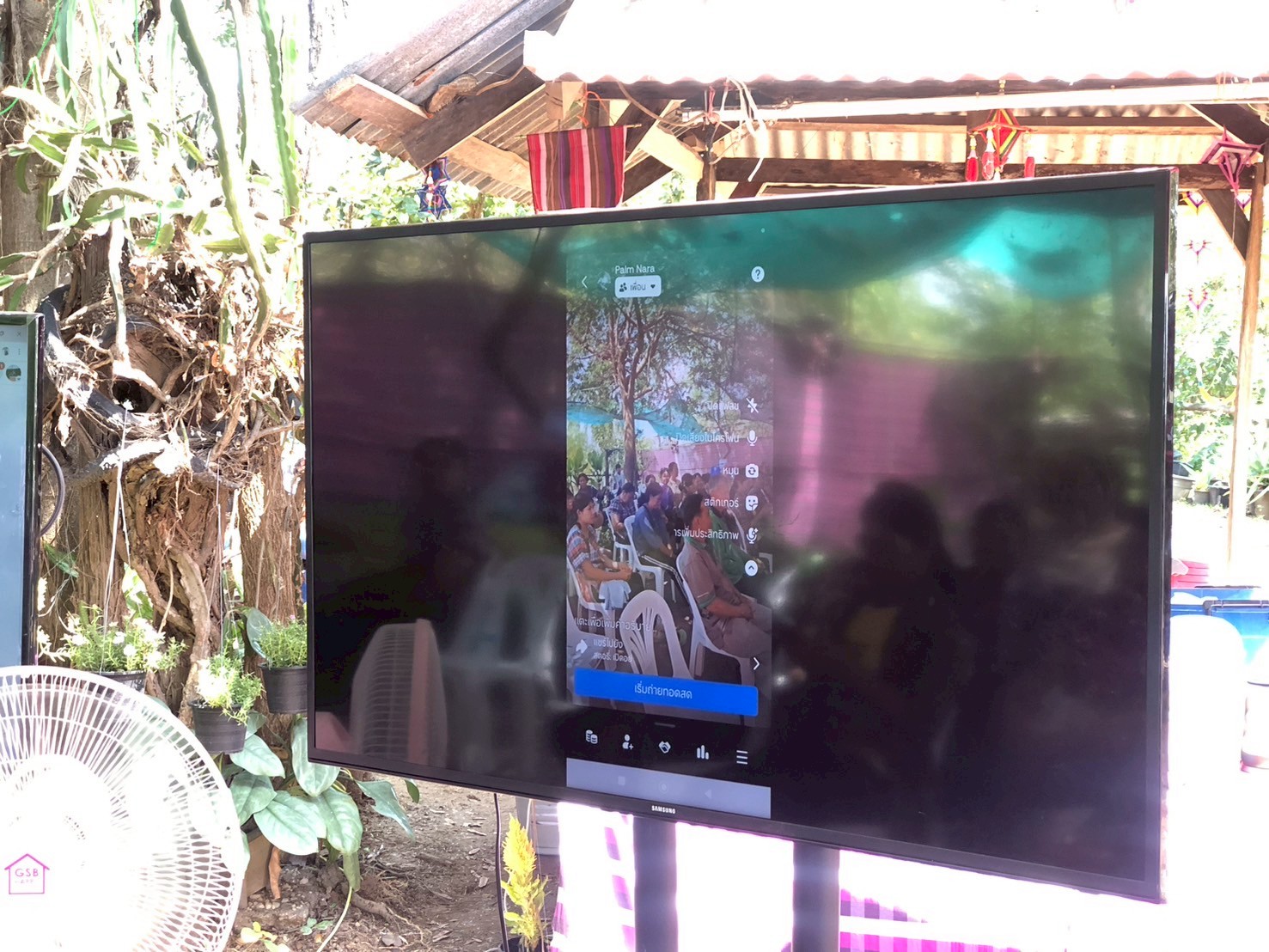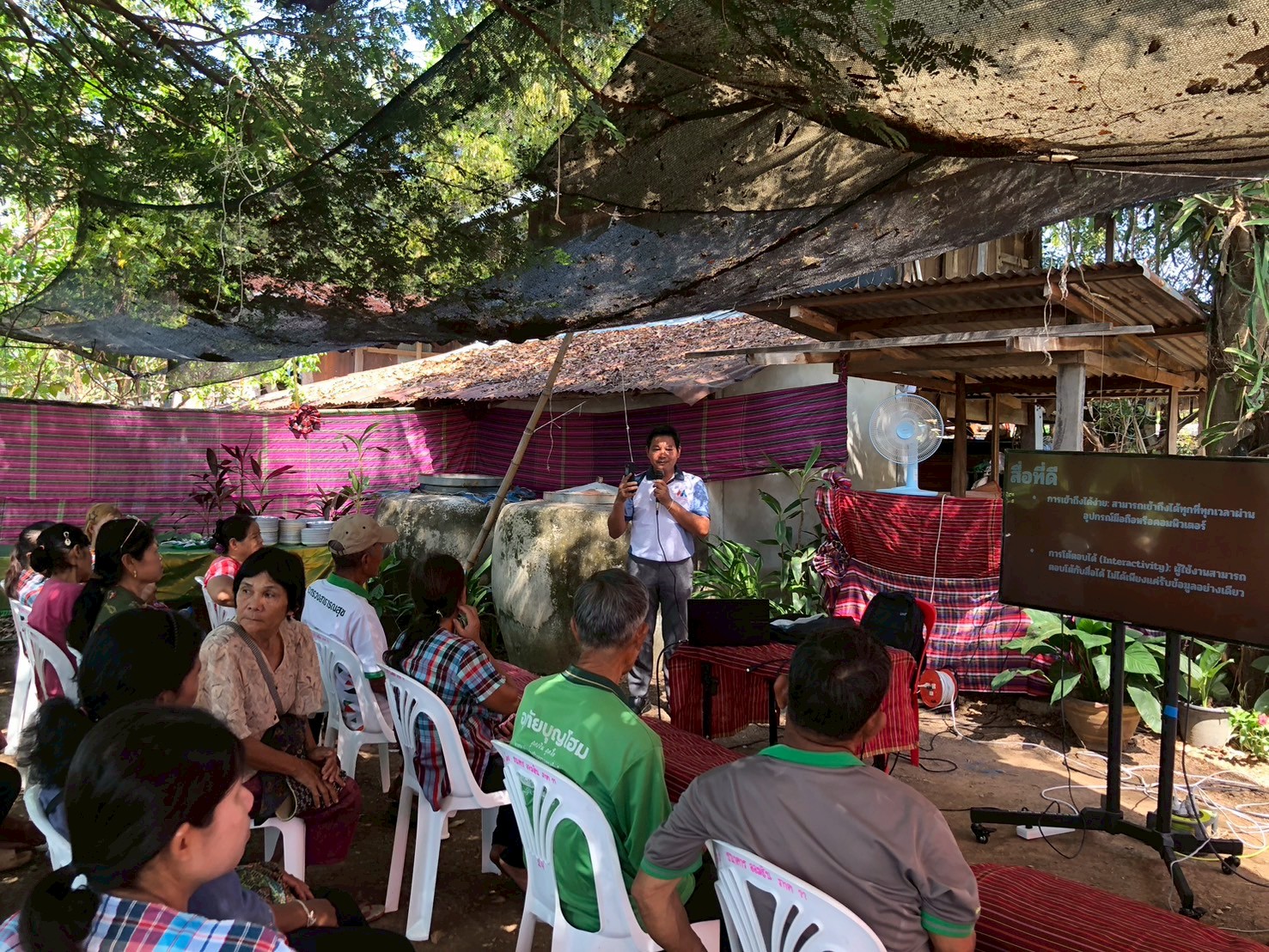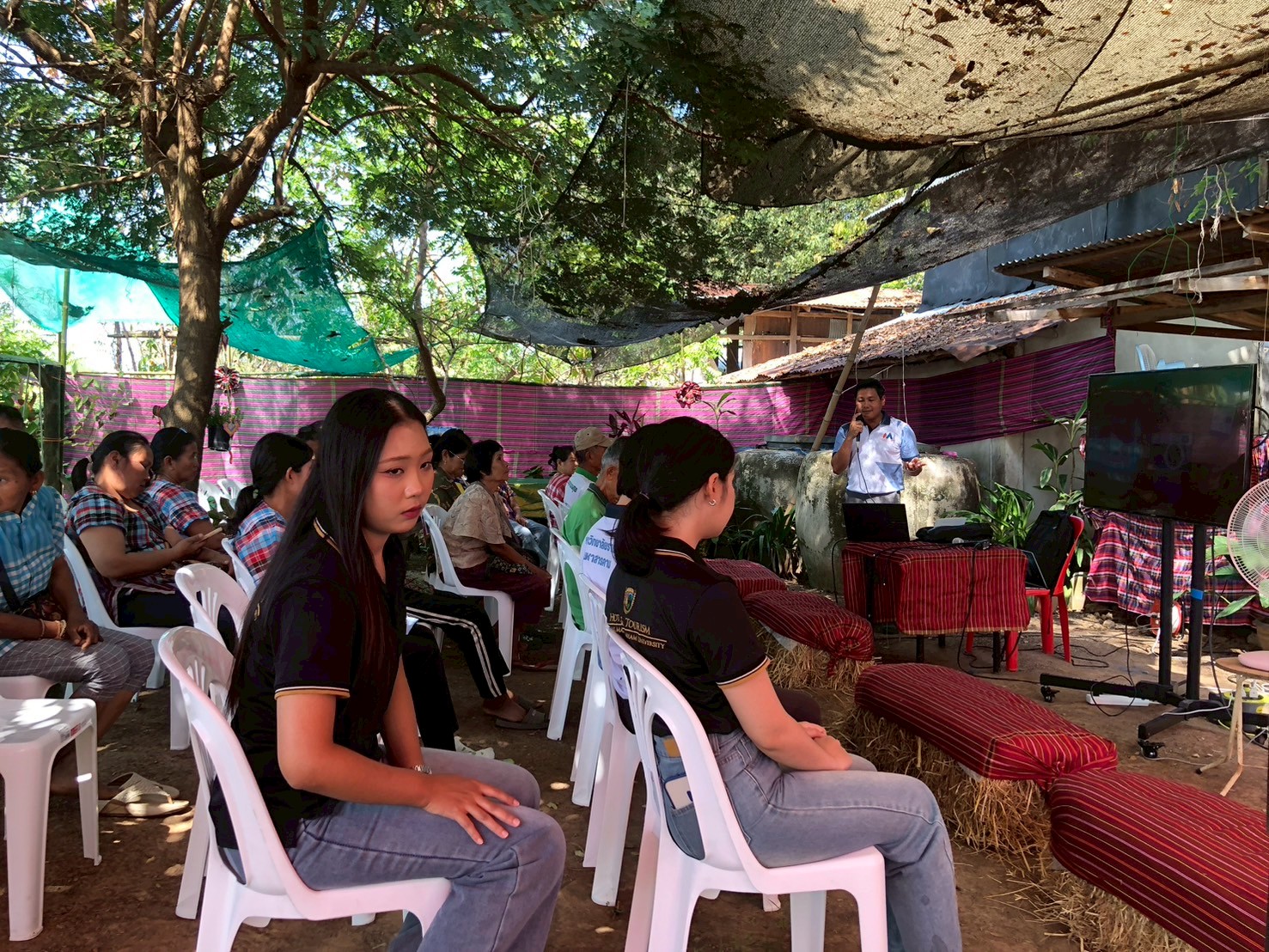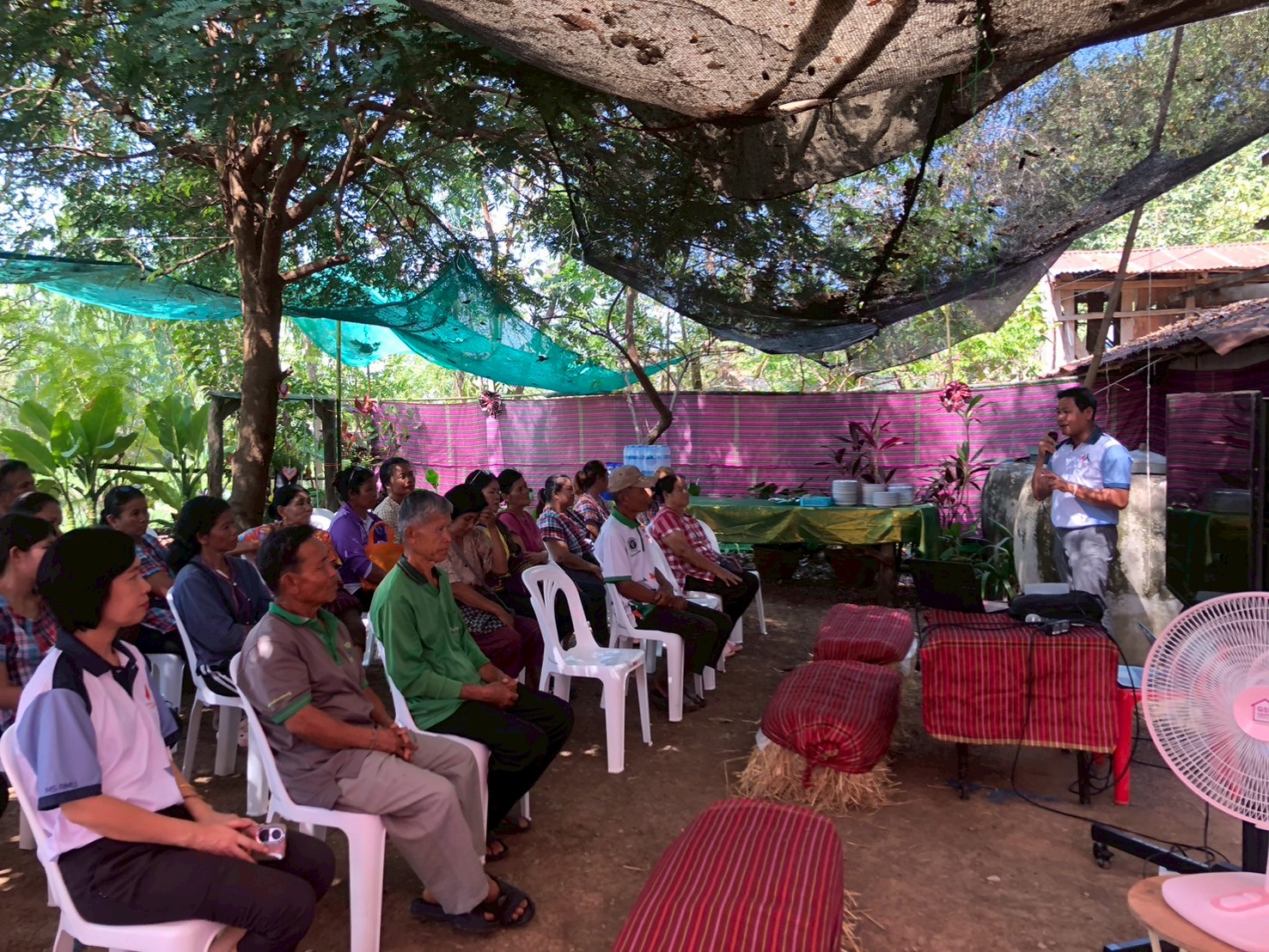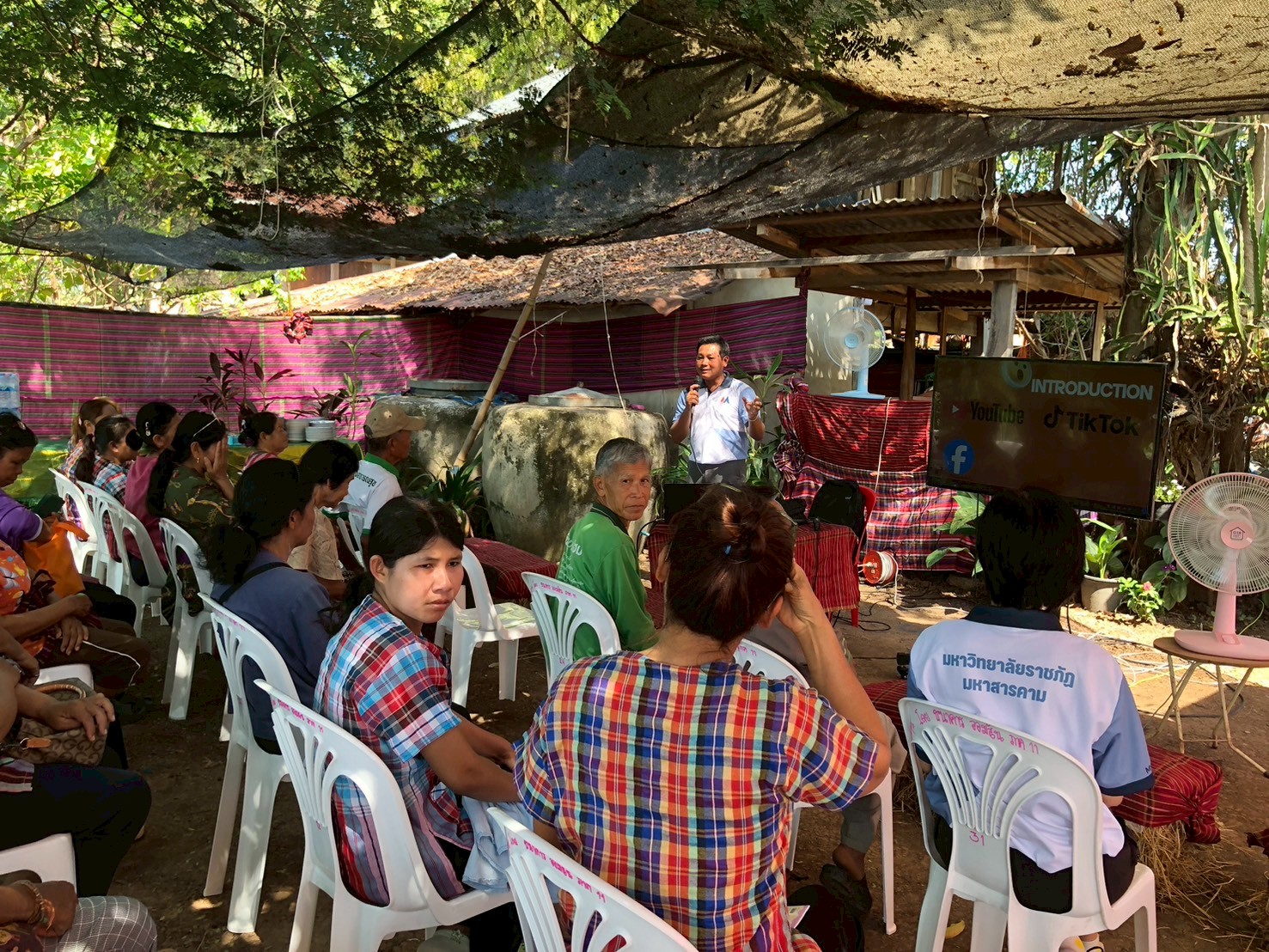
– February 9, 2026 1 กุมภาพันธ์ 2569
– 9 กุมภาพันธ์ 2569
Part 1: Project Details ส่วนที่ 1 รายละเอียดการดำเนินงาน
Objectives วัตถุประสงค์โครงการ
1.To develop the potential and enhance knowledge and skills in creative tourism management among community members.
2.To develop the potential and enhance knowledge and skills in applying technology, innovation, and creativity to the development of tourism products and services, with particular emphasis on local cultural capital and indigenous wisdom.
3.To develop and enhance the value of tourism products and services through community participation, while promoting awareness and appreciation of the value and unique local identity of tourism products in each area.
4.To produce promotional media to promote and publicize creative tourism activities within the community.
5.To integrate teaching and learning through academic services, enabling students, lecturers, and the academic program to collaboratively engage with the community in creative local development.
1. เพื่อพัฒนาศักยภาพ และเพิ่มองค์ความรู้ด้านการจัดการท่องเที่ยวเชิงสร้างสรรค์แก่บุคลากรในชุมชน
2. เพื่อพัฒนาศักยภาพ และเพิ่มองค์ความรู้ในการนำเทคโนโลยี นวัตกรรม และความคิดสร้างสรรค์มาใช้พัฒนาสินค้าและบริการทางการท่องเที่ยว โดยคำนึงถึงต้นทุนทางวัฒนธรรมและภูมิปัญญาเป็นสำคัญ
3. เพื่อพัฒนาและเพิ่มมูลค่าสินค้าและบริการโดยการมีส่วนร่วมของชุมชน ส่งเสริมให้คนในชุมชนเห็นคุณค่าและอัตลักษณ์ของสินค้าทางการท่องเที่ยวในแต่ละพื้นที่
4. เพื่อจัดทำสื่อประชาสัมพันธ์ เพื่อส่งเสริมและประชาสัมพันธ์กิจกรรมท่องเที่ยวเชิงสร้างสรรค์ของชุมชน
5. เพื่อให้นักศึกษา อาจารย์ หลักสูตรฯ มีการบูรณาการการเรียนการสอนผ่านการบริการวิชาการร่วมกันกับชุมชนในการพัฒนาท้องถิ่นอย่างสร้างสรรค์
Main Activities กิจกรรมหลัก
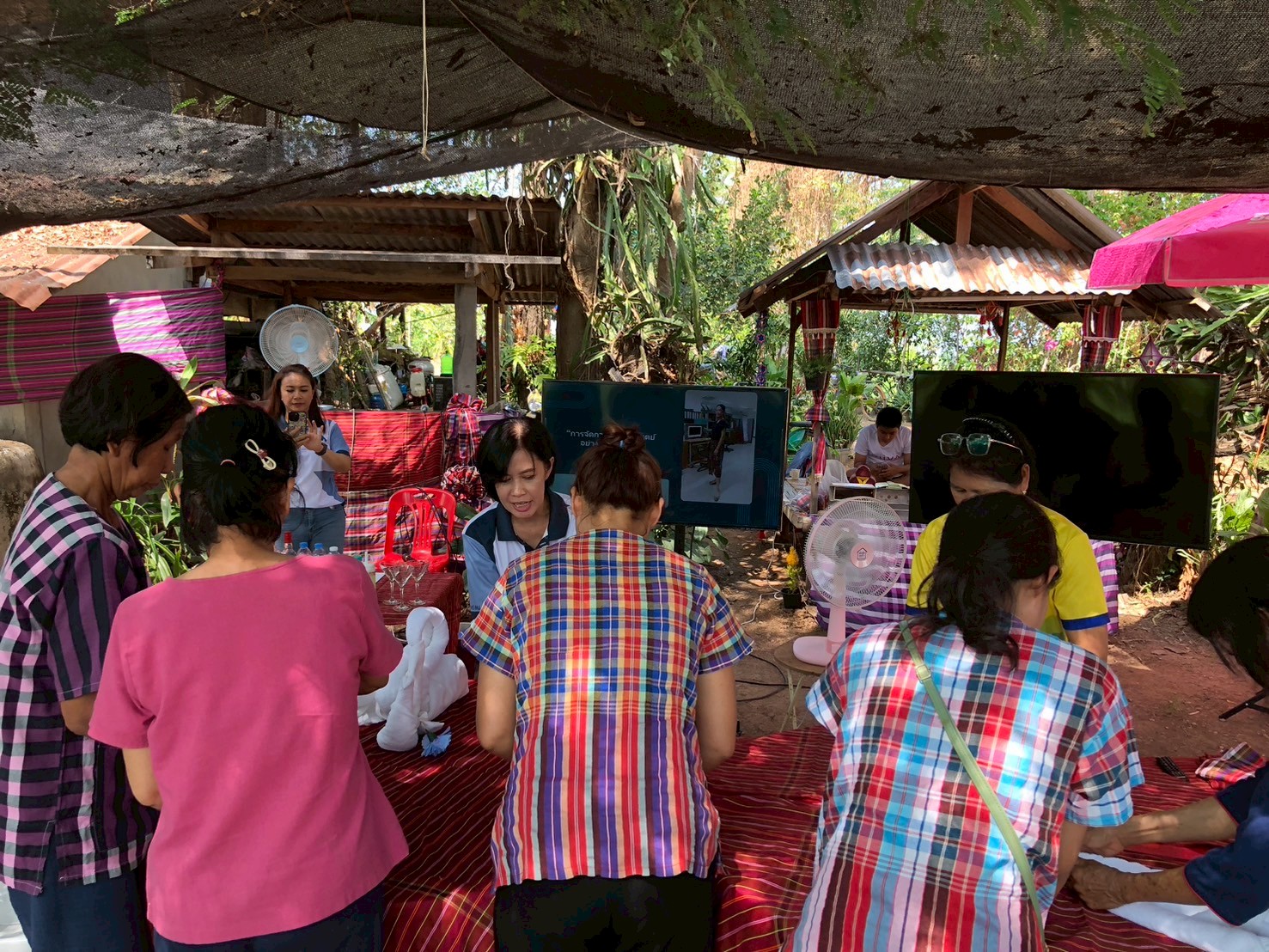
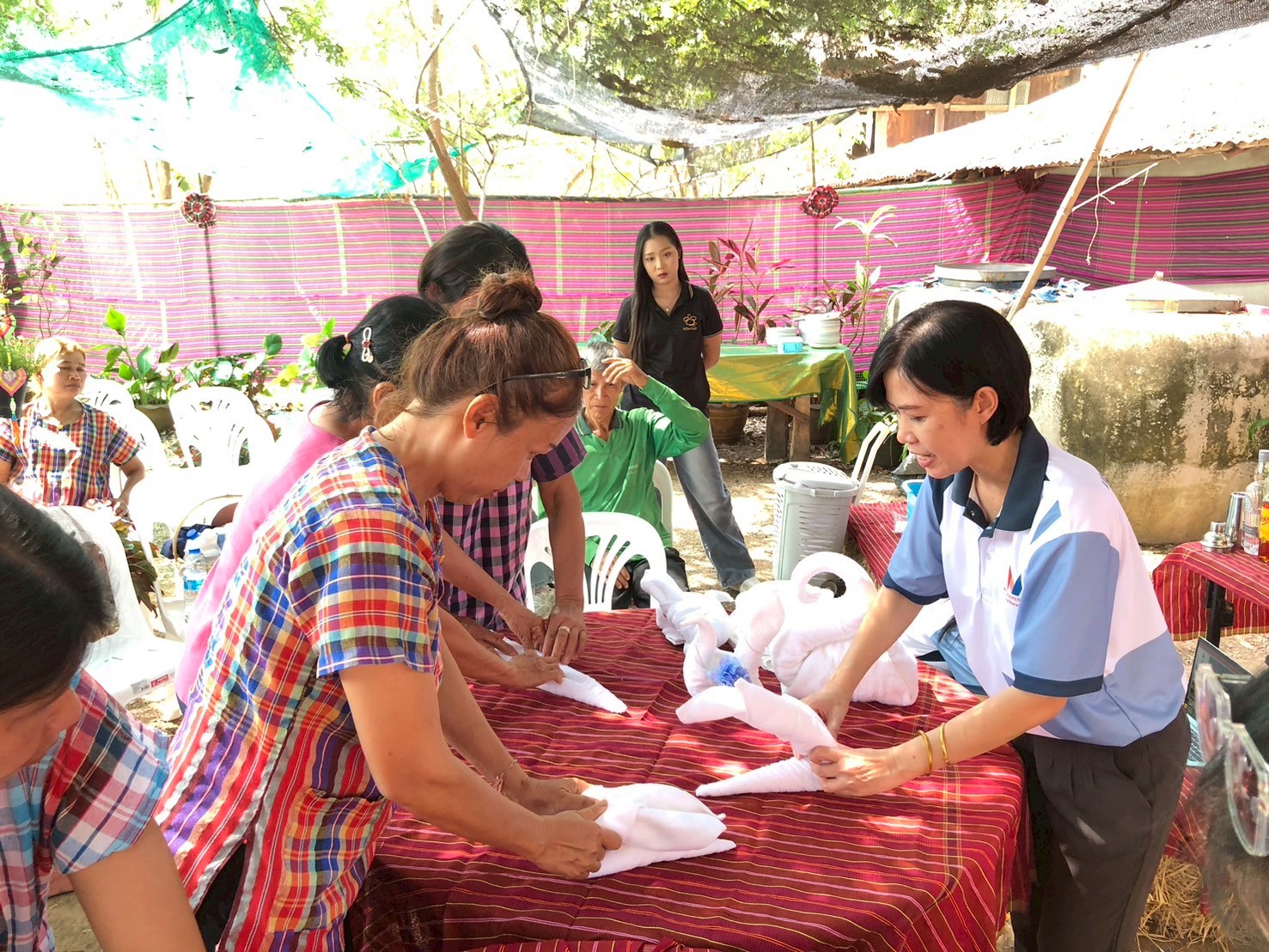
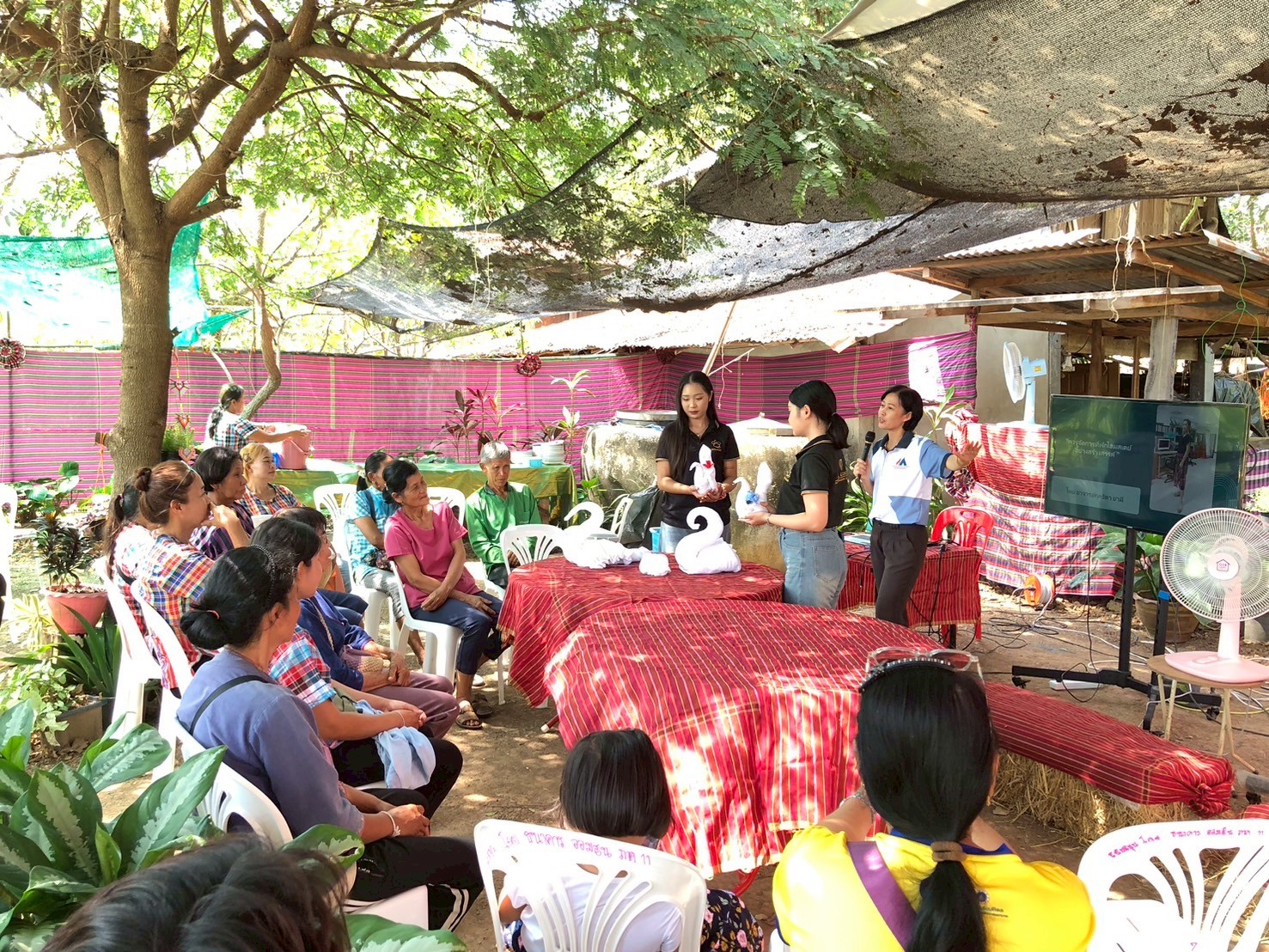
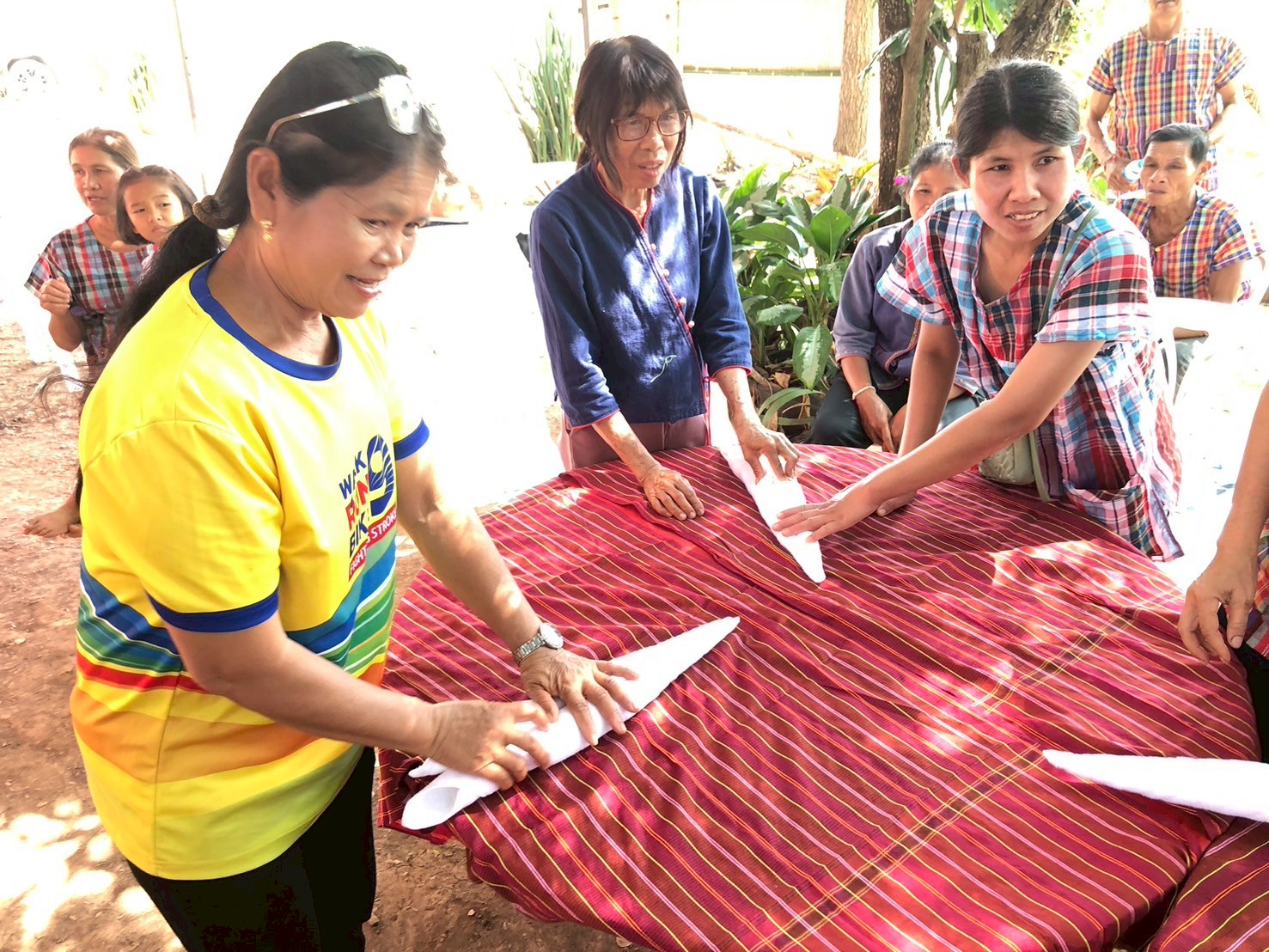
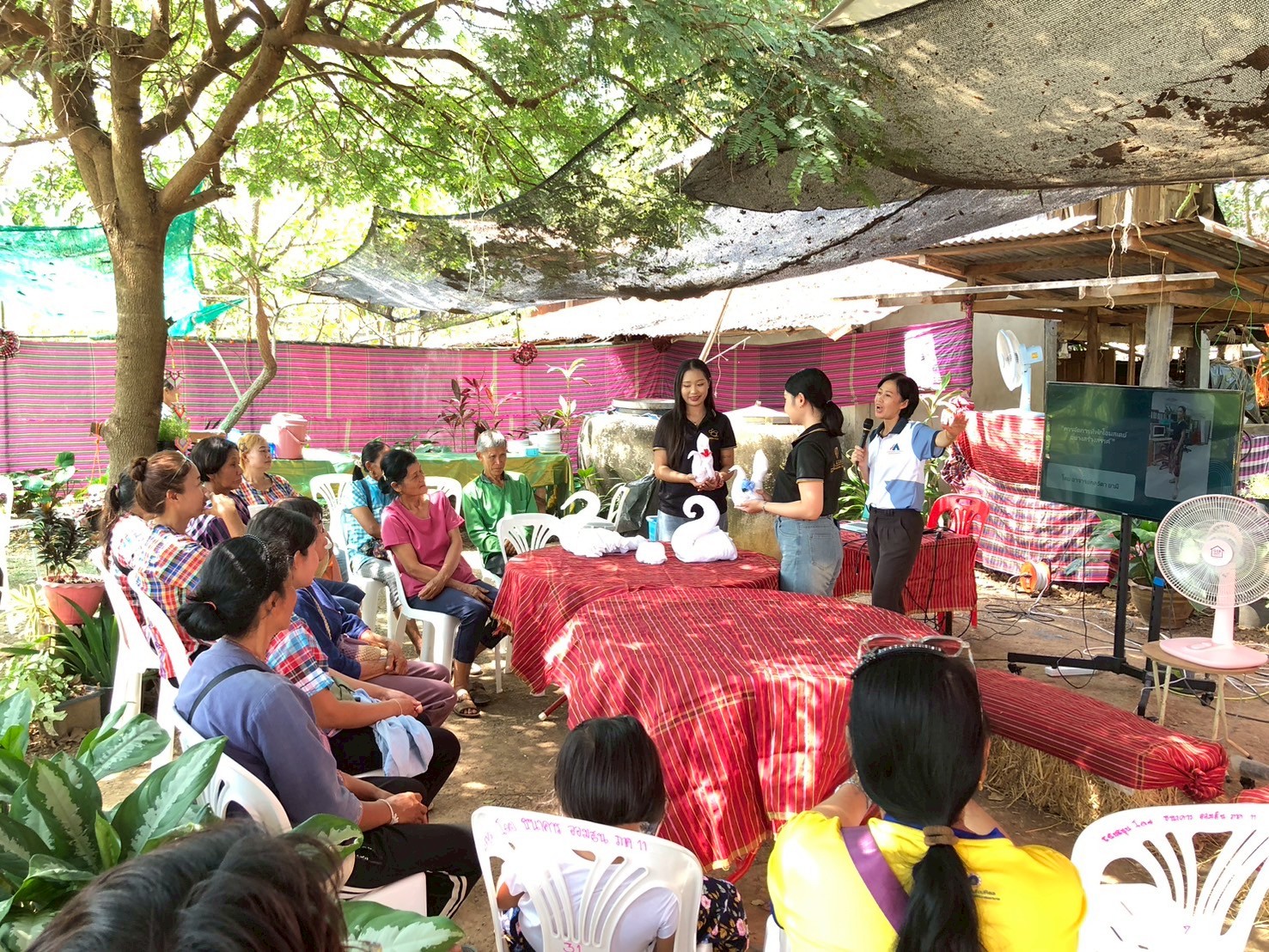
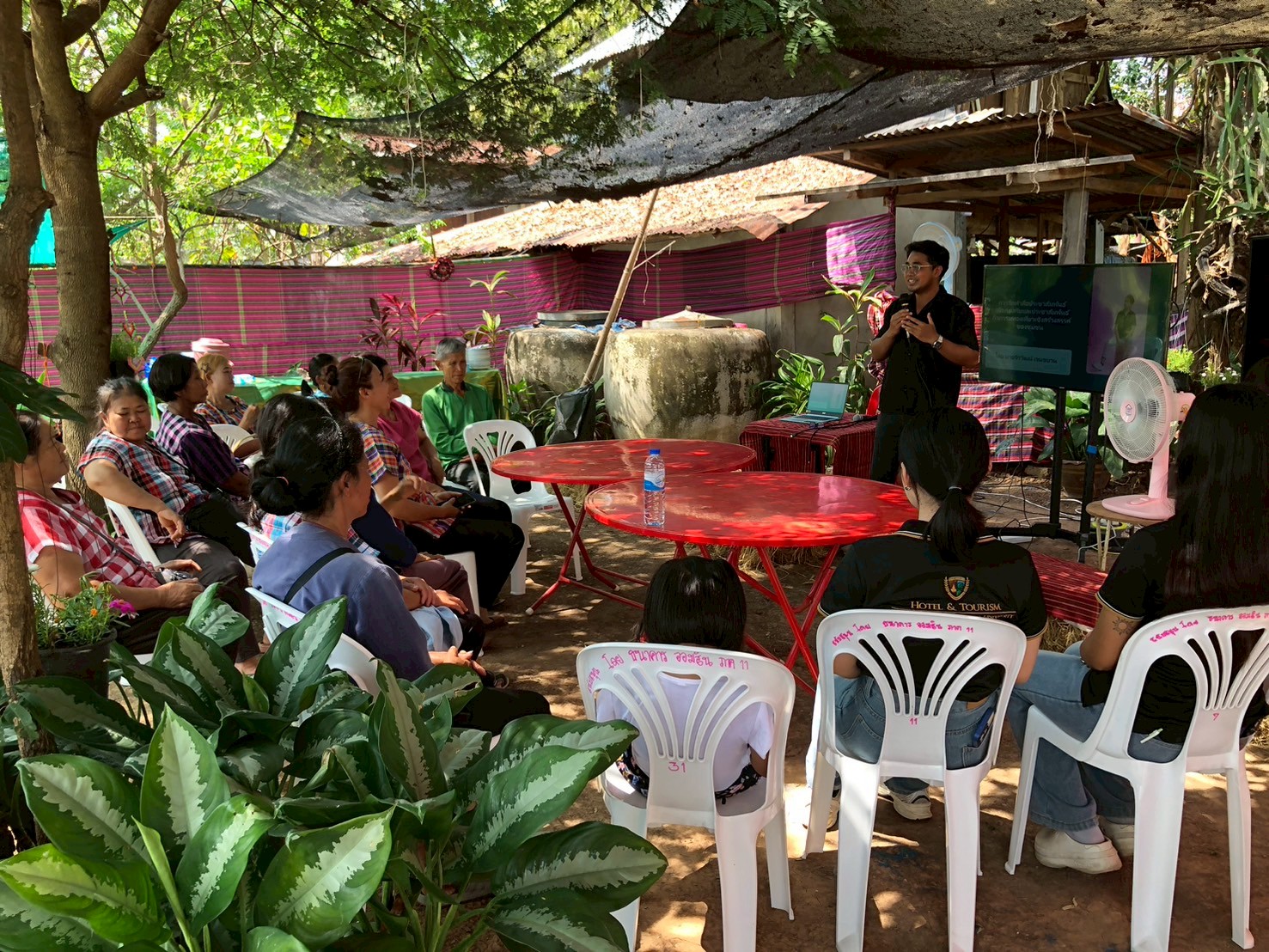
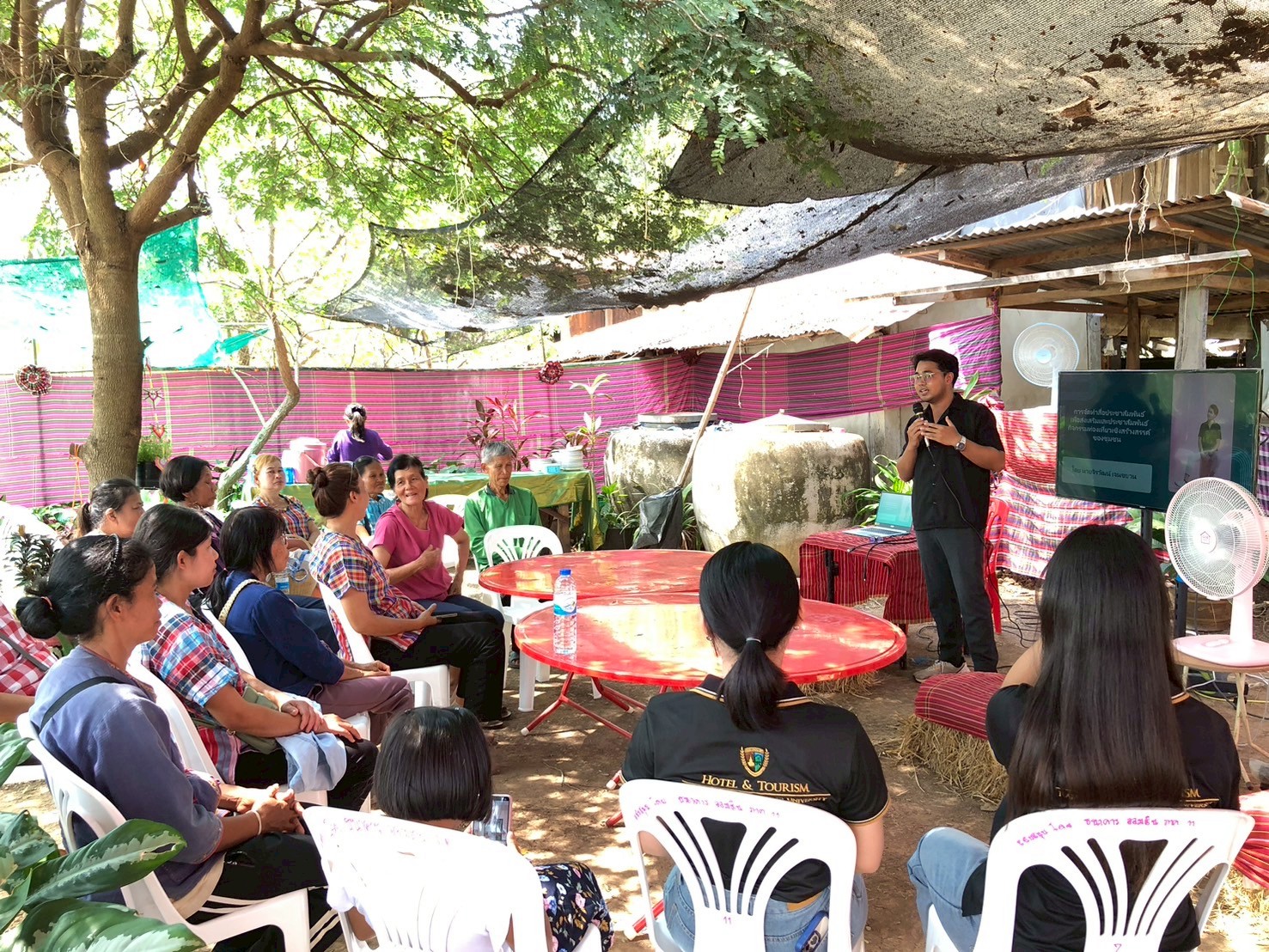
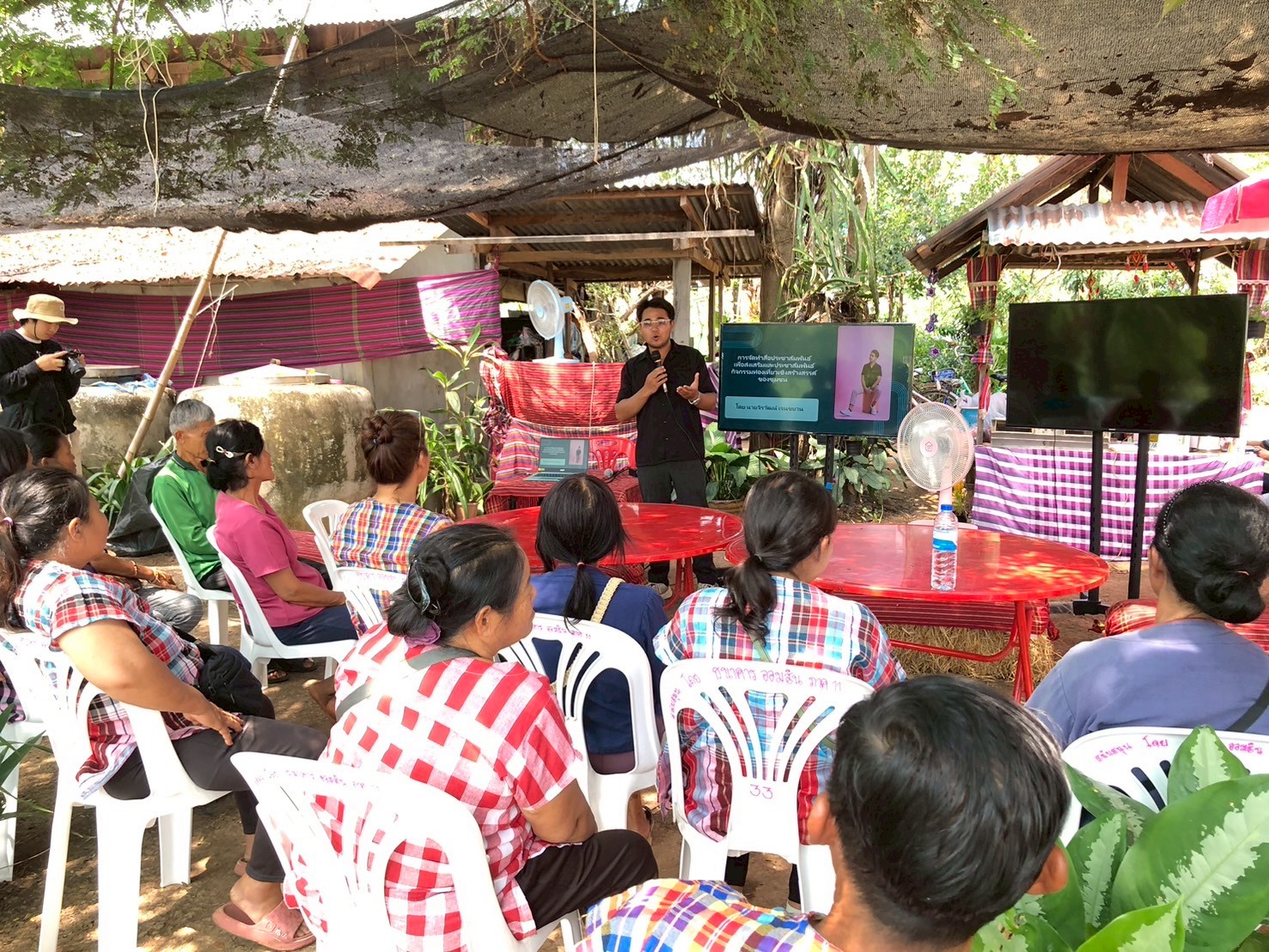
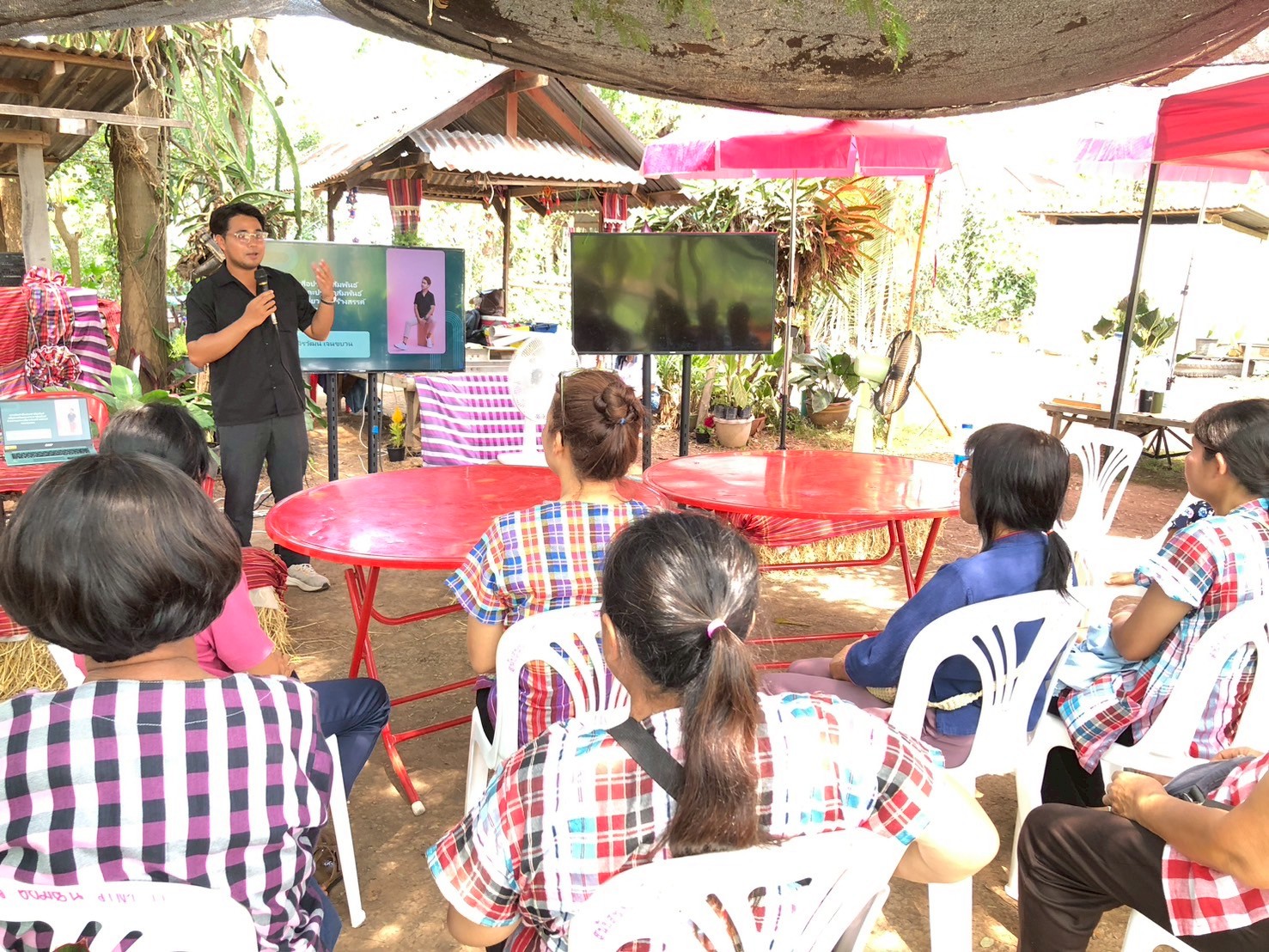
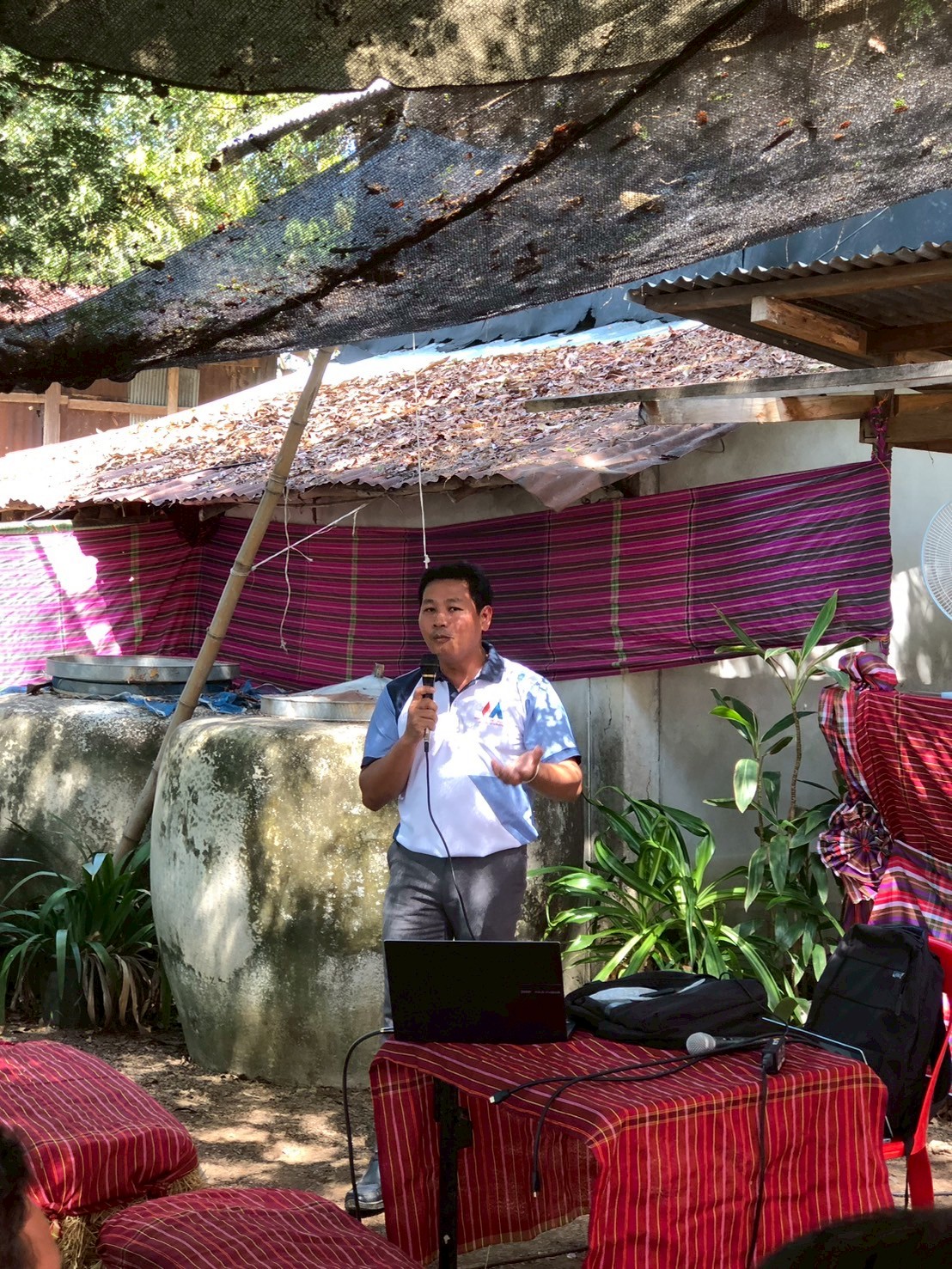
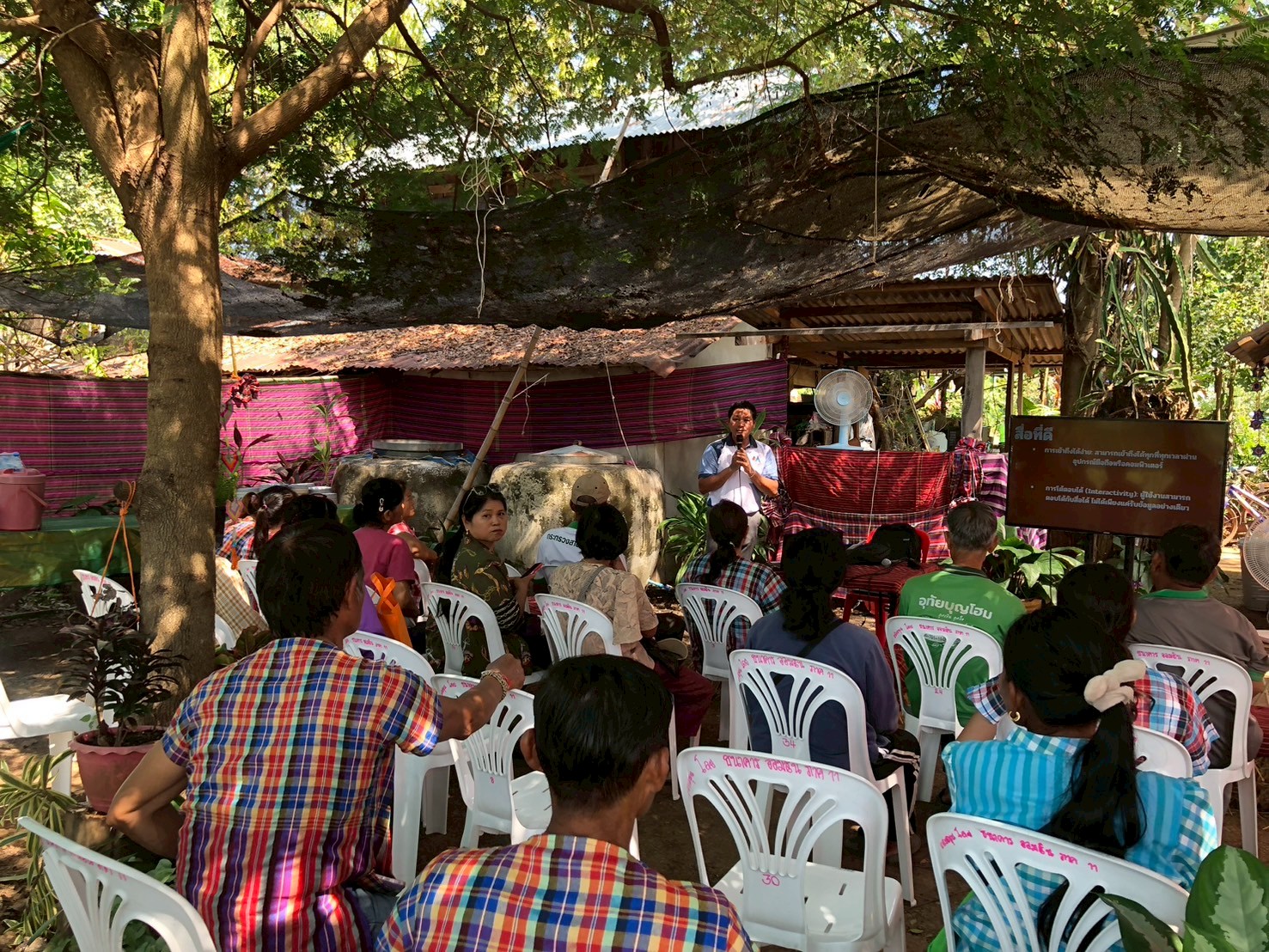
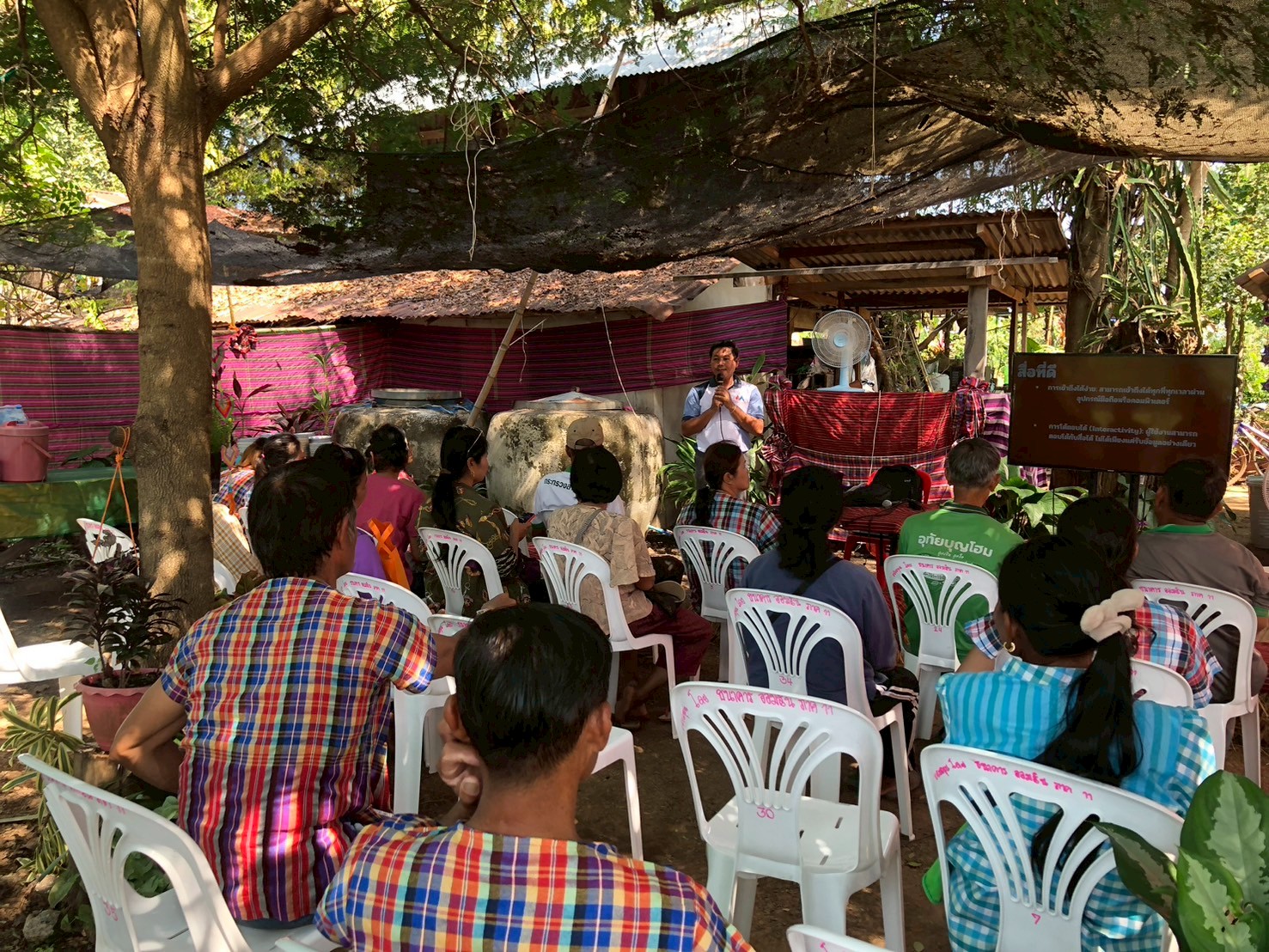
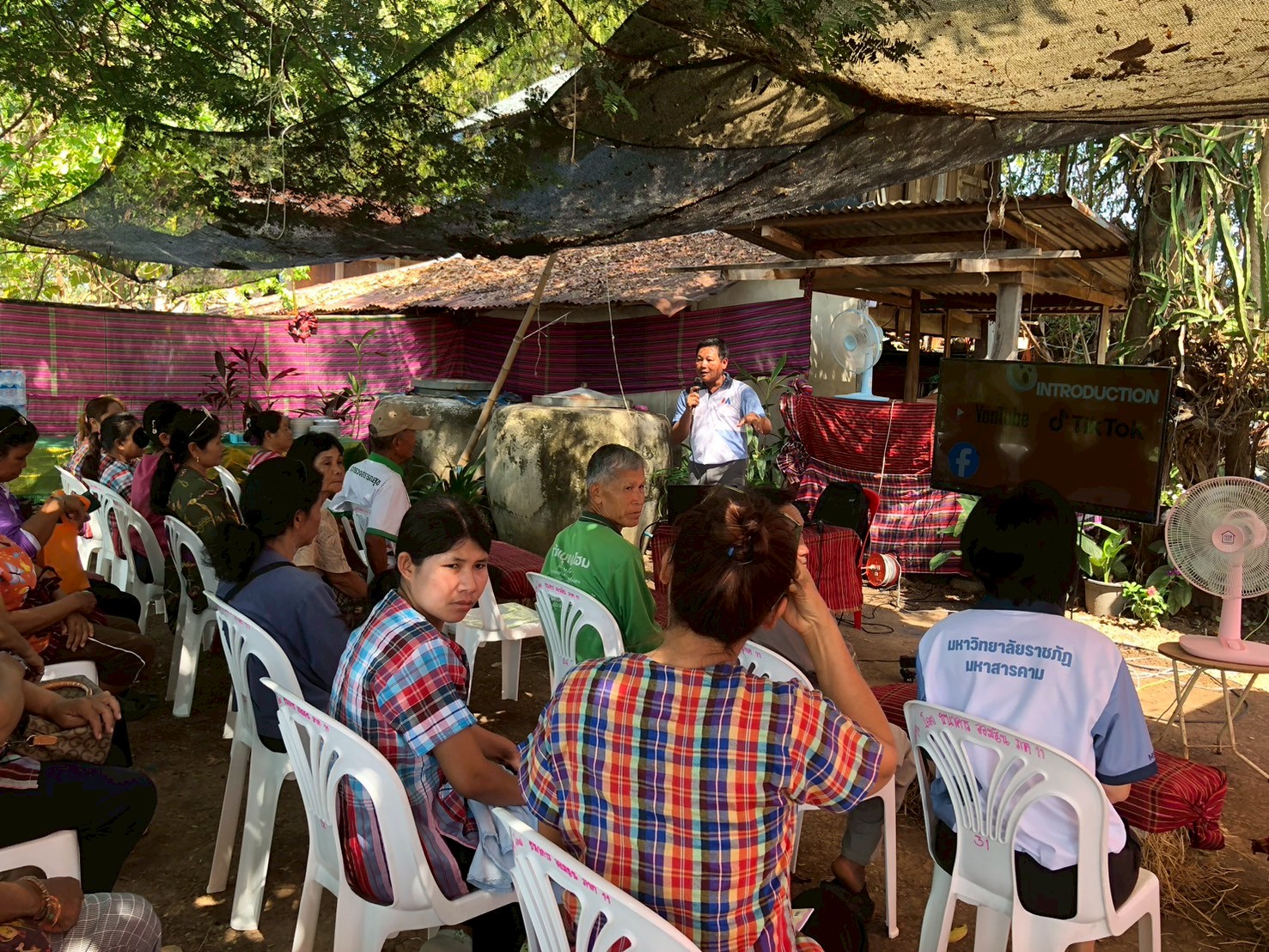
1.Workshop Training on “Creative Tourism Management”: From Creative Economy to Creative Tourism
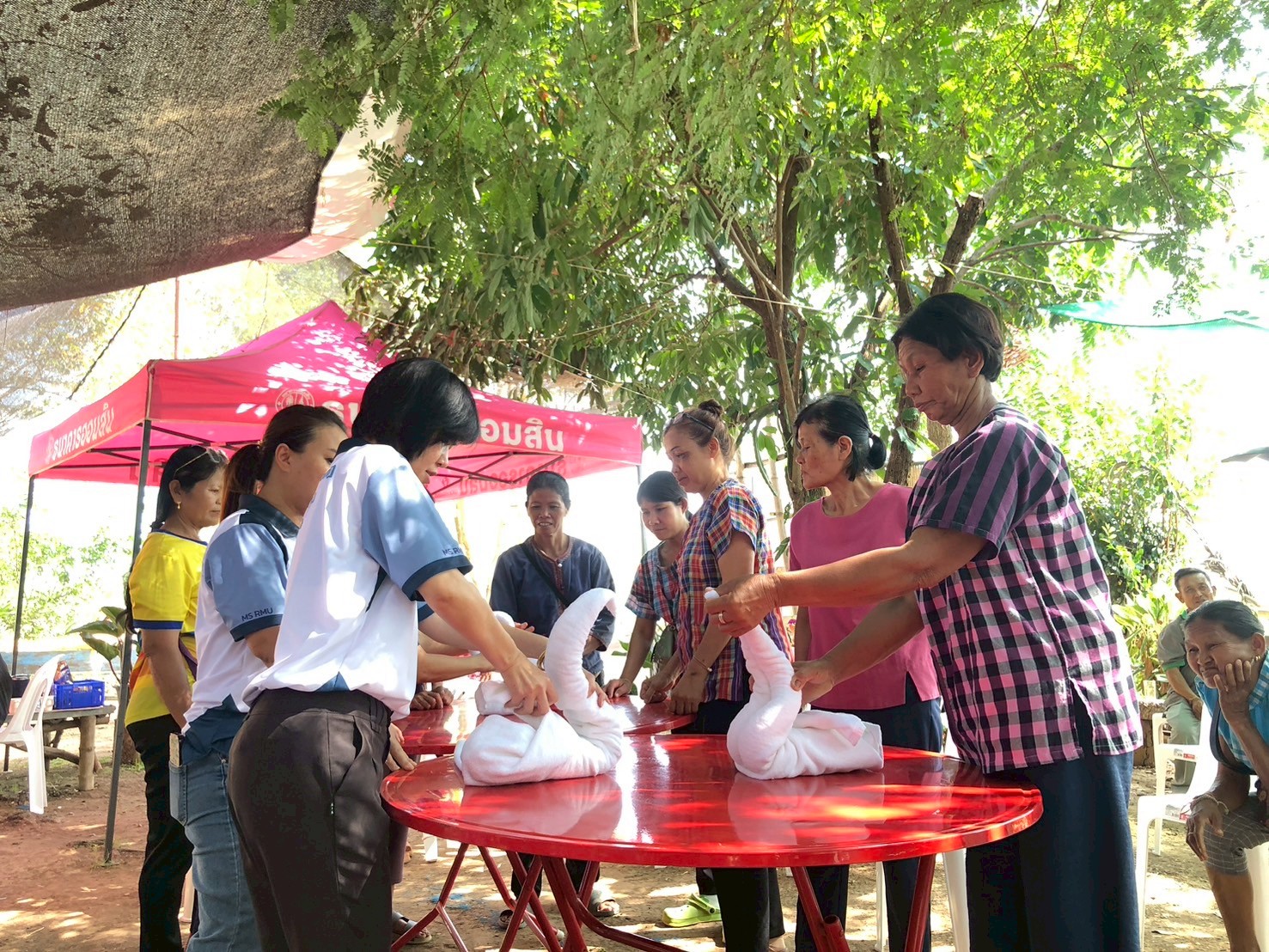
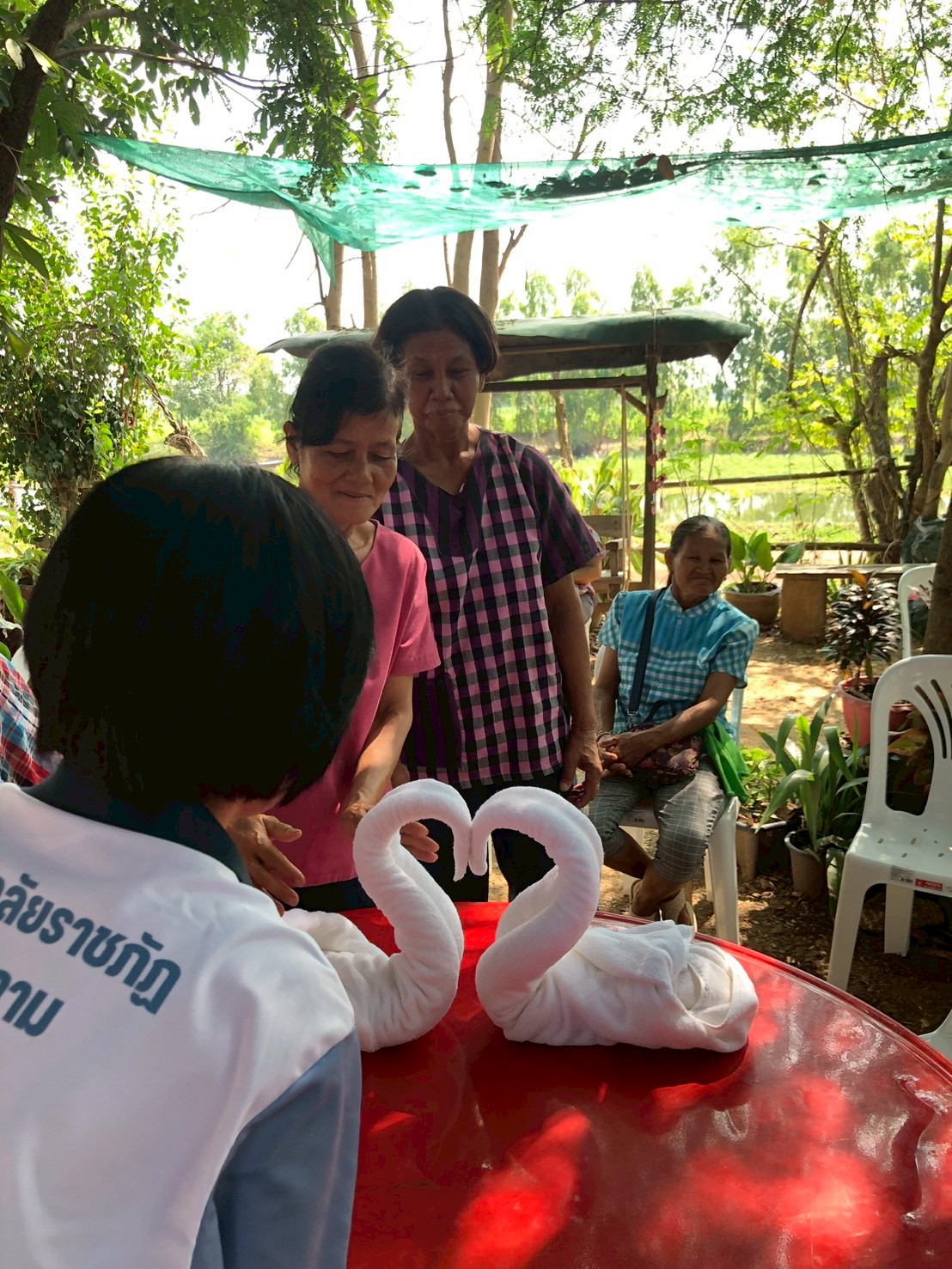
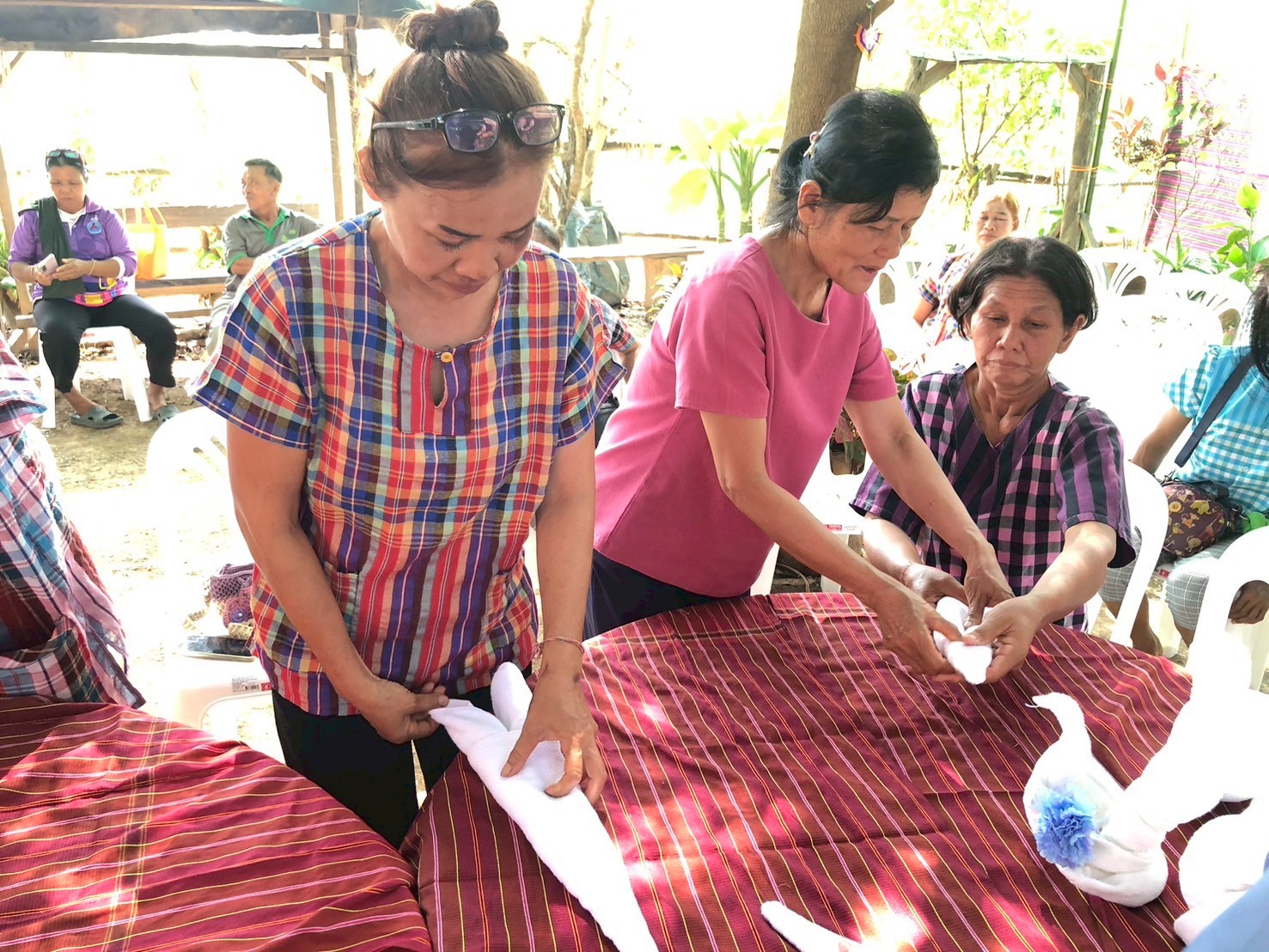
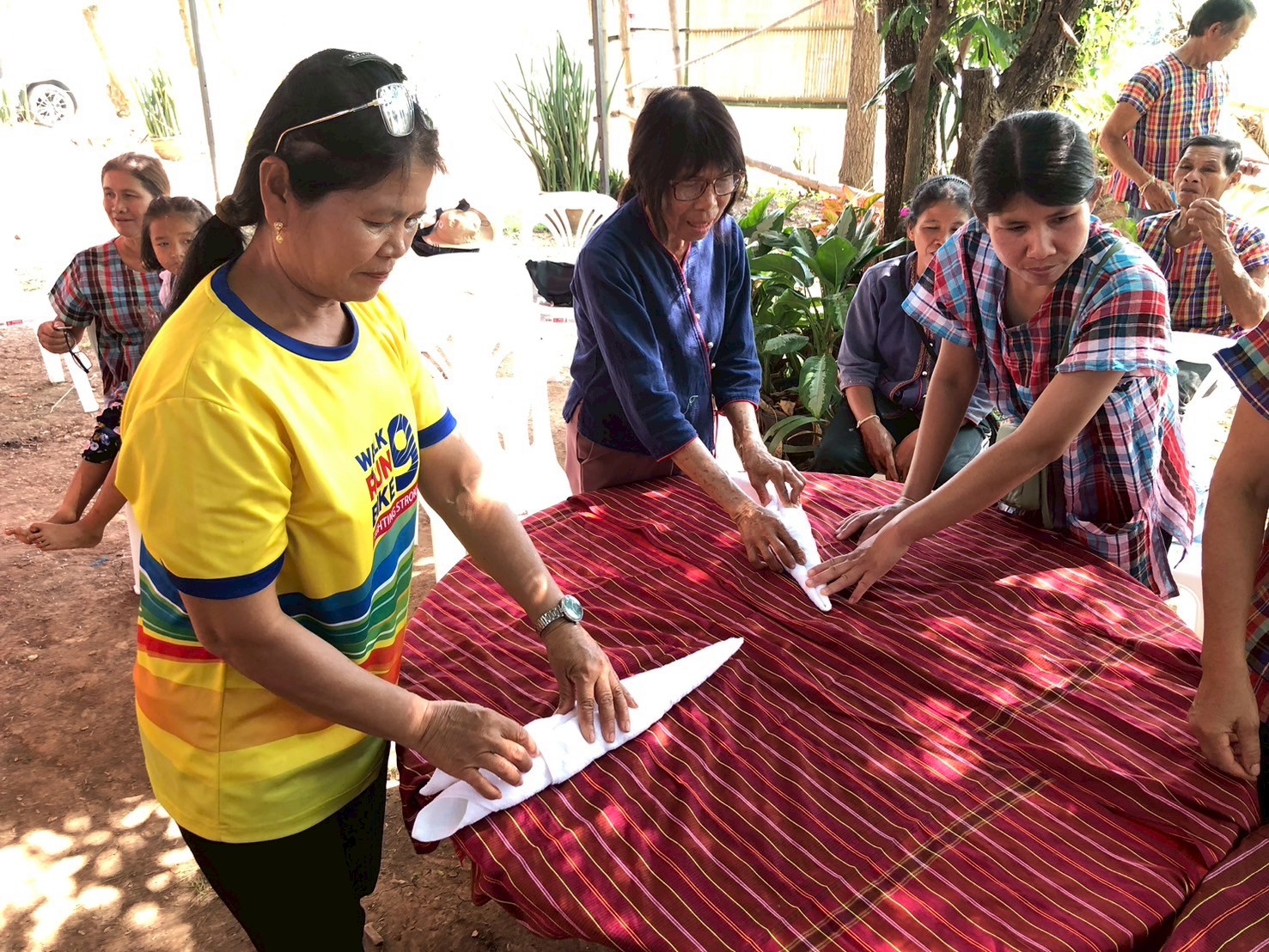
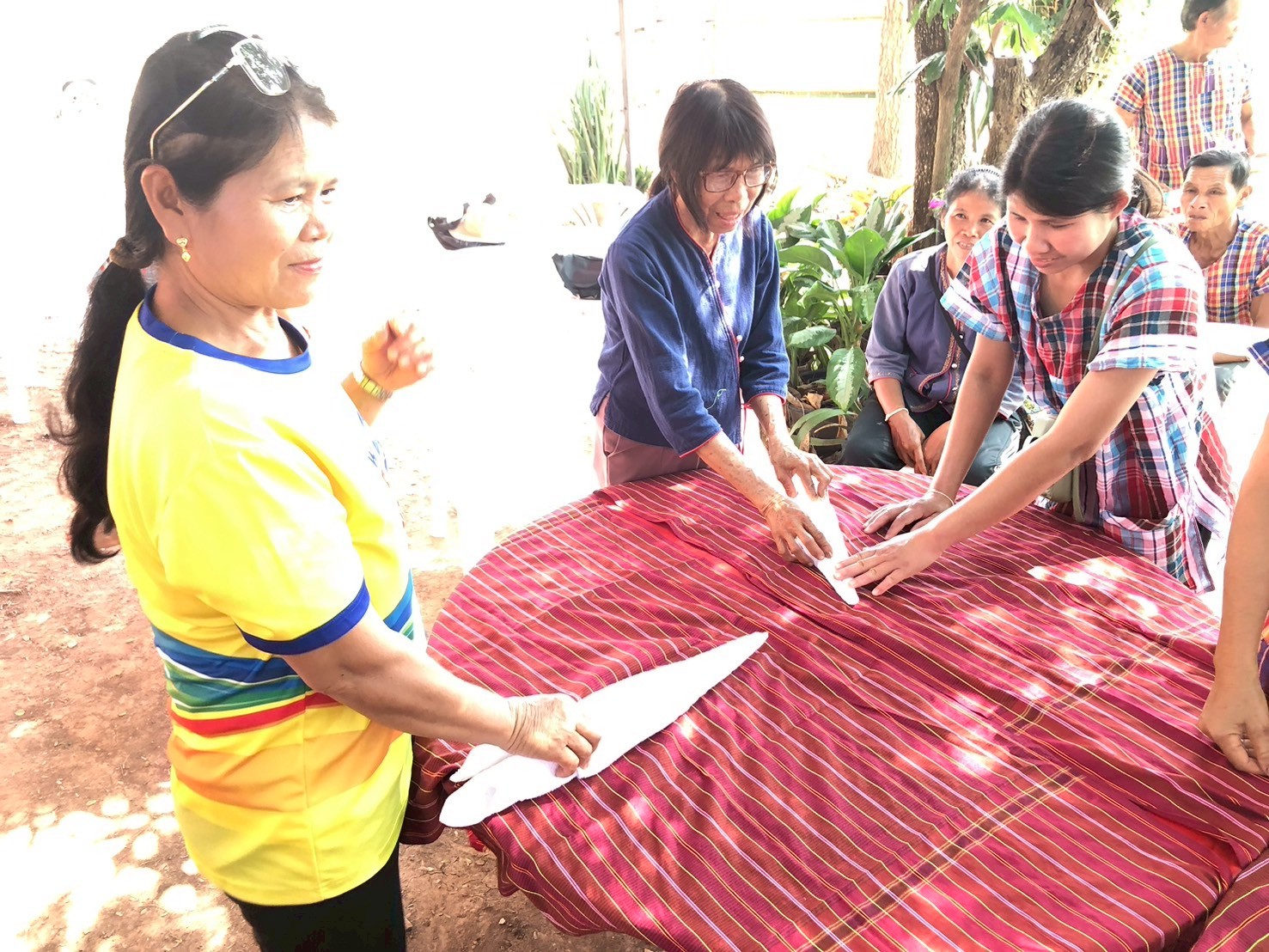
2.Workshop Training on Applying Technology, Innovation, and Creativity to the Development of Tourism Products and Services, with Emphasis on Local Cultural Capital and Indigenous Wisdom
3.Development and Value Enhancement of Tourism Products and Services through Community Participation, Promoting Awareness of the Value and Unique Local Identity of Tourism Products in Each Area
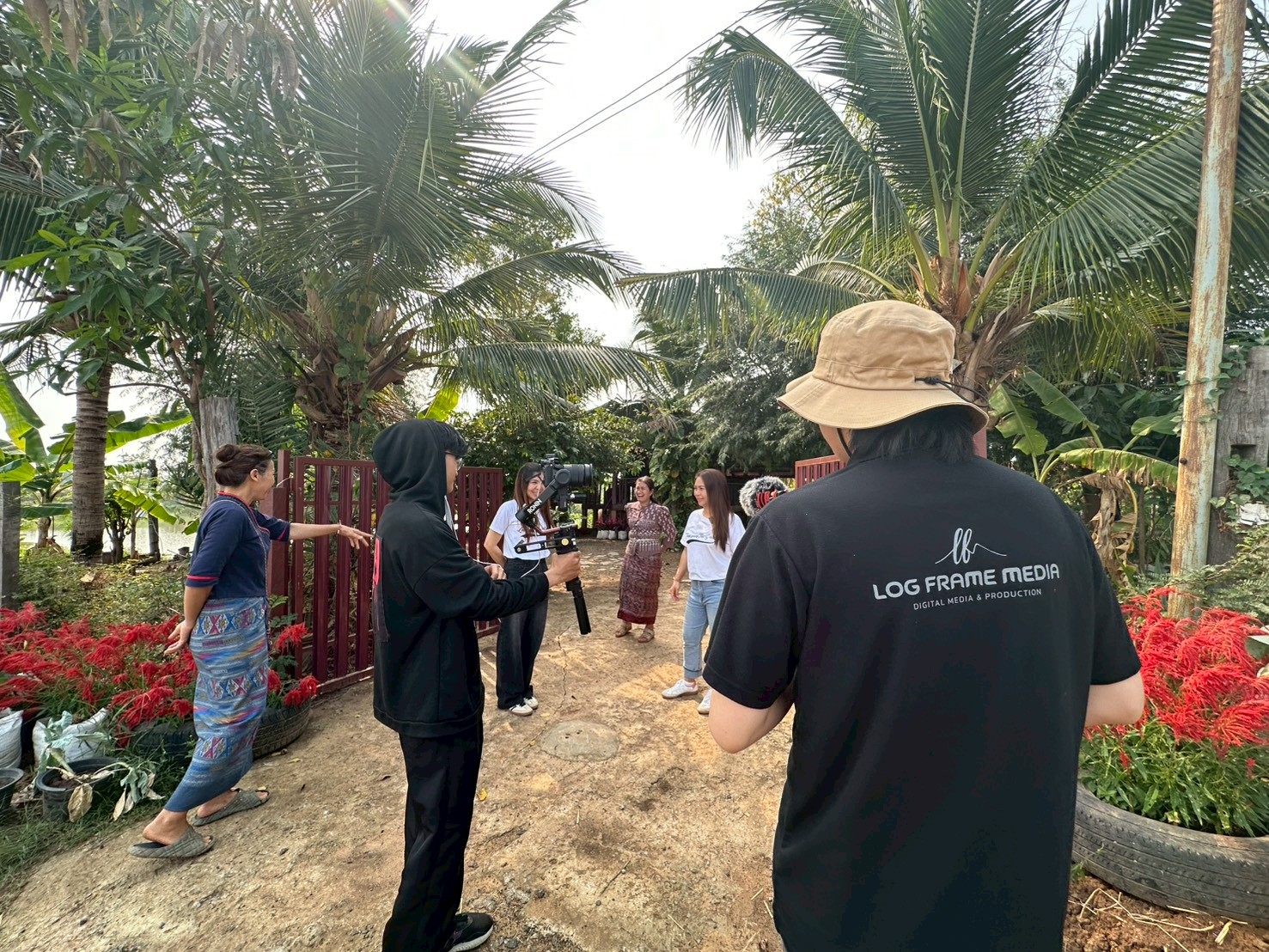
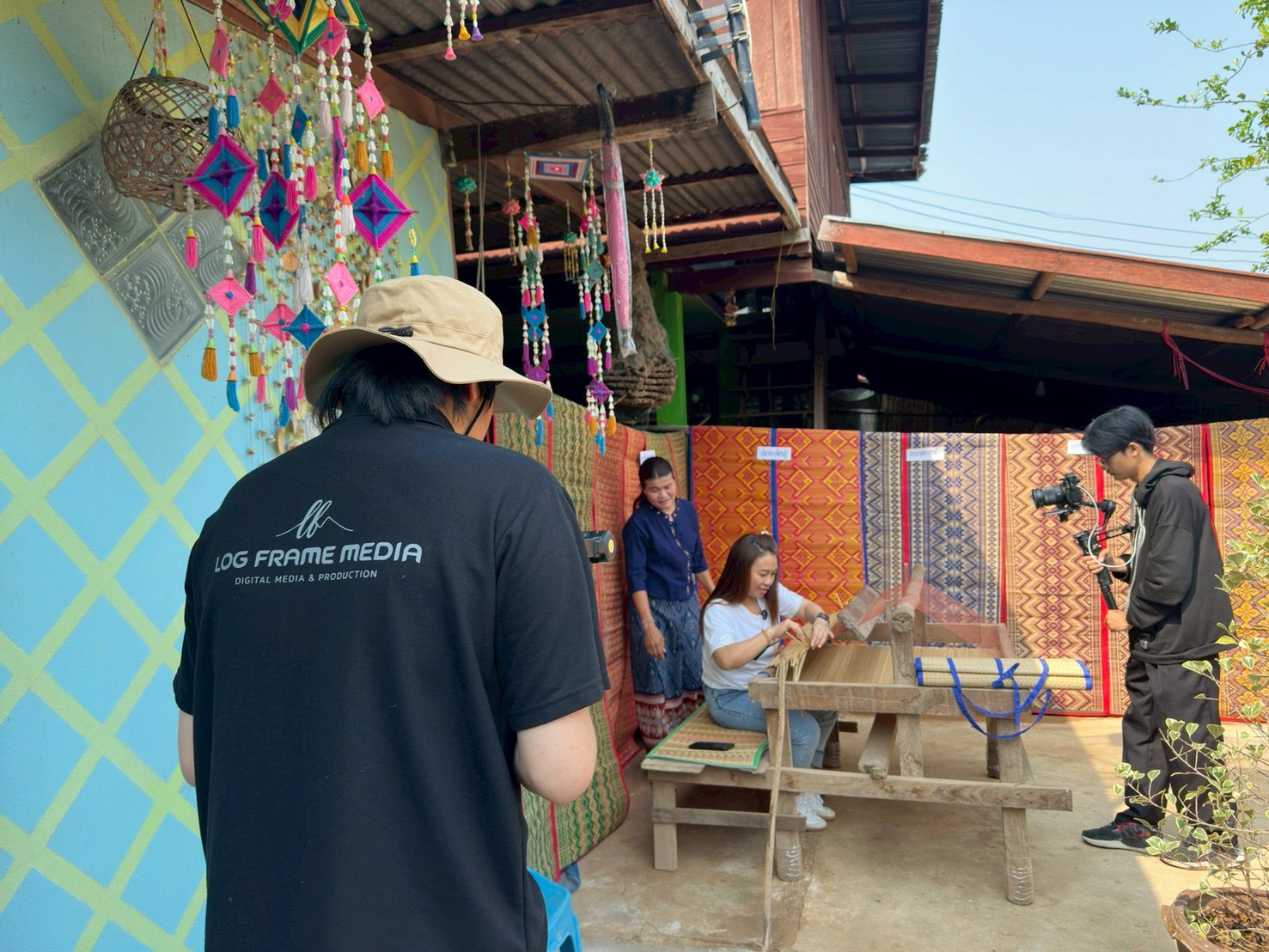
4.Development of Promotional Media to Promote and Publicize Creative Tourism Activities within the Community
1. การอบรมเชิงปฏิบัติการ “การจัดการท่องเที่ยวเชิงสร้างสรรค์” จาก Creative Economy สู่ Creative Tourism
2. การอบรมเชิงปฏิบัติการ การนำเทคโนโลยี นวัตกรรม และความคิดสร้างสรรค์มาใช้พัฒนาสินค้าและบริการทางการท่องเที่ยว โดยคำนึงถึงต้นทุนทางวัฒนธรรมและภูมิปัญญาเป็นสำคัญ
3.การพัฒนาและเพิ่มมูลค่าสินค้าและบริการโดยการมีส่วนร่วมของชุมชน ส่งเสริมให้คนในชุมชนเห็นคุณค่าและอัตลักษณ์ของสินค้าทางการท่องเที่ยวในแต่ละพื้นที่
4. การจัดทำสื่อประชาสัมพันธ์ เพื่อส่งเสริมและประชาสัมพันธ์กิจกรรมท่องเที่ยวเชิงสร้างสรรค์ของชุมชน
Part 2: Outcomes & Impact ส่วนที่ 2 ผลลัพธ์และผลกระทบ
Outcomes ผลลัพธ์ที่เกิดขึ้น
1.A framework for creative community-based tourism management based on local identity and indigenous wisdom, contributing to sustainable local development.
2.Integration of teaching and learning through academic services, enabling students, lecturers, and the academic program to collaborate with the community in creative local development.
3.Promotion of job creation, income generation, and equitable distribution of tourism revenue to local communities
1. เกิดแนวทางในการจัดการท่องเที่ยวโดยชุมชนเชิงสร้างสรรค์ บนฐานอัตลักษณ์และภูมิปัญญา สู่การพัฒนาท้องถิ่นอย่างยั่งยืน
2. นักศึกษา อาจารย์ หลักสูตรฯ มีการบูรณาการการเรียนการสอนผ่านการบริการวิชาการ ร่วมกันกับชุมชนในการพัฒนาท้องถิ่นอย่างสร้างสรรค์
3. ส่งเสริมให้เกิดการสร้างงาน สร้างรายได้ และกระจายรายได้จากการท่องเที่ยวไปสู่ชุมชนในพื้นที่
Community & Social Impact ผลกระทบต่อชุมชน/สังคม
Economic Dimension
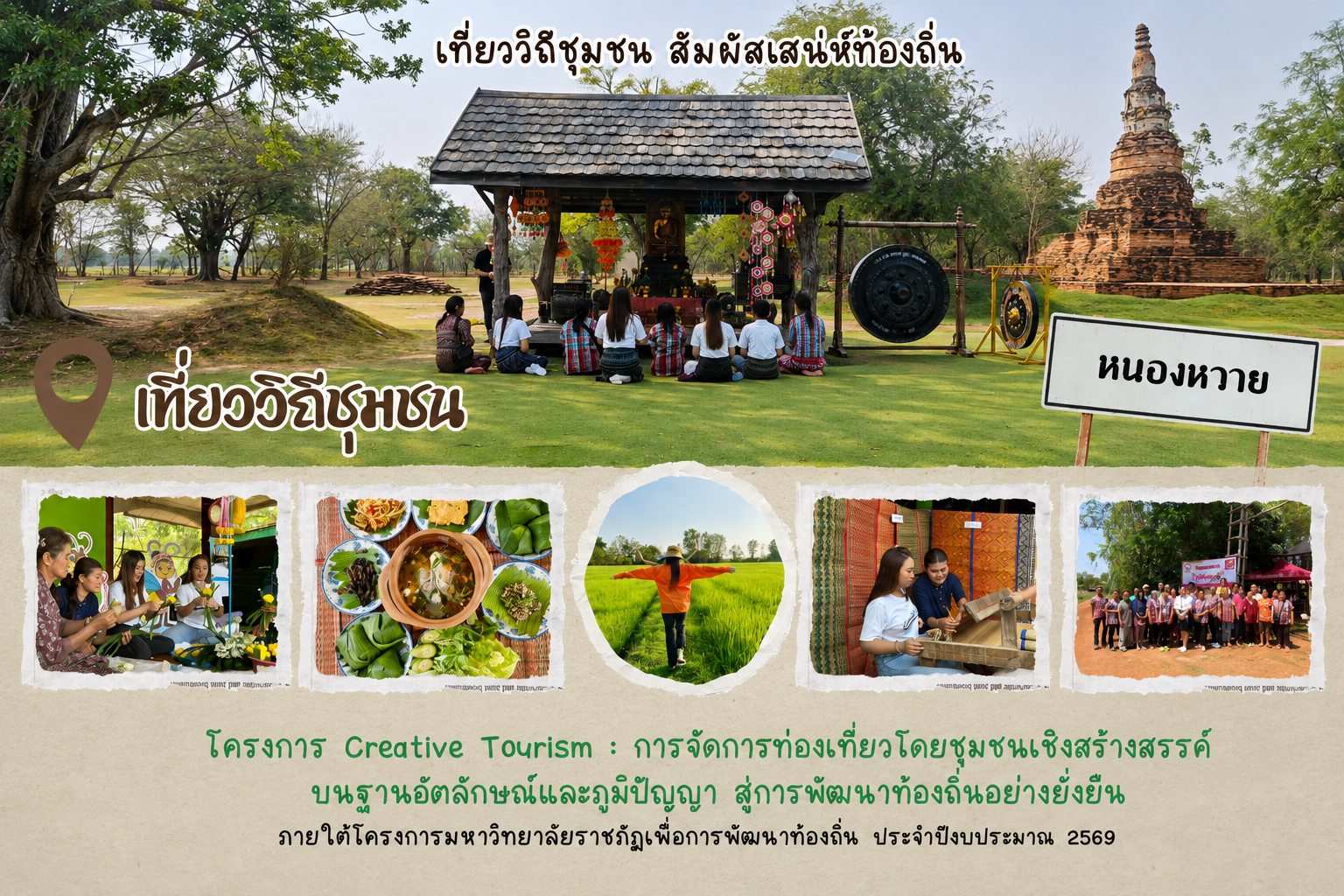
Development of new, high-quality tourism products and services: The project contributes to the development of creative community-based tourism management based on local identity and indigenous wisdom, leading to sustainable local development in tourism communities in Maha Sarakham Province. This development can enhance tourists’ confidence, meet current tourism demands, and support the country’s tourism development goals. The primary beneficiaries are the Ban Nong Wai community in Maha Sarakham Province, with increased opportunities for income generation and revenue distribution within the community.
Social Dimension
Promotion of multi-sectoral participation: The project encourages collaboration among various stakeholders in the development of creative tourism, including community members and community enterprise groups that provide local information and participate in designing and developing creative tourism activities together with the project team. The Provincial Office of Tourism and Sports provides policy support, development guidelines, and promotes the advancement of tourism communities in Maha Sarakham Province toward sustainability. Tourists are also direct beneficiaries, gaining meaningful experiences and learning through creative tourism activities. At the same time, tourism serves as a mechanism for fostering community members’ appreciation and pride in their way of life and cultural heritage, while encouraging the preservation and continuation of local wisdom.
Educational Dimension
Development and integration of academic knowledge: Upon completion of the project, academic outputs will be generated and may be disseminated through publication in national-level academic journals. Furthermore, lecturers and students can integrate knowledge and skills gained through teaching and learning into the implementation of the project, strengthening the connection between academic learning, academic services, and community development.
Environmental Dimension
Promotion of sustainable tourism management: The project provides guidelines for developing tourism standards and supports tourism communities in Maha Sarakham Province in improving their capacity toward sustainable tourism management. This includes the responsible conservation and management of natural resources and the environment, as well as the preservation of local culture, traditions, and community heritage.
ด้านเศรษฐกิจ - เกิดการพัฒนาผลิตภัณฑ์ทางการท่องเที่ยวใหม่ที่มีคุณภาพ คือการเกิดการพัฒนาการจัดการท่องเที่ยวโดยชุมชนเชิงสร้างสรรค์ บนฐานอัตลักษณ์และภูมิปัญญา สู่การพัฒนาท้องถิ่นอย่างยั่งยืน ในชุมชนท่องเที่ยว
จังหวัดมหาสารคาม ซึ่งจะสามารถสร้างความเชื่อมั่นให้กับนักท่องเที่ยวในยุคปัจจุบัน และตอบโจทย์การพัฒนาการท่องเที่ยวของประเทศ ผู้ได้รับผลประโยชน์ คือชุมชนบ้านหนองหวาย จังหวัดมหาสารคามสารคาม เกิดการกระจายรายได้สู่ชุมชน
ด้านสังคม - เป็นการดำเนินงานนั้นมีการก่อให้เกิดการมีส่วนร่วมจากหน่วยงานต่างๆ เพื่อพัฒนาการท่องเที่ยวเชิงสร้างสรรค์ ไม่ว่าจะเป็นสมาชิกในชุมชนท่องเที่ยวหรือกลุ่มวิสาหกิจชุมชน ที่ให้ข้อมูลและร่วมออกแบบพัฒนาการท่องเที่ยวอย่างสร้างสรรค์ไปพร้อมกับผู้ดำเนินโครงการ สำนักงานท่องเที่ยวและกีฬาจังหวัดที่ให้การสนับสนุนในเชิงนโยบาย แนวทางสู่การพัฒนามาตรฐาน และร่วมผลักดันให้ชุมชนท่องเที่ยวในเขตจังหวัดมหาสารคามได้พัฒนาตนเองสู่ความยั่งยืน อีกทั้งผู้รับประโยชน์โดยตรงคือนักท่องเที่ยว ซึ่งจะได้รับประสบการณ์และการเรียนรู ้ผ่านกิจกรรมท่องเที่ยวเชิงสร้างสรรค์ และขณะเดียวกันสามารถใช้การท่องเที่ยวเป็นเครื่องมือในการส่งเสริมให้ประชาชนในชุมชนมีความรัก ภาคภูมิใจในวิถีชีวิต วัฒนธรรม และเกิดการอนุรักษ์ภูมิปัญญาของตนเอง
ด้านการศึกษา - เมื่อเสร็จสิ ้นโครงการ จะเกิดผลงานทางวิชาการที่สามารถนำไปเผยแพร่ในการตีพิมพ์วารสารระดับชาติ อีกทั้งอาจารย์ นักศึกษา ยังสามารถนำองค์ความรู้จากการเรียนการสอนมาบูรณาการในการดำเนินโครงการ
ด้านสิ่งแวดล้อม - เกิดแนวทางสู่การพัฒนามาตรฐานและร่วมผลักดันให้ชุมชนท่องเที่ยวในเขตจังหวัดมหาสารคาม ได้พัฒนาตนเองสู่การจัดการท่องเที่ยวอย่างยั่งยืน ทั้งด้านทรัพยากรธรรมชาติและสิ่งแวดล้อม รวมถึงด้านวัฒนธรรมประเพณี
Student & Staff Participation การมีส่วนร่วมของนักศึกษา/บุคลากร
Integration of teaching and learning through academic services: Students, lecturers, and the academic program integrate teaching and learning with academic services by collaborating with the community to promote creative and sustainable local development. นักศึกษา อาจารย์ หลักสูตรฯ เกิดการบูรณาการการเรียนการสอนผ่านการบริการวิชาการ ร่วมกันกับชุมชนในการพัฒนาท้องถิ่นอย่างสร้างสรรค์
Project Continuity ความต่อเนื่องของโครงการ
Post-project follow-up and continuation: After the completion of the project, follow-up activities should be conducted to assess whether and how the community has applied and benefited from the project outcomes, as well as to identify opportunities for further development, continuation, and expansion of the project’s results. หลังดำเนินโครงการเสร็จสิ้นไปแล้ว ต้องมีการติดตาม ต่อยอดโครงการ ว่าชุมชนมีการนำผลการดำเนินงานไปใช้ประโยชน์หรือไม่ อย่างไร
Part 3: Challenges & Suggestions ส่วนที่ 3 ปัญหาอุปสรรค/ข้อเสนอแนะ
Problems & Obstacles ปัญหา/อุปสรรค
1. Most community members are engaged in agricultural occupations, which limits their availability to participate in project activities, particularly during planting and harvesting seasons. As a result, some activities had to be rescheduled to align with the community’s way of life. This issue had already been identified as a project risk from the outset. In addition, participants had varying levels of knowledge and experience in health tourism, requiring additional time to adapt the content and knowledge-transfer approaches to the needs of different learner groups.
2. Participants had different levels of knowledge and skills in tourism management and the use of digital technology. Consequently, some activities, particularly the development of promotional media and the use of digital tools, required more time for explanation, hands-on practice, and skill development than originally planned.
3. The project budget primarily focused on capacity building and training activities. Therefore, the development of tourism facilities, improvement of homestay accommodations, and large-scale production of promotional media could only be undertaken at an initial level and will require additional support and funding in the subsequent phase.
1. ประชาชนส่วนใหญ่ประกอบอาชีพเกษตรกรรม ทำให้มีข้อจำกัดด้านเวลาในการเข้าร่วมกิจกรรม โดยเฉพาะในช่วงฤดูเพาะปลูกและฤดูเก็บเกี่ยว ส่งผลให้บางกิจกรรมต้องปรับตารางเวลาให้สอดคล้องกับวิถีชีวิตของชุมชน ซึ่งเป็นประเด็นที่ได้ระบุไว้เป็นความเสี่ยงของโครงการตั้งแต่ต้นผู้เข้าร่วมโครงการมีพื้นฐานความรู้และประสบการณ์ด้านการท่องเที่ยวเชิงสุขภาพแตกต่างกัน ทำให้การถ่ายทอดองค์ความรู้ต้องใช้เวลาในการปรับเนื้อหาให้เหมาะสมกับผู้เรียนแต่ละกลุ่ม
2. ผู้เข้าร่วมโครงการมีพื้นฐานด้านการจัดการท่องเที่ยวและการใช้เทคโนโลยีดิจิทัลแตกต่างกัน ทำให้การเรียนรู ้ในบางกิจกรรม โดยเฉพาะการจัดทำสื่อประชาสัมพันธ์และการใช้เครื่องมือดิจิทัล ต้องใช้เวลาในการอธิบายและฝึกปฏิบัติมากกว่าที่วางแผนไว้
3. งบประมาณของโครงการมุ ่งเน้นการพัฒนาศักยภาพและการจัดกิจกรรมอบรมเป็นหลัก ทำให้การพัฒนาสิ่งอำนวยความสะดวกทางการท่องเที่ยว การปรับปรุงโฮมสเตย์ และการผลิตสื่อประชาสัมพันธ์ในปริมาณมาก ยังดำเนินการได้ในระดับเริ่มต้น และจำเป็นต้องได้รับการสนับสนุนเพิ่มเติมในระยะต่อไป
Improvement Guidelines แนวทางการปรับปรุง
1.Coordinate with community leaders and schedule project activities in accordance with the community’s agricultural calendar to ensure broad and convenient participation by local residents.
2.Adapt the training format to emphasize hands-on learning through workshops, grouping participants according to their levels of ability and adding a team of coaches/mentors to provide close guidance and support throughout the practical sessions.
3.Strengthen collaboration with local administrative organizations, tourism-related agencies, the private sector, and community networks to secure additional funding and resources. At the same time, promote community capacity to manage revenue generated from tourism activities and product sales, with the income reinvested in the continuous improvement of tourism facilities and promotional media.
1.ประสานงานกับผู้นำชุมชนและกำหนดช่วงเวลาการจัดกิจกรรมให้สอดคล้องกับปฏิทินการเกษตรของชุมชน เพื่อให้ประชาชนสามารถเข้าร่วมได้อย่างทั่วถึง
2. ปรับรูปแบบการอบรมเป็นการเรียนรู ้แบบลงมือปฏิบัติ (Workshop) โดยแบ่งกลุ่มตามระดับความสามารถ และเพิ่มทีมวิทยากรพี่เลี้ยง (Coach/Mentor) เพื่อให้คำแนะนำอย่างใกล้ชิดระหว่างการฝึกปฏิบัติ
3. พัฒนาความร่วมมือกับองค์กรปกครองส่วนท้องถิ่น หน่วยงานด้านการท่องเที่ยว ภาคเอกชน และเครือข่ายชุมชน เพื่อสนับสนุนงบประมาณหรือทรัพยากรเพิ่มเติม และส่งเสริมให้ชุมชนสามารถบริหารจัดการรายได้จากกิจกรรมท่องเที่ยวและการจำหน่ายผลิตภัณฑ์ เพื่อนำรายได้กลับมาพัฒนาสิ่งอำนวยความสะดวกและสื่อประชาสัมพันธ์อย่างต่อเนื่อง
Suggestions to University ข้อเสนอแนะต่อมหาวิทยาลัย
1.The project duration and activity schedules should be planned in accordance with the community’s way of life, avoiding planting and harvesting seasons to ensure that community members can participate fully and continuously.
2.A Training Needs Assessment should be conducted prior to the training to identify participants’ needs and levels of knowledge. This will enable the design of courses and activities that are appropriate for the capabilities of different learner groups and enhance the effectiveness of knowledge transfer.
3.More practical activities (workshops) and group-based coaching and mentoring should be provided, particularly in the areas of digital technology, online marketing, and product development, to enable participants to effectively apply the knowledge and skills gained in practice.
4.Continuous follow-up and consultation should be provided to the community after the completion of the project to assess the application of the knowledge gained, monitor income-generation outcomes, and support the ongoing development of tourism products and services.
1.ควรวางแผนกำหนดระยะเวลาในการดำเนินกิจกรรมให้สอดคล้องกับวิถีชีวิตของประชาชนในชุมชน โดยหลีกเลี่ยงช่วงฤดูเพาะปลูกและฤดูเก็บเกี่ยว เพื่อให้ประชาชนสามารถเข้าร่วมกิจกรรมได้อย่างเต็มที่และต่อเนื่อง
2. ควรสำรวจความต้องการและระดับความรู้ของผู้เข้าร่วมโครงการก่อนการอบรม (Training Needs Assessment) เพื่อออกแบบหลักสูตรและกิจกรรมให้เหมาะสมกับศักยภาพของผู้เรียนแต่ละกลุ่ม และเพิ่มประสิทธิภาพในการถ่ายทอดองค์ความรู้
3. ควรเพิ่มกิจกรรมเชิงปฏิบัติ (Workshop) และการให้คำปรึกษาแบบรายกลุ่ม (Coaching and Mentoring) โดยเฉพาะด้านการใช้เทคโนโลยีดิจิทัล การตลาดออนไลน์ และการพัฒนาผลิตภัณฑ์ เพื่อให้ผู้เข้าร่วมสามารถนำความรู้ไปประยุกต์ใช้ได้จริง
4. ควรมีการติดตามและให้คำปรึกษาแก่ชุมชนหลังสิ้นสุดโครงการอย่างต่อเนื่อง เพื่อประเมินการนำองค์ความรู้ไปใช้ ติดตามผลการสร้างรายได้ และสนับสนุนการพัฒนาผลิตภัณฑ์และบริการทางการท่องเที่ยวให้มีความต่อเนื่อง