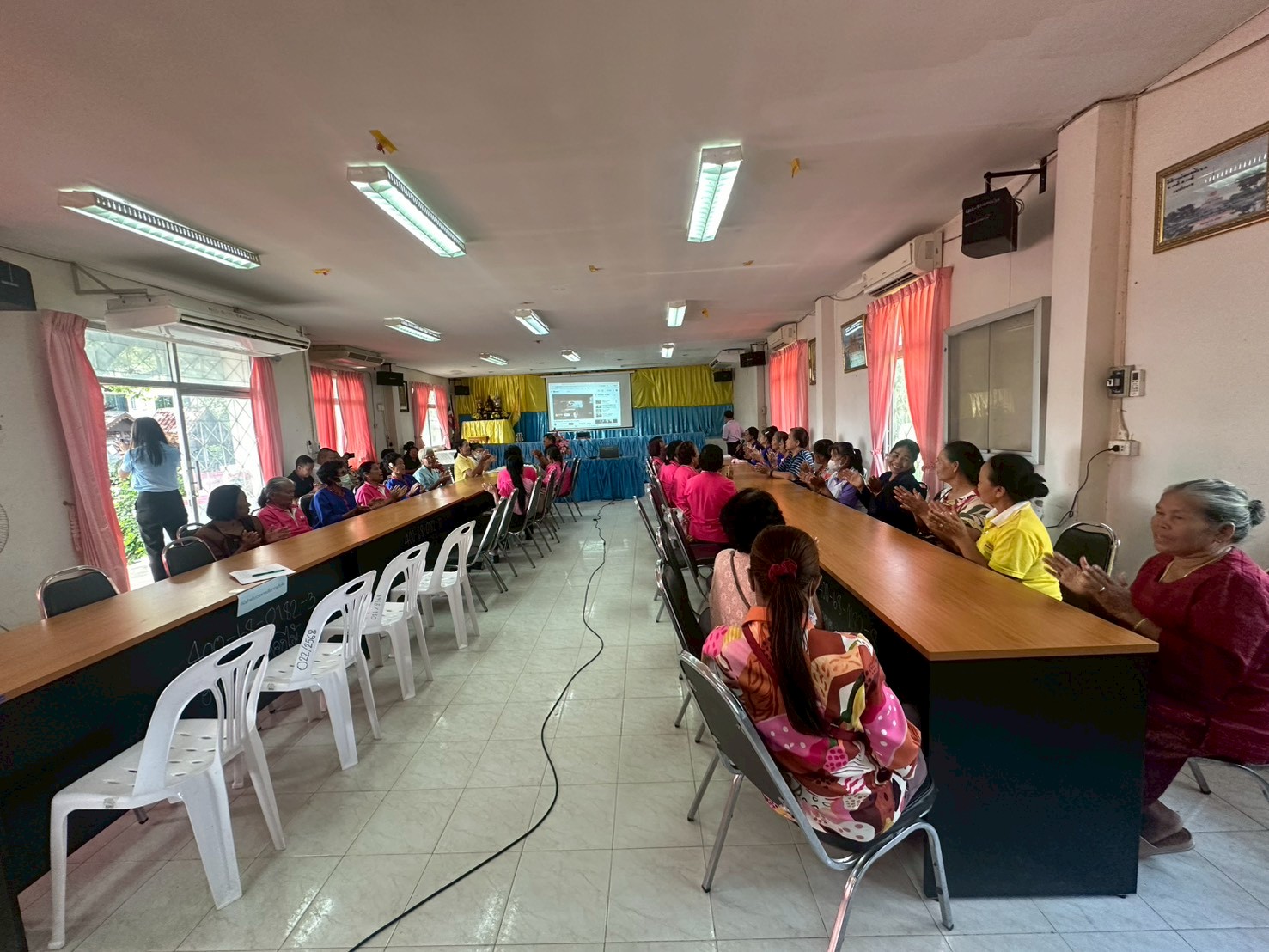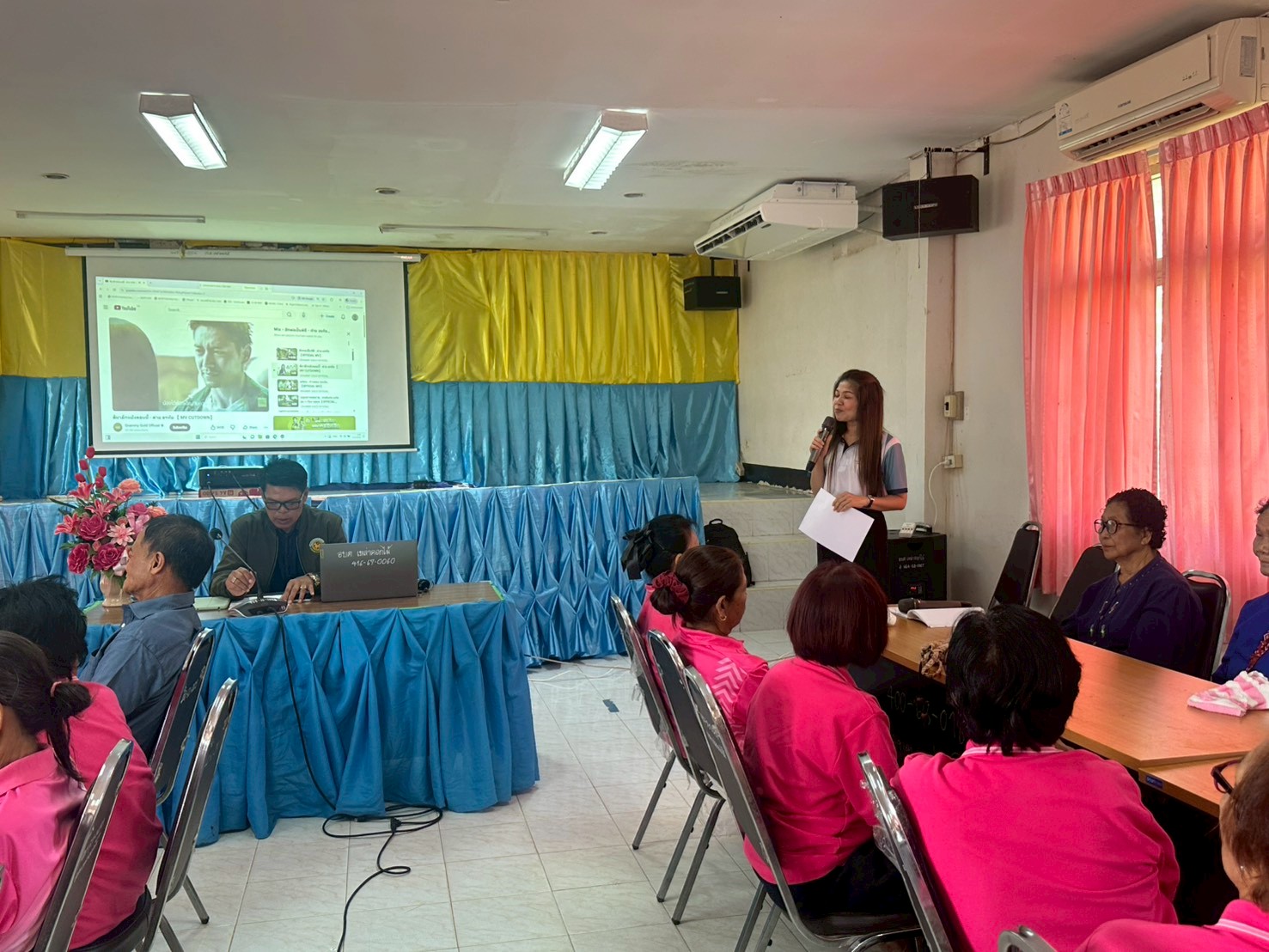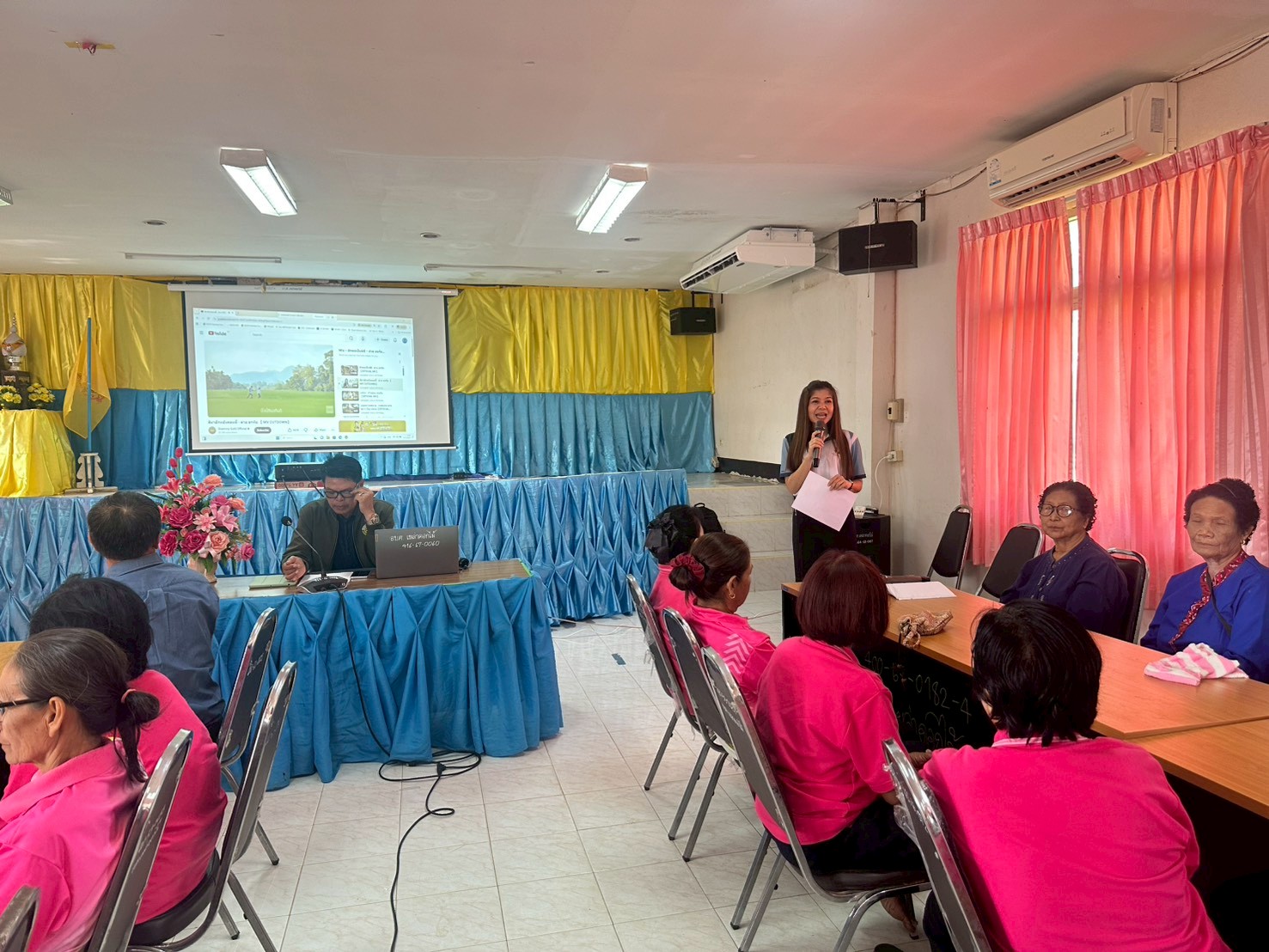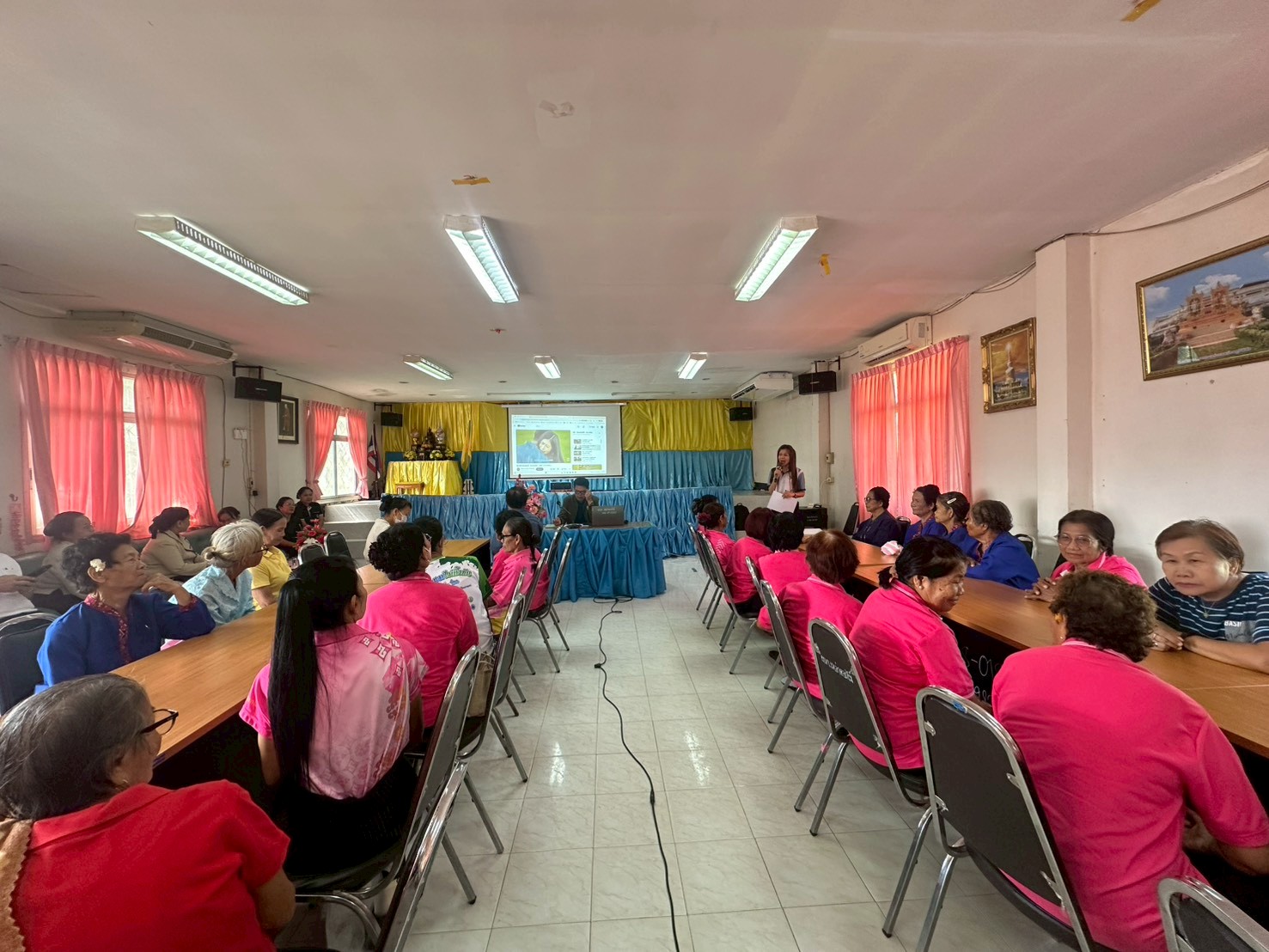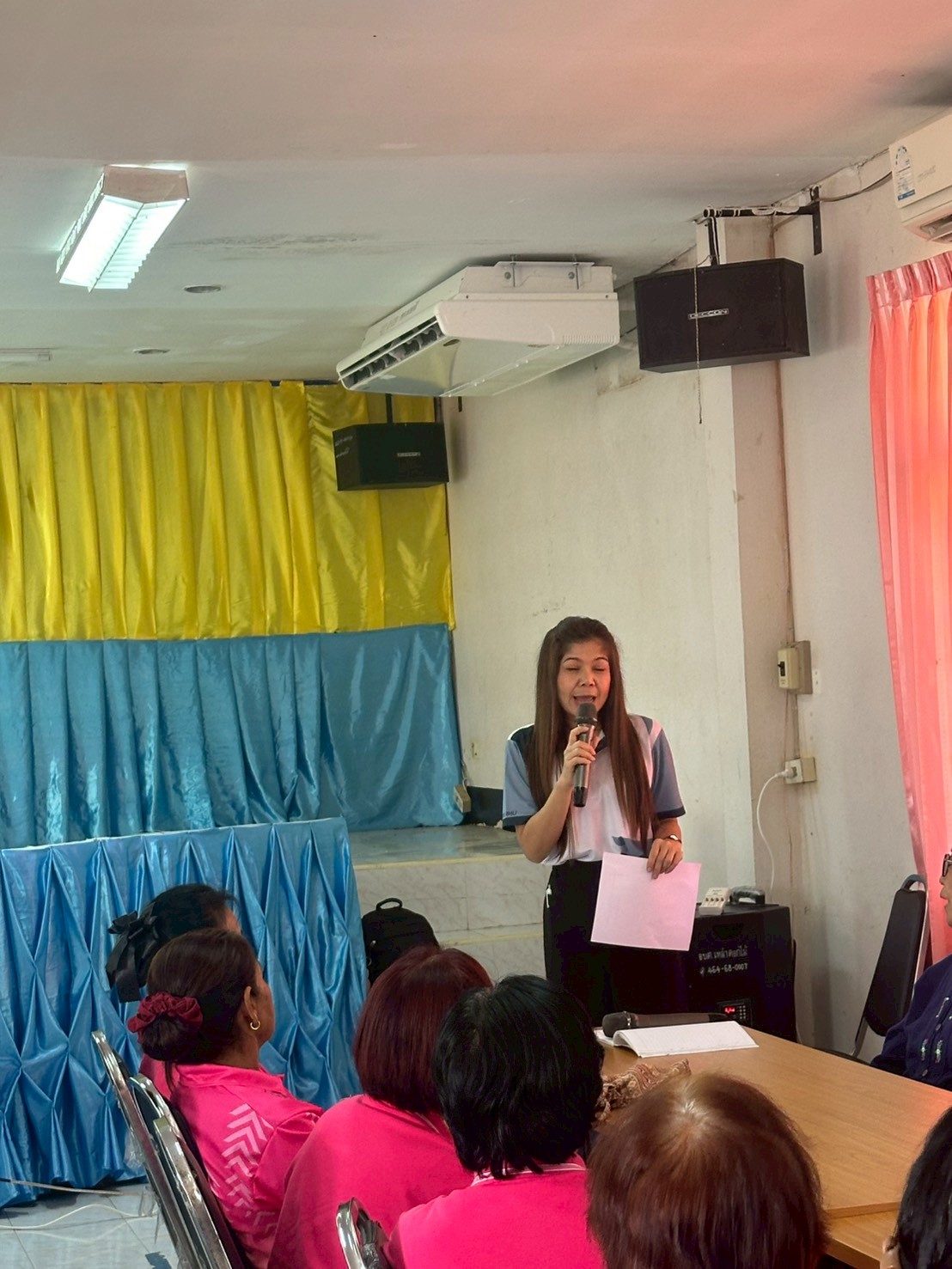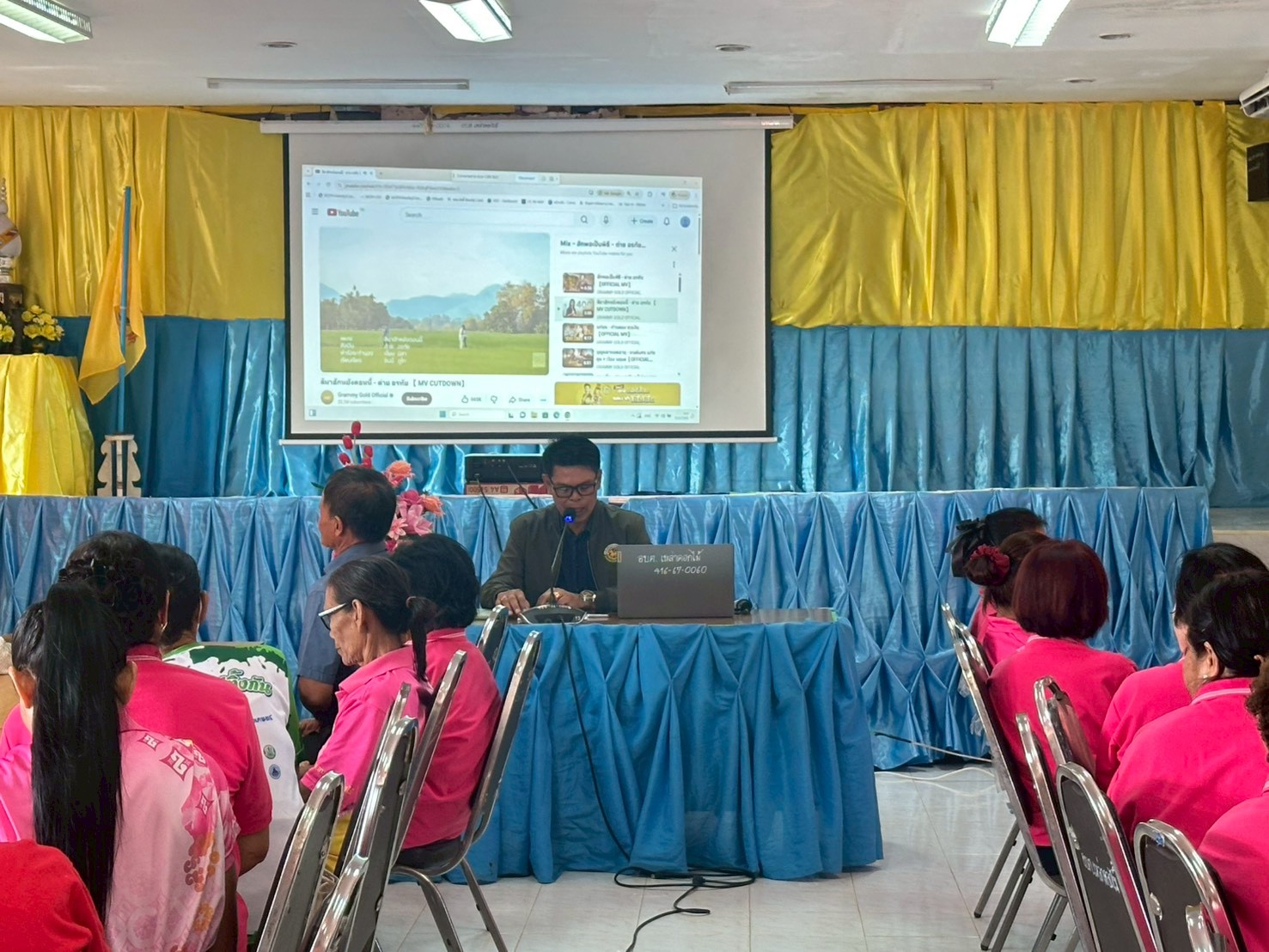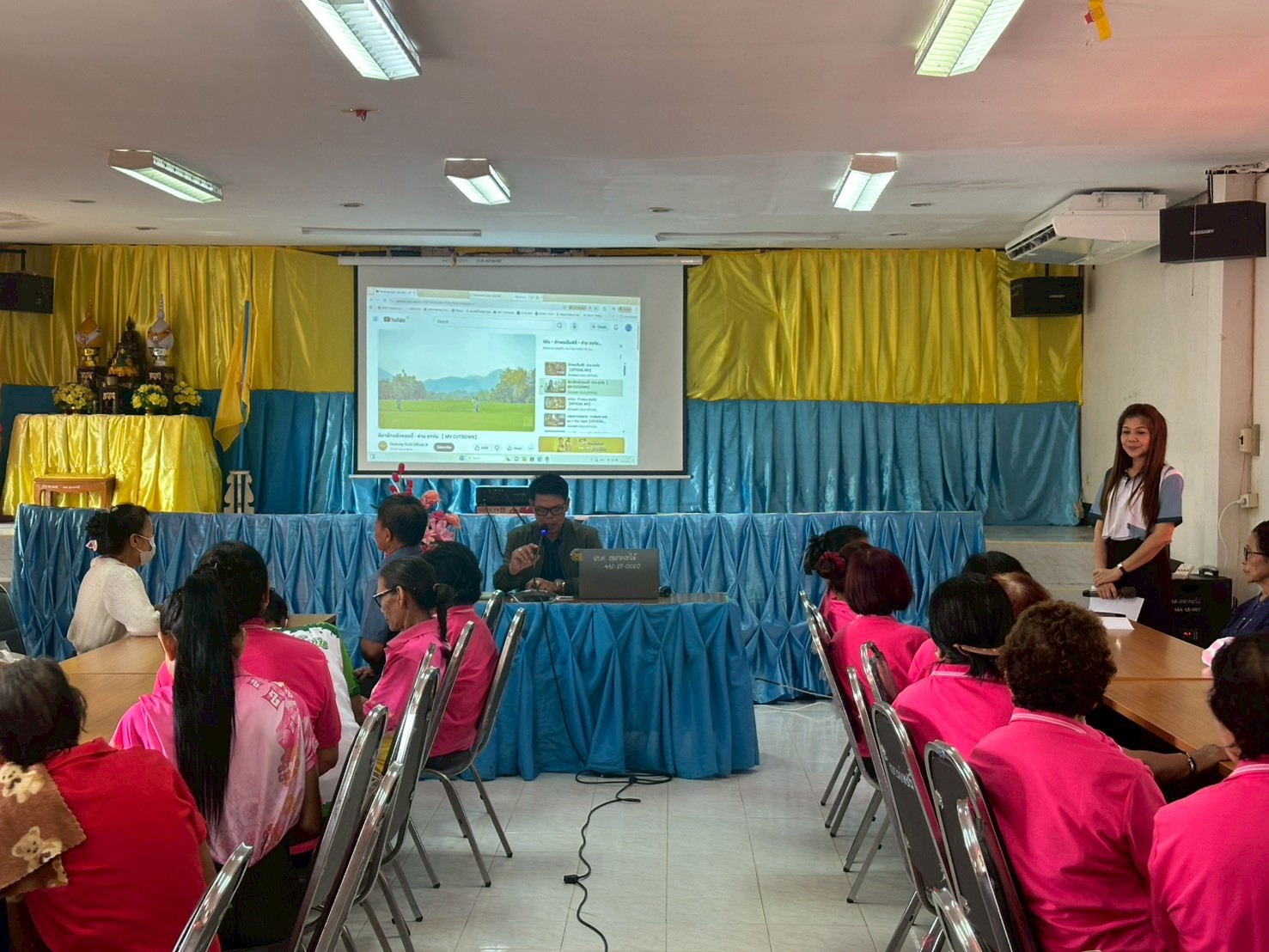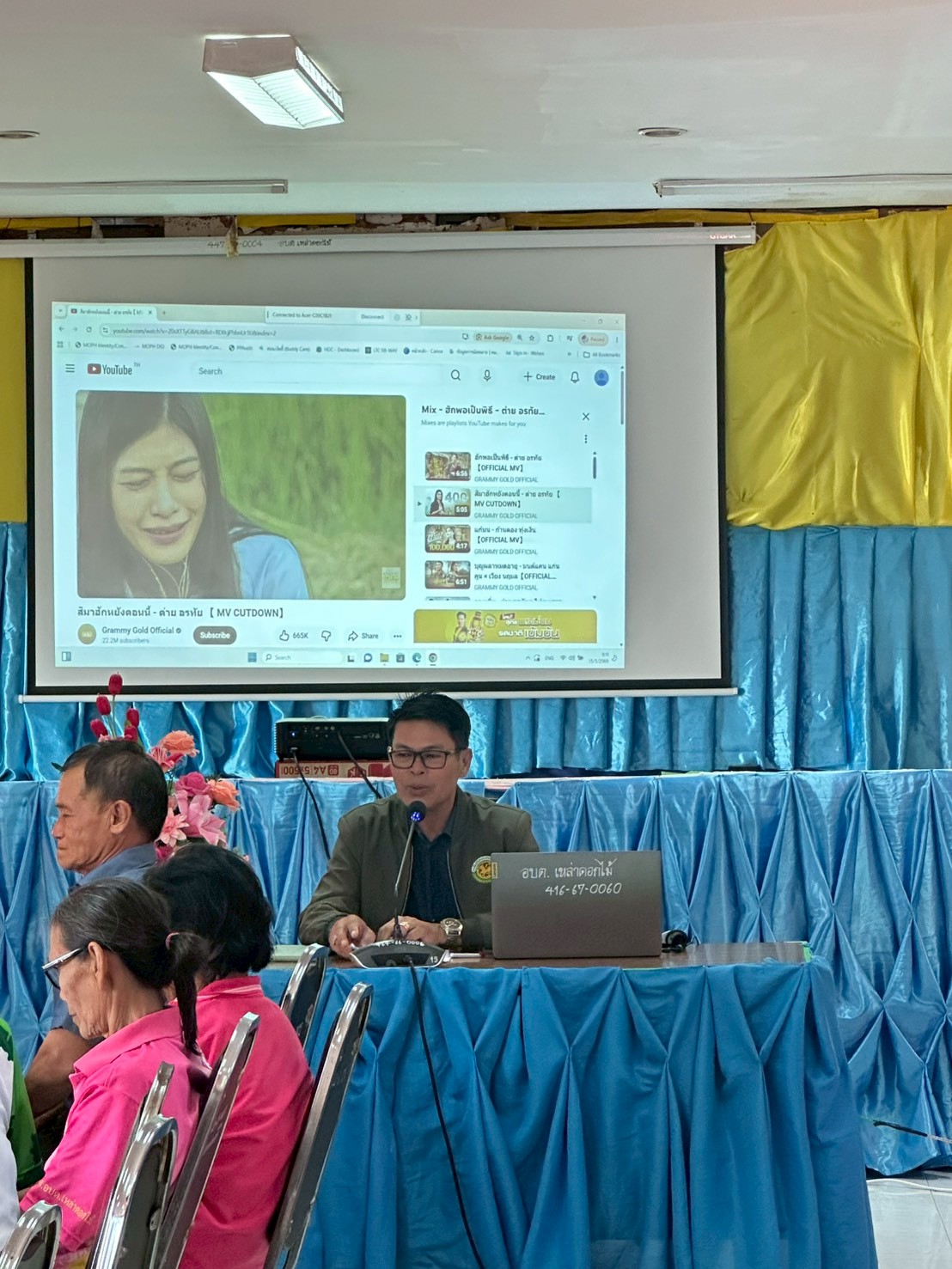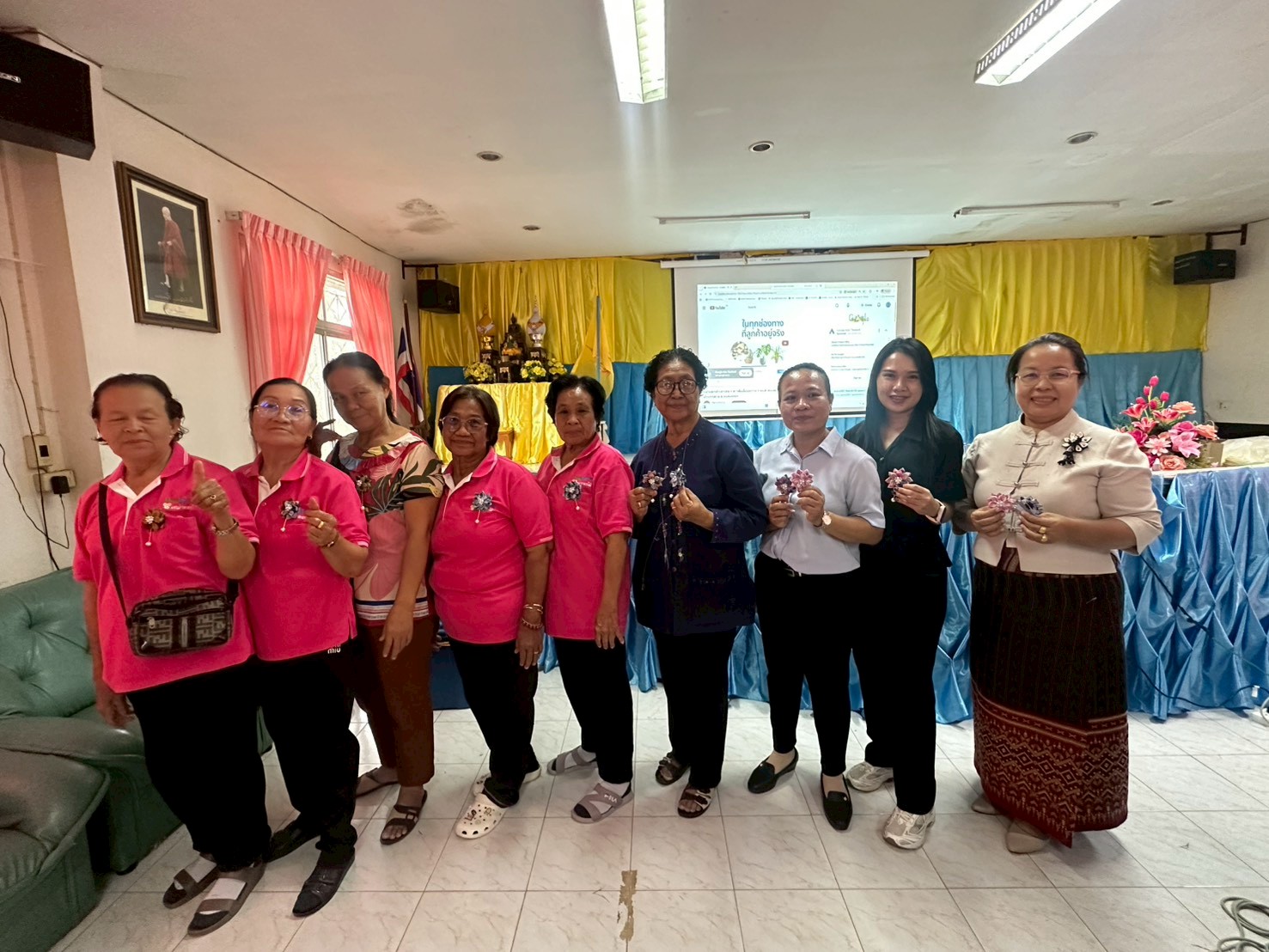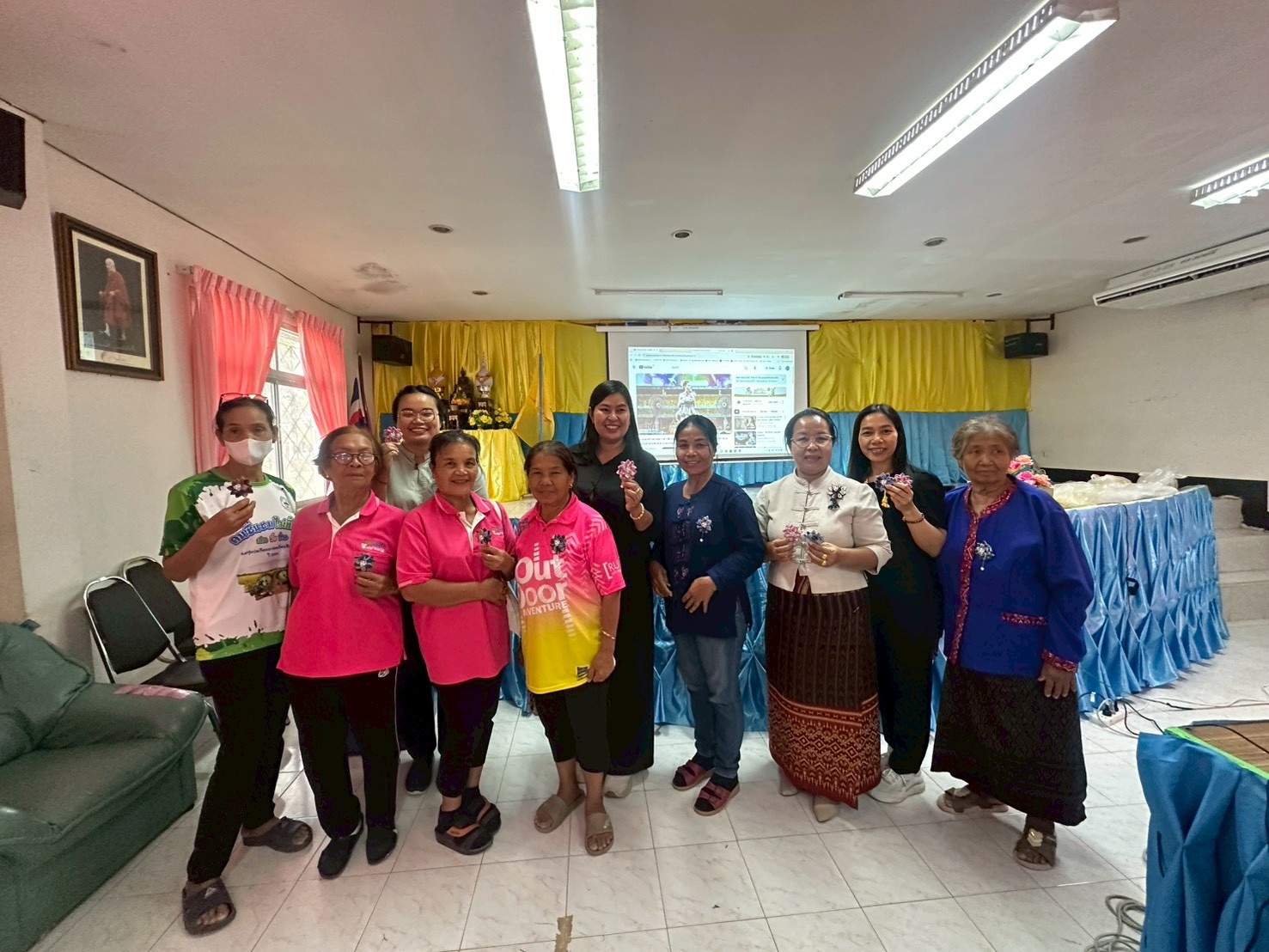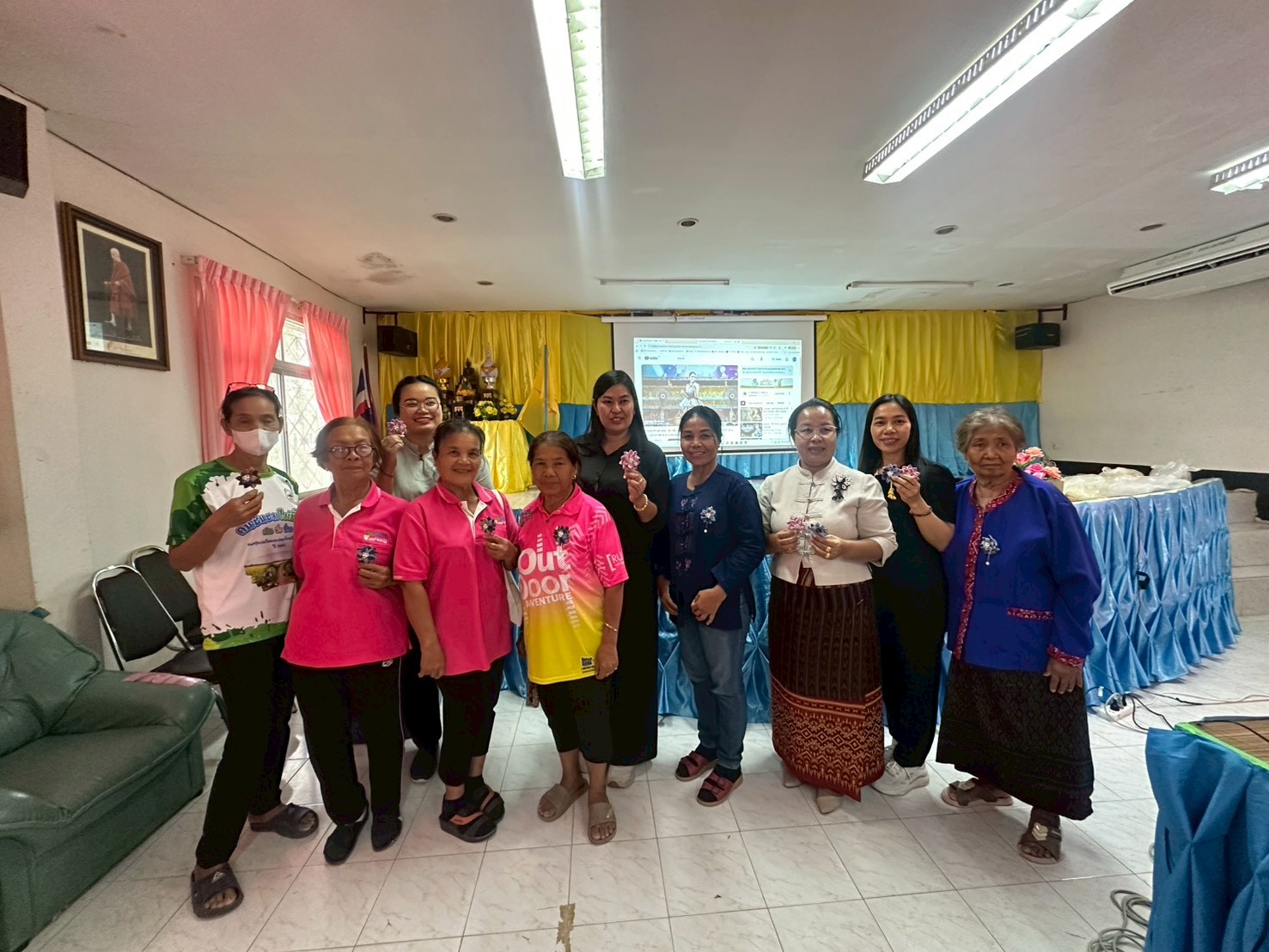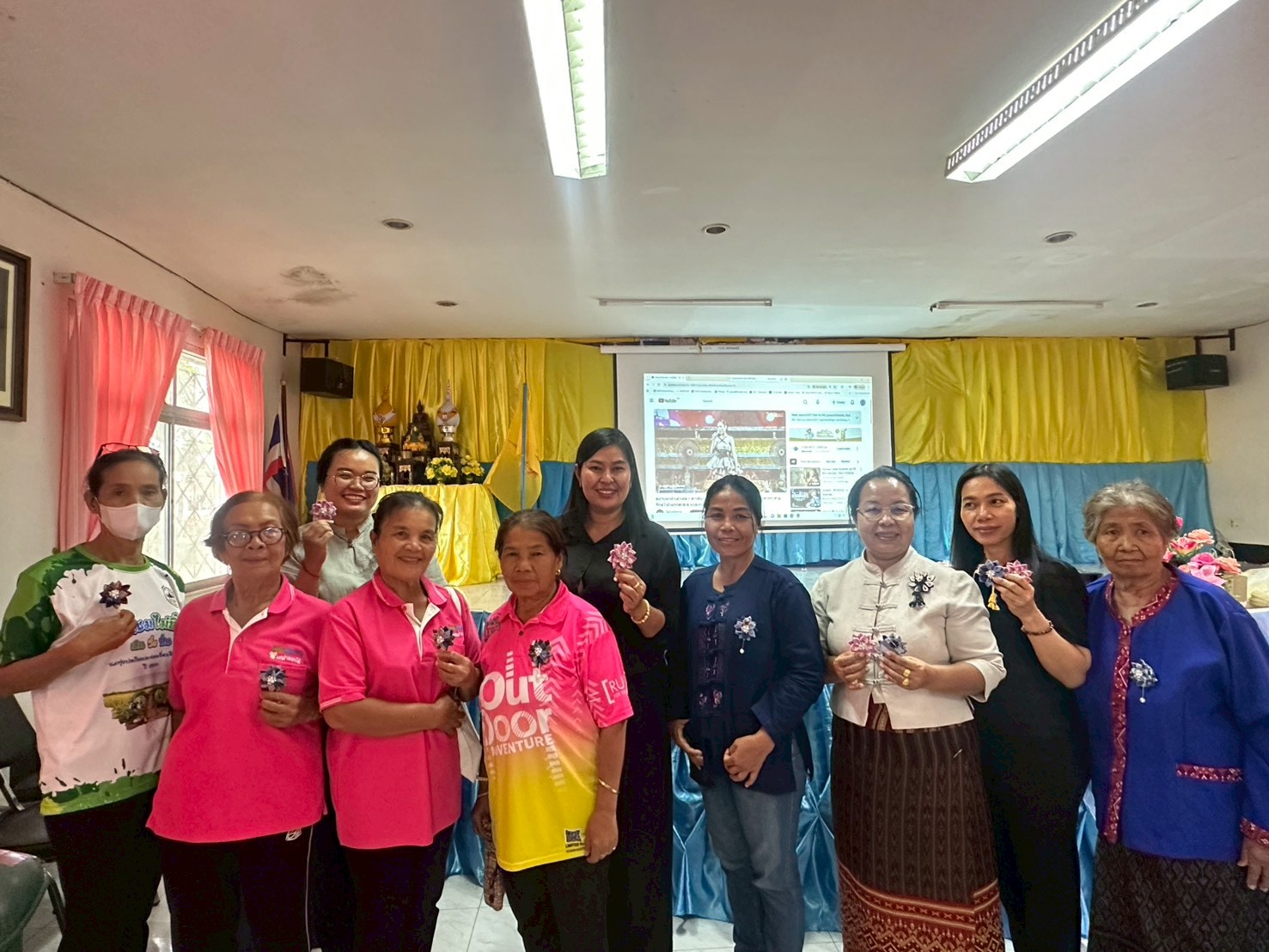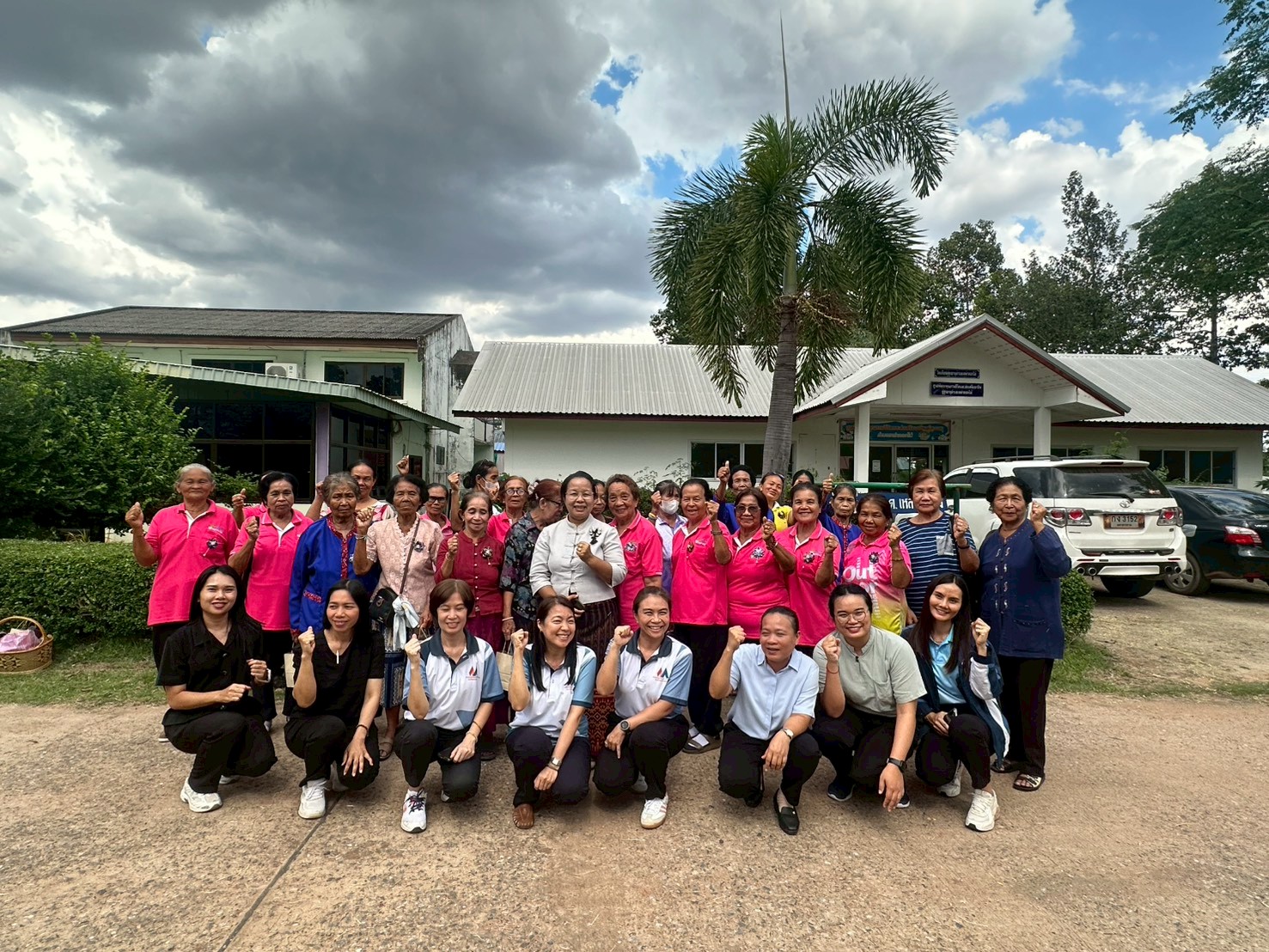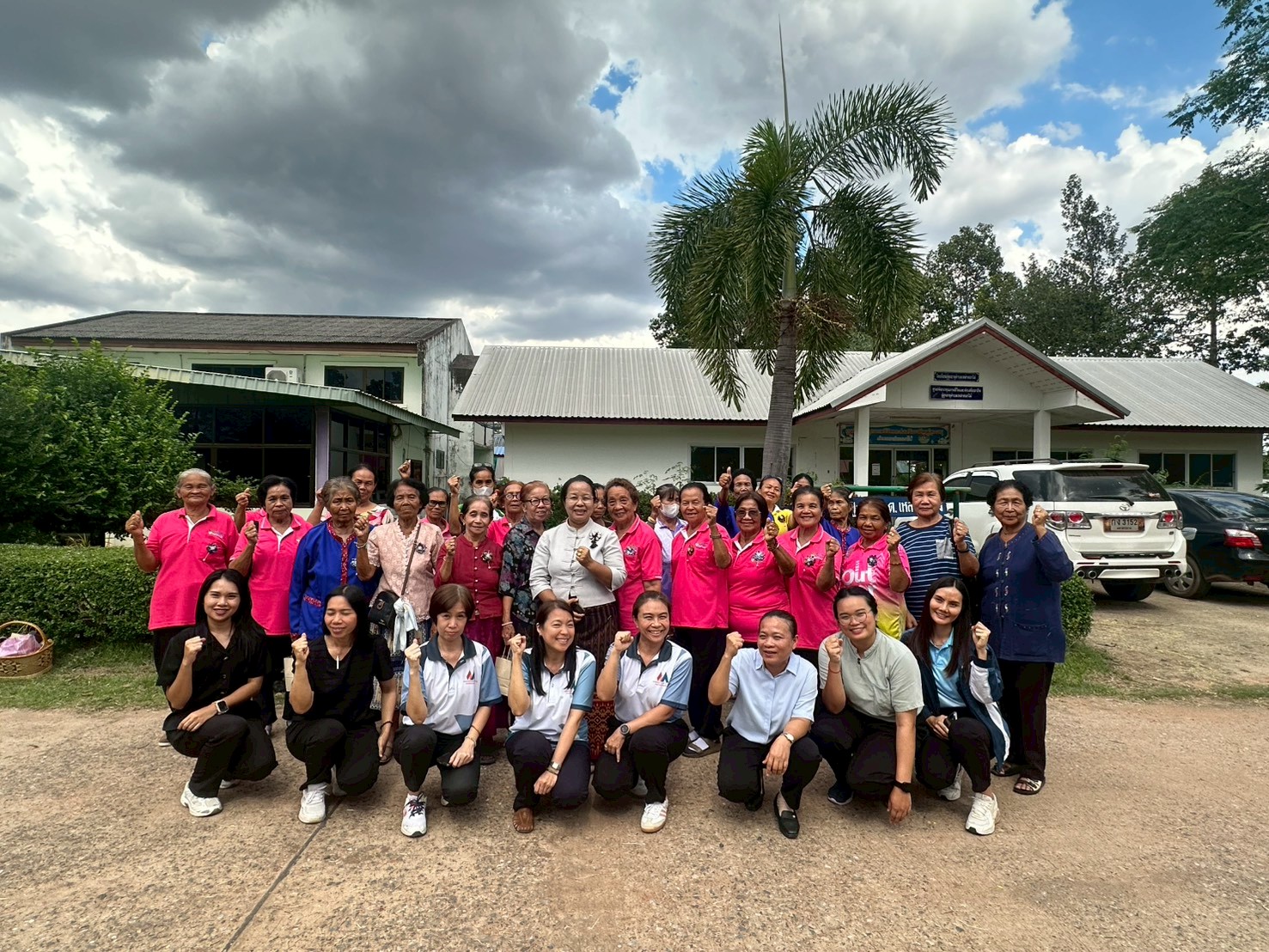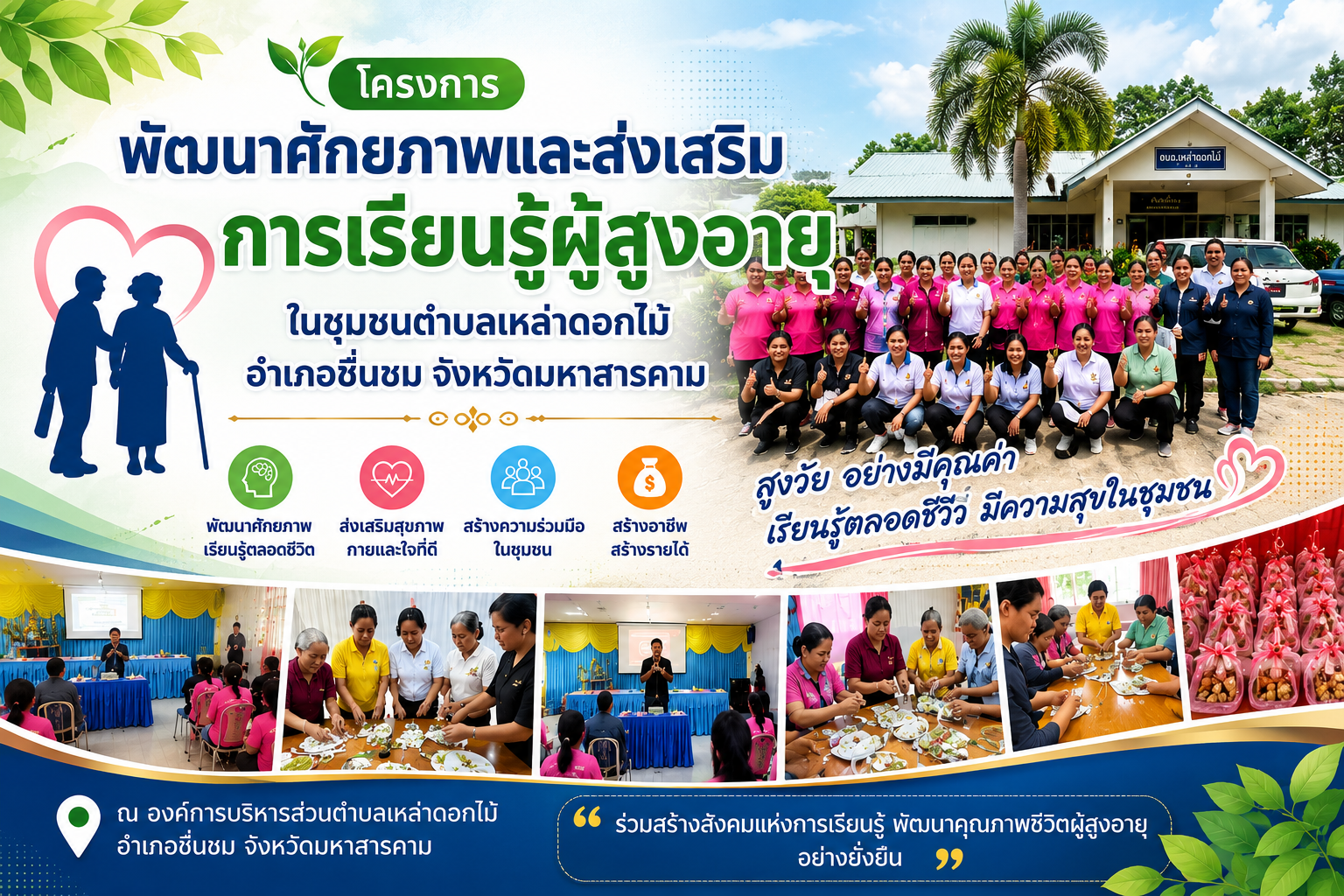
– June 14, 2026 13 มิถุนายน 2569
– 14 มิถุนายน 2569
Part 1: Project Details ส่วนที่ 1 รายละเอียดการดำเนินงาน
Objectives วัตถุประสงค์โครงการ
1. To promote self-development and lifelong learning among older adults.
2. To promote good physical and mental health among older adults, enabling them to adapt and live appropriately in a changing social environment.
3. To encourage older adults to form groups and develop appropriate skills and knowledge.
4. To integrate teaching and learning through academic services, enabling students, lecturers, and the academic program to collaborate with the community in creative local development.
1. เพื่อส่งเสริมการพัฒนาตนเองและการเรียนรู้ตลอดชีวิตของผู้สูงอายุ
2. เพื่อเสริมสร้างสุขภาพที่ดีของผู้สูงอายุทั้งด้านร่างกายและจิตใจ สามารถปรับตัวและดำเนินชีวิตได้อย่างเหมาะสมในสภาพสังคมที่เปลี่ยนแปลงไป
3. ส่งเสริมให้ผู้สูงอายุมีการรวมกลุ่มพัฒนาทักษะ ความรู้ที่เหมาะสม
4. เพื่อให้นักศึกษา อาจารย์ หลักสูตรฯ มีการบูรณาการการเรียนการสอนผ่านการบริการวิชาการ ร่วมกันกับชุมชนในการพัฒนาท้องถิ่นอย่างสร้างสรรค์
Main Activities กิจกรรมหลัก
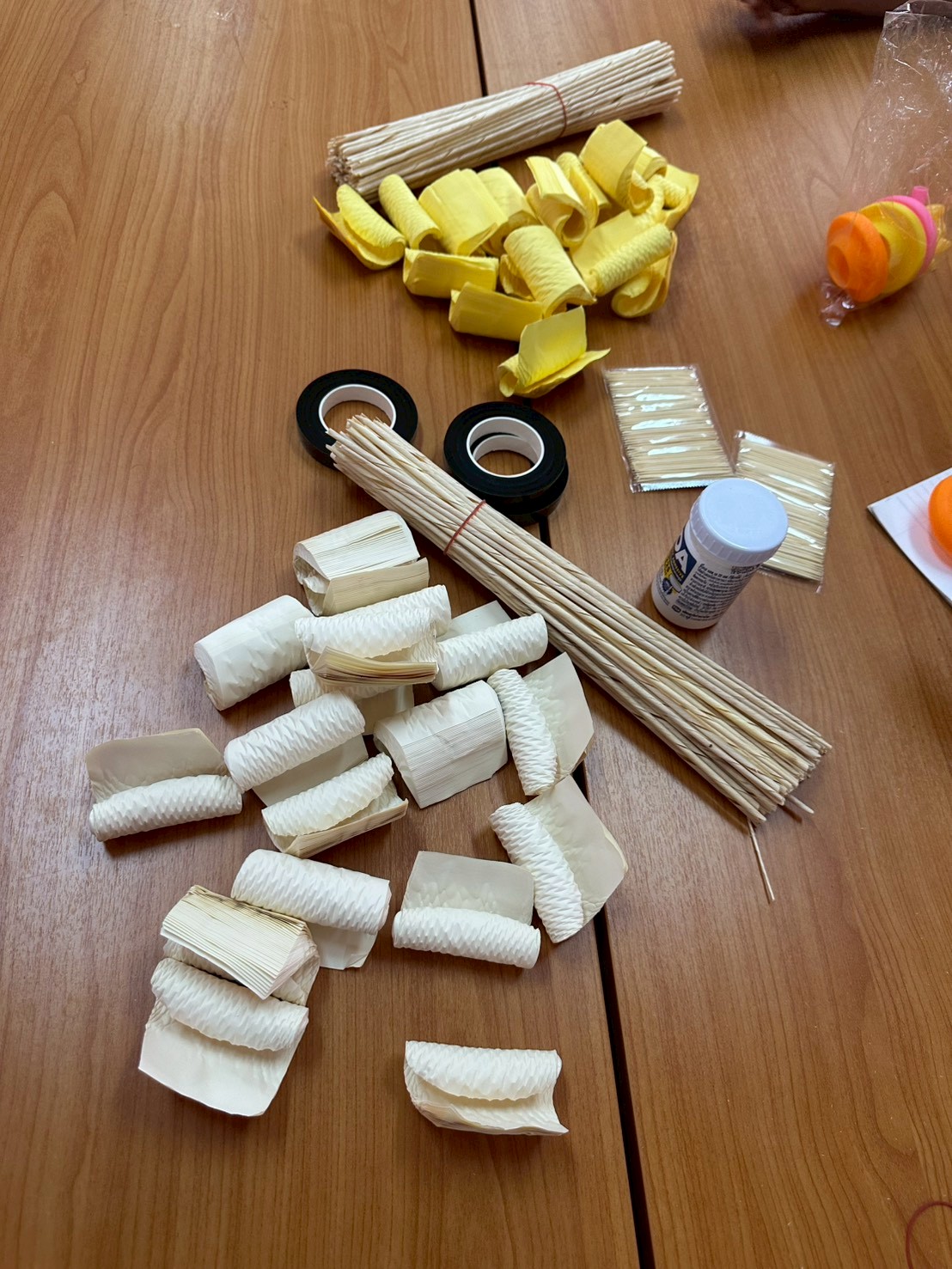
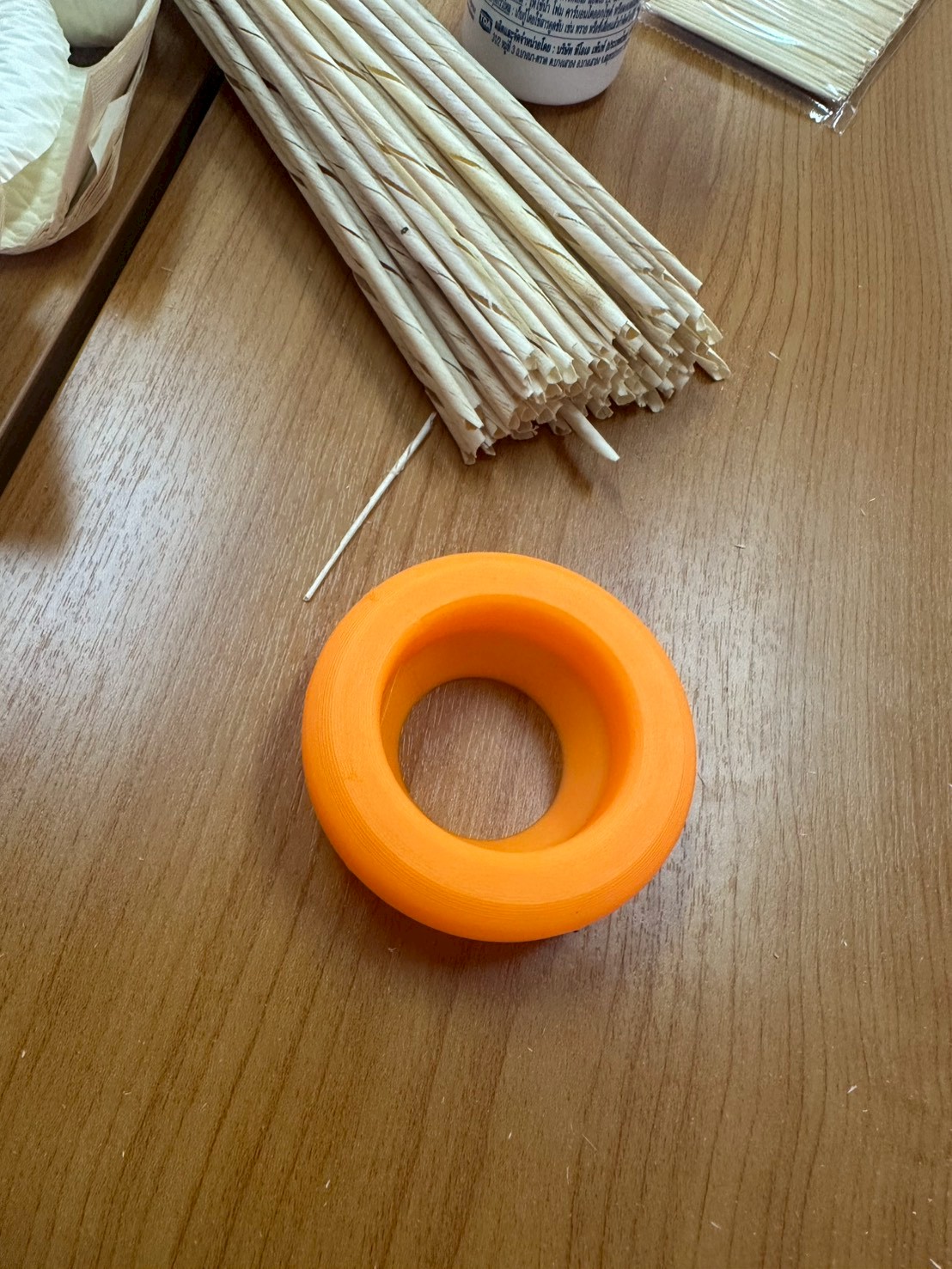
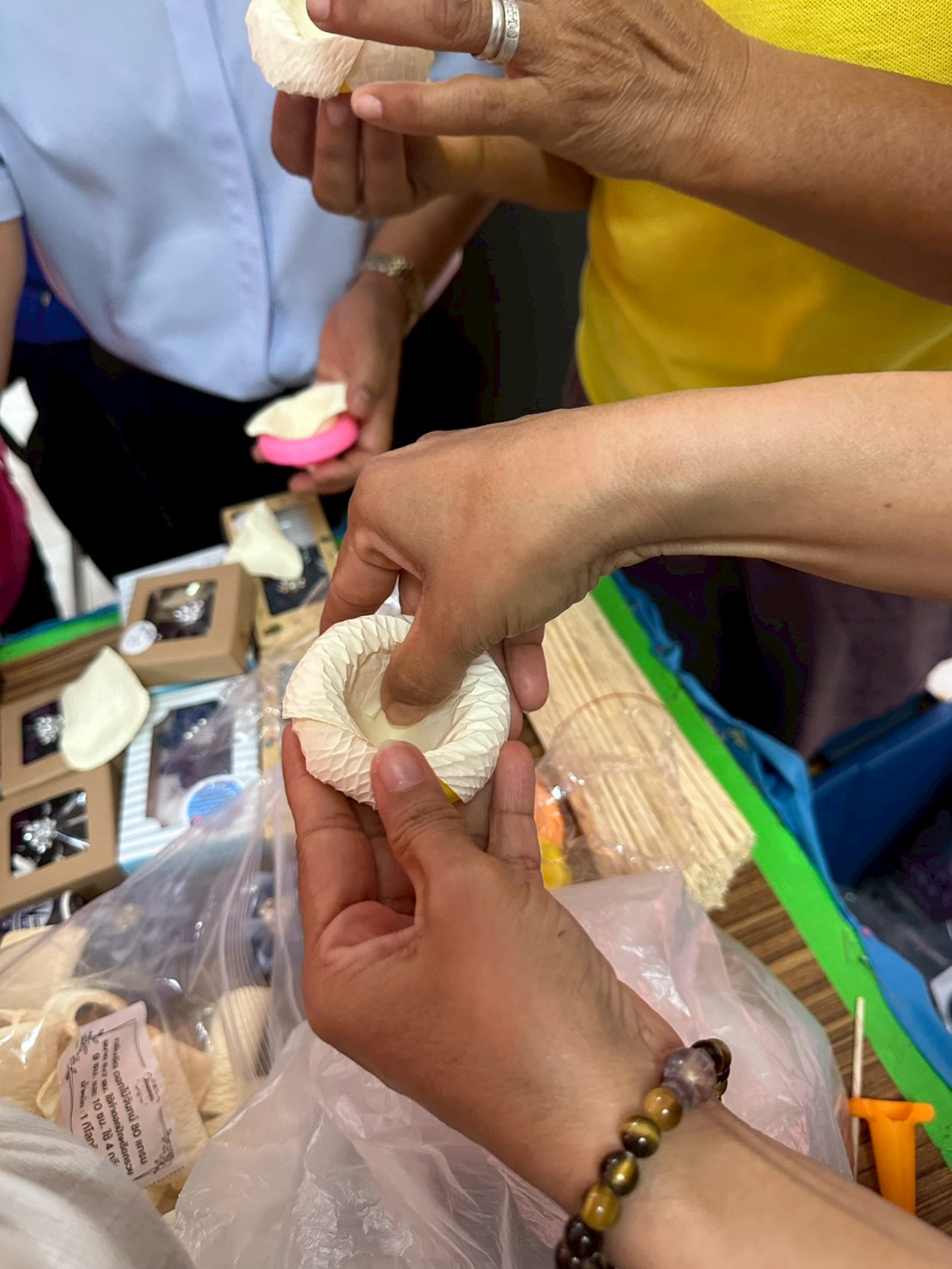
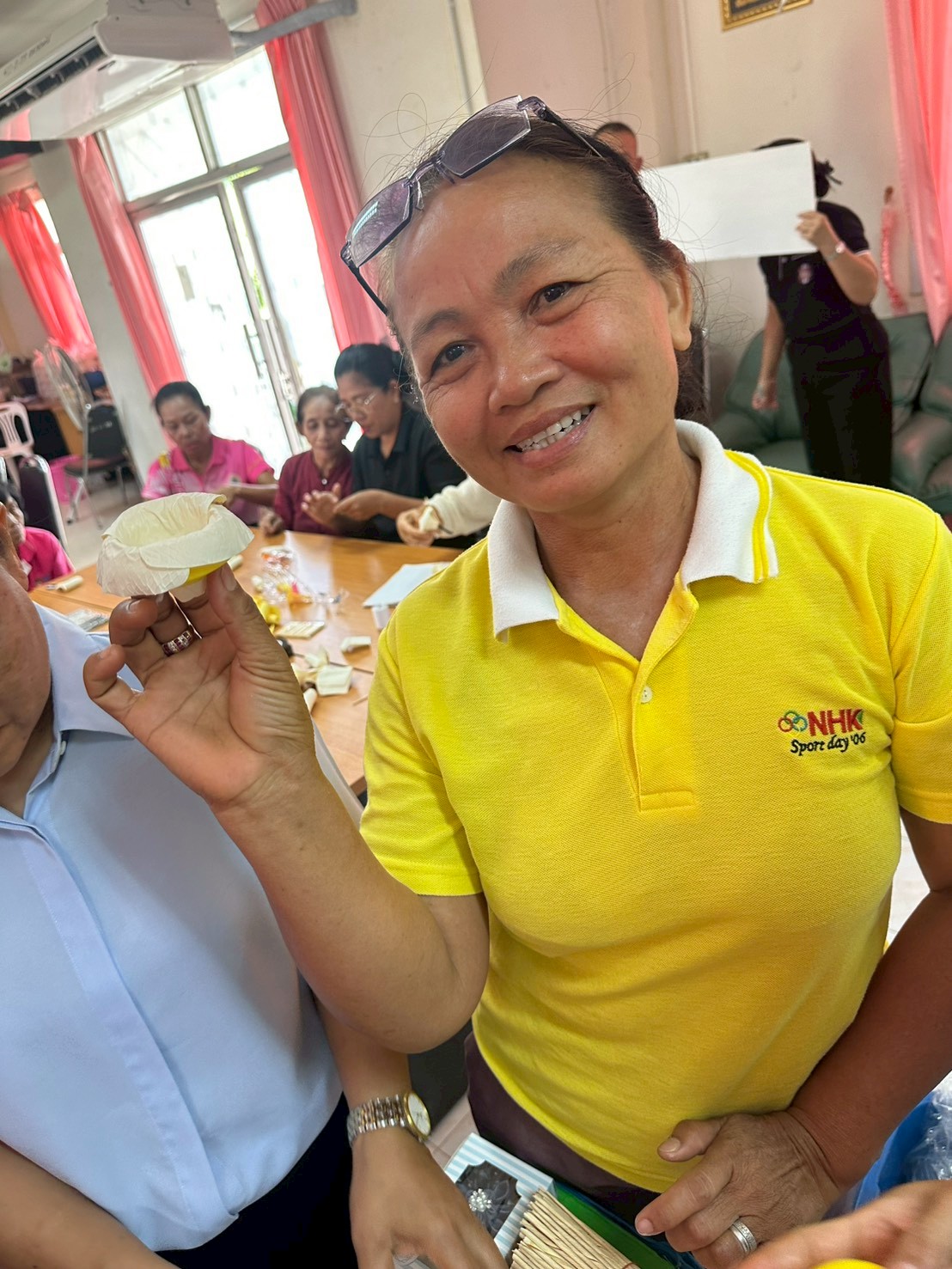
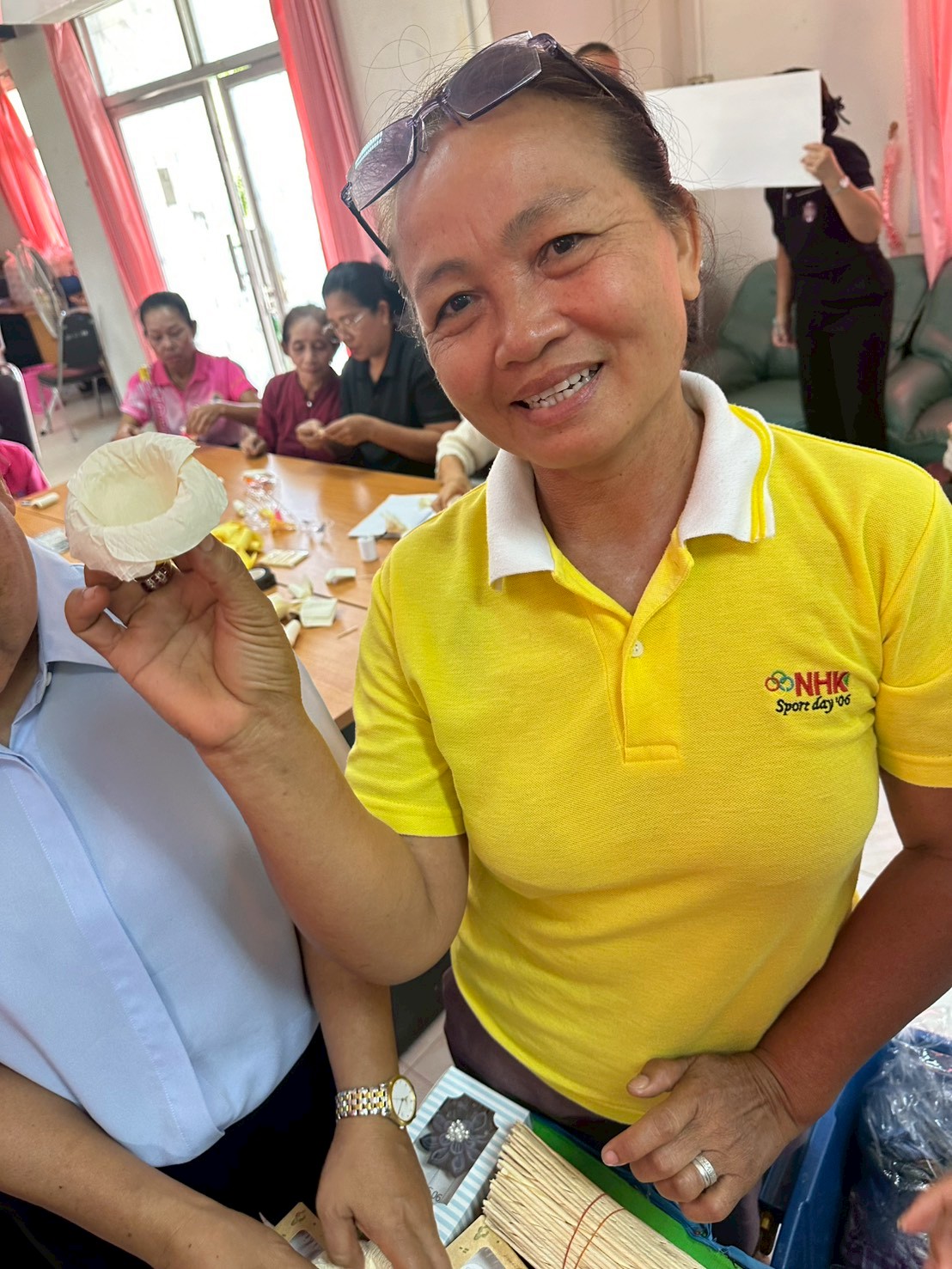
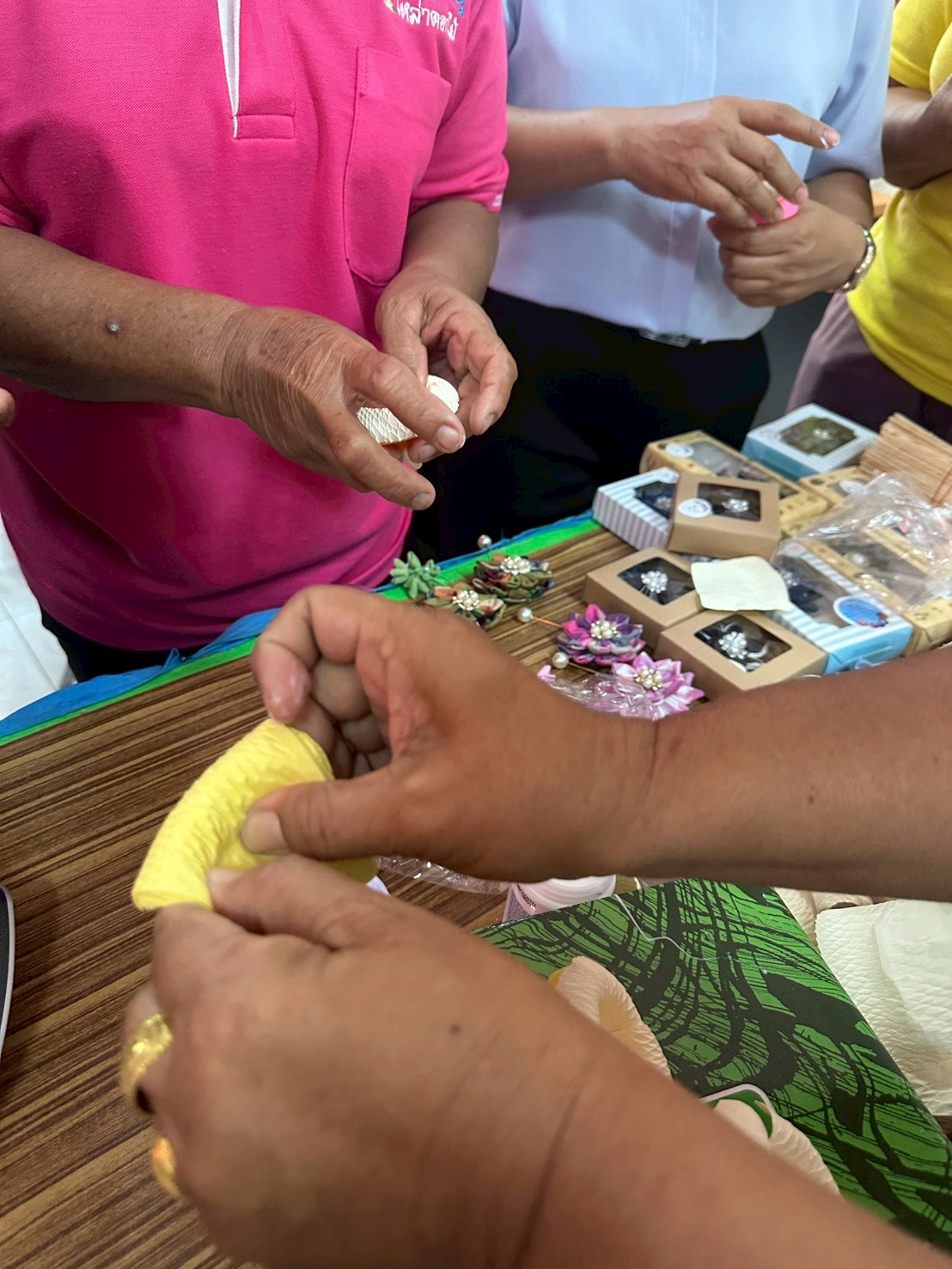
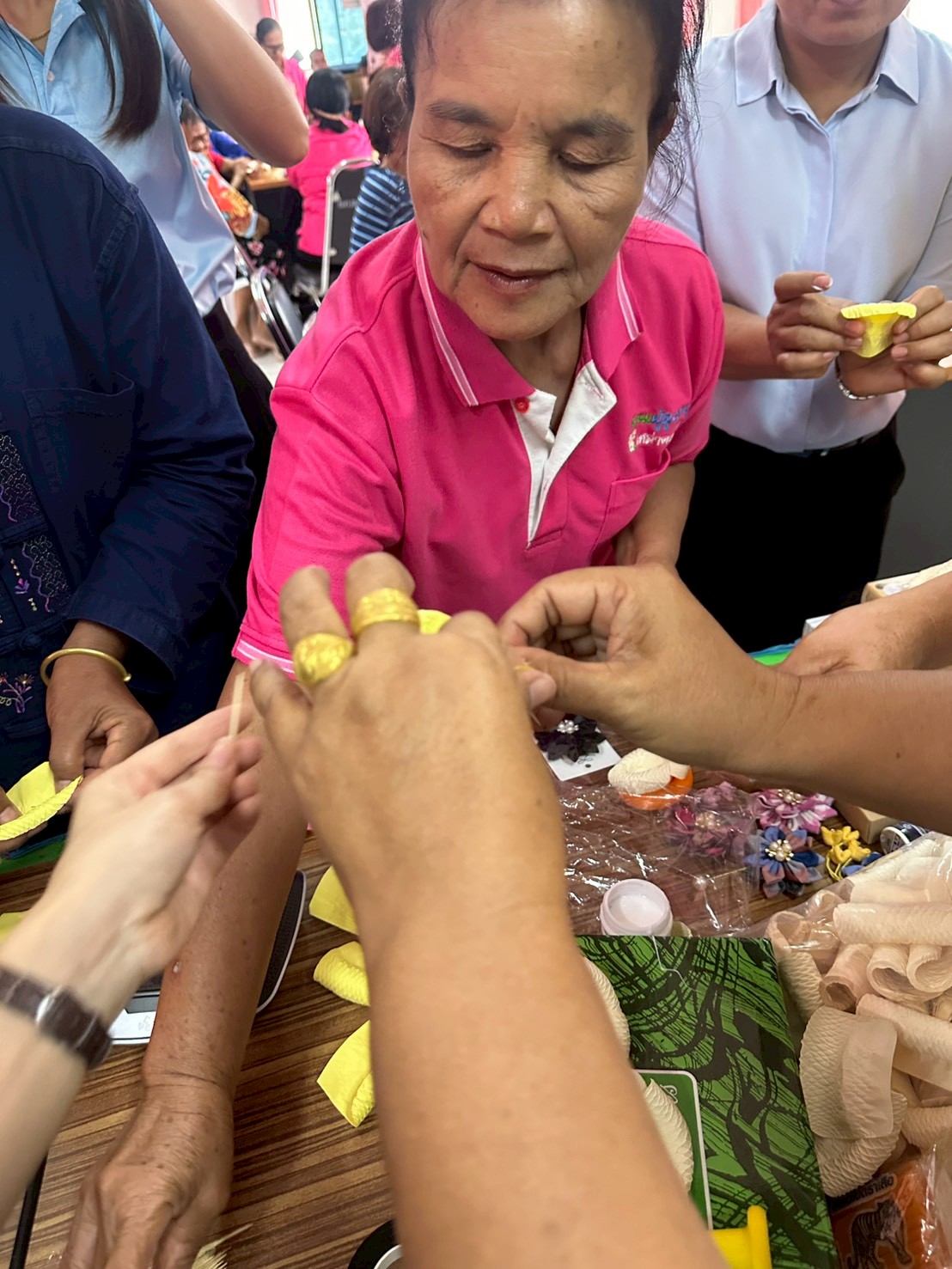
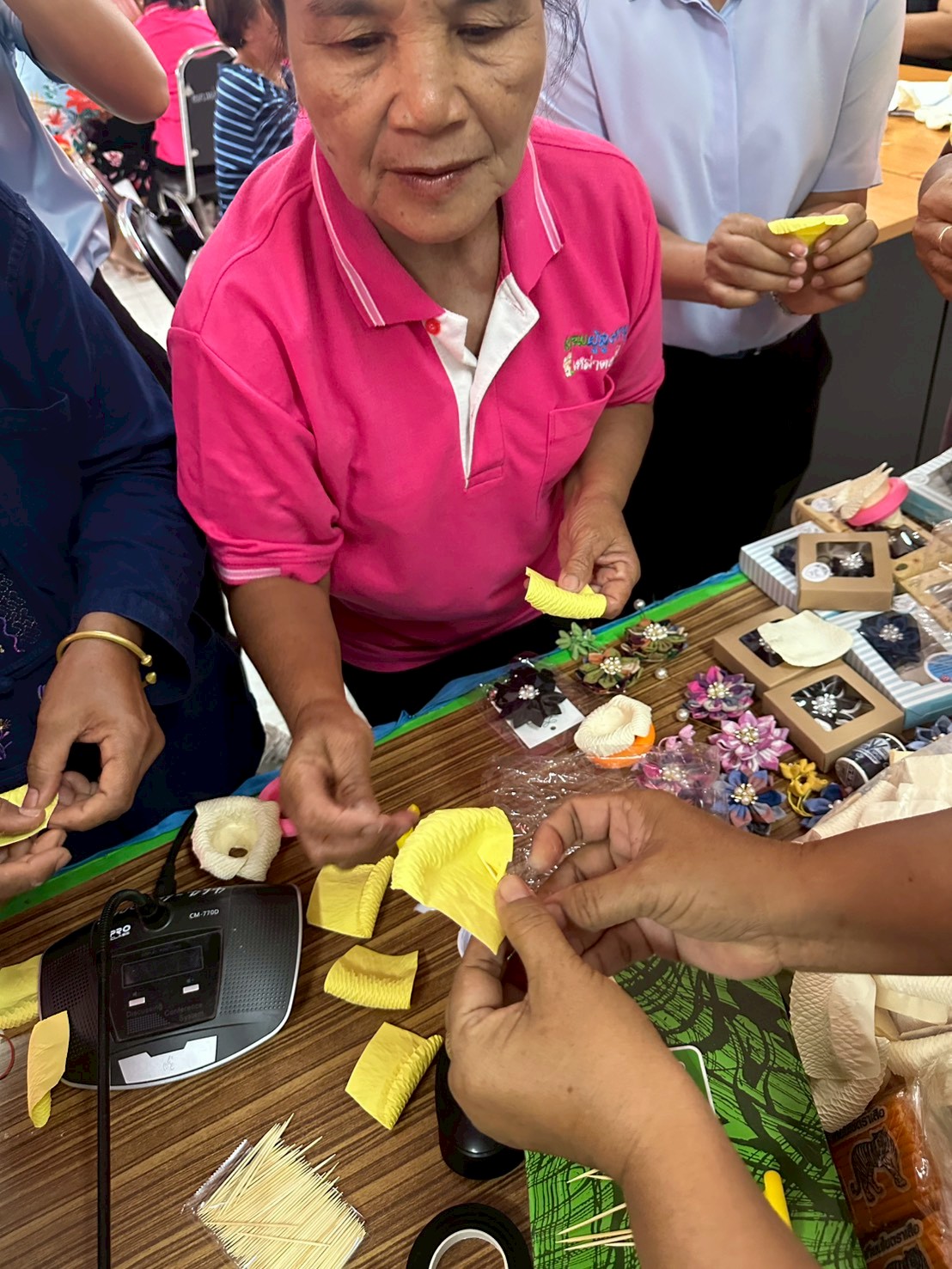
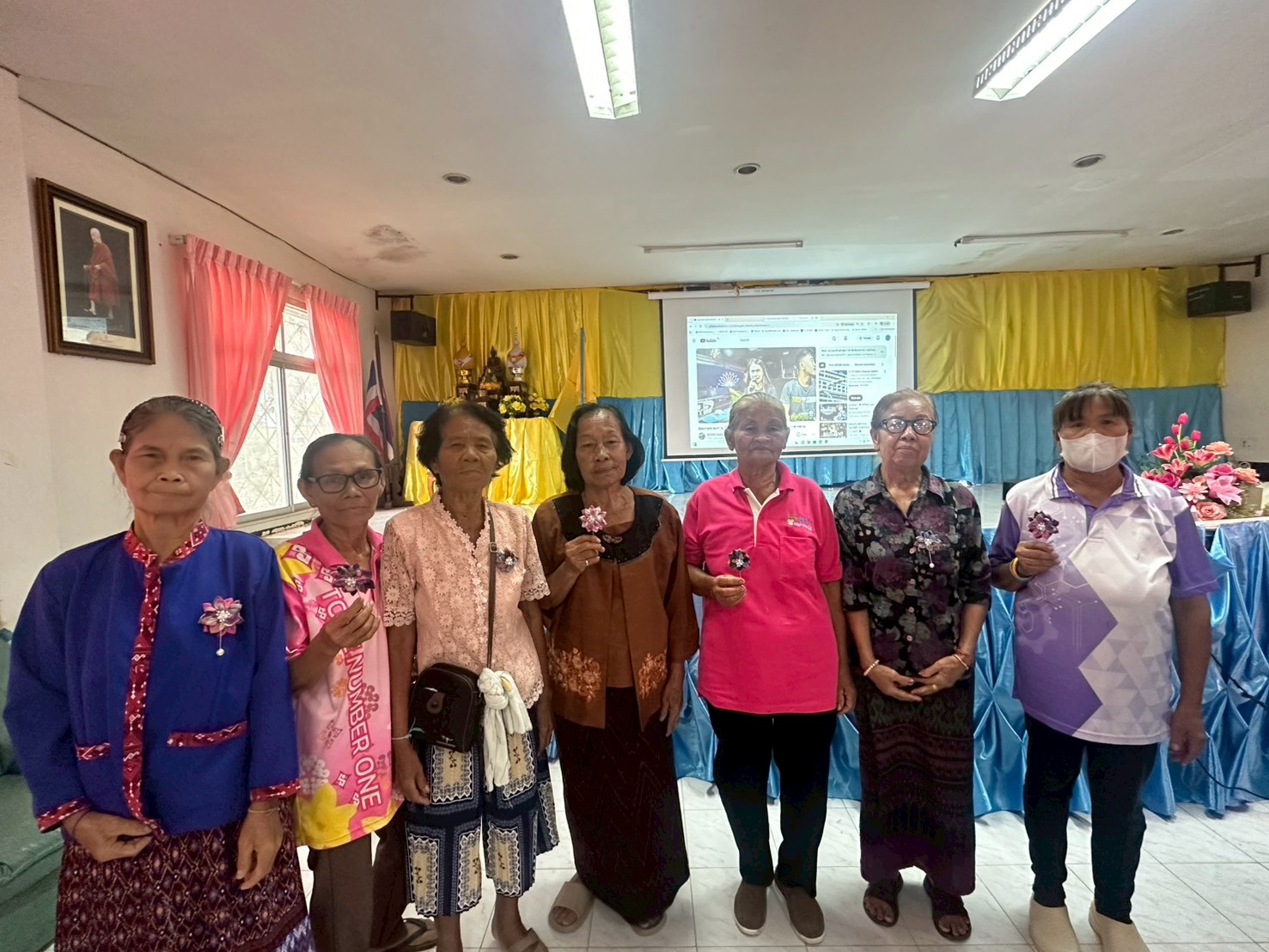
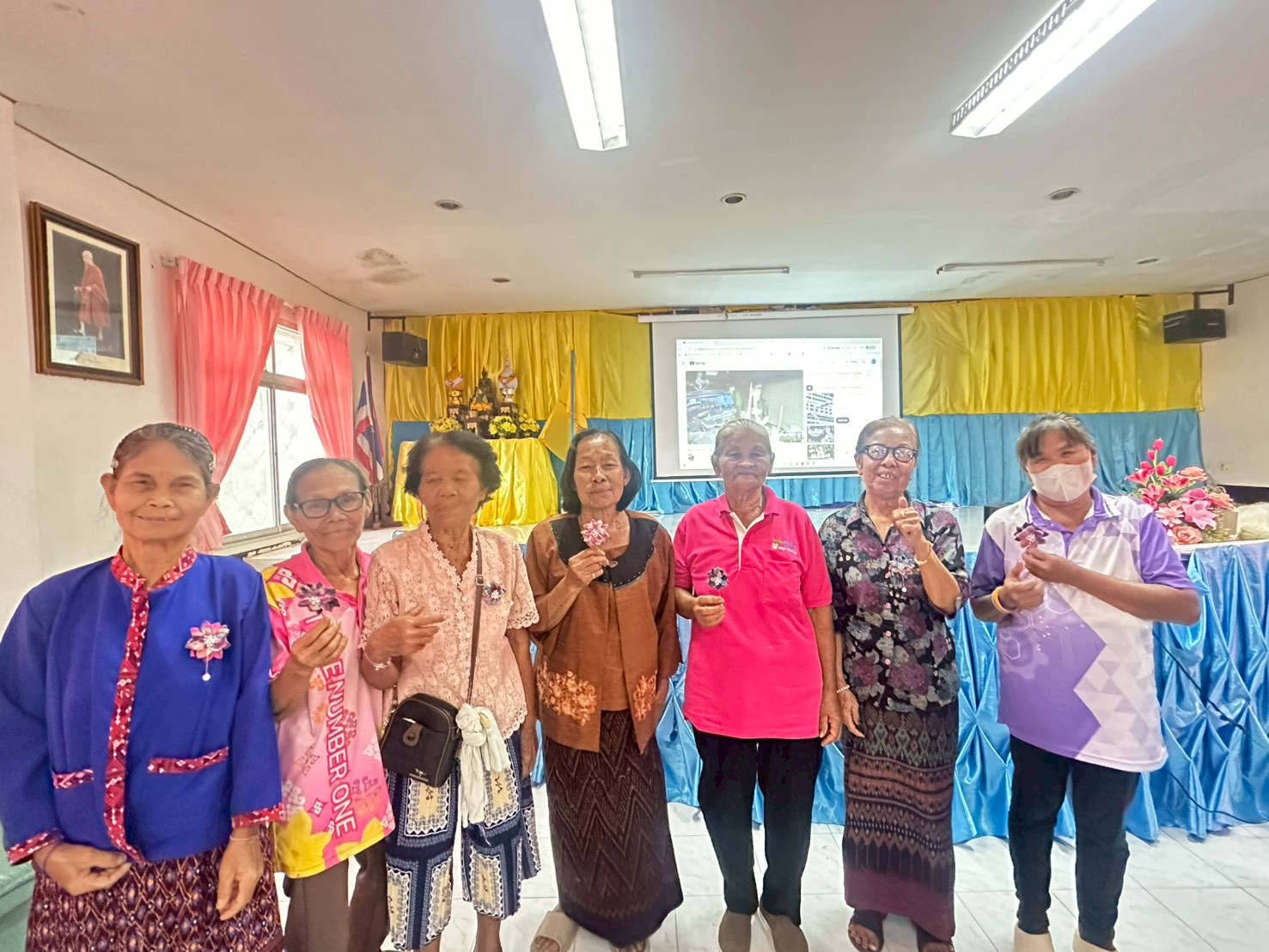
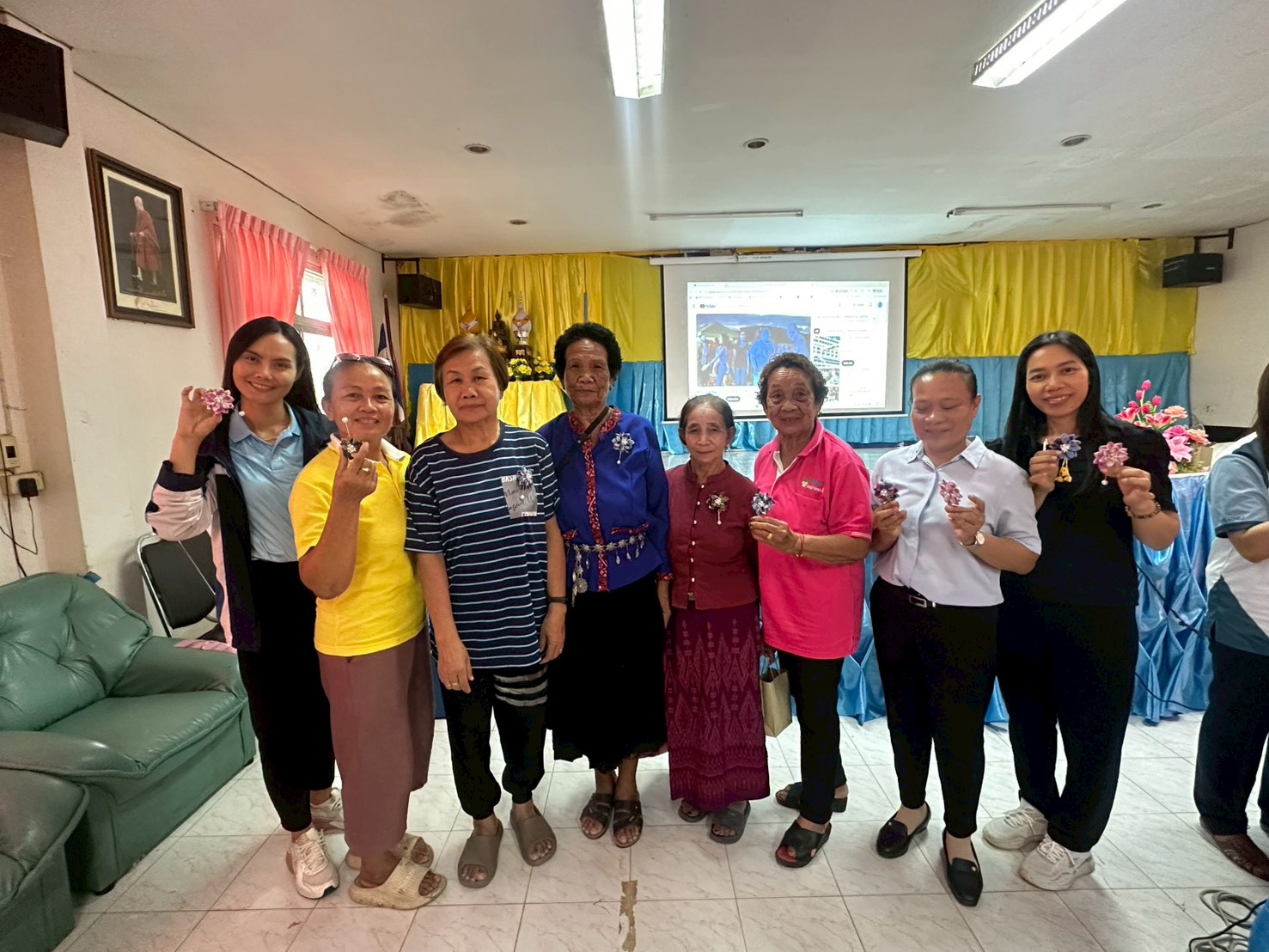
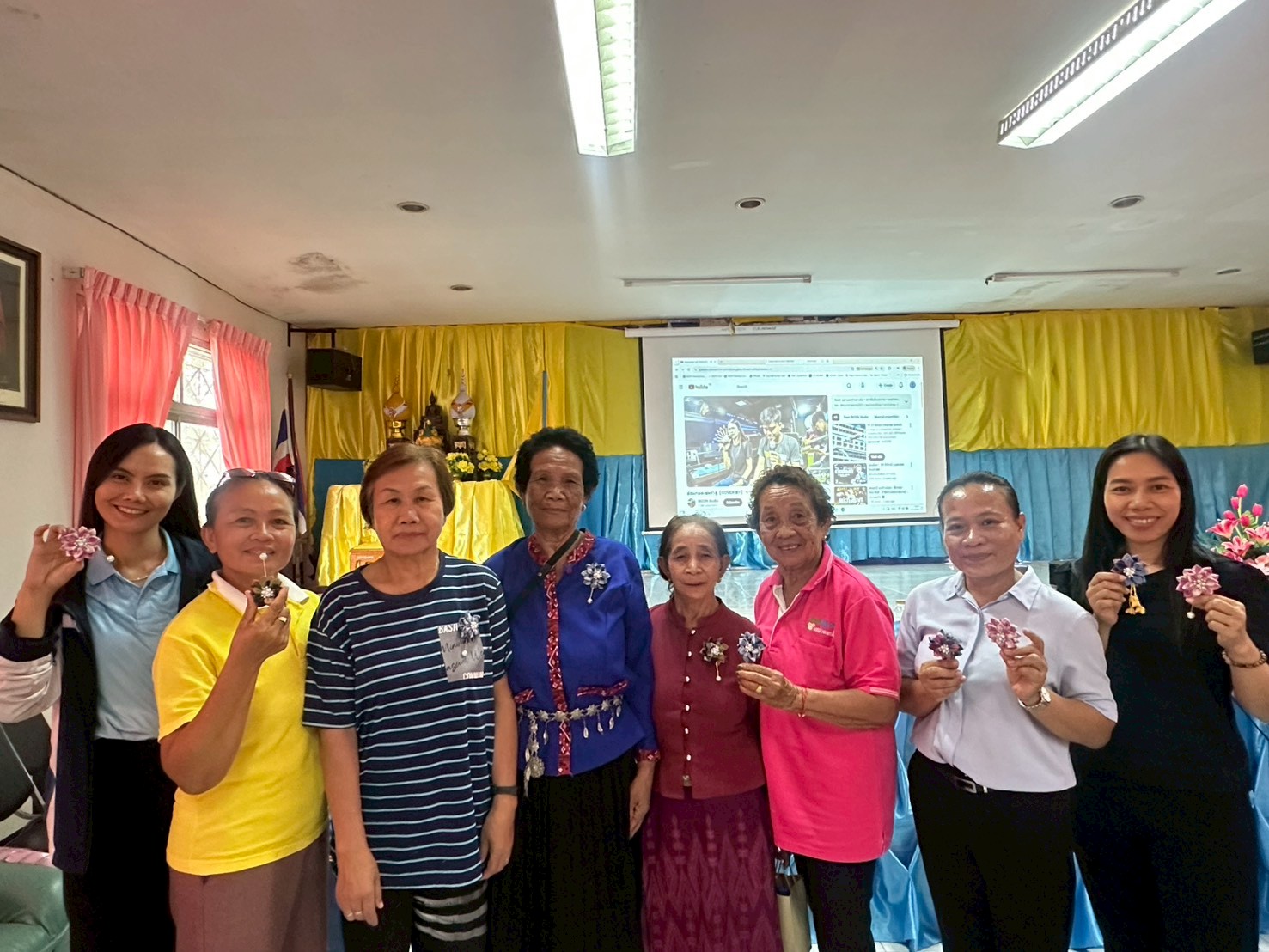
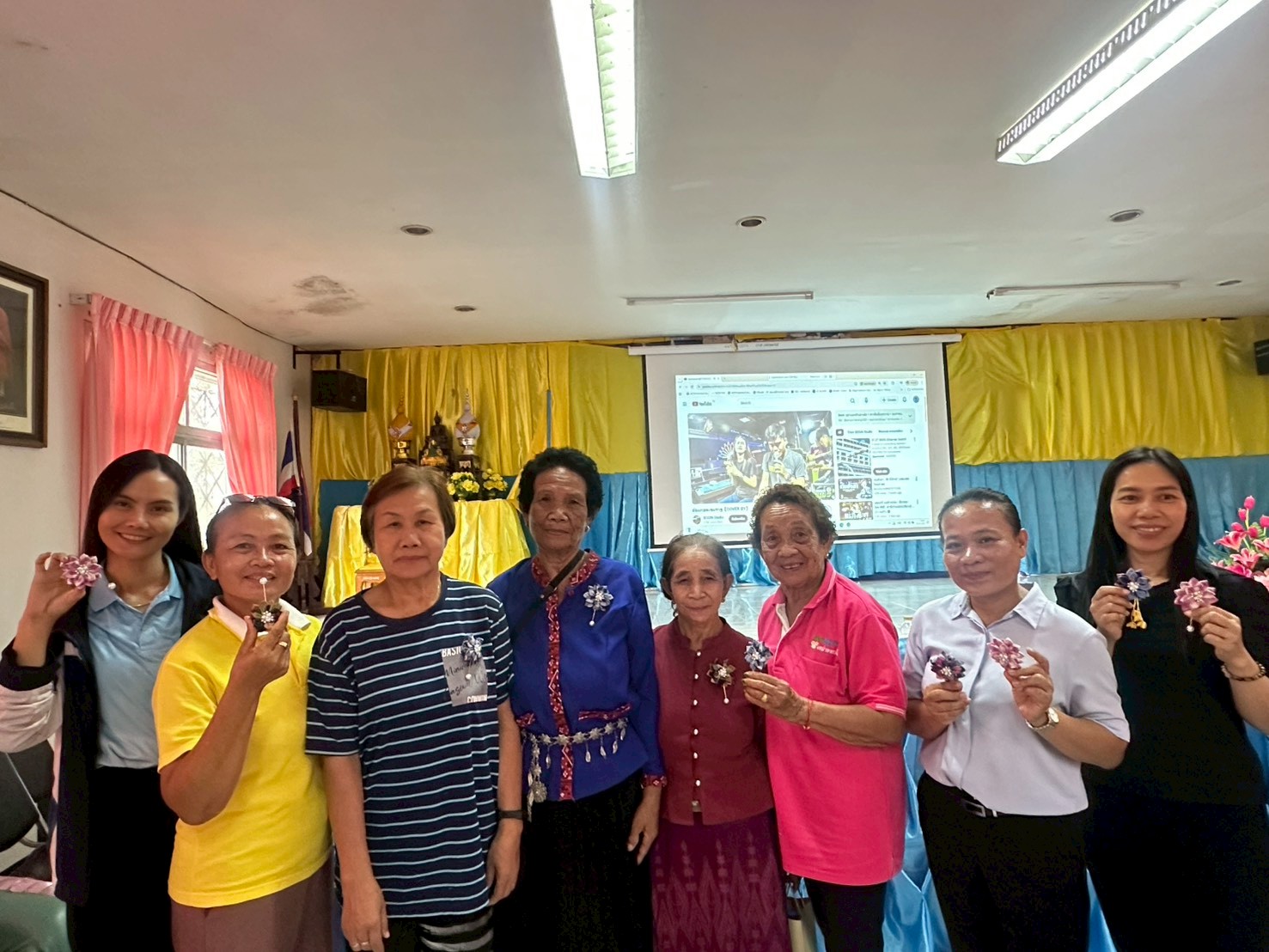
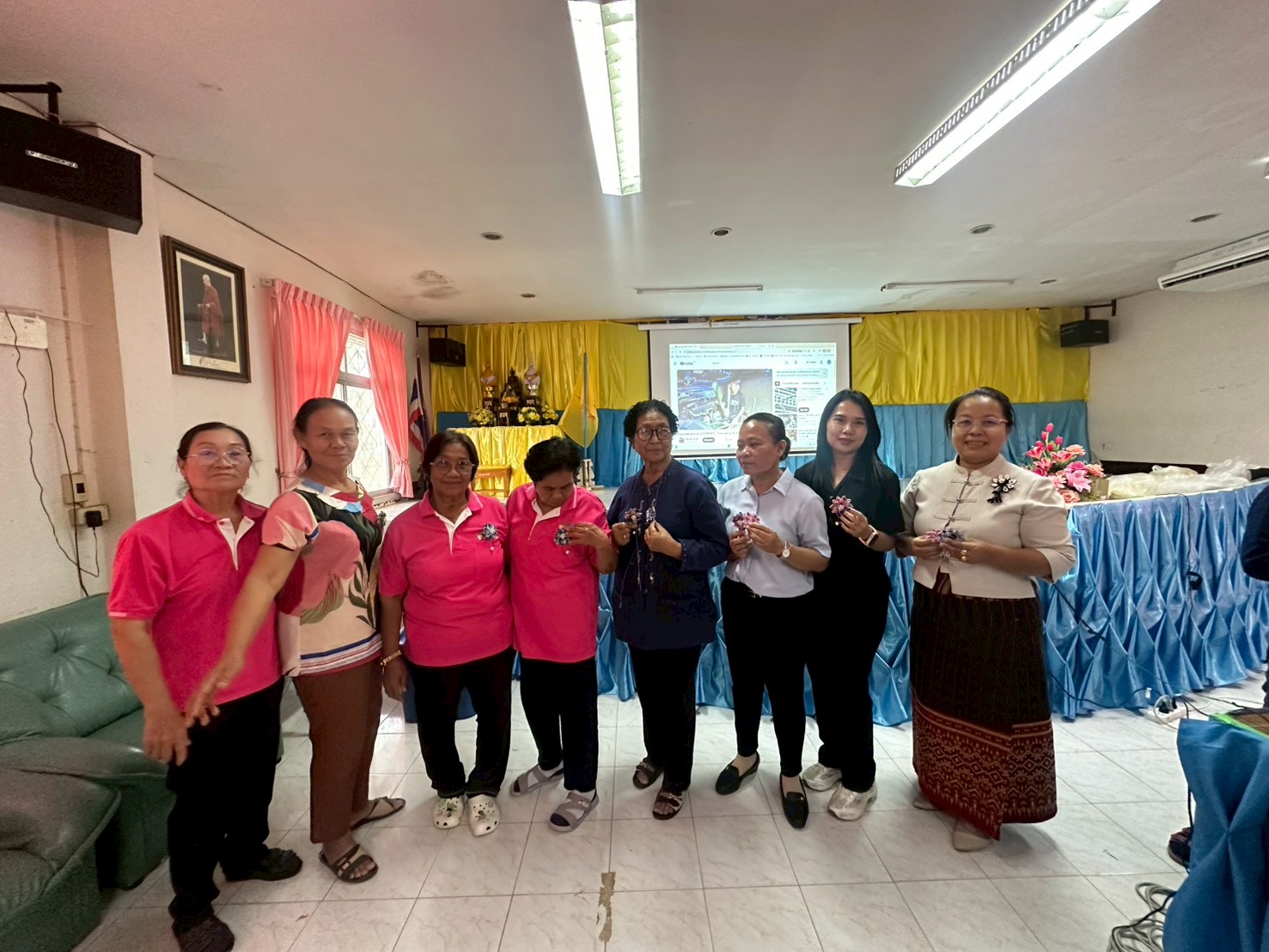
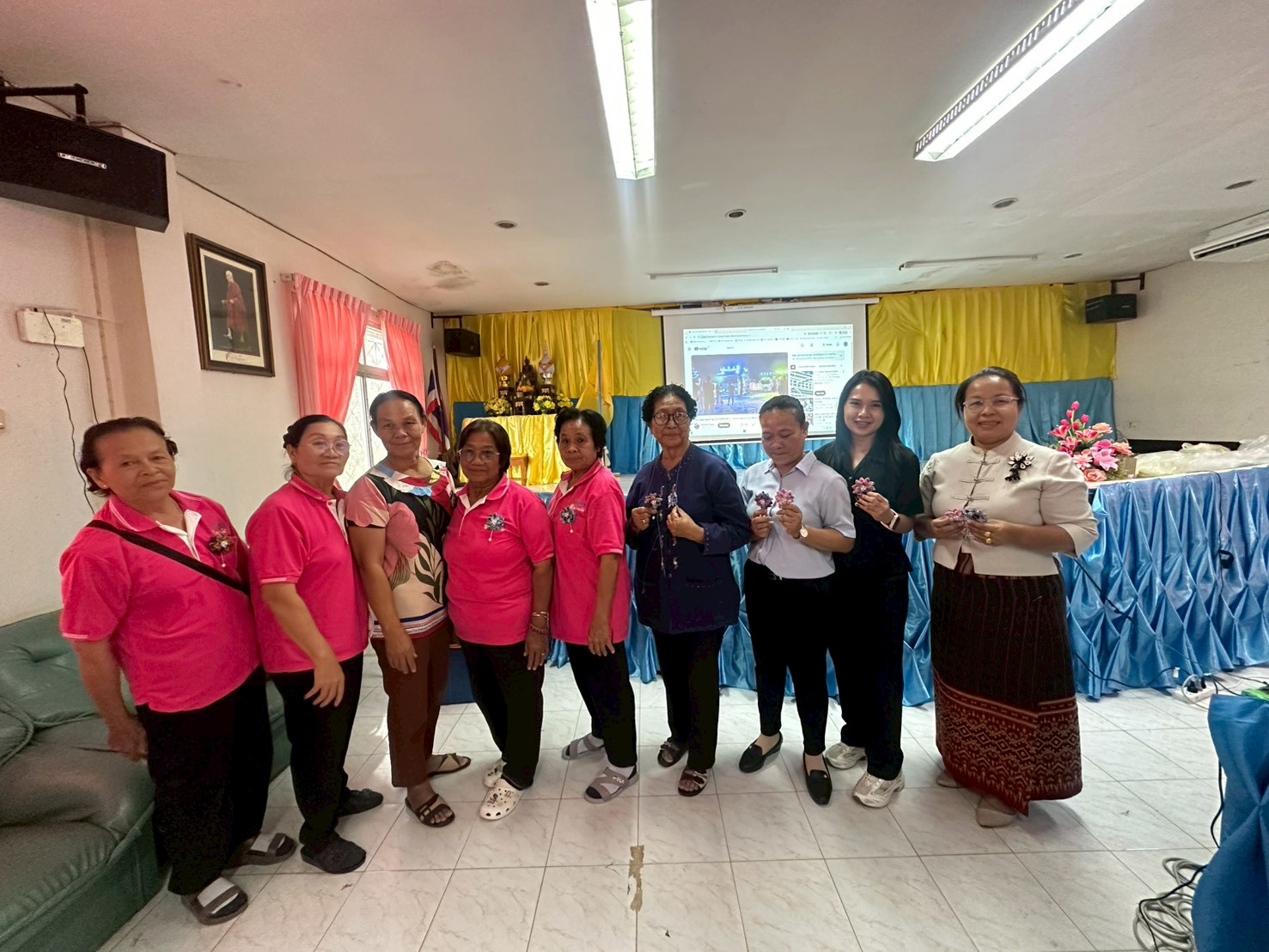
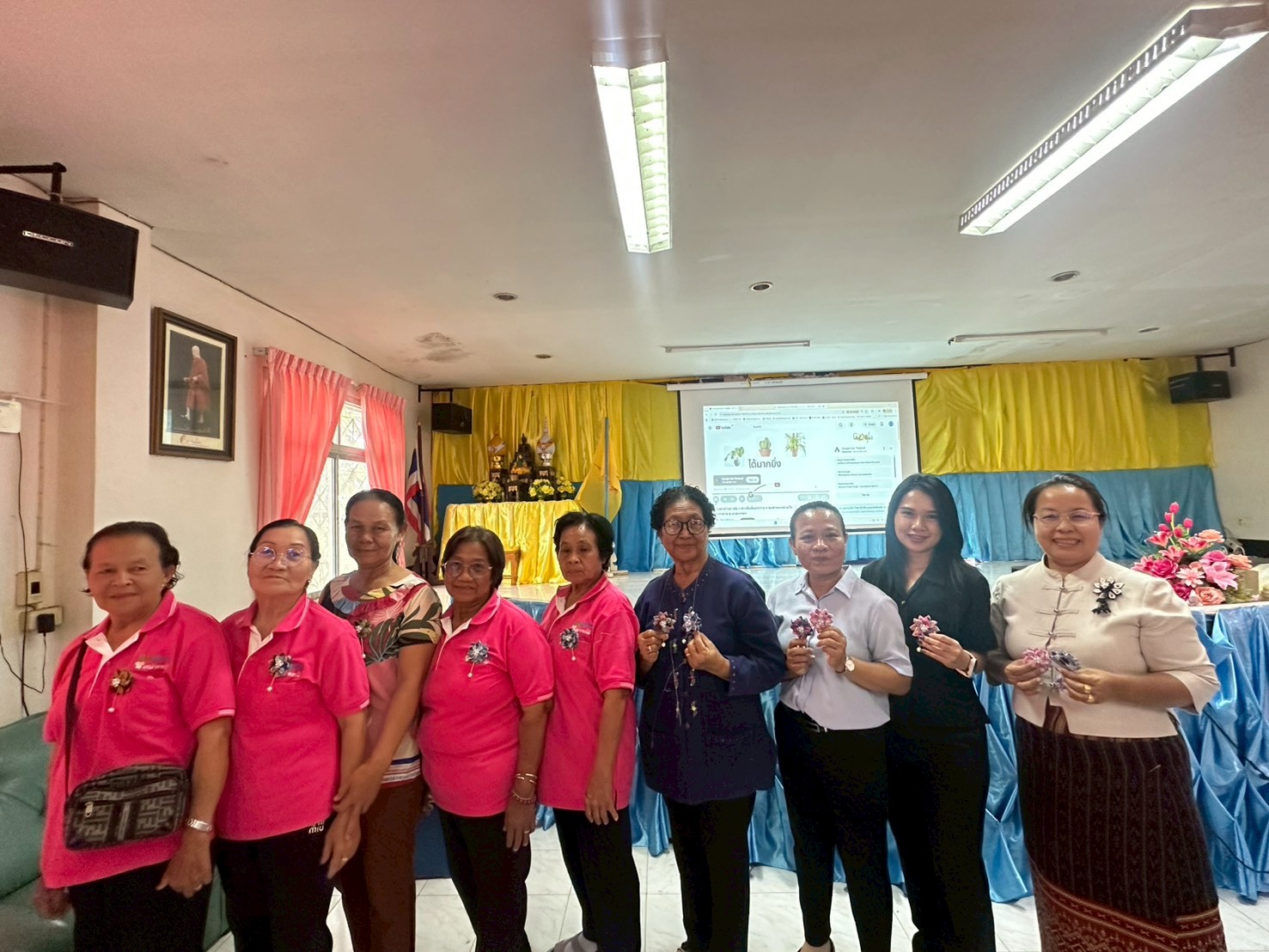
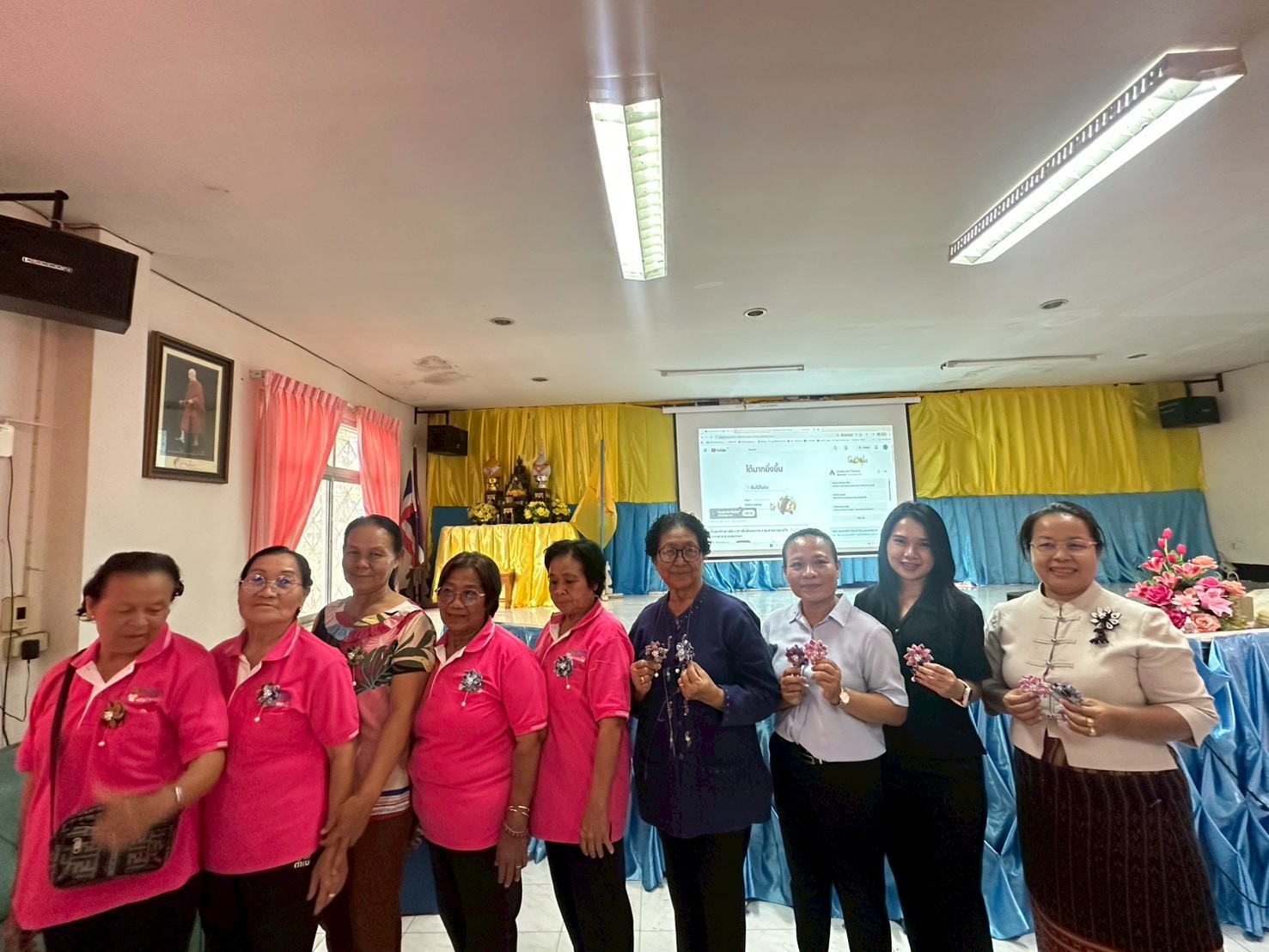
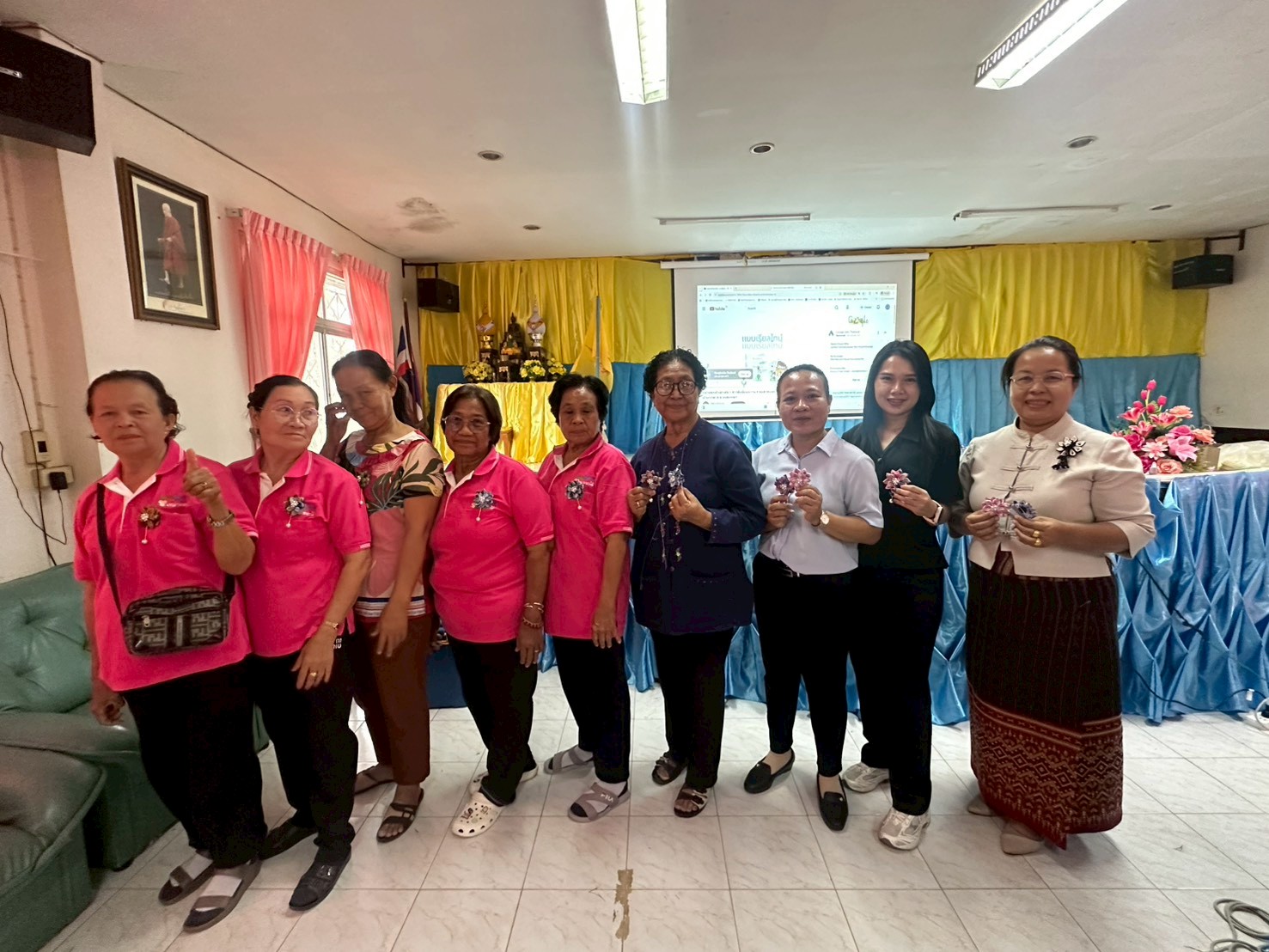
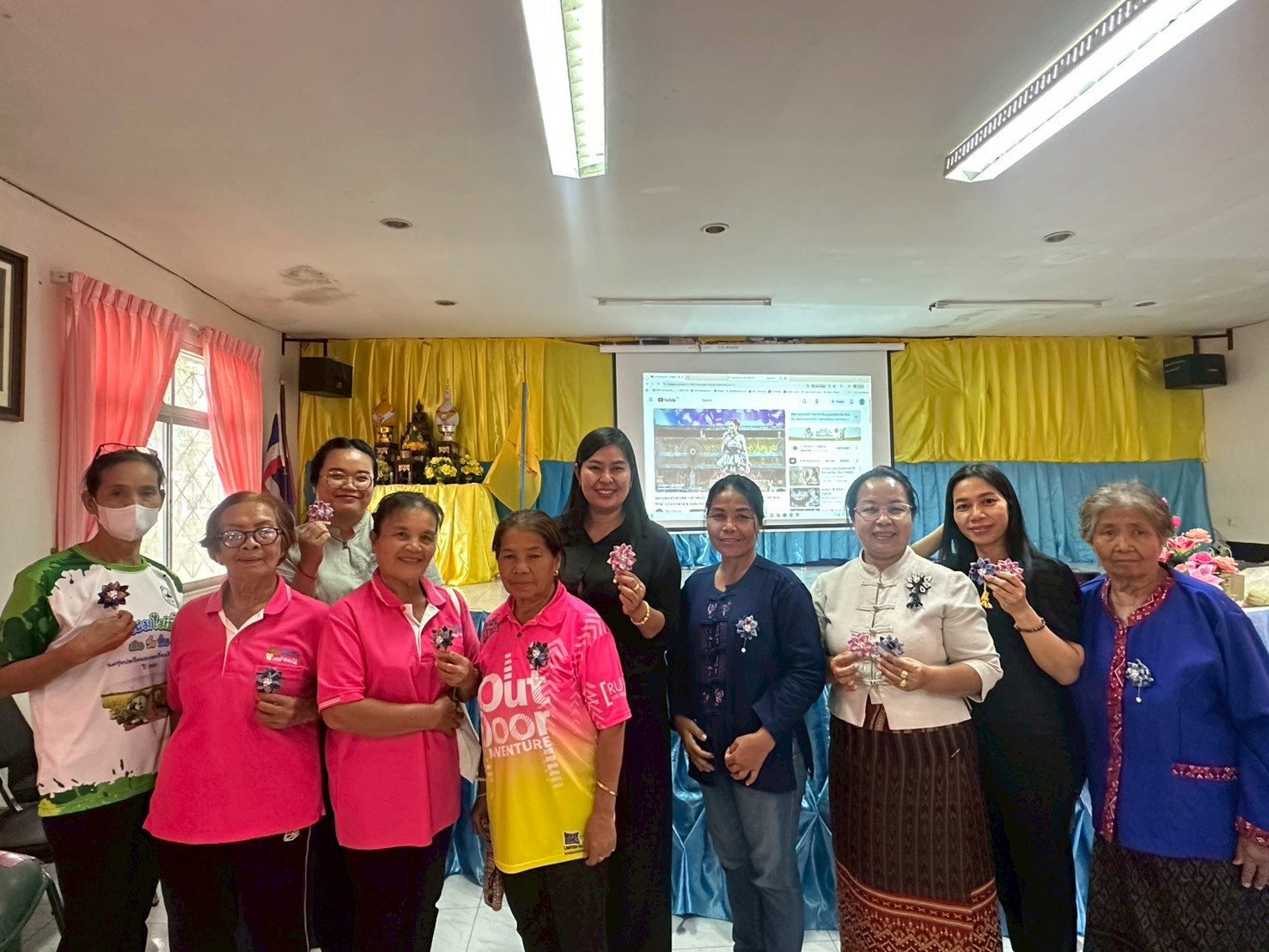
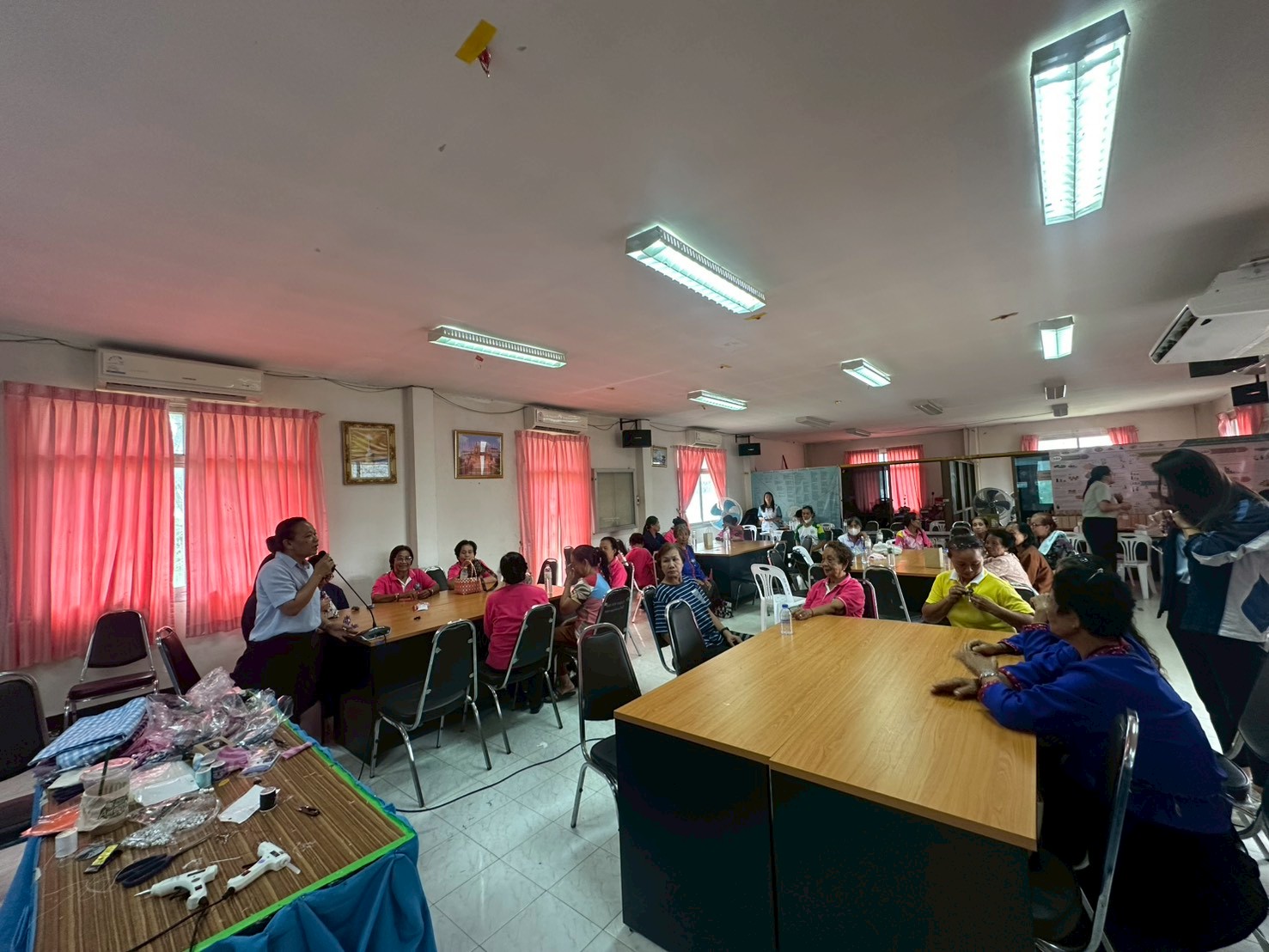
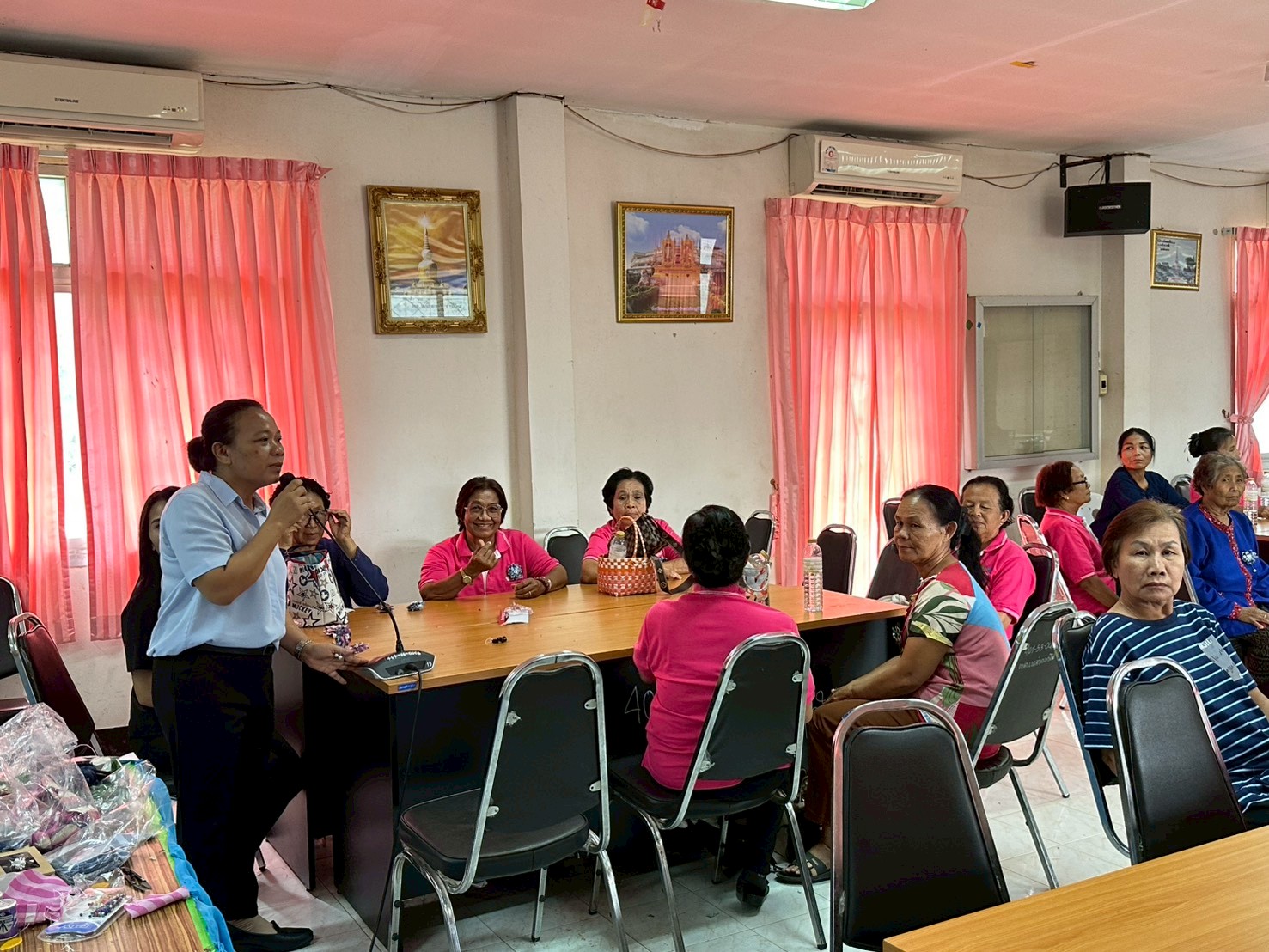
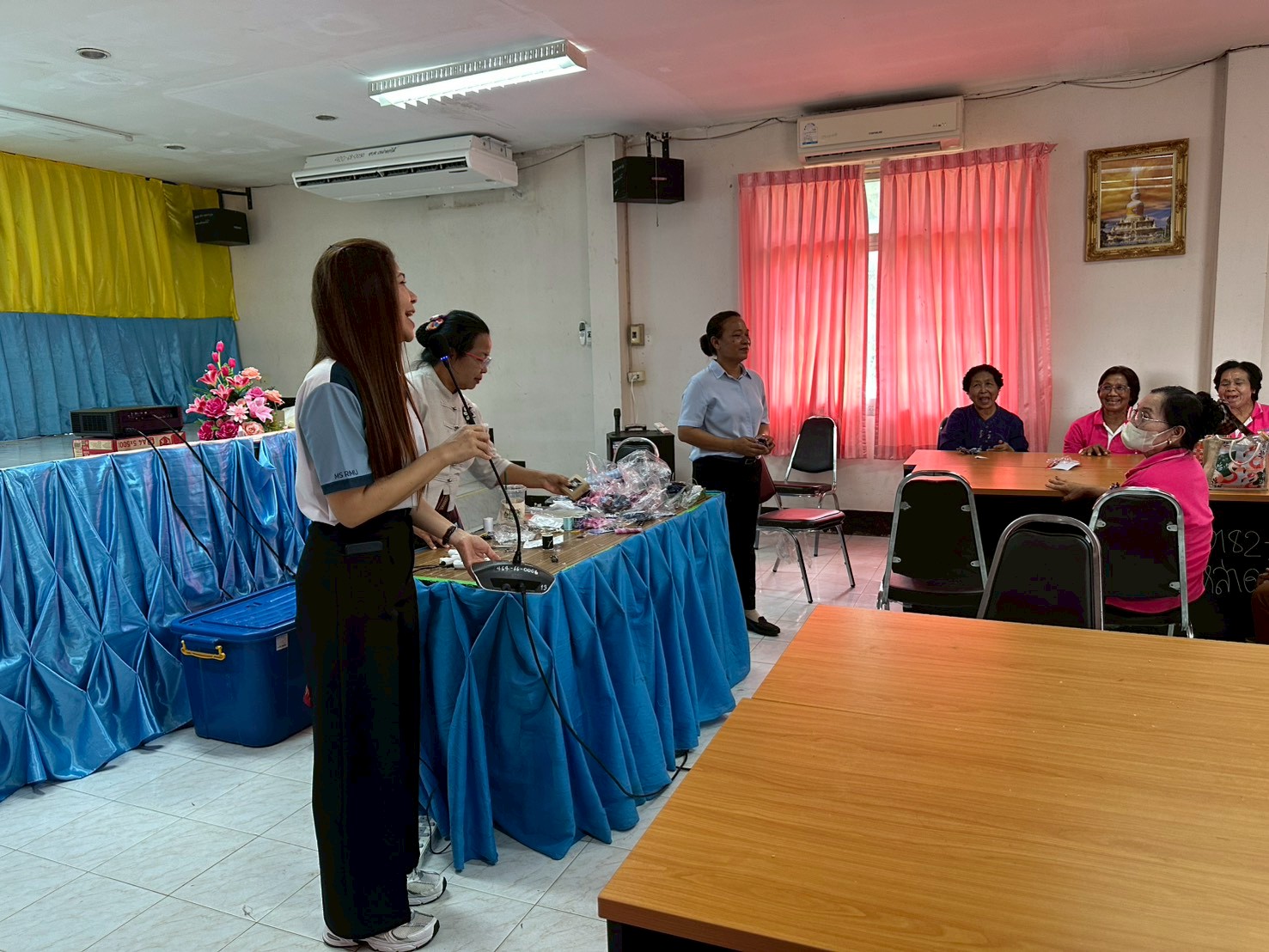
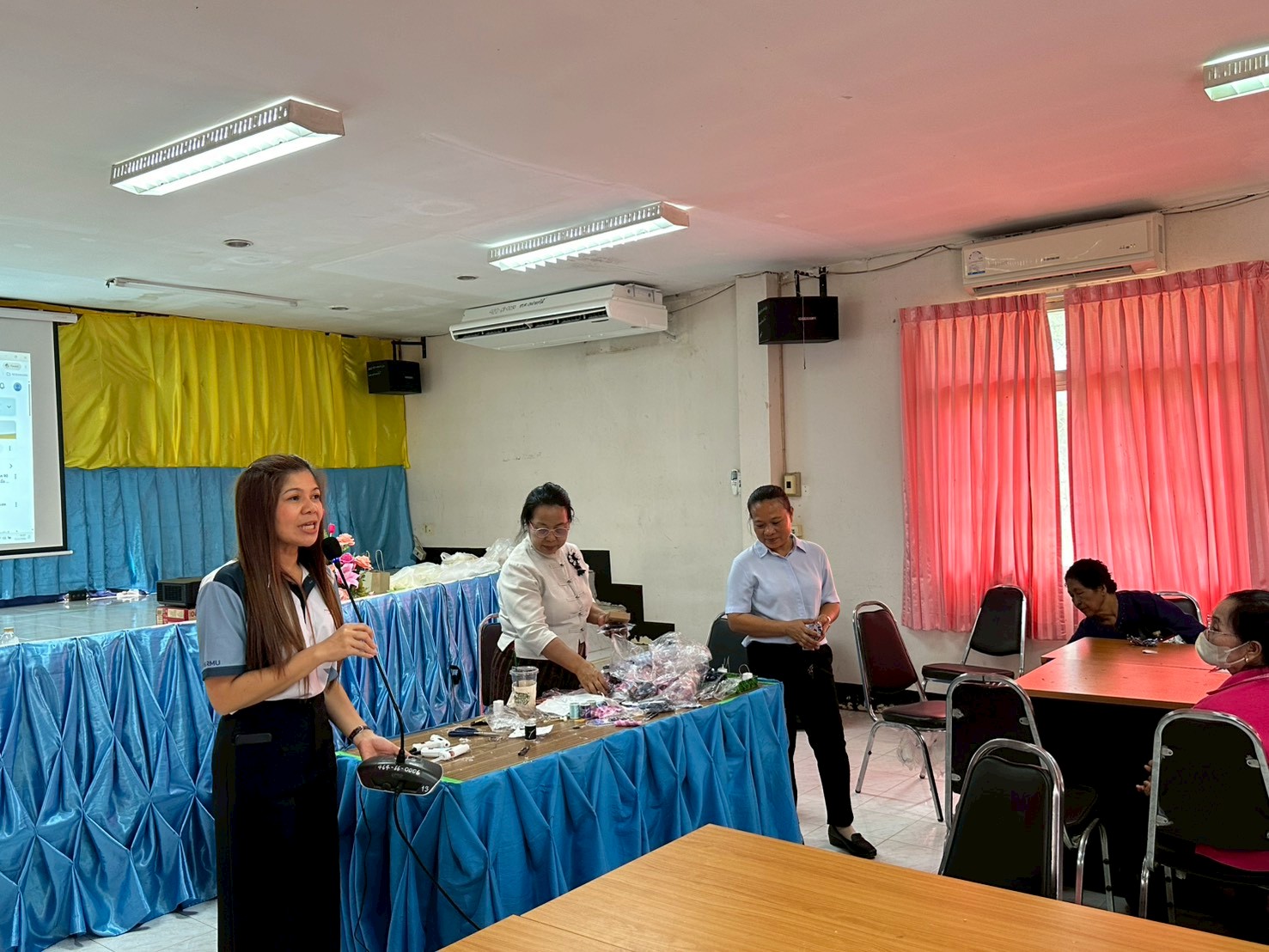
Activity 1: Workshop on Developing Life Skills for Older Adults (Occupational Promotion)
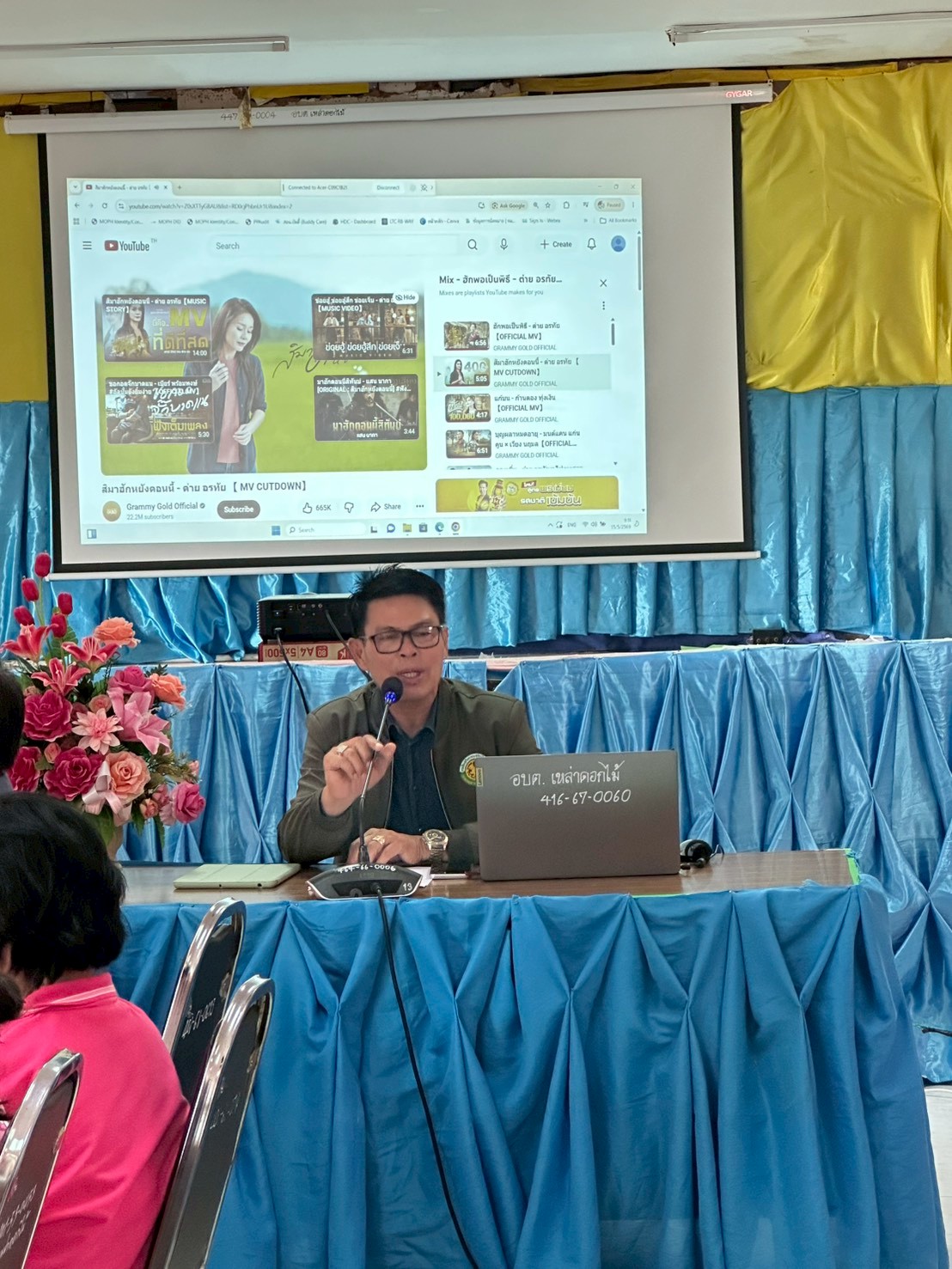
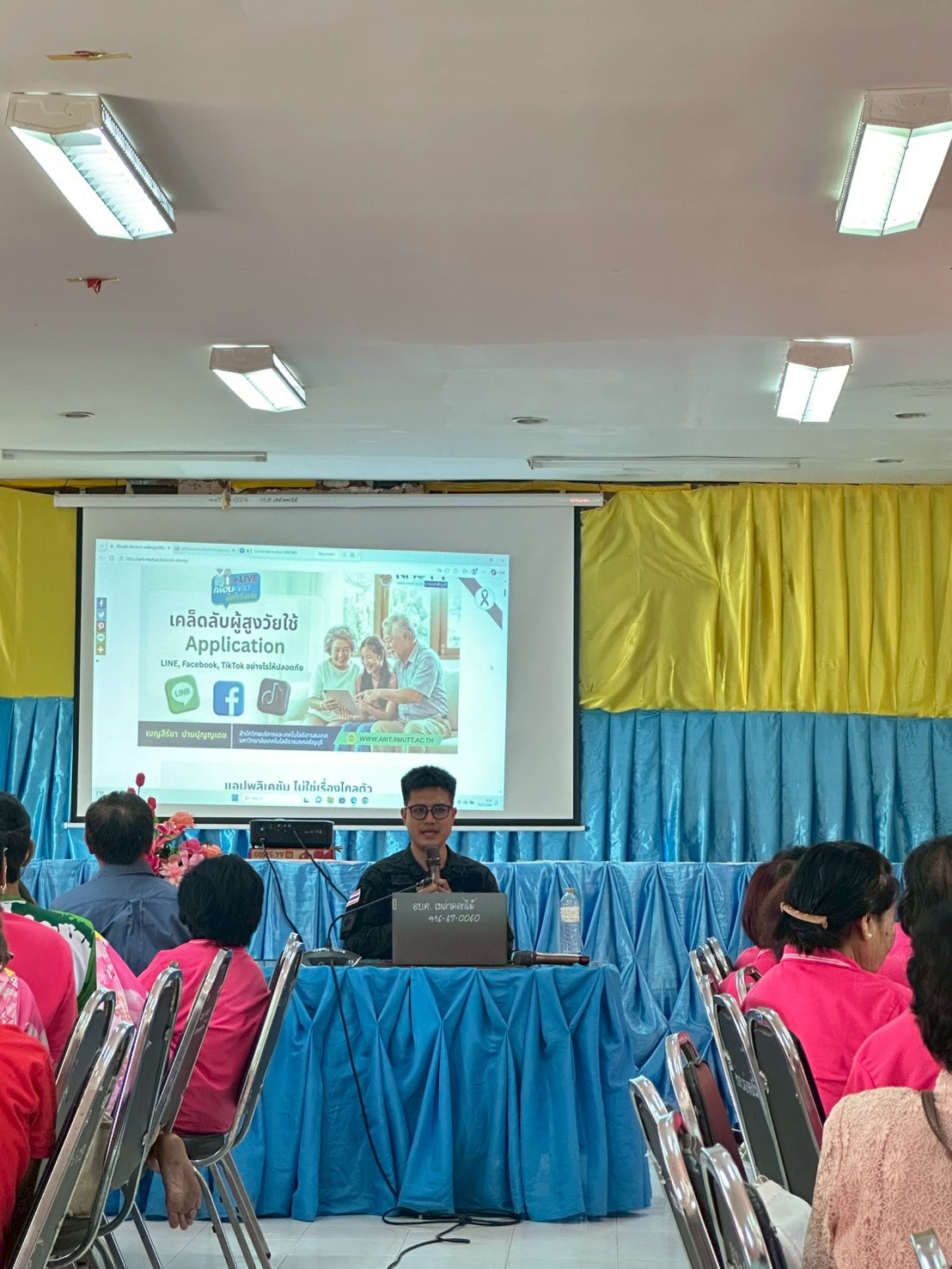
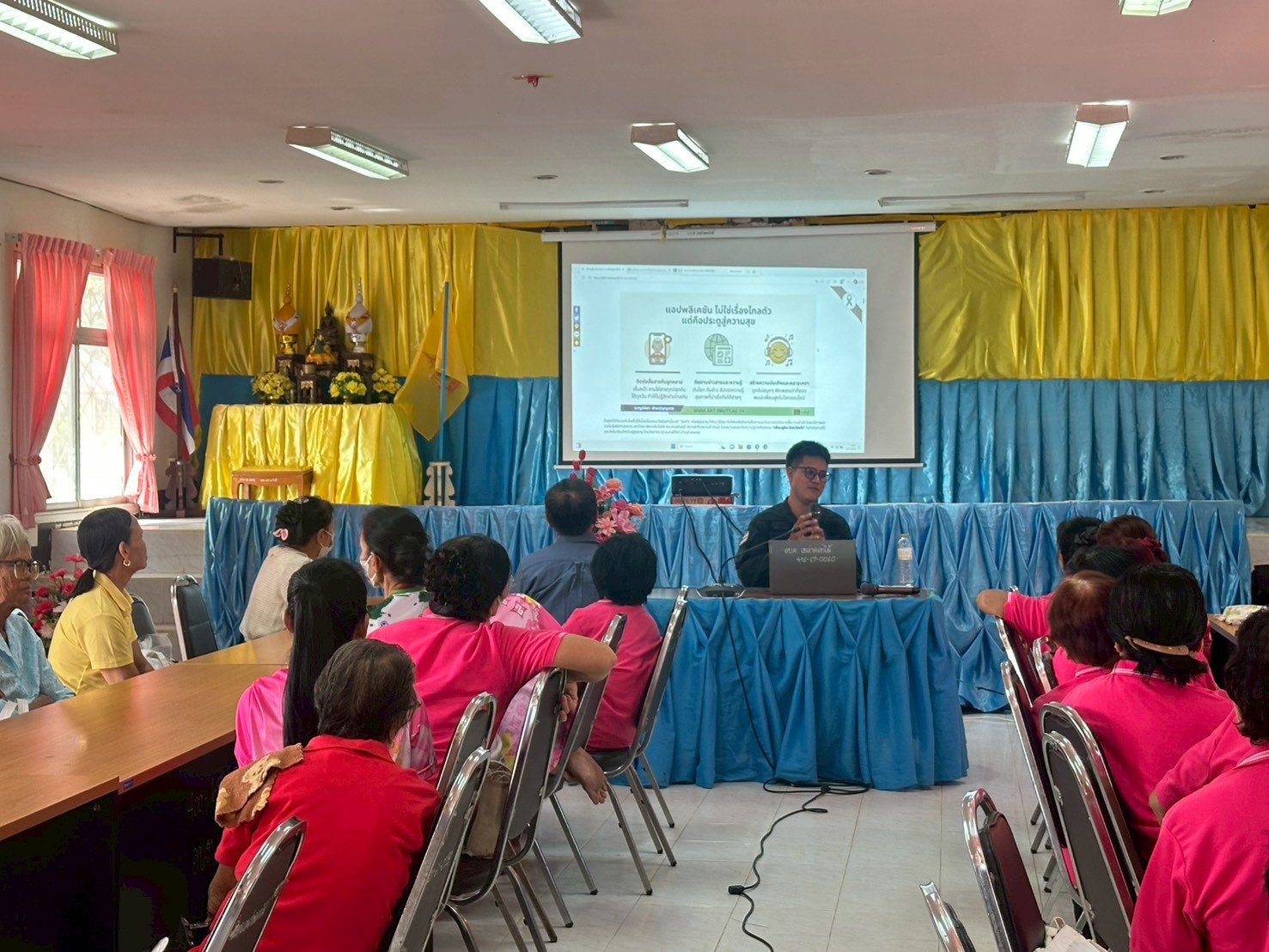
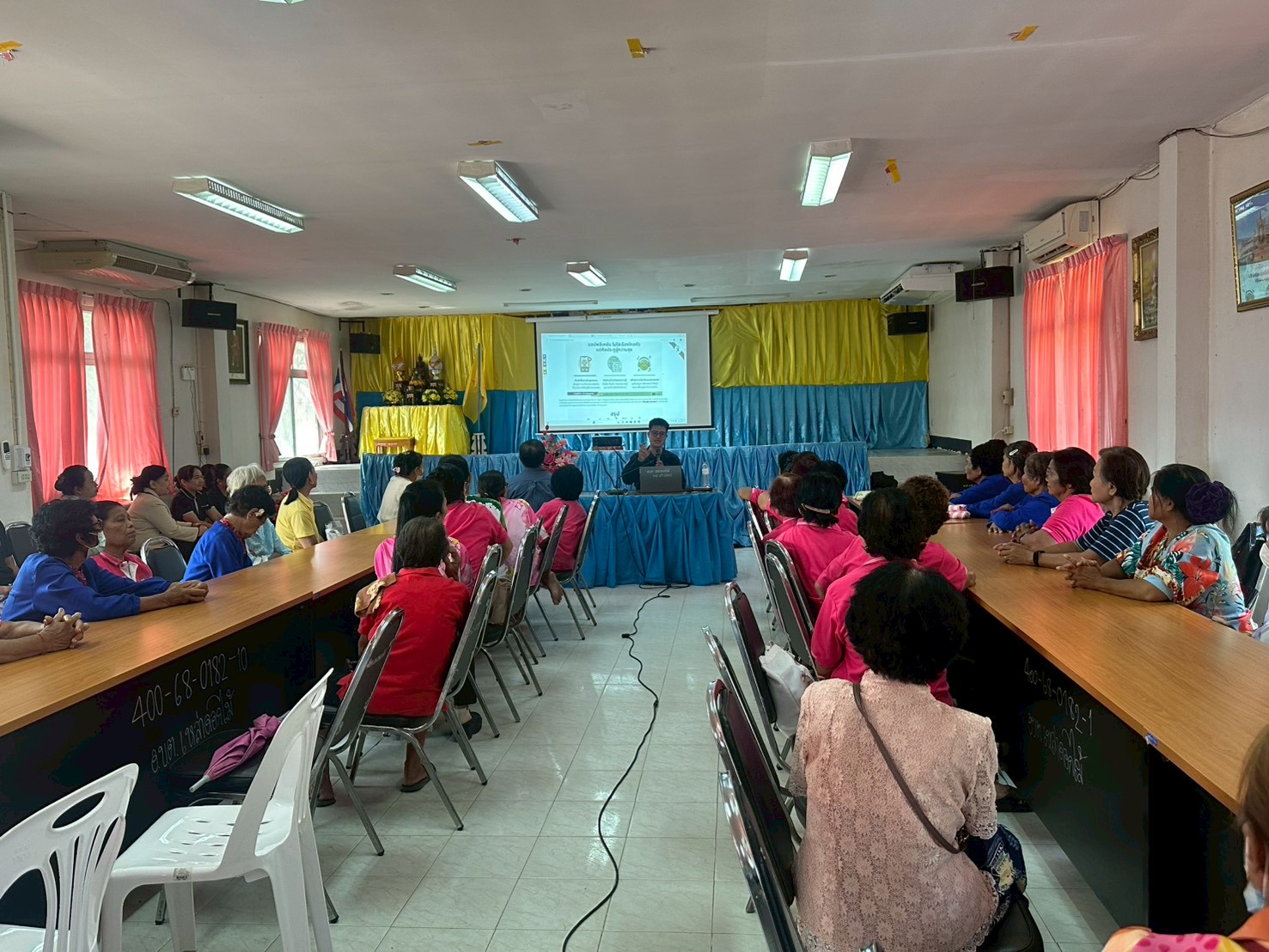
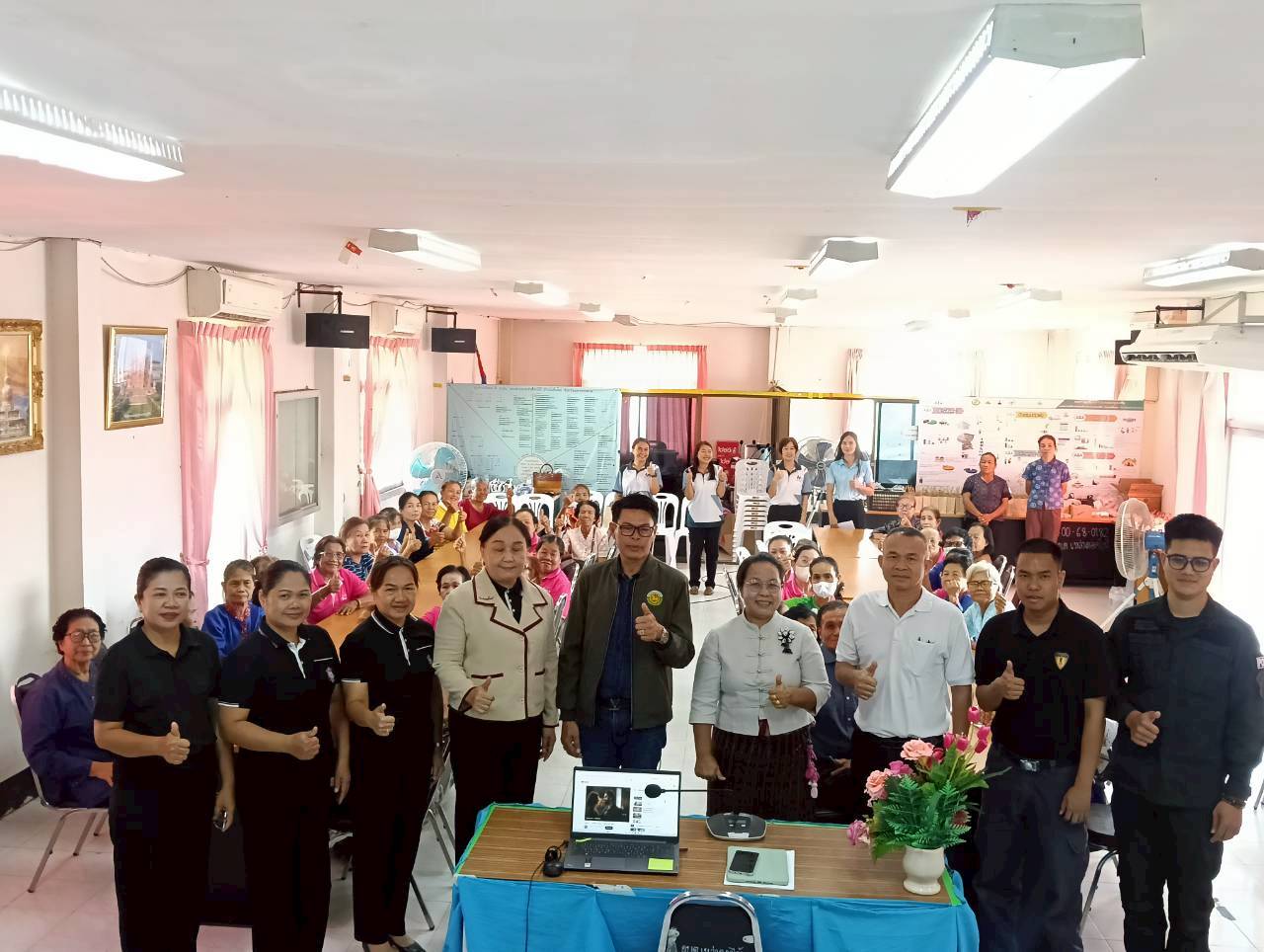
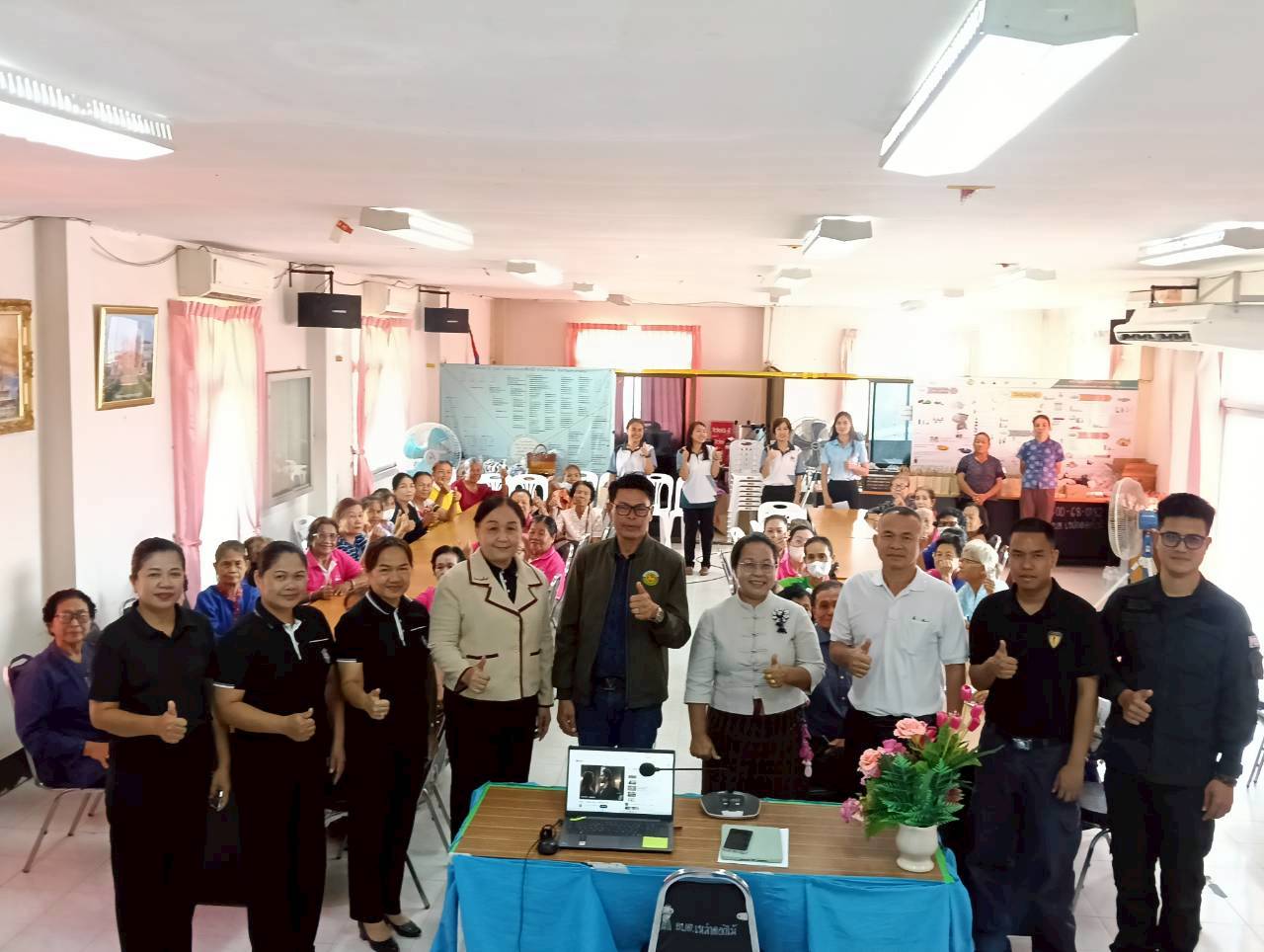
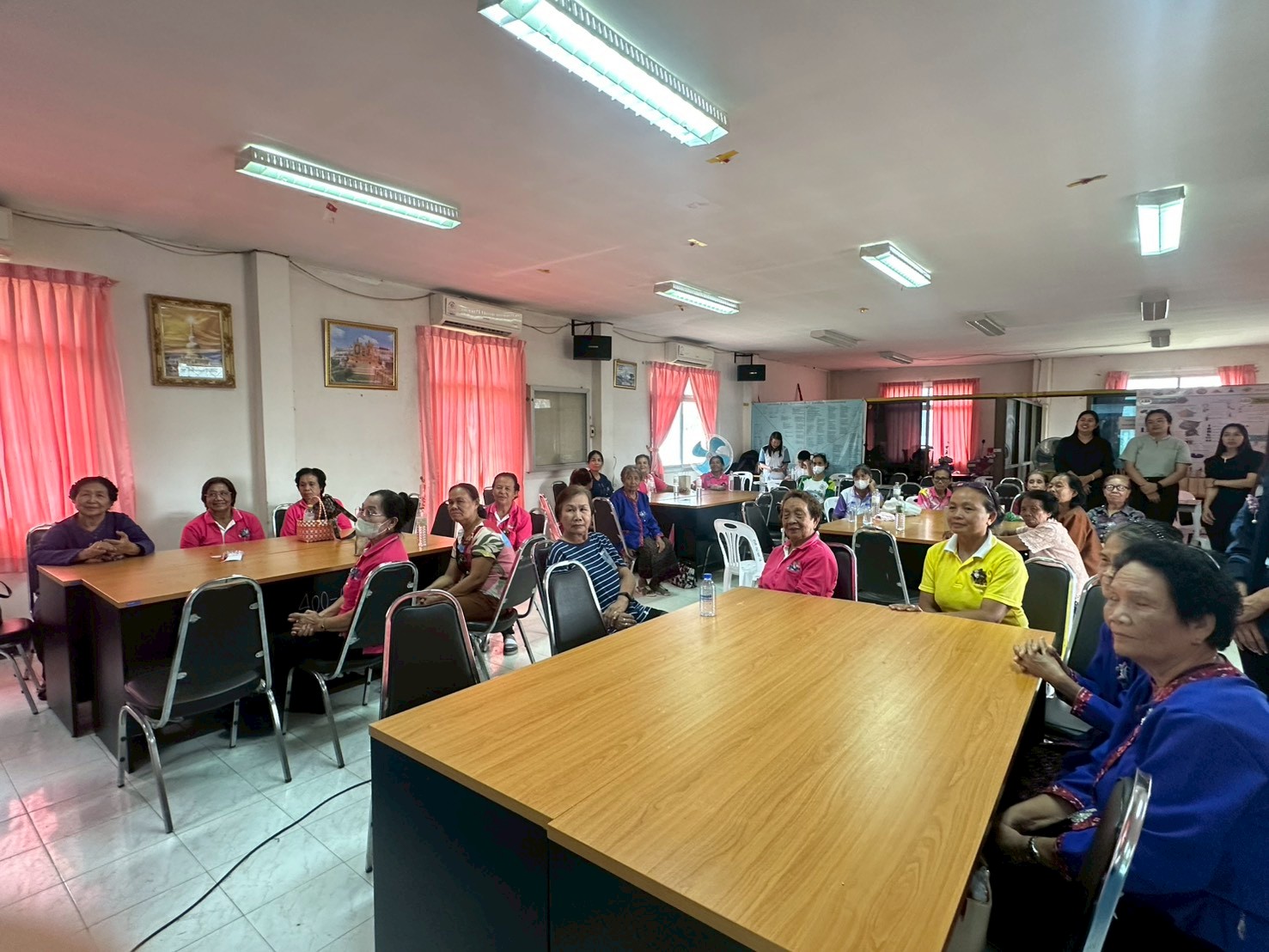
Activity 2: Workshop on Promoting Lifelong Learning: “Basic Digital Literacy, such as the Use of Smartphones and Digital Media”
กิจกรรมที่ 1 อบรมเชิงปฏิบัติการ การพัฒนาทักษะชีวิตผู้สูงอายุ (การส่งเสริมอาชีพ)
กิจกรรมที่ 2 อบรมเชิงปฏิบัติการ เรื่องการส่งเสริมการเรียนรู้ตลอดชีวิต “รู้เท่าทันด้านเทคโนโลยีพื้นฐาน เช่น การใช้สมาร์ทโฟน หรือสื่อดิจิทัล”
Part 2: Outcomes & Impact ส่วนที่ 2 ผลลัพธ์และผลกระทบ
Outcomes ผลลัพธ์ที่เกิดขึ้น
OUTCOMES FOR OLDER ADULTS
1.1 Older adults gain knowledge, understanding, and new skills for appropriate health care and daily living.
1.2 Older adults develop positive attitudes toward lifelong learning and participate more actively in community activities.
1.3 Older adults experience greater happiness and improved physical and mental well-being, reduced feelings of loneliness, and better relationships with family members.
OUTCOMES FOR THE COMMUNITY
2.1 The community develops cooperation among organizations and people of different generations to improve the quality of life of older adults.
2.2 Occupational groups or enterprises for older adults are developed and expanded by applying local wisdom to generate income.
2.3 The community develops an atmosphere of a “learning society” in which everyone can learn and share knowledge together.
2.4 Local government agencies have a model for organizing activities to develop older adults that can be expanded to other areas.
ด้านผู้สูงอายุ
1.1 ผู้สูงอายุมีความรู้ ความเข้าใจ และทักษะใหม่ ๆ ในการดูแลสุขภาพและดำรงชีวิตอย่างเหมาะสม
1.2 ผู้สูงอายุมีทัศนคติที่ดีต่อการเรียนรู้ตลอดชีวิต และมีส่วนร่วมในกิจกรรมชุมชนมากขึ้น
1.3 ผู้สูงอายุมีความสุข มีสุขภาพกายและใจที่ดี ลดความรู้สึกโดดเดี่ยว และมีความสัมพันธ์ที่ดีกับครอบครัว ด้านชุมชน
2.1 ชุมชนเกิดความร่วมมือระหว่างหน่วยงานและคนต่างวัยในการพัฒนาคุณภาพชีวิตผู้สูงอายุ
2.2 เกิดการต่อยอดกิจกรรมหรือกลุ่มอาชีพผู้สูงอายุที่ใช้ภูมิปัญญาท้องถิ่นสร้างรายได้
2.3 ชุมชนเกิดบรรยากาศของ “สังคมแห่งการเรียนรู้” ที่ทุกคนสามารถเรียนรู้และแบ่งปันร่วมกันได้
2.4 หน่วยงานท้องถิ่นมีต้นแบบการจัดกิจกรรมพัฒนาผู้สูงอายุที่สามารถขยายผลไปยังพื้นที่อื่นได้
Community & Social Impact ผลกระทบต่อชุมชน/สังคม
ECONOMIC DIMENSION
1. Older adults develop skills in producing local products and services, enabling them to generate supplementary income for themselves and their families.
2. Occupational groups or community enterprises are established to further develop older adults’ local wisdom for economic value.
3. Family financial burdens are reduced as older adults become more self-reliant.
4. The community generates increased circulating income from activities and products developed by older adults.
SOCIAL DIMENSION
1. Older adults experience greater happiness and a stronger sense of self-worth.
2. Social isolation is reduced, and intergenerational networks and relationships are strengthened.
3. Cooperation is established among local organizations, including subdistrict administrative organizations, subdistrict health-promoting hospitals, schools, temples, and village health volunteers.
4. The community develops a caring environment in which members support and care for one another systematically.
EDUCATIONAL DIMENSION
1. Older adults receive opportunities for lifelong learning according to their potential.
2. Young people learn local wisdom from older adults, facilitating intergenerational knowledge transfer.
3. Learning networks are established between educational institutions and senior centers in the area.
4. A “learning community” approach is developed in which older adults serve simultaneously as knowledge providers and learners.
5. Students, lecturers, and the academic program integrate teaching and learning through academic services in collaboration with the community for creative local development.
ENVIRONMENTAL DIMENSION
1. Some activities promote the use of natural materials and locally produced resources.
2. Older adults play a role in environmental awareness campaigns and serve as role models for environmental conservation.
ด้านเศรษฐกิจ
1. ผู้สูงอายุมีทักษะในการผลิตสินค้าและบริการพื ้นบ้าน สามารถสร้างรายได้เสริมให้กับตนเองและครอบครัว
2. เกิดกลุ่มอาชีพหรือวิสาหกิจชุมชนที่นำภูมิปัญญาผู้สูงอายุมาต่อยอดทางเศรษฐกิจ
3. ลดภาระค่าใช้จ่ายของครอบครัวจากการที่ผู้สูงอายุสามารถพึ่งพาตนเองได้
4. ชุมชนมีรายได้หมุนเวียนเพิ่มขึ้นจากกิจกรรมและผลิตภัณฑ์ผู้สูงอายุ
ด้านสังคม
1. ผู้สูงอายุมีความสุขและรู้สึกมีคุณค่าในตนเองมากขึ้น
2. ลดภาวะโดดเดี่ยวทางสังคมและสร้างเครือข่ายสัมพันธ์ระหว่างวัย
3. เกิดความร่วมมือระหว่างหน่วยงานในพื้นที่ (อบต, รพ.สต, โรงเรียน, วัด, อสม.)
4. ชุมชนเกิดบรรยากาศเอื้ออาทร ดูแลกันอย่างมีระบบ
ด้านการศึกษา
1. ผู้สูงอายุได้รับโอกาสในการเรียนรู้ตลอดชีวิตตามศักยภาพ
2. เยาวชนได้เรียนรู้ภูมิปัญญาท้องถิ่นจากผู้สูงอายุ เกิดการถ่ายทอดองค์ความรู้ข้ามวัย
3. เกิดเครือข่ายการเรียนรู้ระหว่างสถานศึกษาและศูนย์ผู้สูงอายุในพื้นที่
4. พัฒนาแนวทาง “ชุมชนแห่งการเรียนรู้” ที่ผู้สูงอายุมีบทบาทเป็นผู้ให้และผู้เรียนรู้ในเวลาเดียวกัน
5. นักศึกษา อาจารย์ หลักสูตรฯ มีการบูรณาการการเรียนการสอนผ่านการบริการวิชาการ ร่วมกันกับชุมชนในการพัฒนาท้องถิ่นอย่างสร้างสรรค์
ด้านสิ่งแวดล้อม
1. กิจกรรมบางส่วนส่งเสริมการใช้วัสดุธรรมชาติและผลผลิตจากชุมชน
2. ผู้สูงอายุมีบทบาทในการรณรงค์และเป็นแบบอย่างในการรักษาสิ่งแวดล้อม
Student & Staff Participation การมีส่วนร่วมของนักศึกษา/บุคลากร
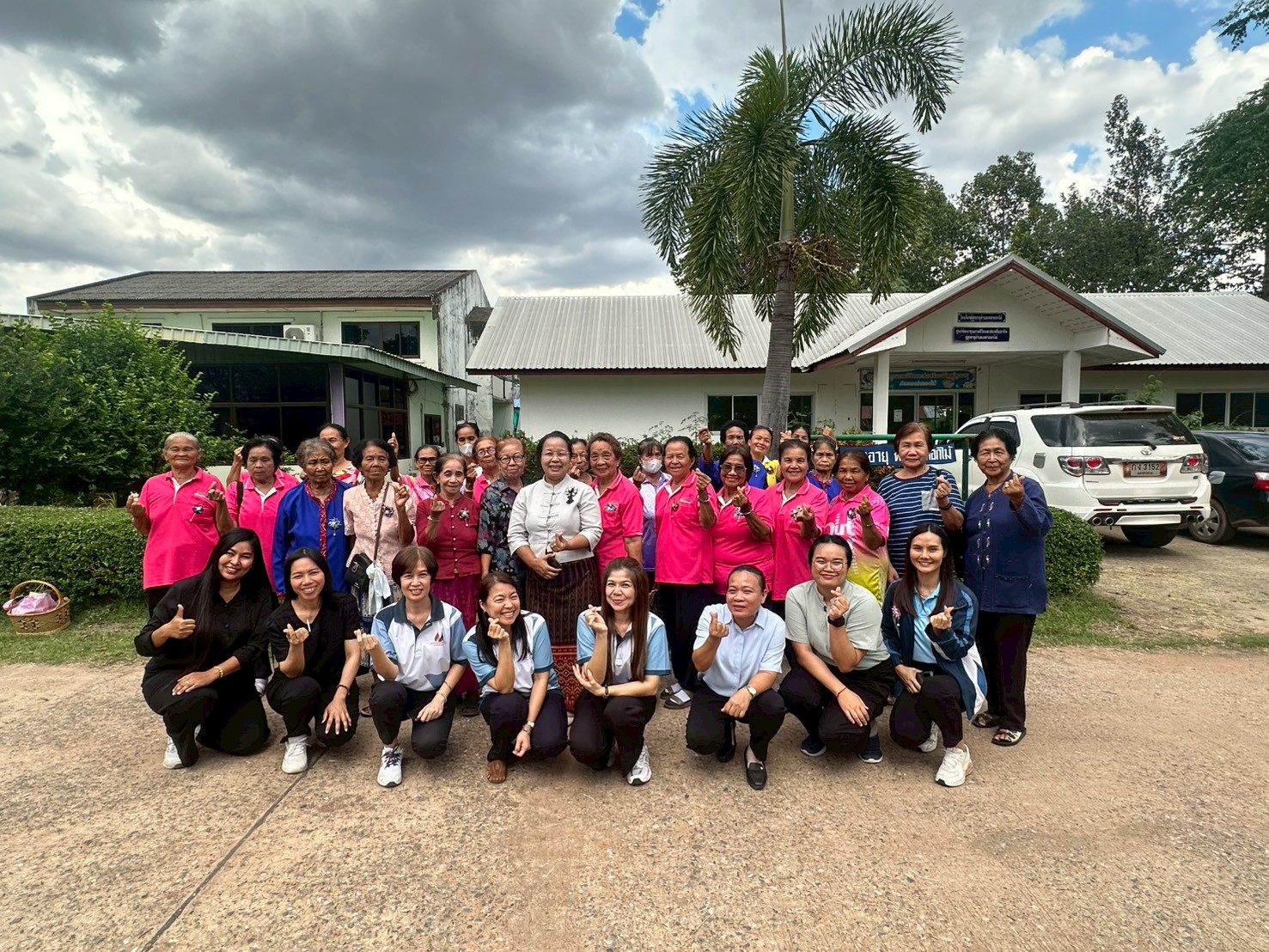
Students, lecturers, and the academic program integrate teaching and learning through academic services in collaboration with the community for creative local development. นักศึกษา อาจารย์ หลักสูตรฯ มีการบูรณาการการเรียนการสอนผ่านการบริการวิชาการ ร่วมกันกับชุมชนในการพัฒนาท้องถิ่นอย่างสร้างสรรค์
Project Continuity ความต่อเนื่องของโครงการ
To ensure continuity and sustainability of the Project on Capacity Building and Learning Promotion for Older Adults in the Community of Lao Dok Mai Subdistrict, Chuen Chom District, Maha Sarakham Province, the following approaches should be implemented in the next fiscal year:
1. Further develop occupational opportunities and income generation for older adults.
2. Promote lifelong learning among older adults.
3. Establish collaborative networks for the development of older adults.
4. Conduct systematic monitoring and evaluation.
5. Expand the project as a model for older adult development at the local level.
เพื่อให้การดำเนินโครงการพัฒนาศักยภาพและส่งเสริมการเรียนรู ้ผู้สูงอายุในชุมชนตำบลเหล่าดอกไม้ อำเภอชื่นชม จังหวัดมหาสารคาม เกิดความต่อเนื่องและยั่งยืน ควรกำหนดแนวทางการดำเนินงานในปีงบประมาณถัดไป ดังนี้
1. พัฒนาต่อยอดการสร้างอาชีพและรายได้ของผู้สูงอายุ
2. ส่งเสริมการเรียนรู้ตลอดชีวิตของผู้สูงอายุ
3. สร้างเครือข่ายความร่วมมือในการพัฒนาผู้สูงอายุ
4. ติดตามและประเมินผลอย่างเป็นระบบ
5. ขยายผลสู่การเป็นต้นแบบการพัฒนาผู้สูงอายุในระดับพื้นที่
Part 3: Challenges & Suggestions ส่วนที่ 3 ปัญหาอุปสรรค/ข้อเสนอแนะ
Problems & Obstacles ปัญหา/อุปสรรค
1. Participants differ in age, health status, learning abilities, and prior experience, resulting in differences in learning outcomes across activities. Some older adults require additional time to understand the content and practice the skills.
2. Some older adults face transportation limitations, particularly those with health-related difficulties or without private transportation, affecting continuity of participation in activities.
3. Although the activities achieved the objectives at a high level, the duration of some activities may not have been sufficient to develop certain skills that require continuous practice.
4. Monitoring the application of knowledge and skills in daily life after project completion remains challenging because it requires continued cooperation from older adults, community leaders, and relevant agencies.
1. ผู้เข้าร่วมโครงการมีความแตกต่างด้านอายุ สุขภาพ ความสามารถในการเรียนรู้ และประสบการณ์เดิม ส่งผลให้การเรียนรู้ในบางกิจกรรมมีความแตกต่างกัน ผู้สูงอายุบางรายต้องการเวลาเพิ่มเติมในการทำความเข้าใจและฝึกปฏิบัติ
2. ผู้สูงอายุบางส่วนมีข้อจำกัดด้านการเดินทาง โดยเฉพาะผู้ที่มีปัญหาด้านสุขภาพหรือไม่มีพาหนะส่วนตัว ส่งผลต่อความต่อเนื่องในการเข้าร่วมกิจกรรม
3. แม้ว่ากิจกรรมสามารถบรรลุวัตถุประสงค์ได้ในระดับสูง แต่ระยะเวลาในการจัดกิจกรรมอาจไม่เพียงพอสำหรับการพัฒนาทักษะบางด้านที่ต้องใช้การฝึกฝนอย่างต่อเนื่อง
4. การติดตามการนำความรู้และทักษะไปใช้จริงในชีวิตประจำวันหลังจากสิ้นสุดโครงการยังมีข้อจำกัด เนื่องจากต้องอาศัยความร่วมมือจากผู้สูงอายุ ผู้นำชุมชน และหน่วยงานที่เกี่ยวข้องอย่างต่อเนื่อง
Improvement Guidelines แนวทางการปรับปรุง
1. Participants should be grouped according to their abilities, interests, and health-related limitations so that activities can be tailored to the potential of each group.
2. Learning should emphasize Learning by Doing, real-life experiences, and knowledge exchange among older adults to enhance understanding and participation.
3. Collaboration should be coordinated with community leaders, local administrative organizations, and local networks to support transportation for older adults with mobility limitations.
4. Follow-up activities should be conducted after project completion, such as home visits, interviews, or assessments of the actual application of knowledge, to reflect long-term outcomes.
1. ควรแบ่งกลุ่มผู้เข้าร่วมตามระดับความสามารถ ความสนใจ และข้อจำกัดด้านสุขภาพ เพื่อให้สามารถจัดกิจกรรมที่เหมาะสมกับศักยภาพของแต่ละกลุ่ม
2. ควรใช้รูปแบบการเรียนรู้ที่เน้นการลงมือปฏิบัติ (Learning by Doing) การเรียนรู้จากประสบการณ์จริง และการแลกเปลี่ยนเรียนรู้ระหว่างผู้สูงอายุ เพื่อเพิ่มความเข้าใจและการมีส่วนร่วม
3. ควรประสานความร่วมมือกับผู้นำชุมชน องค์กรปกครองส่วนท้องถิ่น หรือเครือข่ายในพื้นที่ เพื่อสนับสนุนการเดินทางของผู้สูงอายุที่มีข้อจำกัด
4. ควรมีการติดตามผลภายหลังดำเนินโครงการ เช่น การเยี่ยมบ้าน การสัมภาษณ์ หรือการประเมินการนำความรู้ไปใช้จริง เพื่อสะท้อนผลลัพธ์ระยะยาว
Suggestions to University ข้อเสนอแนะต่อมหาวิทยาลัย
1. The project should be implemented continuously to develop older adults as a lifelong learning group within the community.
2. Older adults should be encouraged to serve as knowledge transmitters or community wisdom practitioners to enhance their sense of value and pride.
3. Collaborative networks among universities, communities, local administrative organizations, and agencies working with older adults should be developed to support continuous implementation.
4. Activities should comprehensively address multiple dimensions of older adults’ well-being, including:
- Health and self-care
- Income generation and supplementary occupations
- Digital technology use
- Social relationships
1.ควรดำเนินโครงการอย่างต่อเนื่อง เพื่อพัฒนาศักยภาพผู้สูงอายุให้เป็นกลุ่มเรียนรู้ตลอดชีวิต (Lifelong Learning) ของชุมชน
2. ควรส่งเสริมให้ผู้สูงอายุมีบทบาทเป็น “ผู้ถ่ายทอดองค์ความรู้” หรือ “ปราชญ์ชุมชน” เพื่อสร้างคุณค่าและความภาคภูมิใจในตนเอง
3. ควรพัฒนาเครือข่ายความร่วมมือระหว่างมหาวิทยาลัย ชุมชน องค์กรปกครองส่วนท้องถิ่น และหน่วยงานด้านผู้สูงอายุ เพื่อสนับสนุนการดำเนินงานอย่างต่อเนื่อง
4. ควรพัฒนากิจกรรมให้ครอบคลุมมิติของผู้สูงอายุอย่างรอบด้าน ได้แก่
- สุขภาพและการดูแลตนเอง
- การสร้างรายได้และอาชีพเสริม
- การใช้เทคโนโลยีดิจิทัล
- การสร้างความสัมพันธ์ทางสังคม
- การถ่ายทอดภูมิปัญญาท้องถิ่น