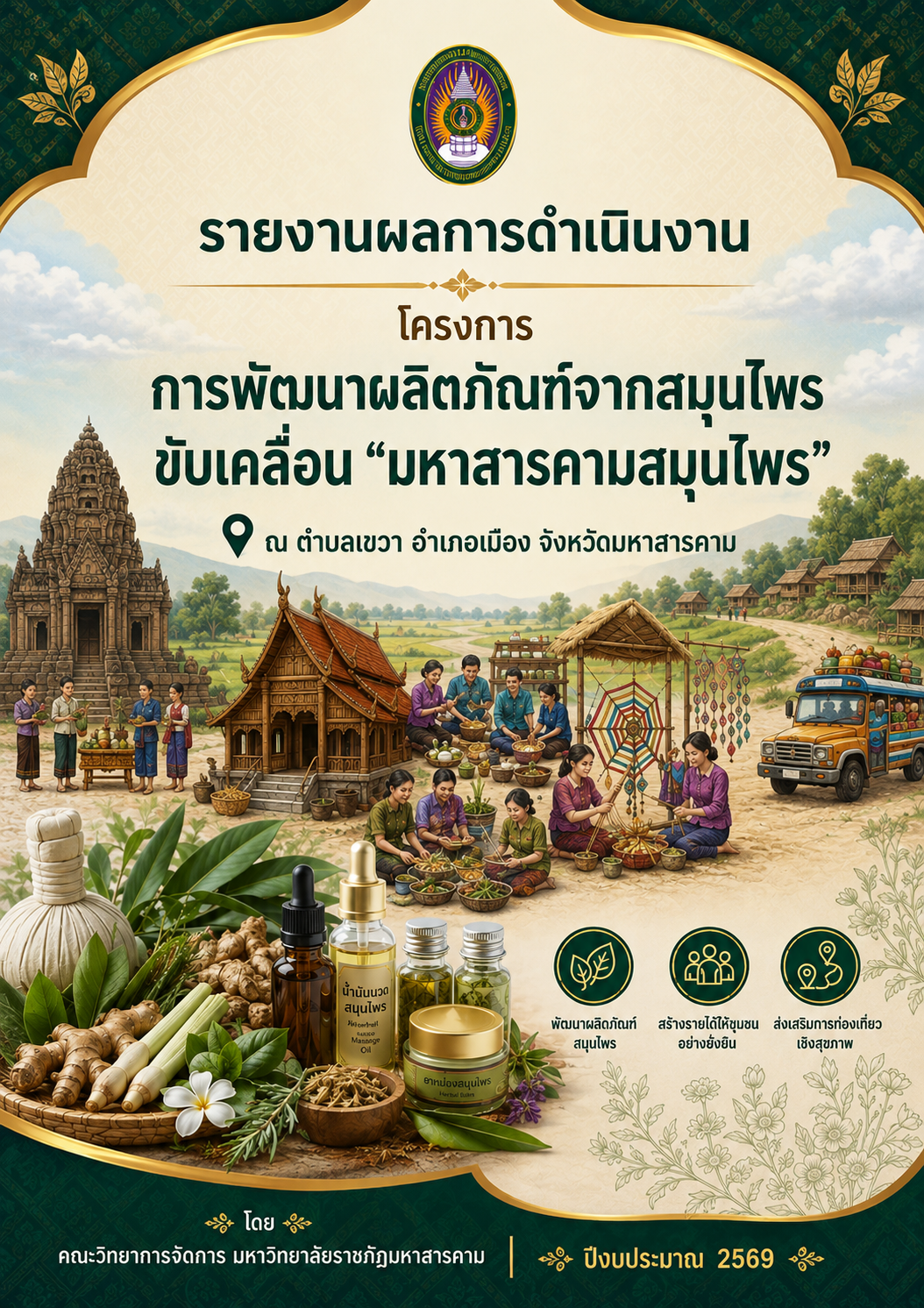
– May 13, 2026 1 พฤษภาคม 2569
– 13 พฤษภาคม 2569
Part 1: Project Details ส่วนที่ 1 รายละเอียดการดำเนินงาน
Objectives วัตถุประสงค์โครงการ
1. To develop herbal products by integrating local herbal resources with the cultural capital of Ku Ban Khwa.
2. To enhance the value of local herbal products through the application of the Bio-Circular-Green Economy (BCG) Model.
3. To promote and develop health tourism based on local cultural and herbal resources in Khwa Subdistrict.
1. เพื่อพัฒนาผลิตภัณฑ์สมุนไพรที่เชื่อมโยงกับทุนวัฒนธรรมกู่บ้านเขวา
2. เพื่อสร้างมูลค่าเพิ่มให้กับสมุนไพรท้องถิ่นด้วยแนวคิด BCG Model
3. เพื่อส่งเสริมการท่องเที่ยวเชิงสุขภาพในพื้นที่ตำบลเขวา
Main Activities กิจกรรมหลัก
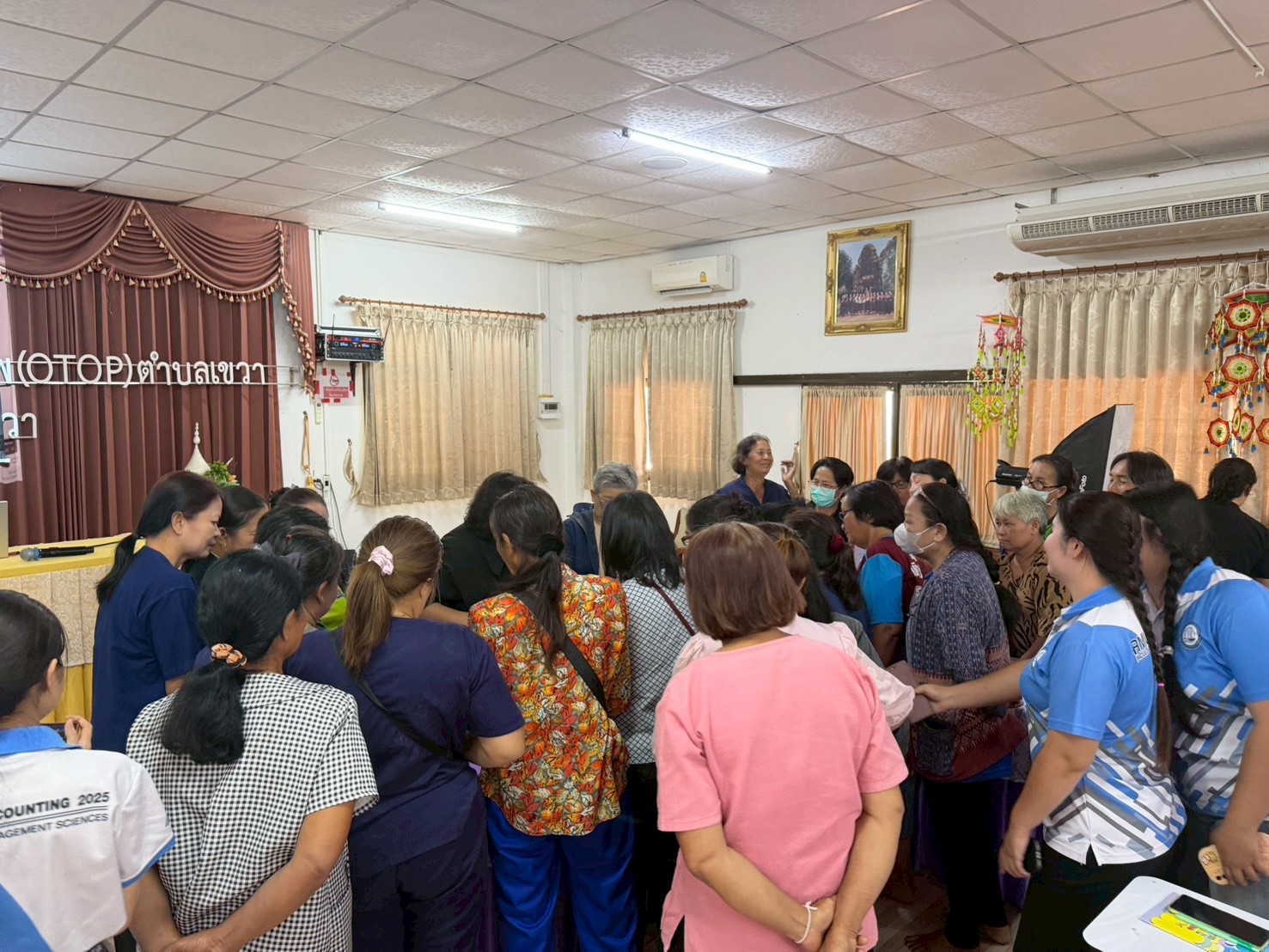
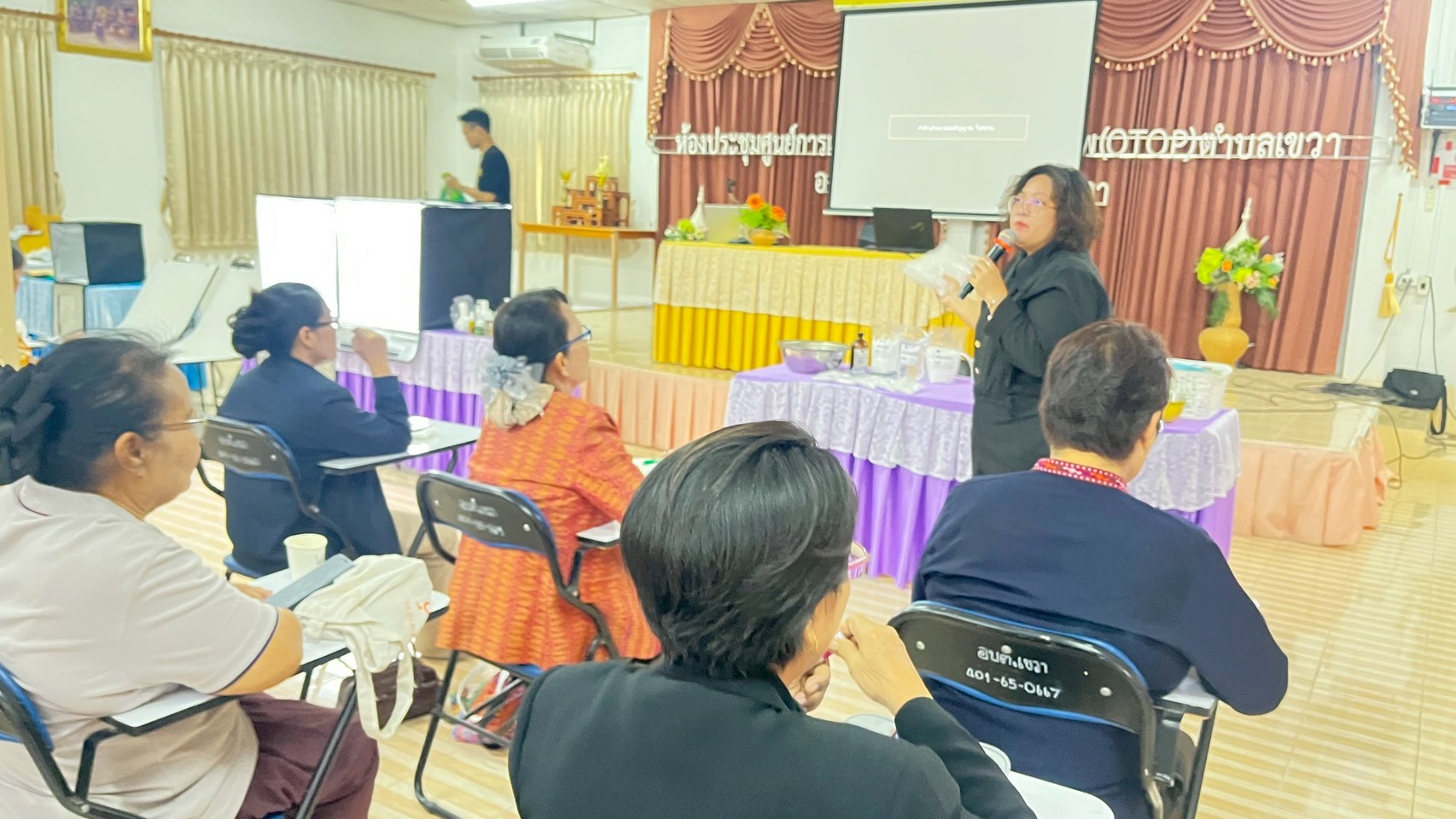
Activity 1: Workshop on Social Engineering and Community Development**
A practical workshop on social engineering concepts and approaches to community development, focusing on building participants’ skills in community engagement, problem identification, problem-solving, and collaborative development.
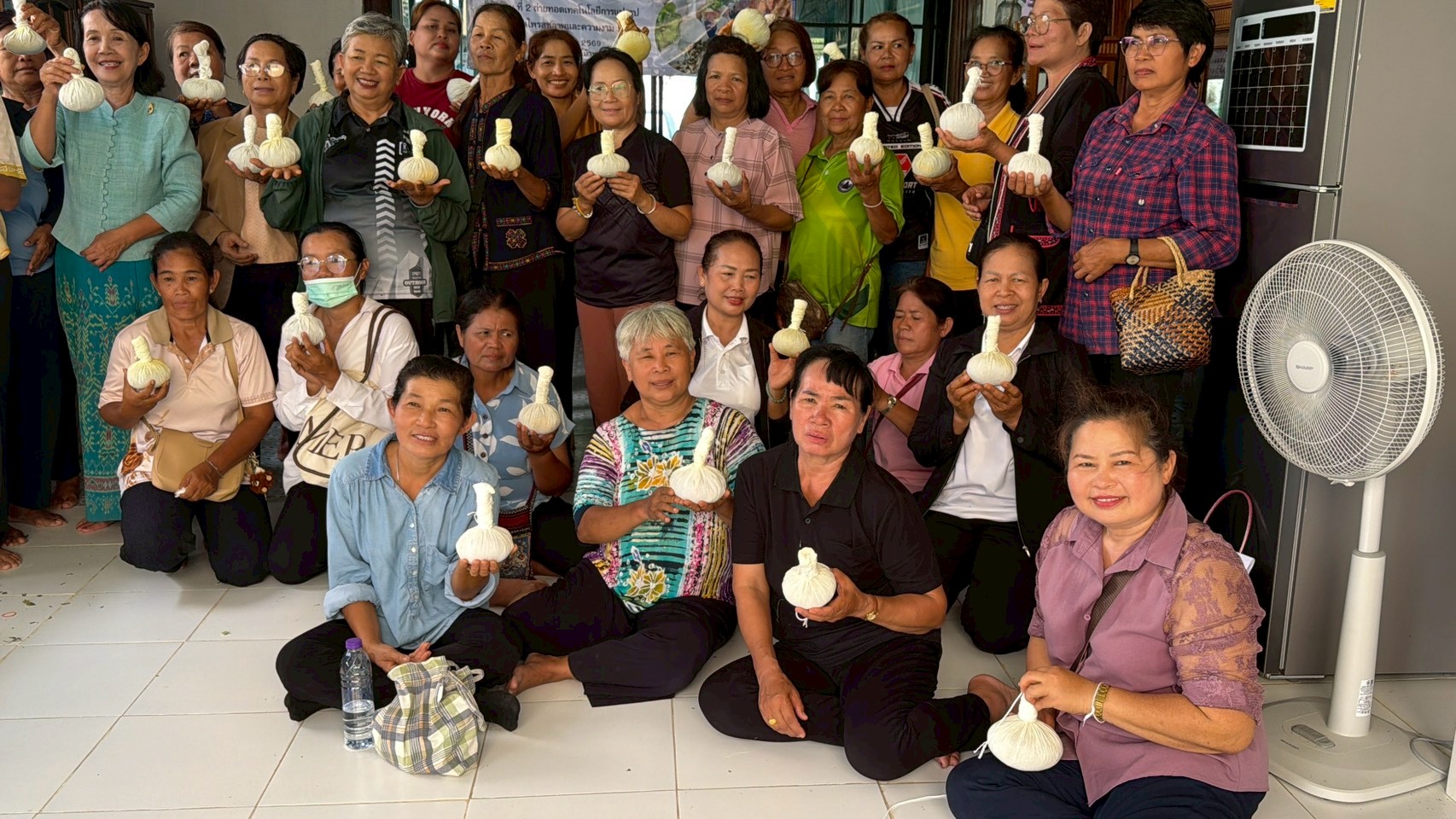
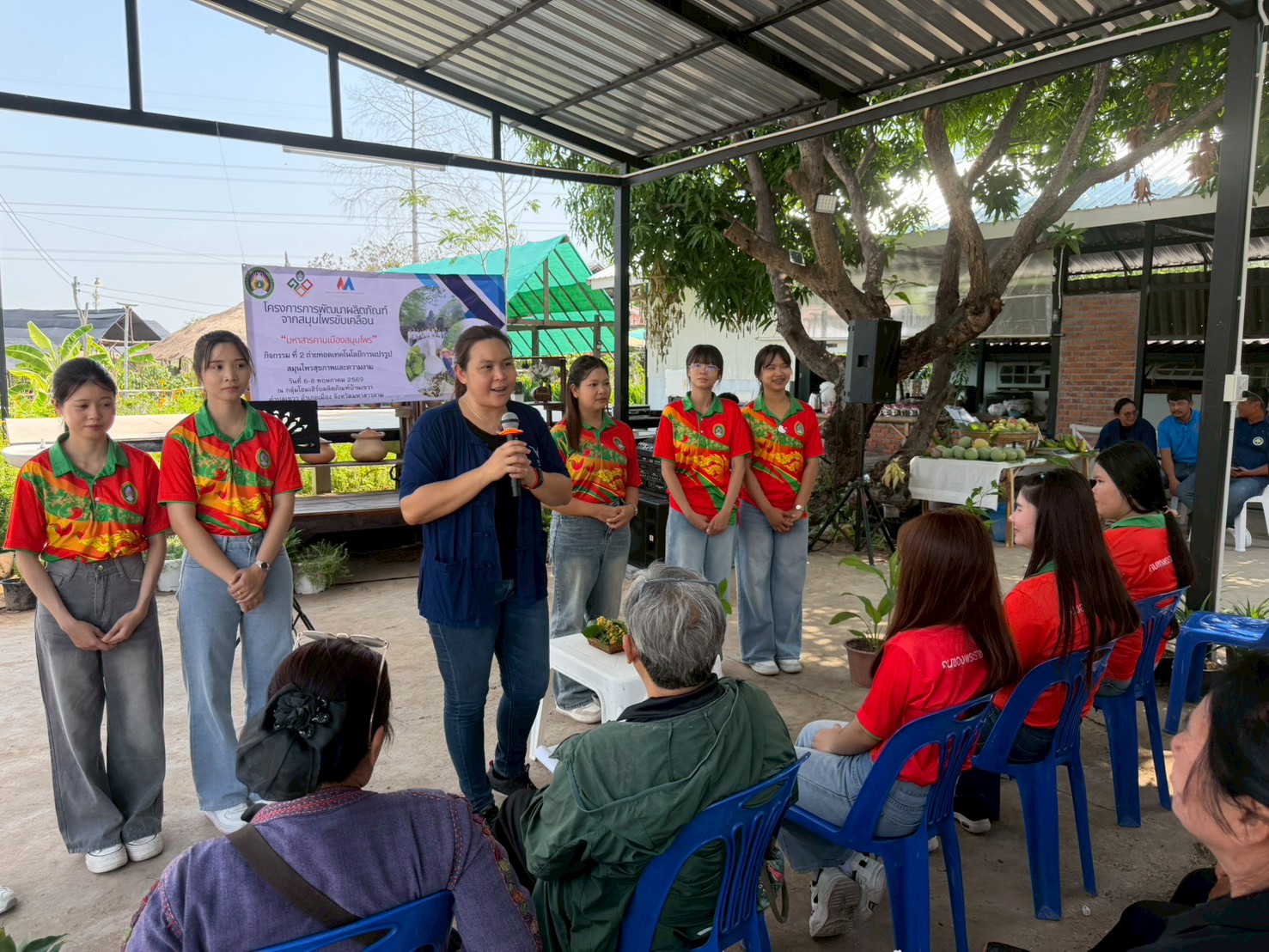
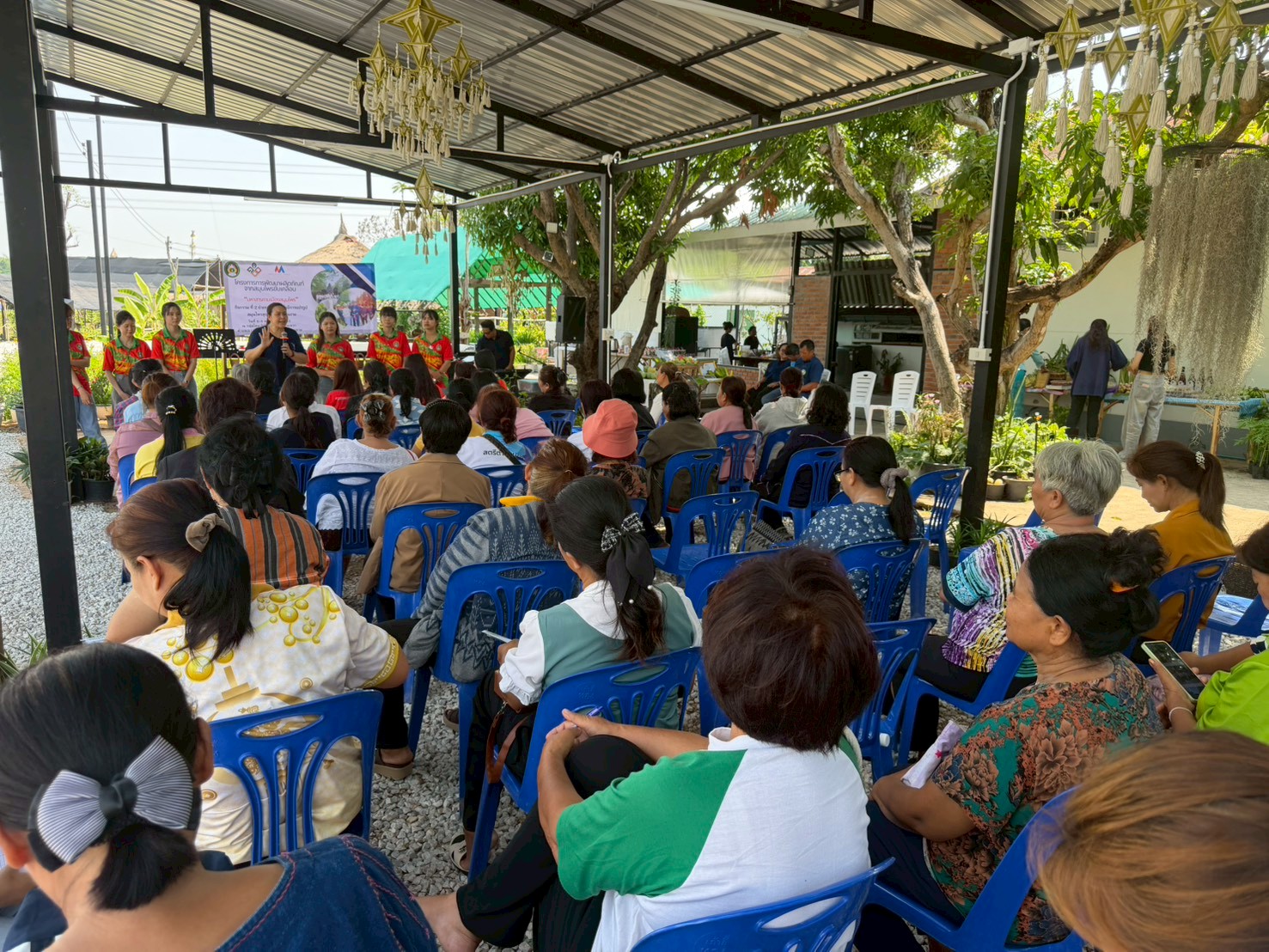
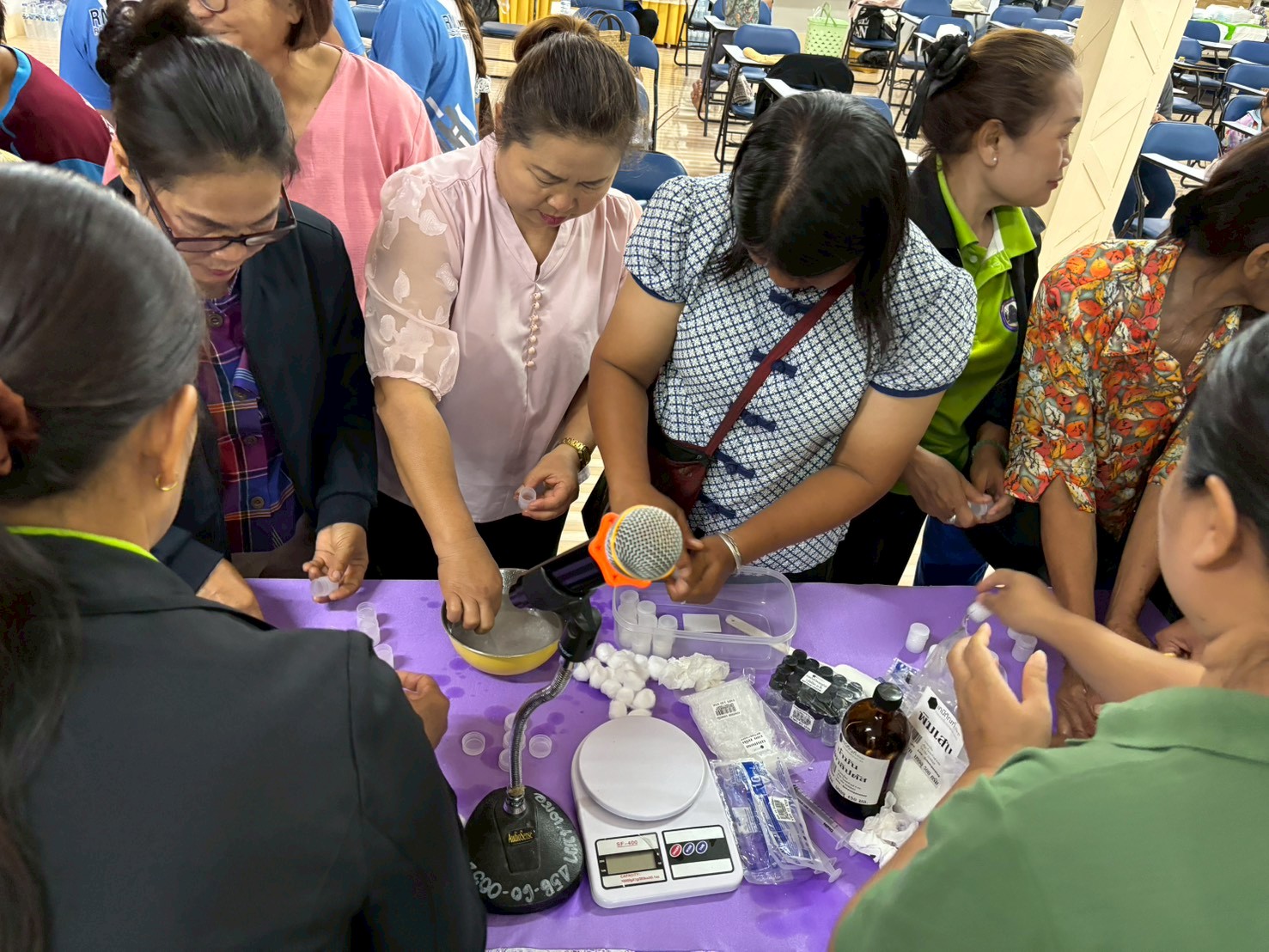
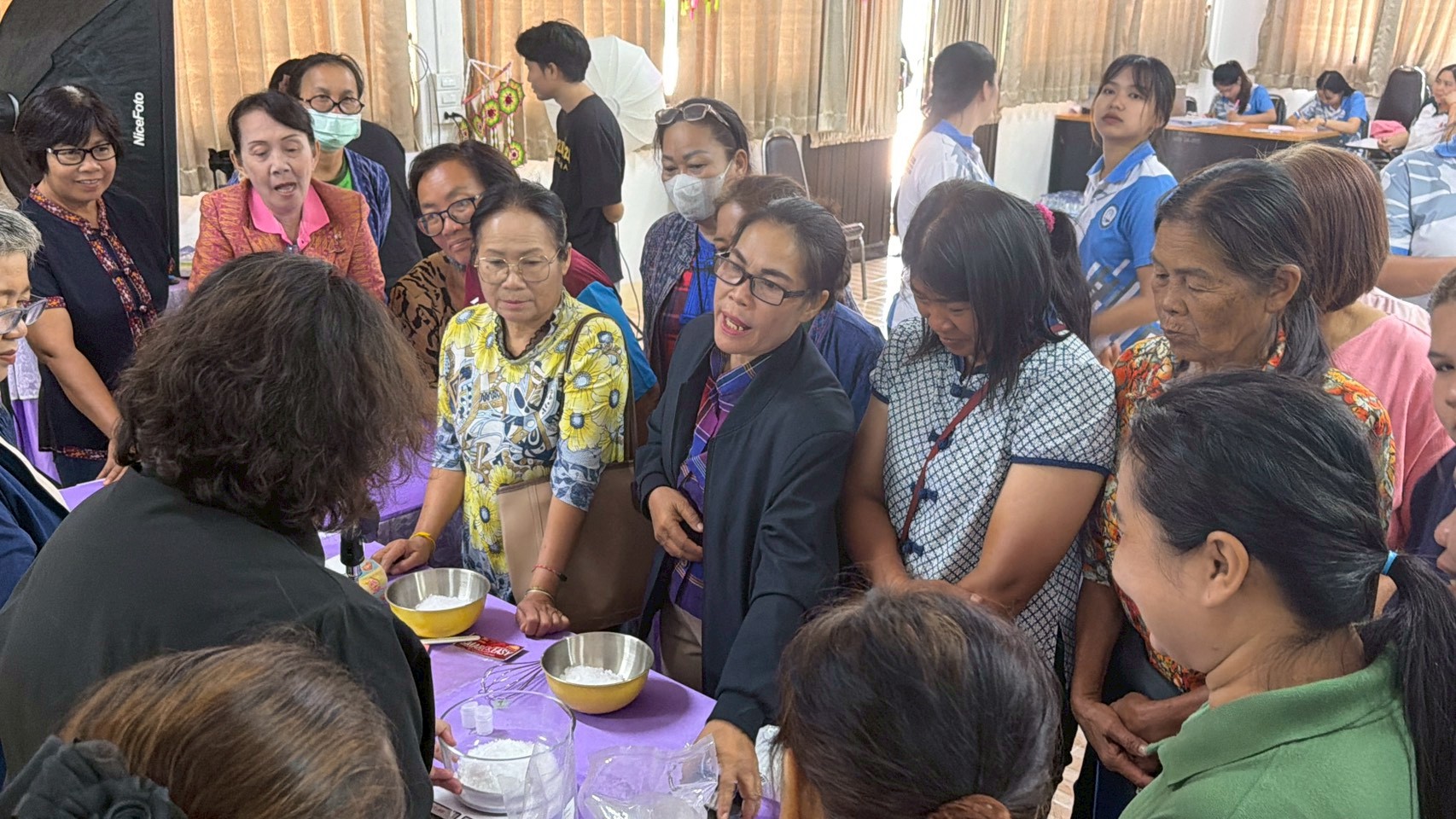
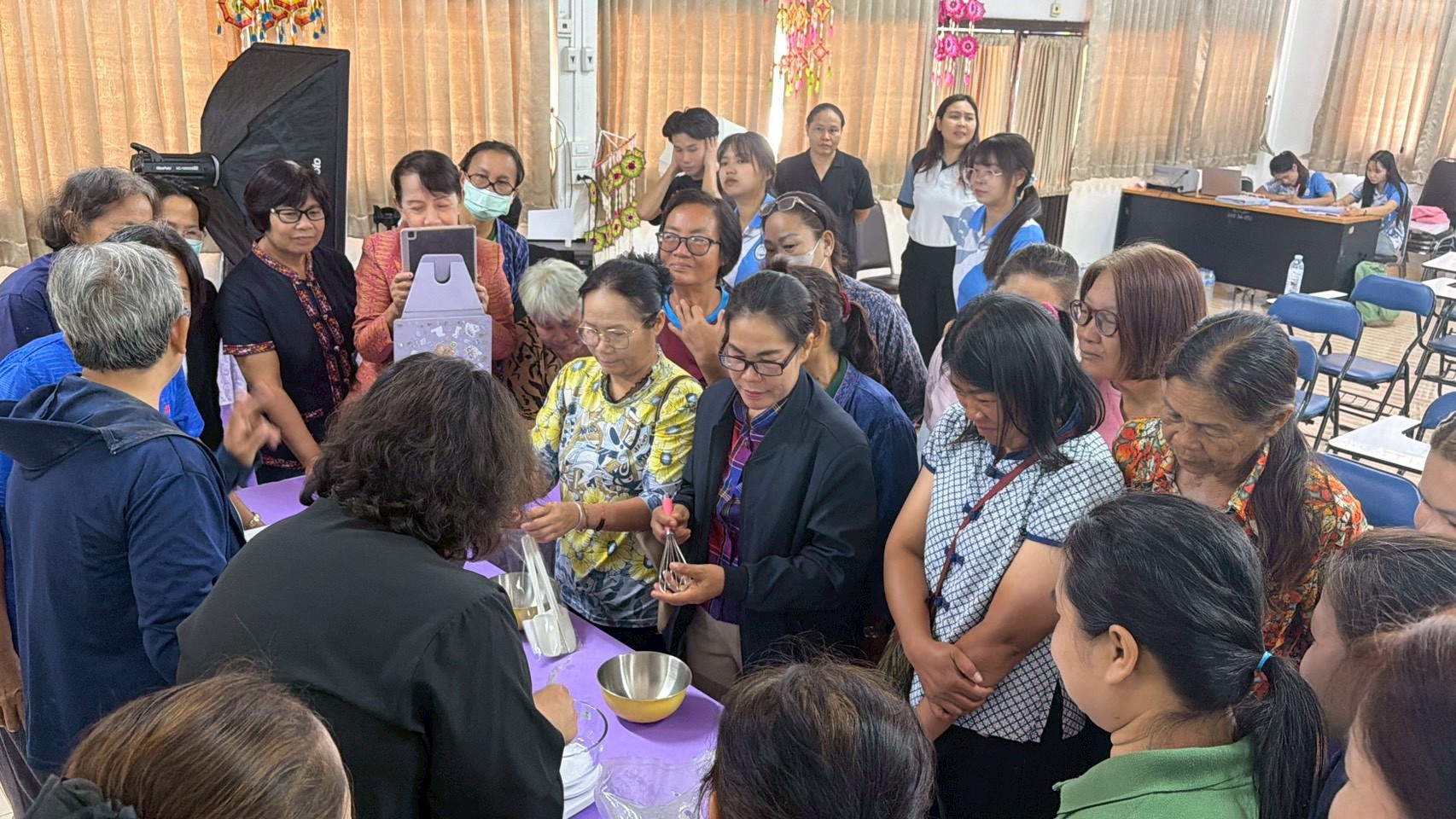
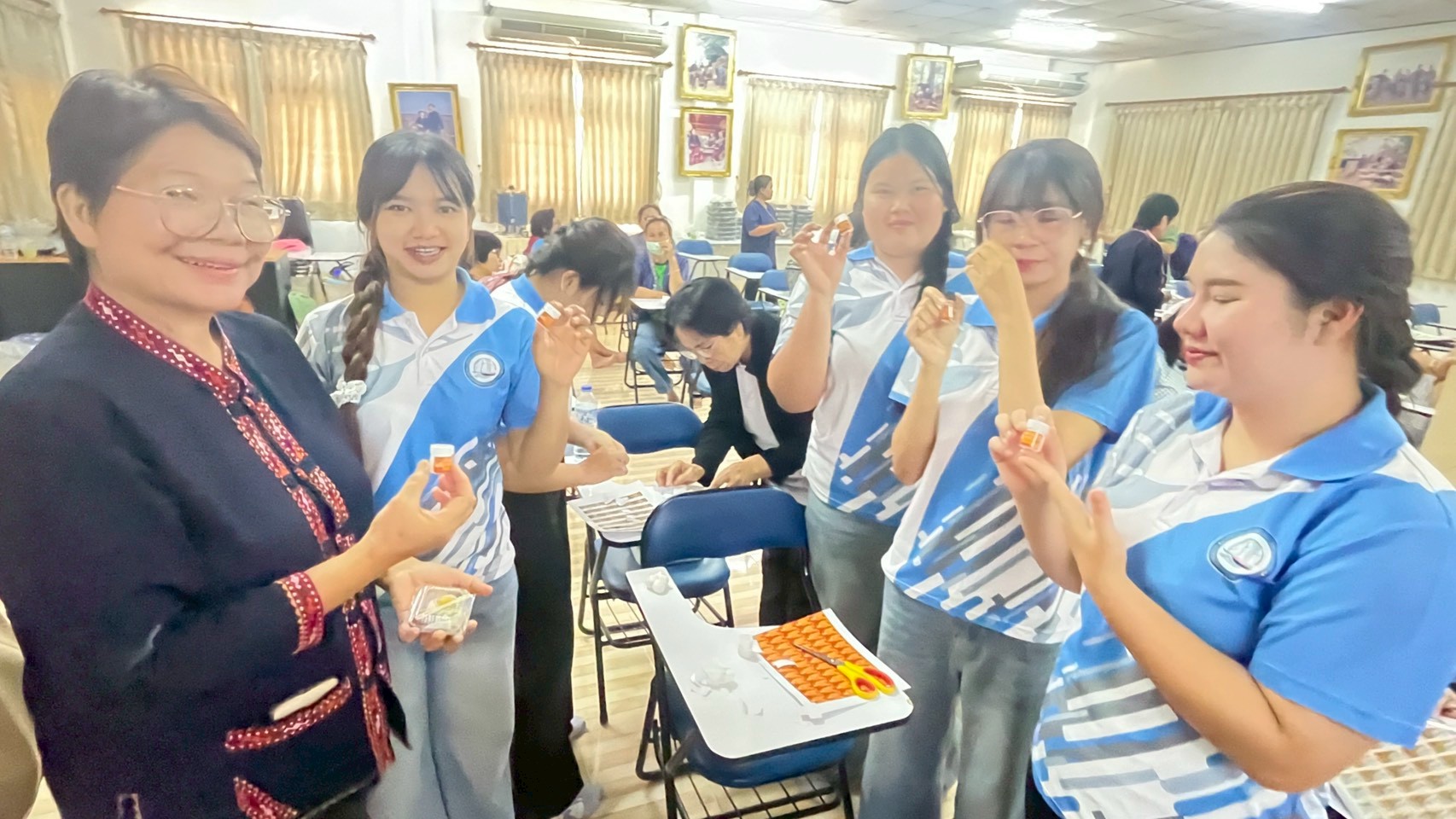
Activity 2: Workshop on Technology Transfer for Herbal Processing for Health and Beauty Products
A practical workshop on transferring knowledge and technology for processing local herbs into health and beauty products, with an emphasis on value-added product development, appropriate processing techniques, and the application of local herbal resources.
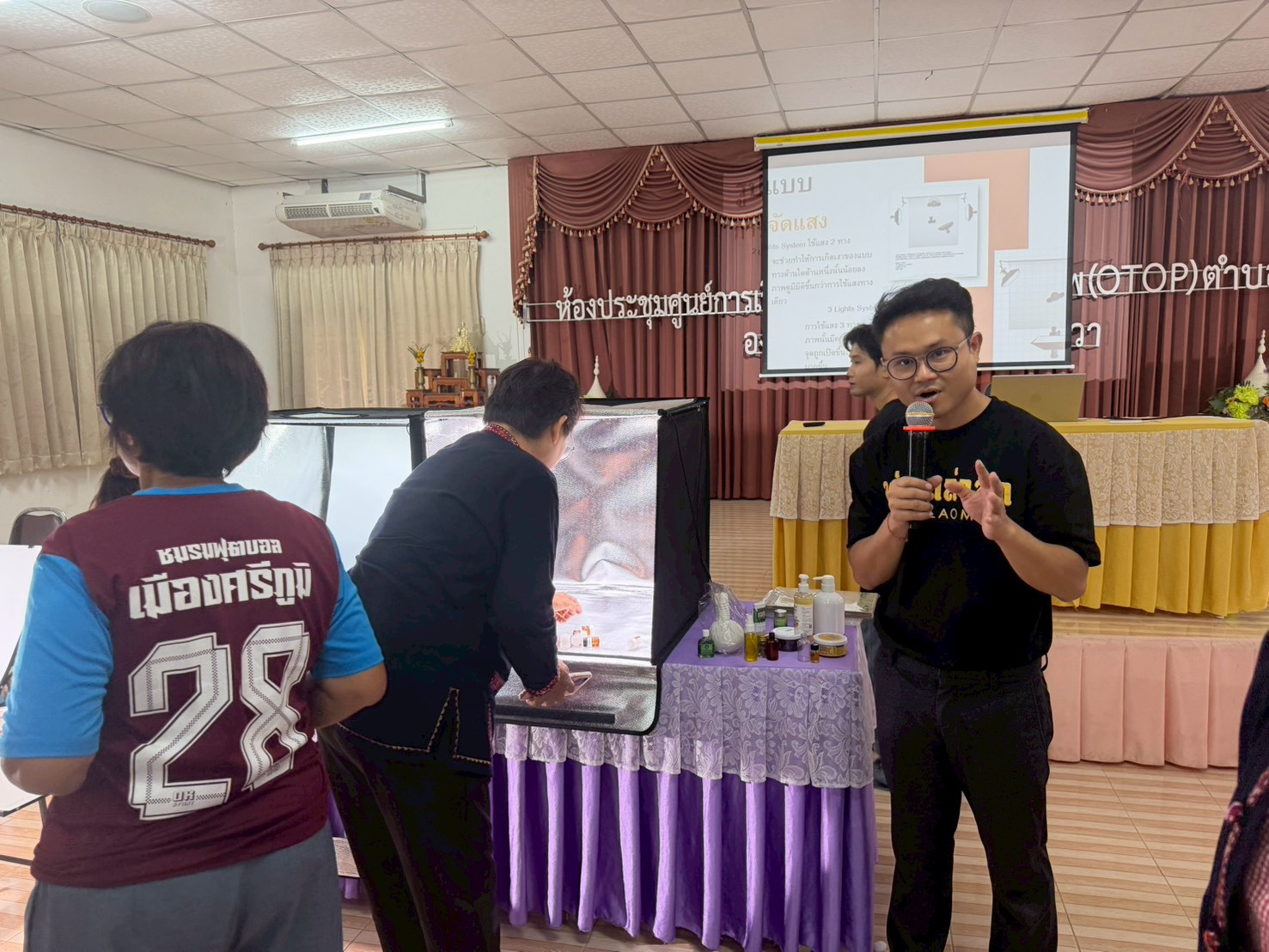
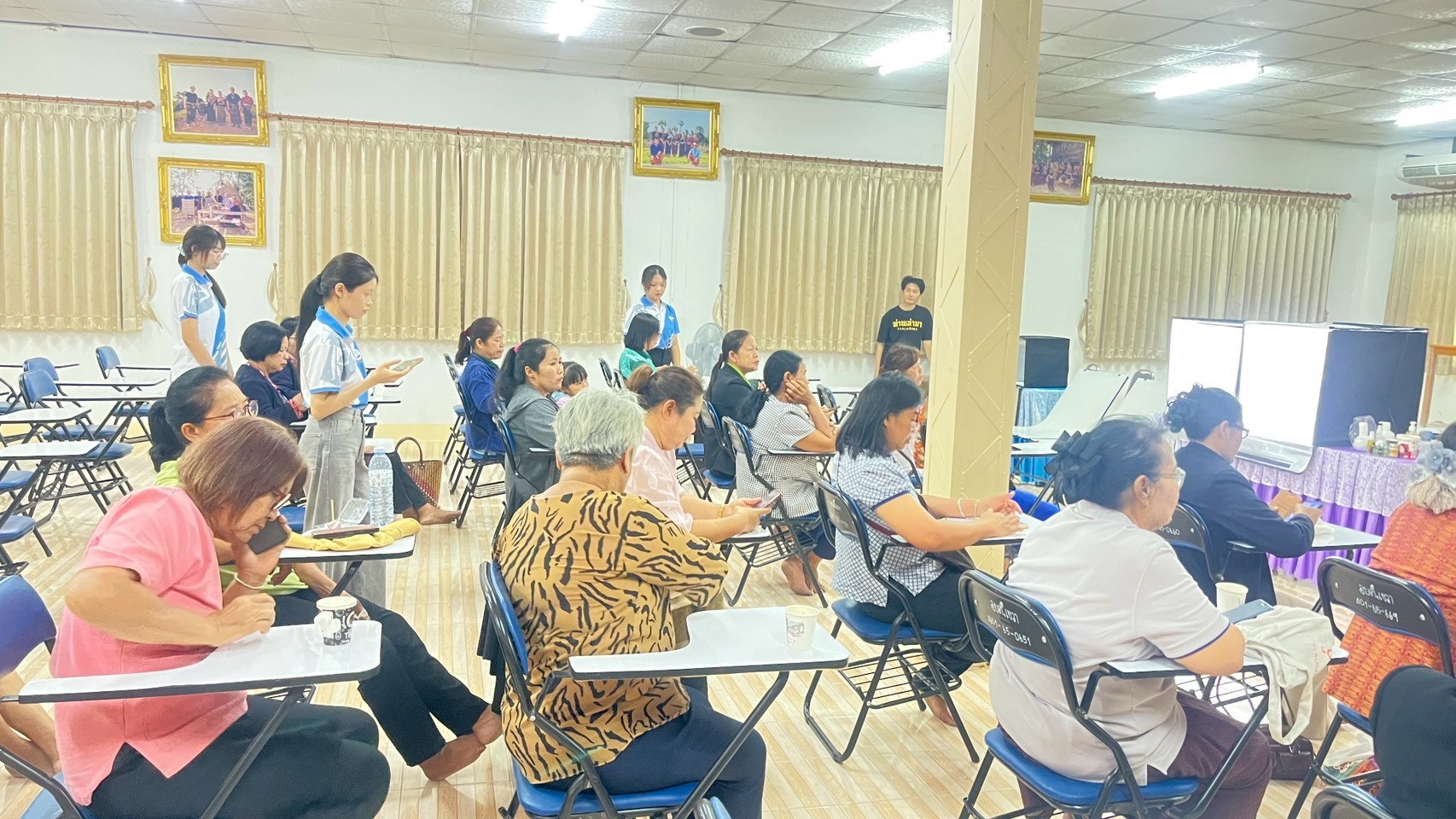
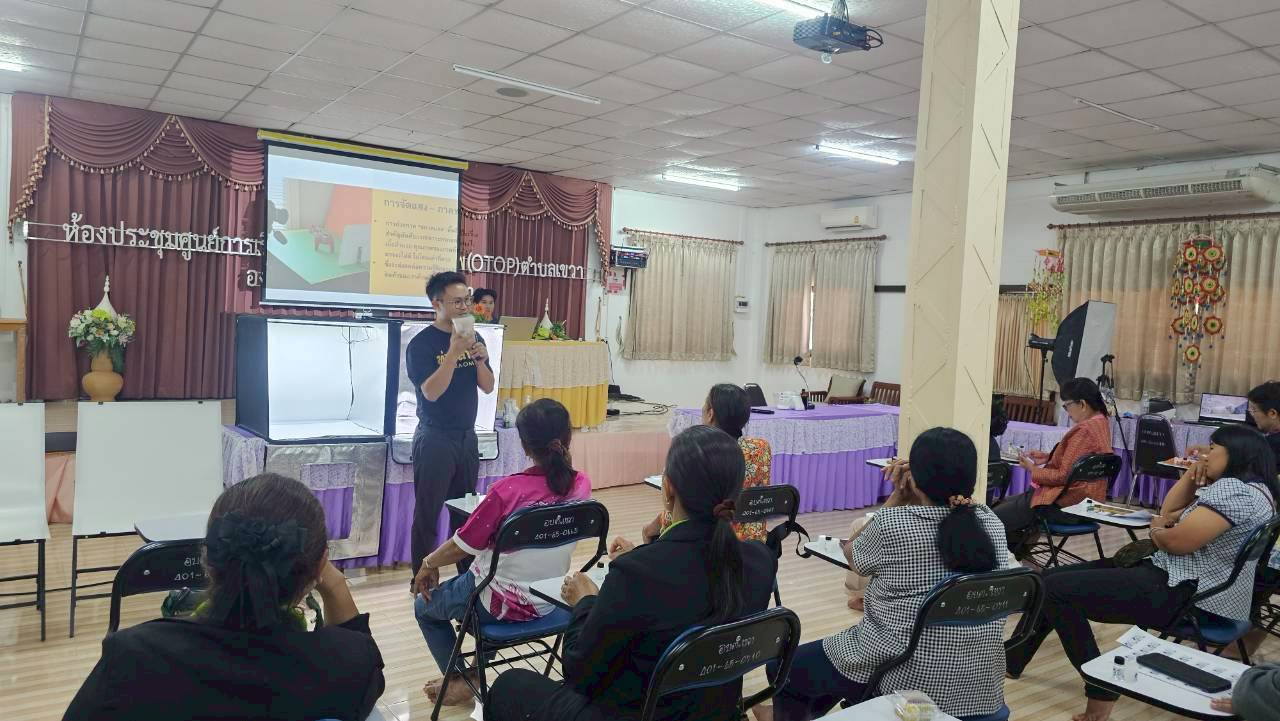
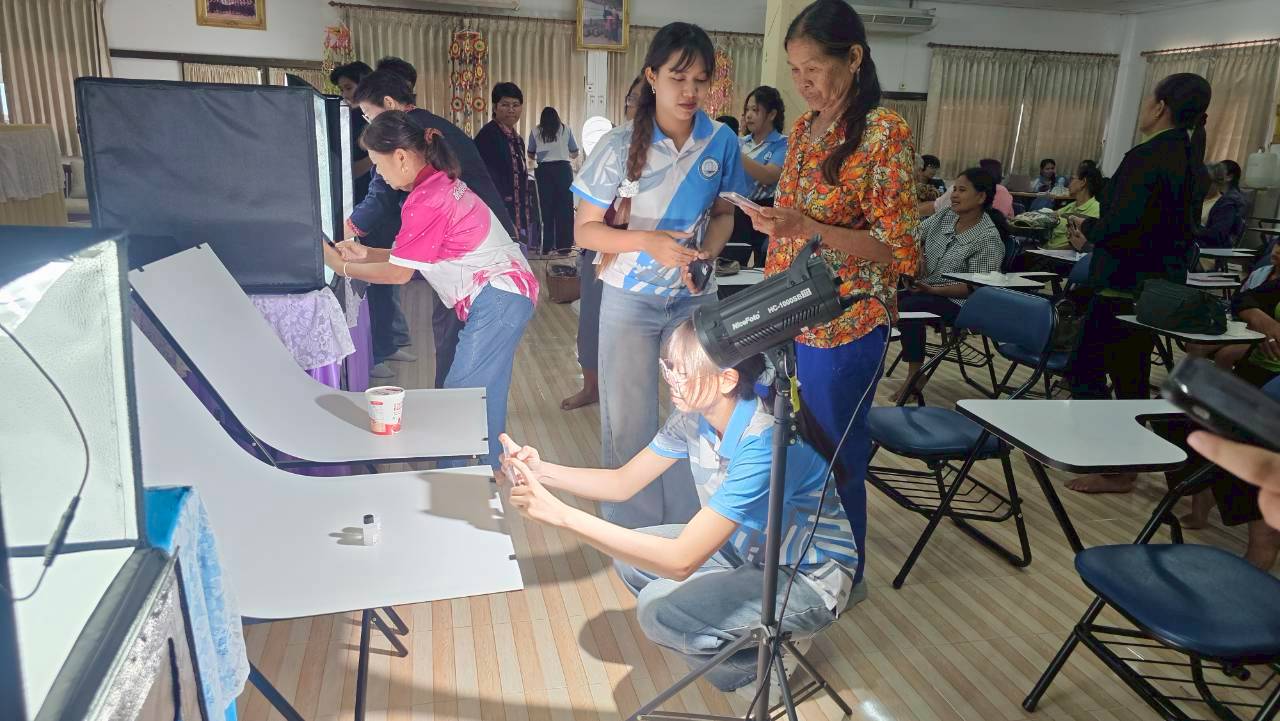
Activity 3: Workshop on Promoting Sales through Online and Offline Platforms
A practical workshop on promoting and expanding product sales through online and offline channels, focusing on digital marketing, product presentation, online sales platforms, customer communication, and strategies for increasing market opportunities for community herbal products.
กิจกรรมที่1 อบรมเชิงปฏิบัติการ เกี่ยวกับวิศวกรสังคมกับการพัฒนาชุมชน
กิจกรรมที่ 2 อบรมเชิงปฏิบัติการ การถ่ายทอดเทคโนโลยีการแปรรูปสมุนไพรสุขภาพและความงาม
กิจกรรมที่ 3 อบรมเชิงปฏิบัติการ ส่งเสริมการขายบนแพลตฟอร์มออนไลน์และออฟไลน์
Part 2: Outcomes & Impact ส่วนที่ 2 ผลลัพธ์และผลกระทบ
Outcomes ผลลัพธ์ที่เกิดขึ้น
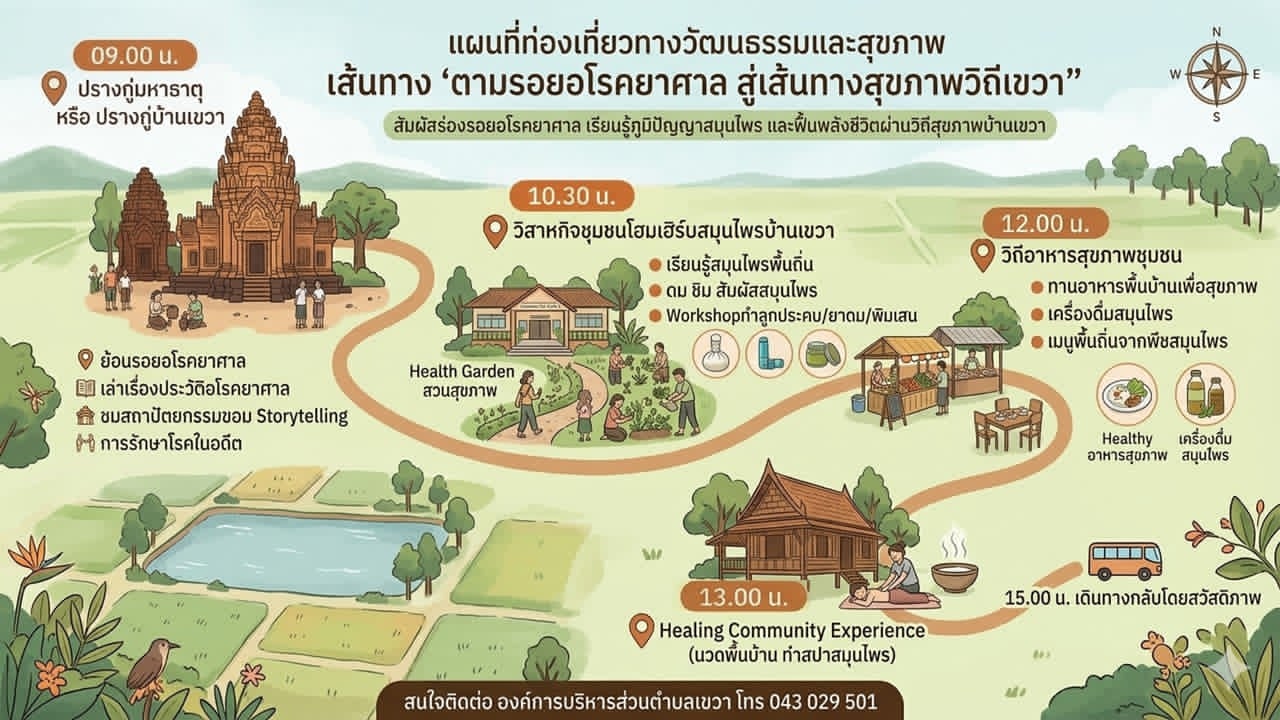
Project participants gained knowledge and practical skills in herbal product development, cost calculation, selling price determination, and basic accounting. The community also gained practical approaches to developing herbal products that are consistent with local resources and the unique identity of the area. In addition, basic information was collected to support the future development of cultural and herbal tourism routes.
For students, the project provided valuable hands-on experience in working collaboratively with the community. Students developed social engineering skills, including data collection, problem analysis, teamwork, communication, and the application of accounting knowledge to support and strengthen community enterprises.For the university, the project contributed to strengthening its academic outreach and demonstrated a clear integration of academic instruction with local community development. The project also provided opportunities for students and academic staff to apply their knowledge and expertise to address community needs and promote sustainable local development.
ผู้เข้าร่วมโครงการได้รับความรู้และทักษะในการพัฒนาผลิตภัณฑ์จากสมุนไพร การคำนวณต้นทุน การกำหนดราคาขาย และการจัดทำบัญชีอย่างง่าย ชุมชนมีแนวทางในการพัฒนาผลิตภัณฑ์สมุนไพรที่สอดคล้องกับทรัพยากรและอัตลักษณ์ของพื้นที่ รวมทั้งมีข้อมูลพื้นฐานสำหรับการพัฒนาเส้นทางการท่องเที่ยวเชิงวัฒนธรรมและสมุนไพร ในส่วนของนักศึกษา นักศึกษาได้รับประสบการณ์จากการทำงานร่วมกับชุมชน ได้พัฒนาทักษะ การเป็นวิศวกรสังคม ได้แก่ การสำรวจข้อมูล การวิเคราะห์ปัญหา การทำงานเป็นทีม การสื่อสาร และการใช้ความรู้ทางการบัญชีเพื่อช่วยพัฒนาวิสาหกิจชุมชน ขณะที่มหาวิทยาลัยมีผลงานด้านบริการวิชาการและการ บูรณาการการเรียนการสอนกับการพัฒนาท้องถิ่นอย่างชัดเจน
Community & Social Impact ผลกระทบต่อชุมชน/สังคม
The evaluation results indicate that the project provided a worthwhile investment and generated positive impacts on the community in terms of economic and social development, as well as the enhancement of local people’s capacities. In particular, the project contributed to increasing household income, developing herbal products, promoting health tourism, and facilitating knowledge transfer between the university and the community.
These outcomes demonstrate the potential of the project to contribute to strengthening the local economy and enhancing the capacity of community members. Furthermore, the collaboration between the university and the local community has provided an important foundation for sustainable community development, value creation from local resources, and the long-term development of the local economy.
ผลการประเมินสะท้อนให้เห็นว่า โครงการมีความคุ้มค่าในการลงทุนและสามารถสร้างผลกระทบเชิงบวกต่อชุมชน ทั้งในด้านเศรษฐกิจ สังคม และการพัฒนาศักยภาพของประชาชน โดยเฉพาะการเพิ่มรายได้ การพัฒนาผลิตภัณฑ์สมุนไพร การส่งเสริมการท่องเที่ยวเชิงสุขภาพ และการถ่ายทอดองค์ความรู้ระหว่างมหาวิทยาลัยกับชุมชน ซึ่งเป็นพื้นฐานสำคัญในการพัฒนาเศรษฐกิจฐานรากและการพัฒนาชุมชนอย่างยั่งยืน
Student & Staff Participation การมีส่วนร่วมของนักศึกษา/บุคลากร
Students participating in the project were not merely involved as data collection assistants. Instead, they served as “Social Engineers in the Field,” integrating knowledge and skills acquired in the classroom to address real-world challenges within the community. Their roles included the following:
Application of Social Engineering Tools:
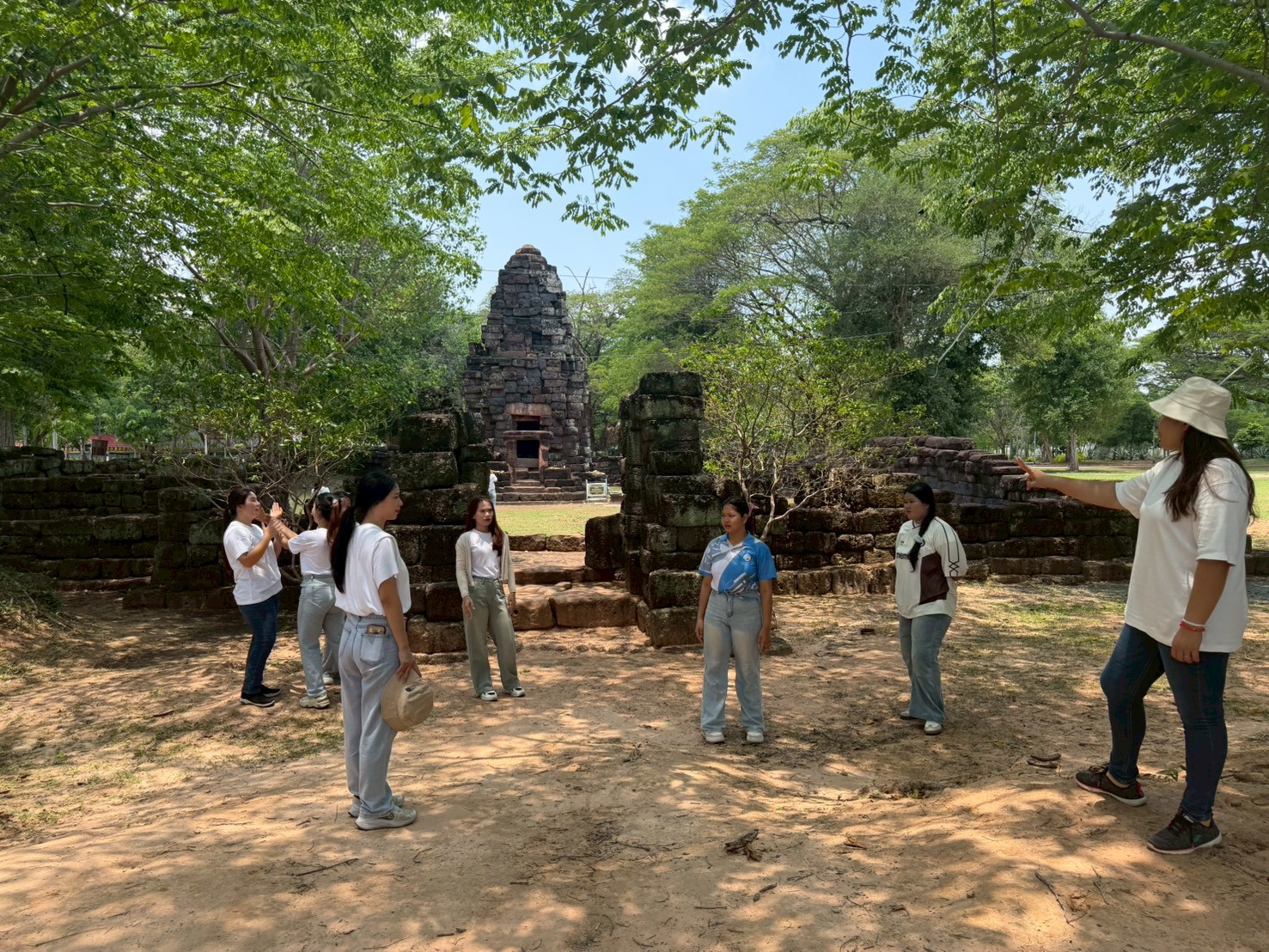
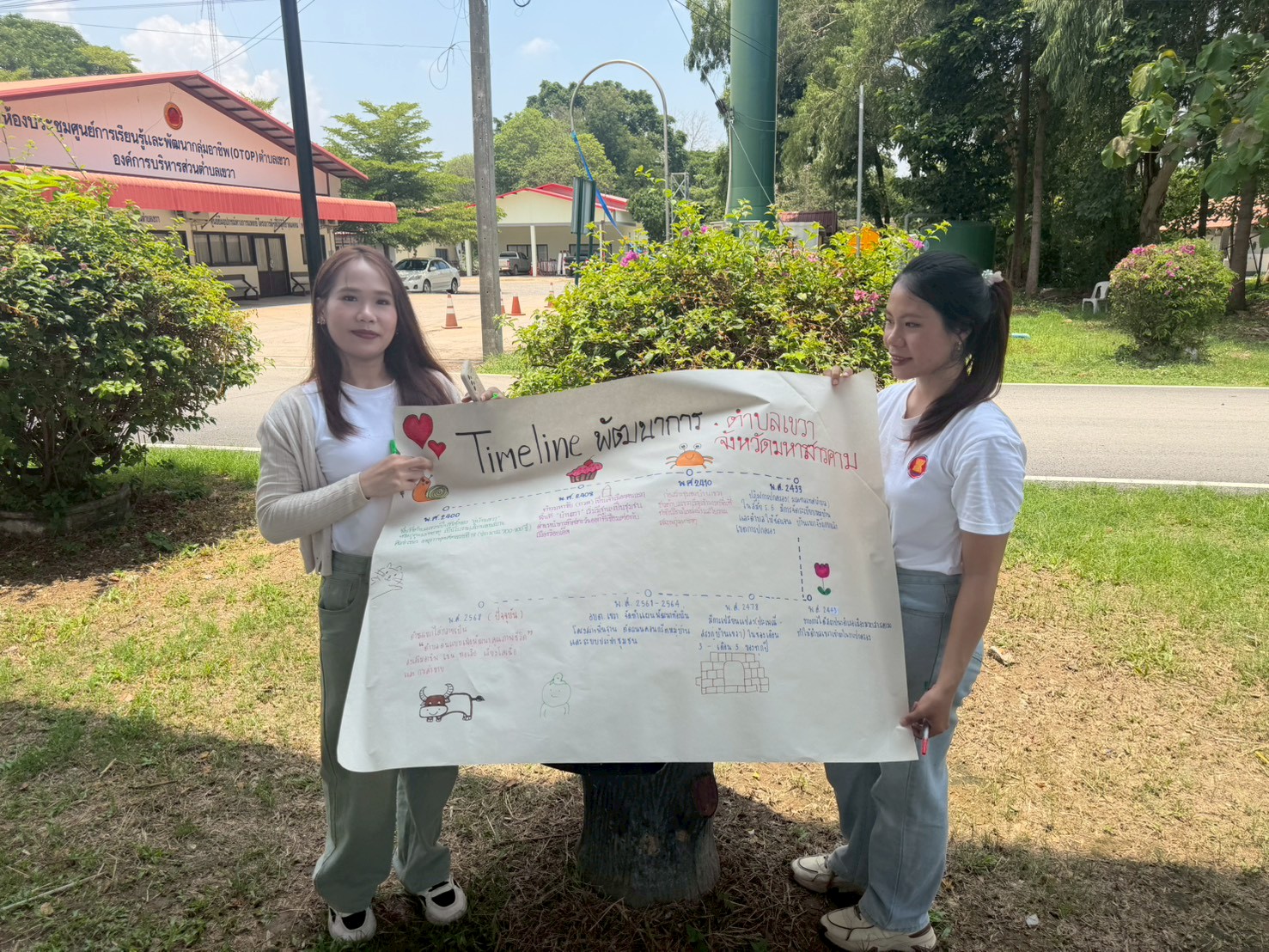
Students worked directly with community members and applied social engineering tools, including the “Fah Prathan” (Community Mapping) and “Life Clock” tools, to develop community maps, interview local wisdom holders, and understand local lifestyles and community contexts. These activities provided opportunities for students to develop essential soft skills, particularly communication, interpersonal relationships, teamwork, and collaboration.
Application of Professional Knowledge in Accounting and Management:
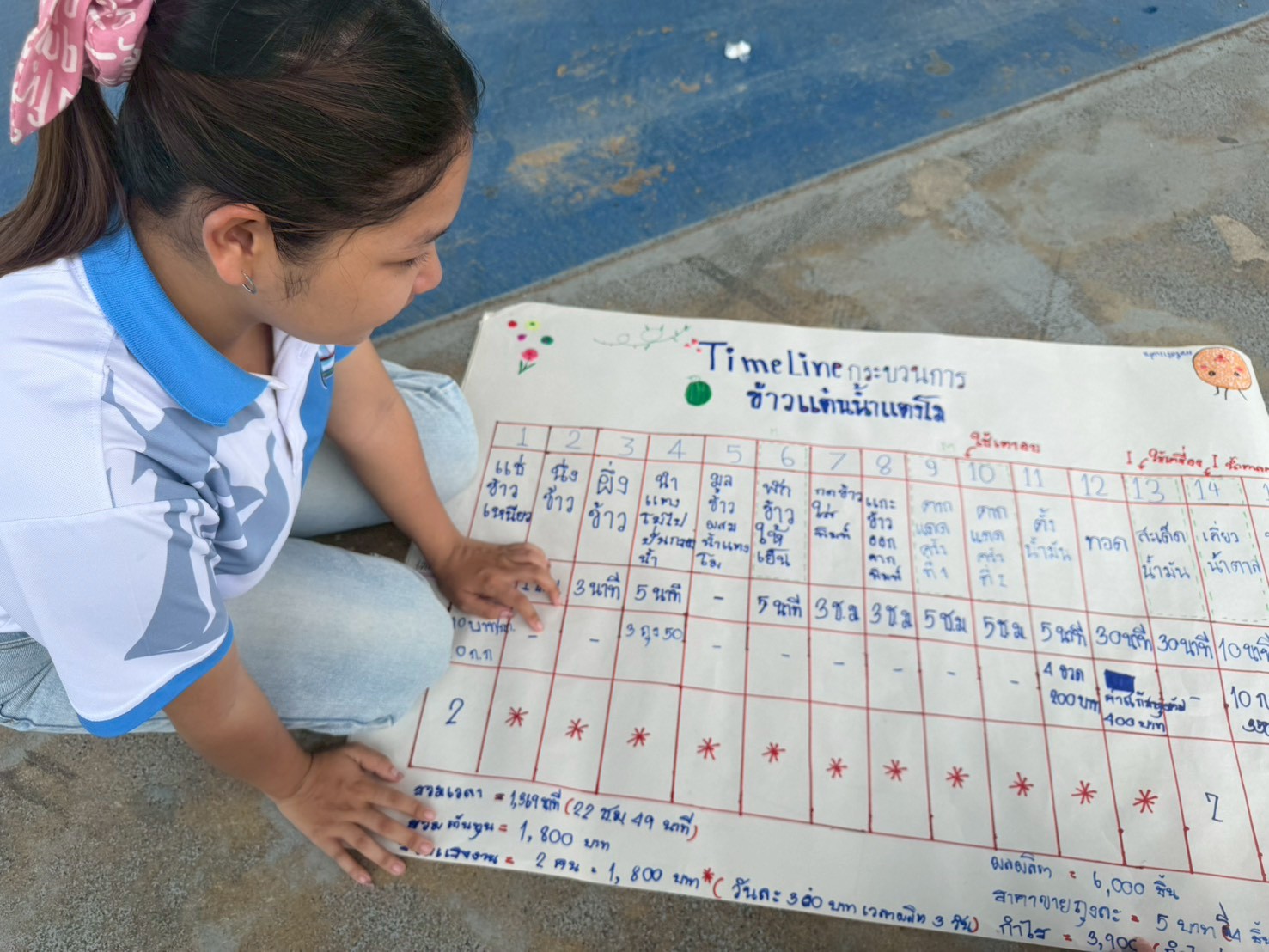
Students applied their accounting and management knowledge through the “Poverty Reduction Model” to analyze the production costs of herbal products, determine break-even points, establish appropriate selling prices, and design basic income and expense accounting systems that community members could easily understand and apply in practice.
Role as Meaning-Making Communicators (MIK):
Students participated in developing public relations and communication materials, promoting herbal products through online marketing channels, and supporting the presentation of the community’s health tourism route during the experimental Familiarization Trip (FAM Trip). Through these activities, students helped communicate the value, identity, and potential of local herbal products and community tourism to broader audiences.
นักศึกษาที่เข้าร่วมโครงการจะไม่ได้เป็นเพียงผู้ช่วยเก็บข้อมูล แต่จะทำหน้าที่เป็น "วิศวกรสังคมลงพื้นที่" โดยบูรณาการความรู้จากห้องเรียนมาใช้แก้ปัญหาจริงในชุมชน ได้แก่:
การใช้เครื่องมือวิศวกรสังคม: นักศึกษาจะได้ลงพื้นที่ร่วมกับชุมชนเพื่อใช้เครื่องมือ ฟ้าประทาน และ นาฬิกาชีวิต ในการวาดแผนที่ชุมชน สัมภาษณ์ปราชญ์ชาวบ้าน และเรียนรู้วิถีชีวิต ซึ่งเป็นการฝึกทักษะการสื่อสารและการทำงานร่วมกับผู้อื่น (Soft Skills)
การประยุกต์ใช้ศาสตร์วิชาชีพ (บัญชี/การจัดการ): นักศึกษานำองค์ความรู้ด้านบัญชีมาประยุกต์ใช้ผ่านเครื่องมือ "โมเดลแก้จน" โดยร่วมกันวิเคราะห์ต้นทุนผลิตภัณฑ์สมุนไพร ช่วยชุมชนคำนวณจุดคุ้มทุน กำหนดราคาขาย และออกแบบระบบบัญชีรายรับ-รายจ่ายเบื้องต้นที่ชุมชนสามารถทำความเข้าใจและนำไปใช้ได้จริง
การเป็นนักสื่อสารความหมาย (MIK): นักศึกษามีส่วนร่วมในการทำสื่อประชาสัมพันธ์ ทำการตลาดออนไลน์ให้ผลิตภัณฑ์สมุนไพร และช่วยนำชมเส้นทางท่องเที่ยวเชิงสุขภาพในระยะทดลอง (FAM Trip)
Project Continuity ความต่อเนื่องของโครงการ
The community has continuously developed and improved its herbal products and has established ongoing sales and distribution channels for herbal products. มีการพัฒนาผลิตภัณฑ์อย่างต่อเนื่อง และมีการจำหน่ายผลิตภัณฑ์จากสมุนไพร
Part 3: Challenges & Suggestions ส่วนที่ 3 ปัญหาอุปสรรค/ข้อเสนอแนะ
Problems & Obstacles ปัญหา/อุปสรรค
Some community members are older and possess considerable knowledge of the properties and traditional uses of local herbs. However, they still lack sufficient knowledge and skills in herbal processing, product development, marketing, and the application of technology. These limitations have affected their ability to fully utilize the potential of local herbs and create added value for herbal products. In addition, limited access to and adoption of appropriate technologies remain important challenges to improving production efficiency, product quality, and market opportunities. สมาชิกบางส่วนมีอายุมาก มีการรู้ถึงคุณสมบัติของสมุนไพรใช้อย่างไร แต่ยังขาดความรู้ด้านการแปรรูป การพัฒนาผลิตภัณฑ์ และการตลาด ทำให้การสร้างมูลค่าเพิ่มให้กับผลิตภัณฑ์ยังไม่เต็มศักยภาพ รวมถึงด้านการนำเทคโนโลยีเข้ามาใช้
Improvement Guidelines แนวทางการปรับปรุง
The internal management processes and operational procedures within the university are not yet fully systematic, particularly in terms of coordination, planning, and implementation. In addition, most of the participating community members have not yet established formal occupational or community enterprise groups. Their activities are still largely undertaken individually rather than collectively. Therefore, further support is needed to promote group formation, strengthen collaboration, and develop systematic approaches to collective production and management.
However, some participating community groups have demonstrated strong organizational capacity and are able to operate effectively. These groups can serve as good practices and potential models for strengthening other community groups and promoting sustainable community-based economic development.
กระบวนการดำเนินงานและขั้นตอนการดำเนินงานเกี่ยวกับการบริหารงานภายในมหาวิทยาลัย
ยังไม่เป็นระบบ ส่วนชุมชนที่เข้าร่วมโครงการส่วนใหญ่ยังไม่มีการรวมกลุ่มกันในการประกอบอาชีพ และยังทำเฉพาะบางบุคคล จึงต้องมีการสนับสนุนเรื่องการสร้างกลุ่มเพิ่มขึ้นอีก แต่บางกลุ่มก็เข้มแข็งสามารถดำเนินการได้อย่างมีประสิทธิภาพ
Suggestions to University ข้อเสนอแนะต่อมหาวิทยาลัย
It is recommended that additional field-based activities be organized to provide continued support to the community, particularly in the area of product sales and marketing. The participating communities have expressed a strong need for further assistance in expanding sales channels, developing marketing strategies, and connecting their products with potential markets. Continued on-site support would help strengthen the communities’ capacity to commercialize their herbal products, generate income, and achieve greater sustainability. ควรมีการจัดโครงการลงพื้นที่เพิ่มเติม เรื่องของการจำหน่าย เพราะชุมชนมีความต้องการมาก