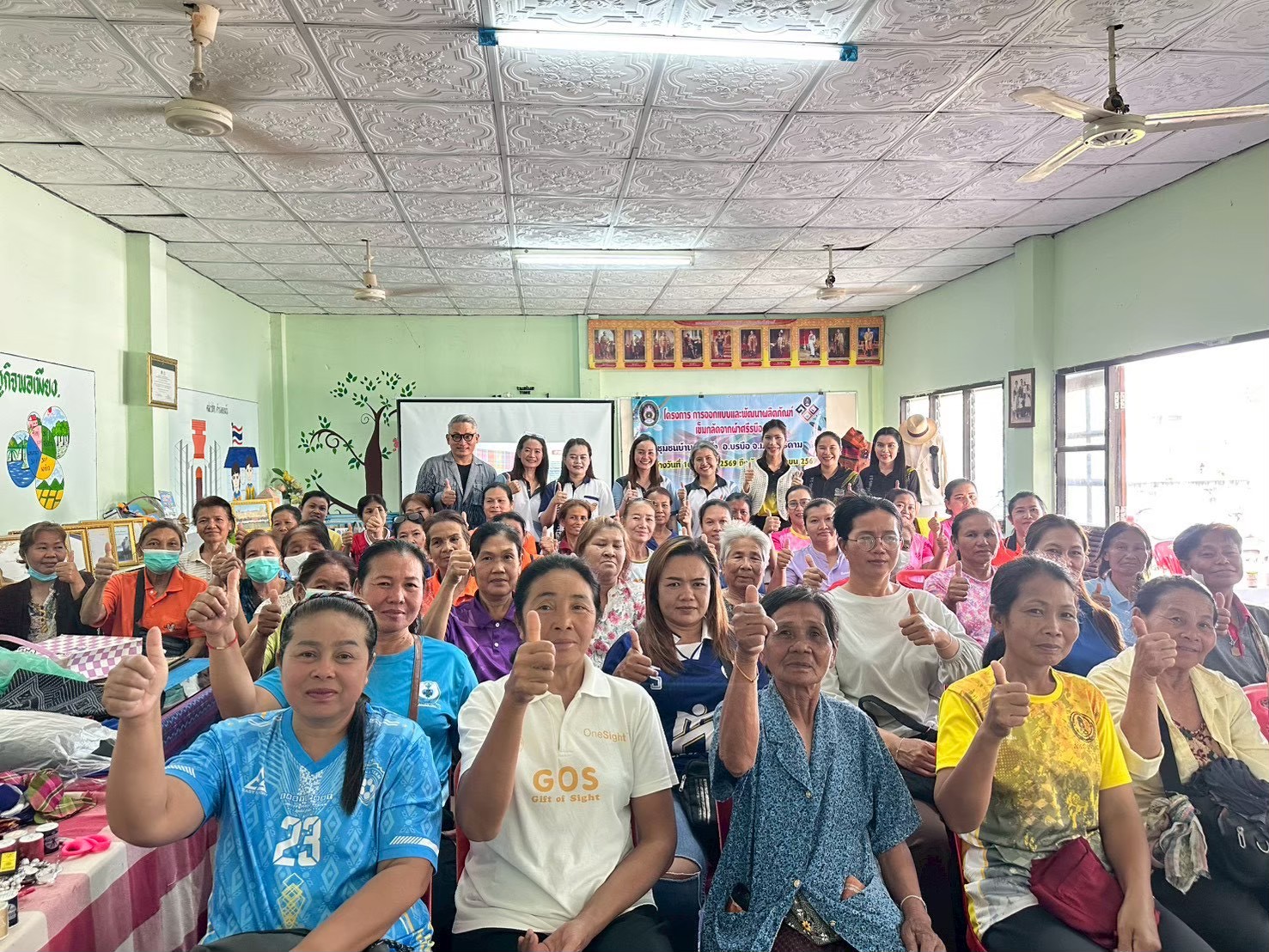
– April 9, 2569 18 มีนาคม 3112
– 9 เมษายน 3112
Part 1: Project Details ส่วนที่ 1 รายละเอียดการดำเนินงาน
Objectives วัตถุประสงค์โครงการ
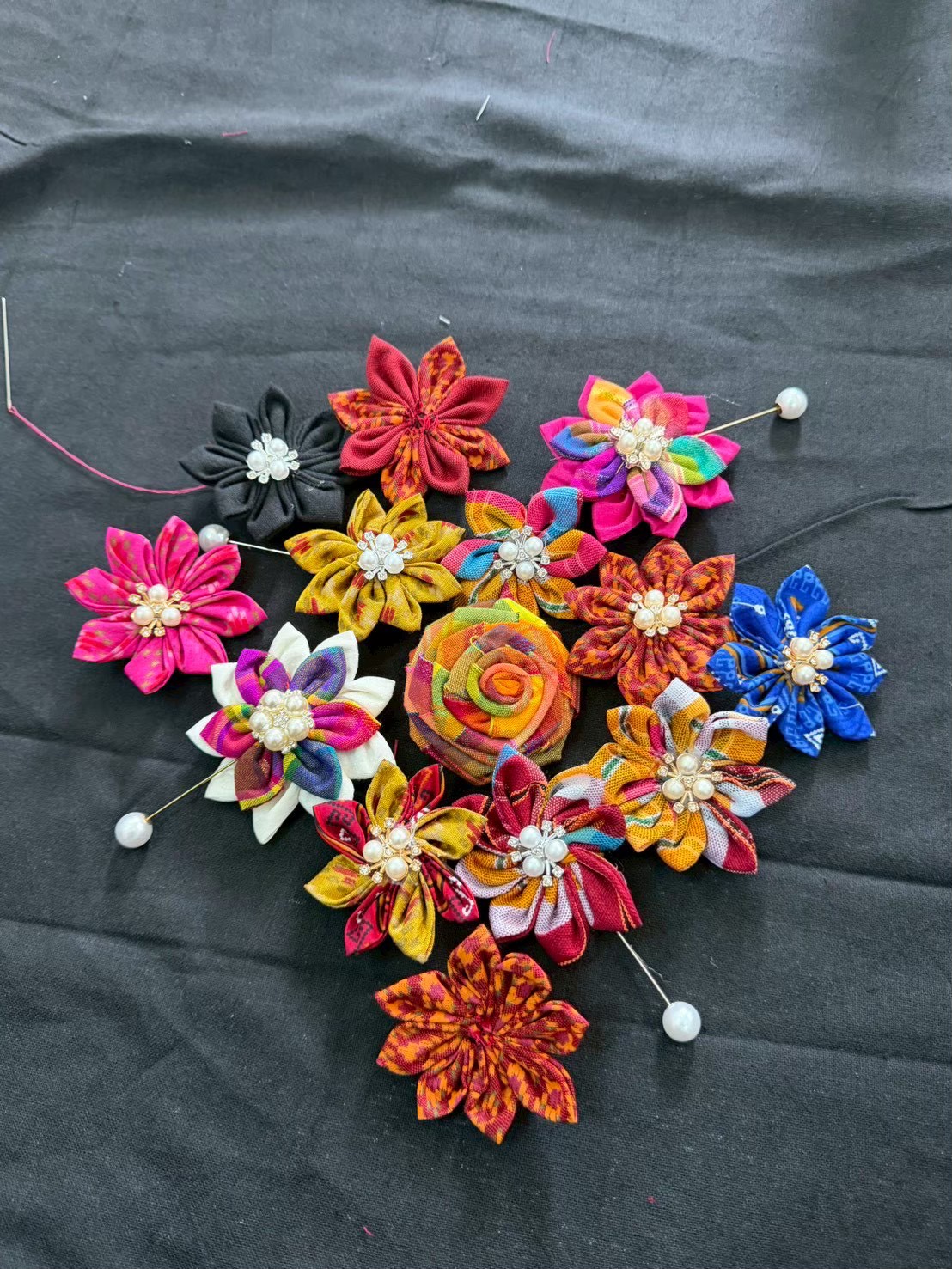
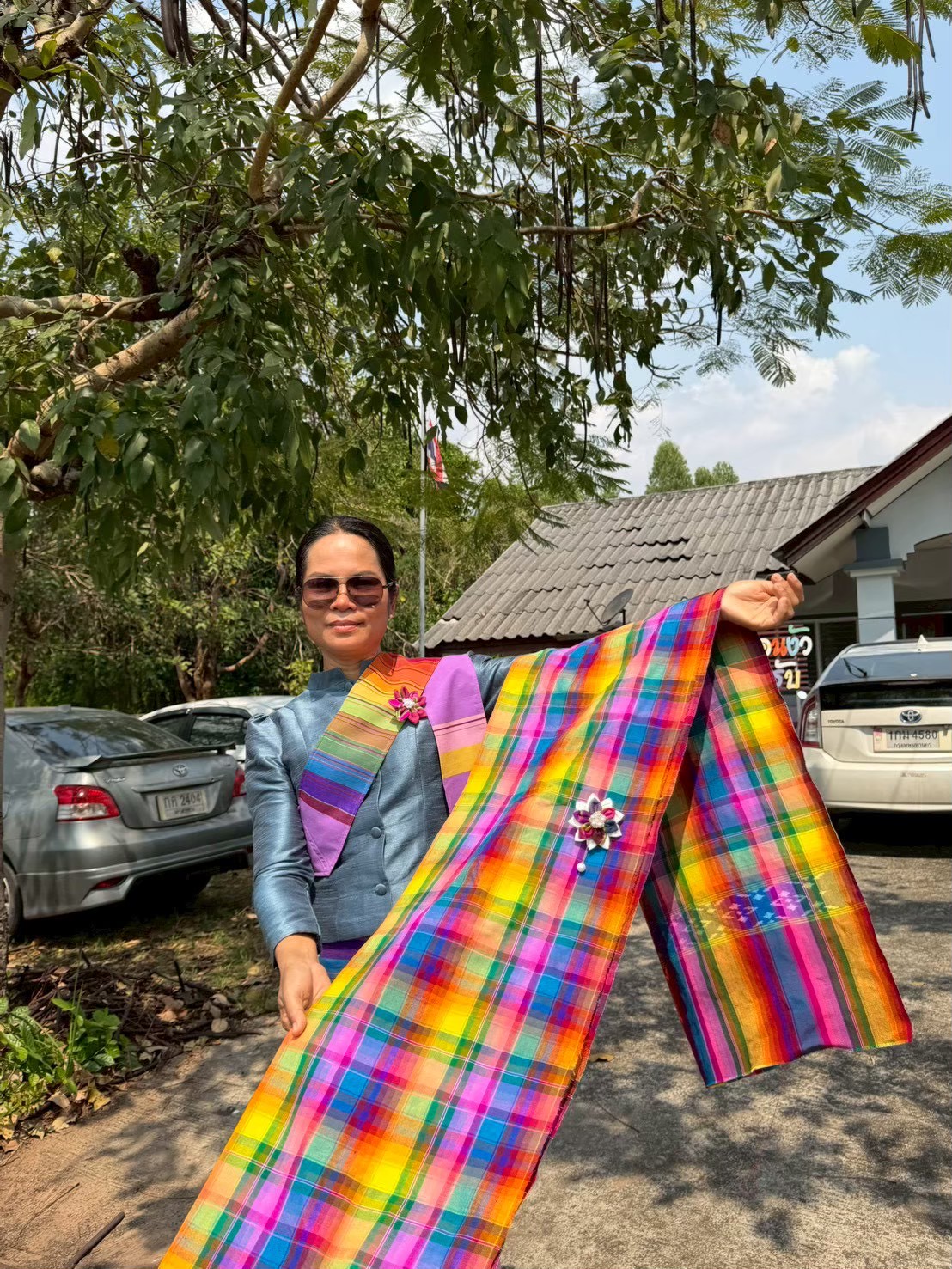
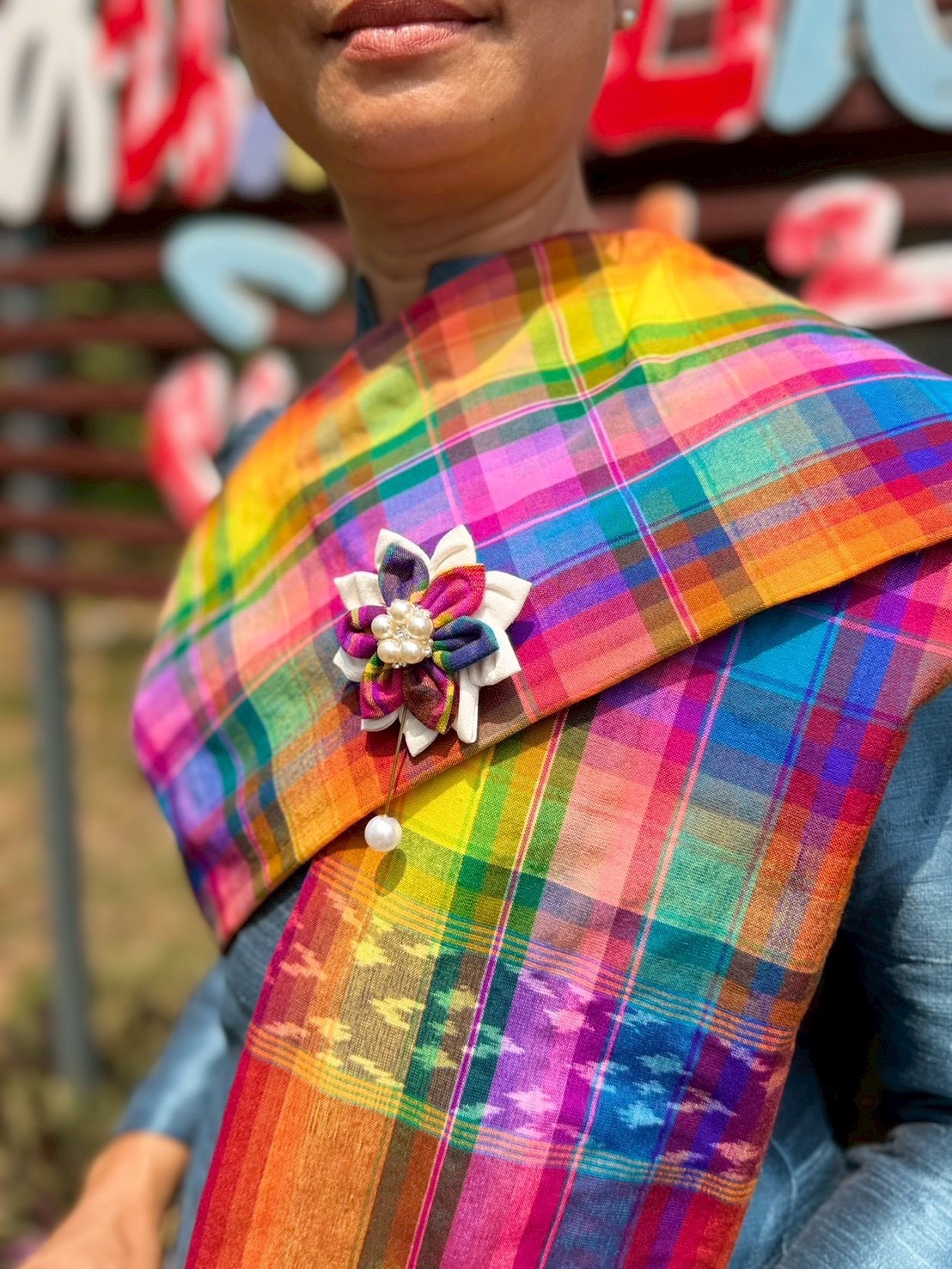
7.1 To cultivate a comprehensive understanding of the community context and collaboratively establish guidelines for the development of Khit Sa Brue fabric brooch products.
7.2 To systematically enhance craftsmanship skills and institutional knowledge in the design, manufacturing, and development of Khit Sa Brue fabric brooches.
7.3 To strengthen marketing capabilities and expand distribution channels and commercial opportunities for the community.
7.1 เพื่อสร้างความเข้าใจบริบทชุมชนและร่วมกำหนดแนวทางการพัฒนาผลิตภัณฑ์เข็มกลัดจากผ้าขิดสระบือ
7.2 เพื่อพัฒนาทักษะด้านฝีมือและองค์ความรู้ในการออกแบบ ผลิต และพัฒนาเข็มกลัดผ้าขิดสระบืออย่างเป็นระบบ
7.3 เพื่อเสริมสร้างศักยภาพด้านการตลาดและเพิ่มโอกาสช่องทางการจำหน่ายให้แก่ชุมชน
Main Activities กิจกรรมหลัก
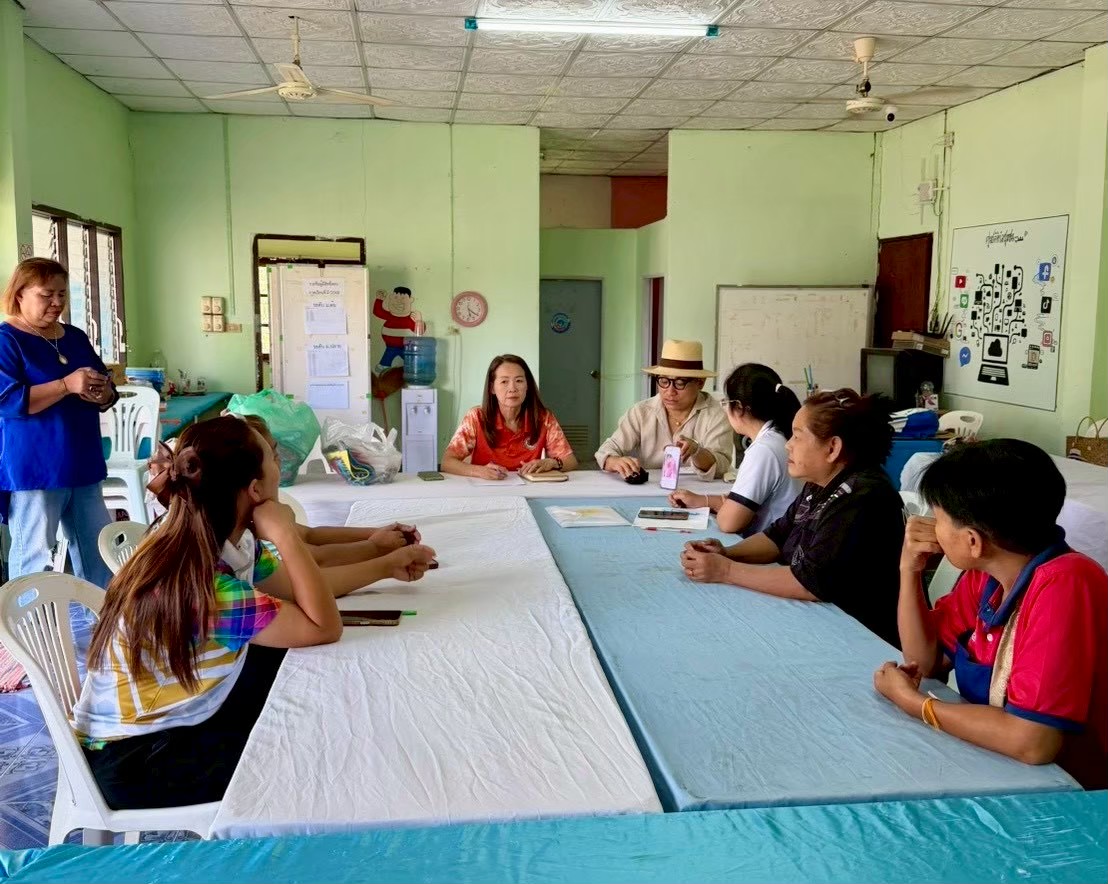
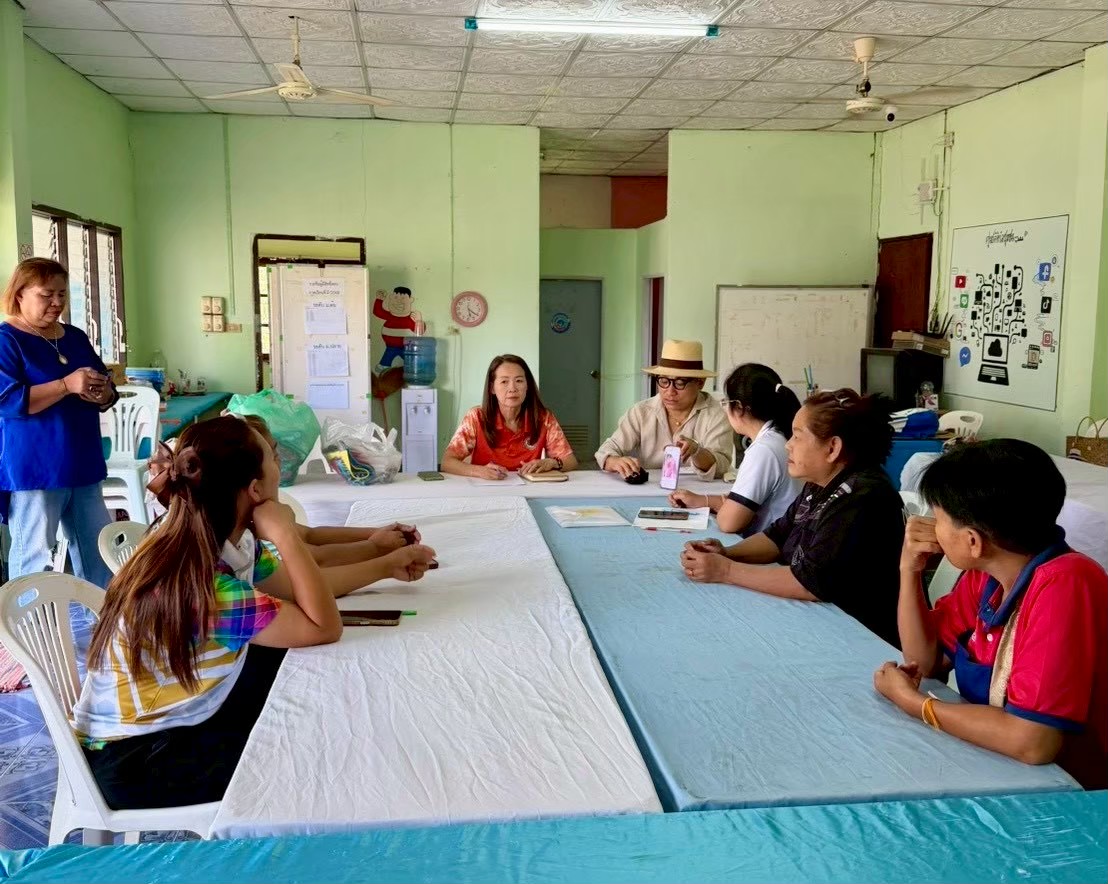
Activity 1: Conducting field visits to enhance community understanding and establishing co-development agreements.
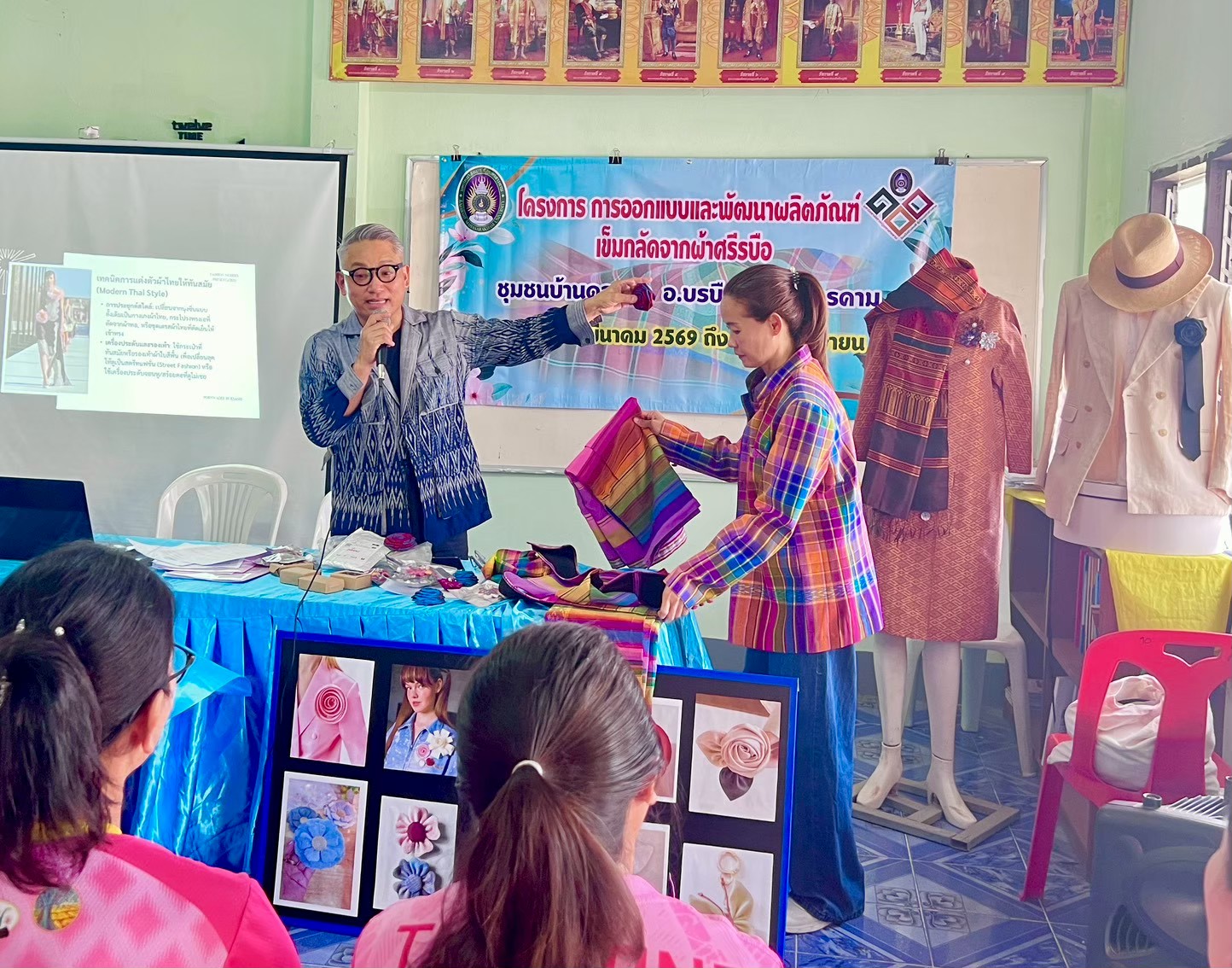
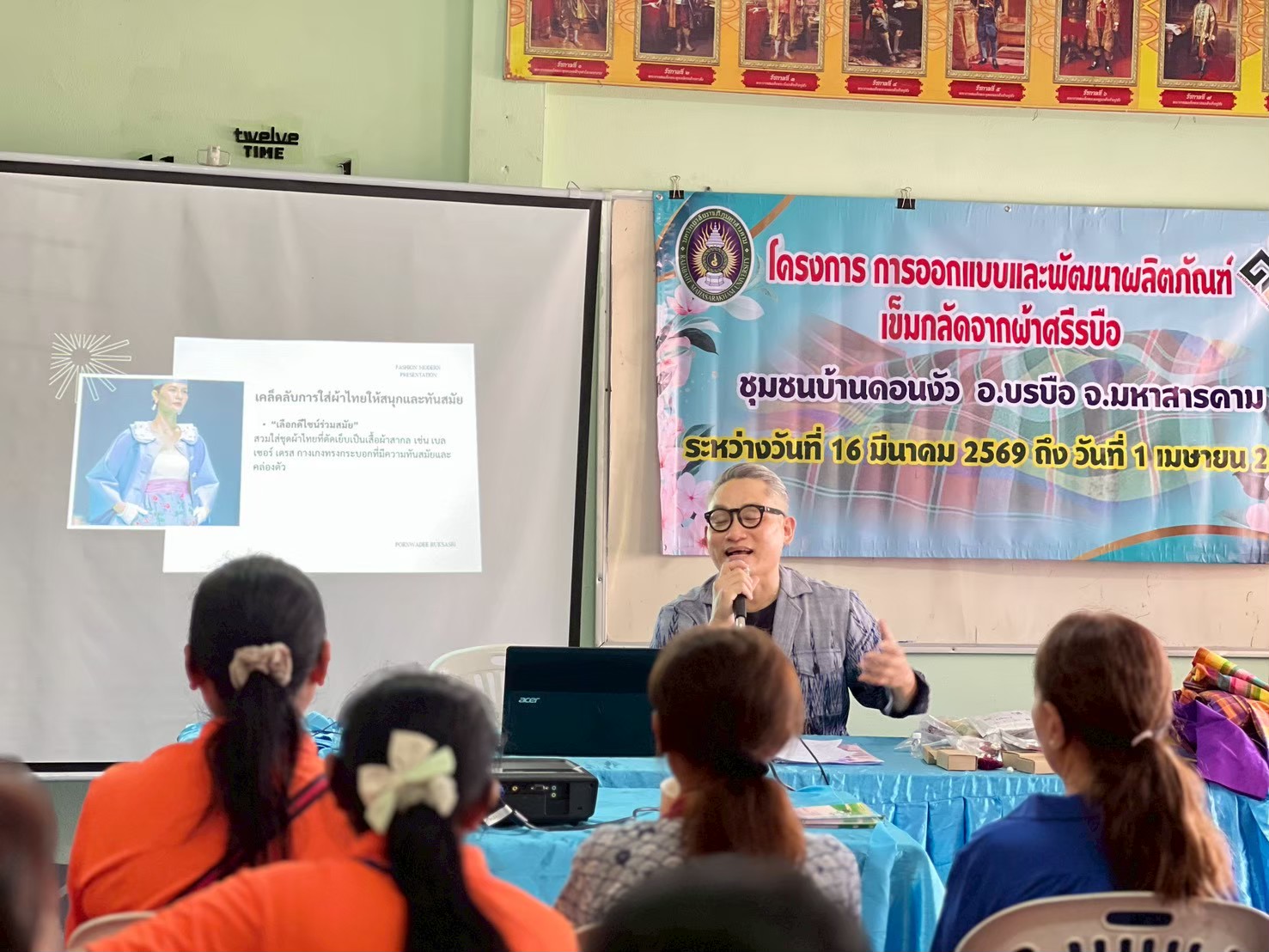
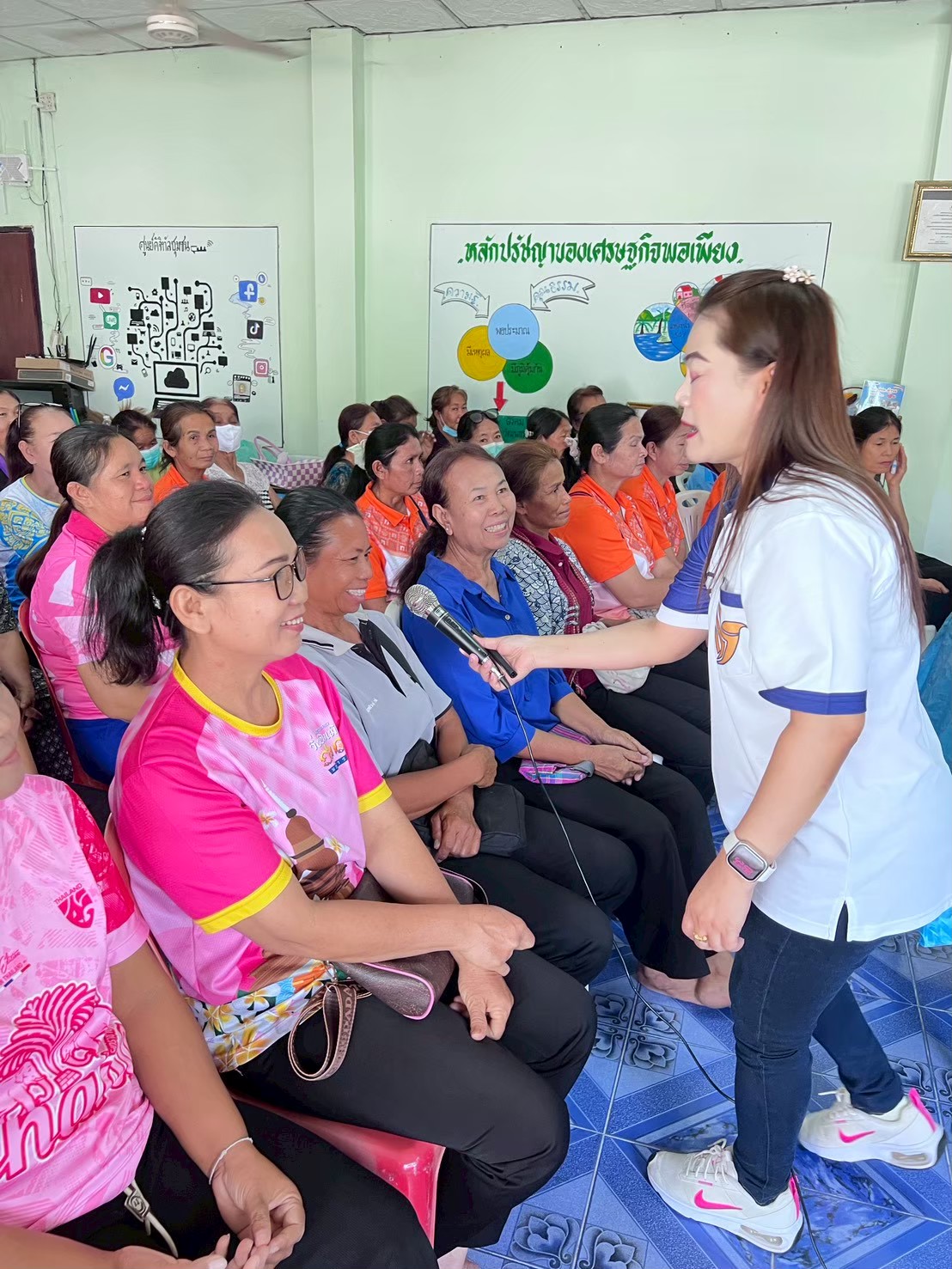
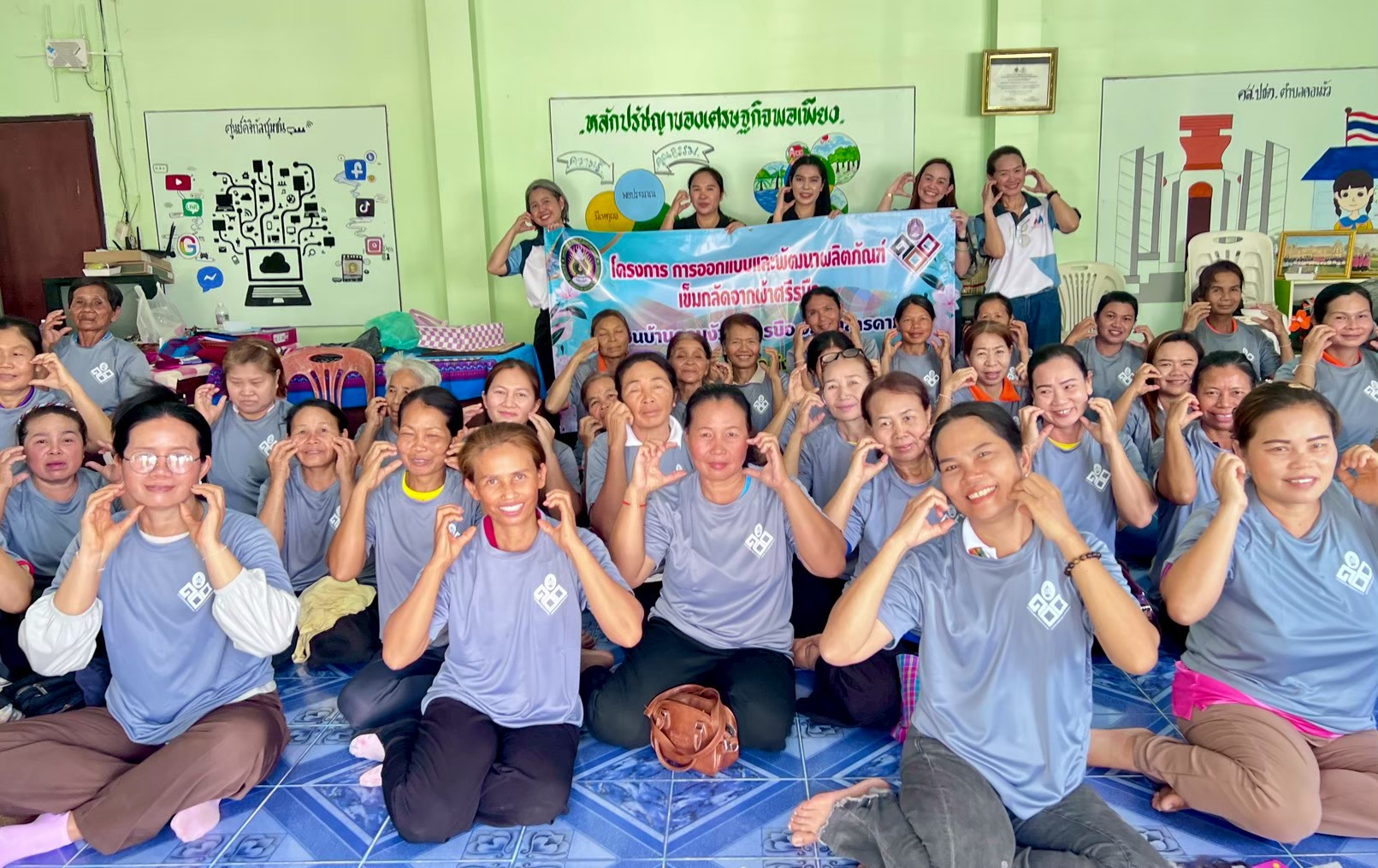
Activity 2: Organizing a workshop on craftsmanship skill enhancement for practical applications.
Activity 3: Organizing a workshop on product, packaging, and brand identity design and development.
Activity 4: Organizing a workshop on marketing promotion and distribution channel development.
กิจกรรมที่ 1 การลงพื้นที่ทำความเข้าใจและข้อตกลงร่วมพัฒนากับชุมชน.
กิจกรรมที่ 2 อบรมเชิงปฏิบัติการพัฒนาทักษะด้านฝีมือเพื่อใช้ประยุกต์ในงาน
กิจกรรมที่ 3 อบรมเชิงปฏิบัติการออกแบบและพัฒนาผลิตภัณฑ์ แพคเกจ และตราสินค้า
กิจกรรมที่ 4 อบรมเชิงปฏิบัติการ พัฒนาส่งเสริมการตลาดและช่องทางการจัดจำหน่าย
Part 2: Outcomes & Impact ส่วนที่ 2 ผลลัพธ์และผลกระทบ
Outcomes ผลลัพธ์ที่เกิดขึ้น
18.1 Knowledge and expertise in community product upgrading
18.2 Developed community products
18.3 Product distribution channels
18.1 องค์ความรู้ด้านการยกระดับผลิตภัณฑ์ชุมชน
18.2 ผลิตภัณฑ์ที่ได้รับการพัฒนาของชุมชน
18.3 ช่องทางการจัดจำหน่ายผลิตภัณฑ์
Community & Social Impact ผลกระทบต่อชุมชน/สังคม
Economic Aspect: Community product entrepreneurs can upgrade their products, continuously enhancing competitiveness to generate income and create sustainable career opportunities.
Social Aspect: Promoting continuous occupational security, income generation, and community strengthening.
Educational Aspect: Integrating knowledge in product development and marketing promotion to drive value-added product development for the local community.
Environmental Aspect: Managing resources to achieve cost-effectiveness and efficiency, resulting in a favorable local environment that enhances the quality of life for community residents.
ด้านเศรษฐกิจ ผู้ประกอบการผลิตภัณฑ์ชุมชนสามารถยกระดับผลิตภัณฑ์ชุมชน ช่วยเพิ่มความสามารถทางการแข่งขันอย่างต่อเนื่องที่ทำให้เกิดรายได้ และเป็นการสร้างอาชีพได้อย่างยั่งยืน
ด้านสังคม ส่งเสริมการสร้างความมั่นคงในอาชีพ การสร้างรายได้และความเข้มแข็งในชุมชนอย่างต่อเนื่อง
ด้านการศึกษา เกิดการบูรณาการในการนำองค์ความรู้เกี่ยวกับการพัฒนาผลิตภัณฑ์และการส่งเสริมทางการตลาด เพื่อนำไปสู่การพัฒนาผลิตภัณฑ์เพื่อการสร้างมูลค่าเพิ่มให้กับผลิตภัณฑ์ของชุมชนท้องถิ่น
ด้านสิ่งแวดล้อม การบริหารจัดการทรัพยากรให้เกิดประโยชน์อย่างคุ้มค่า มีประสิทธิภาพ ทำให้ชุมชนท้องถิ่นมีบรรยากาศที่ดีเอื้อต่อการดำเนินชีวิตของคนในชุมชนท้องถิ่นนั้น
Student & Staff Participation การมีส่วนร่วมของนักศึกษา/บุคลากร
- -
Project Continuity ความต่อเนื่องของโครงการ
1. Analyze stakeholders impacted or altered by relevant factors, prioritizing them by order of importance and materiality to ensure suitability for the project context and its designated timeframe.
2. Determine financial proxies based on the considerations in the first item, and compare the total present value of project outcomes against the total project investment to calculate the Social Return on Investment (SROI) ratio.
1) พิจารณาวิเคราะห์ผู้มีส่วนได้ส่วนเสีย (Stakeholders) ที่ได้รับผลกระทบ/การเปลี่ยนแปลง (Impact) จากปัจจัยต่างๆที่เกี่ยวข้อง โดยเรียงลำดับความสำคัญและความมีสาระสำคัญเหมาะสมกับโครงการและช่วงระยะเวลาที่กำหนดของโครงการ
2) กำหนดค่าแทนทางการเงิน จากประเด็นพิจารณาในข้อแรกและเปรียบเทียบมูลค่าปัจจุบันรวมจากผลลัพธ์ของโครงการต่อมูลค่าการลงทุนรวมของโครงการเพื่อหาอัตราส่วนผลตอบแทนทางสังคมจากการลงทุนของโครงการ
Part 3: Challenges & Suggestions ส่วนที่ 3 ปัญหาอุปสรรค/ข้อเสนอแนะ
Problems & Obstacles ปัญหา/อุปสรรค
ime Constraints and Community Continuity: Since the majority of community members are primarily engaged in main occupations such as agriculture or general labor, their availability to participate in training sessions and practical workshops was inconsistent. Consequently, certain phases of the project experienced slight delays compared to the initial schedule.
Specialized Skill Limitations: The fabrication of fabric brooches is a small-scale craft that demands high precision and meticulous attention to detail. During the initial stage, a segment of the community members lacked proficiency in sewing and size control, making it challenging to achieve standardized dimensions across all products.
Digital Marketing Challenges: The community lacked sufficient knowledge and familiarity with online store management, product photography, and digital marketing communication. As a result, initial sales relied heavily on offline channels, such as onsite exhibition booths.
ข้อจำกัดด้านเวลาและความต่อเนื่องของชุมชน เนื่องจากสมาชิกในชุมชนส่วนใหญ่มีอาชีพหลัก (เช่น เกษตรกรรม หรือรับจ้าง) ทำให้เวลาในการเข้าร่วมกิจกรรมอบรมและการฝึกปฏิบัติงานไม่ต่อเนื่อง ส่งผลให้บางขั้นตอนของโครงการล่าช้ากว่าแผนที่กำหนดไว้เล็กน้อย ข้อจำกัดด้านทักษะความชำนาญเฉพาะทางผลิตภัณฑ์เข็มกลัดเป็นงานฝีมือขนาดเล็กที่ต้องอาศัยความประณีตและความละเอียดสูง ในช่วงเริ่มต้นสมาชิกในชุมชนบางส่วนยังขาดความชำนาญในการตัดเย็บและการควบคุมขนาดให้ได้มาตรฐานเดียวกันทุกชิ้น และ
ความท้าทายด้านการตลาดออนไลน์ ชุมชนยังขาดความรู้และความคุ้นเคยในการบริหารจัดการระบบร้านค้าออนไลน์ การถ่ายภาพสินค้า และการสื่อสารการตลาดดิจิทัล ทำให้ยอดขายในช่วงแรกยังพึ่งพาการออกบูธหรือการขายแบบออฟไลน์เป็นหลัก
Improvement Guidelines แนวทางการปรับปรุง
Flexible Training Adaptations: Activities and field visits should be scheduled in alignment with the community's availability. Additionally, short instructional videos or Standard Operating Procedures (SOPs) should be developed, enabling members to review and practice independently at home according to their convenience.
Establishment of a Quality Control (QC) Core Group: A core group of 2–3 community members possessing high craftsmanship skills should be selected and developed to act as "mentors or leaders." Their primary responsibility will be to inspect and control product quality prior to distribution, ensuring consistent product standards.
Continuous Long-term Marketing Support: The project should establish collaborative partnerships with external agencies or integrate with relevant academic courses, allowing students to act as mentors in managing online storefronts. This ongoing guidance will continue until the community becomes proficient and capable of sustainably managing their own online businesses.
การปรับรูปแบบการอบรมให้ยืดหยุ่น ควรจัดตารางกิจกรรมลงพื้นที่ให้สอดคล้องกับช่วงเวลาว่างของชุมชน หรือเปลี่ยนเป็นการจัดทำสื่อวิดีโอคู่มือการผลิตแบบสั้น (SOP) เพื่อให้สมาชิกสามารถนำไปเปิดดูและฝึกฝนด้วยตนเองที่บ้านได้ตามความสะดวก การจัดตั้งกลุ่มแกนนำเพื่อควบคุมคุณภาพ (QC) ควรคัดเลือกและพัฒนาทักษะสมาชิกในชุมชนที่มีความพร้อมและฝีมือประณีตจำนวน 2-3 คน ให้ทำหน้าที่เป็น "แกนนำหรือพี่เลี้ยง" คอยตรวจสอบและควบคุมคุณภาพของชิ้นงานก่อนส่งจัดจำหน่าย เพื่อให้ผลิตภัณฑ์ได้มาตรฐานสม่ำเสมอ และการสนับสนุนการตลาดในระยะยาวอย่างต่อเนื่อง ควรมีการจับคู่บูรณาการร่วมกับหน่วยงานภายนอก หรือให้นักศึกษาในรายวิชาที่เกี่ยวข้องเข้ามาช่วยเป็นพี่เลี้ยงในการดูแลระบบร้านค้าออนไลน์อย่างต่อเนื่อง จนกว่าชุมชนจะเกิดความคุ้นชินและสามารถบริหารจัดการร้านค้าได้ด้วยตนเองอย่างยั่งยืน
Suggestions to University ข้อเสนอแนะต่อมหาวิทยาลัย
Develop Online Learning Platforms: Support the creation of instructional videos (SOPs) or online short courses, allowing community members to learn independently and overcome time constraints. พัฒนาคลังสื่อเรียนรู้ออนไลน์: สนับสนุนการจัดทำวิดีโอคู่มือ (SOP) หรือหลักสูตรระยะสั้นในระบบออนไลน์ เพื่อให้ชุมชนสามารถเรียนรู้ได้เองตามความสะดวก ลดข้อจำกัดด้านเวลา