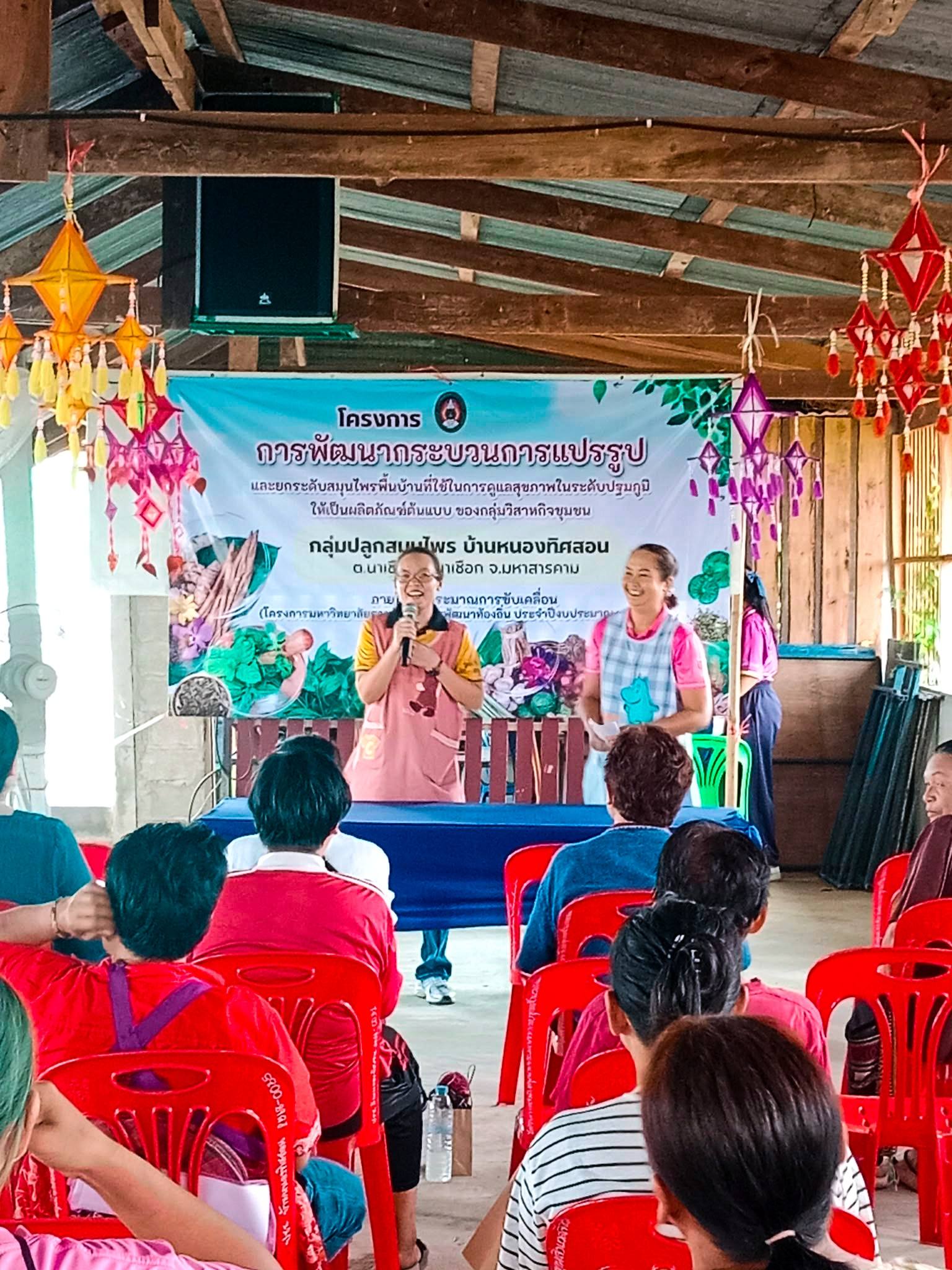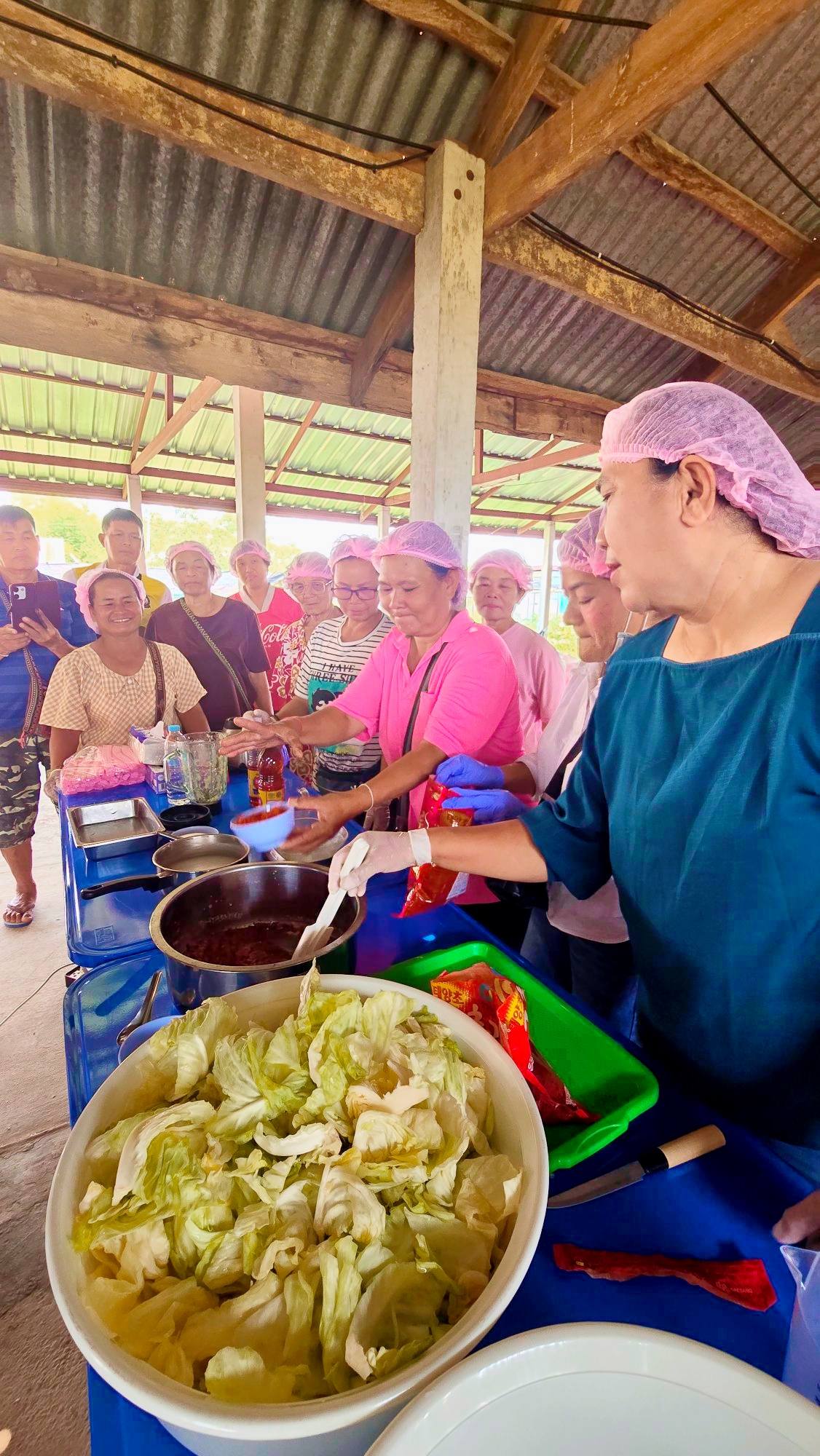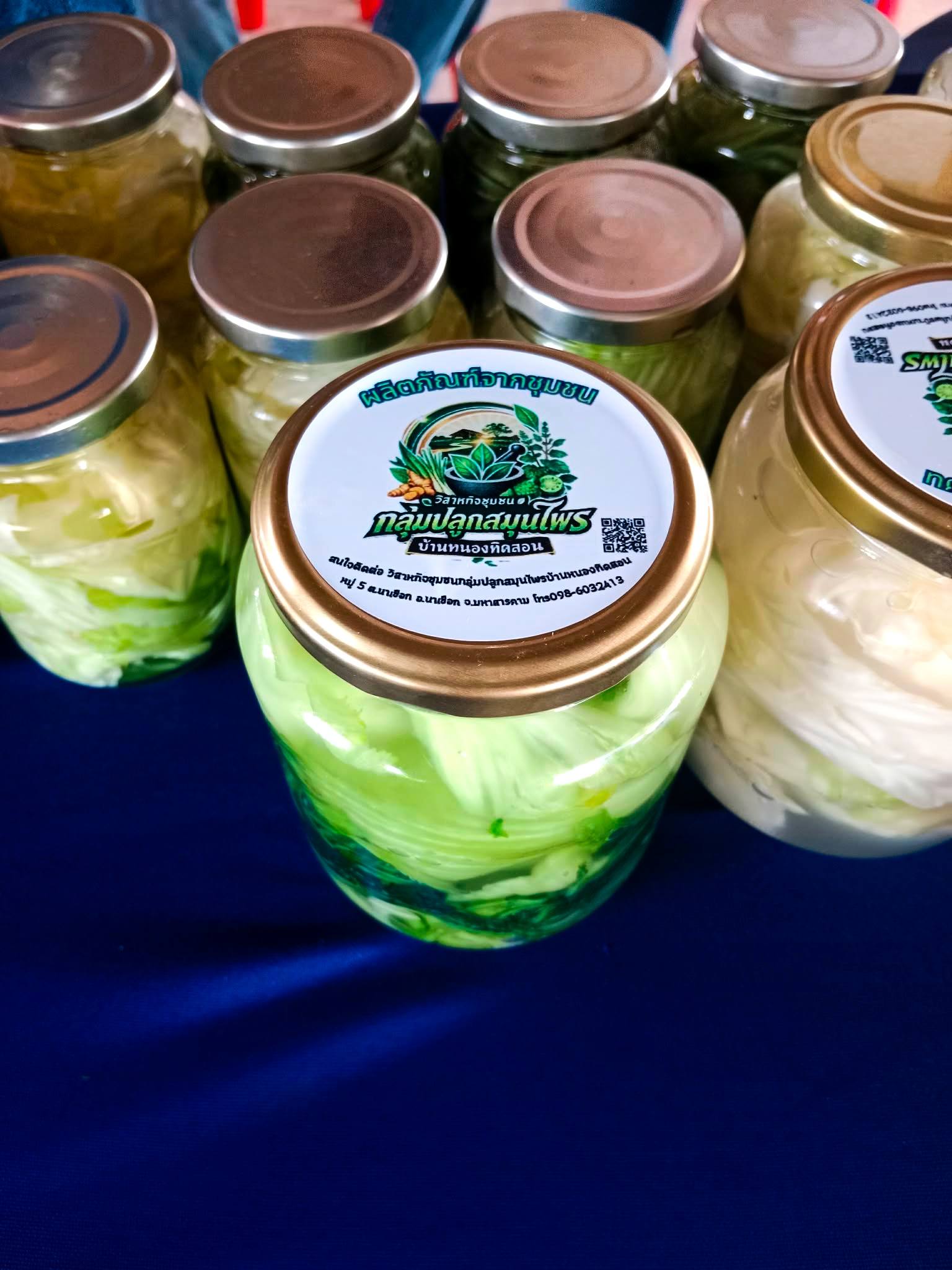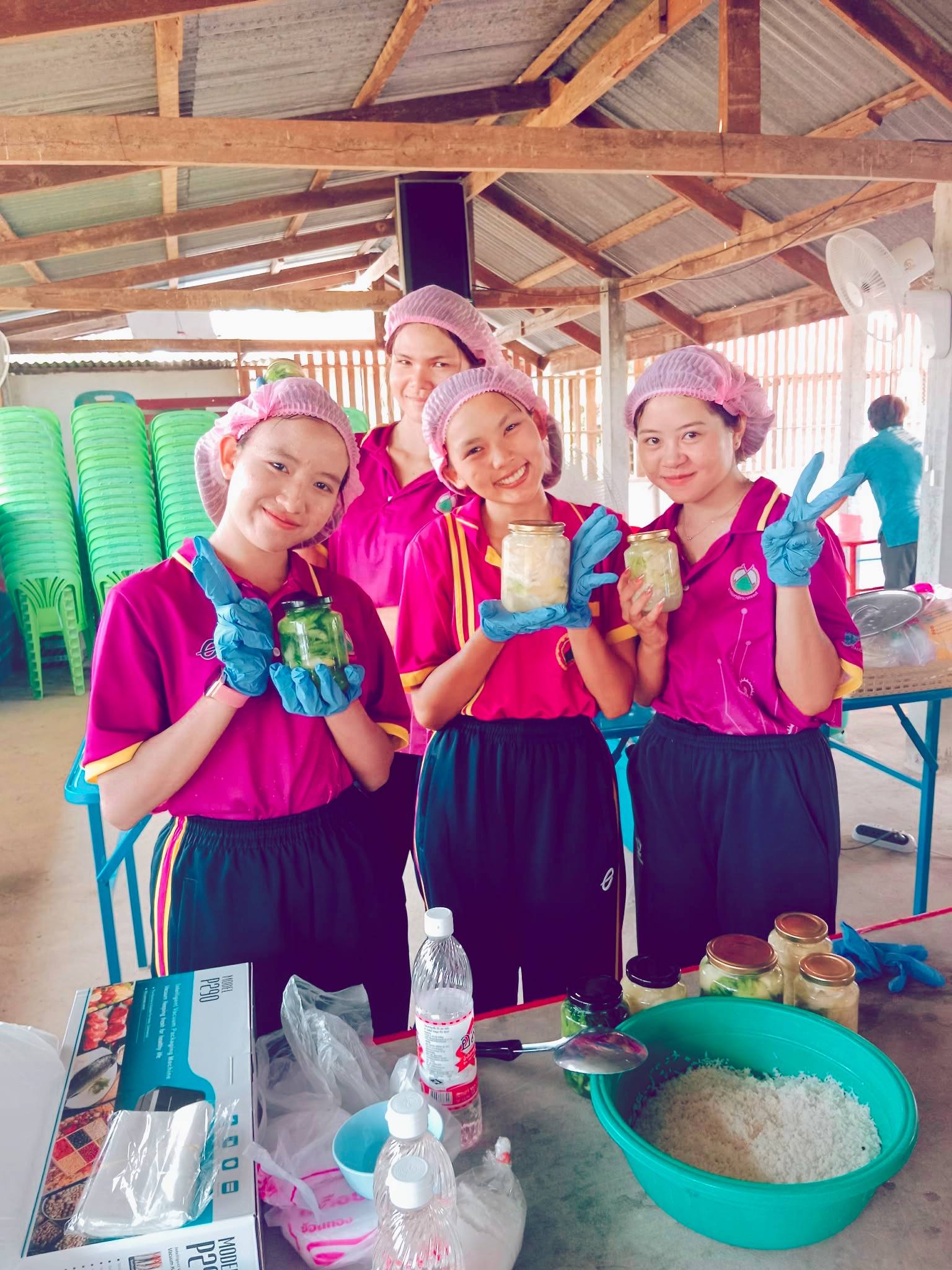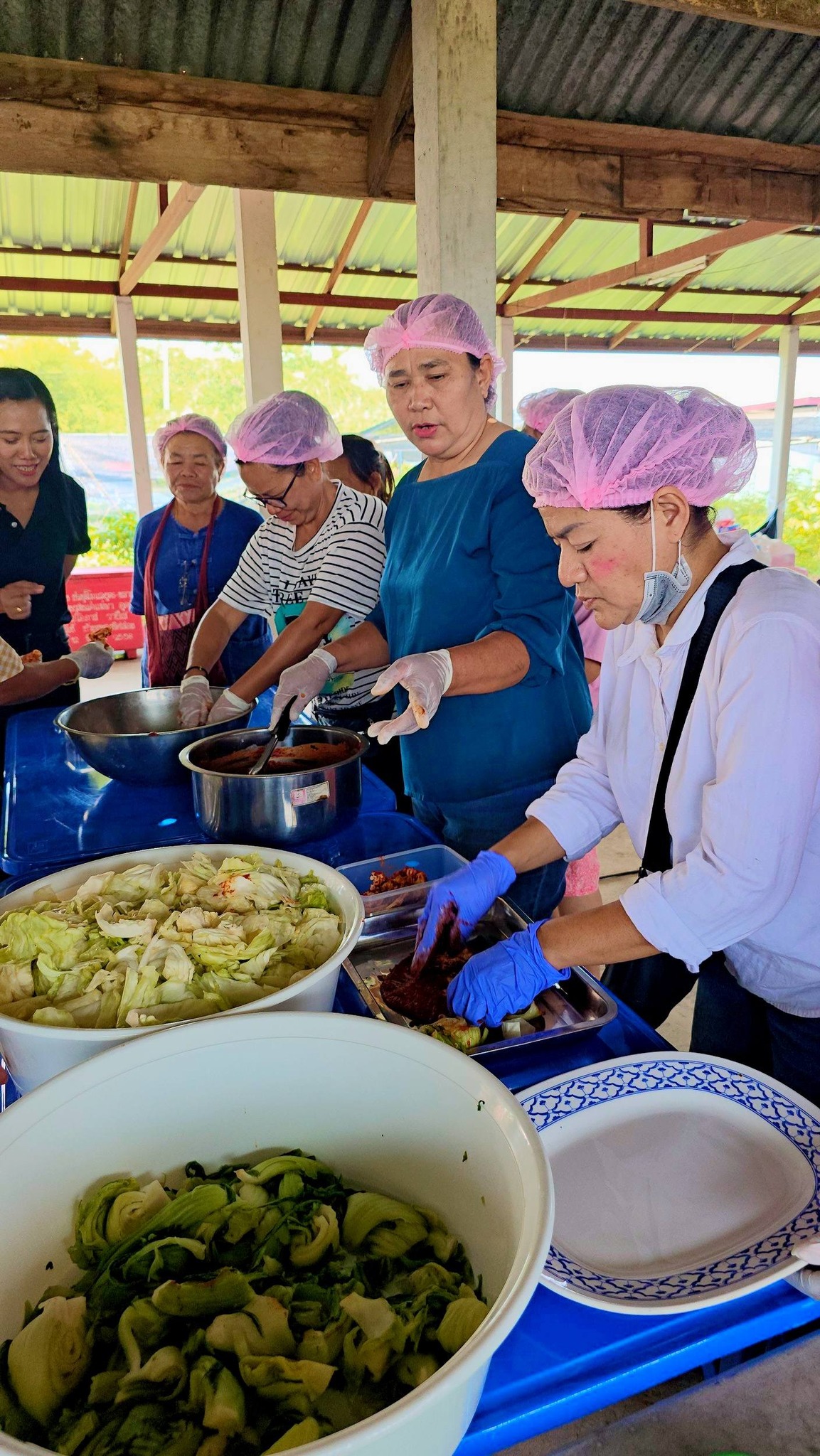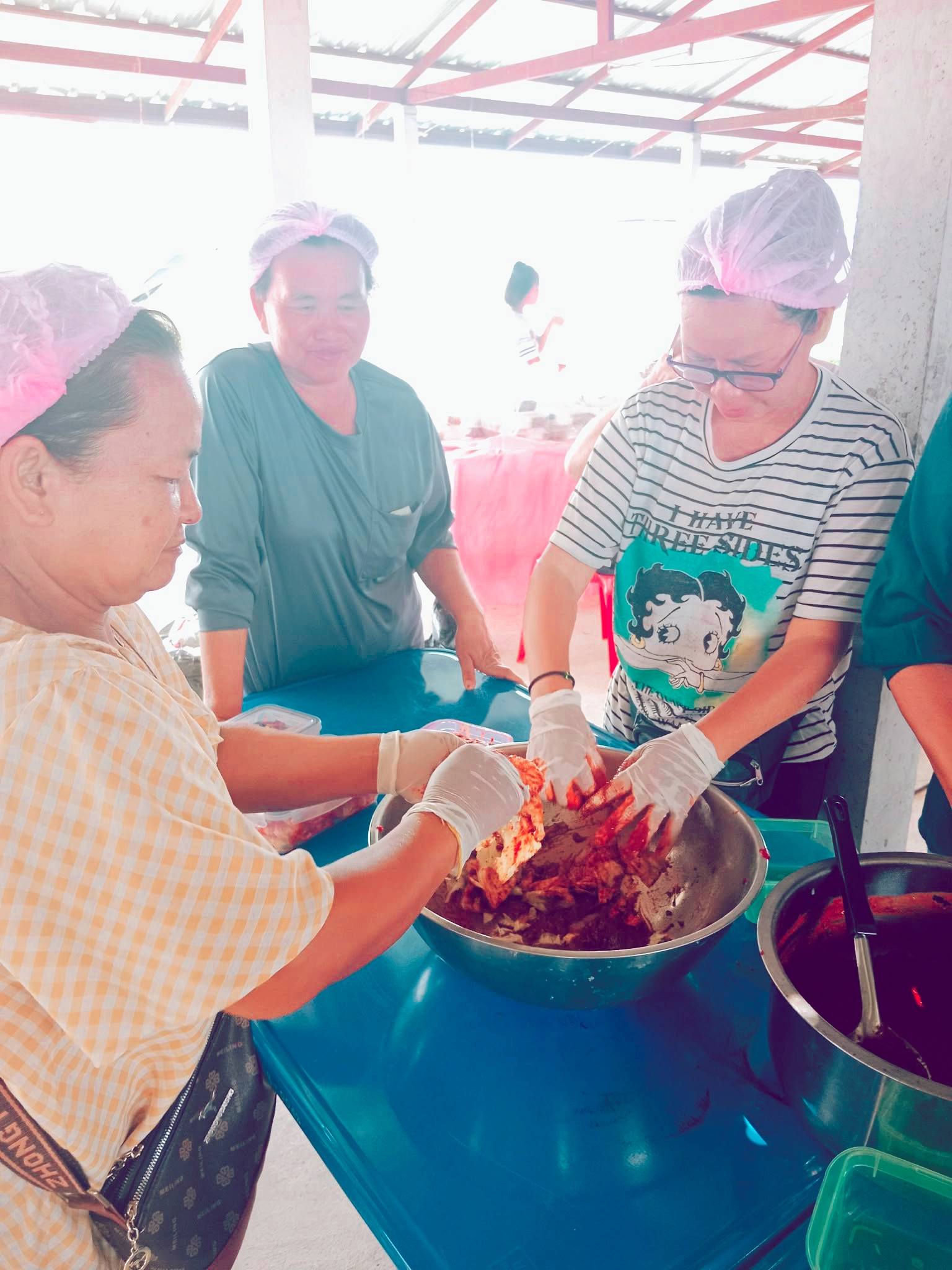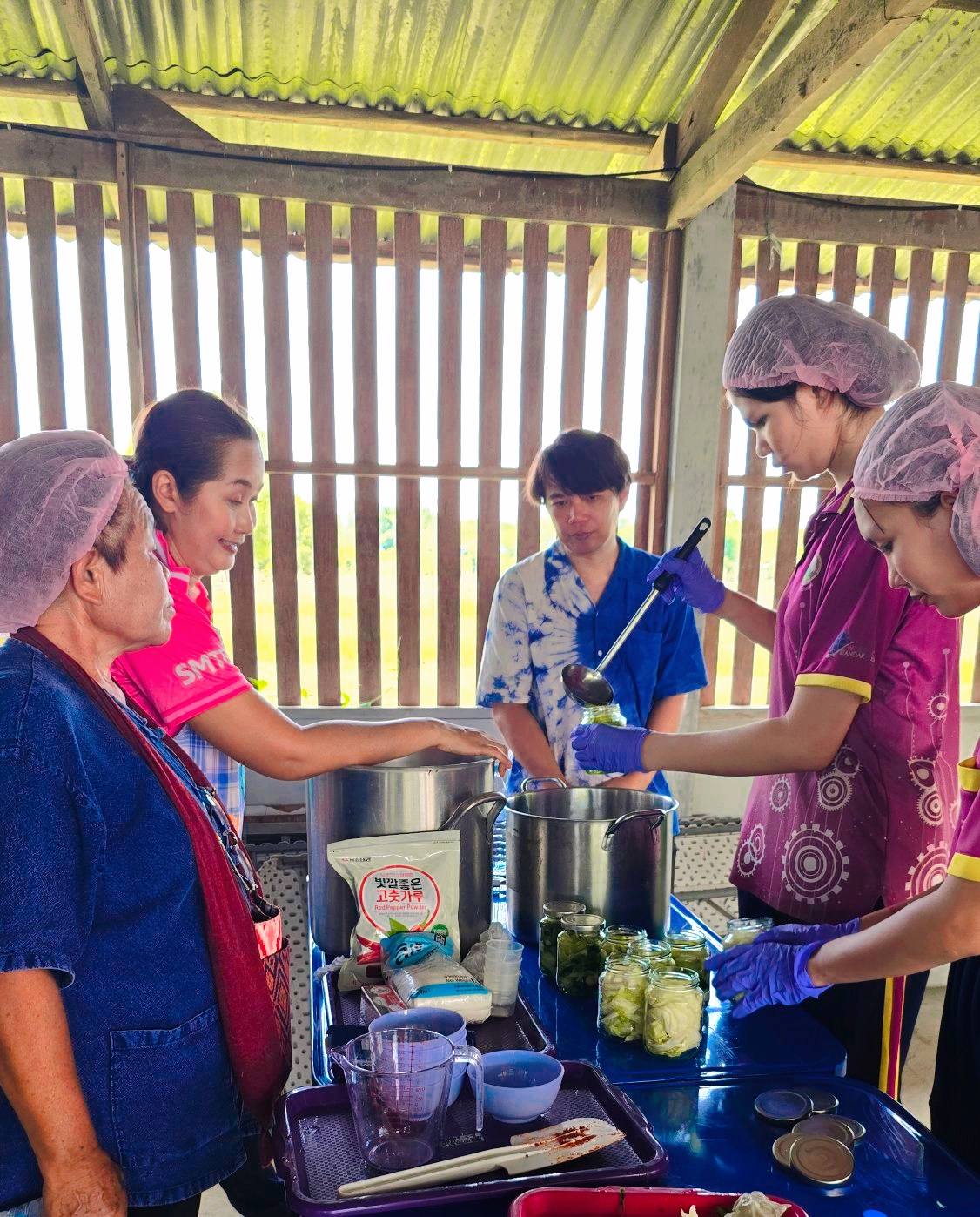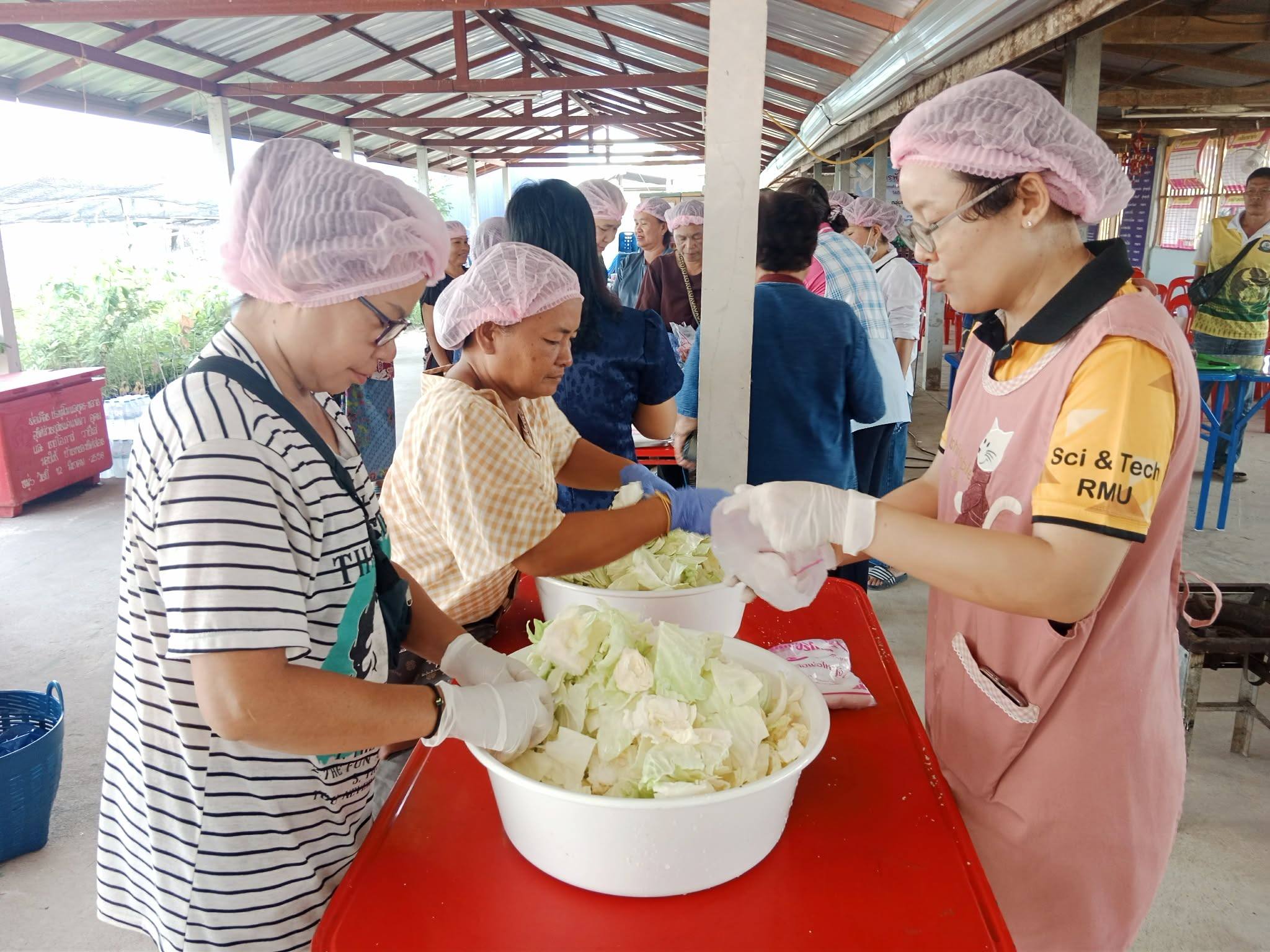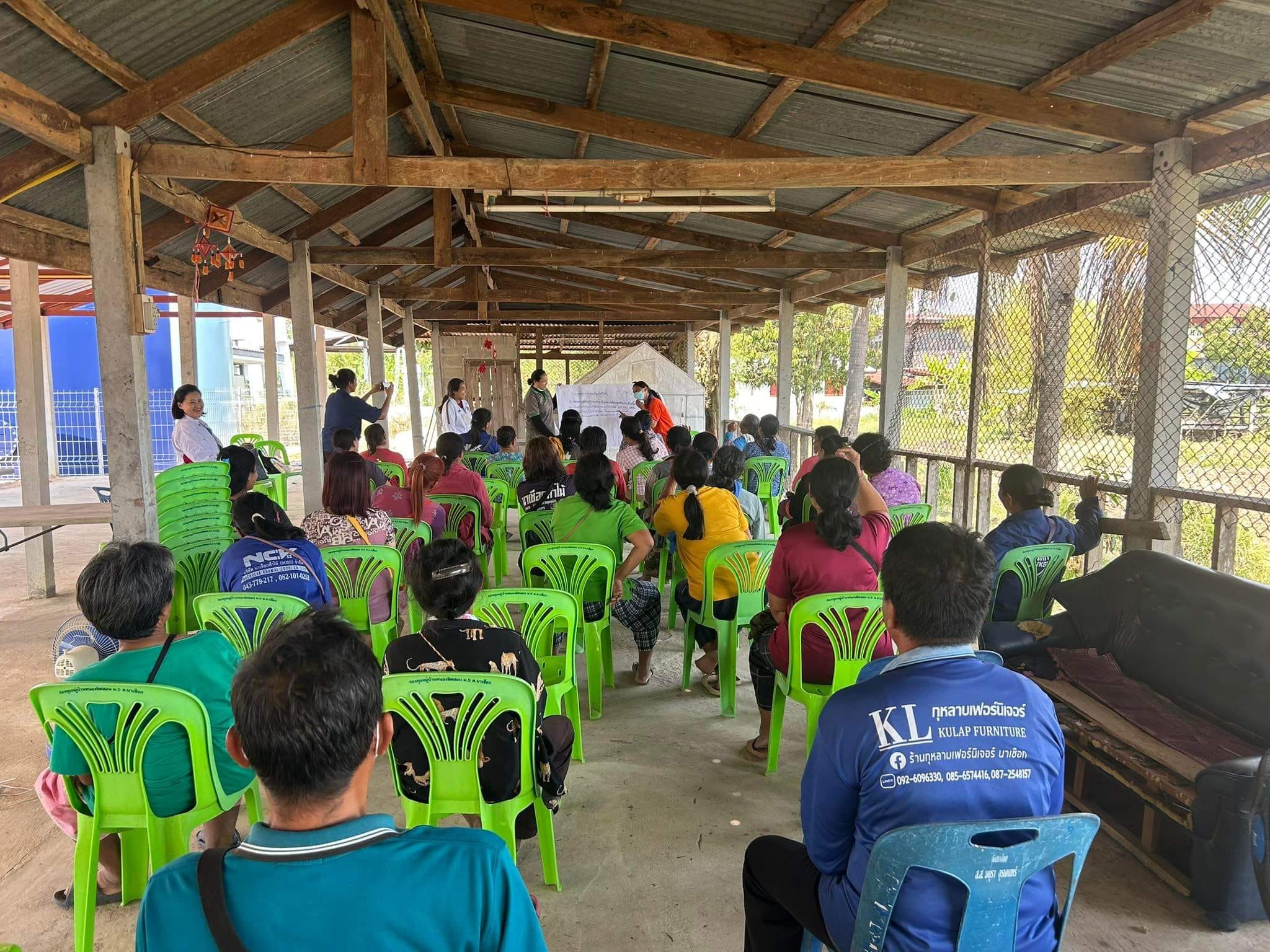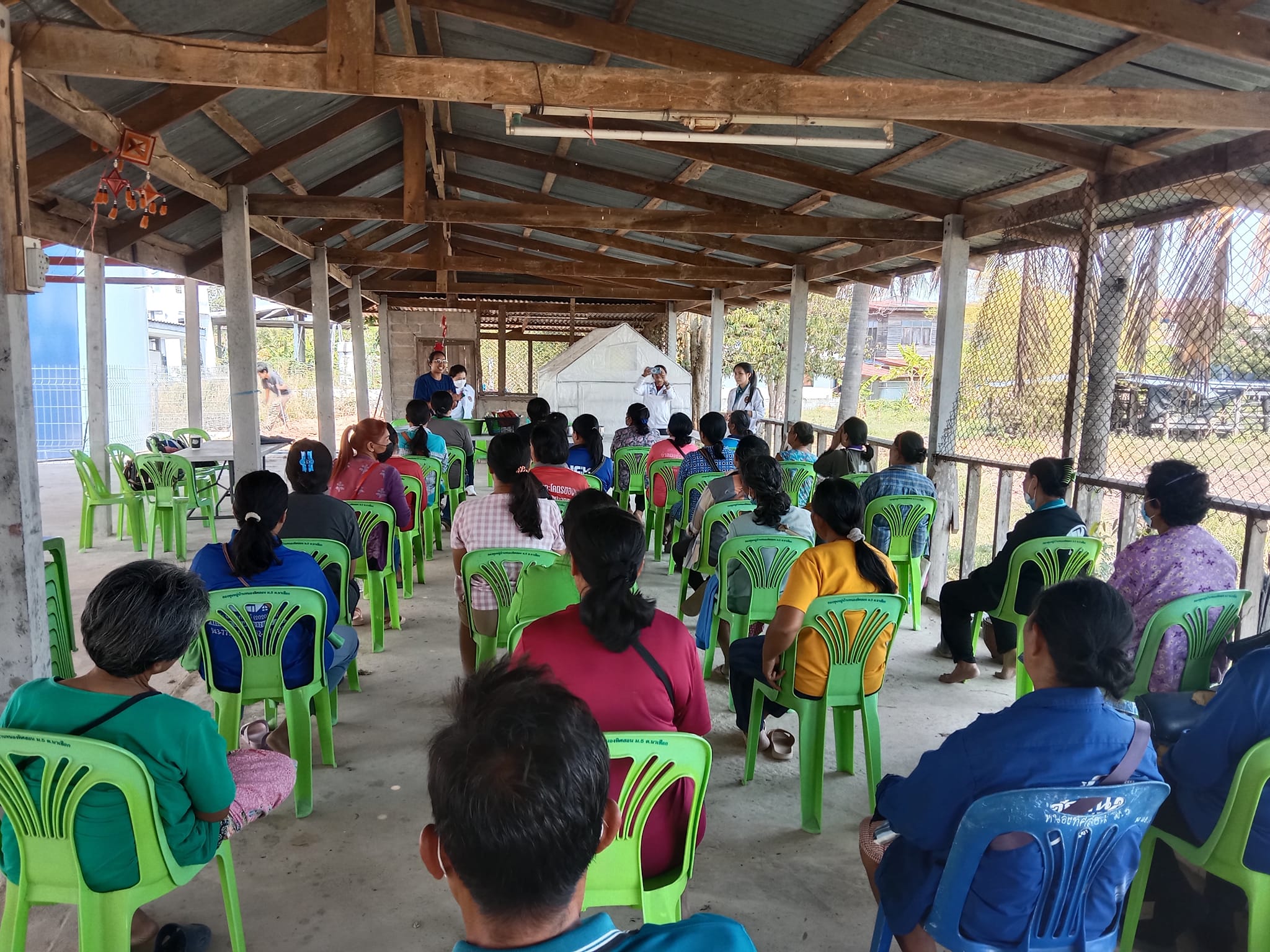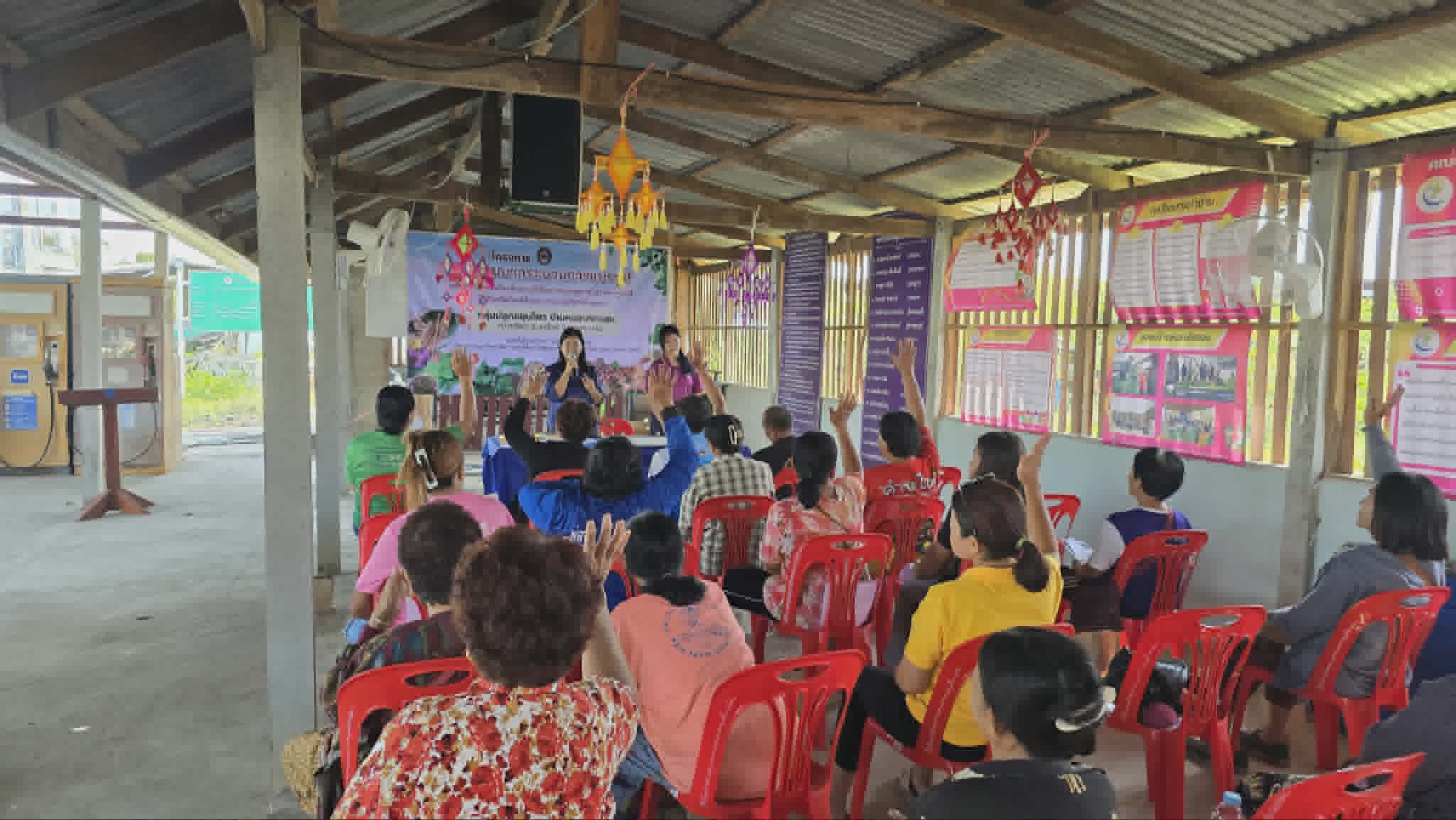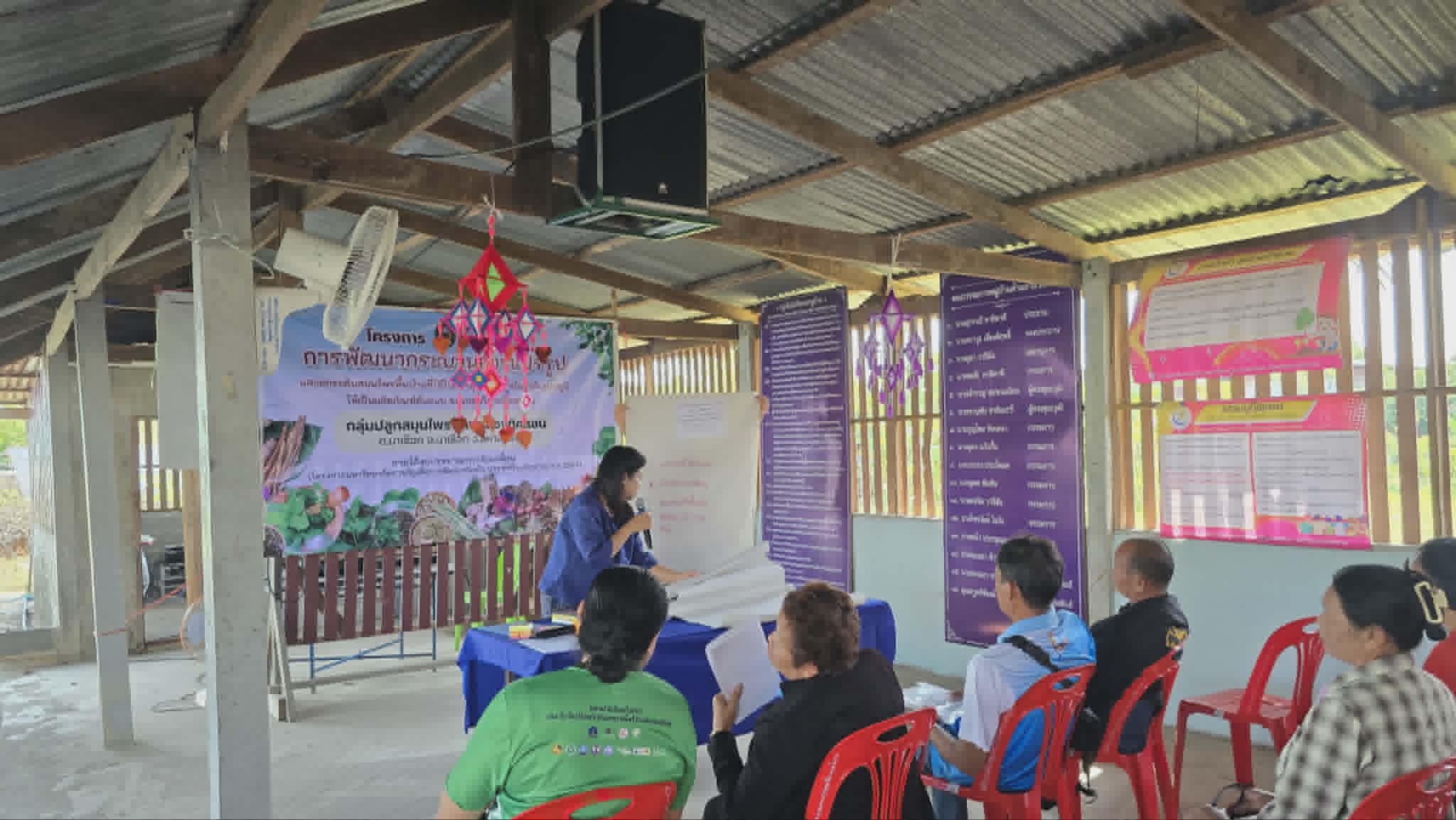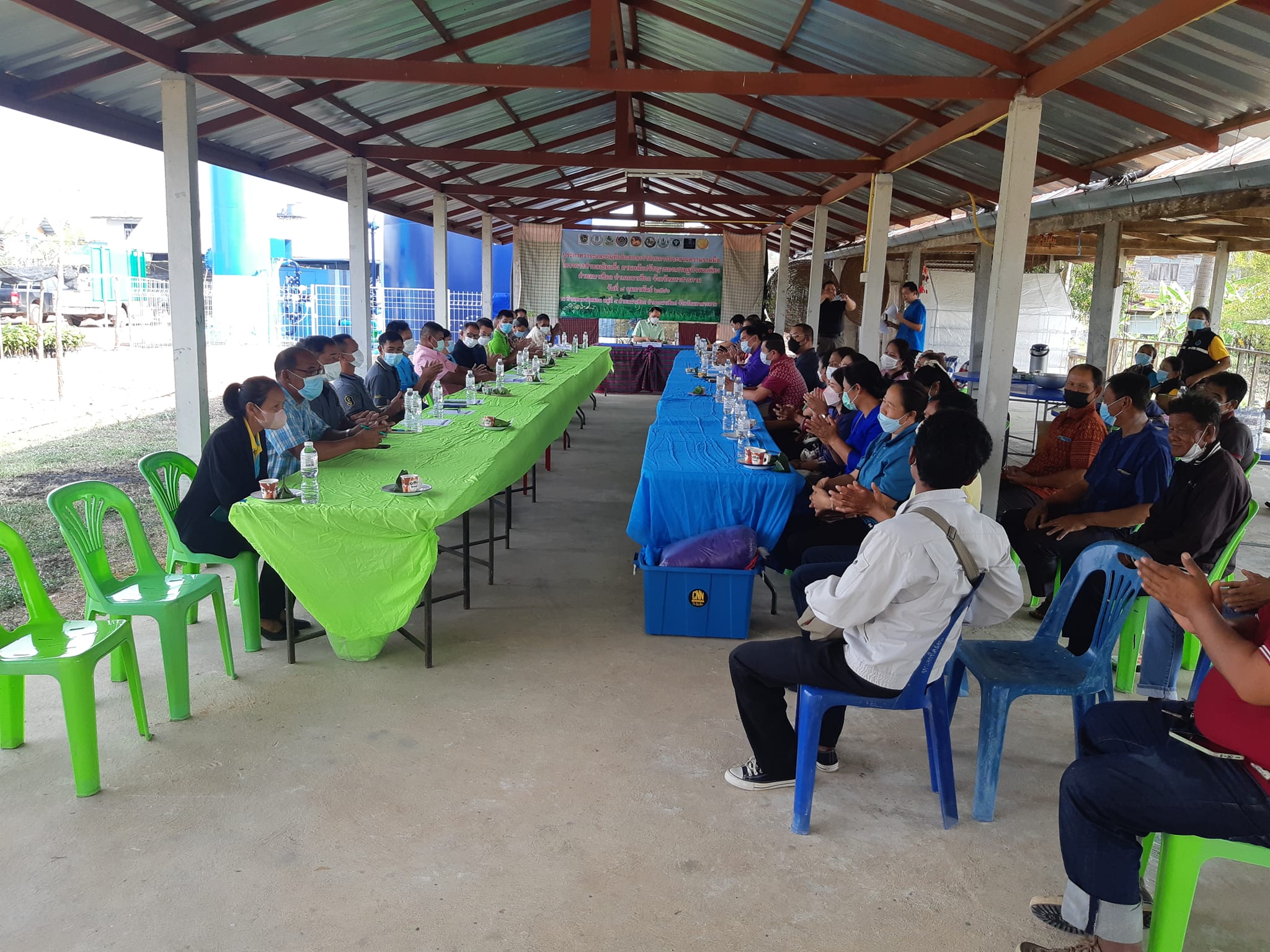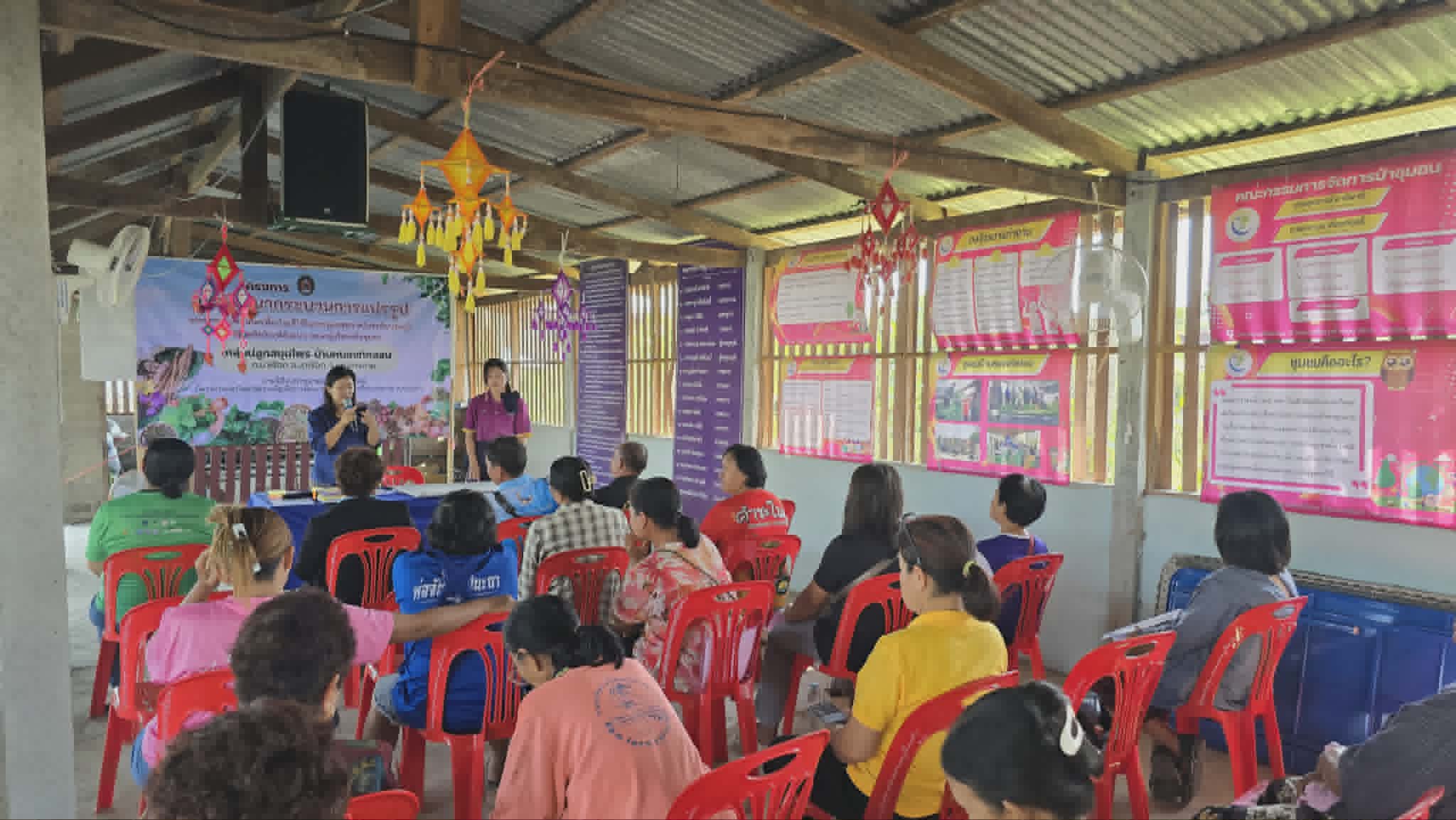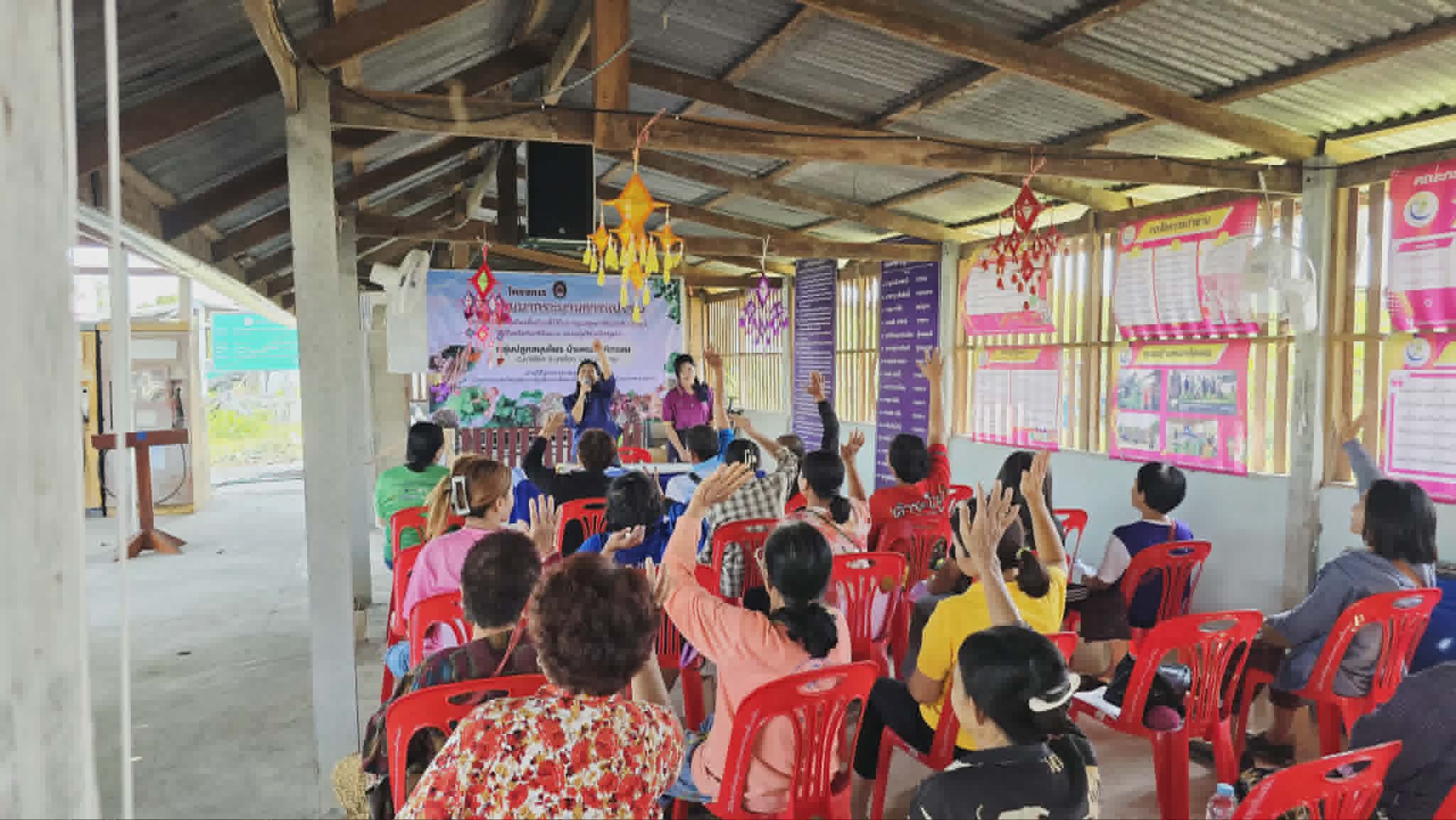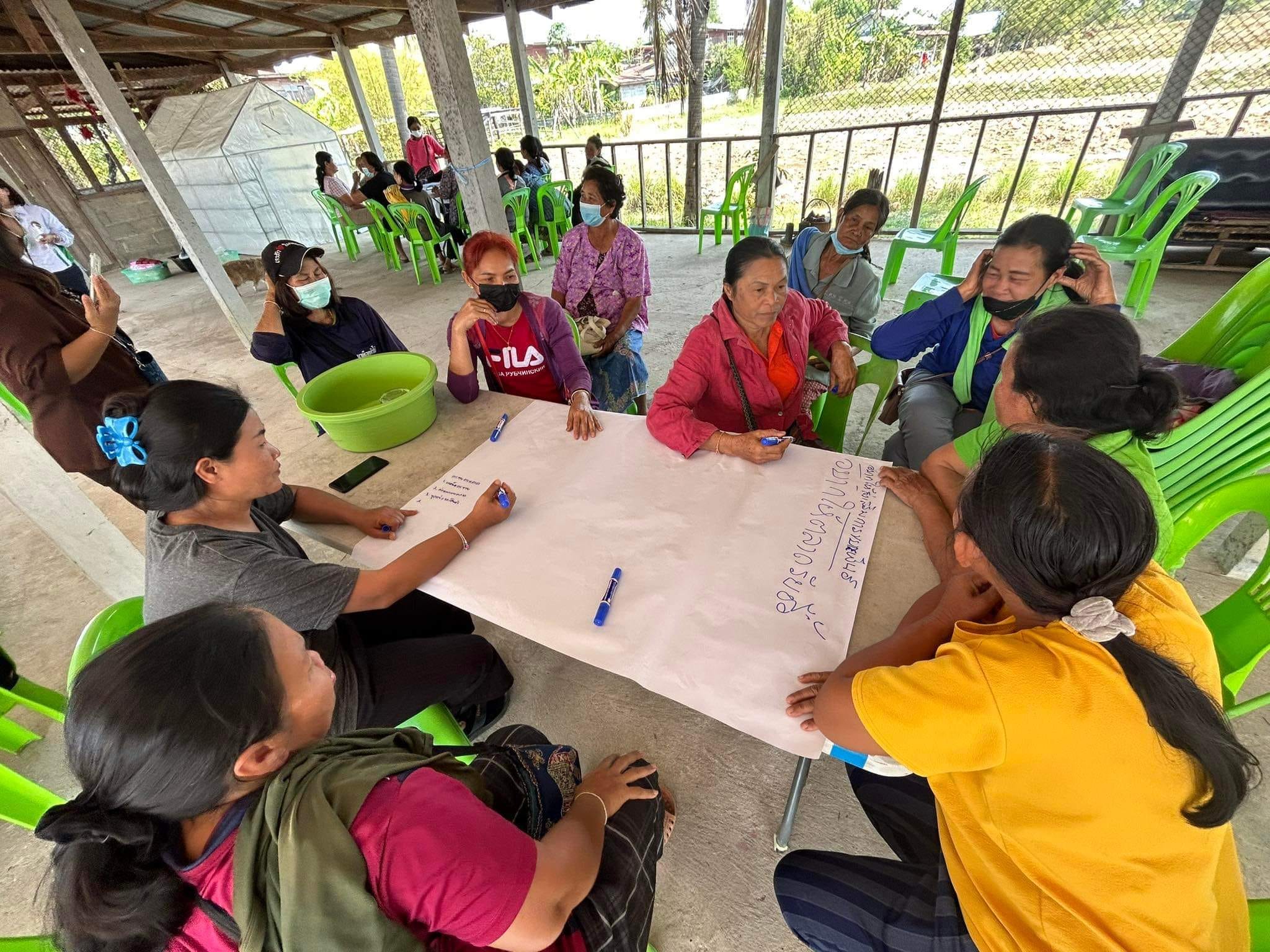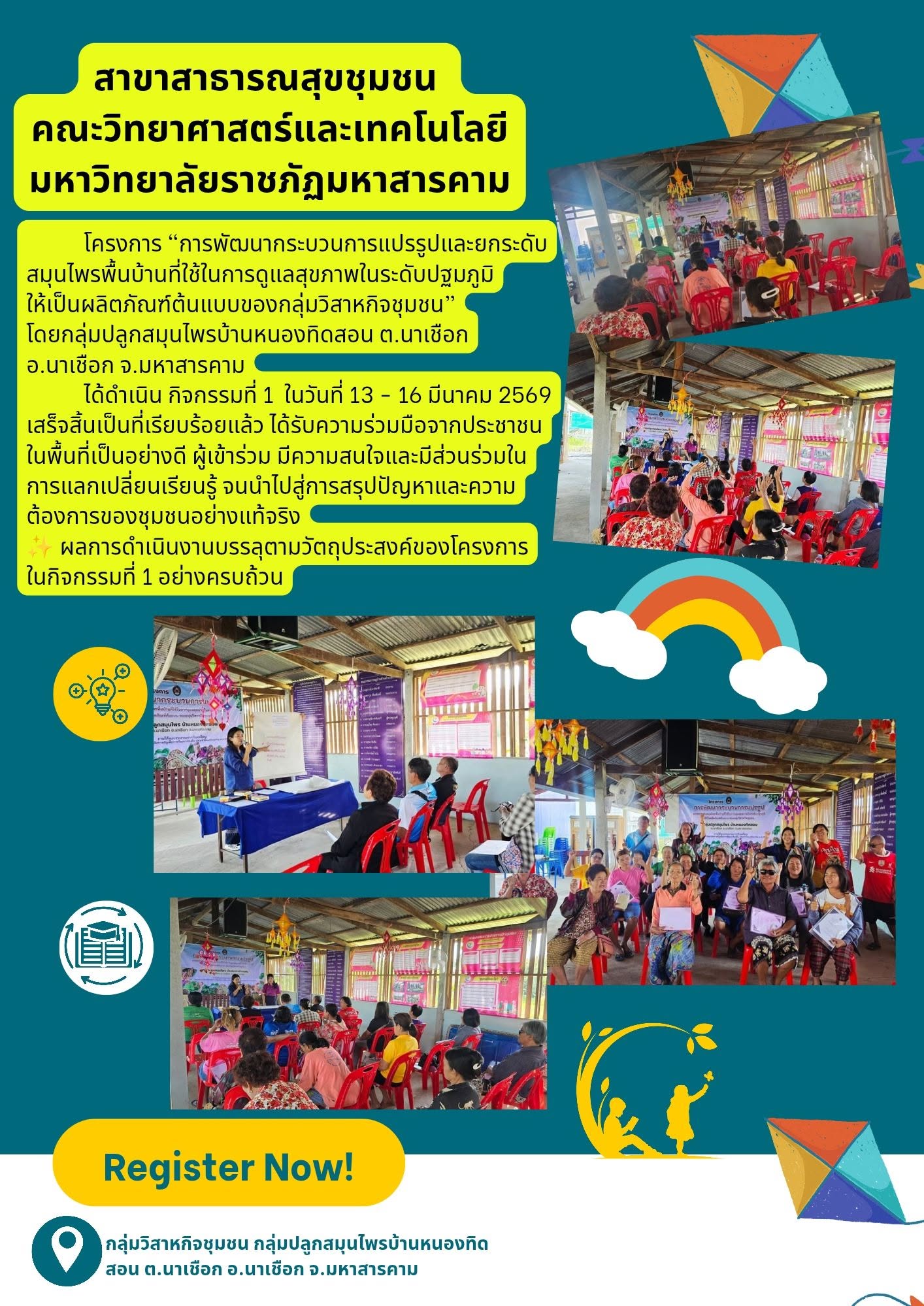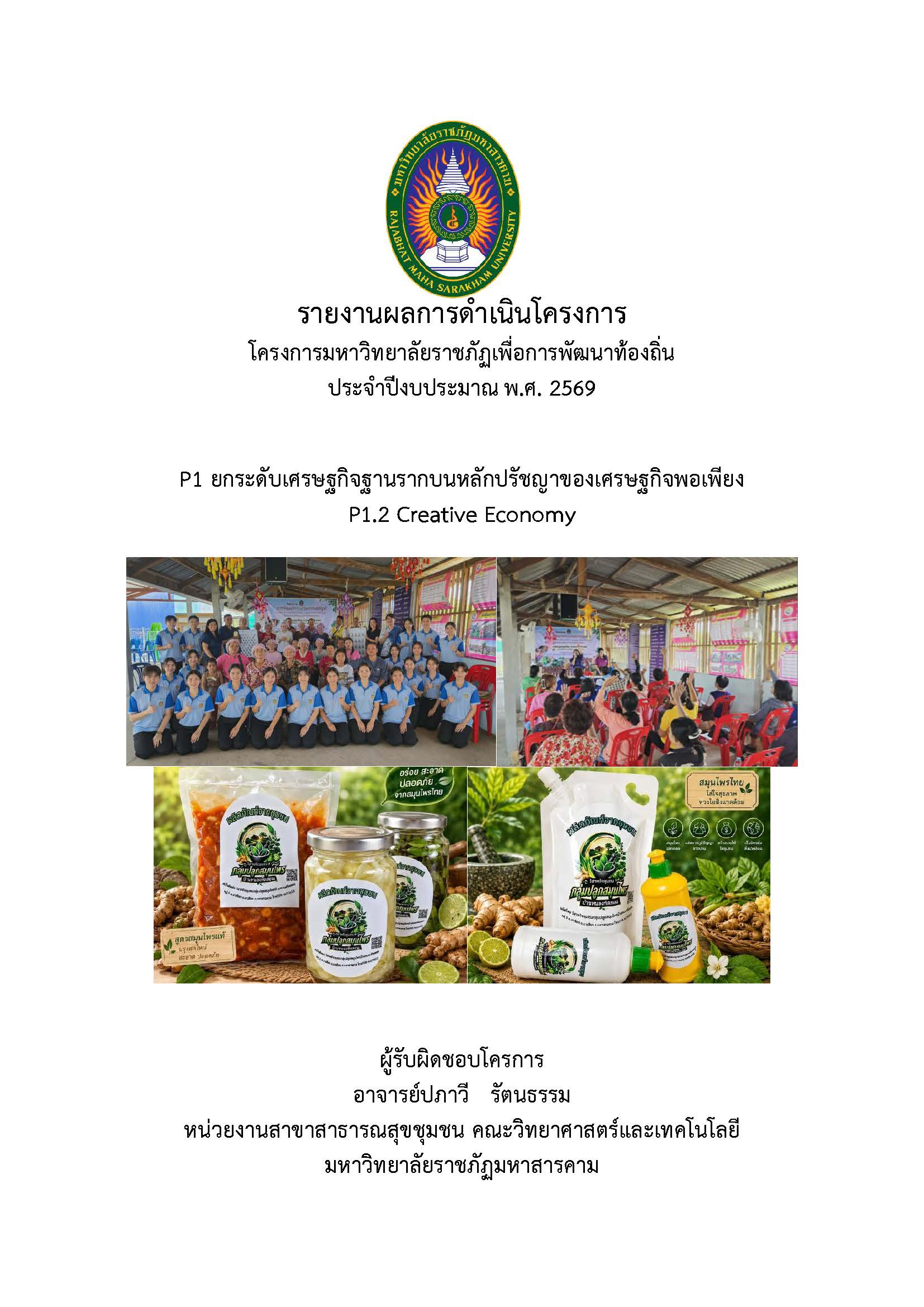
– April 25, 2026 13 มีนาคม 2569
– 25 เมษายน 2569
Part 1: Project Details ส่วนที่ 1 รายละเอียดการดำเนินงาน
Objectives วัตถุประสงค์โครงการ
1.To upgrade local herbs derived from indigenous knowledge used in community-based primary health care.
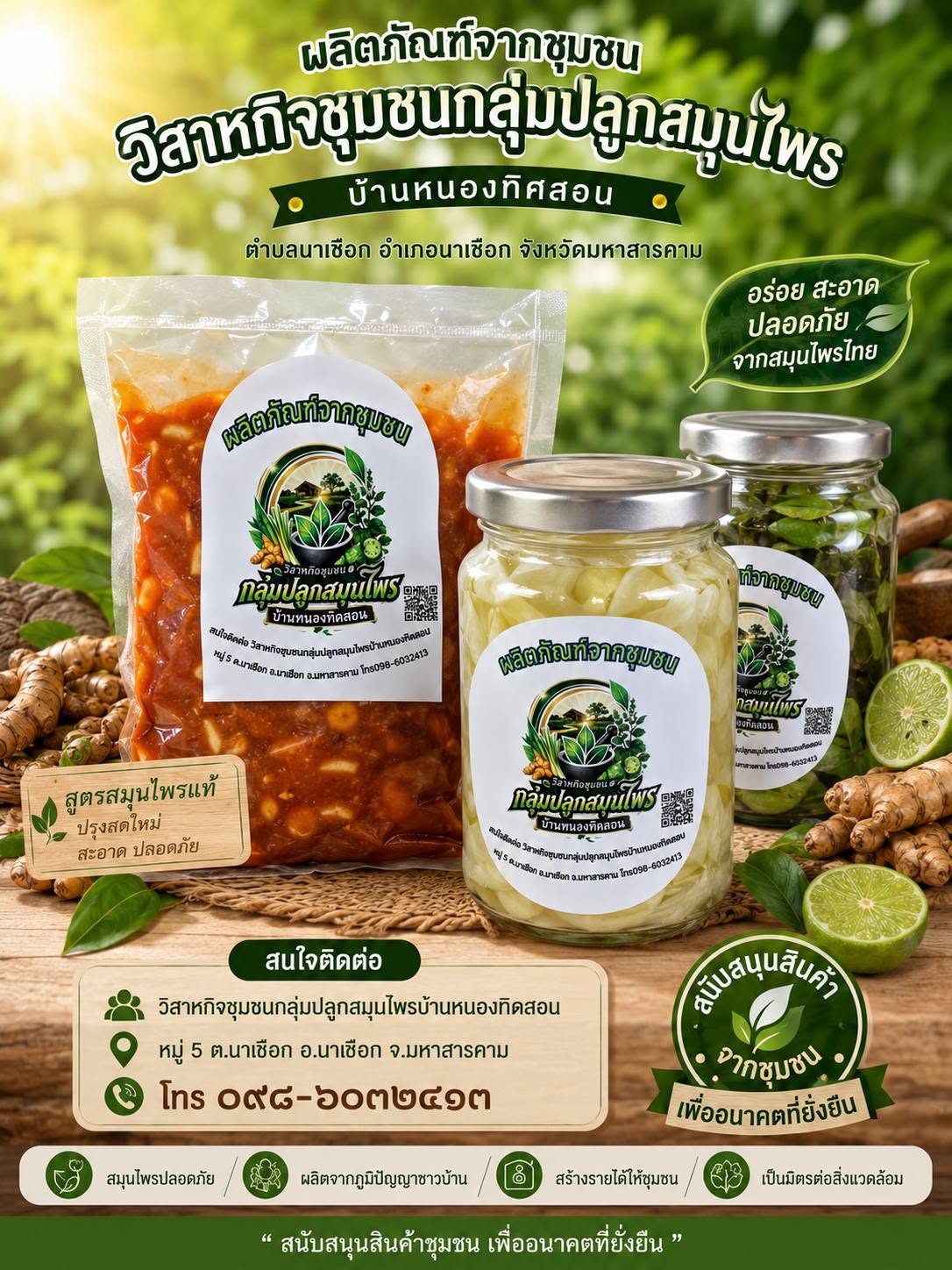
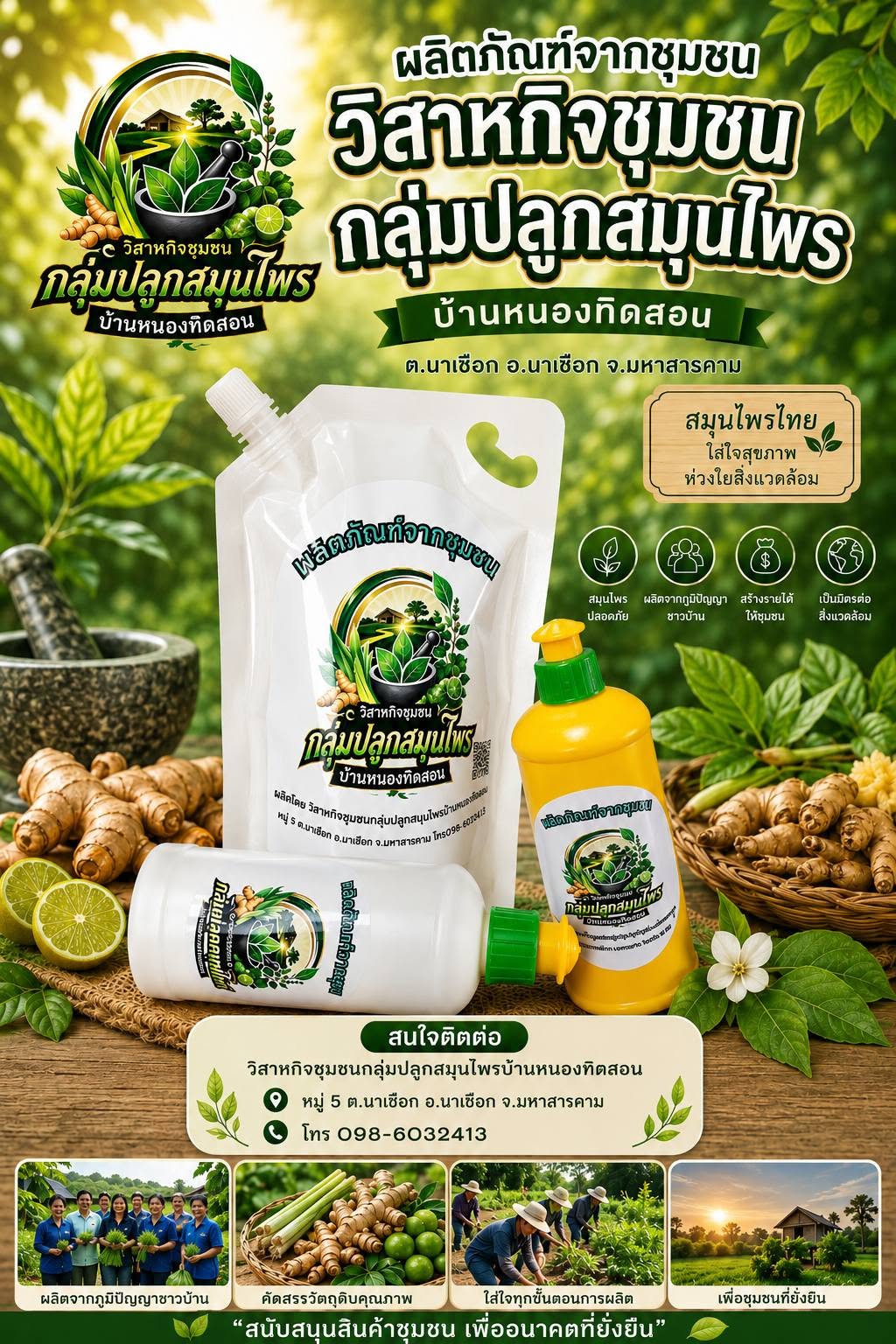
2.To develop a processing method for transforming local herbs into prototype products for primary health care, implemented by the Ban Nong Thit Son Herbal Planting Community Enterprise Group.
3.To enhance income-generating opportunities for the Ban Nong Thit Son Herbal Planting Community Enterprise Group, Na Chueak Sub-district, Na Chueak District, Maha Sarakham Province.
1. เพื่อยกระดับสมุนไพรพื้นบ้านจากภูมิปัญญาที่ใช้ดูแลสุขภาพในระดับปฐมภูมิ ของชุมชน
2. เพื่อพัฒนากระบวนการแปรรูปสมุนไพรพื้นบ้านให้เป็นผลิตภัณฑ์ต้นแบบสำหรับการดูแลสุขภาพในระดับปฐมภูมิ โดยกลุ่มวิสาหกิจชุมชนกลุ่มปลูกสมุนไพรบ้านหนองทิศสอน
3. เพิ่มแนวทางการหารายได้ให้กลุ่มวิสาหกิจชุมชนกลุ่มปลูกสมุนไพรบ้านหนองทิศสอน ตำบลนาเชือก อำเภอนาเชือก จังหวัดมหาสารคาม
Main Activities กิจกรรมหลัก
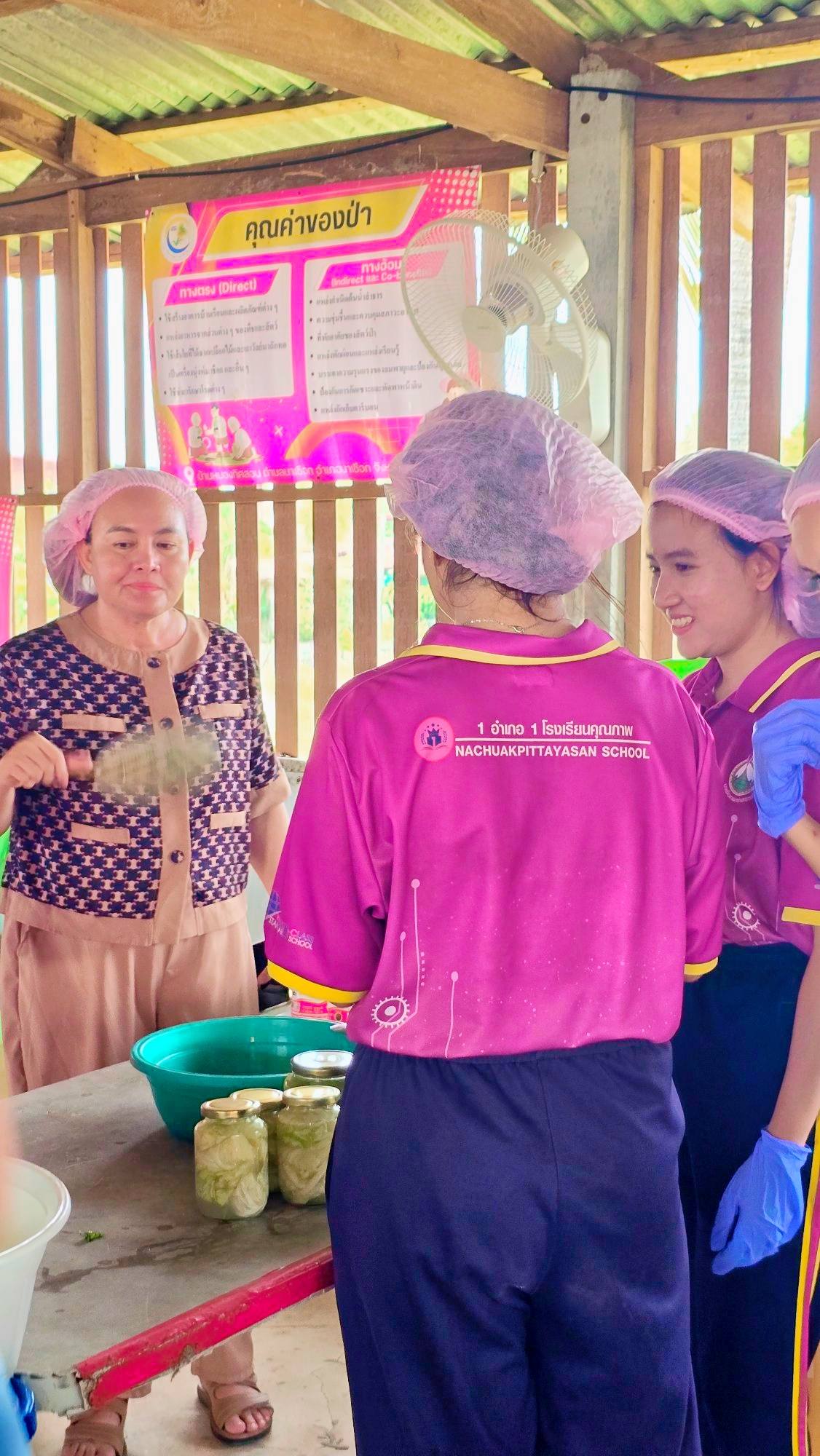
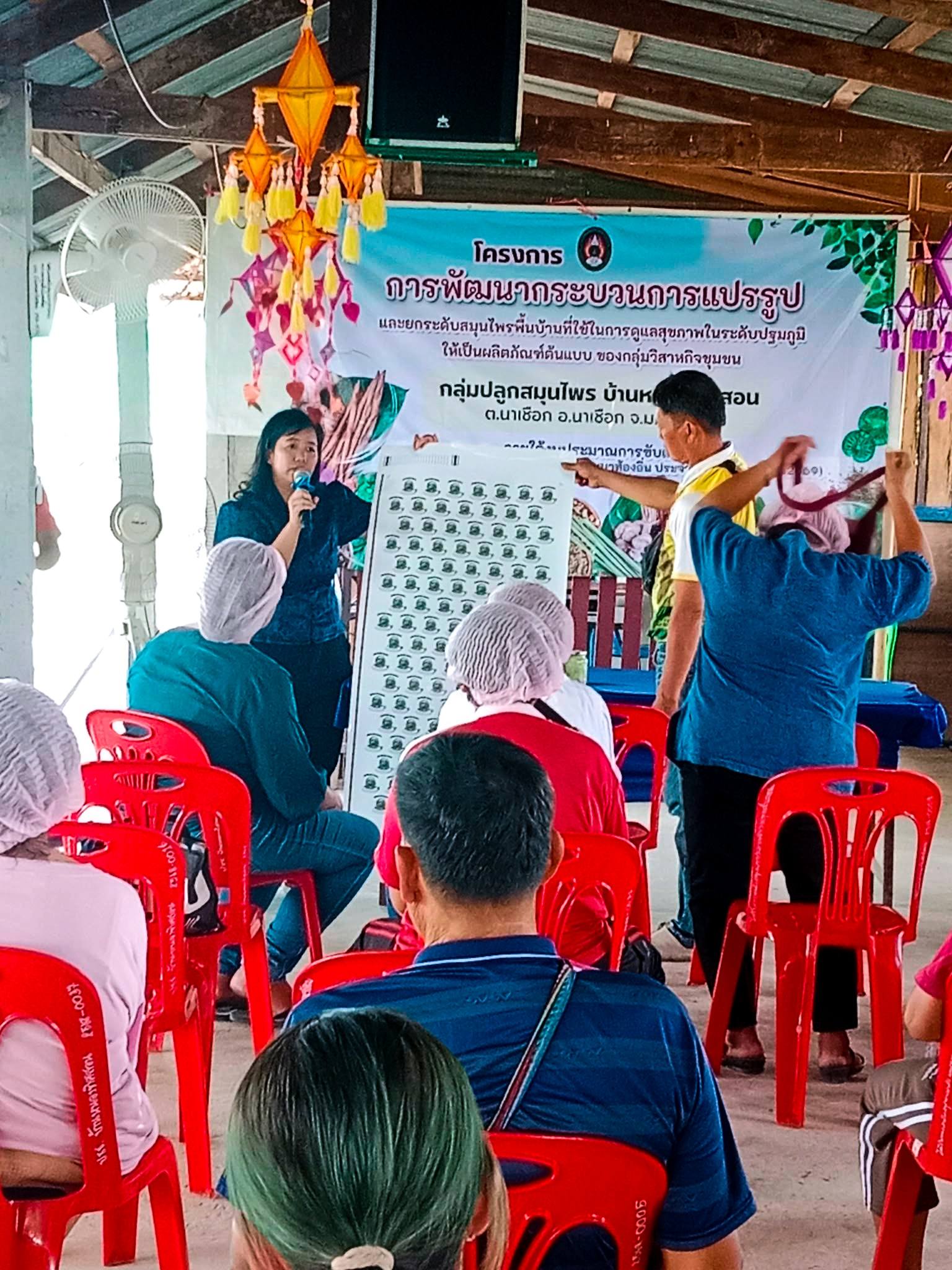
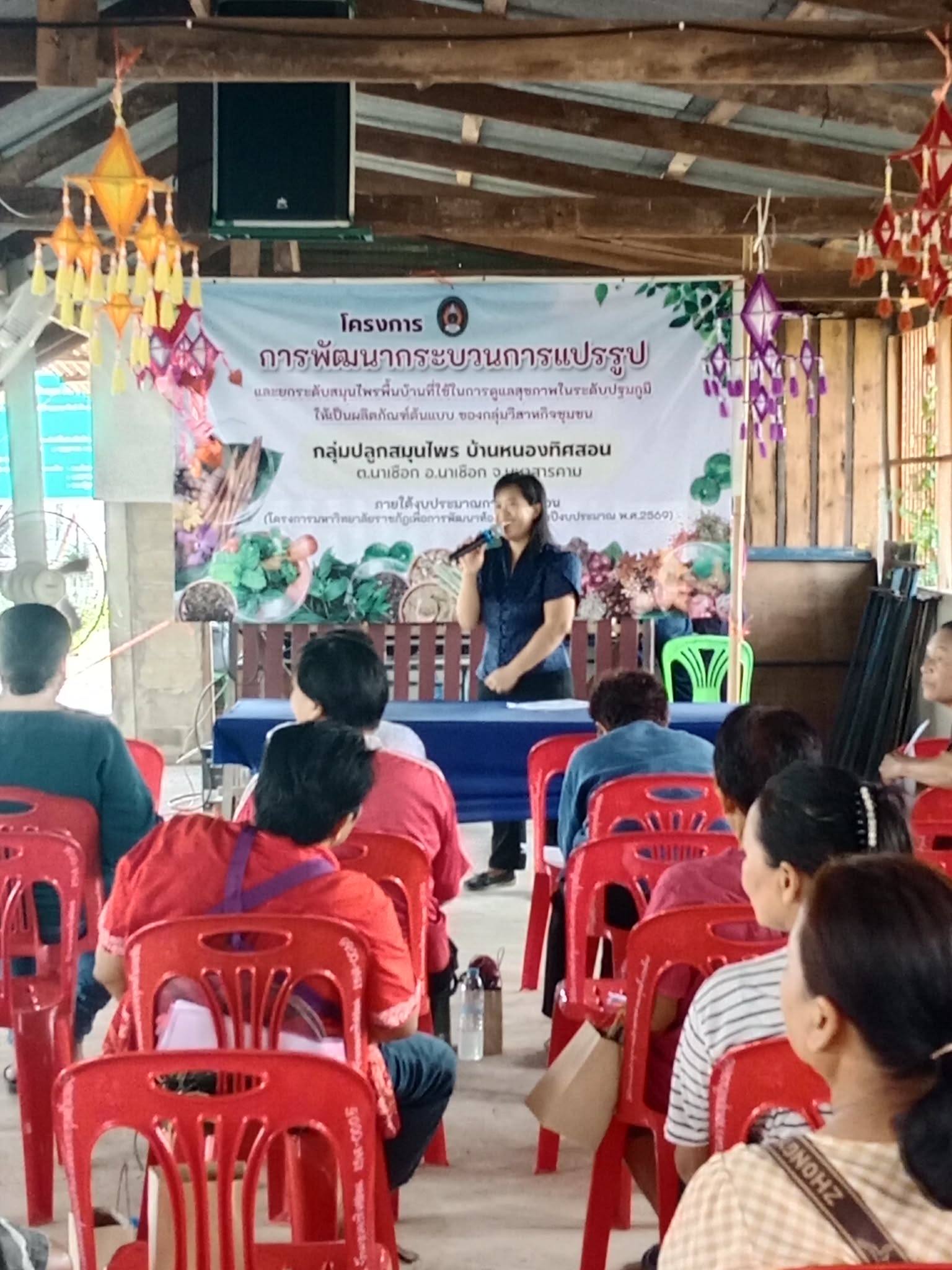
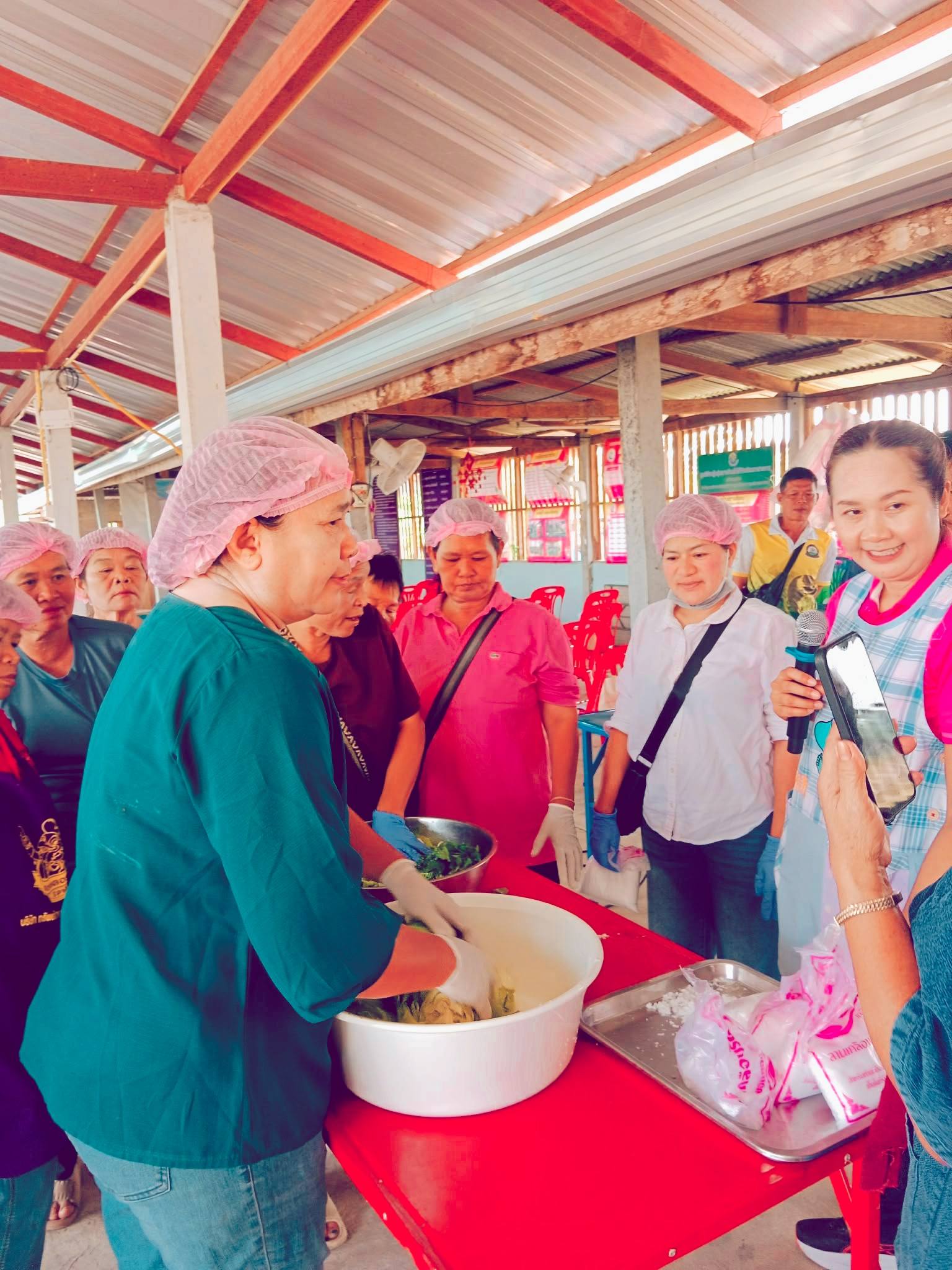
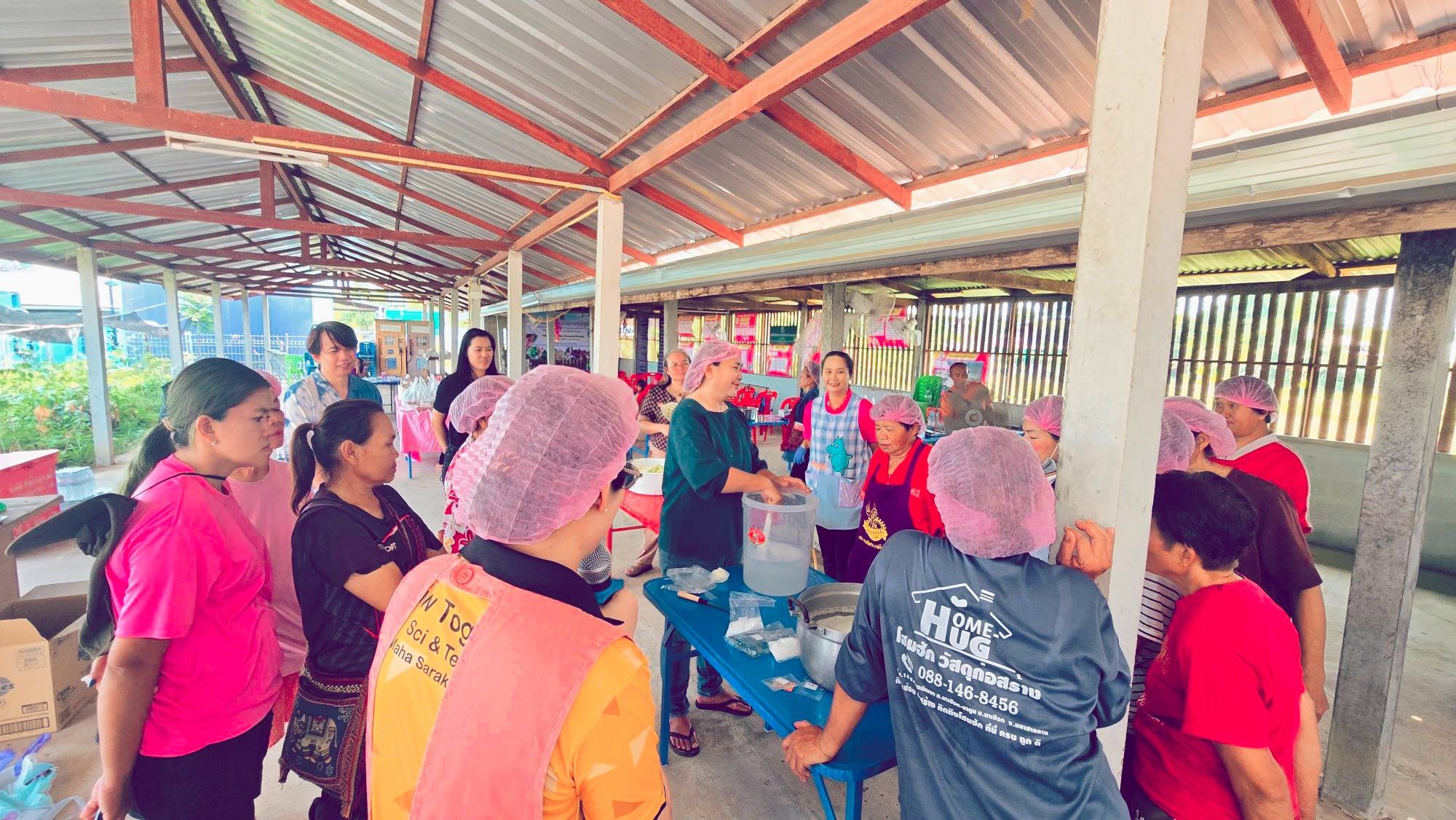
Activity 1: Development of Knowledge on Local Herbs Derived from Indigenous Wisdom Used in Community-Based Primary Health Care towards Prototype Products (4 days)
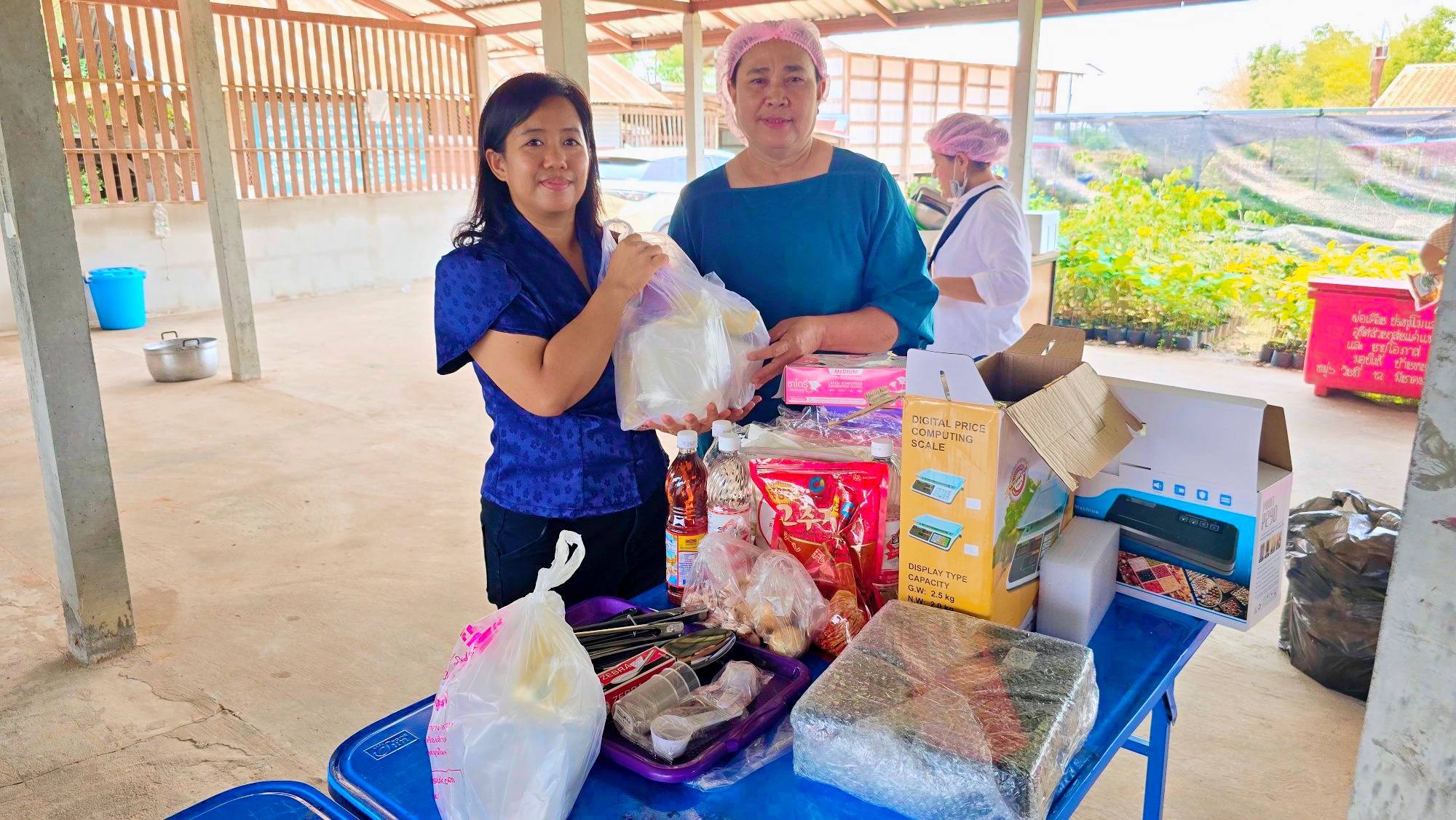
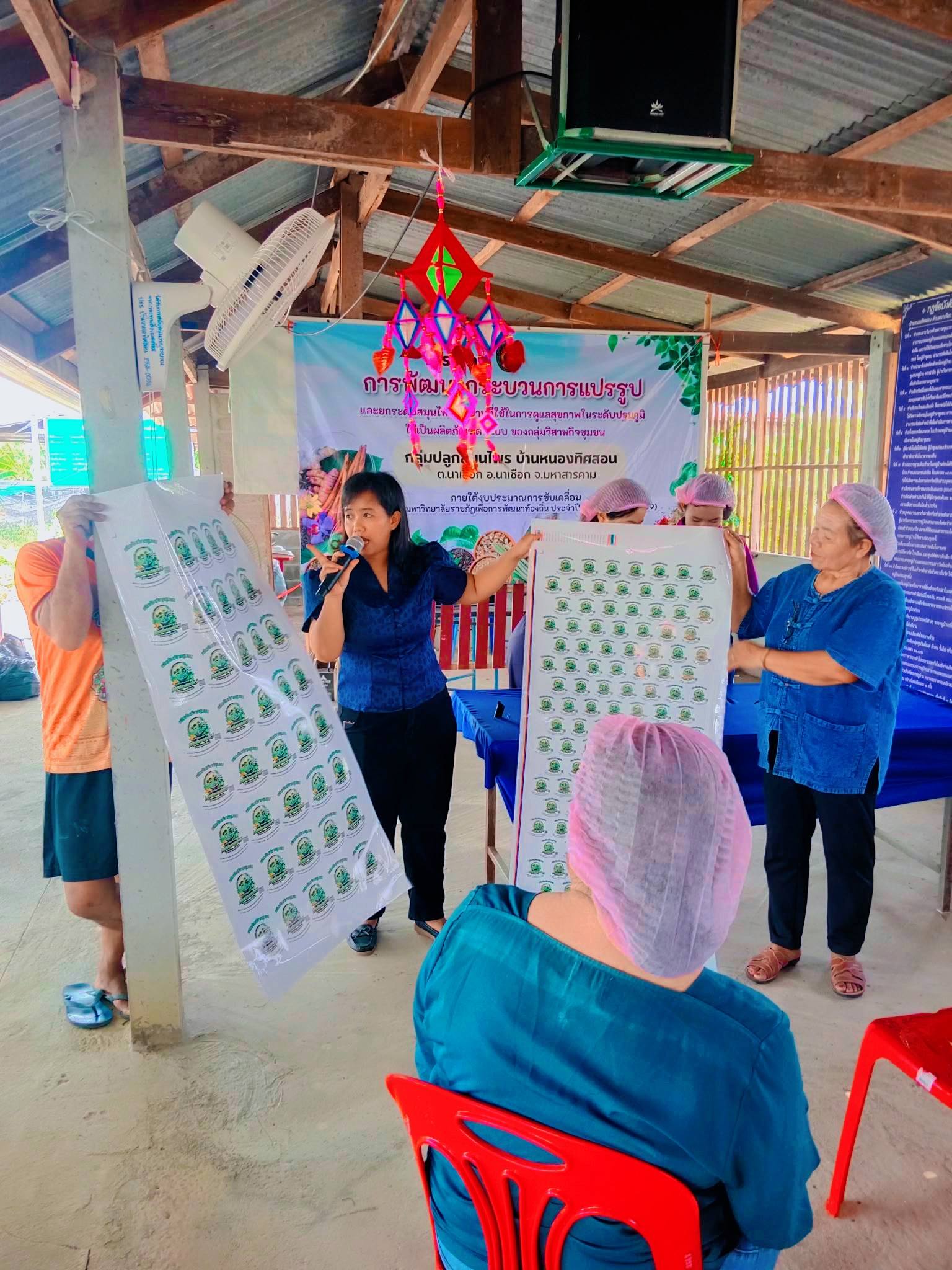
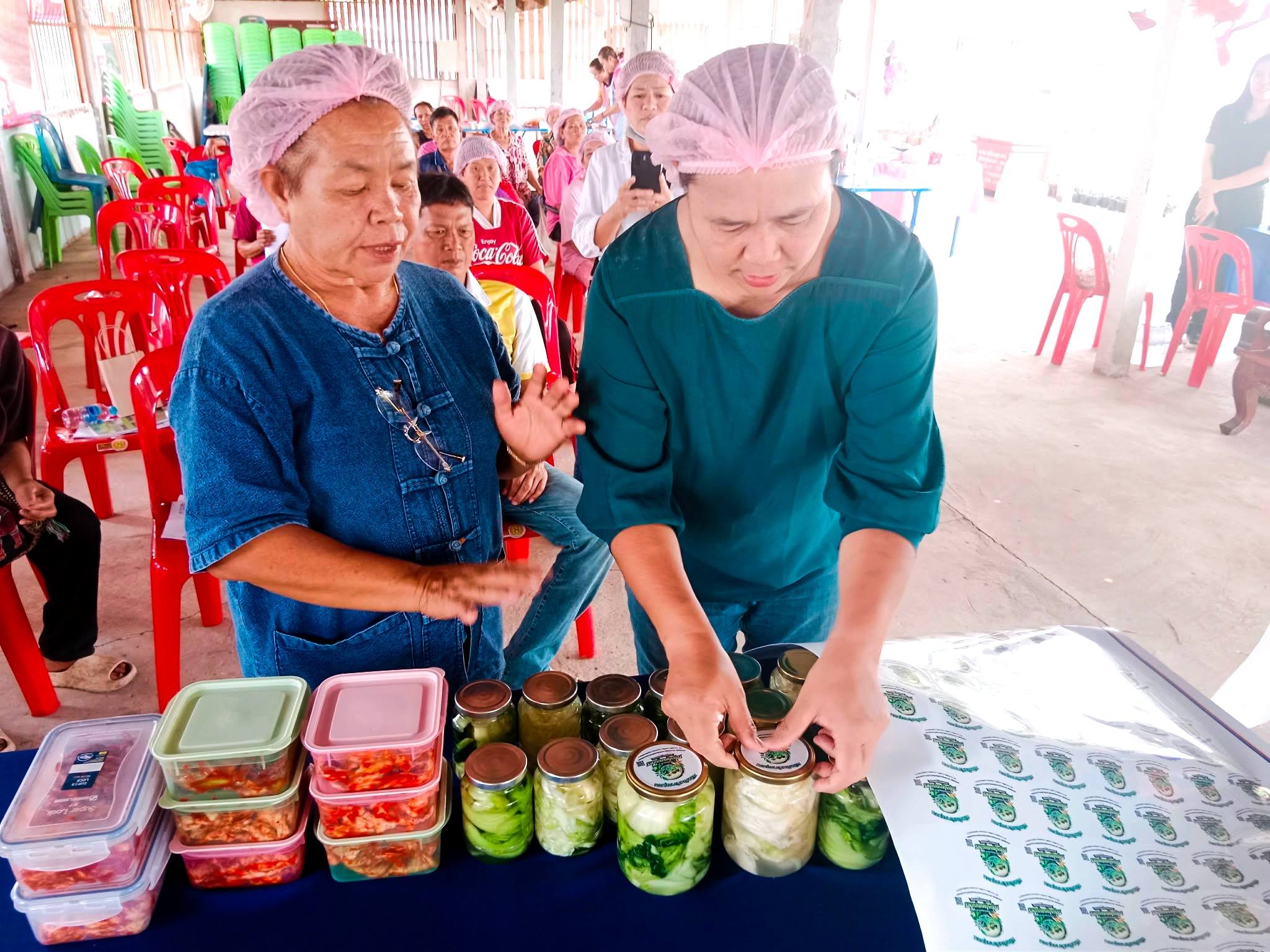
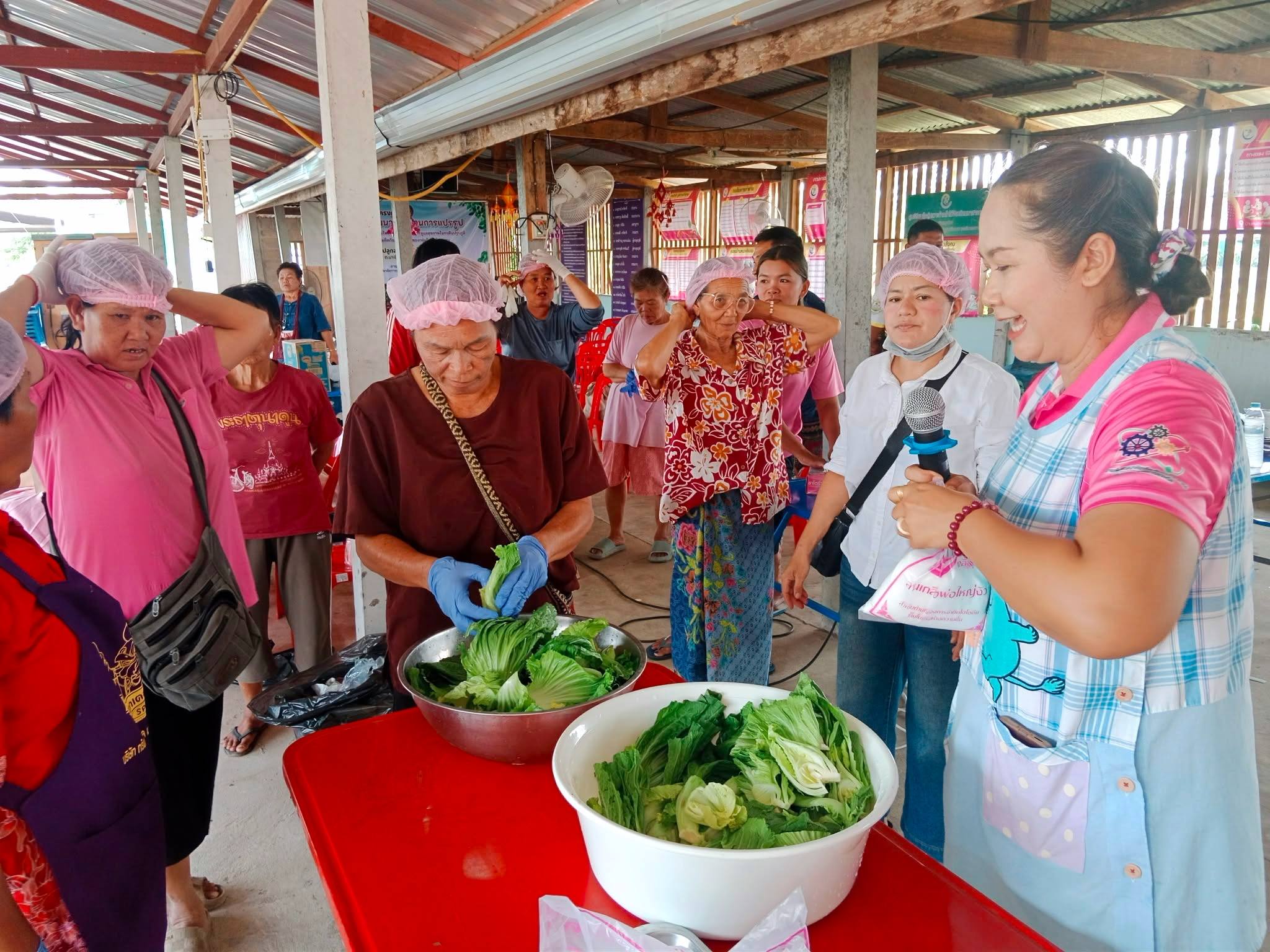
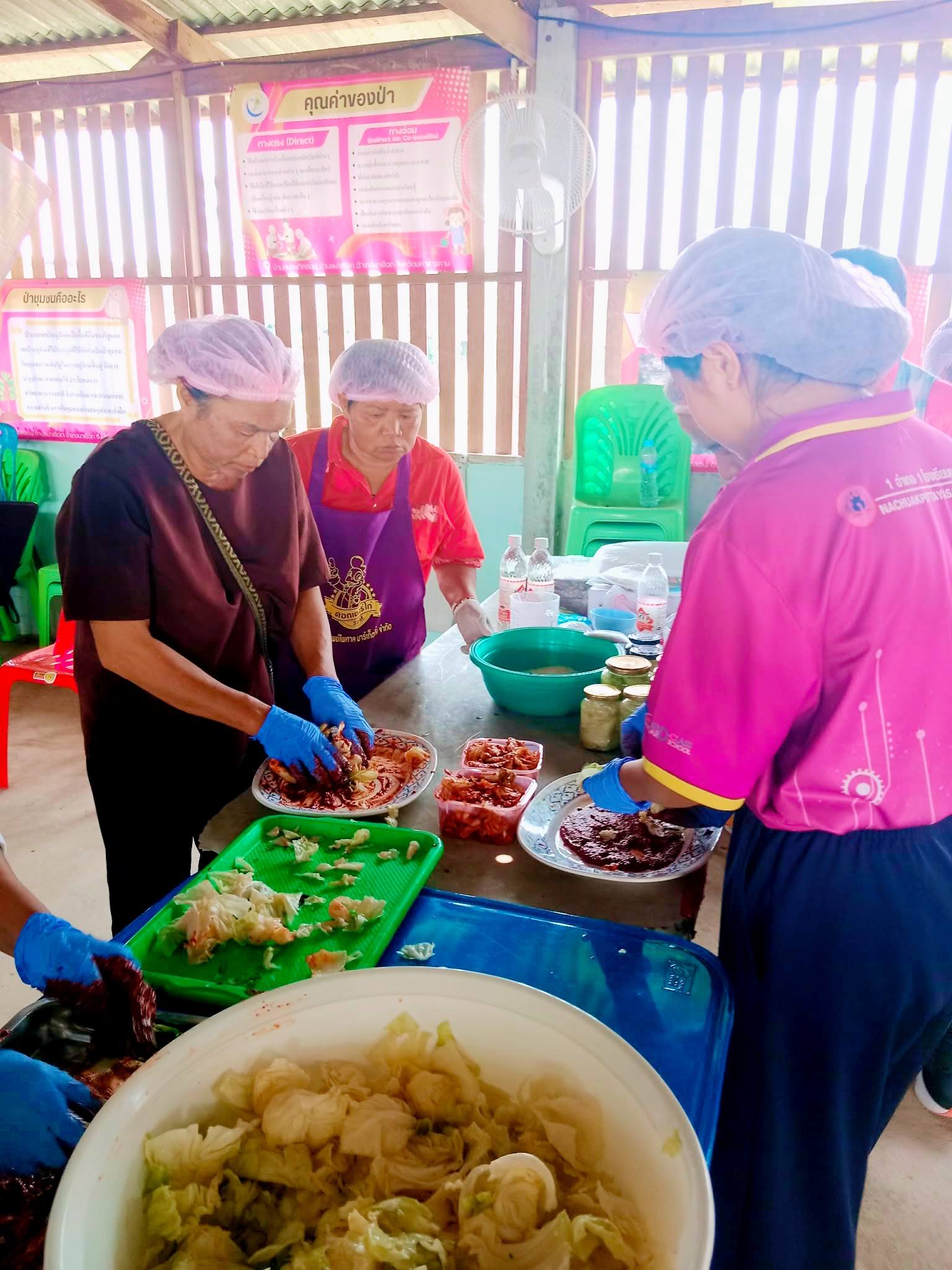
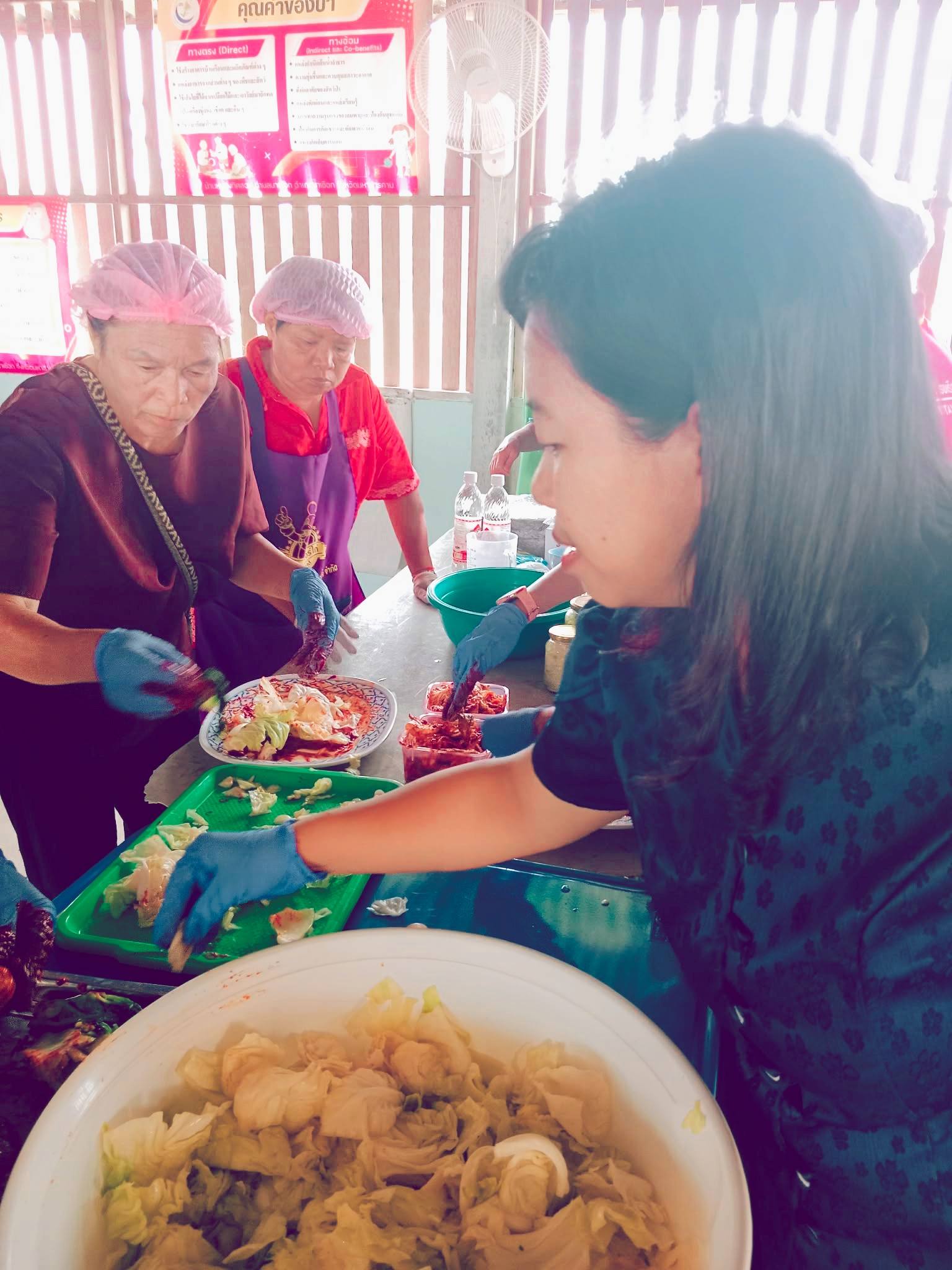
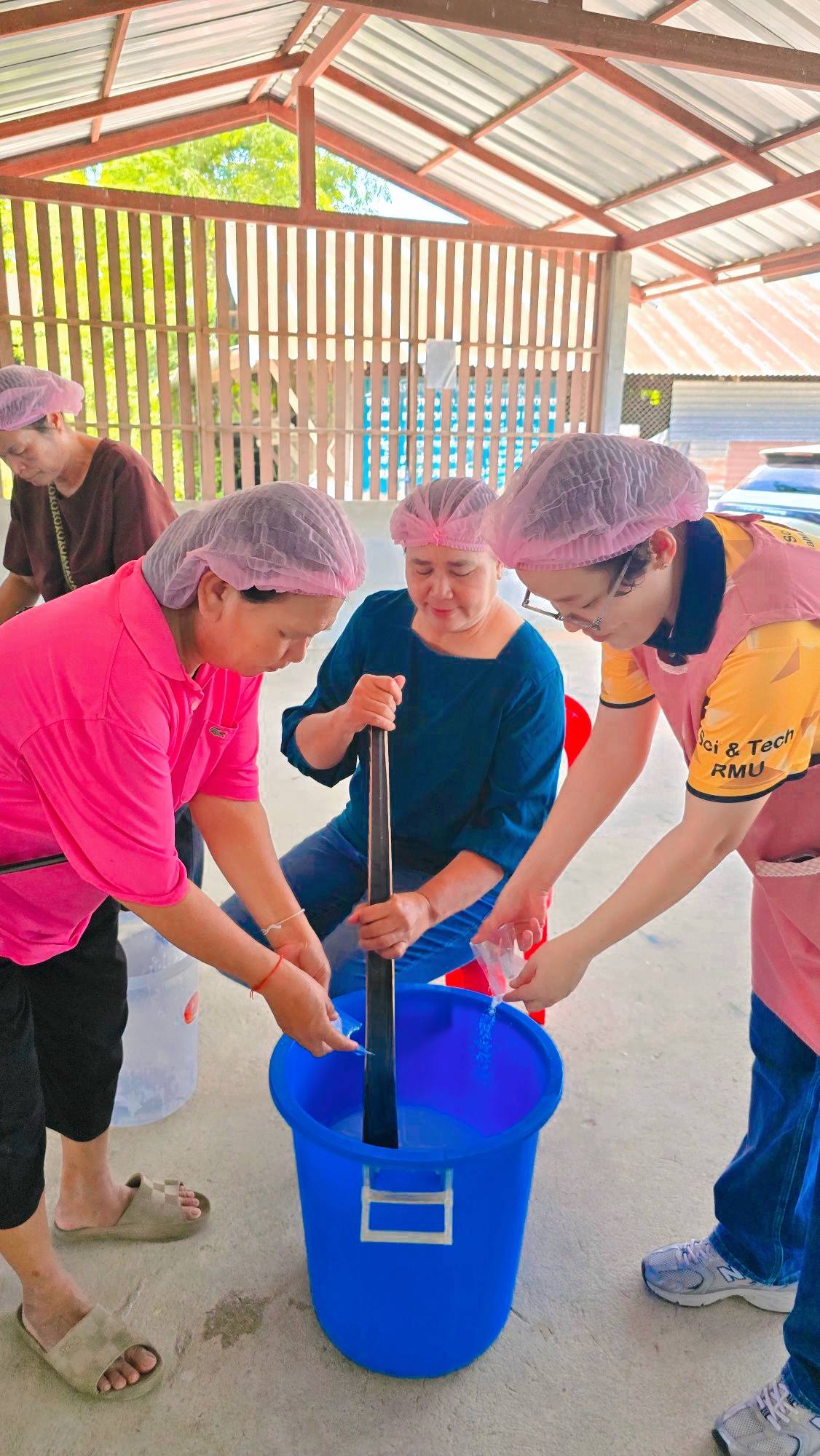
Activity 2: Technology Transfer on Herbal Processing Methods and Development of Local Herbs into Prototype Products for the Ban Nong Thit Son Herbal Planting Community Enterprise Group (3 days)
Activity 3: Development of Guidelines for Promoting Sustainable Community Products (3 days)
กิจกรรมที่ 1 การพัฒนาองค์ความรู้สมุนไพรพื้นบ้านจากภูมิปัญญาที่ใช้ดูแลสุขภาพในระดับ ปฐมภูมิ ของชุมชนสู่ผลิตภัณฑ์ต้นแบบ ( 4 วัน)
กิจกรรมที่ 2 ถ่ายทอดเทคโนโลยีกระบวนการแปรรูปสมุนไพรและการพัฒนาสมุนไพรพื้นบ้านให้เป็นผลิตภัณฑ์ต้นแบบ กลุ่มวิสาหกิจชุมชนกลุ่มปลูกสมุนไพร บ้านหนองทิศสอน( 3 วัน)
กิจกรรมที่ 3 การพัฒนาแนวทางเพื่อผลักดันผลิตภัณฑ์ชุมชนสู่ความยั่งยืน ( 3 วัน)
Part 2: Outcomes & Impact ส่วนที่ 2 ผลลัพธ์และผลกระทบ
Outcomes ผลลัพธ์ที่เกิดขึ้น
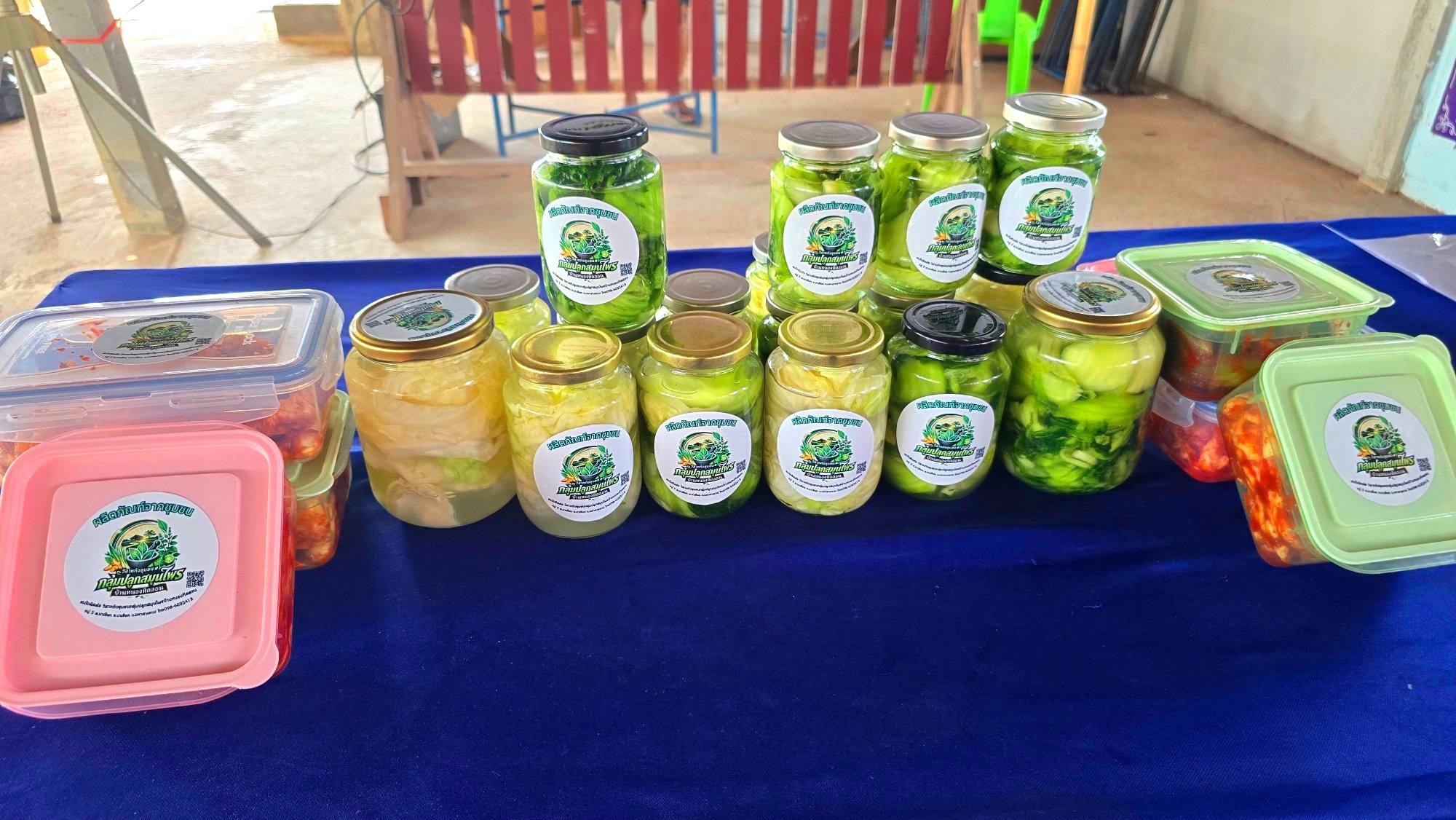
1.The Ban Nong Thit Son Herbal Planting Community Enterprise Group possesses its own distinctive identity product.
2.The Ban Nong Thit Son Herbal Planting Community Enterprise Group has established guidelines for generating additional income through the sale of prototype products.
1.กลุ่มวิสาหกิจชุมชนกลุ่มปลูกสมุนไพรบ้านหนองทิศสอน มีผลิตภัณฑ์ที่เป็นอัตลักษณ์ของตนเอง
2.กลุ่มวิสาหกิจชุมชนกลุ่มปลูกสมุนไพรบ้านหนองทิศสอน มีแนวทางการสร้างรายได้เพิ่มจากการจำหน่ายผลิตภัณฑ์ต้นแบบ
Community & Social Impact ผลกระทบต่อชุมชน/สังคม
Economic Dimension: Increased options for marketing primary health care products, thereby generating additional income.
Social Dimension: Strengthened community enterprise group, accompanied by an increase in the Gross Village Happiness (GVH) Index.
Educational Dimension: Integration of knowledge among collaborating agencies, establishment of a new learning center, and expansion of the university's network.
Environmental Dimension: Conservation of medicinal plants and promotion of sustainable, circular utilization of herbal resources.
ด้านเศรษฐกิจ เพิ่มทางเลือกในการจำหน่ายผลิตภัณฑ์ในการดูแลสุขภาพในระดับปฐมภูมิฯ เพื่อการสร้างรายได้
ด้านสังคม กลุ่มวิสาหกิจชุมชนเข้มแข็งขึ้น ดัชนีความสุขมวลรวม(GVH) เพิ่มขึ้น
ด้านการศึกษา เกิดการบูรณาการองค์ความรู้ระหว่างหน่วยงาน เกิดแหล่งเรียนรู้หน่วยใหม่ และสร้างเครือข่ายของ มหาวิทยาลัย
ด้านสิ่งแวดล้อม เกิดการอนุรักษ์พืชสมุนไพร และนำสมุนไพรมาใช้หมุนเวียน
Student & Staff Participation การมีส่วนร่วมของนักศึกษา/บุคลากร
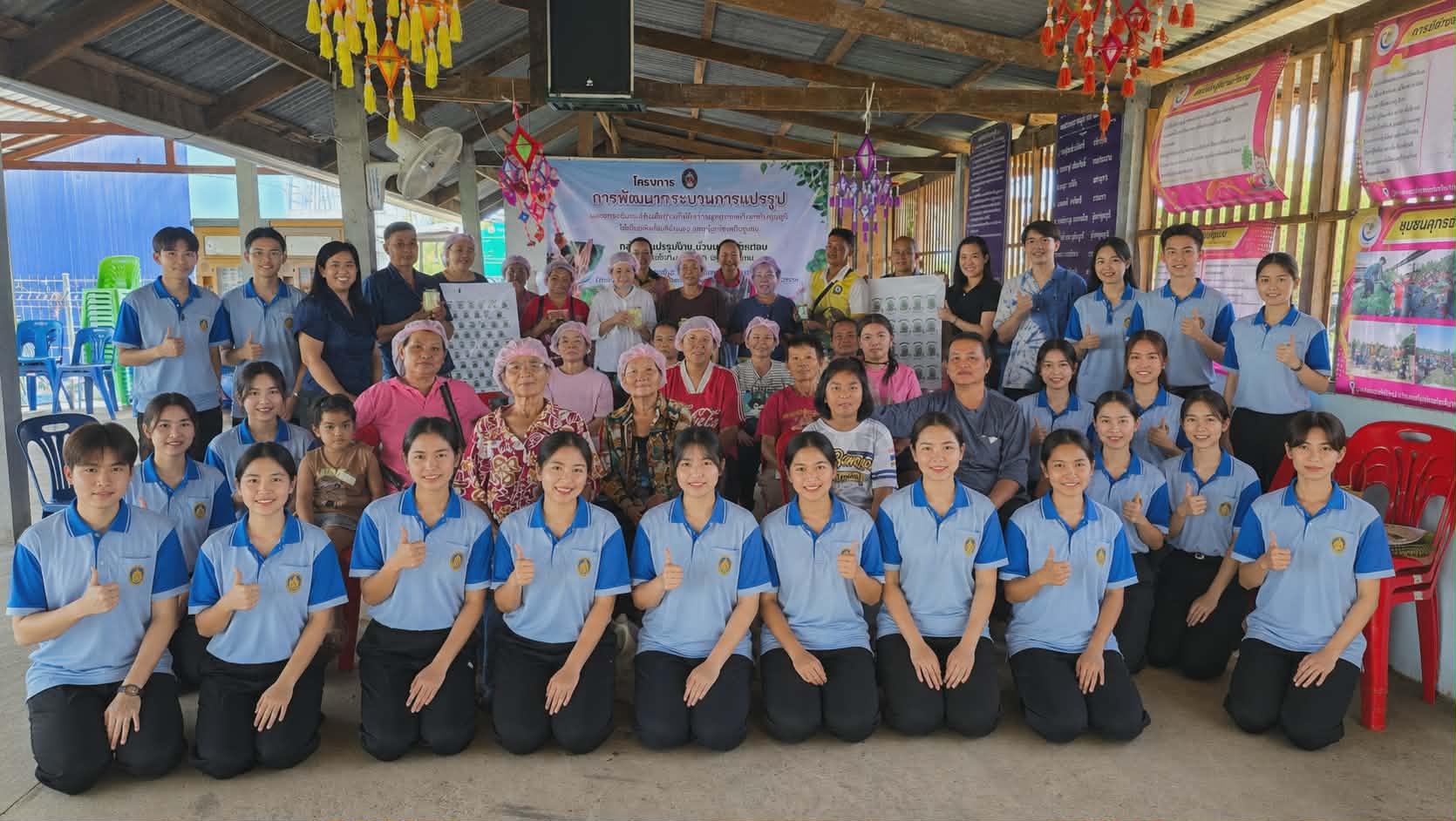
1.The 20 students who participated in the project gained knowledge and were able to effectively integrate knowledge on health promotion and primary health care using local herbs through academic service collaboration with the community. This resulted in a learning process embedded within a genuinely student-centered teaching and learning approach, which is also consistent with the professional competencies of community public health, particularly in the area of primary health care.
The participating students are able to apply the skills acquired from the project to their own communities, as well as to integrate these skills into future health service provision relevant to their profession.
2.Faculty members and staff who participated in the project achieved personal development in conjunction with the community, and developed a teaching and learning model based on a community participatory process. This constitutes a learning management approach designed to enhance students' lifelong learning skills, which is consistent with the Community Public Health curriculum and gives rise to a model that integrates academic service with teaching, learning, and research simultaneously.
3.The university has fulfilled its mission and achieved the objectives set forth.
1. นักศึกษาจำนวน 20 คน ที่เข้าร่วมโครงการ ได้รับความรู้และสามารถบูรณาการองค์ความรู้ด้านการส่งเสริมและดูแลสุขภาพ ด้วยสมุนไพรพื้นบ้านในระดับปฐมภูมิ ผ่านการบริการวิชาการร่วมกับชุมชนได้ดีเกิดเป็นกระบวนการเรียนรู้ในรูปแบบการจัดการเรียนการสอน ที่เน้นผู้เรียนเป็นสำคัญอย่างแท้จริง ซึ่งยังมีความสอดคล้องกับทักษะทางวิชาชีพสาธารณสุขชุมชน โดยเฉพาะด้านการดูแลสุขภาพในระดับปฐมภูมิ
นักศึกษาผู้เข้าร่วม สามารถนำทักษะที่ได้จากการเข้าร่วมโครงการไปประยุกต์ใช้ในชุมชนที่ตนอาศัย หรือนำไปบูรณาการกับการให้บริการด้านสุขภาพ ที่เกี่ยวข้องกับวิชาชีพในอนาคตได้
2. คณาจารย์และบุคลากรผู้เข้าร่วมโครงการ ได้พัฒนาตนเองร่วมกับสังคม ได้พัฒนาการจัดรูปแบบการเรียนการสอนโดยกระบวนการมีส่วนร่วมของชุมชน เป็นการจัดการเรียนรู้เพื่อพัฒนาทักษะนักศึกษาที่เน้นการเรียนรู้ ตลอดชีวิต (Lifelong Learning) มีความสอดคล้องกับหลักสูตรสาธารณสุขชุมชน และเกิดรูปแบบการบริการวิชาการร่วมกับการเรียนการสอนและการวิจัยไปพร้อมกัน
3. มหาวิทยาลัยได้ดำเนินการตามภารกิจ บรรลุวัตถุประสงค์ที่ตั้งไว้
Project Continuity ความต่อเนื่องของโครงการ
The project coordinators continue to provide cooperation and support to the community enterprise group in upgrading local herbs used in primary health care into prototype products with their own distinctive identity. This effort aims to lay the groundwork for obtaining Thai Community Product Standard (TCPS) certification and developing a distribution plan to enhance future income, thereby further promoting sustainability for the community enterprise group. ผู้รับผิดชอบโครงการ ยังคงให้ความร่วมมือและช่วยเหลือ กลุ่มวิสาหกิจชุมชนเพื่อให้ได้ยกระดับสมุนไพรพื้นบ้าน ที่ใช้ในการดูแลสุขภาพในระดับปฐมภูมิที่ให้เป็นผลิตภัณฑ์ต้นแบบ ที่มีอัตลักษณ์ของตนเอง นำไปสู่แนวทางการขอรับรองมาตรฐานผลิตภัณฑ์ชุมชน (มผช.) และแผนการ จัดจำหน่ายเพื่อเพิ่มรายได้ในอนาคต เพิ่มแนวทางการสร้างความยั่งยืนให้กลุ่มวิสาหกิจต่อไป
Part 3: Challenges & Suggestions ส่วนที่ 3 ปัญหาอุปสรรค/ข้อเสนอแนะ
Problems & Obstacles ปัญหา/อุปสรรค
1.The implementation period specified in the project coincided with the hot season, resulting in lower-than-expected yields of the target herbs and vegetables. Consequently, the duration of activity implementation had to be extended, which in turn affected the timeline for project summarization and reporting as originally specified.
2.Since there are relatively few well-established community enterprise groups in Na Chueak Sub-district, local agencies were also conducting their own activities concurrently. This, combined with local traditional events, necessitated adjustments to the project's implementation schedule. Nevertheless, the local residents and the community enterprise group demonstrated strong interest and provided excellent cooperation throughout.
1.ช่วงระยะเวลาในการดำเนินงานที่ระบุในโครงการ เป็นช่วงหน้าร้อน ทำให้สมุนไพรและผักกลุ่มเป้าหมาย มีผลผลิตไม่ตามเป้า ทำให้ระยะเวลาการดำเนินกิจกรรมต้องเพิ่มขึ้น ส่งผลต่อการสรุปและรายงานโครงการตามที่ระบุในโครงการตอนต้น
2.เนื่องด้วยในพื้นที่ตำบลนาเชือก กลุ่มวิสาหกิจที่เข้มแข็งยังมีไม่มากทำให้หน่วยงานในพื้นที่ ก็ได้มีการจัดดำเนินกิจกรรมเช่นกัน ประกอบกับมีกิจกรรมตามประเพณีของท้องถิ่น จึงทำให้ระยะเวลาในการดำเนินโครงการต้องมีการปรับเปลี่ยน แต่ทางประชาชนและกลุ่มวิสาหกิจให้ความสนใจและให้ความร่วมมือดีมาก
Improvement Guidelines แนวทางการปรับปรุง
The following recommendations for improvement were jointly discussed by the community and local agencies:
1.The timing of activities should be adjusted to align with the agricultural cultivation cycle, in coordination with the community and local agencies prior to annual budget planning.
2.The project should be implemented on a continuous basis to ensure effectiveness and to enable the community enterprise group to achieve its goal of developing certified prototype products or having them registered as OTOP products.
โดยข้อเสนอแนะแนวทางปรับปรุงนี้ชุมชนและหน่วยงานท้องถิ่นได้หารือร่วม 1.ช่วงเวลาให้ปรับรูปแบบกิจกรรมตามการเพาะปลูก โดยประสานกับชุมชนและหน่วยงานท้องถิ่นก่อนการวางแผนตามปี งบประมาณ
2.ควรจัดโครงการต่อเนื่องเพื่อให้เกิดประสิทธิภาพและบรรลุเป้าหมายของกลุ่มวิสาหกิจเรื่องผลิตภัณฑ์ต้นแบบที่ได้รับรองมาตรฐาน หรือเข้าสู่สินค้า Otop
Suggestions to University ข้อเสนอแนะต่อมหาวิทยาลัย
The following recommendations for improvement were jointly discussed by the community and local agencies:
1.It is recommended that the budget be increased and the implementation schedule be adjusted, to the extent feasible, to better align with the community calendar, in coordination with the community and local agencies prior to annual budget planning, in order to facilitate operations in collaboration with local agencies.
2.The project should be implemented on a continuous basis to ensure effectiveness and to enable the community enterprise group to achieve its goal of developing certified prototype products or having them registered as OTOP products. This would also serve to enhance the capacity of the community enterprise group and local residents, including those in neighboring areas, leading to long-term sustainability.
โดยข้อเสนอแนะแนวทางปรับปรุงนี้ชุมชนและหน่วยงานท้องถิ่นได้หารือร่วม 1.เสนอแนะให้เพิ่มงบประมาณ และปรับช่วงเวลาสอดคล้องกับปฏิทินชุมชนมากขึ้นหรือเท่าที่จะปรับได้ โดยประสานกับชุมชนและหน่วยงานท้องถิ่นก่อนการวางแผนตามปี งบประมาณ เพื่อการดำเนินงานภายใต้ความร่วมมือกับหน่วยงานท้องถิ่น
2.ควรจัดโครงการต่อเนื่องเพื่อให้เกิดประสิทธิภาพและบรรลุเป้าหมายของกลุ่มวิสาหกิจเรื่องผลิตภัณฑ์ต้นแบบที่ได้รับรองมาตรฐาน หรือเข้าสู่สินค้า Otop และเป็นการพัฒนาศักยภาพกลุ่มวิสาหกิจ ประชาชนในพื้นที่ รวมถึงพื้นที่ใกล้เคียงนำไปสู่ความยั่งยืนต่อไป