– March 10, 2026 1 มกราคม 2569
– 10 มีนาคม 2569
Part 1: Project Details ส่วนที่ 1 รายละเอียดการดำเนินงาน
Objectives วัตถุประสงค์โครงการ
1. To increase farmers’ income through the production of organic bean sprouts.
2. To expand markets for organic products.
3. To increase the area of land used for organic farming.
1. เพื่อเพิ่มรายได้ให้เกษตรกรจจากการผลิตถั่วงอกอินทรีย์
2. เพื่อขยายตลาดผลิตภัณฑ์อินทรีย์
3. เพื่อเพิ่มพื้นที่เกษตรอินทรีย์ในการเพาะปลูก
Main Activities กิจกรรมหลัก
Upstream
1. Sufficiency Economy Philosophy.
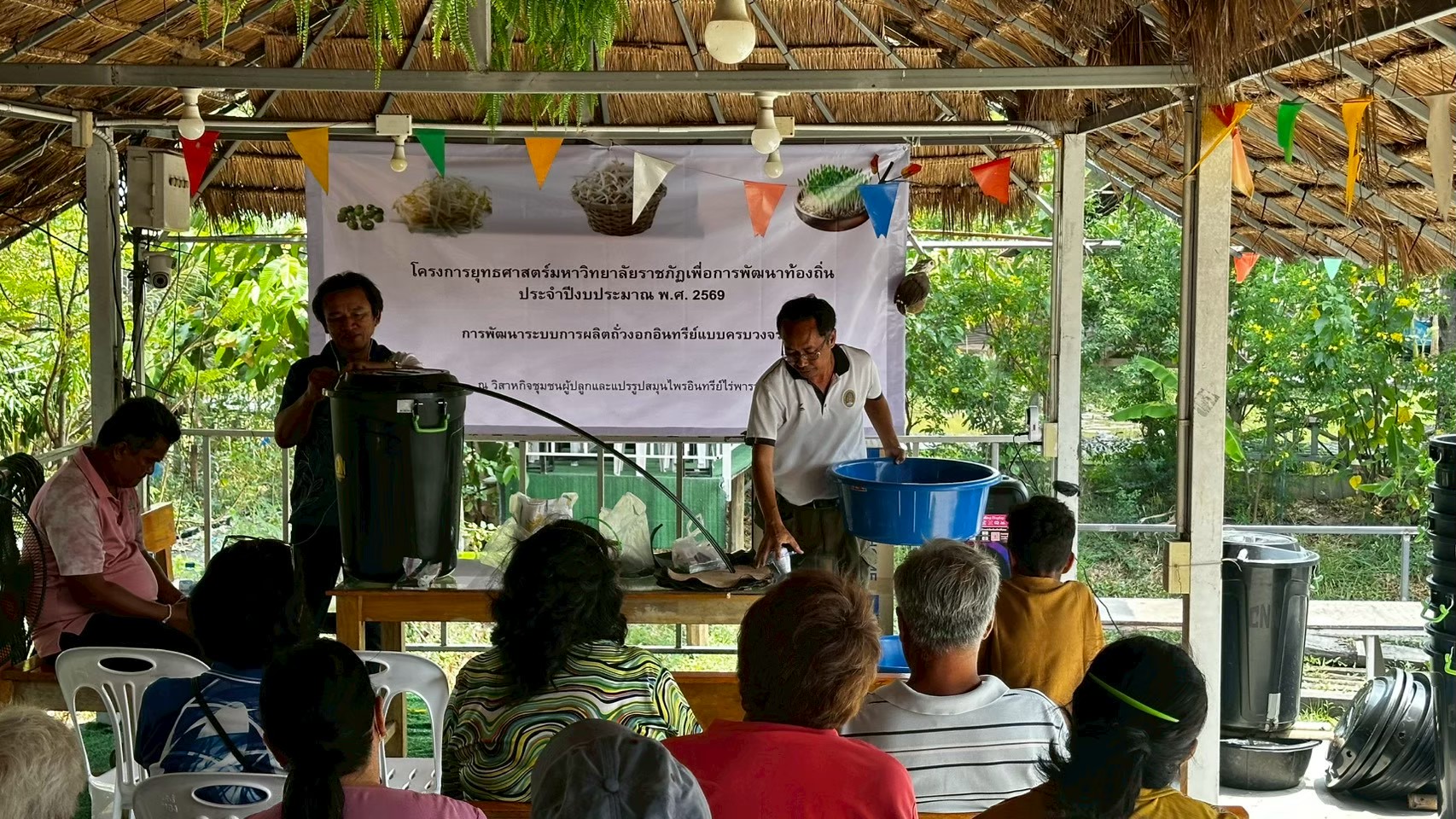
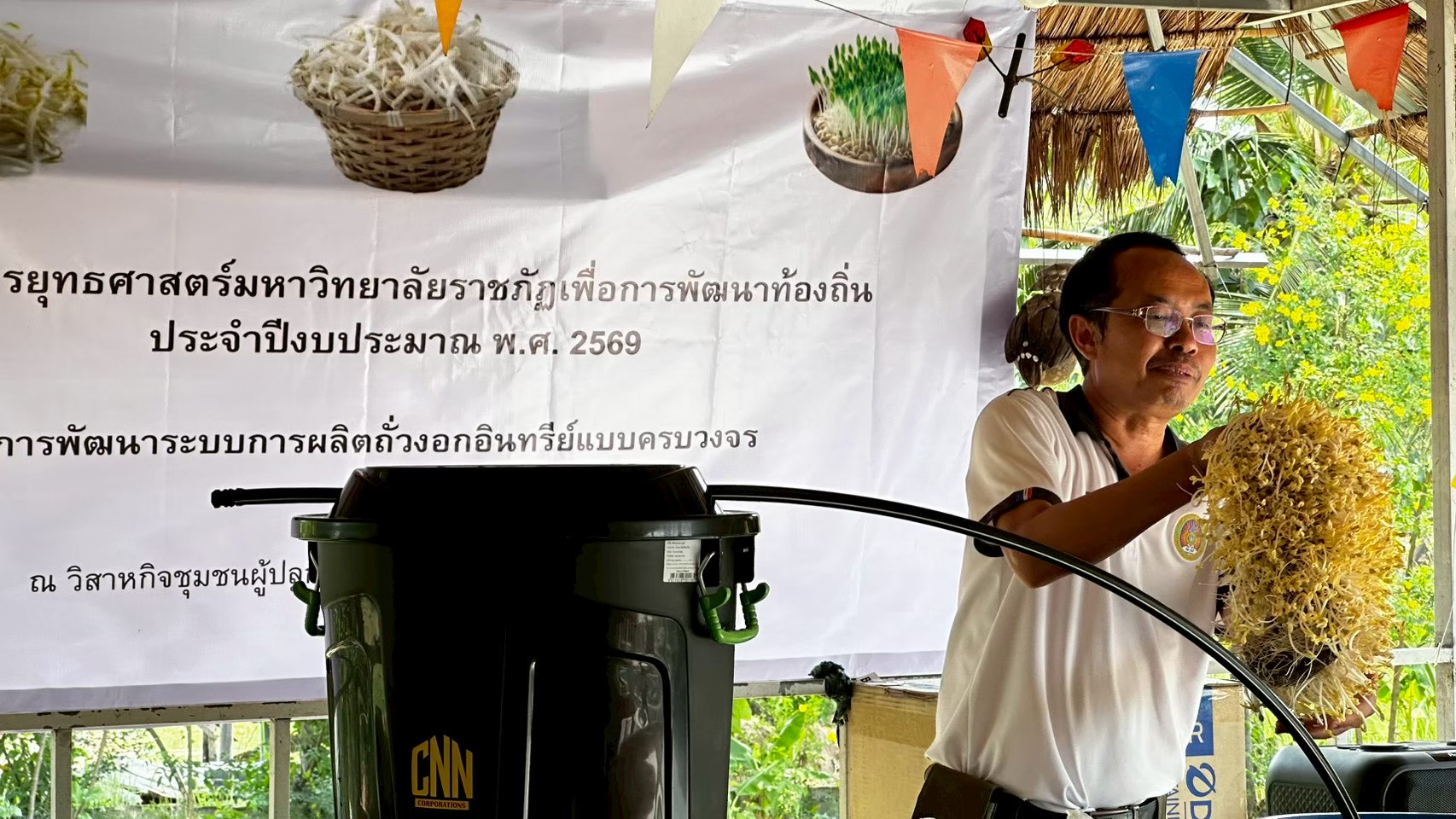
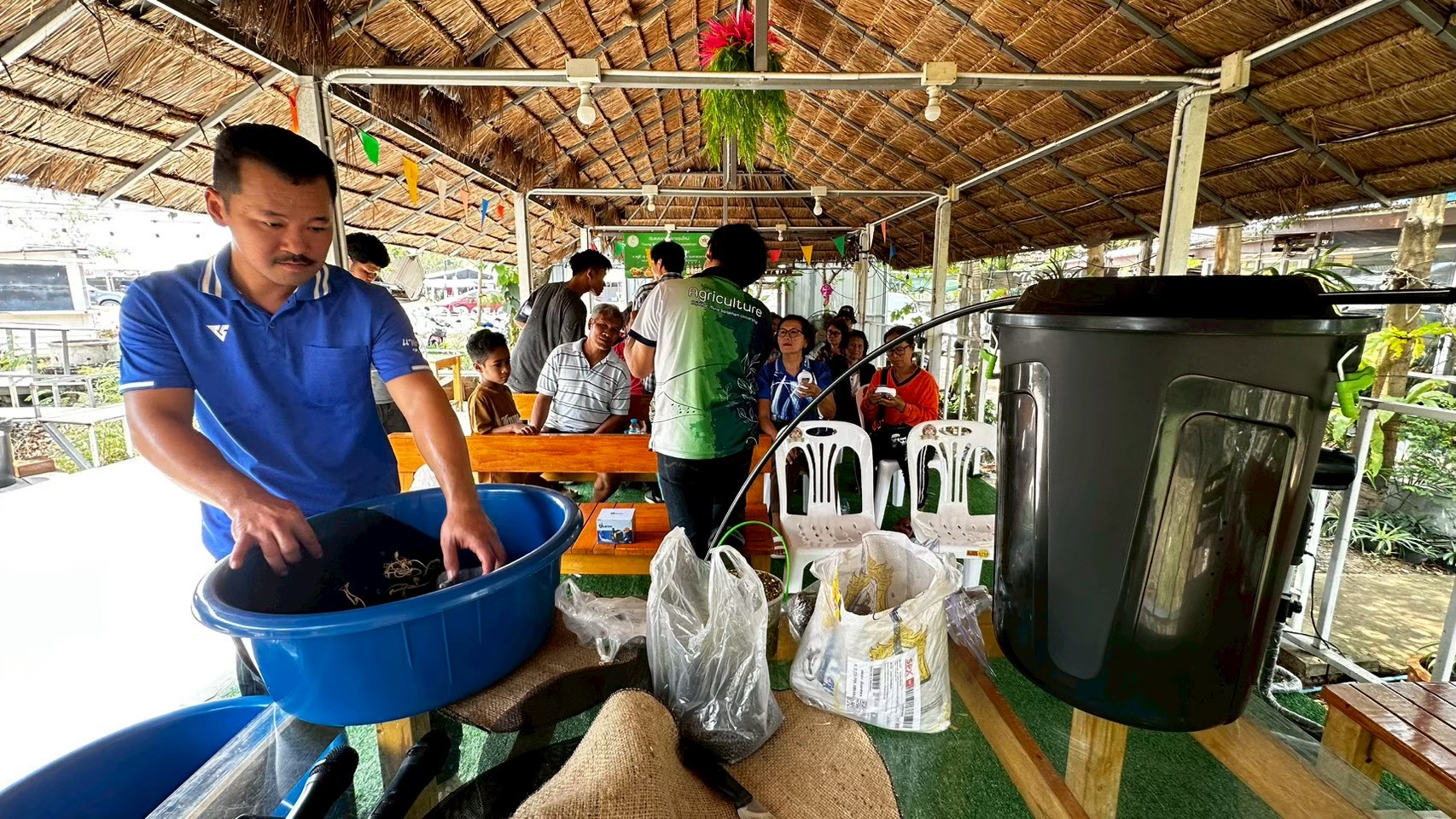
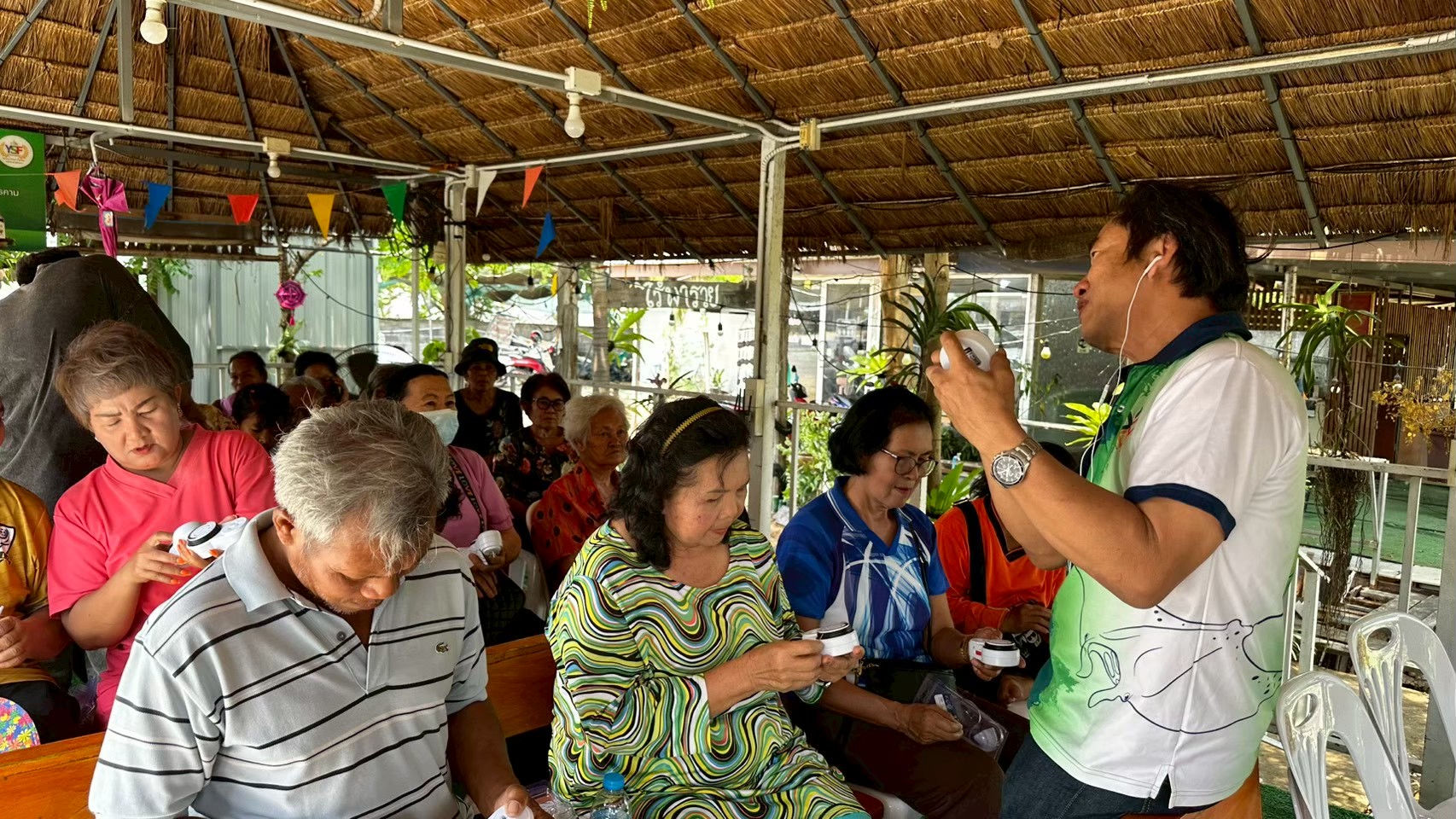
2. Bean Sprout Cultivation for Income Generation in the Community.
Midstream
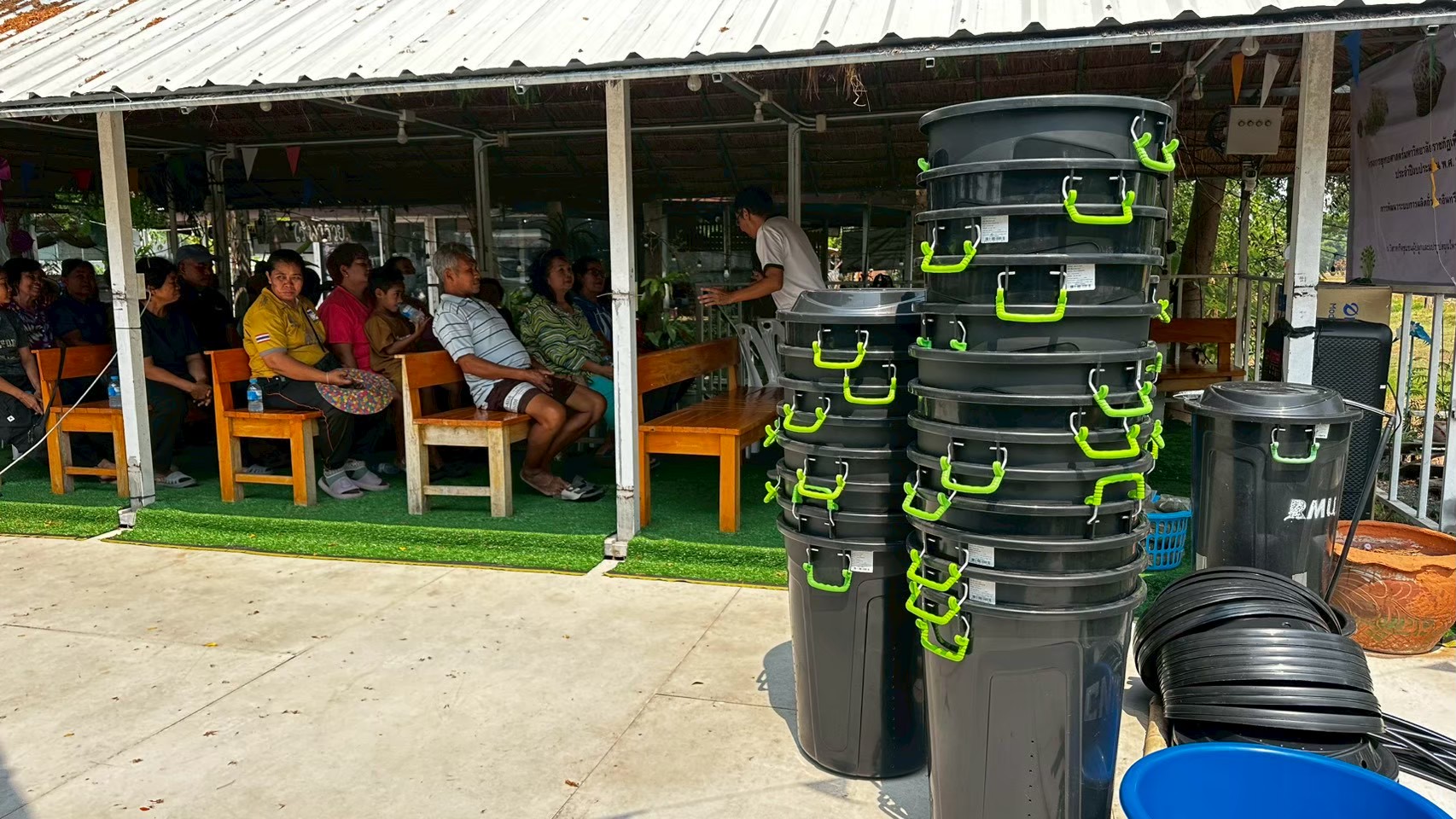
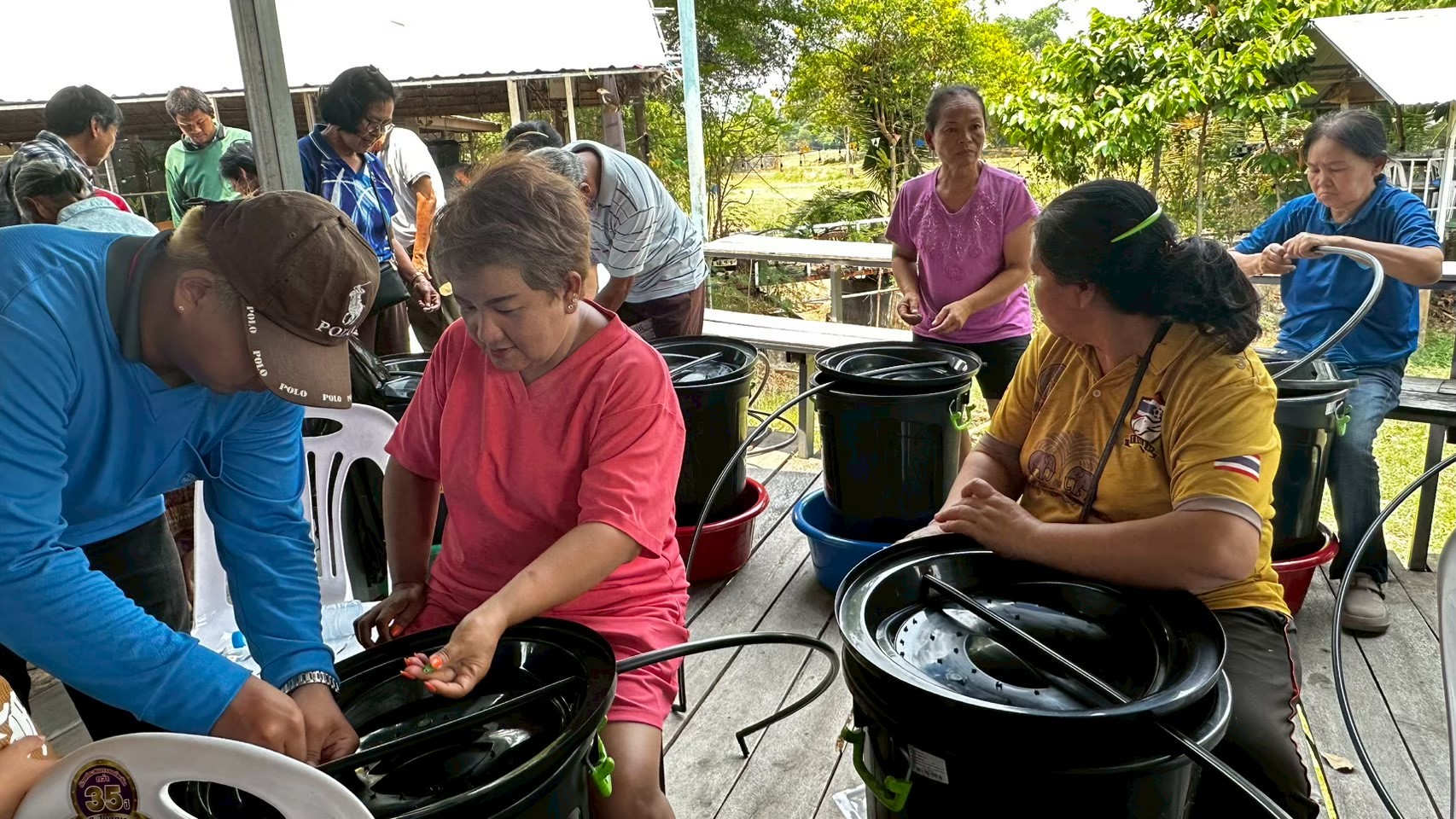
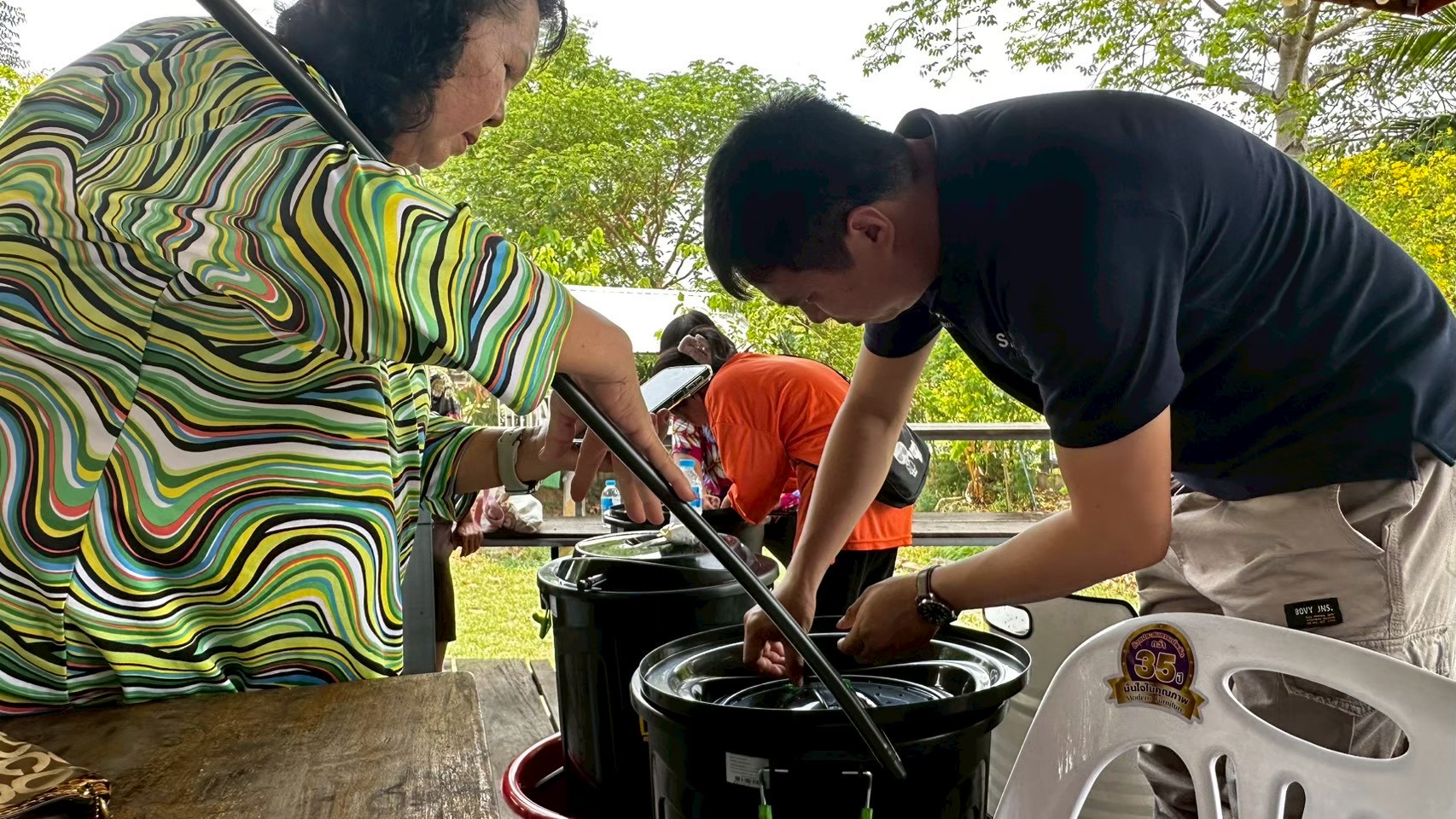
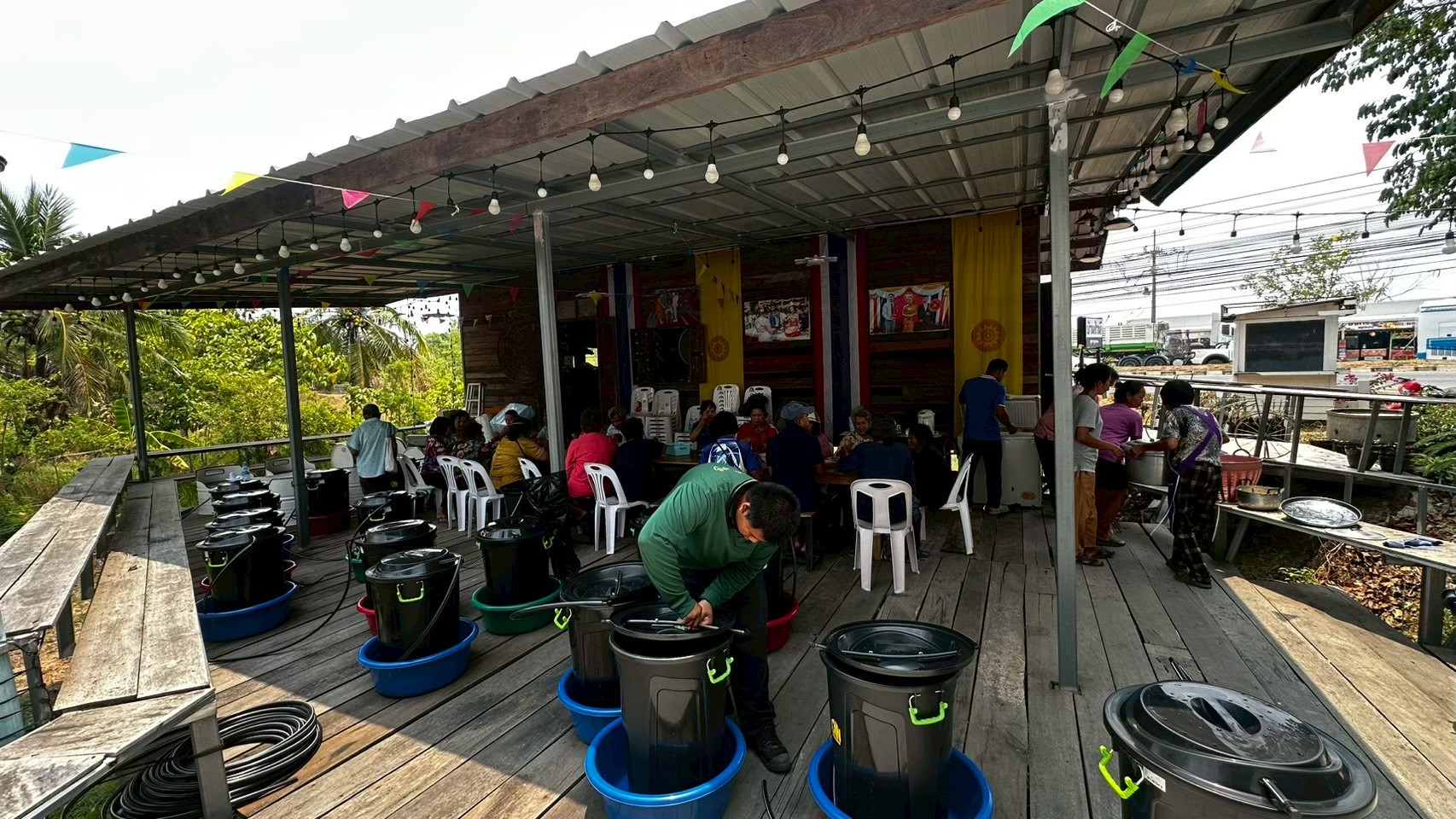
1. Development of Bean Sprout Cultivation Equipment.
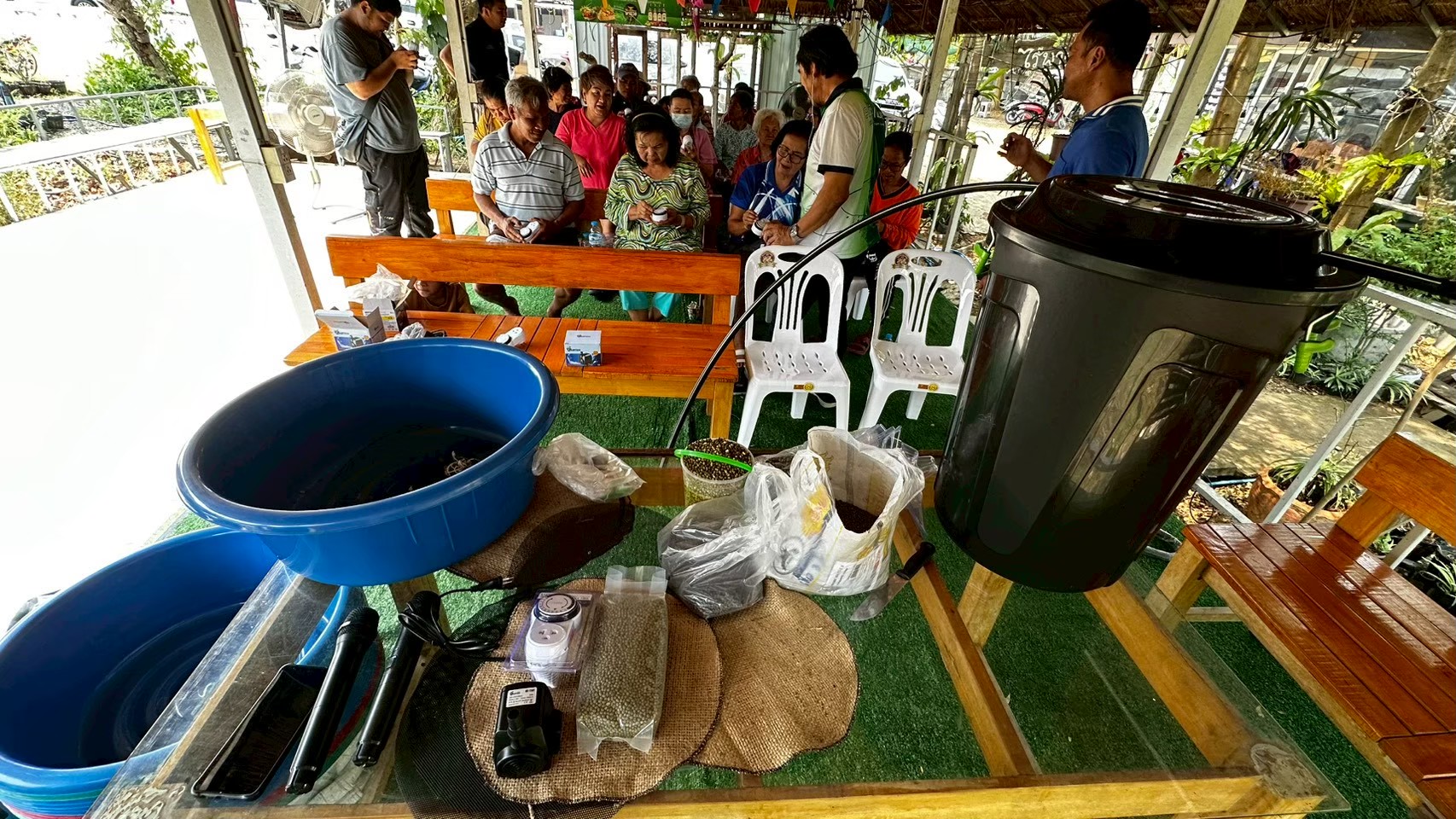
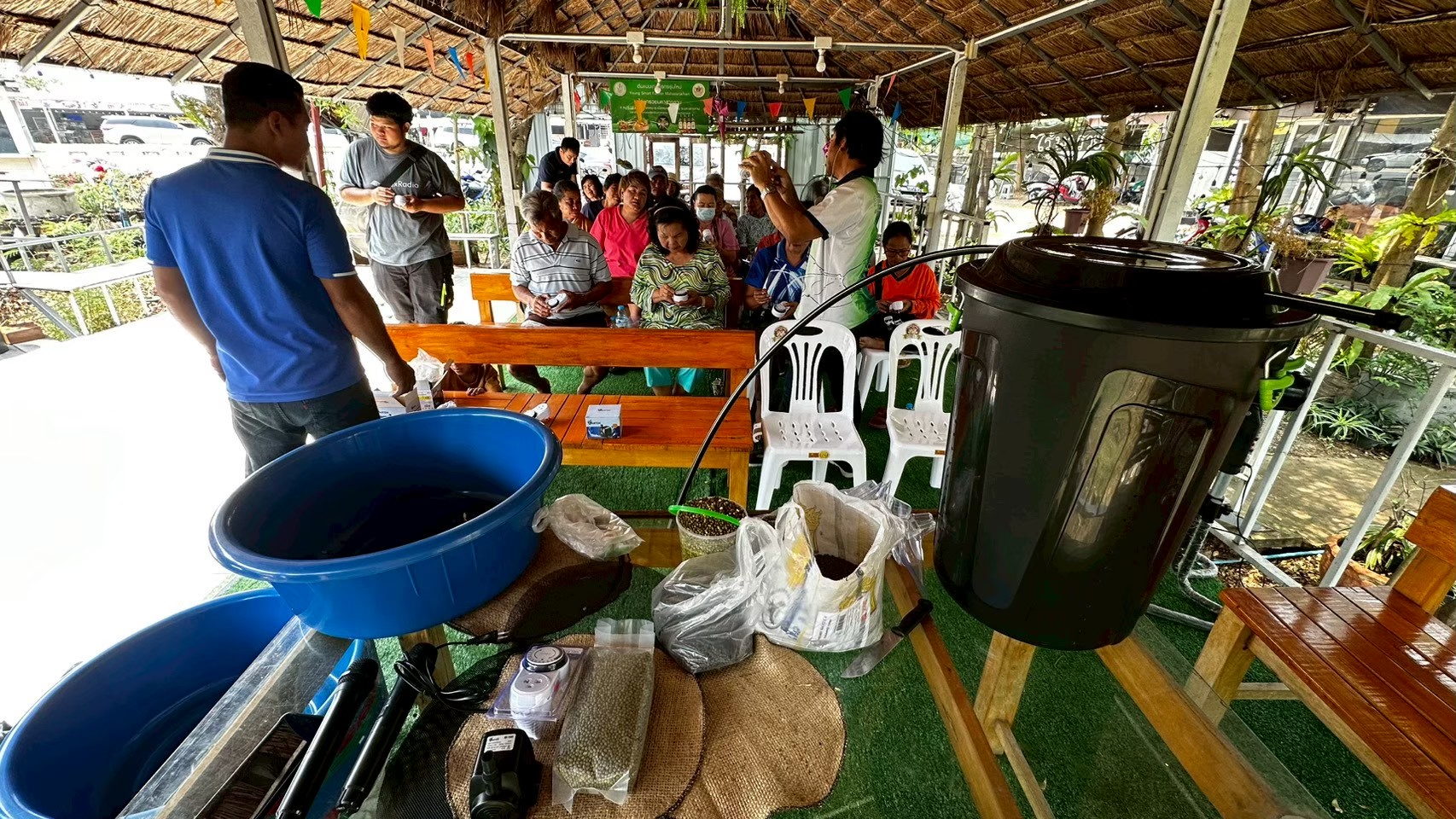
2. Water Management System and Organic Bean Sprout Cultivation.
Downstream
1. Packaging.
2. Marketing and Distribution.
ต้นน้ำ
1. ระบบเศรษฐกิจพอเพียง
2. การเพาะถั่วงอกสร้างรายได้ในชุมชน
กลางน้ำ
1. การสร้างอุปกรณ์การเพาะ
2. ระบบน้ำ และการเพาะถั่วงอกอินทรีย์
ปลายน้ำ
1. บรรจุภัณฑ์
2. การตลาด และการจัดจำหน่าย
Part 2: Outcomes & Impact ส่วนที่ 2 ผลลัพธ์และผลกระทบ
Outcomes ผลลัพธ์ที่เกิดขึ้น
1. Organic bean sprout production system.
2. Organic farming system management and production.
3. Organic agricultural land area.
1. ระบบการผลิตถั่วงอกอินทรีย์
2. การจัดการและการผลิตระบบเกษตรอินทรีย์
3. พื้นที่เกษตรอินทรีย์
Community & Social Impact ผลกระทบต่อชุมชน/สังคม
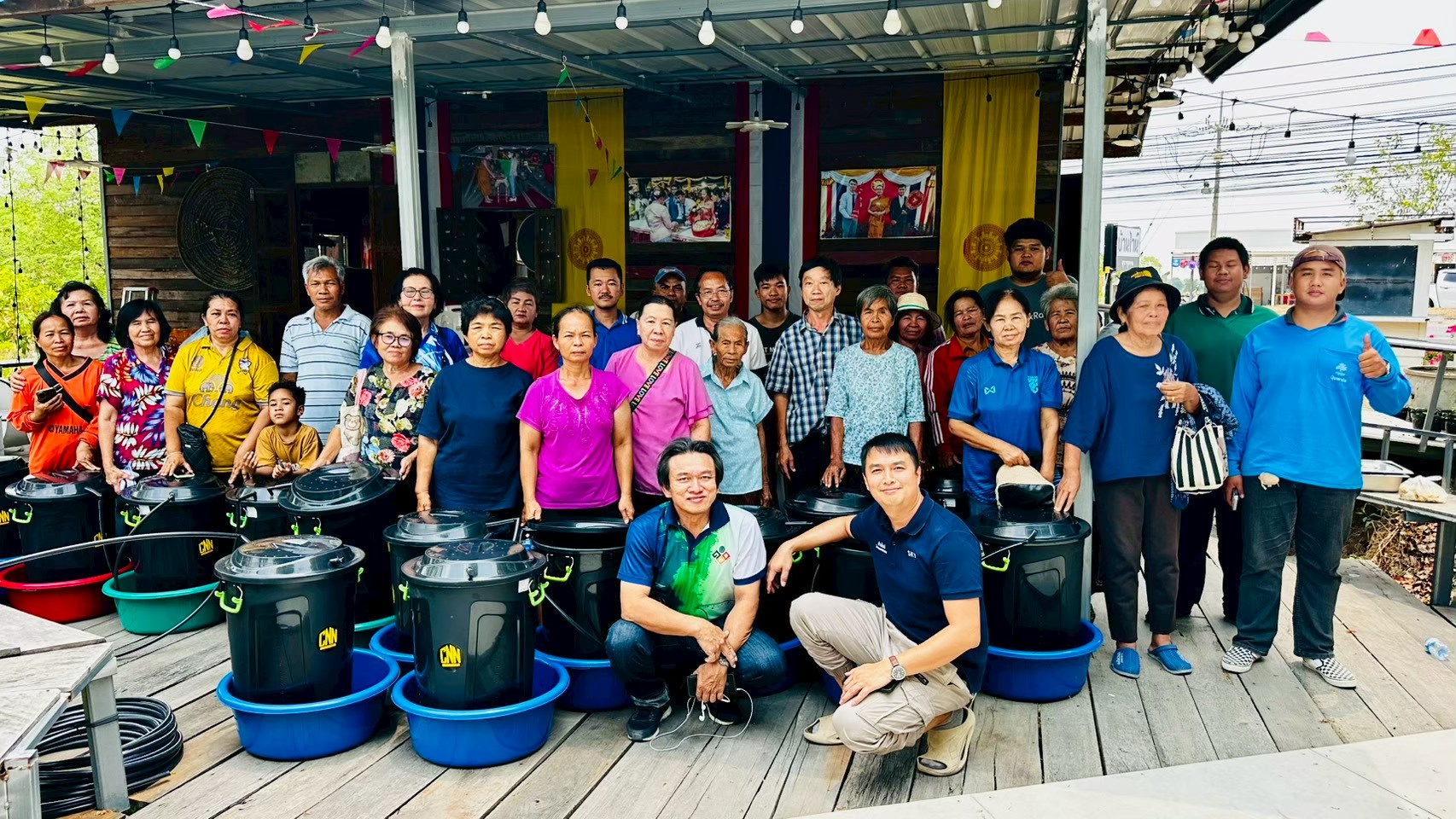
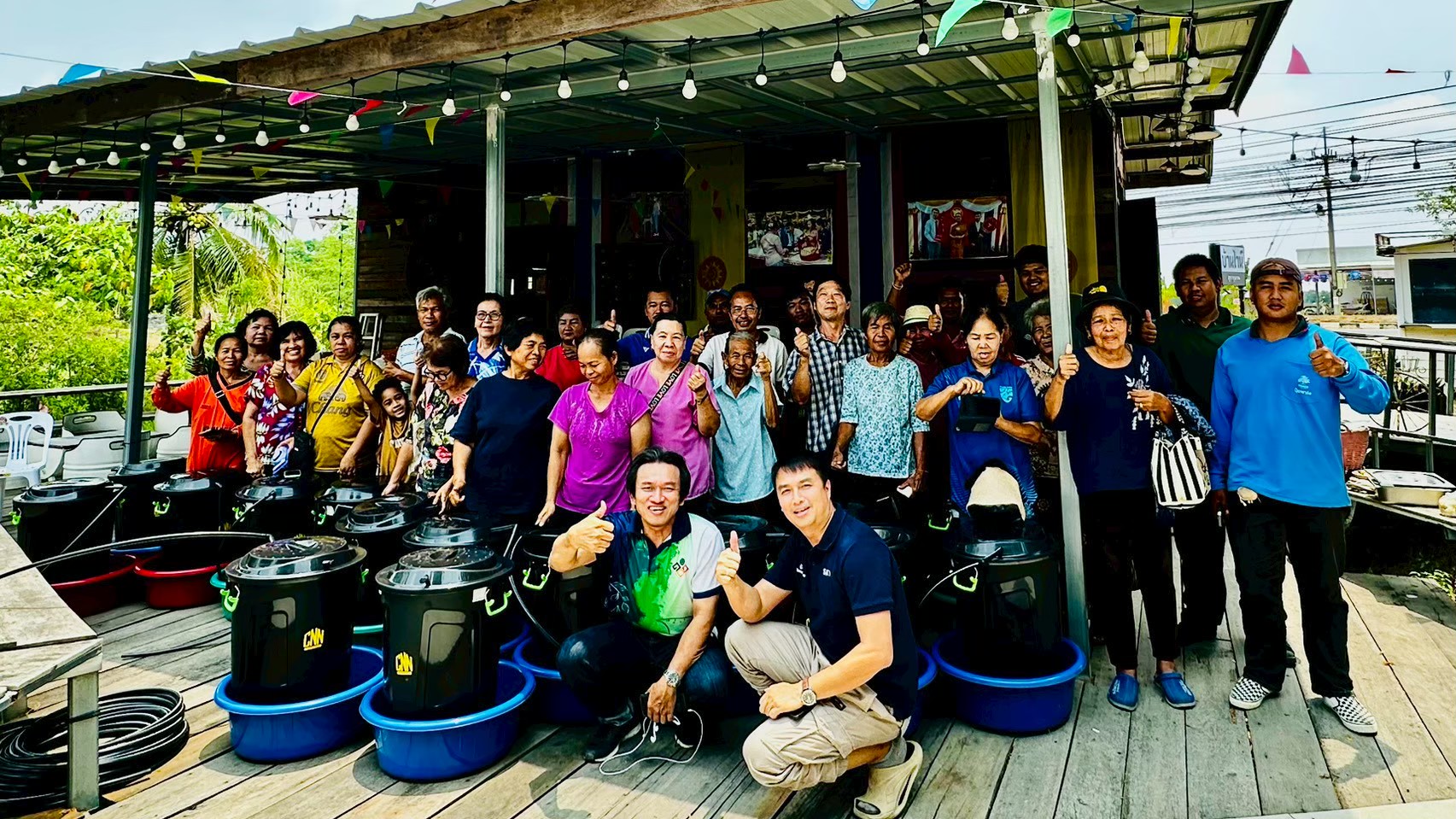
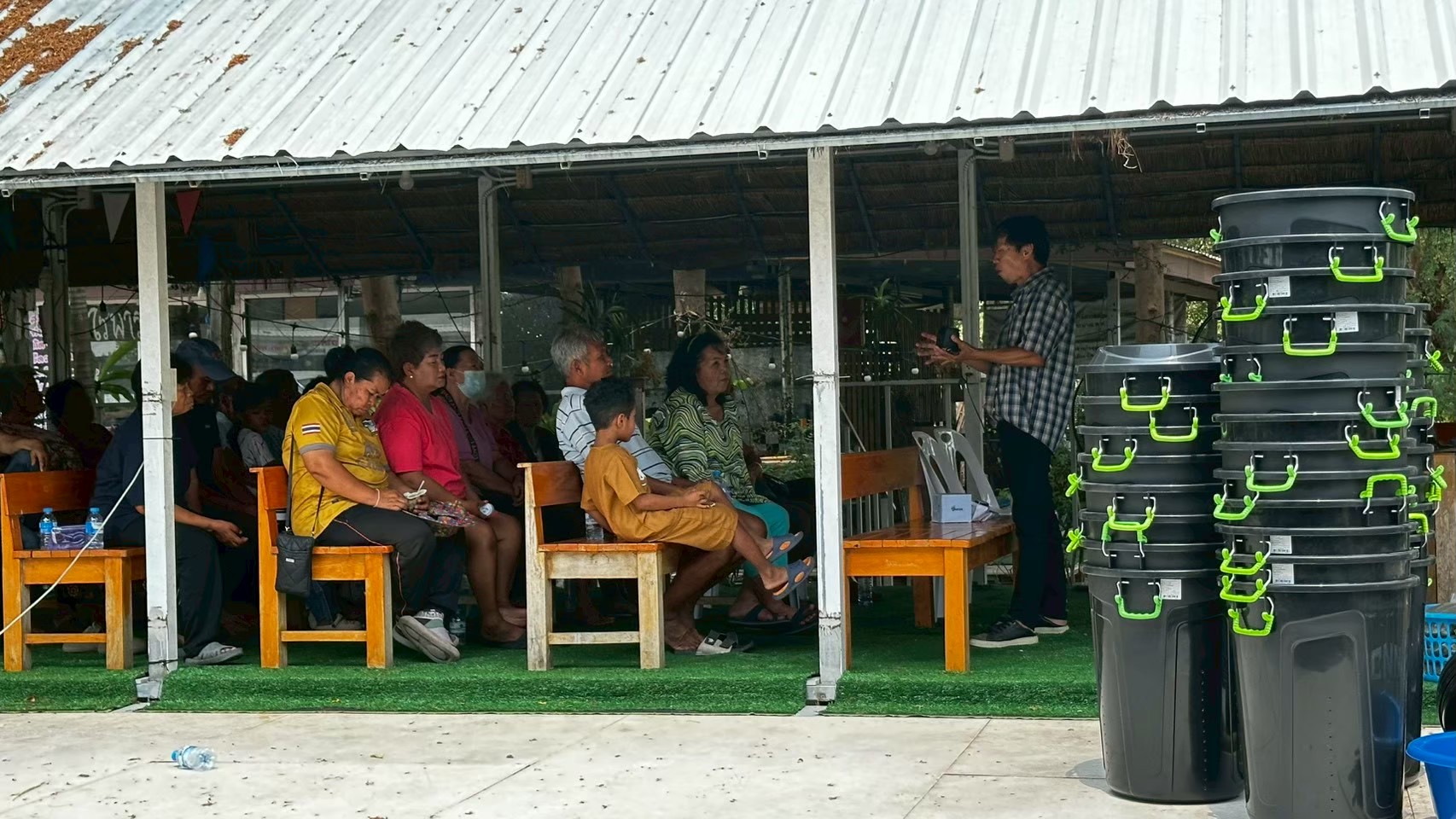
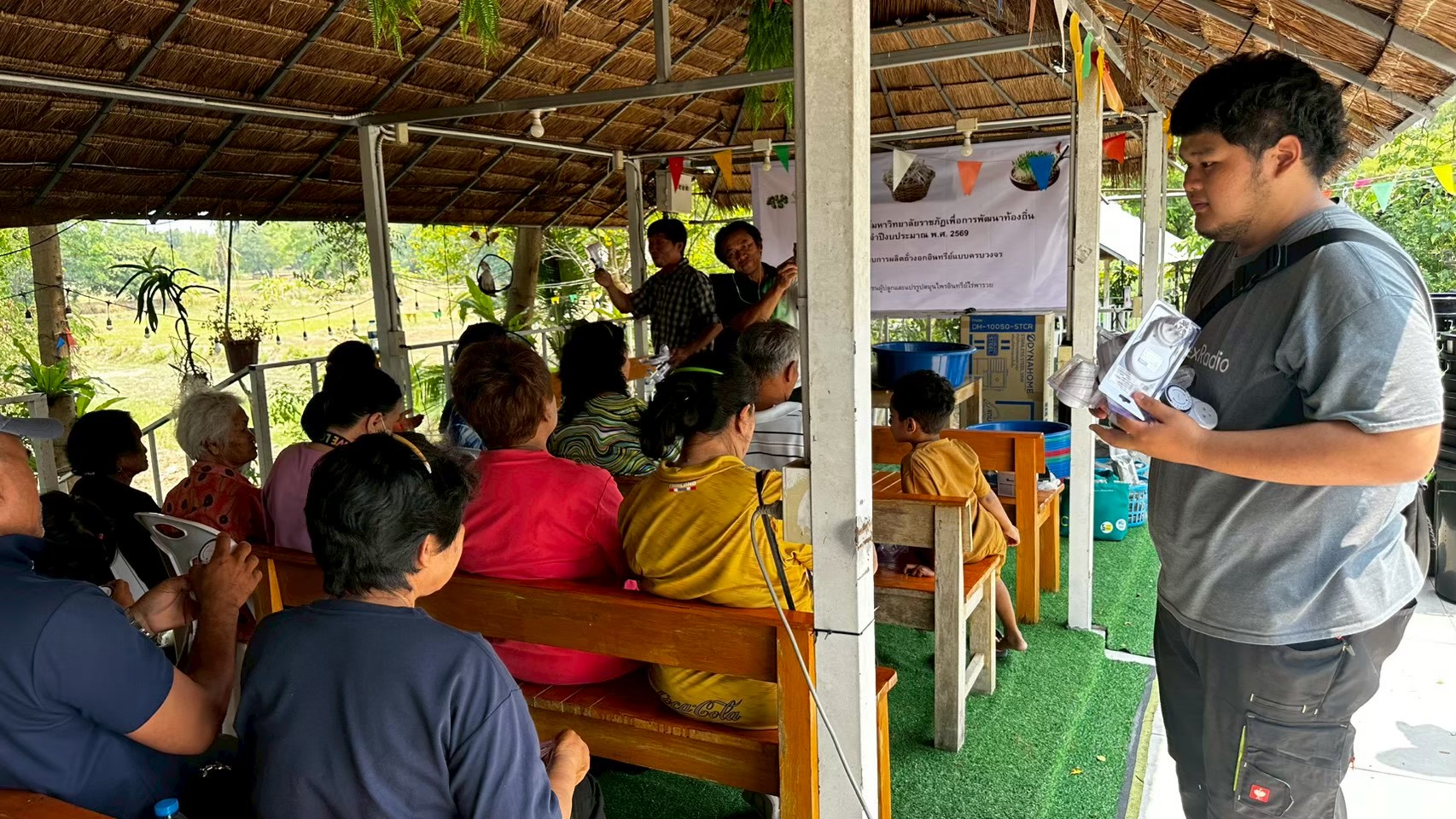
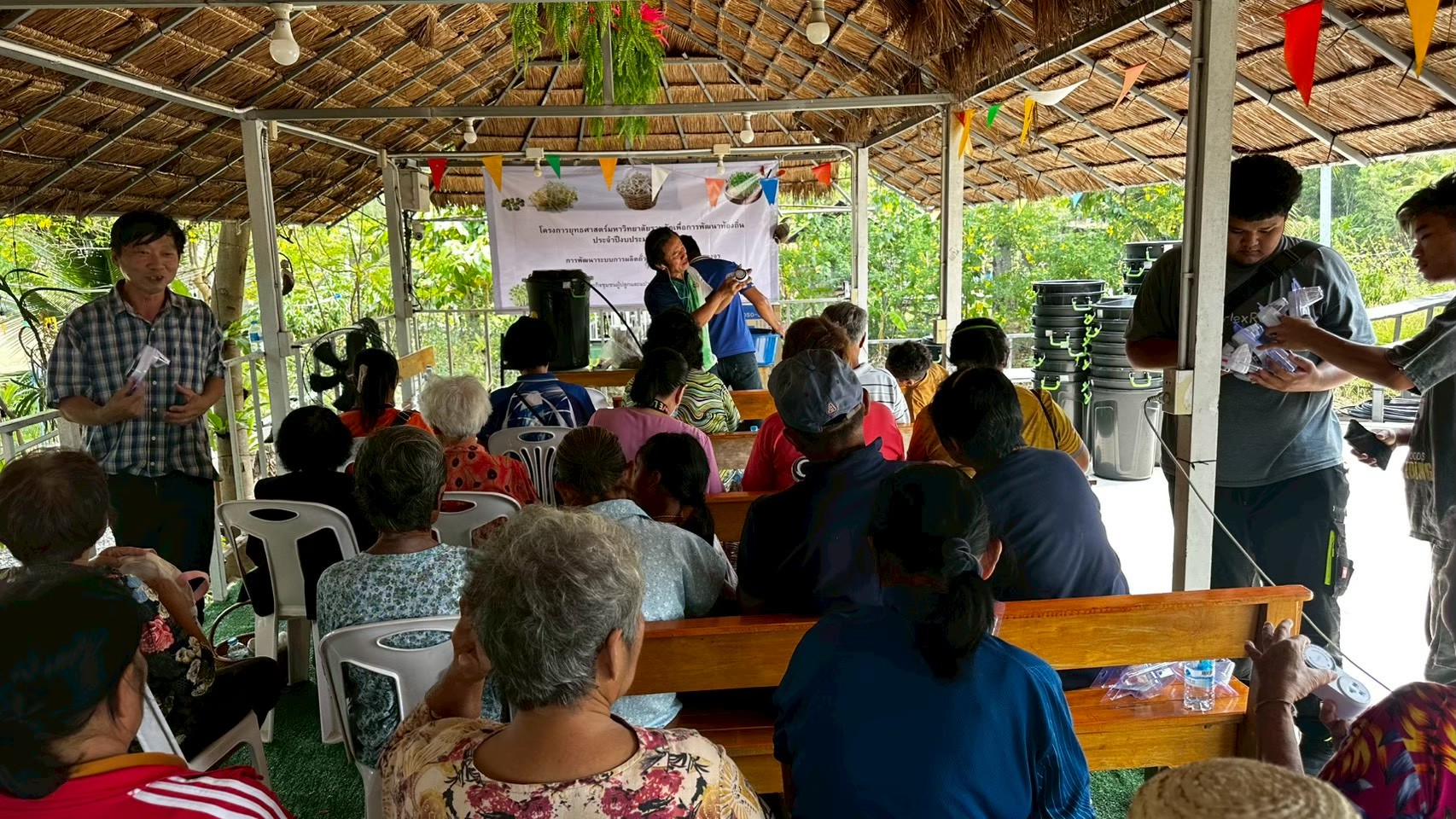
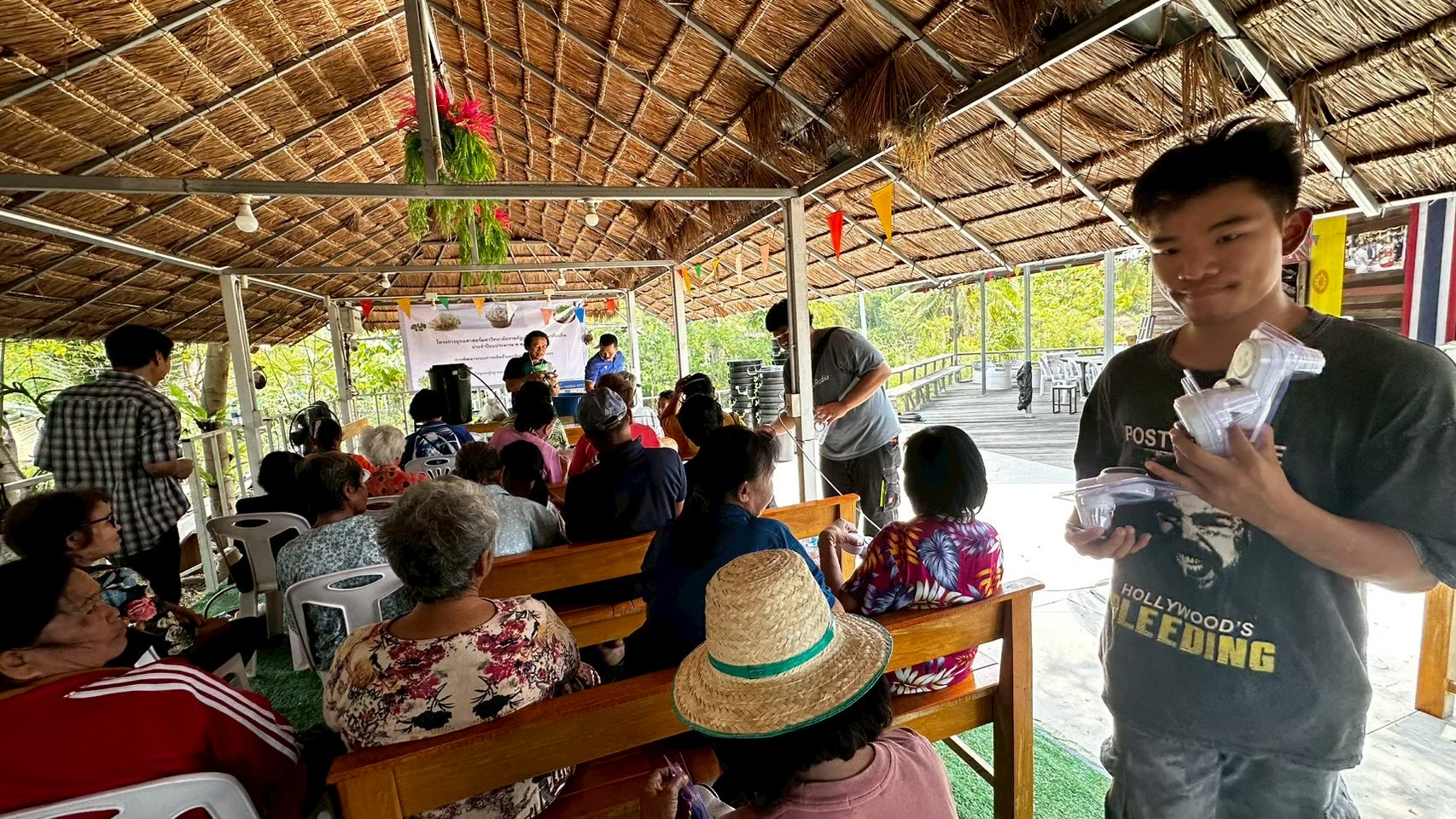
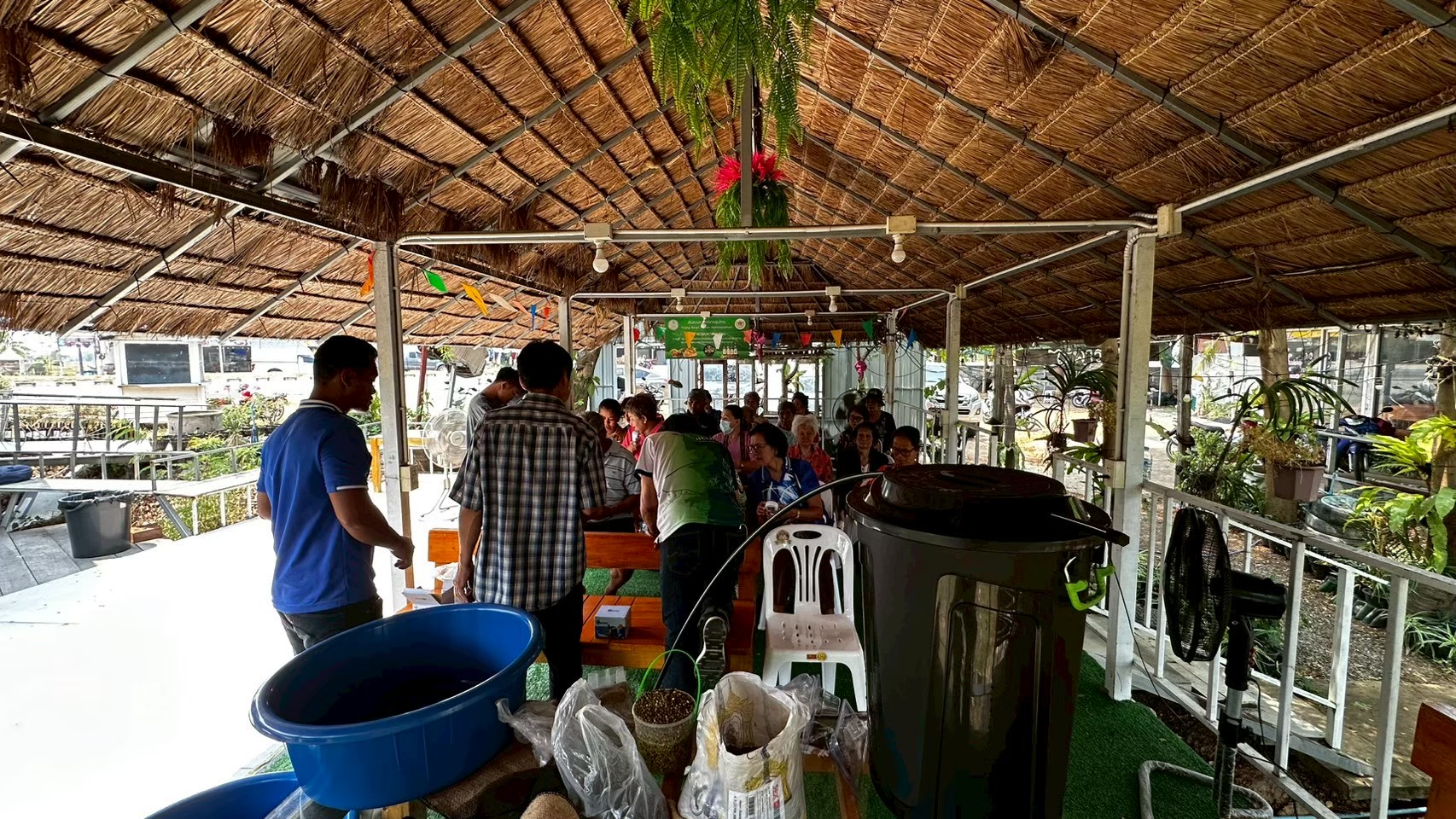
Farmers have formed a group to create employment opportunities and generate income through a participatory process involving community members. มีการรวมกลุ่มเกษตรกรในการสร้างอาชีพและรายได้ โดยกระบวนการมีส่วนร่วมของคนในชุมชน
Student & Staff Participation การมีส่วนร่วมของนักศึกษา/บุคลากร
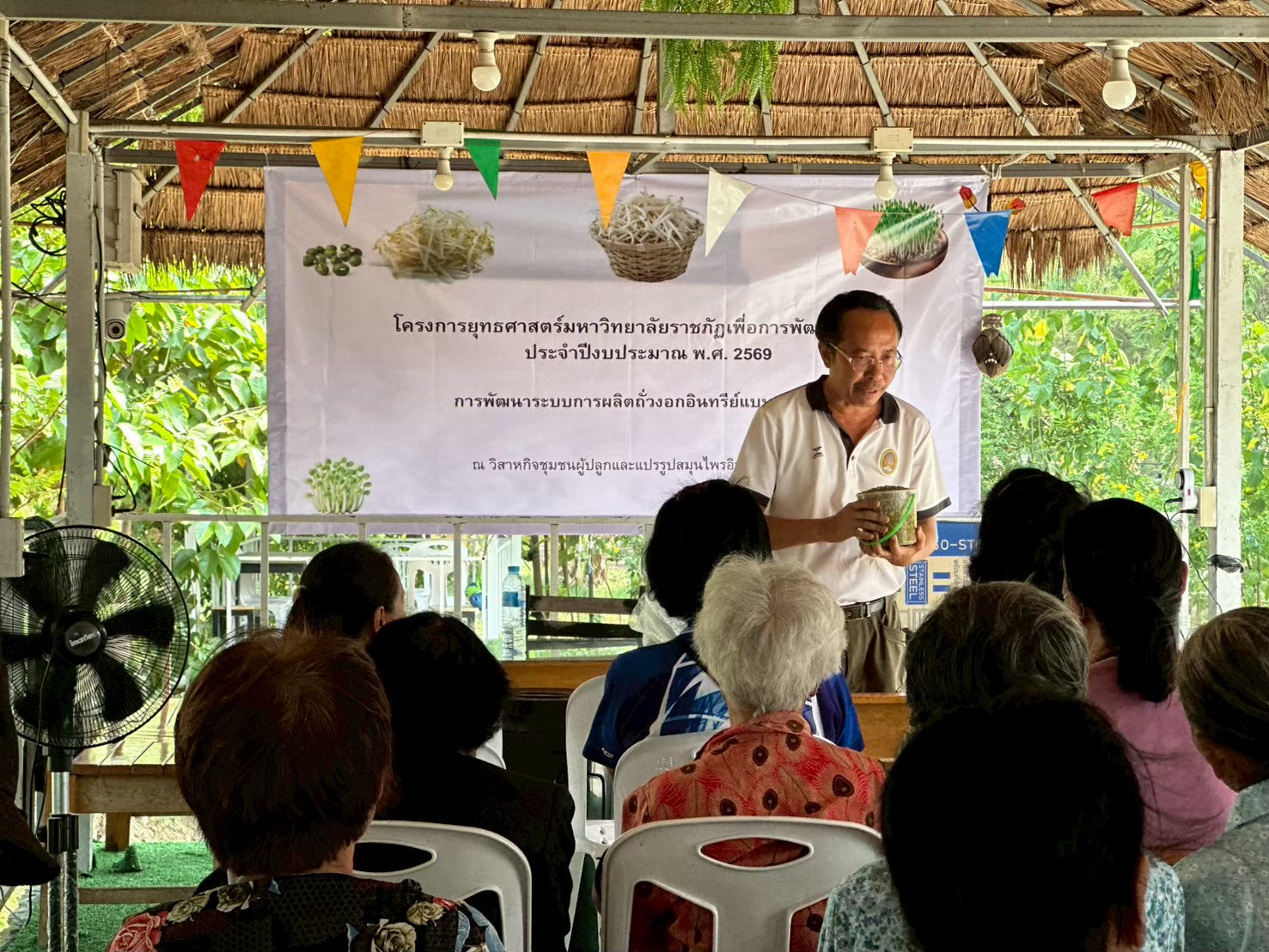
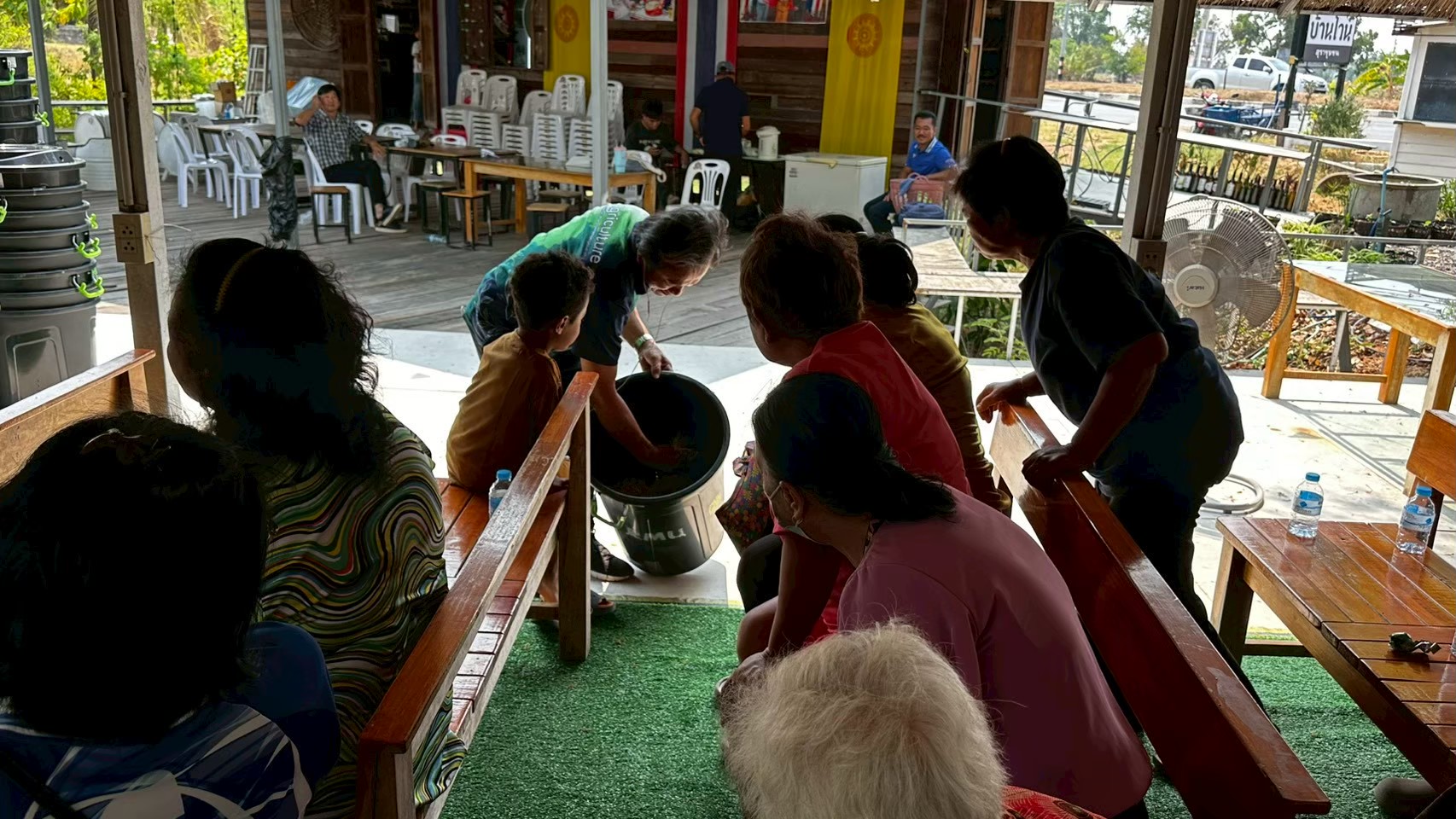
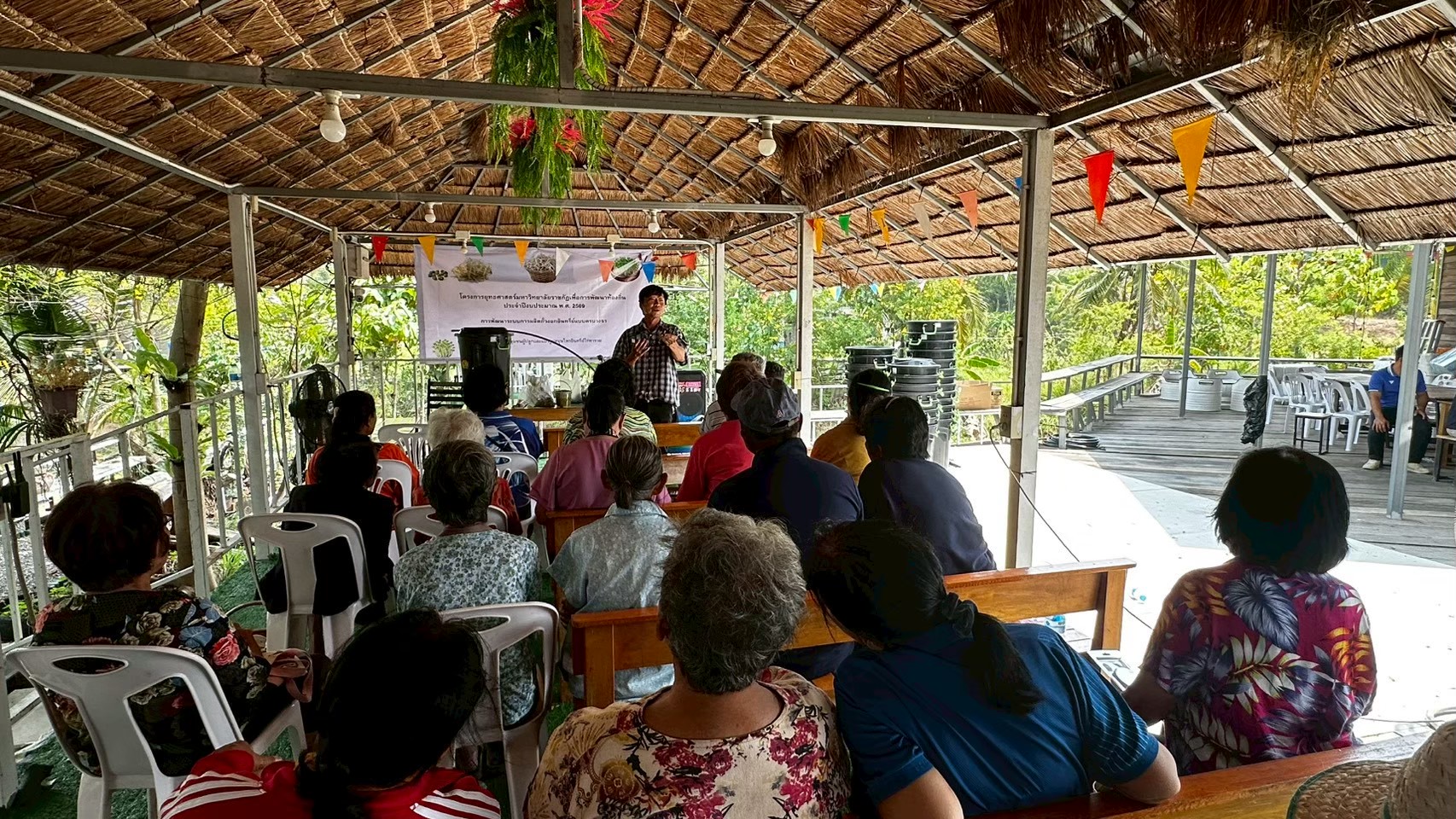
Students and local farmers engage in knowledge exchange and collaborative learning. Teaching and learning activities are integrated with academic outreach services to promote mutual learning and foster sustainable community development. นักศึกษาและเกษตรกรในชุมชนเกิดการแลกเปลี่ยนเรียนรู้ มีการบูรณาการการเรียนการสอนสู่การบริการวิชาการ เป็นการส่งเสริมการเรียนรู้ร่วมกันสรรสร้างชุมชน
Project Continuity ความต่อเนื่องของโครงการ
Continuity and Sustainability of the Project on the Development of an Integrated Organic Bean Sprout Production System
The Project on the Development of an Integrated Organic Bean Sprout Production System aims to ensure continuous implementation by focusing on the development of organic bean sprout production across the upstream, midstream, and downstream stages. The project also emphasizes promoting occupational opportunities and income generation for farmers, expanding markets for organic products, and increasing the area of organic agriculture within communities. Knowledge, technology, and community participation are integrated to enable farmers to produce bean sprouts efficiently, safely, and sustainably, even after the project's financial support has ended. The strategies for ensuring project continuity are as follows:
1. Continuous Development of the Organic Bean Sprout Production System
Farmers will be encouraged to consistently apply the knowledge and technologies acquired through the project to organic bean sprout production. Improvements will focus on cultivation systems, production equipment, water management, the cleanliness of production areas and containers, and the control of environmental conditions suitable for bean sprout growth. These measures aim to ensure that the products are of high quality, clean, and safe for consumers. In addition, farmers will be encouraged to maintain production and cost records to support long-term production planning.
2. Promotion of Farmer Group Formation and Community-Based Livelihood Development
Farmers will be encouraged to form groups and collaborate in organic bean sprout production. Community participation will be incorporated into production planning, task allocation, raw material procurement, and the exchange of knowledge and experiences among group members. Group formation will strengthen production capacity, reduce resource constraints, and create opportunities to develop organic bean sprout production into a supplementary or primary occupation that generates a continuous source of household income.
3. Product Development, Packaging, and Food Safety Standards
Organic bean sprout products will be further developed to improve their quality and reliability. This includes designing appropriate and hygienic packaging that helps maintain product quality and preparing accurate labels containing essential consumer information, such as production dates and storage instructions. Good hygiene practices and appropriate product safety testing will also be promoted. Furthermore, the project will encourage compliance with relevant standards and certification requirements to build consumer confidence and increase opportunities to access higher-value markets.
4. Market Expansion and Distribution Channel Development
Farmers will be encouraged to continuously develop marketing strategies and distribution channels for organic bean sprouts. Products will be connected with community markets, green markets, restaurants, retail outlets, and online platforms, as appropriate. Consumer demand will be assessed, and production volumes will be planned to match market requirements. Delivery systems will also be improved to ensure timely distribution while maintaining product quality. These efforts aim to increase sales, reduce losses associated with the perishable nature of bean sprouts, and establish a more stable source of income for farmers.
5. Expansion of Organic Agricultural Areas and Sustainable Resource Management
Farmers will be encouraged to expand organic agricultural areas and apply organic farming principles to other suitable agricultural activities. The emphasis will be on efficient resource utilization, effective water management, and reducing unnecessary chemical use. These efforts will be accompanied by capacity building on organic production principles and relevant certification requirements. It is important to distinguish between producing bean sprouts using organic-oriented practices and obtaining formal organic certification to ensure that product claims, communication, and marketing are accurate and reliable.
6. Integration with Teaching, Learning, and Academic Outreach Services
The knowledge and outcomes generated by the project will be integrated into university teaching, practical training, and academic outreach services. Students will have opportunities to gain hands-on experience in organic bean sprout production, production system development, quality management, packaging development, and marketing under real-world conditions. Knowledge exchange among students, lecturers, and local farmers will also be encouraged to facilitate two-way knowledge transfer and strengthen the community's capacity for self-reliance.
7. Monitoring, Evaluation, and Project Expansion in the Following Fiscal Year
A continuous monitoring and evaluation plan will be established using measurable and verifiable indicators, such as the monthly production volume of organic bean sprouts, farmers' income and production costs, the number of participating farmers organized into groups, the number of distribution channels, the increase in customers or business partners, and the area of organic agricultural land supported by the project. Evaluation findings will be used to improve production processes and group management, as well as to plan the expansion of project activities to new farmers or target communities. These efforts aim to achieve tangible outcomes and ensure the project's long-term continuity and sustainability.
โครงการการพัฒนาระบบการผลิตถั่วงอกอินทรีย์แบบครบวงจร มีแนวทางการดำเนินงานอย่างต่อเนื่อง โดยมุ่งเน้นการพัฒนาระบบการผลิตถั่วงอกอินทรีย์ตั้งแต่ต้นน้ำ กลางน้ำ และปลายน้ำ ควบคู่กับการส่งเสริมอาชีพและสร้างรายได้ให้แก่เกษตรกร การขยายตลาดผลิตภัณฑ์อินทรีย์ และการเพิ่มพื้นที่เกษตรอินทรีย์ในชุมชน โดยนำองค์ความรู้ เทคโนโลยี และกระบวนการมีส่วนร่วมของชุมชนมาประยุกต์ใช้ เพื่อให้เกษตรกรสามารถดำเนินการผลิตได้อย่างมีประสิทธิภาพ ปลอดภัย และยั่งยืน แม้สิ้นสุดระยะเวลาการสนับสนุนงบประมาณจากโครงการแล้ว ทั้งนี้ มีแนวทางการดำเนินงานต่อเนื่องดังนี้
1. การพัฒนาระบบการผลิตถั่วงอกอินทรีย์อย่างต่อเนื่อง
ส่งเสริมให้เกษตรกรนำองค์ความรู้และเทคโนโลยีที่ได้รับจากโครงการไปประยุกต์ใช้ในการผลิตถั่วงอกอินทรีย์อย่างสม่ำเสมอ โดยพัฒนาระบบการเพาะ อุปกรณ์การผลิต การจัดการน้ำ ความสะอาดของพื้นที่และภาชนะ ตลอดจนการควบคุมสภาพแวดล้อมที่เหมาะสมต่อการเจริญเติบโตของถั่วงอก เพื่อให้ได้ผลิตภัณฑ์ที่มีคุณภาพ สะอาด และปลอดภัยต่อผู้บริโภค พร้อมทั้งส่งเสริมการบันทึกข้อมูลการผลิตและต้นทุนเพื่อใช้ในการวางแผนการผลิตในระยะยาว
2. การส่งเสริมการรวมกลุ่มเกษตรกรและการสร้างอาชีพในชุมชน
สนับสนุนให้เกษตรกรรวมกลุ่มเพื่อดำเนินกิจกรรมการผลิตถั่วงอกอินทรีย์ร่วมกัน โดยใช้กระบวนการมีส่วนร่วมของคนในชุมชนในการวางแผนการผลิต การจัดสรรหน้าที่ การจัดหาวัตถุดิบ และการแลกเปลี่ยนความรู้และประสบการณ์ระหว่างสมาชิก การรวมกลุ่มจะช่วยเพิ่มศักยภาพในการผลิต ลดข้อจำกัดด้านทรัพยากร และสร้างโอกาสในการพัฒนาเป็นอาชีพเสริมหรืออาชีพหลักที่สามารถสร้างรายได้อย่างต่อเนื่องให้แก่ครัวเรือน
3. การพัฒนาผลิตภัณฑ์ บรรจุภัณฑ์ และมาตรฐานความปลอดภัย
ต่อยอดการพัฒนาผลิตภัณฑ์ถั่วงอกอินทรีย์ให้มีคุณภาพและมีความน่าเชื่อถือ โดยพัฒนารูปแบบบรรจุภัณฑ์ที่เหมาะสม สะอาด และช่วยรักษาคุณภาพของผลิตภัณฑ์ พร้อมจัดทำฉลากที่ให้ข้อมูลอย่างถูกต้อง เช่น วันที่ผลิต วิธีเก็บรักษา และข้อมูลที่จำเป็นต่อผู้บริโภค นอกจากนี้ ควรส่งเสริมการปฏิบัติตามหลักสุขลักษณะในการผลิตและตรวจสอบความปลอดภัยของผลิตภัณฑ์อย่างเหมาะสม รวมทั้งดำเนินการด้านการรับรองมาตรฐานที่เกี่ยวข้องตามข้อกำหนด เพื่อสร้างความเชื่อมั่นให้แก่ผู้บริโภคและเพิ่มโอกาสในการเข้าสู่ตลาดที่มีมูลค่าสูงขึ้น
4. การขยายตลาดและพัฒนาช่องทางการจัดจำหน่าย
ส่งเสริมให้เกษตรกรพัฒนากลยุทธ์ทางการตลาดและช่องทางการจำหน่ายถั่วงอกอินทรีย์อย่างต่อเนื่อง โดยเชื่อมโยงผลิตภัณฑ์กับตลาดในชุมชน ตลาดสีเขียว ร้านอาหาร ร้านค้าปลีก และช่องทางออนไลน์ตามความเหมาะสม พร้อมศึกษาความต้องการของผู้บริโภค วางแผนปริมาณการผลิตให้สอดคล้องกับความต้องการของตลาด และพัฒนาการส่งมอบผลิตภัณฑ์ให้มีความรวดเร็วและรักษาคุณภาพ เพื่อเพิ่มยอดจำหน่าย ลดความสูญเสียจากผลิตภัณฑ์ที่เน่าเสียง่าย และสร้างรายได้ที่มั่นคงให้แก่เกษตรกร
5. การส่งเสริมพื้นที่เกษตรอินทรีย์และการจัดการทรัพยากรอย่างยั่งยืน
ส่งเสริมให้เกษตรกรขยายพื้นที่เกษตรอินทรีย์และนำแนวคิดเกษตรอินทรีย์ไปประยุกต์ใช้กับกิจกรรมการเกษตรอื่น ๆ ที่เหมาะสม โดยเน้นการใช้ทรัพยากรอย่างคุ้มค่า การจัดการน้ำอย่างมีประสิทธิภาพ และการลดการใช้สารเคมีที่ไม่จำเป็น ควบคู่กับการสร้างความเข้าใจเกี่ยวกับหลักการผลิตอินทรีย์และข้อกำหนดของมาตรฐานที่เกี่ยวข้อง ทั้งนี้ ควรแยกให้ชัดเจนระหว่างการผลิตถั่วงอกโดยใช้แนวทางอินทรีย์กับการได้รับการรับรองมาตรฐานเกษตรอินทรีย์อย่างเป็นทางการ เพื่อให้การสื่อสารและการจำหน่ายผลิตภัณฑ์มีความถูกต้องและน่าเชื่อถือ
6. การบูรณาการกับการเรียนการสอนและการบริการวิชาการ
นำองค์ความรู้และผลการดำเนินงานของโครงการไปบูรณาการกับการเรียนการสอน การฝึกปฏิบัติ และการบริการวิชาการของมหาวิทยาลัย โดยเปิดโอกาสให้นักศึกษาได้เรียนรู้กระบวนการผลิตถั่วงอกอินทรีย์ การพัฒนาระบบการผลิต การจัดการคุณภาพ การพัฒนาบรรจุภัณฑ์ และการตลาดจากสถานการณ์จริง พร้อมทั้งส่งเสริมการแลกเปลี่ยนเรียนรู้ระหว่างนักศึกษา อาจารย์ และเกษตรกรในชุมชน เพื่อให้เกิดการถ่ายทอดองค์ความรู้สองทางและพัฒนาชุมชนให้สามารถพึ่งพาตนเองได้มากขึ้น
7. การติดตาม ประเมินผล และขยายผลในปีงบประมาณถัดไป
กำหนดแผนติดตามและประเมินผลอย่างต่อเนื่อง โดยใช้ตัวชี้วัดที่สามารถตรวจสอบได้ เช่น ปริมาณถั่วงอกอินทรีย์ที่ผลิตได้ต่อเดือน รายได้และต้นทุนการผลิตของเกษตรกร จำนวนเกษตรกรที่เข้าร่วมกลุ่ม จำนวนช่องทางการจัดจำหน่าย จำนวนลูกค้าหรือคู่ค้าที่เพิ่มขึ้น และพื้นที่เกษตรอินทรีย์ที่ได้รับการส่งเสริม นำผลการประเมินมาใช้ปรับปรุงกระบวนการผลิตและการบริหารจัดการกลุ่ม ตลอดจนวางแผนขยายผลไปยังเกษตรกรหรือชุมชนเป้าหมายแห่งใหม่ เพื่อให้โครงการเกิดผลลัพธ์ที่เป็นรูปธรรมและสามารถดำเนินงานได้อย่างต่อเนื่องในระยะยาว
Part 3: Challenges & Suggestions ส่วนที่ 3 ปัญหาอุปสรรค/ข้อเสนอแนะ
Problems & Obstacles ปัญหา/อุปสรรค
- -
Improvement Guidelines แนวทางการปรับปรุง
- -
Suggestions to University ข้อเสนอแนะต่อมหาวิทยาลัย
- -