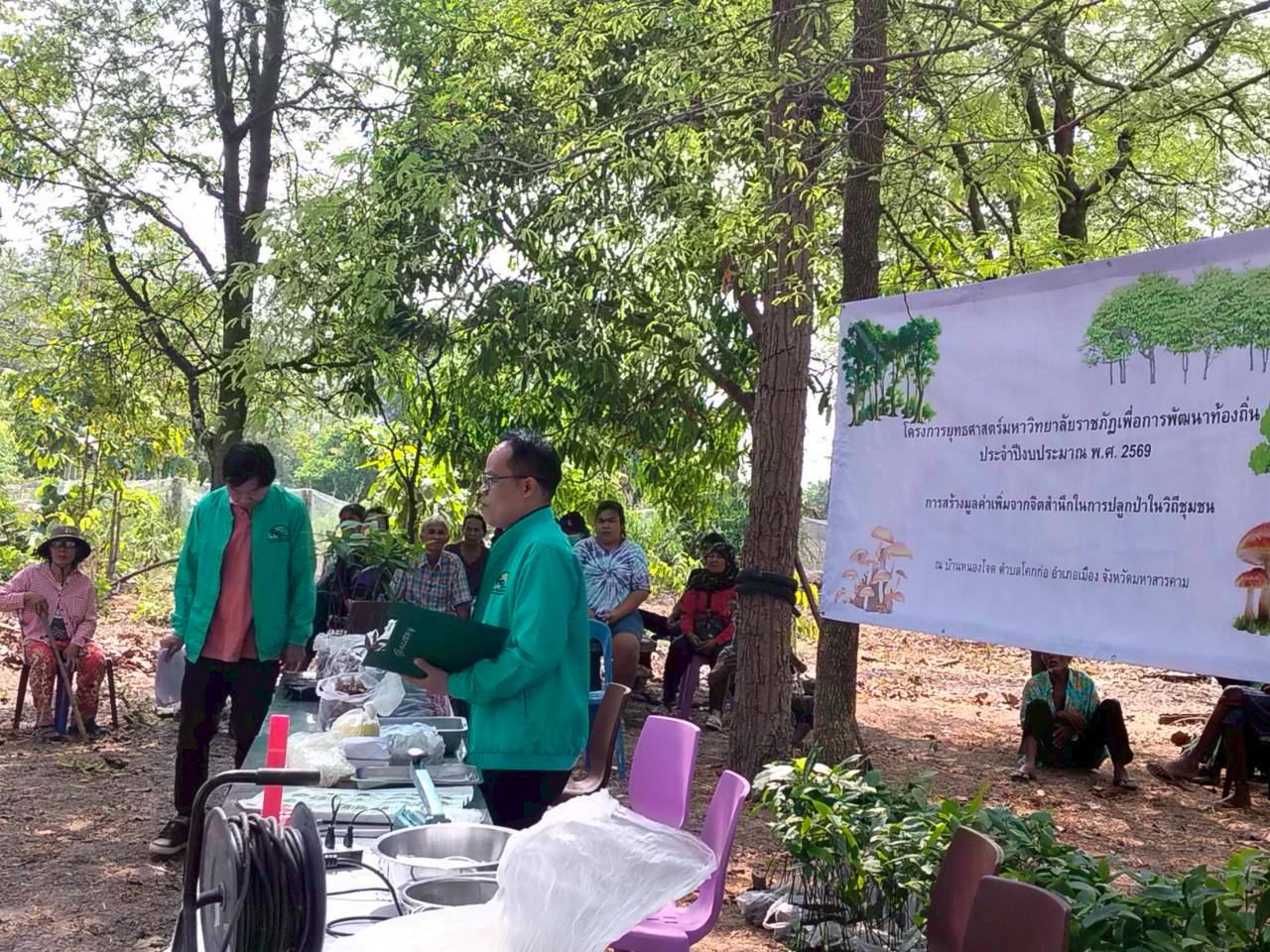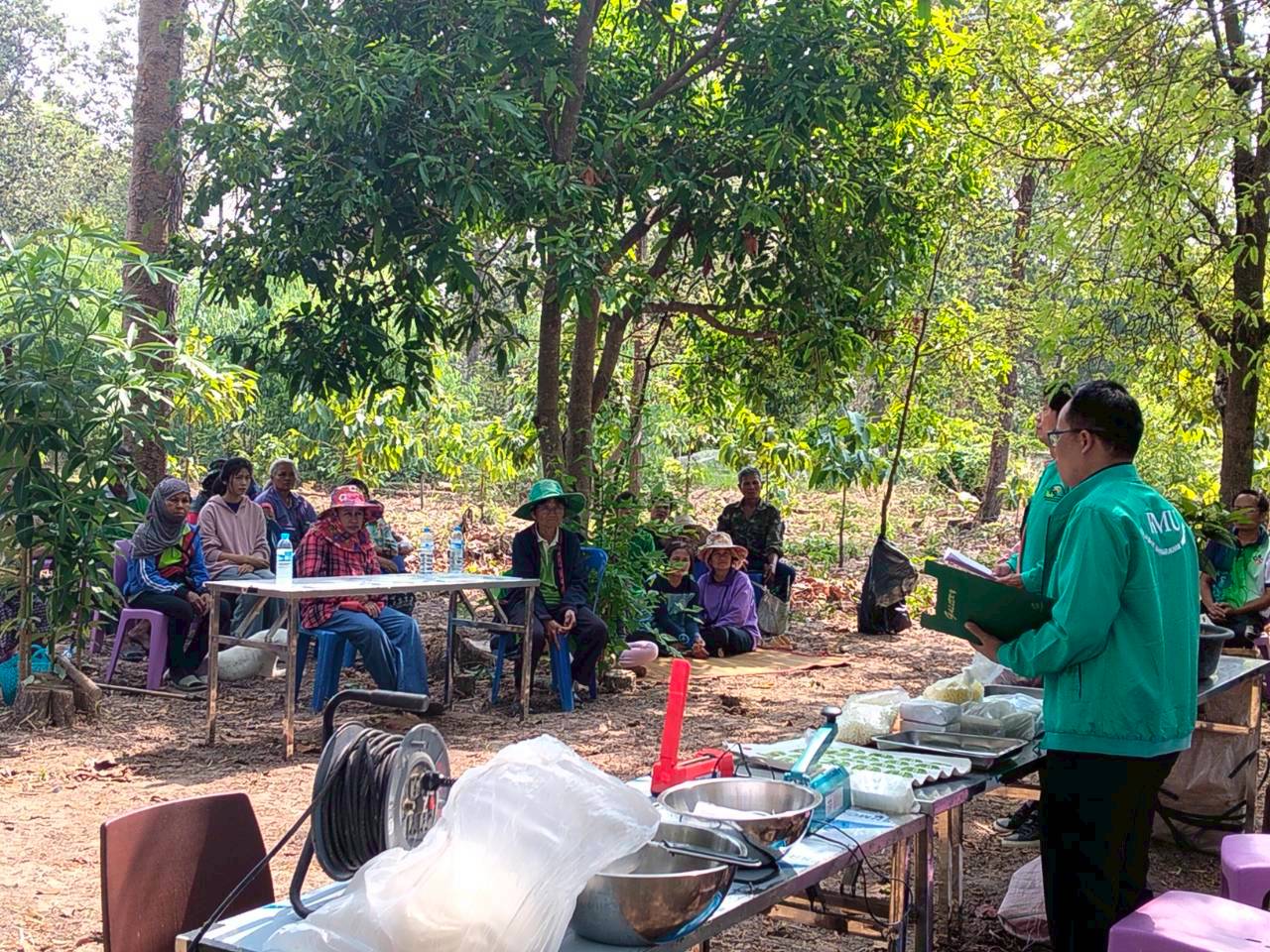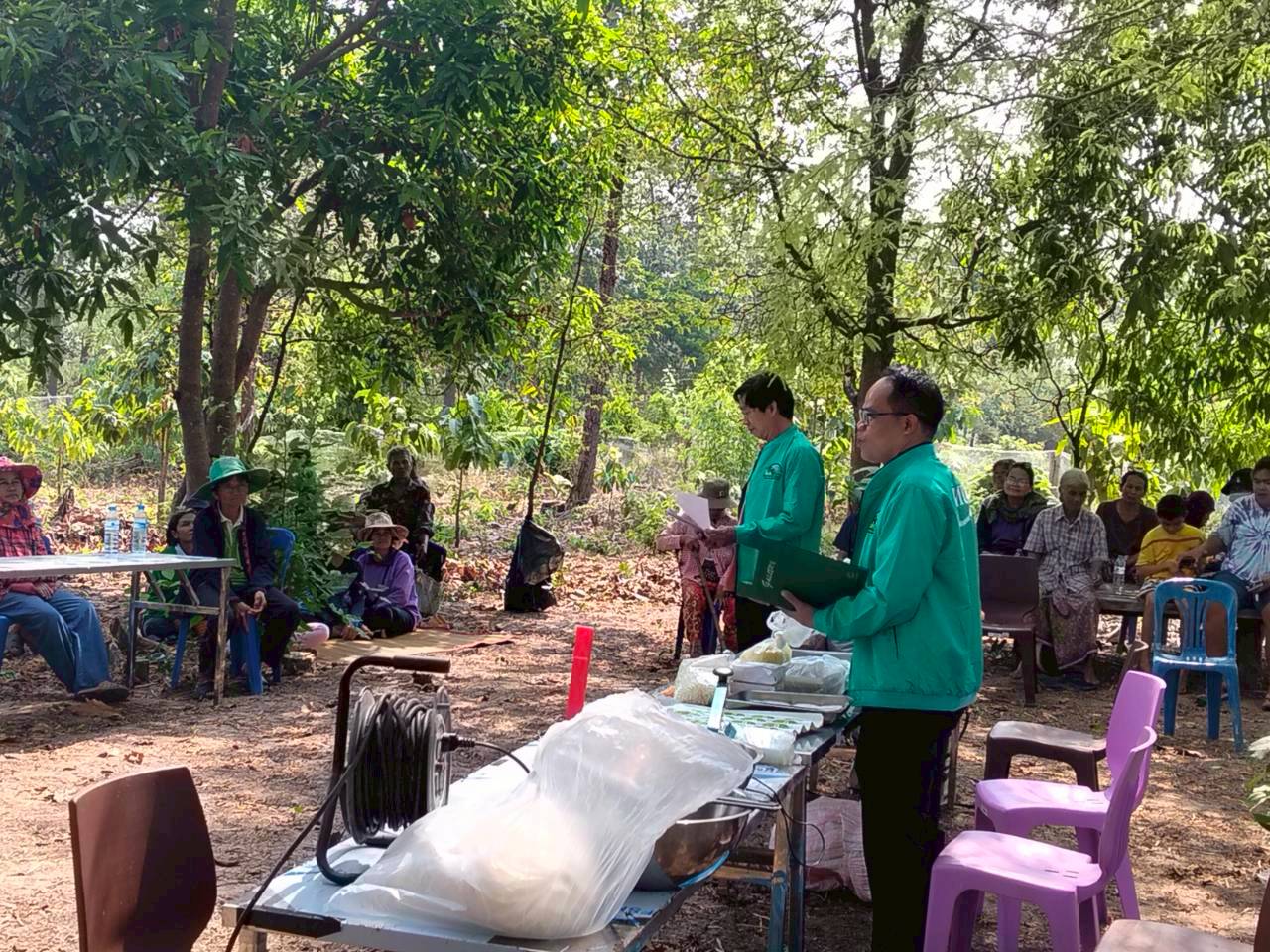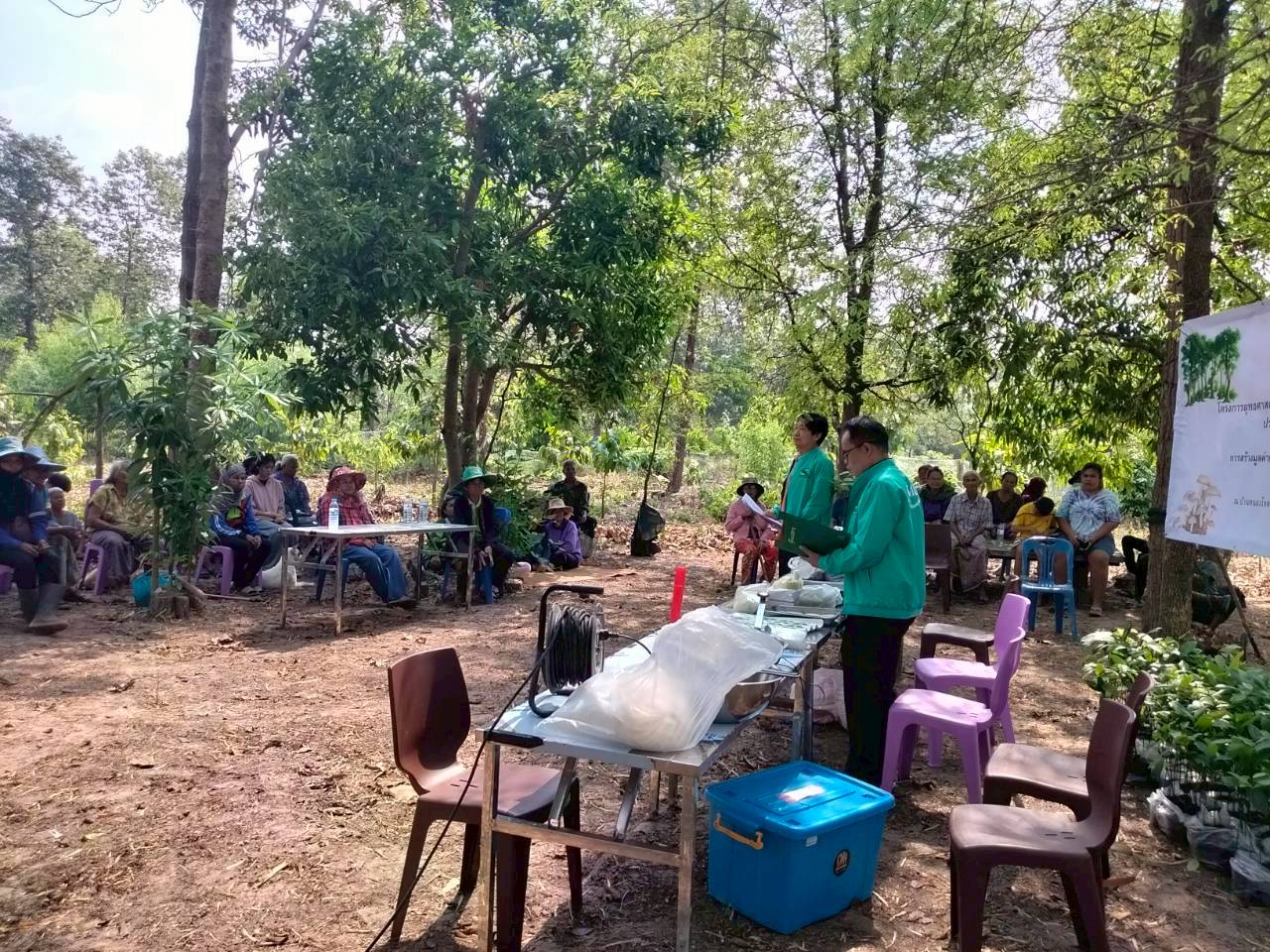
– August 31, 2026 1 มกราคม 2569
– 31 สิงหาคม 2569
Part 1: Project Details ส่วนที่ 1 รายละเอียดการดำเนินงาน
Objectives วัตถุประสงค์โครงการ
1. To promote and instill awareness of forest conservation, restoration, and tree planting among community members.
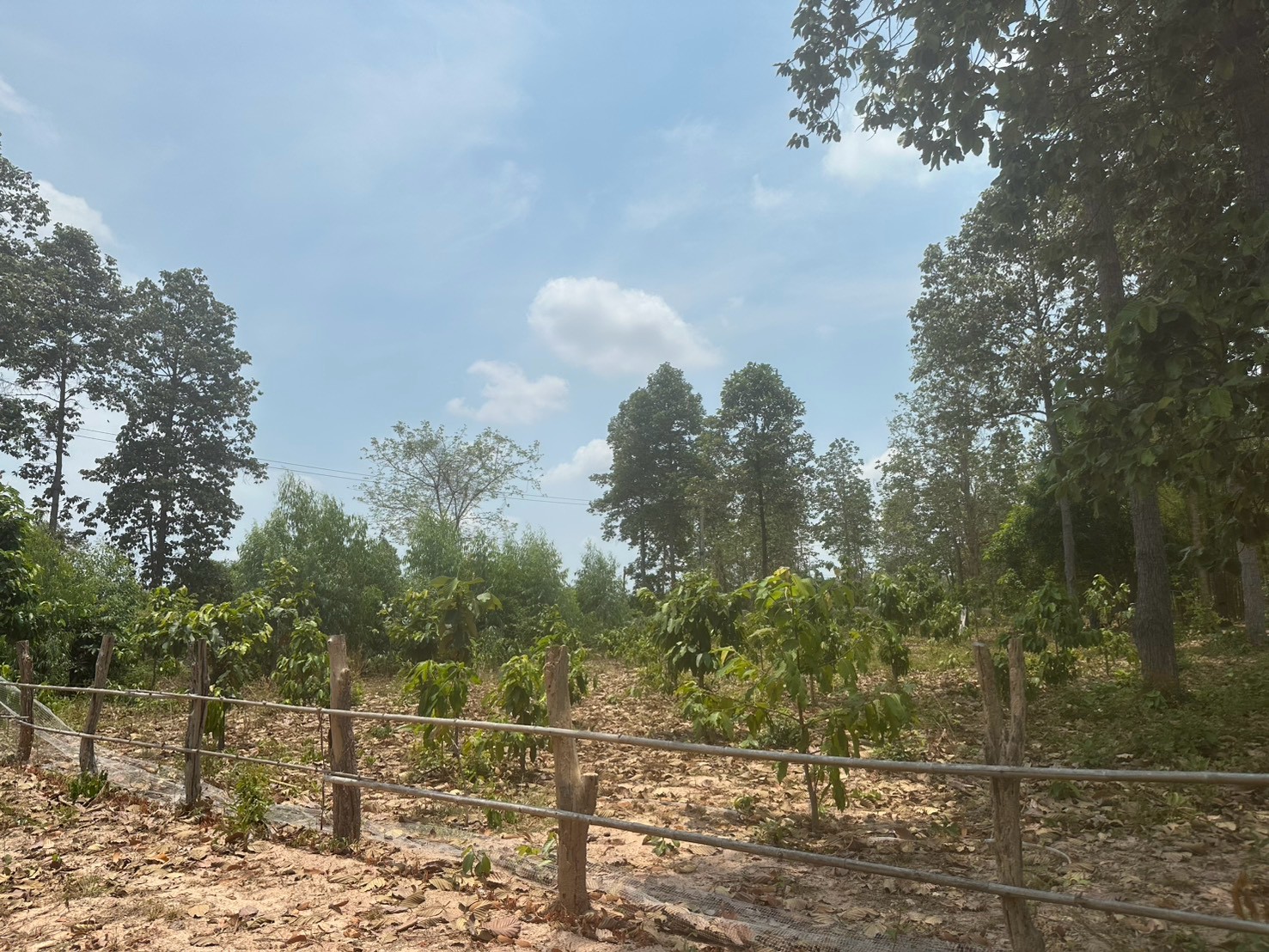
2. To increase forest cover and green spaces in the community through public participation.
3. To strengthen the community’s capacity to use forest resources sustainably and create added value.
1. เพื่อส่งเสริมและปลูกฝังจิตสำนึกในการอนุรักษ์ ฟื้นฟู และปลูกป่าให้แก่ประชาชนในชุมชน
2. เพื่อเพิ่มพื้นที่ป่าไม้และพื้นที่สีเขียวในชุมชนด้วยการมีส่วนร่วมของประชาชน
3. เพื่อพัฒนาศักยภาพของชุมชนในการใช้ประโยชน์จากทรัพยากรป่าไม้อย่างยั่งยืนและสร้างมูลค่าเพิ่ม
Main Activities กิจกรรมหลัก
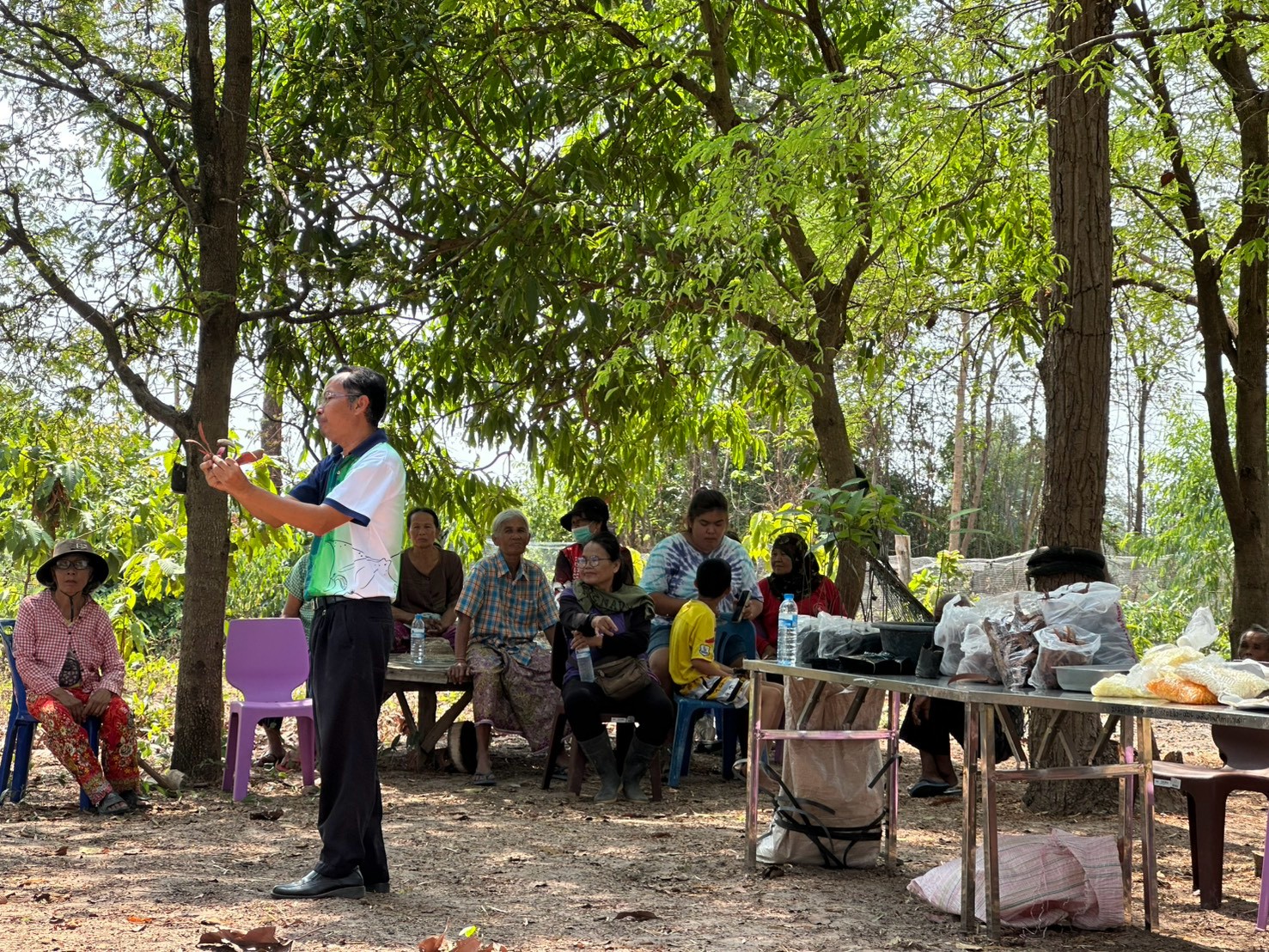
1. Building understanding and awareness of community forest establishment
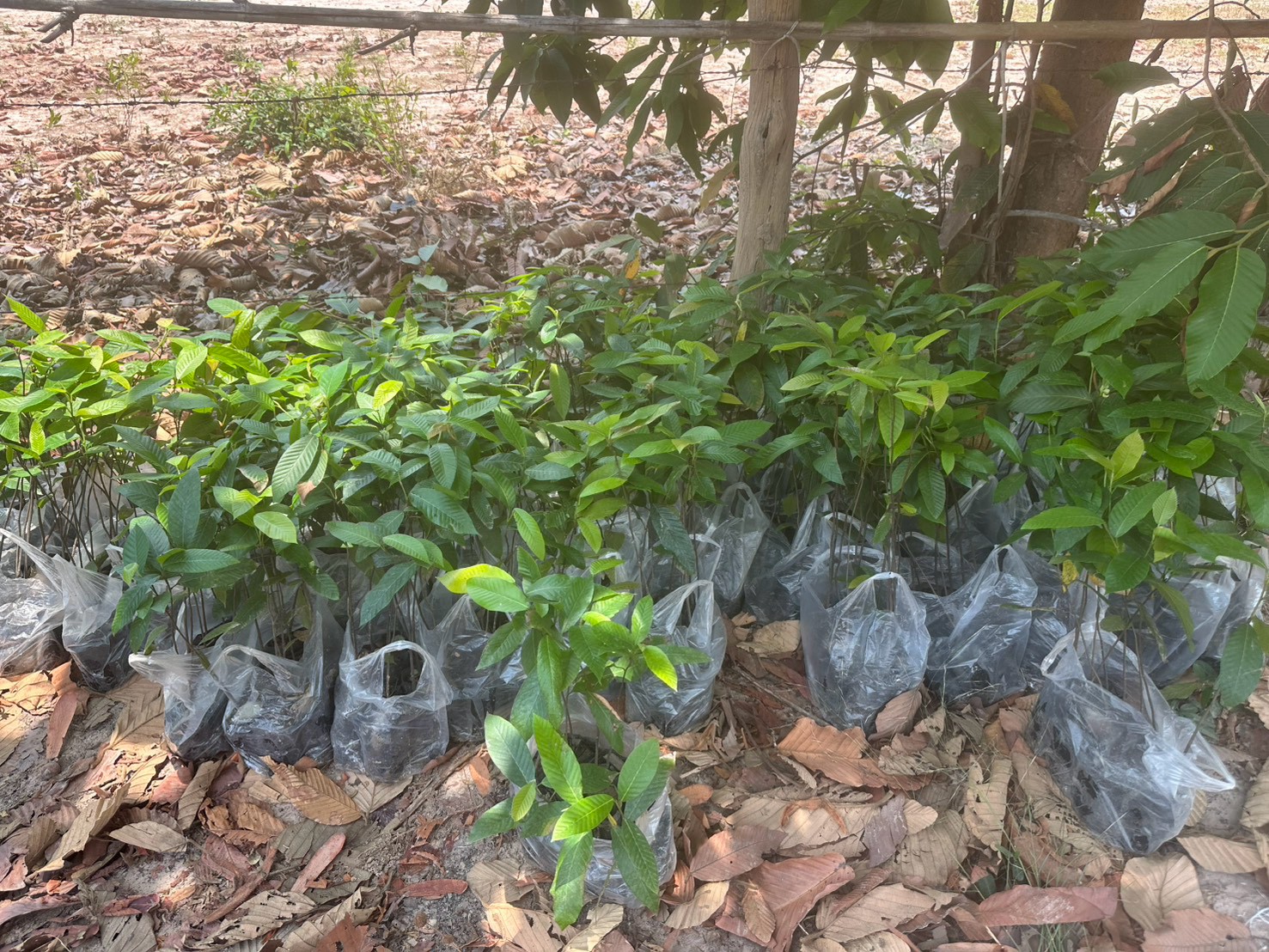
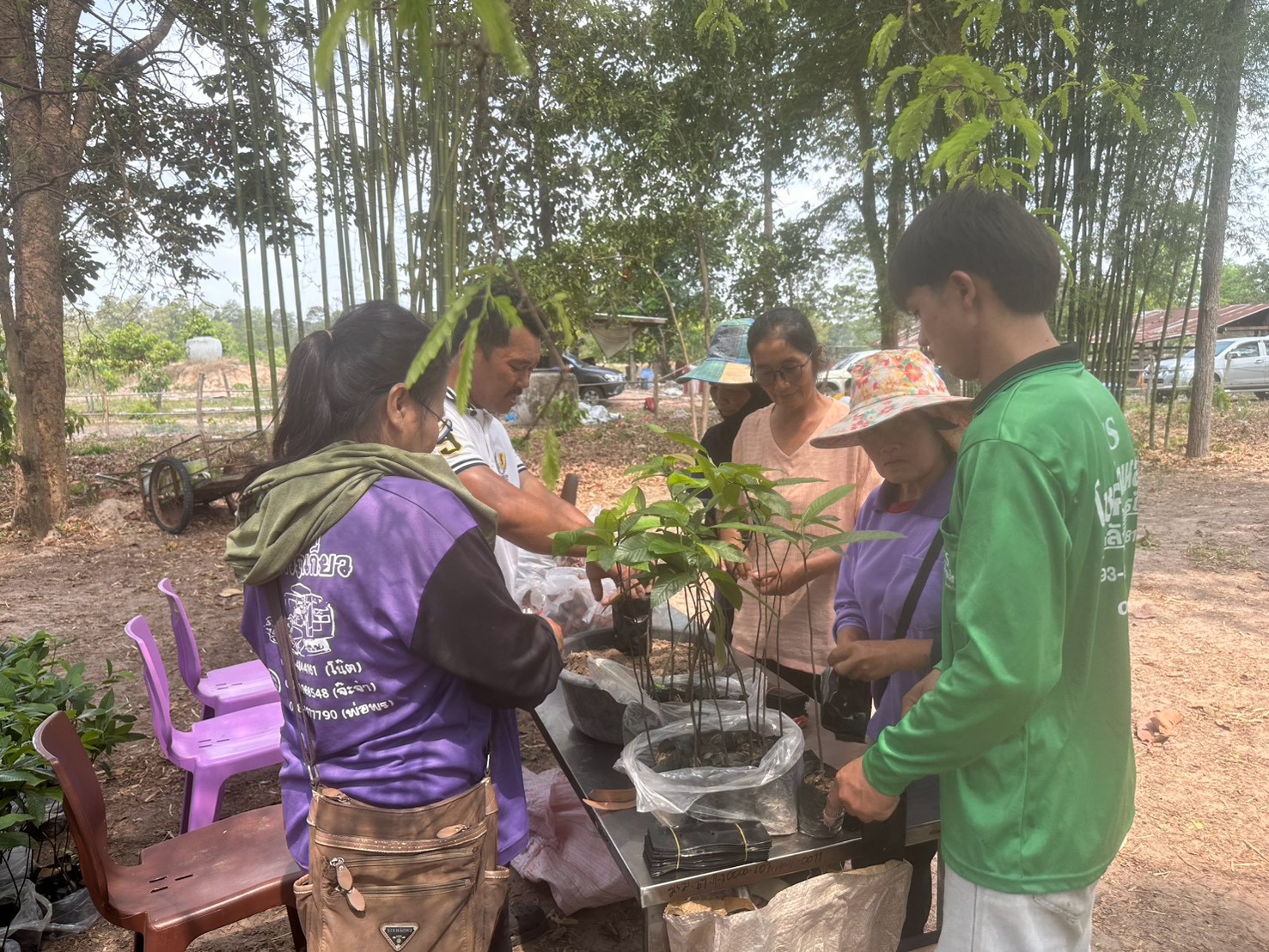
2. Seed selection, soil preparation, seedling propagation, and plant care
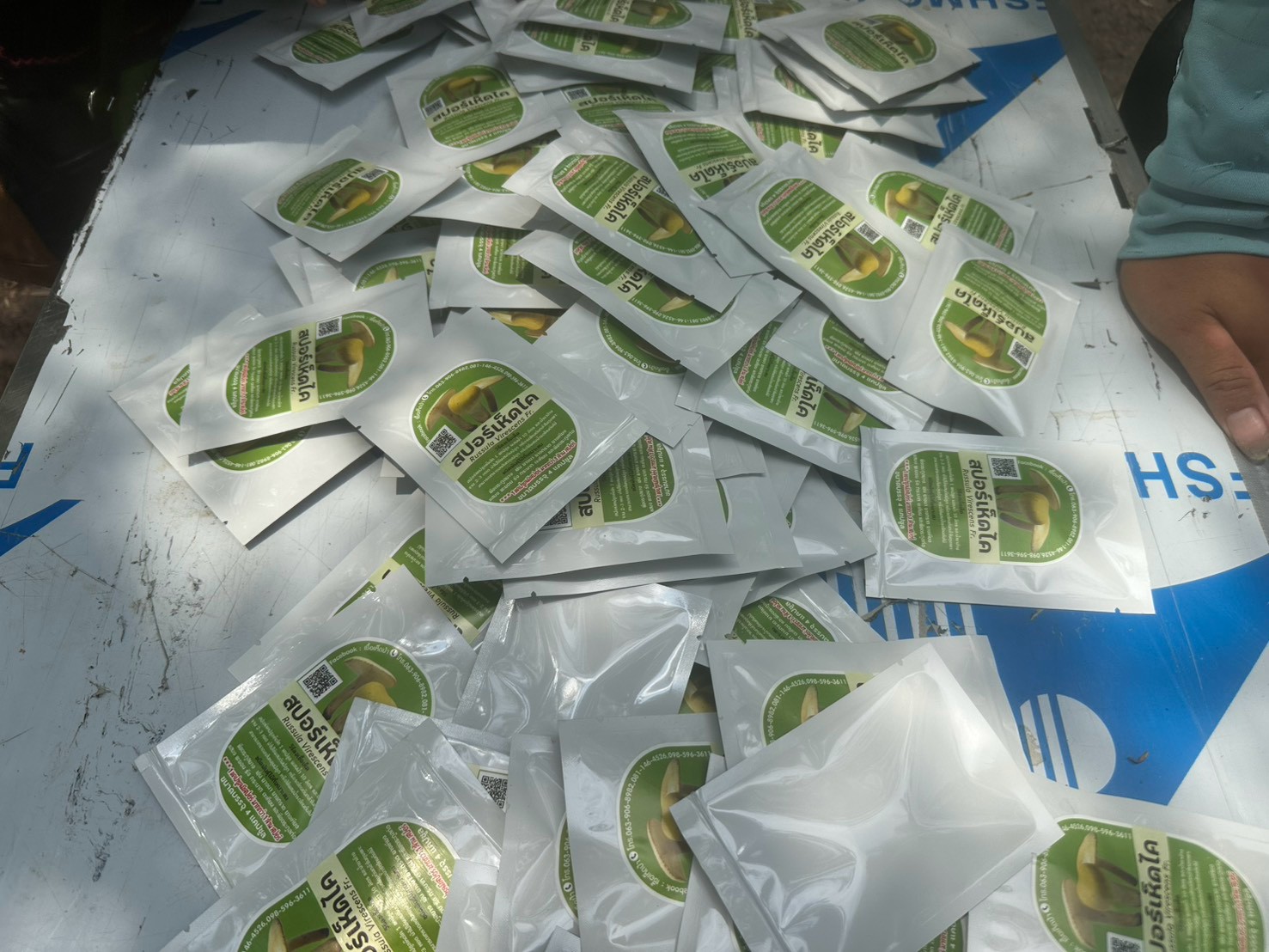
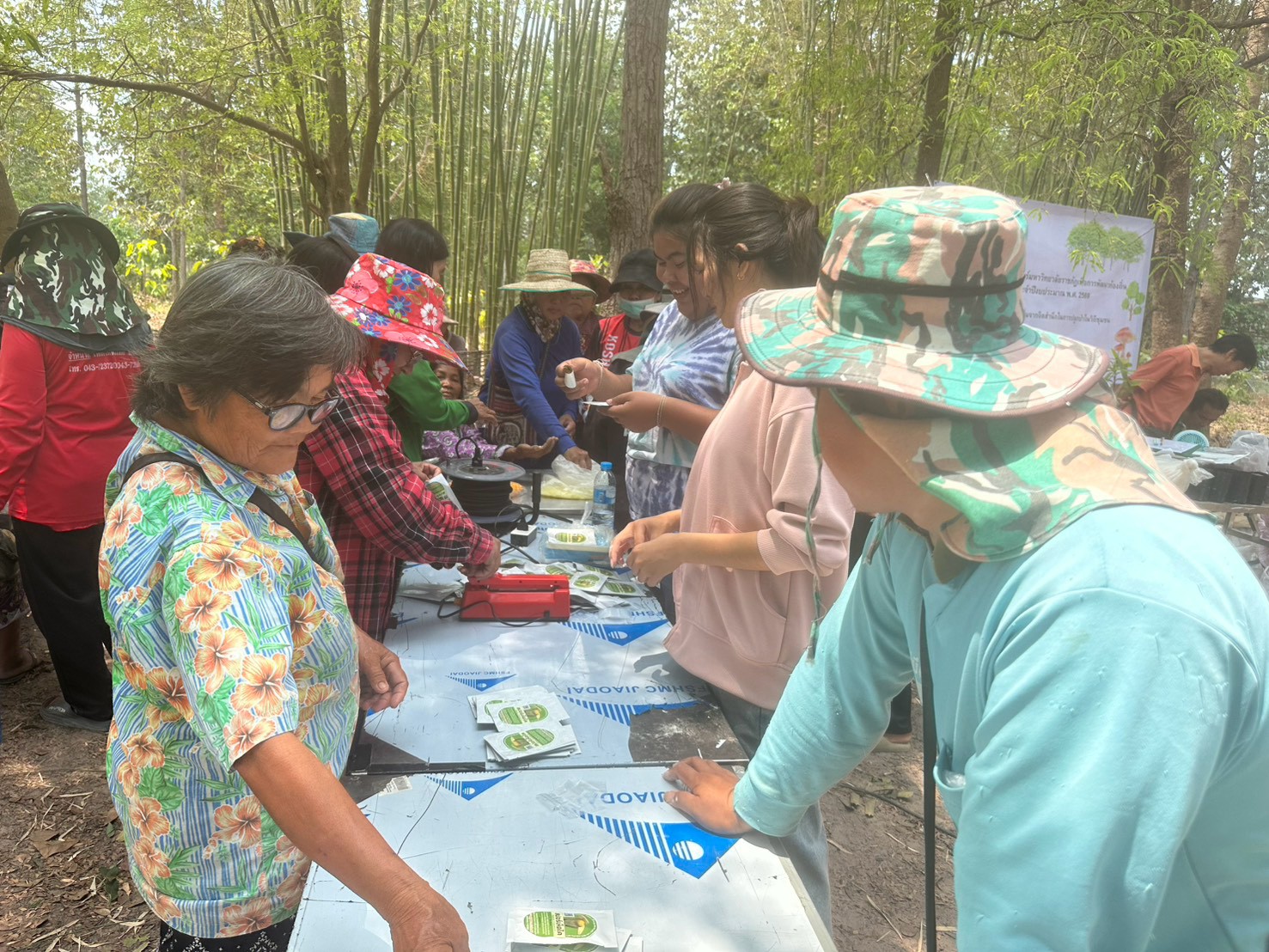
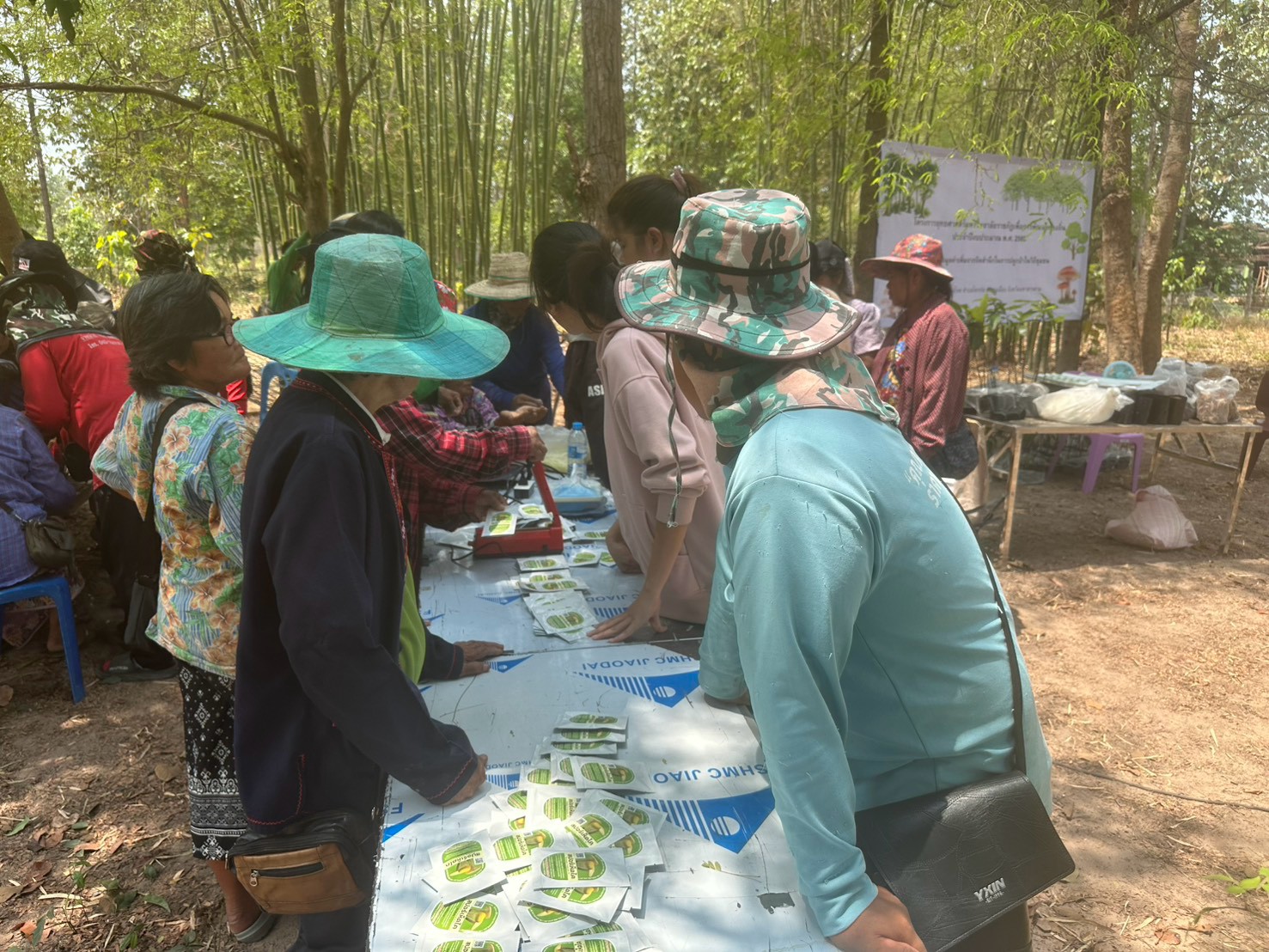
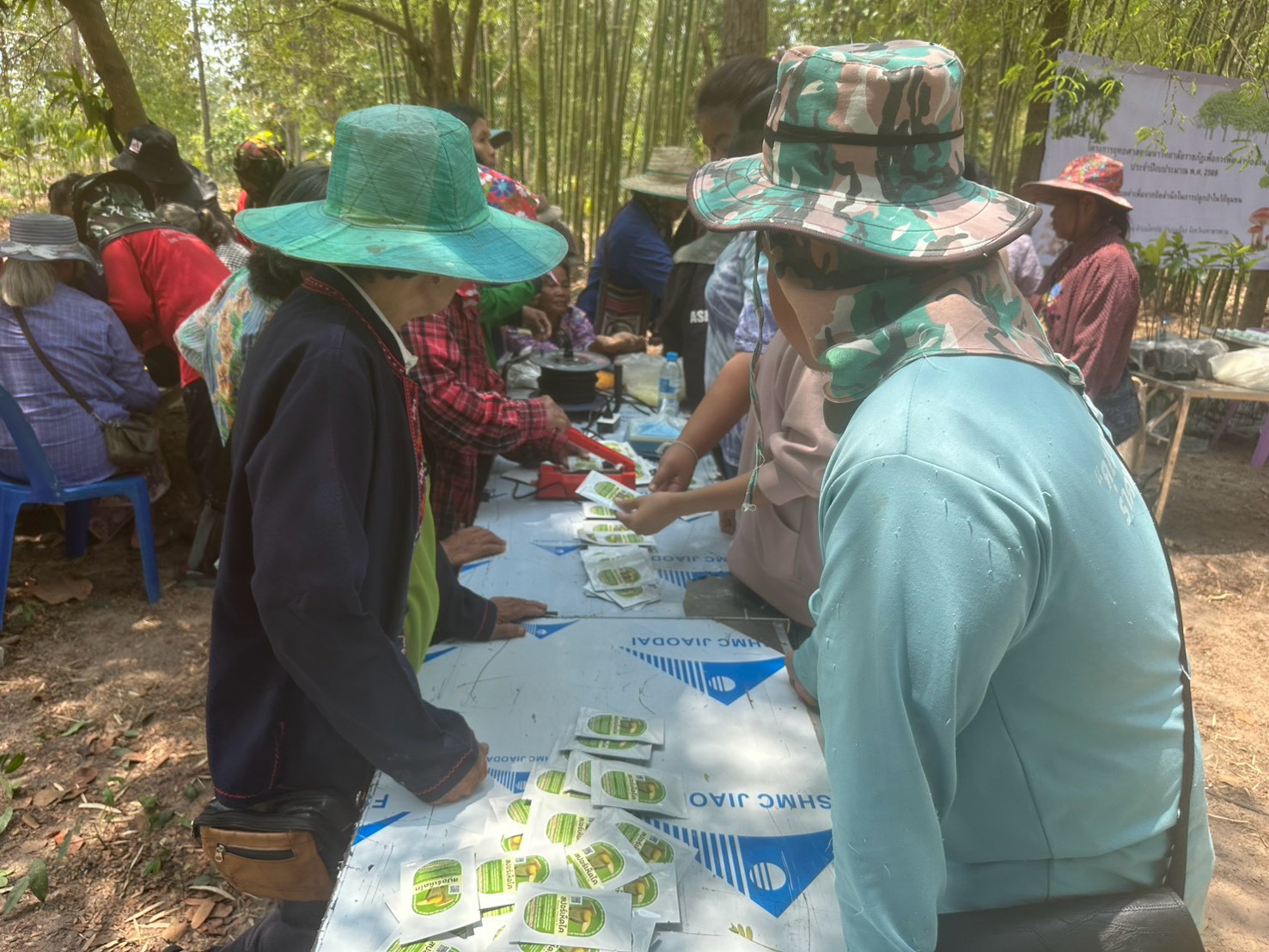
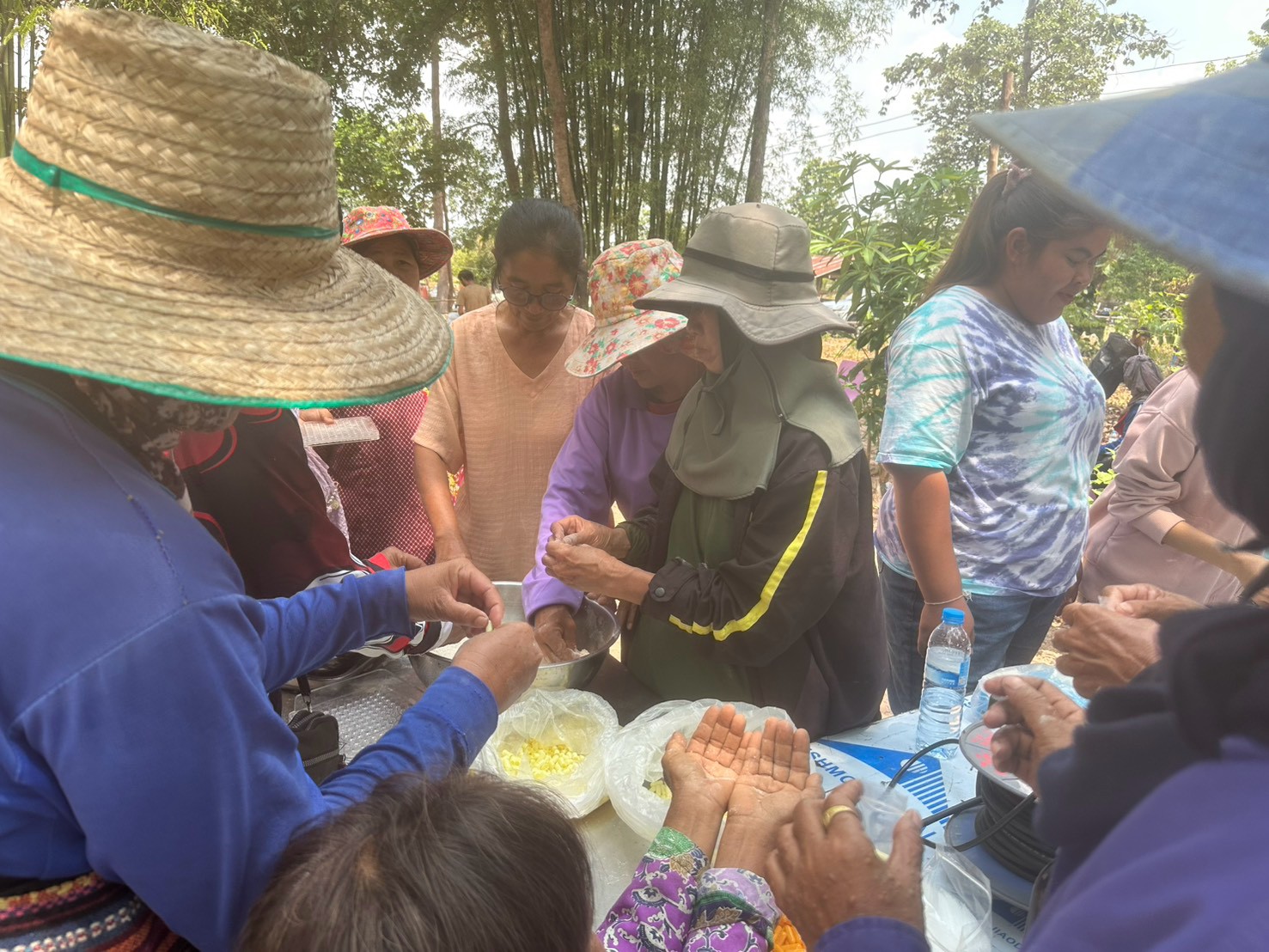
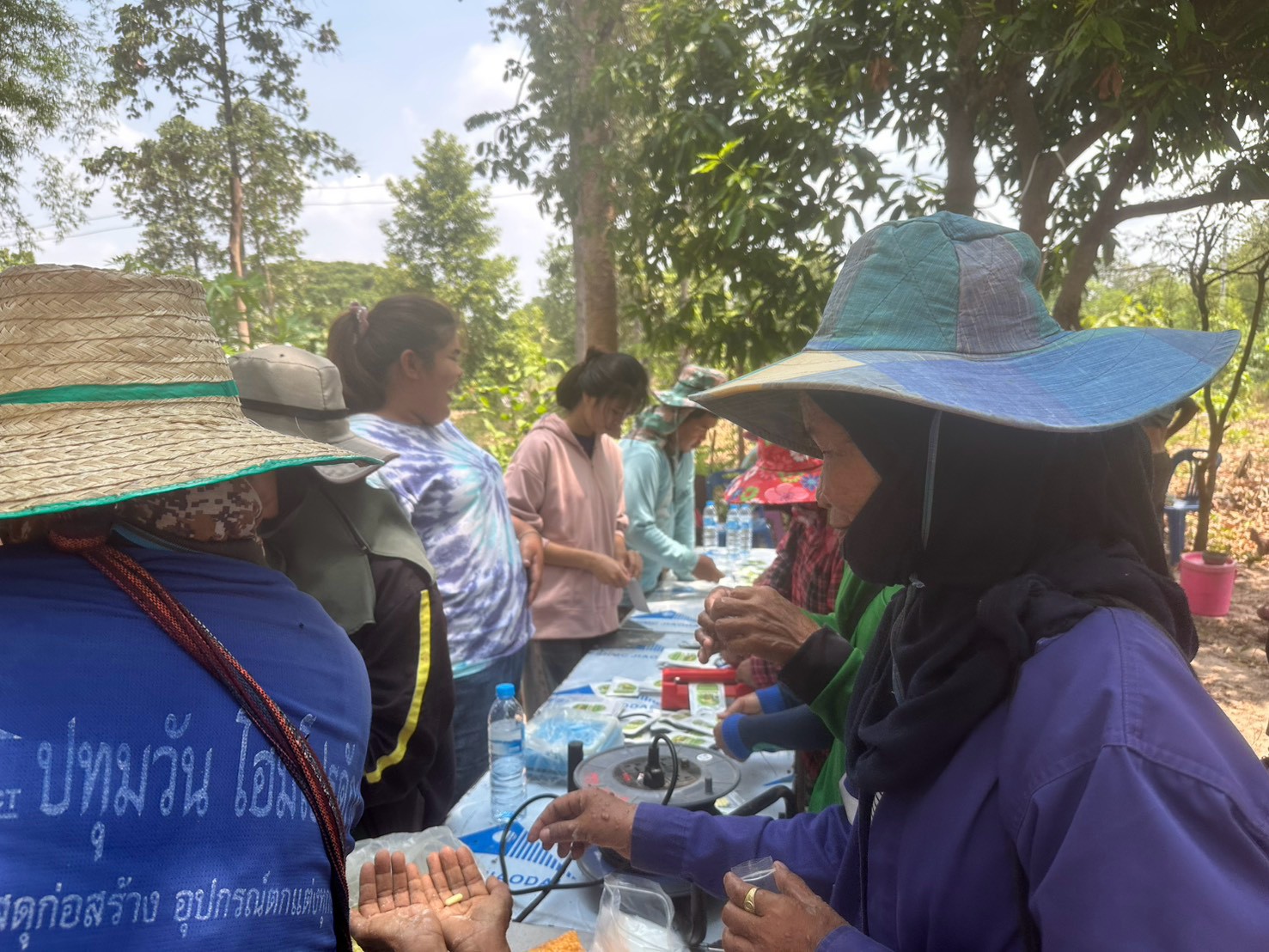
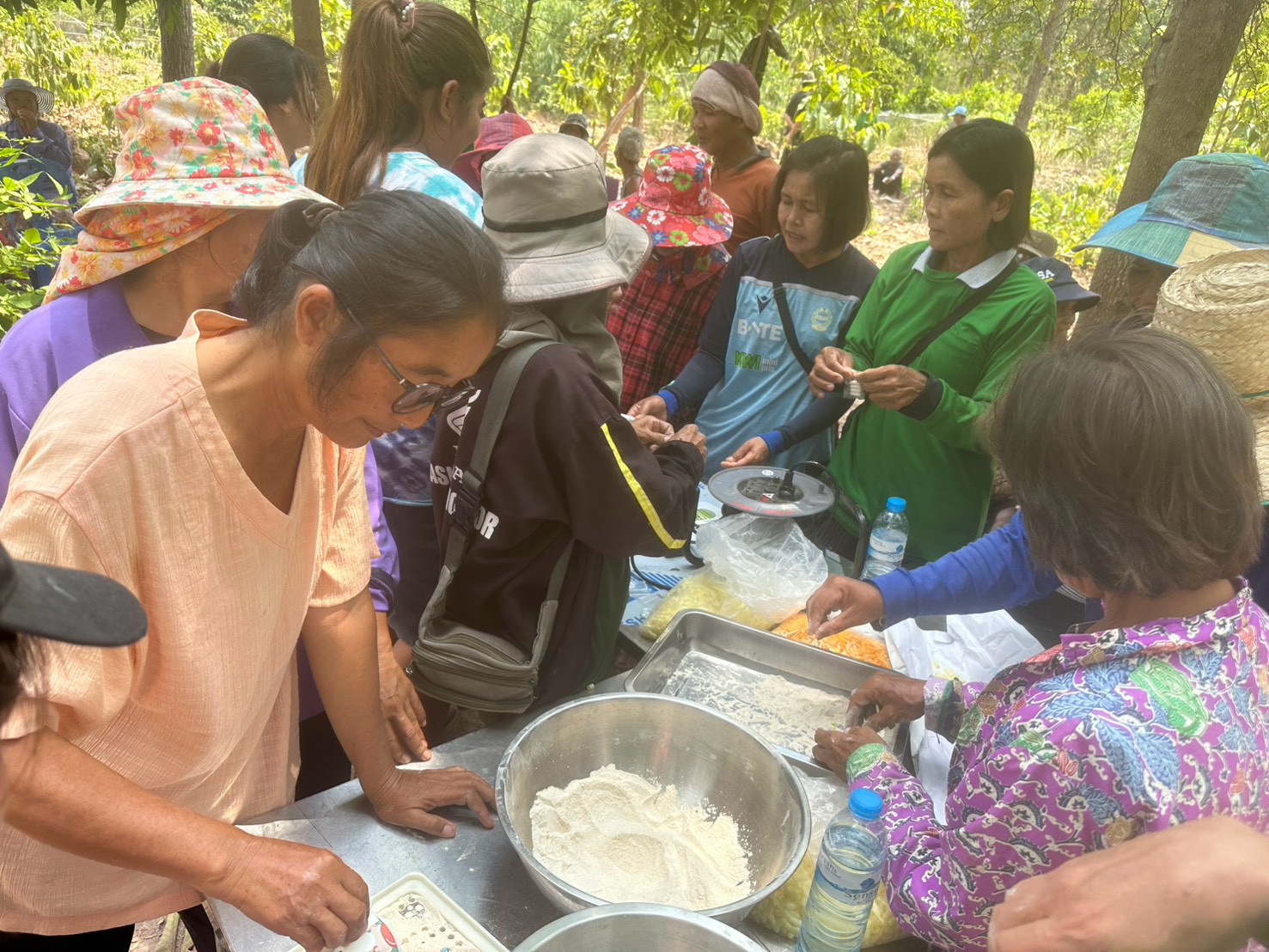
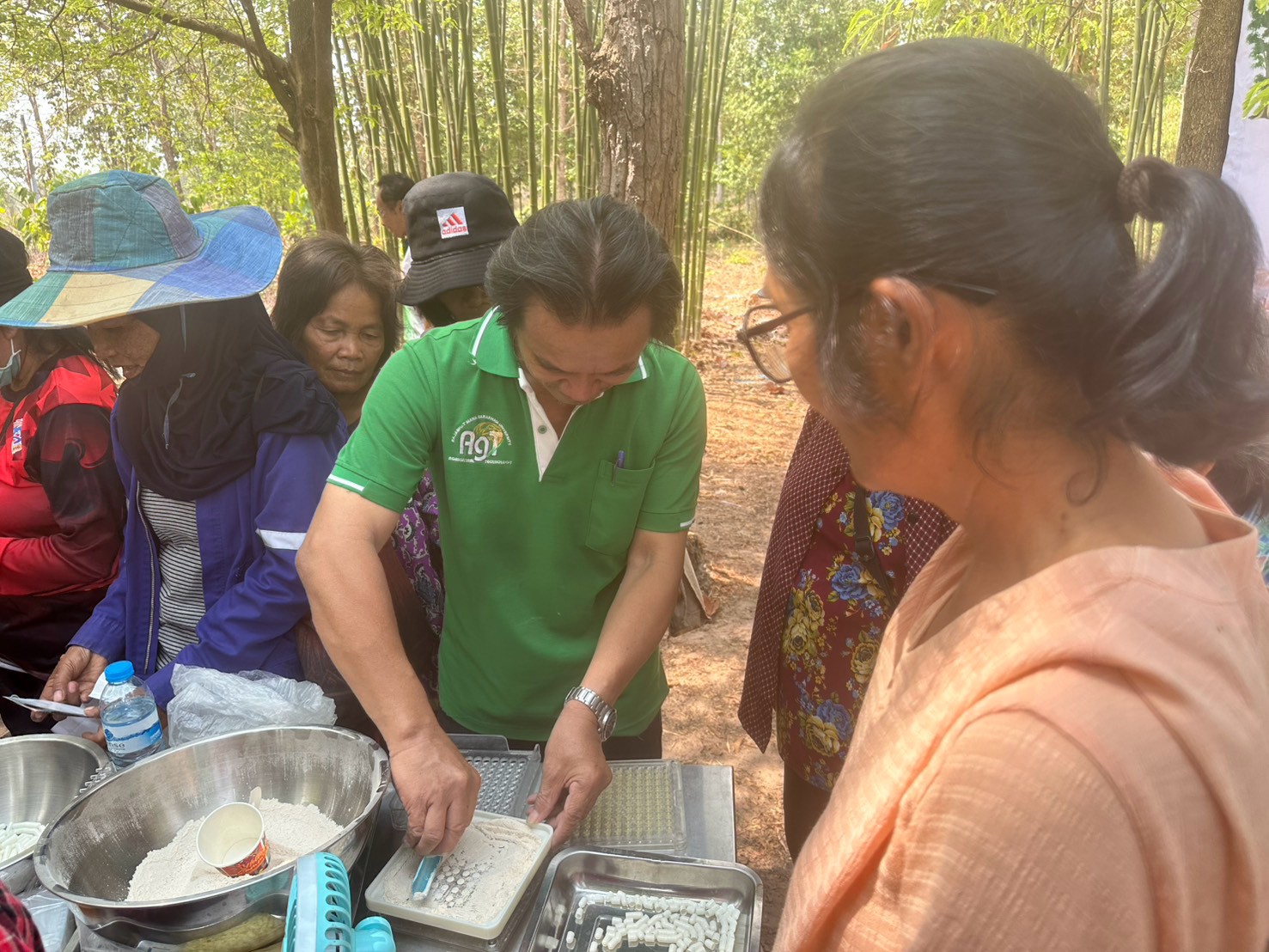
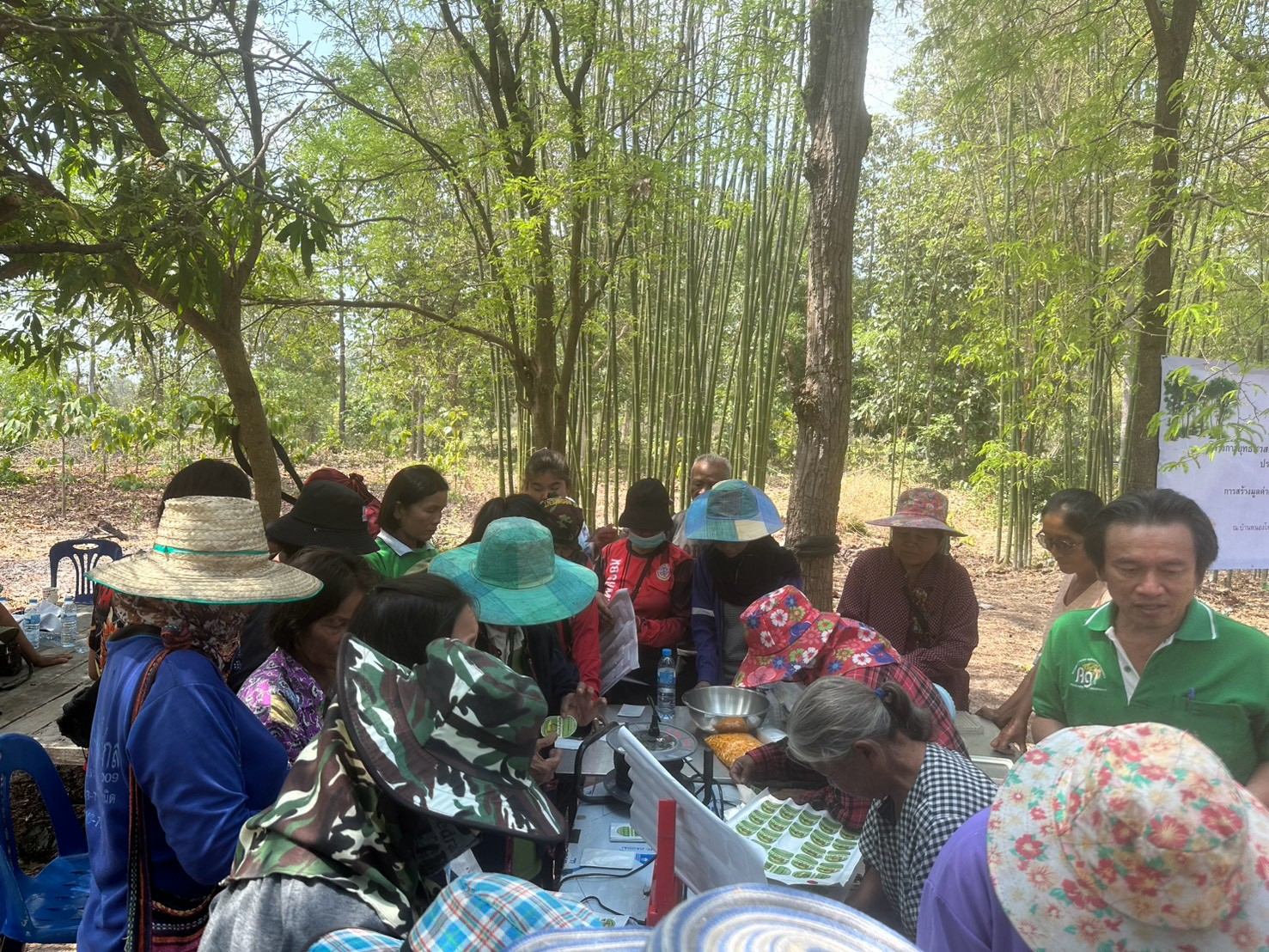
3. Inoculating seedlings with wild mushroom spores and establishing a forest
1. การสร้างความเข้าใจและความตระหนักในการสร้างป่าชุมชน
2. การคัดเลือกเมล็ดพันธุ์ การเตรียมดิน การเพาะกล้า และการดูแลรักษา
3. การลงเชื้อเห็ดป่าและสร้างป่า
Part 2: Outcomes & Impact ส่วนที่ 2 ผลลัพธ์และผลกระทบ
Outcomes ผลลัพธ์ที่เกิดขึ้น
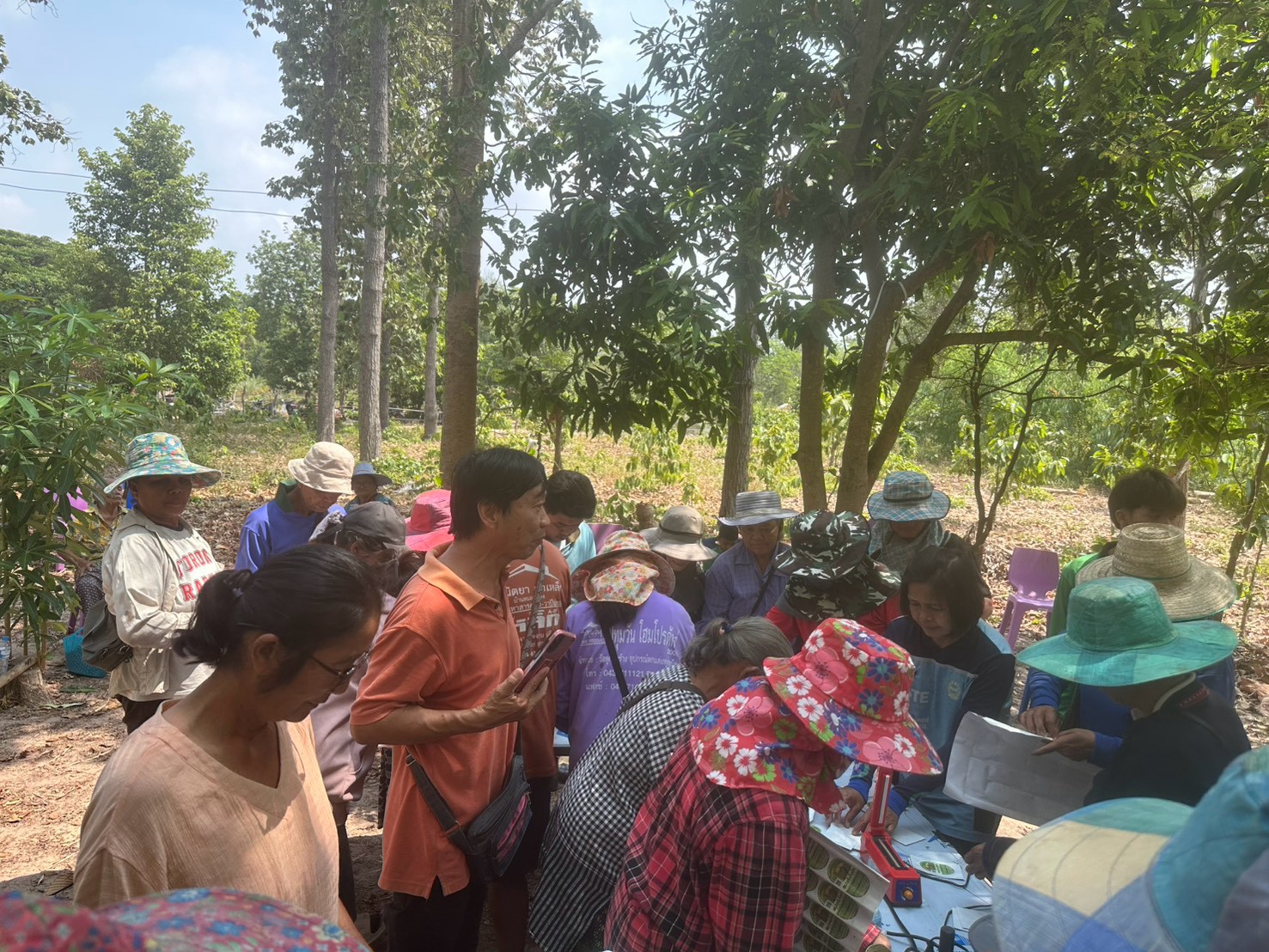
1. Products from the farmers’ community forest
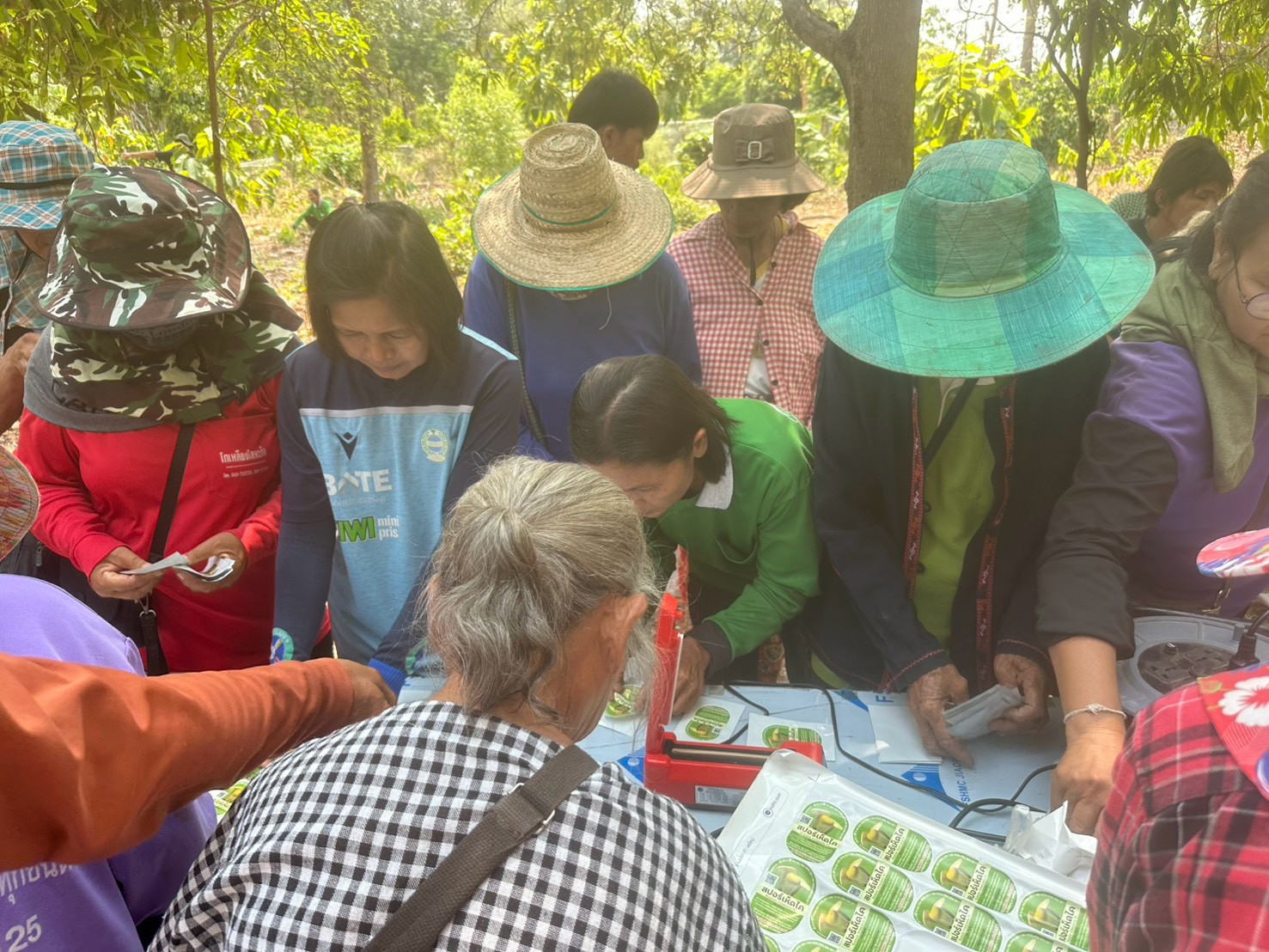
2. At least one product from the community forest with potential market demand
1. ผลิตภัณฑ์จากป่าชุมชนของกลุ่มเกษตรกร
2. ผลิตภัณฑ์จากป่าชุมชน อย่างน้อย 1 ผลิตภัณฑ์ ที่มีแนวโน้มความต้องการในตลาด
Community & Social Impact ผลกระทบต่อชุมชน/สังคม
- Economic Dimension: Community income is expected to increase by 10%.
- Social Dimension: Farmers will form groups to collaborate in expanding forest areas.
- Educational Dimension: Students and community farmers will engage in knowledge exchange and collaborative learning. Teaching and learning activities will be integrated with academic outreach services to promote collaborative learning and empower community development.
- Environmental Dimension: Green spaces and community forest areas will be expanded.
- ด้านเศรษฐกิจ ชุมชนมีรายได้เพิ่มขึ้นร้อยละ 10
- ด้านสังคม มีการรวมกลุ่มเกษตรกรในการเพิ่มพื้นที่ป่า
- ด้านการศึกษา นักศึกษาและเกษตรกรในชุมชนเกิดการแลกเปลี่ยนเรียนรู้ มีการบูรณาการการเรียนการสอนสู่การบริการวิชาการ เป็นการส่งเสริมการเรียนรู้ร่วมกันสรรสร้างชุมชน
- ด้านสิ่งแวดล้อม เพิ่มพื้นที่สีเขียวและป่าชุมชน
Student & Staff Participation การมีส่วนร่วมของนักศึกษา/บุคลากร
1. Student Participation in Forest Planting and Community Ecosystem Restoration
- Students will participate in tree-planting activities, expand green spaces, and restore community forests while learning about the importance of forest resources, biodiversity, and sustainable environmental conservation.
2. Integration of Project Activities into Teaching and Learning
- Academic staff will integrate forest-planting activities and community-based development initiatives into teaching and learning. Students will apply knowledge gained from relevant courses to address real-world problems and support community development, while promoting experiential learning.
3. Knowledge Transfer and Collaborative Learning with the Community
- Students and staff will work collaboratively with farmers and community leaders to exchange knowledge on forest planting, tree maintenance, forest resource management, and the appropriate utilization of natural resources, while respecting local wisdom and promoting community participation.
4. Participation in Adding Value to Community Resources
- Students and staff will support feasibility studies on adding value to products and resources associated with community forests. Their contributions will include product development, packaging design, public relations and communication, and marketing channel promotion to create livelihood opportunities and increase community income without damaging the ecosystem.
5. Participation in Project Monitoring and Evaluation
- Students and staff will work with community members to monitor tree-planting outcomes, tree survival rates, increases in forest areas, the number of participants, and the benefits generated for the community. The information collected will be used to improve project implementation and support the continuous planning of sustainable forest conservation activities.
1. การมีส่วนร่วมของนักศึกษาในการปลูกป่าและฟื้นฟูระบบนิเวศชุมชน
นักศึกษาเข้าร่วมกิจกรรมปลูกต้นไม้ เพิ่มพื้นที่สีเขียว และฟื้นฟูป่าชุมชน พร้อมเรียนรู้ความสำคัญของทรัพยากรป่าไม้ ความหลากหลายทางชีวภาพ และการอนุรักษ์สิ่งแวดล้อมอย่างยั่งยืน
2. การบูรณาการกิจกรรมเข้ากับการเรียนการสอน
บุคลากรสายวิชาการนำกิจกรรมการปลูกป่าและการพัฒนาวิถีชุมชนมาบูรณาการกับการเรียนการสอน โดยให้นักศึกษาประยุกต์ใช้ความรู้จากรายวิชาที่เกี่ยวข้องในการแก้ไขปัญหาและพัฒนาชุมชนจริง ตลอดจนส่งเสริมการเรียนรู้จากประสบการณ์ตรง (Experiential Learning)
3. การถ่ายทอดองค์ความรู้และแลกเปลี่ยนเรียนรู้ร่วมกับชุมชน
นักศึกษาและบุคลากรทำงานร่วมกับเกษตรกรและผู้นำชุมชน เพื่อแลกเปลี่ยนความรู้เกี่ยวกับการปลูกป่า การดูแลรักษาต้นไม้ การจัดการทรัพยากรป่าไม้ และการใช้ประโยชน์จากทรัพยากรธรรมชาติอย่างเหมาะสม โดยคำนึงถึงภูมิปัญญาท้องถิ่นและการมีส่วนร่วมของชุมชน
4. การมีส่วนร่วมในการสร้างมูลค่าเพิ่มจากทรัพยากรชุมชน
นักศึกษาและบุคลากรสนับสนุนการศึกษาความเป็นไปได้ในการสร้างมูลค่าเพิ่มจากผลิตผลและทรัพยากรที่เกี่ยวข้องกับป่าชุมชน ตลอดจนการพัฒนาผลิตภัณฑ์ การออกแบบบรรจุภัณฑ์ การสื่อสารประชาสัมพันธ์ และการส่งเสริมช่องทางการตลาด เพื่อสร้างโอกาสในการประกอบอาชีพและเพิ่มรายได้ให้แก่ชุมชนโดยไม่ทำลายระบบนิเวศ
5. การมีส่วนร่วมในการติดตามและประเมินผลโครงการ
นักศึกษาและบุคลากรร่วมกับชุมชนในการติดตามผลการปลูกต้นไม้ อัตราการรอดของต้นไม้ พื้นที่ป่าที่เพิ่มขึ้น จำนวนผู้เข้าร่วมกิจกรรม และผลประโยชน์ที่เกิดขึ้นต่อชุมชน เพื่อนำข้อมูลมาใช้ปรับปรุงการดำเนินงานและวางแผนการอนุรักษ์ป่าอย่างต่อเนื่อง
Project Continuity ความต่อเนื่องของโครงการ
1. Continuous Forest Planting and Conservation: Encourage farmers and community members to continue planting trees, maintaining existing trees, and restoring community forests. Annual planting plans and target areas will be established to expand green spaces and improve ecosystem health over the long term.
2. Strengthening Community Collaboration Networks: Support the establishment of farmer groups and community networks to participate in planning, managing, and monitoring forest conservation activities. Collaboration among the university, government agencies, the private sector, and local administrative organizations will be encouraged to secure ongoing knowledge, resources, and funding.
3. Knowledge Transfer and Community Capacity Building: Provide training and knowledge-sharing activities on forest planting, tree maintenance, ecosystem restoration, and sustainable forest resource utilization. These activities will enable community members to apply their knowledge and independently continue project initiatives beyond the project funding period.
4. Value Creation and Community Economic Development: Promote the development of products and income-generating activities associated with forest resources and local community identity, such as sustainably harvested forest products, improved packaging, and expanded marketing channels. All activities will prioritize ecological balance and avoid resource exploitation beyond the ecosystem's capacity for regeneration.
5. Integration with Teaching, Research, and Academic Outreach: Integrate project activities into relevant university courses, student activities, research, and academic outreach services. Students and staff will collaborate with community members to assess environmental, economic, and social outcomes and apply appropriate knowledge and innovations to support future development.
6. Continuous Monitoring, Evaluation, and Long-Term Planning: Establish a monitoring and evaluation system to assess the number of trees planted, tree survival rates, forest areas restored, community participation, income generated through value-added activities, and the level of community engagement. The findings will inform annual improvement plans and support the long-term sustainability of the project.
1. การดำเนินกิจกรรมปลูกป่าและอนุรักษ์ป่าอย่างต่อเนื่อง
ส่งเสริมให้เกษตรกรและสมาชิกในชุมชนดำเนินกิจกรรมปลูกต้นไม้ ดูแลรักษาต้นไม้ และฟื้นฟูพื้นที่ป่าชุมชนอย่างต่อเนื่อง โดยกำหนดพื้นที่เป้าหมายและแผนการปลูกป่าในแต่ละปี เพื่อเพิ่มพื้นที่สีเขียวและสร้างความสมบูรณ์ของระบบนิเวศในระยะยาว
2. การสร้างเครือข่ายความร่วมมือของชุมชน
สนับสนุนการรวมกลุ่มเกษตรกรและสมาชิกในชุมชนให้มีบทบาทในการวางแผน บริหารจัดการ และติดตามผลการอนุรักษ์ป่า ตลอดจนสร้างเครือข่ายความร่วมมือระหว่างมหาวิทยาลัย หน่วยงานภาครัฐ ภาคเอกชน และองค์กรปกครองส่วนท้องถิ่น เพื่อสนับสนุนองค์ความรู้ ทรัพยากร และงบประมาณในการดำเนินงานอย่างต่อเนื่อง
3. การถ่ายทอดองค์ความรู้และพัฒนาศักยภาพชุมชน
จัดกิจกรรมฝึกอบรมและแลกเปลี่ยนเรียนรู้เกี่ยวกับการปลูกป่า การดูแลรักษาต้นไม้ การฟื้นฟูระบบนิเวศ และการใช้ประโยชน์จากทรัพยากรป่าไม้อย่างเหมาะสม เพื่อให้ชุมชนสามารถนำความรู้ไปประยุกต์ใช้และดำเนินกิจกรรมได้ด้วยตนเอง แม้สิ้นสุดระยะเวลาการสนับสนุนงบประมาณจากโครงการ
4. การสร้างมูลค่าเพิ่มและส่งเสริมเศรษฐกิจชุมชน
ส่งเสริมการพัฒนาผลิตภัณฑ์หรือกิจกรรมสร้างรายได้ที่เชื่อมโยงกับทรัพยากรป่าไม้และอัตลักษณ์ของชุมชน เช่น ผลิตภัณฑ์จากผลผลิตป่าที่เก็บเกี่ยวได้อย่างเหมาะสม การพัฒนาบรรจุภัณฑ์ และการส่งเสริมช่องทางการตลาด โดยคำนึงถึงความสมดุลของระบบนิเวศและไม่ส่งเสริมการใช้ทรัพยากรเกินขีดความสามารถในการฟื้นตัวของธรรมชาติ
5. การบูรณาการกับการเรียนการสอน การวิจัย และการบริการวิชาการ
ส่งเสริมให้มหาวิทยาลัยนำโครงการไปบูรณาการกับรายวิชาที่เกี่ยวข้อง กิจกรรมของนักศึกษา และการวิจัยเพื่อพัฒนาชุมชน โดยให้นักศึกษาและบุคลากรร่วมกับชุมชนศึกษาผลลัพธ์ด้านสิ่งแวดล้อม เศรษฐกิจ และสังคม พร้อมนำองค์ความรู้และนวัตกรรมที่เหมาะสมมาสนับสนุนการดำเนินงานในระยะต่อไป
6. การติดตามประเมินผลและวางแผนพัฒนาในระยะยาว
กำหนดระบบติดตามผลการดำเนินงานอย่างต่อเนื่อง โดยพิจารณาจากจำนวนต้นไม้ที่ปลูกและอัตราการรอดของต้นไม้ พื้นที่ป่าที่ได้รับการฟื้นฟู จำนวนสมาชิกที่มีส่วนร่วม รายได้ที่เกิดขึ้นจากกิจกรรมสร้างมูลค่าเพิ่ม และระดับการมีส่วนร่วมของชุมชน เพื่อนำผลการประเมินมาปรับปรุงแผนการดำเนินงานในแต่ละปีให้มีประสิทธิภาพและเกิดความยั่งยืน
Part 3: Challenges & Suggestions ส่วนที่ 3 ปัญหาอุปสรรค/ข้อเสนอแนะ
Problems & Obstacles ปัญหา/อุปสรรค
- -
Improvement Guidelines แนวทางการปรับปรุง
- -
Suggestions to University ข้อเสนอแนะต่อมหาวิทยาลัย
- -