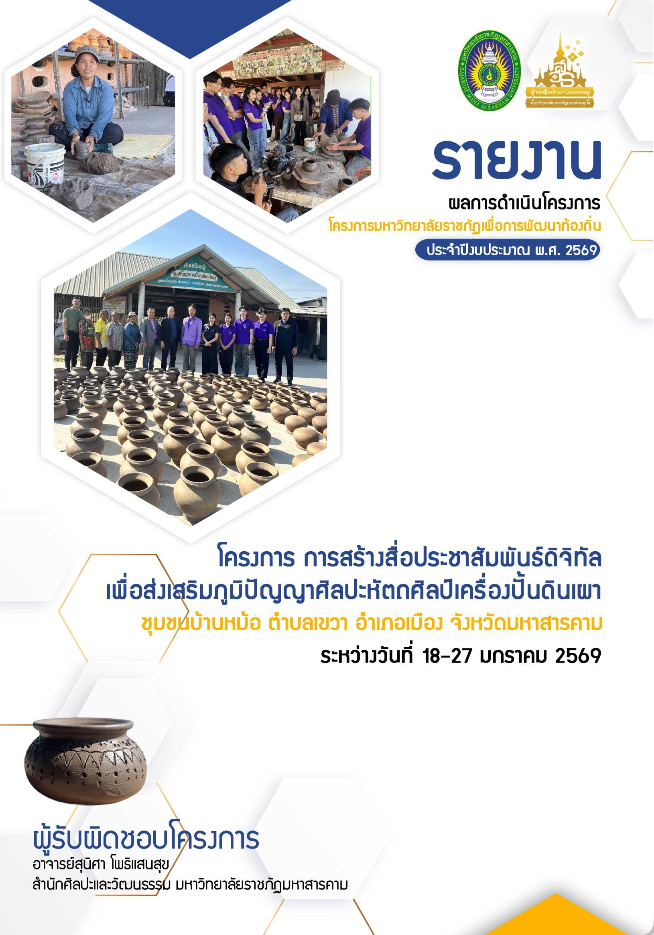
– December 29, 2025 18 ธันวาคม 2568
– 29 ธันวาคม 2568
Part 1: Project Details ส่วนที่ 1 รายละเอียดการดำเนินงาน
Objectives วัตถุประสงค์โครงการ
1. To preserve, conserve, and disseminate the local wisdom of Ban Mo community’s pottery handicrafts to a wider audience.
2. To create public relations media that support income generation, enhance the creative economy, and effectively reach target audiences, including the general public and local youth.
3. To elevate the value of local wisdom into a key cultural identity of Maha Sarakham Province.
4. To foster collaboration among the community, government agencies, educational sectors, and private organizations in sustainably conserving and developing local wisdom.
1 เพื่อสืบสาน อนุรักษ์ และเผยแพร่ภูมิปัญญาท้องถิ่นด้านศิลปะหัตถศิลป์เครื่องปั้นดินเผาของชุมชนบ้านหม้อให้เป็นที่รู้จักในวงกว้าง
2 เพื่อสร้างสื่อประชาสัมพันธ์สนับสนุนการสร้างรายได้ เสริมเศรษฐกิจสร้างสรรค์ เข้าถึงกลุ่มเป้าหมาย ทั้งประชาชนทั่วไป และเยาวชนในท้องถิ่น
3 เพื่อยกระดับคุณค่าของภูมิปัญญาท้องถิ่นสู่การเป็นอัตลักษณ์ทางวัฒนธรรมที่สำคัญของจังหวัดมหาสารคาม
4 เพื่อสร้างการมีส่วนร่วมระหว่างชุมชน หน่วยงานภาครัฐ ภาคการศึกษา และภาคเอกชนในการอนุรักษ์และพัฒนาภูมิปัญญาท้องถิ่นอย่างยั่งยืน
Main Activities กิจกรรมหลัก
Activity 1: Workshop on Knowledge Transfer and Heritage Preservation
Activity 2: Workshop on PR Media Production for Income Generation and Creative Economy Promotion
Activity 3: Fieldwork Data Collection and Knowledge Gathering
Activity 4: Article Drafting and Quality Review
กิจกรรม 1 อบรมเชิงปฏิบัติการกิจกรรมถ่ายทอดองค์ความรู้และสืบสานภูมิปัญญา
กิจกรรม 2 อบรมเชิงปฏิบัติการกิจกรรมผลิตสื่อประชาสัมพันธ์เพื่อสร้างรายได้และส่งเสริมเศรษฐกิจสร้างสรรค์
กิจกรรม 3 รวบรวมข้อมูลและองค์ความรู้ภาคสนาม
กิจกรรม 4 เขียนบทความและตรวจสอบคุณภาพ
Part 2: Outcomes & Impact ส่วนที่ 2 ผลลัพธ์และผลกระทบ
Outcomes ผลลัพธ์ที่เกิดขึ้น
-
1. ผลลัพธ์เชิงปริมาณ (Quantitative Outcomes)
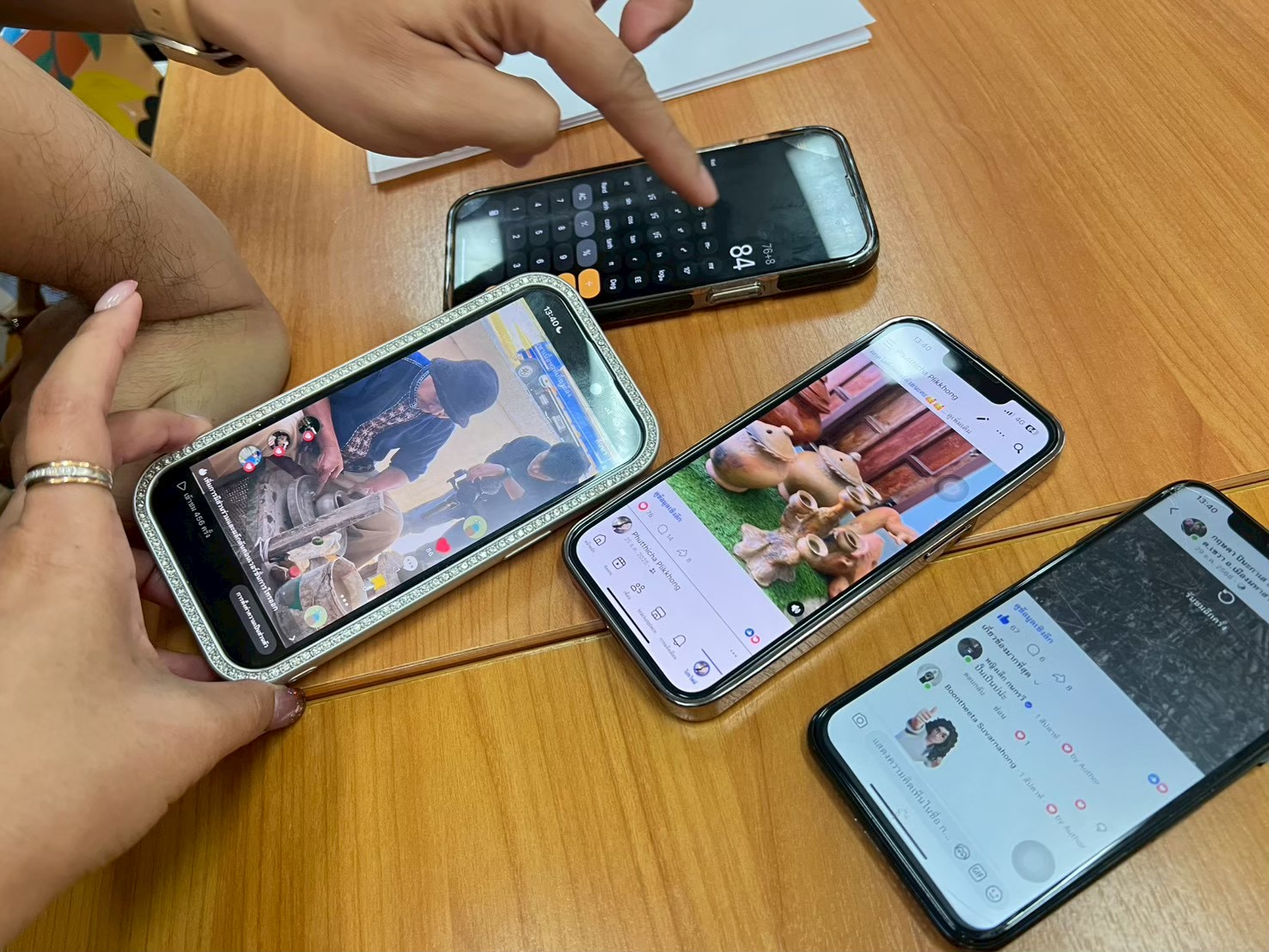
1.1 การพัฒนาช่องทางการสื่อสารดิจิทัลของชุมชน: โครงการสร้างและส่งมอบช่องทางประชาสัมพันธ์ออนไลน์ให้แก่ชุมชนบ้านหม้อรวมทั้งสิ้น 4 แพลตฟอร์มหลัก ได้แก่ Facebook, YouTube, TikTok และเว็บไซต์ชุมชน ซึ่งเปิดใช้งานและสามารถเข้าถึงกลุ่มเป้าหมายได้อย่างเป็นรูปธรรม
1.2 จำนวนสื่อประชาสัมพันธ์ที่ผลิตจริง: คณะทำงานและนักศึกษาสามารถผลิตสื่อสร้างสรรค์เชิงวัฒนธรรมเพื่อขับเคลื่อนเศรษฐกิจชุมชน ประกอบด้วย สื่อวิดีโอสตอรี่เทลลิ่ง (Storytelling Videos) และบทความออนไลน์ที่นำเสนอประวัติ คุณค่า และกระบวนการผลิตหัตถศิลป์เครื่องปั้นดินเผา
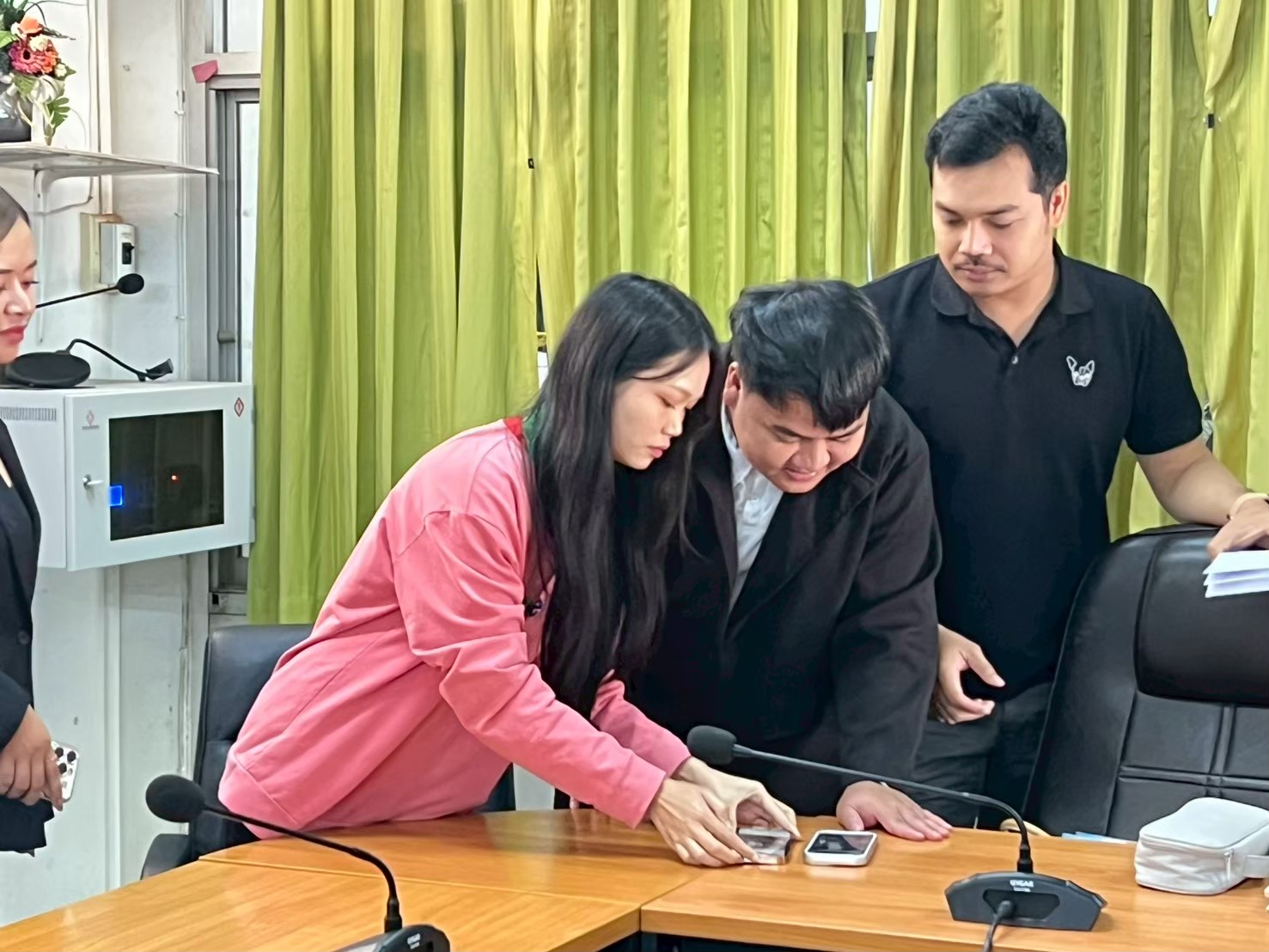
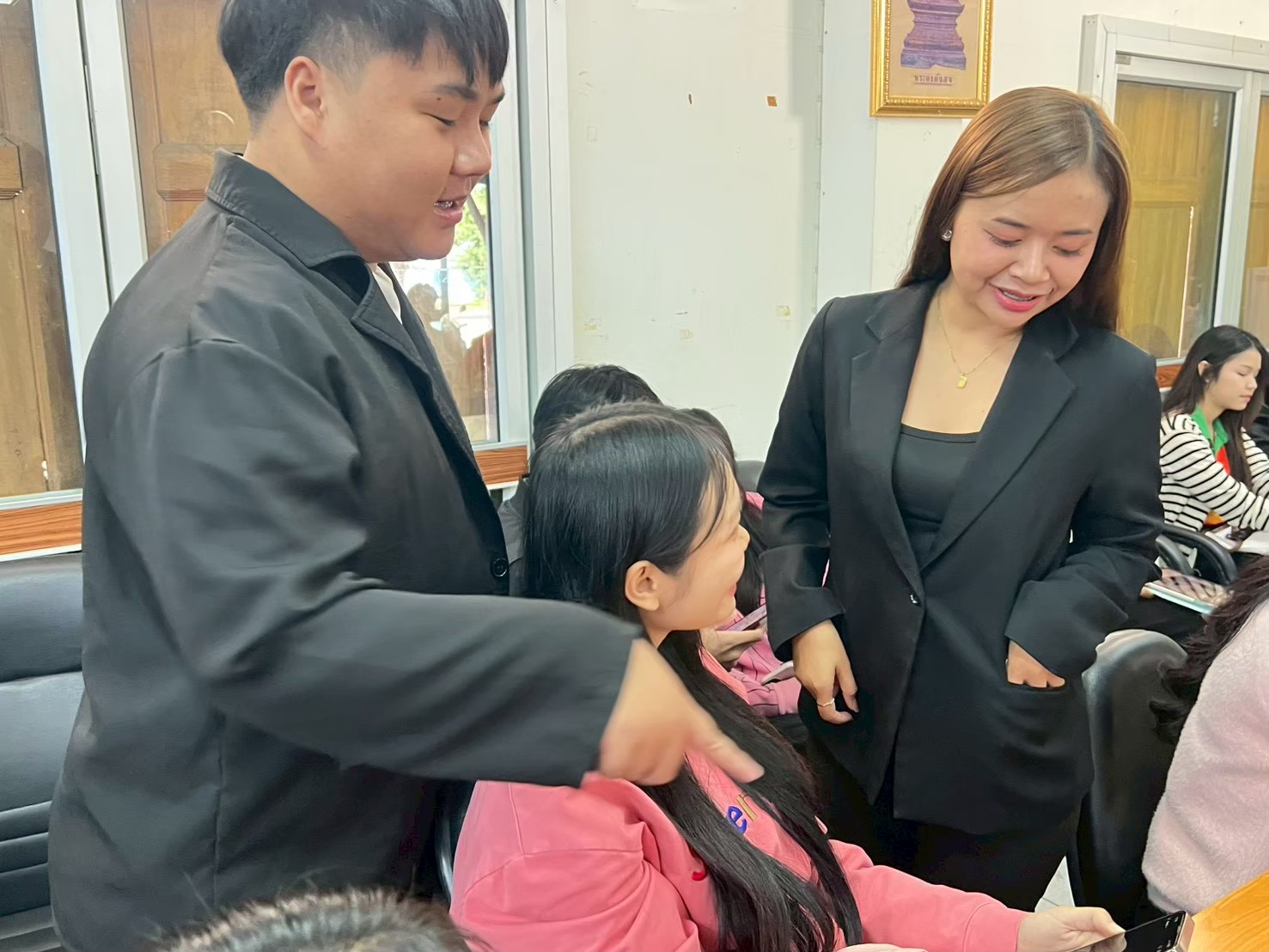
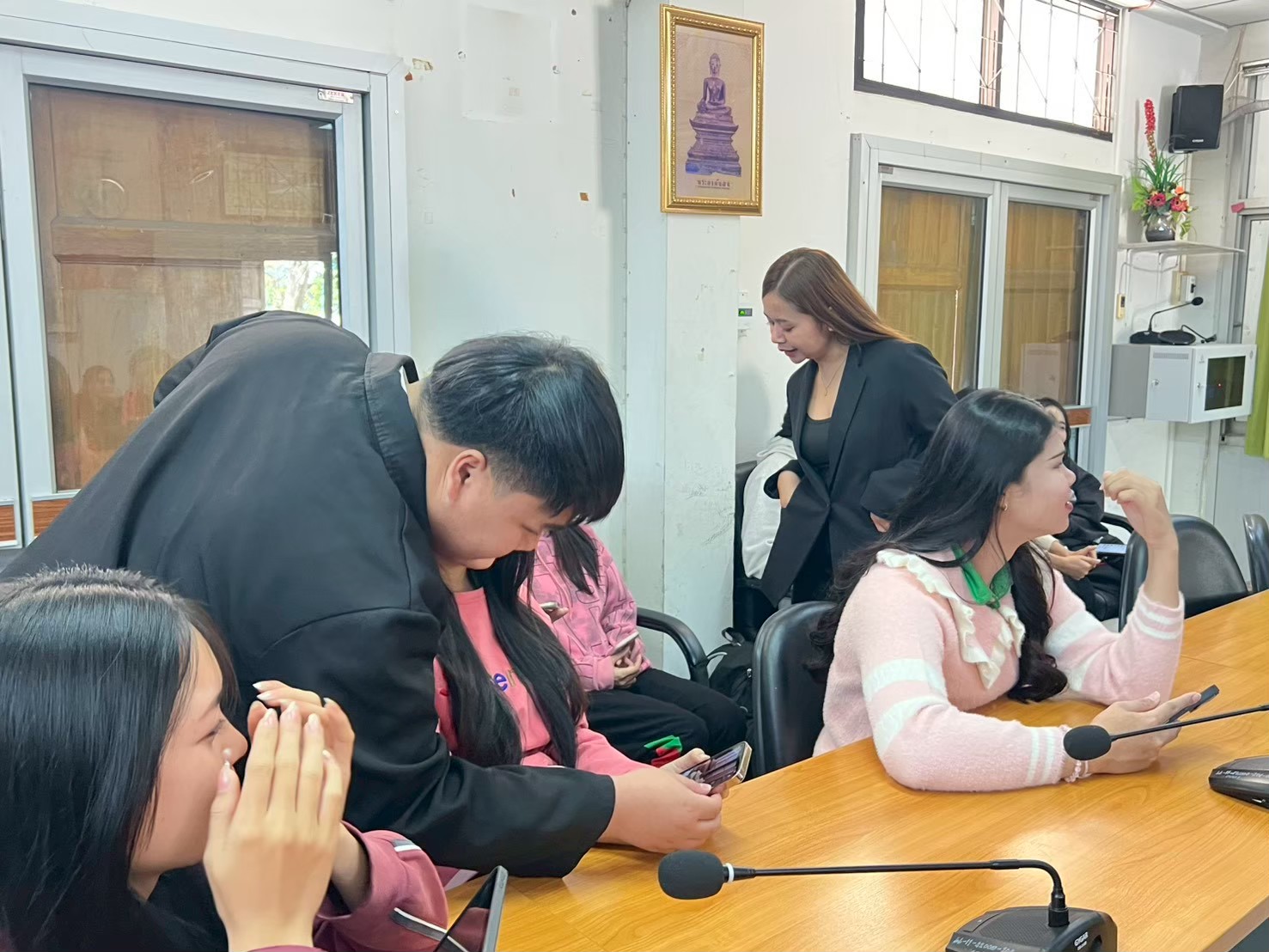
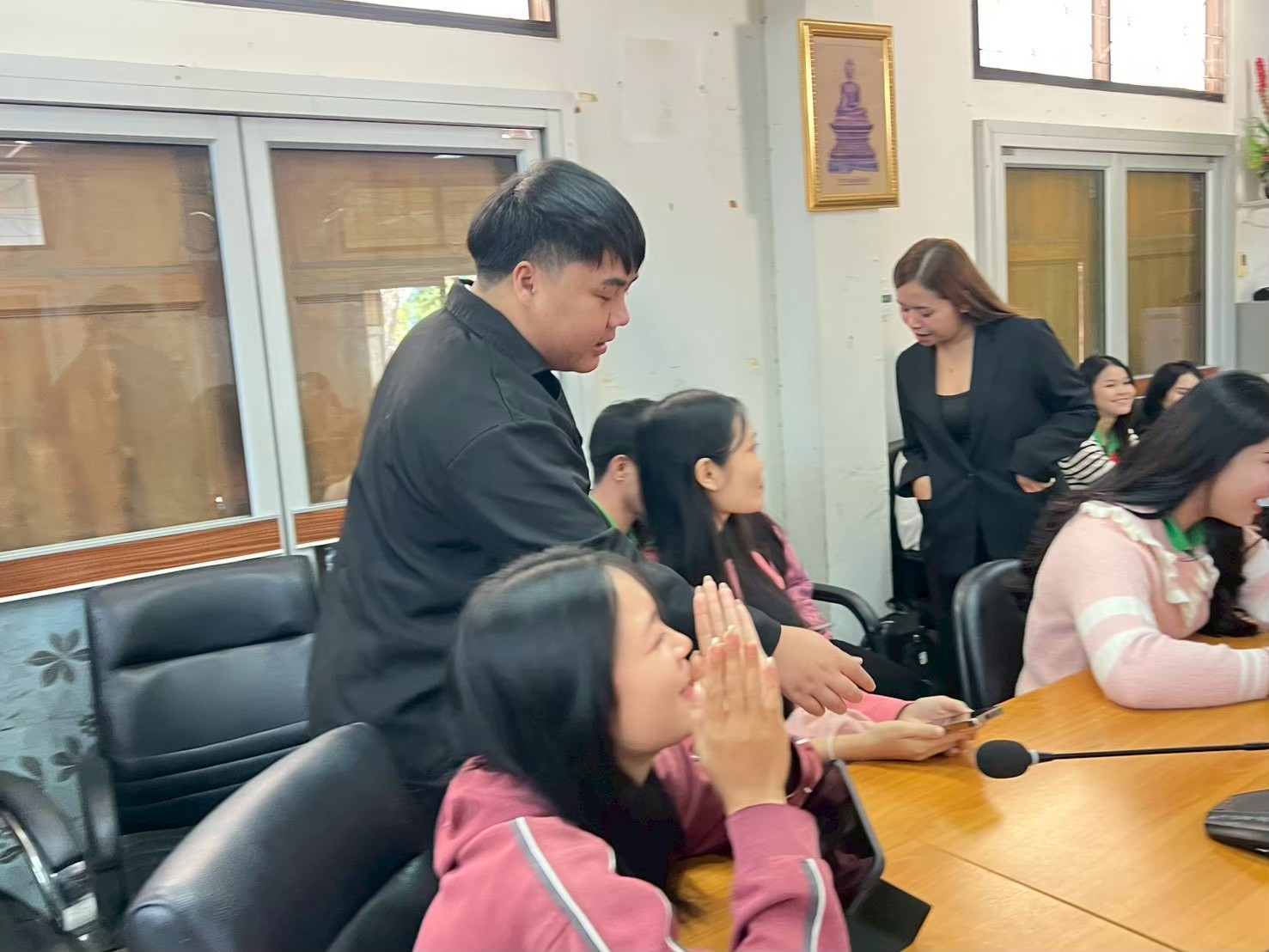
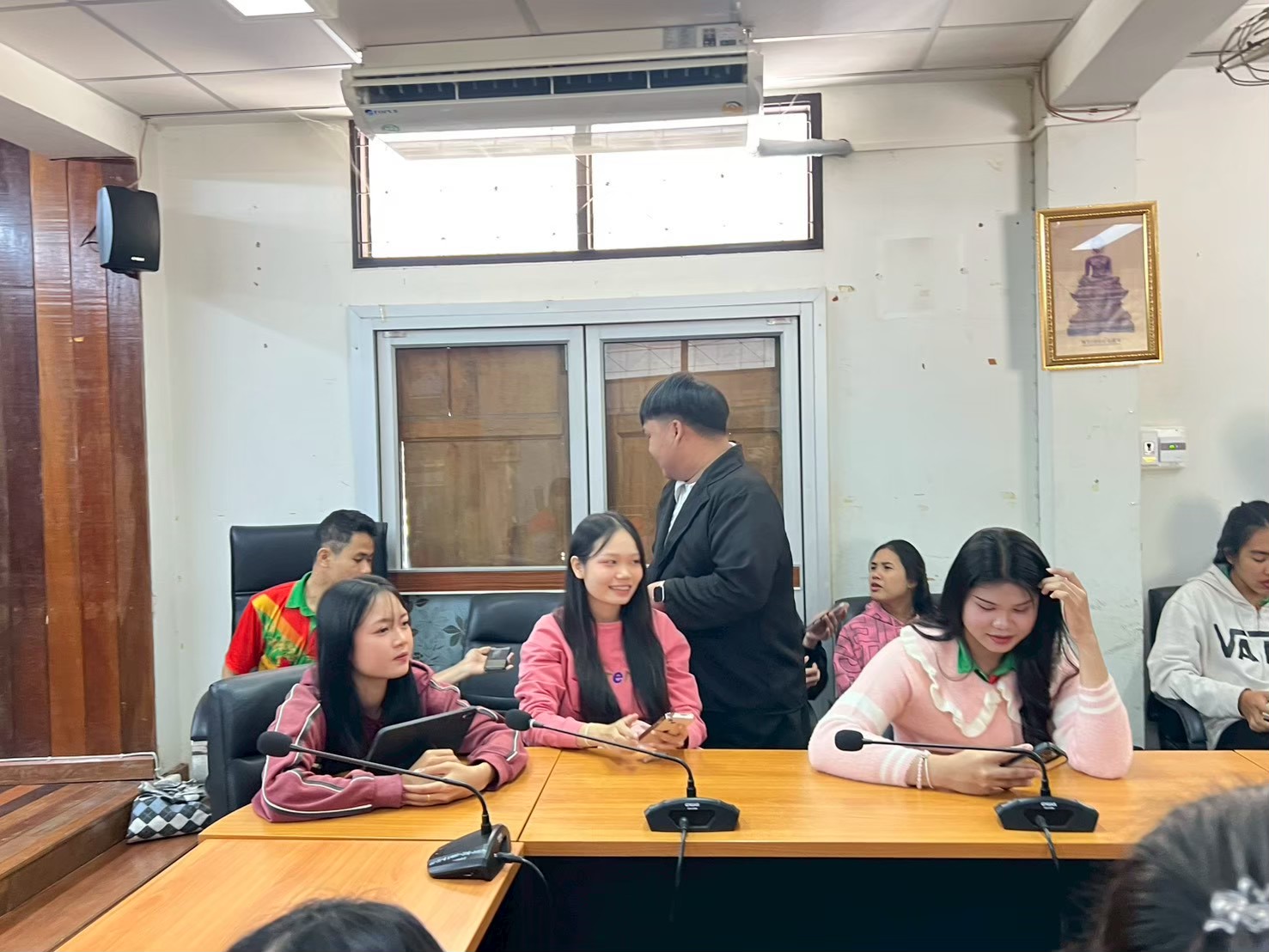
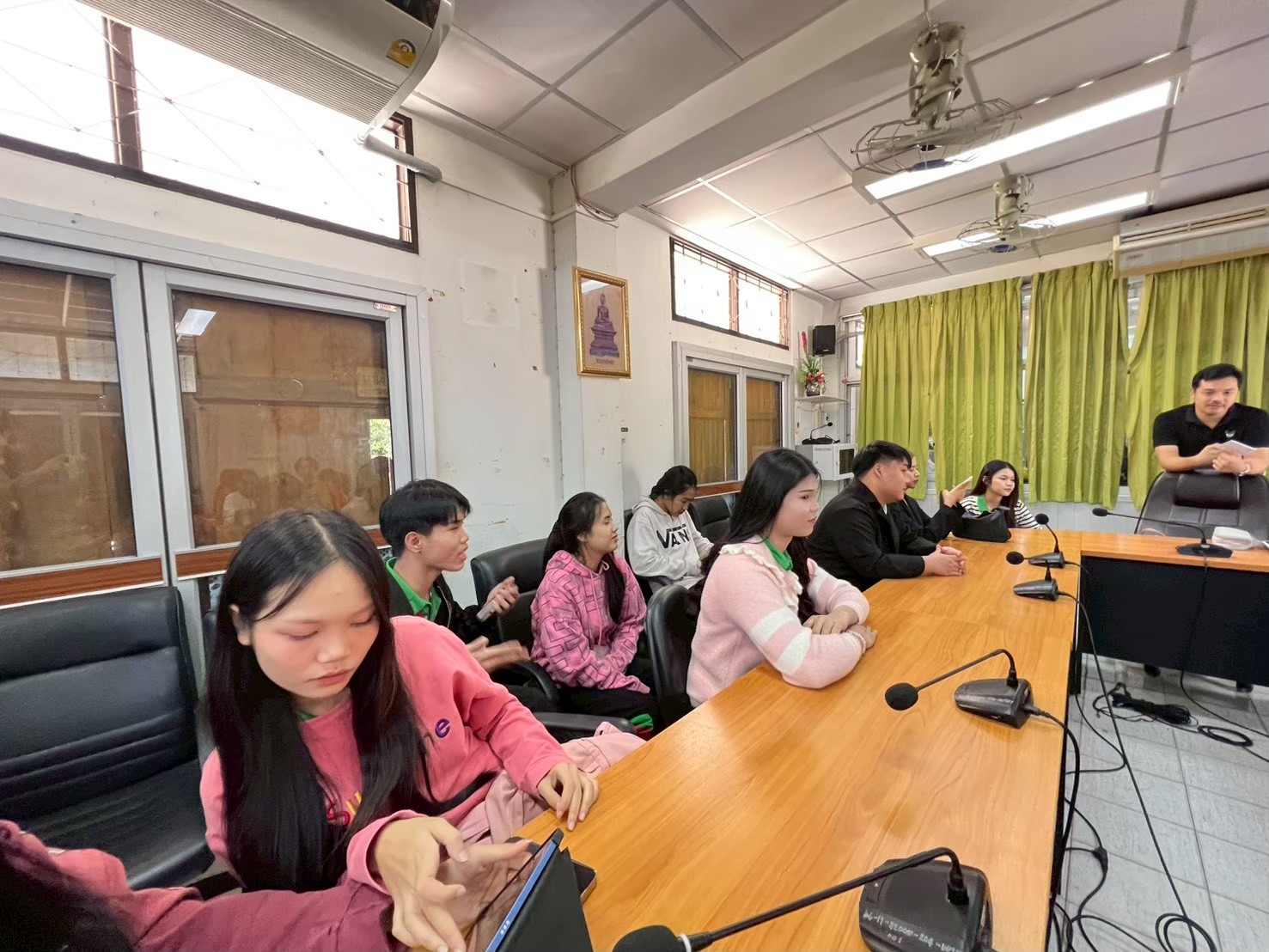
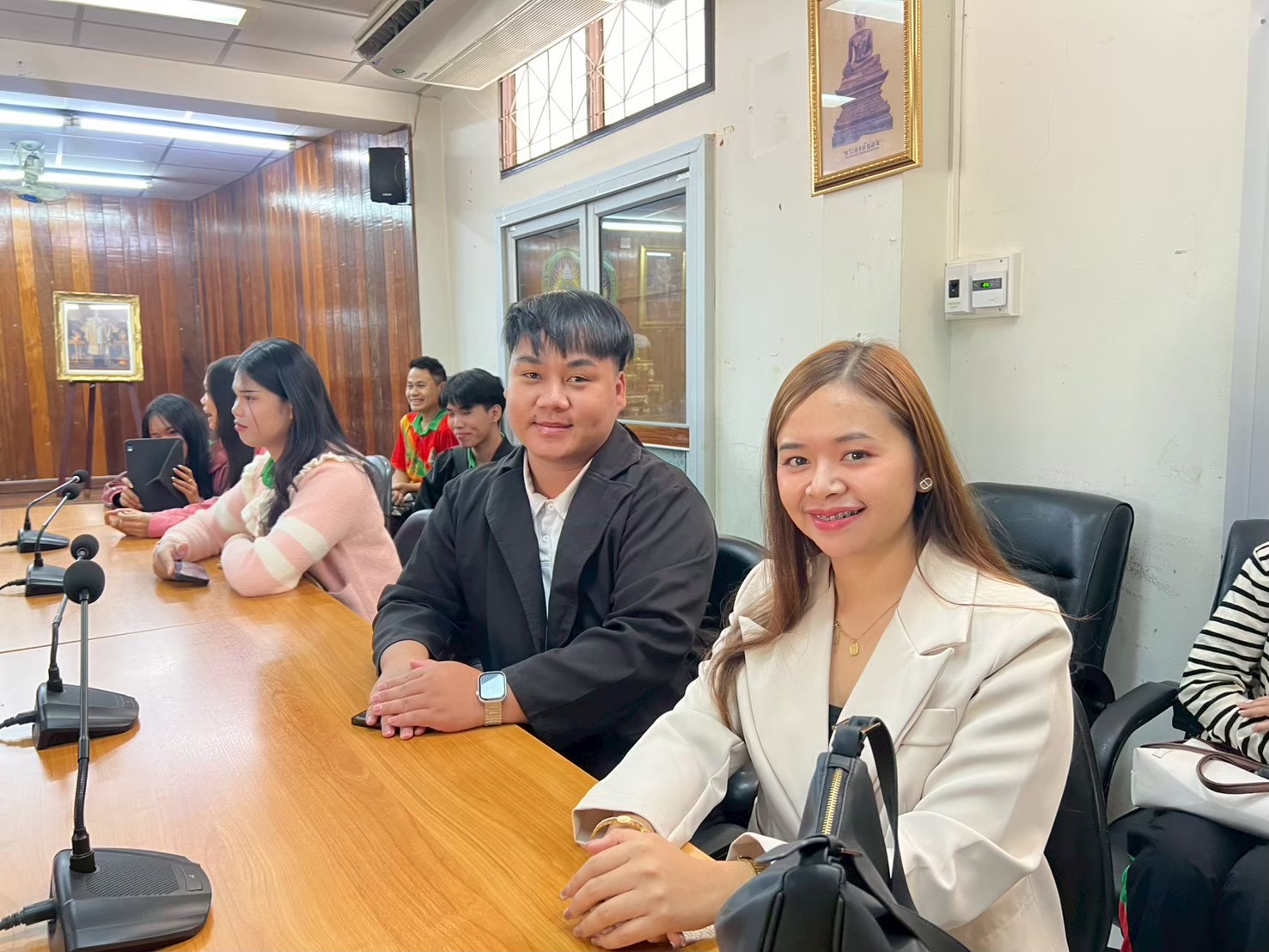
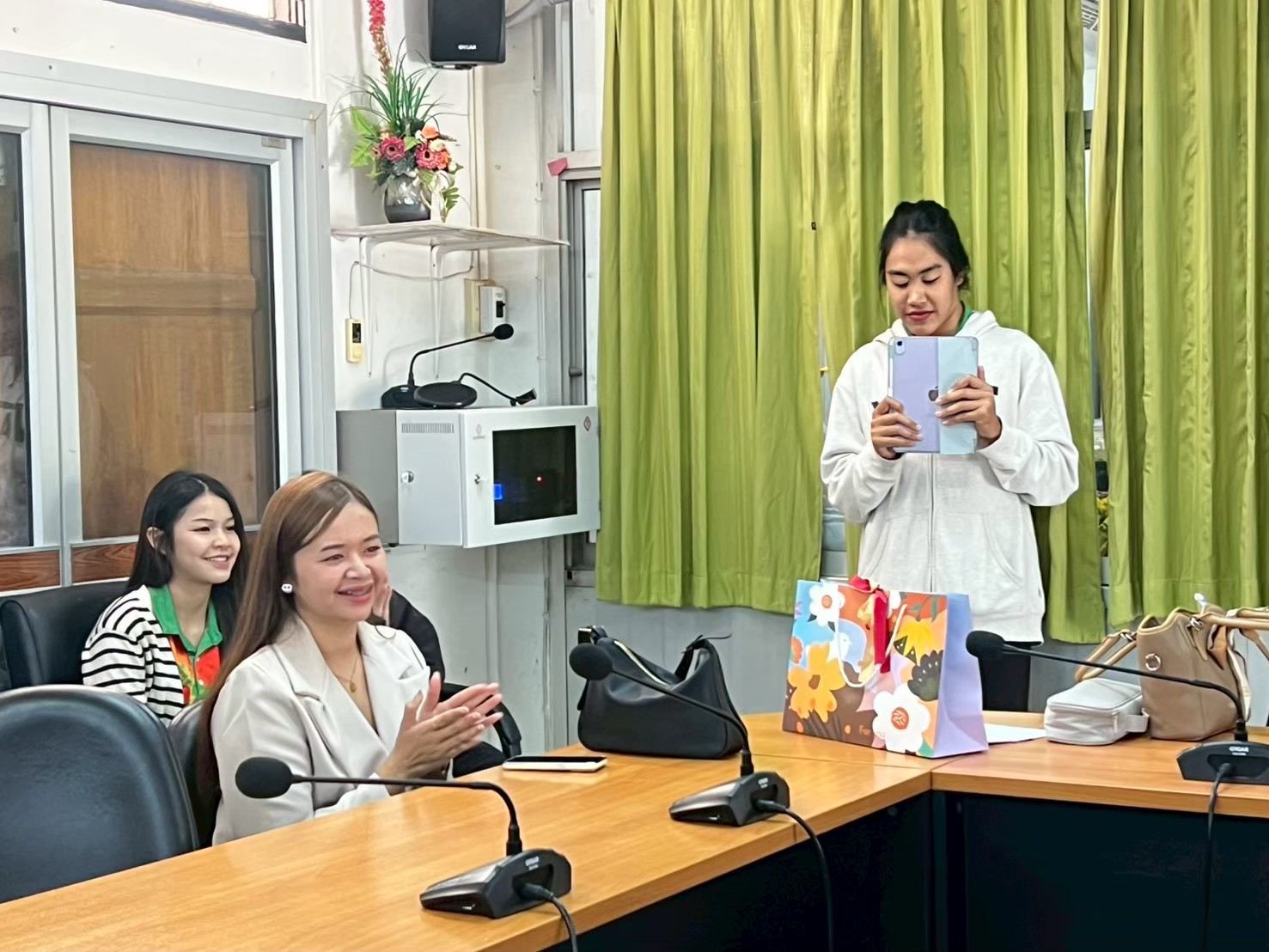
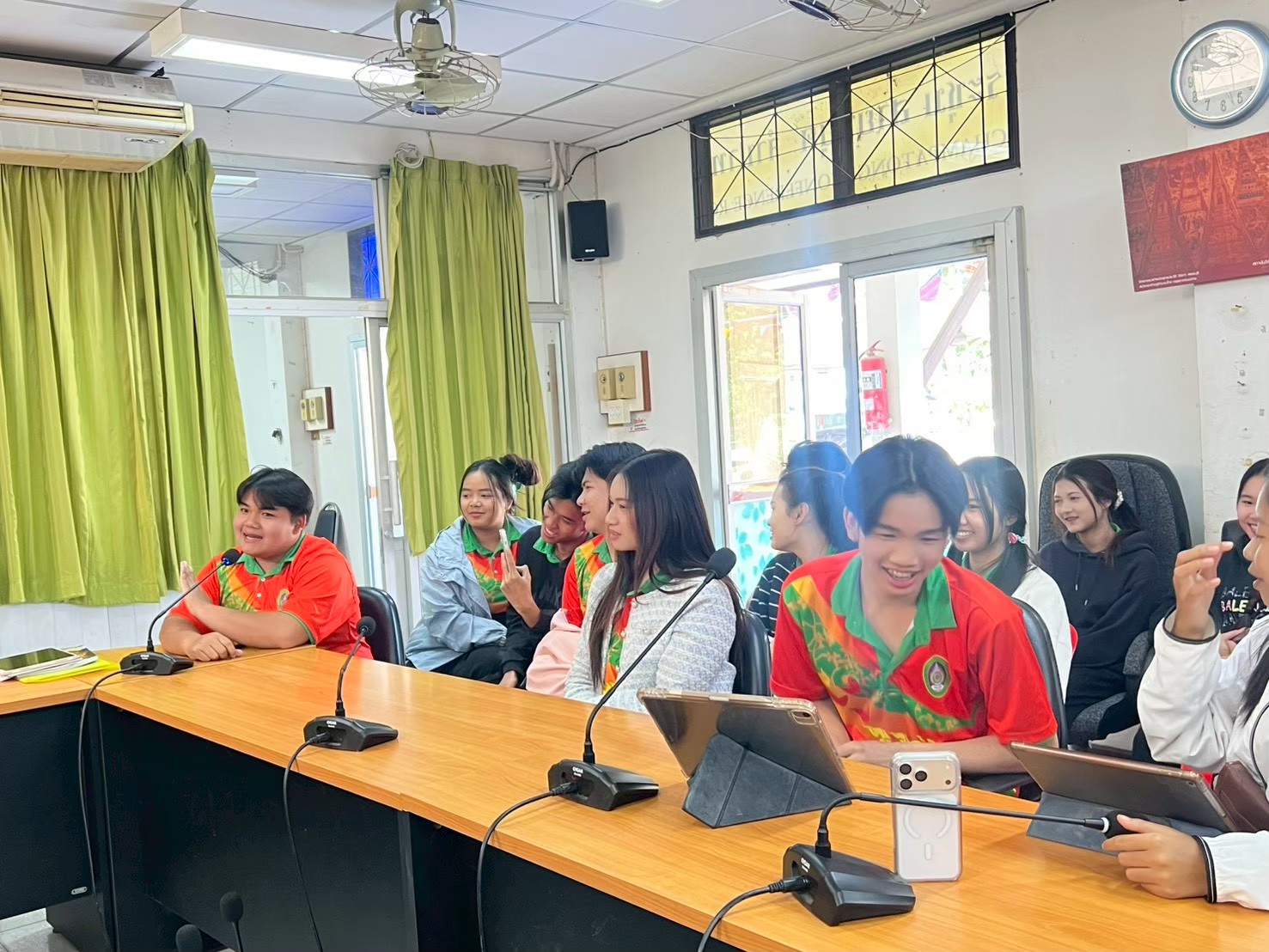
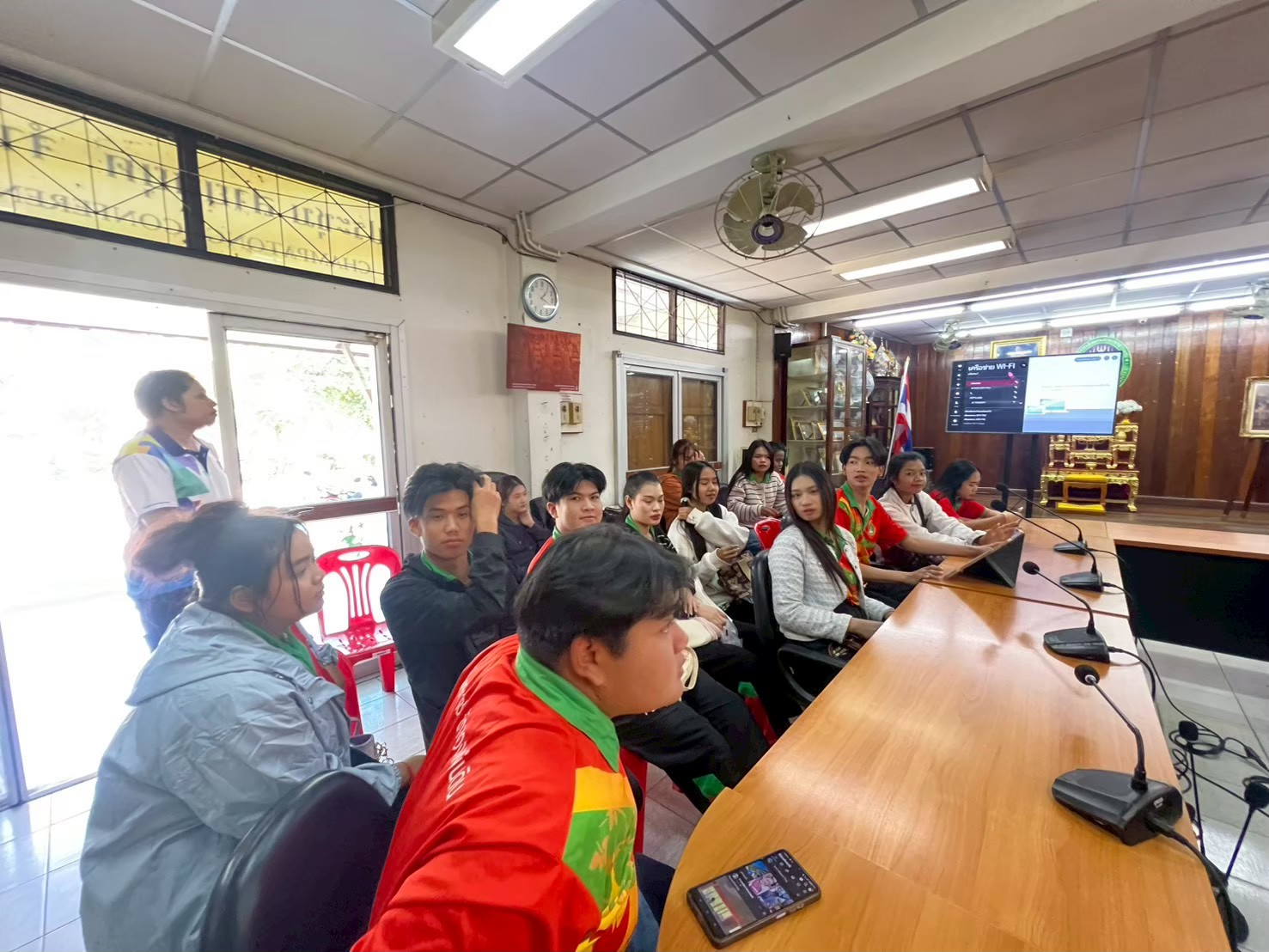
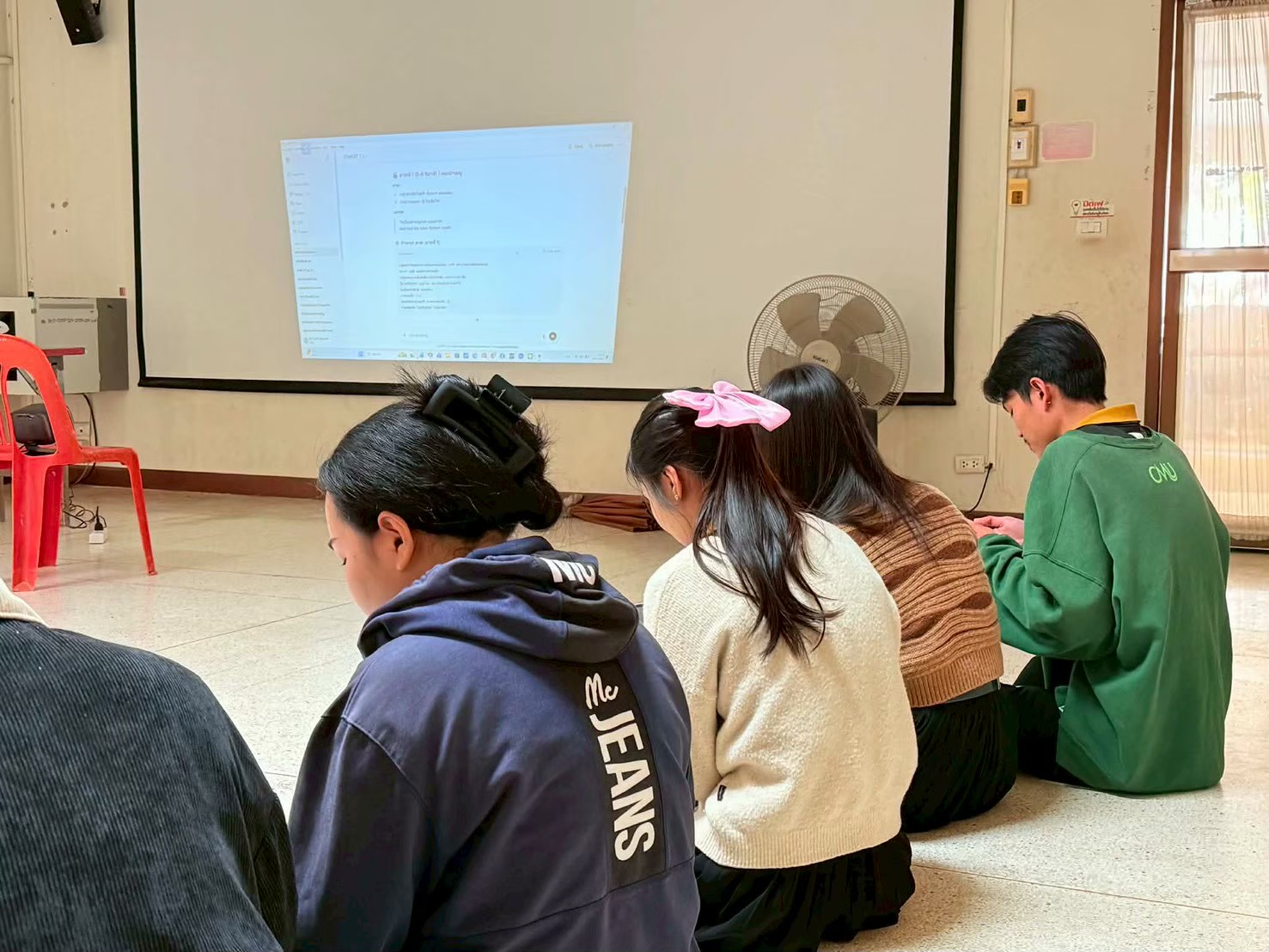
1.3 จำนวนผู้เข้ารับการอบรมและพัฒนาทักษะ: นักศึกษาจากสาขาวิชานาฏศิลป์และการแสดงจำนวน 50 คน พร้อมด้วยบุคลากรและตัวแทนแกนนำในชุมชน ได้เข้าร่วมรับการอบรมเชิงปฏิบัติการและฝึกฝนทักษะการผลิตสื่อ การถ่ายภาพ การตัดต่อ และการเล่าเรื่องเชิงวัฒนธรรมจนเสร็จสิ้นกระบวนการ
2. ผลลัพธ์เชิงคุณภาพ (Qualitative Outcomes)
2.1 การจัดทำฐานข้อมูลวัฒนธรรมดั้งเดิมอย่างเป็นระบบ: เกิดการรวบรวมและบันทึกองค์ความรู้ภาคสนามเกี่ยวกับประวัติศาสตร์ กระบวนการผลิต และคุณค่าอันเป็นอัตลักษณ์ของเครื่องปั้นดินเผาชุมชนบ้านหม้อจากปราชญ์ชาวบ้าน ซึ่งดั้งเดิมไม่เคยมีการบันทึกอย่างเป็นลายลักษณ์อักษร นำมาจัดทำเป็นระบบฐานข้อมูลเพื่อการอนุรักษ์อย่างยั่งยืน
2.2 การยกระดับศักยภาพนักสู่การเป็นวิศวกรสังคม: นักศึกษาได้พัฒนาทักษะในศตวรรษที่ 21 ผ่านกระบวนการวิศวกรสังคม (Social Engineer) สามารถบูรณาการองค์ความรู้ข้ามศาสตร์ นำมาประยุกต์ใช้ในการลงพื้นที่ทำงานจริงร่วมกับชุมชน เพื่อสืบสานและยกระดับภูมิปัญญาท้องถิ่นให้เป็นอัตลักษณ์ทางวัฒนธรรมที่เข้มแข็ง
2.3 การขับเคลื่อนเศรษฐกิจสร้างสรรค์และโอกาสในการสร้างรายได้: ชุมชนบ้านหม้อมีเครื่องมือและช่องทางในการสื่อสารการตลาดดิจิทัลที่ทันสมัย ช่วยเปิดหน้าดินให้ผลิตภัณฑ์เป็นที่รู้จักในวงกว้าง ขยายโอกาสในการสร้างงาน สร้างรายได้เสริมจากการจำหน่ายผลิตภัณฑ์และการจัดกิจกรรมท่องเที่ยว/เวิร์กชอปสาธิต และส่งเสริมให้เกิดการพึ่งพาตนเองในระยะยาว
Community & Social Impact ผลกระทบต่อชุมชน/สังคม
Economic Aspect: Strengthening the grassroots economy by creating jobs and generating income through product manufacturing and sales, as well as demonstration activities and workshops.
Social Aspect: Fostering community pride in their own local wisdom and cultural identity.
Environmental Aspect: Linking traditional wisdom with the concept of the circular economy.
Educational Aspect: Promoting integrative learning across art, history, culture, and the community economy.
- ด้านเศรษฐกิจ เสริมสร้างเศรษฐกิจฐานราก
โดยการสร้างงาน สร้างรายได้จากการผลิตและจำหน่ายผลิตภัณฑ์
รวมถึงกิจกรรมสาธิต/เวิร์กชอป
- ด้านสังคม ชุมชนเกิดความภาคภูมิใจในภูมิปัญญาท้องถิ่นและอัตลักษณ์ทางวัฒนธรรมของตนเอง
- ด้านสิ่งแวดล้อม เชื่อมโยงภูมิปัญญาดั้งเดิมเข้ากับแนวคิดเศรษฐกิจหมุนเวียน
- ด้านการศึกษา ส่งเสริมการเรียนรู้แบบบูรณาการ (Integrative
Learning) ทั้งด้านศิลปะ ประวัติศาสตร์ วัฒนธรรม และเศรษฐกิจชุมชน
Student & Staff Participation การมีส่วนร่วมของนักศึกษา/บุคลากร
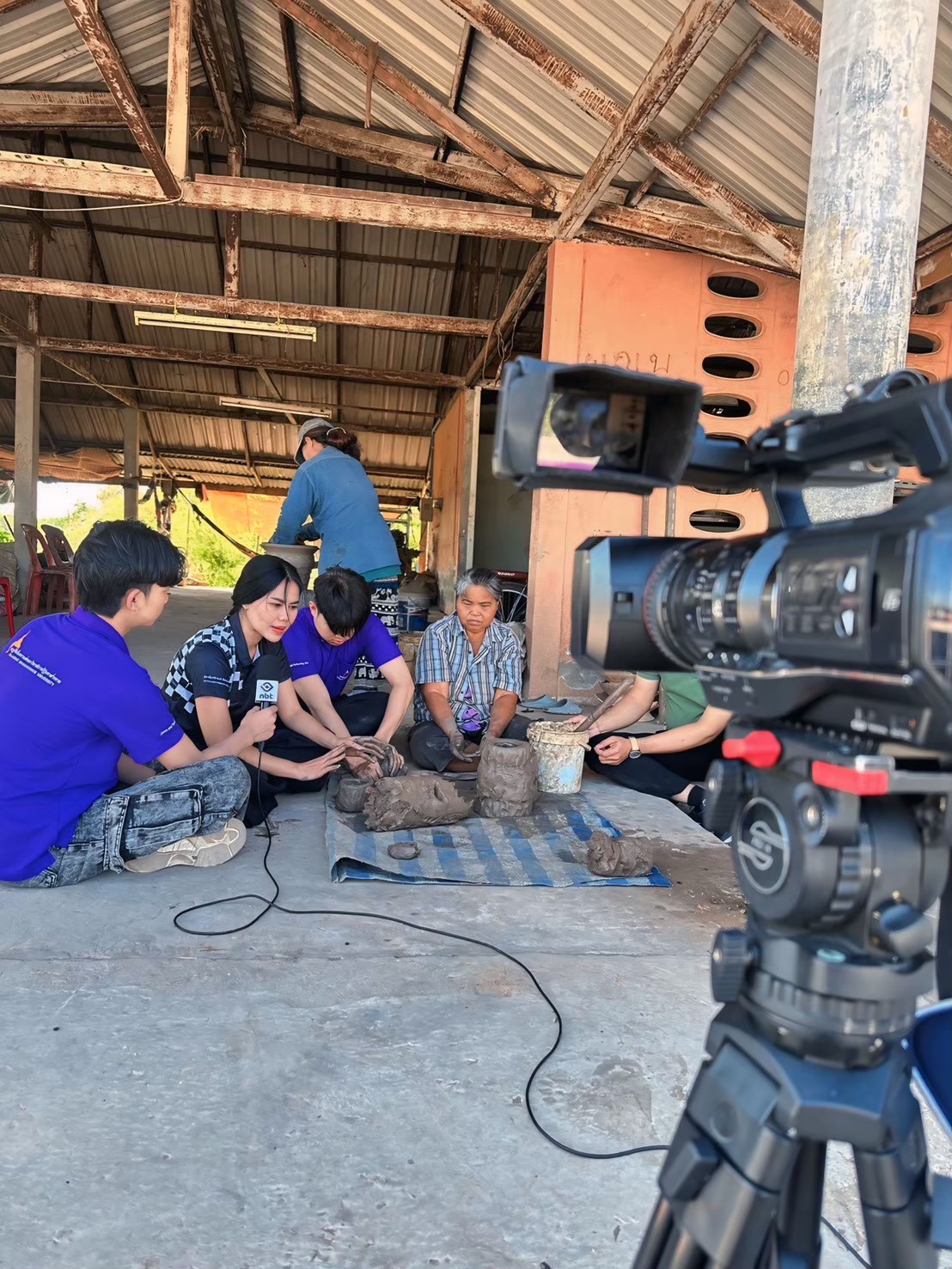
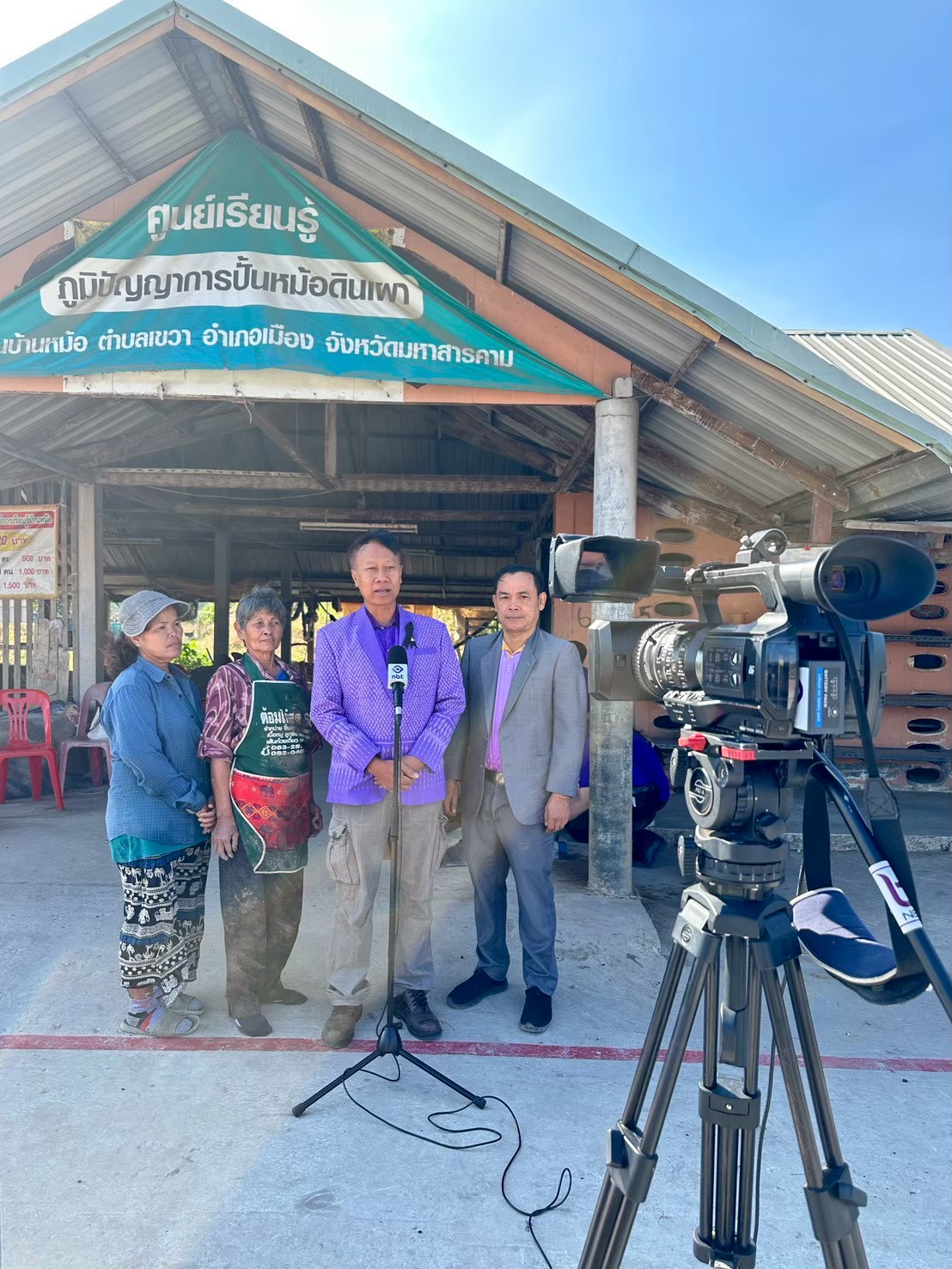
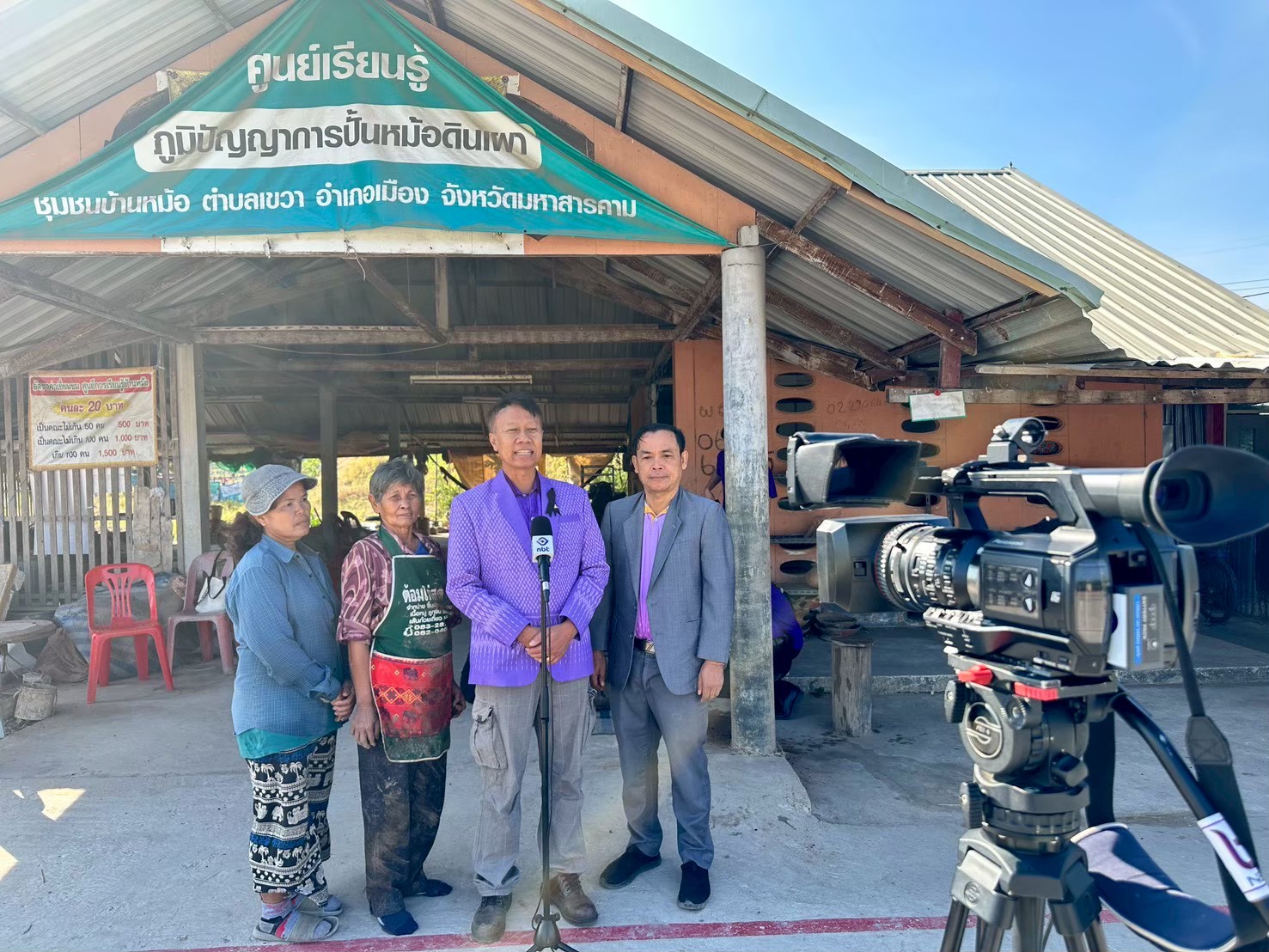
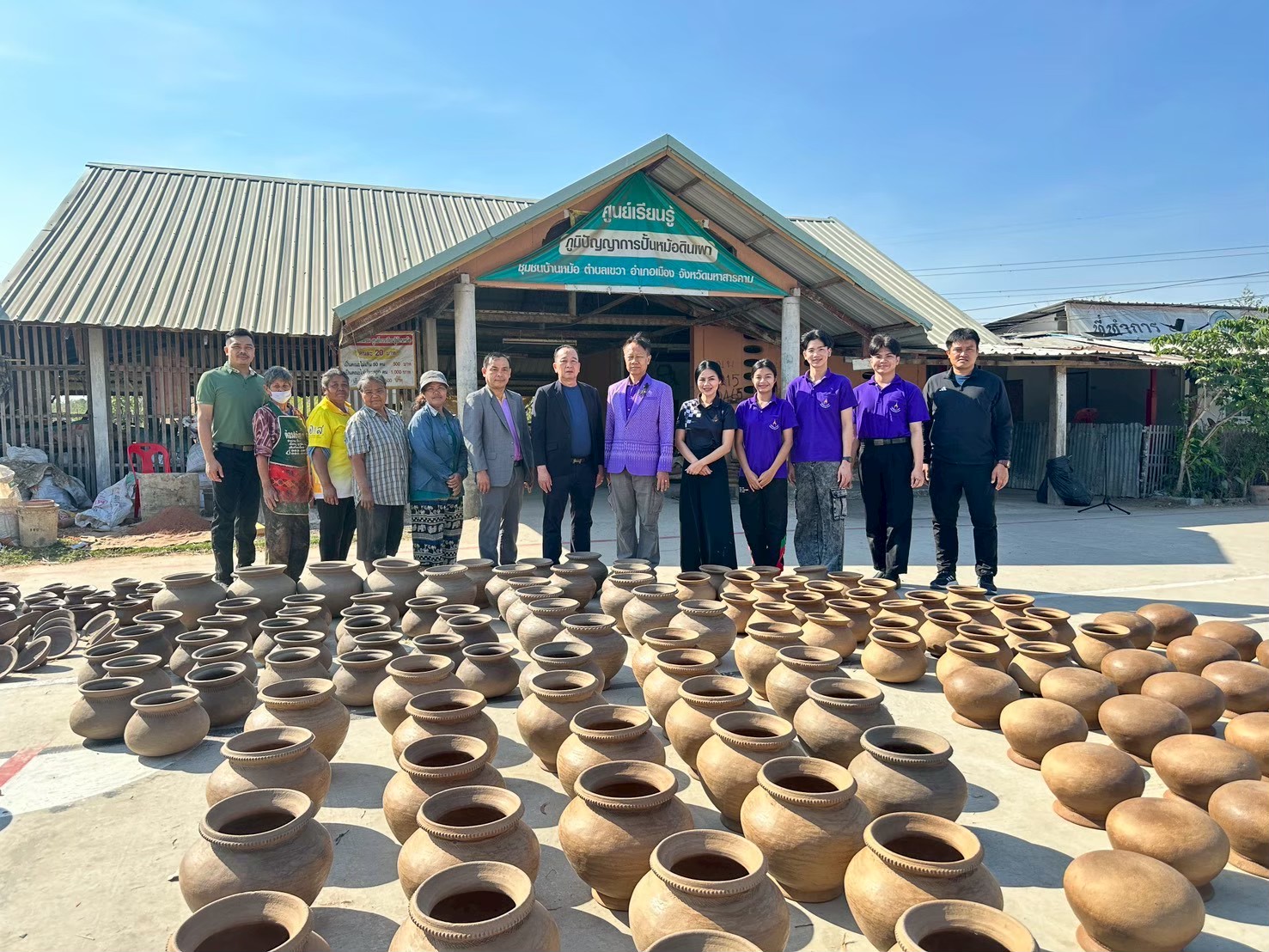
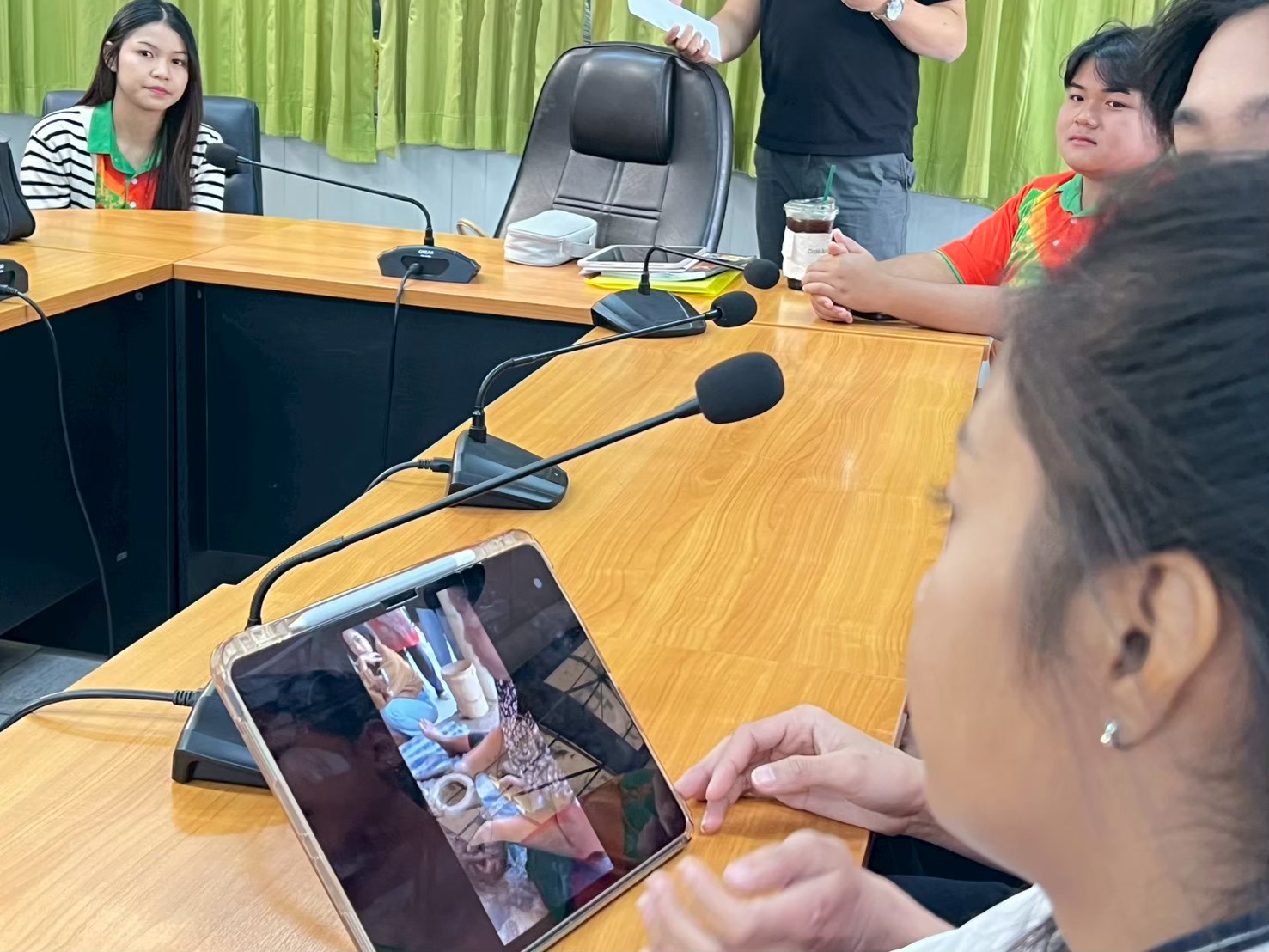
1. Community Fieldwork for Data Collection and Knowledge Gathering: Students and staff conducted fieldwork in the Ban Mo community to study, interview local sages, and engage with community entrepreneurs. Their goal was to gather traditional knowledge regarding the history, production processes, and value of pottery handicrafts—which had never been systematically recorded—to develop a comprehensive cultural database.
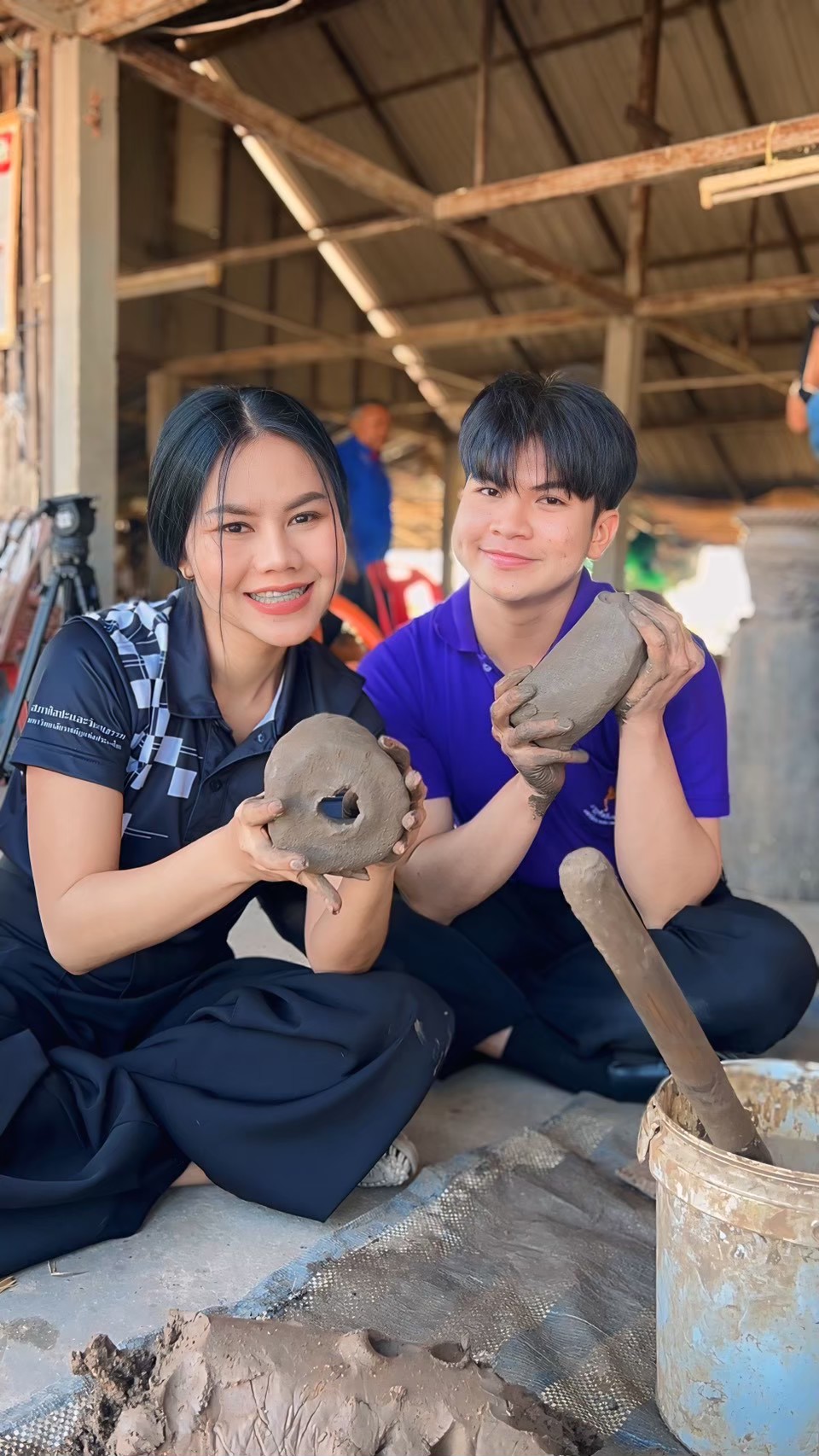
2. Participation in Workshops and Hands-on PR Media Production: A total of 50 students (from the Department of Performing Arts) and staff members participated in a hands-on workshop to develop skills in creative media production, photography, video editing, and online article writing. By applying cultural storytelling techniques, they produced actual videos and articles to help drive the creative economy and generate income for the community.
3. Capacity Building through the Social Engineer Process: All participating students were nurtured and developed through the "Social Engineer" framework. This empowered them to apply their knowledge to local development, collaborating with various organizations to preserve and elevate community wisdom into a major, sustainable cultural identity.
1.การลงพื้นที่ร่วมกับชุมชนเพื่อรวบรวมองค์ความรู้และข้อมูลภาคสนาม นักศึกษาและบุคลากรได้ลงพื้นที่ชุมชนบ้านหม้อเพื่อศึกษาข้อมูล สัมภาษณ์ปราชญ์ชาวบ้านและผู้ประกอบการในชุมชน เพื่อรวบรวมองค์ความรู้ดั้งเดิมเกี่ยวกับประวัติ กระบวนการผลิต และคุณค่าของศิลปะหัตถศิลป์เครื่องปั้นดินเผาที่ยังไม่เคยมีการบันทึกอย่างเป็นระบบ นำมาจัดทำเป็นฐานข้อมูลวัฒนธรรม
2.การเข้าร่วมอบรมและปฏิบัติจริงในการผลิตสื่อประชาสัมพันธ์
นักศึกษาจำนวน 50 คน (จากสาขาวิชานาฏศิลป์และการแสดง) และบุคลากรได้มีส่วนร่วมในกิจกรรมอบรมเชิงปฏิบัติการ เพื่อพัฒนาทักษะการผลิตสื่อสร้างสรรค์ การถ่ายภาพ การตัดต่อวิดีโอ และการเขียนบทความออนไลน์ โดยใช้แนวทางการเล่าเรื่องเชิงวัฒนธรรม (Storytelling) มาผลิตเป็นสื่อวิดีโอและบทความจริงเพื่อช่วยส่งเสริมเศรษฐกิจสร้างสรรค์และการสร้างรายได้ให้ชุมชน
3.การพัฒนาขีดความสามารถผ่านกระบวนการวิศวกรสังคม
นักศึกษาทั้งหมดได้รับการบ่มเพาะและพัฒนาผ่านกระบวนการวิศวกรสังคม เพื่อให้สามารถนำองค์ความรู้ไปใช้ในการทำงานพัฒนาท้องถิ่น ร่วมมือกับหน่วยงานต่าง ๆ ในการสืบสานและยกระดับภูมิปัญญาชุมชนให้เป็นอัตลักษณ์ทางวัฒนธรรมที่สำคัญอย่างยั่งยืน
Project Continuity ความต่อเนื่องของโครงการ
Empowerment and Elevation to a Permanent Learning Site: > Strengthening the community to achieve self-reliance through training in digital marketing and community branding. This includes empowering local residents to take product photography and create their own content to develop public relations leaders within the community. Furthermore, the project area will be driven to become a "Permanent Learning Site" for students to study, research, and further develop creative research projects in collaboration with the community over the long term and sustainably. การเสริมศักยภาพชุมชนและการยกระดับสู่พื้นที่เรียนรู้ถาวร: เสริมสร้างความเข้มแข็งให้ชุมชนสามารถพึ่งพาตนเองได้ผ่านการอบรมการตลาดดิจิทัล การสร้างแบรนด์ชุมชน และสอนให้คนในชุมชนสามารถถ่ายภาพผลิตภัณฑ์รวมถึงคิดคอนเทนต์ได้ด้วยตนเองเพื่อสร้างแกนนำประชาสัมพันธ์ พร้อมทั้งผลักดันพื้นที่โครงการให้เป็น "พื้นที่เรียนรู้ถาวร (Learning Site)" สำหรับนักศึกษาในการศึกษา ค้นคว้า และต่อยอดงานวิจัยสร้างสรรค์ร่วมกับชุมชนในระยะยาวอย่างยั่งยืนCommunity
Part 3: Challenges & Suggestions ส่วนที่ 3 ปัญหาอุปสรรค/ข้อเสนอแนะ
Problems & Obstacles ปัญหา/อุปสรรค
Weather-Related Challenges and Obstacles in Fieldwork Operations: During the fieldwork for data collection and public relations media production (such as videos and product photographs of pottery handicrafts), the working team faced limitations caused by volatile weather conditions. These included fluctuating daily lighting and the risks of rain and thunderstorms, which directly threatened filming equipment with potential damage. Furthermore, these conditions disrupted the community's traditional pottery production process, which strictly relies on sunlight to thoroughly dry the clay before firing. Unfavorable weather, therefore, restricted full demonstrations of the production steps. This forced outdoor activities and media capturing schedules to be interrupted, delayed, or abruptly adjusted to adapt to the real-time situation. ปัญหาและอุปสรรคด้านสภาพอากาศกับการดำเนินงานภาคสนาม ในการลงพื้นที่เพื่อเก็บข้อมูลภาคสนามและการถ่ายทำสื่อประชาสัมพันธ์ (เช่น วิดีโอและภาพถ่ายผลิตภัณฑ์เครื่องปั้นดินเผา) คณะทำงานต้องเผชิญกับข้อจำกัดจากสภาพอากาศที่แปรปรวน โดยเฉพาะการเปลี่ยนแปลงของสภาพแสงในแต่ละวัน รวมถึงความเสี่ยงจากฝนตกและพายุฝนฟ้าคะนอง ซึ่งสภาพอากาศเช่นนี้ส่งผลกระทบโดยตรงต่ออุปกรณ์ถ่ายทำที่อาจเกิดความเสียหายได้ง่าย นอกจากนี้ยังเป็นอุปสรรคต่อกระบวนการผลิตเครื่องปั้นดินเผาของคนในชุมชน เนื่องจากเครื่องปั้นดินเผาดั้งเดิมจำเป็นต้องพึ่งพาการตากแดดให้แห้งสนิทก่อนนำไปเข้าเตาเผา เมื่อสภาพอากาศไม่เอื้ออำนวยจึงทำให้ไม่สามารถสาธิตขั้นตอนการผลิตได้อย่างเต็มที่ และทำให้กำหนดการจัดกิจกรรมรวมถึงการเก็บภาพเพื่อผลิตสื่อประชาสัมพันธ์ในพื้นที่กลางแจ้งต้องหยุดชะงัก ล่าช้า หรือต้องปรับเปลี่ยนแผนงานอย่างกะทันหันเพื่อให้สอดคล้องกับสถานการณ์
Improvement Guidelines แนวทางการปรับปรุง
Developing Technological Systems to Mitigate Climate Constraints in the Production Process: A support plan should be established, or collaboration coordinated with network partners, to introduce modern knowledge and technology to improve the community's production process. This includes initiatives such as constructing a solar greenhouse dryer or moisture-extraction systems to replace sole reliance on natural sunlight. This will help address and overcome obstacles during the rainy season, enabling community members to produce pottery continuously throughout the year. การพัฒนาระบบเทคโนโลยีเพื่อลดข้อจำกัดด้านสภาพภูมิอากาศในกระบวนการผลิต ควรจัดทำแผนงานสนับสนุนหรือประสานความร่วมมือกับหน่วยงานภาคีเครือข่าย เพื่อนำองค์ความรู้และเทคโนโลยีสมัยใหม่มาปรับปรุงกระบวนการผลิตของชุมชน เช่น การสร้างโรงเรือนอบแห้งพลังงานแสงอาทิตย์ (Solar Greenhouse Dryer) หรือระบบไล่ความชื้นทดแทนการพึ่งพาแสงแดดธรรมชาติเพียงอย่างเดียว ซึ่งจะช่วยแก้ไขปัญหาและอุปสรรคในช่วงฤดูฝน ทำให้คนในชุมชนสามารถผลิตเครื่องปั้นดินเผาได้อย่างต่อเนื่องตลอดทั้งปี
Suggestions to University ข้อเสนอแนะต่อมหาวิทยาลัย
Providing Prototype Infrastructure and Closed-System Technology for Hands-on Production and Learning: The university should consider allocating regional development budgets or coordinating policy-level collaborations with network partners to support the construction of a solar greenhouse dryer or an artificial lighting and humidity control simulation system within the Ban Mo community's prototype facility. This initiative aims to mitigate and reduce climate-related constraints, such as rain or insufficient sunlight during the rainy season. Consequently, this will enable both the community's pottery production process and the fieldwork operations of students and researchers to proceed continuously throughout the year, while elevating and driving this project area into a standardized and sustainable "Permanent Learning Site." การสนับสนุนโรงเรือนต้นแบบและระบบเทคโนโลยีปิดเพื่อการผลิตและเรียนรู้จริง ควรพิจารณาจัดสรรงบประมาณพัฒนาเชิงพื้นที่ หรือประสานความร่วมมือเชิงนโยบายกับหน่วยงานภาคีเครือข่าย เพื่อสนับสนุนการสร้างโรงอบแห้งพลังงานแสงอาทิตย์ (Solar Greenhouse Dryer) หรือระบบจัดแสงไฟและควบคุมความชื้นจำลองในโรงเรือนต้นแบบของชุมชนบ้านหม้อ เพื่อช่วยบรรเทาและลดข้อจำกัดด้านสภาพภูมิอากาศ (เช่น ปัญหาฝนตกหรือแสงแดดไม่เพียงพอในฤดูฝน) ซึ่งจะส่งผลให้กระบวนการผลิตเครื่องปั้นดินเผาของคนในชุมชนและการดำเนินงานภาคสนามของนักศึกษา/นักวิจัยสามารถทำได้อย่างต่อเนื่องตลอดทั้งปี พร้อมทั้งเป็นการยกระดับและขับเคลื่อนพื้นที่โครงการนี้ให้เป็น "พื้นที่เรียนรู้ถาวร (Learning Site)" ที่มีโครงสร้างพื้นฐานได้มาตรฐานและยั่งยืน