– February 28, 2026 1 มกราคม 2568
– 28 กุมภาพันธ์ 2569
Part 1: Project Details ส่วนที่ 1 รายละเอียดการดำเนินงาน
Objectives วัตถุประสงค์โครงการ
1. **To promote and sustain cultural identity through knowledge co-created by the community and students.**
The project aims to preserve and pass on woven textile patterns connected to the history of Chao Pho Si Nakhon Tao through collaborative learning among weavers, community leaders, and students conducting fieldwork. This process encourages intergenerational knowledge exchange and helps safeguard local wisdom. Students will also apply classroom knowledge to field research, pattern design, and prototype production, demonstrating how arts and cultural preservation can be put into practice in the community.
2. **To strengthen the creative economy and improve the quality of life of the community’s weavers.**
The project will add value to Mueang Tao textiles through improvements in quality, design, and cultural storytelling, helping them compete more effectively in the market and generate supplementary income for weaving groups. It will also develop production and marketing skills through field-based collaboration with students in areas such as product design, content creation, and brand presentation. In this way, the project’s arts and cultural preservation outcomes will be applied in practice and deliver tangible benefits to the community.
3. **To build collaboration and community innovation for sustainability.**
The project will bring together community members, students, and partner networks to establish a strong system for developing woven textiles—from design and product development to links with cultural tourism. It will also give students opportunities to apply their knowledge of technology and communication to community innovation, such as through contemporary weaving techniques, technology-assisted pattern design, and learning experiences rooted in the community. These efforts will provide practical evidence of how arts and cultural preservation can generate sustainable outcomes in the area.
1. เพื่อส่งเสริม–สืบสานอัตลักษณ์วัฒนธรรมบนฐานองค์ความรู้ร่วมของชุมชนและนักศึกษา
มุ่งอนุรักษ์และถ่ายทอดลวดลายผ้าทอที่เชื่อมโยงประวัติศาสตร์เจ้าพ่อศรีนครเตา ผ่านการเรียนรู้ร่วมกันระหว่างช่างทอ ผู้นำชุมชน และนักศึกษาที่ลงพื้นที่จริง เกิดการแลกเปลี่ยนองค์ความรู้รุ่นเก่ารุ่นใหม่ ช่วยให้ภูมิปัญญาไม่สูญหาย ขณะเดียวกันนักศึกษานำองค์ความรู้จากห้องเรียนไปต่อยอดการเก็บข้อมูล ออกแบบลาย และผลิตต้นแบบ ซึ่งสะท้อนบทบาทของโครงการทำนุบำรุงศิลปวัฒนธรรมที่นำองค์ความรู้ไปใช้ได้จริงในพื้นที่ 2. เพื่อยกระดับเศรษฐกิจสร้างสรรค์และคุณภาพชีวิตของชุมชนผู้ทอผ้า พัฒนาผ้าทอเมืองเตาให้มีมูลค่าเพิ่ม ทั้งด้านคุณภาพ การออกแบบ และเรื่องเล่าวัฒนธรรม เพื่อให้แข่งขันตลาดได้ดีขึ้น สร้างรายได้เสริมให้กลุ่มทอผ้า พร้อมทั้งพัฒนาทักษะการผลิตและการตลาดร่วมกับนักศึกษาที่ทำงานเชิงพื้นที่ เช่น การออกแบบผลิตภัณฑ์ การสร้าง Content การพรีเซนต์แบรนด์ ทำให้ผลลัพธ์ของโครงการทำนุบำรุงฯ ถูกนำไปใช้จริงและเกิดประโยชน์ต่อชุมชนอย่างเป็นรูปธรรม 3. เพื่อสร้างความร่วมมือและนวัตกรรมชุมชนเพื่อความยั่งยืน ส่งเสริมการทำงานร่วมกันทั้งชุมชน นักศึกษา และเครือข่ายภาคีให้เกิดระบบพัฒนาผ้าทอที่เข้มแข็ง ตั้งแต่การออกแบบ การพัฒนาผลิตภัณฑ์ ไปจนถึงการเชื่อมโยงการท่องเที่ยวเชิงวัฒนธรรม พร้อมเปิดพื้นที่ให้นักศึกษานำความรู้ด้านเทคโนโลยีและการสื่อสารมาช่วยพัฒนานวัตกรรม เช่น การใช้เทคนิคการทอร่วมสมัย การนำเทคโนโลยีช่วยออกแบบลาย และการสร้างประสบการณ์ท่องเที่ยวที่เรียนรู้ได้จากชุมชน ซึ่งเป็นหลักฐานเชิงประจักษ์ของการทำนุบำรุงศิลปวัฒนธรรมที่ต่อยอดเป็นผลลัพธ์ยั่งยืนในพื้นที่
Main Activities กิจกรรมหลัก
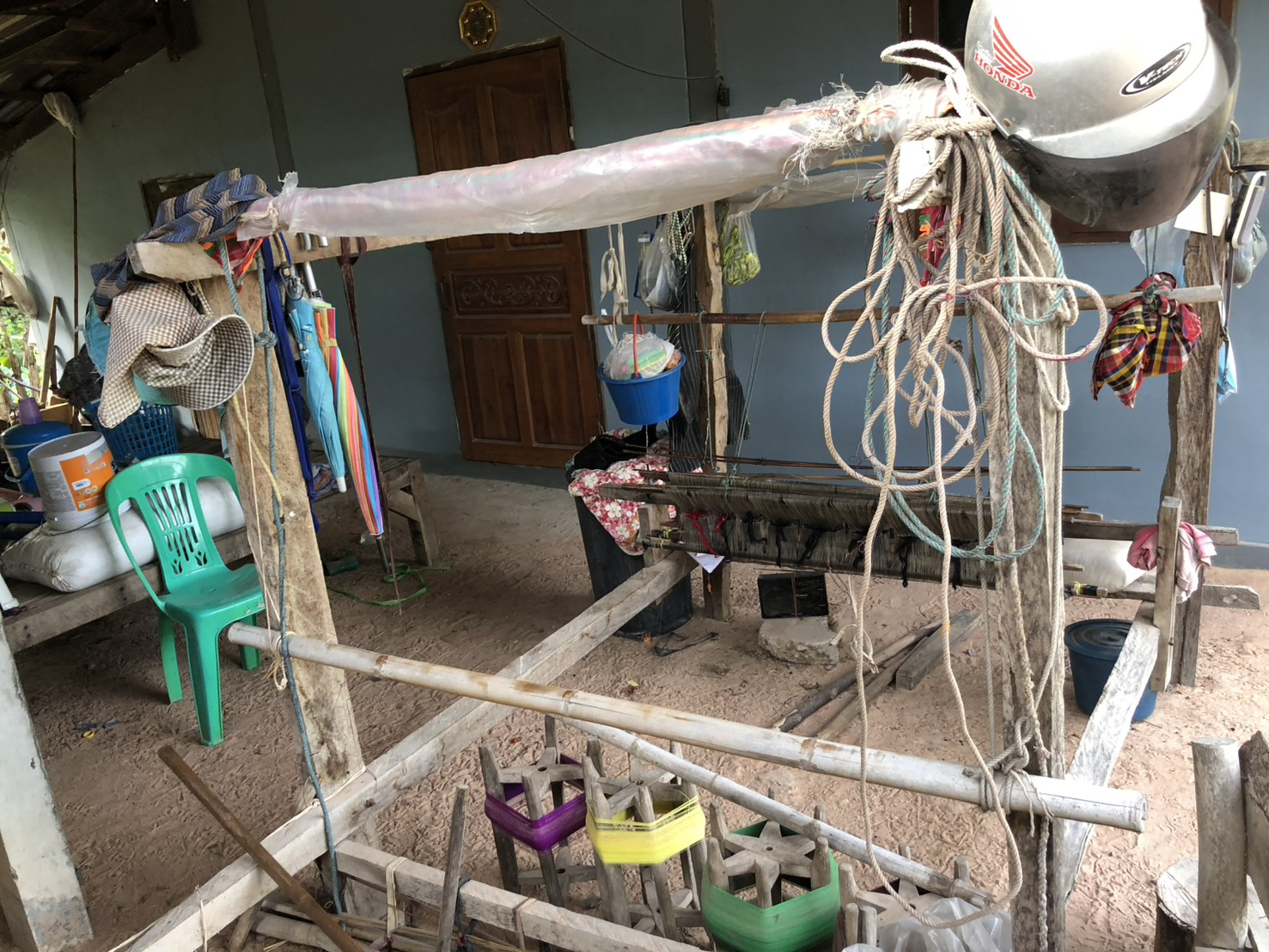
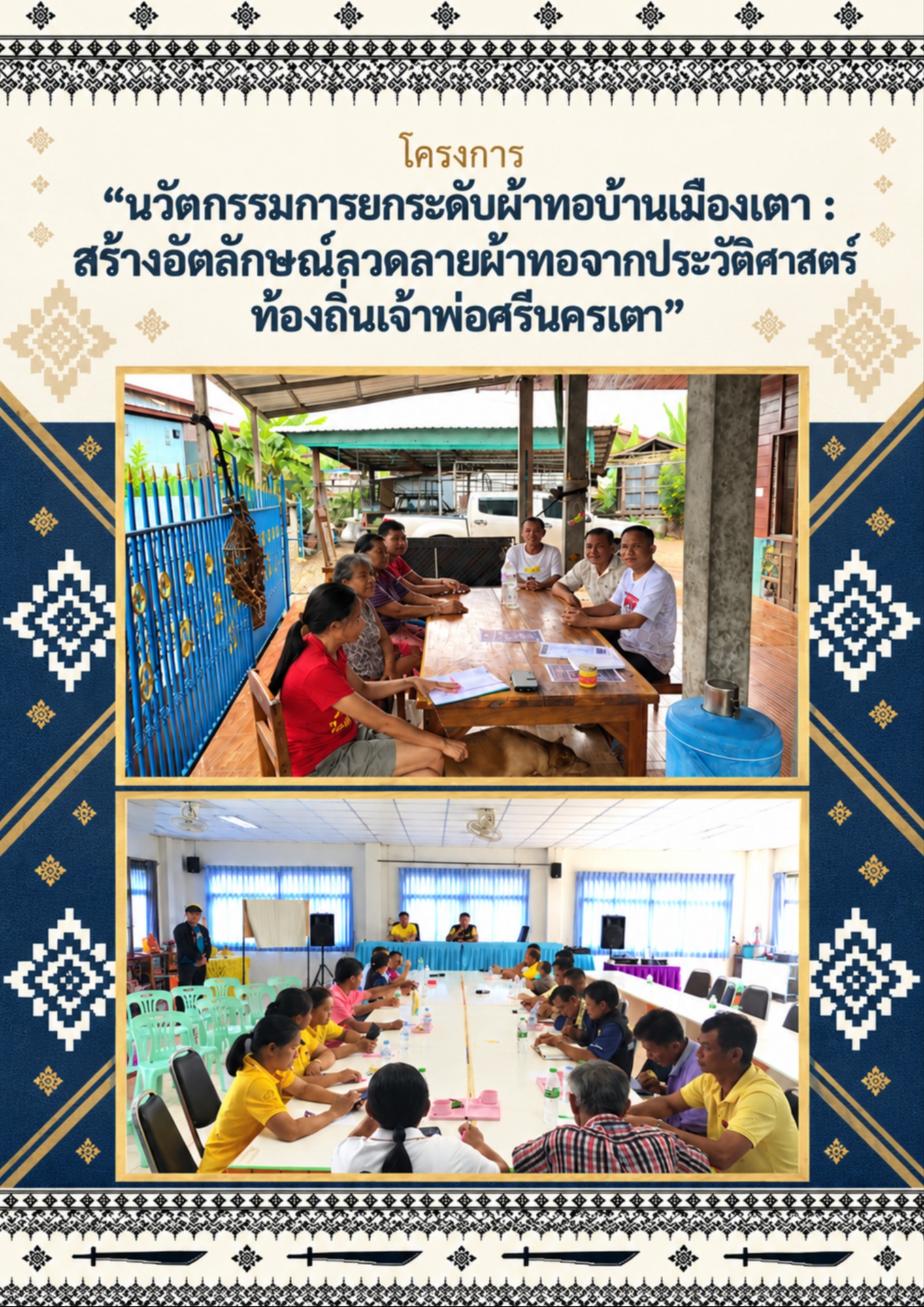
The project, **“Innovation for Enhancing Ban Mueang Tao Woven Textiles: Creating a Distinctive Pattern Identity Inspired by the Local History of Chao Pho Si Nakhon Tao,”** under the Rajabhat University for Local Development initiative, responds to the needs of the Ban Mueang Tao community (Moo 1, Moo 11, and Moo 12). The community seeks to develop its weaving heritage so that it has deep roots, meaningful stories, and a future—not merely as a basic local product, but as a form of **living culture** that can tell the history, beliefs, and identity of Mueang Tao in a contemporary way. The project connects the past with the present through textile patterns: a creative medium that can also serve practical purposes.
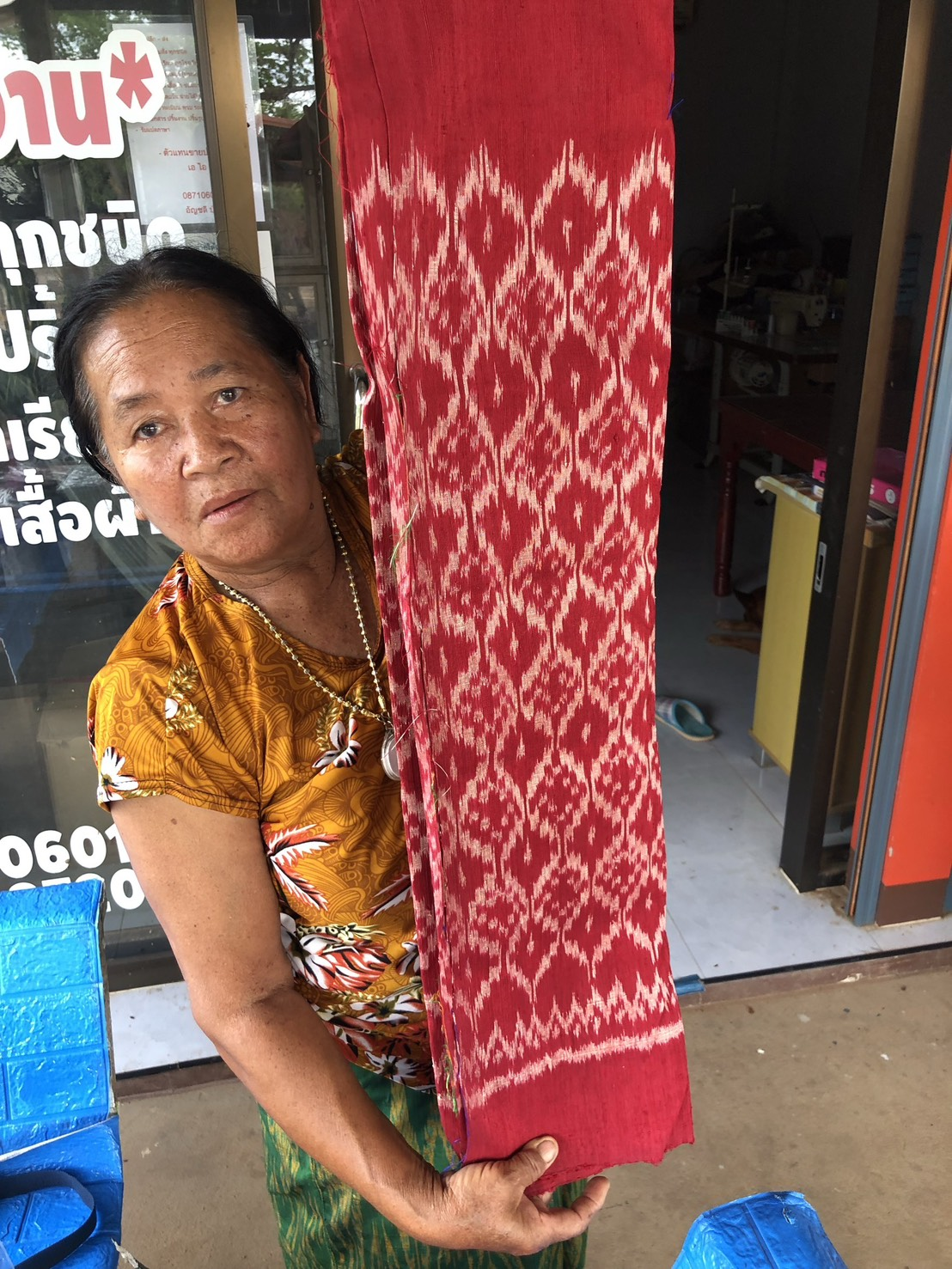
Mueang Tao already has a rich cultural heritage, including the legend of Chao Pho Si Nakhon Tao, stories of local blacksmiths, traditional belief systems, and ways of life shaped by the Thung Kula Rong Hai landscape. These cultural resources can be developed into distinctive, historically grounded textile patterns that are difficult to replicate and create social, economic, and identity-based value at the same time. The resulting textiles will be more than products: they will carry community stories and give younger generations a tangible way to engage with local history.
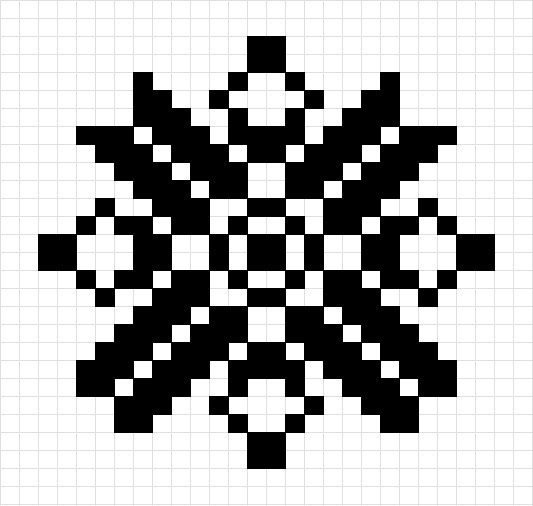
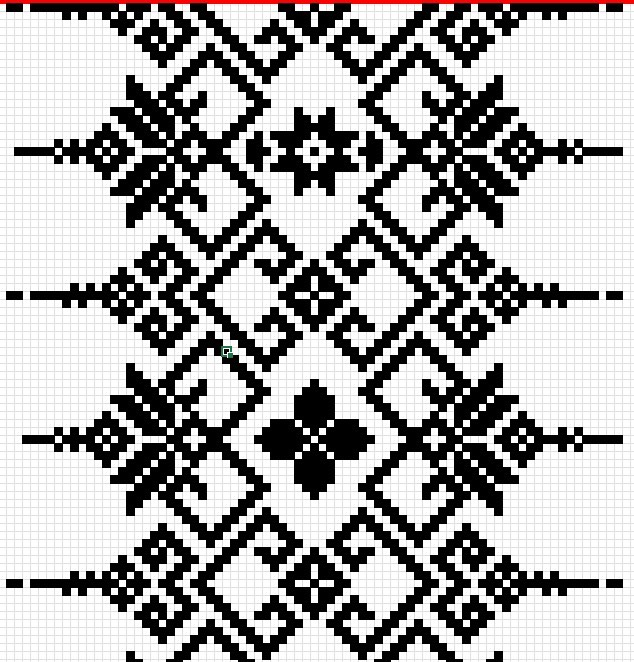
Conserving and sharing cultural identity is therefore central to the project. Mueang Tao textiles do not yet have a systematic set of distinctive local patterns. Developing designs based on the history of Chao Pho Si Nakhon Tao and the village’s stories will preserve collective memory through symbols woven into the fabric and give visible form to local wisdom and cultural values. At the same time, this approach makes cultural preservation practical and creates opportunities for economic development.
Further enhancing the textiles through storytelling, brand development, and market connections can increase product value and household income. Weavers can gain greater recognition for their craft, while the community’s quality of life improves through the use of its own knowledge and heritage. Textiles with clear stories can also become a powerful resource for cultural tourism. Visitors can do more than shop: they can learn about local legends, weaving, and the ideas of the Mueang Tao community directly from local knowledge holders, creating a deeper connection with the area than a conventional visit offers.
**Community collaboration** is another key element. Developing woven products requires knowledge from people of different generations and backgrounds, including elders, ritual knowledge holders, young people, weavers, and community leaders. Working together builds a shared sense of ownership and ensures that textile development becomes an ongoing community process. The people of Mueang Tao can continue to manage, improve, and build on the work over time, without relying on outside support indefinitely. This is at the heart of sustainability.
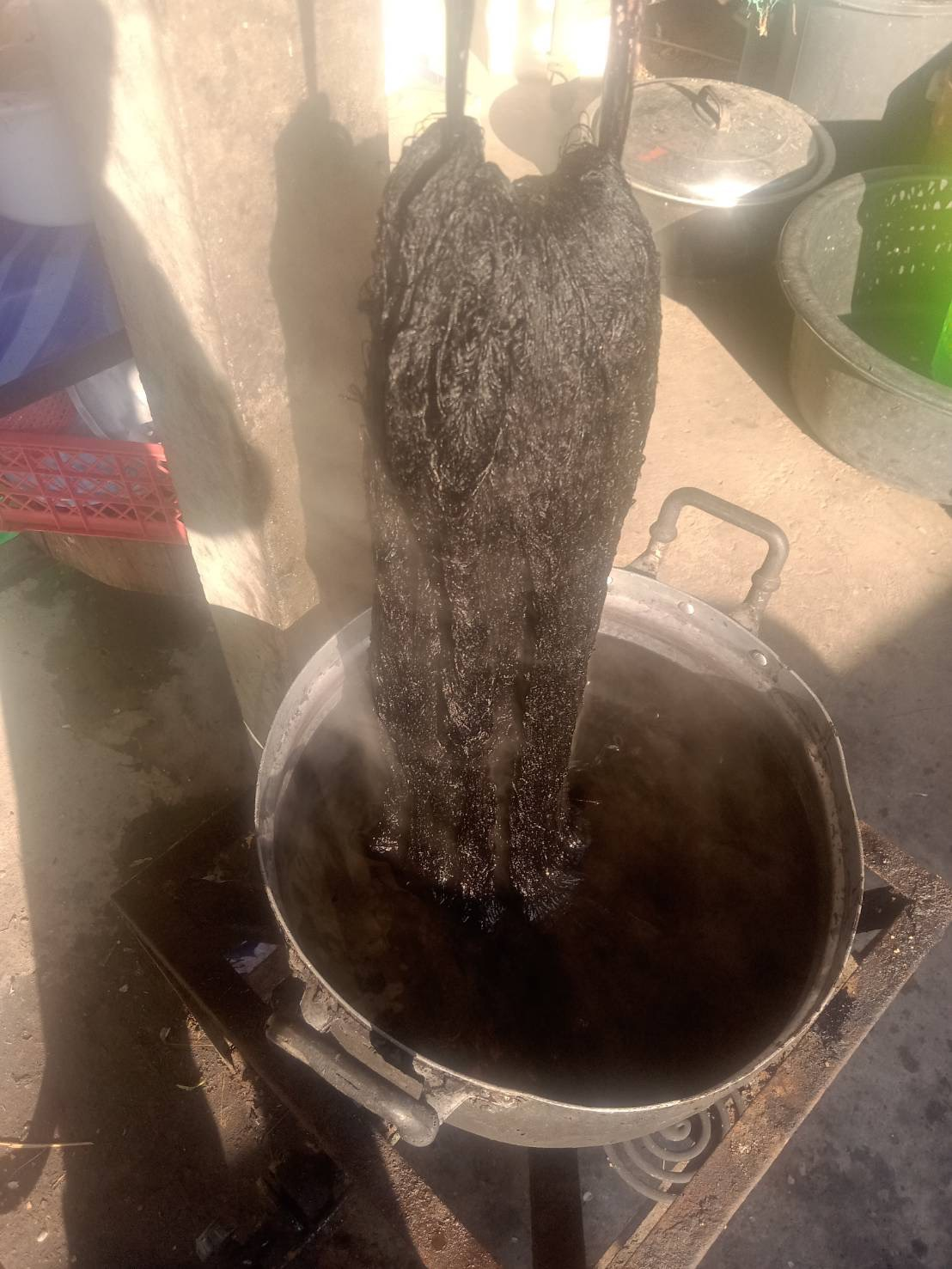
In terms of innovation, the project goes beyond traditional patterns by building on weaving techniques and integrating technology. This may include designing textile patterns with digital tools, developing new natural dye formulas, improving marketing through online platforms, and creating a contemporary brand. These approaches can help Mueang Tao textiles keep pace with the fashion industry and compete at local, national, and international levels.
The project directly supports the Rajabhat University for Local Development mission and the Sustainable Development Goals (SDGs), particularly **SDG 4: Quality Education**. It gives 100 students the opportunity to learn in a real community setting and apply their knowledge through fieldwork, analysis, creative work, and meaningful collaboration with community members. The project also aligns with the development of local technologies, balanced use of resources, and sustainable environmental management—important foundations for contemporary local development.
Bringing these elements together, the project is more than an effort to design **“new textile patterns.”** It aims to establish a **creative culture system** that connects history, local wisdom, innovation, markets, tourism, and education. This system can generate income, sustain cultural identity, and build pride across all three villages in tangible ways.
โครงการ “นวัตกรรมการยกระดับผ้าทอบ้านเมืองเตา: สร้างอัตลักษณ์ลวดลายผ้าทอจากประวัติศาสตร์ท้องถิ่นเจ้าพ่อศรีนครเตา” มหาวิทยาลัยราชภัฏเพื่อการพัฒนาท้องถิ่น เกิดขึ้นจากความต้องการจริงของชุมชนบ้านเมืองเตา (หมู่ 1, 11 และ 12) ที่ต้องการยกระดับภูมิปัญญาผ้าทอให้มีราก มีเรื่องราว และมีอนาคต ไม่ใช่แค่สินค้าท้องถิ่นพื้นฐาน แต่เป็น “วัฒนธรรมที่มีชีวิต” ที่สามารถเล่าเรื่องประวัติศาสตร์ ความเชื่อ และอัตลักษณ์ของเมืองเตาอย่างร่วมสมัย โครงการนี้จึงทำหน้าที่เชื่อมอดีตเข้ากับปัจจุบันผ่าน “ลายผ้า” ที่เป็นสื่อสร้างสรรค์และใช้ประโยชน์ได้จริง ชุมชนเมืองเตามีทุนทางวัฒนธรรมเข้มแข็งอยู่แล้ว ตั้งแต่ตำนานเจ้าพ่อศรีนครเตา เรื่องเล่าของช่างตีเหล็กเมืองเตา ระบบความเชื่อดั้งเดิม ไปจนถึงวิถีชีวิตริมทุ่งกุลาร้องไห้ ทั้งหมดนี้คือวัตถุดิบทางวัฒนธรรมที่มีพลังมากพอจะต่อยอดเป็น “ลวดลายผ้าเชิงประวัติศาสตร์” ที่โดดเด่น ไม่สามารถลอกเลียนแบบได้ และสร้างคุณค่าทางสังคม เศรษฐกิจ และอัตลักษณ์ไปพร้อมกัน ผืนผ้าที่ผลิตออกมาจึงไม่ใช่เพียงสินค้า แต่เป็นสื่อที่บรรจุเรื่องเล่าของชุมชน และทำให้คนรุ่นหลังเข้าถึงประวัติศาสตร์ผ่านสิ่งที่จับต้องได้ การอนุรักษ์และเผยแพร่อัตลักษณ์ทางวัฒนธรรมจึงเป็นแกนหลักของโครงการ เพราะผ้าทอเมืองเตายังไม่มีลวดลายประจำถิ่นที่มีระบบ การพัฒนาลายผ้าที่มีที่มาจากประวัติศาสตร์เจ้าพ่อศรีนครเตาและเรื่องเล่าของหมู่บ้านจะช่วยเก็บรักษาความทรงจำผ่านสัญลักษณ์บนผืนผ้า สะท้อนภูมิปัญญาและคุณค่าทางวัฒนธรรมอย่างเป็นรูปธรรม ขณะเดียวกันก็เป็นการสืบสานแบบใช้งานได้และต่อยอดเชิงเศรษฐกิจได้จริง ยิ่งไปกว่านั้น การยกระดับผ้าทอผ่านการสร้างสตอรี่ การพัฒนาแบรนด์ และการเชื่อมโยงเข้ากับตลาด ทำให้ผลิตภัณฑ์มีมูลค่าเพิ่ม ส่งผลให้ครัวเรือนผู้ผลิตมีรายได้สูงขึ้น ช่างทอมีศักดิ์ศรีในงานของตนเอง และคุณภาพชีวิตของชุมชนพัฒนาไปพร้อมกับการยืนบนฐานภูมิปัญญาของตัวเอง นอกจากนี้ ผ้าทอที่มีเรื่องราวชัดเจนยังสามารถกลายเป็นเครื่องมือส่งเสริมการท่องเที่ยวเชิงวัฒนธรรมได้อย่างทรงพลัง นักท่องเที่ยวไม่ได้มาเฉพาะกิจกรรมซื้อของ แต่ได้เรียนรู้ตำนาน การทอผ้า และแนวคิดของชุมชนเมืองเตาจากผู้รู้ในพื้นที่โดยตรง ทำให้เกิดประสบการณ์ที่ลึกกว่าและเชื่อมโยงกับพื้นที่มากกว่าเพียงการเยี่ยมชมทั่วไป หัวใจสำคัญอีกประการคือ “ความร่วมมือของชุมชน” เพราะการพัฒนาผลิตภัณฑ์ผ้าทอต้องอาศัยความรู้จากหลายรุ่น ตั้งแต่ผู้เฒ่า ผู้รู้ด้านพิธีกรรม เยาวชน ช่างทอ ไปจนถึงผู้นำชุมชน การทำงานร่วมกันสร้างความเป็นเจ้าของร่วม (Ownership) ทำให้การยกระดับผ้าทอไม่ได้เป็นเพียงงานโครงการ แต่เป็นกระบวนการที่ชุมชนเตาเองสามารถดูแล พัฒนา และต่อยอดได้ยาวๆ โดยไม่ต้องพึ่งคนภายนอกตลอดเวลา ซึ่งคือหัวใจของความยั่งยืน ด้านนวัตกรรม โครงการนี้ไม่ได้หยุดอยู่ที่ลายผ้าดั้งเดิม แต่ต่อยอดด้วยเทคนิคทอผ้า ผสมผสานเทคโนโลยี เช่น การออกแบบลายผ้าด้วยเครื่องมือดิจิทัล การพัฒนาสูตรย้อมสีธรรมชาติใหม่ การยกระดับการตลาดผ่านแพลตฟอร์มออนไลน์ และการสร้างแบรนด์ร่วมสมัย ทำให้ผ้าทอเมืองเตาก้าวทันโลกแฟชั่นและสามารถแข่งขันได้ในระดับท้องถิ่น ระดับประเทศ และระดับสากล ทั้งหมดนี้สอดคล้องโดยตรงกับพันธกิจมหาวิทยาลัยราชภัฏเพื่อการพัฒนาท้องถิ่น รวมถึงเป้าหมายการพัฒนาที่ยั่งยืน (SDGs) โดยเฉพาะ SDG 4 “การศึกษาที่มีคุณภาพ” ที่เปิดพื้นที่ให้นักศึกษา 100 คนได้เรียนรู้จากพื้นที่จริง นำความรู้ไปใช้ในการลงพื้นที่ วิเคราะห์ สร้างสรรค์ และทำงานร่วมกับชุมชนอย่างมีความหมาย ขณะเดียวกันก็สอดคล้องกับแนวคิดการพัฒนาเทคโนโลยีพื้นบ้าน การใช้ทรัพยากรอย่างสมดุล และการจัดการสิ่งแวดล้อมอย่างยั่งยืน ซึ่งเป็นฐานคิดสำคัญของการพัฒนาท้องถิ่นยุคใหม่ เมื่อเชื่อมทุกองค์ประกอบเข้าด้วยกัน โครงการนี้จึงเป็นมากกว่าการออกแบบ “ลายผ้าใหม่” แต่คือการสร้างระบบวัฒนธรรมสร้างสรรค์ (Creative Culture System) ที่เชื่อมประวัติศาสตร์ ภูมิปัญญา นวัตกรรม ตลาด การท่องเที่ยว และการศึกษาเข้าไว้ในแพลตฟอร์มเดียว สร้างรายได้ ดูแลอัตลักษณ์ และสร้างความภาคภูมิใจให้กับทั้งสามหมู่บ้านอย่างเป็นรูปธรรม
Part 2: Outcomes & Impact ส่วนที่ 2 ผลลัพธ์และผลกระทบ
Outcomes ผลลัพธ์ที่เกิดขึ้น
1. **The Ban Mueang Tao community will develop the capacity to weave new patterns inspired by local history and turn them into viable economic products.**
2. **The Ban Mueang Tao community will develop the capacity to weave new patterns inspired by local history and turn them into viable economic products.**
3. **New knowledge will be generated on integrating historical information, cultural capital, and textile design, and disseminated through research articles in national and/or TCI-indexed journals.**
4. **Community members will develop greater awareness of and pride in their cultural roots, supporting the preservation and transmission of their heritage and its sustainable use as a foundation for local economic development.
1. ชุมชนบ้านเมืองเตามีความสามารถในการทอผ้าลวดลายใหม่ที่เชื่อมโยงกับประวัติศาสตร์ท้องถิ่น และสามารถนำไปต่อยอดเป็นผลิตภัณฑ์เชิงเศรษฐกิจได้จริง
2. ชุมชนบ้านเมืองเตามีความสามารถในการทอผ้าลวดลายใหม่ที่เชื่อมโยงกับประวัติศาสตร์ท้องถิ่น และสามารถนำไปต่อยอดเป็นผลิตภัณฑ์เชิงเศรษฐกิจได้จริง
3. เกิดองค์ความรู้รูปแบบใหม่เกี่ยวกับการผสานข้อมูลประวัติศาสตร์–ทุนวัฒนธรรม–การออกแบบผ้าทอ และเผยแพร่ผ่านบทความวิจัยระดับชาติ/TCI
4. ชุมชนมีความตระหนักรู้และภาคภูมิใจในรากวัฒนธรรมของตนมากขึ้น ส่งผลต่อการอนุรักษ์–สืบสาน และการใช้วัฒนธรรมเป็นฐานพัฒนาเศรษฐกิจชุมชนอย่างยั่งยืน
Community & Social Impact ผลกระทบต่อชุมชน/สังคม
– **Stronger community cohesion and collaboration among weaving groups, local artisans, and partner organizations.**
– **Greater pride in and recognition of Mueang Tao’s cultural identity, encouraging younger generations to value their heritage.**
– ชุมชนมีความสามัคคีและเกิดความร่วมมือระหว่างกลุ่มทอผ้า ช่างฝีมือท้องถิ่น และหน่วยงานภาคีมากขึ้น
– เพิ่มความภาคภูมิใจและการยอมรับในอัตลักษณ์วัฒนธรรมเมืองเตา ทำให้คนรุ่นใหม่เห็นคุณค่าในวัฒนธรรมของตนเอง
Student & Staff Participation การมีส่วนร่วมของนักศึกษา/บุคลากร
Students applied their knowledge through fieldwork to study local history and the legend of Chao Pho Si Nakhon Tao, and to survey traditional textile patterns. นักศึกษาที่ได้นำองค์ความรู้ไปใช้ในการลงพื้นที่ดำเนินการศึกษาประวัติศาสตร์ท้องถิ่น ตำนานเจ้าพ่อศรีนครเตา และสำรวจลวดลายผ้าดั้งเดิม
Project Continuity ความต่อเนื่องของโครงการ
The university will expand its area-based research and serve as a local cultural learning hub that supports place-based learning rooted in local culture. มหาวิทยาลัยมีผลงานวิจัยเชิงพื้นที่เพิ่มขึ้น และเป็นแหล่งเรียนรู้วัฒนธรรมท้องถิ่นสำหรับการพัฒนาการเรียนรู้เชิงรากวัฒนธรรม (Place-based Learning)
Part 3: Challenges & Suggestions ส่วนที่ 3 ปัญหาอุปสรรค/ข้อเสนอแนะ
Problems & Obstacles ปัญหา/อุปสรรค
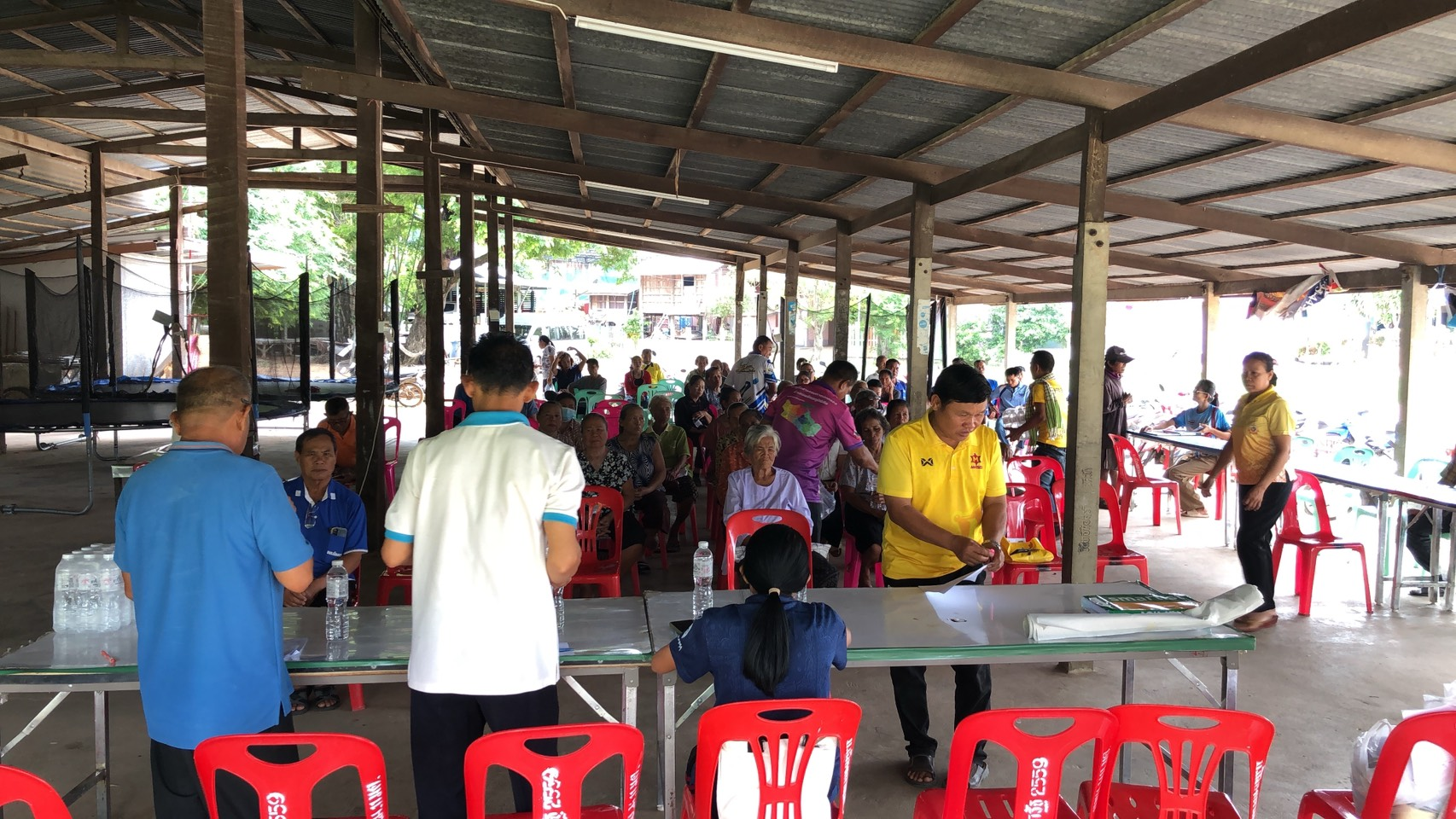
1. **At certain times, bringing weavers and other stakeholders together for project activities was challenging.** Most participants relied on agriculture as their main occupation and had other personal commitments, so activities could not always be scheduled as planned.
2. **Local historical knowledge and the process of translating community stories into textile designs are complex.** Continued input and accuracy checks from experts and community knowledge holders were therefore needed.
3. **Some producers lacked skills in product development, contemporary design, and online promotion.** This limited the commercial potential of further developing their products.
4. **The project period was limited in relation to the product development process, which requires several rounds of testing, refinement, and evaluation.**
1. การรวมกลุ่มผู้ทอผ้าและผู้มีส่วนเกี่ยวข้องเพื่อดำเนินกิจกรรมในบางช่วงเวลามีข้อจำกัด เนื่องจากผู้เข้าร่วมส่วนใหญ่ประกอบอาชีพหลักด้านเกษตรกรรมและมีภารกิจส่วนตัว ทำให้การนัดหมายดำเนินกิจกรรมไม่เป็นไปตามแผนที่กำหนด 2. องค์ความรู้ด้านประวัติศาสตร์ท้องถิ่นและการถ่ายทอดเรื่องราวสู่การออกแบบลวดลายผ้ายังมีความซับซ้อน จำเป็นต้องอาศัยผู้ทรงคุณวุฒิและปราชญ์ชุมชนร่วมให้ข้อมูลและตรวจสอบความถูกต้องอย่างต่อเนื่อง 3. ผู้ผลิตบางรายยังขาดทักษะด้านการพัฒนาผลิตภัณฑ์ การออกแบบร่วมสมัย และการประชาสัมพันธ์ผ่านช่องทางออนไลน์ ส่งผลให้การต่อยอดเชิงพาณิชย์ยังไม่เต็มศักยภาพ 4. ระยะเวลาดำเนินโครงการมีข้อจำกัดเมื่อเทียบกับกระบวนการพัฒนาผลิตภัณฑ์ที่ต้องอาศัยการทดลอง ปรับปรุง และประเมินผลหลายรอบ
Improvement Guidelines แนวทางการปรับปรุง
1. **Adjust the activity schedule to be flexible and align with the community’s way of life. Coordinate in advance so participants can plan their time appropriately.**
2. **Promote collaboration among academics, community knowledge holders, weavers, and relevant organizations to verify historical information and develop textile patterns that are accurate and reflect the community’s identity.**
3. **Provide additional training in product design, brand development, digital marketing, and online sales to strengthen the capacity of producer groups.**
4. **Build collaborative networks with government agencies, the private sector, and educational institutions to support ongoing product development and market expansion.**
1. ปรับแผนการดำเนินกิจกรรมให้มีความยืดหยุ่น สอดคล้องกับวิถีชีวิตของชุมชน และประสานงานล่วงหน้าเพื่อให้ผู้เข้าร่วมสามารถวางแผนเวลาได้อย่างเหมาะสม
2. ส่งเสริมการทำงานแบบมีส่วนร่วมระหว่างนักวิชาการ ปราชญ์ชุมชน ผู้ทอผ้า และหน่วยงานที่เกี่ยวข้อง เพื่อร่วมกันตรวจสอบข้อมูลทางประวัติศาสตร์และพัฒนาลวดลายผ้าให้มีความถูกต้องและสะท้อนอัตลักษณ์ของชุมชน 3. จัดกิจกรรมอบรมเพิ่มเติมด้านการออกแบบผลิตภัณฑ์ การสร้างแบรนด์ การตลาดดิจิทัล และการจำหน่ายสินค้าออนไลน์ เพื่อเพิ่มศักยภาพของกลุ่มผู้ผลิต 4. พัฒนาเครือข่ายความร่วมมือกับหน่วยงานภาครัฐ ภาคเอกชน และสถาบันการศึกษา เพื่อสนับสนุนการพัฒนาผลิตภัณฑ์และการขยายตลาดอย่างต่อเนื่อง
Suggestions to University ข้อเสนอแนะต่อมหาวิทยาลัย
1. **The development of textile patterns inspired by the community’s history and cultural capital should continue to build a distinctive identity and add value to its products.**
2. **Knowledge of weaving and pattern design should be passed on to younger generations to ensure the sustainable continuation of local wisdom.**
3. **Promotion and marketing should be strengthened through both offline and online channels and linked with local cultural tourism activities to reach more customers and increase community income.**
4. **The use and impact of the products should be monitored and evaluated over time across economic, social, and cultural dimensions. The findings can then inform improvements to future activities.**
5. **Collaboration among the university, government agencies, local administrative organizations, and the community should be further developed into a network that sustains cultural capital and creates economic and social value.**
1. ควรมีการพัฒนาลวดลายผ้าทอที่เชื่อมโยงกับเรื่องราวทางประวัติศาสตร์และทุนวัฒนธรรมของชุมชนอย่างต่อเนื่อง เพื่อสร้างเอกลักษณ์และเพิ่มมูลค่าให้กับผลิตภัณฑ์ 2. ควรสนับสนุนการถ่ายทอดองค์ความรู้ด้านการทอผ้าและการออกแบบลวดลายสู่คนรุ่นใหม่ เพื่อสร้างผู้สืบทอดภูมิปัญญาท้องถิ่นอย่างยั่งยืน 3. ควรส่งเสริมการประชาสัมพันธ์และการตลาดทั้งในรูปแบบออฟไลน์และออนไลน์ รวมถึงการเชื่อมโยงกับกิจกรรมการท่องเที่ยวเชิงวัฒนธรรมของพื้นที่ เพื่อขยายฐานลูกค้าและเพิ่มรายได้ให้แก่ชุมชน 4. ควรมีการติดตามและประเมินผลการนำผลิตภัณฑ์ไปใช้ประโยชน์ทั้งในด้านเศรษฐกิจ สังคม และวัฒนธรรมอย่างต่อเนื่อง เพื่อนำข้อมูลมาปรับปรุงและพัฒนากิจกรรมในระยะต่อไป 5. ควรต่อยอดความร่วมมือระหว่างมหาวิทยาลัย หน่วยงานภาครัฐ องค์กรปกครองส่วนท้องถิ่น และชุมชน ให้เป็นเครือข่ายการพัฒนาทุนวัฒนธรรมที่สามารถสร้างคุณค่าทางเศรษฐกิจและสังคมได้อย่างยั่งยืน