– July 30, 2026 1 พฤศจิกายน 2568
– 30 กรกฎาคม 2569
Part 1: Project Details ส่วนที่ 1 รายละเอียดการดำเนินงาน
Objectives วัตถุประสงค์โครงการ
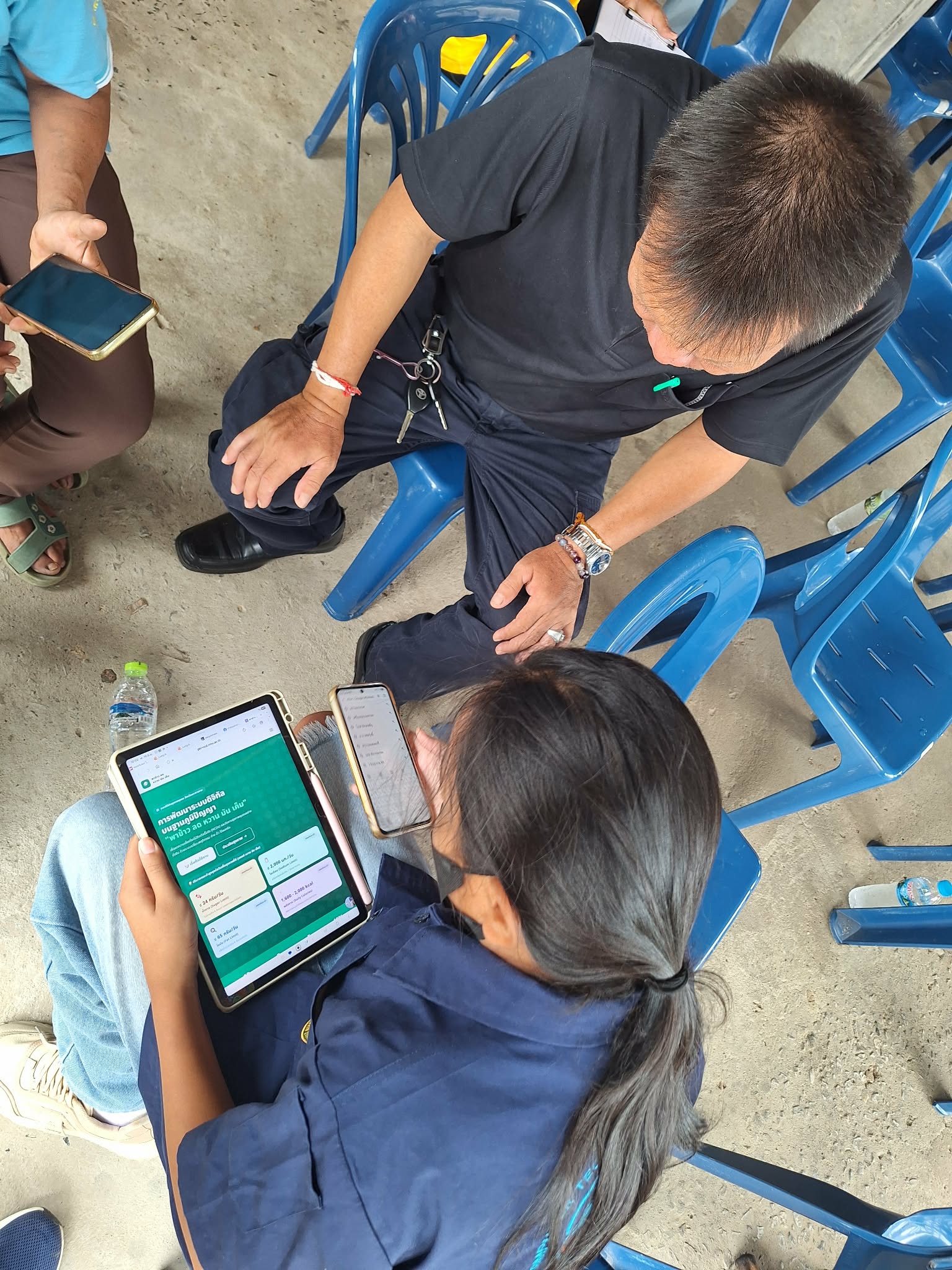
1.To develop a digital system based on 'Pha Khao' local wisdom (reducing sugar, fat, and salt) for non-communicable disease (NCD) risk reduction and sustainable community health management.
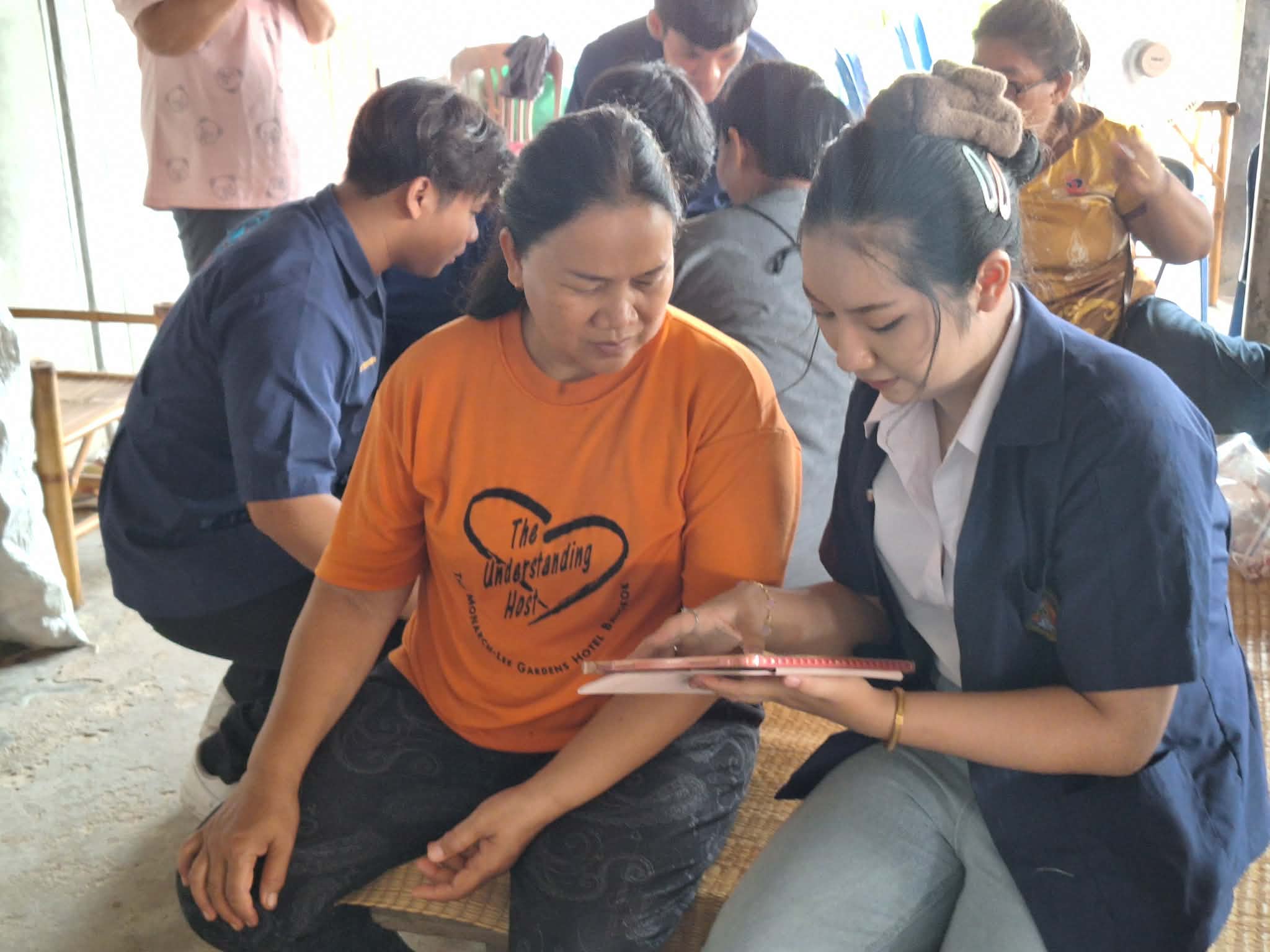
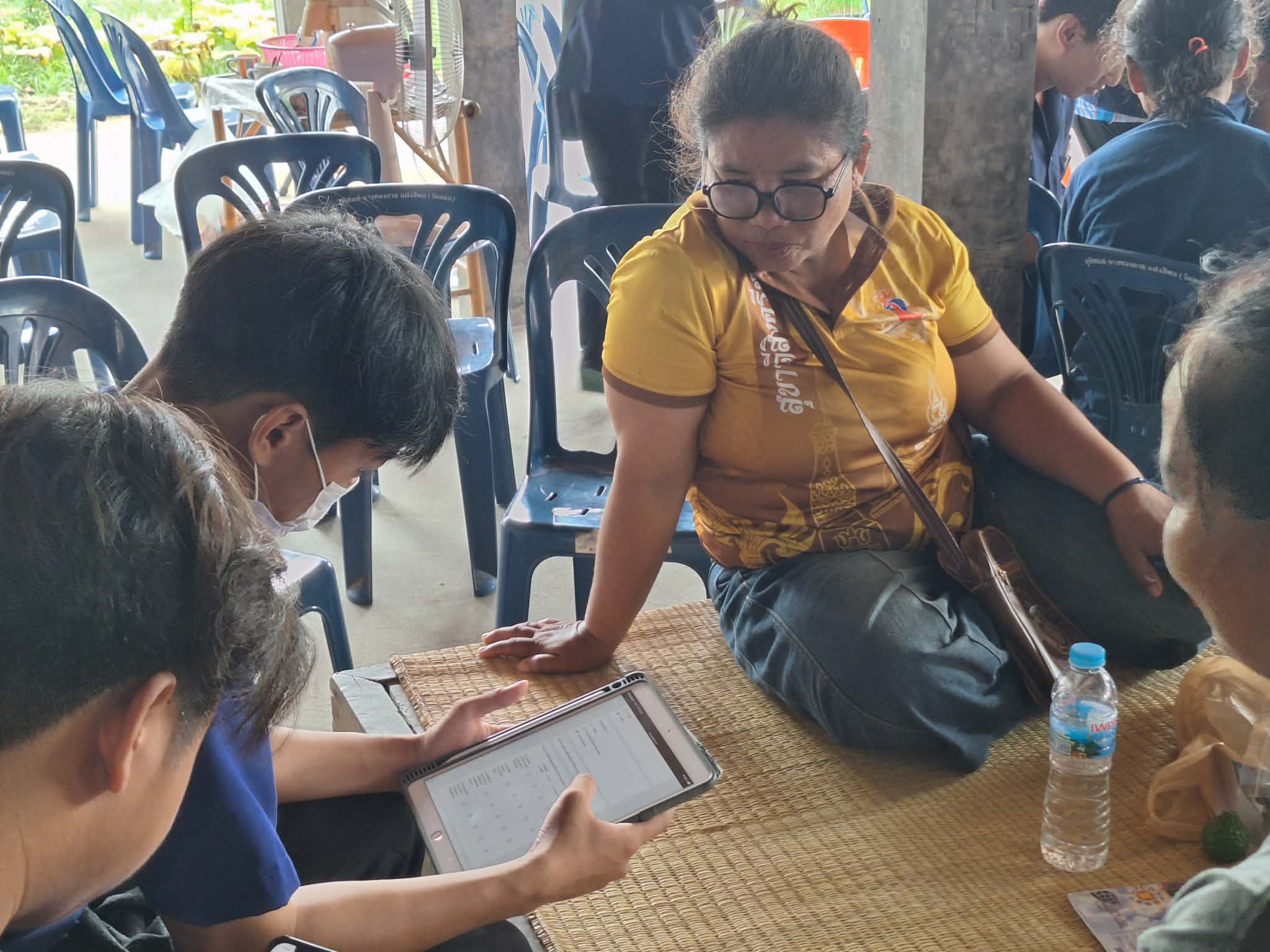
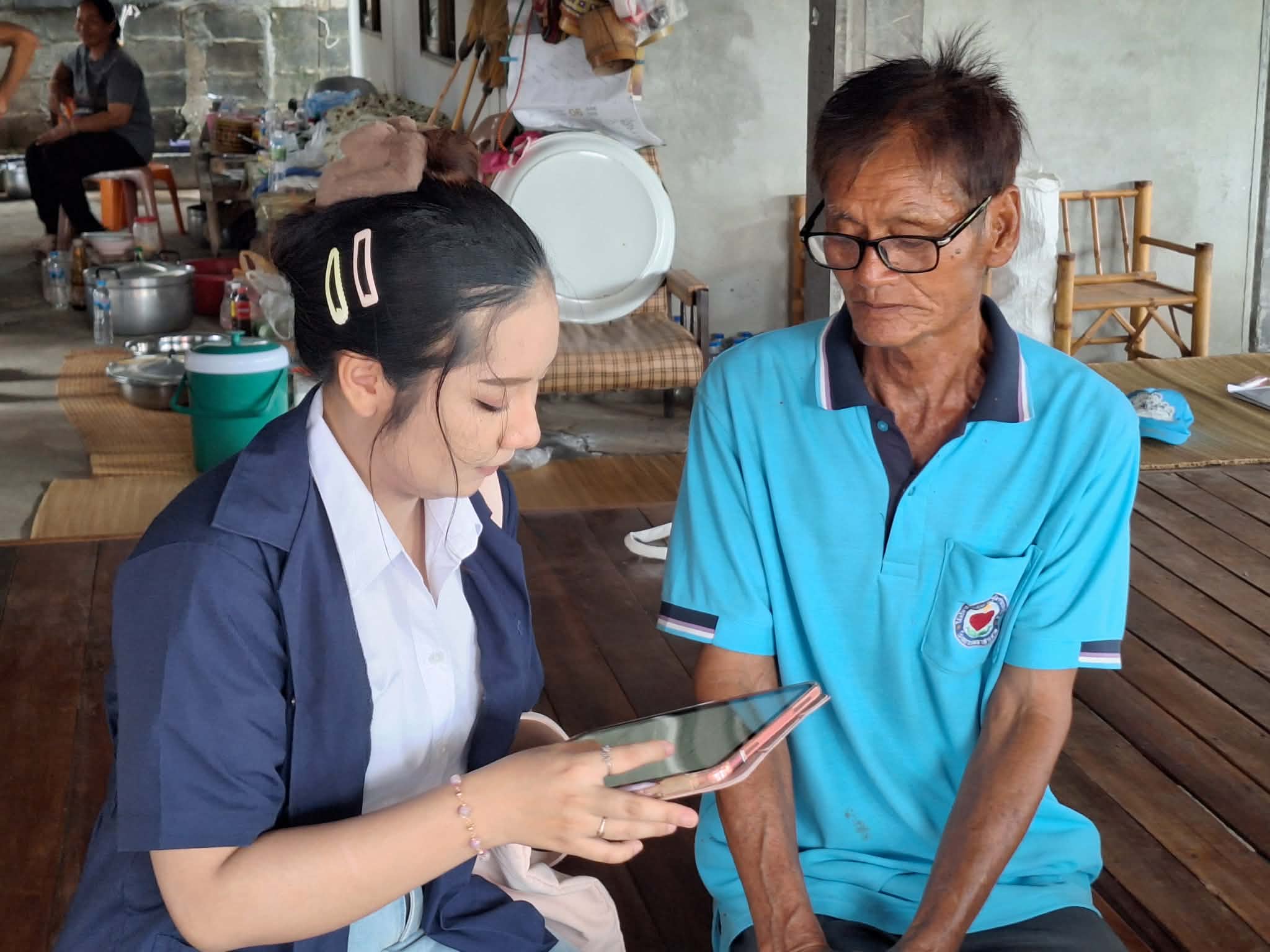
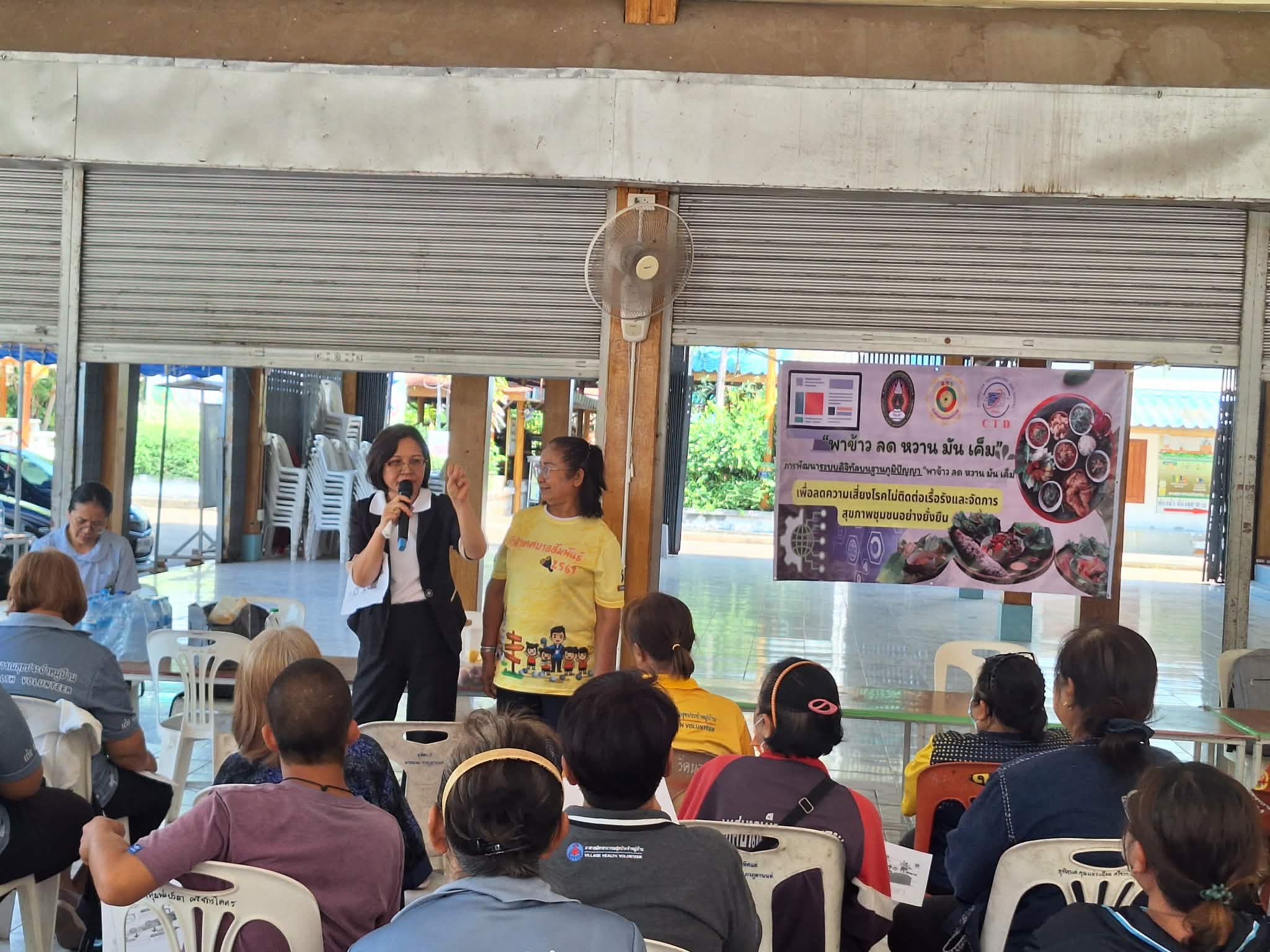
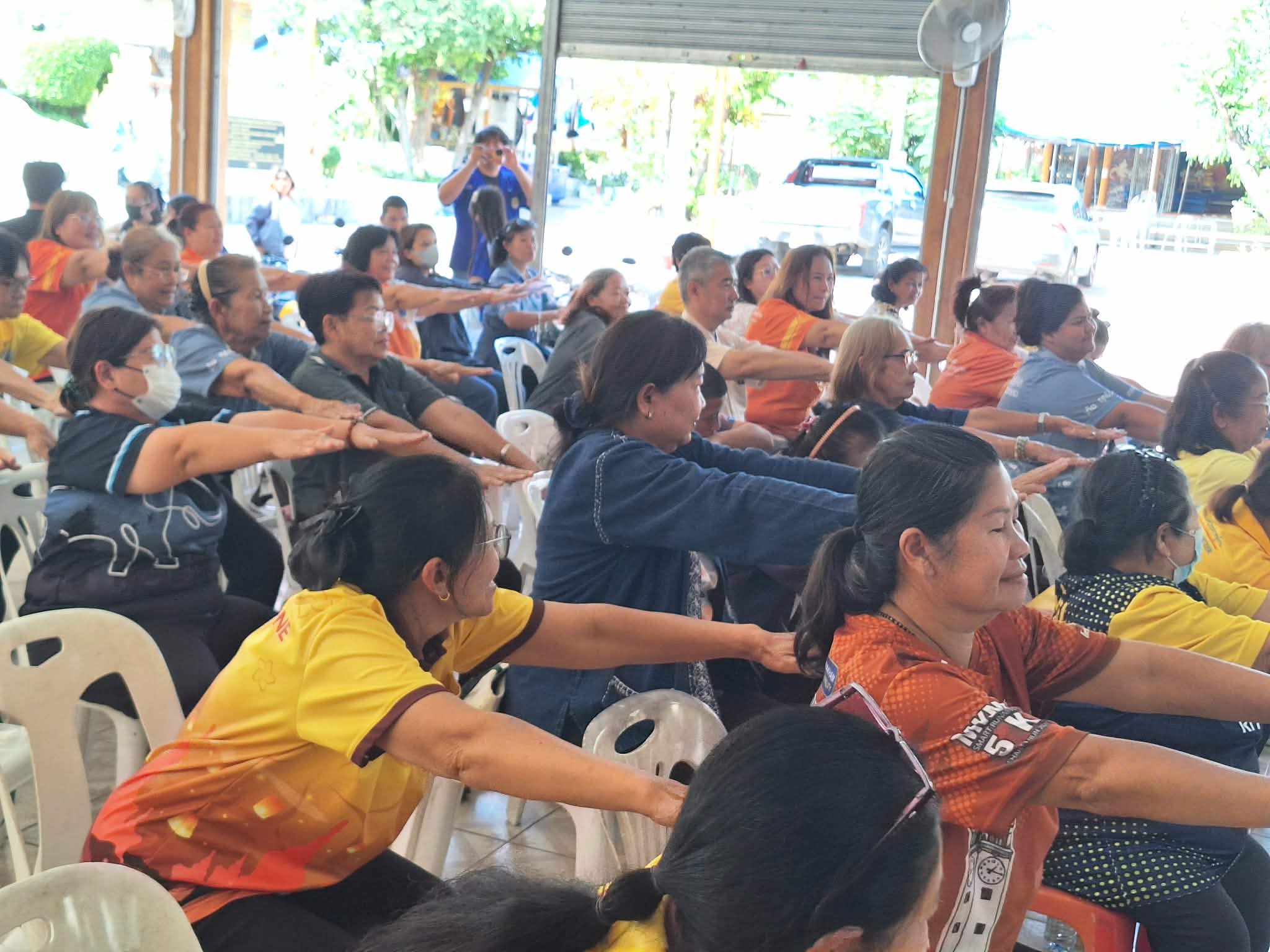
2.To transfer knowledge and train the community on how to utilize the developed digital system.
3.To investigate user acceptance and satisfaction towards the implemented digital system.
1. เพื่อพัฒนาระบบดิจิทัลบนฐานภูมิปัญญา “พาข้าว ลด หวาน มัน เค็ม” เพื่อลดความเสี่ยงโรคไม่ติดต่อเรื้อรังและจัดการสุขภาพชุมชนอย่างยั่งยืน
2. เพื่อถ่ายทอดองค์ความรู้การใช้งานระบบดิจิทัลบนฐานภูมิปัญญา “พาข้าว ลด หวาน มัน เค็ม” เพื่อลดความเสี่ยงโรคไม่ติดต่อเรื้อรังและจัดการสุขภาพชุมชนอย่างยั่งยืน
3. เพื่อศึกษาการยอมรับและความพึงพอใจการใช้งานระบบดิจิทัลบนฐานภูมิปัญญา “พาข้าว ลด หวาน มัน เค็ม” เพื่อลดความเสี่ยงโรคไม่ติดต่อเรื้อรังและจัดการสุขภาพชุมชนอย่างยั่งยืน
Main Activities กิจกรรมหลัก
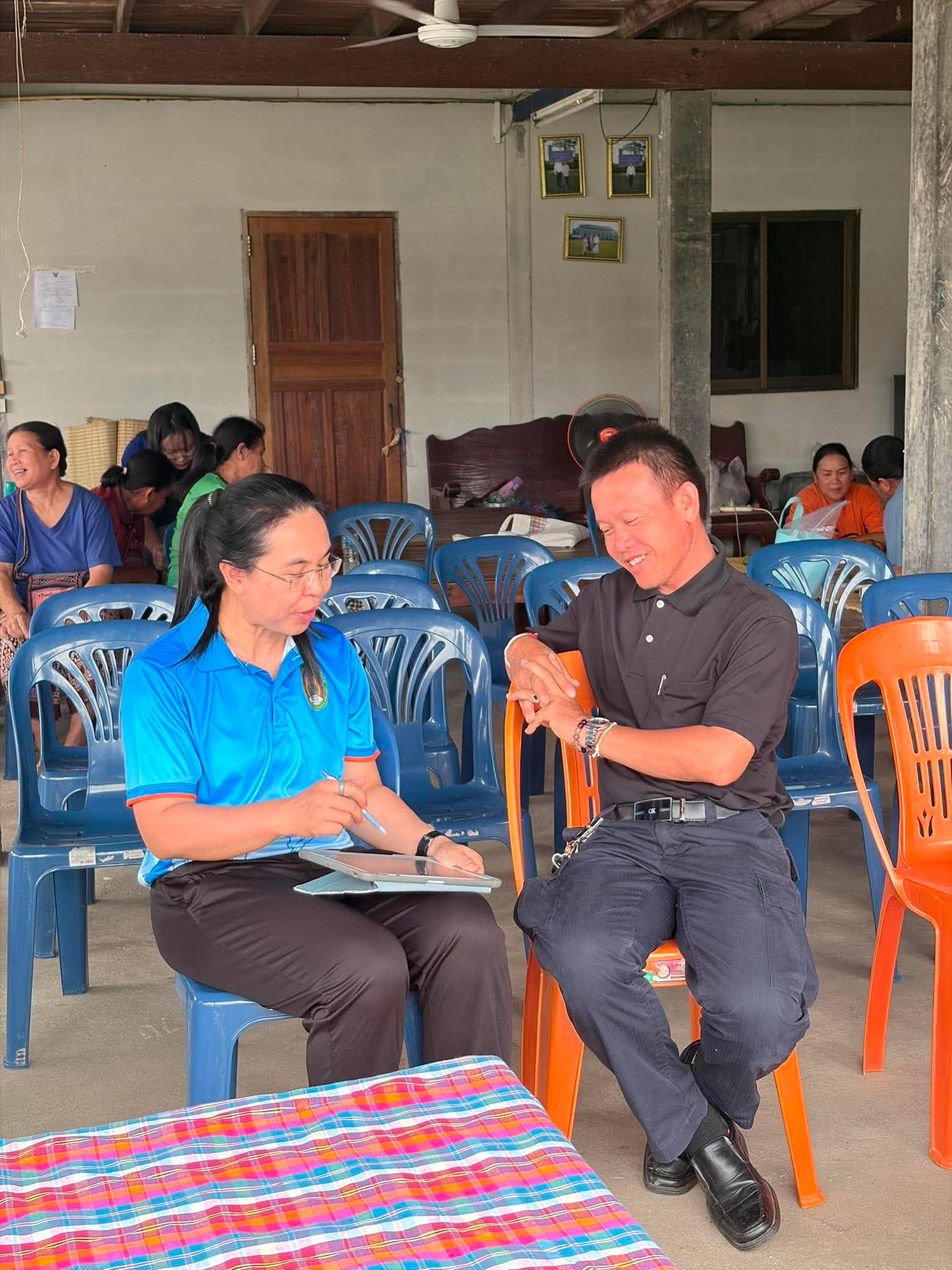
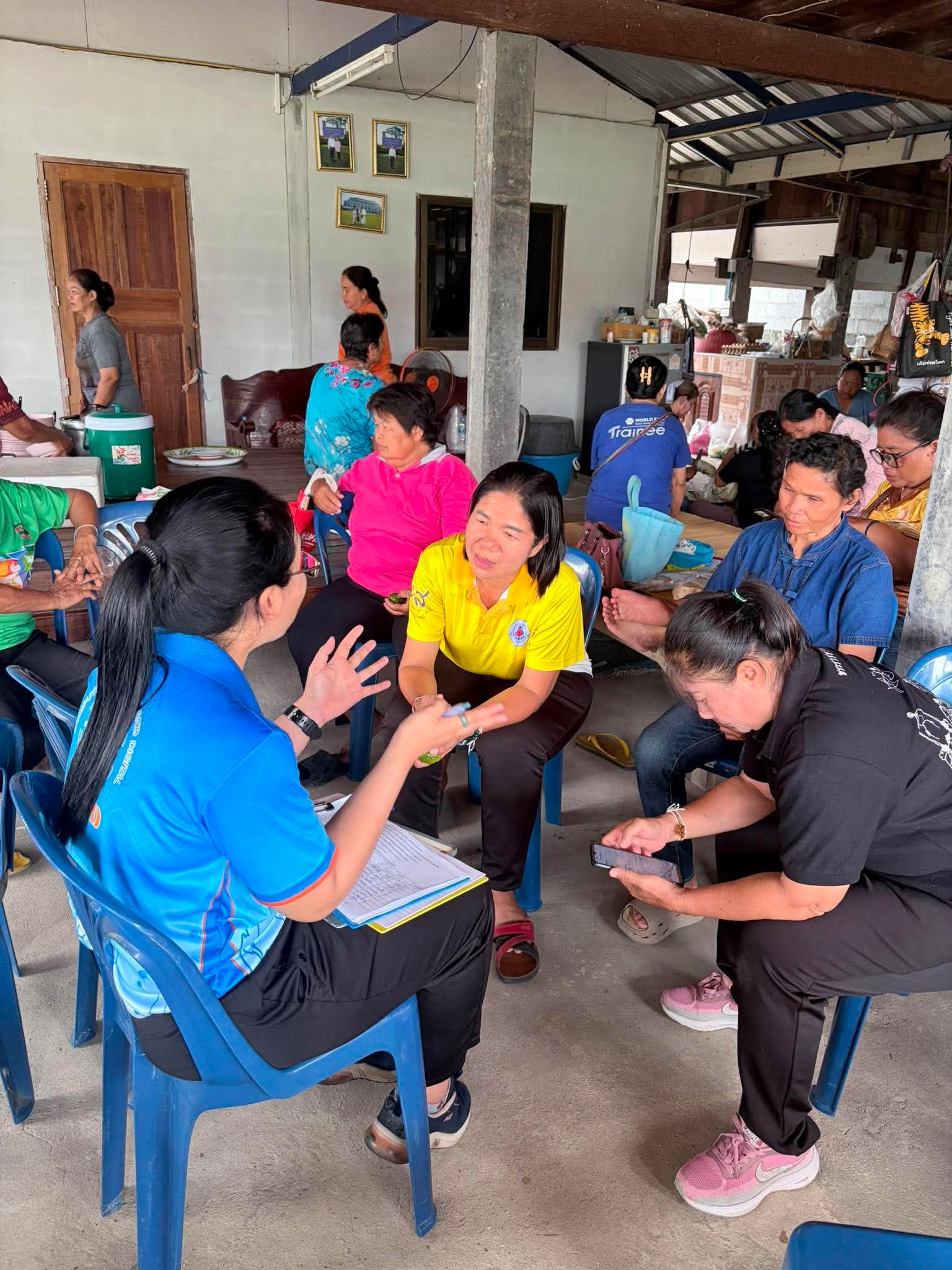
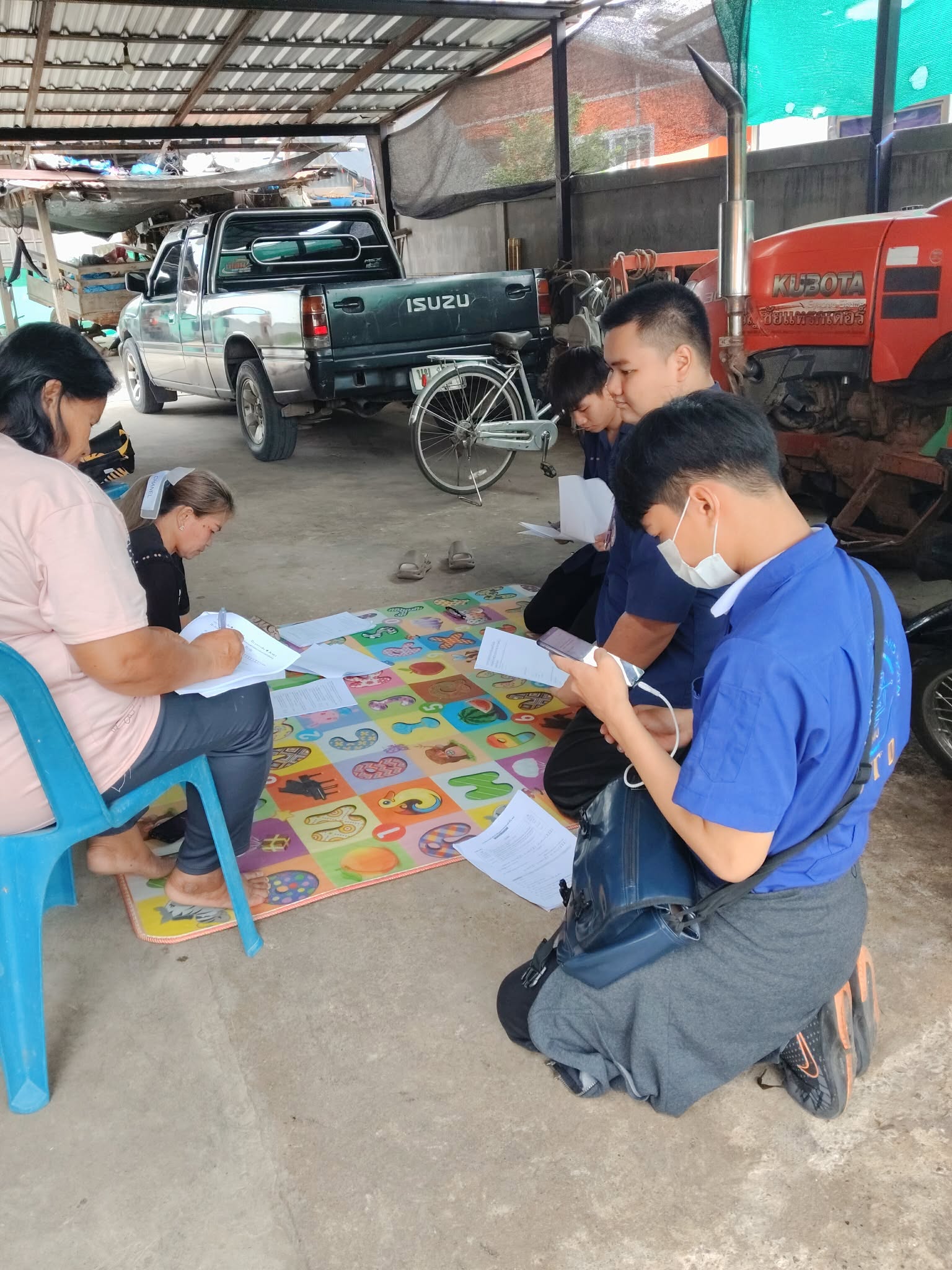
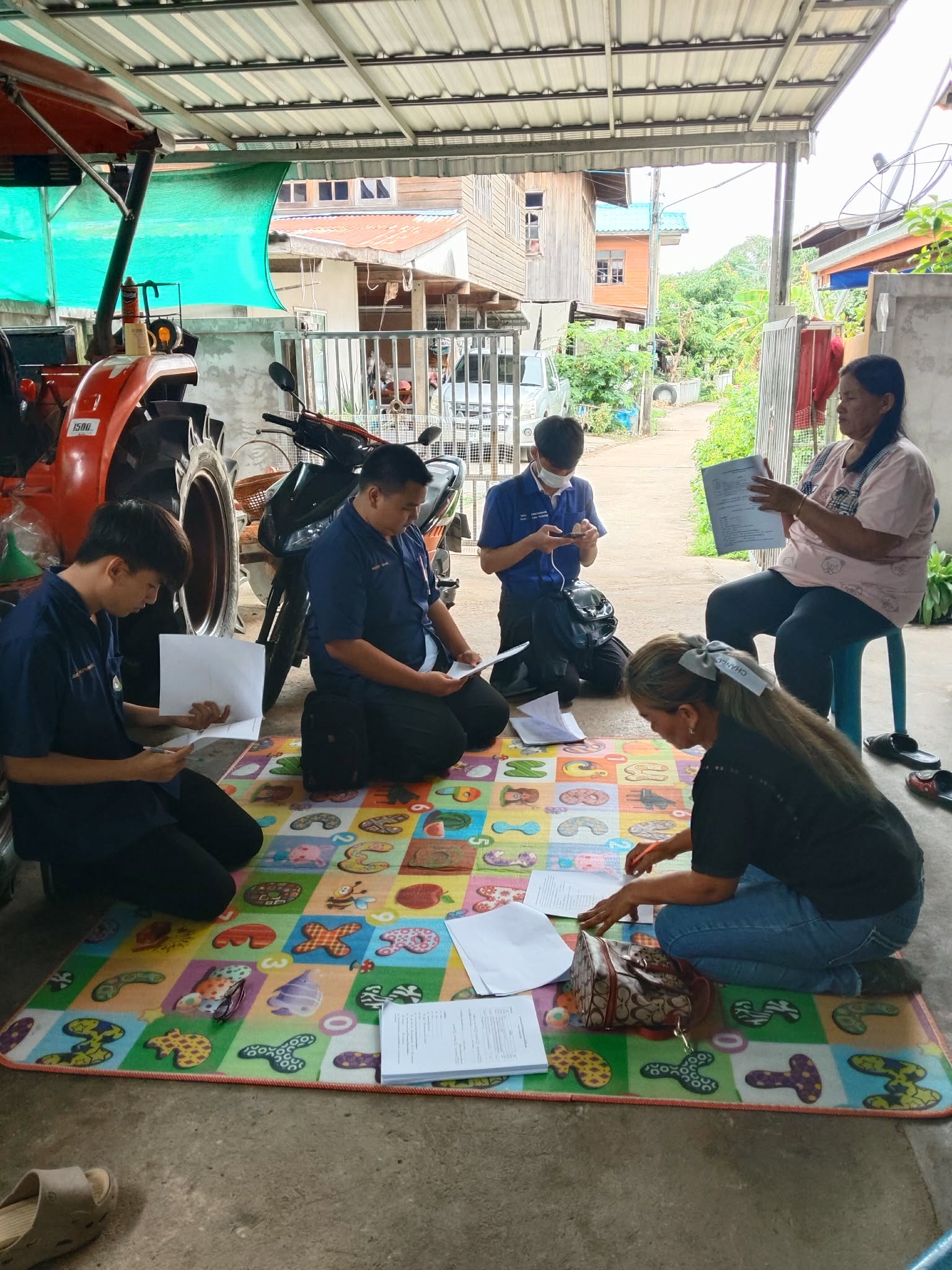
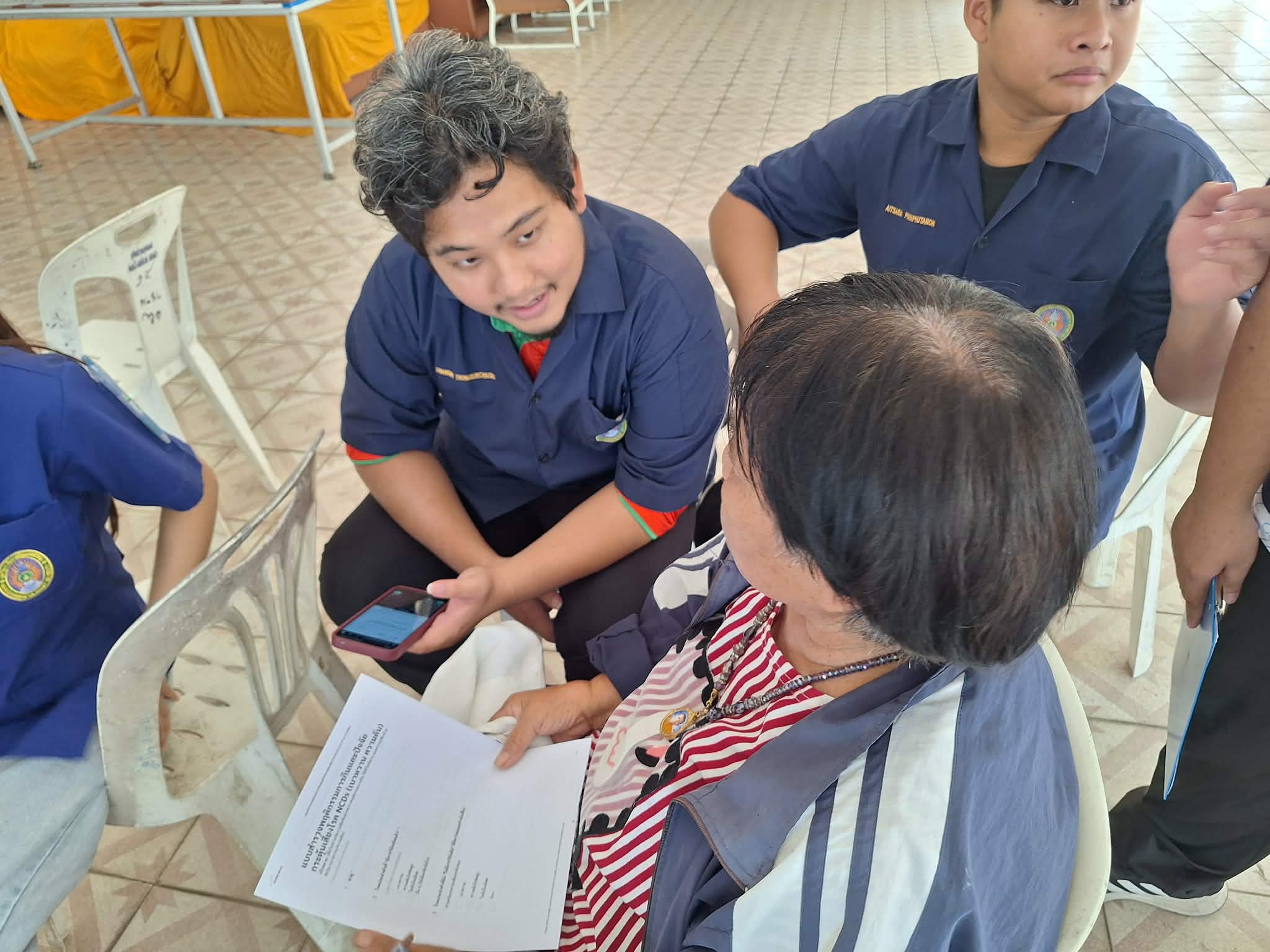
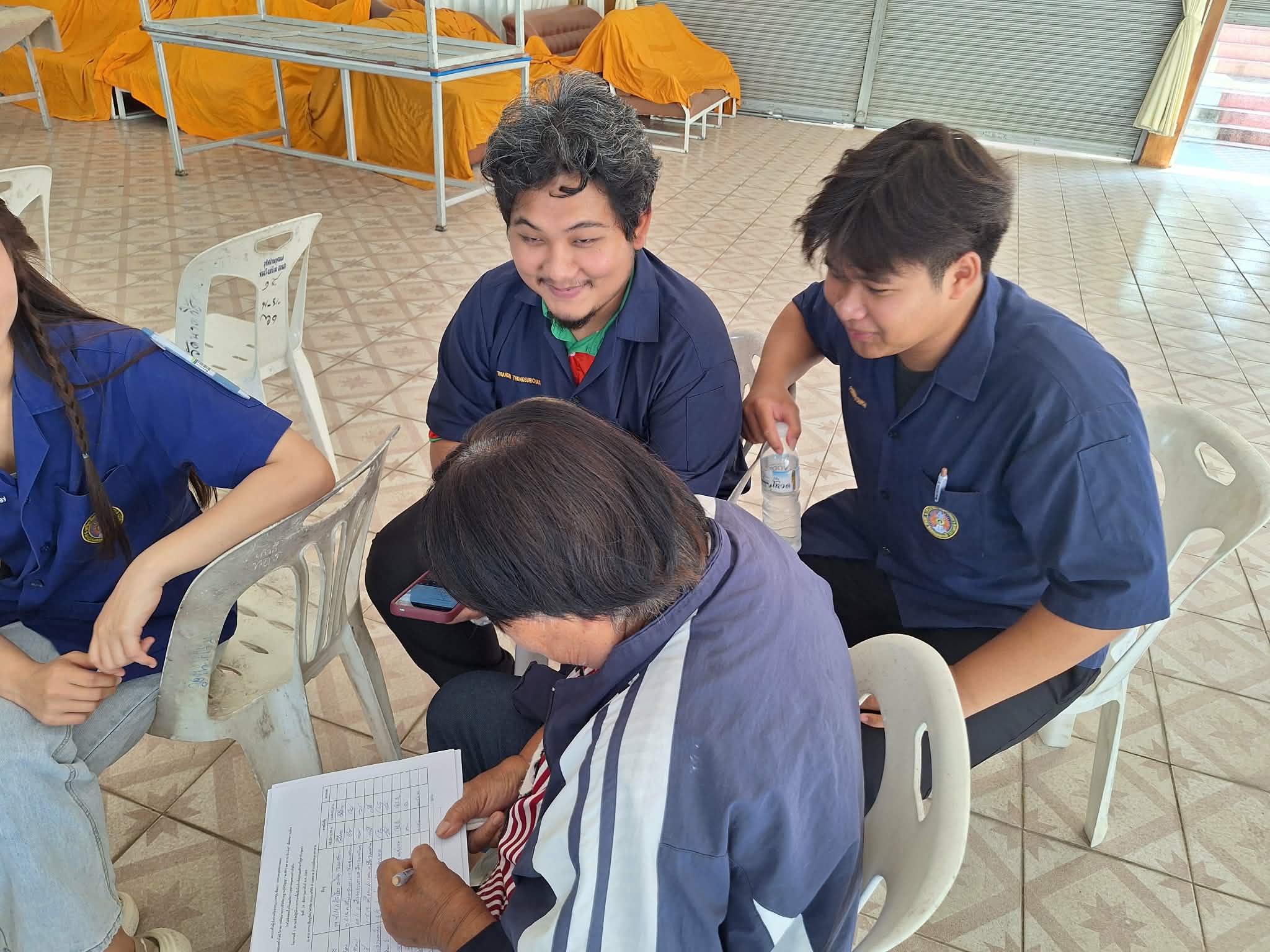
Activity 1: A Workshop on Fieldwork for Data Collection and Community Problem Identification
Activity 2: A Workshop on Learning and Piloting the Digital System Based on 'Pha Khao' Local Wisdom for NCD Risk Reduction and Sustainable Community Health Management
Activity 3: A Workshop on Communication, Public Relations, and Knowledge Transfer of the Digital System Based on 'Pha Khao' Local Wisdom for NCD Risk Reduction and Sustainable Community Health Management — "The Pha Khao Model: From Digital Data to Community Behavior Change Empowerment"
กิจกรรมที่ 1 อบรมเชิงปฏิบัติการการลงพื้นที่เพื่อเก็บข้อมูลและศึกษาปัญหากับชุมชน
กิจกรรมที่ 2 อบรมเชิงปฏิบัติการการเรียนรู้และทดลองใช้ระบบดิจิทัลบนฐานภูมิปัญญา “พาข้าว ลด หวาน มัน เค็ม” เพื่อลดความเสี่ยงโรคไม่ติดต่อเรื้อรังและจัดการสุขภาพชุมชนอย่างยั่งยืน
กิจกรรมที่ 3 อบรมเชิงปฏิบัติการการสื่อสารประชาสัมพันธ์และถ่ายทอดระบบดิจิทัลบนฐานภูมิปัญญา “พาข้าว ลด หวาน มัน เค็ม” เพื่อลดความเสี่ยงโรคไม่ติดต่อเรื้อรังและจัดการสุขภาพชุมชนอย่างยั่งยืน “พาข้าวโมเดล : จากข้อมูลดิจิทัลสู่พลังการเปลี่ยนพฤติกรรมชุมชน”
Part 2: Outcomes & Impact ส่วนที่ 2 ผลลัพธ์และผลกระทบ
Outcomes ผลลัพธ์ที่เกิดขึ้น
1. An efficient information system for health screening and monitoring.
2. A reduction in operational time and procedures for healthcare staff, supported by a systematic and up-to-date database.
3. Increased public awareness of NCD risks, leading to positive health behavior modifications and a decreased risk of developing NCDs.
4. Enhanced digital technology skills among personnel, practical work experience for students, and improved healthcare knowledge and skills among the public.
1. ระบบสารสนเทศที่มีประสิทธิภาพในการคัดกรองและติดตามผล
2. ลดระยะเวลาและขั้นตอนการทำงานของเจ้าหน้าที่มีฐานข้อมูลที่เป็นระบบและเป็นปัจจุบัน
3. ประชาชนตระหนักถึงความเสี่ยงโรคไม่ติดต่อเรื้อรัง (NCDs) มีการปรับเปลี่ยนพฤติกรรมสุขภาพที่ดีขึ้น ลดความเสี่ยงต่อการเกิดโรคไม่ติดต่อเรื้อรัง (NCDs)
4. บุคลากรที่มีทักษะการใช้เทคโนโลยีดิจิทัล นักศึกษาได้ประสบการณ์การทำงานจริง ประชาชนมีความรู้และทักษะการดูแลสุขภาพ
Community & Social Impact ผลกระทบต่อชุมชน/สังคม
Economic Impacts :
1. Alleviation of the healthcare financial burden regarding NCD treatment and a reduction in the costs associated with managing medical complications.
2. A decrease in the operational costs of Sub-district Health Promoting Hospitals (HPHs), enhanced resource management efficiency, and budget savings on documentation and physical data storage.
Social Impacts:
1. The establishment of a health-promoting model community, the creation of community healthcare networks, and the strengthening of the community health system.
2. The elevation of service quality at HPHs, capacity building for healthcare personnel in digital technology, and the enhancement of proactive healthcare operations.
Educational Impacts:
1. Students gain hands-on field research experience, develop skills in digital innovation, and learn to collaborate effectively with communities and government agencies.
2. Faculty members and researchers advance their knowledge in health innovation, produce international-level academic publications, and expand their experience in community-based research.
3. The institution strengthens its role as a university for the local community, builds academic collaboration networks, and develops curricula that align with community needs.
Environmental Impacts:
A reduction in resource consumption, specifically paper usage for data recording, decreased fuel consumption for travel, and the optimization of physical document storage space.
ด้านเศรษฐกิจ
1. ลดภาระค่าใช้จ่ายระบบสุขภาพในการรักษาโรคไม่ติดต่อเรื้อรัง (NCDs) ลดต้นทุนการรักษาภาวะแทรกซ้อน
2. ลดต้นทุนการดำเนินงานของ รพ.สต. เพิ่มประสิทธิภาพการบริหารทรัพยากร ประหยัดงบประมาณด้านเอกสารและการจัดเก็บข้อมูล
ด้านสังคม
1. เกิดชุมชนต้นแบบด้านการดูแลสุขภาพ สร้างเครือข่ายการดูแลสุขภาพในชุมชน เพิ่มความเข้มแข็งของระบบสุขภาพชุมชน
2. ยกระดับการให้บริการของ รพ.สต. พัฒนาศักยภาพบุคลากรด้านเทคโนโลยี เพิ่มประสิทธิภาพการทำงานเชิงรุก
ด้านการศึกษา
1. นักศึกษาได้ประสบการณ์ทำงานวิจัยในพื้นที่จริง พัฒนาทักษะการพัฒนานวัตกรรมดิจิทัล เรียนรู้การทำงานร่วมกับชุมชนและหน่วยงานภาครัฐ
2. อาจารย์/นักวิจัย พัฒนาองค์ความรู้ด้านนวัตกรรมสุขภาพ สร้างผลงานวิชาการระดับนานาชาติ เพิ่มประสบการณ์การวิจัยเพื่อท้องถิ่น
3. สถาบันเสริมสร้างบทบาทมหาวิทยาลัยเพื่อท้องถิ่น สร้างเครือข่ายความร่วมมือทางวิชาการ พัฒนาหลักสูตรตามความต้องการของชุมชน
ด้านสิ่งแวดล้อม
การลดการใช้ทรัพยากรลดการใช้กระดาษในการจัดเก็บข้อมูล ลดการใช้น้ำมันเชื้อเพลิงในการเดินทาง ประหยัดพื้นที่จัดเก็บเอกสาร
Student & Staff Participation การมีส่วนร่วมของนักศึกษา/บุคลากร
1. Students gain hands-on field research experience, develop skills in digital innovation, and learn to collaborate effectively with communities and government agencies.
2. Faculty members and researchers advance their knowledge in health innovation, produce international-level academic publications, and expand their experience in community-based research.
3. The institution strengthens its role as a university for the local community, builds academic collaboration networks, and develops curricula that align with community needs.
1. นักศึกษาได้ประสบการณ์ทำงานวิจัยในพื้นที่จริง พัฒนาทักษะการพัฒนานวัตกรรมดิจิทัล เรียนรู้การทำงานร่วมกับชุมชนและหน่วยงานภาครัฐ
2. อาจารย์/นักวิจัย พัฒนาองค์ความรู้ด้านนวัตกรรมสุขภาพ สร้างผลงานวิชาการระดับนานาชาติ เพิ่มประสบการณ์การวิจัยเพื่อท้องถิ่น
3. สถาบันเสริมสร้างบทบาทมหาวิทยาลัยเพื่อท้องถิ่น สร้างเครือข่ายความร่วมมือทางวิชาการ พัฒนาหลักสูตรตามความต้องการของชุมชน
Project Continuity ความต่อเนื่องของโครงการ
1. Enhancing Health Communication to Align with Community Contexts
It is recommended to develop health communication toolkits utilizing simplified language and incorporating real-life food examples from the 'Pha Khao' culture. The results from the digital system should be linked with practical advice, such as techniques to reduce salt without compromising flavor, modifying cooking methods from frying to boiling/steaming, and guidelines for appropriate food portioning during merit-making ceremonies and community events. These materials should be integrated into both the digital system and community activities to facilitate practical behavioral changes in daily life.
2. Improving Accessibility for Users with Limited Digital Literacy
To accommodate users with digital limitations, it is suggested to develop supplementary features such as a large-text display mode, a simplified user interface (UI), and a voice-assisted reading feature for the elderly, along with clear, step-by-step visual manuals. Furthermore, providing continuous training for healthcare staff and community health volunteers to serve as "system assistants" will help expand system accessibility for groups unfamiliar with digital technology.
3. Integrating the System with Healthcare Databases and Routine Workflows
To ensure the digital system serves as more than an ad-hoc tool, a feasibility study on integrating system data with the routine databases of Sub-district Health Promoting Hospitals (HPHs) or community health centers is recommended. Examples include designing automated reports for NCD screening and extracting system data for community health planning meetings. Such integration will embed the system as a "routine operational component," thereby increasing its practical sustainability.
4. Establishing a Long-term Monitoring and Outcome/Impact Evaluation Plan
It is advised to formulate a subsequent phase or expansion project focused on tracking system usage and the target groups' dietary behaviors over a 1–2 year period. This will allow for a systematic evaluation of Outcomes (e.g., dietary behavior modification, health risk reduction) and Impacts (e.g., decreased disease burden, reduced healthcare costs). Utilizing the Social Return on Investment (SROI) framework will assist universities and funding agencies in recognizing the project's policy-level value.
5. Scaling Up and Adapting to Diverse Local Wisdoms
Building upon the success in the pilot area, it is recommended to expand the "Pha Khao Model" to other regions with distinct traditional food cultures, such as Northern, Southern, or urban communities. The menu databases and communication strategies should be tailored to suit the specific food culture of each area. This approach will position the project as a national model for integrating local food wisdom with digital technology to manage NCD issues effectively.
1.พัฒนาการสื่อสารสุขภาพให้เชื่อมกับบริบทชุมชนมากขึ้น แนะนำให้พัฒนาชุดสื่อสาร
สุขภาพที่ใช้ภาษาง่าย มีตัวอย่างเมนูอาหารจริงจากวิถี “พาข้าว” และเชื่อมผลจากระบบกับคำแนะนำเชิงปฏิบัติ เช่น วิธีลดรสเค็มโดยไม่ทำให้รสชาติเปลี่ยนไปมาก วิธีปรับเมนูจากทอดเป็นต้ม/นึ่ง รวมถึงแนวทางจัดแบ่งปริมาณอาหารในงานบุญให้เหมาะสม สื่อเหล่านี้ควรถูกนำไปใช้ทั้งในระบบดิจิทัลและในกิจกรรมชุมชน เพื่อให้การปรับพฤติกรรมเกิดขึ้นได้จริงในชีวิตประจำวัน
2.เพิ่มฟังก์ชันช่วยสำหรับผู้ใช้ที่มีข้อจำกัดด้านดิจิทัลเสนอให้พัฒนาฟังก์ชันเสริม เช่น โหมด
แสดงผลแบบตัวอักษรใหญ่ ปุ่มเมนูที่เรียบง่ายขึ้น หรือระบบช่วยอ่านผลแนะนำด้วยเสียงสำหรับผู้สูงอายุ รวมถึงคู่มือภาพประกอบที่ใช้ขั้นตอนทีละขั้นอย่างชัดเจน. นอกจากนี้ การจัดอบรมต่อเนื่องสำหรับเจ้าหน้าที่และอาสาสมัครชุมชนให้สามารถเป็น “ผู้ช่วยใช้ระบบ” ก็จะช่วยขยายการเข้าถึงระบบให้กับกลุ่มที่ใช้เทคโนโลยีไม่คล่อง
3.เชื่อมระบบกับฐานข้อมูลและกระบวนงานของหน่วยบริการสุขภาพเพื่อให้ระบบดิจิทัลไม่
เป็นเพียงเครื่องมือเฉพาะกิจ แนะนำให้ศึกษาความเป็นไปได้ในการเชื่อมข้อมูลจากระบบเข้าสู่ฐานข้อมูลงานประจำของ รพ.สต. หรือศูนย์สุขภาพชุมชน เช่น การออกแบบรายงานอัตโนมัติสำหรับใช้ในงานคัดกรอง NCDs หรือการดึงข้อมูลจากระบบไปใช้ในการประชุมวางแผนกิจกรรมสุขภาพชุมชน การเชื่อมโยงดังกล่าวจะช่วยให้ระบบกลายเป็น “ส่วนหนึ่งของงานประจำ” และเพิ่มความยั่งยืนในการใช้จริง
4.จัดทำแผนติดตามผลระยะยาวและประเมินผลเชิงผลลัพธ์/ผลกระทบแนะนำให้วางแผน
โครงการต่อเนื่องหรือเฟสขยายผลที่มุ่งติดตามการใช้ระบบและพฤติกรรมการกินของกลุ่มเป้าหมายในช่วงเวลา 1–2 ปี เพื่อประเมินผลด้าน Outcome (เช่น การปรับพฤติกรรมการบริโภค การลดระดับความเสี่ยง) และ Impact (เช่น การลดภาระโรคหรือค่าใช้จ่ายสุขภาพ) อย่างเป็นระบบ การใช้กรอบ SROI (Social Return on Investment) หรือกรอบผลกระทบทางสังคมจะช่วยให้มหาวิทยาลัยและหน่วยงานสนับสนุนเห็นคุณค่าของโครงการในเชิงนโยบายมากขึ้น
5.ขยายผลสู่พื้นที่อื่นโดยปรับตามภูมิปัญญาท้องถิ่นจากความสำเร็จในพื้นที่นำร่อง แนะนำให้
พิจารณาขยายผลระบบ “พาข้าวโมเดล” สู่พื้นที่อื่นที่มีภูมิปัญญาอาหารพื้นบ้านแตกต่างกัน เช่น ชุมชนภาคเหนือ ภาคใต้ หรือชุมชนเมือง โดยปรับฐานข้อมูลเมนูและสารสื่อสารให้เหมาะสมกับวัฒนธรรมอาหารในแต่ละพื้นที่. แนวทางนี้จะช่วยให้โครงการกลายเป็นต้นแบบการใช้ภูมิปัญญาอาหารพื้นถิ่นร่วมกับเทคโนโลยีดิจิทัลในการจัดการปัญหา NCDs ในระดับประเทศ
Part 3: Challenges & Suggestions ส่วนที่ 3 ปัญหาอุปสรรค/ข้อเสนอแนะ
Problems & Obstacles ปัญหา/อุปสรรค
1. Barriers to Health Behavior Modification
Reducing NCD risks through dietary modification is a complex issue deeply intertwined with traditional beliefs, ingrained habits, and social contexts. Notable examples include overeating during merit-making ceremonies, the misconception that consuming large amounts of sticky rice is necessary for physical energy, and the reluctance to discard leftover food ("food waste aversion"), particularly among the elderly. Although participants are aware of the risks associated with high-sugar, high-fat, and high-sodium diets, reducing portions or altering menus remains challenging without continuous motivation and support mechanisms.
2. Technological Limitations Among Specific Target Groups
Certain segments of the population, particularly the elderly and individuals with limited digital literacy (or low smartphone proficiency), face challenges in utilizing the digital system. Difficulties in logging in, data entry, and interpreting assessment results necessitate assistance from healthcare staff or family members to access health information. Consequently, the continuous, daily use of the digital system has not yet comprehensively reached all target demographics as intended.
3. Data Integration with Routine Healthcare Service Workflows
Although the digital system is capable of effectively recording and processing health data, integrating this information into the routine workflows of healthcare units—such as utilizing system data for official reporting or community health activity planning—requires time. Operational procedures and data management practices must be adjusted to strictly align with the regulatory frameworks and guidelines of the respective health agencies.
4. Time and Resource Constraints for Long-Term Monitoring
The limited timeframe of the project restricts the comprehensive long-term monitoring (exceeding 6–12 months) of users' behavioral changes. Therefore, the evaluation of Outcomes and Impacts, such as the actual reduction in NCD risk rates or disease burden, currently remains at the level of projected potential rather than long-term empirical measurement.
อุปสรรคด้านการปรับเปลี่ยนพฤติกรรมสุขภาพการลดความเสี่ยง NCDs ผ่านการเปลี่ยนพฤติกรรมการกินเป็นประเด็นที่ซับซ้อน เพราะเชื่อมโยงกับความเชื่อเดิม ความเคยชิน และบริบททางสังคม เช่น พฤติกรรมกินมากในงานบุญ ความเชื่อว่าต้องกินข้าวเหนียวเยอะเพื่อให้มีแรง และพฤติกรรม “เสียดายของเหลือ” โดยเฉพาะในกลุ่มผู้สูงอายุ แม้ผู้เข้าร่วมจะรับรู้ถึงความเสี่ยงจากอาหารหวาน มัน เค็ม แต่การปรับลดปริมาณหรือเปลี่ยนเมนูยังเป็นเรื่องยาก หากไม่มีแรงจูงใจและตัวช่วยที่ต่อเนื่อง
ข้อจำกัดด้านการใช้เทคโนโลยีของบางกลุ่มเป้าหมาย กลุ่มประชาชนบางส่วน โดยเฉพาะผู้สูงอายุหรือผู้ที่ใช้สมาร์ตโฟนไม่คล่อง ยังมีข้อจำกัดในการใช้งานระบบดิจิทัล เช่น การเข้าสู่ระบบ การกรอกข้อมูล และการอ่านผลการประเมิน ทำให้ต้องอาศัยความช่วยเหลือจากเจ้าหน้าที่หรือคนในครอบครัวในการเข้าถึงข้อมูลสุขภาพ. สิ่งนี้ส่งผลให้การใช้ระบบอย่างต่อเนื่องในชีวิตประจำวันยังไม่ครอบคลุมทุกกลุ่มเป้าหมายเท่าที่ควร
การเชื่อมโยงข้อมูลระหว่างระบบกับงานประจำของหน่วยบริการสุขภาพ แม้ว่าระบบดิจิทัลจะสามารถบันทึกและประมวลผลข้อมูลสุขภาพได้ดี แต่การเชื่อมโยงข้อมูลจากระบบไปสู่งานประจำของหน่วยบริการสุขภาพ เช่น การใช้ข้อมูลจากระบบในการรายงานผลหรือวางแผนกิจกรรมสุขภาพ ยังต้องใช้เวลาในการปรับรูปแบบการทำงานและการจัดการข้อมูลให้สอดคล้องกับระเบียบและแนวทางของหน่วยงาน
เวลาและทรัพยากรในการติดตามผลระยะยาว ระยะเวลาของโครงการมีกรอบจำกัด ทำให้การติดตามผลการเปลี่ยนแปลงพฤติกรรมของผู้ใช้งานระบบในระยะยาว (มากกว่า 6–12 เดือน) ยังไม่ครอบคลุมเท่าที่ควร การประเมินผลด้าน Outcome และ Impact เช่น การลดอัตราเสี่ยงหรือภาระโรค NCDs จึงยังอยู่ในระดับคาดการณ์เชิงศักยภาพมากกว่าการวัดผลเชิงประจักษ์ในระยะยาว
Improvement Guidelines แนวทางการปรับปรุง
Proposed Solutions and Overcoming Limitations
To address the aforementioned challenges, an appropriate approach is to tailor health communication strategies to align seamlessly with the community context. This can be achieved by utilizing accessible language, incorporating tangible examples from actual local menus, and directly linking the system's analytical results to practical, personalized dietary recommendations. Additionally, community events and merit-making ceremonies should be strategically leveraged as platforms for proactive health communication, given that these cultural occasions represent periods of heightened risk for unhealthy dietary behaviors.
Another strategic solution involves the development of comprehensive user manuals and supplementary instructional materials tailored for both healthcare personnel and the general public. Integrating post-training follow-up activities is also crucial to foster sustained and continuous utilization of the digital platform. Furthermore, upgrading the system to include intelligent alert functions based on actual behavioral data—capable of offering highly personalized health alternatives—would significantly enhance the overall effectiveness of long-term health behavior modification among the target population.
แนวทางการแก้ไขที่เหมาะสม คือ การออกแบบการสื่อสารสุขภาพให้สอดคล้องกับบริบทชุมชน โดยใช้ภาษาที่เข้าใจง่าย ยกตัวอย่างจากเมนูจริง และเชื่อมผลวิเคราะห์จากระบบกับคำแนะนำรายบุคคลที่ปฏิบัติได้จริง นอกจากนี้ ควรใช้กิจกรรมชุมชนและงานบุญเป็นพื้นที่สื่อสารสุขภาพเชิงรุก เพราะเป็นช่วงเวลาที่พฤติกรรมเสี่ยงเกิดขึ้นมากที่สุด
อีกแนวทางหนึ่ง คือ การพัฒนาคู่มือหรือสื่อประกอบการใช้งานระบบให้เหมาะกับทั้งเจ้าหน้าที่และประชาชน รวมถึงการจัดกิจกรรมติดตามหลังการอบรม เพื่อช่วยให้การใช้งานระบบเกิดความต่อเนื่อง หากสามารถพัฒนาให้ระบบมีฟังก์ชันแจ้งเตือนที่อิงข้อมูลพฤติกรรมจริงและเสนอทางเลือกสุขภาพเฉพาะบุคคลได้มากขึ้น ก็จะช่วยเพิ่มประสิทธิภาพในการปรับเปลี่ยนพฤติกรรมระยะยาว
Suggestions to University ข้อเสนอแนะต่อมหาวิทยาลัย
- -