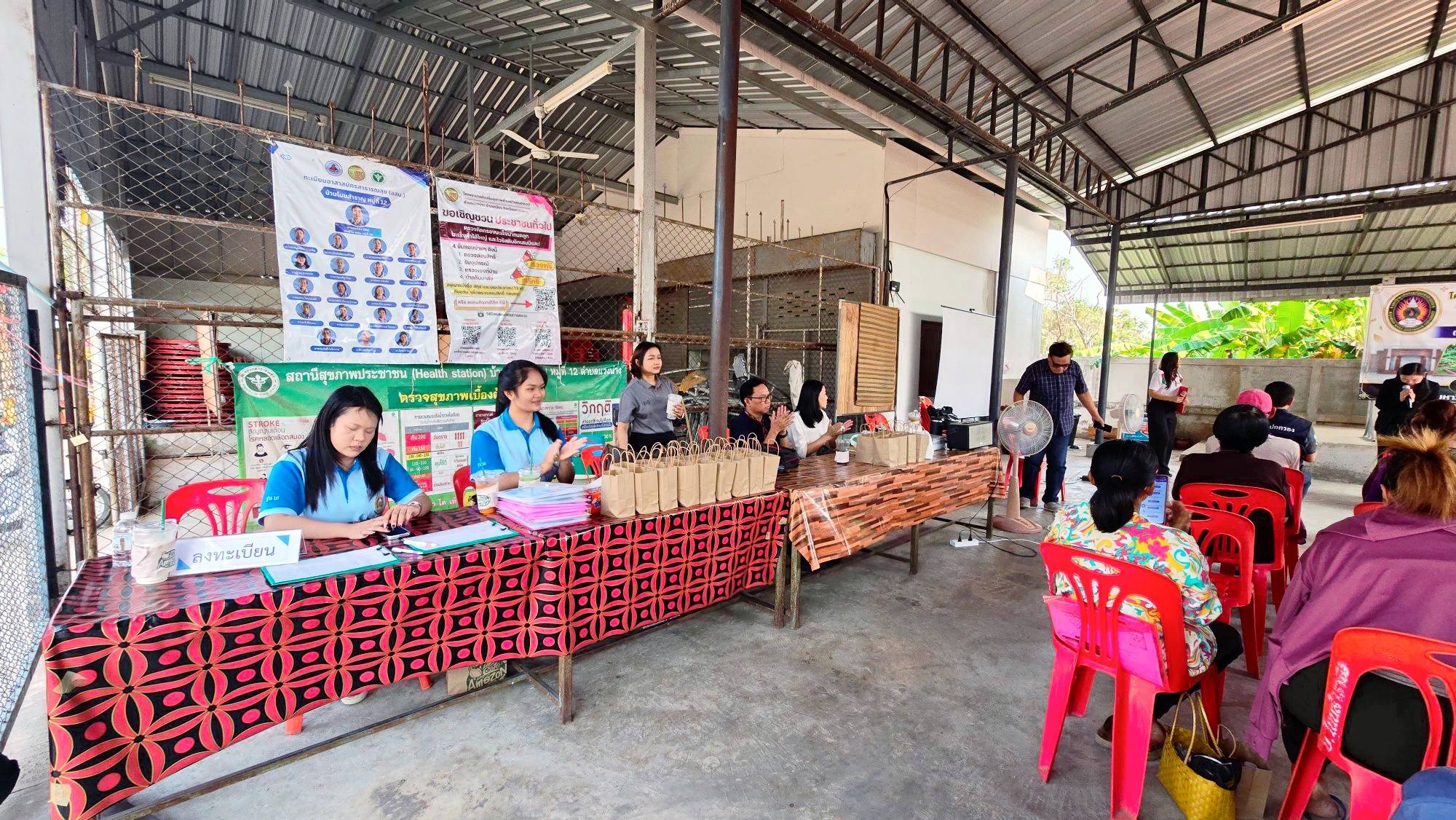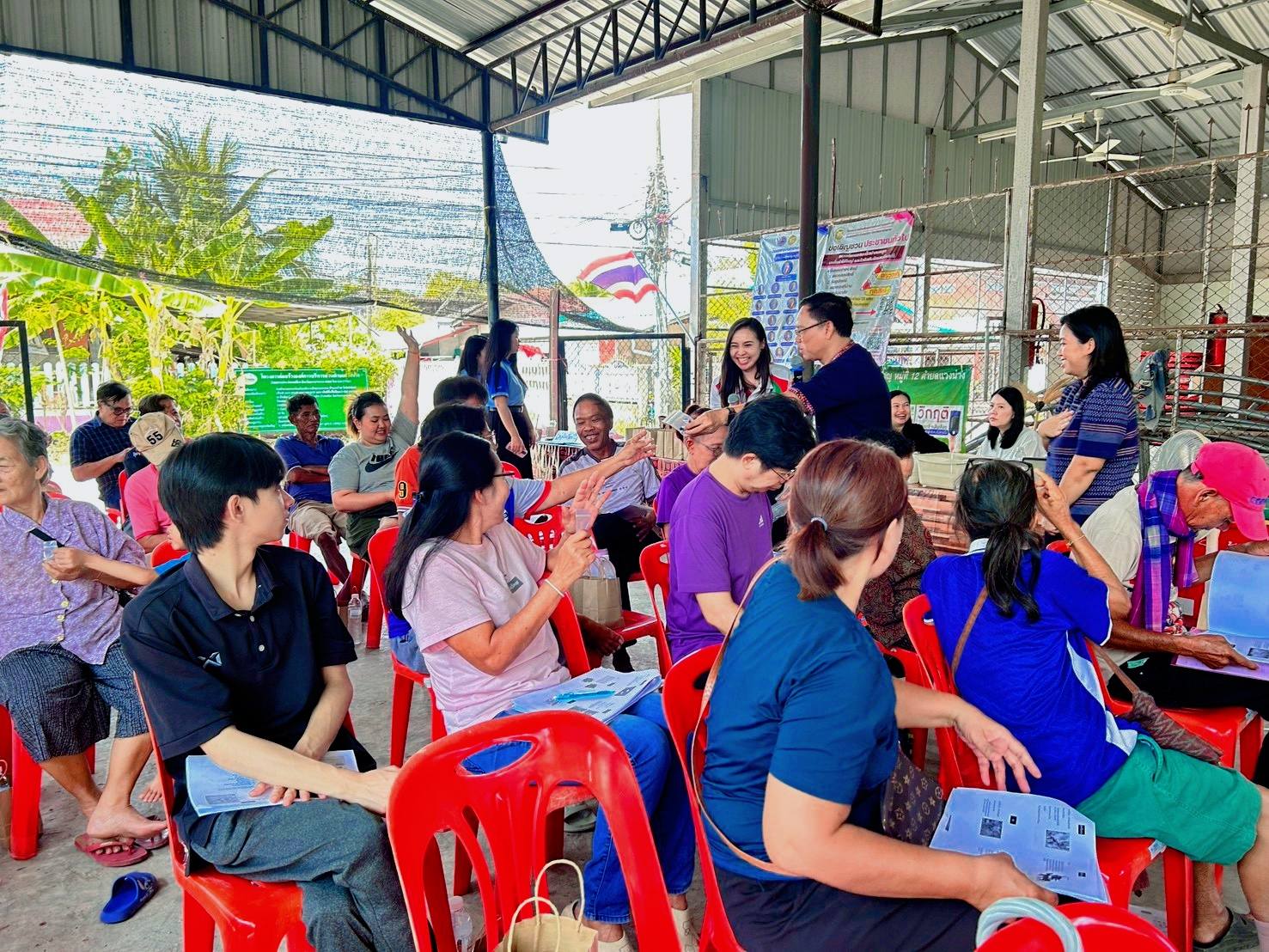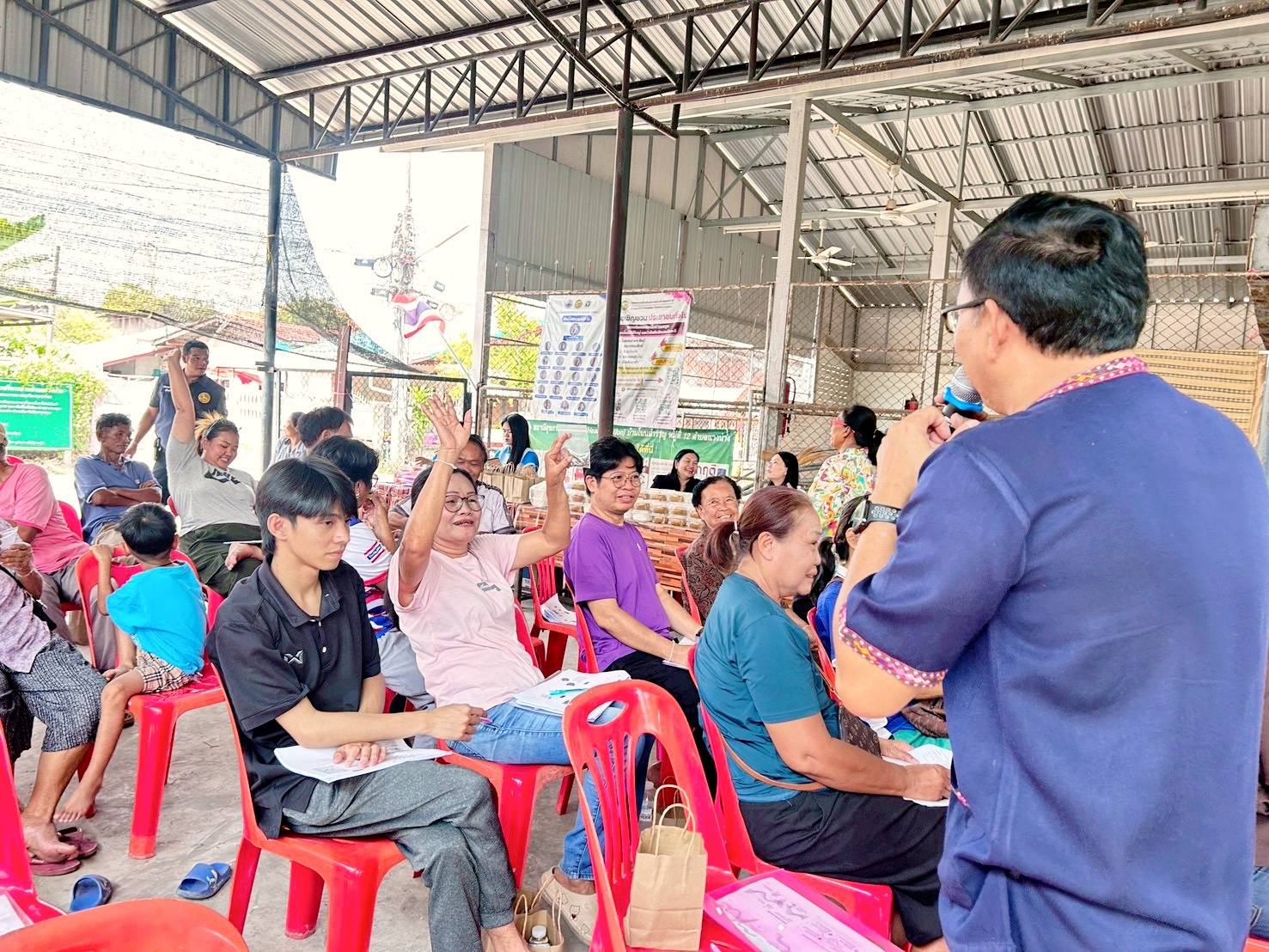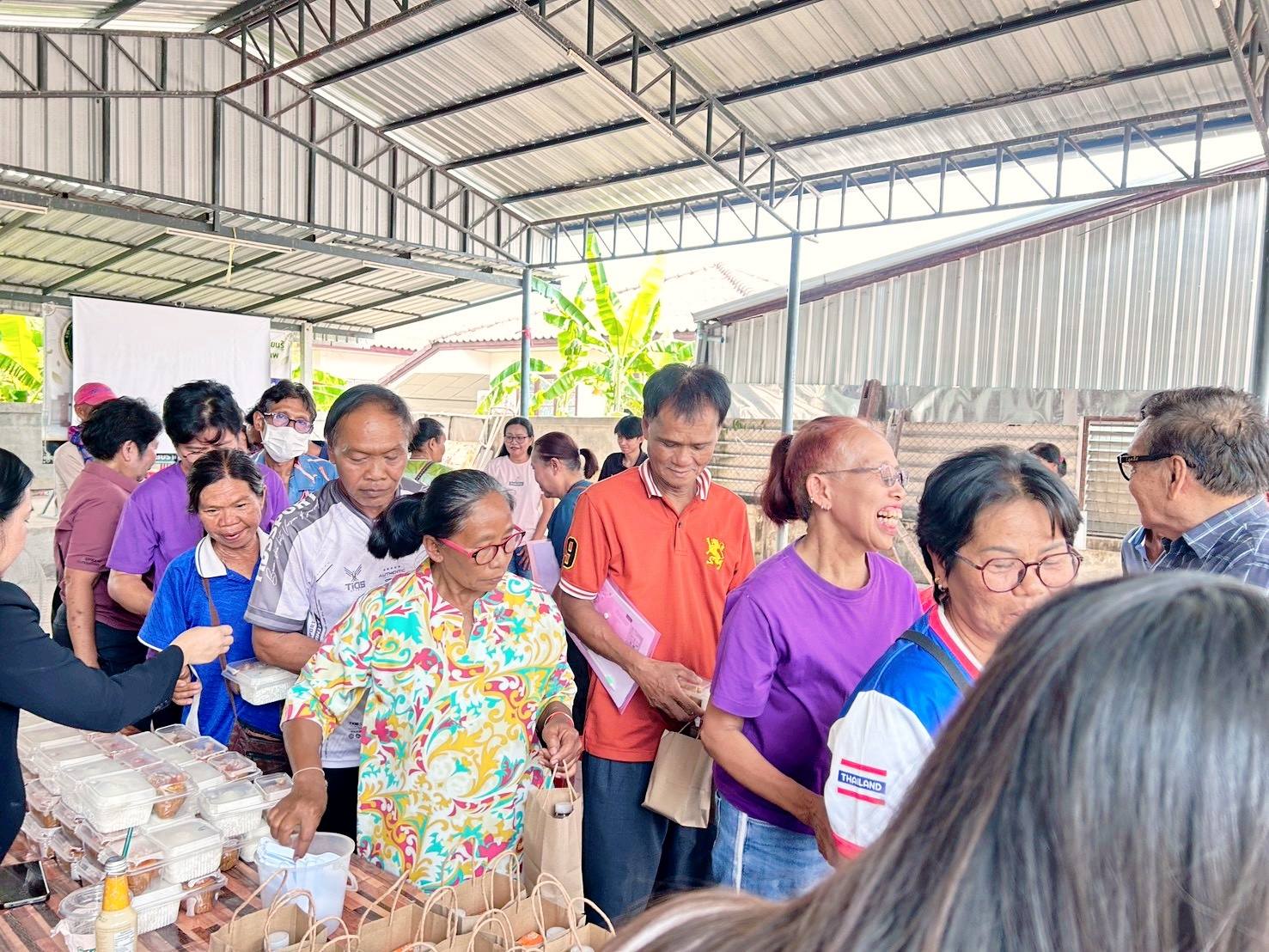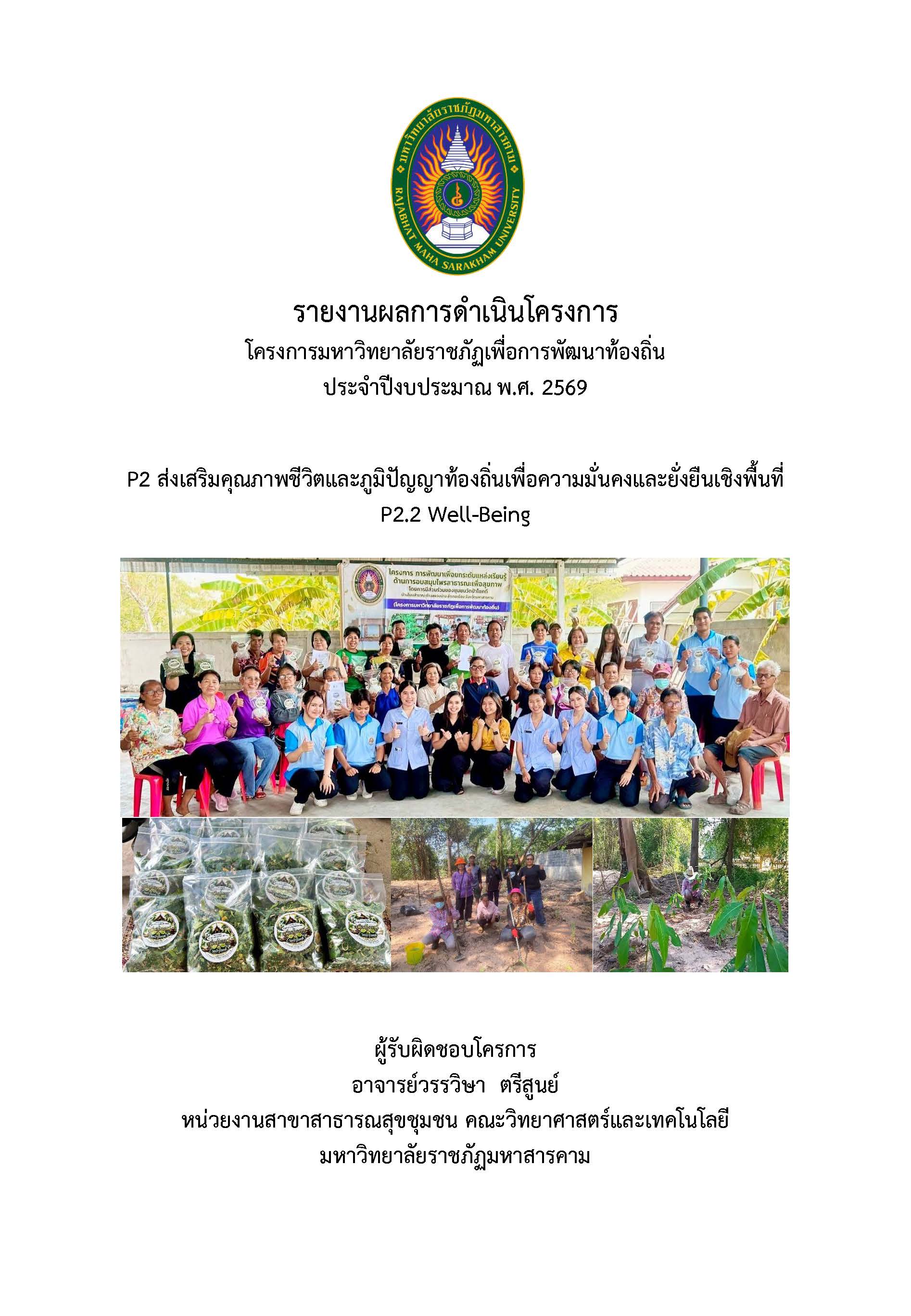
– April 30, 2026 19 มีนาคม 2569
– 30 เมษายน 2569
Part 1: Project Details ส่วนที่ 1 รายละเอียดการดำเนินงาน
Objectives วัตถุประสงค์โครงการ
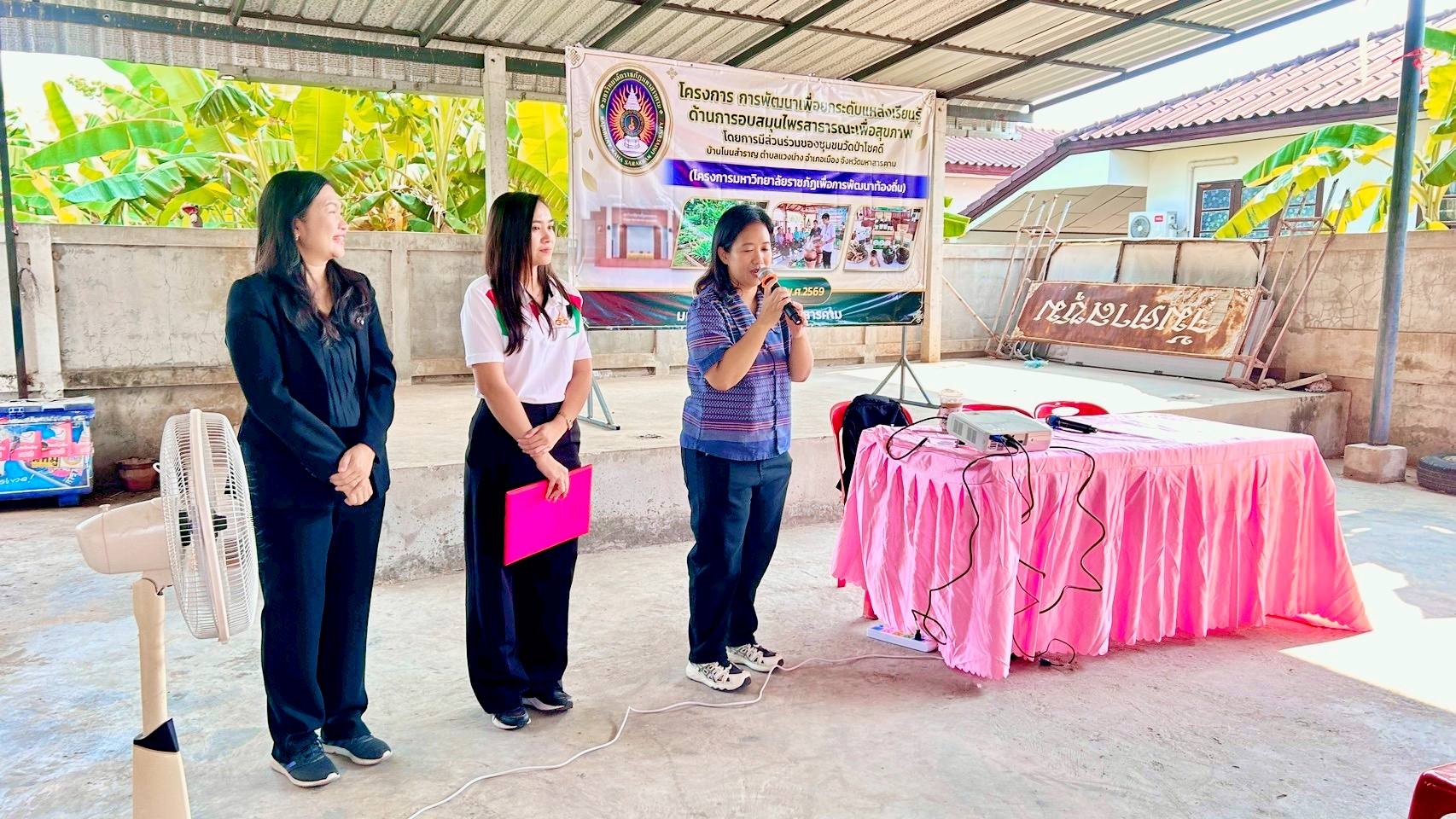
1. To enhance the public herbal sauna learning center for health promotion through the active participation of Ban Non Samran community members.
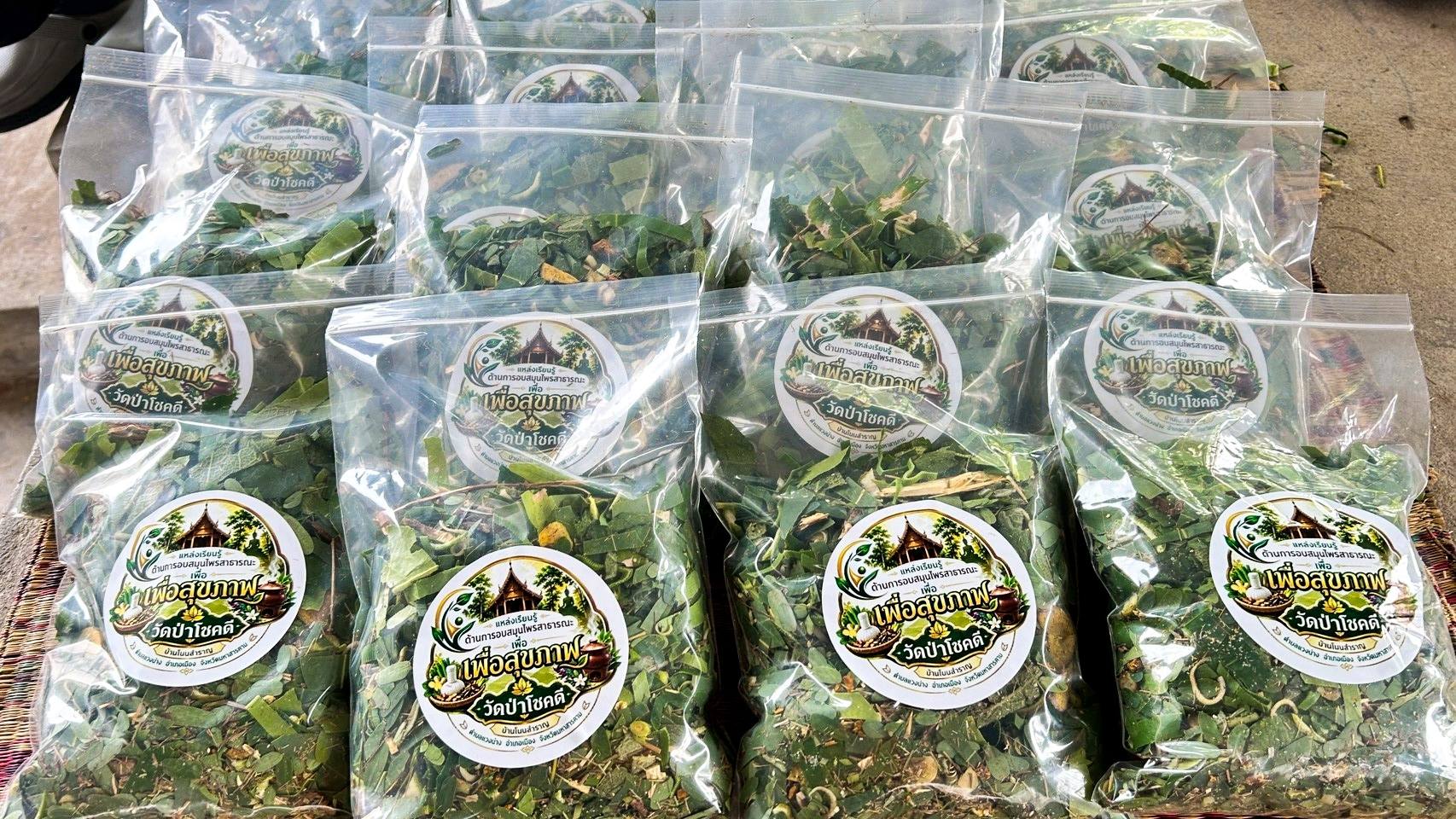
2. To develop the public herbal sauna facility at Wat Pa Chok Dee into a new community-based learning center for traditional health wisdom through participatory approaches.
3. To develop the facility as a holistic health-promoting environment for the community.
1. เพื่อยกระดับแหล่งเรียนรู้ด้านการอบสมุนไพรสาธารณะเพื่อสุขภาพ โดยการมีส่วนร่วมของชุมชนบ้านโนนสำราญ
2. เพื่อพัฒนาสถานที่อบสมุนไพรสาธารณะ วัดป่าโชคดี ให้เป็นแหล่งเรียนรู้ด้านภูมิปัญญาส่งเสริมสุขภาพแห่งใหม่โดยการมีส่วนร่วมของชุมชน
3. เพื่อพัฒนาเป็นสถานที่เสริมสร้างสุขภาวะแบบองค์รวมให้กับชุมชน
Main Activities กิจกรรมหลัก
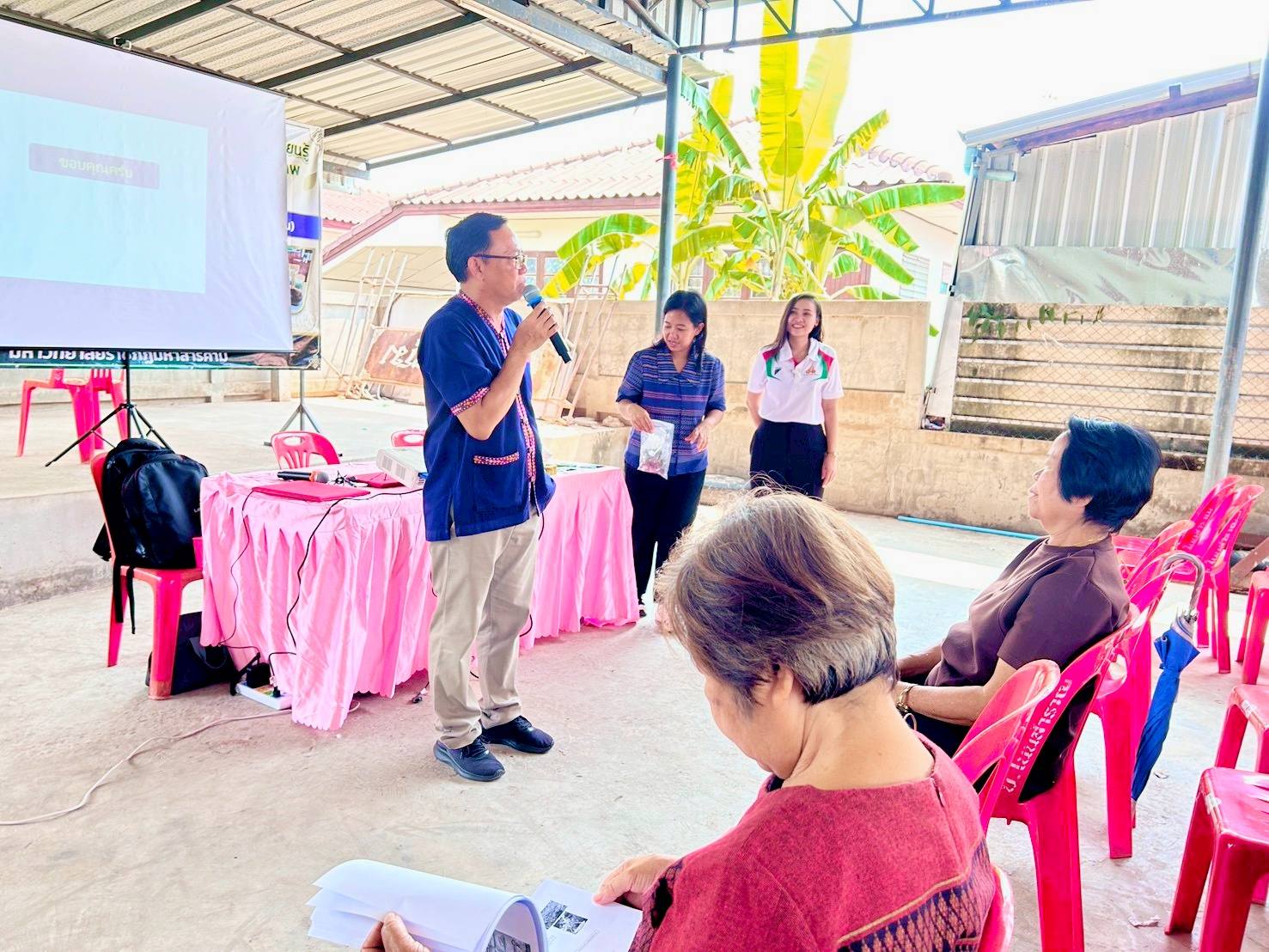
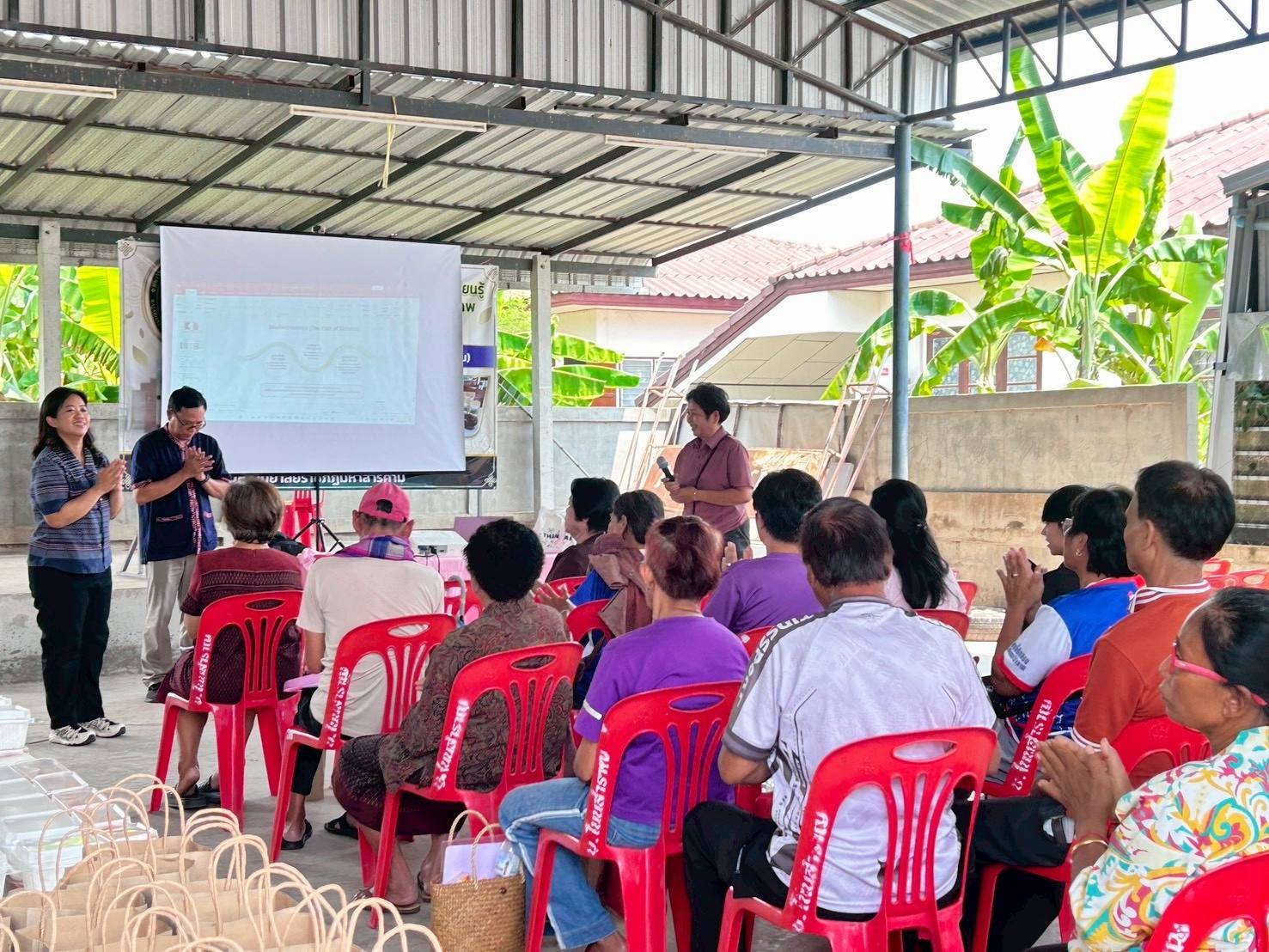
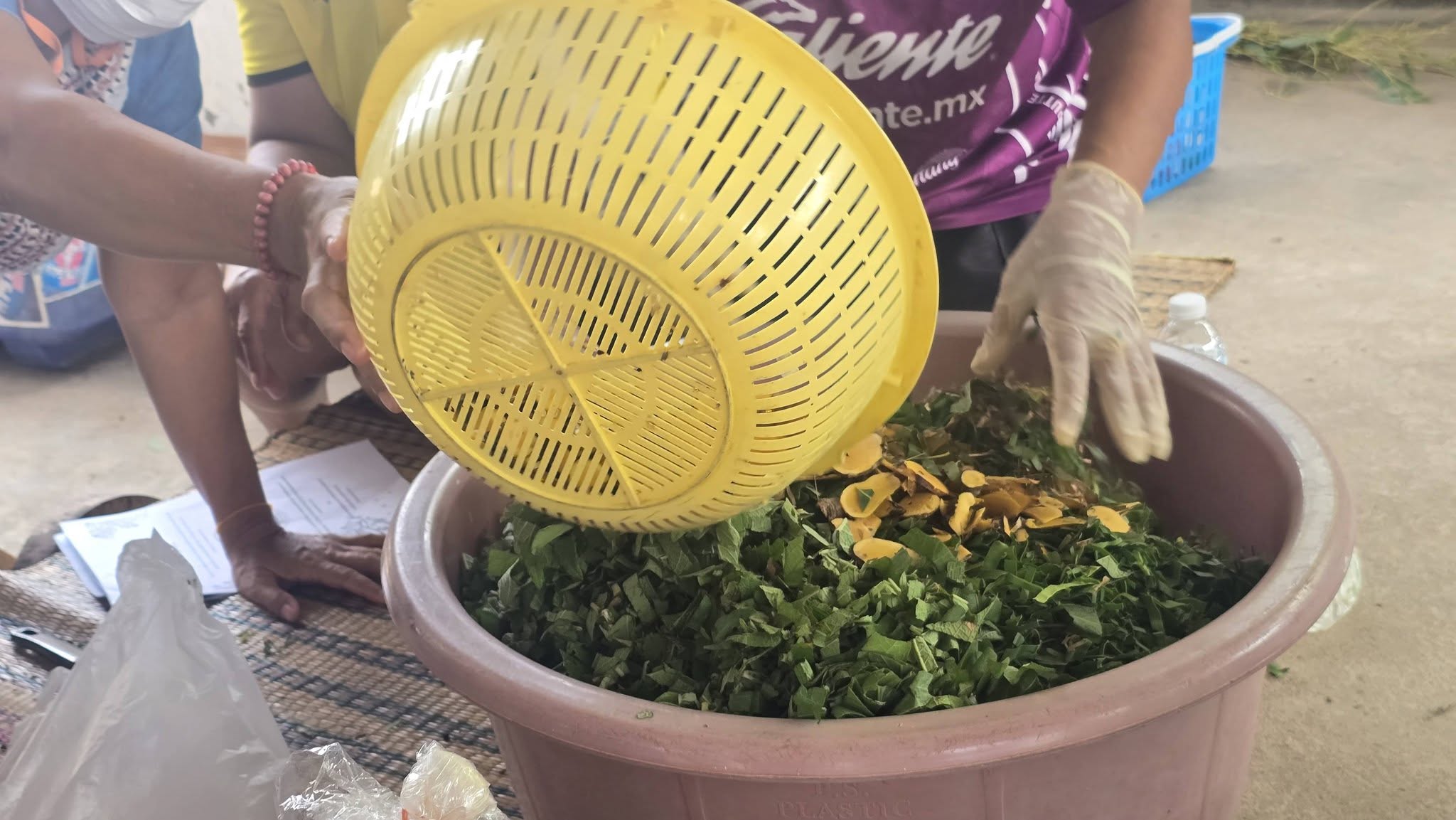
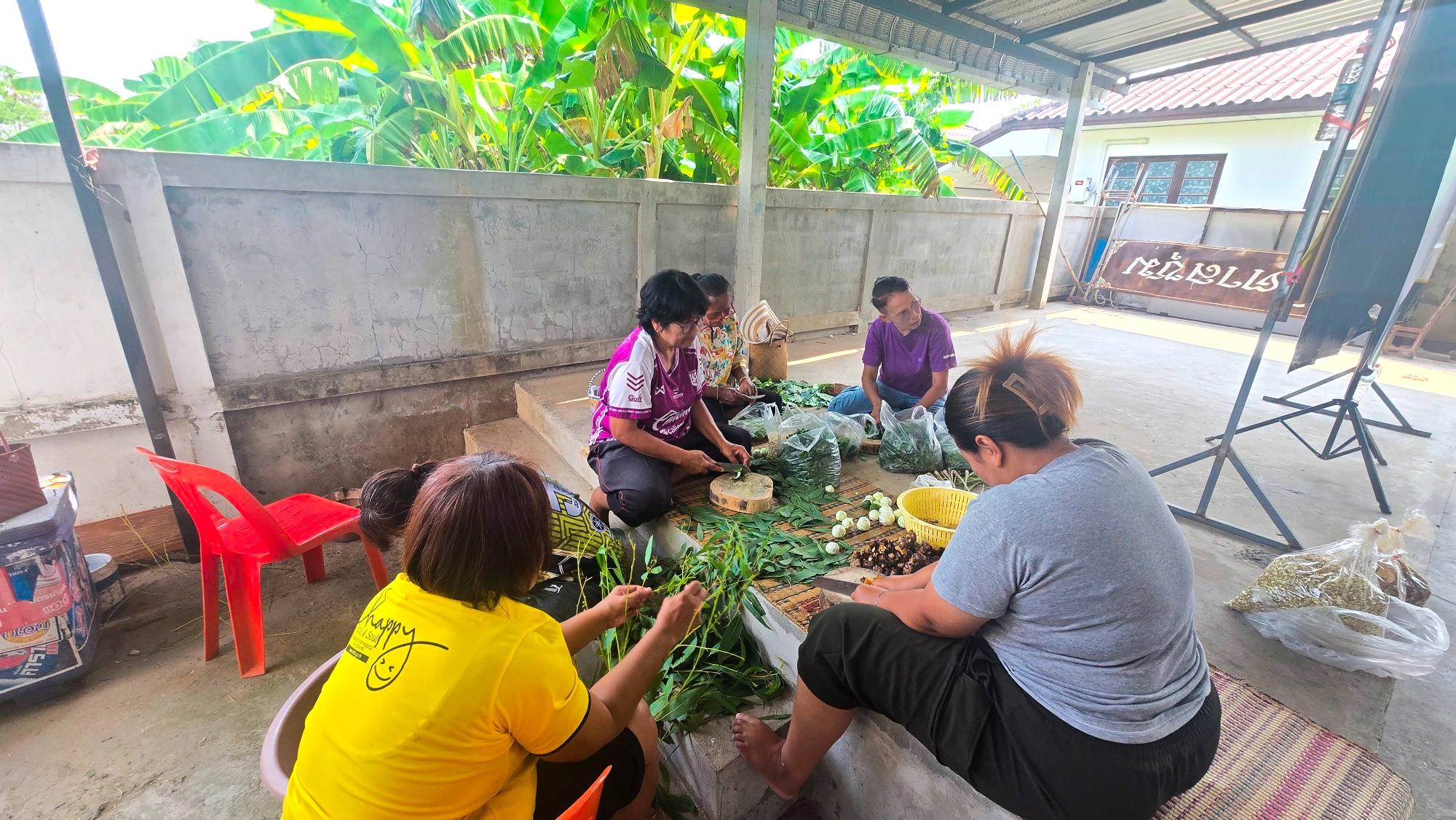
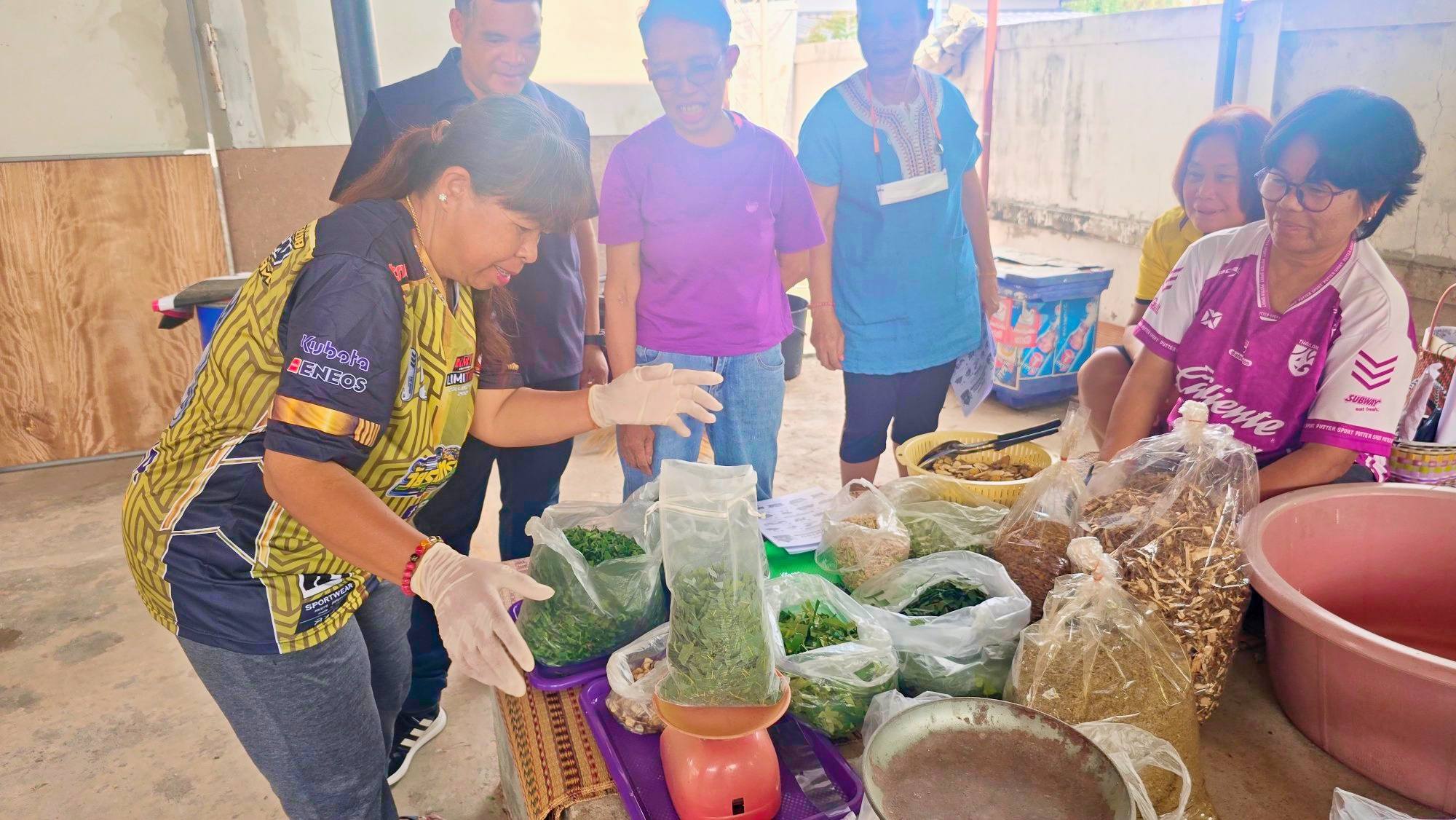
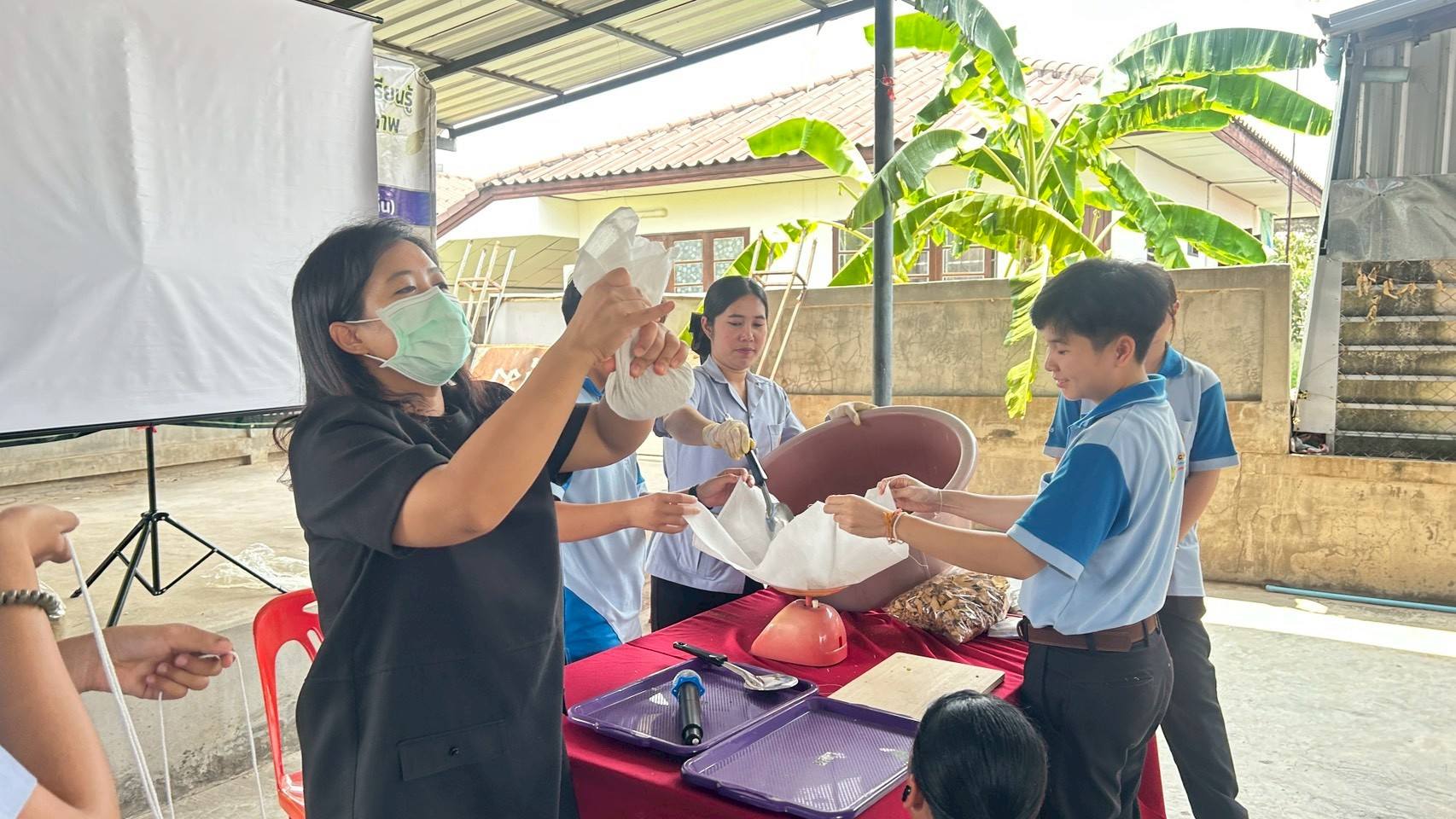
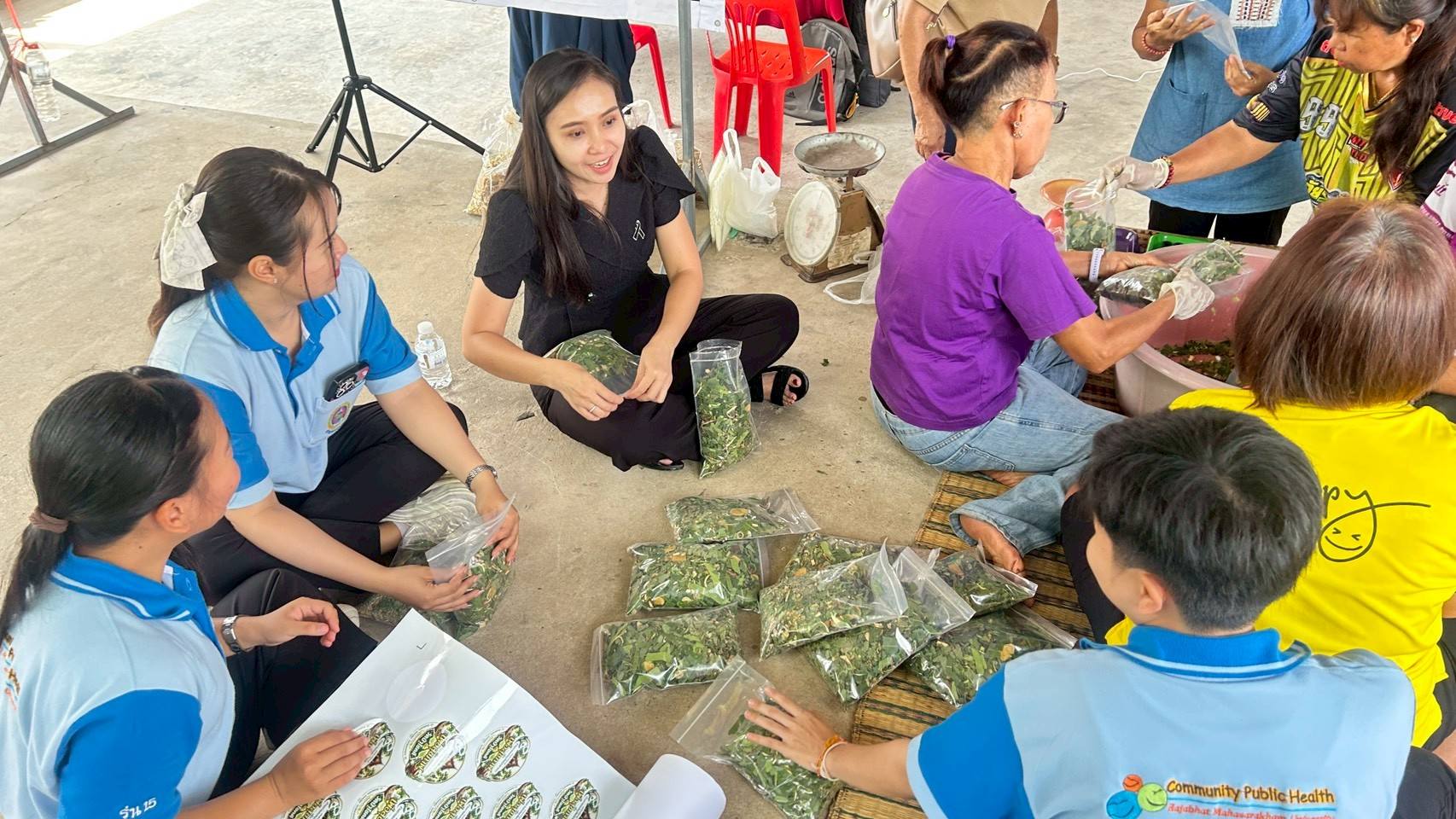
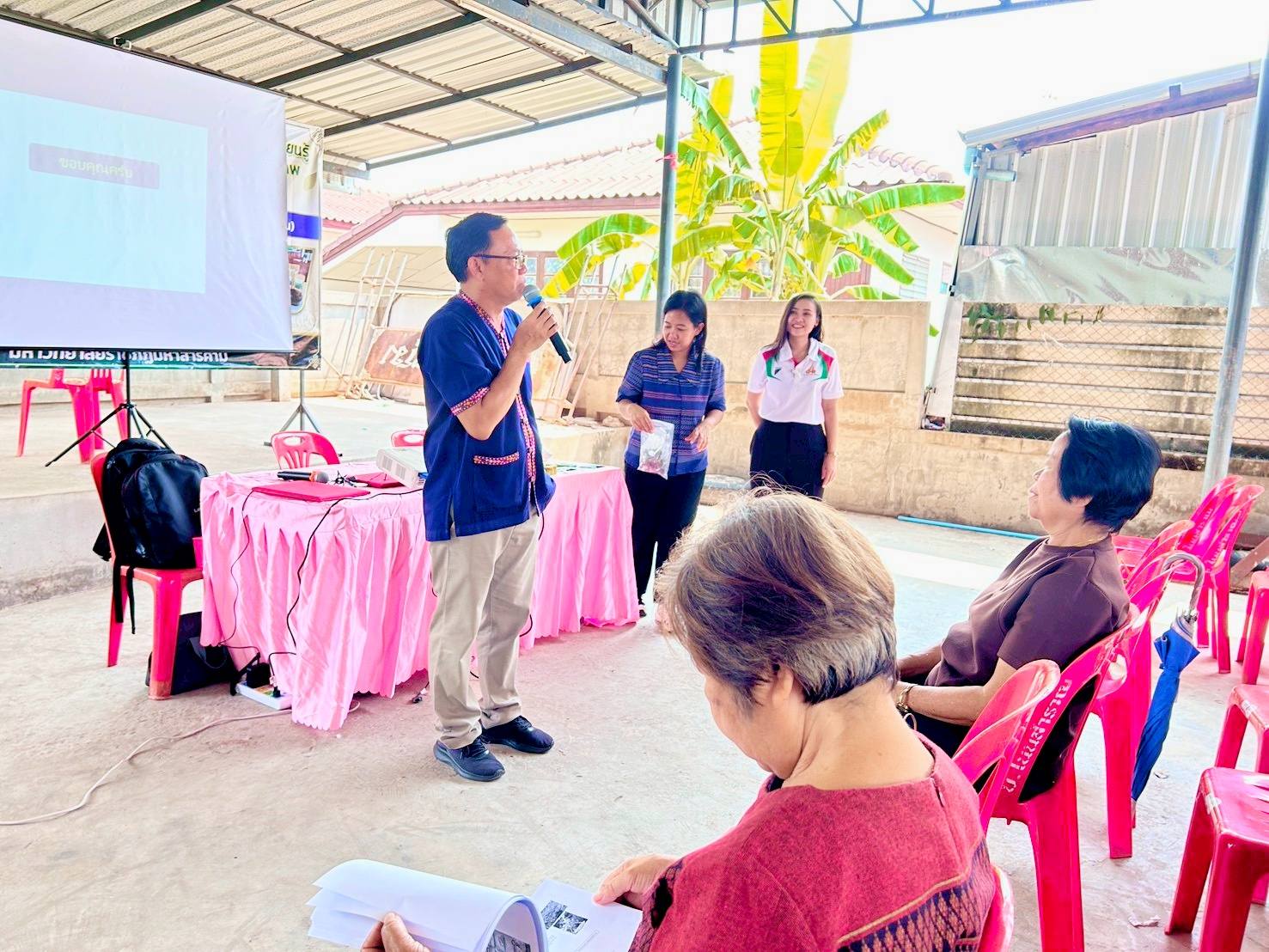
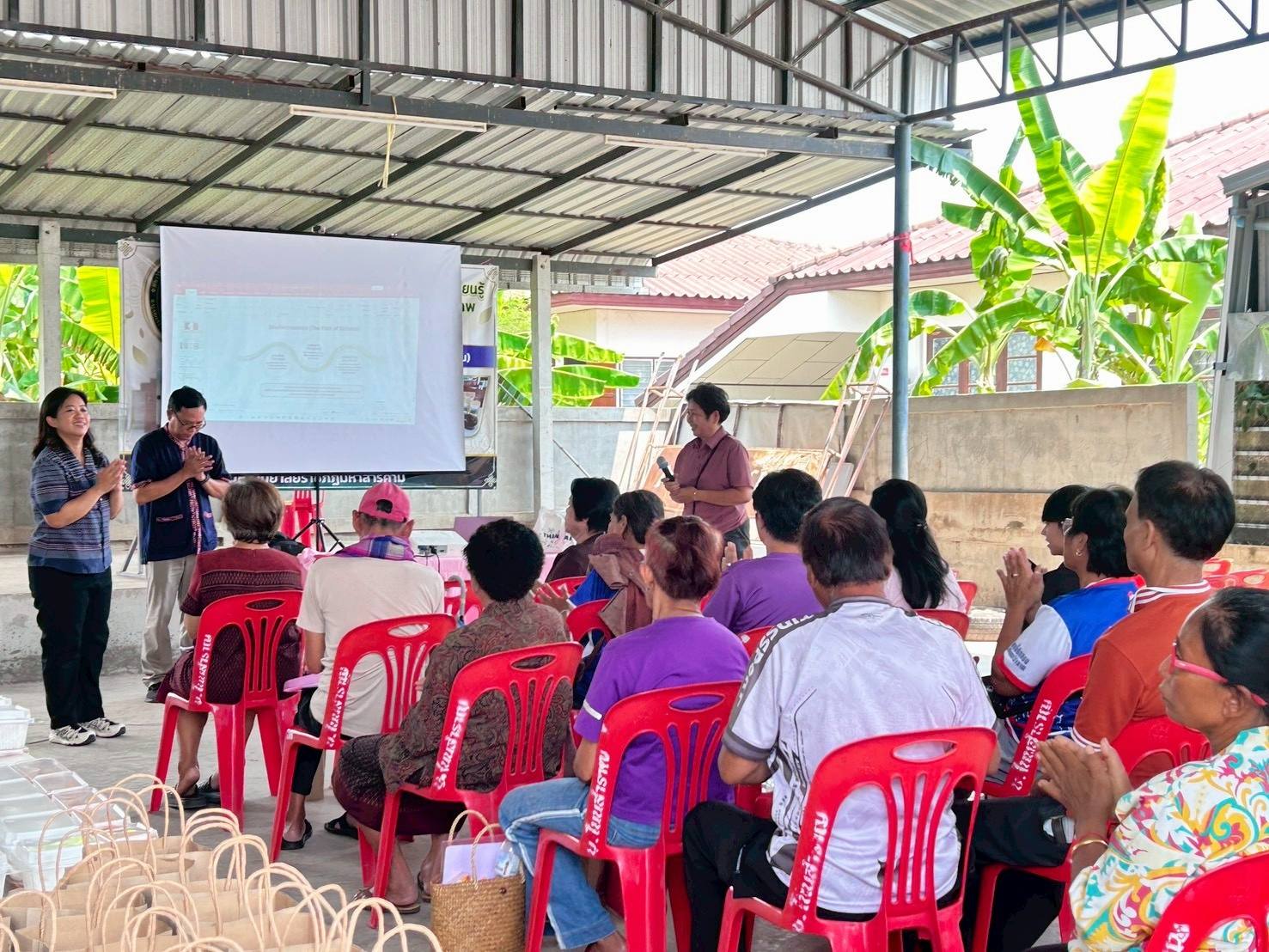
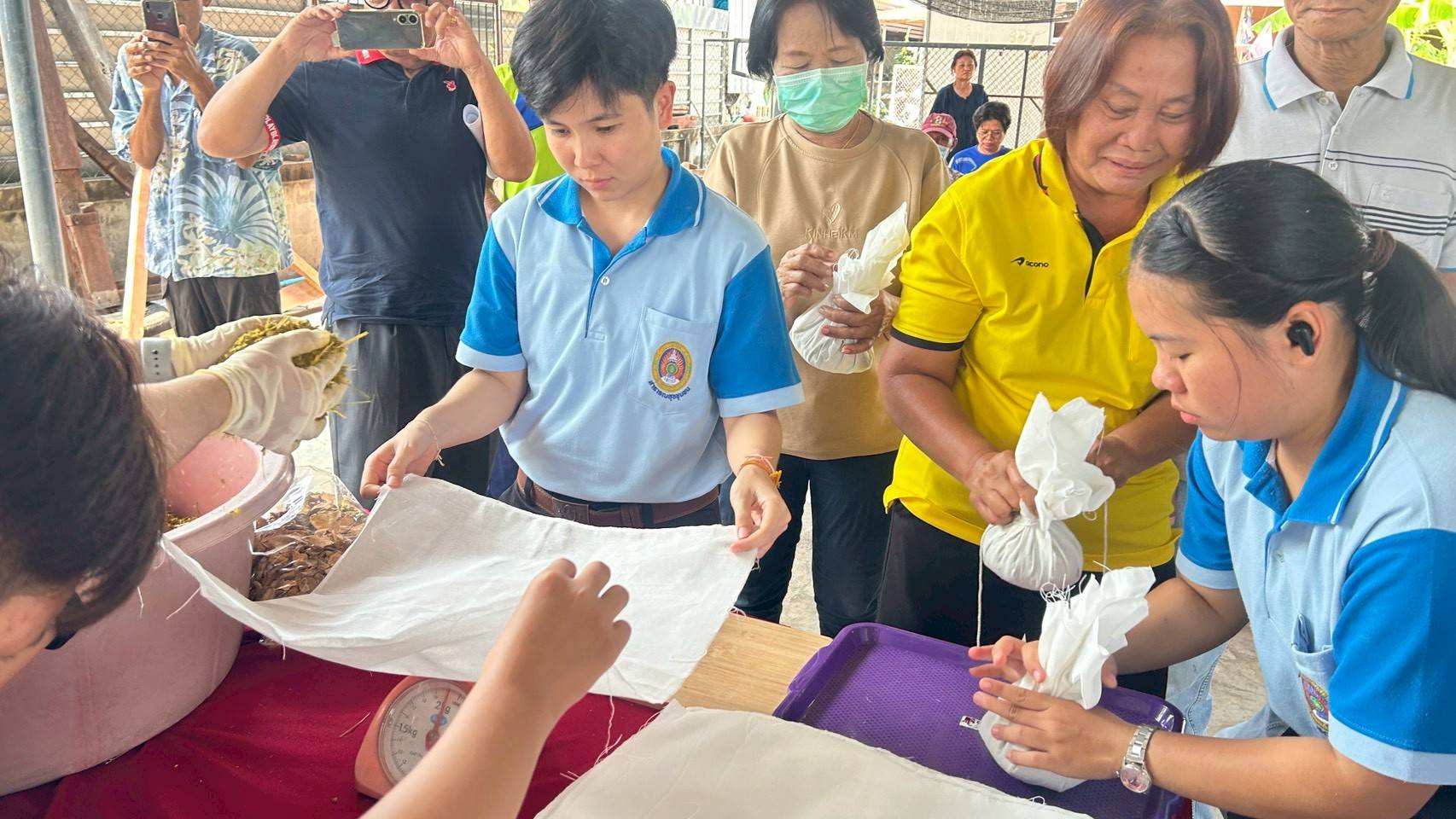
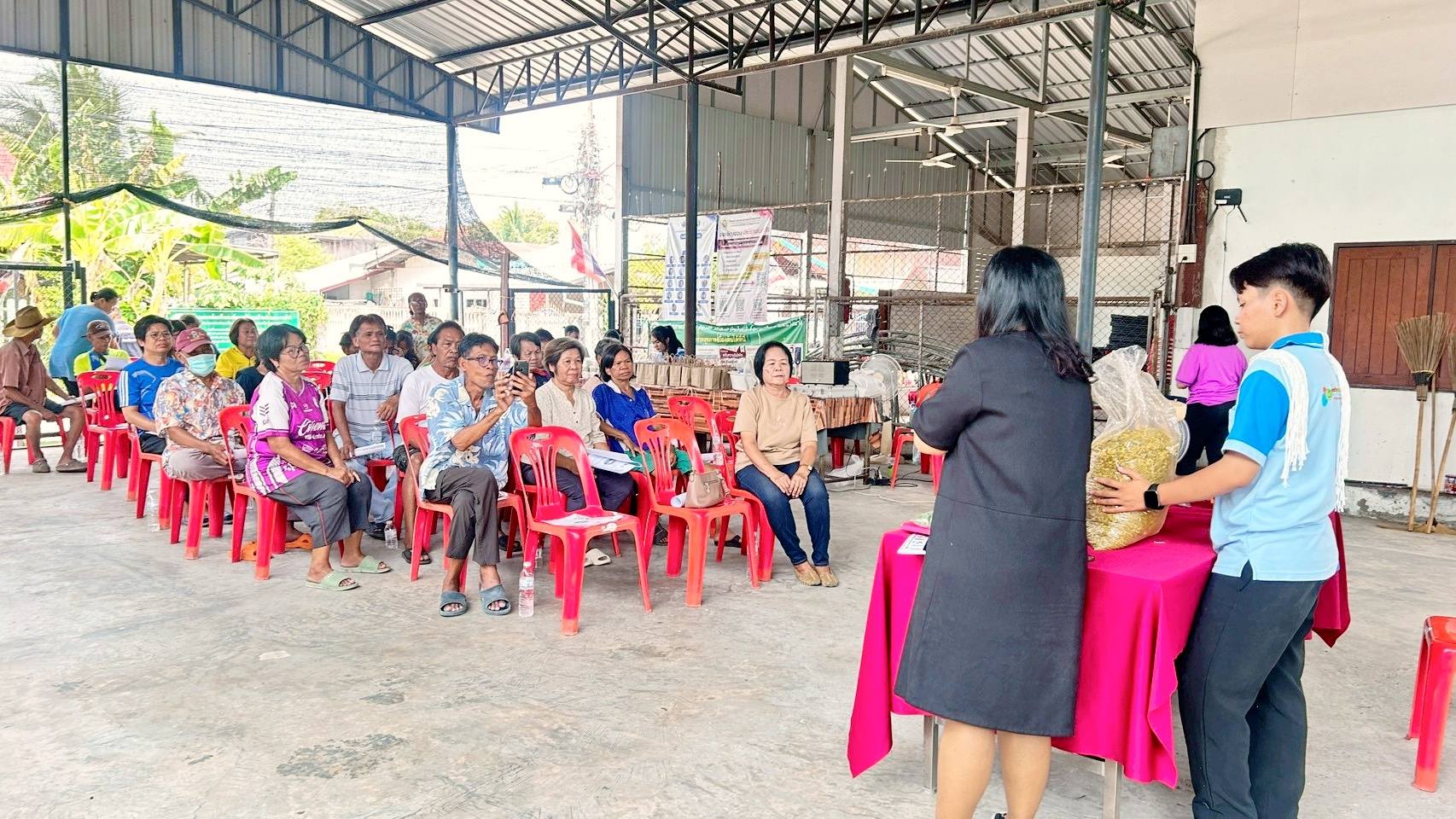
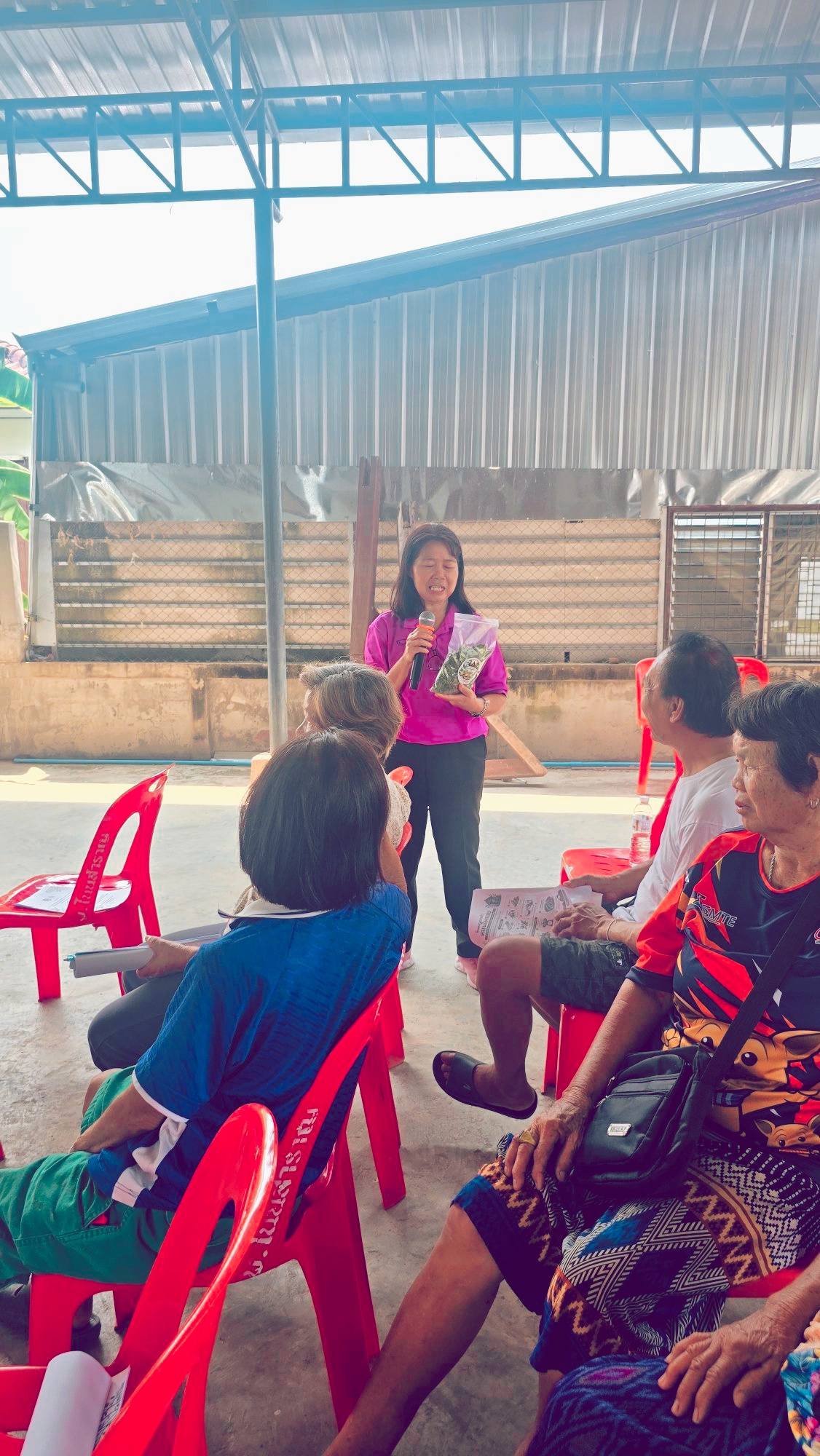
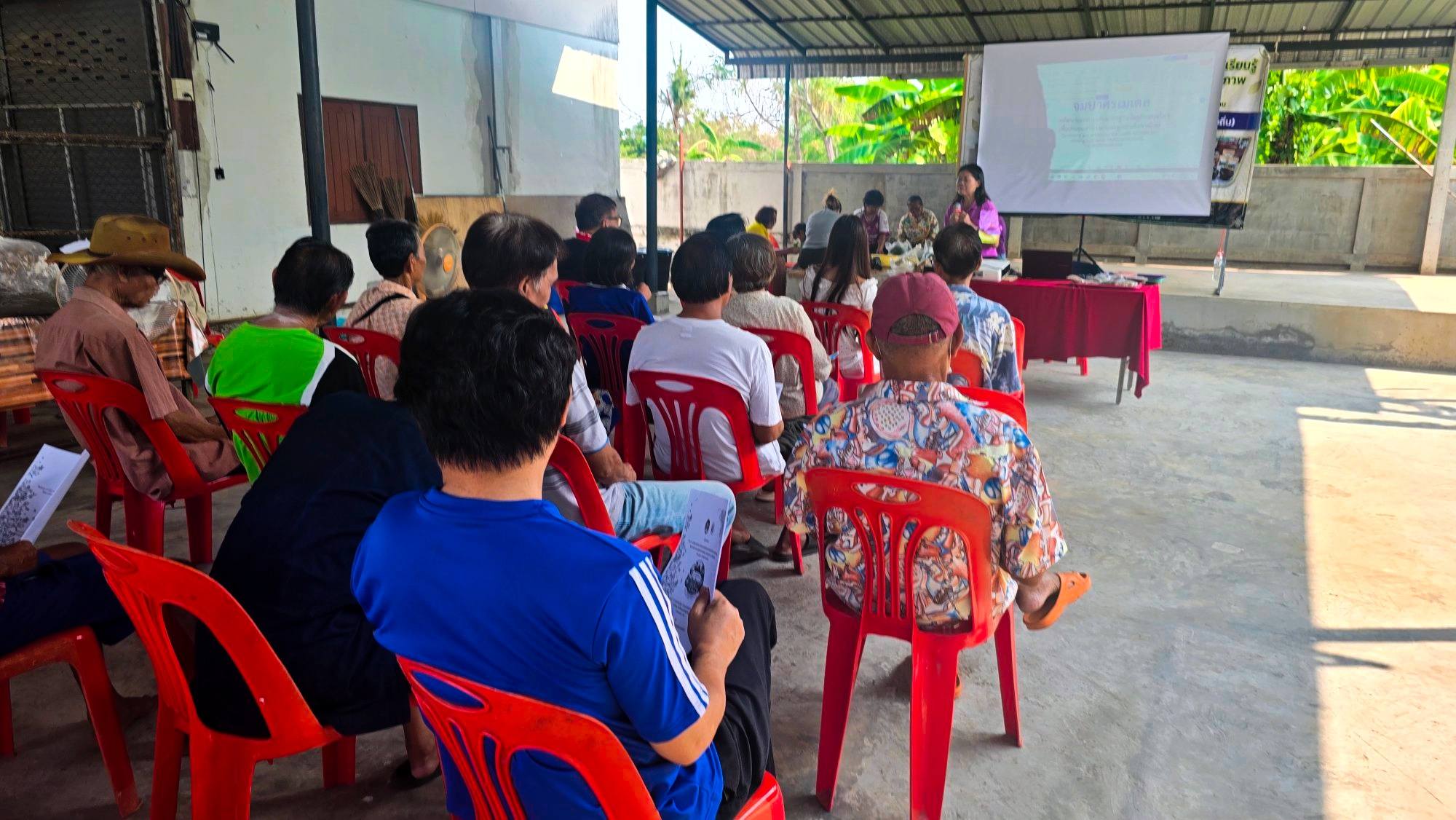
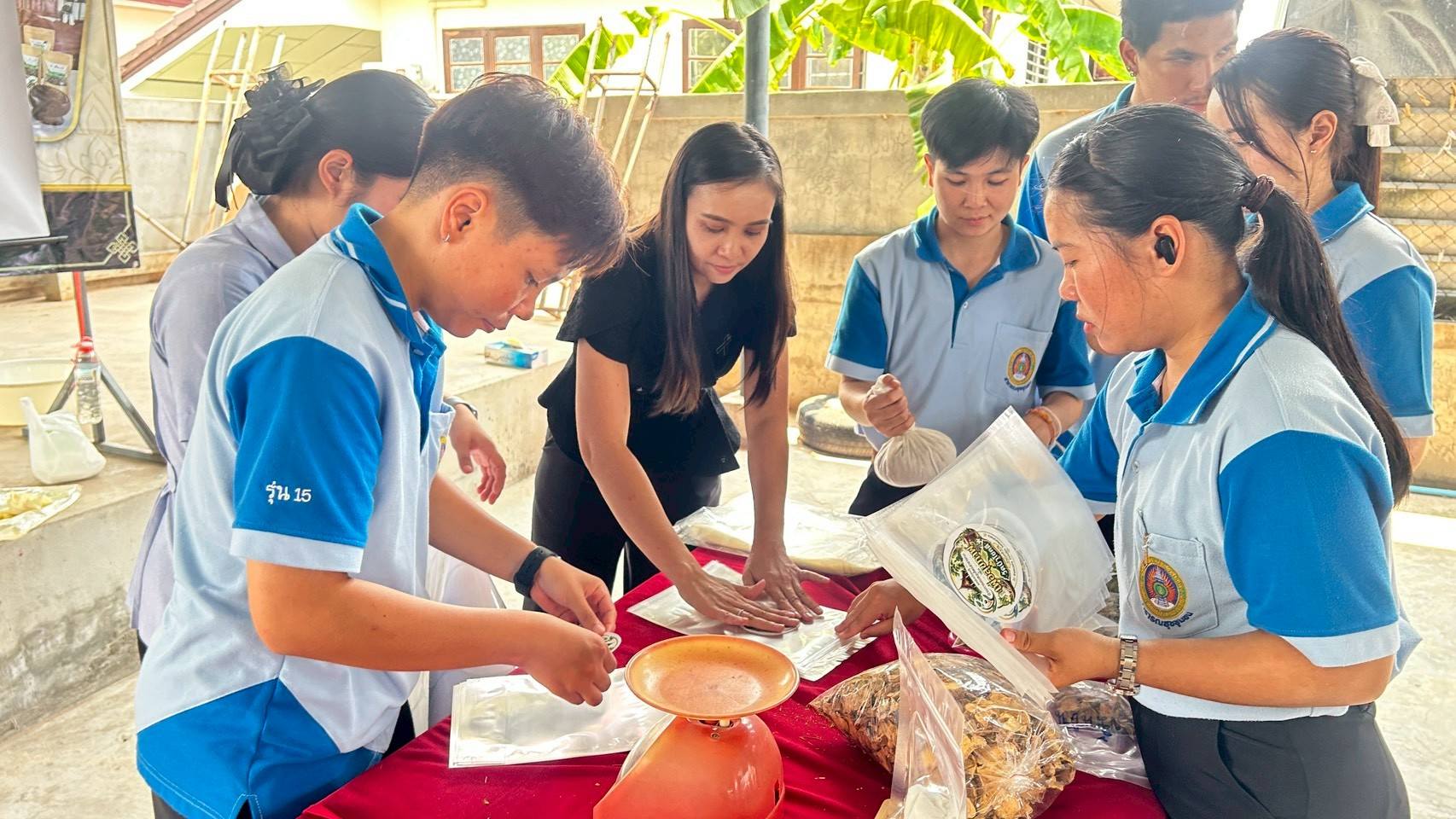
Activity 1: Workshop on Indigenous Herbal Knowledge Development Derived from Community Wisdom Keepers for Herbal Sauna Application and Primary Health Care (4 Days)
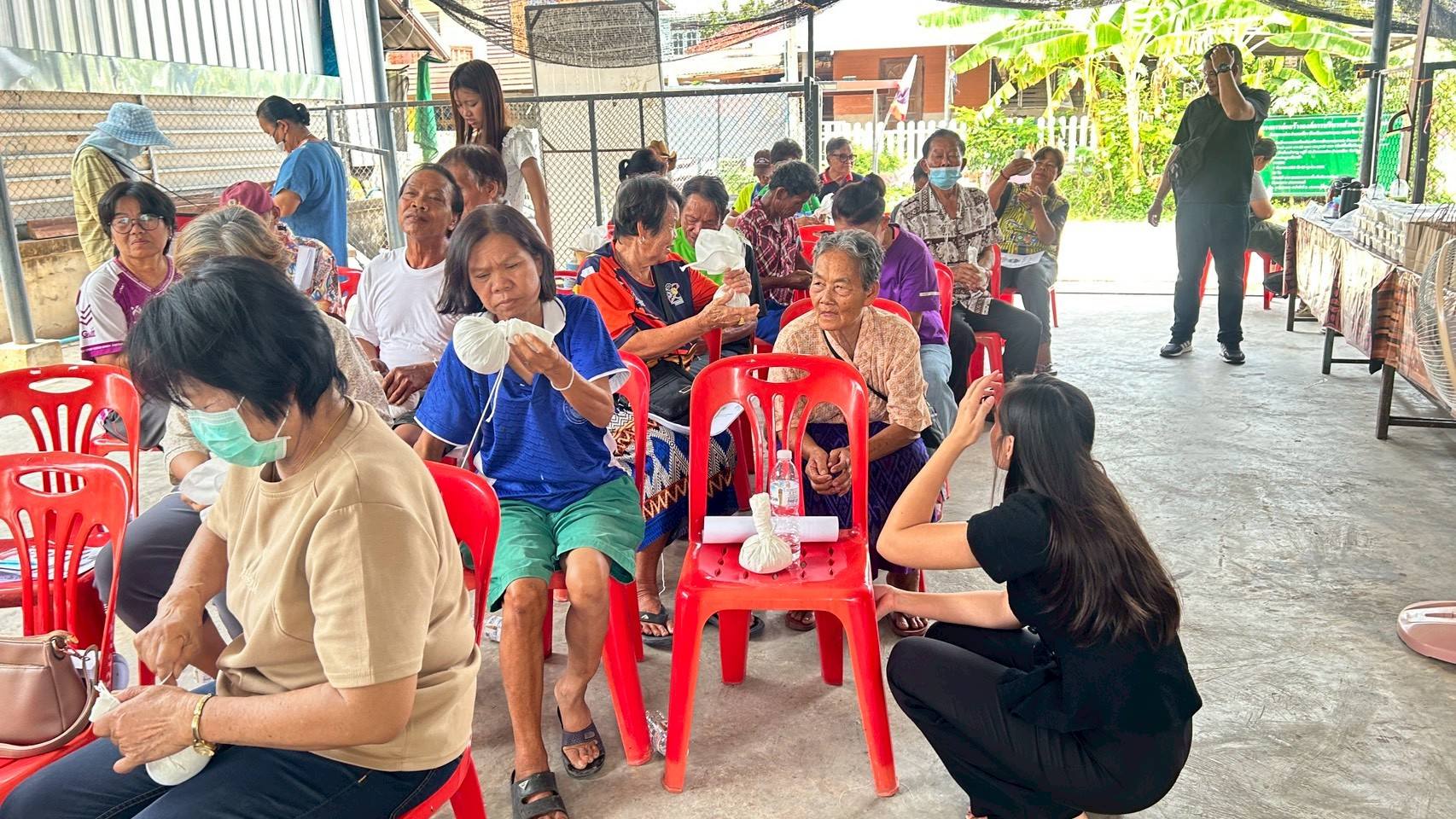
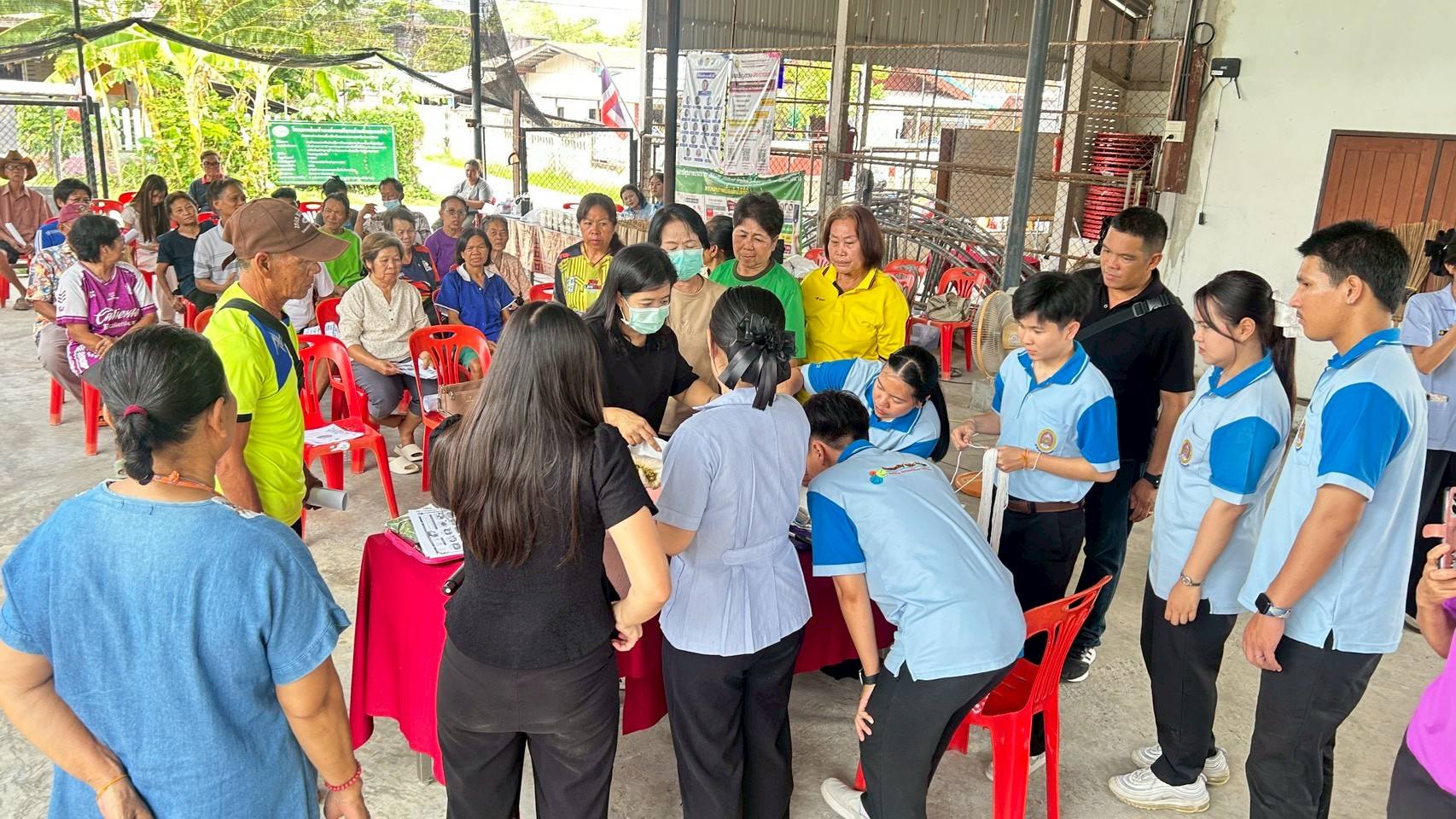
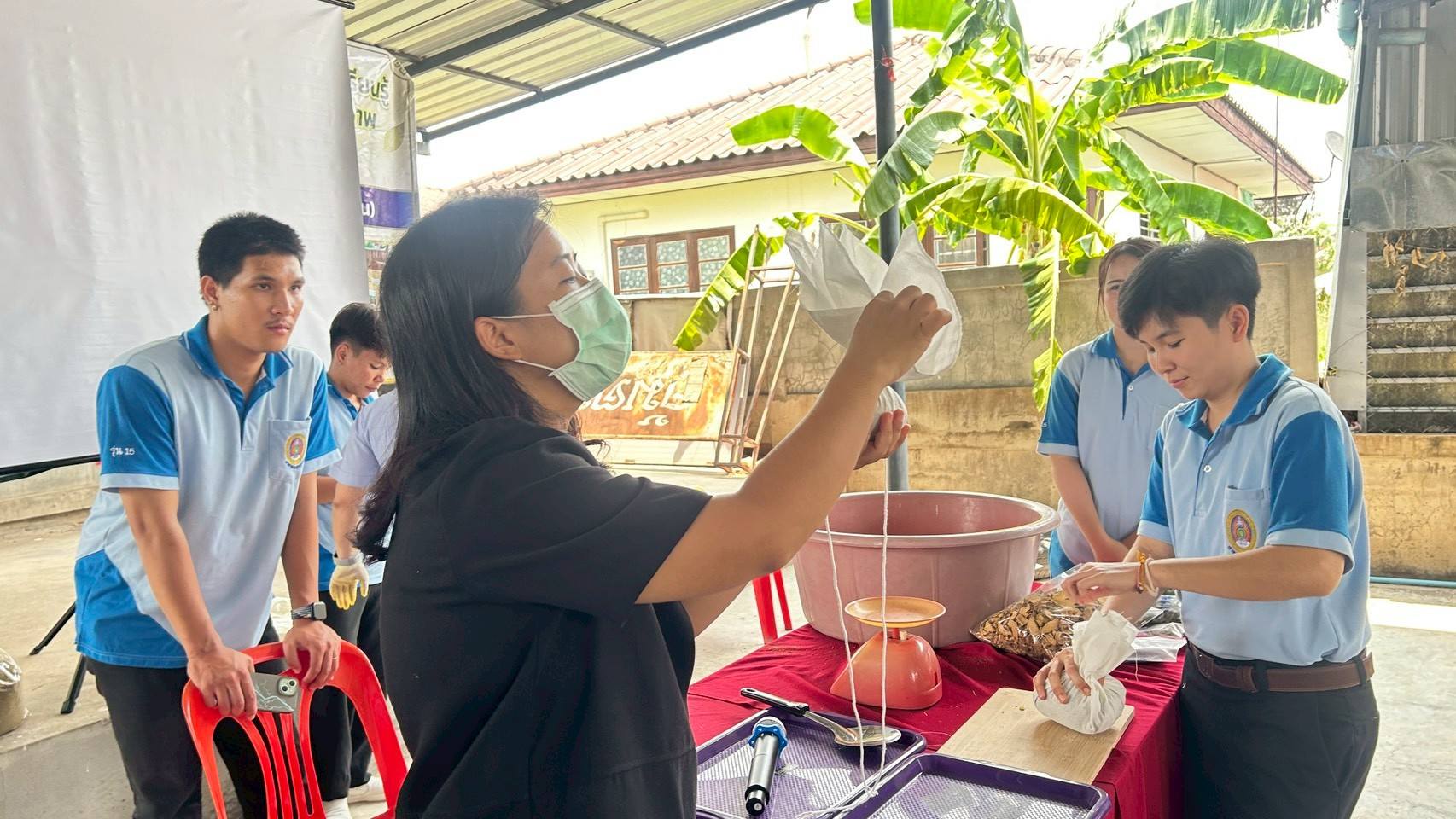
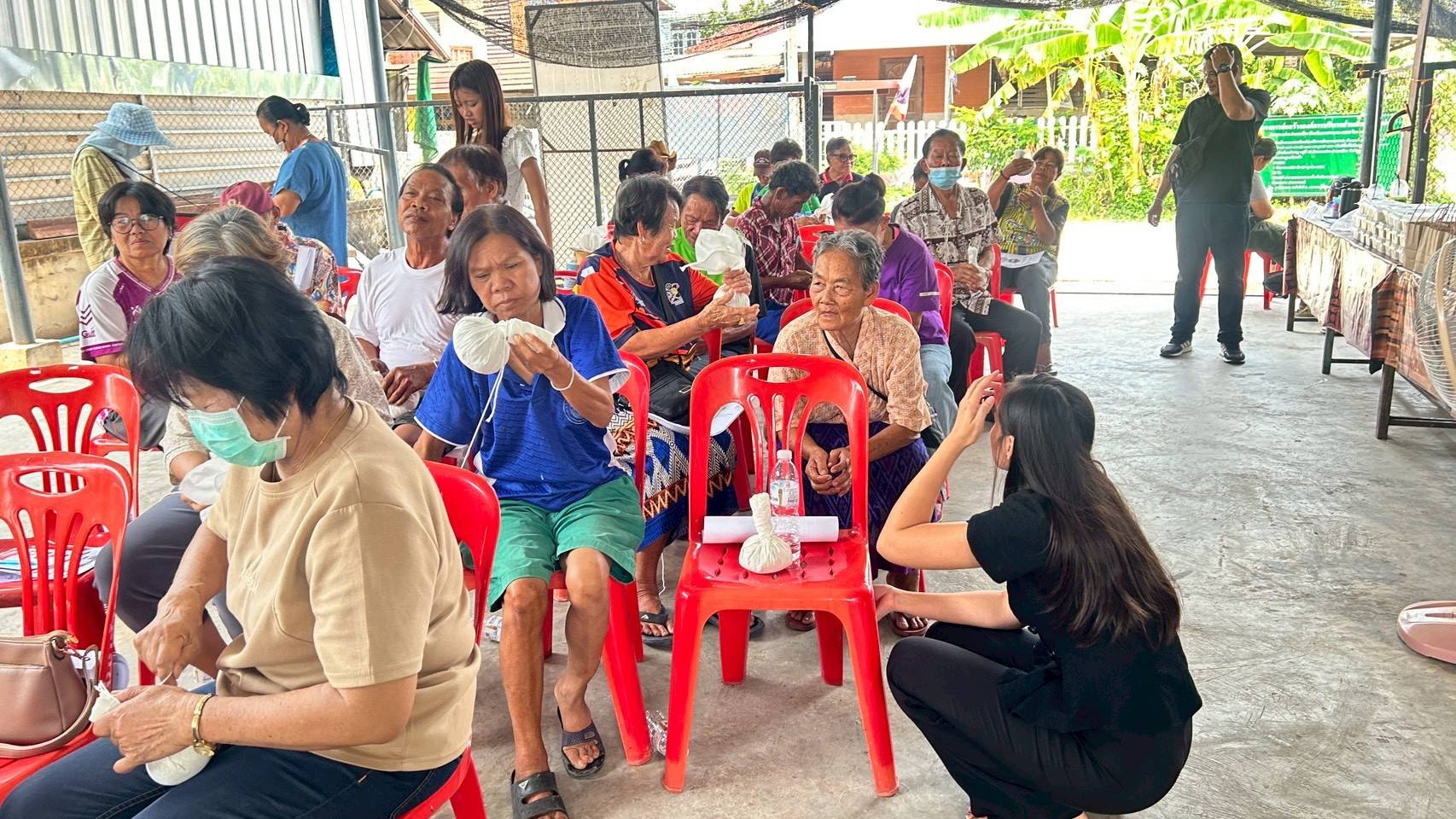
Activity 2: Workshop on Technology Transfer and Development of the Public Herbal Sauna Facility at Wat Pa Chok Dee into a New Traditional Wisdom-Based Health Promotion Learning Center (4 Days)
"กิจกรรมที่ 1 อบรมเชิงปฏิบัติการ การพัฒนาองค์ความรู้สมุนไพรพื้นบ้านจากภูมิปัญญาปราชญ์ชุมชน ที่ใช้สำหรับอบสมุนไพรและดูแลสุขภาพในระดับปฐมภูมิ ( 4 วัน) กิจกรรมที่ 2 อบรมเชิงปฏิบัติการ ถ่ายทอดเทคโนโลยีและการพัฒนาสถานที่อบสมุนไพรสาธารณะ วัดป่าโชคดี ให้เป็นแหล่งเรียนรู้ด้านภูมิปัญญา ส่งเสริมสุขภาพใหม่ ( 4 วัน)"
Part 2: Outcomes & Impact ส่วนที่ 2 ผลลัพธ์และผลกระทบ
Outcomes ผลลัพธ์ที่เกิดขึ้น
1. The public herbal sauna learning center for health at Wat Pa Chok Dee, Ban Non Samran, possesses a distinct and recognized cultural identity of its own.
2. Community members demonstrate enhanced knowledge, skills, and positive attitudes toward herbal-based self-health care.
3. The community has the capacity to independently manage and sustain its own health-related learning center.
4. The public herbal sauna service point at Wat Pa Chok Dee, Ban Non Samran, has been developed to meet hygienic standards in accordance with public health guidelines.
5. Lifelong learning is fostered and sustained at the community level in a sustainable manner.
1. แหล่งเรียนรู้ด้านการอบสมุนไพรสาธารณะเพื่อสุขภาพ วัดป่าโชคดี บ้านโนนสำราญ มีอัตลักษณ์ของตนเอง
2. ประชาชนมีความรู้ ทักษะ และทัศนคติที่ดีต่อการดูแลสุขภาพด้วยสมุนไพร
3. ชุมชนมีศักยภาพในการจัดการแหล่งเรียนรู้ด้านสุขภาพด้วยตนเอง
4. จุดให้บริการด้านการอบสมุนไพรสาธารณะเพื่อสุขภาพ วัดป่าโชคดี บ้านโนนสำราญ ได้รับการพัฒนาให้ถูกสุขลักษณะตามแนวทางสาธารณสุข
5. เกิดการเรียนรู้ตลอดชีวิต (Lifelong Learning) ในระดับชุมชนอย่างยั่งยืน
Community & Social Impact ผลกระทบต่อชุมชน/สังคม
Economic Dimension:
A new learning center is established, generating the circulation and utilization of local resources within the community.
Social Dimension:
Community enterprise groups are strengthened, and the Gross Village Happiness Index (GVH) demonstrates a measurable increase.
Educational Dimension:
Interdisciplinary knowledge integration among relevant organizations is achieved, a new learning unit is established, and a university-based collaborative network is developed.
Environmental Dimension:
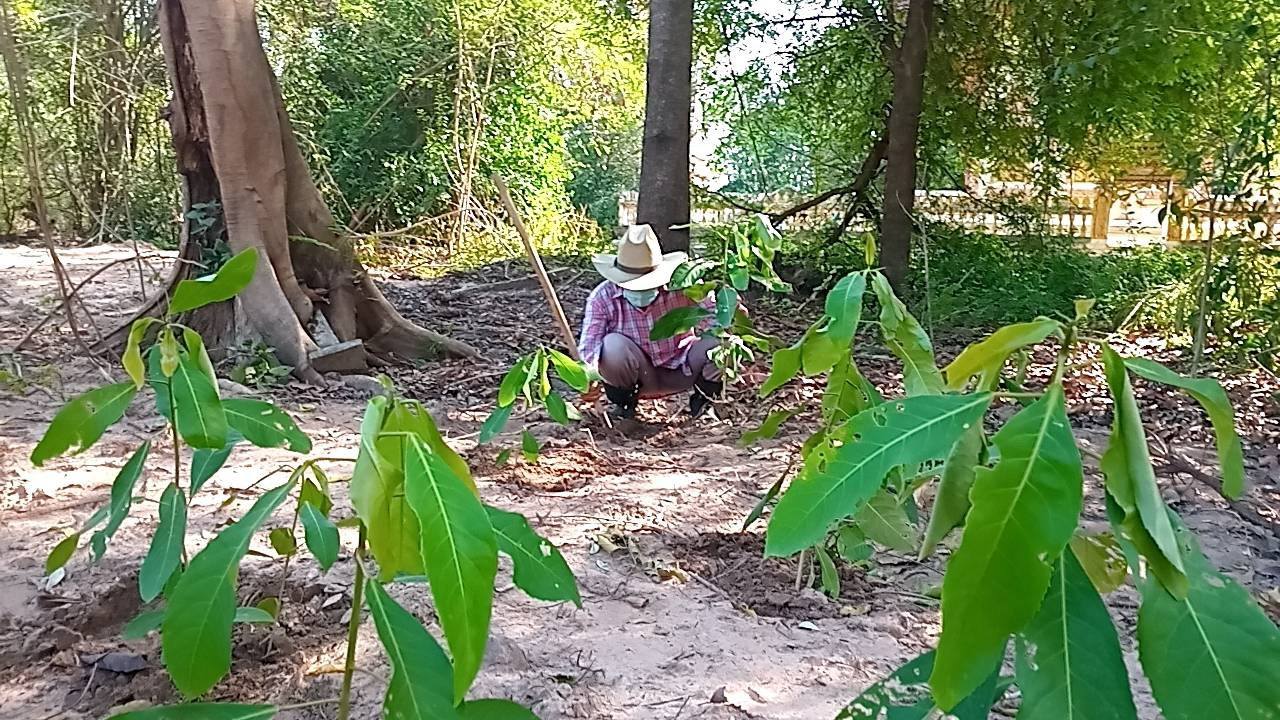
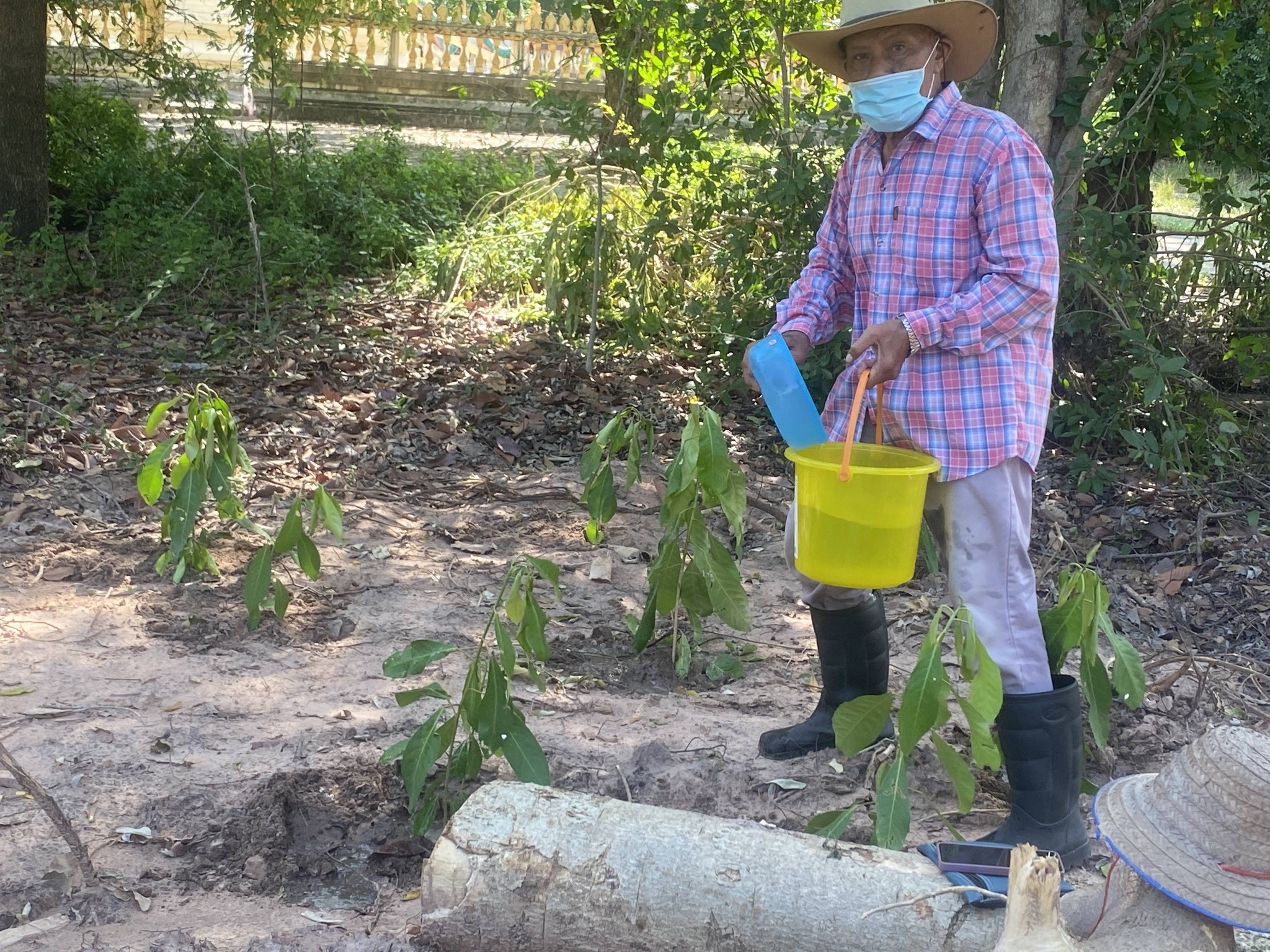
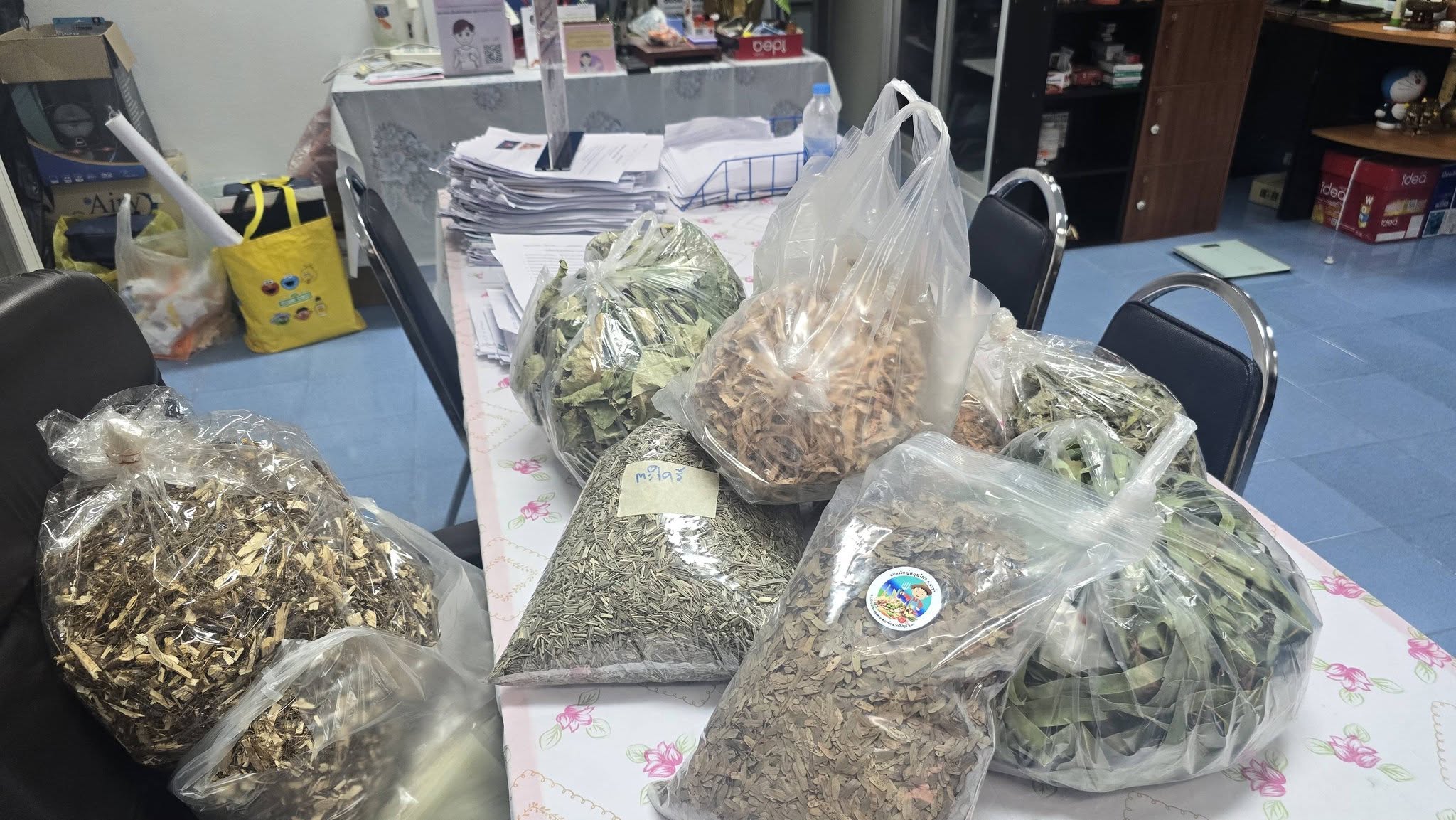
Medicinal plant conservation is promoted, and locally sourced herbs are effectively utilized for community health promotion.
ด้านเศรษฐกิจ เพิ่มเกิดแหล่งเรียนรู้ใหม่ มีการหมุนเวียนทรัพยากรในชุมชน
ด้านสังคม กลุ่มวิสาหกิจชุมชนเข้มแข็งขึ้น ดัชนีความสุขมวลรวม(GVH) เพิ่มขึ้น
ด้านการศึกษา เกิดการบูรณาการองค์ความรู้ระหว่างหน่วยงาน เกิดแหล่งเรียนรู้หน่วยใหม่ และสร้างเครือข่ายของ มหาวิทยาลัย
ด้านสิ่งแวดล้อม เกิดการอนุรักษ์พืชสมุนไพร และนำสมุนไพรมาใช้ในการส่งเสริมสุขภาพ
Student & Staff Participation การมีส่วนร่วมของนักศึกษา/บุคลากร
1. Students
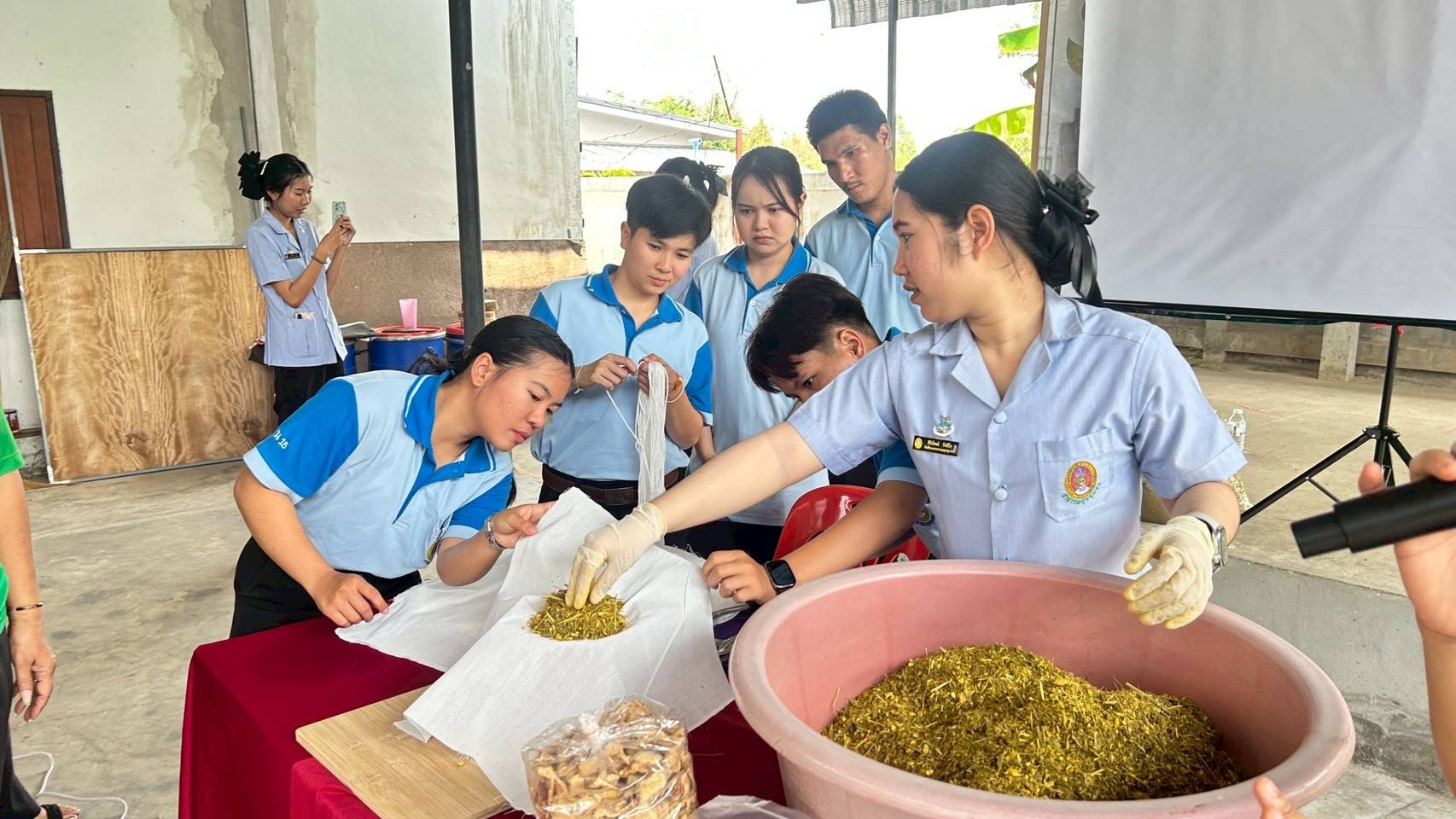
Thirty students participating in the project will acquire knowledge and demonstrate the ability to integrate interdisciplinary understanding of indigenous herbal health promotion and primary health care through community-based academic service. This process gives rise to a genuinely learner-centered instructional model, which is well-aligned with professional competencies in community public health, particularly in the domain of primary health care delivery.
Furthermore, participating students will be able to apply the skills gained through project involvement within their own communities, or integrate such skills into future health service provision relevant to their professional practice.
2. Faculty Members and Personnel
Faculty members and personnel participating in the project will engage in self-development in conjunction with societal contribution. They will advance community participatory-based instructional design as a means of fostering student skills with an emphasis on Lifelong Learning. This approach is consistent with the community public health curriculum and gives rise to an integrated model that simultaneously encompasses academic service, teaching and learning, and research.
3. The University
The university will have successfully fulfilled its core institutional missions and achieved its stated objectives.
1. นักศึกษาจำนวน 30 คน ที่เข้าร่วมโครงการ ได้รับความรู้และสามารถบูรณาการองค์ความรู้ด้านการส่งเสริมและดูแลสุขภาพ ด้วยสมุนไพรพื้นบ้านในระดับปฐมภูมิ ผ่านการบริการวิชาการร่วมกับชุมชนได้ดีเกิดเป็นกระบวนการเรียนรู้ในรูปแบบการจัดการเรียนการสอน ที่เน้นผู้เรียนเป็นสำคัญอย่างแท้จริง ซึ่งยังมีความสอดคล้องกับทักษะทางวิชาชีพสาธารณสุขชุมชน โดยเฉพาะด้านการดูแลสุขภาพในระดับปฐมภูมิ
นักศึกษาผู้เข้าร่วม สามารถนำทักษะที่ได้จากการเข้าร่วมโครงการไปประยุกต์ใช้ในชุมชนที่ตนอาศัย หรือนำไปบูรณาการกับการให้บริการด้านสุขภาพ ที่เกี่ยวข้องกับวิชาชีพในอนาคตได้
2. คณาจารย์และบุคลากรผู้เข้าร่วมโครงการ ได้พัฒนาตนเองร่วมกับสังคม ได้พัฒนาการจัดรูปแบบการเรียนการสอนโดยกระบวนการมีส่วนร่วมของชุมชน เป็นการจัดการเรียนรู้เพื่อพัฒนาทักษะนักศึกษาที่เน้นการเรียนรู้ ตลอดชีวิต (Lifelong Learning) มีความสอดคล้องกับหลักสูตรสาธารณสุขชุมชน และเกิดรูปแบบการบริการวิชาการร่วมกับการเรียนการสอนและการวิจัยไปพร้อมกัน
3. มหาวิทยาลัยได้ดำเนินการตามภารกิจ บรรลุวัตถุประสงค์ที่ตั้งไว้
Project Continuity ความต่อเนื่องของโครงการ
The public herbal sauna learning center contributes to a reduction in household health expenditures, promotes preventive health care practices, and enhances the opportunity for the sustainable and cost-effective utilization of local biological resources.
Community participation in the management of the learning center results in the strengthening of community networks, the intergenerational transmission of indigenous knowledge, and the establishment of a lifelong learning space. These outcomes collectively contribute to reducing educational inequality and improving the long-term quality of life of community members.
When the achieved outcomes are assessed in relation to the project budget, it is evident that the project generates social value that significantly exceeds the monetary investment, as reflected in improved community well-being, strengthened community capacity, and the long-term sustainability of the learning center.
The project coordinator and team remain committed to providing continuous coordination and guidance even beyond the official conclusion of the project.
การดำเนินโครงการนี้ก่อให้เกิดผลตอบแทนทางสังคมในหลายมิติ ทั้งด้านสุขภาพ เศรษฐกิจ สังคม และการเรียนรู้ โดยการพัฒนาแหล่งเรียนรู้ด้านการอบสมุนไพรสาธารณะช่วยลดค่าใช้จ่ายด้านการดูแลสุขภาพของประชาชน ส่งเสริมการดูแลสุขภาพเชิงป้องกัน และเพิ่มโอกาสในการใช้ทรัพยากรชีวภาพในท้องถิ่นอย่างคุ้มค่า
การมีส่วนร่วมของชุมชนในการจัดการแหล่งเรียนรู้ ส่งผลให้เกิดความเข้มแข็งของเครือข่ายชุมชน การถ่ายทอดองค์ความรู้จากรุ่นสู่รุ่น และการสร้างพื้นที่เรียนรู้ตลอดชีวิต ซึ่งช่วยลดความเหลื่อมล้ำทางการศึกษาและยกระดับคุณภาพชีวิตของประชาชนในระยะยาว เมื่อพิจารณาผลลัพธ์ที่เกิดขึ้นเปรียบเทียบกับงบประมาณที่ใช้ พบว่าโครงการสามารถสร้างคุณค่าทางสังคมที่สูงกว่ามูลค่าเงินลงทุน ทั้งในรูปของสุขภาวะที่ดีขึ้น ความเข้มแข็งของชุมชน และความยั่งยืนของแหล่งเรียนรู้
ผู้รับผิดชอบโครงการและคณะ ประสานงานและให้คำแนะนำอย่างต่อเนื่องแม้สิ้นสุดการดำเนินโครงการ
Part 3: Challenges & Suggestions ส่วนที่ 3 ปัญหาอุปสรรค/ข้อเสนอแนะ
Problems & Obstacles ปัญหา/อุปสรรค
1. Due to the current involvement of private sector stakeholders in the management of the herbal sauna facility, the planning and implementation of project activities required additional consideration of mutually agreed-upon operational constraints. As a result, certain components of the project were supplemented with additional content to ensure a more comprehensive and shared understanding among all parties involved.
2. The project implementation underwent certain modifications and scheduling adjustments in order to align with the community calendar and ensure effective community engagement.
1.เนื่องด้วยการบริหารจัดการของสถานที่อบสมุนไพร ในปัจจุบัน ได้มีในส่วนของเอกชนเข้ามาเกี่ยวข้อง ทำให้การจัดกิจกรรมจะต้องพิจารณาถึงข้อจำกัดร่วมกันเพิ่มเติม ทำให้การดำเนินงานบางเรื่องมีการเพิ่มเติมเนื้อหาเพื่อการเข้าใจมากขึ้น
2.การดำเนินการมีการปรับเปลี่ยนบ้างและเลื่อนวัน เพราะให้สอดคล้องกับปฏิทินชุมชน
Improvement Guidelines แนวทางการปรับปรุง
1. A continuous project should be implemented to ensure comprehensive development across all relevant dimensions.
2. Project activities ought to be systematically integrated and aligned with the community calendar to maximize community participation and operational effectiveness.
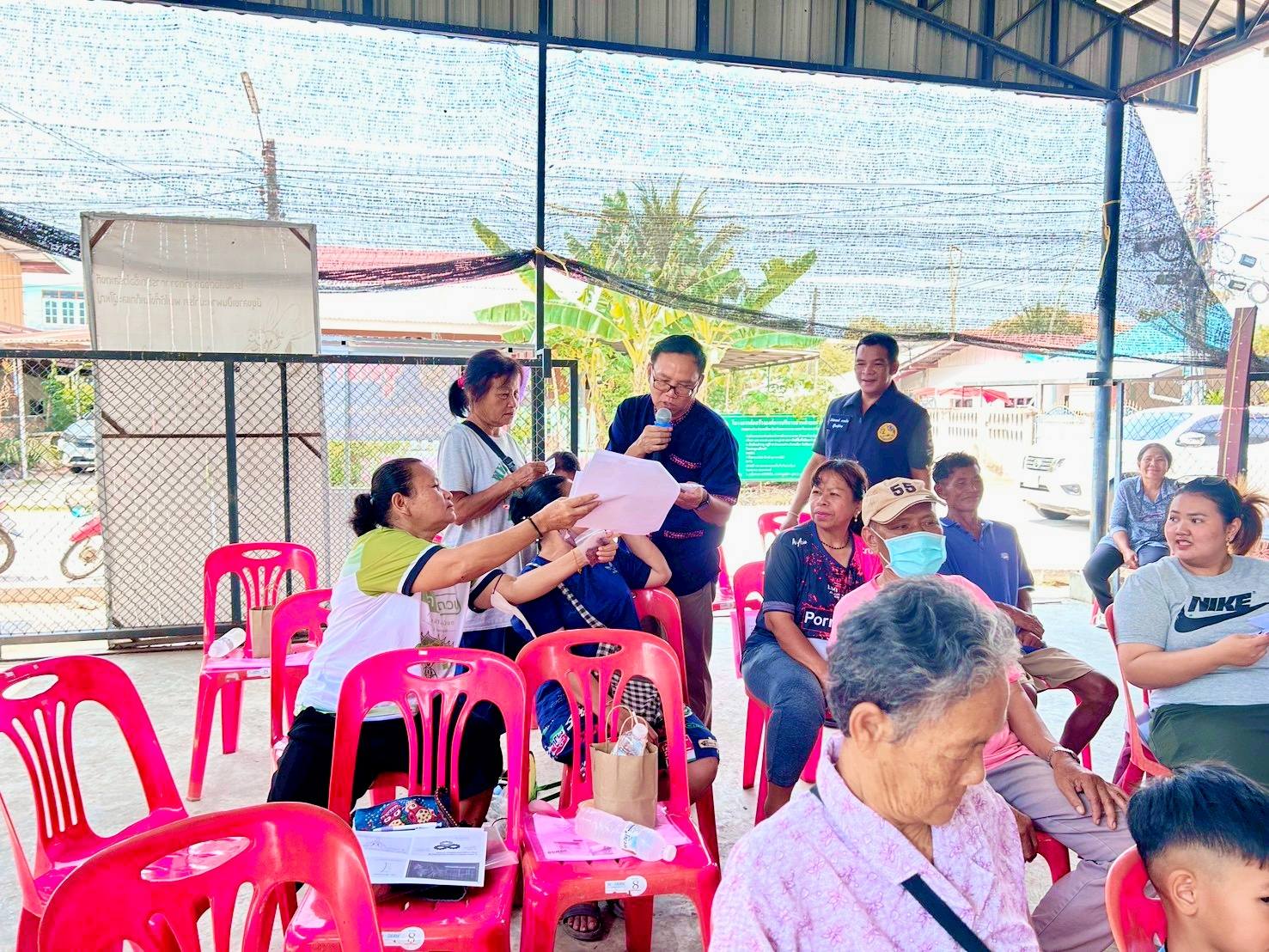
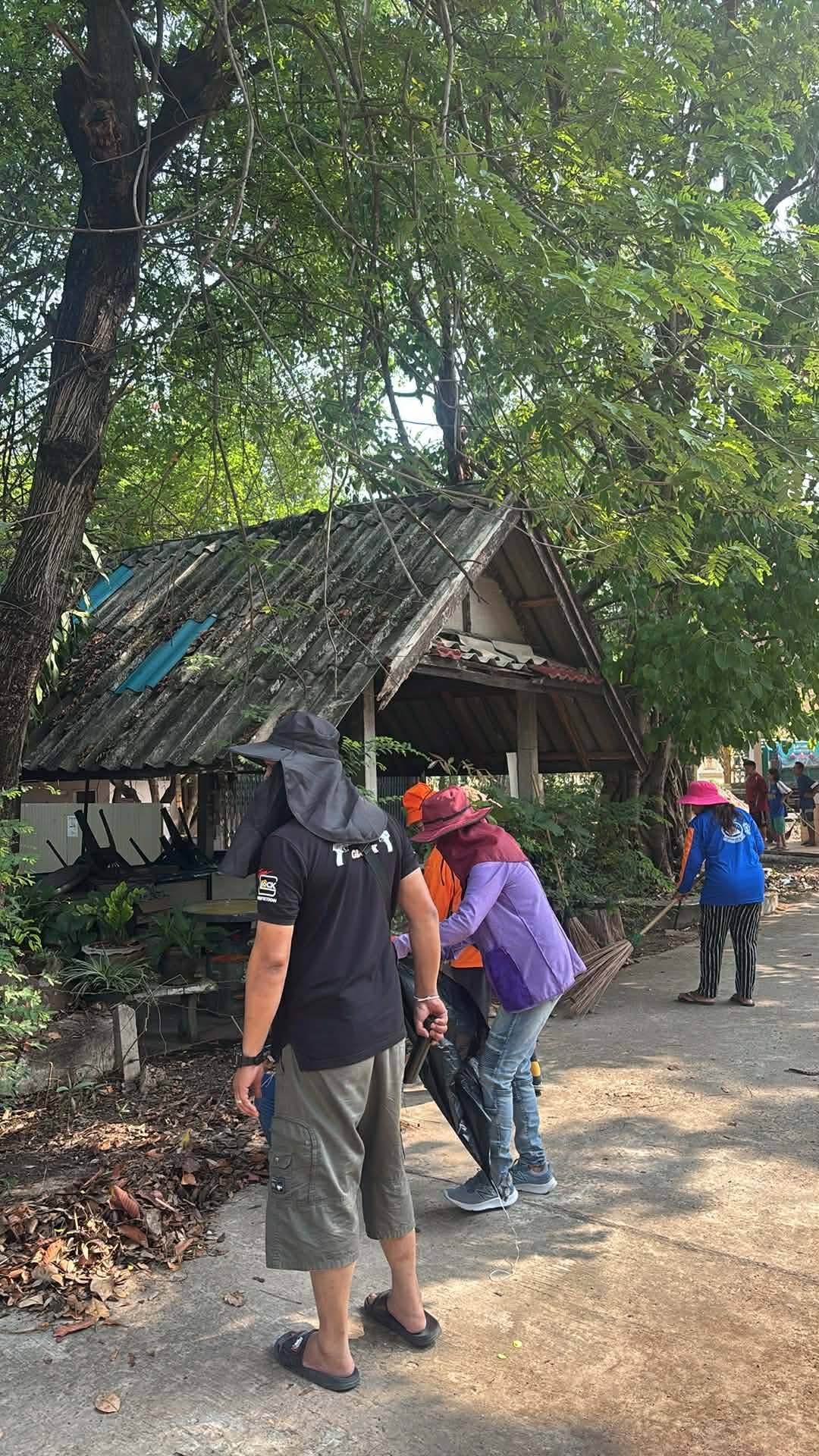
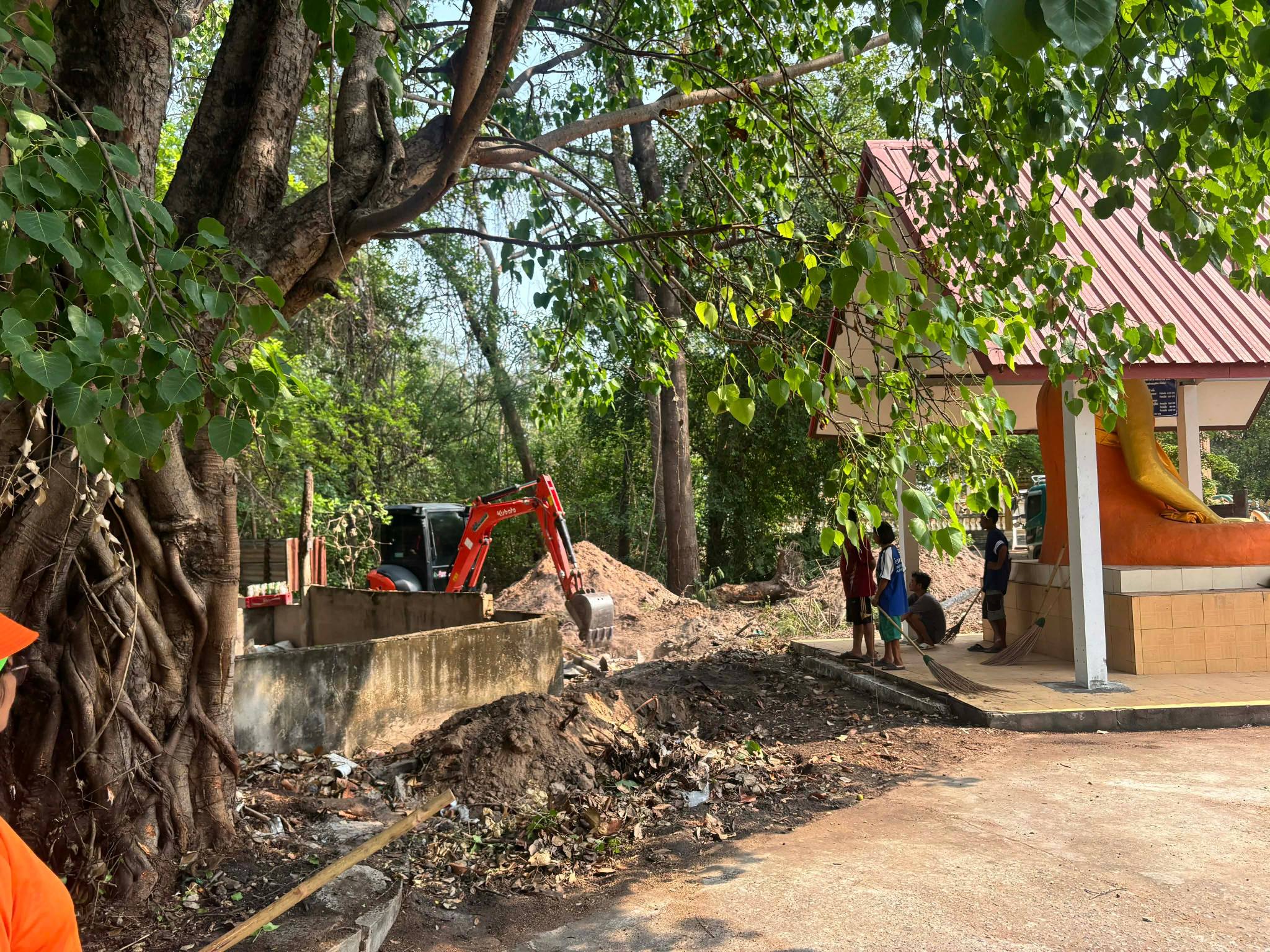
3. As certain areas of the herbal sauna facility have fallen into a state of deterioration due to substandard management practices by the private sector operators and community members responsible for its upkeep, a community forum was convened in which community members formally proposed that the university provide support in the areas of facility development and the dissemination of accurate and evidence-based knowledge to promote sustainable health care practices.
1.จัดโครงการต่อเนื่องเพื่อพัฒนาให้ครบทุกด้าน
2.ควรบูรณาการกิจกรรมโครงการให้สอดคล้องกับกิจกรรมในปฏิทินชุมชน
3.เนื่องจากสถานที่อบสมุนไพร มีบางส่วนค่อนข้างทรุดโทรม เนื่องด้วยเอกชนที่เข้ามาบริหารจัดการ ได้แก่ประชาชนในชุมชนมีการจัดการดูแลที่ยังไม่ได้มาตรฐานสถานที่อบสมุนไพร จากการประชาคมประชาชนในชุมชน มีการเสนอให้ทางมหาวิทยาลัยมาช่วยพัฒนาสถานที่และพัฒนาองค์ความรู้ที่ถูกต้อง เพื่อการดูแลสุขภาพอย่างยั่งยืน
Suggestions to University ข้อเสนอแนะต่อมหาวิทยาลัย
1. A continuous development project should be established to ensure efficient and effective operational implementation within the designated area.
2. Knowledge-sharing activities and relevant skill development programs should be actively supported for both community members and the administrators or caretakers responsible for managing the herbal sauna facility.
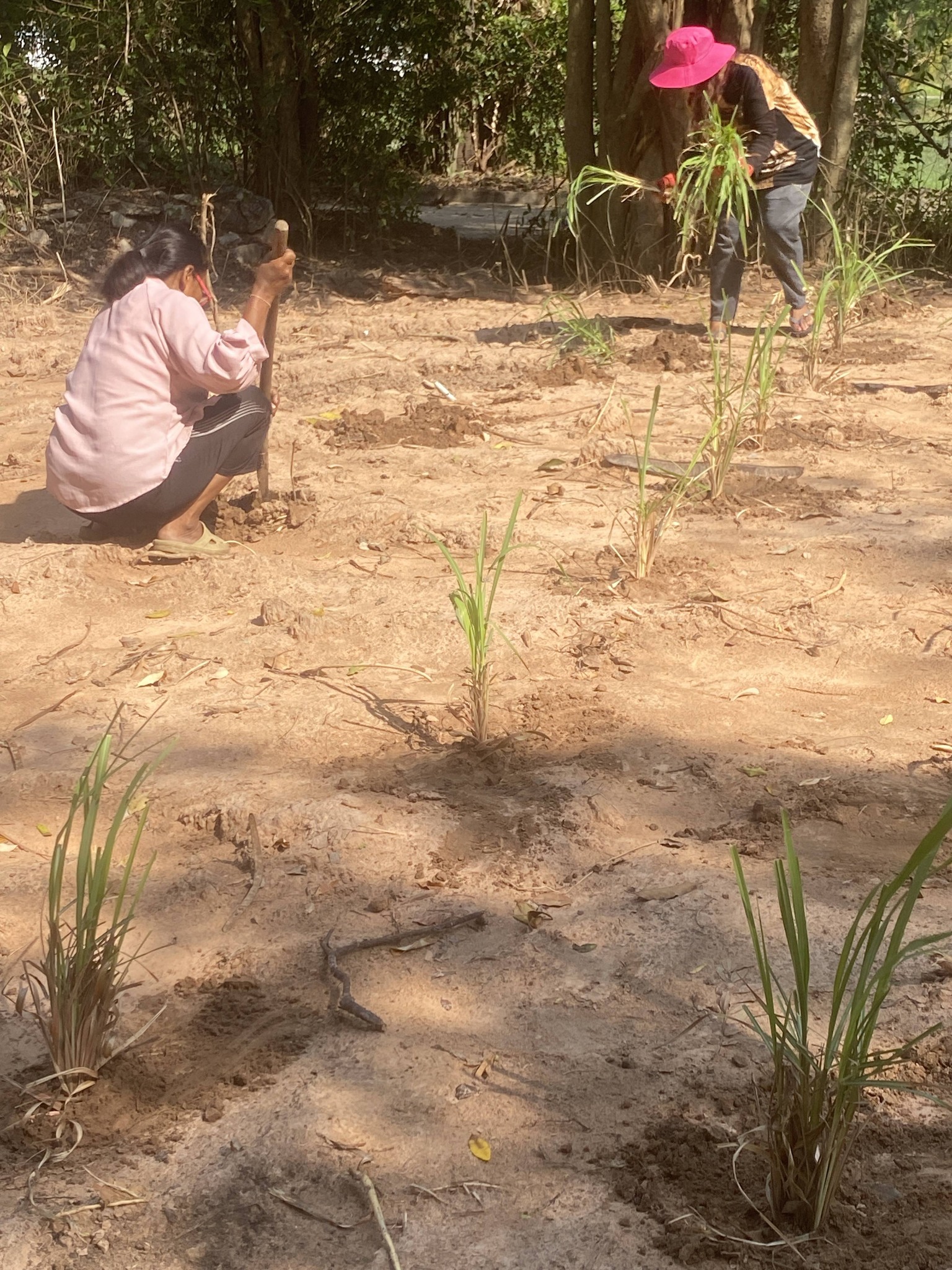
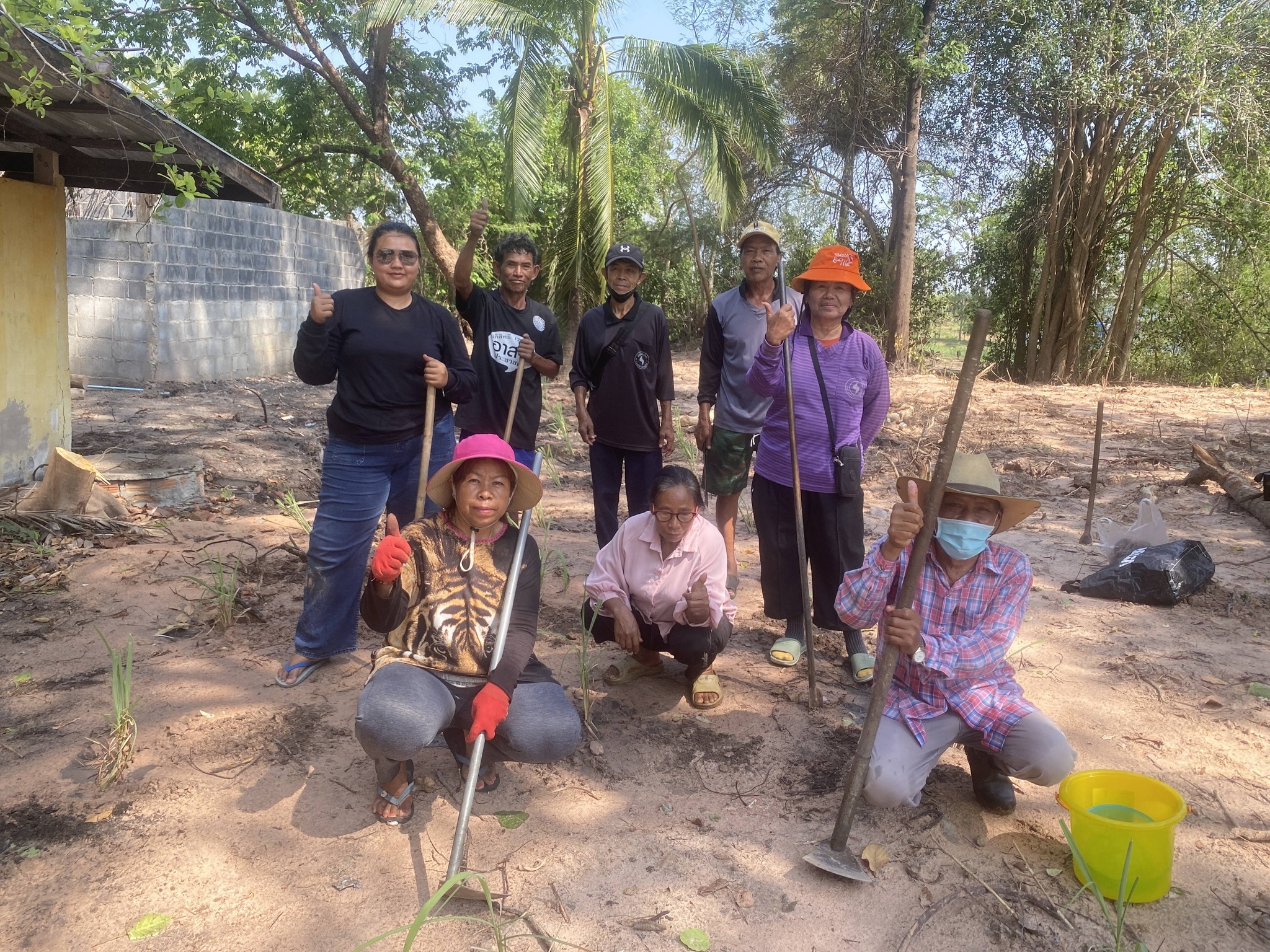
3. The subsequent project phase should incorporate the continuous development of a medicinal herb garden as an extension of the current project's achievements.
1.จัดโครงการพัฒนาอย่างต่อเนื่องเพื่อการดำเนินงานในพื้นที่อย่างมีประสิทธิภาพ
2.สนับสนุนการจัดกิจกรรมให้ความรู้ และพัฒนาทักษะที่เกี่ยวข้อง ทั้งประชาชนและผู้บริหารจัดการหรือดูและสถานที่อบสมุนไพร
3.โครงการครั้งถัดไปควรเพิ่มเติมการพัฒนาสวนสมุนไพรต่อเนื่องจากครั้งนี้