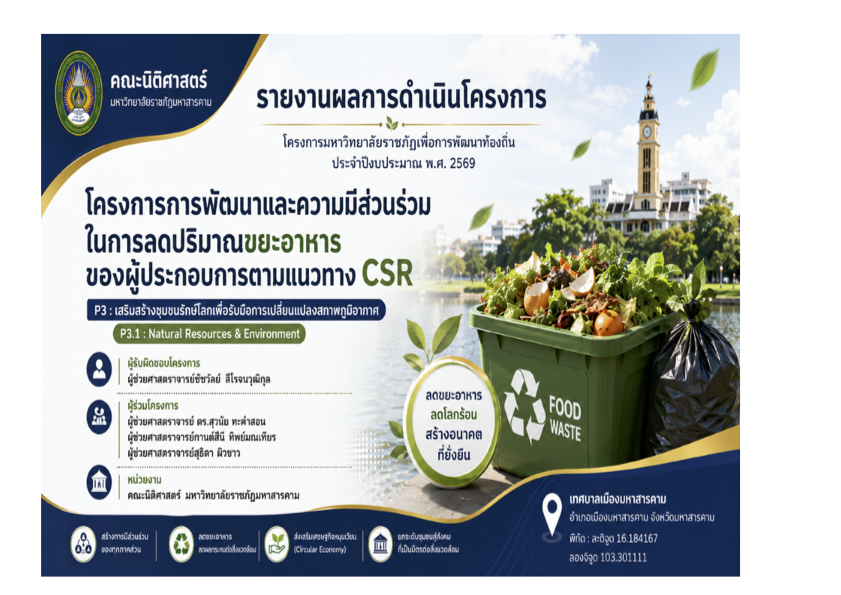
– January 9, 2026 24 ธันวาคม 2568
– 9 มกราคม 2569
Part 1: Project Details ส่วนที่ 1 รายละเอียดการดำเนินงาน
Objectives วัตถุประสงค์โครงการ
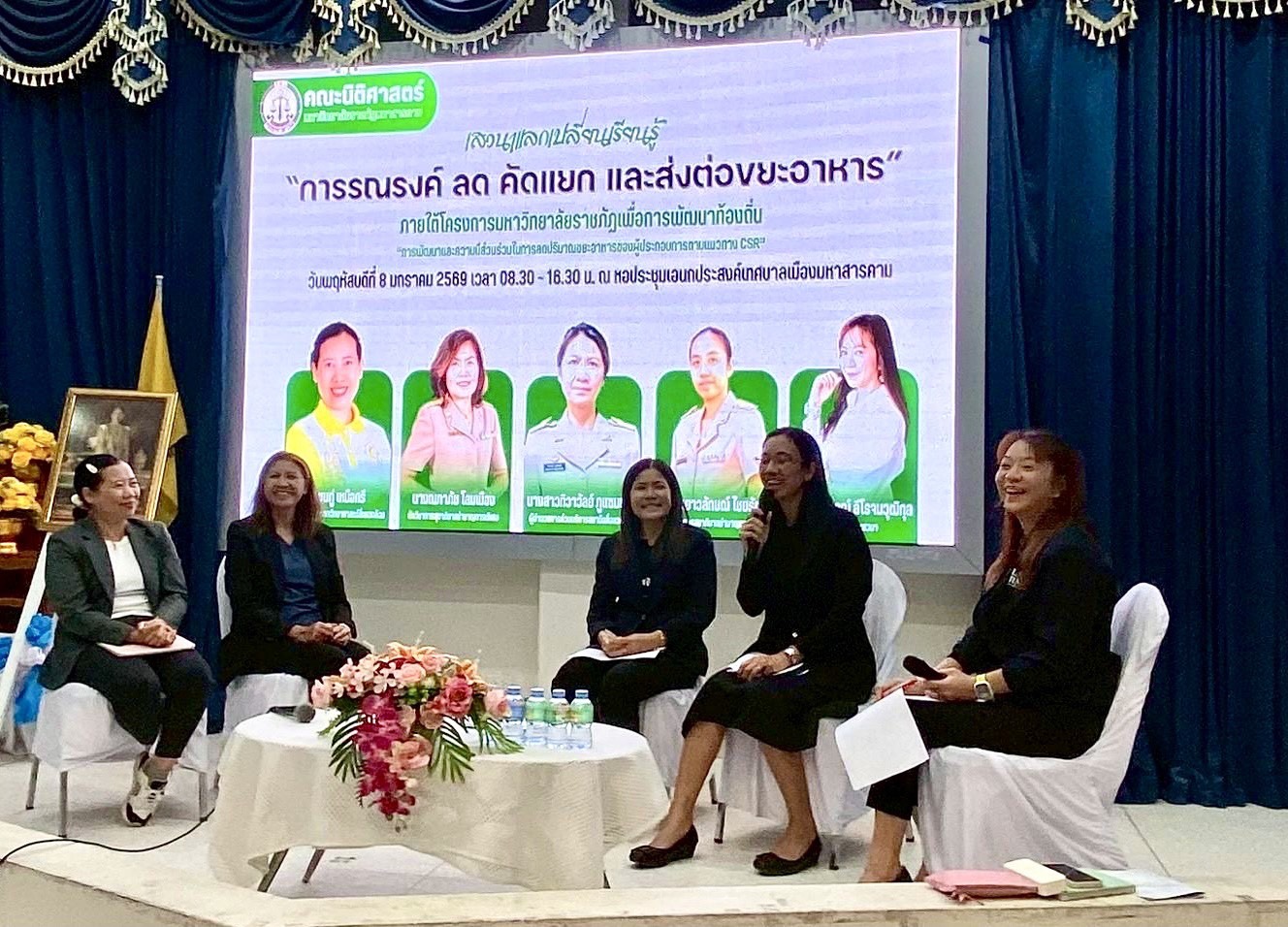
1. To develop a model of participation among restaurant and à la carte food vendors in the Maha Sarakham Municipality area.
2. To survey, analyze, and compile spatial data on food waste quantities and the consumption behavior of people in the municipal area.
3. To reduce the amount of food waste generated by restaurant operators to meet the specified targets.
4. To build a network of collaboration among universities, entrepreneurs, communities, and local government agencies.
1. เพื่อพัฒนารูปแบบการมีส่วนร่วมของผู้ประกอบการร้านอาหารและร้านอาหารตามสั่งในเขตเทศบาลเมืองมหาสารคาม
2. เพื่อสำรวจ วิเคราะห์ และจัดทำข้อมูลเชิงพื้นที่เกี่ยวกับปริมาณขยะอาหารและพฤติกรรมการบริโภคของประชาชนในเขตเทศบาลเมือง
3. เพื่อลดปริมาณขยะอาหารจากผู้ประกอบการร้านอาหารให้ได้ตามเป้าหมายที่กำหนด
4. เพื่อสร้างเครือข่ายความร่วมมือระหว่างมหาวิทยาลัย ผู้ประกอบการ ชุมชน และหน่วยงานท้องถิ่น
Main Activities กิจกรรมหลัก
Upstream
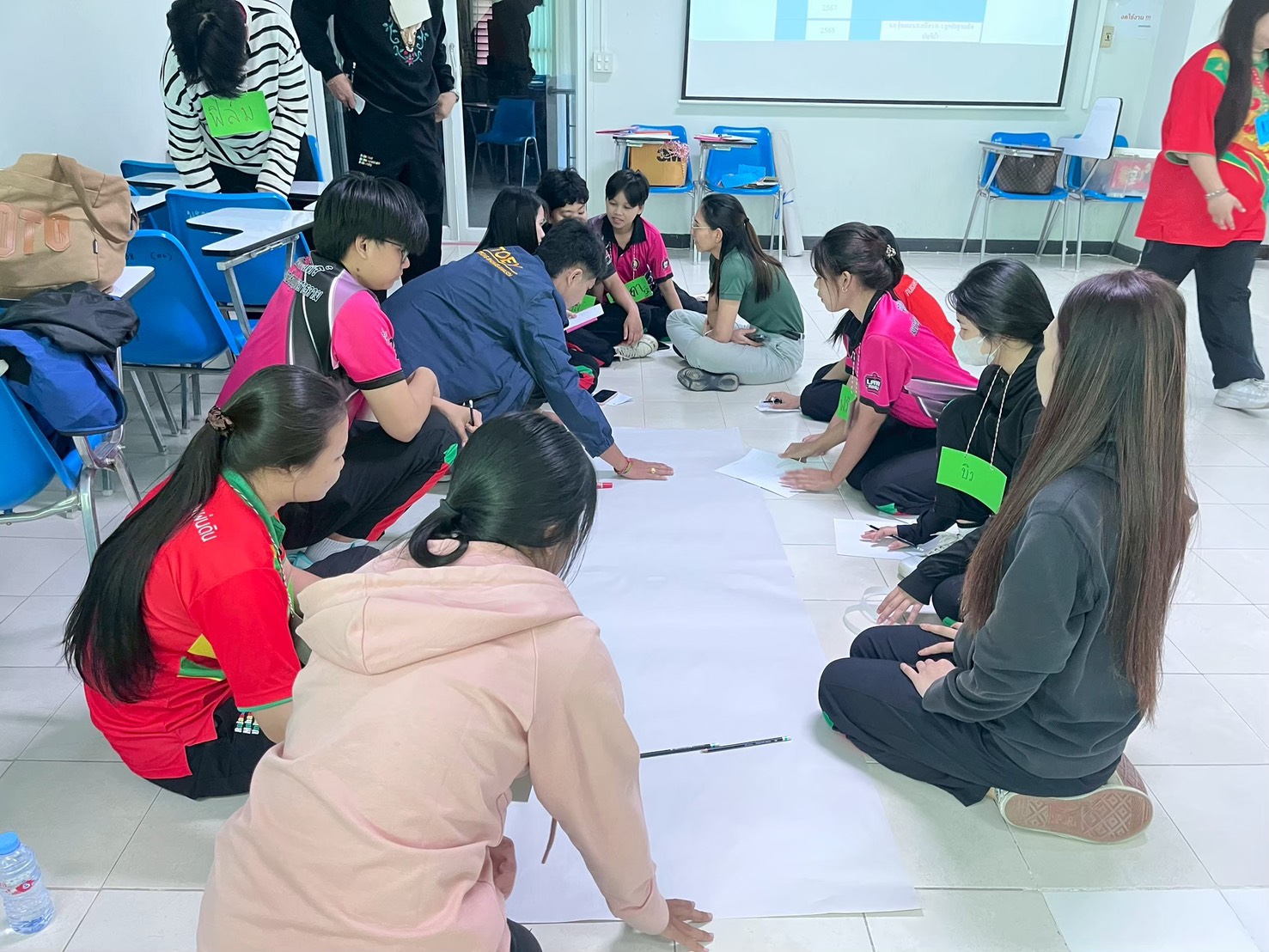
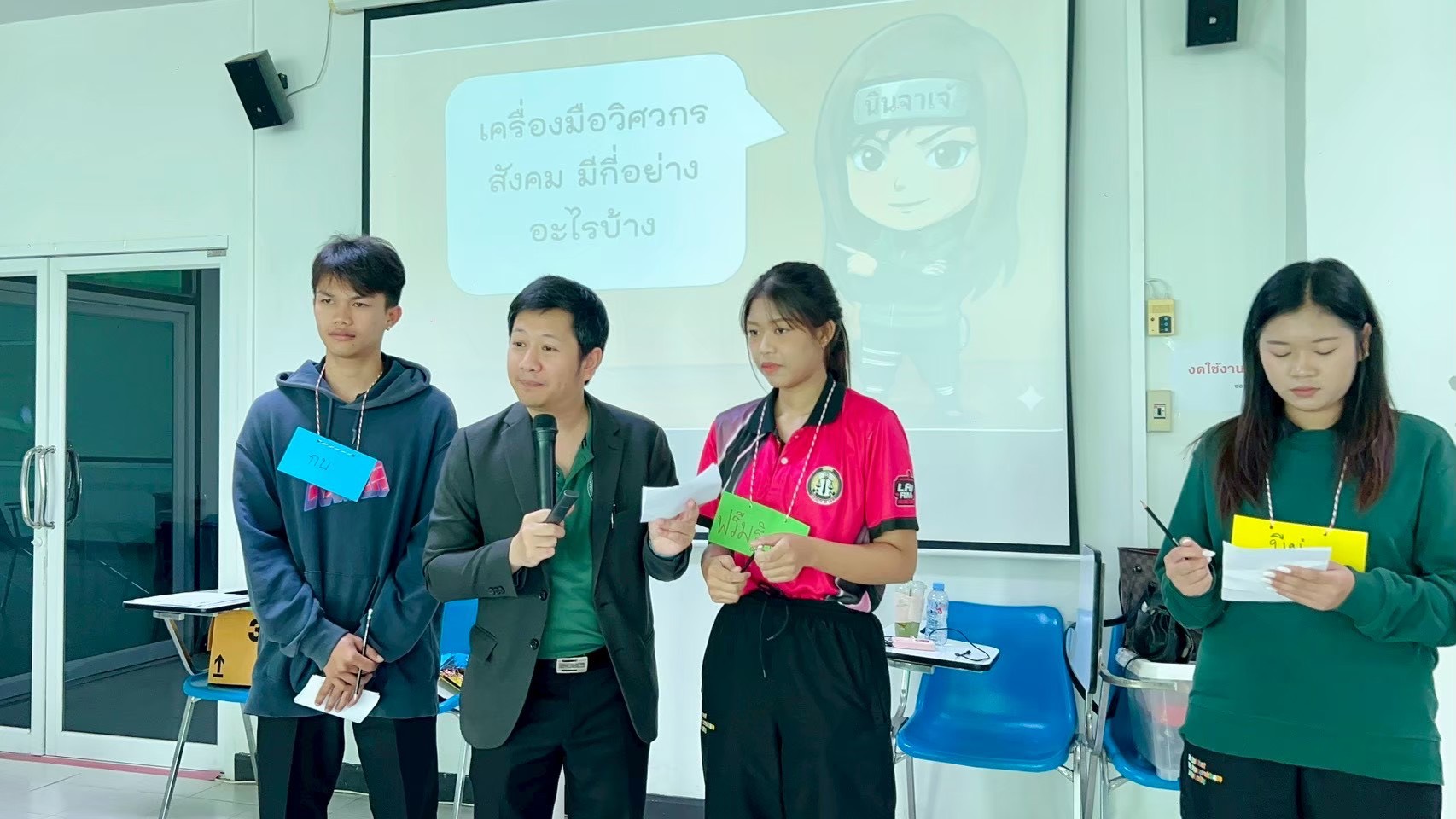
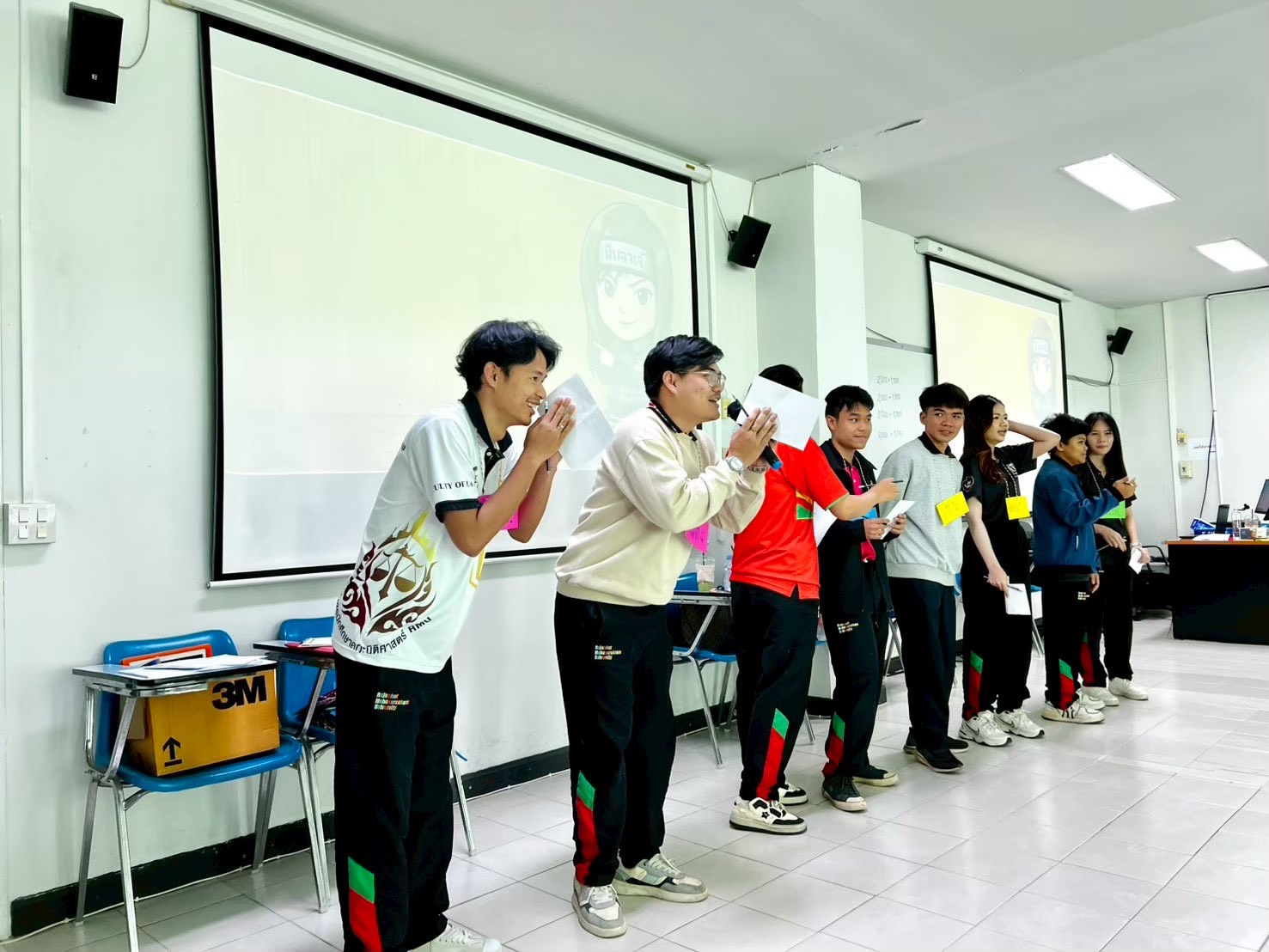
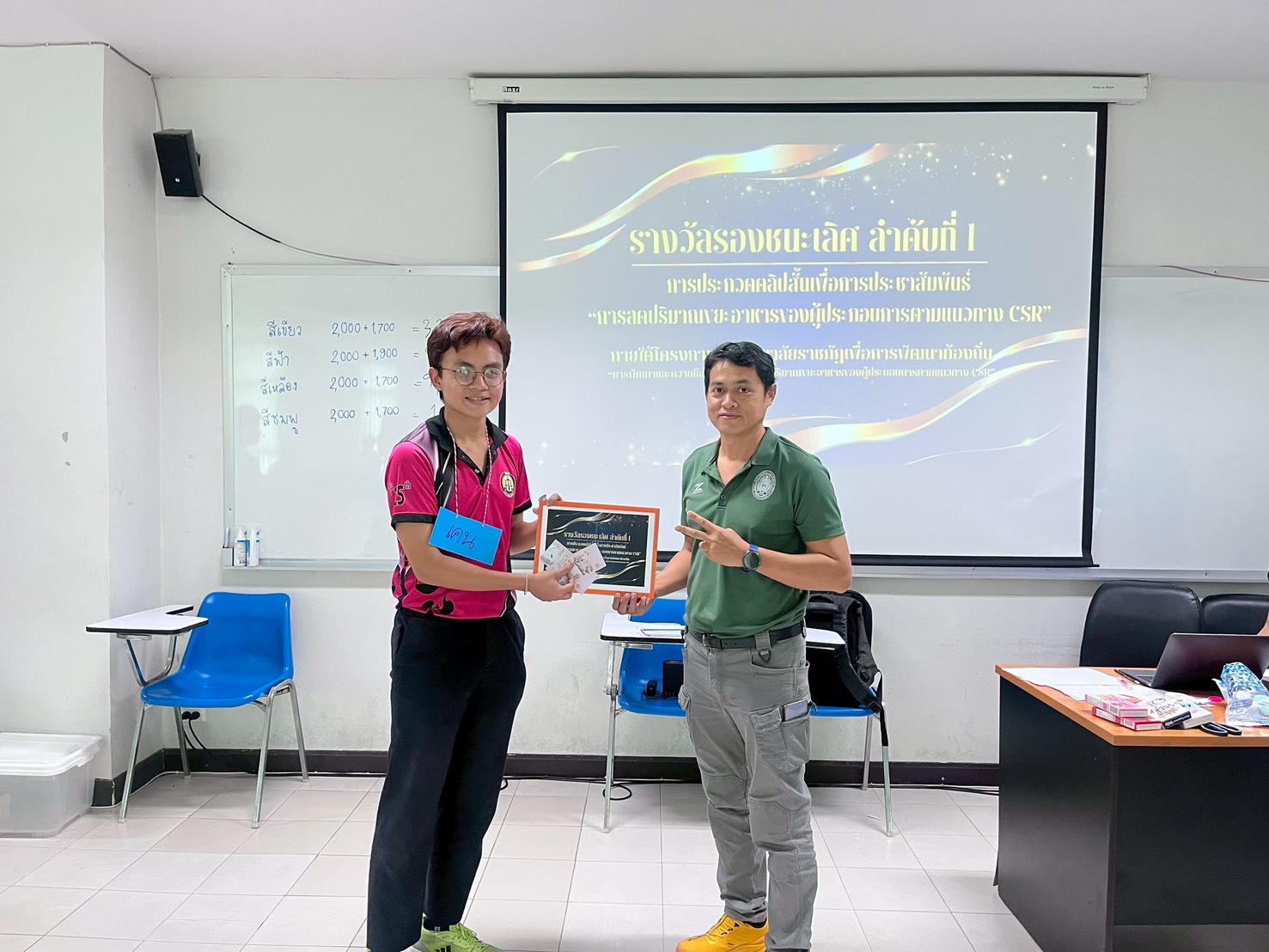
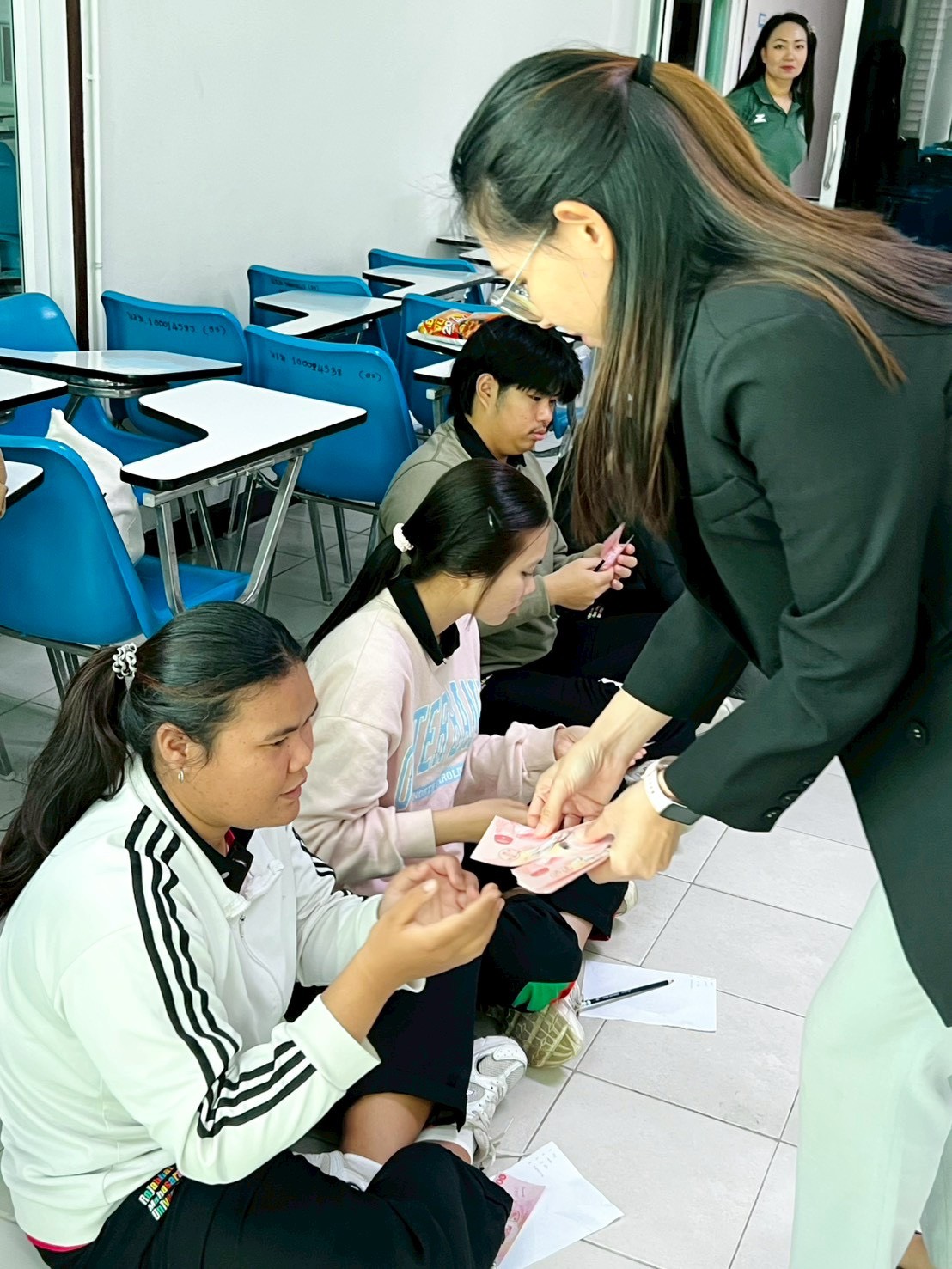
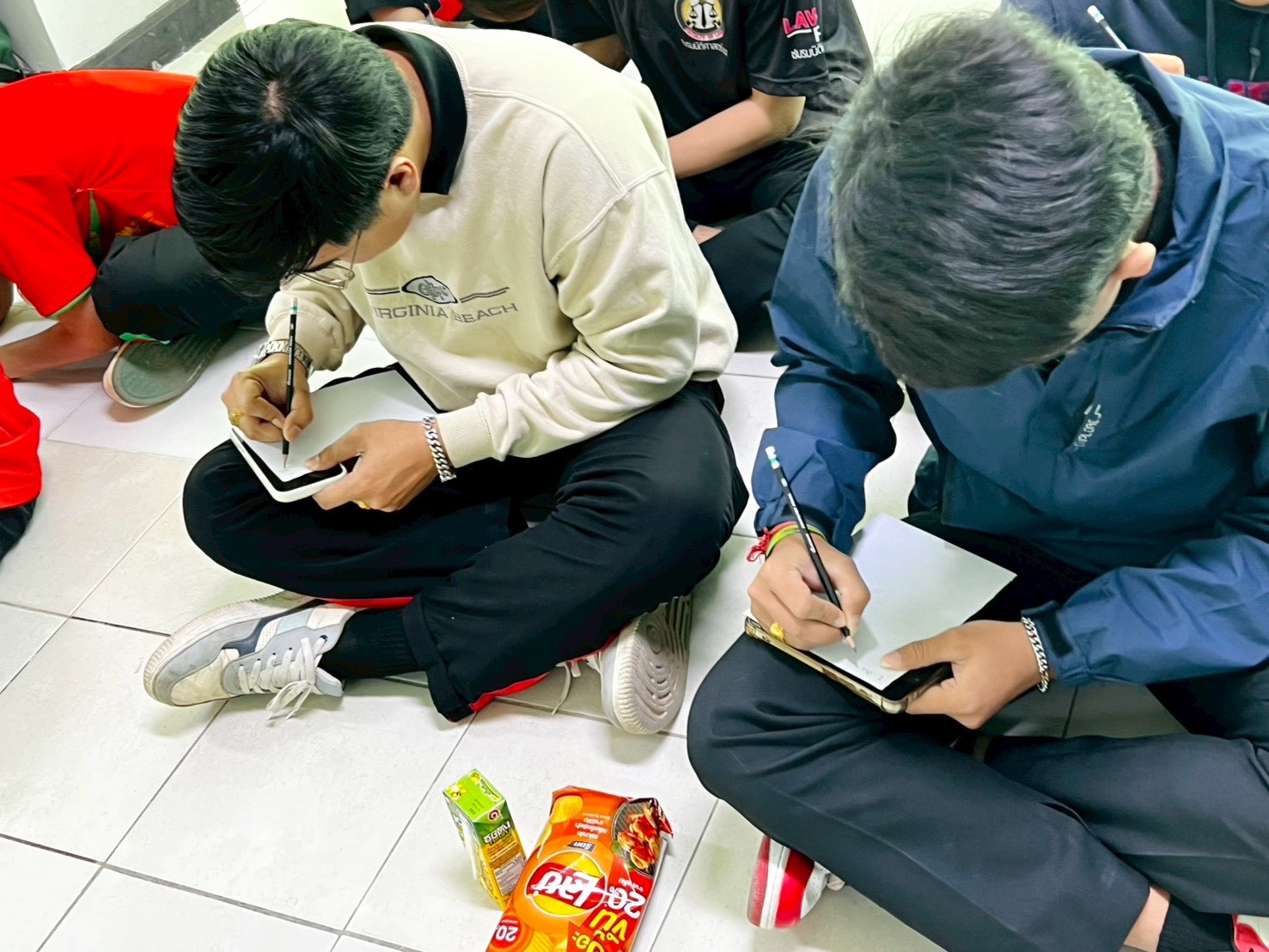
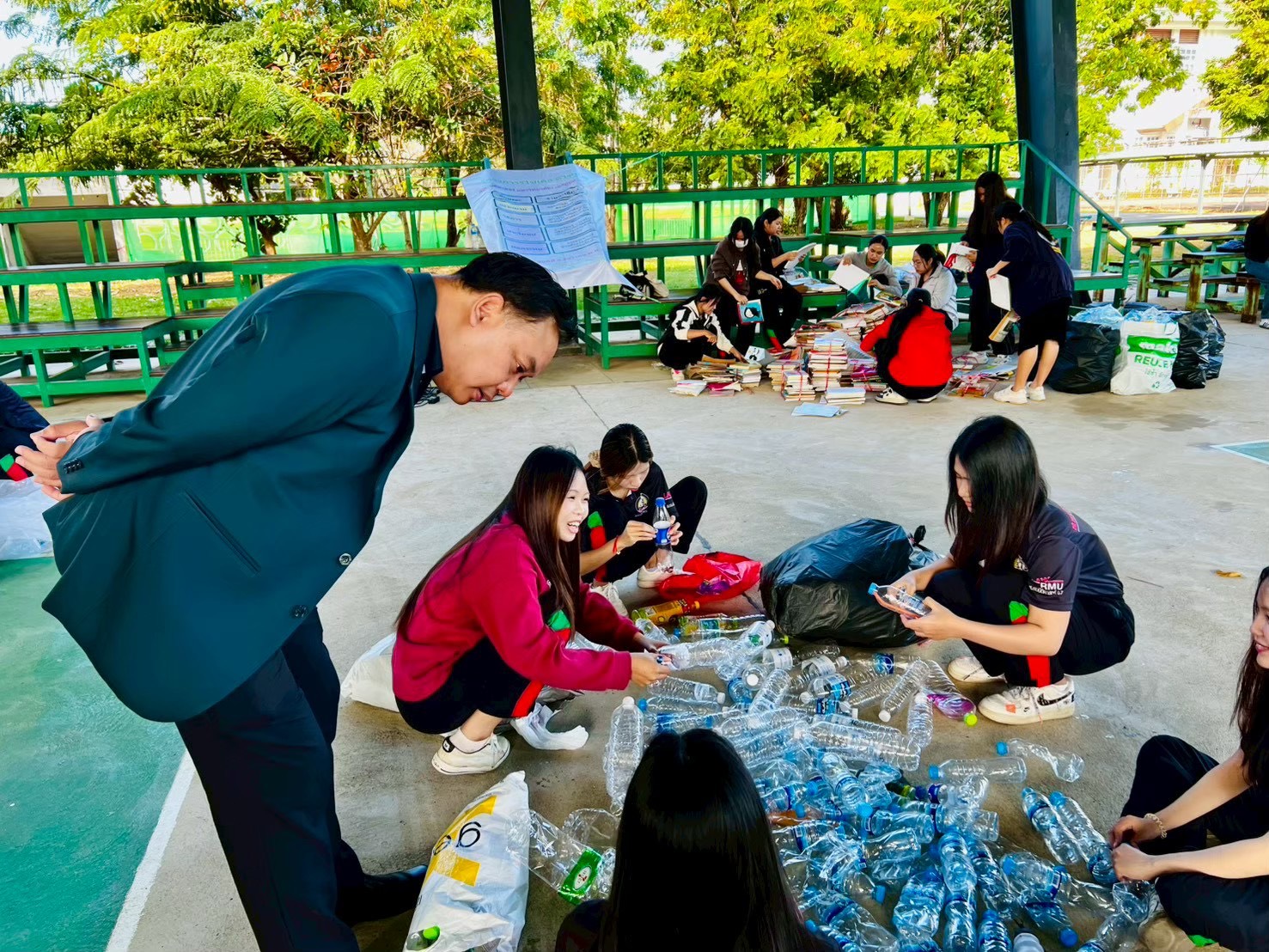
1. To develop students’ potential in the role of “social engineers” by enhancing their knowledge and understanding of food waste issues, the concept of CSR, and sustainable food waste management.
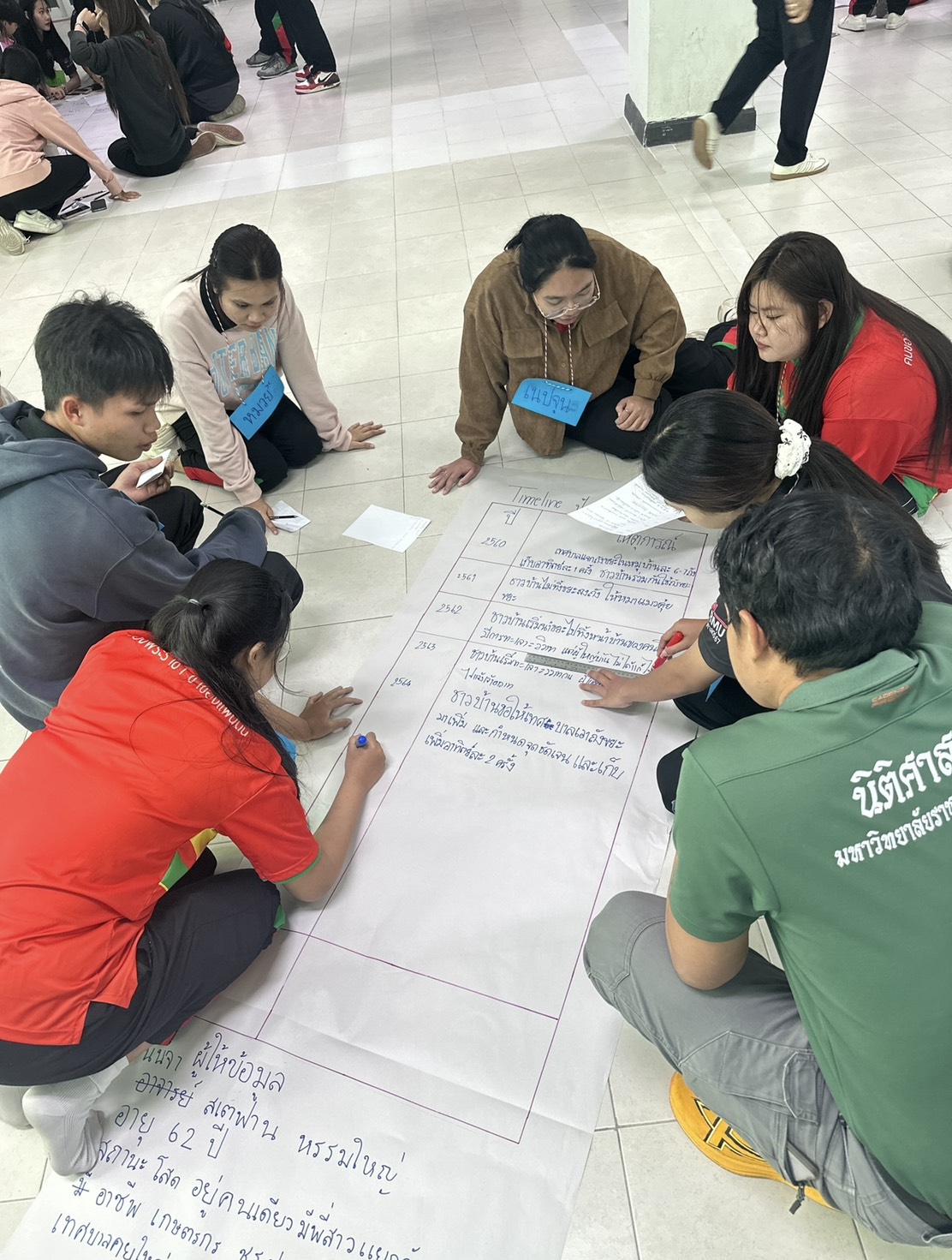
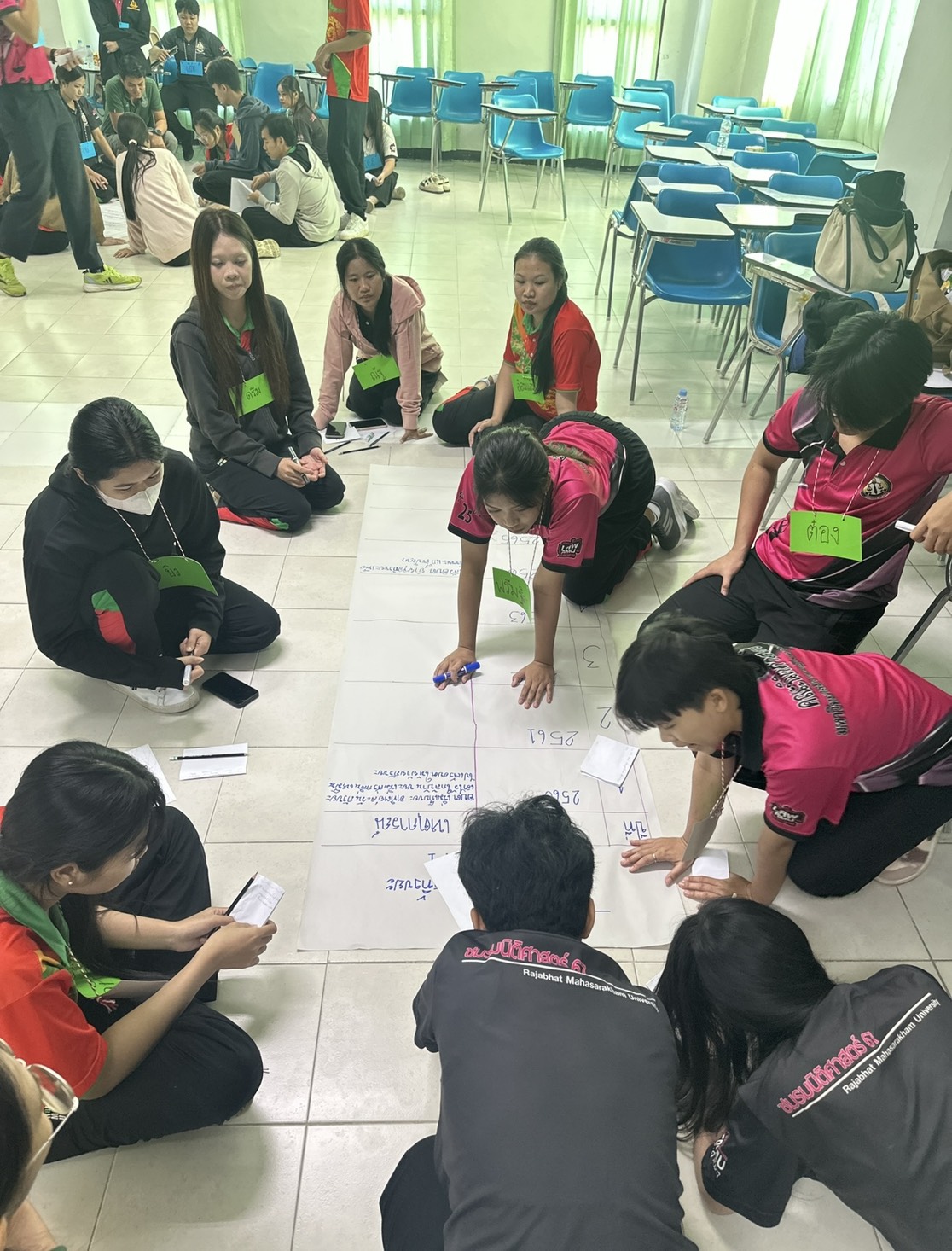
2. To build an understanding of the urban community context and restaurant entrepreneurs in order to prepare for collaboration with communities and local authorities.
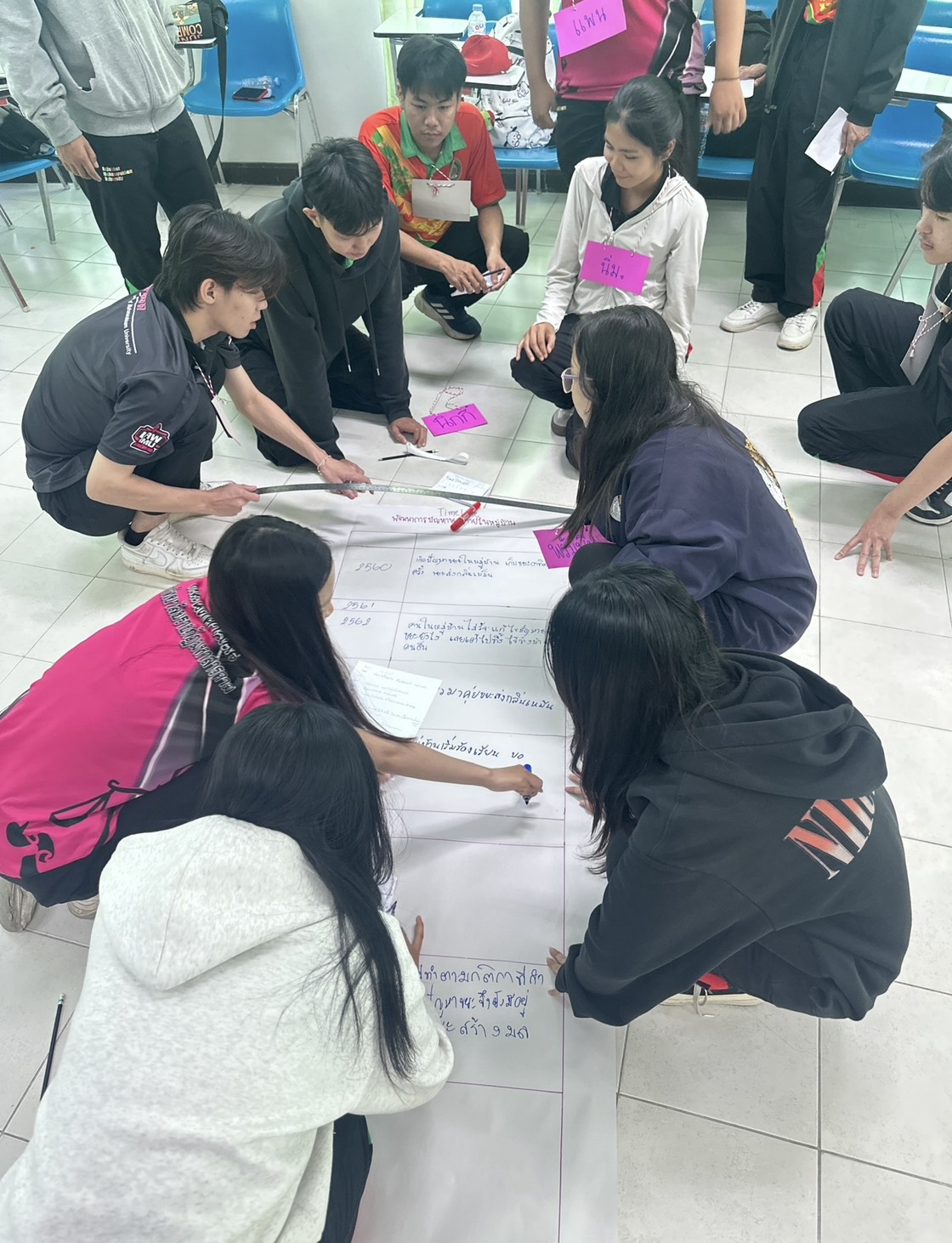
3. To plan and prepare tools for field implementation and systematic data collection.
Midstream
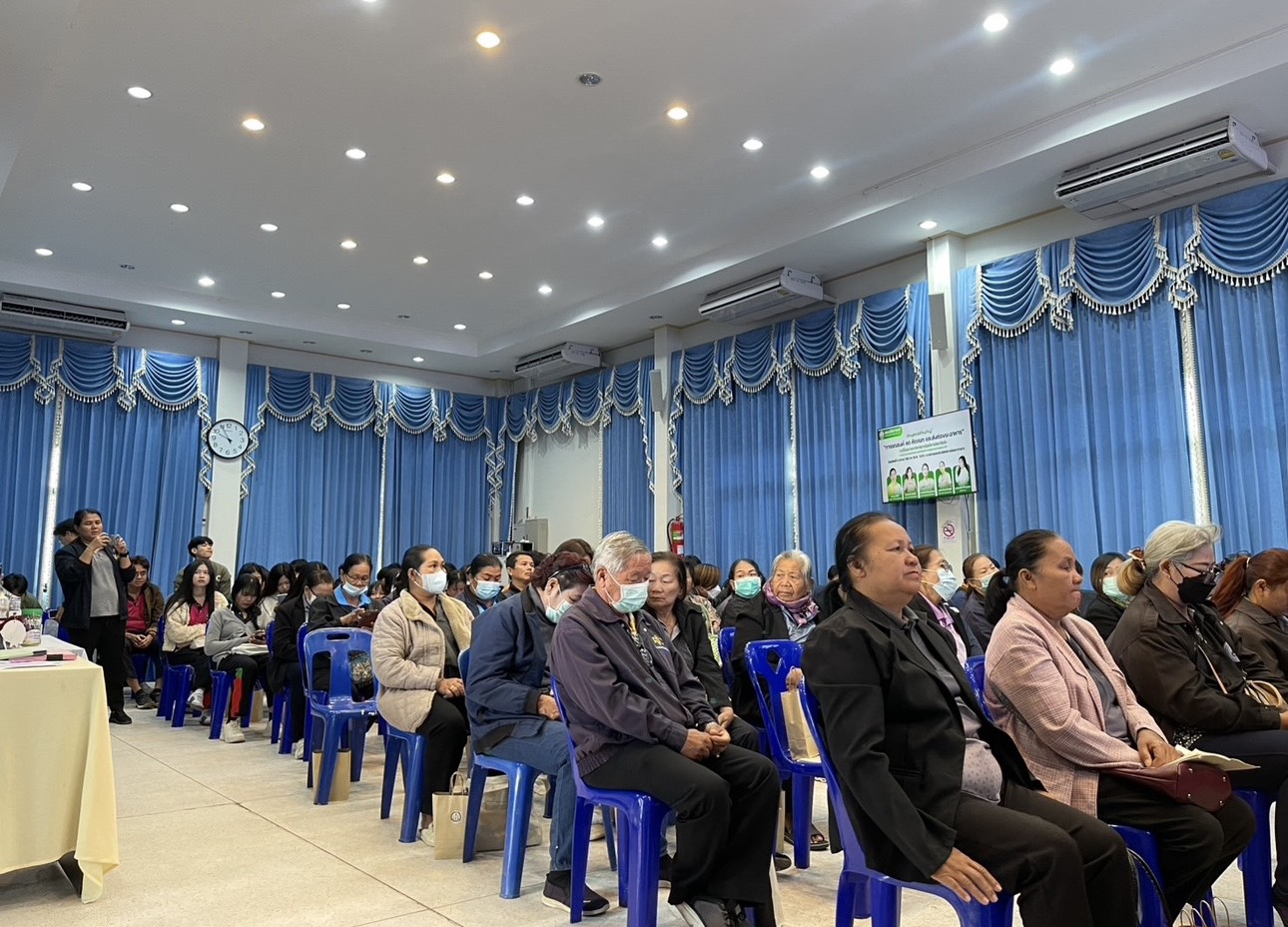
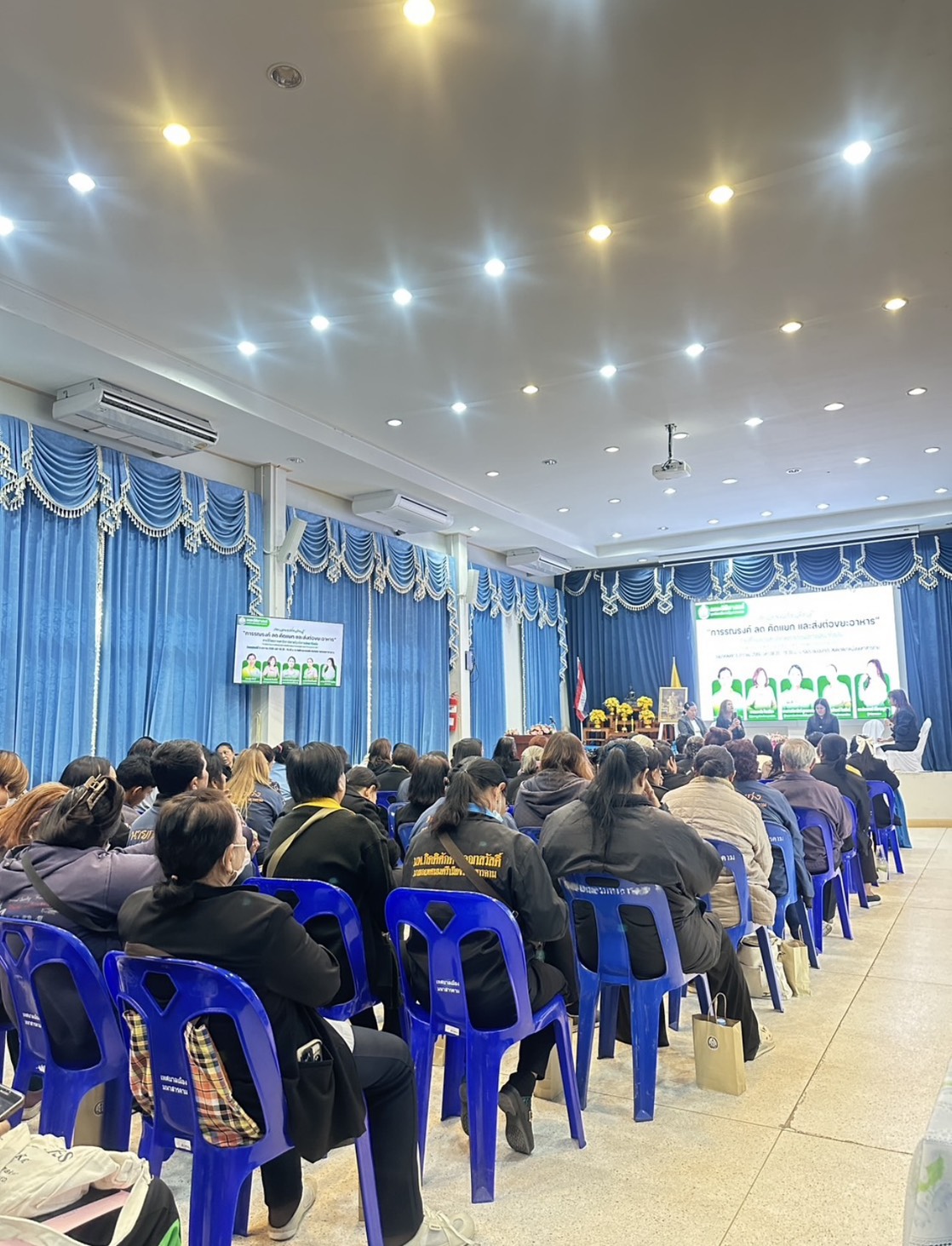
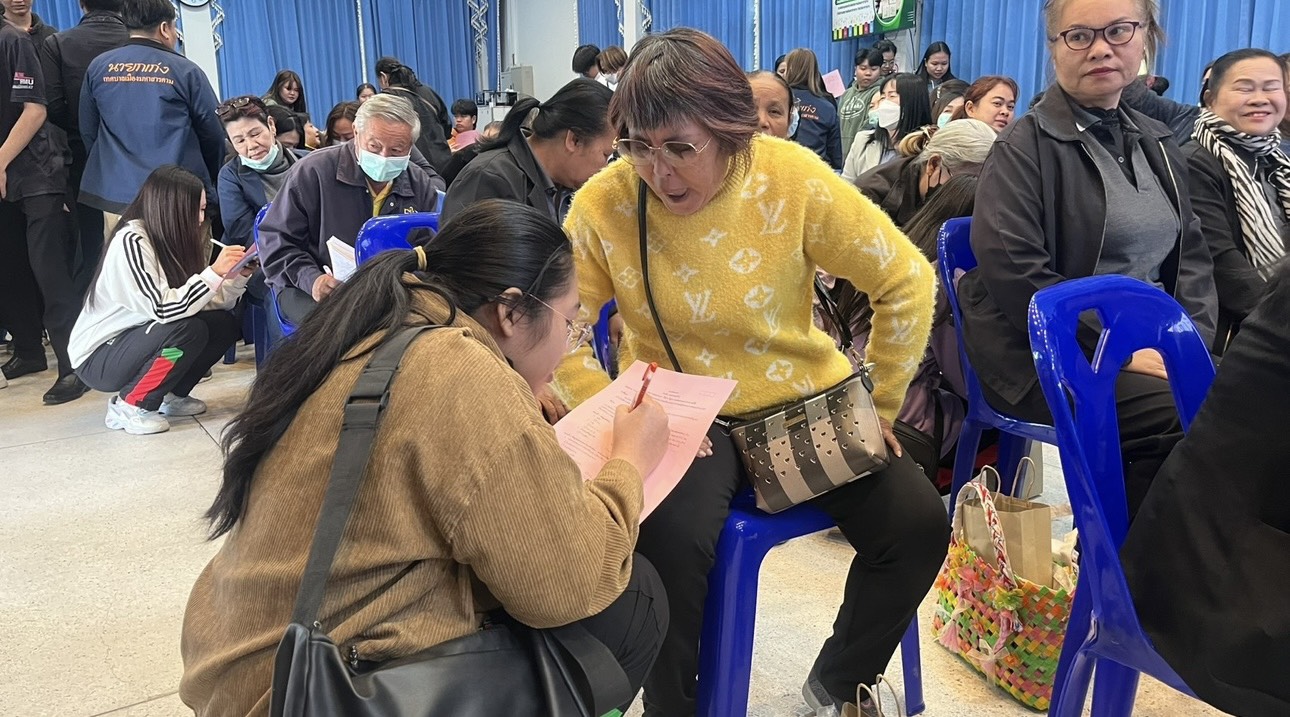
1. To conduct on-site activities to raise awareness on food waste reduction in collaboration with restaurant operators and consumers in the municipal area.
2. To pilot measures for reducing, separating, and managing food waste in restaurants and à la carte food shops.
3. To utilize separated food waste, such as compost production, and collect data to monitor and evaluate the implementation outcomes.
Downstream
1. To disseminate project results and best practices through public communication channels.
2. To develop recommendations and strategies for scaling up sustainable food waste management at the urban community level.
ต้นน้ำ
1. พัฒนาศักยภาพนักศึกษาในบทบาท “วิศวกรสังคม” ให้มีความรู้ความเข้าใจเกี่ยวกับปัญหาขยะอาหาร แนวคิด CSR และการจัดการขยะอาหารอย่างยั่งยืน
2. สร้างความเข้าใจบริบทพื้นที่ชุมชนเมืองและผู้ประกอบการร้านอาหาร เพื่อเตรียมความพร้อมในการทำงานร่วมกับชุมชนและหน่วยงานท้องถิ่น
3. วางแผนและเตรียมเครื่องมือสำหรับการลงพื้นที่ปฏิบัติจริงและการเก็บข้อมูลเชิงระบบ
กลางน้ำ
1. ลงพื้นที่ดำเนินกิจกรรมรณรงค์ลดขยะอาหารร่วมกับผู้ประกอบการและผู้บริโภคในเขตเทศบาลเมือง
2. ทดลองมาตรการลด คัดแยก และจัดการขยะอาหารในร้านอาหารและร้านอาหารตามสั่ง
3. นำขยะอาหารที่คัดแยกแล้วไปใช้ประโยชน์ เช่น การผลิตปุ๋ยหมัก พร้อมเก็บข้อมูลเพื่อติดตามผลการดำเนินงาน
ปลายน้ำ
1. เผยแพร่ผลการดำเนินงานและแนวปฏิบัติที่ดีผ่านการสื่อสารสาธารณะ
2. จัดทำข้อเสนอแนะและแนวทางการขยายผล เพื่อการจัดการขยะอาหารอย่างยั่งยืนในระดับชุมชนเมือง
Part 2: Outcomes & Impact ส่วนที่ 2 ผลลัพธ์และผลกระทบ
Outcomes ผลลัพธ์ที่เกิดขึ้น
1. Food waste is reduced by at least 25% from participating restaurants and à la carte food shops in the project.
2. Entrepreneurs and the public have increased awareness and more responsible consumption behavior, along with the establishment of a collaborative network for sustainable food waste management.
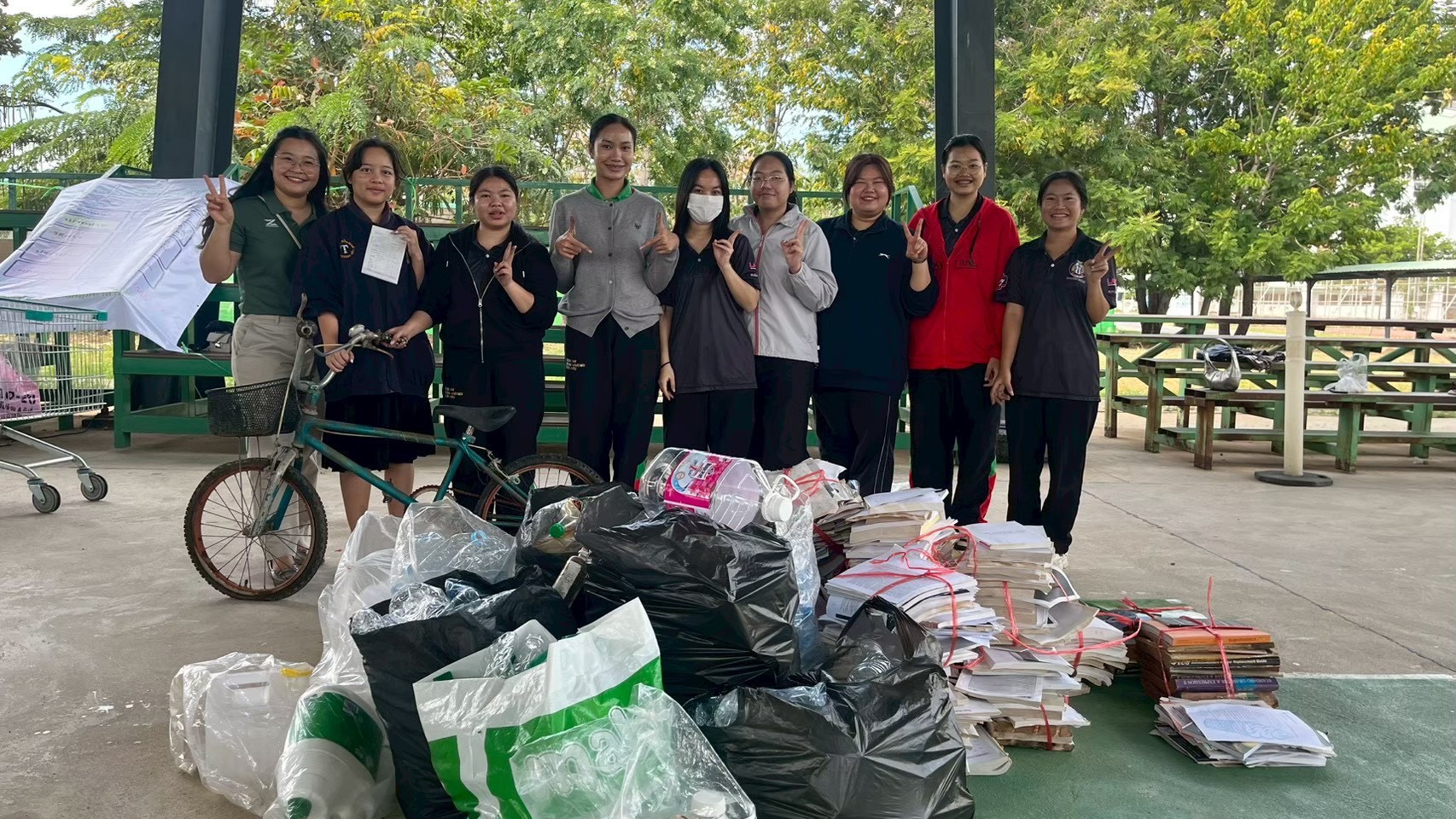
3. Food waste is transferred for compost production (used in fertilizer production).
1. ปริมาณขยะอาหารลดลงอย่างน้อย 25% จากร้านอาหารและร้านอาหารตามสั่งที่เข้าร่วมโครงการ
2. ผู้ประกอบการและประชาชนมีความตระหนักรู้และพฤติกรรมด้านการบริโภคที่รับผิดชอบเพิ่มขึ้น พร้อมเกิดเครือข่ายความร่วมมือในการจัดการขยะอาหารอย่างยั่งยืน
3. ส่งต่อขยะอาหารเพื่อไปใช้ในการทำปุ๋ย
Community & Social Impact ผลกระทบต่อชุมชน/สังคม
Economic Aspect
Entrepreneurs reduce costs by minimizing food waste and excess raw materials, while actively promoting a circular economy within the area.
Social Aspect
Consumer behaviors are shifted to reduce food waste, fostering community cooperation in local food waste management.
Educational Aspect
Entrepreneurs, consumers, and students gain greater knowledge and awareness regarding food waste reduction and environmental responsibility.
Environmental Aspect
The city's total volume of food waste is minimized, reducing the burden of waste disposal and mitigating overall environmental impacts.
ด้านเศรษฐกิจ ผู้ประกอบการลดต้นทุนจากการลดของเสียและวัตถุดิบเกินความจำเป็น พร้อมส่งเสริมเศรษฐกิจหมุนเวียนในพื้นที่
ด้านสังคม เกิดการปรับพฤติกรรมการบริโภค ลดการทิ้งอาหาร และเกิดความร่วมมือของชุมชนในการจัดการขยะอาหาร
ด้านการศึกษา ผู้ประกอบการ ผู้บริโภค และนักศึกษาได้รับความรู้เรื่องการลดขยะอาหารและการรับผิดชอบต่อสิ่งแวดล้อมมากขึ้น
ด้านสิ่งแวดล้อม ลดปริมาณขยะอาหารของเมือง ลดภาระการกำจัดขยะ และลดผลกระทบต่อสิ่งแวดล้อมโดยรวม
Student & Staff Participation การมีส่วนร่วมของนักศึกษา/บุคลากร
Students empowered and developed through the Social Engineering framework.
Students who practically applied their knowledge in community-based fieldwork.
นักศึกษาที่ได้รับการพัฒนาด้วยกระบวนการวิศวกรสังคม
นักศึกษาที่ได้นำองค์ความรู้ไปใช้ในการลงพื้นที่
Project Continuity ความต่อเนื่องของโครงการ
1.Expand the project's implementation to other communities or municipalities within Maha Sarakham Province to broaden the scope of food waste reduction at the provincial level.
2.Develop a long-term monitoring and evaluation system for food waste management utilizes a Big Data platform.
3.Promote innovation and collaborative networks in food waste management to elevate the area into a model for eco-friendly communities.
1. ขยายพื้นที่ดำเนินโครงการไปยังชุมชนหรือเทศบาลอื่นในจังหวัดมหาสารคาม เพื่อเพิ่มขอบเขตการลดขยะอาหารในระดับจังหวัด
2. พัฒนาระบบติดตามและประเมินผลการจัดการขยะอาหารในระยะยาว โดยใช้ฐานข้อมูล Big Data
3. ส่งเสริมการพัฒนานวัตกรรมและเครือข่ายความร่วมมือด้านการจัดการขยะอาหาร เพื่อยกระดับสู่การเป็นต้นแบบของชุมชนรักษ์สิ่งแวดล้อม
Part 3: Challenges & Suggestions ส่วนที่ 3 ปัญหาอุปสรรค/ข้อเสนอแนะ
Problems & Obstacles ปัญหา/อุปสรรค
1.Behavioral Limitations of Participants: Some entrepreneurs and consumers have not yet been able to consistently modify their consumption and food waste management behaviors. Consequently, food waste reduction during certain periods did not meet expectations.
2.Time Constraints in Project Implementation: The timeframe for implementing the project was relatively limited, resulting in insufficient coverage for monitoring long-term behavioral changes.
3.Data Collection Limitations: Data collection on food waste volumes from certain establishments was incomplete due to constraints in time, respondents' availability, and the continuity of data logging.
4.Variations in Business Contexts: Each restaurant operates under a different business model. As a result, the adaptation and implementation of food waste management guidelines varied and lacked standard uniformity.
5.Limitations in Stakeholder Collaboration: Although the overall collaboration was highly successful, some stakeholders faced constraints that prevented consistent participation in activities, primarily due to workloads and time limitations.
1. ข้อจำกัดด้านพฤติกรรมของผู้เข้าร่วมโครงการ ผู้ประกอบการและผู้บริโภคบางส่วนยังไม่สามารถปรับเปลี่ยนพฤติกรรมการบริโภคและการจัดการขยะอาหารได้อย่างต่อเนื่อง ส่งผลให้การลดปริมาณขยะอาหารในบางช่วงเวลาไม่เป็นไปตามที่คาดหวัง
2. ข้อจำกัดด้านเวลาในการดำเนินกิจกรรม ระยะเวลาการดำเนินโครงการค่อนข้างจำกัด ทำให้การติดตามผลการเปลี่ยนแปลงพฤติกรรมในระยะยาวยังไม่ครอบคลุมเพียงพอ
3. ข้อจำกัดในการเก็บรวบรวมข้อมูล การเก็บข้อมูลปริมาณขยะอาหารจากสถานประกอบการบางแห่งยังไม่ครบถ้วน เนื่องจากข้อจำกัดด้านเวลา ความพร้อมของผู้ให้ข้อมูล และความต่อเนื่องในการบันทึกข้อมูล
4. ความแตกต่างของบริบทสถานประกอบการ ร้านอาหารแต่ละแห่งมีรูปแบบการดำเนินงานที่แตกต่างกัน ส่งผลให้การนำแนวทางการจัดการขยะอาหารไปปรับใช้มีความหลากหลายและไม่เป็นมาตรฐานเดียวกัน
5. ข้อจำกัดด้านความร่วมมือของภาคีบางส่วน แม้ว่าภาพรวมจะได้รับความร่วมมือเป็นอย่างดี แต่ยังมีบางภาคส่วนที่มีข้อจำกัดในการเข้าร่วมกิจกรรมอย่างต่อเนื่อง เนื่องจากภาระงานและข้อจำกัดด้านเวลา
Improvement Guidelines แนวทางการปรับปรุง
1.Sustaining Participant Behavioral Change: Continuous awareness-raising activities and incentives should be implemented, such as practical training, public relations campaigns, and the creation of successful restaurant role models. These measures will encourage long-term, sustainable behavioral changes among both entrepreneurs and consumers.
2.Extending Project Timeline and Long-Term Monitoring: A long-term monitoring and evaluation plan should be established post-project completion to track ongoing behavioral shifts, with the insights gained used to refine and improve future project implementations.
3.Developing an Efficient Data Collection System: Data recording tools and systems should be simplified. Implementing digital forms or mobile applications will enable entrepreneurs to log data conveniently and consistently.
4.Tailoring Guidelines to Individual Business Contexts: Food waste management guidelines should be designed with flexibility, allowing them to be adapted to the specific characteristics and operational models of different restaurant types to maximize efficiency.
5.Strengthening Stakeholder Networks and Collaboration: Engagement among public, private, and community stakeholders should be enhanced by defining clear roles and responsibilities and establishing long-term collaborative mechanisms to ensure the project’s robustness and sustainability.
1. การปรับเปลี่ยนพฤติกรรมของผู้เข้าร่วมโครงการอย่างต่อเนื่อง ควรจัดกิจกรรมเสริมสร้างความตระหนักรู้และสร้างแรงจูงใจอย่างต่อเนื่อง เช่น การให้ความรู้เชิงปฏิบัติ การสื่อสารผ่านสื่อประชาสัมพันธ์ และการสร้างต้นแบบร้านอาหารที่ประสบความสำเร็จ เพื่อกระตุ้นให้ผู้ประกอบการและผู้บริโภคปรับเปลี่ยนพฤติกรรมได้อย่างยั่งยืน
2. การขยายระยะเวลาและการติดตามผลในระยะยาว ควรกำหนดแผนติดตามและประเมินผลในระยะยาวหลังสิ้นสุดโครงการ เพื่อประเมินการเปลี่ยนแปลงพฤติกรรมอย่างต่อเนื่อง และนำผลที่ได้ไปปรับปรุงการดำเนินงานในระยะต่อไป
3. การพัฒนาระบบการเก็บรวบรวมข้อมูลให้มีประสิทธิภาพ ควรพัฒนาเครื่องมือและระบบการบันทึกข้อมูลให้ง่ายต่อการใช้งาน เช่น การใช้แบบฟอร์มดิจิทัลหรือแอปพลิเคชัน เพื่อให้ผู้ประกอบการสามารถบันทึกข้อมูลได้อย่างสะดวกและต่อเนื่อง
4. การปรับแนวทางให้เหมาะสมกับบริบทของแต่ละสถานประกอบการ ควรออกแบบแนวทางการจัดการขยะอาหารที่มีความยืดหยุ่น สามารถปรับใช้ได้ตามลักษณะของร้านอาหารแต่ละประเภท เพื่อเพิ่มประสิทธิภาพในการดำเนินงาน
5. การเสริมสร้างความร่วมมือของภาคีเครือข่าย
ควรเพิ่มการมีส่วนร่วมของภาคีเครือข่ายทั้งภาครัฐ ภาคเอกชน และชุมชน โดยกำหนดบทบาทหน้าที่ที่ชัดเจน และสร้างกลไกความร่วมมืออย่างต่อเนื่อง เพื่อให้การดำเนินโครงการมีความเข้มแข็งและยั่งยืน
Suggestions to University ข้อเสนอแนะต่อมหาวิทยาลัย
1.Operational Recommendations: The project should be executed continuously, with an extended monitoring period, to enable long-term evaluation of behavioral changes among entrepreneurs and consumers, thereby maximizing the efficiency of sustainable food waste reduction.
2.Spatial and Scaling Recommendations: The project’s implementation should be expanded to other communities or municipalities within Maha Sarakham Province and neighboring areas to increase broad-scale impact and develop a provincial-level model for food waste management.
3.Innovation Development Recommendations: The development of food waste management innovations should be promoted, such as food waste upcycling, product development from waste resources, or digital food waste management systems, to add value and maximize resource efficiency.
4.Collaborative Network Recommendations: Cooperation with additional stakeholders—including the private sector, local authorities, and environmental organizations—should be strengthened to fortify the food waste management system and support long-term operations.
5.Policy and Management Recommendations: Project outcomes should be utilized as data to inform local policy formulation or guidelines for food waste management. This includes establishing incentive measures for entrepreneurs, promoting waste segregation, and supporting a circular economy within the community.
1. ข้อเสนอแนะเชิงการดำเนินงาน ควรดำเนินโครงการอย่างต่อเนื่องและขยายระยะเวลาในการติดตามผล เพื่อให้สามารถประเมินการเปลี่ยนแปลงพฤติกรรมของผู้ประกอบการและผู้บริโภคได้ในระยะยาว และเพิ่มประสิทธิภาพของการลดปริมาณขยะอาหารอย่างยั่งยืน
2. ข้อเสนอแนะเชิงพื้นที่และการขยายผล ควรขยายพื้นที่ดำเนินโครงการไปยังชุมชนหรือเทศบาลอื่นในจังหวัดมหาสารคาม และพื้นที่ใกล้เคียง เพื่อเพิ่มผลกระทบในวงกว้าง และพัฒนาเป็นต้นแบบการจัดการขยะอาหารในระดับจังหวัด
3. ข้อเสนอแนะด้านการพัฒนานวัตกรรม ควรส่งเสริมการพัฒนานวัตกรรมในการจัดการขยะอาหาร เช่น การแปรรูปเศษอาหาร การพัฒนาผลิตภัณฑ์จากของเสีย หรือระบบบริหารจัดการขยะอาหารแบบดิจิทัล เพื่อเพิ่มมูลค่าและประสิทธิภาพในการใช้ทรัพยากร
4. ข้อเสนอแนะด้านเครือข่ายความร่วมมือ ควรเพิ่มความร่วมมือกับภาคีเครือข่ายเพิ่มเติม เช่น ภาคเอกชน หน่วยงานท้องถิ่น และองค์กรด้านสิ่งแวดล้อม เพื่อสร้างความเข้มแข็งของระบบการจัดการขยะอาหาร และสนับสนุนการดำเนินงานในระยะยาว
5. ข้อเสนอแนะเชิงนโยบายและการบริหารจัดการ ควรนำผลการดำเนินโครงการไปใช้เป็นข้อมูลประกอบการกำหนดนโยบายหรือแนวทางในการจัดการขยะอาหารในระดับท้องถิ่น เช่น การกำหนดมาตรการจูงใจผู้ประกอบการ การส่งเสริมการคัดแยกขยะ และการสนับสนุนเศรษฐกิจหมุนเวียนในชุมชน