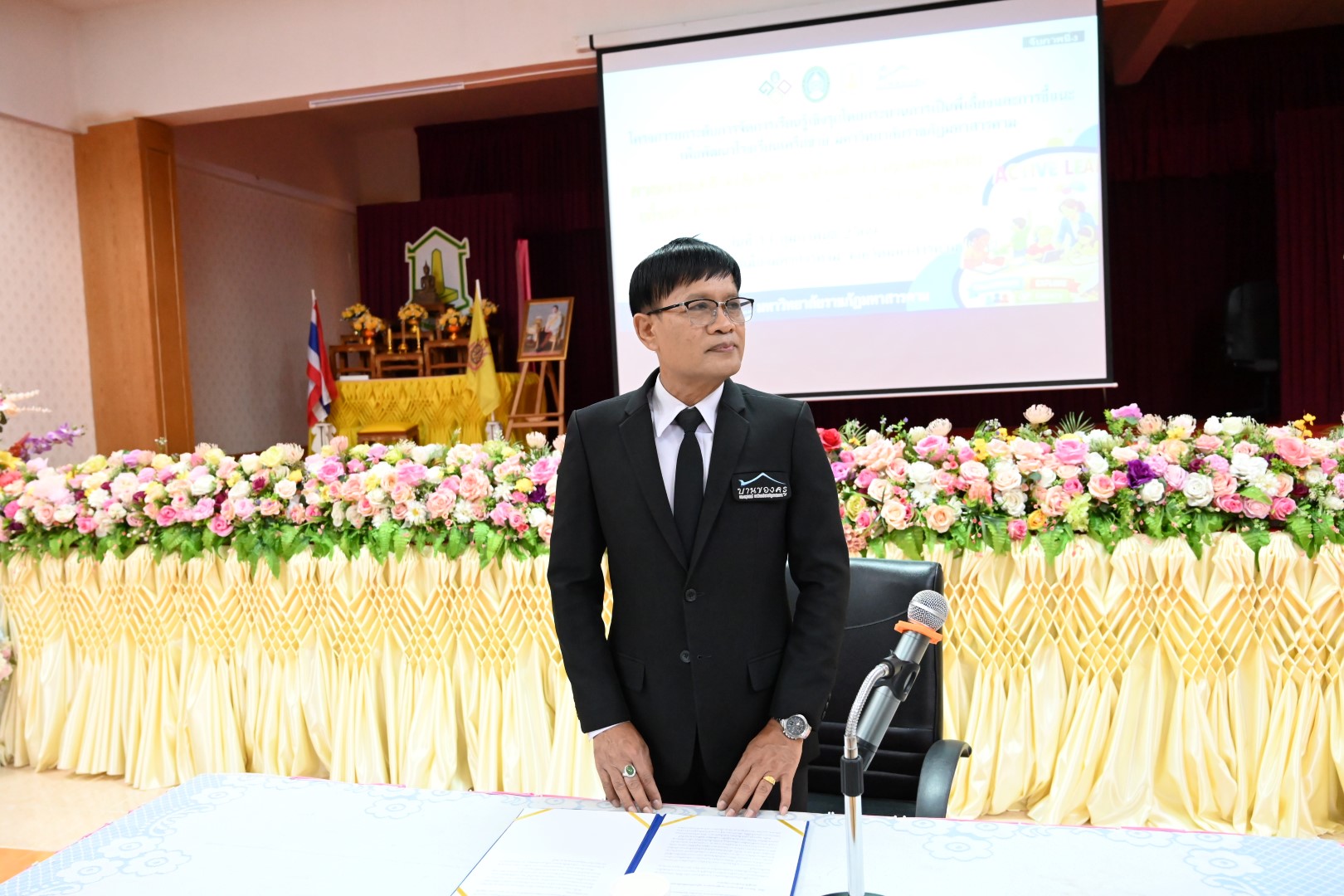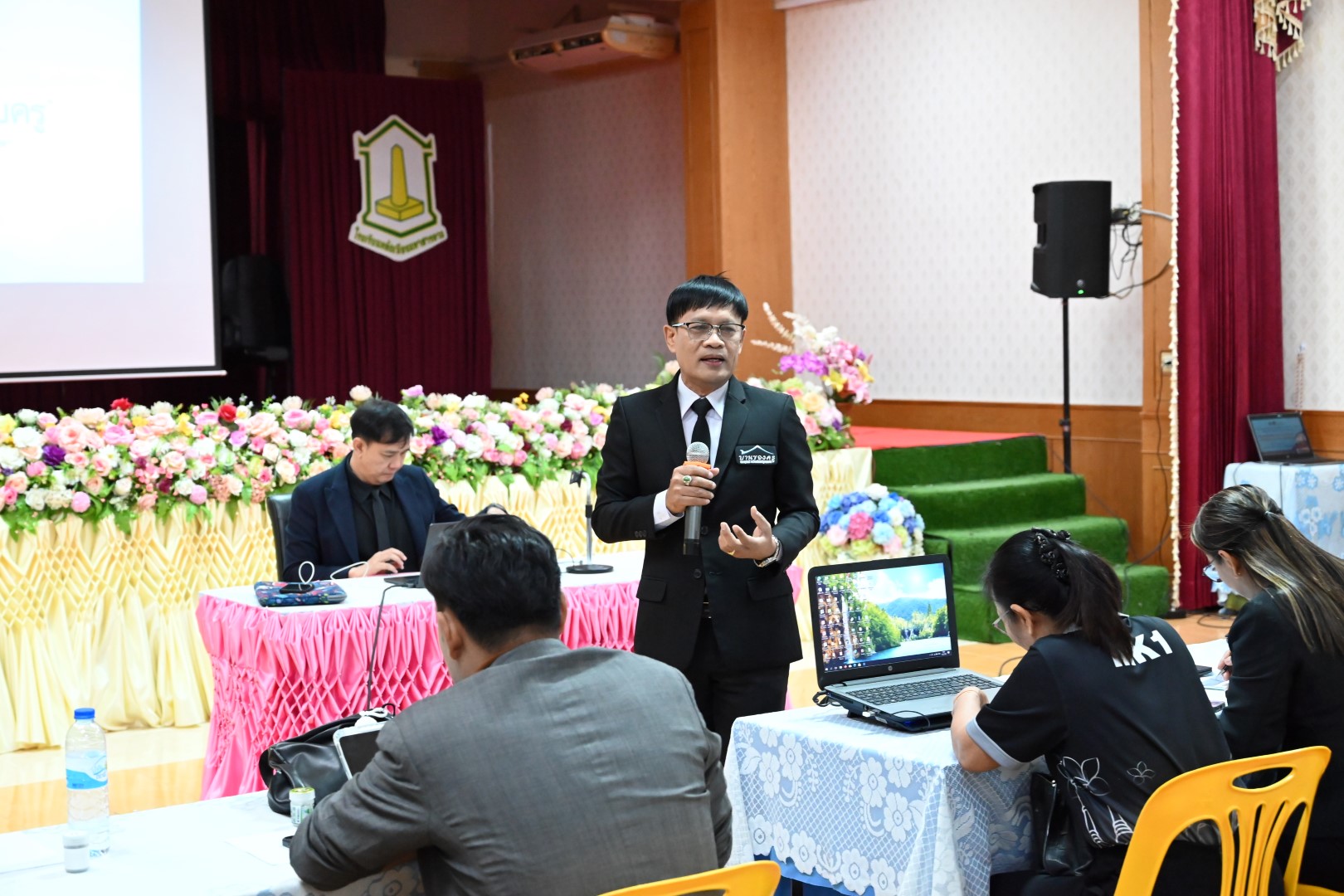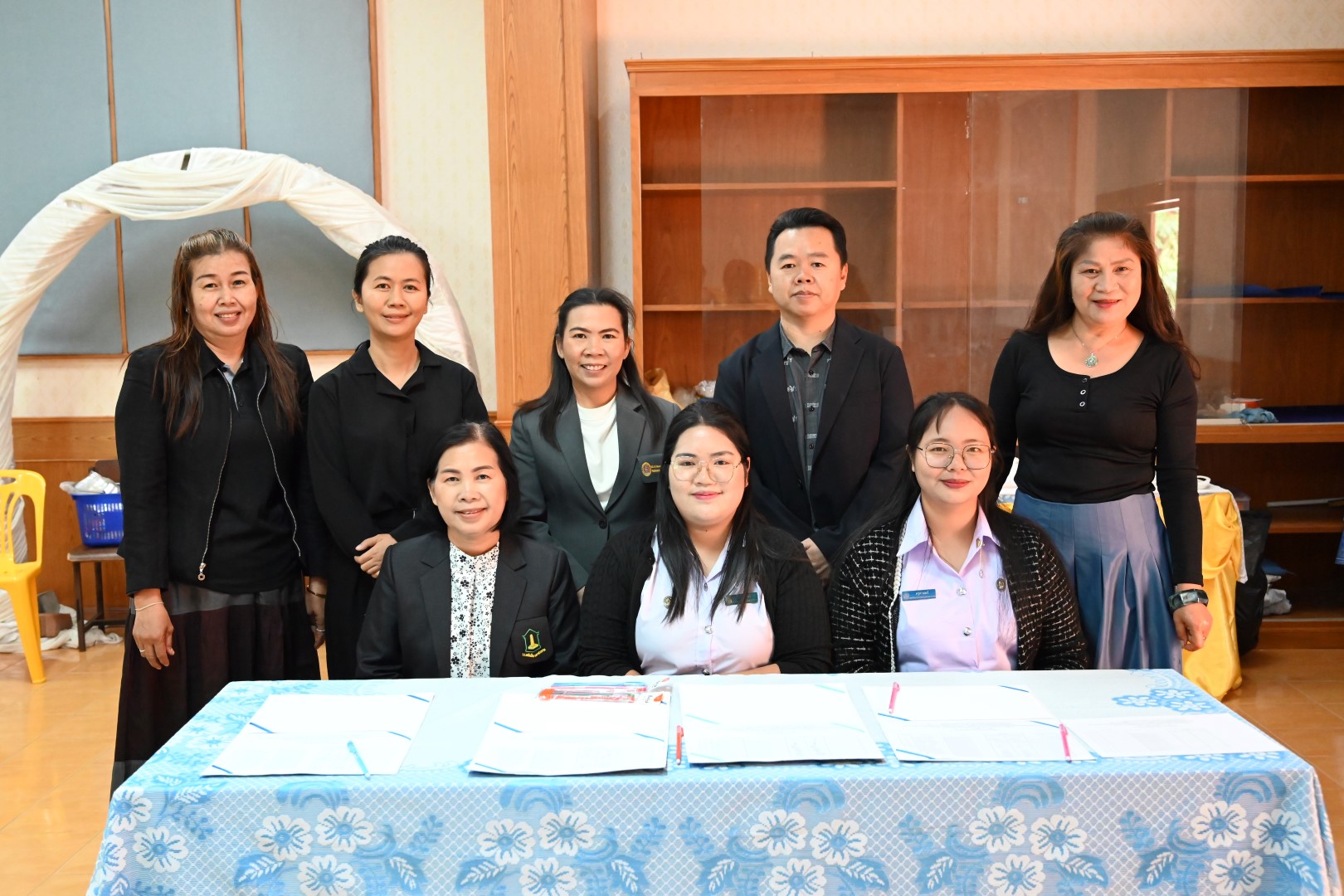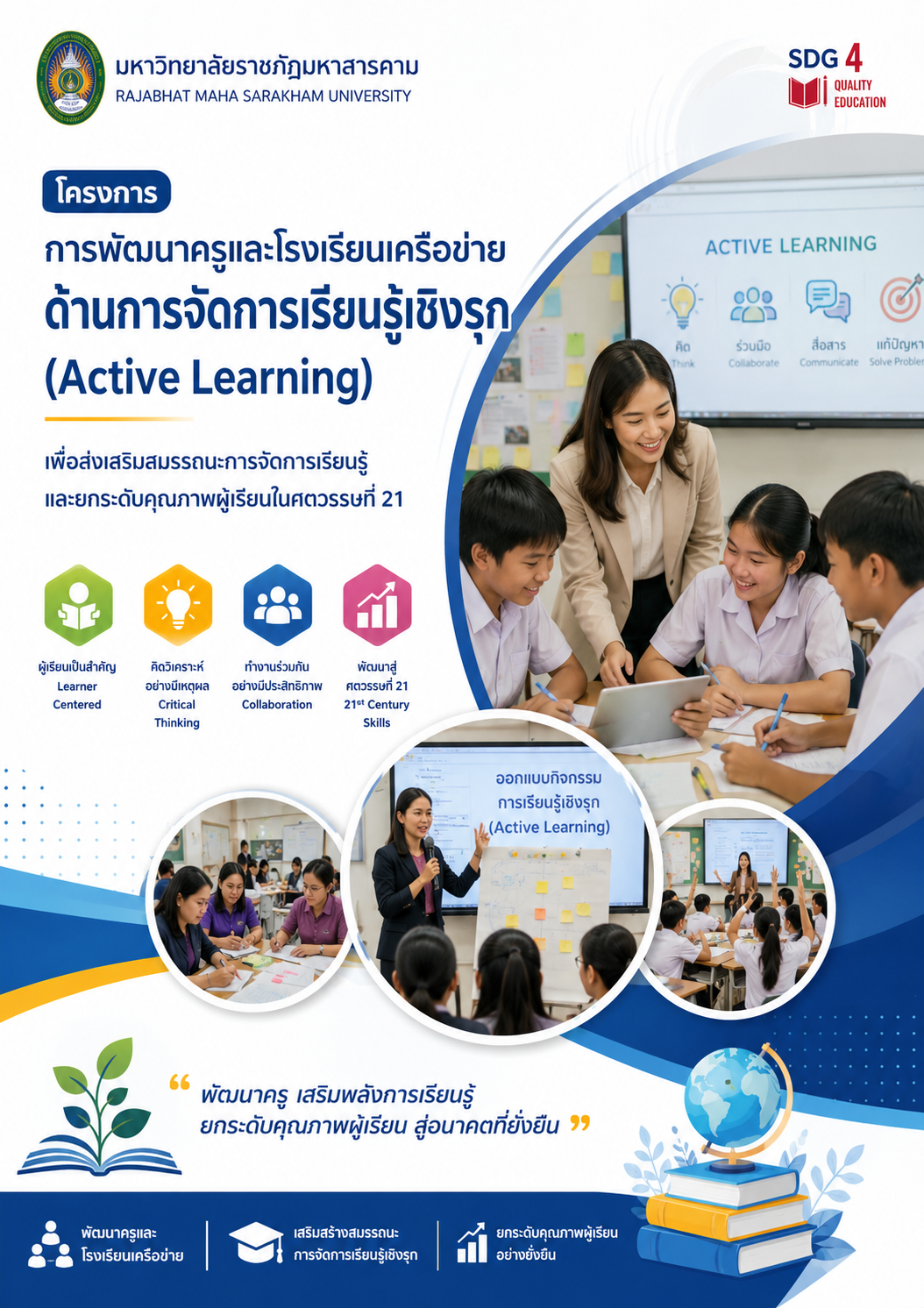
– March 31, 2026 14 กุมภาพันธ์ 2569
– 31 มีนาคม 2569
Part 1: Project Details ส่วนที่ 1 รายละเอียดการดำเนินงาน
Objectives วัตถุประสงค์โครงการ
1.To develop teachers’ competencies and enhance their professional capacity in network schools so that they can effectively implement active learning through a systematic mentoring and coaching process.
2.To develop active learning instructional innovations that are practically applicable within the context of network schools and can be further disseminated to other schools or educational institutions to enhance the overall quality of education.
1.เพื่อพัฒนาสมรรถนะและยกระดับศักยภาพของครูผู้สอนในโรงเรียนเครือข่าย ให้สามารถจัดการเรียนการสอนเชิงรุกได้อย่างมีประสิทธิภาพ ผ่านกระบวนการพี่เลี้ยงและการชี้แนะที่เป็นระบบ
2.เพื่อพัฒนานวัตกรรมการจัดการเรียนการสอนเชิงรุกที่สามารถนำไปใช้ได้จริงในบริบทของโรงเรียนเครือข่าย และสามารถขยายผลไปสู่โรงเรียนหรือสถาบันการศึกษาอื่น ๆ เพื่อยกระดับคุณภาพการศึกษาในภาพรวม
Main Activities กิจกรรมหลัก
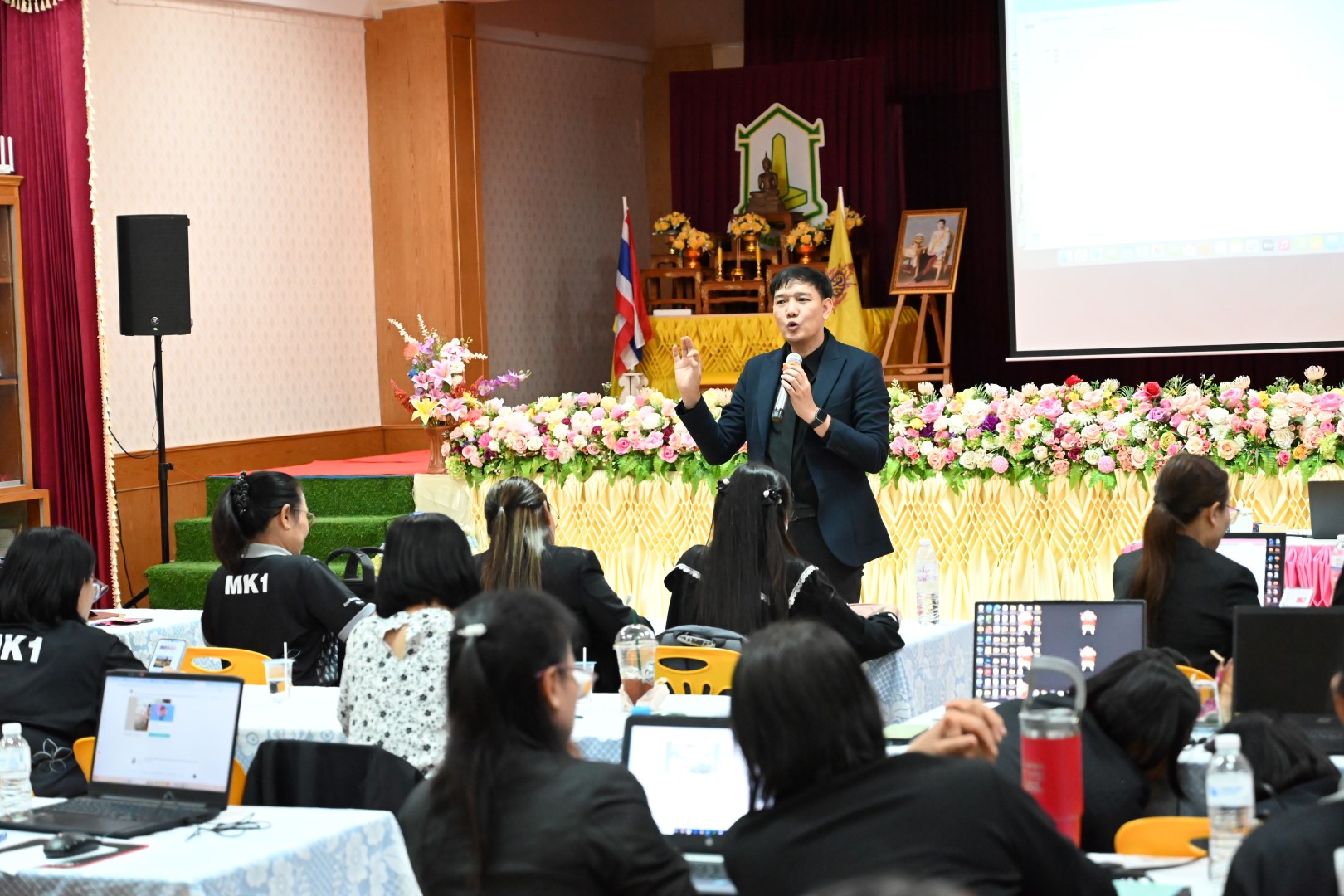
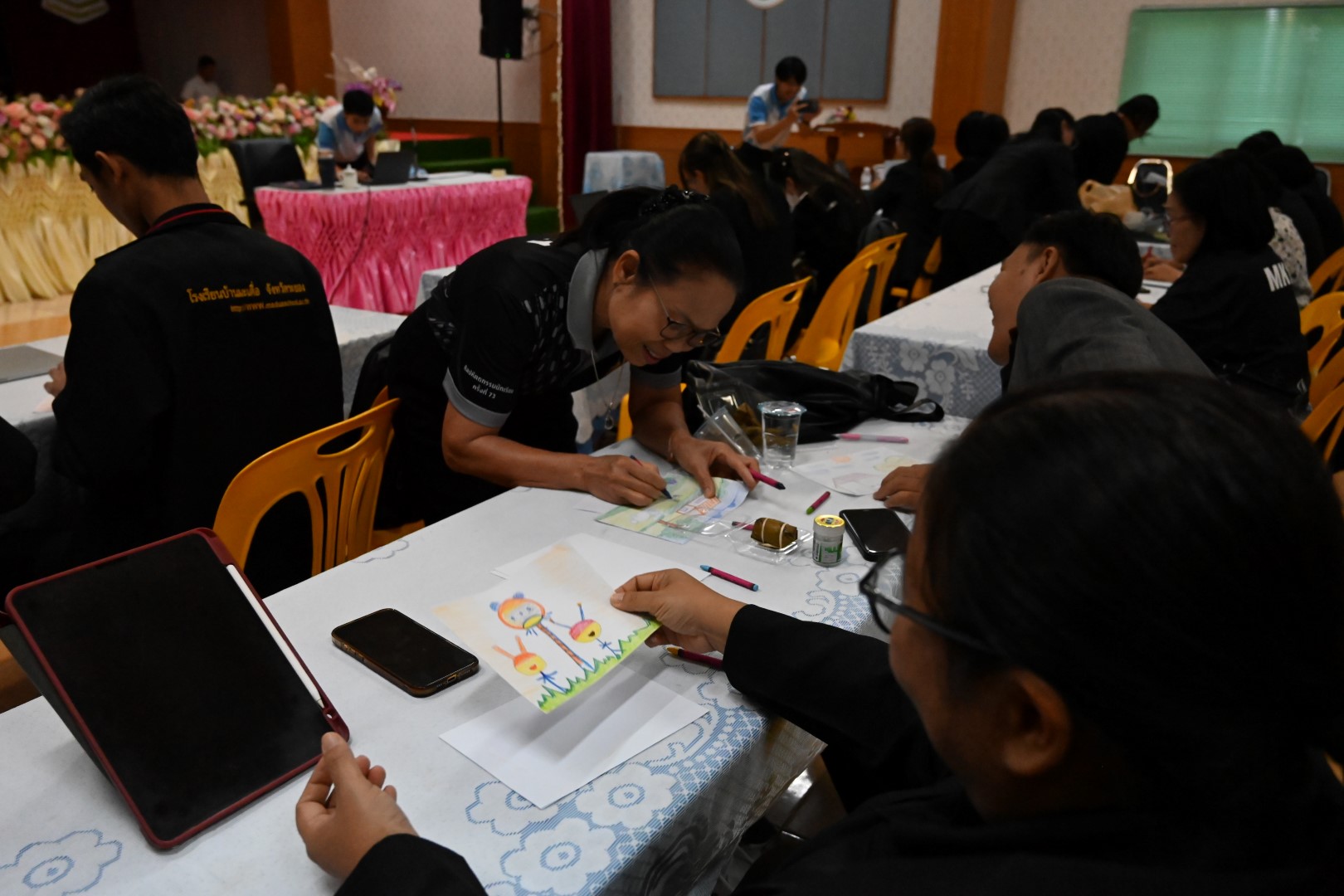
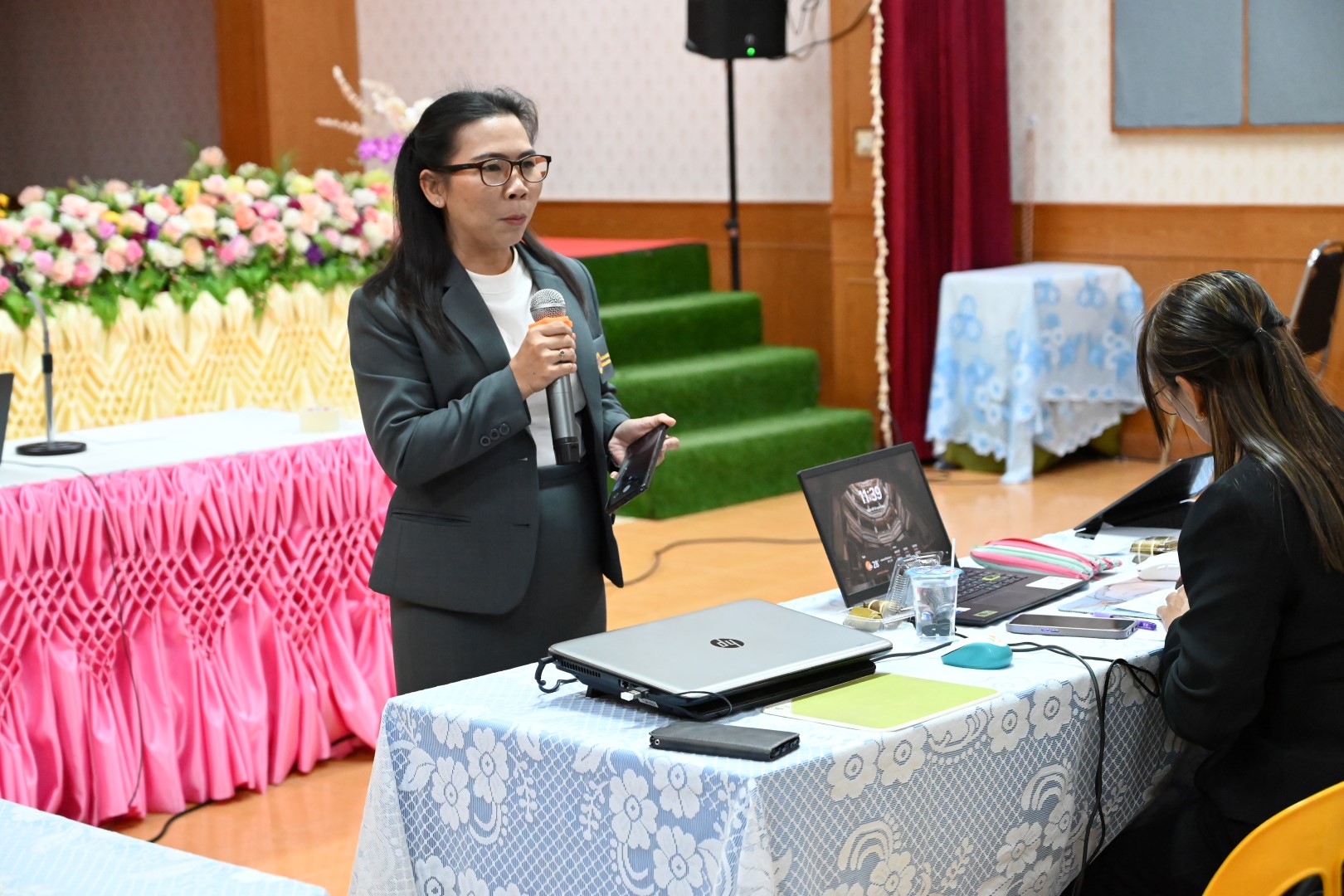
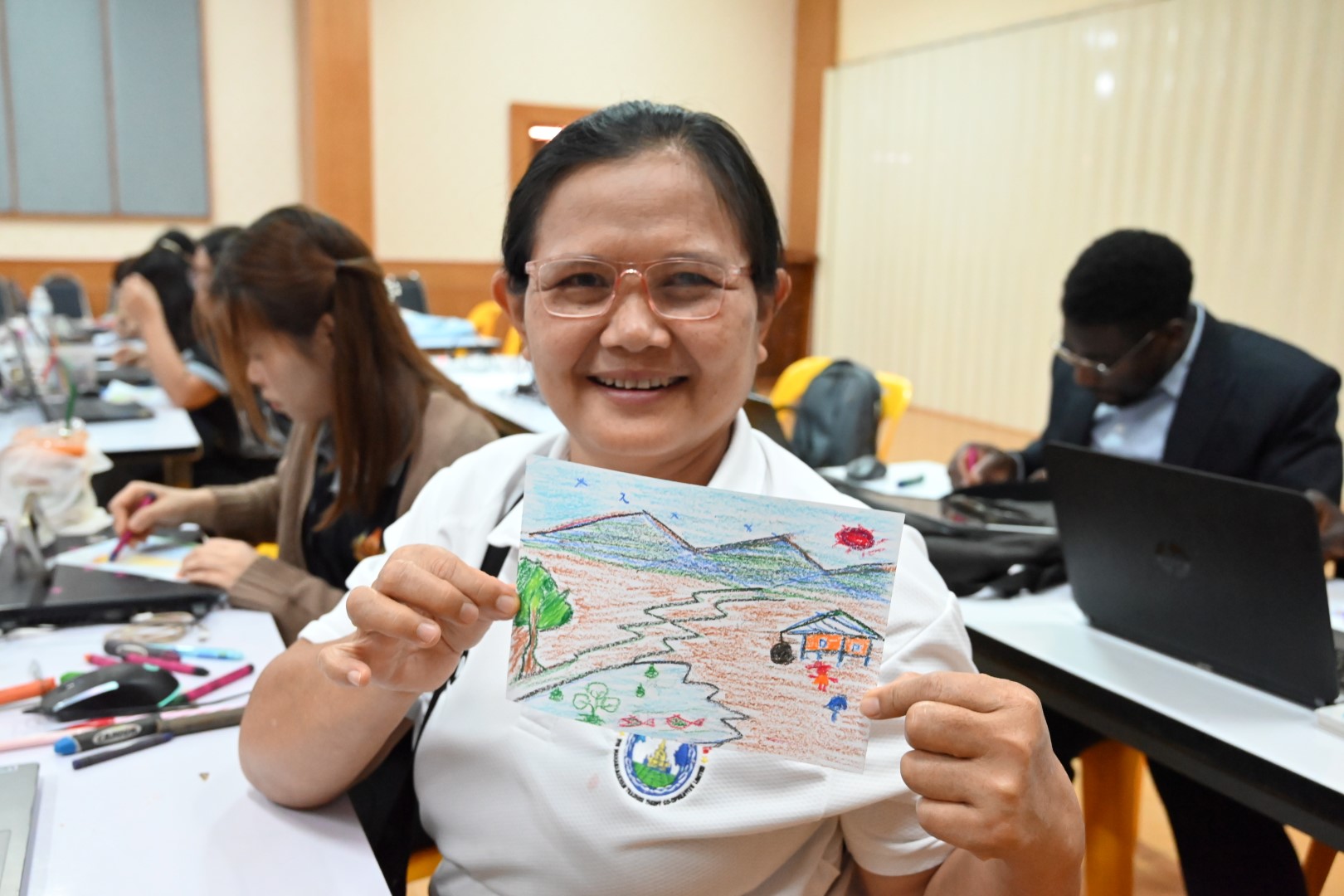
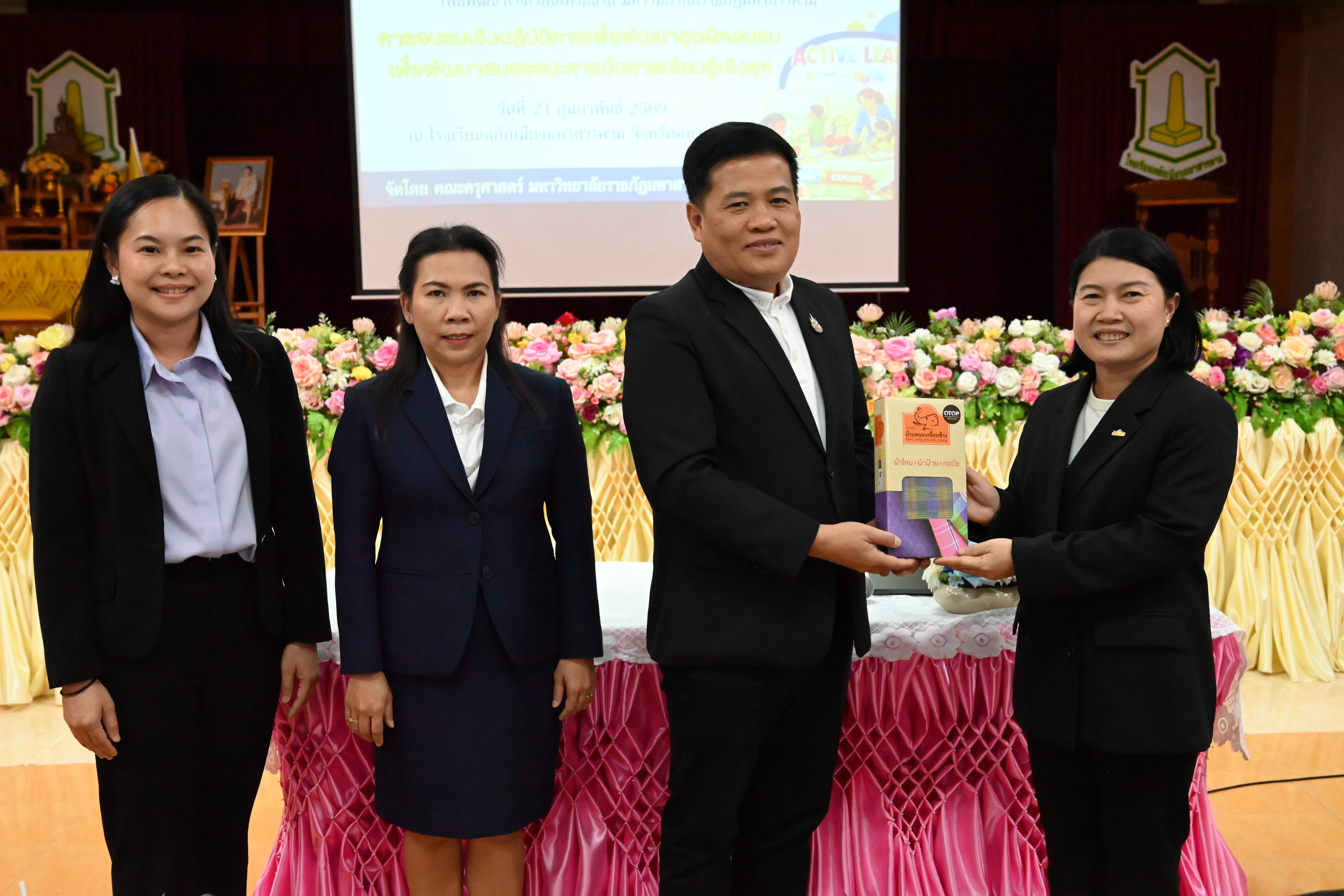
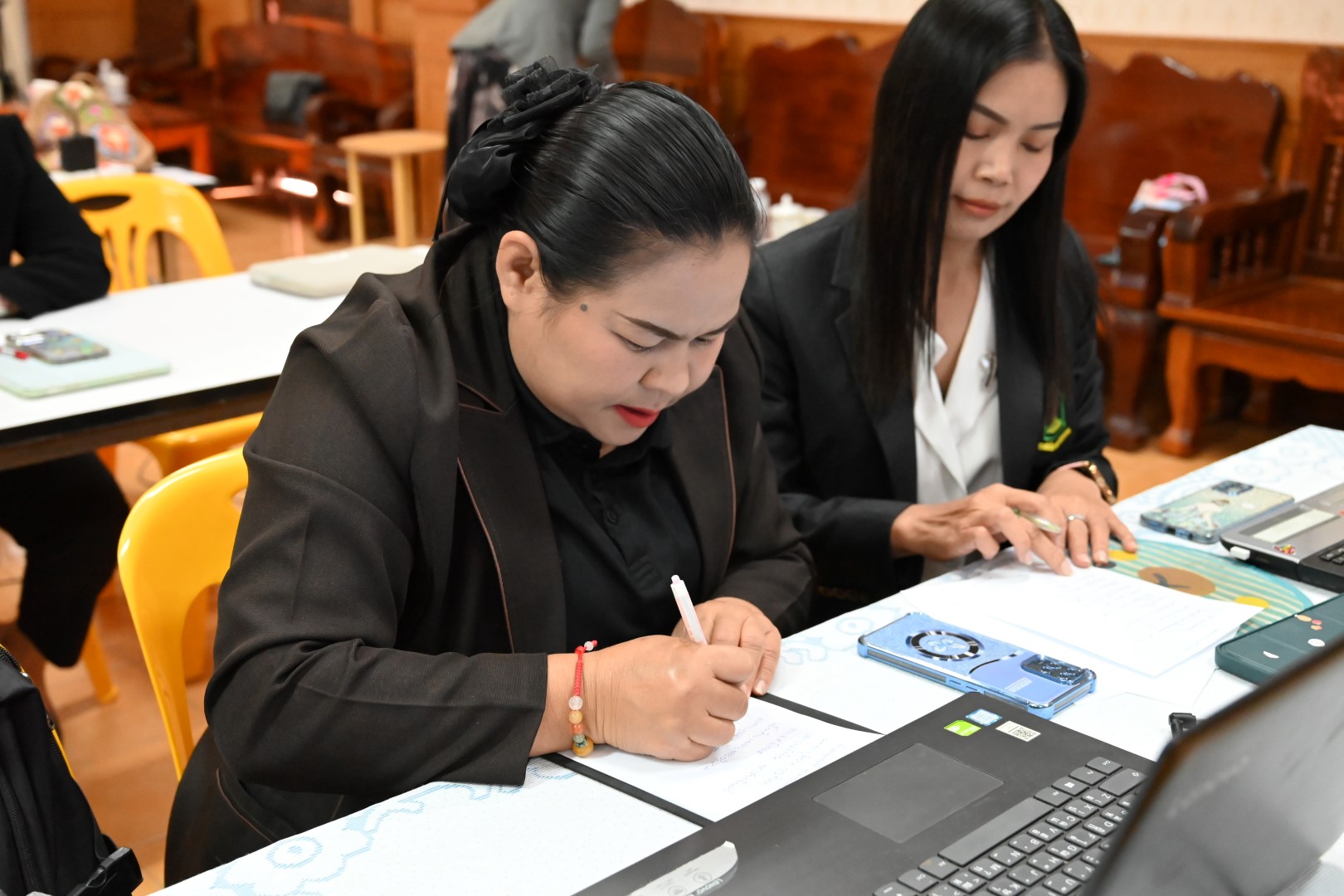
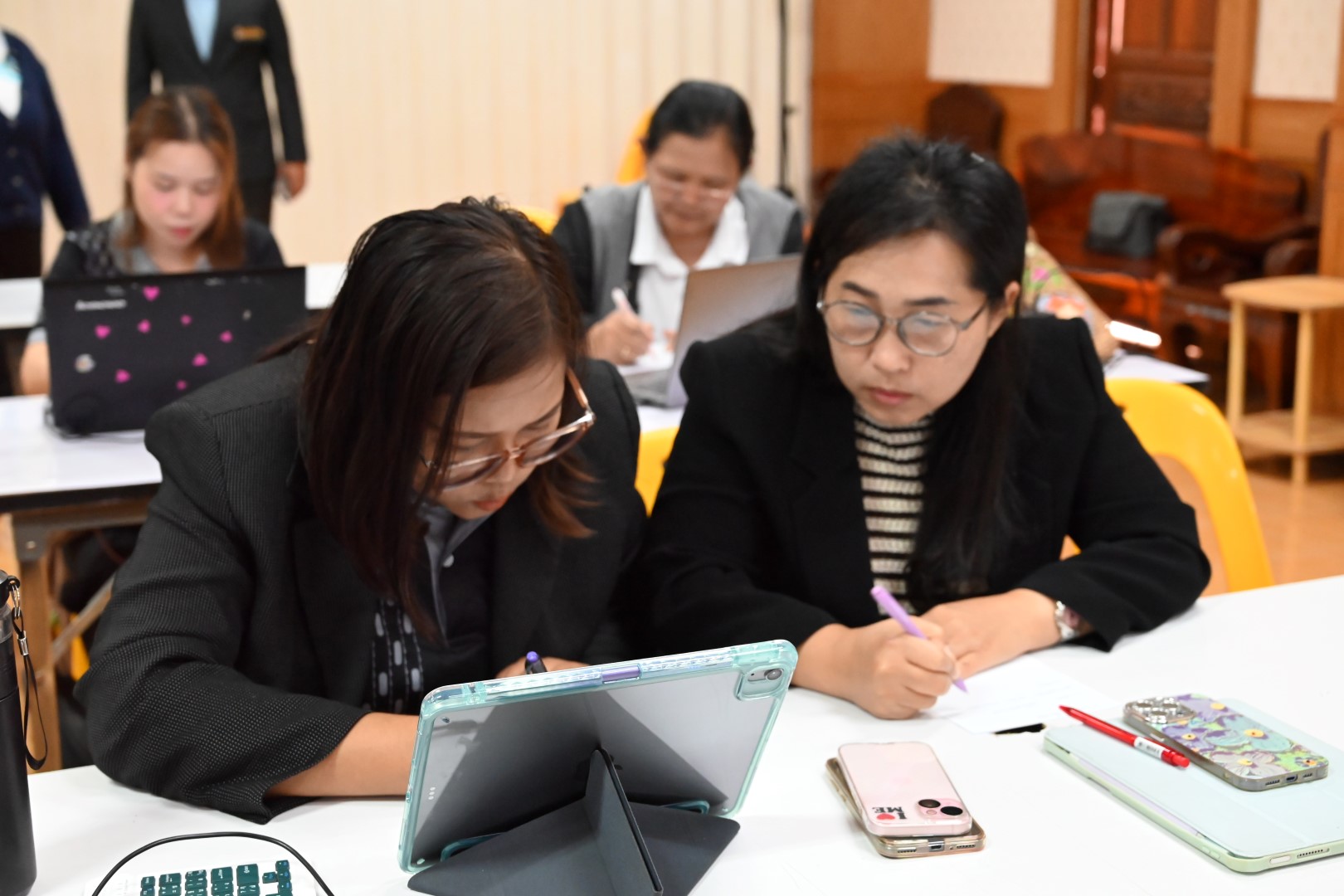
Activity 1: Workshop on the Development of Training Packages for Enhancing Active Learning Management Competencies
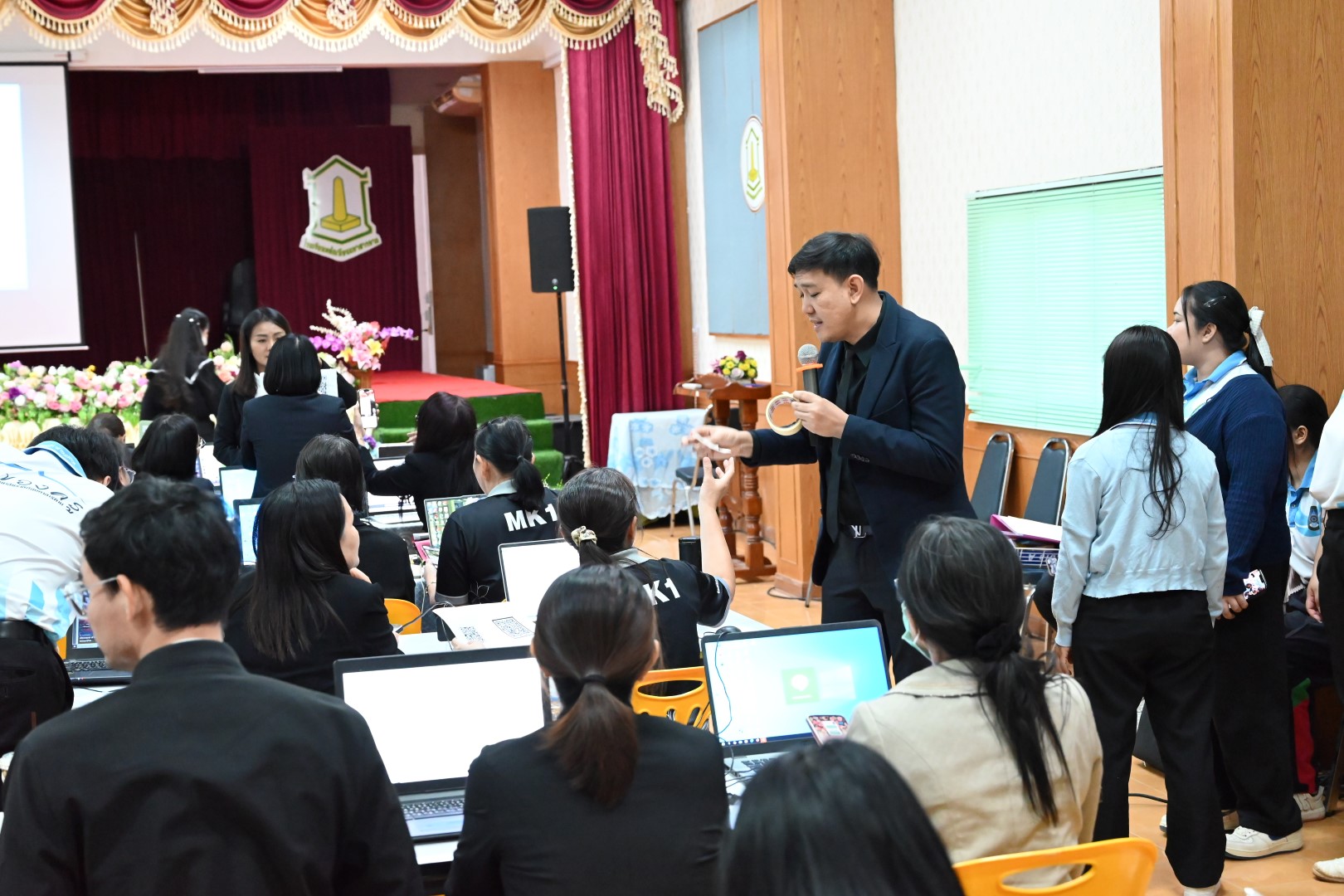
Activity 2: Workshop through the Mentoring and Coaching Process
กิจกรรมที่ 1 อบรมเชิงปฏิบัติการเพื่อพัฒนาชุดฝึกอบรมเพื่อพัฒนาสมรรถนะการจัดการเรียนรู้เชิงรุก
กิจกรรมที่ 2 อบรมเชิงปฏิบัติการผ่านกระบวนการพี่เลี้ยงและการชี้แนะ (Mentoring & Coaching)
Part 2: Outcomes & Impact ส่วนที่ 2 ผลลัพธ์และผลกระทบ
Outcomes ผลลัพธ์ที่เกิดขึ้น
1.Network schools have been enhanced as model schools for active learning management, equipped with a strong and sustainable teacher development system.
2.Teachers are able to apply the innovations and skills gained from the project to enhance learners’ analytical thinking skills and promote higher academic achievement.
1.โรงเรียนเครือข่ายได้รับการยกระดับให้เป็นโรงเรียนต้นแบบด้านการจัดการเรียนรู้เชิงรุก (Active Learning) ที่มีระบบการพัฒนาครูอย่างเข้มแข็งและยั่งยืน
2.ครูผู้สอนสามารถนำนวัตกรรมและทักษะที่ได้รับไปประยุกต์ใช้เพื่อพัฒนาผู้เรียนให้มีทักษะการคิดวิเคราะห์และมีผลสัมฤทธิ์ทางการเรียนที่สูงขึ้น
Community & Social Impact ผลกระทบต่อชุมชน/สังคม
-Economic Dimension:The project to enhance active learning management through mentoring and coaching processes enables teachers in network schools to develop more effective teaching skills. This results in learners acquiring competencies that are aligned with the needs of the local labor market, helps reduce the cost of skill development for enterprises, and supports the sustainable growth of the local economy.
- Social Dimension:The mentoring and coaching process helps network schools develop teachers more inclusively, reduce educational disparities, and strengthen collaboration between the university and local schools. This contributes to the development of a strong learning community and promotes the equitable enhancement of educational quality.
-Educational Dimension:The project to enhance active learning management through mentoring and coaching processes helps develop teachers’ capacity to design learner-centered learning activities. As a result, learners become more actively engaged in learning and achieve better academic outcomes. In addition, the project helps create teaching models that can be expanded to other schools, thereby strengthening and continuously improving the quality of education within the network.
-Environmental Dimension:The project to enhance active learning management through mentoring and coaching processes promotes awareness among teachers and learners of the efficient use of resources through learning activities that emphasize analytical thinking and social responsibility. This helps schools develop a culture of using instructional media and materials economically, reduce waste generated from learning activities, and promote environmentally friendly behaviors in the long term.
- ด้านเศรษฐกิจ โครงการยกระดับการจัดการเรียนรู้เชิงรุกโดยกระบวนการเป็นพี่เลี้ยงและการชี้แนะทำให้ครูในโรงเรียนเครือข่ายมีทักษะการสอนที่มีประสิทธิภาพยิ่งขึ้น ส่งผลให้ผู้เรียนได้รับการพัฒนาสมรรถนะที่สอดคล้องกับความต้องการของตลาดแรงงานในพื้นที่ ช่วยลดต้นทุนด้านการพัฒนาทักษะของสถานประกอบการ และสนับสนุนการเติบโตของเศรษฐกิจท้องถิ่นอย่างยั่งยืน
- ด้านสังคม กระบวนการพี่เลี้ยงและการชี้แนะช่วยให้โรงเรียนเครือข่ายมีการพัฒนาครูอย่างทั่วถึง ลดความเหลื่อมล้ำทางการศึกษา และเสริมสร้างความร่วมมือระหว่างมหาวิทยาลัยกับโรงเรียนในพื้นที่ ทำให้เกิดชุมชนการเรียนรู้ที่เข้มแข็งและยกระดับคุณภาพการศึกษาอย่างเท่าเทียม
- ด้านการศึกษา โครงการยกระดับการจัดการเรียนรู้เชิงรุกโดยกระบวนการเป็นพี่เลี้ยงและการชี้แนะช่วยพัฒนาศักยภาพครูให้สามารถออกแบบการเรียนรู้ที่เน้นผู้เรียนเป็นสำคัญ ส่งผลให้ผู้เรียนมีส่วนร่วมในการเรียนรู้มากขึ้น และมีผลสัมฤทธิ์ทางการเรียนที่ดีขึ้น อีกทั้งยังช่วยสร้างรูปแบบการสอนที่สามารถนำไปขยายผลในโรงเรียนอื่น ๆ ทำให้คุณภาพการศึกษาของเครือข่ายมีความเข้มแข็งและยกระดับอย่างต่อเนื่อง
- ด้านสิ่งแวดล้อม โครงการยกระดับการจัดการเรียนรู้เชิงรุกโดยกระบวนการเป็นพี่เลี้ยงและการชี้แนะช่วยส่งเสริมให้ครูและผู้เรียนตระหนักถึงการใช้ทรัพยากรอย่างคุ้มค่า ผ่านกิจกรรมการเรียนรู้ที่เน้นการคิดวิเคราะห์และความรับผิดชอบต่อสังคม ส่งผลให้โรงเรียนเกิดวัฒนธรรมการใช้สื่อการเรียนรู้และวัสดุอย่างประหยัด ลดของเสียจากการจัดกิจกรรม และส่งเสริมพฤติกรรมที่เป็นมิตรต่อสิ่งแวดล้อมในระยะยาว
Student & Staff Participation การมีส่วนร่วมของนักศึกษา/บุคลากร
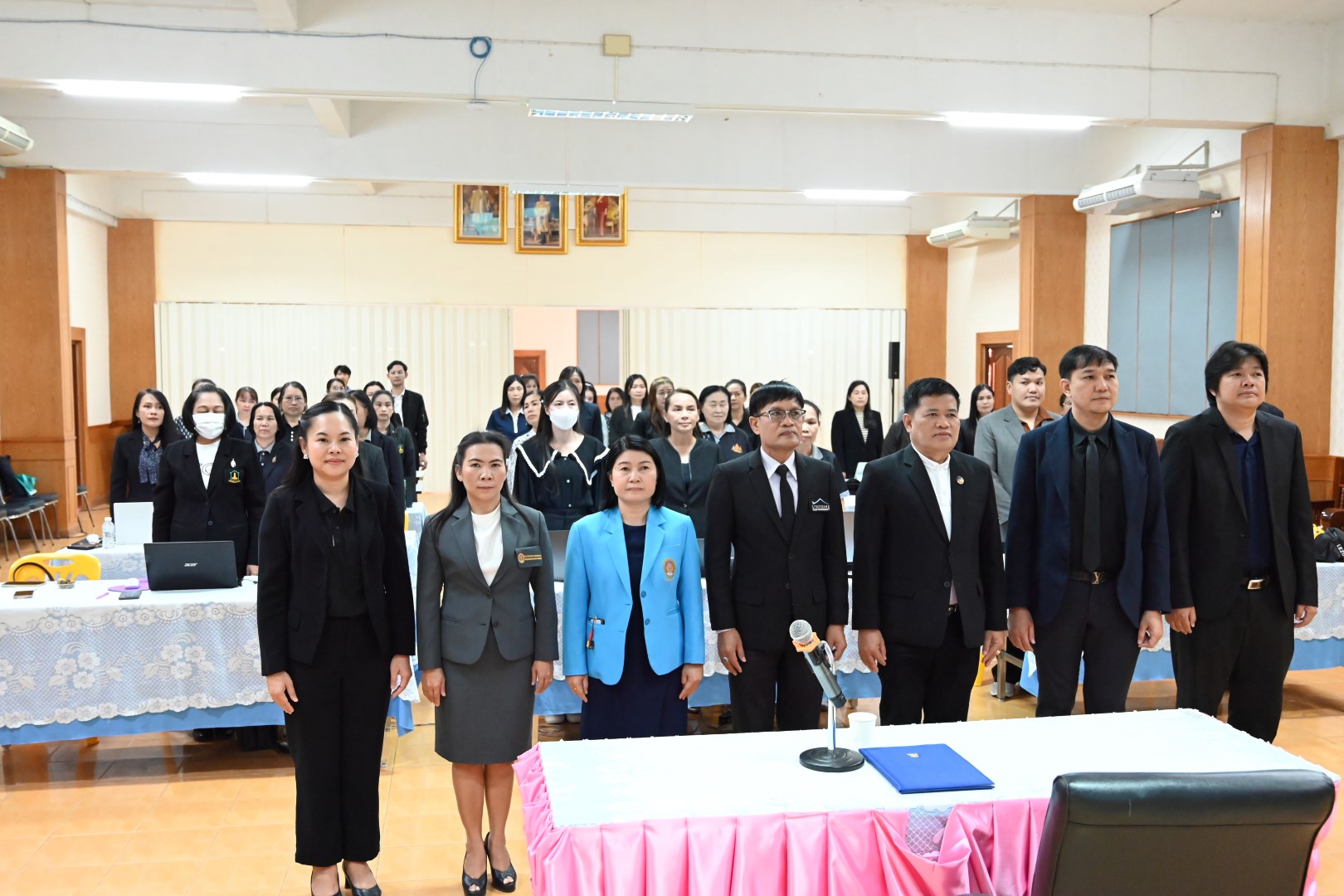
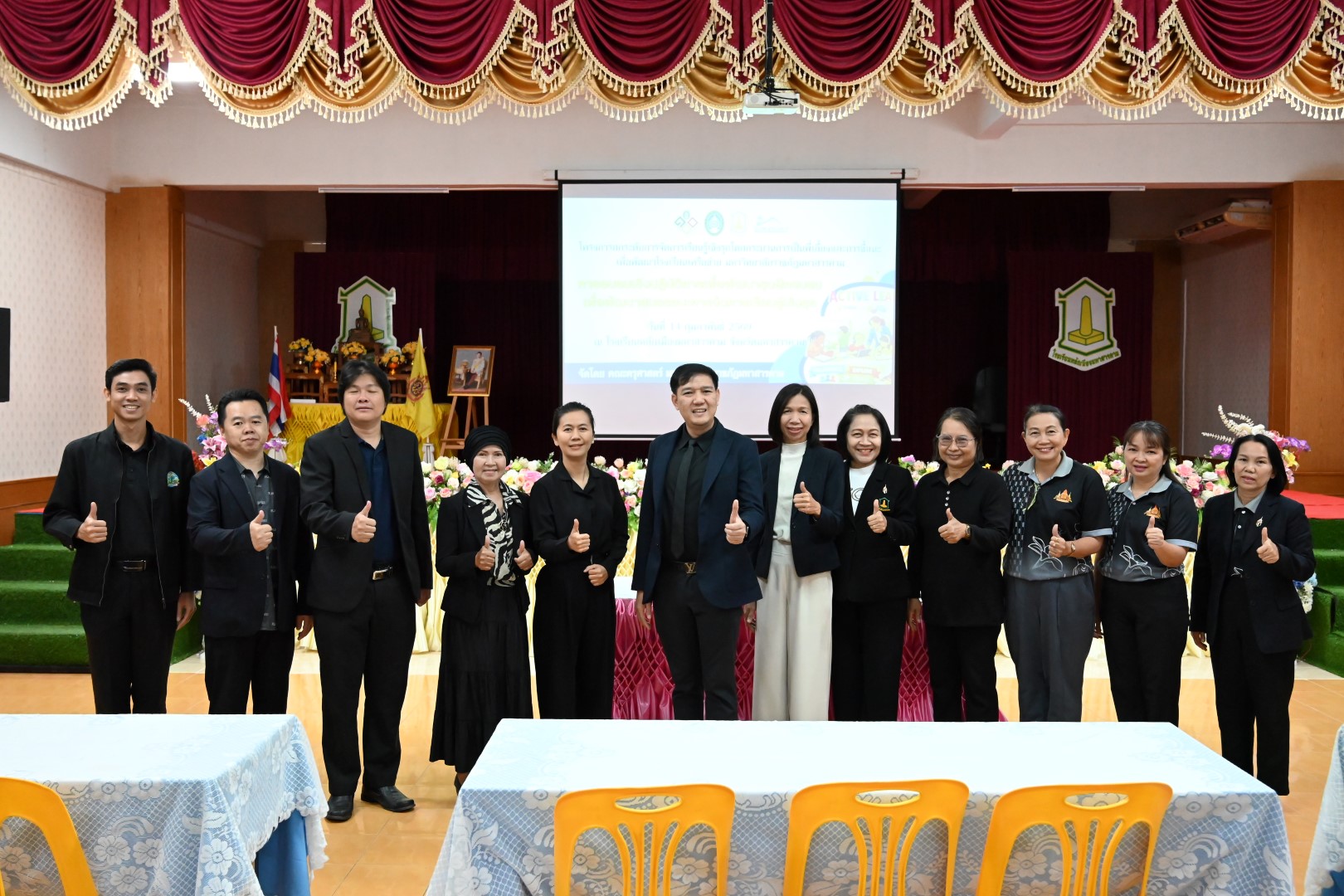
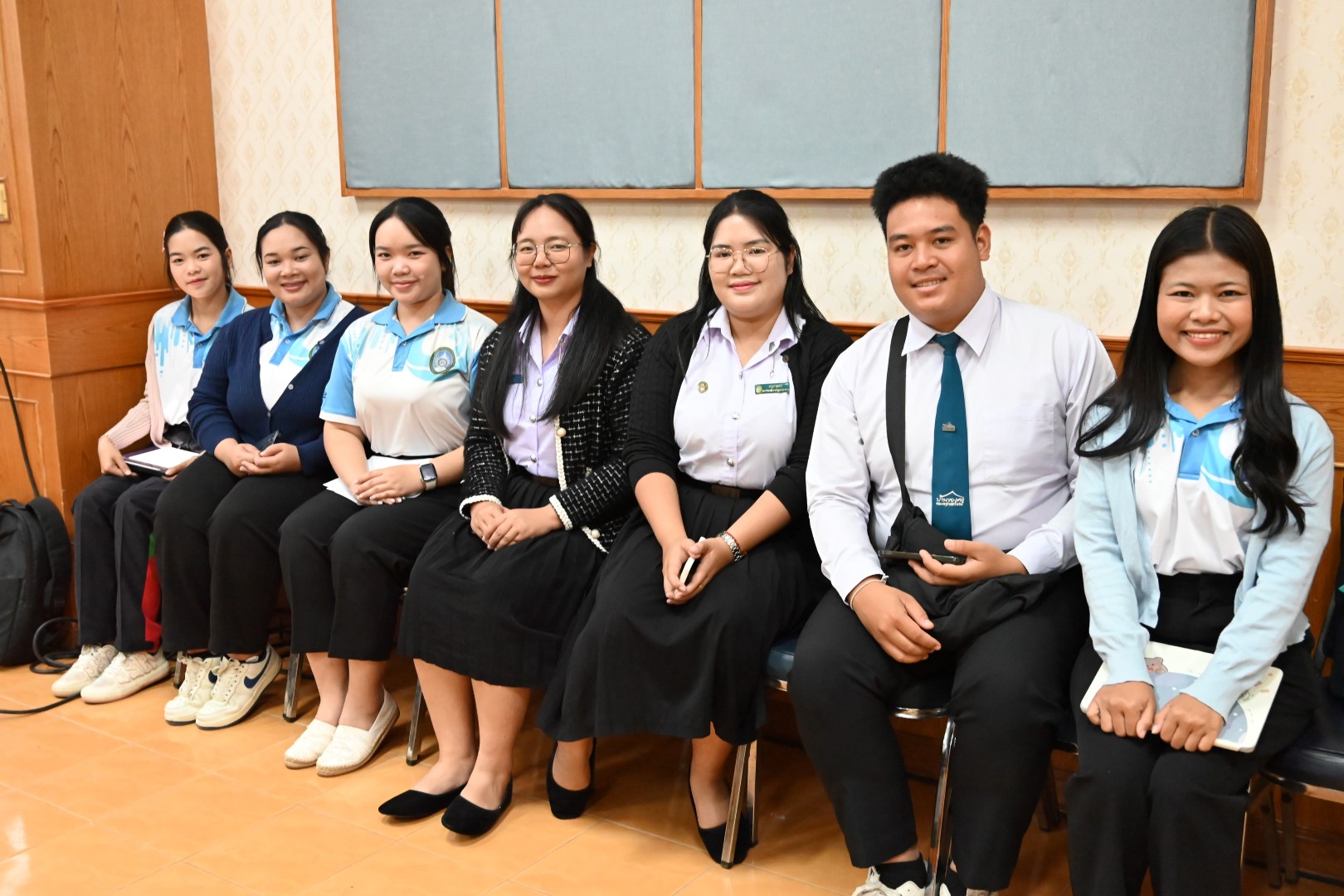
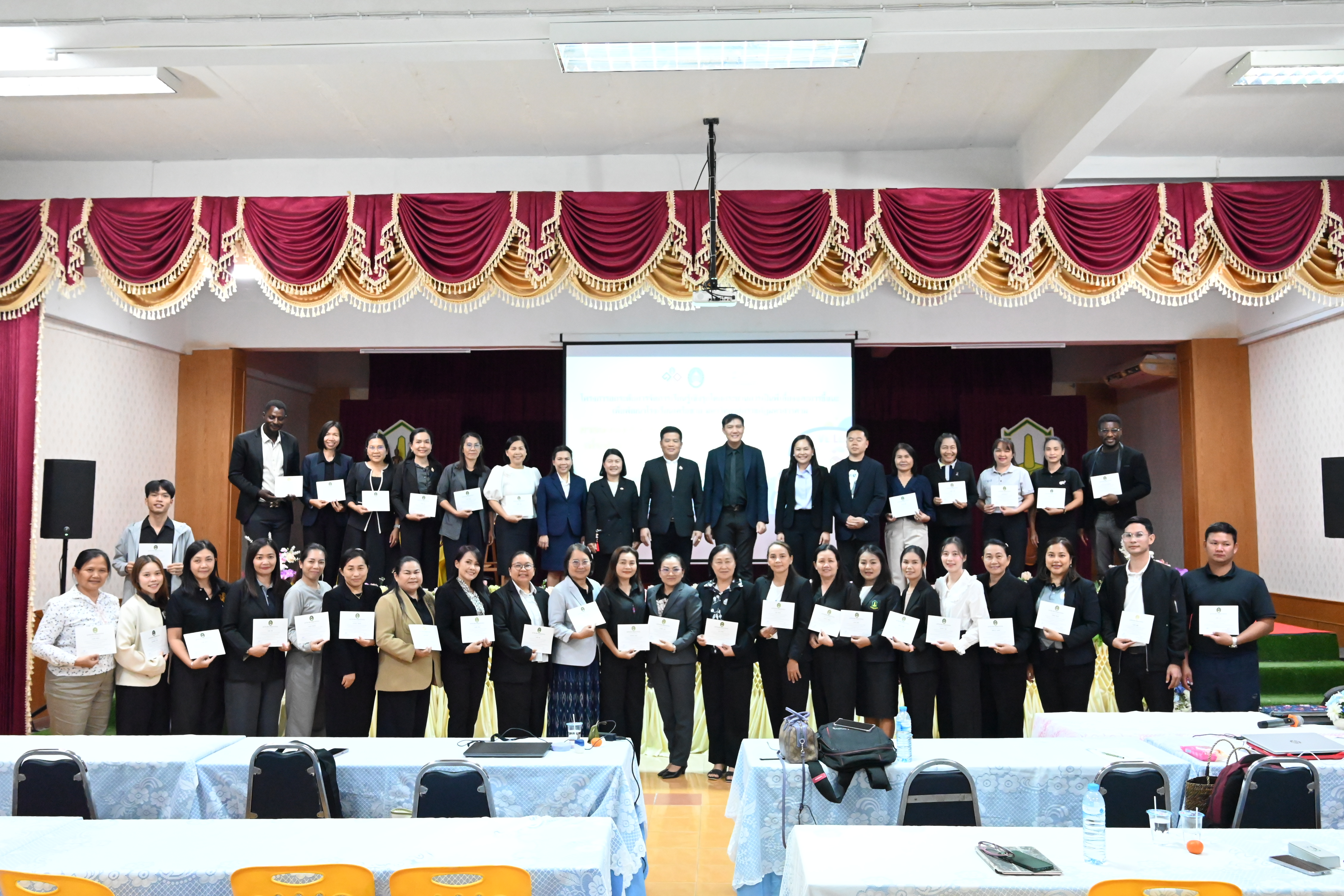
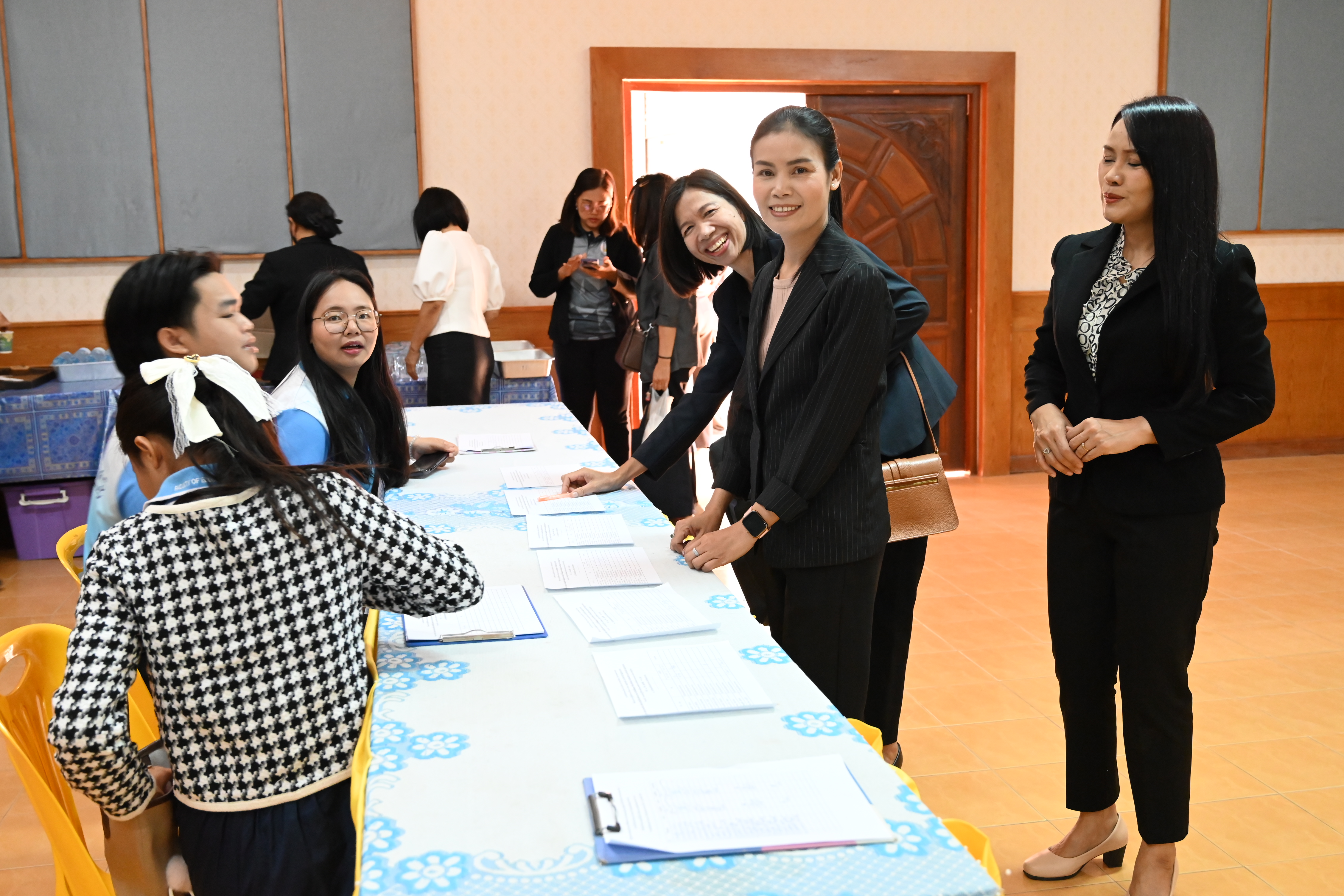
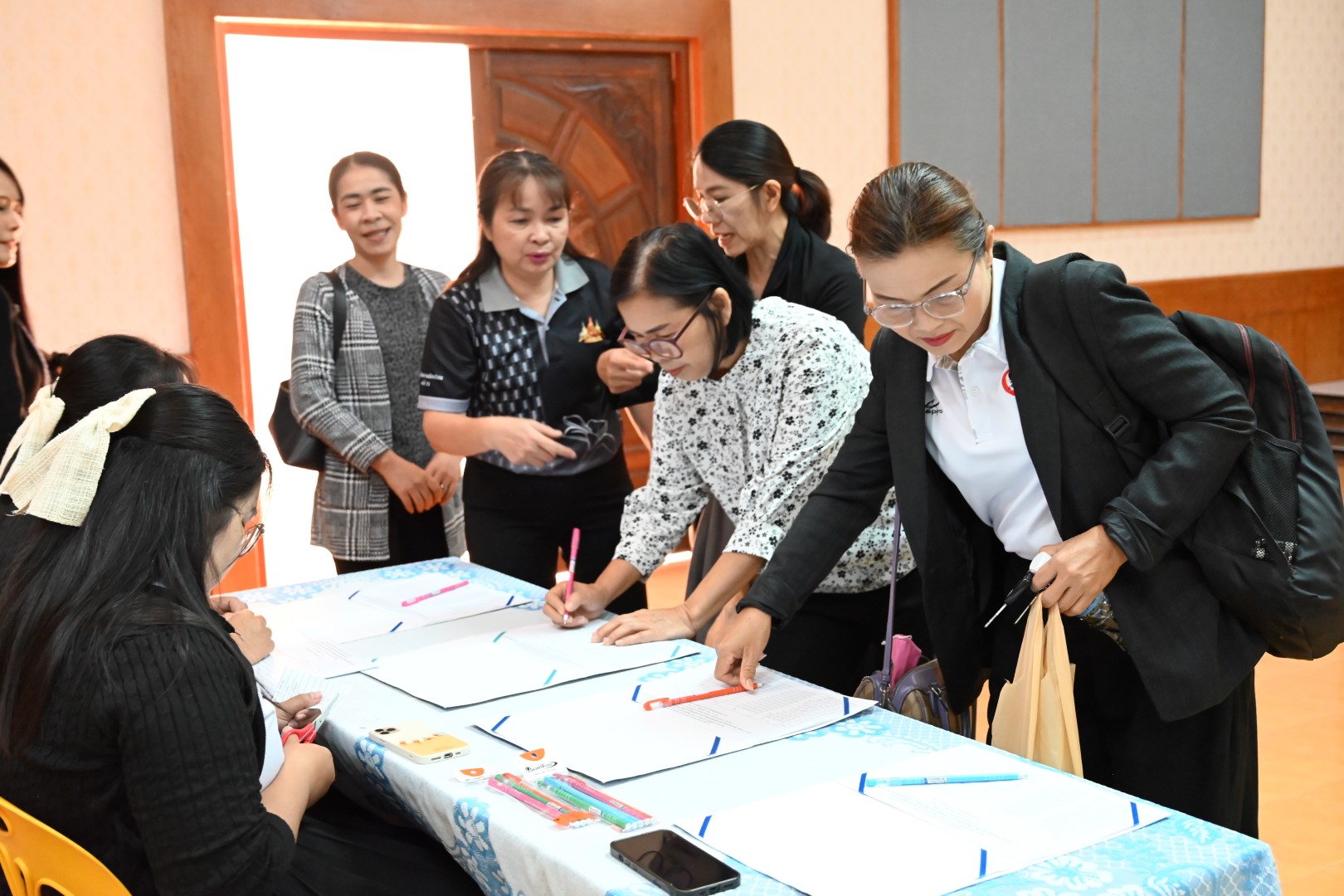
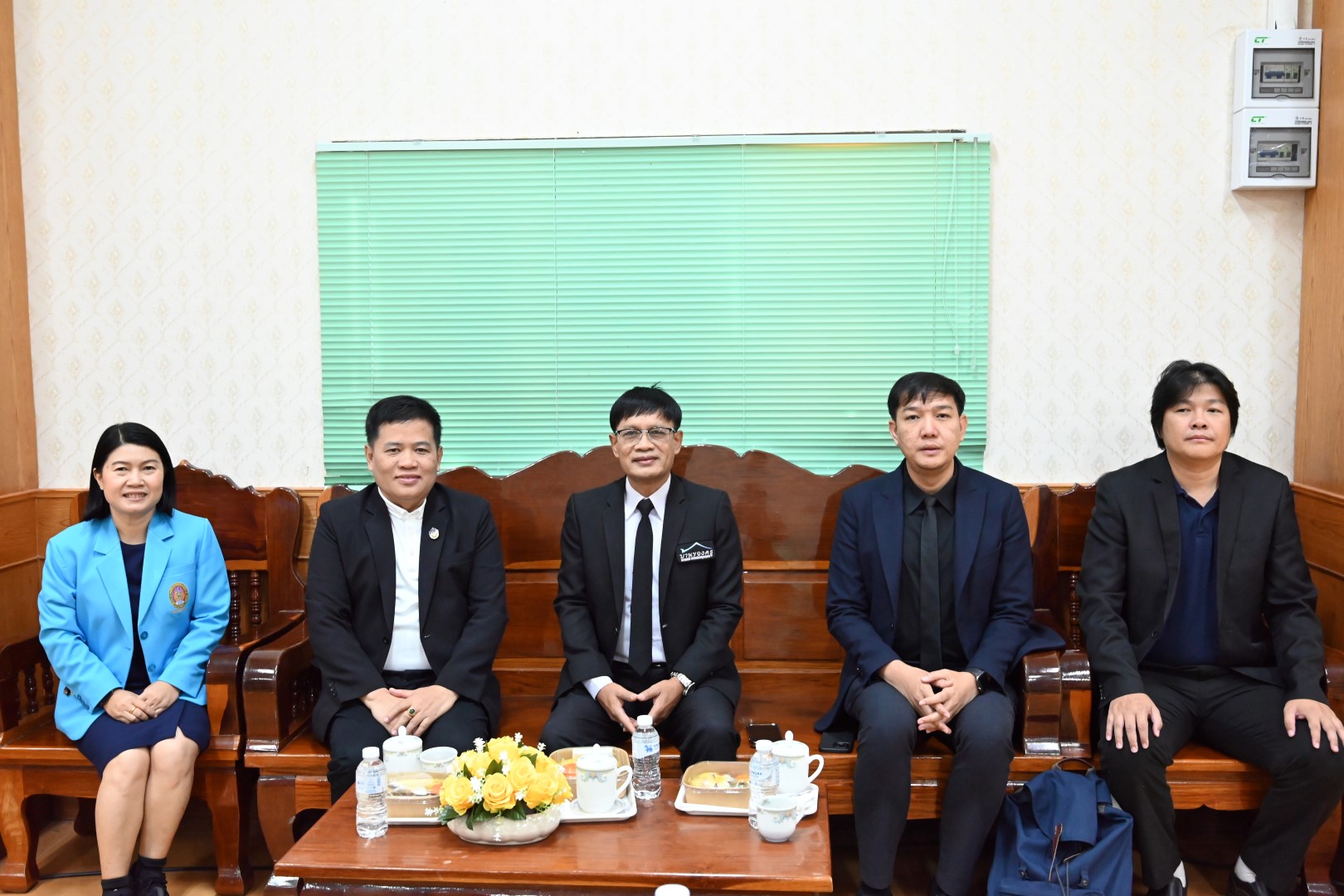
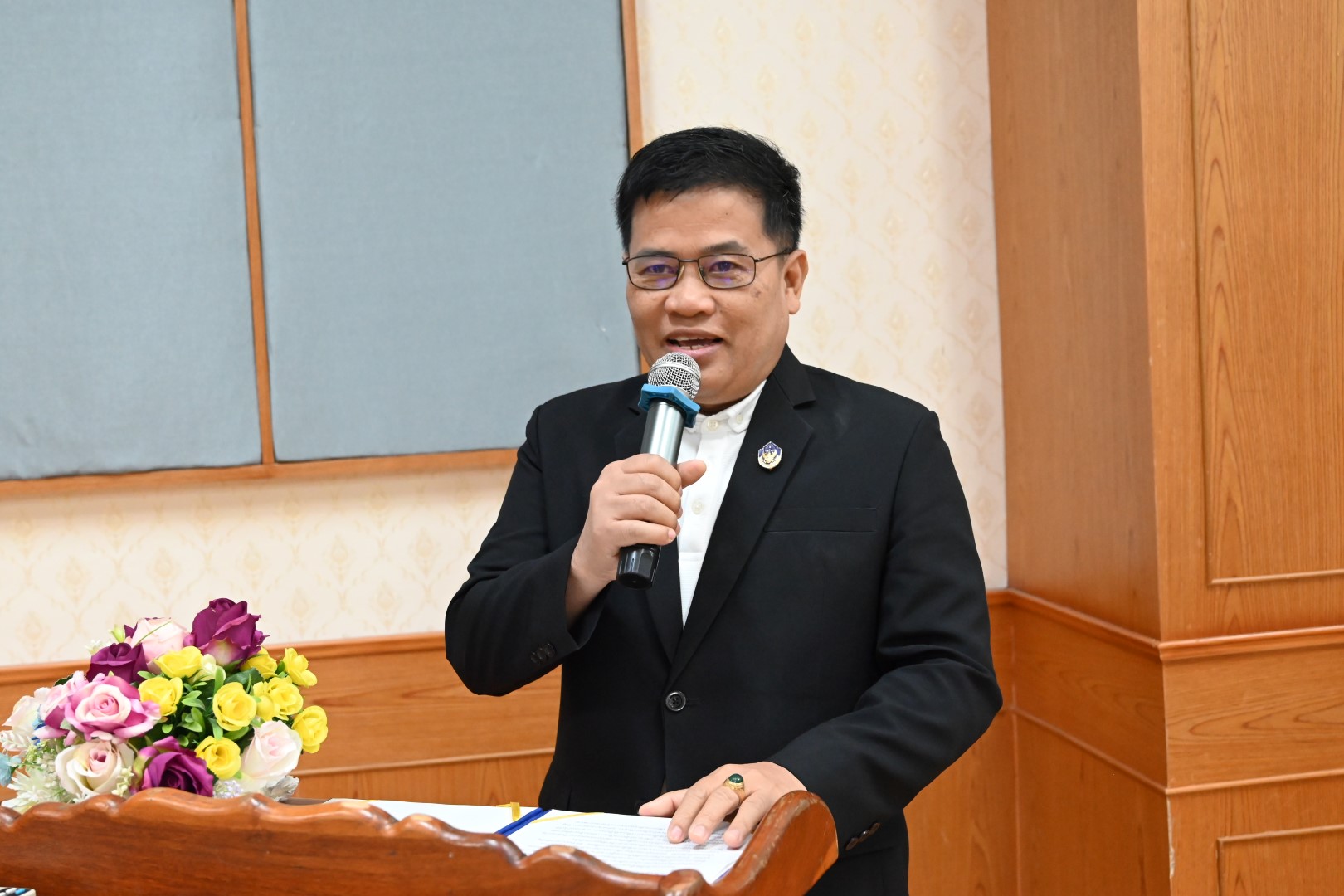
This project provided opportunities for students and personnel of the Faculty of Education, Rajabhat Maha Sarakham University, to participate in supporting the implementation of activities aimed at developing teachers and network schools in active learning management. University personnel were involved in planning, coordination, activity implementation, facilitation, consultation, and follow-up on project outcomes. Students were provided with opportunities to learn from real school contexts through observation, activity support, preparation of instructional media or learning materials, and knowledge sharing with teachers in network schools. These experiences enabled students to gain a deeper understanding of the roles of modern teachers, active learning management, and collaboration with schools in real educational settings. Such participation helped connect university-based learning with academic services for society. It encouraged students and personnel to apply their professional knowledge in teacher education to support the enhancement of local educational quality. The project was also aligned with Sustainable Development Goal 4: Quality Education, as it aimed to develop teachers’ capacity, promote learning opportunities, and support network schools in improving learning management in ways that are appropriate to learners and local contexts on a continuous basis. โครงการนี้เปิดโอกาสให้นักศึกษาและบุคลากรของคณะครุศาสตร์ มหาวิทยาลัยราชภัฏมหาสารคาม มีส่วนร่วมในการสนับสนุนการดำเนินงานเพื่อพัฒนาครูและโรงเรียนเครือข่ายด้านการจัดการเรียนรู้เชิงรุก โดยบุคลากรมีบทบาทในการวางแผน ประสานงาน จัดกิจกรรม อำนวยความสะดวก ให้คำปรึกษา และร่วมติดตามผลการดำเนินงาน ส่วนของนักศึกษาได้รับโอกาสในการเรียนรู้จากสถานการณ์จริงผ่านการสังเกต การสนับสนุนกิจกรรม การจัดเตรียมสื่อหรือเอกสารประกอบการเรียนรู้ และการแลกเปลี่ยนเรียนรู้ร่วมกับครูในโรงเรียนเครือข่าย ทำให้นักศึกษาเข้าใจบทบาทของครูยุคใหม่ การจัดการเรียนรู้เชิงรุก และการทำงานร่วมกับสถานศึกษาในพื้นที่จริงมากยิ่งขึ้น การมีส่วนร่วมดังกล่าวช่วยเชื่อมโยงการเรียนรู้ในมหาวิทยาลัยกับการบริการวิชาการแก่สังคม ส่งเสริมให้นักศึกษาและบุคลากรได้ใช้ความรู้ทางวิชาชีพครูในการสนับสนุนการยกระดับคุณภาพการศึกษาในท้องถิ่น และสอดคล้องกับเป้าหมายการพัฒนาที่ยั่งยืน เป้าหมายที่ 4 การศึกษาที่มีคุณภาพ เนื่องจากโครงการมุ่งพัฒนาศักยภาพครู ส่งเสริมโอกาสทางการเรียนรู้ และสนับสนุนให้โรงเรียนเครือข่ายสามารถพัฒนาการจัดการเรียนรู้ที่เหมาะสมกับผู้เรียนและบริบทของพื้นที่ได้อย่างต่อเนื่อง
Project Continuity ความต่อเนื่องของโครงการ
This project has a continuity plan that focuses on following up on the actual implementation of knowledge, skills, and active learning innovations acquired by participating teachers in their classrooms. This will help demonstrate the outcomes of teacher development at the practical level and provide information for improving teacher development models to better suit the contexts of network schools. In the next phase, the project should emphasize supervision, monitoring, consultation, and lesson learned activities with teachers and school administrators in order to ensure continuous improvement in active learning management. In addition, the project can be further developed by preparing lead teachers in network schools to serve as mentors or coaches within their own schools. A repository of active learning innovations should also be established, including learning management plans, instructional media, learning activities, assessment tools, and examples of teachers’ work. This repository can serve as a shared learning resource and a model for further expansion to other teachers, schools, or educational networks. These efforts will help ensure that the project does not end with a single training activity, but develops into a sustainable system for teacher development and the enhancement of local educational quality. โครงการนี้มีแนวทางดำเนินงานต่อเนื่องโดยมุ่งติดตามผลการนำความรู้ ทักษะ และนวัตกรรมการจัดการเรียนรู้เชิงรุกไปใช้จริงในชั้นเรียนของครูผู้เข้าร่วมโครงการ เพื่อให้เห็นผลลัพธ์ของการพัฒนาครูในระดับการปฏิบัติ และสามารถนำข้อมูลจากการติดตามไปใช้ปรับปรุงรูปแบบการพัฒนาครูให้มีความเหมาะสมกับบริบทของโรงเรียนเครือข่ายมากยิ่งขึ้น การดำเนินงานในระยะต่อไปควรเน้นการนิเทศ ติดตาม ให้คำปรึกษา และถอดบทเรียนร่วมกับครูและผู้บริหารสถานศึกษา เพื่อให้เกิดการพัฒนาการจัดการเรียนรู้เชิงรุกอย่างต่อเนื่อง นอกจากนี้ โครงการยังสามารถต่อยอดโดยการพัฒนาครูแกนนำในโรงเรียนเครือข่ายให้ทำหน้าที่เป็นพี่เลี้ยงหรือผู้ชี้แนะภายในสถานศึกษา รวมทั้งจัดทำคลังนวัตกรรมการจัดการเรียนรู้เชิงรุก เช่น แผนการจัดการเรียนรู้ สื่อ กิจกรรม เครื่องมือวัดและประเมินผล และตัวอย่างผลงานครู เพื่อใช้เป็นแหล่งเรียนรู้ร่วมกันและเป็นต้นแบบในการขยายผลไปยังครู โรงเรียน หรือเครือข่ายสถานศึกษาอื่น การดำเนินงานดังกล่าวจะช่วยให้โครงการมีความต่อเนื่อง ไม่สิ้นสุดเพียงการอบรมครั้งเดียว แต่สามารถพัฒนาไปสู่ระบบการพัฒนาครูและการยกระดับคุณภาพการศึกษาในท้องถิ่นได้อย่างยั่งยืน
Part 3: Challenges & Suggestions ส่วนที่ 3 ปัญหาอุปสรรค/ข้อเสนอแนะ
Problems & Obstacles ปัญหา/อุปสรรค
1. Teachers participating in the project have regular responsibilities in their schools, including teaching and learning management, administrative work, school activities, and duties assigned under school policies. As a result, there were certain limitations in allocating time to participate in project activities, develop learning management plans, and apply the approaches experimentally in actual classrooms.
2. Network schools have different contexts, levels of readiness, and supporting resources, including instructional media, materials and equipment, technology, classrooms, and the number of learners. Therefore, the implementation of active learning approaches needs to be adapted to suit the specific context of each school, as a single model cannot be applied uniformly to all schools.
3. Some teachers still need time to adjust their mindset and practices from lecture-based teaching or content transmission to designing learner-centered activities, formulating questions, stimulating analytical thinking, and conducting authentic assessment. Therefore, continuous follow-up, coaching, and consultation are necessary.
4. The project implementation period was limited when compared with the goal of developing teachers to achieve clear changes at the classroom level. This is because developing teacher competencies and creating active learning innovations require repeated cycles of practice, experimentation, reflection, and improvement. Therefore, the project should be continued in the next fiscal year.
1. ครูผู้เข้าร่วมโครงการมีภาระงานประจำในสถานศึกษา ทั้งด้านการจัดการเรียนการสอน งานธุรการ งานกิจกรรม และภารกิจตามนโยบายของโรงเรียน ส่งผลให้การจัดสรรเวลาเข้าร่วมกิจกรรม การพัฒนาแผนการจัดการเรียนรู้ และการนำแนวทางไปทดลองใช้ในชั้นเรียนจริงมีข้อจำกัดบางประการ
2. โรงเรียนเครือข่ายมีบริบท ความพร้อม และทรัพยากรสนับสนุนที่แตกต่างกัน ทั้งด้านสื่อ วัสดุอุปกรณ์ เทคโนโลยี ห้องเรียน และจำนวนผู้เรียน ทำให้การนำแนวทางการจัดการเรียนรู้เชิงรุกไปใช้จริงจำเป็นต้องปรับให้เหมาะสมกับบริบทของแต่ละโรงเรียน ไม่สามารถใช้รูปแบบเดียวกันได้ทั้งหมด
3. ครูบางส่วนยังต้องใช้เวลาในการปรับเปลี่ยนวิธีคิดและวิธีปฏิบัติจากการสอนแบบบรรยายหรือการถ่ายทอดเนื้อหา ไปสู่การออกแบบกิจกรรมที่เน้นผู้เรียนเป็นสำคัญ การตั้งคำถาม การกระตุ้นการคิดวิเคราะห์ และการประเมินผลตามสภาพจริง จึงจำเป็นต้องมีการติดตาม ชี้แนะ และให้คำปรึกษาอย่างต่อเนื่อง
4. ระยะเวลาในการดำเนินโครงการมีข้อจำกัดเมื่อเทียบกับเป้าหมายในการพัฒนาครูให้เกิดการเปลี่ยนแปลงในระดับชั้นเรียนอย่างชัดเจน เนื่องจากการพัฒนาสมรรถนะครูและการสร้างนวัตกรรมการจัดการเรียนรู้ต้องอาศัยกระบวนการฝึกปฏิบัติ ทดลองใช้ สะท้อนผล และปรับปรุงหลายรอบ จึงควรมีการดำเนินงานต่อเนื่องในปีงบประมาณต่อไป
Improvement Guidelines แนวทางการปรับปรุง
1. Coordination should be made in advance with school administrators and participating teachers to determine an appropriate schedule for project activities that aligns with the schools’ workload. In addition, activities should be designed with flexibility, such as conducting some activities online, providing group consultations, and following up according to timeframes that teachers can realistically manage.
2. The contexts and readiness of network schools should be surveyed before implementing project activities in order to design active learning approaches, instructional media, materials and equipment, and coaching formats that are appropriate to the actual conditions of each school. Emphasis should be placed on maximizing the use of existing resources within each educational institution.
3. Continuous teacher development activities should be organized, with an emphasis on hands-on practice, examples of active learning management plans, demonstrations of learning activities, knowledge sharing among teachers, and reflection after implementation. This will help teachers gradually shift their roles from knowledge transmitters to designers and facilitators of learning.
4. A follow-up system should be established after the completion of the project, such as supervision and monitoring, additional consultation, knowledge-sharing forums, and lesson learned sessions with model teachers. This will ensure continuity in teacher development and enable the project outcomes to be used for planning further expansion in the next fiscal year.
1. ควรประสานงานกับผู้บริหารสถานศึกษาและครูผู้เข้าร่วมโครงการล่วงหน้า เพื่อกำหนดช่วงเวลาในการดำเนินกิจกรรมให้เหมาะสมกับภาระงานของโรงเรียน รวมทั้งออกแบบกิจกรรมให้มีความยืดหยุ่น เช่น การจัดกิจกรรมบางส่วนในรูปแบบออนไลน์ การให้คำปรึกษาเป็นรายกลุ่ม และการติดตามผลตามช่วงเวลาที่ครูสามารถดำเนินการได้จริง
2. ควรสำรวจบริบทและความพร้อมของโรงเรียนเครือข่ายก่อนการดำเนินกิจกรรม เพื่อให้สามารถออกแบบแนวทางการจัดการเรียนรู้เชิงรุก สื่อ วัสดุอุปกรณ์ และรูปแบบการชี้แนะให้เหมาะสมกับสภาพจริงของแต่ละโรงเรียน โดยเน้นการประยุกต์ใช้ทรัพยากรที่มีอยู่ในสถานศึกษาให้เกิดประโยชน์สูงสุด
3. ควรจัดกิจกรรมพัฒนาครูอย่างต่อเนื่อง โดยเน้นการฝึกปฏิบัติจริง การให้ตัวอย่างแผนการจัดการเรียนรู้เชิงรุก การสาธิตการจัดกิจกรรม การแลกเปลี่ยนเรียนรู้ระหว่างครู และการสะท้อนผลหลังการนำไปใช้ เพื่อช่วยให้ครูค่อย ๆ ปรับเปลี่ยนบทบาทจากผู้ถ่ายทอดความรู้ไปสู่ผู้ออกแบบและอำนวยความสะดวกในการเรียนรู้
4. ควรจัดให้มีระบบติดตามผลหลังสิ้นสุดโครงการ เช่น การนิเทศติดตาม การให้คำปรึกษาเพิ่มเติม การจัดเวทีแลกเปลี่ยนเรียนรู้ และการถอดบทเรียนจากครูต้นแบบ เพื่อให้การพัฒนาครูเกิดความต่อเนื่อง และสามารถนำผลการดำเนินงานไปใช้วางแผนขยายผลในปีงบประมาณต่อไป
Suggestions to University ข้อเสนอแนะต่อมหาวิทยาลัย
1. The project should be continuously supported in the next fiscal year in order to ensure sustained outcomes in teacher development for active learning management and to enable clearer follow-up on its implementation in actual classrooms.
2. Supervision, monitoring, and post-training consultation activities should be increased to help teachers improve their learning management plans, instructional media, and activity designs in accordance with the contexts of learners and each school.
3. Lead teachers in network schools should be developed to serve as mentors or coaches within their schools in order to expand active learning management to other teachers and establish a sustainable teacher development system within the schools.
4. A database or repository of active learning innovations should be developed, including learning management plans, instructional media, learning activities, assessment tools, and examples of teachers’ work. This would serve as a shared learning resource for network schools and as a model for further expansion.
5. The project outcomes should be linked to indicators of learner quality, such as learning behaviors, analytical thinking skills, academic achievement, and RT, NT, or O-NET results, in order to demonstrate the project’s outcomes at the learner level more concretely.
1. ควรสนับสนุนให้มีการดำเนินโครงการอย่างต่อเนื่องในปีงบประมาณต่อไป เพื่อให้การพัฒนาครูด้านการจัดการเรียนรู้เชิงรุกเกิดผลอย่างต่อเนื่องและสามารถติดตามผลการนำไปใช้ในชั้นเรียนจริงได้ชัดเจนมากขึ้น
2. ควรเพิ่มกิจกรรมการนิเทศ ติดตาม และให้คำปรึกษาหลังการอบรม เพื่อช่วยให้ครูสามารถปรับปรุงแผนการจัดการเรียนรู้ สื่อการสอน และวิธีการจัดกิจกรรมให้เหมาะสมกับบริบทของผู้เรียนและโรงเรียนแต่ละแห่ง
3. ควรพัฒนาครูแกนนำในโรงเรียนเครือข่ายให้สามารถเป็นพี่เลี้ยงหรือผู้ชี้แนะภายในสถานศึกษา เพื่อขยายผลการจัดการเรียนรู้เชิงรุกไปยังครูคนอื่น และสร้างระบบพัฒนาครูภายในโรงเรียนให้มีความยั่งยืน
4. ควรจัดทำฐานข้อมูลหรือคลังนวัตกรรมการจัดการเรียนรู้เชิงรุก เช่น แผนการจัดการเรียนรู้ สื่อ กิจกรรม เครื่องมือวัดและประเมินผล และตัวอย่างผลงานครู เพื่อใช้เป็นแหล่งเรียนรู้ร่วมกันของโรงเรียนเครือข่ายและเป็นต้นแบบในการขยายผลต่อไป
5. ควรเชื่อมโยงผลการดำเนินโครงการกับตัวชี้วัดด้านคุณภาพผู้เรียน เช่น พฤติกรรมการเรียนรู้ ทักษะการคิดวิเคราะห์ ผลสัมฤทธิ์ทางการเรียน และผลการประเมิน RT, NT หรือ O-NET เพื่อให้เห็นผลลัพธ์ของโครงการในระดับผู้เรียนอย่างเป็นรูปธรรมมากขึ้น