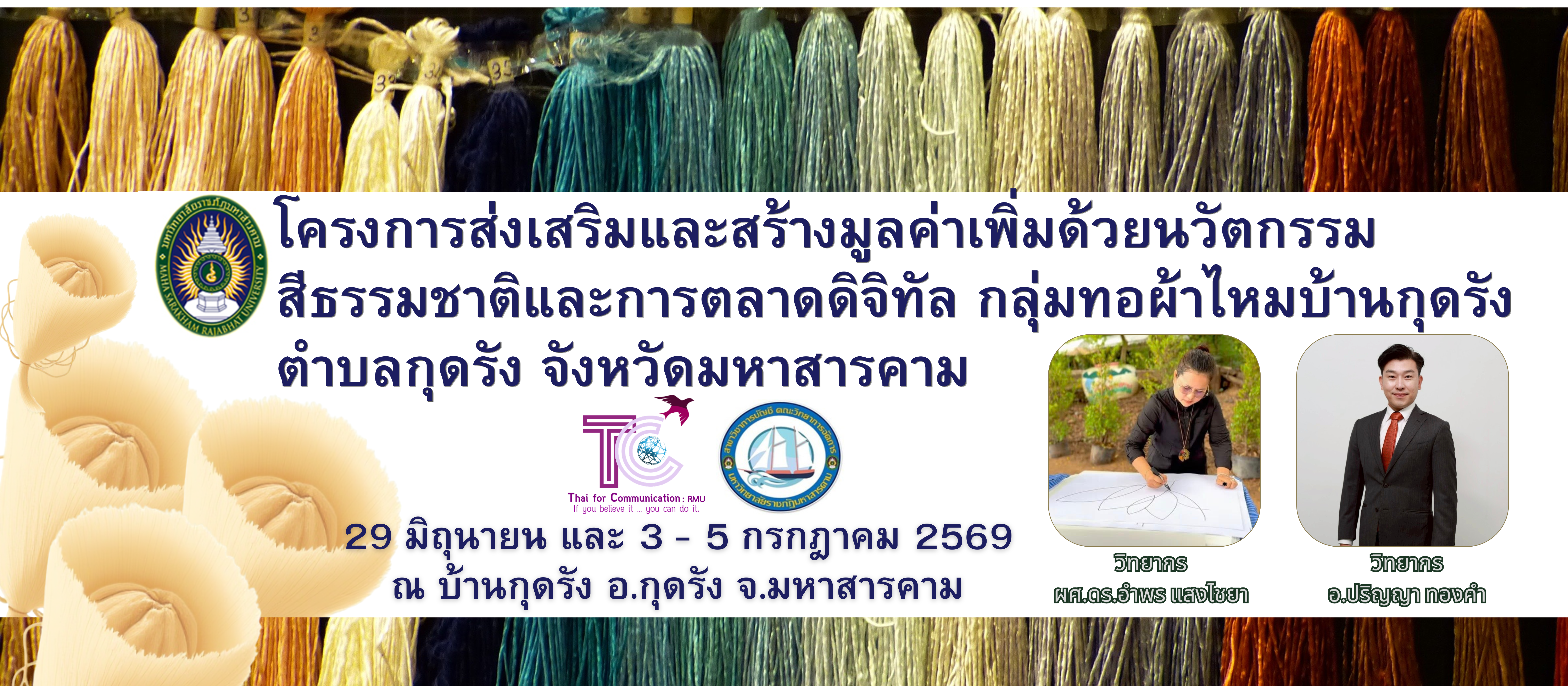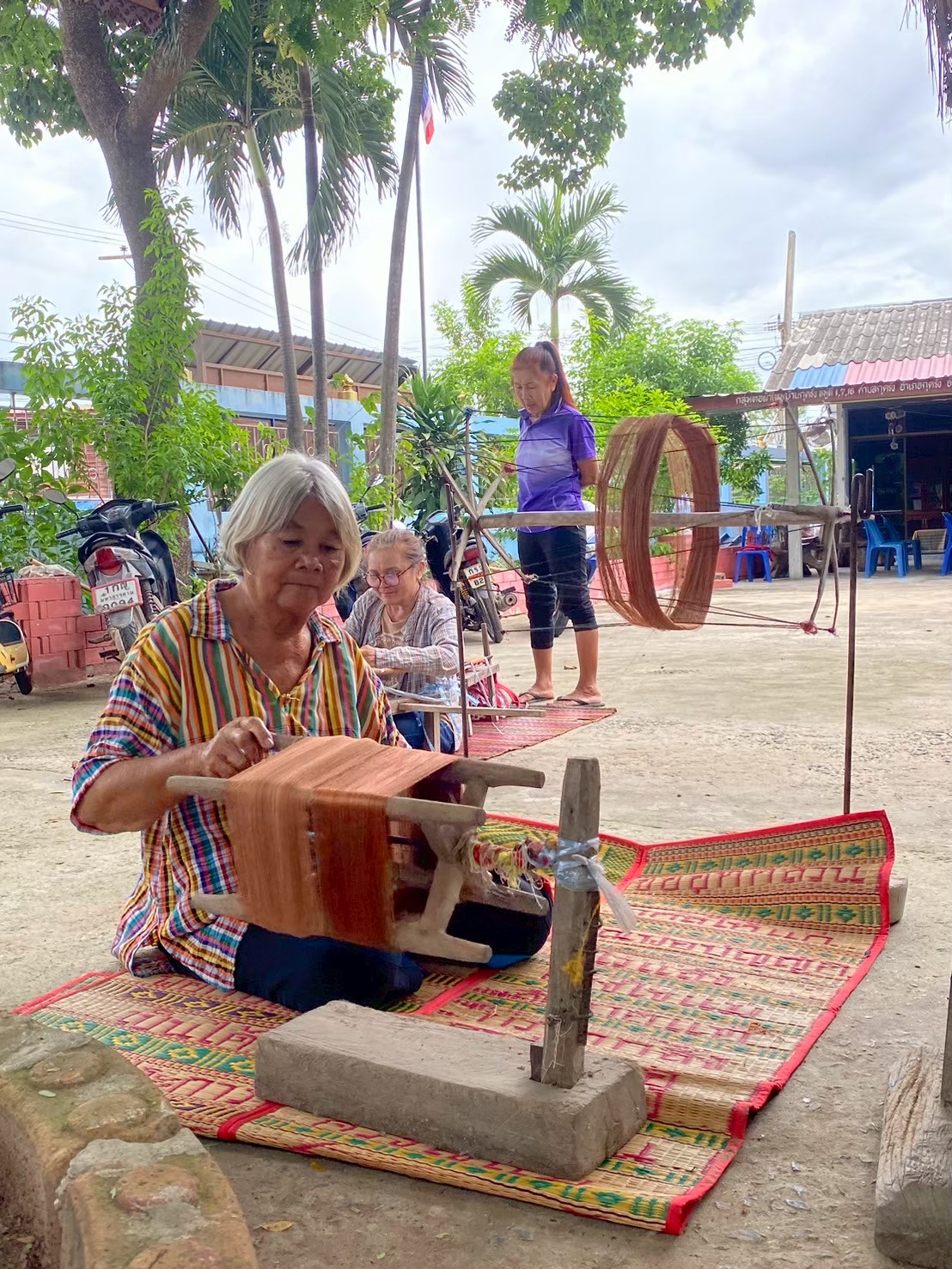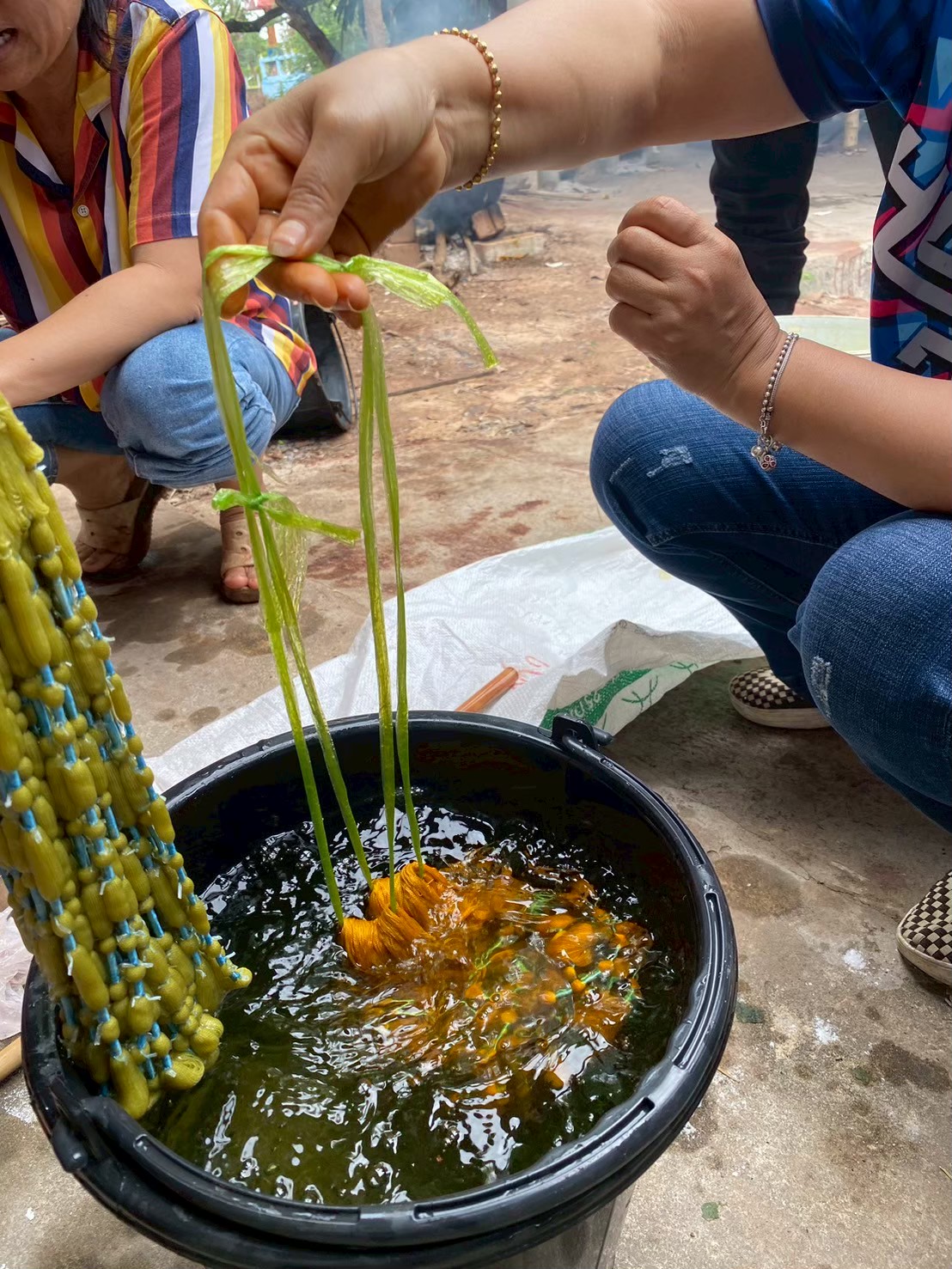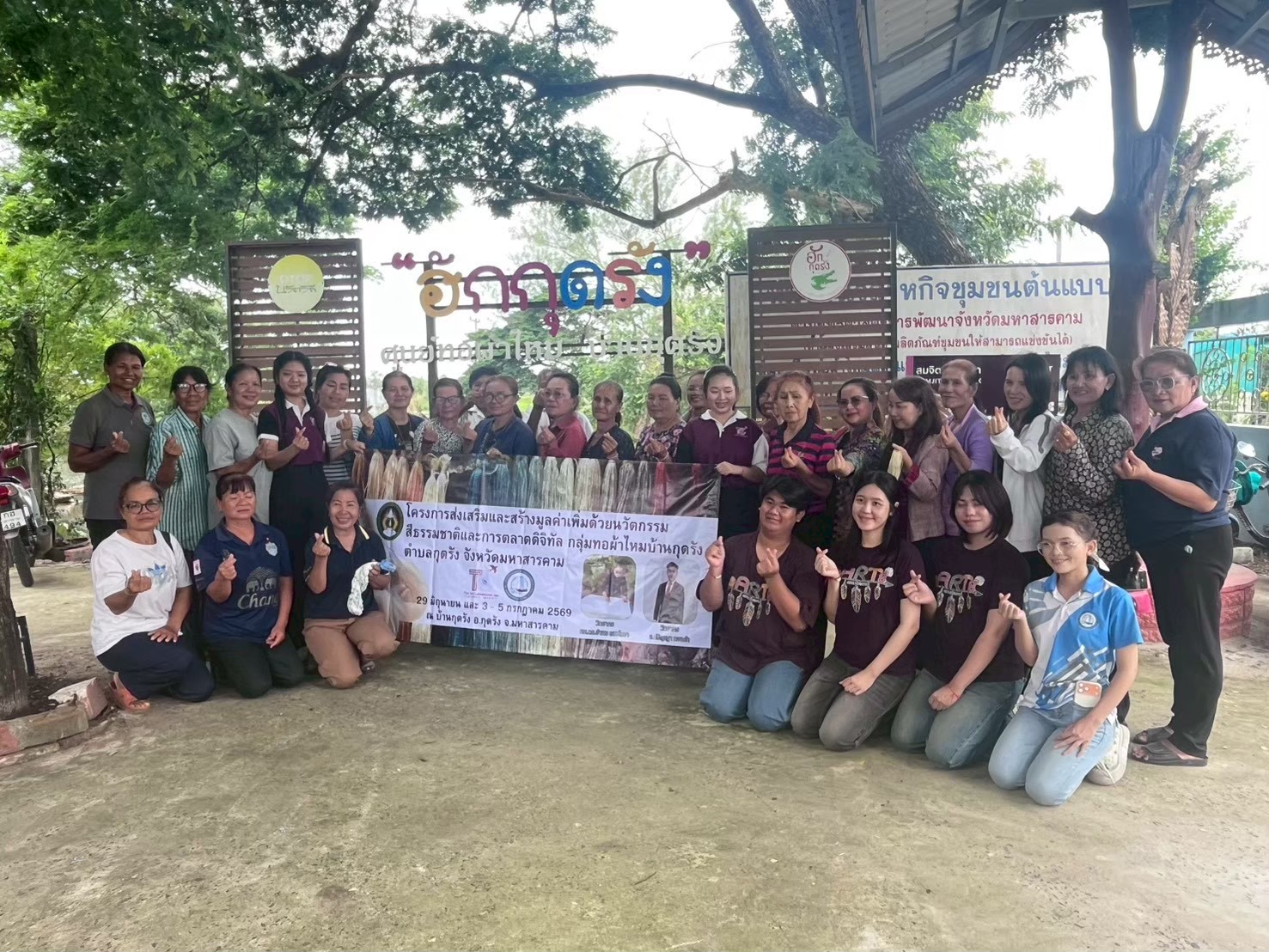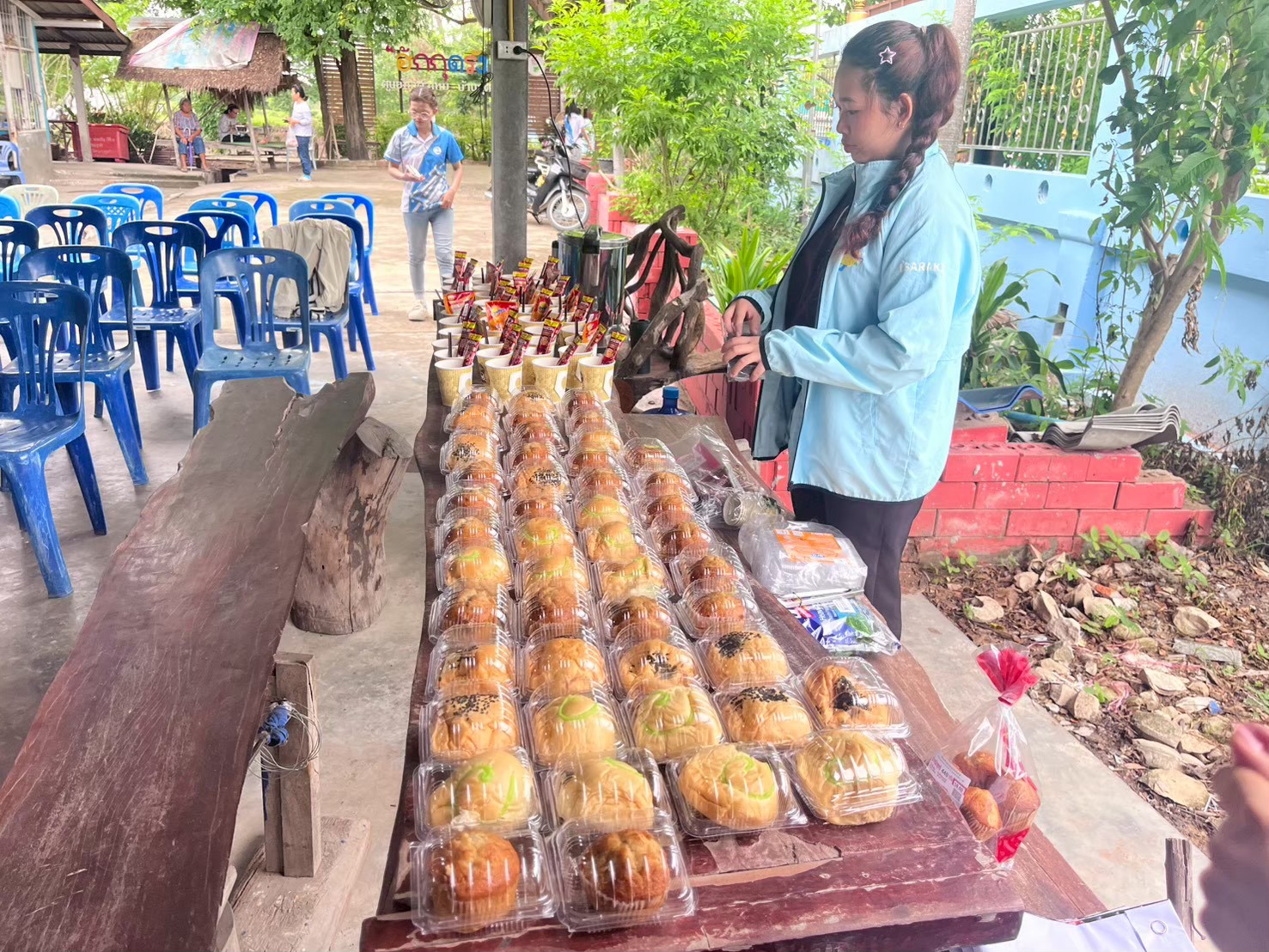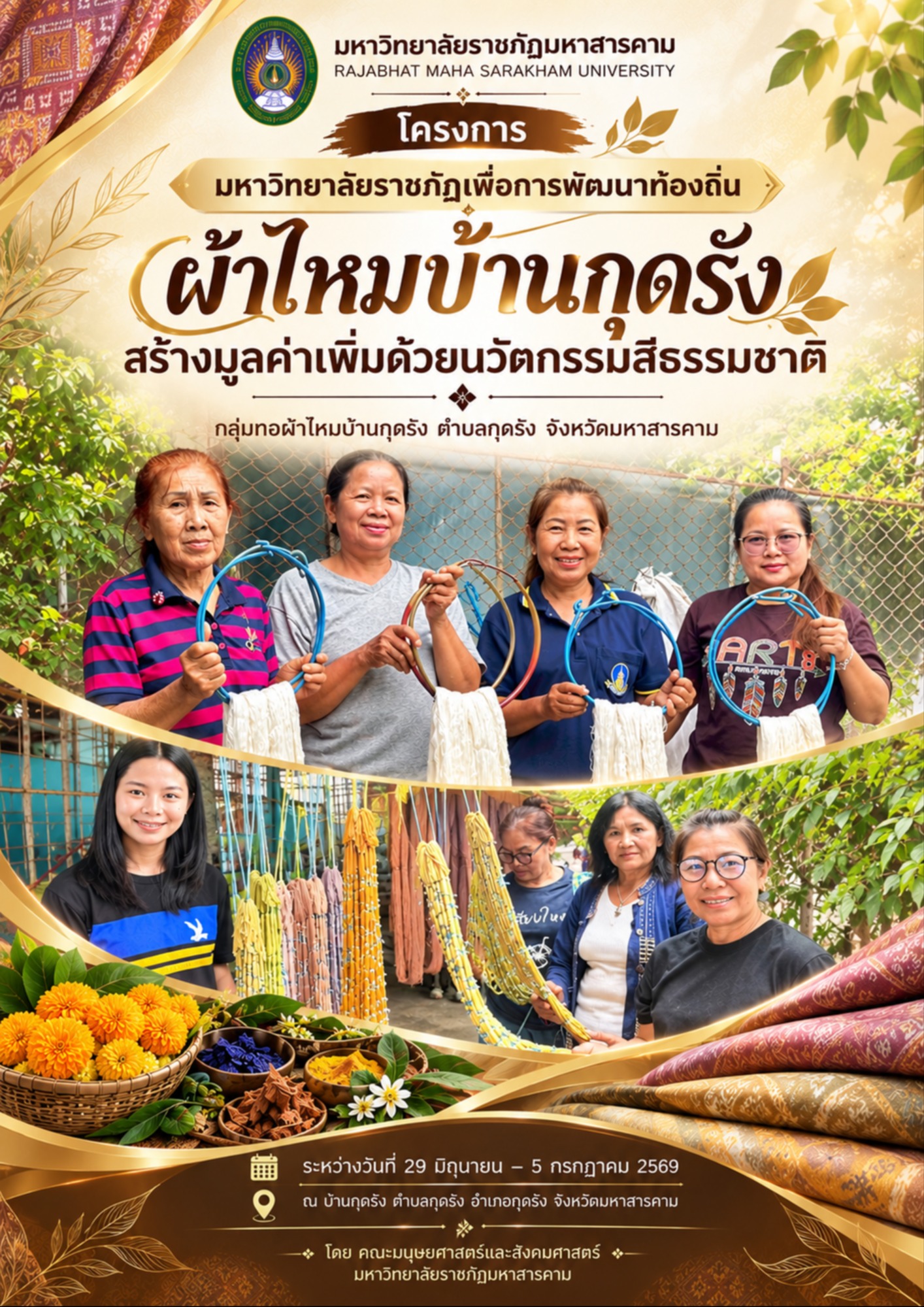
– July 5, 2026 29 มิถุนายน 2569
– 5 กรกฎาคม 2569
Part 1: Project Details ส่วนที่ 1 รายละเอียดการดำเนินงาน
Objectives วัตถุประสงค์โครงการ
1. To preserve and carry forward the traditional silk-weaving wisdom of the silk-weaving group in Ban Kut Rang, Kut Rang Subdistrict, Kut Rang District, Maha Sarakham Province.
2. To develop innovations in natural dyes derived from local plant resources for use in the tie-dyeing and silk-weaving processes.
3. To enhance the value and establish a unique identity for “Kut Rang Silk” products.
4. To strengthen the capabilities of the silk-weaving group in digital marketing and brand development.
1. เพื่ออนุรักษ์และสืบสานภูมิปัญญาการทอผ้าไหมของกลุ่มทอผ้าไหมบ้านกุดรัง ตำบลกุดรัง อำเภอกุดรัง จังหวัดมหาสารคาม
2. เพื่อพัฒนานวัตกรรมสีธรรมชาติจากพืชทรัพยากรธรรมชาติท้องถิ่นมาใช้ในกระบวนการมัดย้อมและทอผ้าไหม
3. เพื่อเพิ่มมูลค่าและสร้างเอกลักษณ์เฉพาะของผลิตภัณฑ์ “ผ้าไหมกุดรัง”
4. เพื่อส่งเสริมศักยภาพของกลุ่มทอผ้าไหมในด้านการตลาดดิจิทัลและการสร้างแบรนด์สินค้า
Main Activities กิจกรรมหลัก
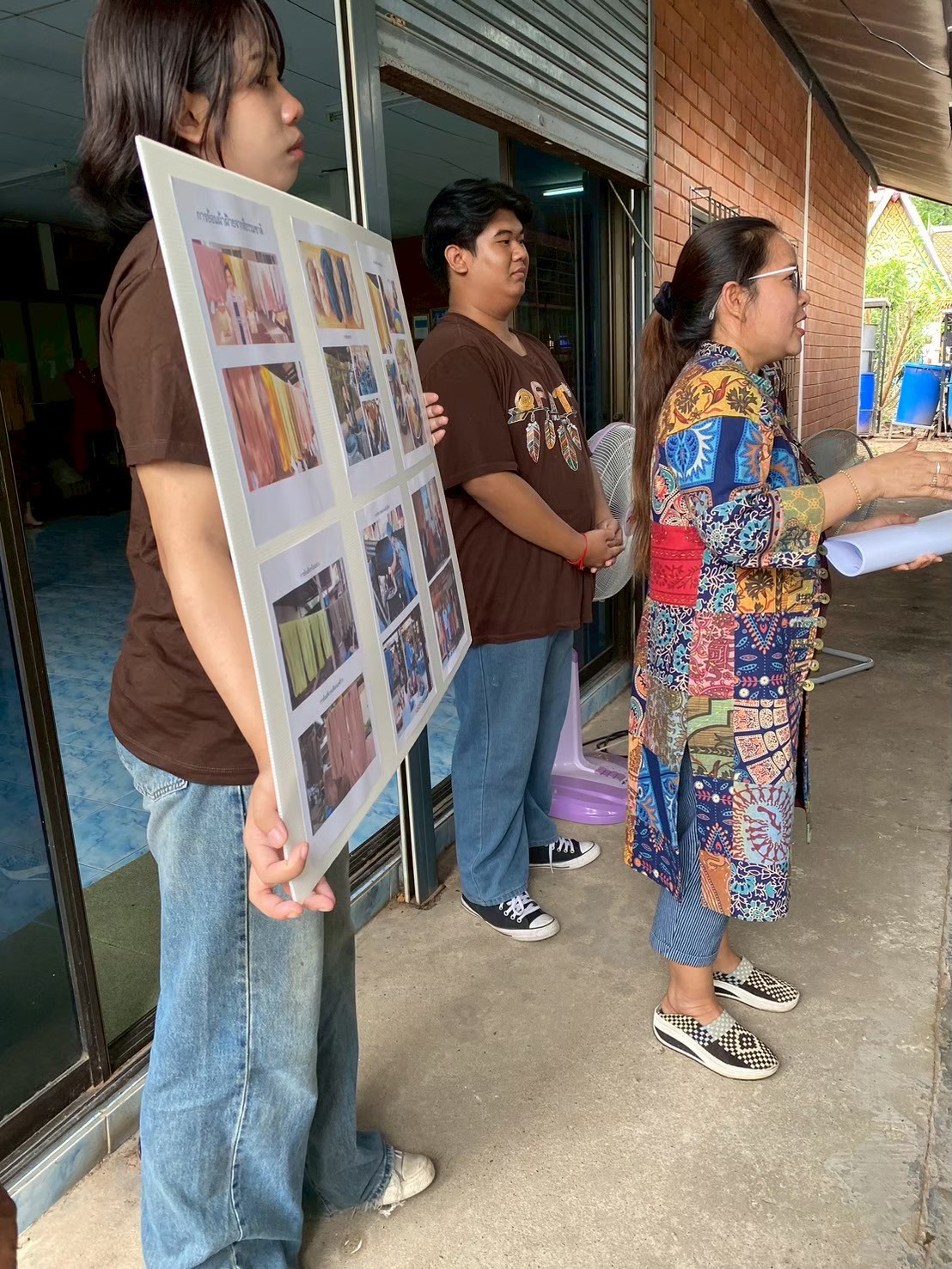
Activity 1 Workshop on exploring and building a knowledge base regarding colors derived from natural materials
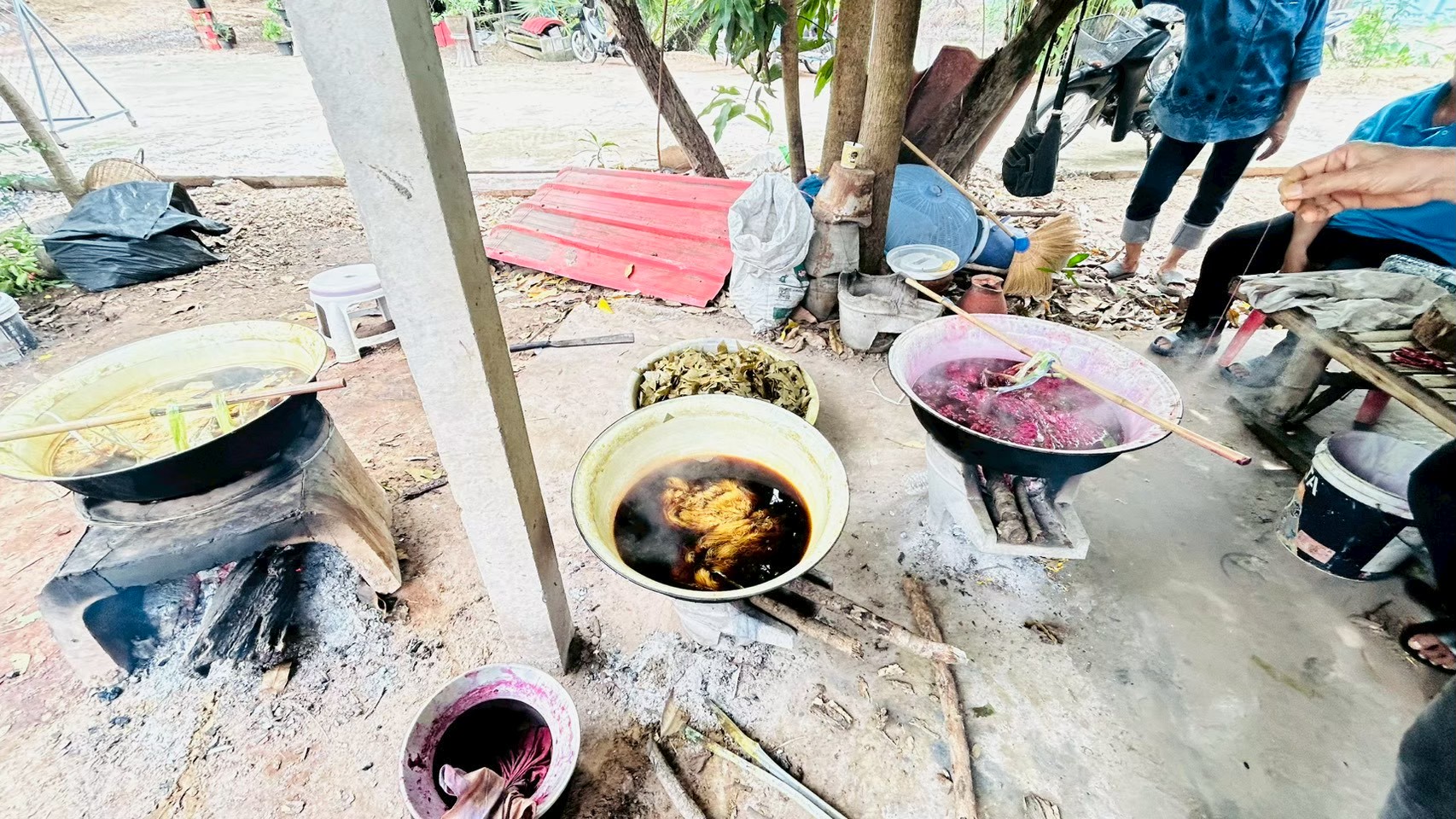
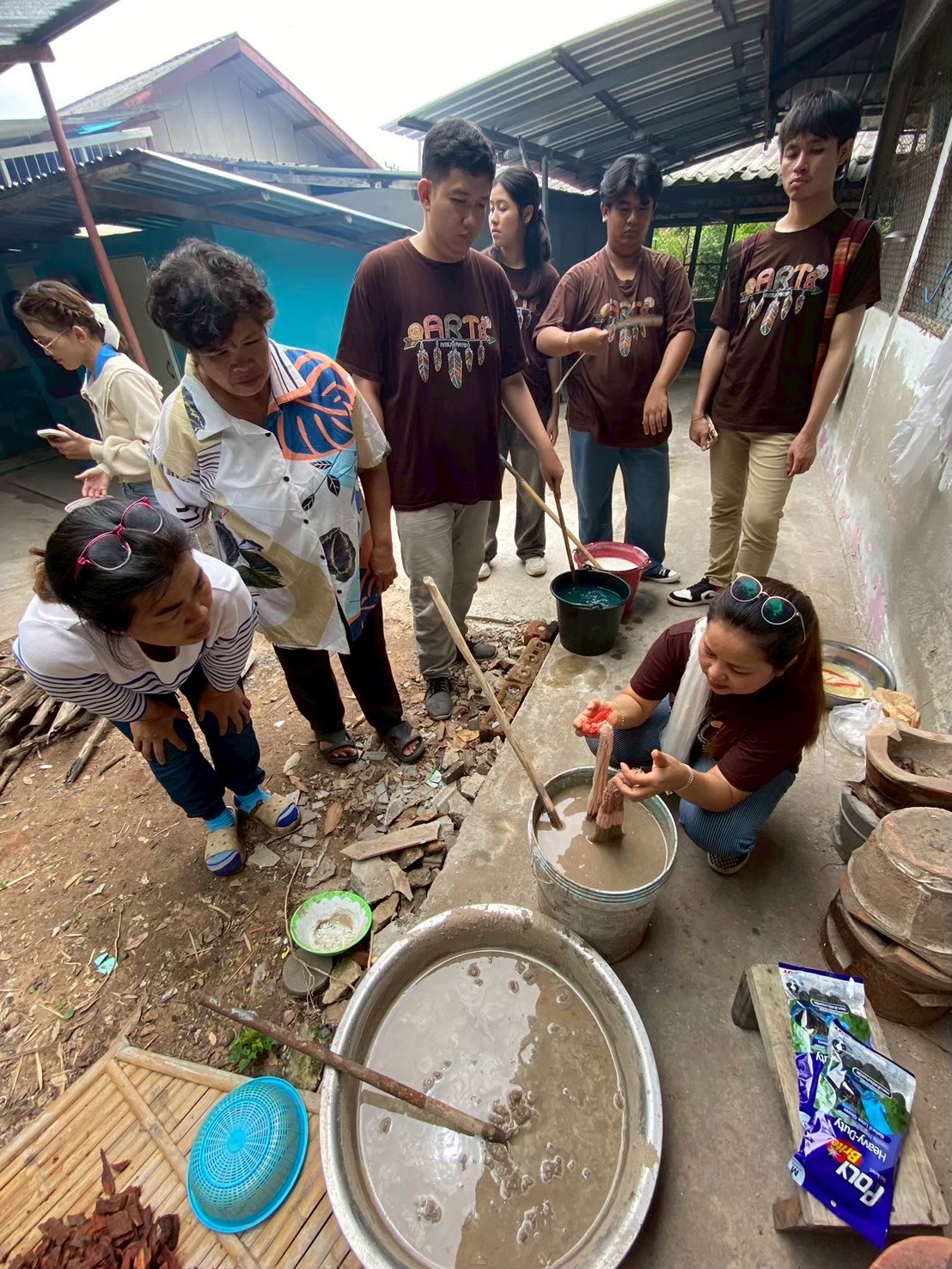
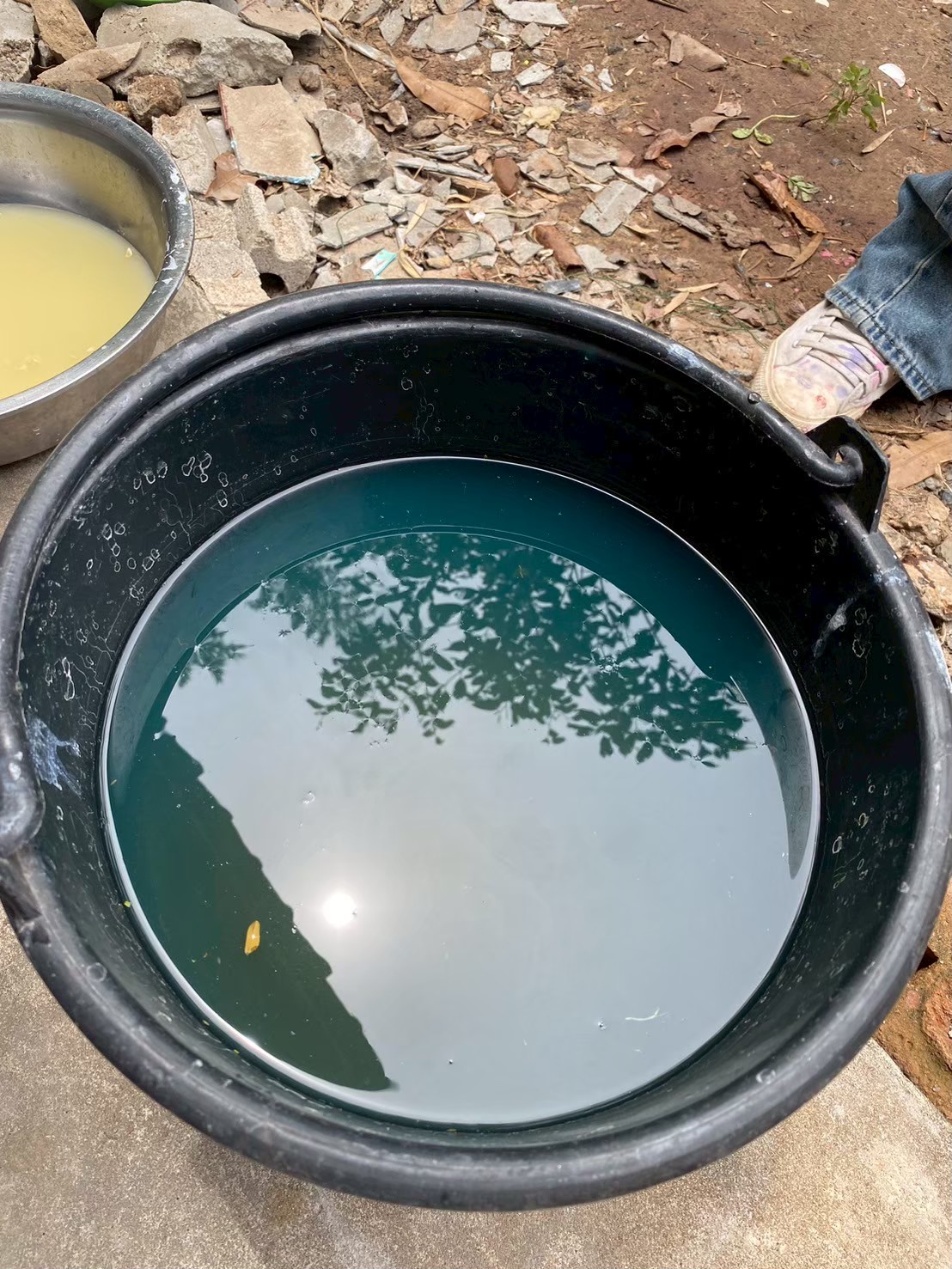
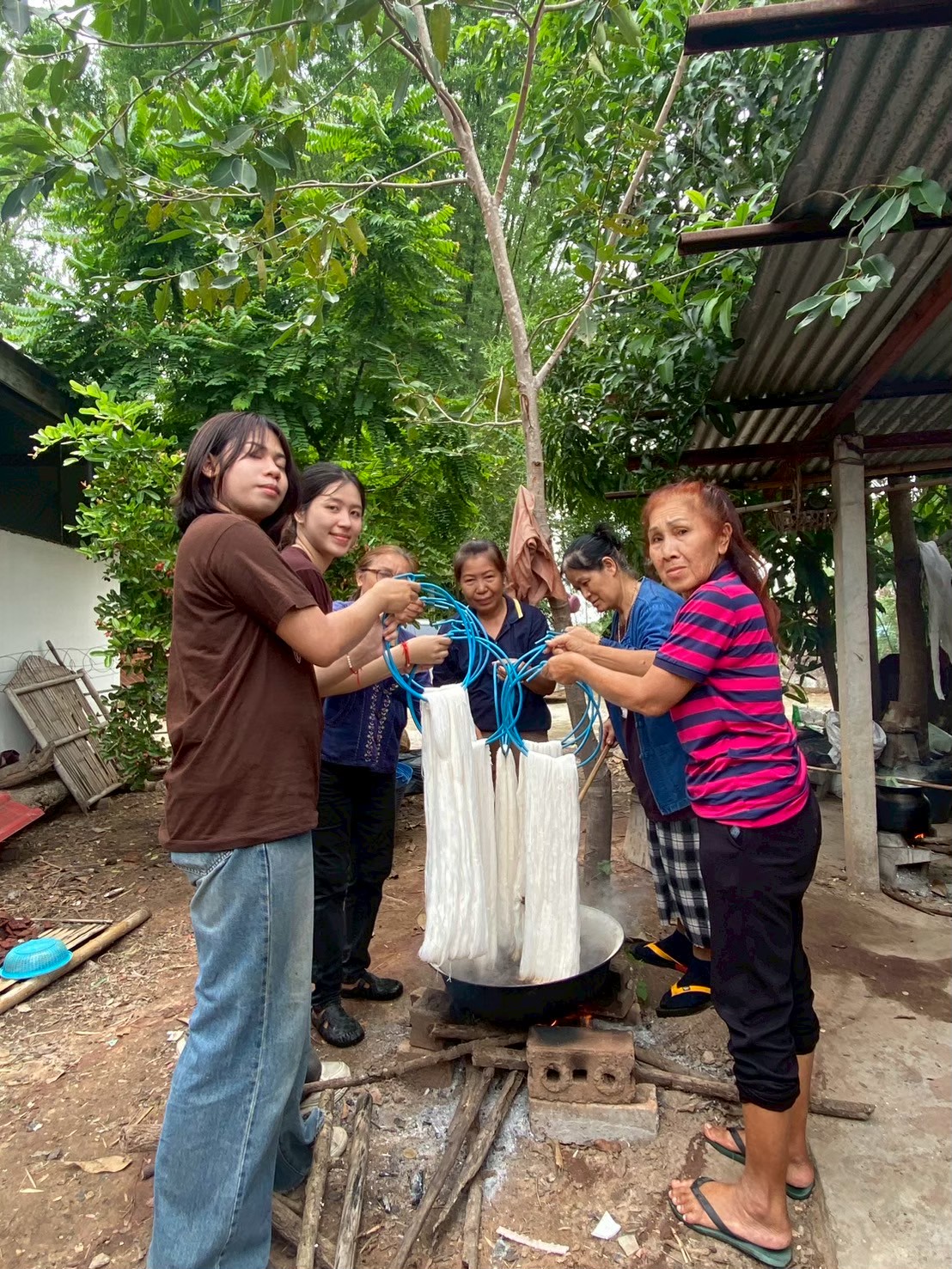
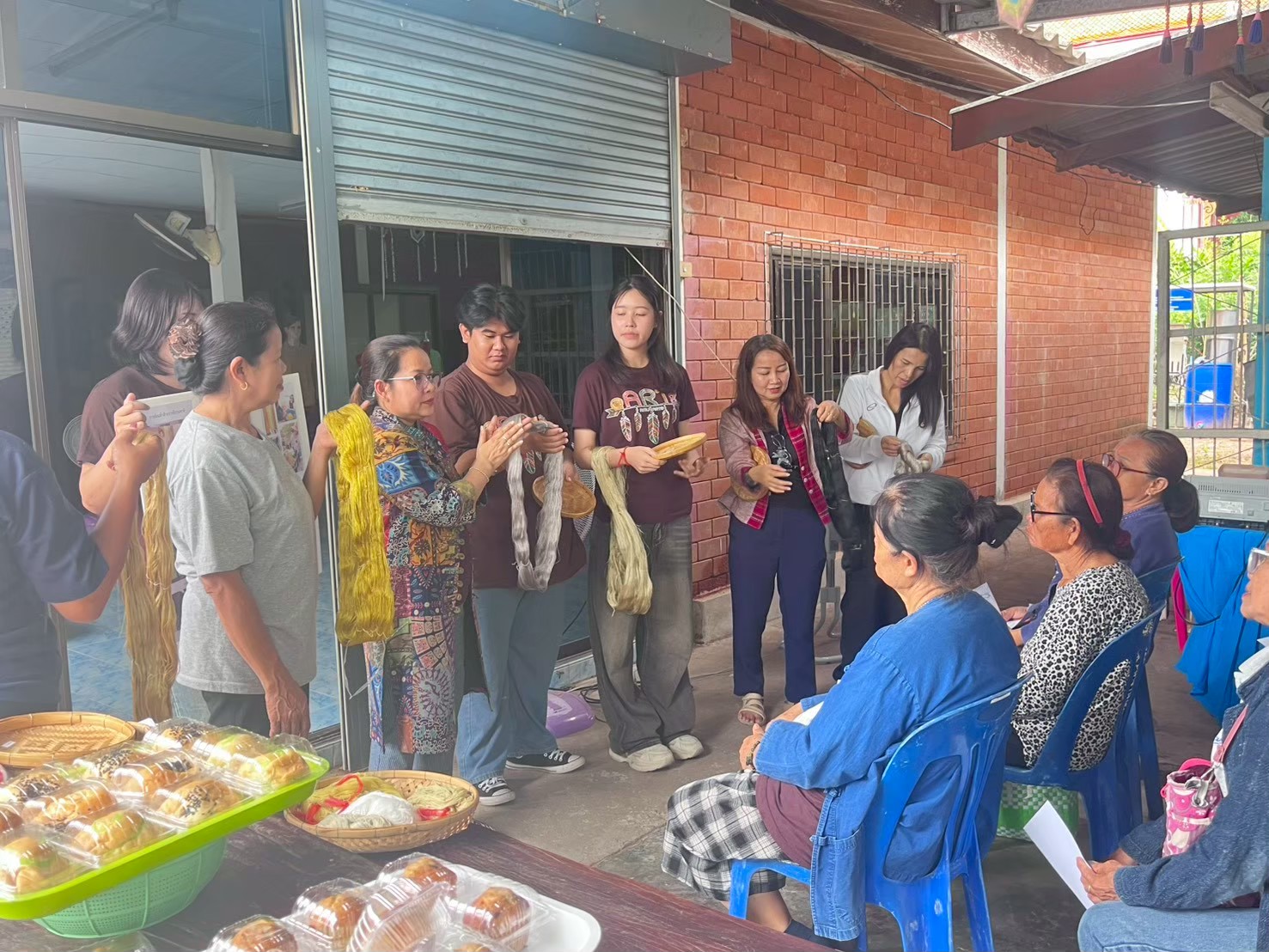
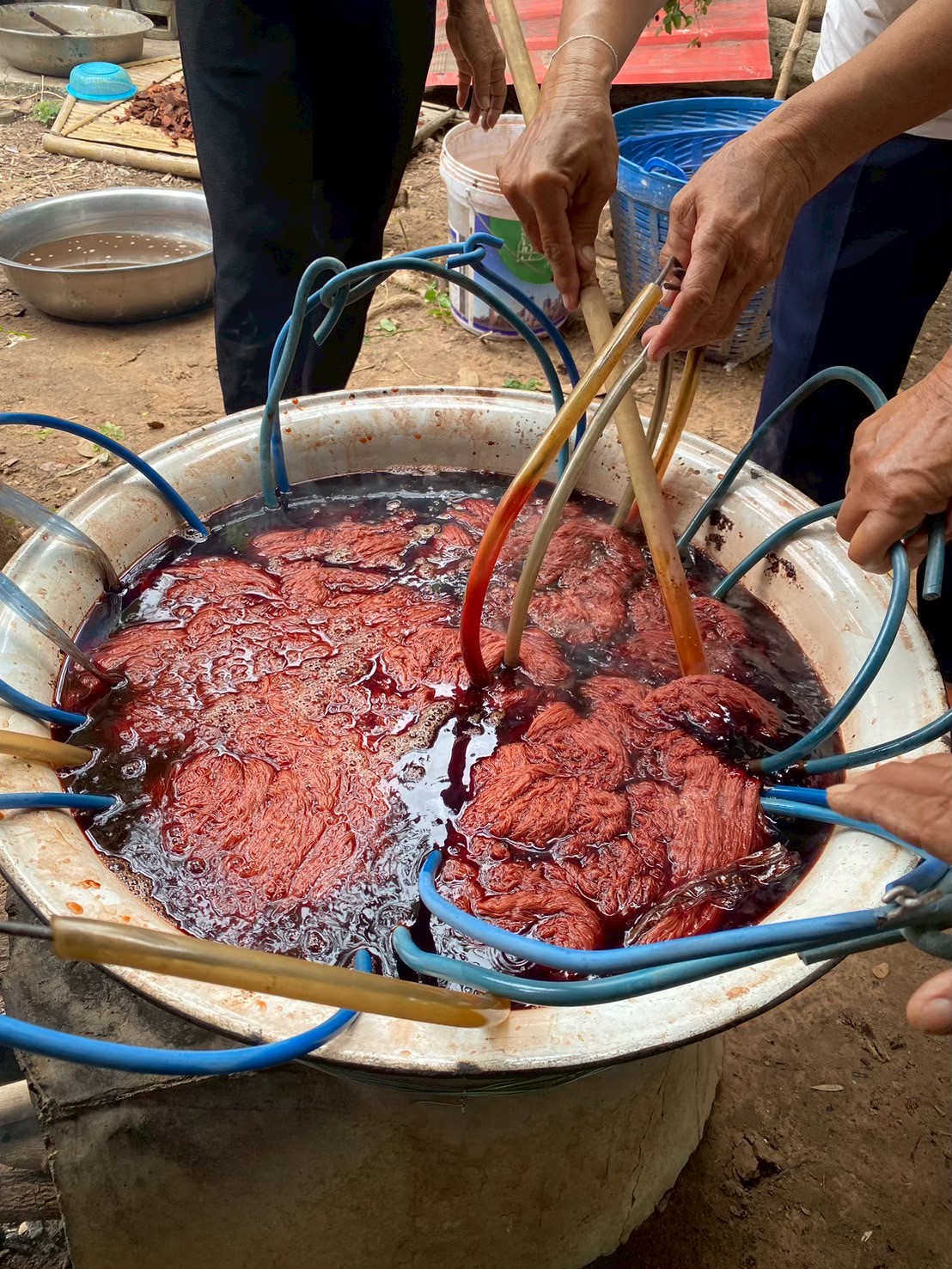
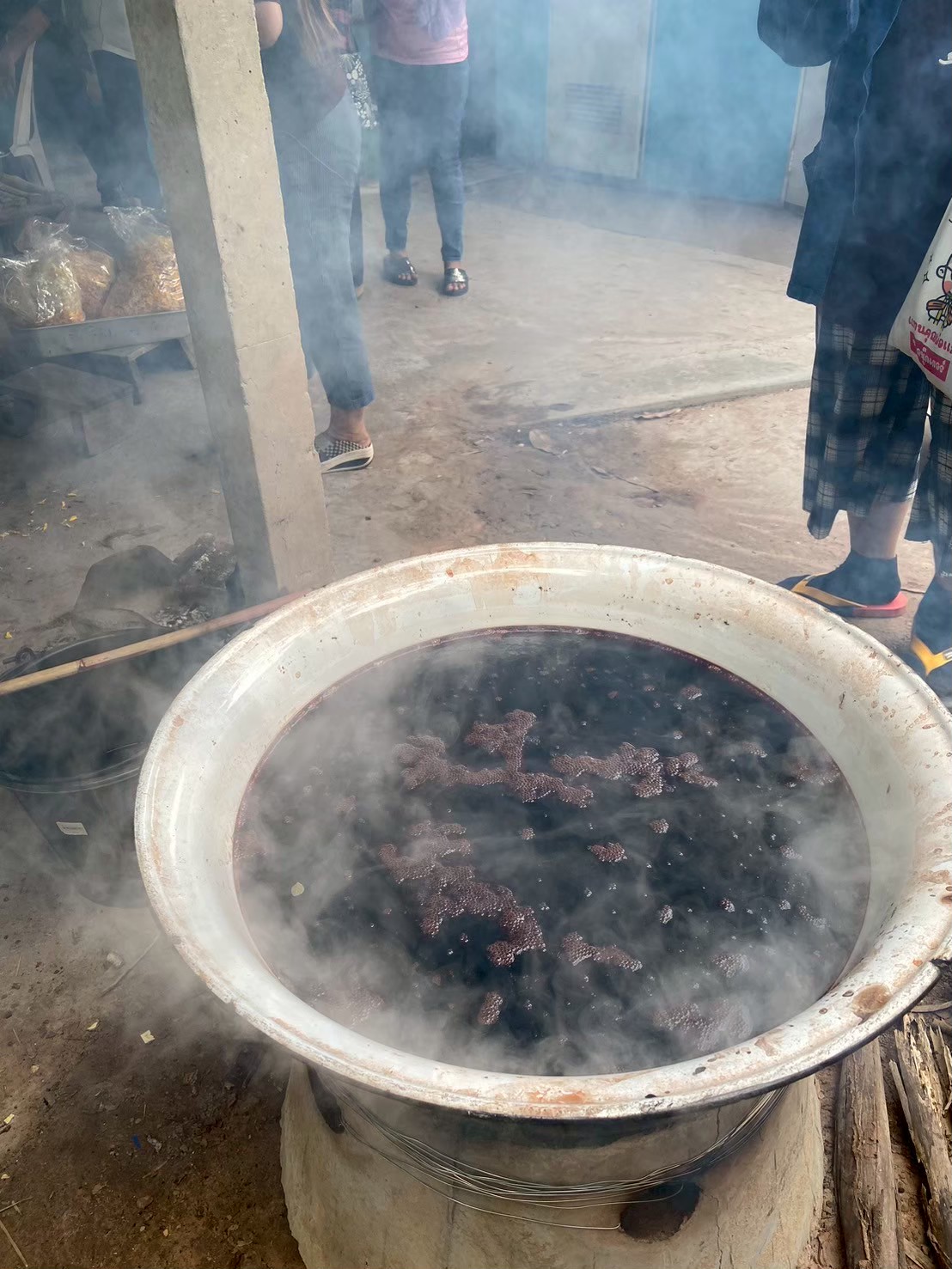
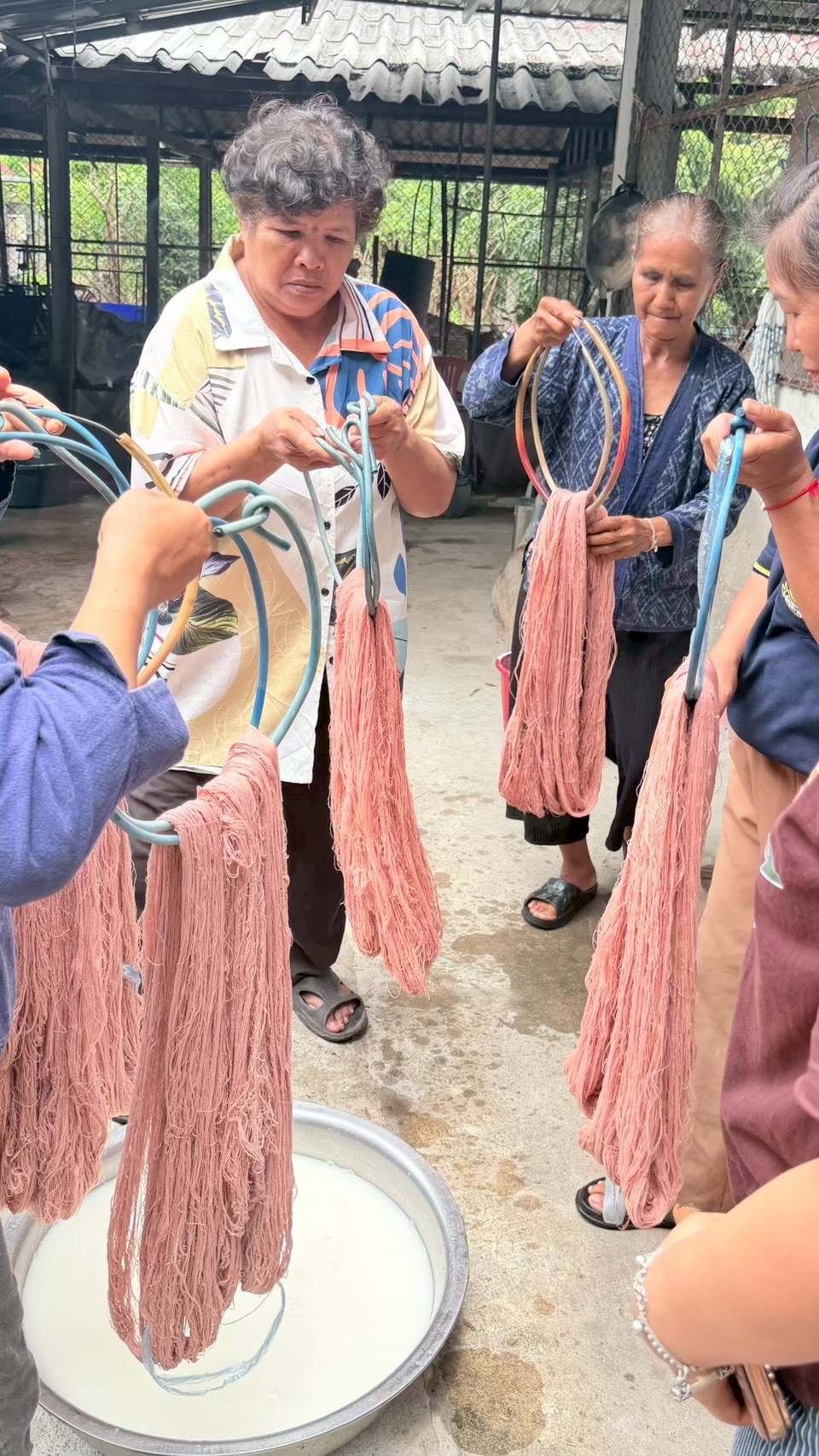
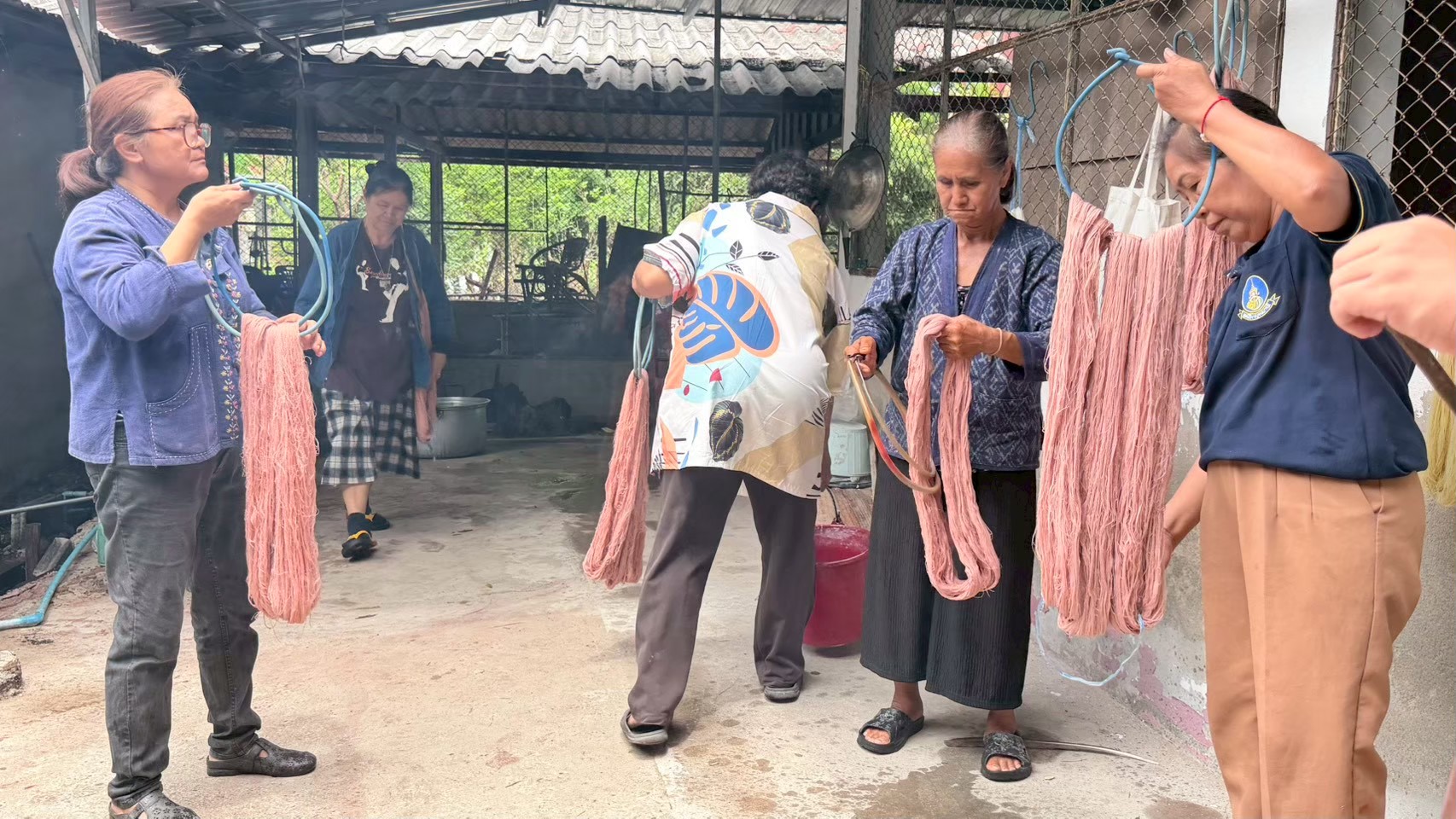
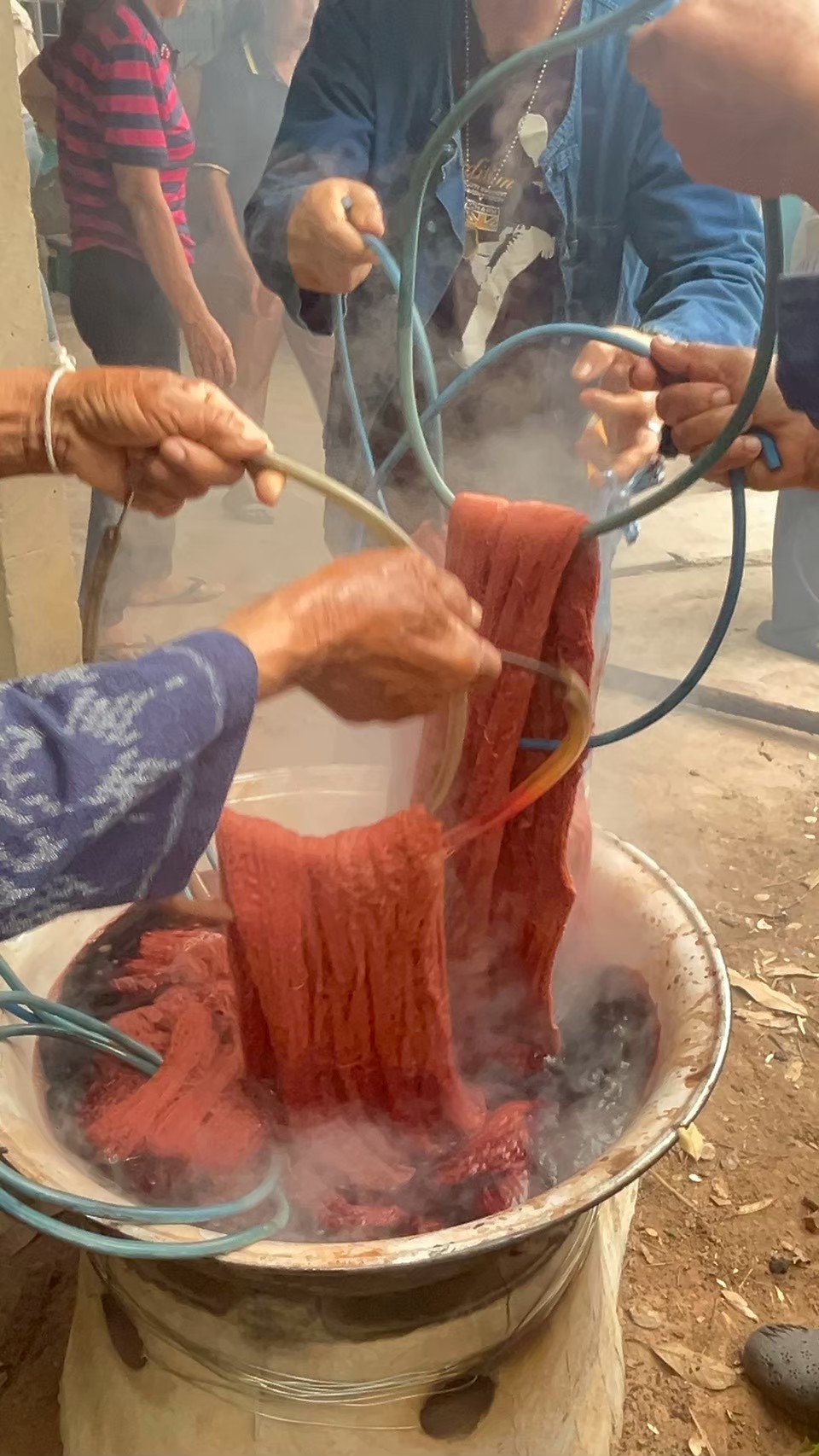
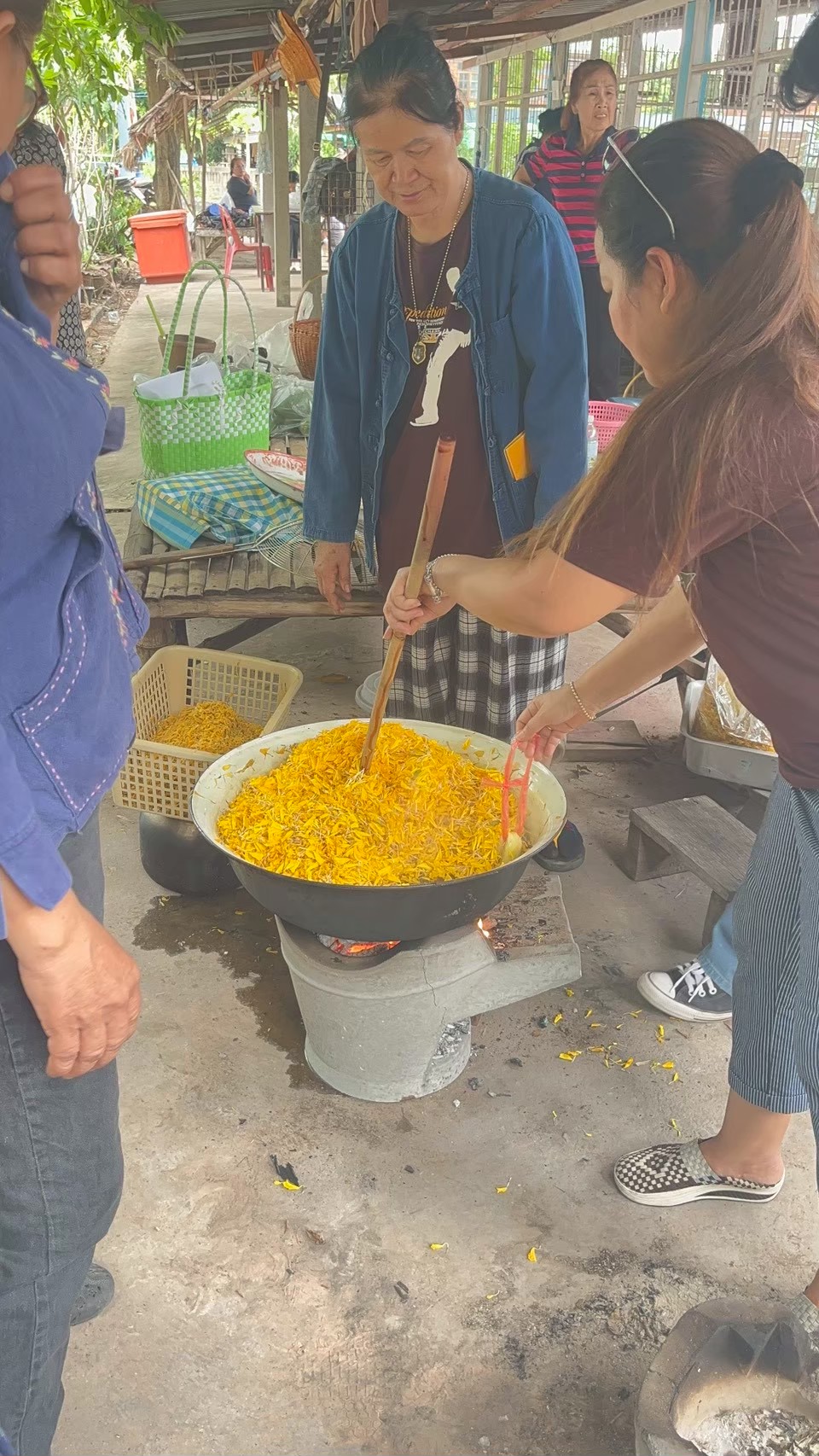
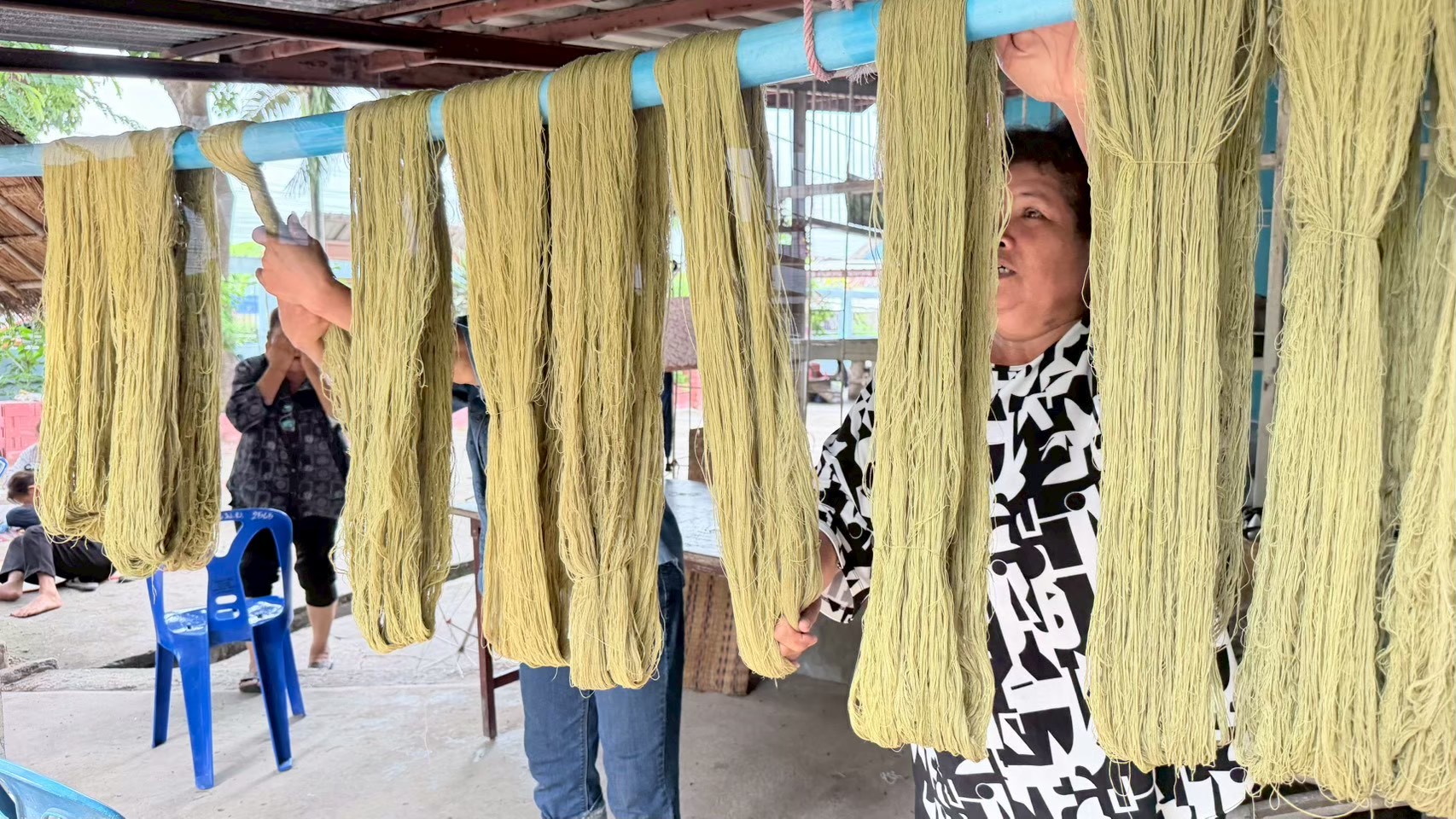
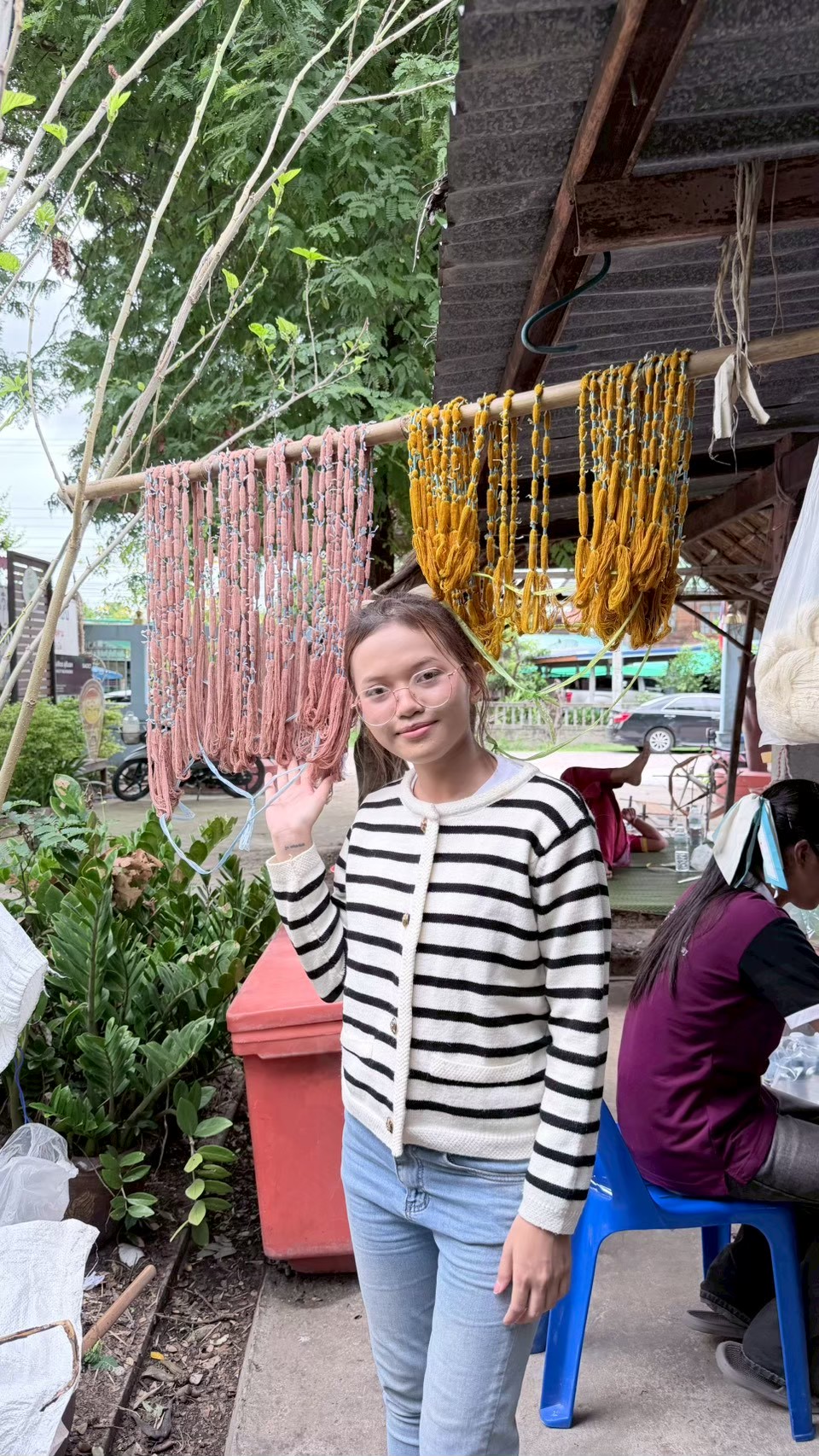
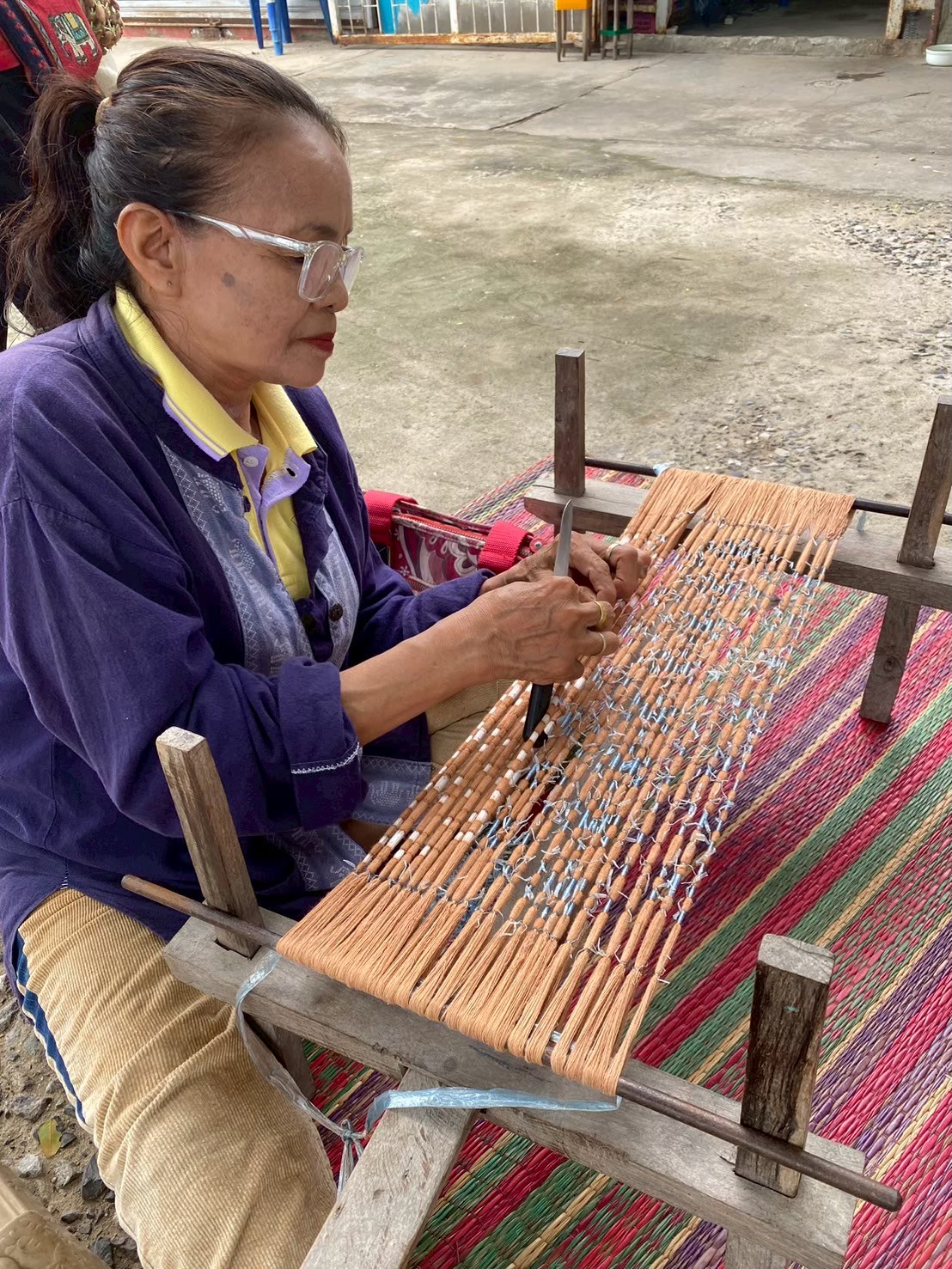
Activity 2 Workshop on extracting and applying natural dyes for silk
Activity 3 Workshop on developing prototype products: “Innovative Natural-Dyed Silk”
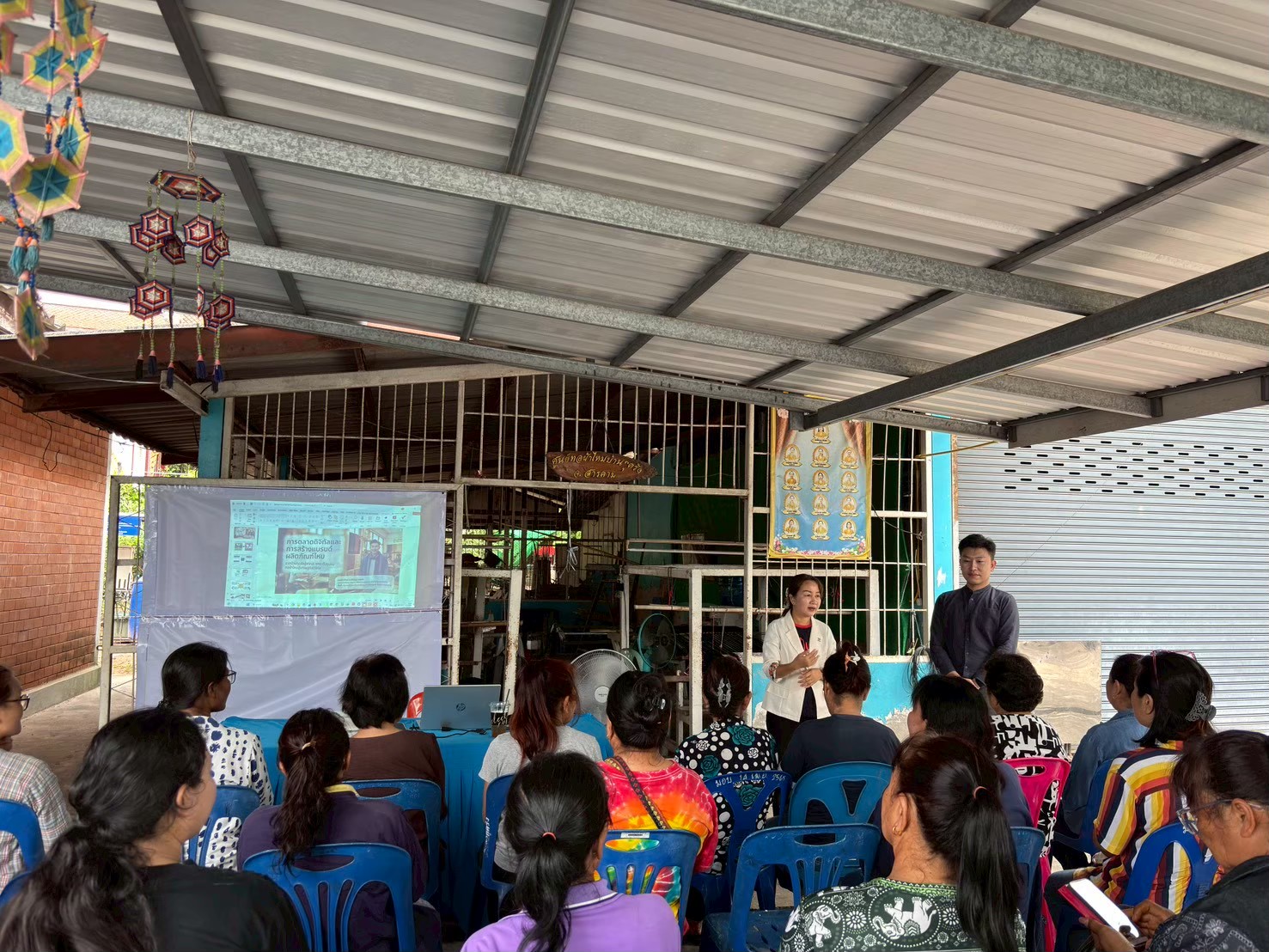
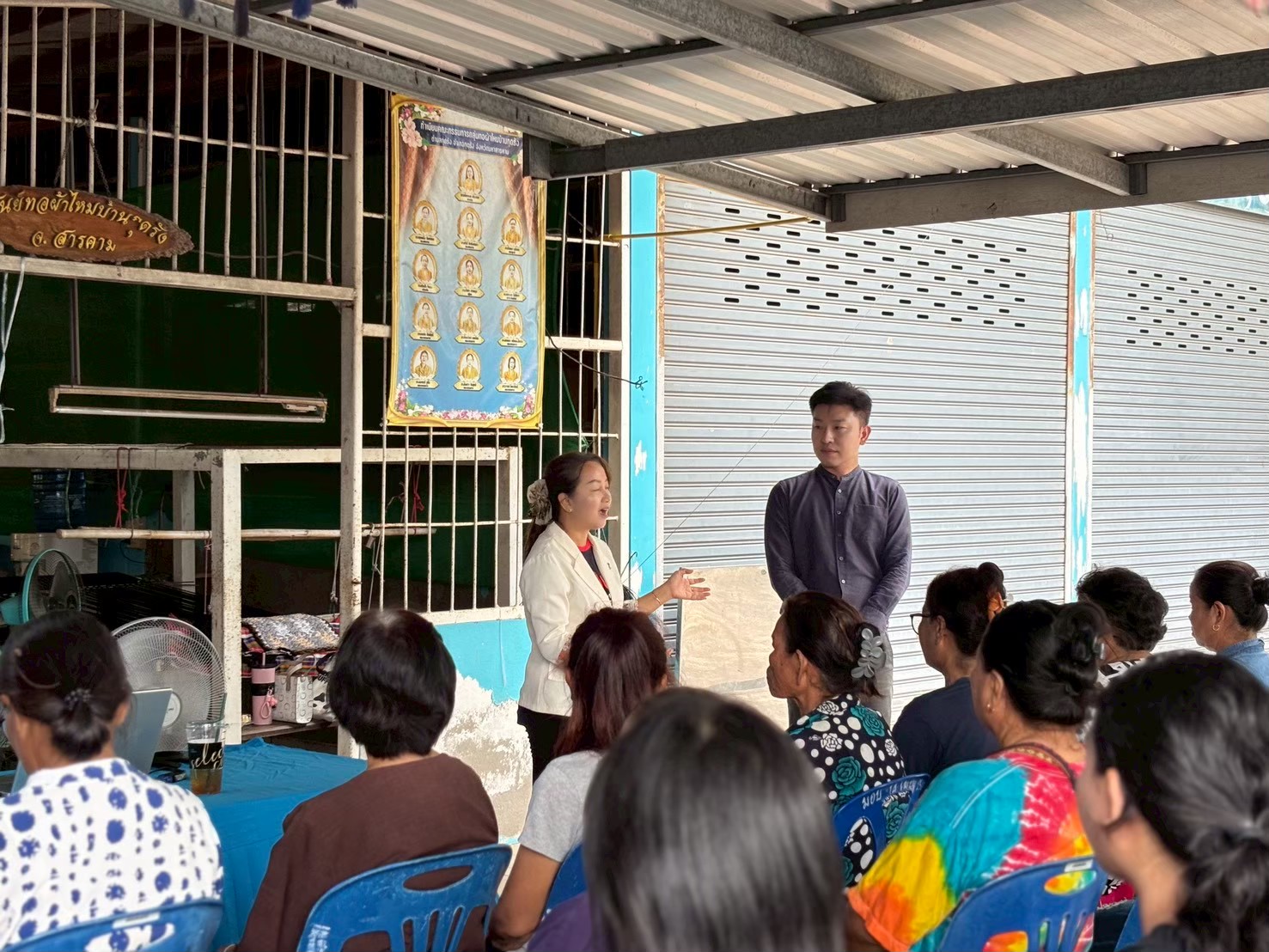
Activity 4 Workshop on “Digital Marketing and Branding for Silk Products”
กิจกรรมที่ 1 อบรมเชิงปฏิบัติการสำรวจ และสร้างองค์ความรู้ด้านสีจากวัตถุดิบธรรมชาติ
กิจกรรมที่ 2 อบรมเชิงปฏิบัติการสกัดและย้อมสีธรรมชาติสำหรับผ้าไหม
กิจกรรมที่ 3 อบรมเชิงปฏิบัติการพัฒนาผลิตภัณฑ์ต้นแบบ “ผ้าไหมนวัตกรรมสีธรรมชาติ”
กิจกรรมที่ 4 อบรมเชิงปฏิบัติการ “การตลาดดิจิทัลและการสร้างแบรนด์ผลิตภัณฑ์ไหม”
Part 2: Outcomes & Impact ส่วนที่ 2 ผลลัพธ์และผลกระทบ
Outcomes ผลลัพธ์ที่เกิดขึ้น
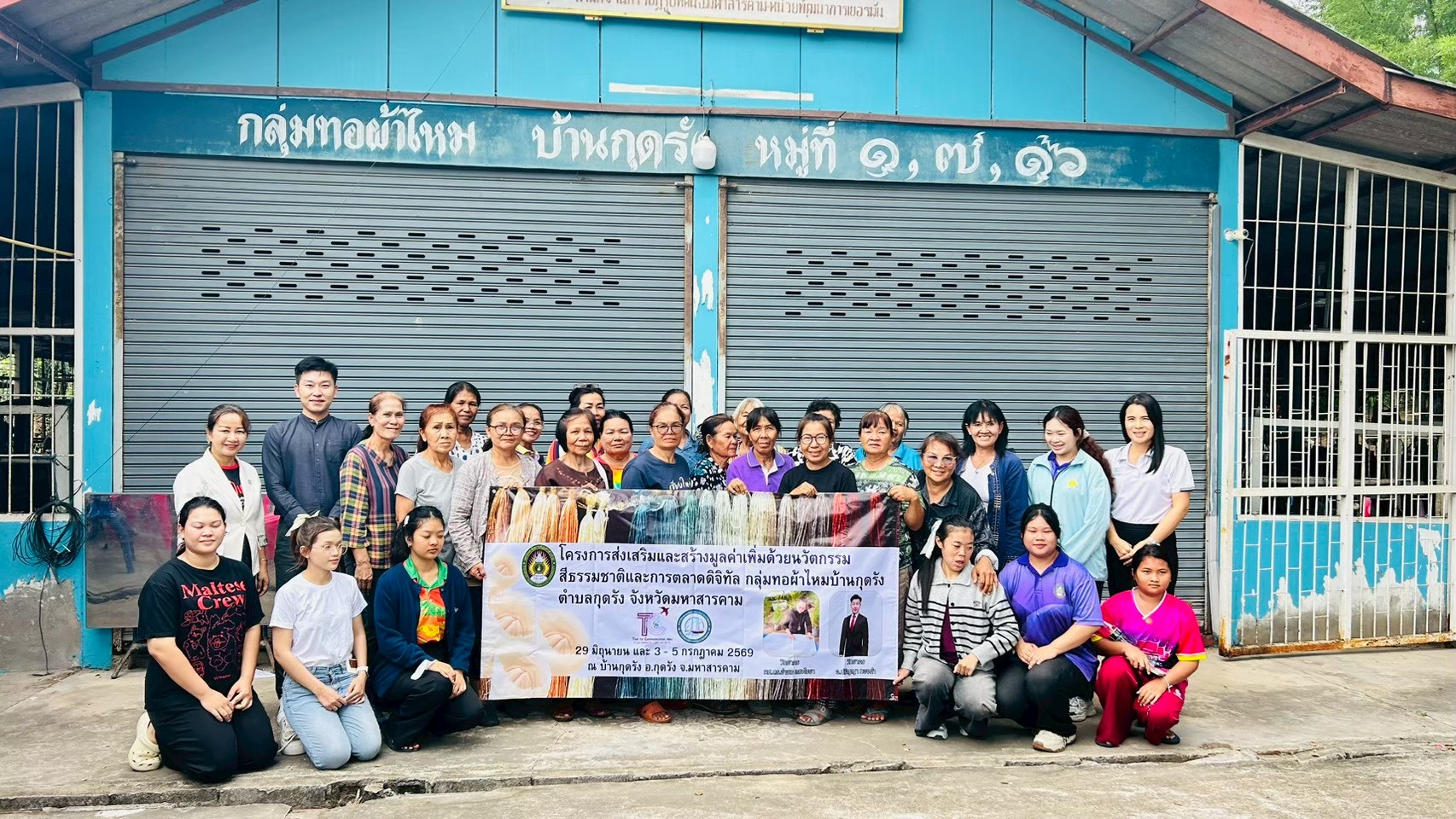
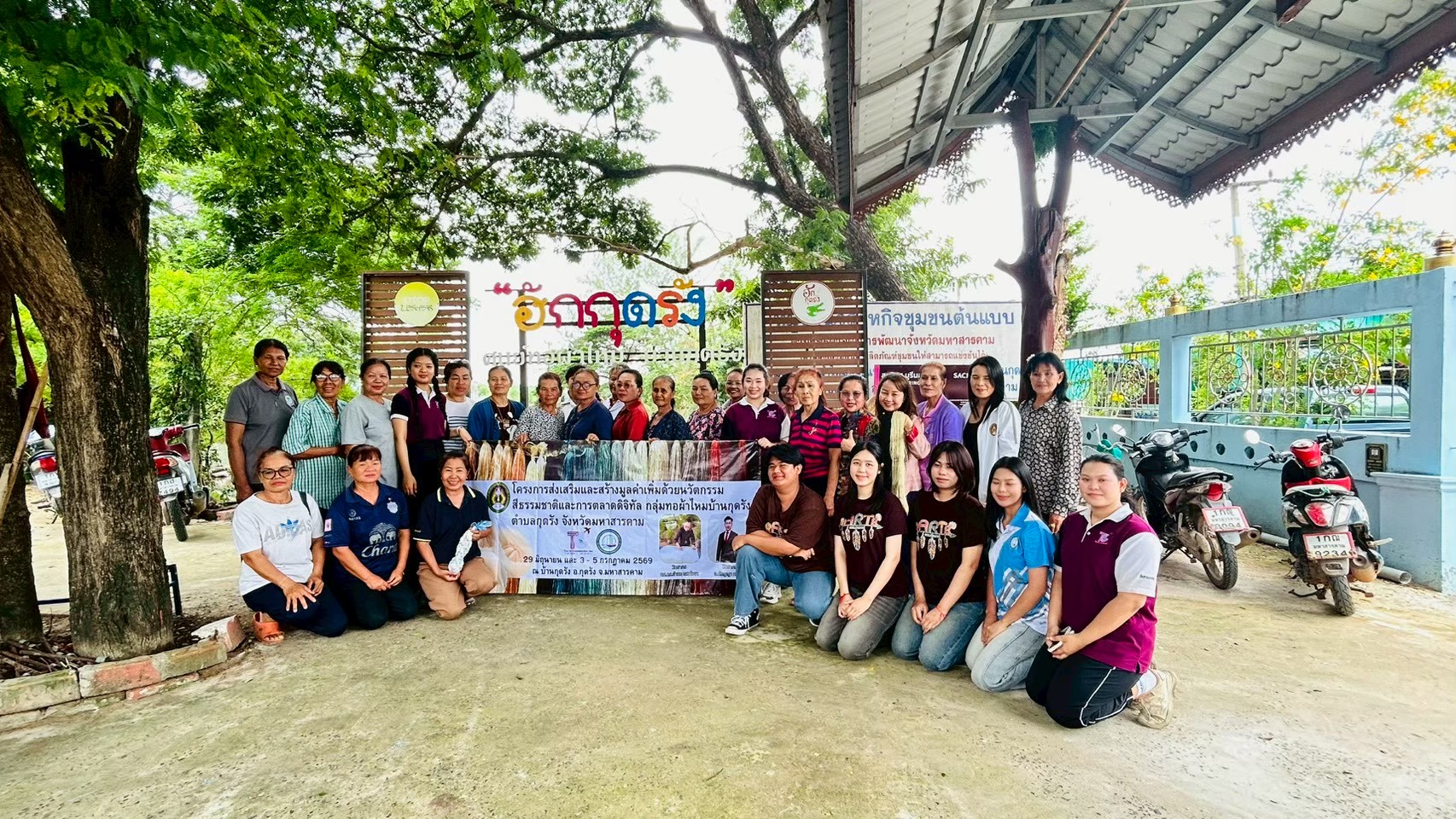
The project delivered four hands-on workshops on 29 June and 3–5 July 2026 at the Ban Kut Rang Silk Weaving Group, Village No. 1, Kut Rang Subdistrict, Kut Rang District, Maha Sarakham Province, with [35] group members taking part and a budget of 80,000 baht. Its outcomes were:
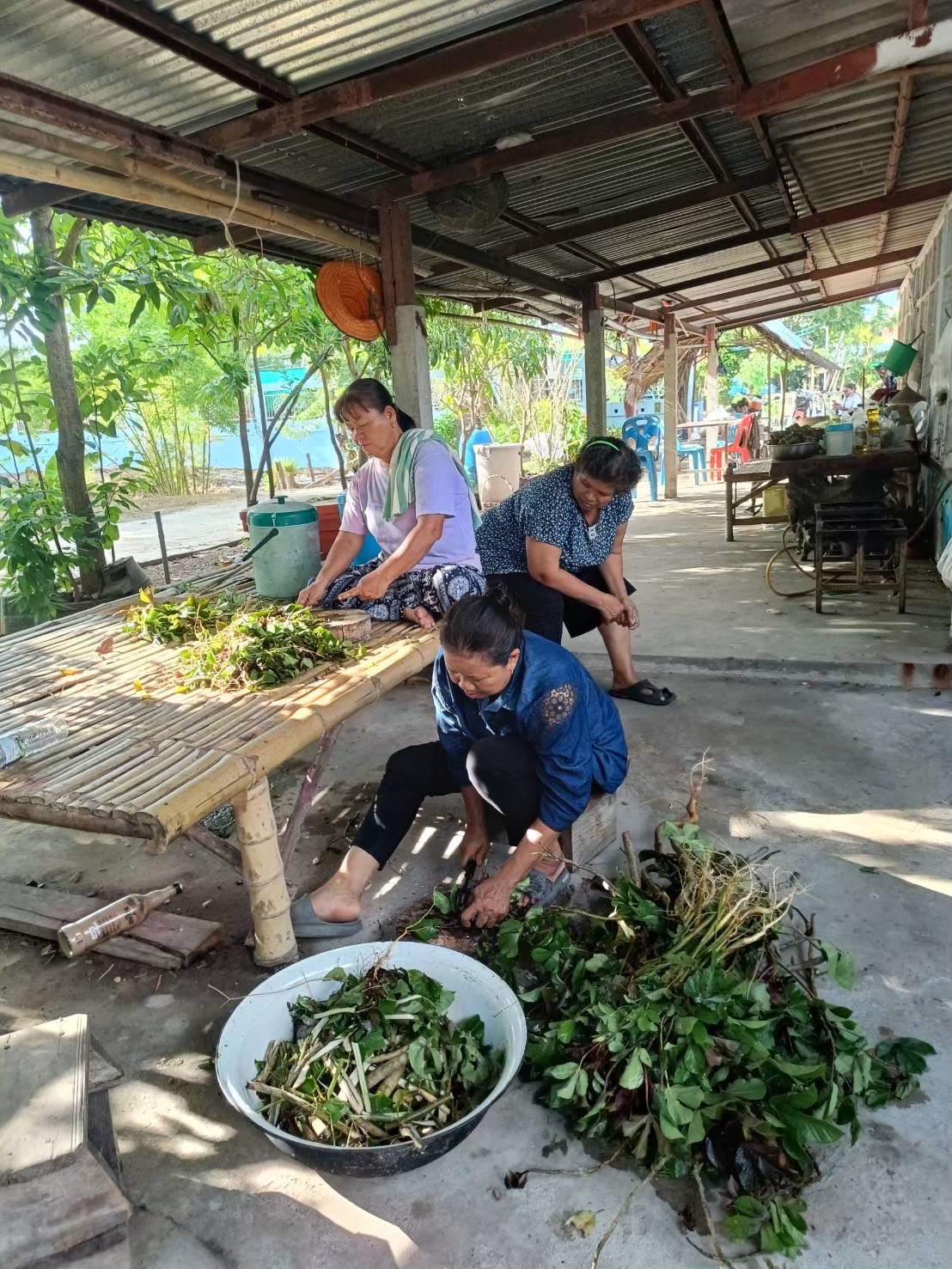
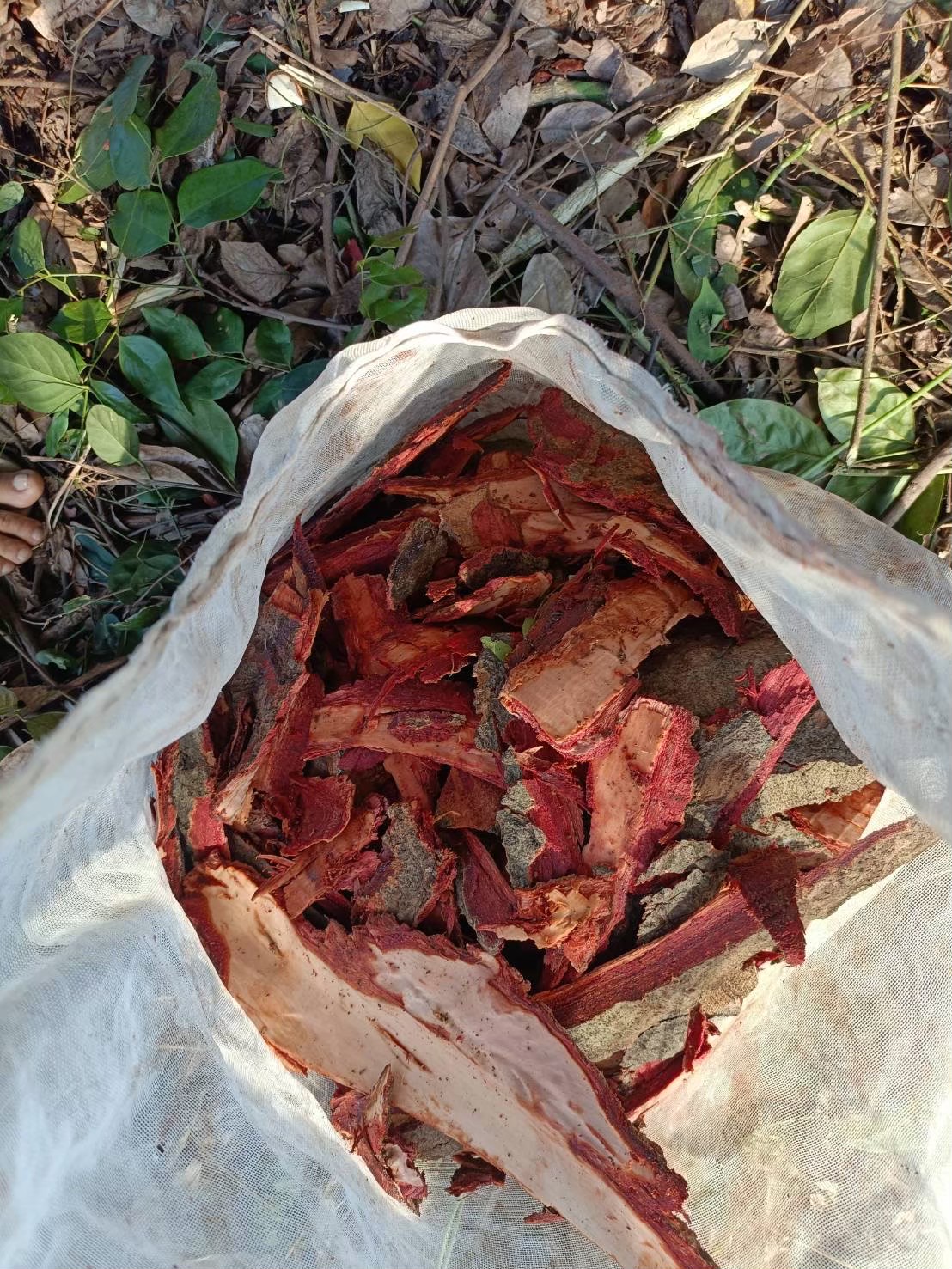
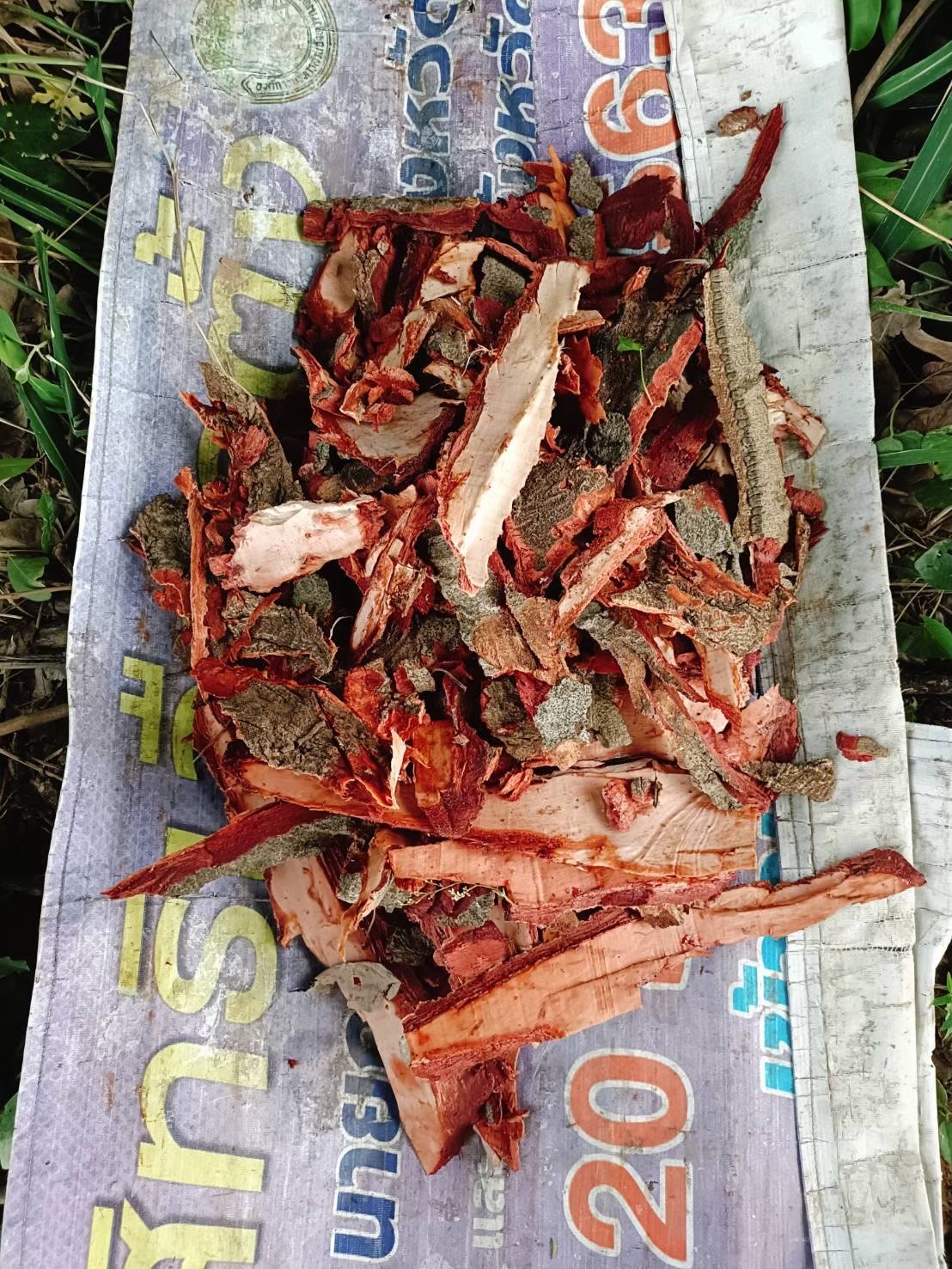
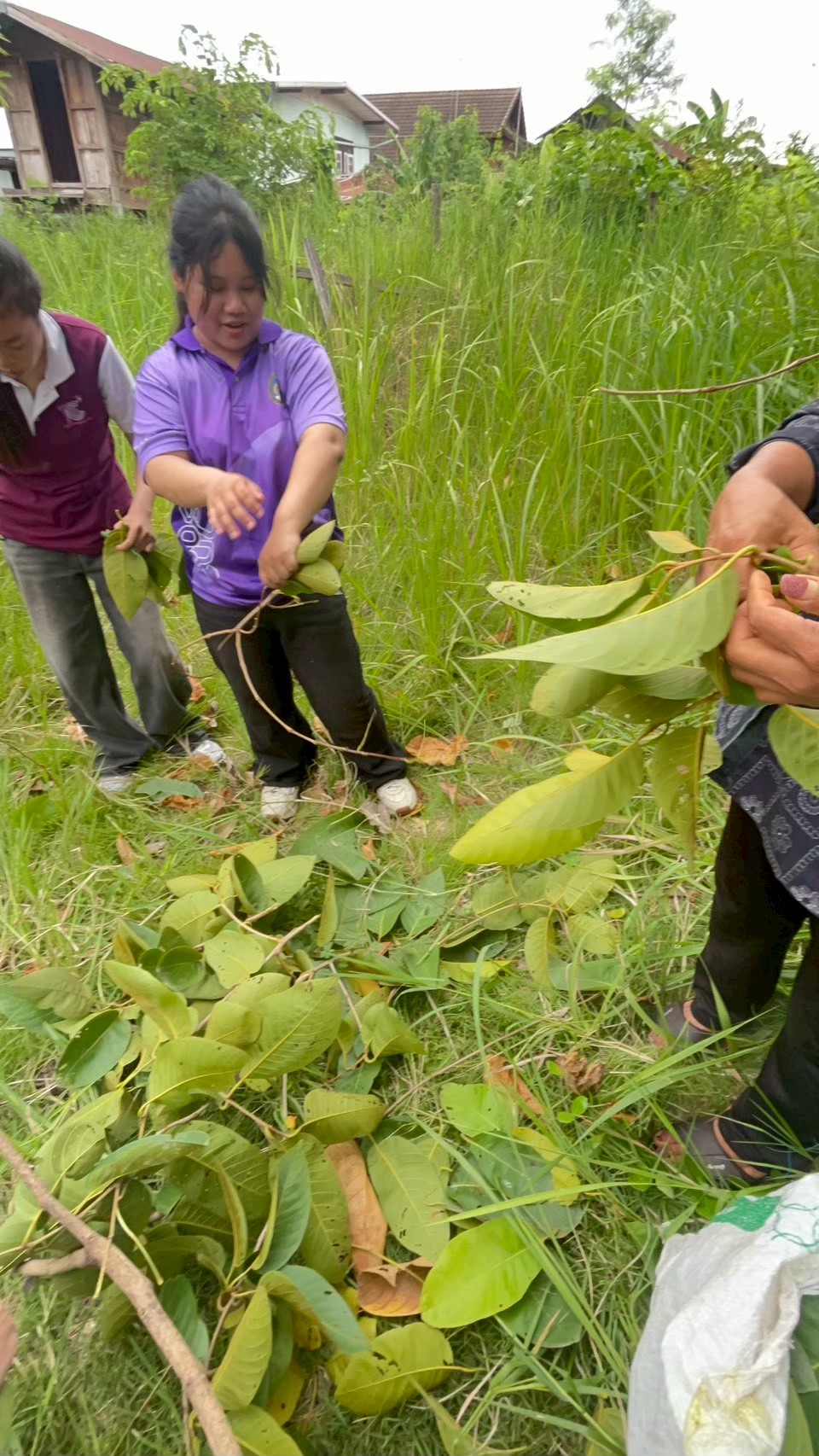
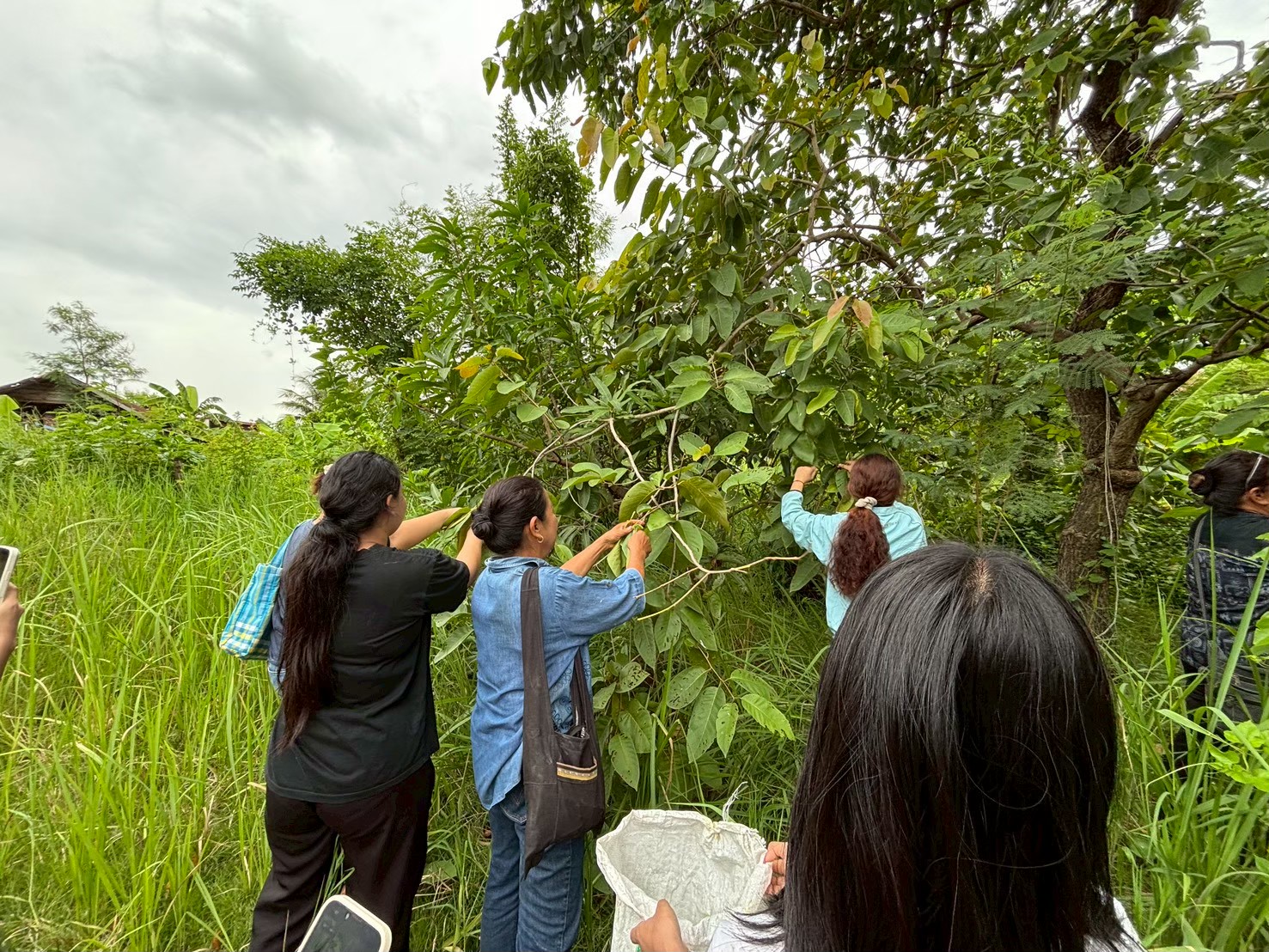
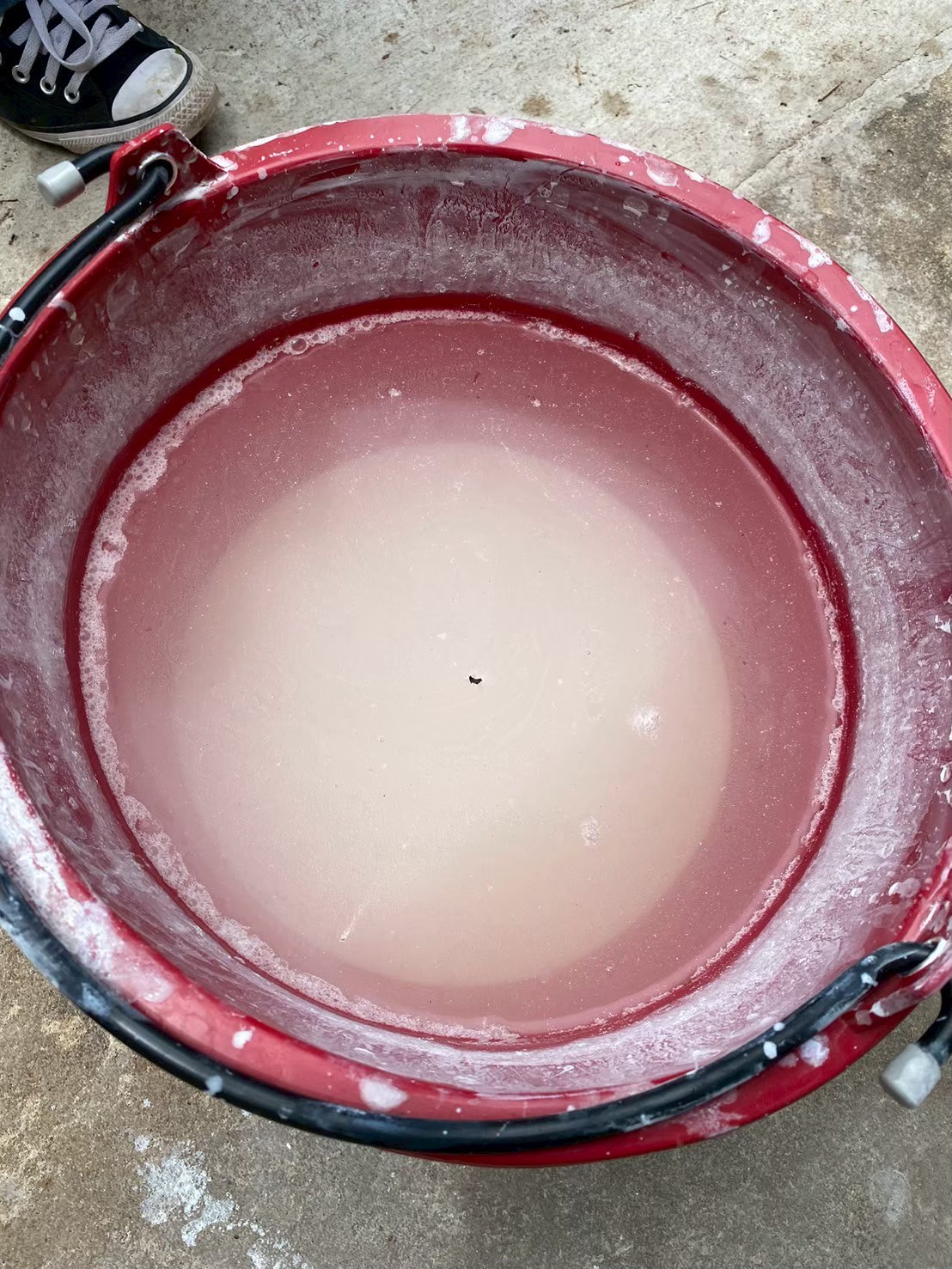
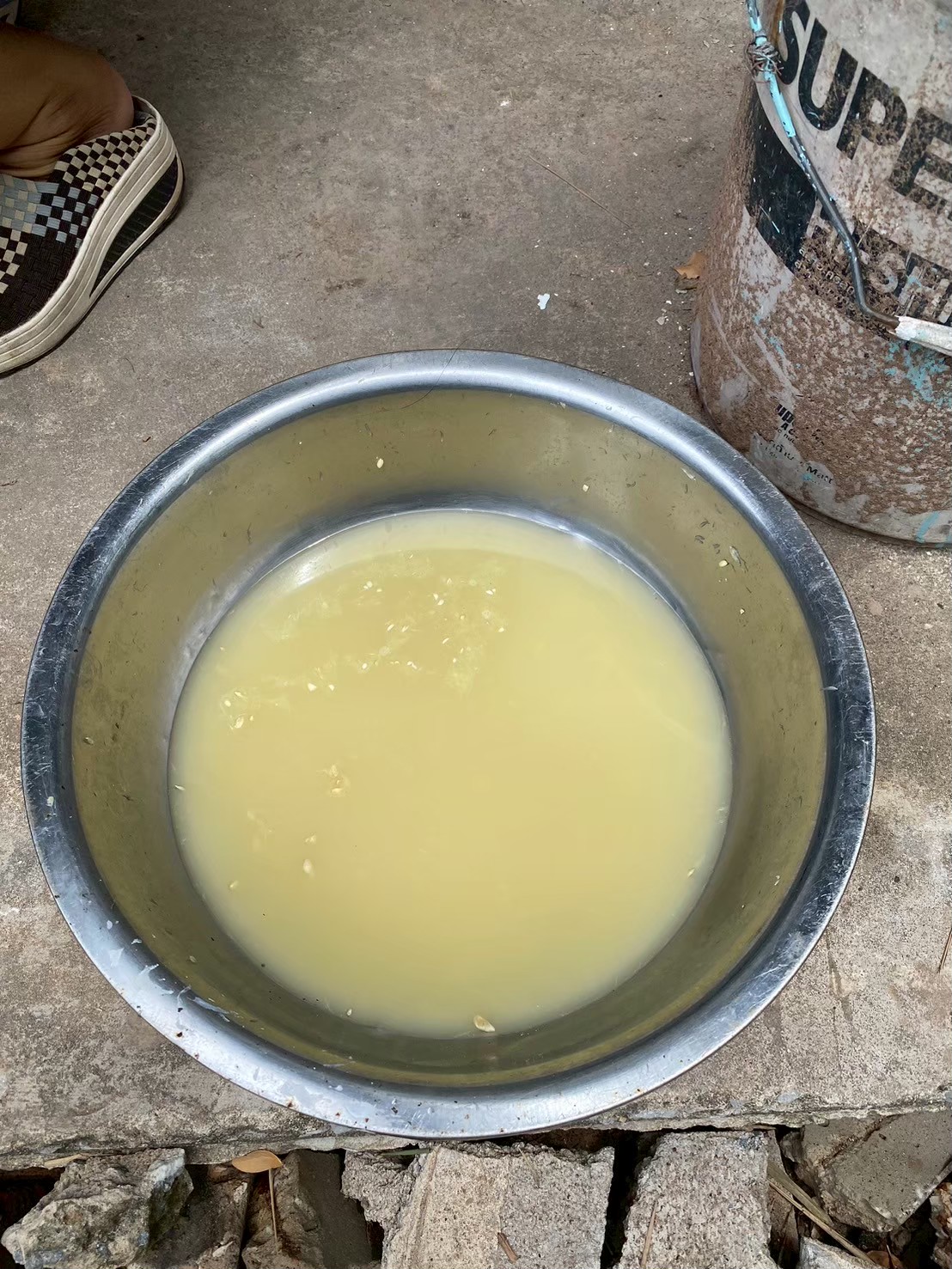
One Ban Kut Rang natural dye database. Members surveyed and collected local dye plants such as indigo, bark, leaves, and heartwood, and recorded each plant, its method of use, and the shades it produces, giving the group a reference it can keep using.
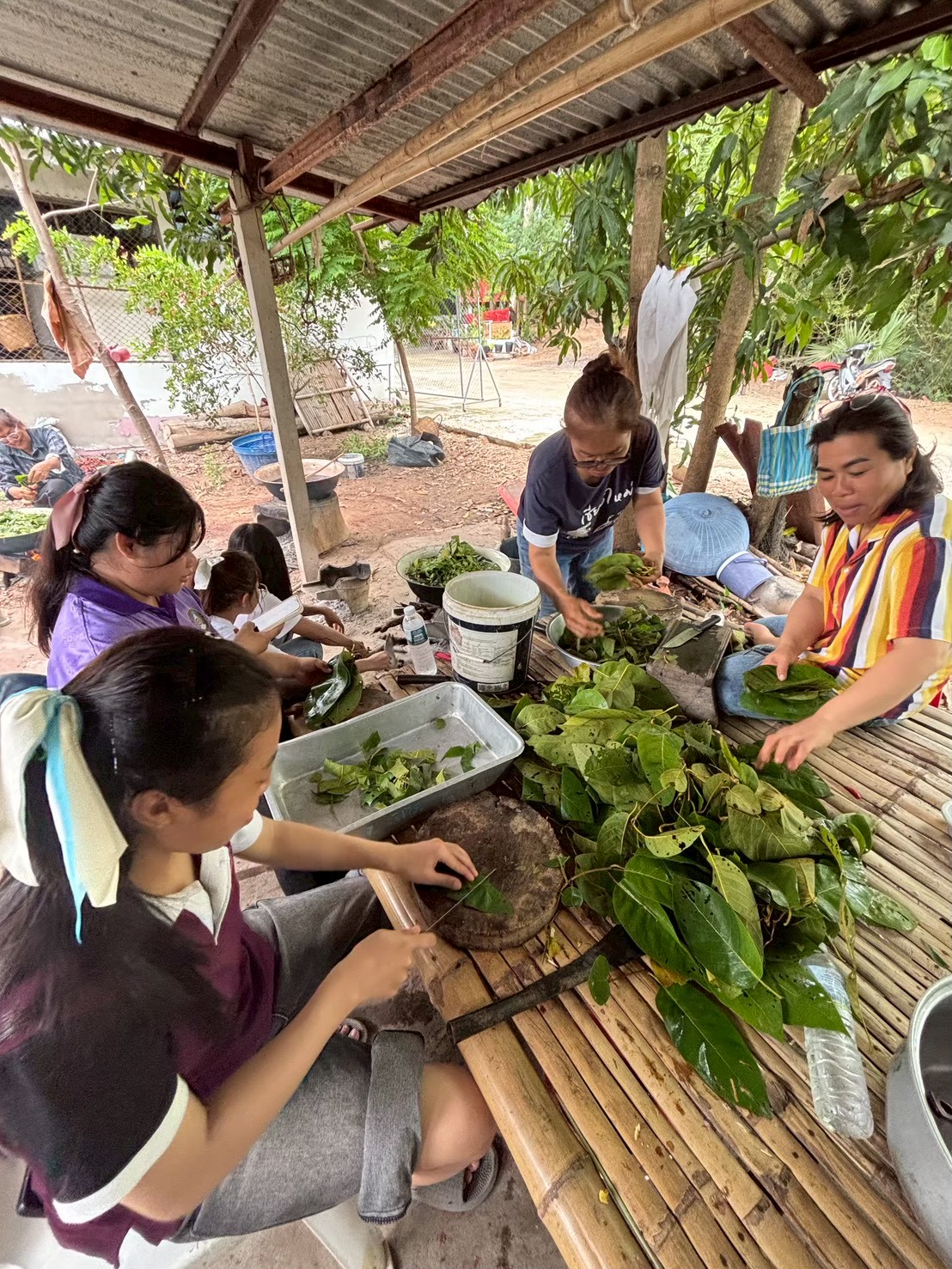
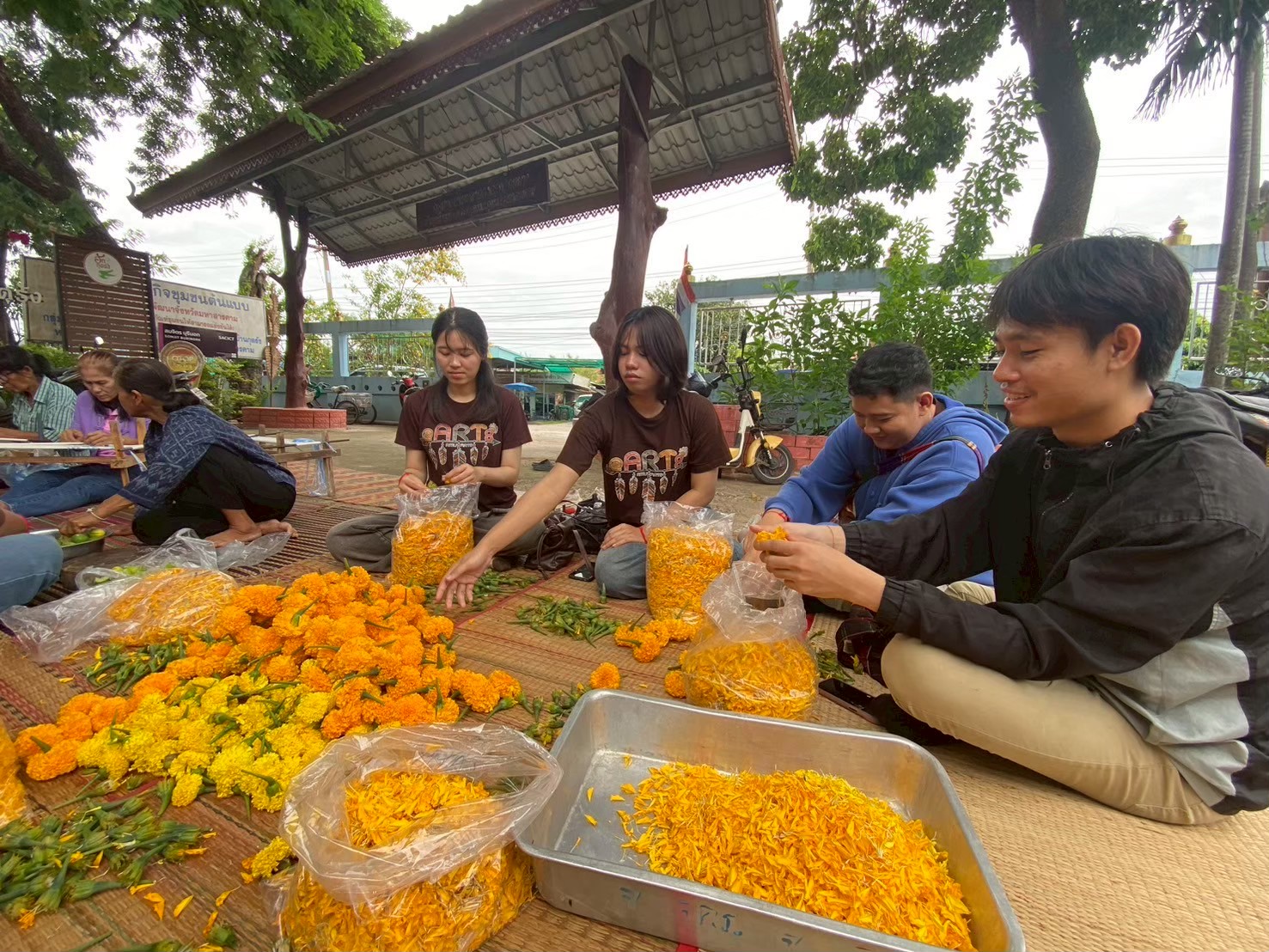
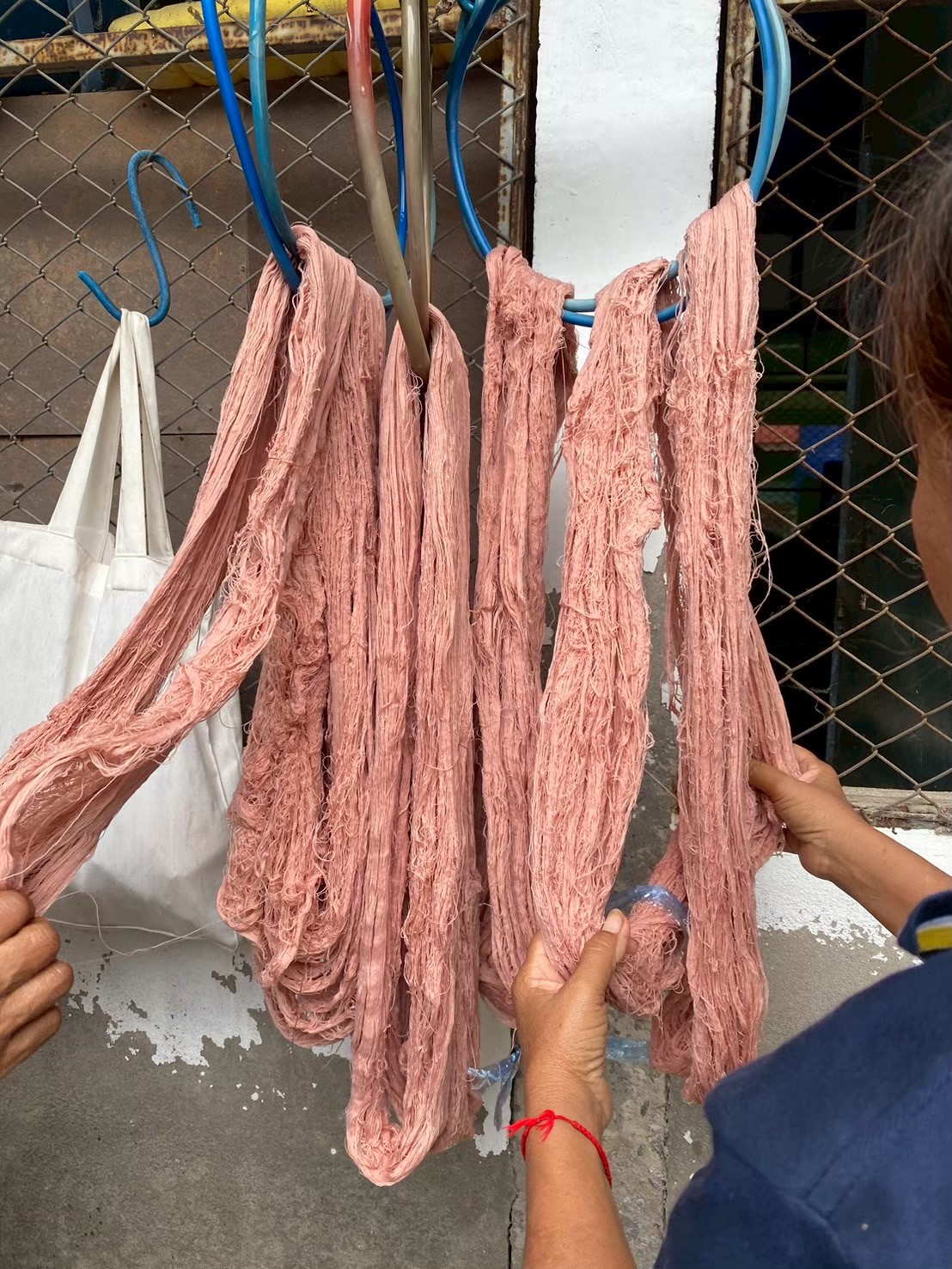
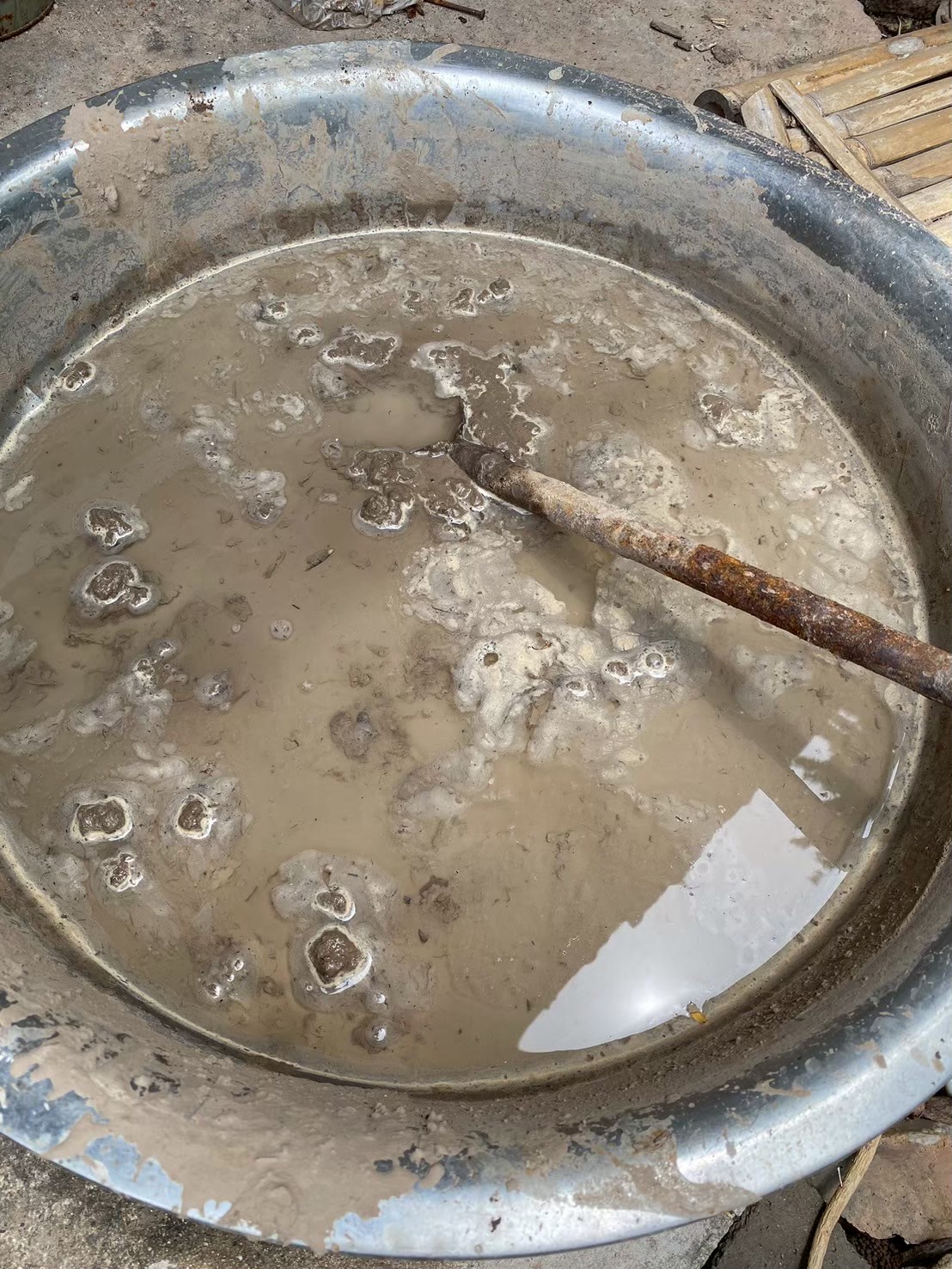
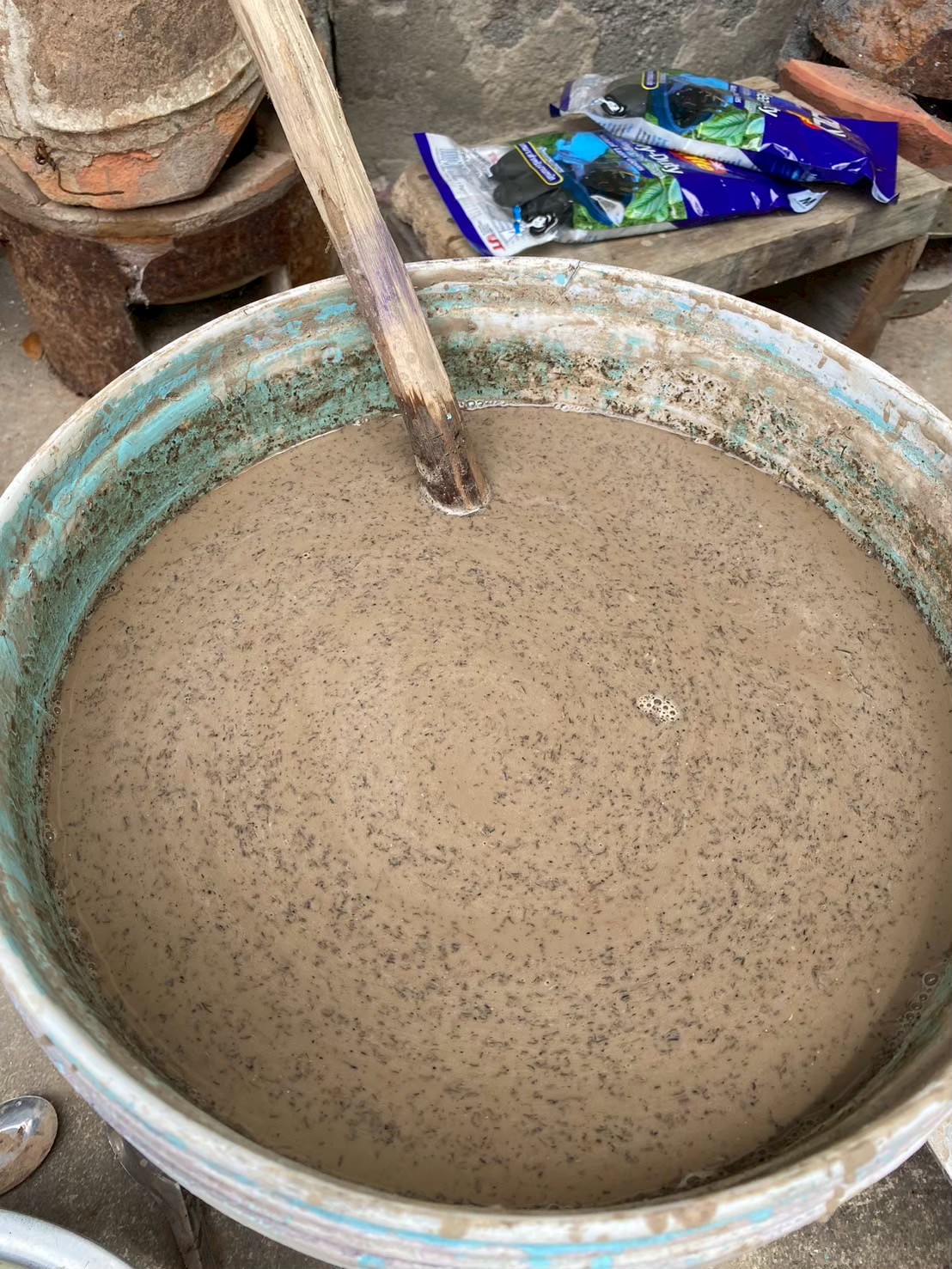
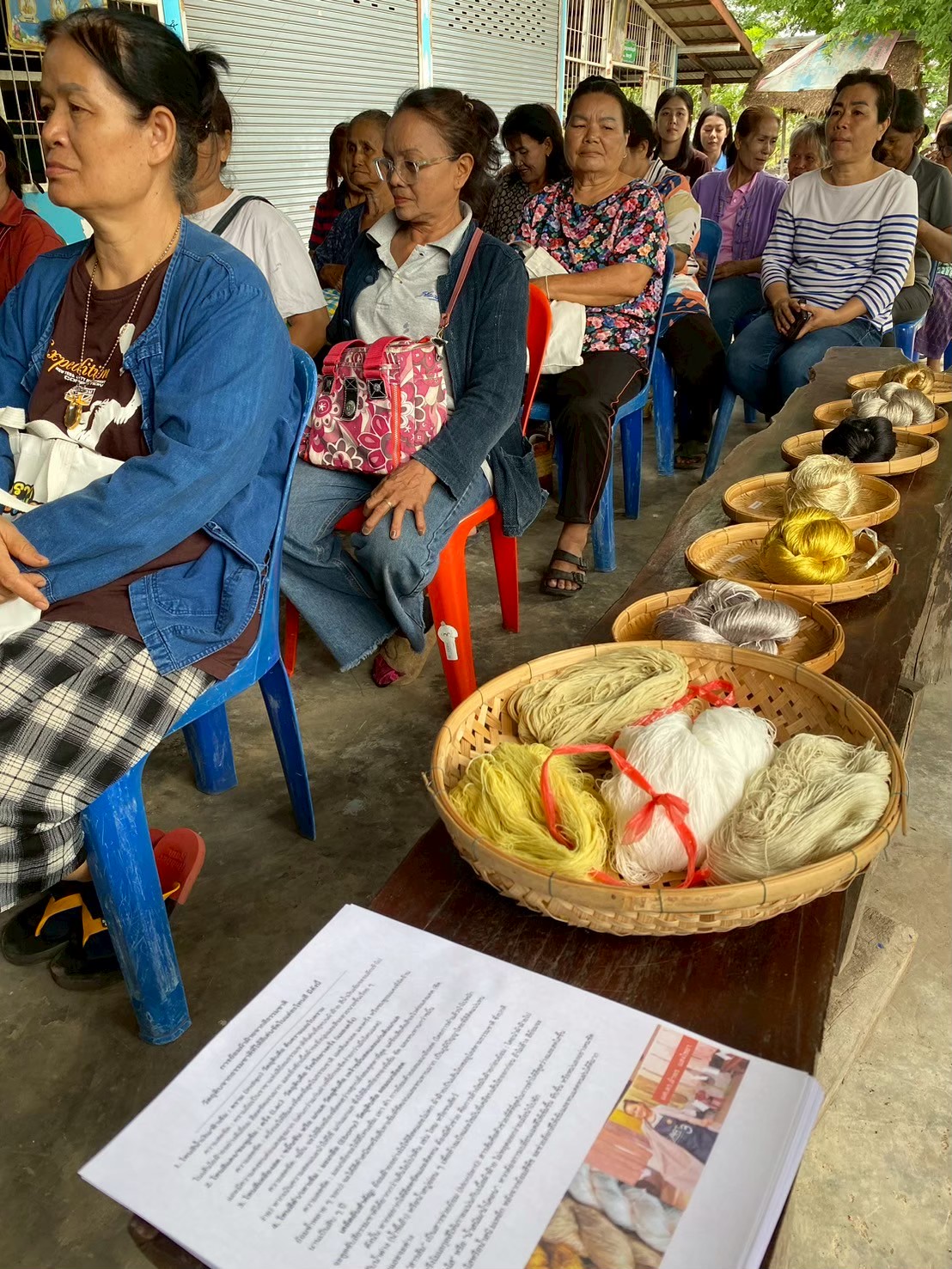
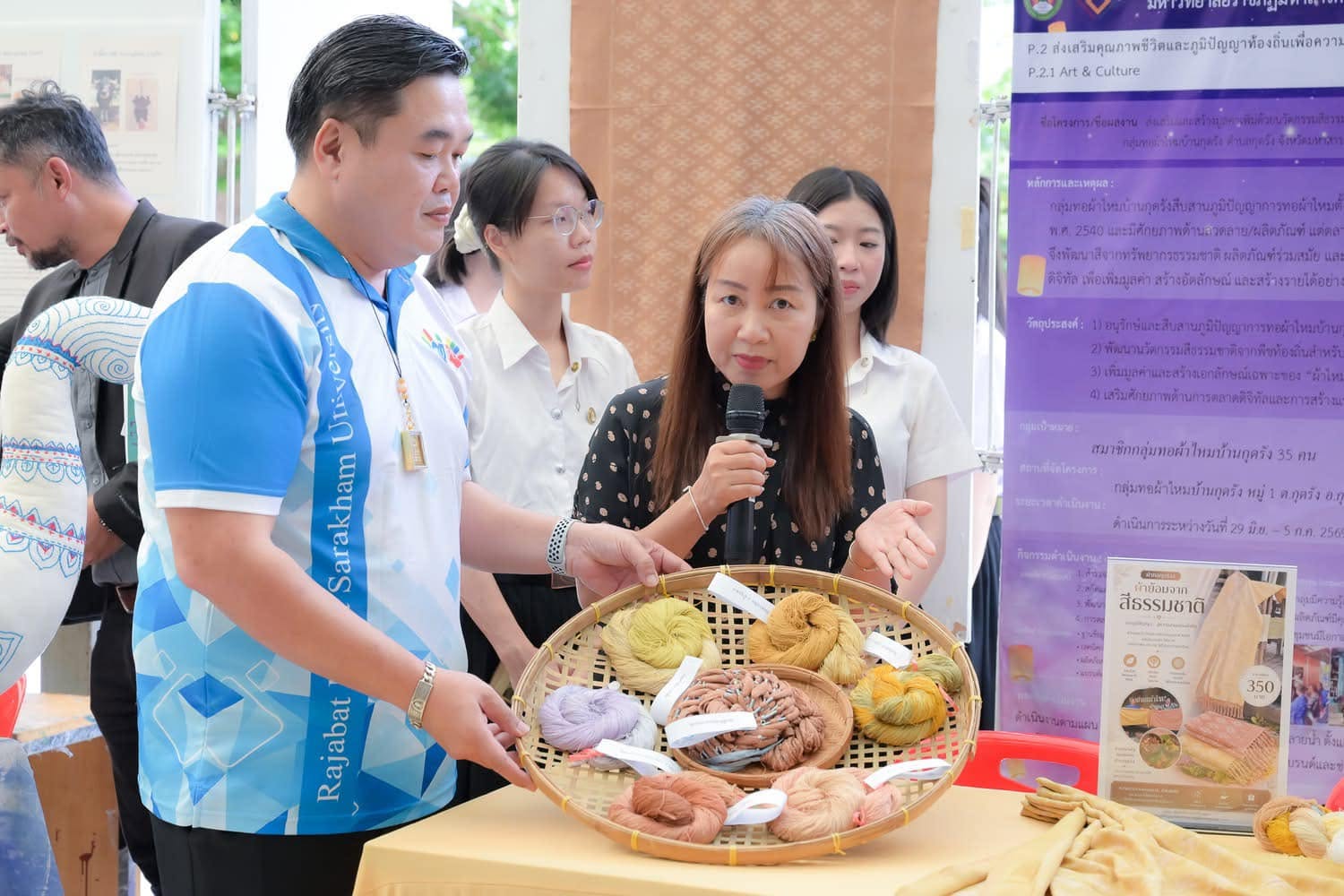
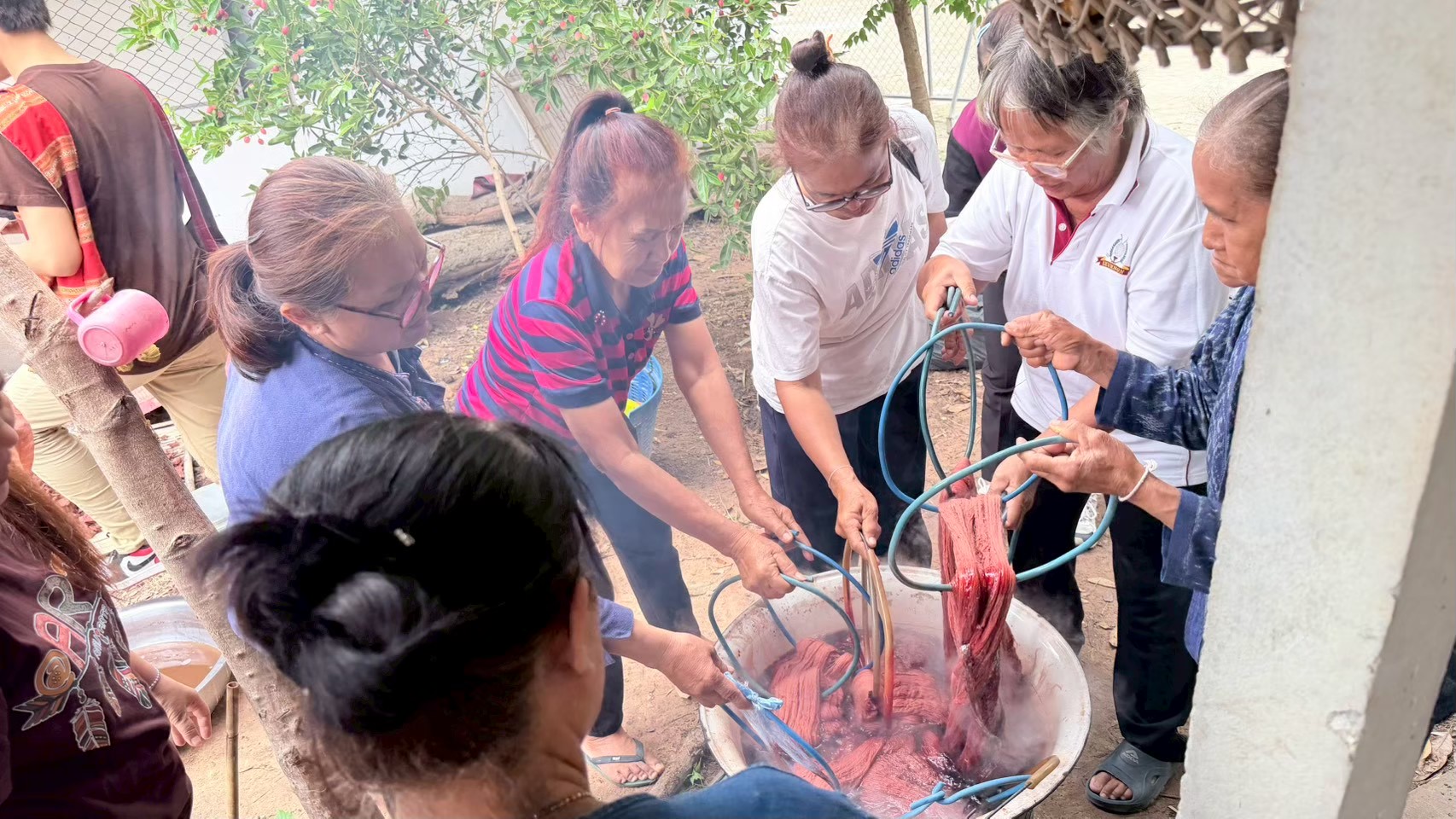
Natural silk-dyeing techniques. Members learned dye extraction, preparing silk yarn before dyeing, using natural mordants, and controlling temperature, time, and shade, and produced natural-dye silk prototypes in [six] colors/patterns.
[One] prototype product, “Kut Rang Natural Dye Innovation Silk.” Patterns, colors, and product forms were designed with a fine-arts specialist, building on the group's Soi Dok Mak pattern, already an OTOP 4-star product, into items such as scarves, shawls, and souvenir bags.
A brand and digital marketing channels. The group created a brand name, logo, and product story, opened online shops on Facebook and TikTok, and practiced product photography, content writing, and live selling, so that [one] weaving group now has branding and digital marketing capability.
Group income increased by [10 percent or more] over the baseline (proposal target; replace with the actual figure).
โครงการจัดอบรมเชิงปฏิบัติการ 4 กิจกรรม ระหว่างวันที่ 29 มิถุนายน และ 3–5 กรกฎาคม 2569 ณ กลุ่มทอผ้าไหมบ้านกุดรัง หมู่ 1 ตำบลกุดรัง อำเภอกุดรัง จังหวัดมหาสารคาม มีสมาชิกกลุ่มเข้าร่วม [35] คน งบประมาณ 80,000 บาท เกิดผลลัพธ์ดังนี้
ฐานข้อมูลสีธรรมชาติบ้านกุดรัง 1 ชุด สมาชิกกลุ่มร่วมสำรวจและเก็บตัวอย่างพืชให้สีในพื้นที่ เช่น คราม เปลือกไม้ ใบไม้ และแก่นไม้ แล้วบันทึกชนิดพืช วิธีใช้ และเฉดสีที่ได้ เป็นฐานข้อมูลที่กลุ่มใช้อ้างอิงต่อได้
เทคนิควิธีย้อมไหมด้วยสีธรรมชาติ สมาชิกกลุ่มได้รับการถ่ายทอดหลักการสกัดสี การเตรียมเส้นไหมก่อนย้อม การใช้สารช่วยติดสีจากธรรมชาติ และการควบคุมอุณหภูมิ เวลา และเฉดสี ได้ต้นแบบไหมย้อมสีธรรมชาติ [6] สี/แบบ
ผลิตภัณฑ์ต้นแบบ “ผ้าไหมกุดรังนวัตกรรมสีธรรมชาติ” [1] ผลิตภัณฑ์ ออกแบบลวดลาย สี และรูปแบบผลิตภัณฑ์ร่วมกับวิทยากรด้านศิลปกรรม โดยต่อยอดจากอัตลักษณ์ลายสร้อยดอกหมาก ซึ่งเป็นสินค้า OTOP 4 ดาวของกลุ่ม เช่น ผ้าพันคอ ผ้าคลุมไหล่ และกระเป๋าของฝาก
แบรนด์และช่องทางตลาดดิจิทัล กลุ่มได้ชื่อแบรนด์ โลโก้ และเรื่องเล่า (Storytelling) ของผลิตภัณฑ์ เปิดร้านค้าออนไลน์บน Facebook และ TikTok และฝึกถ่ายภาพสินค้า เขียนคอนเทนต์ และไลฟ์ขายสินค้า ทำให้กลุ่มทอผ้า [1] กลุ่ม มีความสามารถด้านการสร้างแบรนด์และการตลาดดิจิทัล
รายได้ของกลุ่ม เพิ่มขึ้นจากเดิม [ร้อยละ 10 หรือมากกว่า] (ค่าเป้าหมายตามแบบเสนอ ให้ระบุผลจริง)
Community & Social Impact ผลกระทบต่อชุมชน/สังคม
Economic: Natural-dye silk products carry added value and a distinct local identity, generating income for members, most of whom weave as a second occupation after the farming season. Online channels let the group sell directly to consumers without intermediaries, and sales of products and natural dye materials stimulate the local economy (target: GVH up [5 percent]).
Social and cultural: Silk-weaving wisdom handed down from earlier generations, and kept alive by the group since 1997, was conserved, passed on, and developed further as [one] form of local wisdom. Members gained pride in the “Kut Rang Silk” identity, and the community was strengthened by working together across [three] partner networks.
Environmental: Replacing chemical dyes with dyes from local plants reduces chemicals released into water and soil, and the project established environmentally friendly ways for the community to manage its raw materials.
Educational: The project generated new knowledge on Ban Kut Rang natural dyes that can serve as a case study for courses and further research.
ด้านเศรษฐกิจ ผลิตภัณฑ์ผ้าไหมสีธรรมชาติมีมูลค่าเพิ่มและเอกลักษณ์เฉพาะถิ่น ช่วยสร้างรายได้ให้สมาชิกกลุ่มซึ่งส่วนใหญ่ทอผ้าเป็นอาชีพเสริมหลังฤดูทำไร่ทำนา ช่องทางออนไลน์ทำให้ขายตรงถึงผู้บริโภคได้โดยไม่ต้องผ่านคนกลาง และยังกระตุ้นเศรษฐกิจในท้องถิ่นจากการจำหน่ายผลิตภัณฑ์และวัตถุดิบย้อมสีธรรมชาติ (เป้าหมาย GVH เพิ่มขึ้น [ร้อยละ 5])
ด้านสังคมและวัฒนธรรม ภูมิปัญญาการทอผ้าไหมที่สืบทอดจากบรรพบุรุษและกลุ่มรักษามาตั้งแต่ปี 2540 ได้รับการอนุรักษ์ สืบสาน และต่อยอด [1] ภูมิปัญญา สมาชิกกลุ่มเกิดความภาคภูมิใจในอัตลักษณ์ “ผ้าไหมกุดรัง” และชุมชนมีความเข้มแข็งจากการทำงานร่วมกันในเครือข่าย [3] เครือข่าย
ด้านสิ่งแวดล้อม การใช้สีจากพืชในท้องถิ่นแทนสีเคมีช่วยลดสารเคมีที่ปล่อยสู่แหล่งน้ำและดิน และเกิดแนวทางจัดการวัตถุดิบในชุมชนอย่างเป็นมิตรต่อสิ่งแวดล้อม
ด้านการศึกษา เกิดองค์ความรู้ใหม่เรื่องสีธรรมชาติบ้านกุดรังที่ใช้เป็นกรณีศึกษาในรายวิชาและงานวิจัยต่อได้
Student & Staff Participation การมีส่วนร่วมของนักศึกษา/บุคลากร
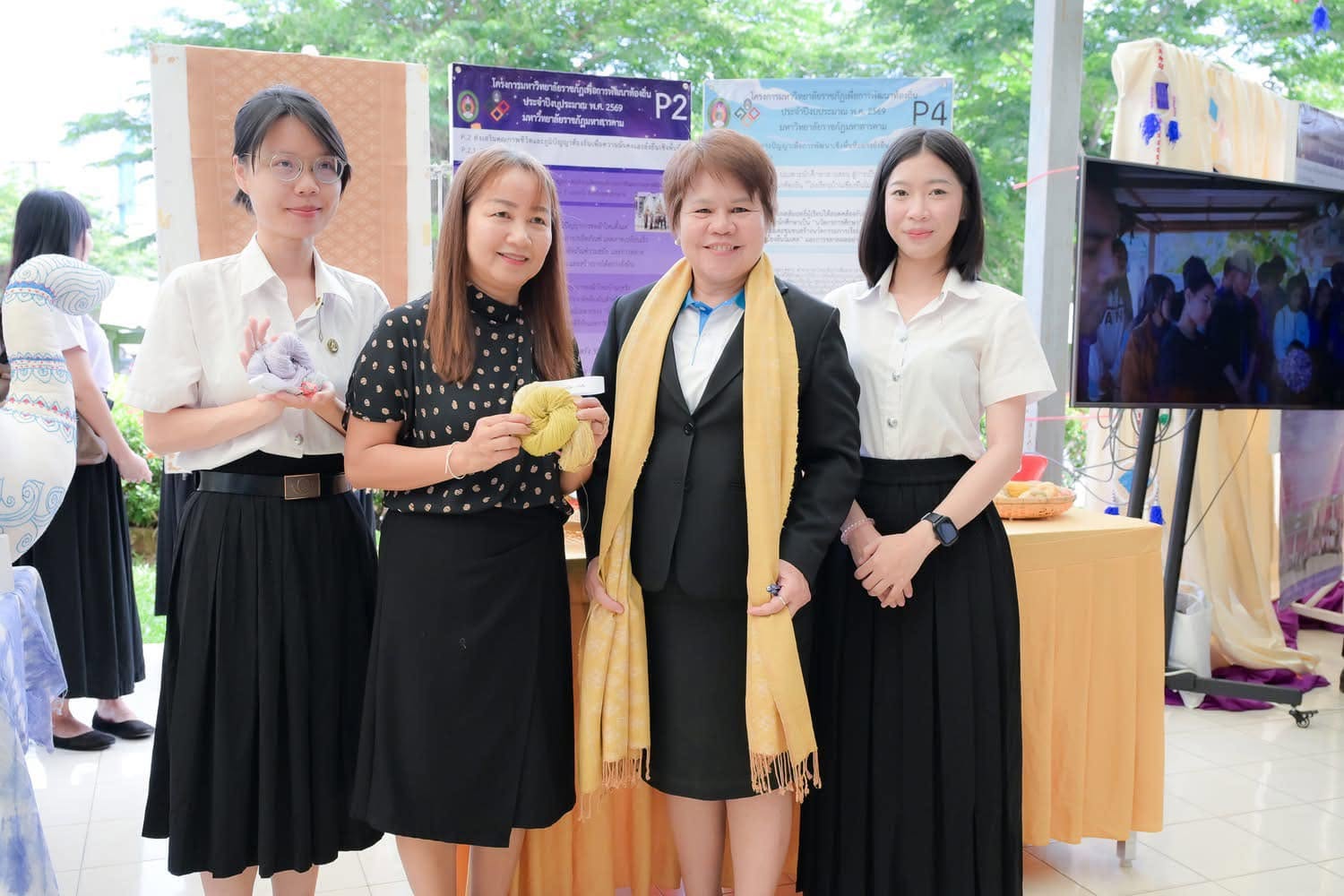
The project was a cross-faculty collaboration between the Thai for Communication Program, Faculty of Humanities and Social Sciences, and the Accounting Program, Faculty of Management Science, Rajabhat Maha Sarakham University.
Staff: The project leader and two assistant-professor co-investigators planned the work, coordinated with the community, and monitored results. Two in-house resource persons led the training: a fine-arts specialist covered dye-plant surveying, dye extraction and dyeing, and product design, and a lecturer from the Faculty of Management Science covered branding and digital marketing.
Students: [Six] social engineer students were developed through the social engineering process and applied that knowledge in the field. They worked as assistant facilitators for building the natural dye database, the dyeing practice, and the product photography, content writing, and live-selling sessions. The project grew out of a student project in the Thai for Communication Project course that built a Facebook Page to promote the group.
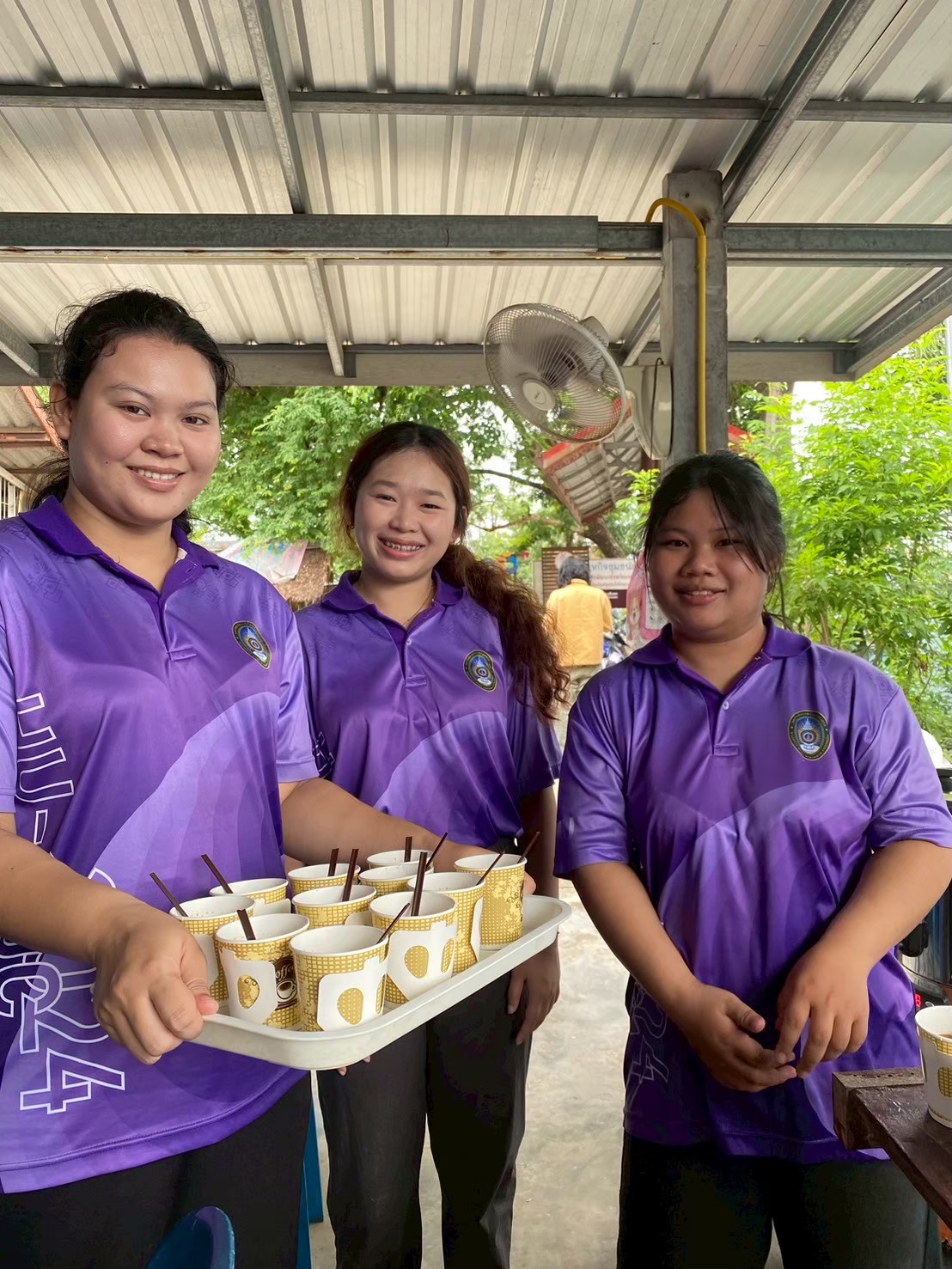
Community: [35] members of the Ban Kut Rang Silk Weaving Group took a hands-on part in every activity, from surveying materials and dyeing to designing products and selling online.
โครงการเป็นความร่วมมือข้ามคณะระหว่างหลักสูตรสาขาวิชาภาษาไทยเพื่อการสื่อสาร คณะมนุษยศาสตร์และสังคมศาสตร์ และหลักสูตรสาขาวิชาการบัญชี คณะวิทยาการจัดการ มหาวิทยาลัยราชภัฏมหาสารคาม
บุคลากร อาจารย์รตนดา อาจวิชัย หัวหน้าโครงการ ผู้ช่วยศาสตราจารย์กุณฑีรา อาษาศรี และผู้ช่วยศาสตราจารย์วิมล เขตตะ ผู้ร่วมโครงการ ทำหน้าที่วางแผน ประสานงานชุมชน และติดตามผล วิทยากรภายในมหาวิทยาลัย 2 คน ได้แก่ ผู้ช่วยศาสตราจารย์ ดร.อำพร แสงไชยา (หลักสูตรศิลปกรรมศาสตร์) ถ่ายทอดความรู้ด้านการสำรวจพืชให้สี การสกัดและย้อมสี และการออกแบบผลิตภัณฑ์ และอาจารย์ปริญญา ทองคำ (คณะวิทยาการจัดการ) ถ่ายทอดความรู้ด้านการสร้างแบรนด์และการตลาดดิจิทัล
นักศึกษา นักศึกษาวิศวกรสังคม [6] คน ได้รับการพัฒนาด้วยกระบวนการวิศวกรสังคม และนำองค์ความรู้ไปใช้ในการลงพื้นที่ ทำหน้าที่ผู้ช่วยวิทยากร อำนวยความสะดวกในการจัดทำฐานข้อมูลสีธรรมชาติ การปฏิบัติการย้อม และการฝึกถ่ายภาพ เขียนคอนเทนต์ และไลฟ์ขายสินค้า โครงการนี้ต่อยอดจากโครงงานของนักศึกษาในรายวิชาโครงงานทางภาษาไทยเพื่อการสื่อสาร ที่พัฒนาสื่อประชาสัมพันธ์ผ่าน Facebook Page ให้กลุ่ม
ชุมชน สมาชิกกลุ่มทอผ้าไหมบ้านกุดรัง [35] คน ร่วมสำรวจวัตถุดิบ ฝึกย้อม ออกแบบผลิตภัณฑ์ และฝึกขายออนไลน์ด้วยตนเองในทุกกิจกรรม
Project Continuity ความต่อเนื่องของโครงการ
The Ban Kut Rang Silk Weaving Group has operated continuously since 1997 with steady support from government agencies such as the Kut Rang District Community Development Office and the District Agricultural Office. This project filled the gaps the group still had, natural dye innovation and digital market channels, and handed over assets the group can keep using on its own: the Ban Kut Rang natural dye database, dye recipes and techniques, the prototype product, the brand, and online shops on Facebook and TikTok. Next, the program plans to track the group's sales and income, develop the products toward recognized standards (Indicator 13 of the university's annual action plan), such as a higher OTOP star rating or the Thai Community Product Standard (TCPS), and build Ban Kut Rang into the courses and projects of future student cohorts so that students keep helping the group produce content and run its online channels. It also aims to extend the natural dye knowledge to other weaving groups in Kut Rang District and Maha Sarakham Province. กลุ่มทอผ้าไหมบ้านกุดรังดำเนินงานต่อเนื่องมาตั้งแต่ปี 2540 และได้รับการสนับสนุนจากหน่วยงานรัฐ เช่น สำนักงานพัฒนาชุมชนอำเภอกุดรัง และสำนักงานเกษตรอำเภอ อย่างสม่ำเสมอ โครงการนี้จึงเติมสิ่งที่กลุ่มยังขาด คือนวัตกรรมสีธรรมชาติและช่องทางตลาดดิจิทัล โดยส่งมอบสิ่งที่กลุ่มใช้ต่อได้เองหลังจบโครงการ ได้แก่ ฐานข้อมูลสีธรรมชาติบ้านกุดรัง สูตรและเทคนิคการย้อม ผลิตภัณฑ์ต้นแบบ แบรนด์ และร้านค้าออนไลน์บน Facebook และ TikTok ในระยะต่อไป หลักสูตรมีแนวทางติดตามยอดขายและรายได้ของกลุ่ม พัฒนาผลิตภัณฑ์ให้เข้าสู่มาตรฐาน (ตัวชี้วัดที่ 13 ของแผนปฏิบัติราชการมหาวิทยาลัย) เช่น การต่อยอดระดับดาว OTOP หรือมาตรฐานผลิตภัณฑ์ชุมชน (มผช.) และบูรณาการพื้นที่บ้านกุดรังเข้ากับรายวิชาและโครงงานของนักศึกษารุ่นต่อไป เพื่อให้นักศึกษาช่วยกลุ่มผลิตคอนเทนต์และดูแลช่องทางออนไลน์ต่อเนื่อง รวมทั้งขยายผลองค์ความรู้สีธรรมชาติสู่กลุ่มทอผ้าอื่นในอำเภอกุดรังและจังหวัดมหาสารคาม
Part 3: Challenges & Suggestions ส่วนที่ 3 ปัญหาอุปสรรค/ข้อเสนอแนะ
Problems & Obstacles ปัญหา/อุปสรรค
1. Natural-dye silk has relatively high costs and prices, so its market is limited to a niche of consumers who value natural products.
2. Natural raw materials are hard to source and some are seasonal, which can delay or interrupt supply.
3. Keeping natural shades consistent from one dye batch to the next is difficult because results depend on the plant, mordant quantity, temperature, and time, and require repeated practice.
4. Most members also farm, so activities had to avoid the harvest season or participation could drop.
5. Some members are older and unfamiliar with digital technology, so product photography, content writing, and live selling take time to learn and need ongoing support.
6. Four days of training is short relative to the full cycle of dyeing, weaving, and real-market testing, so long-term sales results could not yet be fully measured.
1. ผ้าไหมย้อมสีธรรมชาติมีต้นทุนและราคาค่อนข้างสูง ตลาดจึงจำกัดอยู่ที่ผู้บริโภคเฉพาะกลุ่มที่ชื่นชอบความเป็นธรรมชาติ
2. การหาวัตถุดิบจากธรรมชาติทำได้ยากและบางชนิดขึ้นกับฤดูกาล ทำให้การจัดหาวัตถุดิบล่าช้าหรือไม่สม่ำเสมอ
3. การควบคุมเฉดสีธรรมชาติให้สม่ำเสมอในแต่ละรอบการย้อมทำได้ยาก เพราะขึ้นกับชนิดพืช ปริมาณสาร อุณหภูมิ และเวลา ซึ่งต้องอาศัยการฝึกซ้ำหลายครั้ง
4. สมาชิกกลุ่มส่วนใหญ่มีภารกิจทำไร่ทำนา การจัดกิจกรรมจึงต้องหลีกเลี่ยงฤดูเก็บเกี่ยว มิฉะนั้นการมีส่วนร่วมอาจลดลง
5. สมาชิกกลุ่มบางส่วนเป็นผู้สูงวัยและไม่คุ้นเคยกับเทคโนโลยีดิจิทัล การถ่ายภาพ เขียนคอนเทนต์ และไลฟ์ขายสินค้าจึงต้องใช้เวลาฝึกและต้องมีผู้ช่วยดูแลต่อเนื่อง
6. ระยะเวลาอบรม 4 วัน ค่อนข้างสั้นเมื่อเทียบกับกระบวนการย้อม ทอ และทดลองตลาดจริง จึงยังวัดผลด้านยอดขายระยะยาวได้ไม่เต็มที่
Improvement Guidelines แนวทางการปรับปรุง
1. Test and refine dye recipes with specialists, and keep standard color records (plant ratios, mordants, temperature, time) to achieve consistent shades and cut losses from failed batches.
2. Stock backup materials in advance, use several dye plants to reduce seasonal risk, and encourage the community to grow its own dye plants, such as indigo.
3. Plan activities with the group well ahead, choose times that do not clash with farming, and split training into several short sessions instead of one continuous block.
4. Develop products at several price points, such as small items like handkerchiefs or souvenirs alongside full-length fabric, to widen the customer base, and tell the story of natural dyes so buyers see the reason for the price.
5. Form a digital team within the group led by younger members or members' children, with students mentoring them for at least three to six months after the project ends.
6. Record sales and income systematically before and after the project, so results and the SROI can be assessed clearly.
1. ทดสอบและปรับสูตรย้อมร่วมกับผู้เชี่ยวชาญ และจัดทำบันทึกสูตรสีมาตรฐาน (สัดส่วนพืช สารช่วยติดสี อุณหภูมิ เวลา) เพื่อให้ได้เฉดสีสม่ำเสมอและลดต้นทุนจากการย้อมเสีย
2. จัดหาวัตถุดิบสำรองล่วงหน้า ใช้พืชให้สีหลายชนิดเพื่อลดความเสี่ยงจากฤดูกาล และส่งเสริมให้ชุมชนปลูกพืชให้สี เช่น คราม ไว้ใช้เอง
3. วางแผนกิจกรรมร่วมกับกลุ่มล่วงหน้า เลือกช่วงเวลาที่ไม่กระทบการทำไร่ทำนา และแบ่งกิจกรรมเป็นช่วงสั้นหลายครั้งแทนการอบรมต่อเนื่อง
4. พัฒนาผลิตภัณฑ์หลายระดับราคา เช่น ชิ้นเล็กอย่างผ้าเช็ดหน้าหรือของที่ระลึก ควบคู่กับผ้าผืน เพื่อขยายฐานลูกค้า และสื่อสารเรื่องราวคุณค่าสีธรรมชาติให้ผู้ซื้อเห็นเหตุผลของราคา
5. ตั้งทีมดิจิทัลของกลุ่มโดยให้สมาชิกรุ่นใหม่หรือลูกหลานในชุมชนเป็นแกนนำ และให้นักศึกษาเป็นพี่เลี้ยงติดตามหลังจบโครงการอย่างน้อย 3–6 เดือน
6. เก็บข้อมูลยอดขายและรายได้ก่อนและหลังโครงการอย่างเป็นระบบ เพื่อประเมินผลและประเมิน SROI ได้ชัดเจน
Suggestions to University ข้อเสนอแนะต่อมหาวิทยาลัย
1. Support this as a multi-year project, so income results can be tracked and products developed toward standards such as the Thai Community Product Standard (TCPS) or a higher OTOP star rating.
2. Fund or provide access to color-quality testing, such as colorfastness to washing and light, through university or partner laboratories, to certify product quality.
3. Open sales and promotion channels for community products through the university, such as its social media pages, trade fairs, and official souvenirs.
4. Promote systematic cross-faculty and cross-disciplinary collaboration, for example fine arts, accounting, marketing, and communication arts, so communities are supported across the whole upstream, midstream, and downstream chain.
5. Build community fieldwork into courses or credits so that social engineer students can keep supporting communities without disrupting their studies.
6. Allow more flexible project timeframes that fit the seasonality of raw materials and the community's farming calendar.
1. สนับสนุนให้เป็นโครงการต่อเนื่องหลายปี เพื่อติดตามผลด้านรายได้ และพัฒนาผลิตภัณฑ์ให้เข้าสู่มาตรฐาน เช่น มผช. หรือการยกระดับดาว OTOP
2. สนับสนุนงบประมาณหรือช่องทางทดสอบคุณภาพสี เช่น ความคงทนของสีต่อการซักและแสง ผ่านห้องปฏิบัติการของมหาวิทยาลัยหรือเครือข่าย เพื่อรับรองคุณภาพผลิตภัณฑ์
3. เปิดพื้นที่จำหน่ายและประชาสัมพันธ์ผลิตภัณฑ์ชุมชนผ่านช่องทางของมหาวิทยาลัย เช่น เพจ งานแสดงสินค้า และของที่ระลึกของมหาวิทยาลัย
4. ส่งเสริมความร่วมมือข้ามคณะและข้ามสาขาอย่างเป็นระบบ เช่น ศิลปกรรม การบัญชี การตลาด และนิเทศศาสตร์ เพื่อดูแลชุมชนครบทั้งต้นน้ำ กลางน้ำ และปลายน้ำ
5. บรรจุการลงพื้นที่ชุมชนเป็นส่วนหนึ่งของรายวิชาหรือหน่วยกิต เพื่อให้นักศึกษาวิศวกรสังคมดูแลชุมชนต่อเนื่องได้โดยไม่กระทบการเรียน
6. ขยายกรอบเวลาการดำเนินโครงการให้ยืดหยุ่นตามฤดูกาลของวัตถุดิบและวิถีชีวิตเกษตรกรรมของชุมชน