– July 31, 2026 17 กรกฎาคม 2569
– 31 กรกฎาคม 2569
Part 1: Project Details ส่วนที่ 1 รายละเอียดการดำเนินงาน
Objectives วัตถุประสงค์โครงการ
1. To develop techniques for creating patterns through natural color-discharge (bleaching) methods for handwoven, naturally dyed textile products.
2. To enhance the quality and increase the commercial value of handwoven, naturally dyed textile products.
3. To transfer knowledge and strengthen the capabilities of producer groups in developing products that meet market demands.
1. เพื่อพัฒนาเทคนิคการสร้างสรรค์ลวดลายด้วยวิธีกัดสีธรรมชาติสำหรับผลิตภัณฑ์ผ้าทอมือย้อมสีธรรมชาติ
2. เพื่อยกระดับคุณภาพและเพิ่มมูลค่าเชิงพาณิชย์ของผลิตภัณฑ์ผ้าทอมือย้อมสีธรรมชาติ
3. เพื่อถ่ายทอดองค์ความรู้และเสริมสร้างศักยภาพของกลุ่มผู้ผลิตในการพัฒนาผลิตภัณฑ์ให้ตรงกับความ
ต้องการของตลาด
Main Activities กิจกรรมหลัก
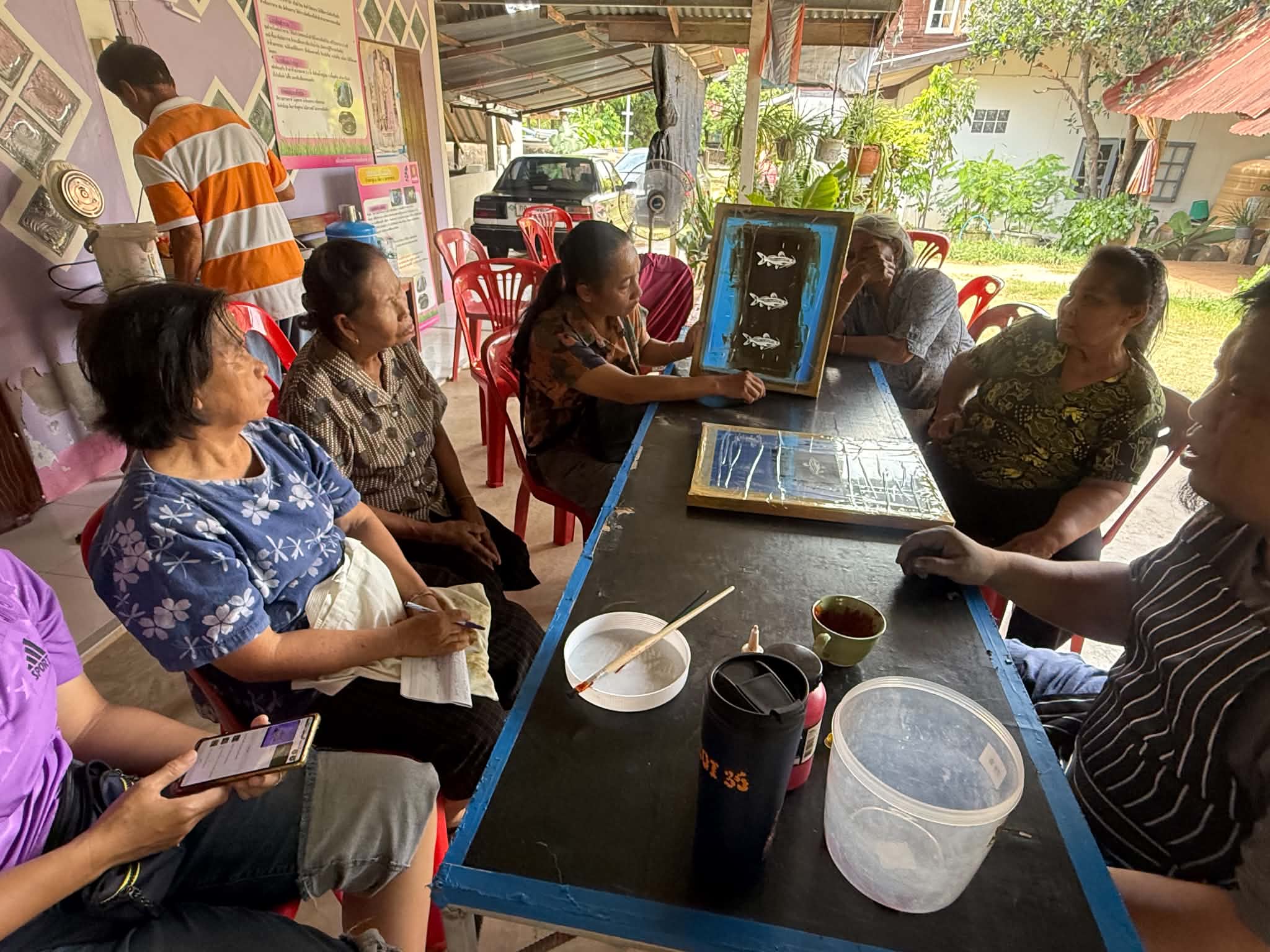
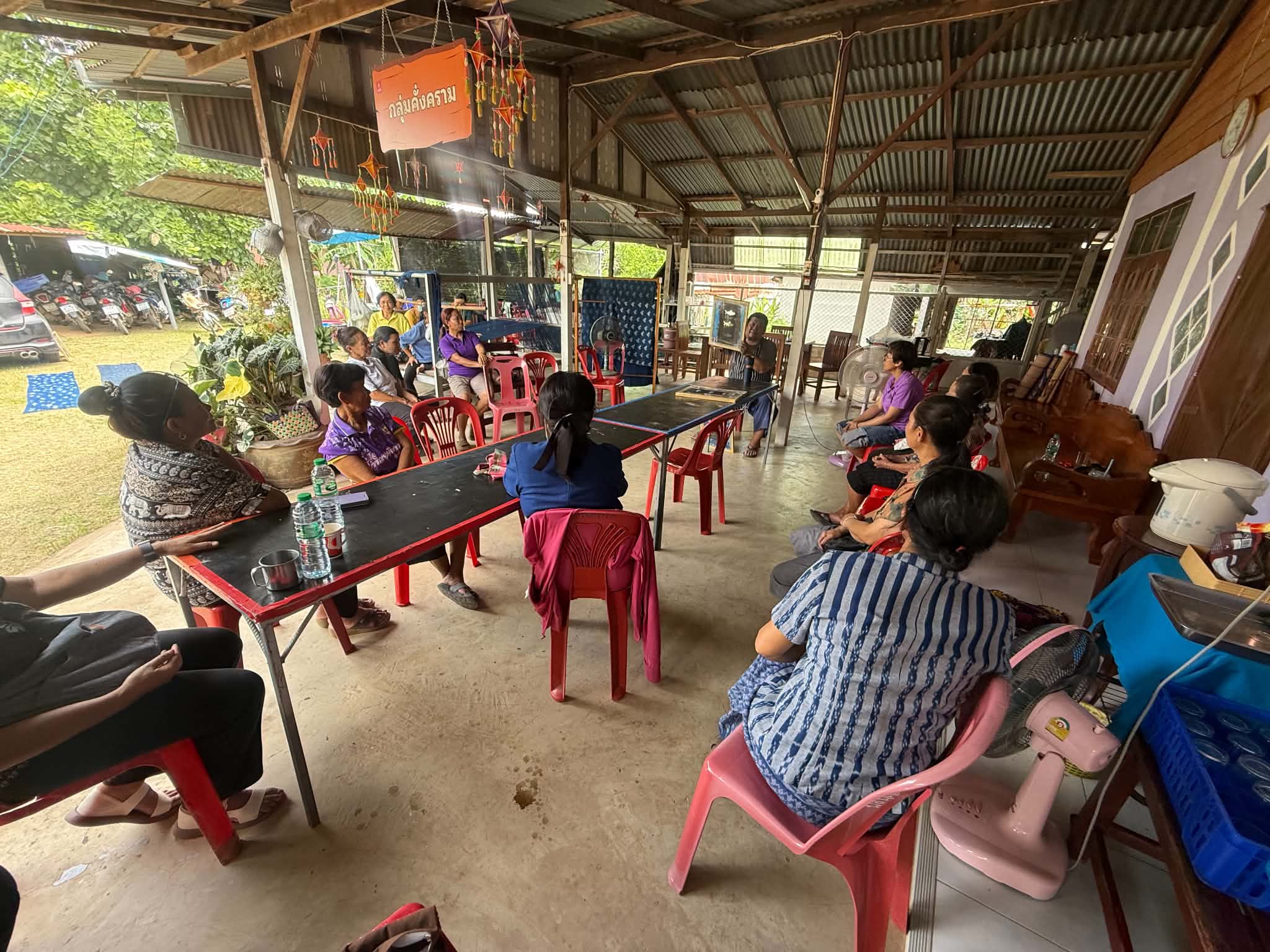
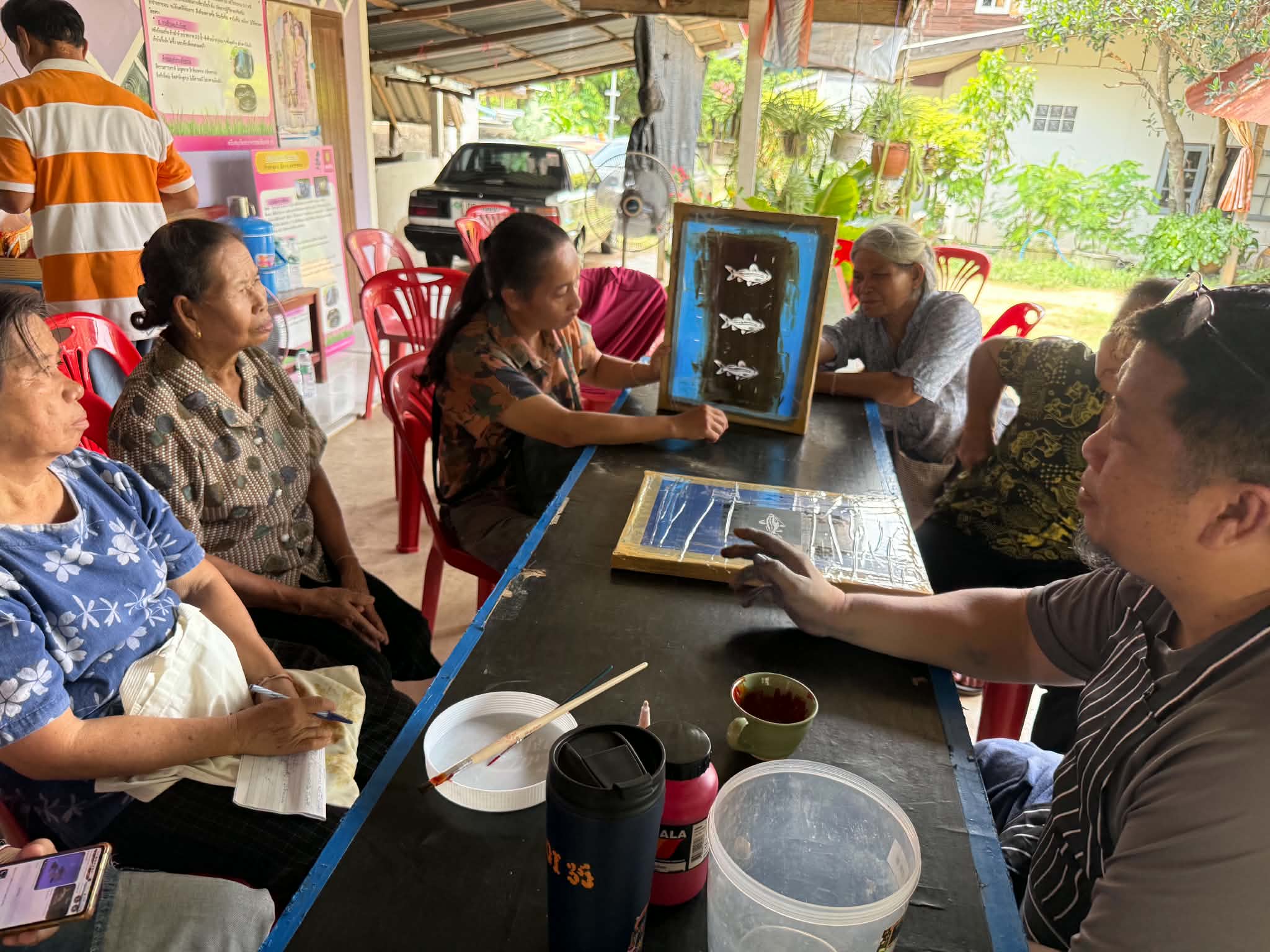
Activity 1: Workshop on the Pattern Design Process
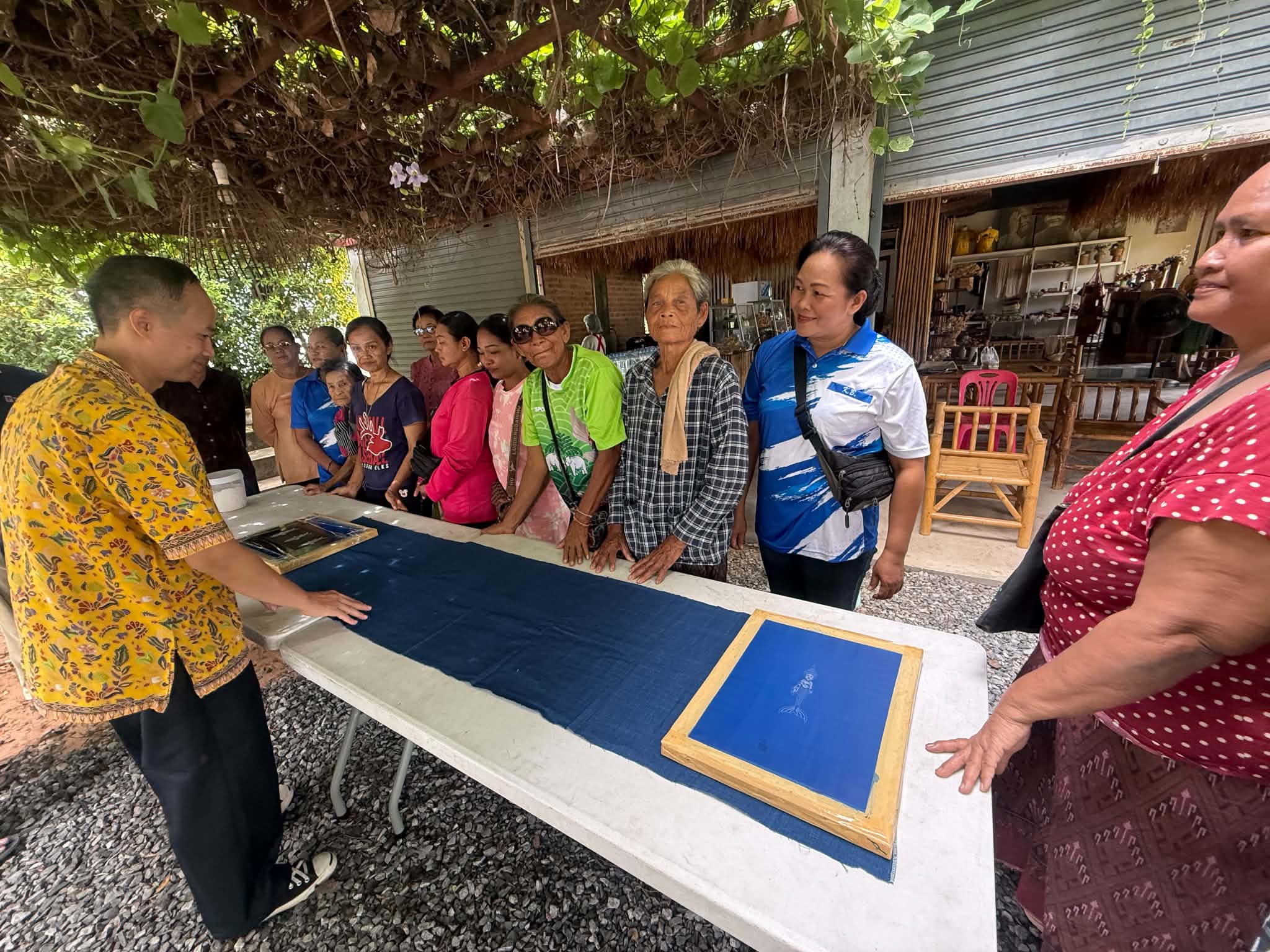
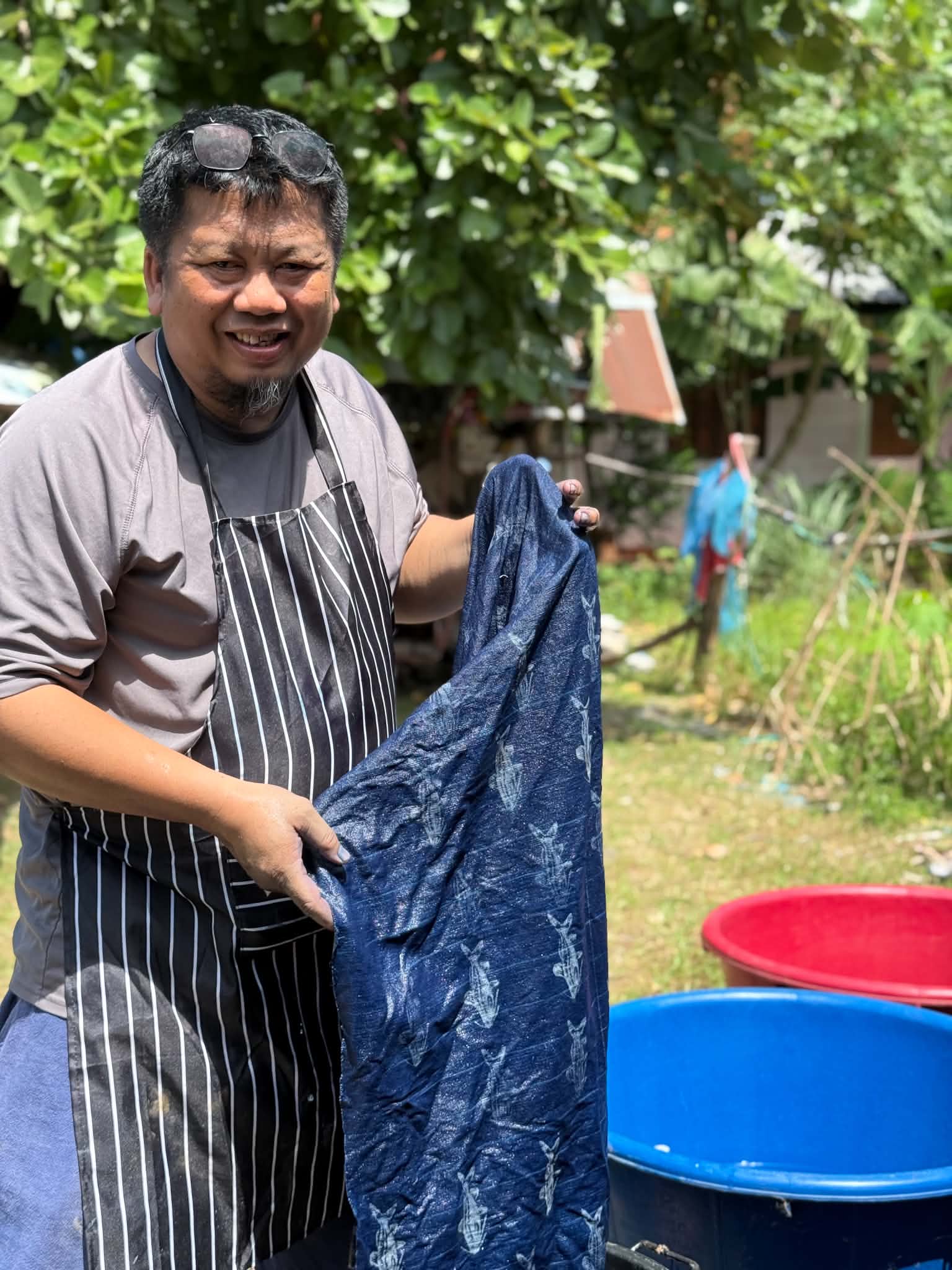
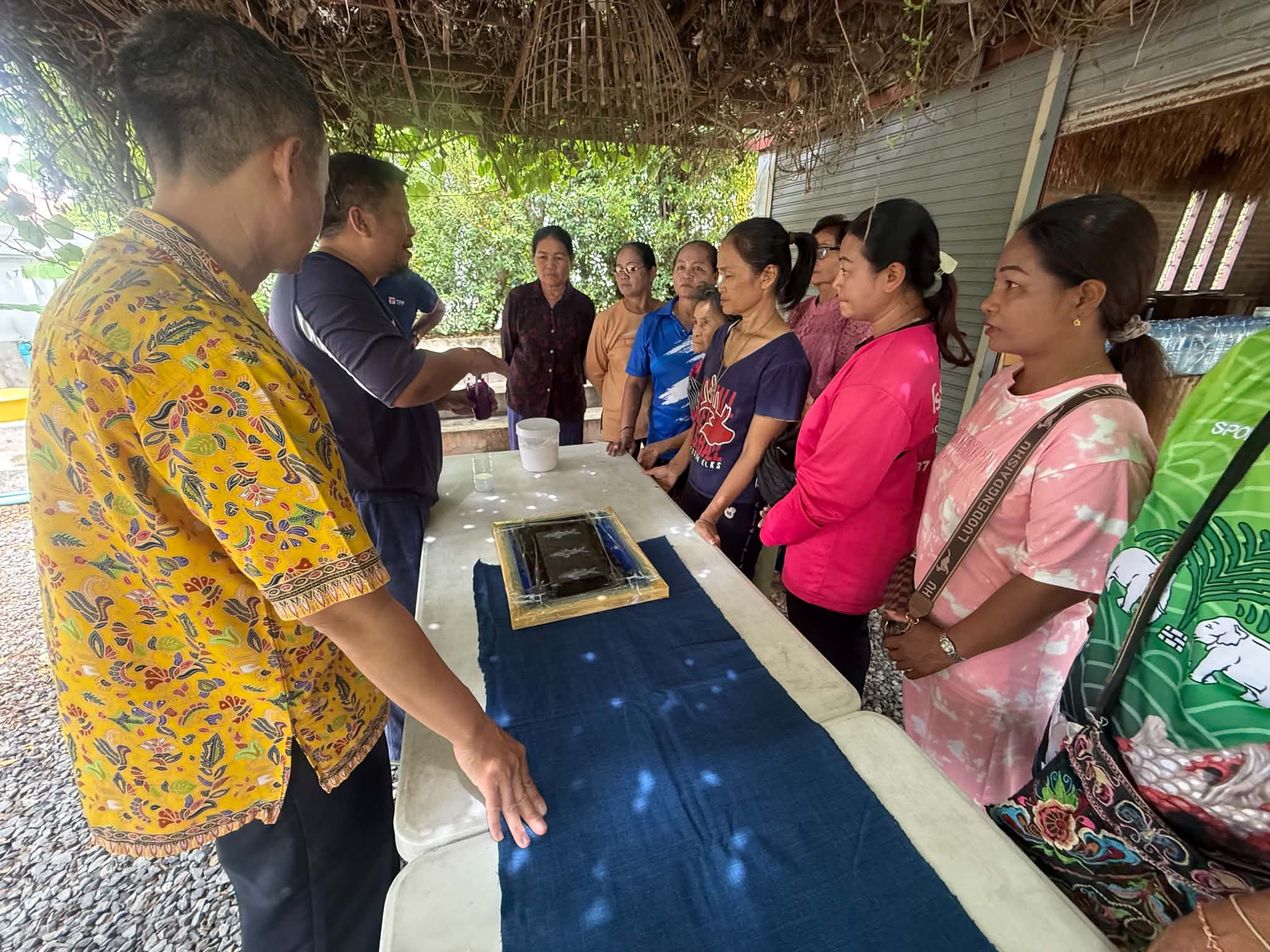
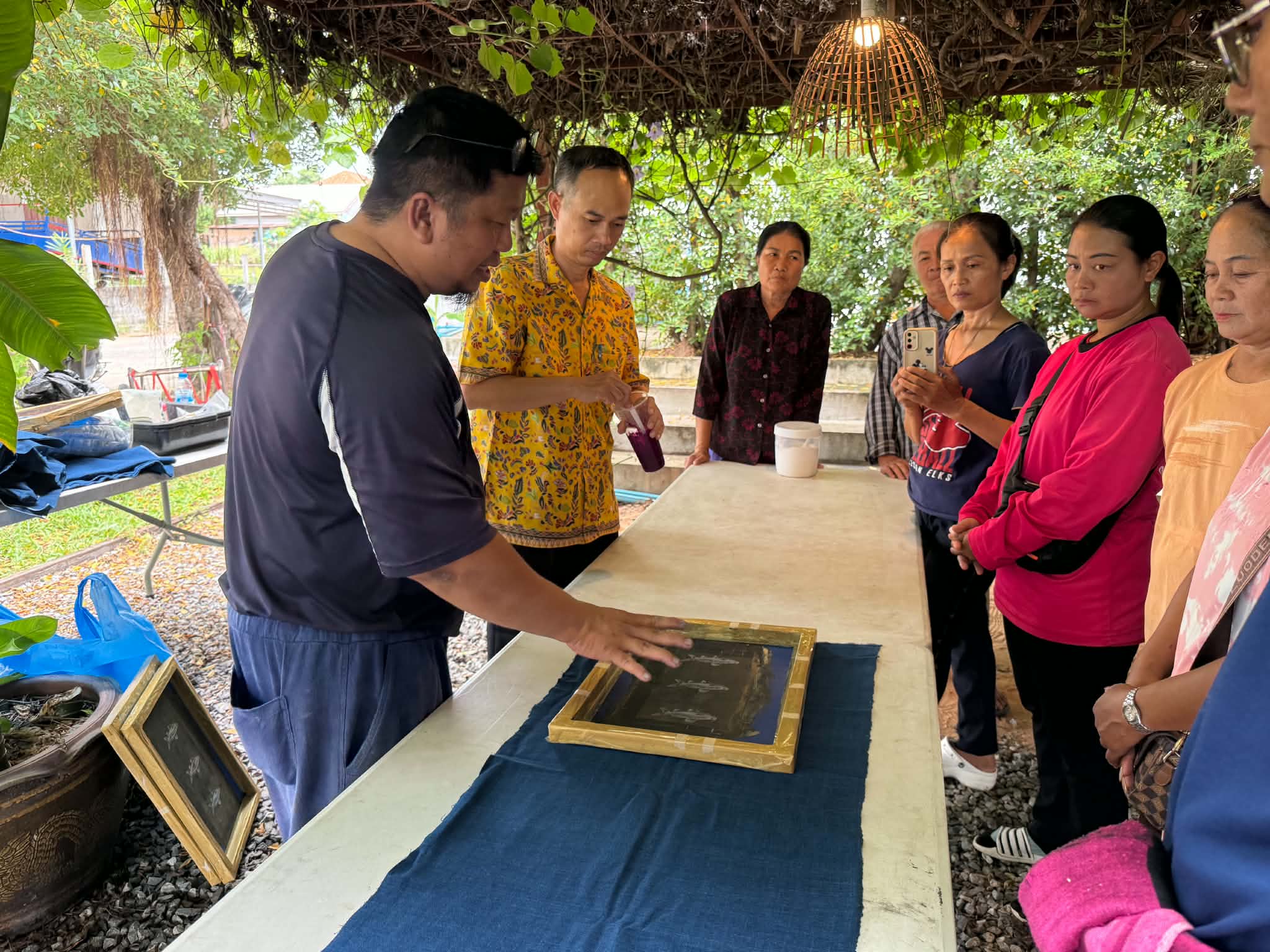
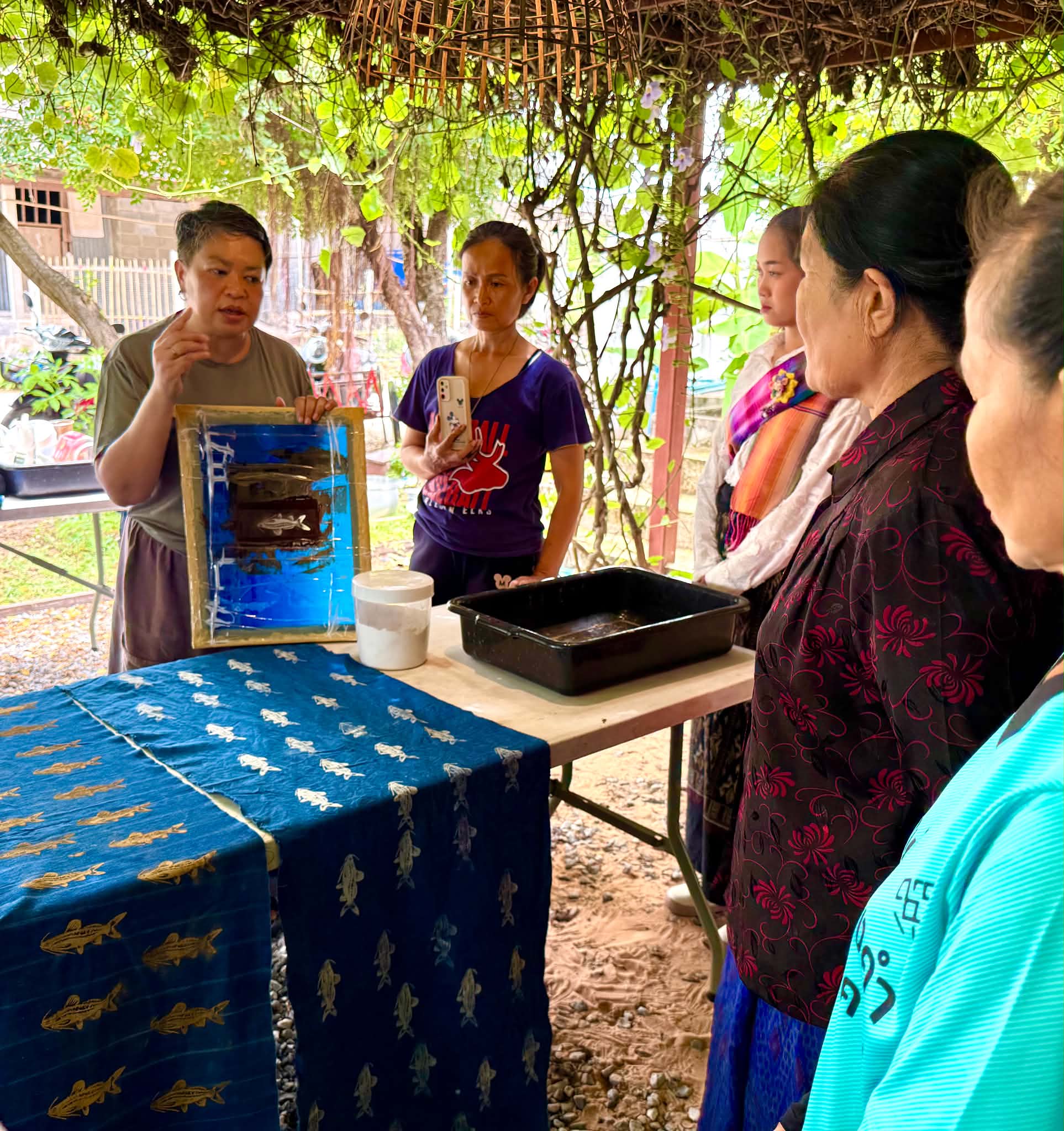
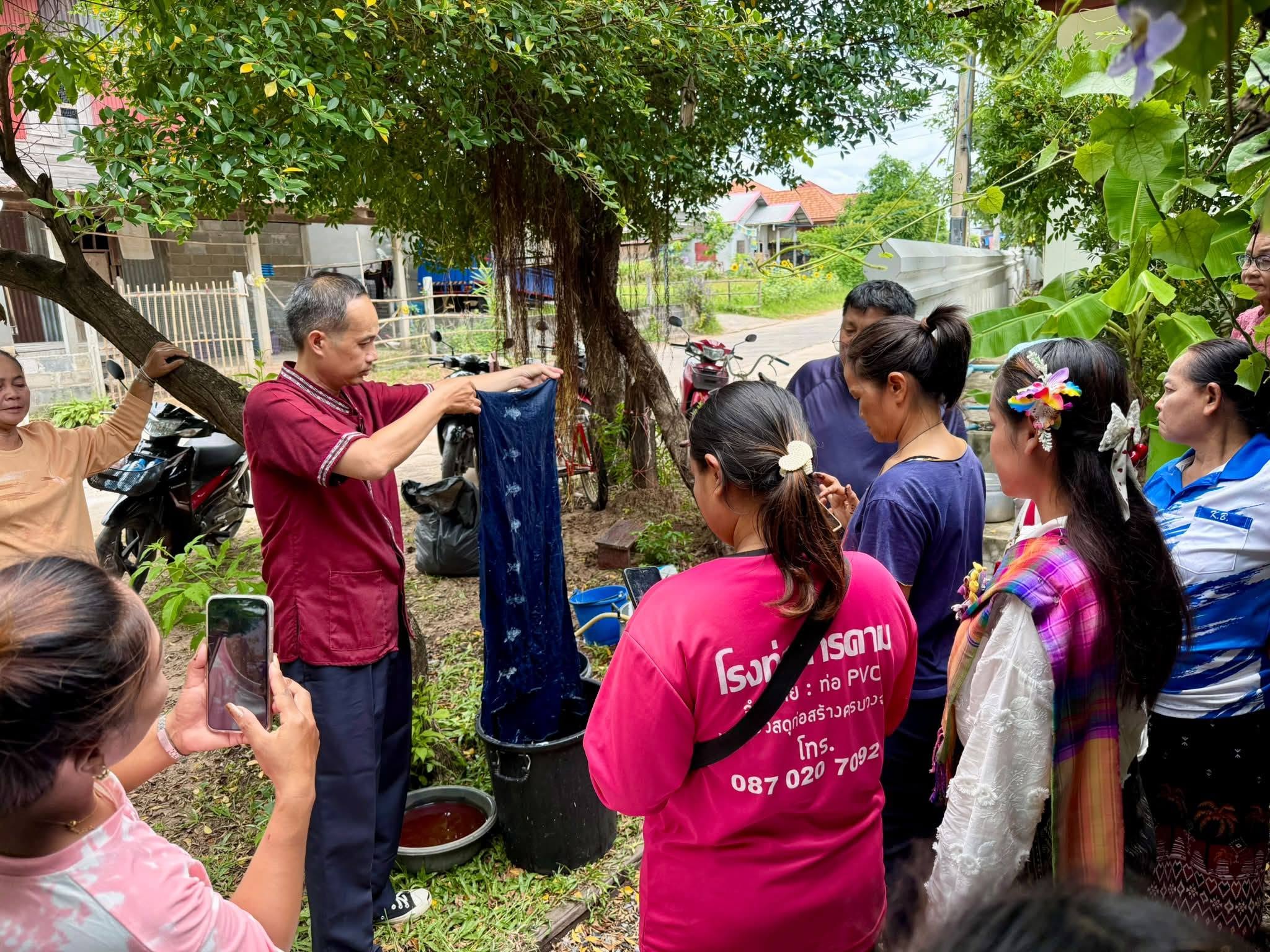
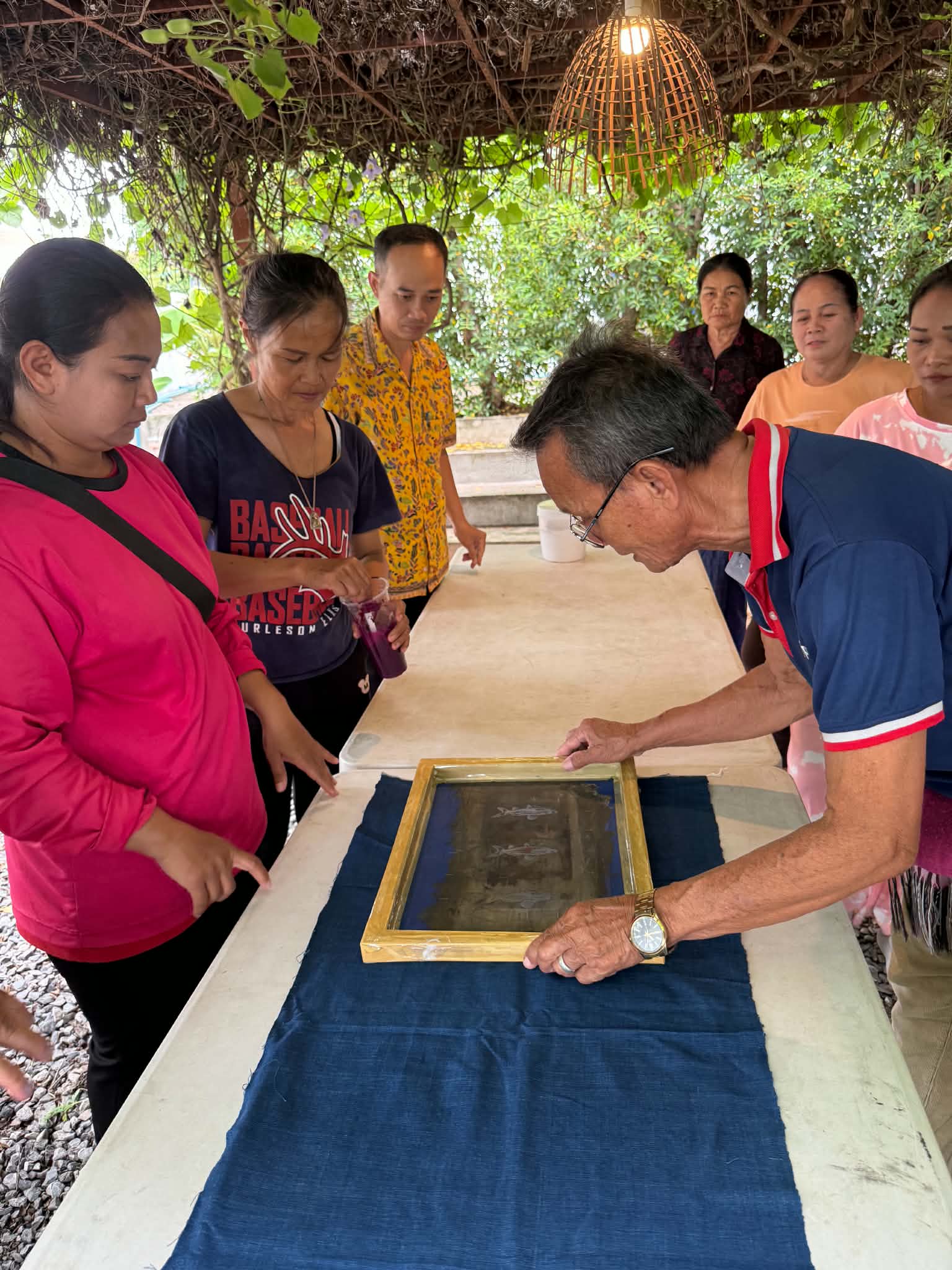
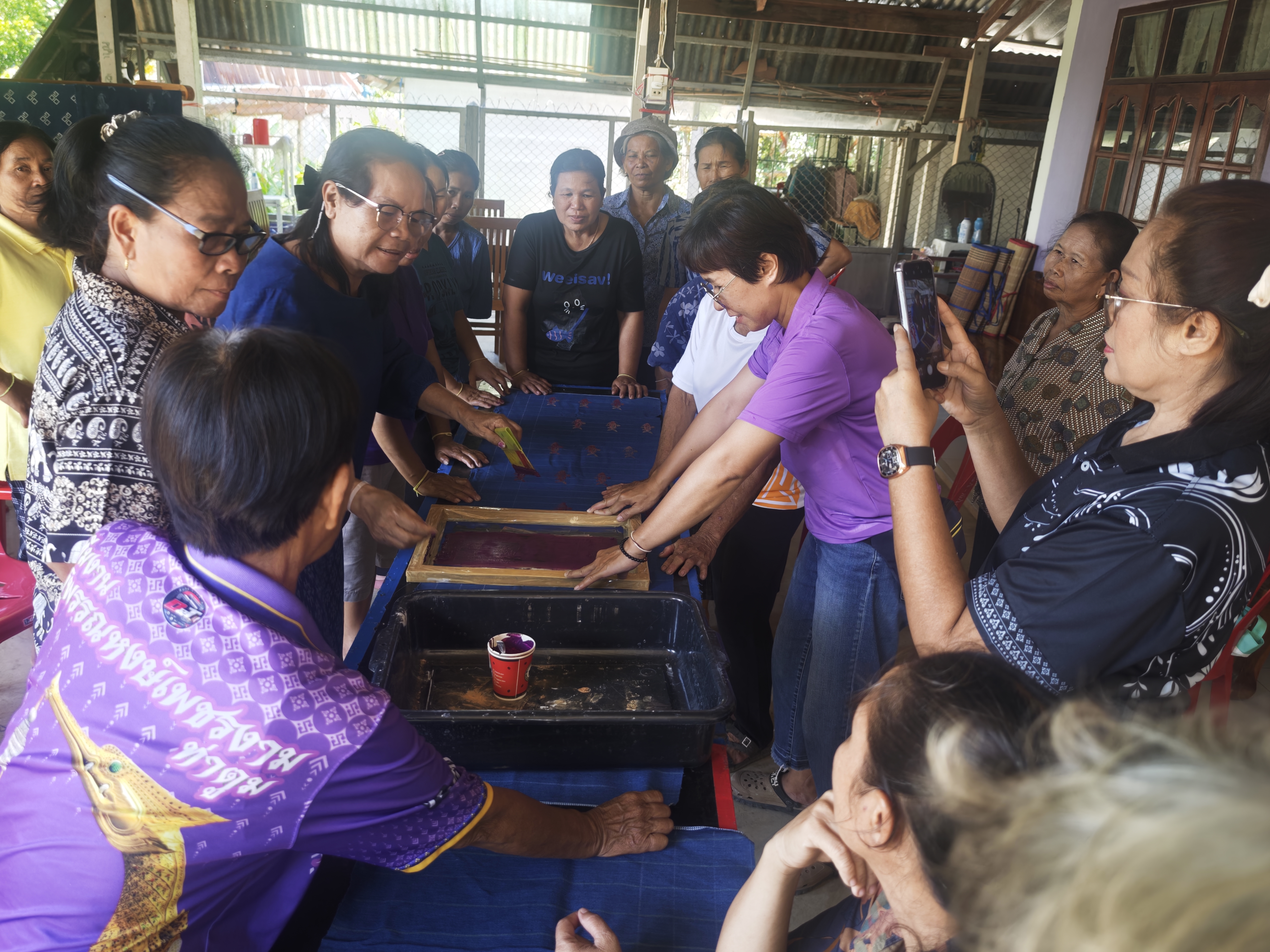
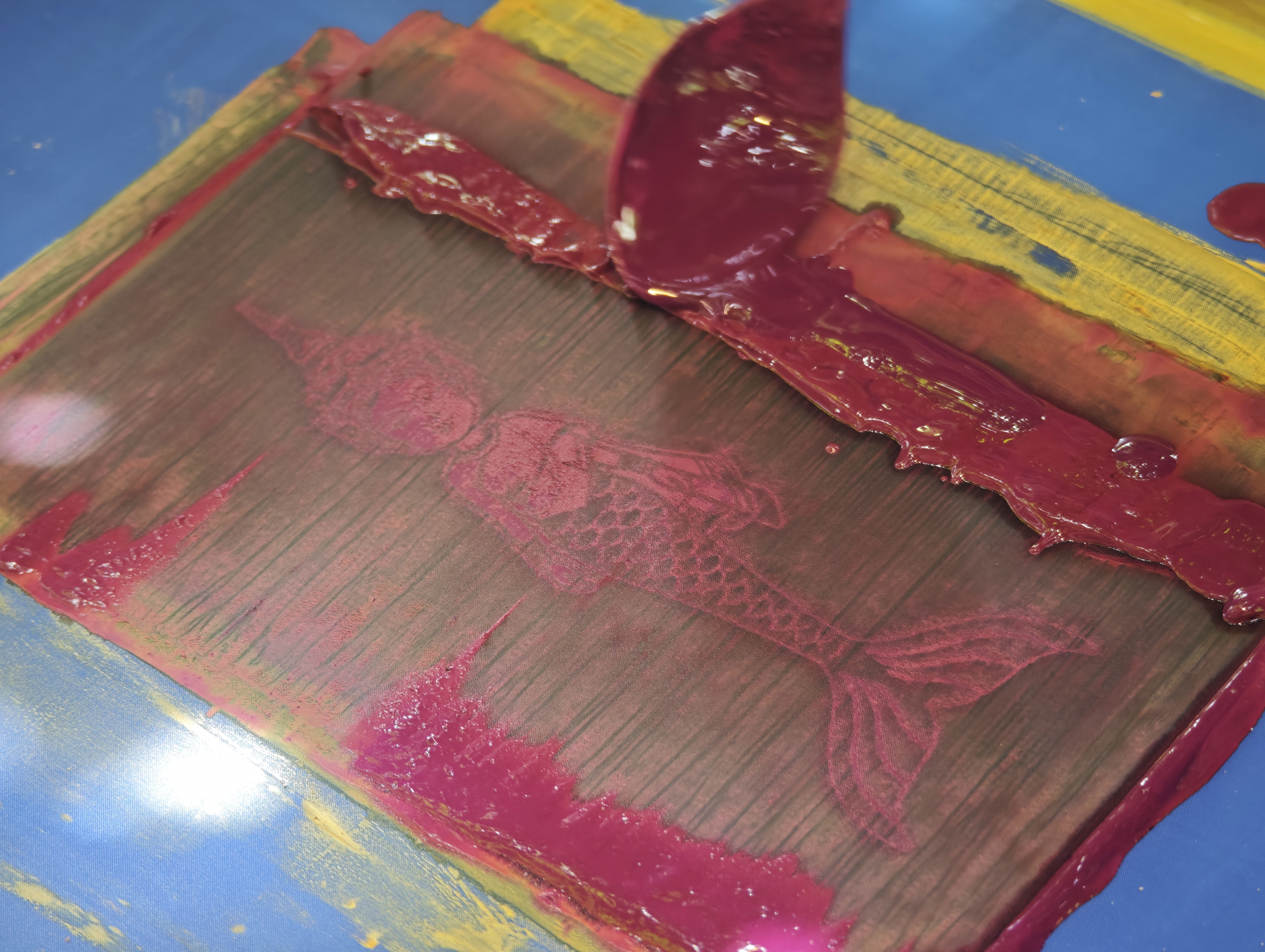
Activity 2: Workshop on Color-Discharge Techniques for Naturally Dyed Handwoven Textiles
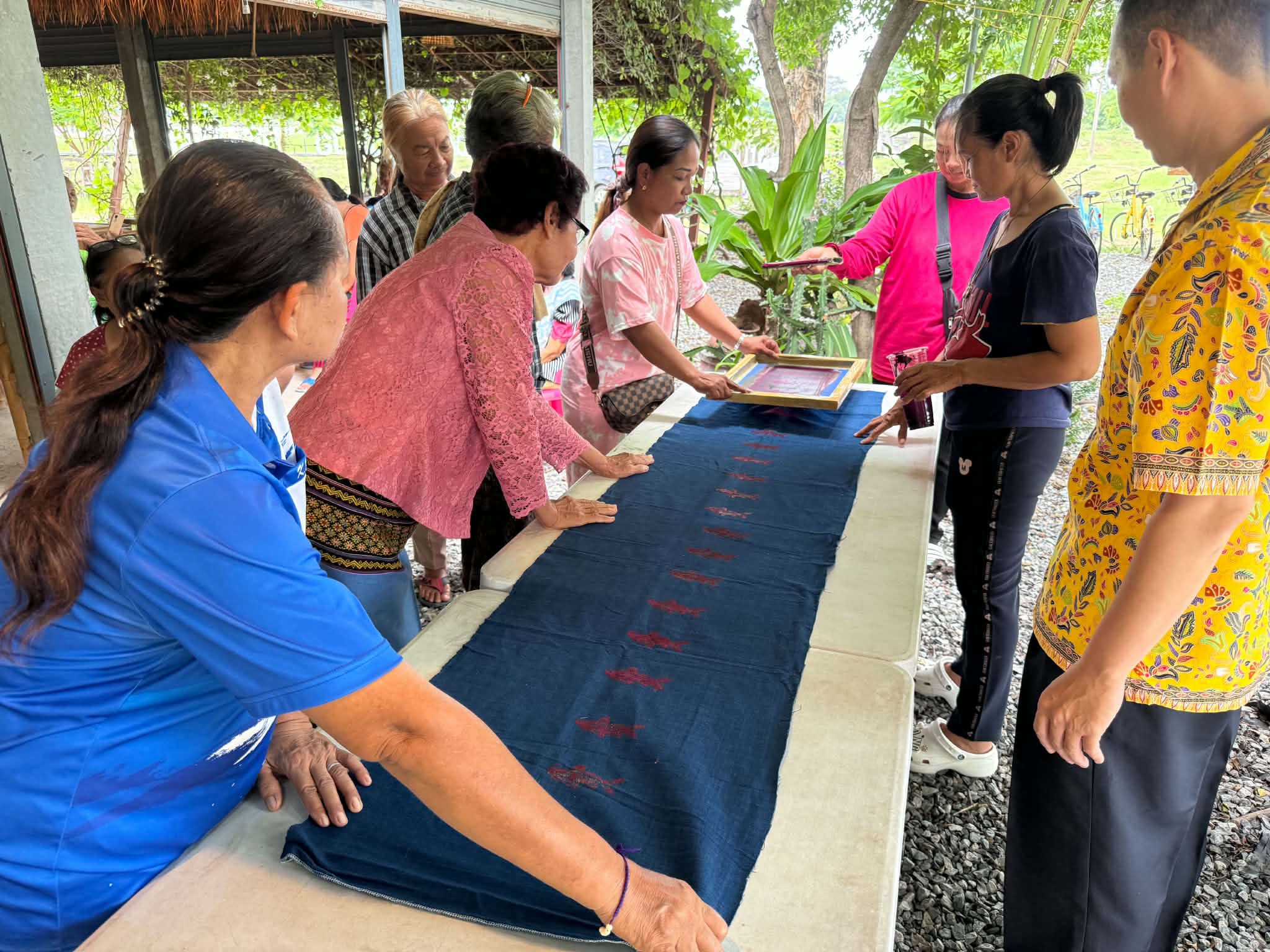
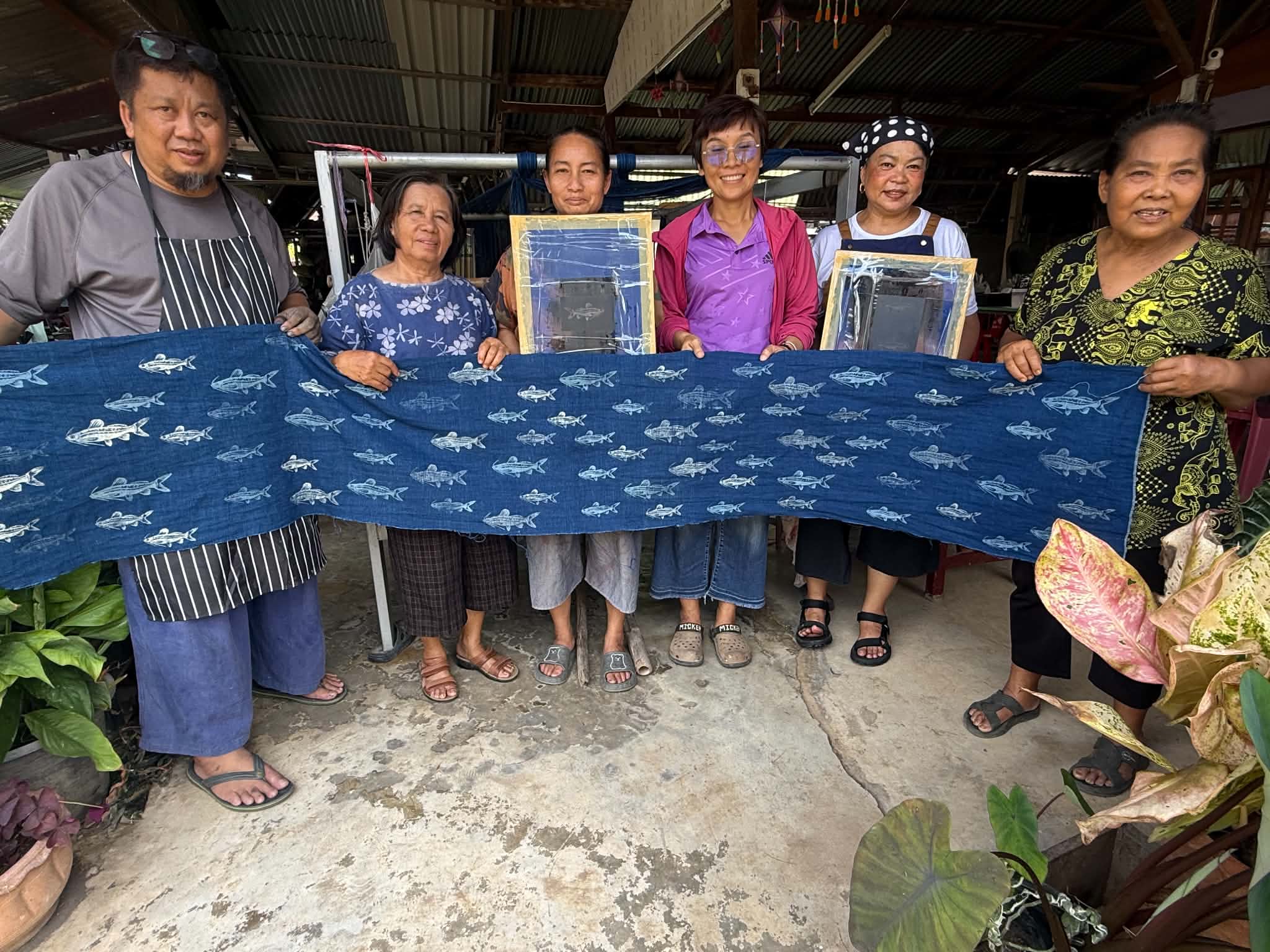
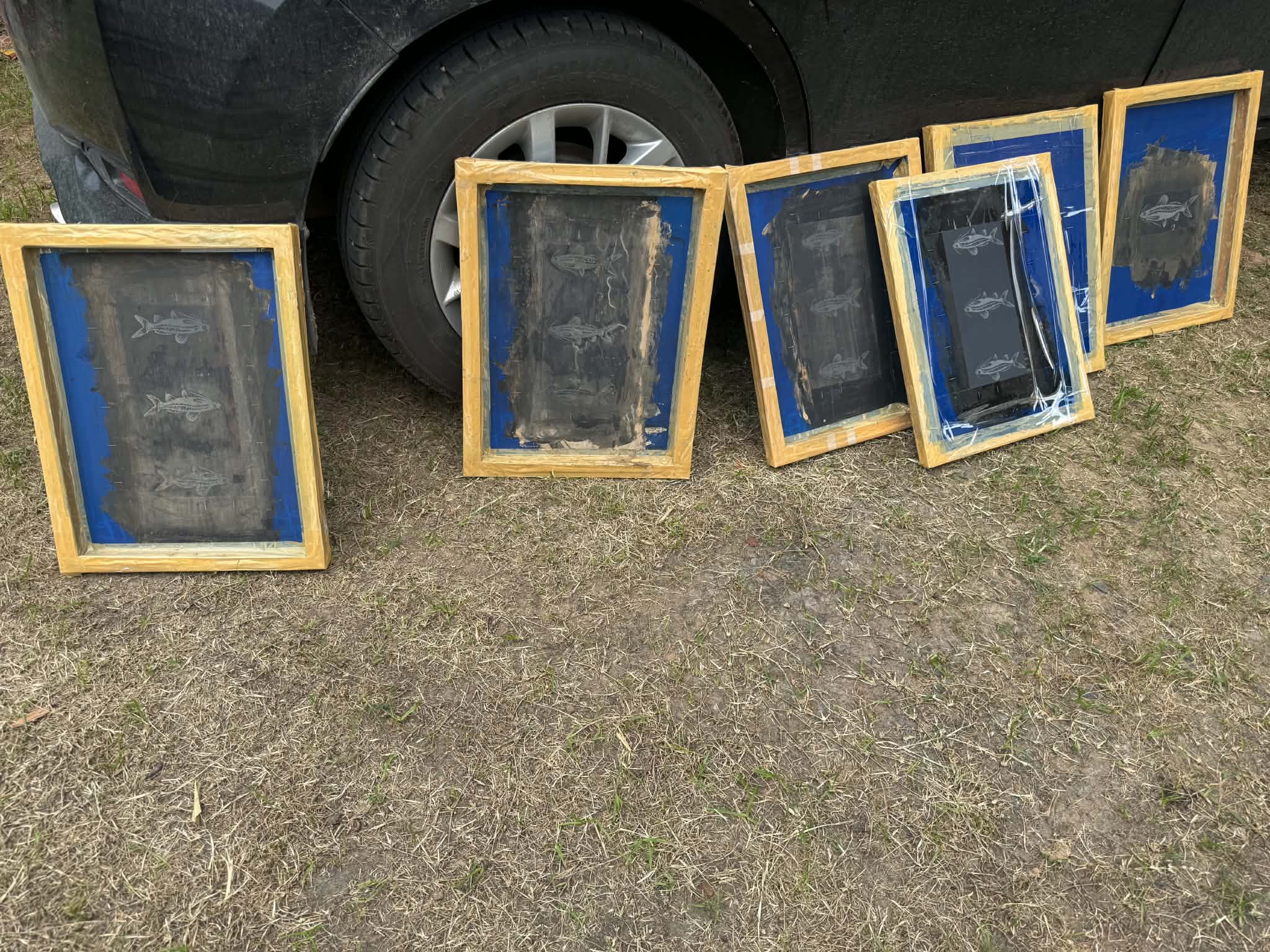
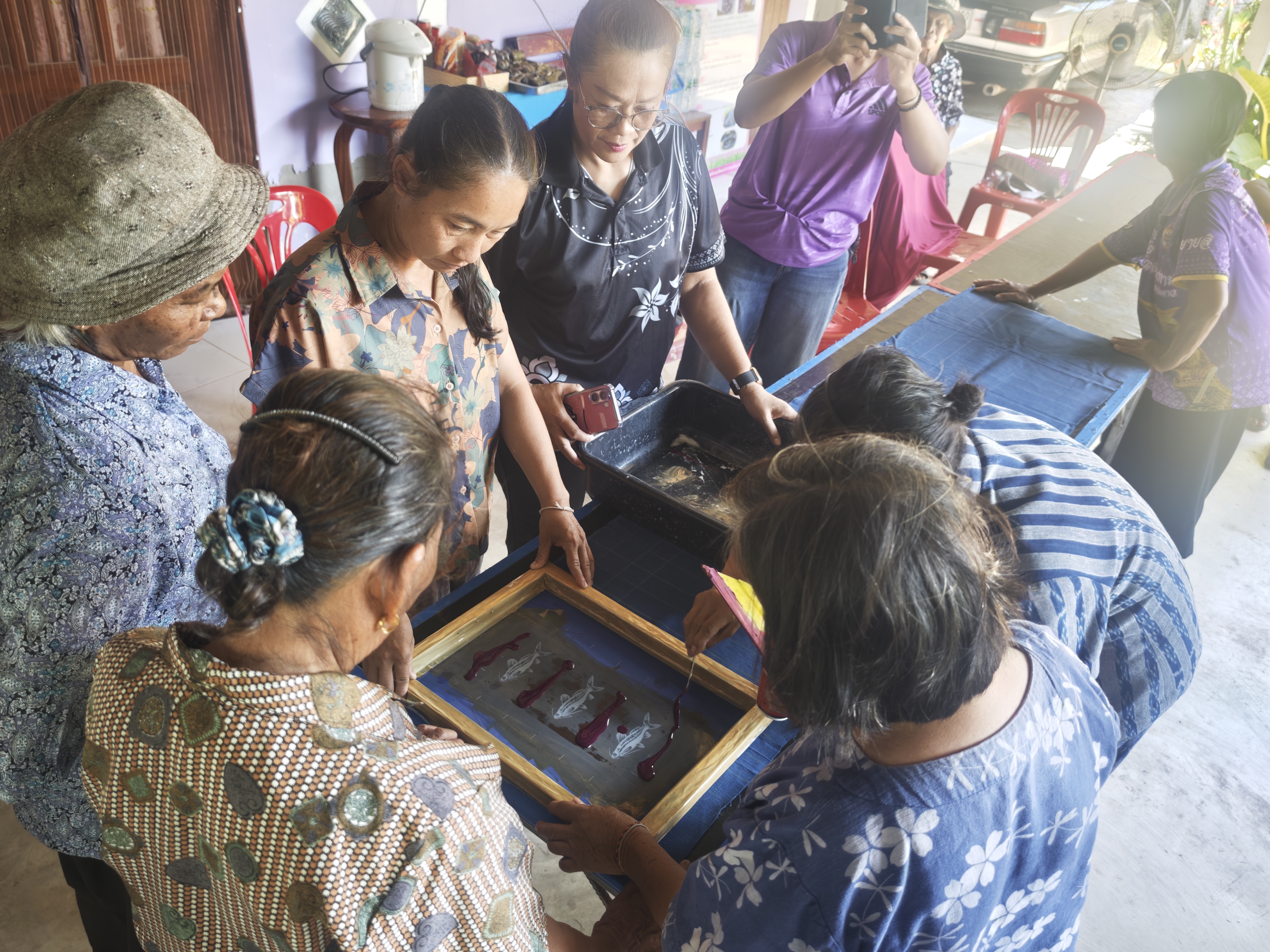
Activity 3: Workshop on Creating Unique, Original Patterns Using Color-Discharge Techniques on Naturally Dyed Handwoven Textiles
กิจกรรมที่ 1 อบรมเชิงปฏิบัติการกระบวนการออกแบบลวดลาย
กิจกรรมที่ 2 อบรมเชิงปฏิบัติการเทคนิคการกัดสีผ้าทอมือย้อมธรรมชาติ
กิจกรรมที่ 3 อบรมเชิงปฏิบัติการการสร้างสรรค์ลวดลายใหม่ที่มีเอกลักษณ์ ด้วยเทคนิคกัดสีผ้าทอมือย้อมธรรมชาติ
Part 2: Outcomes & Impact ส่วนที่ 2 ผลลัพธ์และผลกระทบ
Outcomes ผลลัพธ์ที่เกิดขึ้น
1. A training curriculum for developing patterns on indigo-dyed fabric using natural color-discharge techniques has been established.
2. Participating members of the occupational group have experienced a 10% increase in their household income.
3. The Social Return on Investment (SROI) ratio is 2.17:1 (representing a total outcome value of 260,000 THB against a project budget of 120,000 THB)
1. เกิดหลักสูตรการพัฒนาลวดลายผ้าครามด้วยเทคนิคกัดสีธรรมชาติ จำนวน 1 หลักสูตร
2. สมาชิกกลุ่มอาชีพที่เข้าร่วมโครงการมีรายได้ในครัวเรือนเพิ่มขึ้นกว่าเดิมคิดเป็นร้อยละ 10
3. อัตราส่วนผลตอบแทนทางสังคมจากการลงทุน (SROI) เท่ากับ 2.17 : 1 (มูลค่าผลลัพธ์รวม 260,000 บาท จากงบประมาณดำเนินโครงการ 120,000 บาท)
Community & Social Impact ผลกระทบต่อชุมชน/สังคม
1. Economic aspect: Members of the occupational group have developed unique, innovative products that add value to naturally dyed, hand-woven textiles, thereby generating sustainable additional income for households and the community.
2. Social aspect: Producers have strengthened their capabilities, gaining the proficiency to consistently manage production processes through the application of new techniques.
3. Environmental aspect: The color-stripping (bleaching) process eliminates redundant dyeing steps, leading to more efficient use of natural resources and raw materials.
4. Educational aspect: The initiative has generated a body of knowledge, curricula, and operational manuals that can be used for knowledge transfer and preservation, as well as integrated into relevant academic coursework and future research.
1.ด้านเศรษฐกิจ สมาชิกกลุ่มอาชีพมีผลิตภัณฑ์ใหม่ที่มีเอกลักษณ์โดดเด่น ช่วยเพิ่มมูลค่าให้กับผ้าทอมือย้อมสีธรรมชาติ และสร้างรายได้เพิ่มขึ้นให้กับครัวเรือนและชุมชนอย่างยั่งยืน
2.ด้านสังคม ผู้ผลิตมีความเข้มแข็งและมีความสามารถในการบริหารจัดการกระบวนการผลิตด้วยเทคนิคใหม่ ๆ ได้อย่างต่อเนื่อง
3.ด้านสิ่งแวดล้อม กระบวนการกัดสีช่วยลดขั้นตอนการย้อมสีซ้ำซ้อน ส่งผลให้ช่วยลดการใช้ทรัพยากรและวัตถุดิบธรรมชาติอย่างคุ้มค่า
4.ด้านการศึกษา เกิดองค์ความรู้ หลักสูตร และคู่มือการปฏิบัติงานที่สามารถนำไปถ่ายทอดสืบสาน รวมถึงบูรณาการเข้ากับการจัดการเรียนการสอนในรายวิชาที่เกี่ยวข้องและการทำวิจัยต่อไป
Student & Staff Participation การมีส่วนร่วมของนักศึกษา/บุคลากร
1. Academic service provided by faculty members in the field through their roles as guest speakers or resource persons.
2. Community-Based Learning (CBL).
1.การบริการวิชาการ ของอาจารย์ในสาขา โดยการเป็นวิทยากร
2.การเรียนรู้โดยใช้ชุมชนเป็นฐาน (Community-Based Learning - CBL)
Project Continuity ความต่อเนื่องของโครงการ
Expanding academic service outreach to Borabue District การขยายพื้นที่บริการวิชาการ สู่พื้นที่ อ.บรบือ
Part 3: Challenges & Suggestions ส่วนที่ 3 ปัญหาอุปสรรค/ข้อเสนอแนะ
Problems & Obstacles ปัญหา/อุปสรรค
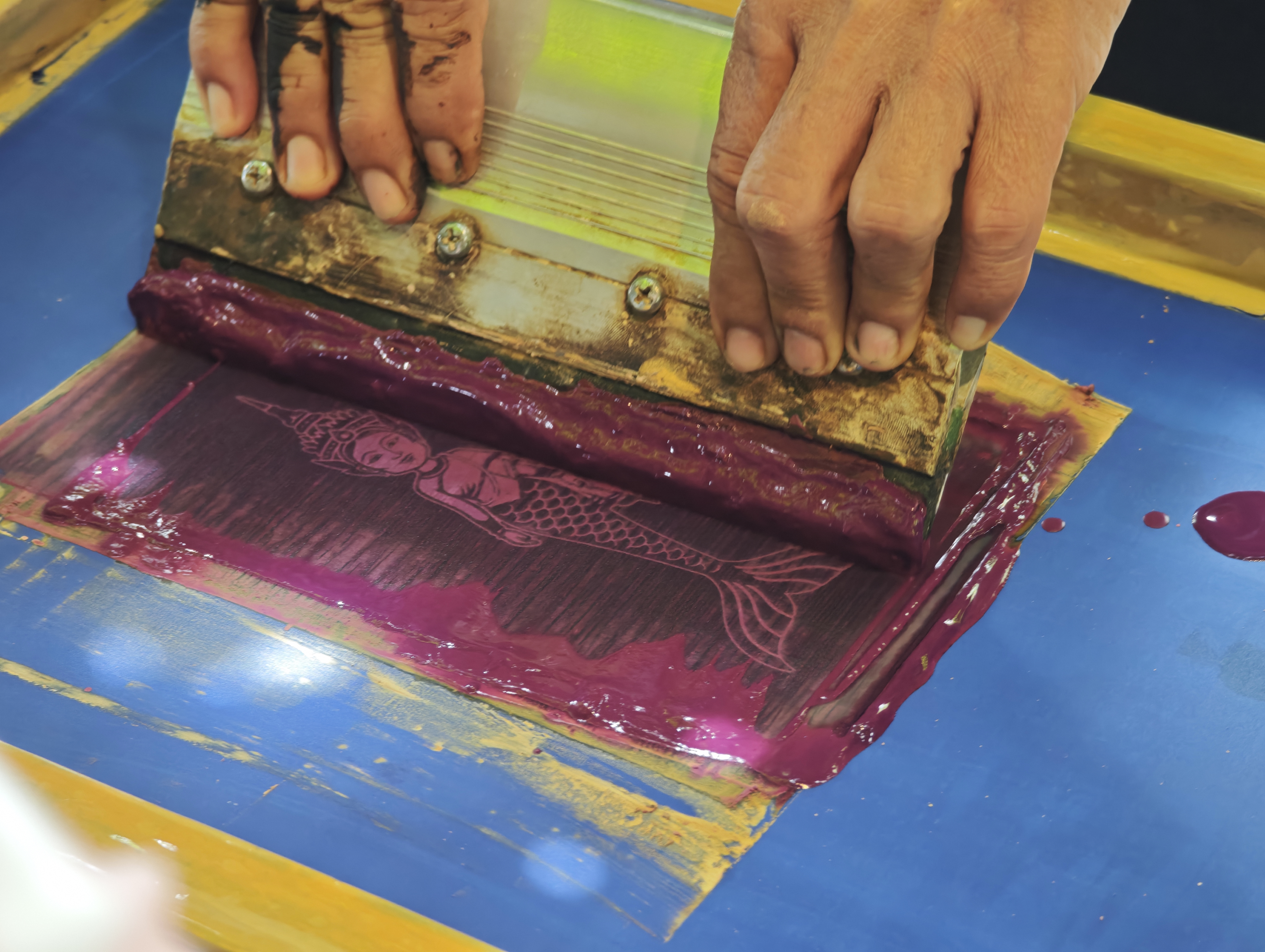
As the majority of the occupational group members are elderly, they initially faced challenges such as discouragement, anxiety, and difficulty in learning new skills—ranging from AI-assisted design and the preparation of chemical agents or etching solutions to the use of silk-screen stencils and the management of the etching process on woven fabrics. เนื่องจากสมาชิกกลุ่มอาชีพส่วนใหญ่เป็นผู้สูงอายุ ทำให้ในช่วงแรกประสบปัญหาความท้อแท้ ความกังวลใจ และความยากลำบากในการเรียนรู้ทักษะใหม่ ๆ ทั้งด้านการออกแบบด้วยเทคโนโลยี AI การผสมสารเคมีหรือสารกัดสี ตลอดจนการใช้แม่พิมพ์ตะแกรงไหมและการควบคุมกระบวนการกัดสีบนผ้าทอ
Improvement Guidelines แนวทางการปรับปรุง
The working group has adapted the knowledge-transfer approach to be simple and focused on hands-on, practical training. Facilitators and team members provide close encouragement and support, assisting with complex steps to help the elderly overcome their limitations and develop proficiency through practice. คณะทำงานได้ปรับรูปแบบการถ่ายทอดความรู้ให้มีความเรียบง่าย เน้นการปฏิบัติจริงแบบจับมือทำ พร้อมทั้งสร้างขวัญและกำลังใจอย่างใกล้ชิดจากวิทยากรและคณะทำงาน คอยช่วยเหลือในขั้นตอนที่ซับซ้อน ทำให้ผู้สูงอายุสามารถก้าวผ่านข้อจำกัดและฝึกฝนจนเกิดความชำนาญได้สำเร็จ
Suggestions to University ข้อเสนอแนะต่อมหาวิทยาลัย
The working group has adapted the knowledge-transfer approach to be simple and focused on hands-on, practical training. Facilitators and team members provide close encouragement and support, assisting with complex steps to help the elderly overcome their limitations and develop proficiency through practice.
1. การขยายกลุ่มเป้าหมายและพื้นที่เครือข่าย: ควรมีการขยายผลการถ่ายทอดองค์ความรู้และเทคนิคการกัดสีธรรมชาติไปยังกลุ่มอาชีพทอผ้าหรือชุมชนเครือข่ายอื่น ๆ ในพื้นที่ใกล้เคียง เพื่อสร้างความเข้มแข็งและยกระดับผลิตภัณฑ์ผ้าทอมือของจังหวัดมหาสารคามในวงกว้างมากยิ่งขึ้น
2. การพัฒนาผลิตภัณฑ์ที่หลากหลาย: ควรส่งเสริมให้มีการนำลวดลายผ้าที่ได้จากเทคนิคการกัดสี ไปประยุกต์ตัดเย็บหรือแปรรูปเป็นผลิตภัณฑ์สำเร็จรูปที่มีมูลค่าสูงขึ้น เช่น กระเป๋า ของที่ระลึก หรือเครื่องแต่งกายแฟชั่นสมัยใหม่ เพื่อตอบสนองความต้องการของกลุ่มลูกค้าที่หลากหลาย
3. การส่งเสริมช่องทางการตลาดดิจิทัล: ควรเพิ่มกิจกรรมอบรมหรือให้คำปรึกษาเกี่ยวกับการตลาดออนไลน์ การสร้างแบรนด์สินค้าชุมชน และการถ่ายภาพผลิตภัณฑ์เพื่อการพาณิชย์อิเล็กทรอนิกส์ (E-commerce) เพื่อช่วยเพิ่มช่องทางในการจัดจำหน่ายและสร้างรายได้ให้แก่ชุมชนอย่างยั่งยืน