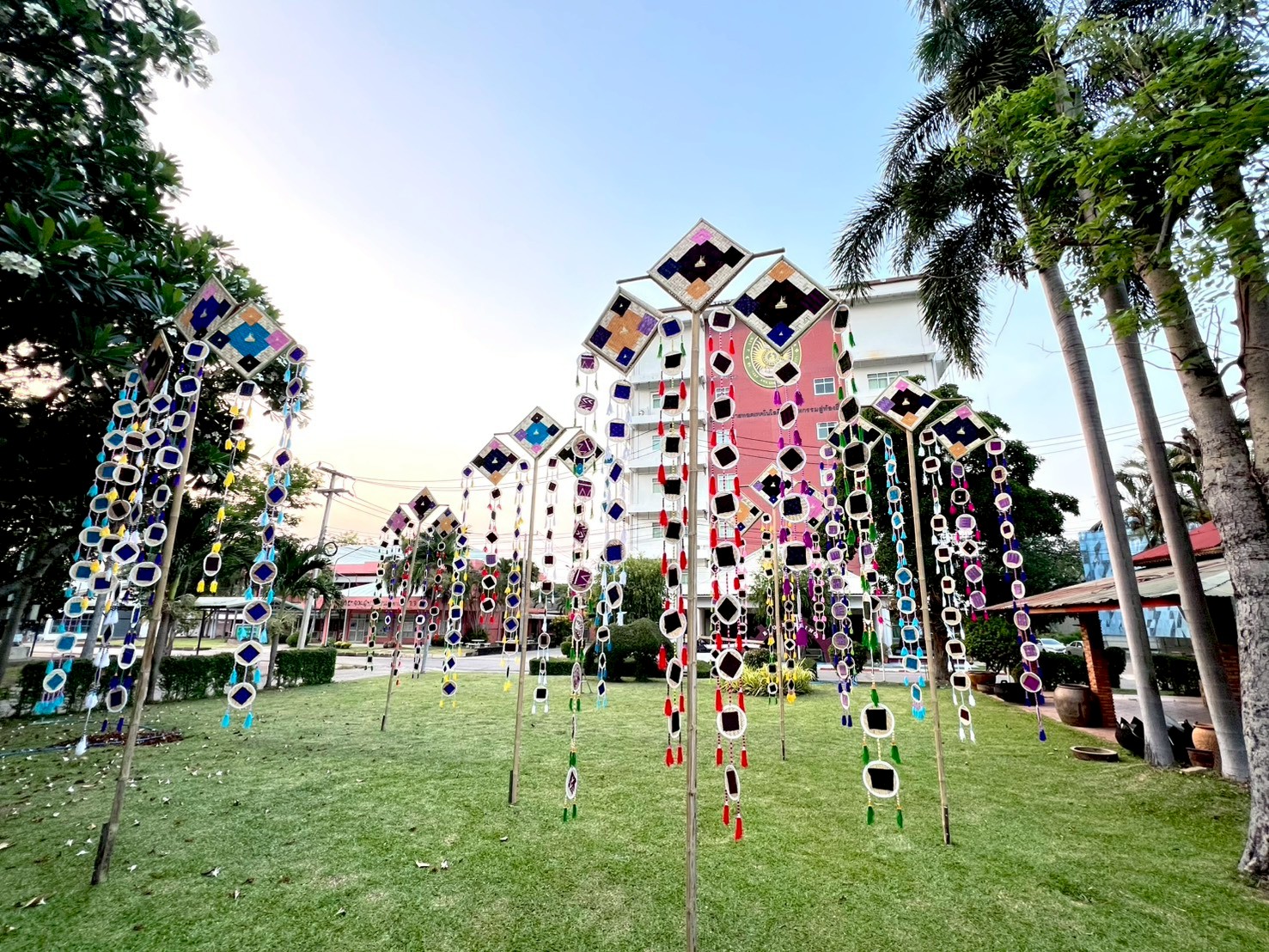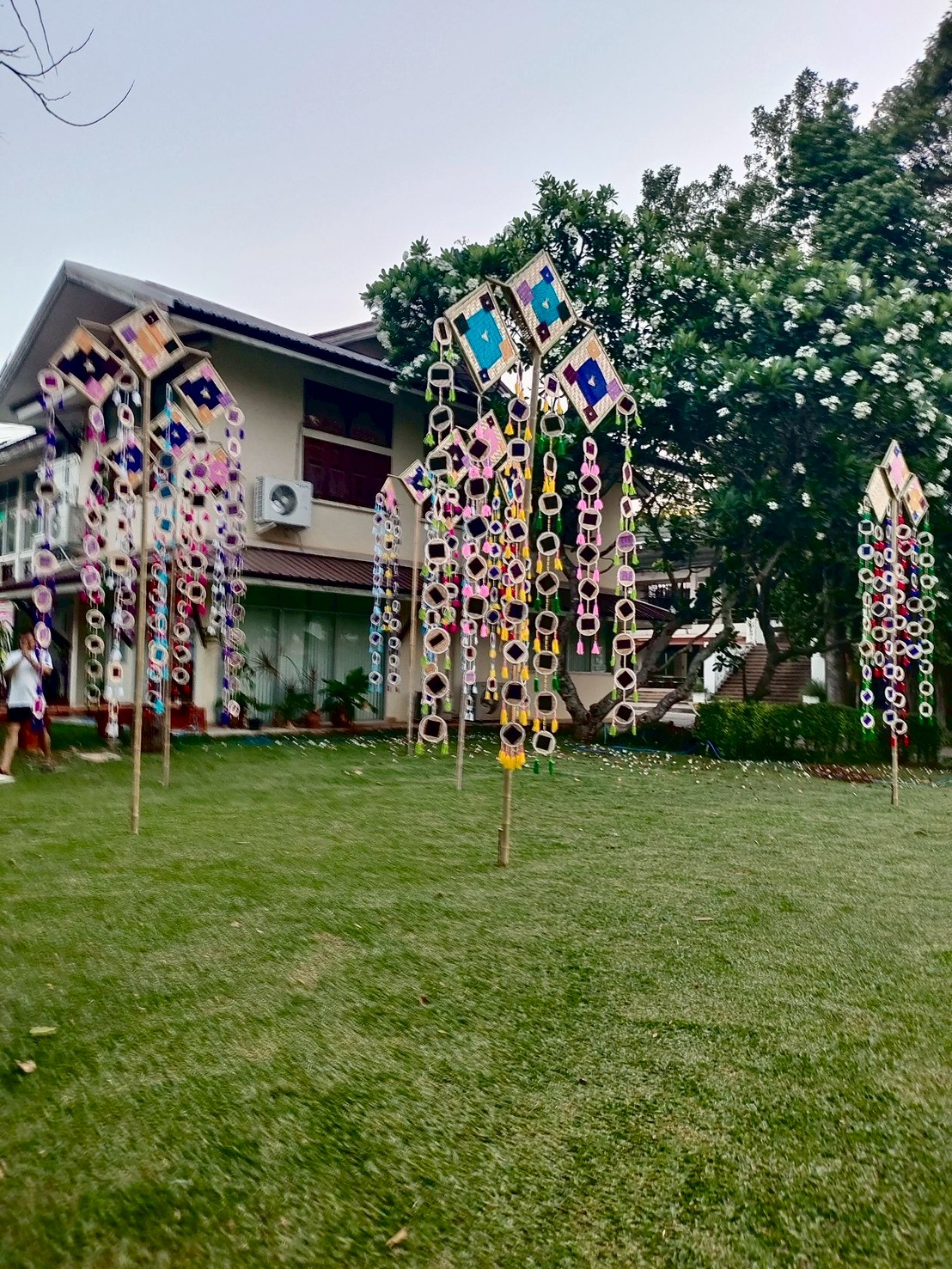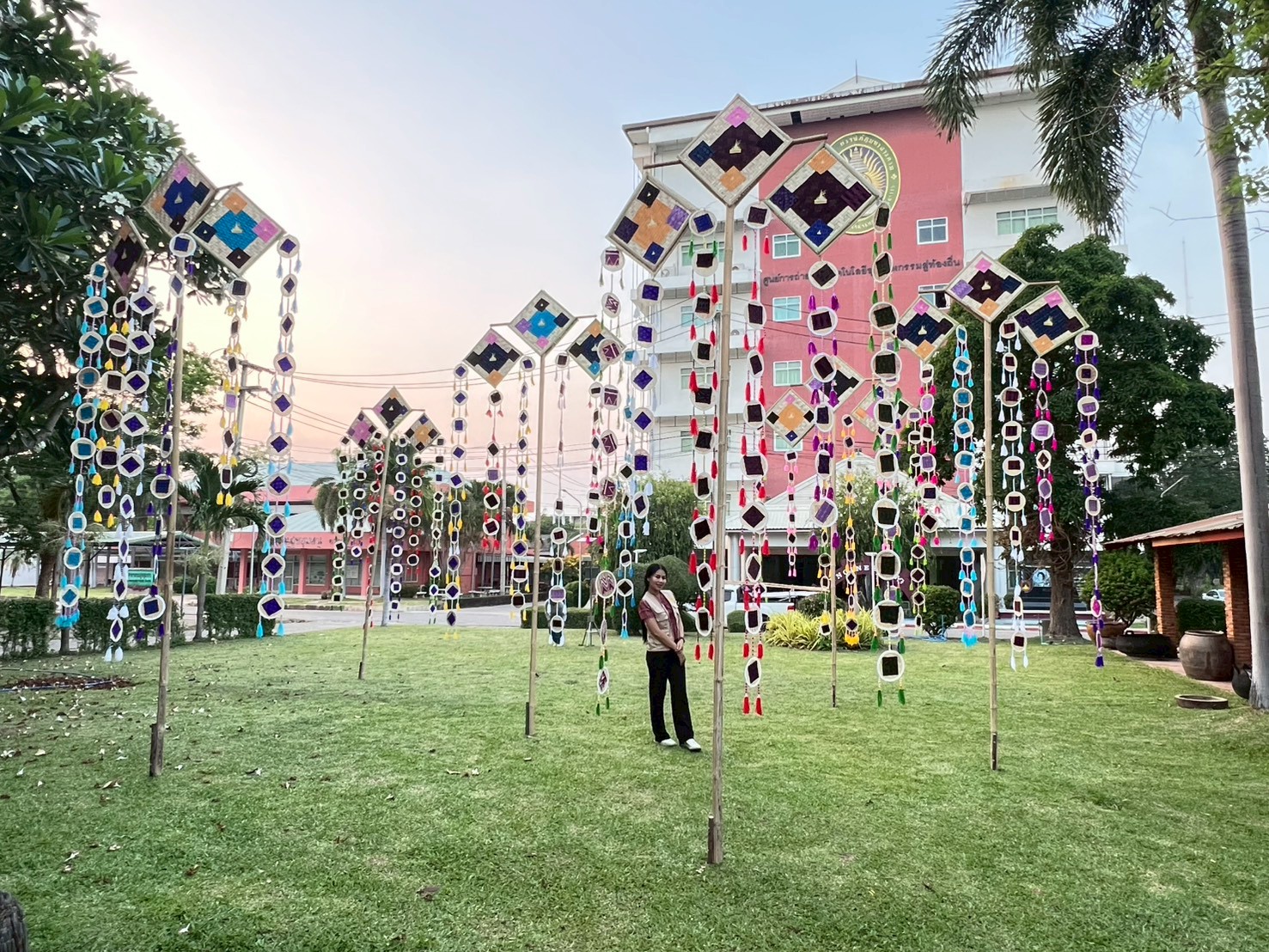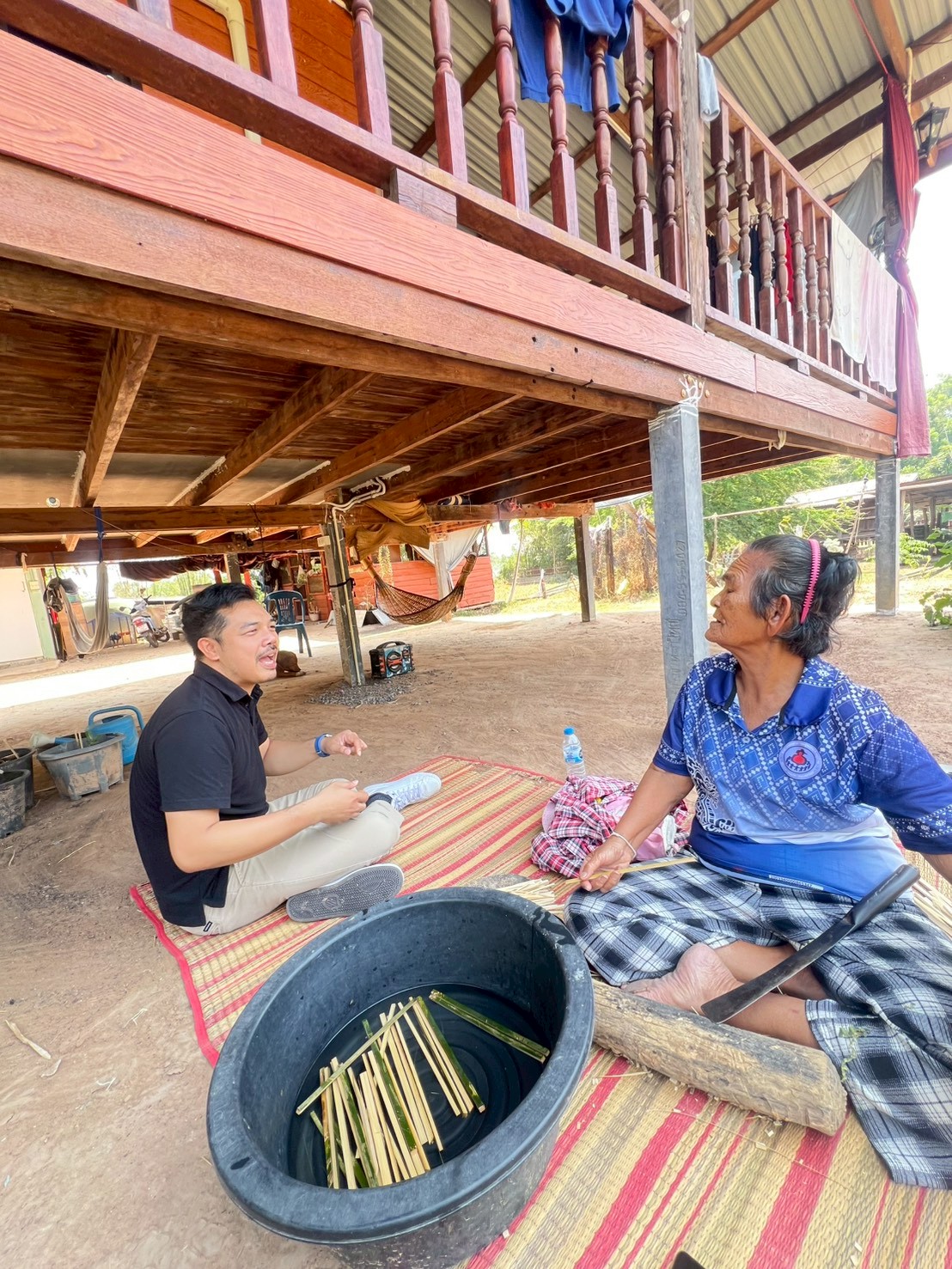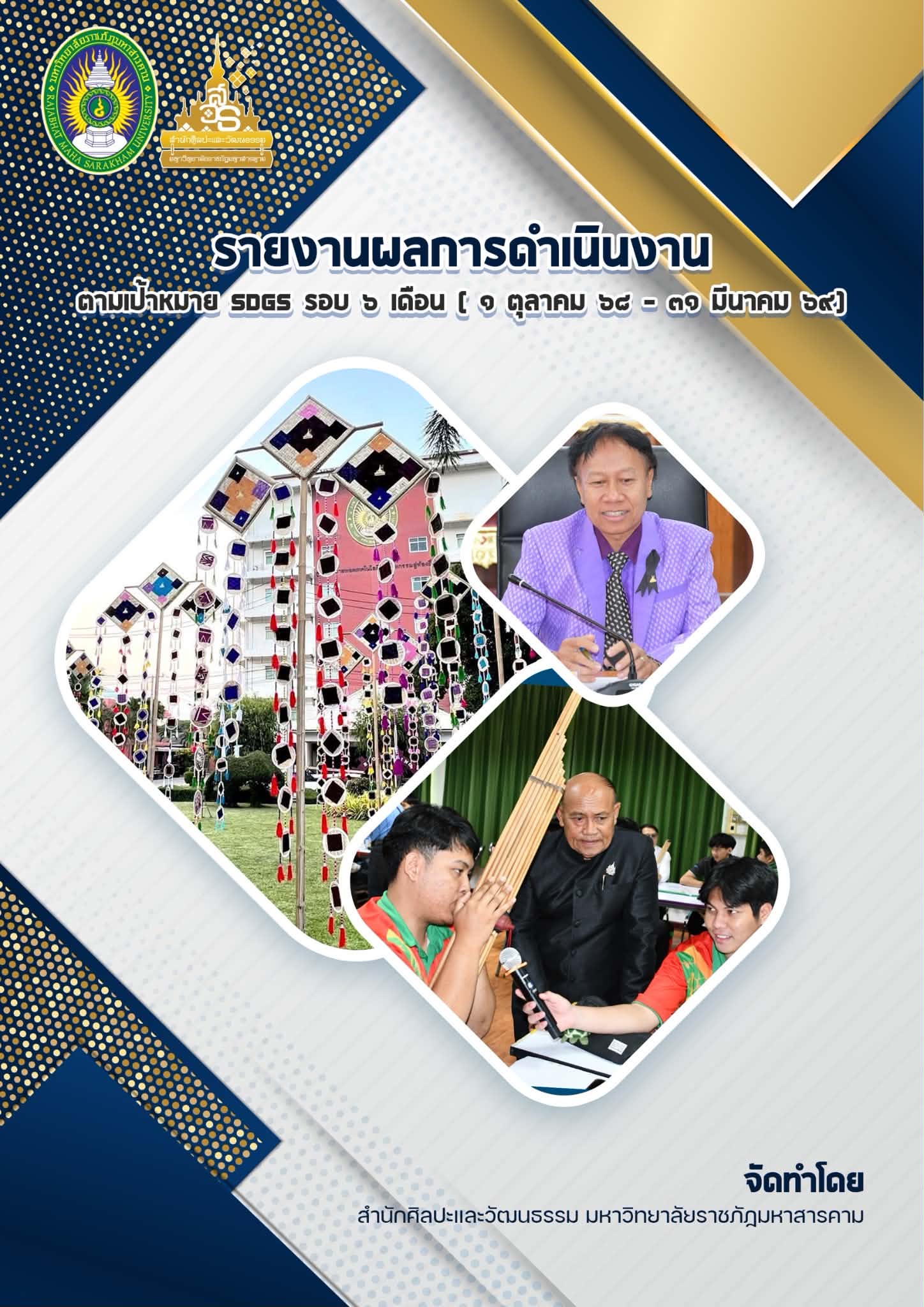
– September 30, 2026 1 มกราคม 2569
– 30 กันยายน 2569
Part 1: Project Details ส่วนที่ 1 รายละเอียดการดำเนินงาน
Objectives วัตถุประสงค์โครงการ
1. To preserve, promote, and transmit Thai and local arts and culture.
2. To promote the participation of students, staff, and the community in arts and cultural learning.
1 เพื่อทำนุบำรุง อนุรักษ์ และสืบสานศิลปะและวัฒนธรรมไทยและวัฒนธรรมท้องถิ่น
2 เพื่อส่งเสริมการมีส่วนร่วมของนักศึกษา บุคลากร และชุมชนในการเรียนรู้ด้านศิลปะและวัฒนธรรม
Main Activities กิจกรรมหลัก
Sub-project 1: "Power of Creative Novel Weapons" Contemporary Muay Thai and Performing Arts
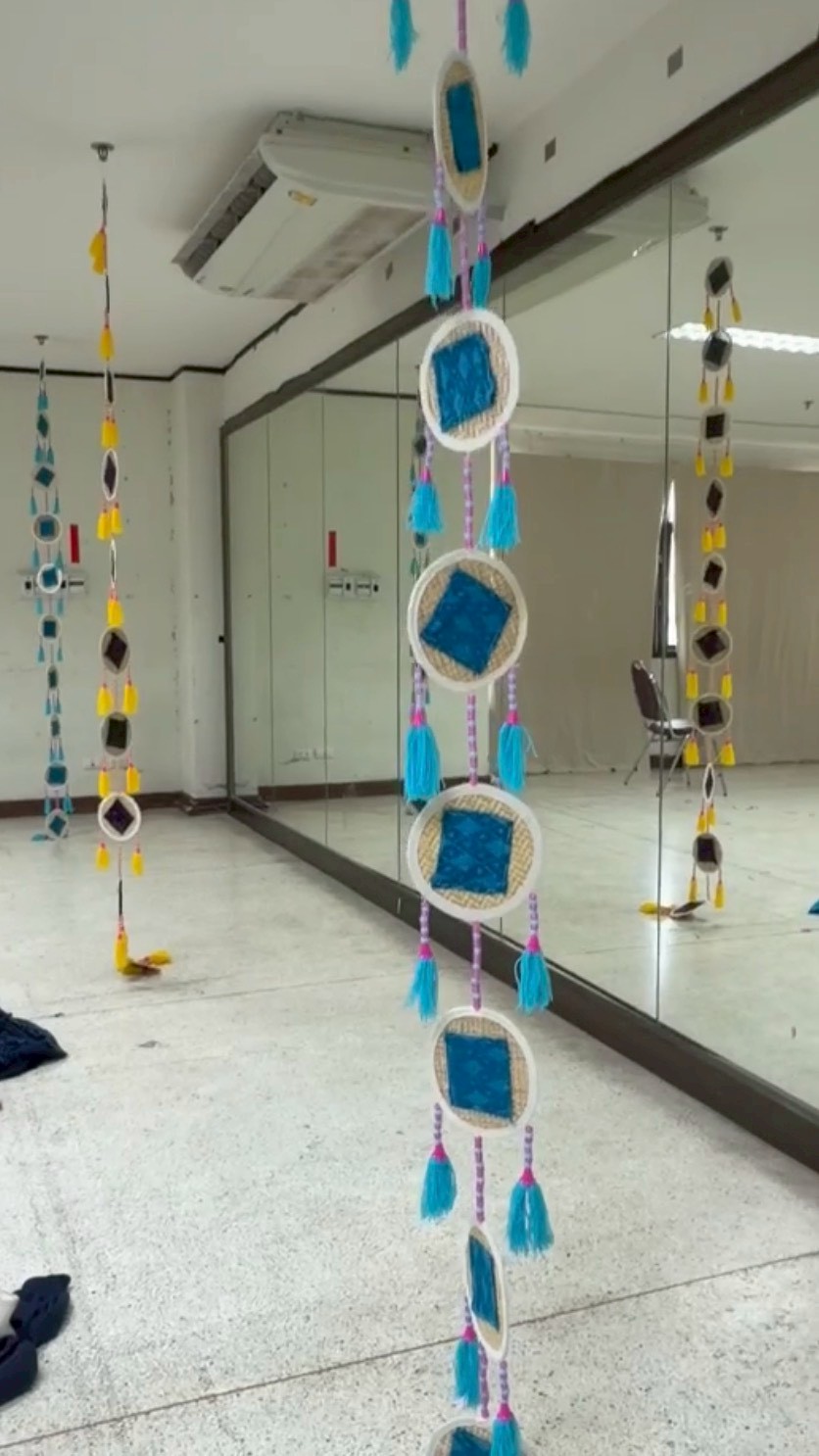
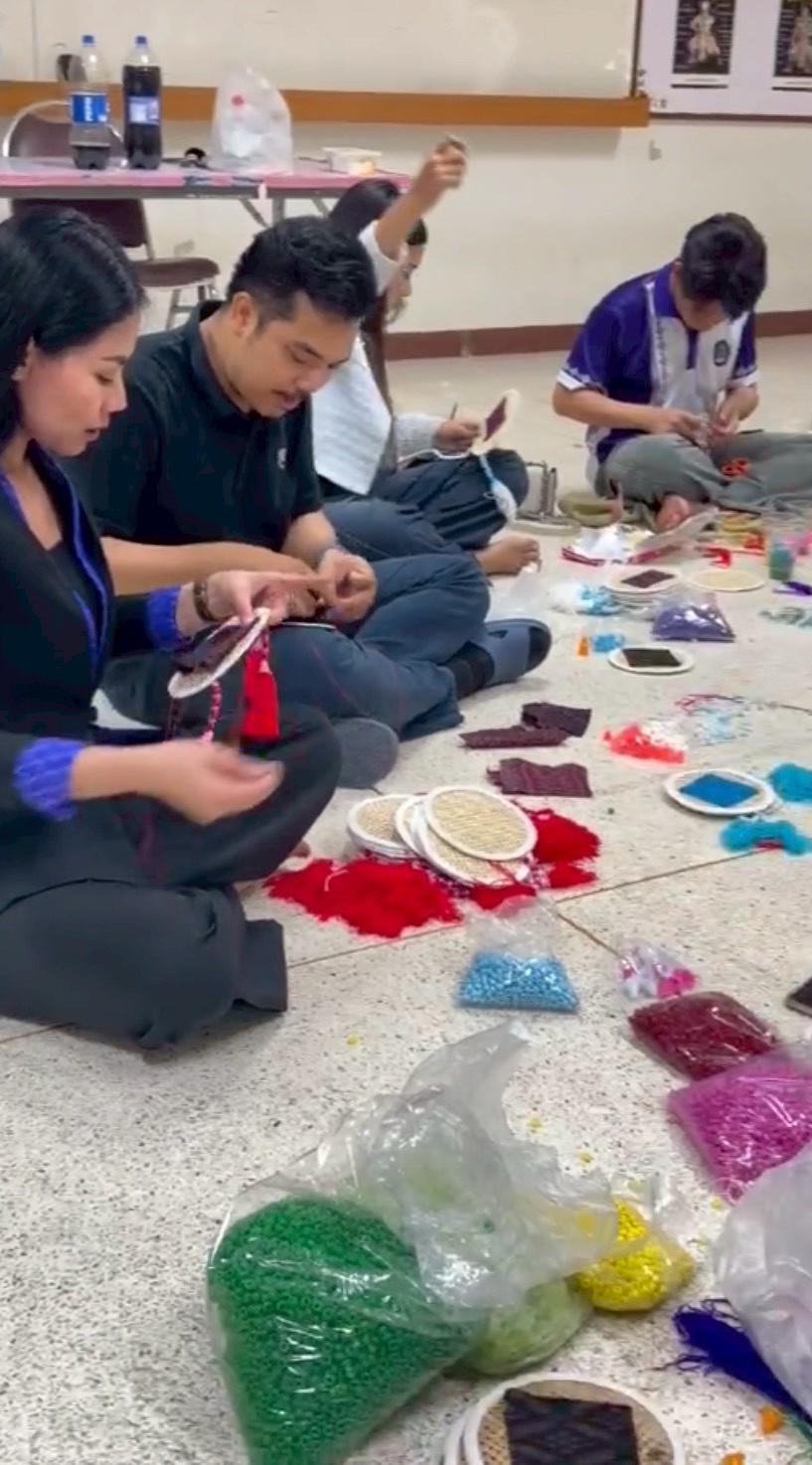
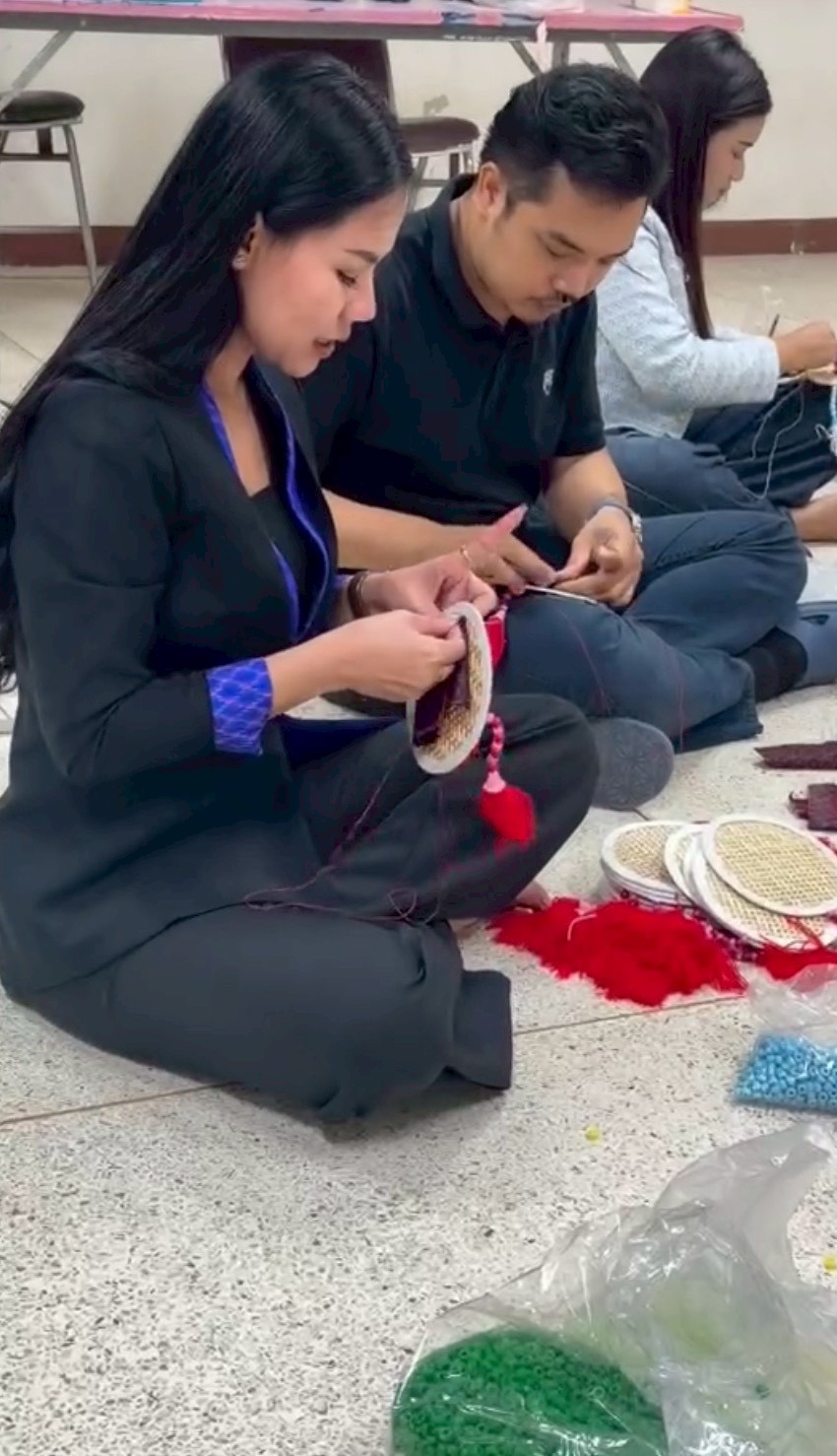
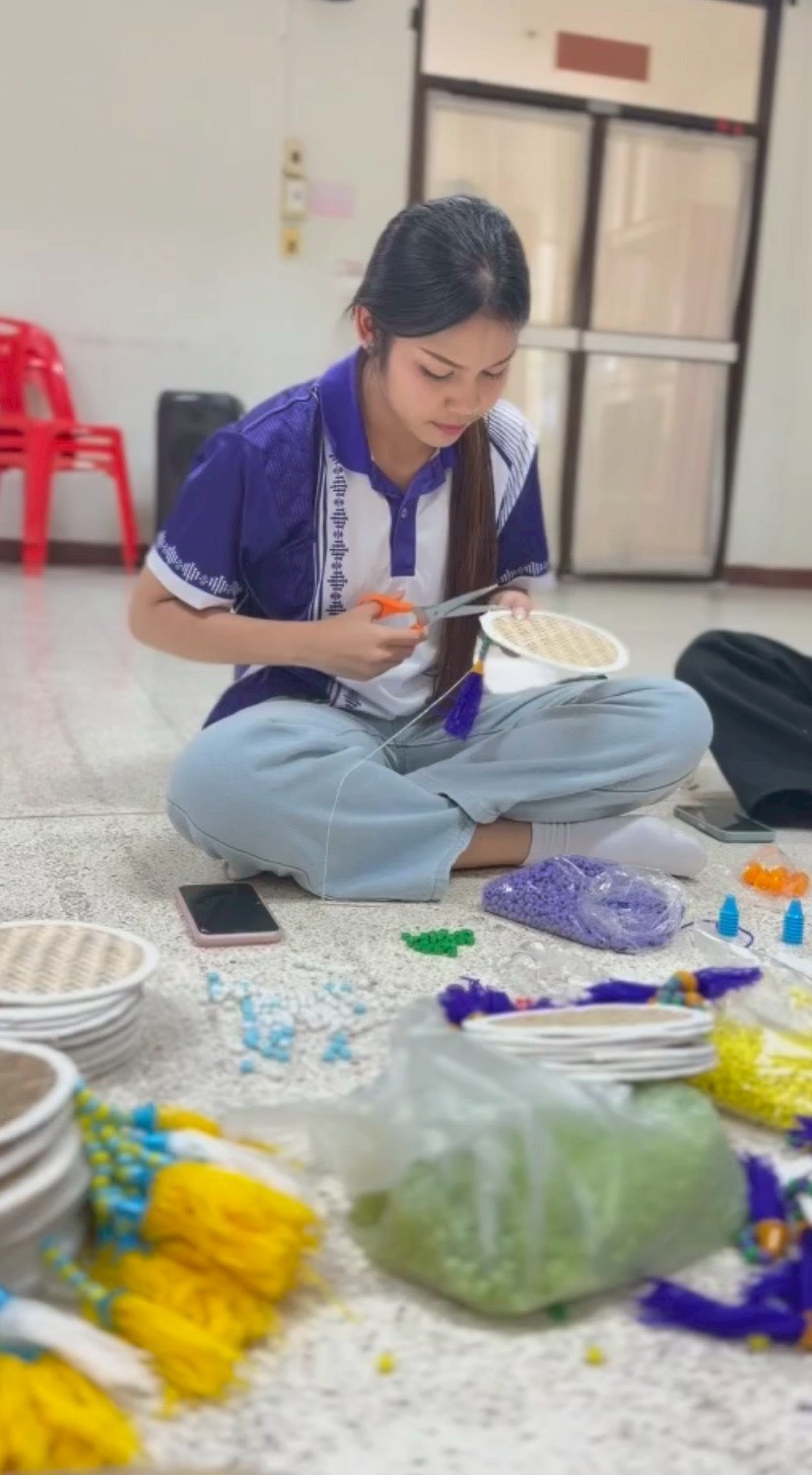
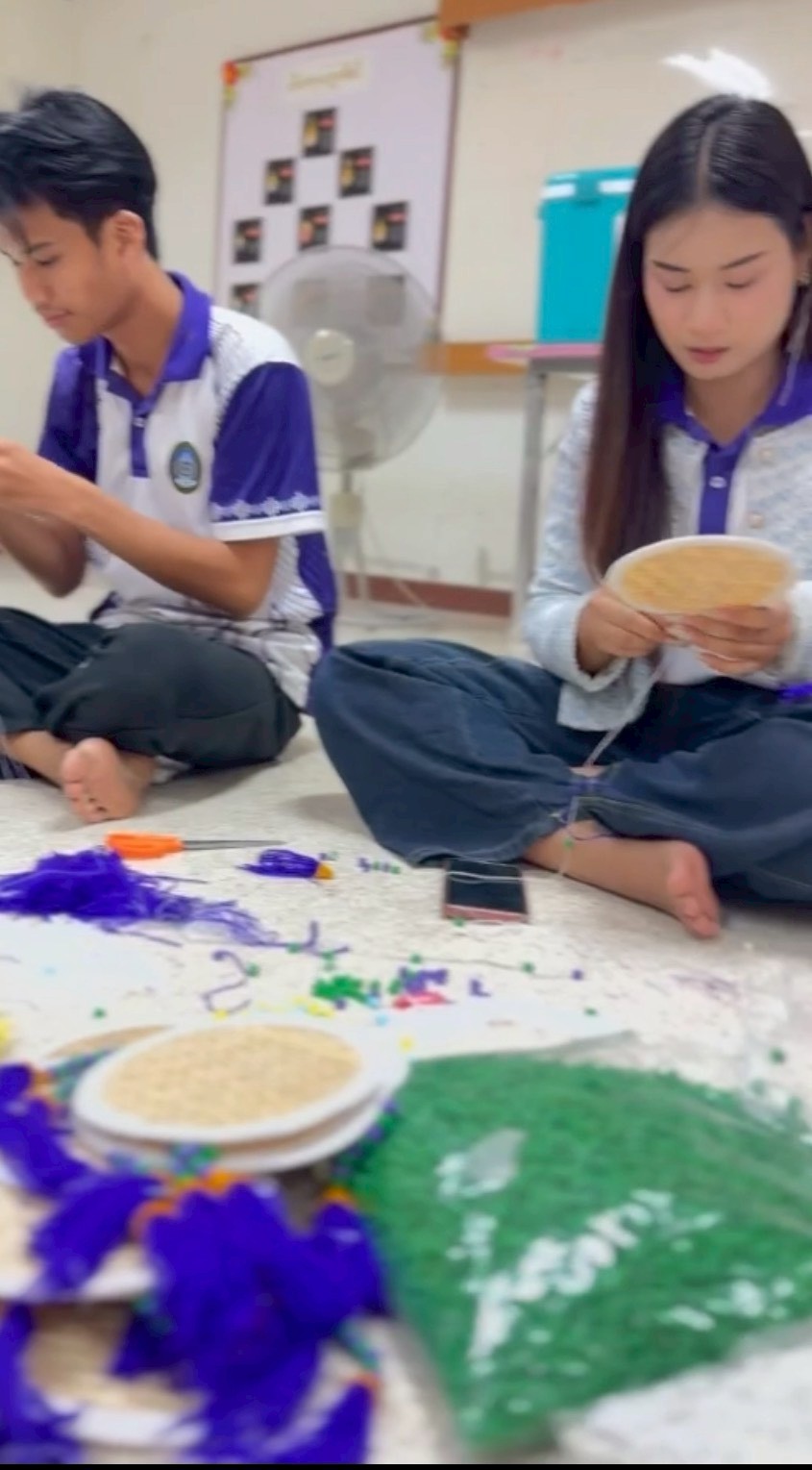
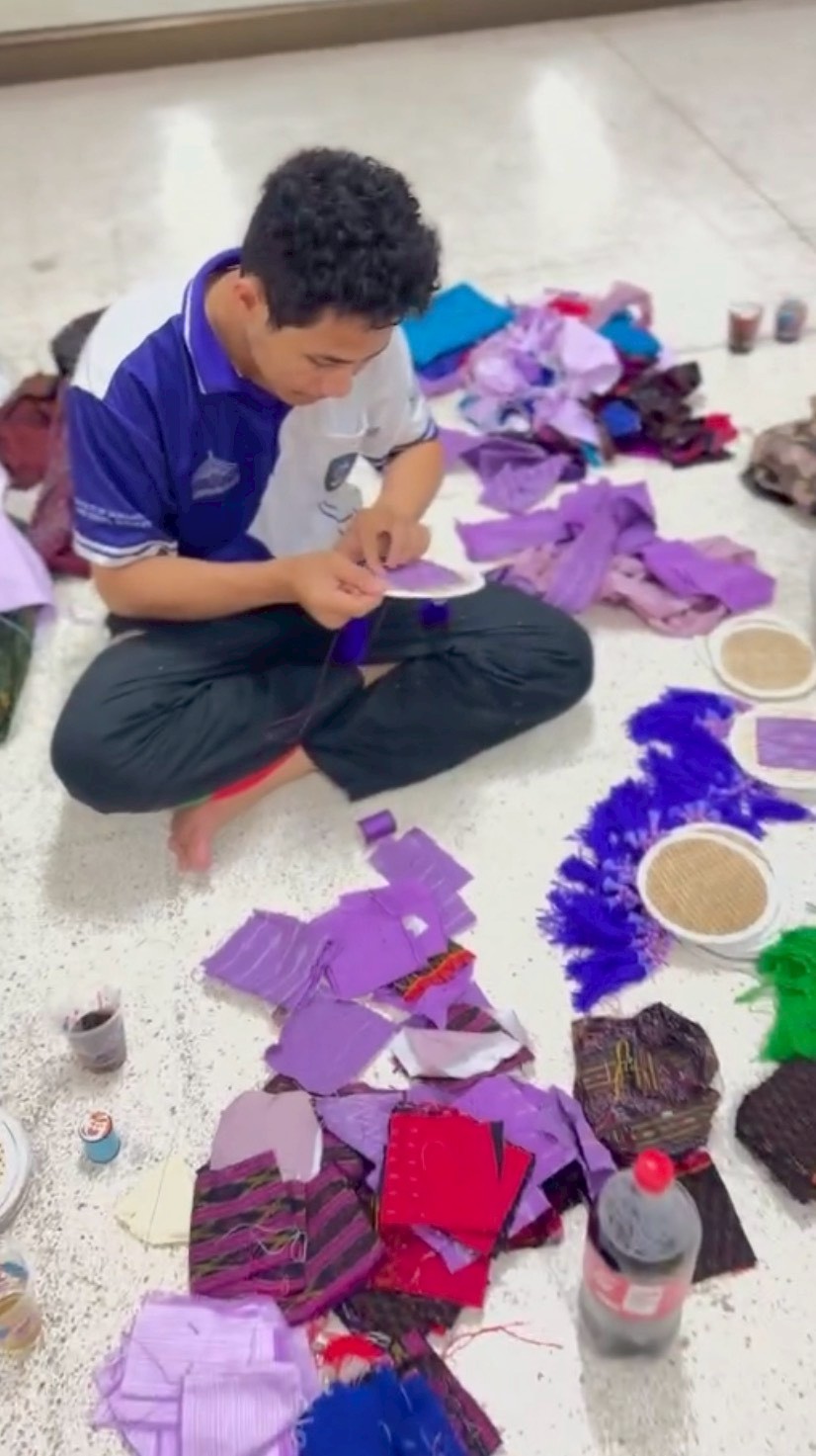
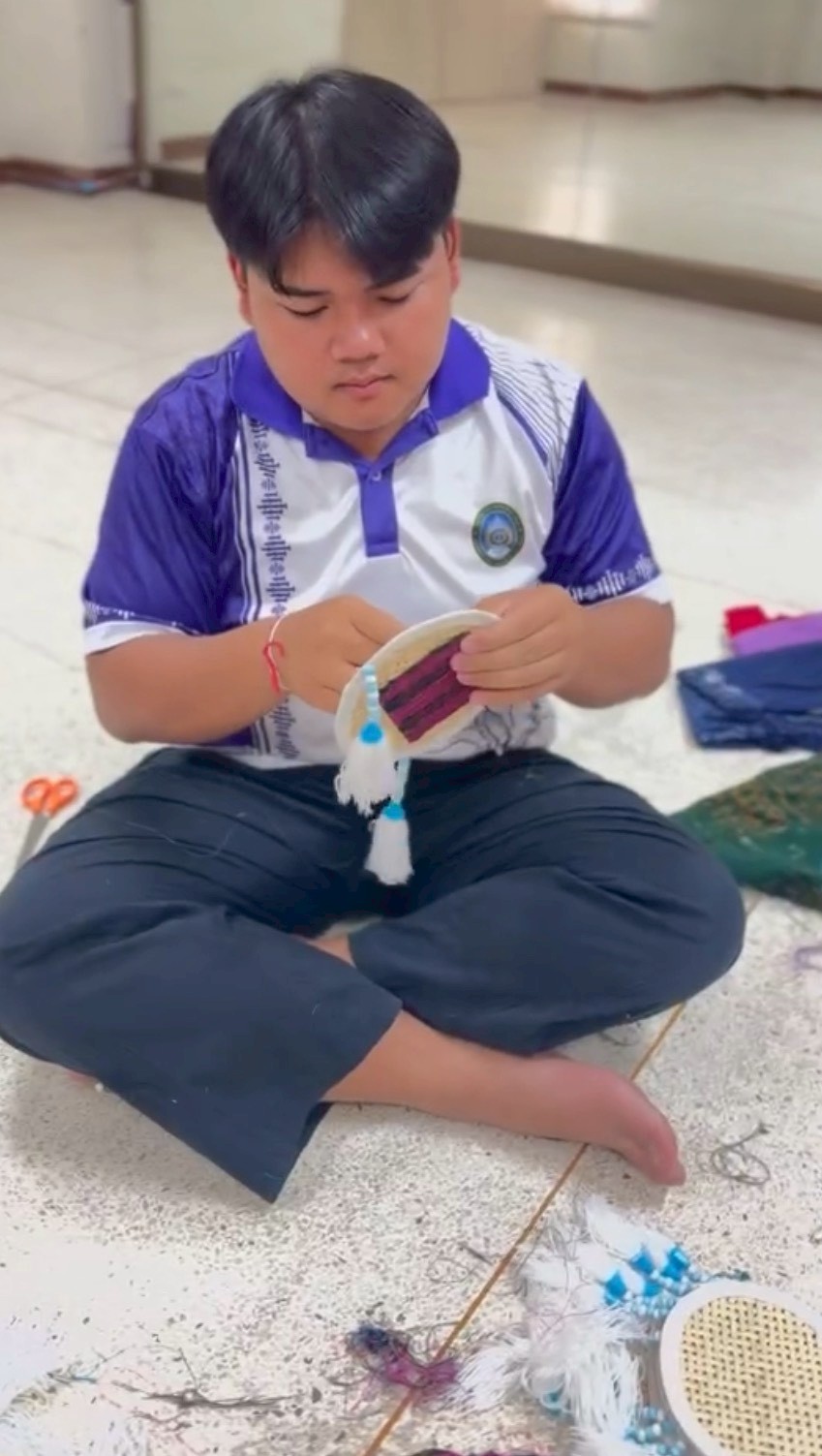
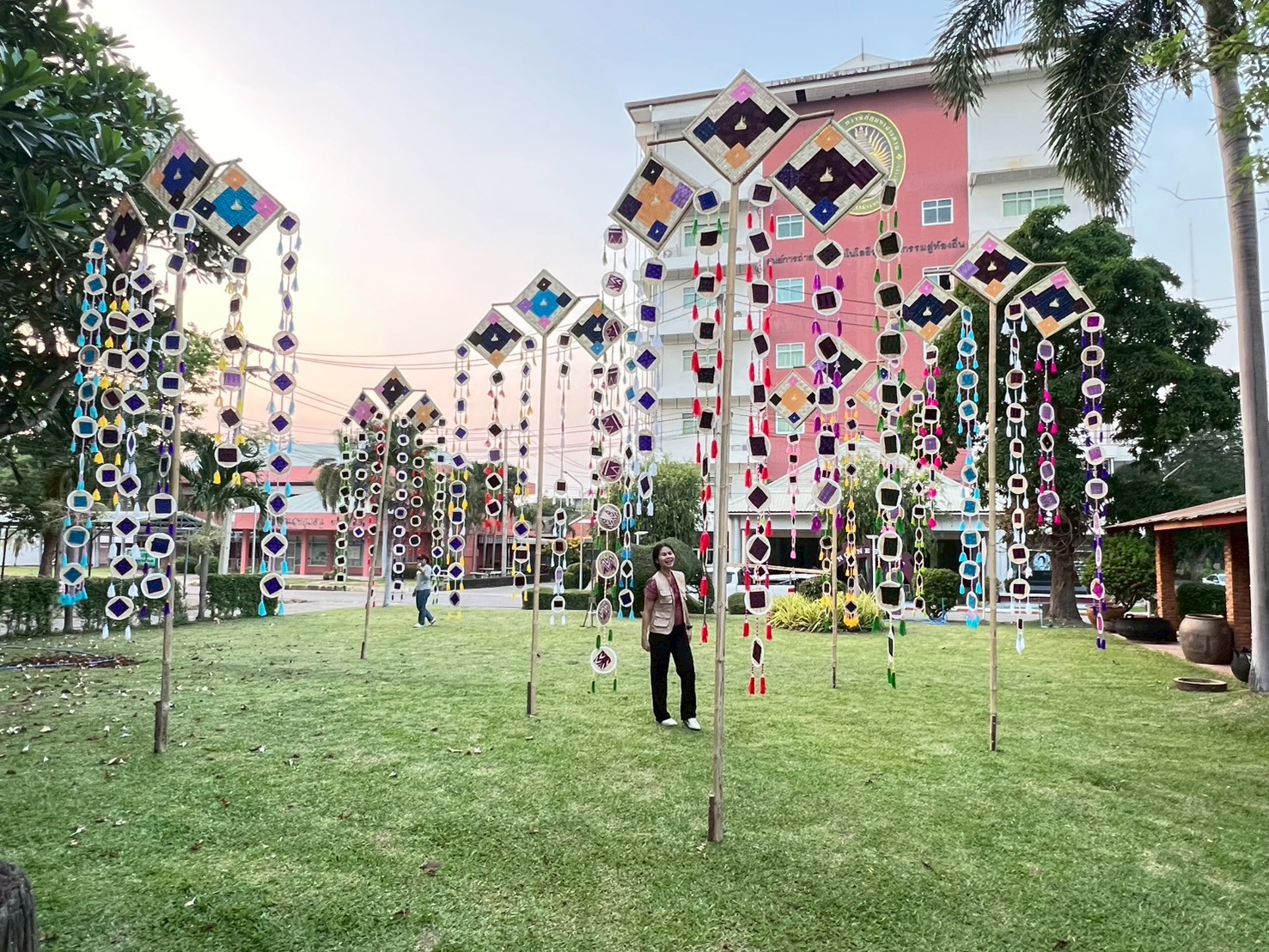
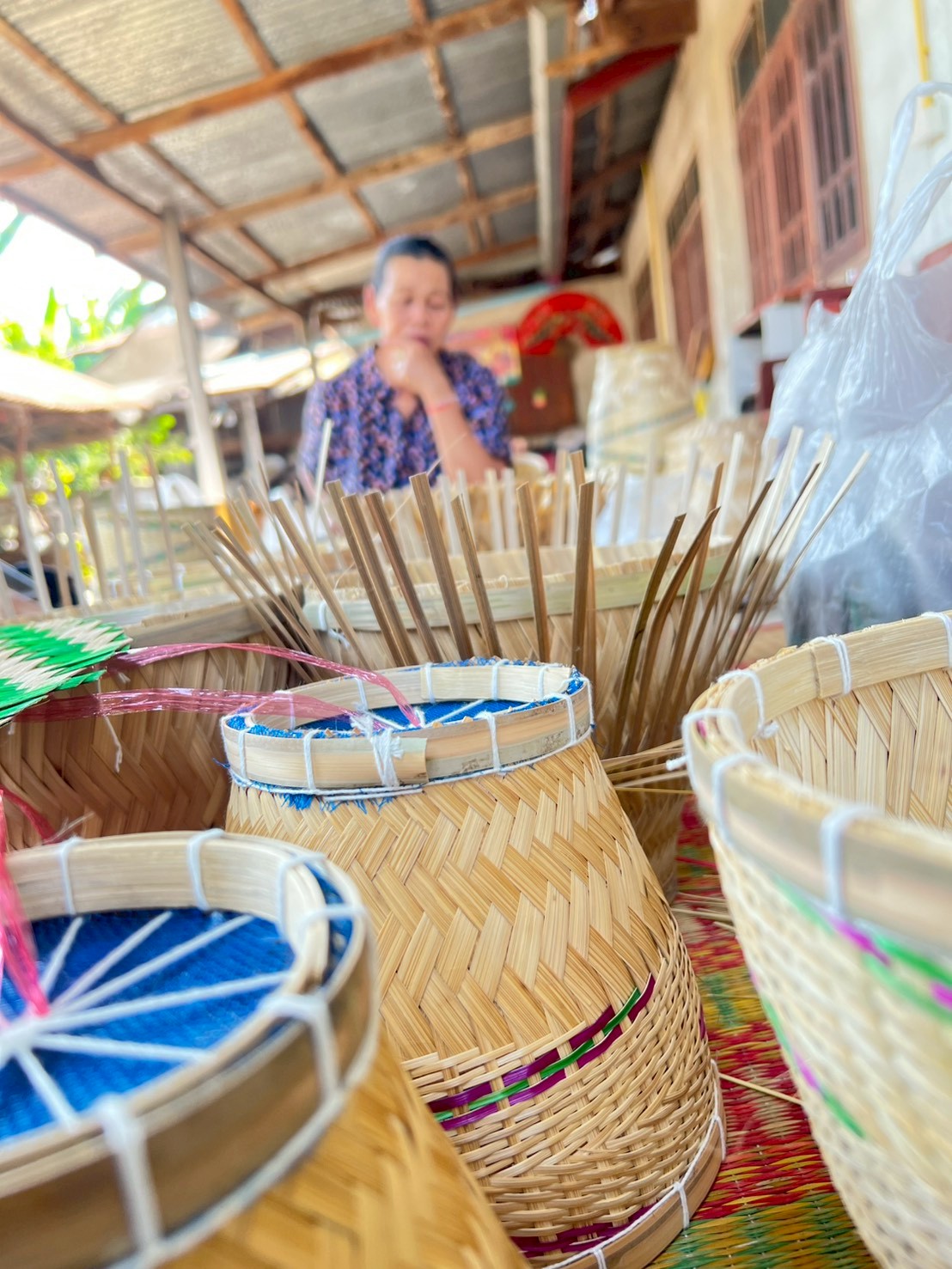
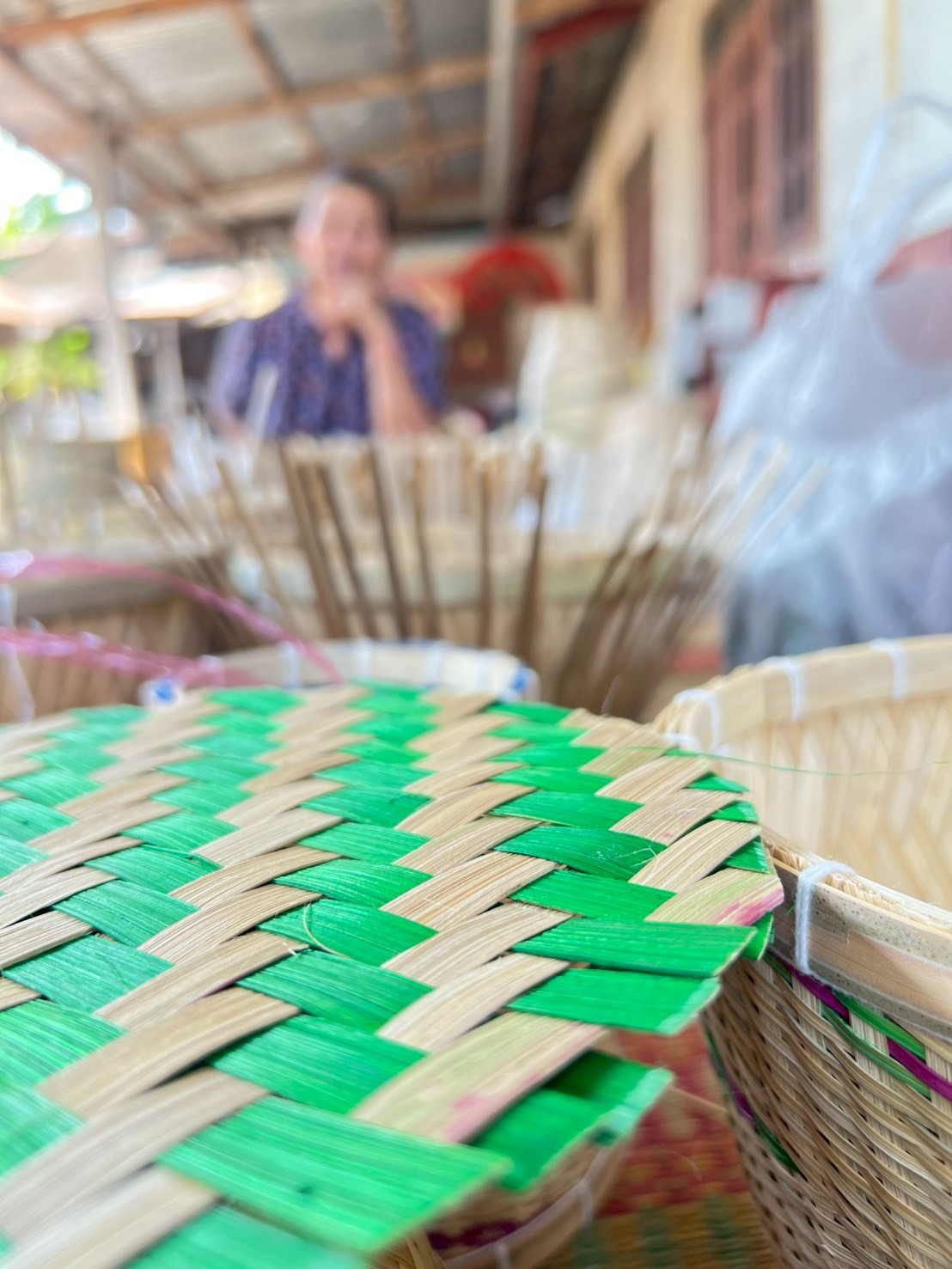
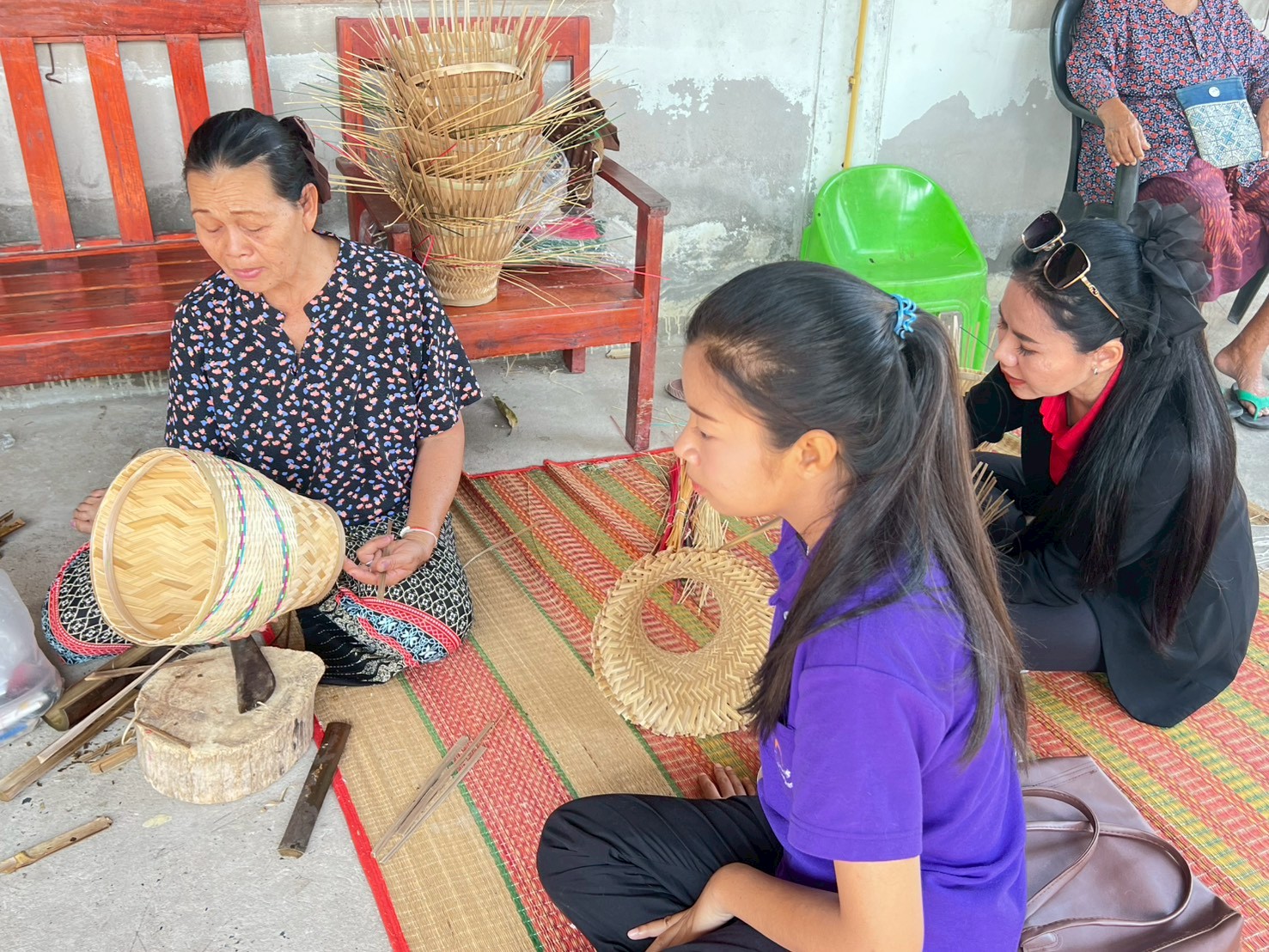
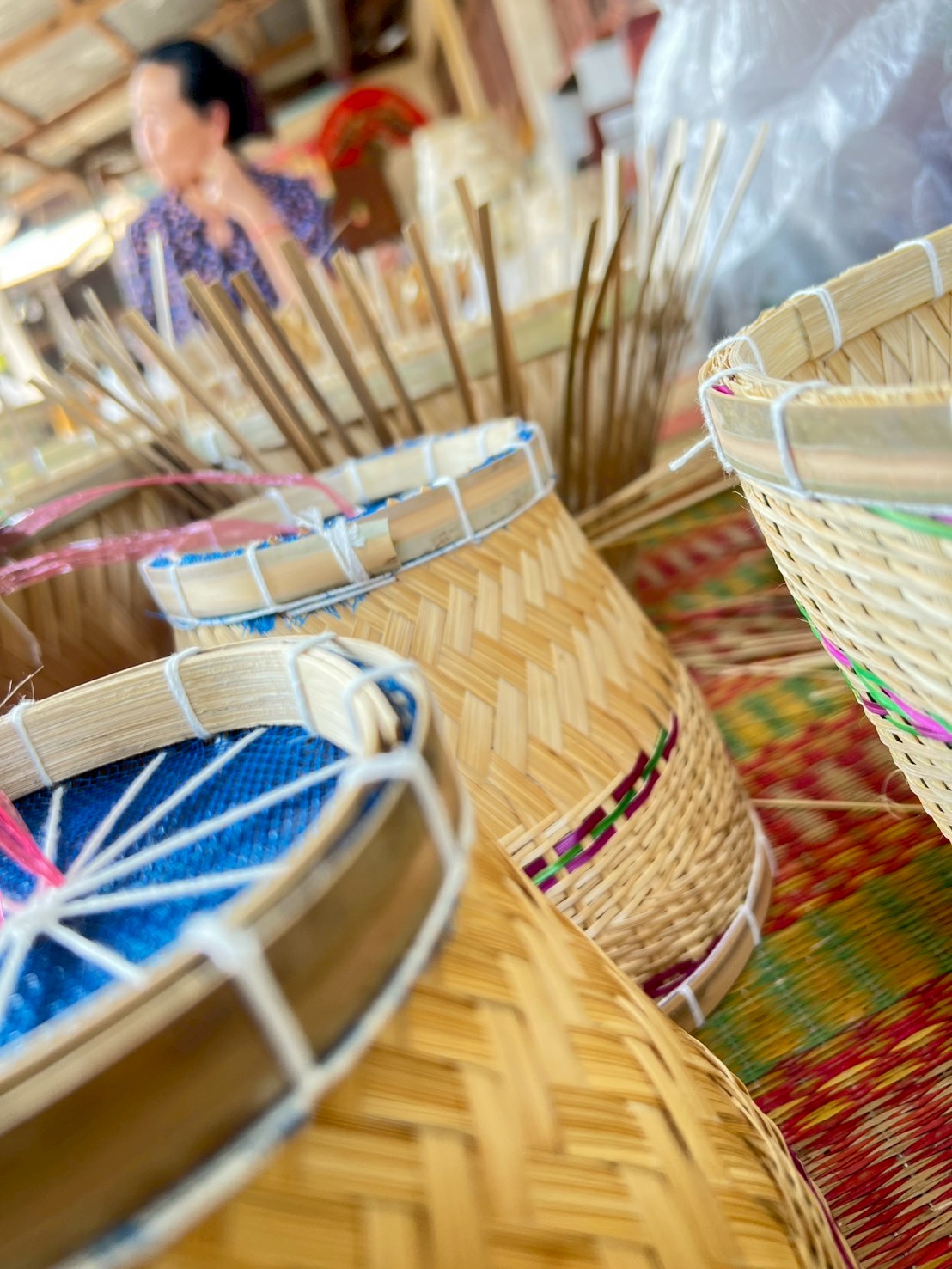
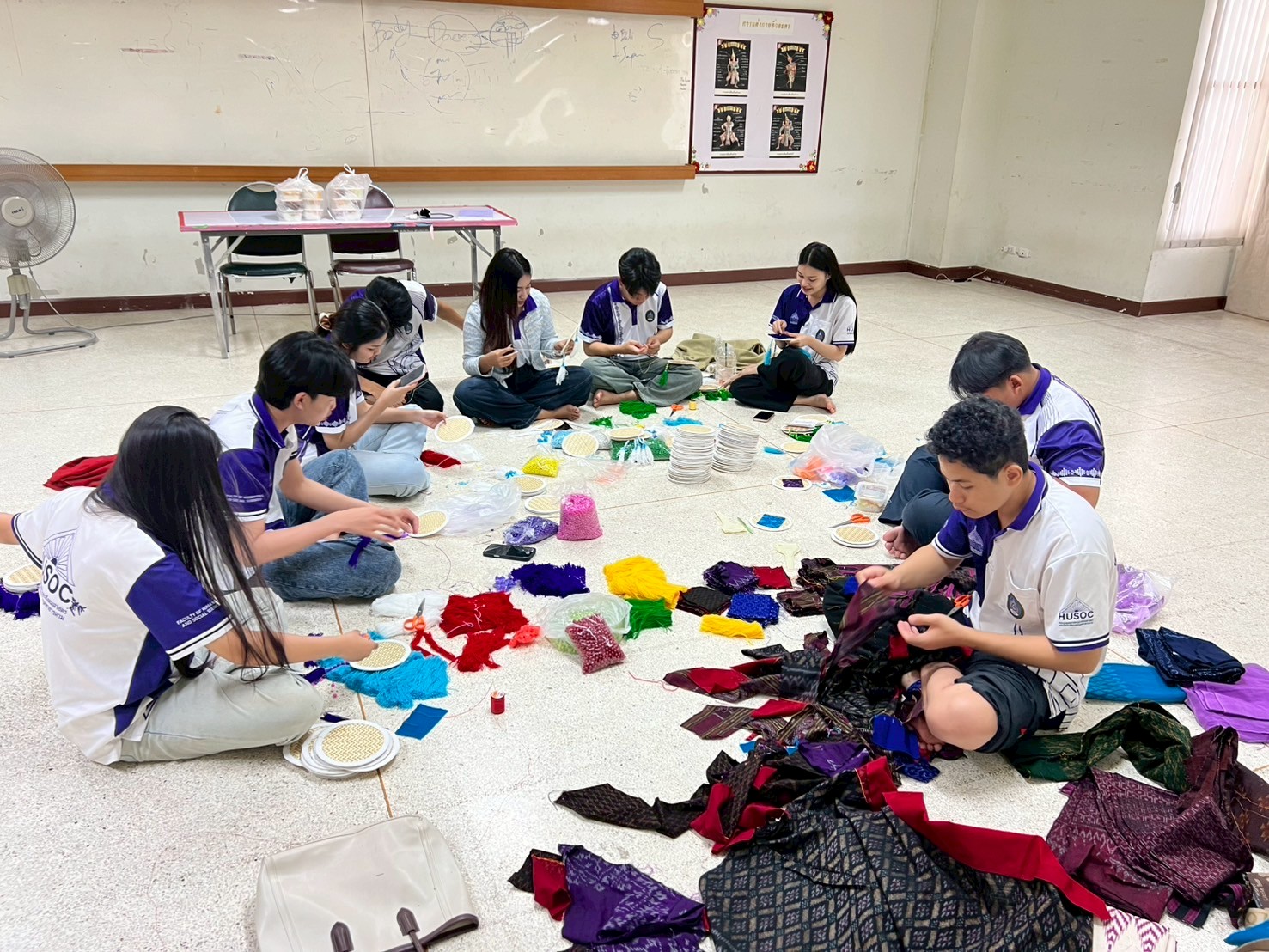
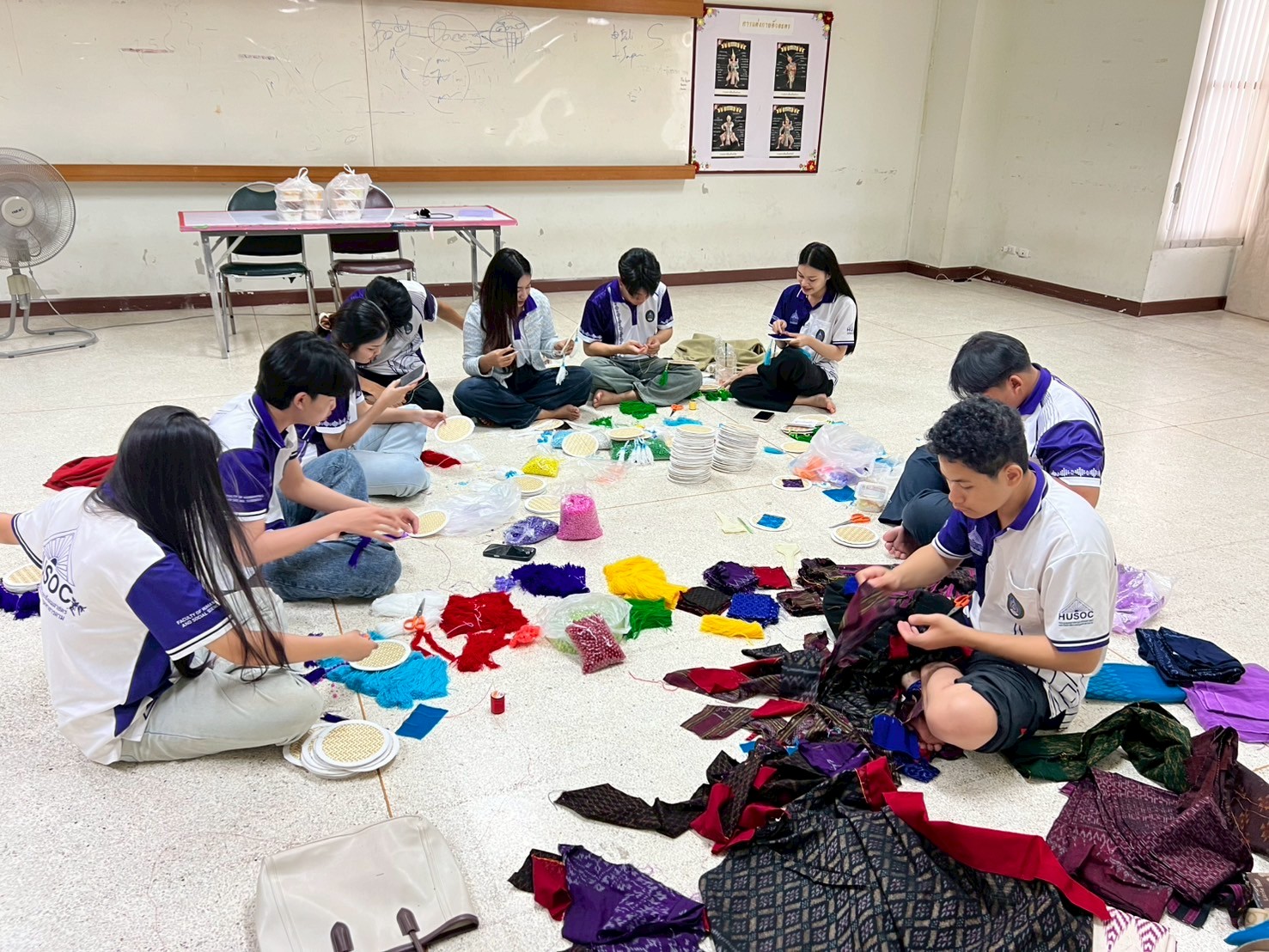
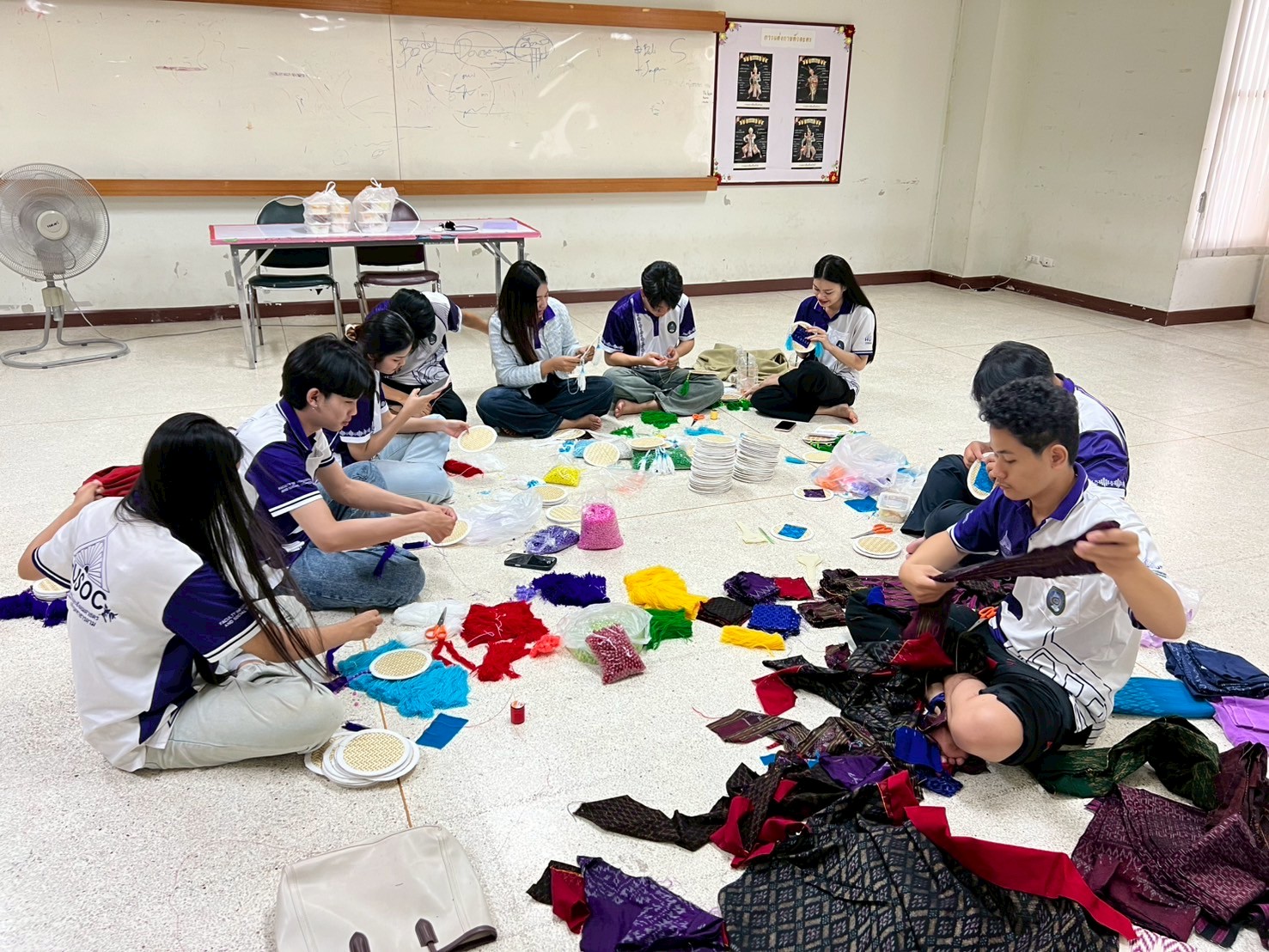
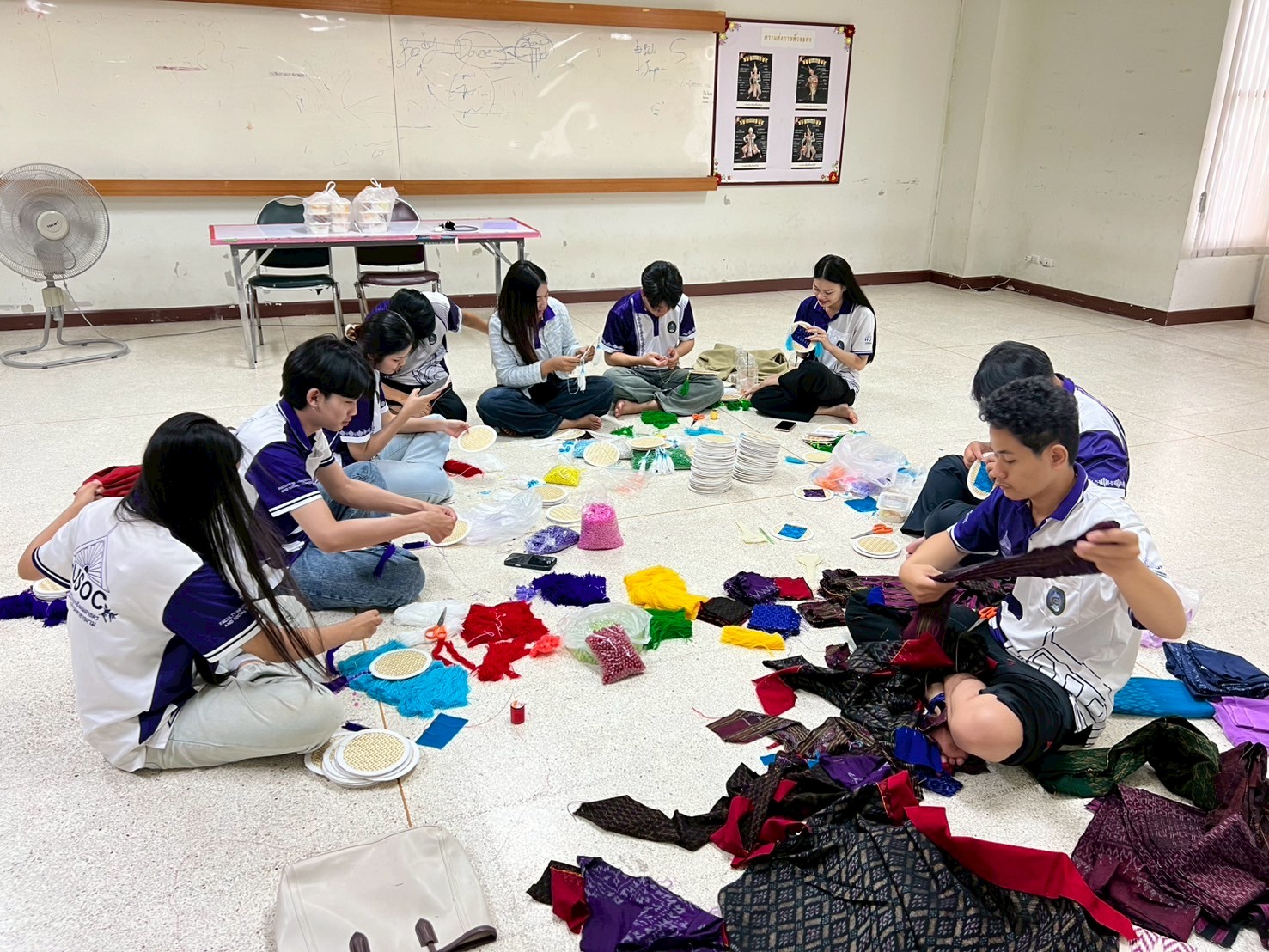
Sub-project 2: Enhancing the Potential of Hand-Woven Fabric in Maha Sarakham into Creative Products via Soft Power to Drive a Sustainable Grassroots Economy
Sub-project 3: Preserving and Inheriting Local Music Wisdom
Sub-project 4: Arts and Culture Nurturing: The Wisdom Knowledge Base of Khaen Melodies in Maha Sarakham Province
Sub-project 5: Inheriting the "Heet 12" Tradition and Religious Rituals
โครงการย่อยที่ 1 นาฏยสังคีต มวยไทยร่วมสมัย “พลังศิลป์นวอาวุธ”
โครงการย่อยที่ 2 เพิ่มศักยภาพผ้าทอมือในจังหวัดมหาสารคาม สู่ผลิตภัณฑ์สร้างสรรค์ด้วยพลัง Soft Power เพื่อขับเคลื่อนเศรษฐกิจฐานรากอย่างยั่งยืน
โครงการย่อยที่ 3 อนุรักษ์ สืบสาน ภูมิปัญญาดนตรีพื้นบ้าน
โครงการย่อยที่ 4 ทำนุบำรุงศิลปะและวัฒนธรรม : คลังความรู้ภูมิปัญญาทำนองลำเสียงแคน ในจังหวัดมหาสารคาม
โครงการย่อยที่ 5 สืบสานประเพณีฮีต 12 และศาสนพิธีกรรมพิธีการ
Part 2: Outcomes & Impact ส่วนที่ 2 ผลลัพธ์และผลกระทบ
Outcomes ผลลัพธ์ที่เกิดขึ้น
1. Accessible distribution channels are established, such as Facebook, YouTube, TikTok, websites, and printed media.
2. Diversified public relations media are produced, including videos and online articles.
3. Participants gain skills and awareness in preserving arts and culture.
4. Local arts and culture are systematically inherited and further developed.
๑.มีช่องทางการเผยแพร่ที่เข้าถึงได้จริง เช่น Facebook, YouTube, TikTok, เว็บไซต์, และสื่อสิ่งพิมพ์
๒.ได้สื่อประชาสัมพันธ์หลากหลายรูปแบบ วิดีโอ และ บทความออนไลน์
๓.ผู้เข้าร่วมมีทักษะและจิตสำนึกในการอนุรักษ์ศิลปะและวัฒนธรรม
๔.ศิลปะและวัฒนธรรมท้องถิ่นได้รับการสืบสานและต่อยอดอย่างเป็นระบบ
Community & Social Impact ผลกระทบต่อชุมชน/สังคม
Economic Impact
The implementation of the arts and culture nurturing project generates value addition from local cultural capital. By further developing knowledge in arts, performing arts, and craftsmanship, it enables economic utilization, creating supplementary income for local communities, local sages (folk scholars), and cultural networks. Furthermore, it promotes cultural tourism and enhances the image of Maha Sarakham Province as a learning hub for arts and culture, ultimately stimulating the community economy sustainably.
Social Impact
The project fosters collaboration among educational institutions, communities, and network partners, strengthening society through a participatory process in preserving and inheriting arts and culture. It instills a sense of pride within community members regarding their own cultural identity and heritage. Additionally, it reinforces solidarity, intergenerational understanding, and the transmission of cultural values from generation to generation, which serves as a vital foundation for a quality society.
Educational Impact
The project implementation leads to the integration of arts and culture into teaching, learning, and academic services. It promotes experiential learning for students, enhancing their knowledge, professional skills, and desirable characteristics. Moreover, it reinforces the identity of Rajabhat Maha Sarakham University as a higher education institution truly dedicated to producing graduates for local development.
Environmental Impact
The project helps cultivate awareness of resourceful utilization through learning local wisdom that aligns with lifestyles and nature. It encourages the use of natural materials, waste reduction, and resource conservation in the process of creating art and cultural activities. This leads to sustainable development and a long-term balance among arts, culture, and the environment.
ผลกระทบ (Impact) (เลือกให้สอดคล้องมากที่สุด)
ด้านเศรษฐกิจ การดำเนินโครงการทำนุบำรุงศิลปะและวัฒนธรรมก่อให้เกิดการสร้างมูลค่าเพิ่มจากทุนทางวัฒนธรรมในท้องถิ่น ผ่านการต่อยอดองค์ความรู้ด้านศิลปะ การแสดง และหัตถศิลป์ให้สามารถนำไปใช้ประโยชน์ในเชิงเศรษฐกิจ สร้างรายได้เสริมแก่ชุมชน ปราชญ์ชาวบ้าน และเครือข่ายทางวัฒนธรรม อีกทั้งยังส่งเสริมการท่องเที่ยวเชิงวัฒนธรรม และภาพลักษณ์ของจังหวัดมหาสารคามในฐานะแหล่งเรียนรู้ด้านศิลปะและวัฒนธรรม อันนำไปสู่การกระตุ้นเศรษฐกิจในระดับชุมชนอย่างยั่งยืน
ด้านสังคม โครงการส่งเสริมให้เกิดความร่วมมือระหว่างสถาบันการศึกษา ชุมชน และภาคีเครือข่าย สร้างความเข้มแข็งให้กับสังคมผ่านกระบวนการมีส่วนร่วมในการอนุรักษ์และสืบสานศิลปะและวัฒนธรรม ทำให้คนในชุมชนเกิดความภาคภูมิใจในอัตลักษณ์และมรดกทางวัฒนธรรมของตนเอง ตลอดจนเสริมสร้างความสามัคคี ความเข้าใจระหว่างวัย และการถ่ายทอดคุณค่าทางวัฒนธรรมจากรุ่นสู่รุ่น อันเป็นพื้นฐานสำคัญของสังคมที่มีคุณภาพ
ด้านการศึกษา การดำเนินโครงการก่อให้เกิดการบูรณาการศิลปะและวัฒนธรรมเข้ากับการเรียนการสอนและการบริการวิชาการ ส่งเสริมการเรียนรู้เชิงประสบการณ์ (Experiential Learning) ให้แก่นักศึกษา ทำให้นักศึกษาได้รับการพัฒนาทั้งด้านความรู้ ทักษะทางวิชาชีพ และคุณลักษณะอันพึงประสงค์ นอกจากนี้ยังช่วยเสริมสร้างอัตลักษณ์ของมหาวิทยาลัยราชภัฏมหาสารคามในฐานะสถาบันอุดมศึกษาที่มุ่งผลิตบัณฑิตเพื่อการพัฒนาท้องถิ่นอย่างแท้จริง
ด้านสิ่งแวดล้อม โครงการช่วยปลูกฝังจิตสำนึกในการใช้ทรัพยากรอย่างรู้คุณค่า ผ่านการเรียนรู้ภูมิปัญญาท้องถิ่นที่สอดคล้องกับวิถีชีวิตและสิ่งแวดล้อม ส่งเสริมการใช้วัสดุธรรมชาติ การลดของเสีย และการอนุรักษ์ทรัพยากรในกระบวนการสร้างสรรค์งานศิลปะและกิจกรรมทางวัฒนธรรม อันนำไปสู่การพัฒนาที่ยั่งยืนและความสมดุลระหว่างศิลปะ วัฒนธรรม และสิ่งแวดล้อมในระยะยาว
Student & Staff Participation การมีส่วนร่วมของนักศึกษา/บุคลากร
1. Participation of Staff and Students in Project Implementation
1.1 Project Coordinators and Key Drivers (From Upstream to Downstream): Faculty members and supporting staff from the Office of Arts and Culture, as well as the Faculty of Education and the Faculty of Humanities and Social Sciences, serve as project proposers, planners, activity designers, and coordinators, establishing proactive collaborations with community leaders, local sages, and folk artists.
1.2 Integration into Strategy and Instruction: Faculty members play a primary role in integrating arts and culture nurturing activities from all 5 sub-projects into classroom instruction, academic services to society, or student development activities in a concrete manner, aiming to drive the success indicators according to the university’s official action plan.
1.3 Knowledge Transmitters and Evaluators: Internal personnel serve as guest speakers/trainers in practical workshops (e.g., in Sub-project 5: Inheriting the "Heet 12" Tradition), while also taking responsibility for monitoring, evaluation, and lesson learned synthesis (SROI) to ensure continuous project development.
2. Student Participation
2.1 Fieldwork and Experiential Learning: Students from the Faculty of Education (50 students) and the Faculty of Humanities and Social Sciences (50 students), including student leaders, participate in learning processes and conduct actual fieldwork across all 13 districts of Maha Sarakham Province to survey, collect data, and exchange local wisdom knowledge with local sages.
2.2 Development through the "Social Engineer" Process: No fewer than 200 students are trained and developed under the "Social Engineer" framework, applying knowledge in arts, performing arts, folk music, and craftsmanship to solve local community issues, conduct community entry, and create innovations that enhance quality of life and sustainably stimulate the grassroots economy.
2.3 Innovation Co-creation and Digital Media Production (Downstream): Students actively participate in transforming knowledge into tangible results by co-developing knowledge repositories, song archives, and creative hand-woven product designs with communities. This includes creating diverse public relations media, such as videos and online articles, for dissemination via digital platforms (Facebook, YouTube, TikTok, and websites).
3. Benefits and Achievements Derived by Students and Staff
3.1 Skills and Awareness: Participating students and staff build awareness and pride in their local identity, while gaining essential skills and mindset to systematically preserve, inherit, and further develop local cultural heritage.
3.2 Desirable Characteristics: Students develop both academic knowledge and professional skills relevant to the contemporary context. The project also fosters intergenerational understanding and community collaboration, reflecting the distinct identity of Rajabhat Maha Sarakham University as a higher education institution truly dedicated to local development.
1.การมีส่วนร่วมของนักศึกษาและบุคลากรในการดำเนินโครงการ
1.1ผู้รับผิดชอบและขับเคลื่อนโครงการ (ต้นน้ำ-ปลายน้ำ): คณาจารย์และบุคลากรสายสนับสนุนของสำนักศิลปะและวัฒนธรรม รวมถึงคณะครุศาสตร์และคณะมนุษยศาสตร์และสังคมศาสตร์ ทำหน้าที่เป็นผู้เสนอโครงการ วางแผน ออกแบบกิจกรรม และประสานความร่วมมือกับผู้นำชุมชน ปราชญ์ชาวบ้าน และศิลปินพื้นบ้านล่วงหน้า1.2การบูรณาการสู่ยุทธศาสตร์และการเรียนการสอน: คณาจารย์มีบทบาทหลักในการบูรณาการกิจกรรมทำนุบำรุงศิลปะและวัฒนธรรมจากโครงการย่อยทั้ง 5 โครงการ เข้ากับการจัดการเรียนการสอนในรายวิชา การบริการวิชาการแก่สังคม หรือกิจกรรมพัฒนานักศึกษาอย่างเป็นรูปธรรม เพื่อผลักดันตัวชี้วัดระดับความสำเร็จตามแผนปฏิบัติราชการของมหาวิทยาลัย
1.3ผู้ถ่ายทอดองค์ความรู้และประเมินผล: บุคลากรภายในร่วมทำหน้าที่เป็นวิทยากรในการจัดอบรมเชิงปฏิบัติการ (เช่น ในโครงการย่อยที่ 5 ด้านประเพณีฮีต 12) ตลอดจนทำหน้าที่ติดตาม ประเมินผล และสรุปบทเรียน (SROI) เพื่อพัฒนาโครงการอย่างต่อเนื่อง
2.การมีส่วนร่วมของนักศึกษา
2.1การลงพื้นที่และการเรียนรู้เชิงประสบการณ์ (Experiential Learning): นักศึกษาจากคณะครุศาสตร์ (จำนวน 50 คน) และคณะมนุษยศาสตร์และสังคมศาสตร์ (จำนวน 50 คน) รวมถึงแกนนำนักศึกษาจะเข้ามามีส่วนร่วมในกระบวนการเรียนรู้และลงพื้นที่จริงในชุมชนทั้ง 13 อำเภอ ของจังหวัดมหาสารคาม เพื่อสำรวจ รวบรวมข้อมูล และแลกเปลี่ยนเรียนรู้ภูมิปัญญาท้องถิ่นร่วมกับปราชญ์ชาวบ้าน
2.2การพัฒนาผ่านกระบวนการวิศวกรสังคม: นักศึกษาจำนวนไม่น้อยกว่า 200 คน จะได้รับการพัฒนาทักษะการเป็น "วิศวกรสังคม" โดยนำองค์ความรู้ด้านศิลปะ การแสดง ดนตรีพื้นบ้าน และหัตถศิลป์ไปประยุกต์ใช้ในการแก้ไขปัญหา ลงพื้นที่ และสร้างนวัตกรรมเพื่อส่งเสริมคุณภาพชีวิตและกระตุ้นเศรษฐกิจฐานรากให้กับชุมชนอย่างยั่งยืน
2.3การสร้างสรรค์นวัตกรรมและจัดทำสื่อดิจิทัล (ปลายน้ำ): นักศึกษามีส่วนร่วมในการสะท้อนองค์ความรู้ออกมาเป็นรูปธรรม ผ่านการร่วมจัดทำจัดคลังความรู้ คลังเพลง การออกแบบผลิตภัณฑ์ผ้าทอมือเชิงสร้างสรรค์ร่วมกับชุมชน รวมถึงการผลิตสื่อประชาสัมพันธ์หลากหลายรูปแบบ เช่น วิดีโอ (VDO) และบทความออนไลน์ เพื่อเผยแพร่ผ่านช่องทางดิจิทัล (Facebook, YouTube, TikTok และเว็บไซต์)
3.ประโยชน์และผลสัมฤทธิ์ที่เกิดจากตัวนักศึกษาและบุคลากร
3.1ด้านทักษะและจิตสำนึก: นักศึกษาและบุคลากรที่เข้าร่วมตระหนักรู้และเกิดความภาคภูมิใจในอัตลักษณ์ มีทักษะและจิตสำนึกในการอนุรักษ์ สืบสาน และต่อยอดมรดกทางวัฒนธรรมของท้องถิ่นอย่างเป็นระบบ
3.2ด้านคุณลักษณะอันพึงประสงค์: นักศึกษาได้รับการพัฒนาทั้งในด้านความรู้และทักษะทางวิชาชีพที่สอดคล้องกับบริบริทร่วมสมัย มีการเสริมสร้างความเข้าใจระหว่างวัยและการทำงานร่วมกับชุมชน ซึ่งตอบสนองต่ออัตลักษณ์ของมหาวิทยาลัยราชภัฏมหาสารคามในการเป็นสถาบันอุดมศึกษาเพื่อการพัฒนาท้องถิ่นอย่างแท้จริง
Project Continuity ความต่อเนื่องของโครงการ
The Arts and Culture Nurturing Project of Rajabhat Maha Sarakham University for Fiscal Year 2026 is a strategic initiative aimed at systematically preserving, revitalizing, and elevating local cultural capital into a creative economy through the integration of faculty, staff, and students acting as social engineers alongside local sages and community networks. The comprehensive operations encompass driving contemporary Muay Thai soft power, enhancing the potential of hand-woven fabric products, and inheriting local music wisdom and Khaen melodies, as well as preserving the "Heet 12" tradition and religious rituals. It aims to develop innovative knowledge repositories and digital media to stimulate cultural tourism and drive a sustainable grassroots economy, while fostering pride in local identity and cultivating students' desirable characteristics in alignment with the university's mission for true local development. โครงการทำนุบำรุงศิลปะและวัฒนธรรม มหาวิทยาลัยราชภัฏมหาสารคาม ประจำปีงบประมาณ พ.ศ. 2569 เป็นโครงการเชิงยุทธศาสตร์ที่มุ่งอนุรักษ์ ฟื้นฟู และยกระดับทุนวัฒนธรรมท้องถิ่นสู่เศรษฐกิจสร้างสรรค์อย่างเป็นระบบ ผ่านการบูรณาการความร่วมมือระหว่างคณาจารย์ บุคลากร และนักศึกษาในฐานะวิศวกรสังคมร่วมกับปราชญ์ชาวบ้านและภาคีเครือข่ายชุมชน โดยมีการดำเนินงานครอบคลุมทั้งการขับเคลื่อนซอฟต์พาวเวอร์มวยไทยร่วมสมัย การเพิ่มศักยภาพผลิตภัณฑ์ผ้าทอมือ การสืบสานภูมิปัญญาดนตรีพื้นบ้านและทำนองลำเสียงแคน ตลอดจนการสืบทอดประเพณีฮีต 12 และศาสนพิธีกรรม มุ่งสร้างคลังความรู้นวัตกรรมและสื่อดิจิทัลเพื่อผลักดันการท่องเที่ยวเชิงวัฒนธรรมและการกระตุ้นเศรษฐกิจฐานรากอย่างยั่งยืน พร้อมทั้งหล่อหลอมจิตสำนึกความภาคภูมิใจในอัตลักษณ์ท้องถิ่นและพัฒนาคุณลักษณะอันพึงประสงค์ของบัณฑิตตามพันธกิจของมหาวิทยาลัยเพื่อการพัฒนาท้องถิ่นอย่างแท้จริง
Part 3: Challenges & Suggestions ส่วนที่ 3 ปัญหาอุปสรรค/ข้อเสนอแนะ
Problems & Obstacles ปัญหา/อุปสรรค
1. Time and Human Resource Constraints in Inheriting Wisdom from Local Sages
Problems: The majority of local sages and folk artists (e.g., Mo Lam artists, Khaen players, and traditional weavers) are elderly, facing limitations regarding health and availability for knowledge transmission. Furthermore, various domains of local wisdom are inherently tacit knowledge, passed down through practice without formal written documentation.
Obstacles: Collecting, gathering, and organizing data to build digital knowledge repositories (such as the Khaen melody archive) requires meticulously detailed and time-consuming fieldwork. If time management does not align with the community's way of life, it may result in incomplete or fragmented preservation of cultural wisdom.
2. Intergenerational Gap and Lack of Continuity in Cultural Inheritance among the New Generation
Problems: The values and lifestyles of modern students and youths in the digital era are shifting rapidly, which can cause them to perceive traditional arts, customs, and rituals (such as the "Heet 12" tradition or ancient folk music) as outdated or difficult to comprehend.
Obstacles: Cultivating a deep understanding and appreciation of local identity and cultural values requires consistent, long-term immersion. Consequently, establishing lasting skills and awareness in cultural preservation among students can be challenging if there is a lack of continuous engagement after the project cycle ends.
3. Challenges in Commercialization and Innovation of Cultural Capital
Problems: Transforming traditional cultural assets into creative products or contemporary soft power (such as enhancing the potential of hand-woven fabrics or developing contemporary Muay Thai) demands advanced skills in marketing, innovative design, and modern technologies that meet international market demands.
Obstacles: Grassroots communities and local producers often face limitations in digital literacy and access to online marketplaces. Therefore, driving concrete economic value addition and establishing supplementary income streams within the constraints of the fiscal year timeline remains highly challenging.
4. Integration and Digital Communication Barriers in the Digital Age
Problems: This project is a large-scale initiative comprising 5 sub-projects and involves diverse participants across multiple faculties (Faculty of Education and Faculty of Humanities and Social Sciences), alongside community networks across 13 districts. Consequently, project coordination and output quality control are highly complex.
Obstacles: Although the project aims to produce digital PR media across various platforms (Facebook, YouTube, TikTok), creating content that is engaging, compelling, and capable of achieving high visibility under current platform algorithms requires specialized digital marketing skills. Without a systematic management process, the produced media may fail to generate a broad and meaningful public impact.
1. ข้อจำกัดด้านเวลาและการสืบทอดภูมิปัญญาจากปราชญ์ชาวบ้าน (Time and Human Resource Constraints)
ปัญหา: ปราชญ์ชาวบ้าน ศิลปินพื้นบ้าน (เช่น หมอลำ ผู้เชี่ยวชาญการเป่าแคน หรือช่างทอผ้าโบราณ) ส่วนใหญ่เป็นผู้สูงอายุ ซึ่งมีความจำกัดด้านสุขภาพและเวลาในการถ่ายทอด นอกจากนี้ องค์ความรู้หลายแขนงยังเป็นลักษณะเฉพาะตัว (Tacit Knowledge) ที่ไม่มีการจดบันทึกเป็นลายลักษณ์อักษร
อุปสรรค: การรวบรวมและจัดเก็บข้อมูลเพื่อสร้างคลังความรู้ดิจิทัล (เช่น คลังทำนองลำเสียงแคน) ต้องใช้กระบวนการลงพื้นที่อย่างละเอียดและใช้เวลาสูง หากการบริหารจัดการเวลาไม่สอดคล้องกับวิถีชีวิตของชุมชน อาจทำให้ได้ข้อมูลภูมิปัญญาที่ไม่ครบถ้วนหรือขาดความสมบูรณ์
2. ช่องว่างระหว่างวัยและการขาดความต่อเนื่องในการสืบสานของคนรุ่นใหม่ (Intergenerational Gap)
ปัญหา: ค่านิยมและวิถีชีวิตของนักศึกษาและเยาวชนรุ่นใหม่ในยุคดิจิทัลมีความเปลี่ยนแปลงไปอย่างรวดเร็ว ทำให้อาจมองว่าศิลปวัฒนธรรมประเพณีดั้งเดิม (เช่น ประเพณีฮีต 12 หรือดนตรีพื้นบ้านโบราณ) เป็นเรื่องไกลตัว หรือยากต่อการทำความเข้าใจ
อุปสรรค: การเปิดรับและทำความเข้าใจในคุณค่าและอัตลักษณ์ท้องถิ่นอย่างลึกซึ้งต้องใช้เวลาในการปลูกฝัง จิตสำนึกและทักษะในการอนุรักษ์ของนักศึกษาจึงอาจเกิดขึ้นได้ยากหากขาดความต่อเนื่องในการร่วมกิจกรรมหลังจากสิ้นสุดโครงการ
3. ความท้าทายในการยกระดับผลิตภัณฑ์และทุนวัฒนธรรมสู่เชิงพาณิชย์ (Challenges in Commercialization and Innovation)
ปัญหา: การนำทุนทางวัฒนธรรมดั้งเดิมมาต่อยอดเป็นสินค้าสร้างสรรค์หรือซอฟต์พาวเวอร์ร่วมสมัย (เช่น การเพิ่มศักยภาพผ้าทอมือ หรือ มวยไทยร่วมสมัย) จำเป็นต้องอาศัยทักษะด้านการตลาด การออกแบบนวัตกรรม และเทคโนโลยีสมัยใหม่ที่สอดคล้องกับความต้องการของตลาดสากล
อุปสรรค: ชุมชนฐานรากและกลุ่มผู้ผลิตในท้องถิ่นอาจยังขาดความพร้อมด้านทักษะทางเทคโนโลยีและการเข้าถึงตลาดออนไลน์ การผลักดันให้เกิดการสร้างมูลค่าเพิ่มทางเศรษฐกิจและสร้างรายได้เสริมอย่างเป็นรูปธรรมภายในระยะเวลาของปีงบประมาณจึงเป็นไปได้ยากและท้าทาย
4. การบูรณาการและกลไกการสื่อสารประชาสัมพันธ์ในยุคดิจิทัล (Integration and Digital Communication Barriers)
ปัญหา: โครงการนี้มีโครงสร้างขนาดใหญ่ที่ประกอบด้วยโครงการย่อยถึง 5 โครงการ และมีผู้มีส่วนร่วมจากหลากหลายคณะ (คณะครุศาสตร์ คณะมนุษยศาสตร์และสังคมศาสตร์) รวมถึงภาคีเครือข่ายชุมชนใน 13 อำเภอ การประสานงานและการควบคุมมาตรฐานของผลผลิตจึงมีความซับซ้อน
อุปสรรค: แม้จะมีการตั้งเป้าหมายในการผลิตสื่อดิจิทัลผ่านแพลตฟอร์มต่าง ๆ (Facebook, YouTube, TikTok) แต่การสร้างสรรค์คอนเทนต์ให้มีความน่าสนใจ น่าติดตาม และสามารถ "เข้าถึงได้จริง" ในระบบอัลกอริทึมปัจจุบัน จำเป็นต้องอาศัยทักษะเฉพาะทางด้านการสื่อสารและการตลาดดิจิทัล ซึ่งหากขาดกระบวนการจัดการที่เป็นระบบ สื่อประชาสัมพันธ์ที่ผลิตขึ้นอาจไม่สามารถสร้างผลกระทบ (Impact) ในวงกว้างตามที่ตั้งเป้าหมายไว้ได้
Improvement Guidelines แนวทางการปรับปรุง
1. Developing Flexible Wisdom Documenting Processes and Transforming Tacit Knowledge into Digital Tools
Adjust the data collection approach for elderly local sages and folk artists by emphasizing flexible fieldwork and oral history documentation. This is paired with transforming their tacit knowledge into clear operational manuals, musical notations, textile patterns, and short-form learning materials (micro-learning) to ensure the digital knowledge repository is comprehensive and easily inheritable for younger generations.
2. Utilizing Design Thinking to Develop "Cultural Social Engineers" to Bridge the Intergenerational Gap
Elevate student participation by integrating Design Thinking with the Social Engineer model to reinterpreting and further developing the "Heet 12" tradition and local folk music to better align with contemporary lifestyles. Additionally, systematically establish a "Cultural Social Engineer Leaders" group or club within the university to drive continuous preservation activities beyond the end of the fiscal year cycle.
3. Fostering Cross-Disciplinary Integration to Enhance Creative Products and Algorithm-Driven Digital Marketing
Foster collaboration with other faculties—such as marketing, design, and information technology—to co-develop branding, packaging, and e-commerce channels for hand-woven fabric products and contemporary Muay Thai initiatives. This works in tandem with reshaping public relations media into short-form video content that fits modern consumer behavior, thereby boosting audience engagement and authentically stimulating the grassroots economy.
1. การพัฒนากระบวนการจัดเก็บภูมิปัญญาแบบยืดหยุ่นและเปลี่ยนความรู้เฉพาะตัวให้เป็นเครื่องมือดิจิทัล ปรับแนวทางการเก็บข้อมูลจากปราชญ์ชาวบ้านและศิลปินพื้นบ้านผู้สูงอายุ โดยเน้นการลงพื้นที่แบบยืดหยุ่นและการบันทึกประวัติศาสตร์บอกเล่า (Oral History) ร่วมกับการแปลงองค์ความรู้เฉพาะตัว (Tacit Knowledge) ให้ออกมาเป็นคู่มือปฏิบัติการ โน้ตดนตรี แผนผังลายผ้า และสื่อการเรียนรู้ขนาดสั้น (Micro-learning) เพื่อให้คลังความรู้ดิจิทัลมีความสมบูรณ์และง่ายต่อการที่คนรุ่นหลังจะนำไปสืบทอด
2. การใช้กระบวนการคิดเชิงออกแบบสร้างแกนนำ "วิศวกรสังคมด้านวัฒนธรรม" เพื่อเชื่อมช่องว่างระหว่างวัย ยกระดับการมีส่วนร่วมของนักศึกษาโดยการนำกระบวนการคิดเชิงออกแบบ (Design Thinking) มาผสานกับโมเดลวิศวกรสังคม เพื่อตีความและต่อยอดประเพณีฮีต 12 และดนตรีพื้นบ้านให้เข้ากับวิถีชีวิตร่วมสมัย พร้อมทั้งจัดตั้งกลุ่มหรือชมรม "แกนนำวิศวกรสังคมด้านวัฒนธรรม" ในมหาวิทยาลัยอย่างเป็นระบบ เพื่อขับเคลื่อนกิจกรรมการอนุรักษ์อย่างต่อเนื่องแม้จะสิ้นสุดปีงบประมาณ
3. การบูรณาการข้ามศาสตร์เพื่อพัฒนาผลิตภัณฑ์สร้างสรรค์และการตลาดดิจิทัลที่เข้าถึงระบบอัลกอริทึม ดึงความร่วมมือจากคณะวิชาอื่น เช่น ด้านการตลาด การออกแบบ และเทคโนโลยีสารสนเทศ เข้ามาร่วมพัฒนาตราสินค้า บรรจุภัณฑ์ และช่องทางอีคอมเมิร์ซให้แก่ผลิตภัณฑ์ผ้าทอมือและมวยไทยร่วมสมัย ควบคู่ไปกับการปรับรูปแบบสื่อประชาสัมพันธ์ให้เป็นคอนเทนต์วิดีโอขนาดสั้น (Short-form Content) ที่สอดคล้องกับพฤติกรรมผู้บริโภคยุคใหม่ เพื่อเพิ่มยอดการรับรู้ (Engagement) และกระตุ้นเศรษฐกิจฐานรากได้อย่างแท้จริง
Suggestions to University ข้อเสนอแนะต่อมหาวิทยาลัย
Folk Sage Recognition, Welfare Promotion, and the Social Engineer Network System
The university should establish a centralized database and official recognition mechanisms to honor local sages and folk artists as "Wisdom Teachers" or formal development partners of the university. Concurrently, it should support the establishment of a "Cultural Social Engineer Youth Club or Network" to enable students who completed the project to systematically work with communities in preserving the "Heet 12" tradition and local folk music, thereby boosting morale and encouragement for continuous local development efforts.
การยกย่องและส่งเสริมสวัสดิการของปราชญ์ชาวบ้านและระบบเครือข่ายวิศวกรสังคม มหาวิทยาลัยควรสร้างระบบฐานข้อมูลกลางและกลไกการเชิดชูเกียรติปราชญ์ชาวบ้านและศิลปินพื้นบ้านในฐานะ "ครูภูมิปัญญา" หรือภาคีเครือข่ายร่วมพัฒนาของมหาวิทยาลัยอย่างเป็นทางการ พร้อมทั้งสนับสนุนการจัดตั้ง "ชมรมหรือเครือข่ายเยาวชนวิศวกรสังคมด้านวัฒนธรรม" เพื่อให้นักศึกษาที่ผ่านโครงการสามารถทำงานร่วมกับชุมชนในการสืบสานประเพณีฮีต 12 และดนตรีพื้นบ้านได้อย่างเป็นระบบและมีขวัญกำลังใจในการขับเคลื่อนงานพัฒนาท้องถิ่นอย่างต่อเนื่อง