– May 30, 2026 1 เมษายน 2569
– 30 พฤษภาคม 2569
Part 1: Project Details ส่วนที่ 1 รายละเอียดการดำเนินงาน
Objectives วัตถุประสงค์โครงการ
Thailand has now transitioned into a "complete aged society," characterized by a continuously growing proportion of elderly citizens. This mirrors the context of the Ban Ku community in Ban Ku Subdistrict, Yang Sisurat District, Maha Sarakham Province, where the elderly population is likewise on the rise. While these individuals represent invaluable human resources, serving as the spiritual core and repositories of local wisdom, advancing age brings physical decline and psychological vulnerability often exacerbated by social isolation or compounding health conditions.
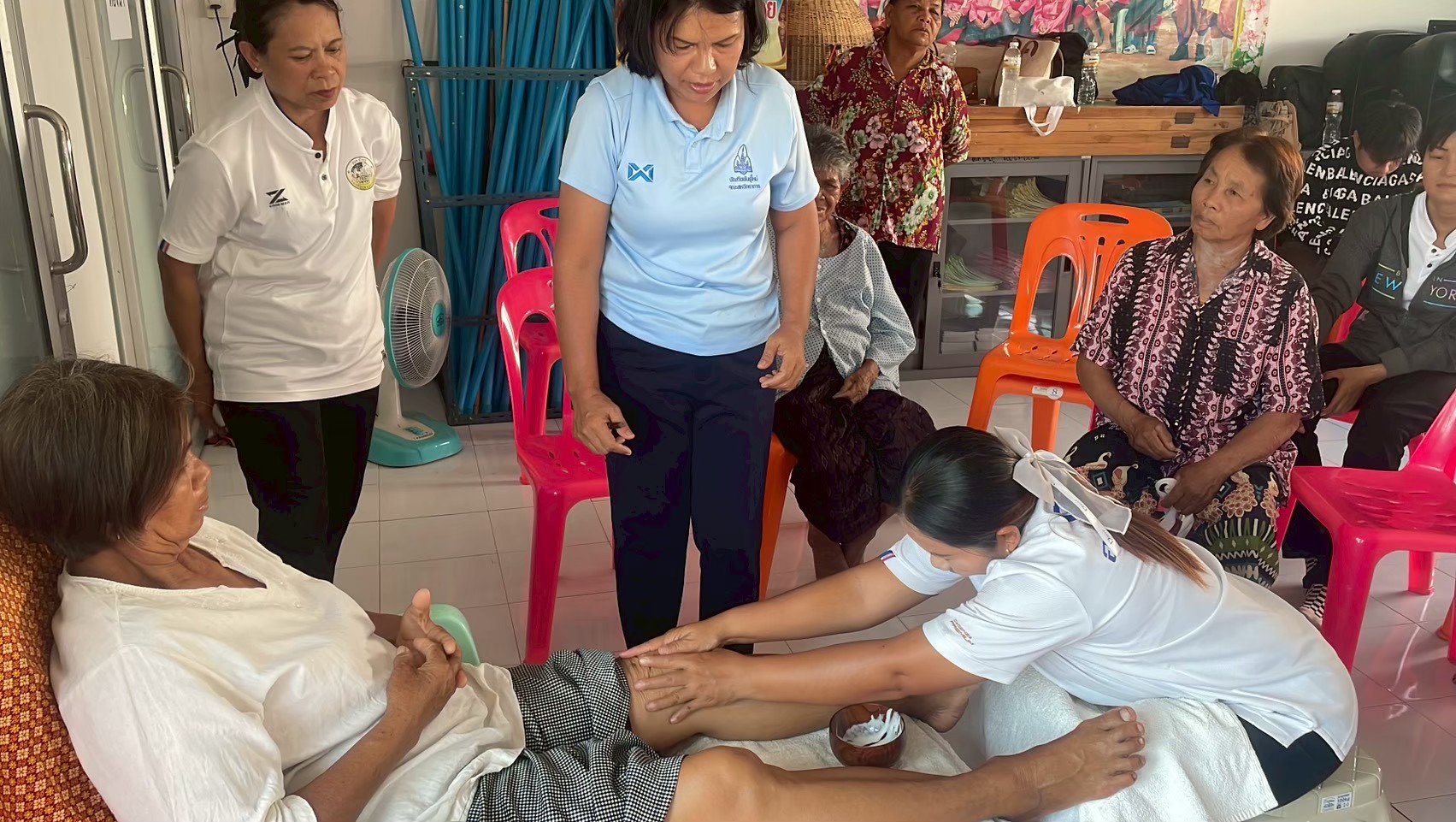
Currently, the Ban Ku community in Ban Ku Subdistrict, Yang Sisurat District, Maha Sarakham Province, is experiencing a continuous increase in its child and elderly populations, rising by 15% from 2021. Preliminary surveys and field observations in the Ban Ku community reveal physical deterioration issues accounting for 80% and psychological issues accounting for 20%. Physically, most elderly residents are beginning to suffer from non-communicable diseases (NCDs) such as hypertension, diabetes, dementia, and musculoskeletal and joint pains, which impair their daily lives. Psychologically, many experience solitude during the daytime as their children work away from home, potentially leading to loneliness, anxiety, or depression. Although some elderly centers or schools have already emerged in traditional localities, a lack of skills in proper modern health self-care (such as nutrition for the elderly or appropriate physical exercise) remains a gap that needs to be filled.
The Faculty of Agricultural Technology at Maha Sarakham Rajabhat University serves as a local university for the community, aligned with its strategy for creative local development engagement. Its objective is to leverage expertise in science, social science, research, innovation, and technology to act as a "mentor" and key "driving mechanism," applying agricultural expertise to elderly healthcare (Agro-Health) through the following activities: Activity 1: Promotion of Nutritional Therapy and Safe Food (Food as Medicine); Activity 2: Horticultural Therapy; and Activity 3: Income Generation and Self-Worth (Social & Economic Value). This aligns with the university's 20-year strategic plan and the 5-year action plan of Maha Sarakham Rajabhat University (2017–2034), specifically Strategic Issue 1 on Local Development, targeting Sustainable Development Goal 3: Ensure healthy lives and promote well-being for all at all ages (Good Health and Well-Being).
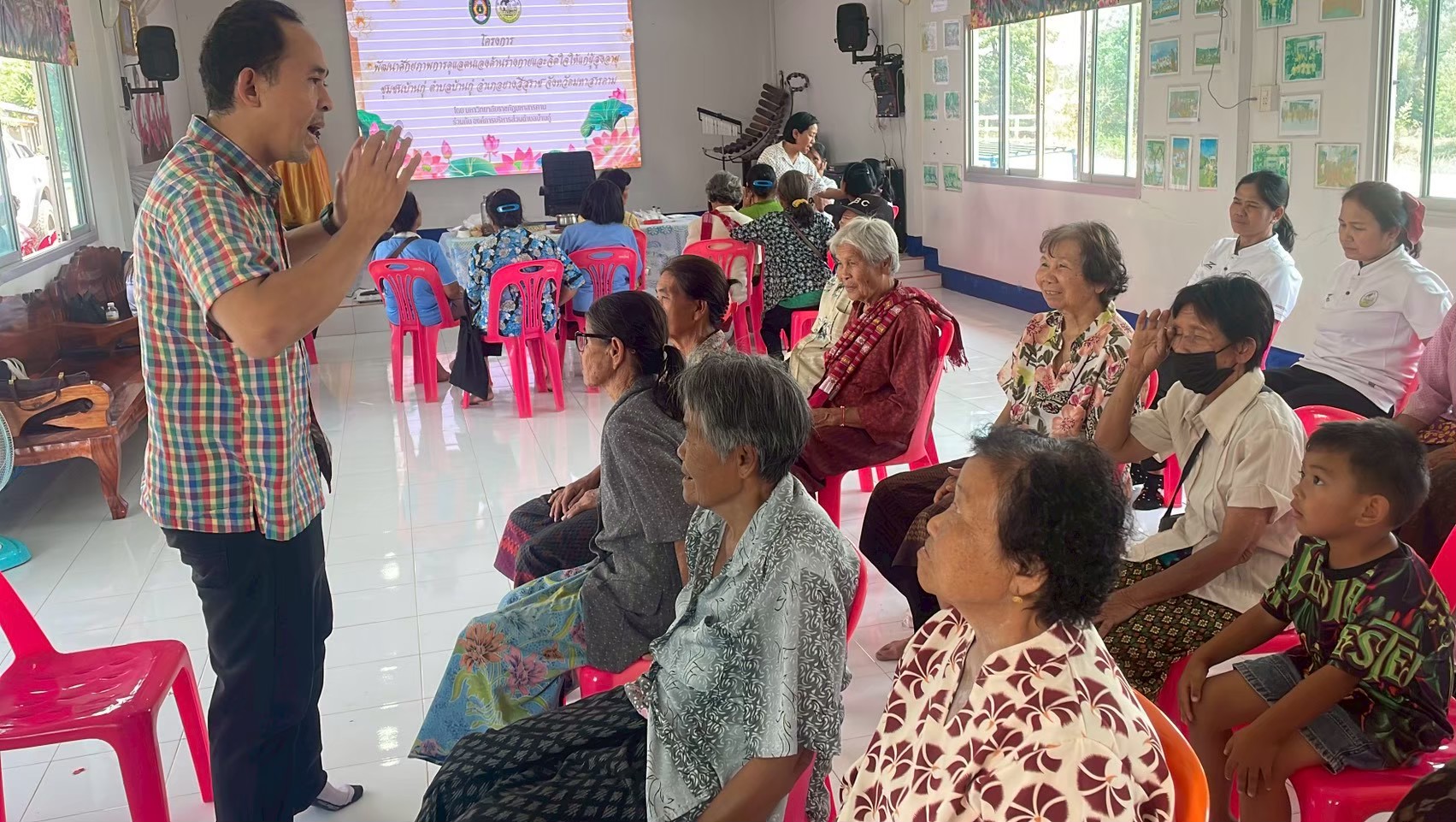
Therefore, the Physical and Mental Self-Care Capacity Development Project for the Elderly in the Ban Ku Community, Ban Ku Subdistrict, Yang Sisurat District, Maha Sarakham Province, comprises three main activities targeting no fewer than 50 elderly participants. The primary aim is to equip the elderly with the knowledge, skills, and positive attitudes necessary for sustainable self-healthcare, fostering "Active Ageing" so they can remain a vital force in preserving the local culture of Yang Sisurat District. Additionally, 10 students developed through the social engineer process will participate in guiding the elderly through the project activities until completion.
ปัจจุบันประเทศไทยได้ก้าวเข้าสู่ "สังคมสูงวัยอย่างสมบูรณ์" (Aged Society) โดยมีสัดส่วนประชากรผู้สูงอายุเพิ่มขึ้นอย่างต่อเนื่อง เช่นเดียวกับบริบทของ ชุมชนบ้านกู่ ตำบลบ้านกู่ อำเภอยางสีสุราช จังหวัดมหาสารคาม ที่พบว่าจำนวนผู้สูงอายุในพื้นที่เริ่มมีสัดส่วนที่สูงขึ้น ซึ่งกลุ่มบุคคลเหล่านี้ถือเป็นทรัพยากรบุคคลที่มีคุณค่า เป็นศูนย์รวมจิตใจและภูมิปัญญาของท้องถิ่น อย่างไรก็ตาม การเปลี่ยนแปลงตามวัยนำมาซึ่งความเสื่อมถอยของสภาพร่างกาย และความเปราะบางทางจิตใจที่อาจเกิดขึ้นจากการขาดการมีส่วนร่วมในสังคมหรือภาวะสุขภาพที่รุมเร้า สภาพปัญหาและความจำเป็น ณ ปัจจุบันนี้ ชุมชนบ้านกู่ ตำบลบ้านกู่ อำเภอยางสีสุราช จังหวัดมหาสารคาม มีจำนวนเด็กและผู้สูงอายุเพิ่มขึ้นเรื่อยๆ จากปี 2564 ถึงร้อยละ 15% จากการสำรวจและสังเกตการณ์เบื้องต้นในพื้นที่ชุมชนบ้านกู่ พบปัญหาด้านความเสื่อมถอยของสภาพร่างกาย ถึงร้อยละ 80 และ ด้านจิตใจ ร้อยละ 20 ด้านร่างกาย ผู้สูงอายุส่วนใหญ่เริ่มประสบปัญหาโรคไม่ติดต่อเรื้อรัง (NCDs) เช่น โรคความดันโลหิตสูง โรคเบาหวาน ความจำเสื่อม และอาการปวดเมื่อยตามกล้ามเนื้อและข้อต่อ ซึ่งส่งผลต่อการดำเนินชีวิตประจำวัน ส่วนด้านจิตใจ ประสบกับสภาวะการอยู่ลำพังในช่วงกลางวันเนื่องจากบุตรหลานไปทำงานต่างถิ่น อาจส่งผลให้เกิดความเหงา ความวิตกกังวล หรือภาวะซึมเศร้าในผู้สูงอายุได้ ถึงแม้ว่าปัจจุบันนี้ มีศูนย์หรือโรงเรียนผู้สูงอายุเกิดขึ้นมาบ้างแล้วก็ตามในท้องถิ่นดั้งเดิม แต่การขาดทักษะในการดูแลตนเองตามหลักสุขาภิบาลสมัยใหม่ที่ถูกต้อง (เช่น โภชนาการสำหรับผู้สูงวัย หรือการออกกำลังกายที่เหมาะสม) ยังเป็นช่องว่างที่ควรได้รับการเติมเต็ม
คณะเทคโนโลยีการเกษตร มหาวิทยาลัยราชภัฏมหาสารคาม เป็นมหาวิทยาลัยท้องถิ่นเพื่อชุมชน โดยมียุทธศาสตร์ของมหาวิทยาลัย ฯ เพื่อพันธกิจสัมพันธ์เพื่อการพัฒนาท้องถิ่นอย่างสร้างสรรค์ มีวัตถุประสงค์เพื่อนำองค์ความรู้ด้านวิทยาศาสตร์ สังคมศาสตร์ วิจัย นวัตกรรมและเทคโนโลยี เข้ามาเป็น "พี่เลี้ยง" และ "กลไกขับเคลื่อน" สำคัญ โดยใช้เชี่ยวชาญด้านการเกษตรมาประยุกต์เข้ากับการดูแลสุขภาพผู้สูงอายุ (Agro-Health) ดังกิจกรรมต่อไปนี้
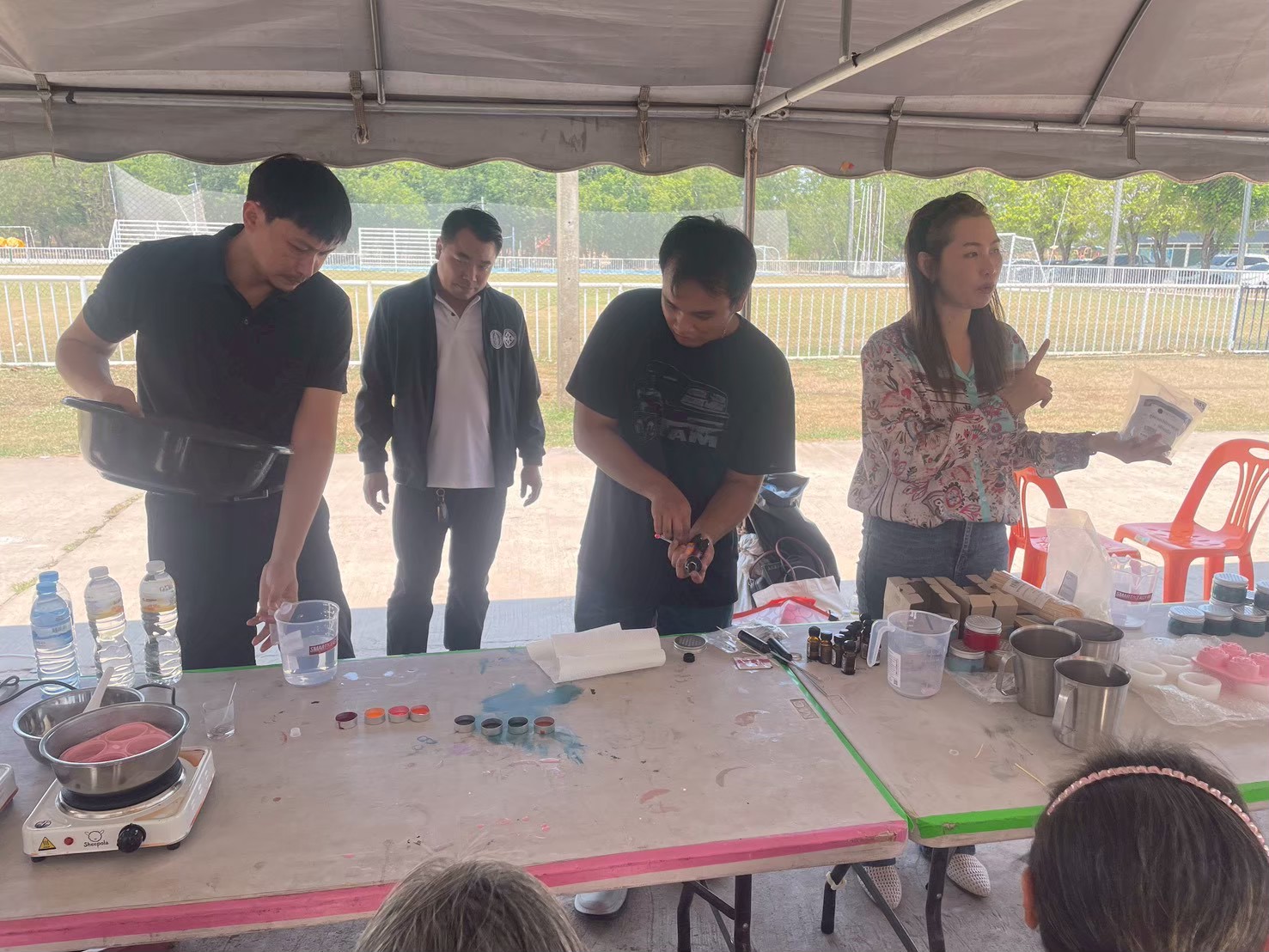
กิจกรรมที่ 1 การส่งเสริมโภชนบำบัดและอาหารปลอดภัย (Food as Medicine) กิจกรรมที่ 2 เกษตรบำบัด(Horticultural Therapy) และกิจกรรมที่ 3 การเพิ่มรายได้และคุณค่าในตนเอง (Social & Economic Value)
ซึ่งสอดคล้องกับแผนยุทธศาสตร์มหาวิทยาลัยราชภัฏ ระยะ 20 ปี จนมาถึงแผนปฏิบัติราชการระยะ 5 ปี มหาวิทยาลัยราชภัฏมหาสารคาม (พ.ศ. 2560-2579) ดังประเด็นยุทธศาสตร์ที่ 1 การพัฒนาท้องถิ่น โดยมีเป้าหมายการพัฒนาที่ยั่งยืน คือ เป้าหมายที่ 3 สร้างหลักประกันว่าคนมีชีวิตที่มีสุขภาพดีและส่งเสริมสวัสดิภาพสำหรับทุกคนในทุกวัย (Good Health and Well Being)
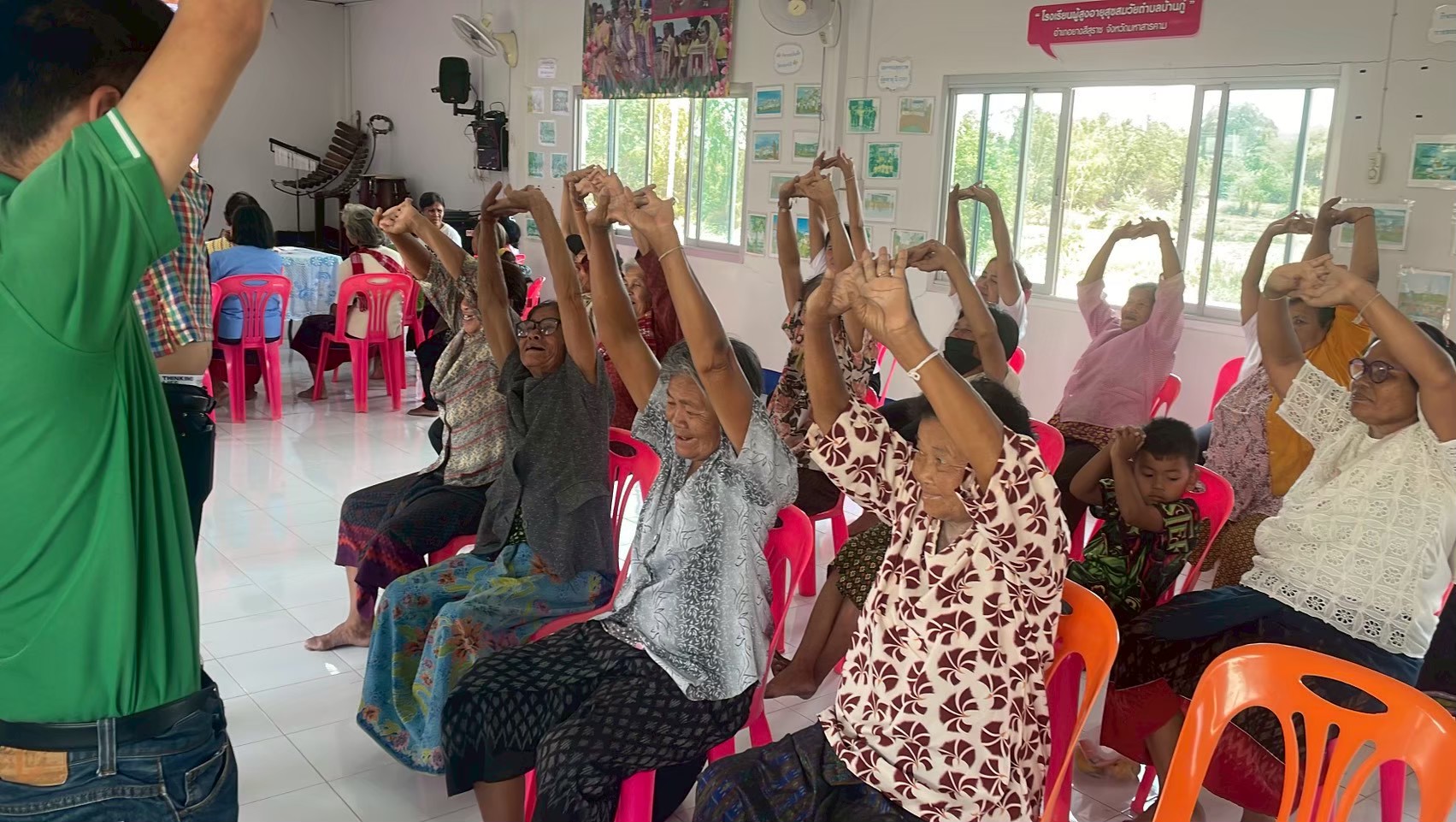
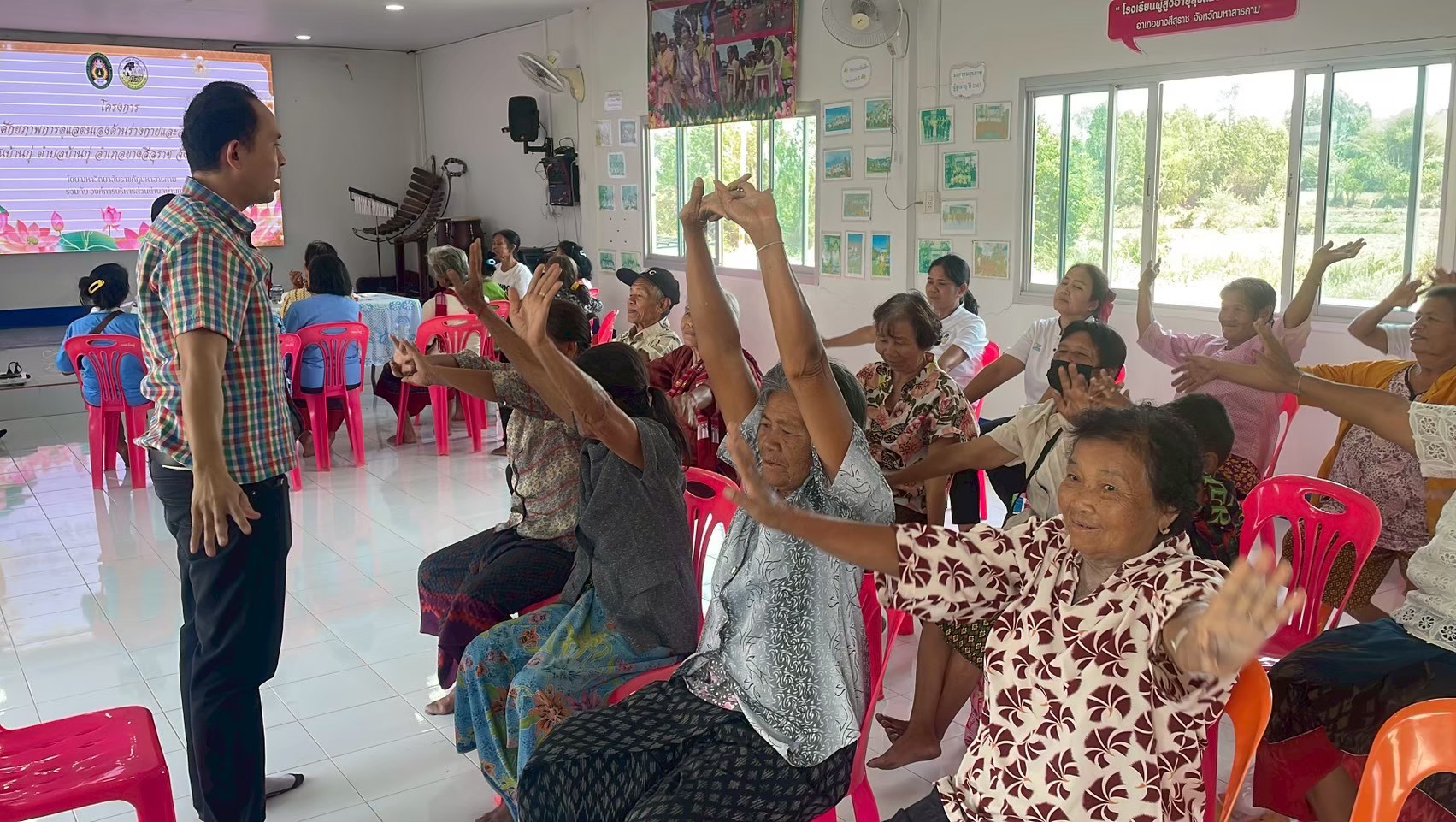
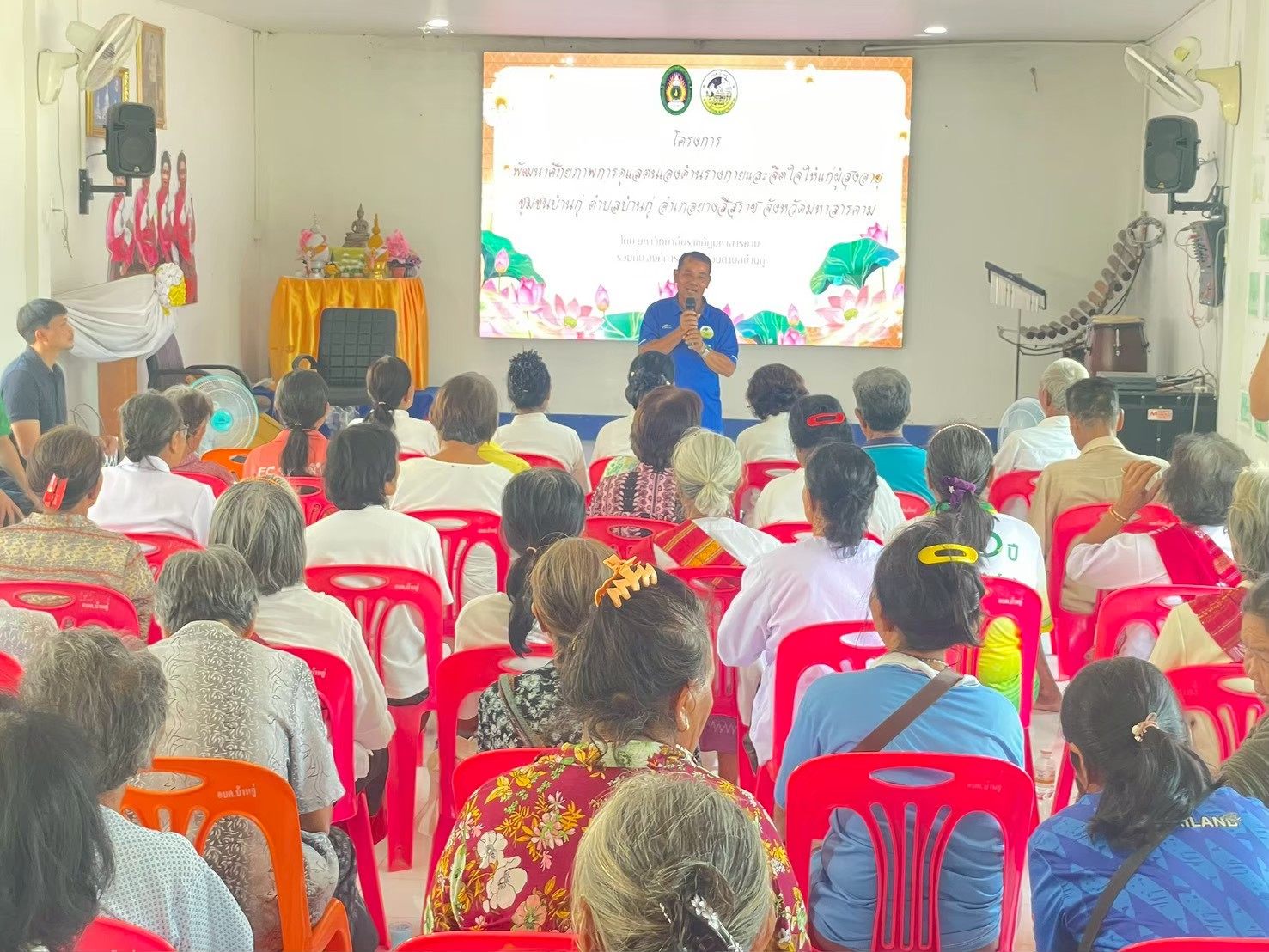
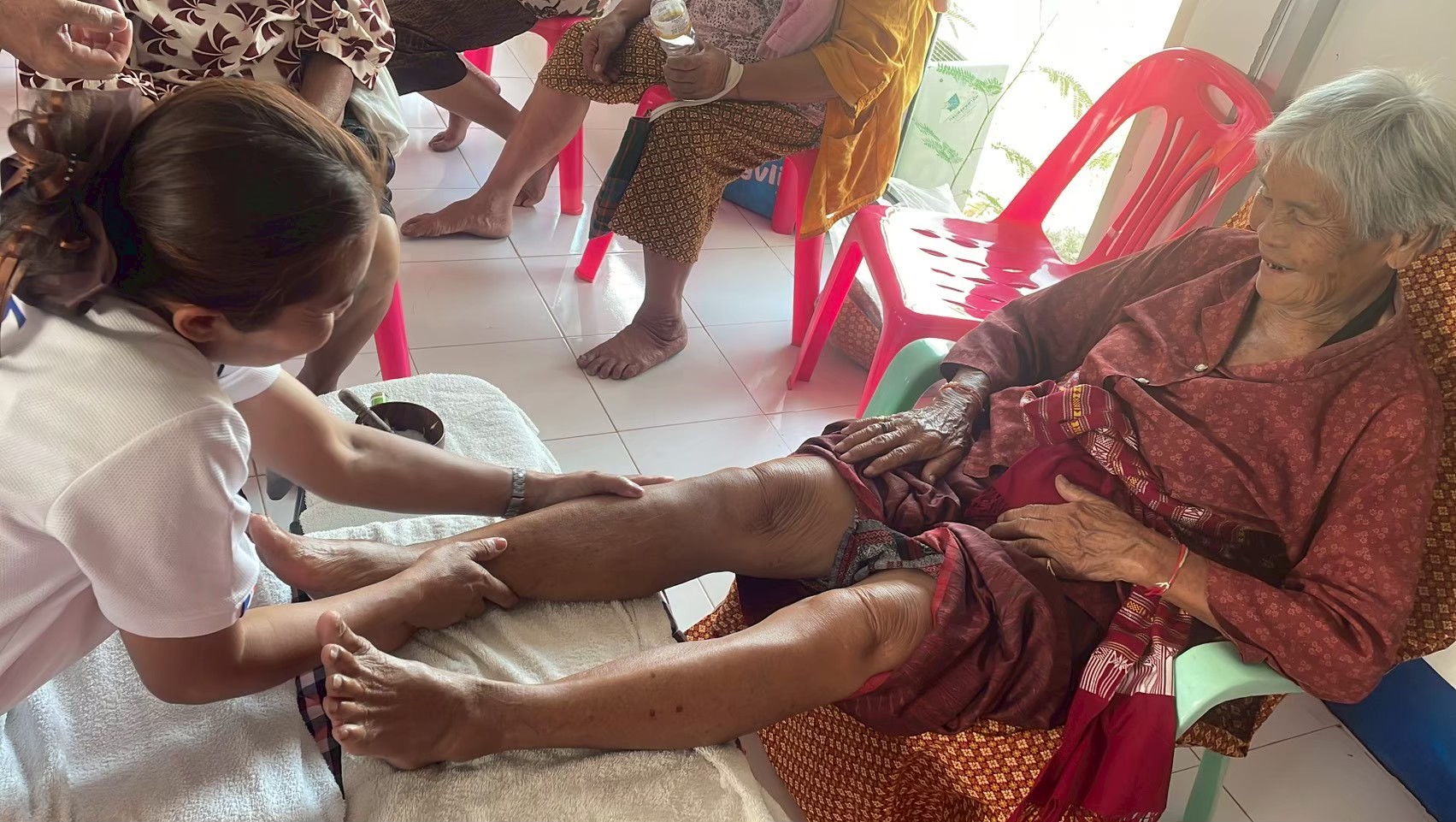
ดังนั้นโครงการพัฒนาศักยภาพการดูแลตนเองด้านร่างกายและจิตใจให้แก่ผู้สูงอายุ ชุมชนบ้านกู่ ต.บ้านกู่
อ.ยางสีสุราช จ.มหาสารคาม จะประกอบไปด้วยกิจกรรมหลักๆ 3 กิจกรรม โดยเน้นกลุ่มเป้าหมายผู้สูงอายุ จำนวน ไม่น้อยกว่า 50 คน หลักๆ เพื่อมุ่งเน้นให้ผู้สูงอายุมีความรู้ มีทักษะ และมีทัศนคติที่ดีต่อการดูแลสุขภาพของตนเองอย่างยั่งยืน นำไปสู่การเป็น "ผู้สูงอายุที่มีคุณภาพ" (Active Ageing) และเป็นพลังสำคัญในการสืบสานวัฒนธรรมท้องถิ่นของอำเภอยางสีสุราชสืบไป พร้อมทั้งนำจำนวนนักศึกษา 10 คน ในโครงการ ฯ ที่ได้รับการพัฒนาด้วยกระบวนการวิศวกรสังคม เข้าร่วมในการพาผู้สูงอายุประกอบกิจกรรมจนเสร็จโครงการ ฯ
Main Activities กิจกรรมหลัก
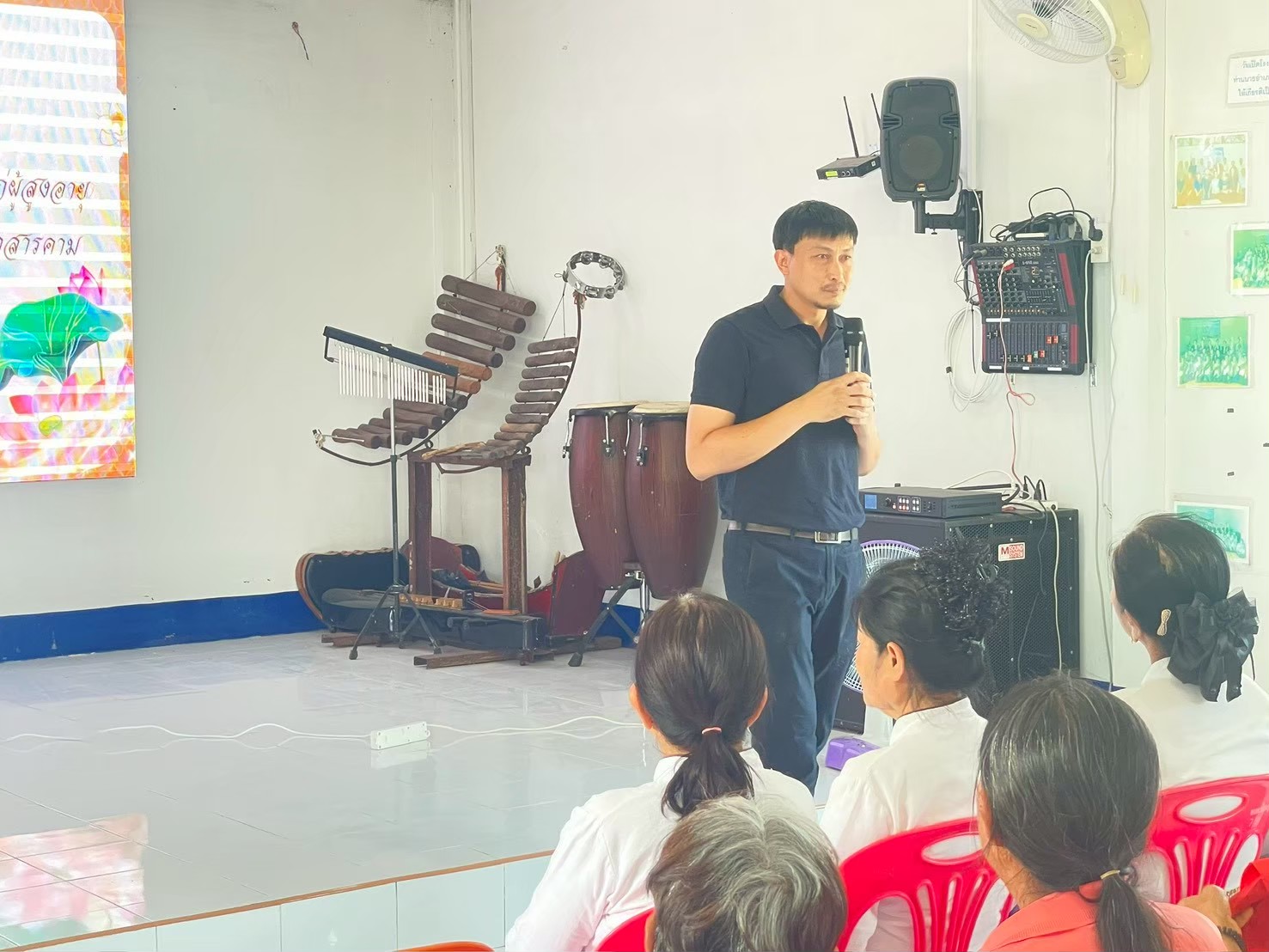
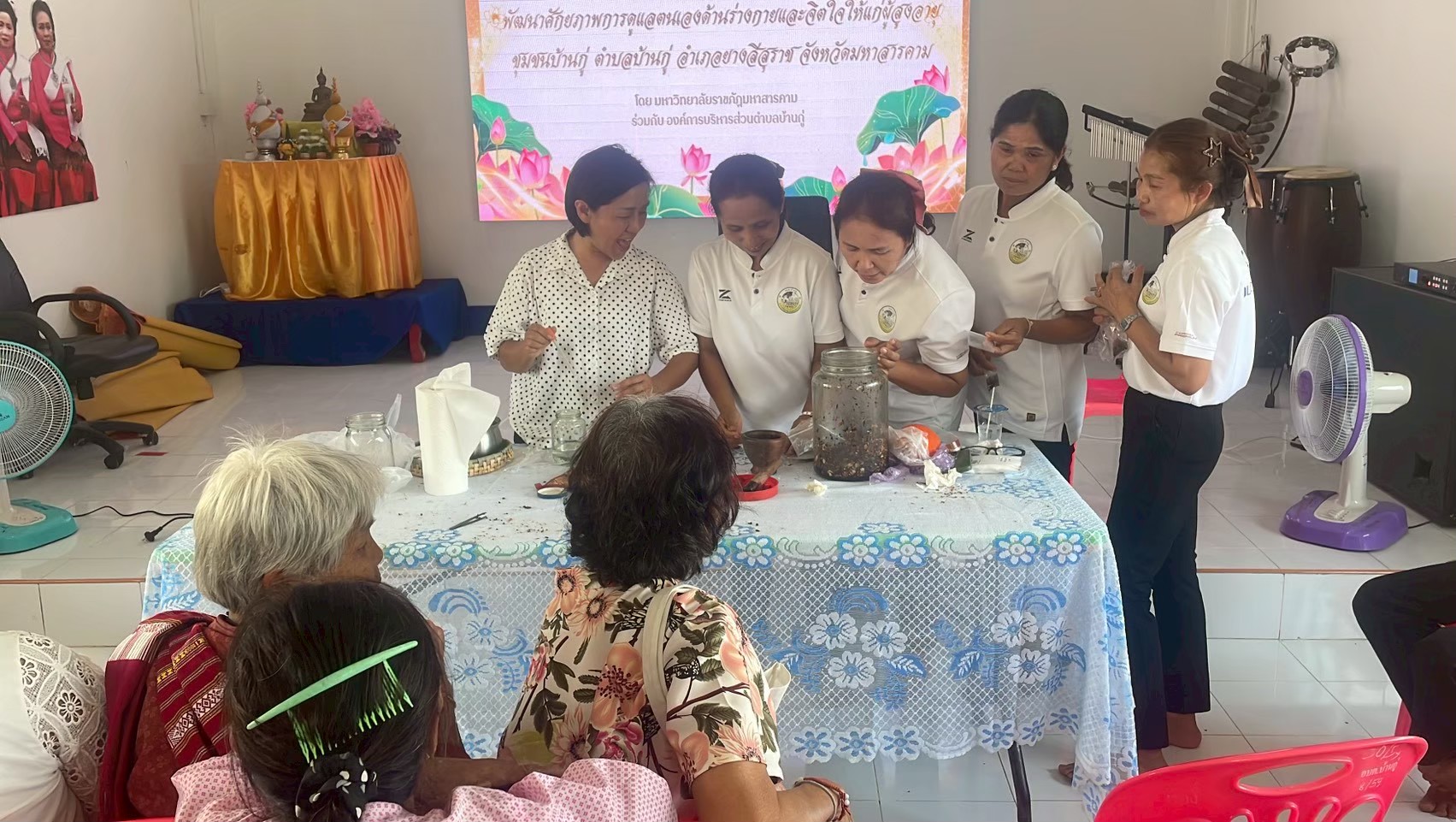
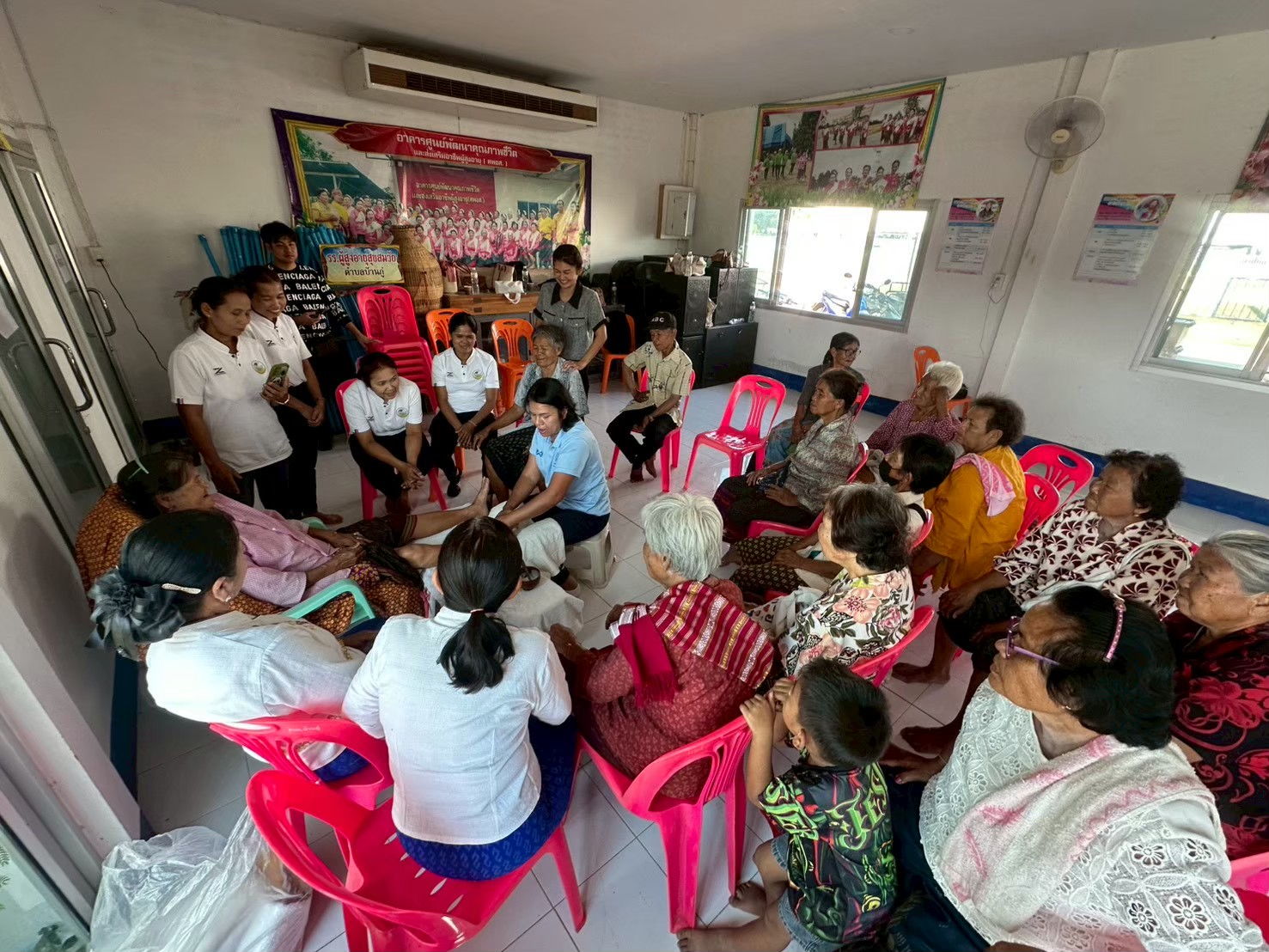
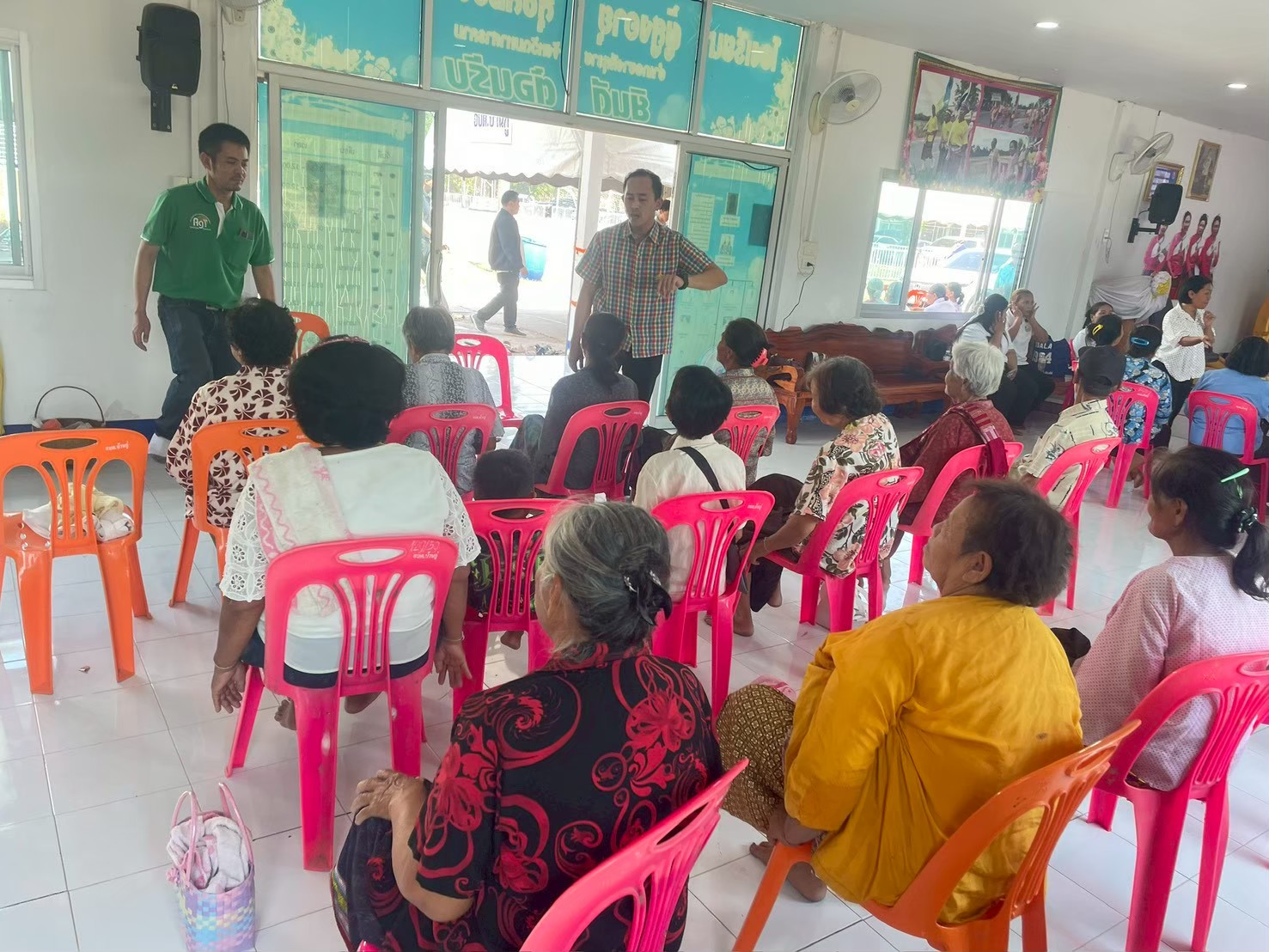
Activity 1: Workshop on the Promotion of Nutritional Therapy and Safe Food (Food as Medicine)
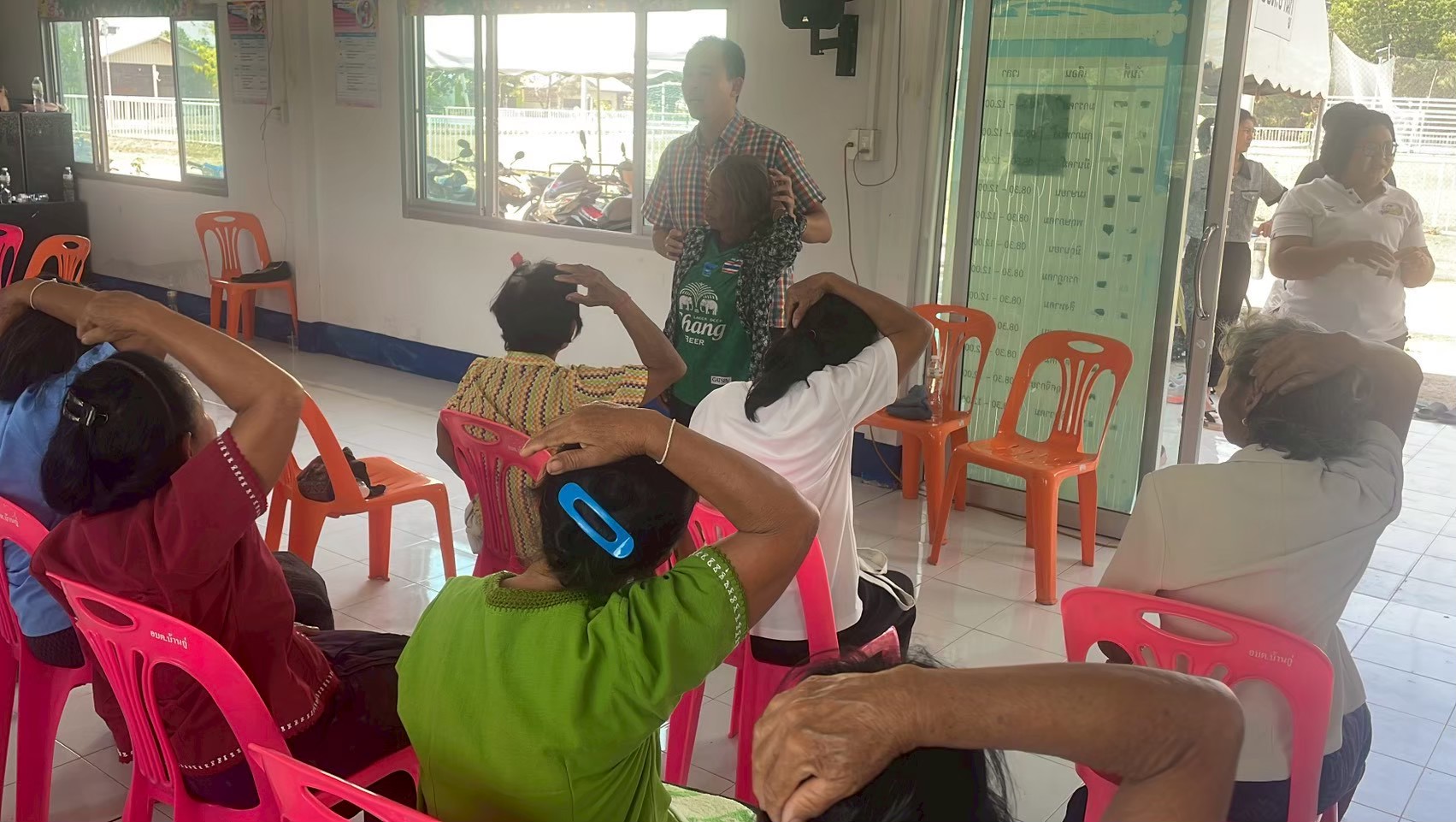
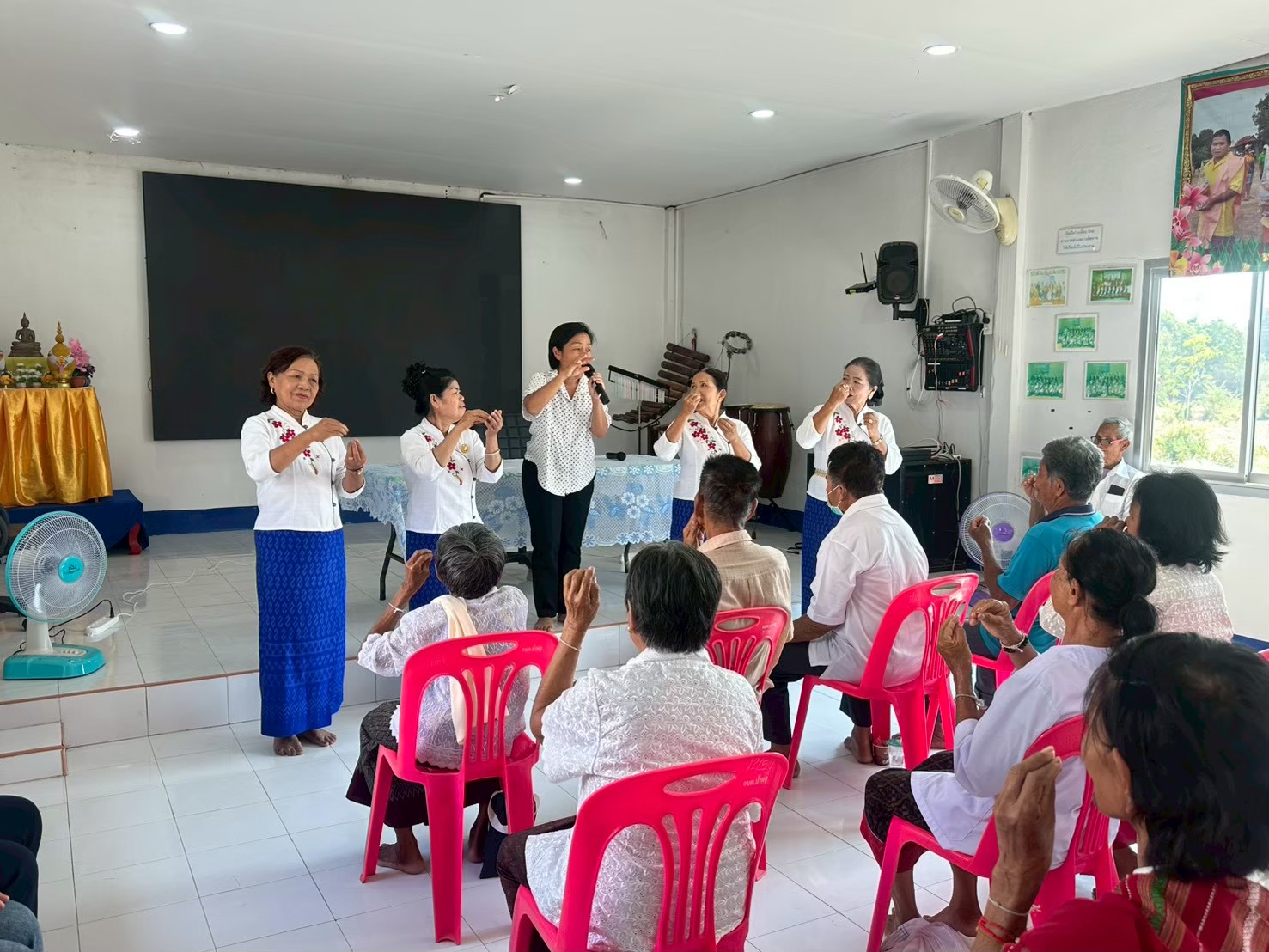
Activity 2: Workshop on Horticultural Therapy
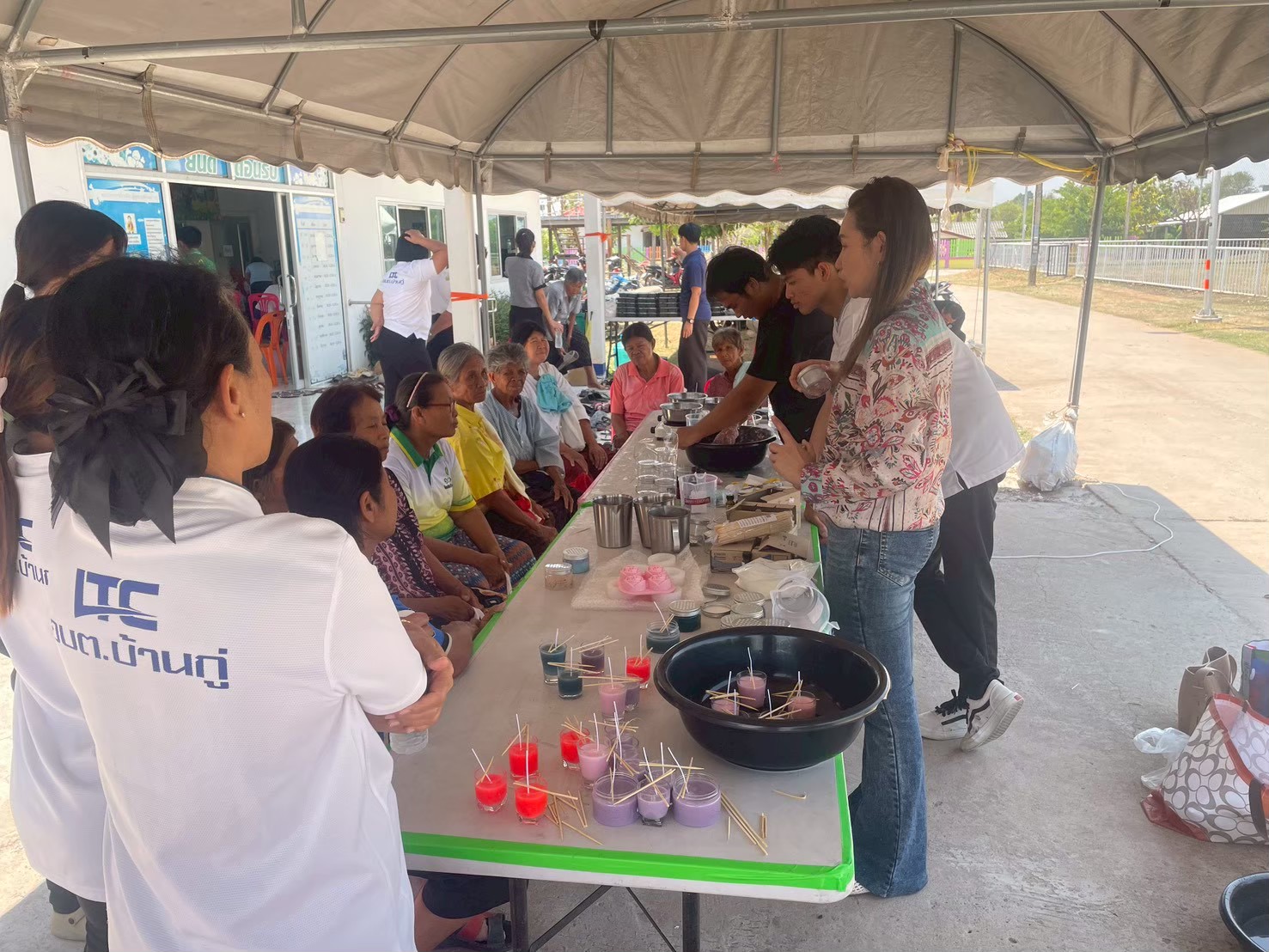
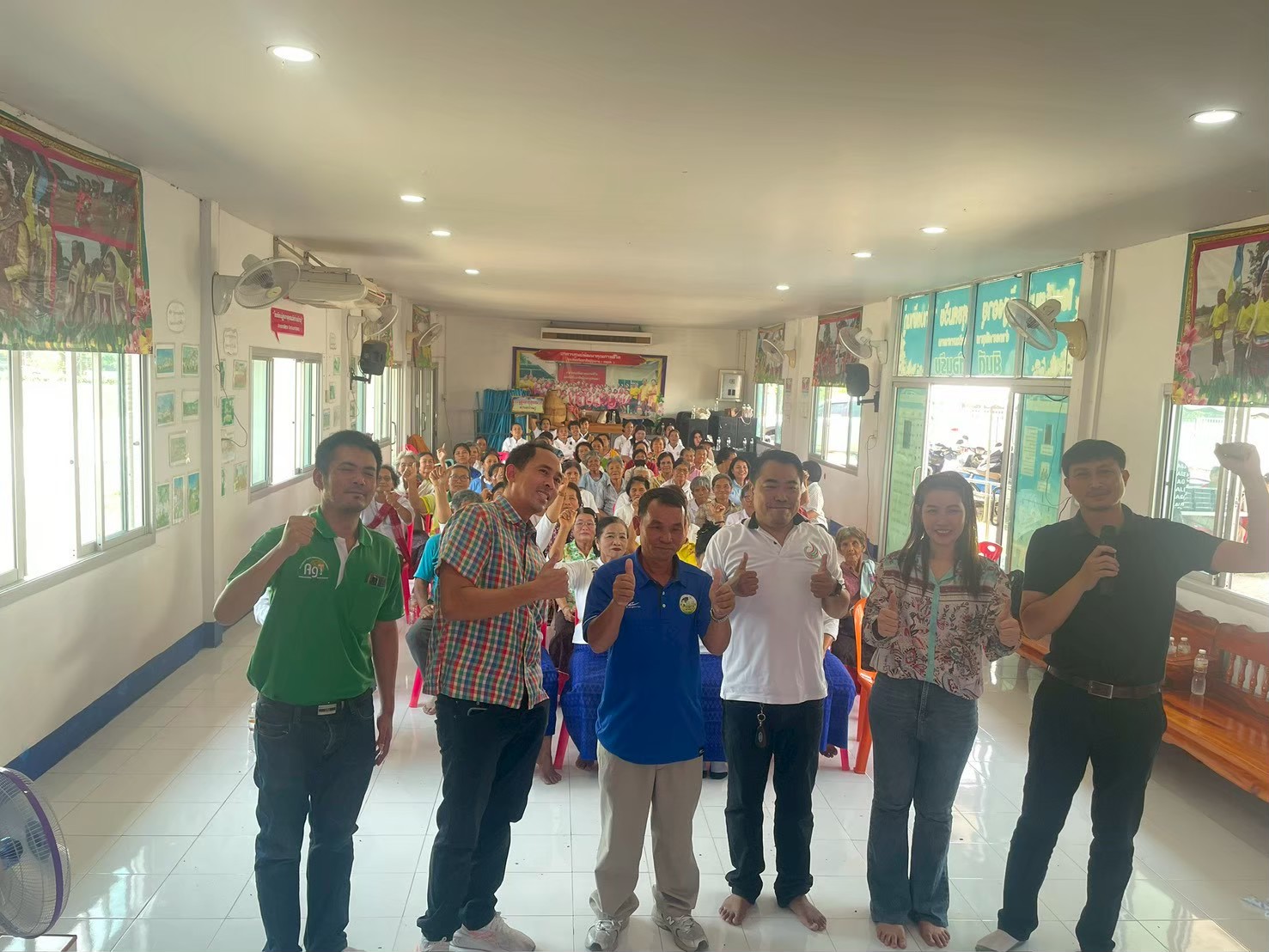
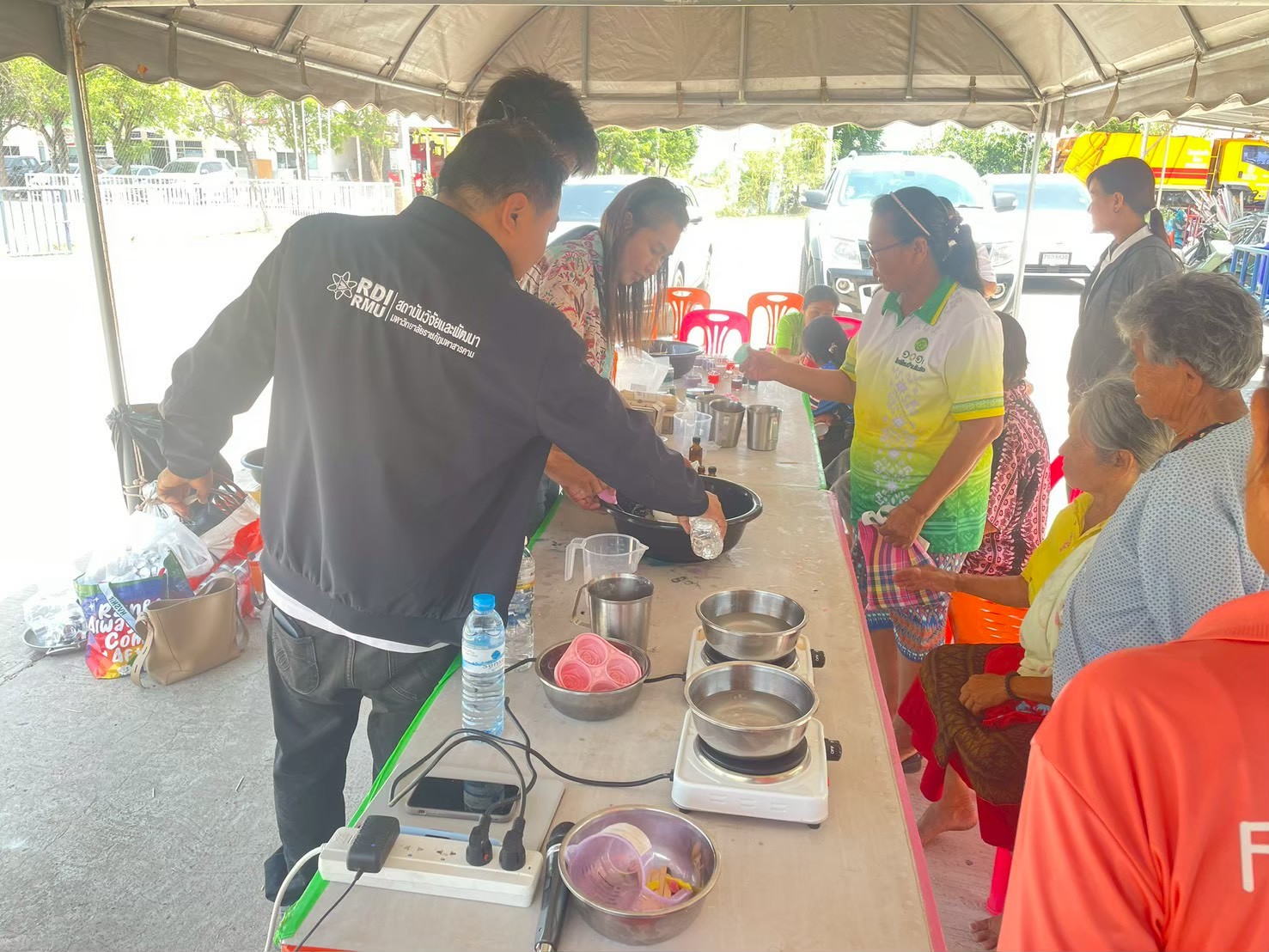
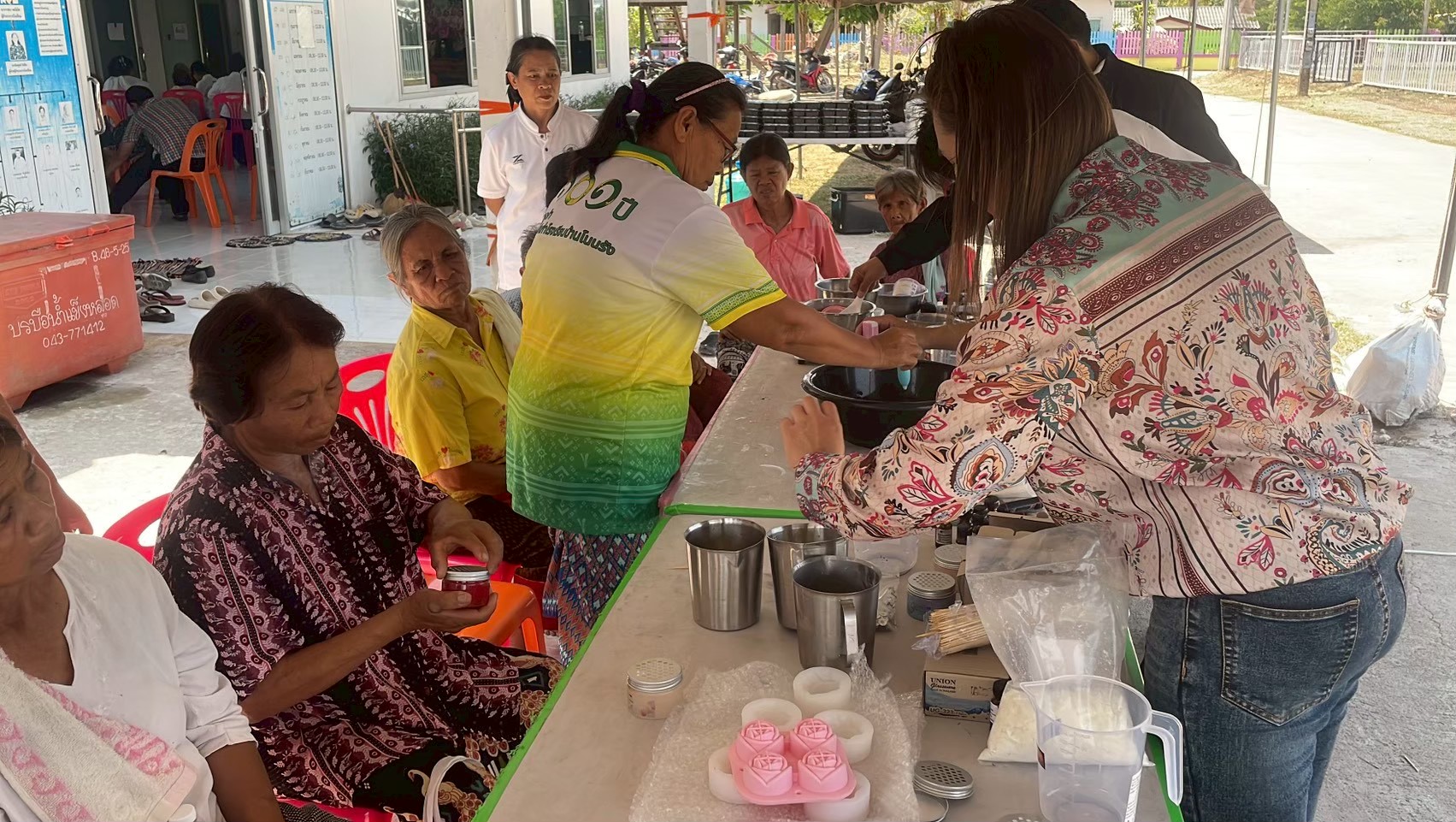
Activity 3: Workshop on Income Generation and Self-Worth (Social & Economic Value)
กิจกรรมที่ 1 อบรมเชิงปฏิบัติการการส่งเสริมโภชนบำบัดและอาหารปลอดภัย (Food as Medicine)
กิจกรรมที่ 2 อบรมเชิงปฏิบัติการเกษตรบำบัด (Horticultural Therapy)
กิจกรรมที่ 3 อบรมเชิงปฏิบัติการการเพิ่มรายได้และคุณค่าในตนเอง (Social & Economic Value)
Part 2: Outcomes & Impact ส่วนที่ 2 ผลลัพธ์และผลกระทบ
Outcomes ผลลัพธ์ที่เกิดขึ้น
At least 50 elderly residents in the Ban Ku community will gain knowledge, skills, and positive attitudes toward self-care for both physical and mental health. They will be able to apply nutritional therapy, appropriate physical exercises, and emotional self-management. Participants will show improved physical and mental health indicators and actively engage in self-worth-building activities throughout the project. ผู้สูงอายุในชุมชนบ้านกู่จำนวนไม่น้อยกว่า 50 คน มีความรู้ความเข้าใจ ทักษะ และทัศนคติที่ดีต่อการดูแลสุขภาพตนเองทั้งด้านร่างกายและจิตใจ สามารถปฏิบัติโภชนบำบัด การออกกำลังกายที่เหมาะสม และการจัดการอารมณ์ตนเองได้ ผู้เข้าร่วมโครงการมีดัชนีสุขภาพกายและจิตใจที่ดีขึ้น พร้อมทั้งมีส่วนร่วมในกิจกรรมสร้างคุณค่าในตนเองจนครบถ้วนตามกระบวนการของโครงการ
Community & Social Impact ผลกระทบต่อชุมชน/สังคม
The quality of life for the elderly in the Ban Ku community will be elevated, reducing psychological vulnerability and the risk of non-communicable diseases (NCDs). The community will become more proactive, establishing concrete elder-care networks by integrating local wisdom with the Agro-Health concept to drive the community toward becoming an "Active Ageing" society. เกิดการยกระดับคุณภาพชีวิตของผู้สูงอายุในชุมชนบ้านกู่ ลดภาวะความเปราะบางทางจิตใจและความเสี่ยงจากโรคไม่ติดต่อเรื้อรัง (NCDs) ชุมชนมีความตื่นตัวและมีเครือข่ายในการดูแลผู้สูงอายุอย่างเป็นรูปธรรม โดยผสานภูมิปัญญาชาวบ้านเข้ากับแนวคิดเกษตรสุขภาพ (Agro-Health) เพื่อขับเคลื่อนชุมชนสู่การเป็น "สังคมผู้สูงอายุที่มีคุณภาพ" (Active Ageing)
Student & Staff Participation การมีส่วนร่วมของนักศึกษา/บุคลากร
Students trained through the social engineer process will practically apply critical thinking, fieldwork, and community communication skills to drive the project. They will be supported by five university staff members who act as mentors, providing academic guidance and operational support until the goals are achieved. นักศึกษาจำนวน 10 คน ที่ผ่านกระบวนการวิศวกรสังคม ได้นำทักษะกระบวนการคิดวิเคราะห์ การลงพื้นที่ และการสื่อสารกับชุมชนมาประยุกต์ใช้จริงในการทำหน้าที่ขับเคลื่อนโครงการ ร่วมกับบุคลากรภายในมหาวิทยาลัยจำนวน 5 คน ที่ทำหน้าที่เป็นพี่เลี้ยงให้คำปรึกษาทางวิชาการและสนับสนุนการดำเนินงานจนบรรลุเป้าหมาย
Project Continuity ความต่อเนื่องของโครงการ
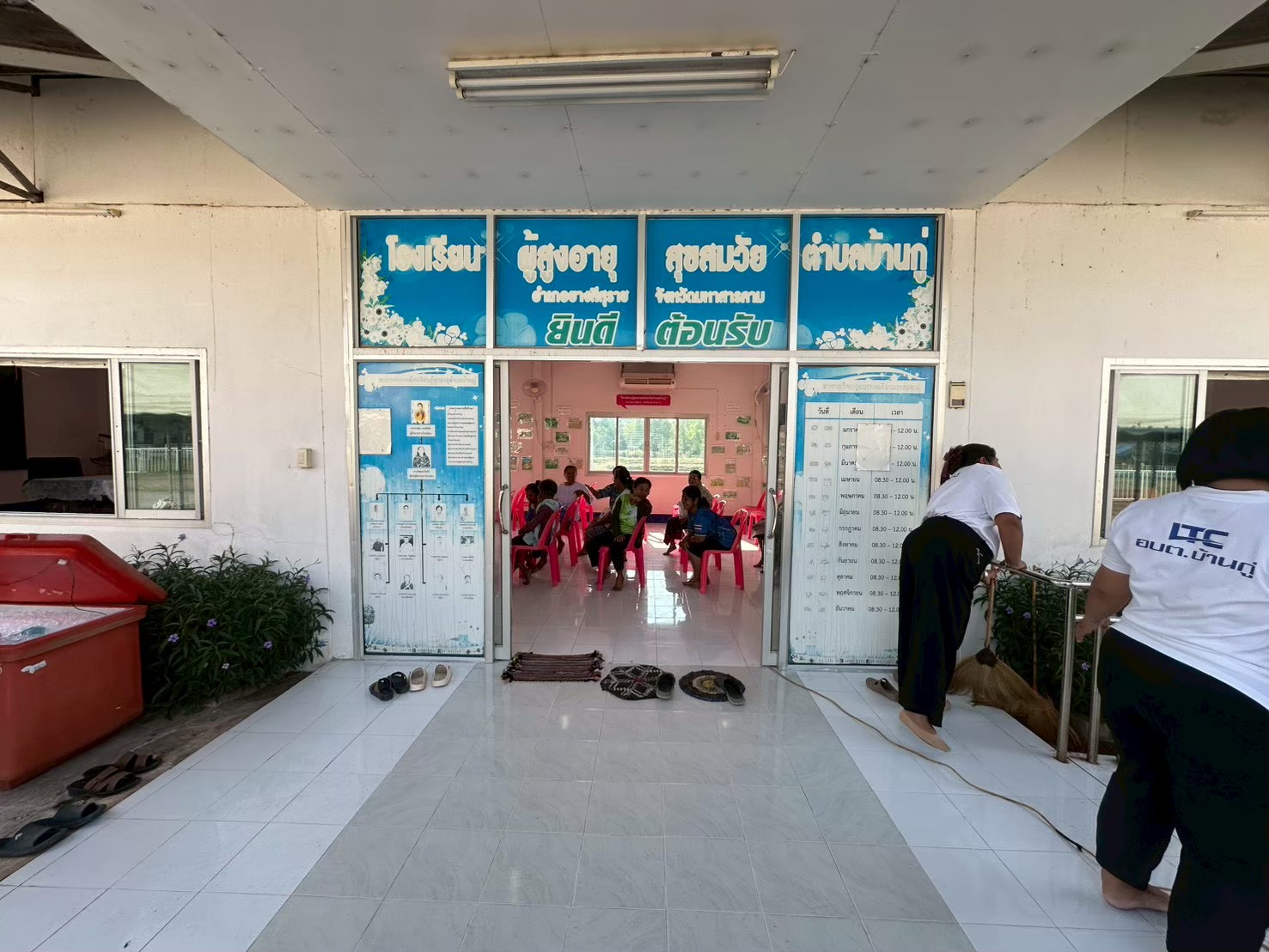
A local self-reliant elderly care mechanism will be established by transferring knowledge and activities to the Ban Ku Sub-district Administrative Organization's Elderly School and community leader networks, enabling them to sustainably continue the initiatives on their own after the project concludes. มีการสร้างกลไกการดูแลผู้สูงอายุพึ่งพาตนเองในระดับท้องถิ่น โดยถ่ายทอดองค์ความรู้และกิจกรรมให้โรงเรียนผู้สูงอายุ องค์การบริหารส่วนตำบลบ้านกู่ และเครือข่ายผู้นำชุมชนสามารถนำไปต่อยอดและดำเนินกิจกรรมอย่างต่อเนื่องได้ด้วยตนเองภายหลังสิ้นสุดโครงการ
Part 3: Challenges & Suggestions ส่วนที่ 3 ปัญหาอุปสรรค/ข้อเสนอแนะ
Problems & Obstacles ปัญหา/อุปสรรค
Physical limitations or chronic health issues among some elderly participants may cause delays or inconsistencies in joining certain activities. Additionally, seasonal weather changes during summer or the rainy season could impact travel to the activities at the elderly school. สภาพร่างกายของผู้สูงอายุที่มีข้อจำกัดด้านการเคลื่อนไหวหรือปัญหาสุขภาพเรื้อรัง อาจทำให้การเข้าร่วมกิจกรรมบางประเภทมีความล่าช้าหรือไม่ต่อเนื่อง นอกจากนี้ สภาพอากาศที่เปลี่ยนแปลงในช่วงฤดูร้อนหรือฤดูฝนอาจส่งผลกระทบต่อการเดินทางมาร่วมกิจกรรม ณ โรงเรียนผู้สูงอายุ
Improvement Guidelines แนวทางการปรับปรุง
Design flexible activities and training sessions, adapting exercises or practices to suit the physical condition of each elderly individual. Prepare alternative plans for venues and transportation, or organize home-visit activities for those who face travel difficulties. ออกแบบกิจกรรมและการฝึกอบรมให้มีความยืดหยุ่น ปรับท่าทางหรือรูปแบบการปฏิบัติให้สอดคล้องกับสภาพร่างกายของผู้สูงอายุแต่ละราย พร้อมทั้งจัดทำแผนสำรองด้านสถานที่และการเดินทาง หรือจัดกิจกรรมในลักษณะลงพื้นที่เยี่ยมบ้าน (Home Visit) สำหรับผู้สูงอายุที่ไม่สะดวกเดินทาง
Suggestions to University ข้อเสนอแนะต่อมหาวิทยาลัย
he university should support budgets and resources as a multi-year project to enable long-term impact assessments and expand Agro-Health knowledge to neighboring sub-districts with similar contexts. มหาวิทยาลัยควรสนับสนุนงบประมาณและทรัพยากรในลักษณะโครงการต่อเนื่อง (Multi-year project) เพื่อให้เกิดการติดตามผลระยะยาว (Long-term Impact Assessment) และขยายผลองค์ความรู้ด้าน Agro-Health ไปสู่พื้นที่ตำบลใกล้เคียงที่มีบริบทคล้ายคลึงกัน