– May 10, 2026 7 พฤษภาคม 2569
– 10 พฤษภาคม 2569
Part 1: Project Details ส่วนที่ 1 รายละเอียดการดำเนินงาน
Objectives วัตถุประสงค์โครงการ
1. To promote and preserve local wisdom by transforming it into contemporary products that reflect cultural identity and community heritage.
2. To develop value-added products that are marketable through both physical retail outlets and online sales channels.
3. To create learning opportunities for youth and community members in product design, production, and marketing skills.
1. เพื่อส่งเสริมและอนุรักษ์ภูมิปัญญาท้องถิ่นให้คงอยู่ในรูปแบบผลิตภัณฑ์ร่วมสมัย
2. เพื่อพัฒนาผลิตภัณฑ์ที่มีมูลค่าเพิ่มและสามารถจำหน่ายได้ทั้งในร้านค้าและช่องทางออนไลน์
3. เพื่อสร้างโอกาสในการเรียนรู้ด้านการออกแบบ ผลิต และทำการตลาดแก่เยาวชนและคนในชุมชน
Main Activities กิจกรรมหลัก
Program P2: Promoting Quality of Life and Local Wisdom for Area-Based Stability and Sustainability
Sub-Program P2.2: Well-being
กิจกรรมหลัก P2: ส่งเสริมคุณภาพชีวิตและภูมิปัญญาท้องถิ่นเพื่อความมั่นคงและยั่งยืนเชิงพื้นที่
กิจกรรมย่อย P2.2: Well-being
Part 2: Outcomes & Impact ส่วนที่ 2 ผลลัพธ์และผลกระทบ
Outcomes ผลลัพธ์ที่เกิดขึ้น
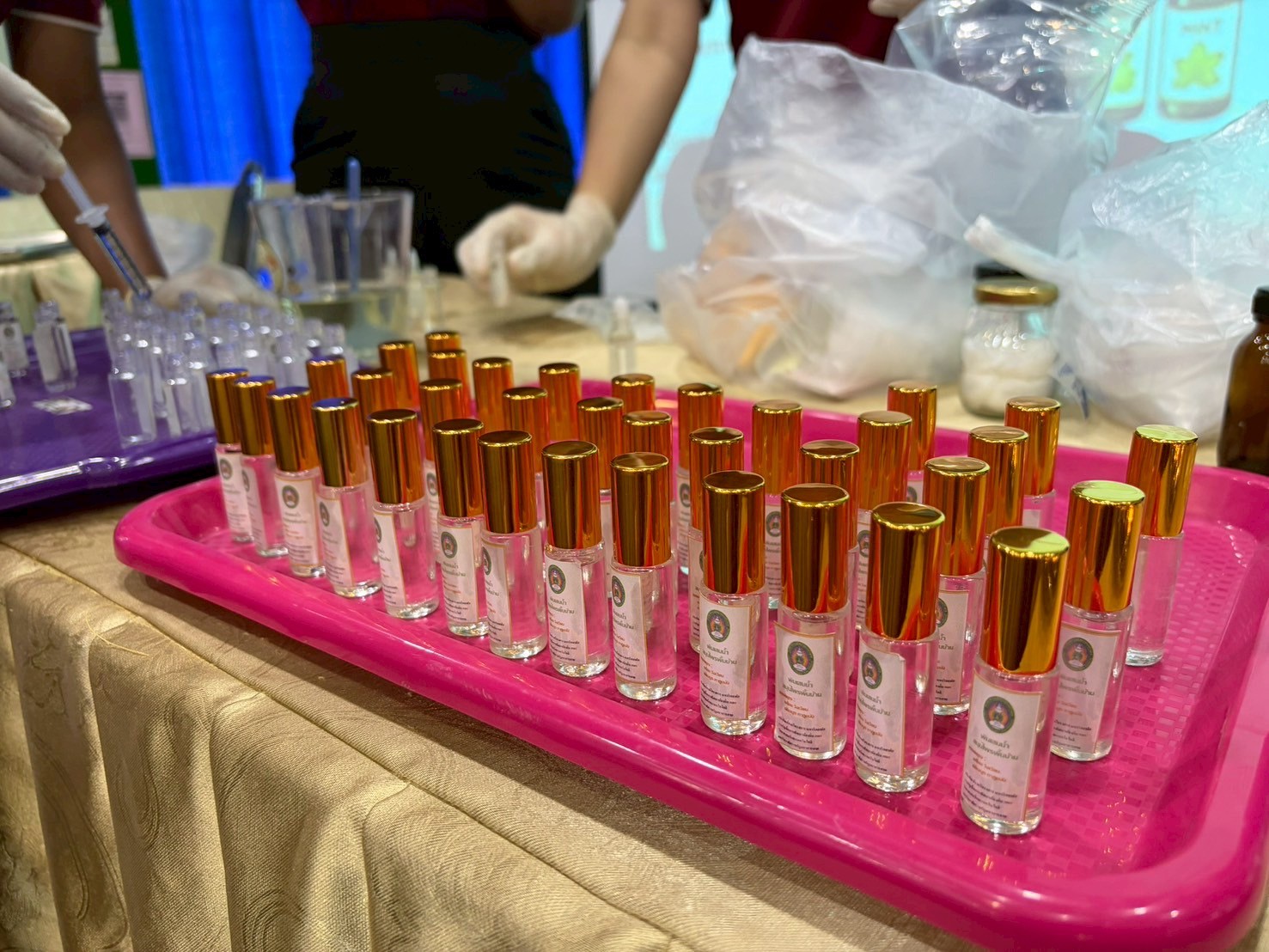
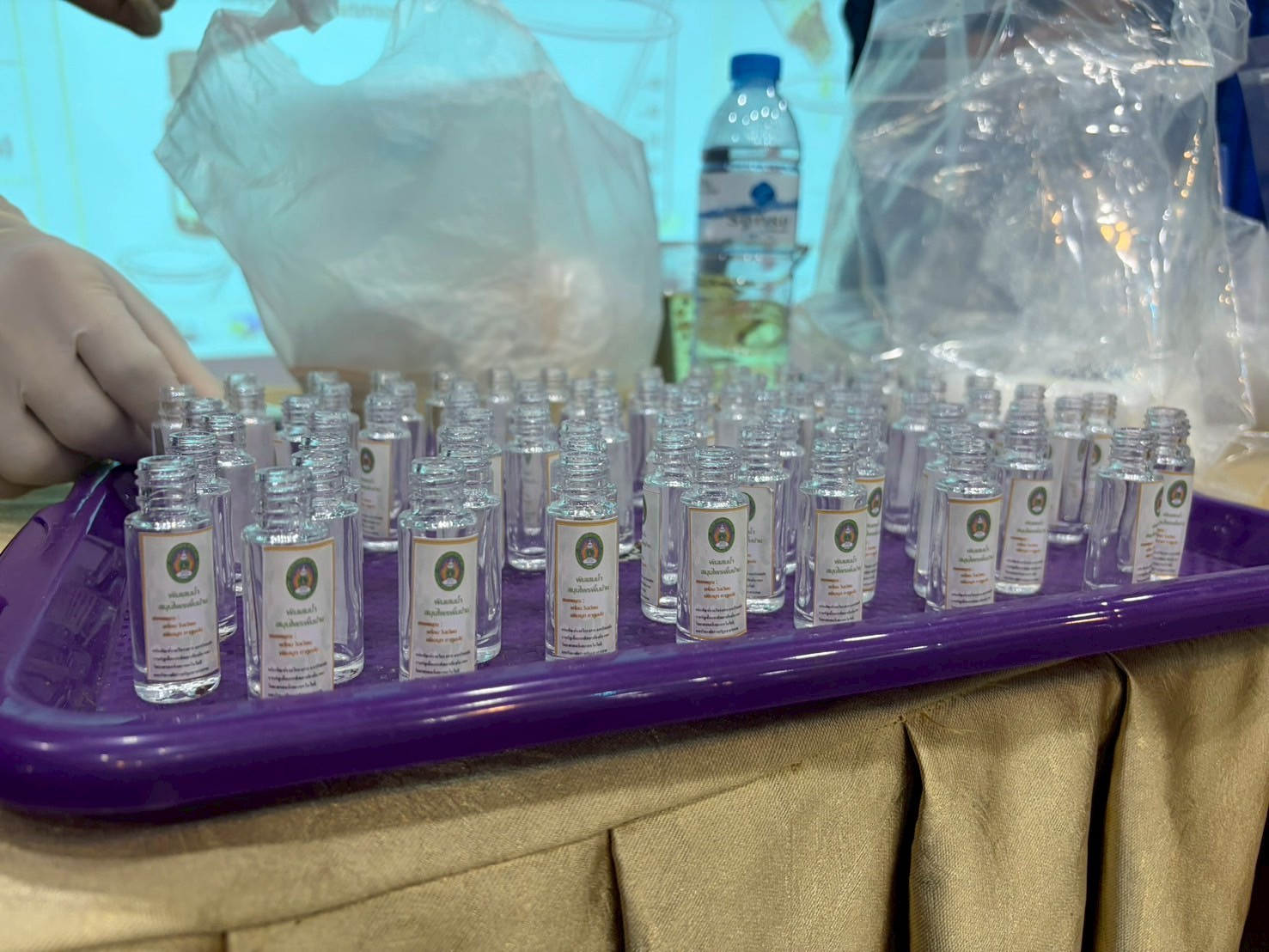
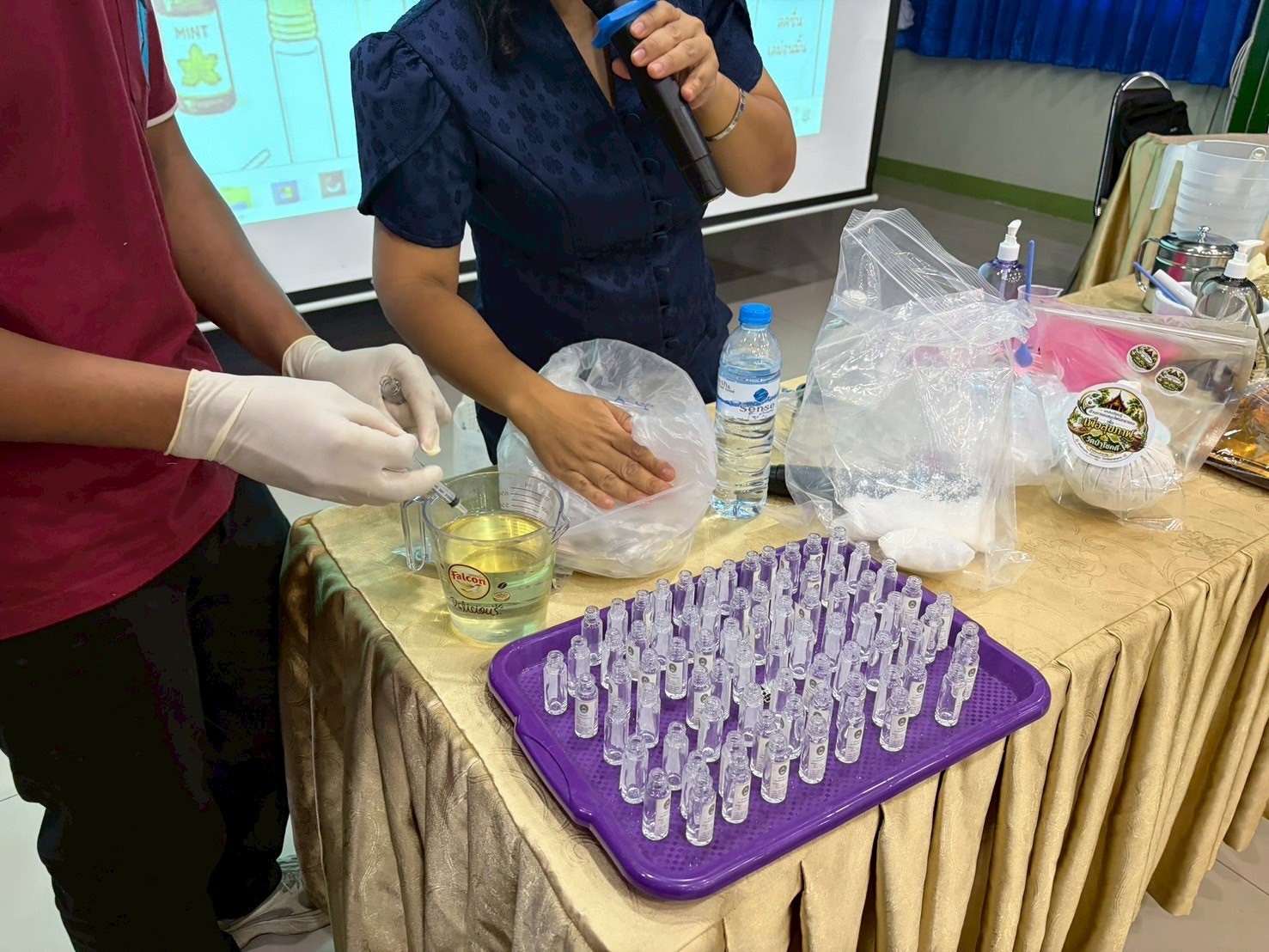
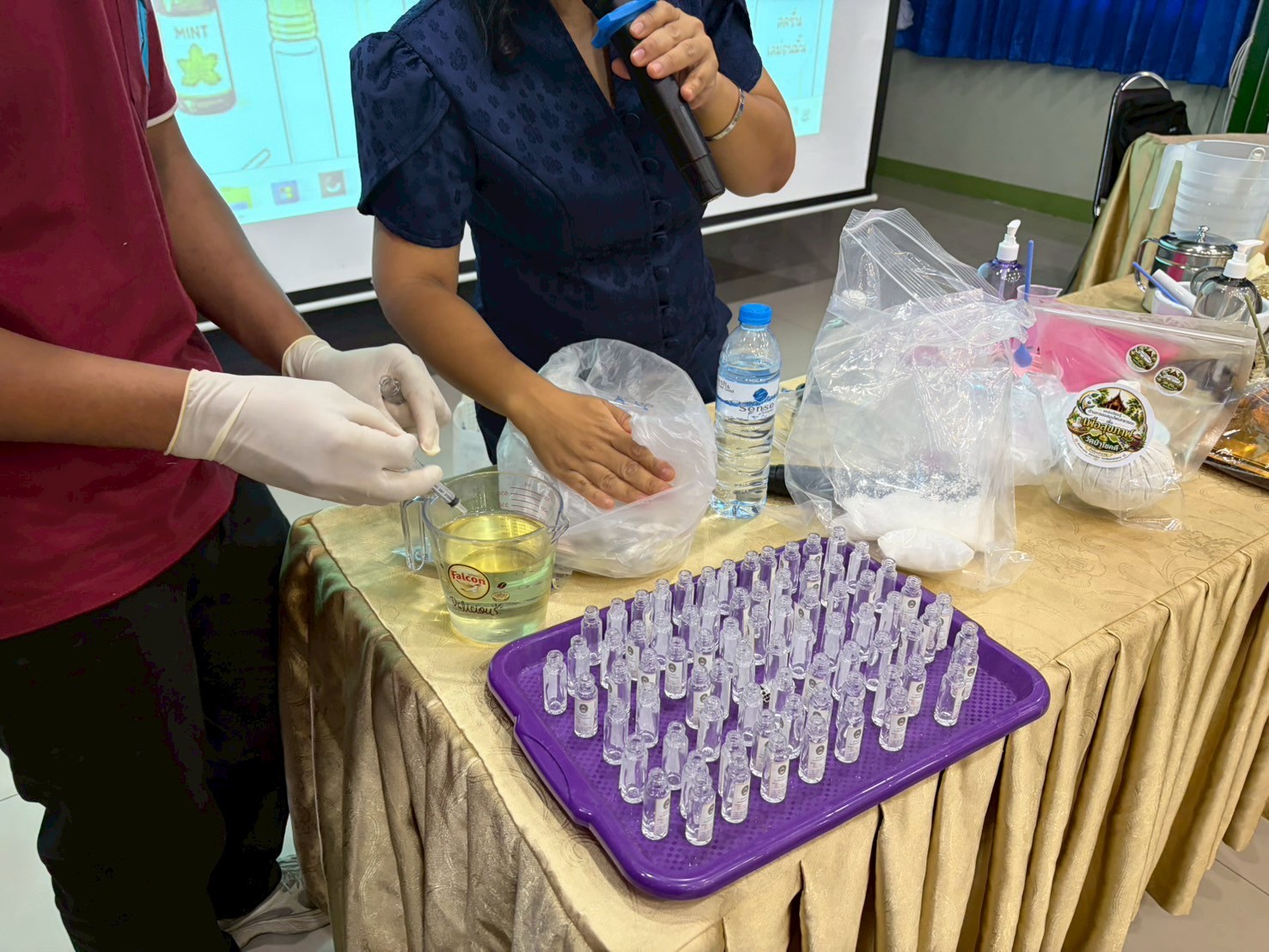
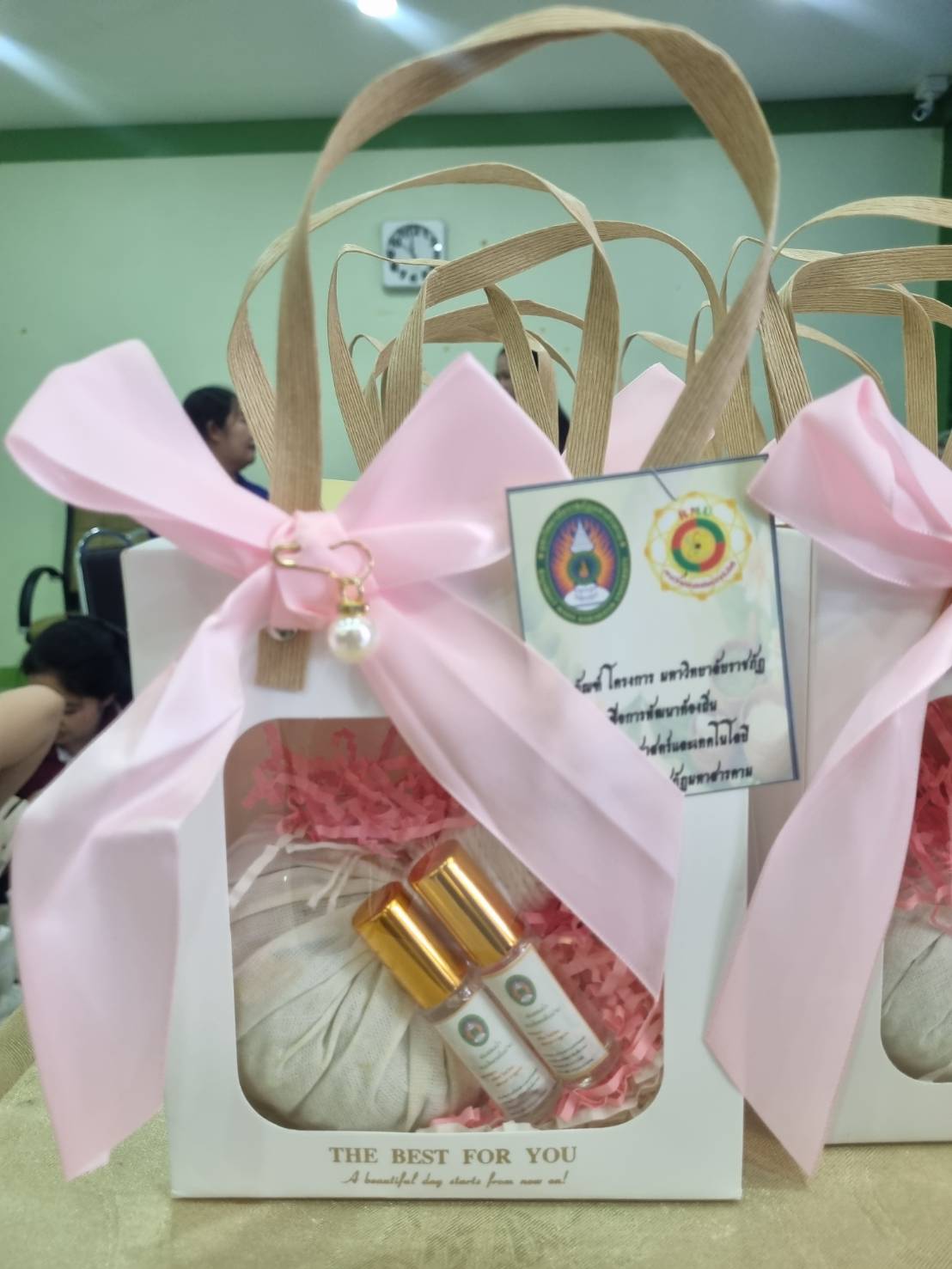
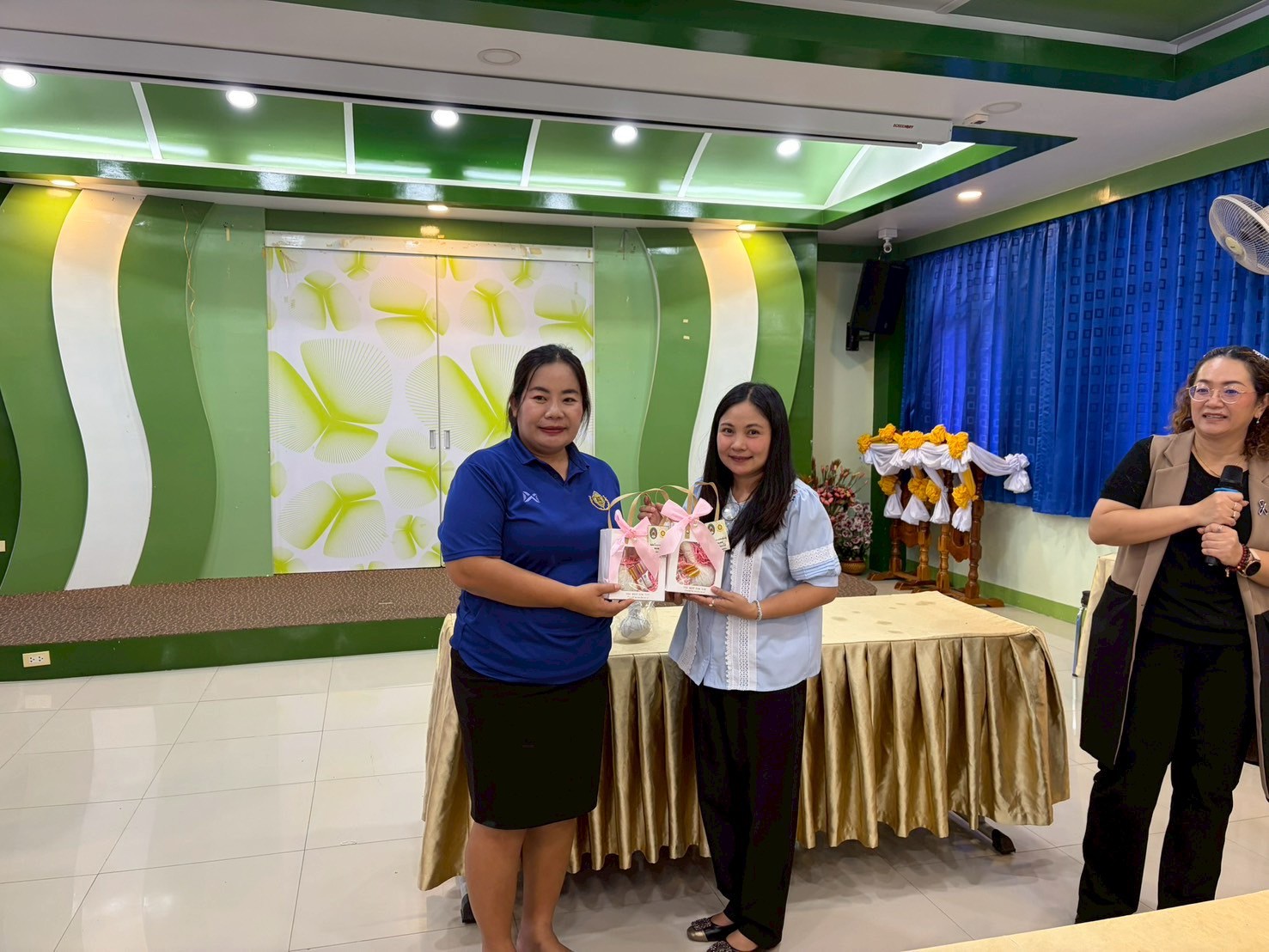
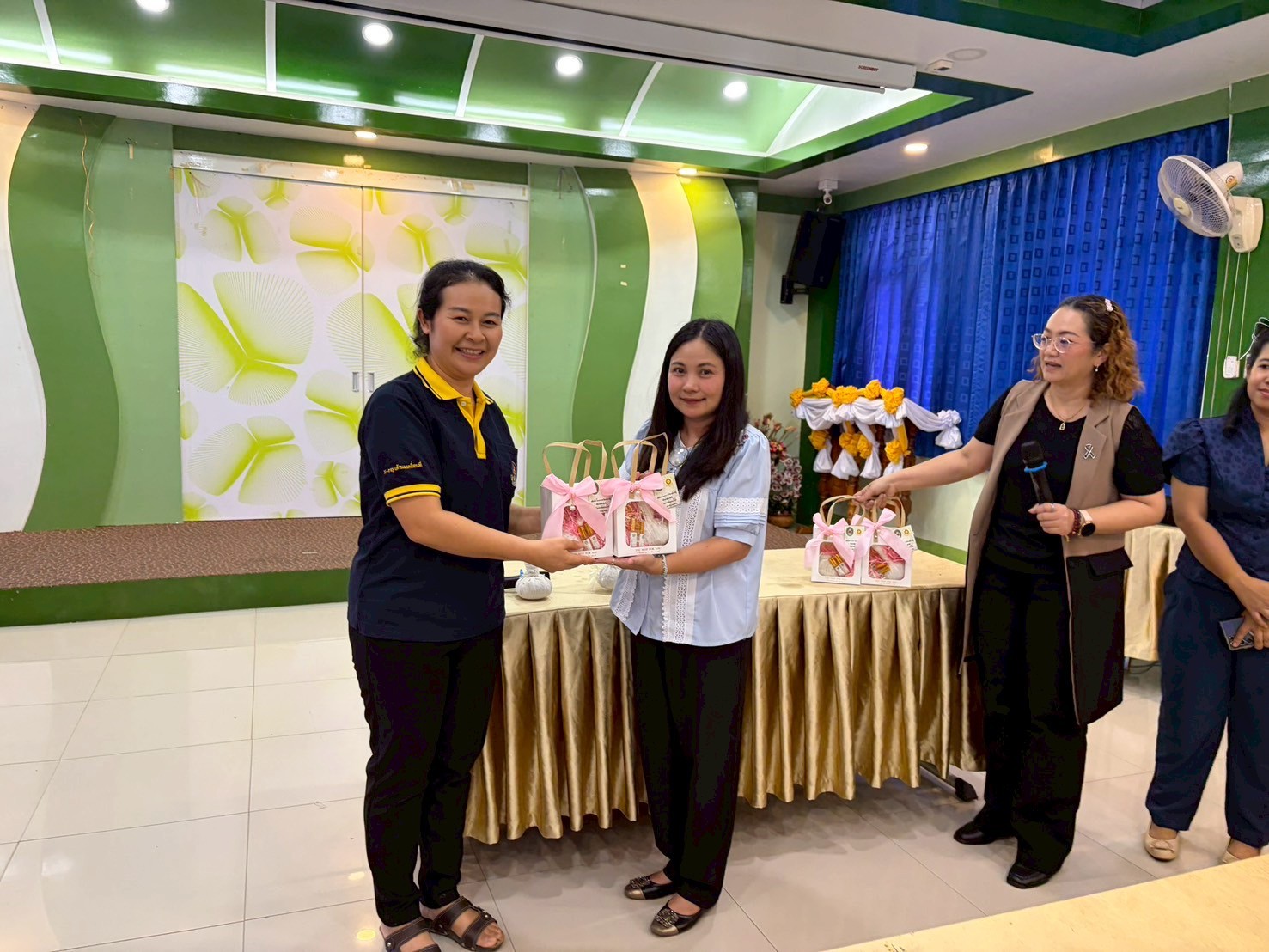
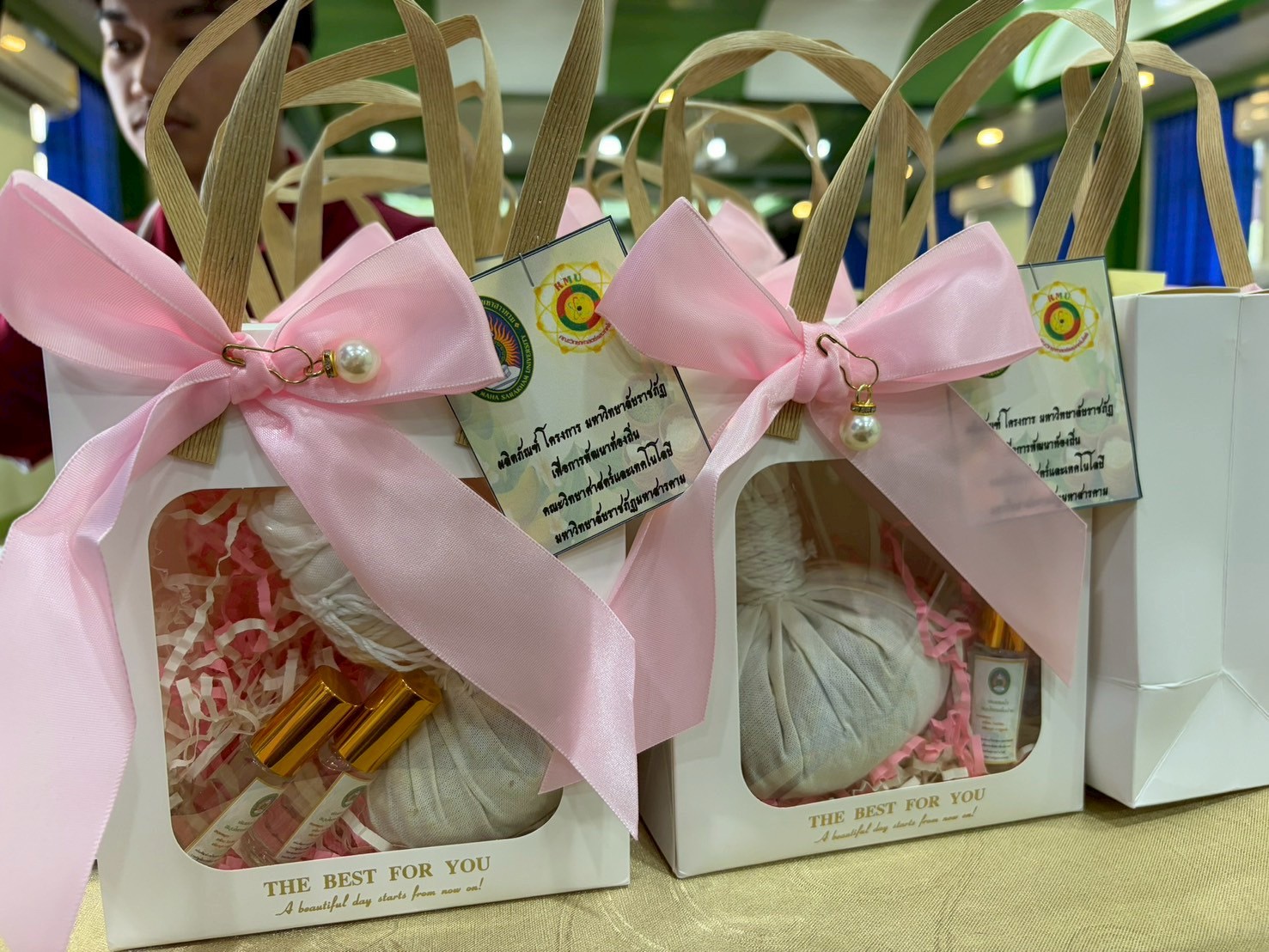
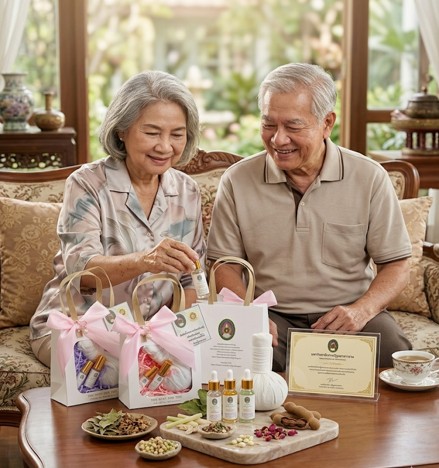
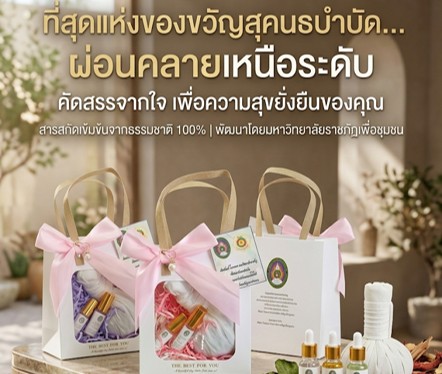
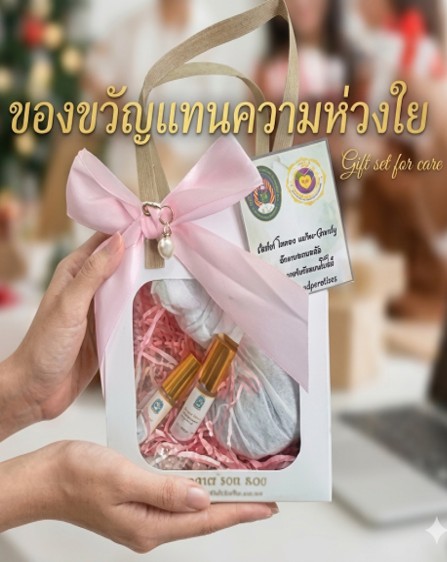
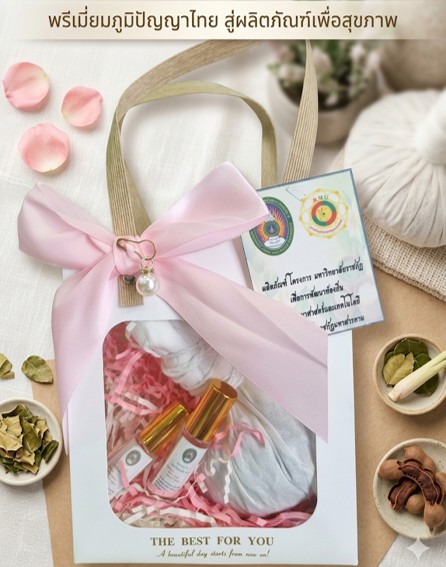
1. Prototype products incorporating local materials and indigenous community wisdom techniques.
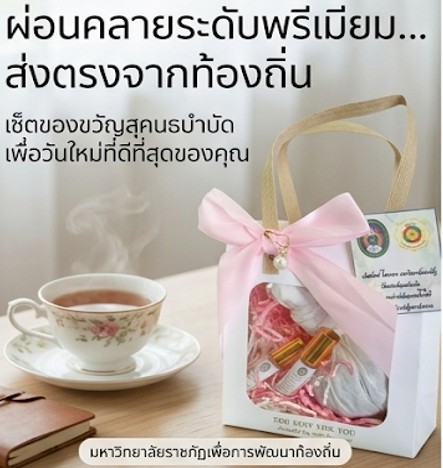
2. Digital marketing media and online promotional materials.
1.ต้นแบบผลิตภัณฑ์ที่ใช้วัสดุท้องถิ่นและเทคนิคภูมิปัญญาชุมชน
2.สื่อ การตลาดออนไลน์
Community & Social Impact ผลกระทบต่อชุมชน/สังคม
Economic Impact
1. Community members gain additional income from the sale of locally developed products.
2. Cultural tourism and local spending within the community are stimulated.
Social Impact
1. Community members develop greater pride in their local wisdom and cultural heritage.
2. Intergenerational collaboration and social cohesion within the community are strengthened.
3. The community’s positive image is enhanced as a center for cultural learning and heritage preservation.
Educational Impact
1. Participants gain knowledge and experience in creative product design processes.
2. Critical thinking, teamwork, and creative entrepreneurship skills are promoted and developed.
Environmental Impact
1. The use of natural materials and locally available recycled or surplus materials is encouraged within the community.
ด้านเศรษฐกิจ
1.ชุมชนมีรายได้เสริมจากการจำหน่ายผลิตภัณฑ์
2.กระตุ้นการท่องเที่ยวเชิงวัฒนธรรมและการจับจ่ายภายในพื้นที่
ด้านสังคม
1.เกิดความภาคภูมิใจในภูมิปัญญาและวัฒนธรรมของตนเอง
2.สร้างความสามัคคีระหว่างคนต่างรุ่นในชุมชน
3.เพิ่มภาพลักษณ์เชิงบวกให้แก่ชุมชนในฐานะแหล่งเรียนรู้วัฒนธรรม
ด้านการศึกษา
1.ผู้เข้าร่วมได้เรียนรู้กระบวนการออกแบบผลิตภัณฑ์เชิงสร้างสรรค์
2.ส่งเสริมทักษะการคิดวิเคราะห์ การทำงานเป็นทีม และการประกอบอาชีพเชิงสร้างสรรค์
ด้านสิ่งแวดล้อม
1.ส่งเสริมการใช้วัสดุธรรมชาติและวัสดุเหลือใช้ภายในชุมชน
Student & Staff Participation การมีส่วนร่วมของนักศึกษา/บุคลากร
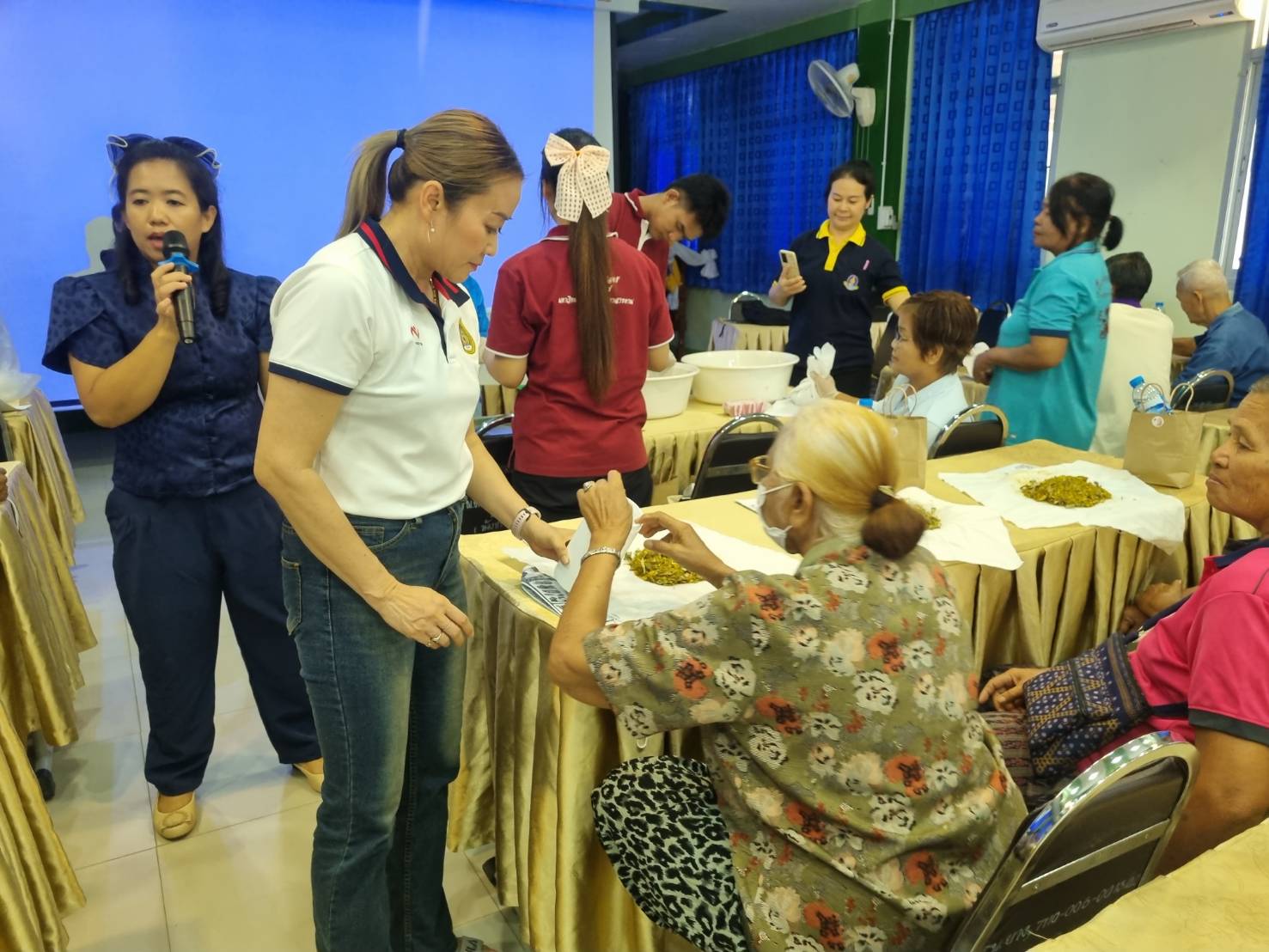
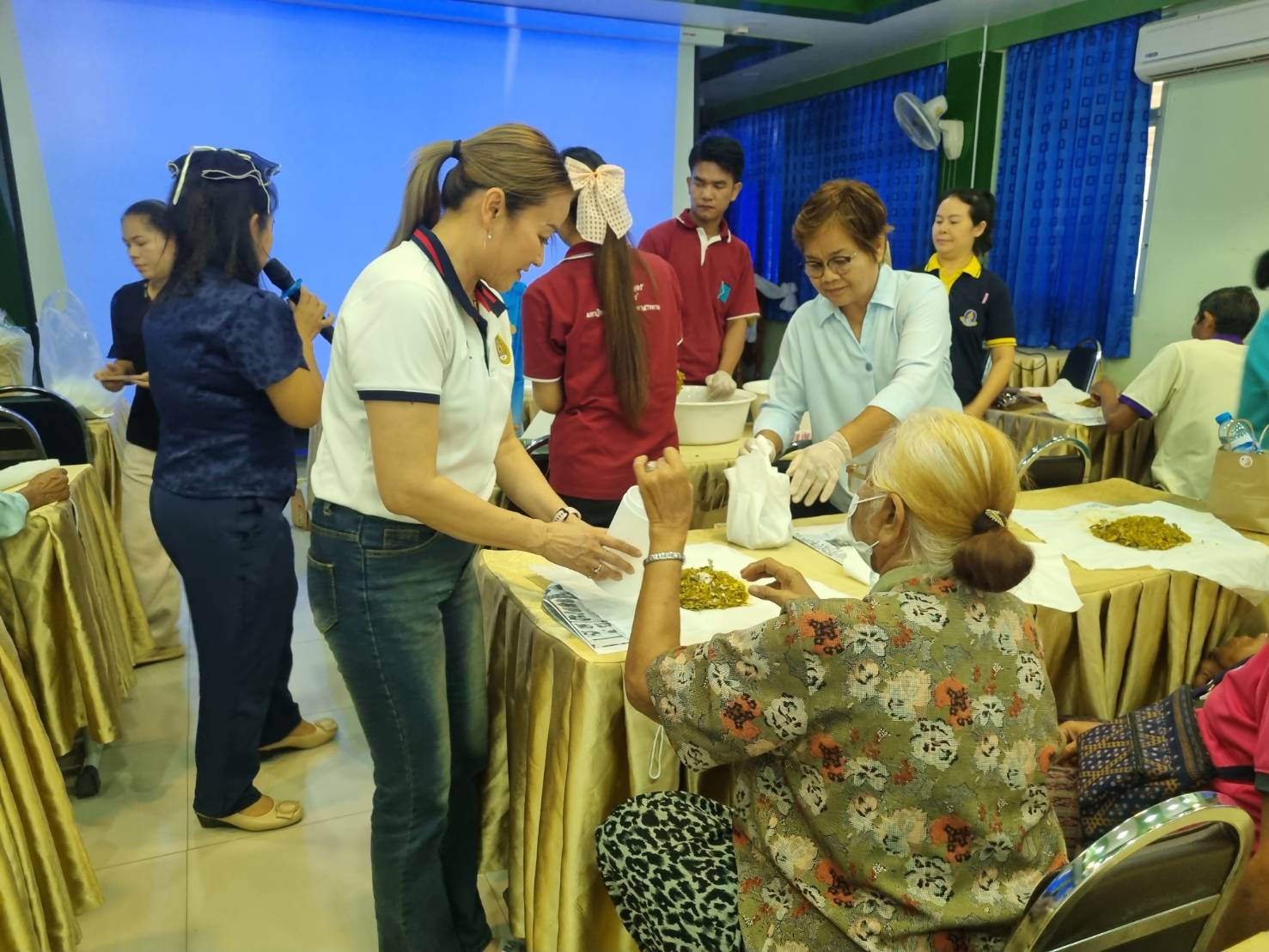
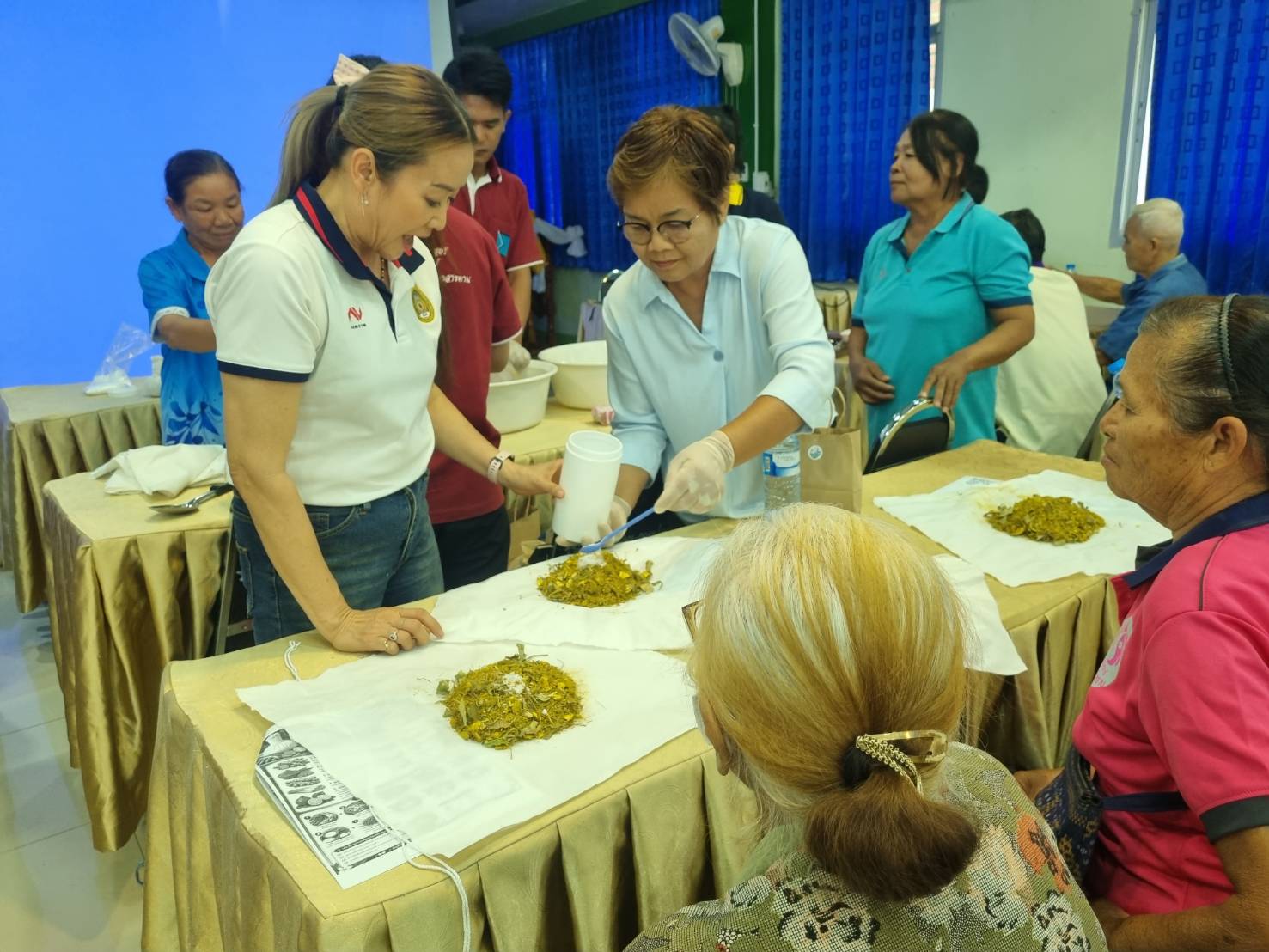
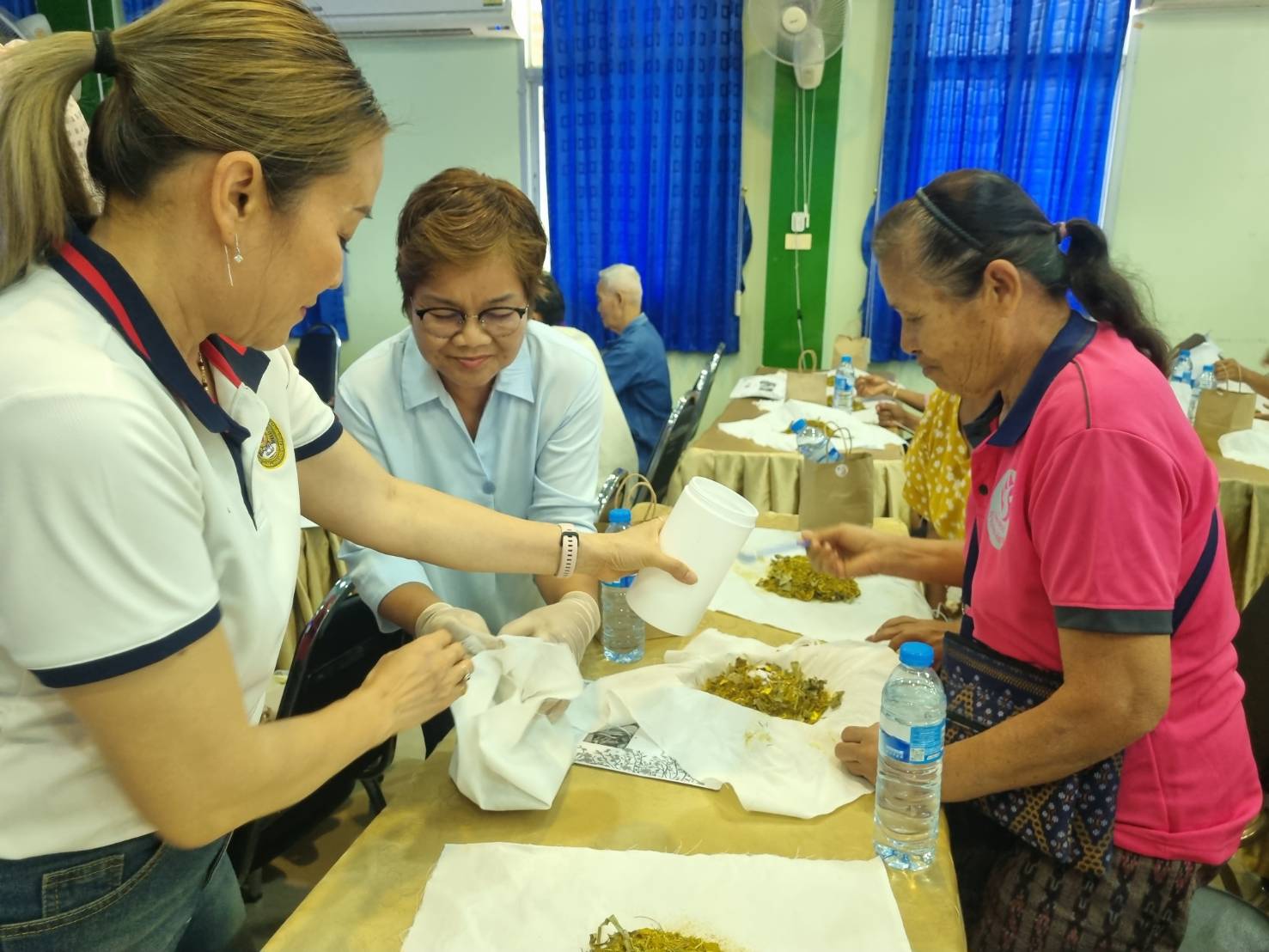
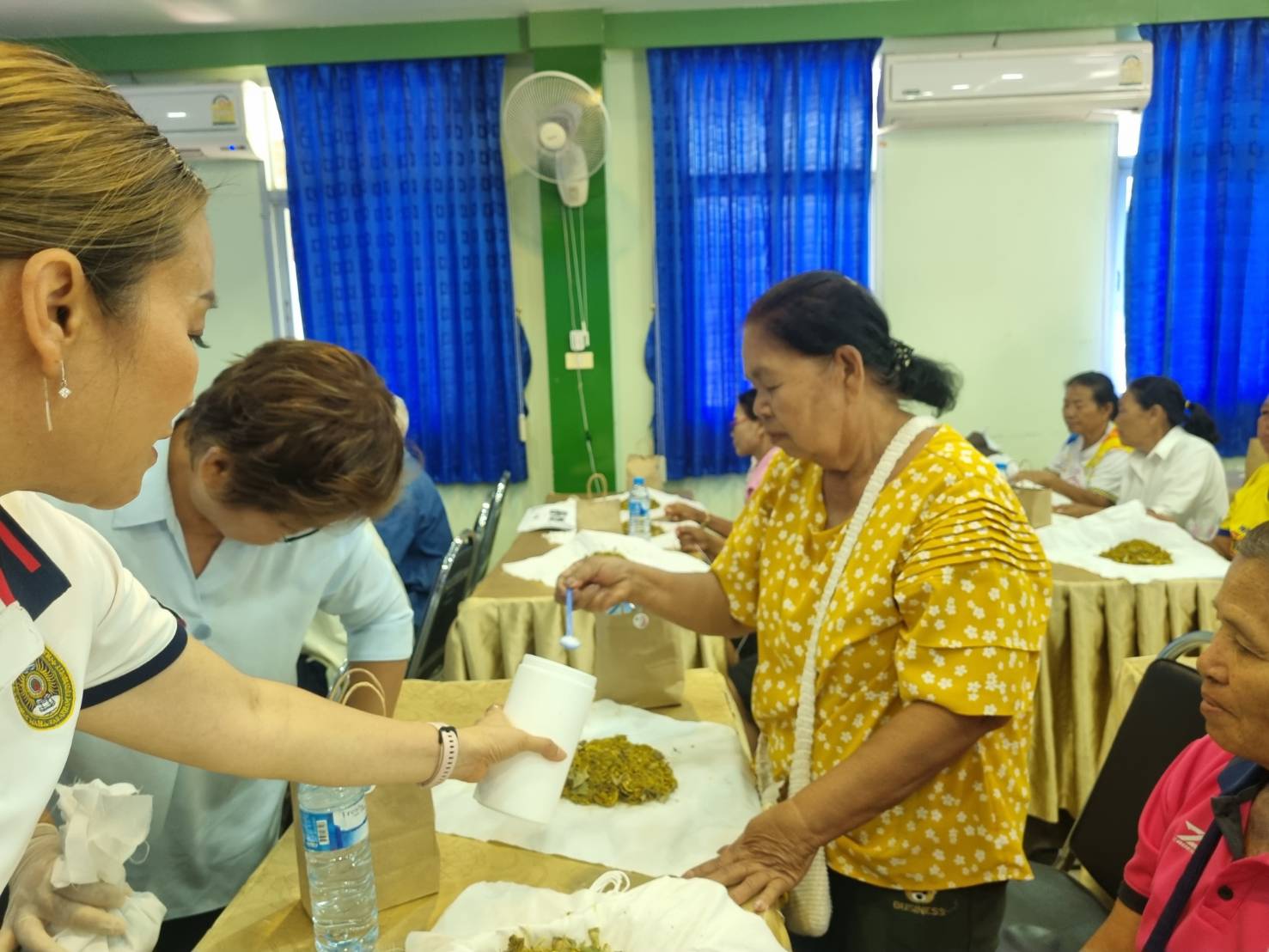
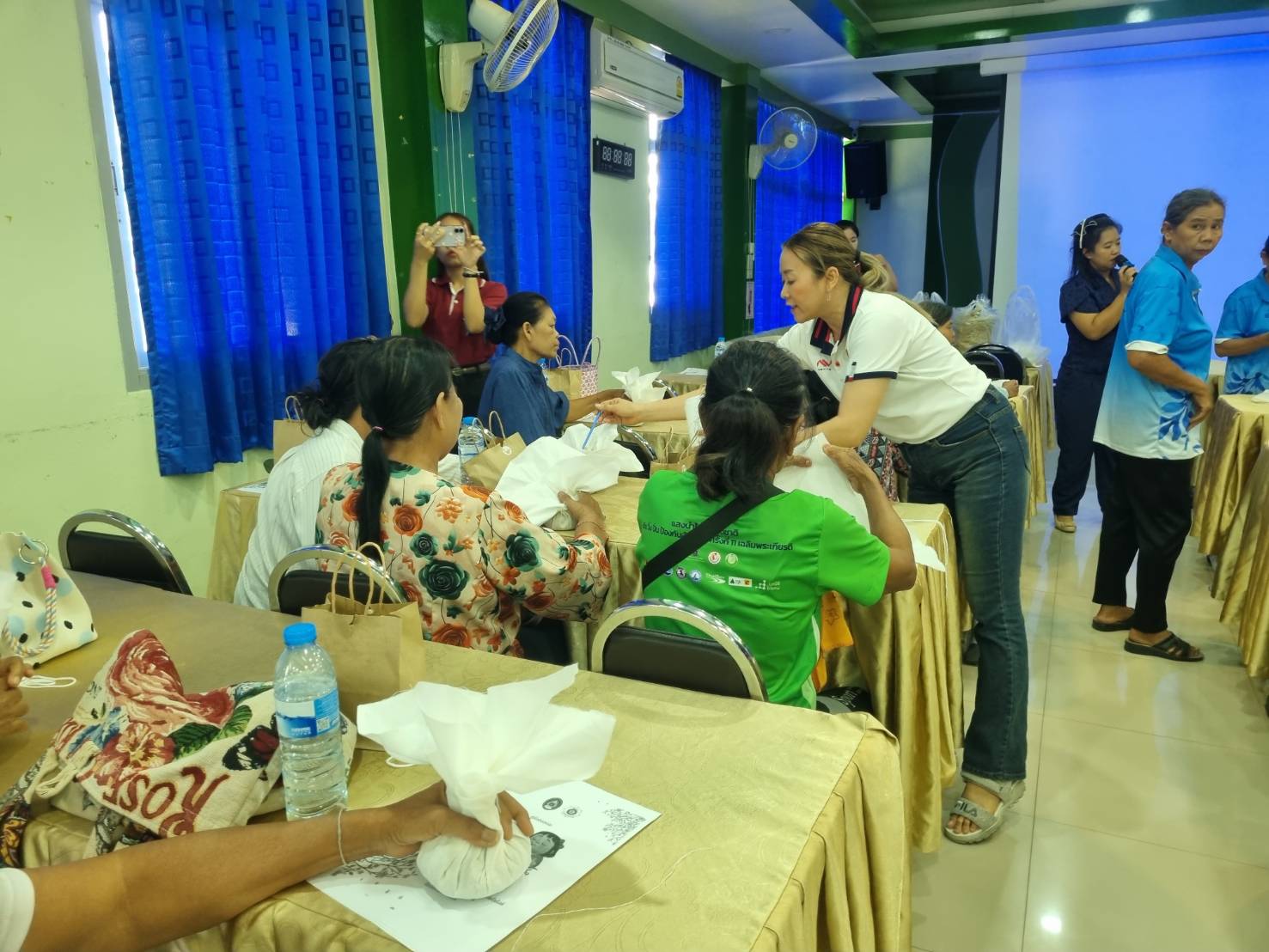
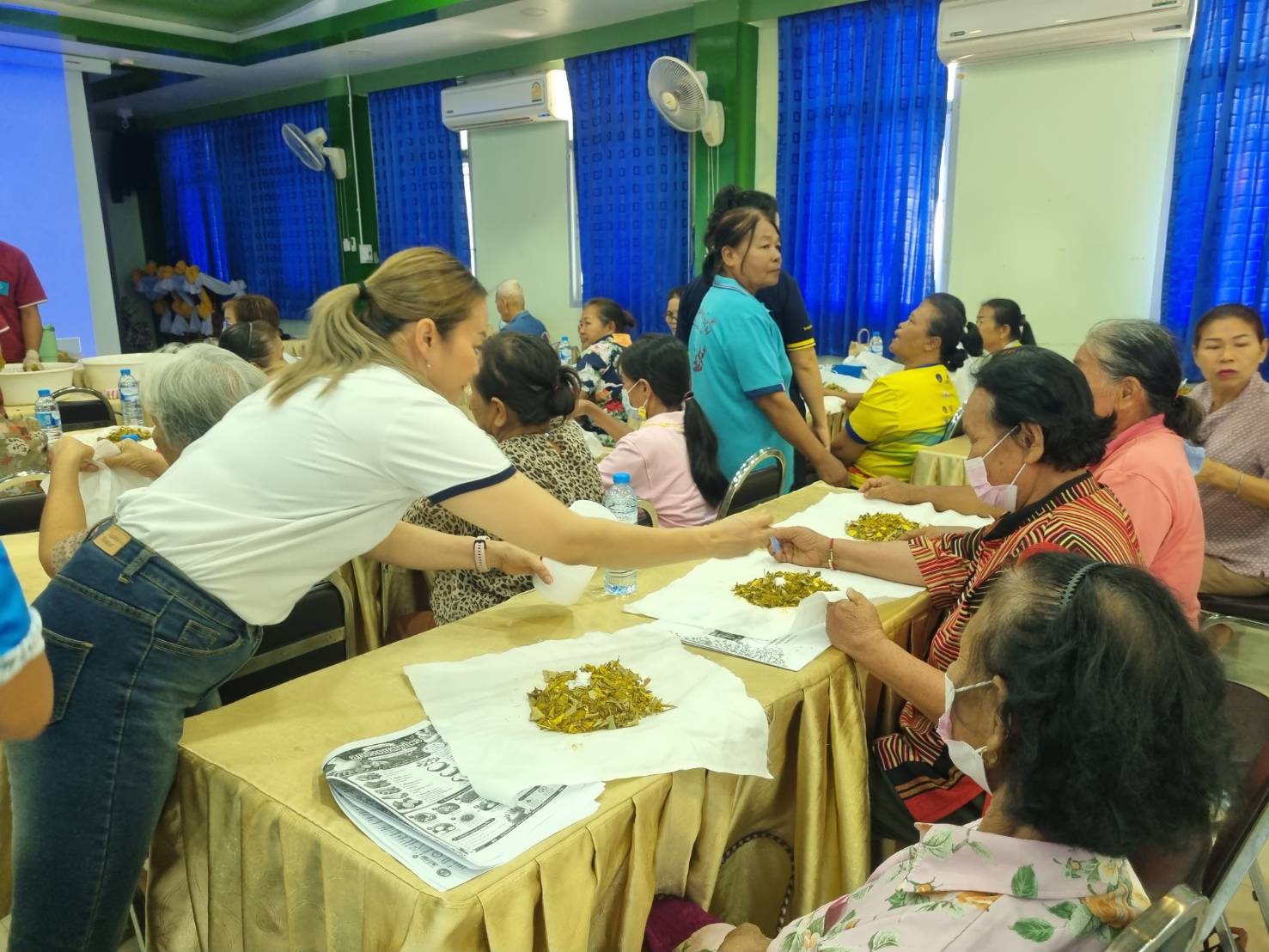
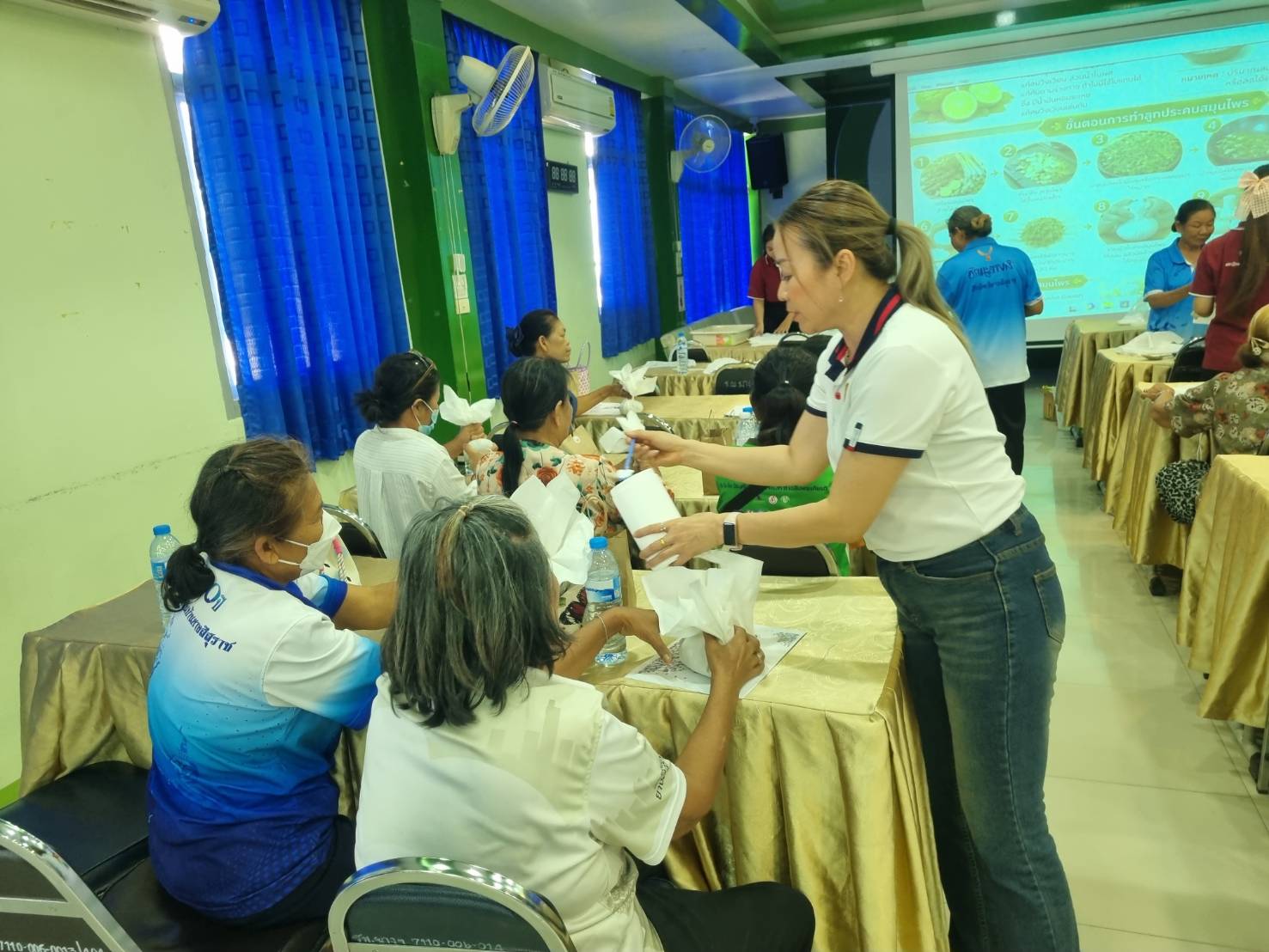
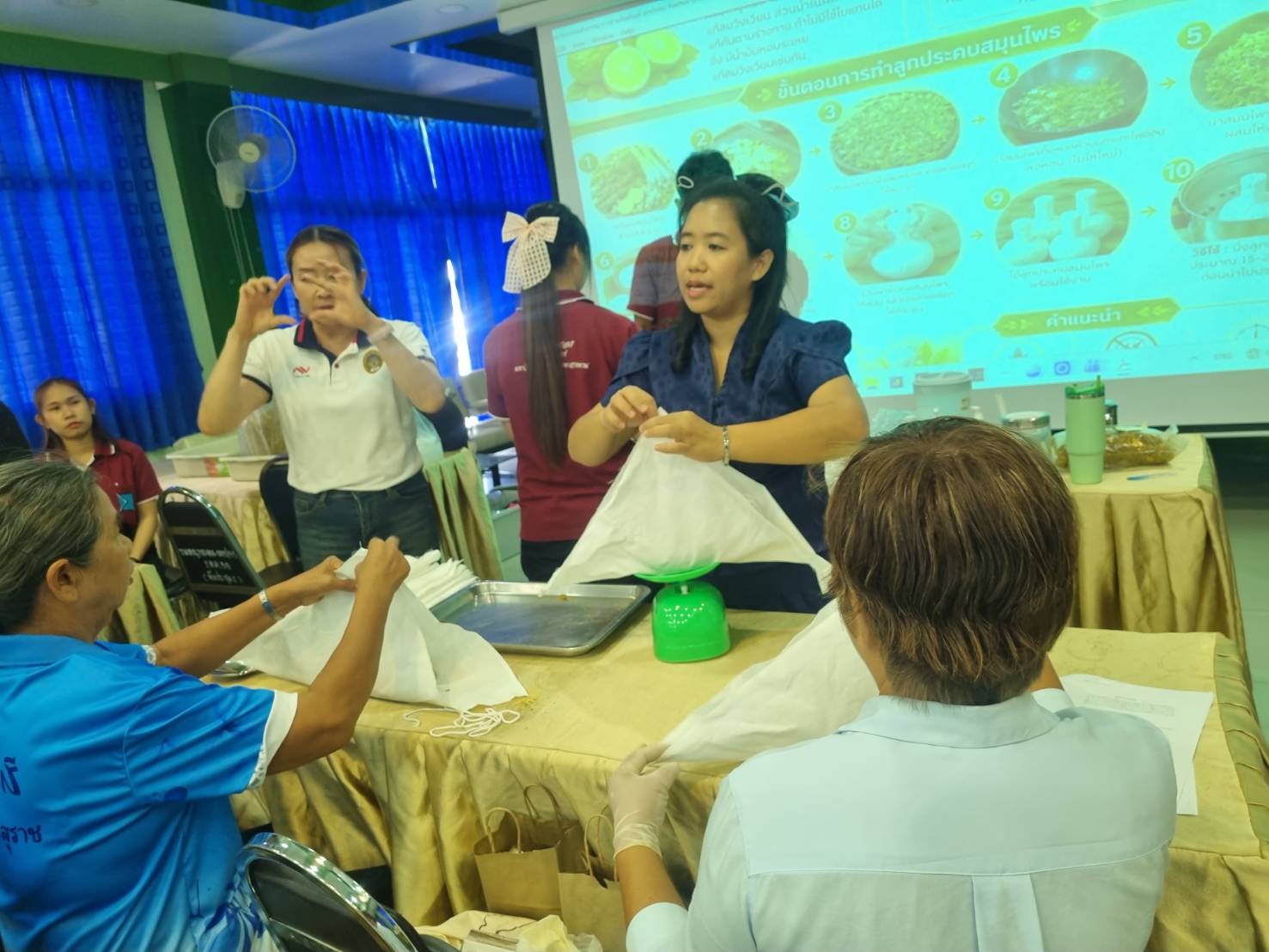
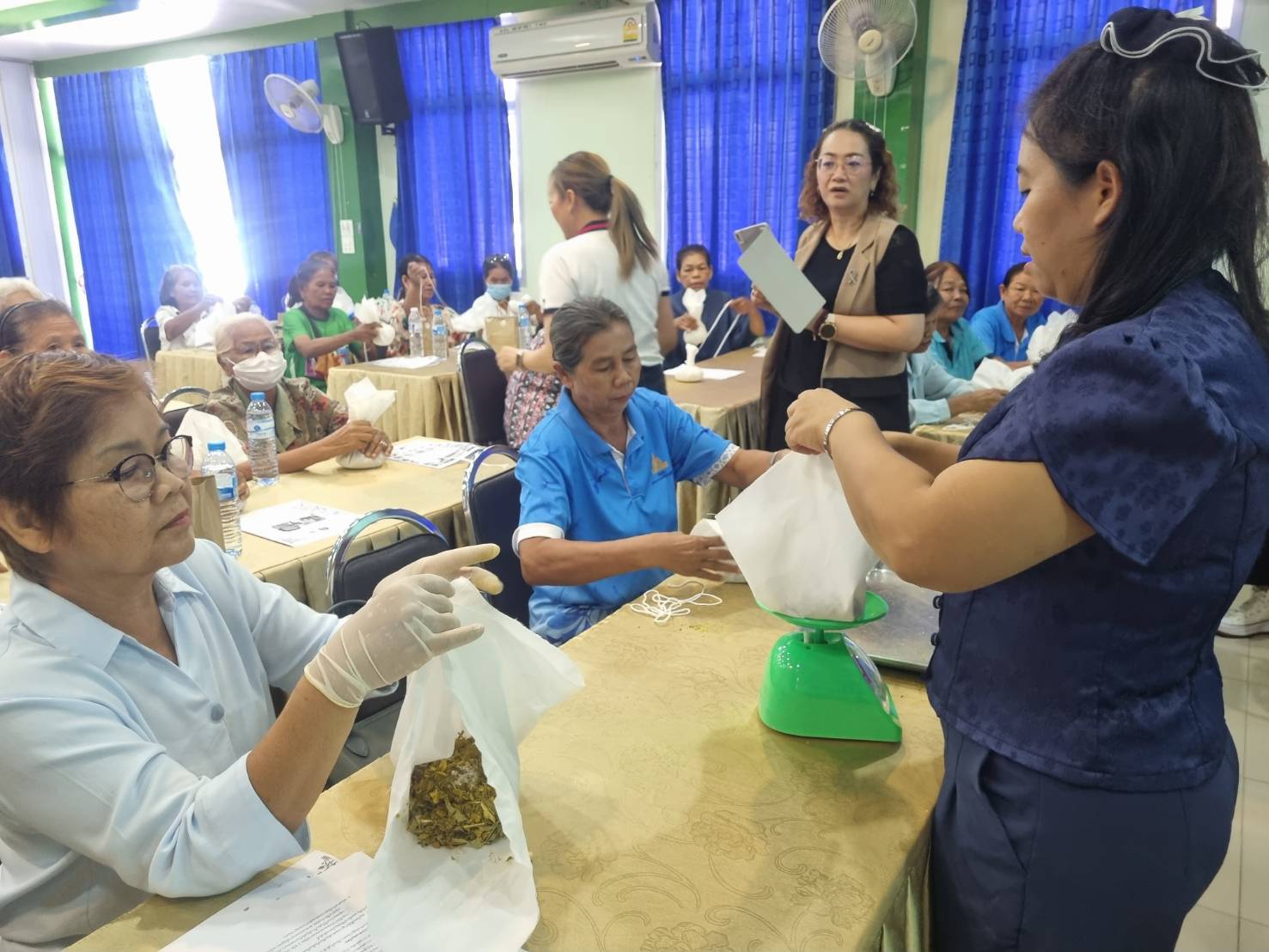
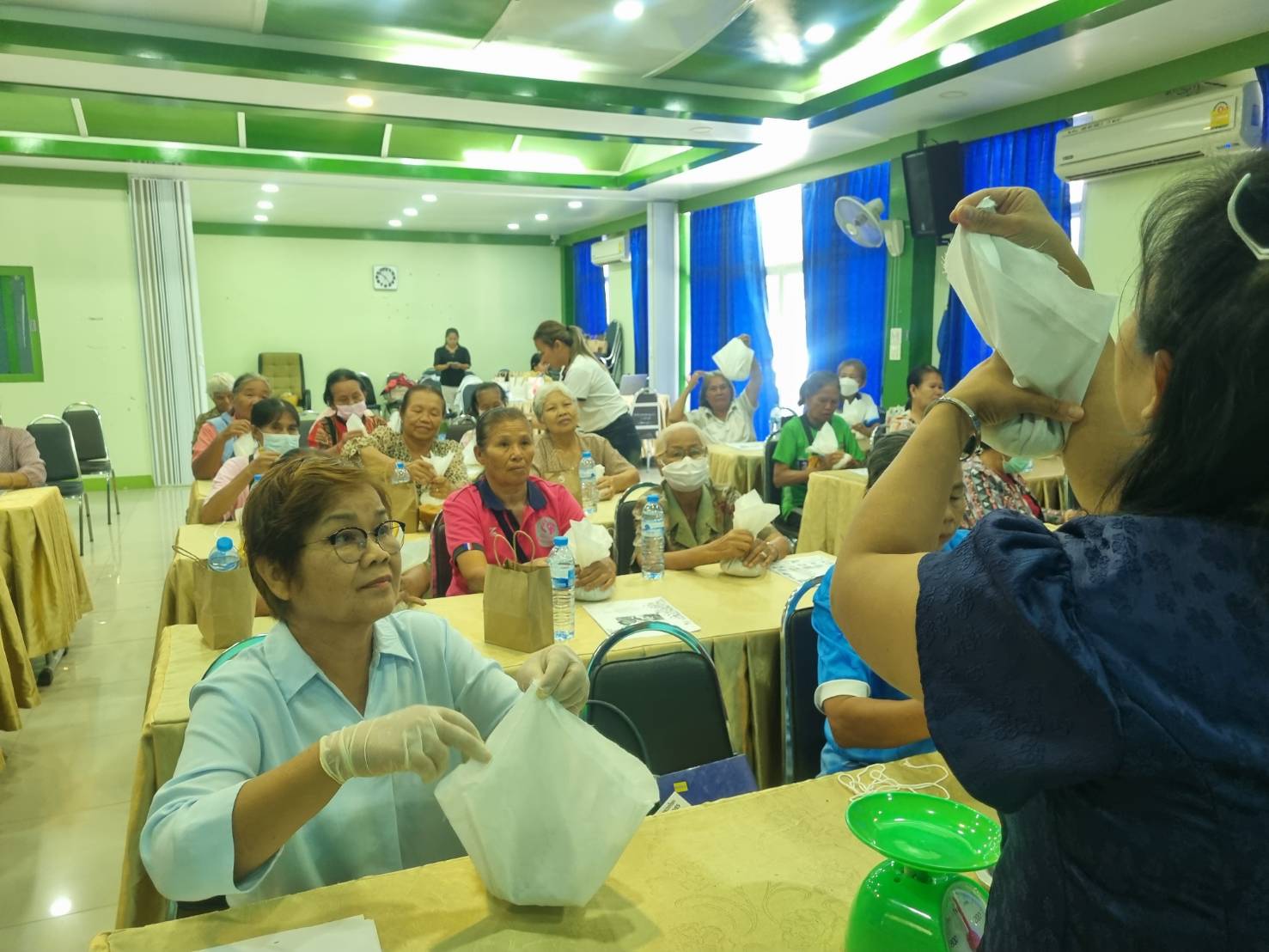
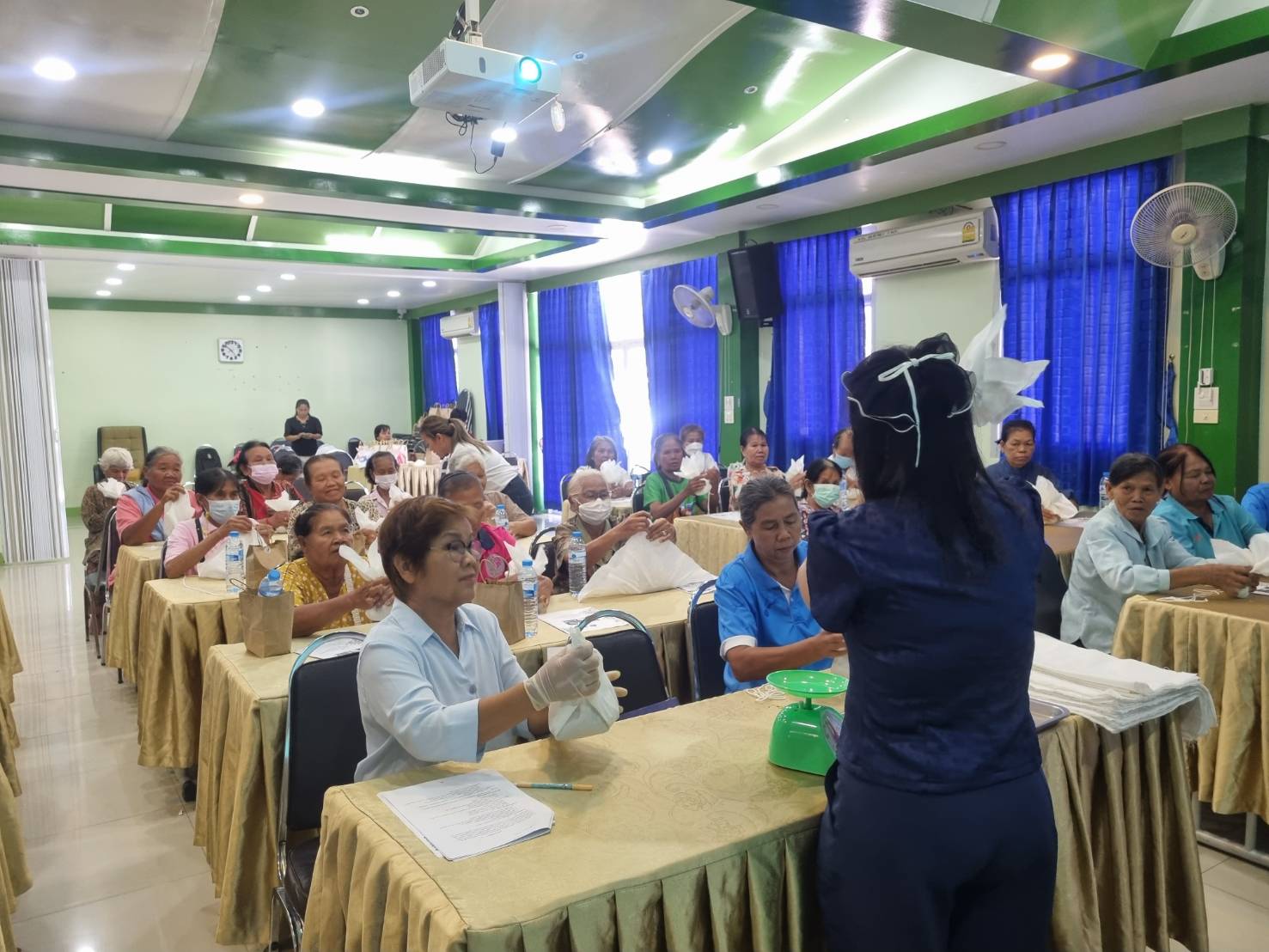
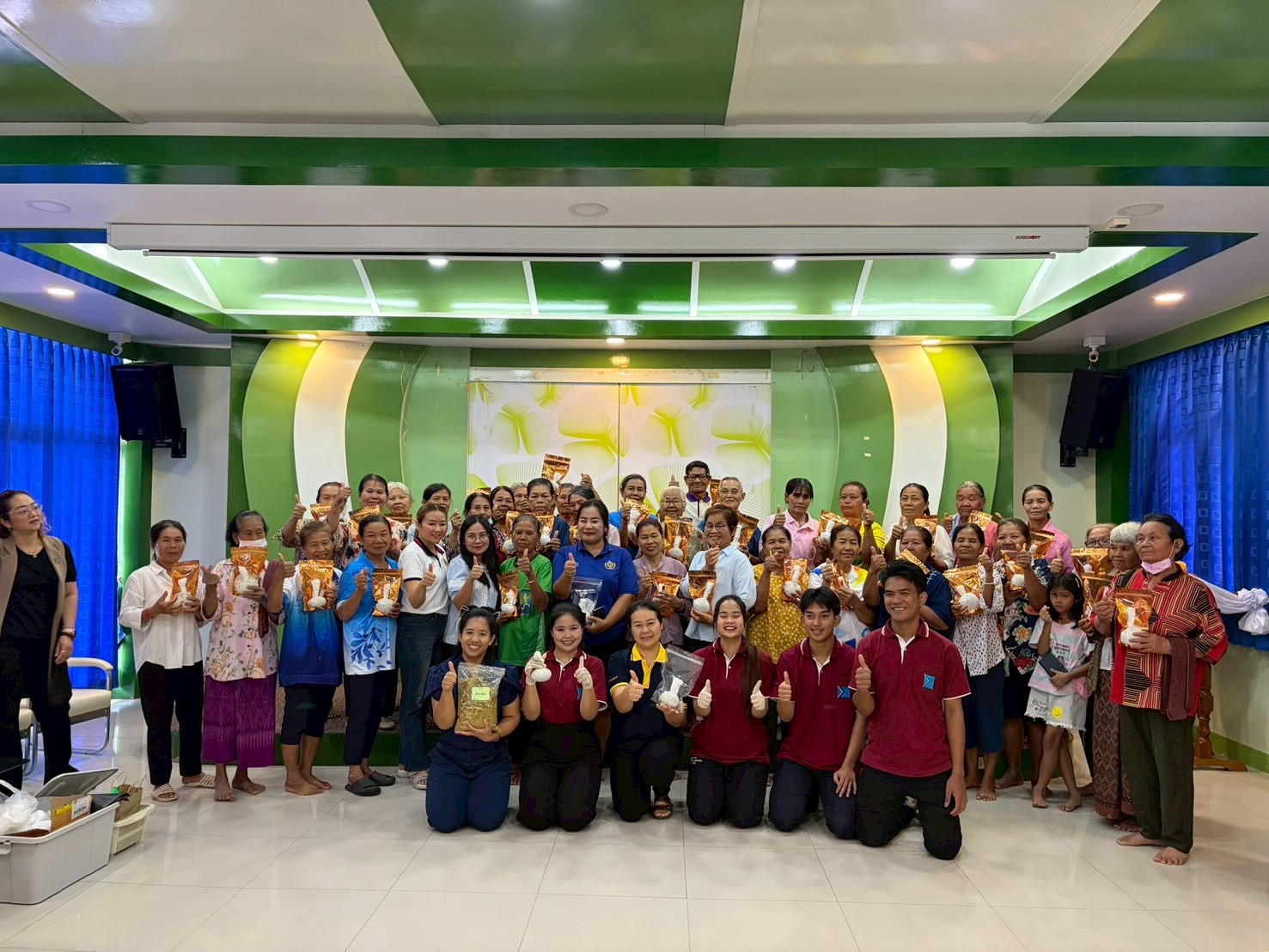
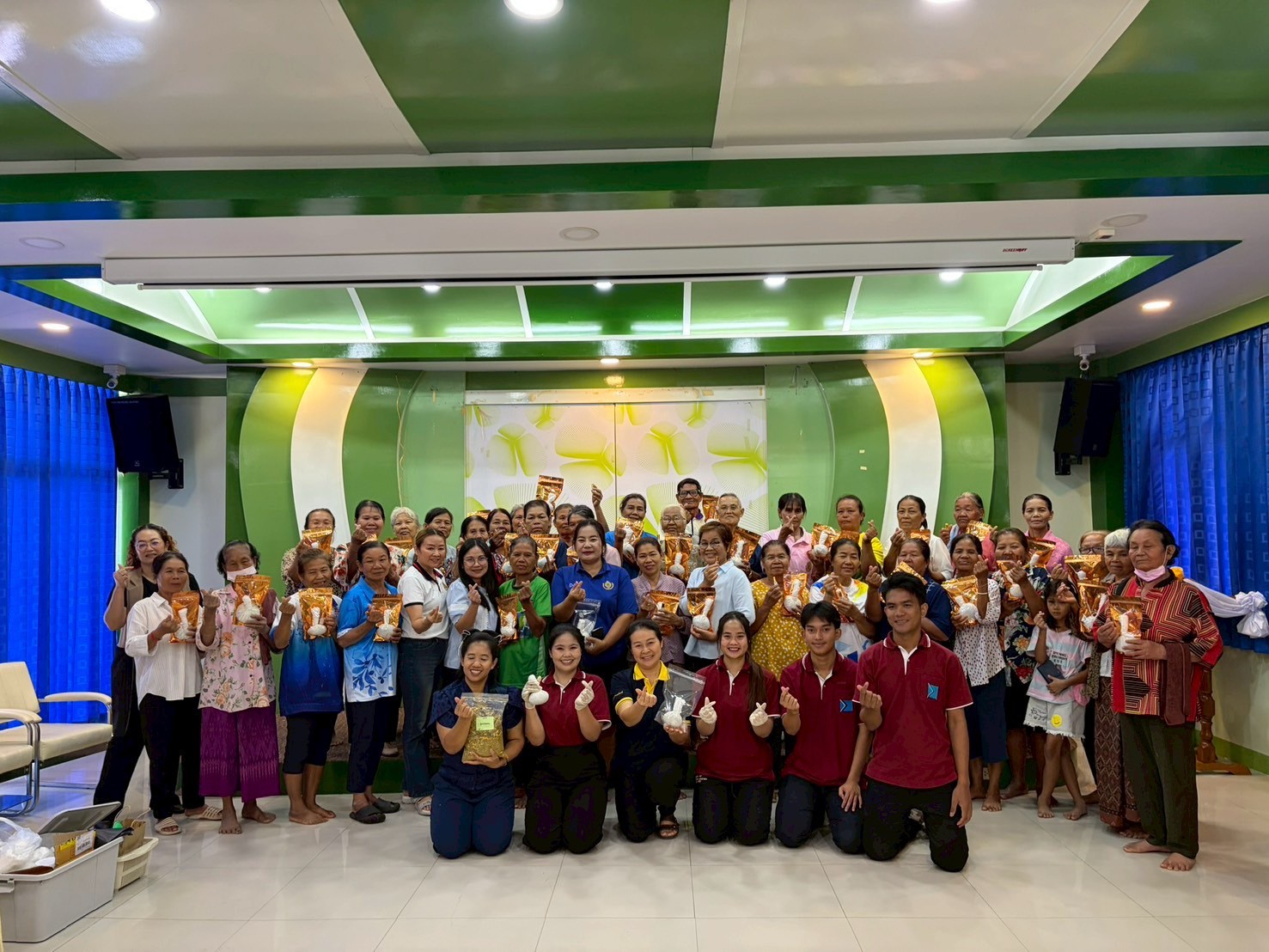
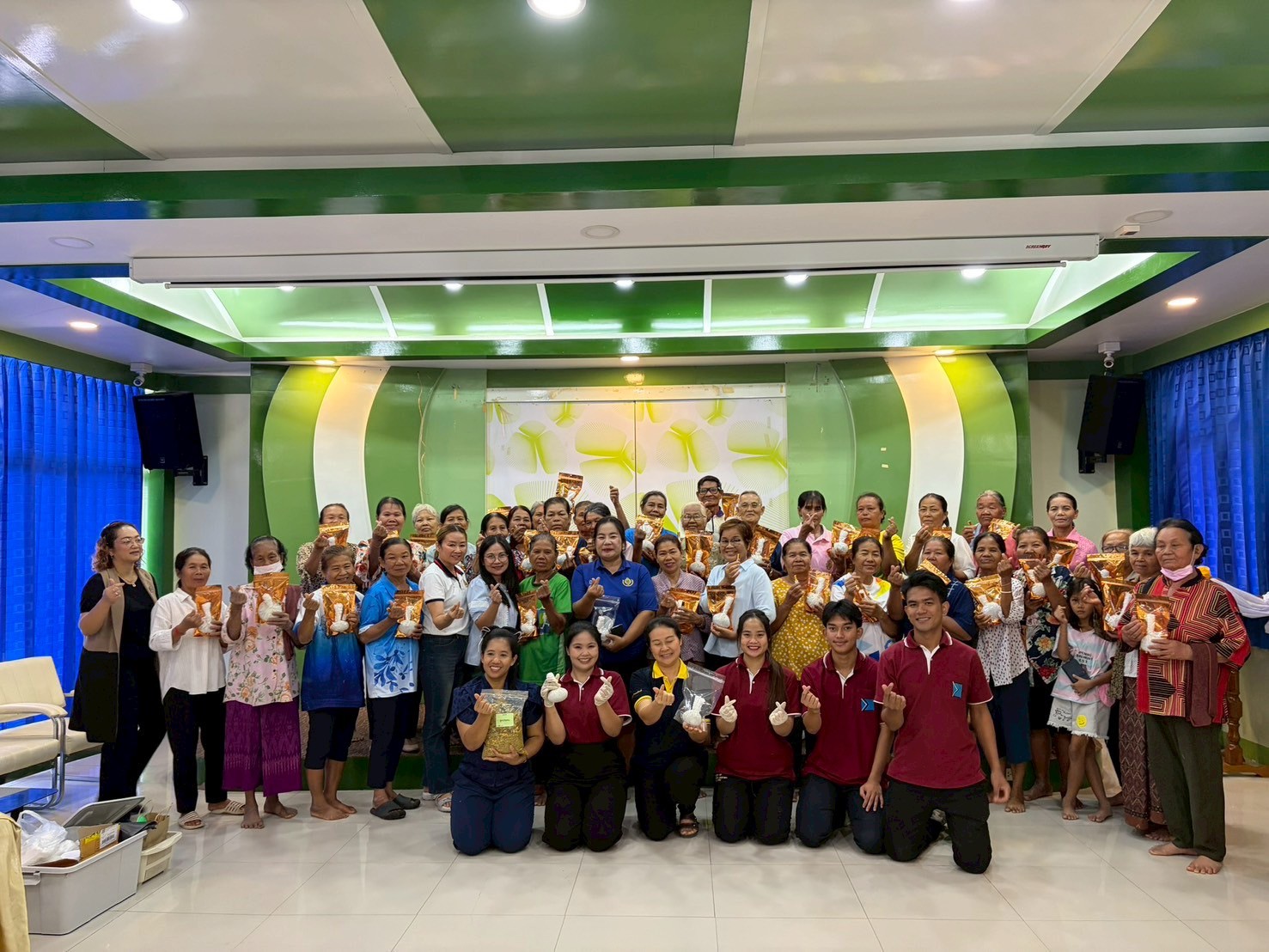
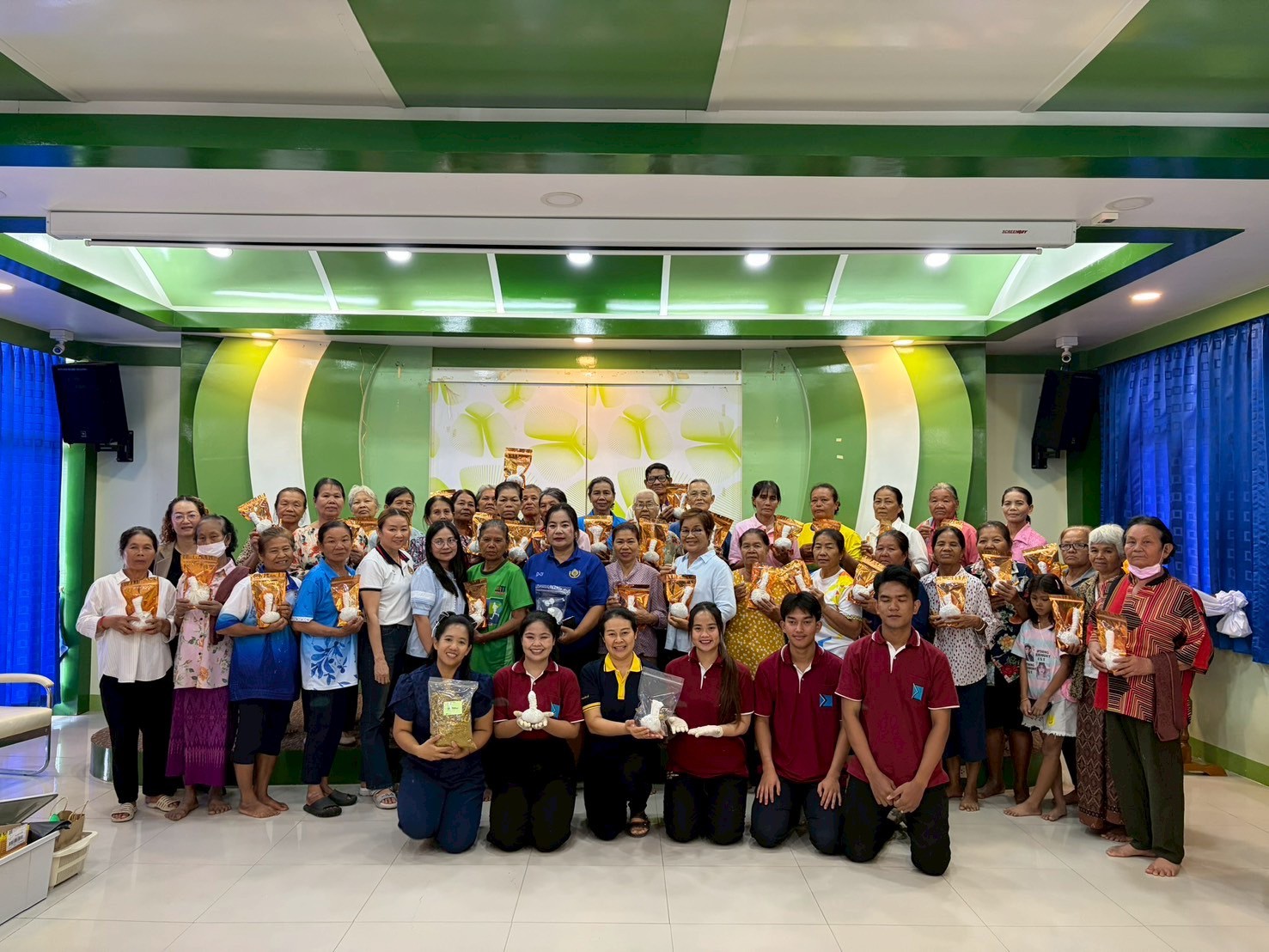
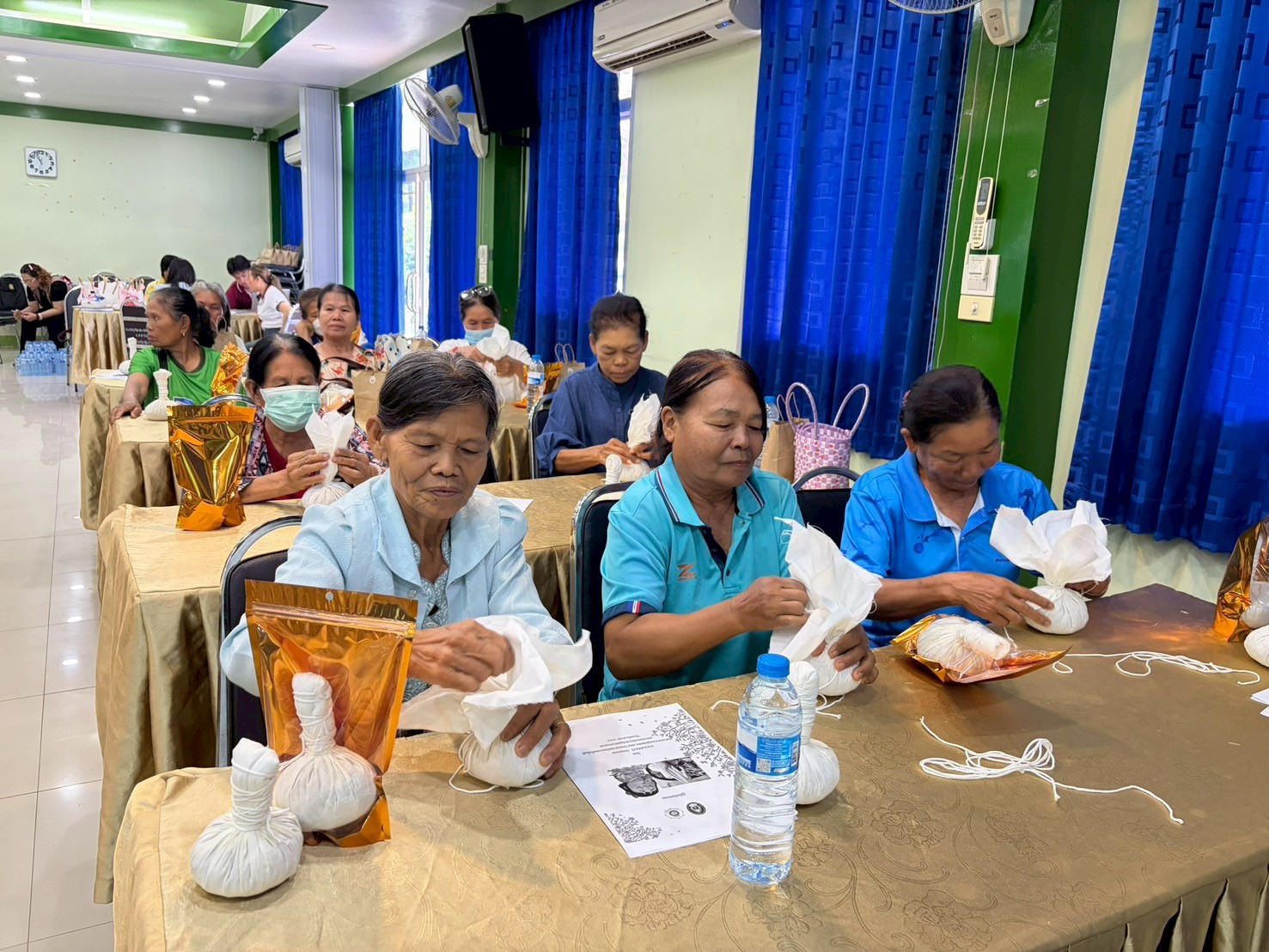
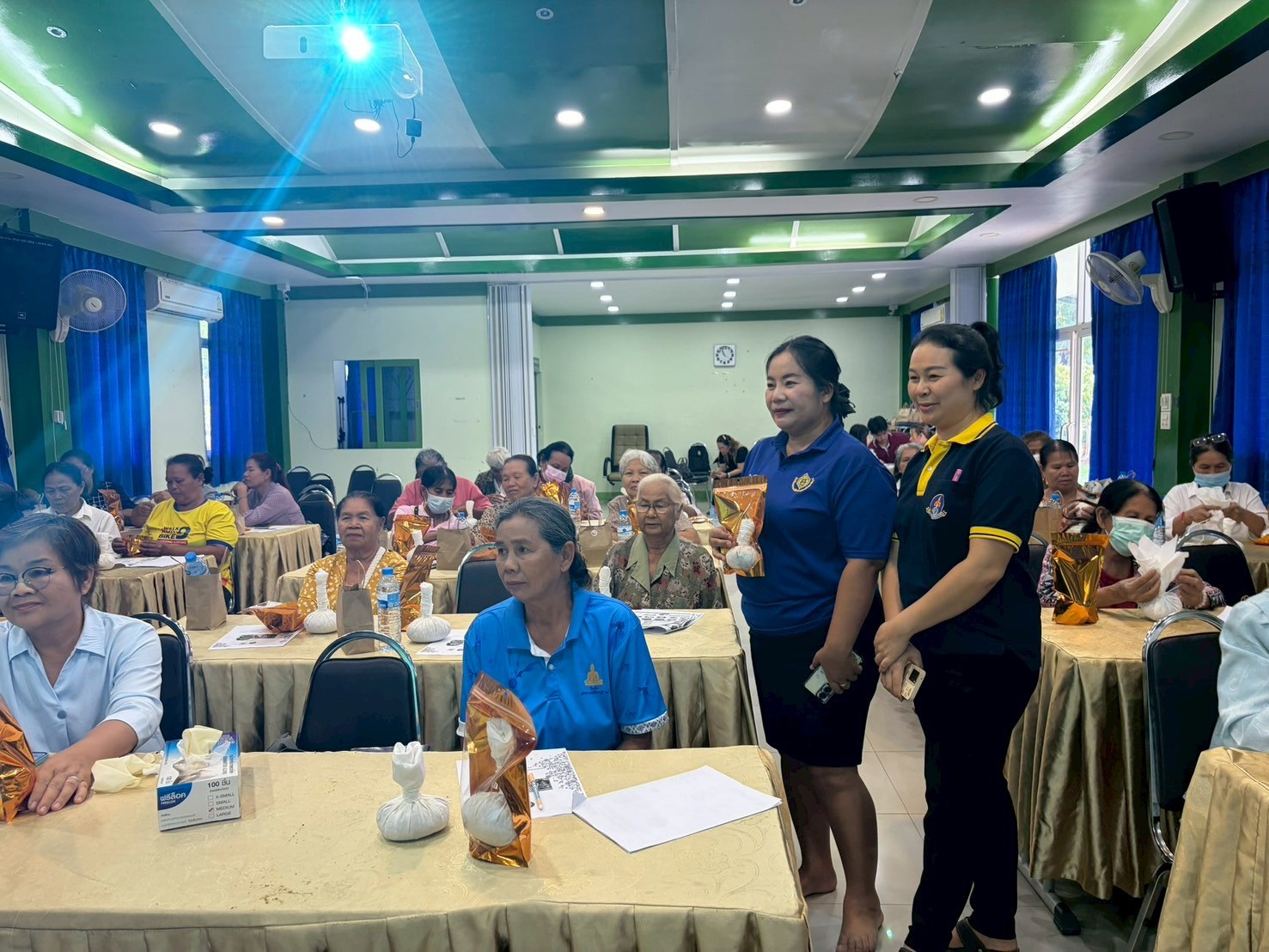
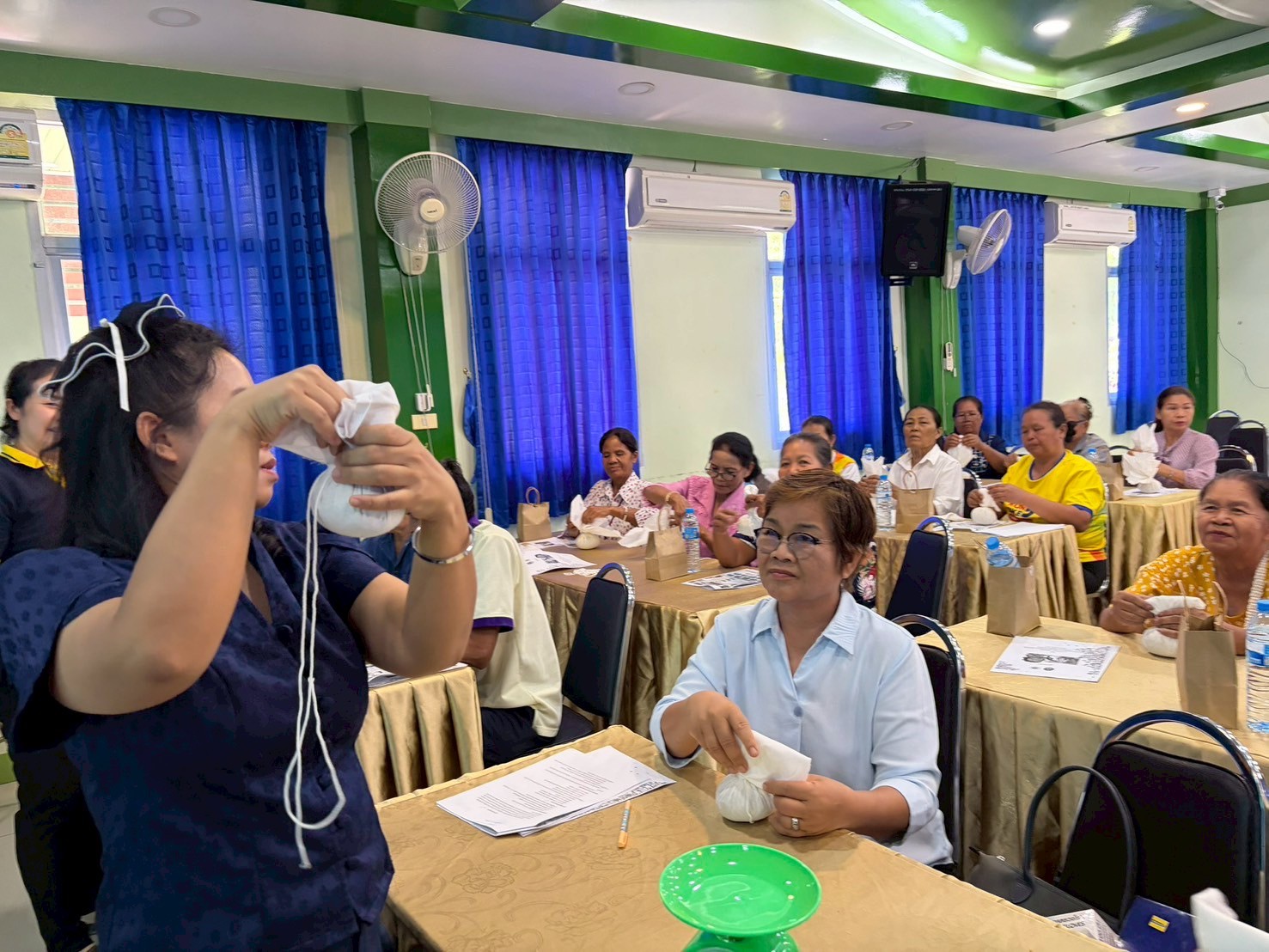
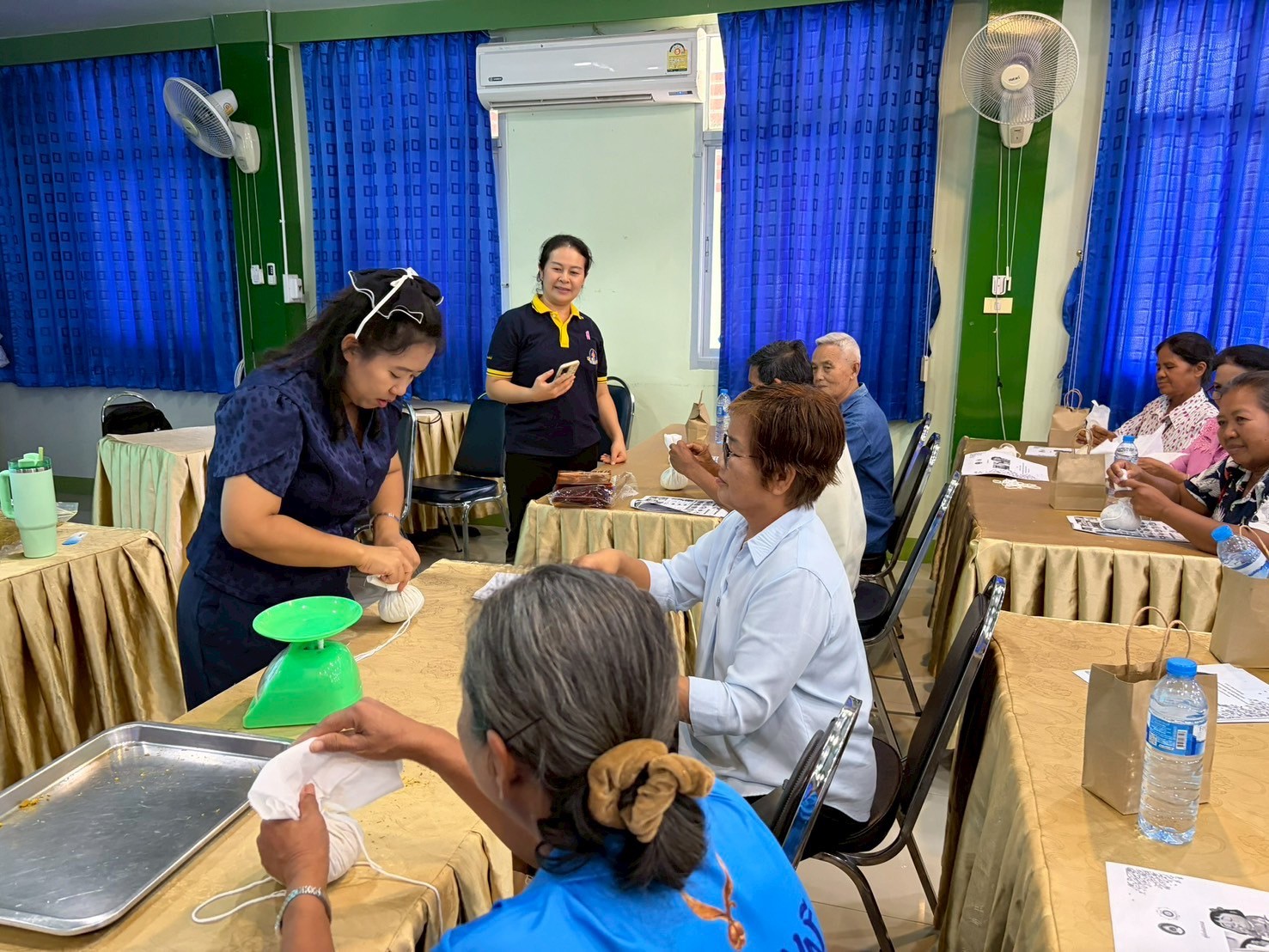
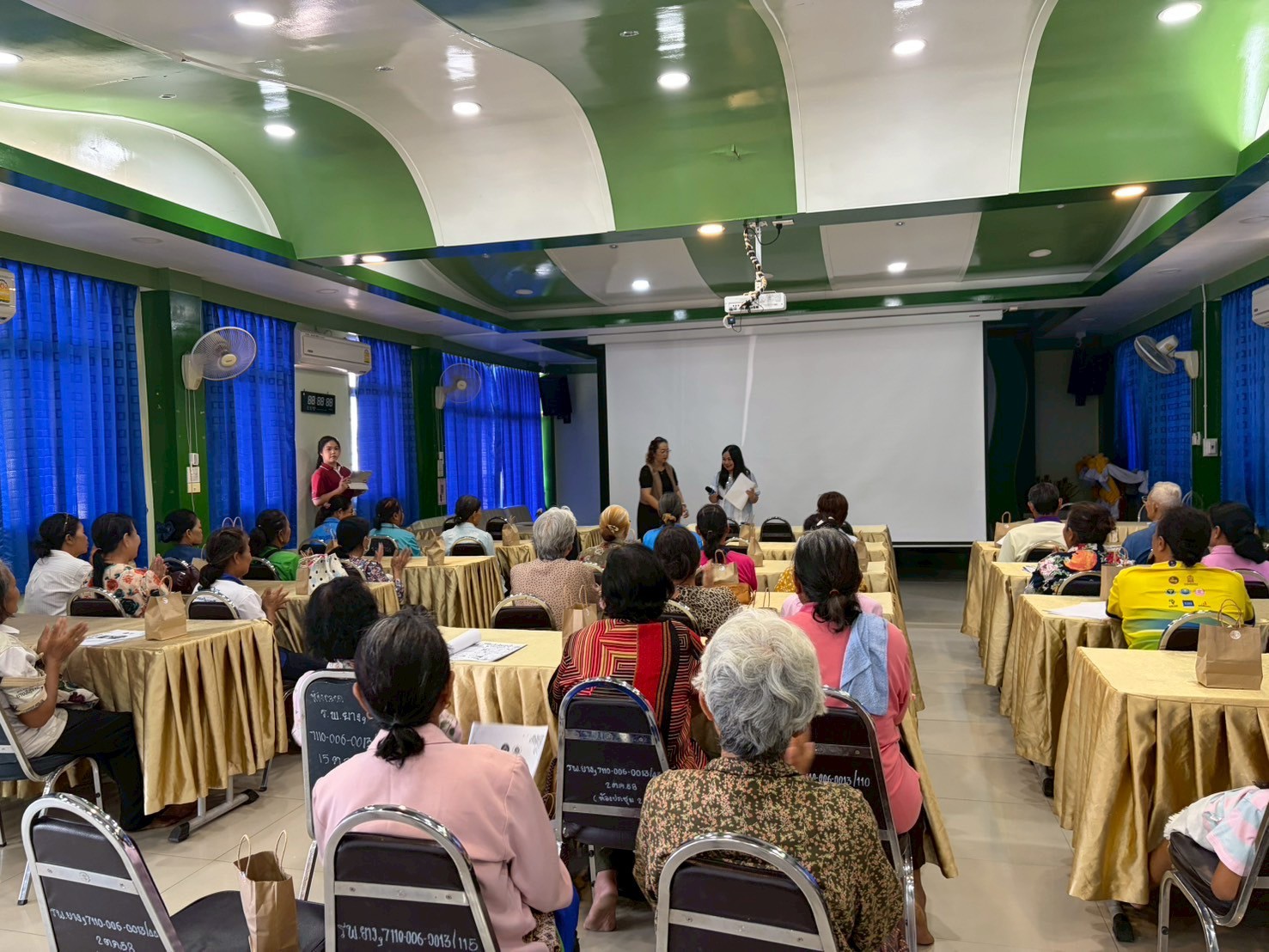
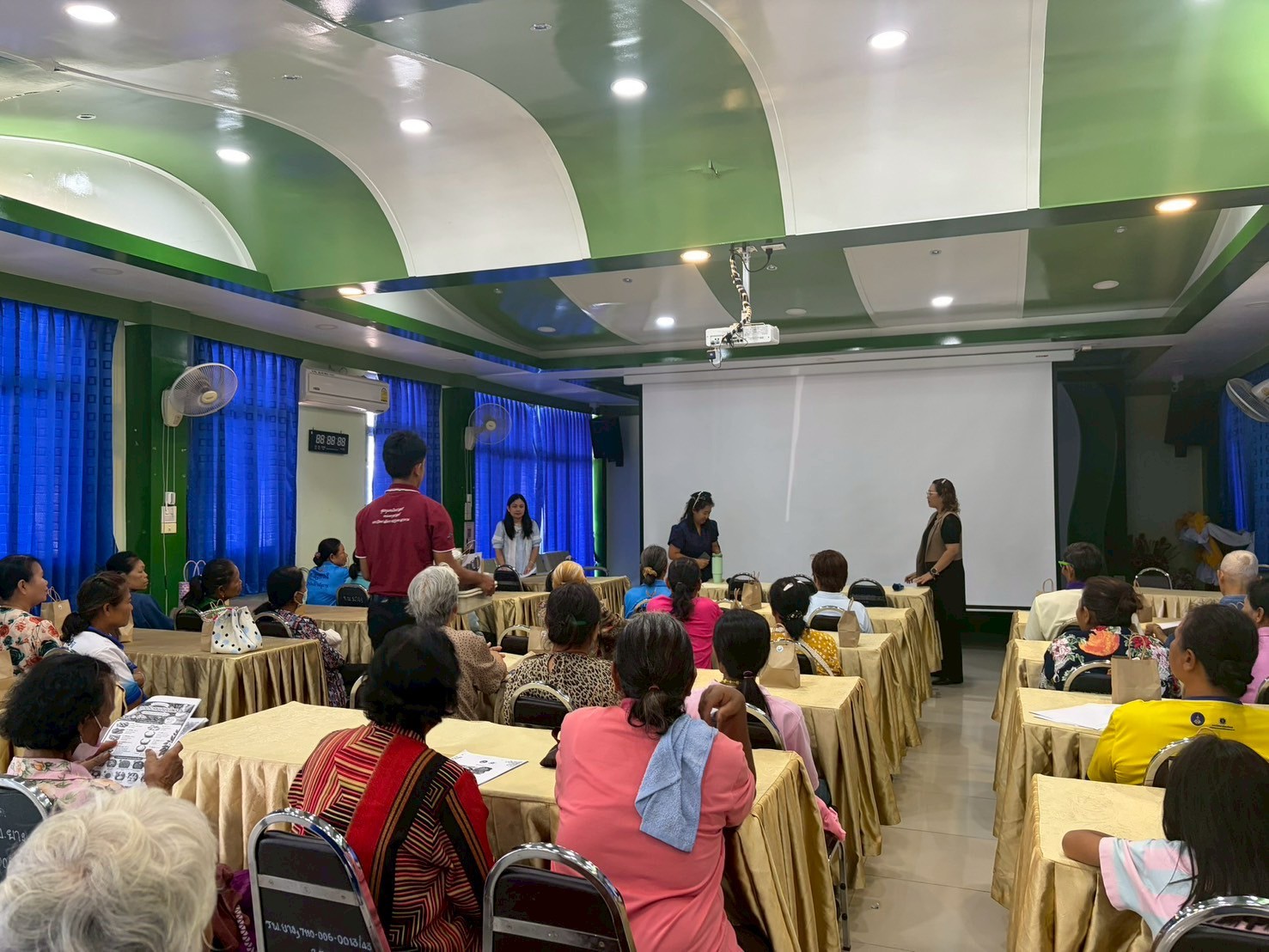
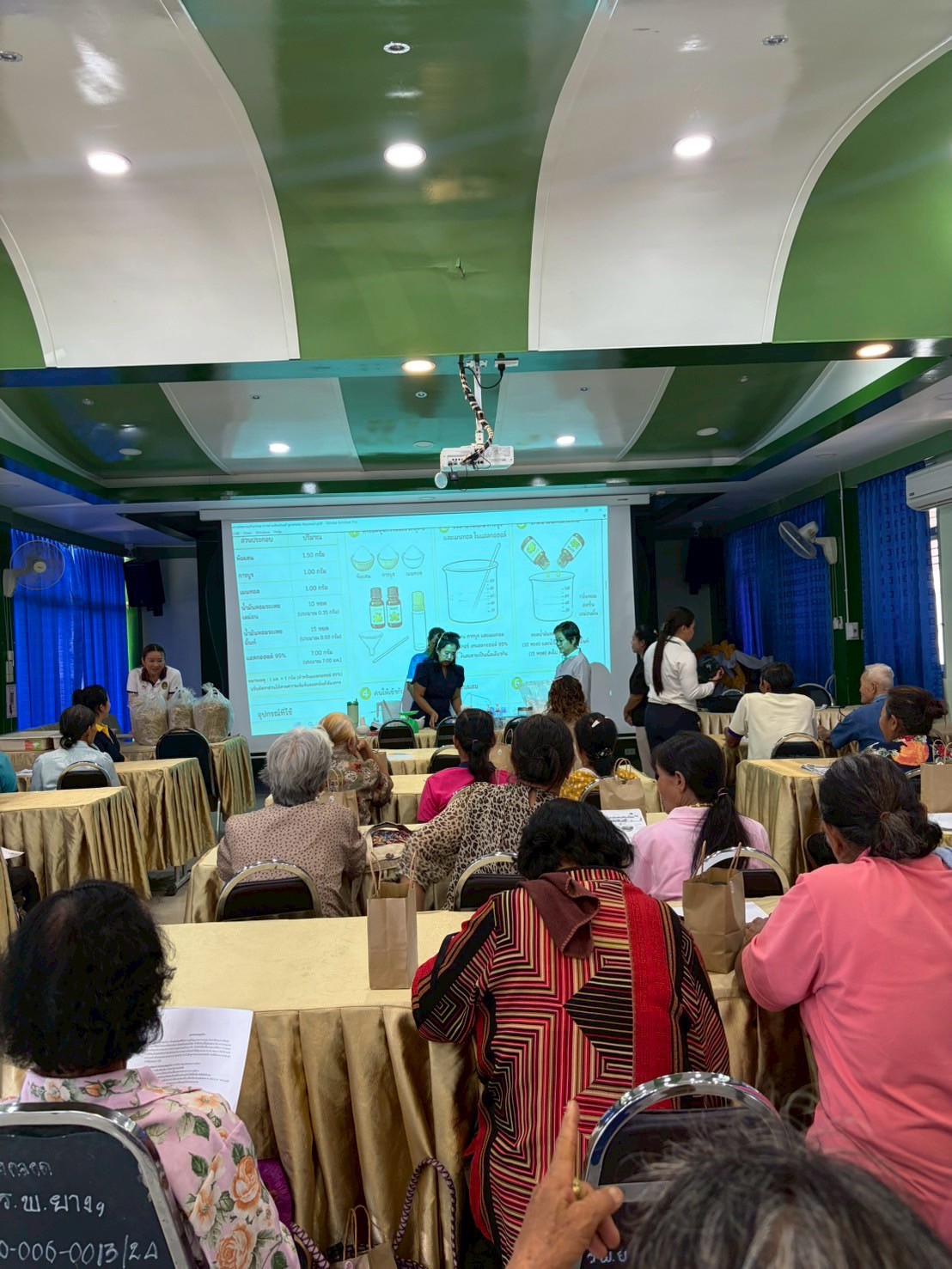
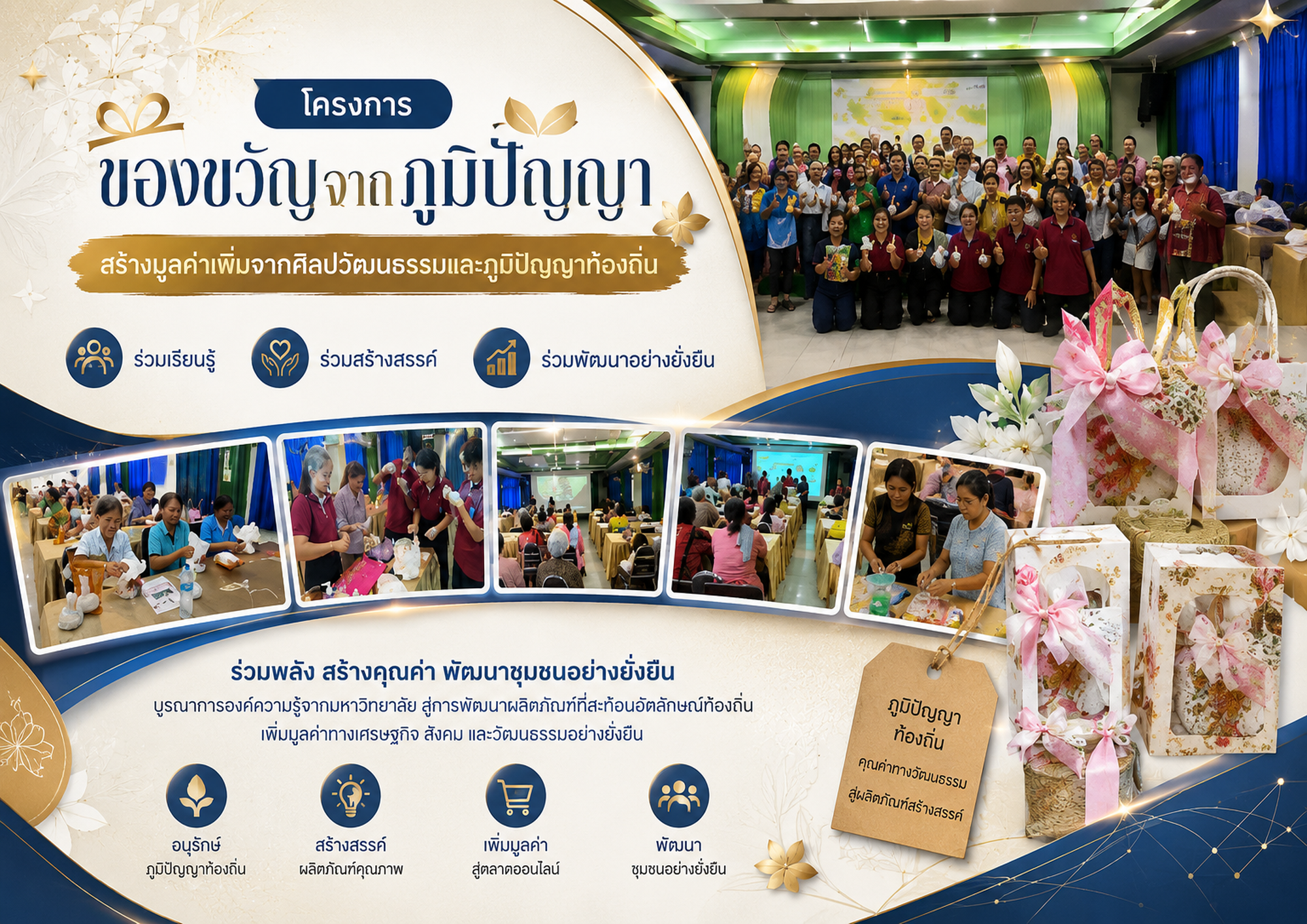
The project, "Gifts of Local Wisdom: Adding Value through Cultural Heritage and Indigenous Knowledge," emphasizes the participation of all sectors of the community through collaborative learning and hands-on activities, as follows:
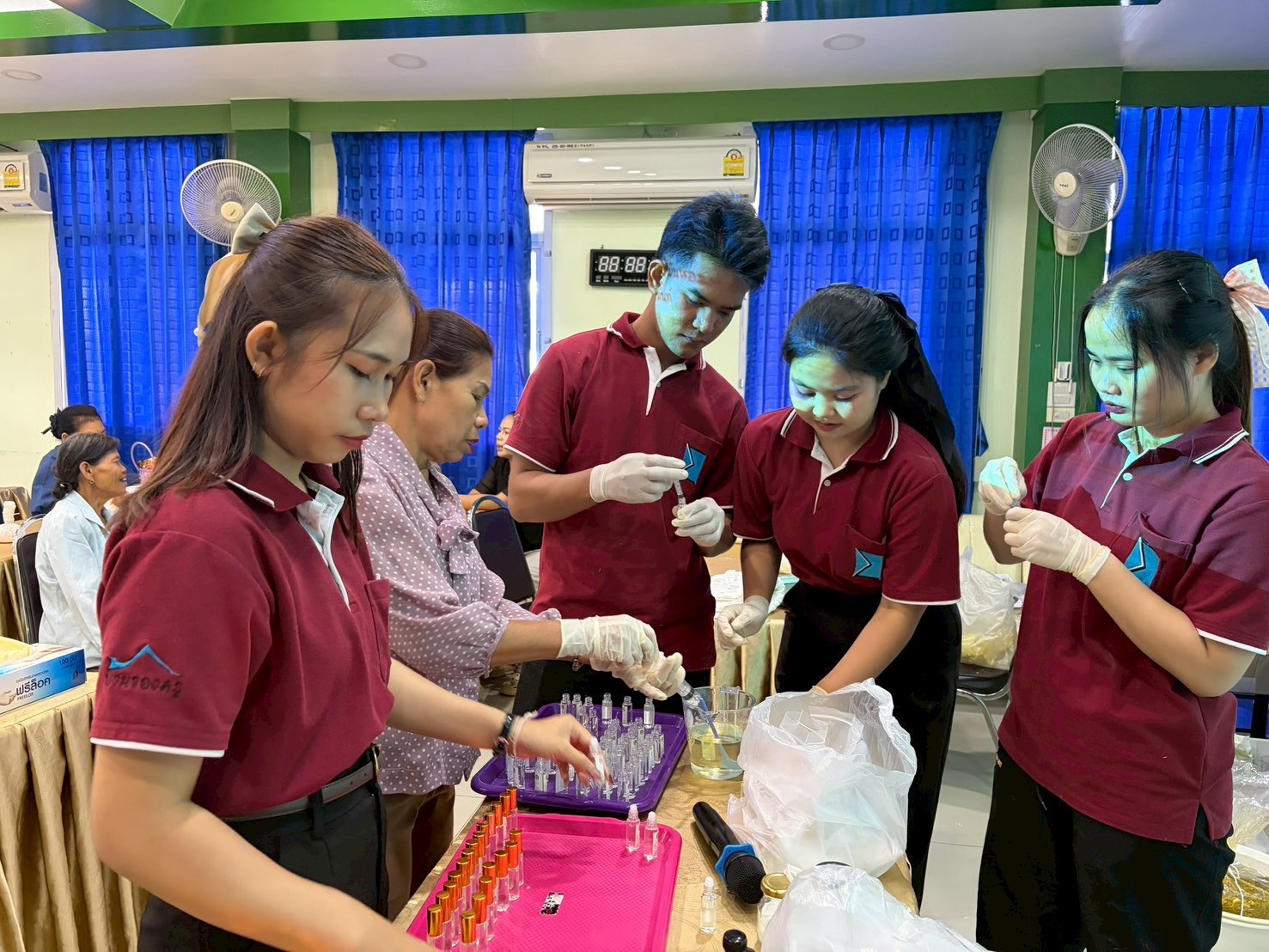
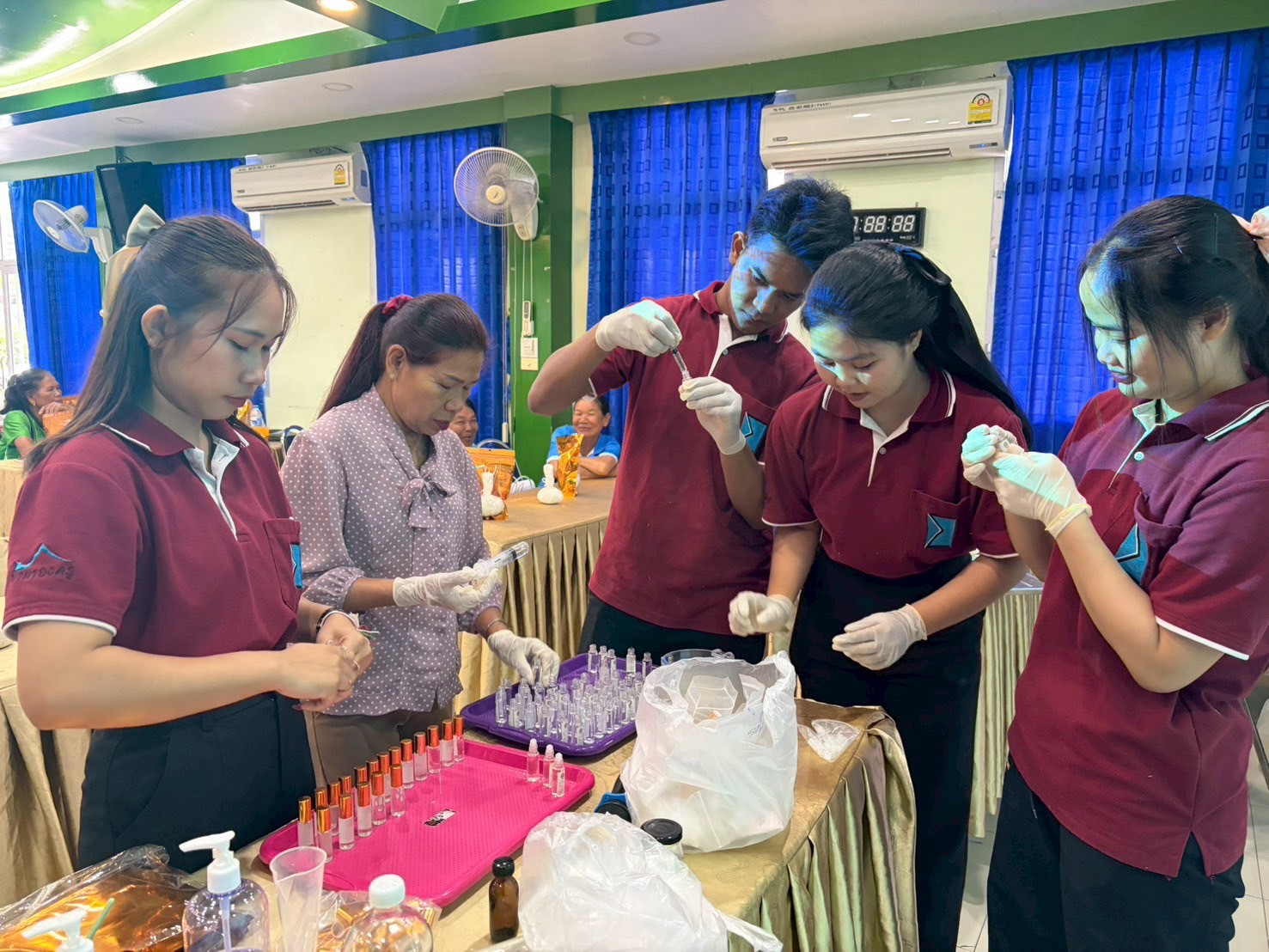
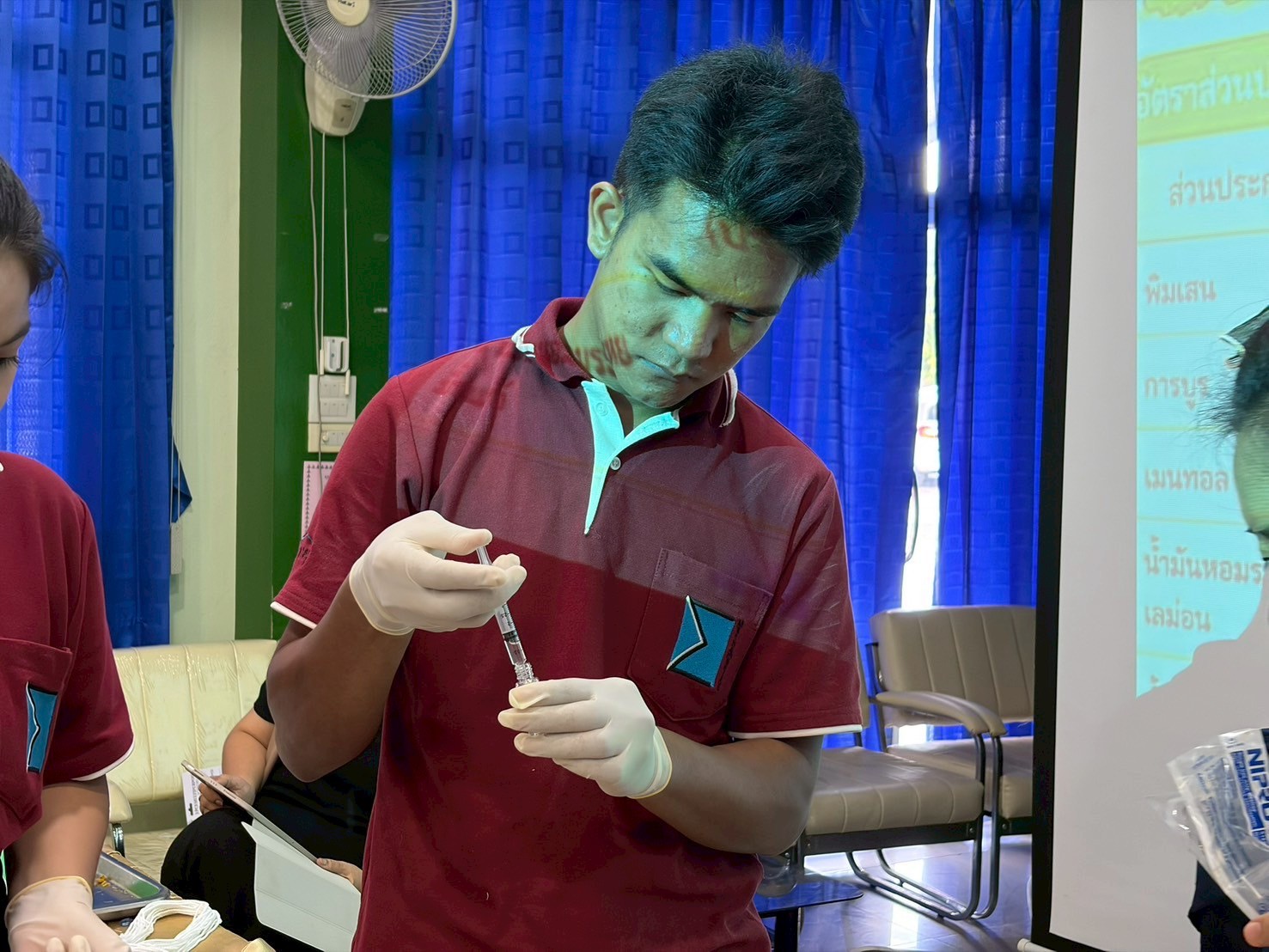
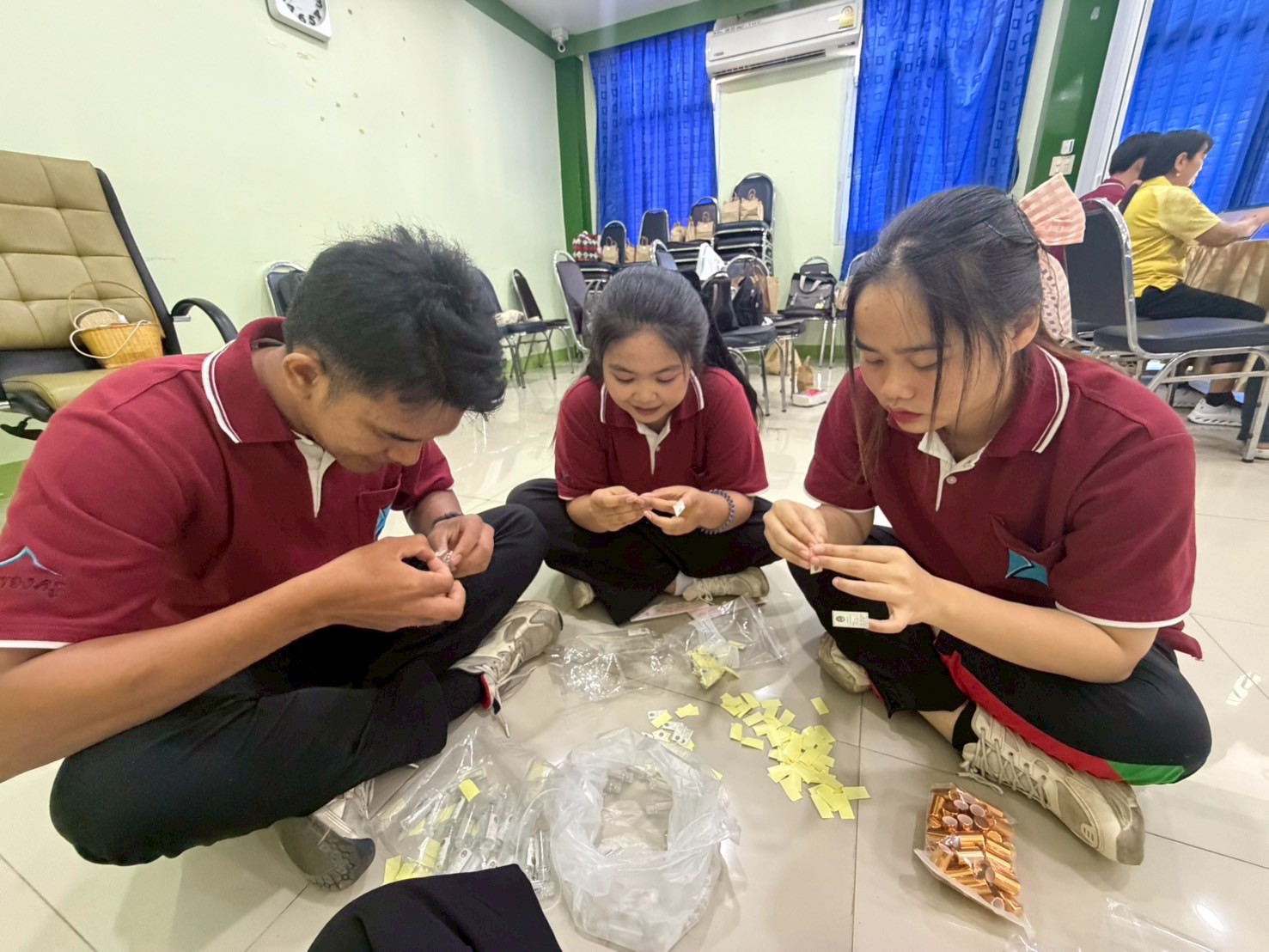
1. Students - Students participate in exploring and studying local wisdom, cultural heritage, and community resources. They contribute to the design and development of prototype products based on local wisdom by applying knowledge from relevant academic disciplines. In addition, they support the creation of promotional materials, online marketing content, and digital sales channels. Through their involvement, students gain valuable experience in community engagement while developing critical thinking, teamwork, and civic-mindedness skills.
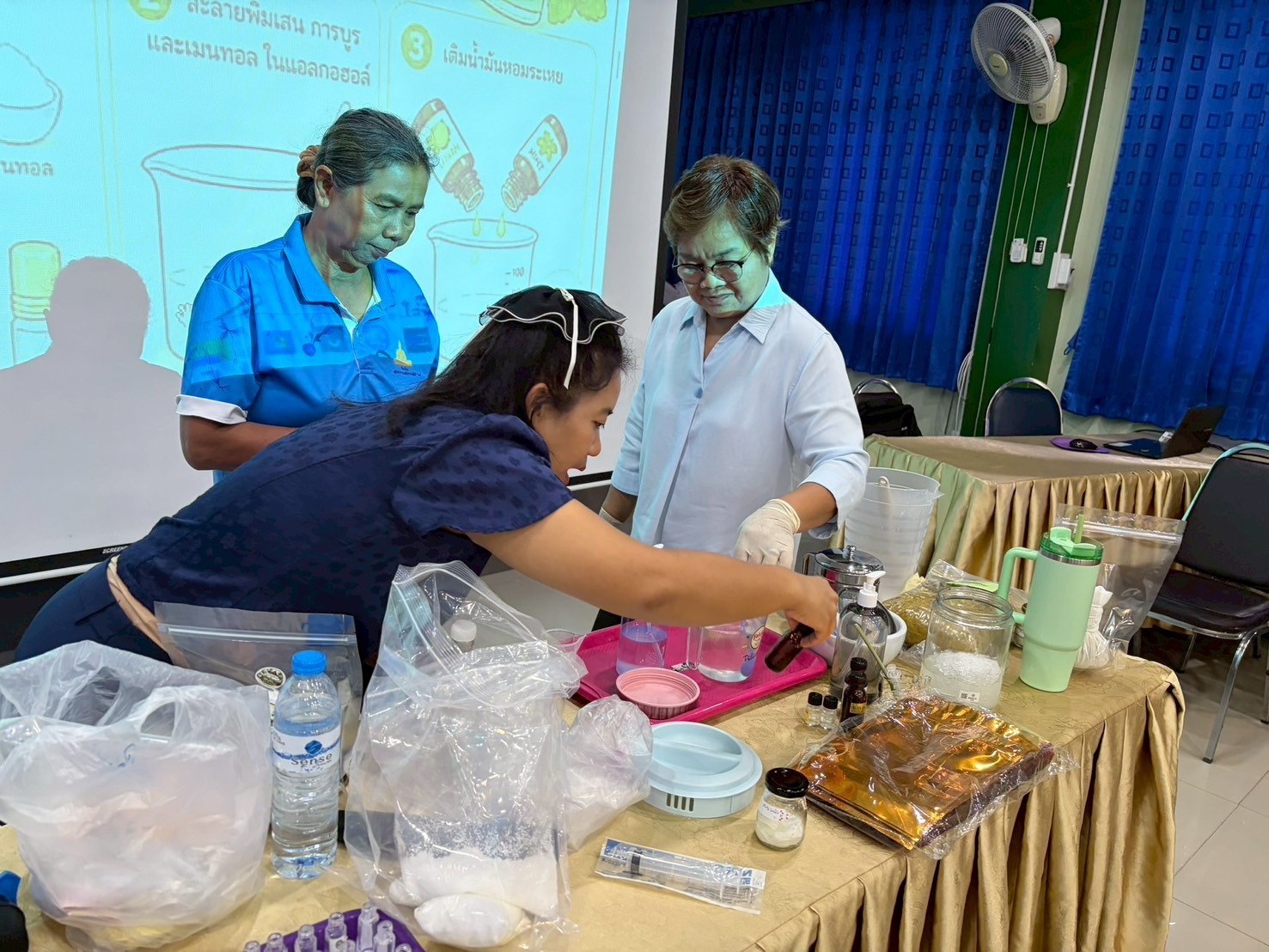
2. Community Members - Community members play a key role in sharing indigenous knowledge, local wisdom, and unique production techniques that reflect the community’s identity. They actively participate in the design, development, and testing of prototype products. Furthermore, they serve as producers and key drivers in transforming these products into sources of income and economic value for the community.
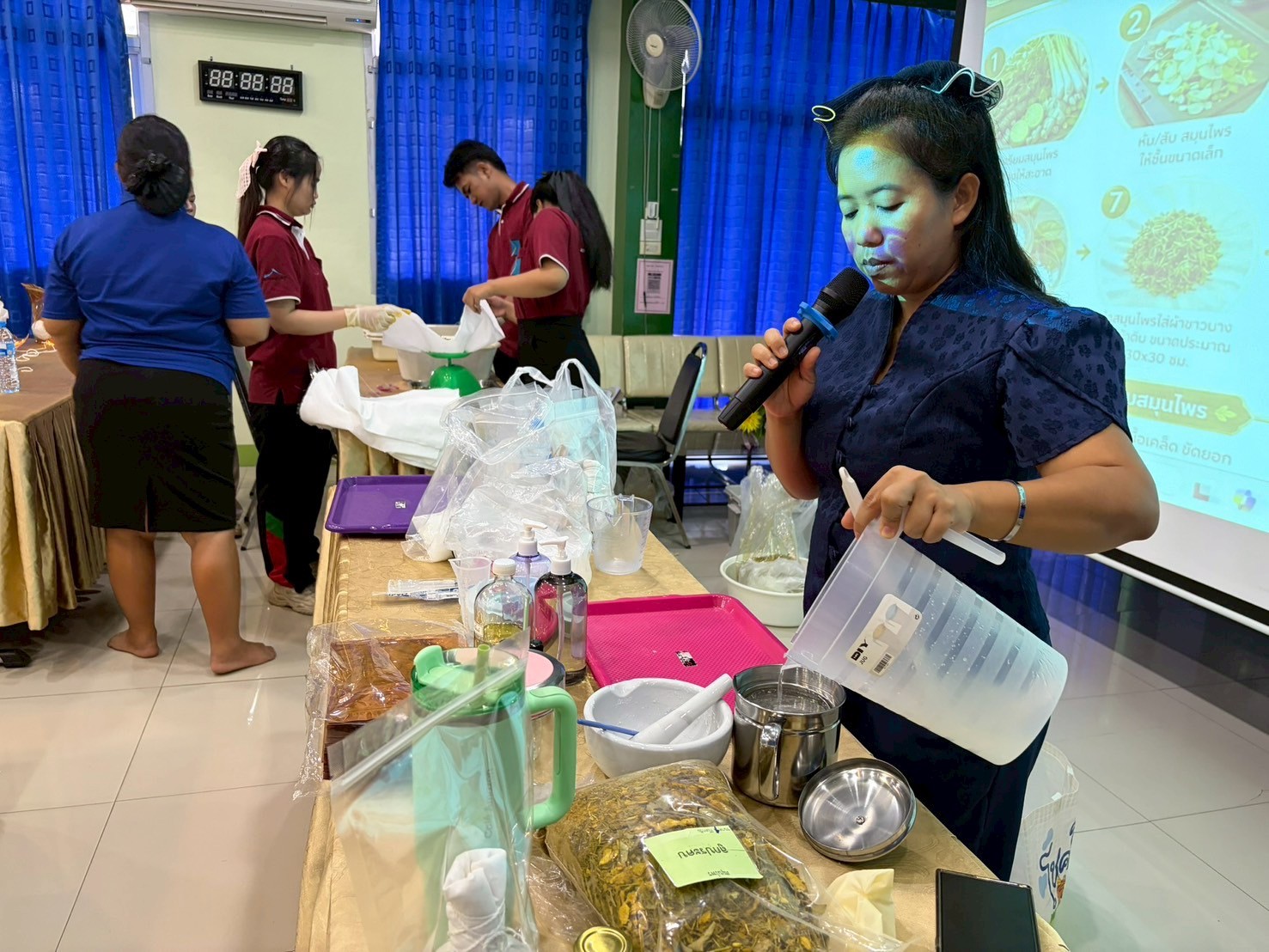
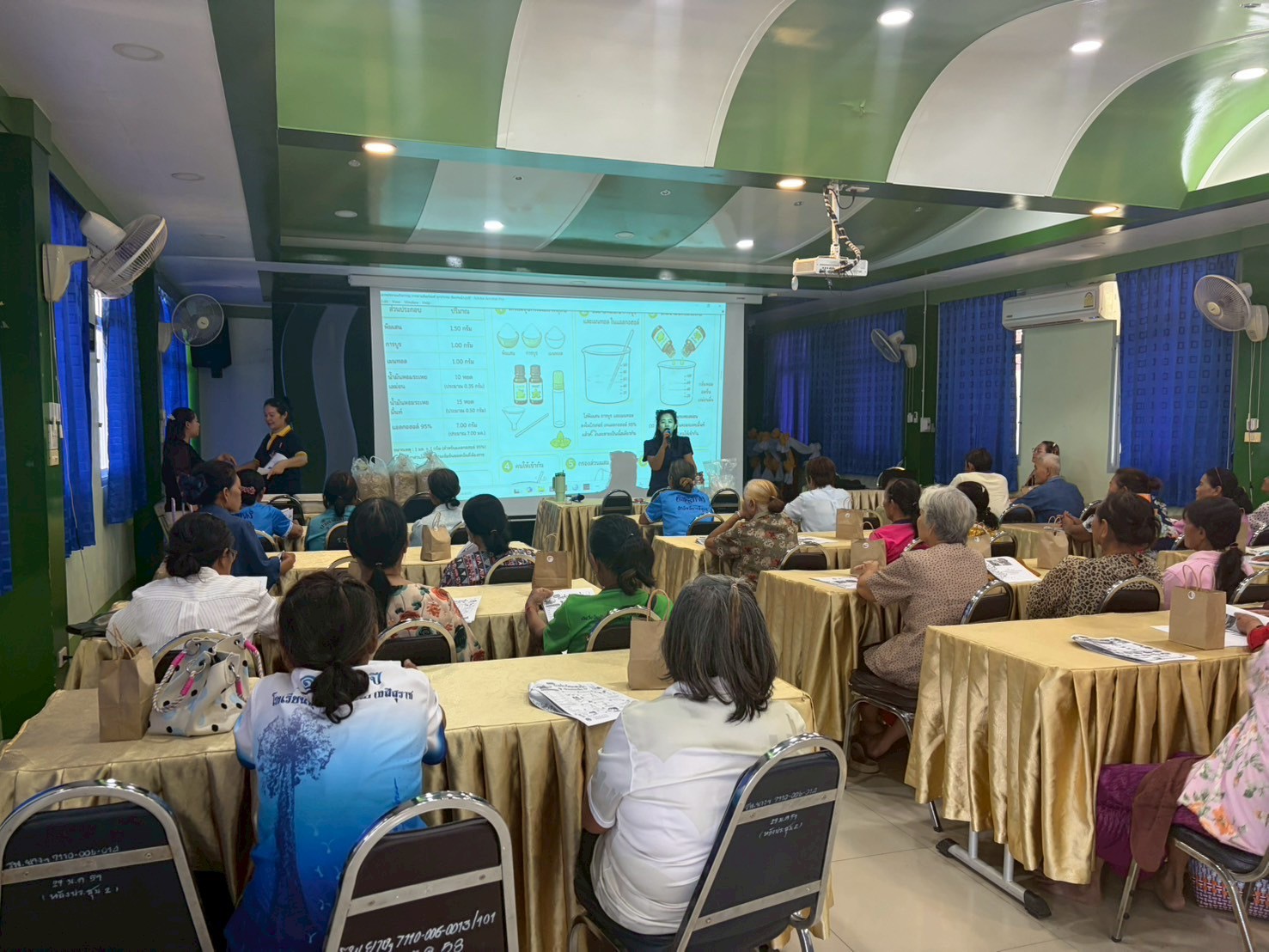
3. University Personnel - University personnel serve as advisors and trainers, providing expertise in product design, packaging development, and marketing. They integrate knowledge from teaching, research, and academic services to support community development initiatives. They also facilitate collaboration among the university, local organizations, and community members, while monitoring, evaluating, and synthesizing lessons learned to develop sustainable approaches for creating added value from local wisdom.
The implementation of this project will foster knowledge exchange between the university and the community, leading to the enhancement of local capacities, the preservation of indigenous knowledge, and the sustainable creation of economic, social, and cultural value.
โครงการ "ของขวัญจากภูมิปัญญา สร้างมูลค่าเพิ่มจากศิลปวัฒนธรรมและภูมิปัญญาท้องถิ่น" มุ่งเน้นการมีส่วนร่วมของทุกภาคส่วนในชุมชนผ่านกระบวนการเรียนรู้และการลงมือปฏิบัติร่วมกัน ดังนี้
1. นักศึกษา ร่วมสำรวจและศึกษาข้อมูลด้านภูมิปัญญาท้องถิ่น ศิลปวัฒนธรรม และทรัพยากรในชุมชน ร่วมออกแบบและพัฒนาต้นแบบผลิตภัณฑ์จากภูมิปัญญาท้องถิ่นโดยประยุกต์ใช้ความรู้จากสาขาวิชาที่เกี่ยวข้อง และสนับสนุนการจัดทำสื่อประชาสัมพันธ์ การสร้างเนื้อหาการตลาดออนไลน์ และการจำหน่ายผลิตภัณฑ์ผ่านช่องทางดิจิทัล อีกทั้งยังได้เรียนรู้การทำงานร่วมกับชุมชนและพัฒนาทักษะการคิดวิเคราะห์ การทำงานเป็นทีม และจิตสาธารณะ
2. ประชาชนและคนในชุมชน ร่วมถ่ายทอดองค์ความรู้ ภูมิปัญญาท้องถิ่น และเทคนิคการผลิตที่เป็นอัตลักษณ์ของชุมชน มีส่วนร่วมในการออกแบบ พัฒนา และทดลองผลิตผลิตภัณฑ์ต้นแบบ และเป็นผู้ผลิตและผู้ขับเคลื่อนการนำผลิตภัณฑ์ไปสร้างรายได้และเพิ่มมูลค่าทางเศรษฐกิจแก่ชุมชน
3. บุคลากรของมหาวิทยาลัย ทำหน้าที่เป็นที่ปรึกษาและวิทยากรในการถ่ายทอดองค์ความรู้ด้านการออกแบบผลิตภัณฑ์ การพัฒนาบรรจุภัณฑ์ และการตลาด บูรณาการองค์ความรู้จากการเรียนการสอน การวิจัย และการบริการวิชาการเพื่อสนับสนุนการพัฒนาชุมชน ประสานความร่วมมือระหว่างมหาวิทยาลัย หน่วยงานท้องถิ่น และชุมชน และติดตาม ประเมินผล และสังเคราะห์บทเรียนเพื่อพัฒนารูปแบบการสร้างมูลค่าเพิ่มจากภูมิปัญญาท้องถิ่นอย่างยั่งยืน
การดำเนินโครงการดังกล่าวจะก่อให้เกิดการแลกเปลี่ยนเรียนรู้ระหว่างมหาวิทยาลัยและชุมชน นำไปสู่การพัฒนาศักยภาพของคนในพื้นที่ การอนุรักษ์ภูมิปัญญาท้องถิ่น และการสร้างมูลค่าเพิ่มทางเศรษฐกิจ สังคม และวัฒนธรรมอย่างยั่งยืน
Project Continuity ความต่อเนื่องของโครงการ
1. Future Project Development
• The project should be extended to develop new products based on local wisdom and cultural heritage.
• Efforts should be made to support branding development and product standardization, including community product standards and food and health certifications where applicable.
• Product packaging should be further improved to meet the requirements of online markets and souvenir markets.
2. Capacity Building for Participants
• Entrepreneurial skills should be promoted among youth and community members.
• Continuous experiential learning and hands-on training opportunities should be provided to strengthen participants’ practical knowledge and skills.
3. Sustainability Development
• Follow-up evaluations should be conducted after the completion of the project to assess long-term impacts and outcomes.
• The establishment and strengthening of community enterprise groups should be encouraged and supported.
• Collaborative networks among universities, government agencies, and local communities should be developed to ensure continuous and sustainable community development.
1 การพัฒนาโครงการในอนาคต
• ควรต่อยอดสู่การพัฒนาผลิตภัณฑ์ใหม่จากภูมิปัญญาท้องถิ่น
• ส่งเสริมการสร้างแบรนด์และมาตรฐานผลิตภัณฑ์ เช่น มผช. และ อย.
• พัฒนาบรรจุภัณฑ์ให้เหมาะกับตลาดออนไลน์และตลาดของฝาก
2. การพัฒนาศักยภาพผู้เข้าร่วม
• ส่งเสริมทักษะผู้ประกอบการให้กับเยาวชนและคนในชุมชน
• สนับสนุนการเรียนรู้จากการปฏิบัติจริงอย่างต่อเนื่อง
3. การสร้างความยั่งยืน
• ควรมีการติดตามผลหลังสิ้นสุดโครงการ
• สนับสนุนการรวมกลุ่มวิสาหกิจชุมชน
• สร้างเครือข่ายความร่วมมือระหว่างมหาวิทยาลัย หน่วยงานภาครัฐ และชุมชน เพื่อให้เกิดการพัฒนาอย่างต่อเนื่องและยั่งยืน
Part 3: Challenges & Suggestions ส่วนที่ 3 ปัญหาอุปสรรค/ข้อเสนอแนะ
Problems & Obstacles ปัญหา/อุปสรรค
1. Time Constraints - The duration of the project activities was relatively limited, which restricted the full implementation of certain activities, particularly the hands-on training sessions in product design and online marketing.
2. Participants’ Basic Skills - Most participants were older adults who had limited foundational skills in digital technology, design, and the use of online media. As a result, additional time was required for explanations, demonstrations, and practical training.
3. Commercialization and Market Expansion - Some participants lacked confidence in introducing their products to the commercial market. In addition, clear marketing and distribution channels had not yet been fully established, which limited opportunities for product commercialization and market expansion.
1. ด้านระยะเวลา ระยะเวลาในการจัดกิจกรรมค่อนข้างจำกัด ทำให้บางกิจกรรมโดยเฉพาะการฝึกปฏิบัติด้านการออกแบบและการตลาดออนไลน์ไม่สามารถดำเนินการได้อย่างเต็มที่
2. ด้านทักษะพื้นฐานของผู้เข้าร่วม ผู้เข้าร่วมส่วนมากเป็นผู้สูงอายุ ยังขาดทักษะพื้นฐานด้านเทคโนโลยีดิจิทัล การออกแบบ และการใช้สื่อออนไลน์ ส่งผลให้ต้องใช้เวลาในการอธิบายและฝึกปฏิบัติเพิ่มเติม
3. ด้านการต่อยอดเชิงพาณิชย์ผู้เข้าร่วมบางส่วนยังขาดความมั่นใจในการนำผลิตภัณฑ์ออกสู่ตลาดจริง รวมถึงยังไม่มีช่องทางการจำหน่ายที่ชัดเจน
Improvement Guidelines แนวทางการปรับปรุง
1. Extend the Duration or Implement Continuous Activities - The duration of workshop activities should be extended, or the project should be implemented in multiple phases to provide participants with sufficient opportunities for hands-on practice and skill development.
2. Provide Additional Basic Training or Expand the Target Group - Preparatory training should be offered before the main activities, particularly in:
* The use of online and social media platforms
* Product photography techniques
* Basic design skills
This preparation will enhance participants’ readiness and improve the effectiveness of the project activities.
3. Promote Marketing and Strengthen Networks - Support should be provided for online sales channels, participation in trade fairs and exhibitions, and the establishment of community entrepreneur networks. These measures will help local products gain greater market access and improve their commercial viability.
1. เพิ่มระยะเวลาหรือจัดกิจกรรมต่อเนื่อง ควรเพิ่มระยะเวลาในการอบรมเชิงปฏิบัติการ หรือจัดกิจกรรมต่อเนื่องเป็นหลายระยะ เพื่อให้ผู้เข้าร่วมได้ฝึกปฏิบัติอย่างเต็มที่
2. จัดอบรมพื้นฐานเพิ่มเติมหรือขยายกลุ่มเป้าหมาย โดย เตรียมความพร้อมด้าน
• การใช้สื่อออนไลน์
• การถ่ายภาพสินค้า
• การออกแบบเบื้องต้น ก่อนเข้าสู่กิจกรรมหลัก
3. ส่งเสริมการตลาดและสร้างเครือข่าย ควรสนับสนุนช่องทางจำหน่ายออนไลน์ การเข้าร่วมงานแสดงสินค้า และสร้างเครือข่ายผู้ประกอบการชุมชน เพื่อช่วยให้ผลิตภัณฑ์สามารถเข้าสู่ตลาดได้จริง
Suggestions to University ข้อเสนอแนะต่อมหาวิทยาลัย
1. Future Project Development
• The project should be expanded to support the development of new products based on local wisdom and cultural heritage.
• Product branding and quality standards, such as Community Product Standards (CPS) and Food and Drug Administration (FDA) certification, should be promoted.
• Packaging should be further developed to meet the requirements of online markets and souvenir markets.
2. Capacity Building for Participants
• Entrepreneurial skills should be promoted among youth and community members.
• Continuous experiential and hands-on learning opportunities should be provided to enhance participants’ knowledge and skills.
3. Sustainability Enhancement
• Follow-up and monitoring activities should be conducted after project completion to assess long-term impacts and outcomes.
• The formation and strengthening of community enterprise groups should be encouraged and supported.
• Collaborative networks among universities, government agencies, and local communities should be established to ensure continuous and sustainable development.
1 การพัฒนาโครงการในอนาคต
• ควรต่อยอดสู่การพัฒนาผลิตภัณฑ์ใหม่จากภูมิปัญญาท้องถิ่น
• ส่งเสริมการสร้างแบรนด์และมาตรฐานผลิตภัณฑ์ เช่น มผช. และ อย.
• พัฒนาบรรจุภัณฑ์ให้เหมาะกับตลาดออนไลน์และตลาดของฝาก
2. การพัฒนาศักยภาพผู้เข้าร่วม
• ส่งเสริมทักษะผู้ประกอบการให้กับเยาวชนและคนในชุมชน
• สนับสนุนการเรียนรู้จากการปฏิบัติจริงอย่างต่อเนื่อง
3. การสร้างความยั่งยืน
• ควรมีการติดตามผลหลังสิ้นสุดโครงการ
• สนับสนุนการรวมกลุ่มวิสาหกิจชุมชน
• สร้างเครือข่ายความร่วมมือระหว่างมหาวิทยาลัย หน่วยงานภาครัฐ และชุมชน เพื่อให้เกิดการพัฒนาอย่างต่อเนื่องและยั่งยืน