– August 30, 2026 1 ตุลาคม 2568
– 30 สิงหาคม 2569
Part 1: Project Details ส่วนที่ 1 รายละเอียดการดำเนินงาน
Objectives วัตถุประสงค์โครงการ
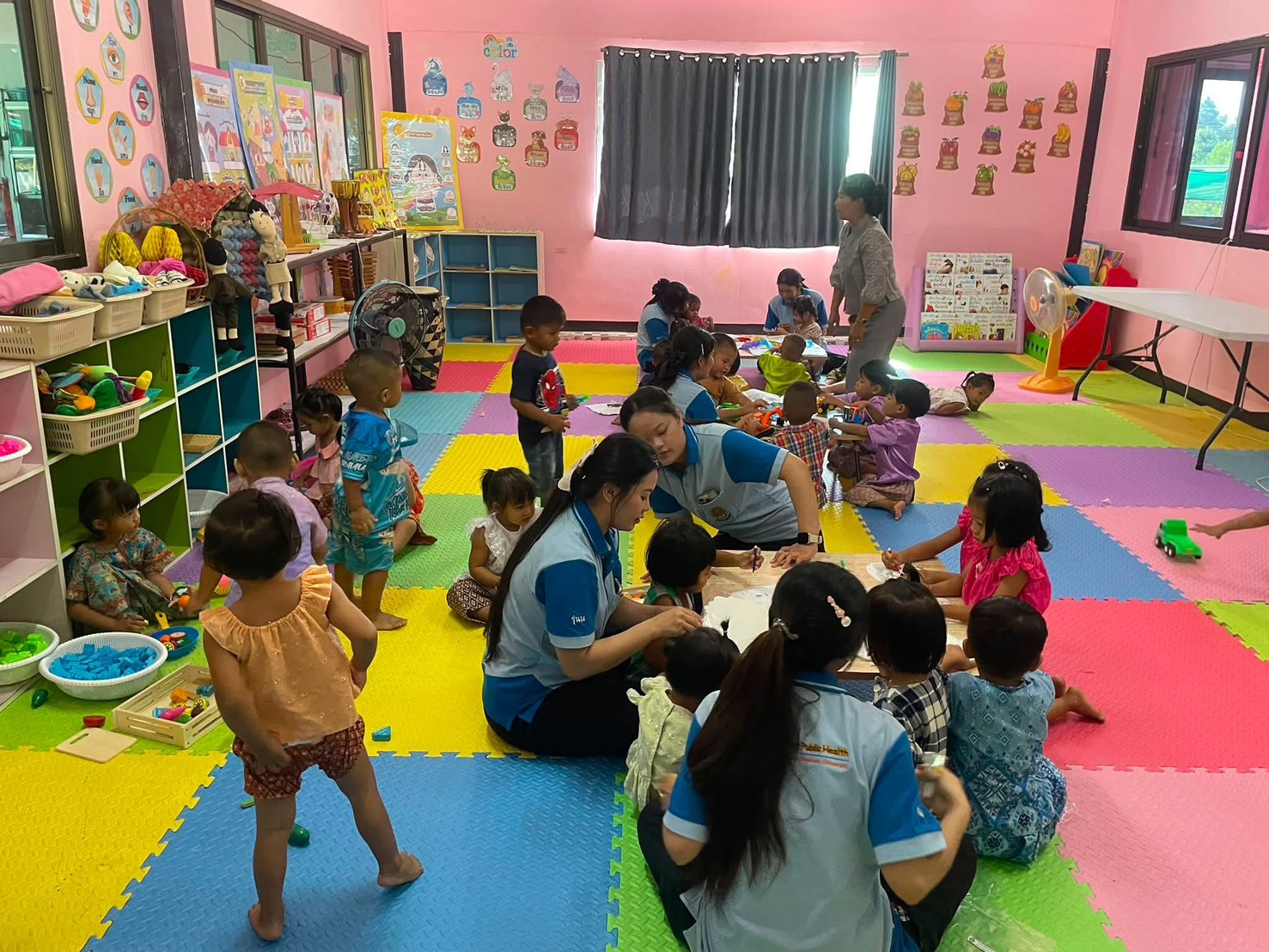
1. To promote the development of executive functions (EF) in preschool children through participatory learning activities and direct, hands-on experiences.
2. To promote the physical and mental well-being of preschool children in Child Development Centers in an age-appropriate and sustainable manner.
3. To enhance parents’ knowledge, skills, and roles in parenting and appropriately promoting early childhood development within family and community contexts.
4. To promote learning environments in Child Development Centers that support the physical, emotional, and cognitive development of preschool children.
5. To develop a “Model Classroom for Preschool Children” that connects with the community, local administrative organizations, and local health networks.
6. To integrate collaboration among Child Development Center personnel, academics, lecturers, students, and the community to develop a sustainable care system for preschool children.
1. เพื่อส่งเสริมการพัฒนาทักษะสมองส่วนหน้าหรือ EF (Executive Functions) ของเด็กปฐมวัย ผ่านกิจกรรมการเรียนรู้ที่เน้นการมีส่วนร่วมและประสบการณ์ตรง
2. เพื่อเสริมสร้างสุขภาวะทางกายและสุขภาวะทางใจของเด็กปฐมวัยในศูนย์พัฒนาเด็กเล็กให้สมวัยและยั่งยืน
3. เพื่อพัฒนาทักษะความรู้และบทบาทของผู้ปกครองในการเลี้ยงดูและส่งเสริมพัฒนาการเด็กปฐมวัยอย่างเหมาะสมในบริบทครอบครัวและชุมชน
4. เพื่อส่งเสริมให้ศูนย์พัฒนาเด็กเล็กมีสภาพแวดล้อมการเรียนรู้ที่เอื้อต่อการพัฒนาทั้งร่างกาย จิตใจ และสมองของเด็กปฐมวัย
5. เพื่อพัฒนา “ห้องเรียนต้นแบบเพื่อเด็กปฐมวัย” ที่เชื่อมโยงกับชุมชน องค์กรปกครองส่วนท้องถิ่น และเครือข่ายสุขภาพในท้องถิ่น
6. เพื่อบูรณาการการทำงานร่วมกันระหว่างบุคลากรในศูนย์พัฒนาเด็กเล็ก นักวิชาการ อาจารย์ นักศึกษา และชุมชนในการพัฒนาระบบการดูแลเด็กก่อนวัยเรียนอย่างยั่งยืน
Main Activities กิจกรรมหลัก
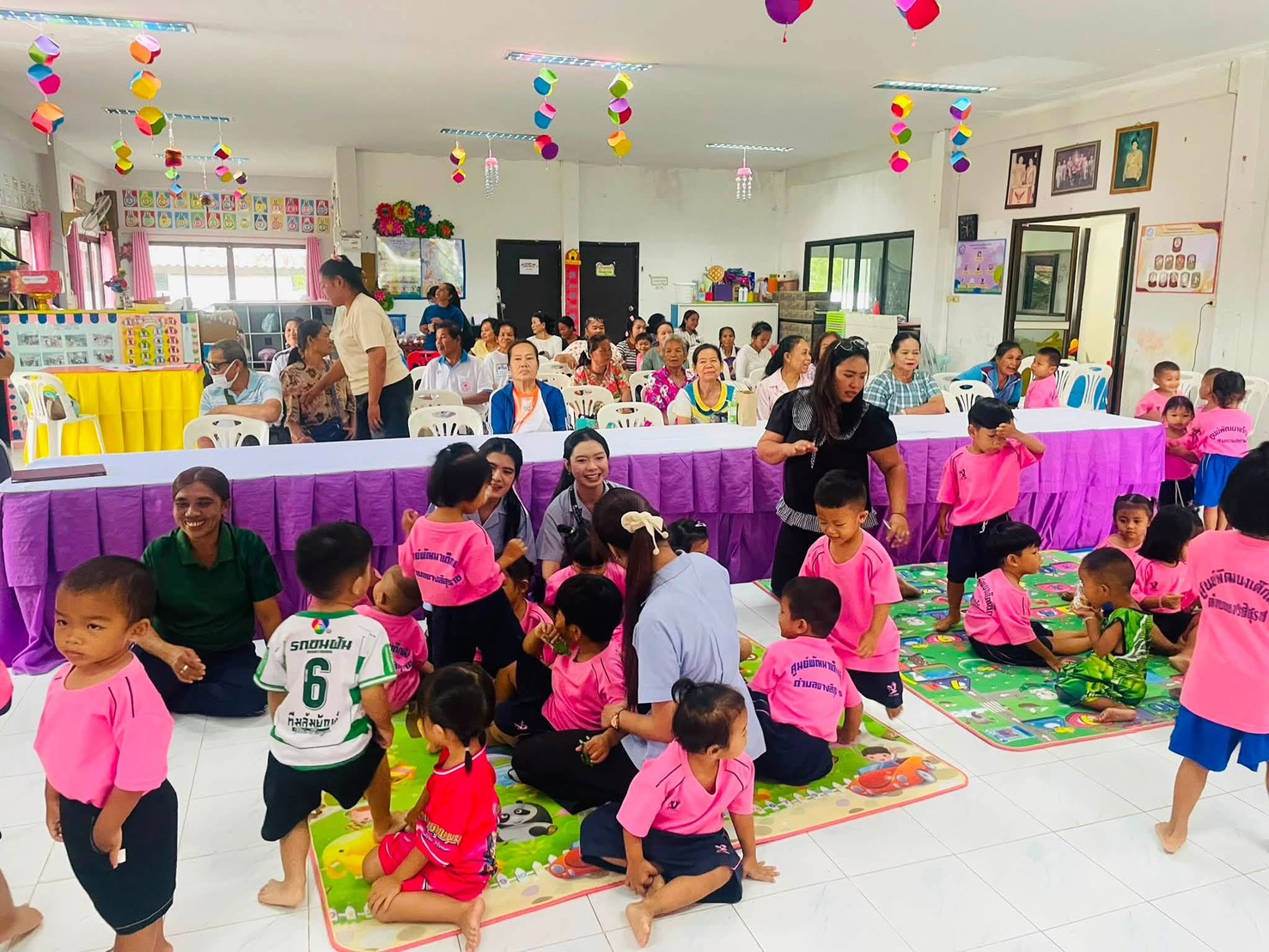
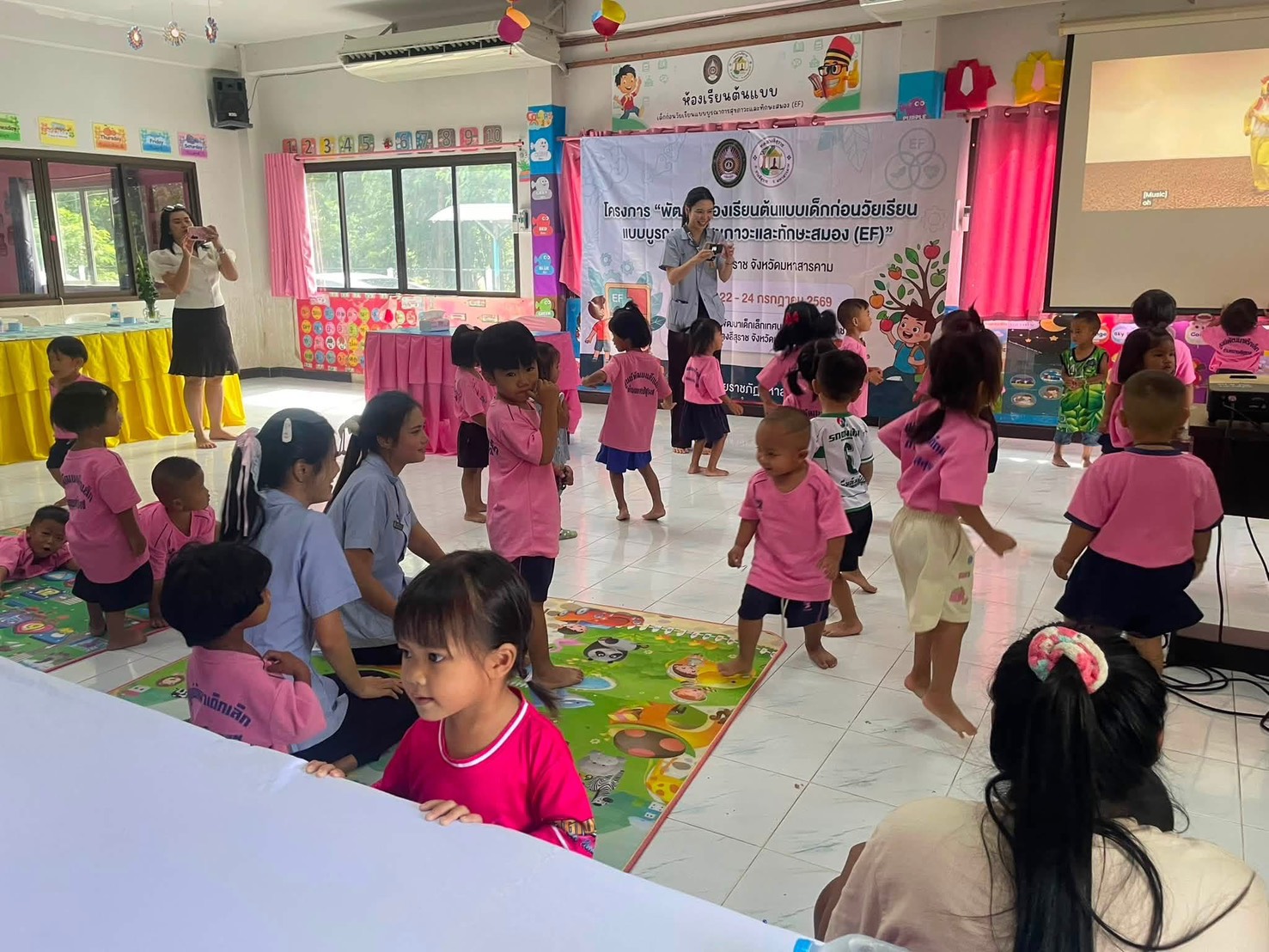
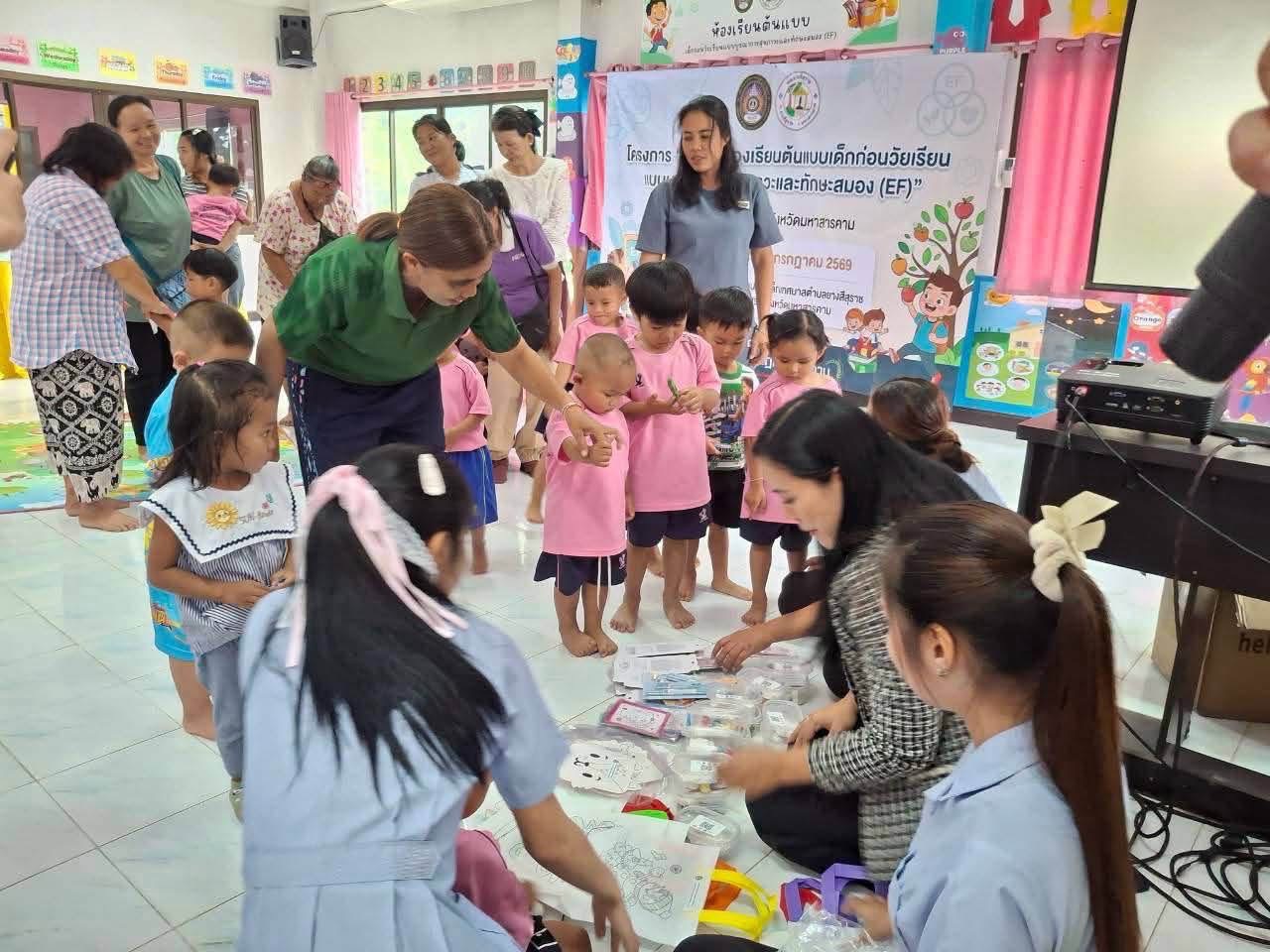
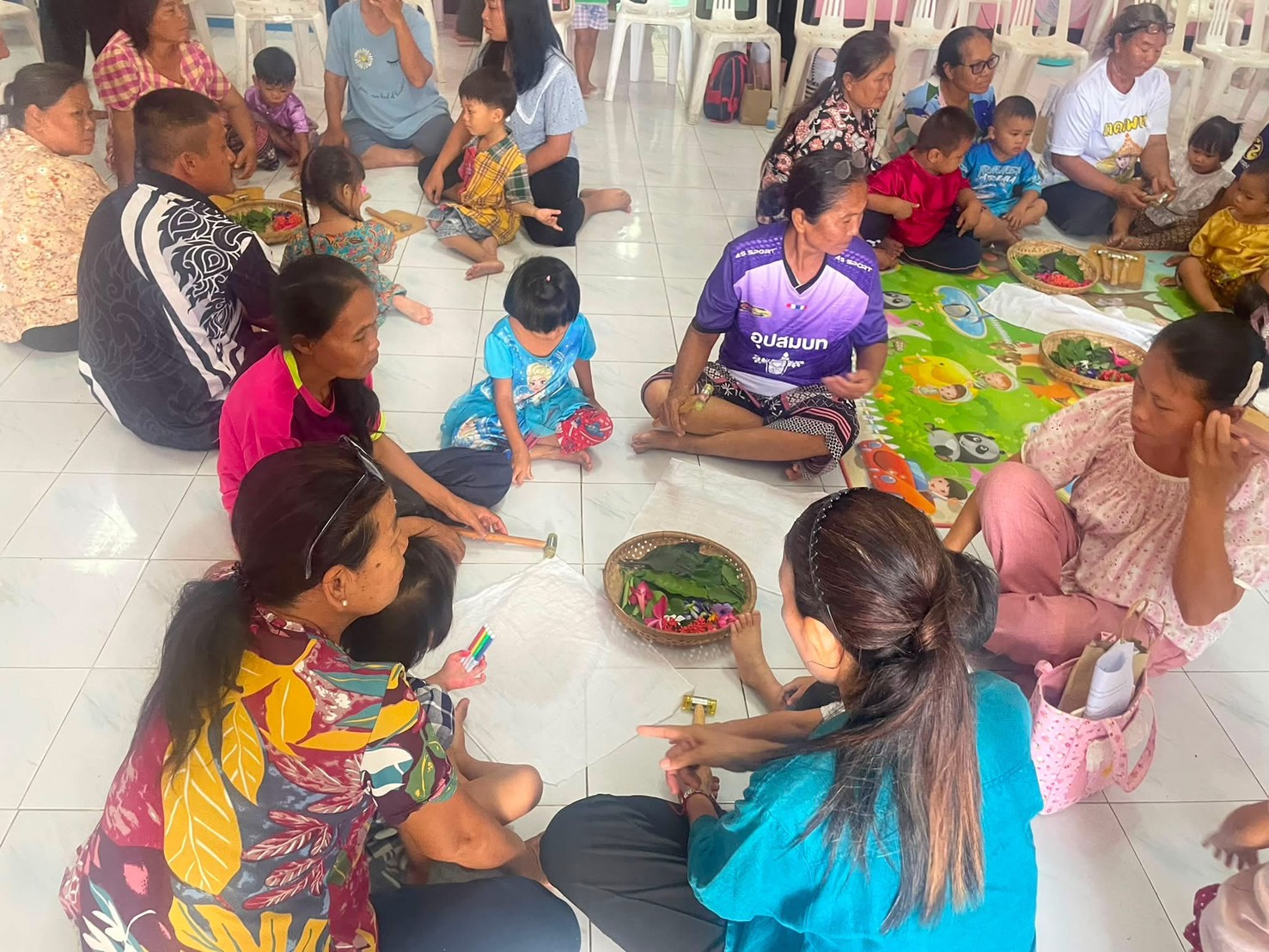
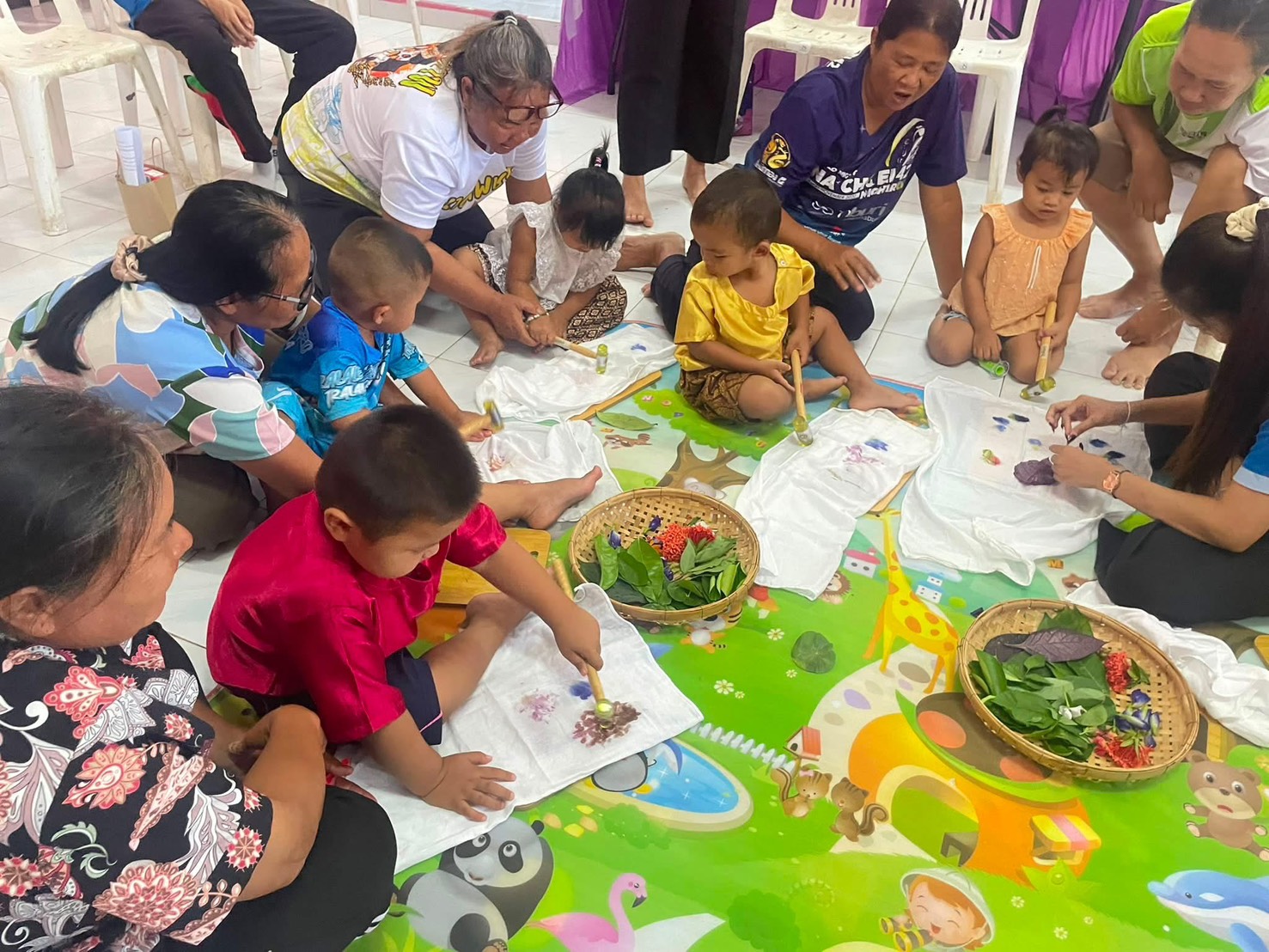
1. Organize three EF-enhancement activities for preschool children.
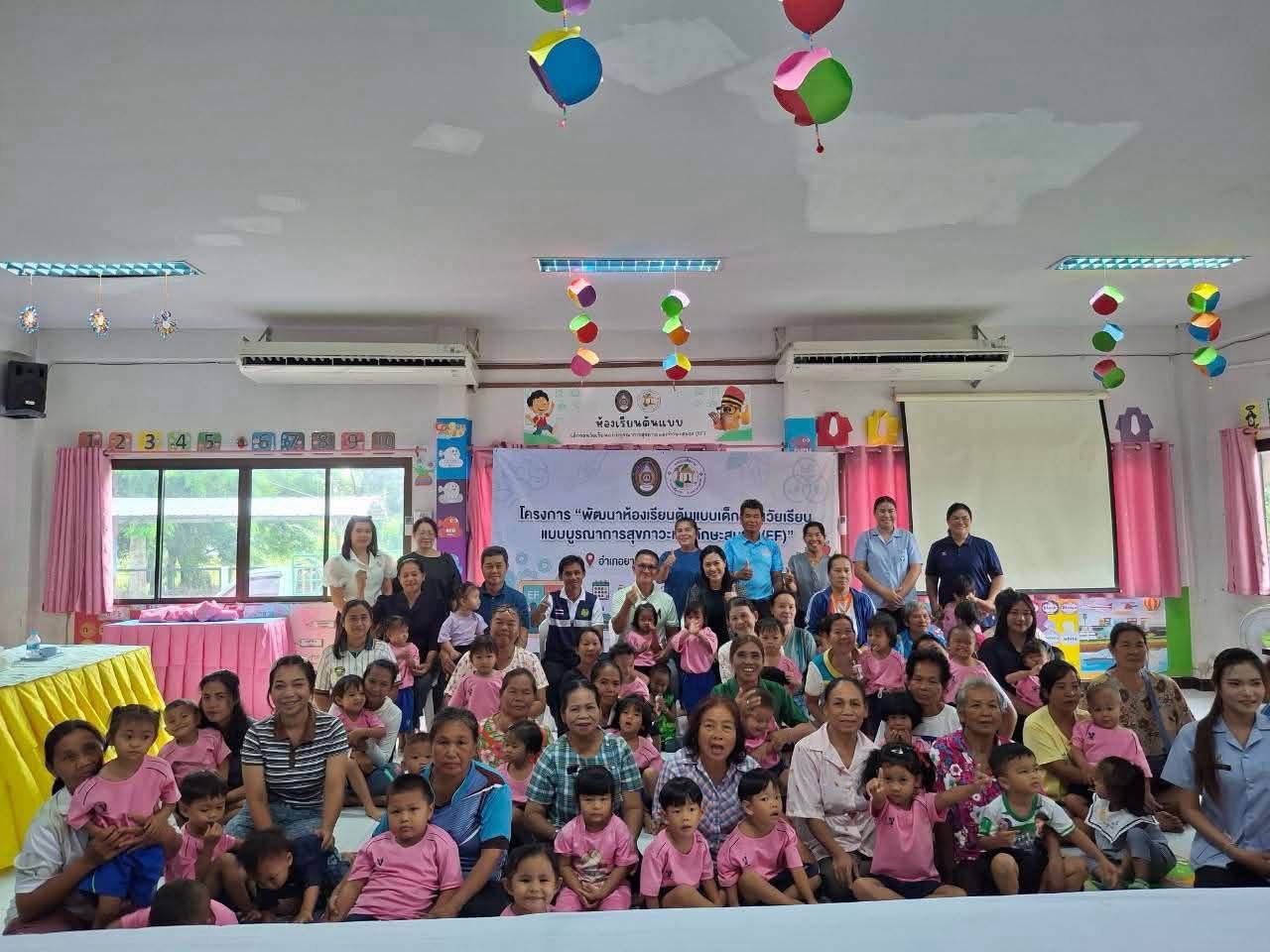
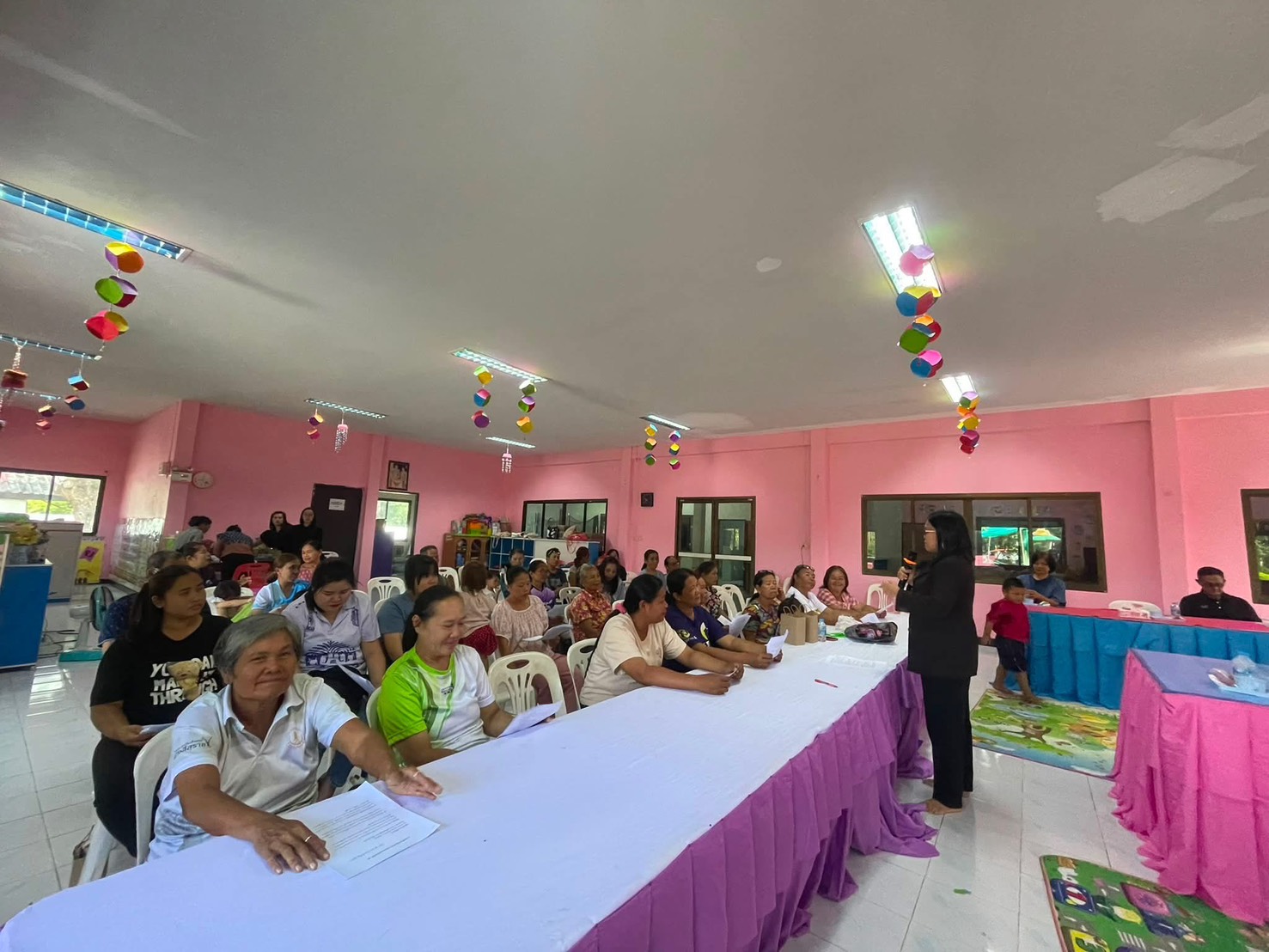
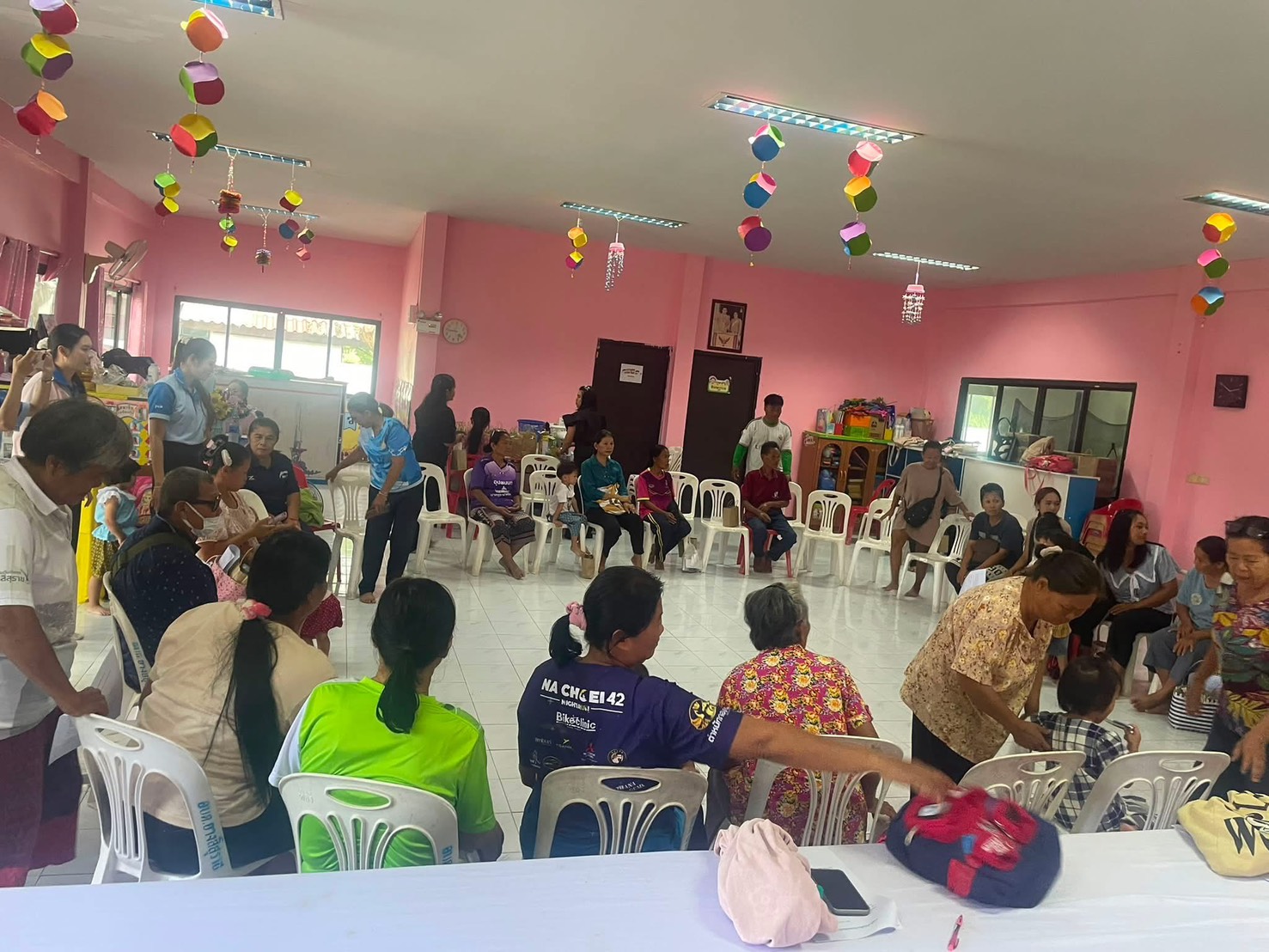
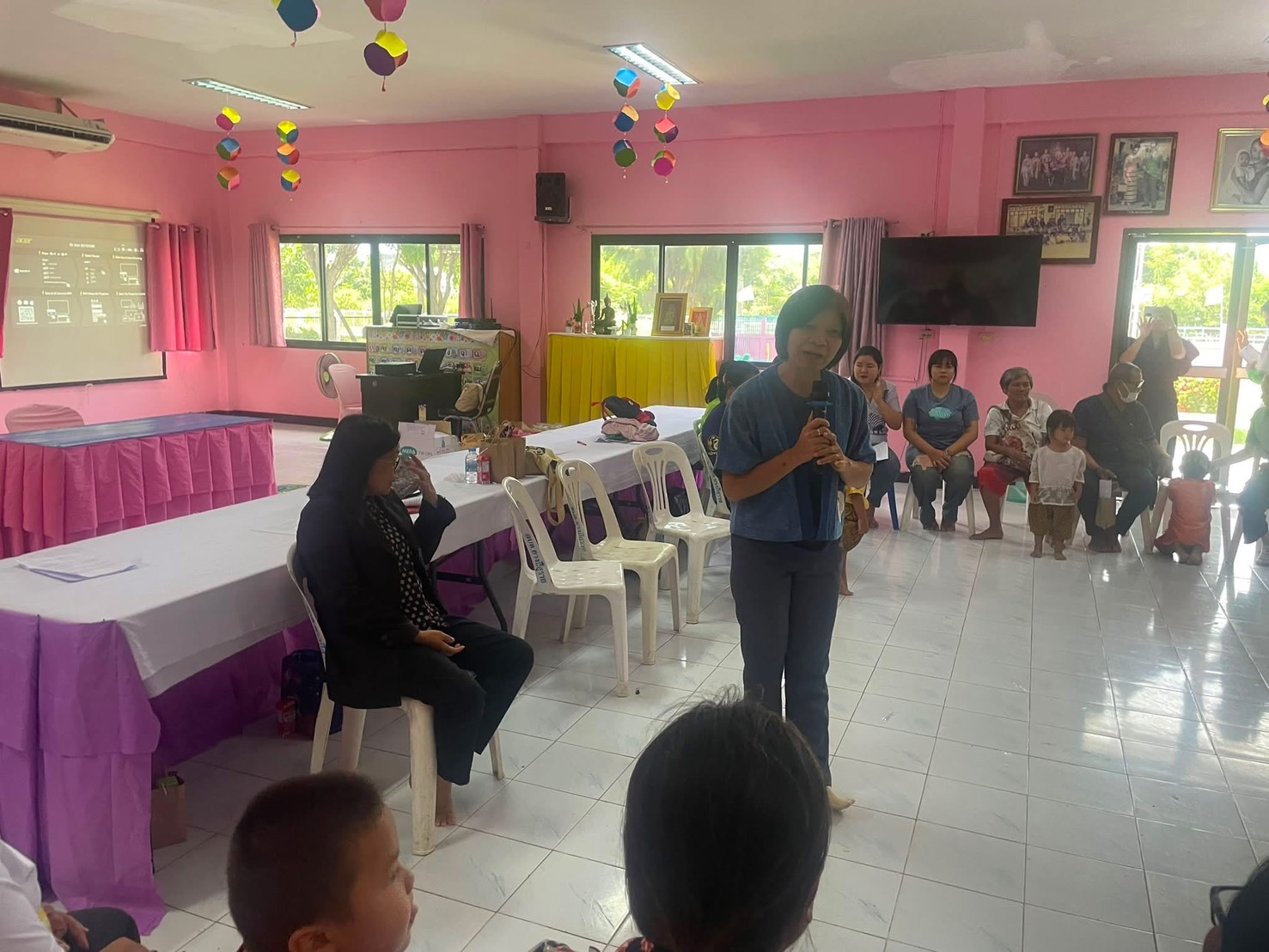
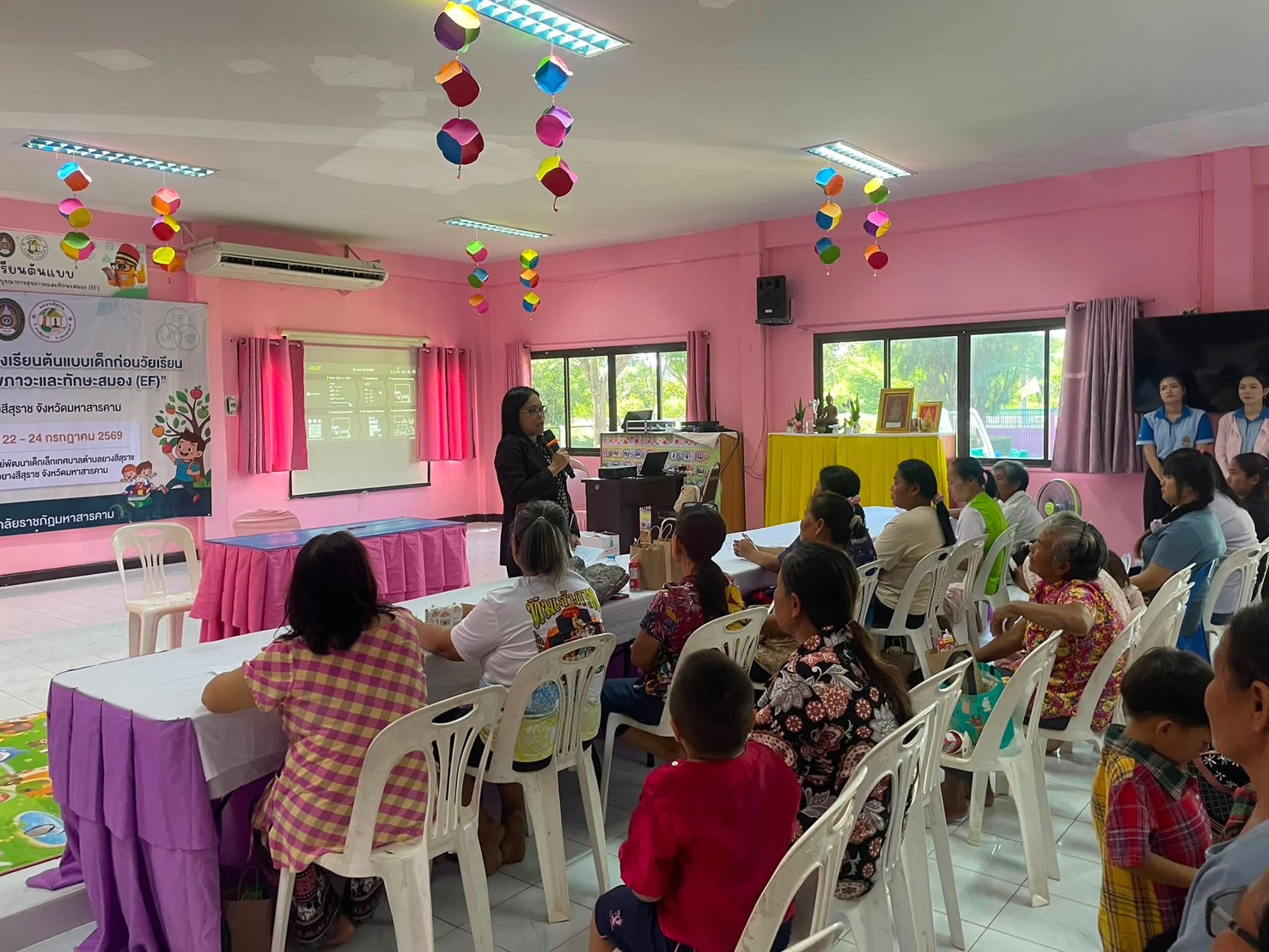
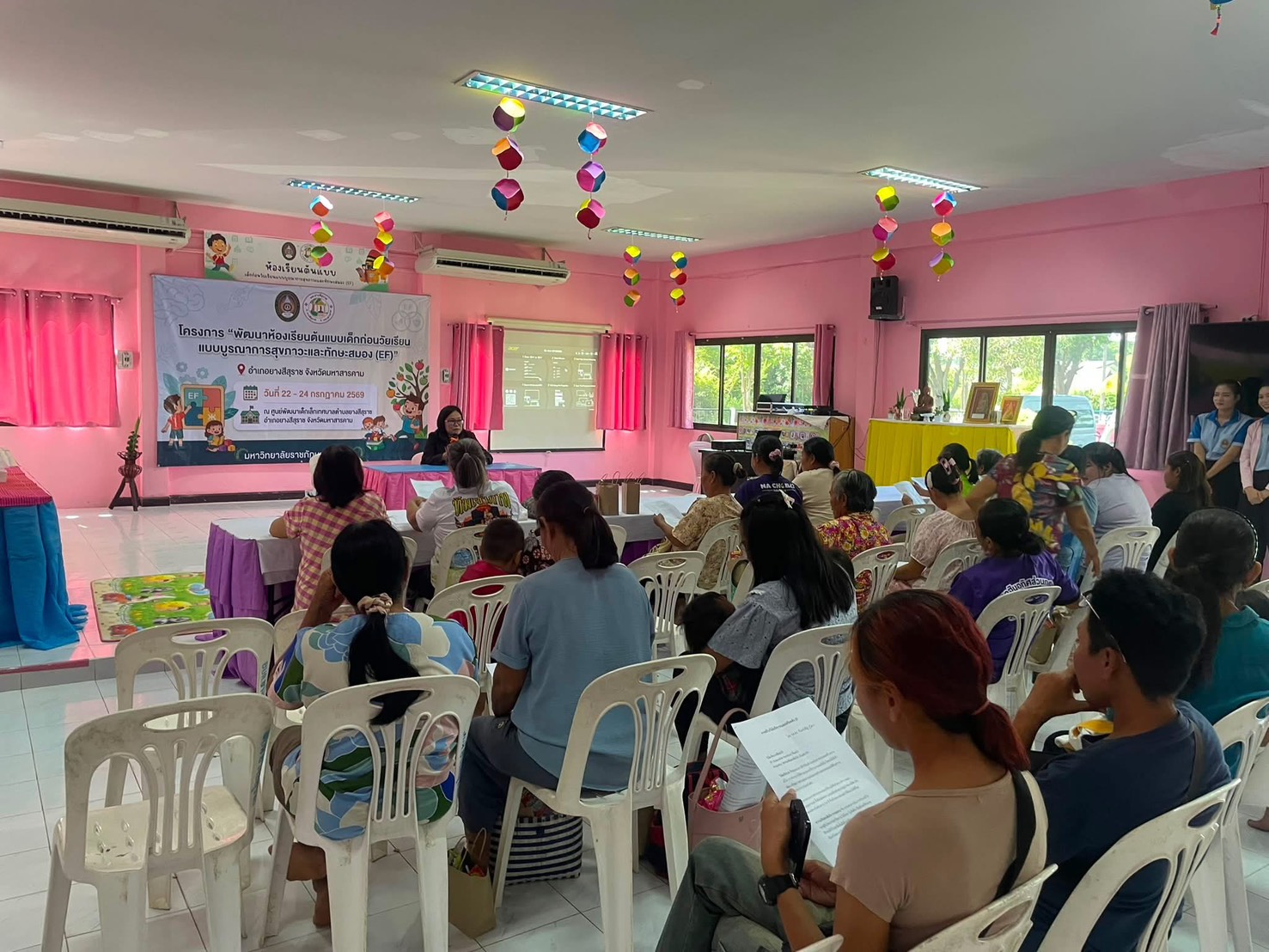
2. Conduct training sessions for parents, teachers, and relevant personnel.
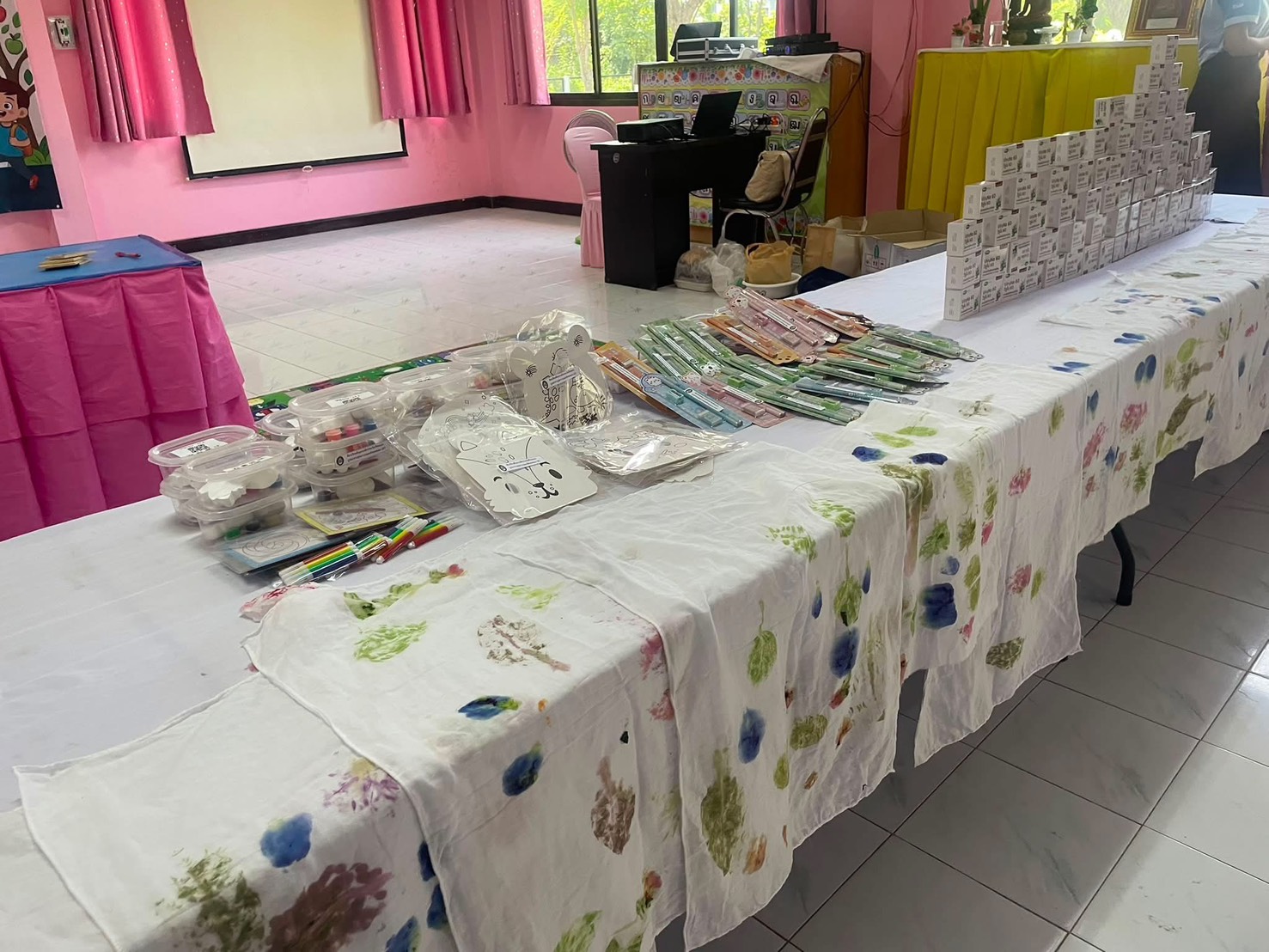
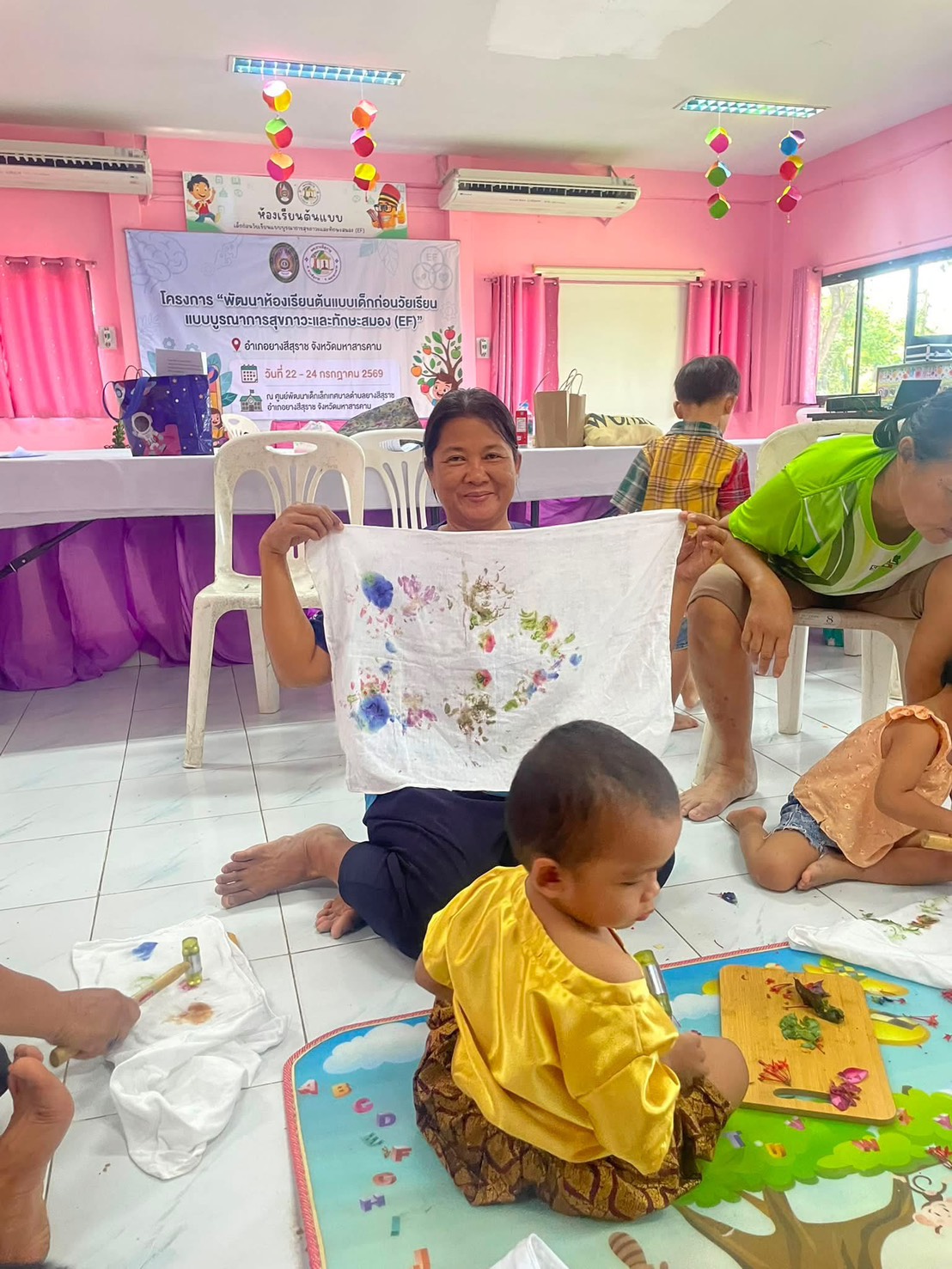
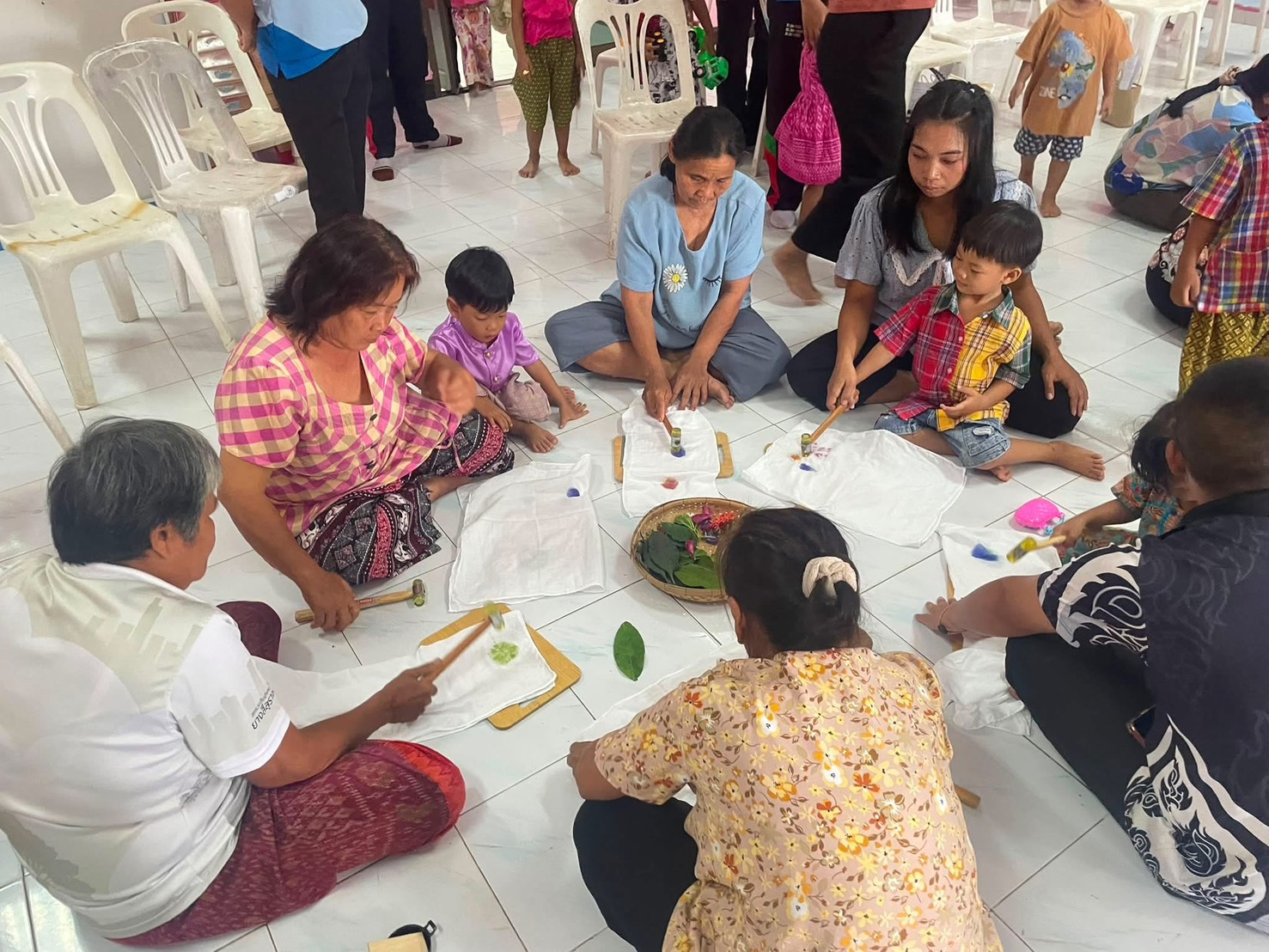
3. Organize art therapy activities and mental health promotion activities for children.
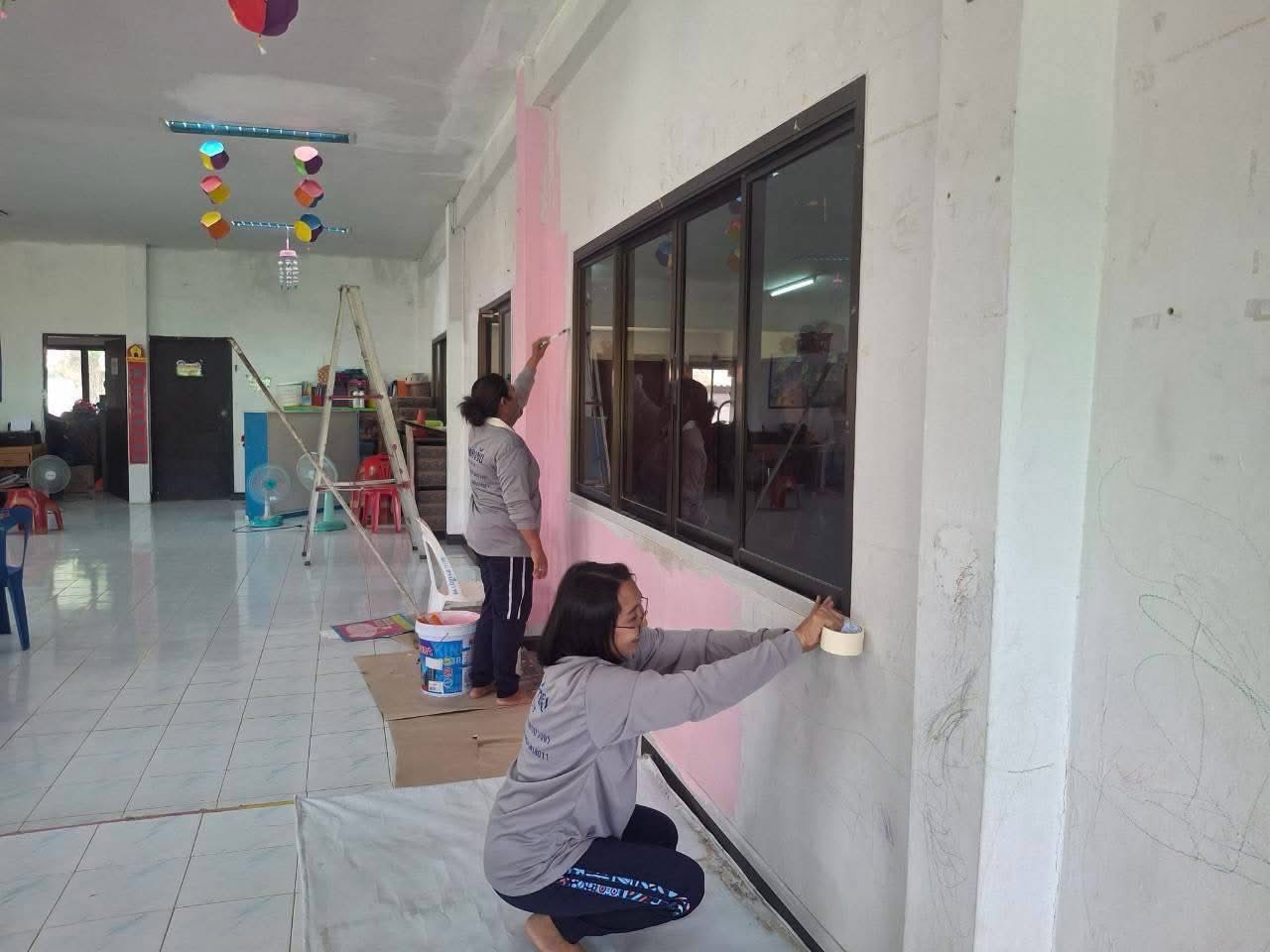
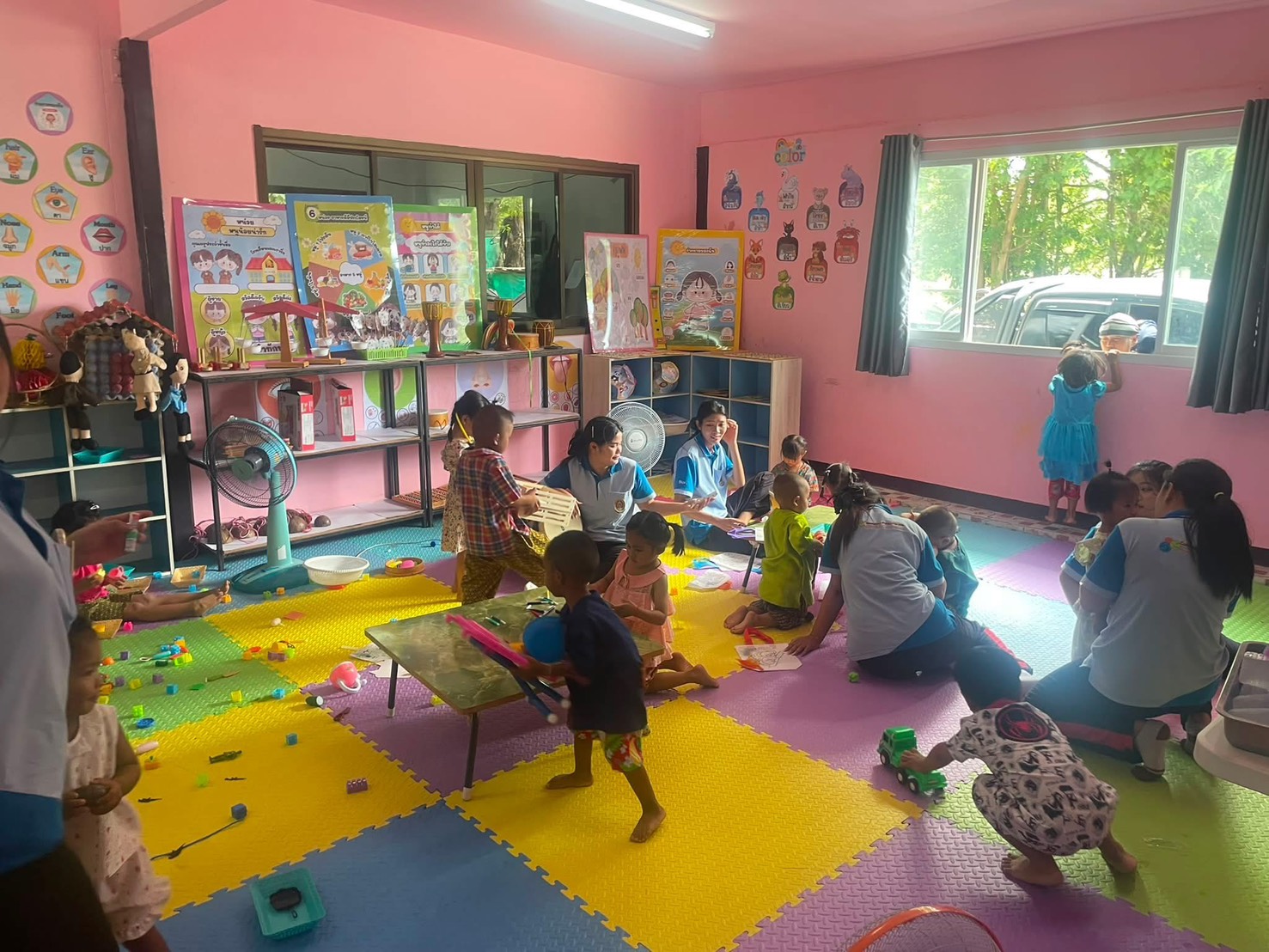
4. Develop a model “Health and Learning Corner” at the Child Development Center
1. จัดกิจกรรมเสริมสร้าง EF สำหรับเด็กปฐมวัย จำนวน 3 ครั้ง
2. จัดอบรมผู้ปกครอง/ครู/บุคลากรที่เกี่ยวข้อง
3. จัดกิจกรรมศิลปะบำบัดและกิจกรรมเสริมสุขภาพจิตเด็ก
4. พัฒนาพื้นที่ต้นแบบ “มุมสุขภาพและการเรียนรู้” ในศูนย์พัฒนาเด็กเล็ก
Part 2: Outcomes & Impact ส่วนที่ 2 ผลลัพธ์และผลกระทบ
Outcomes ผลลัพธ์ที่เกิดขึ้น
1. Improved Developmental Outcomes for Preschool Children
- Children demonstrate improved Executive Functions (EF), including working memory, inhibitory control, and planning.
- Children exhibit more positive behaviors, such as improved ability to wait their turn and communicate their emotions effectively.
- Children maintain mental health within the normal range or demonstrate improvements, as measured by an early childhood mental health assessment tool.
2. Increased Knowledge, Understanding, and Skills Among Parents and Teachers
- Parents and teachers demonstrate increased knowledge of strategies for promoting EF and mental health in preschool children, as measured by pre- and post-training assessments.
- Parents and teachers apply the knowledge gained in their daily routines, such as organizing EF-enhancing activities at home and using child health assessment tools.
3. Sustainable Learning Spaces and Activities at Child Development Centers
- Child Development Centers establish model learning spaces that systematically promote EF and children's mental health.
- Teachers and relevant personnel are able to design and continuously develop learning activities that are appropriate to children's developmental needs.
4. Collaborative Networks Among Families, Communities, and Educational Institutions
- Collaboration is established between community networks, such as village health volunteers and community leaders, and Child Development Centers in organizing activities.
- The university and the Faculty of Science and Technology develop an EF promotion model that can be disseminated and adapted for implementation in other areas.
1. เด็กปฐมวัยมีพัฒนาการที่ดีขึ้น
- เด็กมีพัฒนาการด้าน Executive Functions (EF) ดีขึ้น เช่น ความจำใช้งาน (Working memory), การยั้งคิด (Inhibitory Control), การวางแผน (Planning)
- เด็กมีพฤติกรรมเชิงบวกเพิ่มขึ้น เช่น ความสามารถในการรอคอย สื่อสารอารมณ์ได้ดีขึ้น
- เด็กมีสุขภาพจิตในเกณฑ์ปกติหรือดีขึ้น ตามแบบประเมินสุขภาพจิตปฐมวัย
2. ผู้ปกครองและครูมีความรู้ ความเข้าใจ และทักษะที่เพิ่มขึ้น
- ผู้ปกครองและครูมีความรู้เรื่องการส่งเสริม EF และสุขภาพจิตเด็กปฐมวัยเพิ่มขึ้น (จากผลประเมินก่อน–หลัง)
- มีการนำความรู้ไปใช้ในชีวิตประจำวัน เช่น การจัดกิจกรรม EF ที่บ้าน หรือการใช้แบบประเมินสุขภาพเด็ก
3. ศูนย์พัฒนาเด็กเล็กมีพื้นที่เรียนรู้และกิจกรรมที่ยั่งยืน
- ศูนย์พัฒนาเด็กเล็กมี “พื้นที่เรียนรู้ต้นแบบ” ที่ส่งเสริม EF และสุขภาพจิตอย่างเป็นระบบ
- ครูและบุคลากรสามารถออกแบบและต่อยอดกิจกรรมการเรียนรู้ที่เหมาะสมกับพัฒนาการของเด็กได้อย่างต่อเนื่อง
4. เกิดเครือข่ายความร่วมมือระหว่างครอบครัว ชุมชน และสถาบันการศึกษา
- มีความร่วมมือระหว่างชุมชน (เช่น อสม., ผู้นำชุมชน) และศูนย์เด็กเล็กในการจัดกิจกรรม
- มหาวิทยาลัย/คณะวิทยาศาสตร์และเทคโนโลยี ได้พัฒนาโมเดลการส่งเสริม EF ที่สามารถขยายผลได้สู่พื้นที่อื่น
Community & Social Impact ผลกระทบต่อชุมชน/สังคม
Establishing the Foundation for Good Citizenship from Early Childhood- Promoting Executive Functions (EF) helps children develop into disciplined, responsible individuals who can live harmoniously with others.
- Supports the development of a new generation of “good and capable citizens” in Thai society.
Reducing Long-Term Social Problems- Developing EF and mental health during childhood helps reduce the risk of behavioral problems, learning difficulties, violence, and drug use in the future.
- Reduces the long-term burden on social services in addressing behavioral problems and involvement in the justice system.
Strengthening Warm and Resilient Families- Parents take a more active role in supporting their children’s development, resulting in stronger family relationships.
- Children who grow up in families that understand their needs and provide appropriate care are more likely to have good mental health and build healthy families in the future.
Strengthening Communities through Participation- Community members participate in activities with Child Development Centers, such as maintaining a “Health Corner” or serving as local resource persons.
- Promotes a “learning society” that connects homes, schools, and communities.
Enhancing the Quality of Child Development Centers- Child Development Centers become sustainable learning centers with practical, adaptable approaches to promoting children’s EF and mental health.
- Enhances the image of local administrative organizations by demonstrating their commitment to improving the quality of life of children in the community.
1. สร้างรากฐานคุณลักษณะพลเมืองดีตั้งแต่ปฐมวัย
• การเสริมสร้าง Executive Functions (EF) ส่งผลให้เด็กเติบโตเป็นผู้มีวินัย มีความรับผิดชอบ และมีทักษะการอยู่ร่วมกับผู้อื่น
• ส่งเสริมการพัฒนาประชากรรุ่นใหม่ที่เป็น “คนดี คนเก่ง” ของสังคมไทย
2. ลดปัญหาทางสังคมในระยะยาว
• การพัฒนา EF และสุขภาพจิตในวัยเด็กช่วยลดความเสี่ยงต่อพฤติกรรมเบี่ยงเบน ปัญหาการเรียน ปัญหาความรุนแรง หรือยาเสพติดในอนาคต
• ลดภาระของระบบสังคมในการแก้ปัญหาทางพฤติกรรมหรือการเข้าสู่กระบวนการยุติธรรมในระยะยาว
3. เสริมสร้างครอบครัวอบอุ่นและเข้มแข็ง
• ผู้ปกครองมีบทบาทในการส่งเสริมพัฒนาการลูกมากขึ้น ส่งผลต่อความสัมพันธ์ในครอบครัวที่แน่นแฟ้น
• เด็กที่เติบโตในครอบครัวที่เข้าใจและดูแลอย่างเหมาะสม มีแนวโน้มเป็นผู้มีสุขภาพจิตดีและสามารถสร้างครอบครัวที่มีคุณภาพในอนาคต
4. สร้างความเข้มแข็งของชุมชนผ่านการมีส่วนร่วม
• ชุมชนมีบทบาทในการจัดกิจกรรมร่วมกับศูนย์พัฒนาเด็กเล็ก เช่น การดูแล “มุมสุขภาพ” หรือการเข้าร่วมเป็นวิทยากรท้องถิ่น
• ส่งเสริมให้เกิด “สังคมแห่งการเรียนรู้” ที่เชื่อมโยงบ้าน-โรงเรียน-ชุมชน เข้าด้วยกัน
5. ยกระดับคุณภาพของศูนย์พัฒนาเด็กเล็ก
• ศูนย์พัฒนาเด็กเล็กกลายเป็นแหล่งเรียนรู้ที่ยั่งยืน มีแนวทางส่งเสริม EF และสุขภาพจิตเด็กที่สามารถต่อยอดได้จริง
• สร้างภาพลักษณ์ที่ดีของหน่วยงานท้องถิ่นในการให้ความสำคัญกับคุณภาพชีวิตของเด็กในชุมชน
Student & Staff Participation การมีส่วนร่วมของนักศึกษา/บุคลากร
Collaborative Networks Among Families, Communities, and Educational Institutions**
- Collaboration is established between community networks, such as Village Health Volunteers (VHVs) and community leaders, and Child Development Centers in organizing activities.
- The university and the Faculty of Science and Technology develop an Executive Functions (EF) promotion model that can be adapted and implemented in other areas
เกิดเครือข่ายความร่วมมือระหว่างครอบครัว ชุมชน และสถาบันการศึกษา
- มีความร่วมมือระหว่างชุมชน (เช่น อสม., ผู้นำชุมชน) และศูนย์เด็กเล็กในการจัดกิจกรรม
- มหาวิทยาลัย/คณะวิทยาศาสตร์และเทคโนโลยี ได้พัฒนาโมเดลการส่งเสริม EF ที่สามารถขยายผลได้สู่พื้นที่อื่น
Project Continuity ความต่อเนื่องของโครงการ
Promote community participation in the ongoing maintenance and management of the “Model Learning Space.”
Establish a network of “EF Volunteers” comprising trained parents and teachers from the community to serve as mentors for future generations of volunteers.
Integrate the project into the local development plan and the municipality’s strategic plan
- ส่งเสริมการมีส่วนร่วมของชุมชนให้รับผิดชอบดูแล “พื้นที่เรียนรู้ต้นแบบ” อย่างต่อเนื่อง
- สร้าง “อาสาสมัคร EF” จากผู้ปกครอง/ครูในชุมชนที่ผ่านการอบรมแล้วให้เป็นพี่เลี้ยงรุ่นใหม่
- บูรณาการโครงการเข้าสู่แผนพัฒนาท้องถิ่นและแผนกลยุทธ์ของเทศบาล
Part 3: Challenges & Suggestions ส่วนที่ 3 ปัญหาอุปสรรค/ข้อเสนอแนะ
Problems & Obstacles ปัญหา/อุปสรรค
The key challenges of the project involve staff capacity, resources, time constraints, differences in children’s developmental levels, and the participation of parents and community networks. Therefore, the project should prioritize enhancing teachers’ competencies, providing appropriate learning materials and equipment, increasing parents’ understanding, and strengthening collaboration among network partners. These efforts will enable the model classroom to effectively and sustainably promote preschool children’s well-being and Executive Functions (EF). ปัญหาและอุปสรรคสำคัญของโครงการเกี่ยวข้องกับความพร้อมด้านบุคลากร ทรัพยากร เวลา ความแตกต่างของพัฒนาการเด็ก และการมีส่วนร่วมของผู้ปกครองและเครือข่ายชุมชน ดังนั้น การดำเนินโครงการจึงควรให้ความสำคัญกับการพัฒนาศักยภาพครู การจัดหาสื่อและอุปกรณ์ที่เหมาะสม การสร้างความเข้าใจแก่ผู้ปกครอง และการประสานความร่วมมือระหว่างภาคีเครือข่าย เพื่อให้ห้องเรียนต้นแบบสามารถส่งเสริมสุขภาวะและทักษะสมอง EF ของเด็กปฐมวัยได้อย่างมีประสิทธิภาพและยั่งยืน
Improvement Guidelines แนวทางการปรับปรุง
Efforts should focus on enhancing teachers’ competencies, providing appropriate learning environments and materials, fostering collaboration with parents and community networks, and conducting continuous monitoring and evaluation. These measures will enable the model classroom to effectively promote preschool children’s Executive Functions (EF) and well-being in ways that are appropriate to their developmental stages and ensure long-term sustainability. ควรมุ่งเน้นการพัฒนาศักยภาพครู การจัดสภาพแวดล้อมและสื่อการเรียนรู้ที่เหมาะสม การสร้างความร่วมมือกับผู้ปกครองและเครือข่ายชุมชน ตลอดจนการติดตามประเมินผลอย่างต่อเนื่อง เพื่อให้ห้องเรียนต้นแบบสามารถส่งเสริมทักษะสมอง EF และสุขภาวะของเด็กปฐมวัยได้อย่างเหมาะสมตามวัย มีประสิทธิภาพ และเกิดความยั่งยืนในระยะยาว
Suggestions to University ข้อเสนอแนะต่อมหาวิทยาลัย
The university should provide continuous support for the project in terms of academic expertise, personnel, funding, research, and the development of collaborative networks. Teaching, research, and academic services should be integrated to ensure that the model classroom effectively promotes Executive Functions (EF) and the well-being of preschool children, ultimately contributing to the sustainable development of early childhood care systems at the community level มหาวิทยาลัยควรสนับสนุนโครงการอย่างต่อเนื่องทั้งด้านวิชาการ บุคลากร งบประมาณ การวิจัย และการสร้างเครือข่ายความร่วมมือ โดยบูรณาการการเรียนการสอน การวิจัย และการบริการวิชาการเข้าด้วยกัน เพื่อให้ห้องเรียนต้นแบบสามารถส่งเสริมทักษะสมอง EF และสุขภาวะของเด็กปฐมวัยได้อย่างมีประสิทธิภาพ และนำไปสู่การพัฒนาระบบดูแลเด็กปฐมวัยที่ยั่งยืนในระดับชุมชนต่อไป