– August 21, 2026 14 กรกฎาคม 2569
– 21 สิงหาคม 2569
Part 1: Project Details ส่วนที่ 1 รายละเอียดการดำเนินงาน
Objectives วัตถุประสงค์โครงการ
1. To develop an intelligent mental health screening system (AI Screening System) and a real-time analytical dashboard for pilot schools.
2. To establish an automated monitoring and early-warning mechanism for mental health risks, enabling school counselors and local agencies to provide timely support.
3. To promote the application of AI and information technology in supporting youth mental well-being and improving community quality of life.
4. To strengthen collaboration among the university, schools, and public health agencies in developing a digital mental health database for local well-being planning.
1. เพื่อพัฒนาระบบคัดกรองสุขภาพจิตอัจฉริยะ (AI Screening System) และ Dashboard วิเคราะห์ผลแบบเรียลไทม์สำหรับใช้ในโรงเรียนต้นแบบ
2. เพื่อสร้างกลไกการติดตามและแจ้งเตือนภาวะเสี่ยงสุขภาพจิตอัตโนมัติ ให้ครูแนะแนวและหน่วยงานท้องถิ่นสามารถช่วยเหลือได้ทันเวลา
3. เพื่อส่งเสริมการใช้เทคโนโลยี AI และสารสนเทศในการดูแลสุขภาวะจิตของเยาวชนและยกระดับคุณภาพชีวิตของชุมชน
4. เพื่อพัฒนาความร่วมมือระหว่างมหาวิทยาลัย โรงเรียน และหน่วยงานสาธารณสุขในการสร้างฐานข้อมูลสุขภาพจิตดิจิทัลเพื่อใช้วางแผนด้านสุขภาวะในพื้นที่
Main Activities กิจกรรมหลัก
1. Conduct a needs assessment and analyze school contexts, and develop an online mental health screening system and dashboard to support student care.
2. Organize a preparatory workshop for student assistants on using the digital mental health screening system on July 14, 2026.
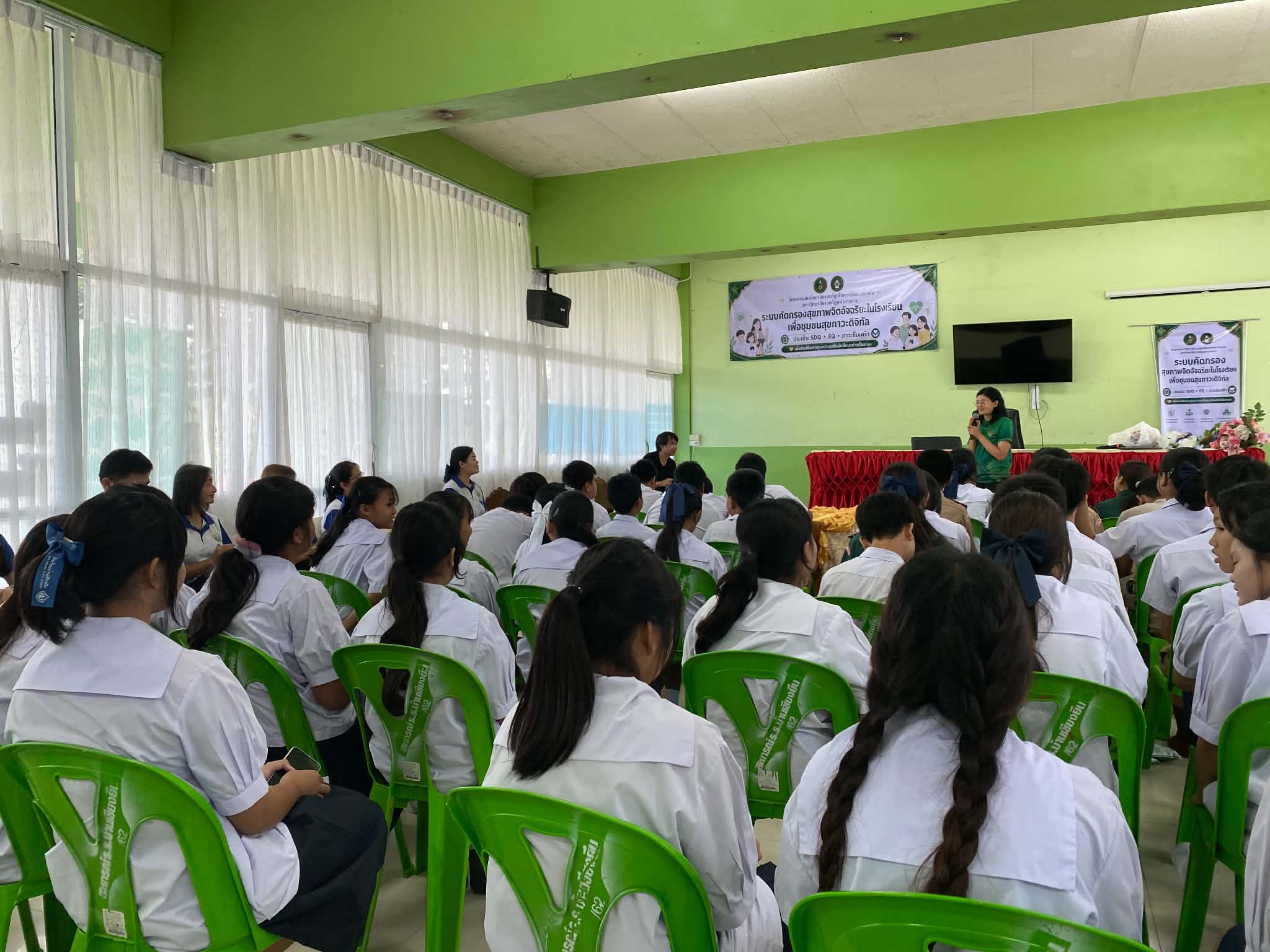
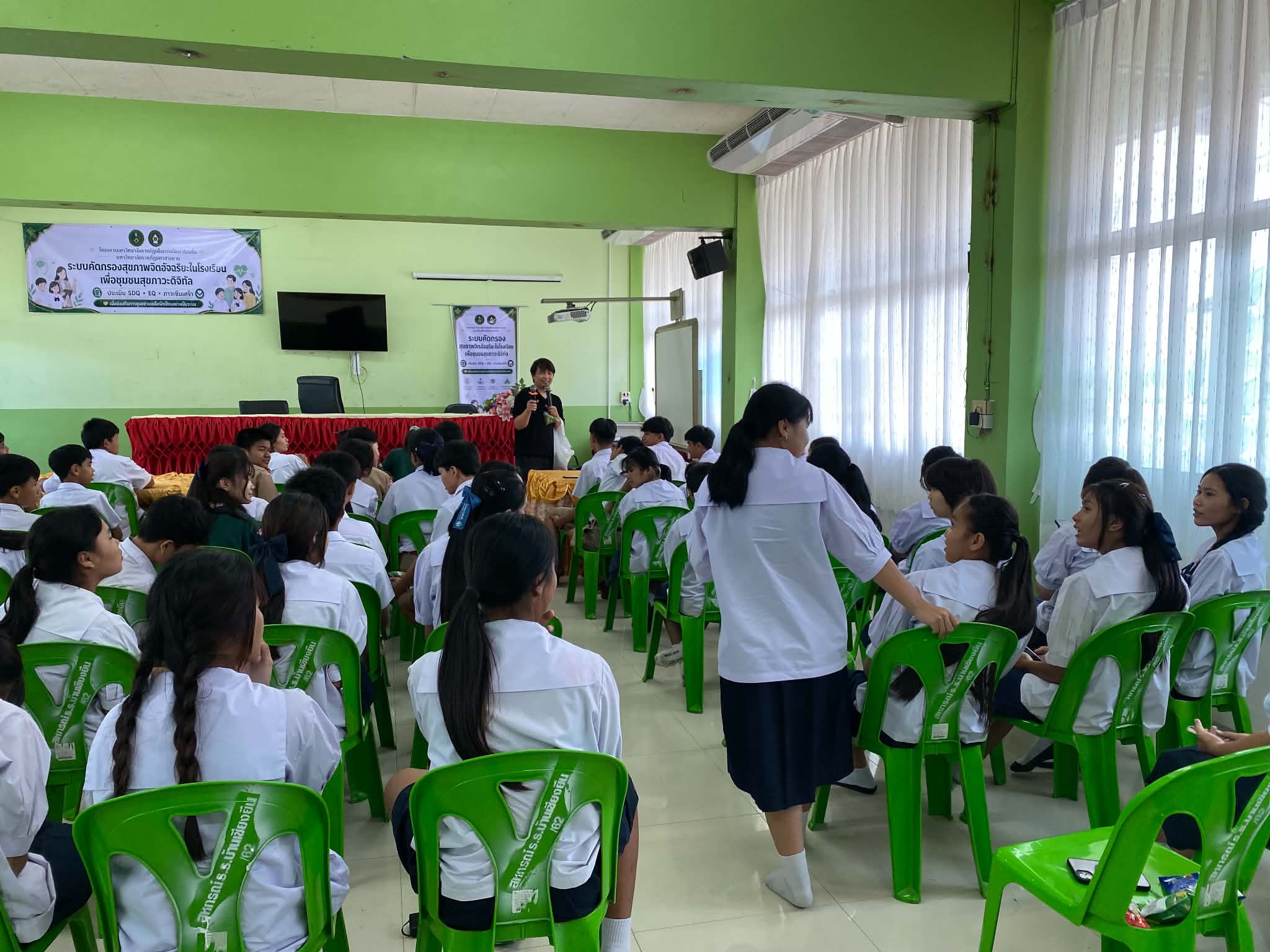
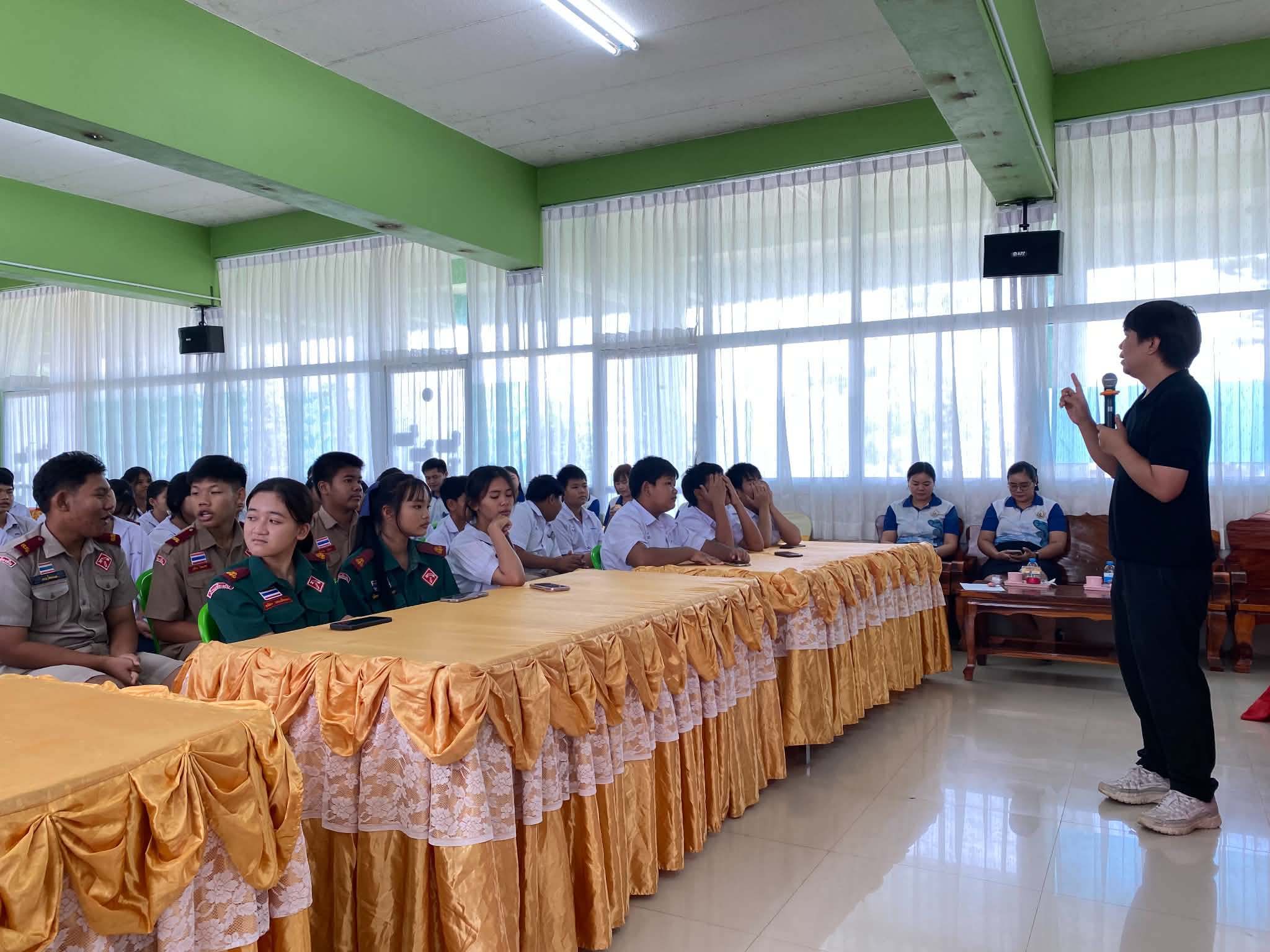
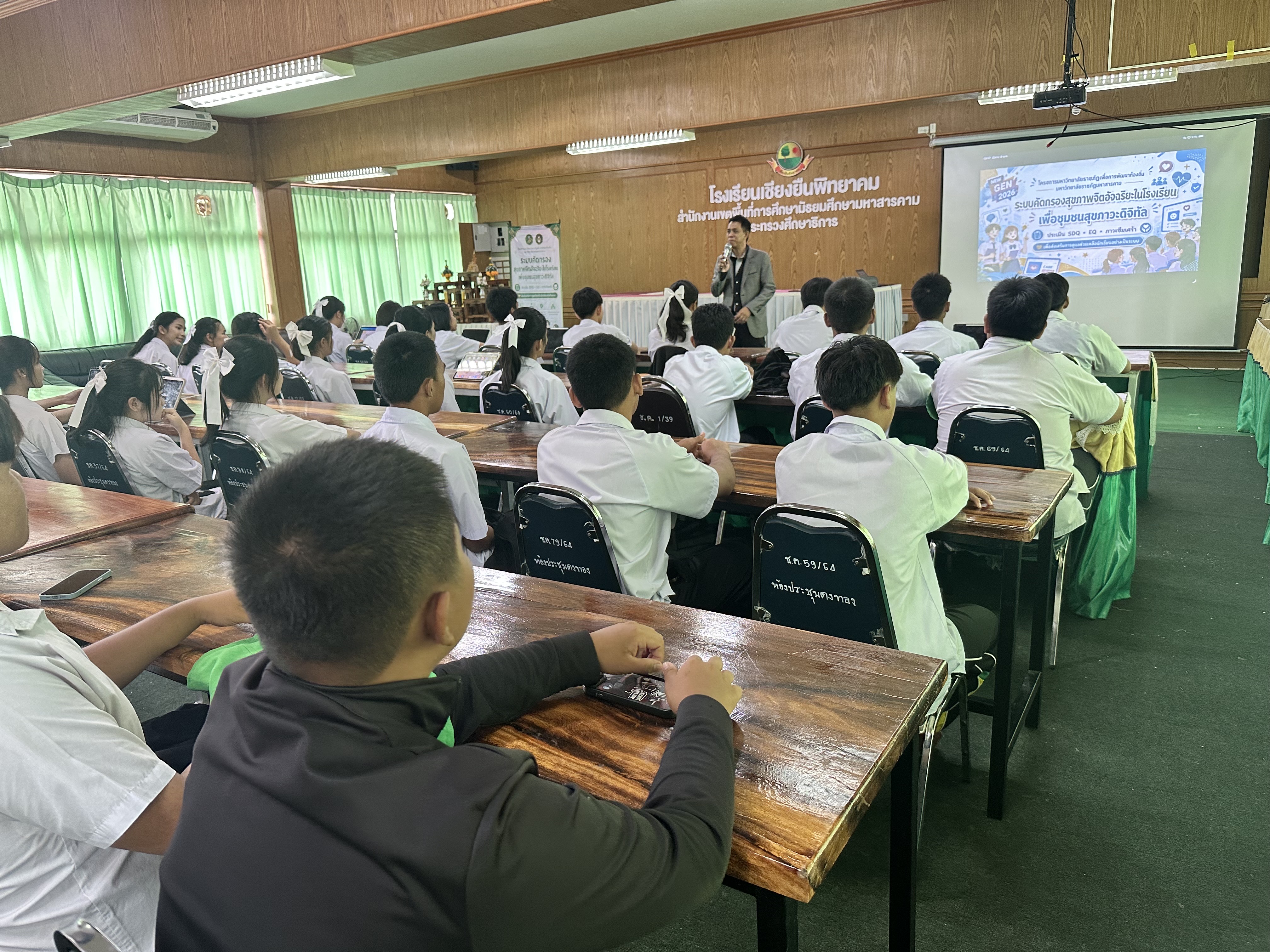
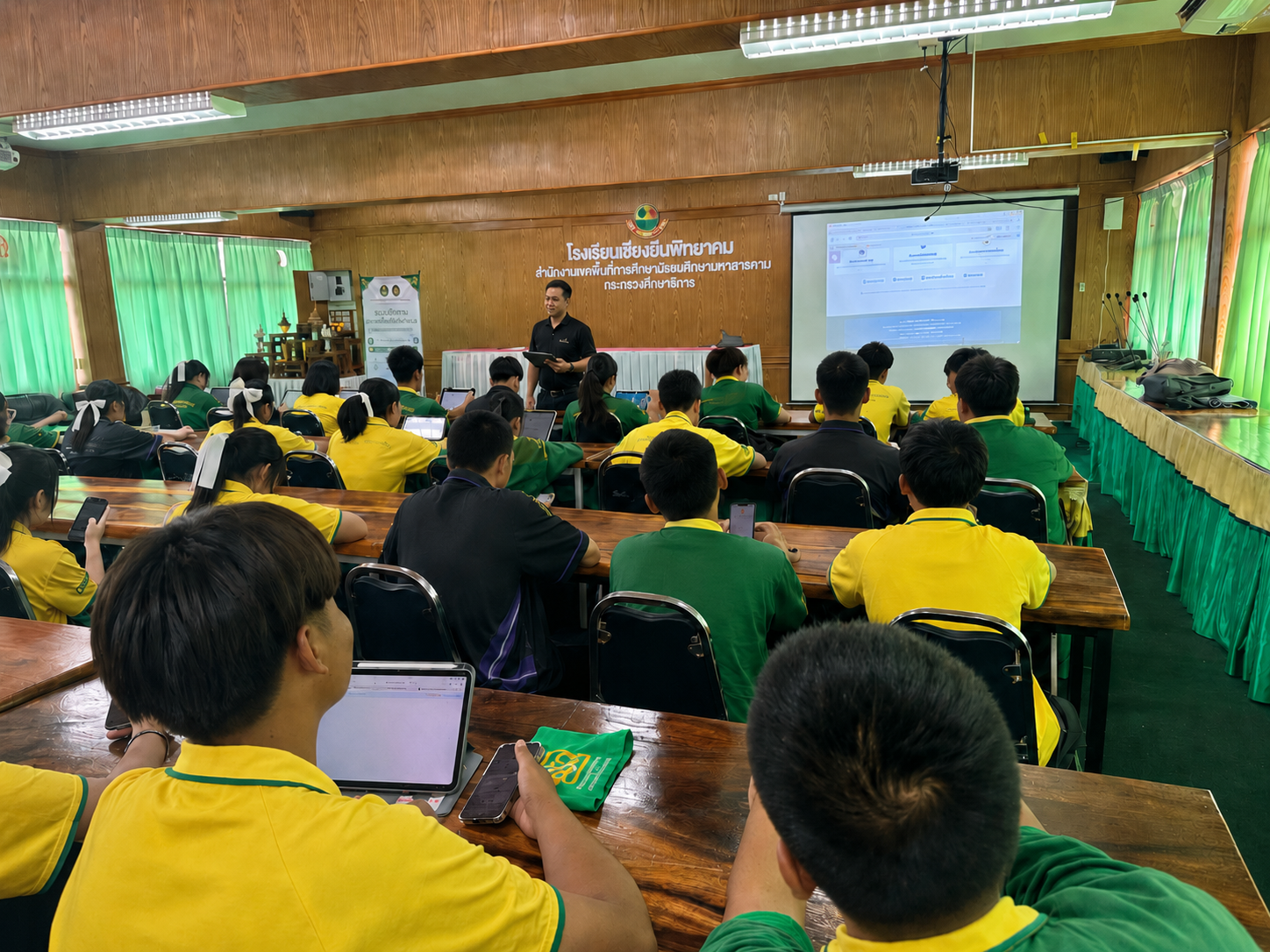
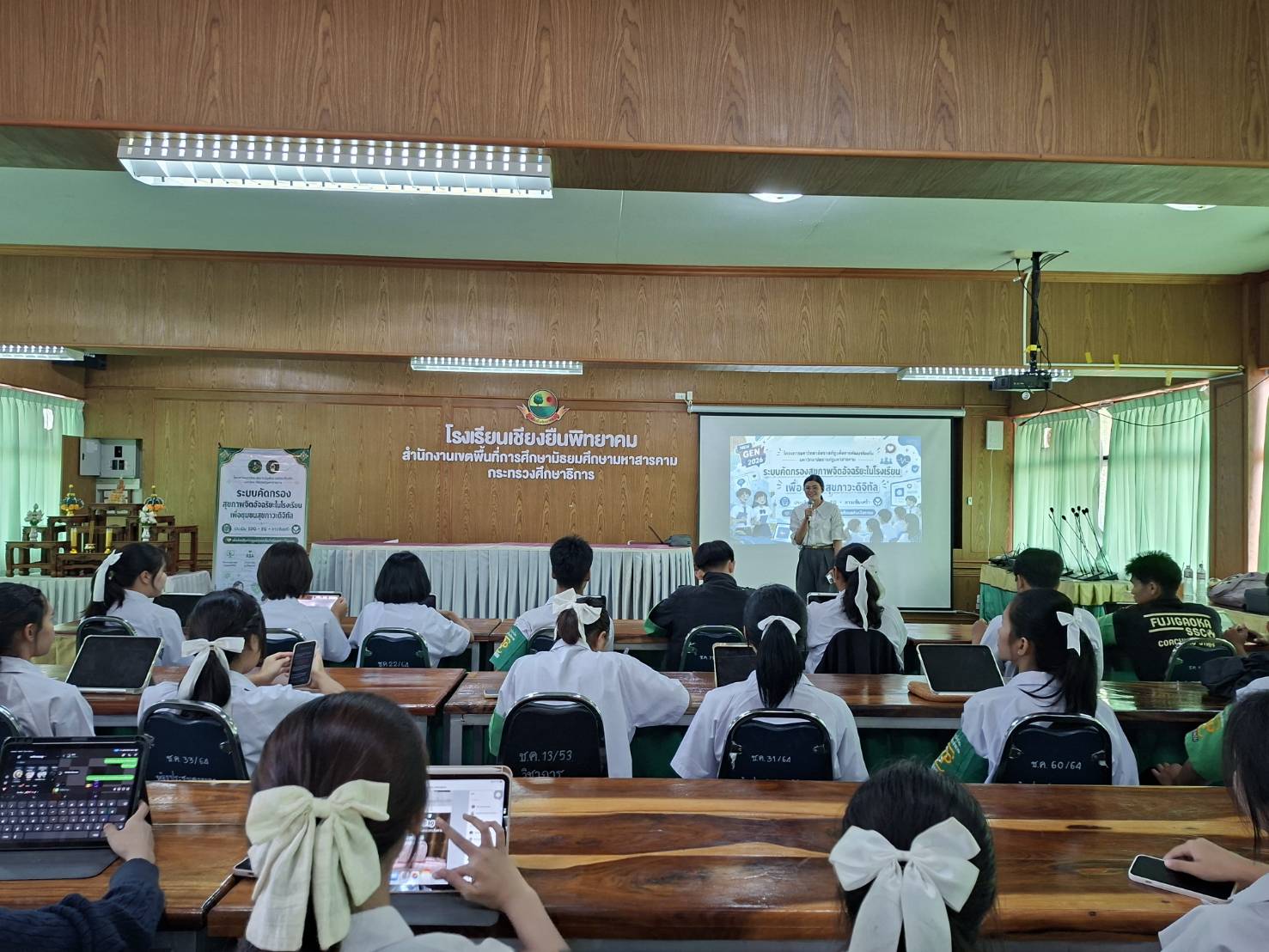
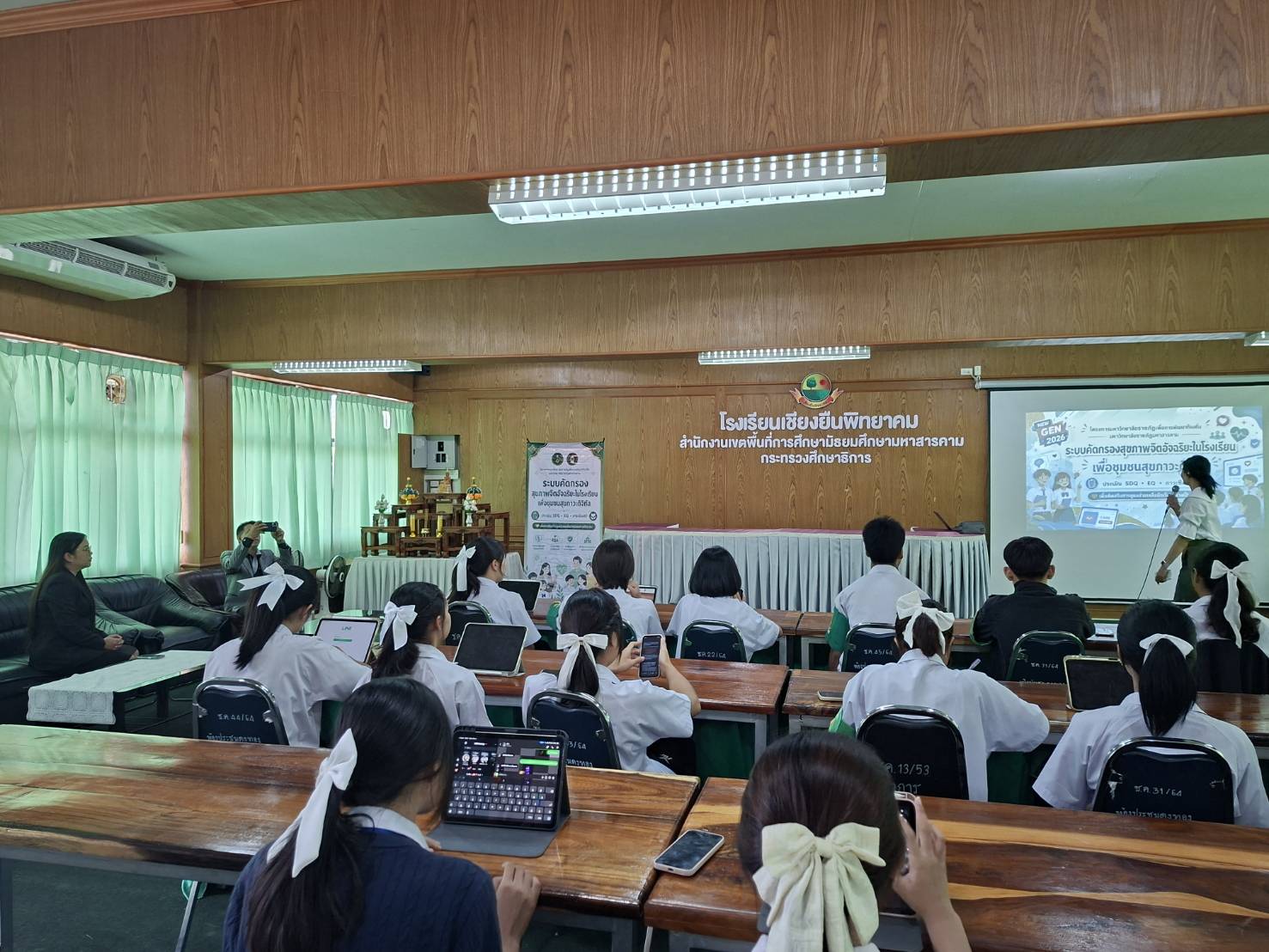
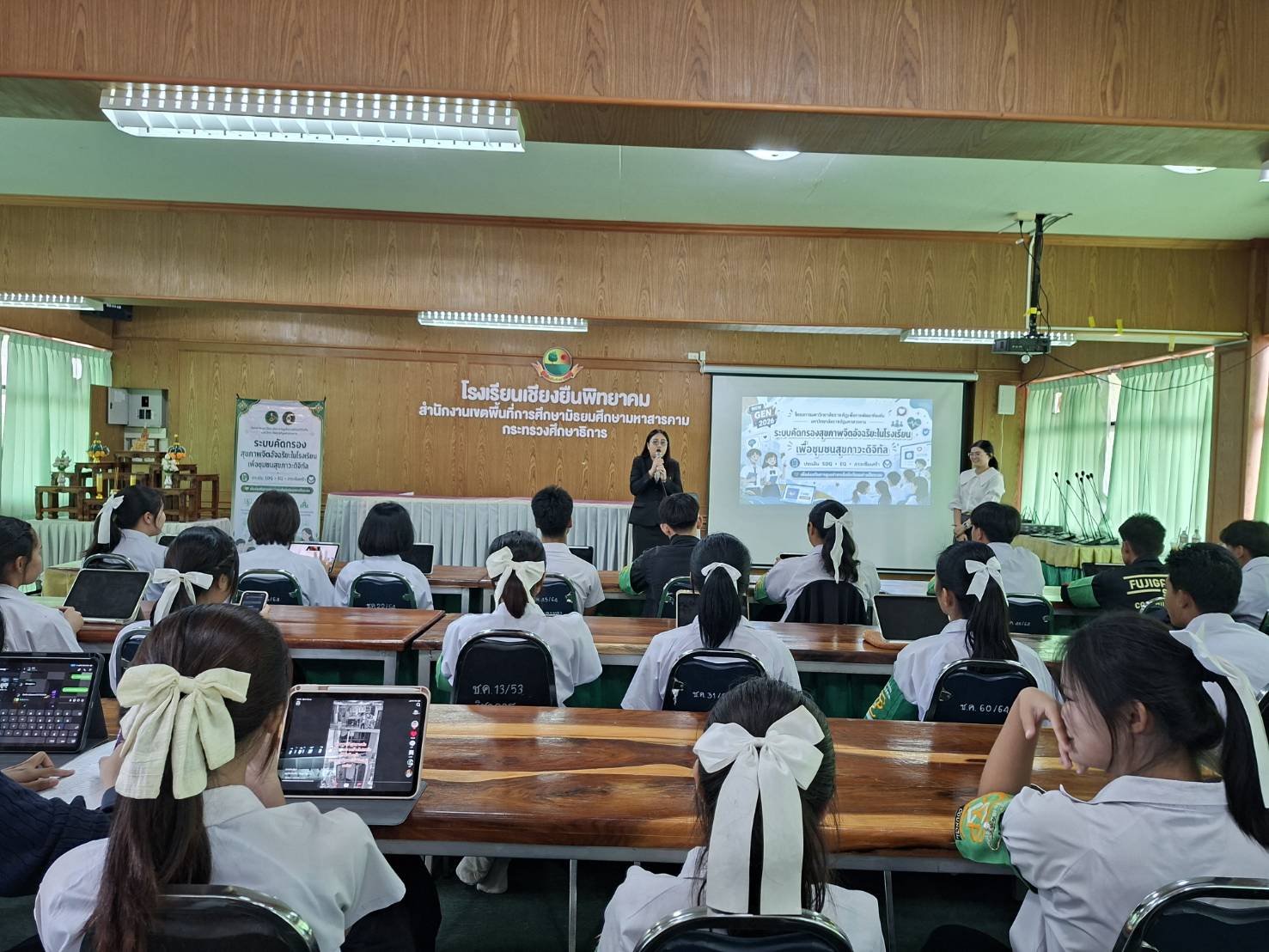
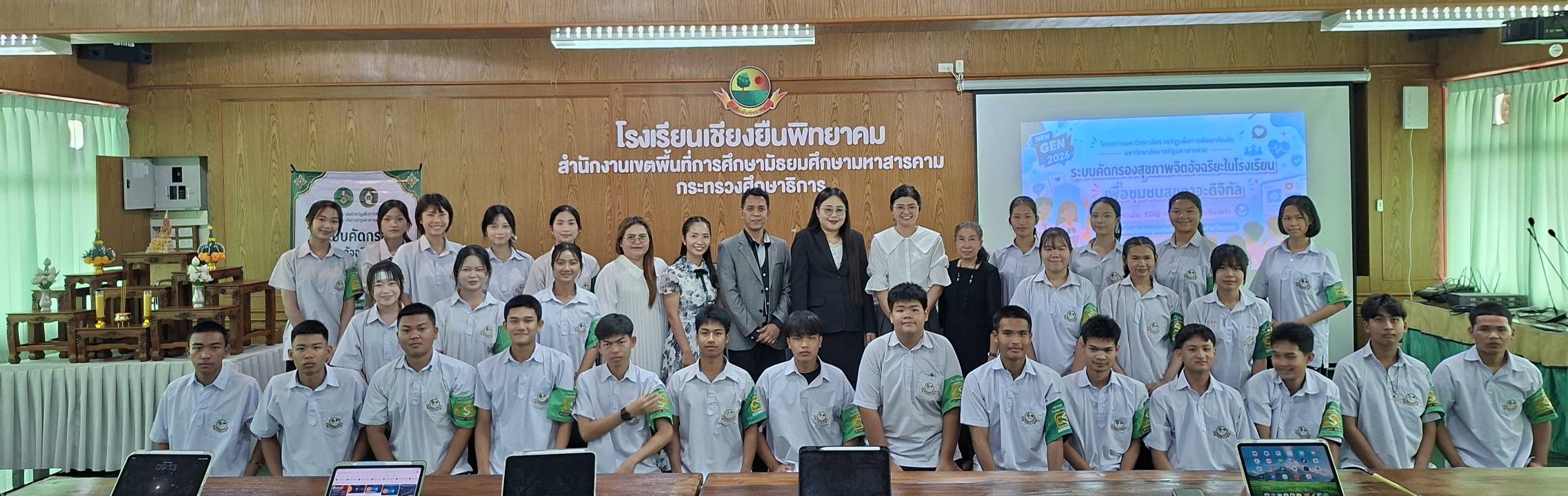
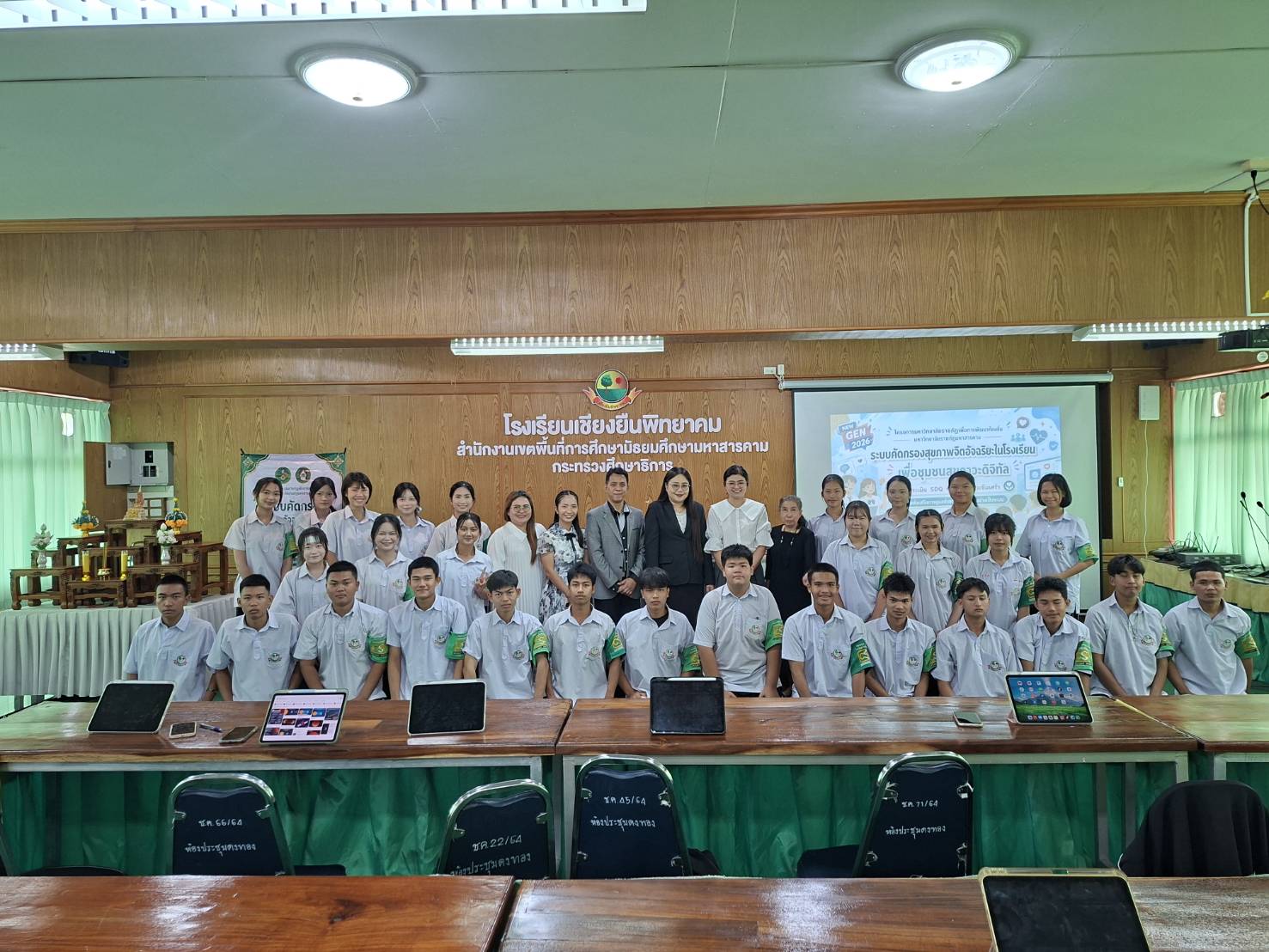
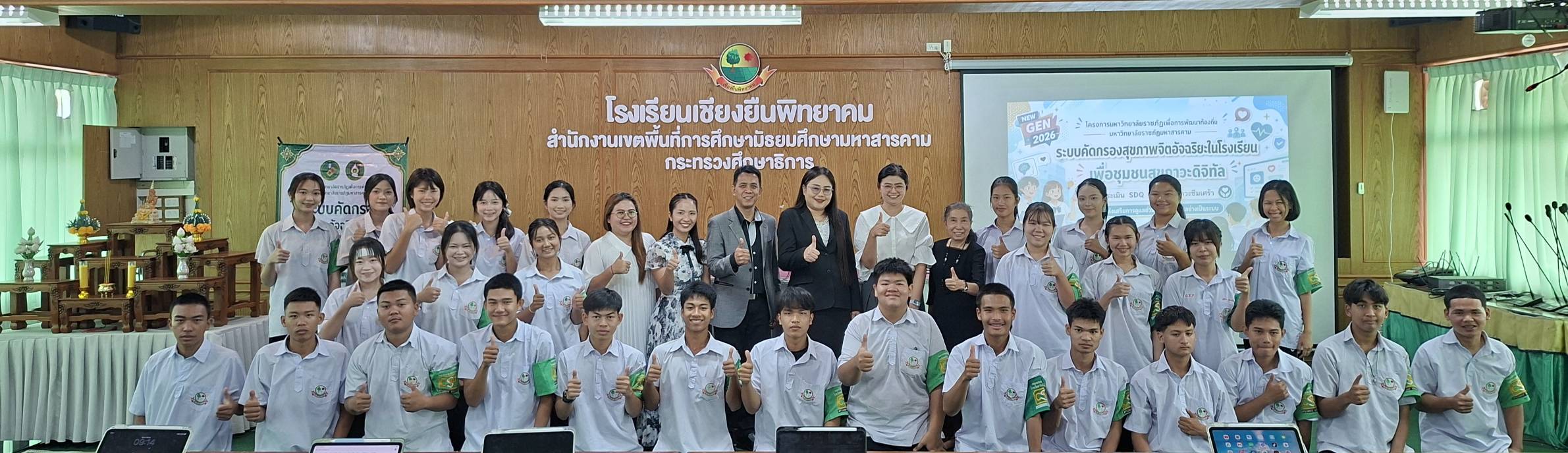
3. Conduct training and pilot testing of the online mental health screening system at Chiangyuen Pittayakom School on July 16–17, 2026.
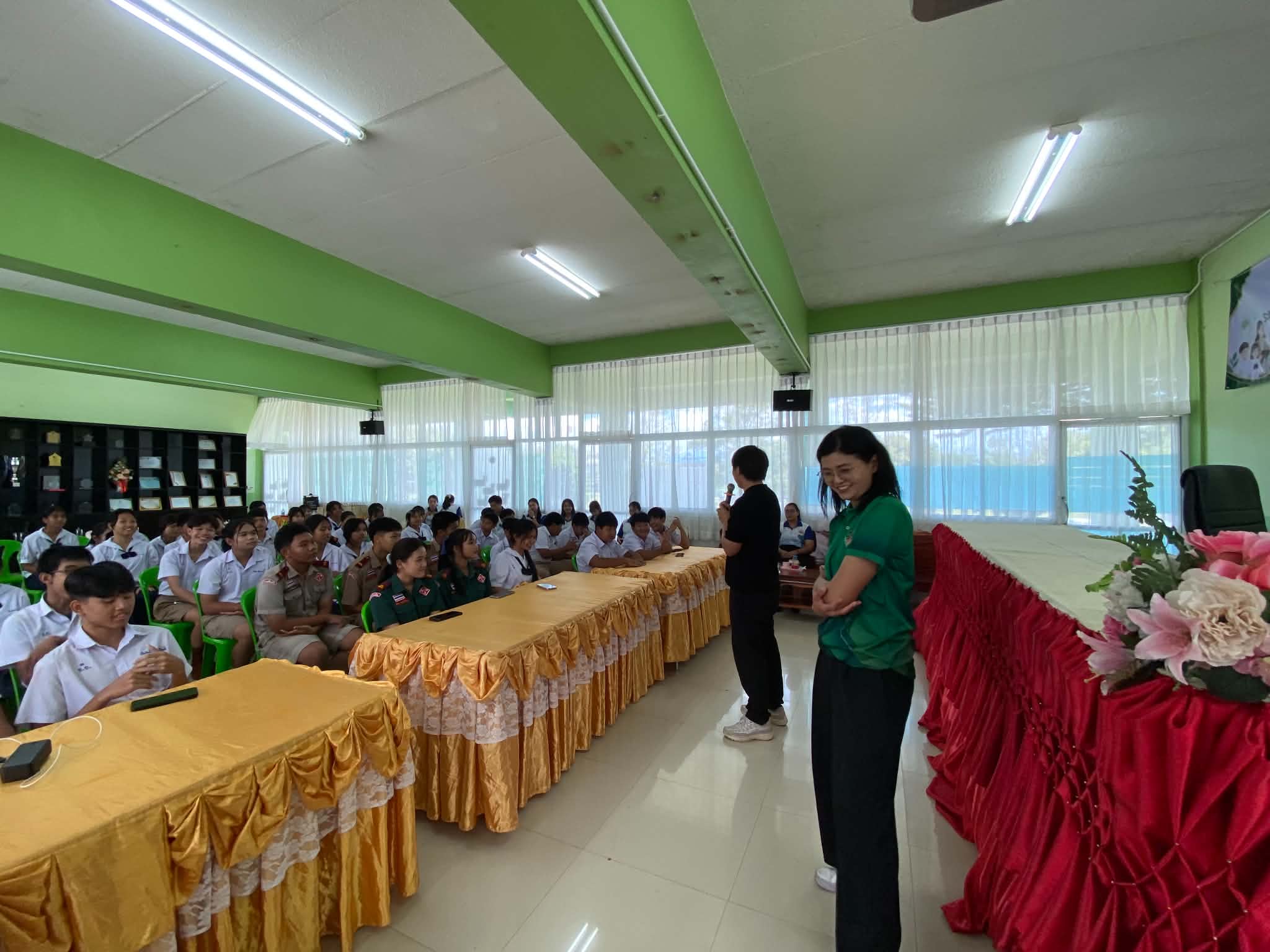
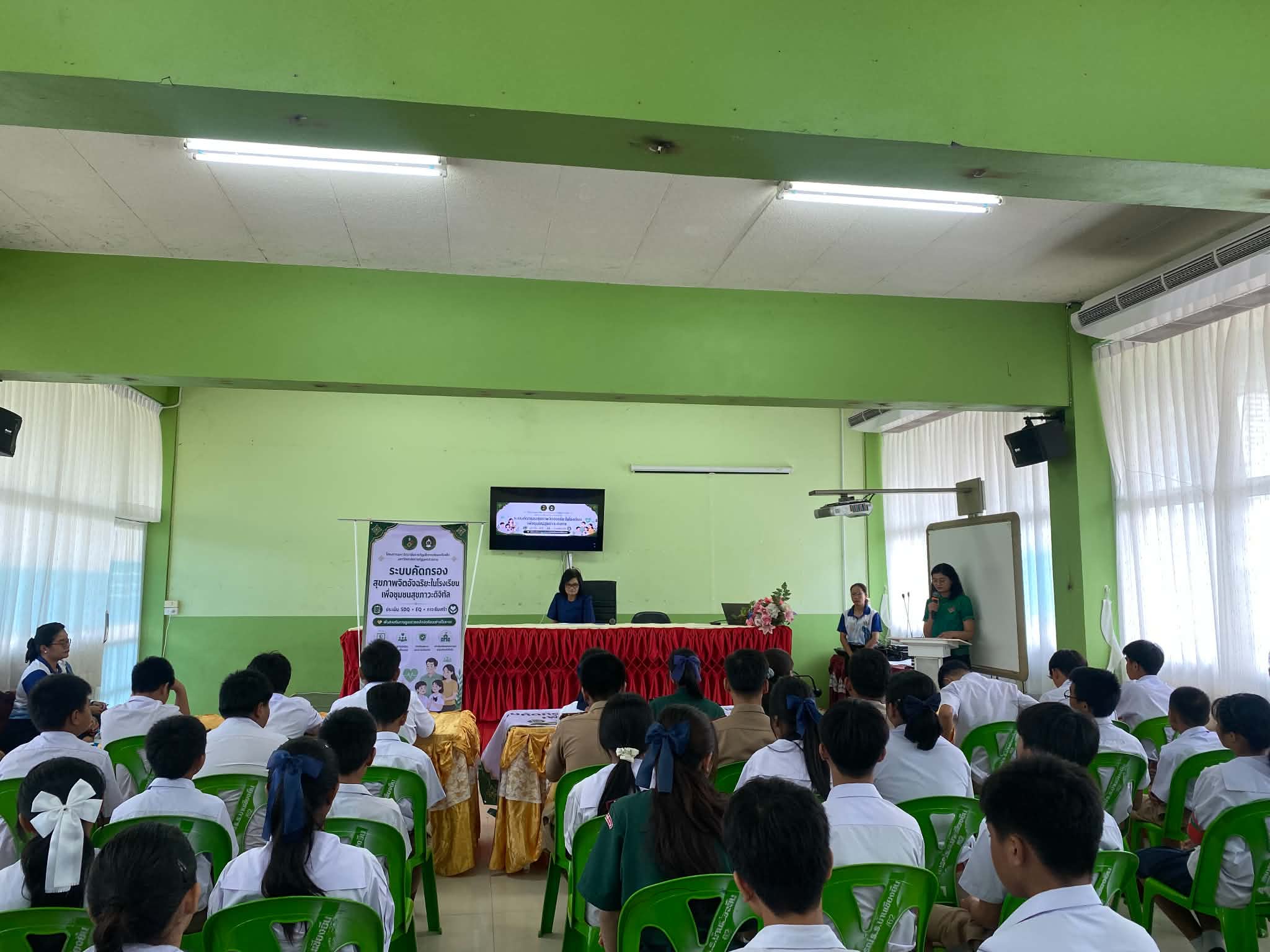
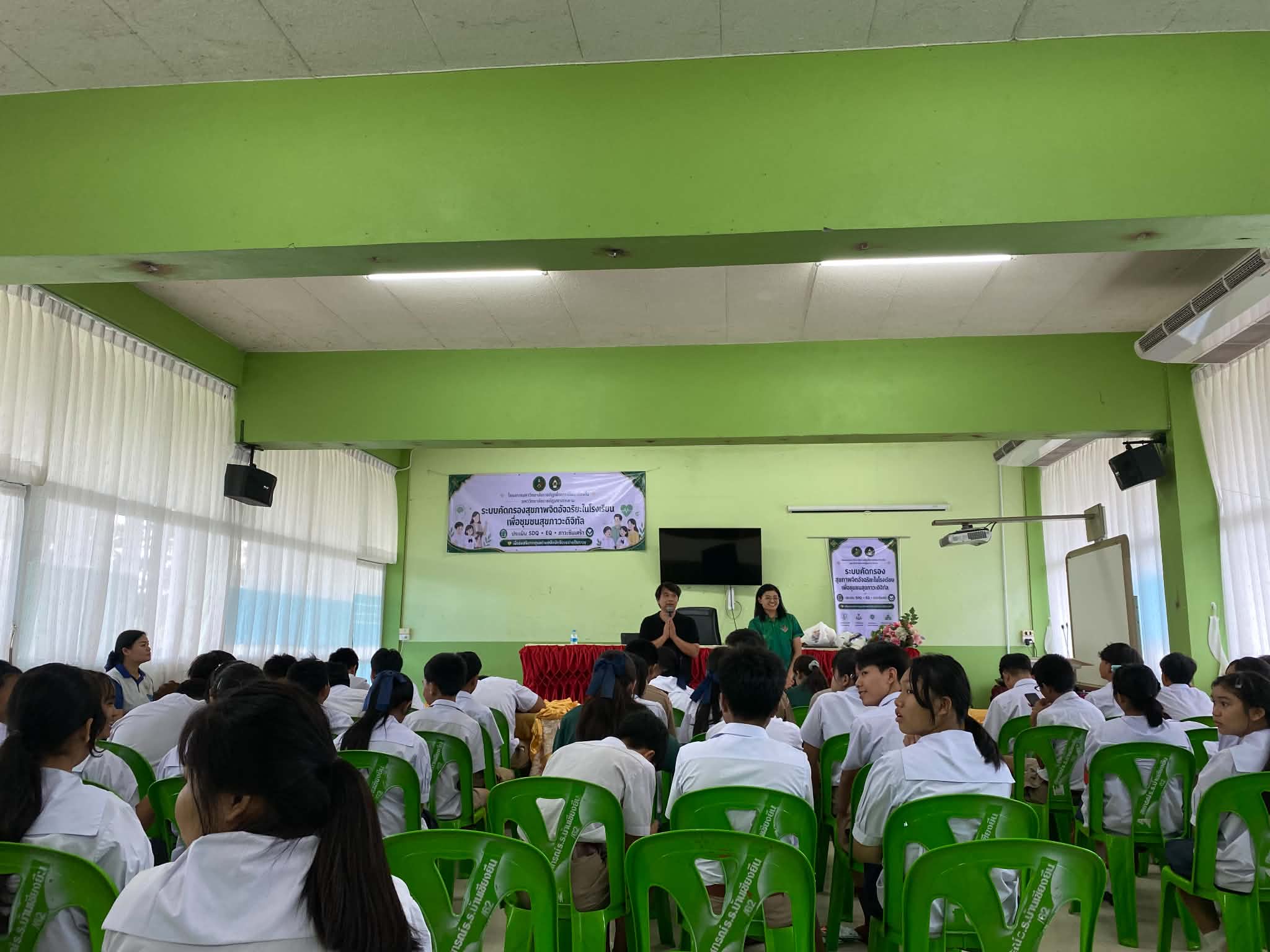
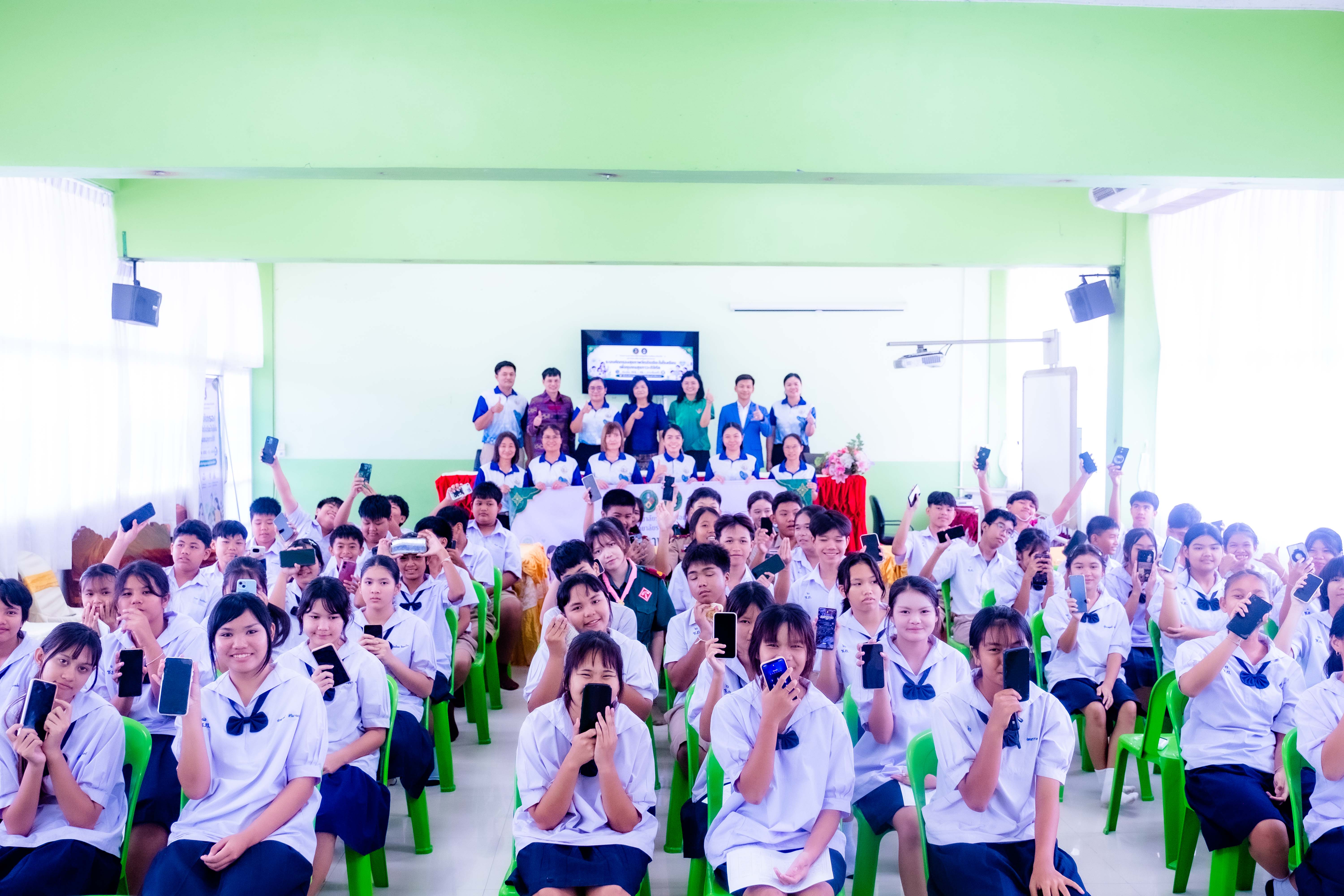
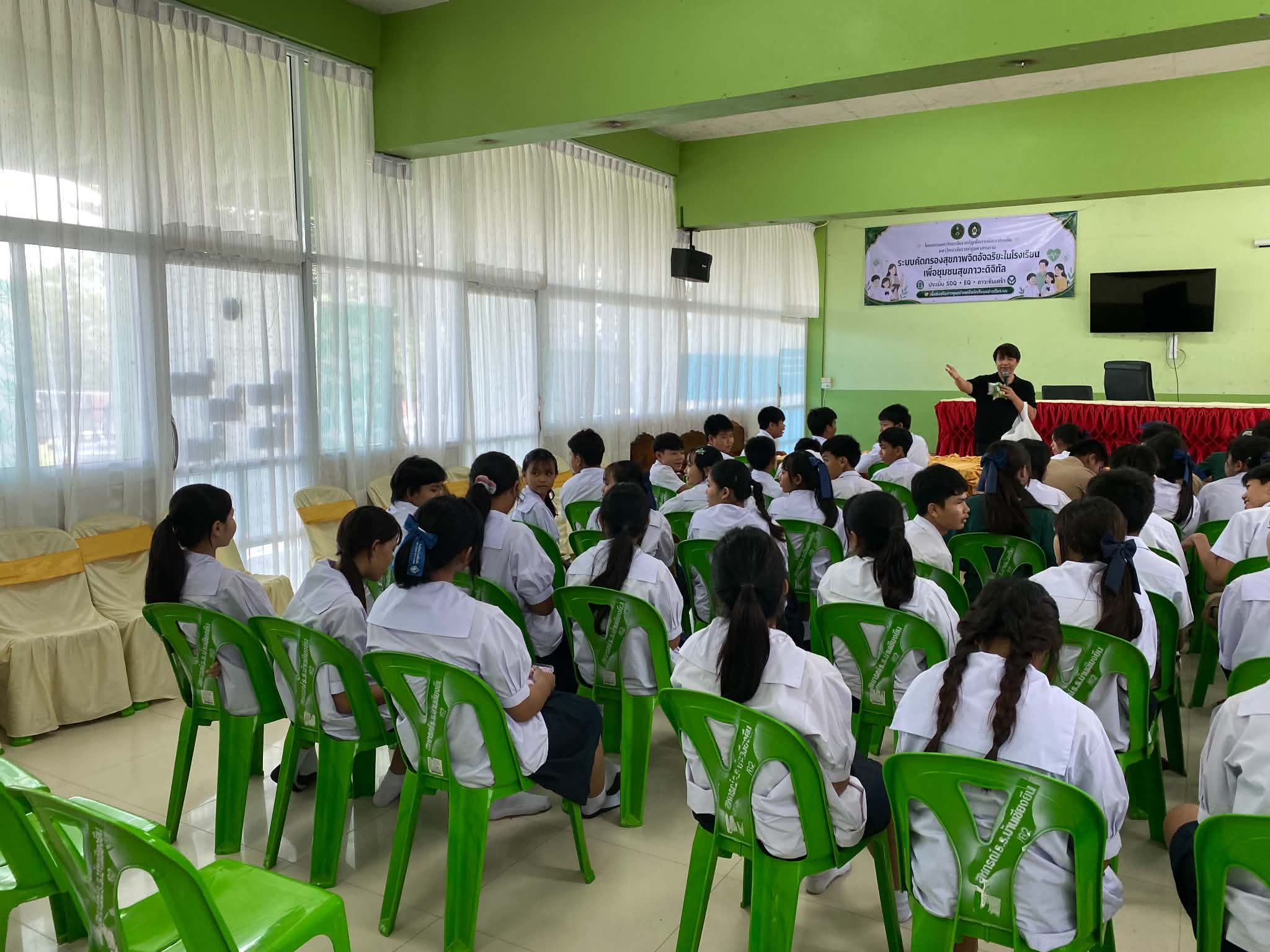
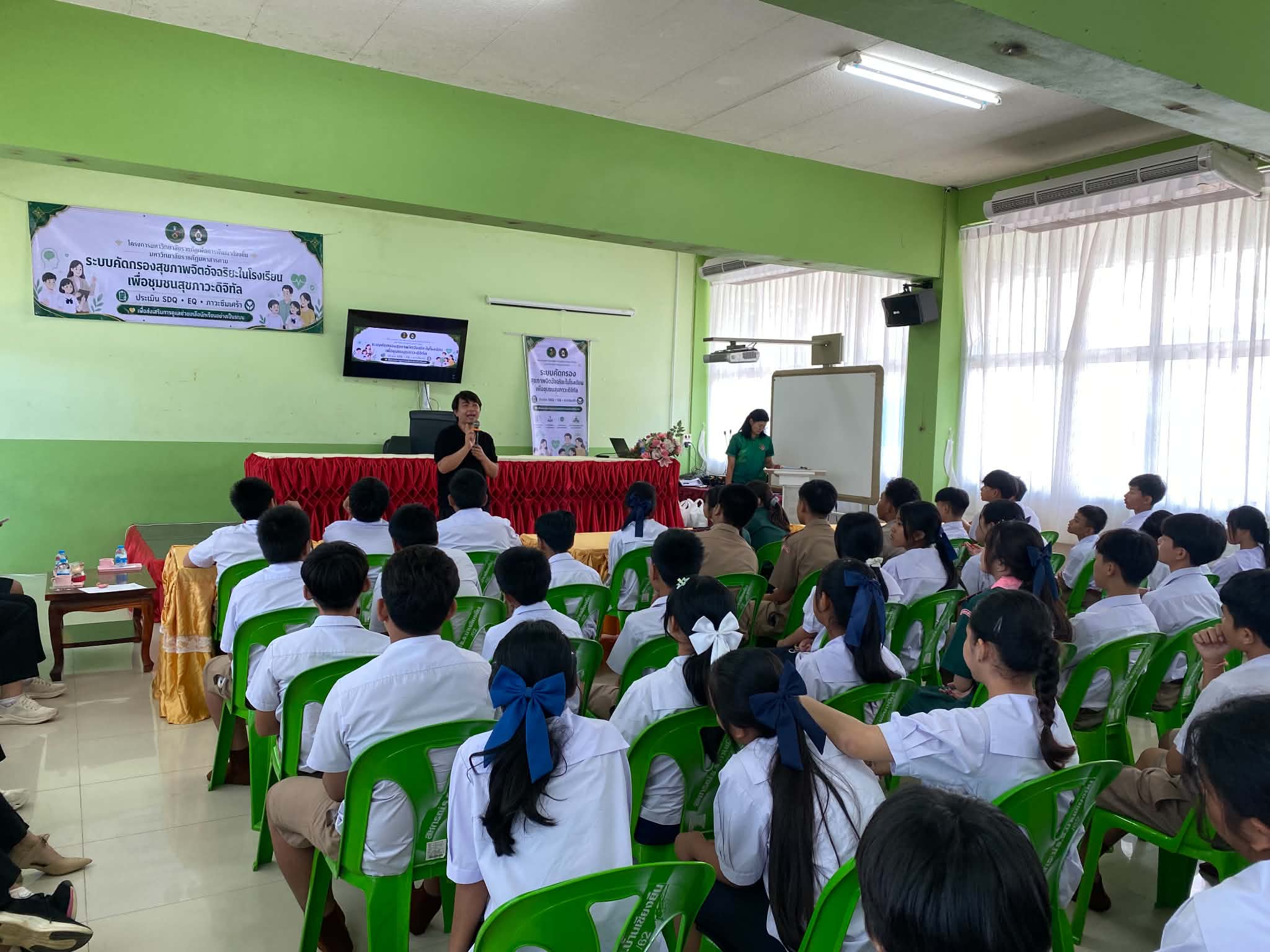
4. Conduct training and pilot testing of the online mental health screening system at Ban Chiang Yuen School on July 20–21, 2026.
5. Collect data, evaluate user satisfaction, analyze project outcomes, and prepare a report with recommendations for system improvement.
1. สำรวจความต้องการและวิเคราะห์บริบทของโรงเรียน พร้อมพัฒนาระบบคัดกรองสุขภาวะจิตออนไลน์และ Dashboard สำหรับสนับสนุนการดูแลช่วยเหลือนักเรียน
2. จัดอบรมเชิงปฏิบัติการเตรียมความพร้อมนักศึกษาผู้ช่วยโครงการด้านการใช้งานระบบคัดกรองสุขภาวะจิตดิจิทัล วันที่ 14 กรกฎาคม 2569
3. จัดอบรมและทดลองใช้ระบบคัดกรองสุขภาวะจิตออนไลน์ ณ โรงเรียนเชียงยืนพิทยาคม วันที่ 16–17 กรกฎาคม 2569
4. จัดอบรมและทดลองใช้ระบบคัดกรองสุขภาวะจิตออนไลน์ ณ โรงเรียนบ้านเชียงยืน วันที่ 20–21 กรกฎาคม 2569
5. รวบรวมข้อมูล ประเมินความพึงพอใจ วิเคราะห์ผลการดำเนินงาน และจัดทำรายงานพร้อมข้อเสนอแนะเพื่อพัฒนาระบบ
Part 2: Outcomes & Impact ส่วนที่ 2 ผลลัพธ์และผลกระทบ
Outcomes ผลลัพธ์ที่เกิดขึ้น
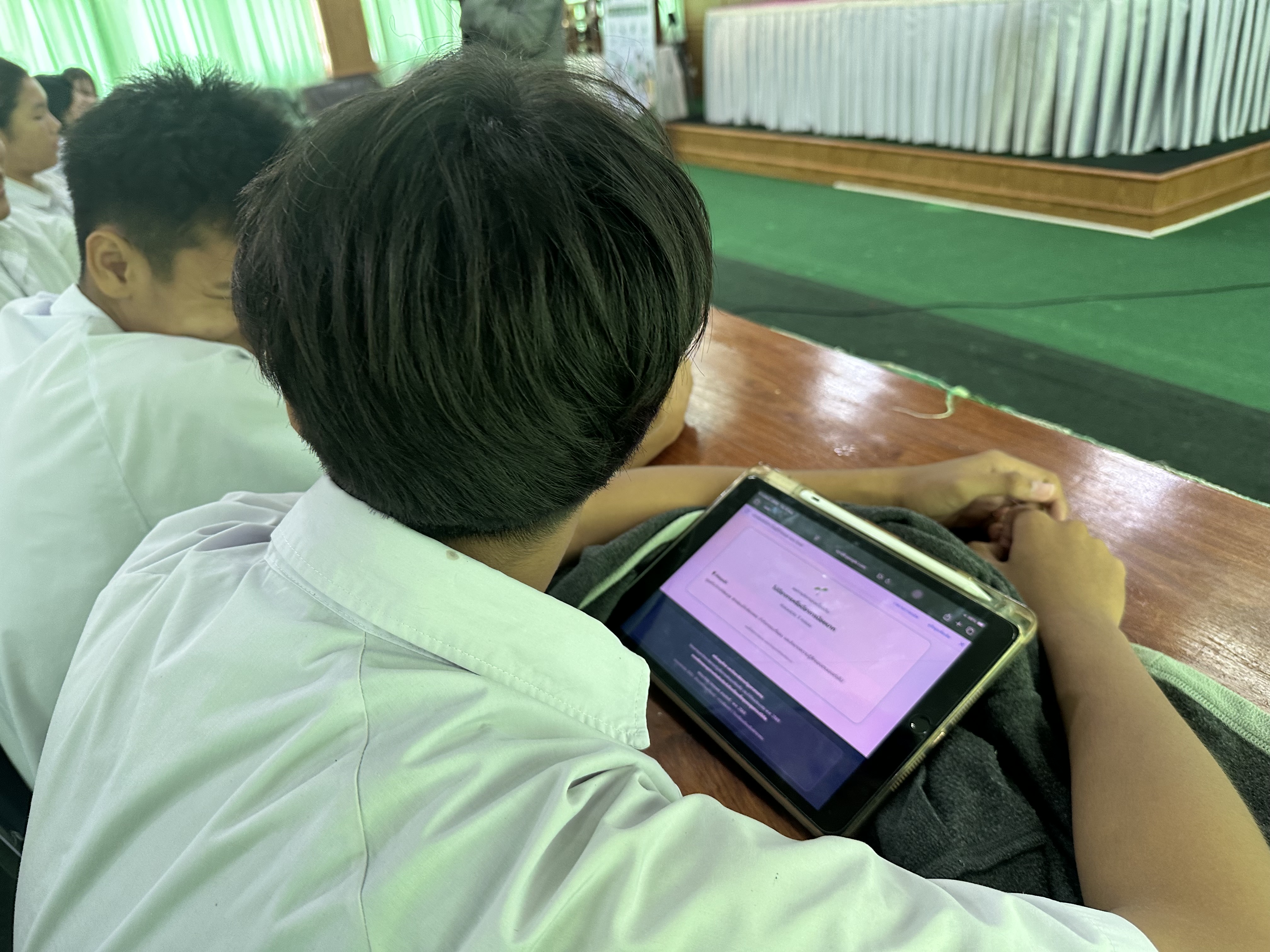
The project developed one online mental well-being screening system and dashboard, which were pilot-tested in two schools: Chiangyuen Pittayakom School and Ban Chiang Yuen School, Maha Sarakham Province. A total of 120 participants joined the activities, including 55 students who completed mental well-being screening and five teachers who received system training. One analytical report was produced. User satisfaction reached 92.67%, meeting the project's target. The system provides schools with a digital tool to support data management, analysis, and student care planning. โครงการพัฒนาระบบคัดกรองสุขภาวะจิตออนไลน์และ Dashboard จำนวน 1 ระบบ และนำไปทดลองใช้งานในสถานศึกษา 2 แห่ง ได้แก่ โรงเรียนเชียงยืนพิทยาคมและโรงเรียนบ้านเชียงยืน จังหวัดมหาสารคาม มีผู้เข้าร่วมกิจกรรมรวม 120 คน นักเรียนเข้าร่วมคัดกรองสุขภาวะจิตผ่านระบบ 55 คน และครูผ่านการอบรม 5 คน พร้อมจัดทำรายงานวิเคราะห์ข้อมูลสุขภาวะจิต 1 ฉบับ ผลการประเมินความพึงพอใจอยู่ในระดับมากที่สุด คิดเป็นร้อยละ 92.67 ส่งผลให้โรงเรียนมีเครื่องมือดิจิทัลสนับสนุนการจัดเก็บ วิเคราะห์ และใช้ข้อมูลเพื่อวางแผนดูแลช่วยเหลือนักเรียนอย่างเป็นระบบ
Community & Social Impact ผลกระทบต่อชุมชน/สังคม
The project promoted the use of digital technology to support youth mental well-being in schools. It provided schools with a structured tool for collecting and presenting preliminary mental health screening data, enabling teachers to use information for monitoring and student support planning. The project also promoted mental health awareness and strengthened collaboration between the university and local schools. It established a digital innovation model that can be further improved and potentially expanded to other educational institutions. โครงการส่งเสริมการใช้เทคโนโลยีดิจิทัลในการดูแลสุขภาวะจิตของเยาวชนในสถานศึกษา ช่วยให้โรงเรียนมีเครื่องมือสำหรับรวบรวมและแสดงผลข้อมูลสุขภาวะจิตเบื้องต้นอย่างเป็นระบบ สนับสนุนให้ครูใช้ข้อมูลประกอบการเฝ้าระวังและวางแผนดูแลช่วยเหลือนักเรียน ส่งเสริมความตระหนักรู้ด้านสุขภาพจิต และสร้างความร่วมมือระหว่างมหาวิทยาลัยกับโรงเรียนในพื้นที่ เกิดต้นแบบการประยุกต์ใช้นวัตกรรมดิจิทัลเพื่อส่งเสริมคุณภาพชีวิต ซึ่งสามารถนำไปพัฒนาและขยายผลสู่สถานศึกษาอื่นในอนาคต
Student & Staff Participation การมีส่วนร่วมของนักศึกษา/บุคลากร
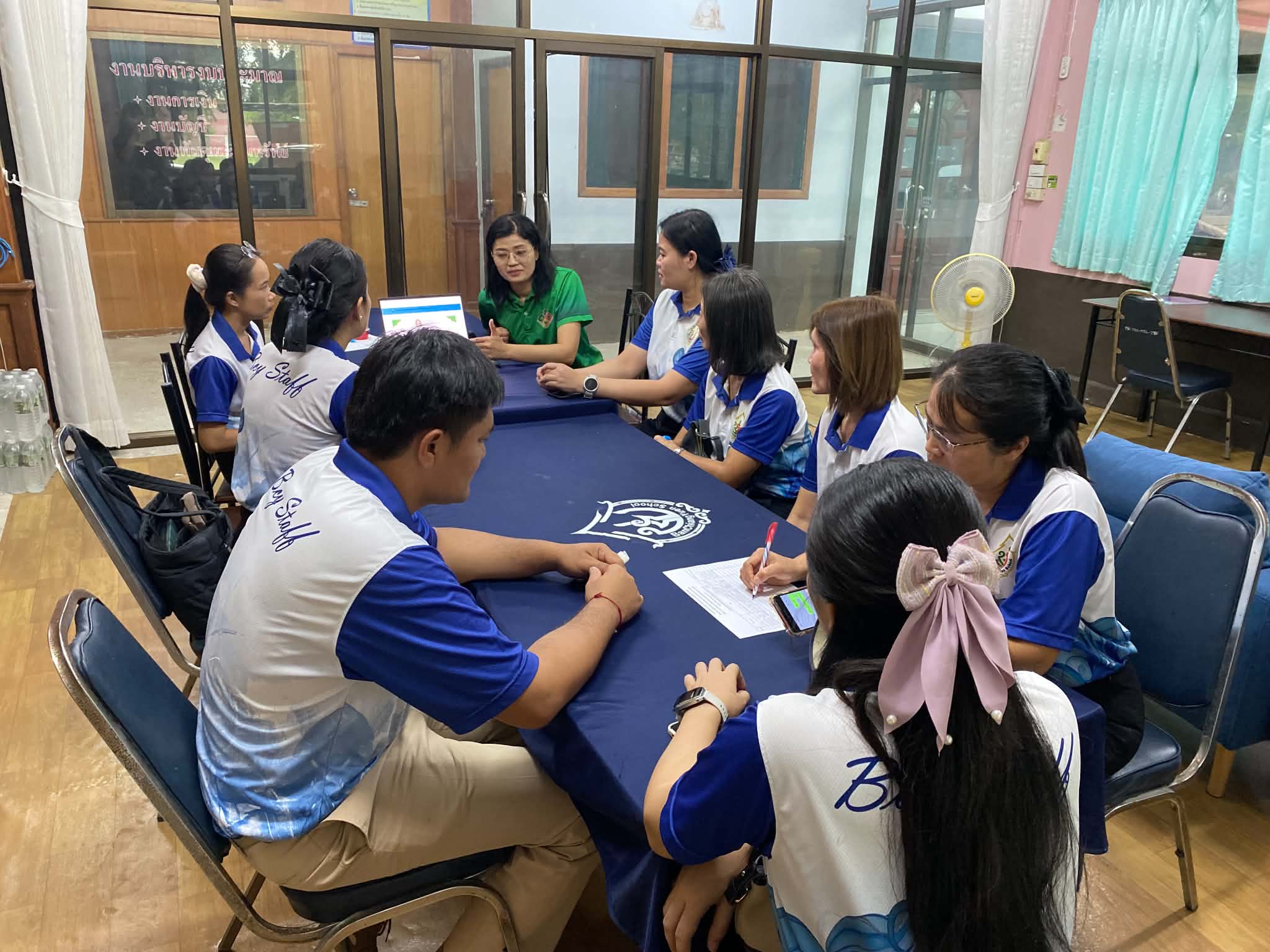
Four university students participated as project assistants, receiving training in the digital mental well-being screening system and applying their information technology knowledge during field activities. They supported workshops, system pilot testing, and data collection. In addition, five teachers and school counselors received training in the online screening system and dashboard to support student care. The activities were conducted in collaboration with two schools, with a total of 120 activity participants. นักศึกษาจำนวน 4 คน มีส่วนร่วมเป็นผู้ช่วยดำเนินโครงการ โดยได้รับการเตรียมความพร้อมด้านการใช้ระบบคัดกรองสุขภาวะจิตดิจิทัล และนำองค์ความรู้ด้านเทคโนโลยีสารสนเทศไปประยุกต์ใช้ในการลงพื้นที่ สนับสนุนการอบรม การทดลองใช้ระบบ และการรวบรวมข้อมูล ขณะเดียวกัน ครูที่ปรึกษาและครูแนะแนวจำนวน 5 คน ได้รับการอบรมการใช้ระบบคัดกรองออนไลน์และ Dashboard เพื่อสนับสนุนการดูแลช่วยเหลือนักเรียน กิจกรรมดำเนินงานร่วมกับโรงเรียน 2 แห่ง มีผู้เข้าร่วมกิจกรรมจริงรวม 120 คน
Project Continuity ความต่อเนื่องของโครงการ
The project provides a foundation for the continued improvement of the online mental well-being screening system and dashboard. Future activities will focus on enhancing system usability and performance based on user feedback, developing user manuals, strengthening teachers' digital skills, and improving data security and student privacy protection. Continued monitoring and evaluation in pilot schools will inform system improvements and the potential expansion to other schools, supporting sustainable youth mental well-being initiatives. โครงการมีแนวทางพัฒนาระบบคัดกรองสุขภาวะจิตออนไลน์และ Dashboard ให้มีประสิทธิภาพและสะดวกต่อการใช้งานมากยิ่งขึ้น โดยนำผลการประเมินความพึงพอใจและข้อเสนอแนะจากผู้ใช้งานมาปรับปรุงระบบ จัดทำคู่มือการใช้งาน ส่งเสริมทักษะของครูและบุคลากรทางการศึกษา ตลอดจนพัฒนามาตรการรักษาความปลอดภัยและการคุ้มครองข้อมูลส่วนบุคคลของนักเรียน พร้อมทั้งติดตามประเมินผลการใช้งานในสถานศึกษาต้นแบบ และพิจารณาขยายผลสู่โรงเรียนอื่นตามความพร้อมของพื้นที่ เพื่อสนับสนุนการดูแลสุขภาวะจิตของเยาวชนอย่างยั่งยืน
Part 3: Challenges & Suggestions ส่วนที่ 3 ปัญหาอุปสรรค/ข้อเสนอแนะ
Problems & Obstacles ปัญหา/อุปสรรค
Some users were not yet familiar with the login process and the use of the online mental well-being screening system, so additional time was required for explanation and hands-on guidance during the activities. In addition, the completeness and accuracy of recorded data needed close monitoring, especially in cases where students entered incorrect IDs or used other students’ IDs. When many users accessed the system simultaneously, Google Apps Script occasionally responded slowly or faced processing limitations. Moreover, student mental health data are sensitive personal data; therefore, proper access control and data security measures were essential throughout the project. ผู้ใช้งานบางส่วนยังไม่คุ้นเคยกับขั้นตอนการเข้าสู่ระบบและวิธีการใช้งานระบบคัดกรองสุขภาวะจิตออนไลน์ ทำให้ต้องใช้เวลาในการอธิบายและแนะนำเพิ่มเติมระหว่างการดำเนินกิจกรรม นอกจากนี้ ความครบถ้วนและความถูกต้องของข้อมูลที่บันทึกยังต้องได้รับการตรวจสอบอย่างใกล้ชิด โดยเฉพาะกรณีนักเรียนกรอกรหัสผิดหรือใช้รหัสของผู้อื่น อีกทั้งเมื่อมีผู้ใช้งานพร้อมกันจำนวนมาก ระบบ Google Apps Script อาจตอบสนองช้าหรือมีข้อจำกัดด้านการประมวลผล ขณะเดียวกัน ข้อมูลสุขภาพจิตของนักเรียนเป็นข้อมูลส่วนบุคคลที่มีความอ่อนไหว จึงต้องให้ความสำคัญกับการกำหนดสิทธิ์การเข้าถึงข้อมูลและการรักษาความปลอดภัยของระบบอย่างเหมาะสม
Improvement Guidelines แนวทางการปรับปรุง
A clear and user-friendly manual should be prepared for each user group, along with training sessions or demonstrations before actual implementation to improve users’ confidence. Data verification procedures should also be strengthened, such as validating student IDs against the school roster and assigning assessment access by classroom. In addition, the system should be improved to better support simultaneous usage, reduce redundant processing, and ensure regular data backup. Access rights should be assigned according to user roles, and personal data protection measures should be further enhanced to ensure safer and more appropriate system use. ควรจัดทำคู่มือการใช้งานระบบที่ชัดเจน เข้าใจง่าย และเหมาะสมกับผู้ใช้งานแต่ละกลุ่ม พร้อมจัดอบรมหรือสาธิตการใช้งานก่อนการใช้งานจริง เพื่อเพิ่มความมั่นใจให้กับครูและนักเรียน ควรปรับปรุงขั้นตอนการตรวจสอบข้อมูลให้รัดกุมยิ่งขึ้น เช่น การตรวจสอบรหัสนักเรียนกับฐานข้อมูลรายชื่อ และการกำหนดสิทธิ์การทำแบบประเมินตามห้องเรียน นอกจากนี้ ควรพัฒนาประสิทธิภาพของระบบให้รองรับการใช้งานพร้อมกันได้ดีขึ้น ลดการประมวลผลซ้ำซ้อน และมีการสำรองข้อมูลอย่างสม่ำเสมอ ตลอดจนกำหนดสิทธิ์การเข้าถึงข้อมูลตามบทบาทของผู้ใช้งาน และยกระดับมาตรการคุ้มครองข้อมูลส่วนบุคคลเพื่อให้การใช้งานระบบมีความปลอดภัยมากยิ่งขึ้น
Suggestions to University ข้อเสนอแนะต่อมหาวิทยาลัย
The university should continue supporting the development and improvement of the digital mental well-being screening system in terms of budget, personnel, and technical consultation. It should also promote the preparation of manuals, operational standards, and personal data protection measures for projects involving sensitive information. In addition, the university should support continuous monitoring and evaluation of the system’s implementation in the pilot schools and consider expanding the project to other schools based on local readiness, so that the project can generate broader community benefits and contribute to sustainable local development. มหาวิทยาลัยควรสนับสนุนการพัฒนาและต่อยอดระบบคัดกรองสุขภาวะจิตดิจิทัลให้มีประสิทธิภาพมากยิ่งขึ้น ทั้งในด้านงบประมาณ บุคลากร และการให้คำปรึกษาทางเทคนิค รวมถึงควรส่งเสริมการจัดทำคู่มือ มาตรฐานการใช้งาน และมาตรการคุ้มครองข้อมูลส่วนบุคคลสำหรับโครงการที่เกี่ยวข้องกับข้อมูลอ่อนไหว นอกจากนี้ ควรสนับสนุนการติดตามประเมินผลการนำระบบไปใช้ในสถานศึกษาต้นแบบอย่างต่อเนื่อง และพิจารณาขยายผลไปยังสถานศึกษาอื่นตามความพร้อมของพื้นที่ เพื่อให้เกิดประโยชน์ต่อชุมชนและการพัฒนาท้องถิ่นอย่างยั่งยืน