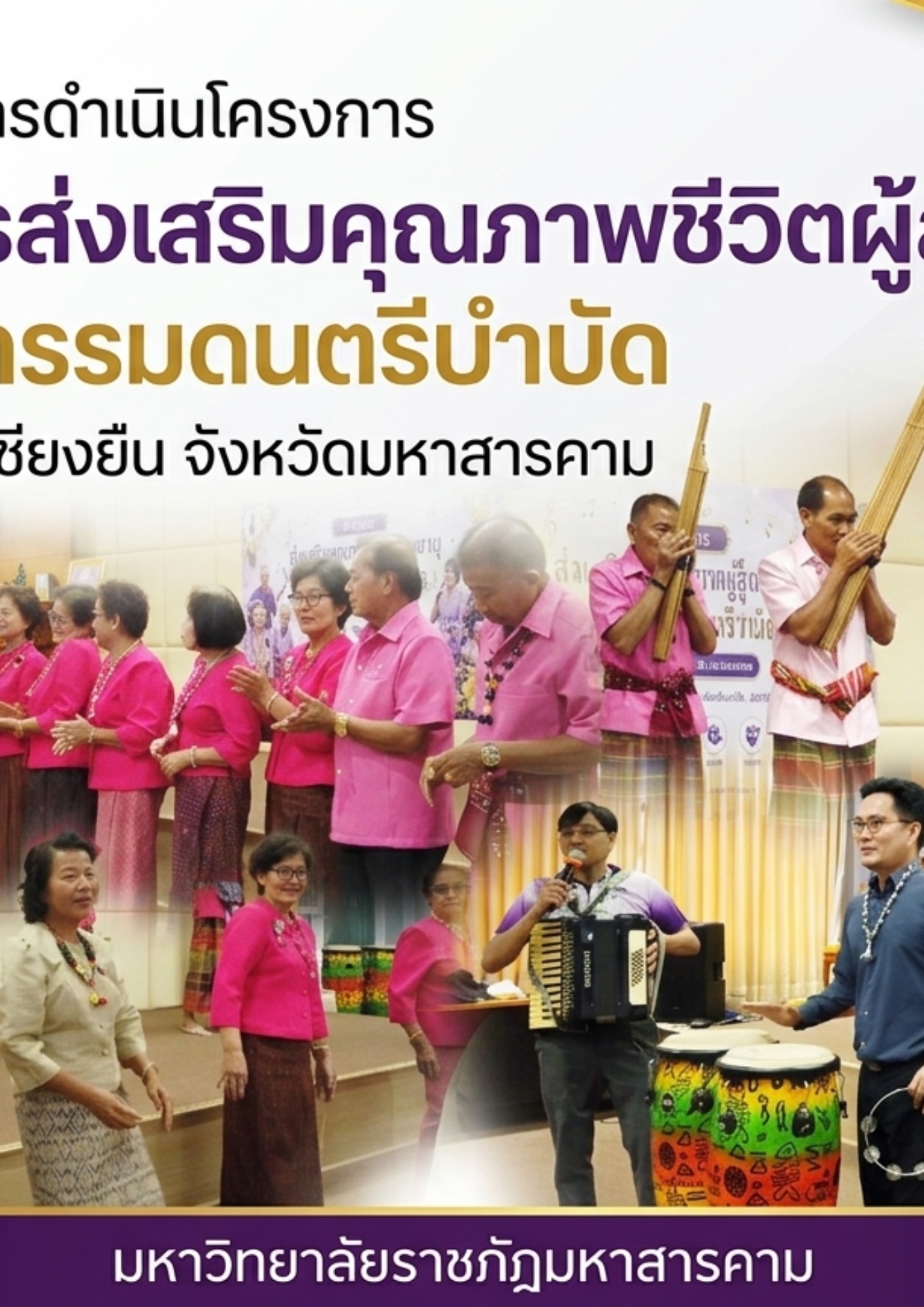
– June 30, 2026 9 พฤษภาคม 2569
– 30 มิถุนายน 2569
Part 1: Project Details ส่วนที่ 1 รายละเอียดการดำเนินงาน
Objectives วัตถุประสงค์โครงการ
1. To create music therapy compositions suitable for older adults.
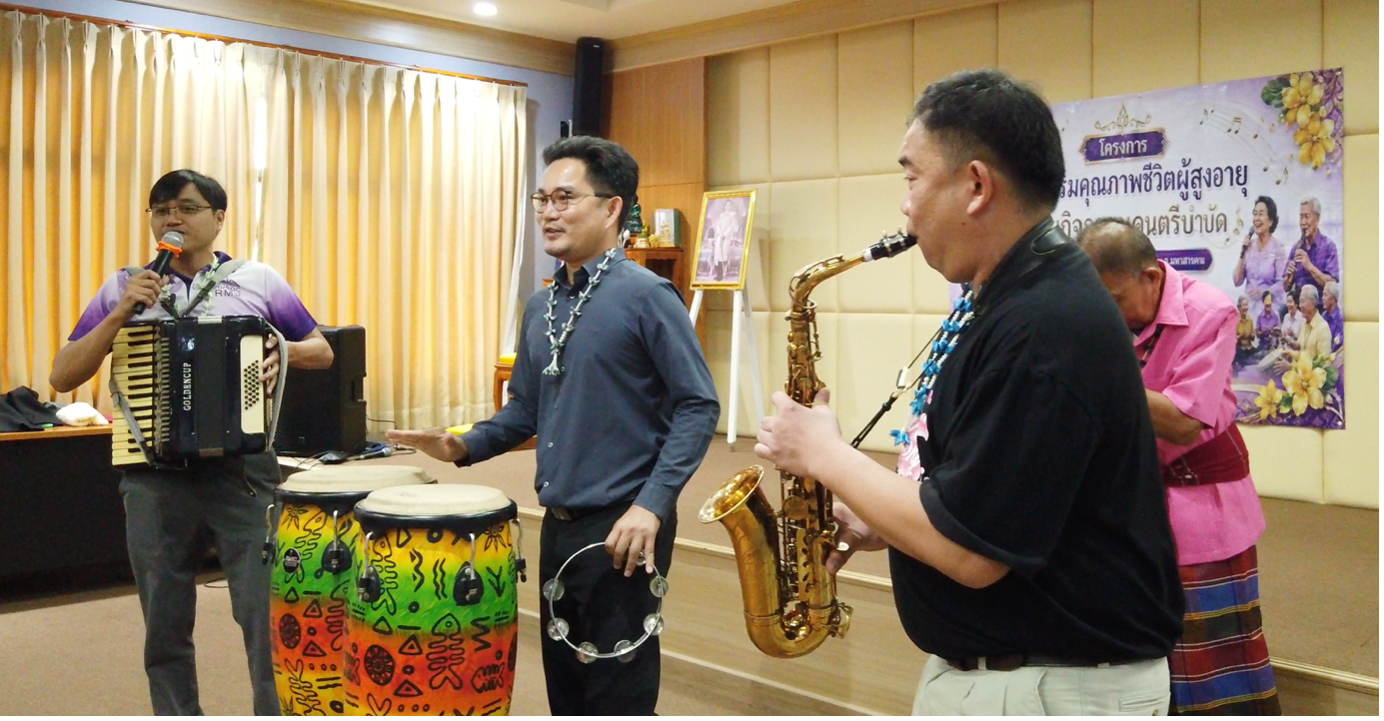
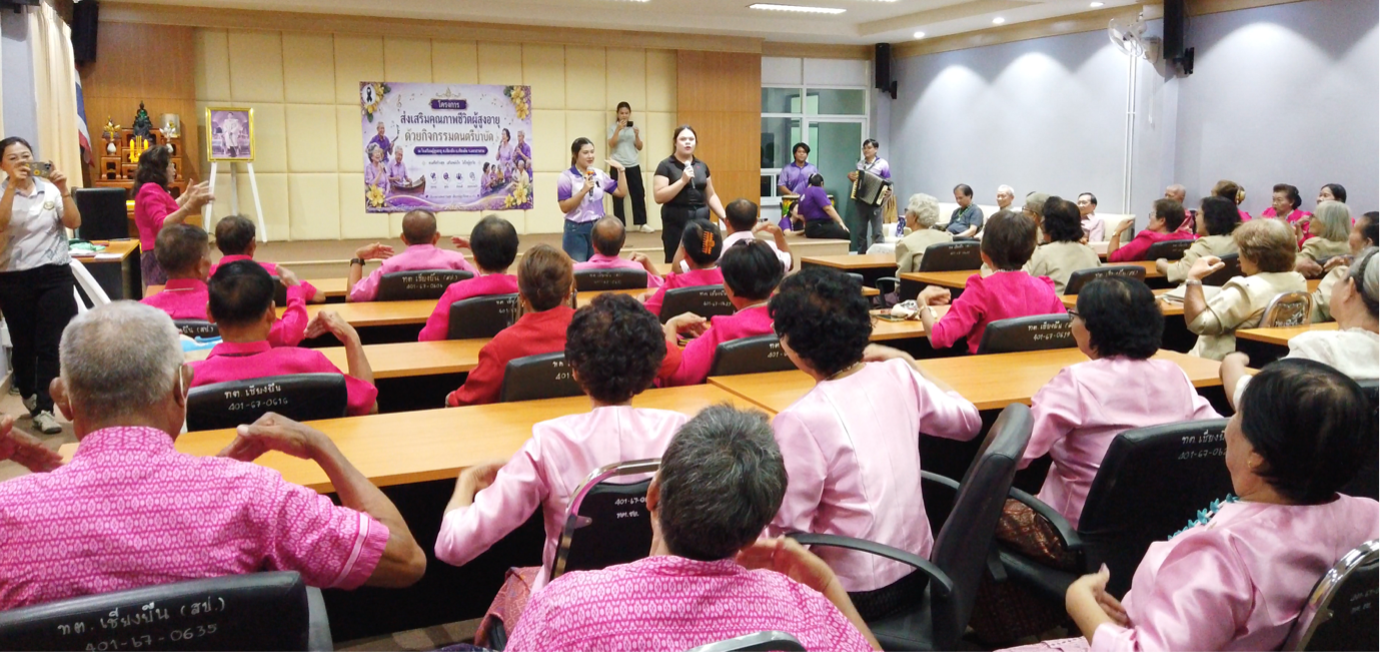
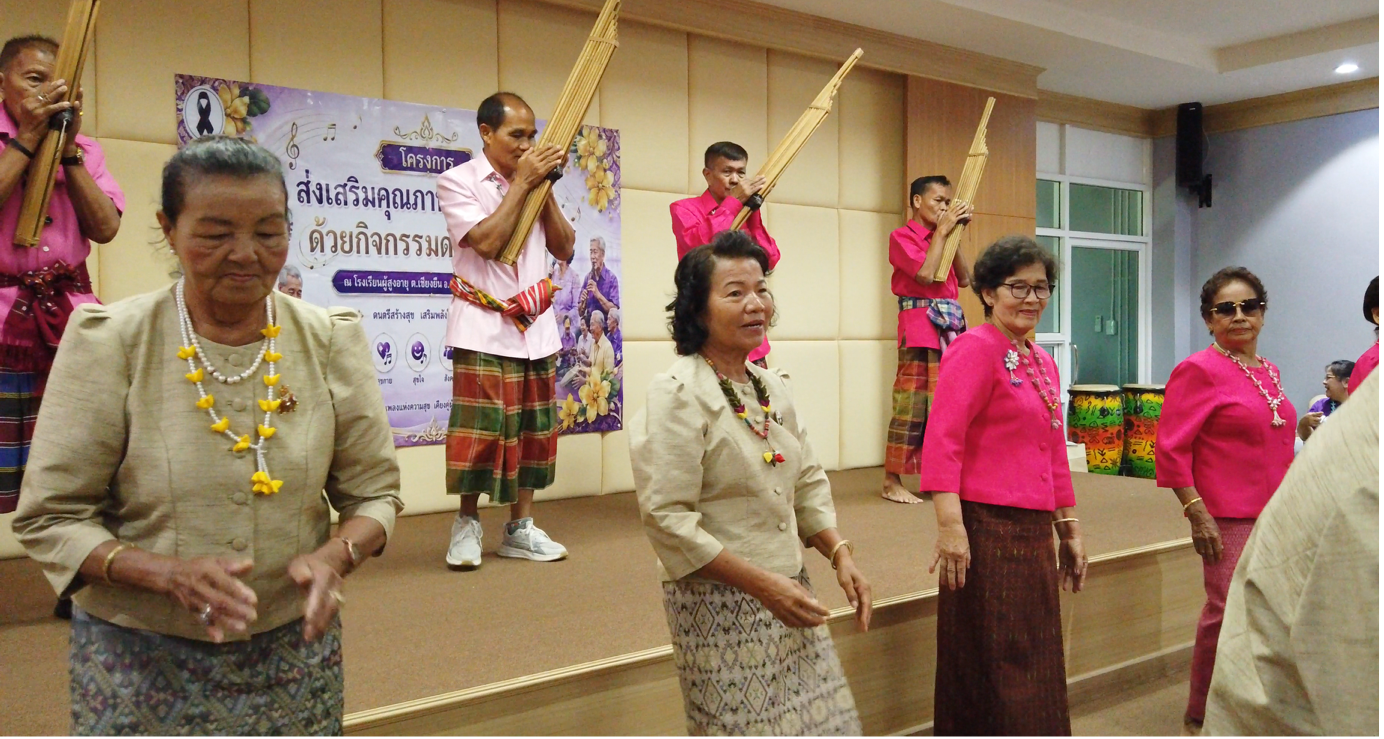
2. To pilot the use of the creative music therapy program with older adults.
3. To monitor and evaluate music therapy activities for older adults.
1.เพื่อสร้างสรรค์ผลงานเพลงดนตรีบำบัดที่เหมาะสมสำหรับผู้สูงอายุ
2.เพื่อทดลองใช้งานสร้างสรรค์ดนตรีบำบัดสำหรับผู้สูงอายุ
3.เพื่อติดตาม ประเมินผล กิจกรรมการใช้ดนตรีบำบัดสำหรับผู้สูงอายุ
Main Activities กิจกรรมหลัก
Promoting quality of life and local wisdom for area-based security and sustainability. ส่งเสริมคุณภาพชีวิตและภูมิปัญญาท้องถิ่นเพื่อความมั่นคงและยั่งยืนเชิงพื้นที่
Part 2: Outcomes & Impact ส่วนที่ 2 ผลลัพธ์และผลกระทบ
Outcomes ผลลัพธ์ที่เกิดขึ้น
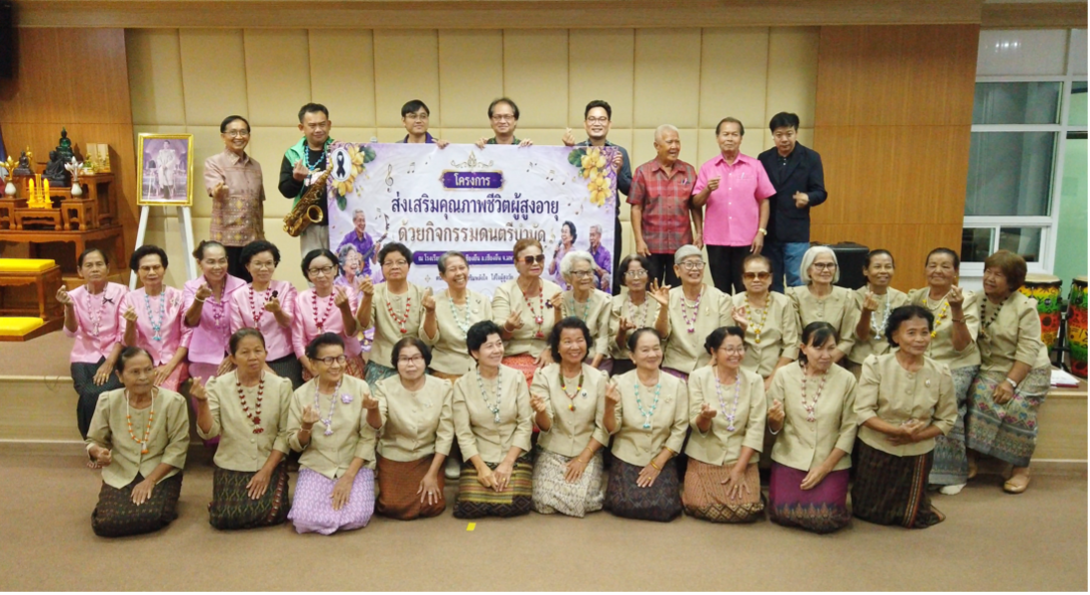
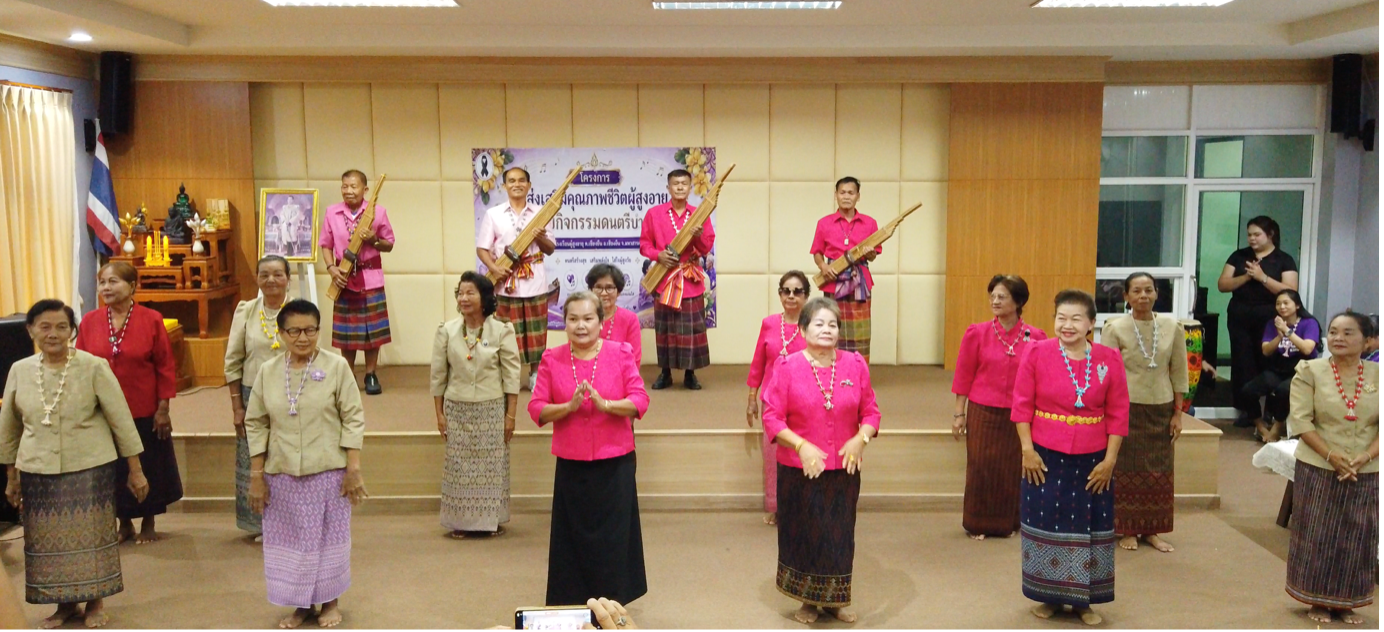
1. Creative songs and music therapy are effectively utilized for the elderly, serving as a basis for developing a future model.
2. Expanding the application of creative music therapy songs to appropriately enhance the quality of life for the elderly.
3. Appropriate development of the elderly's quality of life across all four dimensions is achieved.
1. บทเพลงสร้างสรรค์ ดนตรีบำบัดนำไปใช้ประโยชน์กับผู้อายุได้เหมาะสม และพัฒนาเป็น MODEL ต่อไป
2. การขยายผลการใช้บทเพลงสร้างสรรค์ดนตรีบำบัด เพื่อพัฒนาคุณภาพชีวิตกับผู้อายุได้เหมาะสม
3. 3. เกิดการพัฒนาคุณภาพชีวิตของผู้สูงอายุทั้ง 4 ด้าน ได้อย่างเหมาะสม
Community & Social Impact ผลกระทบต่อชุมชน/สังคม
Economic: Helps reduce healthcare and medical expenses for the elderly.
Social: Provides a space for the elderly to exchange knowledge and engage in joint activities.
Educational: Development of the environment for elderly care.
Environmental: A model elderly club ready for replication in other areas.
ด้านเศรษฐกิจ : ช่วยลดค่าใช้จ่ายในการรักษาพยาบาลด้านสุขภาพของผู้สูงอายุ
ด้านสังคม : ผู้สูงอายุมีพื้นที่ในการแลกเปลี่ยนเรียนรู้ และทำกิจกรรมร่วมกัน
ด้านการศึกษา : การพัฒนาสภาวะแวดล้อมในการดูแลผู้สูงอายุ
ด้านสิ่งแวดล้อม : ต้นแบบชมรมผู้สูงอายุ ที่พร้อมขยายผลไปยังพื้นที่อื่น
Student & Staff Participation การมีส่วนร่วมของนักศึกษา/บุคลากร
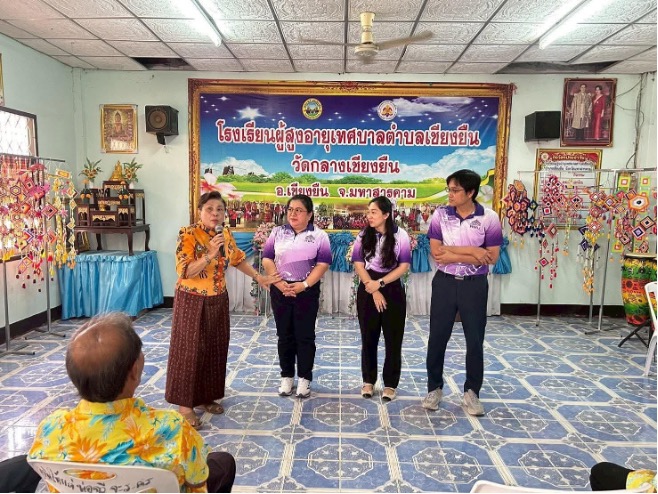
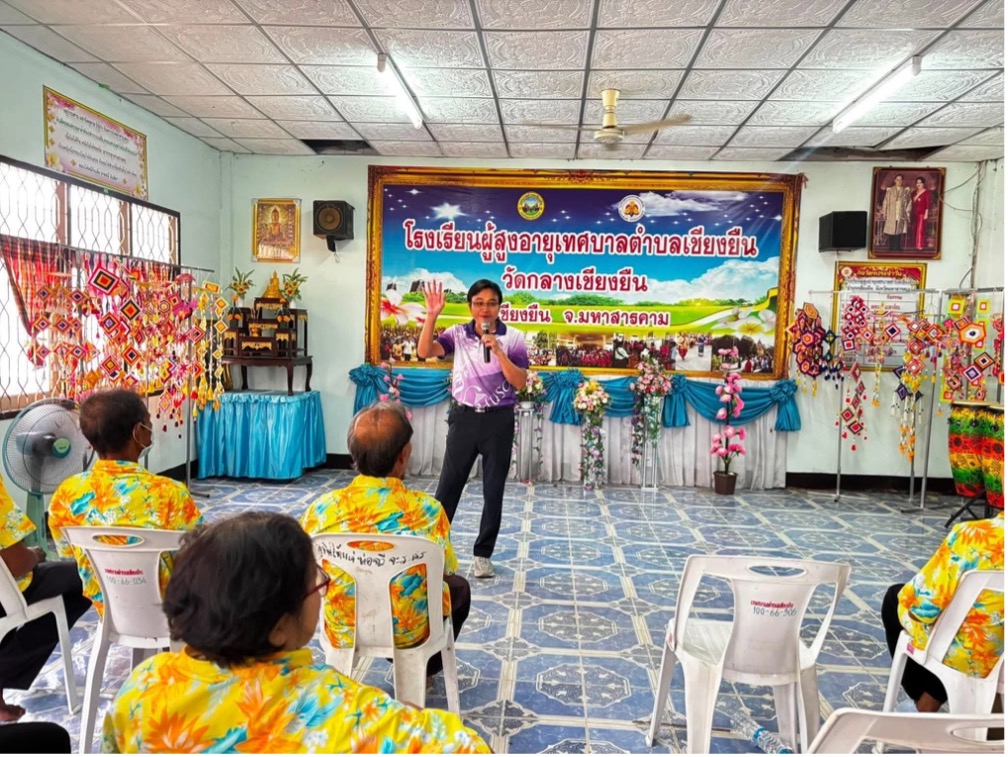
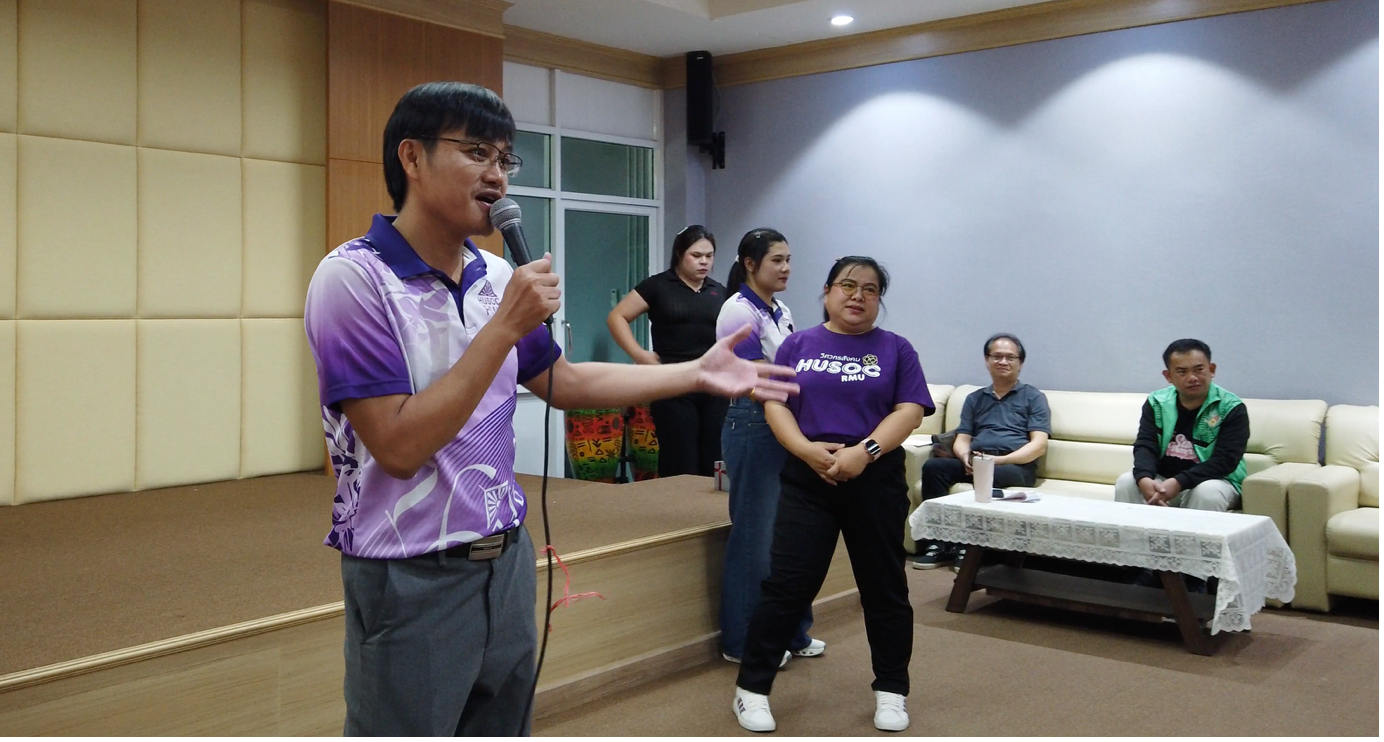
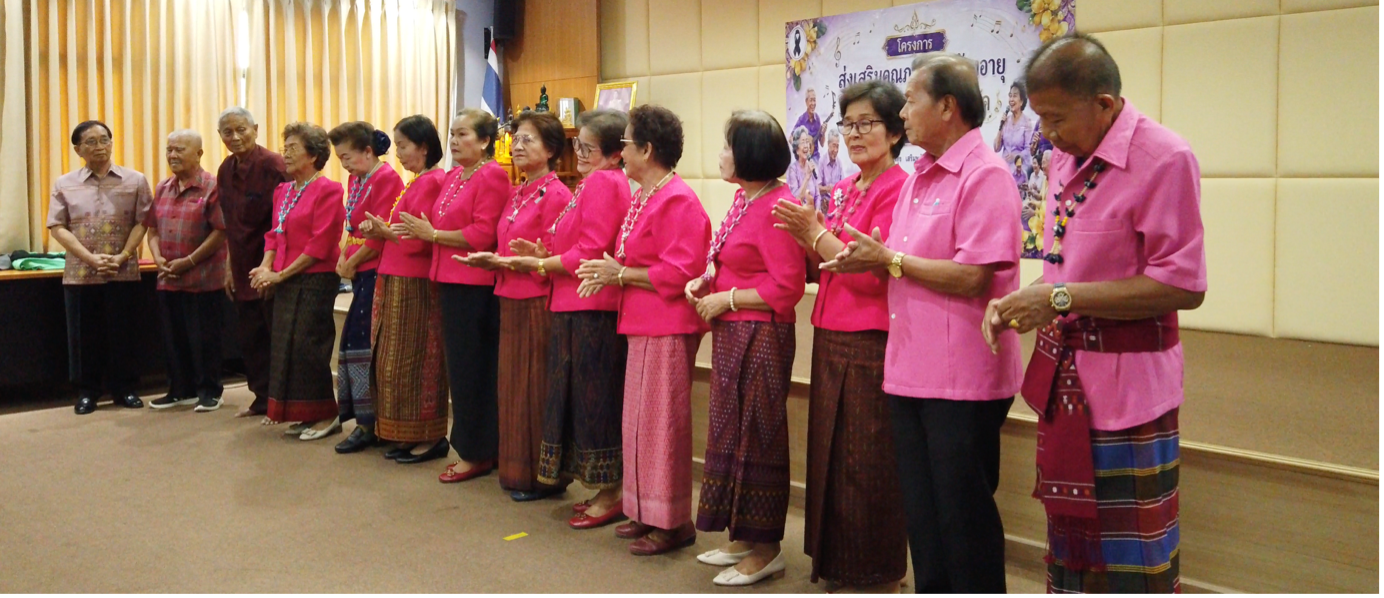
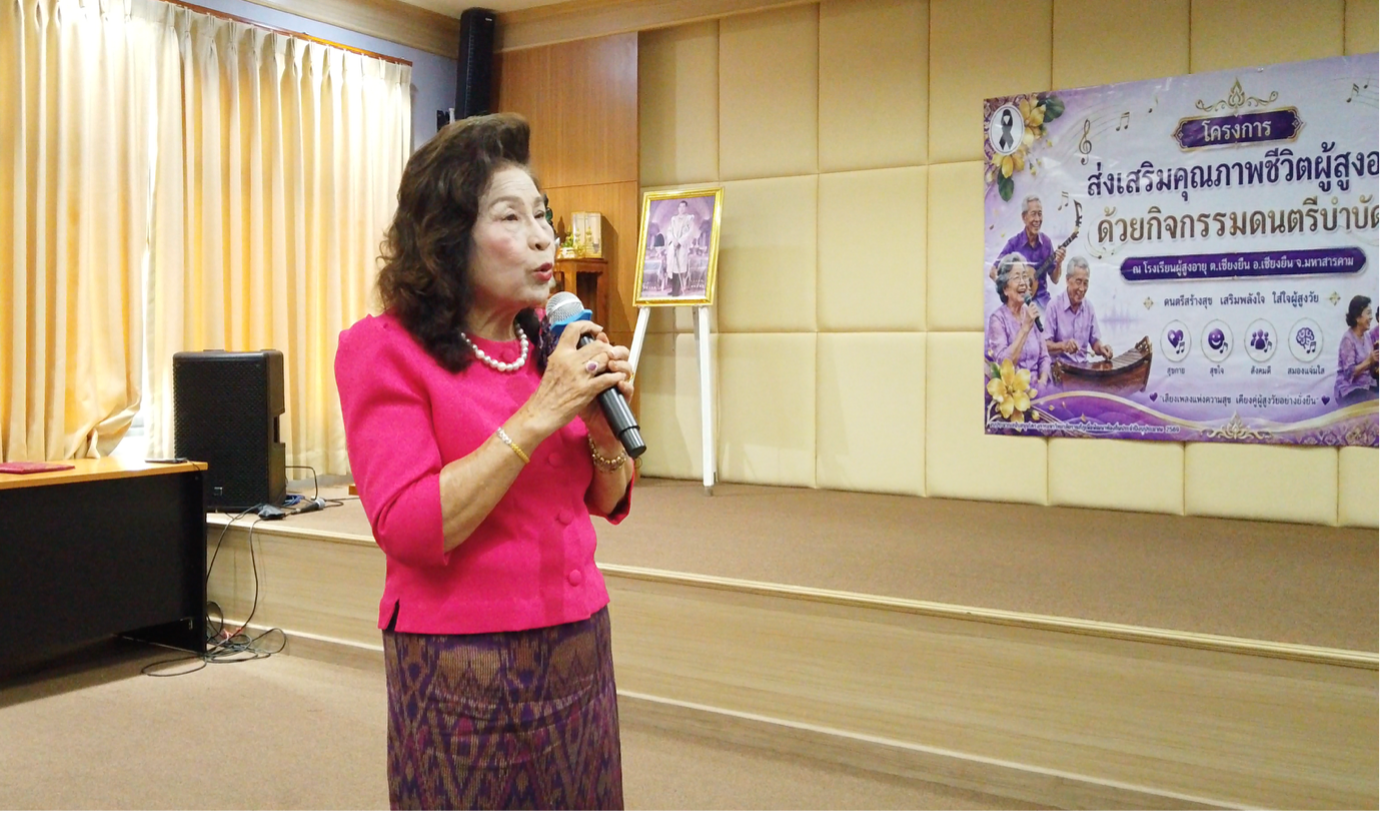
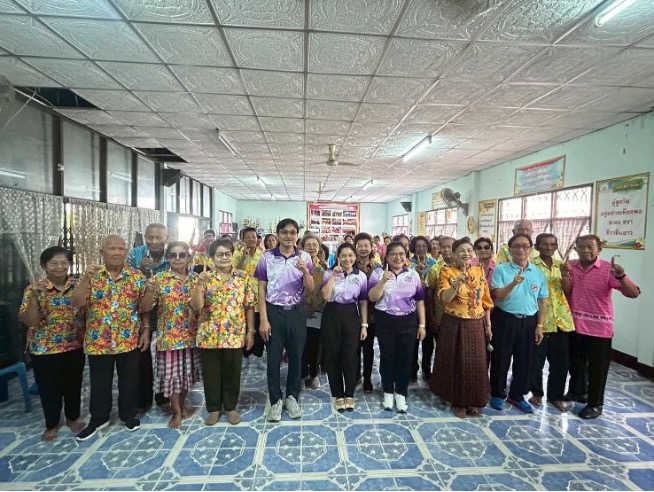
Participation of students and personnel: 10 students participated in the data survey. Design and organize music therapy activities caring for the elderly collect data and extract lessons from actual operations Makes it possible to develop communication skills Working as a team, solving problems, and working with communities according to the social engineering process. Two personnel have a role in planning, coordinating, advising, and supervising the suitability and safety of activities. as well as monitor and evaluate results together with network partners This results in the exchange of knowledge between the university and the community. and create a network of cooperation to continually expand the results of activities ด้านการมีส่วนร่วมของนักศึกษาและบุคลากร : นักศึกษา จำนวน 10 คน มีส่วนร่วมในการสำรวจข้อมูล ออกแบบและจัดกิจกรรมดนตรีบำบัด ดูแลผู้สูงอายุ เก็บรวบรวมข้อมูล และถอดบทเรียนจากการปฏิบัติงานจริง ทำให้ได้พัฒนาทักษะการสื่อสาร การทำงานเป็นทีม การแก้ปัญหา และการทำงานร่วมกับชุมชนตามกระบวนการวิศวกรสังคม ส่วนบุคลากร จำนวน 2 คน มีบทบาทในการวางแผน ประสานงาน ให้คำปรึกษา กำกับดูแลความเหมาะสมและความปลอดภัยของกิจกรรม ตลอดจนติดตามและประเมินผลร่วมกับภาคีเครือข่าย ส่งผลให้เกิดการแลกเปลี่ยนองค์ความรู้ระหว่างมหาวิทยาลัยกับชุมชน และสร้างเครือข่ายความร่วมมือเพื่อขยายผลกิจกรรมอย่างต่อเนื่อง
Project Continuity ความต่อเนื่องของโครงการ
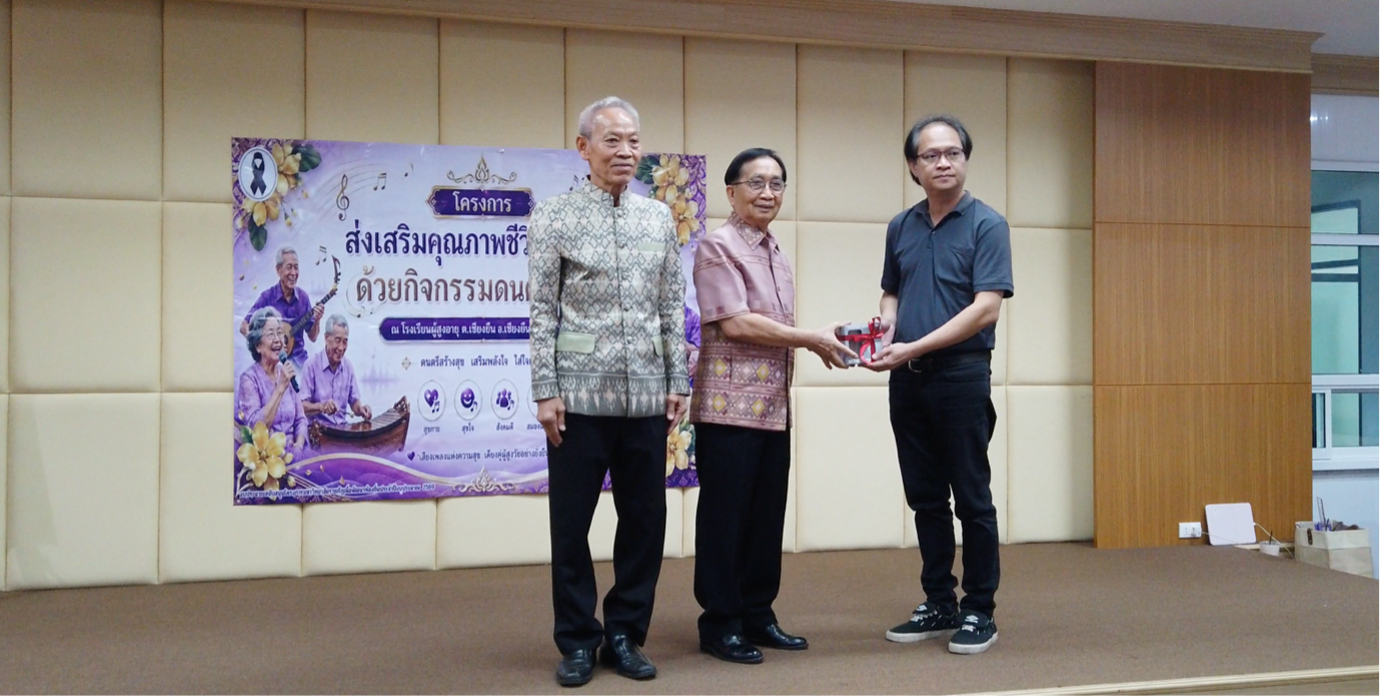
Project Sustainability: Following the project's conclusion, the Chiang Yuen Subdistrict Municipality and its Elderly School will be able to independently utilize the music and music therapy activity models to conduct ongoing activities with the elderly. The university will transfer activity implementation methods, produce manuals or activity kits, and build the capacity of local personnel, elderly leaders, and caregivers to manage operations themselves. Additionally, systems will be established for monitoring, recording usage, and periodically assessing participants' well-being. Efforts will also be made to coordinate with network partners to secure cooperation and funding for scaling up the initiative to other elderly clubs and communities within Chiang Yuen District. Data obtained from monitoring will be used to refine the music and activity formats to suit the specific context of each area, thereby ensuring continued and sustainable utilization. ความต่อเนื่องของโครงการ : ภายหลังสิ้นสุดโครงการ เทศบาลตำบลเชียงยืนและโรงเรียนผู้สูงอายุเทศบาลตำบลเชียงยืนสามารถนำบทเพลงและต้นแบบกิจกรรมดนตรีบำบัดไปจัดกิจกรรมร่วมกับผู้สูงอายุได้อย่างต่อเนื่อง โดยมหาวิทยาลัยจะถ่ายทอดวิธีดำเนินกิจกรรม จัดทำคู่มือหรือชุดกิจกรรม และพัฒนาบุคลากรท้องถิ่น แกนนำผู้สูงอายุ และผู้ดูแลให้สามารถดำเนินงานได้ด้วยตนเอง พร้อมกำหนดระบบติดตามผล การบันทึกการใช้ประโยชน์ และการประเมินสุขภาวะของผู้เข้าร่วมเป็นระยะ ตลอดจนประสานความร่วมมือและงบประมาณกับภาคีเครือข่ายเพื่อขยายผลไปยังชมรมผู้สูงอายุและชุมชนอื่นในอำเภอเชียงยืน ทั้งนี้ ข้อมูลจากการติดตามจะนำมาใช้ปรับปรุงบทเพลงและรูปแบบกิจกรรมให้เหมาะสมกับบริบทของแต่ละพื้นที่ เพื่อให้เกิดการใช้ประโยชน์อย่างต่อเนื่องและยั่งยืน
Part 3: Challenges & Suggestions ส่วนที่ 3 ปัญหาอุปสรรค/ข้อเสนอแนะ
Problems & Obstacles ปัญหา/อุปสรรค
During the project implementation, it was observed that the elderly participants varied in terms of health and individual capabilities. Some faced limitations regarding hearing, vision, mobility, concentration, and rhythm retention, resulting in uneven progress in learning lyrics, following movements, and participating in activities. Consequently, the project team had to dedicate time to explanations, demonstrations, and repeated reviews, while also assigning assistants to provide close supervision. Furthermore, as some participants experienced fatigue or were unable to engage throughout the entire session, the sequence, intensity, and duration of activities had to be adjusted to suit individual physical conditions.
Regarding activity organization, limitations were identified concerning sound system clarity, equipment readiness, and the suitability of the space for movement—factors that could impact the participants' ability to hear the music and their overall safety. Additionally, the project timeframe (May 9 to June 30, 2026) was relatively tight for the processes of song development, pilot testing, refinement, and long-term monitoring. Coordinating the schedules of the elderly participants, experts, students, staff, and network partners presented challenges, necessitating adjustments to the activity timetable based on venue availability and the participants' needs.
In terms of data collection, some elderly participants faced difficulties with reading, writing, or comprehending questions; this required the use of oral questioning and interviews, a process that was time-consuming and potentially led to variations in response formats. Pre- and post-activity data collection, as well as follow-up assessments, were not fully comprehensive across all aspects. Moreover, additional documentation is still required, such as specific evaluation results, attendance records for each session, evidence of the songs being utilized within the community, and records of project dissemination. These limitations hinder the comparison of changes and the verification of achievements against indicators; therefore, it is advisable to designate specific personnel responsible for data collection, utilize standardized recording forms, and consistently verify the completeness of supporting evidence following each activity.
ระหว่างการดำเนินโครงการ พบว่าผู้สูงอายุมีความแตกต่างด้านสุขภาพและสมรรถนะเฉพาะบุคคล โดยบางรายมีข้อจำกัดด้านการได้ยิน การมองเห็น การเคลื่อนไหว สมาธิ และการจดจำจังหวะ ส่งผลให้การเรียนรู้เนื้อเพลง การปฏิบัติตามท่าทาง และการเข้าร่วมกิจกรรมไม่เป็นไปในระดับเดียวกัน คณะดำเนินงานจึงต้องใช้เวลาอธิบาย สาธิต และทบทวนซ้ำ รวมทั้งจัดผู้ช่วยดูแลอย่างใกล้ชิด นอกจากนี้ ผู้เข้าร่วมบางรายมีอาการเหนื่อยล้าหรือไม่สามารถร่วมกิจกรรมได้ตลอดช่วงเวลา ทำให้ต้องปรับลำดับ ความหนัก และระยะเวลาของกิจกรรมให้เหมาะสมกับสภาพร่างกายเป็นรายบุคคล
ด้านการจัดกิจกรรม พบข้อจำกัดเกี่ยวกับความชัดเจนของระบบเสียง ความพร้อมของอุปกรณ์ และสภาพพื้นที่สำหรับการเคลื่อนไหว ซึ่งอาจส่งผลต่อการรับฟังเพลงและความปลอดภัยของผู้สูงอายุ ขณะเดียวกัน ระยะเวลาดำเนินโครงการตั้งแต่วันที่ 9 พฤษภาคม ถึง 30 มิถุนายน 2569 ค่อนข้างจำกัดสำหรับการพัฒนาบทเพลง การทดลองใช้ การปรับปรุง และการติดตามผลระยะยาว การนัดหมายผู้สูงอายุ ผู้เชี่ยวชาญ นักศึกษา บุคลากร และภาคีเครือข่ายให้พร้อมกันยังเป็นข้อจำกัดด้านการประสานงาน ทำให้ต้องปรับตารางกิจกรรมตามความเหมาะสมของพื้นที่และผู้เกี่ยวข้อง
ด้านการเก็บรวบรวมข้อมูล ผู้สูงอายุบางรายมีข้อจำกัดด้านการอ่าน การเขียน หรือการทำความเข้าใจข้อคำถาม จึงต้องใช้วิธีอ่านคำถามและสัมภาษณ์ประกอบ ซึ่งใช้เวลามากและอาจทำให้รูปแบบการตอบแตกต่างกัน การเก็บข้อมูลก่อน–หลังและการติดตามภายหลังสิ้นสุดกิจกรรมยังไม่ครบถ้วนในทุกประเด็น อีกทั้งหลักฐานบางรายการ เช่น ผลประเมินรายด้าน บันทึกการเข้าร่วมแต่ละครั้ง หลักฐานการนำบทเพลงไปใช้ในชุมชน และผลการเผยแพร่ผลงาน ยังต้องรวบรวมเพิ่มเติม ข้อจำกัดดังกล่าวส่งผลให้การเปรียบเทียบการเปลี่ยนแปลงและการยืนยันผลสำเร็จตามตัวชี้วัดยังไม่สมบูรณ์ จึงควรกำหนดผู้รับผิดชอบการเก็บข้อมูล ใช้แบบบันทึกมาตรฐาน และตรวจสอบความครบถ้วนของหลักฐานภายหลังแต่ละกิจกรรมอย่างต่อเนื่อง
Improvement Guidelines แนวทางการปรับปรุง
Implementation should begin with the selection of songs featuring uncomplicated rhythms and familiar lyrics that are suited to the capabilities of the elderly. Activities should involve step-by-step demonstrations and repetition, supported by students, staff, or caregivers providing close assistance. Activity duration and intensity must be adjusted according to physical conditions, and the venue must be safe, with sound systems and equipment checked prior to use; backup activities or equipment should also be prepared. Regarding follow-up, responsibilities, a data collection schedule, and standardized recording forms should be established. Data should be collected before and after the activity, as well as during follow-ups. Additionally, records such as song lists, participant rosters, evidence of utilization, and summaries comparing results against target indicators should be maintained to ensure systematic evaluation of success. แนวทางแก้ไขควรเริ่มจากการคัดเลือกบทเพลงที่มีจังหวะไม่ซับซ้อน เนื้อหาคุ้นเคย และเหมาะกับสมรรถนะของผู้สูงอายุ ใช้การสาธิตทีละขั้นและทบทวนซ้ำ พร้อมจัดนักศึกษา บุคลากร หรือผู้ดูแลช่วยเหลืออย่างใกล้ชิด ควรปรับระยะเวลาและความหนักของกิจกรรมตามสภาพร่างกาย จัดสถานที่ให้ปลอดภัย ตรวจสอบเครื่องเสียงและอุปกรณ์ก่อนใช้งาน รวมทั้งเตรียมกิจกรรมหรืออุปกรณ์สำรอง สำหรับด้านการติดตามผล ควรกำหนดผู้รับผิดชอบ ปฏิทินเก็บข้อมูล และแบบบันทึกมาตรฐาน เก็บข้อมูลก่อน–หลังและติดตามภายหลังสิ้นสุดกิจกรรม ตลอดจนจัดทำทะเบียนบทเพลง รายชื่อผู้เข้าร่วม หลักฐานการใช้ประโยชน์ และสรุปผลเทียบค่าเป้าหมายเป็นรายตัวชี้วัด เพื่อให้ตรวจสอบผลสำเร็จได้อย่างเป็นระบบ
Suggestions to University ข้อเสนอแนะต่อมหาวิทยาลัย
A music therapy manual or activity toolkit should be developed, clearly outlining objectives, procedures, duration, precautions, and guidelines for adapting activities to suit different groups of elderly participants. This resource should be disseminated to municipal staff, elderly schools, caregivers, and community leaders to enable the continued implementation of these activities. Pilot programs should be expanded to elderly clubs in other communities using the same criteria and assessment tools; this would allow for result comparisons and the refinement of a model tailored to the local context. Furthermore, the quality of the assessment tools should be verified, comprehensive quantitative and qualitative data collected, and the Social Return on Investment (SROI) calculation reviewed using evidence-based cost and outcome values. These steps will ensure the final report is accurate and credible, thereby supporting informed decisions regarding the scaling up of the initiative. ควรพัฒนาคู่มือหรือชุดกิจกรรมดนตรีบำบัดที่ระบุวัตถุประสงค์ ขั้นตอน ระยะเวลา ข้อควรระวัง และแนวทางปรับกิจกรรมสำหรับผู้สูงอายุแต่ละกลุ่ม พร้อมถ่ายทอดให้บุคลากรเทศบาล โรงเรียนผู้สูงอายุ ผู้ดูแล และแกนนำชุมชนสามารถดำเนินกิจกรรมต่อได้ ควรขยายการทดลองใช้ไปยังชมรมผู้สูงอายุในชุมชนอื่นโดยใช้เกณฑ์และเครื่องมือประเมินเดียวกัน เพื่อเปรียบเทียบผลและพัฒนาต้นแบบที่เหมาะสมกับบริบทพื้นที่ นอกจากนี้ ควรตรวจสอบคุณภาพเครื่องมือ เก็บข้อมูลผลลัพธ์เชิงปริมาณและเชิงคุณภาพอย่างครบถ้วน และทบทวนการคำนวณผลตอบแทนทางสังคมโดยใช้ต้นทุนและมูลค่าผลลัพธ์ที่มีหลักฐานรองรับ เพื่อให้รายงานฉบับสมบูรณ์มีความถูกต้อง น่าเชื่อถือ และใช้ประกอบการตัดสินใจขยายผลได้