– March 26, 2026 23 มีนาคม 2569
– 26 มีนาคม 2569
Part 1: Project Details ส่วนที่ 1 รายละเอียดการดำเนินงาน
Objectives วัตถุประสงค์โครงการ
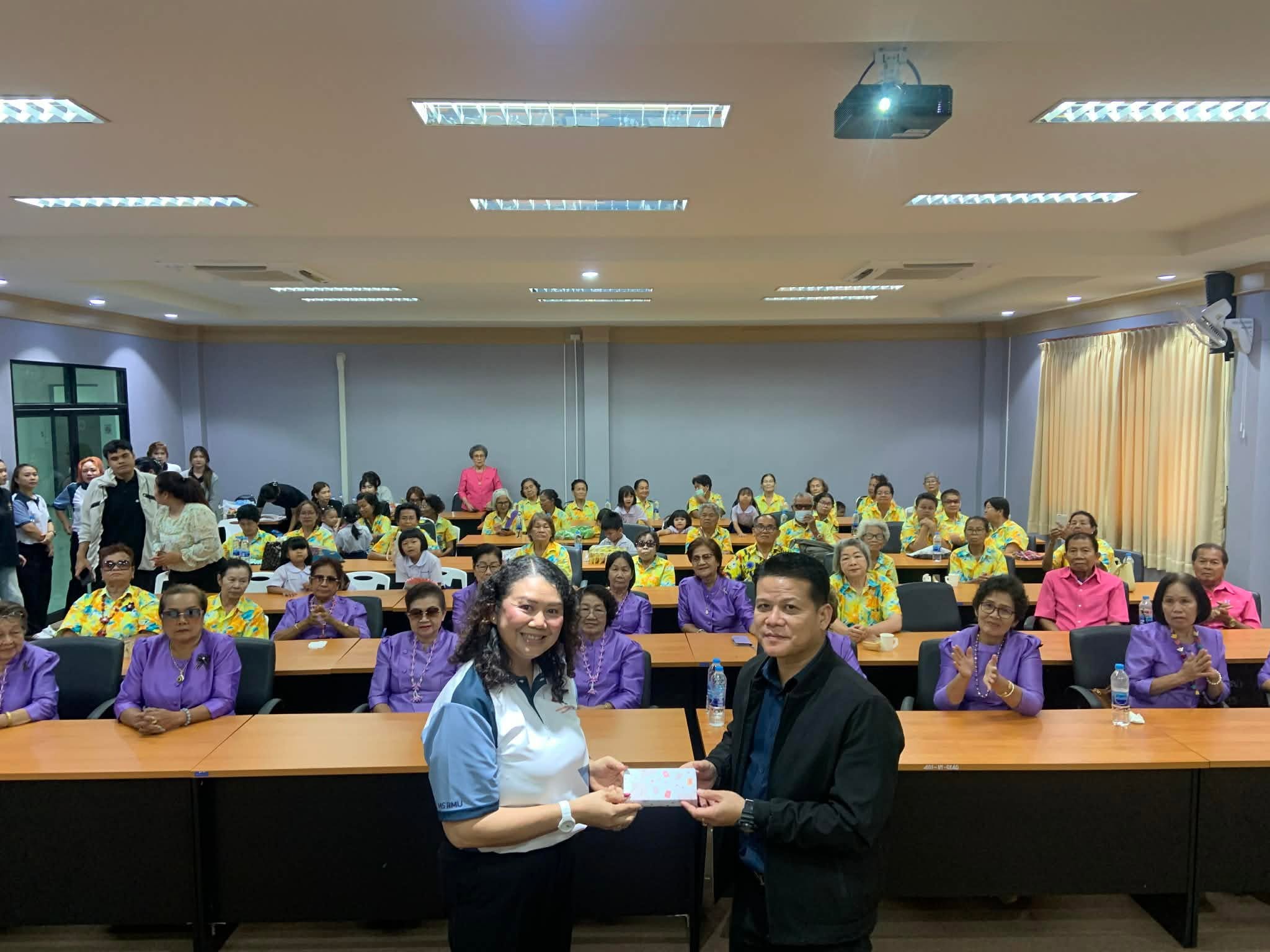
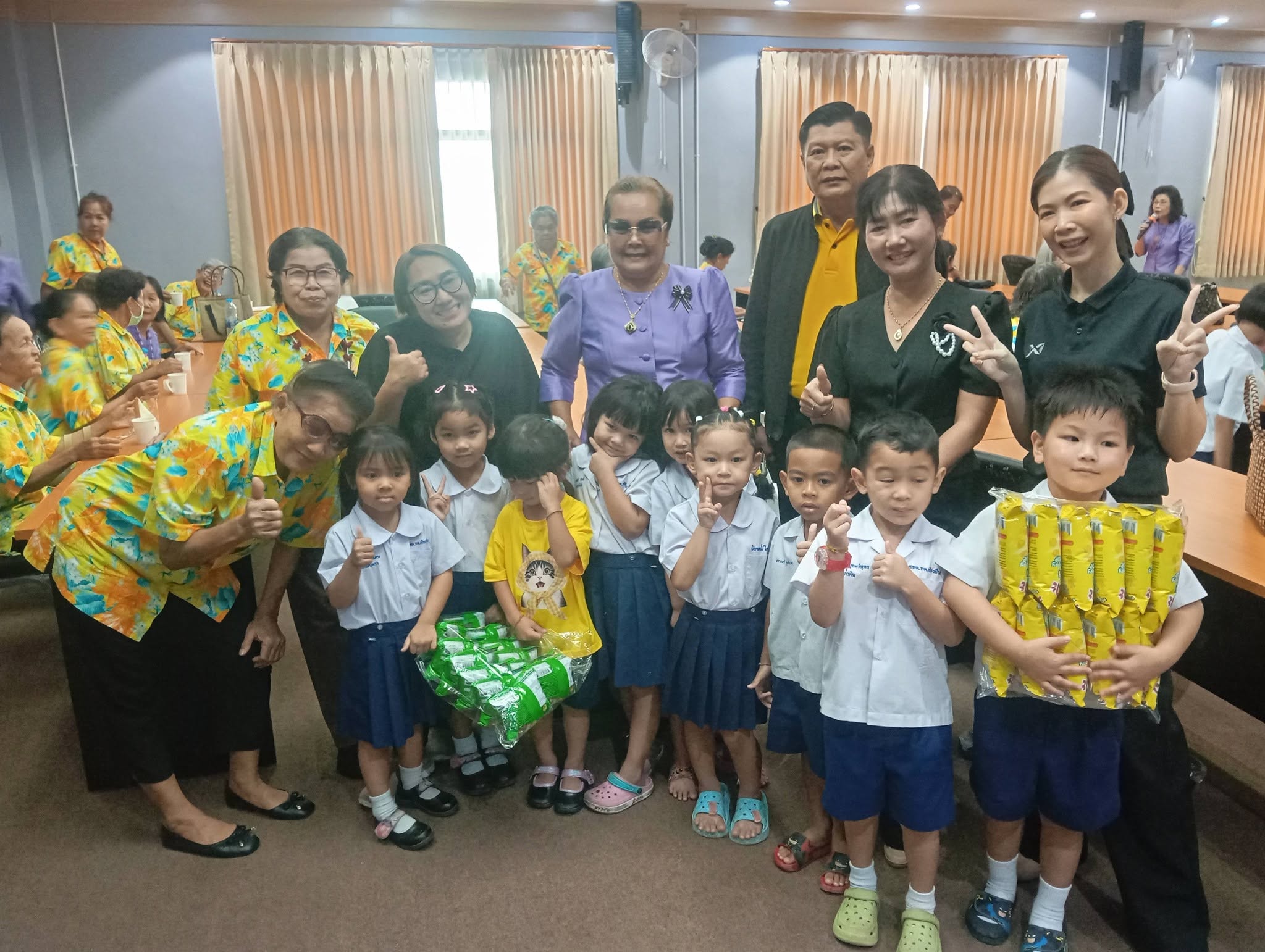
1 To promote good relationships between preschoolers and elderly people in the community.
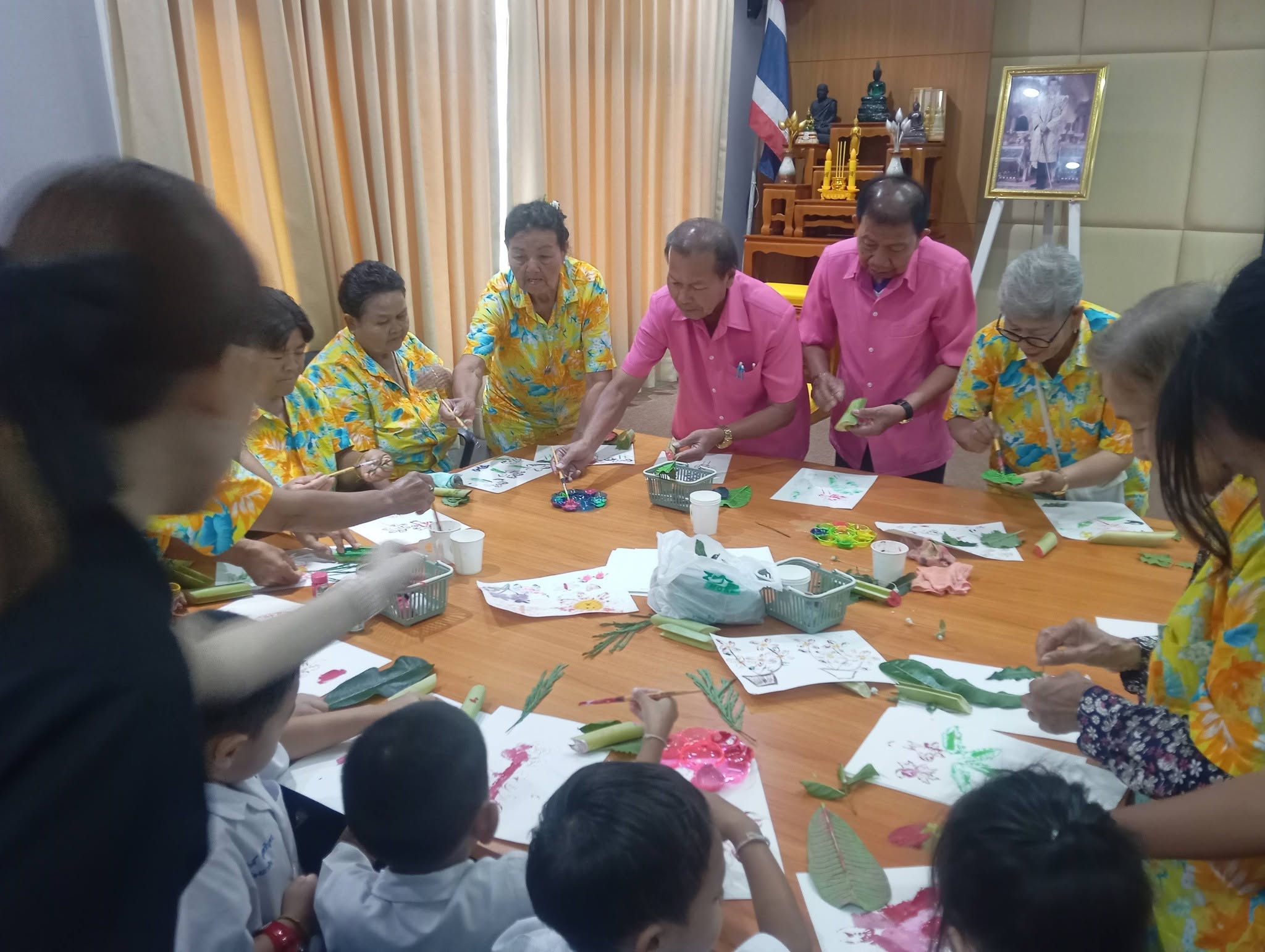
2 To provide opportunities for seniors to pass down local wisdom and life skills to children.
3 To enhance the physical and mental health of both generations through creative activities.
4 To establish an intergenerational integration activity model in the Chiang Yuen area.
1เพื่อส่งเสริมความสัมพันธ์ที่ดีระหว่างเด็กก่อนวัยเรียนกับผู้สูงอายุในชุมชน
2 เพื่อให้ผู้สูงอายุมีโอกาสถ่ายทอดภูมิปัญญาและทักษะชีวิตแก่เด็ก
3 เพื่อส่งเสริมสุขภาพกายและใจของทั้งสองวัยผ่านกิจกรรมสร้างสรรค์
4 เพื่อสร้างต้นแบบกิจกรรมบูรณาการสองวัยในพื้นที่เชียงยืน
Main Activities กิจกรรมหลัก
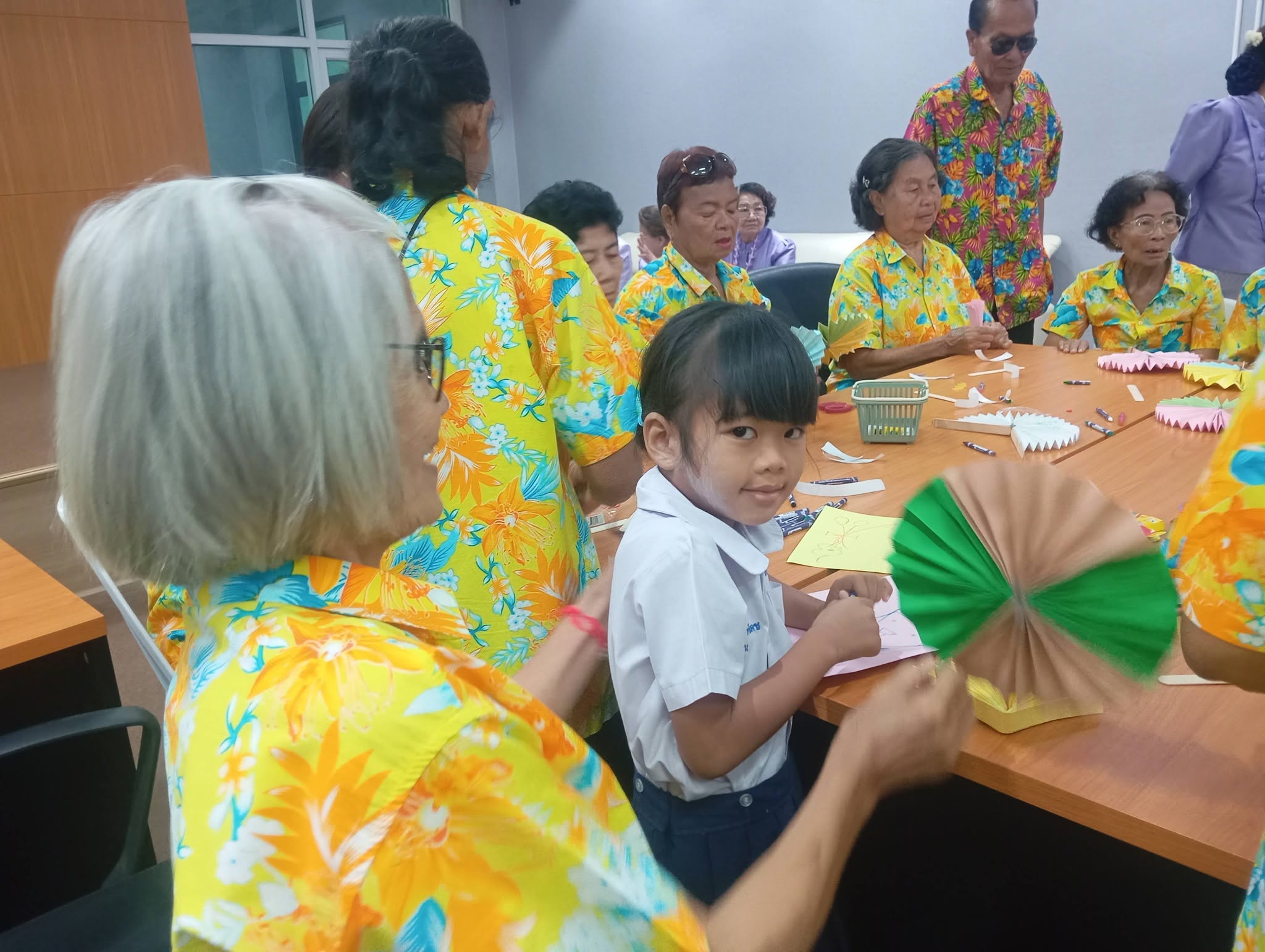
Workshop and orientation on using Art Therapy for intergenerational bonding (Activity: "Phad San Rak" - Woven Fan Making).
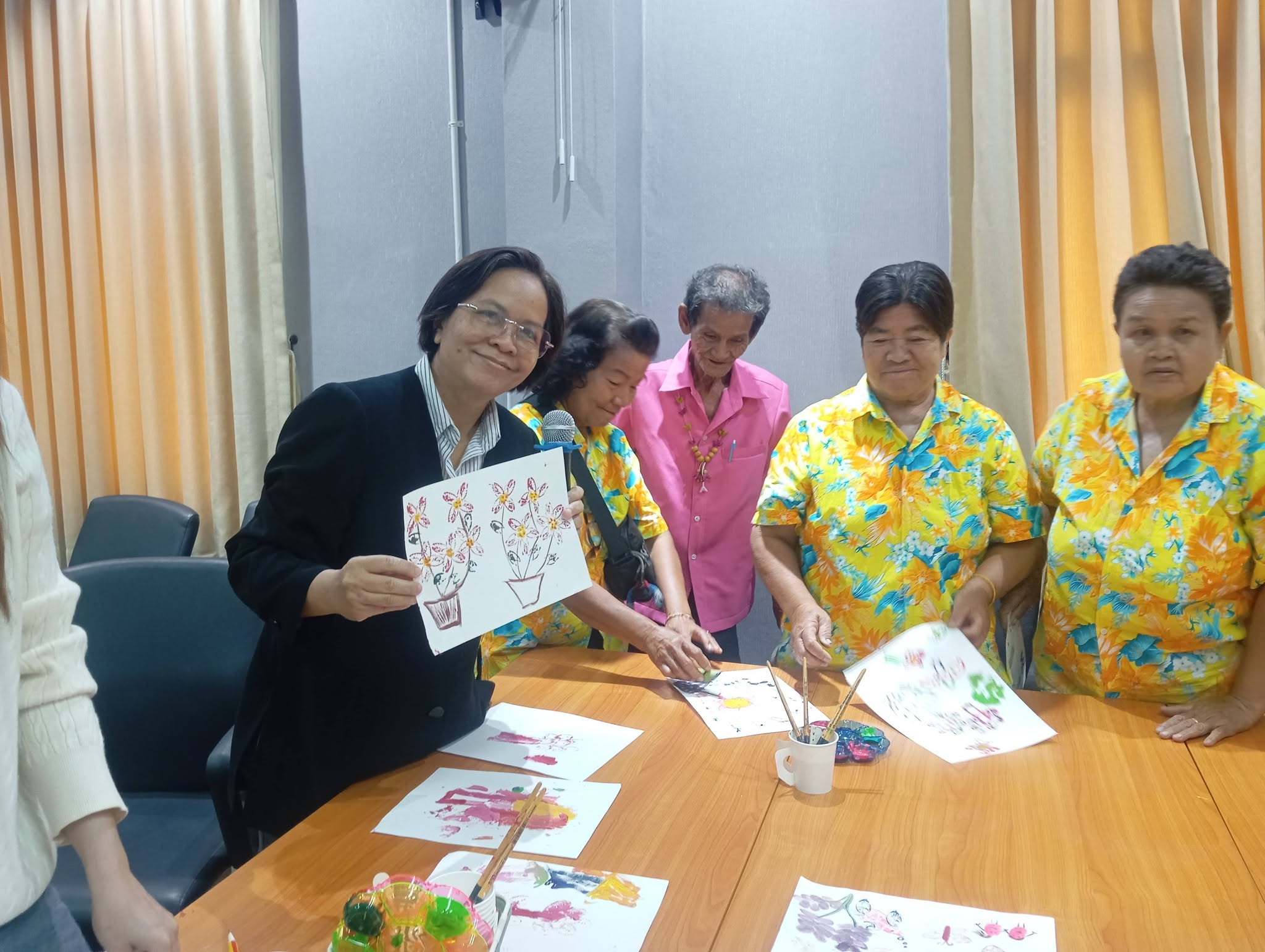
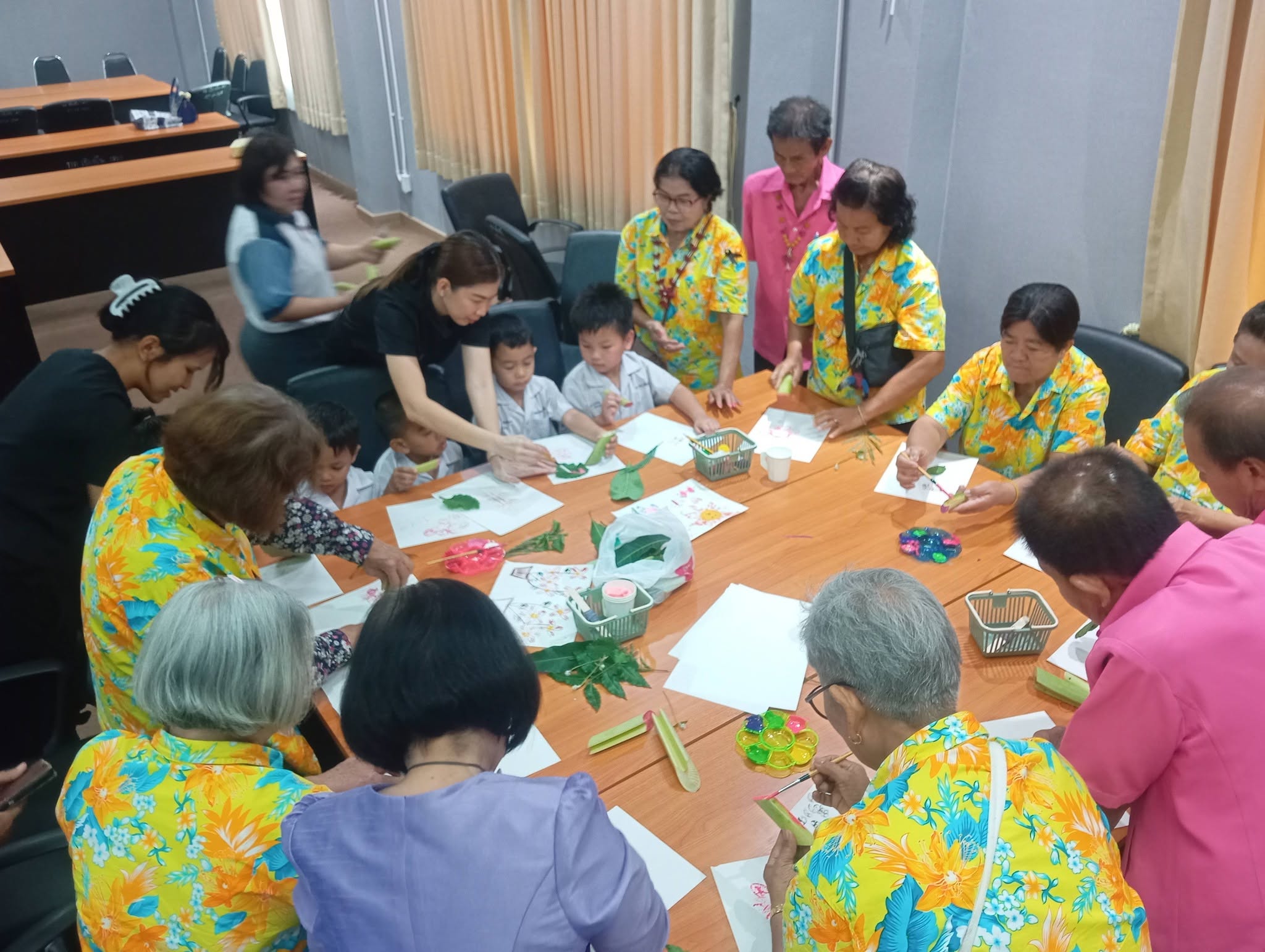
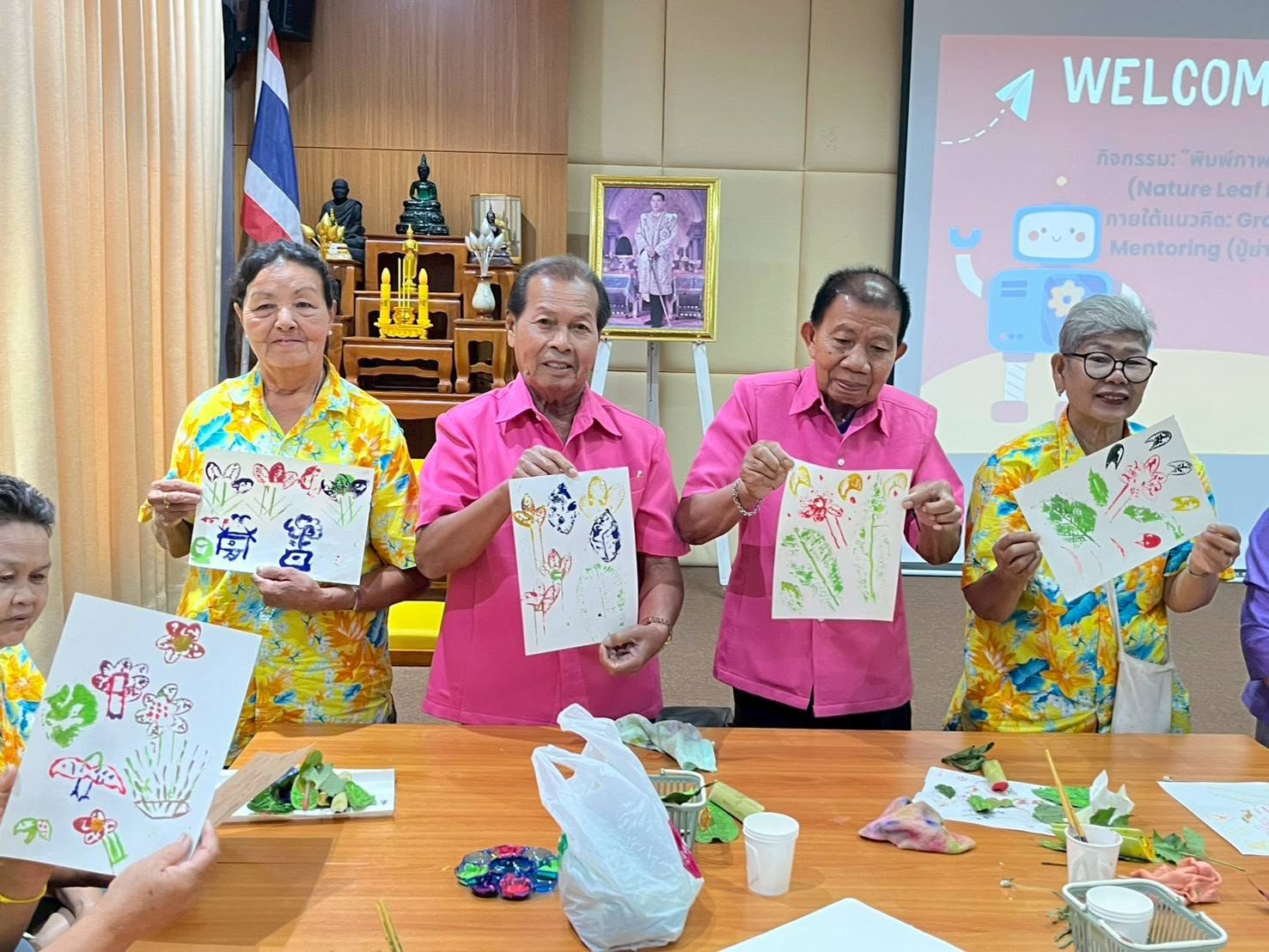
Preparation and analysis of local wisdom potentials in Chiang Yuen community (Activity: Nature Leaf Printing / Grandparent Mentoring).
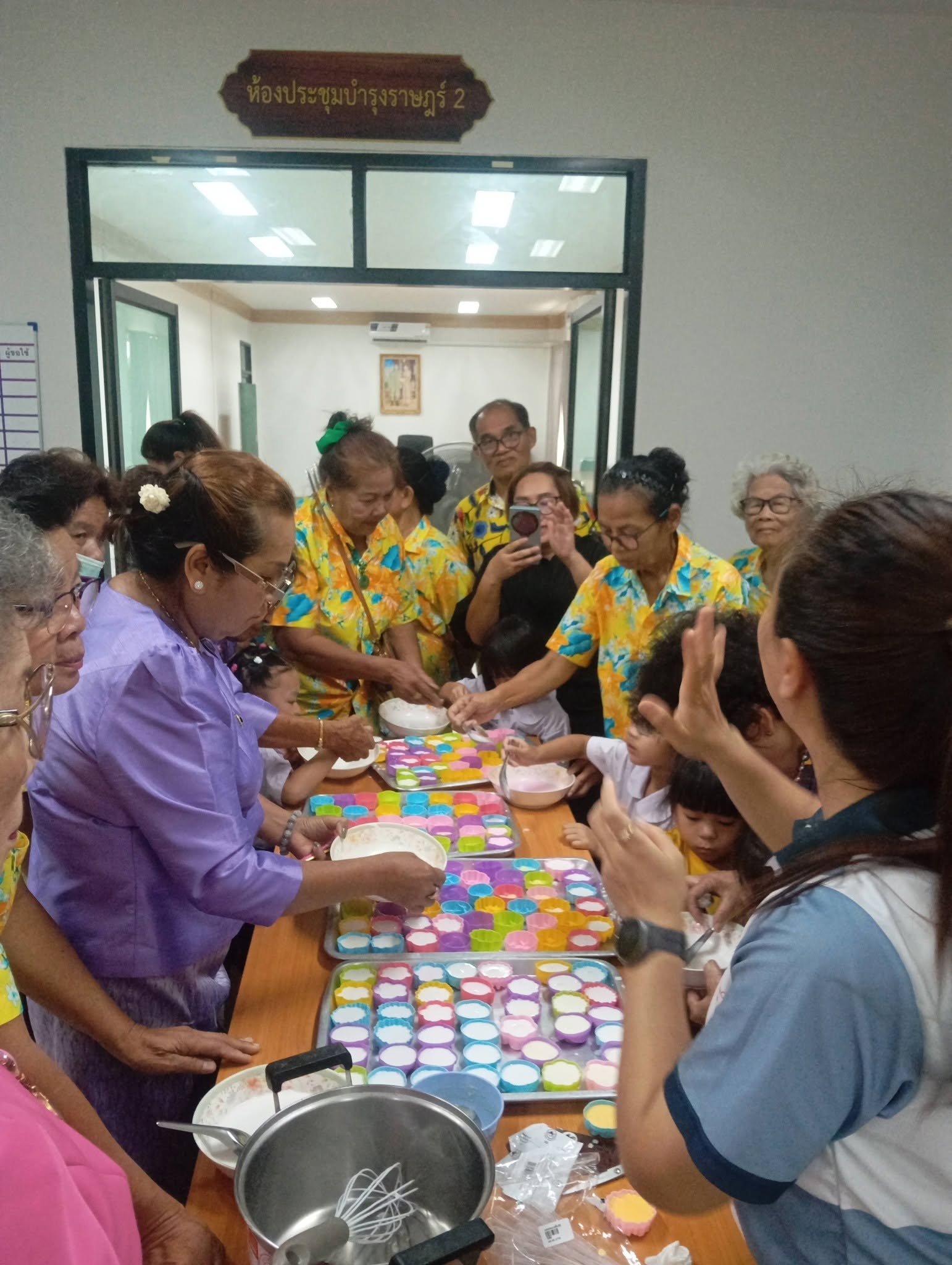
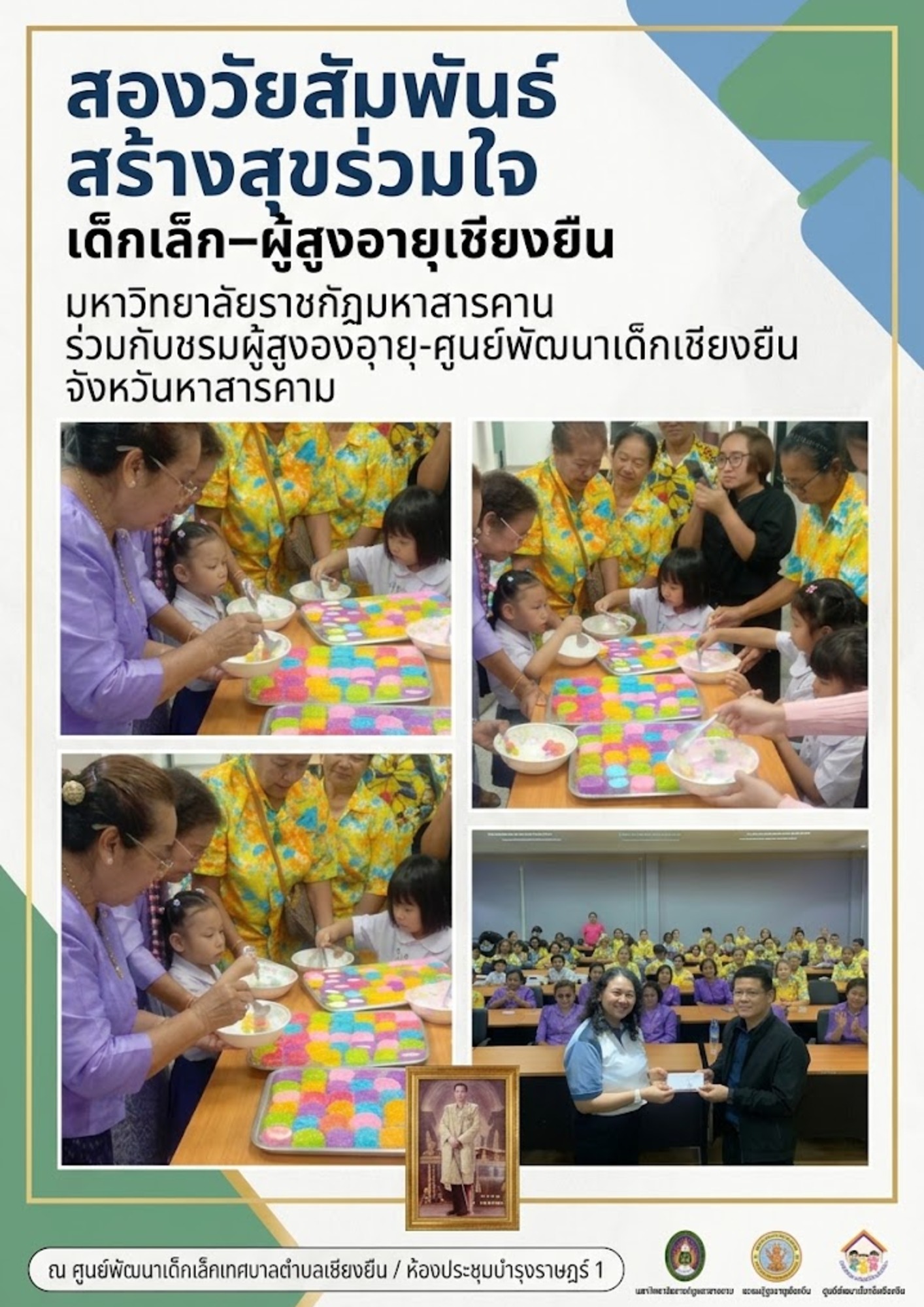
Health and nutrition promotion workshop for both generations (Activity: Natural Colored Jelly Making for Two Generations).
"Creating Happiness Together" activity for lesson learned extraction, knowledge summarization, and establishing guidelines for harmonious living.
การอบรมเชิงปฏิบัติการและปฐมนิเทศเพื่อสร้างความเข้าใจในการใช้ศิลปะบำบัด (Art Therapy) สำหรับการเชื่อมสัมพันธ์สองวัย (กิจกรรม: พัดสานรัก)
การเตรียมความพร้อมและวิเคราะห์ศักยภาพภูมิปัญญาท้องถิ่นในชุมชนเชียงยืน (กิจกรรม: พิมพ์ลายธรรมชาติ สานรักสองวัย / ปู่ย่าเล่าเรื่อง สานศิลป์)
การอบรมเชิงปฏิบัติการส่งเสริมสุขภาพและโภชนาการสำหรับสองวัย (กิจกรรม: ทำวุ้นอุ่นไอรักสองวัยอิ่มสุข)
การจัดกิจกรรม "สร้างสุข ร่วมใจ" เพื่อถอดบทเรียน สรุปองค์ความรู้ และสร้างแนวทางการอยู่ร่วมกันอย่างมีความสุข
Part 2: Outcomes & Impact ส่วนที่ 2 ผลลัพธ์และผลกระทบ
Outcomes ผลลัพธ์ที่เกิดขึ้น
Participants from both generations developed strong positive relationships, with a 100% satisfaction and happiness rate. The elderly felt valued and proud through their roles as experience transmitters (grandparent mentoring). Additionally, local wisdom was preserved and documented in an accessible format, fostering children's attachment to their cultural roots and reducing the generational gap ผู้เข้าร่วมกิจกรรมทั้งสองวัยมีสัมพันธภาพที่ดีต่อกัน มีความสุขและพึงพอใจในการร่วมกิจกรรมร้อยละ 100 โดยผู้สูงอายุรู้สึกมีคุณค่าและภาคภูมิใจจากการได้ทำหน้าที่เป็นผู้ถ่ายทอดประสบการณ์ (Grandparent mentoring) รวมถึงเกิดการสืบสานและบันทึกภูมิปัญญาท้องถิ่นในรูปแบบที่เข้าใจง่าย ทำให้เด็กปฐมวัยเกิดความรักผูกพันต่อรากเหง้าของตนเอง
Community & Social Impact ผลกระทบต่อชุมชน/สังคม
Economic Impact: Reduced long-term public health expenses due to improved mental well-being among seniors, with potential for skills to generate supplementary household income.
Social Impact: Promoted Active Ageing and transformed the child development center into a Common Space linking generations.
Environmental Impact: Instilled environmental awareness through the use of natural local materials and plant-based coloring.
Educational Impact: Established an Intergenerational Learning model, while students enhanced their Soft Skills through practical community fieldwork.
ด้านเศรษฐกิจ: ลดภาระค่าใช้จ่ายด้านสาธารณสุขระยะยาวเนื่องจากผู้สูงอายุมีสุขภาพจิตที่ดีขึ้น และสามารถนำทักษะไปต่อยอดเป็นรายได้เสริม
ด้านสังคม: เกิดสังคมสูงวัยอย่างมีพลัง (Active Ageing) และยกระดับศูนย์พัฒนาเด็กเล็กให้เป็นพื้นที่ส่วนกลาง (Common Space) ในการเชื่อมโยงความสัมพันธ์ของคนต่างรุ่น
ด้านสิ่งแวดล้อม: ปลูกฝังจิตสำนึกรักษ์ธรรมชาติผ่านการใช้วัตถุดิบและวัสดุเหลือใช้จากธรรมชาติในท้องถิ่น
ด้านการศึกษา: ได้ต้นแบบการเรียนรู้ระหว่างวัย (Intergenerational Learning) และนักศึกษาได้พัฒนาทักษะ Soft Skills จากการปฏิบัติงานจริง
Student & Staff Participation การมีส่วนร่วมของนักศึกษา/บุคลากร
5 students (via the Social Engineer process) and 3 staff members actively participated in fieldwork, activity design, and served as effective bridges connecting community knowledge with the child development center. นักศึกษา (ผ่านกระบวนการวิศวกรสังคม) จำนวน 5 คน และบุคลากร จำนวน 3 คน ได้ร่วมลงพื้นที่ปฏิบัติงานจริง ออกแบบกิจกรรม และทำหน้าที่เป็นสะพานเชื่อมโยงความรู้ระหว่างชุมชนและศูนย์พัฒนาเด็กเล็กอย่างมีประสิทธิภาพ
Project Continuity ความต่อเนื่องของโครงการ
There are guidelines to scale up and elevate the project into a best practice model for other child development centers and communities to adopt, alongside expanding community products and integrating with local public health agencies มีแนวทางขยายผลยกระดับเป็น ตัวอย่าง เพื่อให้ศูนย์พัฒนาเด็กเล็กและชุมชนอื่นๆ นำไปปรับใช้ พร้อมทั้งต่อยอดผลิตภัณฑ์ชุมชนและบูรณาการร่วมกับหน่วยงานสาธารณสุขในพื้นที่
Part 3: Challenges & Suggestions ส่วนที่ 3 ปัญหาอุปสรรค/ข้อเสนอแนะ
Problems & Obstacles ปัญหา/อุปสรรค
Physical differences and limitations; seniors easily experienced fatigue, while preschoolers had shorter attention spans and required constant movement. ข้อจำกัดด้านความต่างทางกายภาพ โดยผู้สูงอายุอาจมีอาการเหนื่อยล้าได้ง่าย ในขณะที่เด็กปฐมวัยมีสมาธิสั้นและต้องการการเคลื่อนไหวตลอดเวลา
Improvement Guidelines แนวทางการปรับปรุง
Adjusted activity structures to alternate between high and low intensity, incorporated rest breaks for seniors, and assigned social engineer students to closely supervise and engage children individually. ปรับรูปแบบกิจกรรมให้มีการสลับกิจกรรมหนัก-เบา มีช่วงพักผ่อนสำหรับผู้สูงอายุ และให้นักศึกษาวิศวกรสังคมเข้าไปดูแลเด็กแบบประกบตัวต่อตัวเพื่อช่วยดึงความสนใจและความปลอดภัย
Suggestions to University ข้อเสนอแนะต่อมหาวิทยาลัย
Provide ongoing support for regular implementation of such activities (e.g., monthly) to ensure sustainability.
Involve parents (the middle-aged generation) in future activities to establish a complete three-generation relationship model.
ควรมีการสนับสนุนการจัดกิจกรรมในลักษณะนี้อย่างต่อเนื่องเป็นประจำ (เช่น เดือนละ 1 ครั้ง) เพื่อความยั่งยืน
ควรเปิดโอกาสให้ผู้ปกครอง (คนรุ่นกลางวัย) เข้ามาร่วมกิจกรรมด้วย เพื่อสร้างความสัมพันธ์ที่สมบูรณ์ของคนทั้ง 3 รุ่นในชุมชน