– June 30, 2026 1 เมษายน 2569
– 30 มิถุนายน 2569
Part 1: Project Details ส่วนที่ 1 รายละเอียดการดำเนินงาน
Objectives วัตถุประสงค์โครงการ
1. To develop older adults’ digital skills and their ability to utilize lifelong learning resources, both online and offline, for healthcare and self-development.
2. To establish a collaborative network among older adults, health partners, and the community to sustainably promote well-being.
1. เพื่อพัฒนาทักษะดิจิทัลและการใช้ประโยชน์จากแหล่งเรียนรู้ตลอดชีวิต (ออนไลน์และออฟไลน์)ในการดูแลรักษาสุขภาพและพัฒนาตนเอง
2. เพื่อสร้างเครือข่ายความร่วมมือระหว่างผู้สูงอายุ ภาคีสุขภาพและชุมชน ในการส่งเสริมสุขภาวะที่ดีอย่างยั่งยืน
Main Activities กิจกรรมหลัก
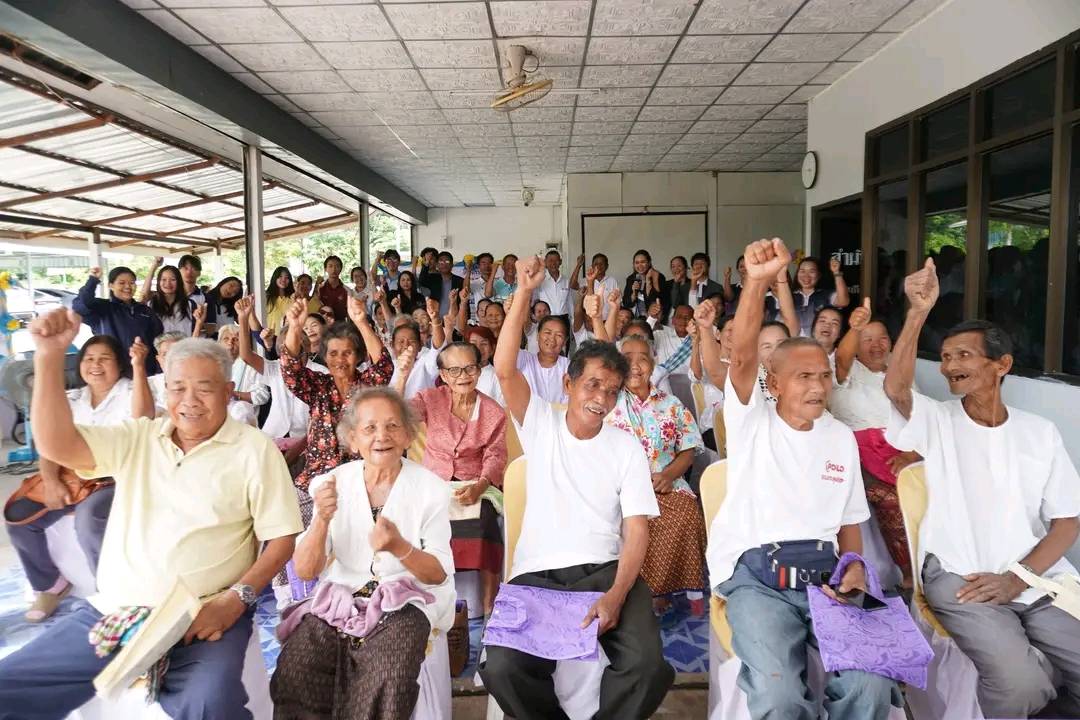
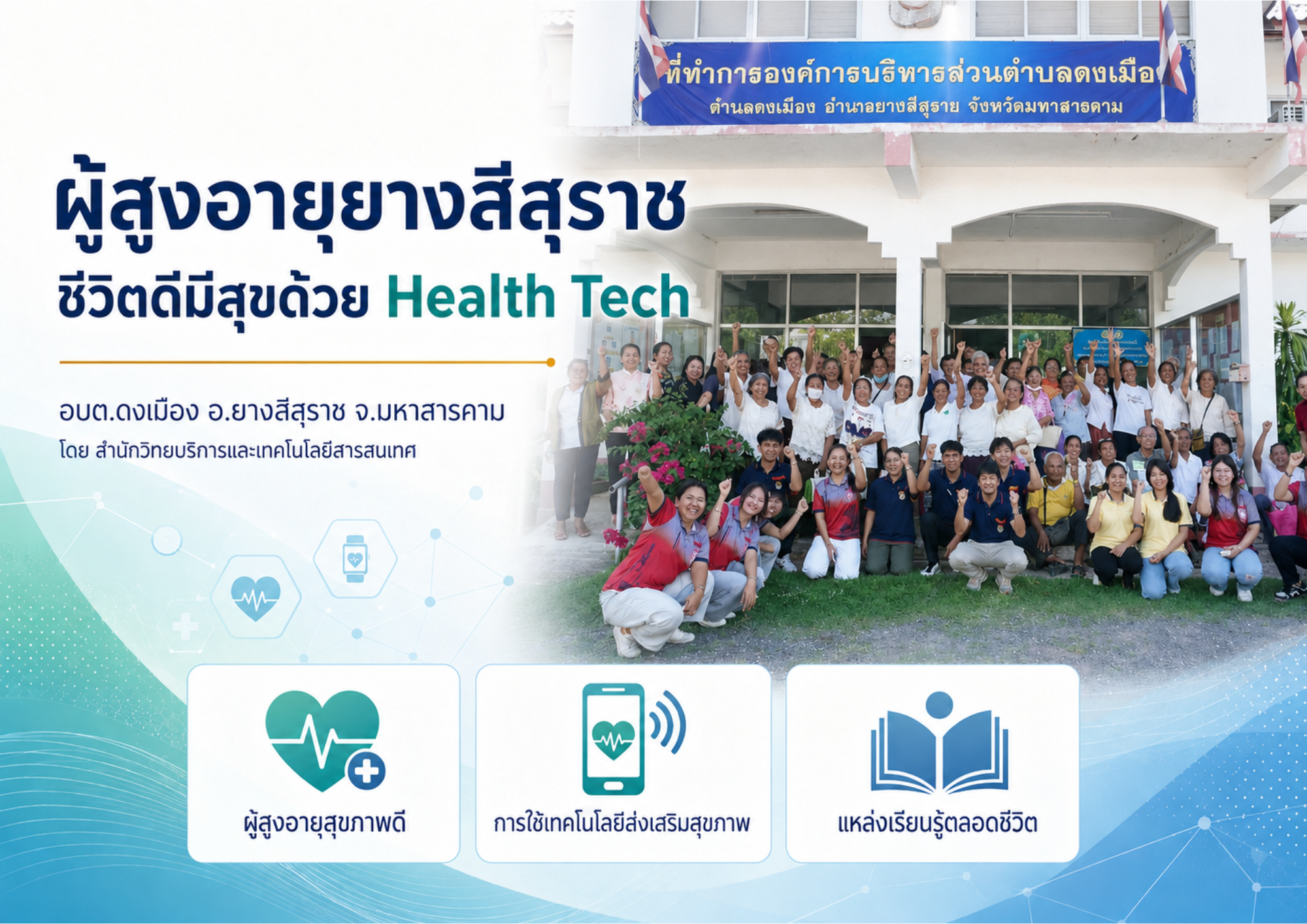
1.Conducted a needs assessment among older adults at the Dong Mueang School for Older Persons under the Dong Mueang Subdistrict Administrative Organization, and analyzed and summarized the findings to design activities responsive to their needs.
2.Coordinated with resource persons, designed the activities, and procured the necessary resources for project implementation.
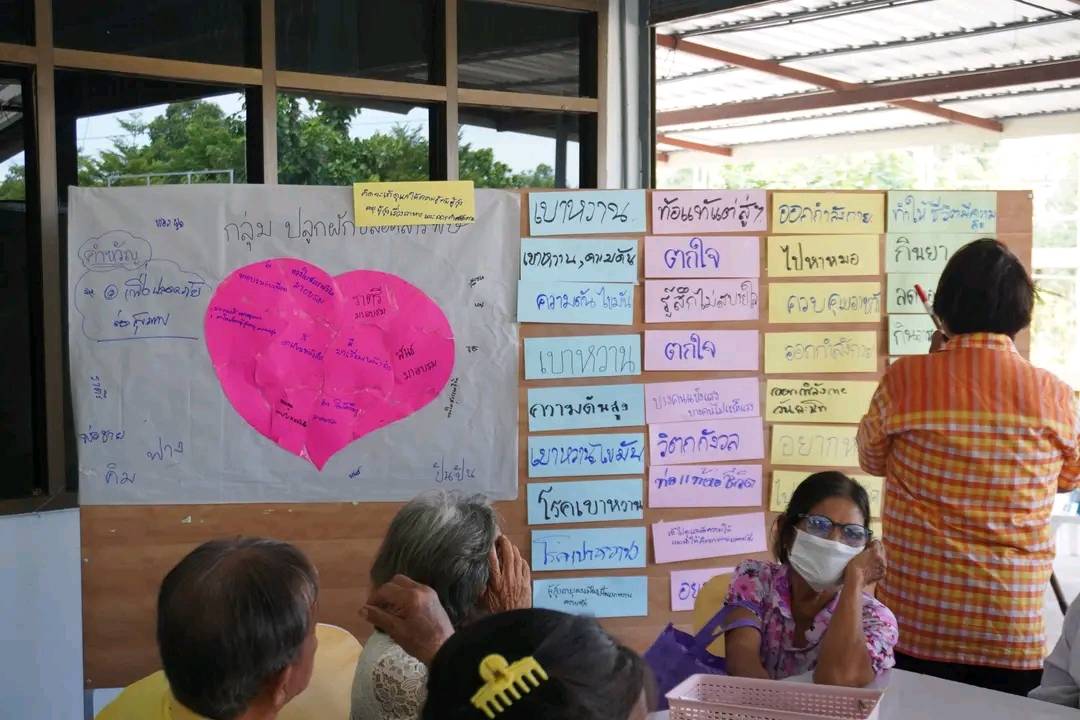
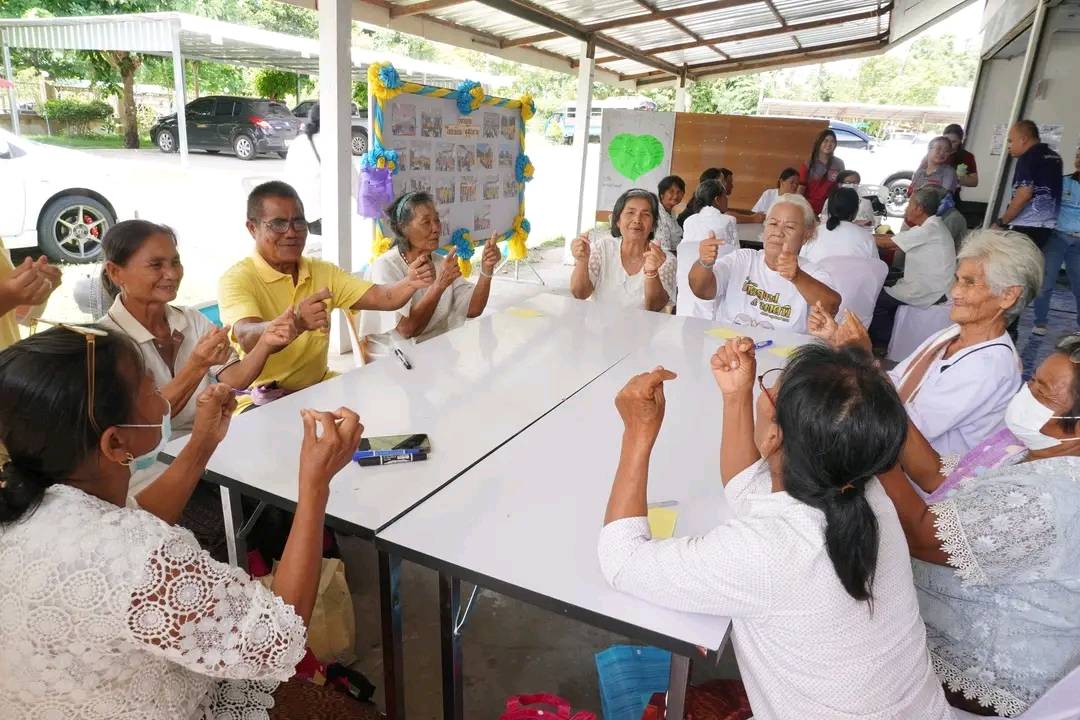
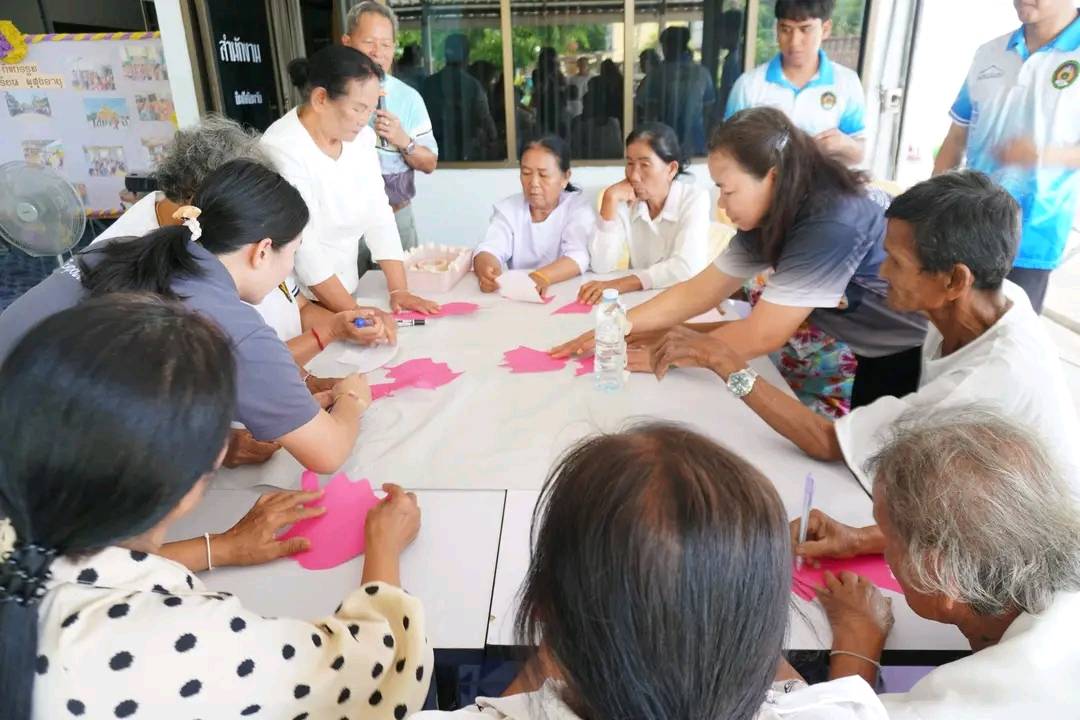
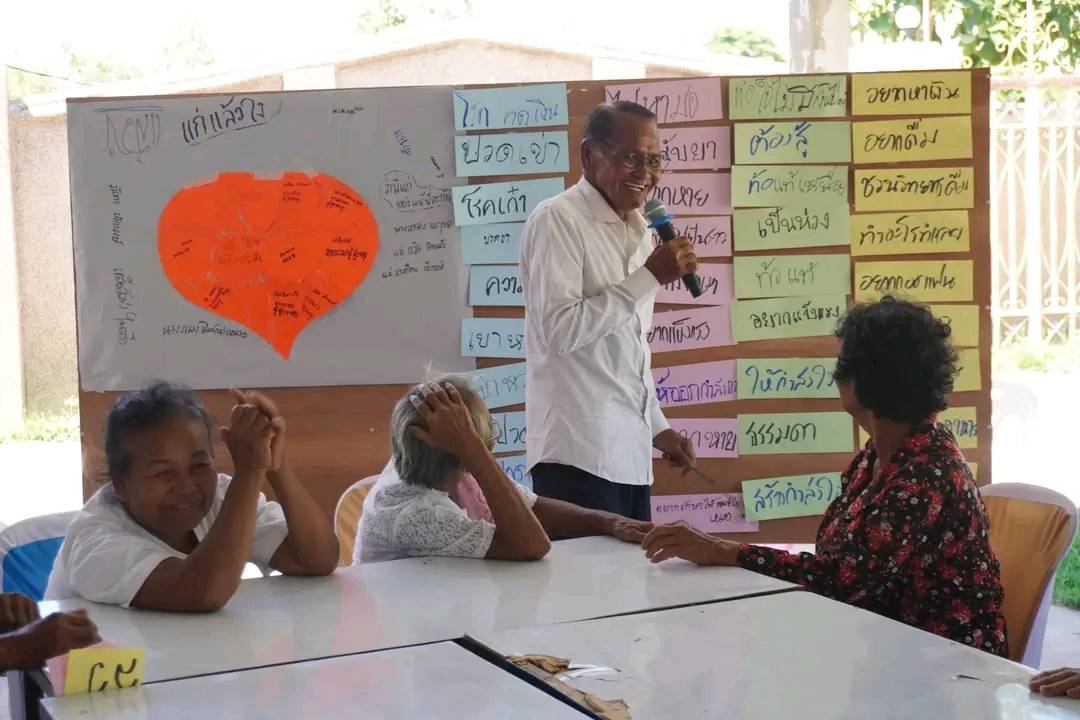
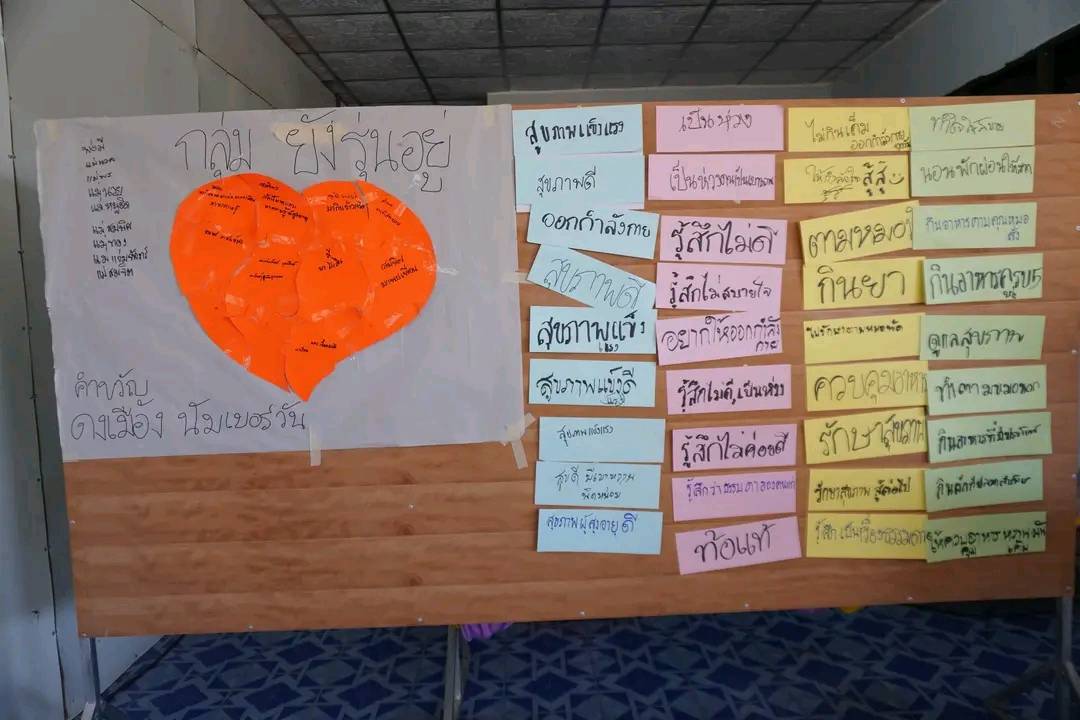
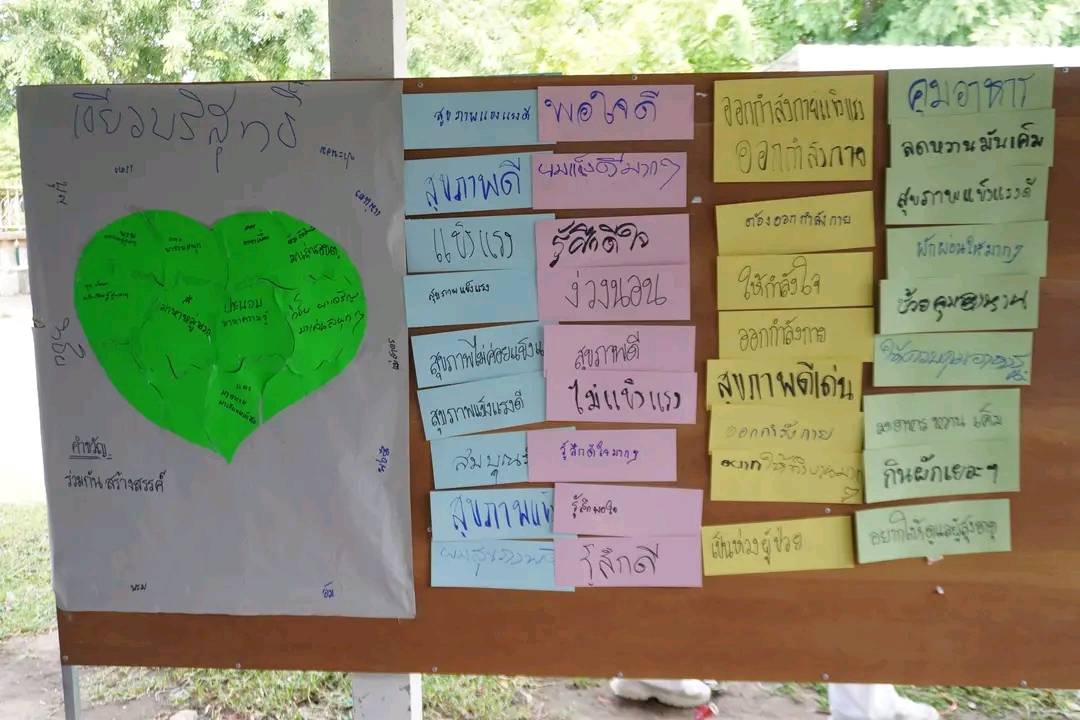
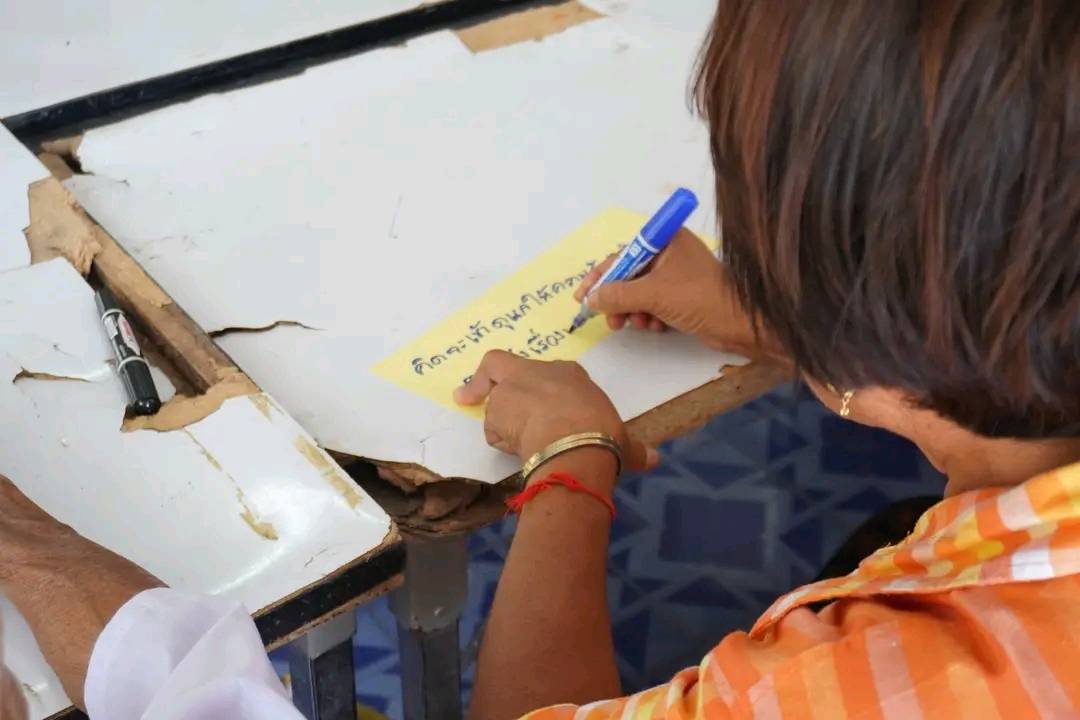
3.Organized a participatory workshop on community engagement in promoting older adults’ health and well-being across four dimensions.
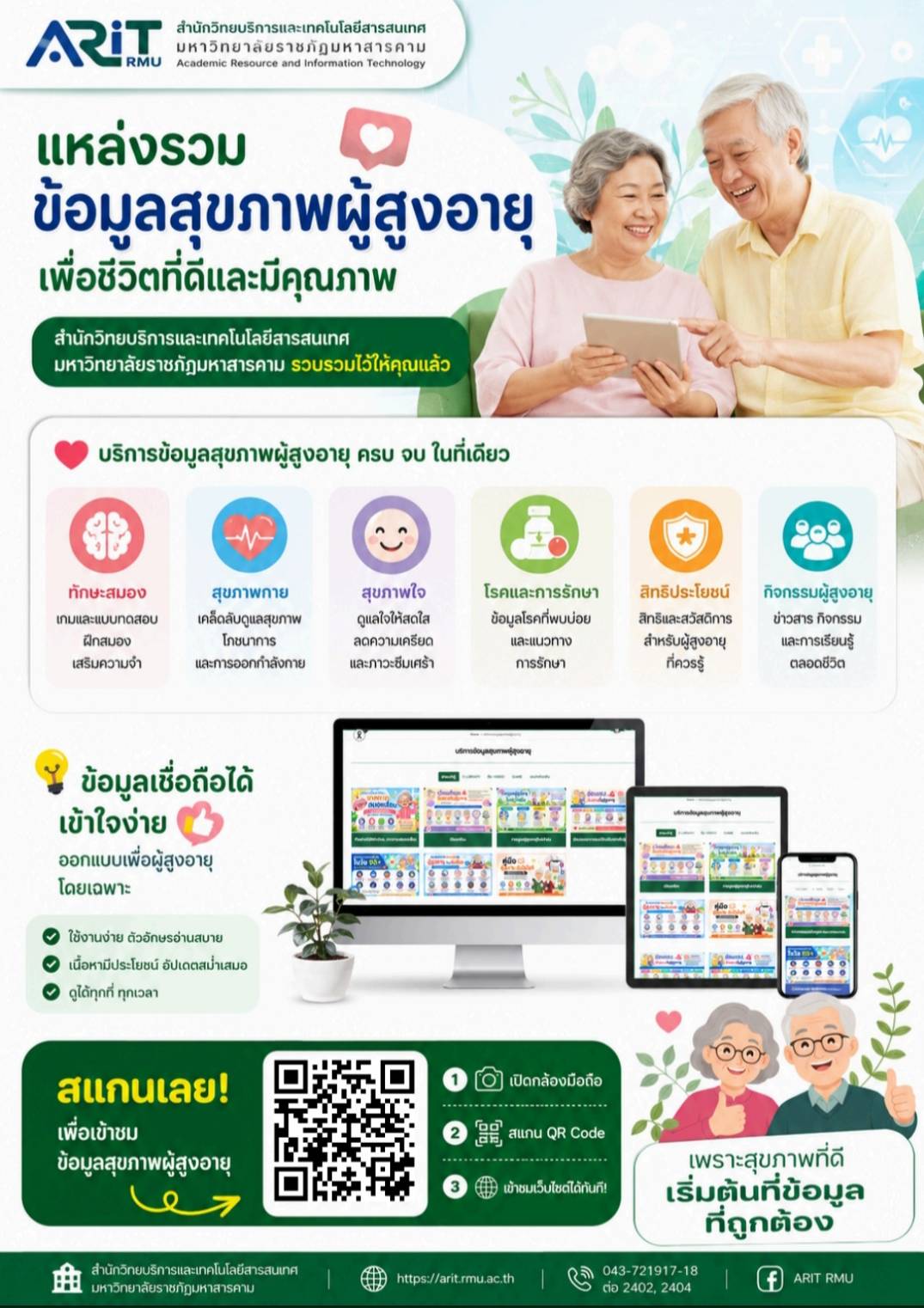
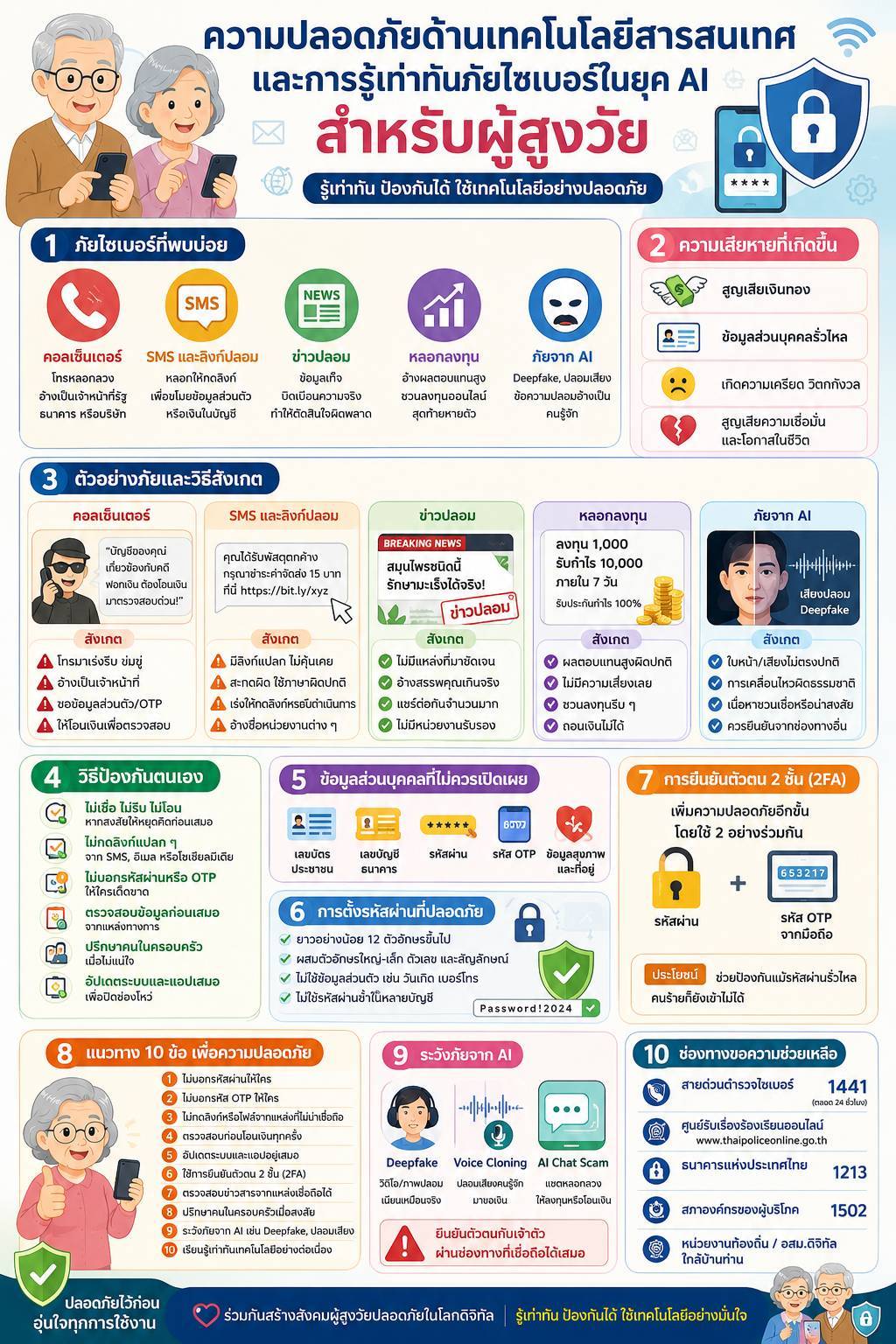
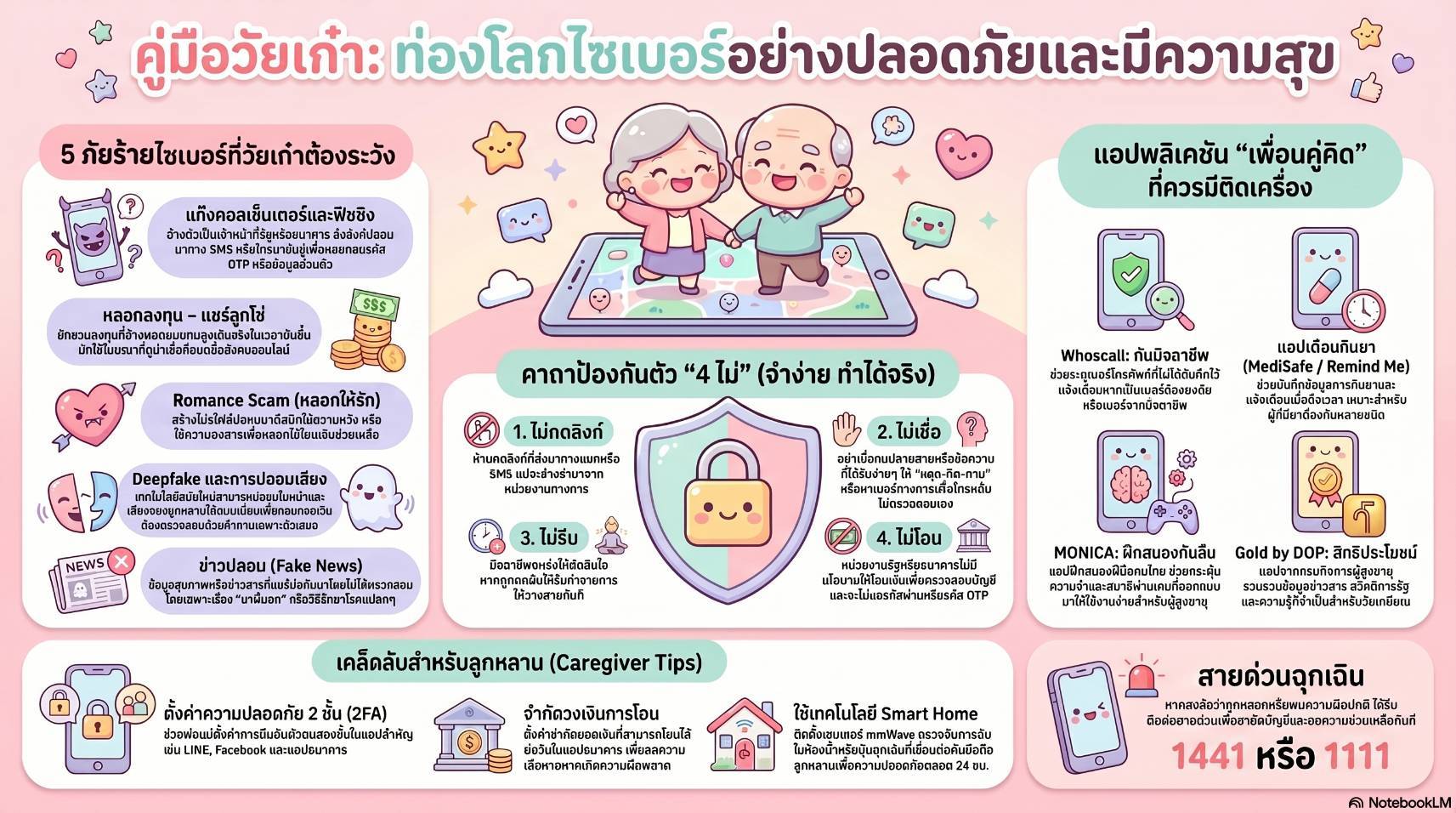
4.Introduced learning resources for healthcare and self-development among older adults.
5.Developed learning resources and educational media to disseminate knowledge and enable older adults and members of the public to engage in self-directed learning.
1.การสำรวจความต้องการของผู้สูงอายุในโรงเรียนผู้สูงอายุดงเมือง อบต.ดงเมือง วิเคราะห์และสรุปความต้องการเพื่อจัดกิจกรรมตอบสนองความต้องการ
2.ประสานวิทยากร ออกแบบกิจกรรม และจัดหาทรัพยากรเพื่อจัดกิจกรรม
3.จัดกิจกรรมอบรมเชิงปฏิบัติการการมีส่วนร่วมของประชาชนในการส่งเสริมสุขภาพผู้สูงอายุ สุขภาวะ 4 มิติ
4.นำเสนอแหล่งเรียนรู้ในการดูแลสุขภาพและพัฒนาตนเองของผู้สูงอายุ
5.มีแหล่งเรียนรู้และสื่อเพื่อเผยแพร่ความรู้ให้ผู้สูงอายุและประชาชนได้ศึกษาด้วยตนเอง
Part 2: Outcomes & Impact ส่วนที่ 2 ผลลัพธ์และผลกระทบ
Outcomes ผลลัพธ์ที่เกิดขึ้น
1.Older adults gained practical guidance on using technology for healthcare.
2.Older adults experienced improved physical and mental well-being.
3.An integrated health collaboration network was established.
1.ผู้สูงอายุได้รับแนวทางการดูแลสุขภาพจากการใช้เทคโนโลยี
2. ผู้สูงอายุมีสุขภาพร่างกายและจิตใจที่แข็งแรง
3. มีเครือข่ายความร่วมมือด้านสุขภาพแบบบูรณาการ
Community & Social Impact ผลกระทบต่อชุมชน/สังคม
1. Economic impact: Reduced healthcare and medical treatment expenses.
2. Social impact: Improved the physical and mental well-being of older adults and increased their participation in society.
3. Environmental impact: Promoted the development of an age-friendly environment suitable for an ageing society.
4. Educational impact: Provided both online and offline health learning resources and enhanced older adults’ access to accurate knowledge about health and well-being.
1.ด้านเศรษฐกิจ ประหยัดค่าใช้จ่ายด้านการรักษาโรค
2.ด้านสังคม ผู้สูงอายุมีสุขภาพกายและใจดีขึ้น และมีส่วนร่วมในสังคม
3.ด้านสิ่งแวดล้อม ส่งเสริมสภาพแวดล้อมที่เหมาะสมกับสังคมสูงวัย
4.ด้านการศึกษา มีแหล่งเรียนรู้ด้านสุขภาพทั้งรูปแบบออนไลน์และออฟไลน์ รวมถึงมีความรู้เกี่ยวกับสุขภาวะที่ถูกต้องสำหรับผู้สูงอายุ
Student & Staff Participation การมีส่วนร่วมของนักศึกษา/บุคลากร
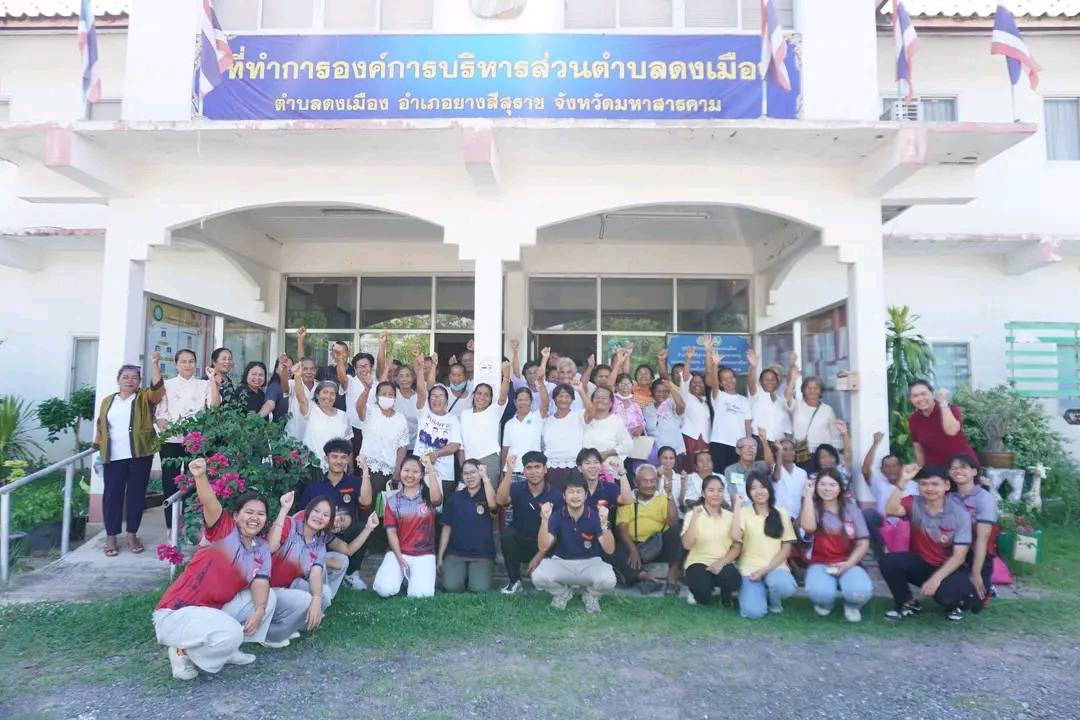
Students and staff of the Office of Academic Resources and Information Technology applied knowledge gained from their professional duties and classroom learning to participate in the process of promoting older adults’ health. Staff members researched and identified relevant learning resources, compiled the information, and developed it into online learning materials. Students participated directly in activities with older adults by serving as facilitators’ assistants and helping participants understand and carry out the activities. This enabled them to apply communication and technology skills and integrate their knowledge to address social issues. นักศึกษาและบุคลากรของสำนัก ได้นำความรู้จากการทำงานและเรียนในห้องเรียนไปมีส่วนร่วมในกระบวนการส่งเสริมสุขภาพของผู้สูงอายุ เช่น บุคลากรได้มีการค้นคว้าข้อมูลแหล่งความรู้เพื่อรรวบรวมเป็นสารสนเทศและพัฒนาเป็นรูปแบบออนไลน์ นักศึกษาได้เข้าไปมีส่วนร่วมในกิจกรรมของผู้สูงอายุ เป็นผู้ช่วยวิทยากรและช่วยอธิบายทำความเข้าใจกิจกรรมโดยใช้ทักษะการสื่อสาร การใช้เทคโนโลยี และบูรณาการความรู้เพื่อแก้ปัญหาในสังคมได้
Project Continuity ความต่อเนื่องของโครงการ
Further projects and research should be continuously implemented to improve older adults’ quality of life and develop a technology-enabled healthcare model for older adults that can be sustainably enhanced, replicated, and expanded. This would concretely support Rajabhat Maha Sarakham University’s mission of contributing to local development. ควรจัดกิจกรรมโครงการหรืองานวิจัยที่จะช่วยยกระดับคุณภาพชีวิตผู้สูงอายุและสร้างต้นแบบการดูแลสุขภาพผู้สูงอายุด้วยเทคโนโลยีที่สามารถพัฒนาและขยายผลได้อย่างยั่งยืนตามพันธกิจของมหาวิทยาลัยราชภัฏมหาสารคามในการพัฒนาท้องถิ่นอย่างเป็นรูปธรรม
Part 3: Challenges & Suggestions ส่วนที่ 3 ปัญหาอุปสรรค/ข้อเสนอแนะ
Problems & Obstacles ปัญหา/อุปสรรค
1. Participants differed in age, educational background, experience, and technological proficiency. These differences affected their learning pace and ability to carry out the activities, requiring the activities to be adjusted and delivered more flexibly.
2. Some participants were unfamiliar with smartphones and digital devices. Therefore, more time than initially planned was required for explanation and hands-on practice. Participants’ personal devices also varied in terms of operating systems and functionality.
3. The activity period was limited in relation to the amount of content and the need for repeated practice, particularly because health technology skills require continuous practice.
4. The venue was not fully suitable for presenting visual and technology-based media. Its limited space delayed the movement and installation of equipment, while the hot and poorly ventilated conditions affected participants’ comfort.
1. ผู้สูงอายุมีความแตกต่างกันทั้งด้านอายุ ระดับการศึกษา ประสบการณ์ และทักษะการใช้เทคโนโลยี ส่งผลให้ความสามารถในการเรียนรู้และการปฏิบัติตามกิจกรรมแตกต่างกัน ซึ่งอาจต้องปรับเปลี่ยนกิจกรรมใหม่ให้ยืดหยุ่น
2. ผู้สูงอายุบางส่วนยังไม่คุ้นเคยกับการใช้สมาร์ตโฟน และอุปกรณ์ดิจิทัล จึงต้องใช้เวลาในการอธิบายและฝึกปฏิบัติมากกว่าที่กำหนดไว้ และอุปกรณ์ส่วนตัวของผู้เข้าร่วมมีความแตกต่างกันทั้งด้านระบบปฏิบัติการ
3. ระยะเวลาของกิจกรรมมีจำกัดเมื่อเทียบกับเนื้อหาและความจำเป็นในการฝึกซ้ำ โดยเฉพาะทักษะการใช้เทคโนโลยีสุขภาพที่ต้องอาศัยการฝึกอย่างต่อเนื่อง
4. สถานที่ในการจัดกิจกรรม ยังไม่สะดวกต่อการนำเสนอภาพและสื่อเทคโนโลยี และมีขนาดเล็กทำให้เกิดการเคลื่อนย้ายอุปกรณ์ล่าช้า และสภาวะอากาศร้อนอบอ้าว
Improvement Guidelines แนวทางการปรับปรุง
1. Divide participants into small groups according to their levels of digital proficiency and ability to use digital devices. This would ensure that the learning activities are appropriate to each group’s potential and the limitations of the venue.
2. Assign students, staff members, or volunteers as group assistants at an appropriate facilitator-to-participant ratio. They should provide close guidance to older adults and help resolve difficulties during hands-on practice.
3. Adapt the activities and implementation process to suit the situation and target group. Manuals and learning materials should be designed specifically for older adults, using plain language, large fonts, clear illustrations, and step-by-step instructions.
1. แบ่งผู้เข้าร่วมกิจกรรมออกเป็นกลุ่มย่อยตามระดับทักษะดิจิทัลและความสามารถในการใช้อุปกรณ์ เพื่อให้สามารถจัดการเรียนรู้ได้เหมาะสมกับศักยภาพของแต่ละกลุ่ม และให้เหมาะสมกับสถานที่จัดกิจกรรมด้วย
2. จัดนักศึกษา บุคลากร หรืออาสาสมัครเป็นผู้ช่วยประจำกลุ่มในสัดส่วนที่เหมาะสม เพื่อให้คำแนะนำแก่ผู้สูงอายุอย่างใกล้ชิดและช่วยแก้ไขปัญหาระหว่างการฝึกปฏิบัติ
3. ปรับกิจกรรมและกระบวนการให้มีความหมาะสมกับสถานการณ์และกลุ่มเป้าหมาย และจัดทำคู่มือหรือสื่อการเรียนรู้ที่เหมาะสมกับผู้สูงอายุ โดยใช้ภาษาที่เข้าใจง่าย ตัวอักษรขนาดใหญ่ ภาพประกอบชัดเจน และแสดงขั้นตอนการใช้งานทีละขั้นตอน
Suggestions to University ข้อเสนอแนะต่อมหาวิทยาลัย
1. Recommendations for Future Project Implementation
The project should be implemented continuously, with the curriculum developed at three levels: basic, applied, and community-leader levels. This would accommodate the varying skills of different groups of older adults. More time should also be allocated for hands-on practice, activities should be organized in small groups, and learning materials should be developed for participants to review independently after the training.
2. Administrative and Network Recommendations
The roles of the university, the Subdistrict Administrative Organization, public health agencies, Village Health Volunteers, the School for Older Persons, and community leaders should be clearly defined. A joint implementation plan and monitoring system should also be established. In addition, community digital health leaders should be developed so that they can continuously transfer knowledge and provide assistance to older adults.
3. Recommendations for Further Development
Data obtained from the project should be used as a foundation for developing innovations and digital media appropriate for older adults. The project should also be extended into research on health behaviours, digital skills, quality of life, and the long-term outcomes of health technology use. The resulting model and knowledge should subsequently be expanded to other communities and local administrative organizations.
1. ข้อเสนอแนะสำหรับการดำเนินโครงการครั้งต่อไป
ควรดำเนินโครงการอย่างต่อเนื่องและพัฒนาหลักสูตรเป็นระดับพื้นฐาน ระดับประยุกต์ใช้และระดับแกนนำ เพื่อให้สอดคล้องกับทักษะของผู้สูงอายุแต่ละกลุ่ม ควรเพิ่มระยะเวลาสำหรับการฝึกปฏิบัติ
จัดกิจกรรมในรูปแบบกลุ่มย่อย และพัฒนาสื่อการเรียนรู้ที่ผู้สูงอายุสามารถนำกลับไปทบทวนได้ด้วยตนเอง
2 ข้อเสนอแนะเชิงการบริหารและเครือข่าย
ควรกำหนดบทบาทของมหาวิทยาลัย องค์การบริหารส่วนตำบล หน่วยงานสาธารณสุข อสม. โรงเรียนผู้สูงอายุ และผู้นำชุมชนให้ชัดเจน พร้อมจัดทำแผนดำเนินงานและระบบติดตามผลร่วมกัน ควรพัฒนาแกนนำสุขภาพดิจิทัลในชุมชนให้สามารถถ่ายทอดความรู้และให้ความช่วยเหลือแก่ผู้สูงอายุได้อย่างต่อเนื่อง
3. ข้อเสนอแนะเพื่อการต่อยอดและพัฒนา
ควรนำข้อมูลจากการดำเนินโครงการไปใช้เป็นฐานในการพัฒนานวัตกรรมหรือสื่อดิจิทัลที่เหมาะสมกับผู้สูงอายุ ตลอดจนต่อยอดสู่การวิจัยเกี่ยวกับพฤติกรรมสุขภาพ ทักษะดิจิทัล คุณภาพชีวิต และผลลัพธ์จากการใช้เทคโนโลยีสุขภาพในระยะยาว และขยายผลไปยังชุมชนหรือองค์กรปกครองส่วนท้องถิ่นอื่นต่อไป