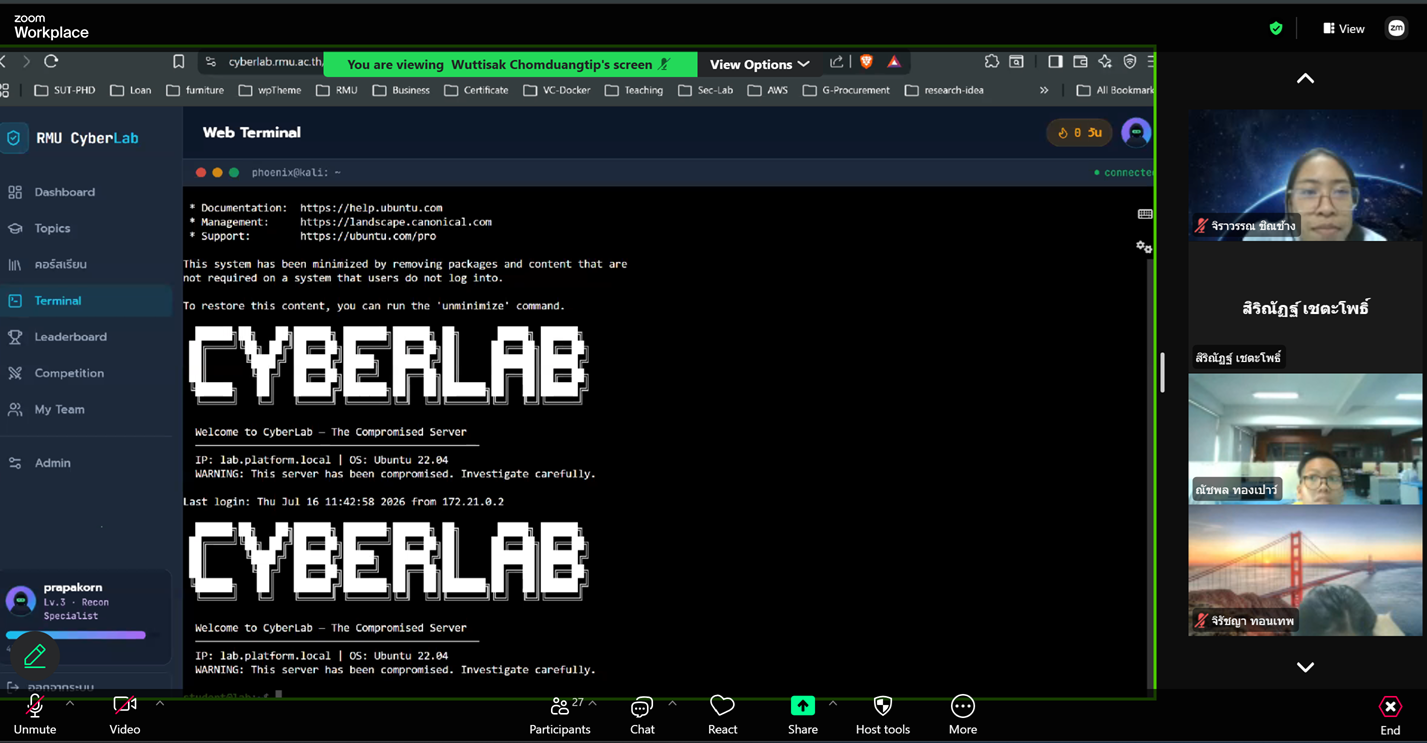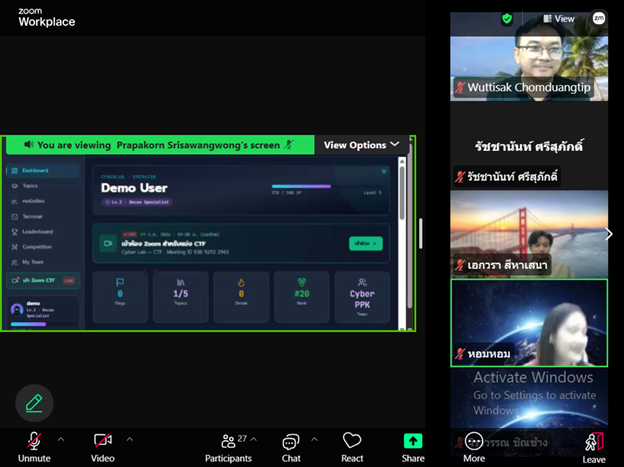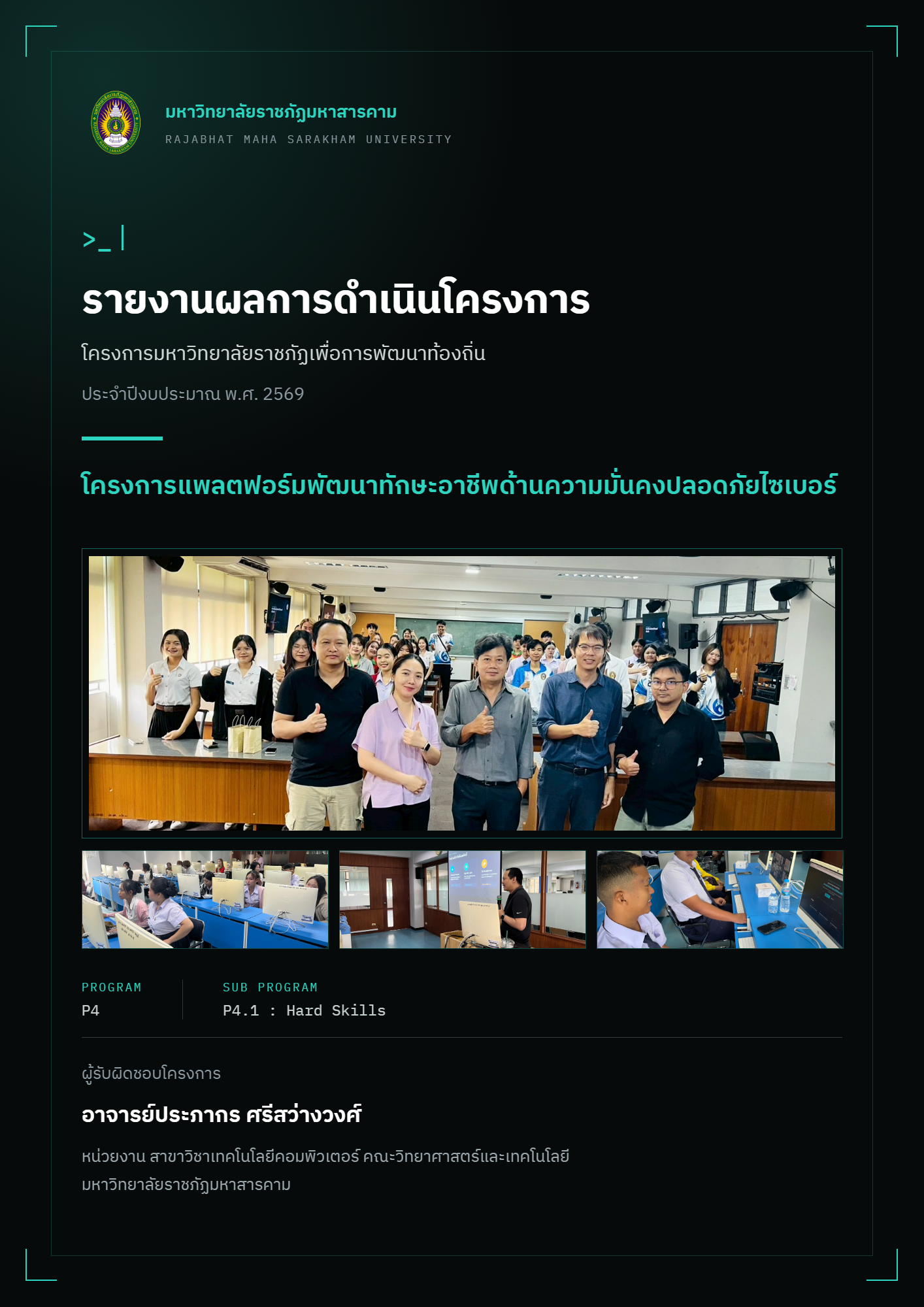
– July 19, 2026 16 กรกฎาคม 2569
– 19 กรกฎาคม 2569
Part 1: Project Details ส่วนที่ 1 รายละเอียดการดำเนินงาน
Objectives วัตถุประสงค์โครงการ
1. To develop cybersecurity professional skills for high school students and above.
2. To create an online learning platform for developing 3. cybersecurity career skills.
3. To raise digital safety awareness.
4. To serve as a model for modern career skill learning in schools.
1. เพื่อพัฒนาทักษะวิชาชีพด้านความมั่นคงปลอดภัยไซเบอร์ให้แก่นักเรียนมัธยมศึกษาหรือ
ระดับที่สูงกว่า
2. เพื่อสร้างแพลตฟอร์มการเรียนรู้ออนไลน์ในการพัฒนาทักษะอาชีพด้านความมั่นคงปลอดภัย
ไซเบอร์
3. เพื่อเสริมสร้างความตระหนักรู้ด้านความปลอดภัยในโลกดิจิทัล
4. เพื่อเป็นต้นแบบการเรียนรู้ทักษะอาชีพสมัยใหม่สำหรับโรงเรียน
Main Activities กิจกรรมหลัก
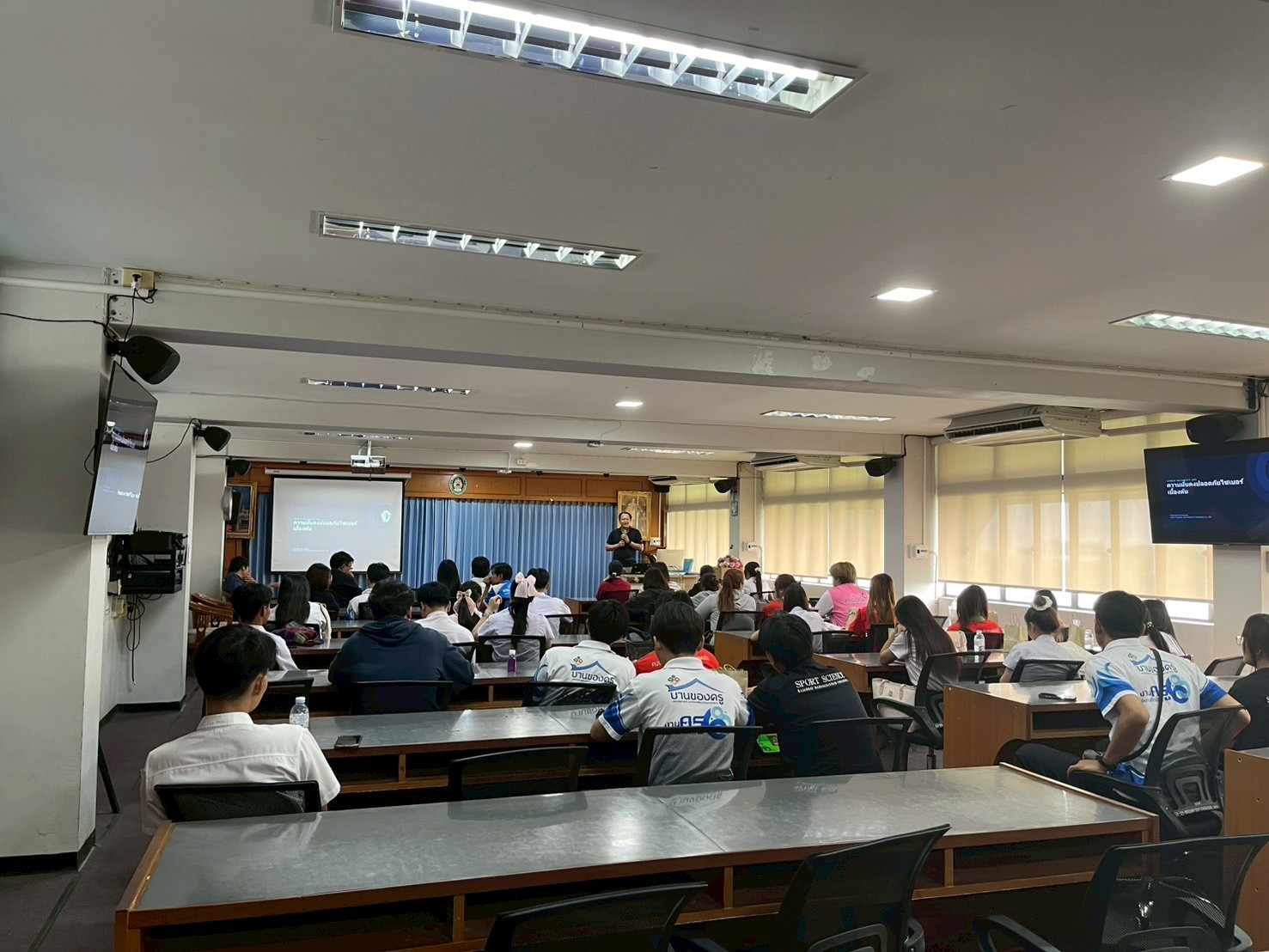
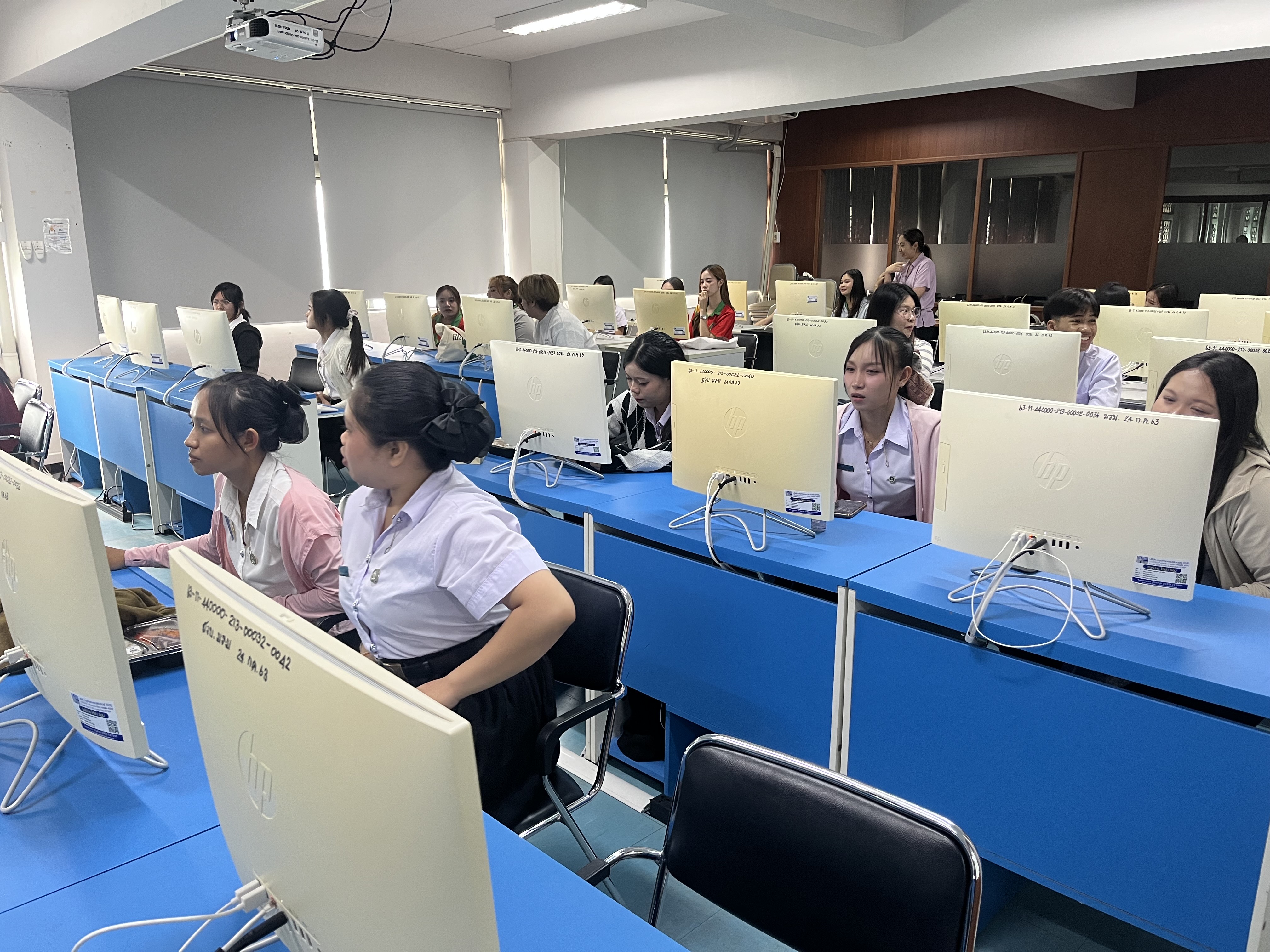
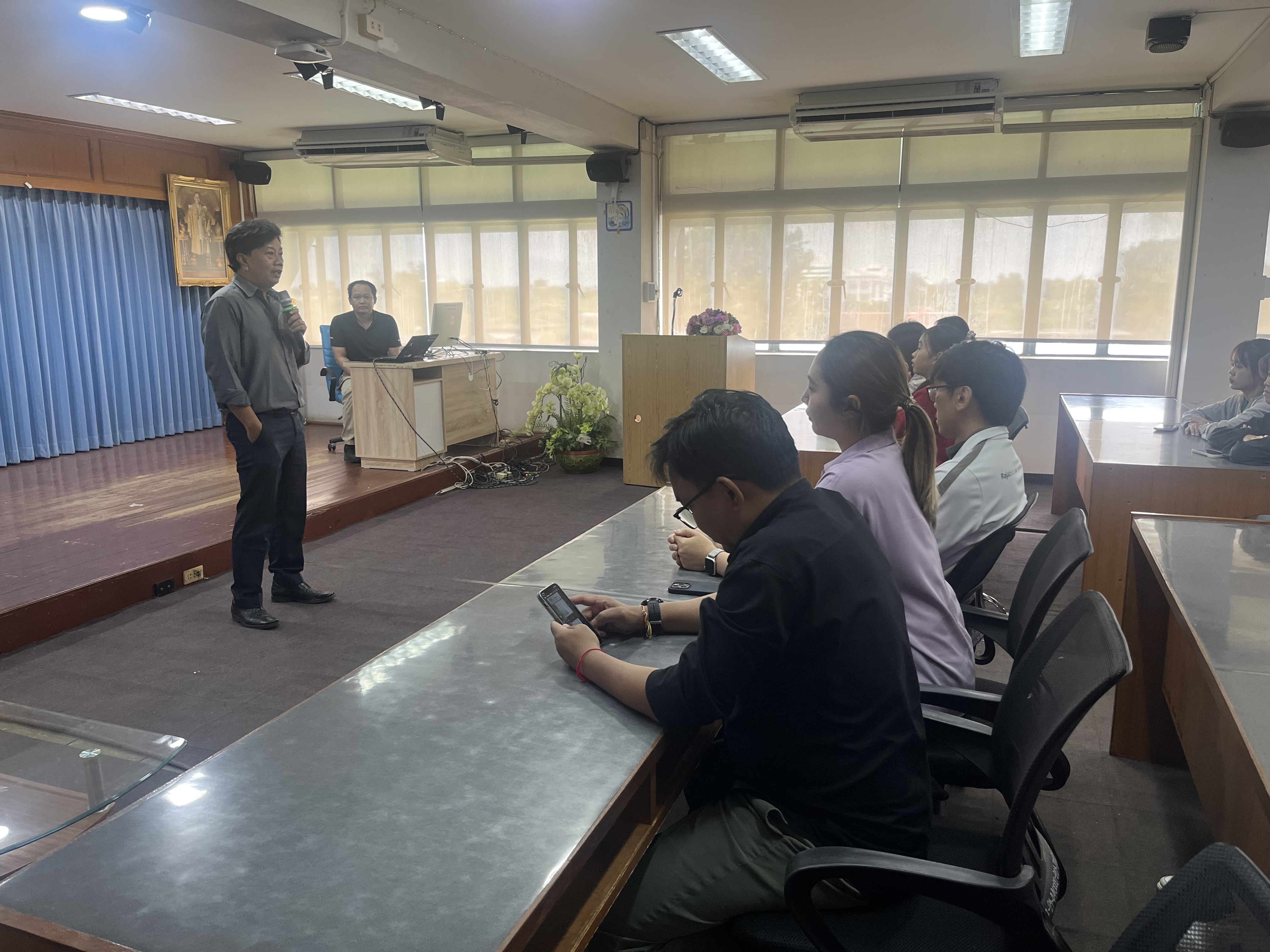
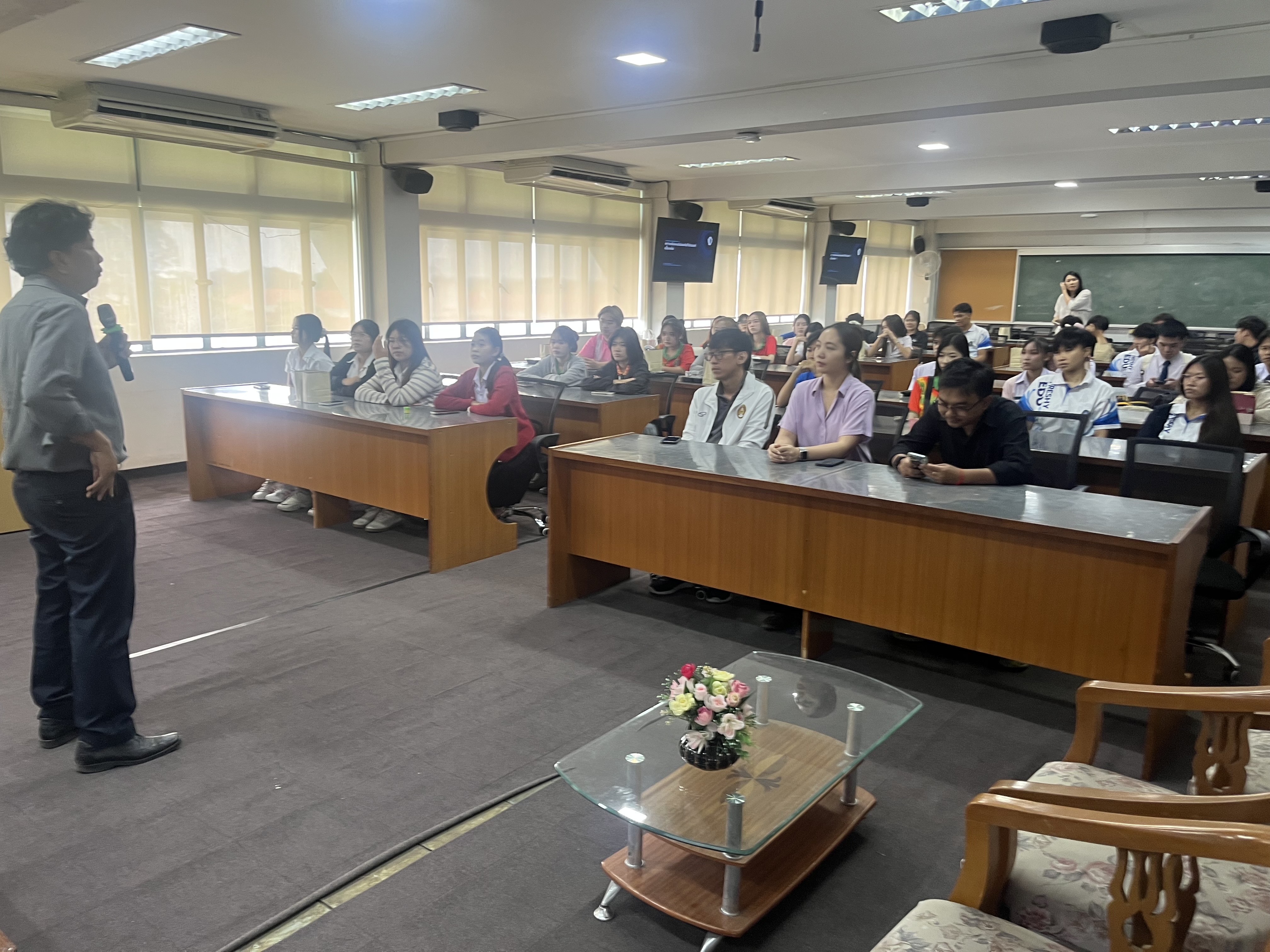
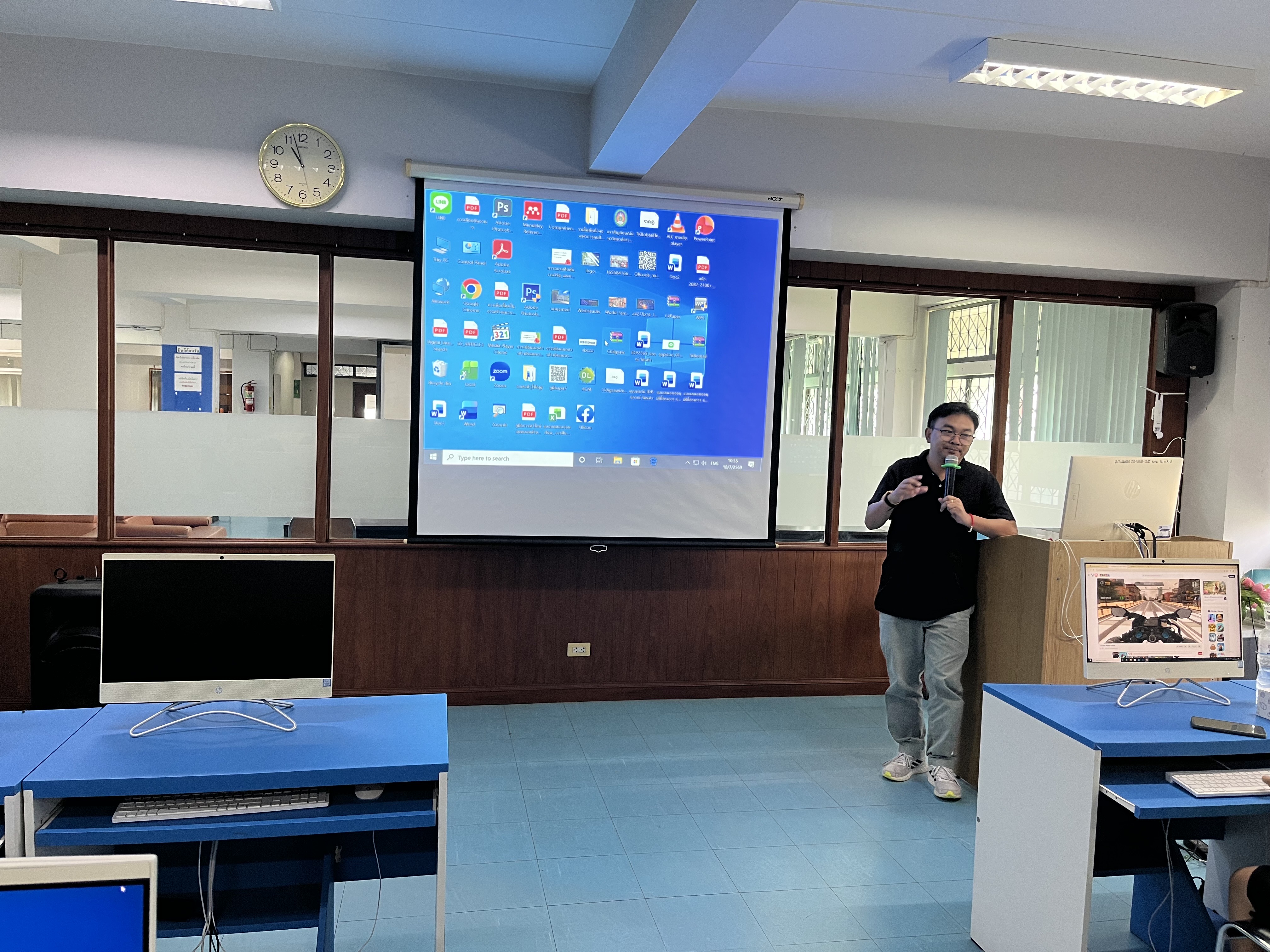
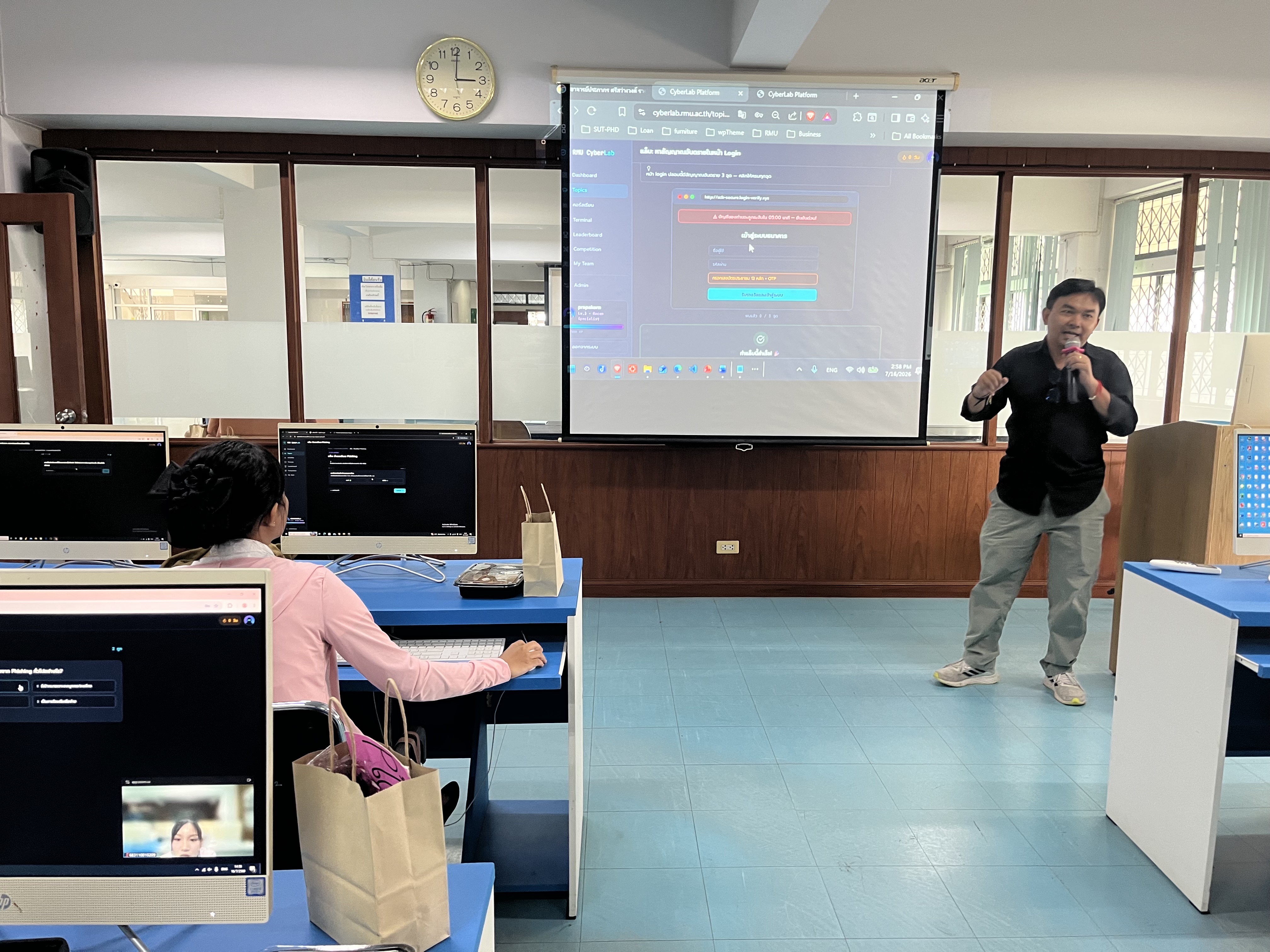
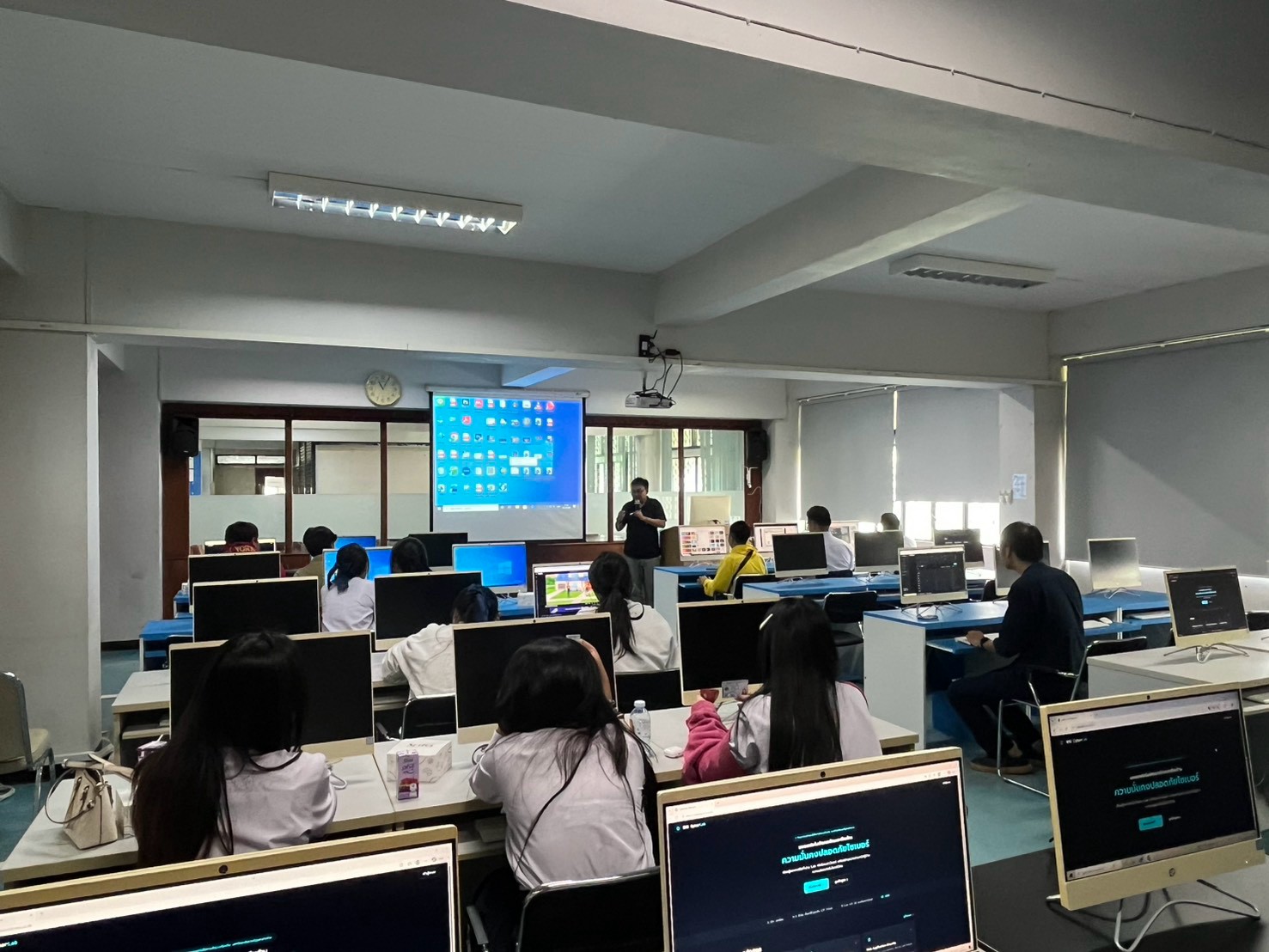
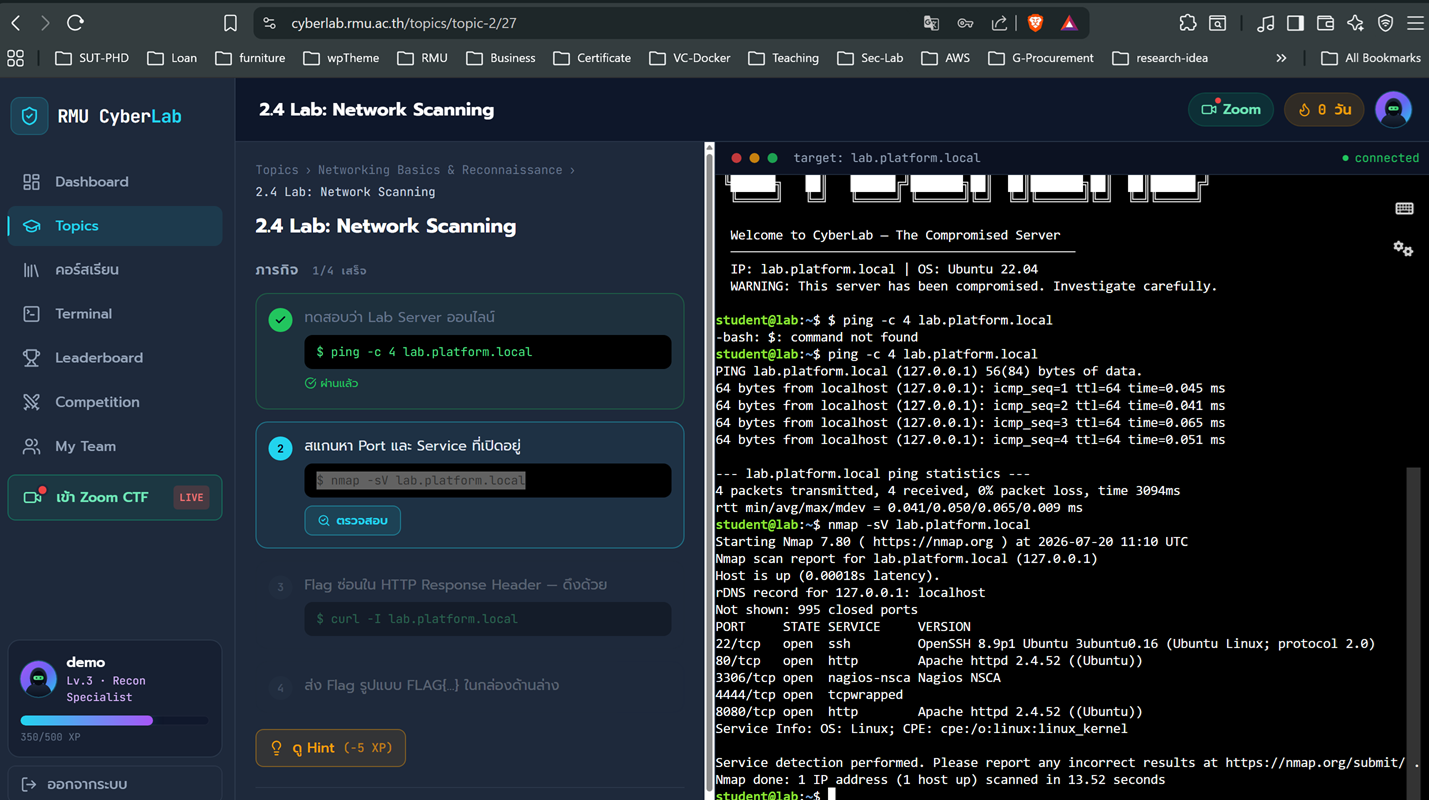
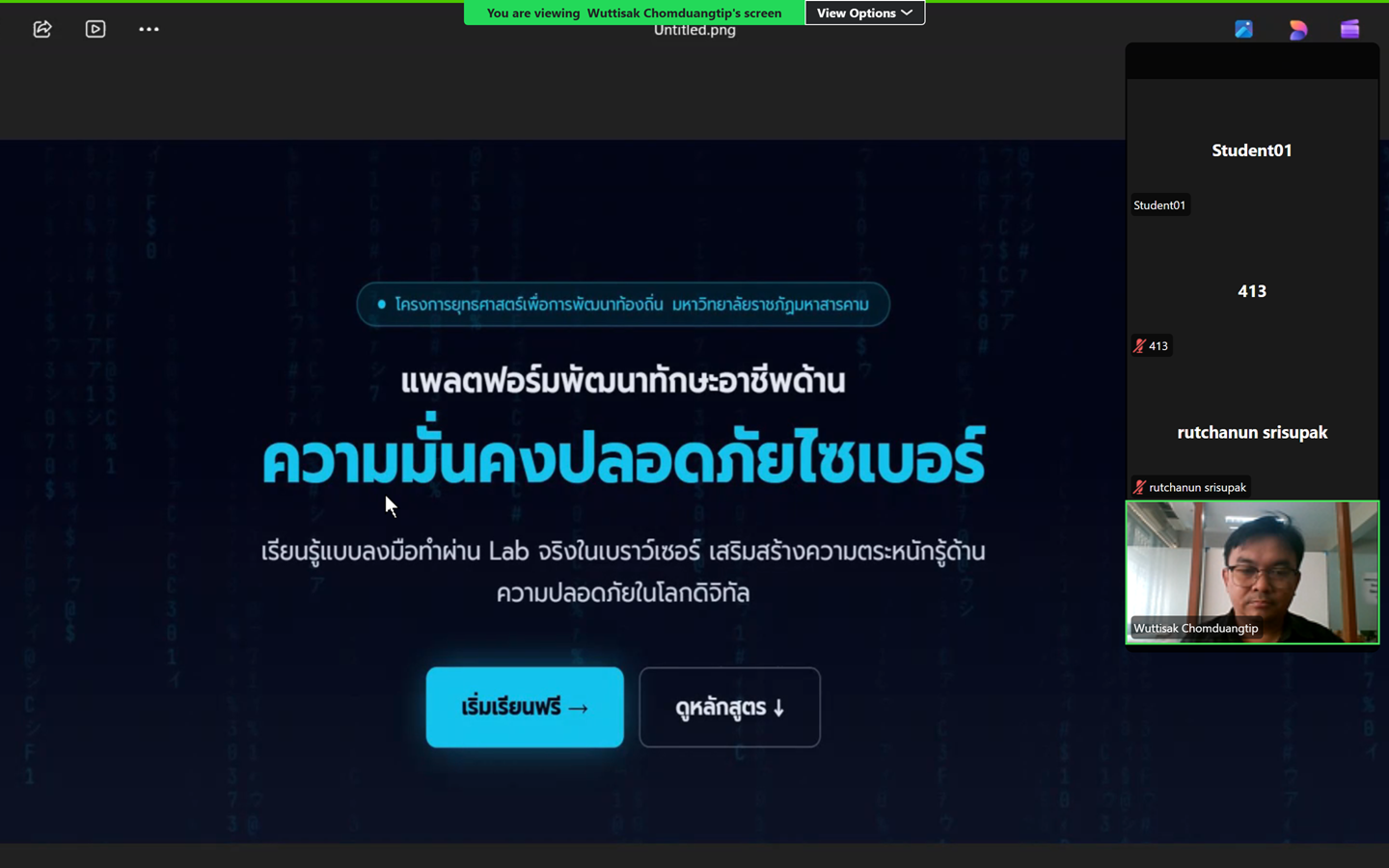
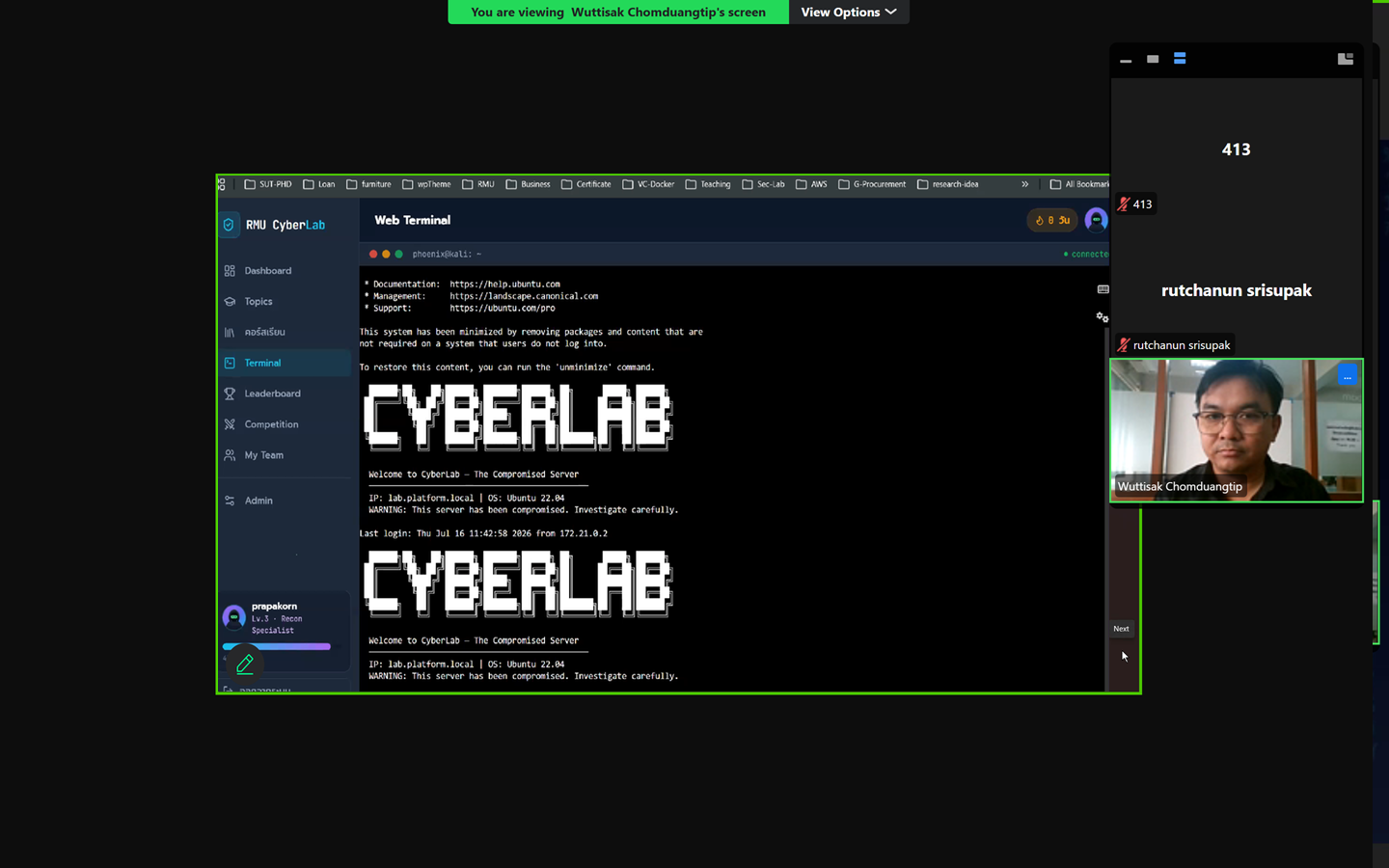
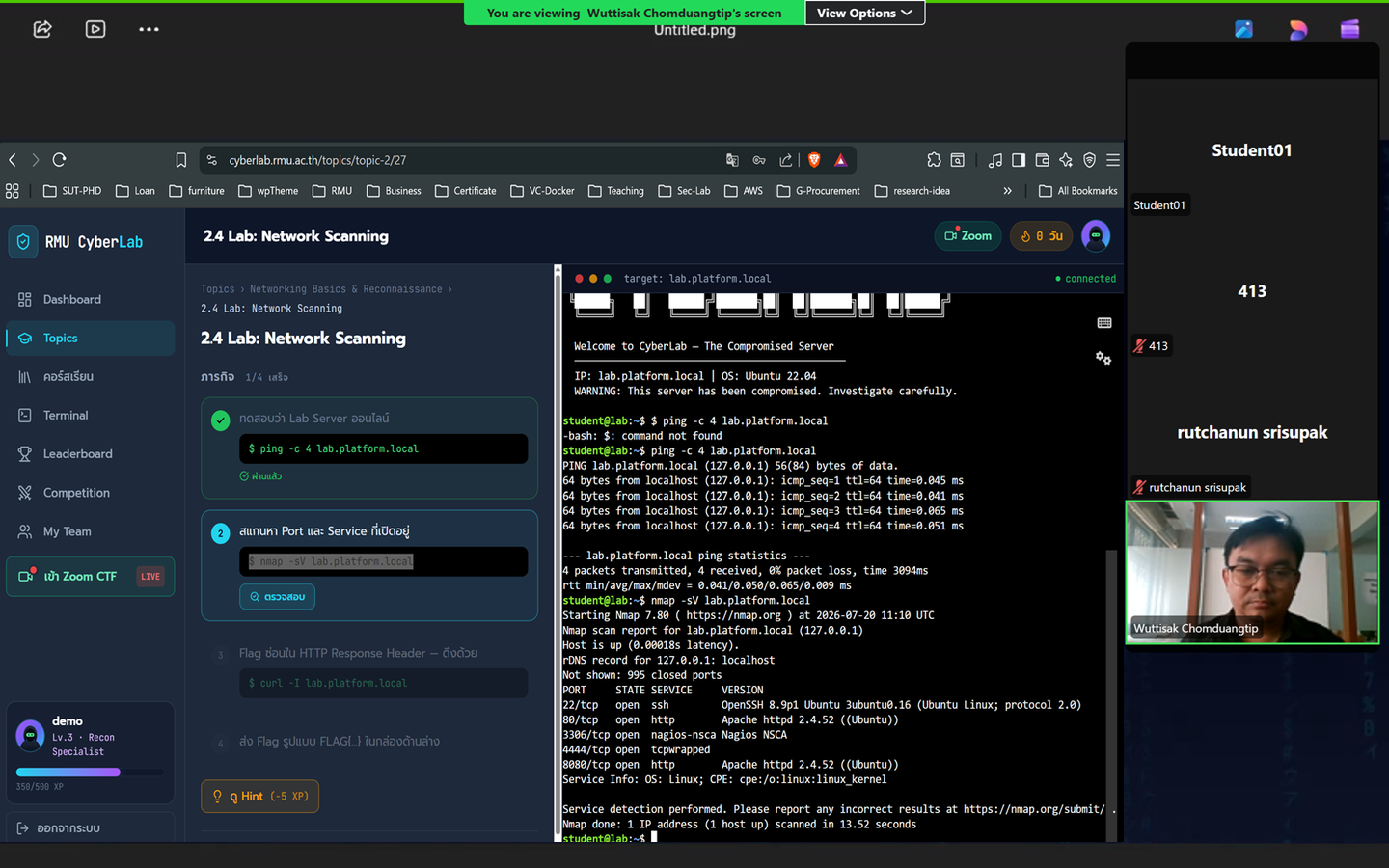
Conduct hands-on training workshops on cybersecurity career skill development and basic platform usage, along with cultivating advanced skills through Capture The Flag (CTF) challenges via the platform (Activities 1-4), culminating in the official launch of the platform for users. จัดอบรมเชิงปฏิบัติการพัฒนาทักษะอาชีพด้านความมั่นคงปลอดภัยไซเบอร์และการใช้งานแพลตฟอร์มขั้นพื้นฐาน และการบ่มเพาะทักษะขั้นสูงด้วยกระบวนการ CTF ผ่านแพลตฟอร์ม (กิจกรรมที่ 1-4) พร้อมเปิดใช้งานแพลตฟอร์มให้แก่ผู้ใช้งาน
Part 2: Outcomes & Impact ส่วนที่ 2 ผลลัพธ์และผลกระทบ
Outcomes ผลลัพธ์ที่เกิดขึ้น
Key Performance Indicators (KPIs),Target,Actual,Achievement (%)
Schools developed,1,1,100%
Collaborative partner networks,1,2,200%
Participants acquiring skills,50,214,428%
Students participating in fieldwork,4,5,125%
Cumulative platform users,≥50,231,462%
Lessons/Modules on the platform,≥5,5,100%
User satisfaction score,≥4,4.87,121.75%
ผู้เข้าร่วมโครงการรวม 214 คน เทียบเป้าหมาย 180 คน คิดเป็นร้อยละ 118.89
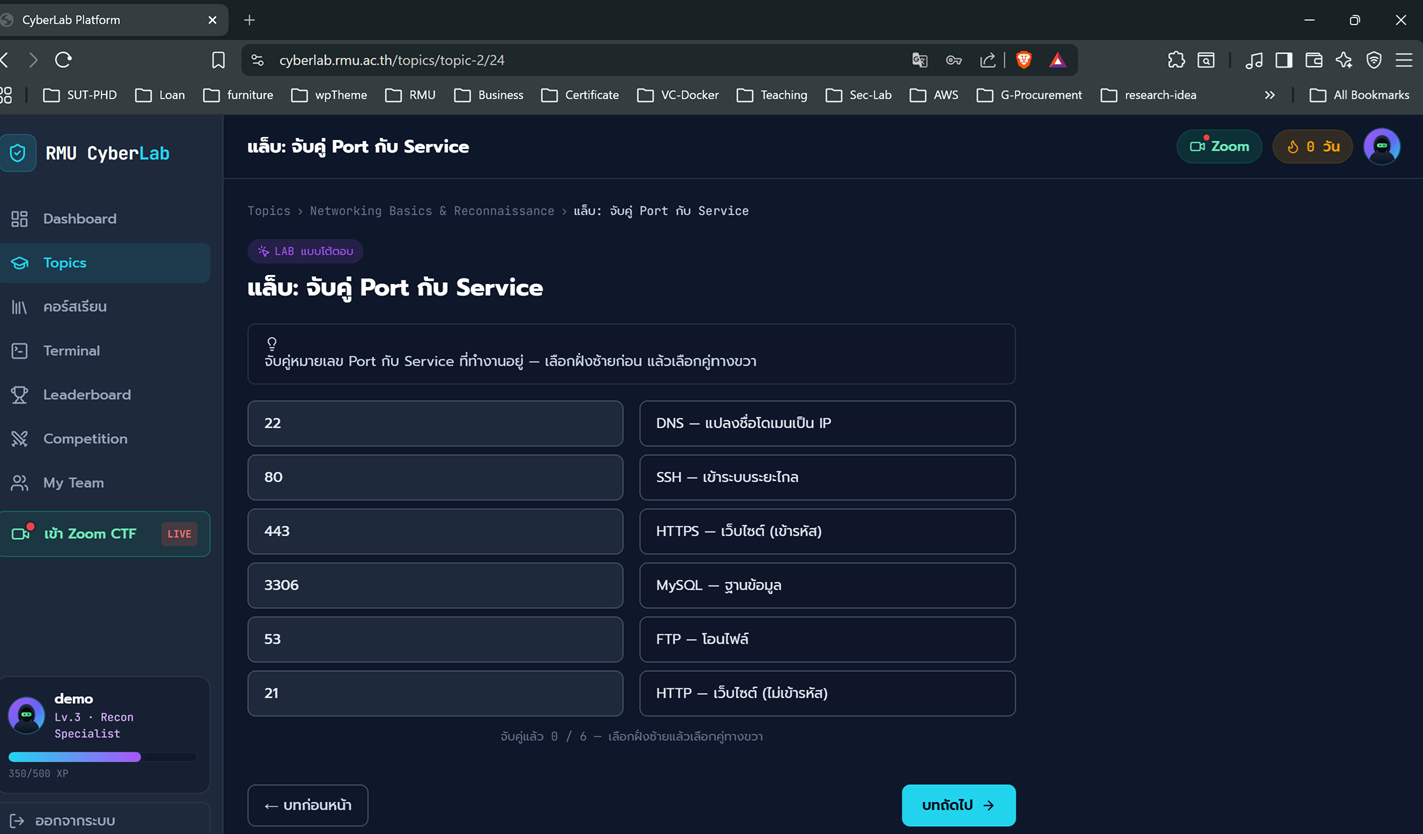
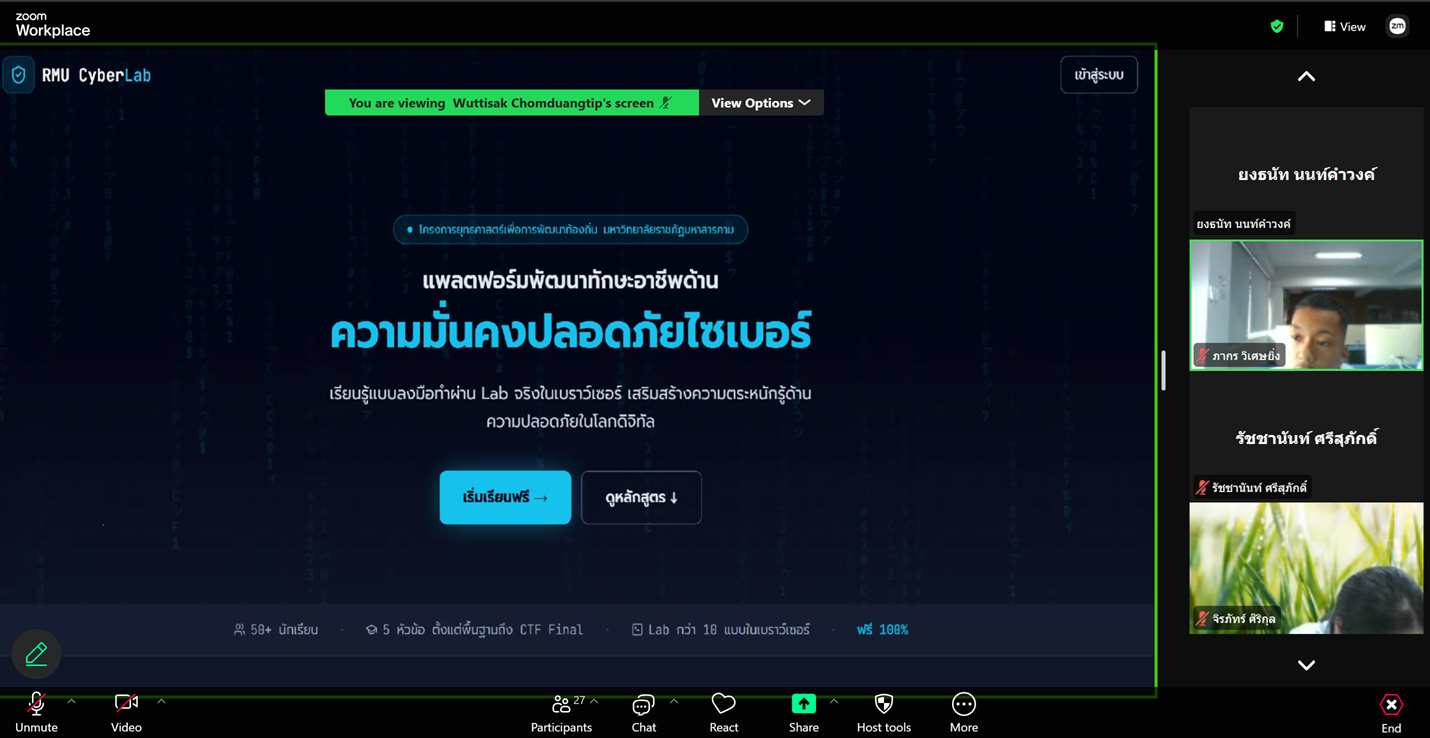
แพลตฟอร์มการเรียนรู้ออนไลน์ CyberLab (cyberlab.rmu.ac.th) มีผู้ใช้งานสะสม 231 คน พร้อมบทเรียน 5 บท (Digital Awareness & Cyber Hygiene, Networking Basics & Reconnaissance, Web Application Security, The Compromised Server, CTF Final)
ตัวชี้วัดโครงการบรรลุ/เกินเป้าหมายทุกตัว:
ตัวชี้วัด เป้าหมาย ผลจริง %
โรงเรียนที่ได้รับการพัฒนา 1 1 100%
เครือข่ายร่วมพัฒนา 1 2 200%
ประชากรที่เกิดทักษะ 50 214 428%
นักศึกษาลงพื้นที่ 4 5 125%
ผู้ใช้งาน Platform สะสม ≥50 231 462%
เนื้อหาบทเรียนบน Platform ≥5 5 100%
ความพึงพอใจผู้ใช้งาน ≥4 4.87 121.75%
ความพึงพอใจโดยรวม 4.87/5 (ระดับมากที่สุด) และความรู้ความเข้าใจเพิ่มขึ้นจาก 4.33 (ก่อนอบรม) เป็น 5.00 (หลังอบรม)
Community & Social Impact ผลกระทบต่อชุมชน/สังคม
Equipped 65 high school students from the Rajabhat Maha Sarakham University Demonstration School with cybersecurity skills, providing systematic knowledge to a demographic that typically lacks access to such educational opportunities.
Established 2 collaborative partner networks (exceeding the target by 100%) bridging the university with partner schools and the private sector.
Addressed the national shortage of the cybersecurity workforce while simultaneously enhancing digital security awareness among the youth in Maha Sarakham Province.
Delivered a sustainable online learning platform that remains actively operational after the project concludes (rather than a one-off activity). It serves as a public educational resource ready to be scaled and expanded to other schools and regions in the upcoming fiscal year.
- พัฒนาทักษะด้านความมั่นคงปลอดภัยไซเบอร์ให้แก่นักเรียนมัธยมศึกษา 65 คน จากโรงเรียนสาธิตมหาวิทยาลัยราชภัฏมหาสารคาม ซึ่งเป็นกลุ่มที่ปกติขาดโอกาสเข้าถึงองค์ความรู้ด้านนี้อย่างเป็นระบบ
- สร้างเครือข่ายความร่วมมือ 2 เครือข่าย (เกินเป้าหมาย 100%) ระหว่างมหาวิทยาลัยกับโรงเรียน/ภาคเอกชน
- ตอบสนองปัญหาการขาดแคลนบุคลากรด้านความมั่นคงปลอดภัยไซเบอร์ในระดับประเทศ และเสริมสร้างความตระหนักรู้ด้านความปลอดภัยในโลกดิจิทัลแก่เยาวชนในพื้นที่จังหวัดมหาสารคาม
- แพลตฟอร์มการเรียนรู้ออนไลน์ที่ใช้งานต่อเนื่องได้จริงหลังจบโครงการ (ไม่ใช่แค่กิจกรรมครั้งเดียว) เป็นทรัพยากรสาธารณะที่ขยายผลสู่โรงเรียน/พื้นที่อื่นได้ในปีงบประมาณถัดไป
Student & Staff Participation การมีส่วนร่วมของนักศึกษา/บุคลากร
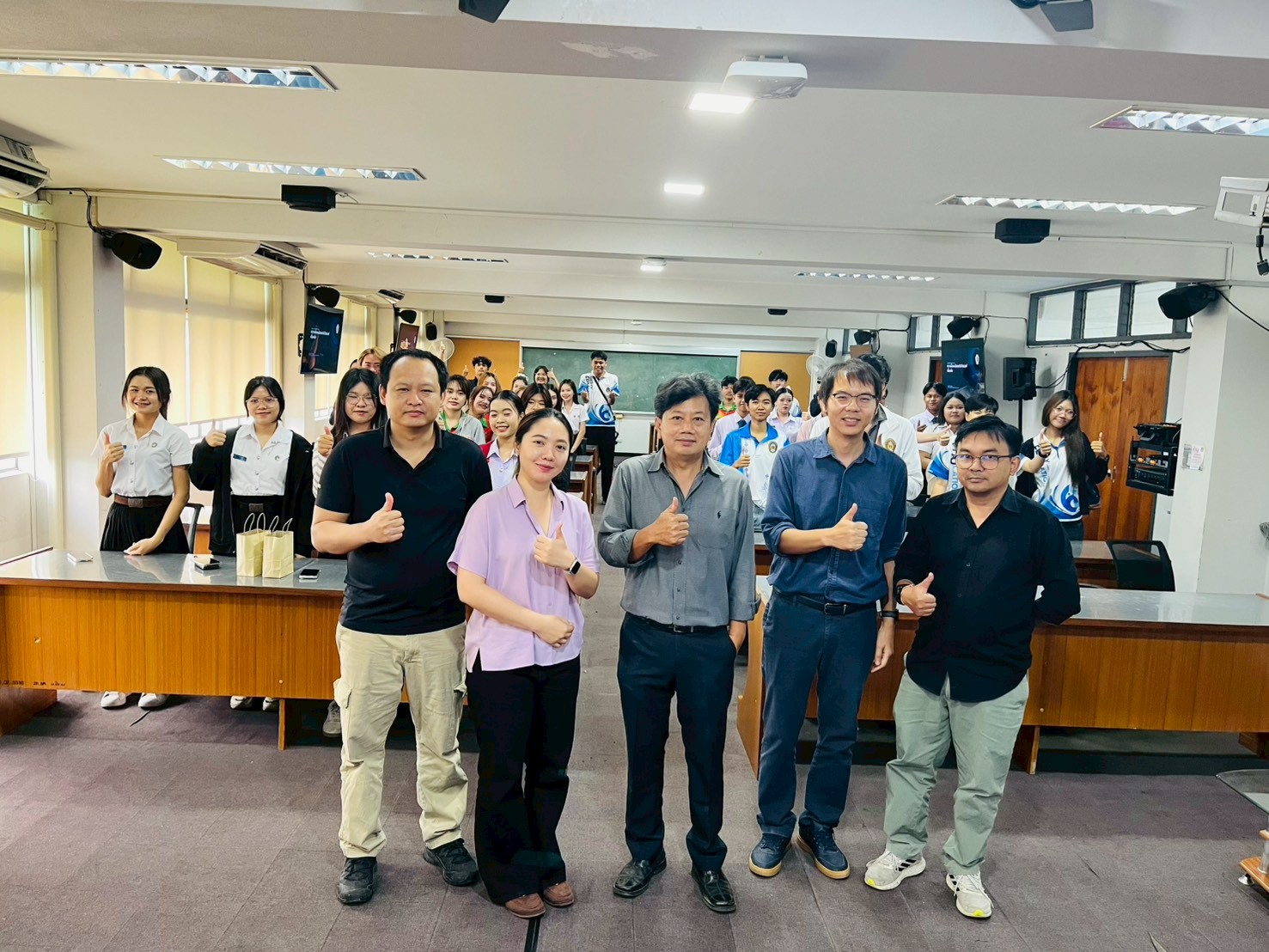
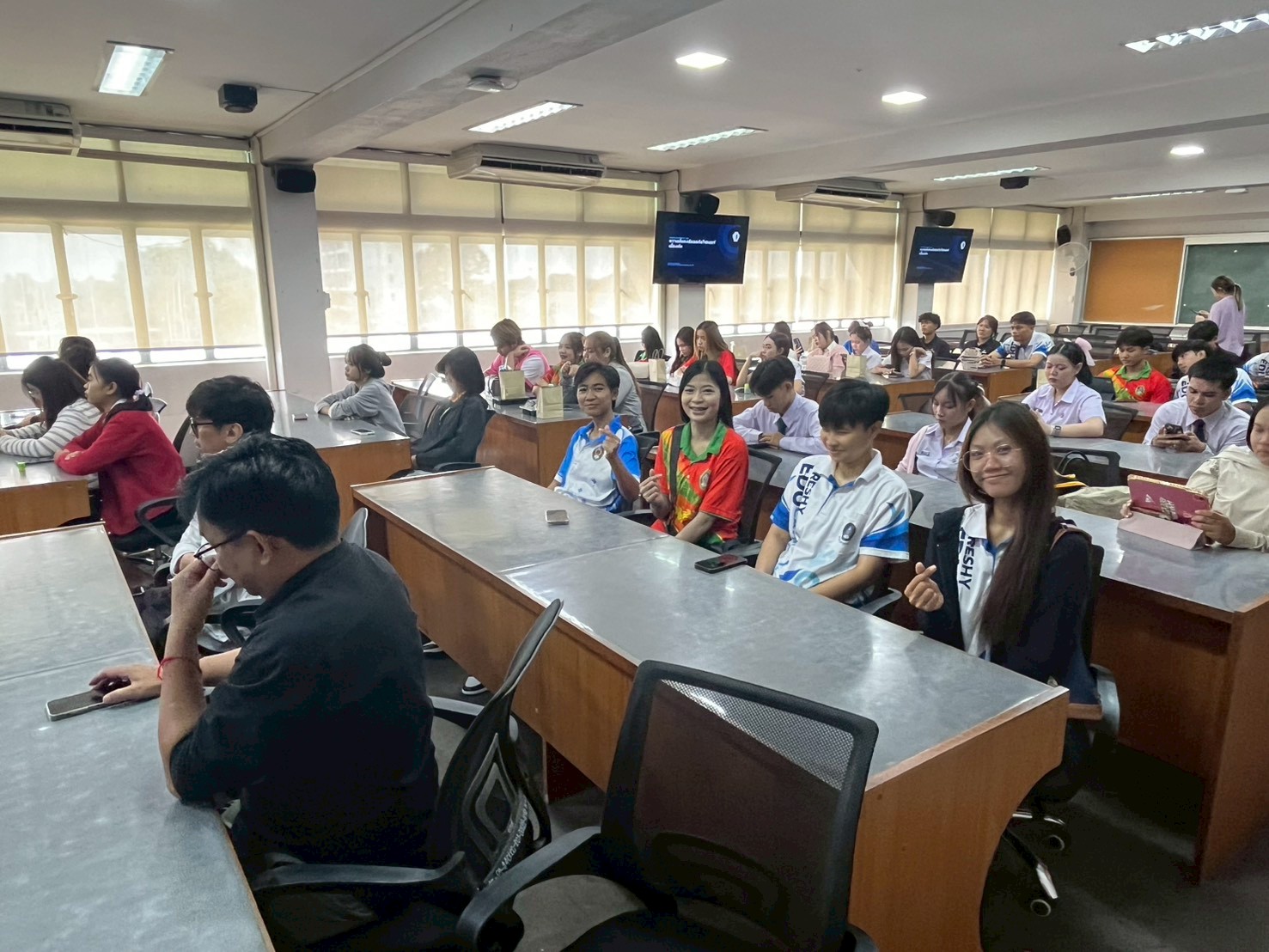
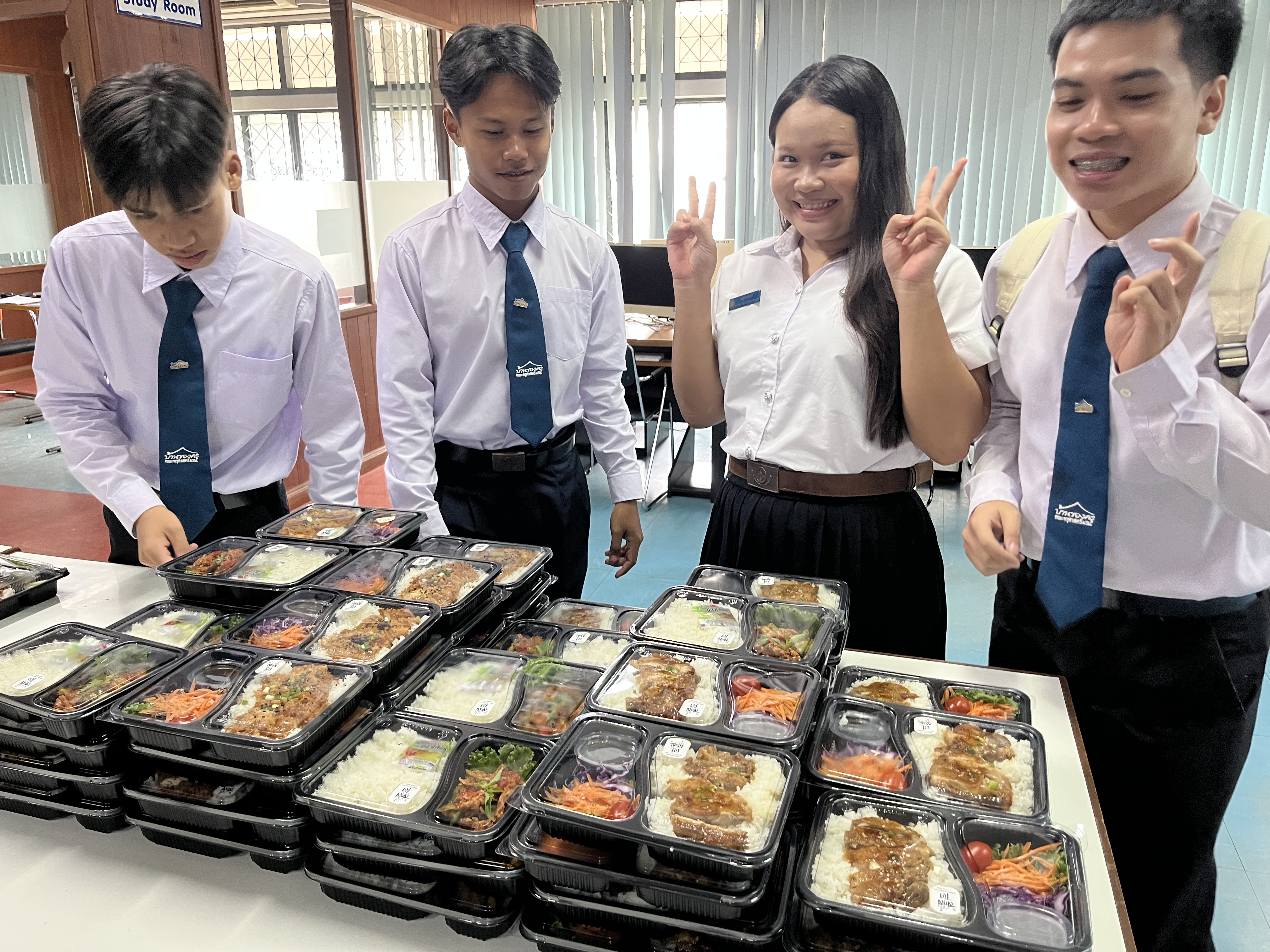
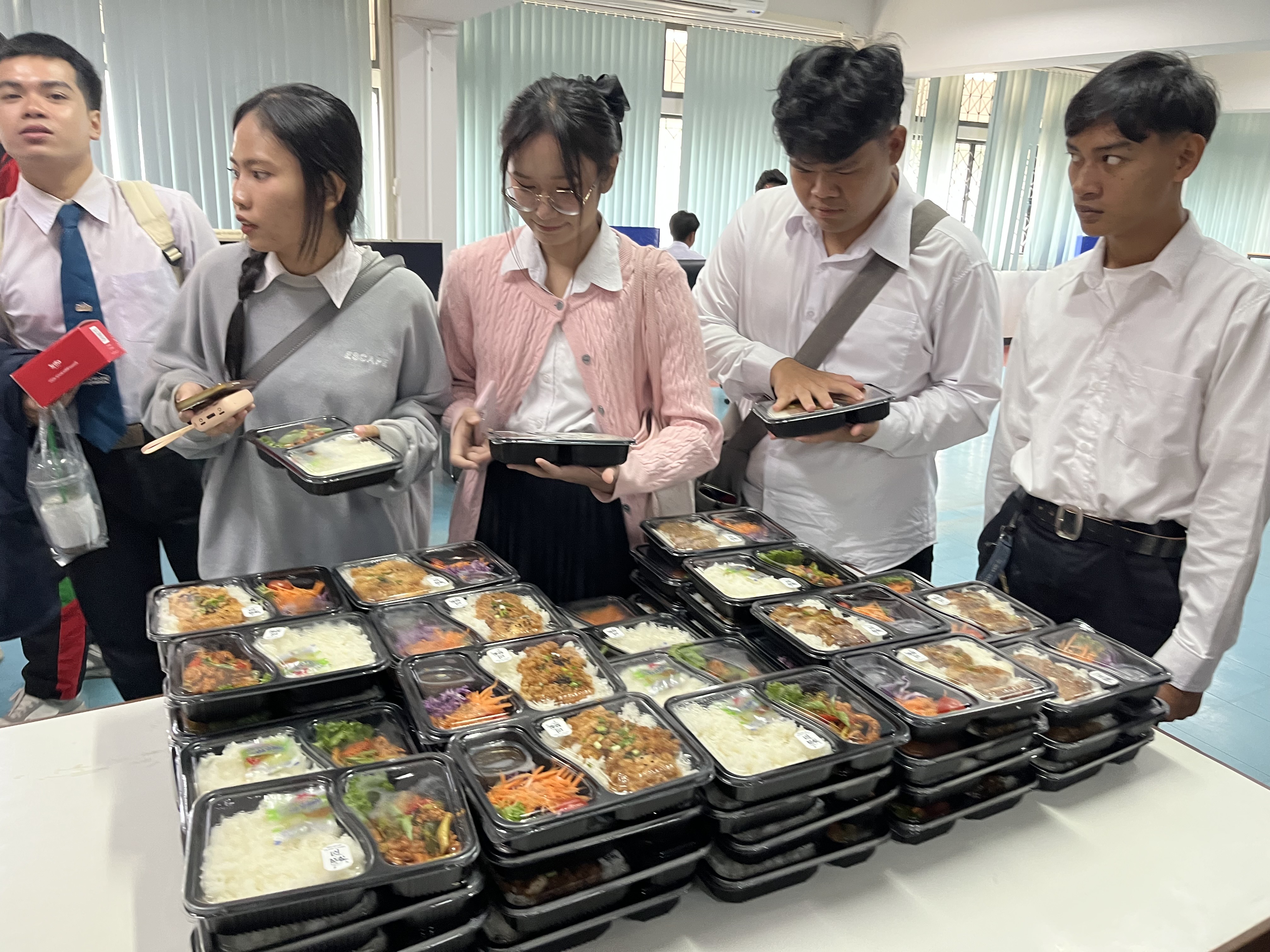
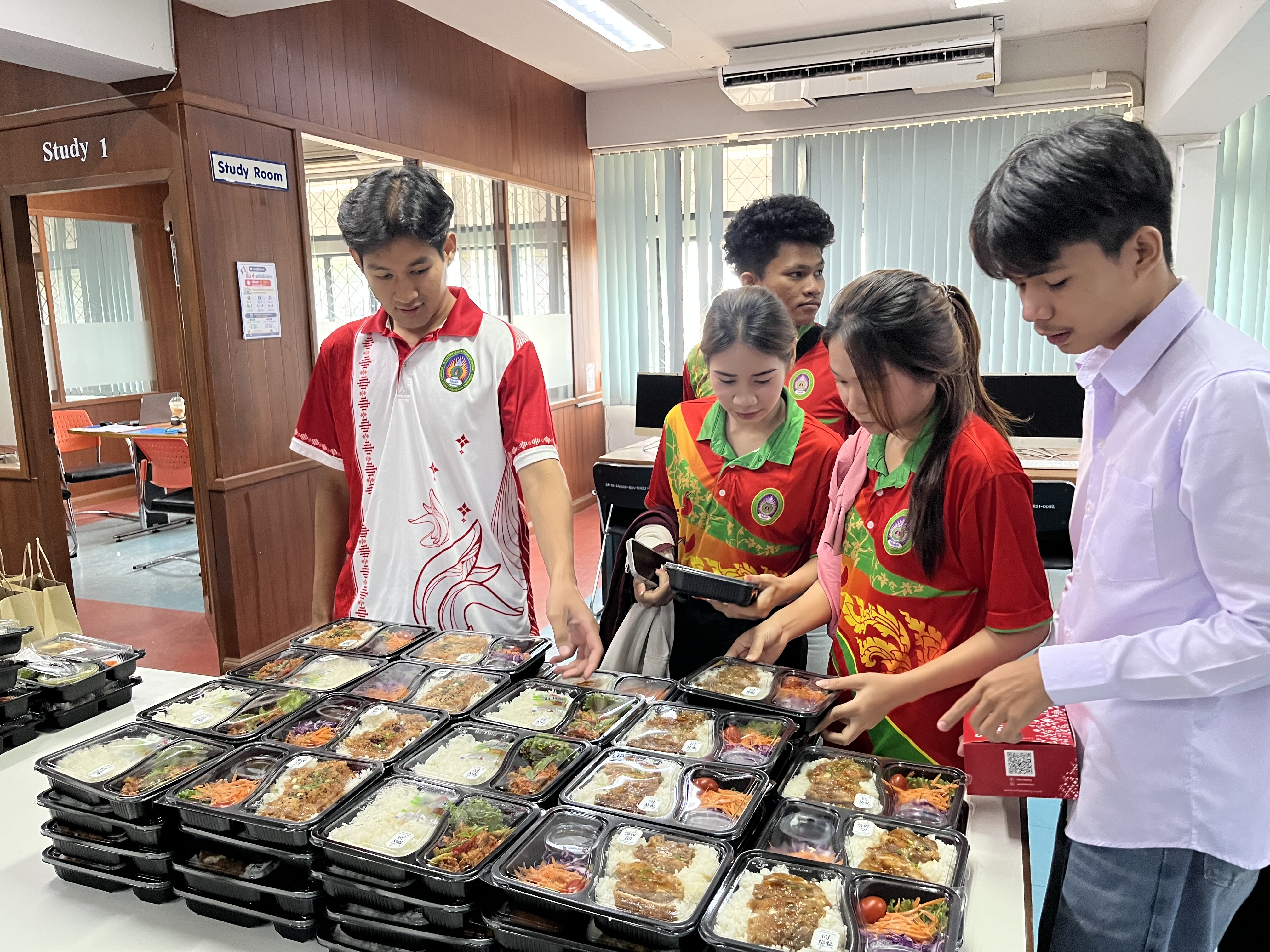
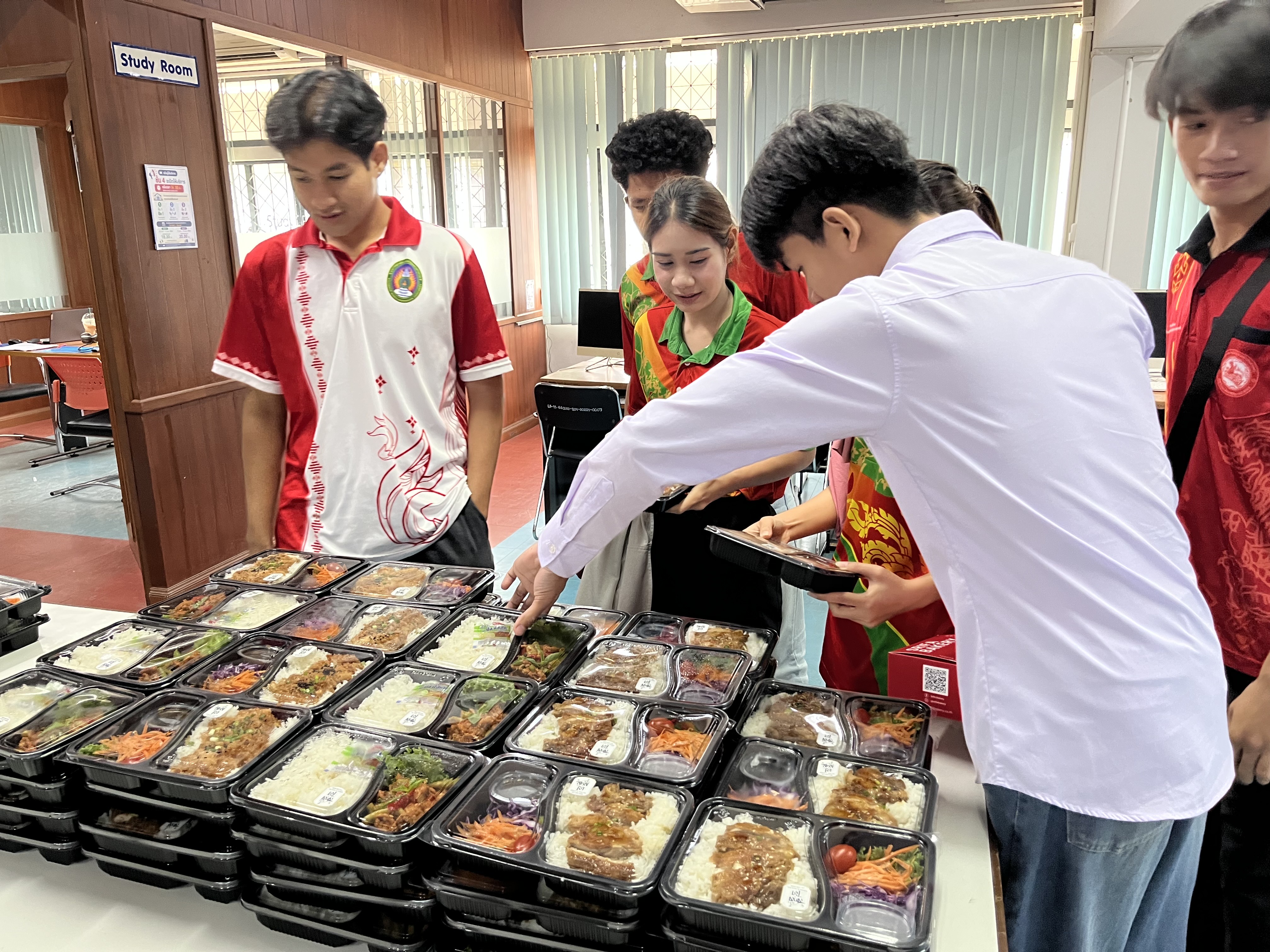
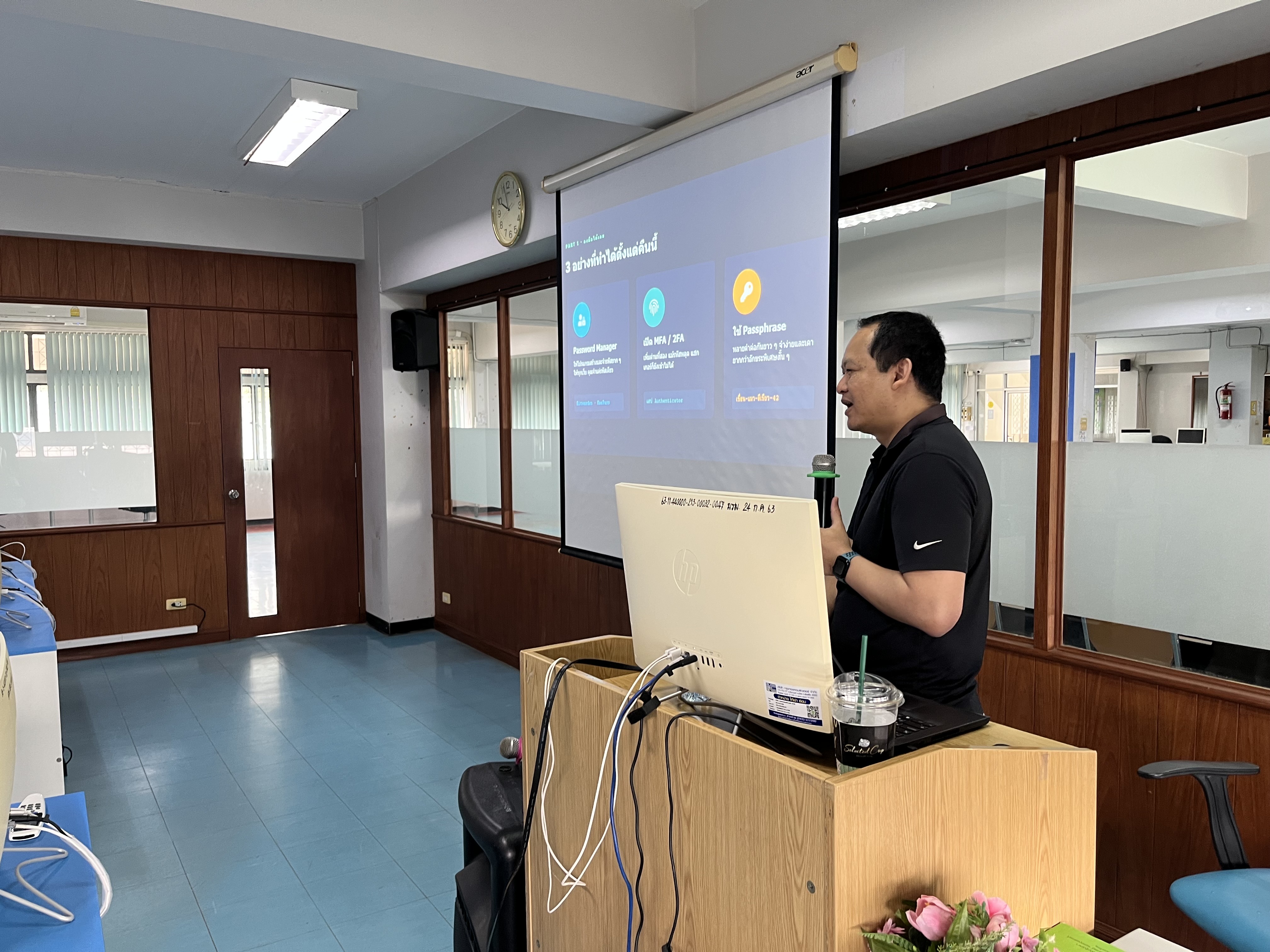
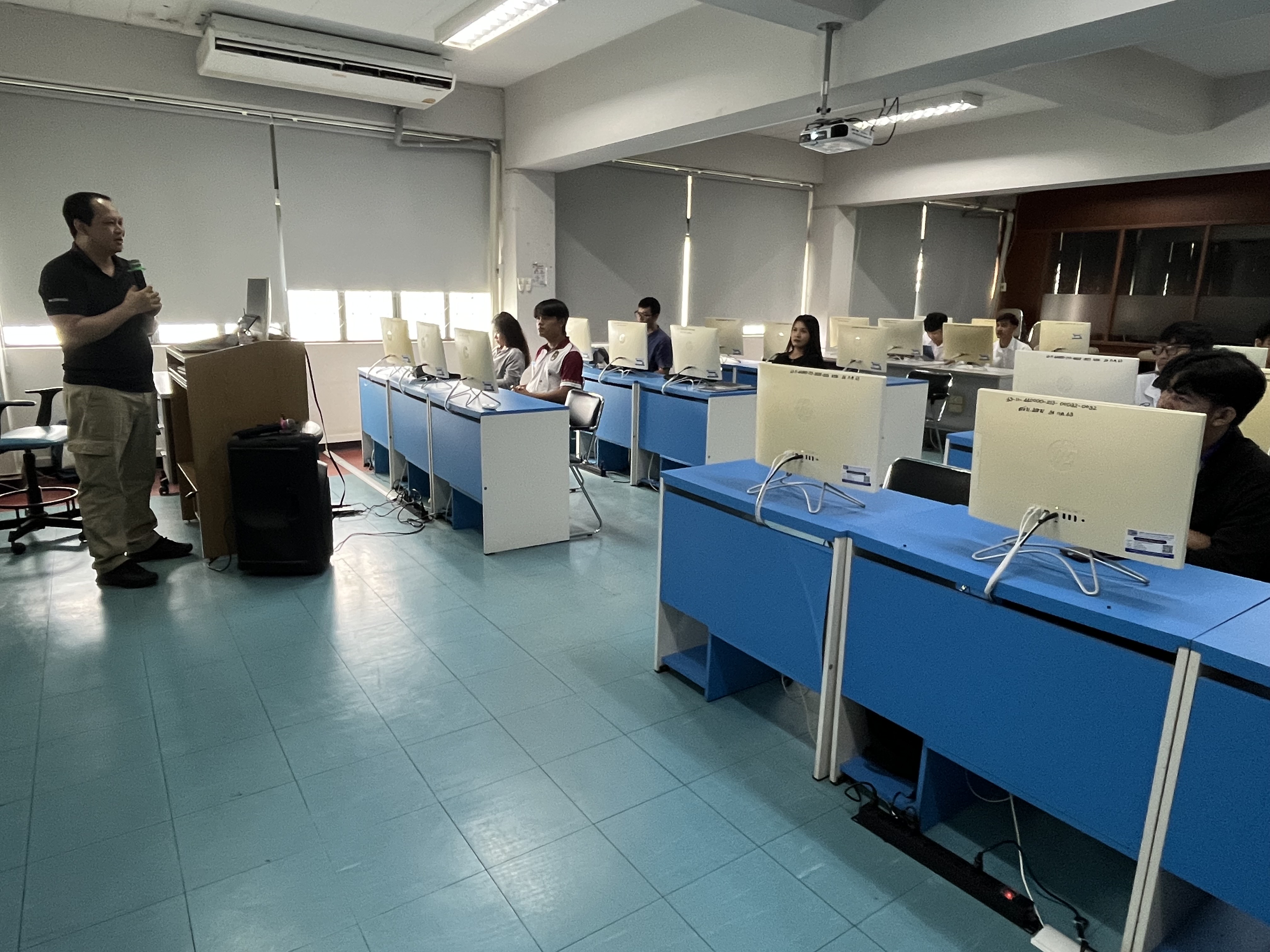
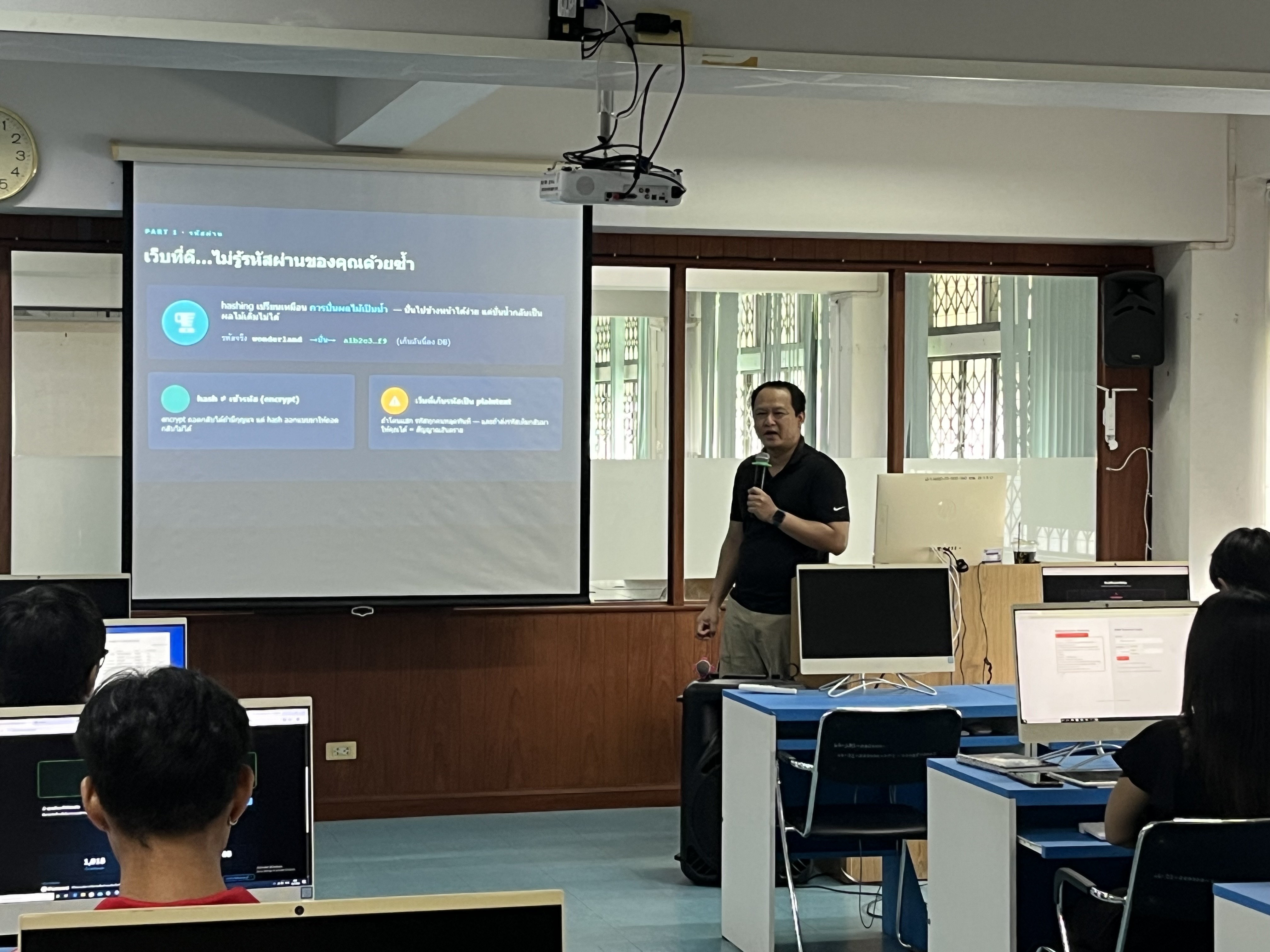
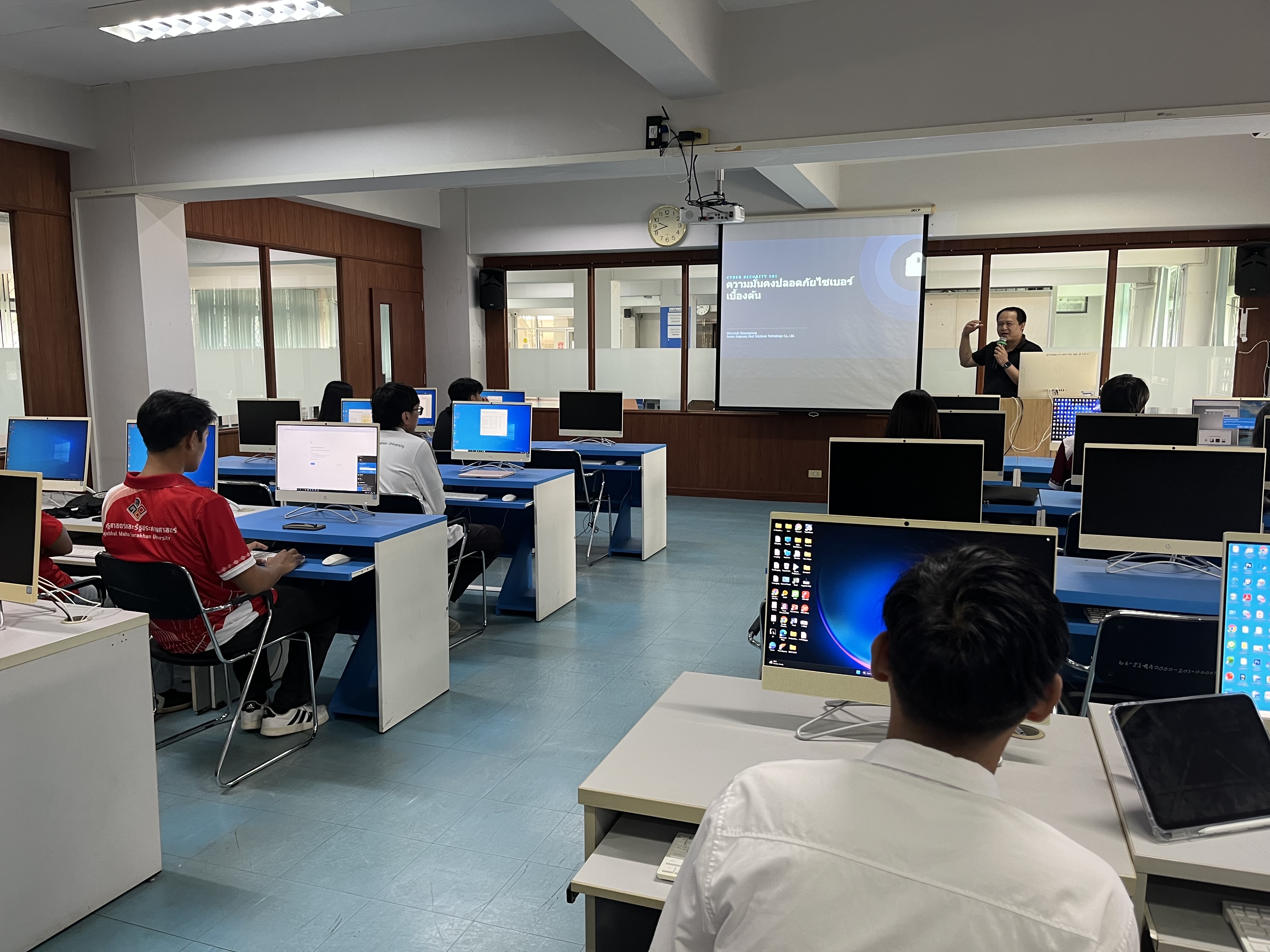
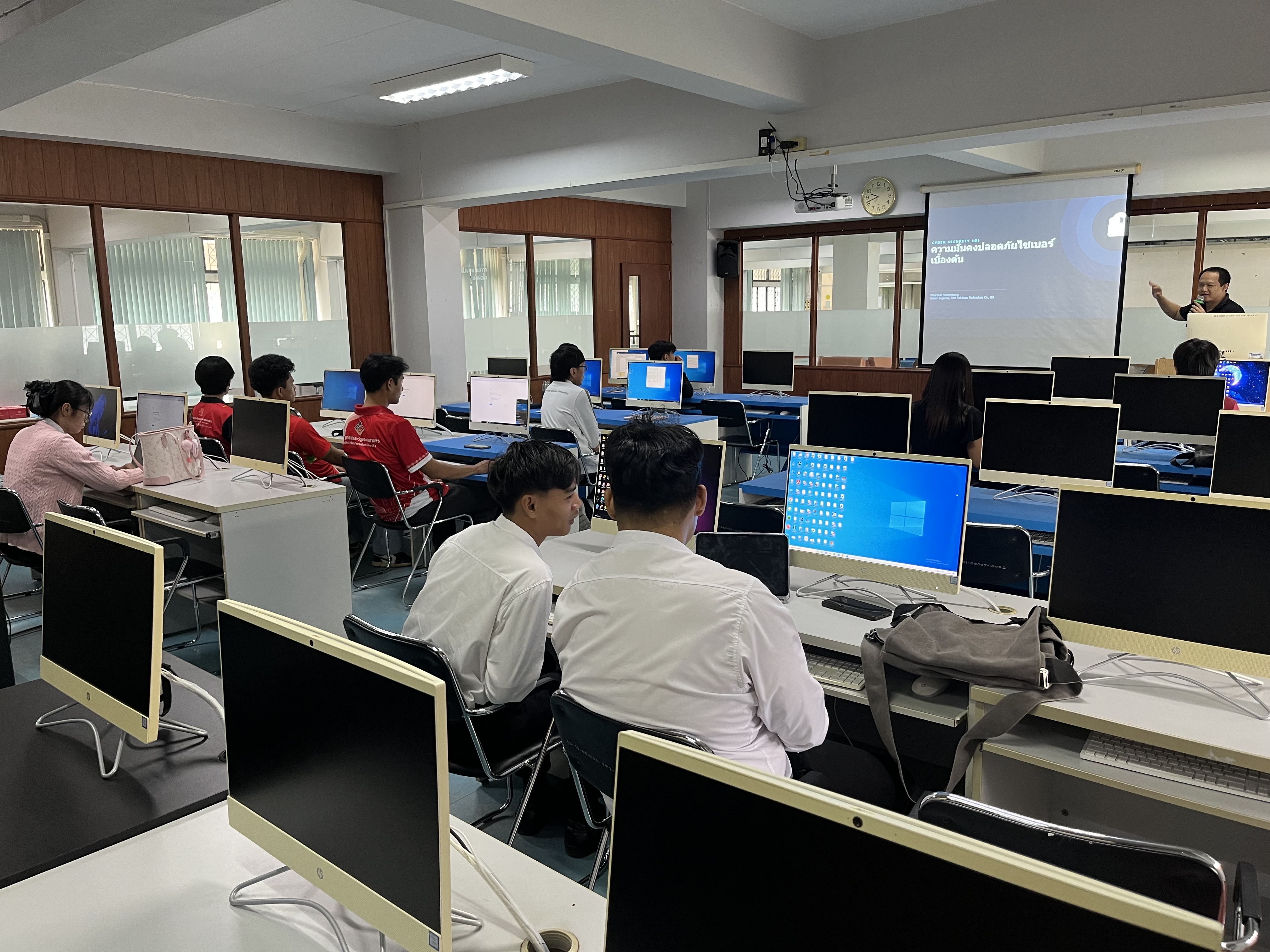
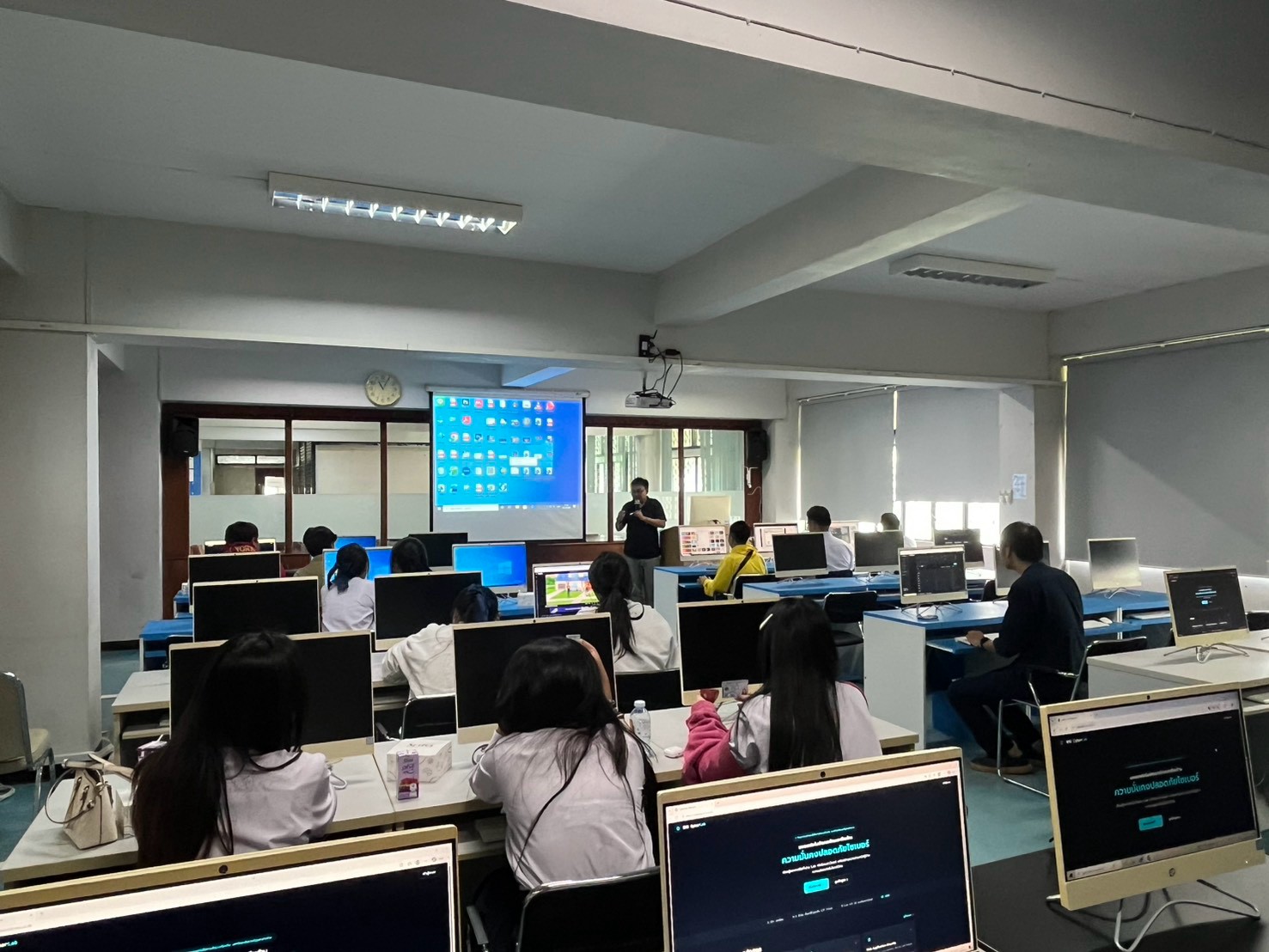
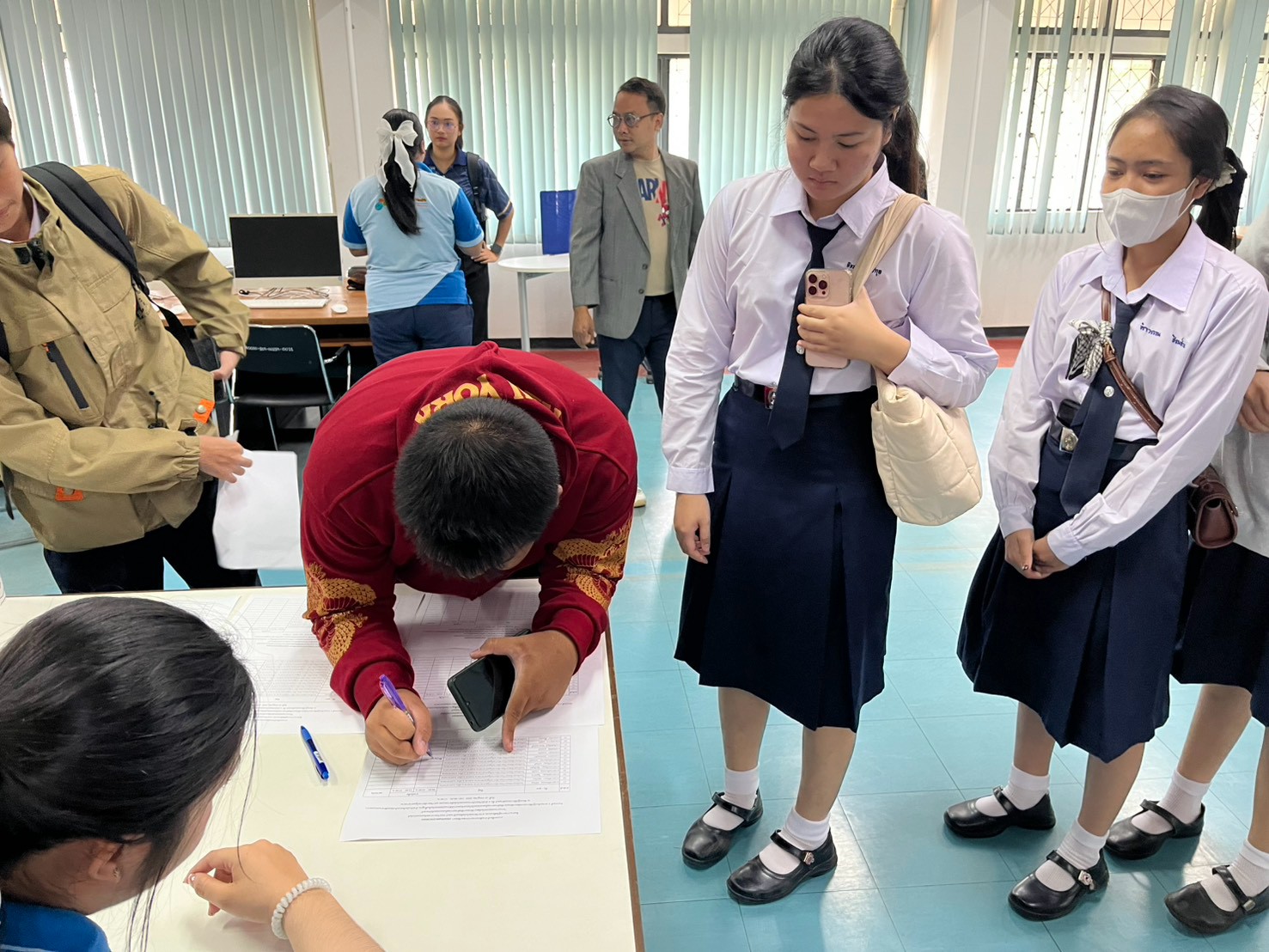
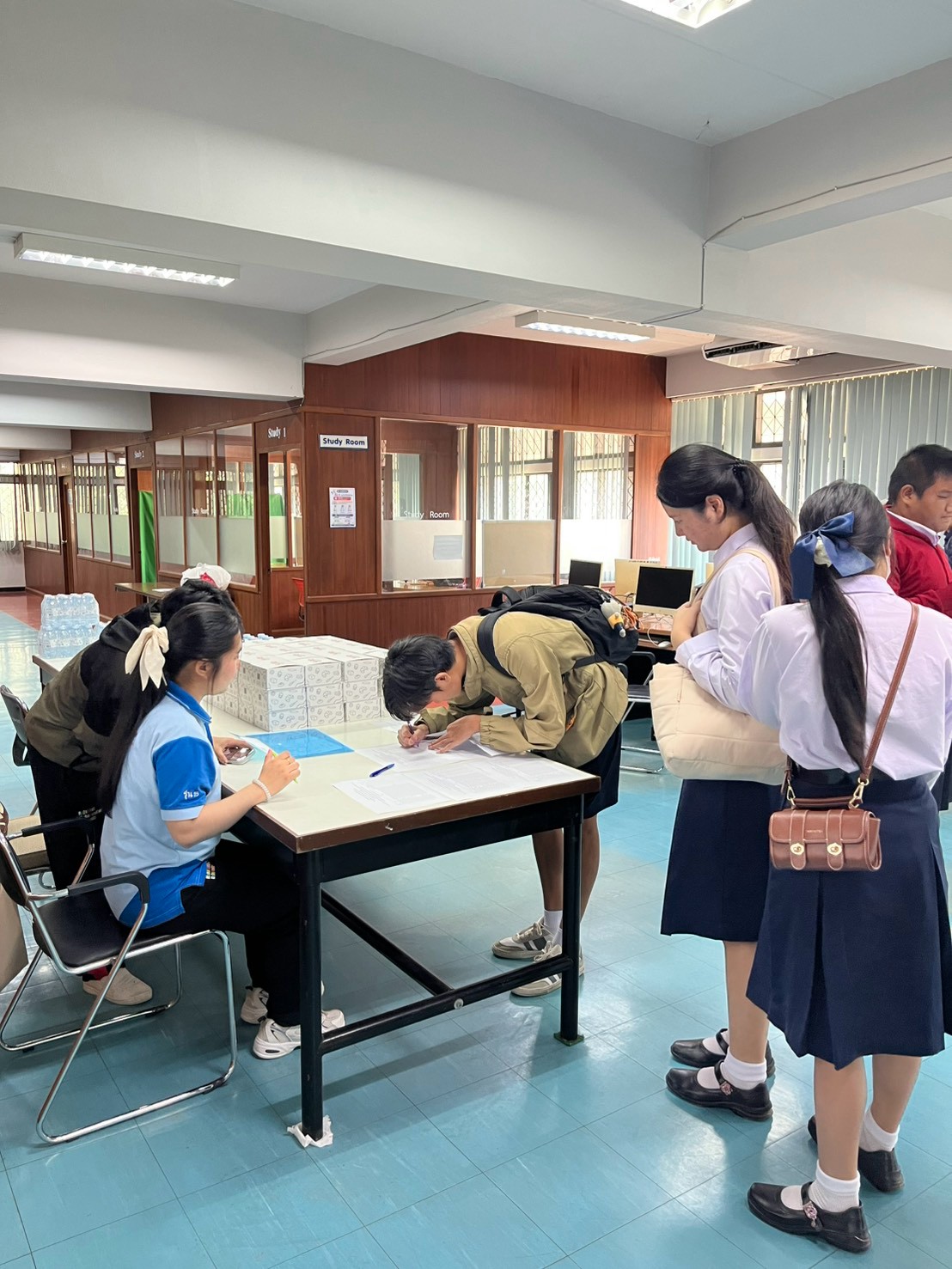
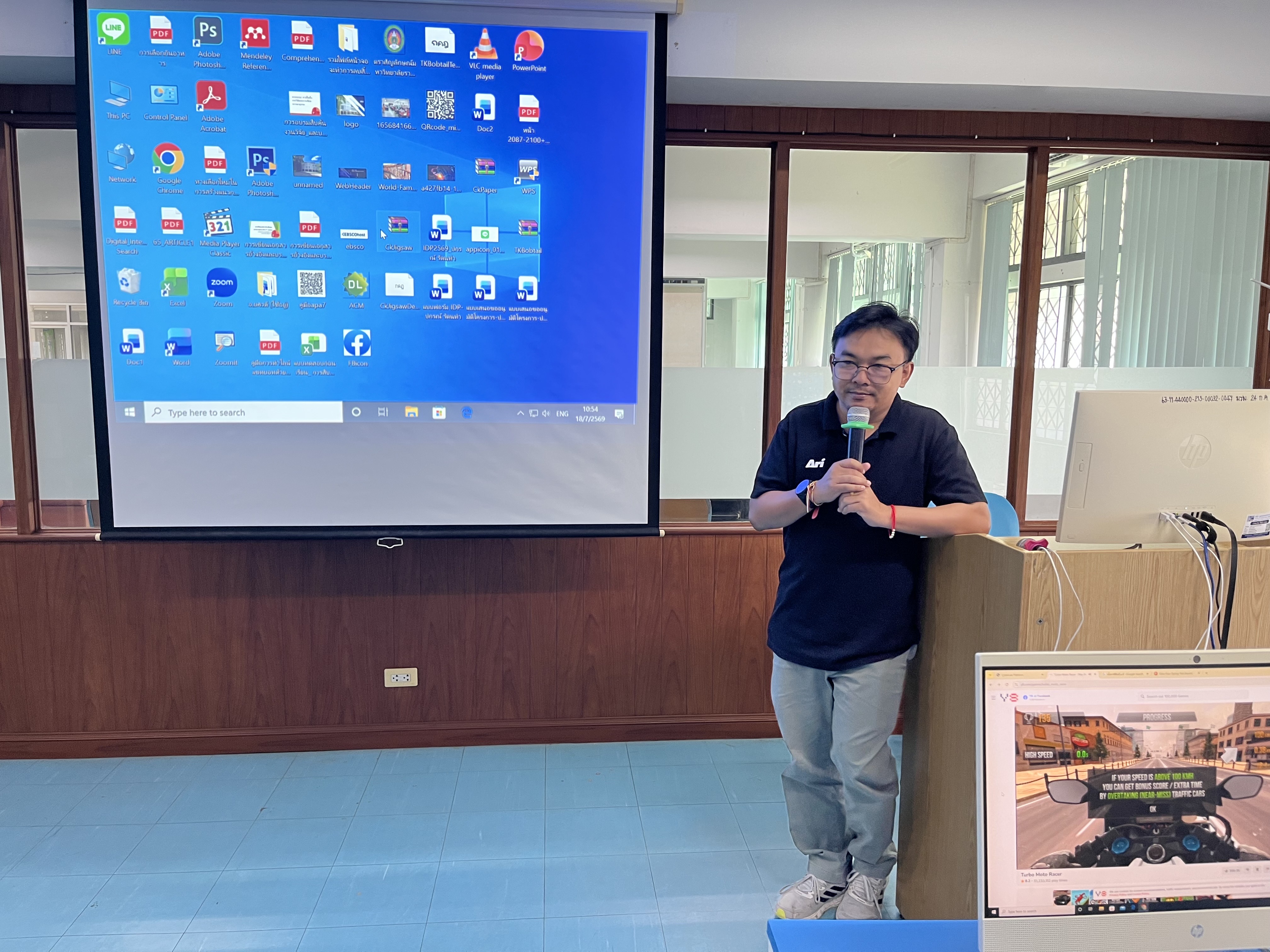
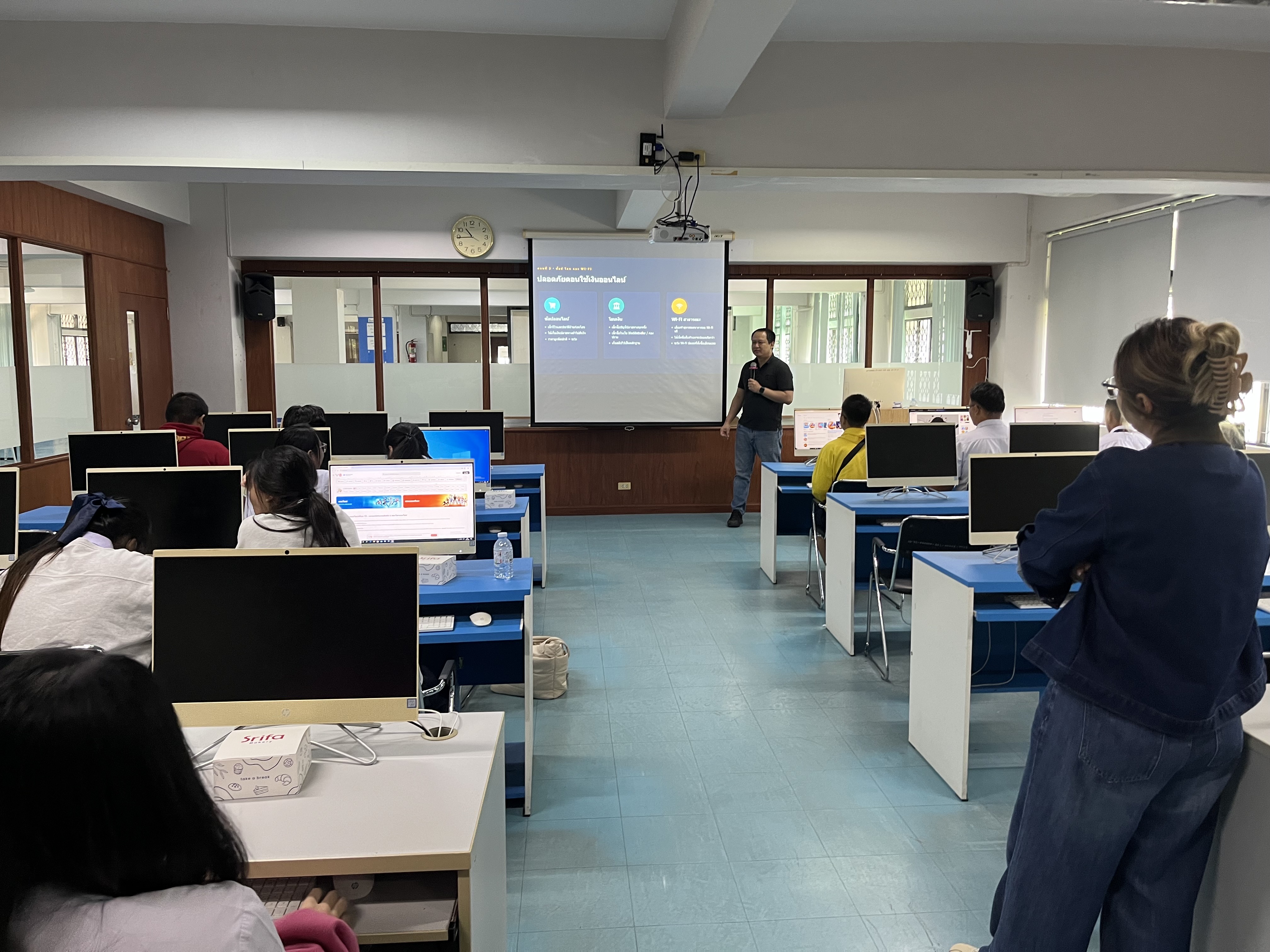
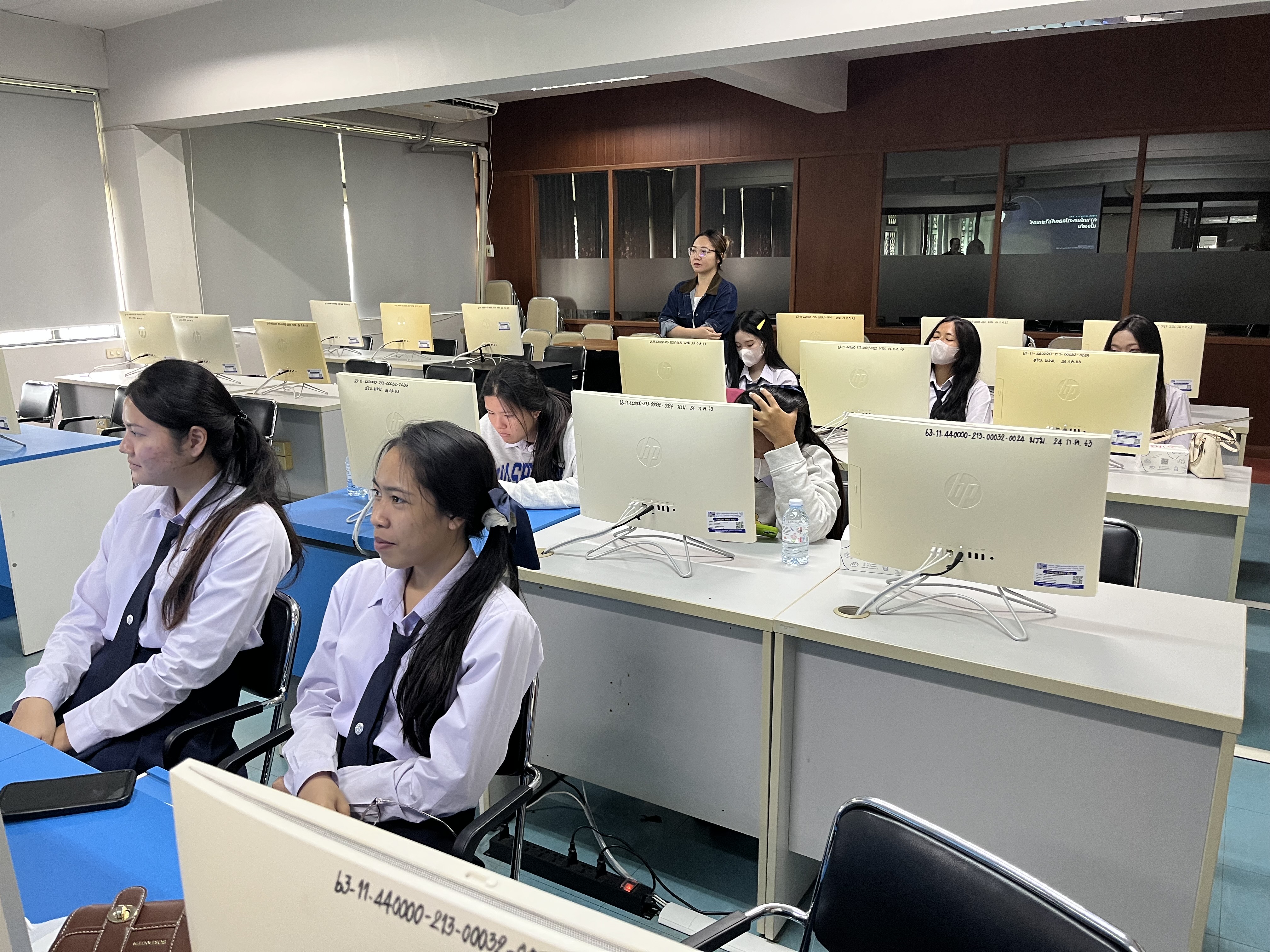
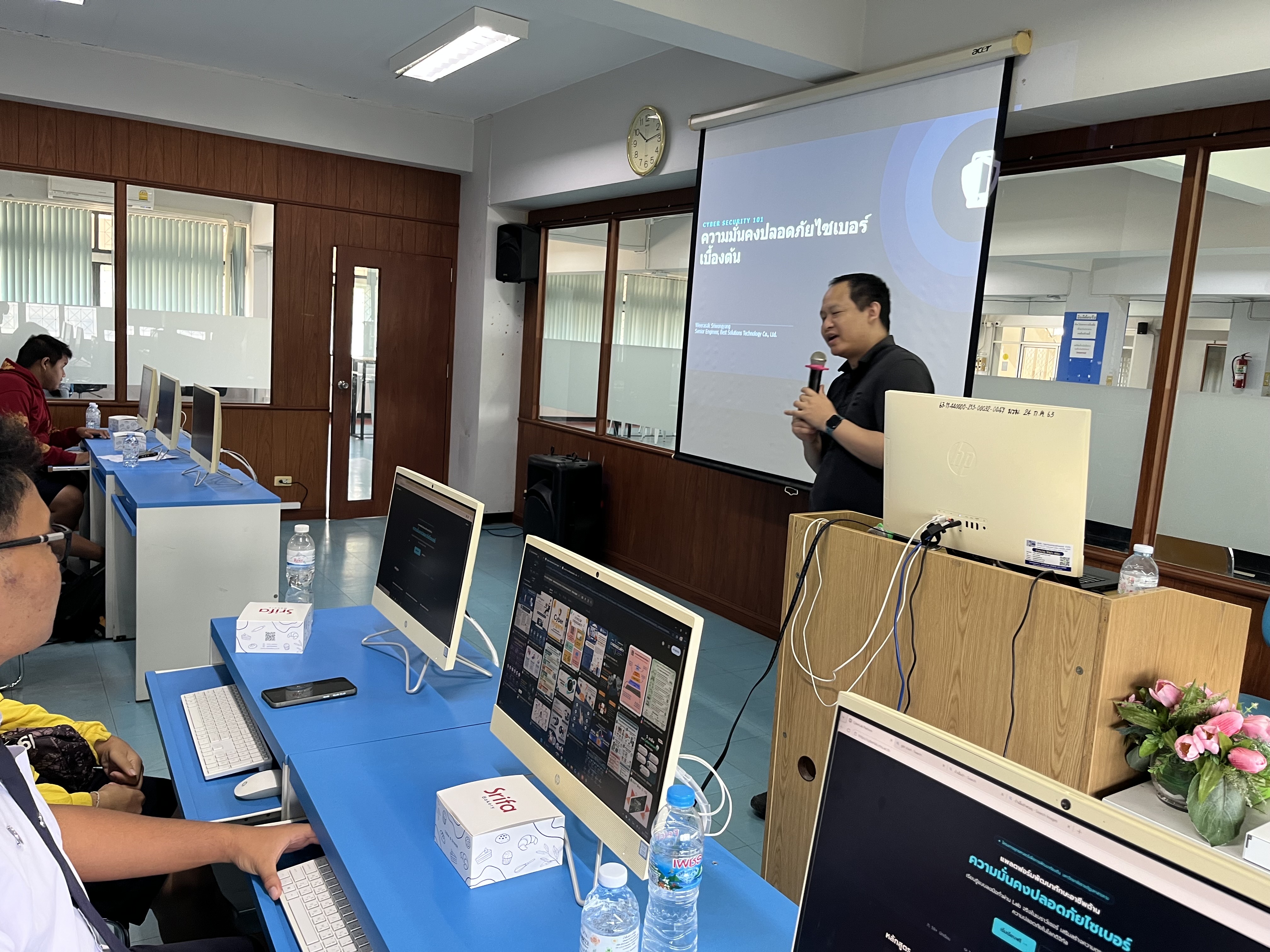
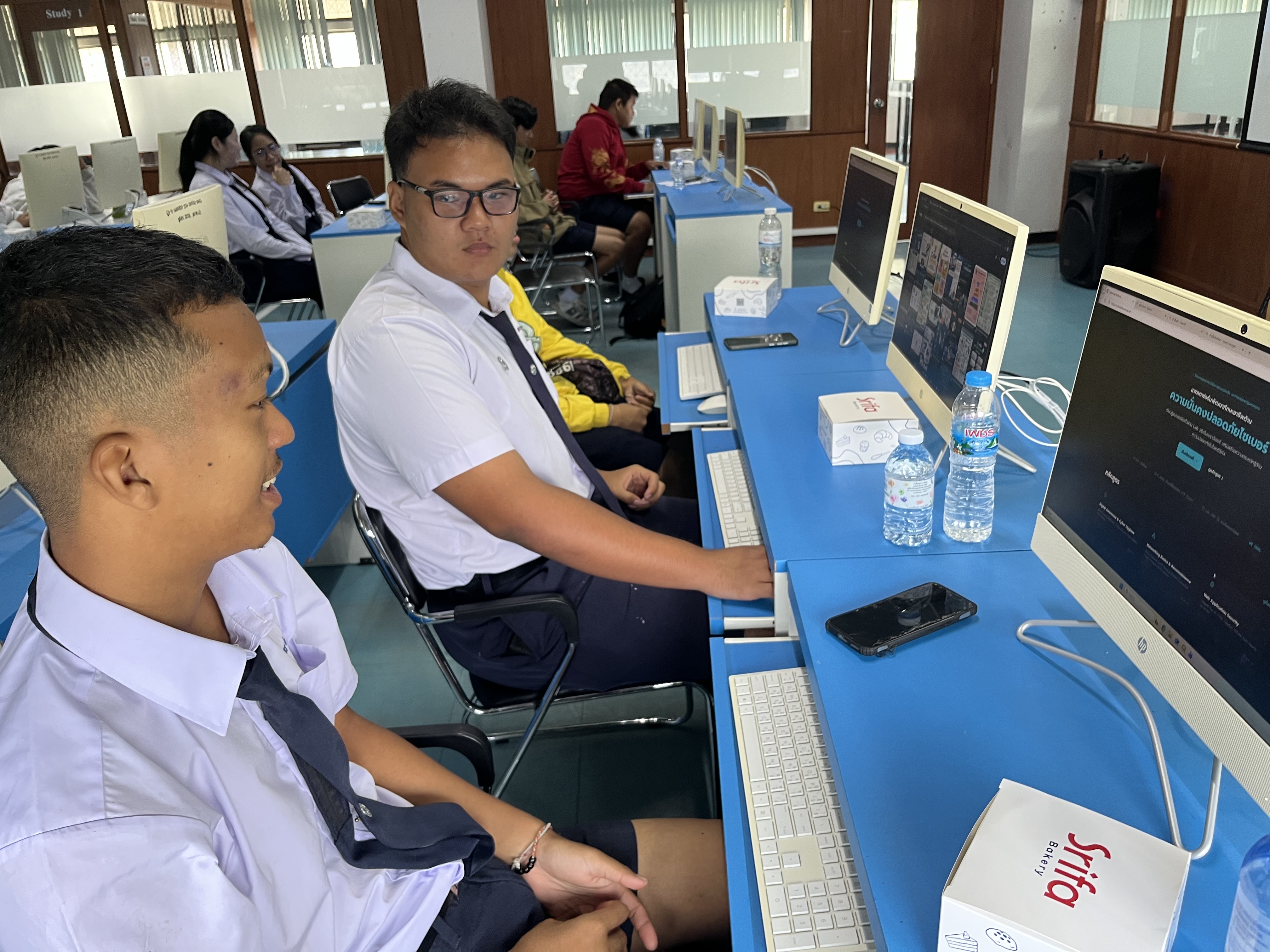
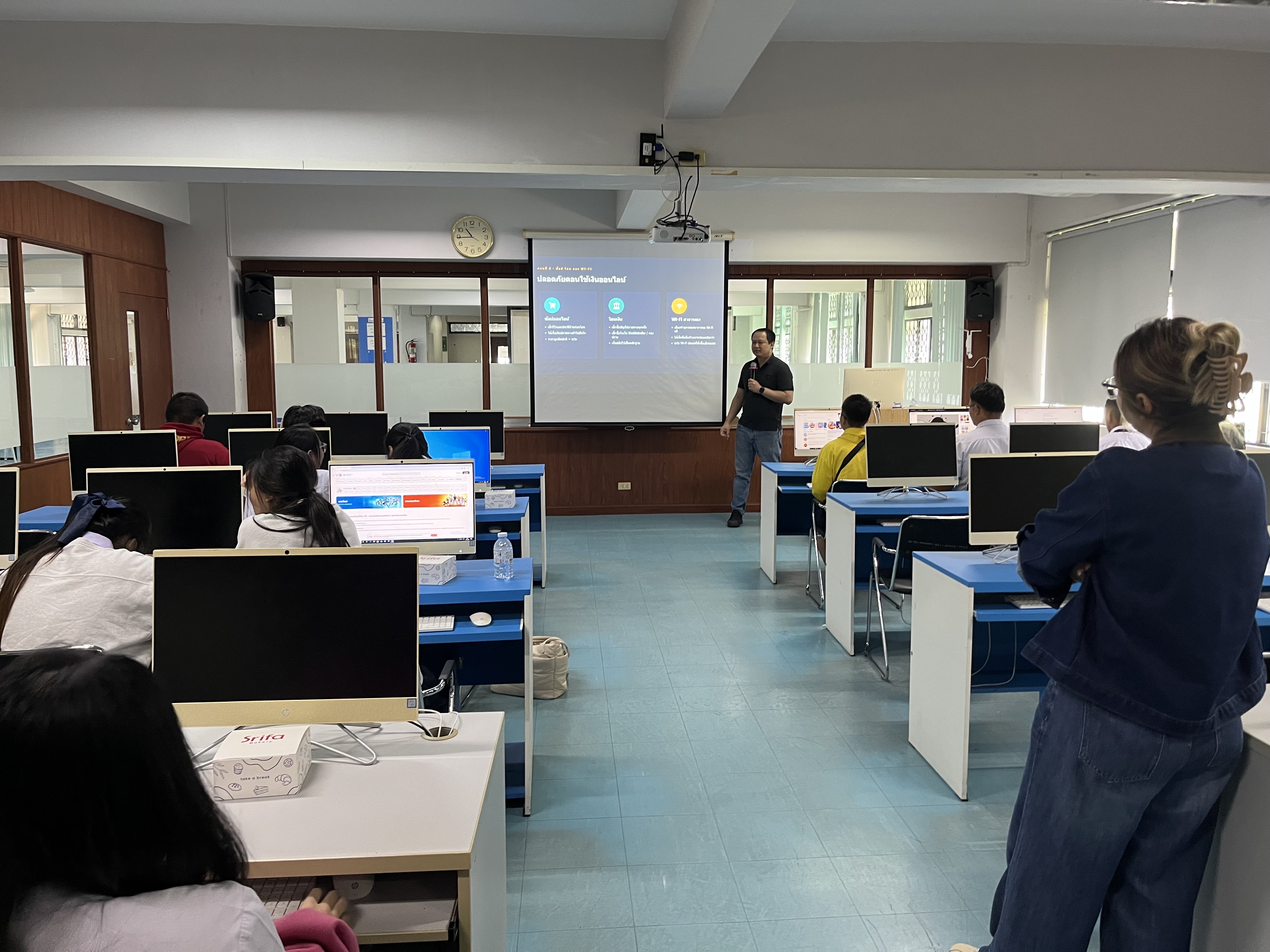
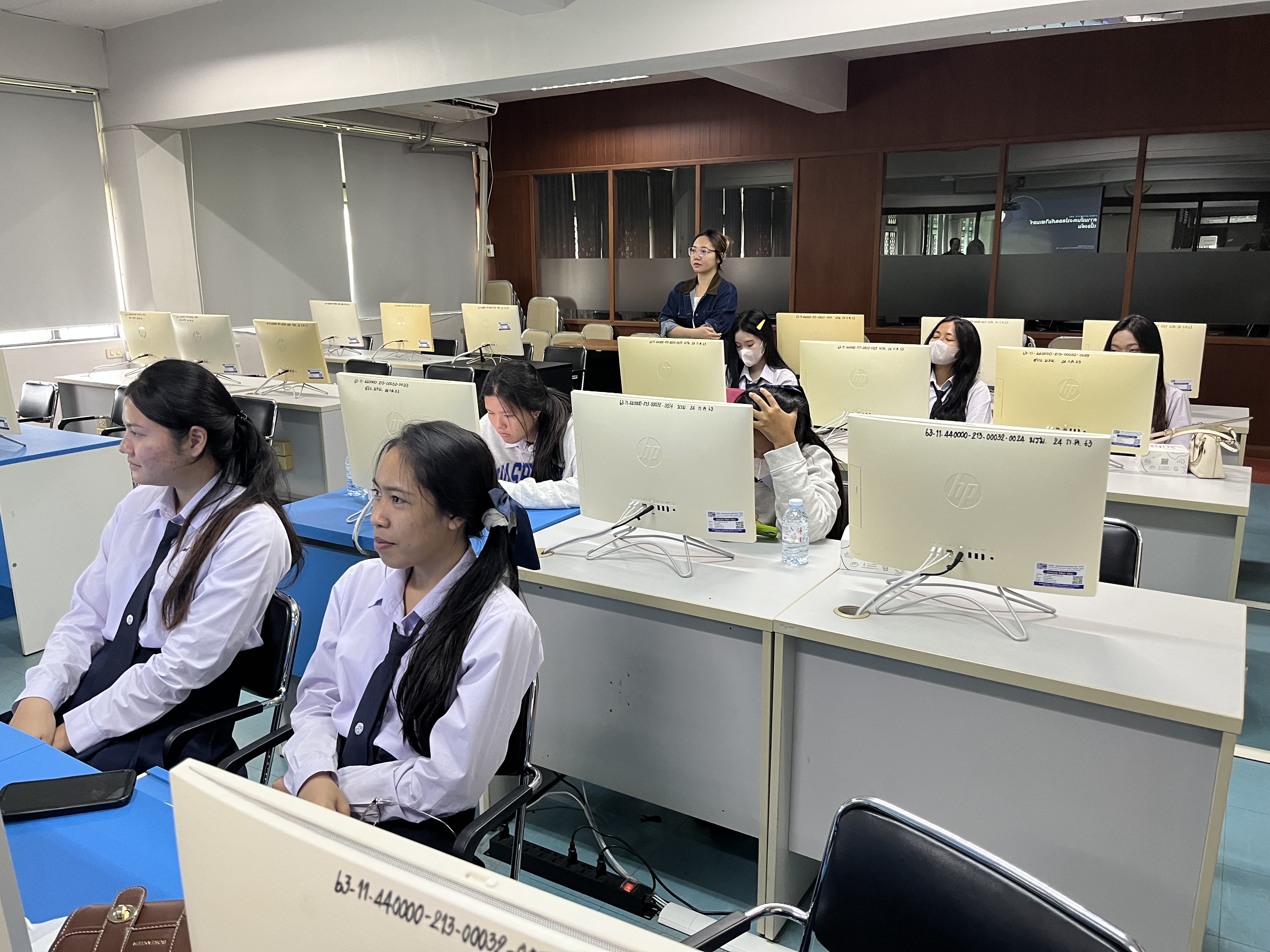
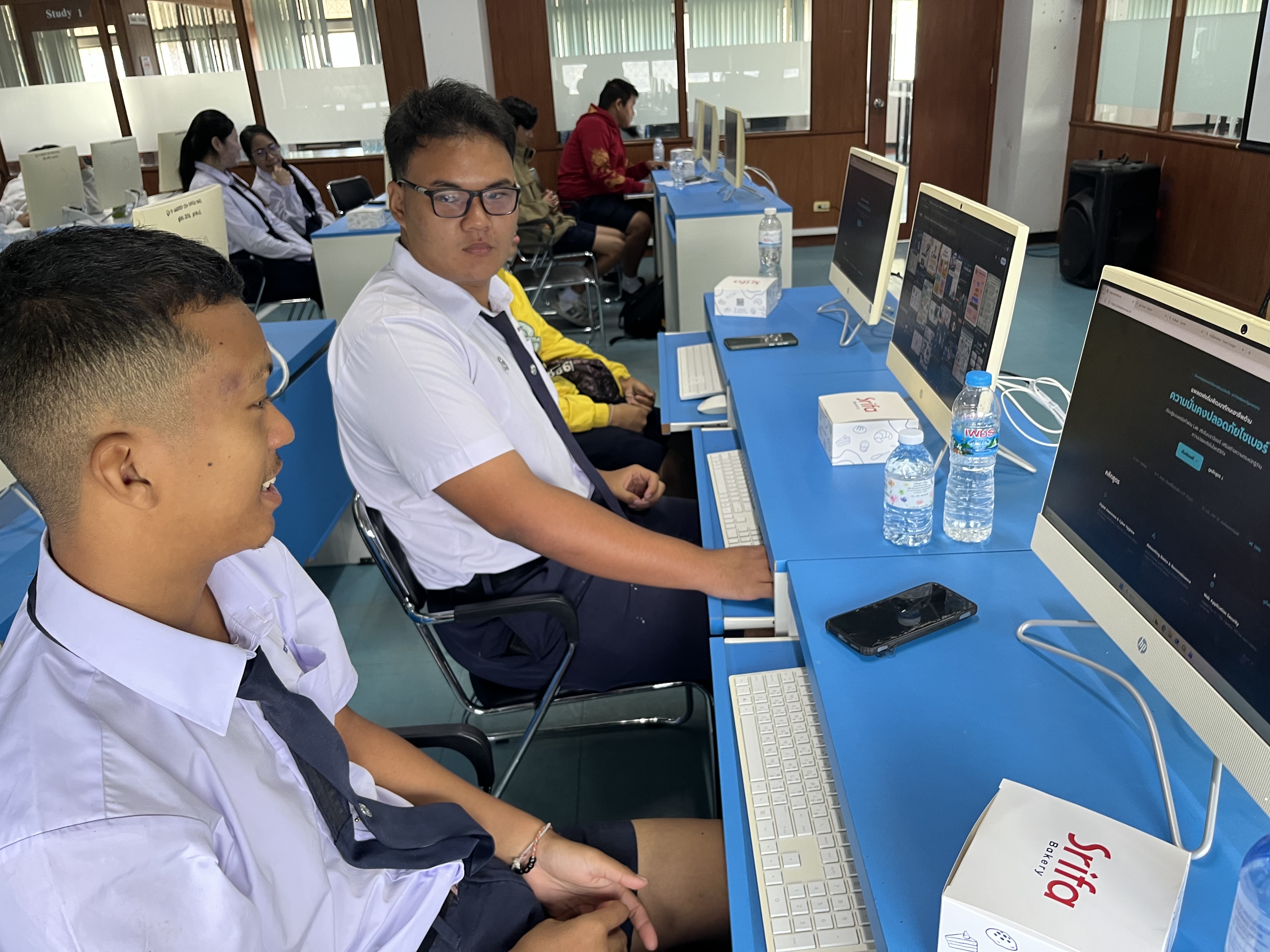
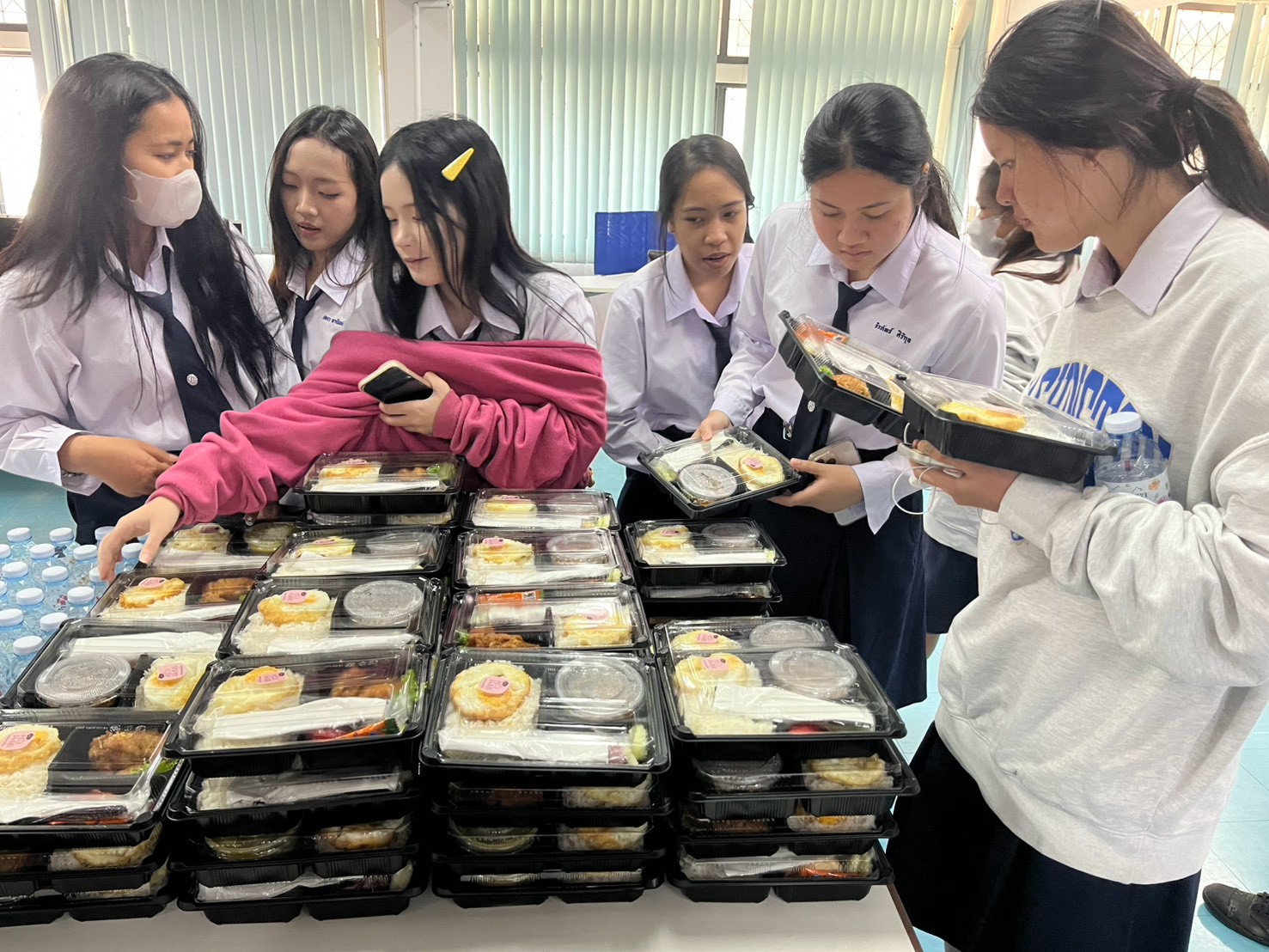
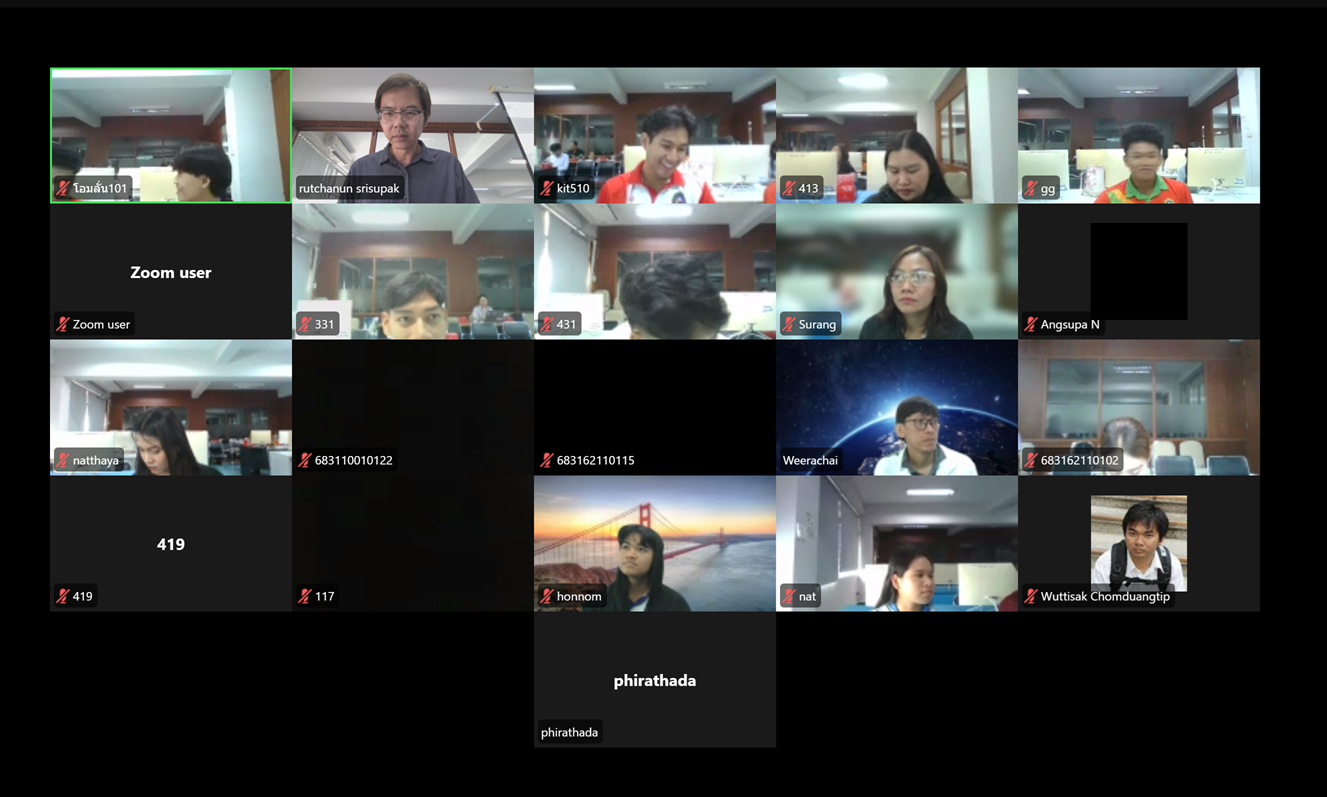
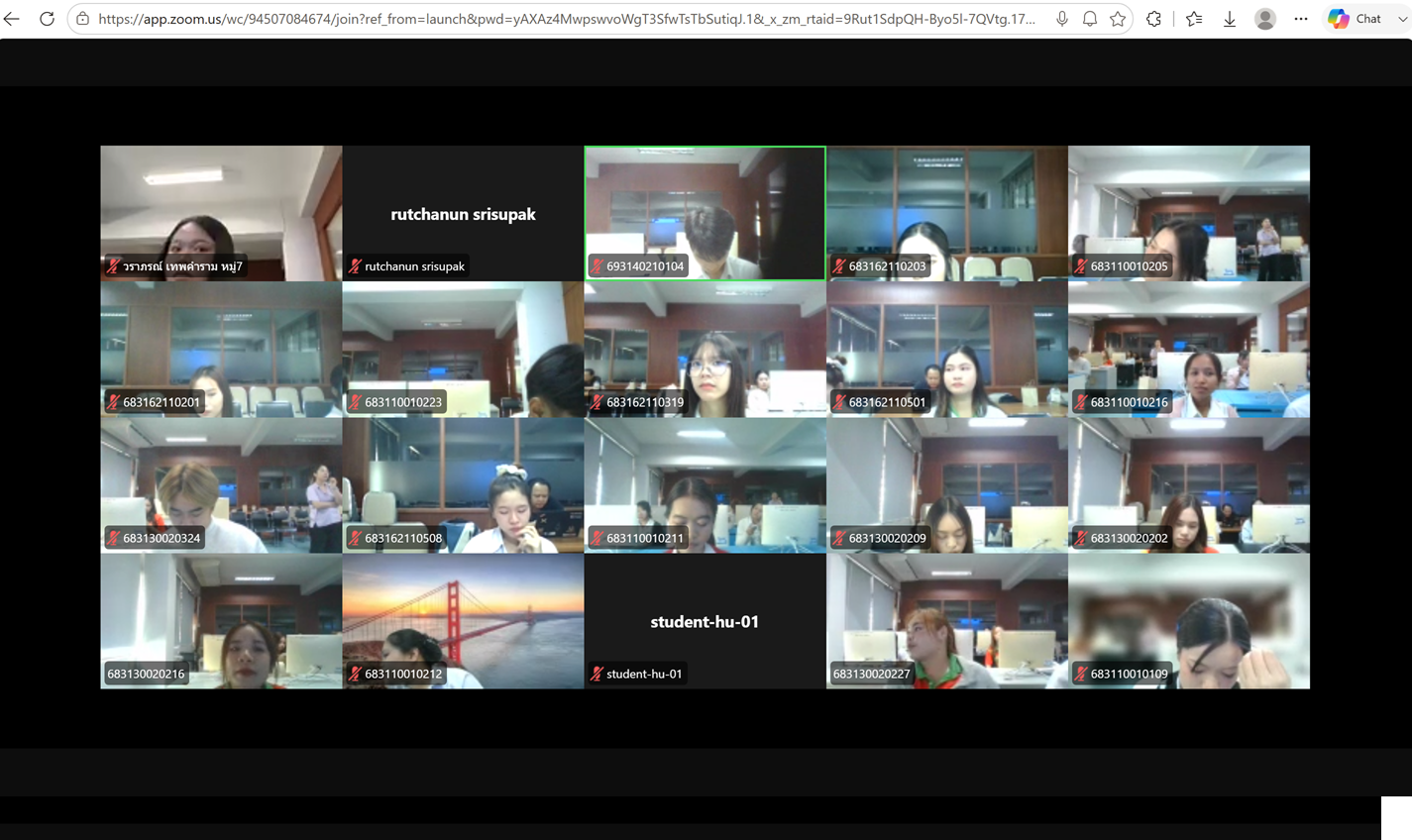
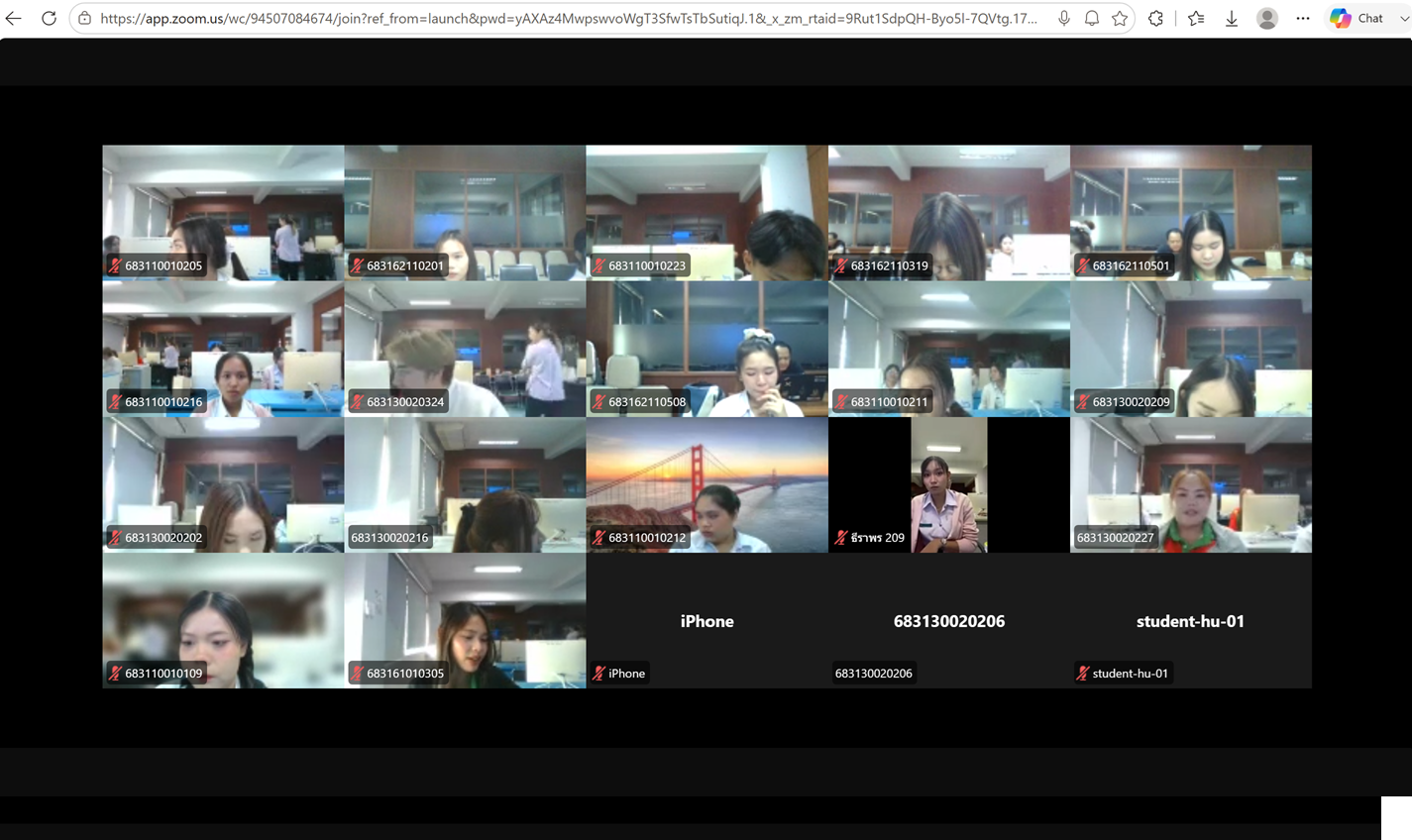
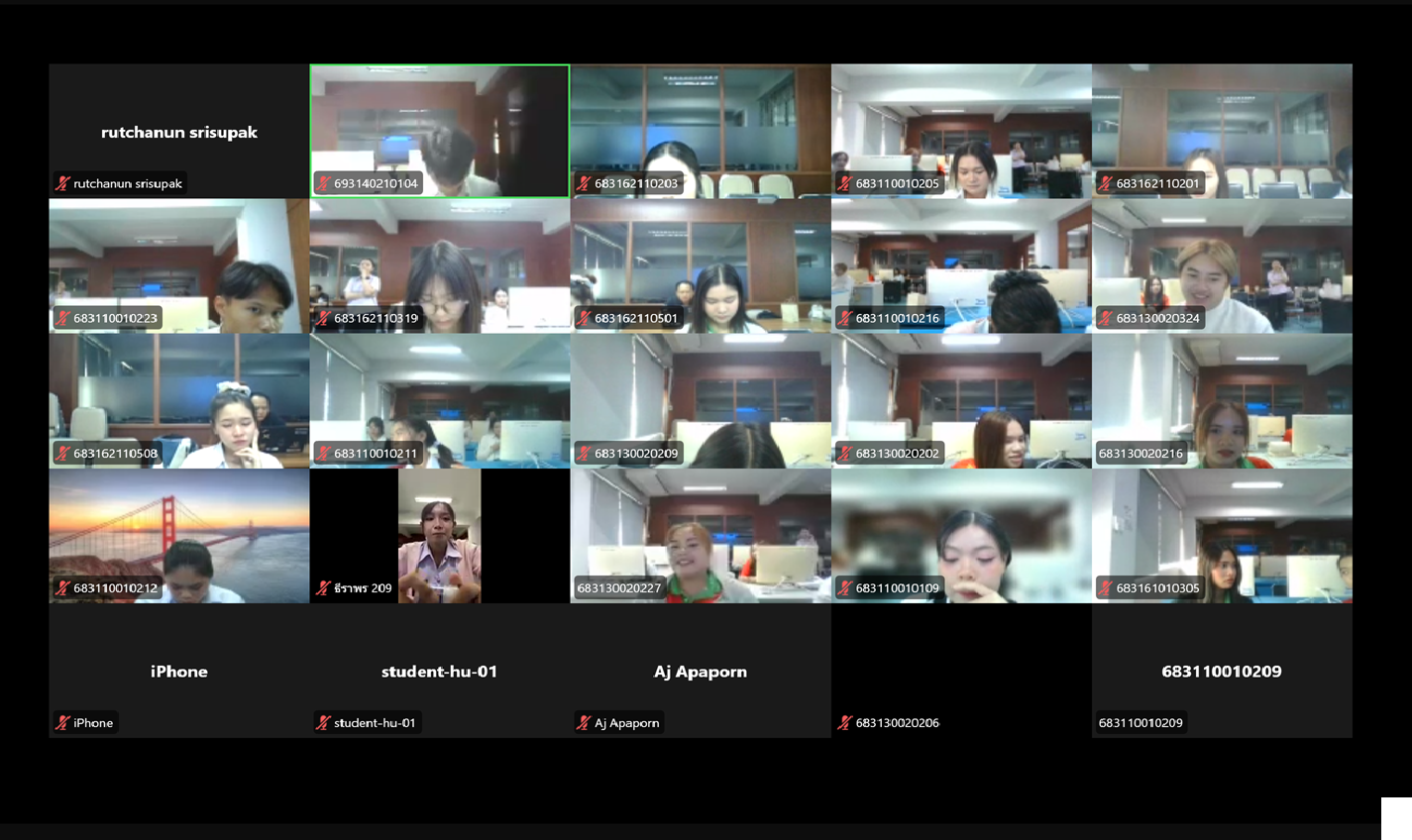
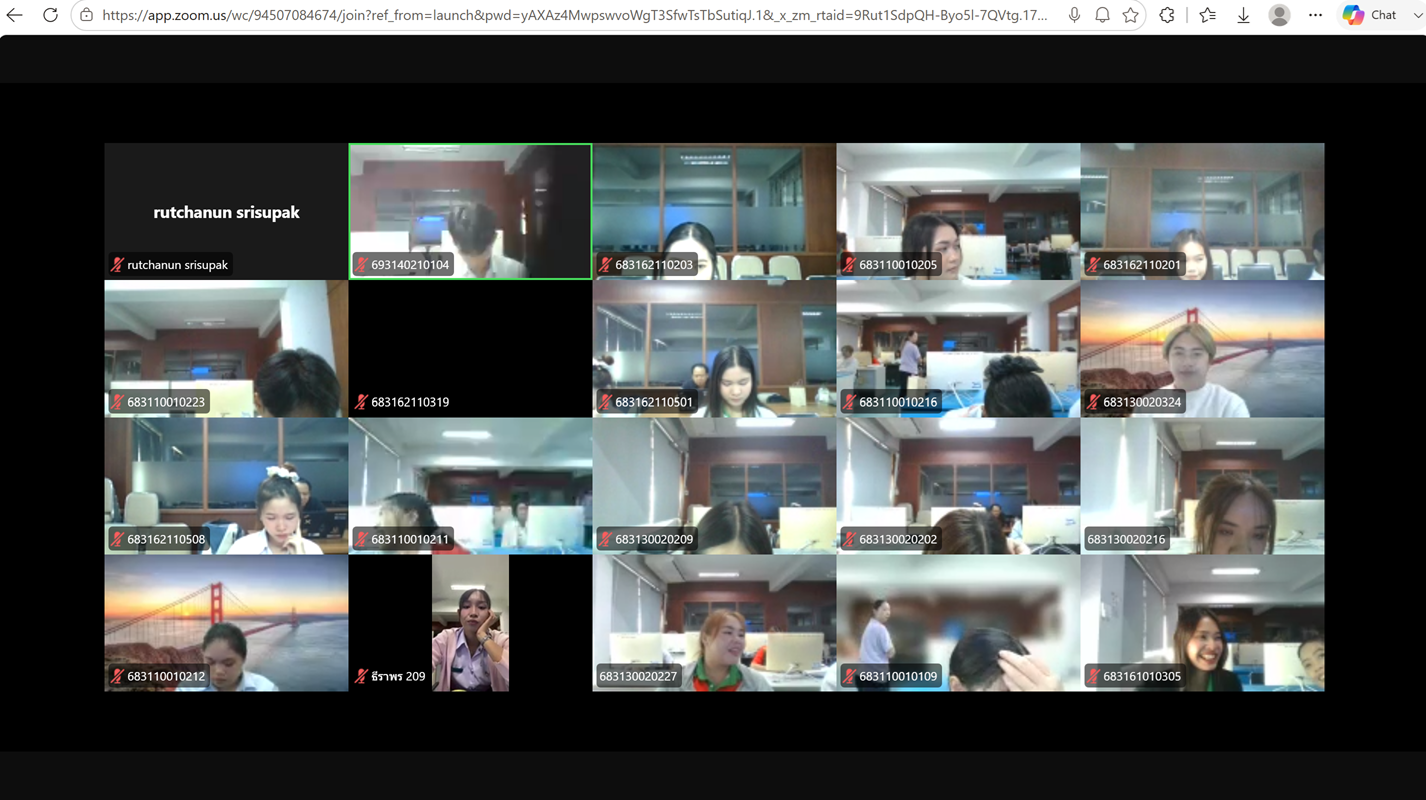
14 university staff/personnel and 135 students participated in Activity 1 (Hands-on Training Workshop) and Activity 2 (Online CTF Competition for Core Leader Incubation).
5 core student leaders, having successfully completed the incubation process, conducted on-site fieldwork to transfer their knowledge in Activity 3 (Fulfilling KPI P4-A02: Students applying acquired knowledge in field operations).
Internal Instructor: Mr. Wuttisak Chomduangthip (Instructed across all 4 activities).
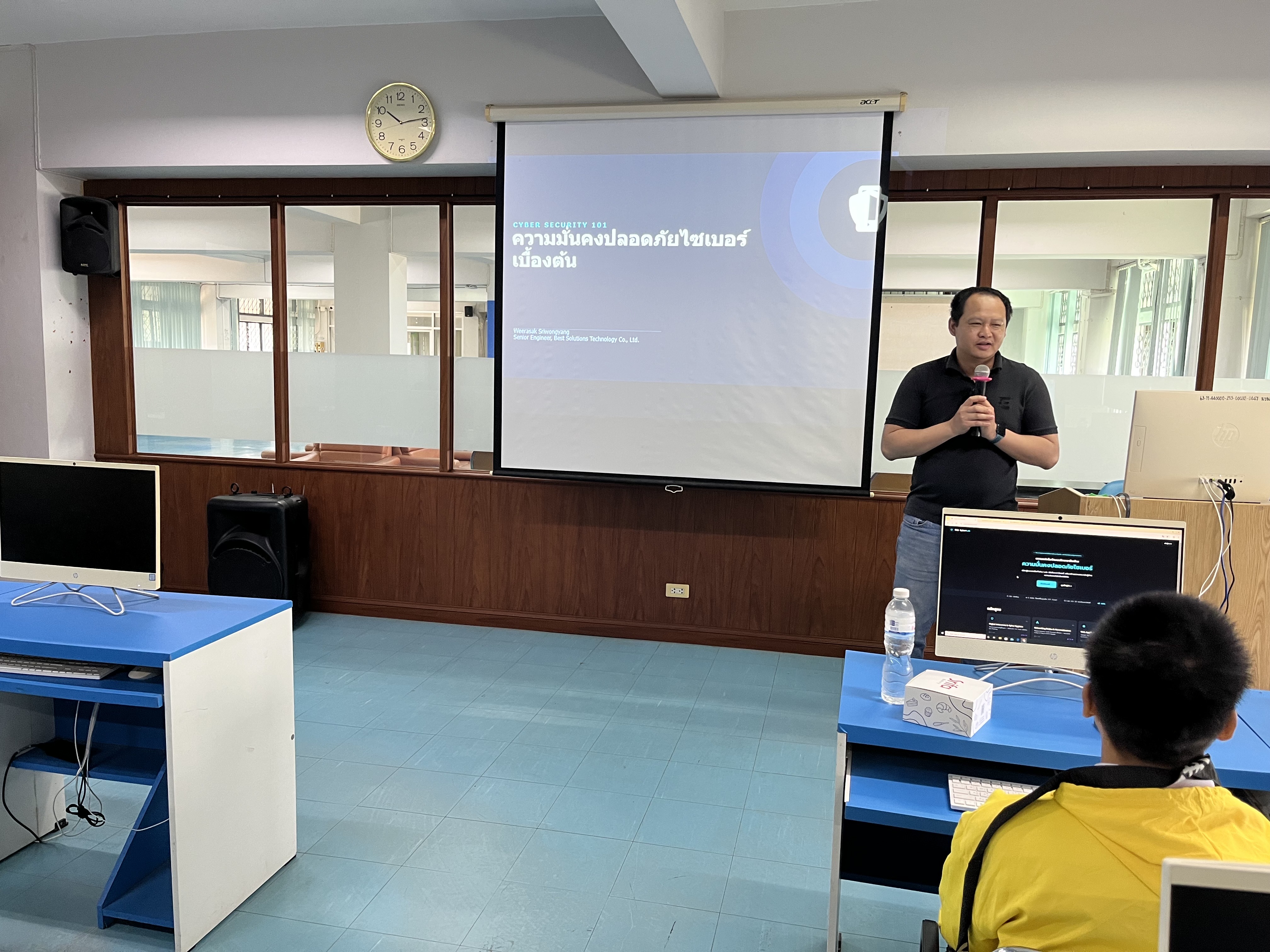
External Guest Instructor: Mr. Weerasak Sriwongyang, Senior Engineer at Best Solution Technology Co., Ltd. (Instructed in Activities 1 and 3).
Academic Integration: The project was integrated with the curriculum and instruction of Course ID: 826624001.
- บุคลากร 14 คน และนักศึกษา 135 คน เข้าร่วมกิจกรรมที่ 1 (อบรมเชิงปฏิบัติการ) และกิจกรรมที่ 2 (แข่งขัน CTF บ่มเพาะแกนนำ ออนไลน์)
- นักศึกษาแกนนำ 5 คน ที่ผ่านการบ่มเพาะ ได้ลงพื้นที่จริงเพื่อถ่ายทอดความรู้ต่อในกิจกรรมที่ 3 (ตอบตัวชี้วัด P4-A02 นักศึกษาที่นำองค์ความรู้ไปใช้ในการลงพื้นที่)
- วิทยากรภายใน: นายวุฒิศักดิ์ ชมดวงทิพย์ (สอนครบทั้ง 4 กิจกรรม)
- วิทยากรภายนอก: นายวีระศักดิ์ ศรีวงยาง, Senior Engineer บริษัท เบส โซลูชั่น เทคโนโลยี จำกัด (สอนกิจกรรมที่ 1, 3)
- บูรณาการกับการเรียนการสอนในรายวิชา 826624001
Project Continuity ความต่อเนื่องของโครงการ
The CyberLab platform (cyberlab.rmu.ac.th) remains fully operational post-project. By integrating it into the curriculum of Course ID: 826624001, the platform ensures sustained utilization every semester without requiring additional funding. Furthermore, established collaborative networks with the private sector and partner schools are primed for further expansion. The incubated core student leaders are also well-equipped to serve as mentors, transferring their knowledge to subsequent cohorts.
Looking ahead, the plan for the upcoming fiscal year includes developing advanced skill modules, bridging the gap to real-world internship and employment opportunities, and scaling the initiative to other secondary schools within the province.
แพลตฟอร์ม CyberLab (cyberlab.rmu.ac.th) ยังใช้งานได้ต่อเนื่องหลังจบโครงการ โดยบูรณาการเข้ากับการเรียนการสอนในรายวิชา 826624001 ทำให้มีการใช้งานทุกภาคการศึกษาโดยไม่ต้องพึ่งงบประมาณเพิ่ม พร้อมทั้งมีเครือข่ายความร่วมมือกับภาคเอกชนและโรงเรียนที่พร้อมขยายผล และนักศึกษาแกนนำที่ผ่านการบ่มเพาะสามารถเป็นพี่เลี้ยงถ่ายทอดความรู้ในรุ่นต่อไปได้ ทั้งนี้ มีแผนปีงบประมาณถัดไปเพื่อเพิ่มเนื้อหาทักษะขั้นสูง เชื่อมโยงสู่โอกาสฝึกงาน/จ้างงานจริง และขยายผลสู่โรงเรียนมัธยมศึกษาแห่งอื่นในจังหวัด
Part 3: Challenges & Suggestions ส่วนที่ 3 ปัญหาอุปสรรค/ข้อเสนอแนะ
Problems & Obstacles ปัญหา/อุปสรรค
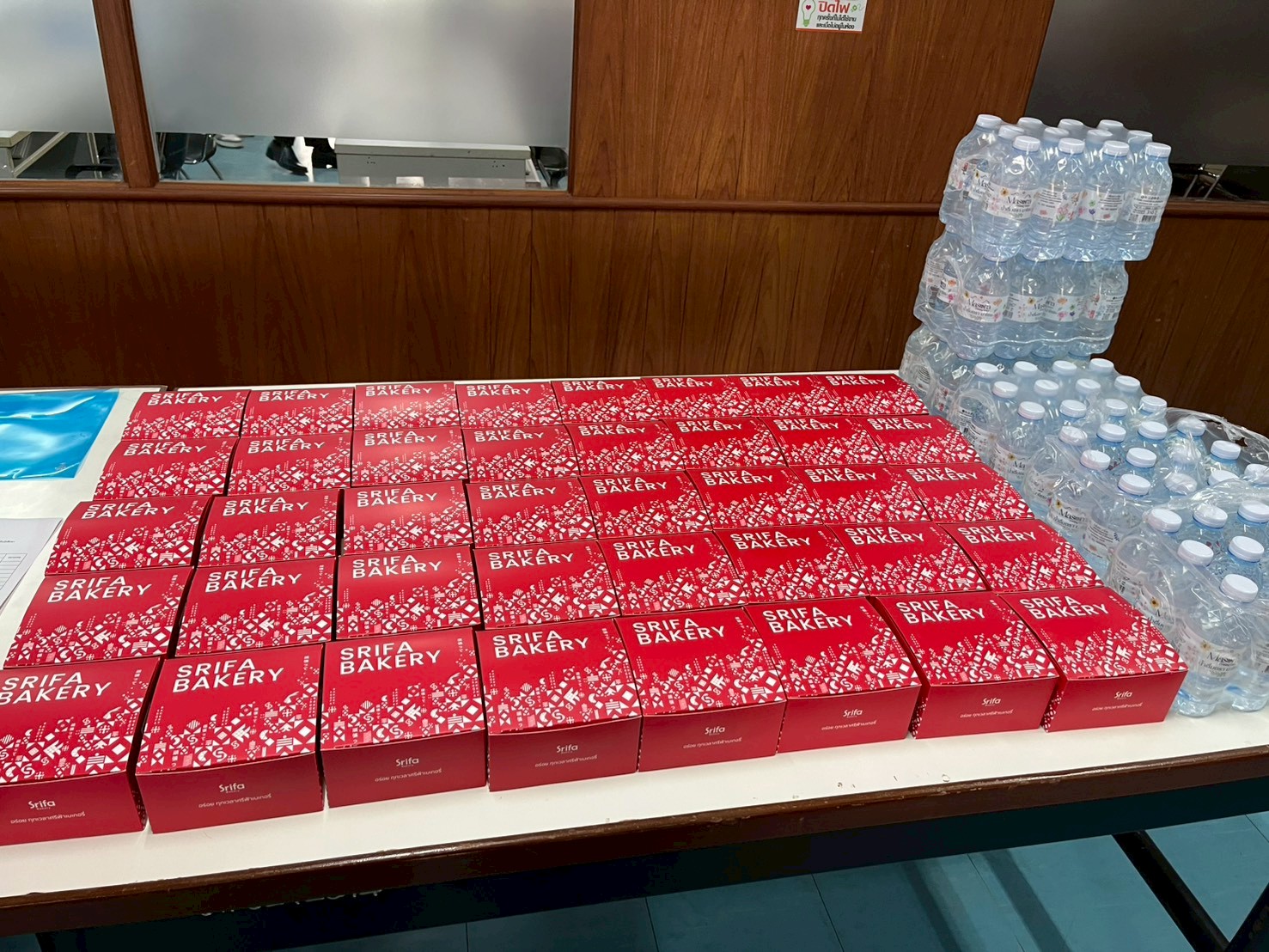
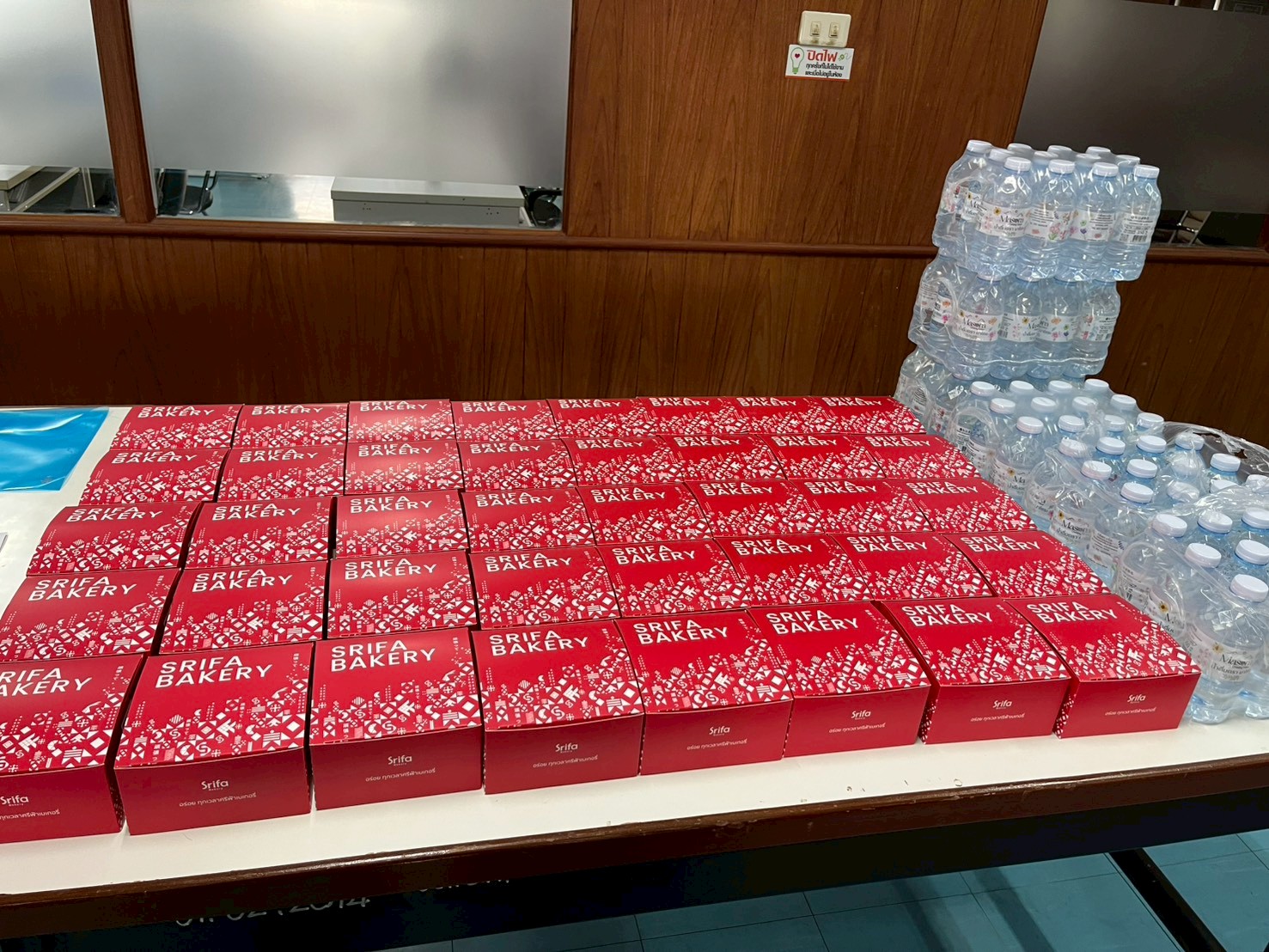
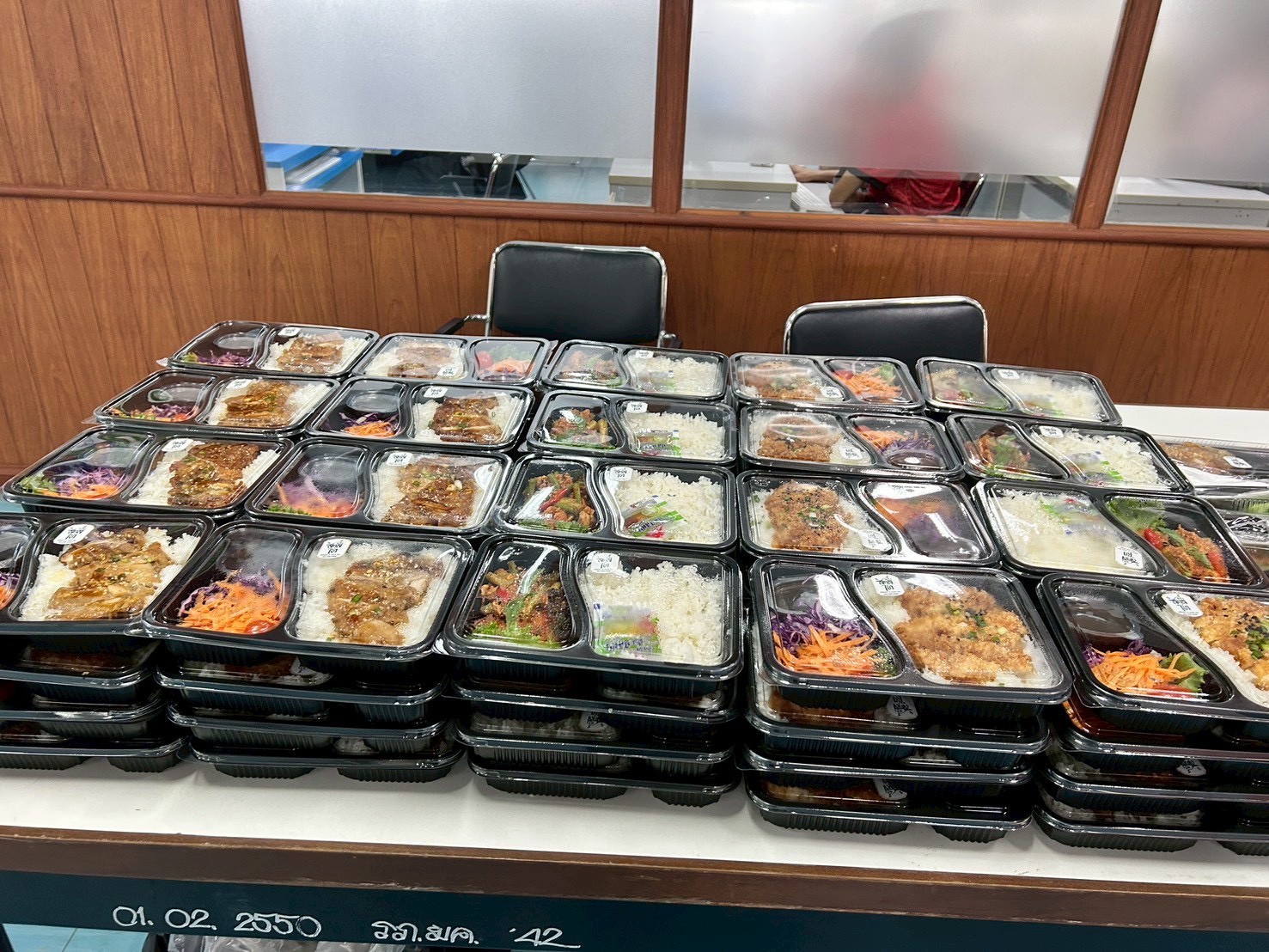
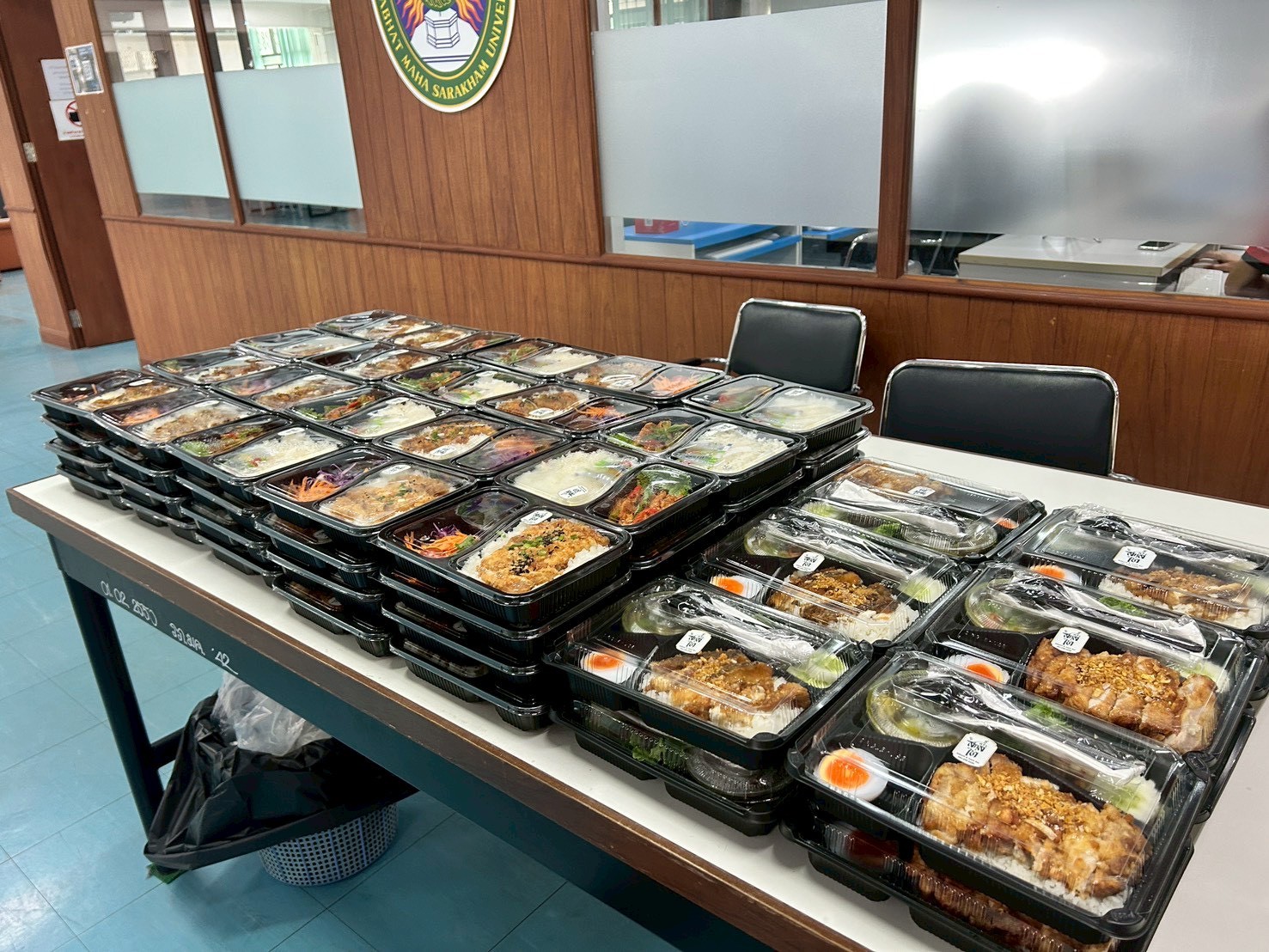
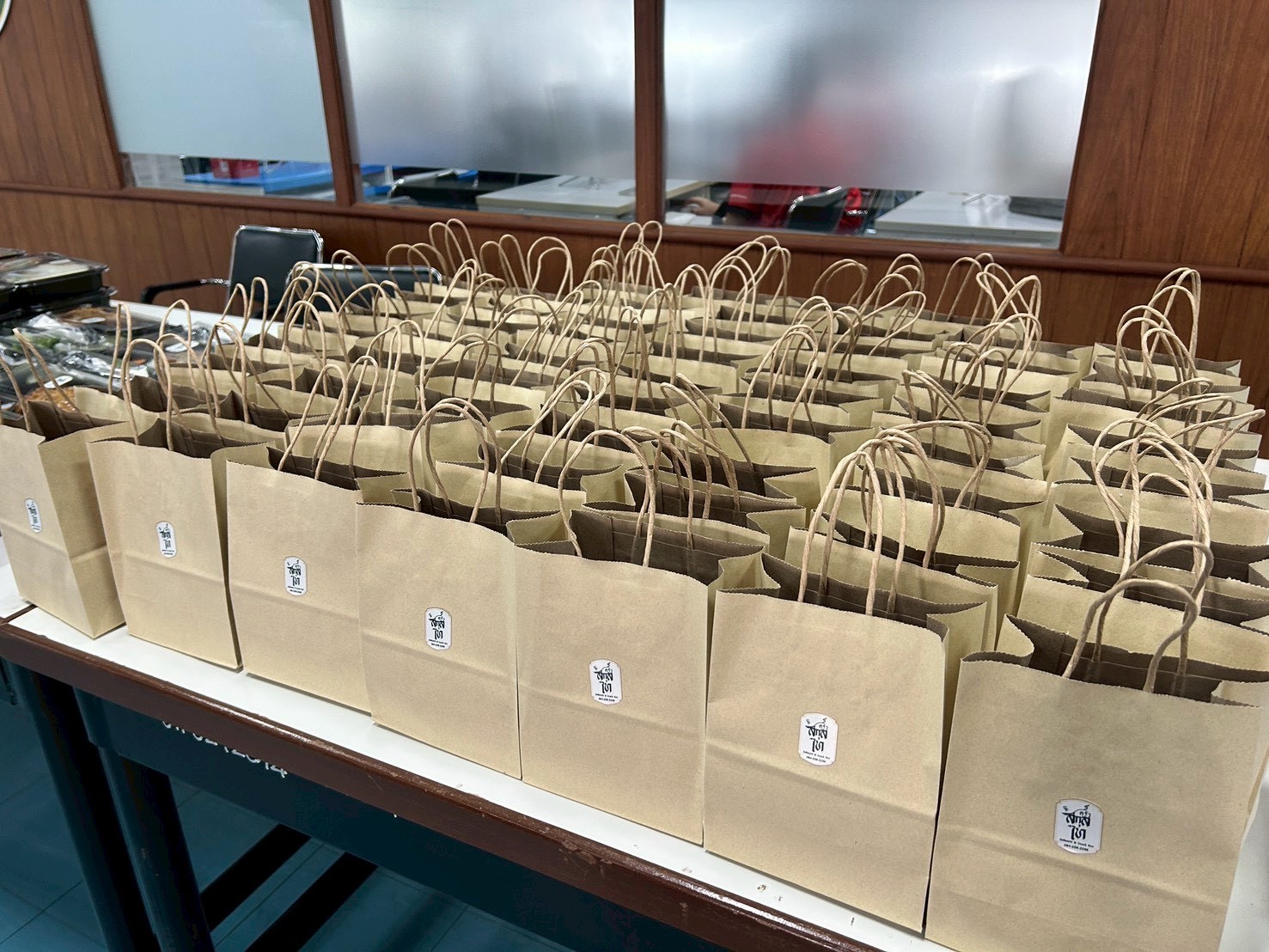
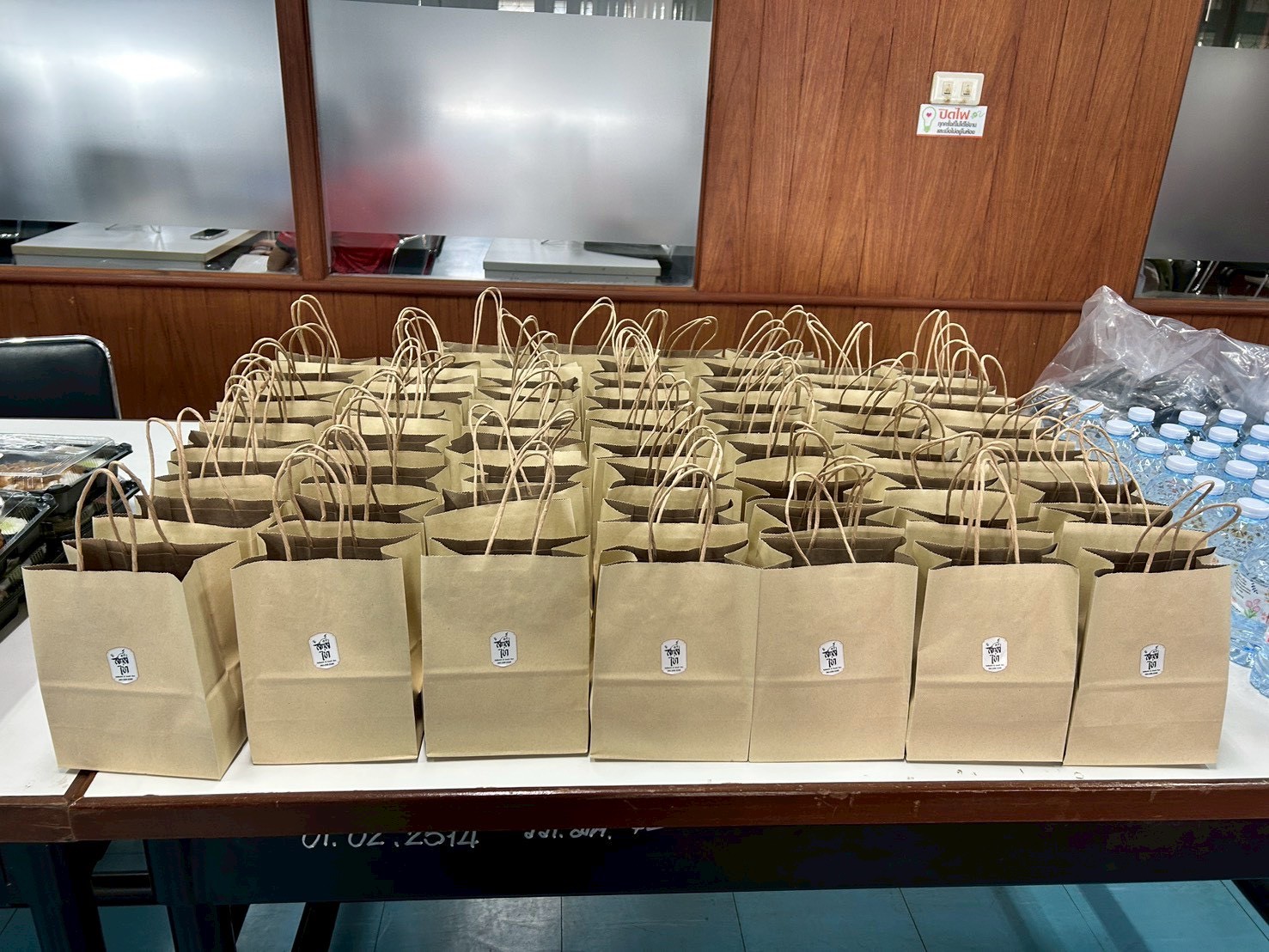
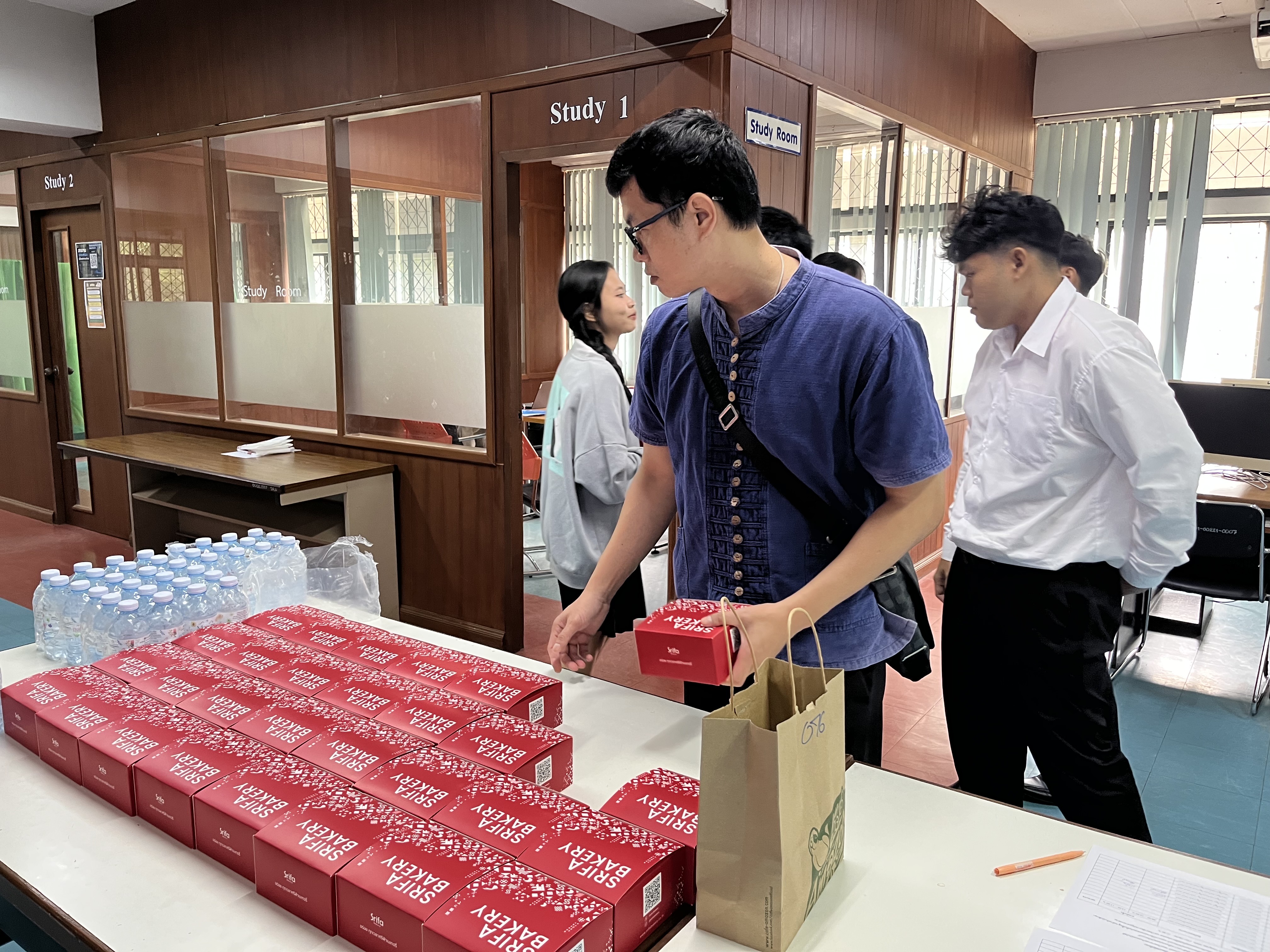
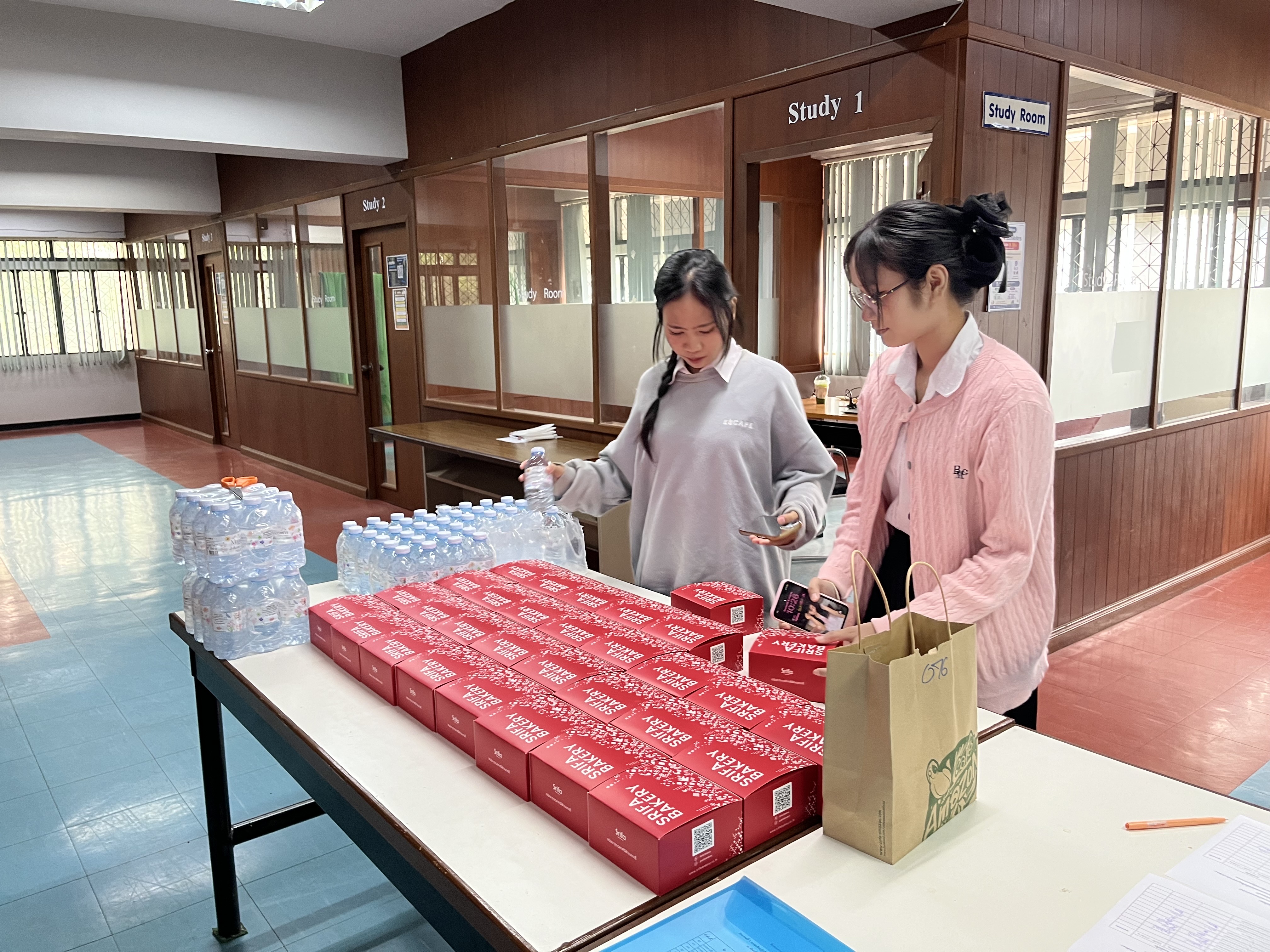
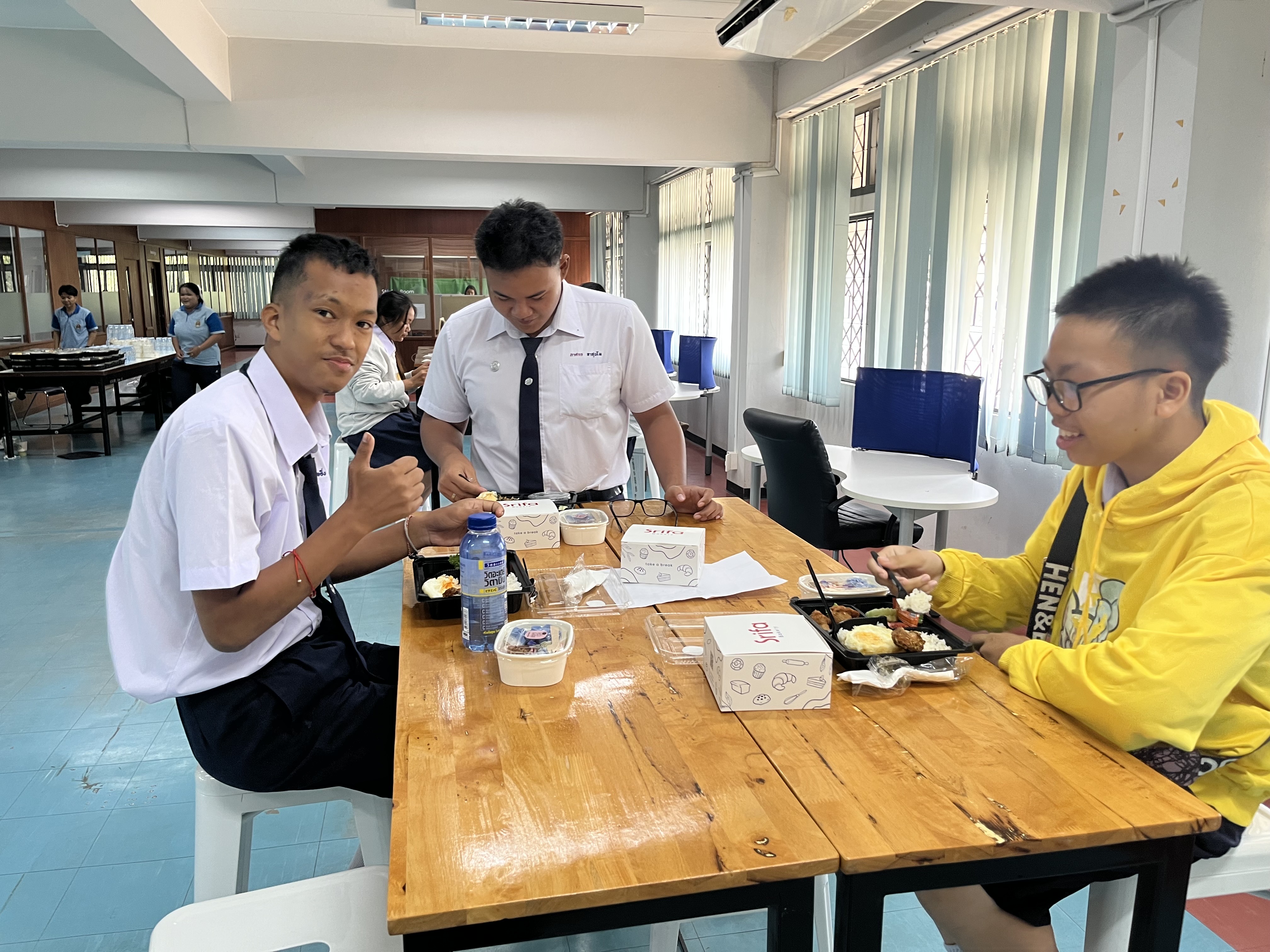
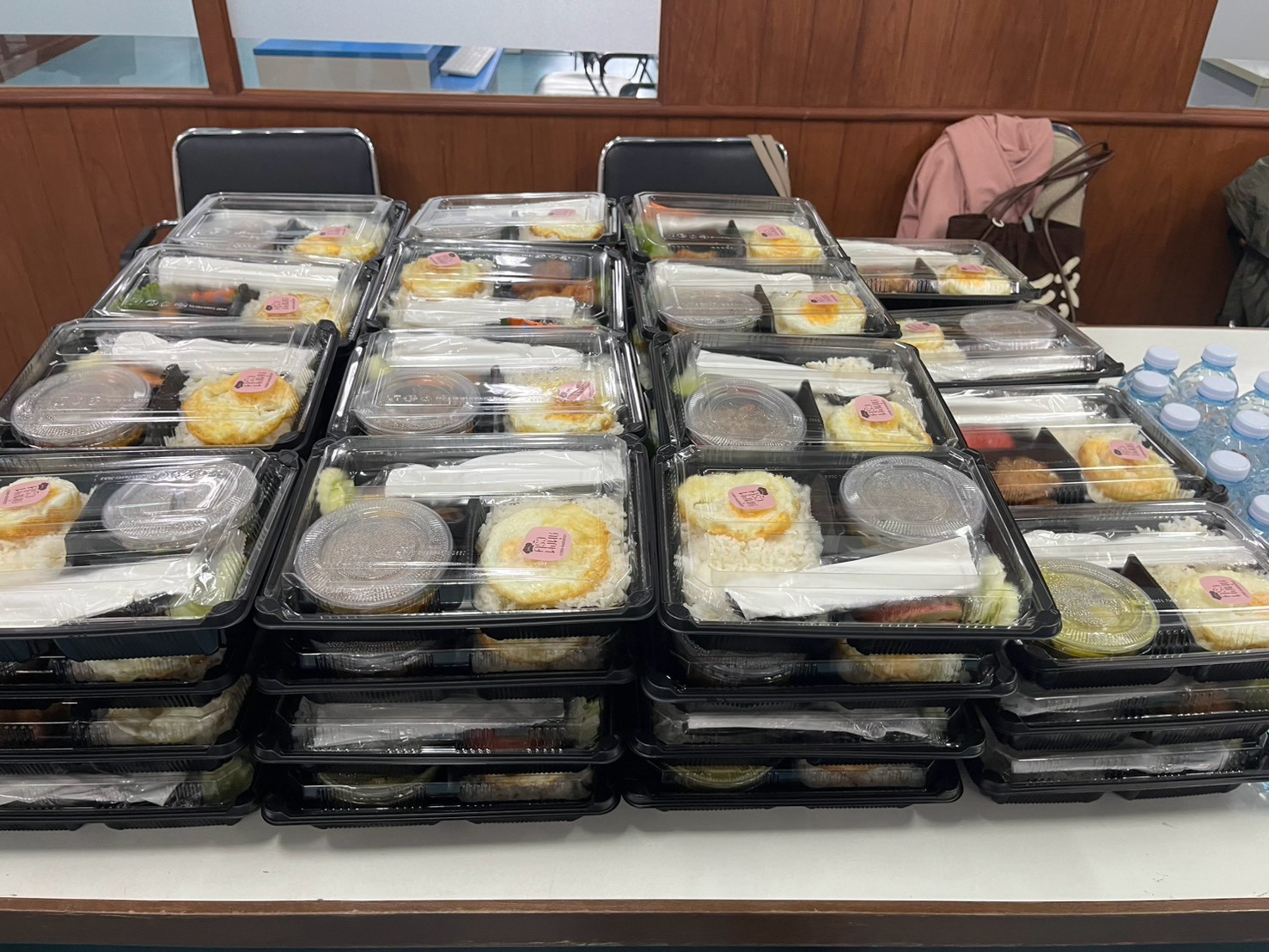
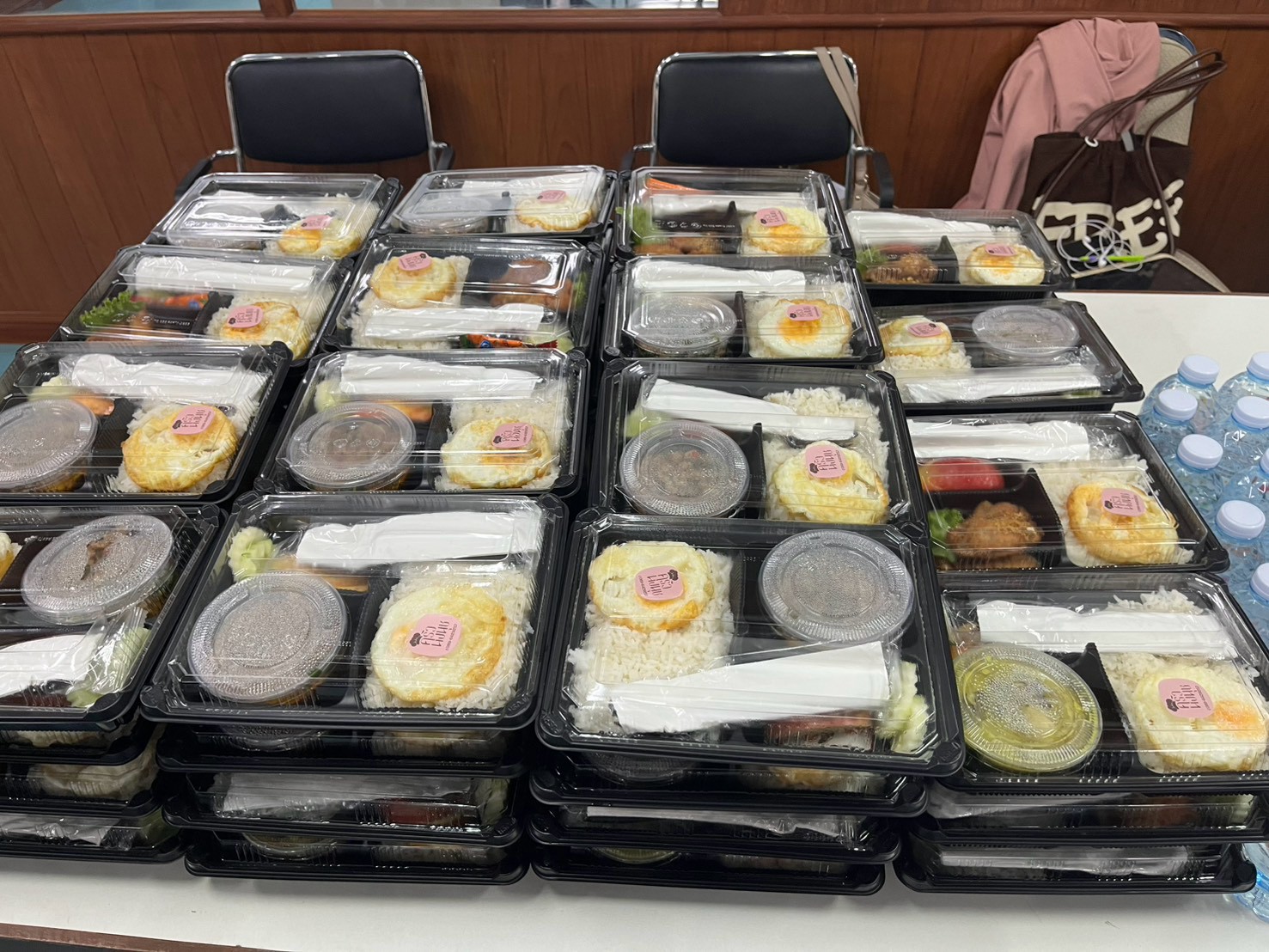
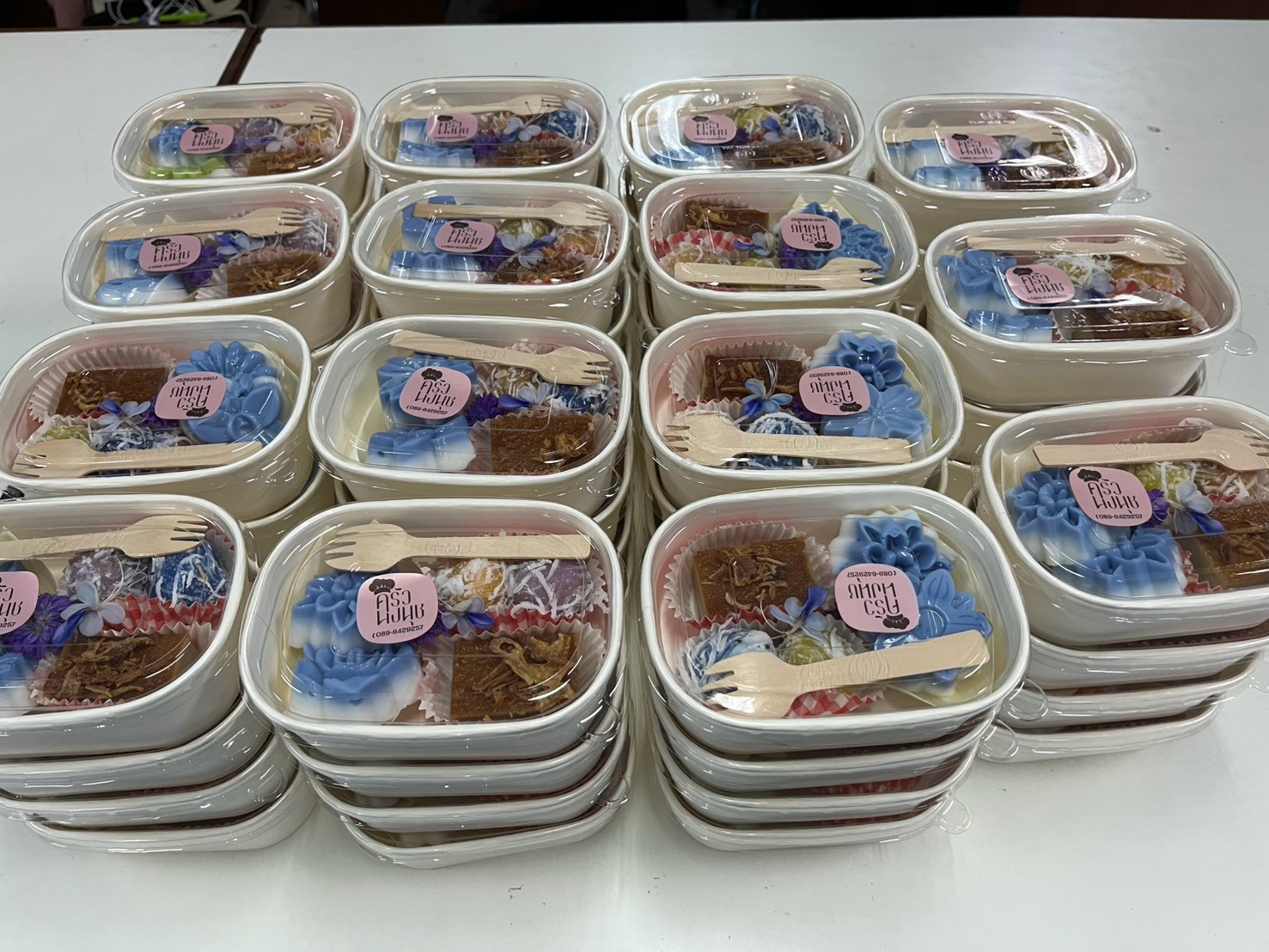
The actual number of participants in Activities 1 and 3 exceeded the initial budget allocation for food and beverage expenses:
Activity 1: Initially budgeted for 10 staff members and 120 students; however, the actual student turnout was 135.
Activity 3: Initially budgeted for 50 external participants and 5 students; however, the actual external turnout was 65.
- จำนวนผู้เข้าร่วมกิจกรรมที่ 1 และกิจกรรมที่ 3 จริงสูงกว่าที่ตั้งงบประมาณค่าอาหาร/เครื่องดื่มไว้ล่วงหน้า
กิจกรรมที่ 1: เตรียมไว้สำหรับบุคลากร 10 คน + นักศึกษา 120 คน แต่มาจริงนักศึกษา 135 คน
กิจกรรมที่ 3: เตรียมไว้สำหรับบุคคลภายนอก 50 คน + นักศึกษา 5 คน แต่มาจริงบุคคลภายนอก 65 คน
Improvement Guidelines แนวทางการปรับปรุง
Implement a pre-registration system and close registrations once the budgeted capacity is reached.
Allocate a contingency budget for additional food and beverage expenses in the event of higher-than-expected attendance, ensuring more accurate and rigorous financial management for future projects.
- จัดทำระบบลงทะเบียนล่วงหน้าและปิดรับลงทะเบียนตามจำนวนที่ตั้งงบประมาณไว้
- จัดสรรงบประมาณสำรองสำหรับค่าอาหาร/เครื่องดื่มเพิ่มเติม ในกรณีมีผู้เข้าร่วมเกินแผน เพื่อให้การบริหารจัดการงบประมาณโครงการครั้งต่อไปมีความแม่นยำและรัดกุมมากยิ่งขึ้น
Suggestions to University ข้อเสนอแนะต่อมหาวิทยาลัย
Review and adjust the food and beverage budget to align with the consistent trend of actual attendance exceeding targets. It is recommended to allocate an additional contingency budget of approximately 15-20% based on the target number of participants. ควรทบทวนและปรับเพิ่มงบประมาณค่าอาหาร/เครื่องดื่มให้สอดคล้องกับแนวโน้มจำนวนผู้เข้าร่วมจริงที่สูงกว่าเป้าหมายอย่างต่อเนื่อง โดยอาจตั้งงบประมาณสำรองเพิ่มเติมประมาณ ร้อยละ 15-20 ของจำนวนกลุ่มเป้าหมาย