– June 30, 2026 20 เมษายน 2569
– 30 มิถุนายน 2569
Part 1: Project Details ส่วนที่ 1 รายละเอียดการดำเนินงาน
Objectives วัตถุประสงค์โครงการ
1. To develop students’ English communication skills in all four areas (listening, speaking, reading, and writing), enabling them to use English accurately, appropriately, and confidently in real-life situations.
2. To enhance students’ confidence in presenting their work and exchanging ideas and opinions in English.
3. To develop students into competent 21st-century global citizens equipped with intercultural communication skills and the ability to apply English effectively in their learning and everyday lives.
1. เพื่อพัฒนาทักษะการสื่อสารภาษาอังกฤษทั้ง 4 ด้าน (ฟัง พูด อ่าน เขียน) ให้นักเรียนสามารถใช้ภาษา
ได้อย่างถูกต้อง เหมาะสม และมั่นใจในสถานการณ์จริง
2. เพื่อส่งเสริมให้นักเรียนมีความมั่นใจในการนำเสนอผลงานและแลกเปลี่ยนความคิดเห็นเป็น
ภาษาอังกฤษ
3. เพื่อพัฒนานักเรียนให้เป็นพลเมืองคุณภาพในศตวรรษที่ 21 ที่มีทักษะการสื่อสารระหว่างวัฒนธรรม
และสามารถนำภาษาอังกฤษไปใช้ประโยชน์ในการเรียนรู้และการดำรงชีวิตได้จริง
Main Activities กิจกรรมหลัก
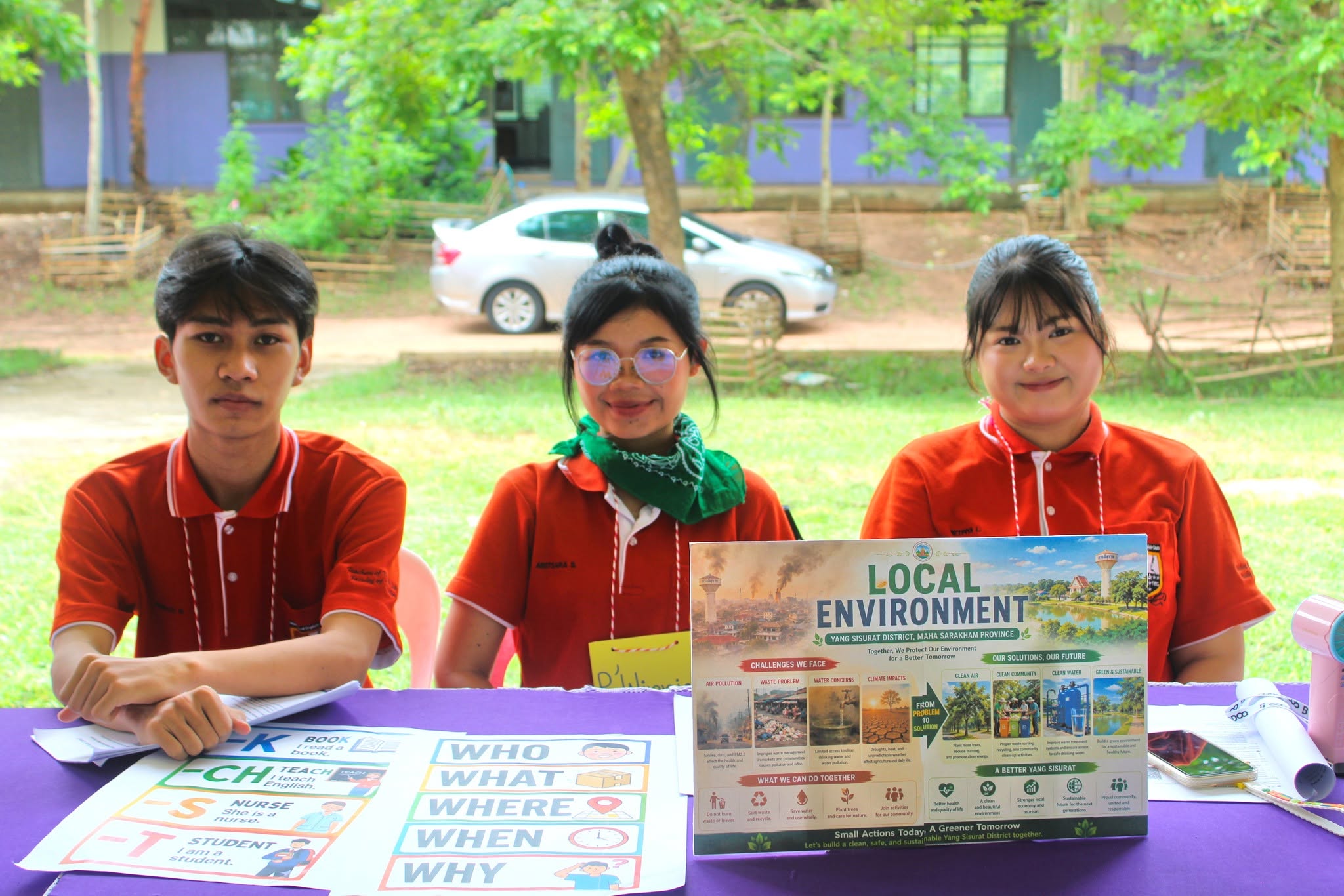
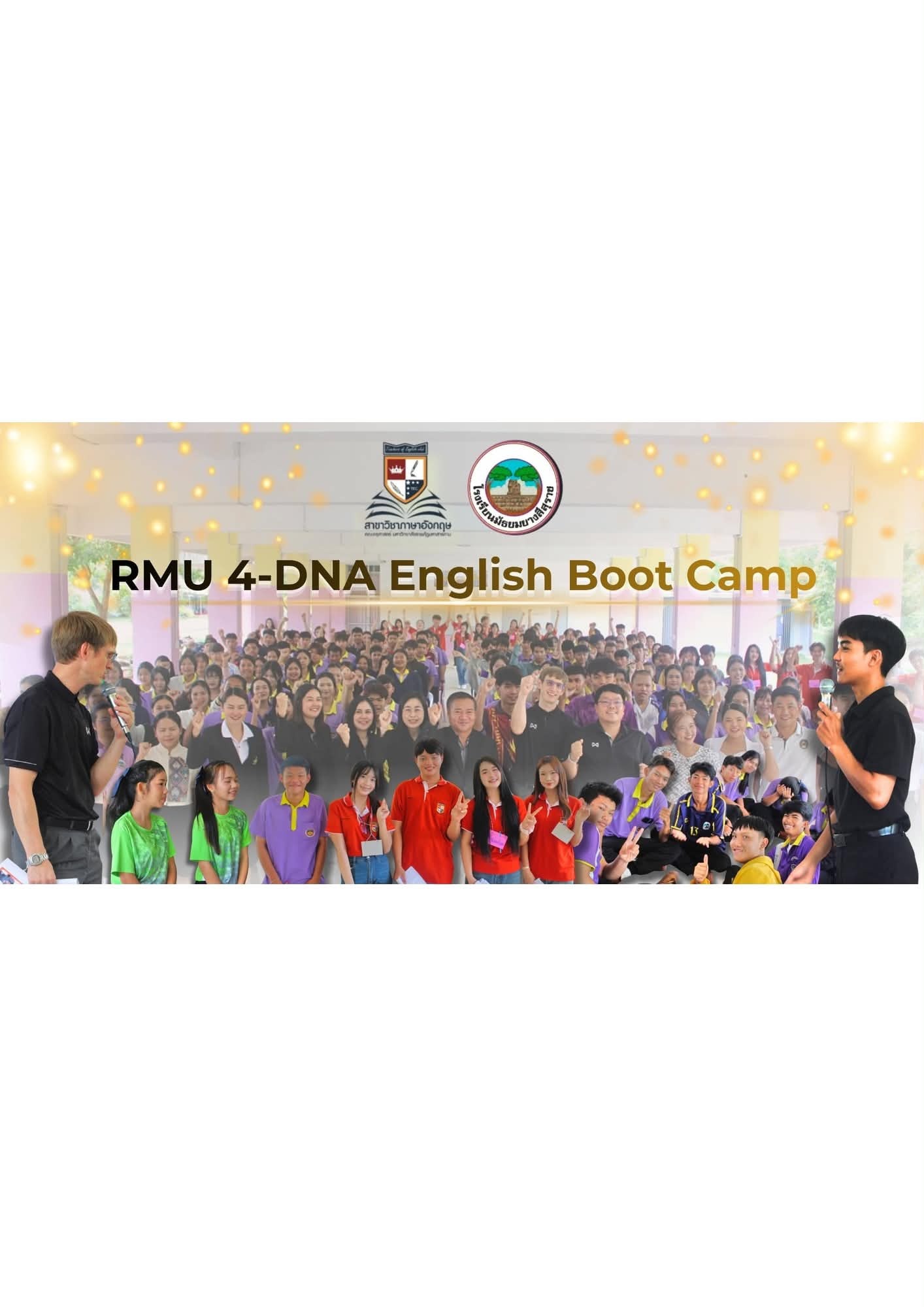
The first activity aims to strengthen participants’ foundational English communication skills through two hands-on workshops: “English Communication Boot Camp” and “English for Everyday Life Workshop.” These workshops focus on developing practical English communication skills for everyday situations, emphasizing experiential learning and hands-on practice.
Activity 2: Implementation Phase (Midstream)
1. Organize a hands-on workshop entitled “English on Stage.”
2. Implement the activities in real-world settings and collect data on students’ learning outcomes.
3. Continuously monitor and evaluate students’ learning progress.
Thanat
Activity 3: Outcome and Evaluation Phase (Downstream)
1. Project participants will be able to effectively present their work in English during the “21st Century English Showcase” workshop.
2. An assessment report on participants’ English communication skills will be produced, along with recommendations for further improvement and development.
3. A set of guidelines or a model of best practices will be developed to enhance English language skills within the local context.
ปรับพื้นฐานความรู้ภาษาอังกฤษเพื่อการสื่อสาร ภายใต้การอบรมเชิงปฏิบัติการ เรื่อง English
Communication Boot Camp และ English for Everyday Life Workshop เป็นกิจกรรมแรกเพื่ออบรมทักษะภาษาอังกฤษเพื่อการสื่อสารในชีวิตประจำวันโดยเน้น การเรียนรู้ผ่านการปฏิบัติจริง
มีการจัดกิจกรรมอบรมเชิงปฏิบัติการ เรื่อง “English on Stage”
2. มีการนำกิจกรรมไปทดลองใช้จริง และมีการเก็บข้อมูลผลการเรียนรู้
3. มีการติดตามและประเมินความก้าวหน้าของผู้เรียนอย่างต่อเนื่อง
คุณส่ง
ปลายน้ำ
1. ผู้เข้าร่วมโครงการสามารถนำเสนอผลงานภาษาอังกฤษได้อย่างมีประสิทธิภาพในกิจกรรมอบรมเชิง ปฏิบัติการ เรื่อง
21st Century English Showcase
2. มีรายงานผลการประเมินทักษะการสื่อสารภาษาอังกฤษ และข้อเสนอแนะเชิงพัฒนา
3. มีแนวทางหรือรูปแบบกิจกรรมต้นแบบ (Best Practice) สำหรับการพัฒนาทักษะภาษาอังกฤษในบริบทพื้นที
Part 2: Outcomes & Impact ส่วนที่ 2 ผลลัพธ์และผลกระทบ
Outcomes ผลลัพธ์ที่เกิดขึ้น
1. Quantitative Outcomes:
A total of 160 participants joined the project, representing 100% of the target group. Of the 140 students who completed both the pre-test and post-test, 85 students (60.71%) achieved higher post-test scores, while 55 students (39.29%) showed no improvement in their scores.
2. Qualitative Outcomes:
The activities aimed to enhance students’ confidence in using English, communication and presentation skills, teamwork, critical thinking, and the ability to apply English effectively in everyday life.
- เชิงปริมาณ: ผู้เข้าร่วมโครงการ 160 คน คิดเป็นร้อยละ 100 ของกลุ่มเป้าหมาย โดยนักเรียนที่ประเมิน Pre-test/Post-test
จ านวน 140 คน พบว่า 85 คน (ร้อยละ 60.71) มีคะแนนหลังเข้าร่วมโครงการสูงขึ้น และ 55 คน (ร้อยละ 39.29) มีคะแนน
ไม่สูงขึ้น- เชิงคุณภาพ :กิจกรรมมุ่งส่งเสริมความมั่นใจในการใช้ภาษาอังกฤษ การสื่อสารและการนำเสนอ การทำงานเป็นทีม การคิด
วิเคราะห์ และการประยุกต์ใช้ภาษาอังกฤษในชีวิตประจำวัน
Community & Social Impact ผลกระทบต่อชุมชน/สังคม
Project Impacts
1. Economic Impact:
Reduce the costs of sending students to external training programs while enhancing their competitiveness in obtaining scholarships and pursuing future career opportunities.
2. Social Impact:
Encourage students to express themselves confidently, develop positive social interactions, and strengthen collaboration among the university, schools, and local communities.
3. Educational Impact:
Enhance students’ English language proficiency through Active Learning and Experiential Learning approaches while developing a model of best practices that can be replicated and expanded to other educational contexts.
4. Environmental Impact:
Promote the use of digital learning materials alongside printed resources to reduce paper consumption and foster an environmentally friendly learning culture.
- ด้านเศรษฐกิจ : ลดค่าใช้จ่ายในการส่งนักเรียนอบรมภายนอก และเพิ่มศักยภาพการแข่งขันด้านทุนการศึกษา
และอาชีพ
- ด้านสังคม : นักเรียนกล้าแสดงออก มีปฏิสัมพันธ์เชิงบวก และเกิดความร่วมมือระหว่างมหาวิทยาลัย โรงเรียน
และชุมชน
- ด้านการศึกษา : ยกระดับทักษะภาษาอังกฤษด้วย Active/Experiential Learning และได้ต้นแบบกิจกรรมที่
ขยายผลได้
- ด้านสิ่งแวดล้อม : ใช้สื่อดิจิทัลควบคู่สื่อสิ่งพิมพ์ ช่วยลดการใช้กระดาษและส่งเสริมวัฒนธรรมการเรียนรู้ที่เป็น
มิตรต่อสิ่งแวดล้อม
Student & Staff Participation การมีส่วนร่วมของนักศึกษา/บุคลากร
Participation of 20 University Students through the Social Engineering Process
A total of 20 university students participated in the project by applying the Timeline tool as part of the Social Engineering process. Their involvement was divided into three phases:
1. Upstream Phase: Participated in identifying problems, assessing students’ needs and English proficiency levels, and planning and designing appropriate learning activities.
2. Midstream Phase: Served as mentors and facilitators in English communication activities, monitored students’ progress, and adapted activities to meet learners’ individual needs.
3. Downstream Phase: Participated in evaluating learning outcomes, tracking students’ progress using the Timeline tool, and reflecting on lessons learned to develop a model of best practices.
Expected Outcomes: The 20 university students will develop four essential social engineering skills: critical thinking, communication, collaboration, and innovation for solving problems in local communities.
การมีส่วนร่วมของนักศึกษา 20 คน ผ่านกระบวนการวิศวกรสังคม (Social Engineer)
นักศึกษา จำนวน 20 คน มีส่วนร่วมในการดำเนินโครงการโดยประยุกต์ใช้เครื่องมือ Timeline ตามกระบวนการวิศวกรสังคม แบ่งเป็น 3 ระยะ ดังนี้
ต้นน้ำ: ร่วมสำรวจปัญหา วิเคราะห์ความต้องการและระดับความสามารถทางภาษาอังกฤษของนักเรียน เพื่อวางแผนและออกแบบกิจกรรม
กลางน้ำ: ร่วมดำเนินกิจกรรมในฐานะพี่เลี้ยง ฝึกทักษะการสื่อสารภาษาอังกฤษ ติดตามพัฒนาการ และปรับกิจกรรมให้เหมาะสมกับผู้เรียน
ปลายน้ำ: ร่วมประเมินผล สรุปพัฒนาการของนักเรียนผ่าน Timeline และถอดบทเรียนเพื่อพัฒนากิจกรรมต้นแบบ (Best Practice)
ผลที่คาดว่าจะได้รับ: นักศึกษาได้รับการพัฒนาทักษะวิศวกรสังคม 4 ด้าน ได้แก่ การคิดวิเคราะห์ การสื่อสาร การทำงานร่วมกับผู้อื่น และการสร้างนวัตกรรมเพื่อแก้ไขปัญหาในพื้นที่
Project Continuity ความต่อเนื่องของโครงการ
- -
Part 3: Challenges & Suggestions ส่วนที่ 3 ปัญหาอุปสรรค/ข้อเสนอแนะ
Problems & Obstacles ปัญหา/อุปสรรค
Problems and Challenges
Students have varying levels of English language proficiency, resulting in some students lacking confidence in using English and requiring more time for practice than others. In addition, organizing activities during regular school days may present scheduling constraints due to students’ class timetables and school commitments, which could affect the continuity of their participation in the activities.
ระดับความสามารถทางภาษาอังกฤษของนักเรียนมีความแตกต่างกัน ทำให้นักเรียนบางส่วนยังขาดความ
มั่นใจในการใช้ภาษาอังกฤษและต้องการเวลาในการฝึกปฏิบัติมากกว่านักเรียนกลุ่มอื่น นอกจากนี้ การจัดกิจกรรม
ในช่วงวันเรียนอาจมีข้อจำกัดด้านตารางเรียนและภารกิจของโรงเรียน ซึ่งอาจส่งผลต่อความต่อเนื่องในการเข้าร่วม
กิจกรรมของผู้เรียน
Improvement Guidelines แนวทางการปรับปรุง
Solutions and Strategies for Addressing Challenges
The project organizers implemented small-group activities to provide all students with sufficient opportunities to practice using English and reduce communication anxiety. They also coordinated with participating schools and confirmed activity schedules in advance. Additionally, supplementary and alternative activities were prepared to accommodate any changes in school schedules and ensure the continuity of project implementation.
แนวทางแก้ไขปัญหา
ผู้ดำเนินโครงการจัดกิจกรรมในลักษณะกลุ่มย่อยเพื่อเปิดโอกาสให้นักเรียนได้ฝึกใช้ภาษาอังกฤษอย่าง
ทั่วถึงและลดความกังวลในการสื่อสาร พร้อมทั้งประสานโรงเรียนและยืนยันกำหนดการล่วงหน้า รวมถึงเตรียม
กิจกรรมย่อยหรือกิจกรรมสำรองเพื่อรองรับกรณีที่กำหนดการของโรงเรียนมีการเปลี่ยนแปลง
Suggestions to University ข้อเสนอแนะต่อมหาวิทยาลัย
Recommendations for Future Project Implementation
For future project implementation, results from pre-tests and post-tests, self-assessment questionnaires, and individual speaking skill assessments should be analyzed collectively to identify students’ strengths and areas for improvement. These findings should be used to group students according to their English proficiency levels and design learning activities that accommodate individual differences.
Particular attention should be given to students whose post-test scores did not improve, with continuous monitoring and supplementary learning activities provided to support their progress.
Furthermore, follow-up assessments should be conducted after the project concludes to evaluate students’ confidence in English communication, improvements in speaking skills, and ability to apply English in real-life situations. This would enable a more comprehensive evaluation of project outcomes and provide systematic, evidence-based insights for improving future project implementation.
ในการดำเนินโครงการครั้งต่อไป ควรนำผลจากแบบทดสอบก่อนและหลังเข้าร่วมโครงการ แบบประเมิน
ตนเอง และแบบประเมินทักษะการพูดรายบุคคลมาใช้ร่วมกันในการวิเคราะห์จุดแข็งและจุดที่ควรพัฒนาของ
ผู้เรียน เพื่อจัดกลุ่มผู้เรียนตามระดับความสามารถและออกแบบกิจกรรมให้เหมาะสมกับความแตกต่างระหว่าง
บุคคล โดยเฉพาะนักเรียนกลุ่มที่คะแนนหลังเข้าร่วมโครงการยังไม่สูงขึ้น ควรมีการติดตามและจัดกิจกรรมเสริม
อย่างต่อเนื่อง รวมทั้งควรติดตามผลด้านความมั่นใจในการสื่อสาร พัฒนาการด้านทักษะการพูด และการนำ
ภาษาอังกฤษไปประยุกต์ใช้ภายหลังสิ้นสุดโครงการ เพื่อให้สามารถประเมินผลลัพธ์และนำข้อมูลไปใช้พัฒนาการ
ดำเนินงานในครั้งต่อไปได้อย่างเป็นระบบ