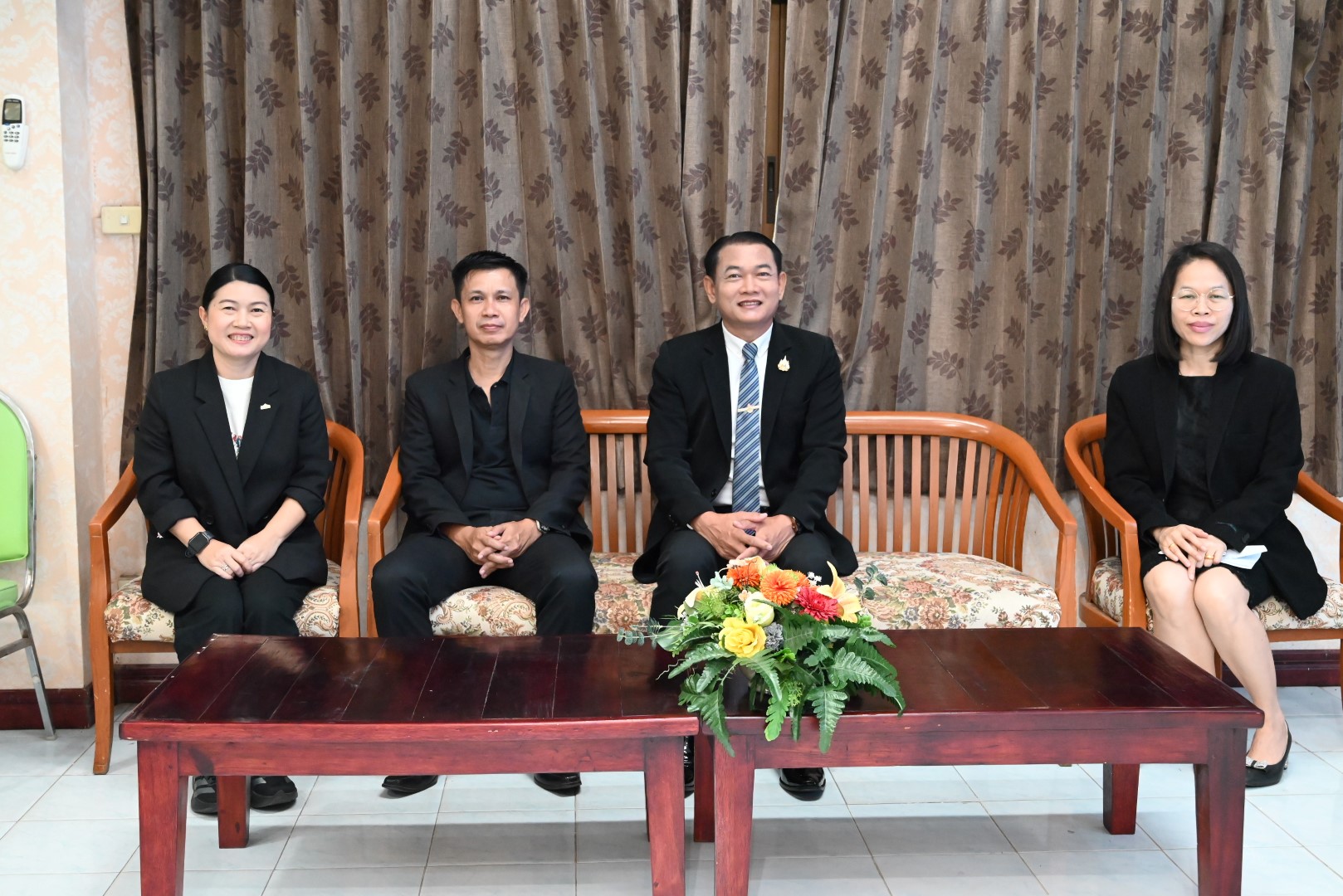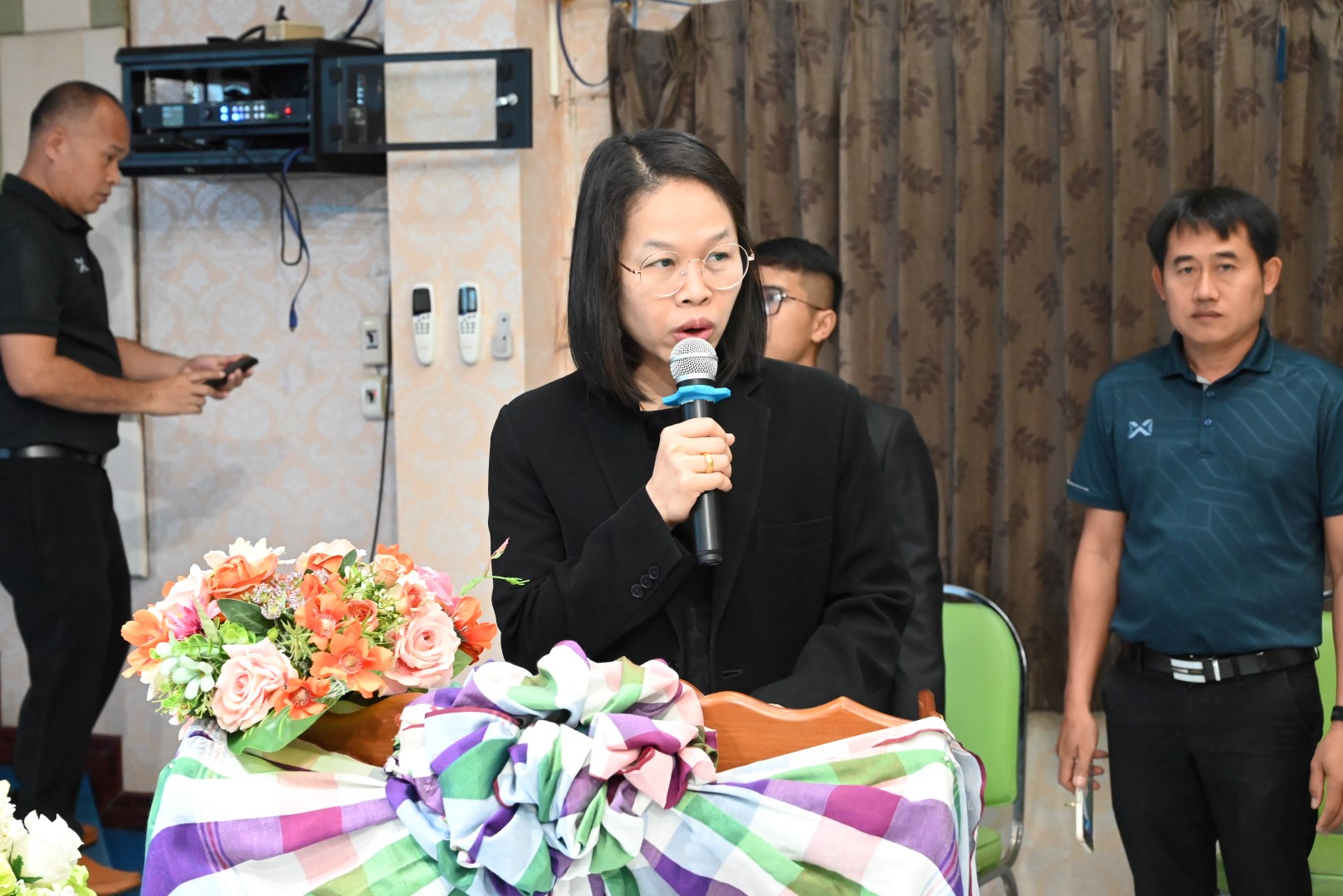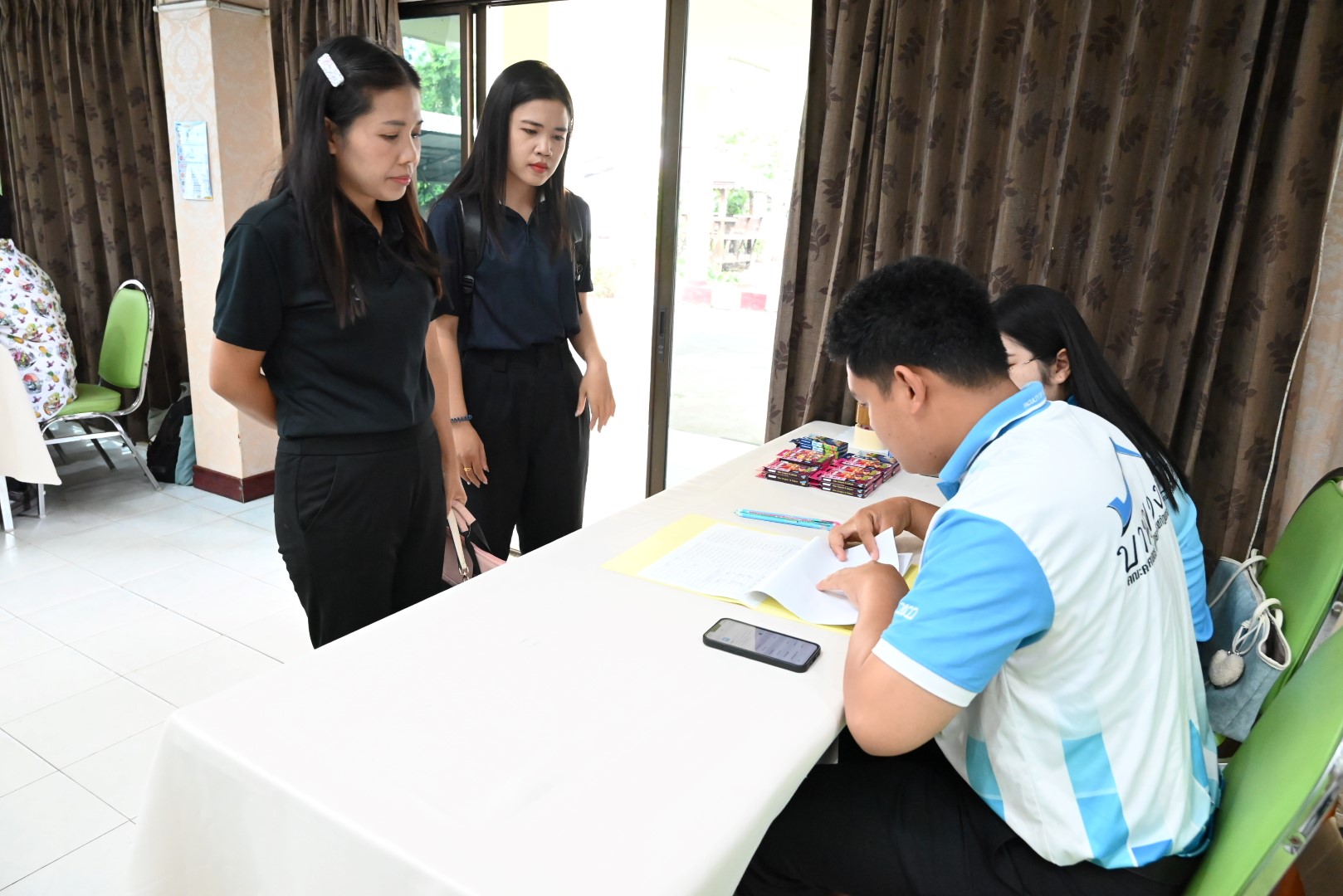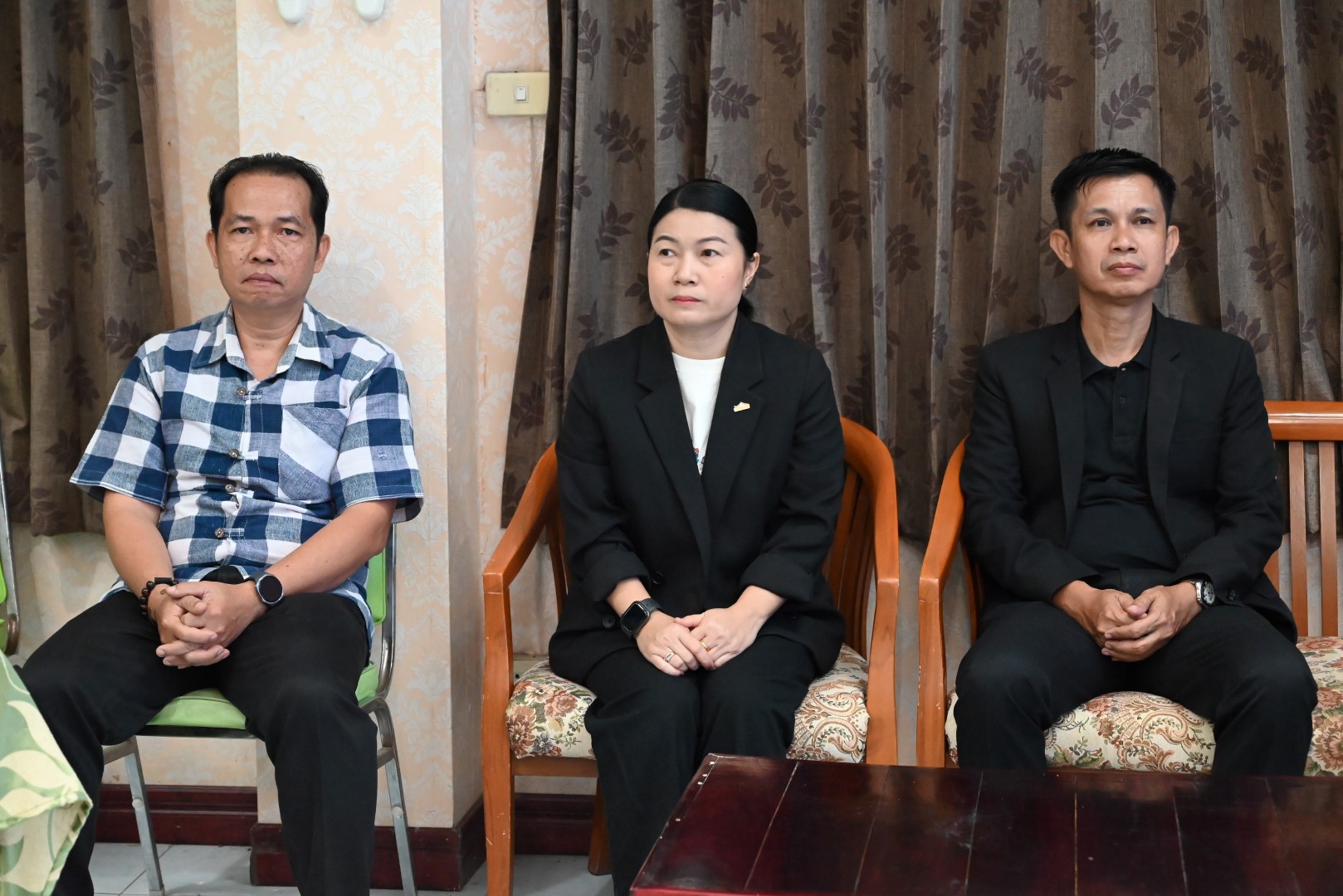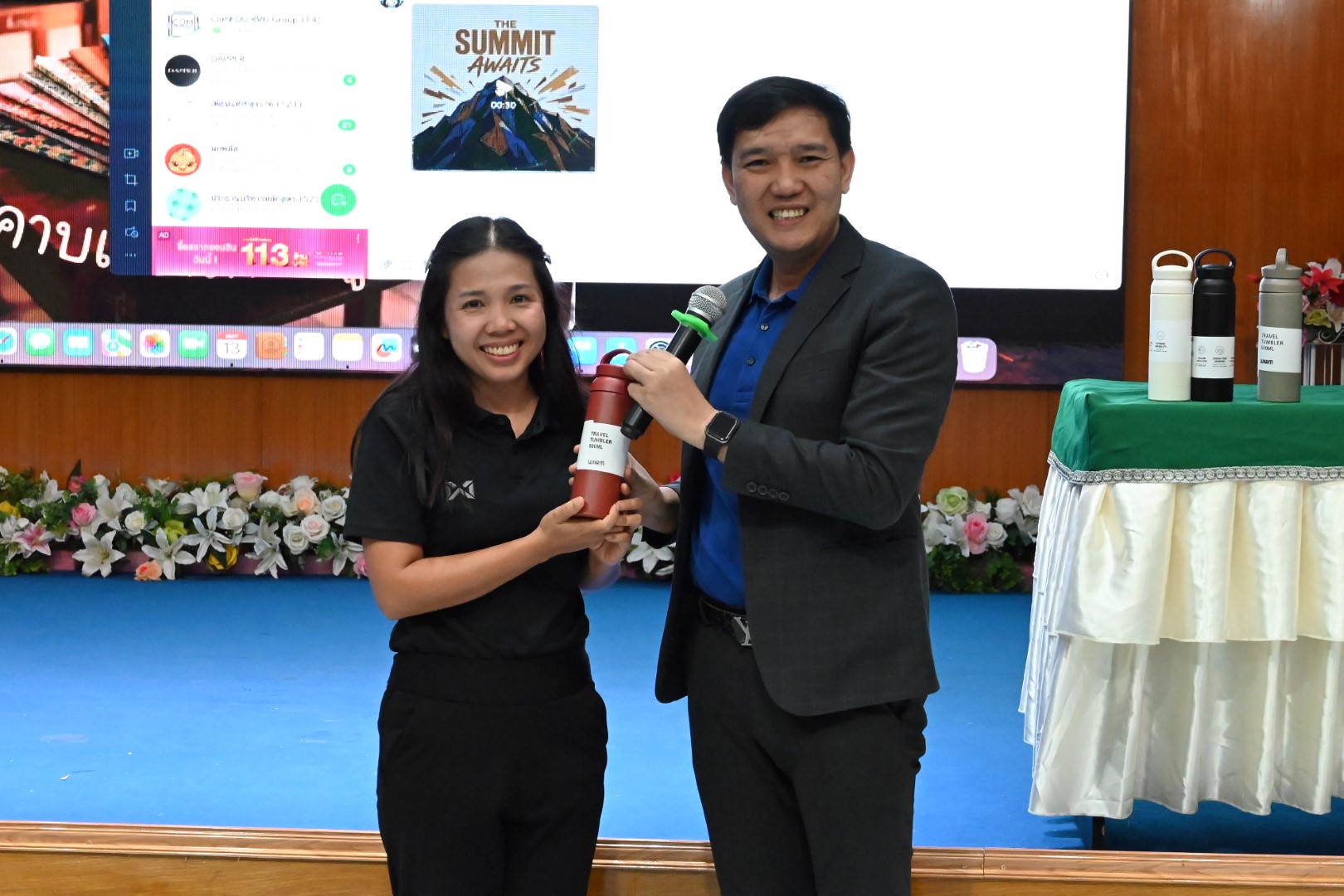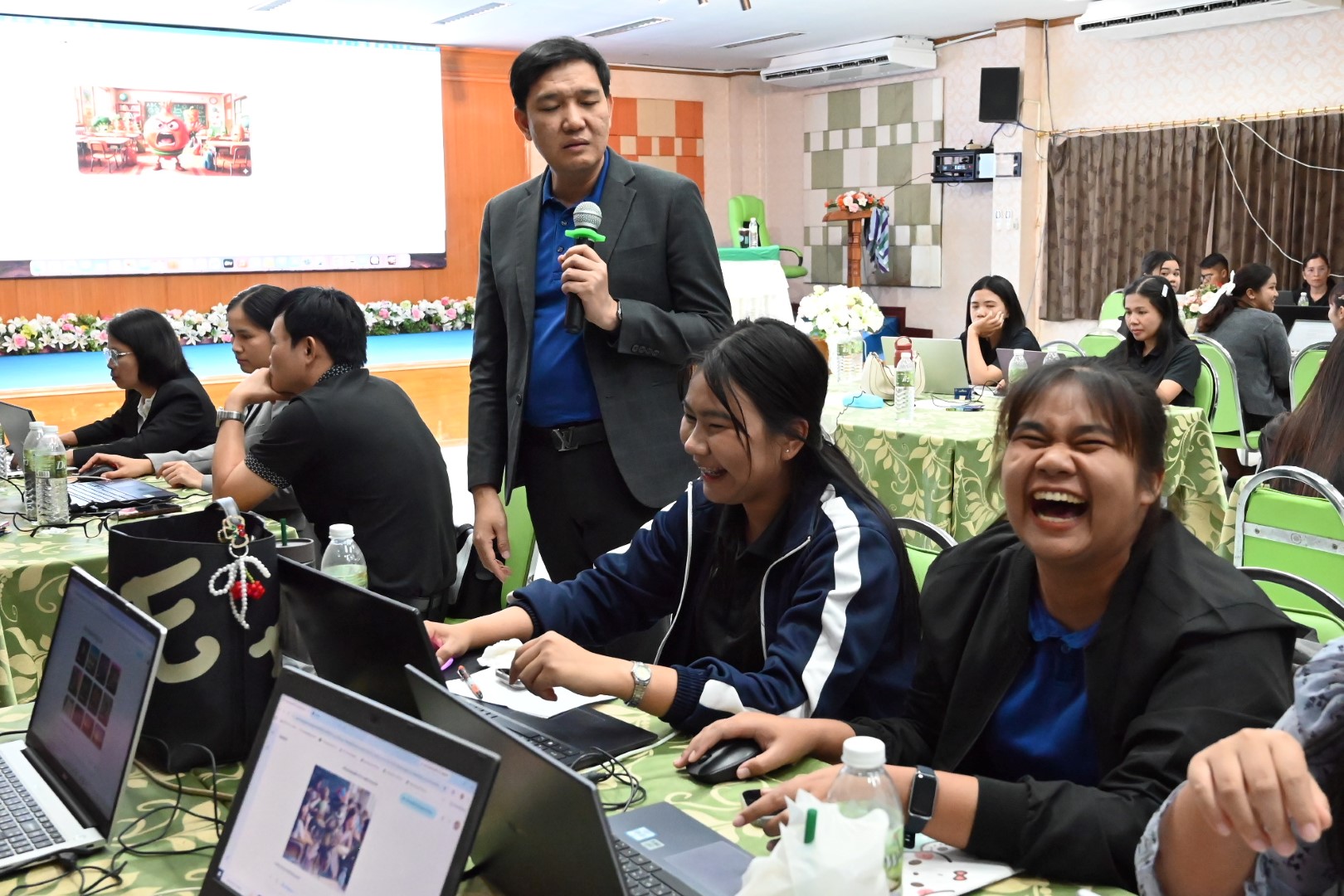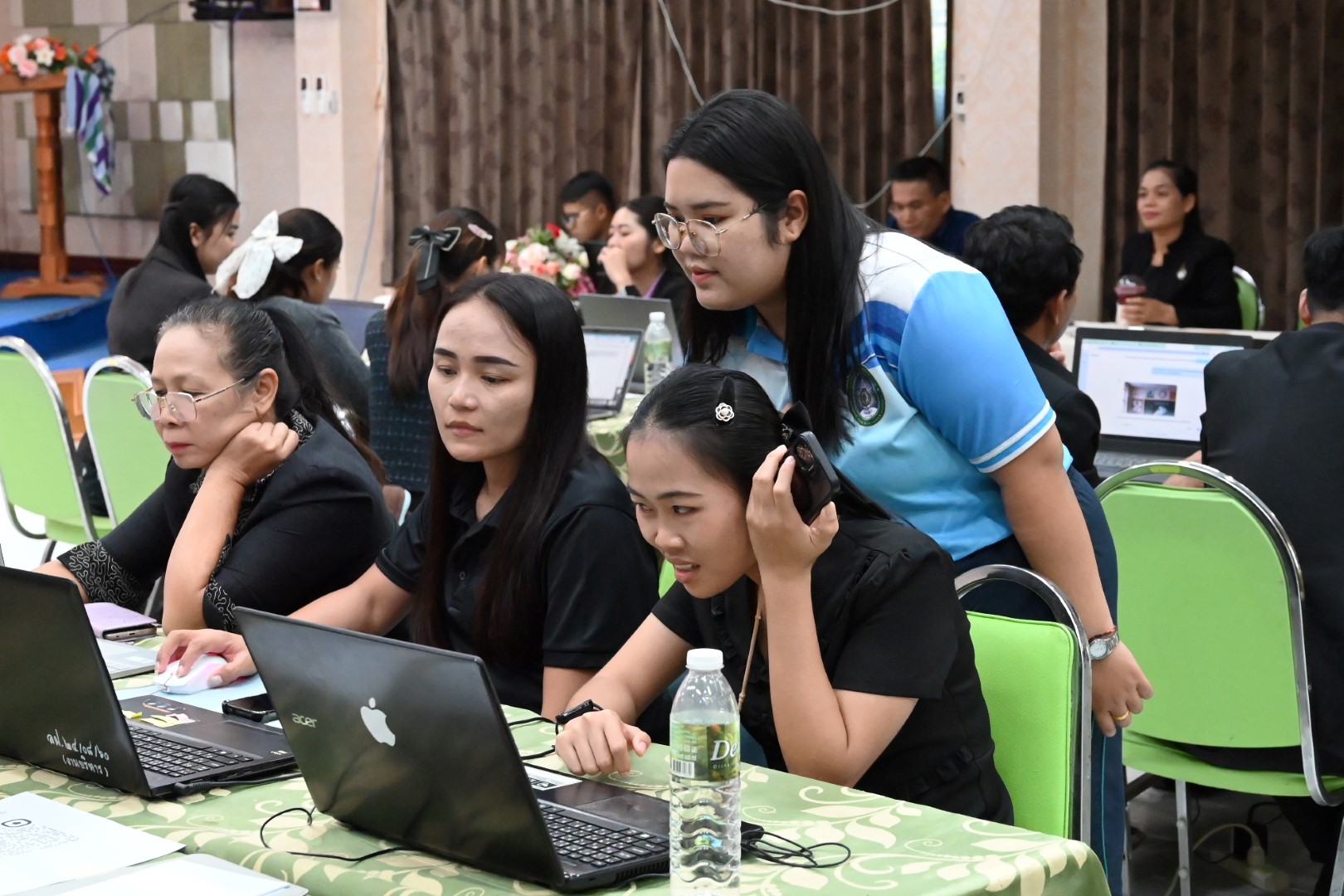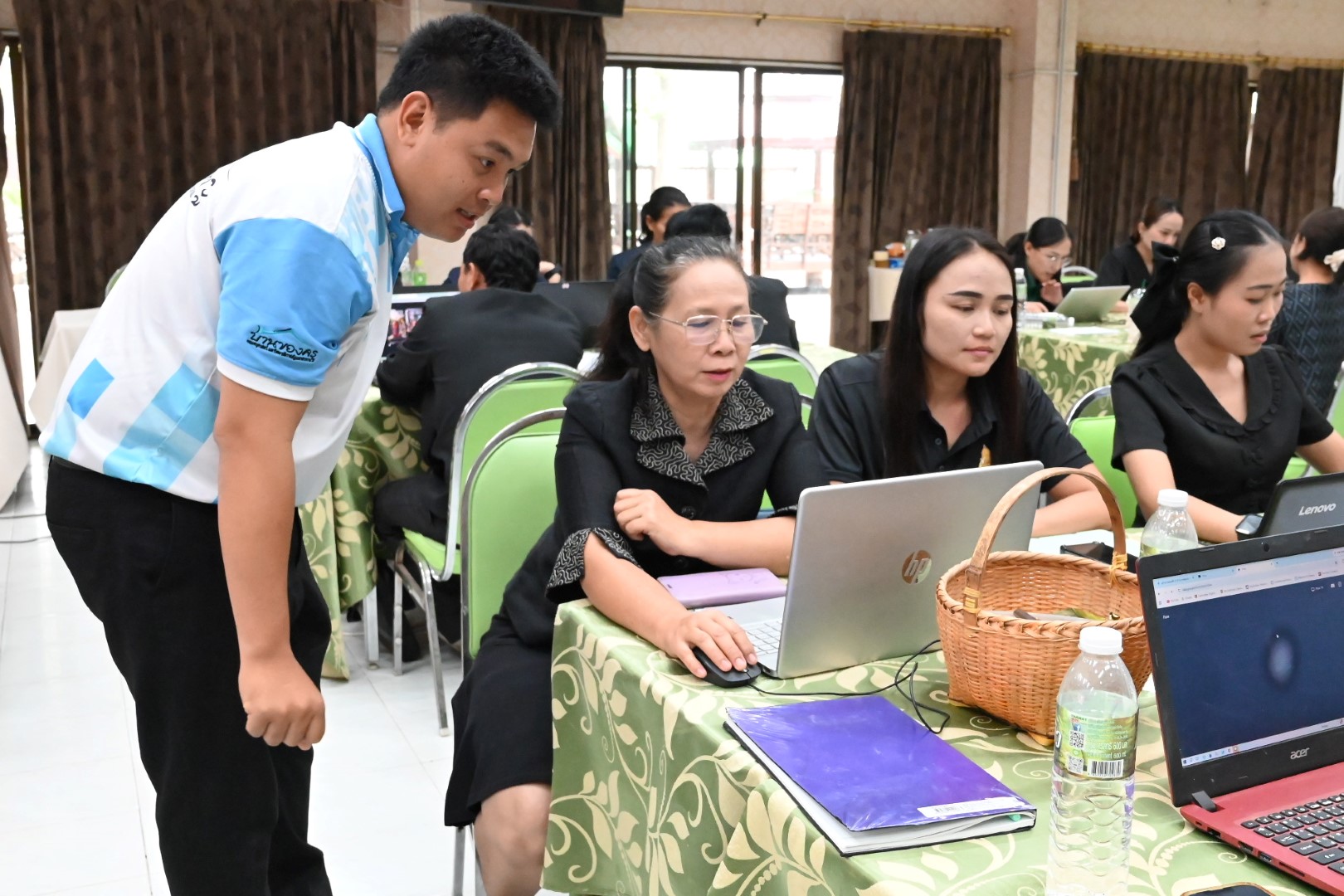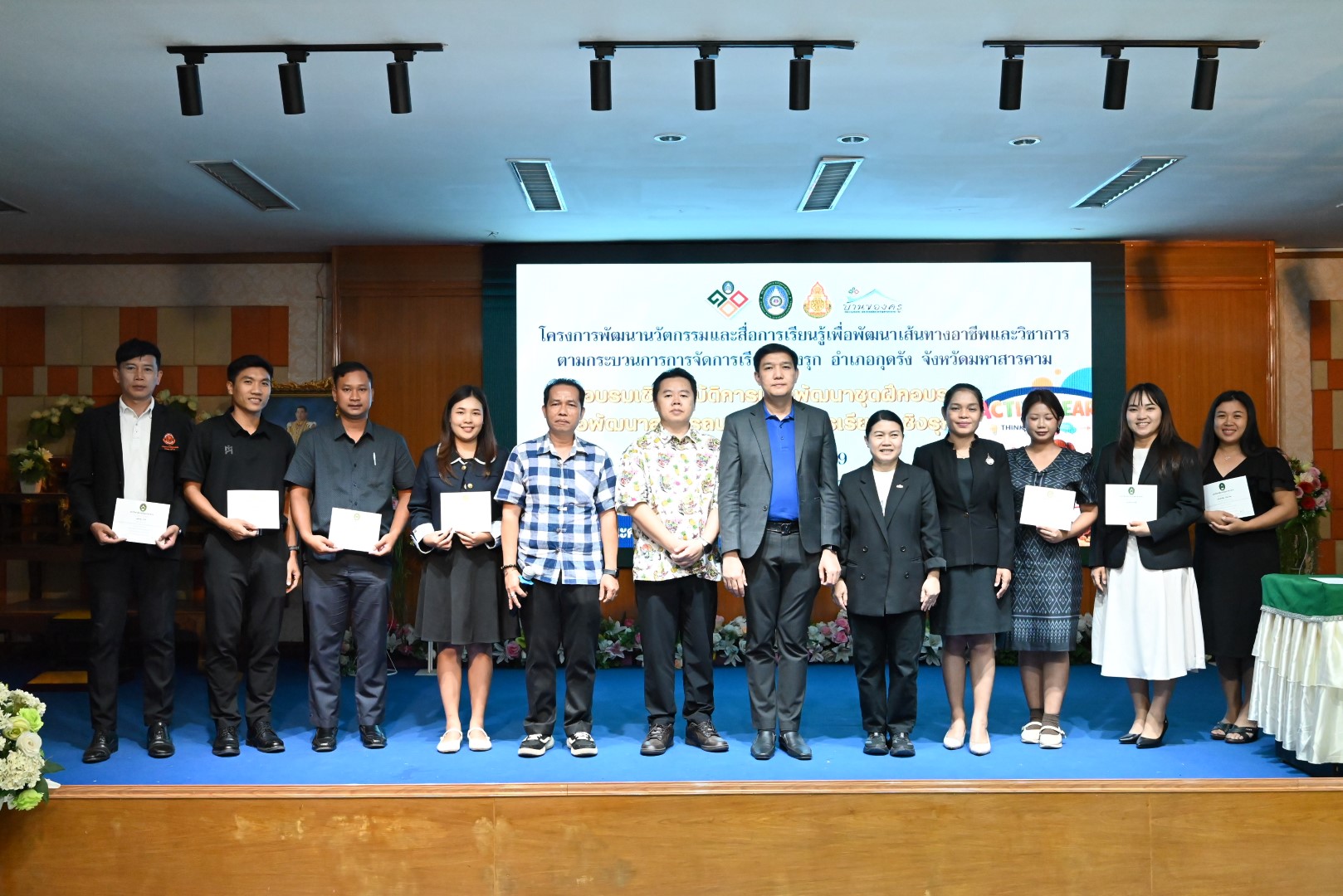
– May 31, 2026 1 พฤษภาคม 2569
– 31 พฤษภาคม 2569
Part 1: Project Details ส่วนที่ 1 รายละเอียดการดำเนินงาน
Objectives วัตถุประสงค์โครงการ
1.To produce and develop instructional media or learning tools that are connected to learners’ career and academic pathways.
2.To promote the use of active learning processes in the development and pilot implementation of learning innovations.
3.To develop a learning prototype that enhances learners’ life skills and career skills, enabling them to be prepared for changes in the 21st century.
1.เพื่อผลิตและพัฒนาสื่อหรือเครื่องมือการเรียนรู้ที่เชื่อมโยงกับเส้นทางอาชีพและวิชาการของผู้เรียน
2.เพื่อส่งเสริมการใช้กระบวนการเรียนรู้เชิงรุกในการพัฒนาและทดลองใช้นวัตกรรมการเรียนรู้
3.เพื่อสร้างต้นแบบการเรียนรู้ที่พัฒนาทักษะชีวิตและทักษะอาชีพของผู้เรียนให้พร้อมต่อการเปลี่ยนแปลงในศตวรรษที่ 21
Main Activities กิจกรรมหลัก
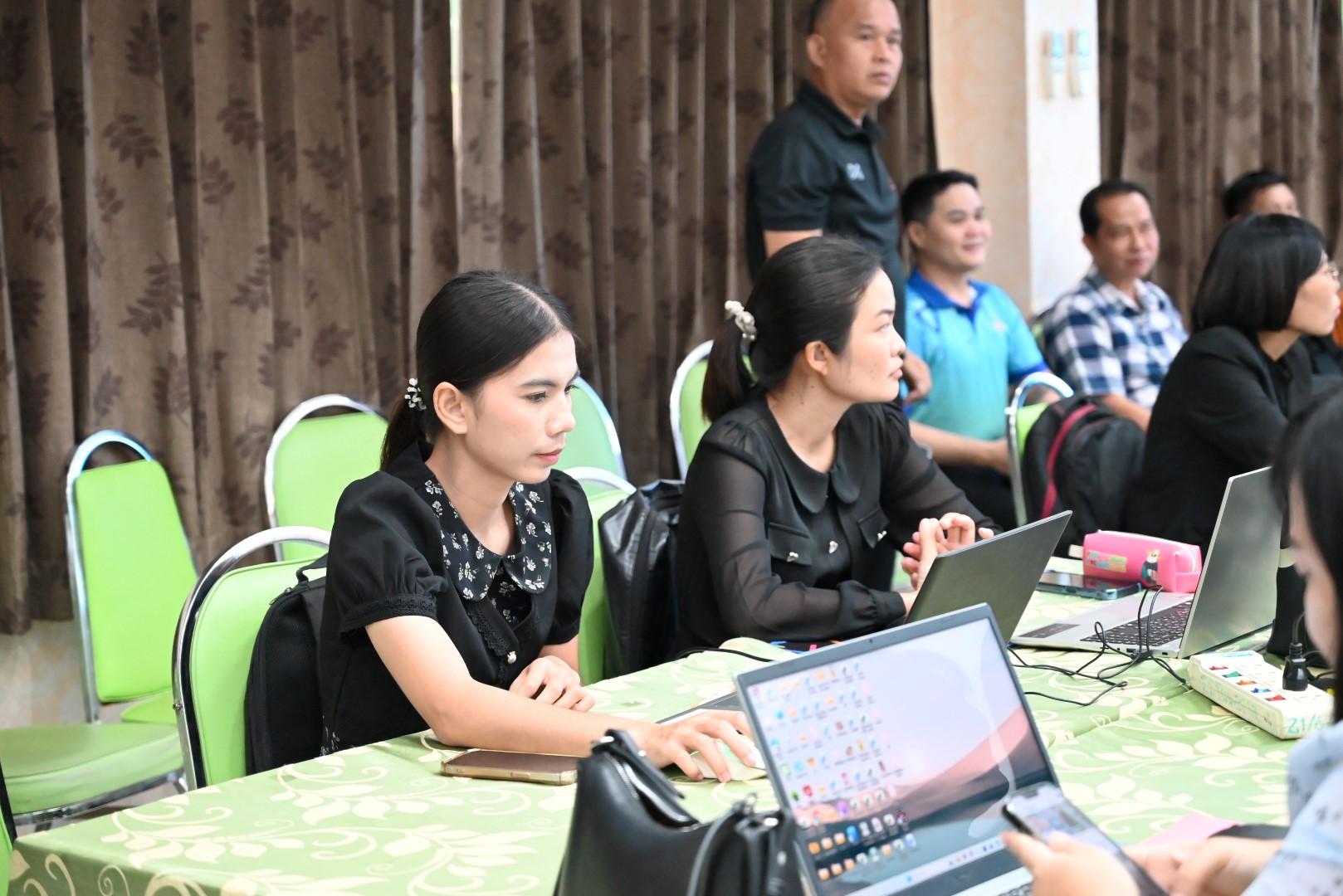
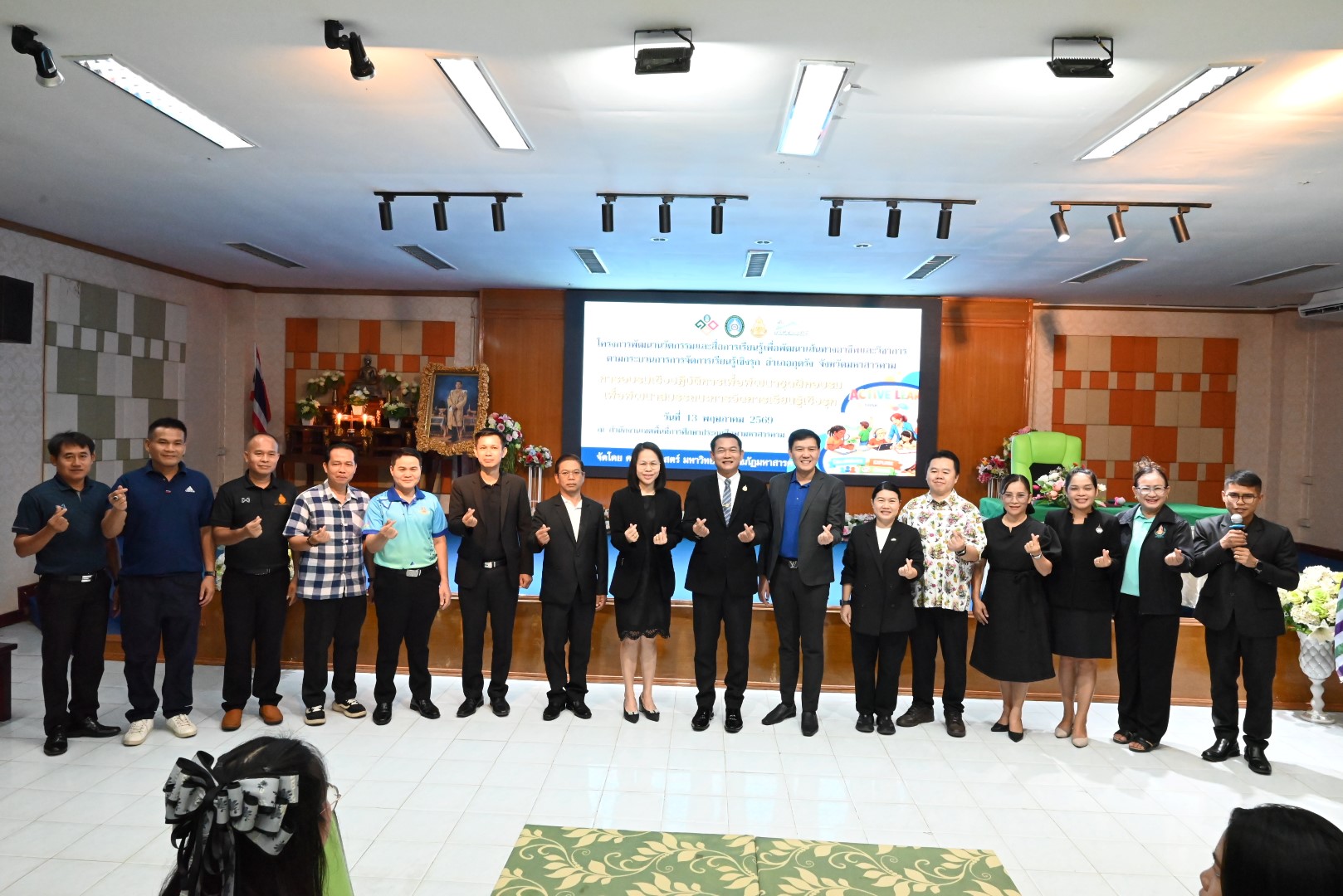
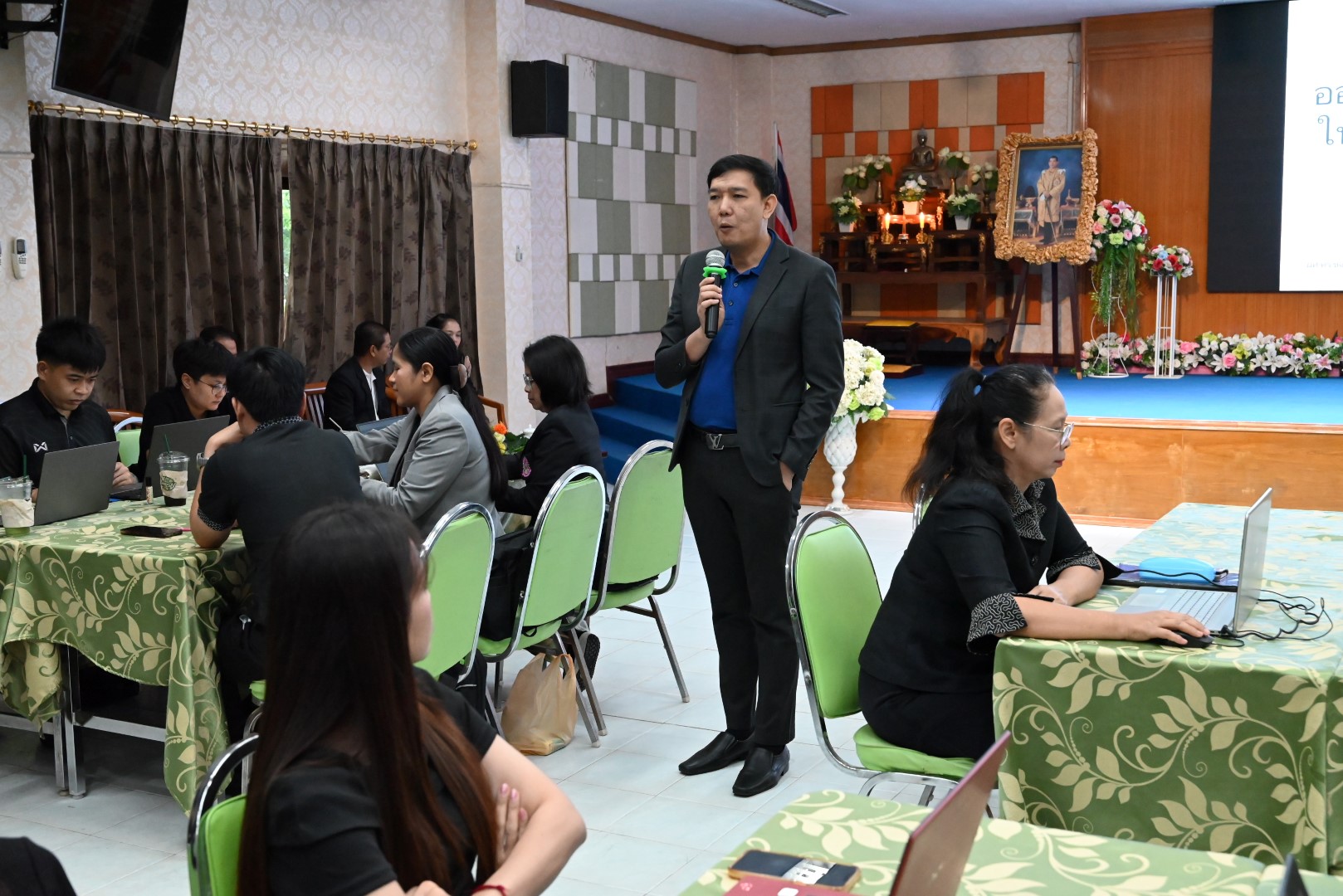
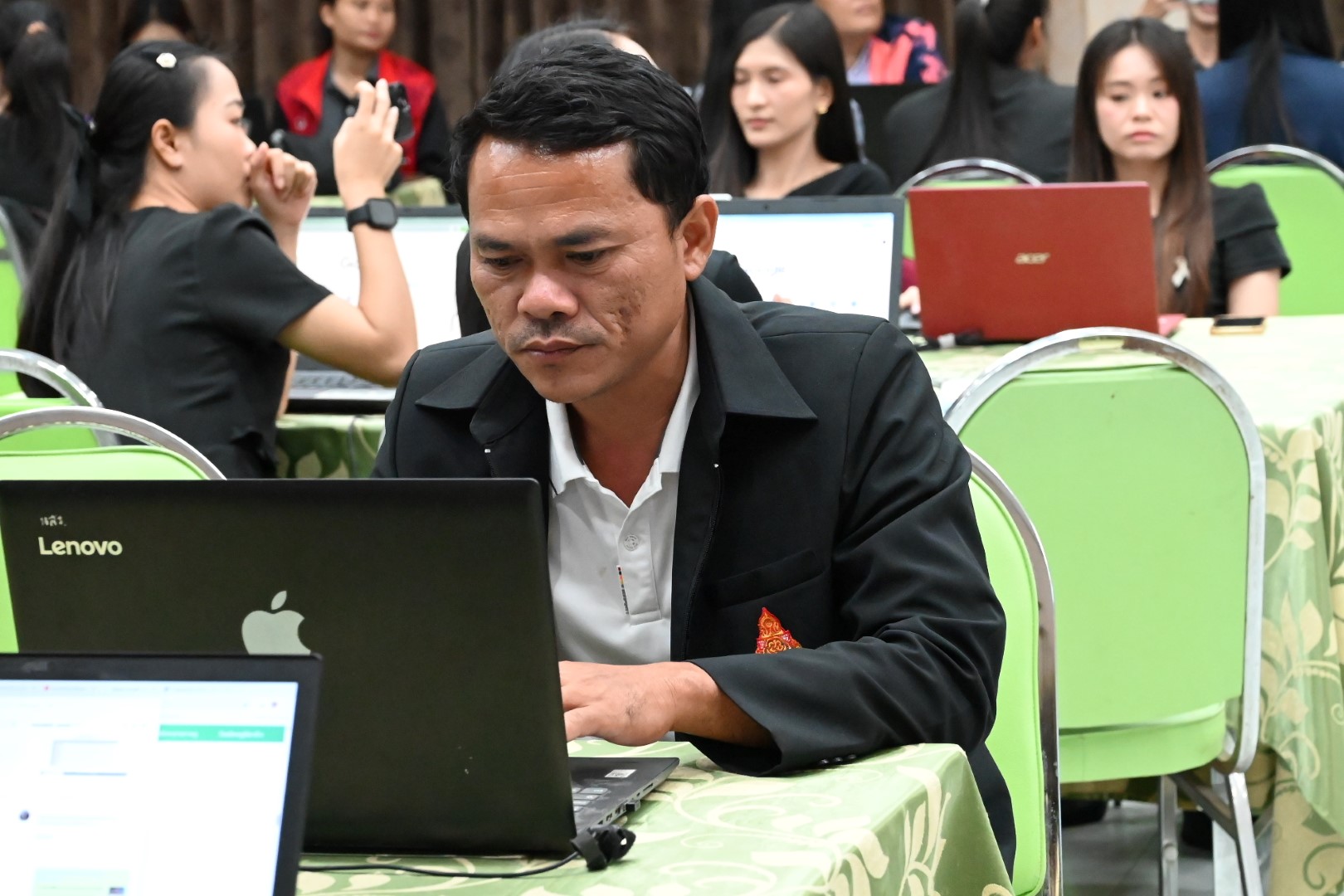
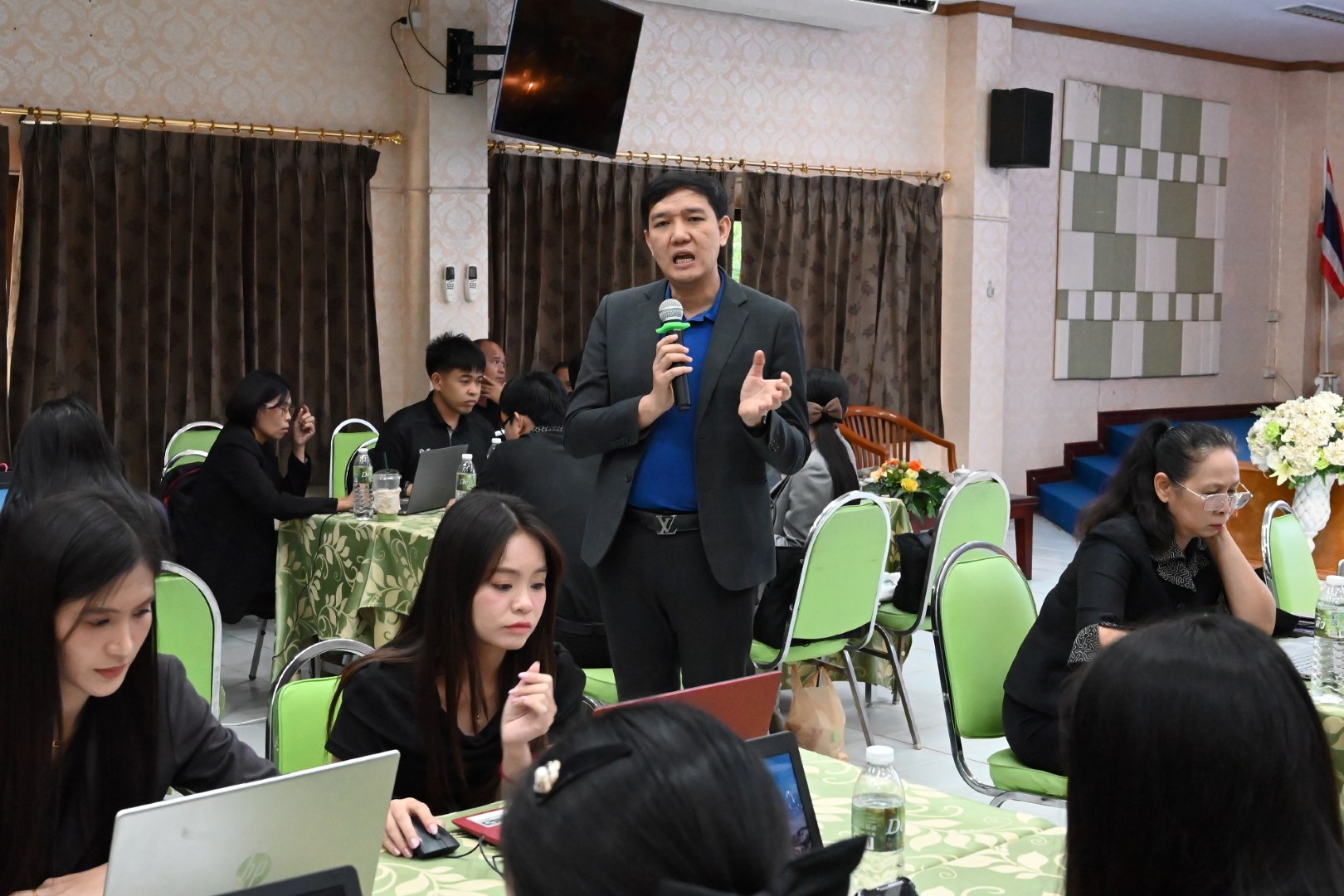
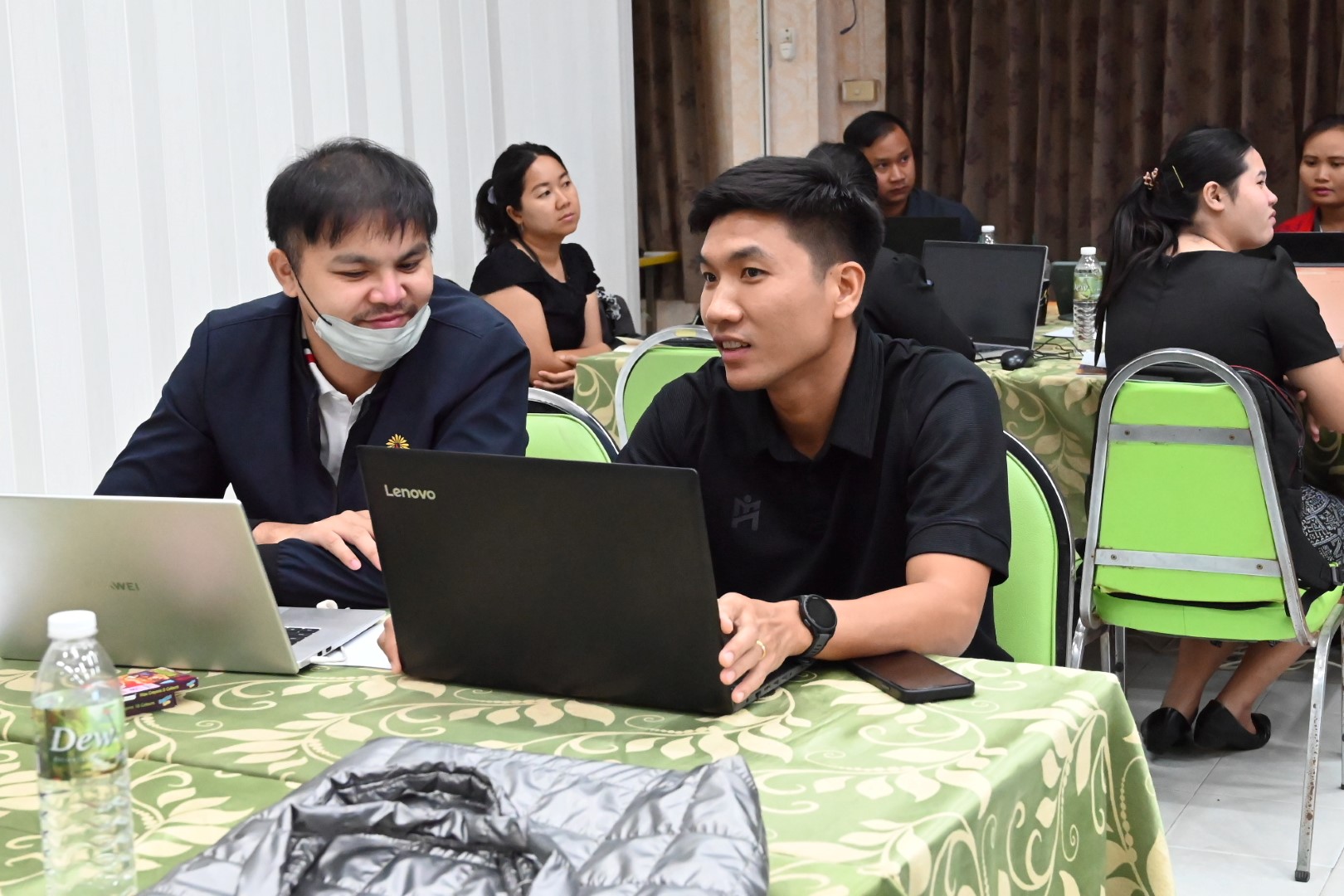
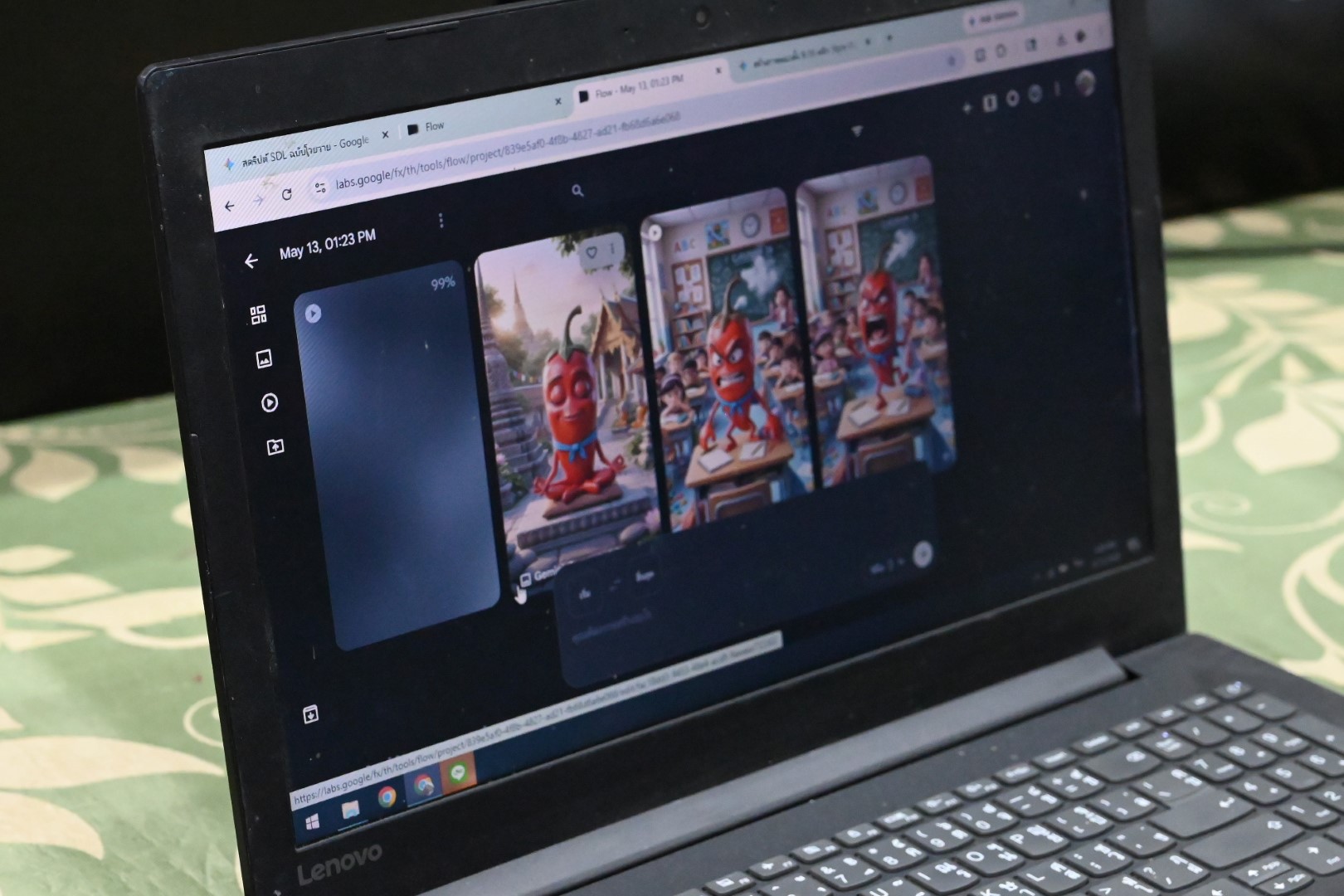
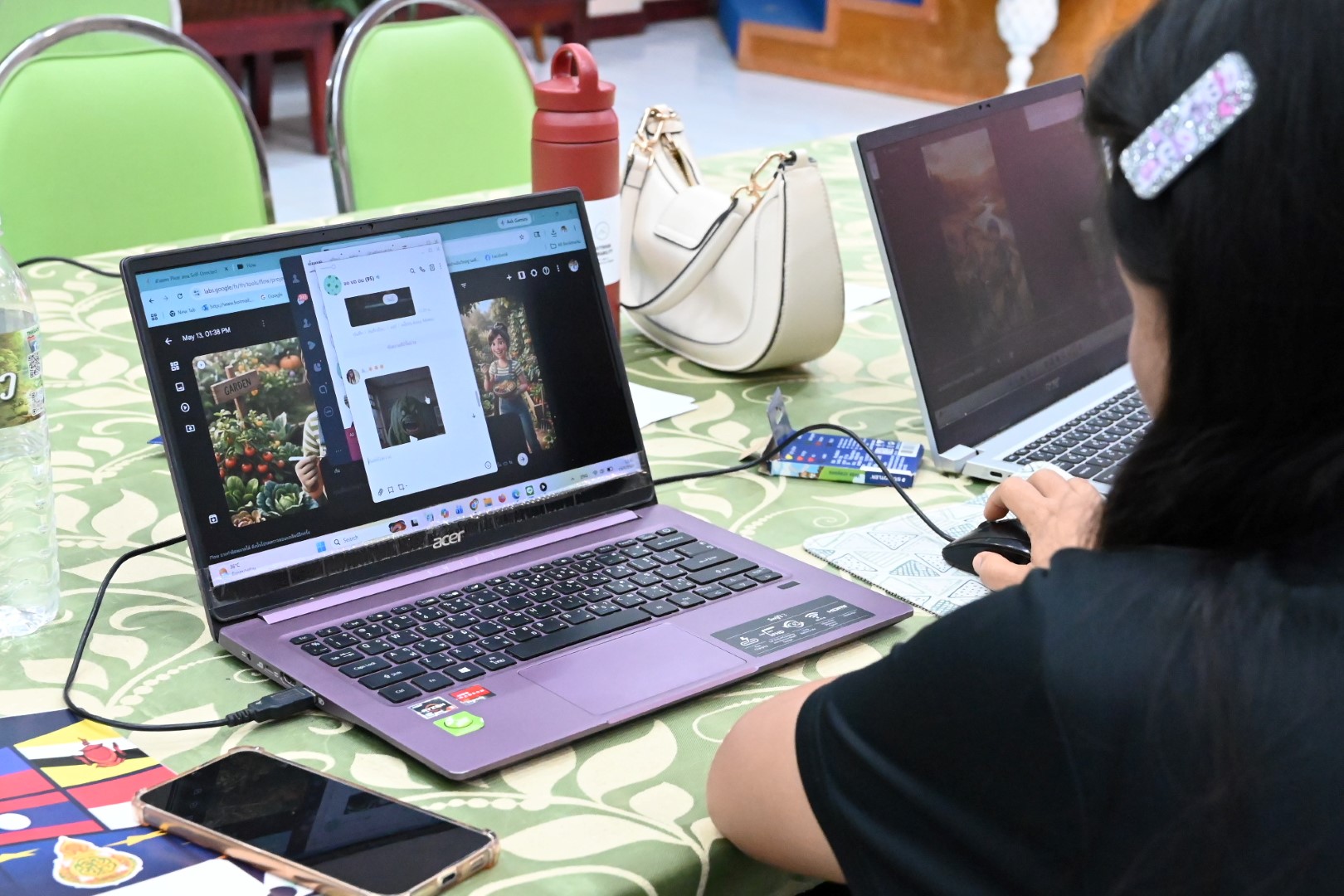
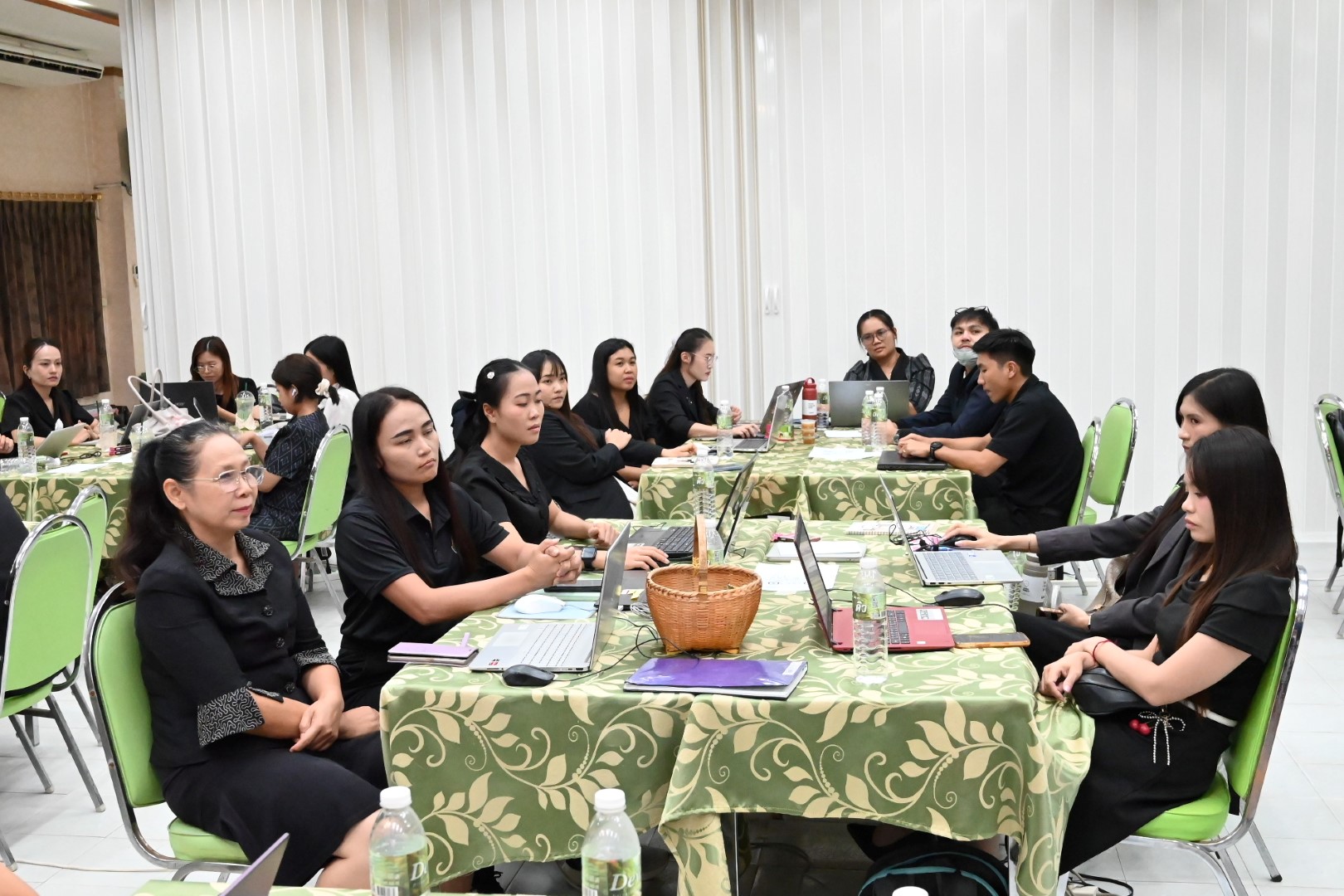
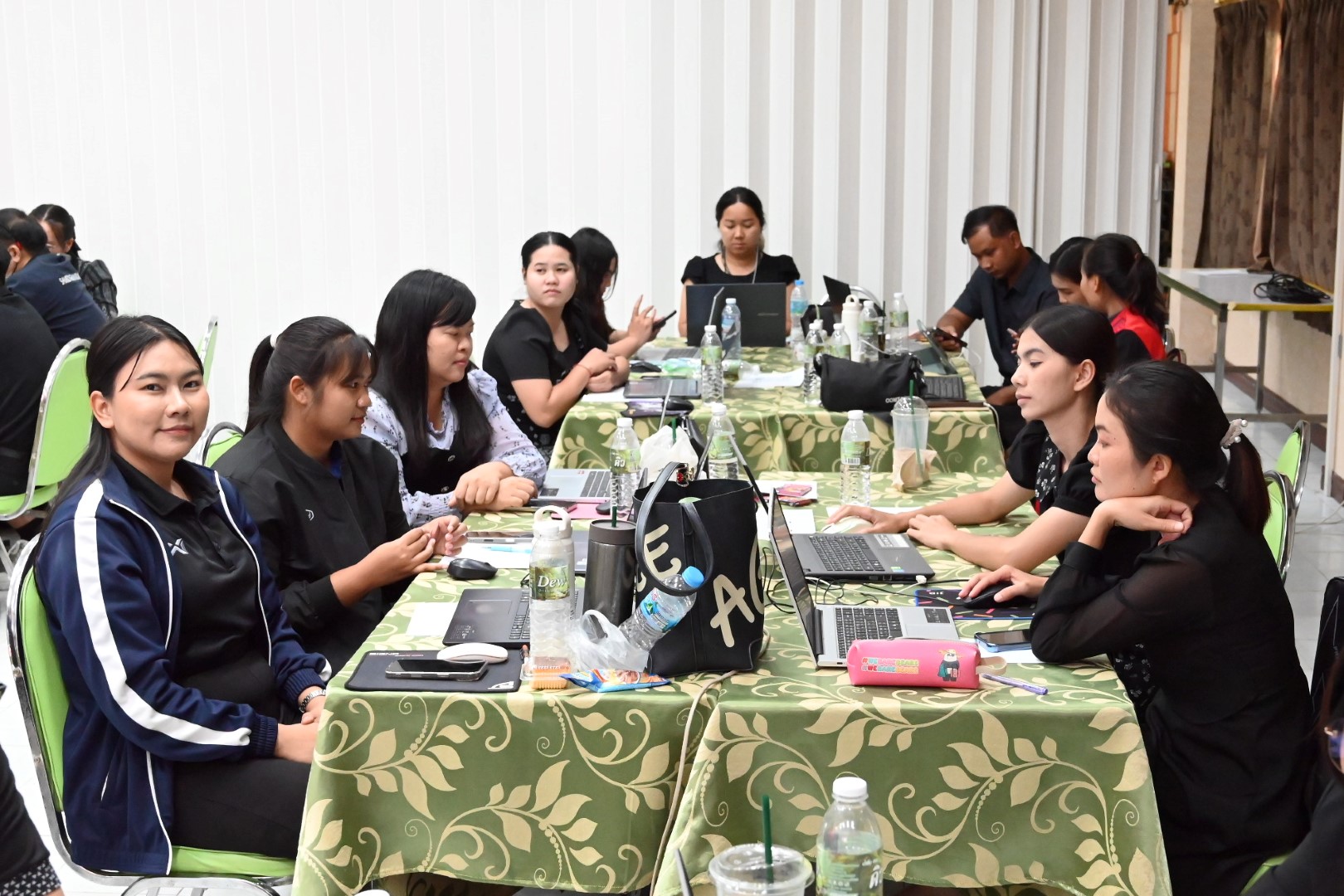
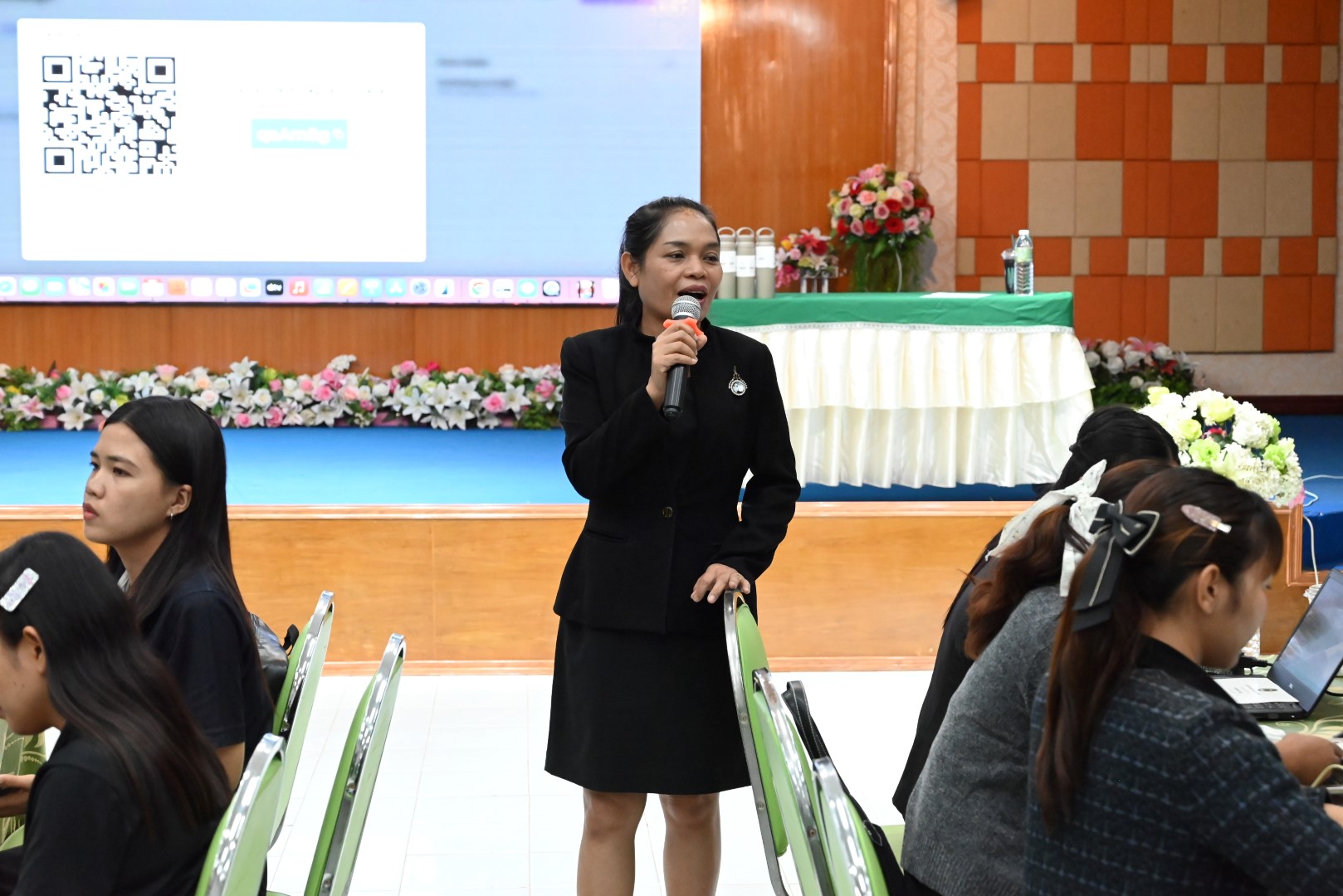
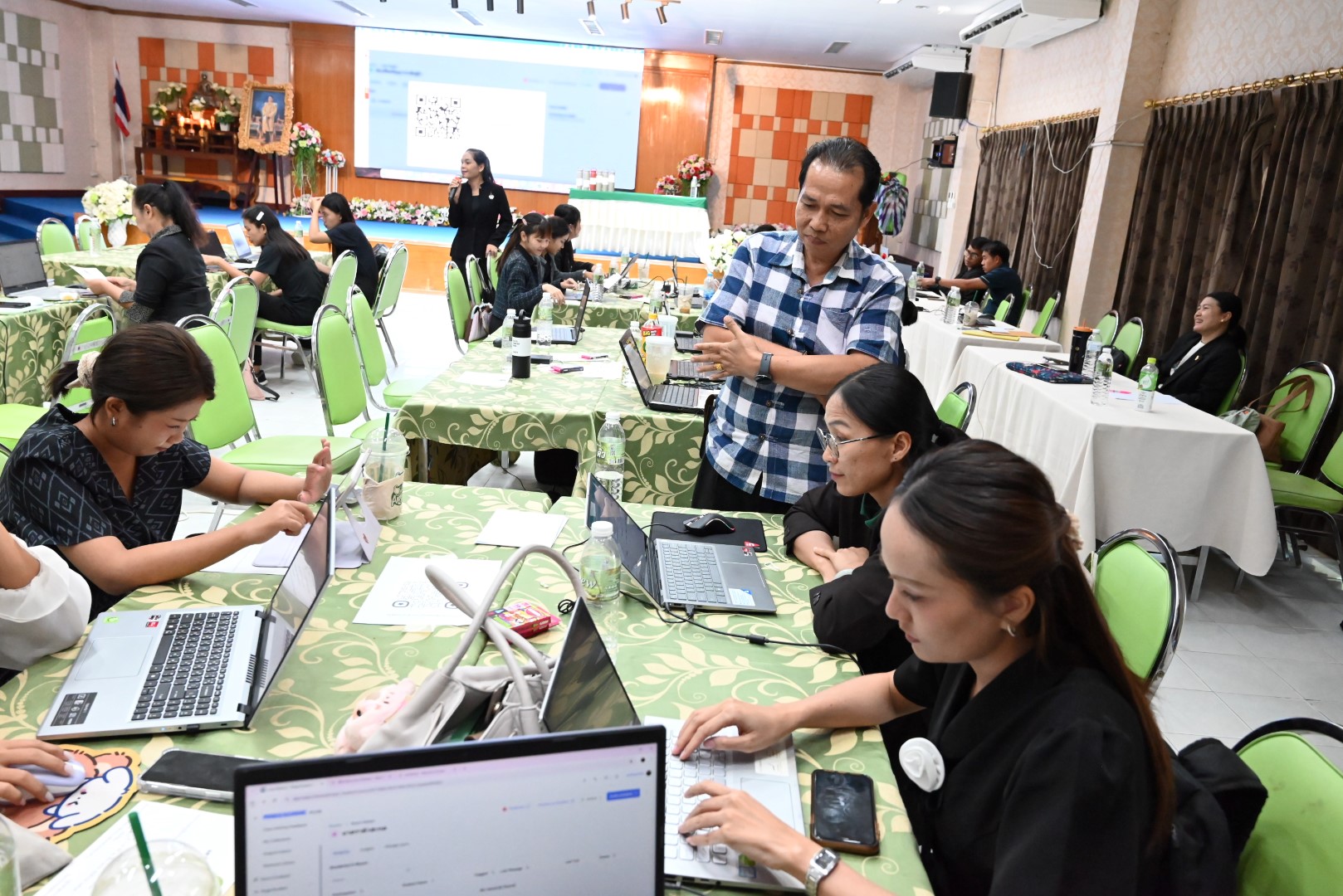
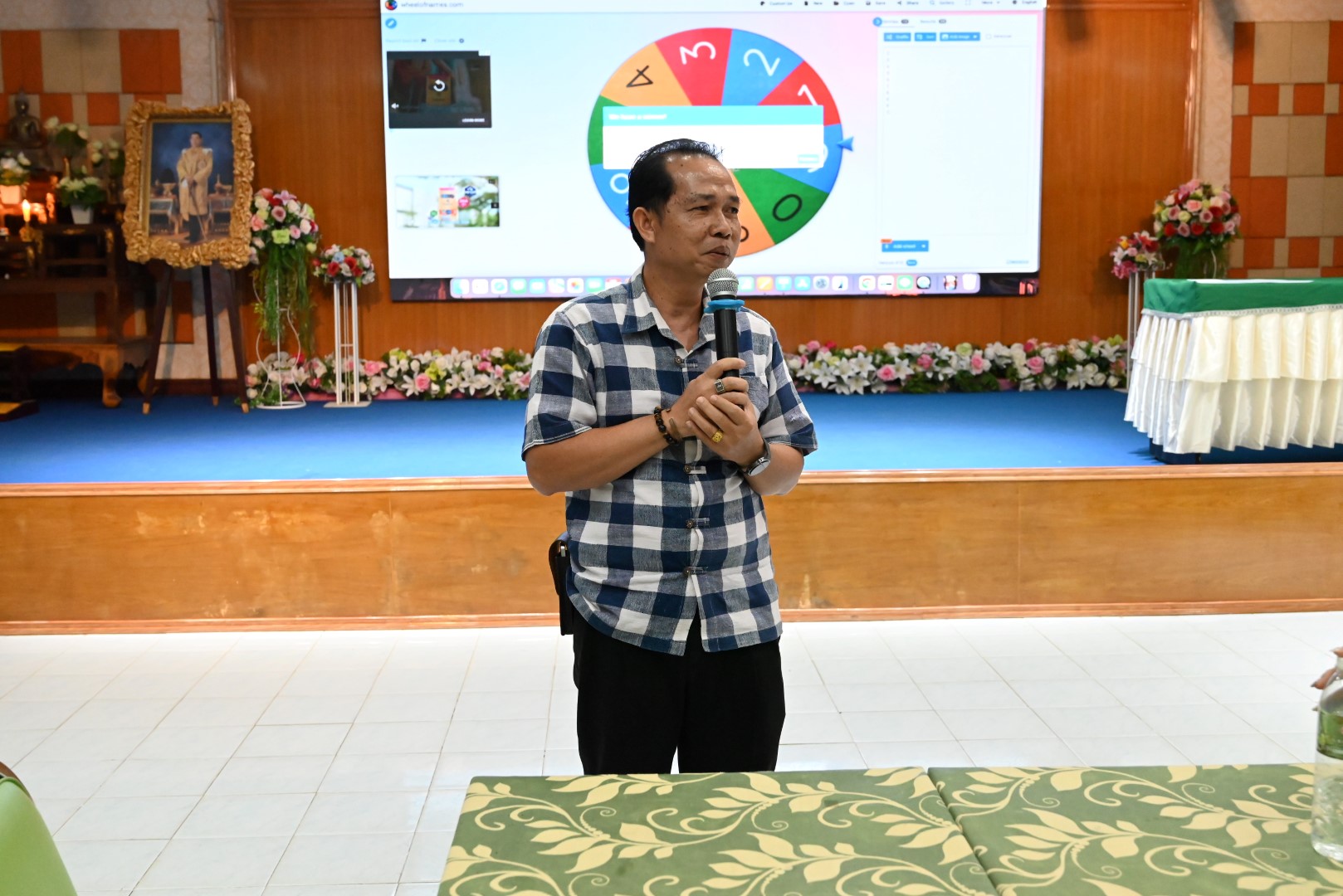
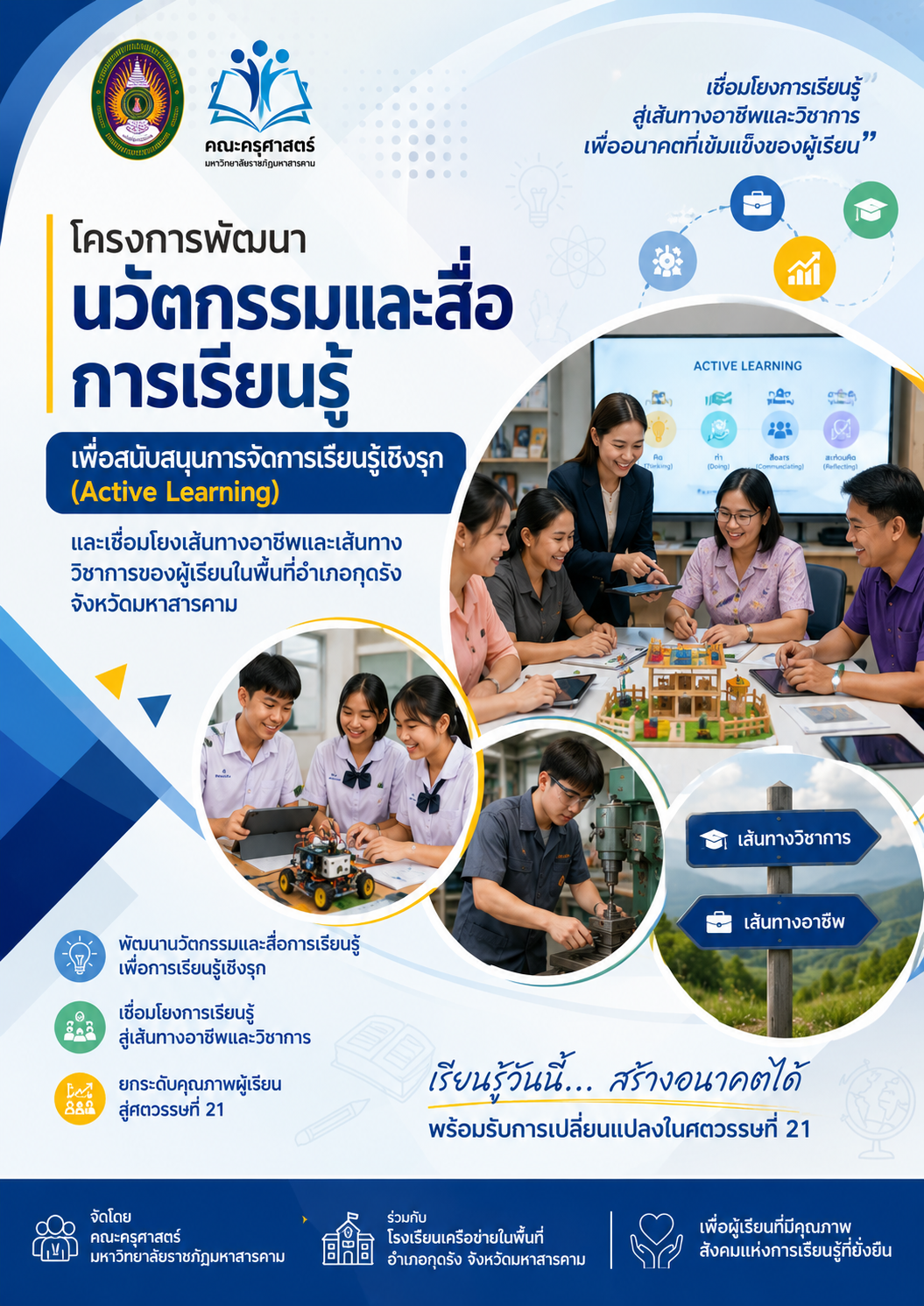
Activity 1:** A workshop on designing learning innovations and instructional media to support active learning.
Activity 2:** A workshop on developing instructional media and learning innovations to promote learners’ career and academic pathways.
กิจกรรมที่ 1 อบรมเชิงปฏิบัติการการออกแบบนวัตกรรมและสื่อการเรียนรู้เพื่อสนับสนุนการจัดการเรียนรู้เชิงรุก (Active Learning)
กิจกรรมที่ 2 อบรมเชิงปฏิบัติการการพัฒนาสื่อและนวัตกรรมการเรียนรู้เพื่อส่งเสริมเส้นทางอาชีพและเส้นทางวิชาการของผู้เรียน
Part 2: Outcomes & Impact ส่วนที่ 2 ผลลัพธ์และผลกระทบ
Outcomes ผลลัพธ์ที่เกิดขึ้น
1. Teachers in the network of educational institutions are able to effectively apply the developed learning innovations and instructional media in active learning management, resulting in more diverse learning activities that place greater emphasis on learner-centered approaches.
2. Learners are provided with opportunities to learn through instructional media and learning innovations that help them discover their own potential and appropriately connect their learning to future academic and career pathways.
1. ครูผู้สอนในเครือข่ายสถานศึกษาสามารถนำนวัตกรรมและสื่อการเรียนรู้ที่พัฒนาขึ้นไปใช้ในการจัดการเรียนรู้เชิงรุกได้อย่างมีประสิทธิภาพ ส่งผลให้การจัดกิจกรรมการเรียนรู้มีความหลากหลายและเน้นผู้เรียนเป็นสำคัญมากยิ่งขึ้น
2. ผู้เรียนได้รับโอกาสในการเรียนรู้ผ่านสื่อและนวัตกรรมการเรียนรู้ที่ช่วยส่งเสริมการค้นพบศักยภาพของตนเอง และสามารถเชื่อมโยงการเรียนรู้สู่เส้นทางวิชาการและเส้นทางอาชีพในอนาคตได้อย่างเหมาะสม
Community & Social Impact ผลกระทบต่อชุมชน/สังคม
Economic Dimension:The development of learning innovations and instructional media that connect learning with learners’ career pathways helps strengthen skills and competencies aligned with the future needs of the labor market. This contributes to the development of high-quality human resources in the area and supports the sustainable economic development of local communities.
Social Dimension:The project promotes collaboration among the university, schools, and communities in Kut Rang District, Maha Sarakham Province, in developing learning innovations and instructional media. This fosters knowledge exchange and collaborative academic development among teachers, while contributing to the establishment of a strong learning society at the local level.
Environmental Dimension:The development of instructional media and learning innovations that emphasize the efficient use of resources and the integration of environmental issues into learning activities helps raise teachers’ and learners’ awareness of natural resource and environmental conservation. It also encourages the use of environmentally friendly learning materials in educational institutions.
Educational Dimension:Teachers are able to develop learning innovations and instructional media that support active learning, resulting in greater learner participation in the learning process. Learners are also able to develop analytical thinking, problem-solving skills, and self-directed learning abilities. In addition, the project helps enhance the quality and effectiveness of learning management in schools within the target area.
- ด้านเศรษฐกิจ การพัฒนานวัตกรรมและสื่อการเรียนรู้ที่เชื่อมโยงการเรียนรู้กับเส้นทางอาชีพของผู้เรียน ช่วยเสริมสร้างทักษะและสมรรถนะที่สอดคล้องกับความต้องการของตลาดแรงงานในอนาคต ส่งผลให้เกิดการพัฒนาทรัพยากรมนุษย์ที่มีคุณภาพในพื้นที่ และสนับสนุนการพัฒนาเศรษฐกิจของชุมชนและท้องถิ่นอย่างยั่งยืน
- ด้านสังคม โครงการช่วยสร้างความร่วมมือระหว่างมหาวิทยาลัย โรงเรียน และชุมชนในพื้นที่อำเภอกุดรัง จังหวัดมหาสารคาม ในการพัฒนานวัตกรรมและสื่อการเรียนรู้ ส่งผลให้เกิดการแลกเปลี่ยนเรียนรู้และการพัฒนาทางวิชาการร่วมกันของครูผู้สอน และช่วยสร้างสังคมแห่งการเรียนรู้ที่เข้มแข็งในระดับพื้นที่
- ด้านสิ่งแวดล้อม การพัฒนาสื่อและนวัตกรรมการเรียนรู้ที่เน้นการใช้ทรัพยากรอย่างคุ้มค่าและการบูรณาการประเด็นสิ่งแวดล้อมในกิจกรรมการเรียนรู้ ช่วยส่งเสริมให้ครูและผู้เรียนตระหนักถึงการอนุรักษ์ทรัพยากรธรรมชาติและสิ่งแวดล้อม รวมทั้งส่งเสริมการใช้สื่อการเรียนรู้ที่เป็นมิตรต่อสิ่งแวดล้อมในสถานศึกษา
- ด้านการศึกษา ครูผู้สอนสามารถพัฒนานวัตกรรมและสื่อการเรียนรู้ที่สนับสนุนการจัดการเรียนรู้เชิงรุก ส่งผลให้ผู้เรียนมีส่วนร่วมในกระบวนการเรียนรู้มากขึ้น สามารถพัฒนาทักษะการคิดวิเคราะห์ การแก้ปัญหา และการเรียนรู้ด้วยตนเอง อีกทั้งยังช่วยยกระดับคุณภาพการจัดการเรียนรู้ของสถานศึกษาในพื้นที่ให้มีประสิทธิภาพมากยิ่งขึ้น
Student & Staff Participation การมีส่วนร่วมของนักศึกษา/บุคลากร
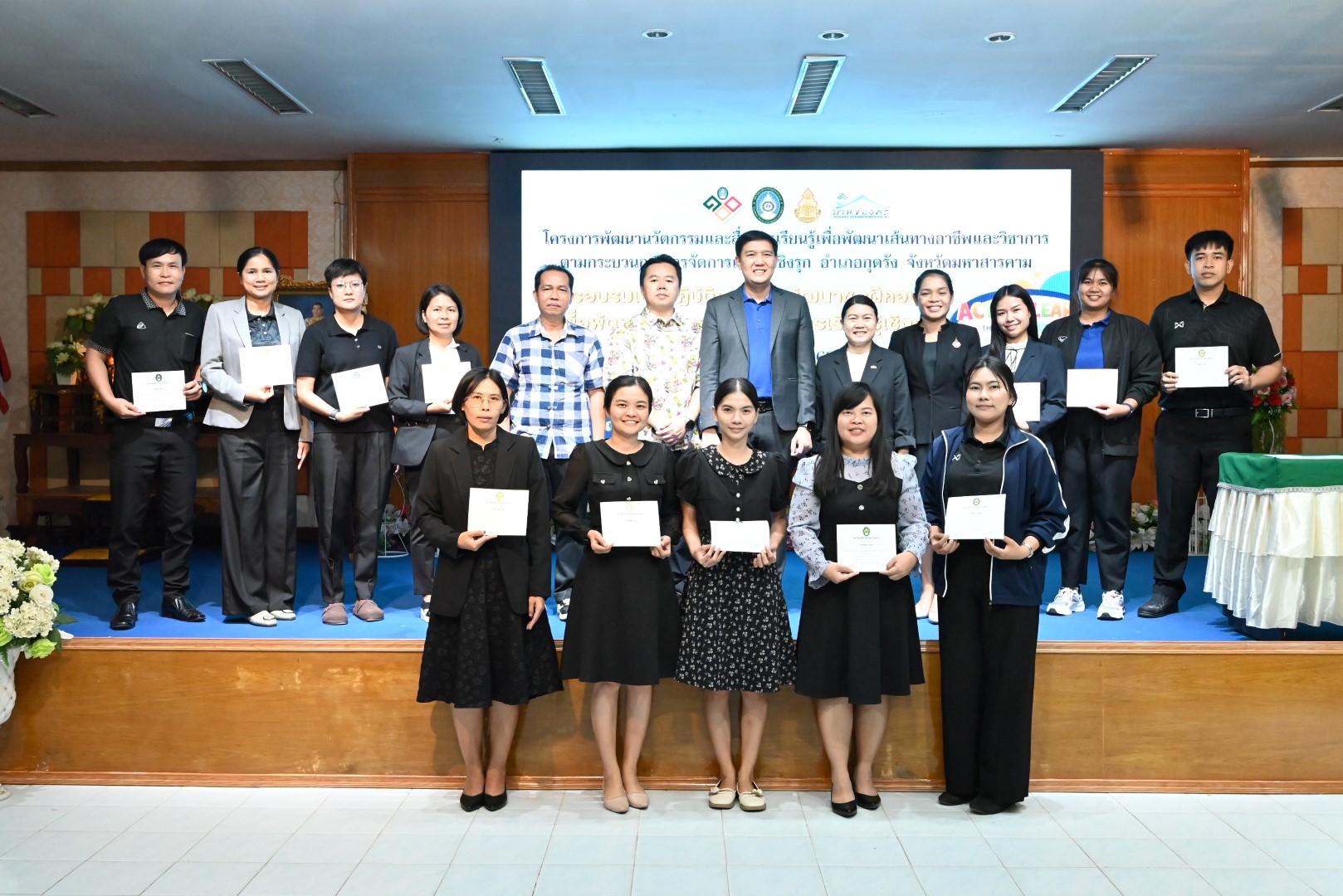
Students and staff members of the Faculty of Education participated in supporting the project implementation throughout the stages of planning, coordination, activity preparation, facilitation of workshops, data collection, evaluation, and lesson synthesis. Students gained practical learning experiences through academic service and educational development in real local contexts, while staff members played key roles in transferring knowledge, providing consultation, and supporting participating teachers in designing learning innovations and instructional media for active learning. Such participation helped concretely connect university-based learning with the development of educational institutions and local communities. นักศึกษาและบุคลากรคณะครุศาสตร์มีส่วนร่วมในการสนับสนุนการดำเนินโครงการตั้งแต่ขั้นตอนการวางแผน ประสานงาน จัดเตรียมกิจกรรม อำนวยความสะดวกในการอบรมเชิงปฏิบัติการ การเก็บรวบรวมข้อมูล การประเมินผล และการสรุปบทเรียนจากการดำเนินงาน โดยนักศึกษาได้เรียนรู้กระบวนการบริการวิชาการแก่สังคมและการพัฒนาการศึกษาในพื้นที่จริง ขณะที่บุคลากรได้มีบทบาทในการถ่ายทอดองค์ความรู้ ให้คำปรึกษา และสนับสนุนครูผู้เข้าร่วมโครงการในการออกแบบนวัตกรรมและสื่อการเรียนรู้เพื่อการจัดการเรียนรู้เชิงรุก การมีส่วนร่วมดังกล่าวช่วยเชื่อมโยงการเรียนรู้ของมหาวิทยาลัยกับการพัฒนาสถานศึกษาและชุมชนท้องถิ่นอย่างเป็นรูปธรรม
Project Continuity ความต่อเนื่องของโครงการ
The project has the potential to be further developed in the following fiscal year by applying the learning innovations and instructional media developed by participating teachers in real classroom settings. The implementation should include monitoring the use of these media and innovations, analyzing their effects on learners, and improving them to suit the context of each school. In addition, the project can be developed into a repository of learning media and innovations for the school network in Kut Rang District, enabling teachers to exchange, utilize, and further develop instructional resources collaboratively. The project can also be expanded to other school networks in Maha Sarakham Province, using workshops, consultation, and professional knowledge-sharing among teachers as key mechanisms for implementation. โครงการมีแนวทางการดำเนินงานที่สามารถต่อยอดได้ในปีงบประมาณถัดไป โดยนำผลจากการพัฒนานวัตกรรมและสื่อการเรียนรู้ของครูผู้เข้าร่วมโครงการไปทดลองใช้ในชั้นเรียนจริง ติดตามผลการใช้สื่อและนวัตกรรม วิเคราะห์ผลที่เกิดขึ้นกับผู้เรียน และปรับปรุงสื่อให้เหมาะสมกับบริบทของแต่ละโรงเรียน นอกจากนี้ ยังสามารถพัฒนาเป็นคลังสื่อและนวัตกรรมการเรียนรู้ของโรงเรียนเครือข่ายอำเภอกุดรัง เพื่อให้ครูสามารถแลกเปลี่ยน ใช้ประโยชน์ และพัฒนาต่อยอดร่วมกันได้ในระยะต่อไป รวมทั้งสามารถขยายผลไปสู่โรงเรียนเครือข่ายอื่นในพื้นที่จังหวัดมหาสารคาม โดยใช้รูปแบบการอบรมเชิงปฏิบัติการ การให้คำปรึกษา และการแลกเปลี่ยนเรียนรู้ระหว่างครูเป็นกลไกหลักในการขับเคลื่อนงาน
Part 3: Challenges & Suggestions ส่วนที่ 3 ปัญหาอุปสรรค/ข้อเสนอแนะ
Problems & Obstacles ปัญหา/อุปสรรค
1. Participating teachers had different levels of prior knowledge and experience in designing instructional media and learning innovations. As a result, the practical workshop required additional time to establish a shared foundational understanding before proceeding to the actual design and development process. Consequently, some groups were able to develop more complete instructional media or innovations than others.
2. The duration of the activities was limited in relation to the nature of the project, which required processes of thinking, designing, piloting, exchanging ideas, and improving instructional media or learning innovations. As a result, some participants were unable to develop their outputs to the stage of readiness for actual classroom implementation within the scheduled activity period.
3. Participating teachers had relatively heavy regular workloads, including teaching responsibilities, administrative tasks, student support duties, and school activities. These responsibilities affected their participation in project activities, group work, and the continued development of instructional media or innovations after the workshop, preventing some participants from engaging as fully as expected.
4. Each network school had different contexts, resources, and levels of technological readiness, such as digital devices, internet connectivity, software or tools for media production, and internal school budget support. Therefore, the design of instructional media and learning innovations had to be adjusted to suit the limitations of each educational institution.
5. The connection between instructional media and learning innovations and learners’ academic and career pathways remained an area in which some teachers required further guidance. This was because such integration required an understanding of the curriculum, learners’ contexts, individual aptitudes, and career-related information relevant to subject content. Consequently, some learning activities still tended to emphasize subject matter rather than clearly linking learning to learners’ future planning.
1. ครูผู้เข้าร่วมโครงการมีพื้นฐานความรู้และประสบการณ์ในการออกแบบสื่อและนวัตกรรมการเรียนรู้แตกต่างกัน ทำให้การดำเนินกิจกรรมเชิงปฏิบัติการต้องใช้เวลาในการปรับความเข้าใจพื้นฐานร่วมกันก่อนเข้าสู่ขั้นตอนการออกแบบและพัฒนาผลงานจริง ส่งผลให้บางกลุ่มสามารถพัฒนาสื่อหรือนวัตกรรมได้สมบูรณ์มากกว่าบางกลุ่ม
2. ระยะเวลาในการดำเนินกิจกรรมมีข้อจำกัดเมื่อเทียบกับลักษณะของโครงการที่ต้องอาศัยกระบวนการคิด ออกแบบ ทดลองใช้ แลกเปลี่ยนความคิดเห็น และปรับปรุงสื่อหรือนวัตกรรมการเรียนรู้ ทำให้ผู้เข้าร่วมโครงการบางส่วนยังไม่สามารถพัฒนาผลงานให้ถึงขั้นพร้อมใช้ในชั้นเรียนจริงได้ภายในช่วงเวลาของกิจกรรม
3. ภาระงานประจำของครูผู้เข้าร่วมโครงการมีค่อนข้างมาก ทั้งด้านการจัดการเรียนการสอน งานธุรการ งานดูแลผู้เรียน และกิจกรรมของสถานศึกษา ส่งผลให้การเข้าร่วมกิจกรรม การทำงานกลุ่ม และการพัฒนาสื่อหรือนวัตกรรมต่อเนื่องจากการอบรมอาจทำได้ไม่เต็มที่เท่าที่ควร
4. โรงเรียนเครือข่ายแต่ละแห่งมีบริบท ทรัพยากร และความพร้อมด้านเทคโนโลยีแตกต่างกัน เช่น อุปกรณ์ดิจิทัล สัญญาณอินเทอร์เน็ต โปรแกรมหรือเครื่องมือสำหรับผลิตสื่อ และงบประมาณสนับสนุนภายในโรงเรียน ทำให้การออกแบบสื่อและนวัตกรรมต้องปรับให้เหมาะสมกับข้อจำกัดของแต่ละสถานศึกษา
5. การเชื่อมโยงสื่อและนวัตกรรมการเรียนรู้กับเส้นทางวิชาการและเส้นทางอาชีพของผู้เรียนยังเป็นประเด็นที่ครูบางส่วนต้องการคำแนะนำเพิ่มเติม เนื่องจากต้องอาศัยทั้งความเข้าใจด้านหลักสูตร บริบทผู้เรียน ความถนัดรายบุคคล และข้อมูลเกี่ยวกับอาชีพที่เกี่ยวข้องกับเนื้อหาวิชา ส่งผลให้การออกแบบกิจกรรมบางส่วนยังเน้นเนื้อหาวิชามากกว่าการเชื่อมโยงไปสู่การวางแผนอนาคตของผู้เรียนอย่างชัดเจน
Improvement Guidelines แนวทางการปรับปรุง
1. Organize foundational knowledge-building activities for participating teachers before proceeding to the process of developing instructional media and innovations. These activities may be conducted as short sessions focusing on principles of media design, the design of active learning activities, and examples of innovations appropriate to school contexts. This would help participants establish a shared understanding and enable them to develop outputs at a more comparable level of quality.
2. Strengthen post-training follow-up and consultation processes, such as providing guidance through online platforms, organizing small-group meetings, or allocating specific periods for improving outputs after the workshop. This would allow teachers sufficient time to develop, pilot, revise, and complete instructional media so that they are ready for actual classroom implementation.
3. Plan project activities in alignment with teachers’ workloads and school calendars by coordinating with school administrators in advance to determine appropriate schedules. This would help reduce potential impacts on teaching responsibilities, routine duties, and school activities, while also encouraging administrators to support teachers with time and resources for further developing their outputs after the completion of the project.
4. Design flexible approaches for developing instructional media and innovations according to the resources available in each school. Emphasis should be placed on media that can be produced from locally available materials, user-friendly digital media, uncomplicated online tools, and activity formats that can be adapted for both schools with high technological readiness and schools with limitations in equipment or internet connectivity.
5. Develop clearer examples or guidelines for connecting instructional media, innovations, and learning activities with learners’ academic and career pathways. These may include sample lesson plans, examples of career guidance activities integrated with subject areas, reflective questioning techniques, and examples of assessment tools for career-related skills. Such guidelines would support teachers in designing activities that more concretely link subject content with learners’ future planning.
1. จัดกิจกรรมปรับพื้นฐานความรู้ให้แก่ครูผู้เข้าร่วมโครงการก่อนเข้าสู่กระบวนการพัฒนาสื่อและนวัตกรรม โดยอาจจัดเป็นช่วงสั้น ๆ เกี่ยวกับหลักการออกแบบสื่อ การออกแบบกิจกรรมการเรียนรู้เชิงรุก และตัวอย่างนวัตกรรมที่เหมาะสมกับบริบทโรงเรียน เพื่อให้ผู้เข้าร่วมมีความเข้าใจร่วมกัน และสามารถพัฒนาผลงานได้ใกล้เคียงกันมากขึ้น
2. เพิ่มกระบวนการติดตามและให้คำปรึกษาหลังการอบรม เช่น การให้คำแนะนำผ่านระบบออนไลน์ การจัดประชุมกลุ่มย่อย หรือการกำหนดช่วงเวลาสำหรับปรับปรุงผลงานหลังจากกิจกรรมอบรมเชิงปฏิบัติการ เพื่อให้ครูมีเวลาเพียงพอในการพัฒนาสื่อ ทดลองใช้ ปรับแก้ และจัดทำผลงานให้พร้อมนำไปใช้ในชั้นเรียนจริง
3. วางแผนการดำเนินกิจกรรมให้สอดคล้องกับภาระงานของครูและปฏิทินของสถานศึกษา โดยประสานงานกับผู้บริหารโรงเรียนล่วงหน้า เพื่อกำหนดช่วงเวลาที่เหมาะสม ลดผลกระทบต่อการจัดการเรียนการสอน งานประจำ และกิจกรรมภายในโรงเรียน รวมทั้งส่งเสริมให้ผู้บริหารสนับสนุนเวลาหรือทรัพยากรแก่ครูในการพัฒนาผลงานต่อหลังจบโครงการ
4. ออกแบบแนวทางการพัฒนาสื่อและนวัตกรรมให้ยืดหยุ่นตามทรัพยากรของแต่ละโรงเรียน โดยเน้นสื่อที่ผลิตได้จากวัสดุใกล้ตัว สื่อดิจิทัลที่ใช้งานง่าย เครื่องมือออนไลน์ที่ไม่ซับซ้อน และรูปแบบกิจกรรมที่สามารถปรับใช้ได้ทั้งในโรงเรียนที่มีความพร้อมด้านเทคโนโลยีสูงและโรงเรียนที่มีข้อจำกัดด้านอุปกรณ์หรือสัญญาณอินเทอร์เน็ต
5. จัดทำตัวอย่างหรือแนวทางการเชื่อมโยงสื่อ นวัตกรรม และกิจกรรมการเรียนรู้กับเส้นทางวิชาการและเส้นทางอาชีพของผู้เรียนให้ชัดเจนมากขึ้น เช่น ตัวอย่างแผนการจัดการเรียนรู้ ตัวอย่างกิจกรรมแนะแนวอาชีพที่บูรณาการกับรายวิชา ตัวอย่างคำถามสะท้อนคิด และตัวอย่างการประเมินทักษะที่เกี่ยวข้องกับอาชีพ เพื่อช่วยให้ครูสามารถออกแบบกิจกรรมที่เชื่อมโยงเนื้อหาวิชากับอนาคตของผู้เรียนได้อย่างเป็นรูปธรรมมากขึ้น
Suggestions to University ข้อเสนอแนะต่อมหาวิทยาลัย
1. Develop the project as a follow-up initiative that extends beyond training to monitoring implementation in real classroom settings. Participating teachers should be required to pilot the instructional media or innovations they have developed with learners, and then share the results of implementation, problems encountered, and suggestions for improvement through collaborative knowledge exchange. This process would enable the instructional media and learning activities to be refined for greater quality and suitability to learners’ contexts.
2. Establish a repository of instructional media and learning innovations for the school network in Kut Rang District, Maha Sarakham Province. The repository should compile outputs developed by teachers through the project, together with usage guidelines, lesson plans, activity sheets, and assessment tools. This would allow teachers within the same school or other network schools to adapt, extend, or further develop these resources.
3. Encourage participating teachers to further develop their instructional media or learning innovations into classroom research or academic work. The university should provide consultation on identifying research problems, designing research instruments, collecting data, analyzing results, and writing reports, so that the outcomes of the project can be elevated into academic knowledge.
4. Increase activities that more clearly connect learning with learners’ career and academic pathways. These may include analyzing learners’ aptitudes, designing career guidance activities integrated with subject areas, linking lesson content with local occupations, and encouraging reflection on future learning goals. This would ensure that the developed media and innovations not only help learners understand lesson content, but also enable them to recognize directions for their own personal development.
5. Establish a collaborative mechanism among the Faculty of Education, Rajabhat Maha Sarakham University, network schools, school administrators, and lead teachers in the area to jointly formulate future plans for teacher development in instructional media, innovation, and active learning management. The findings from this project should be used as a basis for setting goals, activities, and indicators that correspond to the actual needs of educational institutions in the target area.
1. พัฒนาโครงการในลักษณะต่อยอดจากการอบรมไปสู่การติดตามผลในชั้นเรียนจริง โดยกำหนดให้ครูผู้เข้าร่วมโครงการนำสื่อหรือนวัตกรรมที่พัฒนาขึ้นไปทดลองใช้กับผู้เรียน แล้วนำผลการใช้ ปัญหาที่พบ และข้อเสนอแนะกลับมาแลกเปลี่ยนเรียนรู้ร่วมกัน เพื่อให้สามารถปรับปรุงสื่อและกิจกรรมการเรียนรู้ให้มีคุณภาพและเหมาะสมกับบริบทของผู้เรียนมากยิ่งขึ้น
2. จัดทำคลังสื่อและนวัตกรรมการเรียนรู้ของโรงเรียนเครือข่ายอำเภอกุดรัง จังหวัดมหาสารคาม โดยรวบรวมผลงานที่ครูพัฒนาขึ้นจากโครงการ พร้อมแนวทางการใช้ แผนการจัดการเรียนรู้ ใบกิจกรรม และแบบประเมิน เพื่อให้ครูในโรงเรียนเดียวกันหรือโรงเรียนเครือข่ายอื่นสามารถนำไปปรับใช้ ต่อยอด หรือพัฒนาเพิ่มเติมได้
3. ส่งเสริมให้ครูผู้เข้าร่วมโครงการพัฒนาผลงานจากสื่อหรือนวัตกรรมการเรียนรู้ไปสู่การจัดทำวิจัยในชั้นเรียนหรือผลงานทางวิชาการ โดยมหาวิทยาลัยควรสนับสนุนด้านการให้คำปรึกษาเกี่ยวกับการกำหนดปัญหาวิจัย การออกแบบเครื่องมือ การเก็บข้อมูล การวิเคราะห์ผล และการเขียนรายงาน เพื่อให้ผลจากโครงการสามารถยกระดับเป็นองค์ความรู้ทางวิชาการได้
4. เพิ่มกิจกรรมที่เน้นการเชื่อมโยงการเรียนรู้กับเส้นทางอาชีพและวิชาการของผู้เรียนให้ชัดเจนมากขึ้น เช่น การวิเคราะห์ความถนัดของผู้เรียน การออกแบบกิจกรรมแนะแนวอาชีพบูรณาการรายวิชา การเชื่อมโยงเนื้อหาการเรียนกับอาชีพในท้องถิ่น และการสะท้อนคิดเกี่ยวกับเป้าหมายการเรียนรู้ในอนาคต เพื่อให้สื่อและนวัตกรรมที่พัฒนาขึ้นไม่เพียงช่วยให้ผู้เรียนเข้าใจบทเรียน แต่ยังช่วยให้ผู้เรียนเห็นทิศทางการพัฒนาตนเอง
5. สร้างกลไกความร่วมมือระหว่างคณะครุศาสตร์ มหาวิทยาลัยราชภัฏมหาสารคาม โรงเรียนเครือข่าย ผู้บริหารสถานศึกษา และครูแกนนำในพื้นที่ เพื่อร่วมกันกำหนดแผนพัฒนาครูด้านสื่อ นวัตกรรม และการจัดการเรียนรู้เชิงรุกในระยะต่อไป โดยใช้ข้อมูลจากผลการดำเนินโครงการครั้งนี้เป็นฐานในการกำหนดเป้าหมาย กิจกรรม และตัวชี้วัดที่สอดคล้องกับความต้องการจริงของสถานศึกษาในพื้นที่