– June 30, 2026 1 เมษายน 2569
– 30 มิถุนายน 2569
Part 1: Project Details ส่วนที่ 1 รายละเอียดการดำเนินงาน
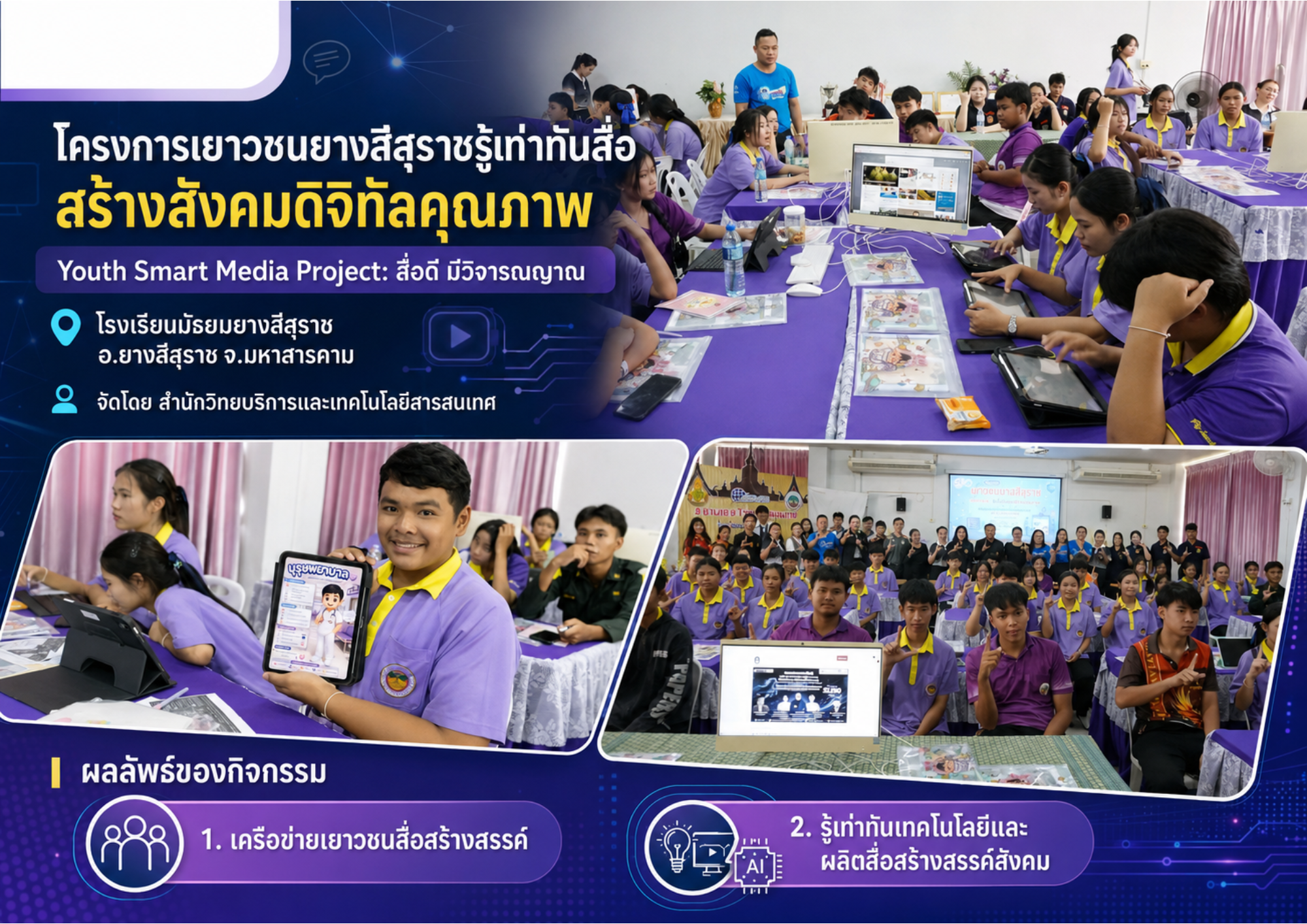
Objectives วัตถุประสงค์โครงการ
1. To develop young people’s awareness of using online media creatively, ethically, and with social responsibility.
2. To establish a network of youth role models promoting the appropriate use of media in Maha Sarakham Province.
1. เพื่อพัฒนาเยาวชนให้มีจิตสำนึกในการใช้สื่อออนไลน์อย่างสร้างสรรค์ มีคุณธรรม และรับผิดชอบต่อสังคม
2. เพื่อสร้างเครือข่ายเยาวชนต้นแบบด้านการใช้สื่ออย่างเหมาะสมในจังหวัดมหาสารคาม
Main Activities กิจกรรมหลัก
1. Surveyed the needs of students and teachers at Yang Sisurat Secondary School and analyzed and summarized the findings to design relevant activities.
2. Coordinated with resource persons and procured the necessary resources for project implementation.
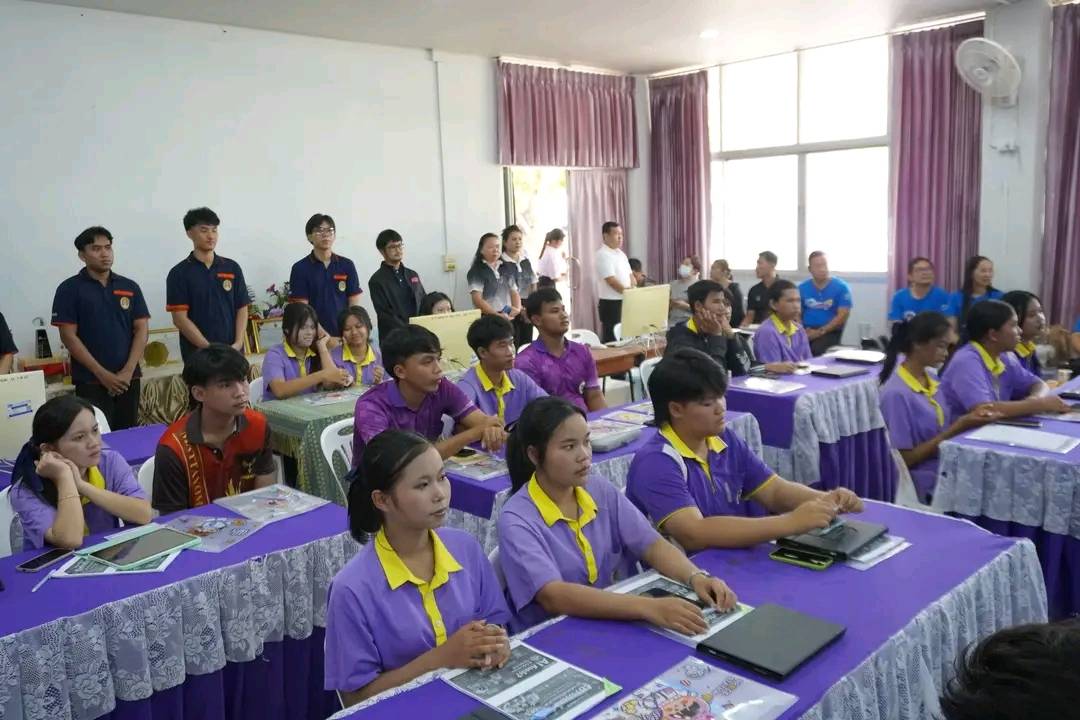
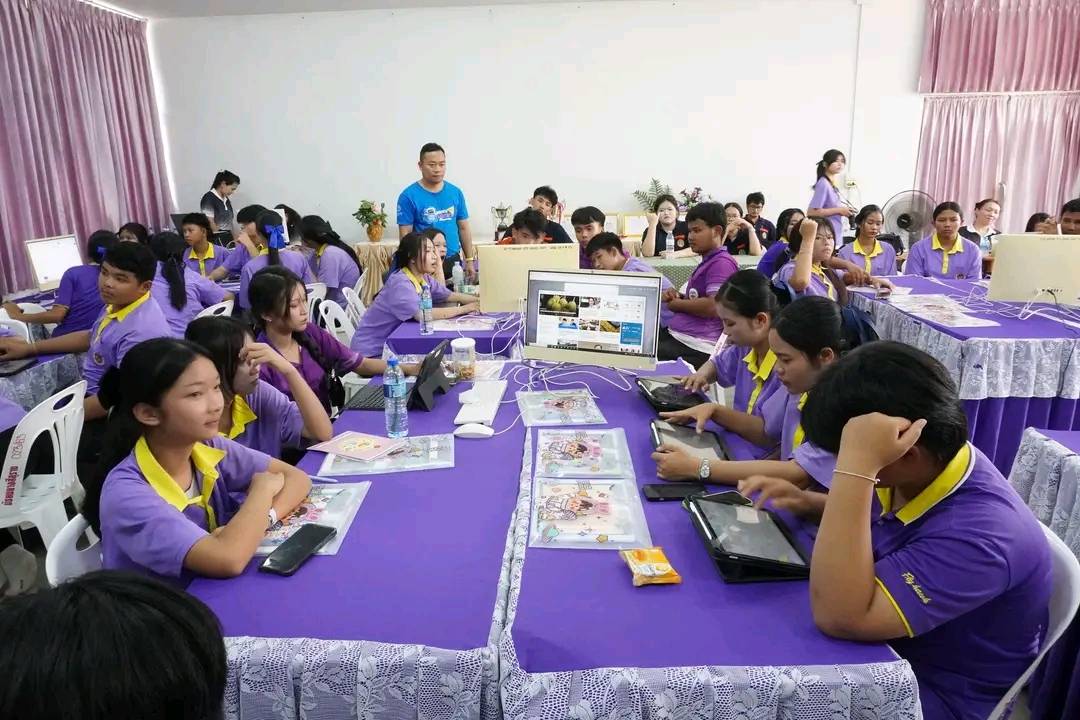
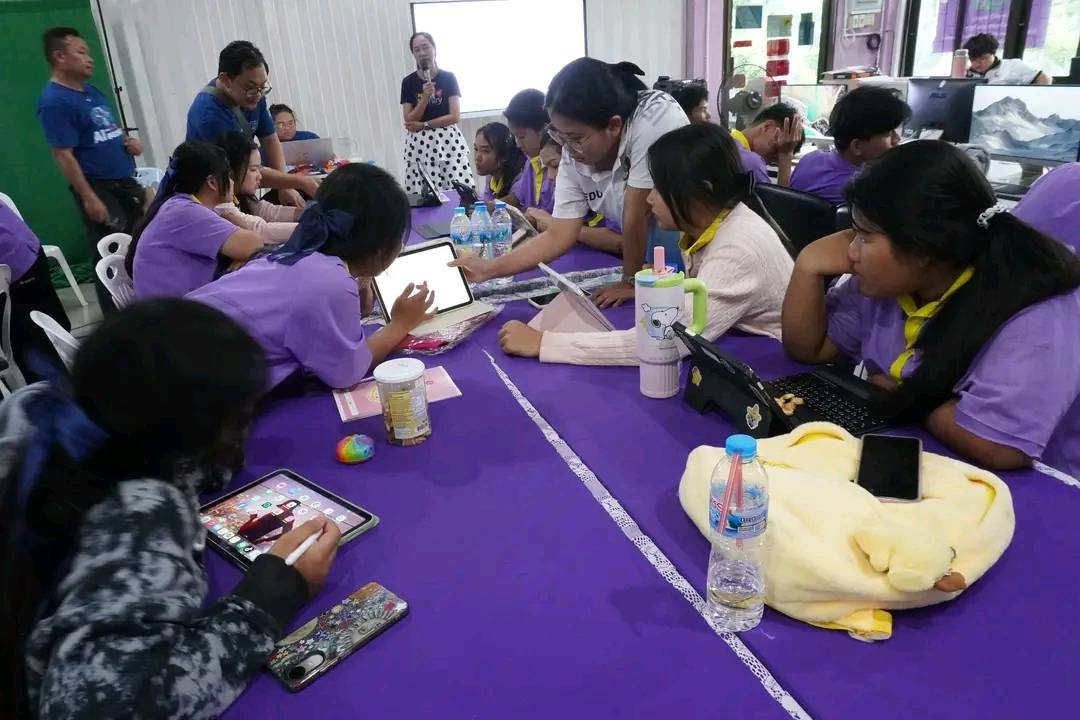
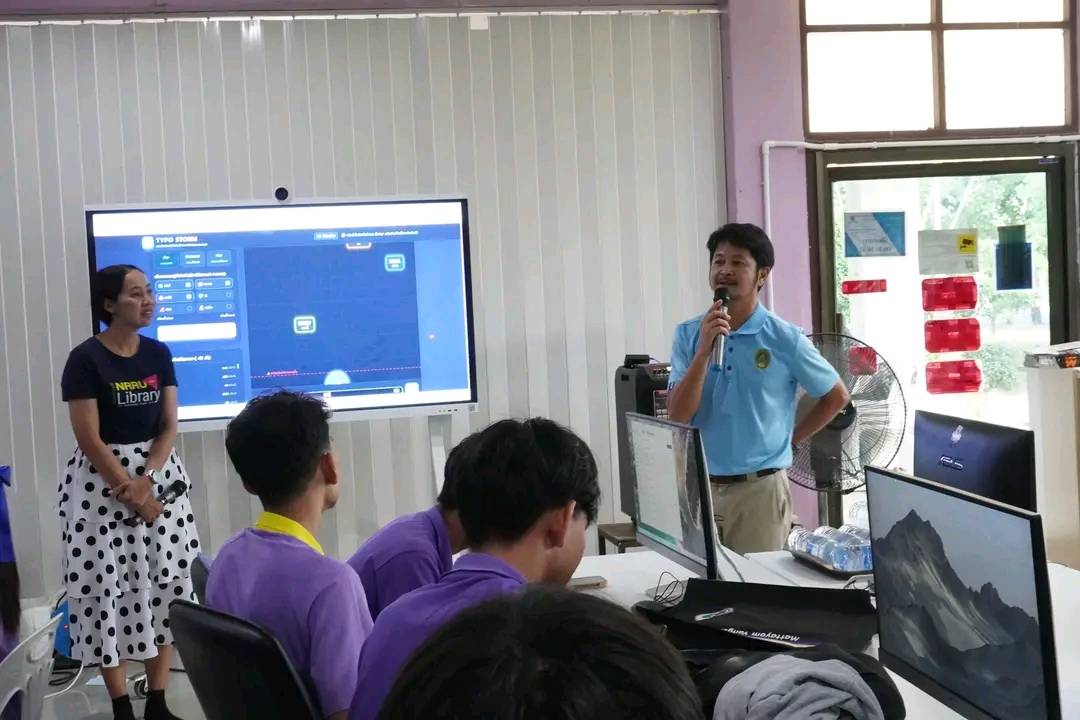
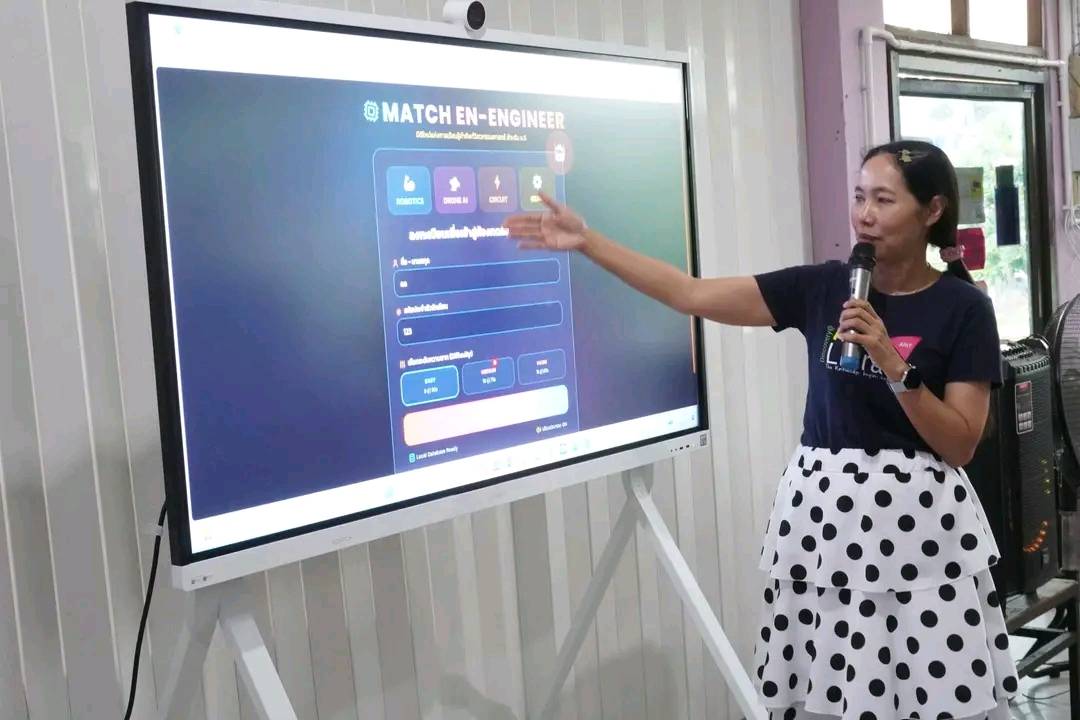
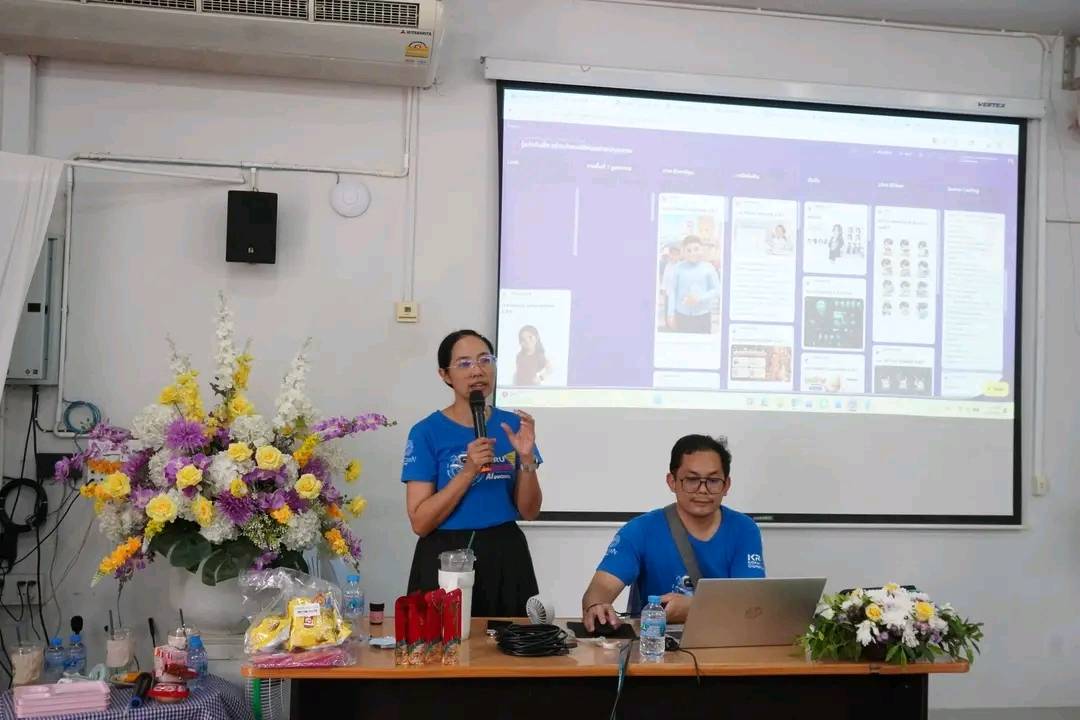
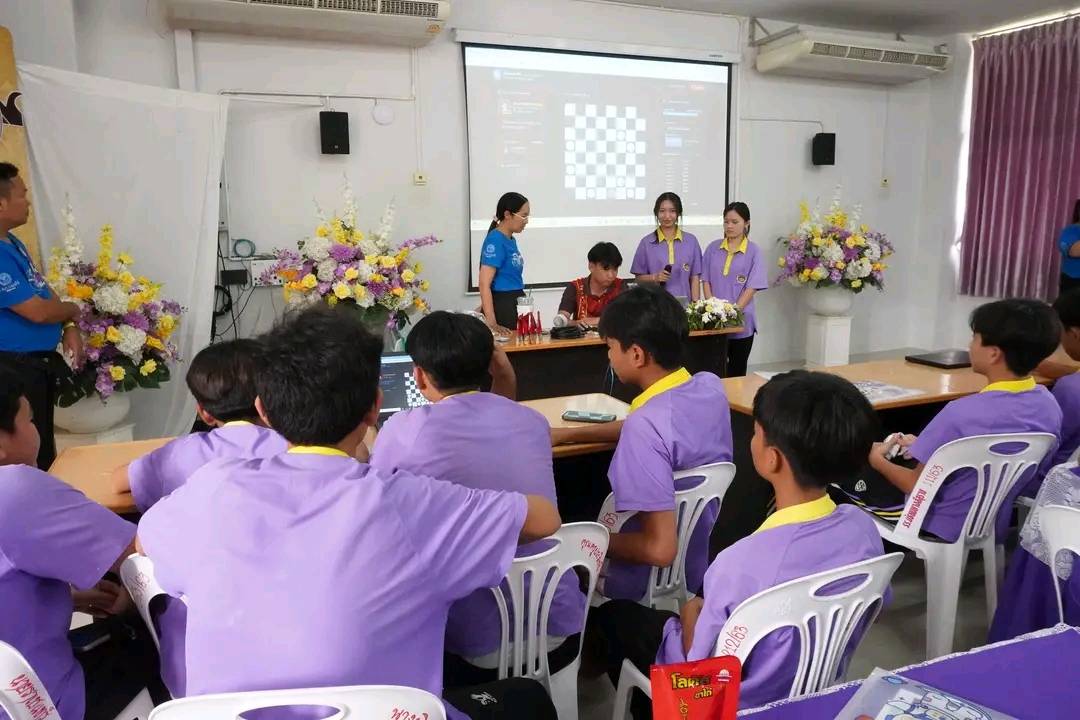
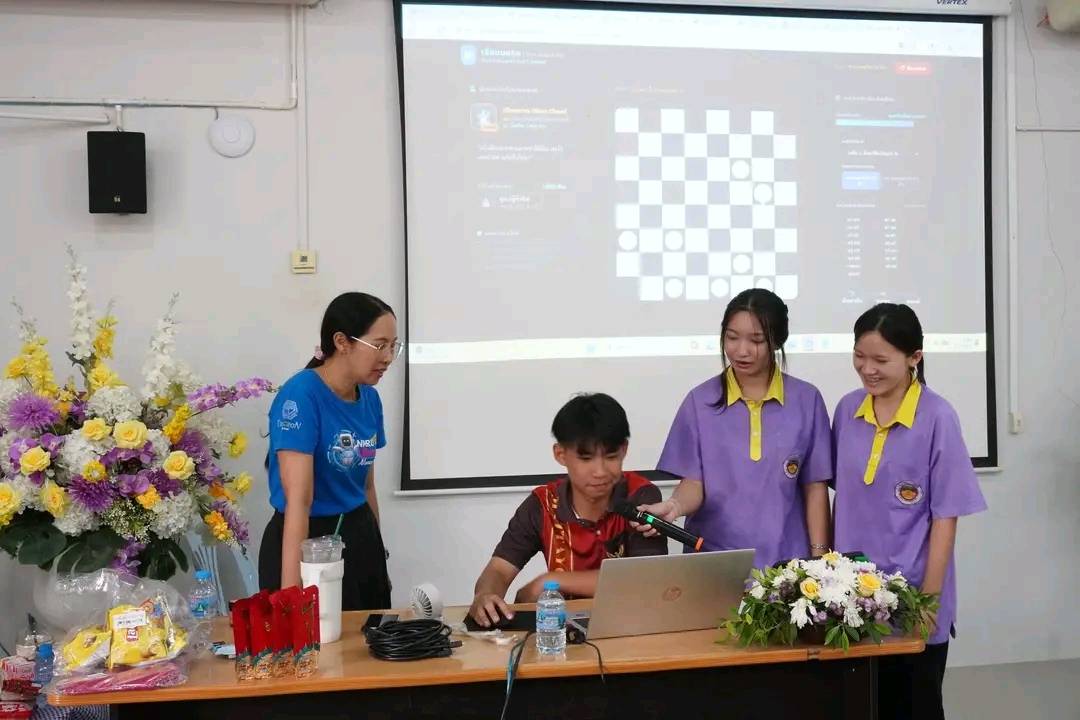
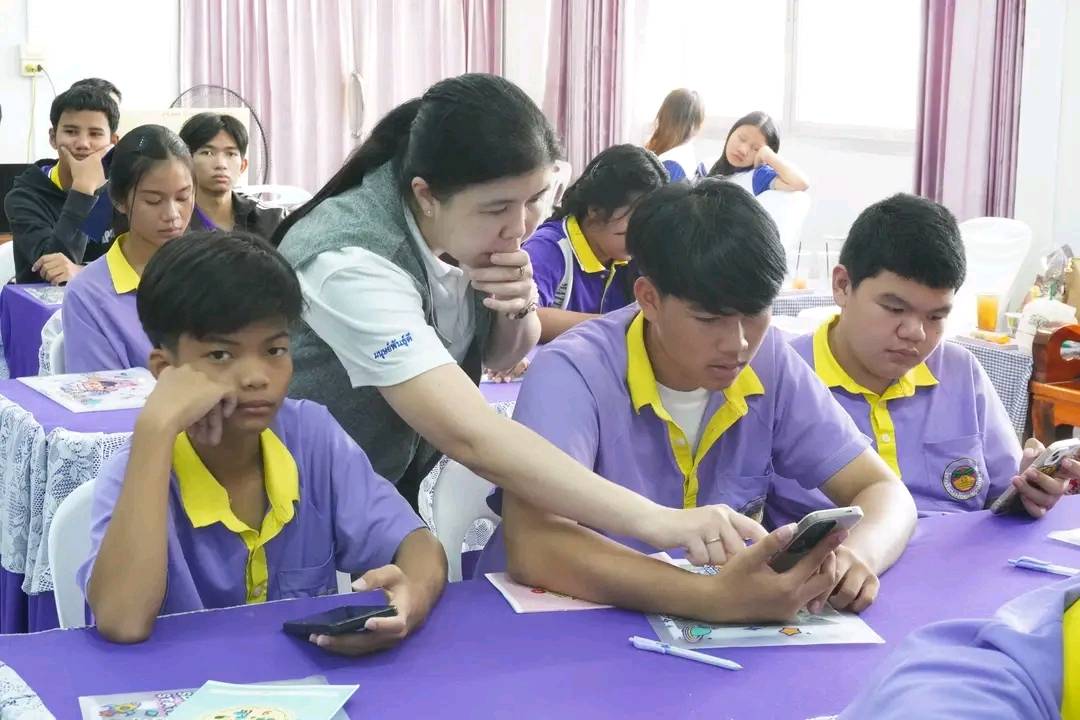
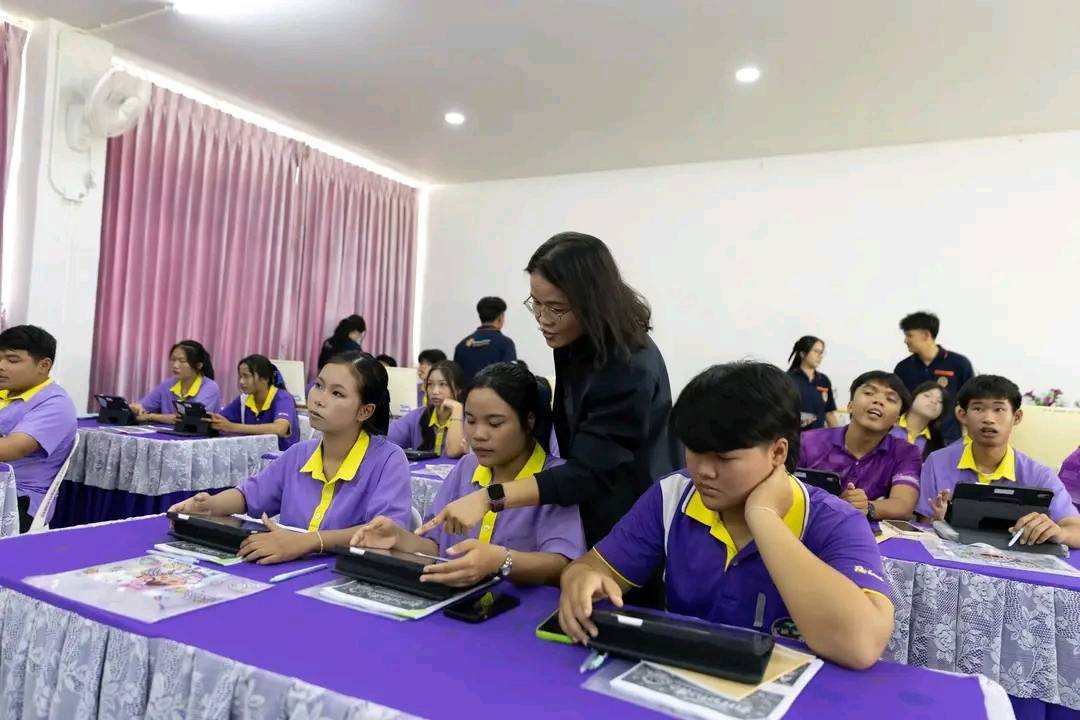
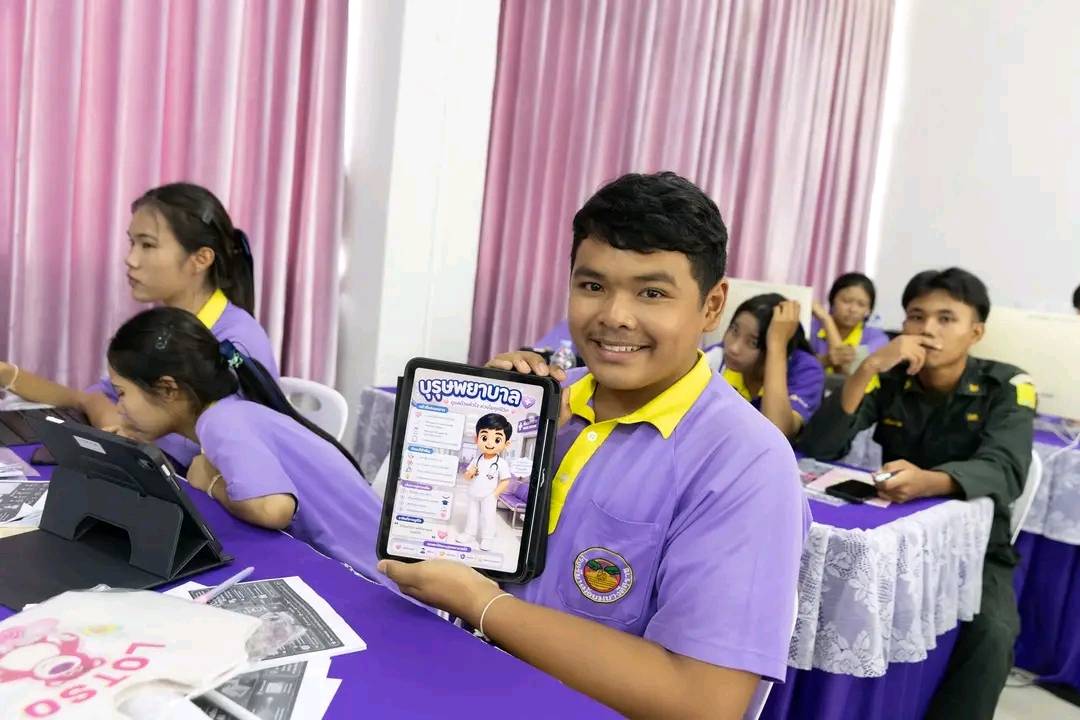
3. Organized hands-on workshops on media literacy and the use of artificial intelligence to produce creative media.
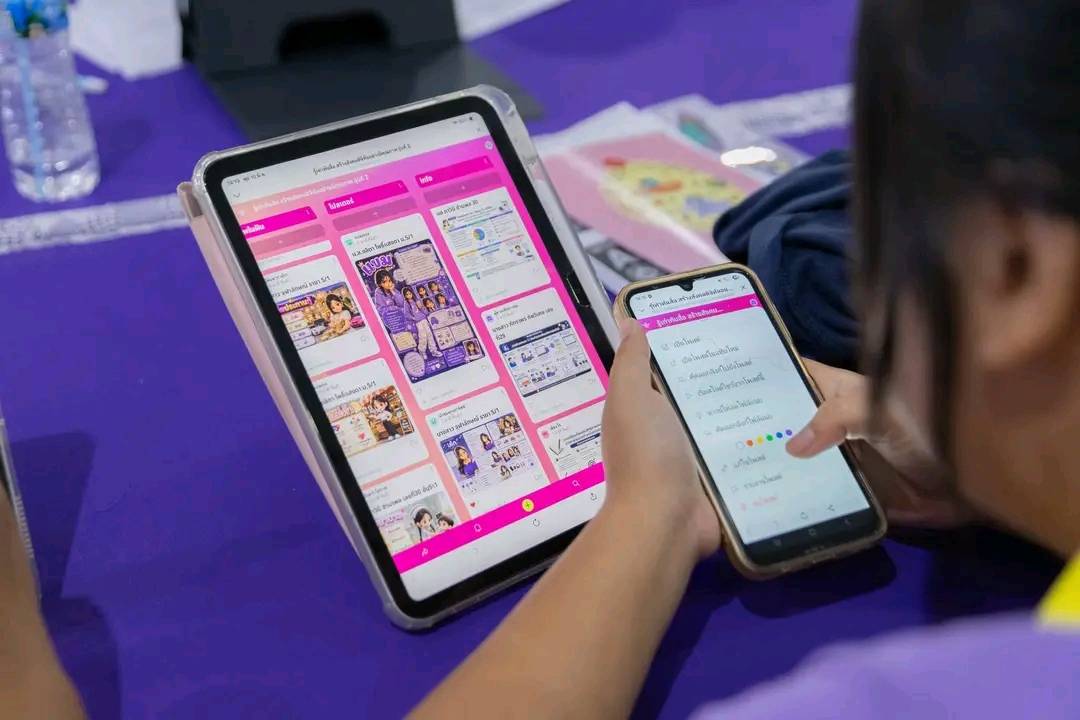
4. Created media using digital technology and artificial intelligence.
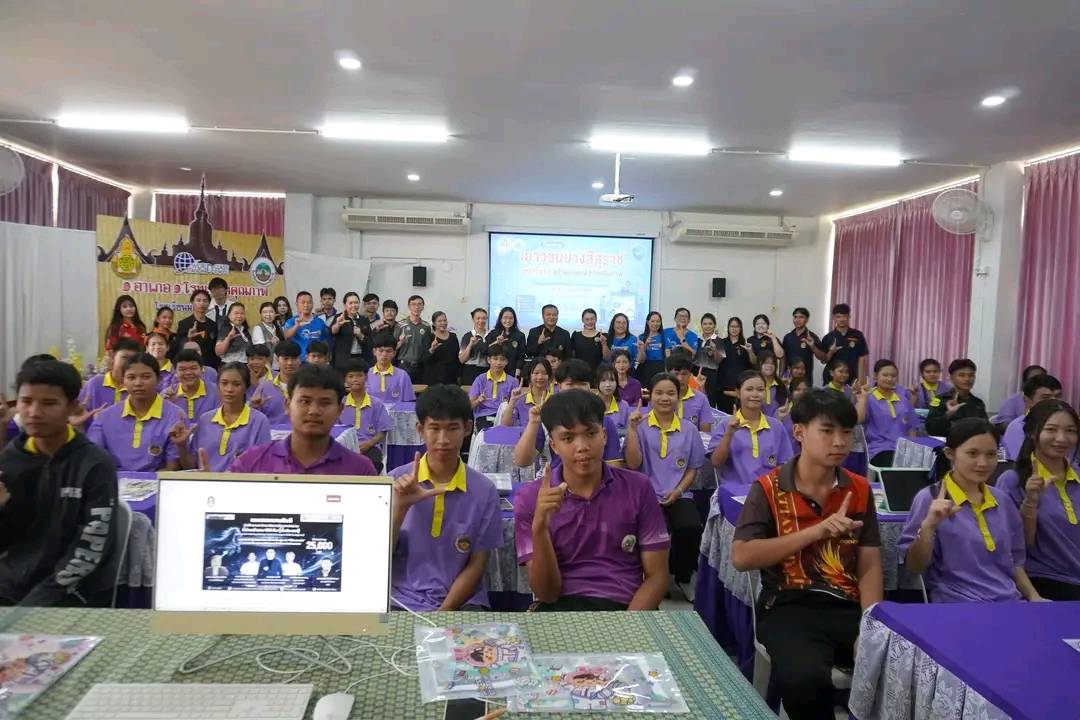
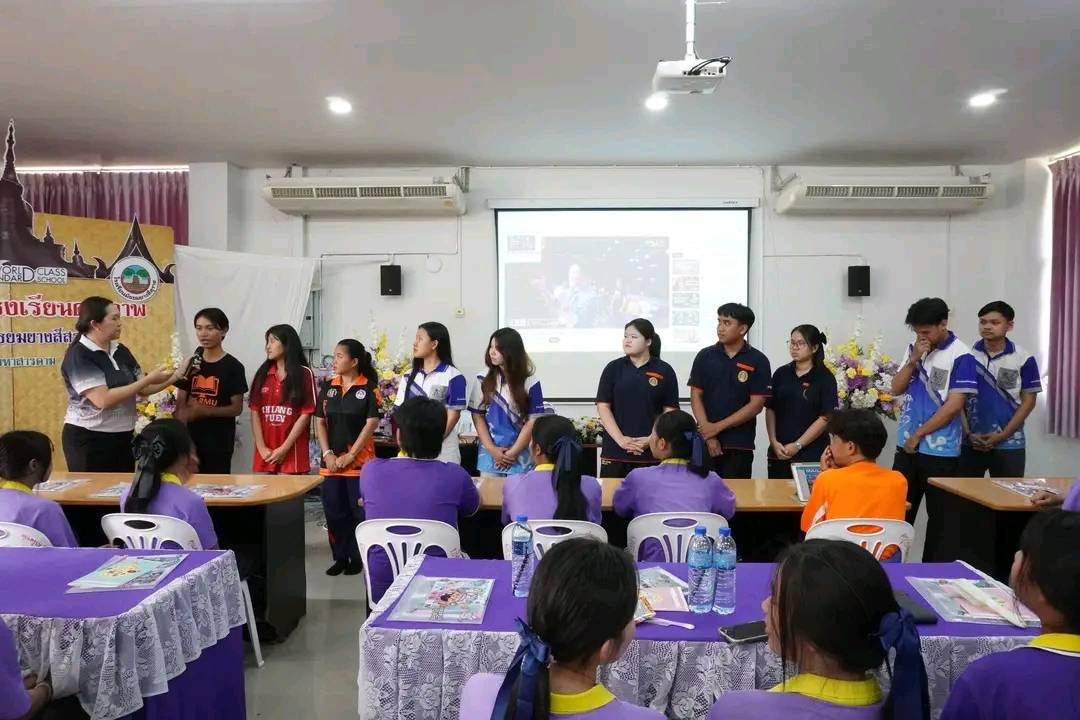
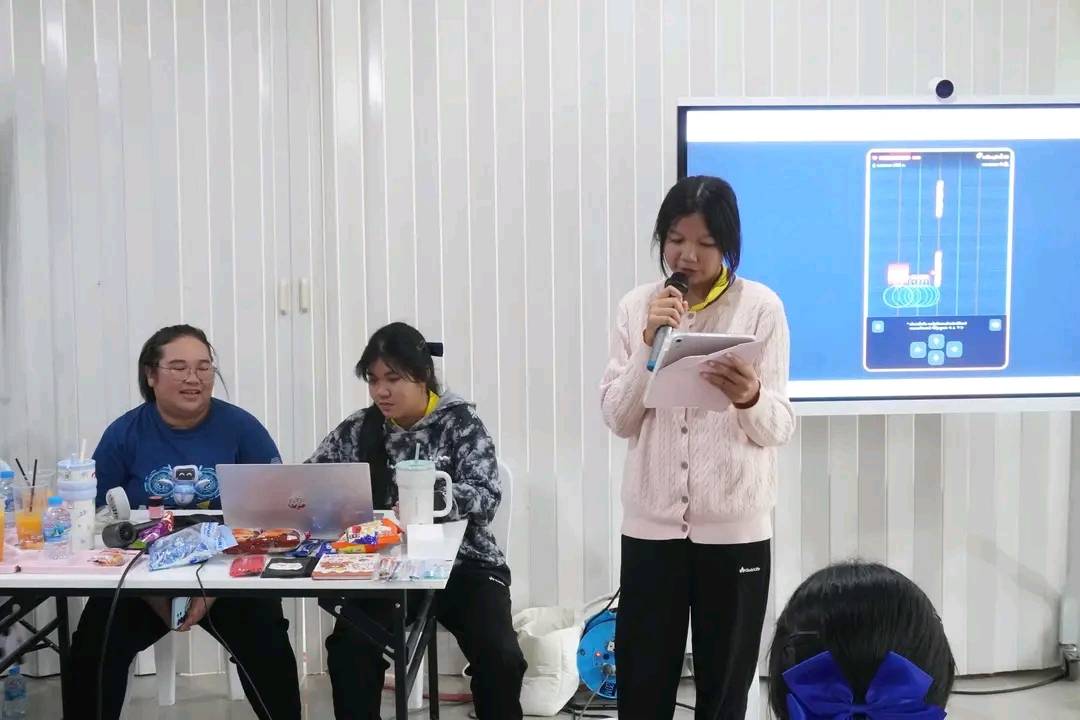
5. Presented the media outputs and received feedback from resource persons to improve their appropriate application in learning and everyday life.
1.การสำรวจความต้องการของนักเรียนและครูโรงเรียนมัธยมยางสีสุราช วิเคราะห์และสรุปความต้องการเพื่อจัดกิจกรรม
2.ประสานวิทยากรและจัดหาทรัพยากรเพื่อจัดกิจกรรม
3.จัดกิจกรรมเชิงปฏิบัติการรู้เท่าทันสื่อ และการใช้ปัญญาประดิษฐ์ผลิตสื่อสร้างสรรค์
4.สร้างสื่อด้วยเทคโนโลยีและปัญญาประดิษฐ์
5.นำเสนอและรับฟังข้อเสนอแนะจากวิทยากรเพื่อพัฒนาสื่อในการเรียนและใช้ในชีวิตประจำวันอย่างเหมาะสม
Part 2: Outcomes & Impact ส่วนที่ 2 ผลลัพธ์และผลกระทบ
Outcomes ผลลัพธ์ที่เกิดขึ้น
1. A youth creative media network, or Smart Media Network, was established to encourage youth participation in social development.
2. Creative media outputs were produced to present the target students’ ideas and approaches to addressing social issues.
1. ได้เครือข่ายเยาวชนสื่อสร้างสรรค์ (Smart Media Network) เพื่อสร้างการมีส่วนร่วมในการพัฒนาสังคม
2. ได้ผลงานสื่อสร้างสรรค์เพื่อสะท้อนการแก้ไขปัญหาทางสังคมของนักเรียนกลุ่มเป้าหมาย
Community & Social Impact ผลกระทบต่อชุมชน/สังคม
1. Economic impact: Increased awareness of fake news, online scams, and deceptive media, helping prevent financial and property losses.
2. Social impact: Enhanced digital media literacy among local youth and contributed to building a stronger and more resilient society.
3. Environmental impact: Promoted environmentally friendly practices in organizing project activities.
4. Educational impact: Strengthened young people’s digital skills and responsible digital citizenship.
1.ด้านเศรษฐกิจ คือ การเฝ้าระวังข่าวลวงหรือสื่อหลอกลวงทำให้เสียหายทรัพย์สิน
2.ด้านสังคม คือ เยาวชนในพื้นที่ตื่นรู้เท่าทันสื่อยุคดิจิทัล และเสริมสร้างสังคมเข้มแข็ง
3.ด้านสิ่งแวดล้อม คือ การจัดกิจกรรมที่เป็นมิตรกับสิ่งแวดล้อม
4.ด้านการศึกษา คือ เยาวชนมีทักษะด้านดิจิทัล ความเป็นพลเมืองที่ดี
Student & Staff Participation การมีส่วนร่วมของนักศึกษา/บุคลากร
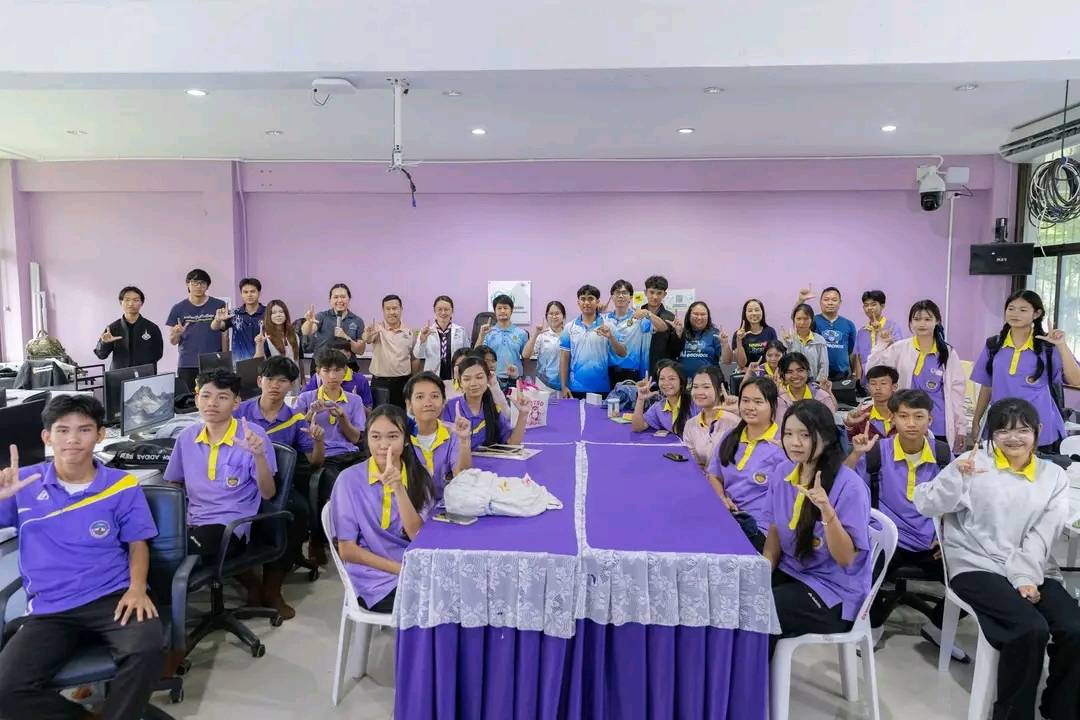
Students and staff applied their knowledge and experience when participating in group activities with the target students. Their contributions included providing technological guidance, facilitating systematic thinking and social problem-solving, and promoting the creative use of artificial intelligence. They also served as group facilitators’ assistants throughout the activities. นักเรียนและบุคลากรได้ใช้ความรู้และประสบการณ์ประยุกต์ใช้ในการร่วมทำกิจกรรมกลุ่มกับนักเรียนกลุ่มเป้าหมาย เช่น ความรู้ความเข้าใจทางด้านเทคโนโลยี กระบวนการคิดแก้ปัญหาทางสังคมอย่างเป็นระบบ การใช้ปัญญาประดิษฐ์เชิงสร้างสรรค์ พร้อมทั้งเป็นผู้ช่วยวิทยากรประจำกลุ่ม
Project Continuity ความต่อเนื่องของโครงการ
The project should be expanded to include more schools across Maha Sarakham Province. Curricula on AI Literacy, Media Literacy, and Digital Citizenship should also be continuously updated in response to technological change. In addition, collaboration through the Smart Media Network should be strengthened among schools and the university. ควรมีการขยายพื้นที่ดำเนินงานไปยังโรงเรียนในจังหวัดมหาสารคามให้ครอบคลุมมากยิ่งขึ้น พร้อมพัฒนาหลักสูตรด้าน AI Literacy, Media Literacy และ Digital Citizenship ให้ทันต่อการเปลี่ยนแปลงของเทคโนโลยี ส่งเสริมการสร้างเครือข่าย Smart Media Network ระหว่างโรงเรียนและมหาวิทยาลัย
Part 3: Challenges & Suggestions ส่วนที่ 3 ปัญหาอุปสรรค/ข้อเสนอแนะ
Problems & Obstacles ปัญหา/อุปสรรค
1. The computer laboratory did not have enough computers for all participants. Some students therefore had to use personal devices, such as smartphones and iPads, which affected the convenience and consistency of group activities.
2. The meeting room’s air-conditioning system malfunctioned during the activities, requiring an unexpected relocation. Although this did not affect the project’s overall success, it created challenges in time and venue management.
3. Participation was limited to 80 students. As a result, other interested students were unable to participate in the activities.
4. The content relating to AI and digital media production was wide-ranging and rapidly evolving. Therefore, the two-day duration was insufficient for extensive hands-on practice in some topics.
1. ห้องปฏิบัติการคอมพิวเตอร์มีจำนวนเครื่องคอมพิวเตอร์ไม่เพียงพอต่อผู้เข้าร่วม ทำให้นักเรียนบางส่วนต้องใช้อุปกรณ์ส่วนตัว เช่น โทรศัพท์มือถือและ iPad ซึ่งส่งผลต่อความสะดวกในการทำกิจกรรมกลุ่ม
2. ระบบปรับอากาศของห้องประชุมเกิดขัดข้องระหว่างการจัดกิจกรรม ทำให้ต้องย้ายสถานที่อย่างกะทันหัน แม้จะไม่กระทบต่อผลสำเร็จของโครงการ แต่ส่งผลต่อการบริหารเวลาและการจัดการสถานที่
3. จำนวนผู้เข้าร่วมกิจกรรมมีข้อจำกัดเพียง 80 คน ทำให้นักเรียนอีกจำนวนหนึ่งไม่มีโอกาสเข้าร่วม แม้ว่าจะมีความสนใจและต้องการเข้าร่วมกิจกรรม
4. เนื้อหาด้าน AI และการสร้างสื่อดิจิทัลมีความหลากหลายและทันสมัย จึงทำให้ระยะเวลา 2 วันค่อนข้างจำกัดสำหรับการฝึกปฏิบัติในบางหัวข้อ
Improvement Guidelines แนวทางการปรับปรุง
1. Inspect the venue and equipment in advance and prepare backup computers and contingency arrangements for equipment or utility system failures.
2. Develop a Risk Management Plan covering the venue, electrical system, internet connectivity, and technological equipment to ensure that any problems can be addressed promptly.
3. Increase the number of participants or organize the activities in several cohorts to provide more students with equitable access to development opportunities.
4. Adopt a blended-learning approach by developing online materials or digital lessons to complement the training, allowing participants to review and further develop their knowledge after completing the workshop.
1. สำรวจความพร้อมของสถานที่และอุปกรณ์ล่วงหน้า พร้อมจัดเตรียมเครื่องคอมพิวเตอร์สำรองและแผนรองรับกรณีอุปกรณ์หรือระบบสาธารณูปโภคขัดข้อง
2. จัดเตรียมแผนบริหารความเสี่ยง (Risk Management Plan) สำหรับประเด็นด้านสถานที่ ระบบไฟฟ้า ระบบเครือข่ายอินเทอร์เน็ต และอุปกรณ์เทคโนโลยี เพื่อให้สามารถแก้ไขปัญหาได้อย่างรวดเร็ว
3. เพิ่มจำนวนผู้เข้าร่วม หรือแบ่งการจัดกิจกรรมออกเป็นหลายรุ่น เพื่อเปิดโอกาสให้นักเรียนได้รับการพัฒนาทั่วถึงมากยิ่งขึ้น
4. พัฒนารูปแบบการเรียนรู้แบบผสมผสาน โดยจัดทำสื่อออนไลน์หรือบทเรียนดิจิทัลประกอบการอบรม เพื่อให้ผู้เข้าร่วมสามารถทบทวนและเรียนรู้เพิ่มเติมภายหลังการอบรม
Suggestions to University ข้อเสนอแนะต่อมหาวิทยาลัย
1.The project should be expanded to other secondary schools in Maha Sarakham Province to promote media literacy and the creative use of AI on a broader scale.
2.The Smart Media Network should be developed into a mechanism for knowledge exchange among schools, providing young people with continuing opportunities to collaboratively produce and disseminate creative media.
3.Participants’ progress should be monitored after the project, including their application of the knowledge gained, production of creative media, and transfer of knowledge to their peers and communities. This would support the assessment of the project’s long-term outcomes.
4.The university should support the development of academic service curricula in AI Literacy and Digital Citizenship as model programmes of Rajabhat University, which could subsequently be extended to schools, communities, and government agencies in the region.
1. ควรขยายผลโครงการไปยังโรงเรียนมัธยมศึกษาแห่งอื่นในจังหวัดมหาสารคาม เพื่อส่งเสริมการรู้เท่าทันสื่อและการใช้ AI อย่างสร้างสรรค์ในวงกว้าง
2. ควรพัฒนาเครือข่ายเยาวชนสื่อสร้างสรรค์ (Smart Media Network) ให้เป็นกลไกการแลกเปลี่ยนเรียนรู้ระหว่างโรงเรียน โดยเปิดโอกาสให้เยาวชนร่วมผลิตและเผยแพร่สื่อสร้างสรรค์อย่างต่อเนื่อง
3. ควรติดตามผลการเปลี่ยนแปลงของผู้เข้าร่วมหลังสิ้นสุดโครงการ เช่น การนำความรู้ไปใช้ การสร้างสื่อ หรือการถ่ายทอดองค์ความรู้แก่เพื่อนและชุมชน เพื่อประเมินผลลัพธ์ระยะยาวของโครงการ
4. มหาวิทยาลัยควรสนับสนุนการพัฒนาหลักสูตรบริการวิชาการด้าน AI Literacy และ Digital Citizenship ให้เป็นหลักสูตรต้นแบบของมหาวิทยาลัยราชภัฏ เพื่อขยายผลสู่โรงเรียน ชุมชน และหน่วยงานภาครัฐในพื้นที่